
Description
Introduction to Majhin Village
Majhin is a traditional rural village located in the Jammu district of the Union Territory of Jammu and Kashmir. Nestled amid fertile plains and gentle natural surroundings, Majhin reflects the agrarian backbone and cultural depth of the Jammu region. The village is characterized by its simple lifestyle, strong kinship bonds, and deep-rooted respect for tradition and community values. Over time, Majhin has preserved its rural identity while gradually adapting to modern infrastructural and social developments.
Majhin holds significance as a representative Dogra village, where customs, language, and social structures have been passed down through generations. The village environment fosters unity, mutual cooperation, and collective responsibility, making it a cohesive and culturally vibrant settlement within the Jammu region.
Population and Settlement Pattern
Majhin is a moderately populated village with a settlement pattern typical of rural Jammu. Families often reside in clustered households, surrounded by agricultural land and open community spaces. The population consists mainly of Dogra Hindu families, with a strong emphasis on joint family systems, although nuclear families are increasingly common among younger generations.
Urbanization is slowly making its presence felt through improved road connectivity, access to electricity, and mobile and internet services. Despite these changes, Majhin retains its rural character, with agriculture and livestock rearing remaining central to daily life and economic activity.
Cultural Heritage and Social Life
The cultural fabric of Majhin is deeply influenced by Dogra traditions, language (Dogri), and festivals. Religious and cultural events such as Lohri, Baisakhi, Janmashtami, Navratri, and Dussehra are celebrated with enthusiasm and community participation. These festivals strengthen social bonds and reinforce shared cultural identity among villagers.
Social life in Majhin revolves around collective gatherings, temple visits, and seasonal agricultural activities. Elders play an important role in guiding social conduct, resolving disputes, and preserving oral traditions and folk wisdom passed down through generations.
Historical Background and Local Traditions
Although Majhin does not have widely documented historical legends, its history is embedded in regional Dogra heritage and rural settlement patterns of Jammu. The village evolved around agriculture-based livelihoods, with land ownership and farming practices shaping its social hierarchy and customs.
Local traditions, folk songs, and oral narratives reflect themes of rural life, devotion, seasonal cycles, and family values. These traditions continue to thrive through daily practices and ceremonial occasions, ensuring continuity of cultural memory.
Natural Environment and Landscape
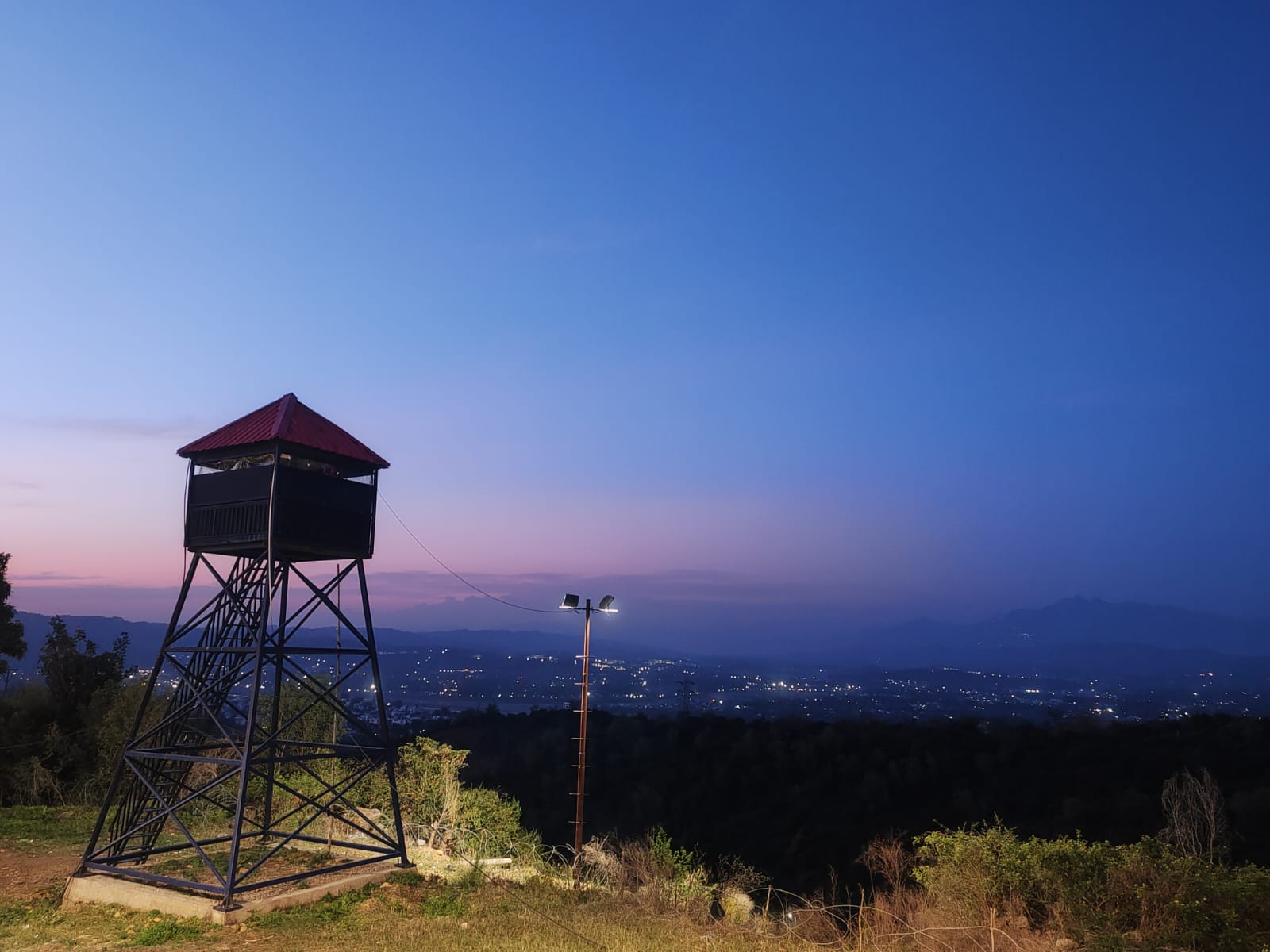
Majhin is surrounded by fertile agricultural fields, seasonal water channels, and scattered greenery, contributing to a peaceful rural landscape. The natural environment supports crop cultivation and livestock, making it central to the village economy and lifestyle.
Birds, small wildlife, and native plant species are commonly found in and around the village, enhancing its ecological richness. The clean air and open spaces offer a tranquil setting, distinguishing Majhin from urbanized areas.
Agriculture and Economic Activities
Agriculture is the primary source of livelihood in Majhin, with villagers cultivating crops such as wheat, rice, maize, and seasonal vegetables. Traditional farming techniques coexist with modern tools, depending on resources and land availability.
In addition to farming, some residents are employed in government services, private jobs, and small businesses in nearby towns. Dairy farming and livestock rearing supplement household incomes and contribute to food security within the village.
Educational Infrastructure
Majhin has access to basic educational facilities, including government primary and middle schools that cater to early and secondary education. These institutions play a vital role in promoting literacy and foundational learning among children.
For higher secondary and college-level education, students travel to nearby urban centers in Jammu. Awareness about education is steadily increasing, with families encouraging both boys and girls to pursue academic and professional goals.
Healthcare and Public Services
Basic healthcare needs in Majhin are met through nearby government health centers and sub-centers. Villagers rely on these facilities for routine medical care, vaccinations, and maternal health services.
Public services such as electricity supply, drinking water access, and sanitation facilities have improved over time. Government welfare schemes related to housing, employment, and rural development have also contributed to enhancing the quality of life.
Religious Sites and Community Spaces
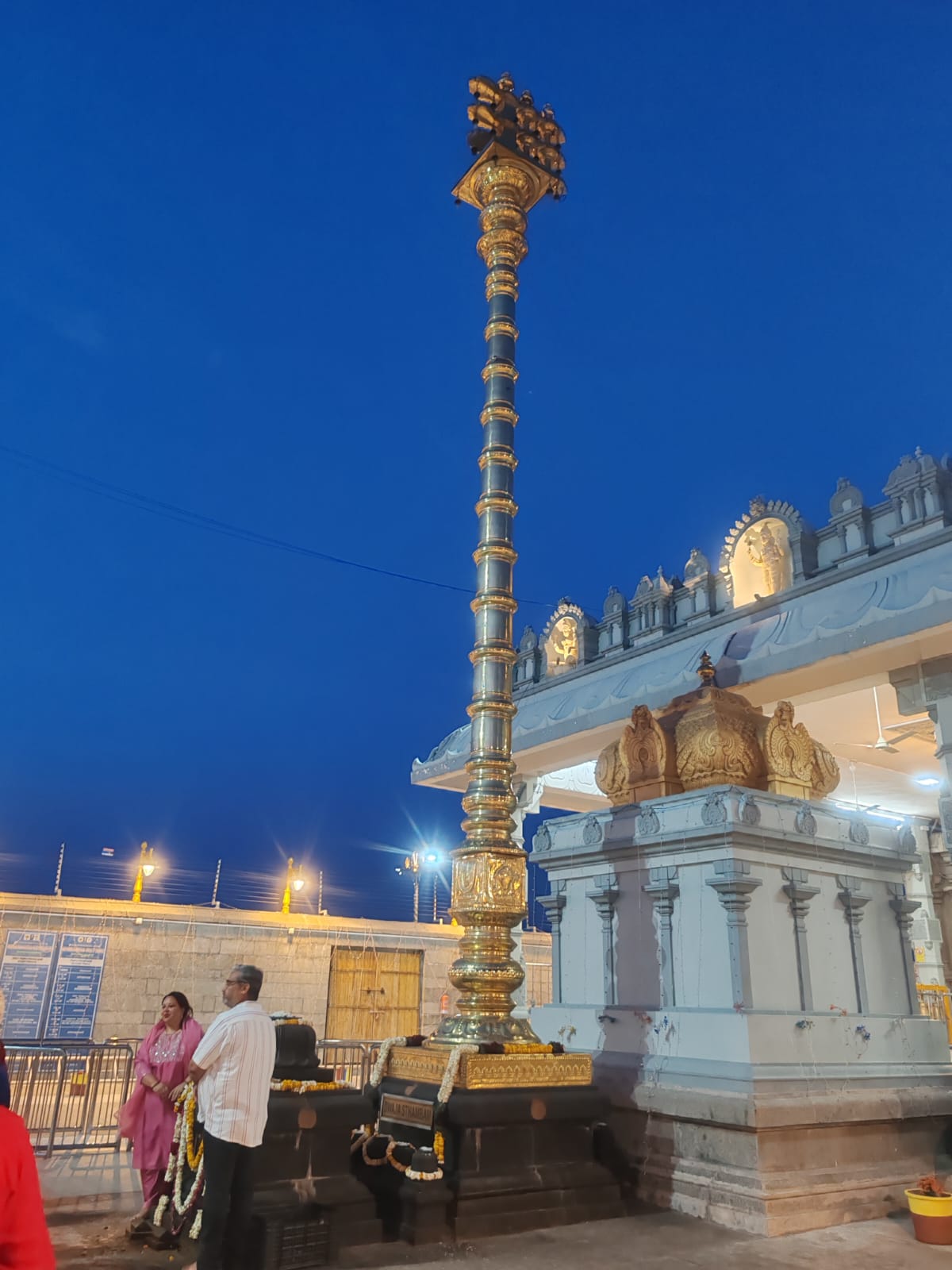
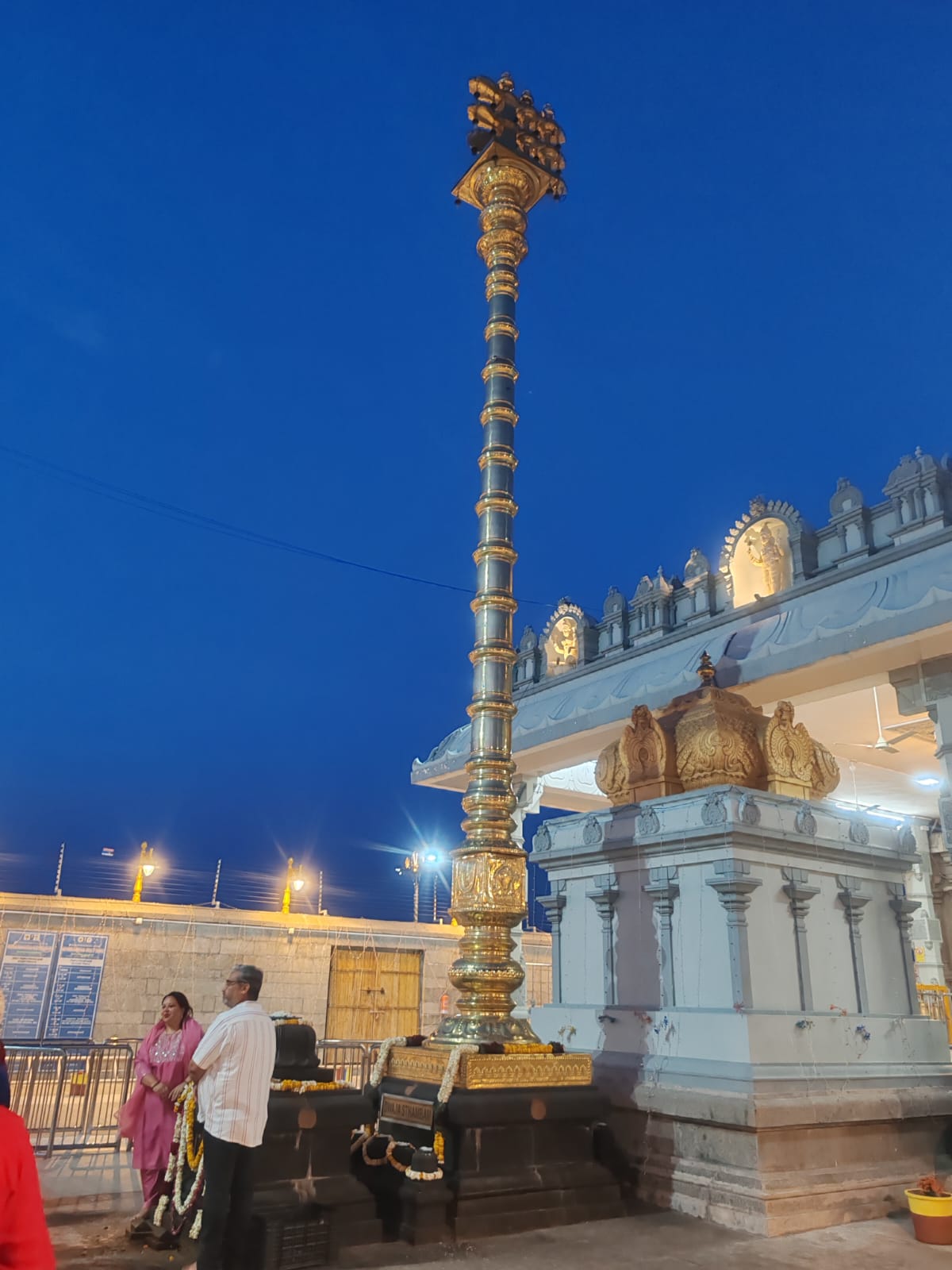
Temples serve as important spiritual and social centers in Majhin, hosting religious rituals, festivals, and community meetings. These spaces act as focal points for collective worship and cultural expression.
Open grounds and shared spaces are used for social gatherings, children’s play, and festive activities, reinforcing the village’s sense of unity and belonging.
Village Lifestyle and Core Values
Life in Majhin is guided by principles of simplicity, cooperation, and respect for elders. The villagers emphasize moral values, hospitality, and mutual support, especially during agricultural seasons and family ceremonies.
Despite exposure to modernization, Majhin continues to uphold its traditional ethos while gradually embracing education, technology, and socio-economic progress. This balance between tradition and change defines the village’s identity and resilience.
Photos
Videos

Location Map
Amenities
- Website
Additional Features
| Majhin | 12 |
Contact Information
| Address |
Jammu |
| Phone Number |
8082018806 |
| Email Address | |
| Website | Majhin |
Reviews (0)
Write a Review
Author

- Majhin, Jammu
- 8082018806
- [email protected]
- https://share.google/N3phdQC2U76pfy8Qn