
Description
Introduction to Tarore
Nestled in the Samba district of the Union Territory of Jammu and Kashmir, Tarore is a peaceful village where centuries-old traditions continue to flourish alongside the conveniences of modern connectivity. Located near the bustling Jammu-Pathankot Highway and just a short distance from National Highway 44, the village enjoys easy access to nearby towns while preserving its distinctly rural character. Fertile agricultural fields, sacred temples, and close-knit neighbourhoods define the landscape, creating an atmosphere where faith, family, and farming remain central to everyday life. Although modest in size, Tarore possesses a rich cultural identity shaped by its religious heritage, community celebrations, and enduring Dogra traditions. Visitors are welcomed not only by its scenic countryside but also by a village whose history lives on through its temples, oral traditions, and the warmth of its residents.
Population and Demographics
According to the 2011 Census of India, Tarore has a population of approximately 1,861 residents living across 373 households, making it a well-established rural settlement within Samba district. The village represents a close-knit community where extended families continue to play a significant role in social and cultural life. Agriculture remains an important occupation for many households, although improved connectivity has enabled residents to pursue employment in nearby industrial centres, government services, businesses, and educational institutions. This balance between traditional livelihoods and modern opportunities has helped Tarore maintain its cultural identity while steadily adapting to changing times. Festivals, family gatherings, and religious observances continue to bring together people of all generations, strengthening the village's sense of unity and belonging.
Historical Background
While Tarore has limited written historical documentation, its heritage survives through generations of oral traditions, family histories, and religious institutions that continue to shape village life today. Like many settlements across the historic Dogra region, Tarore developed around agriculture, community cooperation, and places of worship that gradually became centres of both spiritual and social life. For generations, farming has supported local livelihoods, while temples have served not only as religious institutions but also as gathering places where festivals, ceremonies, and important community events are celebrated collectively. These traditions have allowed the village to preserve its cultural identity despite the rapid urban and industrial development taking place in nearby areas, making Tarore an enduring example of rural Dogra heritage.
Geography and Location
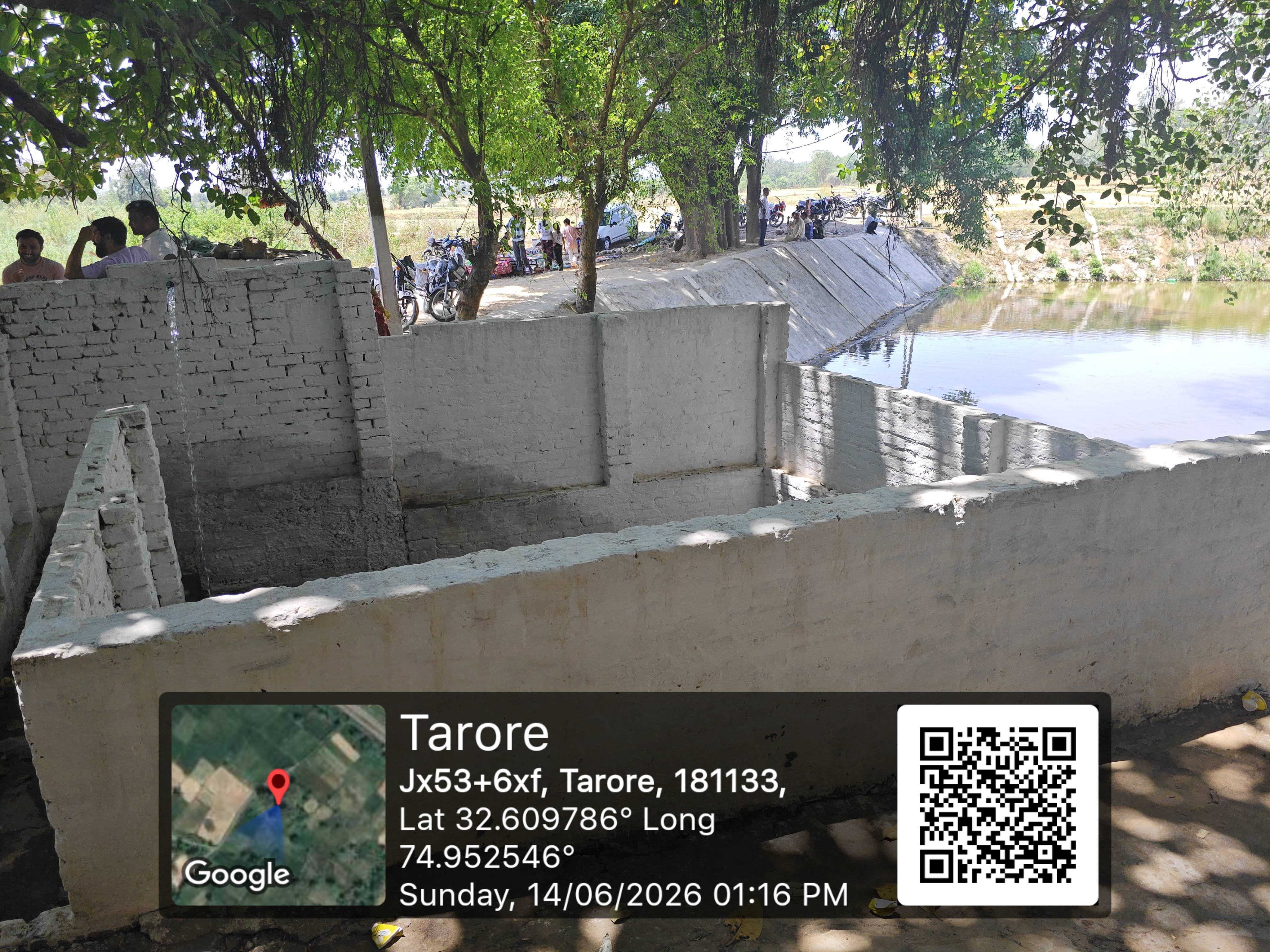
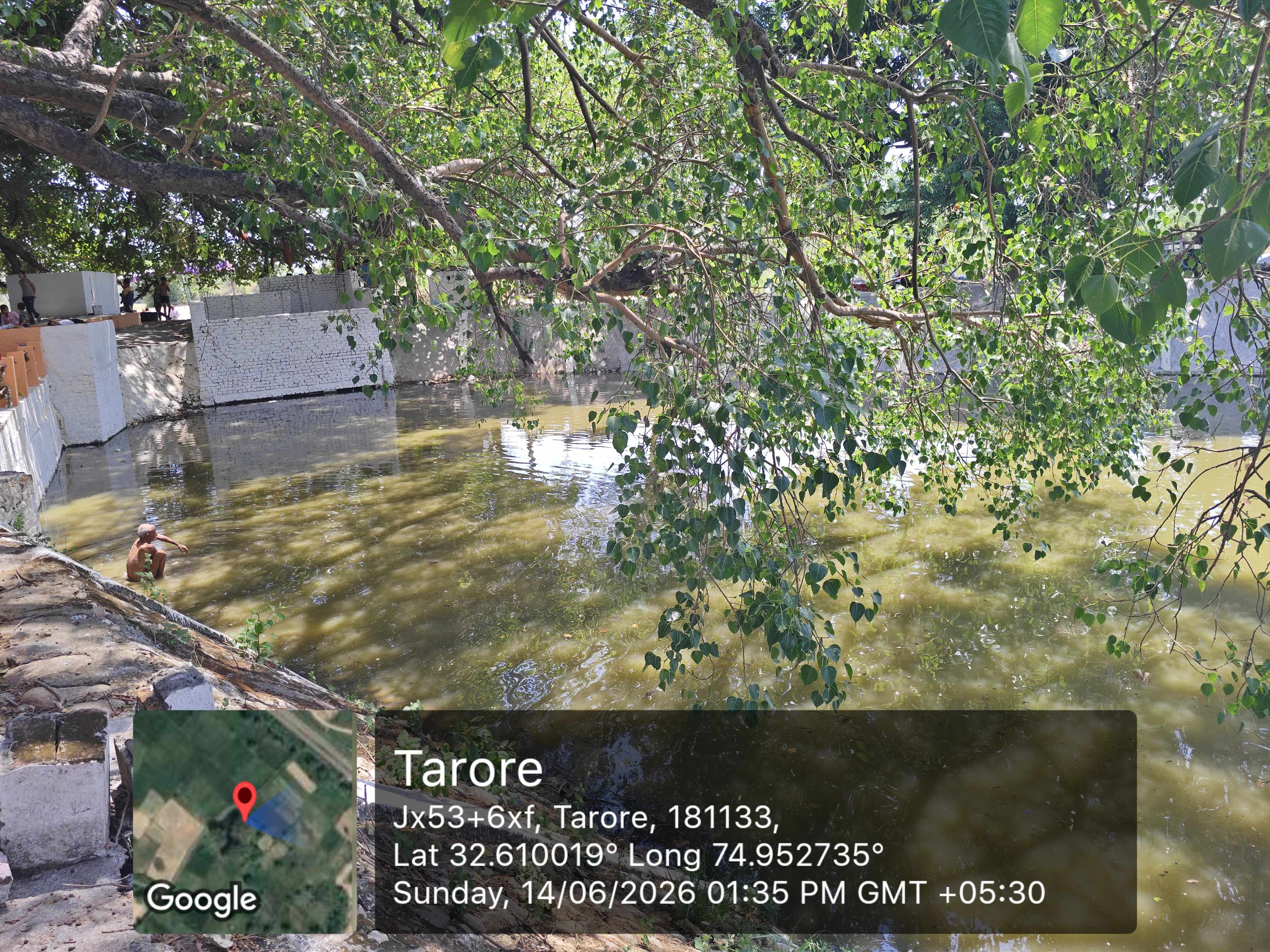
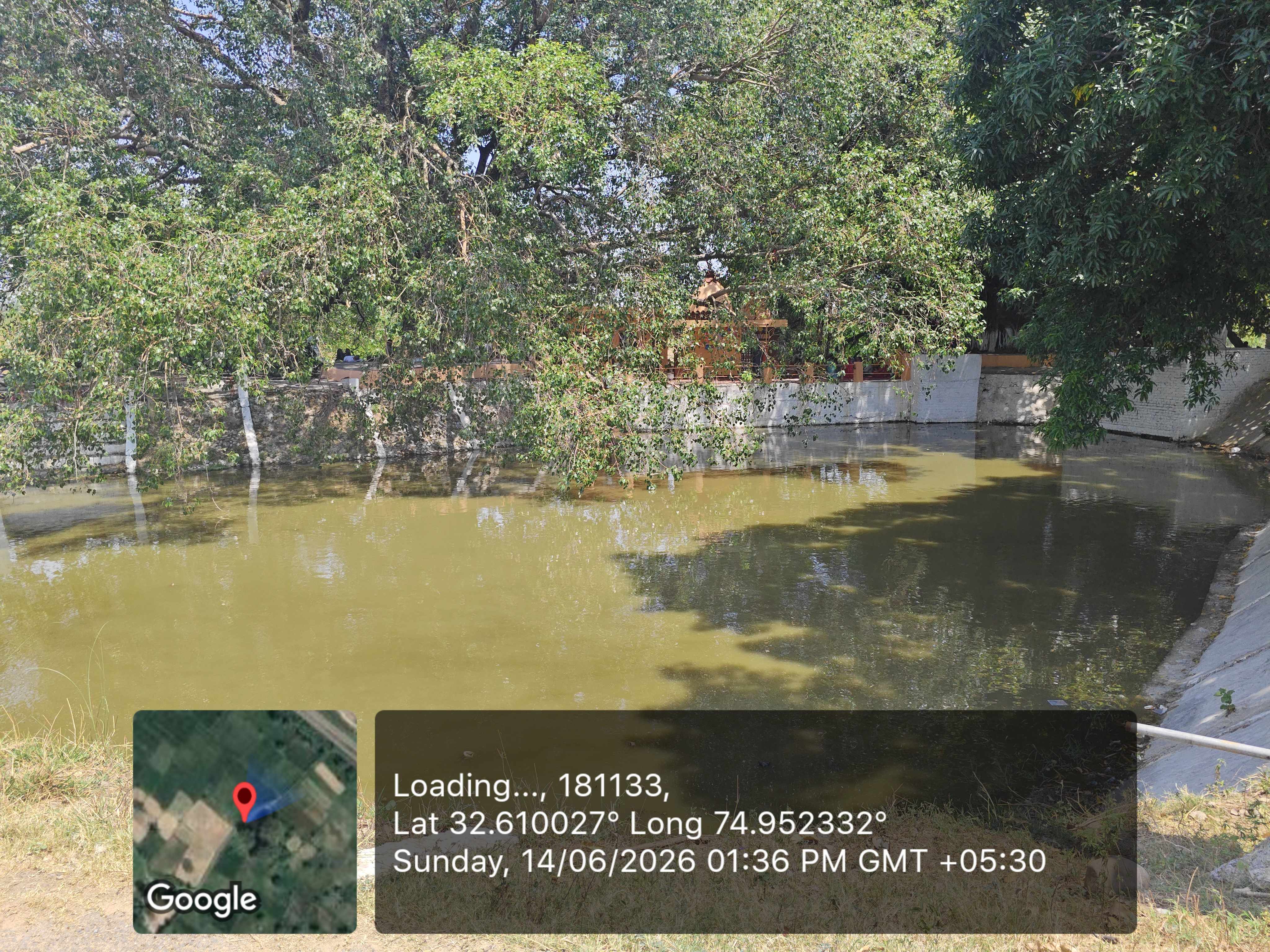
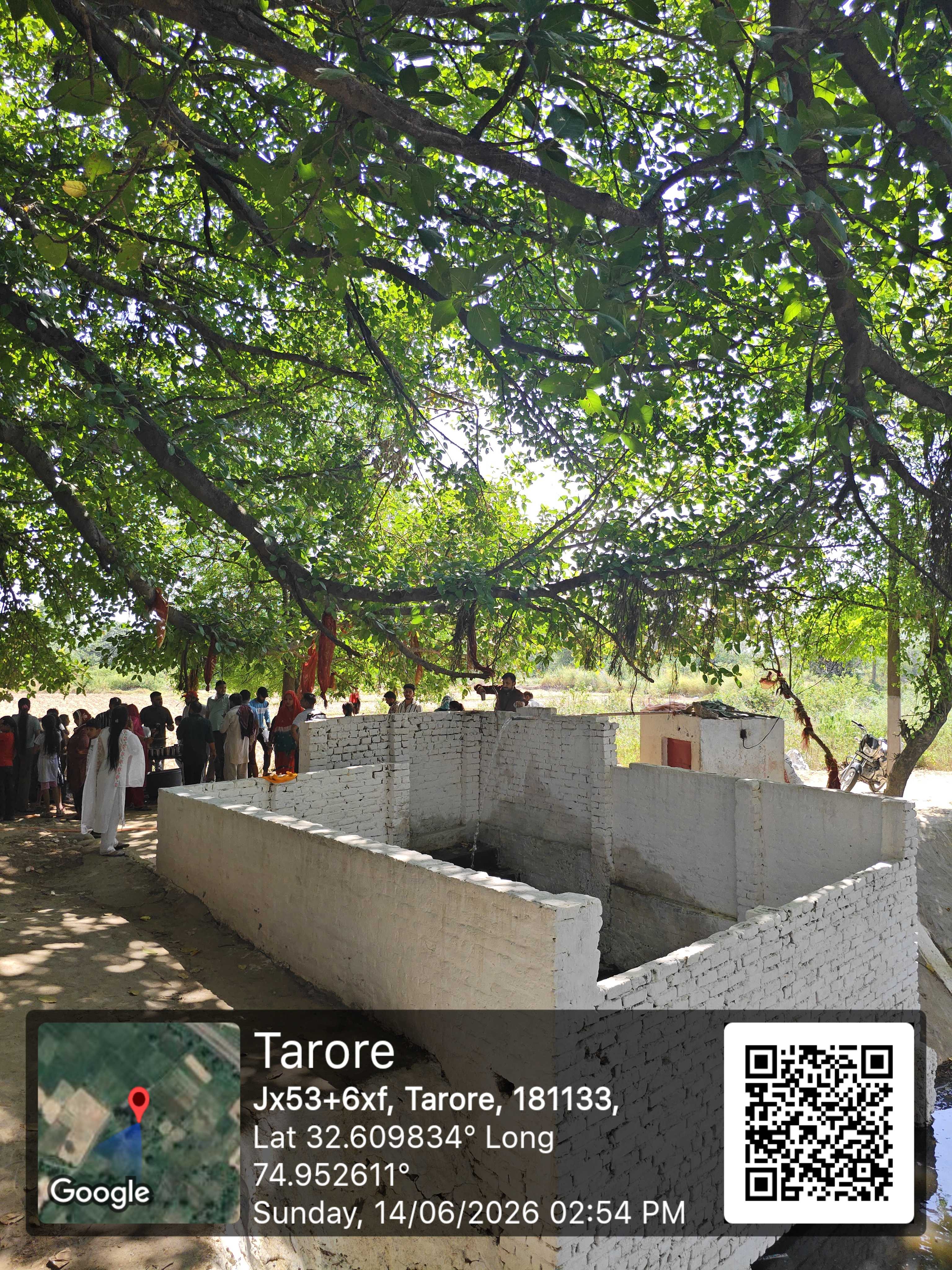
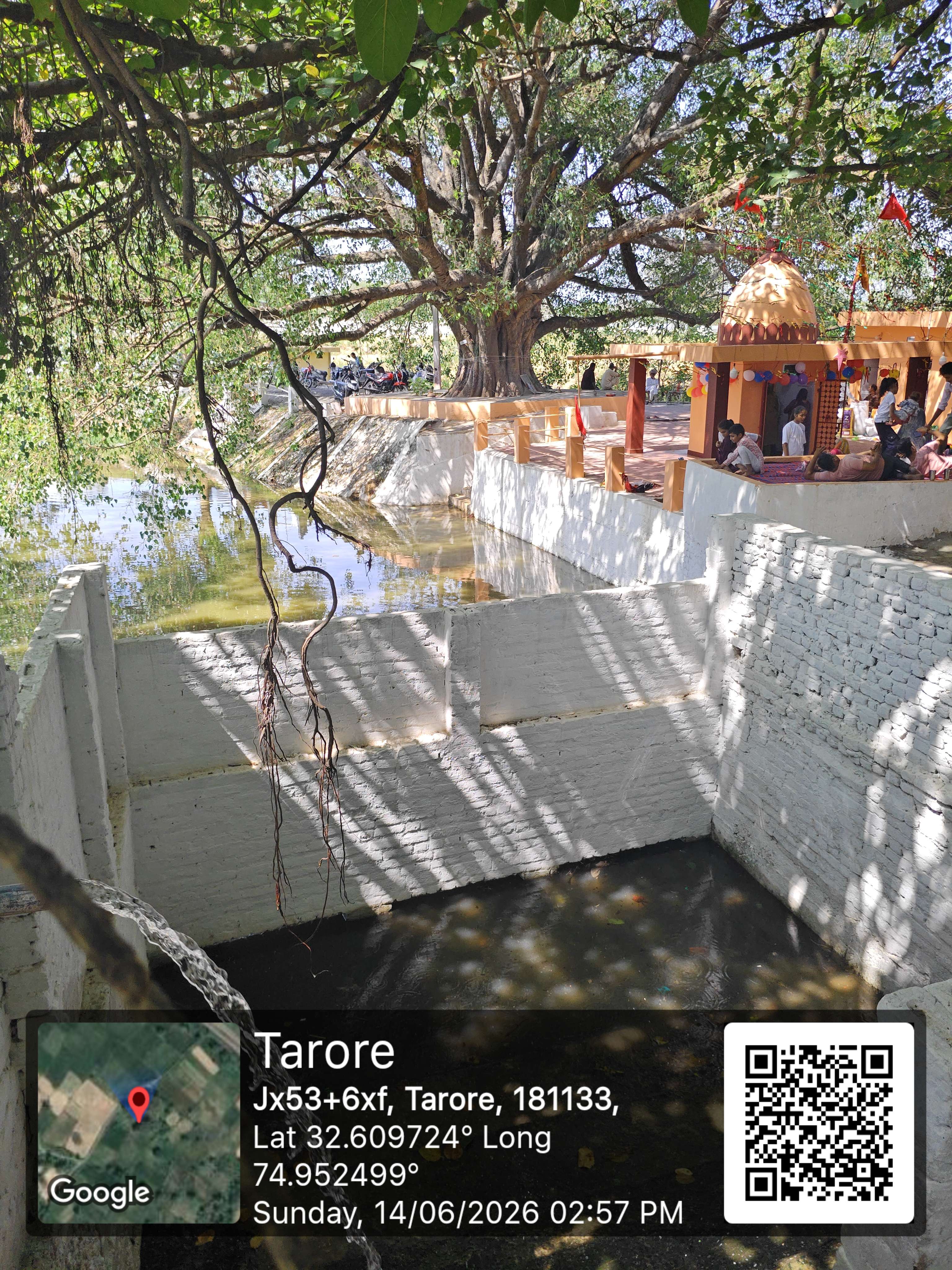
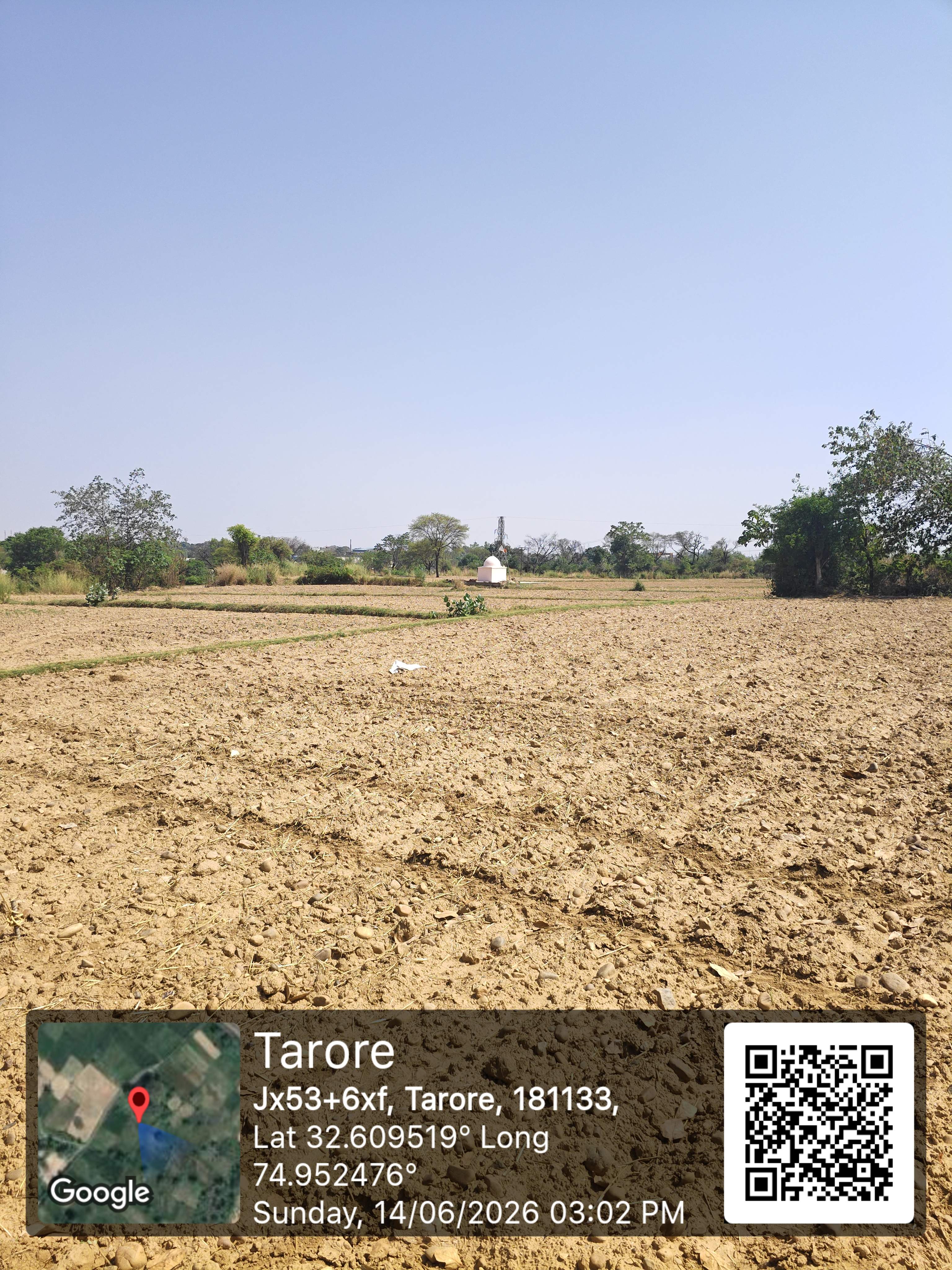
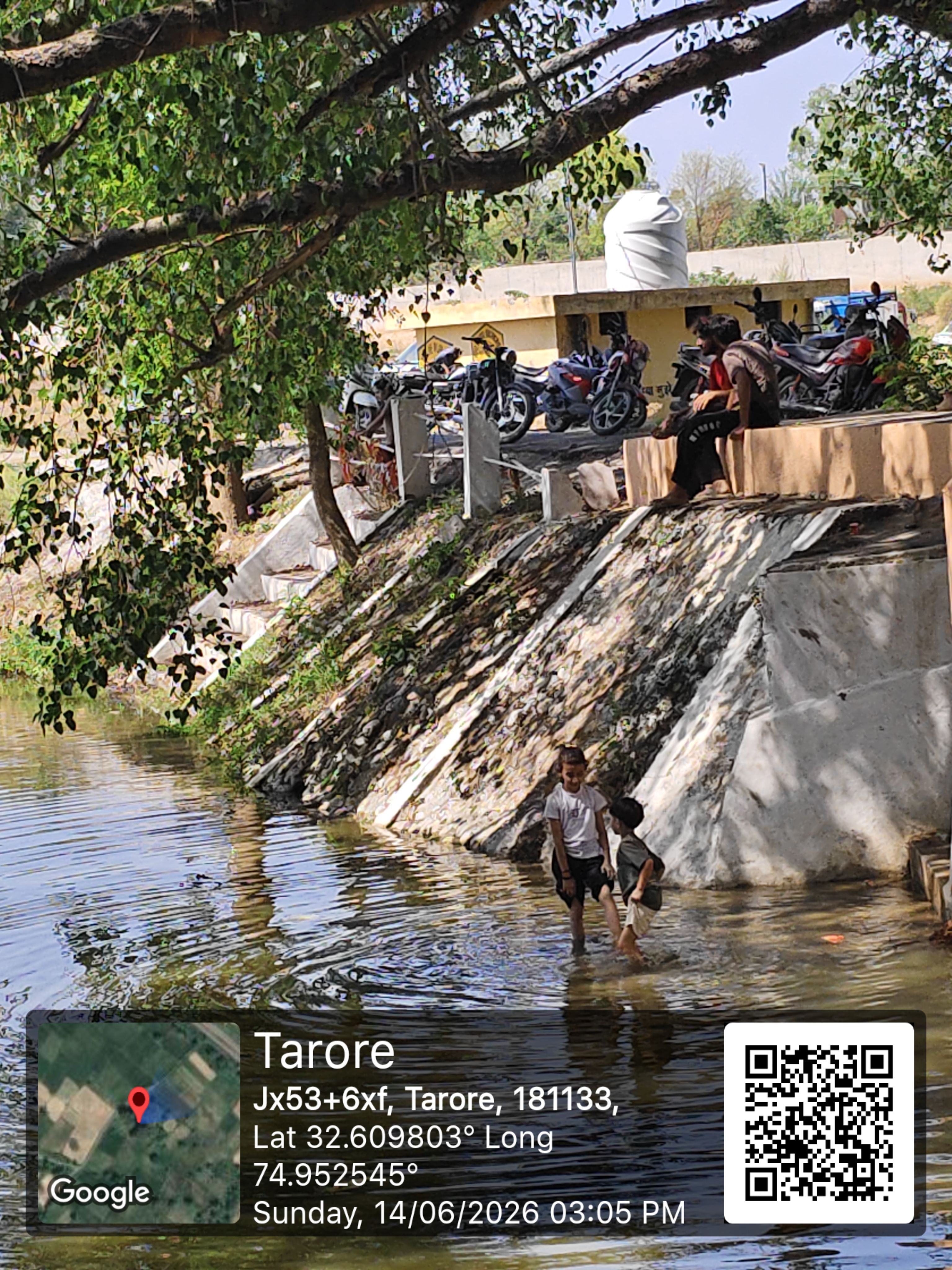
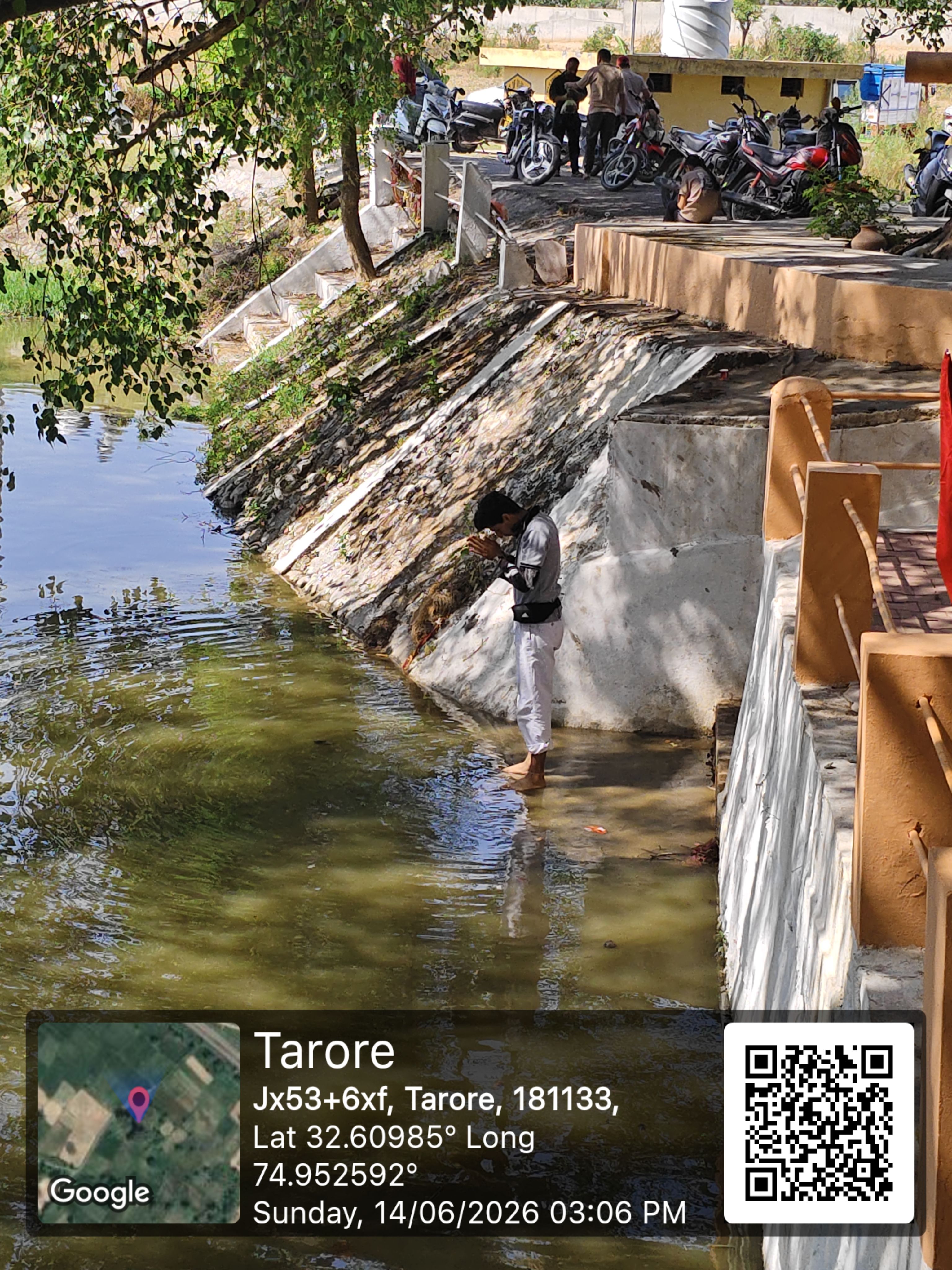
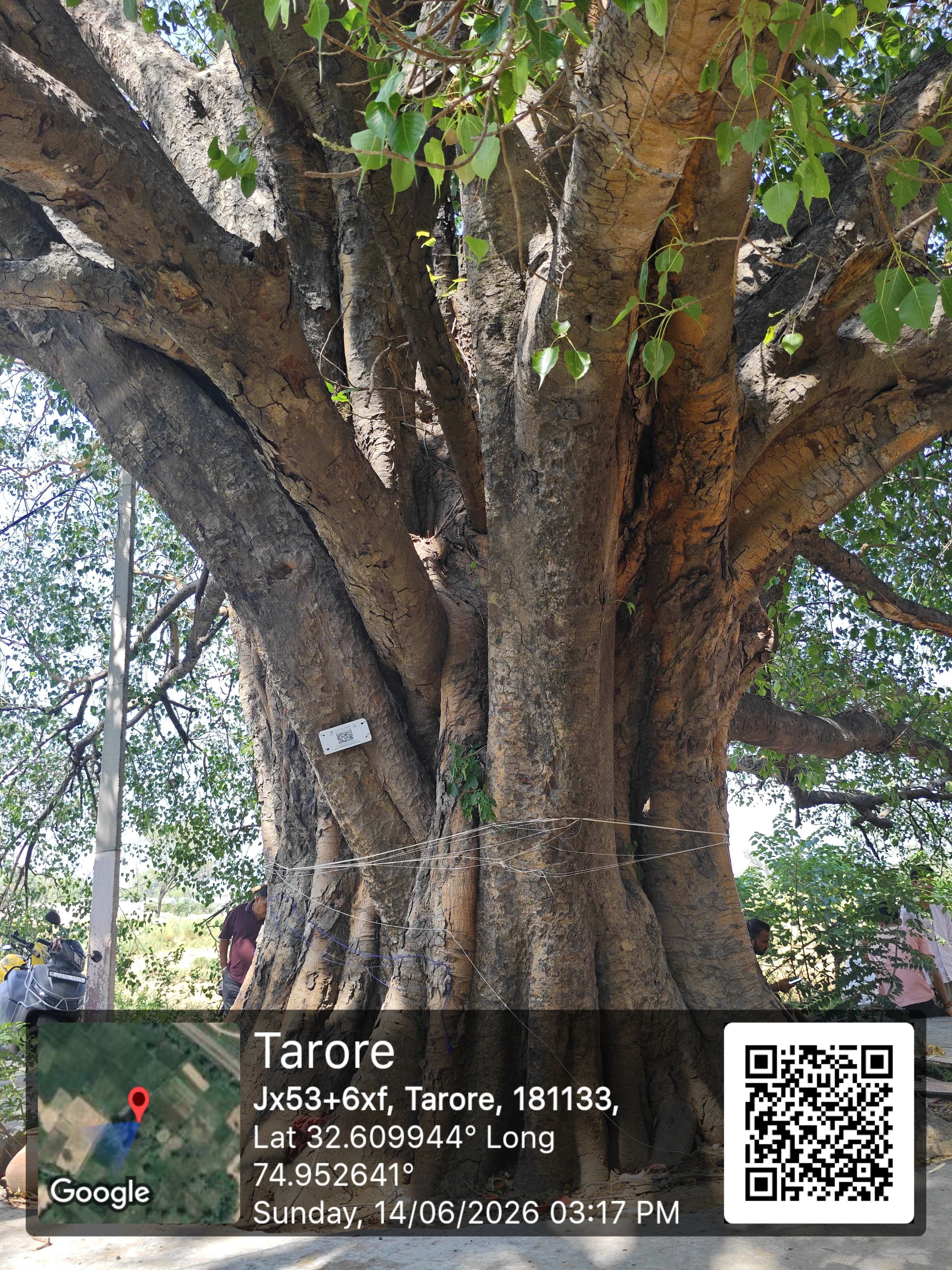
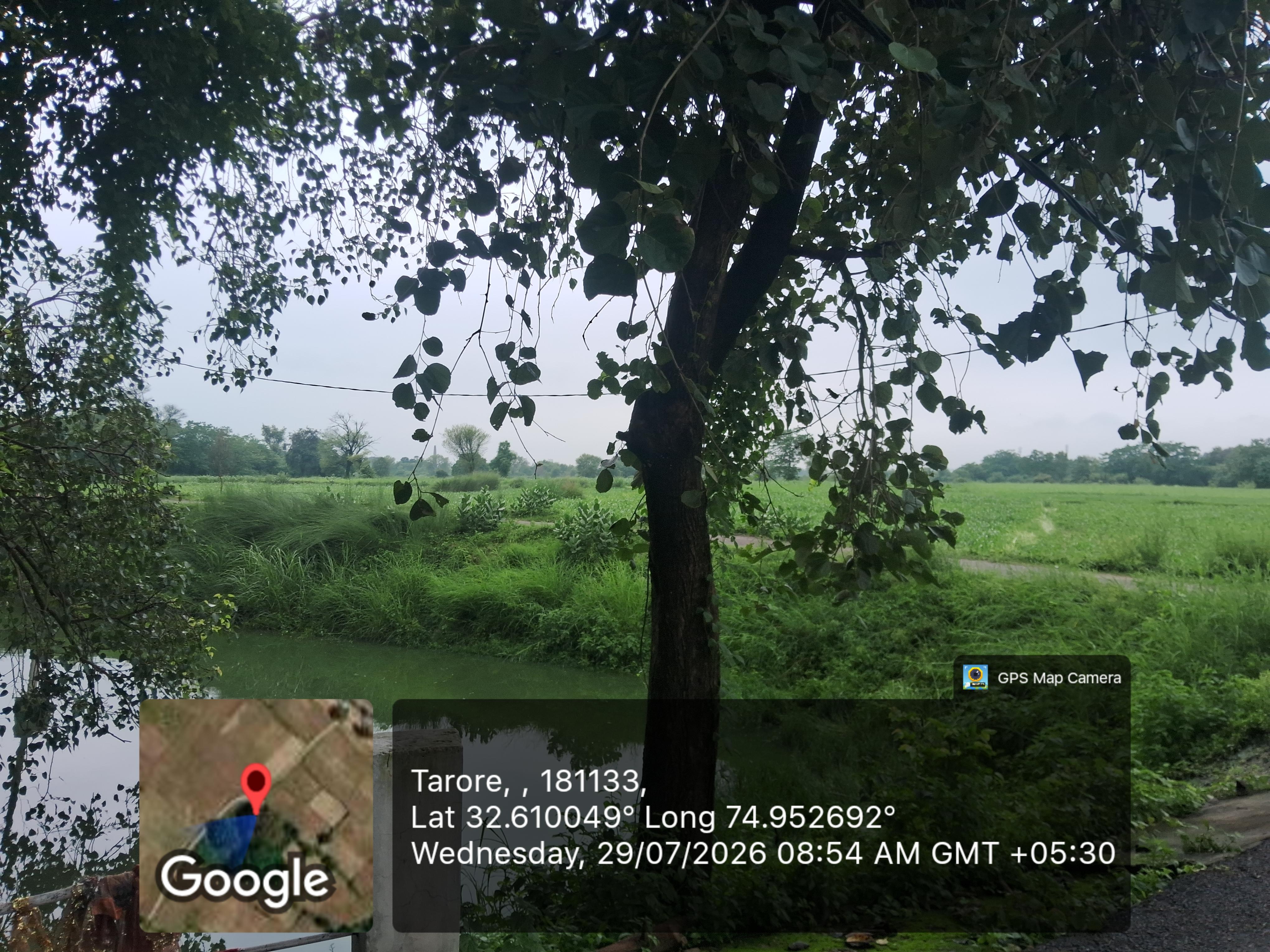
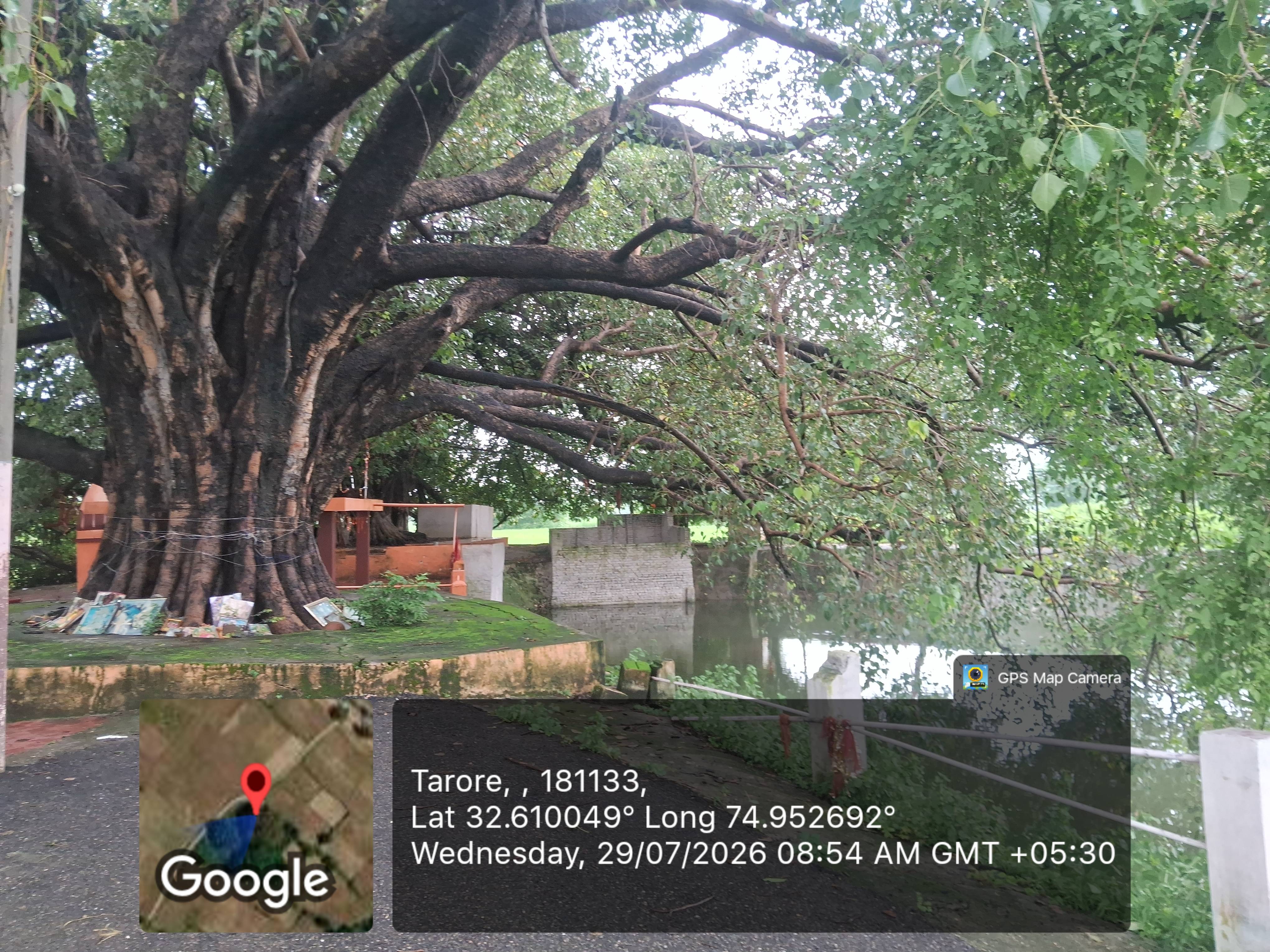
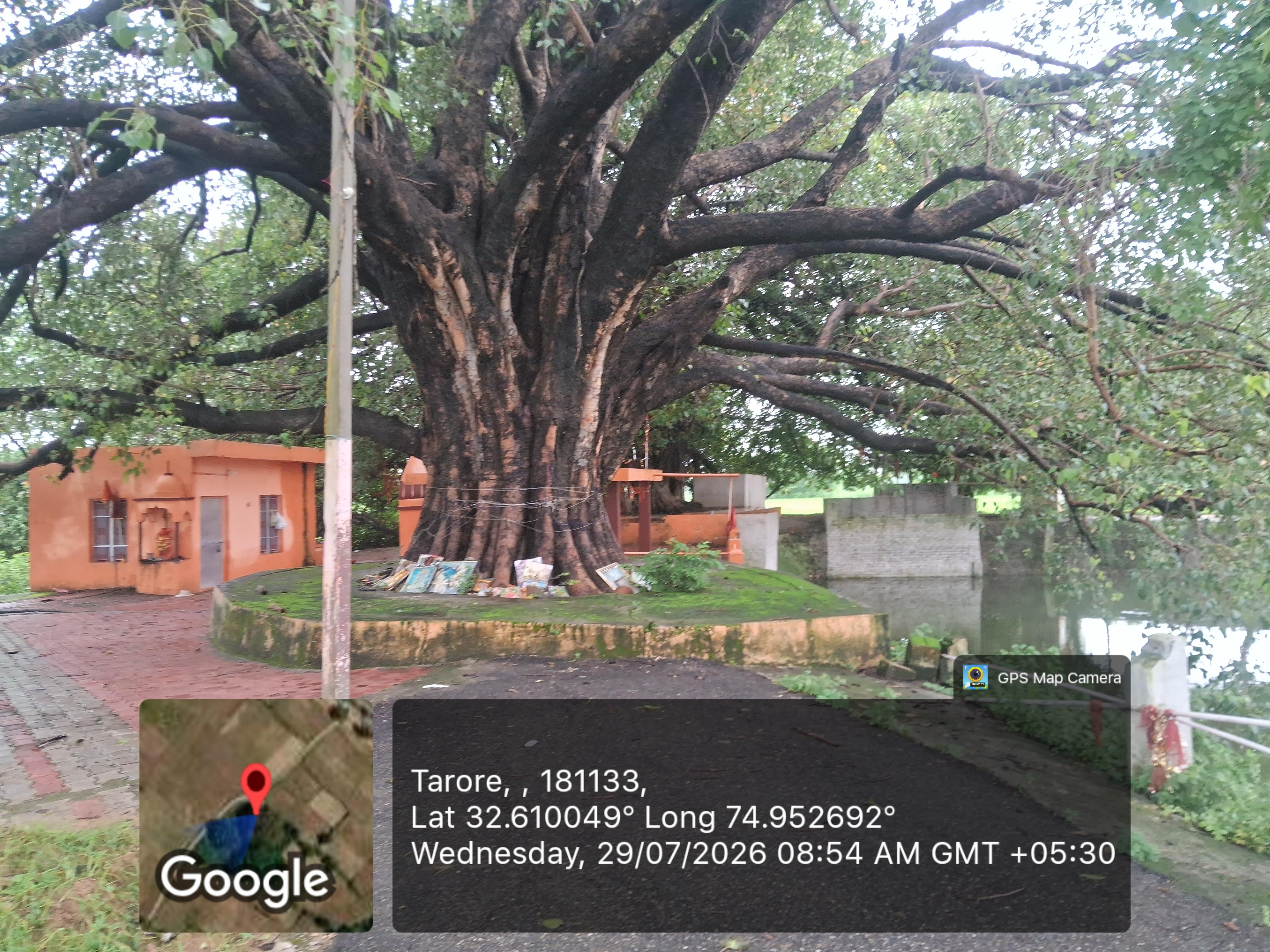
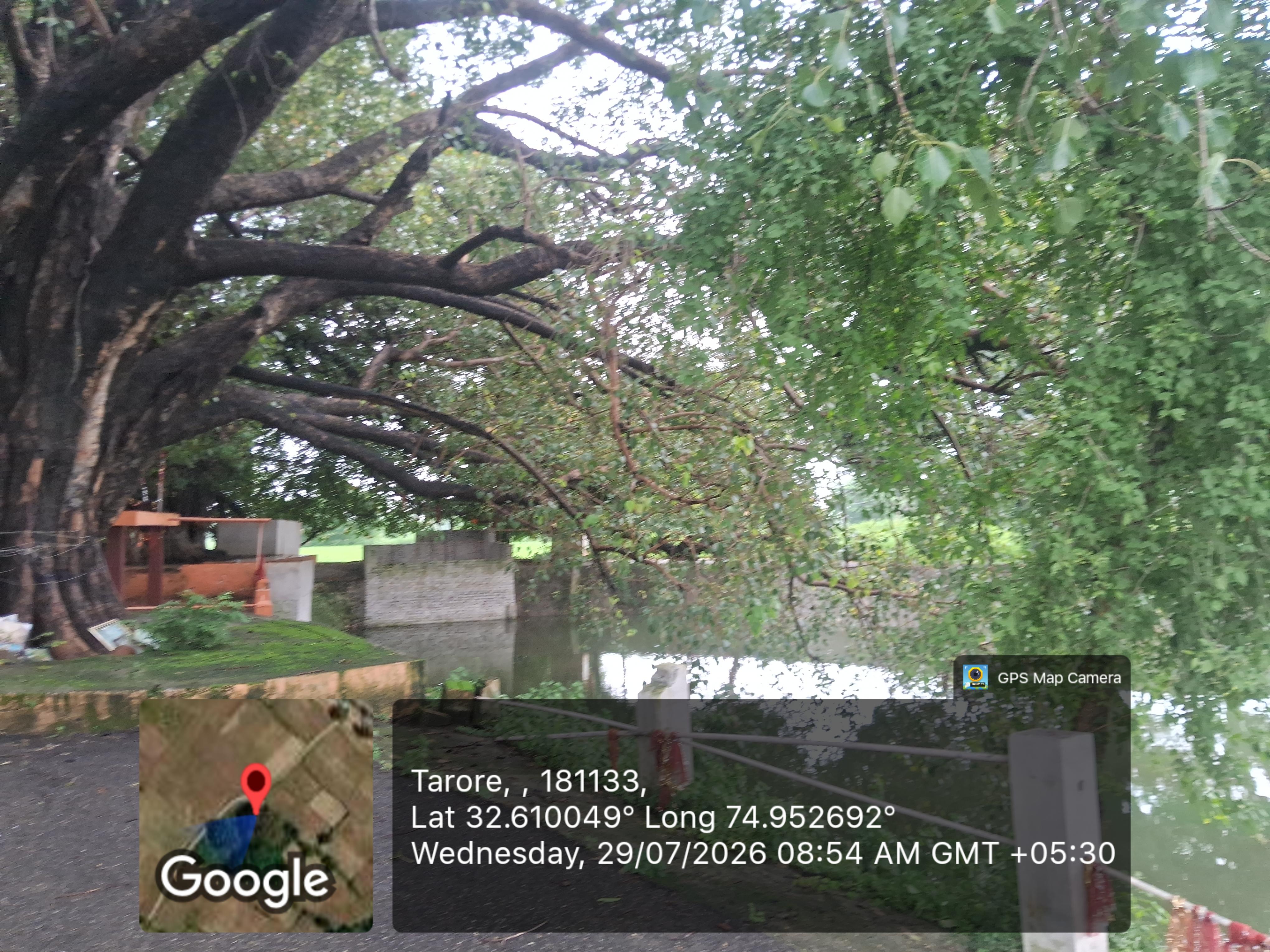
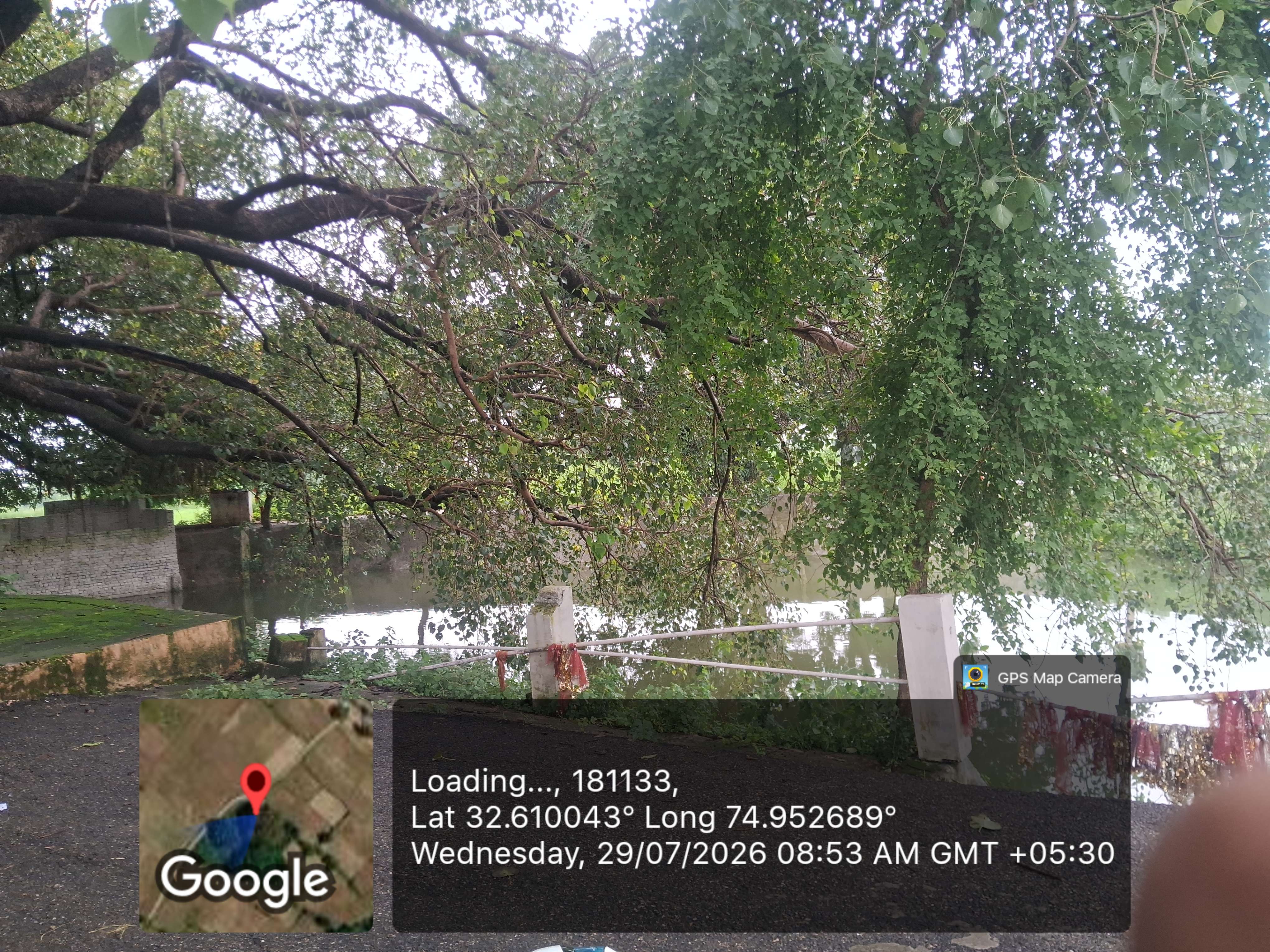
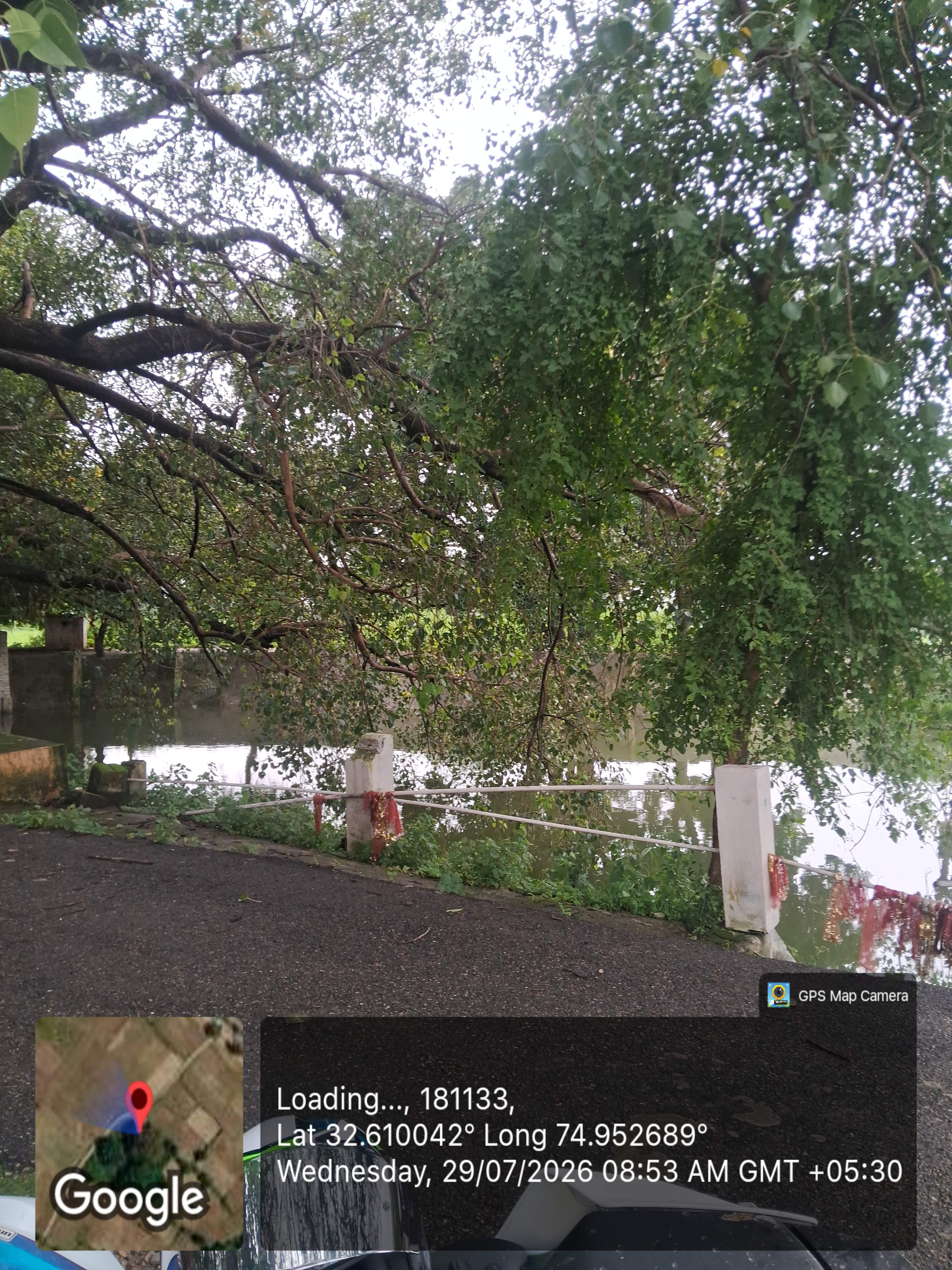
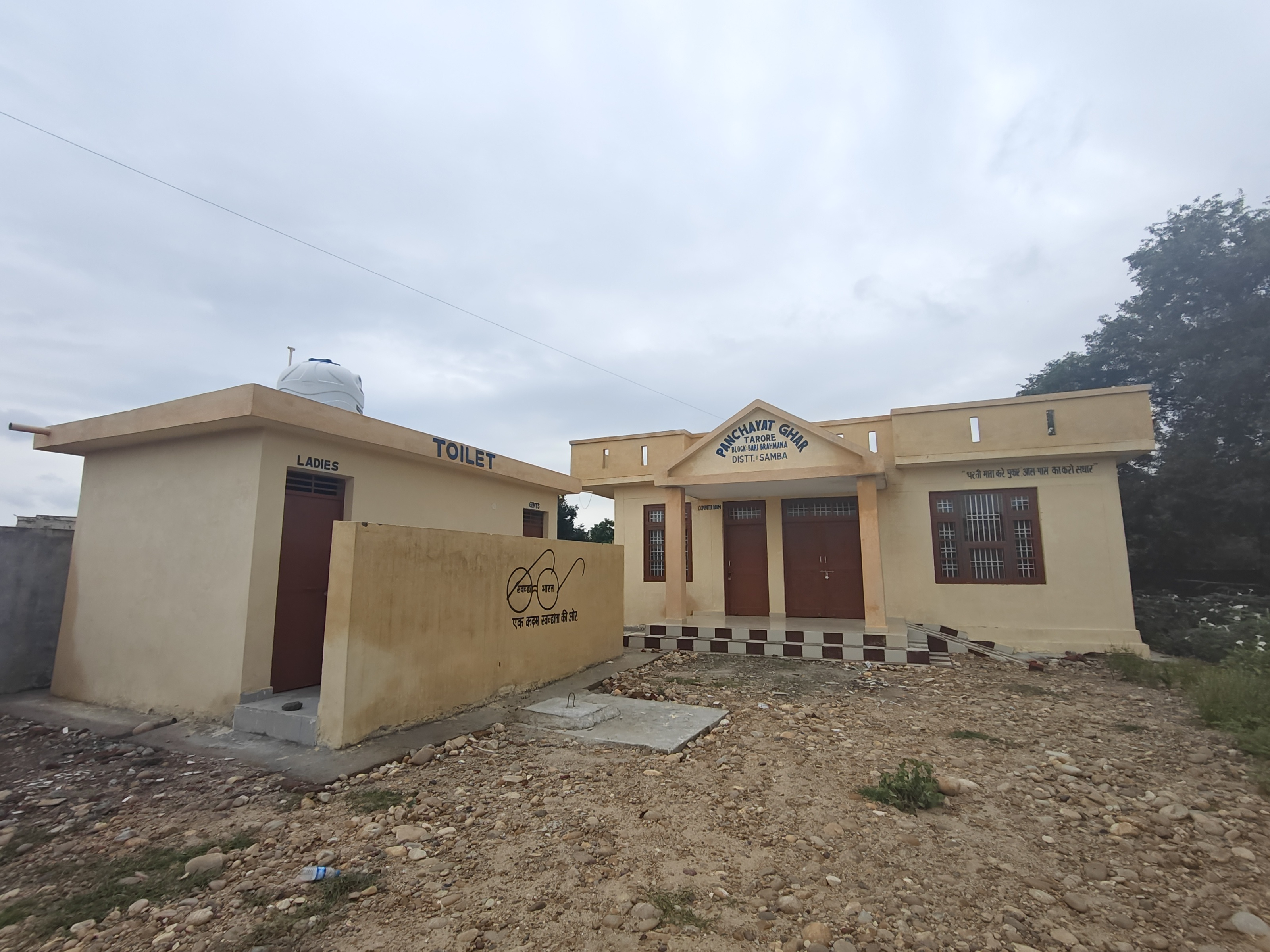
Tarore falls under Tarore Gram Panchayat in the Bari Brahmana Community Development Block of Samba district and occupies approximately 228 hectares of predominantly fertile agricultural land. The village lies within the plains of Jammu, surrounded by cultivated fields, scattered residential clusters, village roads, and pockets of natural greenery that contribute to its peaceful setting. One of its greatest geographical advantages is its proximity to National Highway 44, allowing residents convenient access to Bari Brahmana, Vijaypur, Samba, and Jammu City for education, healthcare, employment, and commerce. Despite this accessibility, Tarore has retained the quiet atmosphere associated with traditional village life. A sacred pond situated near the upper portion of the village further enhances its landscape, serving both as an important religious site and one of Tarore's most recognisable natural landmarks.
Cultural Heritage and Religious Life
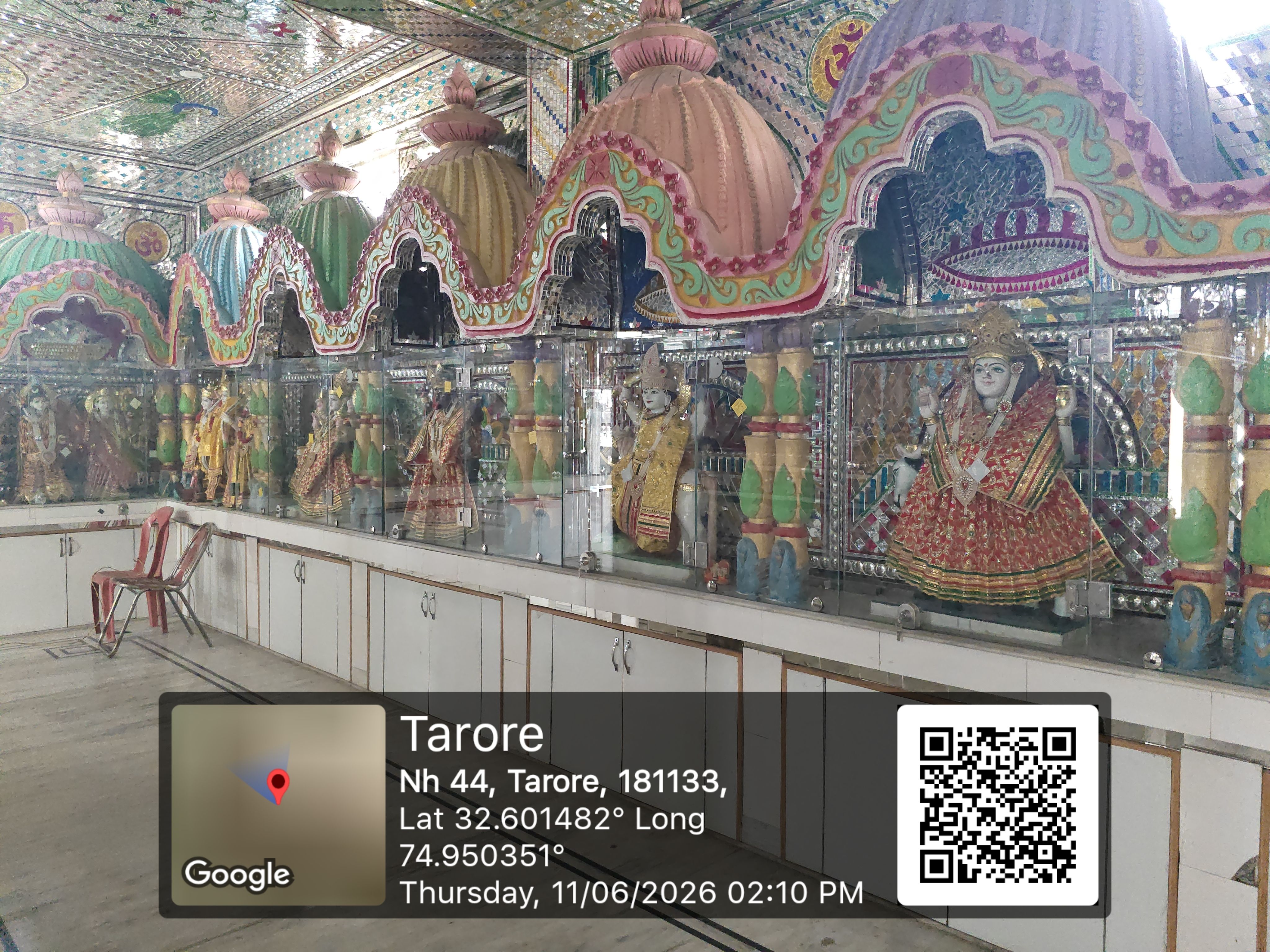
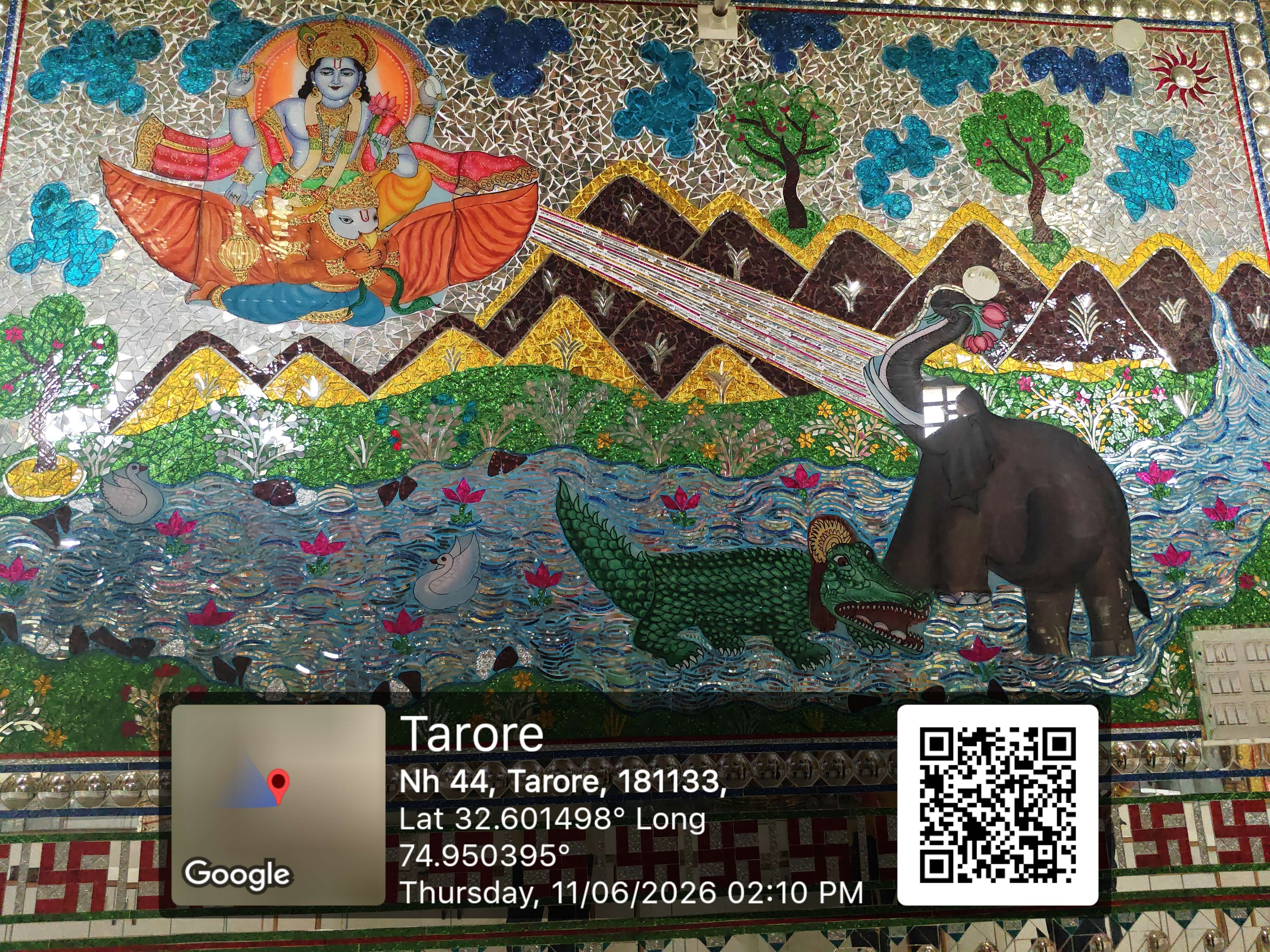
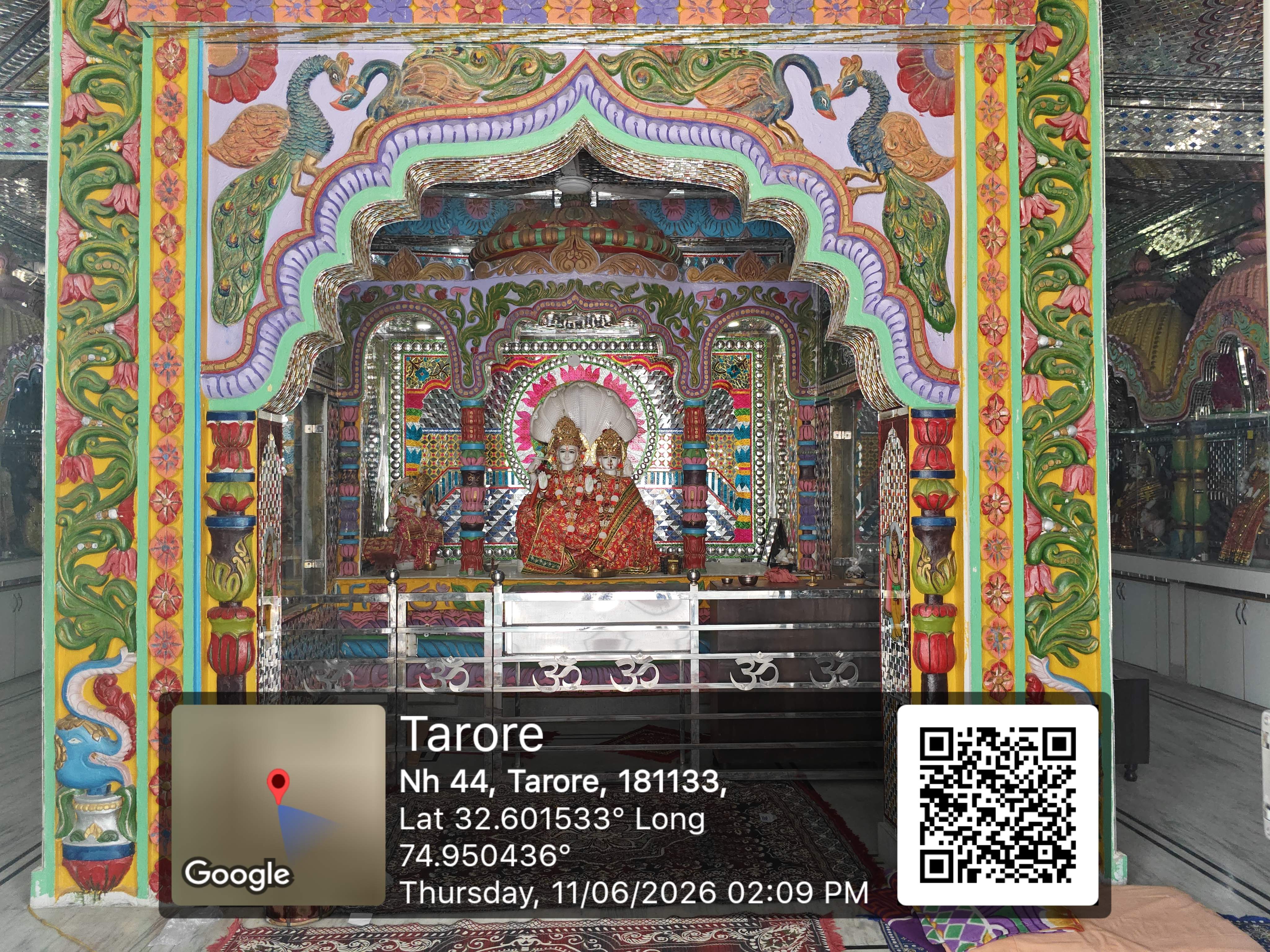
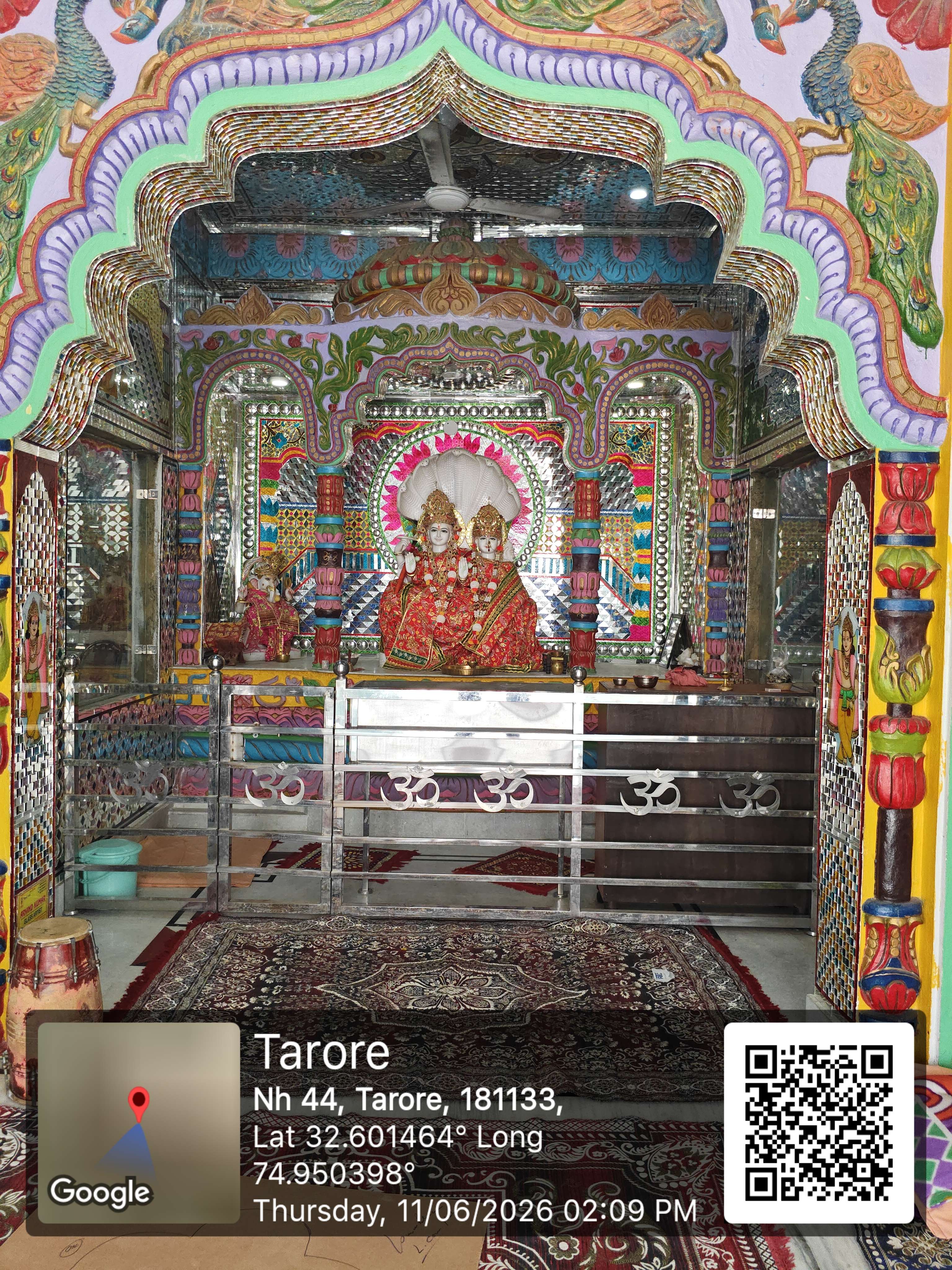
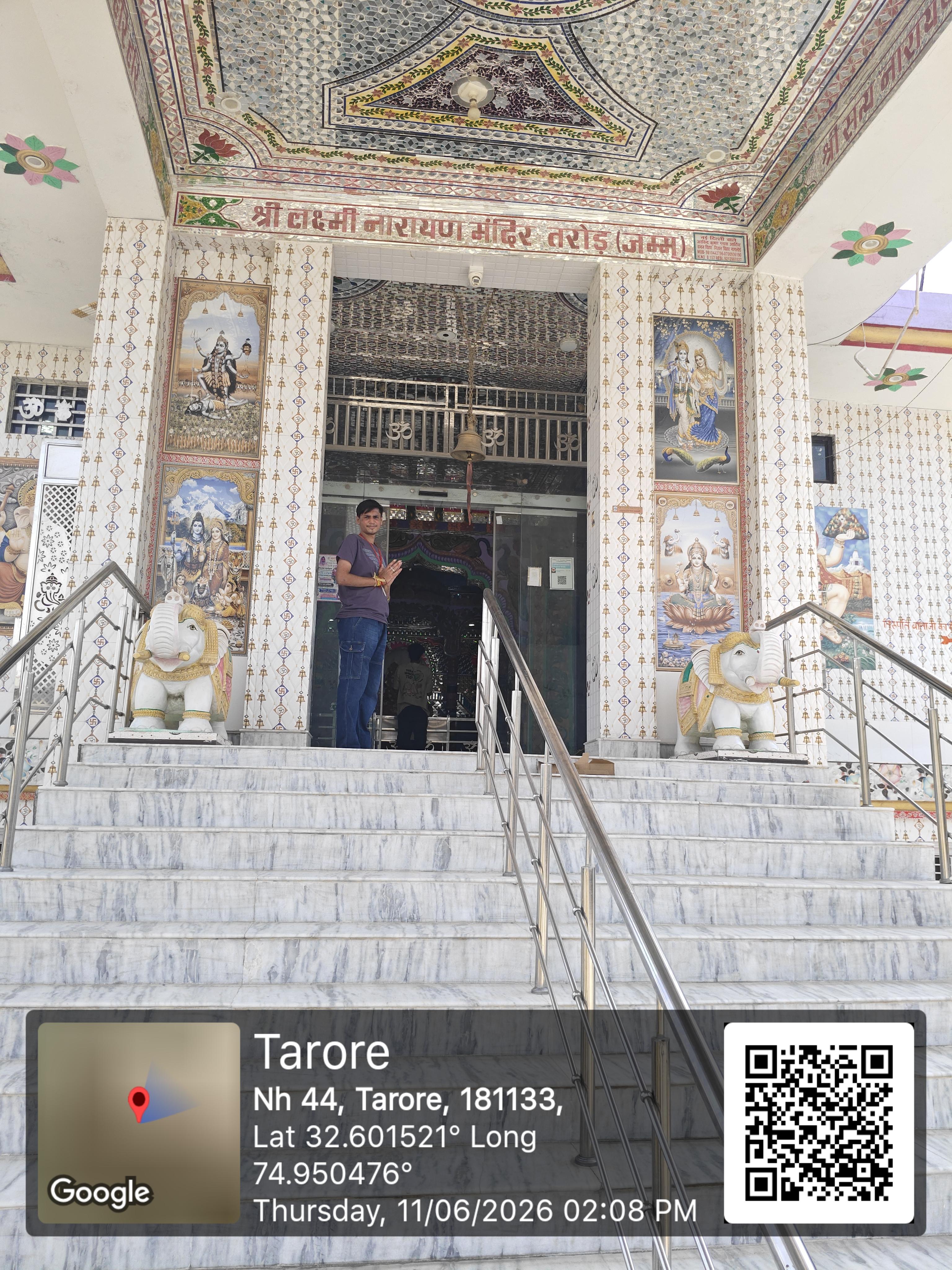
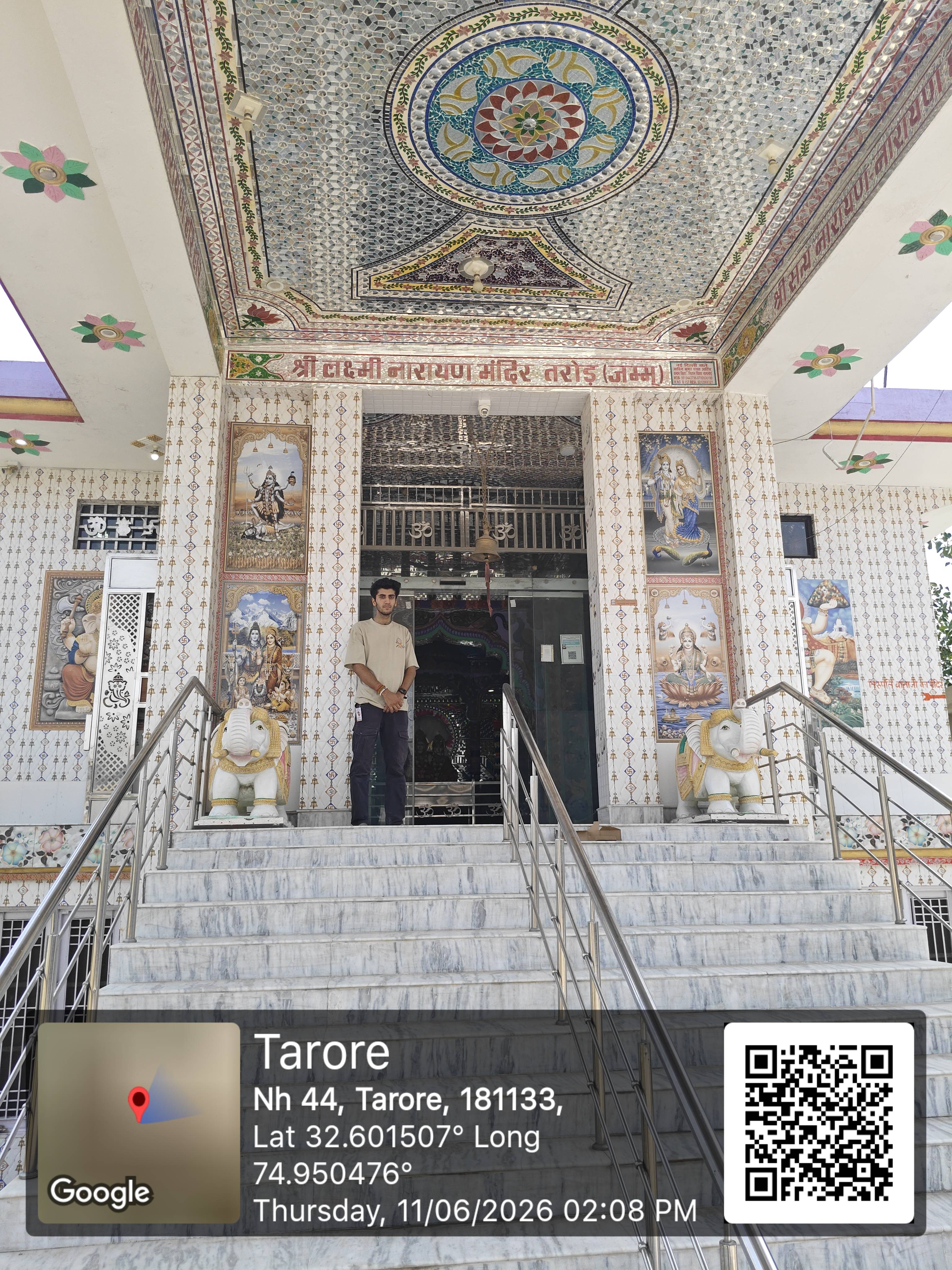
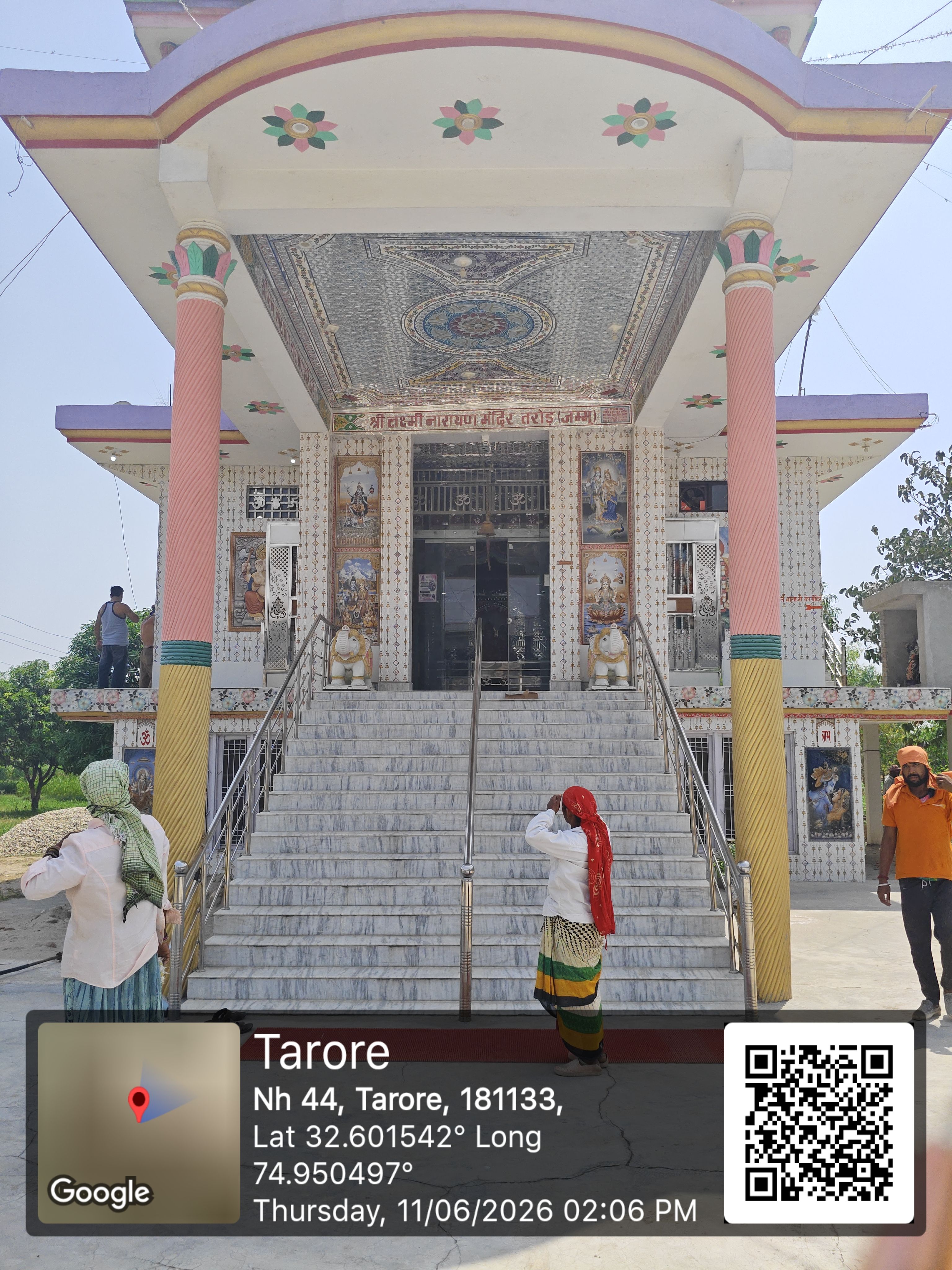
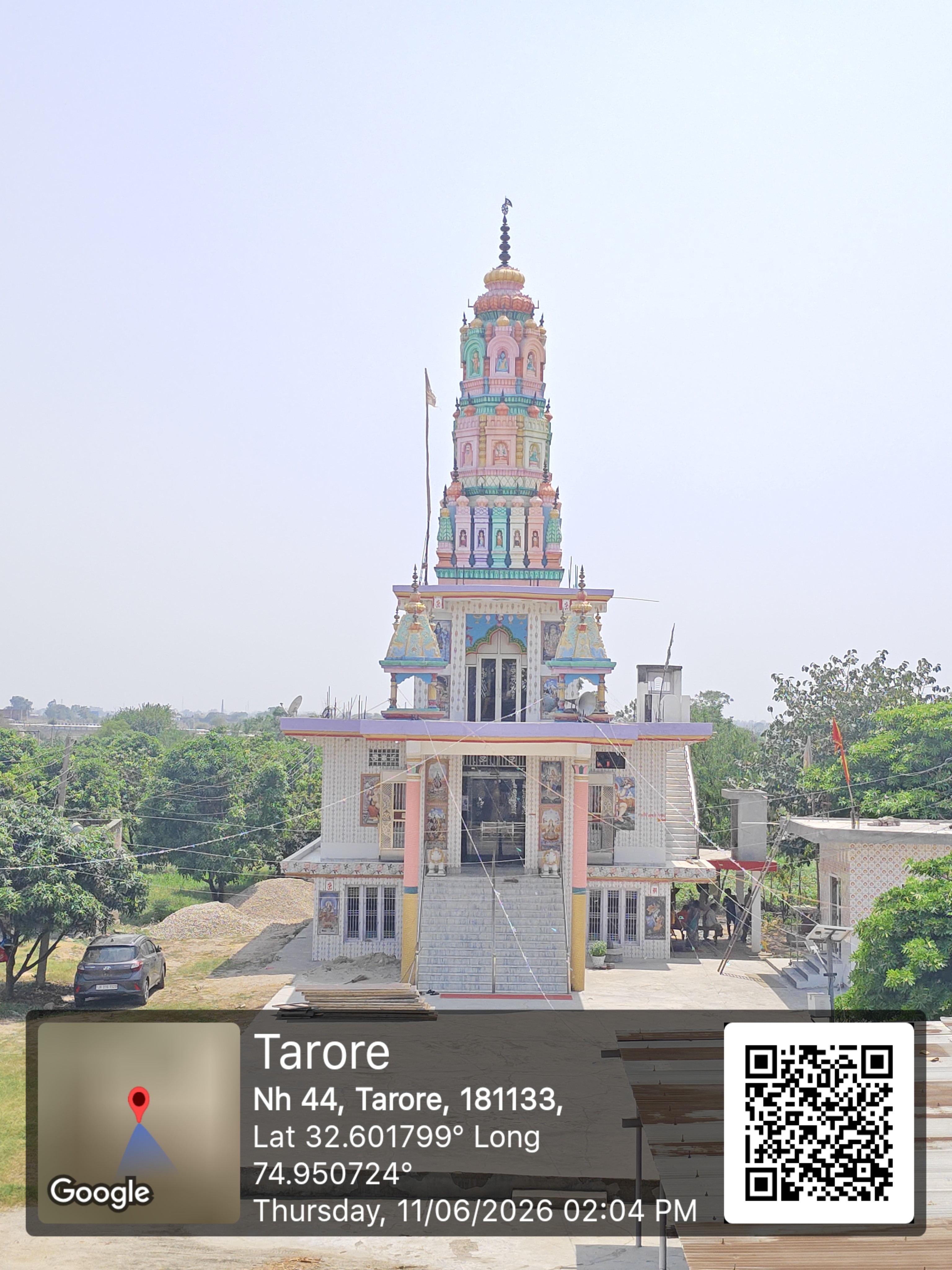
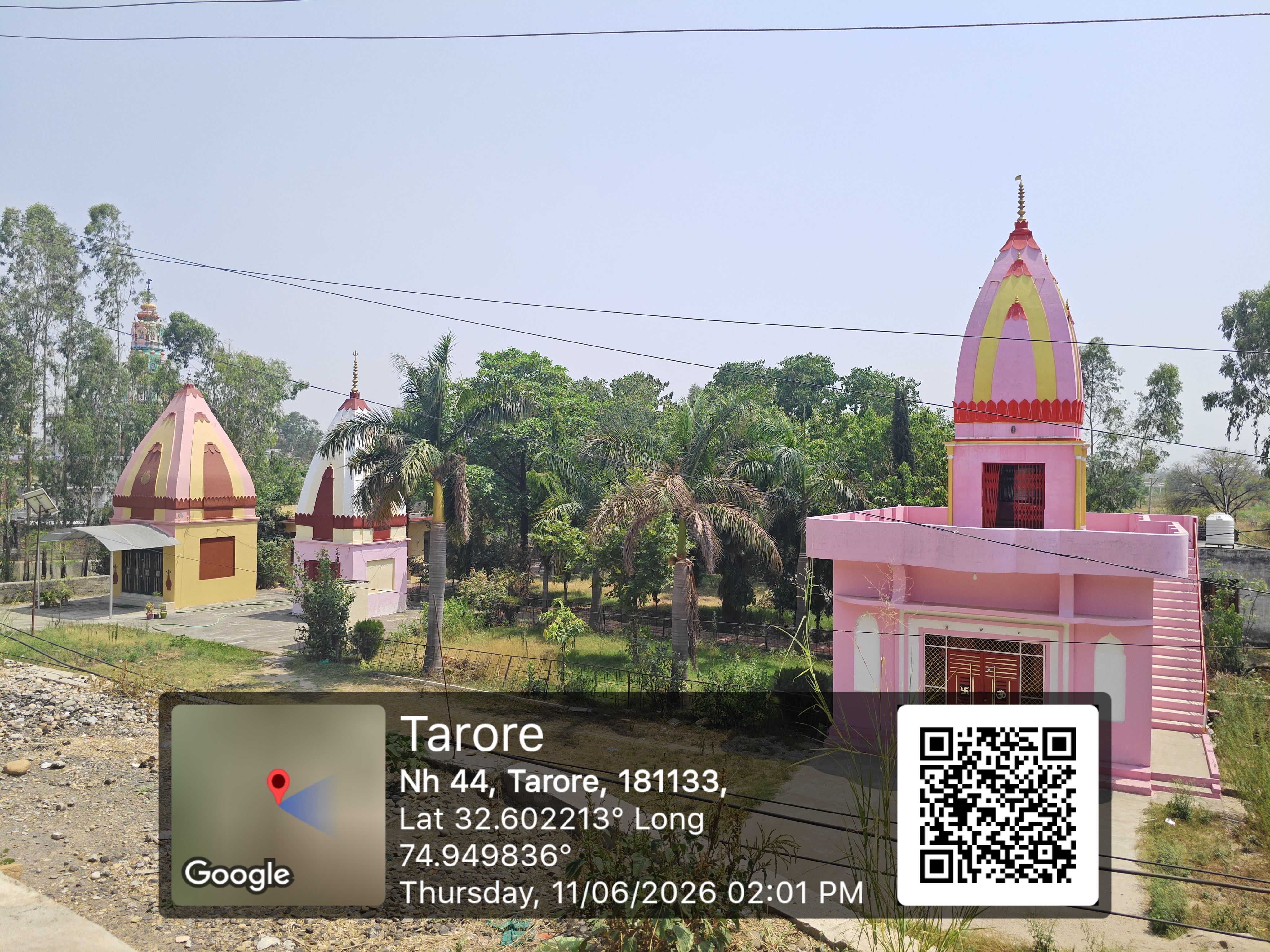
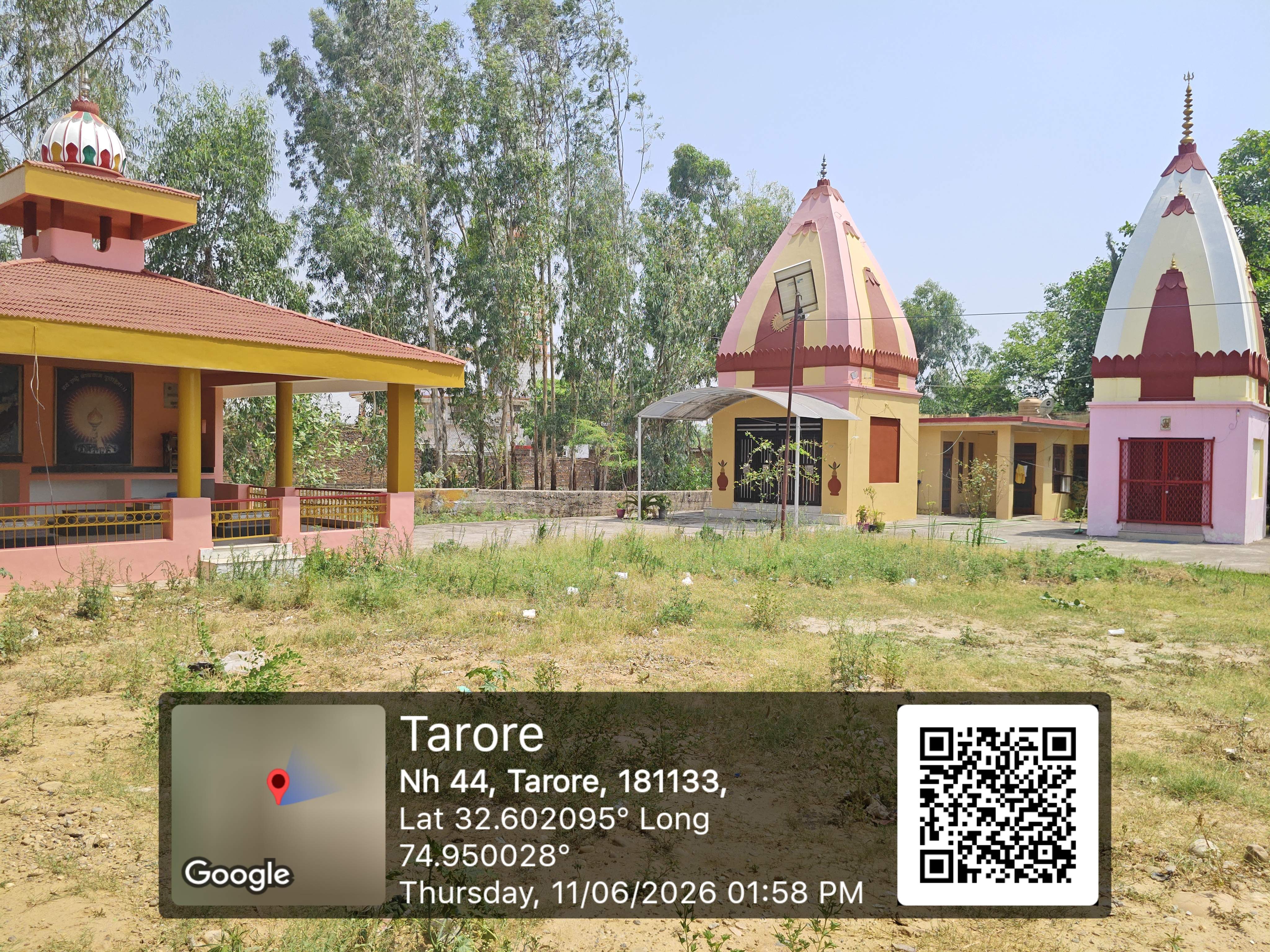
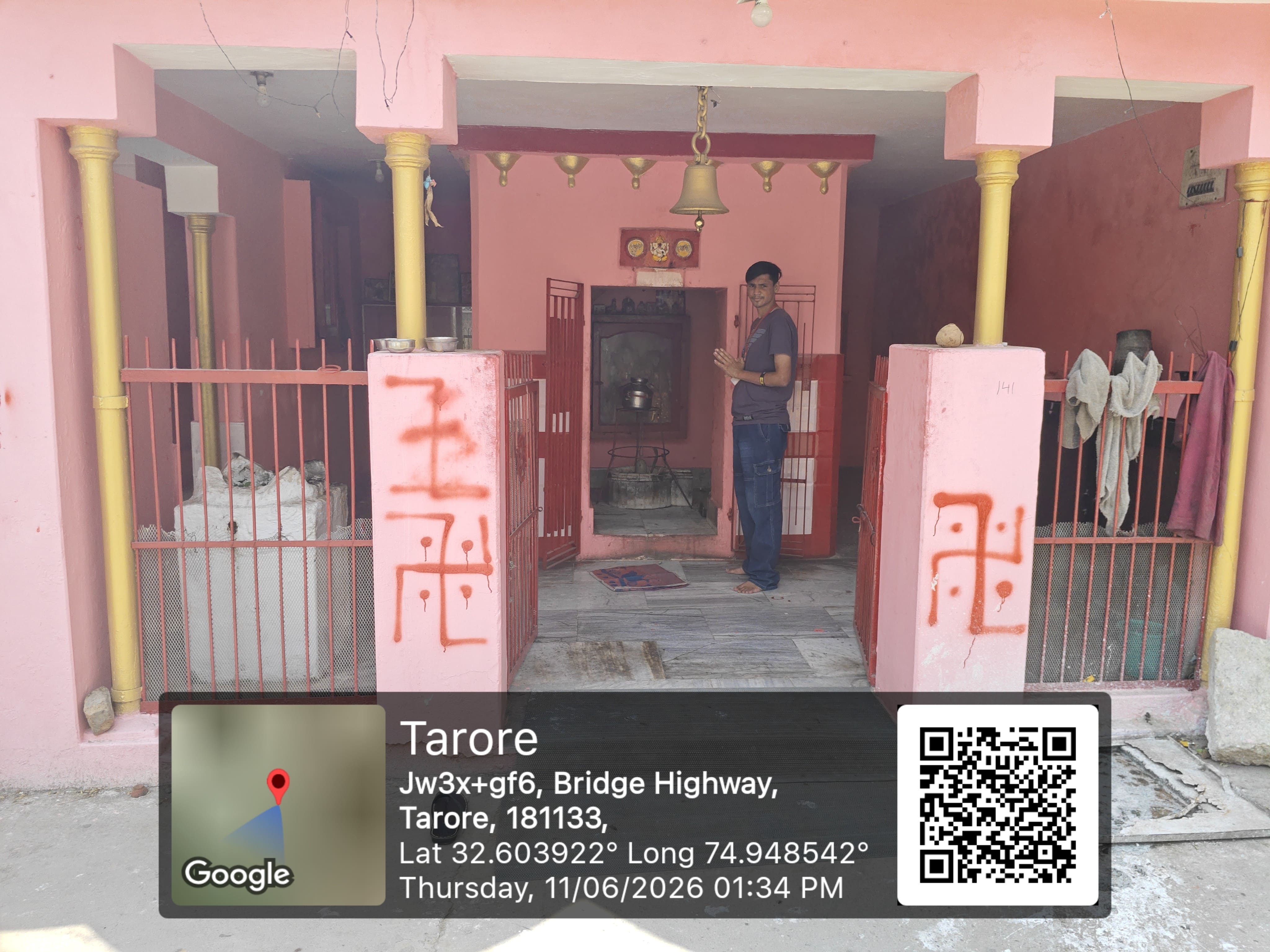
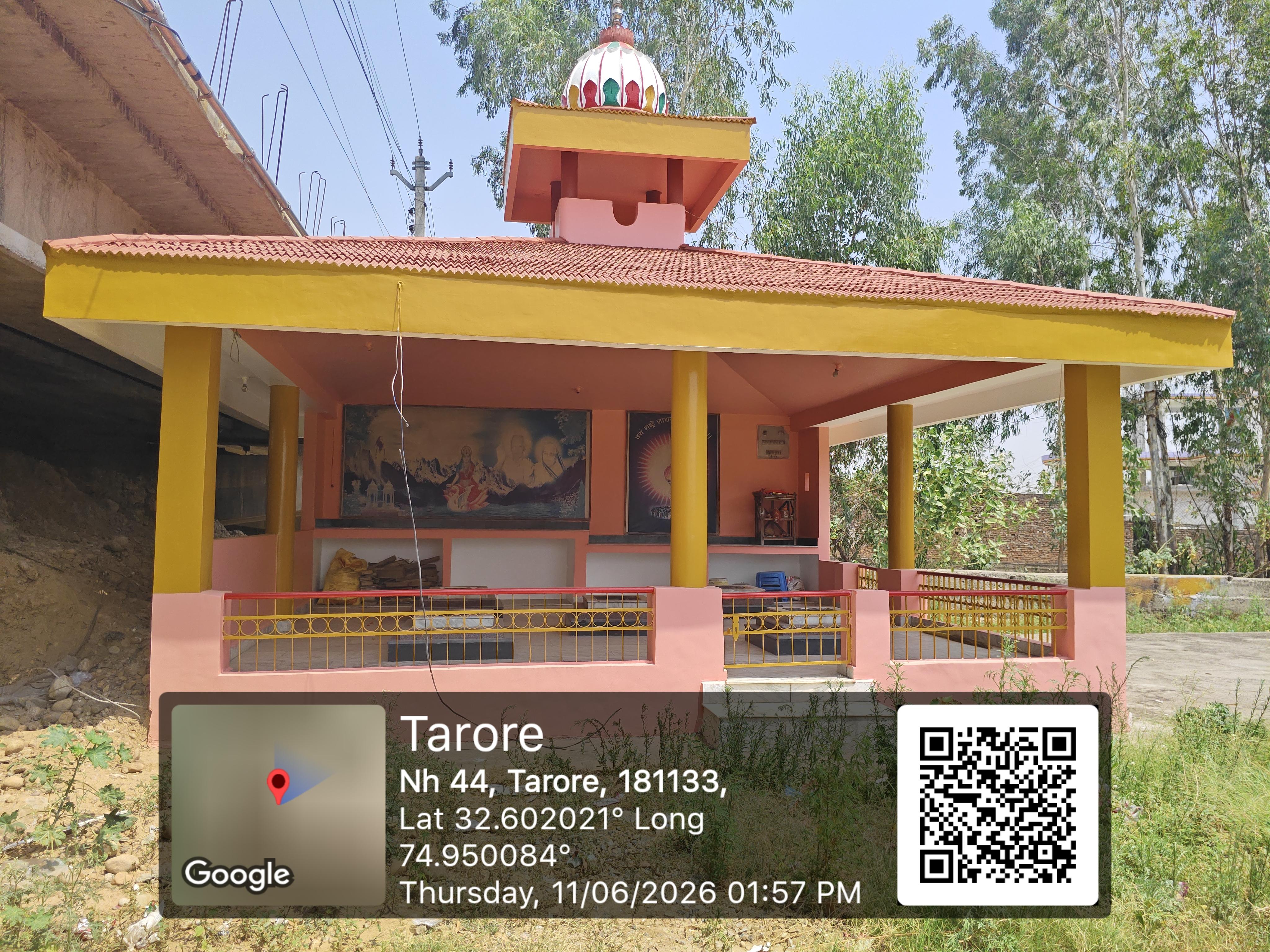
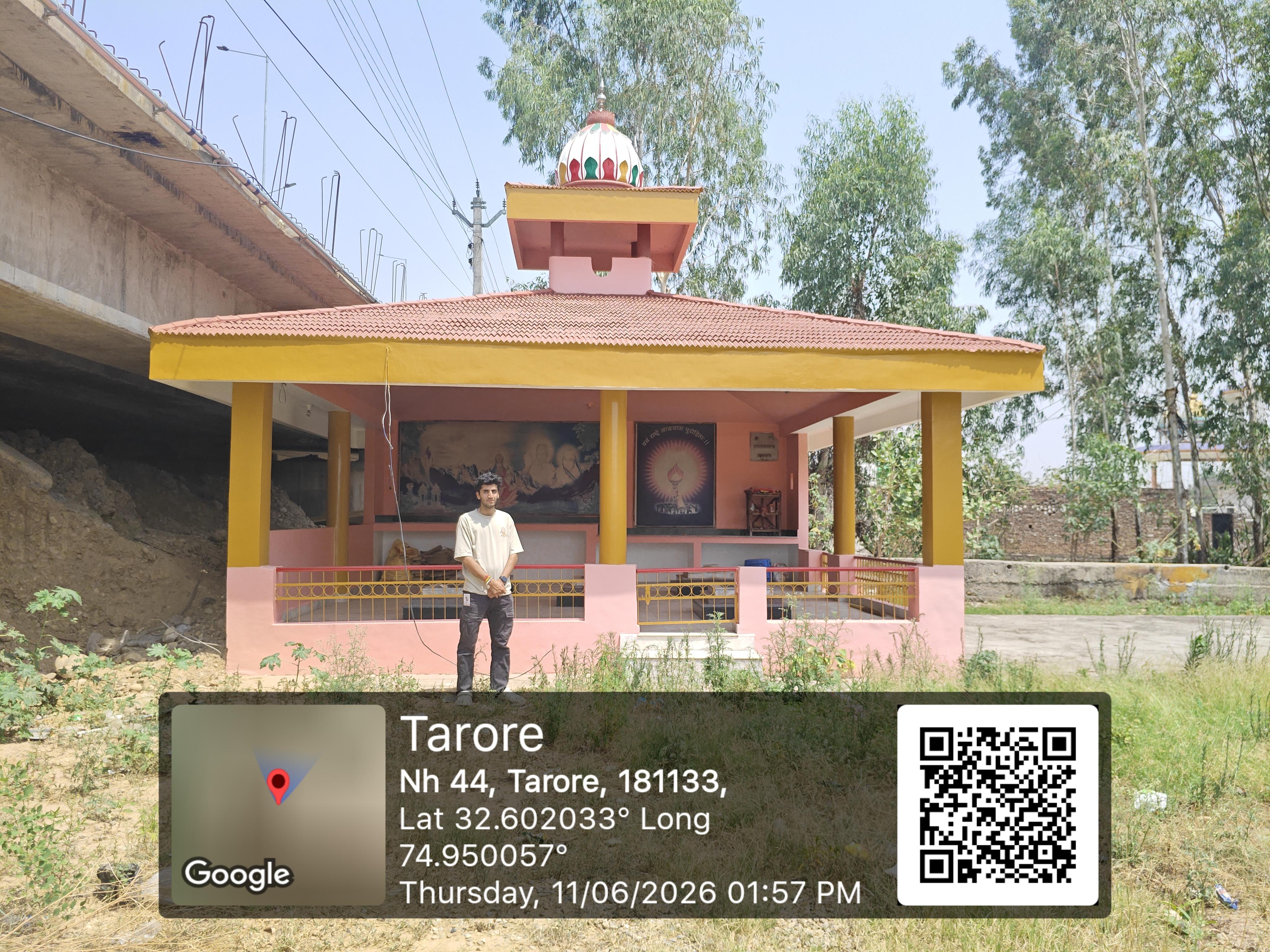
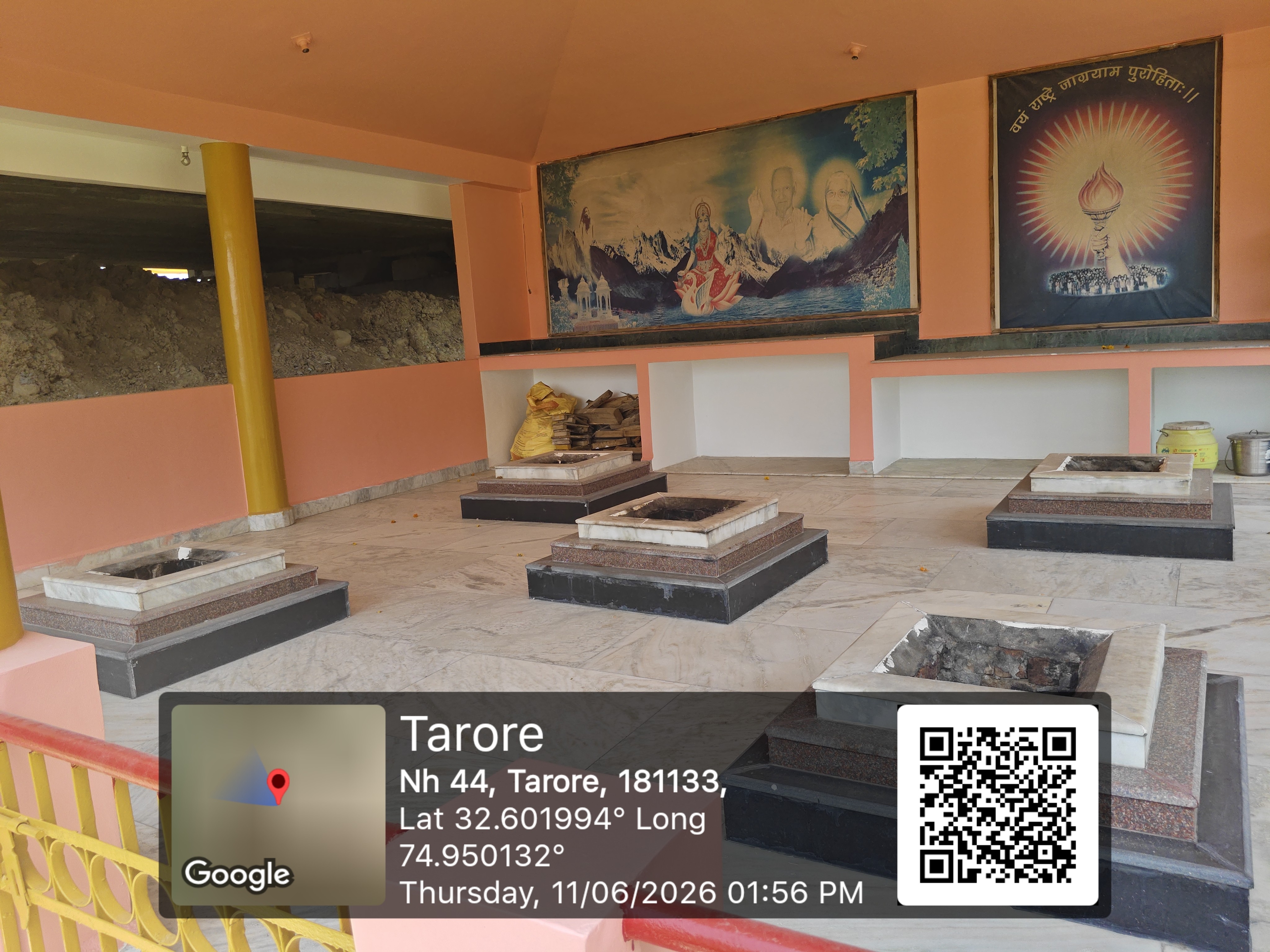
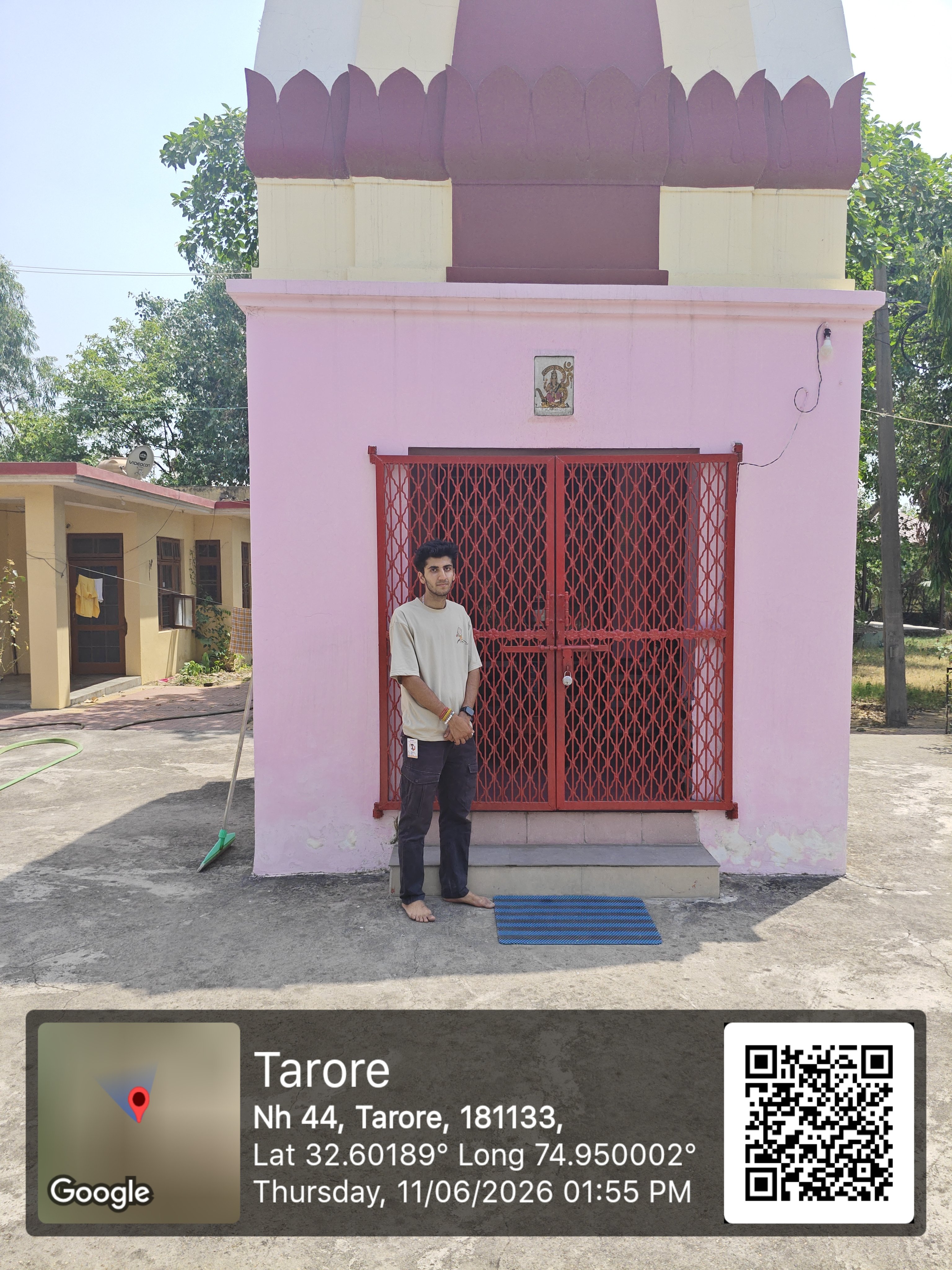
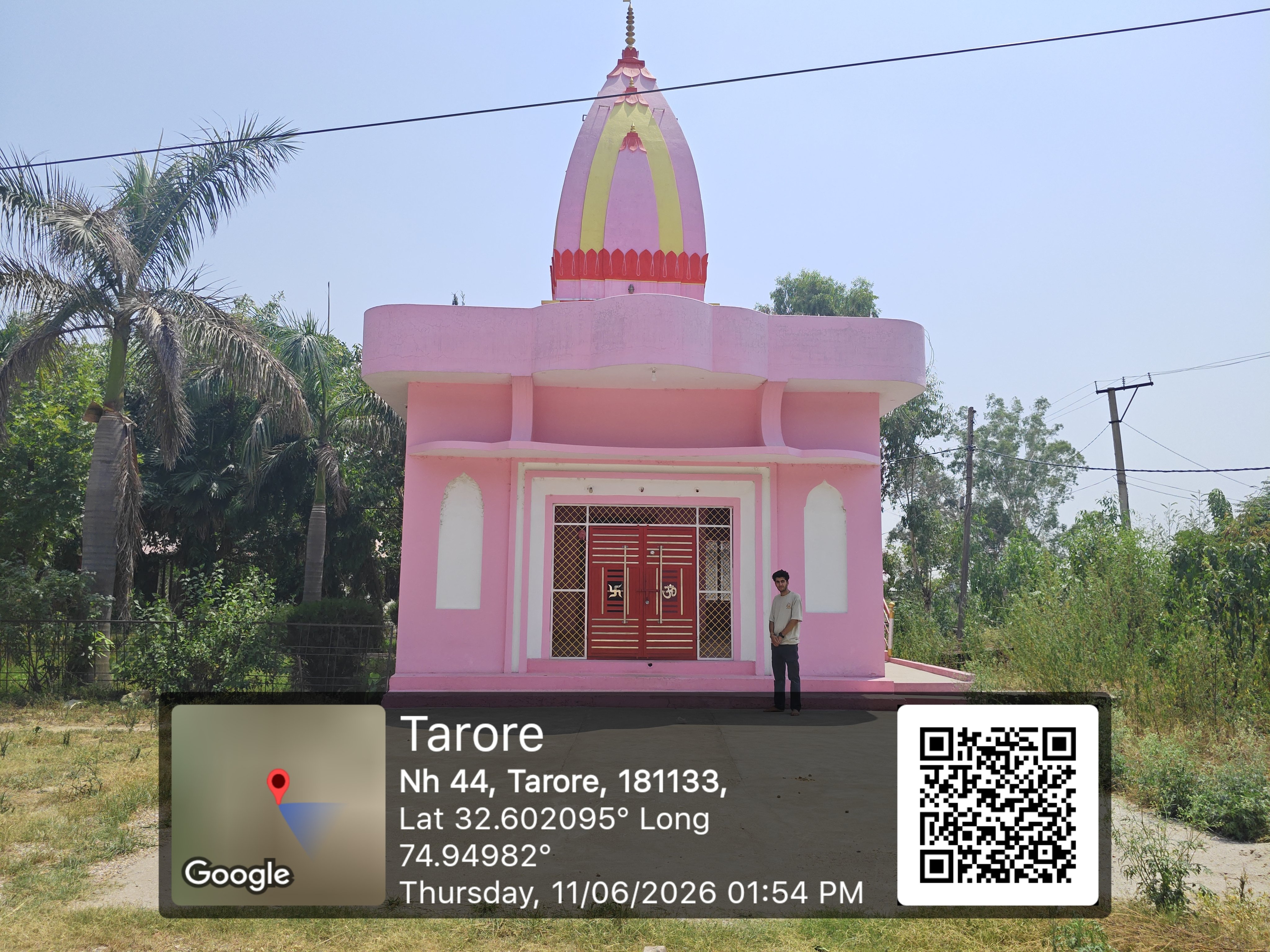
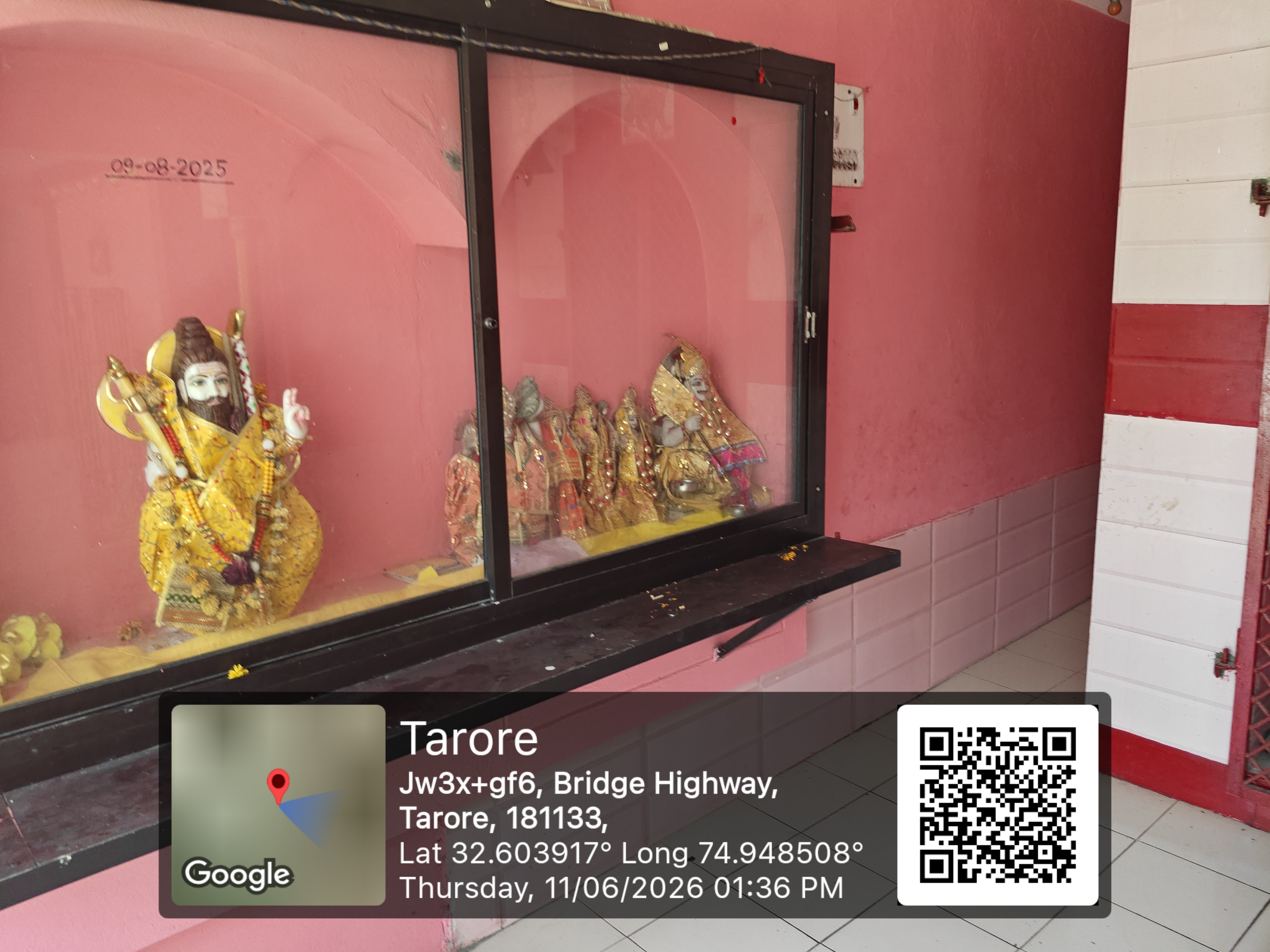
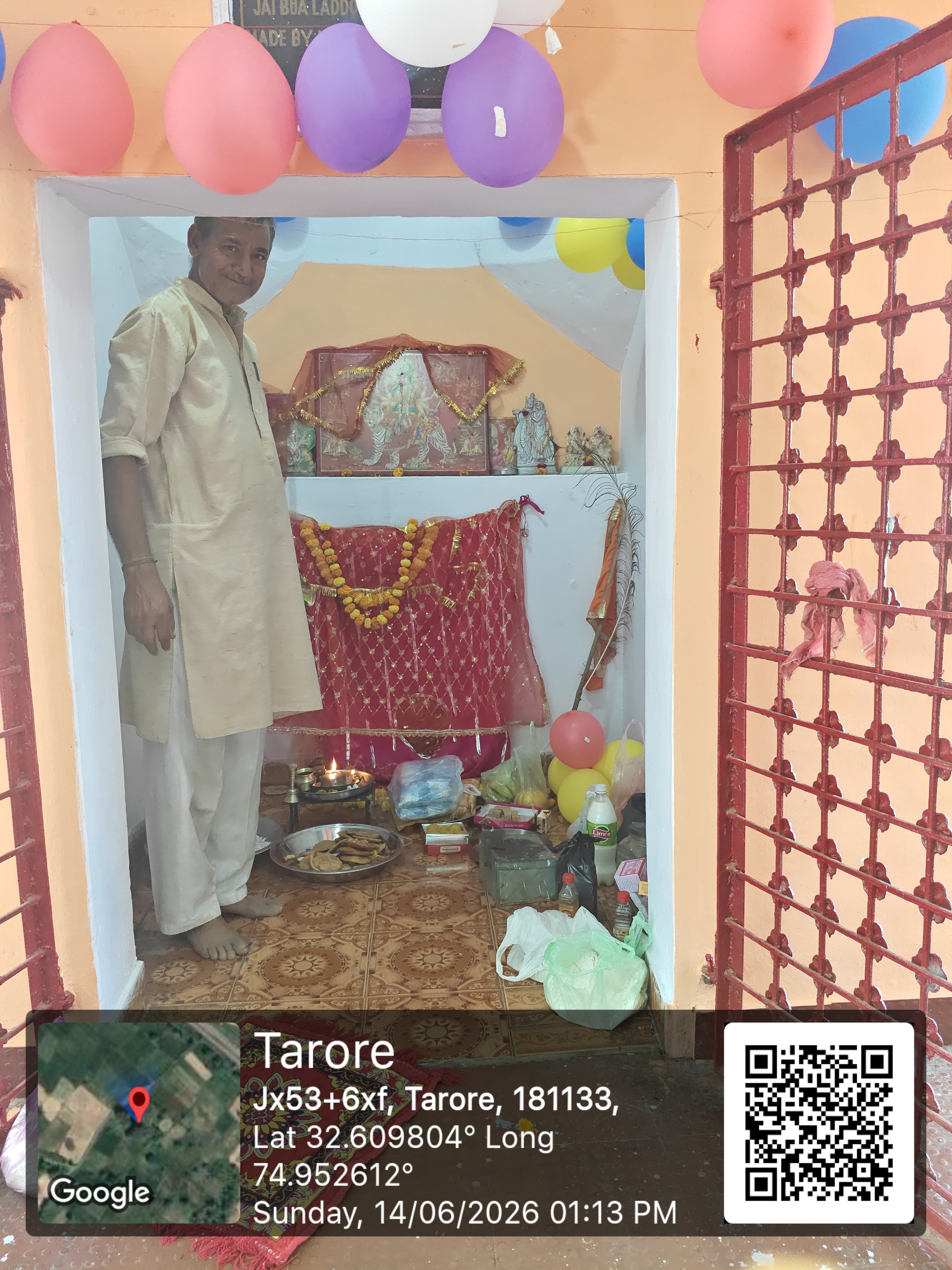
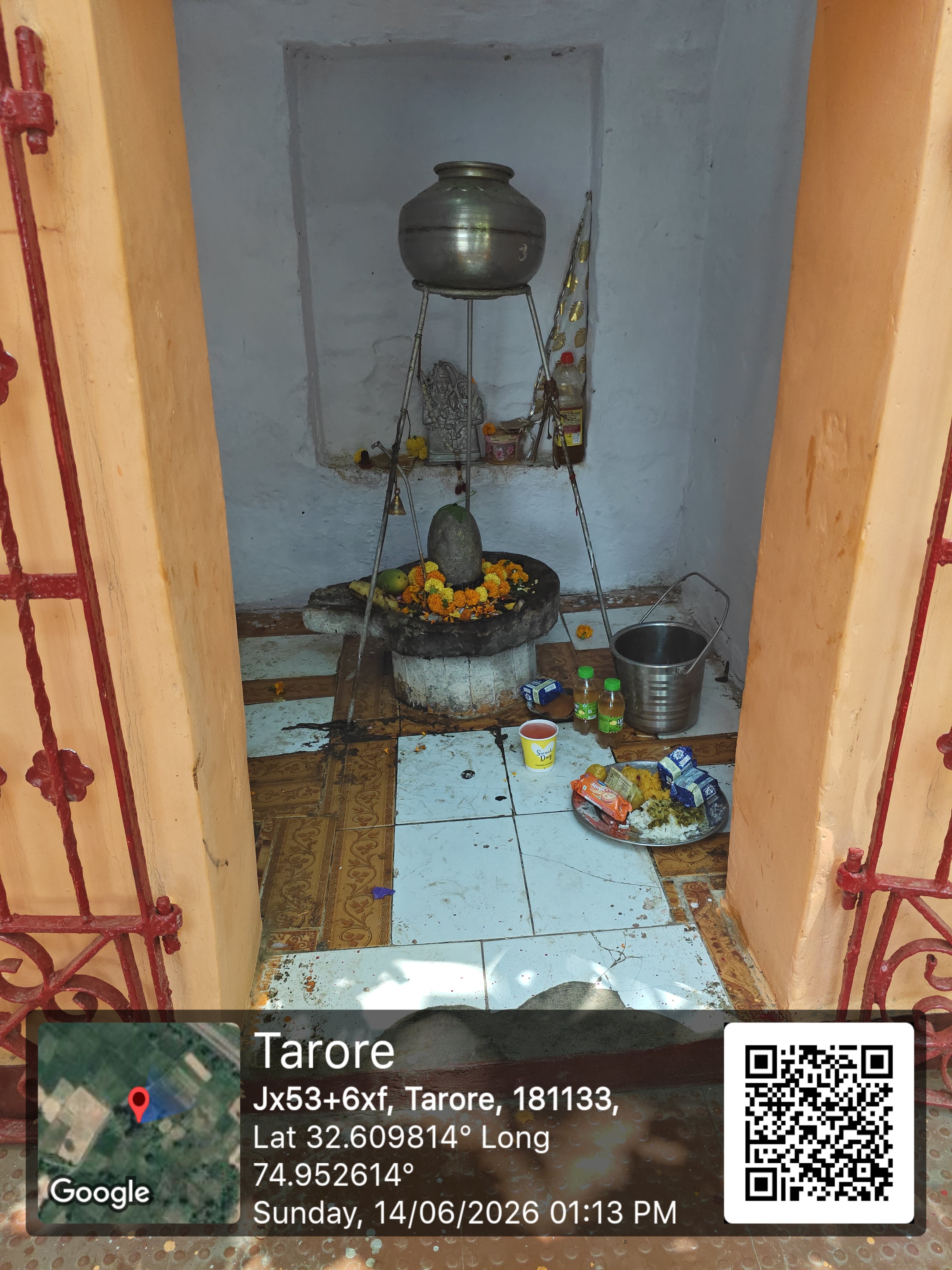
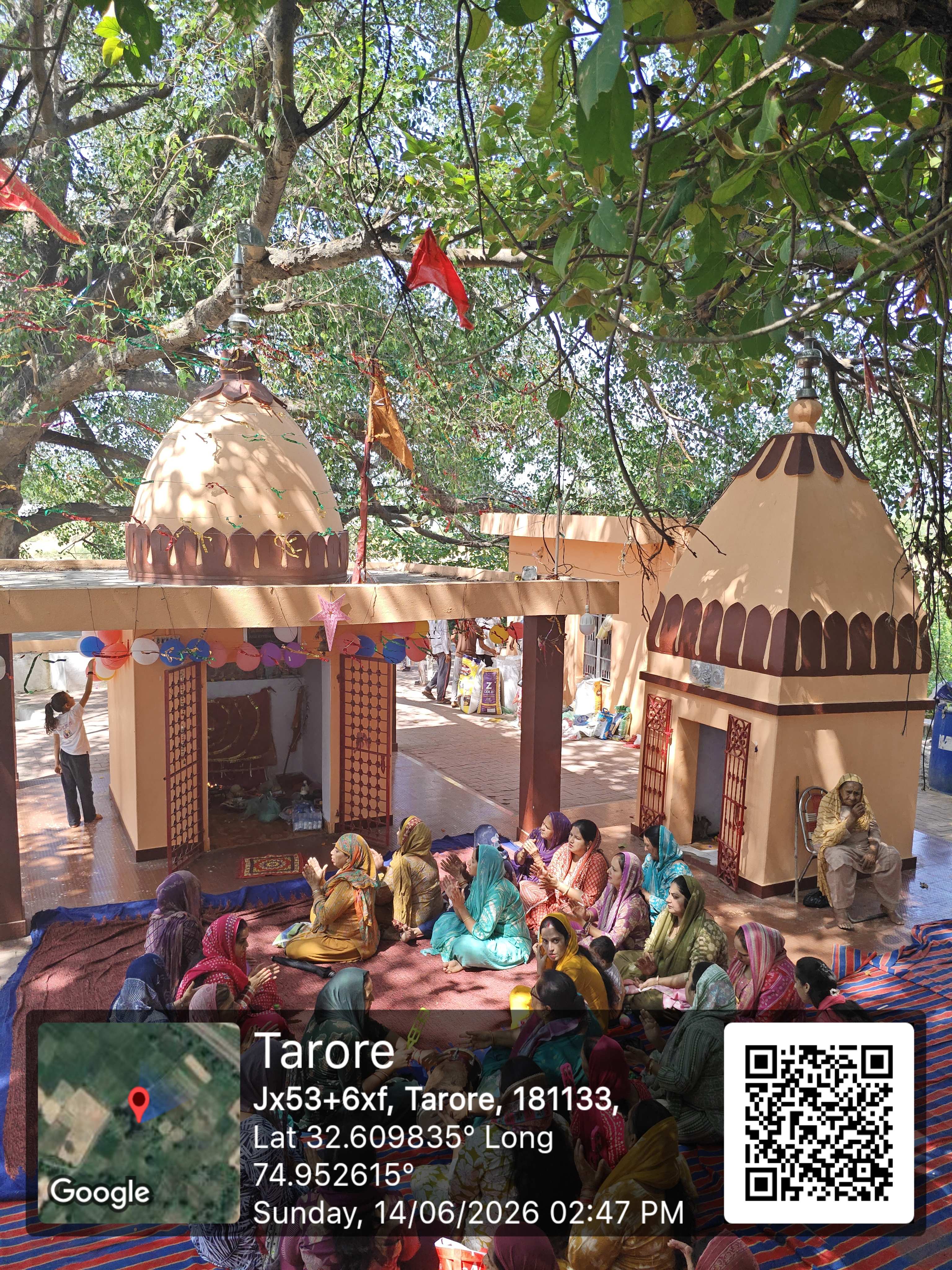
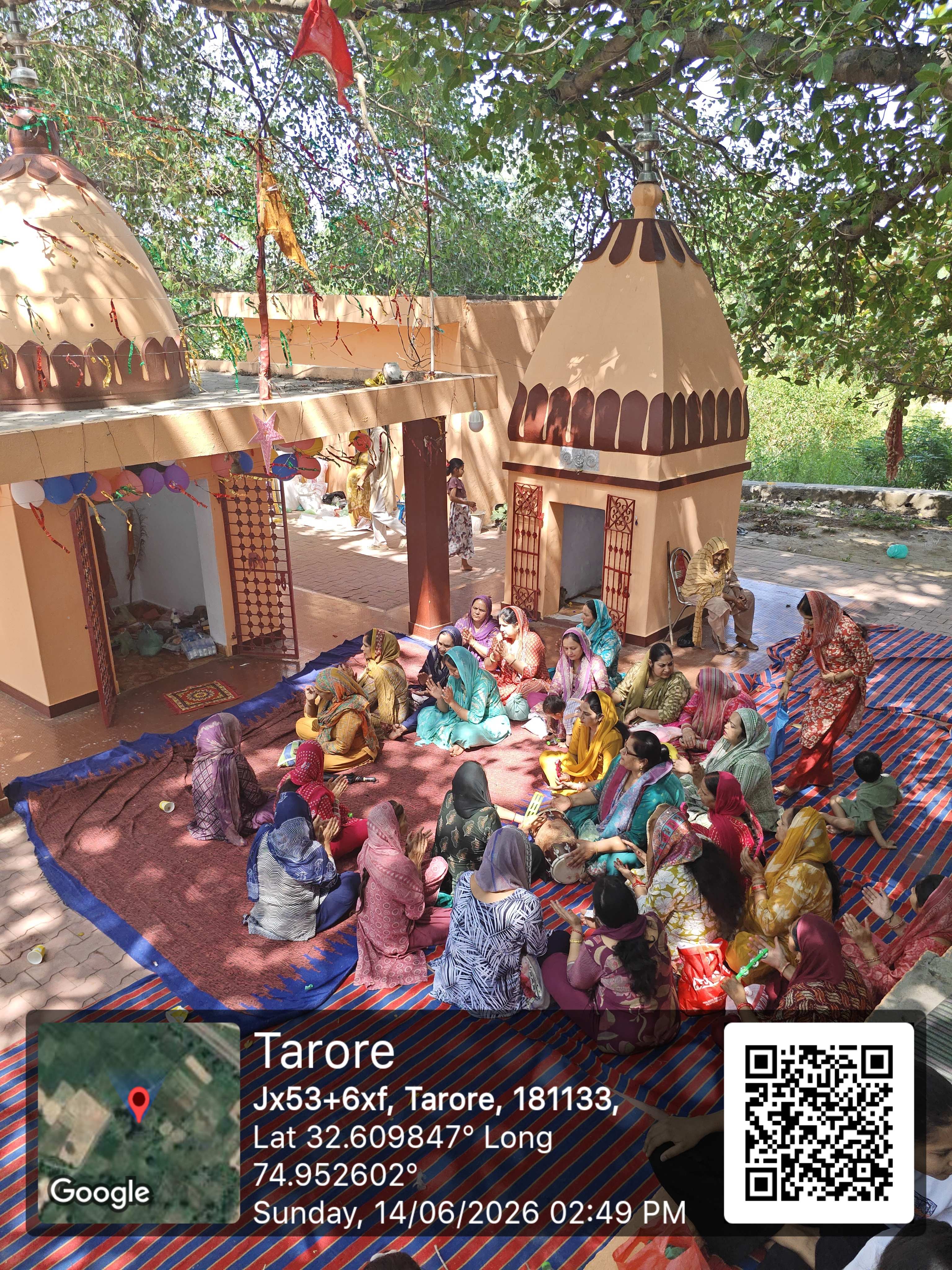
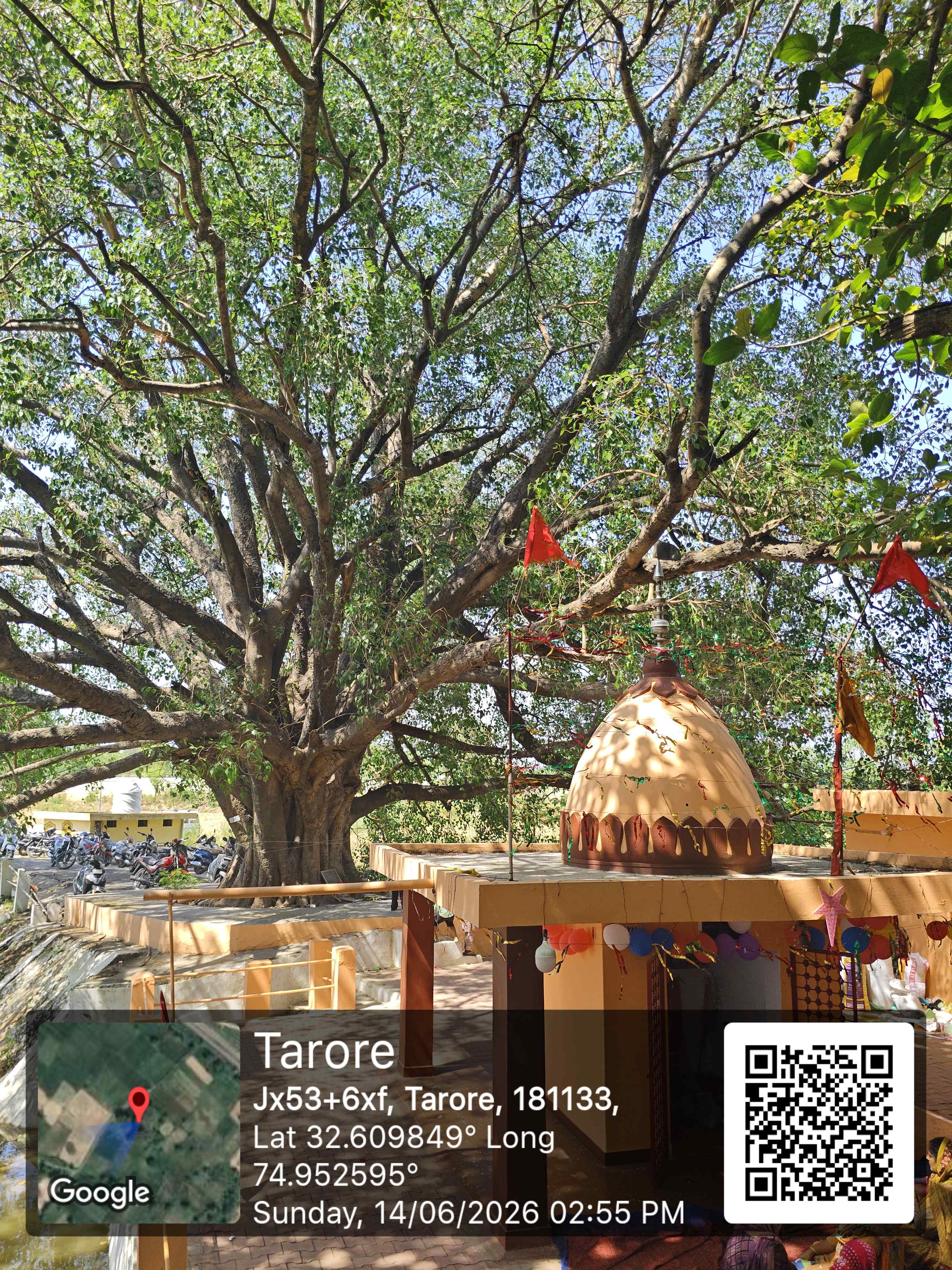
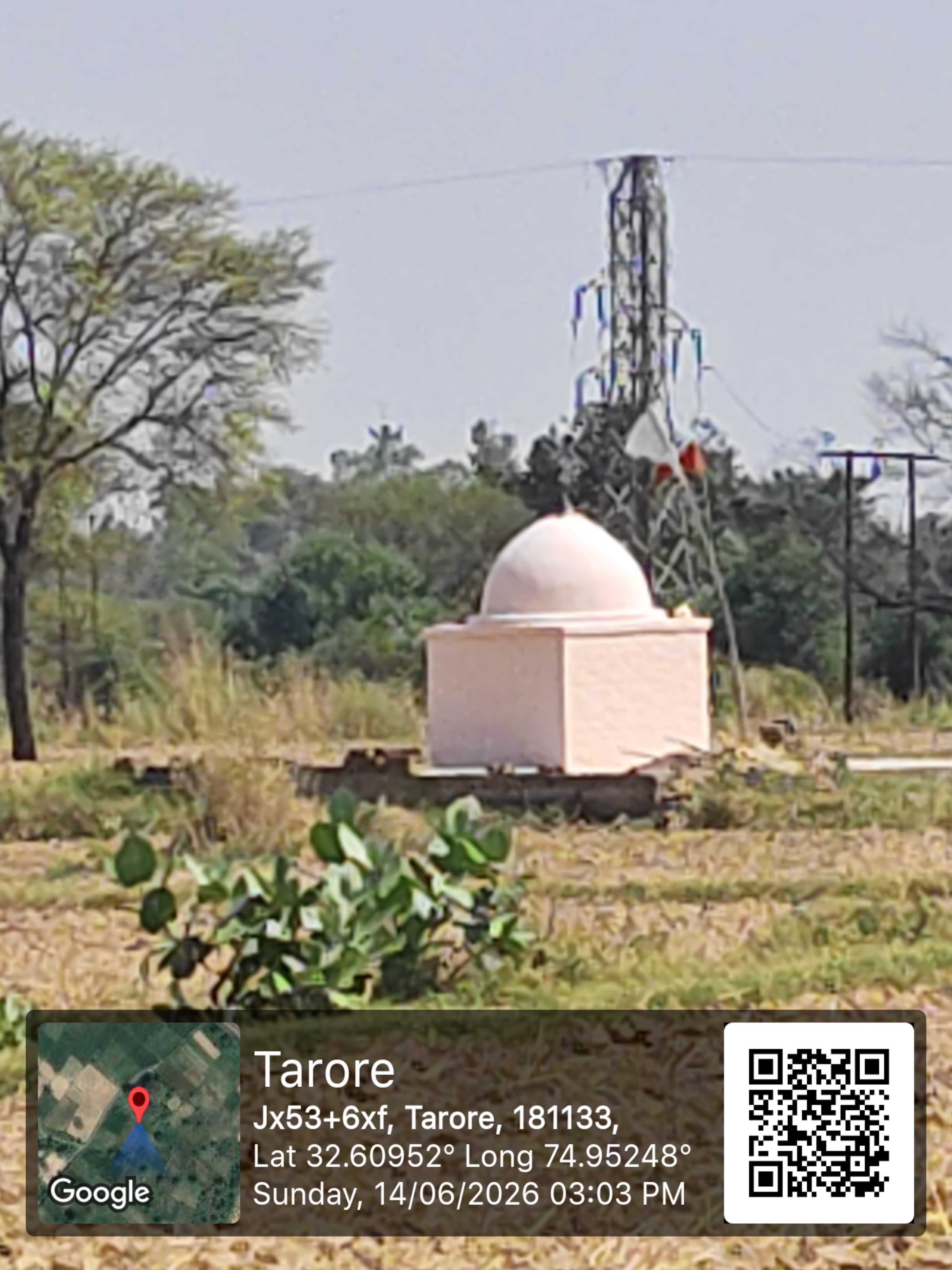
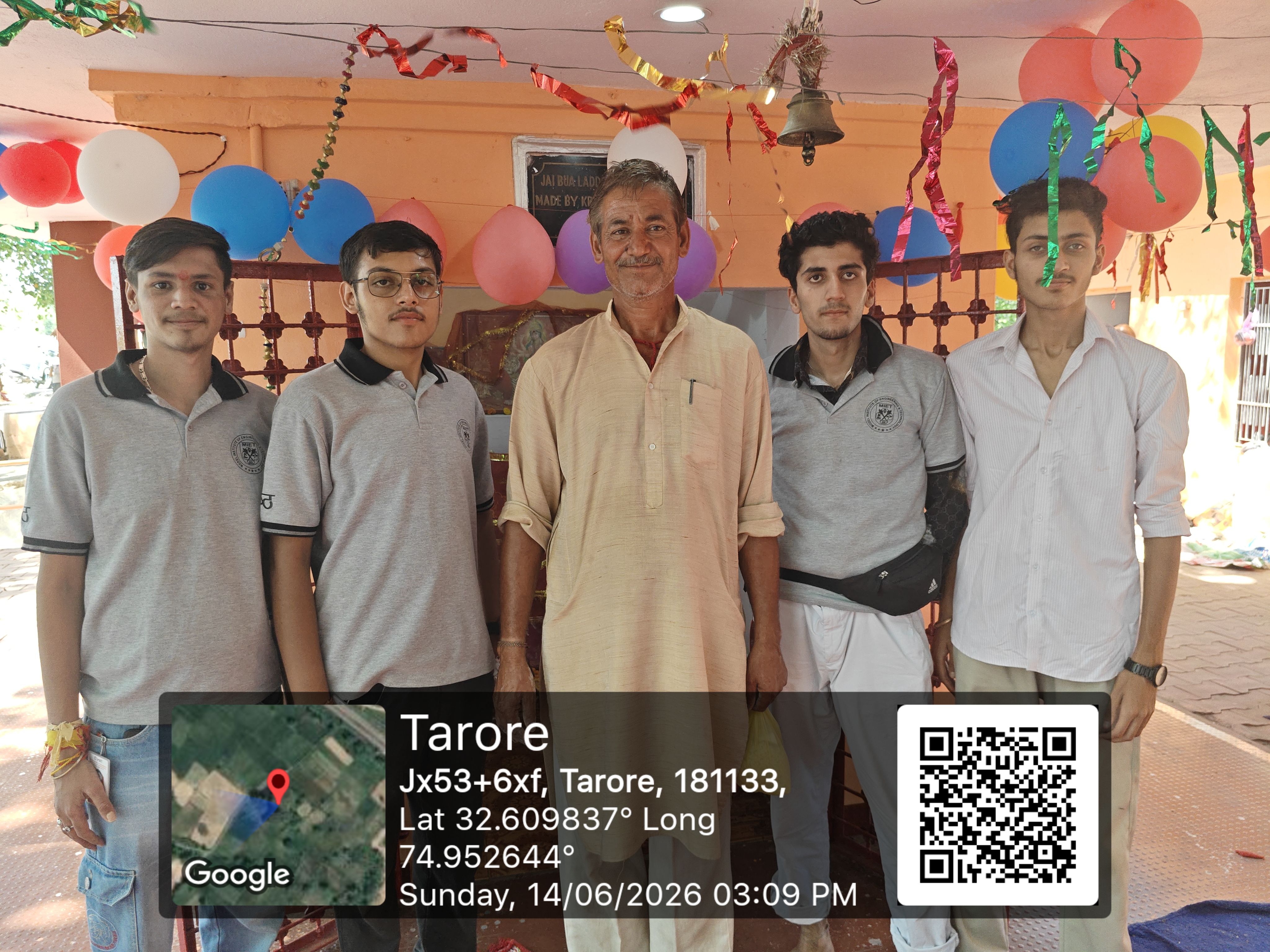
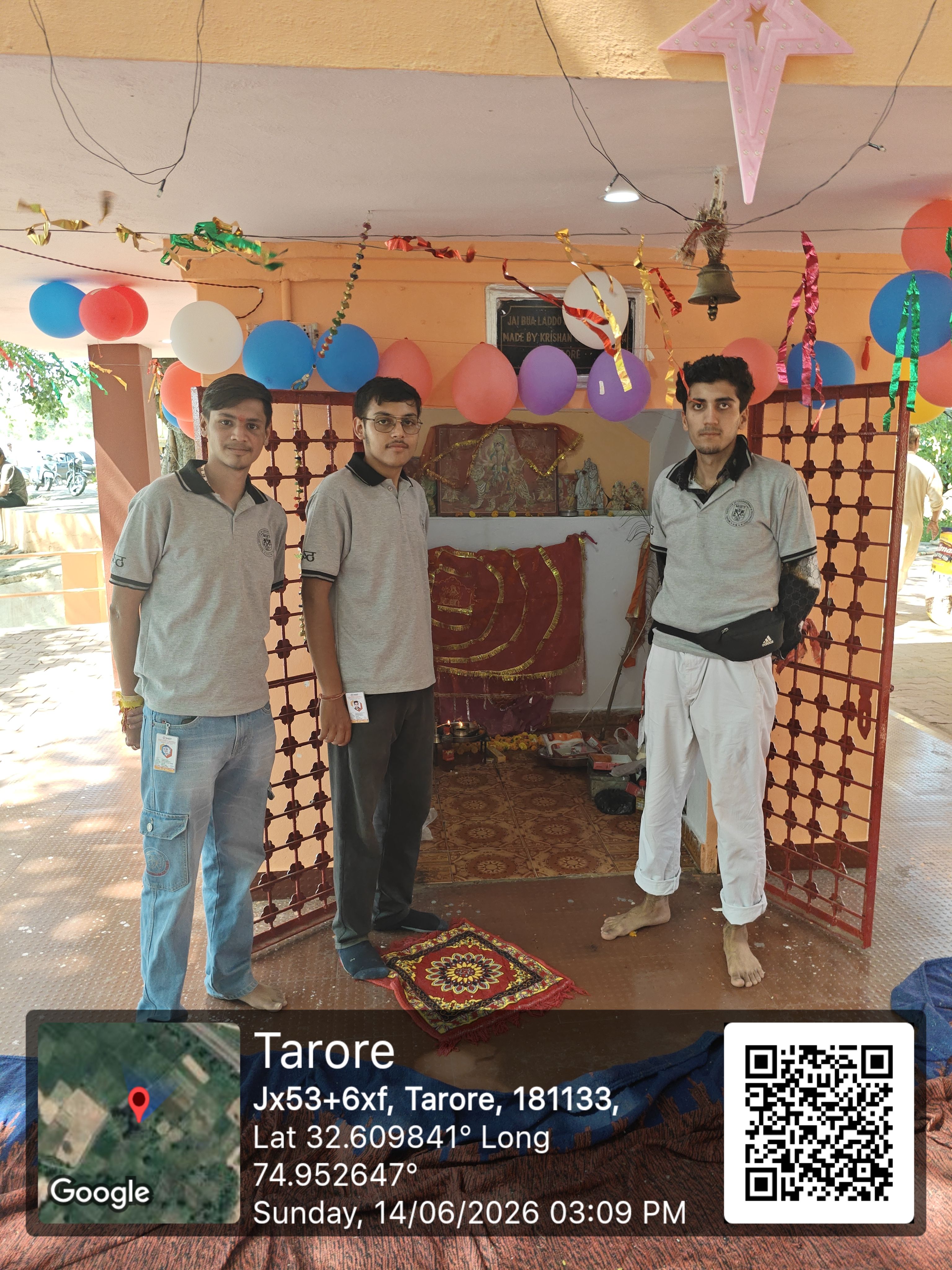
Religion forms the foundation of Tarore's cultural identity and continues to influence the rhythm of everyday life. The village is home to several important temples, including Bua Devi Temple, Gayatri Mandir, and Shri Laxmi Narayan Mandir, each serving as an important centre for worship and community gatherings. Visitors entering Tarore from the National Highway are also welcomed by two small roadside temples that symbolically mark the entrance to the village and reflect its deeply devotional character. Throughout the year, these sacred spaces host bhajans, kirtans, poojas, and community prayers that strengthen social bonds among residents. Rather than existing solely as places of worship, the temples function as centres of cultural life where generations gather to celebrate traditions, organise religious events, and preserve customs that have been passed down for decades.
Principal Attractions
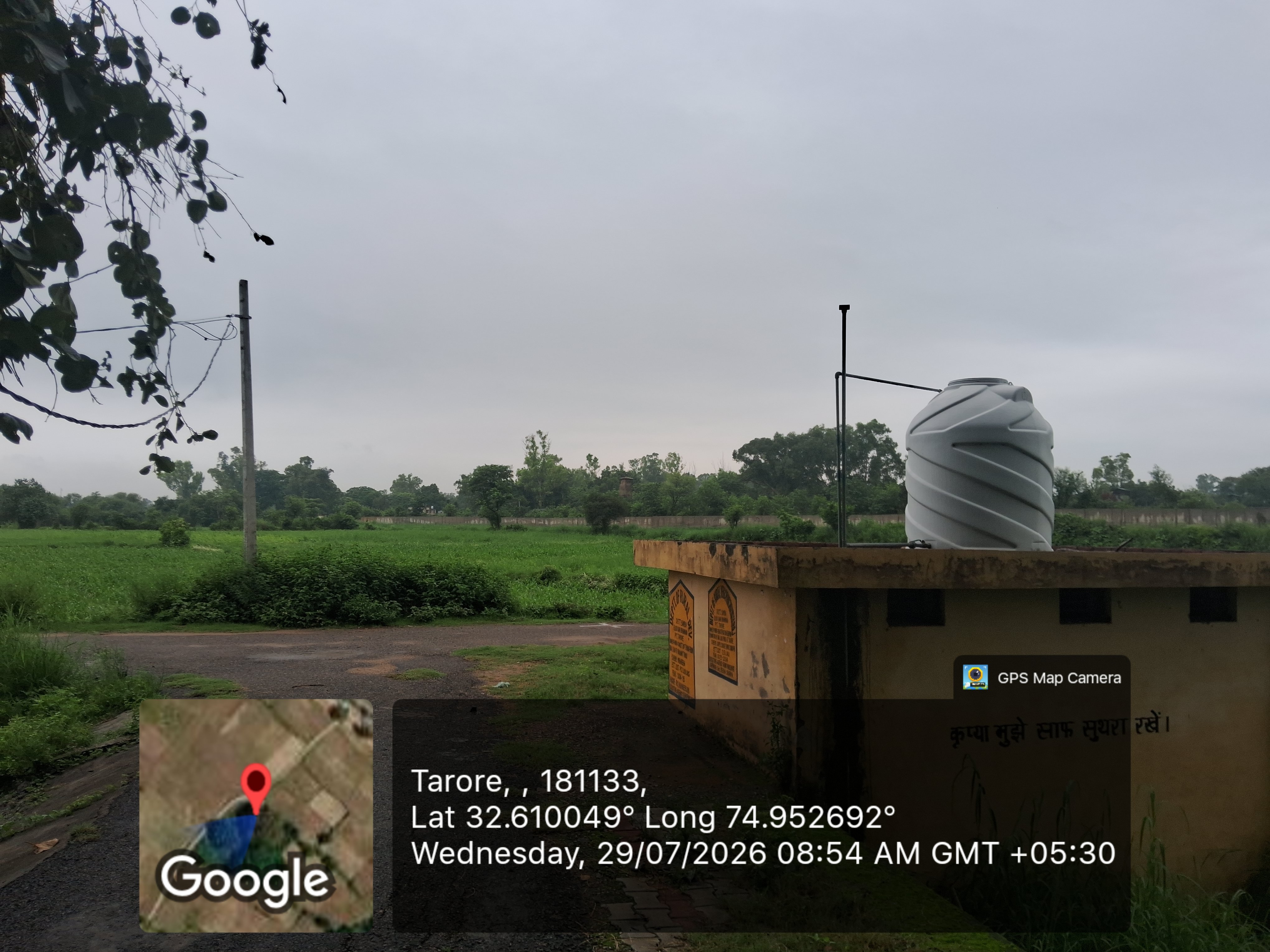
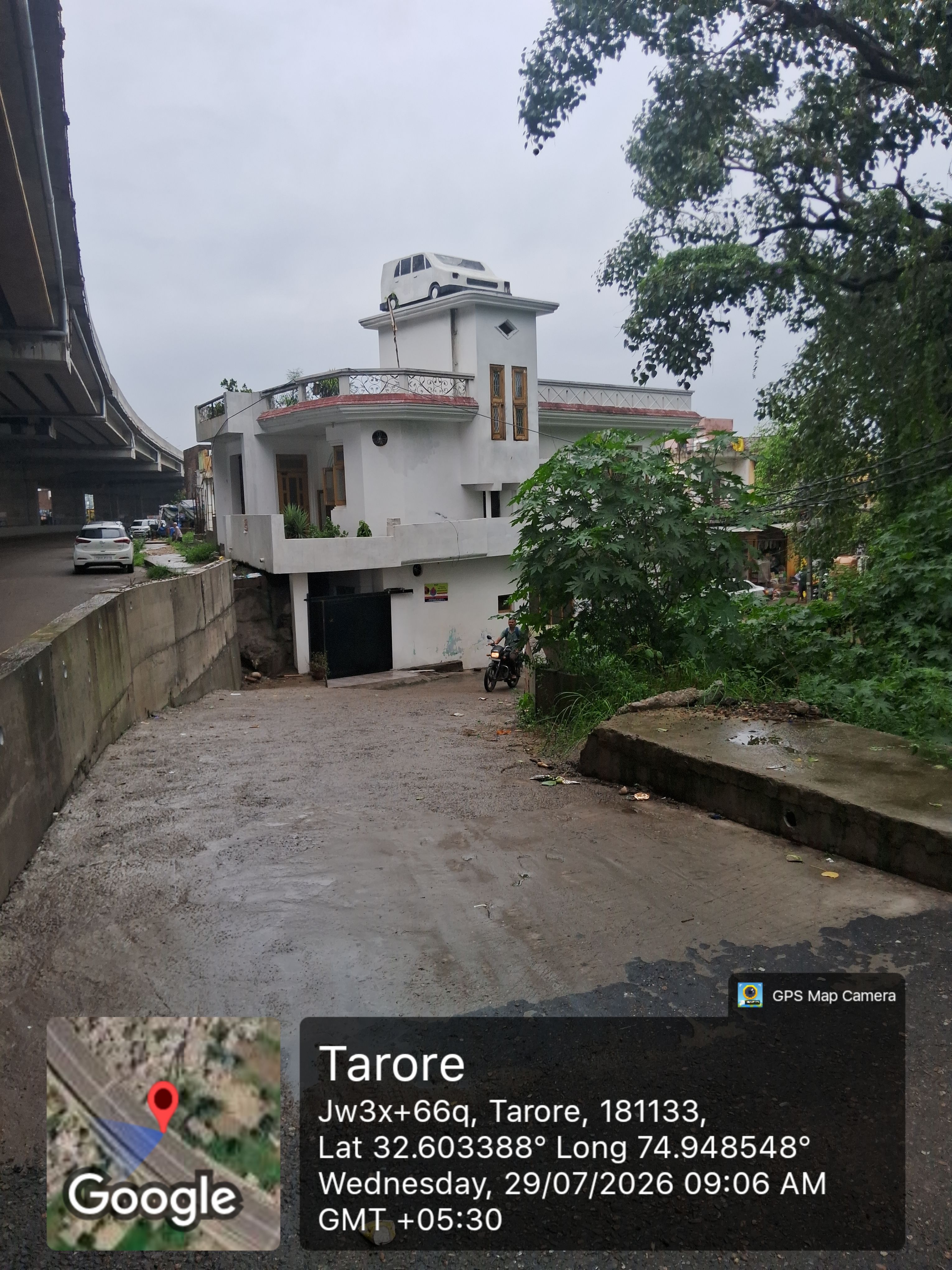
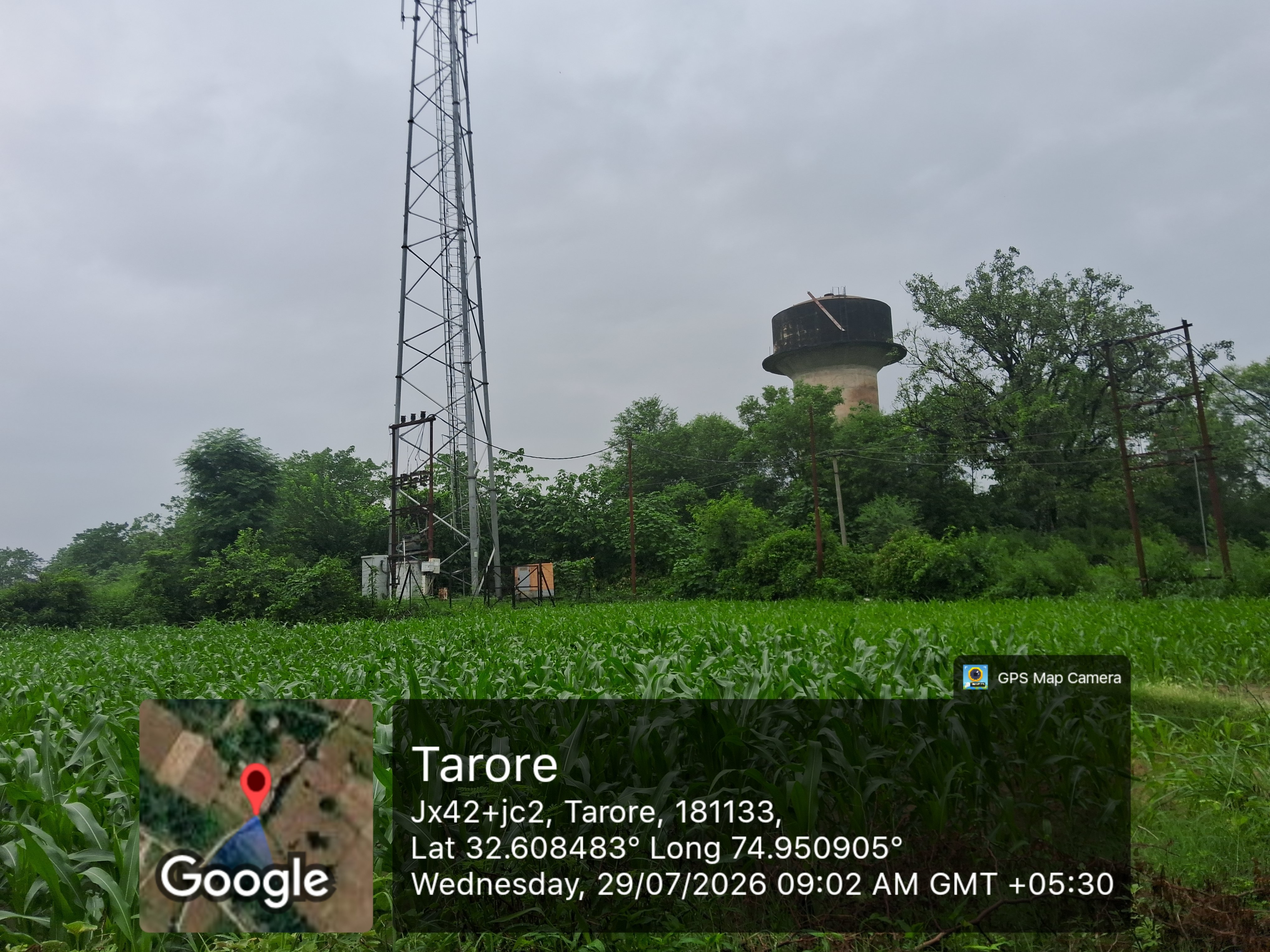
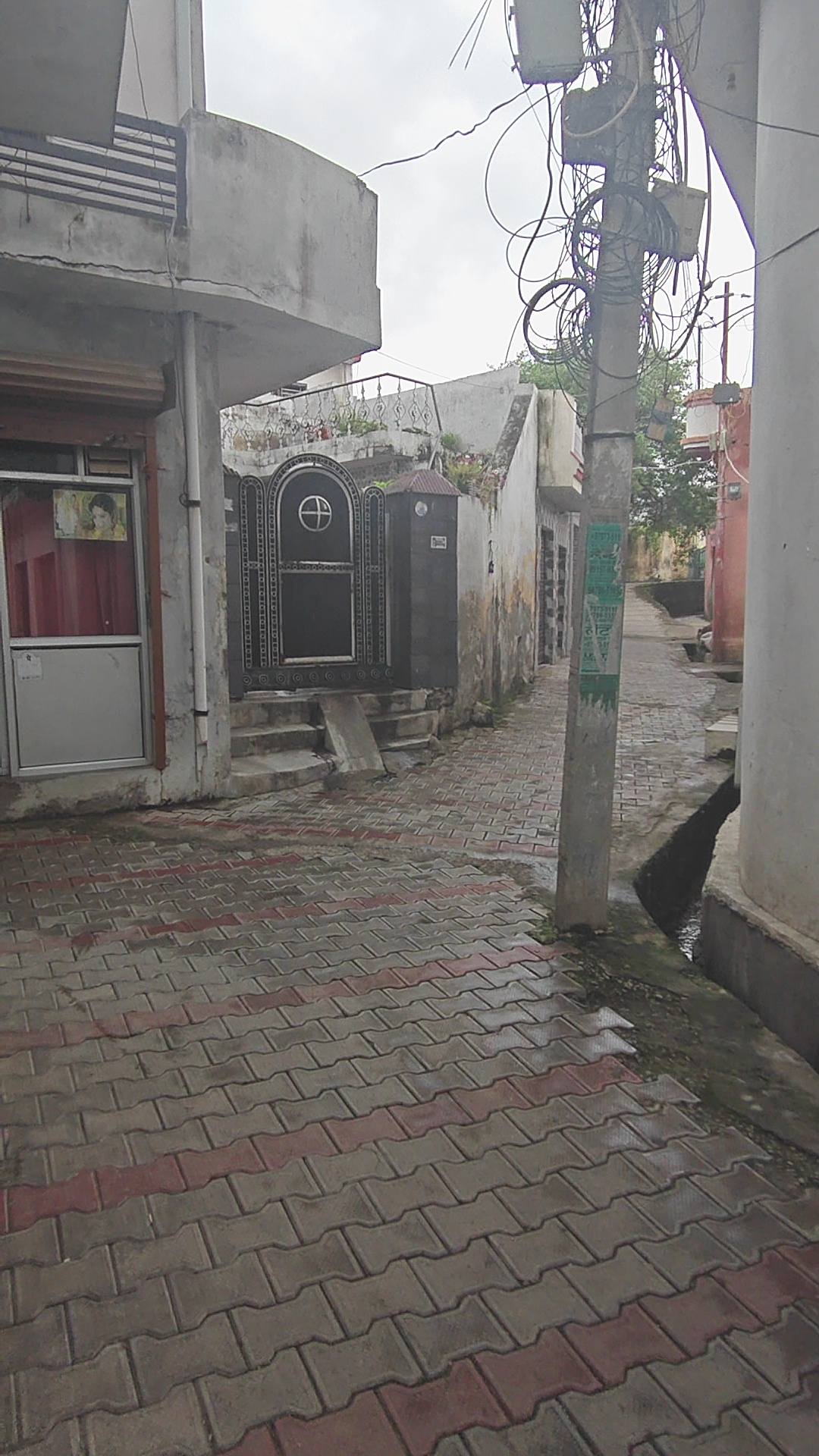
Tarore's attractions lie not in commercial tourism but in its heritage, spirituality, and rural charm. The village's temples remain its most significant landmarks, attracting devotees from both Tarore and neighbouring villages during important religious occasions. Among its most treasured natural sites is the sacred pond, located on the upper side of the village, which has long been associated with local beliefs and religious observances. The tranquil surroundings of the pond offer visitors a glimpse into the spiritual landscape that has shaped village life for generations. Another distinctive feature is one of Tarore's most unusual modern landmarks—an elevated water tank crowned with a decorative model of a car, constructed above the Sarpanch's residence. Easily visible from the descending stretch of NH-44, this unique structure has become an unofficial symbol of the village and is frequently used by residents as a landmark while giving directions. Together with its peaceful lanes, traditional homes, and surrounding farmlands, these features create an authentic rural experience that reflects the character of Tarore.
Best Time to Visit
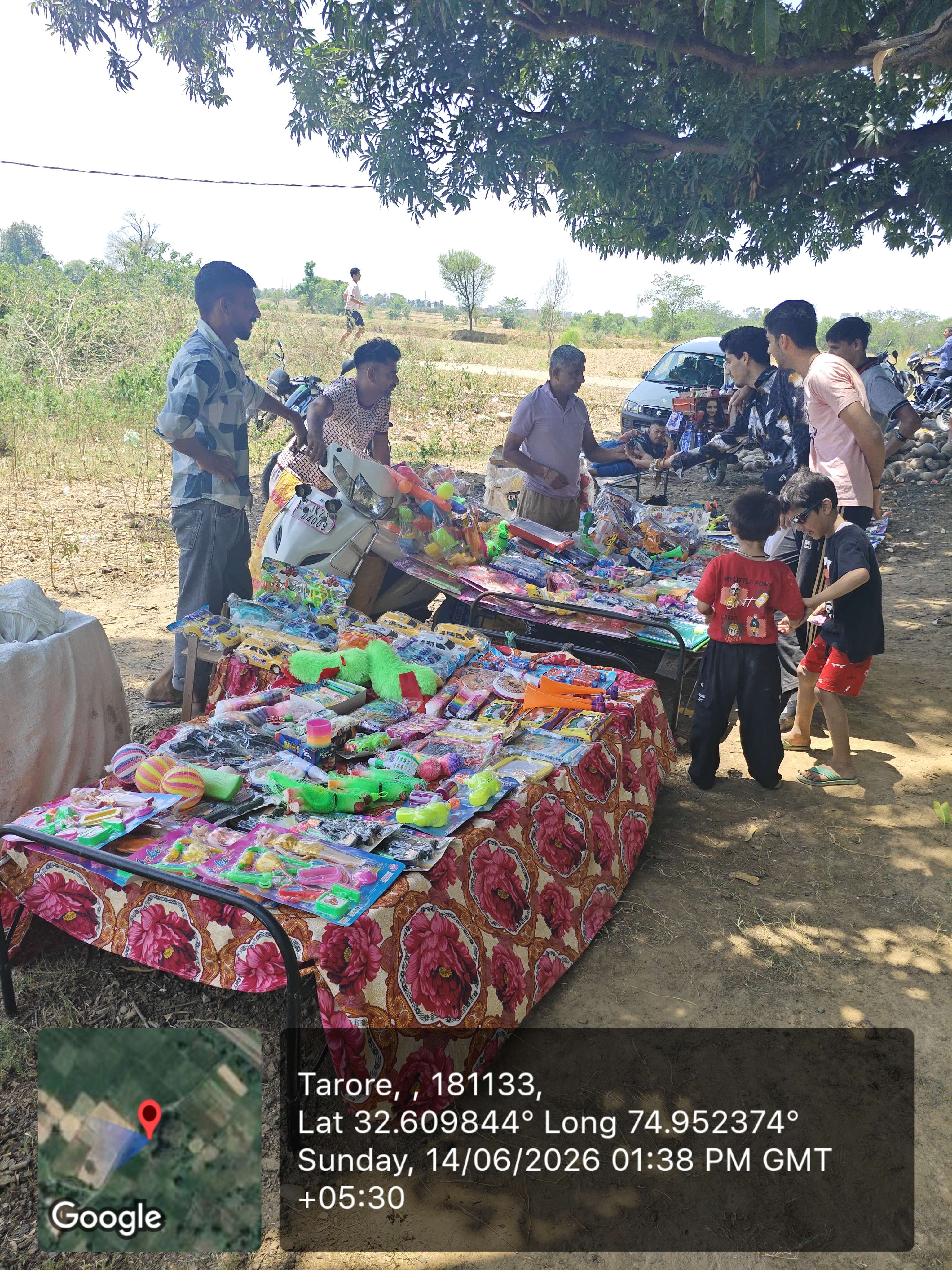
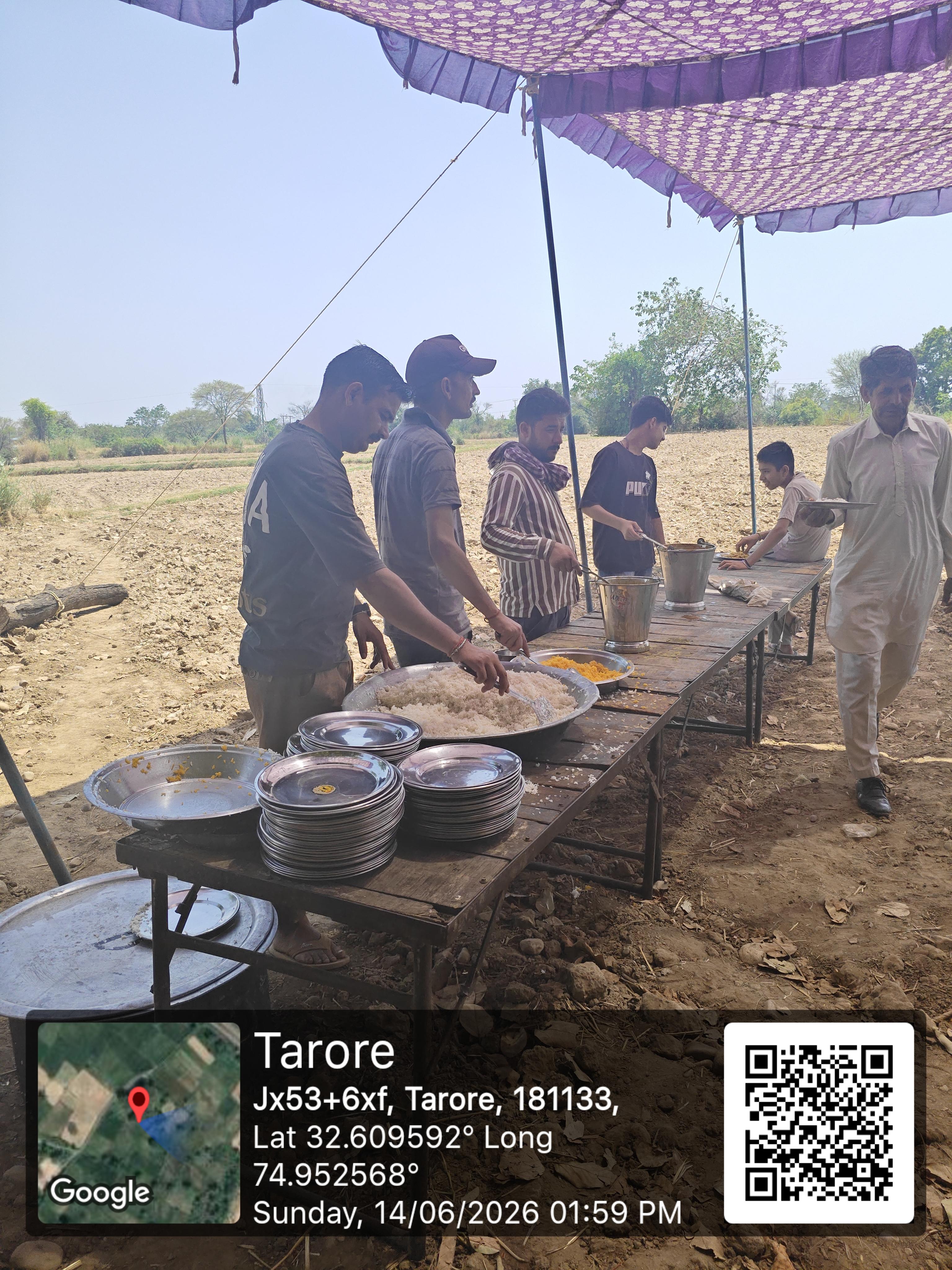
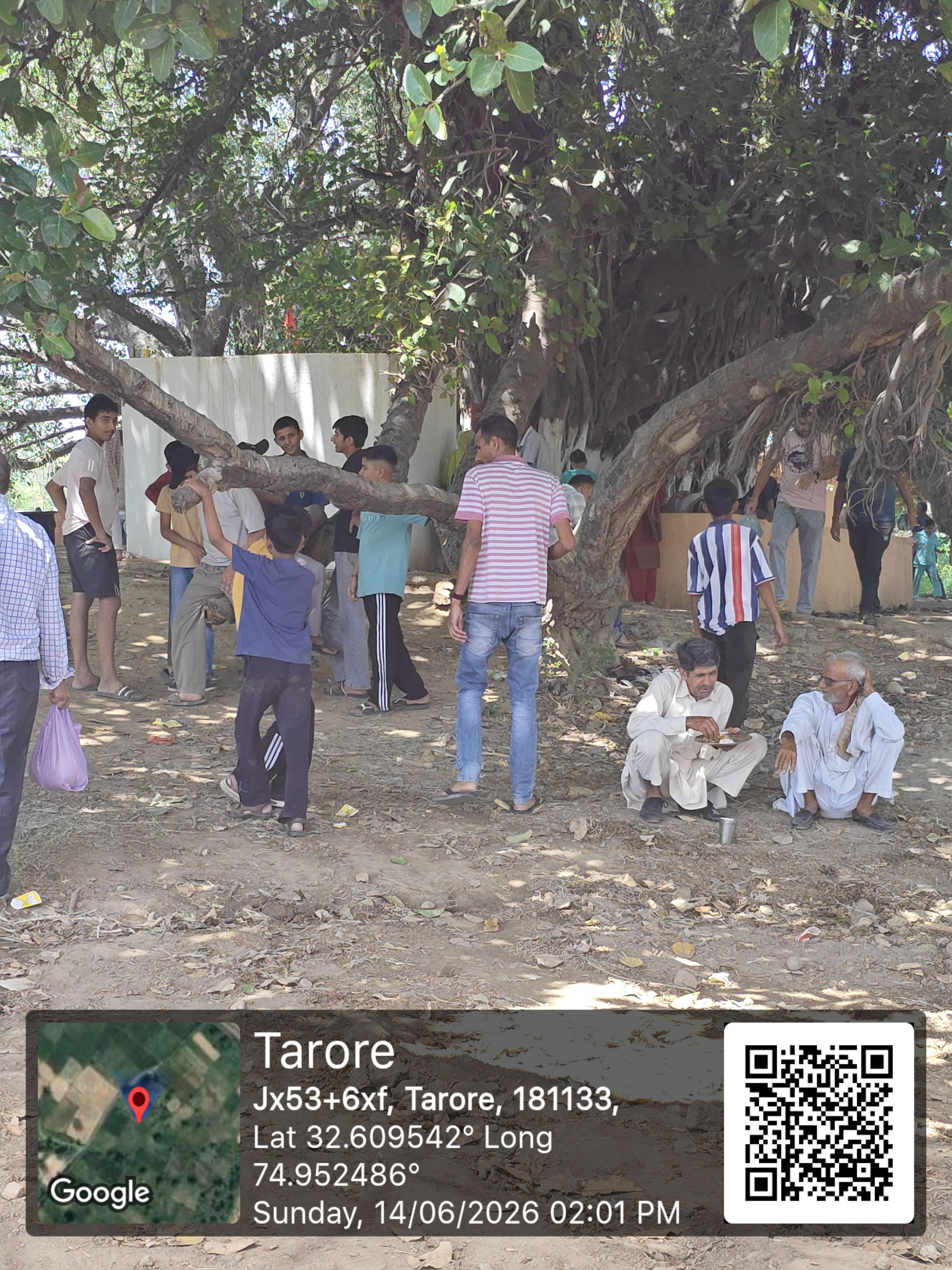
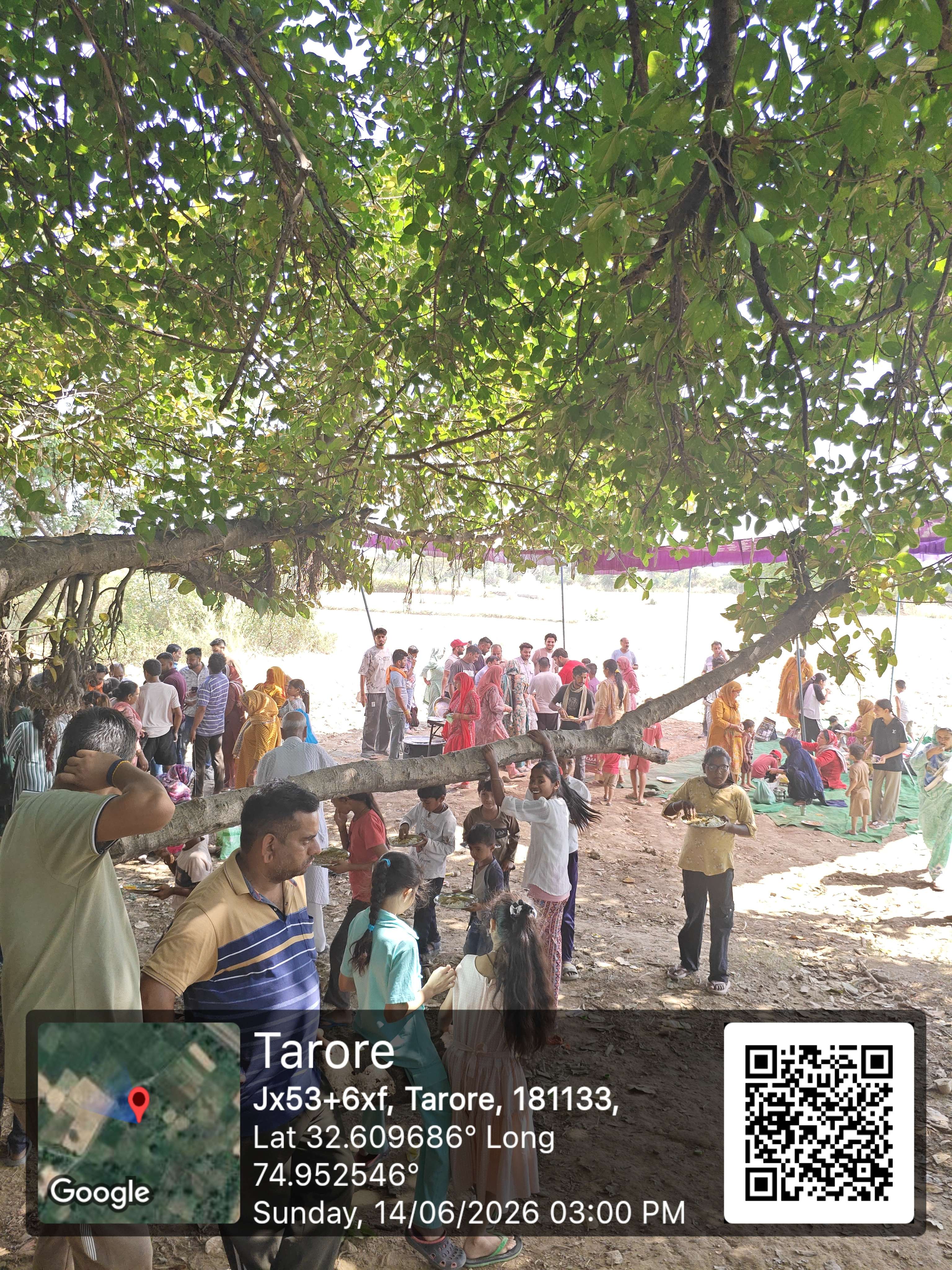
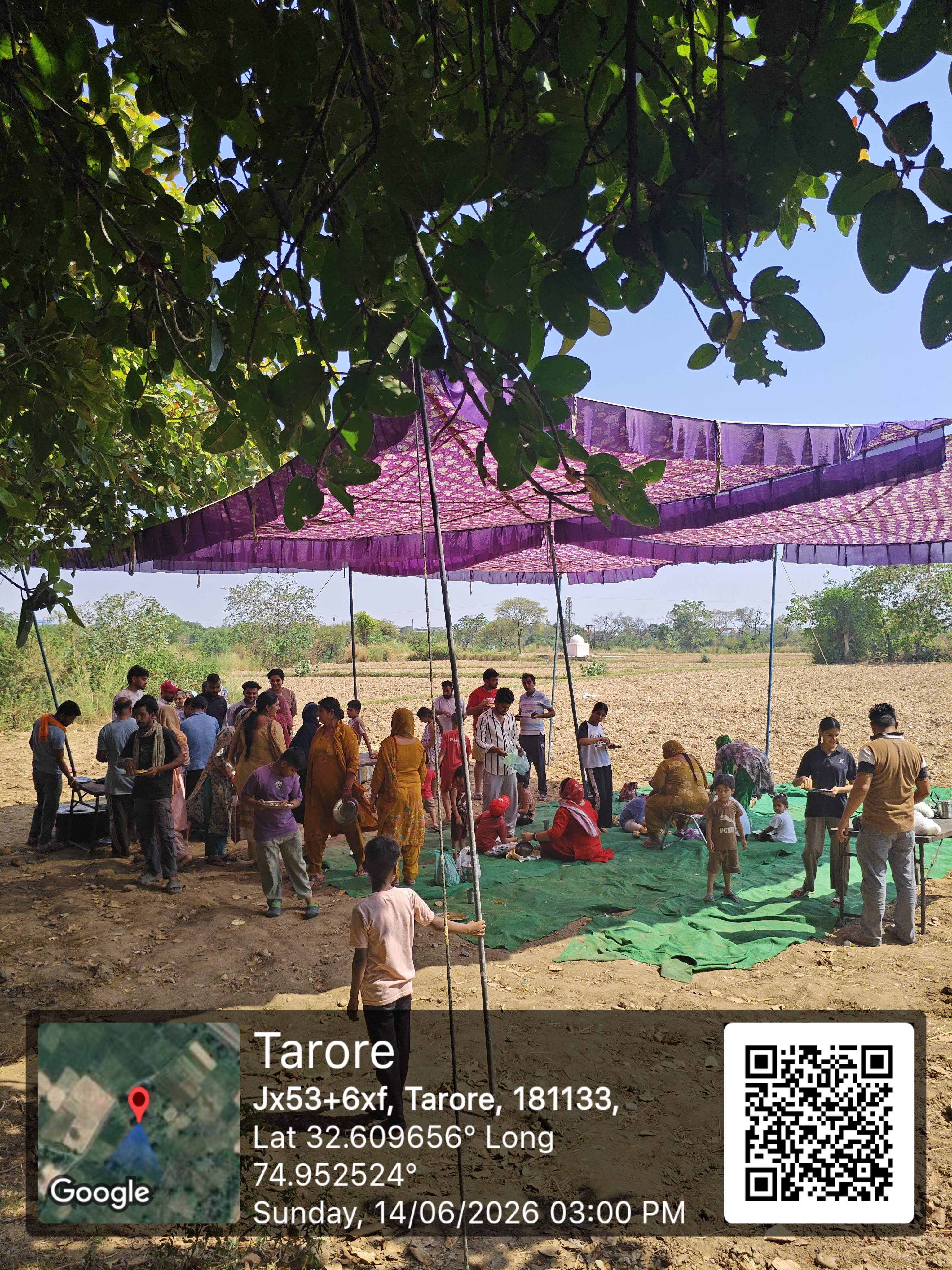
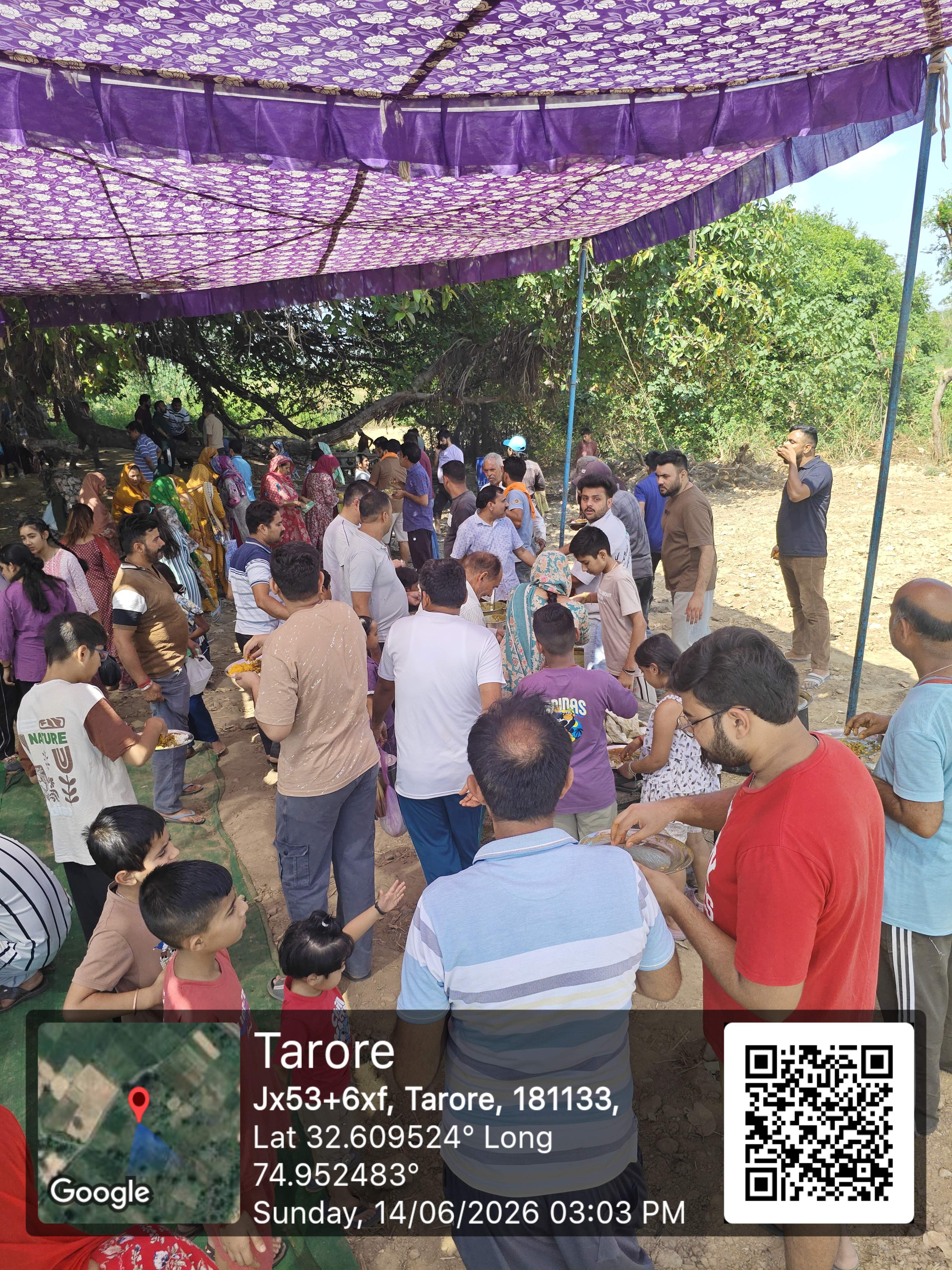
The most rewarding time to experience Tarore is during its annual religious celebrations, particularly in the first week of June, when the village comes alive with devotional activities centred around its temples. During this period, large numbers of devotees gather to participate in prayers, community feasts (langar), and mela-like celebrations that transform the normally quiet village into a vibrant centre of faith and social interaction. The festive atmosphere provides visitors with an opportunity to witness traditional Dogra customs, community hospitality, and the collective spirit that defines Tarore. Outside the festival season, the months following the monsoon and the winter season also offer pleasant weather, lush agricultural landscapes, and peaceful surroundings ideal for those wishing to experience rural life away from the bustle of nearby towns.
Village Lifestyle and Community Life
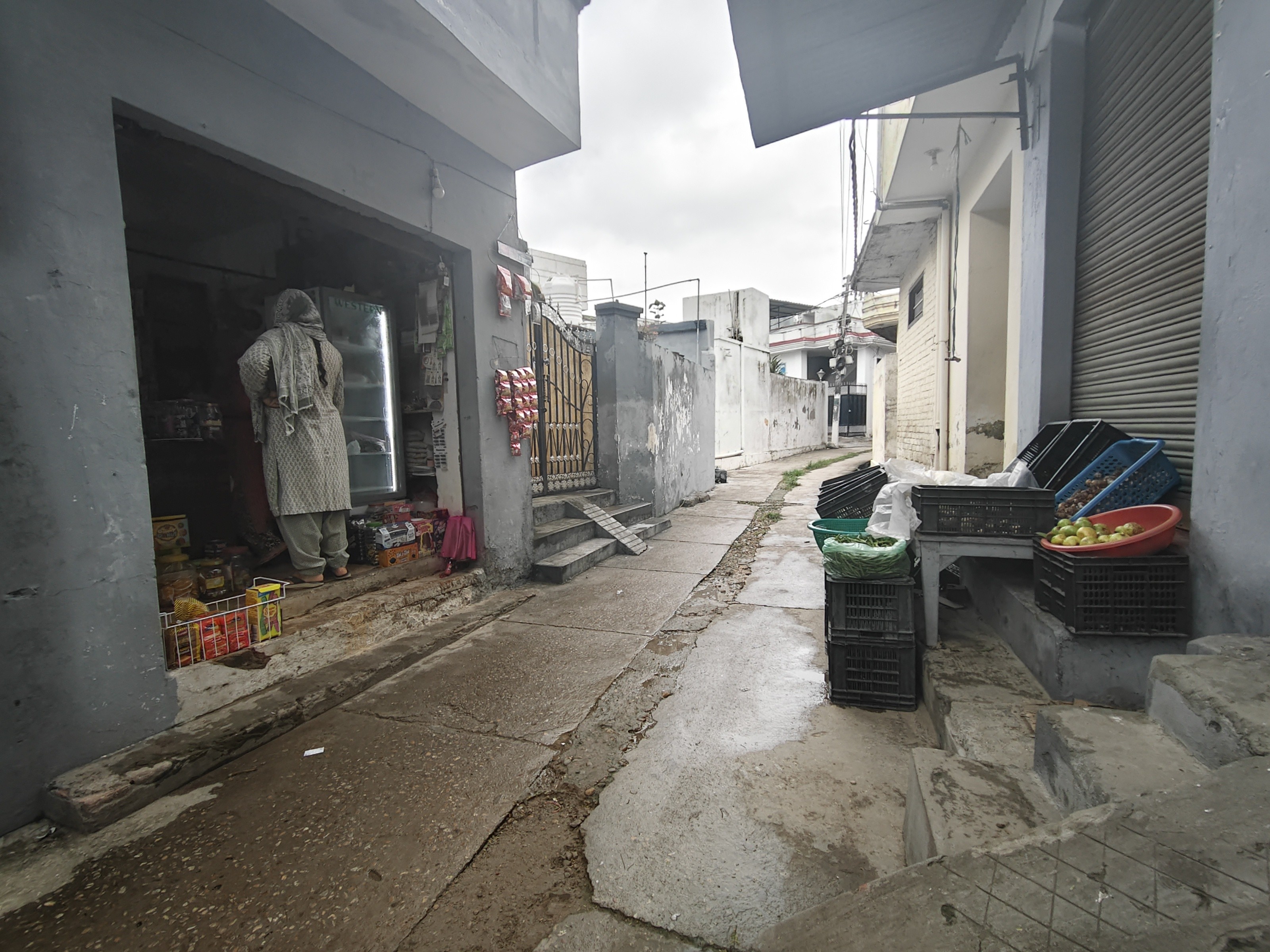
Life in Tarore continues to revolve around agriculture, family, and faith. Mornings begin with activity in the fields, while evenings often bring neighbours together at temples or community spaces where conversations, prayers, and social interactions strengthen long-standing relationships. Although younger generations increasingly pursue higher education and employment in nearby urban centres, many families continue to maintain their ancestral homes and agricultural land, preserving a strong connection with village life. Community celebrations remain highly collective, with residents actively participating in religious events, festivals, and social functions regardless of age. This spirit of cooperation, hospitality, and mutual support continues to define Tarore, making it a village where traditional values remain deeply rooted despite the influence of modern development.
Economy and Occupations
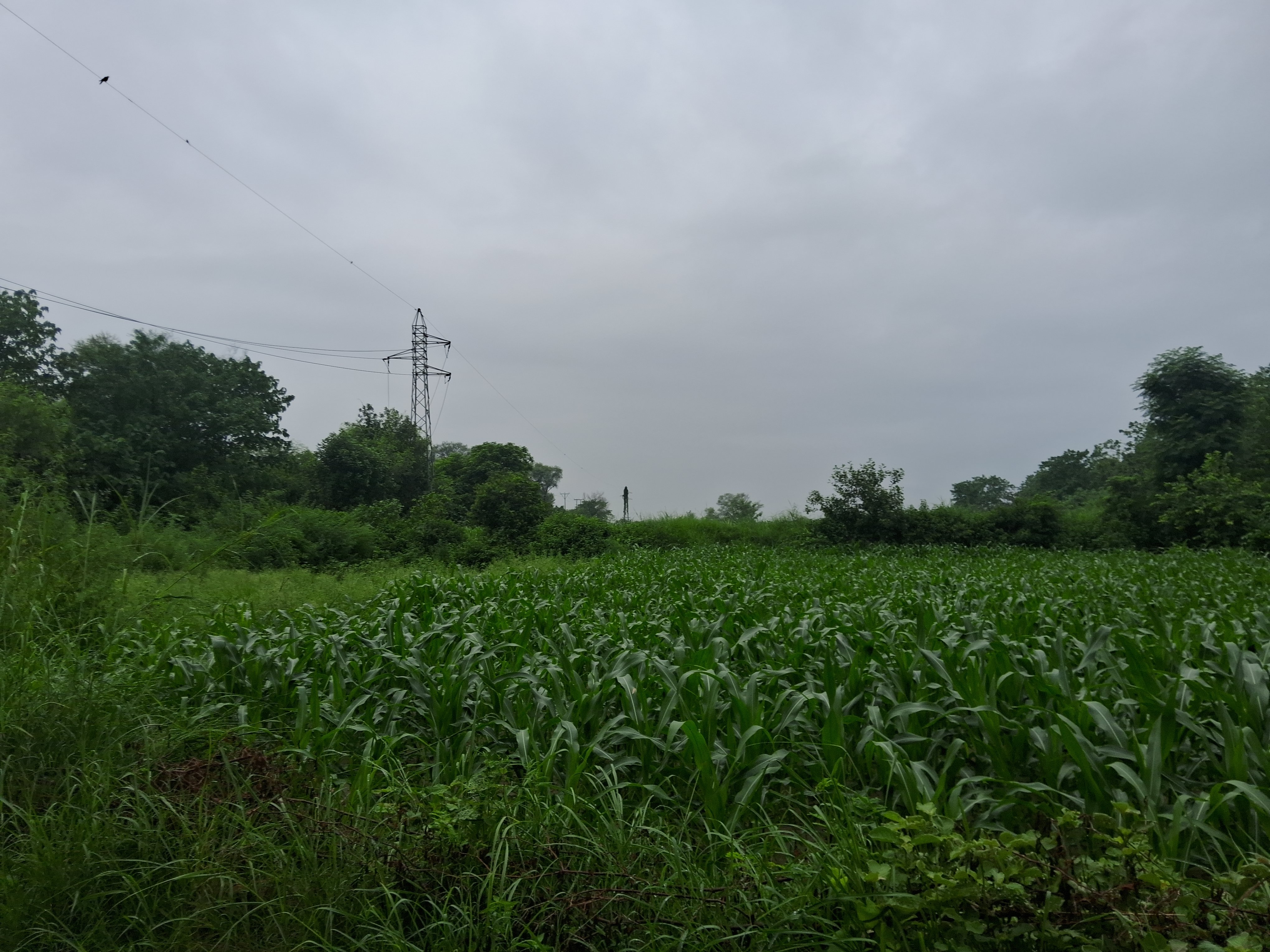
Agriculture forms the backbone of Tarore's local economy, with fertile farmland supporting the cultivation of seasonal crops that have sustained village livelihoods for generations. Alongside farming, livestock rearing contributes to household income and reflects the village's traditional agrarian lifestyle. In recent decades, Tarore's proximity to Bari Brahmana's industrial estate and other nearby commercial centres has diversified employment opportunities, enabling many residents to work in manufacturing, government services, education, retail businesses, and private enterprises while continuing to reside in the village. This combination of agriculture and non-farm employment has created a balanced local economy where traditional occupations coexist with modern sources of income, contributing to gradual economic development without significantly altering the village's rural character.
Educational Infrastructure
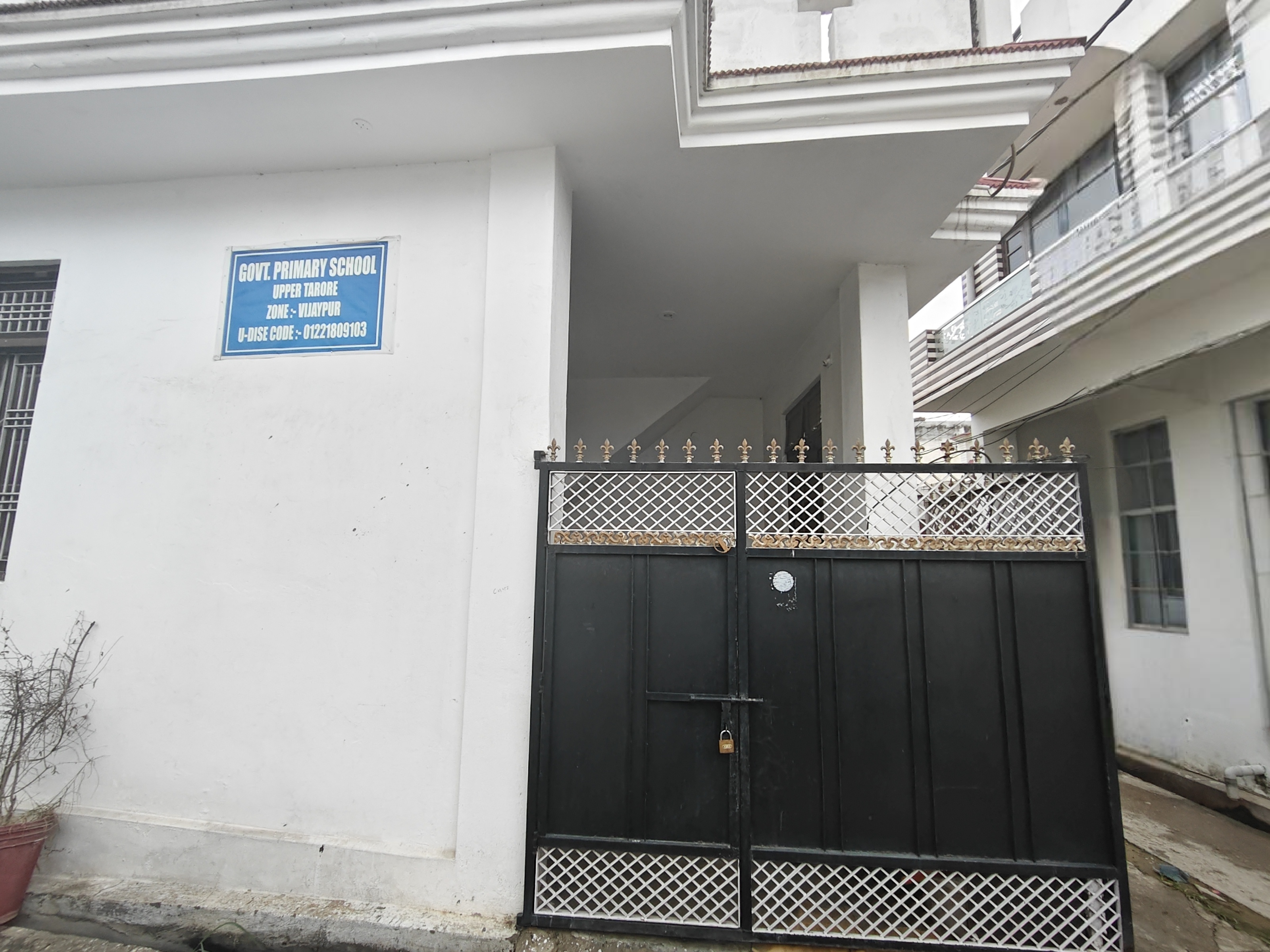
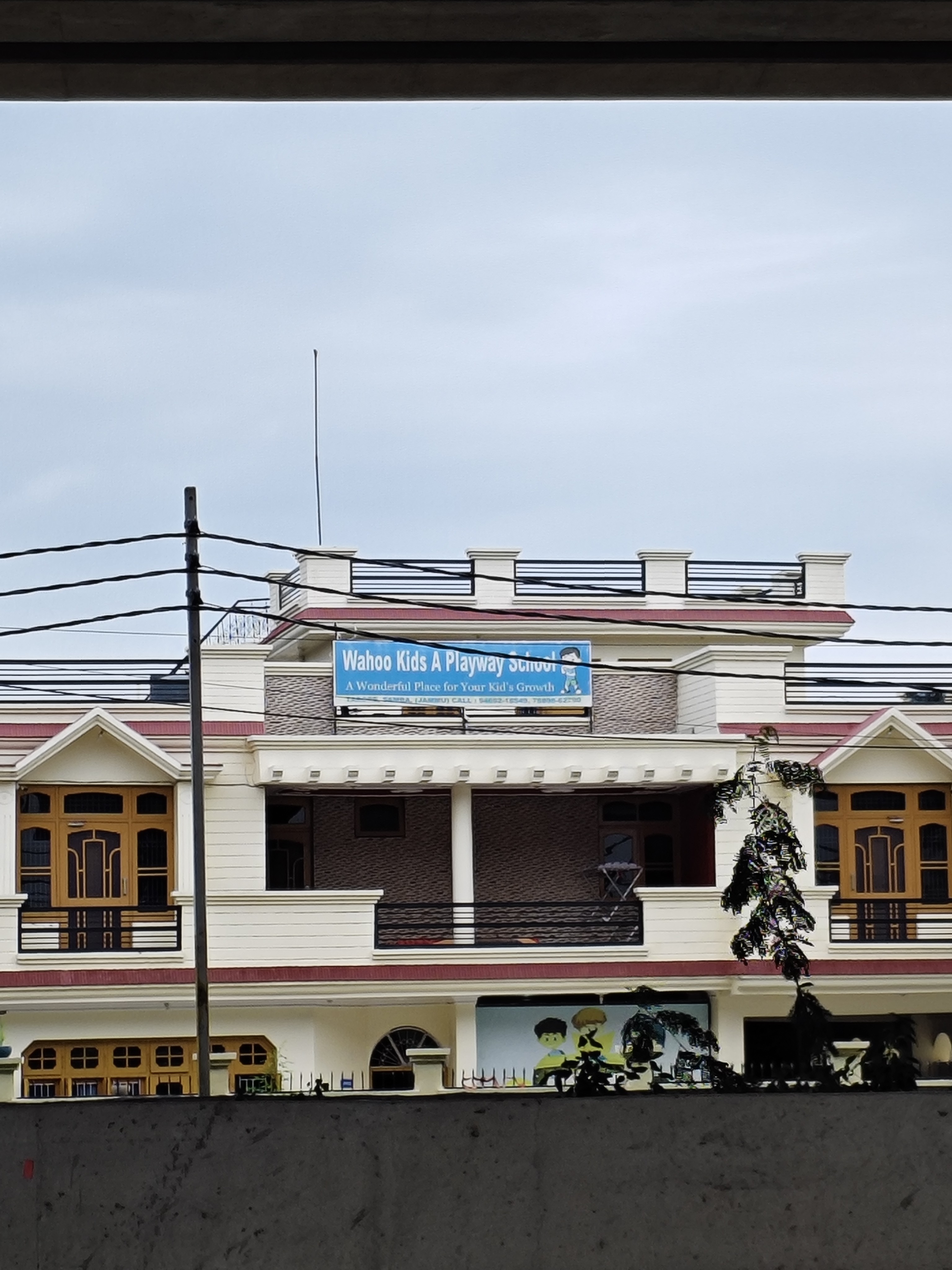
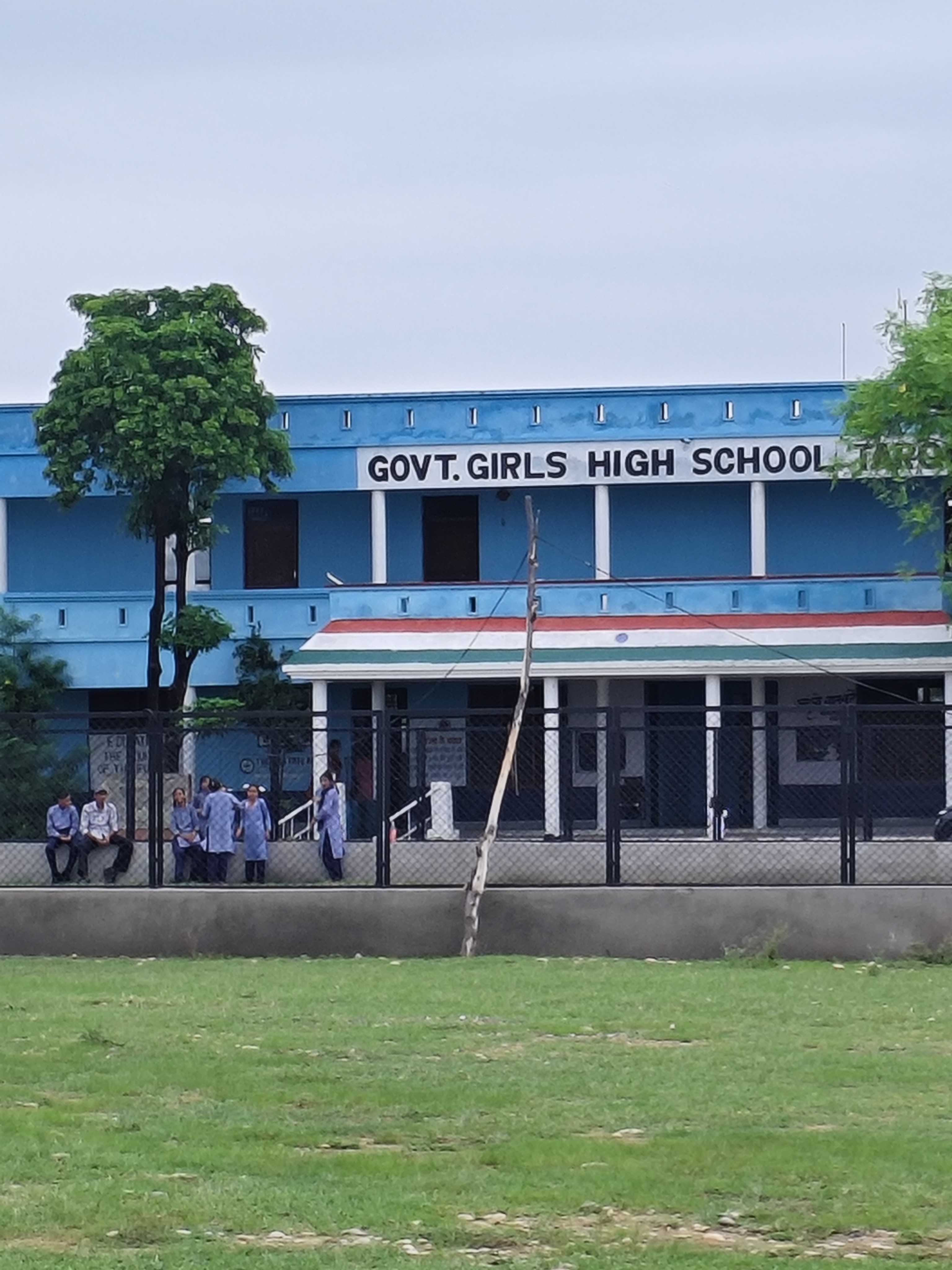
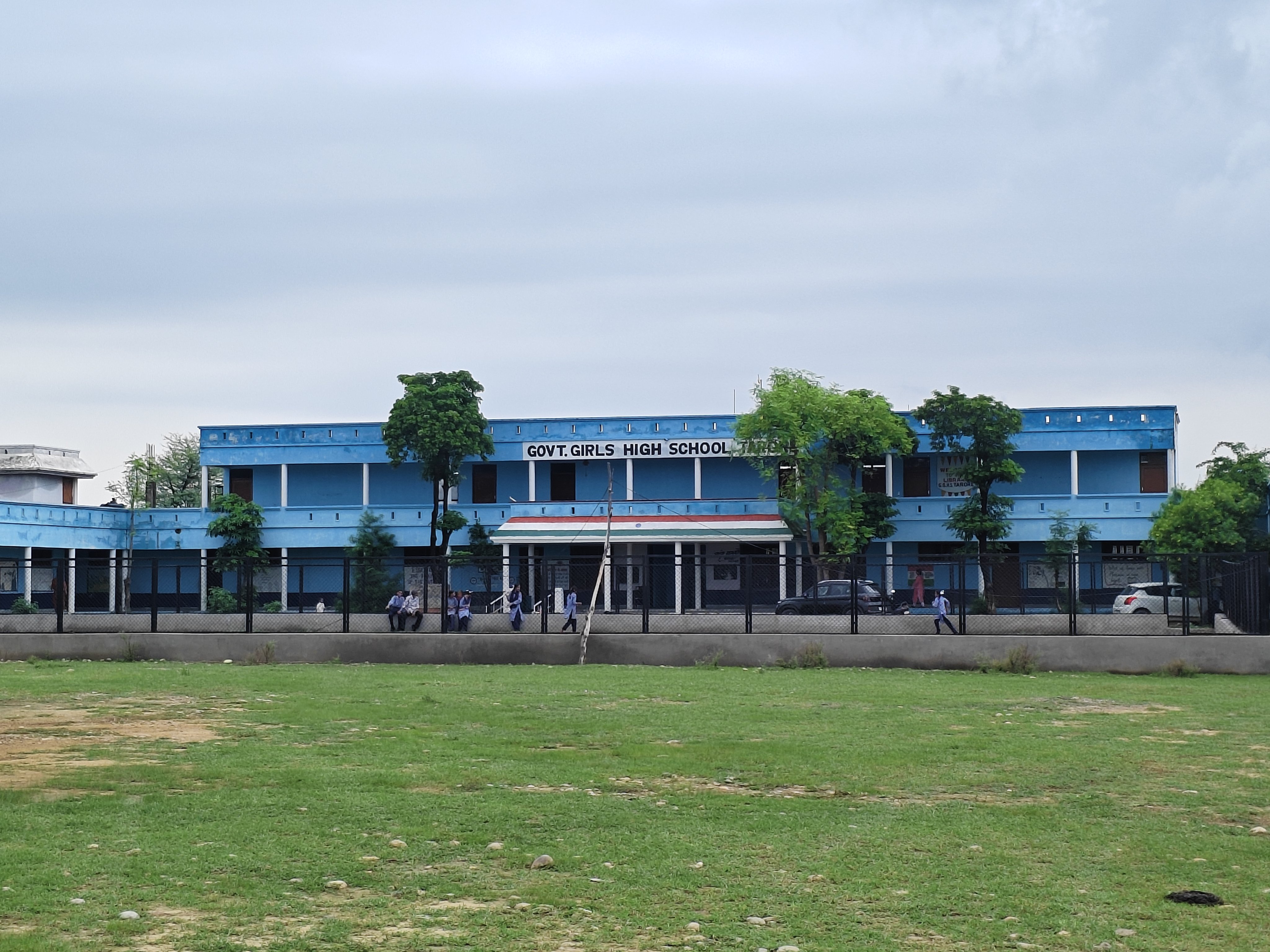
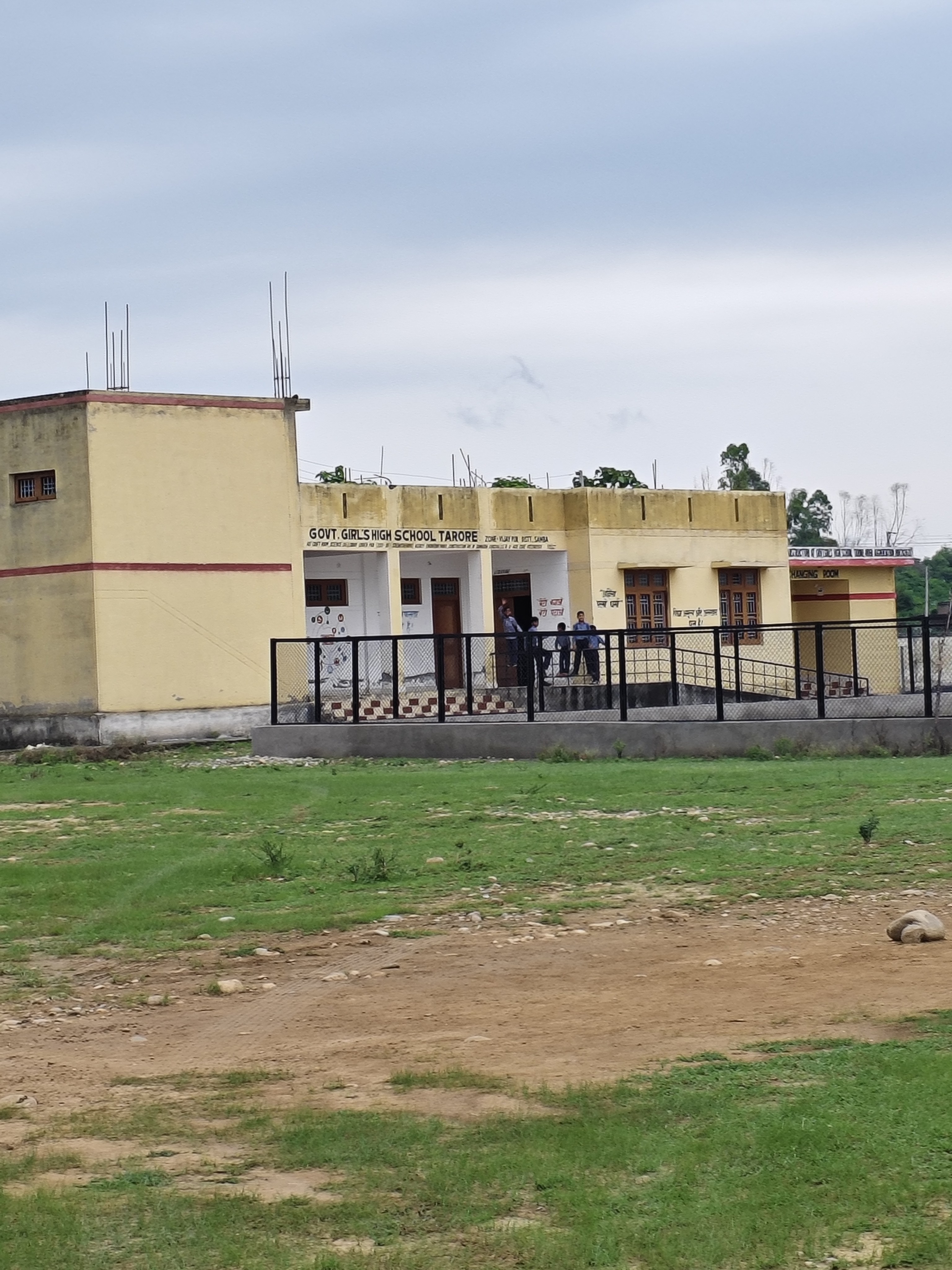
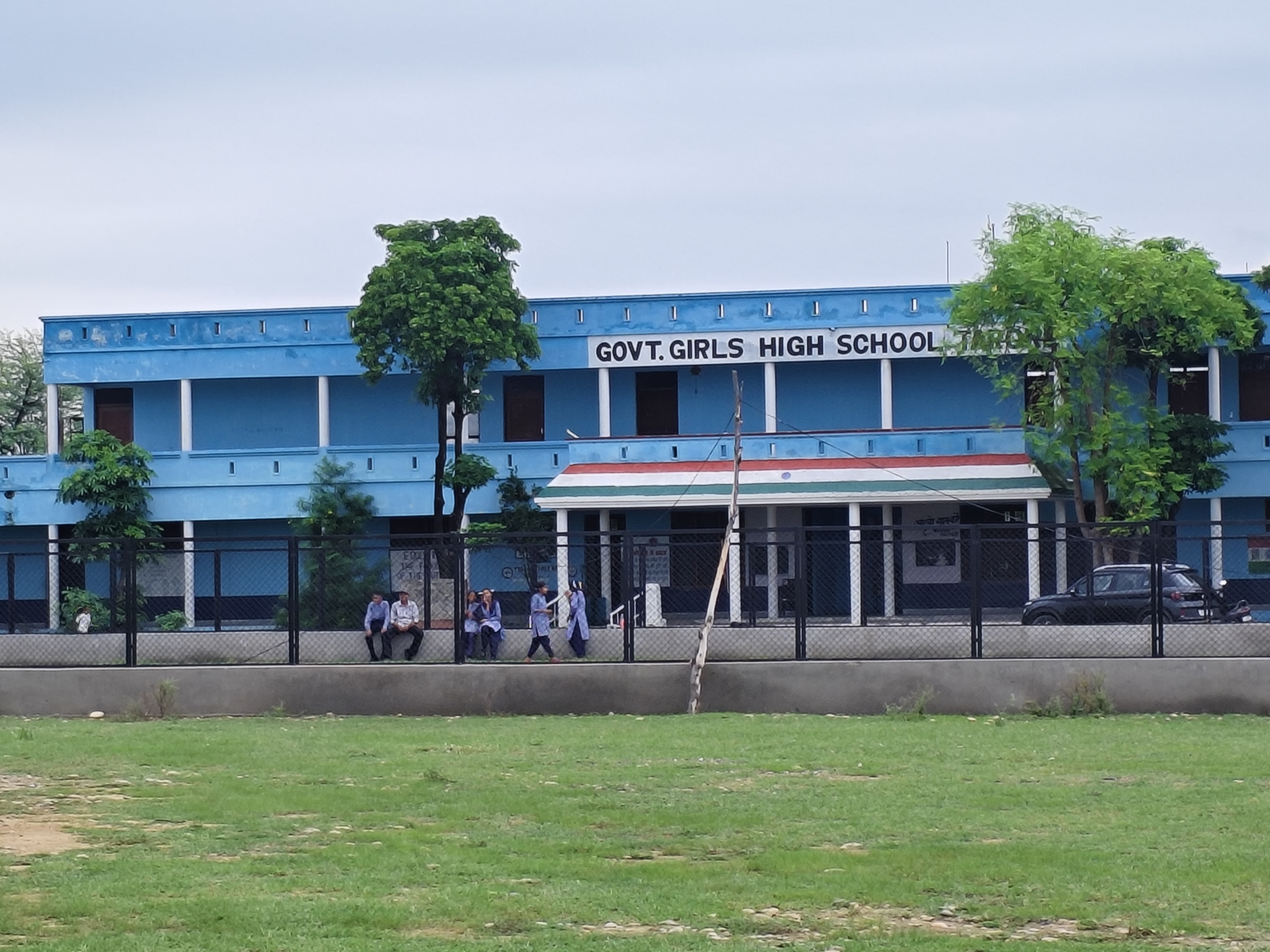
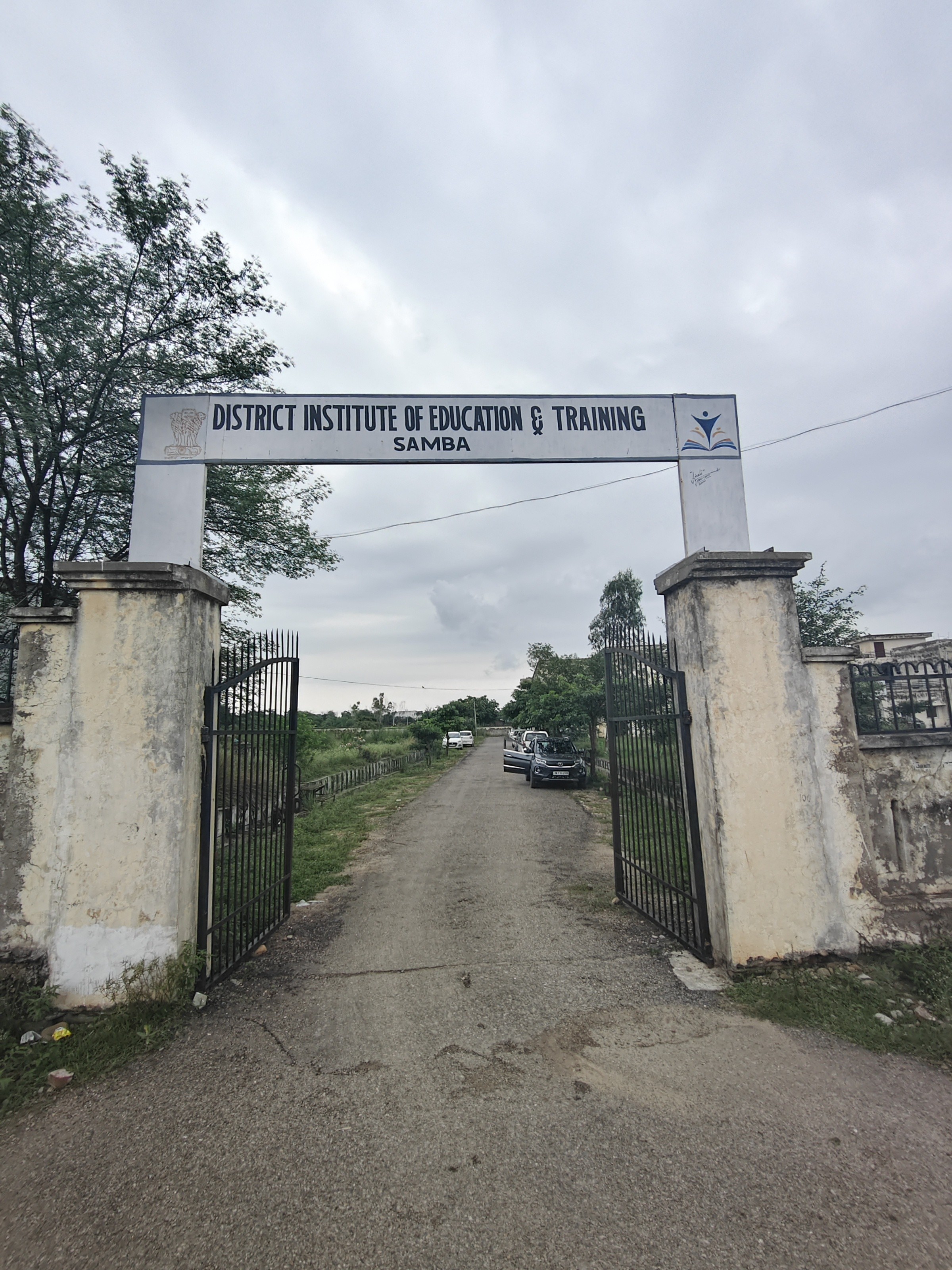
Education has gradually become an important priority for the residents of Tarore, with families increasingly recognising its role in creating better opportunities for future generations. The village is home to a Government Girls High School, ensuring accessible secondary education for young women within the community. More significantly, Tarore serves as a major administrative and educational hub for the region by hosting the District Institute of Education and Training (DIET). Because Tarore falls under a cluster of about 10 governing panchayats, hosting the DIET campus makes the village a vital sector for teacher training and academic development in the district. While students pursuing higher college degrees or technical courses still travel to nearby Bari Brahmana, Vijaypur, or Jammu, these local institutions have firmly placed Tarore on the regional educational map.
Accessibility and Transport
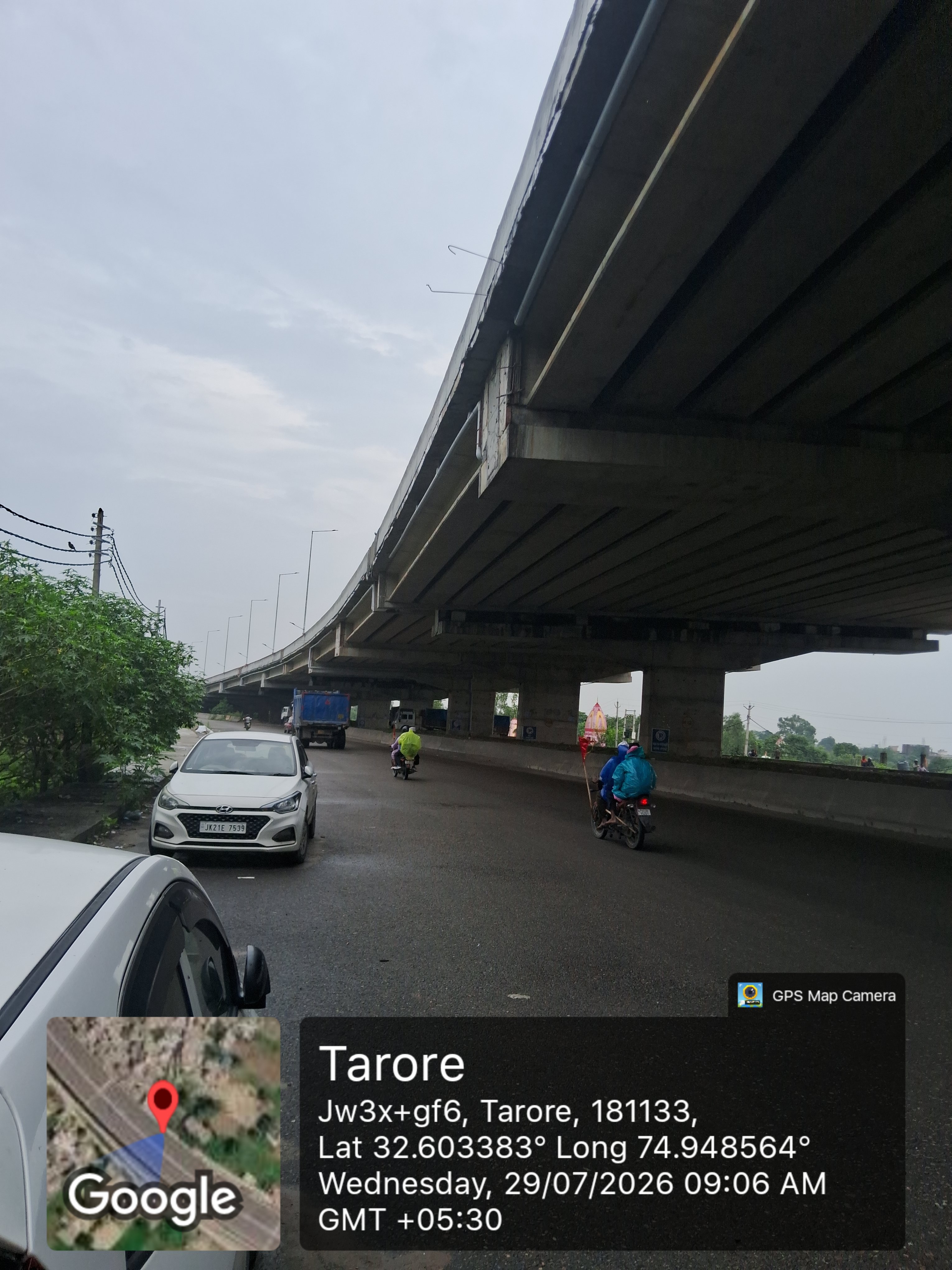
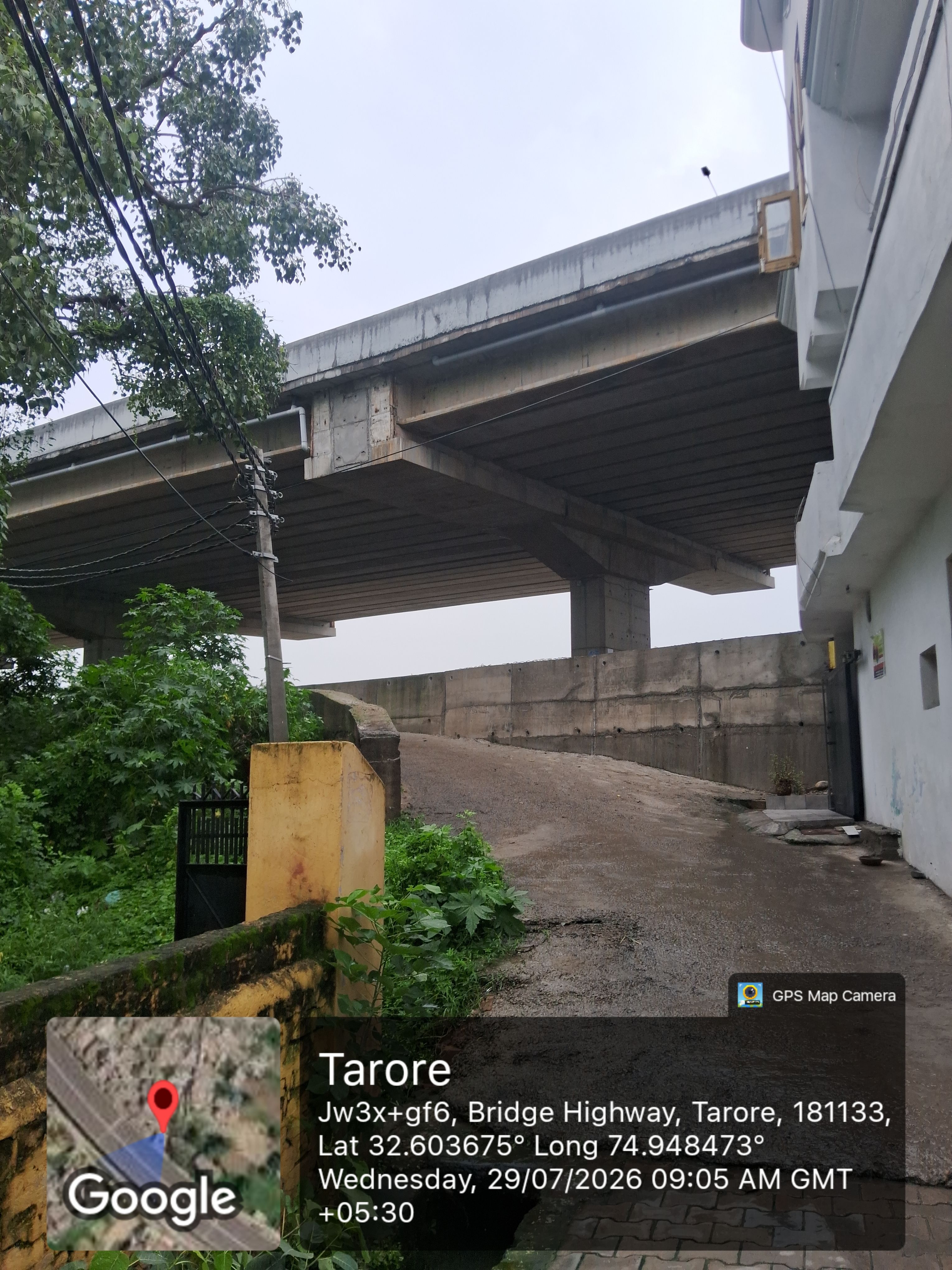
Tarore enjoys excellent road connectivity owing to its strategic location along National Highway 44 (NH-44), one of northern India's principal transport corridors. One of the greatest everyday conveniences for locals is transport accessibility; residents can easily board morning buses to anywhere directly from the highway, entirely bypassing the need to travel to a central bus stand first. Visitors can easily reach the village using private vehicles, taxis, or shared transport. The village is connected through all-weather roads, with nearby rail access via Vijaypur Railway Station and Jammu Tawi Railway Station, as well as Jammu Airport roughly an hour's drive away.
Healthcare and Public Services
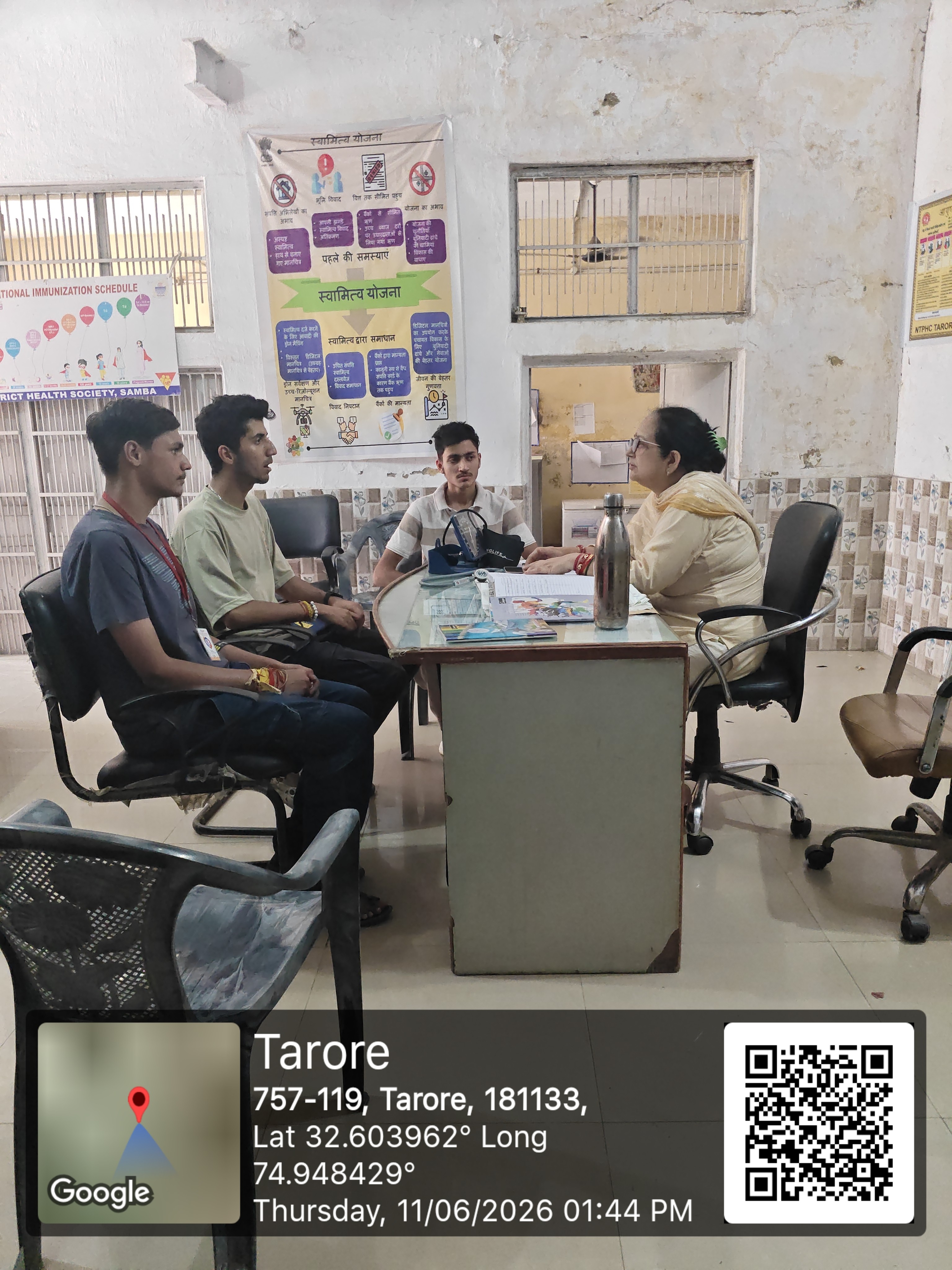
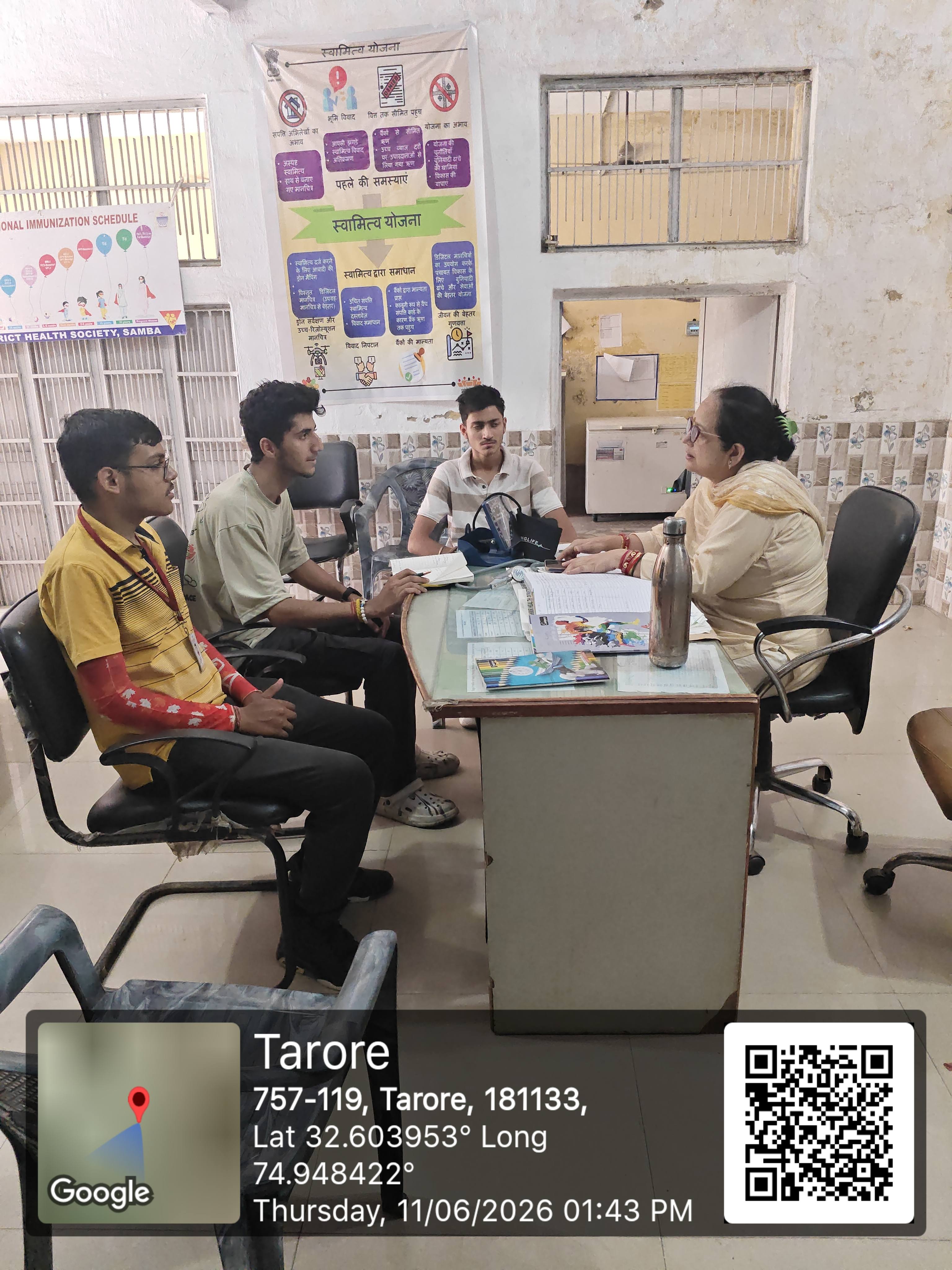
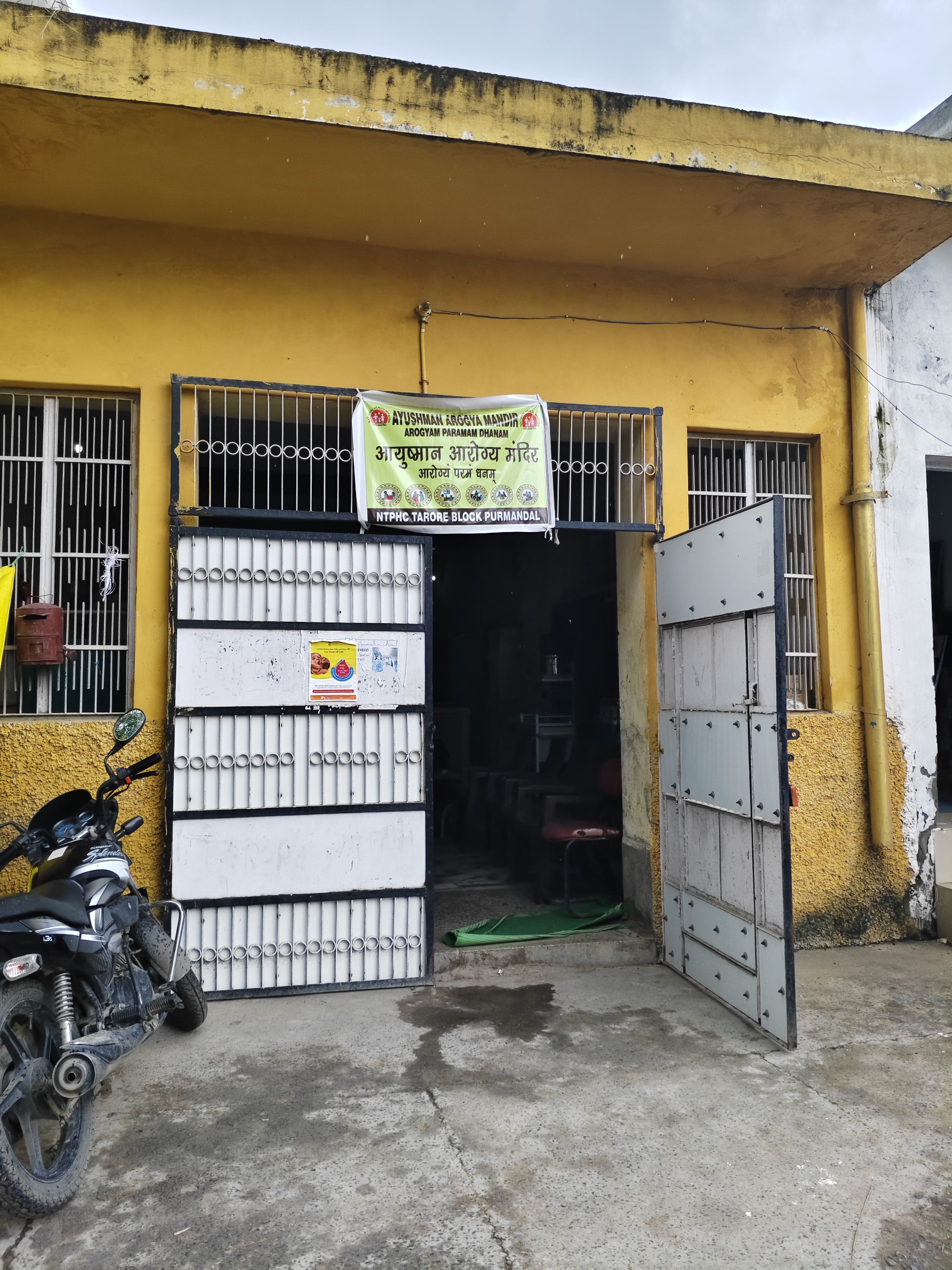
Tarore has excellent access to both basic and advanced healthcare facilities that cater to the needs of its residents. Right at the entrance of the village sits the Ayushman Arogya Mandir, a dedicated medical centre providing immediate primary care, routine wellness services, and support from frontline ASHA workers. For emergencies and specialised treatment, the village has a massive geographical advantage: AIIMS Vijaypur is located just a 15-minute drive away. This proximity is a game-changer for residents, who previously had to endure a 30- to 45-minute drive to GMC Jammu during major medical emergencies. Between the local Ayushman Arogya Mandir and nearby AIIMS, world-class healthcare remains within highly convenient reach.
Infrastructure and Utilities
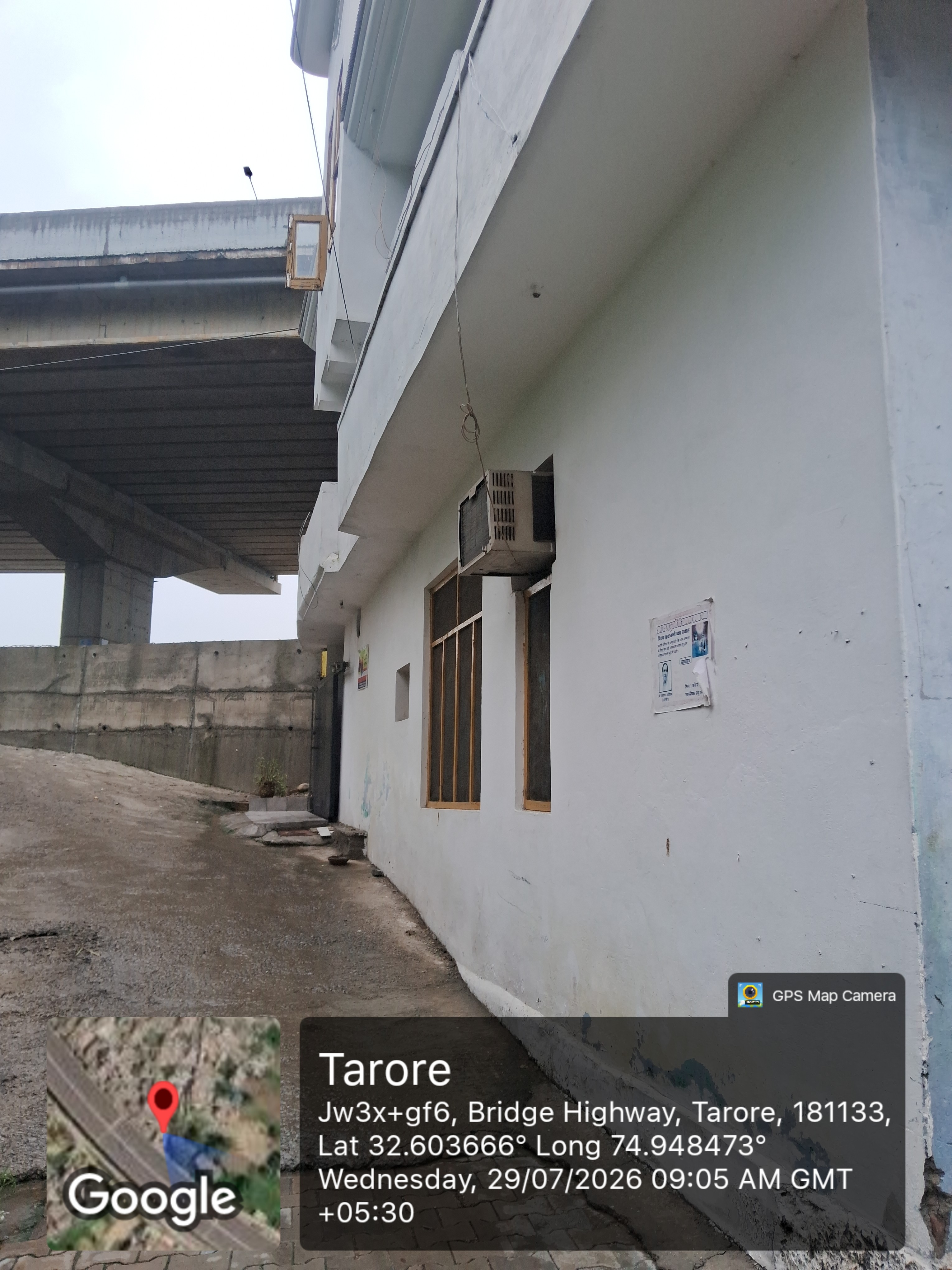
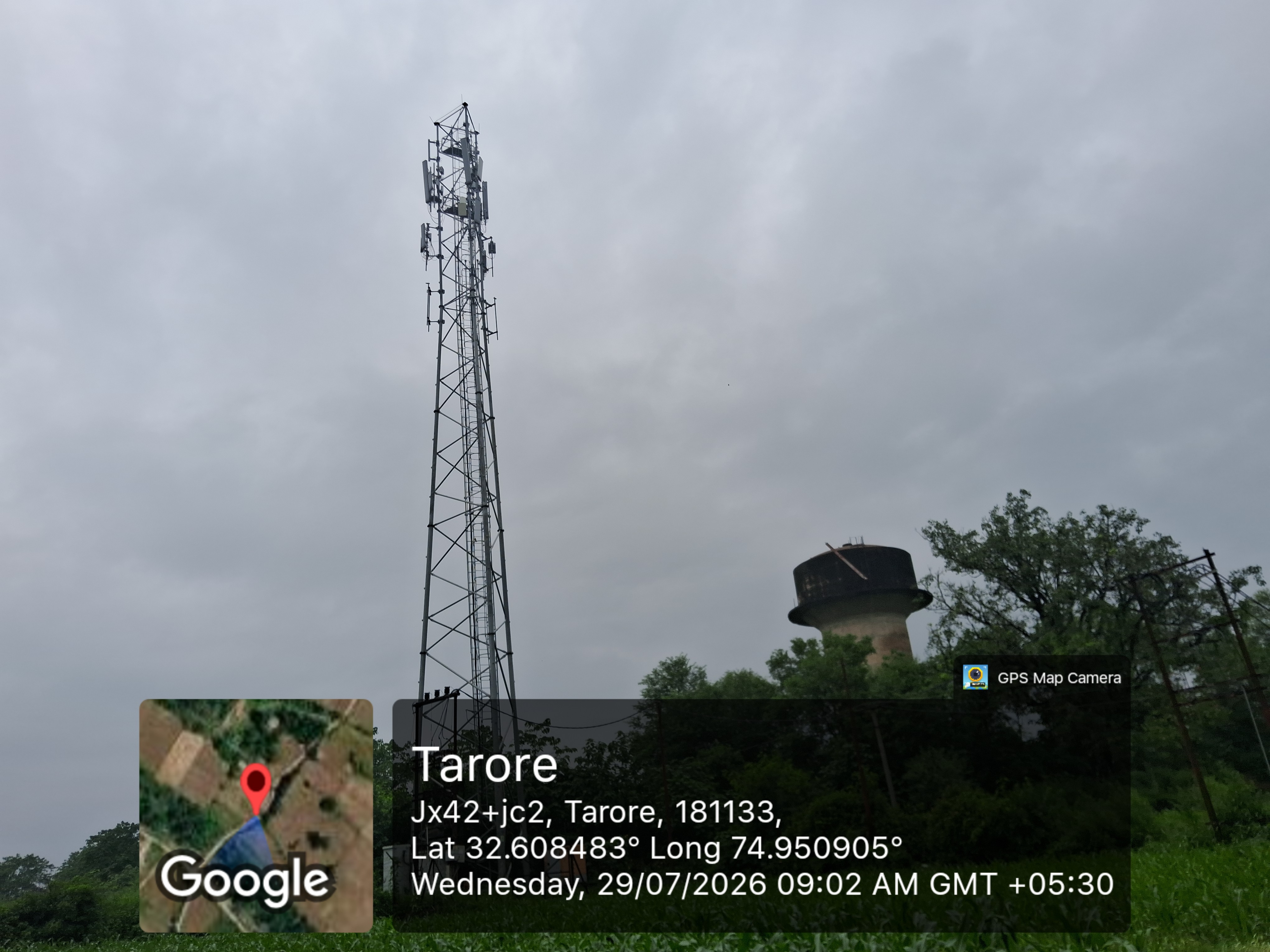
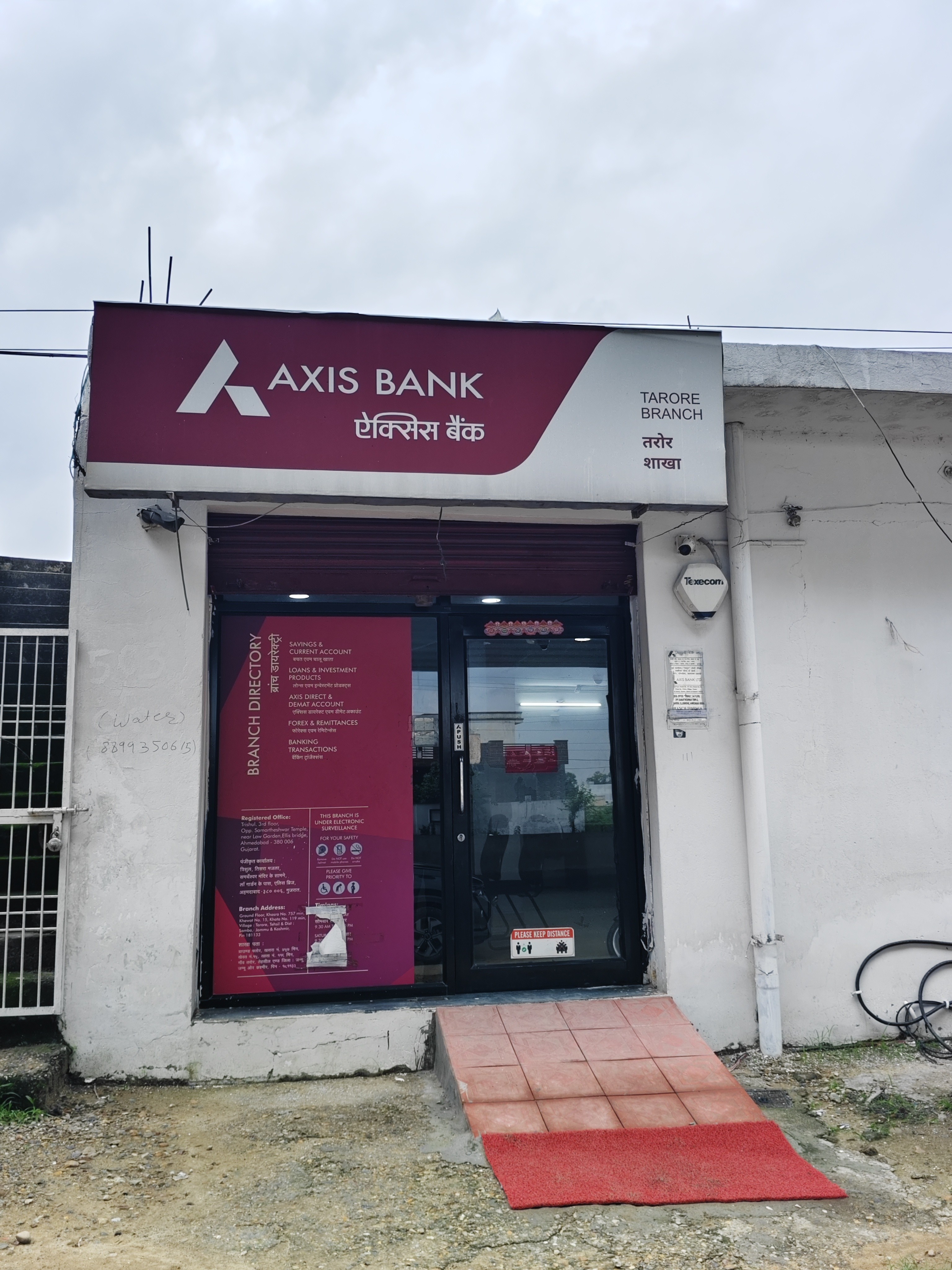
Over the years, Tarore has witnessed gradual improvements in rural infrastructure while preserving its traditional landscape. A significant modern convenience is the presence of commercial banking right on its doorstep, with both Axis Bank and J&K Bank (Jammu & Kashmir Bank) operating branches directly along the highway stretch. The village also benefits from reliable electricity, mobile network coverage, and essential public utilities that support everyday life. Water for domestic use and irrigation is supplied through local infrastructure, enabling farmers to cultivate seasonal crops throughout the year. Together, these facilities—from highway banking to digital connectivity—have enhanced the local quality of life while preserving Tarore's identity as a peaceful agricultural village.
Arts and Cultural Life
Although Tarore is not widely known for professional artists or performers, its cultural life remains vibrant through religious traditions, devotional music, and community celebrations. Bhajans, kirtans, temple gatherings, and seasonal festivals provide opportunities for residents of all ages to participate in cultural activities that strengthen community bonds. Religious processions, collective prayers, and langar services continue to preserve traditions that have been passed from one generation to the next, while festivals encourage the participation of neighbouring villages as well. Rather than organised cultural institutions, it is these shared celebrations and community gatherings that keep Tarore's cultural heritage alive, reflecting the enduring values of cooperation, hospitality, and collective identity that define rural Dogra society.
Natural Environment
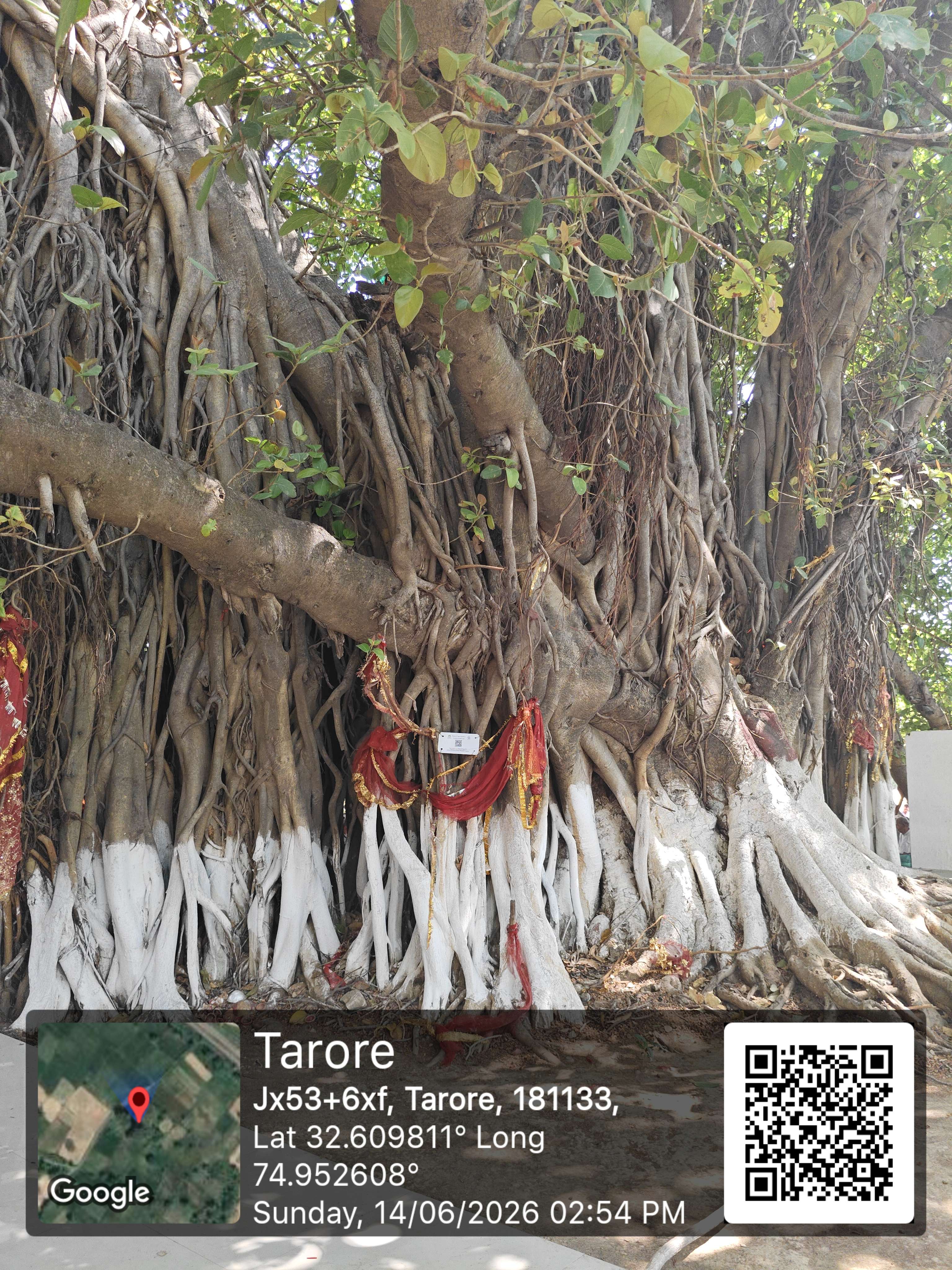
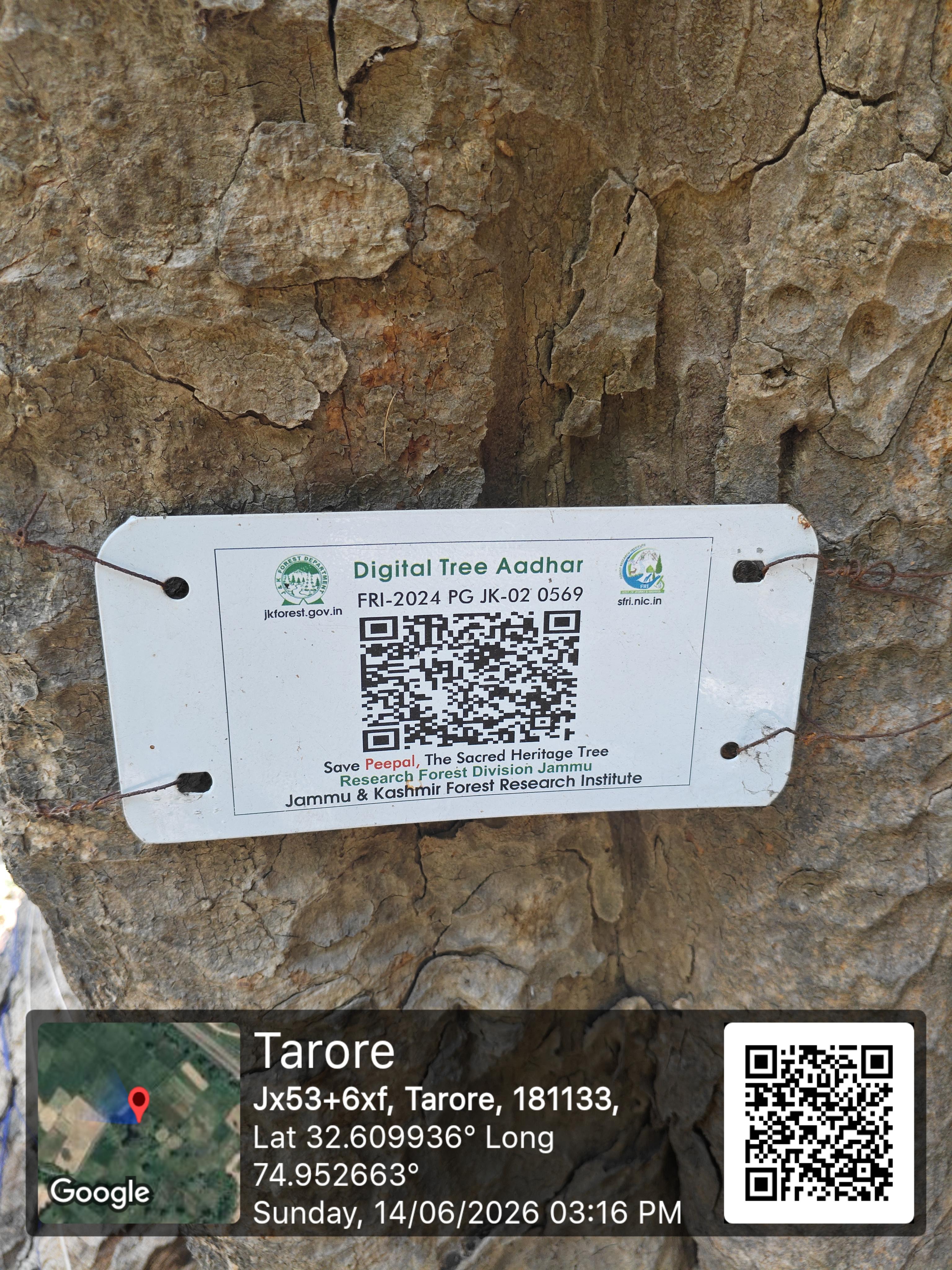
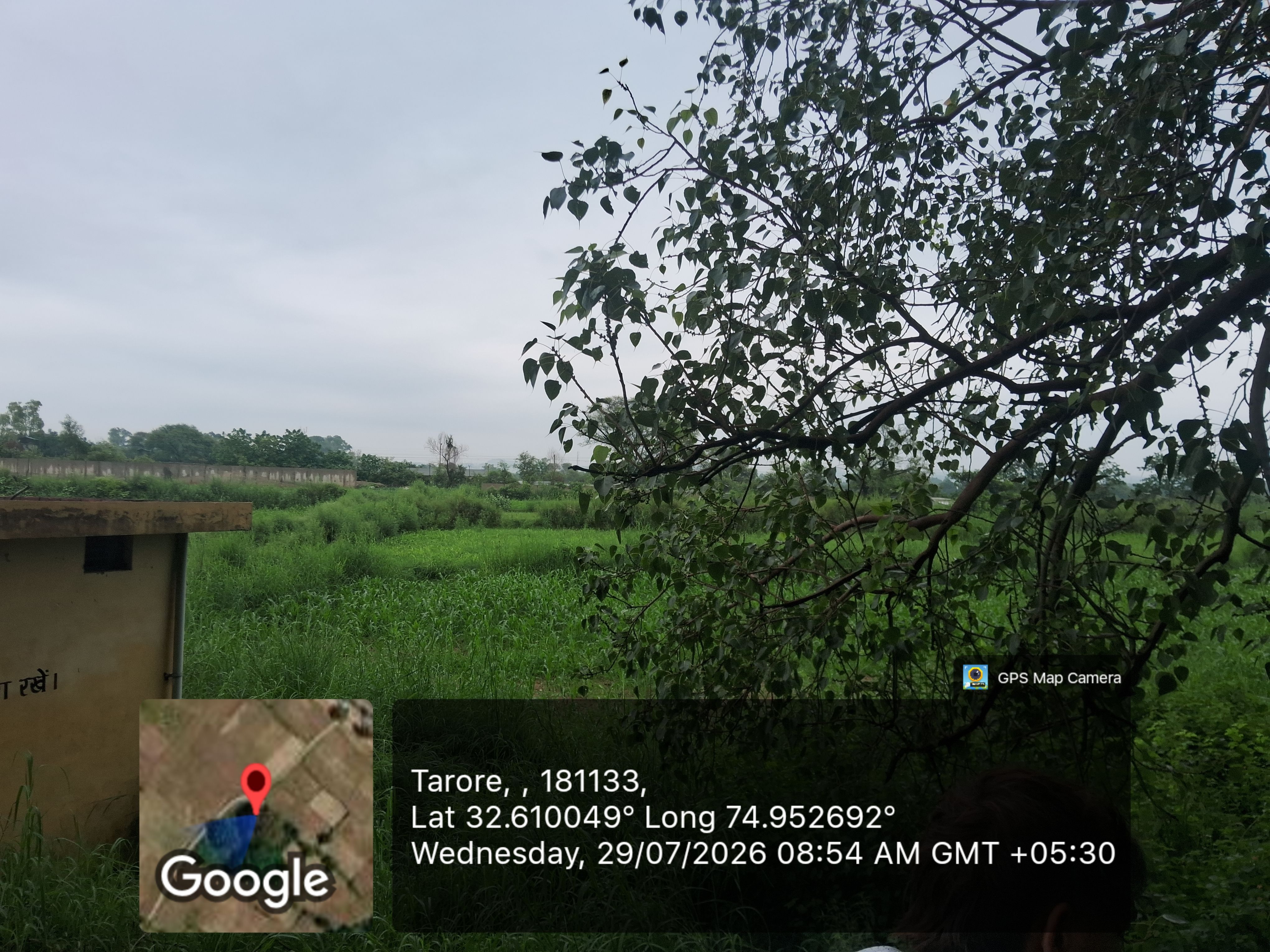
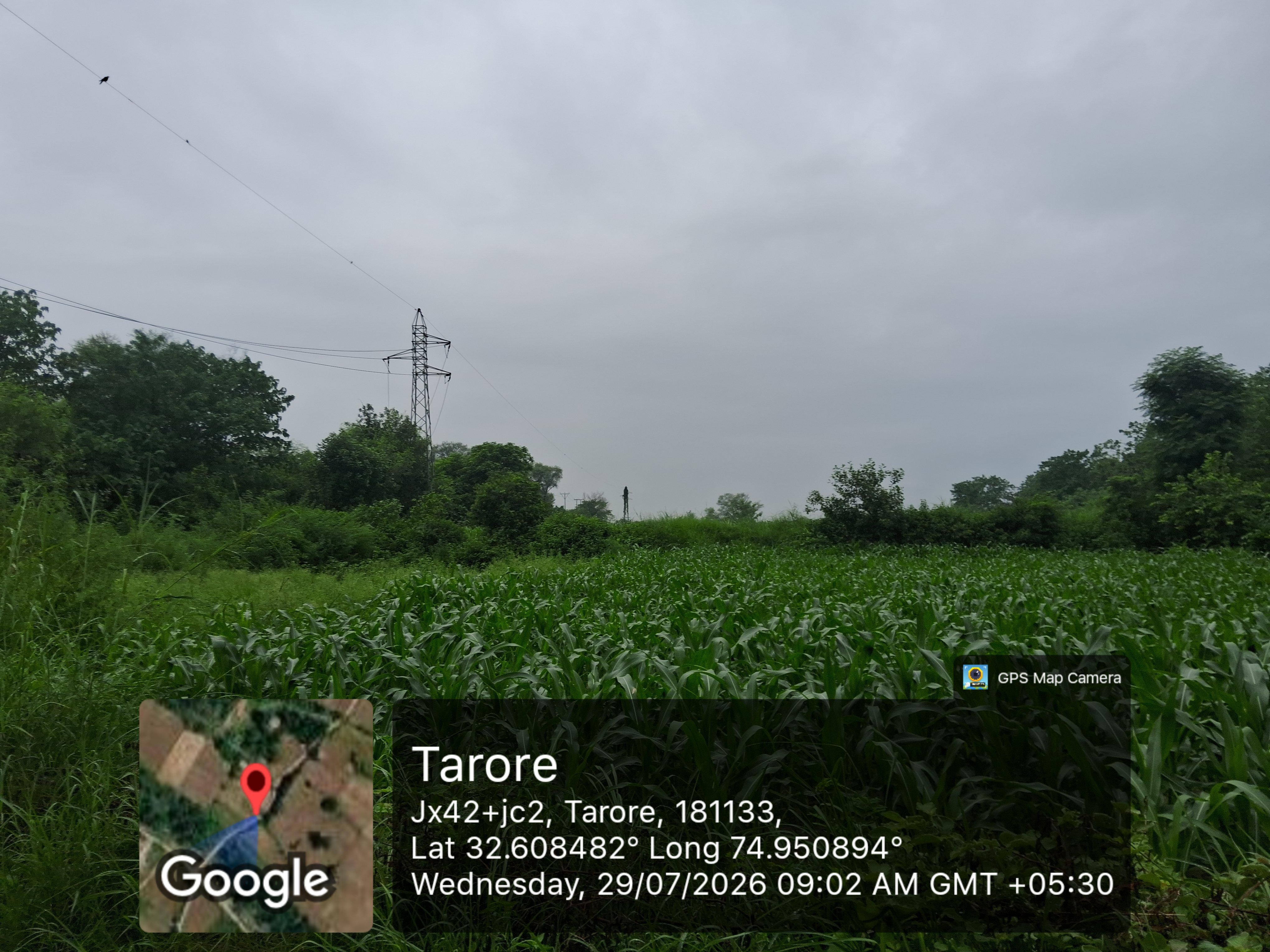
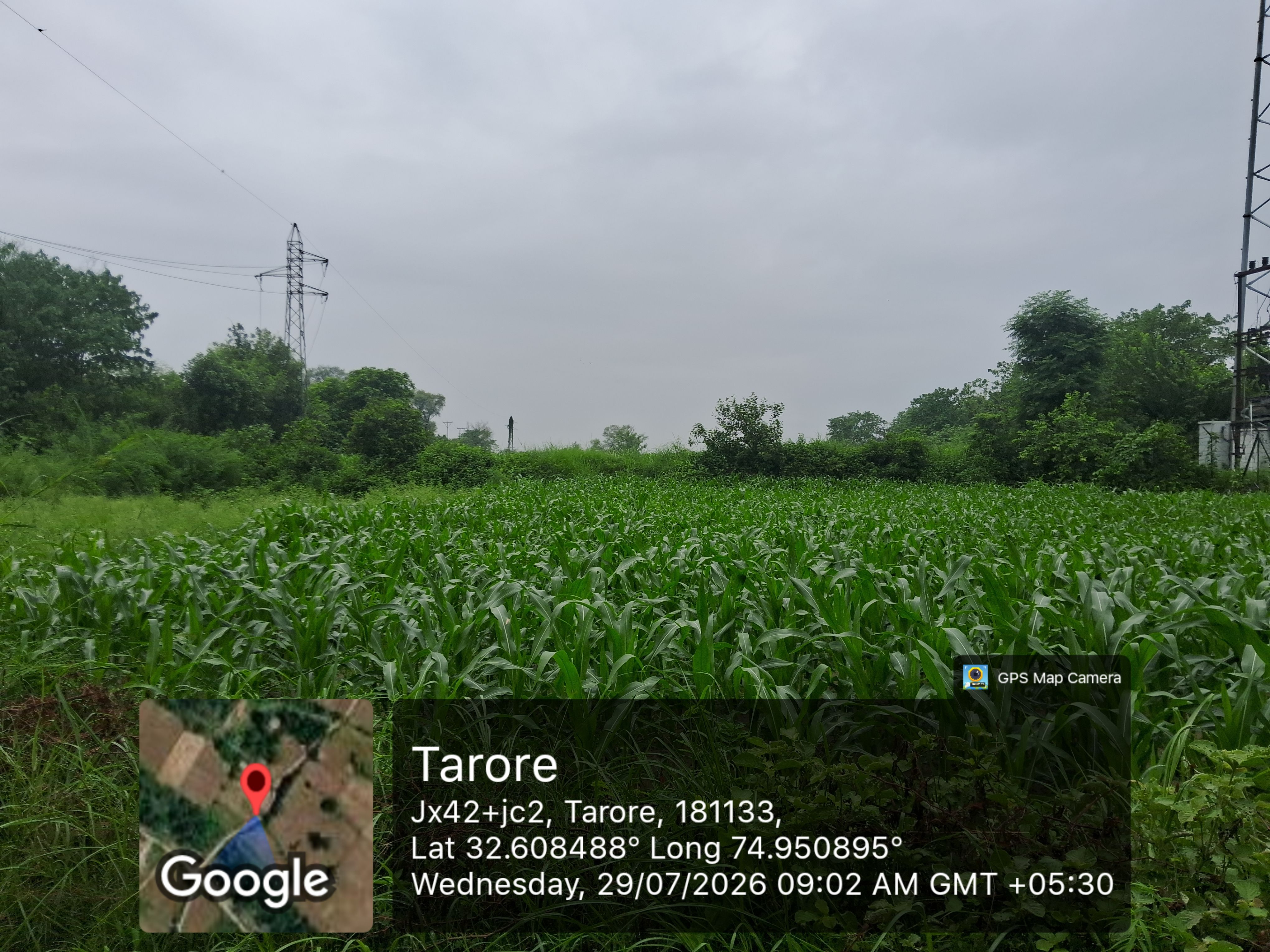
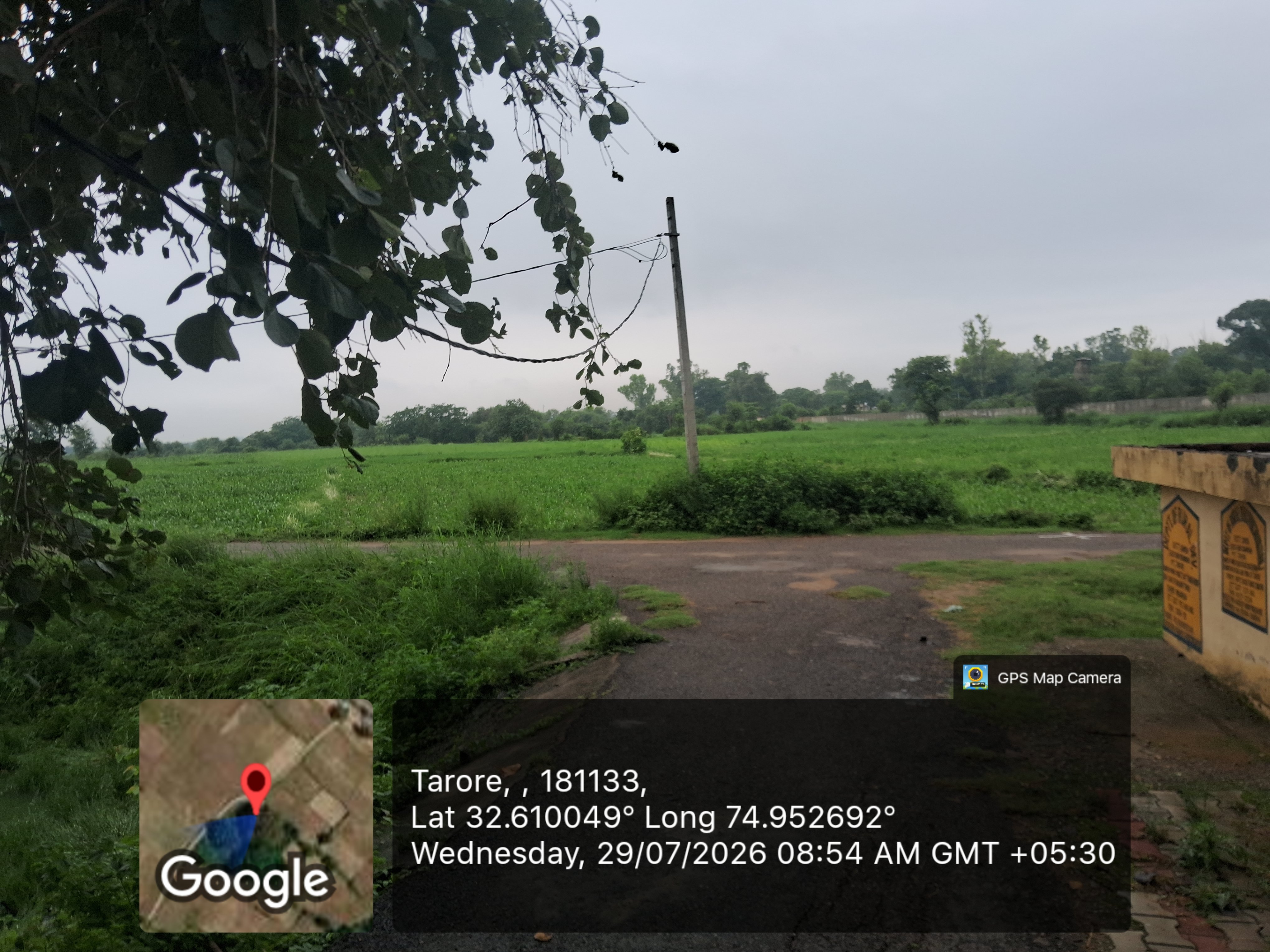
Tarore's landscape is characterised by fertile agricultural fields, open green spaces, scattered trees, and a peaceful rural environment that reflects the natural beauty of the Jammu plains. Seasonal cultivation transforms the surrounding countryside throughout the year, creating changing landscapes that remain closely tied to the agricultural calendar. The sacred pond, located on the upper side of the village, further enhances this natural setting while serving as an important spiritual landmark for local residents. Native birds and small wildlife are commonly observed around cultivated fields and village pathways, adding to the area's ecological character. Although development has improved connectivity and infrastructure, Tarore continues to retain much of its traditional rural environment, offering visitors a glimpse of the region's enduring agricultural heritage.
Opportunities for Future Development
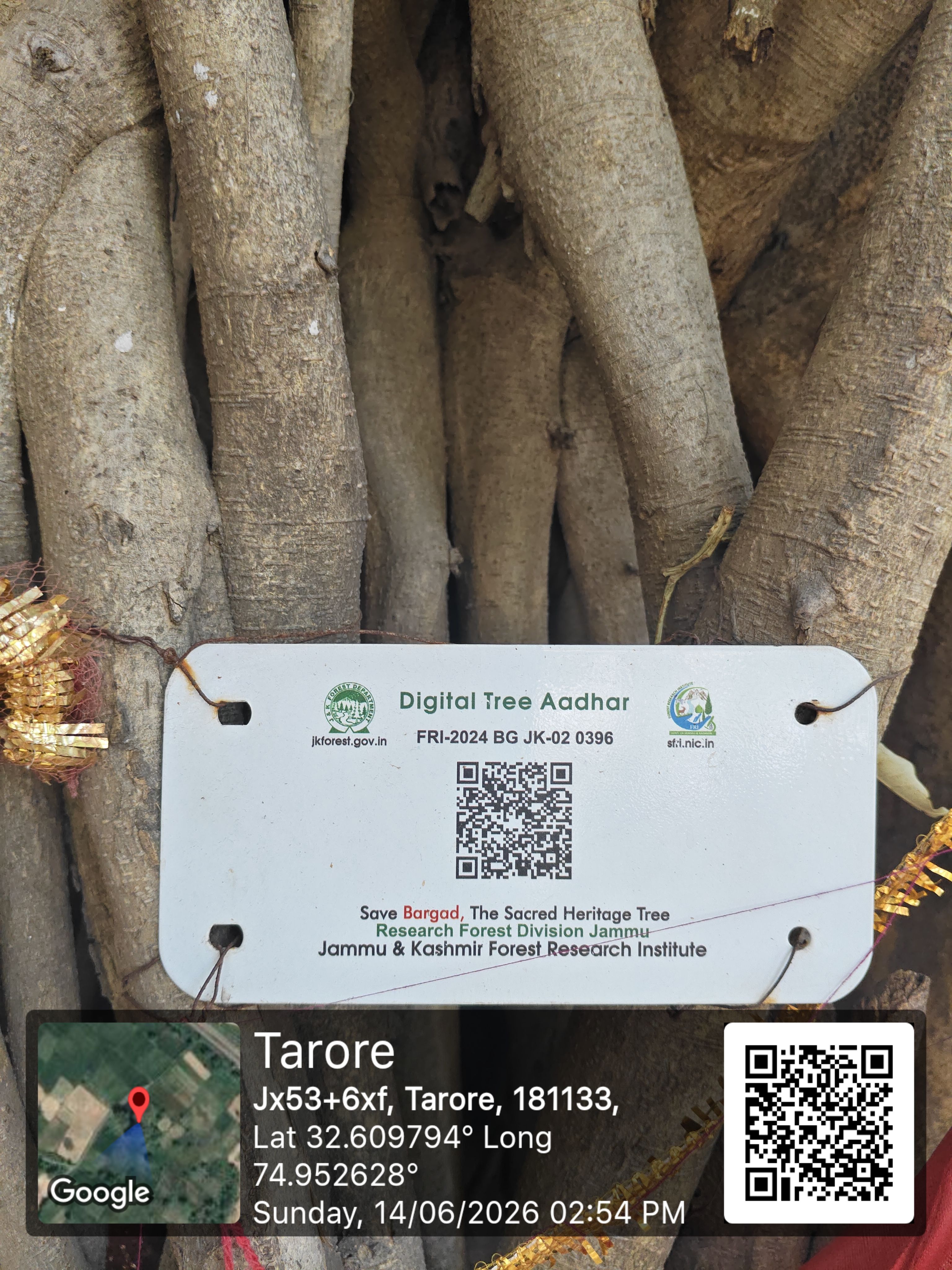
While Tarore has made steady progress through improved connectivity and its proximity to the Bari Brahmana corridor, there remains considerable scope for further development that complements its rural character and cultural heritage. Establishing a dedicated community park or recreational space, strengthening local healthcare services through regular medical camps or improved primary care facilities, and enhancing public amenities such as waste management and village beautification initiatives would greatly benefit residents. Greater efforts towards preserving the sacred pond and surrounding green spaces, along with installing informative signboards at important temples and landmarks, could also promote awareness of Tarore's rich heritage while encouraging responsible rural tourism. By balancing modern development with the preservation of its traditions and natural environment, Tarore can continue to grow as a model village that offers both an improved quality of life for its residents and a meaningful cultural experience for visitors.
Closing Thoughts
Tarore is more than just a village on the map of Samba district—it is a living reflection of the region's enduring heritage, faith, and community spirit. Its ancient temples, sacred pond, vibrant festivals, and fertile farmlands tell the story of generations who have preserved their traditions while embracing the opportunities of a changing world. The village's strategic location near National Highway 44 has brought greater connectivity and development, yet Tarore continues to retain the warmth, simplicity, and cultural richness that define rural Dogra life.
Whether it is the peaceful temple courtyards, the annual celebrations that bring the community together, the distinctive water tank crowned with a decorative car that has become a local landmark, or the everyday rhythm of life shaped by agriculture and family values, every corner of Tarore reflects a unique sense of identity and belonging. For visitors, researchers, and anyone wishing to explore the cultural landscape of Jammu and Kashmir, Tarore offers an authentic glimpse into a village where heritage is not confined to history—it continues to thrive through the lives, traditions, and collective spirit of its people.
Photos
Videos



Location Map
Additional Features
| Ayushman Arogya Centre | Healthcare |
Contact Information
| Address |
Village: Tarore, |
| Phone Number |
9622213002 |
| Website | https://jkpanchayat.jk.gov.in/homeview.php?panchayat=Tarore&block=Bari+Brahmana |
Reviews (1)



``` Tarore is a charming village that beautifully preserves the traditions, faith, and warmth of rural Dogra culture while benefiting from excellent connectivity and modern amenities. Its peaceful temples, fertile farmlands, and strong sense of community make it a refreshing destination for anyone seeking an authentic village experience. Though modest in size, Tarore leaves a lasting impression through its heritage, hospitality, and unique local character.```