
Description
Introduction to Tacharwan
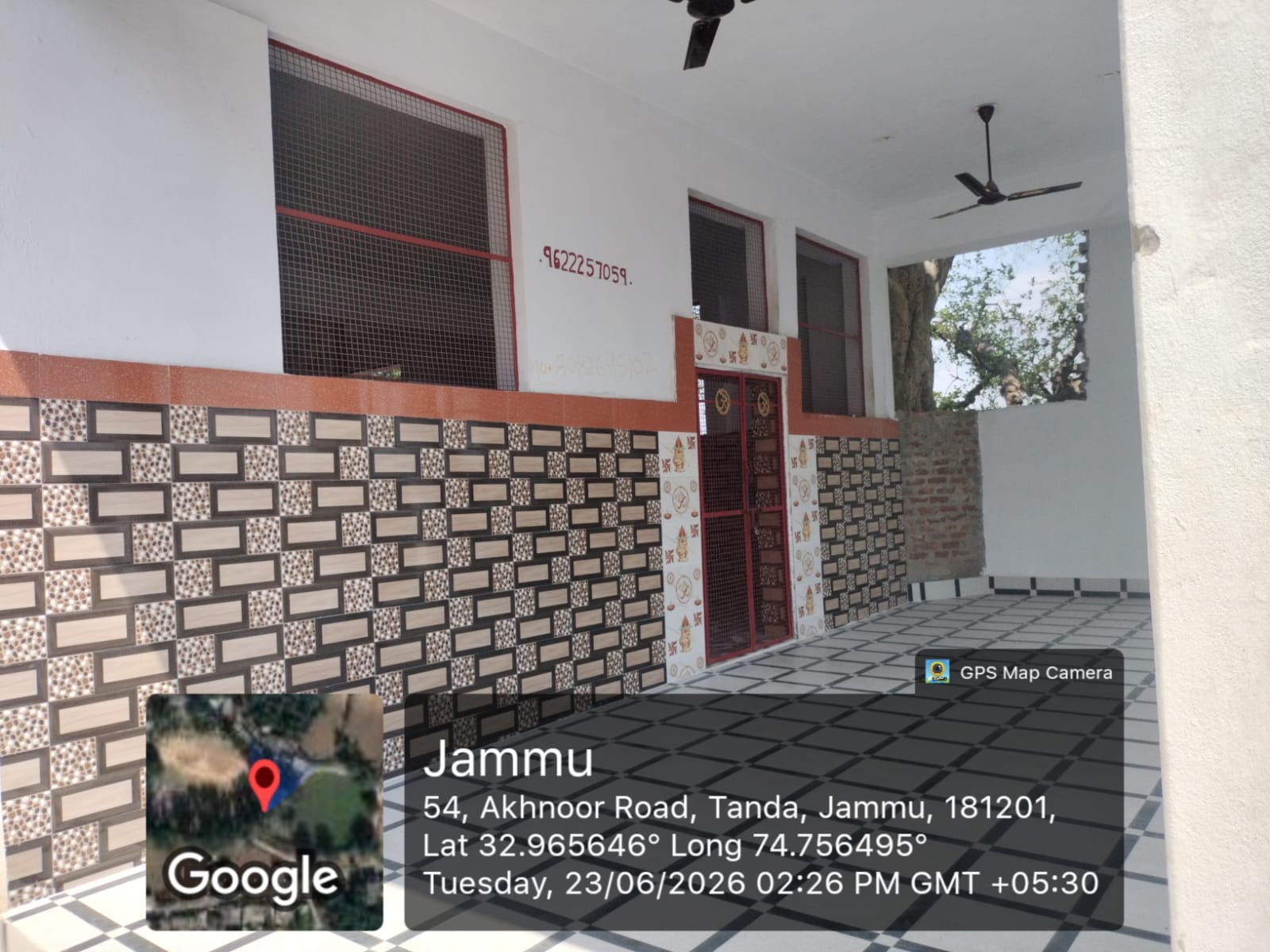
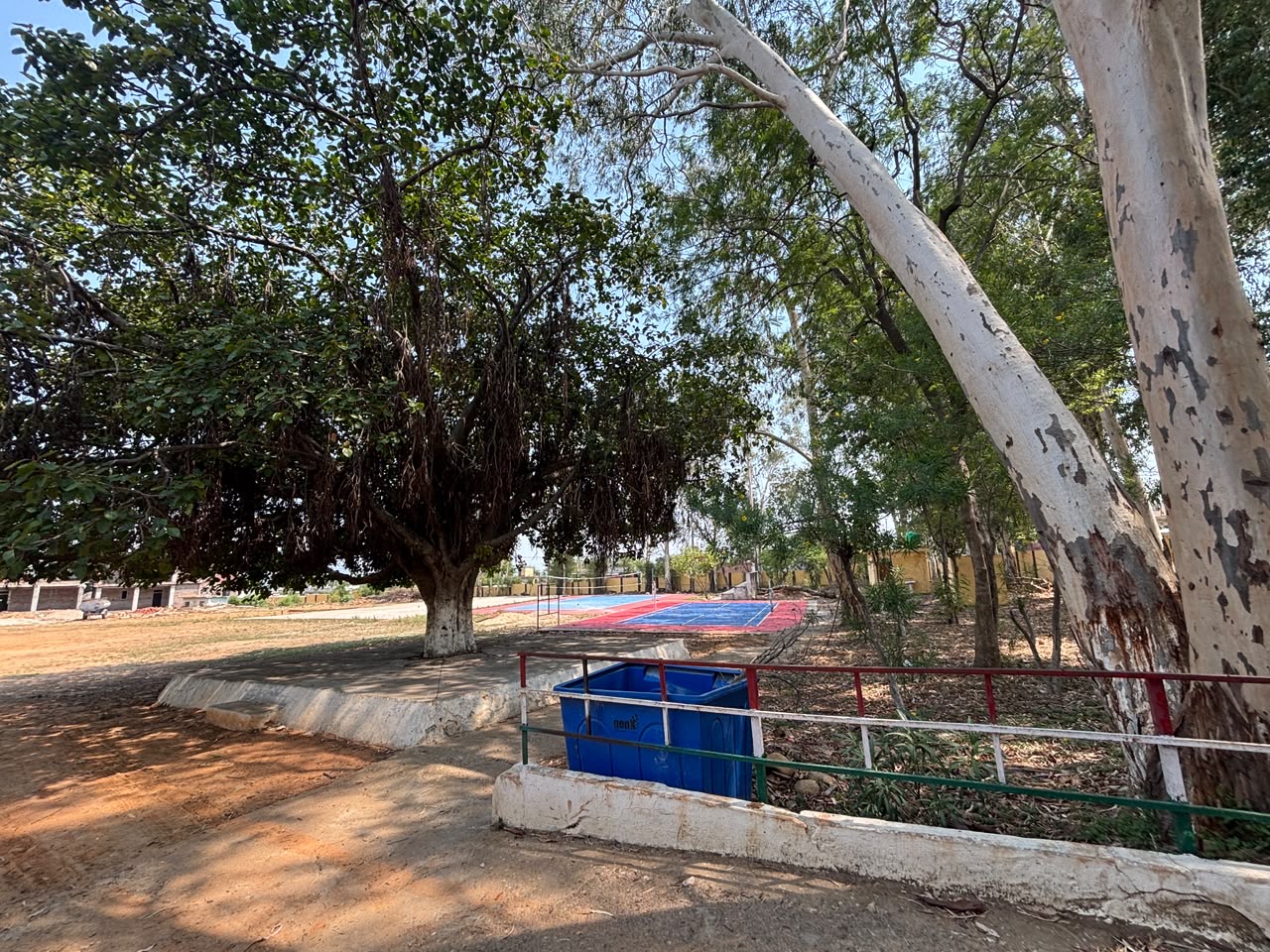
Tacharwan is a picturesque rural village situated in Maira Mandrian Tehsil of Jammu District, Jammu and Kashmir, with the postal code 181201. Located at coordinates 32.966154° N, 74.755315° E, the village lies approximately 18 kilometres from Akhnoor town and 35 kilometres from Jammu city, making it well connected to important urban centres. Nestled in the Kandi belt of the lower Shivalik foothills, Tacharwan is characterized by gently undulating terrain, semi-arid conditions, and a peaceful rural landscape. The village reflects the rich cultural heritage of the Dogra region while gradually embracing modern development through improved infrastructure and government initiatives.
Administrative and Geographic Overview
Administratively, Tacharwan falls under Maira Mandrian Tehsil and Akhnoor Block of Jammu District. It is represented politically through the Akhnoor Assembly Constituency and the Jammu Lok Sabha Constituency. The village enjoys strategic connectivity through the Akhnoor–Pouni Road, which links it to nearby markets, educational institutions, healthcare facilities, and administrative centres.
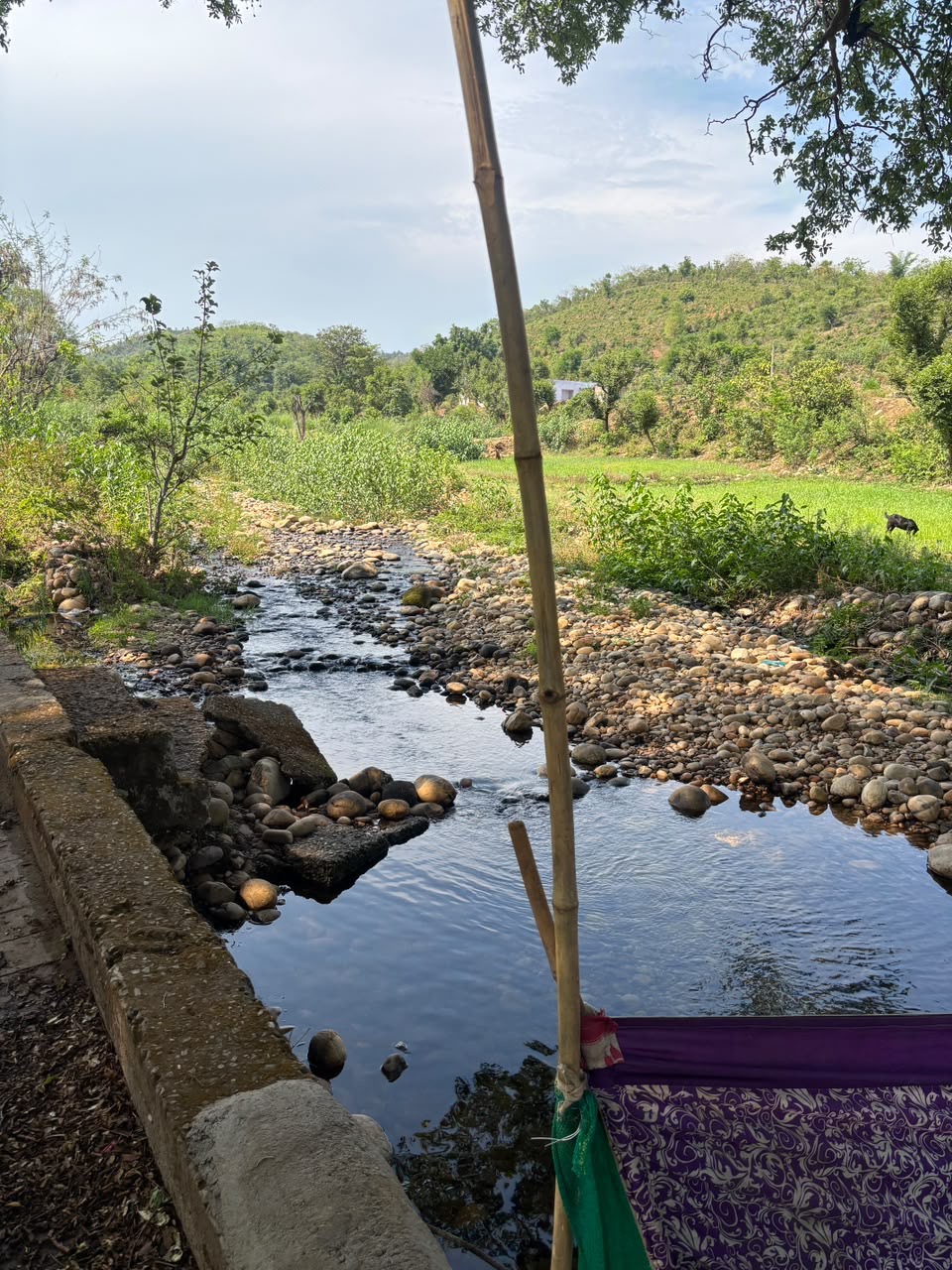
The geographical setting of Tacharwan places it within the sub-tropical Shivalik foothill region, where the land consists of rolling hills and seasonal drainage channels. This unique landscape significantly influences agricultural practices, water availability, settlement patterns, and the overall lifestyle of the residents. Despite its rural setting, the village remains accessible throughout the year owing to its well-maintained road network.
Population and Demographic Profile
Tacharwan has an estimated population ranging between 1,200 and 1,800 residents, distributed across approximately 250 to 350 households. The village maintains a balanced demographic composition with a male-to-female ratio close to the district average. The literacy rate is estimated to be between 75% and 82%, reflecting better educational access compared to many rural areas of Jammu and Kashmir due to its proximity to Akhnoor and Maira Mandrian.
The majority of the population belongs to the Dogra Hindu community, preserving traditional customs and social values. Dogri is the principal language spoken in everyday life, while Hindi and Punjabi are also commonly used for education, administration, and communication. Agriculture remains the dominant occupation, although many residents are employed in government departments, the Indian Army, and private sectors.
Urbanisation and Infrastructure
Although Tacharwan is fundamentally a rural settlement, it exhibits several rurban characteristics due to its improving infrastructure and accessibility. The village is connected by pucca roads leading to Maira Mandrian and the Akhnoor–Pouni Road, while private buses and matadors provide regular transport services to Akhnoor and Jammu.
Basic civic amenities have improved considerably in recent years. The village has achieved 100% electrification under the Saubhagya Scheme, ensuring uninterrupted electricity for households. Drinking water is supplied through piped connections and hand pumps, with further expansion taking place under the Jal Jeevan Mission. Tacharwan has also attained Open Defecation Free (ODF) status under the Swachh Bharat Mission, highlighting the community's commitment to sanitation and public health.
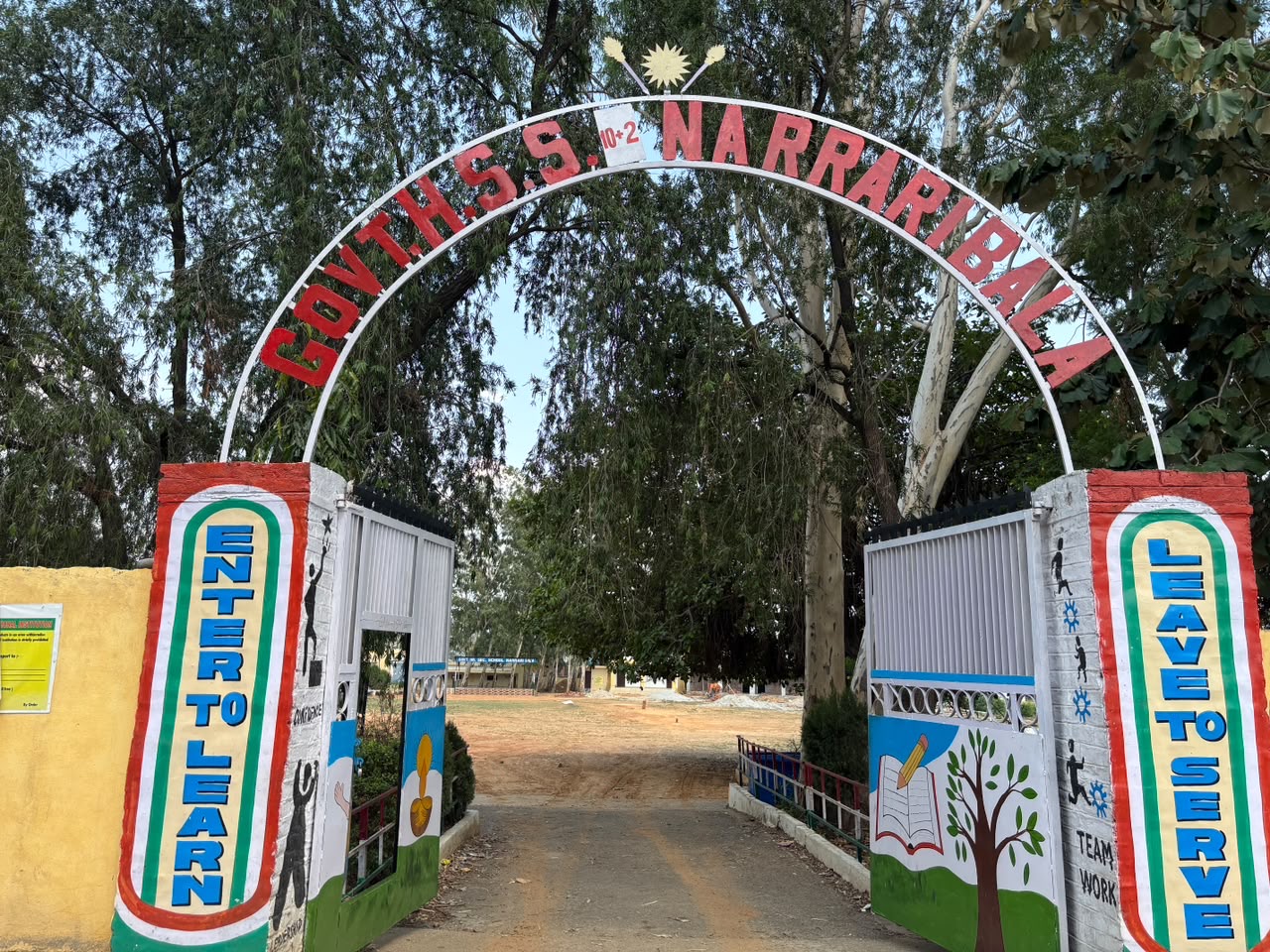
Educational facilities include a Government Primary School within the village, while higher secondary education is available at Maira Mandrian, located approximately 3 kilometres away. Healthcare services are provided by the Primary Health Centre at Maira Mandrian, with advanced medical care available at the Sub-District Hospital, Akhnoor. The availability of 4G mobile connectivity and the ongoing rollout of BharatNet fibre network have significantly improved digital communication and internet access.
Economy and Livelihood
The economy of Tacharwan is primarily agrarian, with nearly 60–70% of households directly dependent on agriculture for their livelihood. Farmers cultivate crops during both Rabi and Kharif seasons, with maize, wheat, and pulses serving as the principal agricultural produce. Paddy cultivation remains limited due to the semi-arid Kandi terrain and restricted irrigation facilities.
Besides farming, residents supplement their income through dairy farming, daily wage labour, government employment, Army service, and small-scale retail businesses. Local grocery stores and repair workshops located near the village chowk contribute to the rural economy. Agriculture remains largely rain-fed, supported by tube wells and traditional seasonal kuhls, making efficient water management an important aspect of village life.
Environment and Climate
Tacharwan experiences a sub-tropical climate typical of the Kandi agro-climatic zone. Situated at an elevation of approximately 350–400 metres above sea level, the village has sandy loam to clay loam soils that are moderately fertile but vulnerable to erosion during the monsoon season.
Summers are generally hot, with temperatures rising up to 45°C, while winters remain mild, with minimum temperatures falling to around 4°C. The village receives an average annual rainfall of 1,000–1,200 millimetres, most of which occurs during the South-West Monsoon between July and September. Seasonal nallahs flowing towards the Chenab river system serve as the primary natural drainage channels. Environmental concerns include soil erosion, declining groundwater levels, and plastic waste accumulation along village roads.
Wildlife and Biodiversity
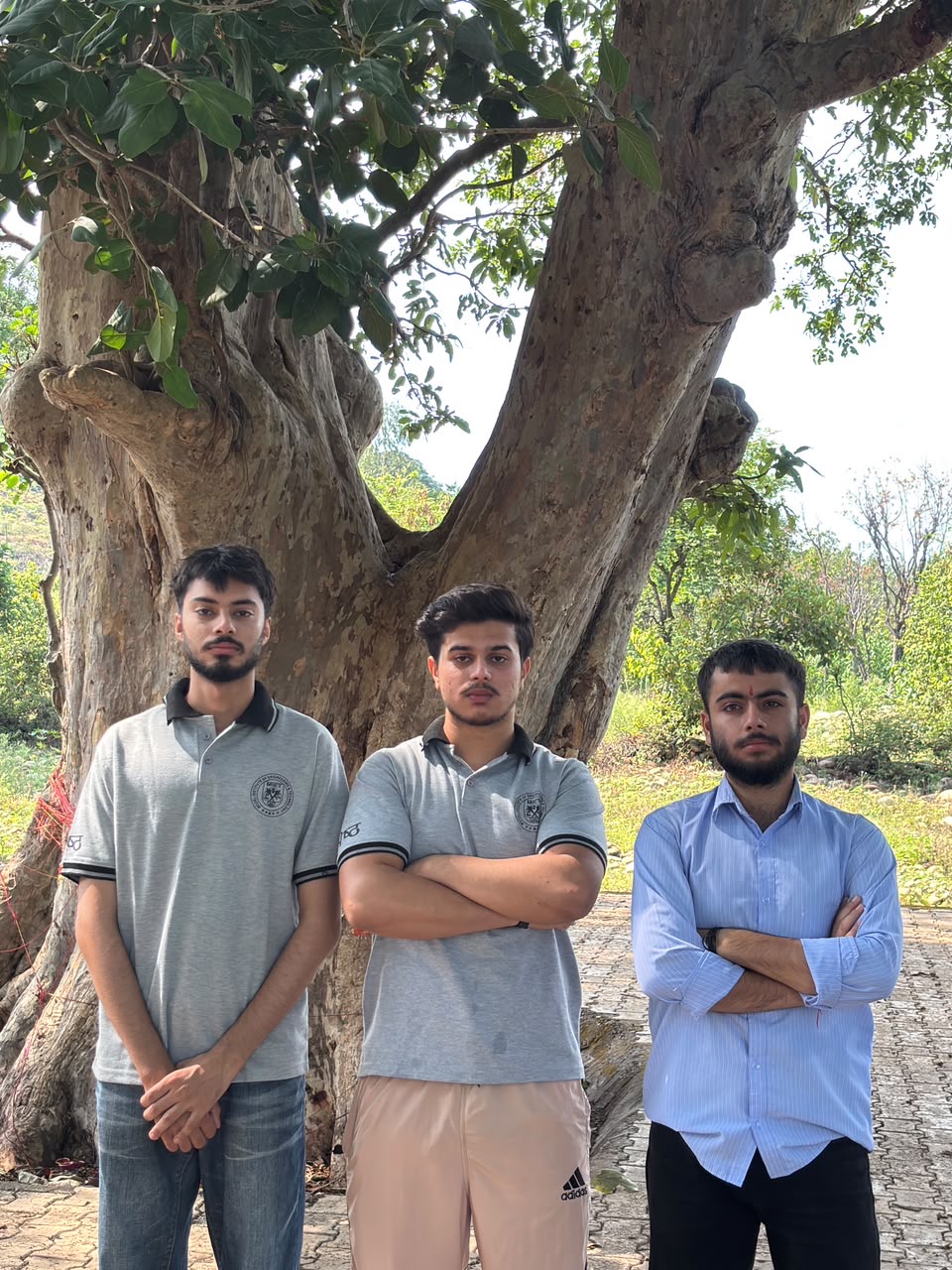
The natural surroundings of Tacharwan form part of the Shivalik foothill ecosystem, supporting a diverse range of flora and fauna. The landscape is dominated by dry deciduous vegetation comprising Kikar (Acacia nilotica), Ber, Shisham, Mango, and Pipal trees. Shrubs such as Lantana camara and Congress grass are commonly found across uncultivated lands.
The agricultural fields also preserve traditional varieties of maize, bajra, and pulses, contributing to local agro-biodiversity. Wildlife found in and around the village includes Nilgai, Jackals, Indian Foxes, and Mongooses, while birdlife features Peafowl, Partridges, Mynas, Drongos, Indian Rollers, and several migratory species during winter. Reptiles such as the Monitor Lizard, Rat Snake, and Common Krait are occasionally sighted. The village is located approximately 25 kilometres from Nandini Wildlife Sanctuary and 40 kilometres from Ram Nagar Wildlife Sanctuary, making it part of a broader ecologically significant landscape.
Culture and Social Heritage
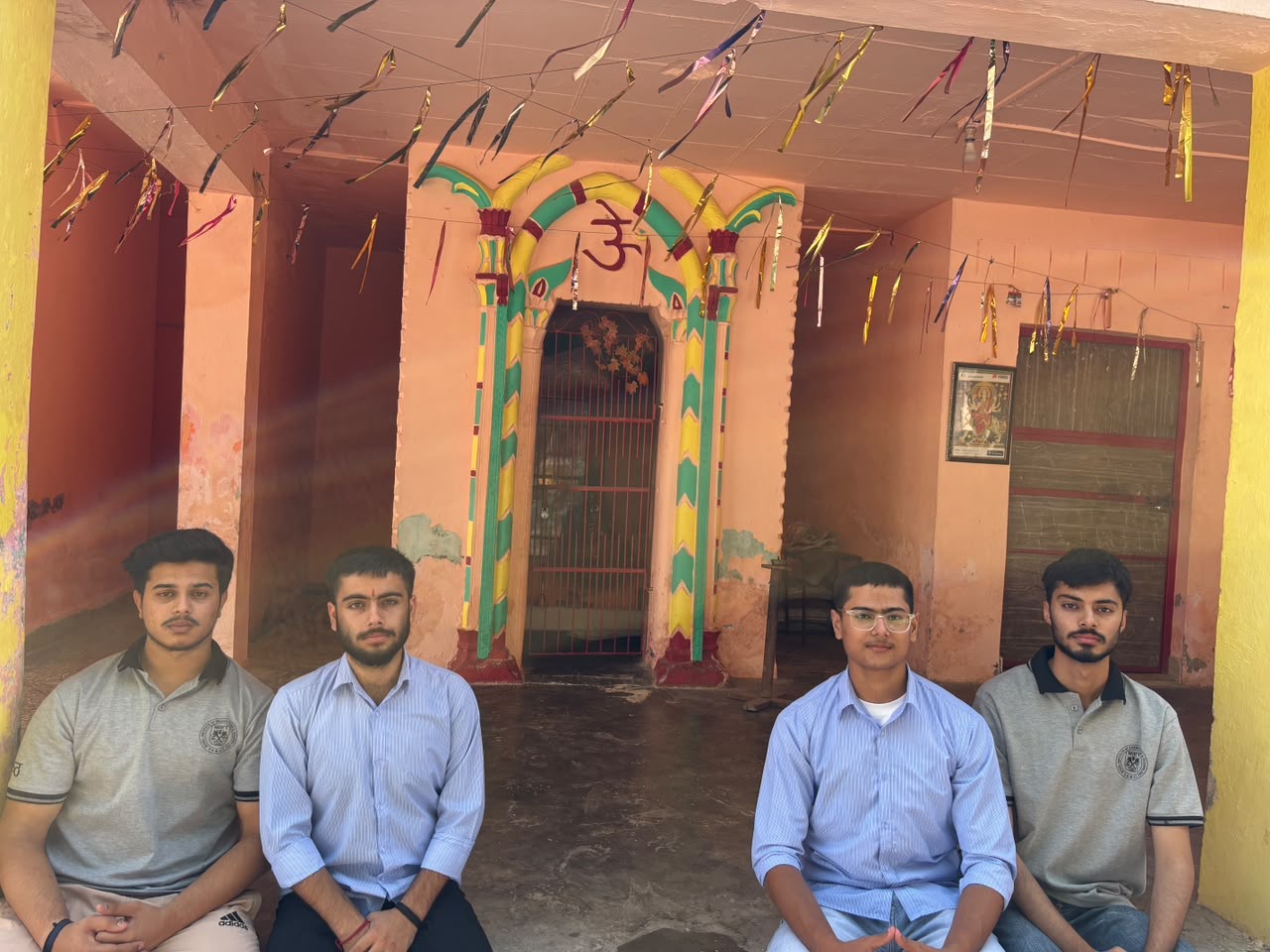
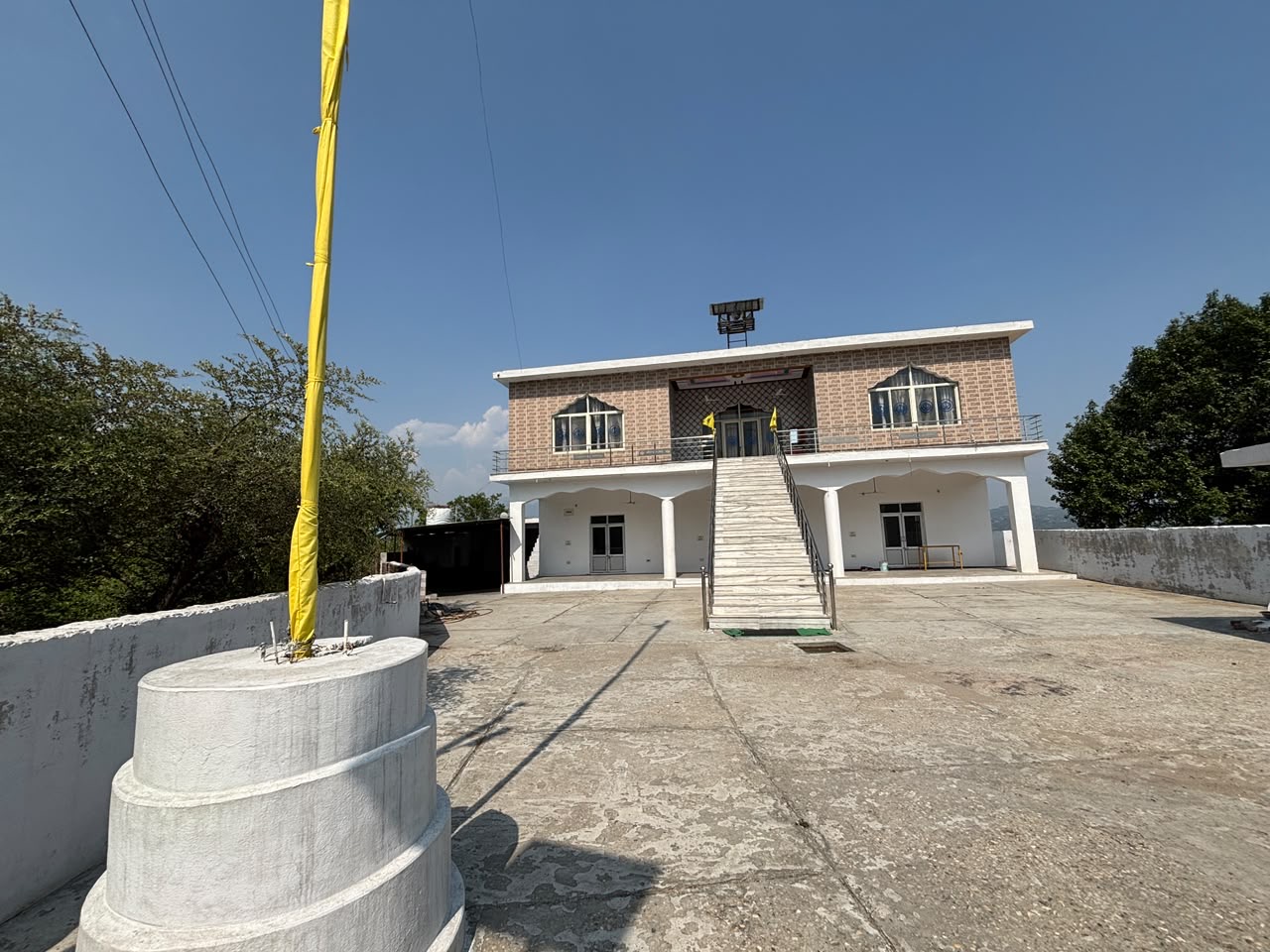
Tacharwan proudly preserves its Dogra cultural heritage, with traditions and customs playing an important role in community life. Major festivals such as Lohri, Baisakhi, Diwali, and Navratras are celebrated with great enthusiasm and communal participation. A local mela organised at the village Devsthan serves as an important religious and cultural gathering for residents and neighbouring villages.
Traditional folk music and dance continue to enrich village life. Performances of Dogri folk songs, Geetru, and the Haran dance during harvest seasons reflect the region's vibrant cultural identity. The village follows a strong community-oriented lifestyle, where social harmony, cooperation, and respect for traditions remain central values.
Local Governance and Community Development
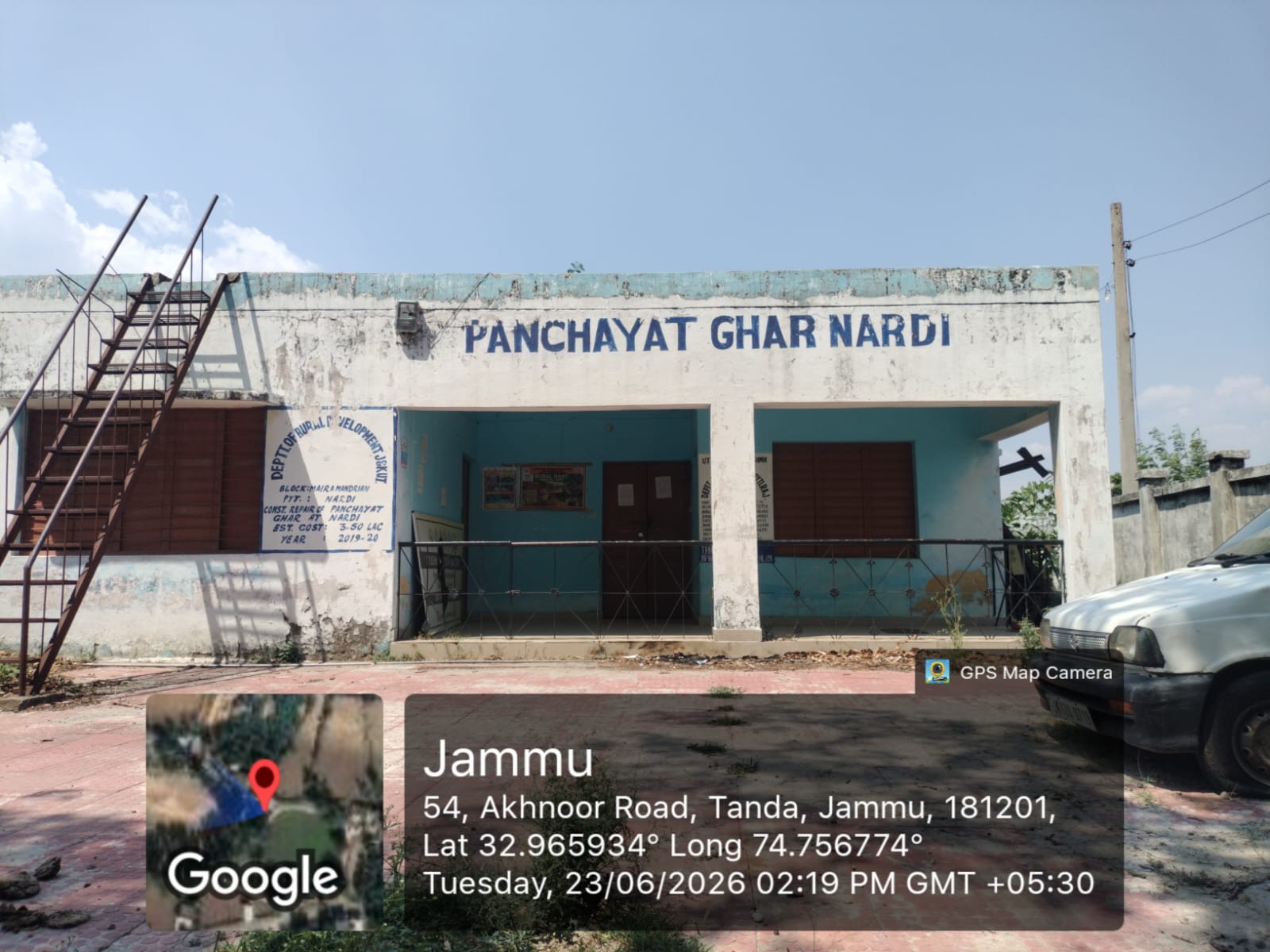
The village is governed through the Panchayati Raj system, ensuring democratic participation in local administration and development. Community welfare is further strengthened by the active functioning of the Village Health, Sanitation and Nutrition Committee (VHSNC), which promotes awareness regarding healthcare, sanitation, nutrition, and public welfare schemes.
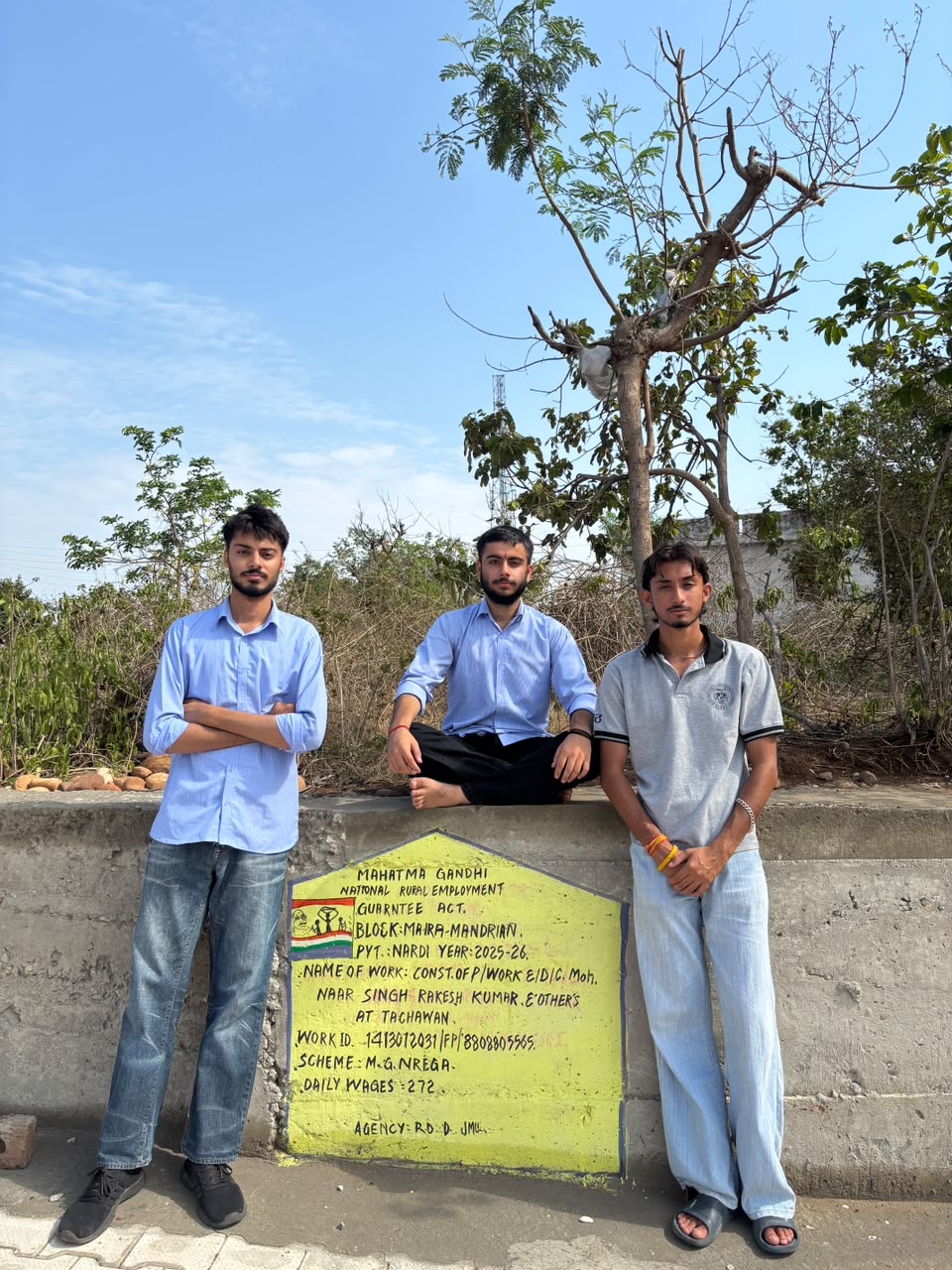
Several government initiatives have significantly contributed to rural development in Tacharwan. Programmes such as MGNREGA, PMAY-Gramin, Swachh Bharat Mission, Jal Jeevan Mission, and PM-Kisan have improved employment opportunities, housing, sanitation, drinking water facilities, and agricultural support for local residents.
Tourism Potential and Future Prospects
Although not yet a major tourist destination, Tacharwan possesses considerable potential for rural tourism owing to its scenic Shivalik landscapes, peaceful environment, and authentic Dogra village culture. Visitors can experience traditional farming practices, local festivals, and the natural beauty of the surrounding countryside during day trips from Jammu or Akhnoor.
The village continues to face challenges such as seasonal water scarcity, youth migration, and limited non-farm employment opportunities. However, future prospects remain promising through the promotion of organic farming, dairy development, rural entrepreneurship, and homestay tourism under the rural tourism initiatives of Jammu and Kashmir. With sustained infrastructure development and community participation, Tacharwan has the potential to emerge as a model rural village that successfully balances traditional heritage with modern progress.
Photos
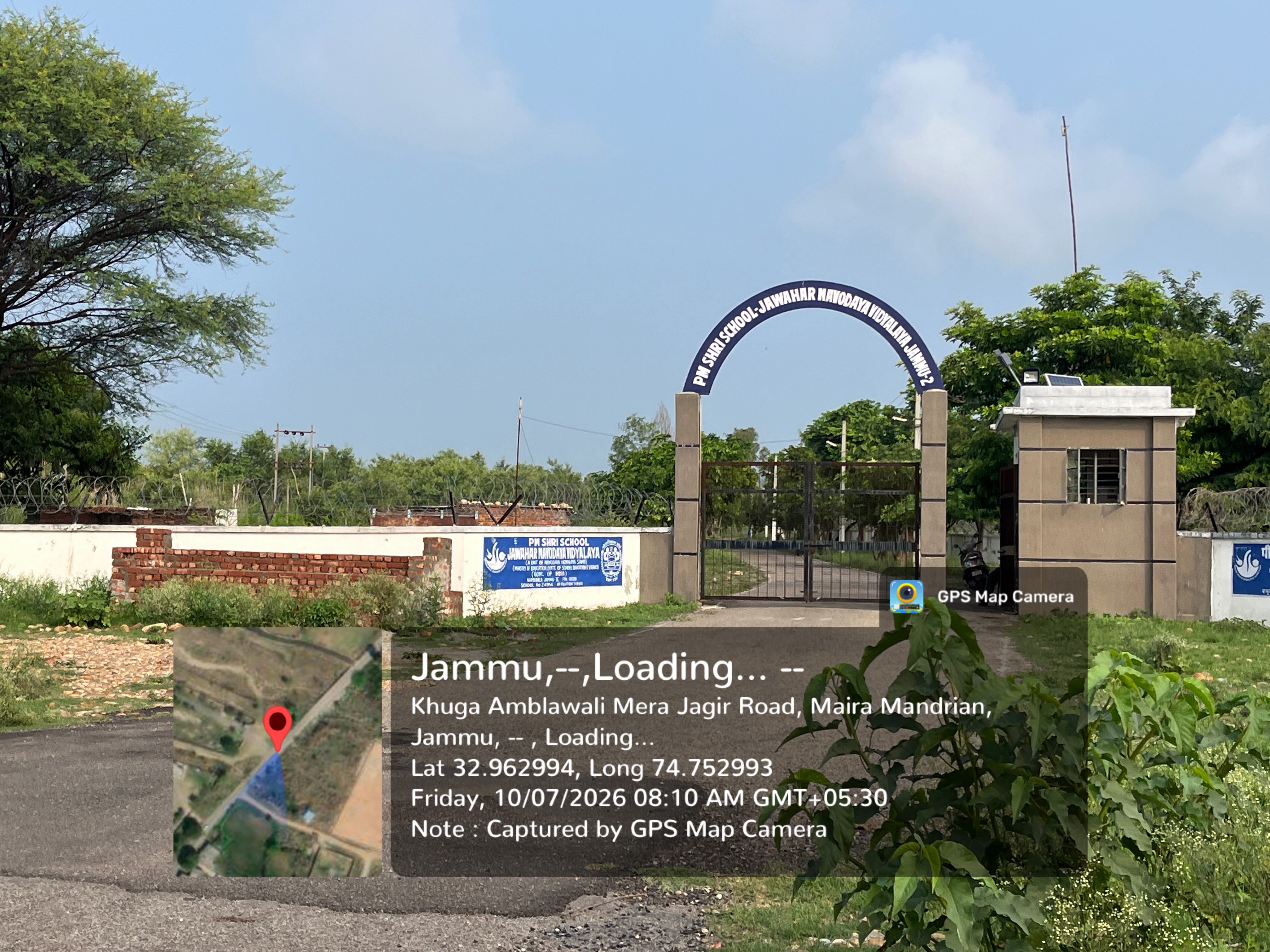
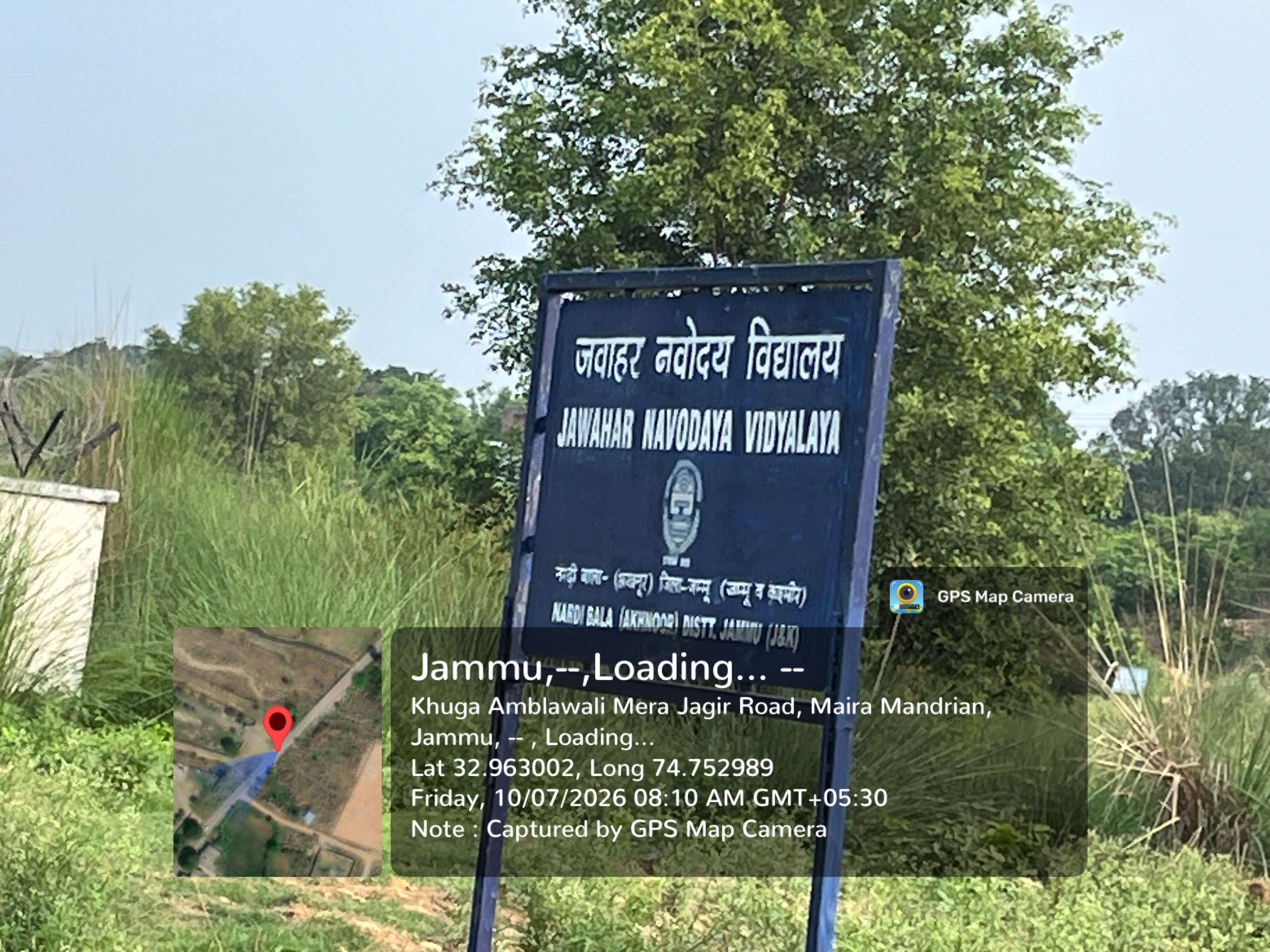
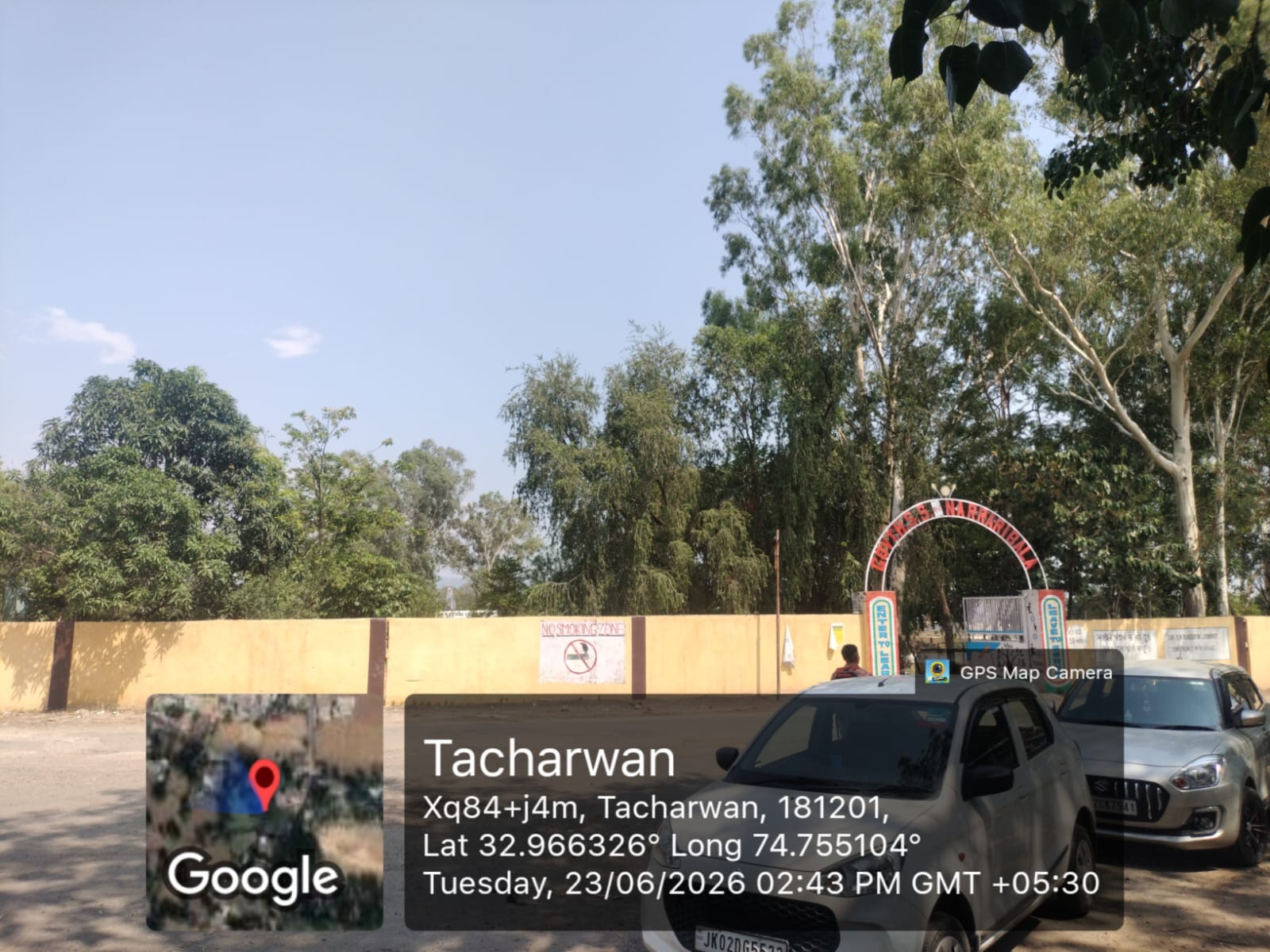
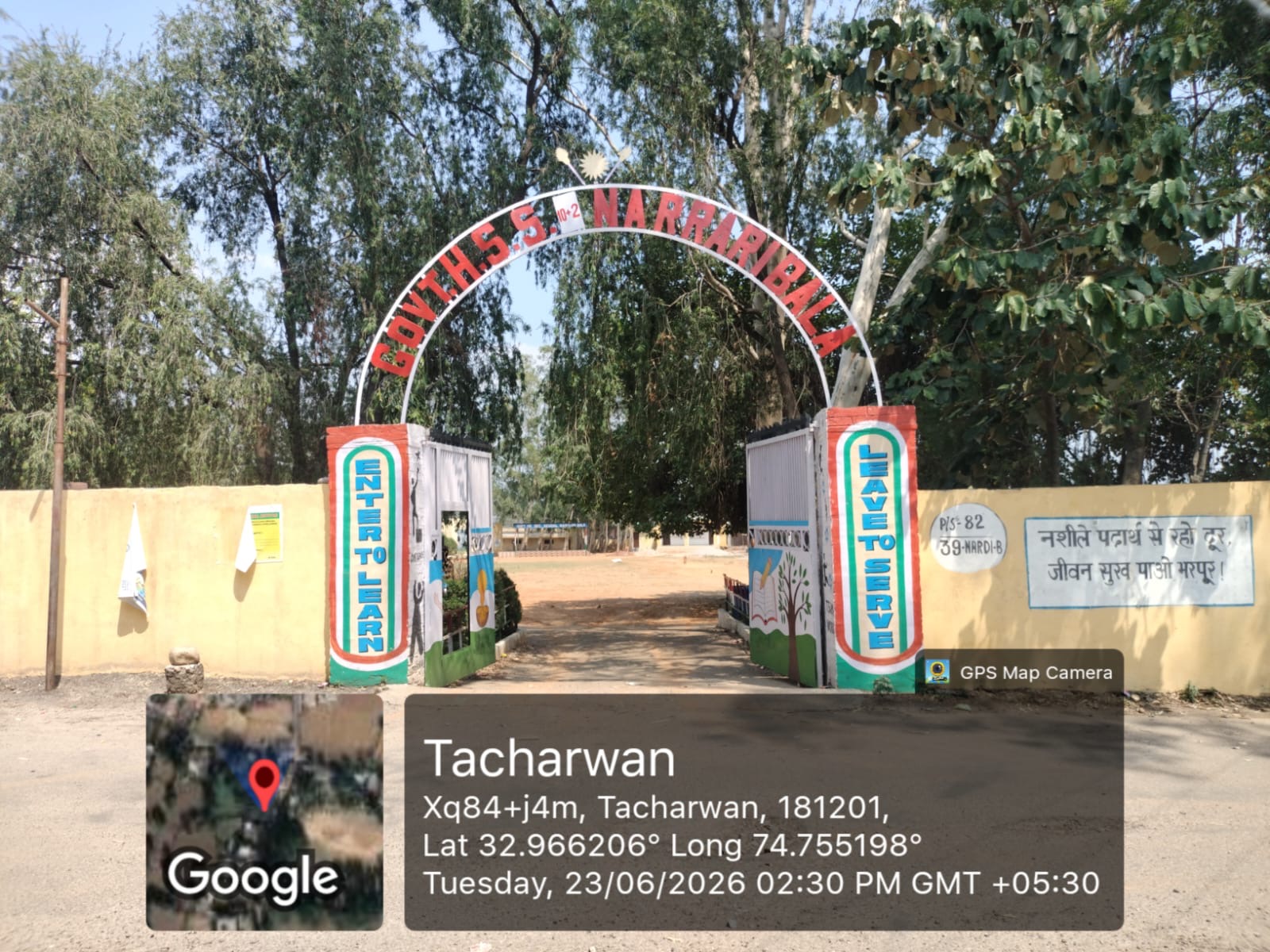
Location Map
Contact Information
| Address |
Tacharwan, Maira Mandrian Tehsil, Jammu District, J&K - 181201 |
| Phone Number |
9149838158 |
| Email Address |
Reviews (6)

The oldest and most religious kuffi bathing shrine located here, great village to visit 🥰🥰
Good teamwork and sincere efforts.
It is an ideal destination for those who enjoy nature, peace, and simplicity.
Exceptional Teamwork and the content is well managed
Excellent work 👍


Very good experience👍 Keep up the good work