
Description
Introduction to Sarthal Valley
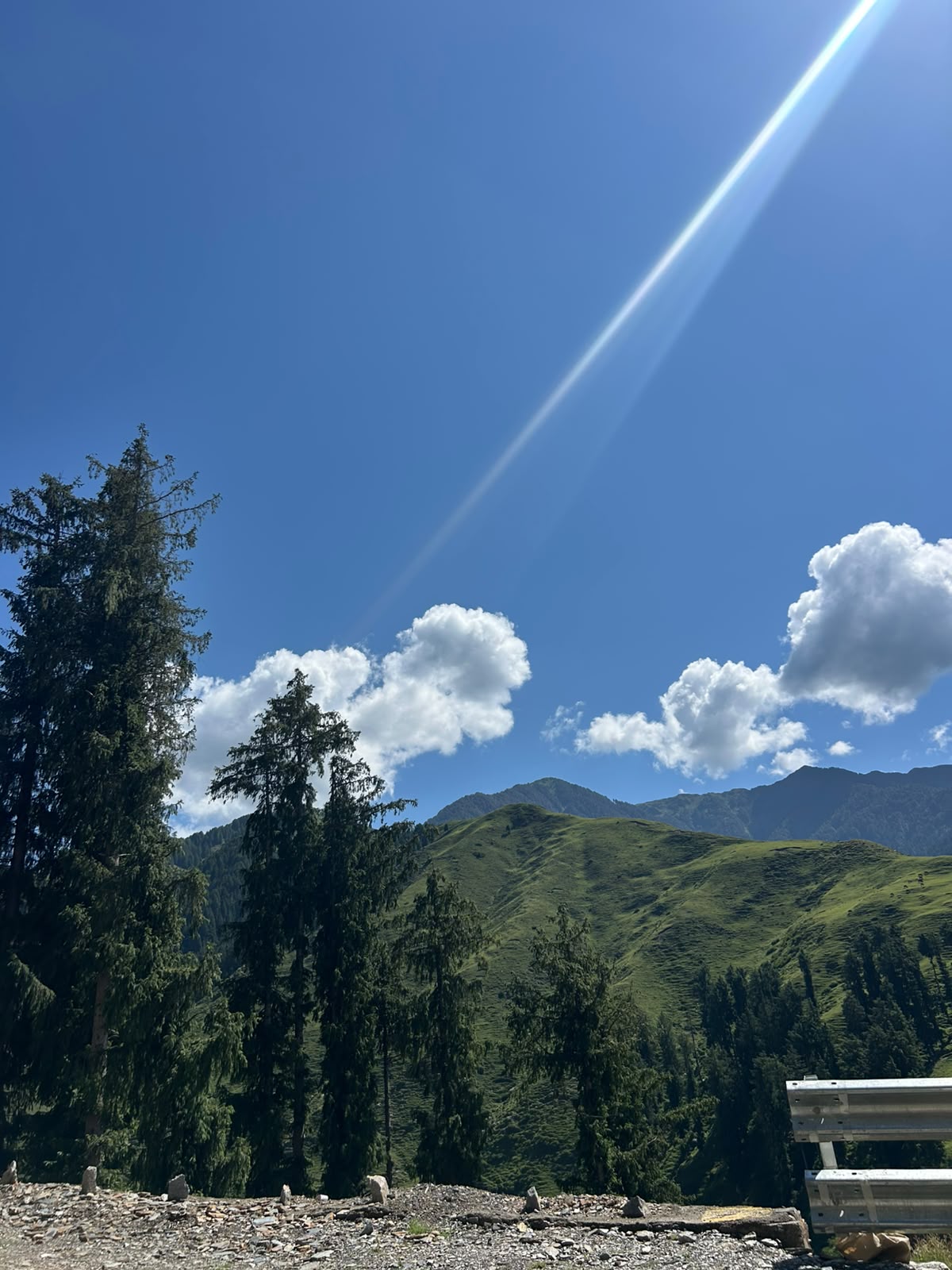
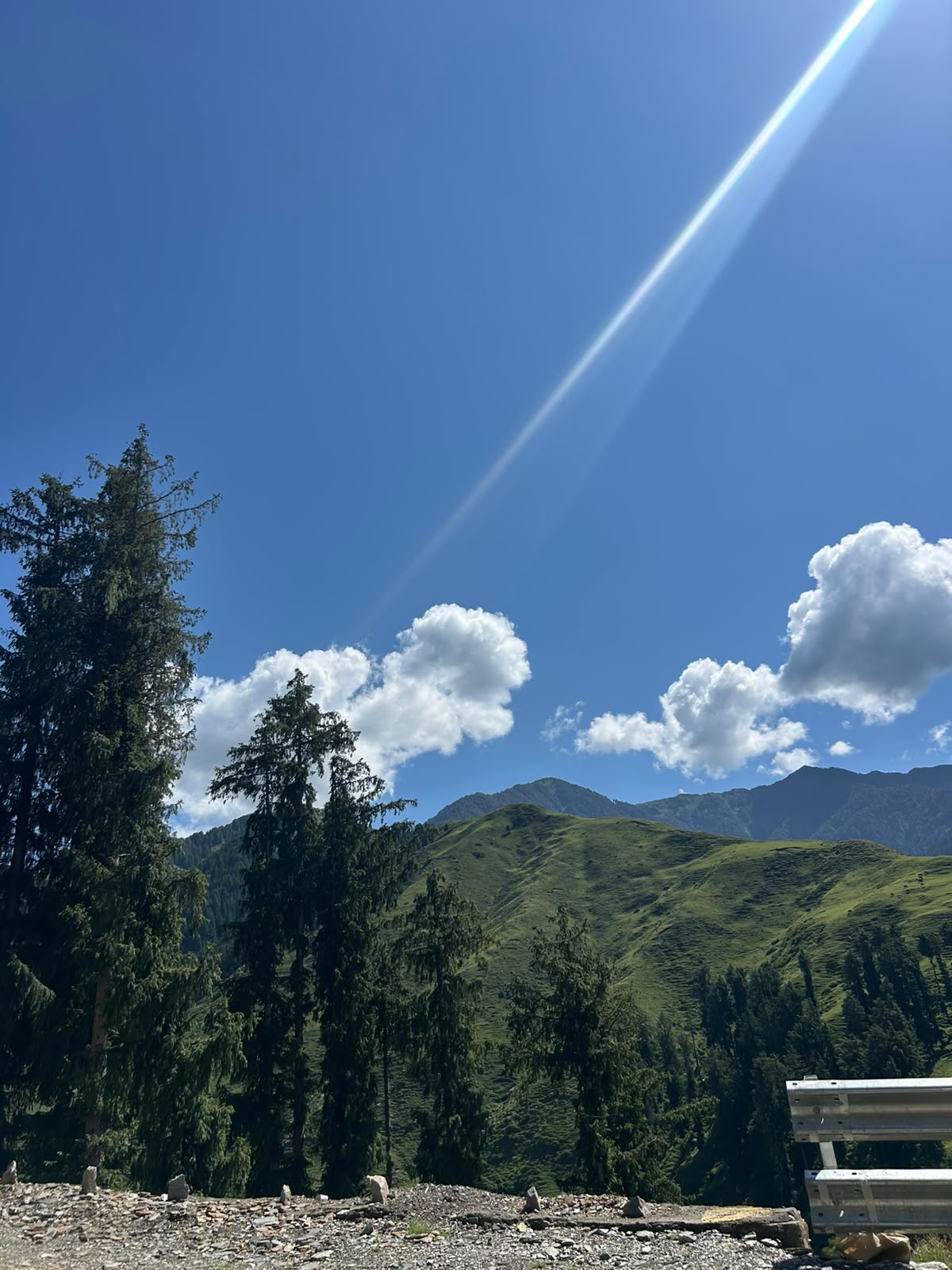
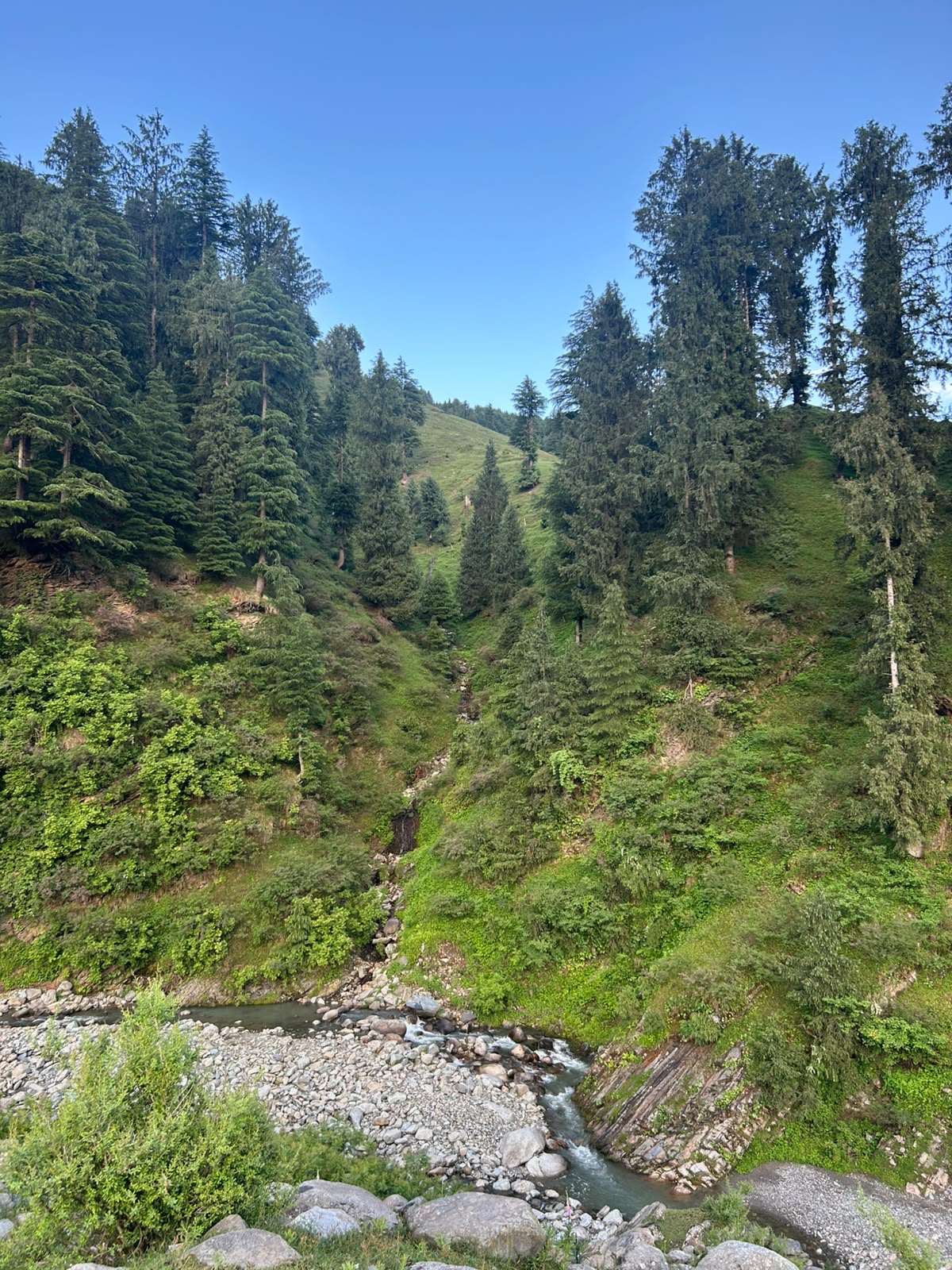
Sarthal Valley is a picturesque mountain destination situated in the Bhaderwah subdivision of Doda district in the Union Territory of Jammu and Kashmir. Nestled amidst the majestic Himalayan ranges, the valley is renowned for its vast alpine meadows, dense coniferous forests, crystal-clear streams, and breathtaking mountain vistas. Owing to its serene environment and relatively unexplored landscapes, Sarthal has emerged as one of the region's promising eco-tourism destinations. The valley attracts visitors throughout the year for its natural beauty, pleasant climate, and opportunities for adventure and recreation. Its rich ecological diversity, coupled with the cultural heritage of the surrounding communities, makes Sarthal Valley an important natural and tourism asset of the Chenab region.
Geography and Natural Landscape
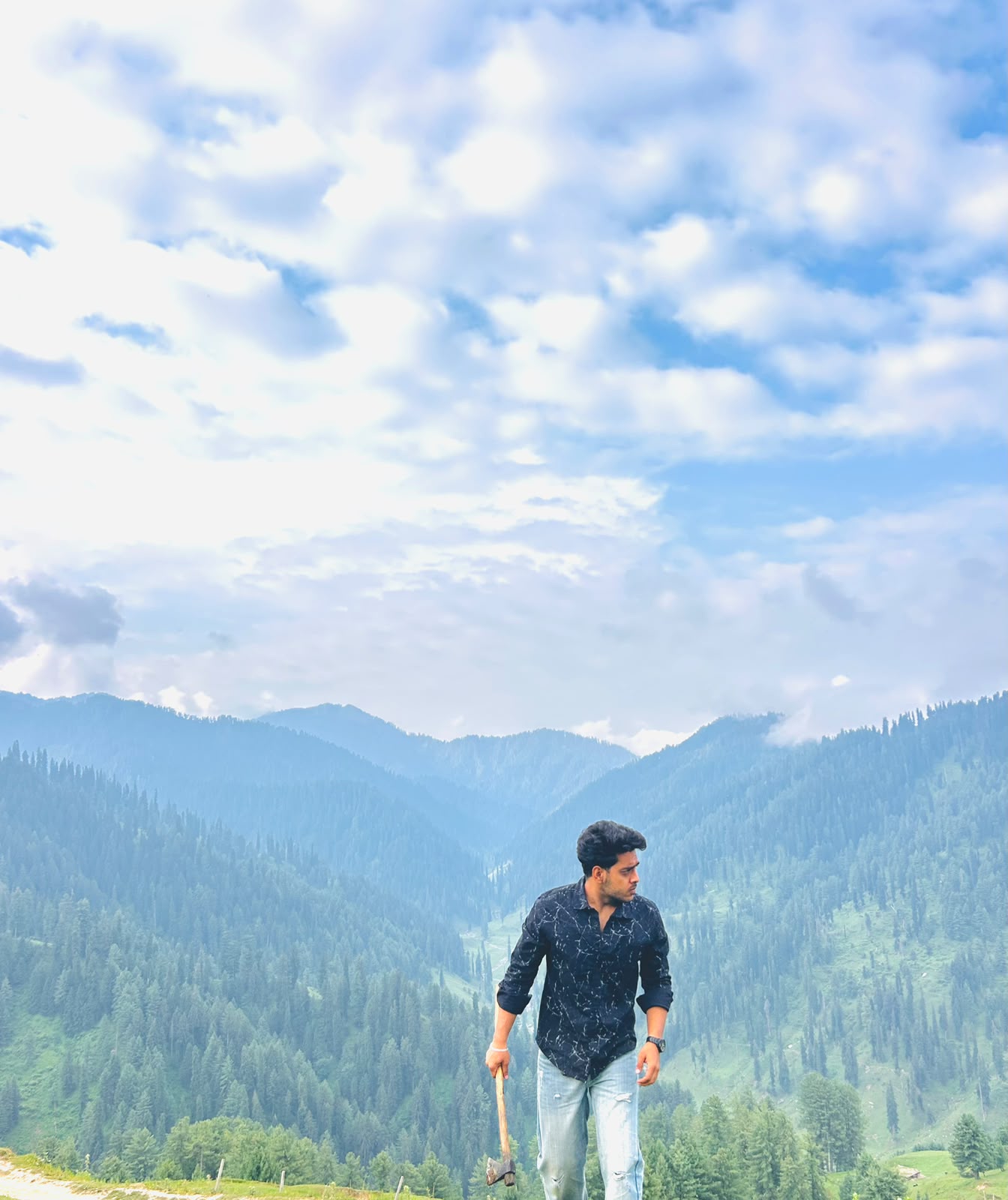
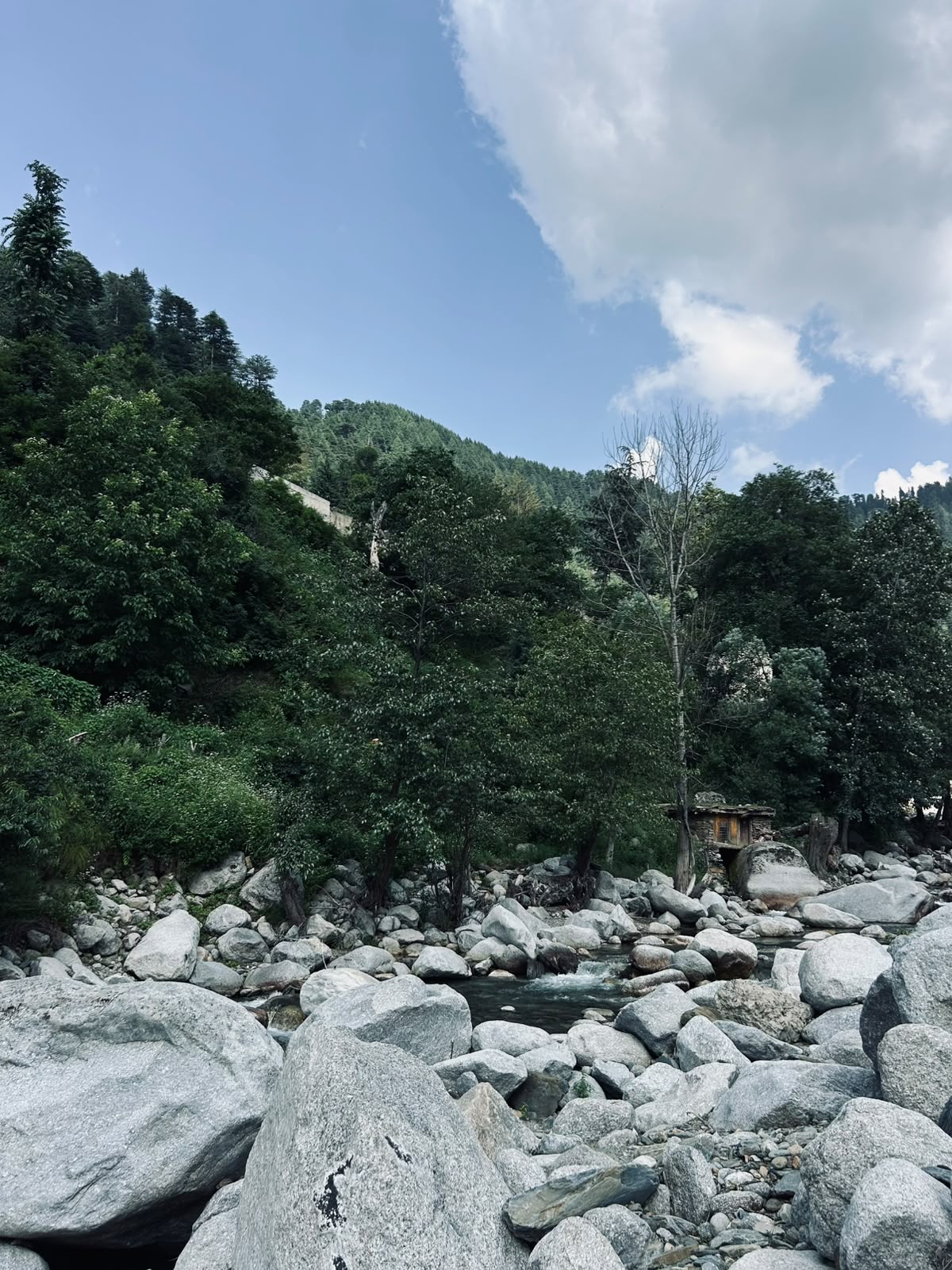
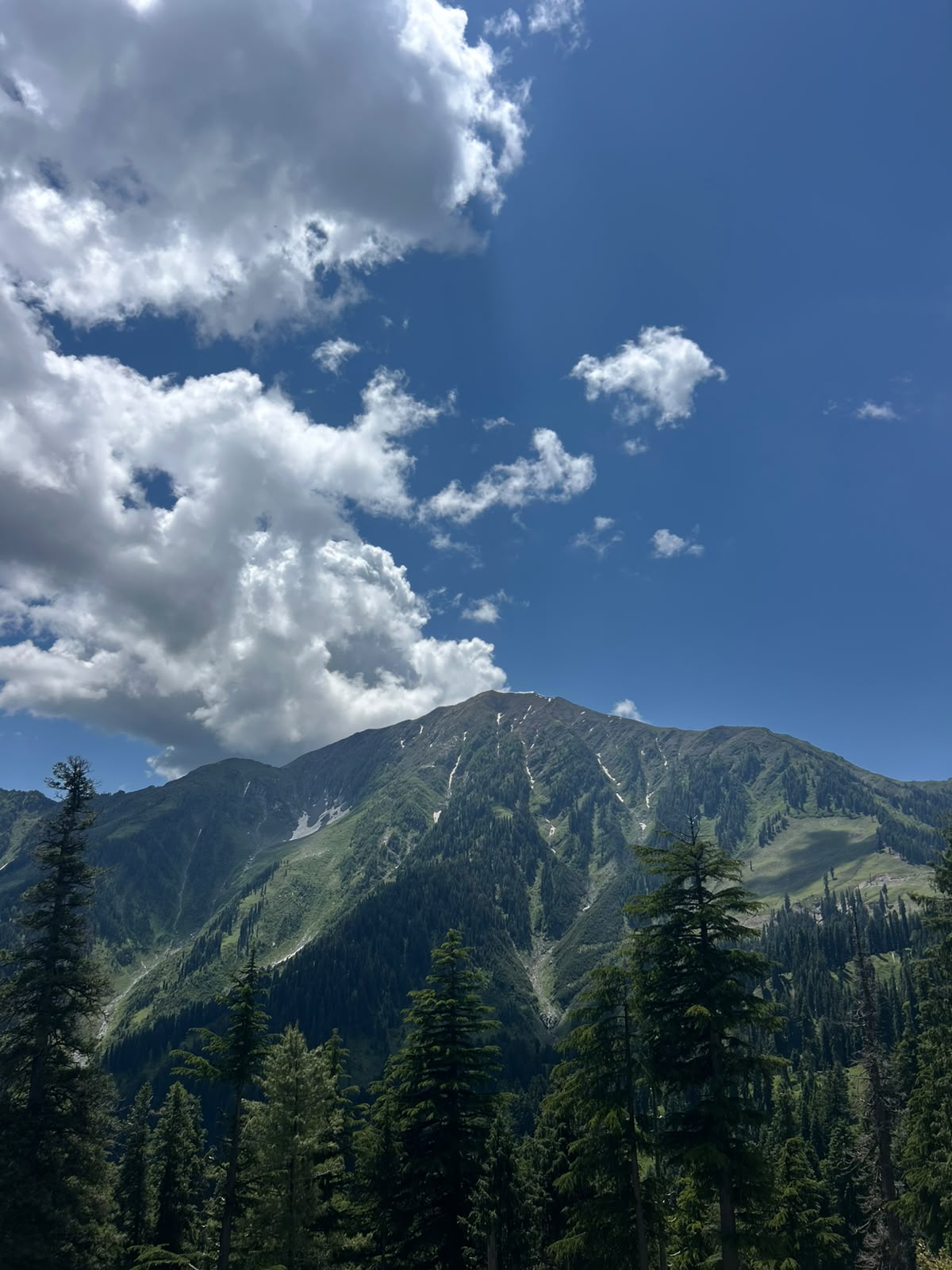
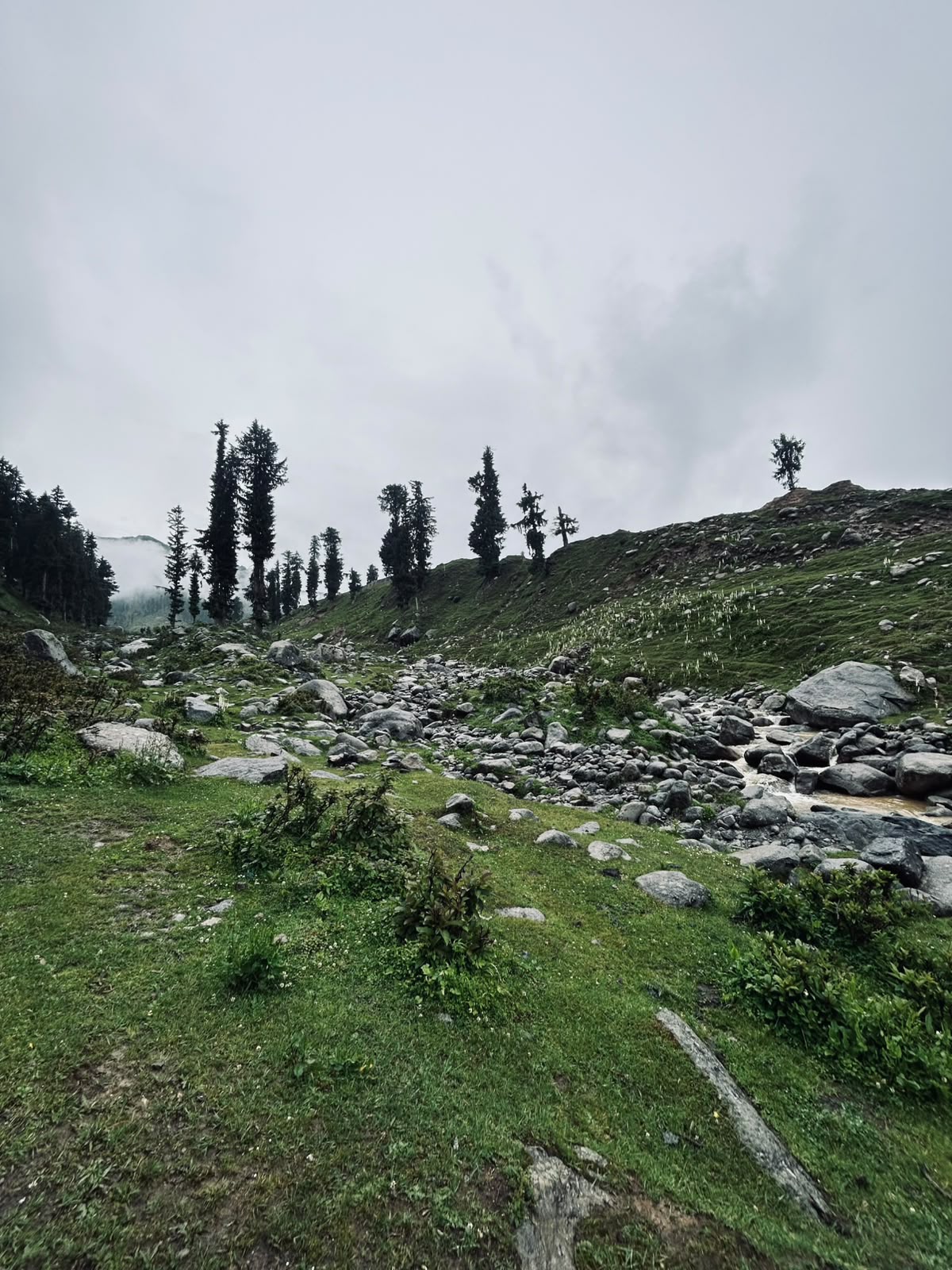
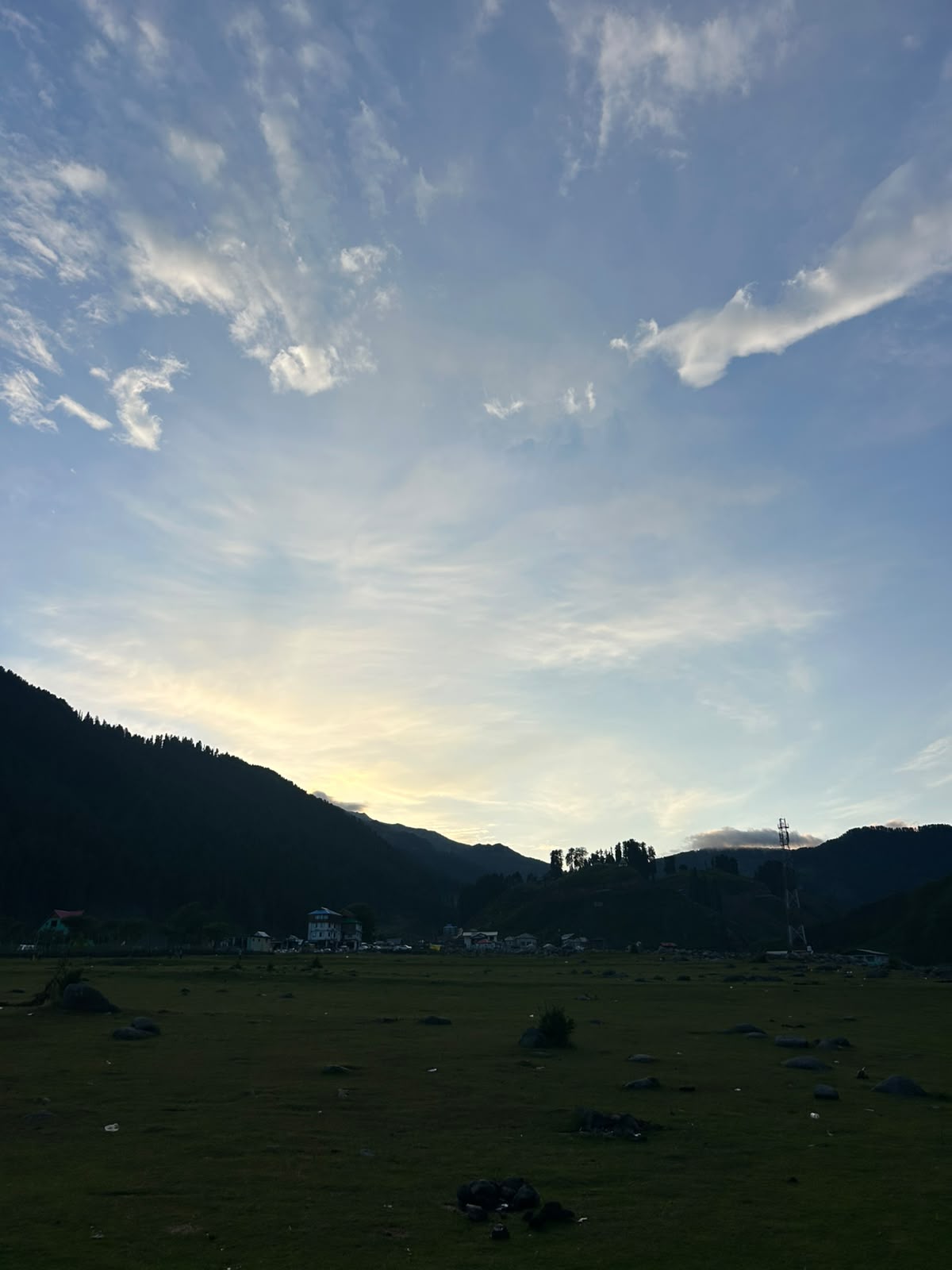
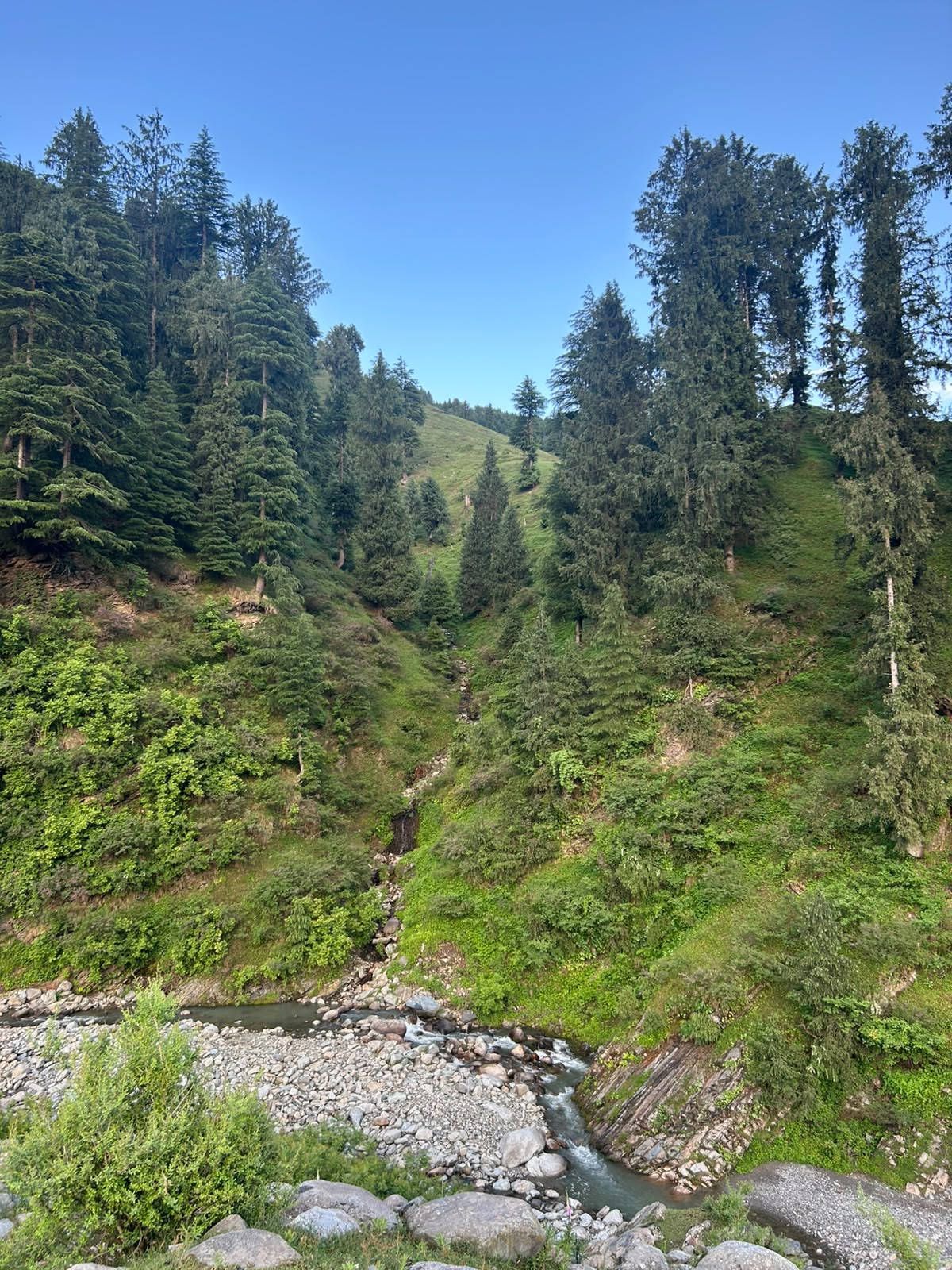
Located approximately 20 kilometres from Bhaderwah town, Sarthal Valley lies at an elevation of nearly 2,400 metres above sea level. The valley is surrounded by extensive forests of deodar, kail, fir, and pine that form an integral part of the Western Himalayan ecosystem. Numerous freshwater springs and seasonal streams originate from the surrounding hills, sustaining the lush meadows and fertile grazing lands. During the summer months, the valley is covered with vibrant green vegetation and colourful wildflowers, while the distant snow-capped peaks create a spectacular backdrop. In winter, heavy snowfall transforms the landscape into a pristine white expanse, offering an entirely different yet equally captivating experience. The geographical diversity of the valley contributes significantly to its ecological importance and scenic appeal.
Natural Heritage and Biodiversity
Sarthal Valley possesses remarkable ecological richness and supports a wide variety of flora and fauna characteristic of the Himalayan region. Its dense forests provide habitat for several wildlife species, including the Himalayan black bear, barking deer, leopard, fox, Himalayan langur, and numerous small mammals. The valley is equally important for avian diversity, with species such as the Himalayan monal, koklass pheasant, eagles, woodpeckers, and various migratory birds frequently observed in the area. The vegetation comprises coniferous trees, medicinal herbs, alpine grasses, shrubs, and seasonal wildflowers that bloom during spring and summer. These natural resources contribute not only to the ecological balance of the region but also to scientific research, environmental conservation, and sustainable tourism development.
Tourism and Major Attractions
Sarthal Valley is recognised for its unspoiled landscapes and tranquil atmosphere, making it an attractive destination for visitors seeking an authentic mountain experience. The expansive meadows provide ideal locations for picnics, camping, and outdoor recreation, while numerous trekking routes pass through forests, valleys, and mountain ridges, offering panoramic views of the surrounding Himalayan landscape. The valley also serves as a favourable destination for photography, birdwatching, and nature walks due to its exceptional scenic beauty and biodiversity. During winter, snowfall enhances the charm of the region and attracts visitors interested in experiencing the unique beauty of the Himalayan landscape. Unlike heavily commercialised tourist destinations, Sarthal retains its natural character, allowing travellers to enjoy a peaceful and immersive experience in nature.
Culture, Lifestyle and Local Economy
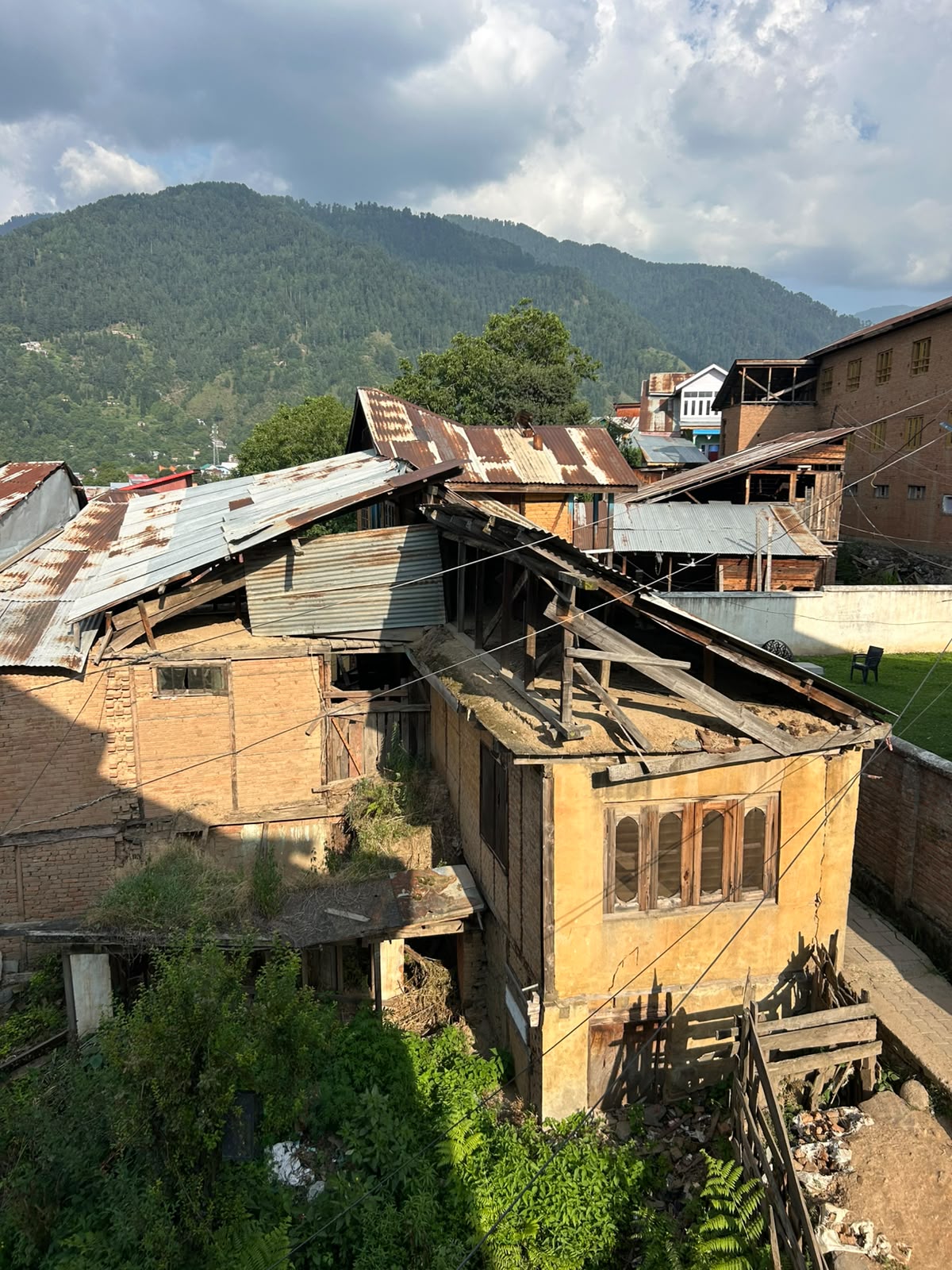
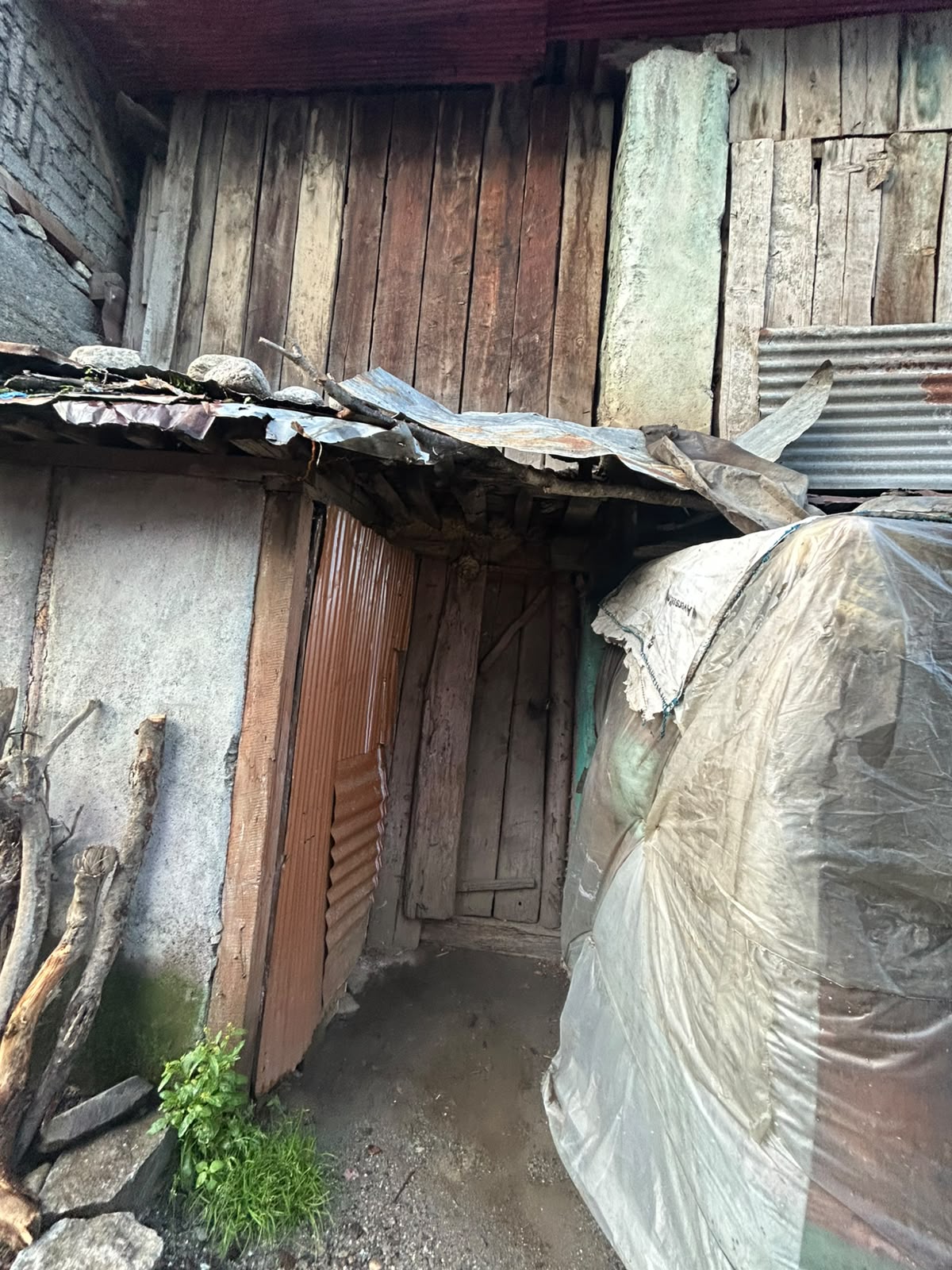
The villages surrounding Sarthal Valley are home to communities that have preserved their traditional lifestyle and cultural heritage for generations. Agriculture, horticulture, and livestock rearing continue to be the principal sources of livelihood for local residents. Crops such as maize, wheat, rajma (kidney beans), and seasonal vegetables are widely cultivated, while sheep, goats, and cattle are reared to supplement household incomes. Traditional festivals, local customs, and folk music continue to play an important role in community life, reflecting the rich cultural identity of the Bhaderwah region. The people are known for their hospitality, simplicity, and strong connection with nature. In recent years, tourism has begun contributing to the local economy by creating opportunities in transportation, hospitality, guiding services, and small-scale businesses.
Best Time to Visit and Visitor Experience
Sarthal Valley offers distinct experiences during every season, making it a year-round destination. The period from April to October is considered the most suitable for sightseeing, trekking, camping, and exploring the lush green meadows. During these months, pleasant temperatures and blooming vegetation create ideal conditions for outdoor activities. The winter season, extending from December to February, attracts visitors who wish to witness snowfall and enjoy the valley's snow-covered landscapes. Every season presents a different perspective of the valley, allowing visitors to experience its changing natural beauty throughout the year. Whether visiting for leisure, adventure, photography, or ecological exploration, Sarthal Valley provides a memorable and refreshing experience amidst the Himalayas.
Accessibility and Tourist Facilities
Sarthal Valley is accessible by a well-connected motorable road from Bhaderwah town, which serves as the primary gateway to the region. Bhaderwah itself is connected by road to Doda, Jammu, and other major towns of Jammu and Kashmir through the national and state highway network. The nearest railway station is Jammu Tawi Railway Station, while Jammu Airport is the closest air transport facility for domestic travellers. Accommodation is primarily available in Bhaderwah, where visitors can choose from hotels, guest houses, and homestays offering comfortable lodging and local hospitality. Essential services such as restaurants, medical facilities, transport, and communication networks are also available in Bhaderwah. Visitors are encouraged to carry warm clothing, trekking essentials, and basic medical supplies, particularly during winter or when planning extended outdoor excursions.
Environmental Conservation and Sustainable Tourism
The ecological significance of Sarthal Valley extends beyond its scenic beauty, making environmental conservation a priority for both local communities and visitors. The forests play an important role in conserving biodiversity, protecting water resources, preventing soil erosion, and maintaining the climatic balance of the region. As tourism continues to expand, sustainable practices such as responsible waste management, protection of wildlife habitats, conservation of forest resources, and respect for local traditions have become increasingly important. Community participation in eco-tourism initiatives has the potential to generate employment while preserving the valley's natural heritage. By promoting environmentally responsible tourism and encouraging conservation efforts, Sarthal Valley can continue to thrive as one of the most valuable ecological and tourism destinations in the Chenab Valley, offering future generations the opportunity to experience its exceptional natural beauty and cultural richness.
Photos


Videos

Location Map
Contact Information
| Address |
Sarthal Valley |
| Phone Number |
9103515709 |
| Email Address | |
| Website | https://community.mietjmu.in/customer/hotel/add |