
Description
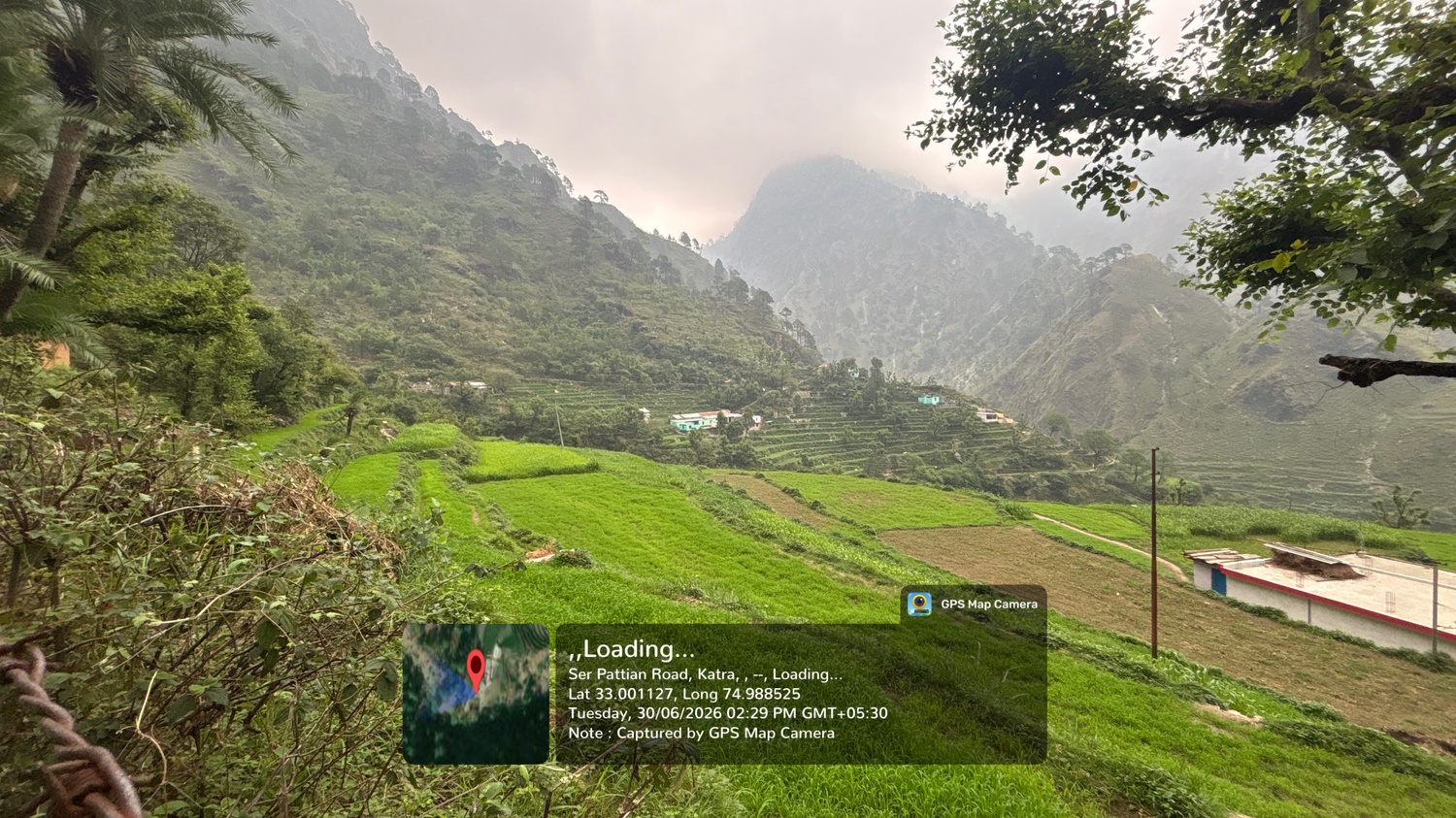
Introduction to Sarpatian Sarpatian (also spelled Ser Pattian) is a picturesque rural hamlet and designated eco-trekking base camp situated near Panthal in the Reasi district of Jammu and Kashmir. Located in the foothills of the majestic Trikuta Mountains, the village serves as the primary gateway to the sacred Devi Pindi Shrine (Devi Pindian), one of the region's lesser-known yet spiritually significant pilgrimage sites. Surrounded by lush forests, flowing streams, and breathtaking mountain scenery, Sarpatian provides visitors with a peaceful blend of natural beauty, religious devotion, and traditional rural life. Although small in size, the village has gradually gained recognition as an emerging destination for eco-tourism, trekking, and spiritual exploration.
History of Sarpatian The history of Sarpatian (Ser Pattian) is deeply connected with the ancient cultural, religious, and geographical heritage of the Trikuta Hills in the Reasi district of Jammu and Kashmir. Although there are very few written historical records specifically mentioning the village, local traditions and oral history suggest that Sarpatian has existed for many generations as a small rural settlement inhabited by farming families and communities closely associated with the surrounding forests and hills. Due to its strategic location between Panthal and Katra, the village gradually became an important resting point for shepherds, pilgrims, traders, and local travelers moving through the mountainous region.
In earlier times, before the construction of modern roads and transportation facilities, people living in the villages around Katra depended on narrow mountain trails to travel from one settlement to another. Sarpatian was one of these important stopping points because of its availability of fresh water from natural streams and its comparatively gentle terrain. Travelers and pilgrims often rested here before continuing their journey toward the higher hills. Over time, the village developed into a recognized transit point connecting nearby rural communities with the sacred sites of the Trikuta region.
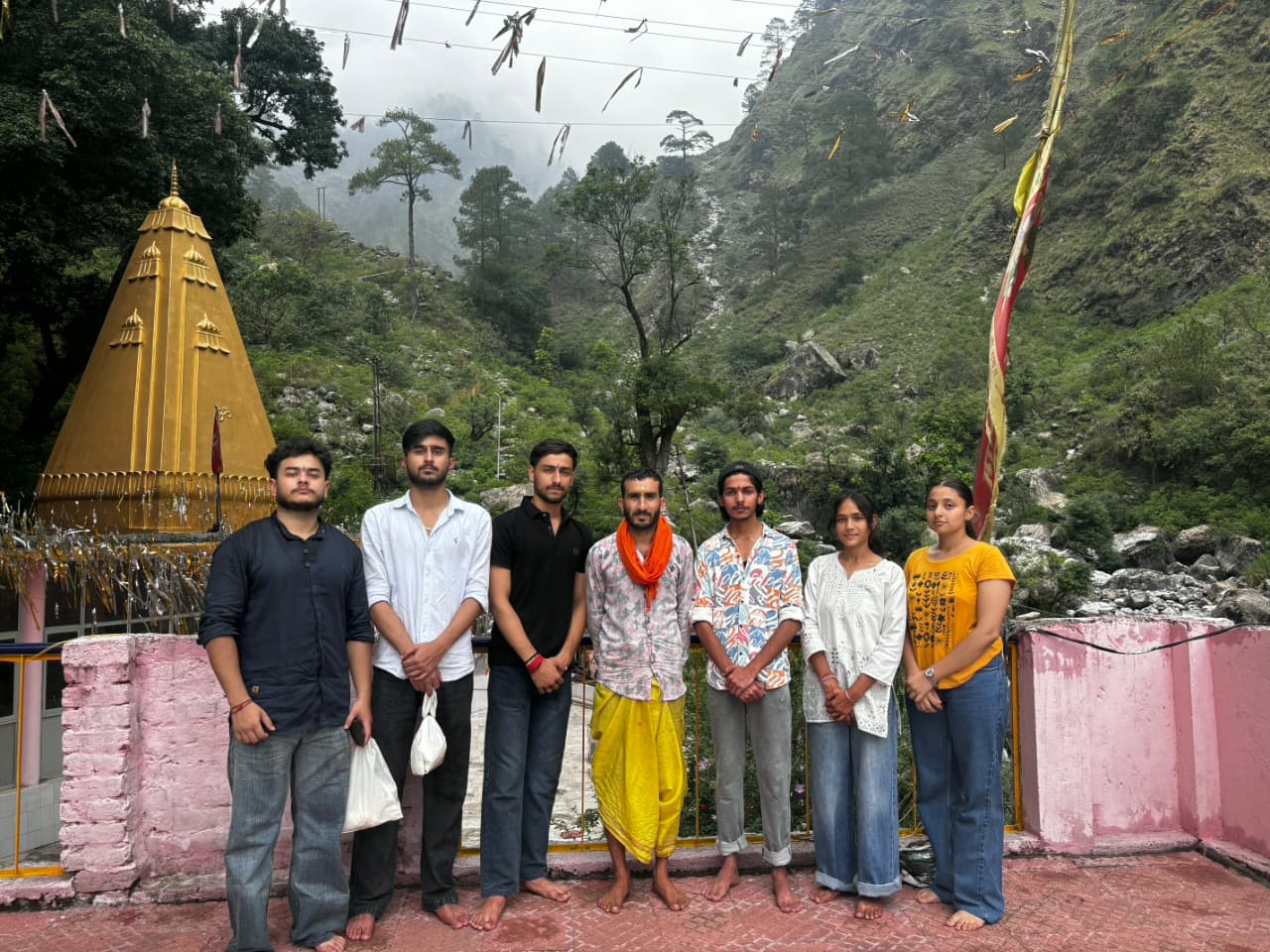
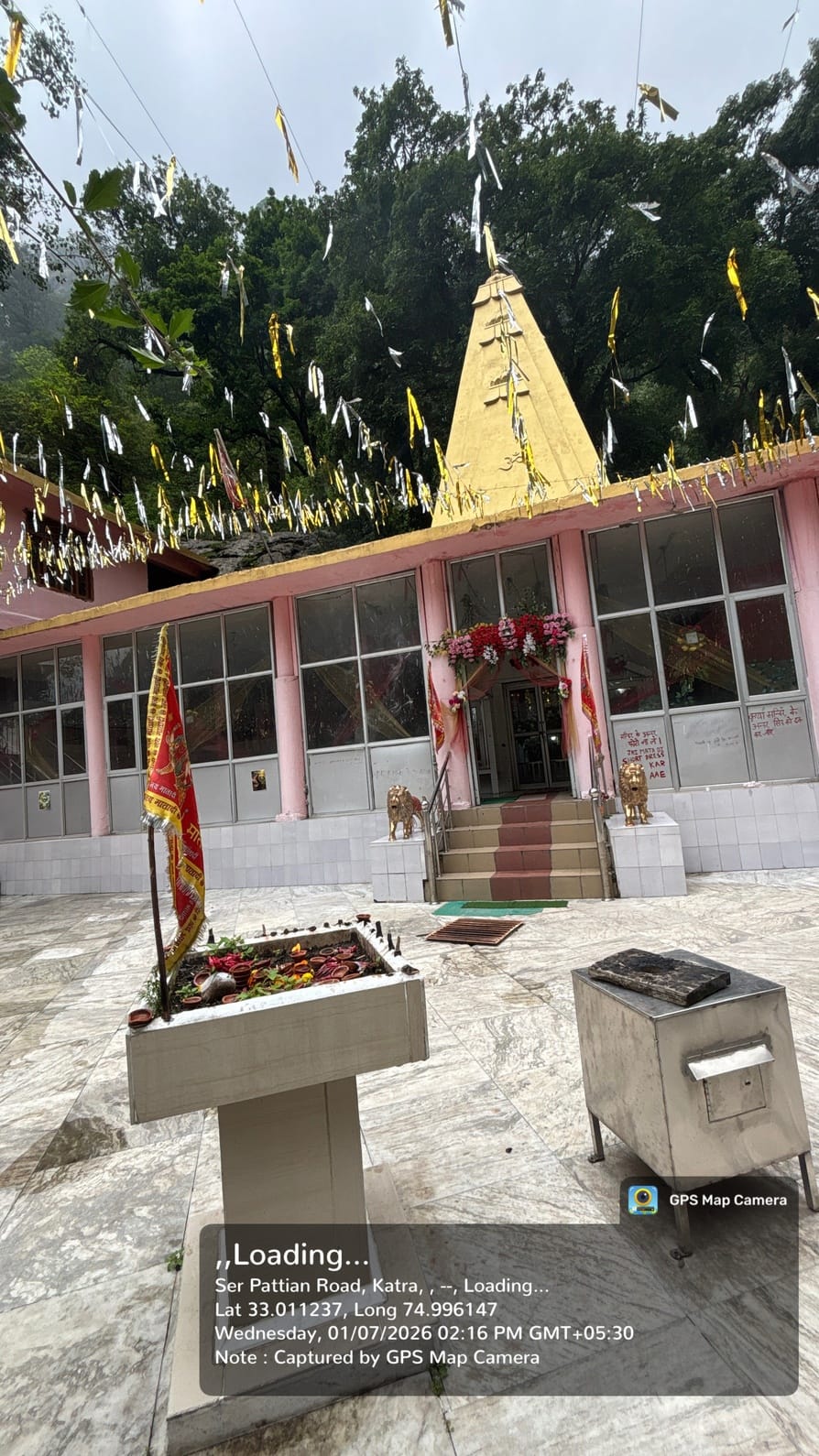
The historical significance of Sarpatian is closely linked with the Devi Pindi Shrine (Devi Pindian), an ancient place of worship situated in the nearby hills. According to local beliefs, the shrine has been revered for centuries by devotees from the surrounding villages. The temple is famous for its three naturally formed rock structures, or Pindis, representing Maha Kali, Maha Lakshmi, and Maha Saraswati. Long before organized pilgrimages became common, local residents regularly visited the shrine to seek blessings for prosperity, protection, and good harvests. This tradition continues today and forms an important part of the cultural identity of Sarpatian.
Many local legends describe the Devi Pindi Shrine as a sacred place associated with Mata Vaishno Devi, and several devotees believe that it represents an ancient and spiritually significant site connected with the worship of the Divine Mother. While the Shri Mata Vaishno Devi Shrine attracts millions of pilgrims every year, the Devi Pindi Shrine has remained comparatively peaceful and less crowded, allowing visitors to experience a more tranquil atmosphere. This has helped preserve the traditional character of both the shrine and the surrounding village.
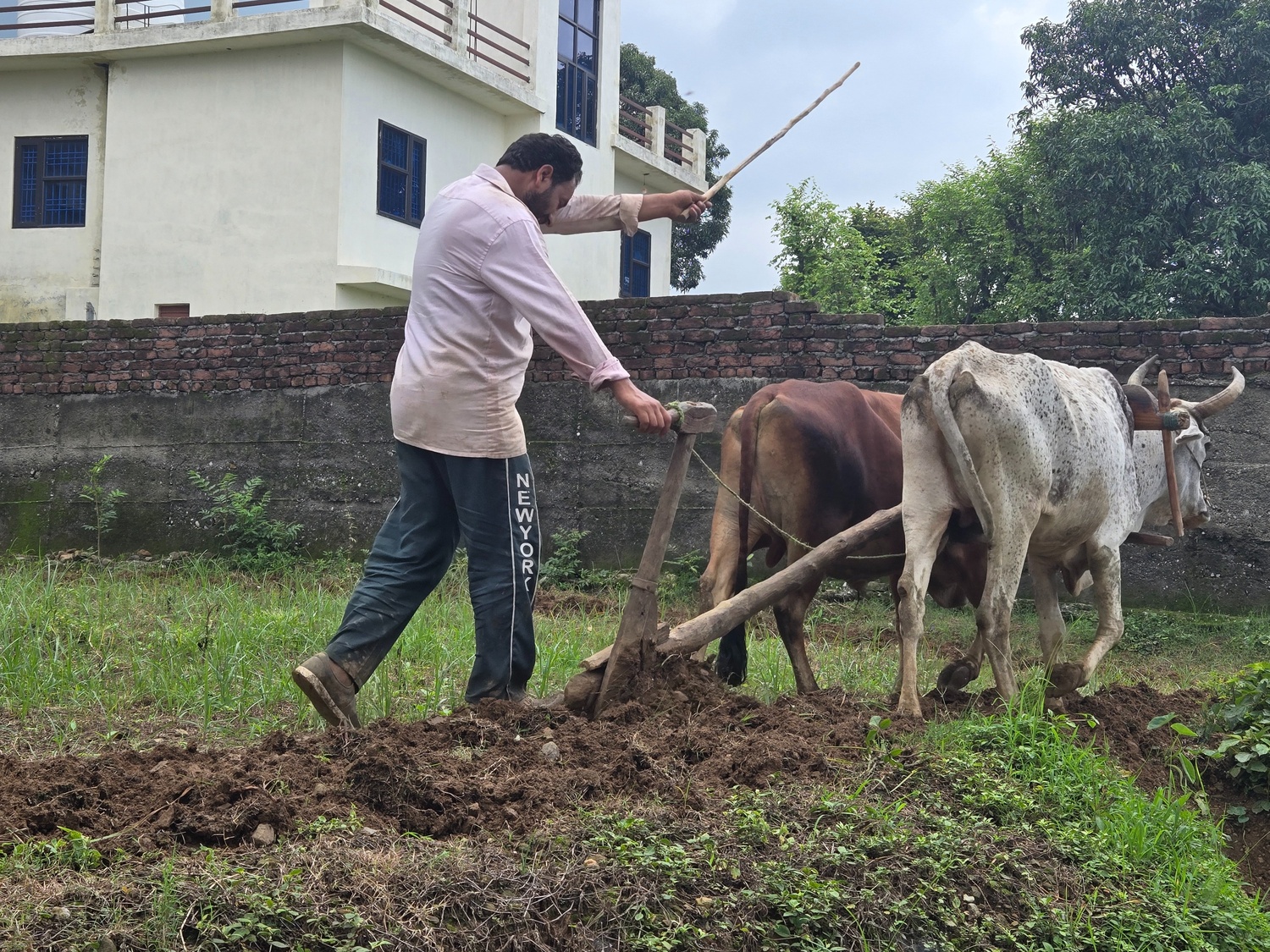
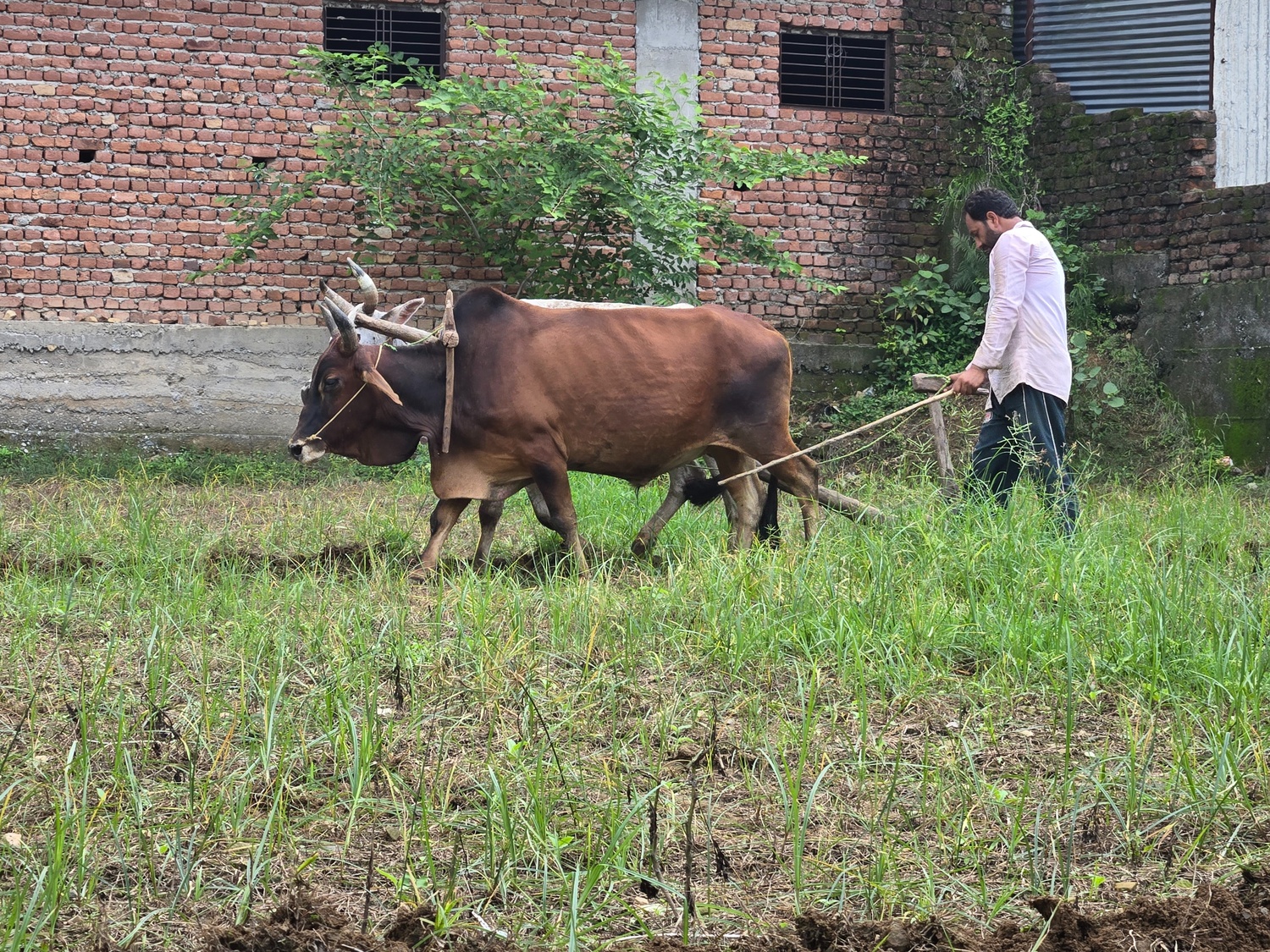
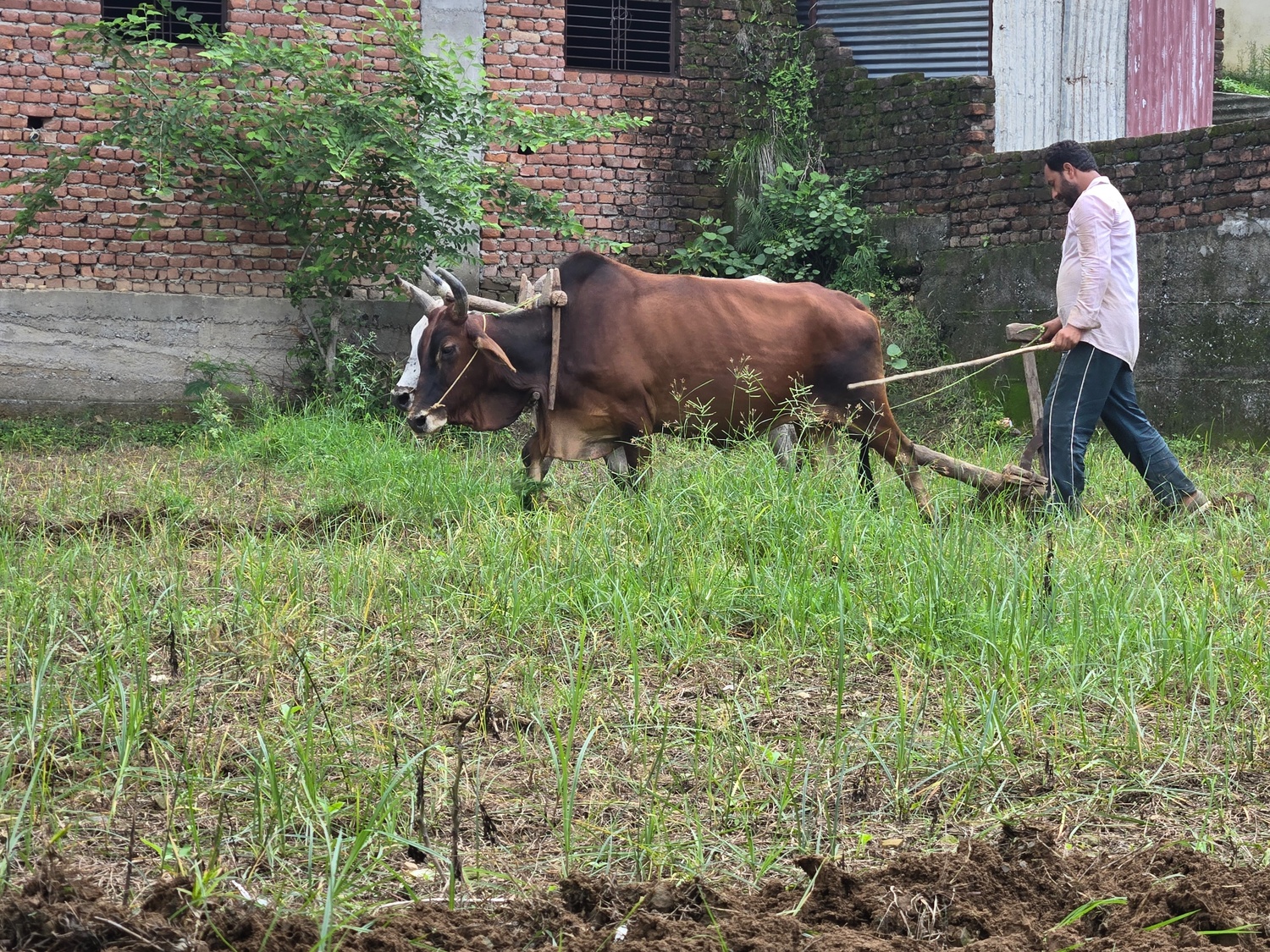
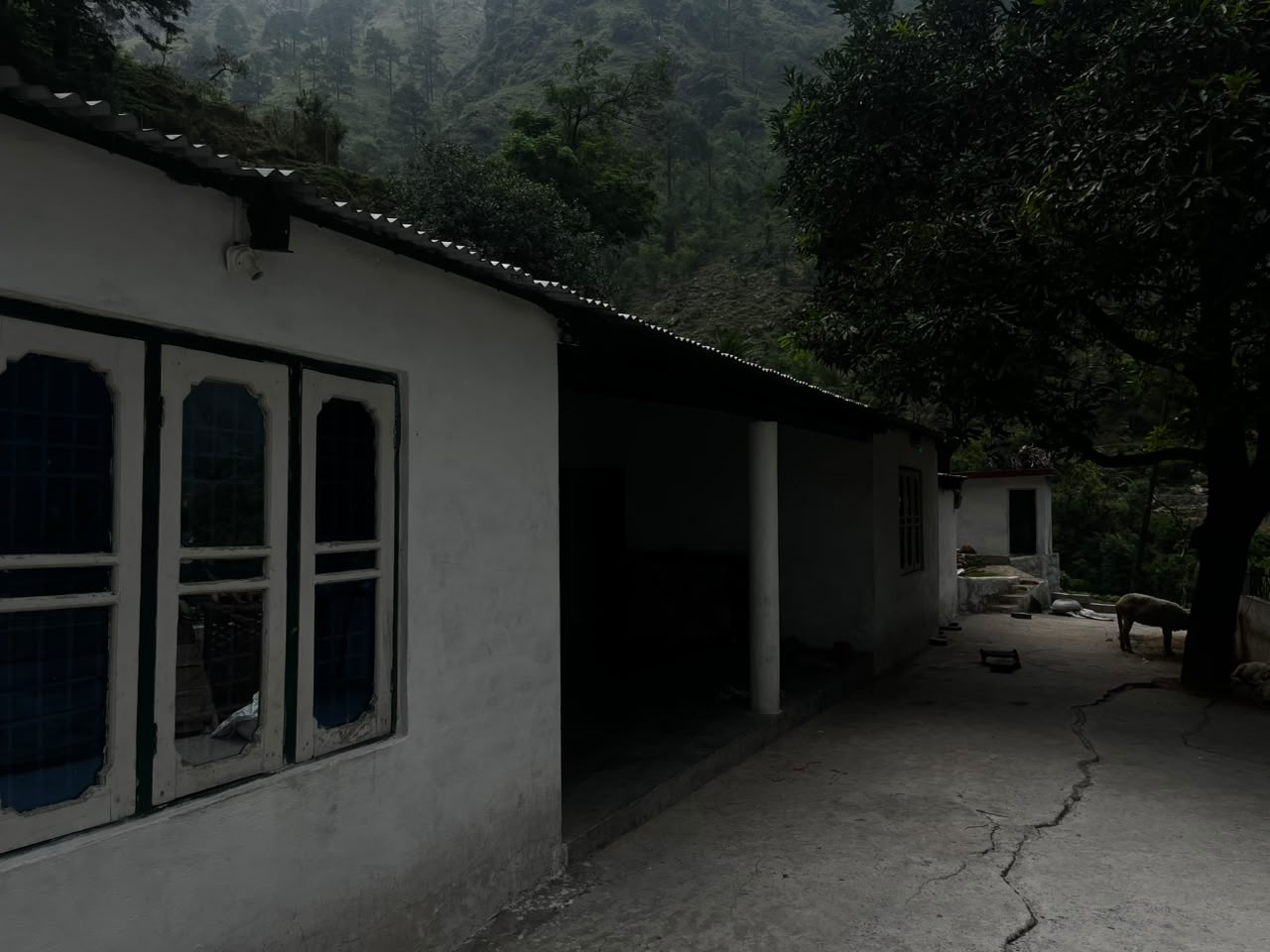
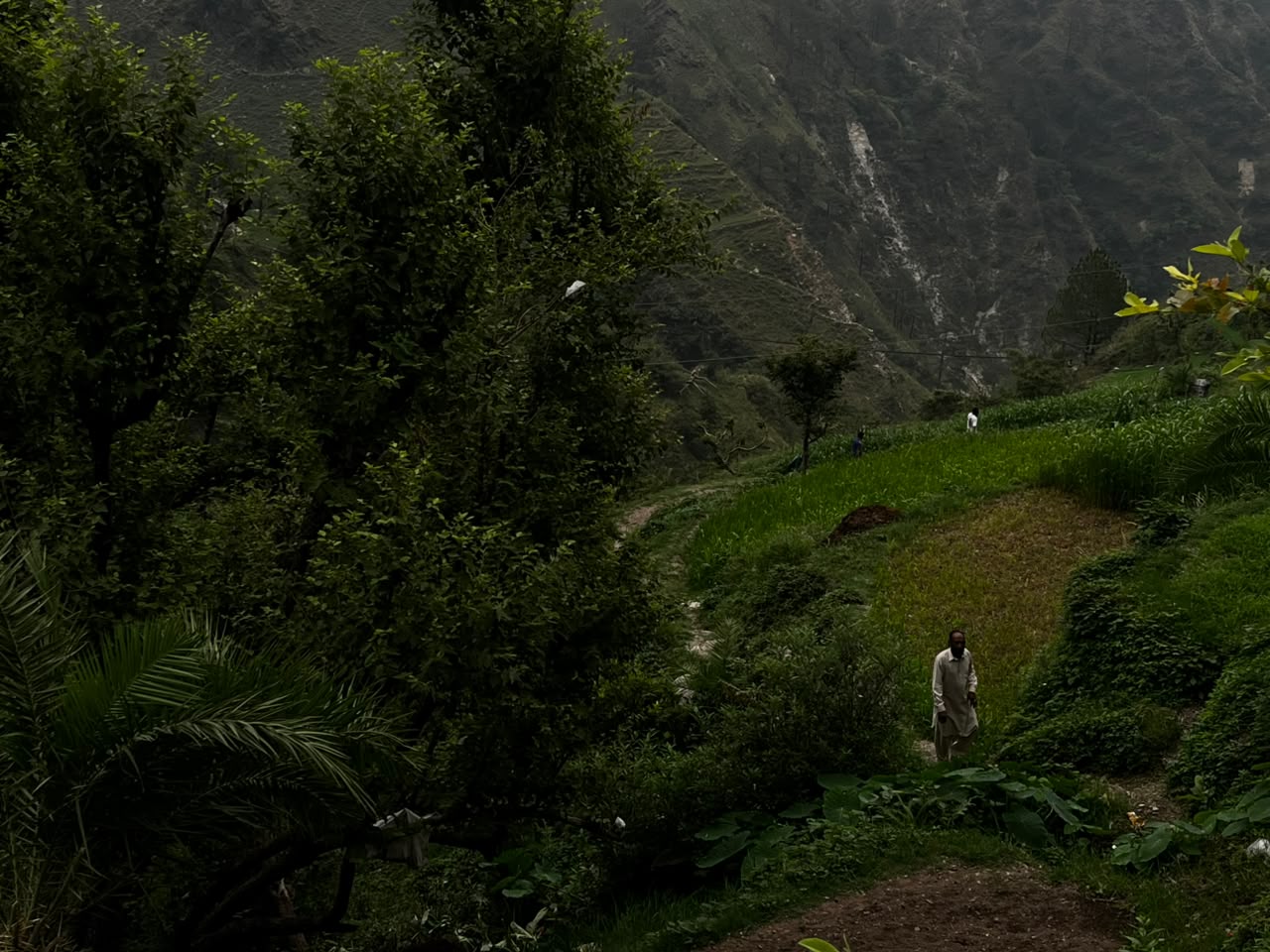
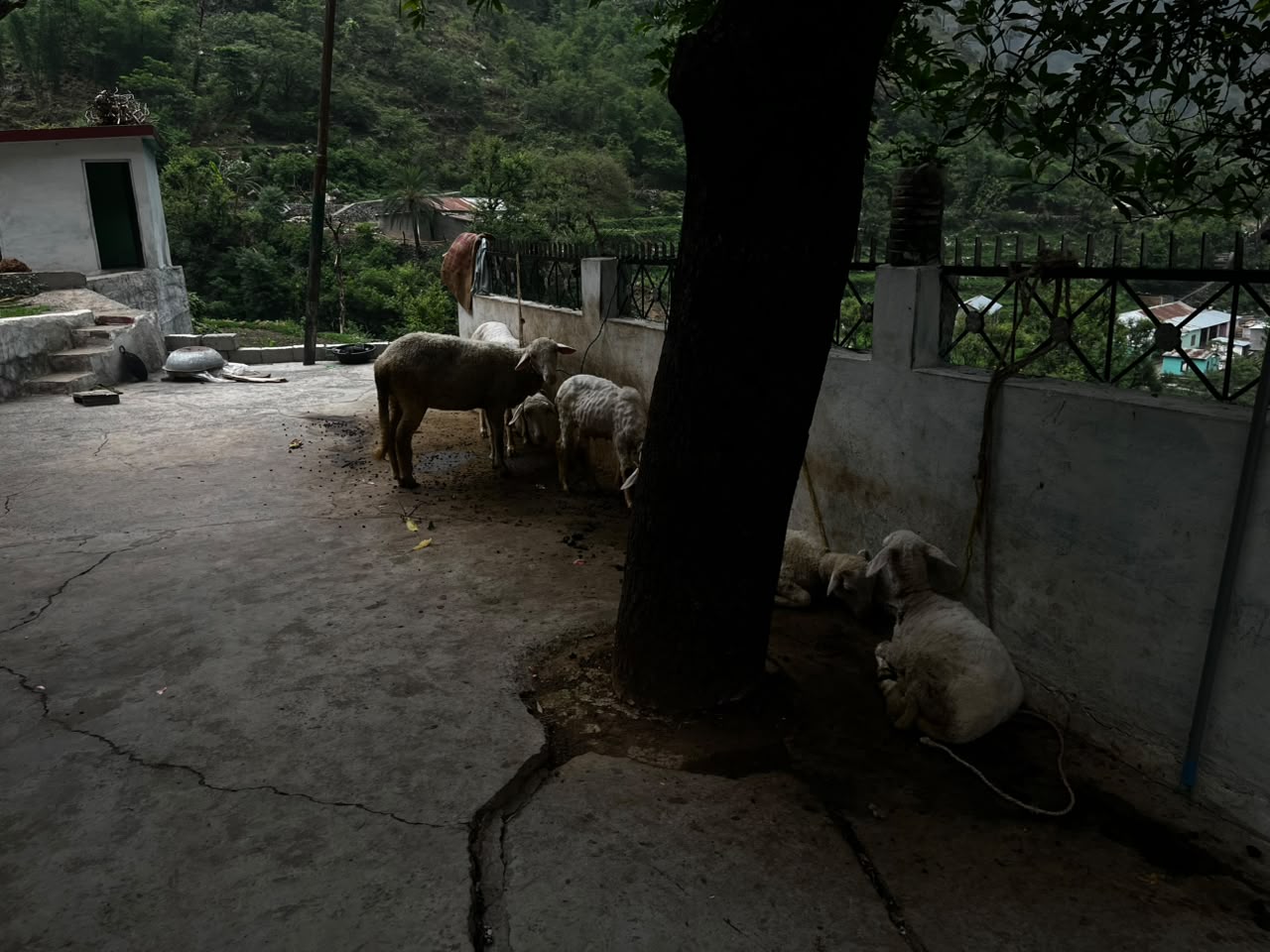
Historically, the people of Sarpatian have relied mainly on agriculture, livestock rearing, and forest resources for their livelihood. Fertile patches of land, natural springs, and a favorable climate enabled villagers to cultivate crops and maintain a self-sufficient rural economy. Families lived in close-knit communities where cooperation and mutual support were essential for daily life. Traditional Dogra customs, religious festivals, and local folklore were passed down from one generation to another, helping preserve the village's cultural heritage.
The forests surrounding Sarpatian have also played an important role throughout its history. These forests provided timber, medicinal plants, firewood, grazing land, and water resources that supported the local population for centuries. At the same time, the rugged terrain protected the village from excessive outside influence, allowing many traditional customs and lifestyles to remain unchanged for a long period. The close relationship between the villagers and the natural environment continues to be one of Sarpatian's defining characteristics.
With the development of road connectivity between Jammu, Katra, and Srinagar, Sarpatian gradually became more accessible to visitors. Improved transportation encouraged more pilgrims and nature lovers to explore the village and the Devi Pindi trekking route. In recent years, government departments, local authorities, and tourism organizations have recognized the area's ecological and spiritual importance. Eco-trekking programs, environmental awareness campaigns, and rural tourism initiatives have been introduced to promote sustainable tourism while protecting the region's fragile ecosystem.
Today, Sarpatian stands as a symbol of the harmonious relationship between nature, spirituality, and rural life. Although modernization has reached many parts of Jammu and Kashmir, the village has retained much of its original charm and traditional way of life. Its historical association with the Devi Pindi Shrine, combined with its scenic beauty and cultural heritage, makes Sarpatian an important destination for pilgrims, trekkers, researchers, and visitors seeking to experience the authentic traditions of the Trikuta Hills.
As tourism continues to develop, Sarpatian's history remains rooted in its ancient religious traditions, its hardworking rural community, and its enduring connection with the sacred landscapes of Jammu and Kashmir. The village represents not only a gateway to the Devi Pindi Shrine but also a living example of the region's rich cultural and historical legacy, preserving values that have been passed down through generations.
Geographical and Administrative Profile Sarpatian is located along the Sarpatian Road in the Ladda–Panthal region of Katra Tehsil, within the Reasi district of Jammu and Kashmir, carrying the postal code 182320. The village lies approximately 8 to 15 kilometers from Katra, the base town of the famous Shri Mata Vaishno Devi pilgrimage. It is easily accessible from the Jammu–Srinagar National Highway, making it a convenient destination for both pilgrims and tourists.
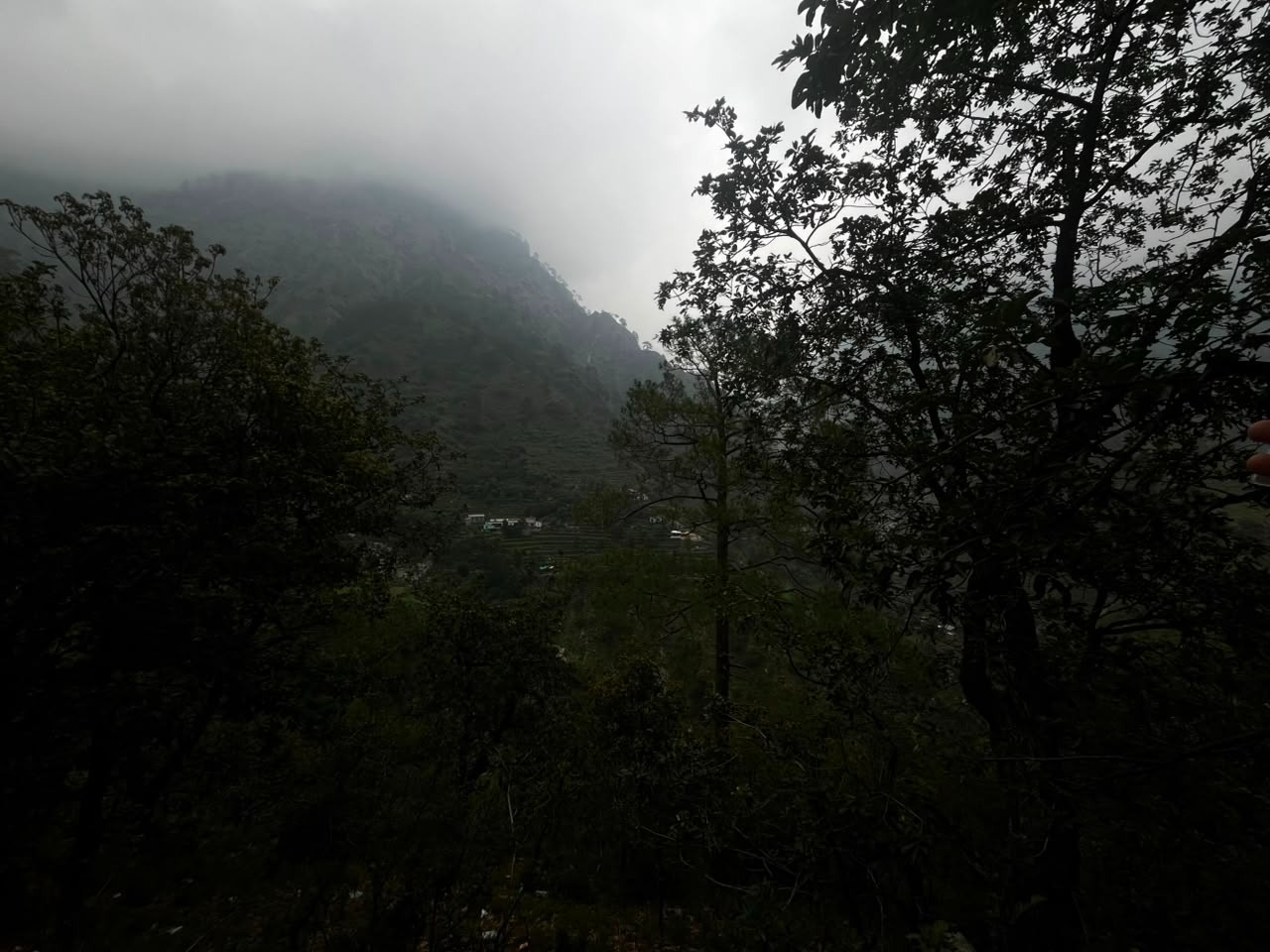
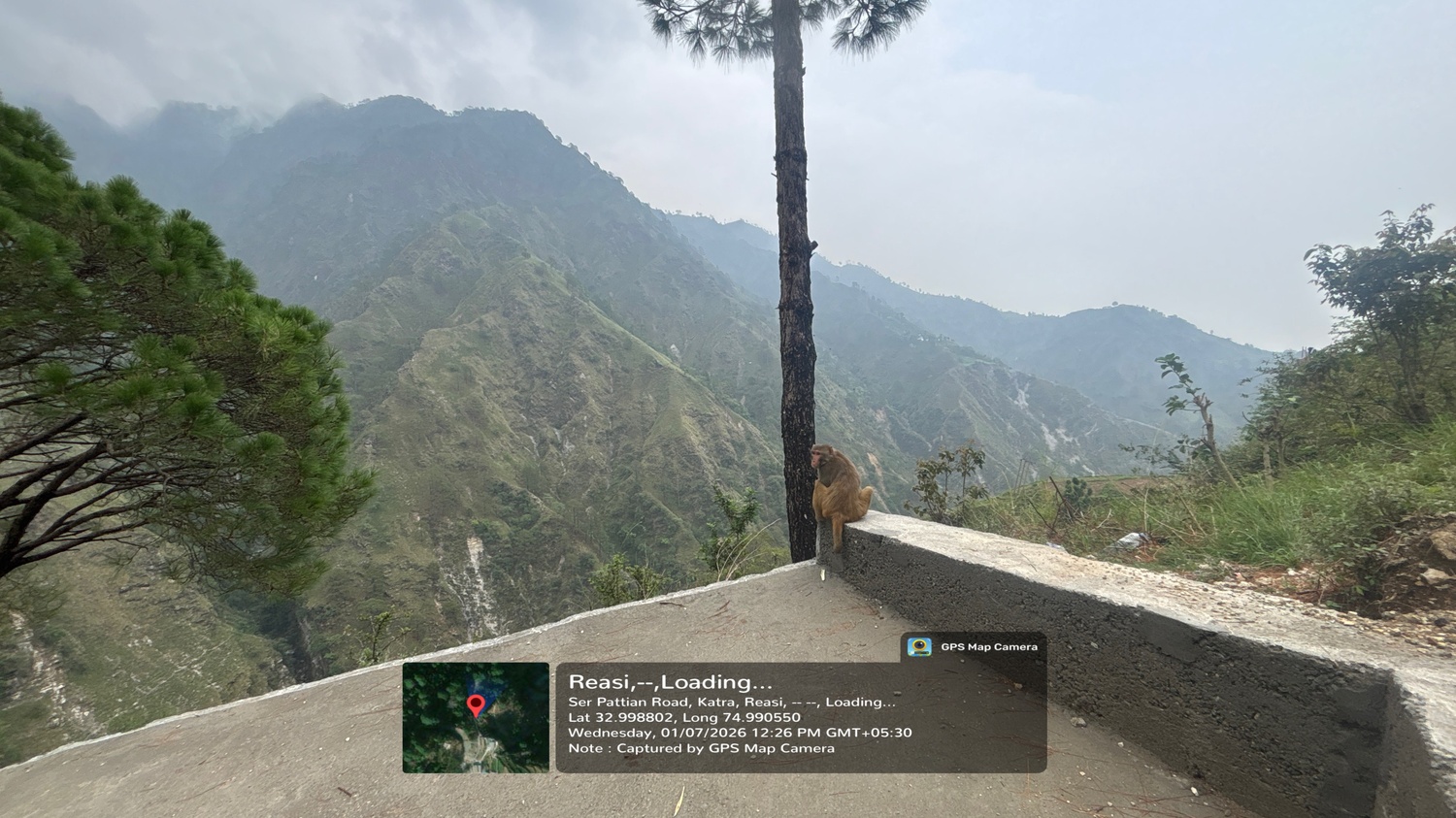
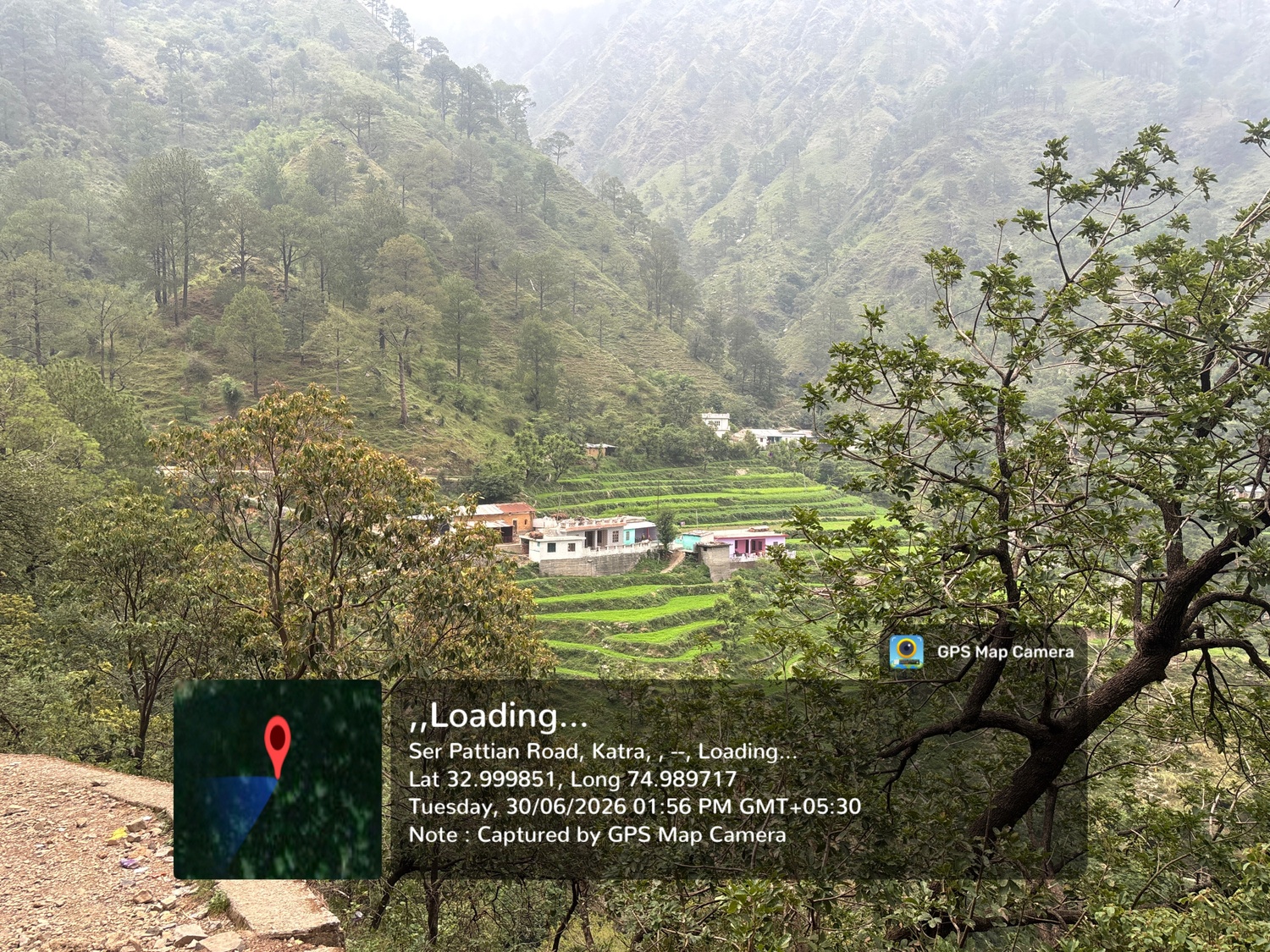
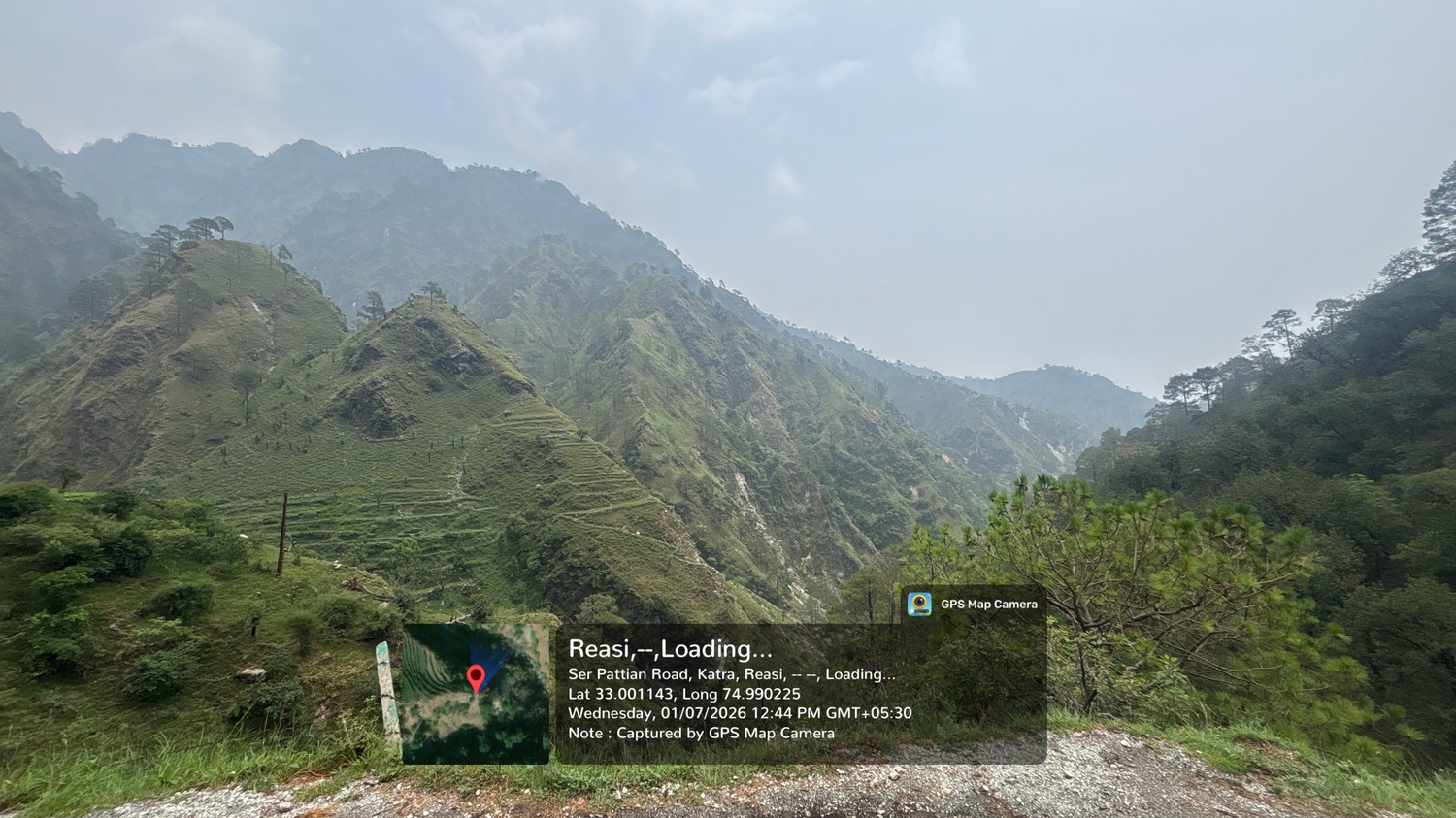
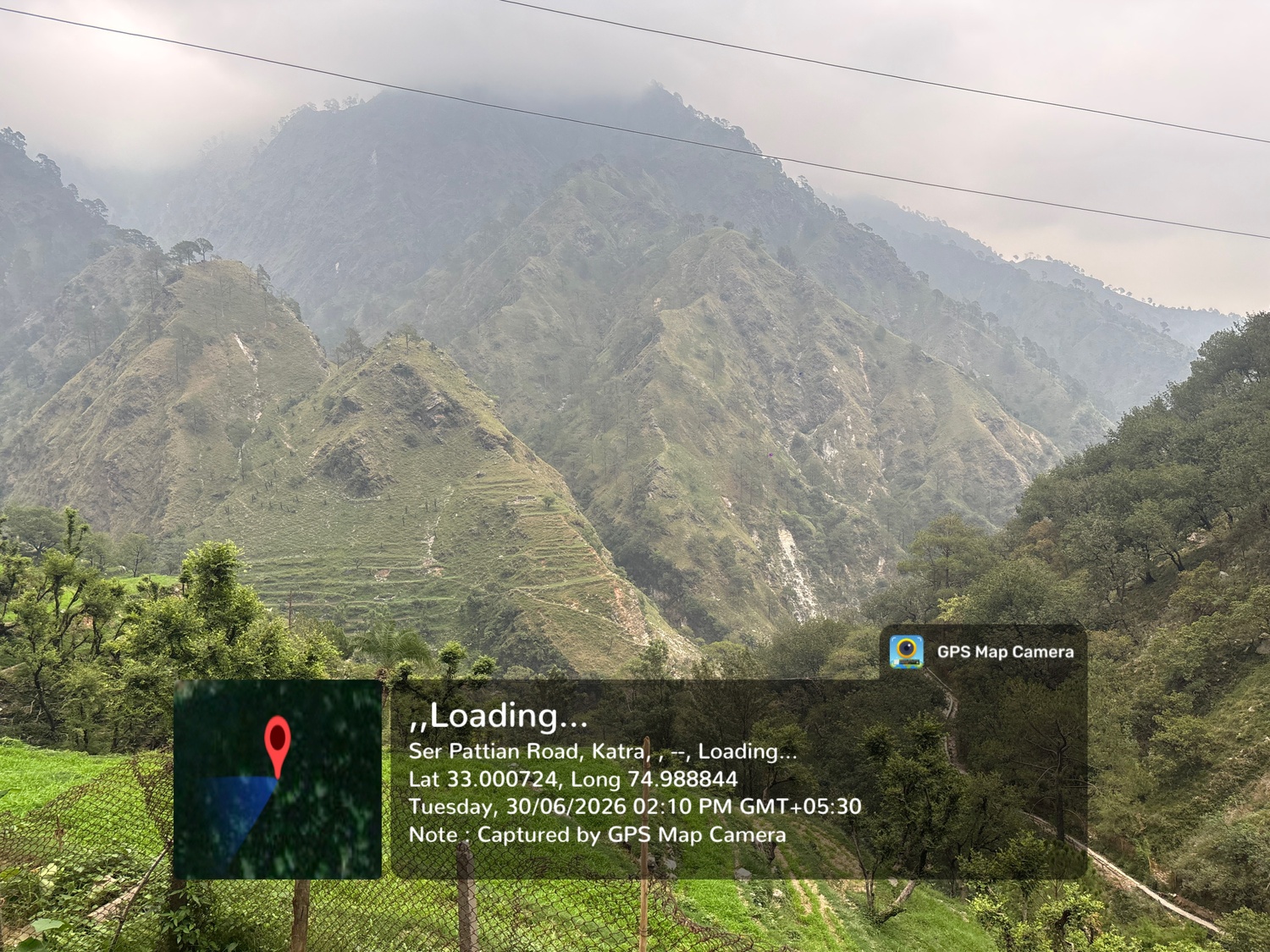
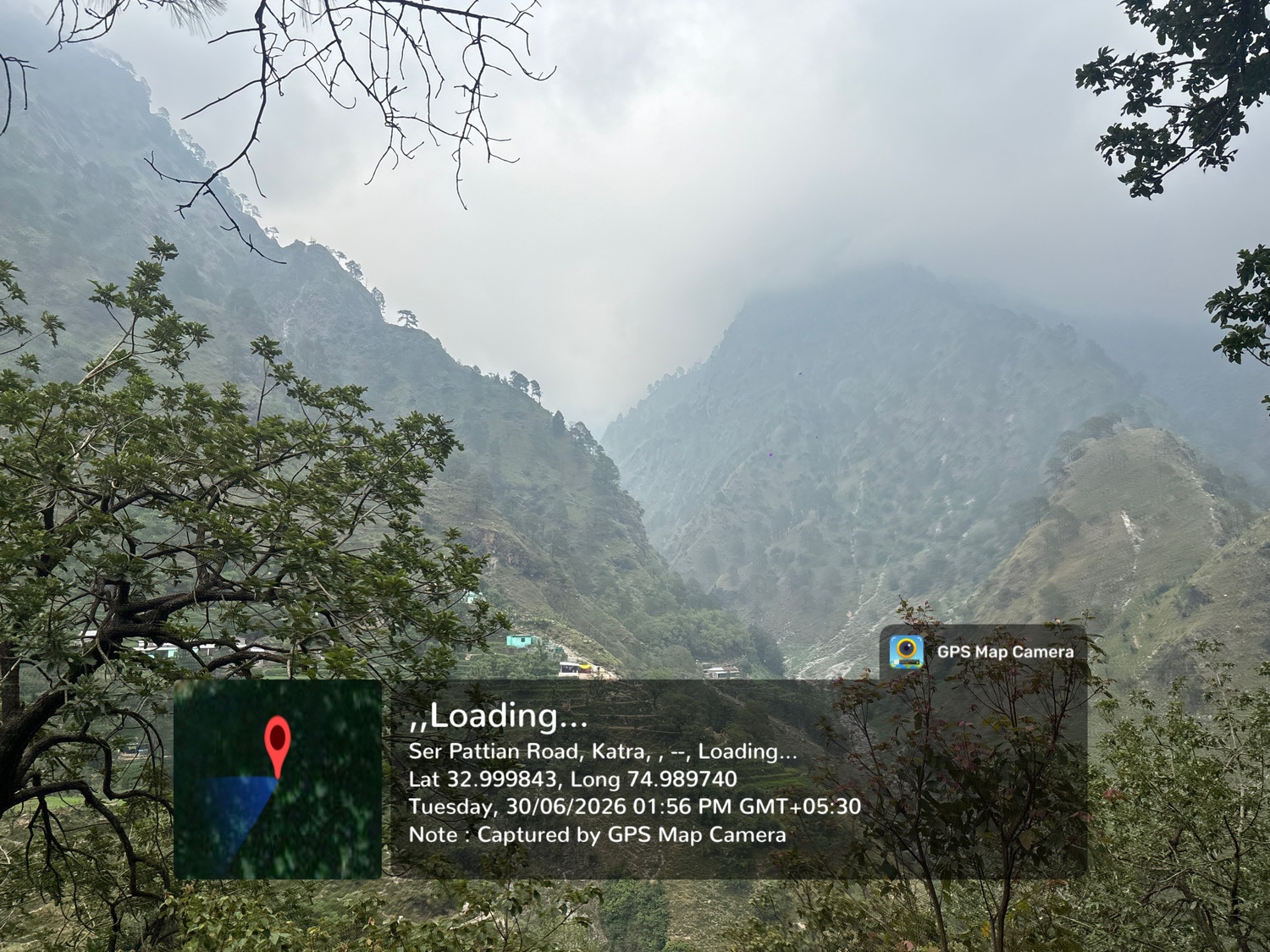
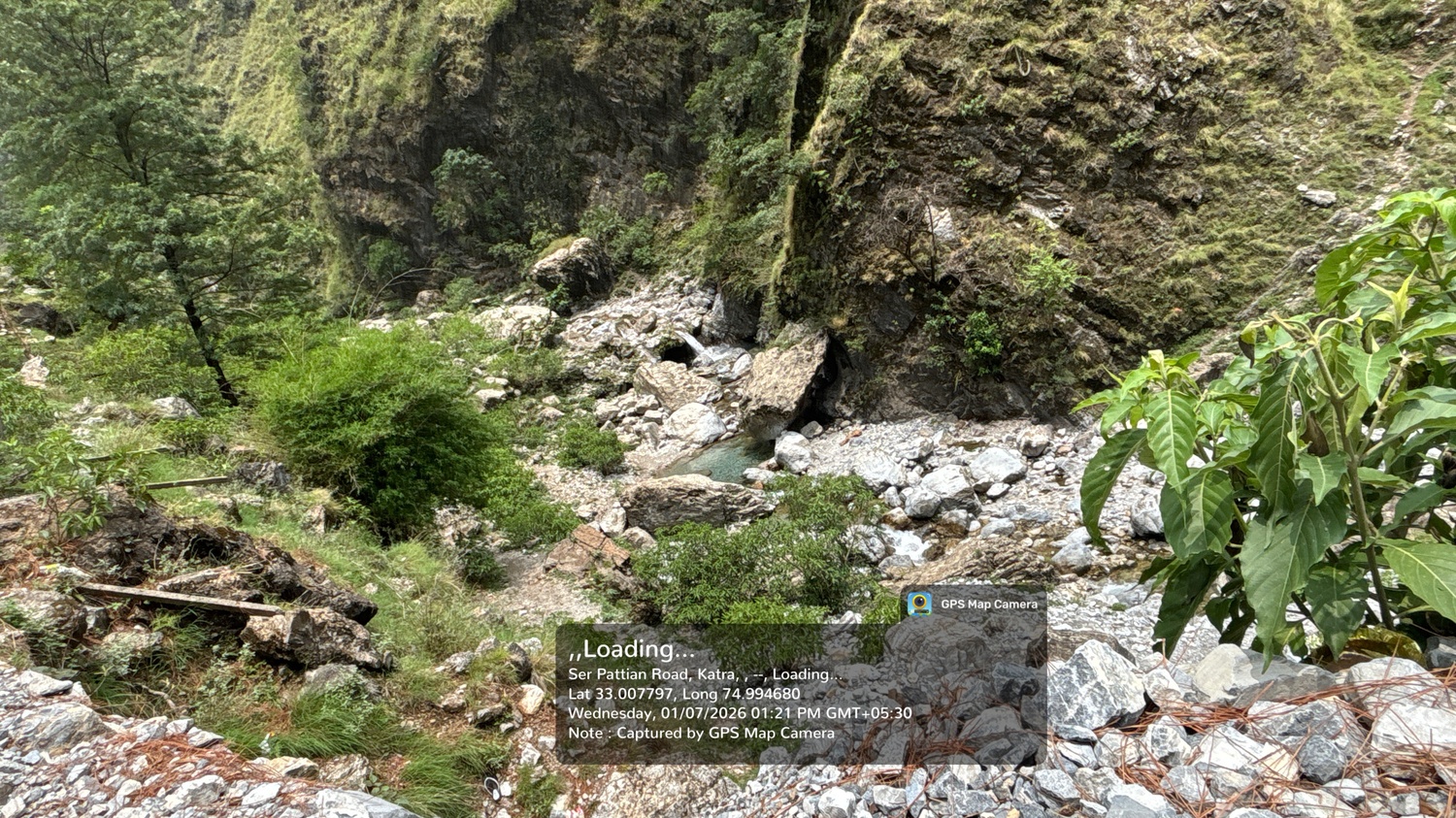
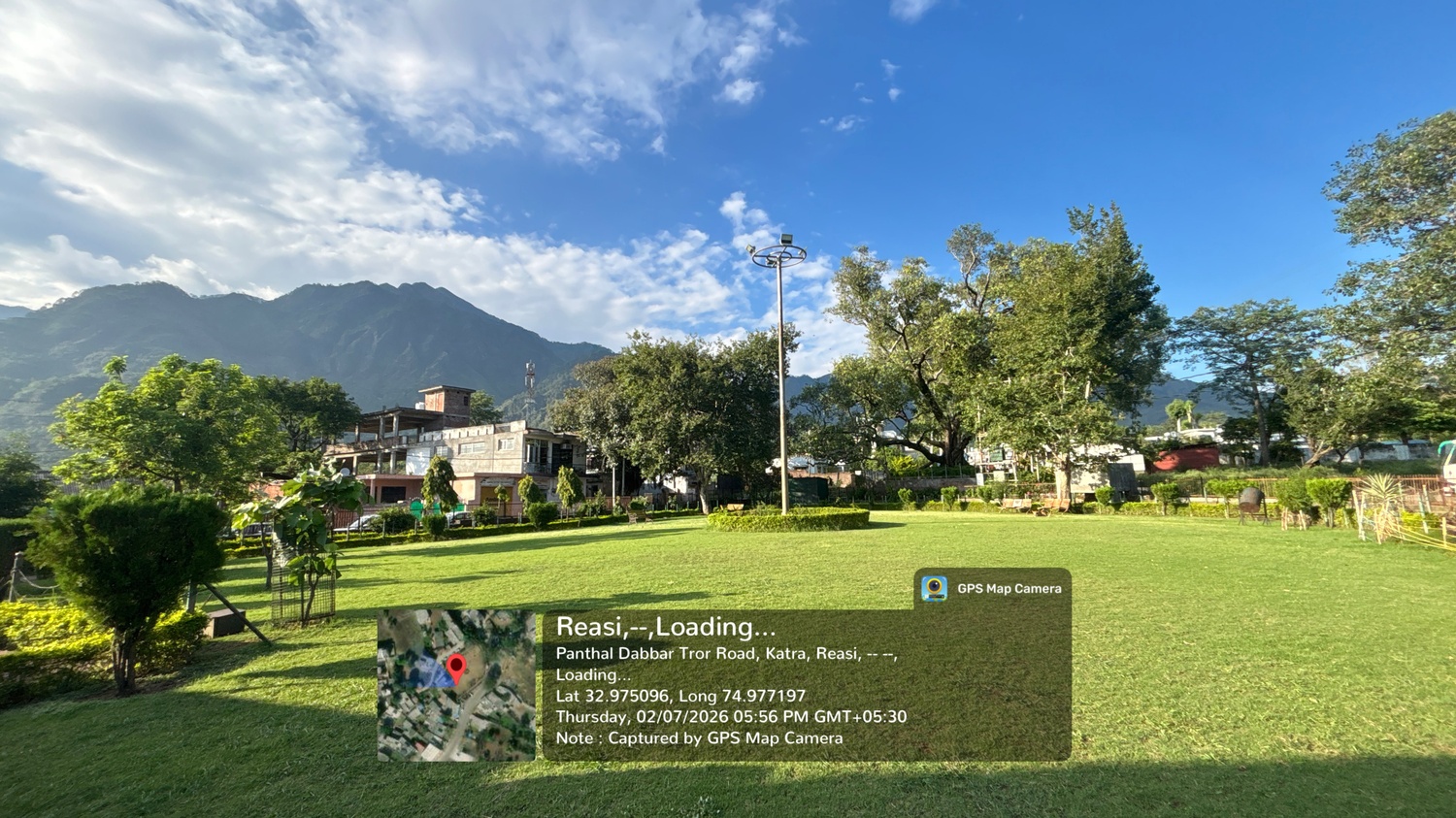
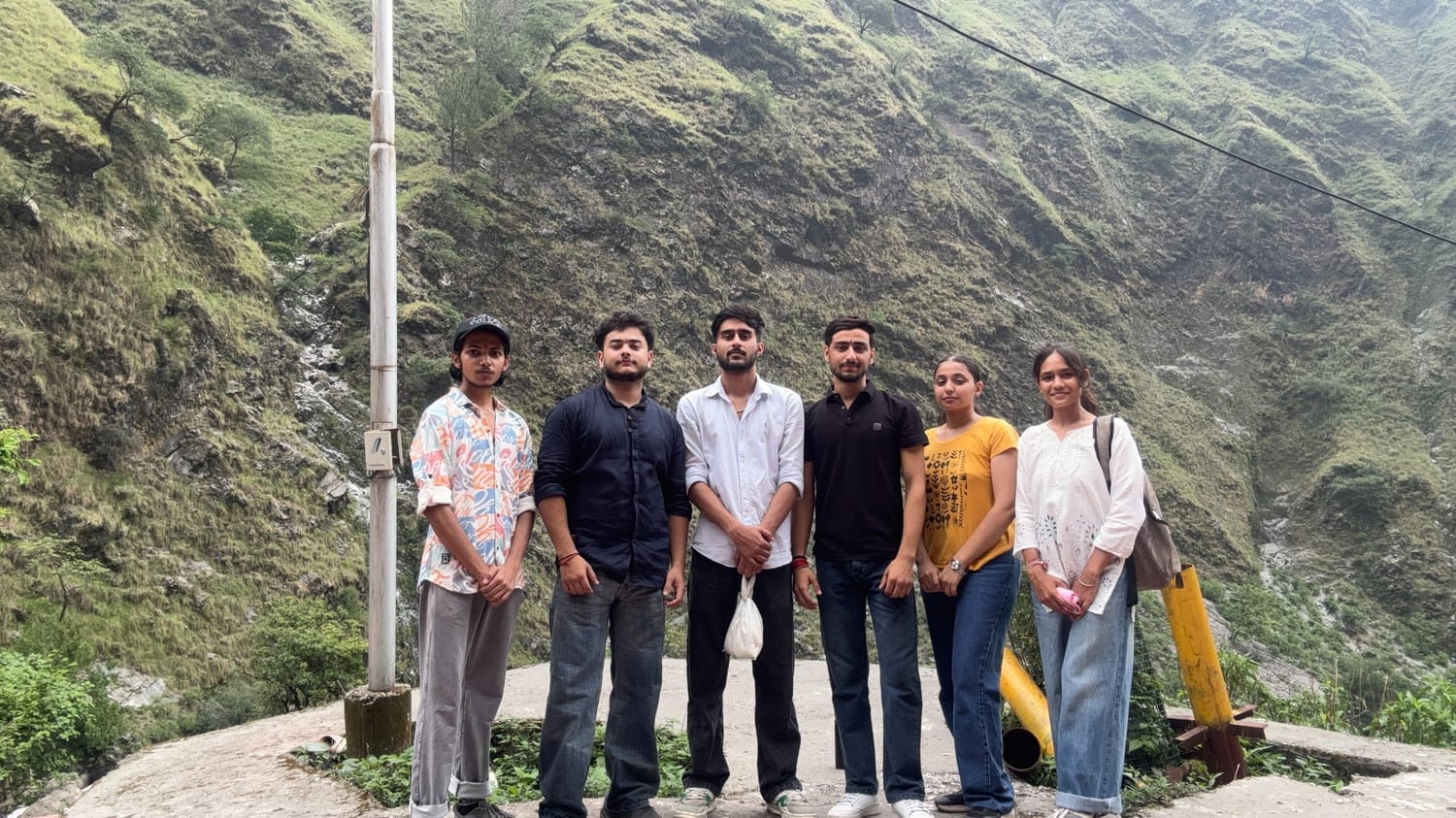
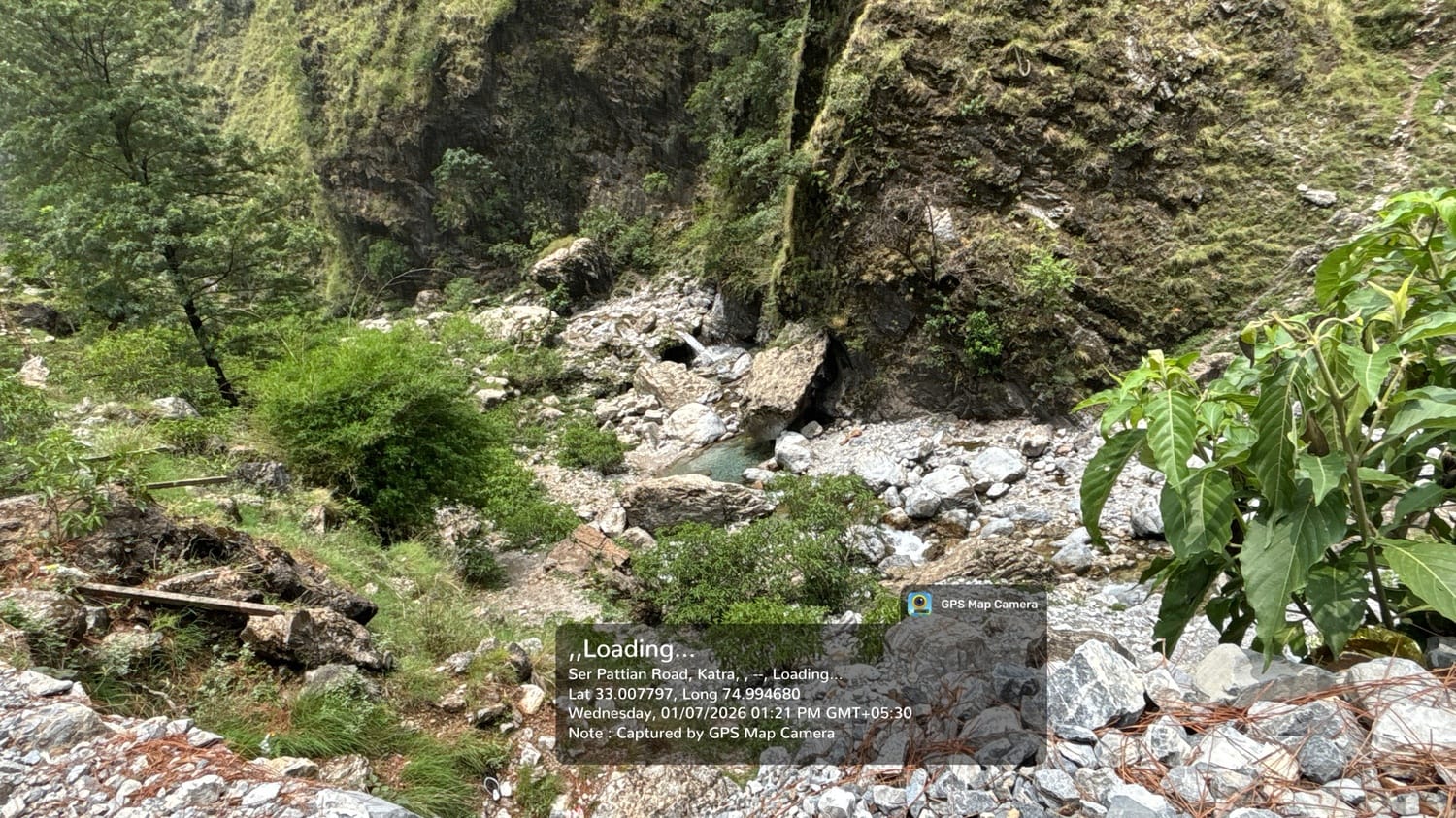
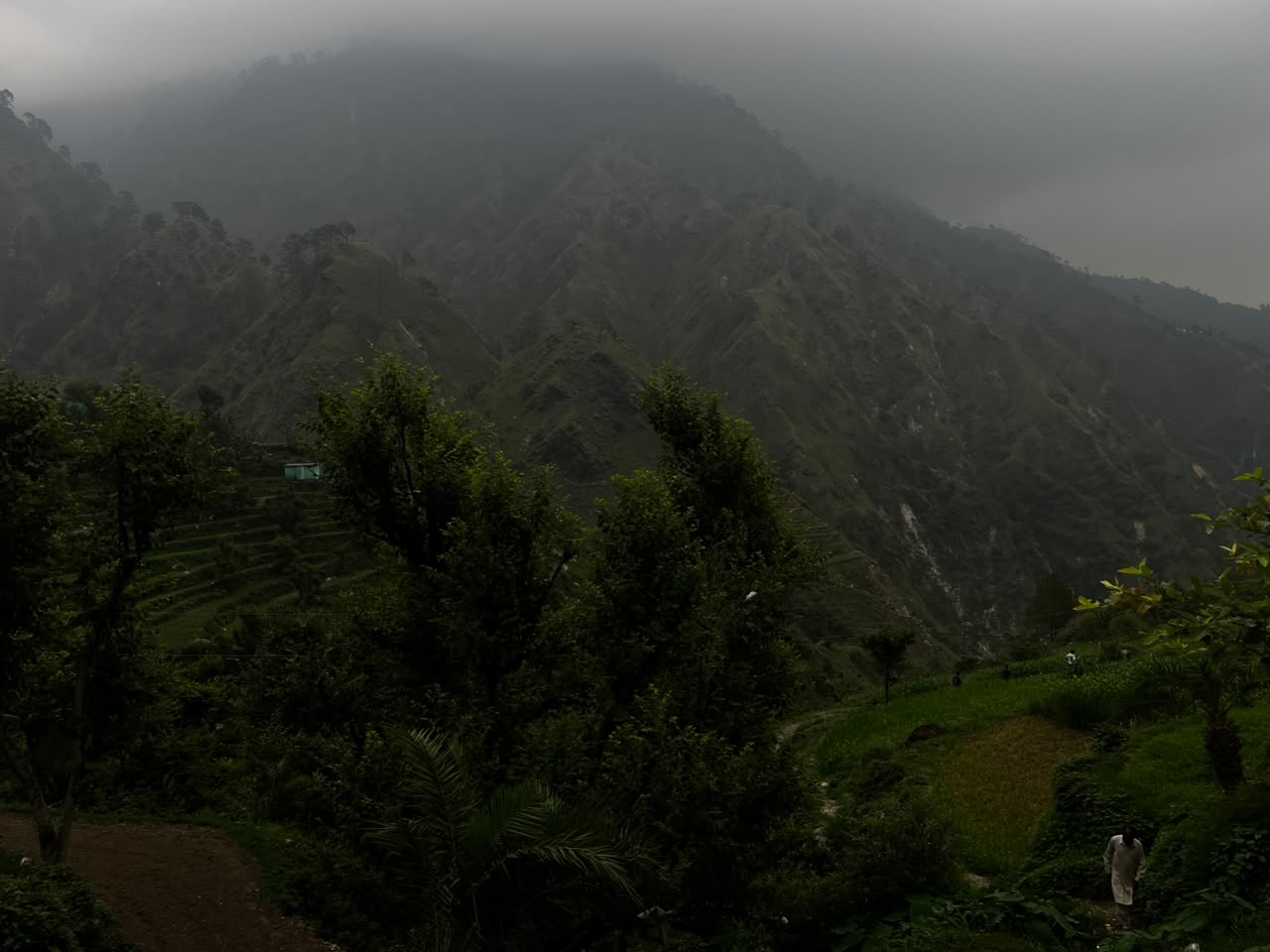
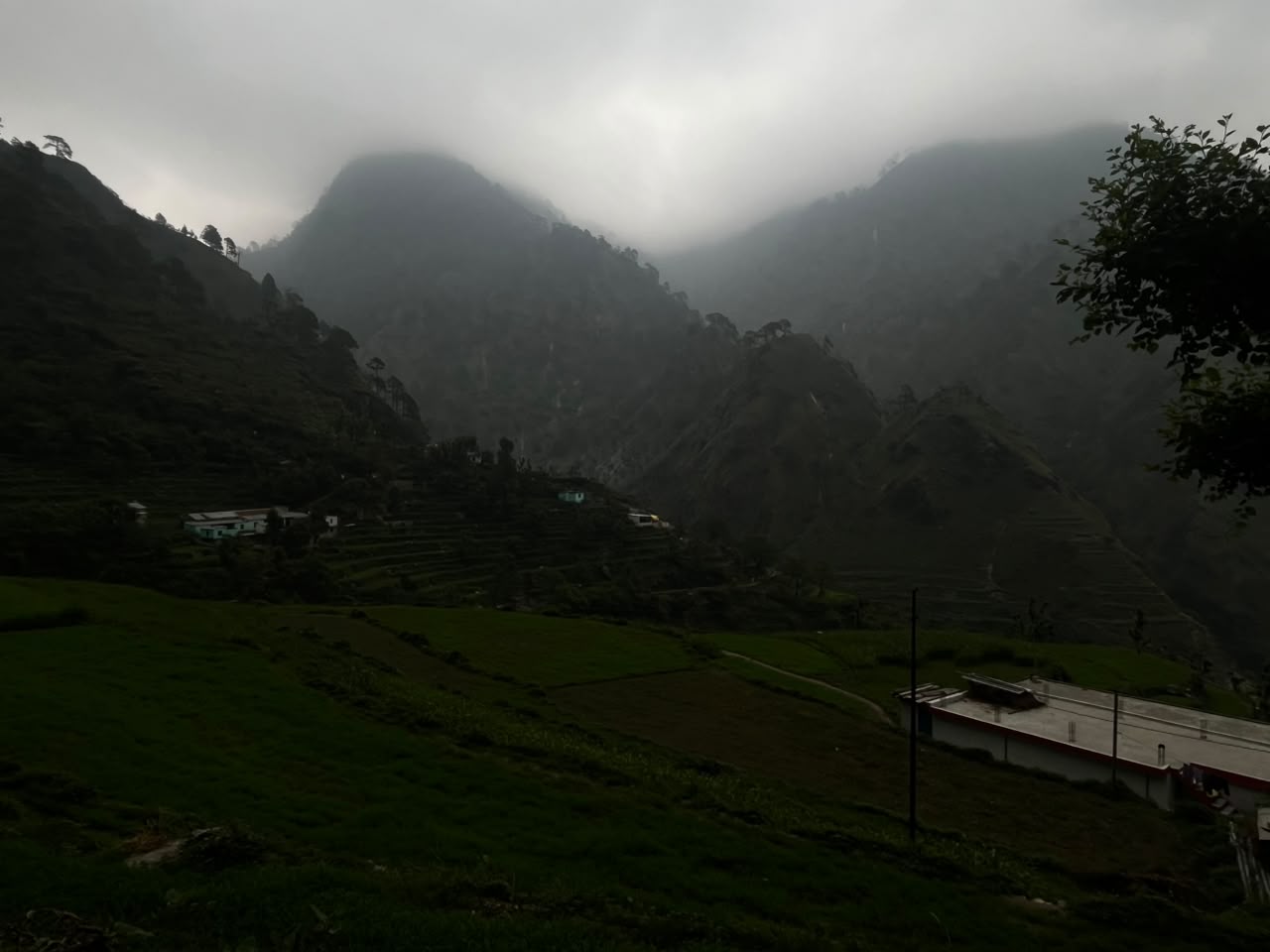
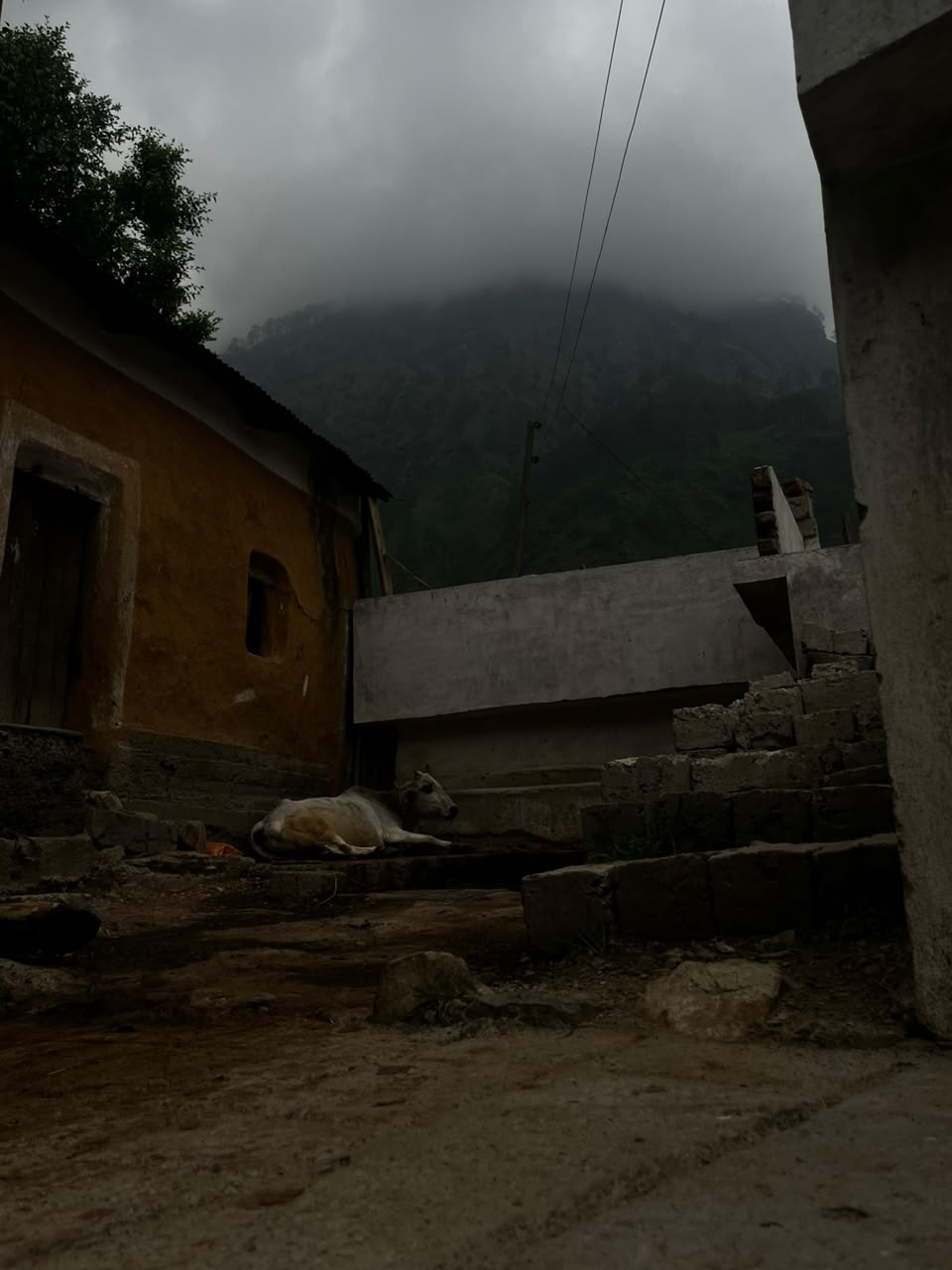
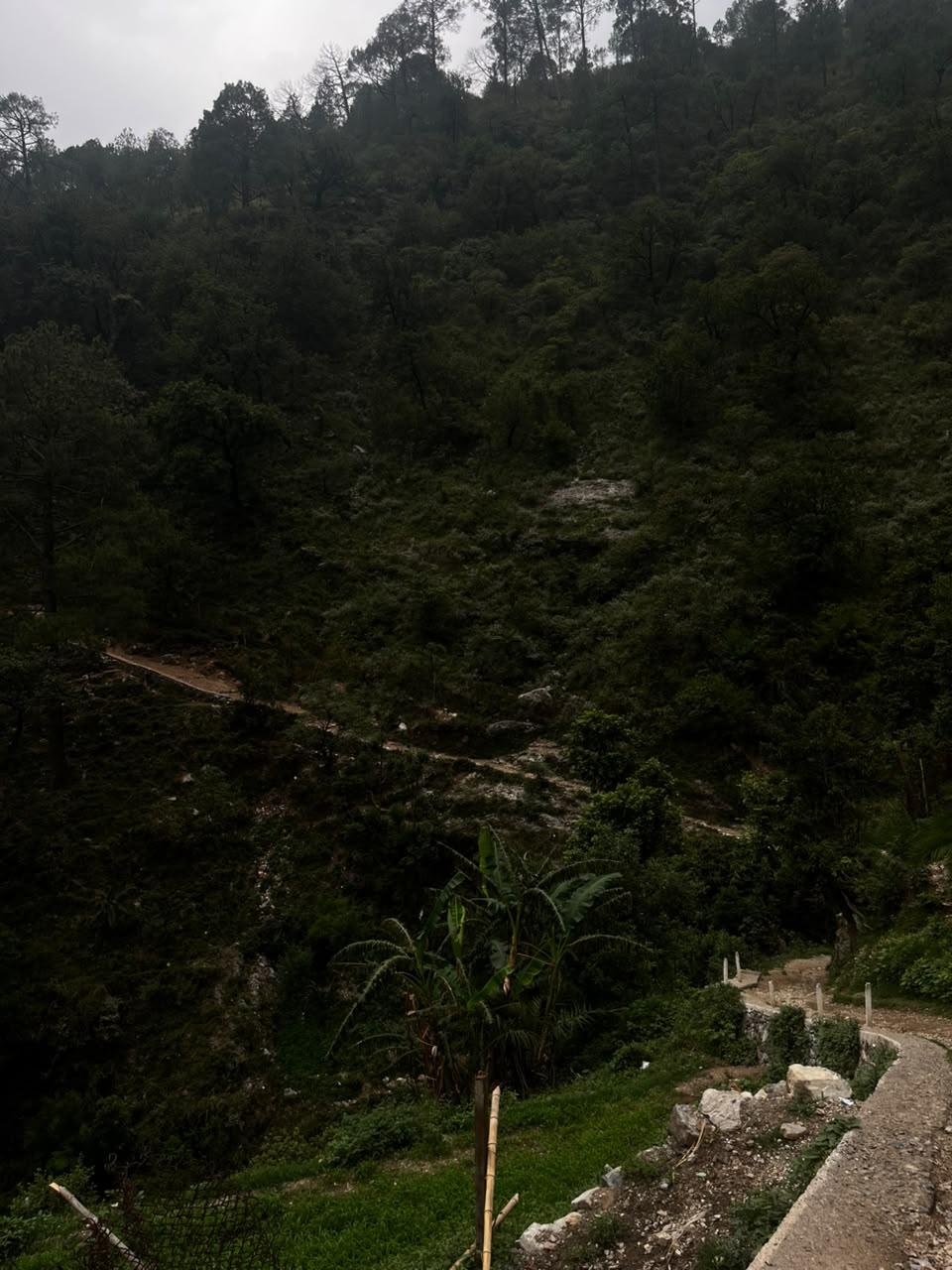
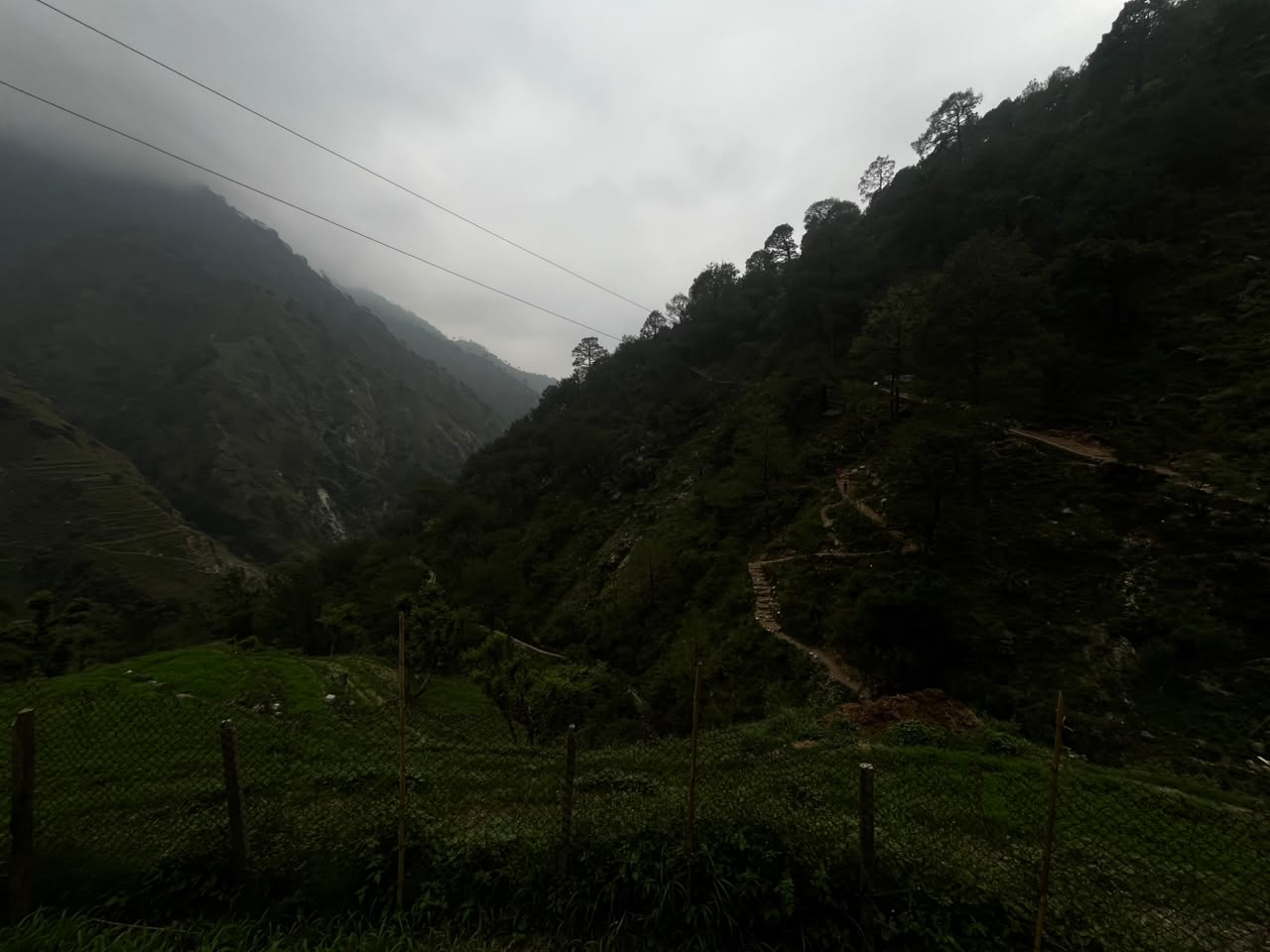
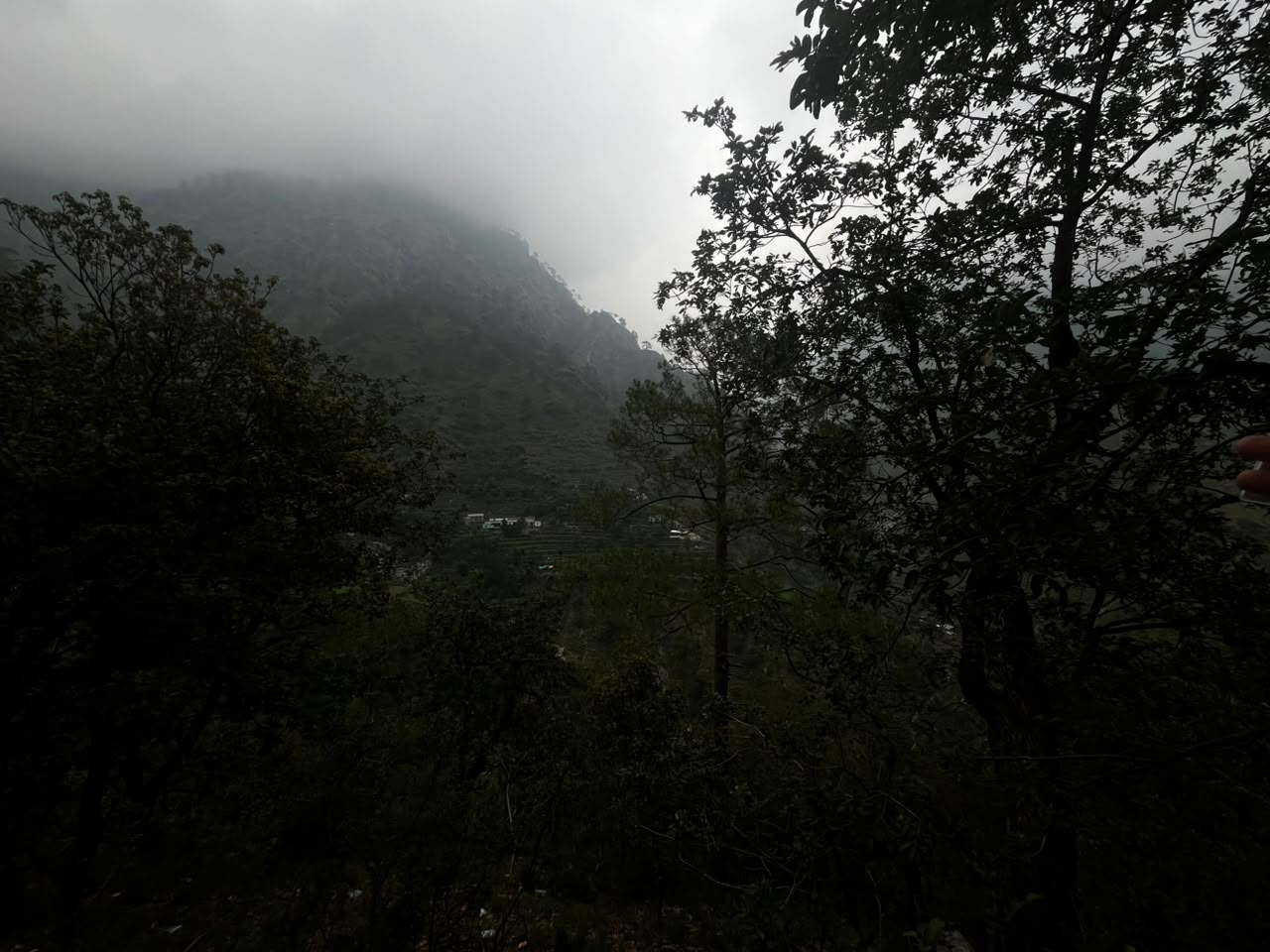
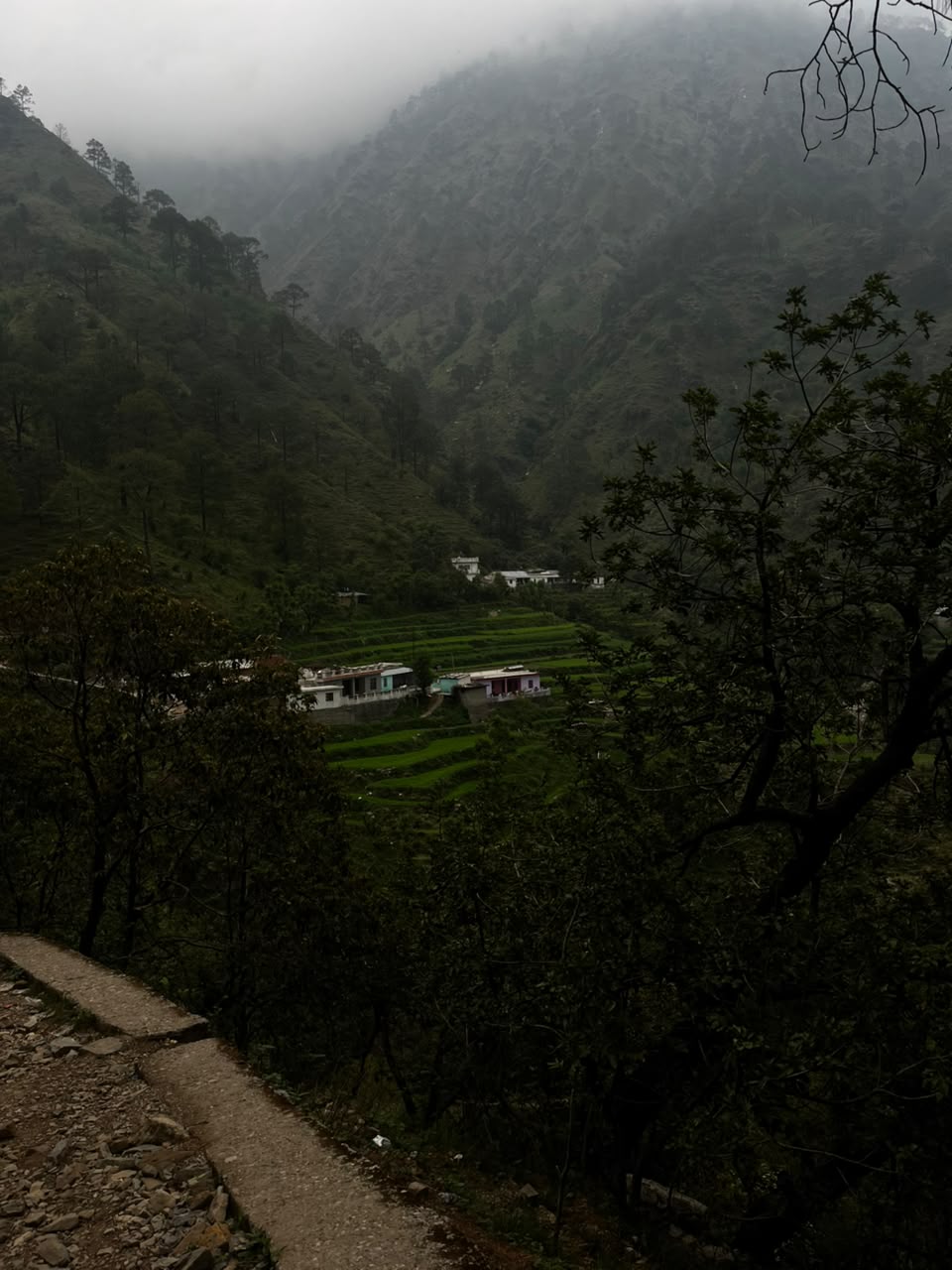
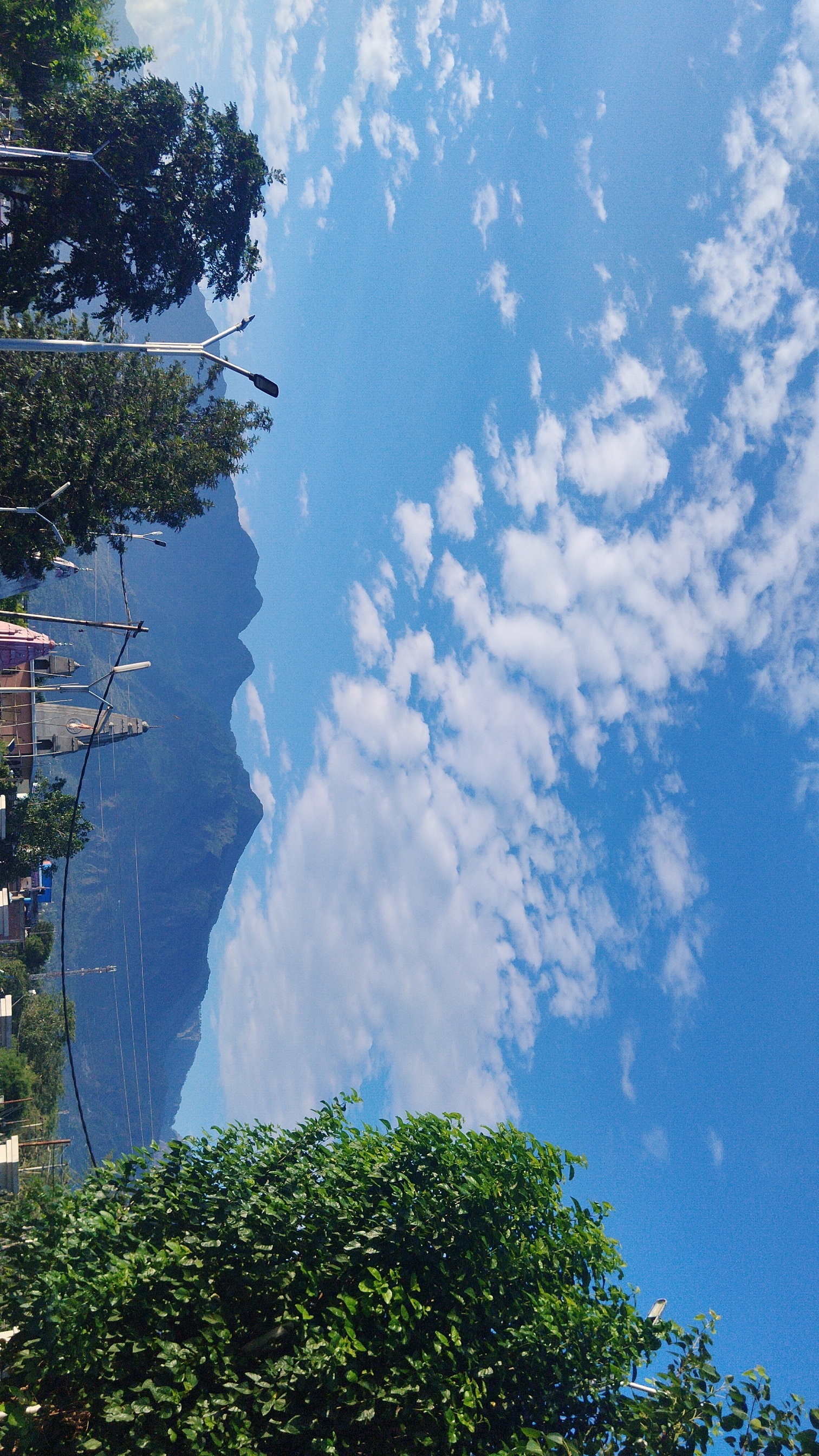
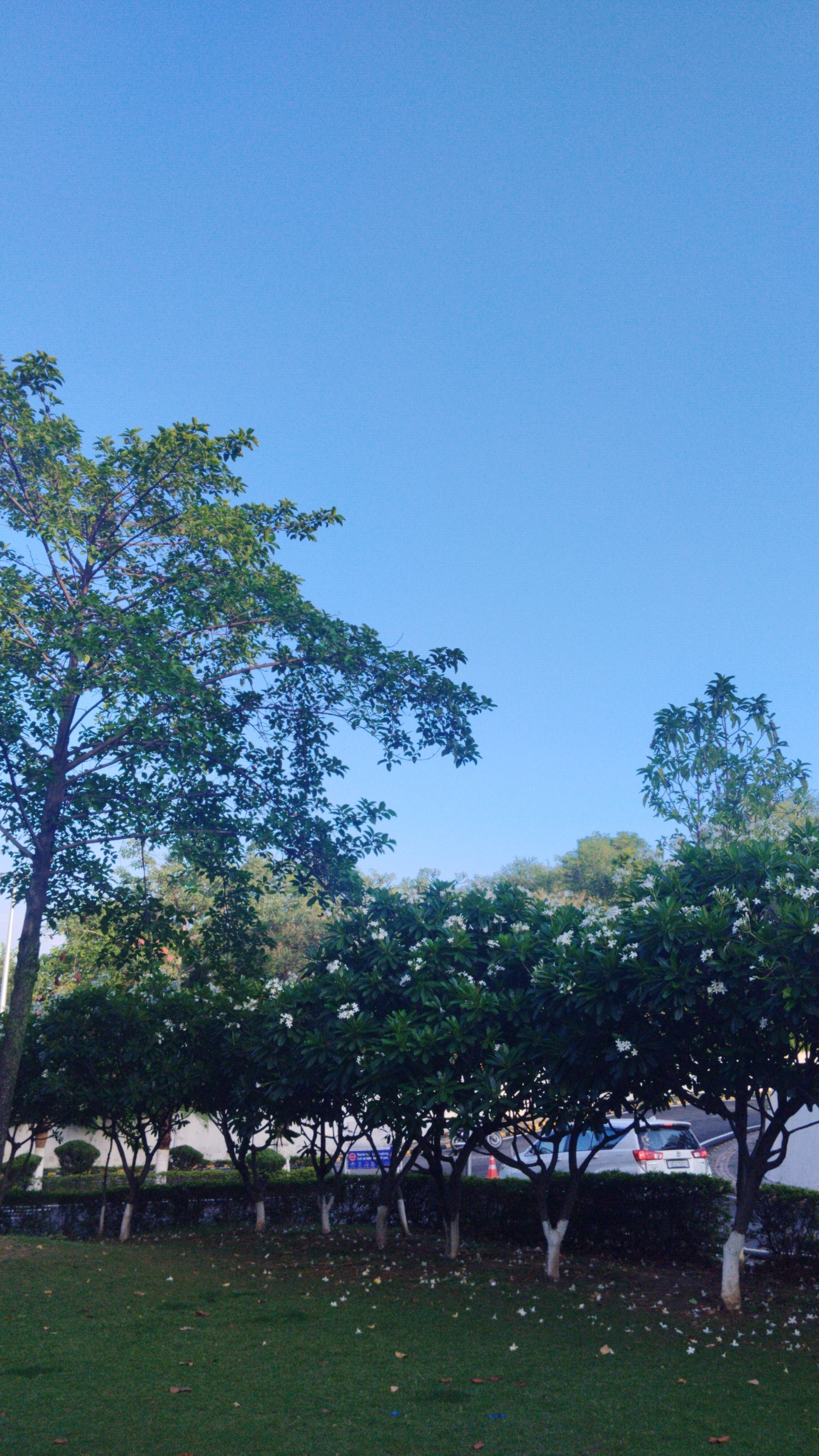
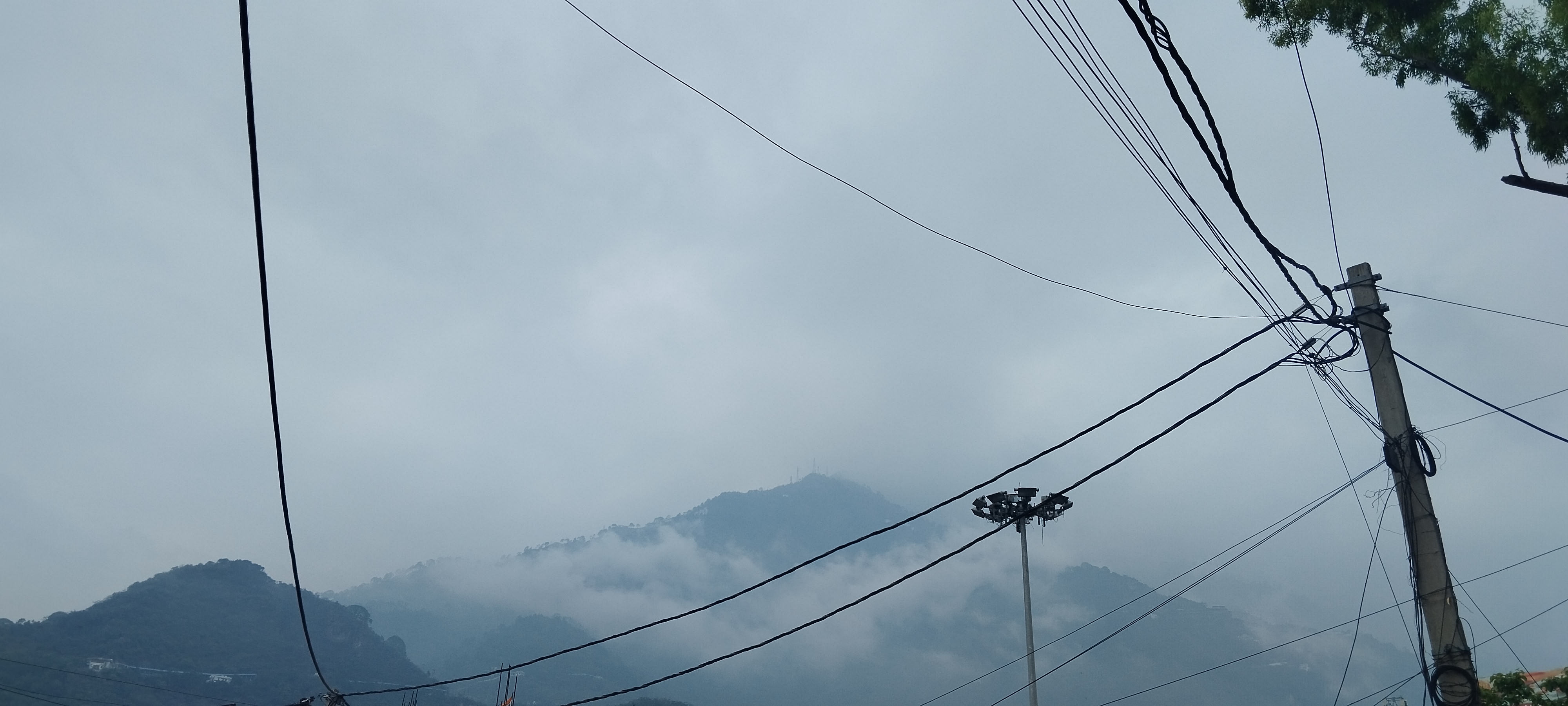
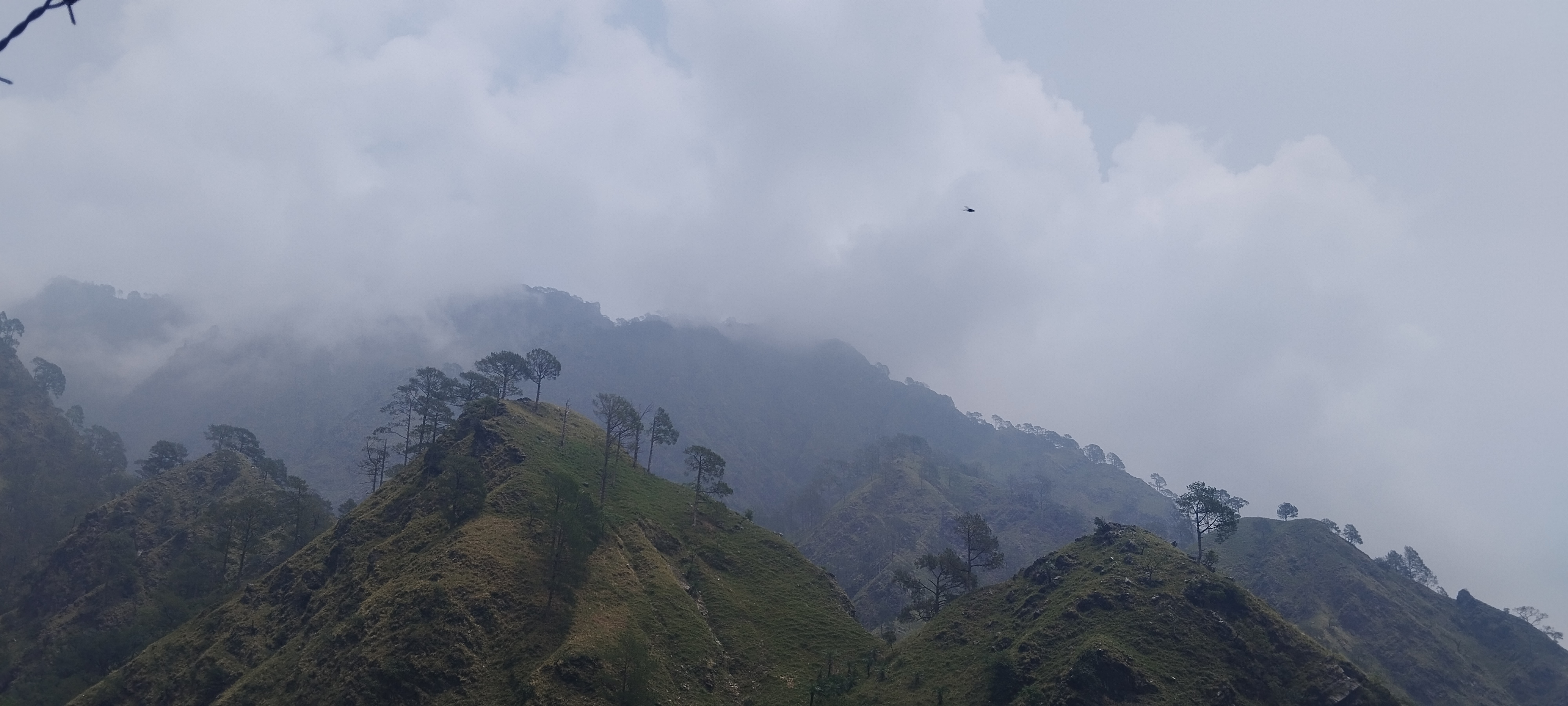
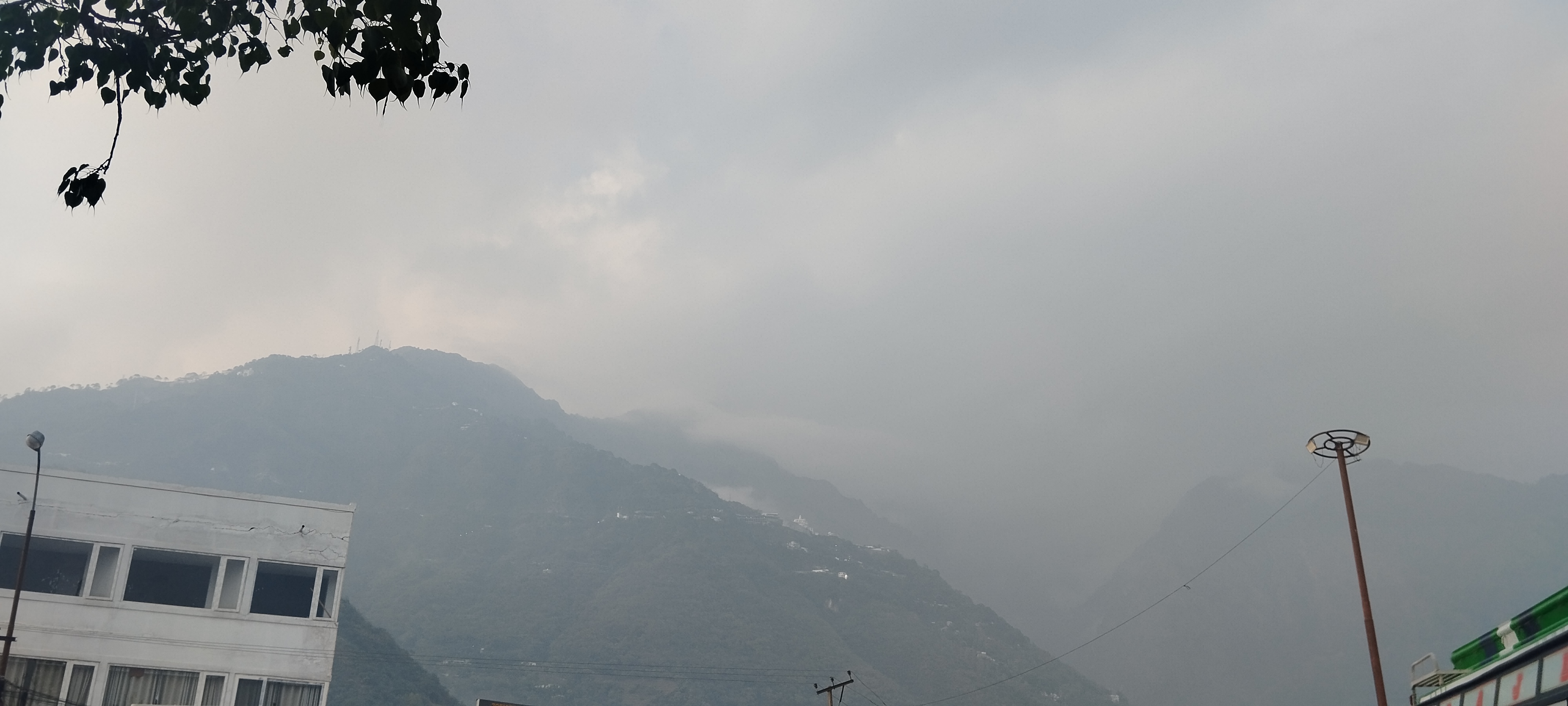
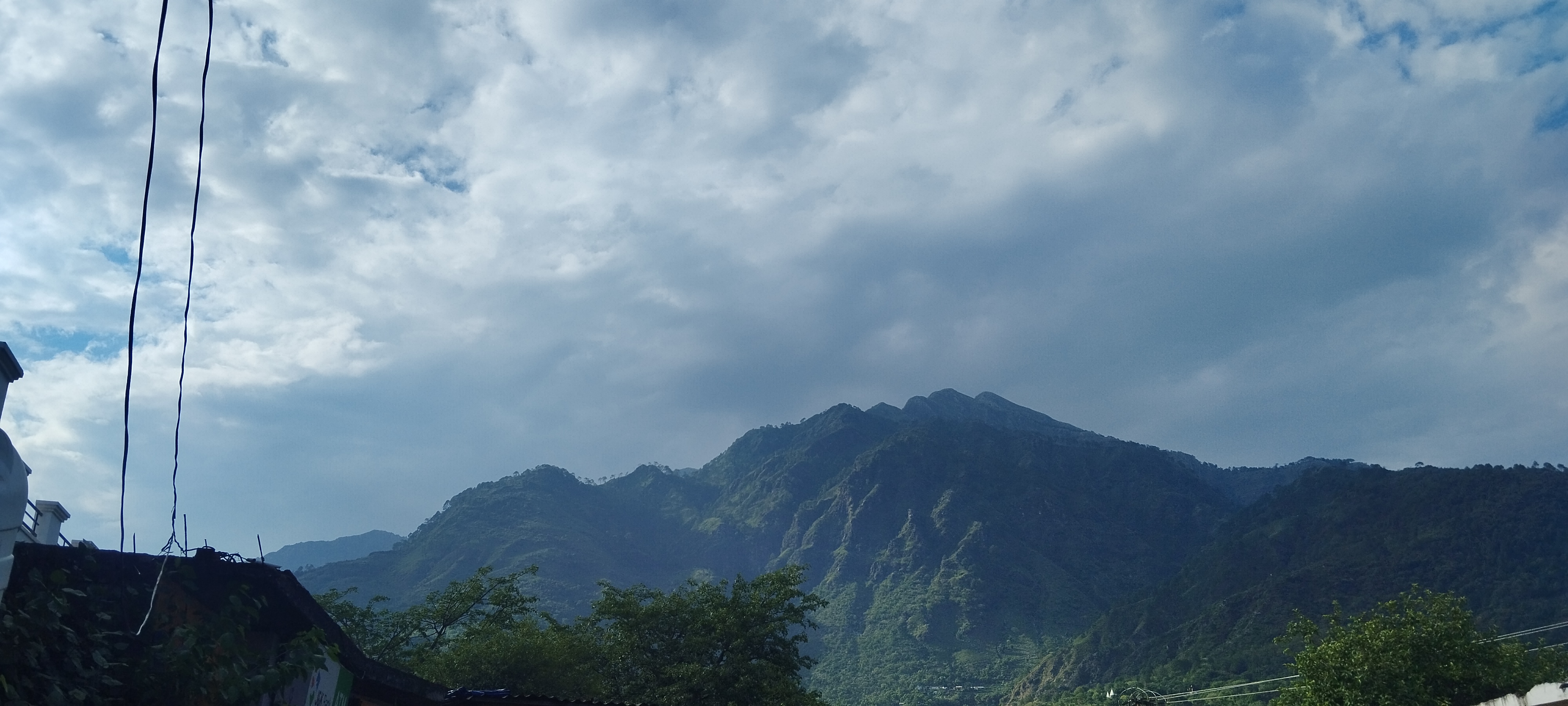
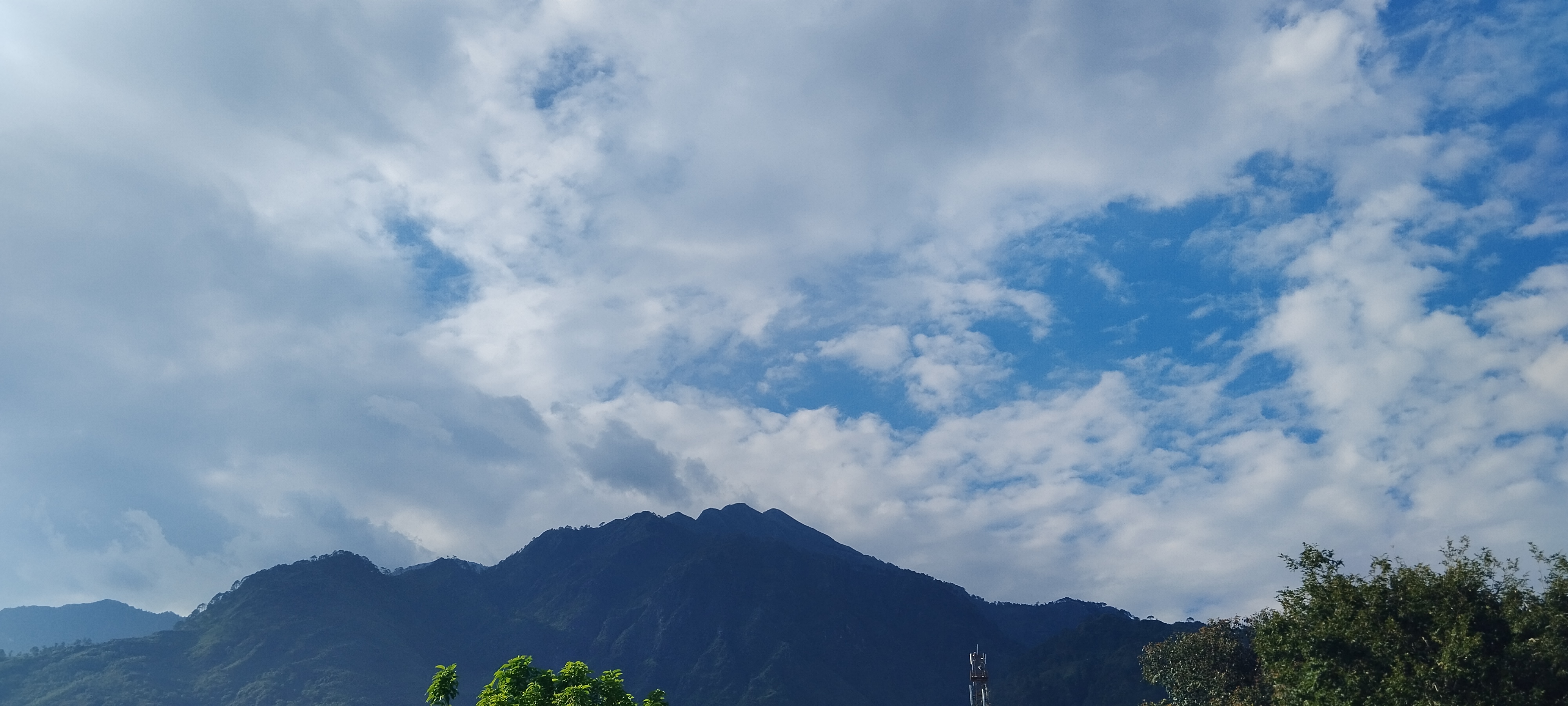
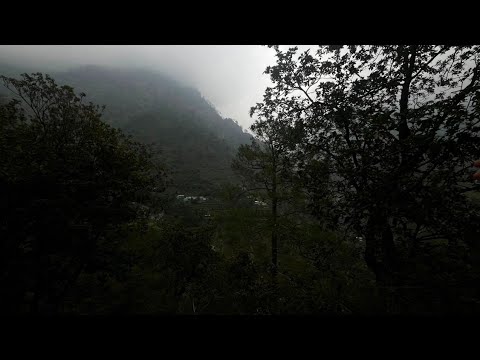
The surrounding landscape is characterized by rolling hills, rocky slopes, dense vegetation, seasonal waterfalls, and crystal-clear mountain streams. Being situated in the sub-Trikuta foothills, Sarpatian enjoys a pleasant climate for most of the year and offers spectacular panoramic views of the surrounding valleys. The untouched natural surroundings make it one of the hidden gems of the Reasi district.
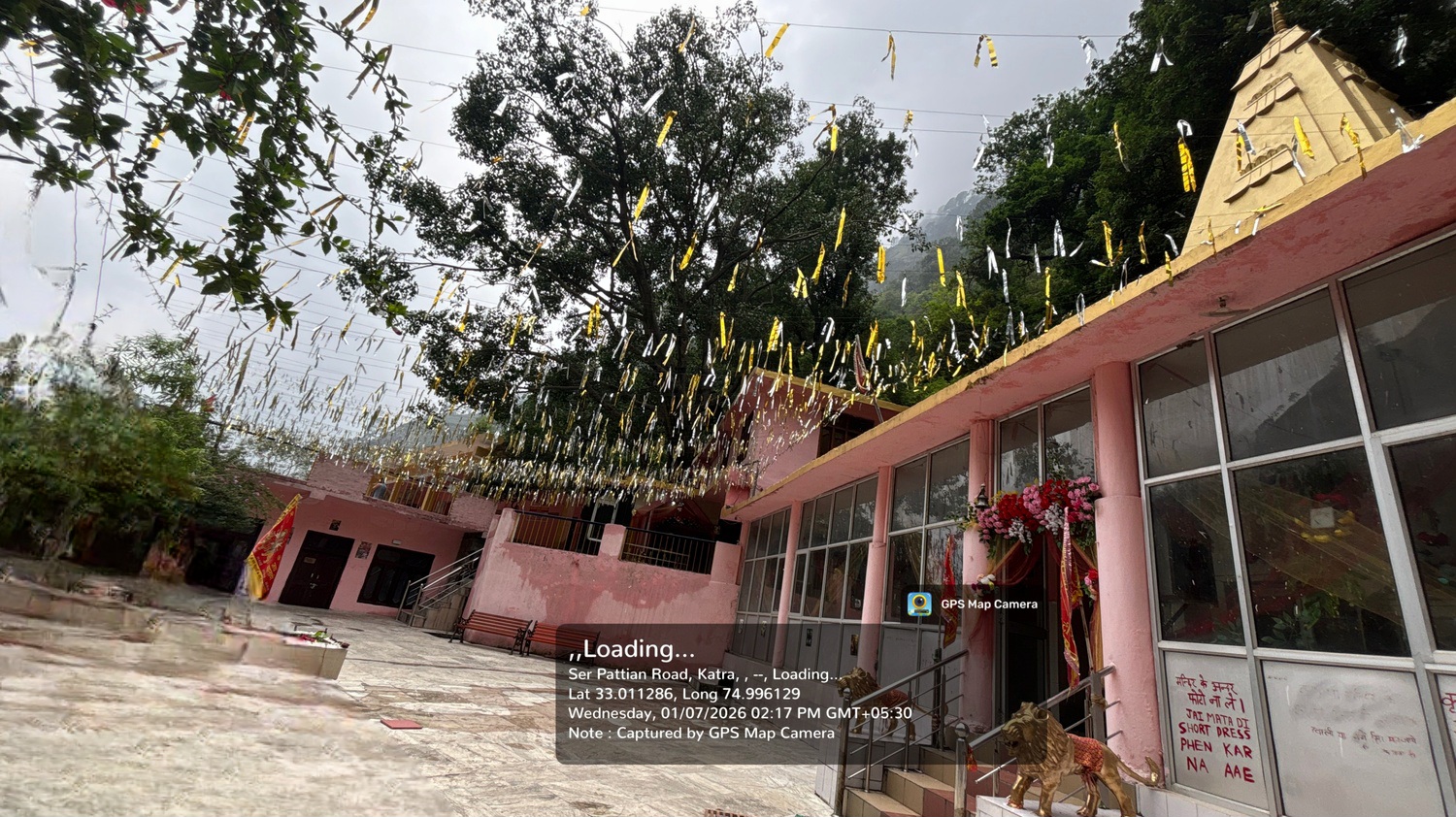
Historical and Religious Importance Sarpatian derives much of its significance from its close association with the ancient Devi Pindi Mata Temple, a sacred shrine believed to have existed for centuries. According to local traditions and religious beliefs, the shrine houses three naturally formed rock structures (Pindis) representing Maha Kali, Maha Lakshmi, and Maha Saraswati, the three principal manifestations of Goddess Shakti.
Many devotees consider the shrine an ancient and peaceful counterpart to the famous Shri Mata Vaishno Devi Shrine. Pilgrims visit Devi Pindi to seek blessings, offer prayers, and experience spiritual tranquility away from the crowded pilgrimage routes. The calm atmosphere, combined with the surrounding natural beauty, creates a deeply meditative environment for visitors.
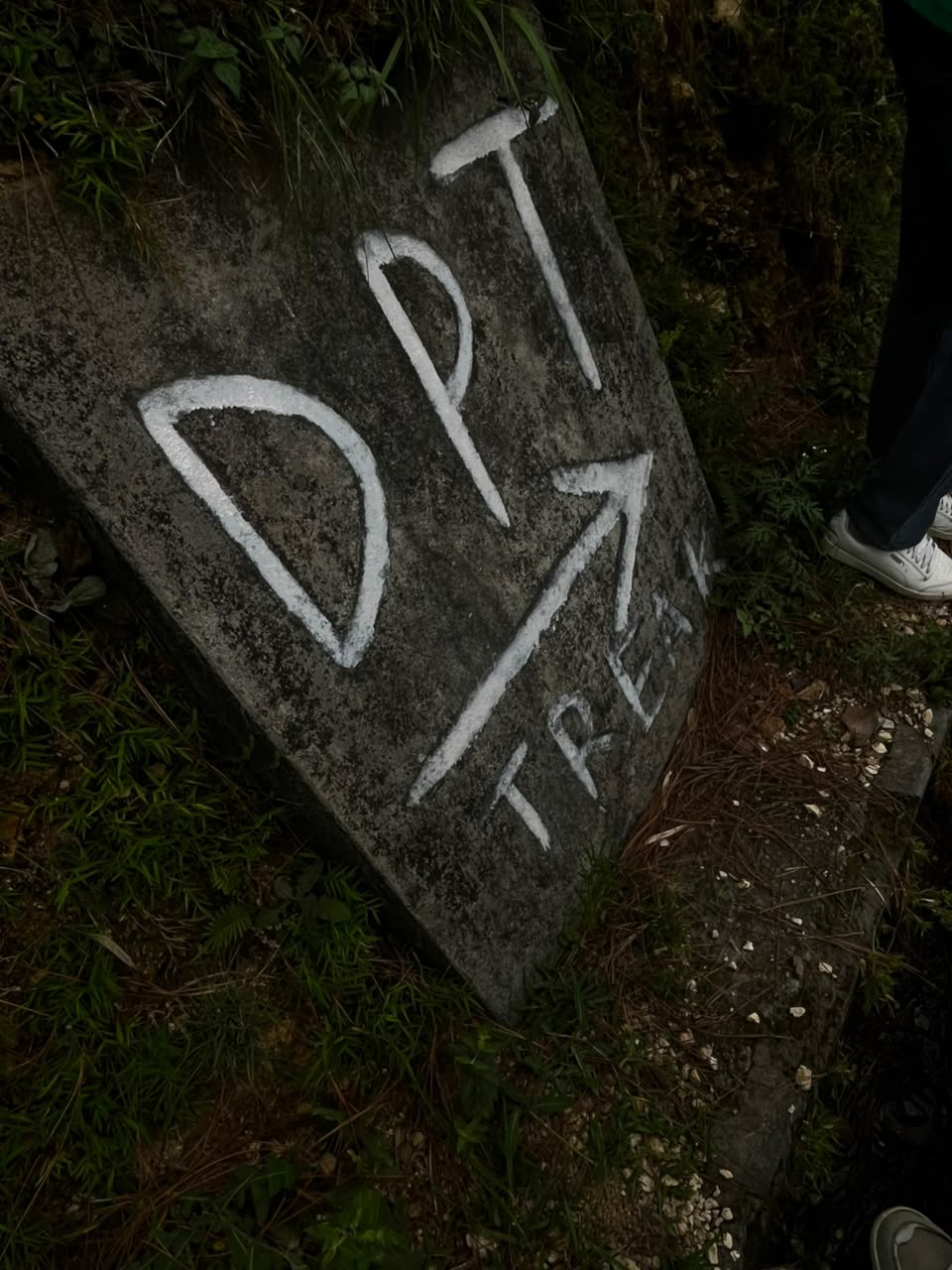
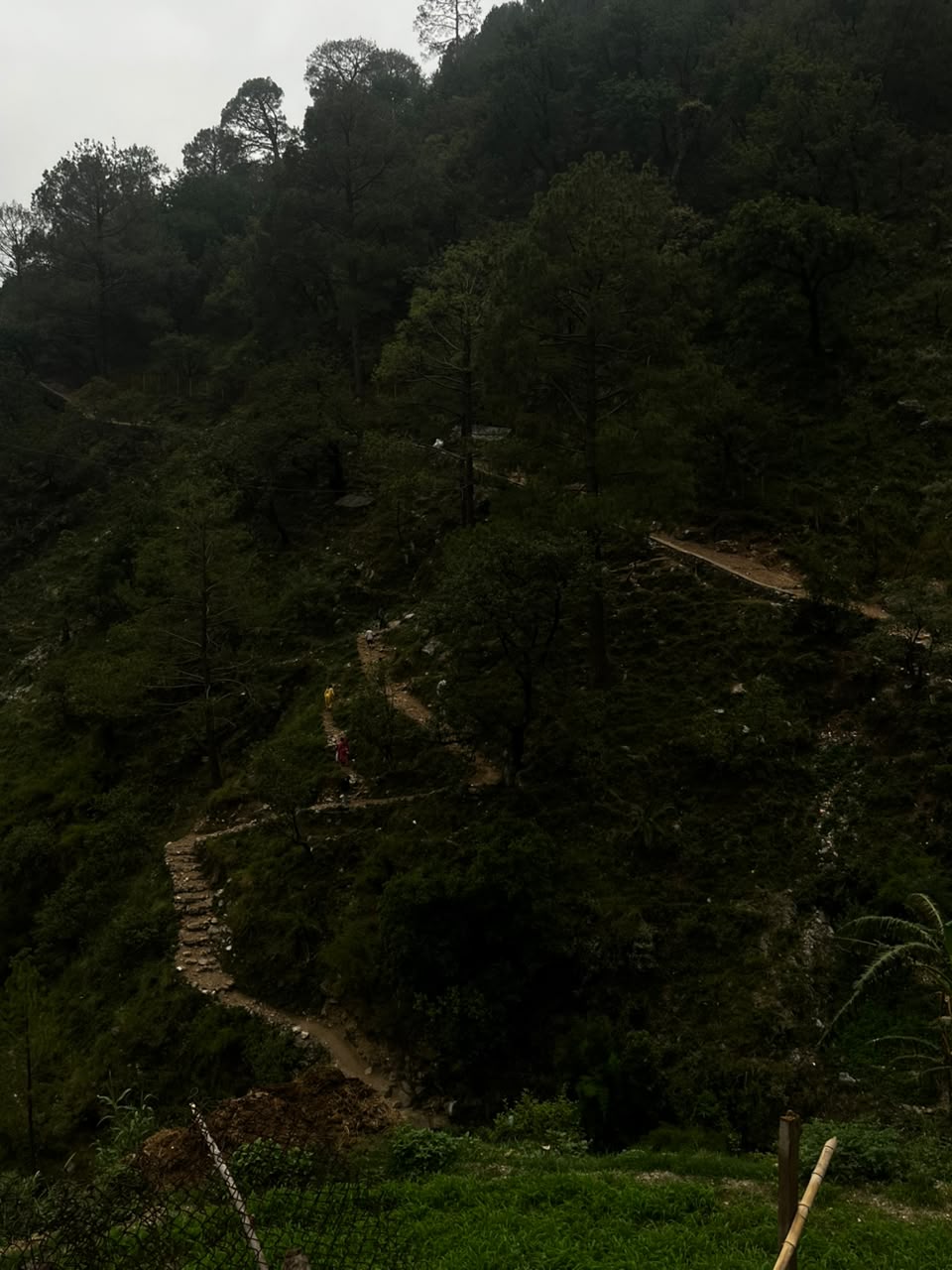
The Devi Pindi Trek One of the biggest attractions of Sarpatian is the scenic trek leading to the Devi Pindi Shrine. The trekking route begins from the Sarpatian or Kunia-Panthal area and extends approximately 2.5 to 5 kilometers, depending on the chosen starting point. Unlike commercial trekking destinations, this trail retains its rustic charm and natural character.
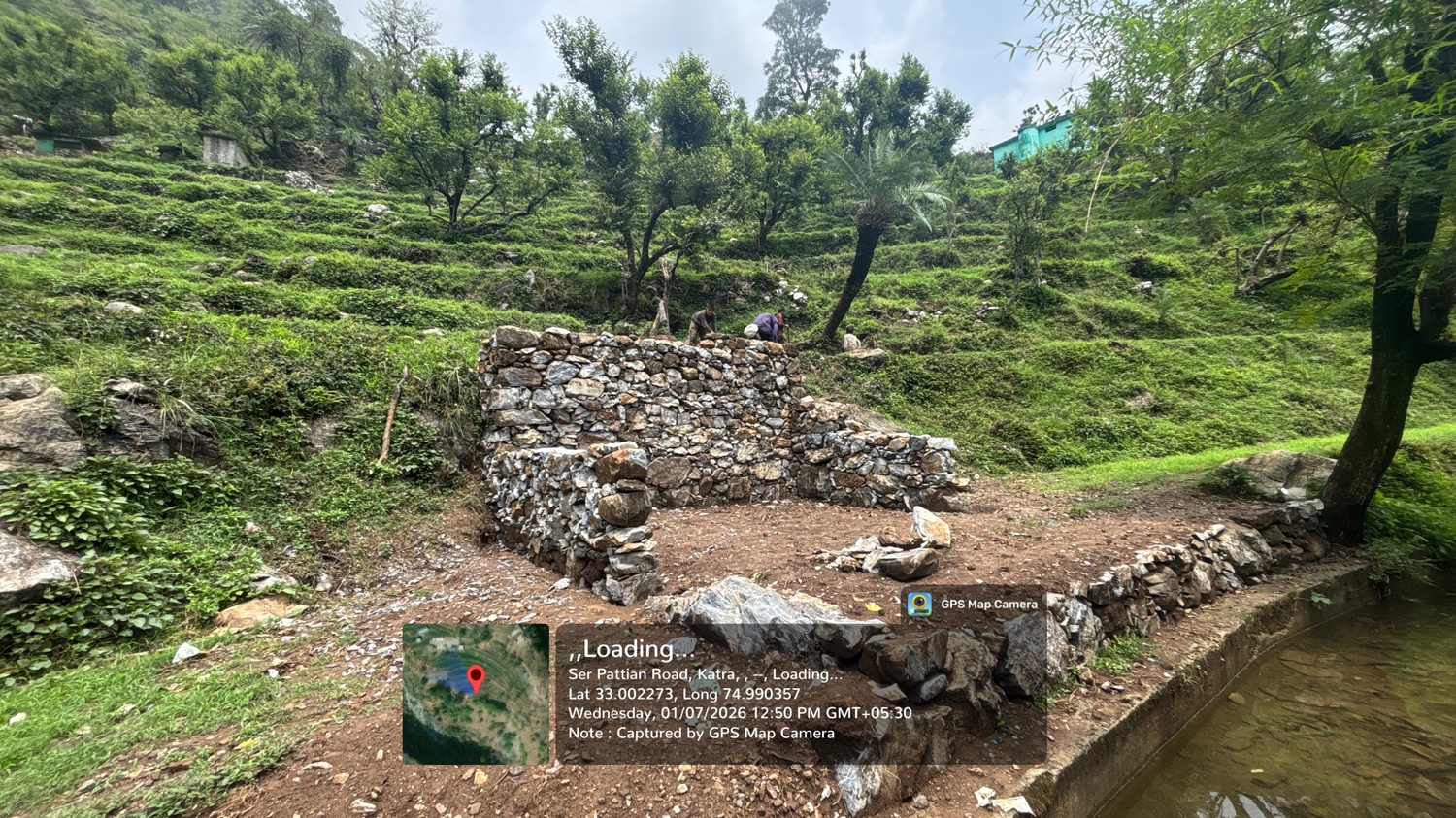
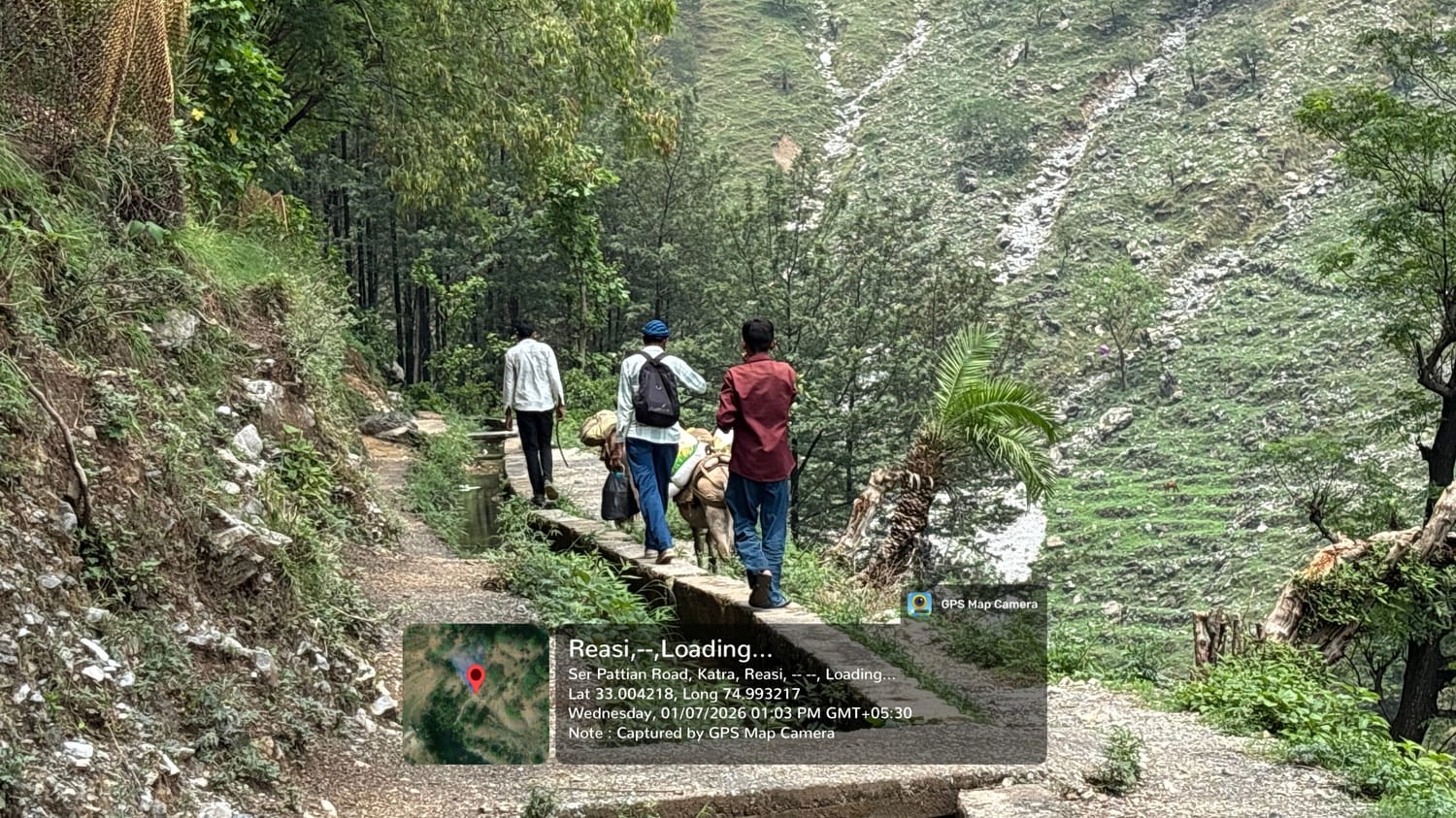
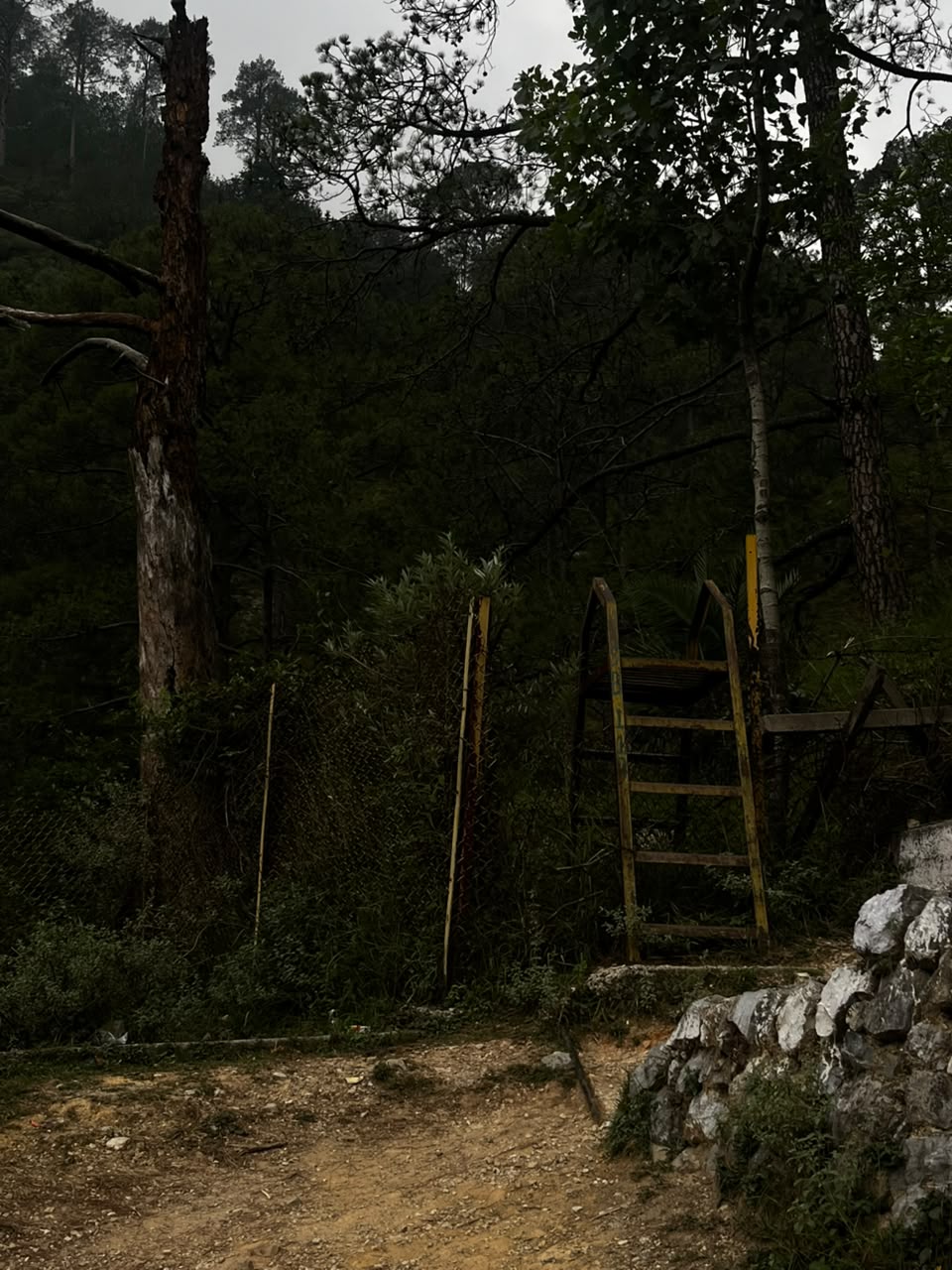
The pathway winds through dense forests, rocky mountain slopes, and beautiful streams. Trekkers cross narrow stone paths, retaining walls, and natural water channels while enjoying spectacular views of deep valleys and surrounding hills. Throughout the journey, visitors experience the soothing sounds of flowing water, chirping birds, and cool mountain breezes that make the trek both adventurous and spiritually uplifting.
Notable Personalities Sarpatian is a small rural village where the identity of the community is shaped not by nationally recognized personalities but by its hardworking villagers, respected elders, and temple caretakers. The village has preserved its traditions and religious practices through generations with the guidance of senior members of the community. These elders serve as custodians of local customs, oral history, and folklore related to the sacred Devi Pindi Mata Mandir. Their knowledge has helped preserve the spiritual significance of the village and maintain the cultural heritage of the region.
The priests and devotees associated with the Devi Pindi Shrine also play an important role in the village. They conduct daily worship, organize religious ceremonies, and guide pilgrims visiting the shrine. Through their efforts, the sacred traditions connected with the three natural Pindis representing Maha Kali, Maha Lakshmi, and Maha Saraswati continue to flourish. Although Sarpatian has not yet produced nationally famous personalities, its people are widely respected for their simplicity, devotion, honesty, and hospitality.
Educational Infrastructure Being a remote hill village, Sarpatian has limited educational infrastructure within the village itself. Young children receive their primary education through nearby government primary schools serving the local villages. These schools provide basic education and encourage literacy among the children of the region.
For higher education, students generally travel to nearby Panthal, Katra, or Reasi, where Government High Schools, Higher Secondary Schools, and private educational institutions offer secondary and senior secondary education. Many students continue their higher studies in colleges and universities located in Katra, Jammu, and other cities. Despite geographical challenges, the villagers place great importance on education and actively encourage younger generations to pursue academic and professional careers while remaining connected to their cultural roots.
Accessibility and Transport Connections Sarpatian is well connected to nearby towns through road transport. The village can be reached via the Jammu–Srinagar National Highway (NH-44) through the Panthal area. Visitors travelling from Jammu can easily reach Katra by road or rail and continue towards Sarpatian by taxi, bus, or private vehicle.
The road extends up to the designated parking and base area near the village. From there, pilgrims and tourists begin the scenic 2.5 to 5-kilometre trek leading to the sacred Devi Pindi Shrine. The trail passes through dense forests, rocky pathways, flowing streams, and beautiful valleys, offering breathtaking views throughout the journey. Because of the mountainous terrain, mobile network coverage becomes weak or unavailable during the final stages of the trek. Visitors are therefore advised to travel in groups, carry drinking water, wear suitable trekking shoes, and begin the journey during daylight hours.
Population and Demographic Profile Sarpatian (Ser Pattian) is a small rural hamlet in the Panthal region of Reasi district, Jammu and Kashmir. The village has a low population density and consists of a small number of households scattered across the hilly terrain. According to the 2011 Census for Pattian village, the settlement had 127 residents living in about 20 households, with 69 males and 58 females.
Census 2011 India +1
The population of Sarpatian is predominantly rural, with most families engaged in agriculture, livestock rearing, wage labour, and occupations related to pilgrimage and tourism. Farming remains the primary source of livelihood, while some residents also work in nearby towns such as Katra, Panthal, and Reasi in government services, private businesses, transport, and hospitality sectors. The younger generation increasingly pursues higher education and employment outside the village while maintaining close ties with their ancestral homes.The demographic structure of the village reflects a traditional hill community, where extended families often live together and community cooperation plays an important role in everyday life. Most residents speak Dogri as their primary language, while Hindi and Urdu are also widely understood and used for education and official communication. Religious festivals, village gatherings, and community celebrations strengthen social unity and preserve the rich cultural traditions of the region.
Agriculture and livestock continue to shape the village's social and economic life. Families cultivate seasonal crops and vegetables while also maintaining cattle and other domestic animals. The close relationship between the people and their natural environment has encouraged a lifestyle based on self-reliance, cooperation, and respect for local traditions.
Literacy in the village has gradually improved over the years as more children attend schools in nearby Panthal and Katra. Although educational facilities within the village are limited, increasing awareness of education has encouraged many students to pursue secondary and higher education outside the village. This has contributed to better employment opportunities and improved living standards for many families.
Despite modernization, Sarpatian has retained its peaceful rural character. The village continues to preserve its traditional customs, religious values, and strong community spirit. Its small population, scenic surroundings, and close association with the sacred Devi Pindi Shrine make Sarpatian a unique example of a traditional Himalayan village where nature, culture, and spirituality continue to coexist in harmony.
Arts, Culture and Entertainment Traditional Folk Heritage
The cultural life of Sarpatian reflects the rich traditions of the Dogra community. Religious festivals, especially Navratri, bring the village to life with devotional songs, bhajans, folk dances, and traditional dhol performances. These celebrations strengthen the bond among villagers and preserve centuries-old customs.
One of the most unique cultural features of Sarpatian is the traditional method of communication used by villagers living on distant hillsides. Local residents have historically used distinct whistling sounds to communicate across valleys and forests, especially while working in fields or grazing livestock. This remarkable practice demonstrates the adaptability and ingenuity of mountain communities and remains a fascinating aspect of the village's cultural heritage.
The Devi Pindi pilgrimage also encourages cultural interaction, as devotees from nearby villages gather to participate in religious ceremonies, community meals, and devotional singing, creating an atmosphere of unity and faith.
Sports and Recreational Activities Outdoor Recreation
Due to its mountainous landscape, Sarpatian has limited organized sports infrastructure. However, children and young people actively participate in outdoor games such as cricket, volleyball, badminton, and traditional village games whenever suitable open spaces are available.
Trekking has become one of the village's most popular recreational and adventure activities. The scenic route to Devi Pindi attracts pilgrims, hikers, photographers, and nature lovers throughout the year. Visitors also enjoy exploring waterfalls, natural streams, birdwatching, and photography, making Sarpatian an emerging destination for eco-tourism and outdoor adventure.
Biodiversity and Natural Environment Sarpatian lies within the ecologically rich foothills of the Trikuta Mountains and is surrounded by dense forests, green hills, and natural water bodies. The region supports a wide variety of native Himalayan vegetation, including medicinal herbs, shrubs, wildflowers, grasses, and numerous tree species. During spring and the monsoon season, the landscape becomes especially vibrant with lush greenery and blooming flowers.
The forests provide habitat for many species of birds, butterflies, insects, monkeys, and other small wildlife commonly found in the lower Himalayan region. Birdsong, cool mountain breezes, and the peaceful environment enhance the natural beauty of the area.
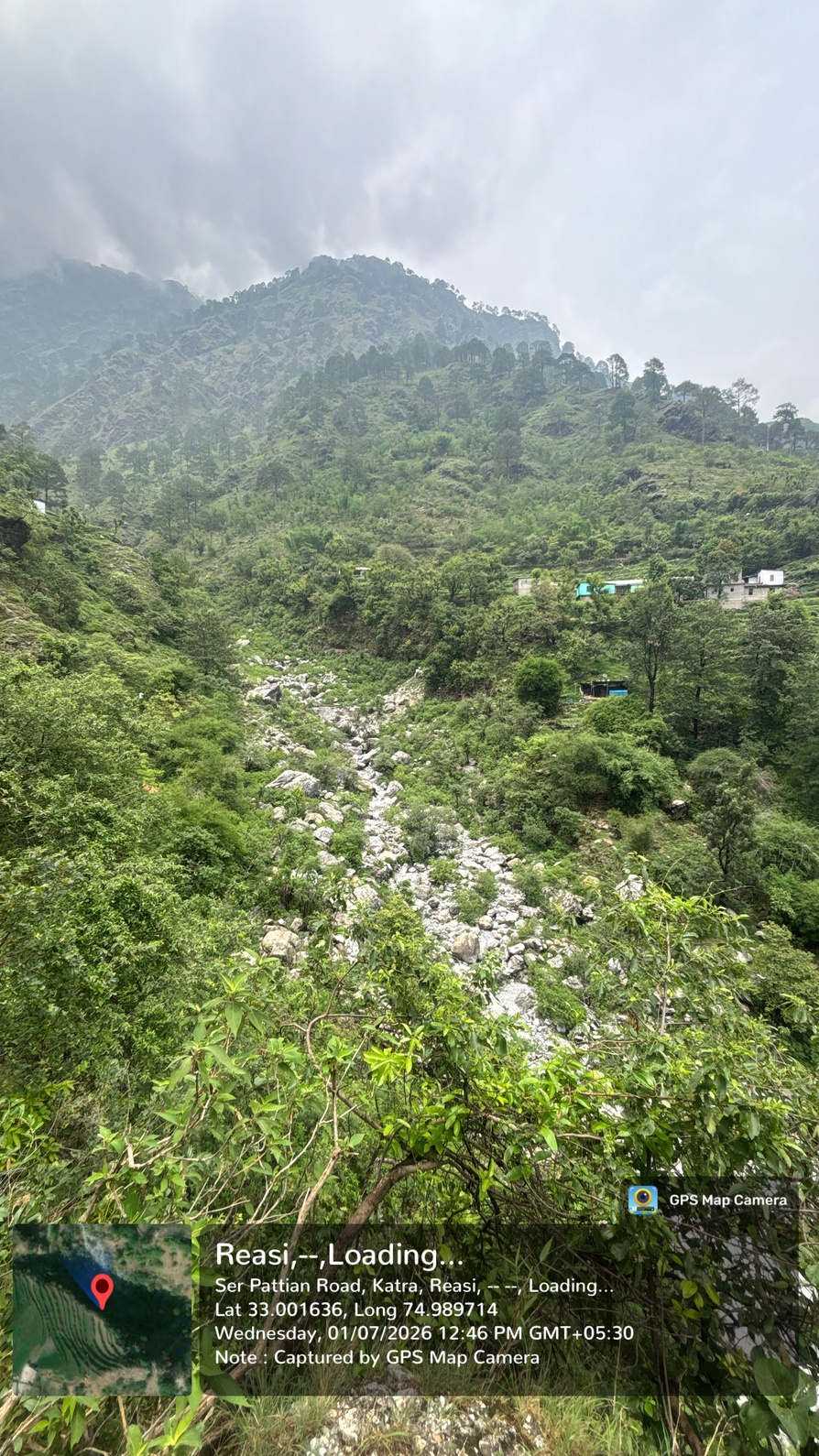
Fresh mountain streams and rivulets flow alongside the trekking route, creating crystal-clear pools and small waterfalls that attract both pilgrims and tourists. These natural water sources not only enhance the scenic beauty of the village but also support the local ecosystem and agriculture.
The climate of Sarpatian remains pleasant for most of the year. Summers are generally mild compared to the plains, while winters are cool and occasionally cold due to the higher altitude. During the monsoon season, rainfall transforms the surrounding hills into a lush green paradise, making the village one of the most picturesque locations in the Reasi district.
Environmental Conservation Preserving Nature and Spiritual Heritage
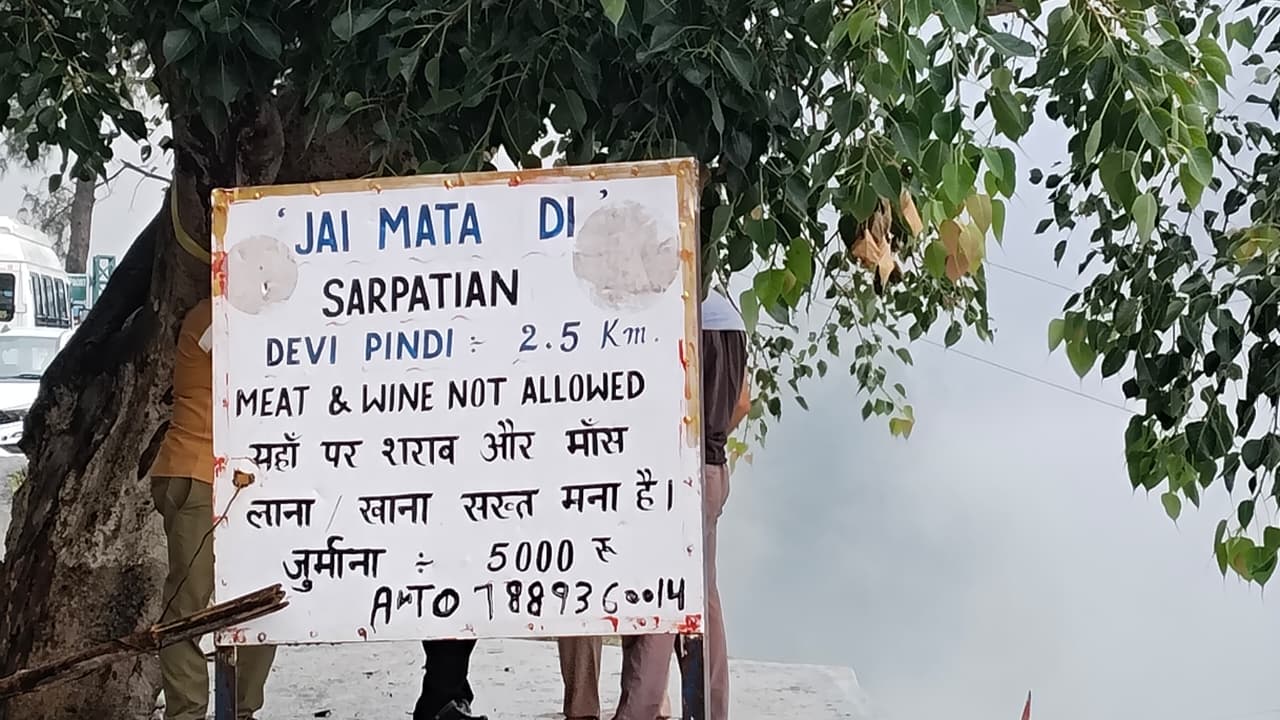
Sarpatian has gained recognition as an important eco-tourism destination because of its unspoiled natural environment and religious significance. The village follows eco-friendly practices to protect the forests, streams, and trekking trails leading to the Devi Pindi Shrine. Since the pilgrimage route is considered sacred, the consumption of meat, alcohol, and tobacco is strictly prohibited, helping maintain the spiritual purity of the area.
Government departments, local authorities, and community members occasionally organize eco-trekking and cleanliness drives to promote sustainable tourism and environmental conservation. These initiatives encourage visitors to respect nature, avoid littering, and preserve the rich biodiversity of Sarpatian for future generations.
Through its harmonious blend of spirituality, cultural traditions, and environmental stewardship, Sarpatian continues to serve as an inspiring example of sustainable rural tourism in the Trikuta Hills of Jammu and Kashmir.
Famous Food and Traditional Cuisine of Sarpatian Sarpatian, a peaceful rural village in the Reasi district of Jammu and Kashmir, reflects the rich culinary traditions of the Dogra region. Since the village serves as the gateway to the sacred Devi Pindi Shrine, its food culture is deeply influenced by the religious and spiritual values associated with the pilgrimage. The cuisine is simple, nutritious, and prepared using fresh, locally grown ingredients. During pilgrimages and religious gatherings, only pure vegetarian food is prepared and served, as the entire trekking route to Devi Pindi is considered a sacred zone where the consumption of meat, fish, eggs, alcohol, and tobacco is strictly prohibited.
The most famous dish associated with Sarpatian is Rajma Chawal (Red Kidney Beans with Rice), often regarded as the signature meal of the Jammu region. The rajma is slow-cooked with onions, tomatoes, ginger, garlic, and traditional Dogra spices until it develops a rich and creamy texture. It is served with steamed rice and homemade ghee, creating a wholesome and satisfying meal. Many visitors travelling to Devi Pindi enjoy Rajma Chawal before or after completing the trek, making it one of the village's most popular traditional dishes.
Another commonly prepared meal is Kala Chana with Puri, especially during festivals, religious ceremonies, and community feasts. Black chickpeas are cooked with aromatic spices and served alongside freshly fried puris. This nutritious and energy-rich meal is often distributed as prasad (holy offering) during religious events and provides trekkers with the energy needed for the uphill journey to the shrine.
Sarpatian also preserves the traditional Dogra Dham, a ceremonial vegetarian feast prepared during weddings, festivals, and important community gatherings. The Dham consists of several authentic Dogra dishes served together on traditional leaf plates or large steel thalis. Popular items include Rajma, Dal, Kadhi, Auriya (potato curry), Ambal (sweet and sour pumpkin), rice, and homemade pickles. Prepared by experienced traditional cooks known as Bhotis, the Dogra Dham represents the region's rich culinary heritage and spirit of hospitality.
Among the local delicacies enjoyed by both villagers and visitors are Kulcha Chole and freshly prepared homemade pickles. Soft traditional kulchas served with spicy chickpeas are commonly available in nearby Panthal and Katra markets. Homemade pickles made from mango, lemon, chili, radish, and seasonal vegetables accompany most meals and add a distinctive flavor to the local cuisine.
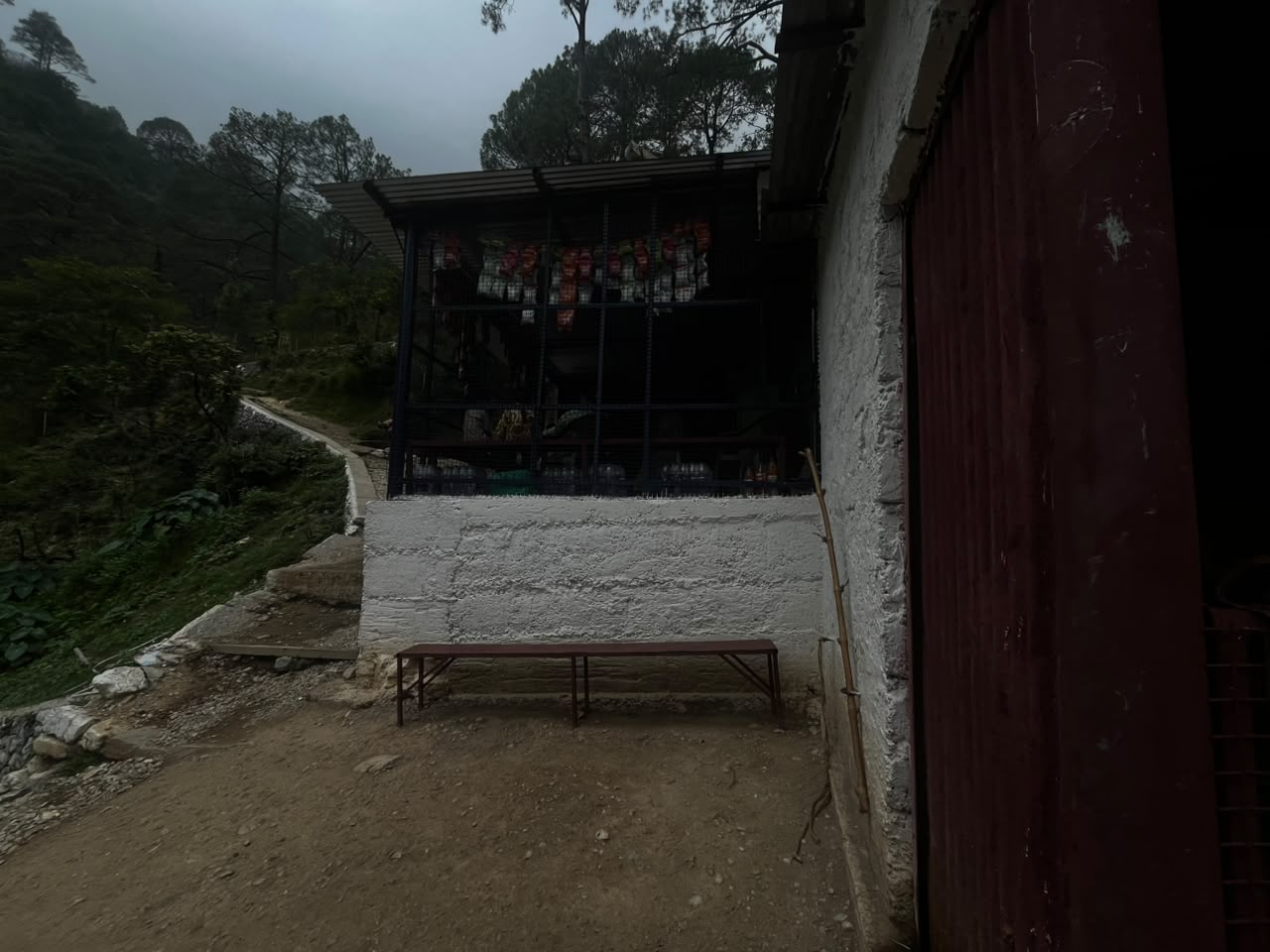
Because Sarpatian is located along an eco-trekking route, small tea stalls and refreshment points near the village offer simple foods suitable for pilgrims and trekkers. Visitors can enjoy hot tea (chai), fresh milk, biscuits, Maggi noodles, pakoras, bread with butter, and seasonal fruits before or after their trek. These light refreshments provide comfort and energy while maintaining the peaceful atmosphere of the pilgrimage route.
The village also takes pride in its use of fresh local dairy products. Homemade curd (dahi), butter, and desi ghee are prepared from milk produced by village households. These dairy products are widely used in everyday cooking and are considered an essential part of traditional Dogra meals. Fresh buttermilk is particularly popular during the summer months because of its cooling and refreshing qualities.
Seasonal vegetables grown in the surrounding fields, such as spinach, mustard greens, pumpkin, radish, cauliflower, and beans, form an important part of the daily diet. These vegetables are cooked using simple traditional recipes that preserve their natural taste and nutritional value. Locally grown maize and wheat are also used to prepare homemade rotis and other traditional breads.
One of the most important features of Sarpatian's food culture is its emphasis on purity, simplicity, and hospitality. Visitors are often welcomed with tea, homemade snacks, and freshly prepared vegetarian meals. During religious occasions, villagers collectively prepare food for pilgrims and guests, reflecting the spirit of community service and devotion that has been preserved for generations.
Overall, the cuisine of Sarpatian represents the authentic flavors of the Dogra region while respecting the spiritual significance of the Devi Pindi pilgrimage. The combination of wholesome vegetarian meals, locally grown ingredients, traditional cooking methods, and warm village hospitality makes the food of Sarpatian an integral part of the cultural experience for every visitor.
Natural Beauty and Landscape Sarpatian is blessed with remarkable natural beauty that attracts nature lovers, photographers, and adventure enthusiasts. The village is surrounded by thick forests consisting of native Himalayan vegetation, medicinal plants, shrubs, and seasonal wildflowers. During the monsoon season, numerous waterfalls emerge from the surrounding hills, creating breathtaking scenery.
Several freshwater streams flow through the region, forming natural pools where visitors often stop to relax. The clean mountain air, green valleys, and peaceful environment provide an ideal setting for meditation, trekking, camping, and wildlife observation. Every season offers a different charm, making Sarpatian an attractive destination throughout the year.
Biodiversity and Wildlife The forests surrounding Sarpatian support a rich variety of flora and fauna typical of the lower Himalayan ecosystem. Visitors may encounter numerous species of birds, butterflies, insects, and small mammals during their trek. The region also contains various medicinal herbs, wild fruit trees, and native plant species that contribute to the ecological richness of the area.
The flowing streams provide habitats for aquatic life while the surrounding forests serve as shelters for many local wildlife species. Conservation of this biodiversity remains important as eco-tourism continues to develop in the region.
Eco-Tourism and Adventure Activities Sarpatian has emerged as an important eco-tourism destination in Jammu and Kashmir. Government departments, local authorities, and security forces occasionally organize eco-trekking programs to promote environmental awareness, adventure tourism, and sustainable travel practices.
Besides pilgrimage, visitors participate in activities such as trekking, hiking, bird watching, photography, landscape exploration, and nature walks. The peaceful environment also makes the area suitable for educational field trips, environmental research, and cultural tourism.
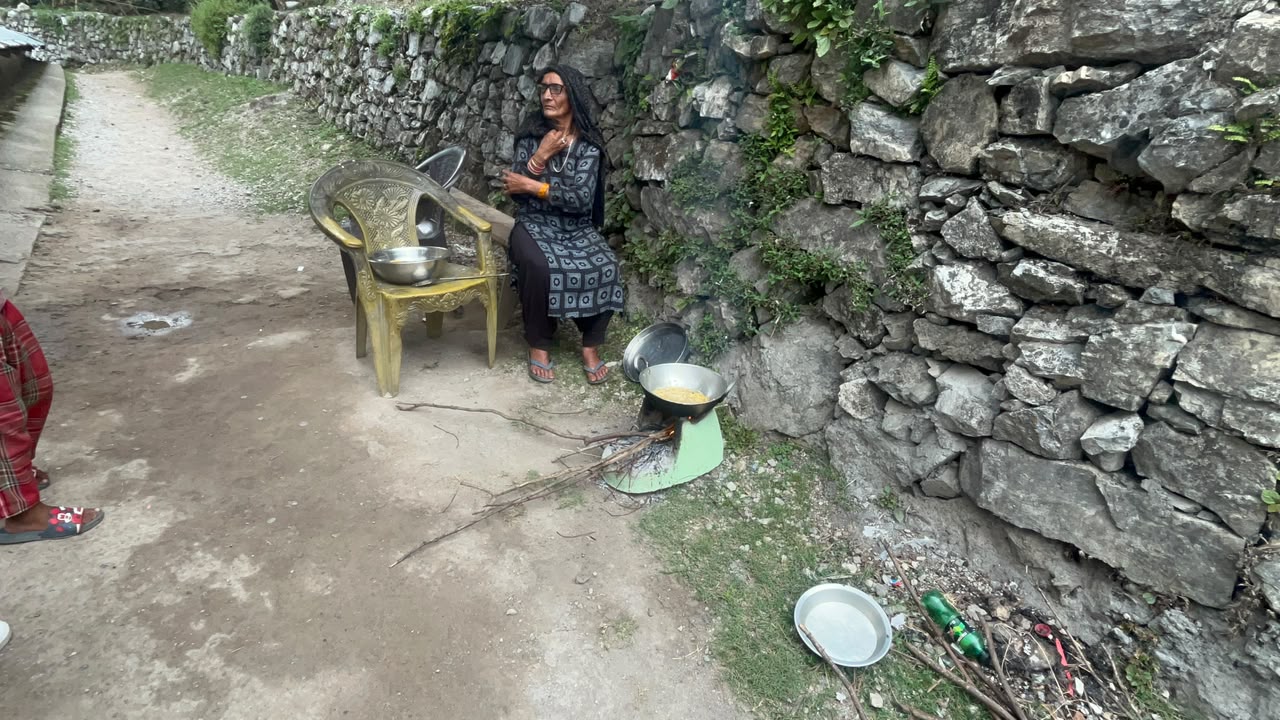
Village Life and Local Culture The people of Sarpatian lead a simple, peaceful, and community-oriented lifestyle. Agriculture, livestock farming, and small-scale occupations form the backbone of the village economy. Residents maintain strong cultural traditions and celebrate religious festivals with devotion and enthusiasm.
The villagers are known for their hospitality and warm welcome to visitors. Traditional Dogra customs, local dialects, folk songs, and rural lifestyles continue to flourish despite gradual modernization. Community cooperation and respect for nature remain important aspects of daily life in Sarpatian.
Connectivity and Infrastructure Sarpatian is well connected by road through the Jammu–Srinagar National Highway. Visitors travelling from Jammu or Katra can easily reach the village by taxi, private vehicle, or local transport. The nearest railway station is Shri Mata Vaishno Devi Katra Railway Station, while the nearest airport is Jammu Airport.
Basic facilities are available in the village and nearby Panthal. However, mobile network connectivity becomes weak or unavailable during the final stages of the trekking route because of the mountainous terrain. Visitors are therefore advised to carry sufficient water, essential supplies, and inform companions before beginning the trek.
Best Time to Visit The best time to visit Sarpatian is between October and March, when the weather remains cool and pleasant for trekking and sightseeing. During spring and early summer, the forests become lush green and wildflowers bloom across the hillsides. The monsoon season transforms the region into a spectacular landscape of waterfalls and flowing streams, although trekking becomes more challenging due to slippery paths.
Religious occasions dedicated to Goddess Durga and Mata Vaishno Devi also attract devotees during Navratri, creating a spiritually vibrant atmosphere in the village.
Tourism Potential Sarpatian possesses tremendous potential to become one of Jammu and Kashmir's prominent eco-tourism and spiritual tourism destinations. With its combination of religious importance, breathtaking landscapes, adventure opportunities, and peaceful surroundings, the village appeals to pilgrims, trekkers, researchers, photographers, and nature lovers alike.
Improved infrastructure, guided trekking facilities, visitor information centers, and conservation initiatives could further promote sustainable tourism while preserving the village's ecological and cultural heritage.
Unique Features of Sarpatian One of the most fascinating aspects of Sarpatian is its untouched and peaceful environment. Unlike many crowded pilgrimage destinations, the village offers visitors a quiet spiritual experience amidst nature. According to local observations, residents living in the surrounding hills sometimes use traditional whistles to communicate across valleys, reflecting a unique aspect of rural mountain life. Such traditions, combined with the area's pristine natural environment, add to the charm and authenticity of the village.
Sarpatian is much more than a small rural village; it is a remarkable destination where spirituality, adventure, and nature exist in perfect harmony. Serving as the gateway to the sacred Devi Pindi Shrine, the village offers visitors an unforgettable experience of scenic trekking, peaceful worship, and breathtaking Himalayan landscapes. Its rich biodiversity, welcoming community, cultural traditions, and growing importance in eco-tourism make Sarpatian one of the hidden treasures of the Reasi district. As awareness about this beautiful destination continues to grow, Sarpatian has the potential to become a leading example of sustainable pilgrimage and eco-tourism in Jammu and Kashmir.
Photos
Videos
Location Map
Amenities
- Online Donation
- Accommodation Facility
- Pujari Details
- Timings
Contact Information
| Address |
Ser Pattian Road, Ladda, Katra, Reasi District, Jammu & Kashmir, 182320 / 182311 |
| Phone Number |
9419162054 |
Reviews (11)

Great effort and dedication by the team!
Excellent work and dedication by the team!
A perfect blend of nature and spirituality. 🙏
A wonderful place for nature lovers 😍
Amazing scenery and informative content. Excellent effort!
Sarpatian looks amazing, and the page captures its charm really well!
Informative, engaging, and beautifully presented.
Loved the peaceful beauty of Sarpatian 💕
Demonstrated excellent teamwork❤️
Really enjoyed exploring the history and beauty of Sarpatian.

Great work!!