
Description
Introduction
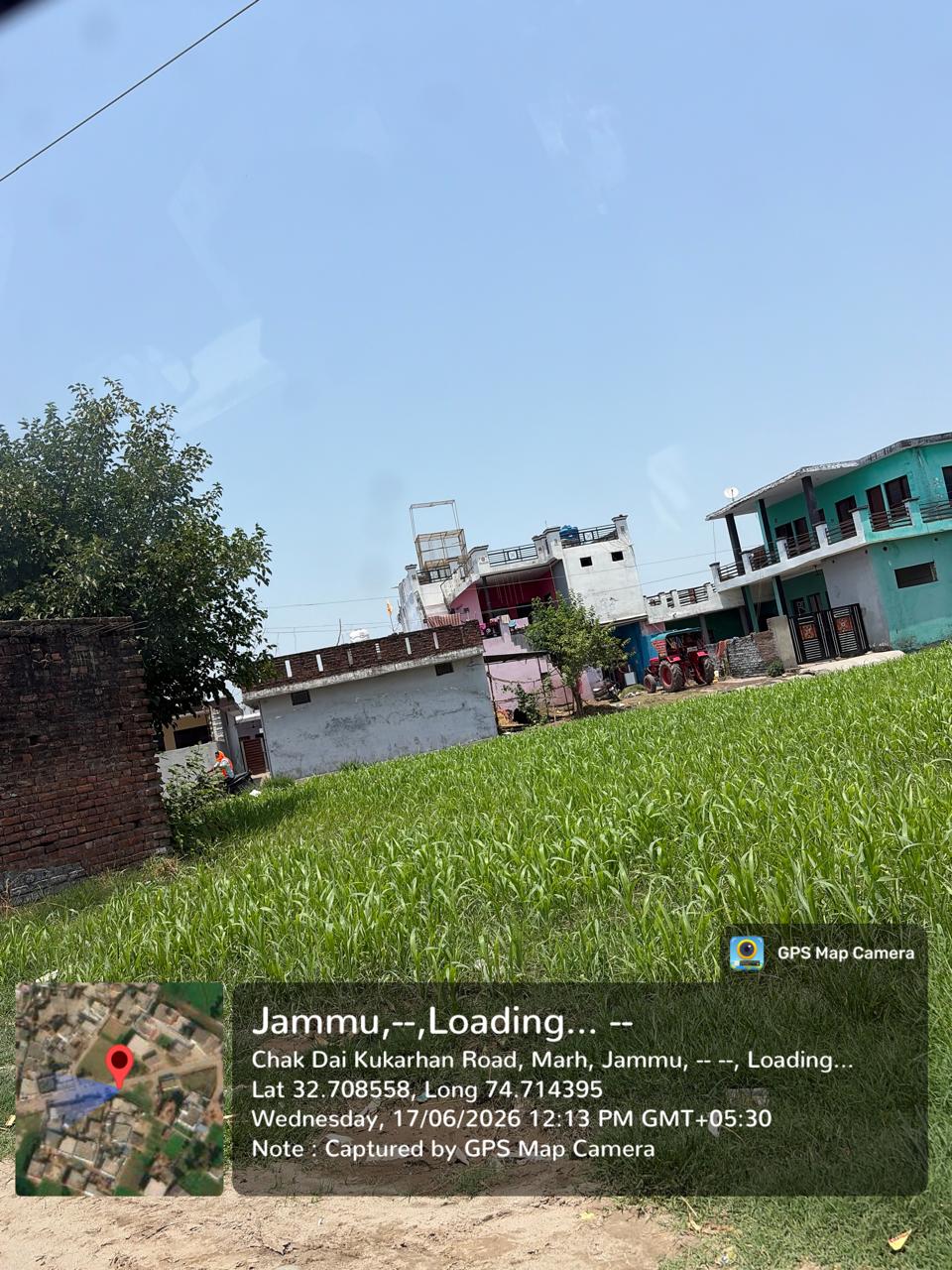
Sandhwan is a peaceful village located in the Jammu district of the Union Territory of Jammu and Kashmir. Surrounded by agricultural fields and a close-knit community, the village reflects the simplicity, culture, and traditions of rural India. Agriculture, brick manufacturing, and small businesses are the main sources of livelihood for the residents.
This documentary explores the history, culture, education, healthcare, occupations, and lifestyle of the people of Sandwan. It also highlights the village's strengths, the challenges it faces, and the opportunities for future development. Through this journey, we gain a deeper understanding of rural life and the importance of community, tradition, and sustainable progress.
History of Sandwan Village
Sandhwan is a traditional village located in the Jammu district of the Union Territory of Jammu and Kashmir. The village has been home to generations of families who have built their lives around agriculture, livestock rearing, and a strong sense of community. Over the years, Sandwan has gradually developed with improved roads, electricity, educational facilities, and basic healthcare services.The village has preserved its cultural traditions, festivals, and values while adapting to modern changes. Although development has improved the standard of living, agriculture continues to be an important source of livelihood for many residents. Today, Sandwan represents the rich rural heritage of the Jammu region, where tradition and progress exist side by side.
Population( census 2011):
- Total Population: 1,017
- Male Population: 531
- Female Population: 486
- Total Households: 211
- Children (0–6 years): 115
- Male Children (0–6 years): 65
- Female Children (0–6 years): 50
- Sex Ratio: 915 females per 1,000 males
- Literacy Rate: 76.79%
- Male Literacy Rate: 84.70%
- Female Literacy Rate: 68.22%
Transportation
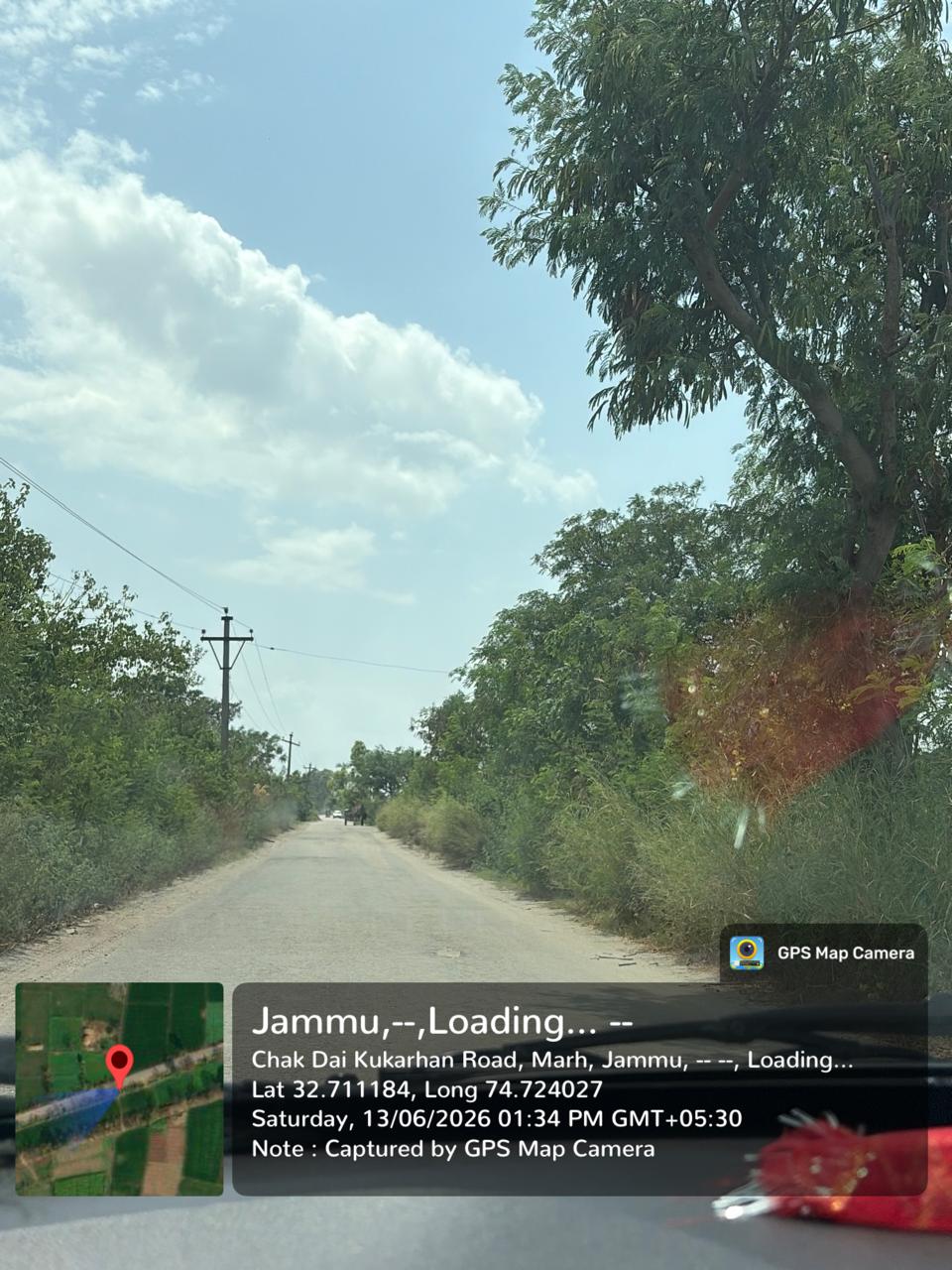
Sandwan village is connected to nearby towns and Jammu city through road networks, making travel possible for residents. Local transportation is mainly provided by buses, private vehicles, and auto-rickshaws. However, public transport services are limited, and villagers often face difficulties in commuting for education, healthcare, and employment. Improving transportation facilities and increasing the frequency of public transport would enhance connectivity and make daily travel more convenient for the residents.
Education
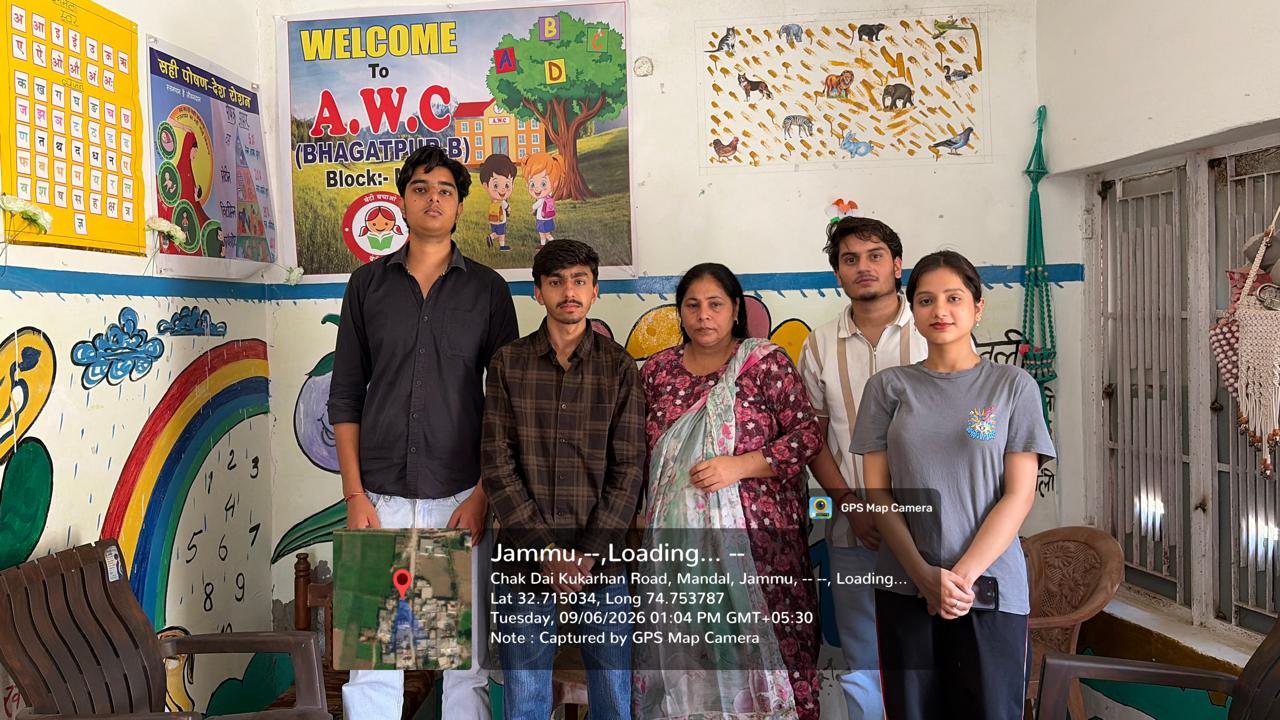
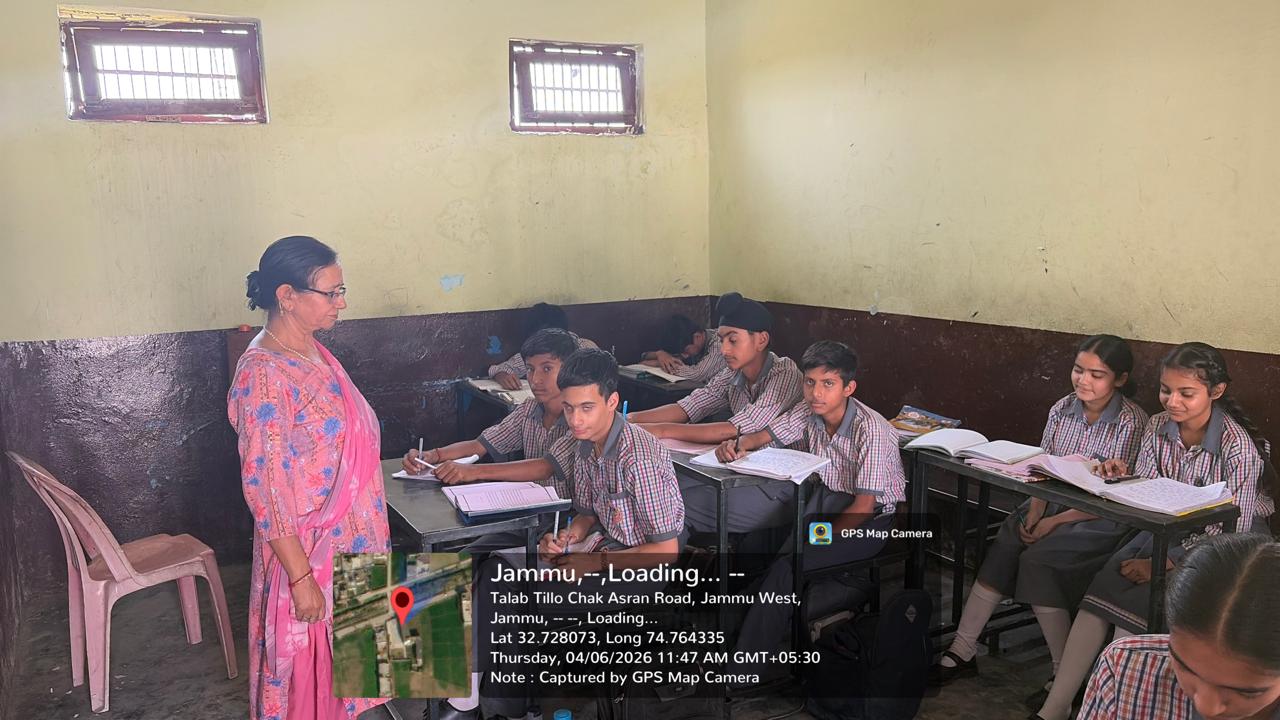
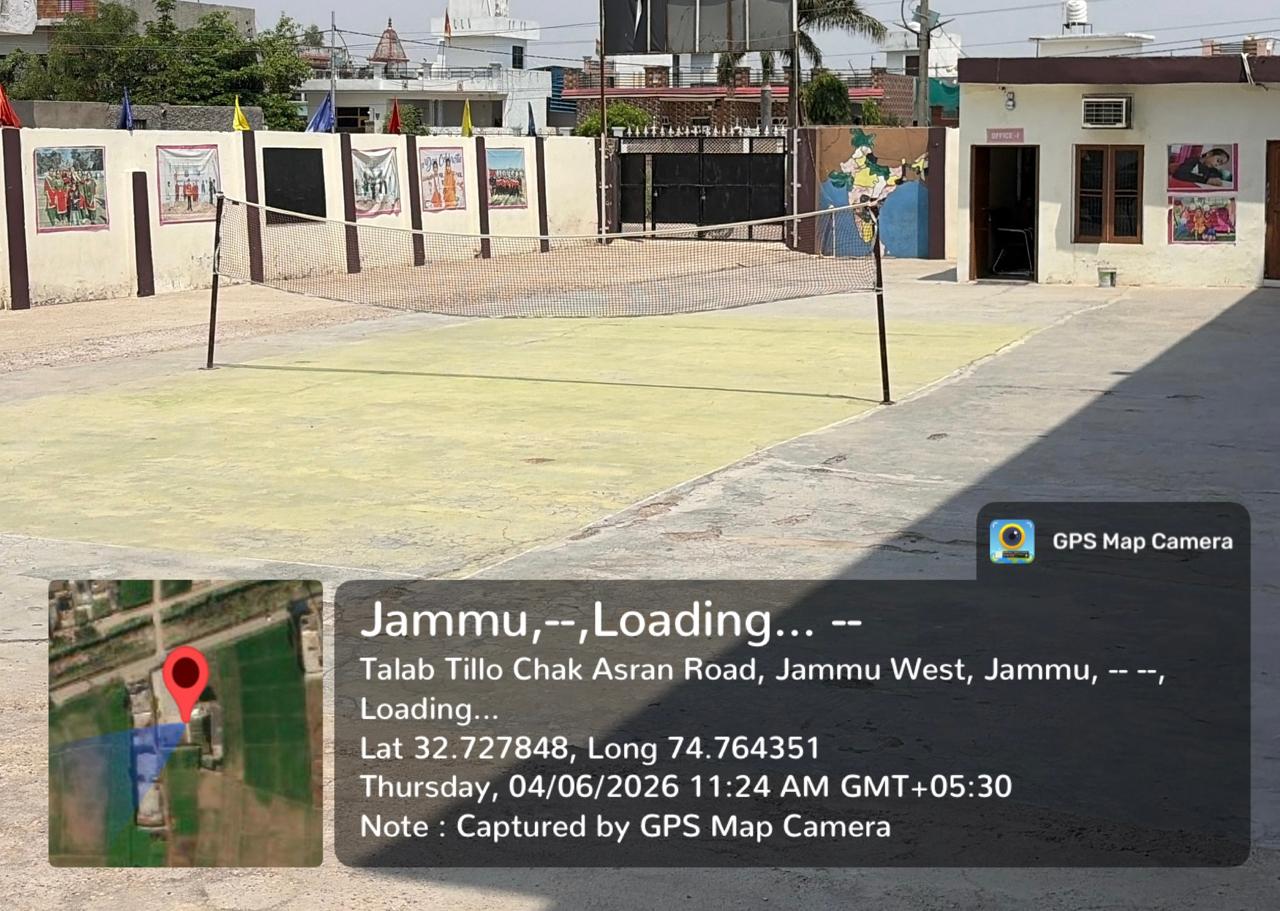
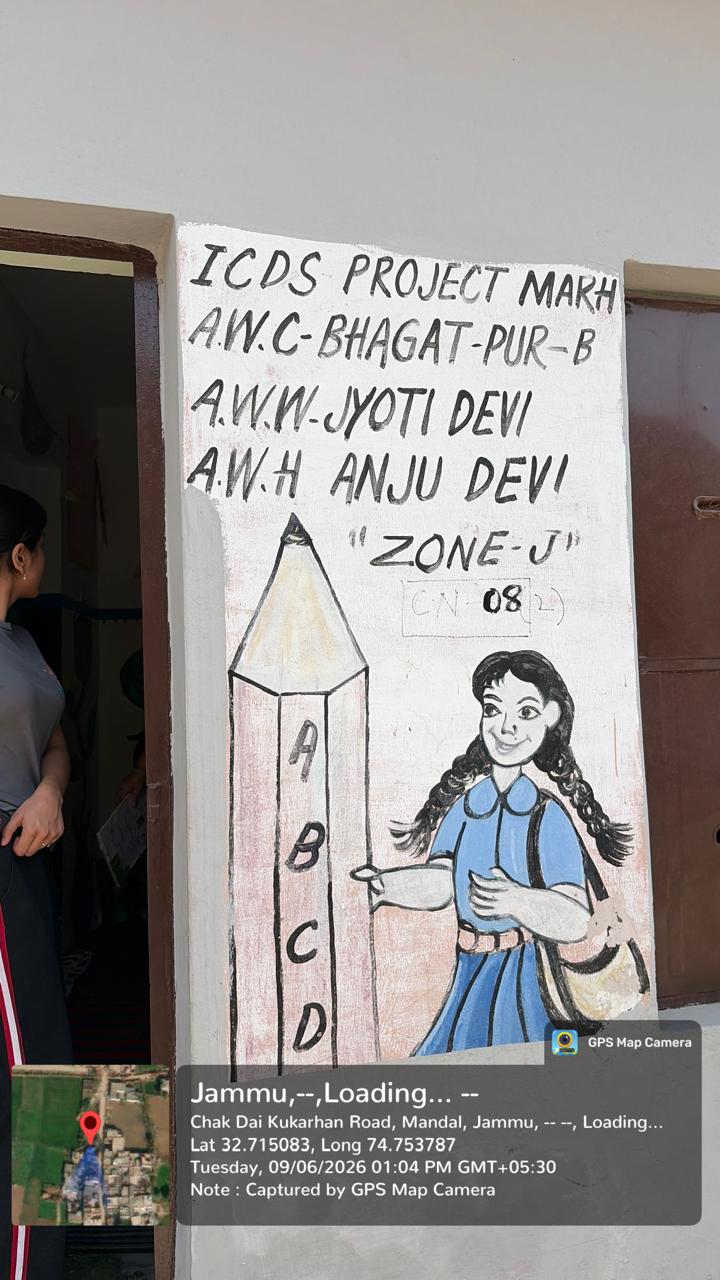
Education plays an important role in the development of Sandwan village. The village is served by Magotra Model Higher Secondary School, which provides quality education from the secondary to higher secondary level under the JKBOSE curriculum. An Anganwadi Centre also supports early childhood education and development. The school is equipped with classrooms, science and computer laboratories, a library, sports facilities, and qualified teachers. For higher education and professional courses, many students travel to colleges and universities in Jammu city. The increasing awareness of education has helped improve literacy and create better opportunities for the younger generation.
Healthcare Facilities
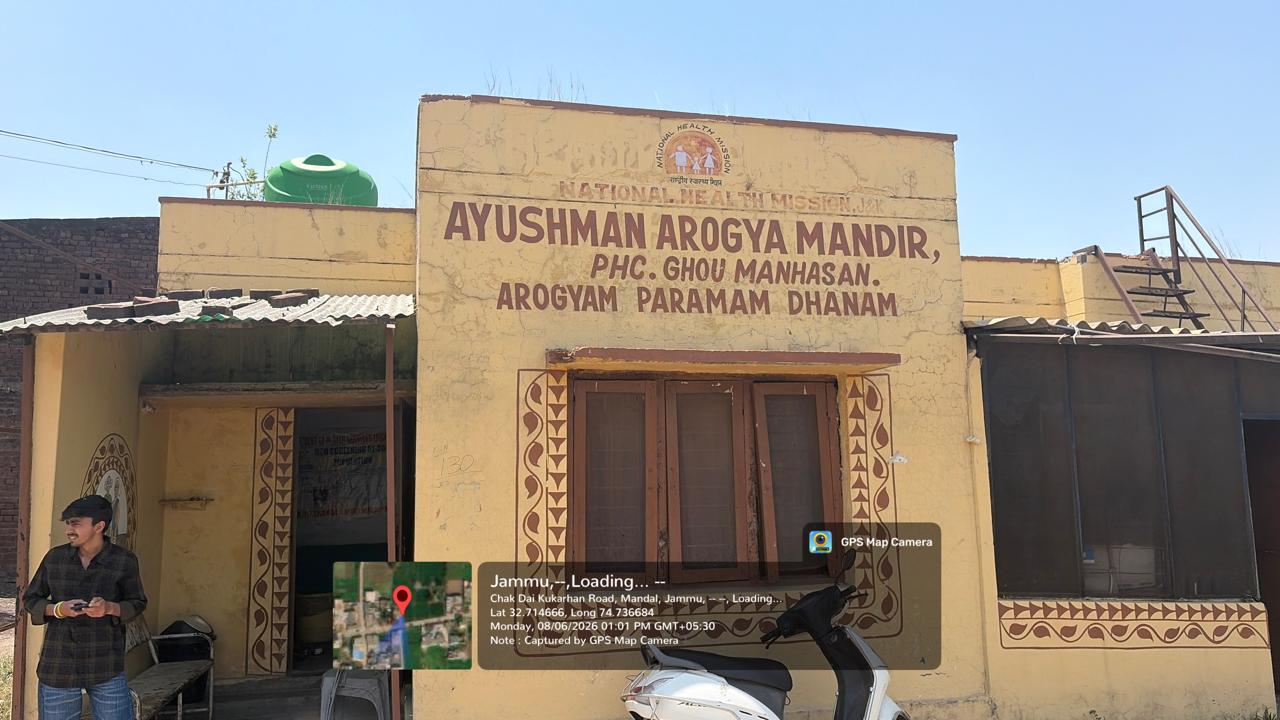
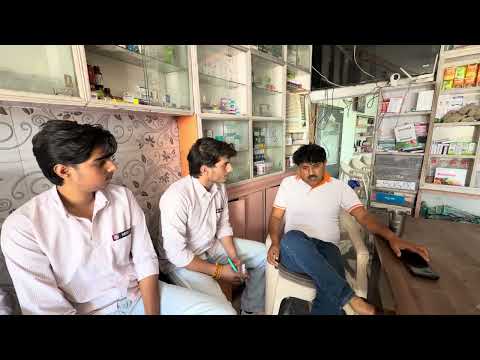
Healthcare facilities in Sandwan village are provided through two dispensaries, which offer primary medical services such as treatment for common illnesses, first aid, vaccinations, and basic medicines. These dispensaries serve the healthcare needs of the local community, but both require better maintenance and improved facilities. Since there is no hospital in the village, residents must travel to nearby towns or Jammu city for emergency care, specialized treatment, and major medical services.
Public Facilities
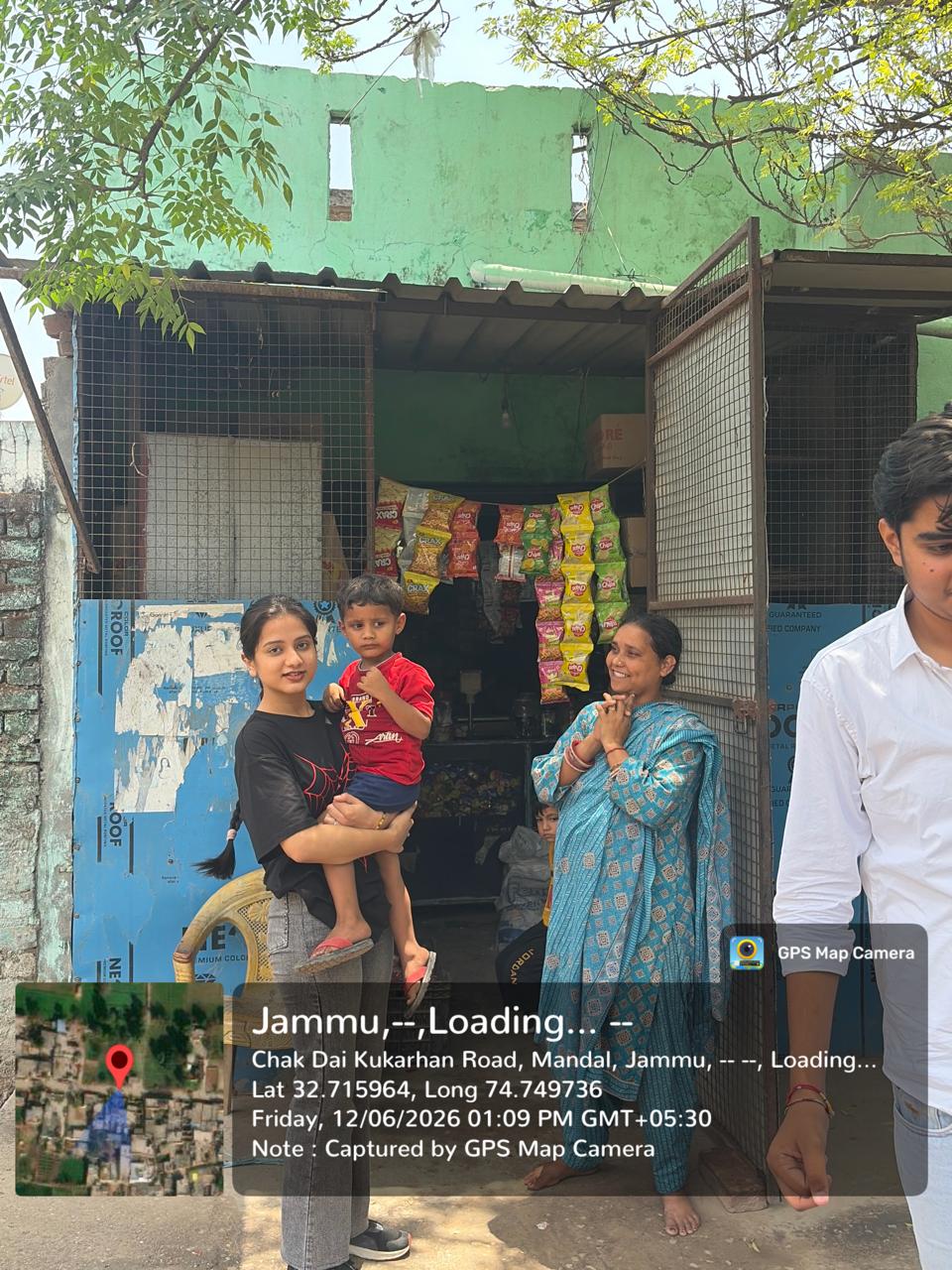
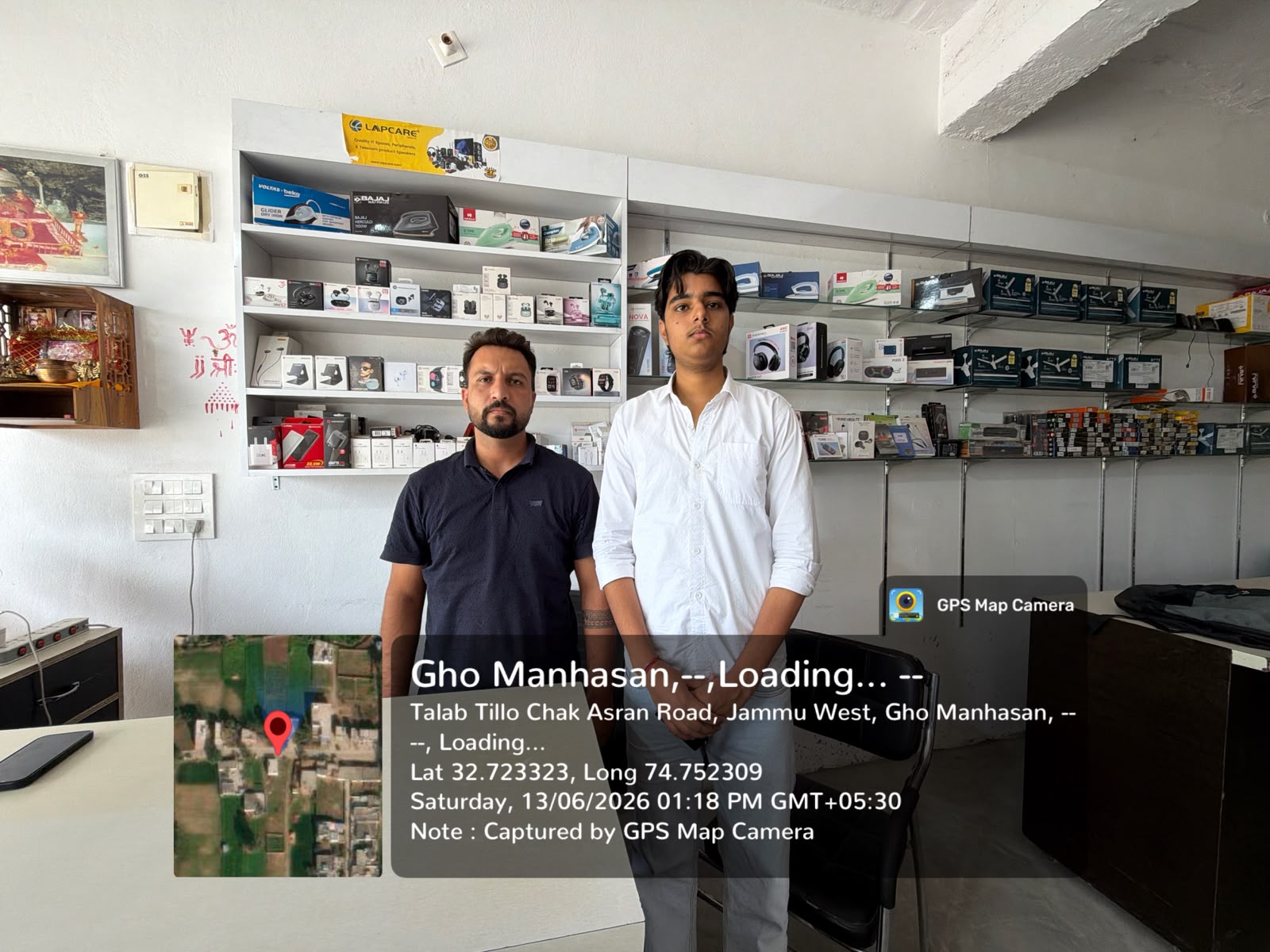
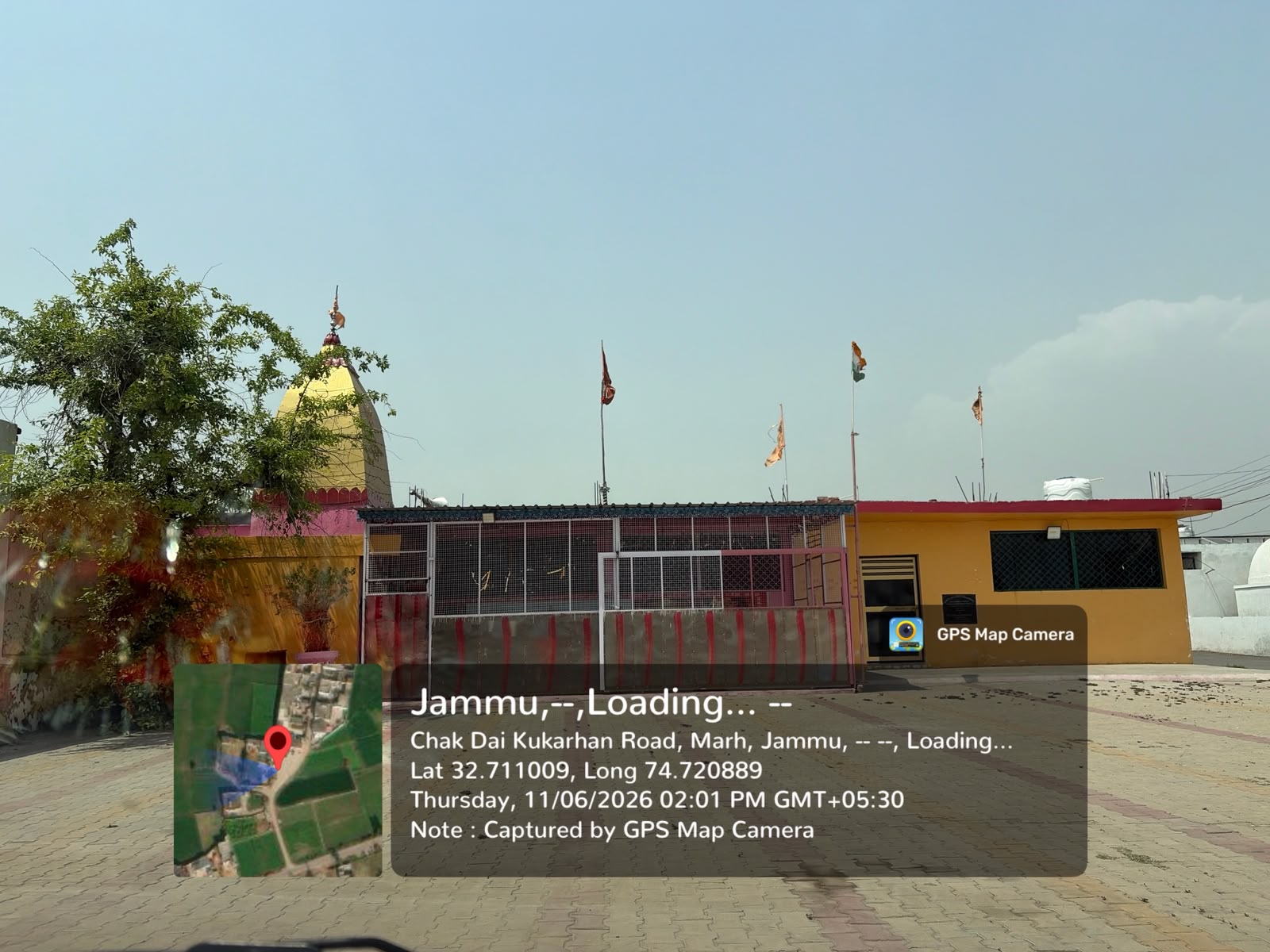
Sandwan village has several basic public facilities that support the daily needs of its residents. These include electricity, drinking water supply, road connectivity, two dispensaries, an Anganwadi Centre, and Magotra Model Higher Secondary School. The village also has places of worship and local shops that serve the community. However, some public facilities require improvement, particularly healthcare services, public transportation, cleanliness, and recreational infrastructure such as a playground, to enhance the overall quality of life.
Economy
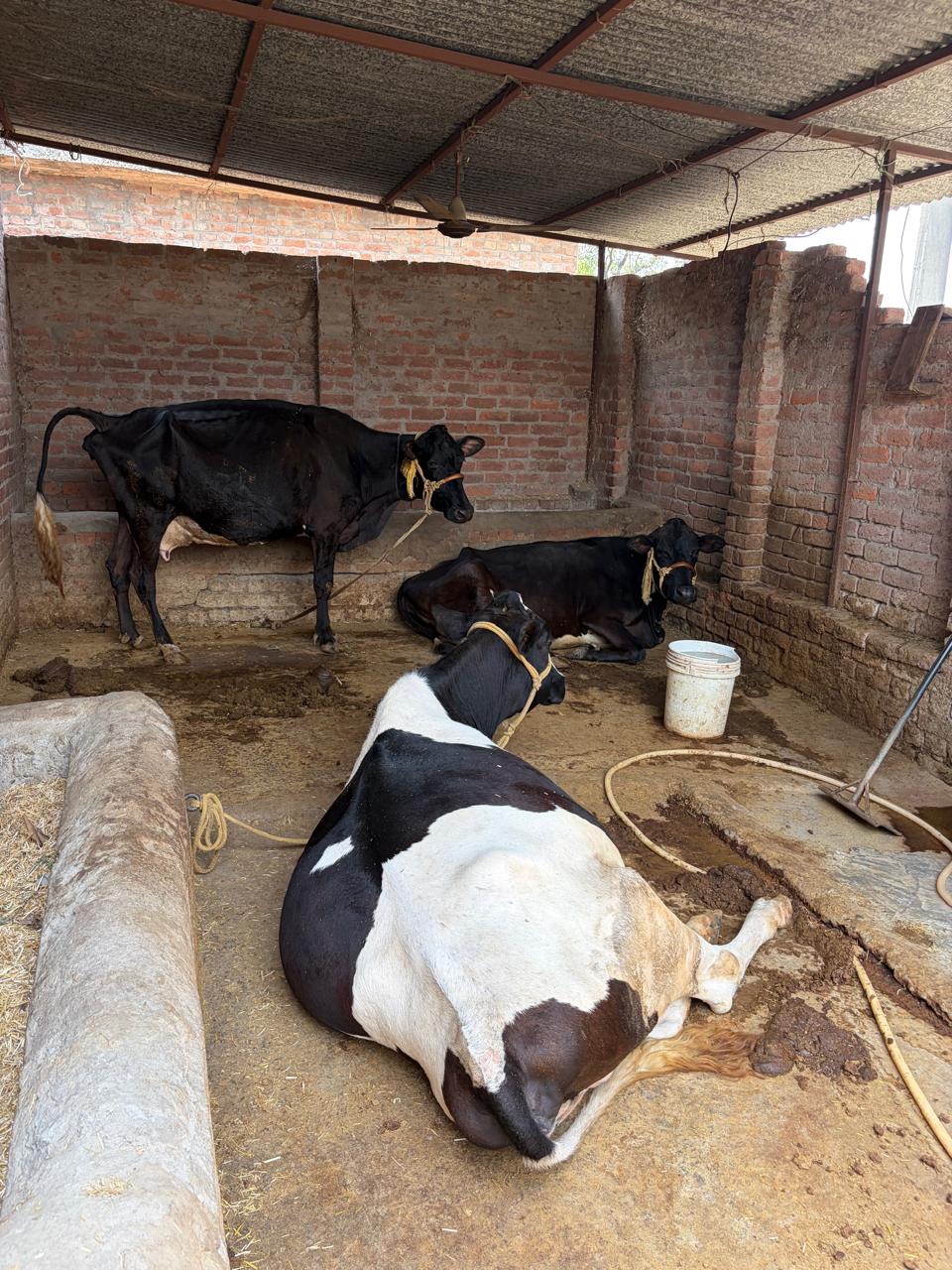
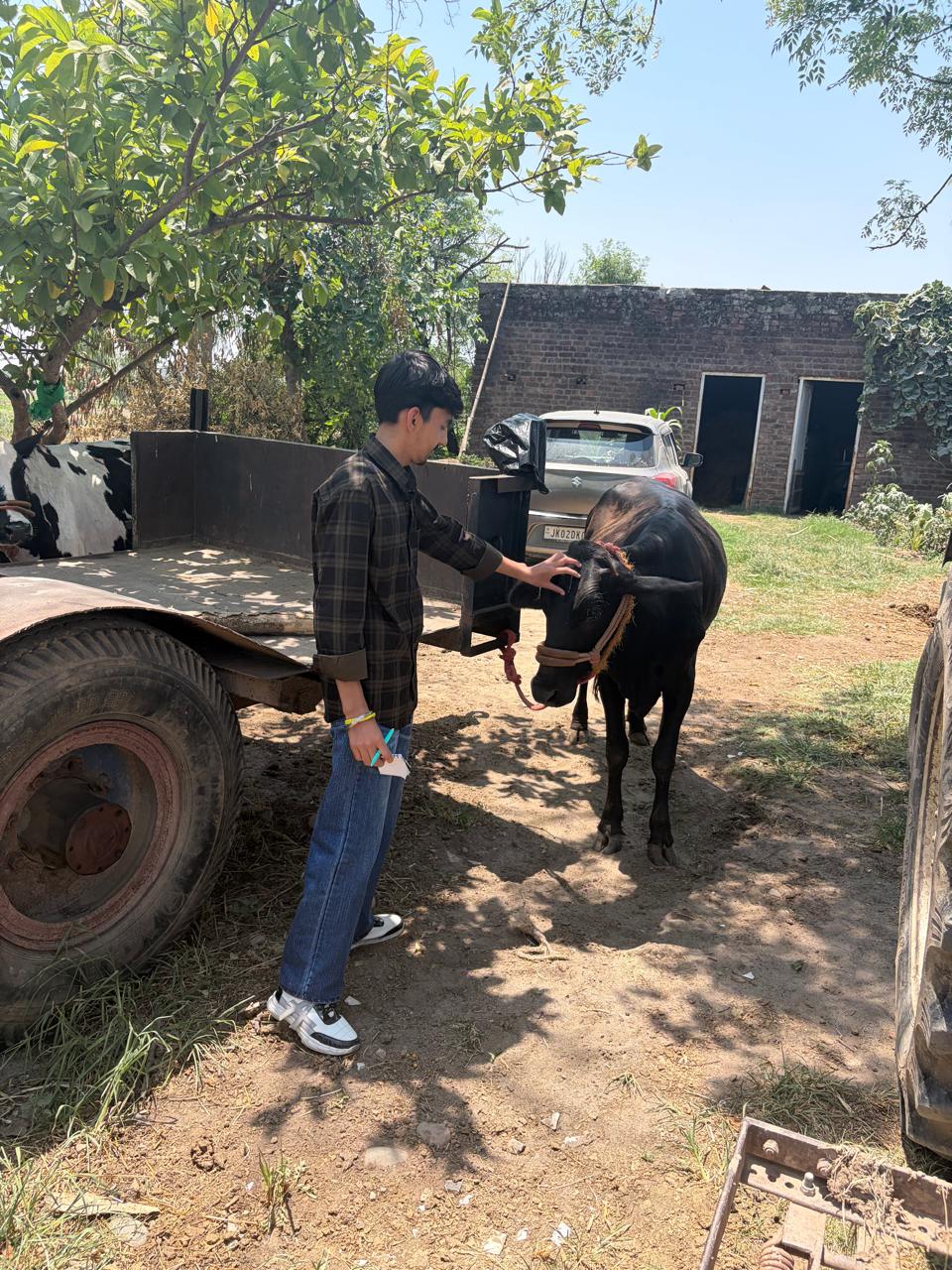
The economy of Sandwan village is mainly based on agriculture, which is the primary source of livelihood for many families. Farmers cultivate crops such as wheat, rice, maize, and vegetables. The village also has a brick manufacturing industry, which provides employment to many local residents and contributes significantly to the local economy. In addition, dairy farming, livestock rearing, small businesses, government jobs, and private employment also support the income and economic development of the village.
Governance and Local Administration
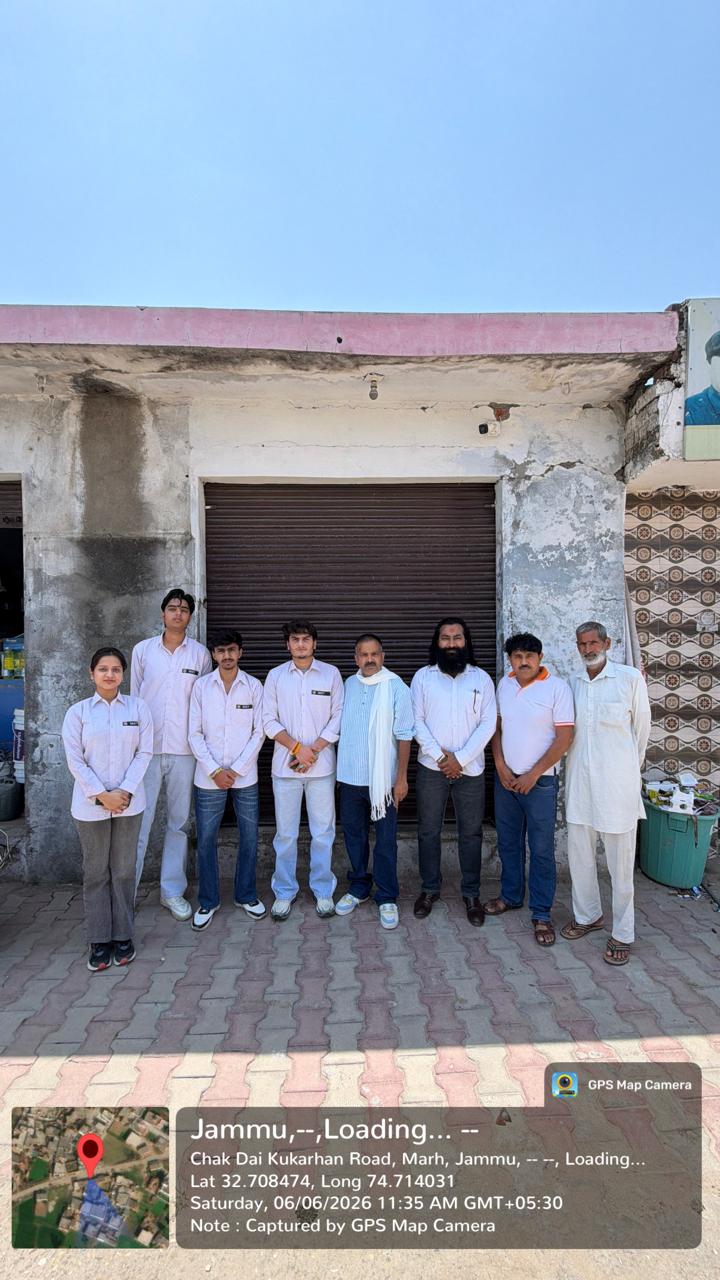
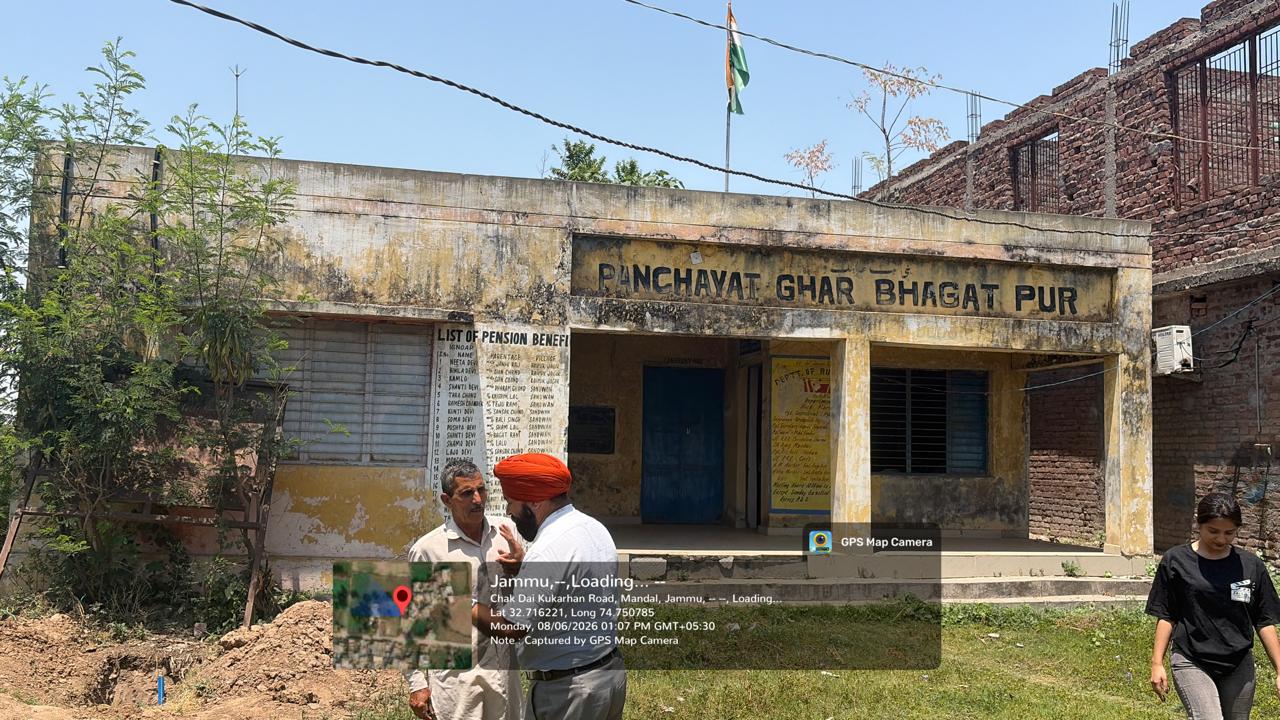
Sandwan village is governed by the Gho Manhasan Gram Panchayat, which functions under the Marh Administrative Block in Jammu District. The elected Sarpanch, Mr. Jagdish Raj, leads the Panchayat and oversees the implementation of government schemes, development projects, and essential public services. The Panchayat is responsible for maintaining roads, sanitation, water supply, street lighting, and addressing the needs and welfare of the village community.
Sports
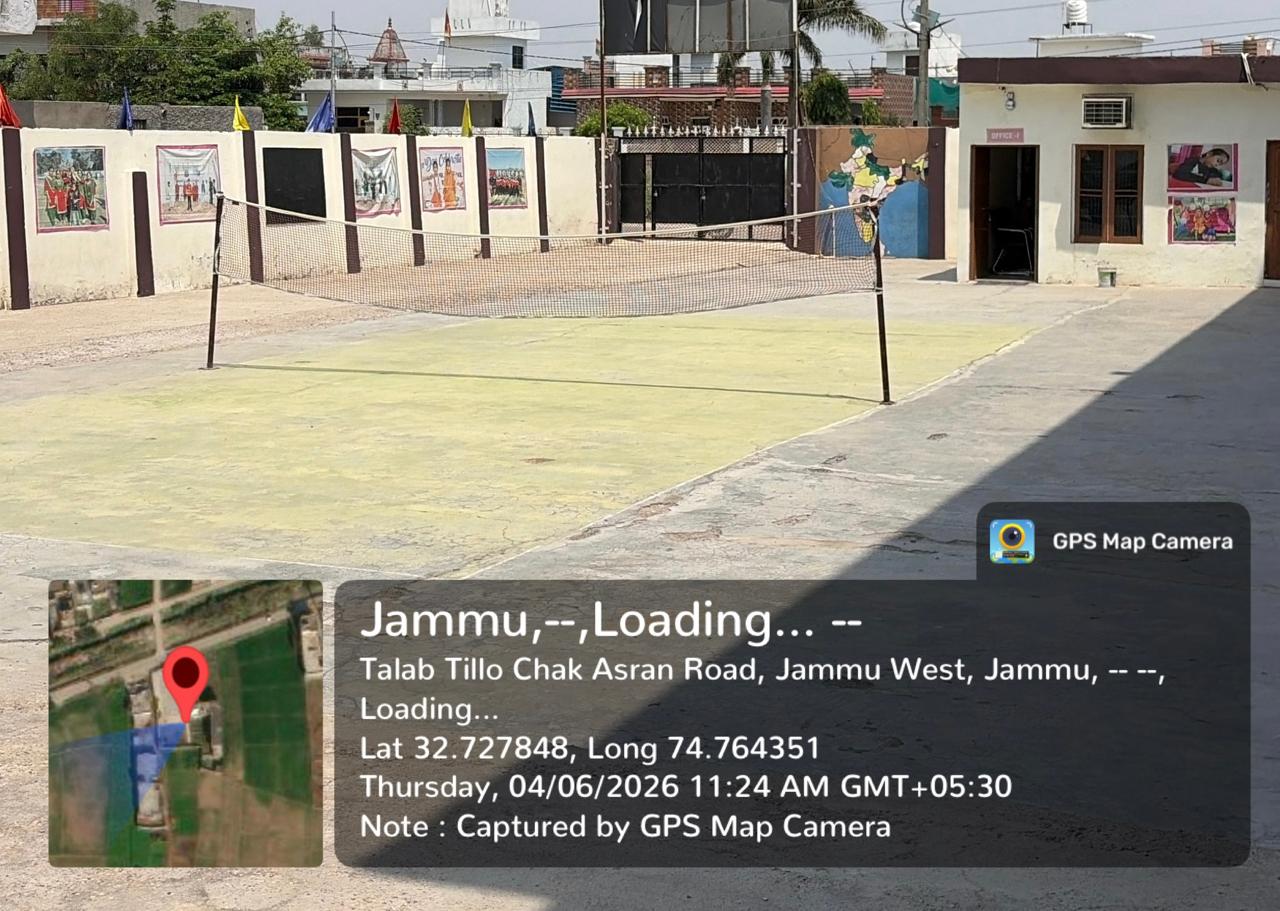
Sports activities in Sandwan village are limited due to the absence of a dedicated playground or sports ground. Children and young people often play games such as cricket and volleyball in open spaces whenever possible. Many villagers also gather under the shade of trees to play cards and spend time together. Developing a proper playground and providing basic sports facilities would encourage physical fitness, promote youth participation in sports, and provide healthy recreational opportunities for the community.
Government Welfare Schemes
The residents of Sandwan village benefit from various government welfare schemes implemented through the Gram Panchayat and local administration. These include schemes related to education, healthcare, agriculture, housing, pensions, employment, and financial assistance. Programmes such as MGNREGA provide employment opportunities, while PMAY (Pradhan Mantri Awas Yojana) supports housing for eligible families. Farmers also benefit from schemes like PM-KISAN, and eligible residents receive social security benefits through old-age, widow, and disability pension schemes. These initiatives contribute to the overall development and welfare of the village community.
SWOT Analysis
Strengths Weaknesses Peaceful environment No hospital Fertile agricultural land Limited public transport Brick manufacturing industry No playground Strong community bonds Cleanliness issues Opportunities Threats Better healthcare facilities Youth migration for jobs Improved transport services Environmental pollution Development of sports facilities Climate-related impacts on agriculture Employment generation Rising cost of farming
Survey Findings
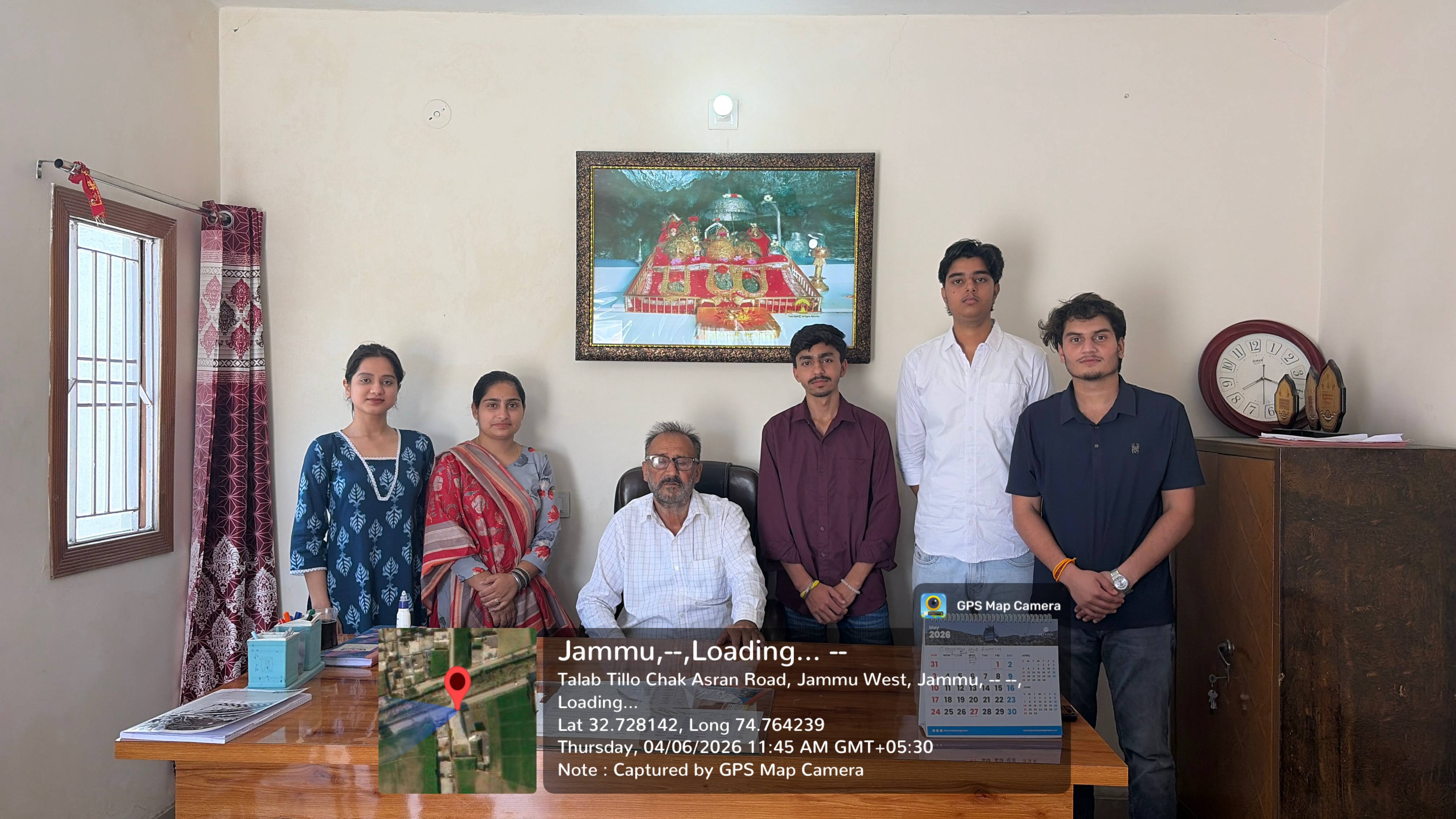
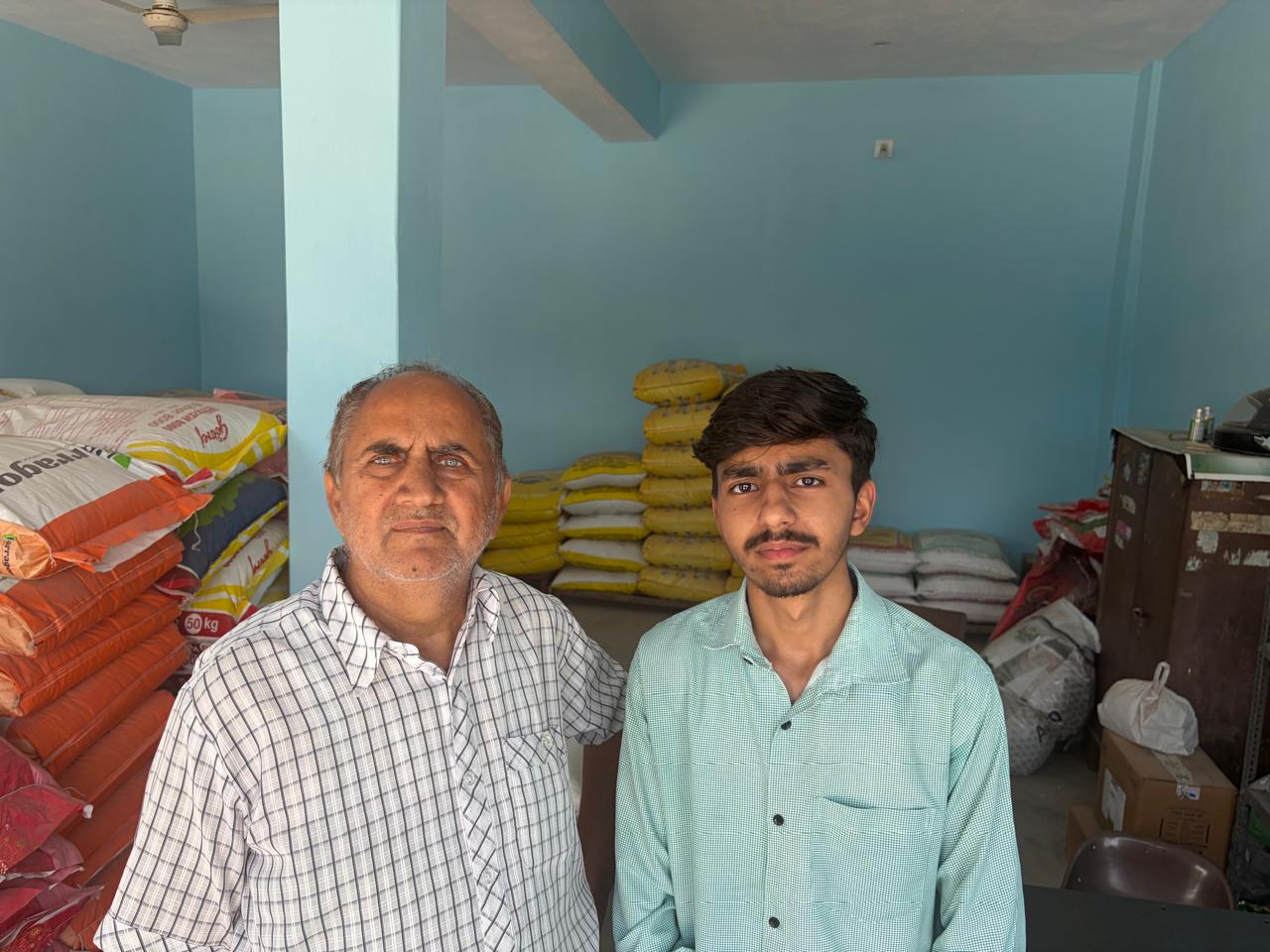
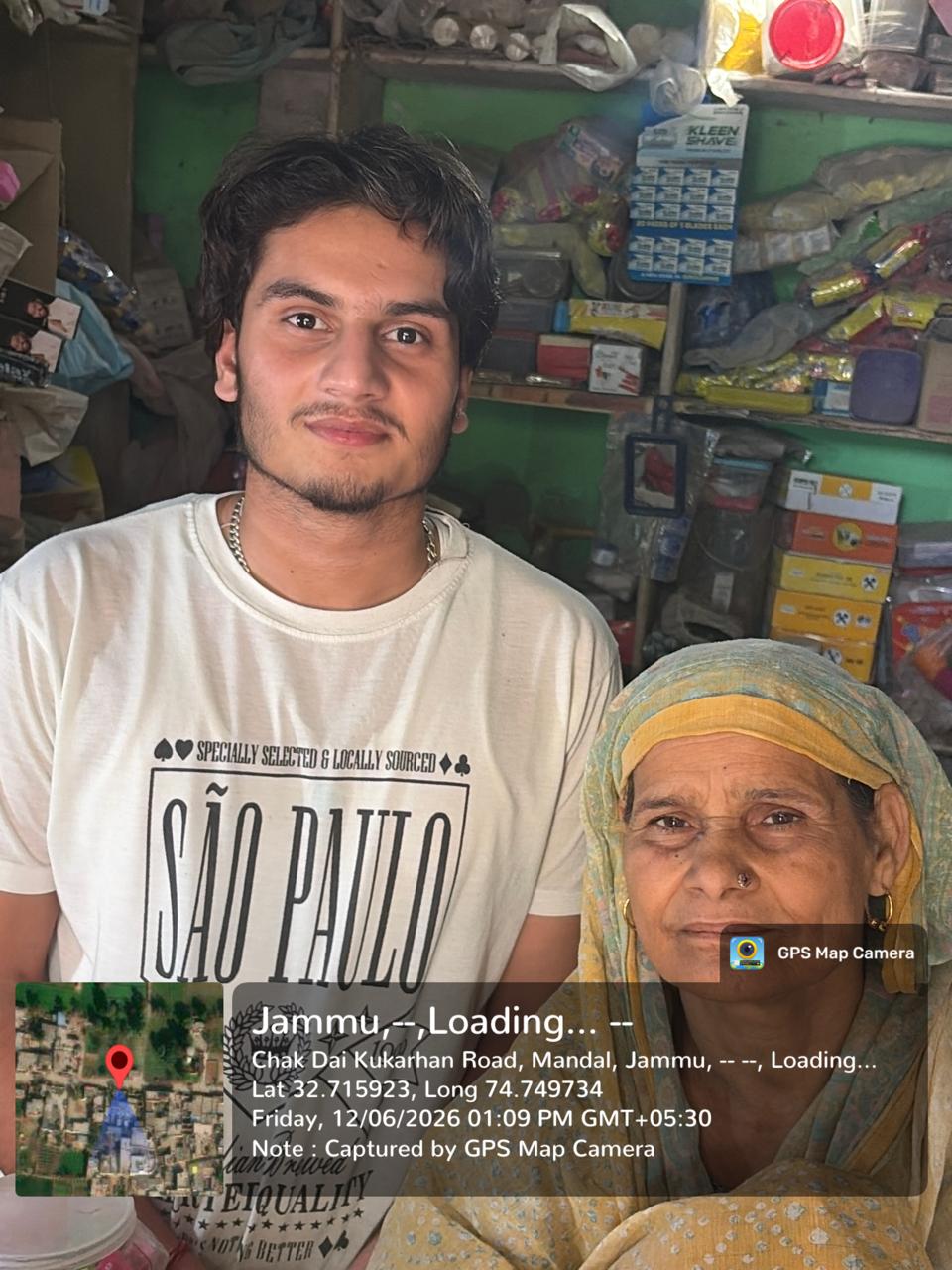
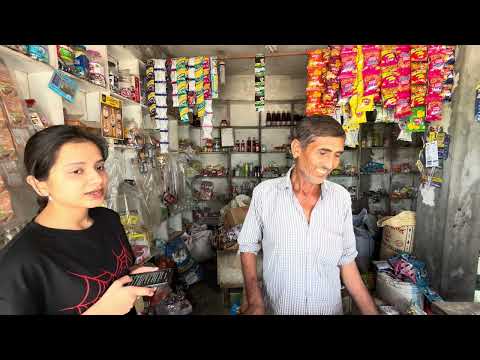
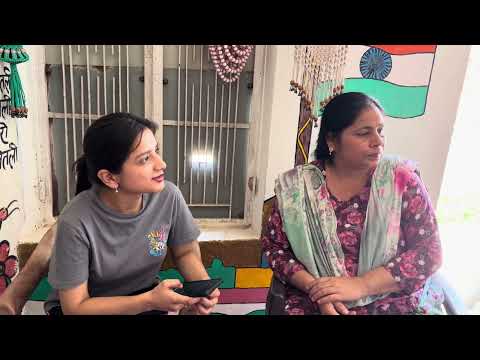
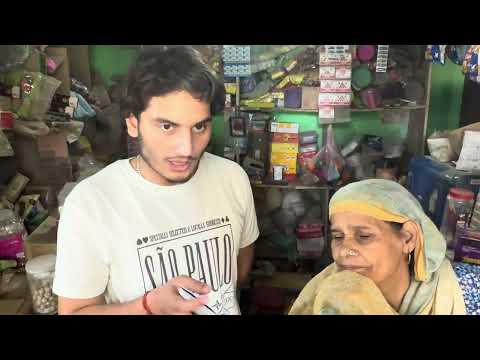
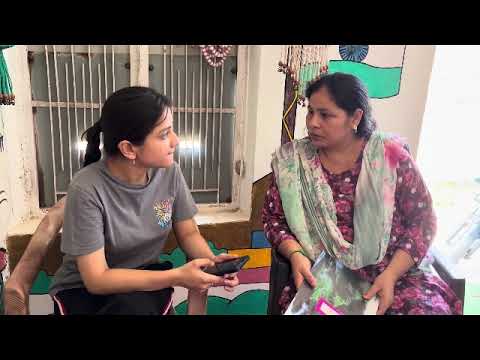
During our visit to Sandwan village, we conducted interviews with the Sarpanch and local residents to understand the village's current situation. The survey revealed that agriculture and the brick manufacturing industry are the main sources of livelihood. The village has basic facilities such as a school, two dispensaries, an Anganwadi Centre, electricity, and water supply. However, residents highlighted several challenges, including the absence of a hospital, limited public transportation, the lack of a playground, and cleanliness issues. Despite these challenges, the villagers expressed a strong sense of unity and a willingness to work together for the development and progress of their community.
Photos
Videos
Location Map
Contact Information
| Address |
Village Sandwan (Sandhwan), Gho Manhasan Gram Panchayat, Marh Block, Tehsil Marh, District Jammu, Union Territory of Jammu and Kashmir – 181206, India. |
| Phone Number |
9149928581 |
Reviews (1)



Amazing Work. Everyone did a great job on this one. A lot of effort went into covering the village. It's got its own charm too, comes through nicely in how it's written.