
Description
Introduction of Pui Village, Kishtwar
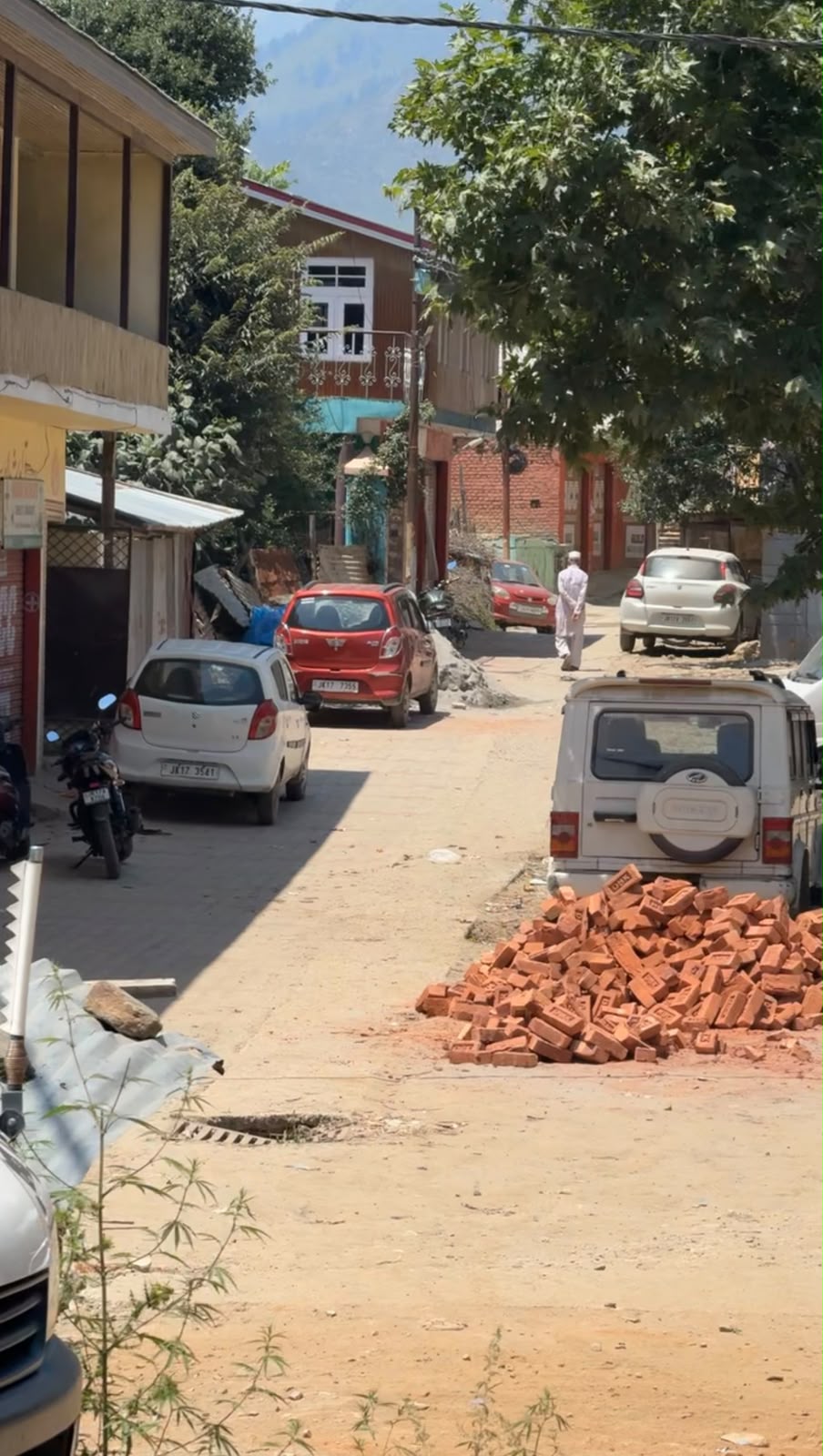
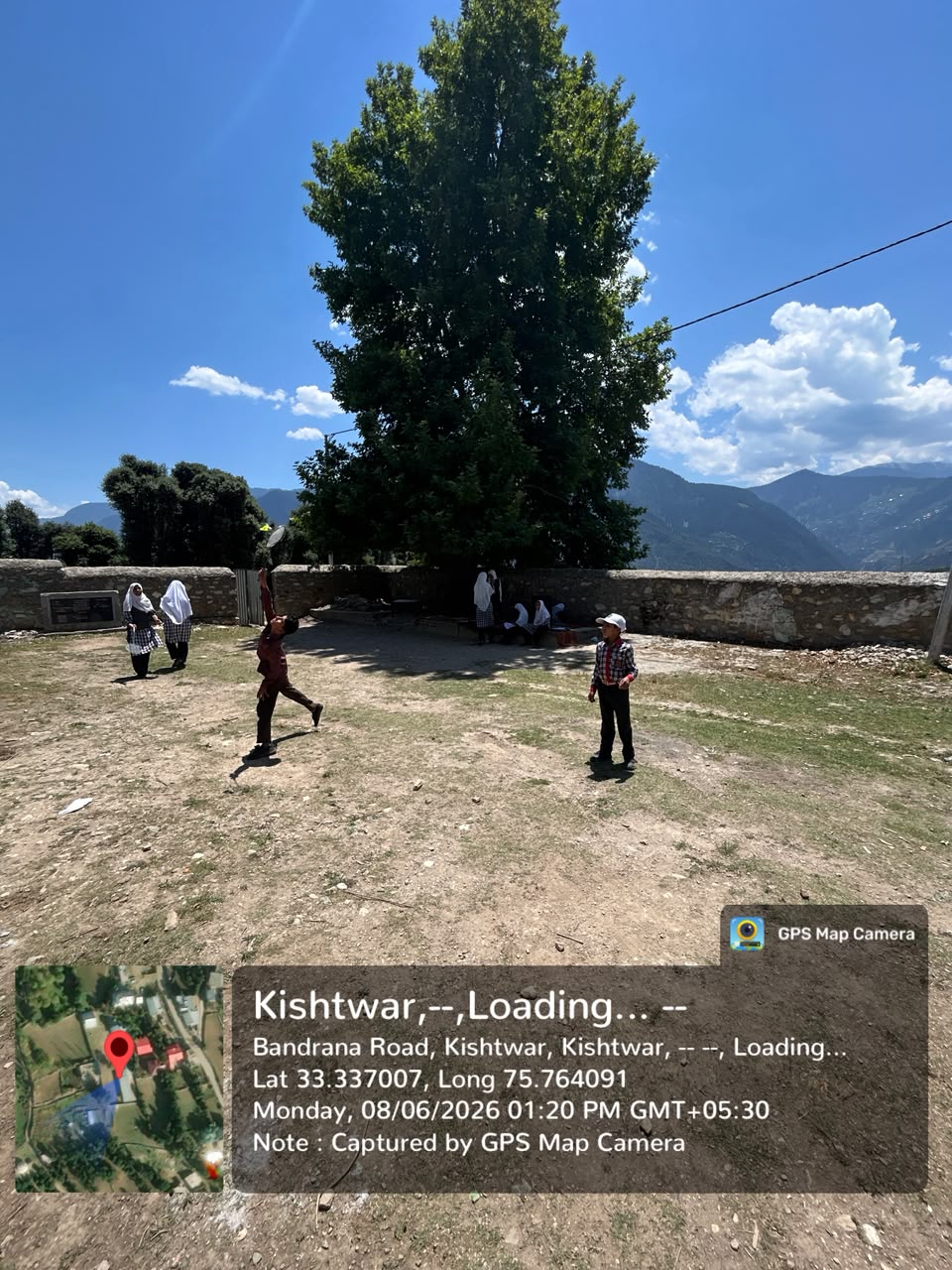
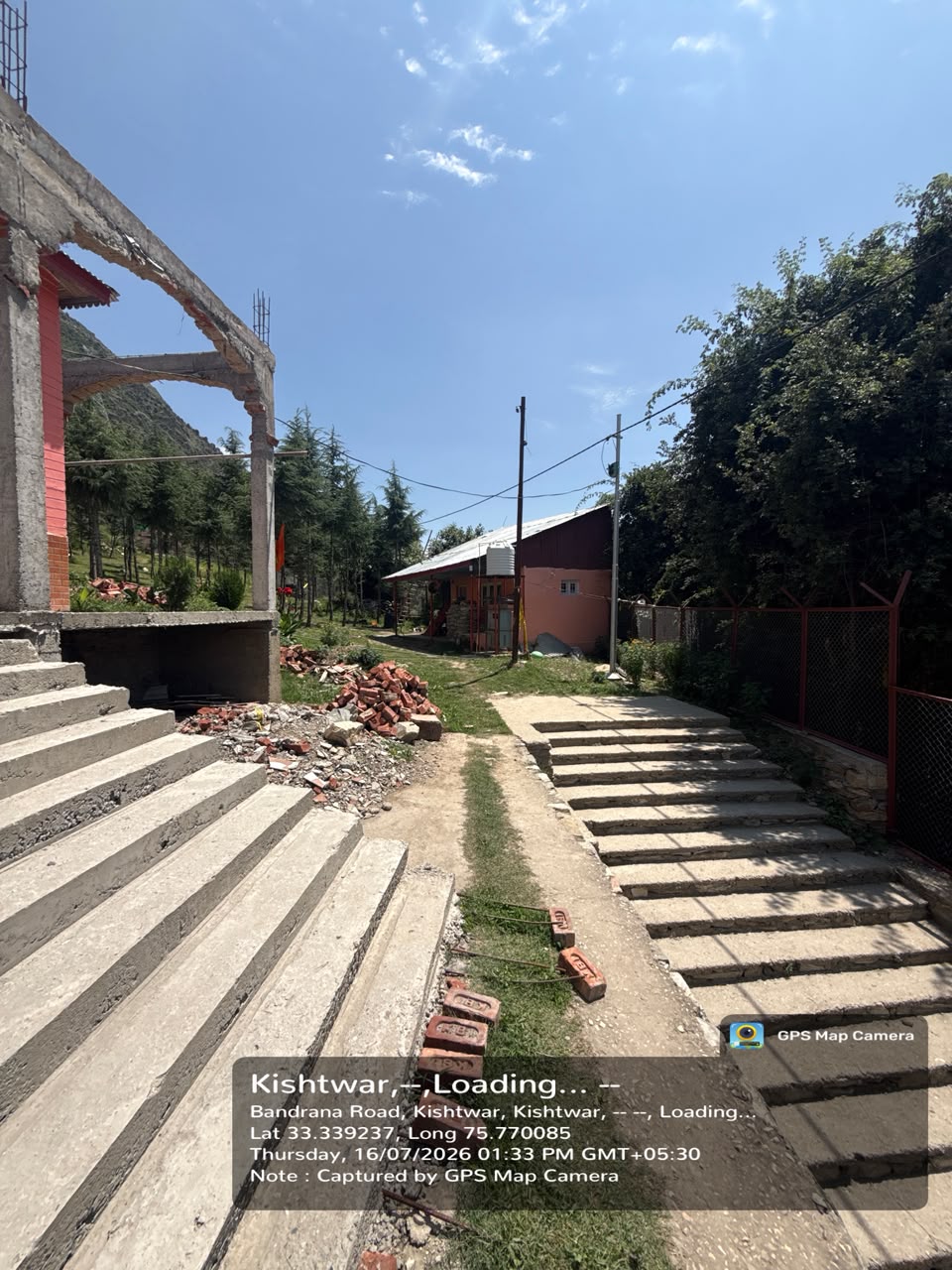
Pui Village is a small rural settlement located near Bandarna in Kishtwar Tehsil of Kishtwar District, Jammu and Kashmir, India. Nestled in the picturesque Himalayan region, the village is surrounded by lush green forests, hills, and agricultural fields, offering a peaceful natural environment. Although Pui is a small village, it reflects the rich cultural heritage and traditional lifestyle of the Chenab Valley.
The History of Pui Village – A Traditional Story
According to local tradition, the history of Pui Village dates back many generations. Although there are no written historical records about the origin of the village, the elders of the area have preserved a story that has been passed down from one generation to another.
Long ago, there lived a wealthy landlord named Pohel. He was one of the most respected and influential people in the region. Pohel owned vast stretches of land, large grazing fields, and hundreds of sheep and goats. Animal husbandry was his primary occupation, and his flocks were well known throughout the surrounding hills and valleys.
Every morning, Pohel would take his sheep and goats to the nearby forests and green meadows, where they grazed on the rich natural pastures. His hard work, honesty, and generosity earned him the respect of the local people. Travelers, shepherds, and nearby villagers often visited his land, and over time the place became closely associated with him.
As years passed, people began referring to the area as "Pohel's place." With the passage of time and changes in local pronunciation, the name gradually evolved into "Pui." Eventually, the settlement became widely known as Pui Village, and the name has continued to this day.
The story of Pohel is remembered not only because of his wealth but also because he played an important role in the early settlement of the area. His grazing lands attracted other families, who later built homes, cultivated fields, and established a permanent village. Thus, what began as the land of a shepherd and landlord gradually developed into a peaceful rural community.
Today, Pui Village is known for its natural beauty, fertile land, and close-knit community. Surrounded by mountains, forests, and green landscapes, it reflects the traditional lifestyle and rich cultural heritage of the Kishtwar region. Even today, many local elders proudly share the story of Pohel, believing that the village's name is a lasting tribute to the man whose land and livestock laid the foundation for the settlement.
Population of Pui Village
Pui Village has an estimated population of approximately 1,000 to 1,200 people. Although the exact number may vary over time, the village consists of a close-knit community living in a peaceful rural environment.
The population is composed of approximately 400 to 500 males and 300 to 400 females. The remaining population consists of children, including infants, school-going students, and teenagers. Children form a significant part of the village population, reflecting the presence of many young families.
Most of the residents have lived in the village for generations and share strong social and cultural ties. Families in Pui are generally engaged in agriculture, livestock rearing, horticulture, and government or private employment. The people maintain a traditional lifestyle while also recognizing the importance of education and community development.
The population of Pui is characterized by mutual cooperation, strong family values, and a sense of unity. Festivals, religious events, and social gatherings are celebrated collectively, strengthening the bond among the villagers. Despite being a small rural settlement, Pui continues to grow steadily, with its residents working towards improving education, infrastructure, and the overall quality of life.
Panchayat of pui village
The Panchayat of Pui Village plays an important role in promoting the welfare and development of the local community. It works to address the needs of the villagers, improve public facilities, and ensure the effective implementation of government schemes.
According to local information, the Sarpanch of Pui Village is Mr. Ameen Shah, who leads the Panchayat and represents the interests of the people. The Panch is Mr. Amzaar Malik, who assists in local governance and participates in decision-making for the benefit of the village.
Under the leadership of the Panchayat, efforts are made to improve roads, sanitation, drinking water facilities, education, and other basic public services. The Panchayat also helps resolve local disputes peacefully and encourages cooperation among the villagers.
The people of Pui actively participate in Panchayat meetings and community development activities. Their cooperation helps strengthen local self-government and supports the overall progress of the village. Through teamwork and public participation, the Panchayat aims to create a cleaner, safer, and more developed environment for present and future generations.
The Panchayat of Pui Village is regarded as an important institution that brings together the voices of the community and works towards the social, economic, and infrastructural development of the village.
Culture of Pui Village
Pui Village is known for its rich cultural heritage, strong traditions, and peaceful way of life. The people of the village have preserved their customs and values for generations, making Pui a place where tradition and community spirit continue to flourish.
The residents of Pui are friendly, hardworking, and welcoming. They believe in living together with unity, mutual respect, and cooperation. During times of celebration or difficulty, the villagers support one another like a single family, which strengthens the social bonds within the community.
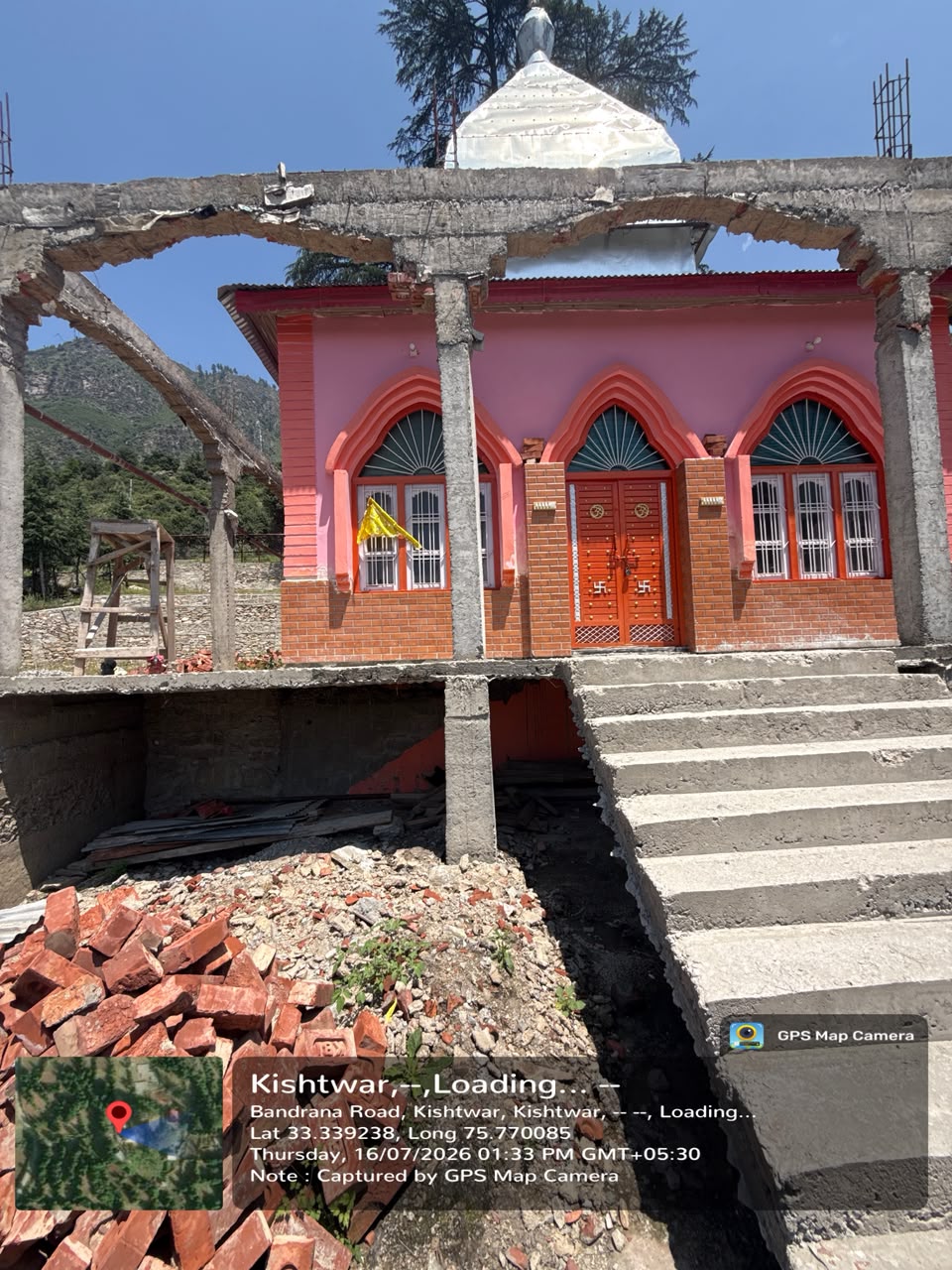
Traditional festivals and religious occasions are celebrated with great enthusiasm. On these occasions, families gather together, prepare delicious traditional dishes, wear traditional attire, and participate in prayers and cultural activities. These celebrations help preserve the customs and heritage of the village while bringing happiness and togetherness among the people.
Agriculture and livestock rearing are an important part of the village's culture. Many families cultivate crops and care for sheep, goats, cows, and other domestic animals. These occupations have been passed down from one generation to the next and remain an essential part of daily life.
The elders of the village play a significant role in preserving local traditions, folklore, and moral values. They share stories about the history of the village and teach younger generations the importance of honesty, respect, hospitality, and hard work.
Marriage ceremonies, religious gatherings, and community events are celebrated with simplicity and joy. Neighbours and relatives come together to help one another, reflecting the strong sense of unity and brotherhood that exists in the village.
The natural beauty surrounding Pui Village also influences its culture. The mountains, forests, and green fields provide a peaceful environment where people live in close harmony with nature. The villagers have great respect for their land and natural resources, which form an important part of their identity.
Overall, the culture of Pui Village reflects the values of unity, hospitality, hard work, respect for elders, and preservation of traditional customs. These cultural values continue to shape the lives of the people and make Pui Village a unique and welcoming community in the Kishtwar region.
Occupation of Pui Village
The people of Pui Village are mainly dependent on agriculture, livestock rearing, and dairy farming for their livelihood. Farming is the primary occupation of most families, and agriculture has been the backbone of the village's economy for generations.
Most villagers own agricultural land where they cultivate crops such as maize, wheat, rice, rajma (kidney beans), and seasonal vegetables. Farming is carried out using traditional as well as modern agricultural methods. The fertile land and favorable climate help the villagers produce good-quality crops that are used for both household consumption and local markets.
Livestock rearing is another important occupation in Pui Village. Many families keep sheep and goats, which are taken to nearby forests and green grazing lands for feeding. Sheep and goat rearing provide an additional source of income through the sale of animals, wool, and other livestock products. This occupation has been practiced in the village for many generations and remains an important part of the local economy.
Dairy farming also plays a significant role in the lives of the villagers. Many households own cows, and fresh milk is produced every day. The villagers sell cow's milk to nearby villages and local markets, while some families also prepare traditional dairy products such as curd, butter, and ghee for home use and sale. Dairy farming provides a regular source of income and supports the daily needs of many families.
Most of the people of Pui Village are landowners (zamindars) who depend on their own agricultural land and livestock for their livelihood. Their land is not only a source of income but also an important part of their family heritage, passed down from one generation to another. The villagers work hard throughout the year to maintain their farms and care for their animals.
In addition to farming and livestock rearing, a few villagers are employed in government services, private jobs, and small businesses. However, agriculture and animal husbandry continue to be the main occupations of the majority of the population.
Overall, the occupations of the people of Pui Village reflect a simple, hardworking, and self-reliant rural lifestyle. Their dedication to farming, livestock rearing, and dairy production plays a vital role in the economic and social development of the village.
Education in Pui Village
Education plays an important role in the development of Pui Village. The people of the village understand the value of education and encourage their children to attend school regularly. Parents believe that education is the key to a better future and motivates the younger generation to achieve success in life.
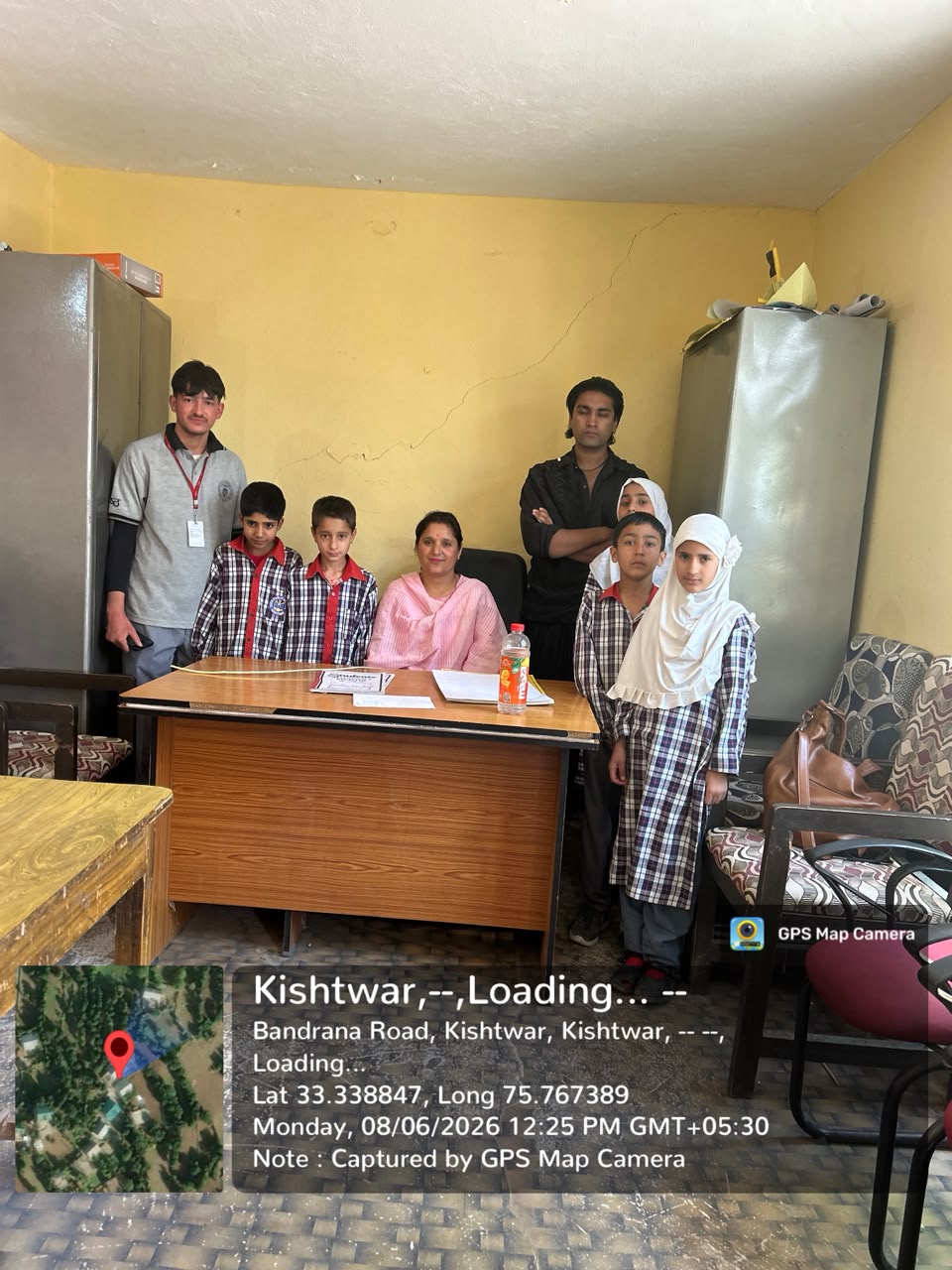
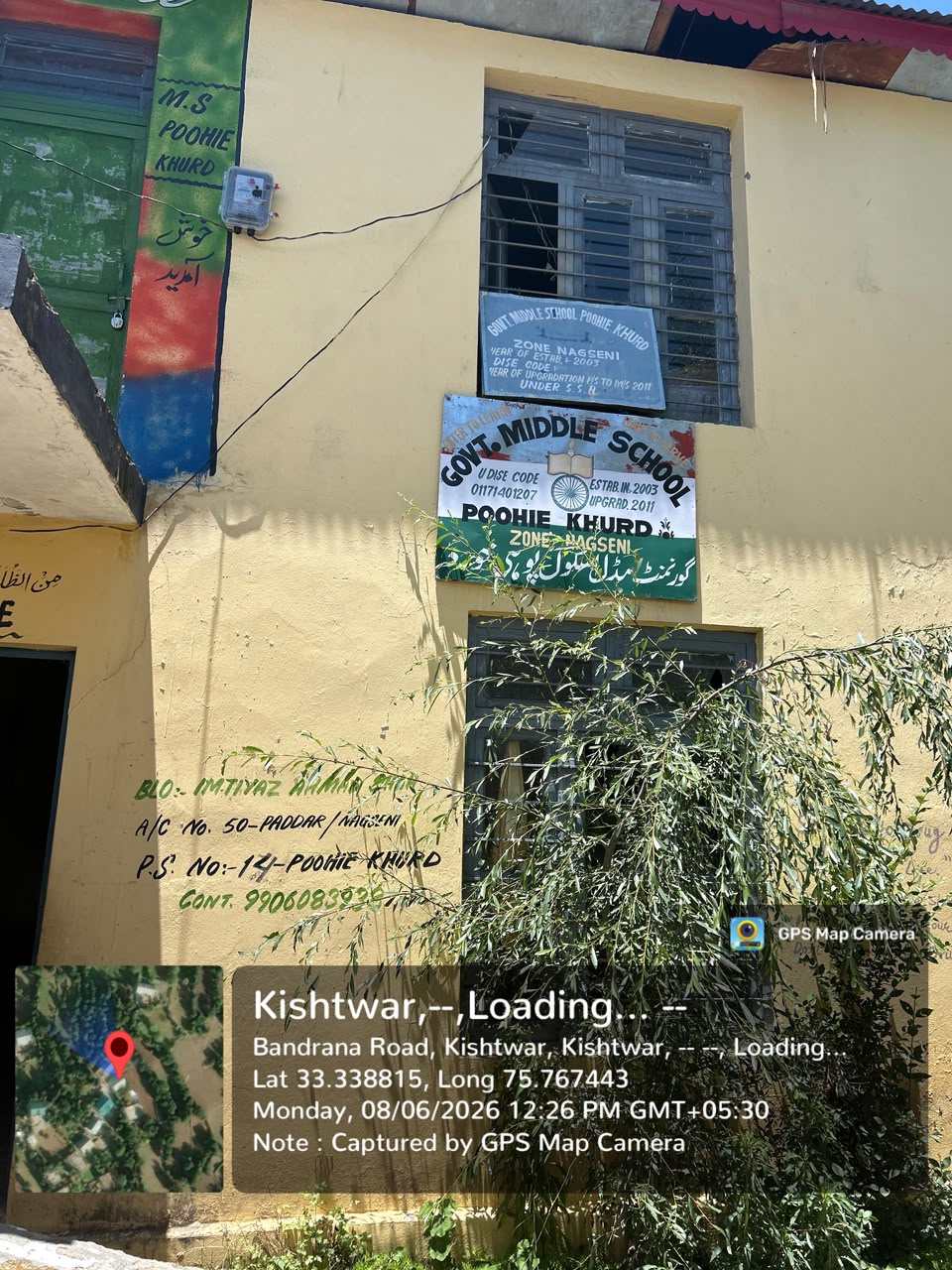
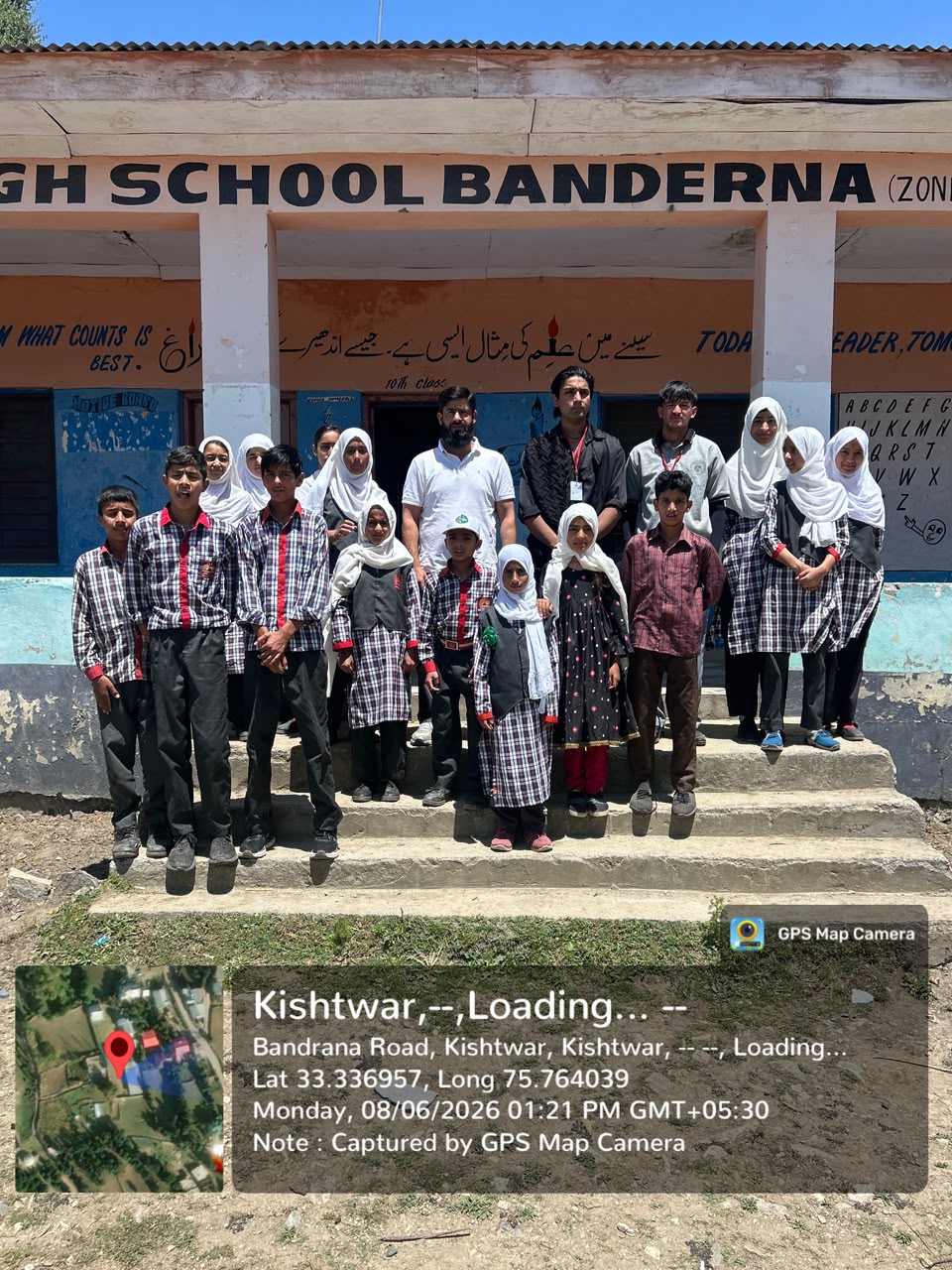
Pui Village has both a Government Primary School and a Government Middle School, which provide basic education to the children of the village. These schools help students build a strong academic foundation and prepare them for higher education. After completing middle school, many students continue their studies in nearby schools and colleges in Bandarna and Kishtwar.
Although the village has educational facilities, the schools are still not fully digitalized. Modern educational technologies such as smart classrooms, digital boards, computer laboratories, and high-speed internet are either limited or not available. Most teaching is carried out through traditional classroom methods using textbooks and blackboards. The introduction of digital learning facilities would greatly improve the quality of education and provide students with better learning opportunities.
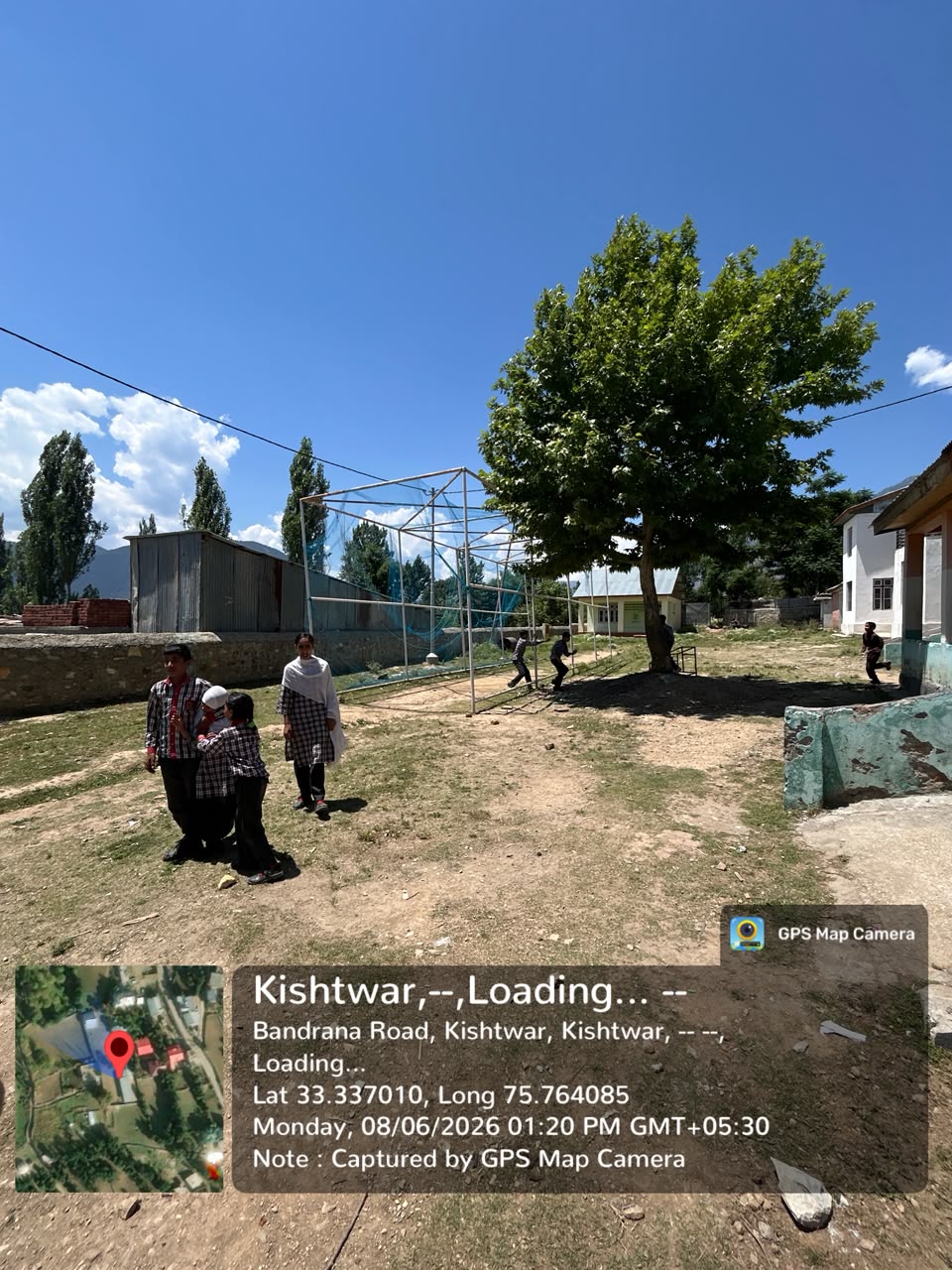
The teachers of the village work sincerely to educate the students and encourage them to develop good character, discipline, and moral values. The schools also organize cultural programs, sports activities, and awareness campaigns to promote the overall development of children.
Festivals of Pui Village
The festivals of Pui Village reflect the spirit of unity, brotherhood, and mutual respect among its people. The village is home to people from different religious communities who live together peacefully and celebrate each other's festivals with great happiness and enthusiasm.
The two major festivals celebrated in Pui Village are Eid and Diwali. These festivals are not only religious occasions but also opportunities to strengthen friendship, harmony, and community spirit.
During Eid, Muslim families gather for special prayers at the mosque and celebrate the festival with joy. They prepare delicious traditional dishes and sweets, invite relatives, friends, and neighbours to their homes, and share the happiness of the occasion. One of the most beautiful traditions of Pui Village is that many Hindu families also visit their Muslim neighbours to offer Eid greetings and celebrate together.
Similarly, Diwali, the Festival of Lights, is celebrated with great enthusiasm. Hindu families decorate their homes with lamps and lights, perform prayers, and distribute sweets. Muslim families also visit their Hindu neighbours to extend their best wishes and share in the celebrations. This mutual participation reflects the strong bond of friendship and respect that exists among the people of the village.
The people of Pui believe that festivals are meant to bring hearts together rather than divide them. They help one another during times of celebration as well as during times of need. Regardless of religion, the villagers stand together, support each other, and treat one another like members of one large family.
This spirit of communal harmony has become one of the greatest strengths of Pui Village. The peaceful coexistence of different communities creates an atmosphere of trust, love, and cooperation. Children grow up learning the values of respect, kindness, and tolerance from their elders, ensuring that these traditions continue for future generations.
Overall, the festivals of Pui Village are a symbol of peace, unity, and cultural harmony. The celebration of both Eid and Diwali by the entire community demonstrates that the people of Pui value humanity, friendship, and togetherness above all else. These traditions make Pui Village a shining example of communal harmony and mutual respect.
The literacy level in the village is gradually improving as more parents are sending their children to school. Many young people from Pui Village are now pursuing higher education and professional careers, bringing pride to their families and inspiring future generations.
Overall, education is considered one of the most important priorities in Pui Village. With improved educational infrastructure and the introduction of digital learning facilities, the village has the potential to provide even better opportunities for its students and contribute to the overall development of the community.
Healthcare Facilities in Pui Village
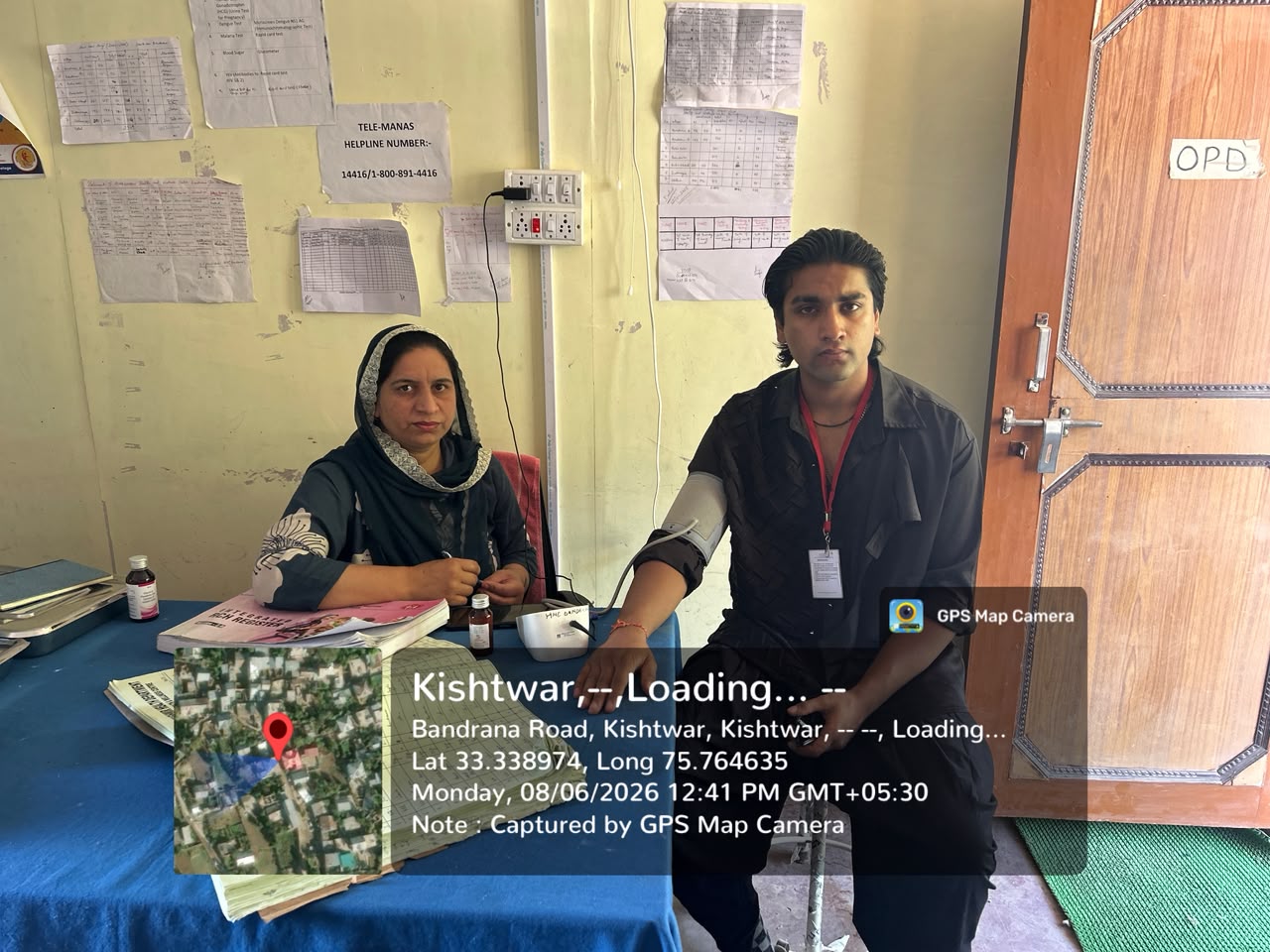
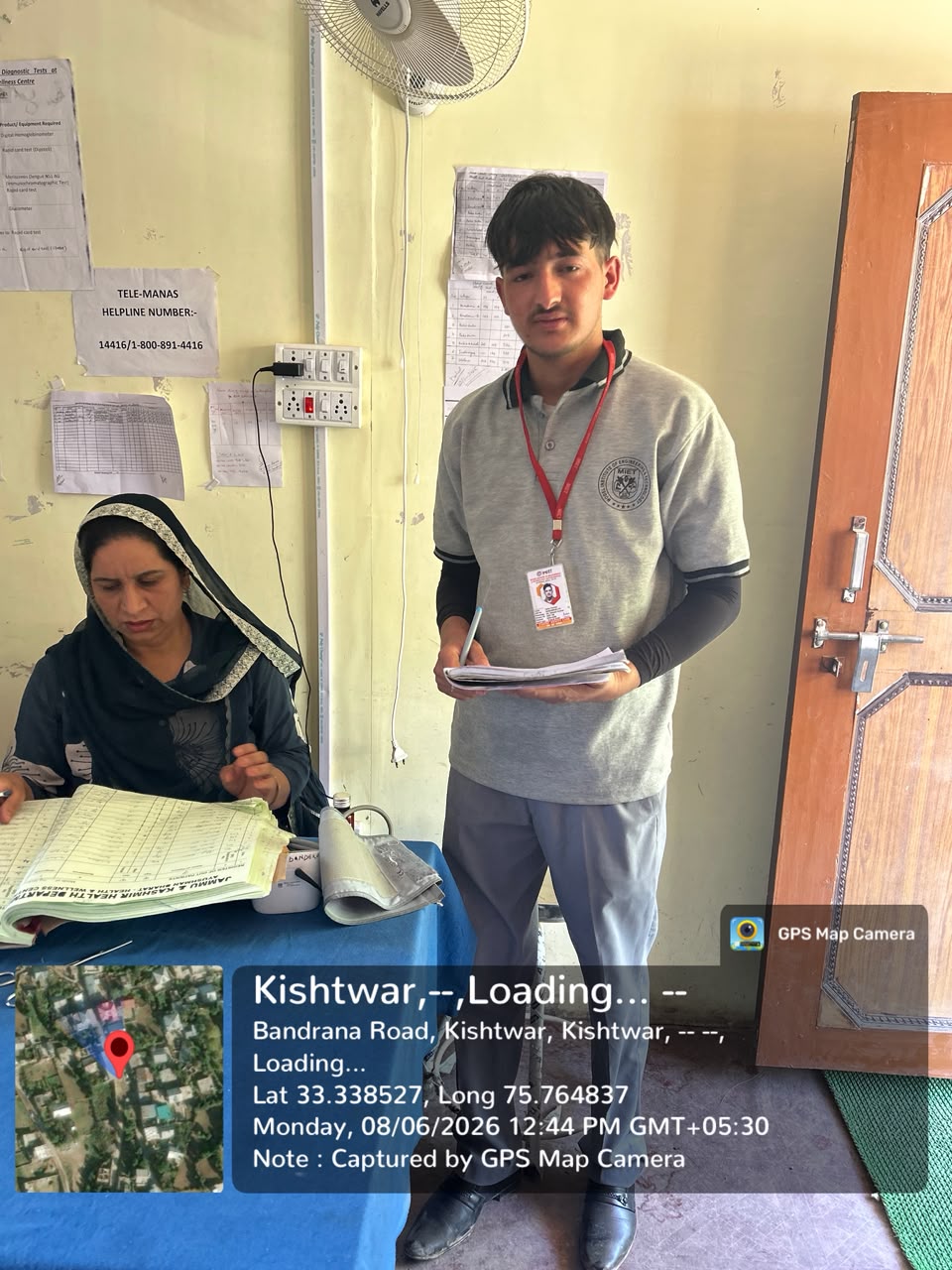
Healthcare is an important service for the people of Pui Village. The village has a government dispensary that provides basic medical care and treatment to the local residents. It serves as the primary healthcare center where people visit for regular check-ups, treatment of common illnesses, first aid, vaccinations, and basic medical advice.
The dispensary is staffed by one doctor and one nurse, who are dedicated to providing healthcare services to the villagers. They examine patients, prescribe medicines, offer medical guidance, and provide essential treatment for minor injuries and common diseases. Their services play an important role in maintaining the health and well-being of the community.
An ambulance is also available at the dispensary. It is used to transport seriously ill or injured patients to larger hospitals in Kishtwar Town or other nearby healthcare centers when specialized treatment or emergency medical care is required. This ambulance service is especially valuable during medical emergencies, ensuring that patients receive timely treatment.
The dispensary also promotes public health by creating awareness about personal hygiene, sanitation, child healthcare, maternal health, and disease prevention. Regular health check-ups and vaccination programs help improve the overall health of the village.
Although the dispensary provides essential healthcare services, the people of Pui Village hope for further improvements, such as additional medical staff, better diagnostic equipment, and more advanced healthcare facilities. These improvements would help meet the growing healthcare needs of the village.
Overall, the healthcare facilities in Pui Village play a vital role in protecting the health of the community. The presence of a doctor, a nurse, and an ambulance ensures that villagers have access to basic medical care and emergency services, contributing to a healthier and safer rural community.
Agriculture of Pui Village
Agriculture is the backbone of the economy of Pui Village and is the primary source of livelihood for most of its residents. The fertile land, favorable climate, and abundant natural resources make the village suitable for farming and horticulture. The people of Pui are hardworking, dedicated, and deeply connected to their agricultural traditions, which have been passed down from one generation to another.
The main food crops grown in the village are wheat, maize (corn), and barley. These crops are cultivated on agricultural fields using both traditional farming practices and modern techniques. They provide food for local families and also contribute to the income of the farmers.
In addition to food crops, the villagers practice horticulture by growing a variety of fruit trees. The major fruits cultivated in Pui Village include apples, walnuts, pomegranates, and apricots. These fruits are well known for their excellent quality and are sold in nearby markets, providing an important source of income for many families.
One of the most valuable agricultural products of the village is saffron (Kesar). The cultivation of saffron is considered a special feature of the area because of its high economic and cultural value. The favorable climate and fertile soil support the production of this precious spice, which is highly valued for its quality and is an important part of the agricultural identity of the region.
Apart from crop cultivation, many farmers also rear livestock such as cows, sheep, and goats, making agriculture and animal husbandry closely connected. Dairy farming and livestock provide additional income and support the rural economy.
The farmers of Pui Village are known for their hard work, honesty, and dedication. They spend long hours in their fields throughout the year, carefully cultivating crops and caring for their orchards. Despite facing challenges such as water shortages, changing weather conditions, and limited modern facilities, they continue to work with determination and hope for better harvests.
Overall, agriculture is not only an occupation but also a way of life in Pui Village. The combination of crop farming, fruit cultivation, saffron production, and livestock rearing makes the village rich in agricultural resources and reflects the hardworking spirit of its people.
Problems Faced by Pui Village
Like many rural areas, Pui Village faces several challenges that affect the daily lives of its residents and the overall development of the community. Although the village has made progress in different sectors, there are still a number of issues that need attention.
One of the major problems is poor road connectivity. Some roads leading to and within the village are not in good condition, making transportation difficult, especially during the rainy season and winter. Poor road infrastructure affects the movement of people, agricultural products, and emergency services.
Another important challenge is the shortage of drinking water. During certain times of the year, villagers face difficulties in obtaining a sufficient supply of clean water for drinking, cooking, and household use. Improving the water supply system would greatly benefit the community.
The village also faces a lack of digitalization. Educational institutions and public offices have limited access to modern digital facilities such as high-speed internet, smart classrooms, computer laboratories, and online public services. This limits educational opportunities and access to digital resources, especially for students and young people.
Healthcare facilities provide basic treatment, but advanced medical services are not available within the village. Patients with serious illnesses often need to travel to hospitals in Kishtwar Town for specialized treatment, which can be difficult during emergencies.
Employment opportunities within the village are also limited. Most people depend on agriculture, livestock rearing, and dairy farming for their livelihood. As a result, many young people move to towns and cities in search of higher education and better job opportunities.
The village would also benefit from improvements in public infrastructure, including better drainage systems, street lighting, waste management, and recreational facilities for children and youth.
Despite these challenges, the people of Pui Village remain hardworking, united, and optimistic. With improved infrastructure, better water supply, enhanced digital facilities, and increased government support, the village has the potential to achieve significant social and economic development in the future.
Conclusion
Pui Village is a peaceful and beautiful rural settlement in Kishtwar District, Jammu and Kashmir, known for its rich culture, strong community spirit, and breathtaking natural surroundings. The village has a long history, hardworking people, and a simple lifestyle based on agriculture, livestock rearing, and dairy farming.
The people of Pui live in harmony and maintain strong bonds of unity and mutual respect. Festivals such as Eid and Diwali are celebrated together, reflecting the village's tradition of communal harmony and brotherhood. Education is highly valued, and the village has both a Primary School and a Middle School, although there is still a need for digital learning facilities and modern educational infrastructure.
Agriculture remains the backbone of the village's economy, with crops such as wheat, maize, and barley being widely cultivated. The villagers also grow fruits like apples, walnuts, pomegranates, and apricots, while saffron (Kesar) is one of the village's most valuable and distinctive agricultural products. Livestock rearing and dairy farming further support the livelihoods of the people.
The village has basic healthcare facilities through its government dispensary, where a doctor, a nurse, and an ambulance provide essential medical services. However, Pui still faces several challenges, including poor road connectivity, water shortages, limited digitalization, and the need for better infrastructure and employment opportunities.
Despite these difficulties, the people of Pui are hardworking, honest, and determined to improve their village. Their dedication, unity, and respect for their traditions continue to strengthen the community. With better infrastructure, improved education, enhanced healthcare, and increased government support, Pui Village has great potential for sustainable growth and development while preserving its unique cultural heritage and natural beauty.
Overall, Pui Village is a symbol of simplicity, unity, hard work, and hope, making it a proud and valuable part of the Kishtwar region.
Photos
Videos
Location Map
Contact Information
| Address |
Pui Bandarna Kishtwar Jammu and Kashmir |
| Phone Number |
7051145864 |
| Email Address |