
Description
Introduction to Panchari
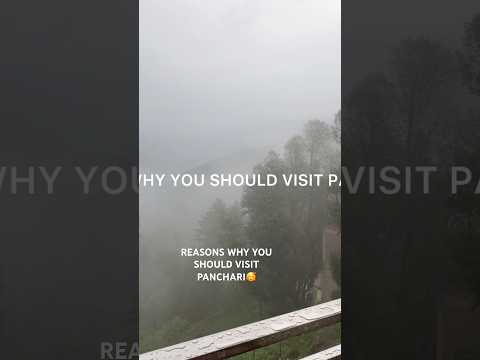
Panchari, a charming village and municipality in the Udhampur district of the Indian Union Territory of Jammu and Kashmir, lies at an altitude of nearly 2,000 meters above sea level. Surrounded by rolling hills, deodar forests, and lush greenery, Panchari offers a perfect retreat for travelers seeking tranquility and natural beauty. Just 40 kilometers from Udhampur town and recognized as the nearest hill station to Jammu City, it has steadily grown into one of the region’s most promising tourist destinations.
With a refreshing climate throughout the year, Panchari is equally enjoyable in the mild summers and snowy winters, making it a versatile destination. Known for its hospitality, cultural traditions, and breathtaking views, Panchari is gradually transforming into a hub for adventure tourism, spiritual exploration, and community-driven eco-tourism.
Natural Setting and Climate
The climate of Panchari is cool and pleasant during the summer, providing relief from the heat of the plains, while winters bring a magical blanket of snow that covers the meadows, trees, and rooftops in a mesmerizing white landscape. This seasonal variation makes Panchari a year-round attraction for families, adventurers, and spiritual seekers.
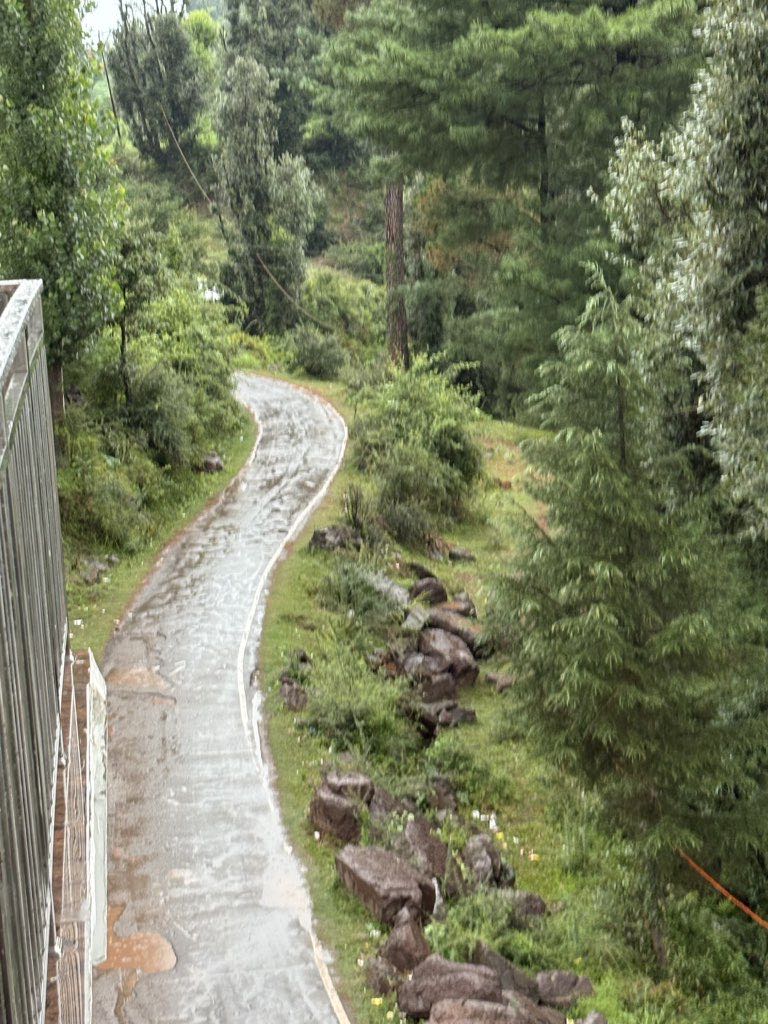
The thick cover of Banj Oak and deodar forests—locally called Dayari—enhances the ecological richness of the region. Visitors are captivated by the serenity of mountain trails, apple and walnut orchards, and the unique sight of wild pomegranates blooming amidst oak woodlands. Streams of fresh water, wildflowers, and clean air further enhance its charm.
Population and Demographics
As of 2020, the population of Block Panchari was estimated at 48,074 according to GeoIQ. This includes 24,756 males and 23,318 females, reflecting a fairly balanced gender ratio. With a total area of 373.91 km², the population density comes to approximately 128 people per square kilometer, making it a moderately populated mountainous block compared to urban regions.
The settlement pattern in Panchari is dispersed, with numerous villages spread across valleys and hill slopes. The community maintains a rural character, with agriculture, tourism, and small-scale enterprises forming the backbone of livelihood.
Cultural Heritage: Shankri Devta Temple
Spiritual tourism is an integral part of Panchari’s identity, with the Shankri Devta Temple being its most revered religious site. Located in the village of Meer within the Panchari block, the temple stands on a scenic hillock surrounded by meadows, forests, and towering peaks.
This ancient temple, believed to be over 500 years old, is dedicated to Shankri Devta, a local deity worshipped with deep reverence. Every September, the Shankri Devta Mela is organized here by the district administration, attracting thousands of devotees and visitors.
Local Markets and Handicrafts
To showcase the village’s cultural and artistic heritage, a local market named “Saada Bazar – Saadi Birasat” has been established. Here, tourists can purchase authentic handicrafts, traditional textiles, and locally made souvenirs. This initiative not only promotes local craftsmanship but also provides income opportunities to villagers, particularly women and artisans.
The market has become a popular spot for visitors looking to take home a piece of Panchari’s culture and creativity.
Folk Arts, Music, and Traditions
Panchari is rich in folk traditions, where music and dance form an essential part of community life. Local festivals and fairs showcase Dogra folk songs, Kud dance, and other traditional performances, creating lively evenings filled with rhythm and joy.
The Sankri Devta Mela is a three-day religious and cultural festival that has become one of Panchari’s defining events. Pilgrims participate in ceremonial Pooja, seeking blessings from the deity, while the grounds come alive with folk performances, traditional music, and the famous Kud dance.
Beyond its religious significance, the mela fosters community harmony by bringing together people of different faiths and regions. Local stalls, government awareness campaigns, and rural sports such as Kabaddi add to the vibrant atmosphere, making it both a spiritual and cultural extravaganza.
Historical Forest Hut: Echoes of the Past
One of Panchari’s unique attractions is the historic forest hut, constructed during the reign of the Dogra Maharajas. Situated atop a hill, this hut offers panoramic views of the surrounding mountains and valleys. Its visitor’s book, with entries dating back to 1935, records the impressions of travelers who sought respite in Panchari’s cool and soothing climate.
This hut stands as a reminder of Panchari’s legacy as a favored retreat even in earlier times, long before modern tourism developed. Today, it continues to attract tourists, providing them with both a historical perspective and a tranquil environment.
Accessibility: Road, Rail, and Air
Panchari is well-connected to major towns and cities:
By Road: Linked via National Highway 44 (NH 44), ensuring smooth connectivity to Jammu, Udhampur, and beyond.
By Rail: The nearest stations are Udhampur Railway Station (40 km) and Shri Mata Vaishno Devi Katra Railway Station (57 km).
By Air: The closest airport is Jammu Airport (95 km), around a three-hour drive from Panchari.
This accessibility makes Panchari a convenient destination for both short weekend trips and extended holidays.
Education and Learning Facilities
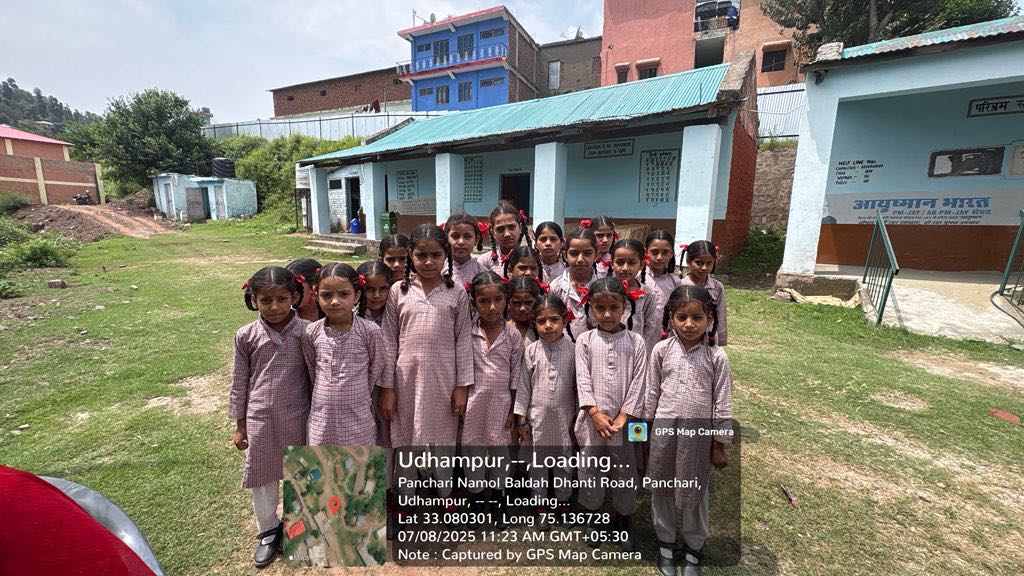
Panchari has a fair number of primary and upper primary schools, both government-run and private, ensuring basic educational access at the village level. However, secondary and senior secondary education facilities are limited, with only a handful of villages like Chulna having a government senior secondary school.
When it comes to higher education (colleges for arts, science, engineering, or medicine), Panchari has none within its jurisdiction. Students must travel to Udhampur or other towns for advanced studies. The quality of education also faces infrastructural challenges. Many schools lack modern facilities such as digital classrooms, internet connectivity, or well-equipped libraries, which restricts the learning environment. Despite this, ongoing government and NGO initiatives aim to improve digital access and encourage skill-based learning in the block.
Healthcare Facilities
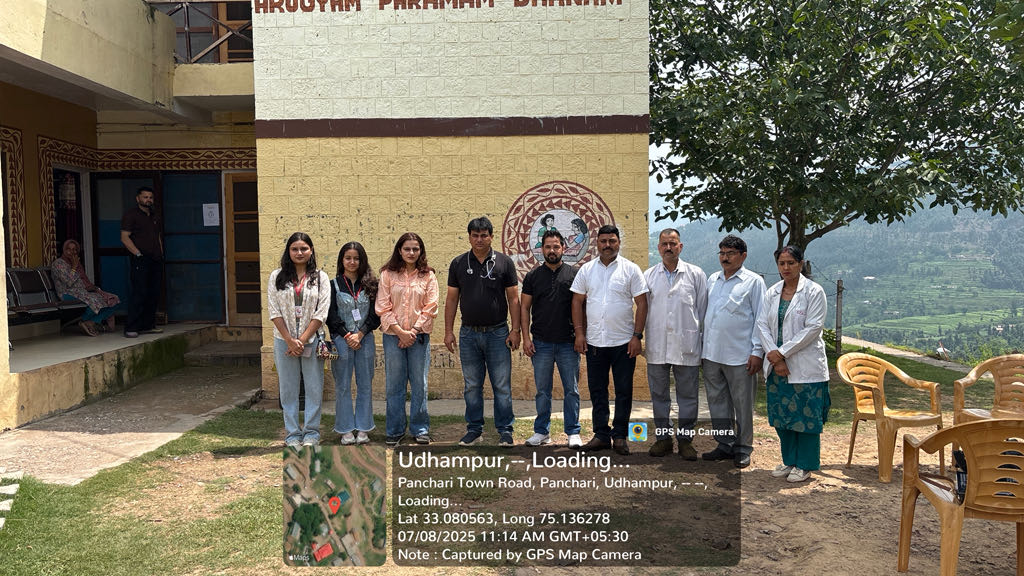
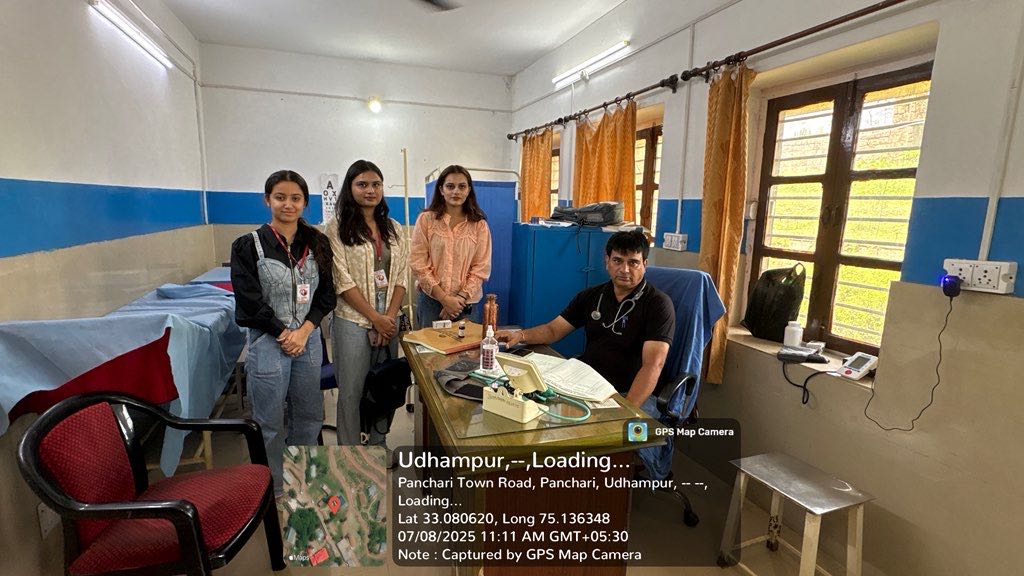
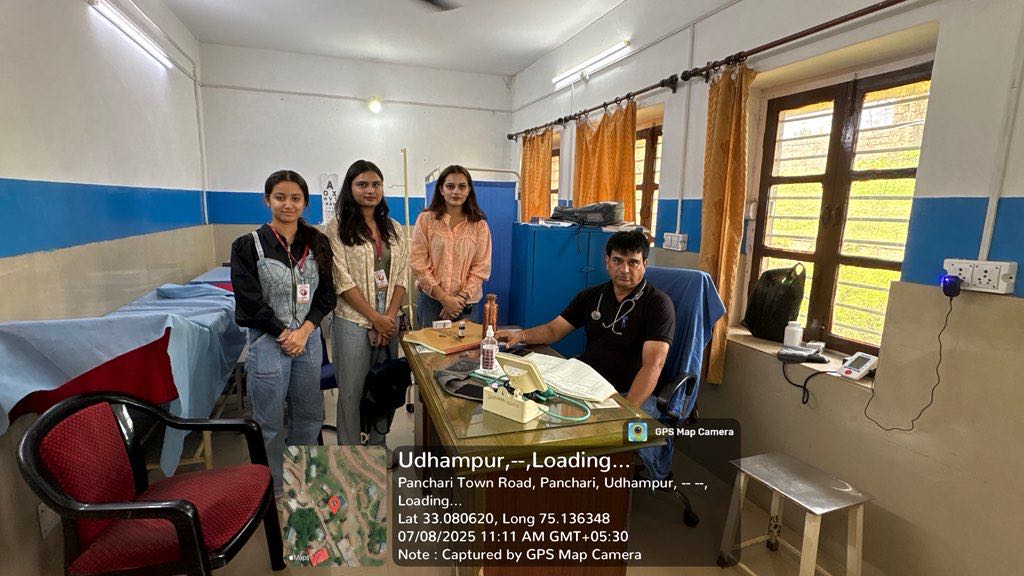
Healthcare access in Panchari remains basic but functional. The main center is the Primary Health Centre (PHC) Panchari, located near the bus stand. It provides general medical services, maternal and child health care, immunization, and limited emergency services. Surrounding villages are served by smaller dispensaries and sub-centres, ensuring essential health coverage.
However, the PHC has limited infrastructure, and residents have been actively demanding its upgrade to a Community Health Centre (CHC). This would allow better diagnostic services, specialized doctors, and broader facilities. For advanced treatment, most patients travel to Udhampur town, where larger hospitals, private clinics, and the newly established Government Medical College Udhampur provide comprehensive healthcare.
Employment and Economic Activities
Employment in Panchari is gradually expanding, though still limited compared to urban areas. The block’s economy rests on three main pillars: tourism, small-scale industries, and government-supported schemes.
Tourism: With Panchari being developed as a tourist village under government initiatives, new jobs are emerging in hospitality, food services, guiding, and transport. Homestays and adventure camps are creating additional opportunities for youth.
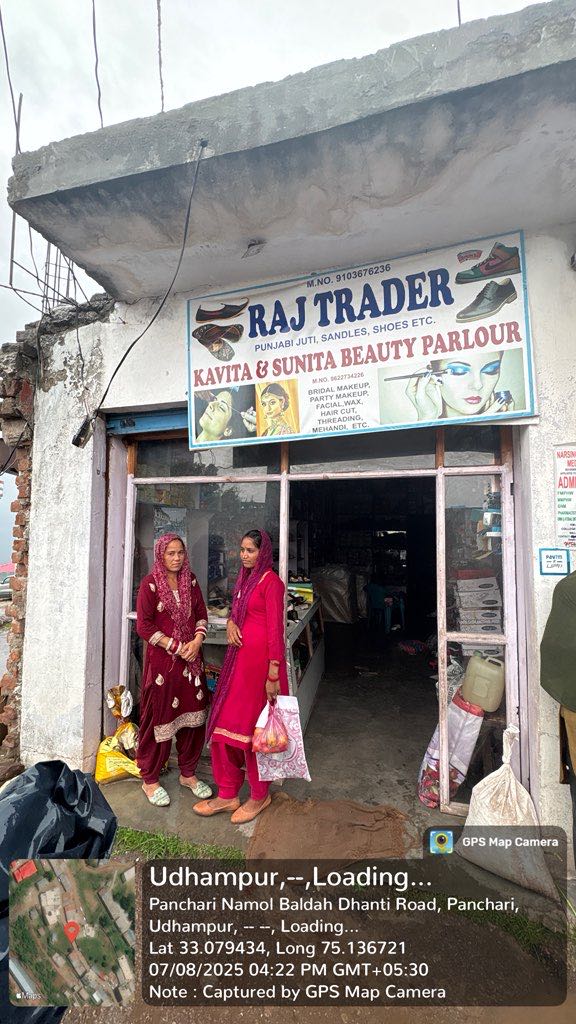
Handloom and Cottage Industries: Many locals, especially women, are engaged in weaving, tailoring, and handicrafts. Training and support are provided by the Handloom Department, along with loans and subsidies to promote self-employment.
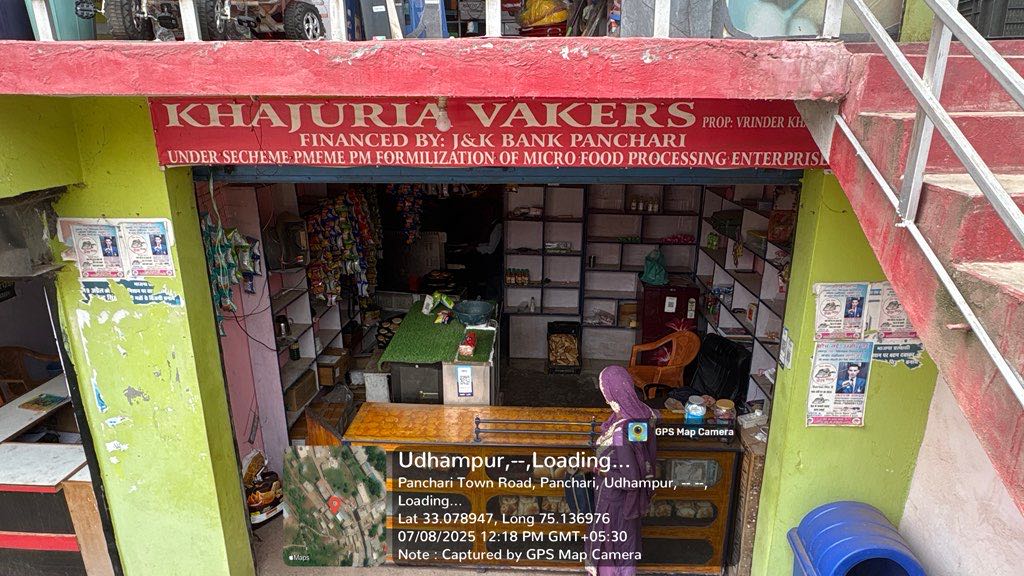
Government Schemes: Programs like REGP, PMFME, MUMKIN, Tejaswini, and youth startup loans are actively encouraging entrepreneurship. Micro food-processing units, handicraft ventures, and small businesses have already been established, providing sustainable livelihoods.
Public Works and Seasonal Employment: Schemes like MGNREGA provide rural employment opportunities, while job fairs in Udhampur help youth connect with private sector roles.
Flora and Fauna of Panchari
Panchari lies in the lower and middle Himalayan ranges, which are dominated by temperate forests. The most striking features of its natural landscape are the thick covers of Banj Oak (Quercus leucotrichophora) and Deodar (Cedrus deodara), locally known as Dayari. These forests are not only visually enchanting but also ecologically crucial, supporting biodiversity, preventing soil erosion, and providing livelihood resources like fodder, timber, and medicinal plants.
Alongside oaks and deodars, blue pine (Pinus wallichiana), chir pine (Pinus roxburghii), and spruce are common, especially on slopes and ridges. In spring and summer, the forests are dotted with rhododendrons, wild roses, and Himalayan maples, adding vibrant colors to the landscape.
oPanchari is blessed with freshwater streams and springs, which serve as lifelines for both people and wildlife. These streams sustain aquatic species such as freshwater crabs, small fish, and amphibians like Himalayan frogs. They also provide irrigation for orchards and agriculture, while adding scenic beauty to the village.
The forests of Panchari support a variety of mammals, ranging from small herbivores to larger predators.
Leopards (Panthera pardus) are the apex predators in the region, though sightings are occasional.
Black bears and Himalayan brown bears roam the oak and deodar forests.
Barking deer, goral, and wild boars are among the most common herbivores.
Langurs and rhesus macaques are frequently seen in villages and forest edges.
Occasionally, species like jackals, civets, and porcupines are spotted in the lower belts.
Photos
Videos


Location Map
Contact Information
| Address |
District Udhampur , Village name panchari |
| Phone Number |
9797389726 |
| Email Address |
Reviews (1)


Great work done by team members 👏