
Description
Introduction to Matlote
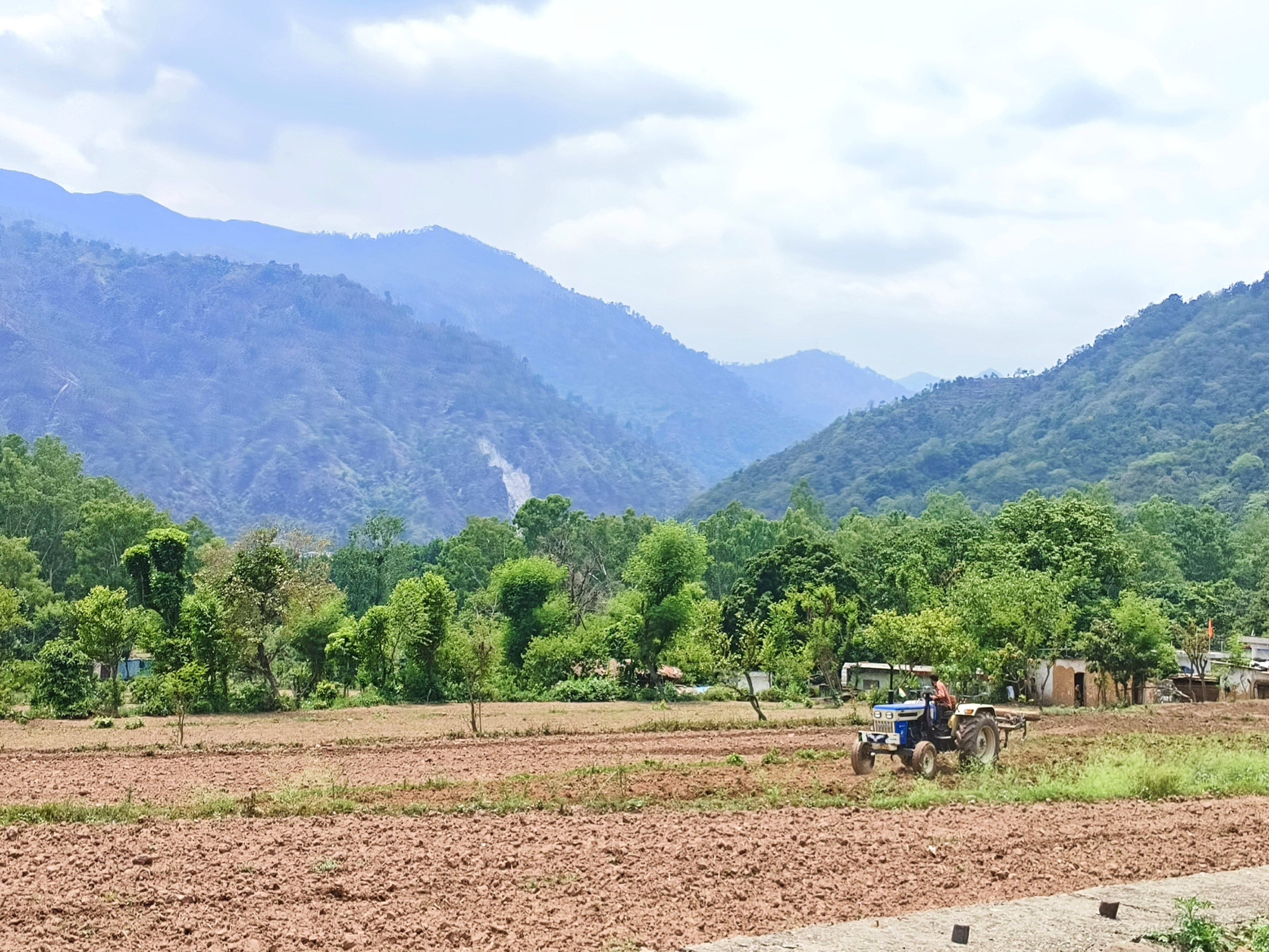
Matlote is a notified village situated in the Thuroo tehsil of Reasi district in Jammu and Kashmir. Located approximately 40 kilometres from Reasi town, it lies within the scenic Gool-Gulabgarh belt of the Pir Panjal foothills. Functioning as an independent Gram Panchayat, the village represents a diverse cultural confluence blending Dogra, Kashmiri-speaking and Gujjar-Bakarwal traditions. The lifestyle here remains deeply agrarian, shaped by the challenging hilly terrain, seasonal farming cycles, and strong cross community family ties.
Geographic Location and Accessibility
Nestled in the hilly topography of the Gool-Gulabgarh belt, Matlote is accessible by a 1 to 1.25 hour road journey from Reasi town. For broader regional connectivity the Katra Railway Station serves as the nearest railhead while the Jammu Airport provides the closest air transit, while the final leg of the journey is completed exclusively by road. Local transport relies primarily on shared autorickshaws and public utility vehicles operating on morning and evening schedules, as the village currently lacks a formalised state run bus service.
Population and Community Structure
According to the 2011 Census, Matlote hosts a population of 1,268 residents distributed across 266 households. The demographic profile includes 199 individuals from Scheduled Caste (SC) communities and 451 individuals from Scheduled Tribe (ST) communities. The village boasts harmonious mixed population of Hindu, Muslim and Kashmiri-speaking residents who seamlessly coexist, actively sharing agricultural labour, family milestones and local festivals among communal lines.
Historical Background and Heritage
While Matlote is not tied to widely documented historical figures or landmark events, it preserves rich localised heritage. A notable tradition among Rajput households is the daily worship of family Devta (diety), accompanied by special offerings during festive occasions. This practice functions as an intimate, clan-level custom rather than a village wide historical marker, passed down seamlessly through generations via oral tradition rather than formal historical documentation.
Economy and Livelihood
The local economy is predominantly driven by agriculture and livestock rearing. The terraced hill-slides are actively cultivated with staple crops such as maize, wheat, rice and pulses. The Gujjar and Bakarwal households primarily sustain themselves through the livestock trade, generating income by selling dairy products and meat. Conversely, middle-class families increasingly rely on government employment, daily wage labour and small scale local enterprises.
Local Traders and Small Enterprises
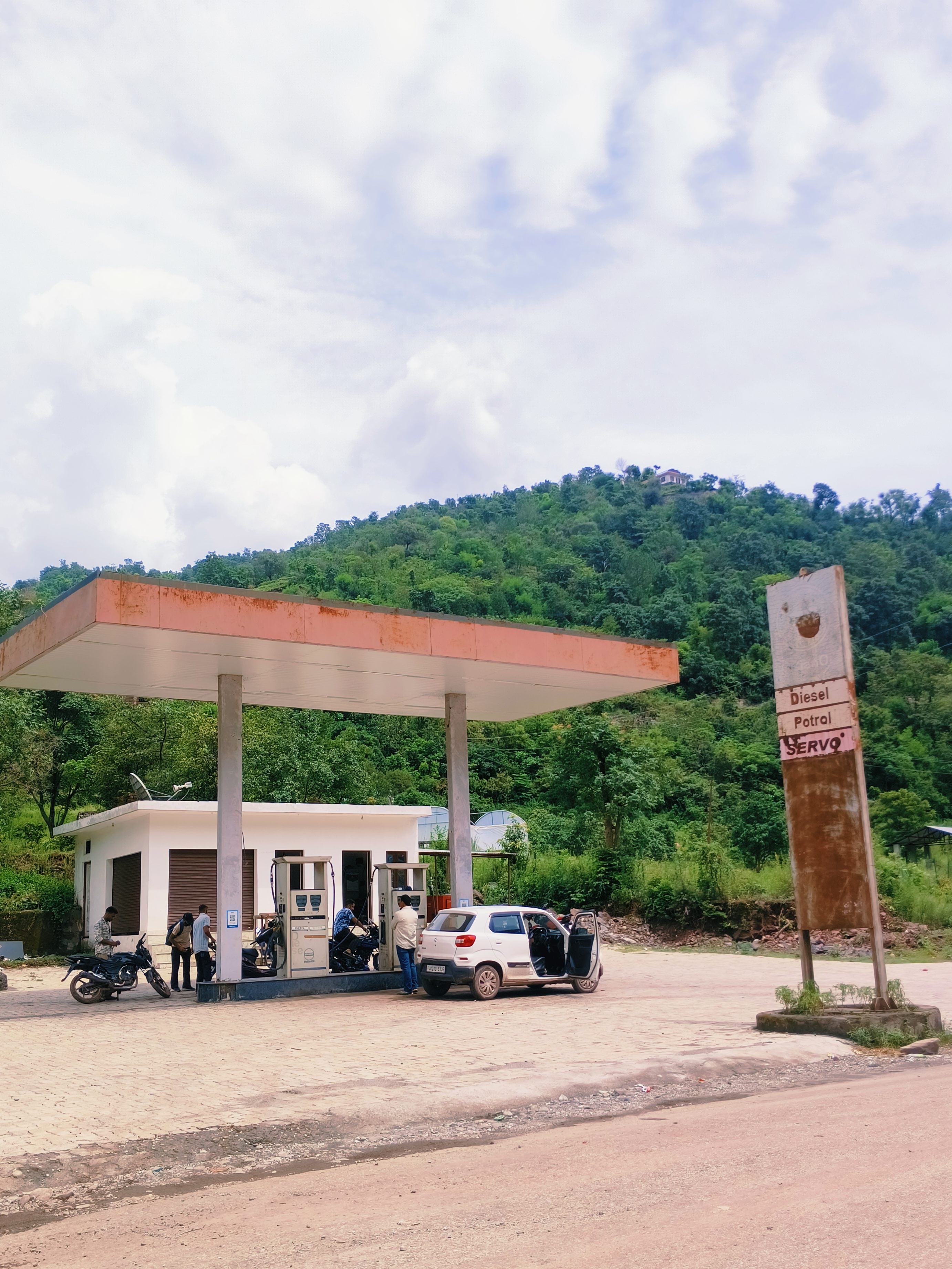
Commercial activity in Matlote is defined by essential micro-enterprises rather than large-scale trading. The retail landscape includes small general provision stores such as Toshal Thakur General Store, Raju General Store and a localised depot centre. Specialised services are provided by M/S Gurbachan Building Materials and Subiter Singh's Cyber Cafe. Additionally, informal tailoring and other home-based businesses are actively operated, primarily lead by local women working from their residences.
Education and Learning Facilities
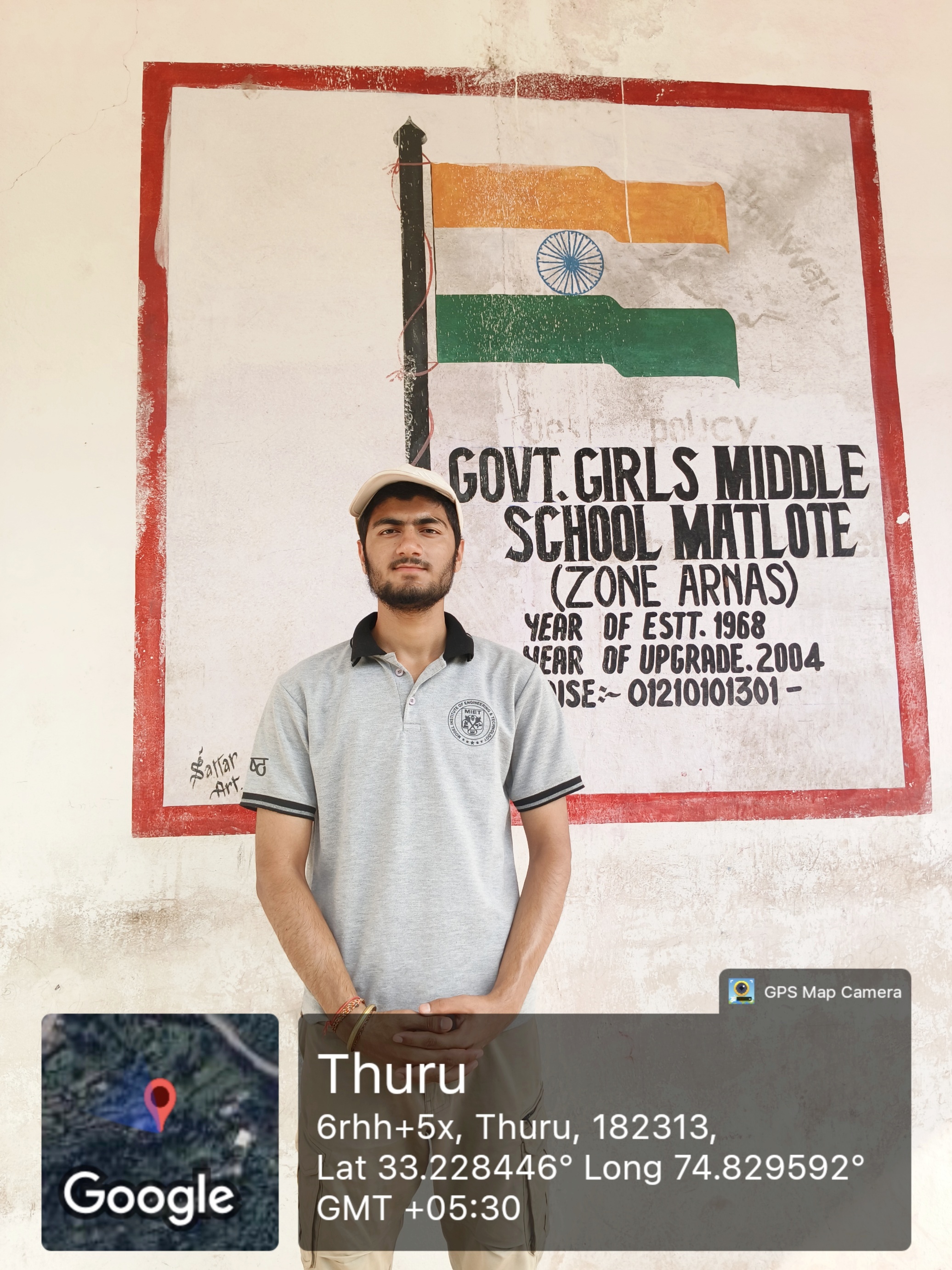
Educational infrastructure within the village is foundational, featuring a Government Primary School and a Government Middle School. Notably, both institutions are equipped with digital facilities like computer labs and the middle school utilises projectors to enhance digital classroom learning. Due to the absence of a local Higher Secondary School or college, students must commute to Reasi, Arnas, Jammu and other towns for advanced education. Adult and continuing education relies entirely on broader Government literacy schemes rather than dedicated local programmes.
Digital Development and Technology Adoption
Matlote experiences significant structural barriers regarding technological integration. Persistent defects in physical infrastructure, specially poor road networks, coupled with Inadequate funding severely limit modernisation efforts. Digital exclusion is exacerbated by restricted internet connectivity and a widespread lack of public awareness regarding government digital technology schemes. While some households have proactivity adopted localised solar panels and basic digital facilities, the broader community remains under equipped to fully engage with modern technological advancements.
Healthcare Facilities and Public Welfare
Primary healthcare needs are addressed locally by the Government Medical Hospital Matlote, supplemented by a few private medical shops offering basic first aid and essential pharmaceuticals. Patients requiring advanced medical intervention are referred to the Dharmari Village Hospital, with critical cases directed to the Reasi District Hospital. Community health and public welfare are further bolstered by ASHA workers managing maternal health outreach and PHE (Public Health Engineering) staff ensuring safe water-related services.
Infrastructure and Public Utilities
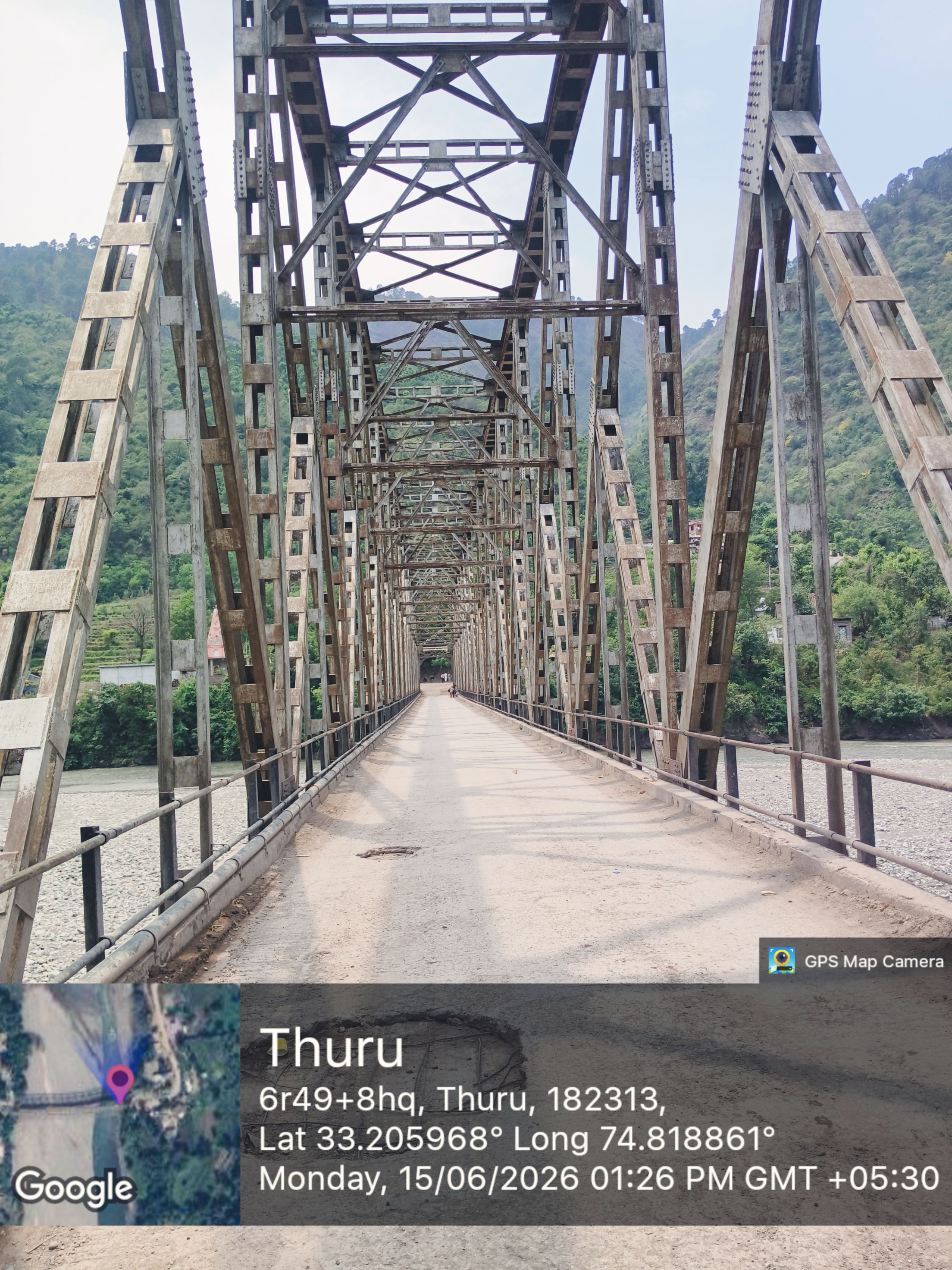
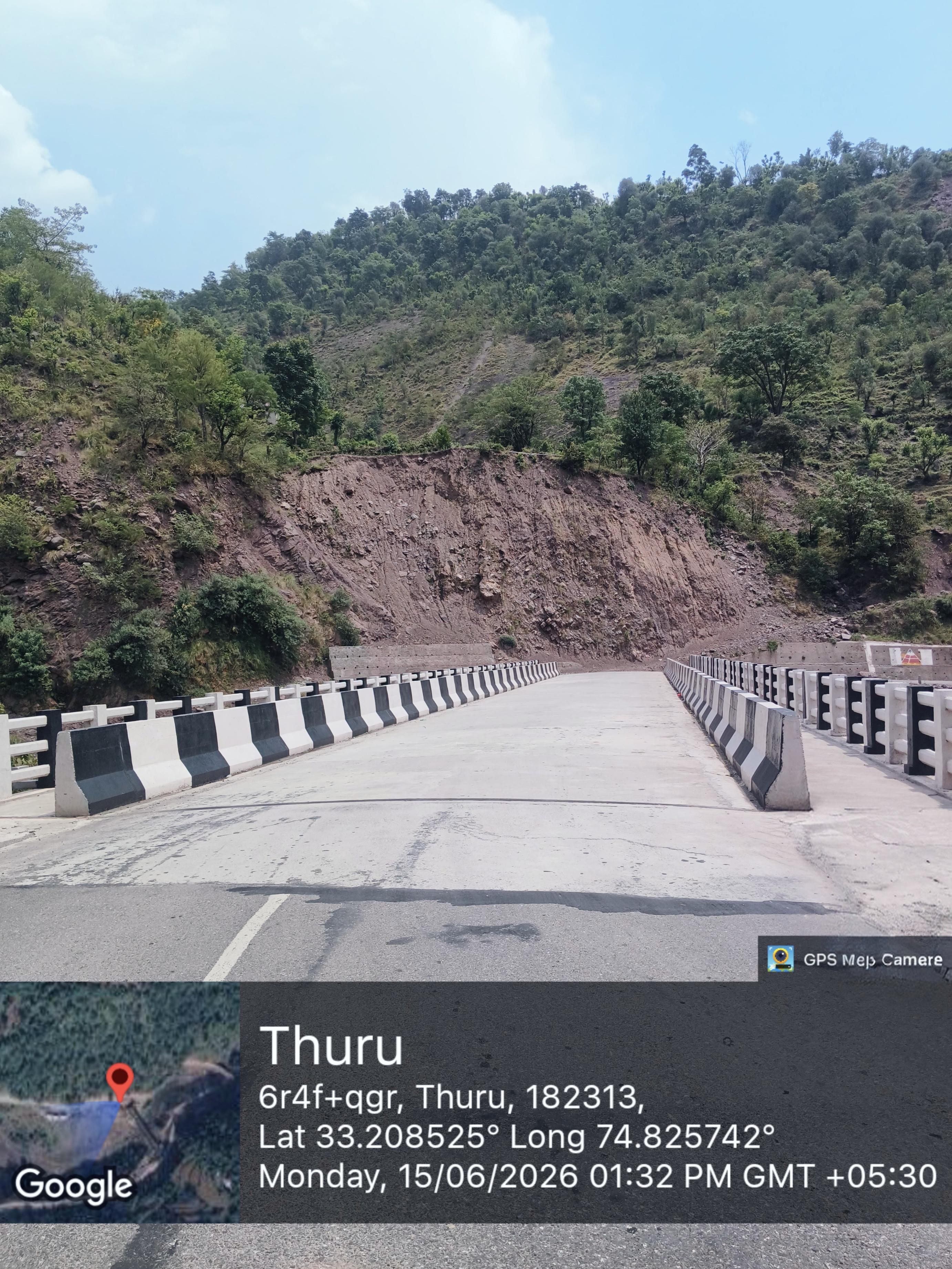
As an agrarian village of 266 households Matlote faces prominent infrastructural challenges. Physical isolation is compounded by poor road networks, restricting economic mobility. The electricity grid is highly unstable, experiencing daily outages ranging from two to four hours, which can extend to several days during adverse weather or transformer failures. To mitigate this a segment of households relies on decentralised solar energy systems. Domestic Water distribution combines manual collection from natural springs and a piped network maintained by the PHE Department. While cooking fuel predominantly remains biomass wood a limited number of households have transitioned to LPG Cylinders.
Tourism and Village Attractions
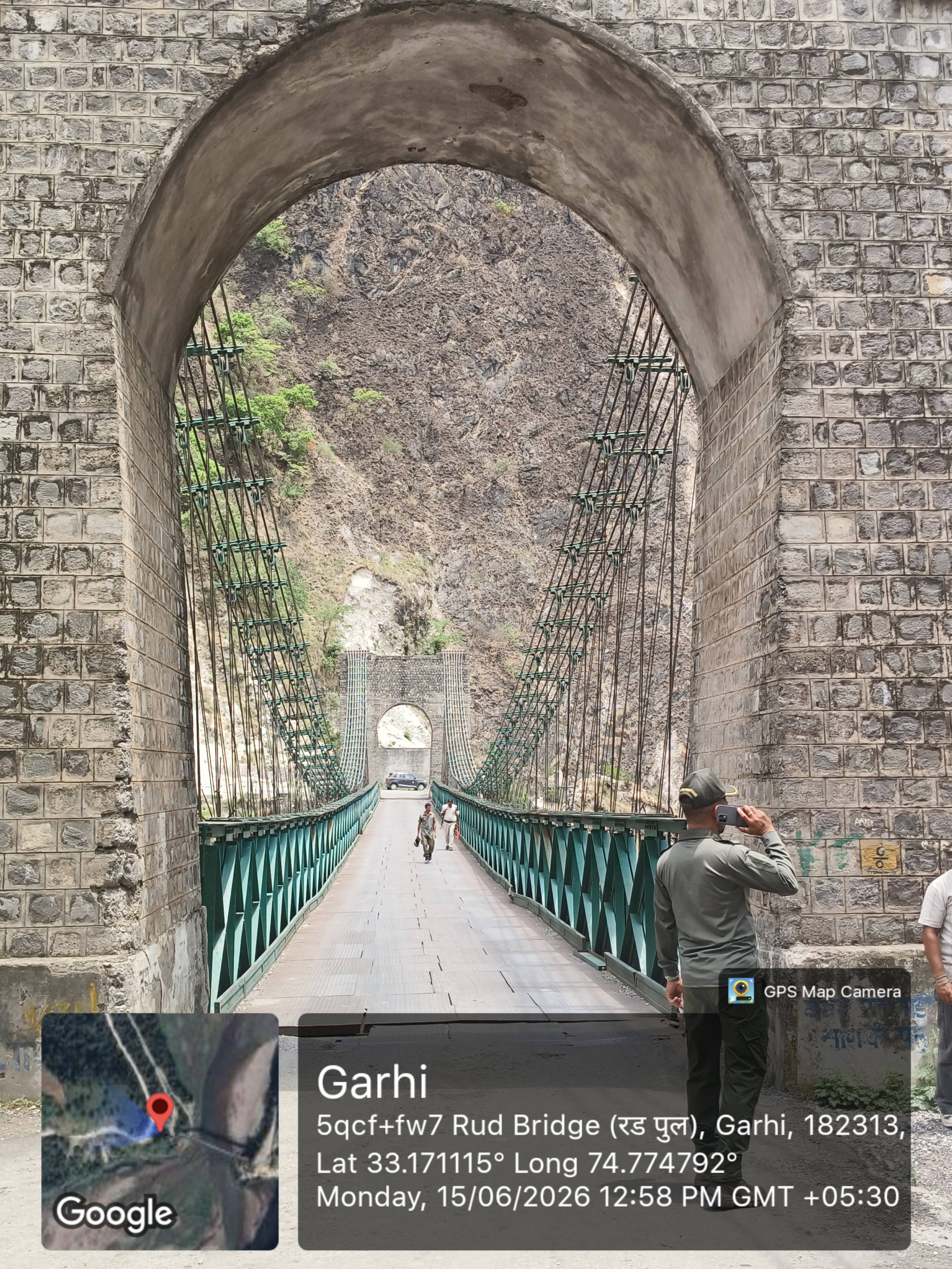
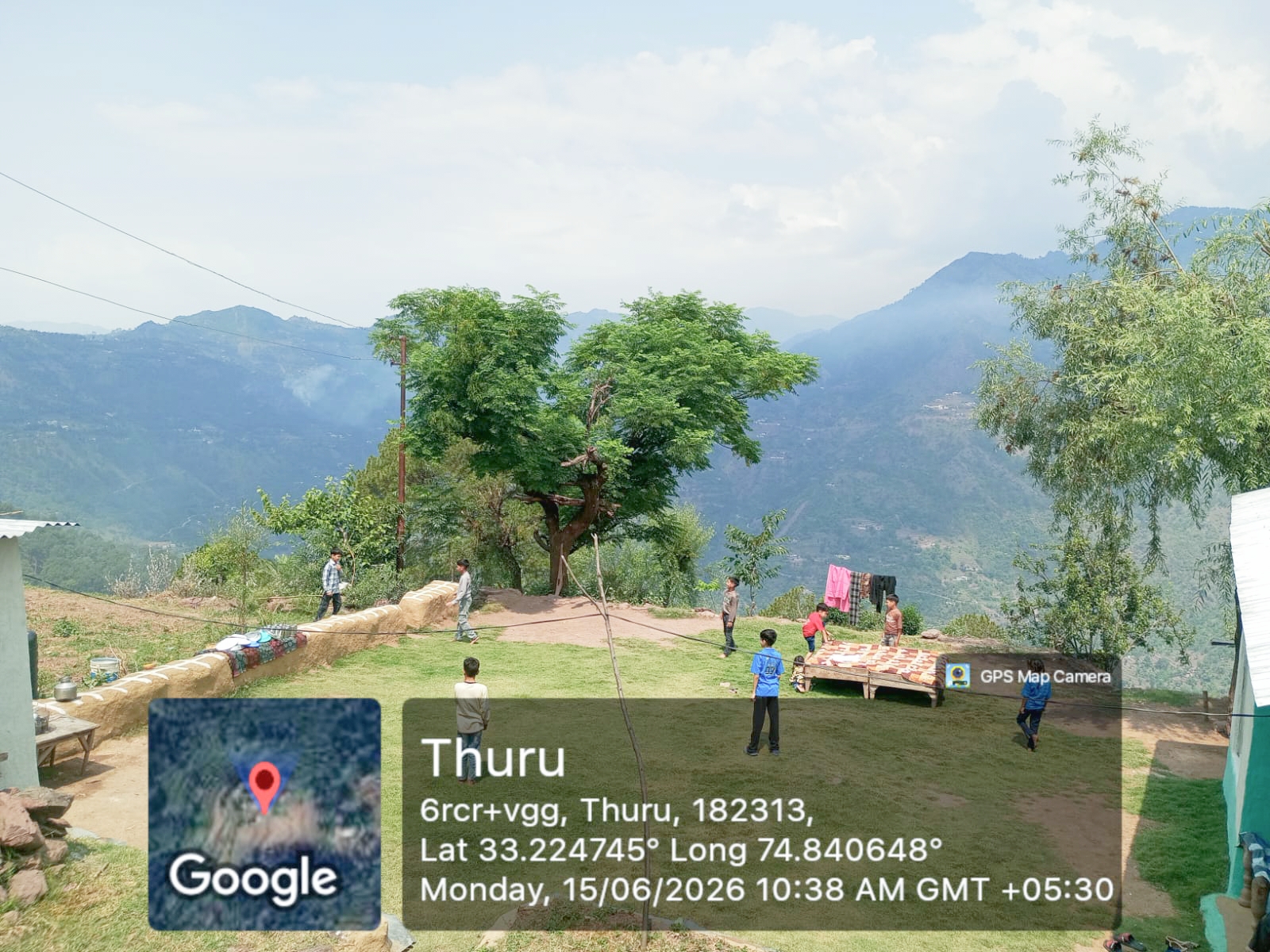
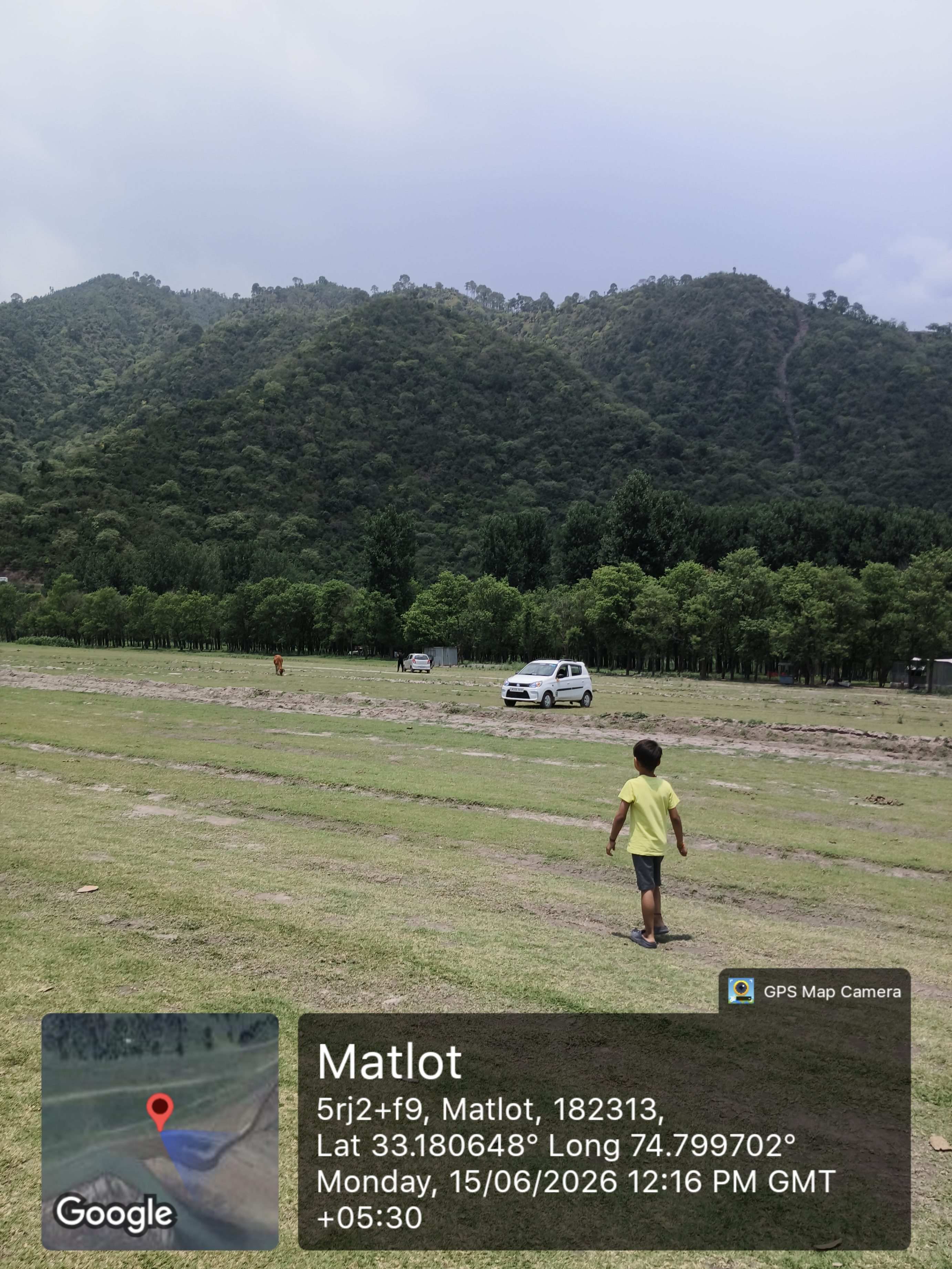
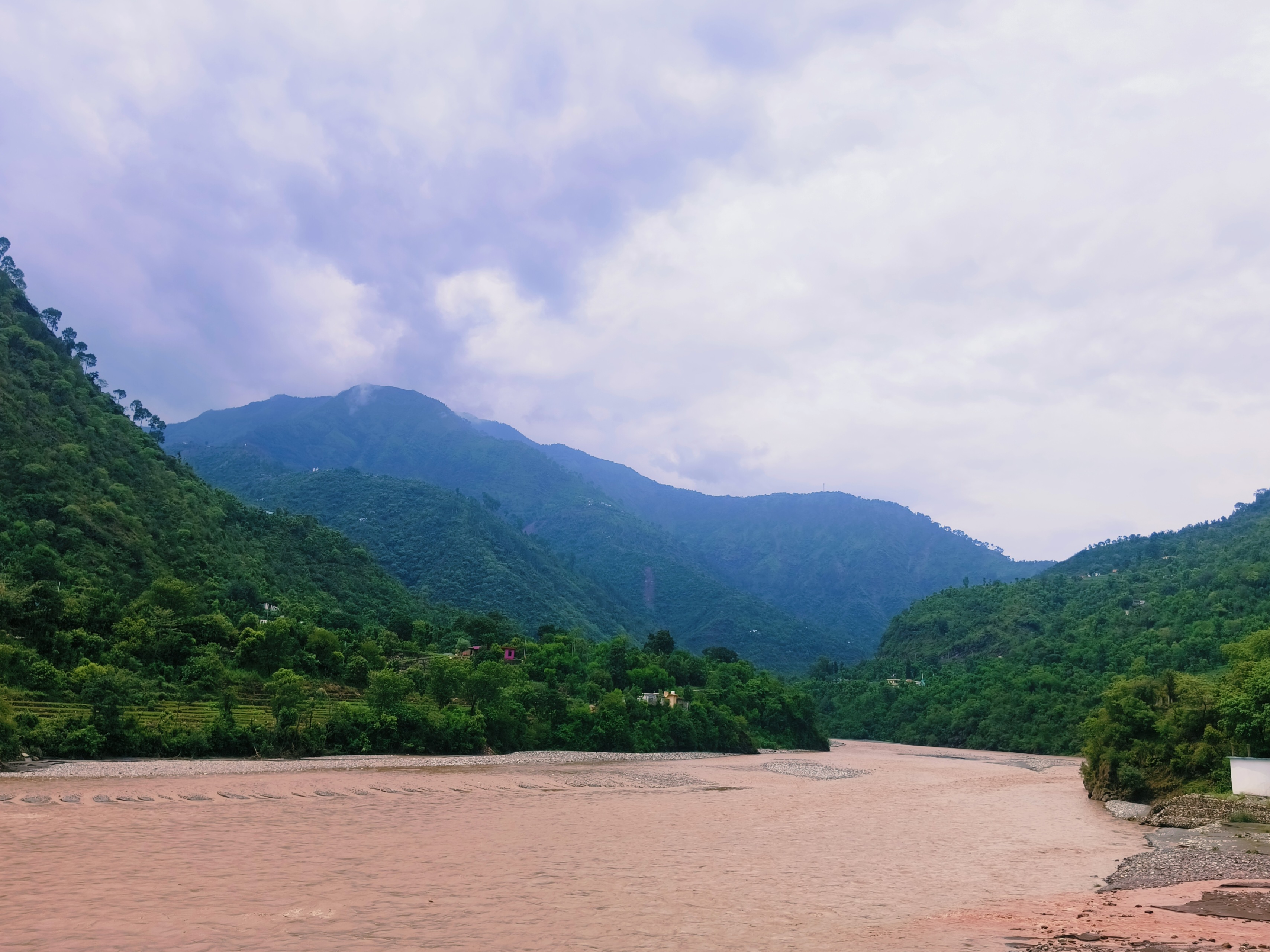
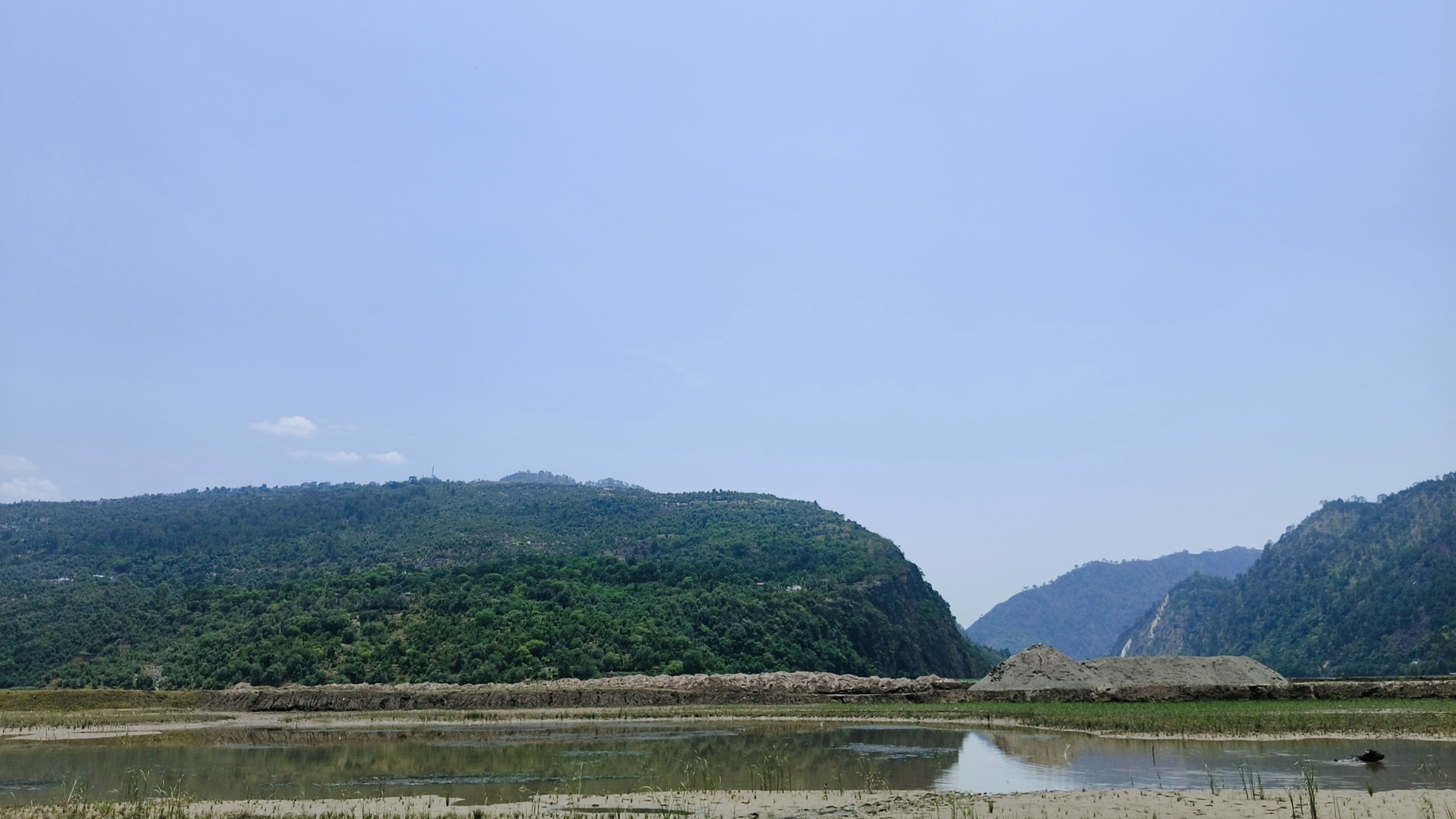
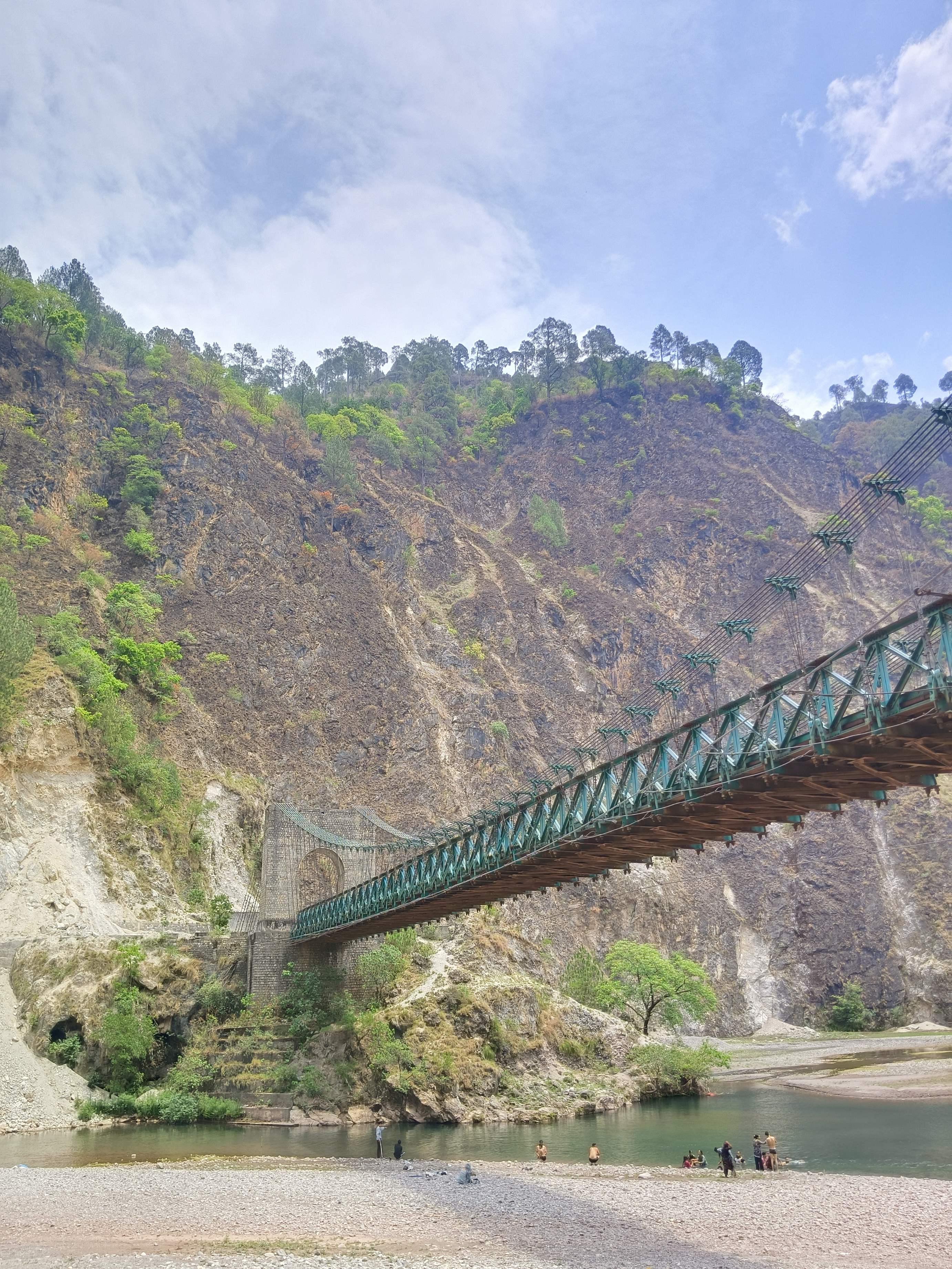
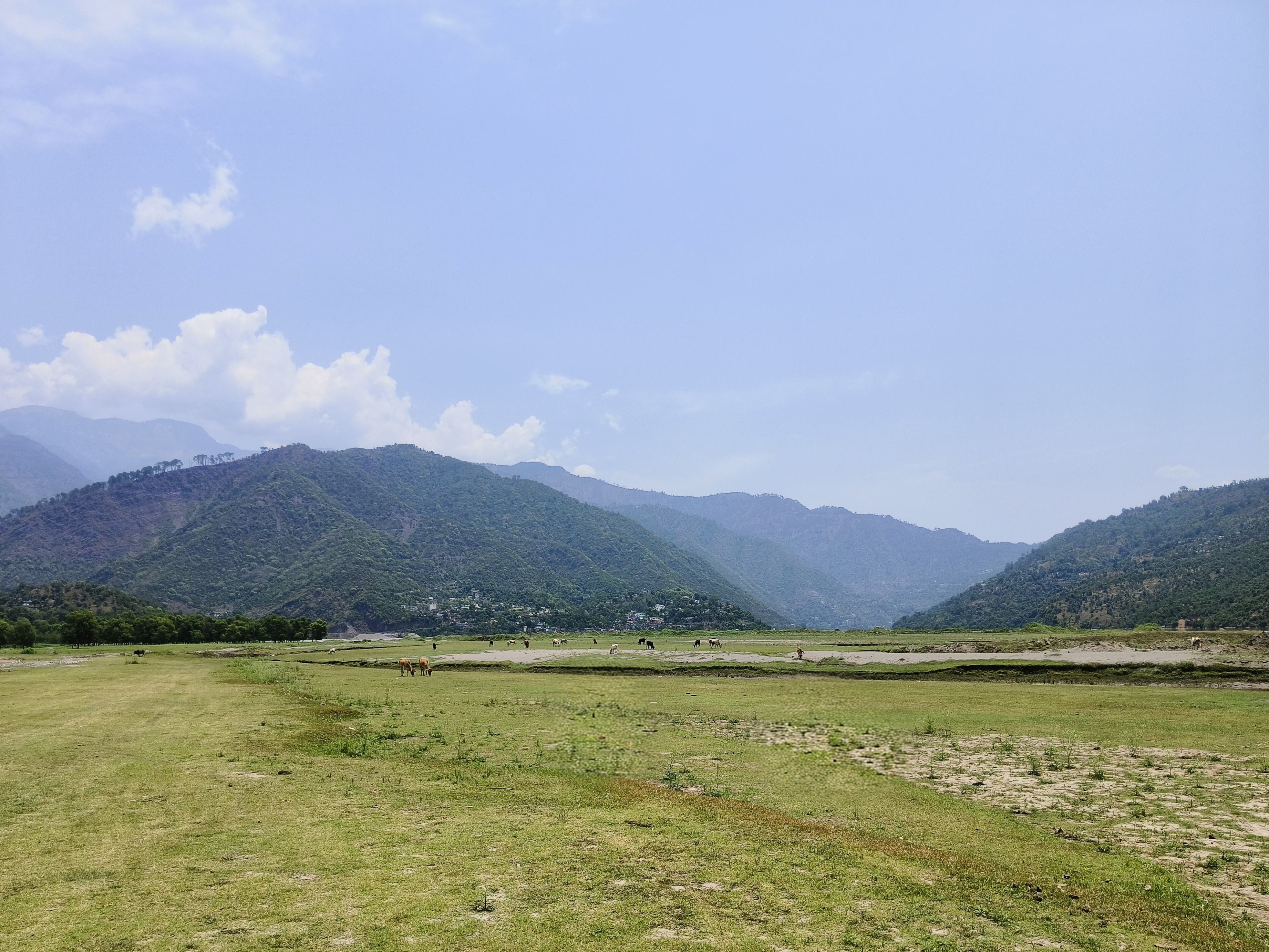
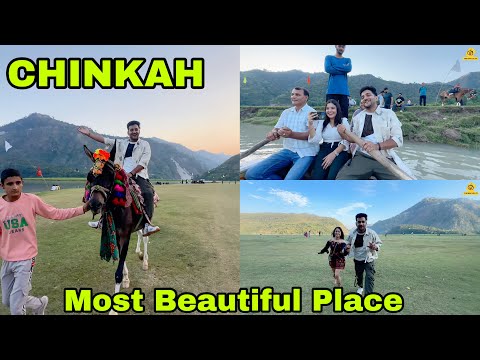
Though not formally developed tourist destination, Matlote offers immense natural beauty with its thick first cover, terraced farmlands and pristine hill streams typical of the Pir Panjal range. Nearby informal gateways include Dhagan Top, Rama Kund and Chinkah tourist spot. The village also falls within the broader regional cultural radius of prominent sites like Bhimgarh Fort, the Vaishno Devi Shrine and Shahdra Sharif which indirectly influence regional tourism and local culture footfall.
Local Cuisine and Food Culture
The culinary landscape of Matlote reflects its diverse demographics. Hindu households traditionally prepare Rajma-Chawal, maize flatbread served with locally sourced mustard greens and regional diary beverages like Madhra and Auria. Muslim households favour rich meat-based curries and Kalari (traditional cheese) during festive occasions. Kashmiri speaking families lean towards Wazwan-style dishes, Nun Chai (pink tea) and Haak (collard greens). Across all communities rice, maize, wheat, pulses and diary form the foundational shared staples.
Sports and Recreational Activities
Athletic engagement is a highly popular community pastime with residents actively playing cricket, volleyball, kabaddi, kushti (traditional wrestling) and other sports. In the absence of a dedicated sports complex or formal club these recreational activities take place organically on school playgrounds, open Panchayat land, and makeshift community grounds.
Environment, Flora and Fauna
The ecological profile of the surrounding hill features dense canopies of Chir Pine, Deodar and Oak forests. The undergrowth yields wild mushrooms, valuable medicinal herbs, and fruit bearing trees including walnut, apple, apricot, and more. The local wildlife is diverse, hosting species such as Junglee Murgee(wild fowl), leopards, jackals and wild boars, coexisting in close proximity to the village's extensive pastrol livestock.
Conservation and Land Use
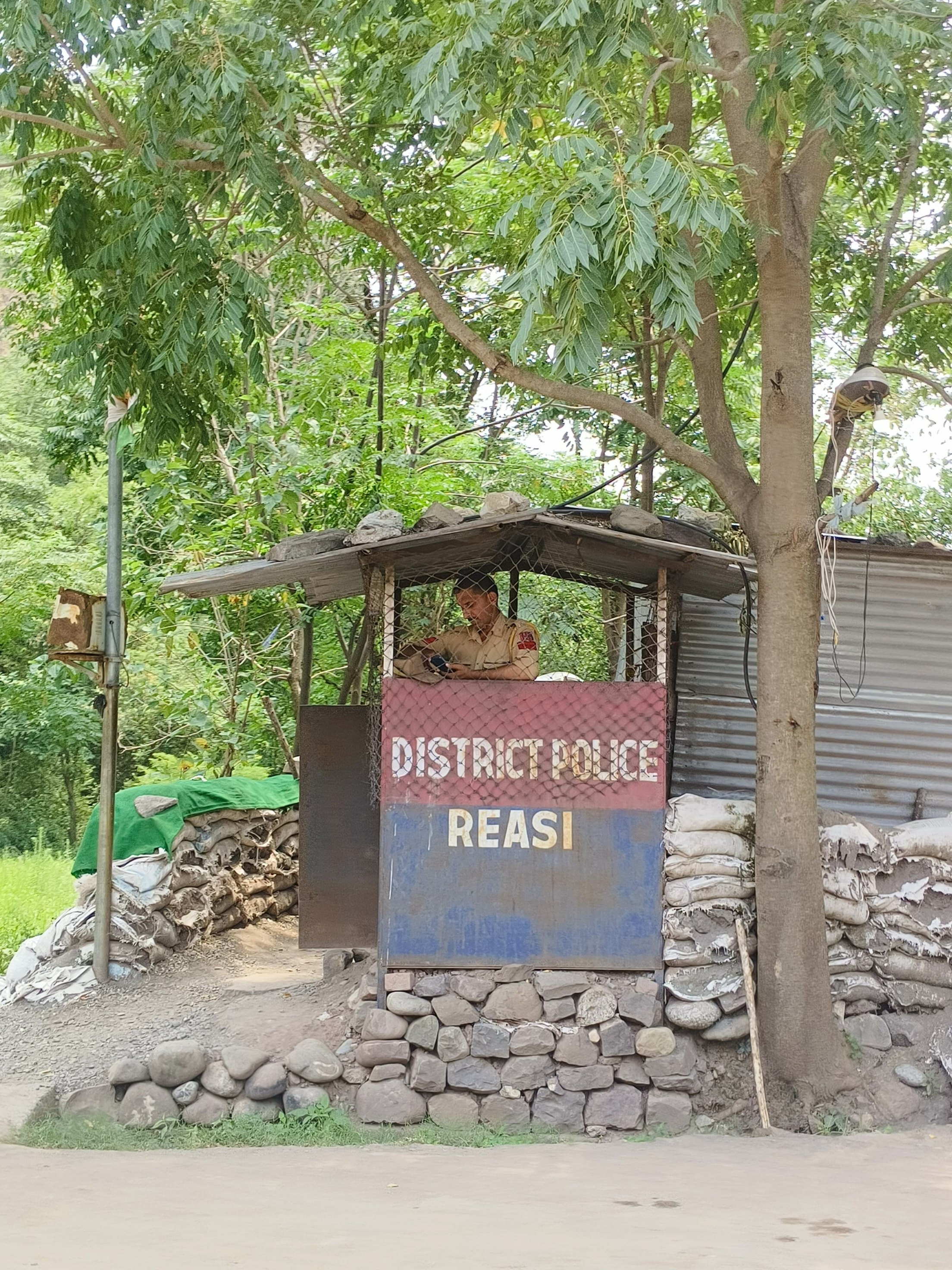
Land utilisation in Matlote is strictly bifurcated into agriculture/livestock zones and Reserved Forest. Within the reserved forests, construction and unauthorised tree felling are officially prohibited and unapproved building on non-reserved land can trigger immediate police action. Despite these regulatory frameworks, the village currently lacks a dedicated conservation program actively promoting biodiversity or managing environmental education.
Community Participation and Social Harmony
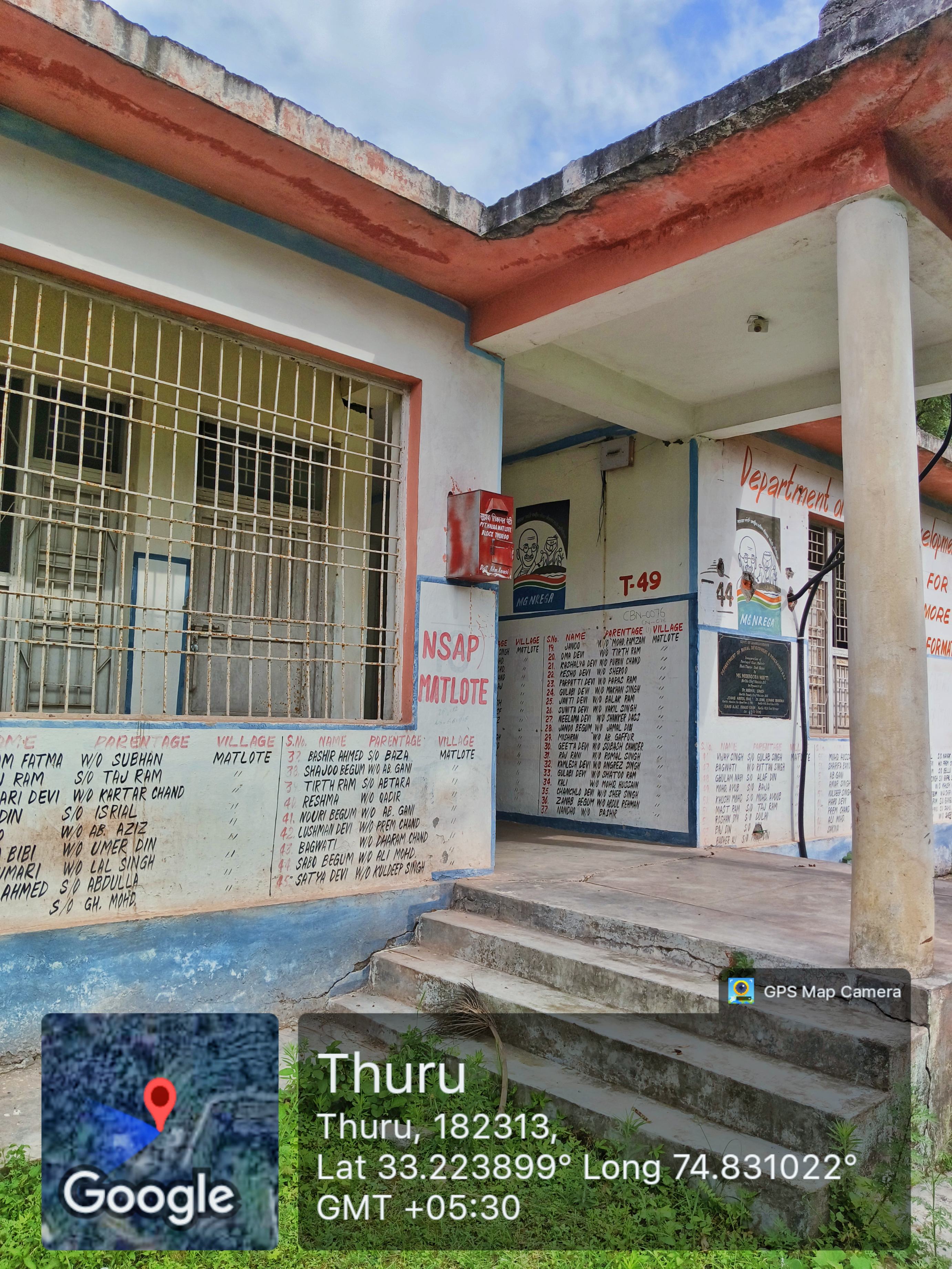
Civic life in Matlote orbits heavily around the Gram Panchayat and collective, shared agriculture labour. Social harmony is highly visible during festivals, weddings and local gatherings, which are openly celebrated across both Hindu and Muslim households. Lacking a formal community centre, social and administrative gathering typically occur informally around the Panchayat Ghar, local religious sites and School premises.
Challenges and Future Development
Matlote navigates several overlapping developmental hurdles, including unreliable electricity and water supplies, limited transport connectivity and an educational ceiling at the middle-school level. Human-wildlife conflict has emerged as a critical concern, marked by daily leopard sightings, frequent livestock depredation and significant crop damage caused by monkeys, with minimal institutional intervention. Addressing these issues requires practical, community-coordinated steps: solar backups for vital facilities, formalised transport networks, Panchayat-supported travel for students and decisive intervention by the Forest Department.
Conclusion
Matlote stands as a testament to agrarian resilience and cross-cultural cooperation. While the village faces pressing systemic challenges- ranging from infrastructural deficits to escalating wildlife conflicts that threaten both safety and livelihoods- its residents maintain a robust spirit sustained across religious lines and generations. The future progress of Matlote does not require rapid, large-scale transformation, but rather targeted, practical interventions to secure reliable utilities, enhance educational access, and mitigate wildlife threats, allowing the village to thrive while preserving its unique cultural identity.
Photos
Videos
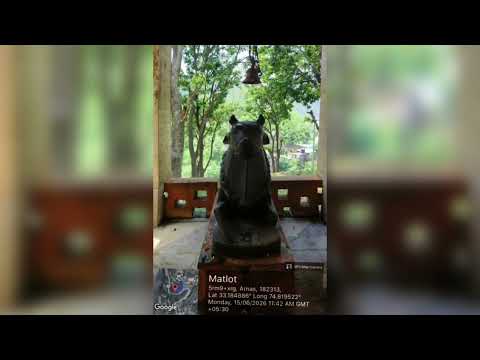
Location Map
Additional Features
| Boating | 500 |
Contact Information
| Address |
Village Matlote, Tehsil Thuroo, District Reasi, |
| Phone Number |
+91 7051108709 |
| Email Address | |
| Website | https://community.mietjmu.in/customer/hotel/matlote |
Reviews (4)

awesome work by sorav and his team .
Good work bro 👏
Amazing work

Almost all the credible information needed about a village is provided, and all the data is well managed. Sourav bhai you have done a great job