
Description
Introduction to Mantalai
Mantalai, a picturesque village situated in the Chenani Tehsil of Udhampur district in the Union Territory of Jammu and Kashmir, is one of the region's most revered religious and cultural destinations. Located at an elevation of approximately 1,450 metres above sea level, the village is surrounded by dense deodar forests, rolling hills, pristine streams, and breathtaking Himalayan landscapes. Mantalai holds immense significance in Hindu mythology as it is believed to be the birthplace of Goddess Parvati and the sacred location where she was married to Lord Shiva. This divine association has transformed the village into an important pilgrimage centre attracting thousands of devotees, spiritual seekers, and tourists throughout the year. In addition to its religious importance, Mantalai is renowned for its peaceful environment, rich biodiversity, ancient temples, and the internationally recognized Mantalai International Yoga Centre, making it a unique destination where spirituality, history, and nature exist in perfect harmony.
Population and Urbanization
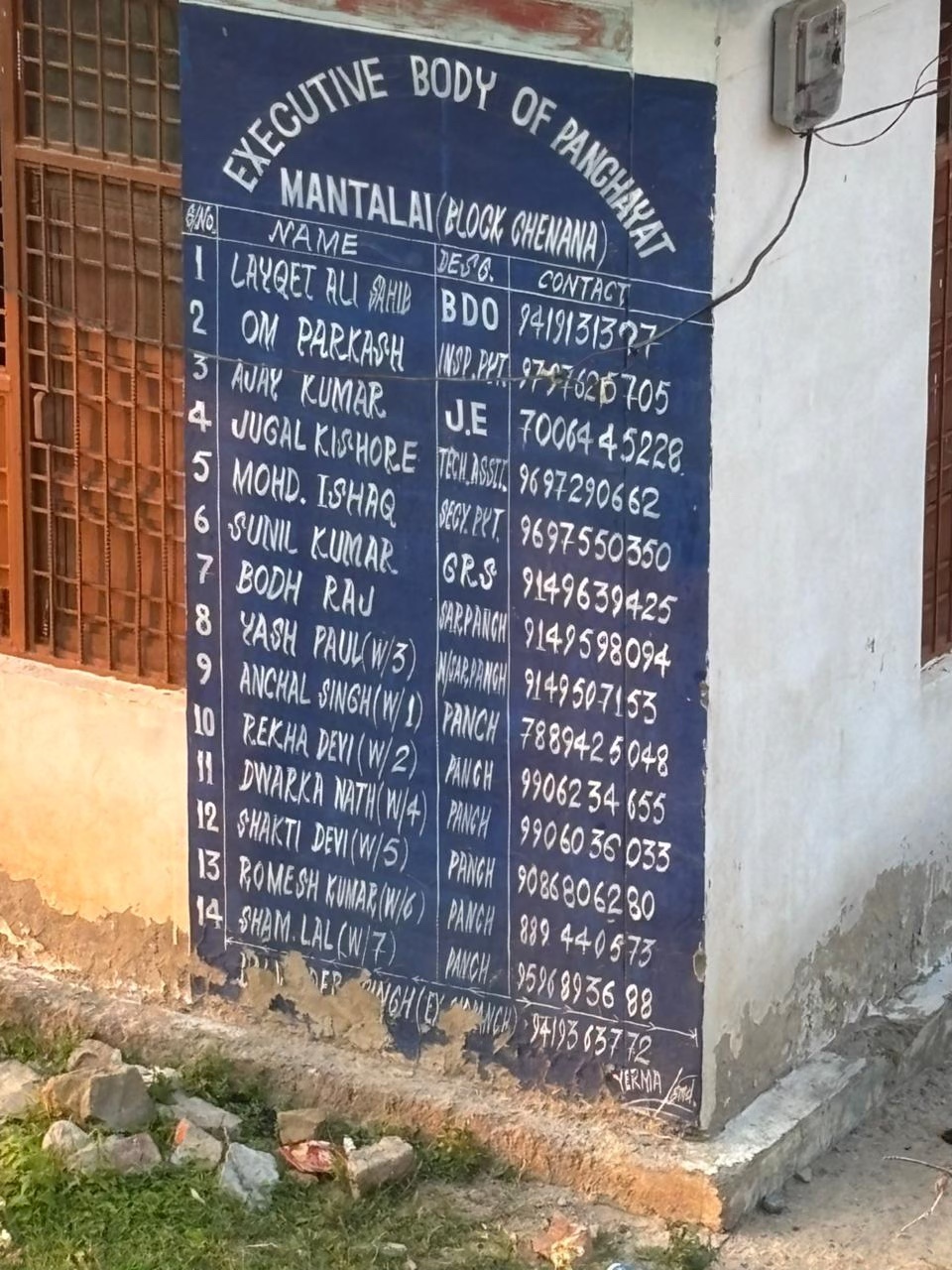
According to the 2011 Census of India, Mantalai is a small yet culturally vibrant village with a population of nearly 983 residents living in around 171 households. Despite its relatively small population, the village possesses a well-knit community that preserves its centuries-old traditions and cultural heritage. The inhabitants primarily belong to the Dogra and Pahari communities, who continue to practice traditional customs while gradually embracing modern development. Agriculture, tourism, and public service remain the principal occupations of the residents.
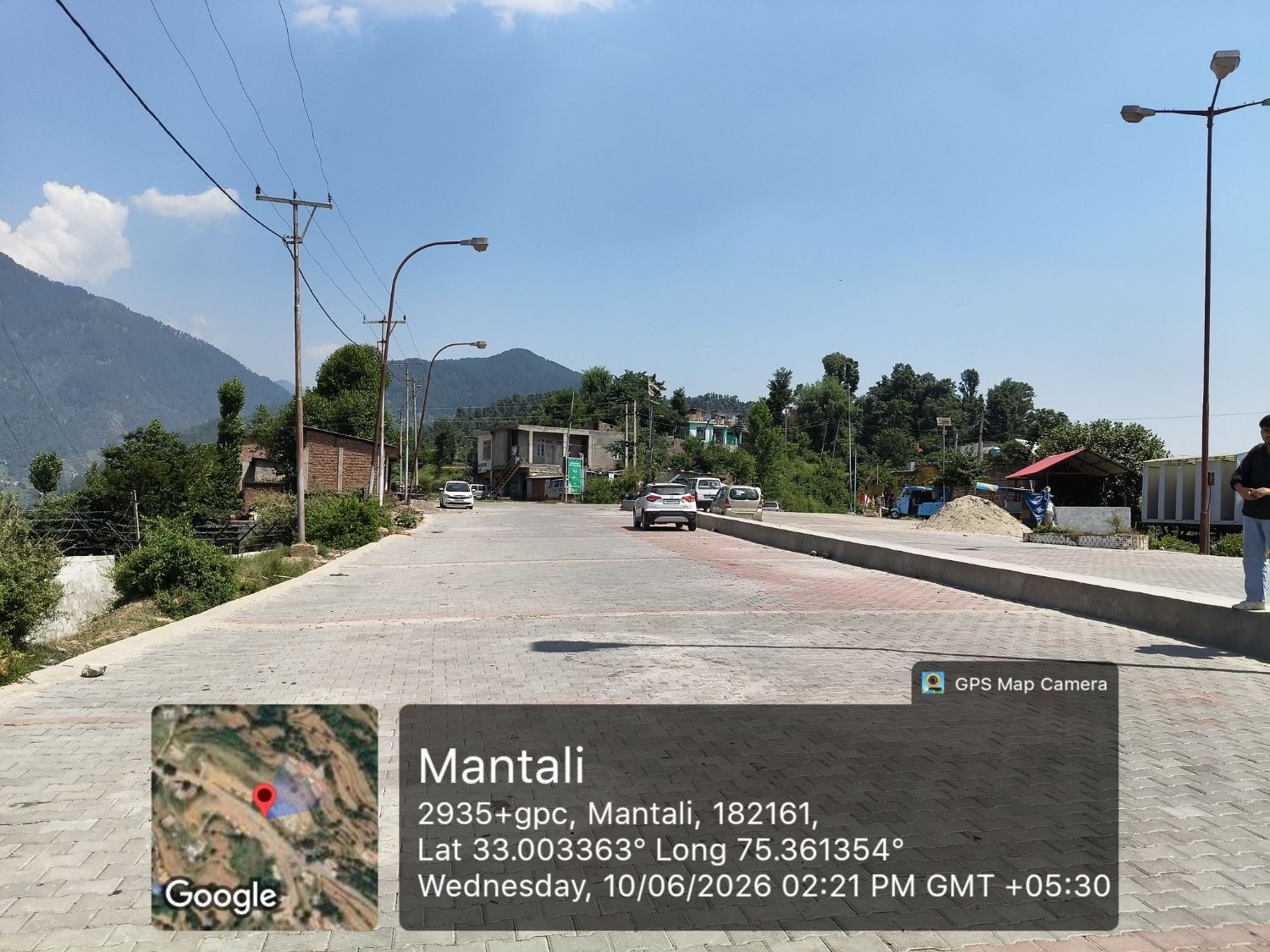
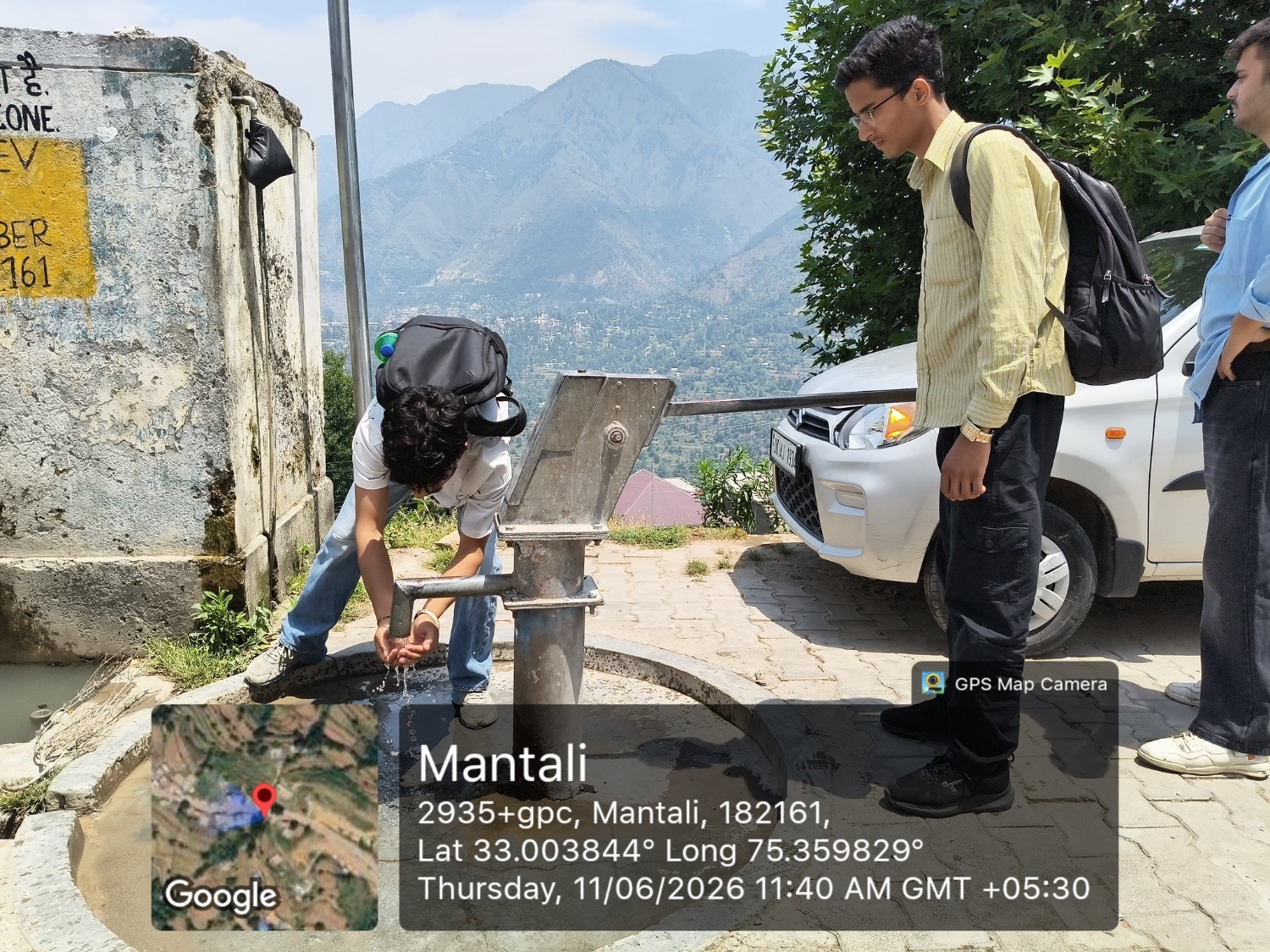
Over the past few decades, Mantalai has witnessed gradual infrastructural development, particularly after the redevelopment of the International Yoga Centre. The village is connected through all-weather roads leading to Chenani, Udhampur, and Jammu, while electricity, potable water supply, mobile connectivity, healthcare facilities, and educational institutions have improved the quality of life for local residents. The growing interest in religious tourism and eco-tourism has also encouraged the development of homestays, guest accommodations, and tourism-related services, contributing to the village's sustainable growth while maintaining its natural charm.
Cultural Heritage of the Dogra Community
Mantalai represents the rich cultural traditions of the Dogra civilization, one of the oldest and most respected cultural communities of Jammu. The village is predominantly inhabited by Dogras, including Rajputs, Brahmins, and members of the Megh community, while nomadic Gujjar and Bakarwal tribes frequently migrate through the surrounding highland pastures during the summer months. The cultural identity of the region is deeply rooted in religious devotion, hospitality, and respect for ancient customs that have been preserved for generations.
The residents celebrate their heritage through colorful festivals, community gatherings, and traditional rituals that revolve around Lord Shiva and Goddess Parvati. The local population speaks Dogri as its principal language, while Pahari and several regional dialects are also commonly spoken in the surrounding villages. Traditional attire remains an important part of local identity. Women wear graceful Pherans, Kurtas, Salwars, silver ornaments, necklaces, and Maang Tikas during festivals, while men traditionally dress in Kurtas paired with Dhotis or Pajamas, woolen Sadri jackets, and colorful Pagris suited to the mountainous climate.
The village is equally famous for preserving Dogra folk traditions through vibrant dances such as the Kud Dance, performed collectively by villagers around sacred fires to honor local deities during the rainy season. Another traditional dance, Dhamali, features energetic circular movements accompanied by rhythmic beats of traditional drums, reflecting the community's unity and joyous spirit.
Historical Account: The Divine Marriage of Lord Shiva and Goddess Parvati
Among all the sacred places associated with Lord Shiva, Mantalai occupies a unique position in Hindu mythology. Ancient legends describe this peaceful valley as the birthplace of Goddess Parvati, the daughter of King Himavan and Queen Mainavati. From an early age, Parvati devoted herself to intense meditation and penance with the sole purpose of attaining Lord Shiva as her husband. Her unwavering devotion, discipline, and spiritual determination eventually pleased Lord Shiva, who accepted her proposal for marriage.
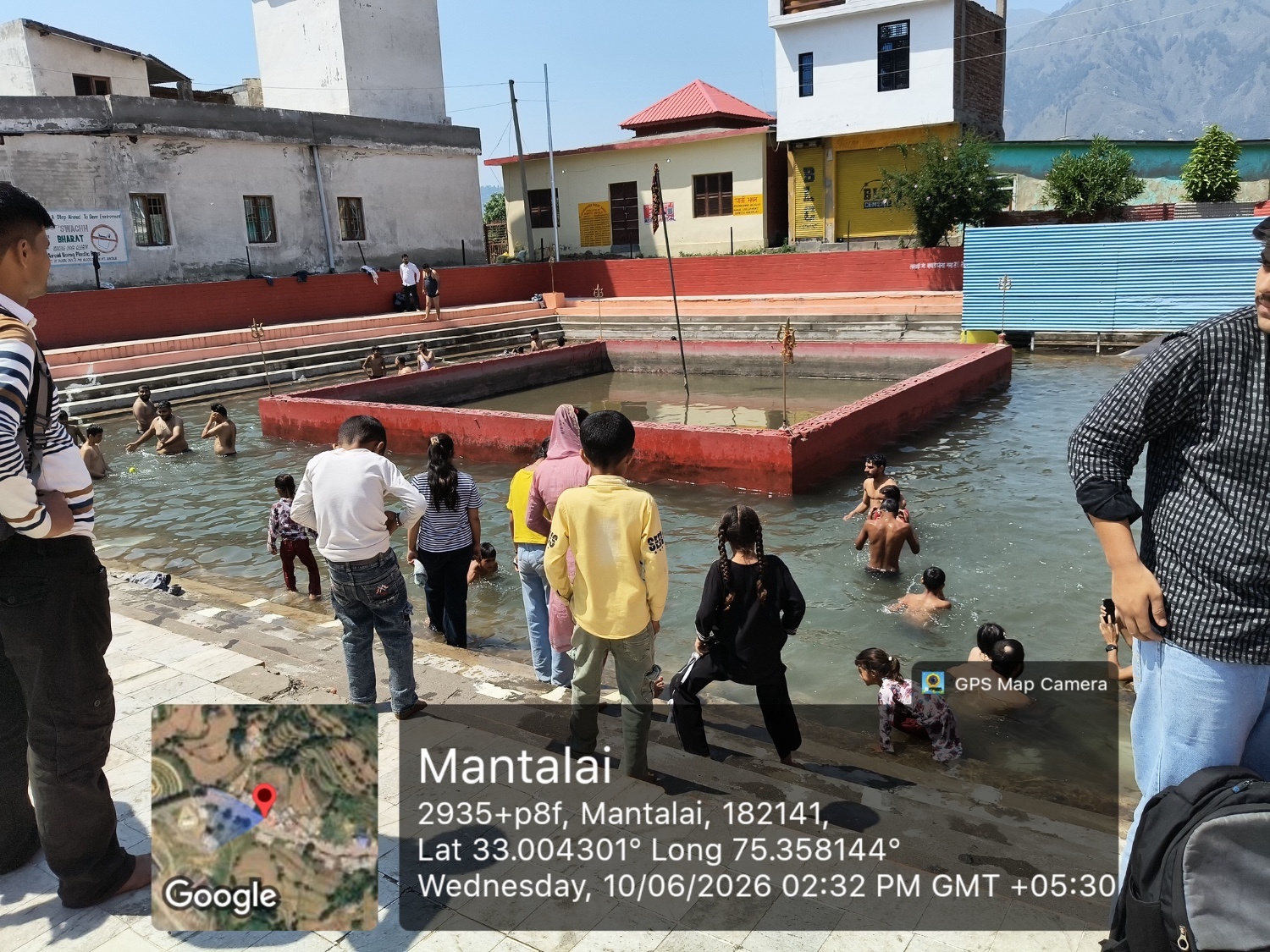
According to local tradition, the celestial wedding of Lord Shiva and Goddess Parvati took place at Mantalai itself. The sacred pond located beside the Aparneshwar Temple is believed to have originally served as the Homa Kund, where the holy marriage rituals were performed in the presence of sages and celestial beings. After the completion of the wedding ceremony, the sacred fire altar transformed into the holy pond that continues to exist today. Pilgrims consider its waters extremely auspicious and believe that bathing in the pond brings spiritual purification and divine blessings.
Another popular legend explains the origin of the village's name. The word "Mantalai" is derived from "Manta," a medicinal herb once found abundantly in the surrounding forests, and "Talai," meaning pond or lake. It is believed that Goddess Parvati used these herbs during her daily worship of Lord Shiva. To test her devotion, Lord Shiva created the demon Andhakasura, who attempted to disturb her prayers. Demonstrating immense courage and divine power, Parvati defeated the demon, further proving her unwavering faith. Impressed by her devotion and bravery, Lord Shiva chose Mantalai as the sacred place for their eternal union, making the village one of Hinduism's most significant pilgrimage destinations.
Principal Attractions
The Aparneshwar Temple
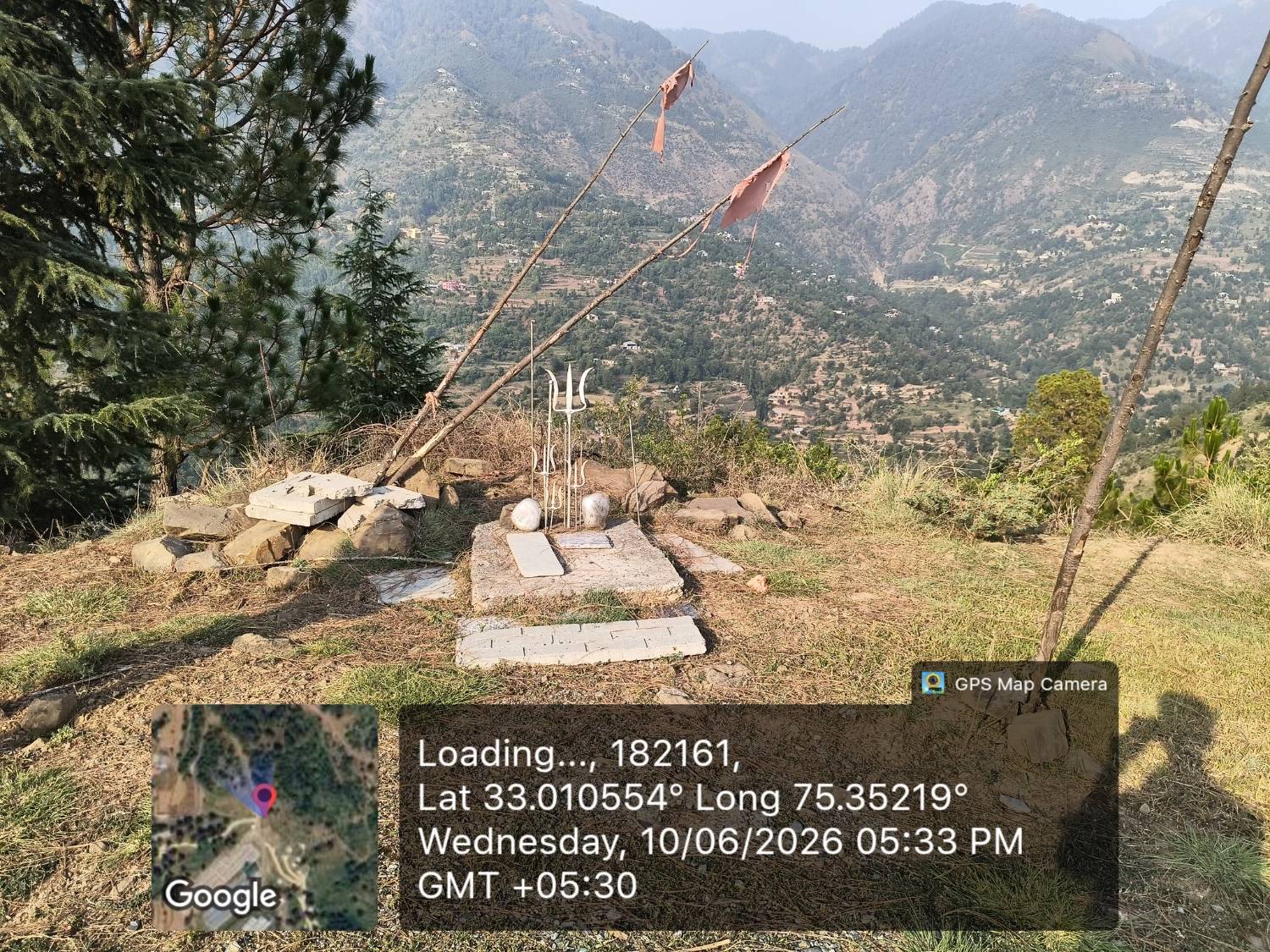
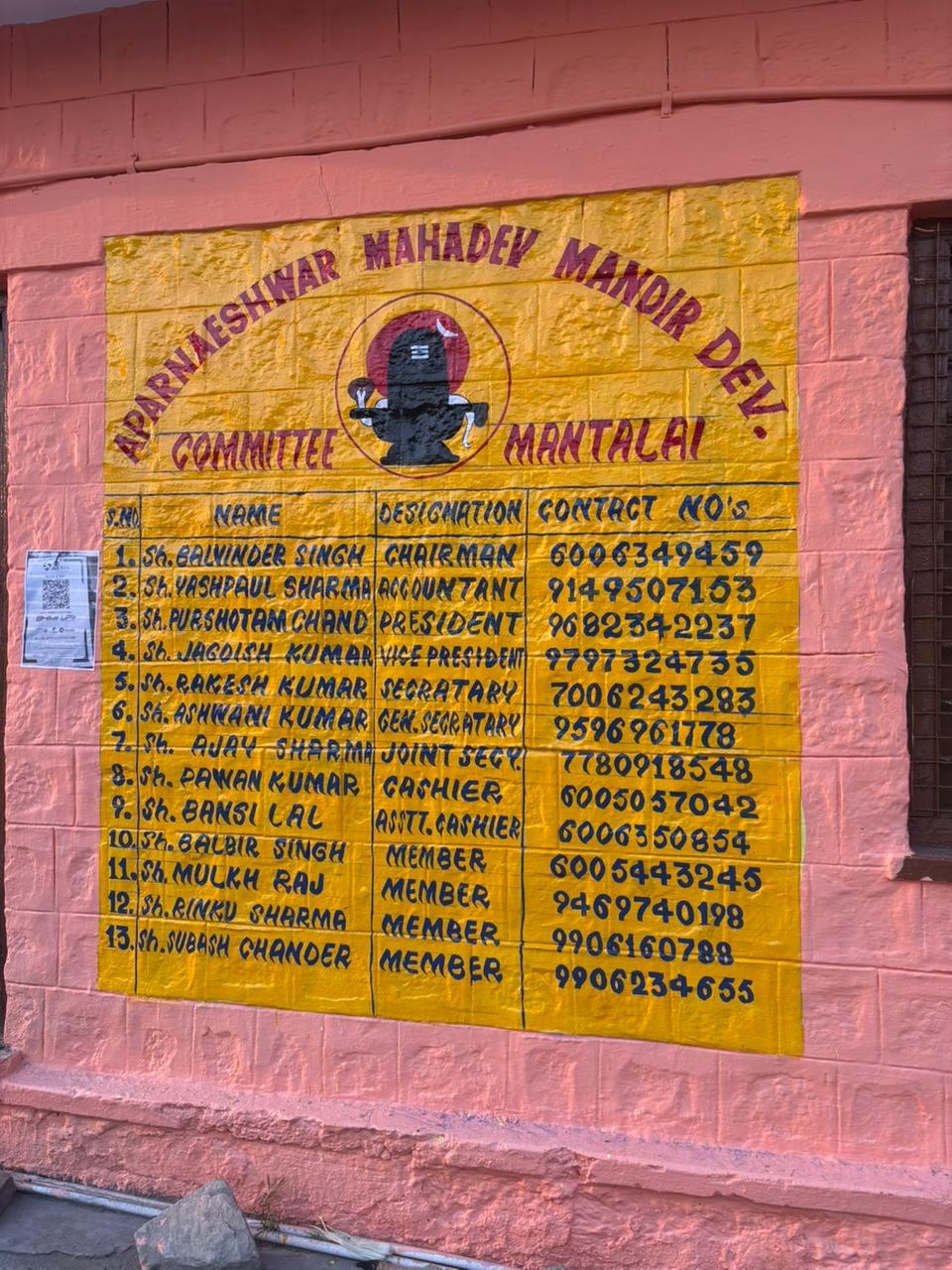
The Aparneshwar Temple is the most revered landmark of Mantalai and serves as the spiritual heart of the village. Nestled amidst towering deodar trees and overlooking the sacred pond, the temple is dedicated to Lord Shiva and derives its name from "Aparna," another name of Goddess Parvati, and "Ishwar," meaning God. The temple's principal deity is the sacred Shiva Lingam, symbolizing Lord Shiva's eternal presence.
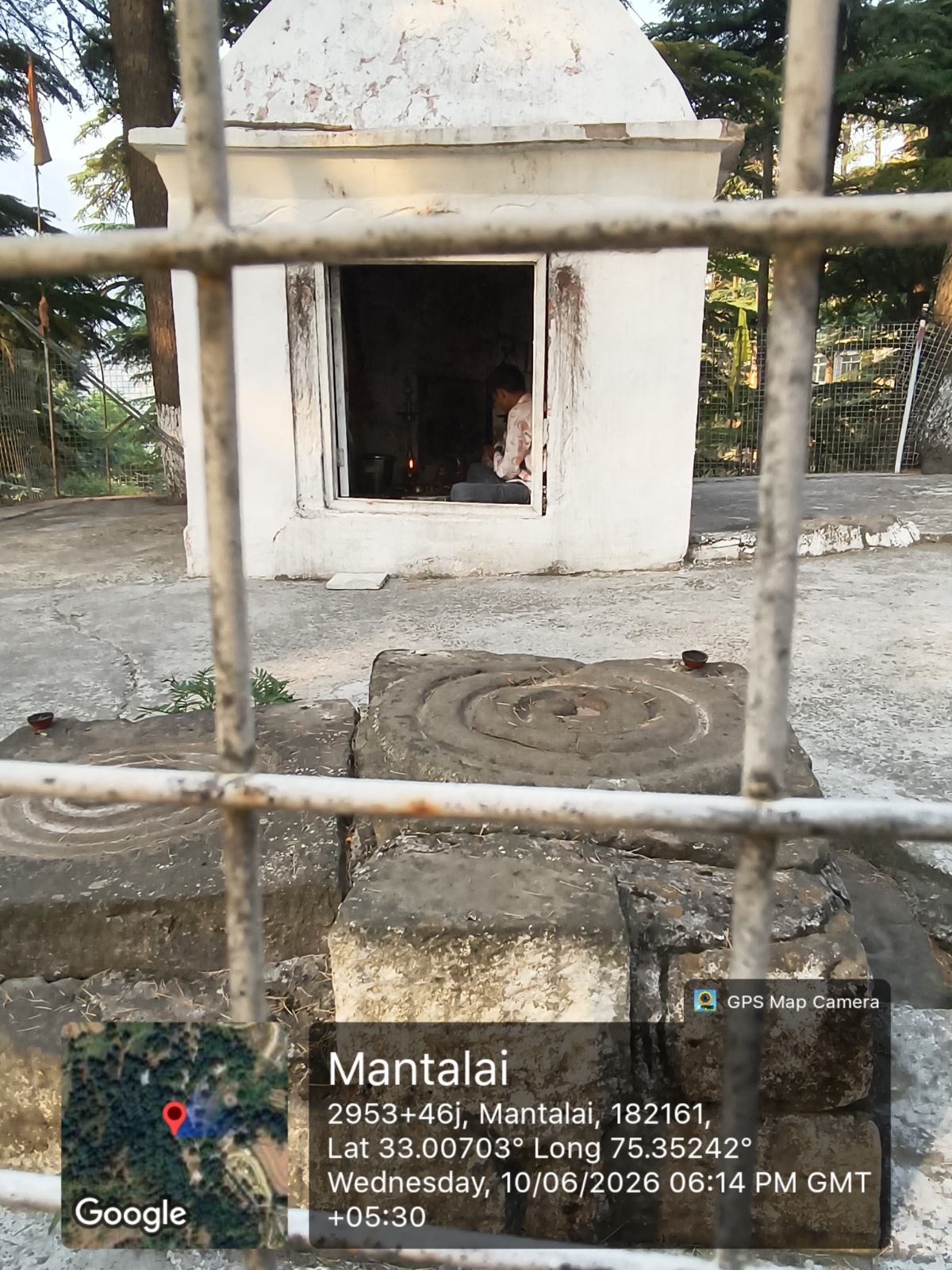
Apart from the Shiva Lingam, the temple houses several beautifully sculpted idols depicting Goddess Parvati as a young maiden (Kanya), Shiva and Parvati together as a divine couple, and another set portraying Shiva, Parvati, and Lord Ganesha. Two magnificent statues of Nandi, Lord Shiva's divine vehicle, face the sanctum. Local tradition holds that the smaller Nandi belongs to the original temple structure, while the larger one was unearthed during archaeological excavations. A sacred rock preserved within the temple complex is also believed to have been present during the divine marriage ceremony, further enhancing the temple's spiritual significance.
The Sacred Mantalai Pond
Adjacent to the temple lies the sacred Mantalai Pond, one of the holiest features of the pilgrimage site. Although commonly referred to as a lake, it is actually a naturally formed pond that holds profound religious importance. According to mythology, this pond originated from the Homa Kund used during the marriage ceremony of Lord Shiva and Goddess Parvati. Devotees visiting the temple often perform ritual prayers and offer flowers near the pond before entering the shrine. The calm waters, surrounded by lush greenery and majestic mountains, create an atmosphere of peace and devotion, making it a perfect place for meditation and spiritual reflection.
Mantalai International Yoga Centre
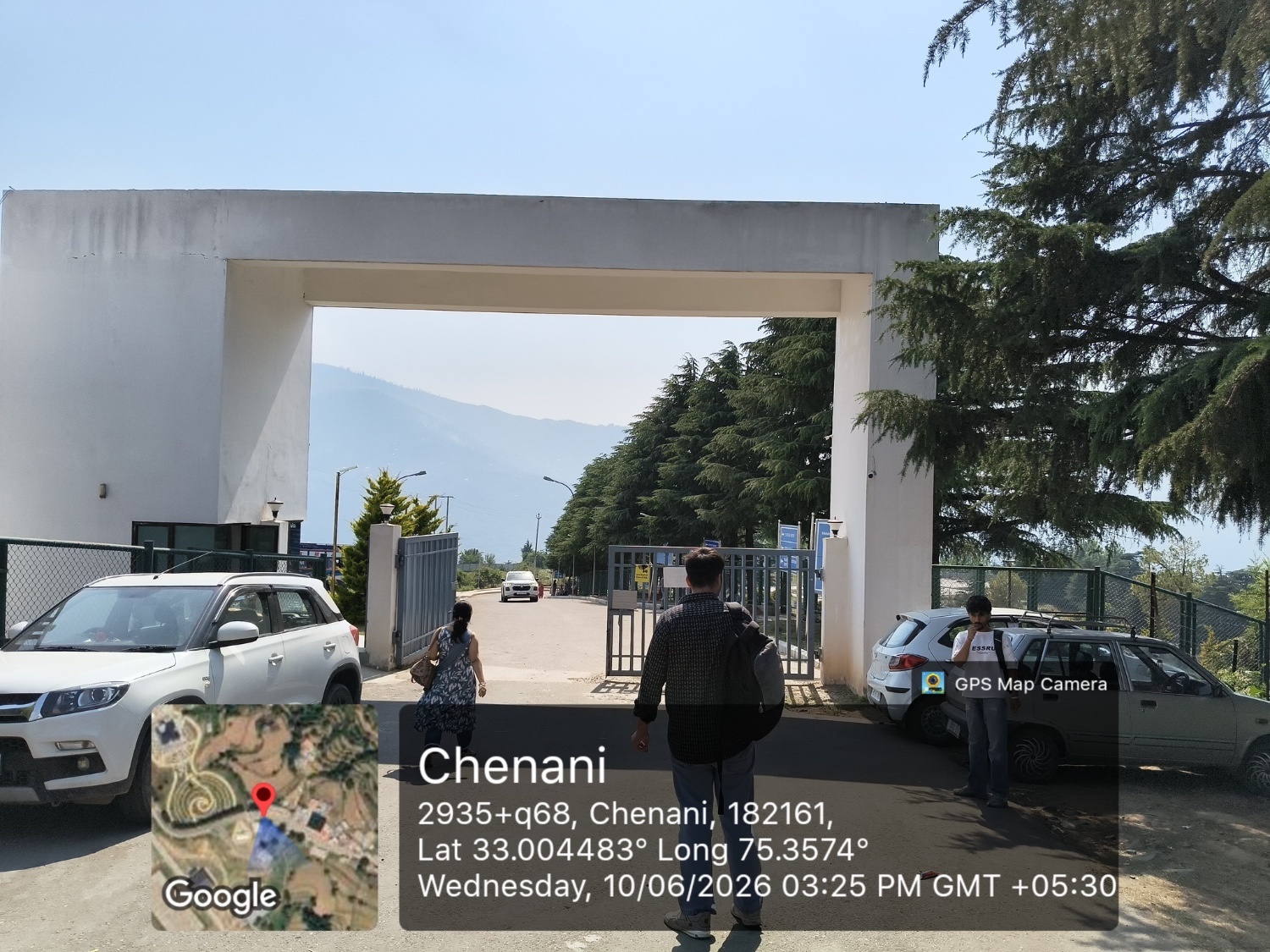
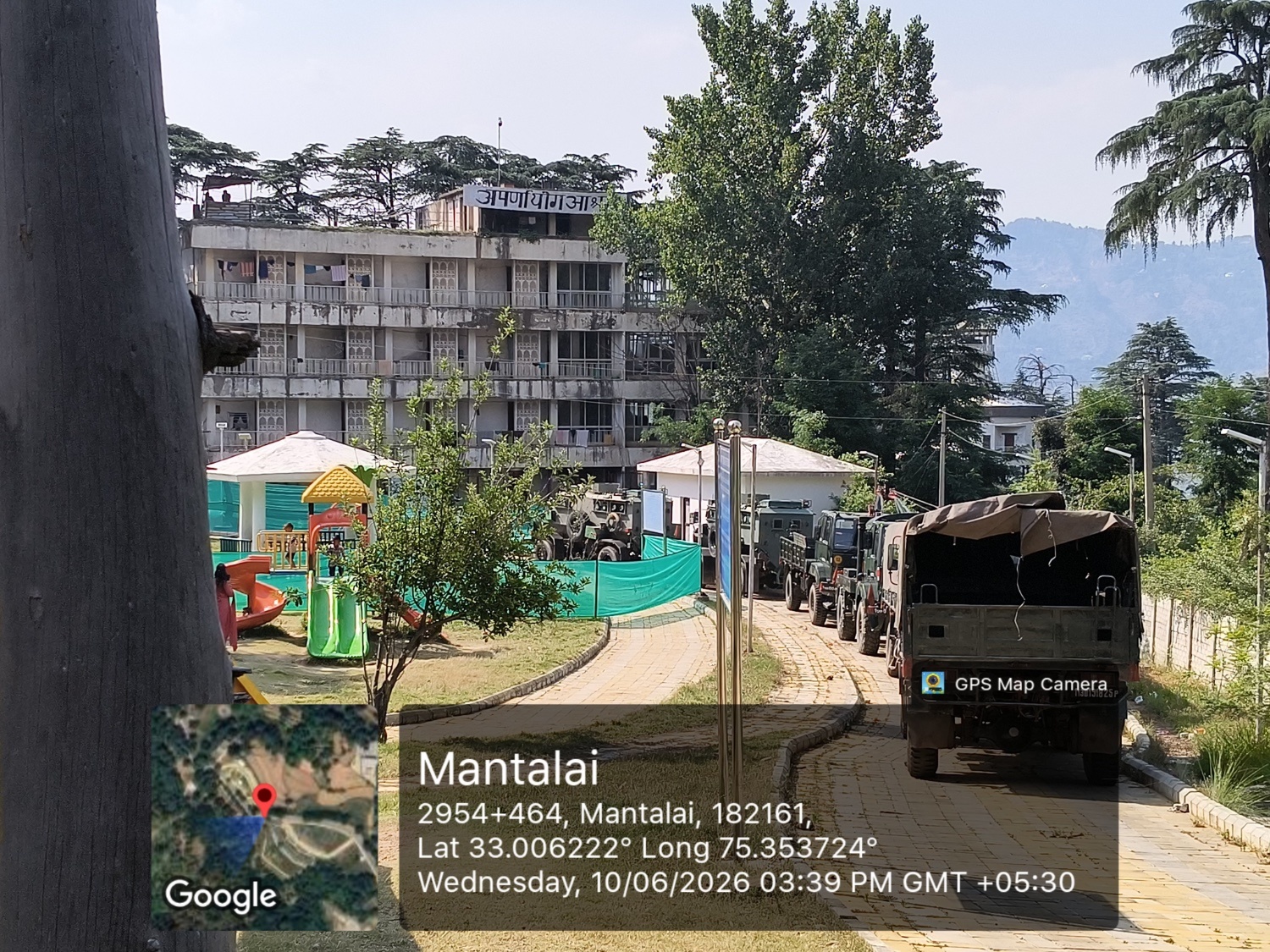
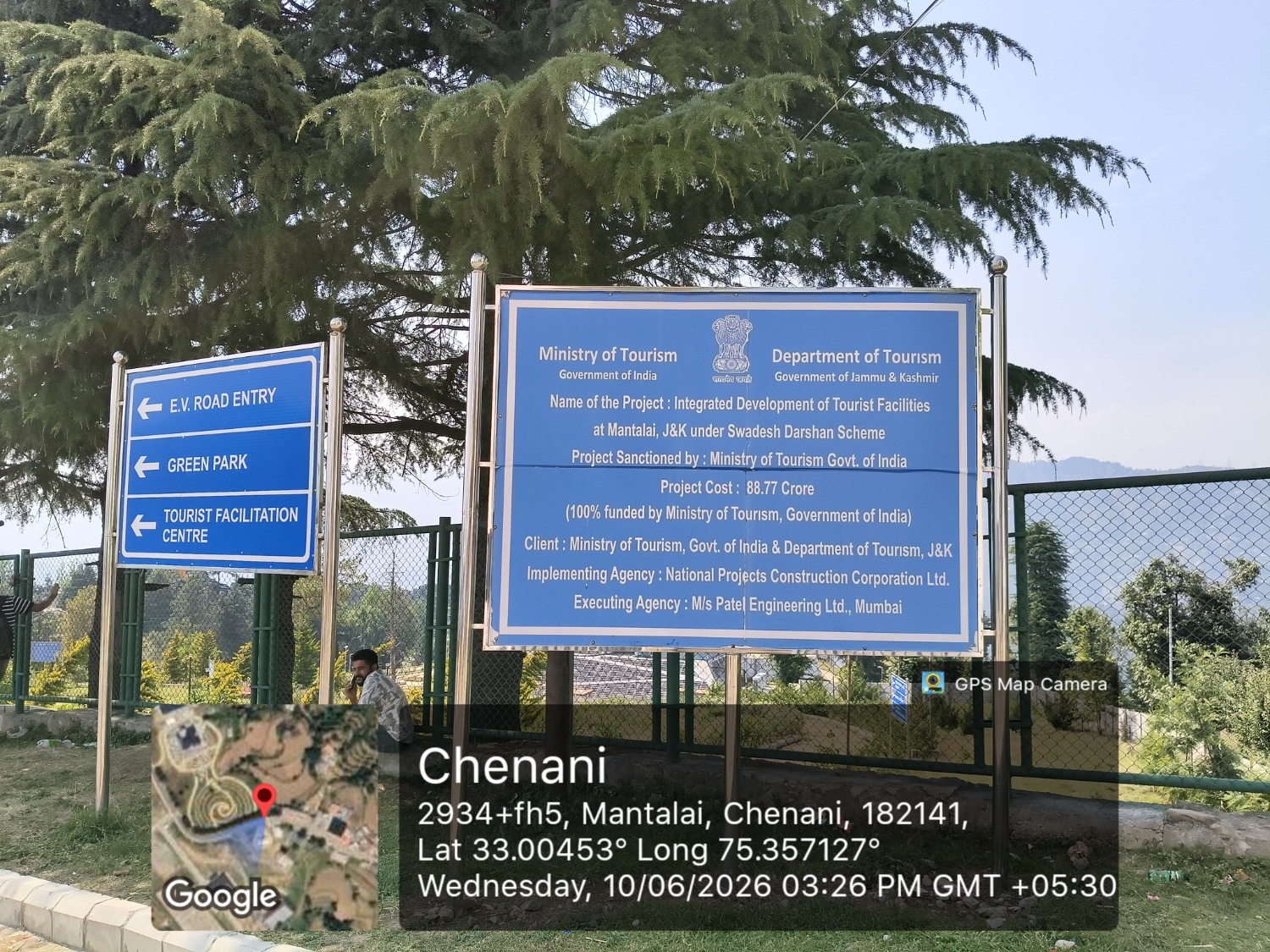
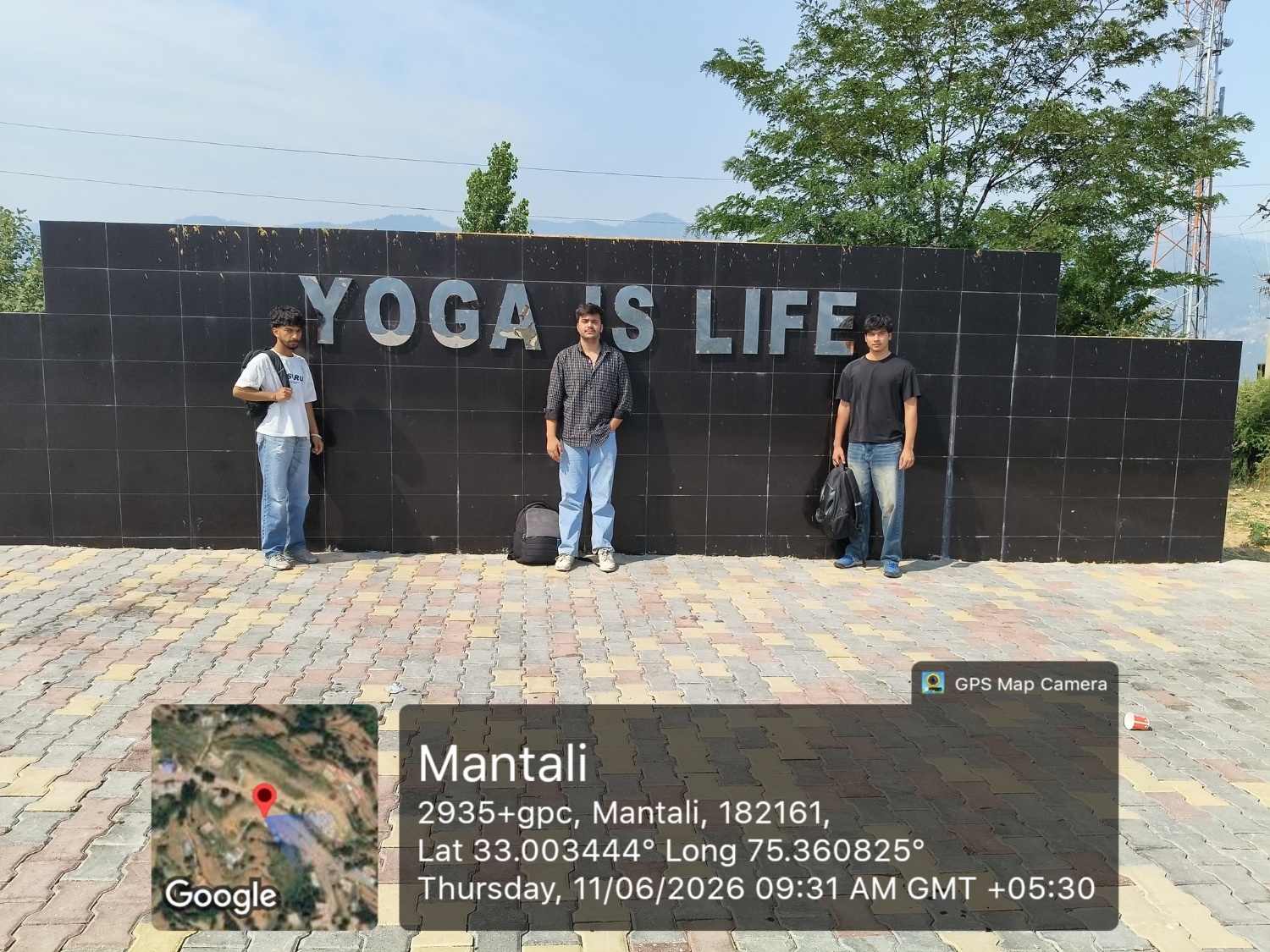
One of the most remarkable landmarks of Mantalai is the Mantalai International Yoga Centre, formerly known as the Aparna Ashram, established by renowned yoga guru Swami Dhirendra Brahmachari. Spread across nearly 126 acres, the centre represents one of the largest yoga and wellness complexes in northern India. Originally envisioned as a global destination for yoga, meditation, and holistic living, the complex has undergone significant redevelopment by the Government of Jammu and Kashmir to promote spiritual tourism and wellness activities.
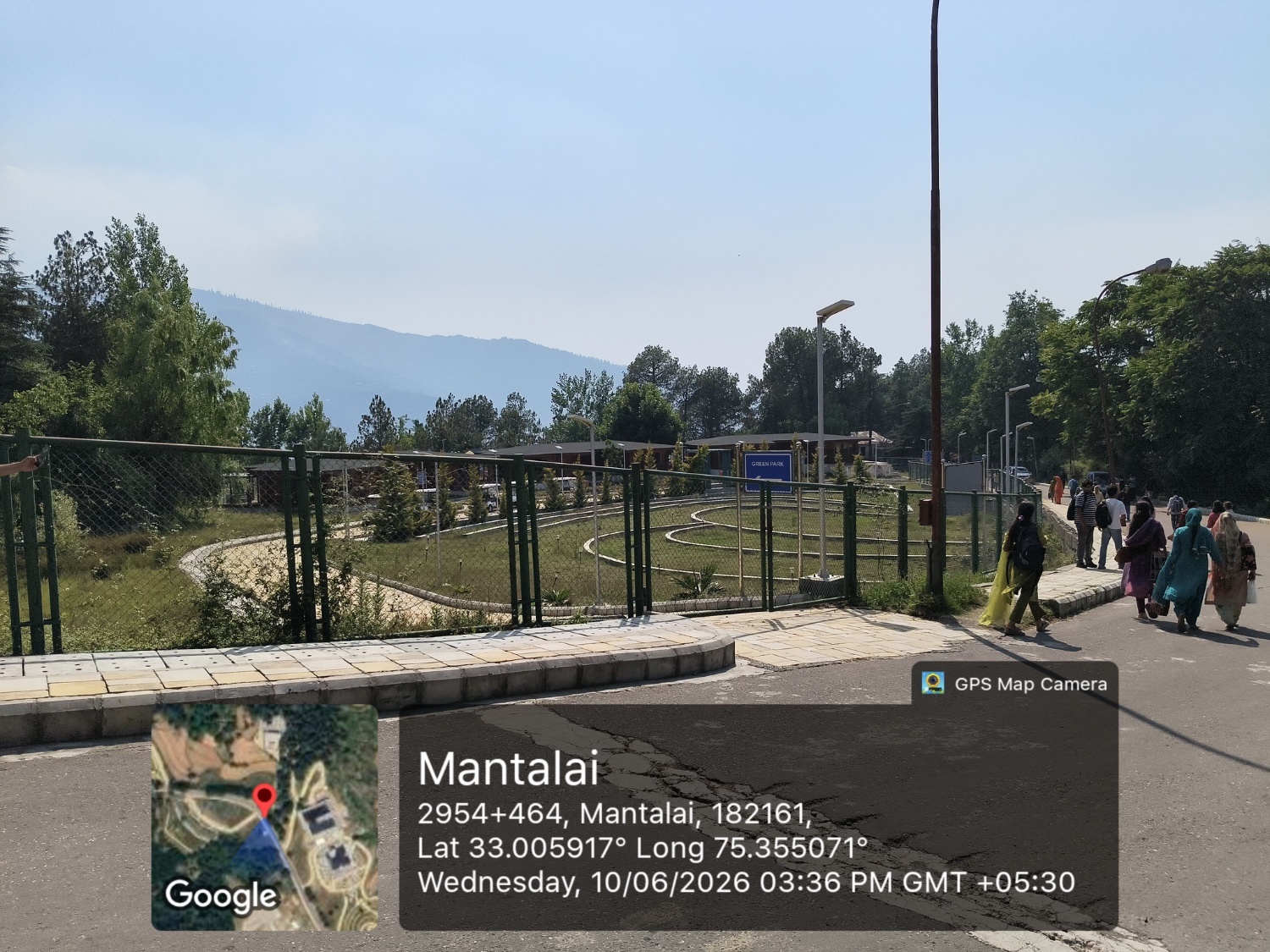
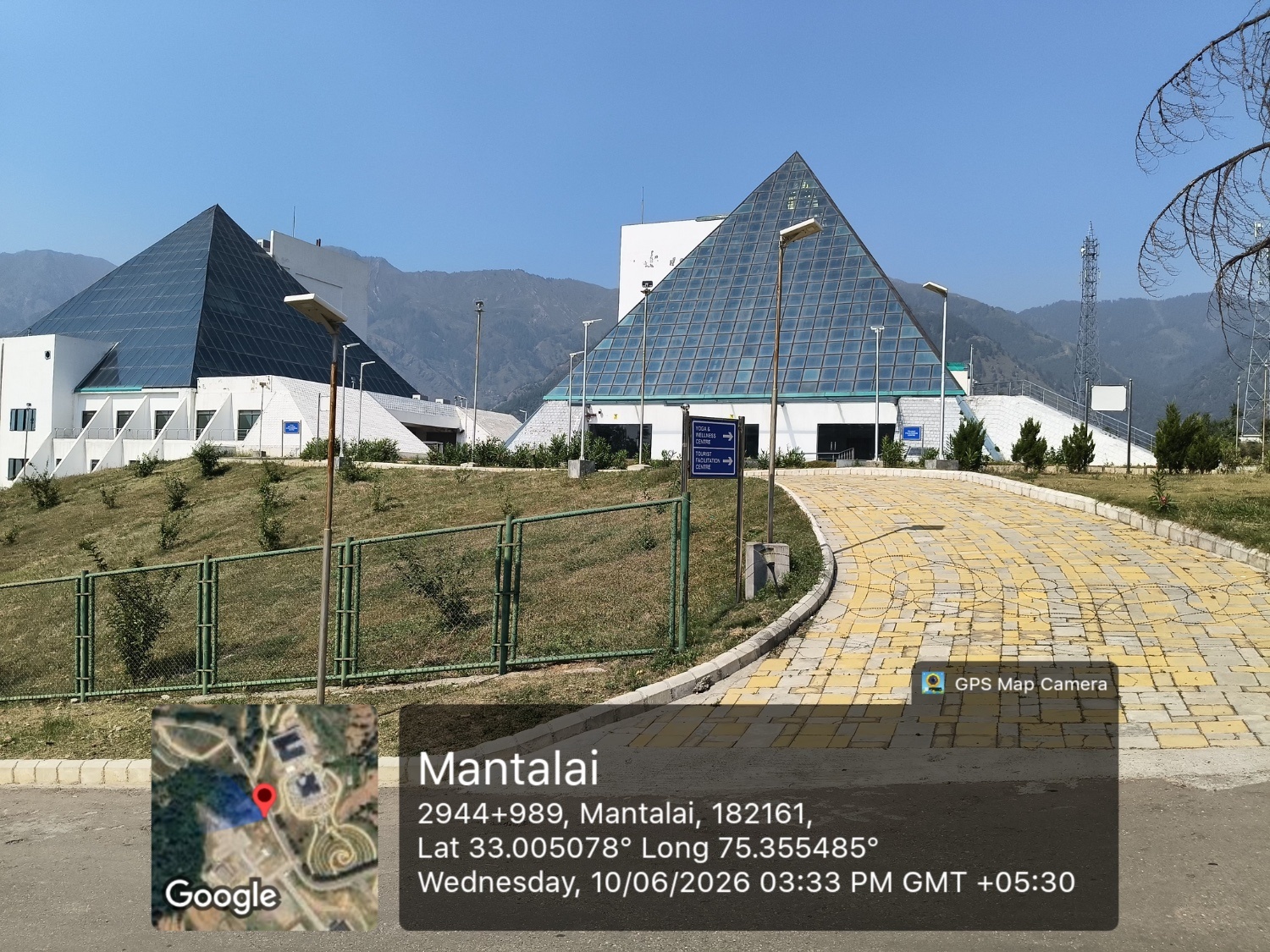
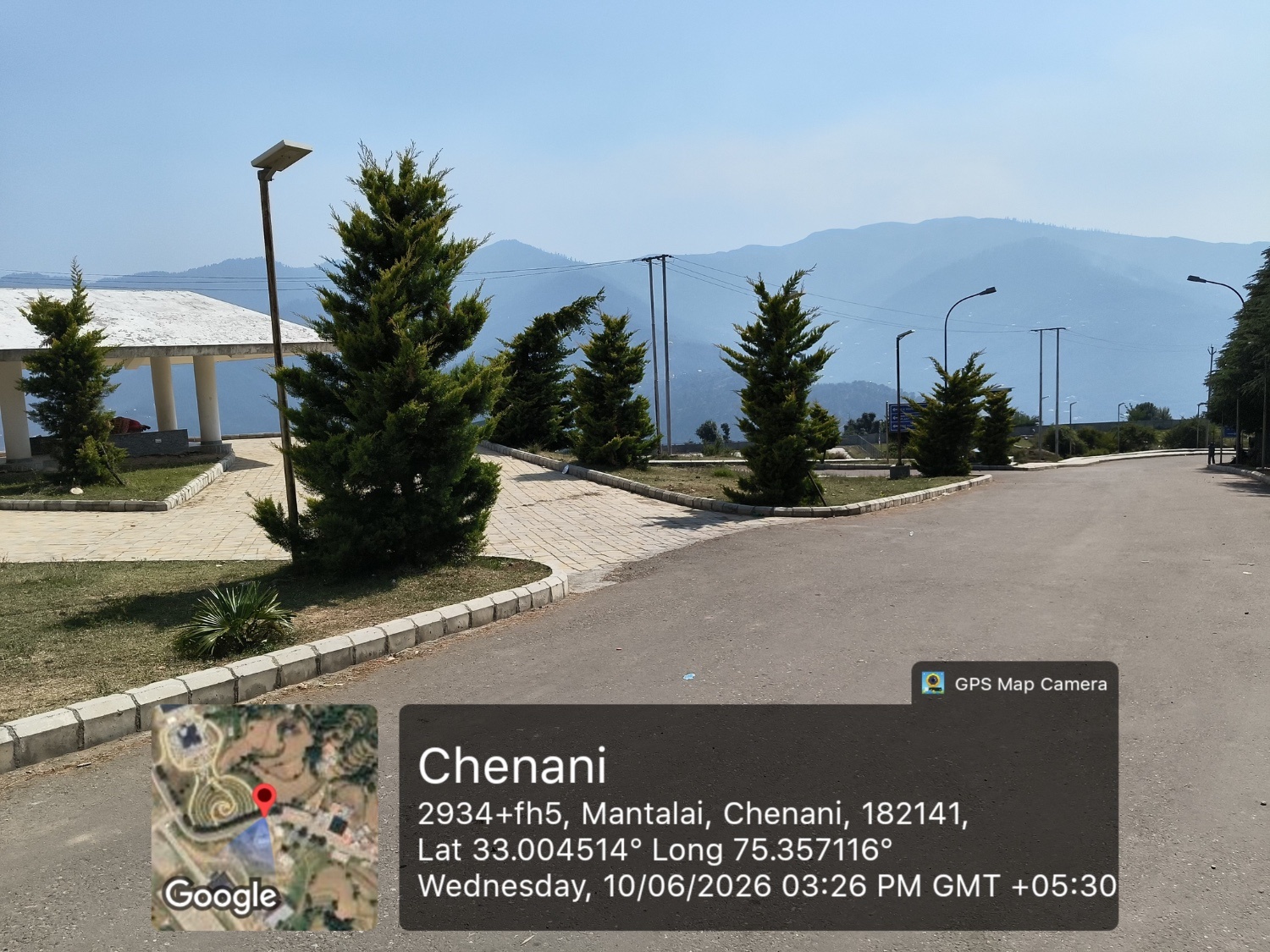
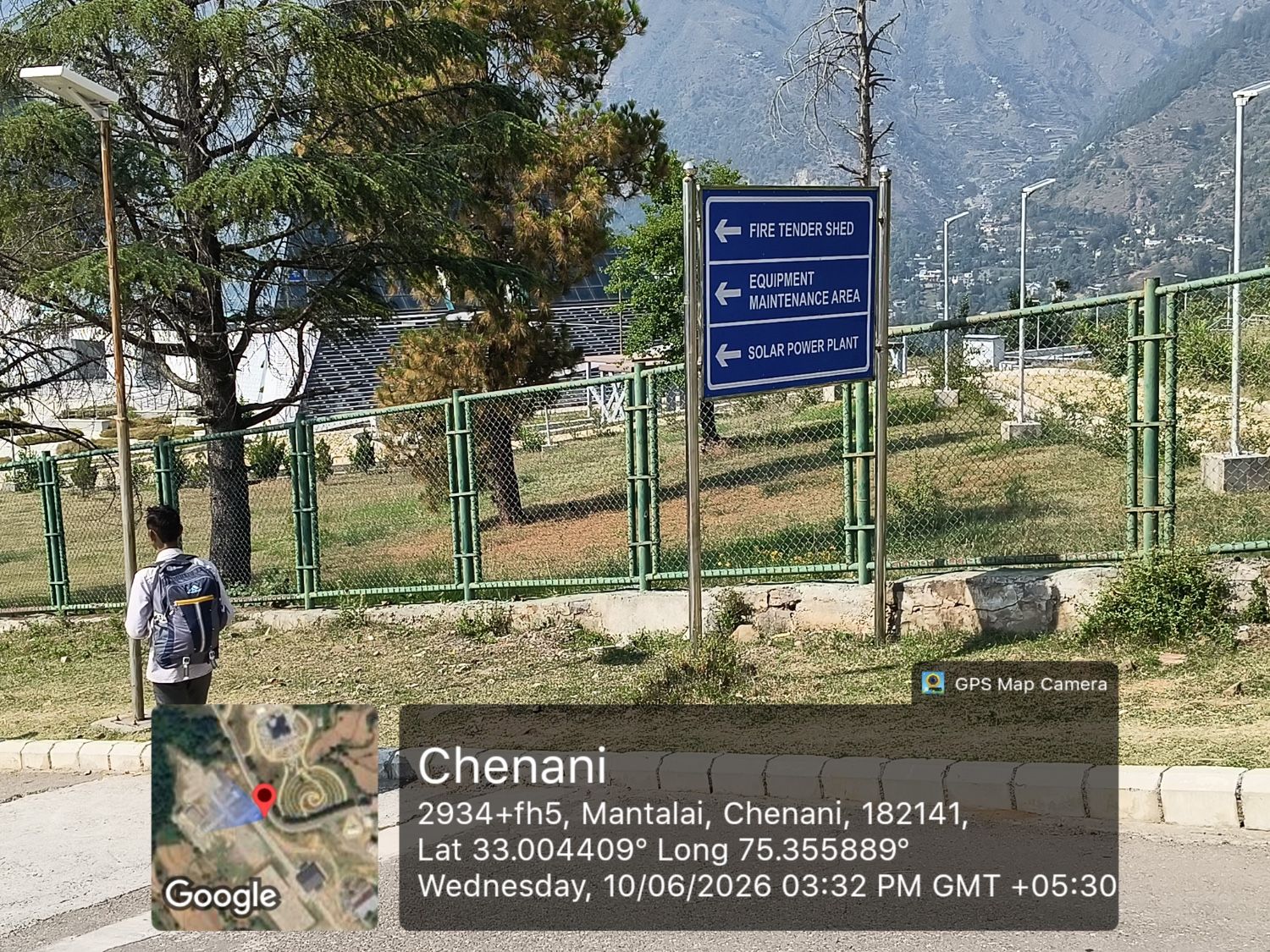
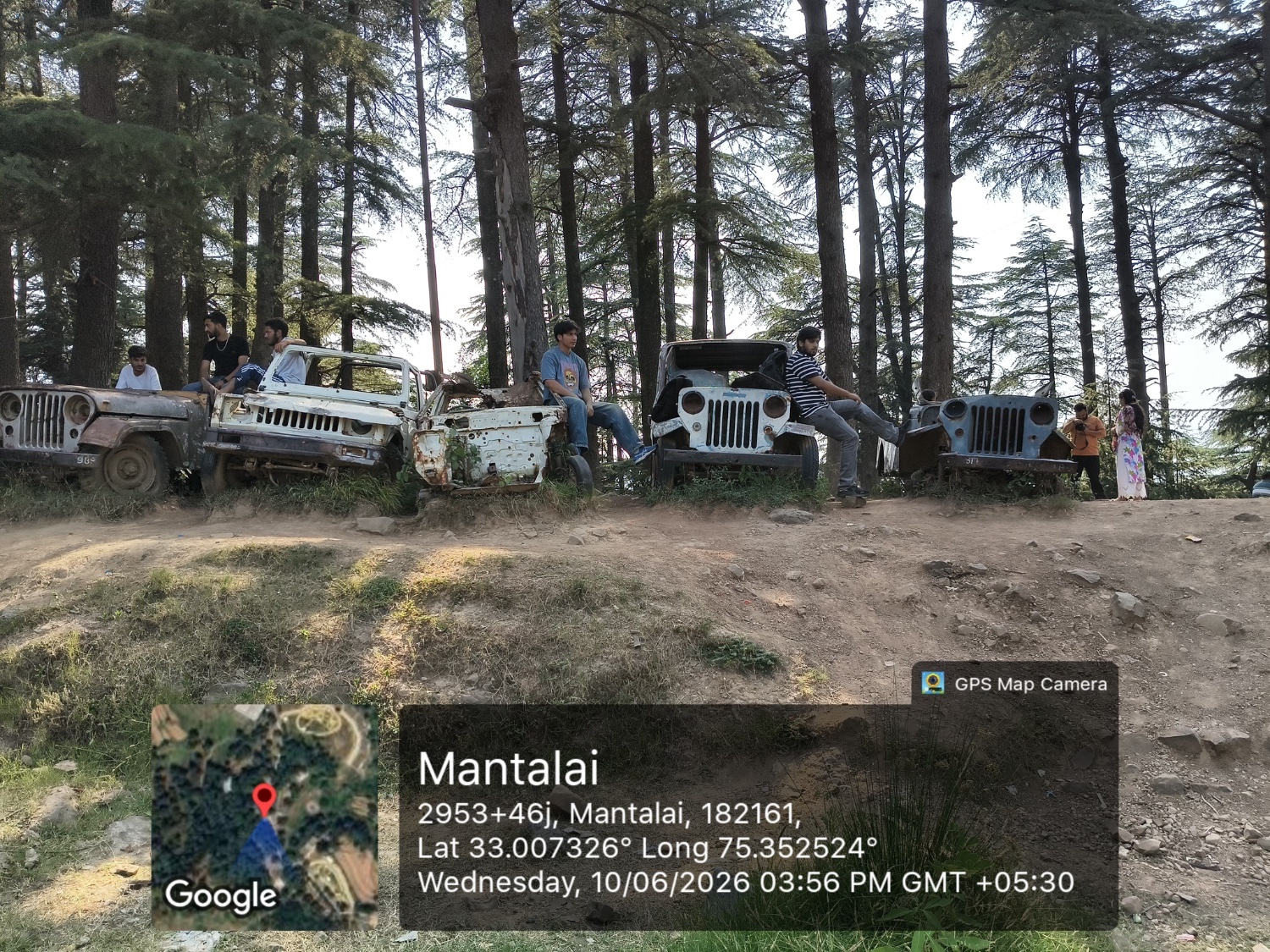
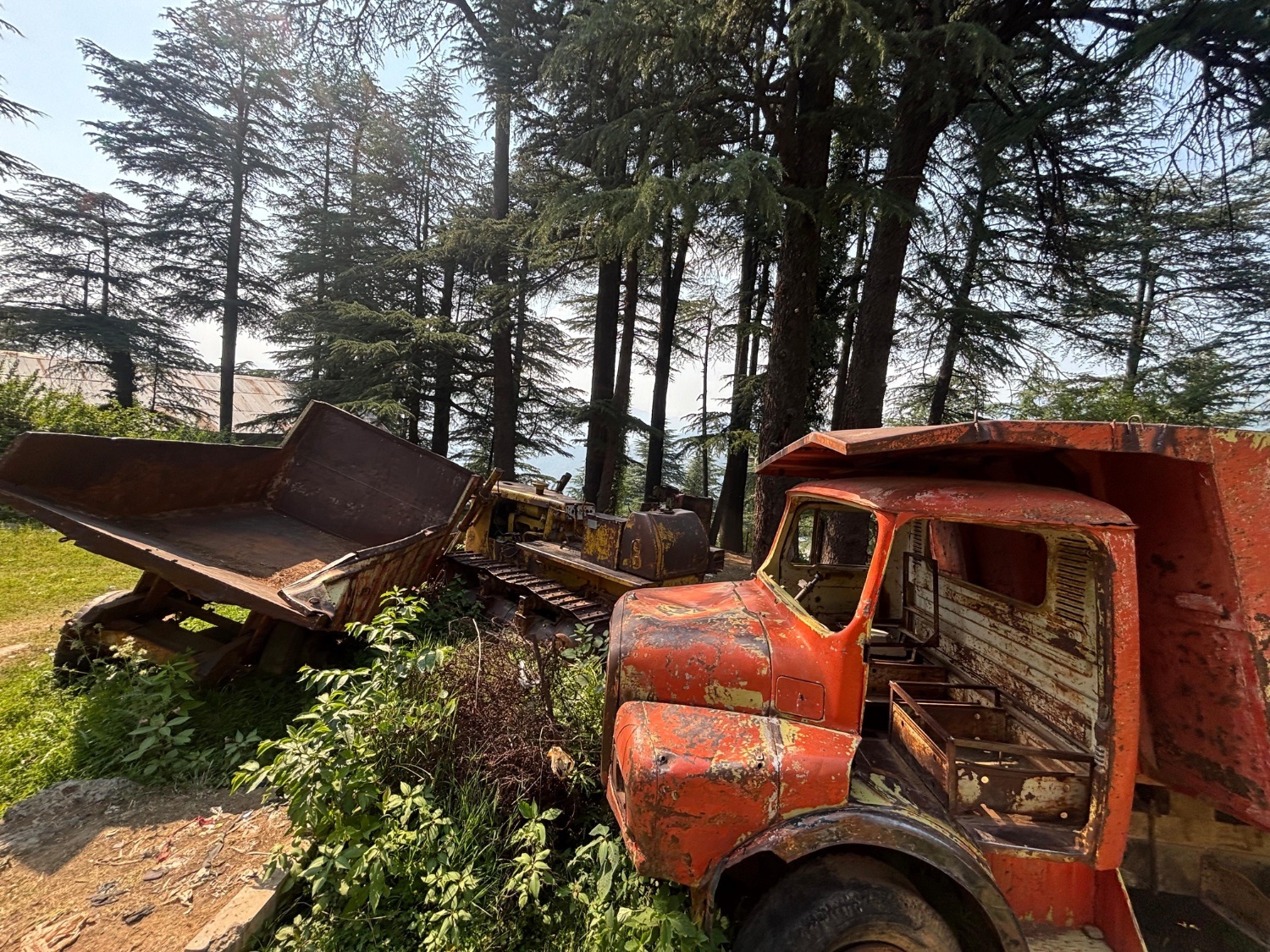
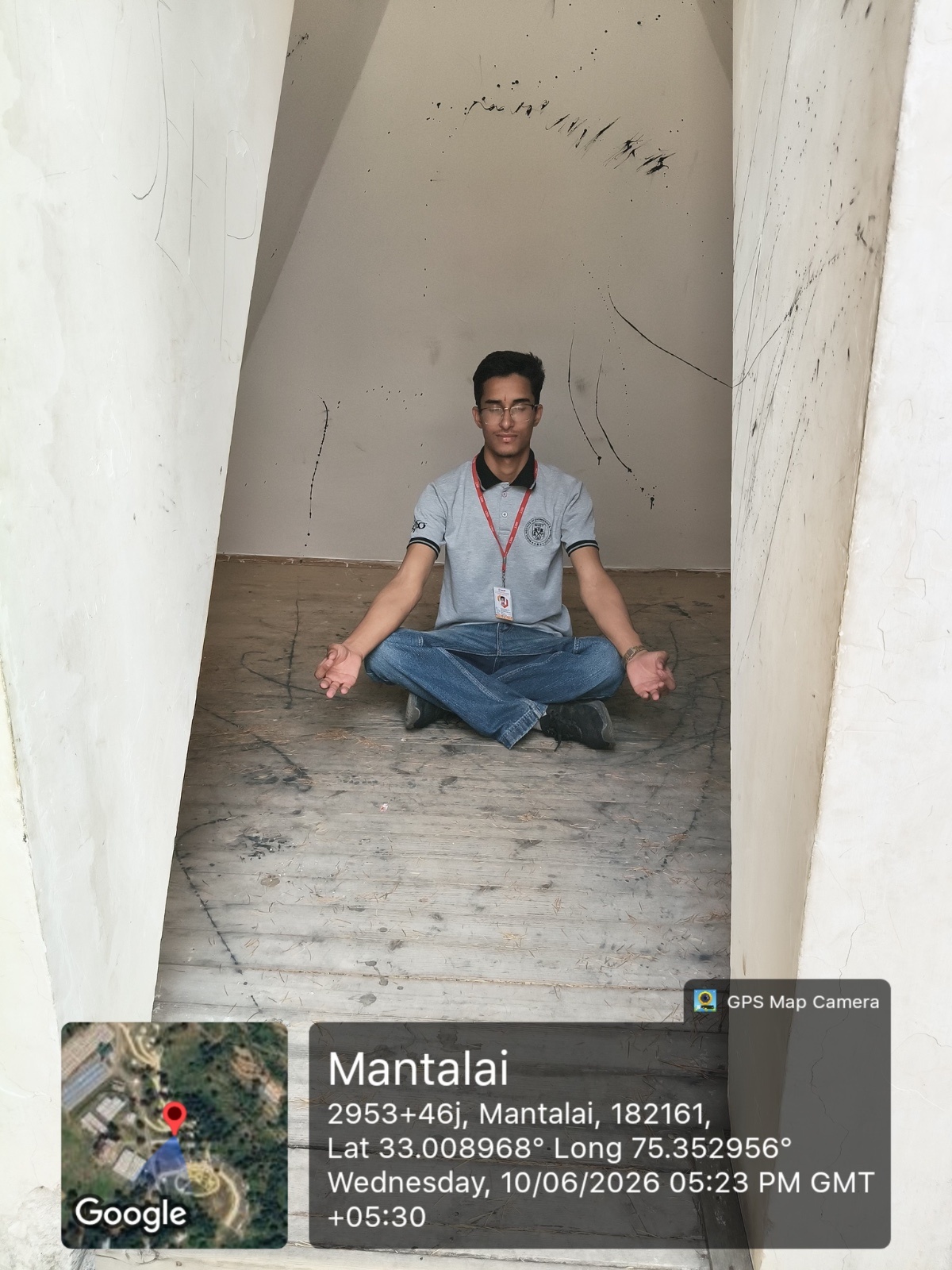
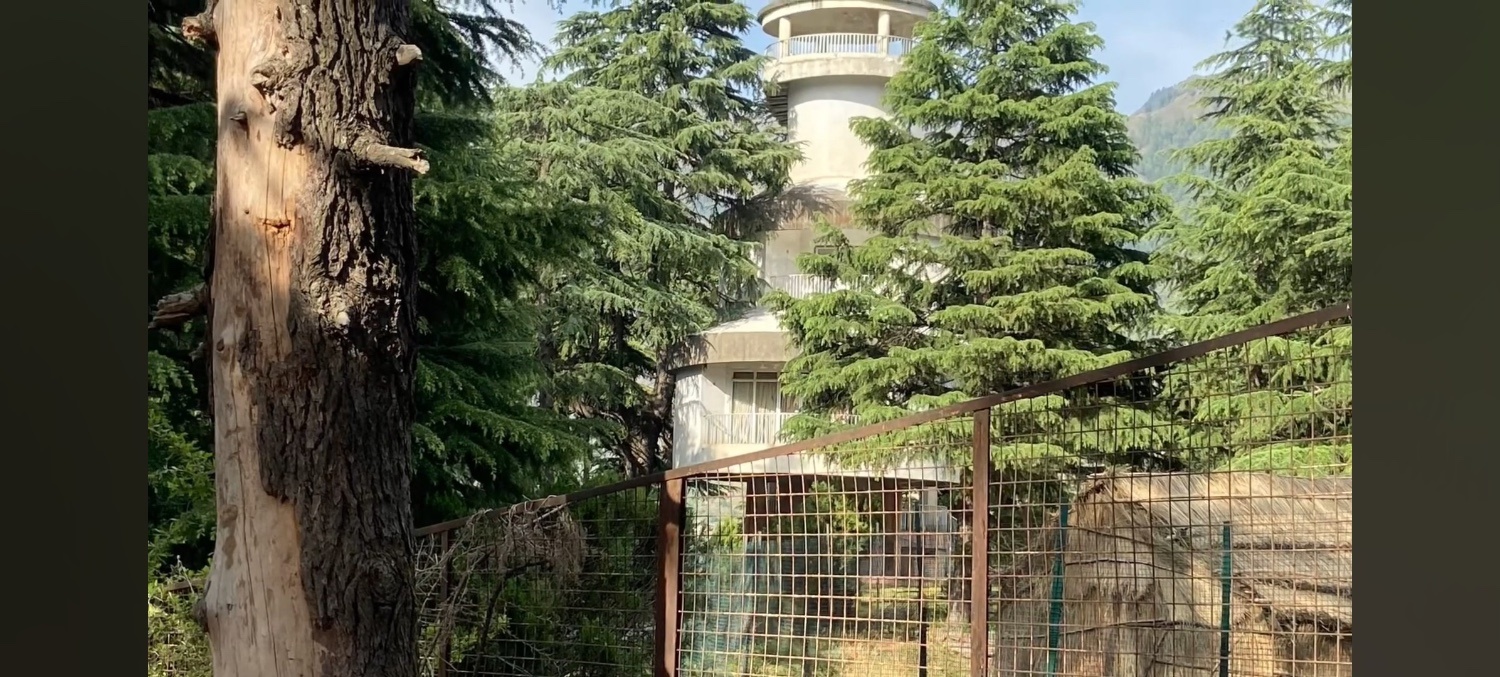
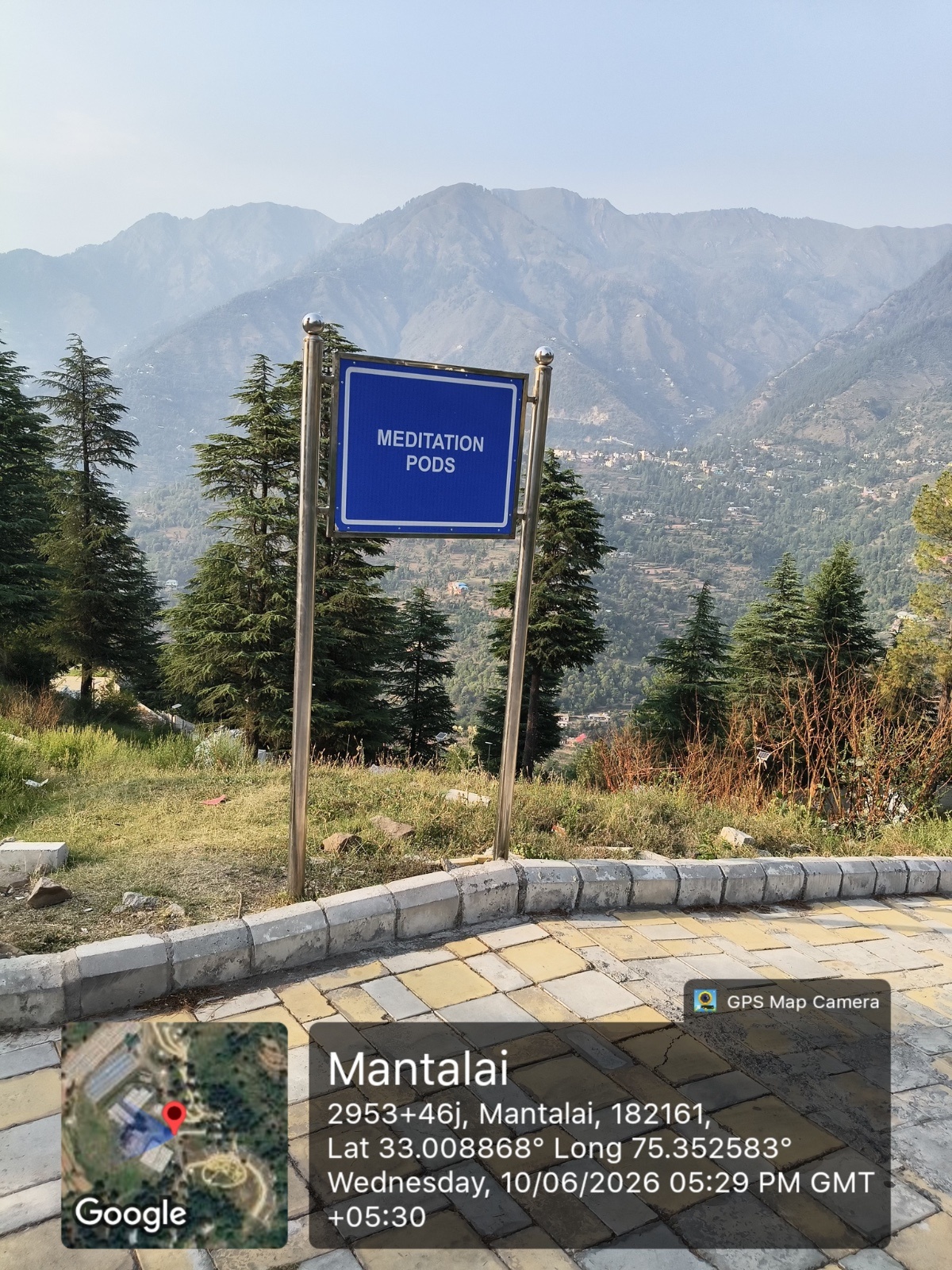
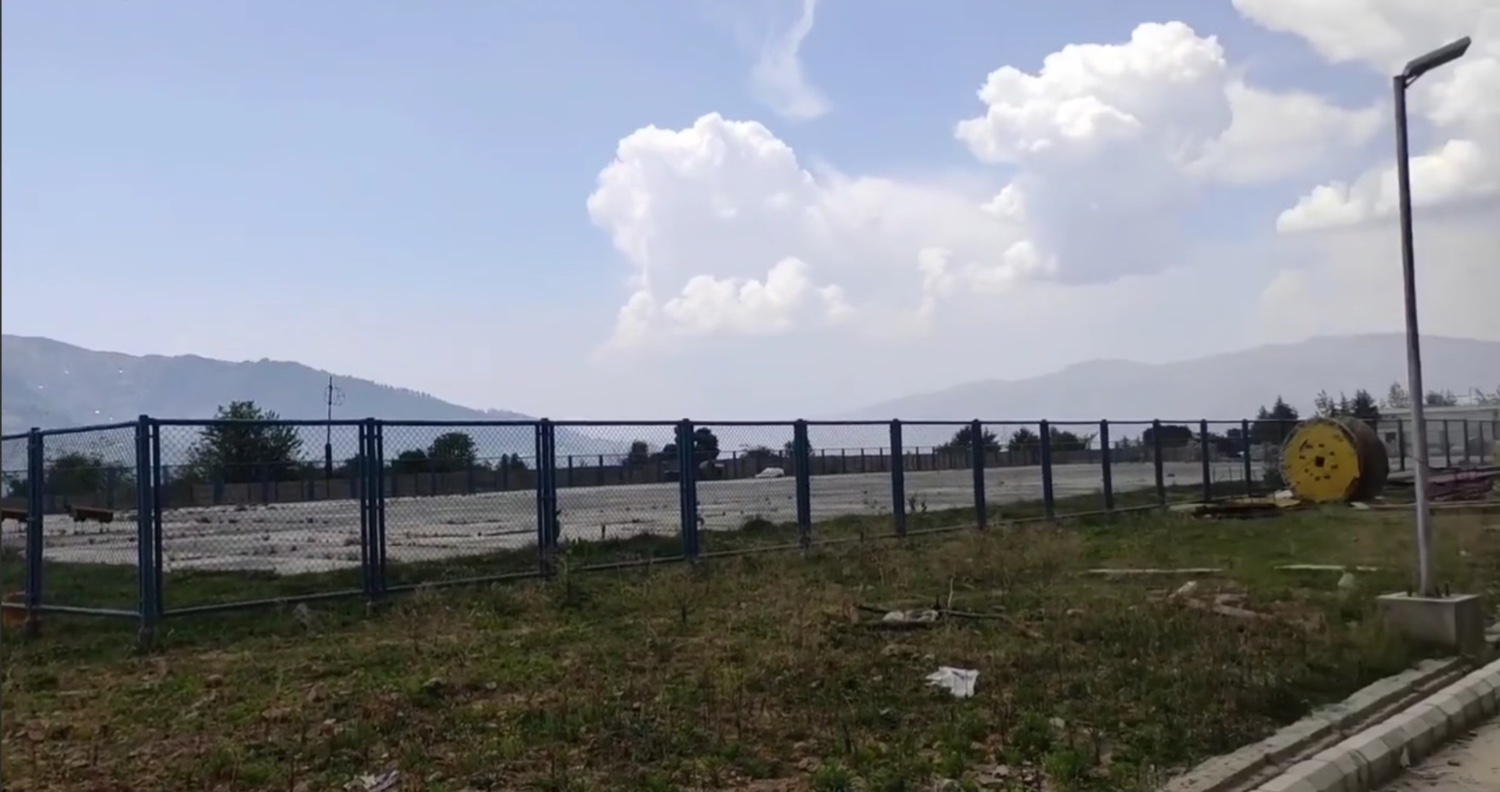
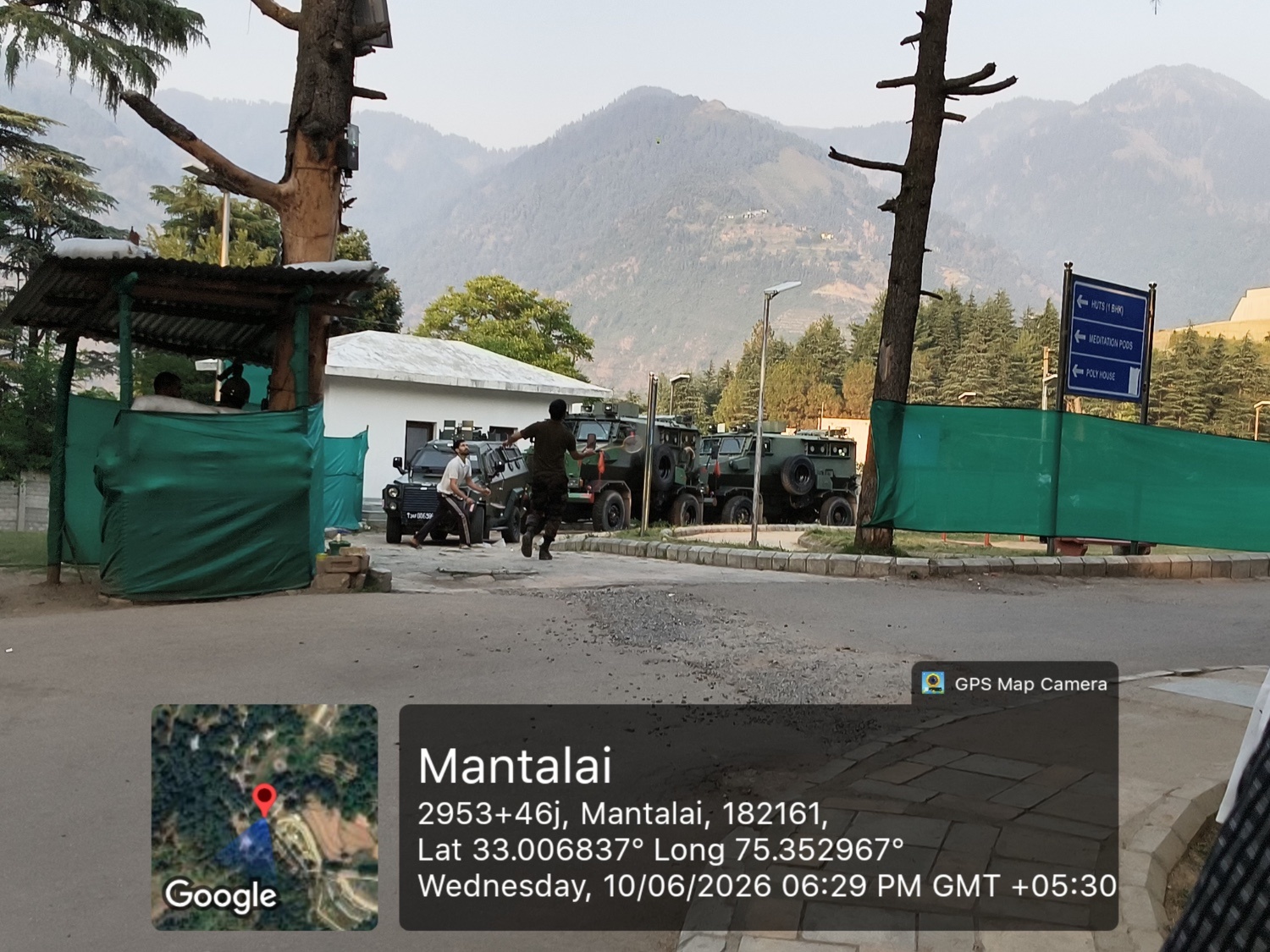
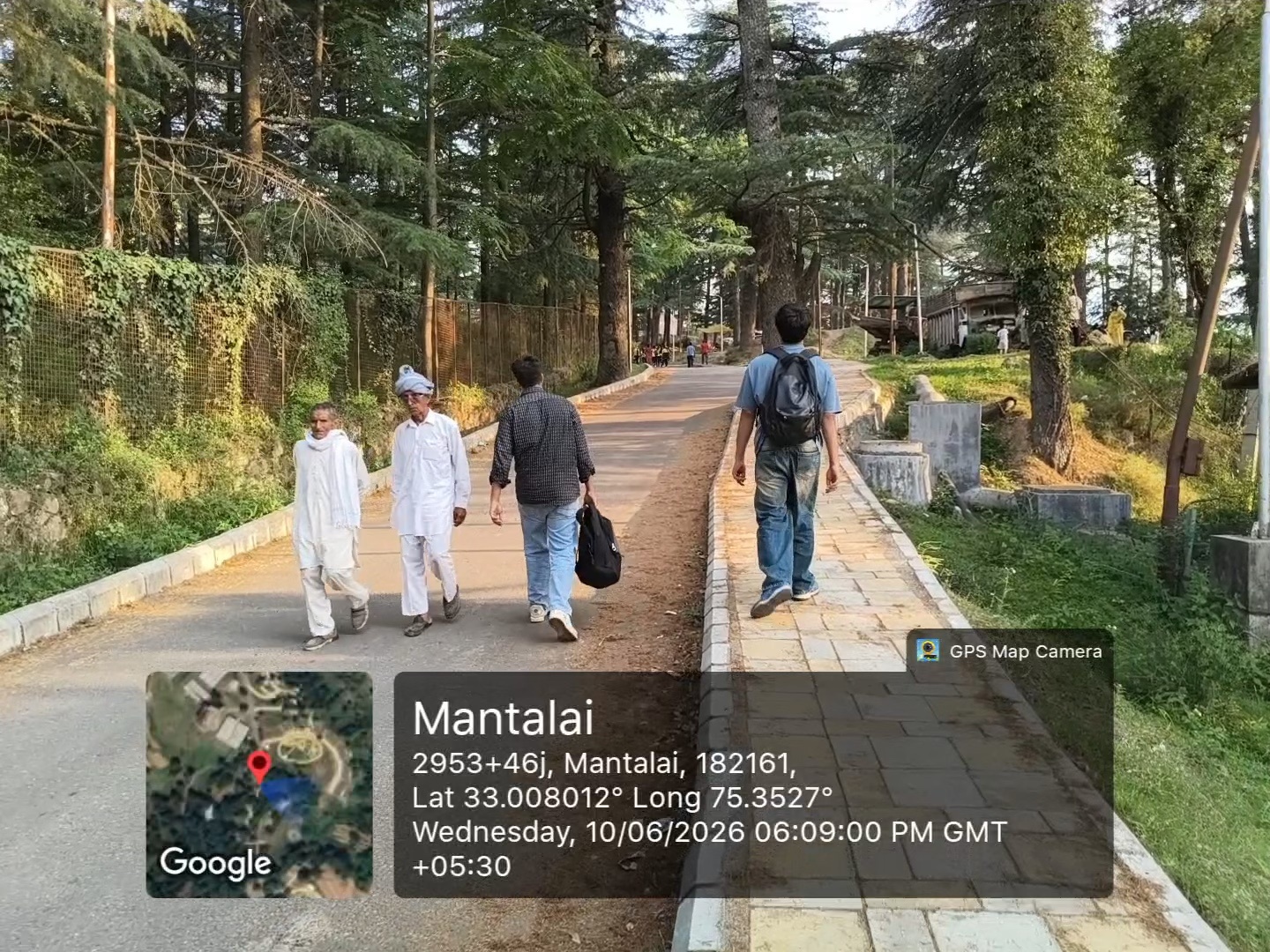
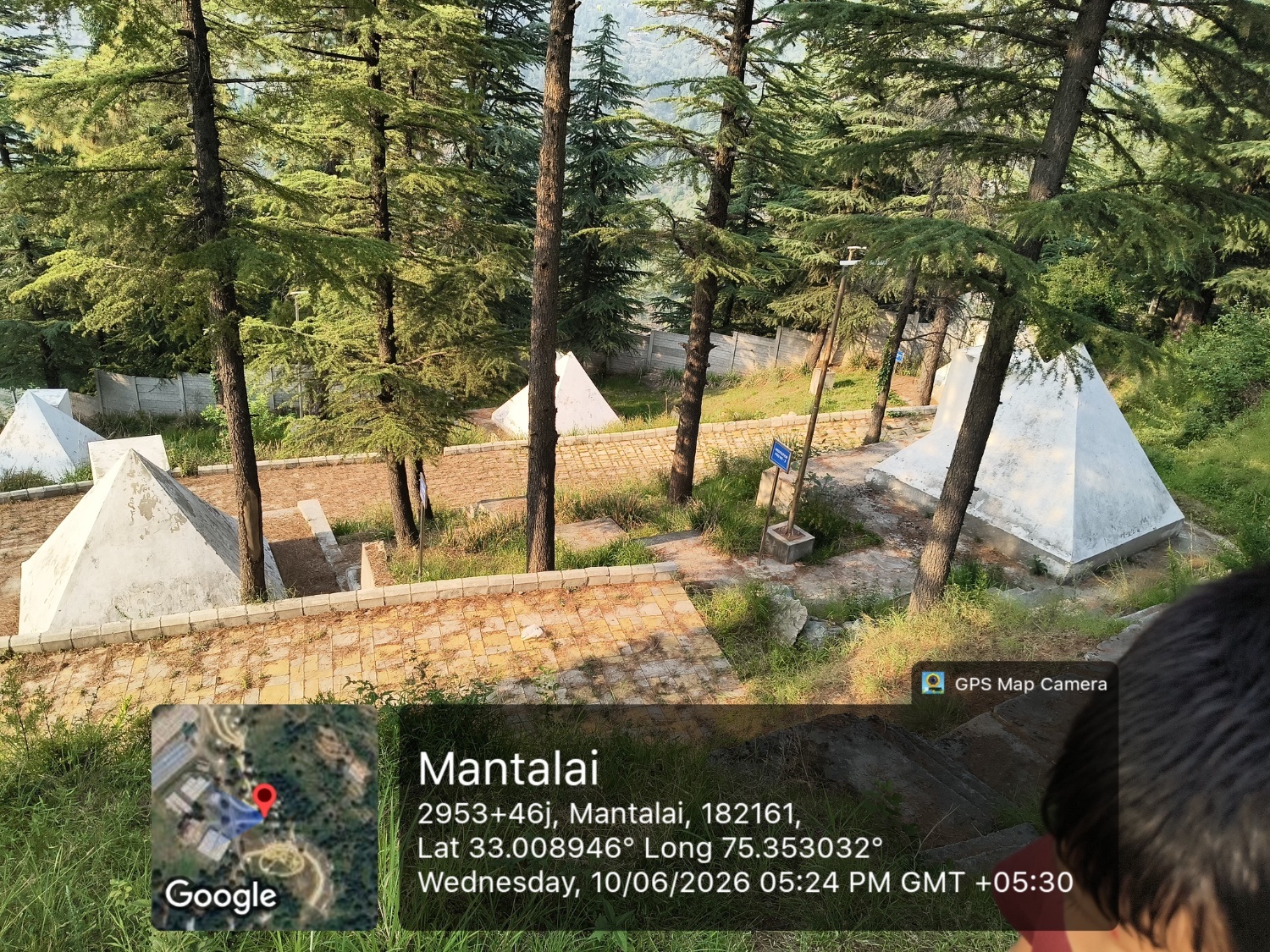
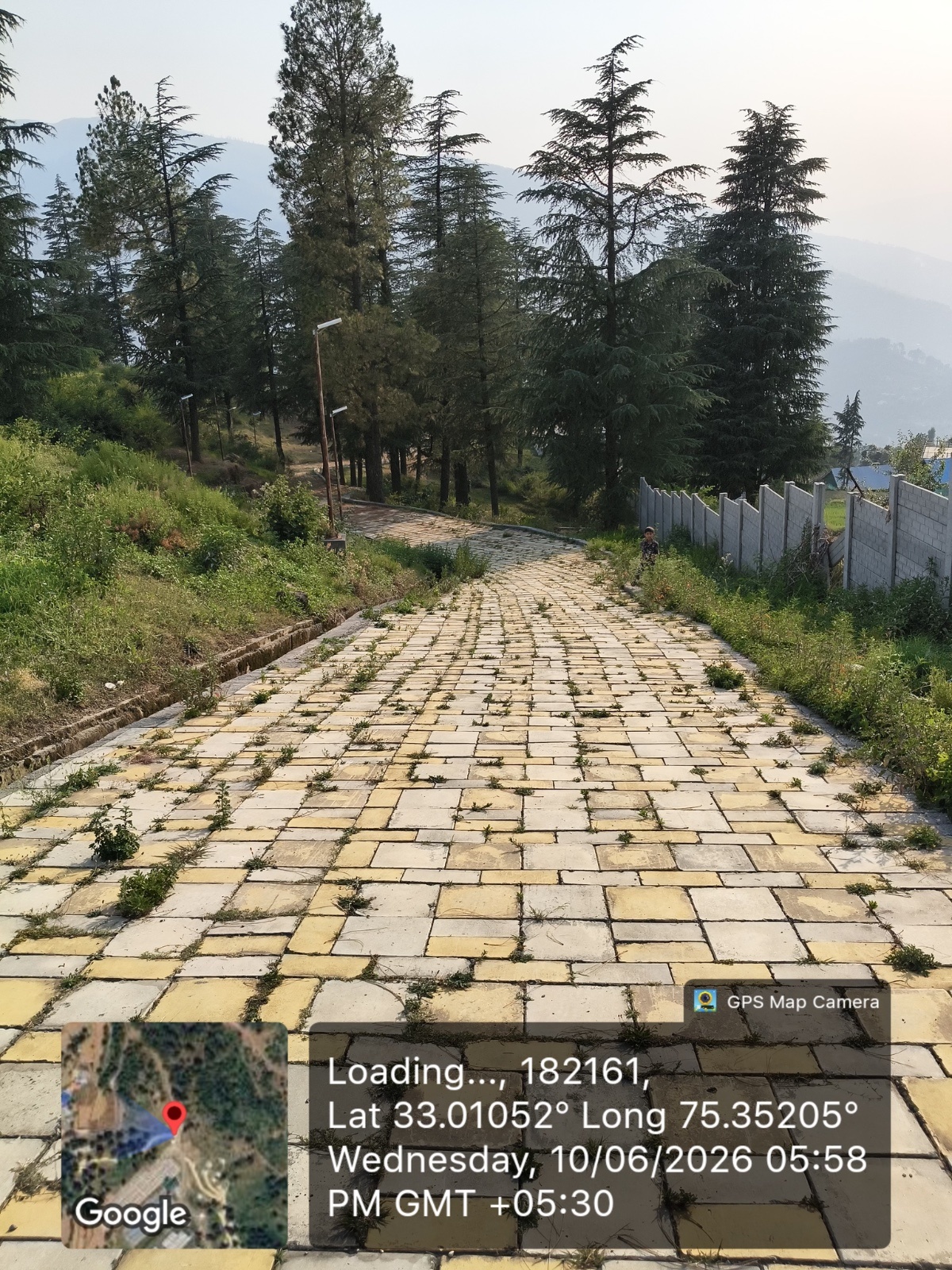
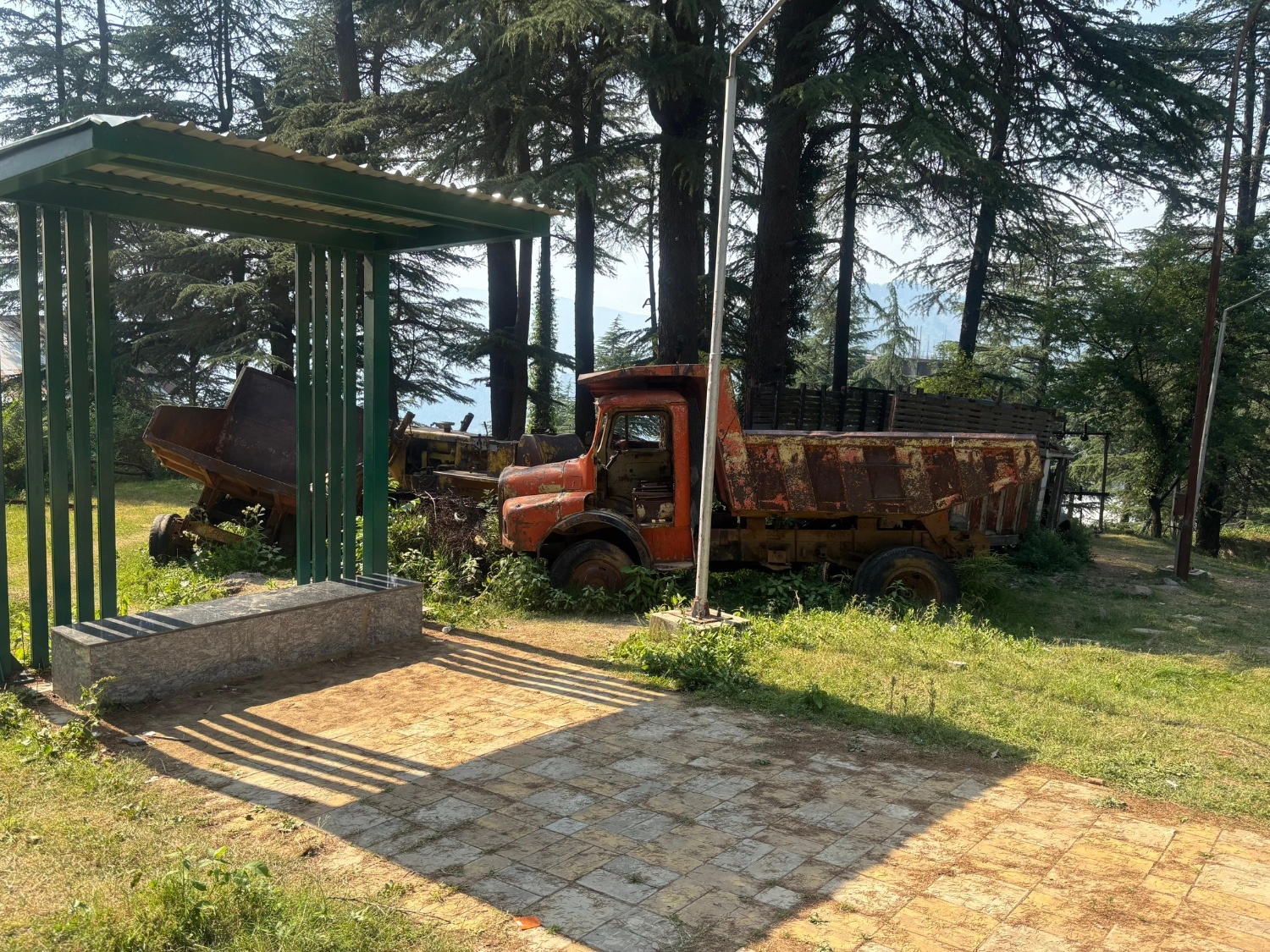
The Yoga Centre is surrounded by dense deodar forests, landscaped gardens, and panoramic Himalayan scenery that provide an ideal environment for meditation and self-reflection. The campus features pyramid-shaped meditation halls, eco-friendly cottages, yoga pavilions, open lawns, and modern wellness facilities designed to accommodate visitors from across the world. A unique tree-shaped house, an old airstrip, and several architectural structures within the complex further enhance its historical significance. Today, the International Yoga Centre serves not only as a centre for physical and mental well-being but also as an important tourist attraction that blends spirituality, nature, and modern wellness practices.
Natural Beauty and Recreational Spaces
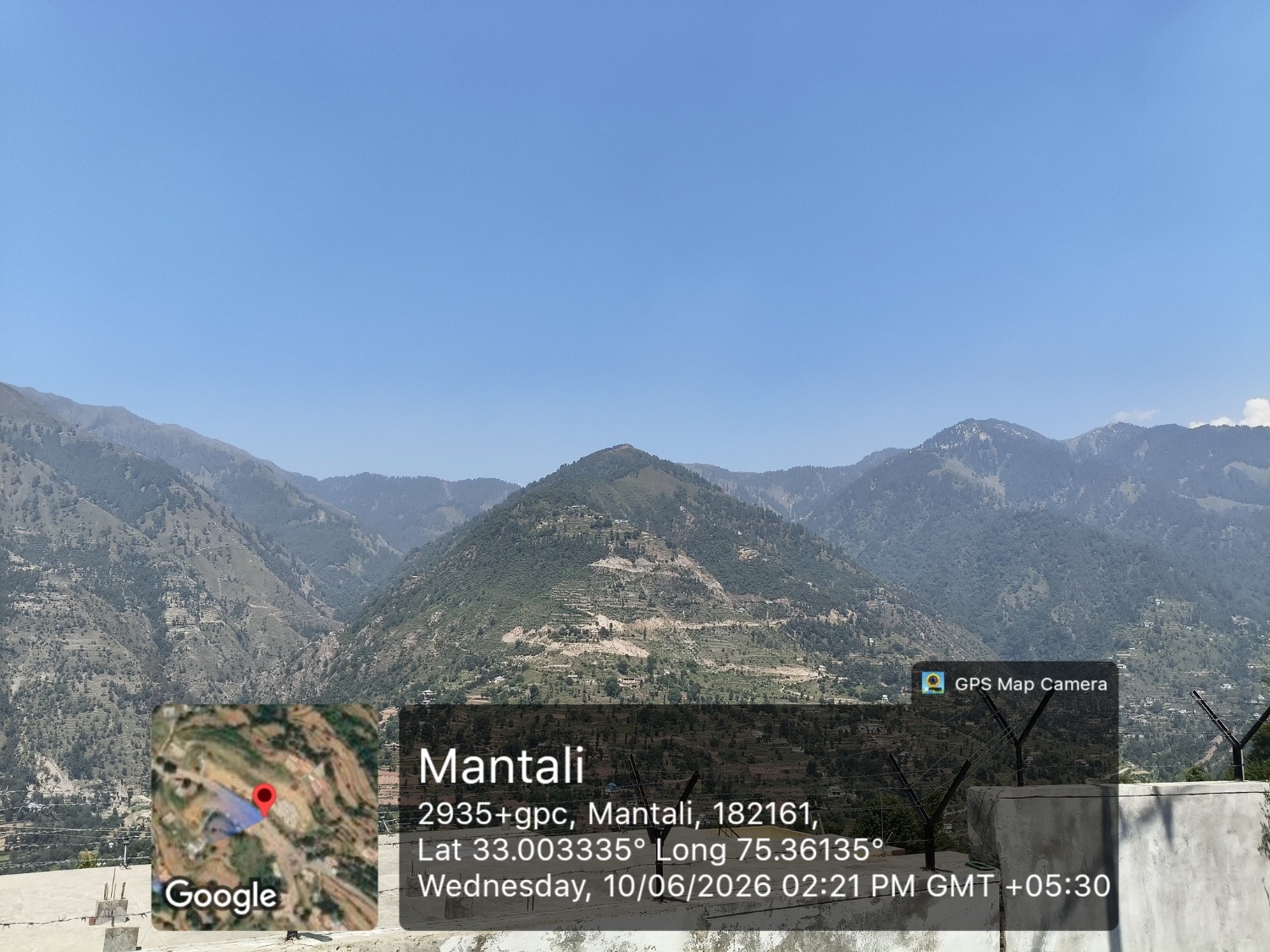
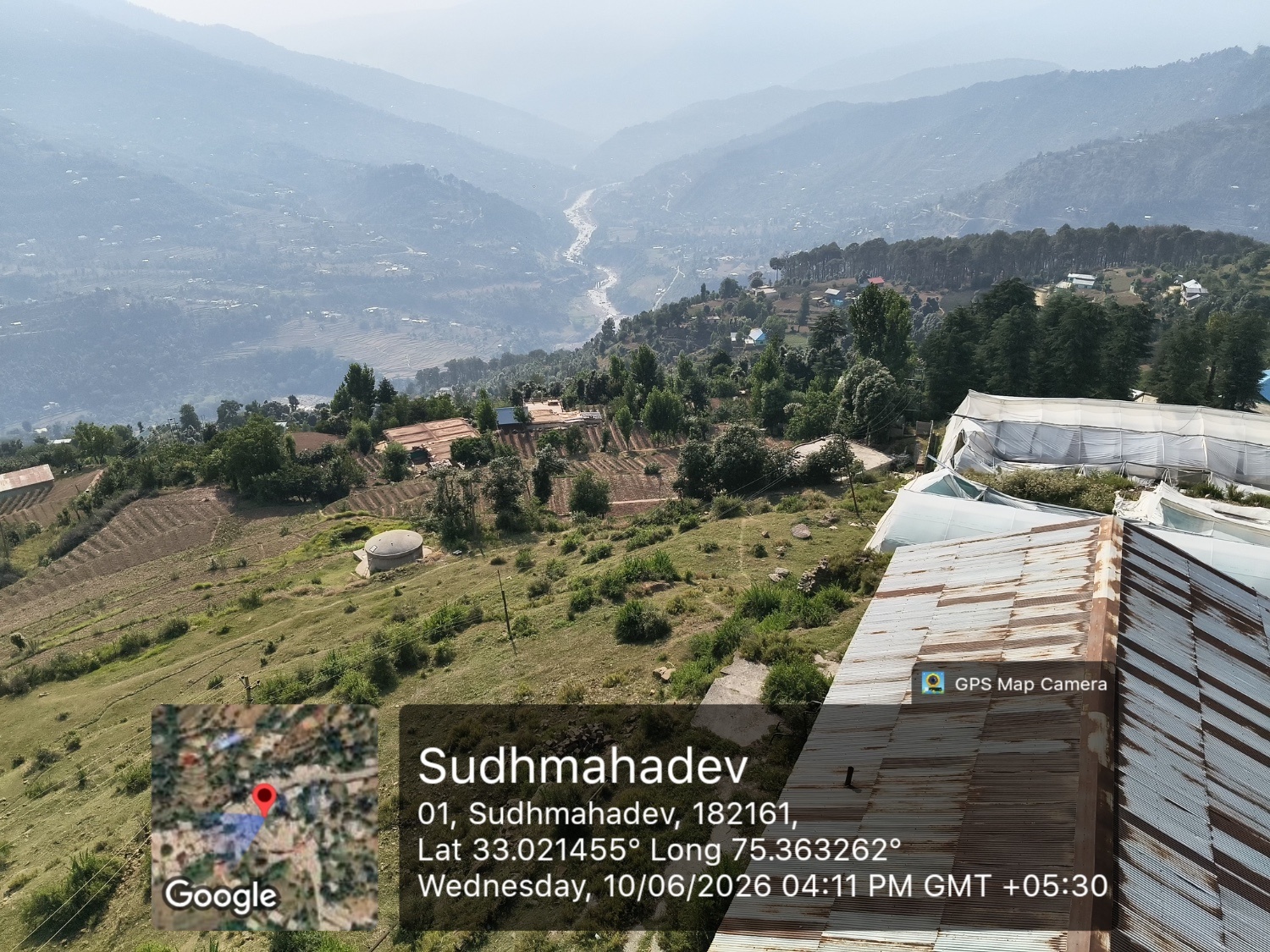
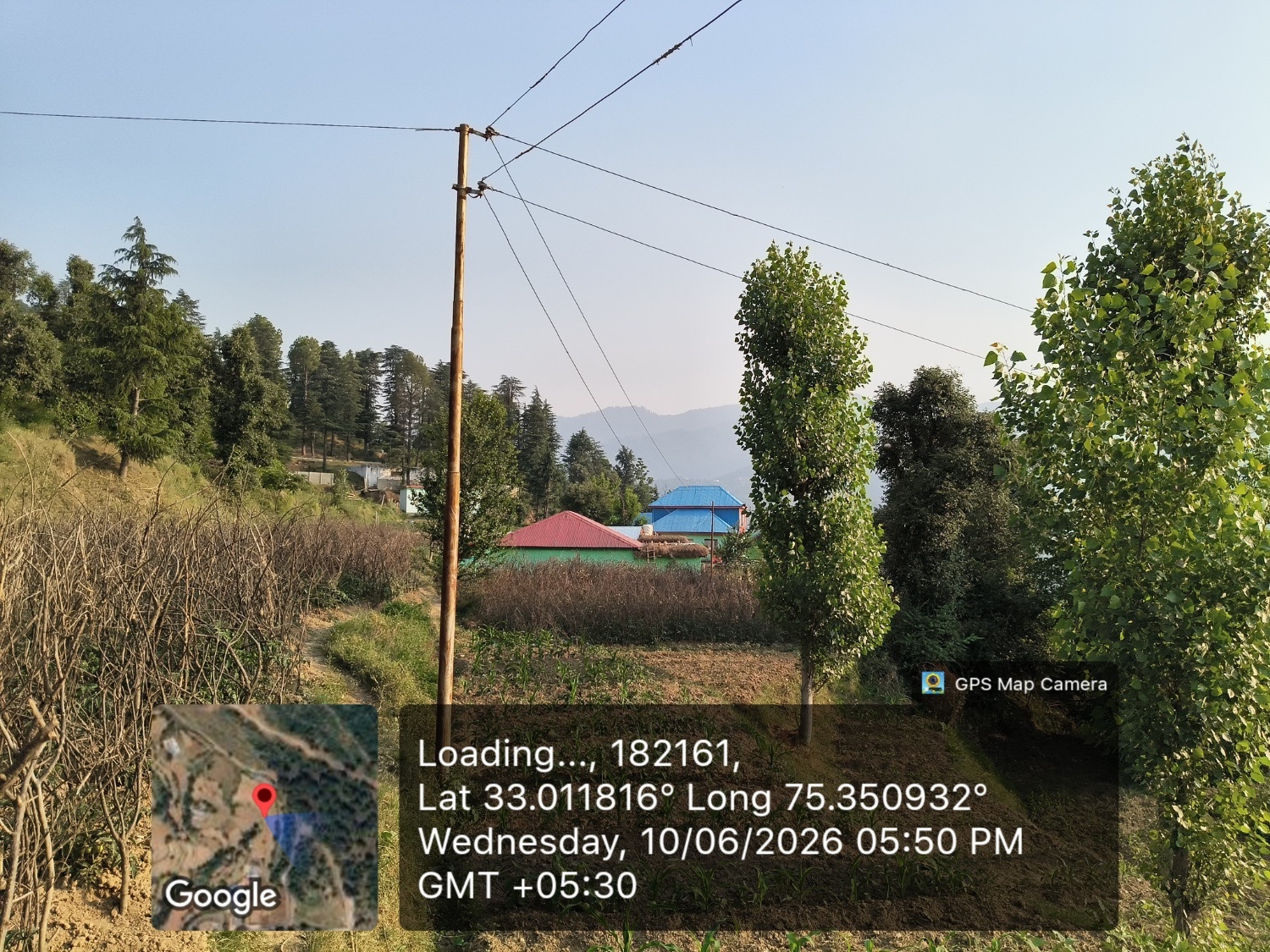
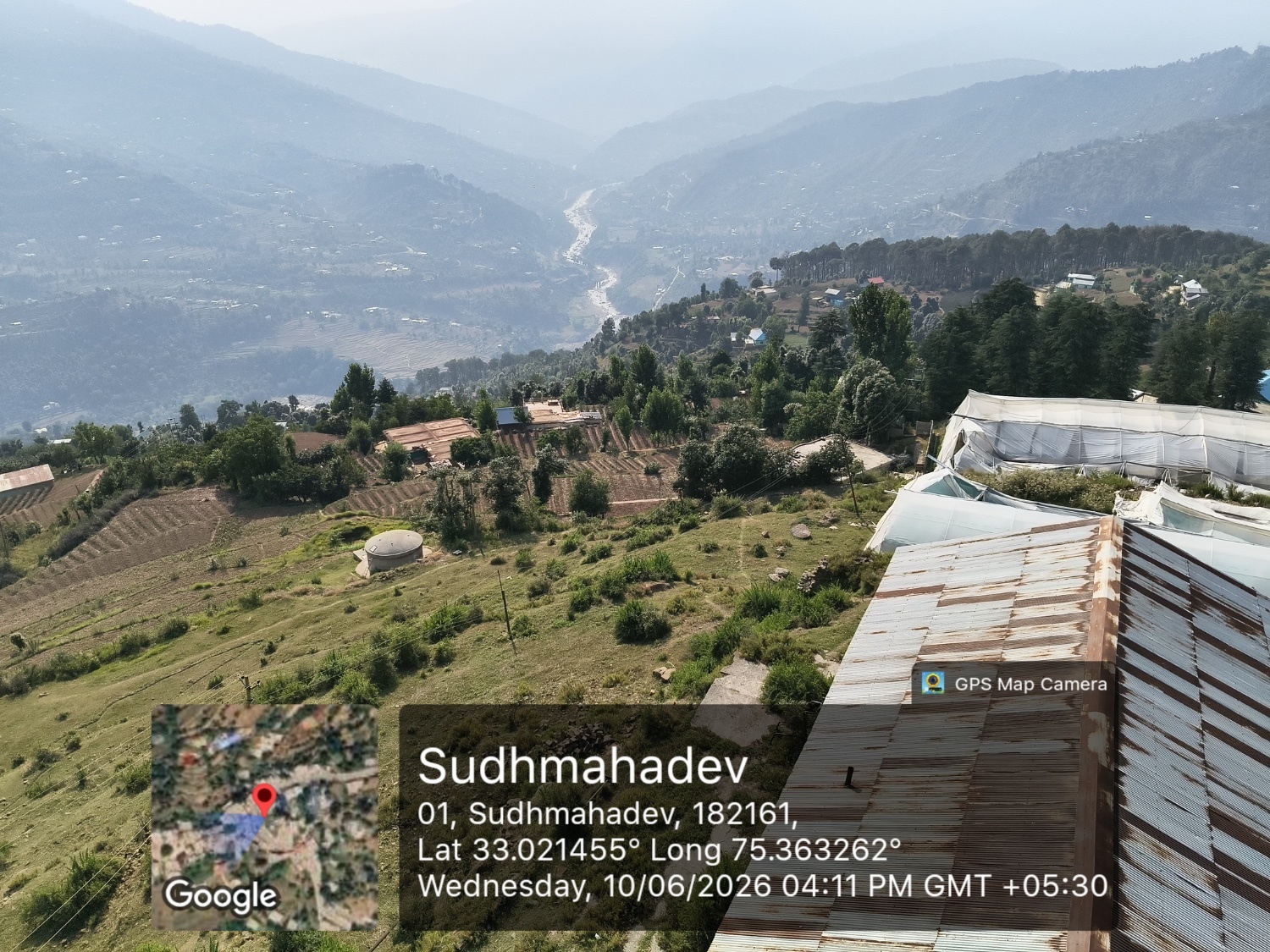
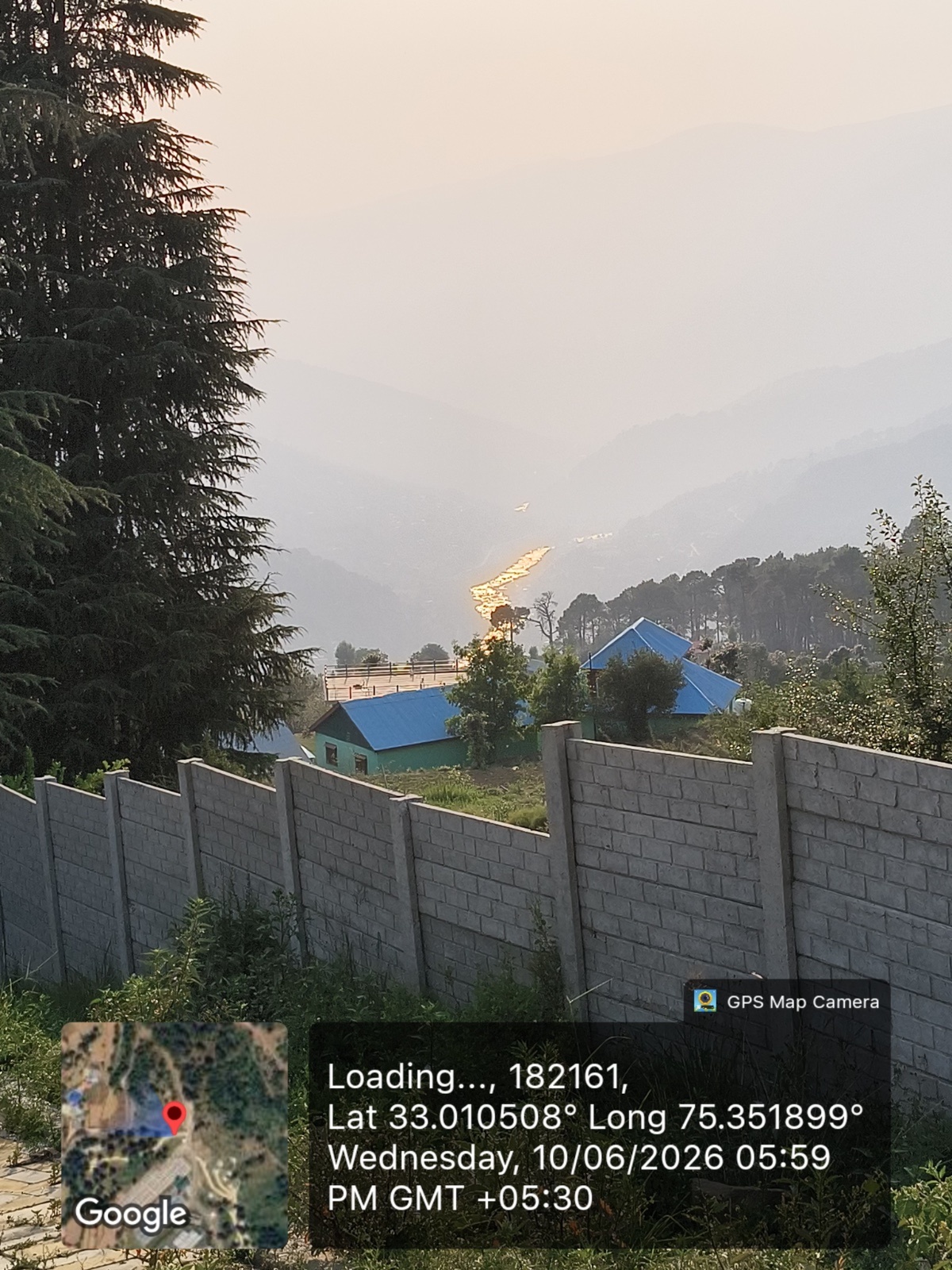
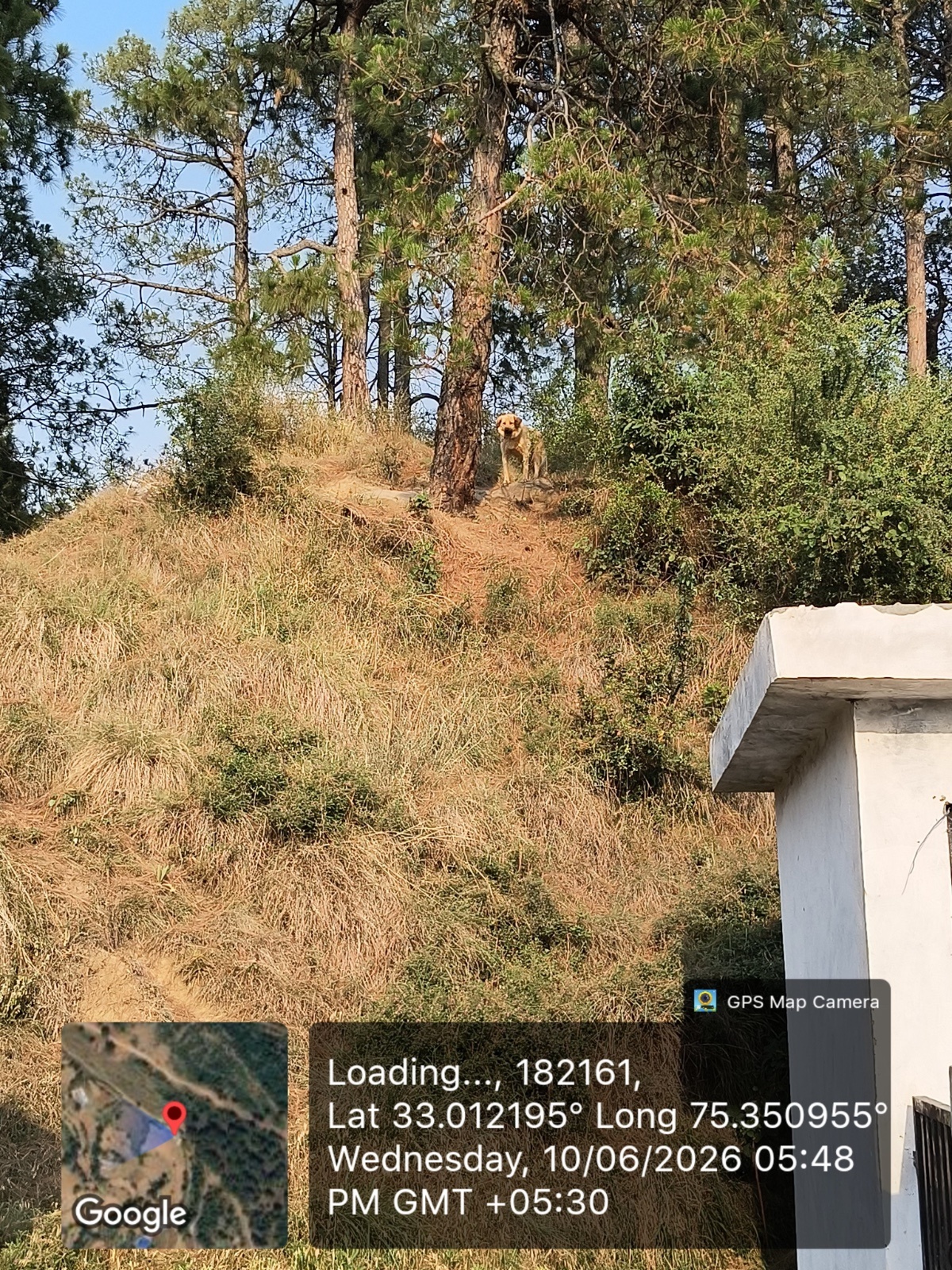
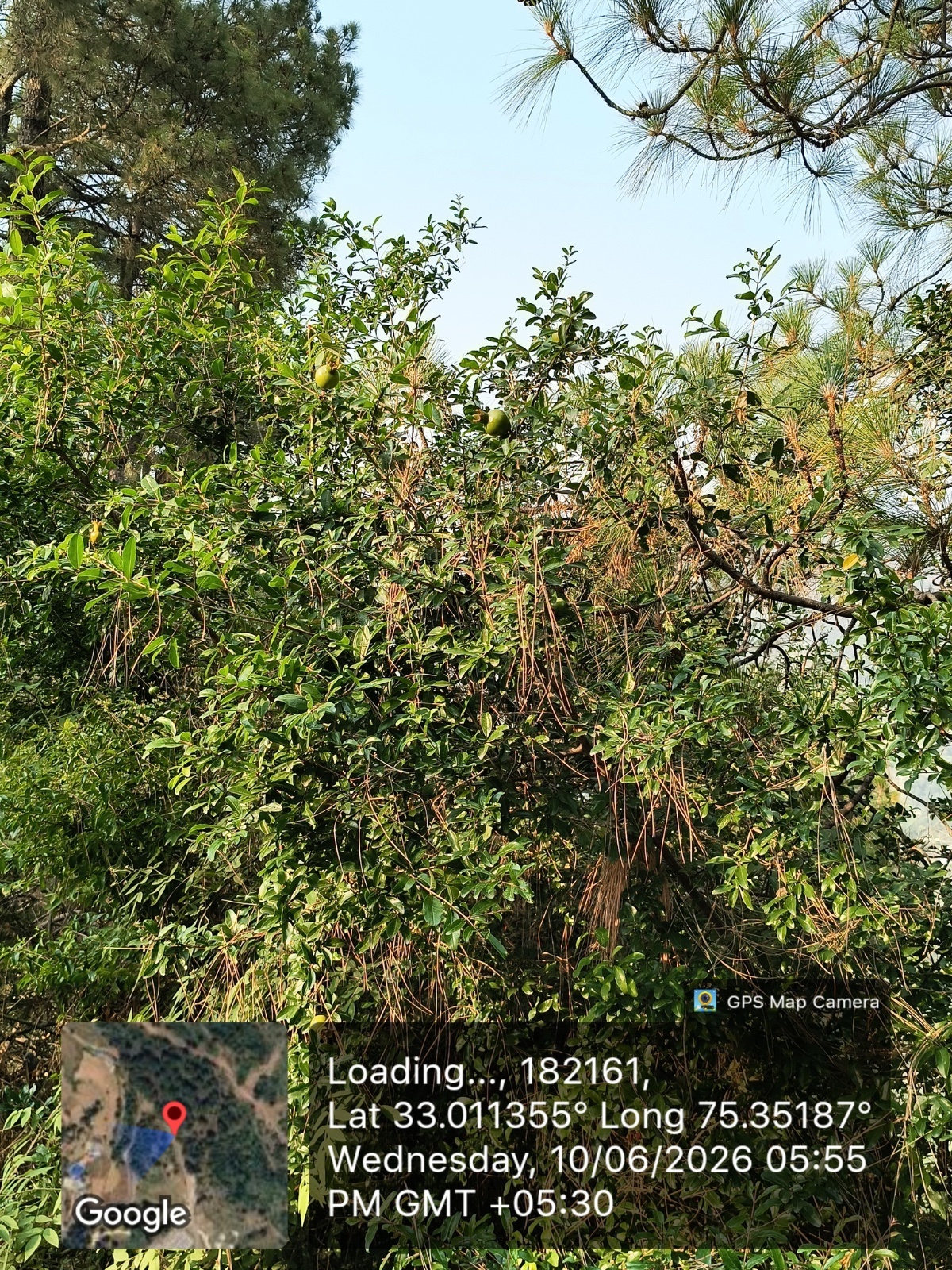
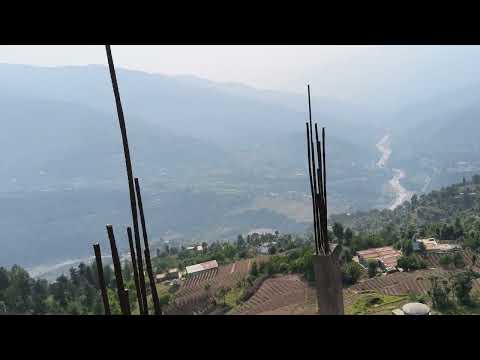
Mantalai is widely admired for its breathtaking natural beauty and tranquil surroundings. Located amidst the middle Himalayan ranges, the village is blessed with rolling green hills, dense coniferous forests, sparkling mountain streams, and pleasant weather throughout most of the year. Towering Deodar (Himalayan Cedar) trees dominate the landscape, accompanied by Chir Pine, Kail (Blue Pine), Walnut, and several native broad-leaved species that create an enchanting forest ecosystem.
The sacred Mantalai Pond, situated beside the Aparneshwar Temple, reflects the surrounding mountains and forests, offering visitors a peaceful retreat for meditation, photography, and relaxation. Numerous walking trails around the village allow tourists to experience the untouched beauty of the Himalayan countryside while enjoying fresh mountain air and spectacular views. During spring and summer, the hills are covered with vibrant wildflowers and lush greenery, whereas the winter season transforms the landscape into a serene and mist-covered paradise. The combination of religious significance and scenic beauty makes Mantalai an ideal destination for pilgrims, photographers, trekkers, and nature enthusiasts alike.
Historical and Religious Monuments
Mantalai possesses several monuments and sacred sites that preserve its rich religious heritage and archaeological importance. Foremost among these is the ancient Aparneshwar Temple, which has been a centre of worship for centuries. Archaeological excavations in and around the temple have uncovered red earthenware pottery, terracotta figurines, and ancient artefacts, indicating that the region has been inhabited since ancient times and holds considerable historical value.
A sacred stone preserved within the temple complex is believed by devotees to date back to the divine marriage ceremony of Lord Shiva and Goddess Parvati. The two stone idols of Nandi positioned before the sanctum symbolize unwavering devotion and are among the temple's most revered features. The surrounding shrines dedicated to Lord Ganesha and Goddess Parvati further enhance the religious significance of the complex. Together, these monuments provide valuable insight into the spiritual traditions, architectural heritage, and mythology of the Himalayan region, making Mantalai an important destination for both pilgrims and historians.
Best Time to Visit: Seasonal Festivities
Mantalai can be visited throughout the year; however, the period between March and November is considered the most pleasant for tourism and pilgrimage. During these months, the weather remains comfortable, the forests are lush green, and the surrounding mountains offer spectacular views. Spring and early summer provide ideal conditions for sightseeing, trekking, yoga retreats, and nature photography.
The village becomes especially vibrant during Mahashivratri, one of the most important festivals dedicated to Lord Shiva, when thousands of devotees gather to offer prayers at the Aparneshwar Temple. Another major religious occasion is the Sudhmahadev Mela, held annually during the full moon of the Hindu month of Sawan. Pilgrims from different parts of Jammu and Kashmir and neighbouring states participate in religious ceremonies, devotional singing, cultural performances, and traditional fairs. Festivals such as Baisakhi, Lohri, Purnima, Amavasya, Vyasa Purnima, and Punya Jyeshtha Purnima are also celebrated with great enthusiasm, reflecting the region's deep-rooted spiritual traditions and communal harmony.
Gastronomy: Traditional Dogra Cuisine
The cuisine of Mantalai reflects the rich culinary heritage of the Dogra region and is based on fresh agricultural produce, dairy products, aromatic spices, and traditional cooking techniques passed down through generations. Meals are simple yet highly nutritious, with an emphasis on locally grown grains, vegetables, and homemade dairy products.
Among the most famous regional delicacies is Kaladi Kulcha, a unique Dogra specialty prepared from fermented cow or buffalo milk cheese that is pan-fried until crispy and served inside a freshly baked local bun. Another staple dish is Rajma Chawal, prepared using locally grown hill rajma slow-cooked with ghee, tomatoes, onions, and aromatic spices. Khatta Meat, a signature Dogra mutton preparation cooked with dry mango powder or pomegranate seeds, is especially popular during festivals and family celebrations. Villagers also enjoy seasonal vegetables such as Kasrod (wild fern) and Jimikand (elephant foot yam), which are often prepared as curries or traditional pickles.
Traditional sweets form an essential part of festivals and religious ceremonies. Dishes such as Mitha Bhaat, saffron-flavoured sweet rice garnished with dry fruits, Ambal, a sweet and tangy pumpkin preparation, Patisa, Chocolate Burfi, Kalas, and Gulra are commonly prepared during weddings and festive occasions. Refreshing beverages like Chach (Mattha) and homemade Lassi remain the preferred drinks during the summer months, reflecting the simplicity and warmth of the local lifestyle.
Village Lifestyle and Values
Life in Mantalai is deeply influenced by spirituality, agriculture, and the natural rhythms of the Himalayan environment. The residents lead a peaceful and community-oriented lifestyle where mutual cooperation, hospitality, and respect for tradition remain central values. Families often begin their day early by tending to agricultural fields, livestock, orchards, and household responsibilities before participating in daily prayers at nearby temples.
Religious faith forms an inseparable part of everyday life. Many residents regularly visit the sacred pond and the Aparneshwar Temple to seek blessings from Lord Shiva and Goddess Parvati. Community gatherings known as Jattarsbring villagers together for collective worship, devotional singing, and sacred fire rituals beneath ancient deodar trees. Folk songs known as Shram Parihark, traditionally sung during agricultural work, continue to strengthen social bonds and preserve the oral traditions of the Dogra community.
The people of Mantalai are also known for their patriotism and service to the nation. Like many villages in the Udhampur region, several families have members serving in the Indian Army, paramilitary forces, and other government services. Combined with their commitment to preserving cultural traditions, these values contribute to the strong sense of identity and unity that defines village life.
Economic Activities: Agriculture, Tourism and Defence Services
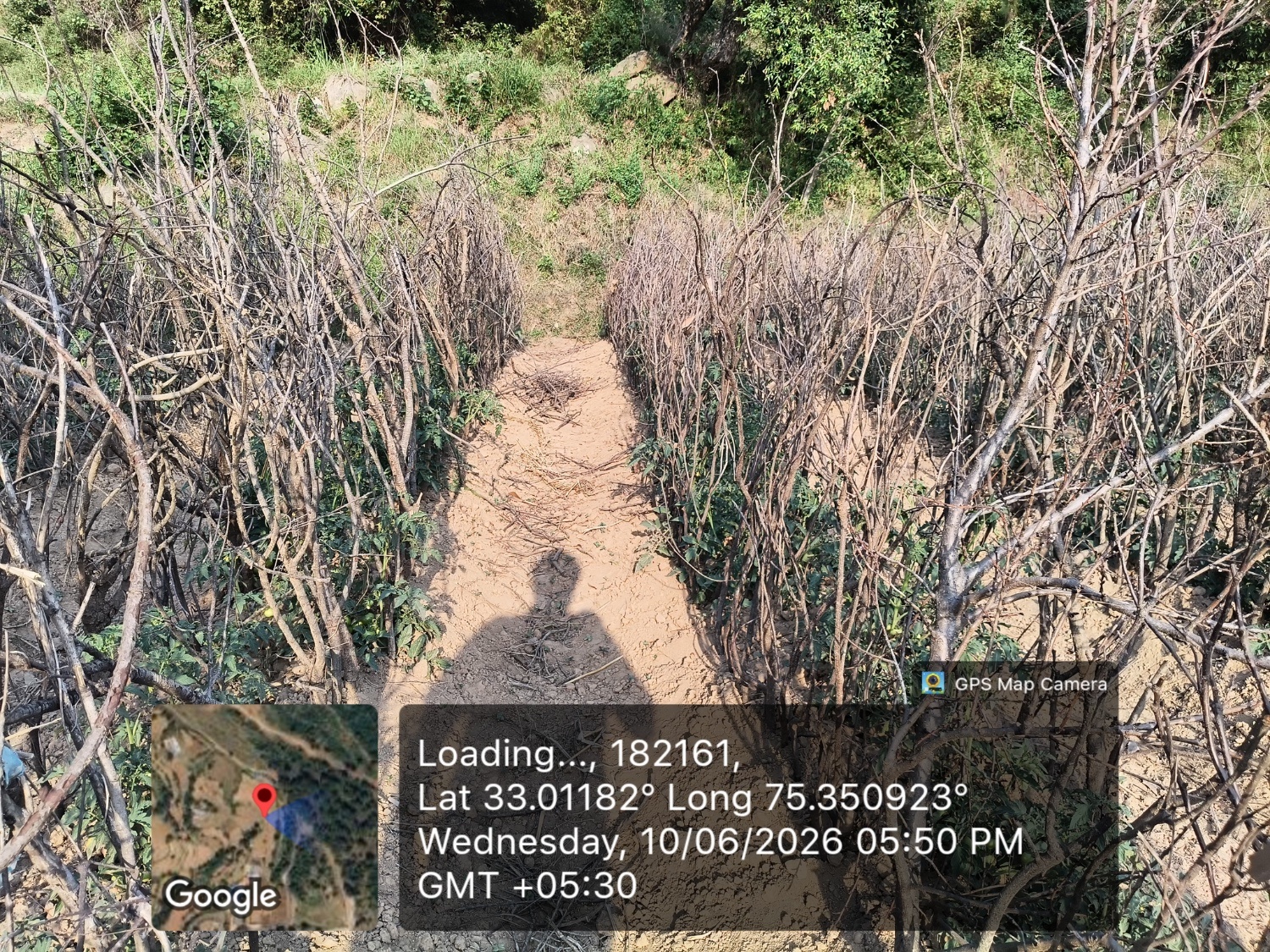
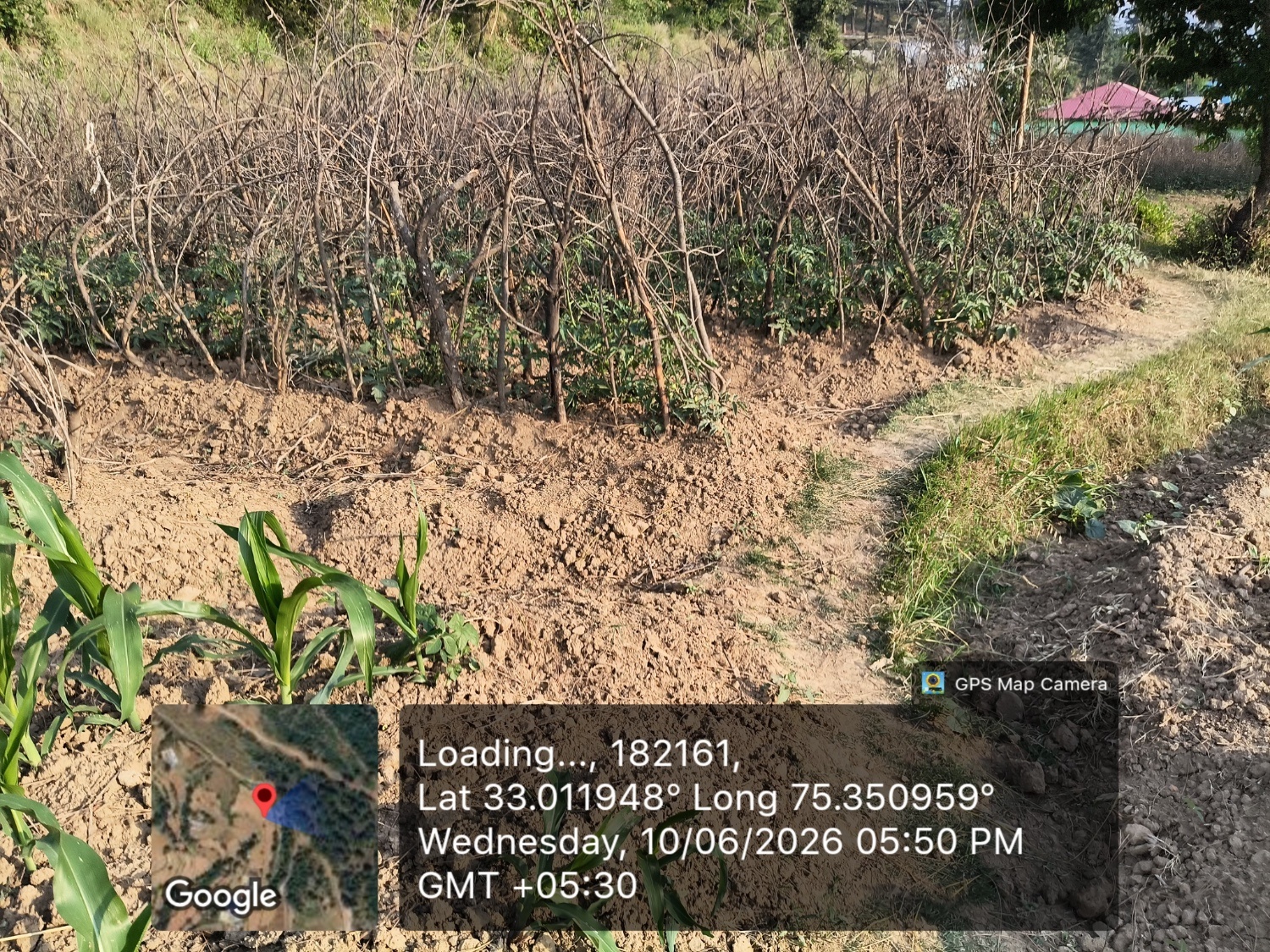
The economy of Mantalai is primarily based on agriculture, horticulture, tourism, and public service. Traditional terrace farming continues to be the principal occupation for many families, with crops such as maize, wheat, mustard, paddy, and pulses cultivated according to seasonal conditions. The fertile hills also support the cultivation of tomatoes, cucumbers, radishes, beans, ginger, turmeric, and hill garlic, which provide additional income to local farmers.
Horticulture has emerged as another important economic activity, with orchards producing apples, walnuts, pears, citrus fruits, and other temperate fruits suited to the Himalayan climate. Floriculture, particularly the cultivation of marigold flowers, has gained popularity due to its commercial value and effectiveness in protecting crops from wild animals.
Tourism has become an increasingly significant contributor to the local economy following the redevelopment of the International Yoga Centre and the growing popularity of Mantalai as a spiritual destination. Local residents operate homestays, guest houses, restaurants, transport services, and handicraft shops that cater to pilgrims and tourists. Many villagers also engage in the production of traditional wooden handicrafts, woven products, and locally sourced dairy items that reflect the artistic heritage of the Dogra region.
In addition to agriculture and tourism, defence and public service remain prestigious professions within the community. A considerable number of families have members serving in the Indian Army, paramilitary organizations, police services, and various government departments, contributing both to the nation's security and the socio-economic development of the village.
Educational Infrastructure
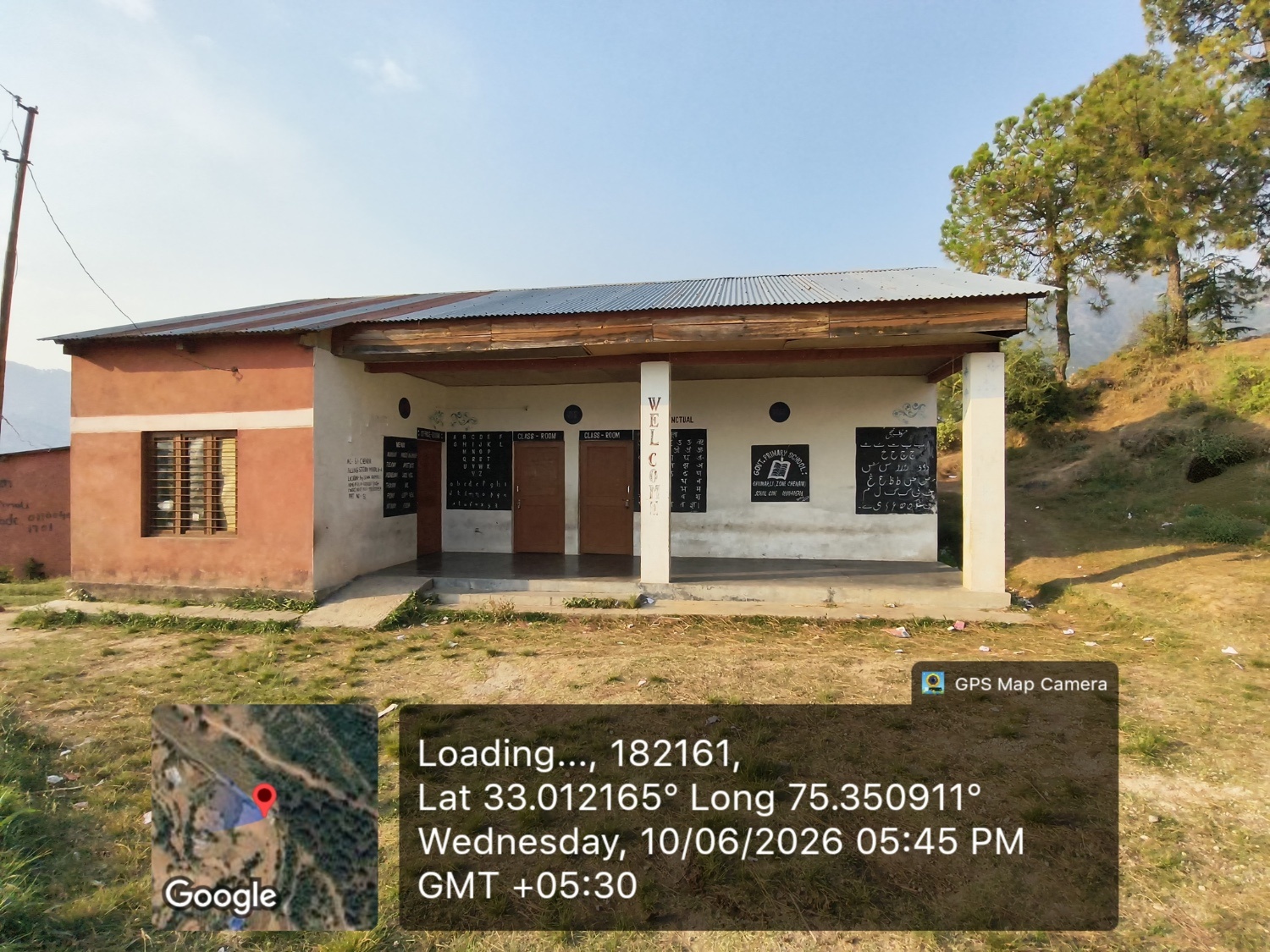
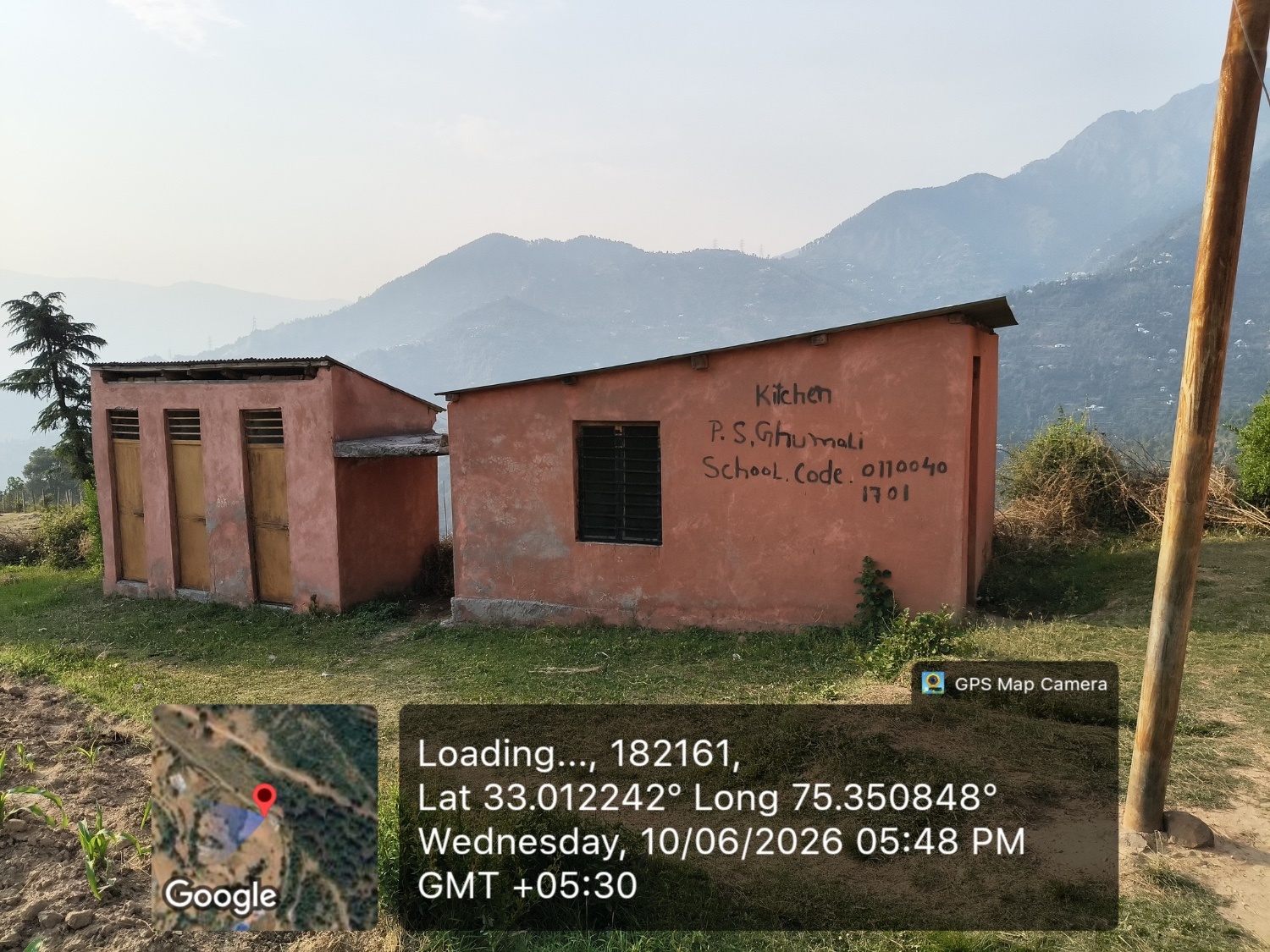
Although Mantalai is a relatively small village, it possesses a steadily developing educational framework that caters to the learning needs of its residents. Primary and middle-level education is provided through government and private schools within the village and nearby localities, ensuring that children have access to quality basic education without travelling long distances. Educational institutions such as Government Higher Secondary School Latti, H.S. Badansoo Tandhar, and Sout-ul-Furqan Public School serve students from Mantalai and the surrounding villages. These institutions provide academic education while promoting cultural values and social awareness among young learners.
For higher education, students generally attend Government Degree College Chenani, located a short distance from the village, while universities and professional colleges in Udhampur and Jammu offer opportunities for advanced studies. Several Anganwadi Centres operating under the Integrated Child Development Services (ICDS) scheme provide early childhood education, nutritional support, and healthcare awareness for young children and mothers. Vocational training facilities, including institutions such as Parshuram Skills Academy, help local youth acquire practical skills in computer education, hospitality, communication, and entrepreneurship, thereby improving employment opportunities. Public libraries and learning centres in nearby Udhampur further contribute to the educational development of the region.
Accessibility and Transport Connections
Mantalai enjoys convenient road connectivity with major towns and tourist destinations across Jammu and Kashmir. The village is situated in Chenani Tehsil of Udhampur district, approximately 120 kilometres from Jammu, 57 kilometres from Udhampur, and about 42–51 kilometres from Patnitop. Visitors can reach the village through well-maintained roads that pass through scenic valleys, pine forests, and mountainous landscapes, making the journey itself an enjoyable experience.
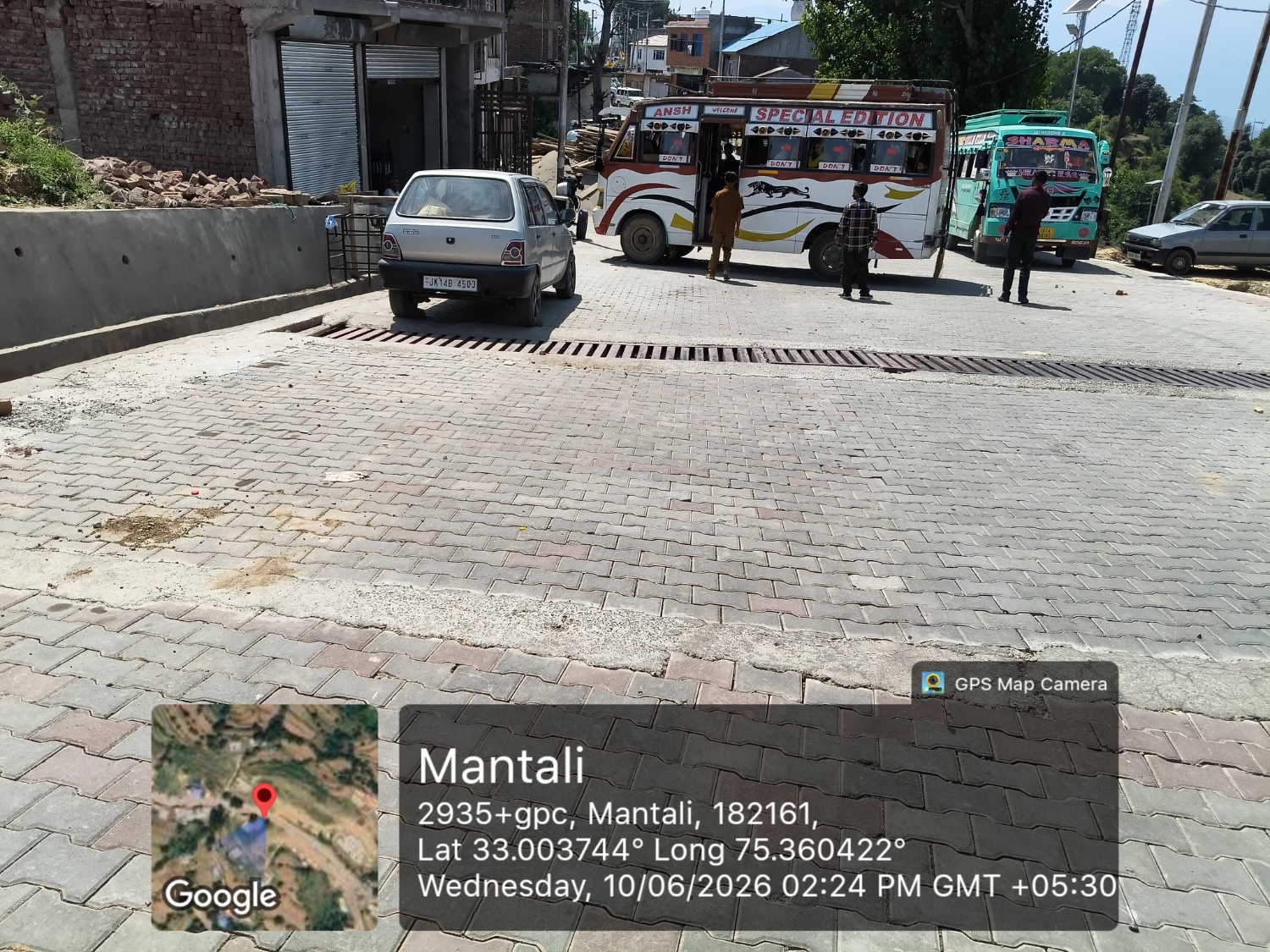
The nearest railway station is Udhampur Railway Station, which connects the region with major Indian cities through the Northern Railway network. The nearest airport is Jammu Airport, providing regular flights to Delhi and several other metropolitan cities. Public buses, taxis, and private vehicles frequently operate between Jammu, Udhampur, Chenani, Sudh Mahadev, and Mantalai, ensuring convenient transportation for pilgrims and tourists. Ongoing improvements in road infrastructure under various government development projects continue to enhance connectivity and encourage tourism in the region.
Prominent Local Businesses
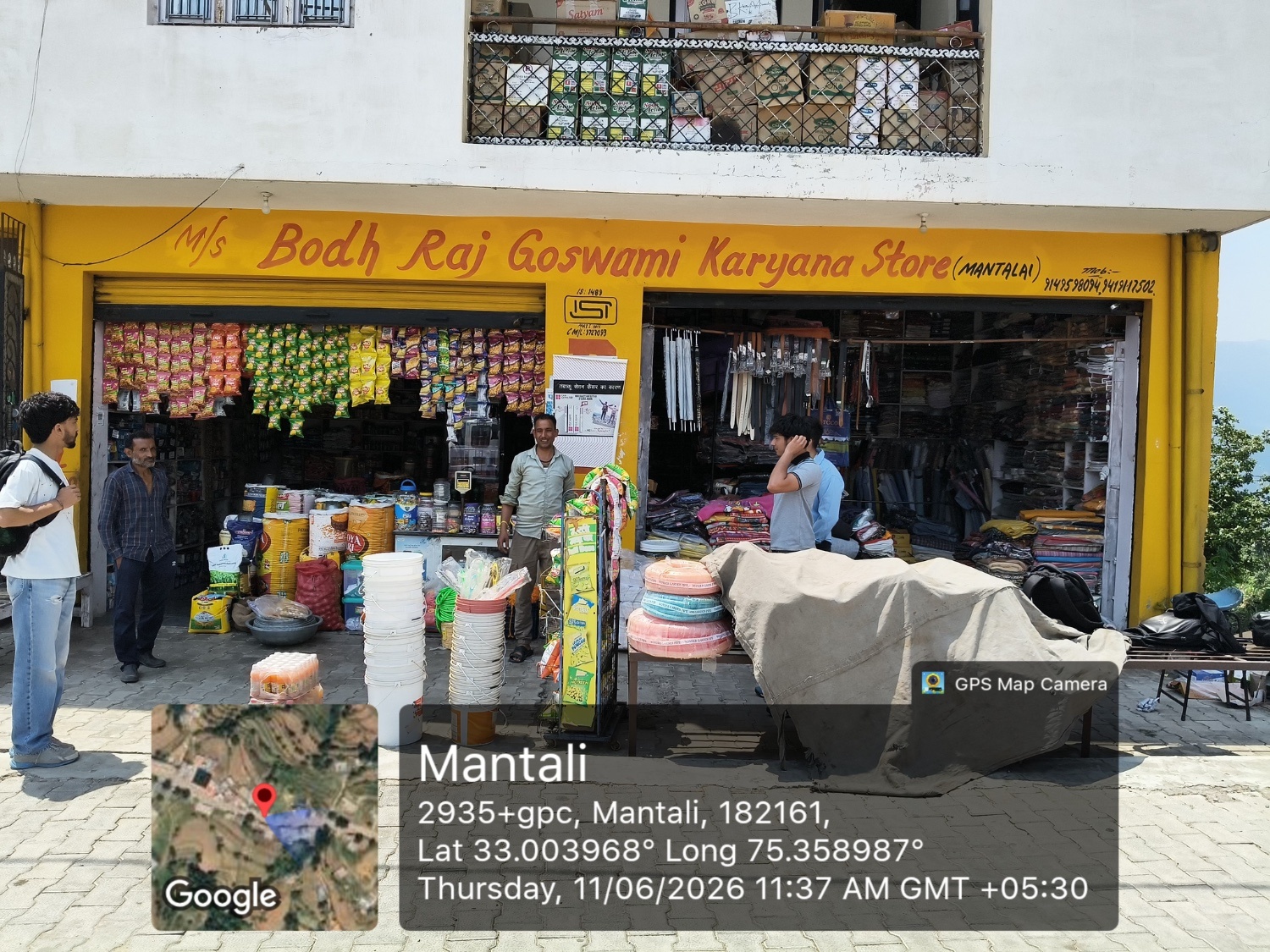
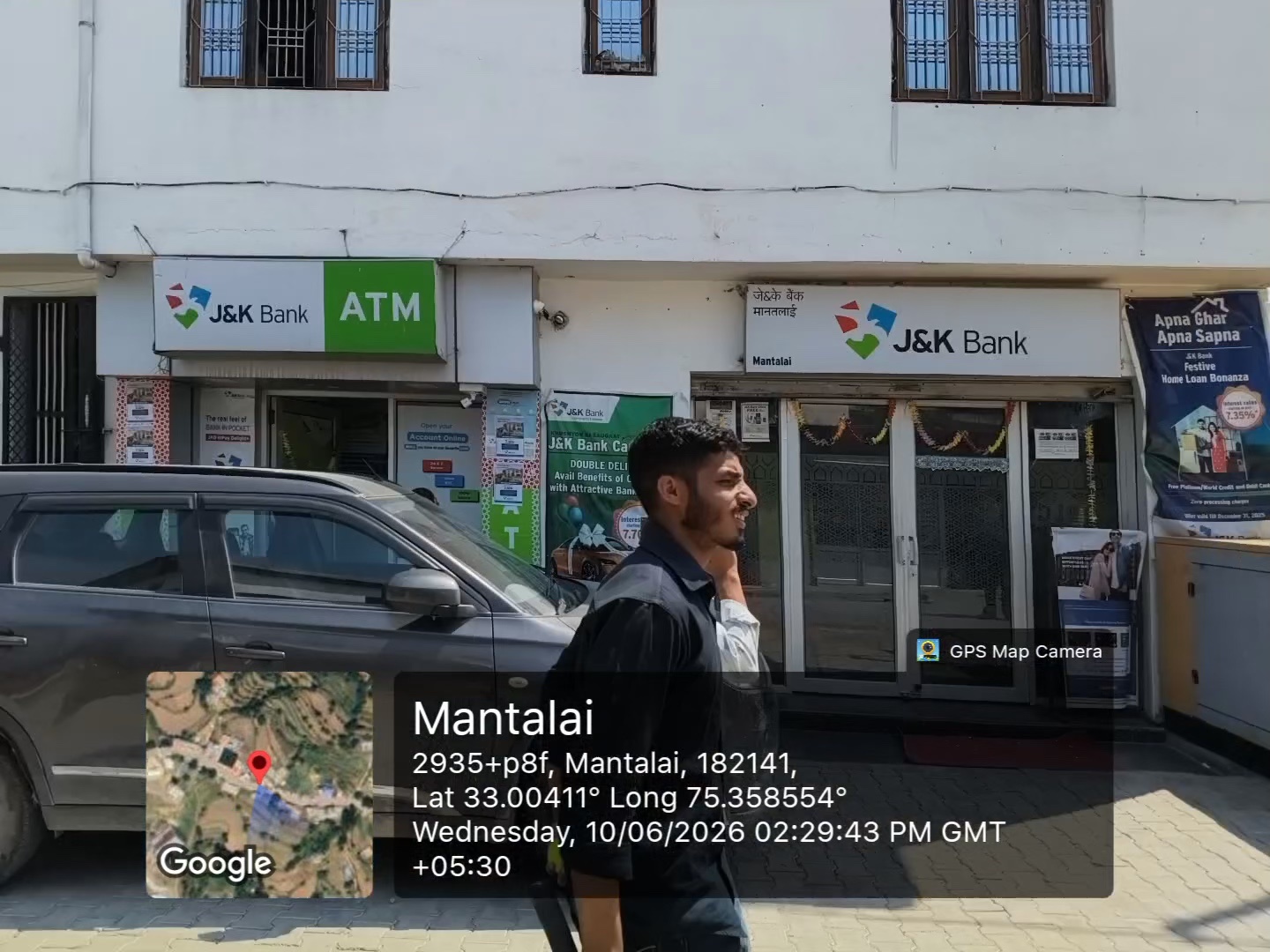
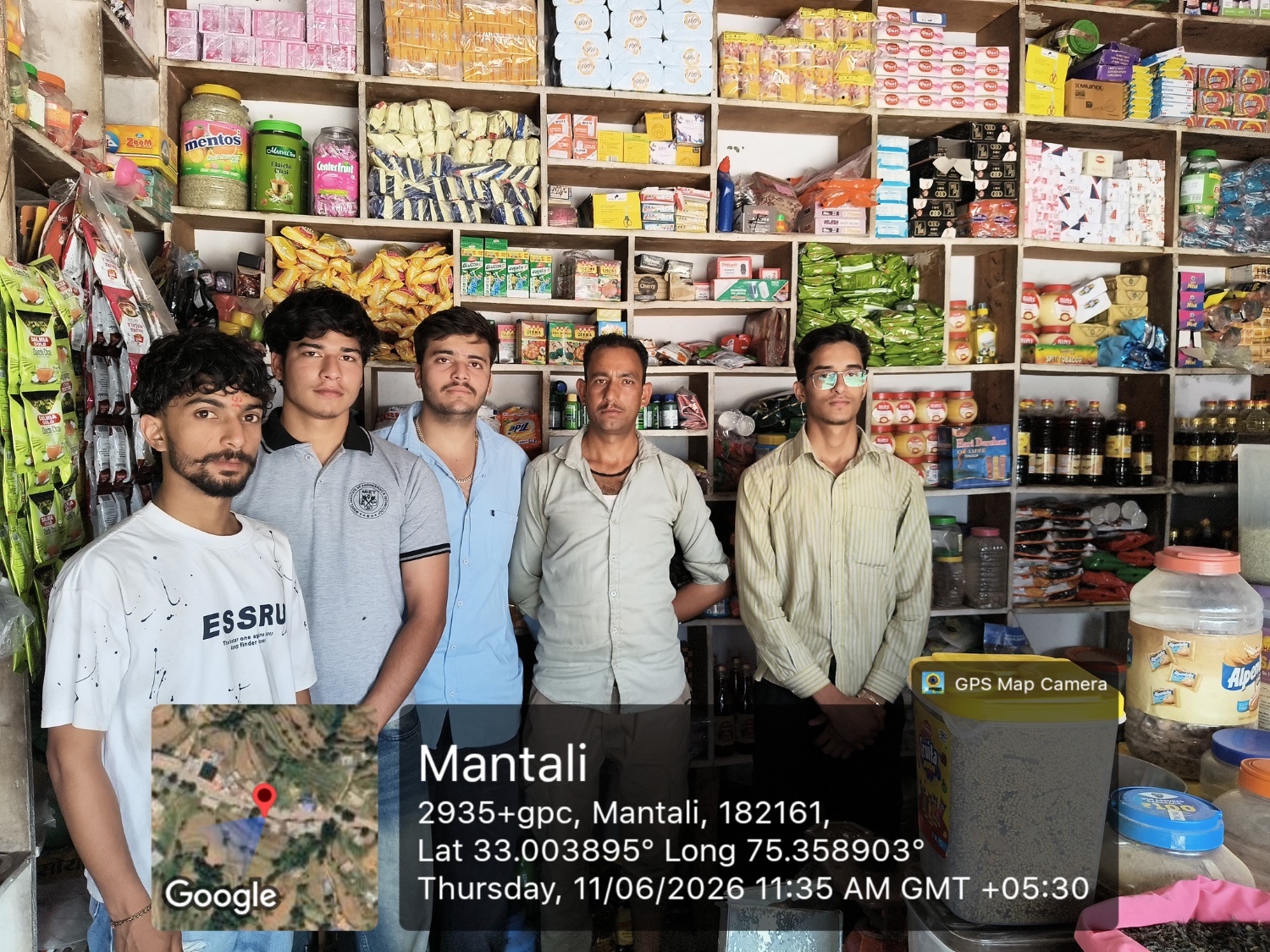
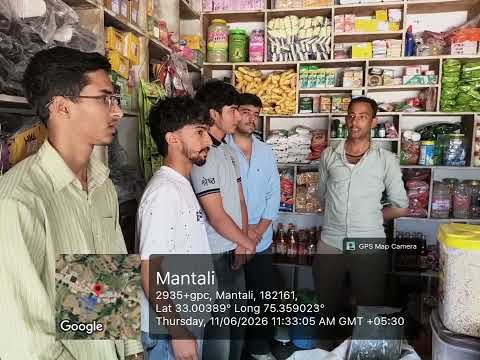
Unlike major commercial towns, Mantalai's economy is largely supported by small-scale local enterprises, family-owned businesses, and tourism-related services. The rapid growth of pilgrimage and wellness tourism has encouraged the establishment of guest houses, homestays, restaurants, transport services, and souvenir shops that provide employment to local residents while serving visitors throughout the year.
Traditional handicrafts also contribute to the local economy. Skilled artisans produce handcrafted wooden articles, decorative items, woollen garments, handwoven textiles, and religious souvenirs inspired by Dogra culture. Local farmers supplement their income by selling fresh fruits, vegetables, dairy products, honey, medicinal herbs, and traditional food items to tourists visiting the village. Several small hotels and restaurants located around the International Yoga Centre and Sudh Mahadev provide comfortable accommodation and authentic Dogra cuisine, supporting sustainable tourism while preserving the village's cultural identity. These community-based enterprises play a significant role in strengthening the rural economy without disturbing the ecological balance of the region.
Health and Veterinary Services
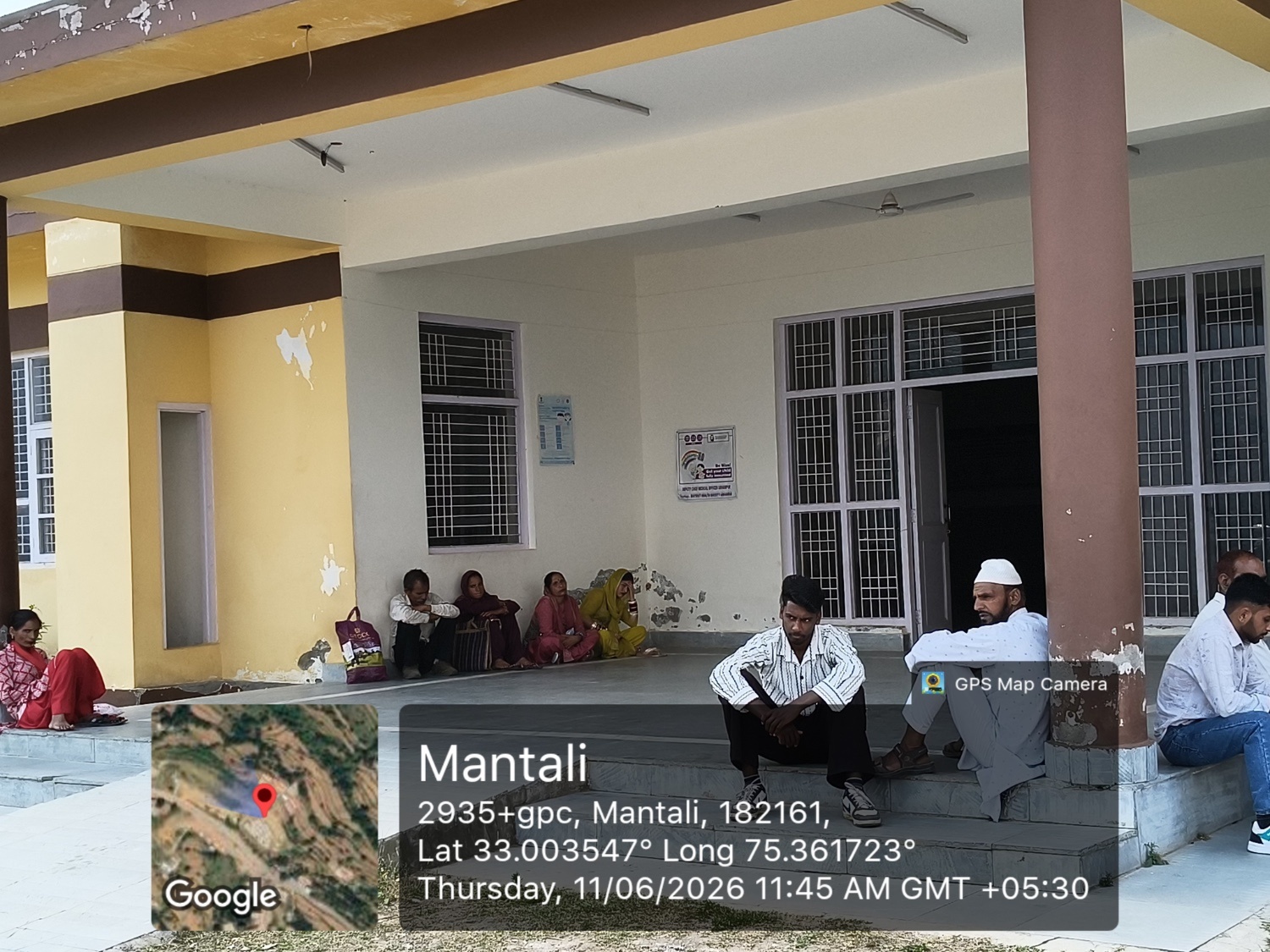
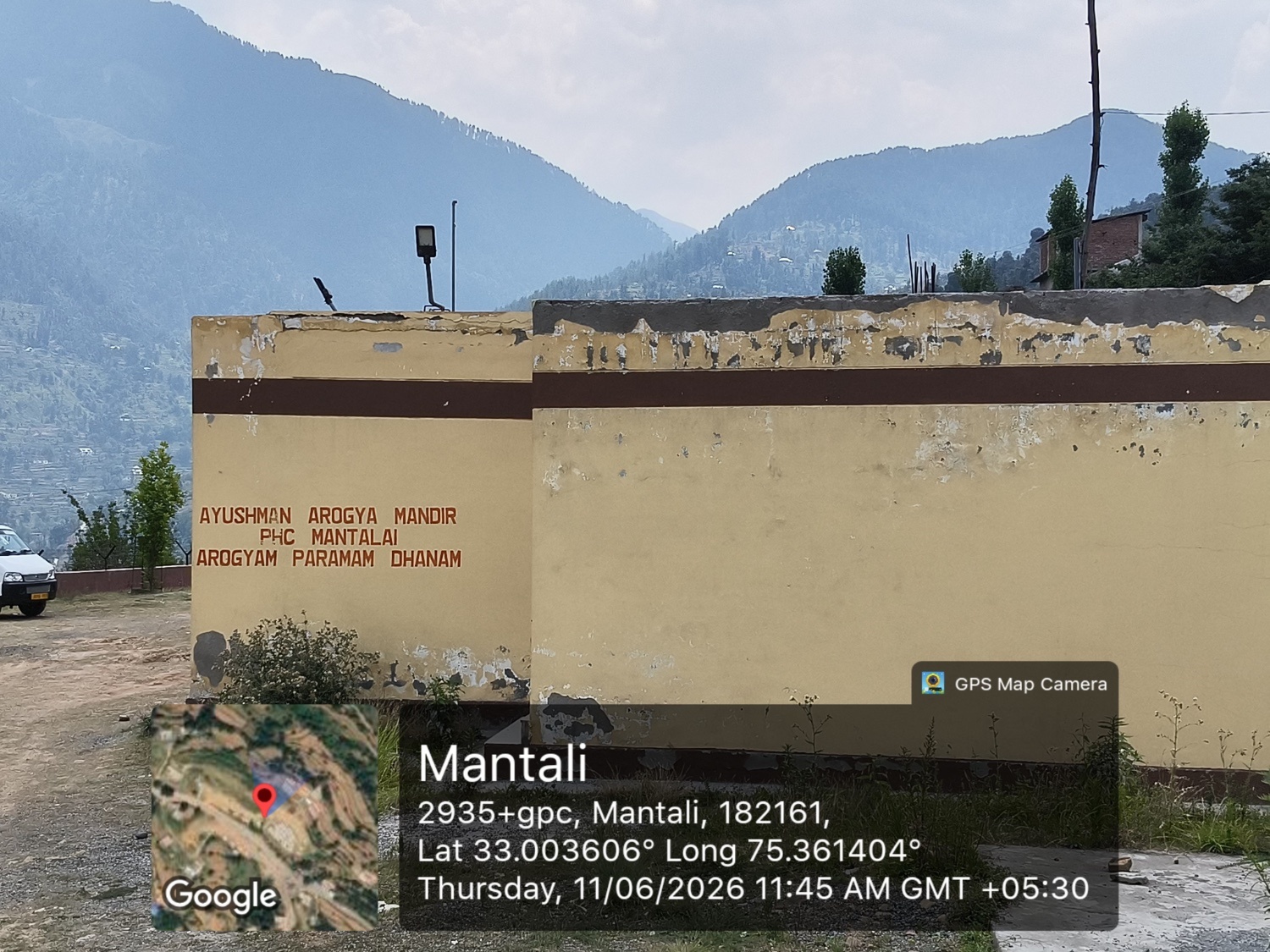
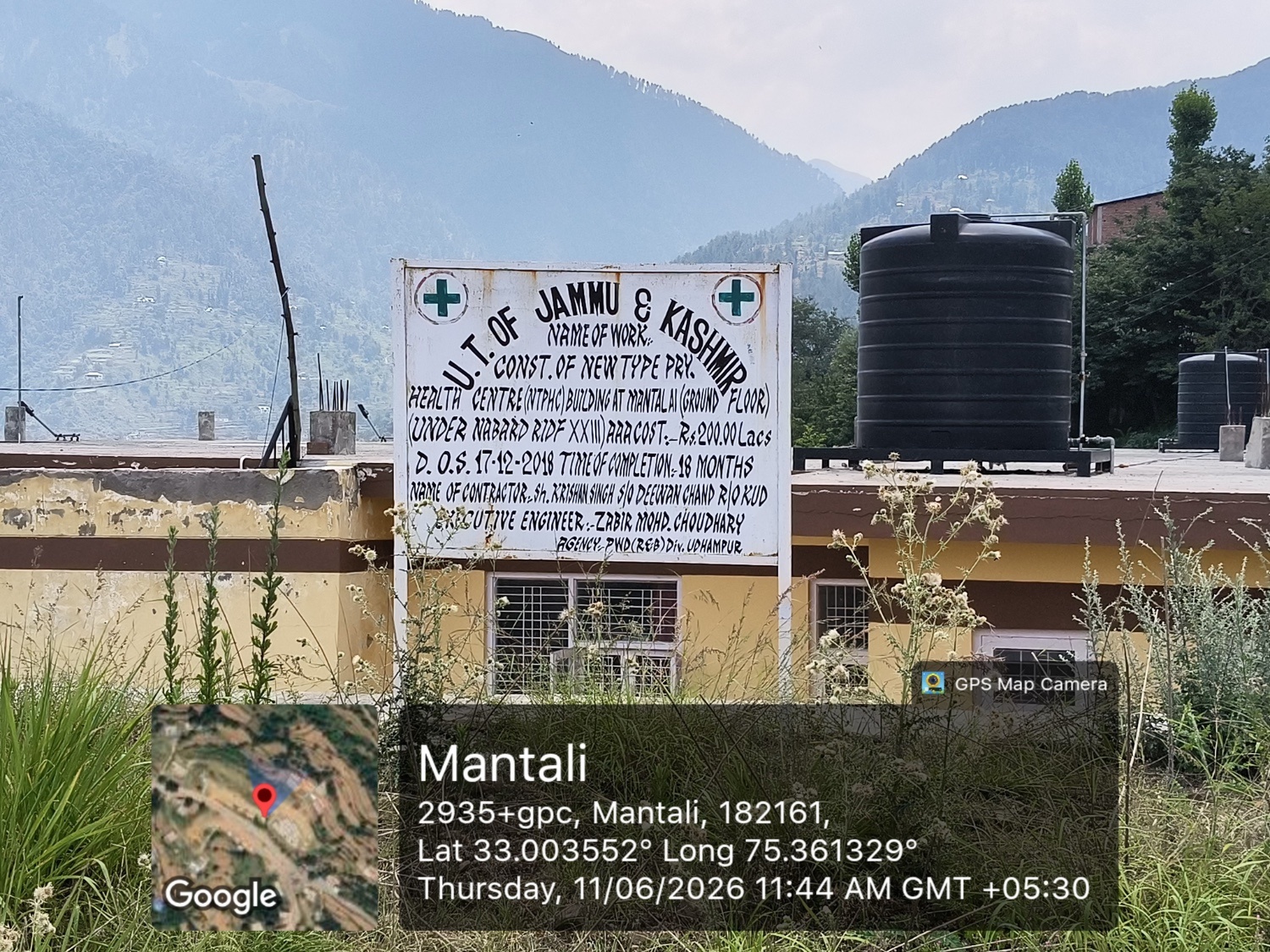
Healthcare facilities in Mantalai are designed to provide essential medical assistance to the local population while ensuring timely referral to larger hospitals whenever specialized treatment is required. Primary healthcare services are available through the Government Primary Health Care Network under the Chief Medical Officer, Udhampur, while nearby health centres offer routine medical consultations, maternal and child healthcare, immunization programmes, and preventive healthcare services. Diagnostic facilities, including S. N. Diagnostic Centre, provide laboratory investigations and basic health screening for residents and visitors.
Veterinary services play an equally important role in supporting the village's agricultural economy, as livestock rearing remains an important occupation for many families. Animal husbandry departments and nearby veterinary dispensaries provide vaccination programmes, disease control measures, breeding assistance, and healthcare for cattle, sheep, goats, and other domestic animals. During major festivals and annual fairs, temporary medical camps, ambulance services, and emergency healthcare facilities are organized by the District Administration to ensure the safety and well-being of pilgrims visiting Mantalai and nearby religious sites.
Arts and Cultural Contributions
Mantalai has made significant contributions to preserving the rich cultural traditions of the Dogra region through its mythology, folk music, literature, and spiritual heritage. Although the village itself is primarily recognized for its religious importance rather than producing numerous public personalities, the surrounding Udhampur district has been home to several distinguished figures who have enriched the cultural landscape of Jammu and Kashmir.
Among the most influential personalities associated with Mantalai is Swami Dhirendra Brahmachari, the renowned yoga guru who established the famous Aparna Ashram, later transformed into the International Yoga Centre. The district has also produced celebrated Dogri writers and historians such as Jitendra Udhampuri and Prof. Shiv Nirmohi, whose literary works have preserved the folklore, language, and cultural traditions of the Dogra people. Political leaders including Dr. Jitendra Singh, Bhim Singh, and Harsh Dev Singh have contributed significantly to the development of the Udhampur region through public service. Traditional devotional singers and local folk artists continue to perform hymns dedicated to Lord Shiva and Goddess Parvati during religious festivals, ensuring that the region's vibrant oral traditions remain alive for future generations.
Entertainment and Cultural Venues
Religious and cultural gatherings form the primary source of entertainment in Mantalai. The temple complex and surrounding open grounds serve as important venues where villagers and pilgrims gather during festivals, fairs, and community celebrations. Traditional folk performances, devotional music, cultural exhibitions, and religious discourses are regularly organized, reflecting the village's deep-rooted spiritual traditions.
The annual Sudhmahadev Mela, held near Mantalai during the month of Sawan, is one of the region's largest cultural events. Thousands of devotees participate in religious processions, folk dance performances, Dogri music concerts, handicraft exhibitions, food festivals, and community feasts organized by local volunteers and government agencies. Temporary cultural stages established within the temple premises and the International Yoga Centre host performances showcasing Dogra folk dances such as Kud and Dhamali, along with traditional theatre and devotional singing. These events strengthen community bonds while preserving the region's rich cultural heritage.
Sports Facilities and Activities
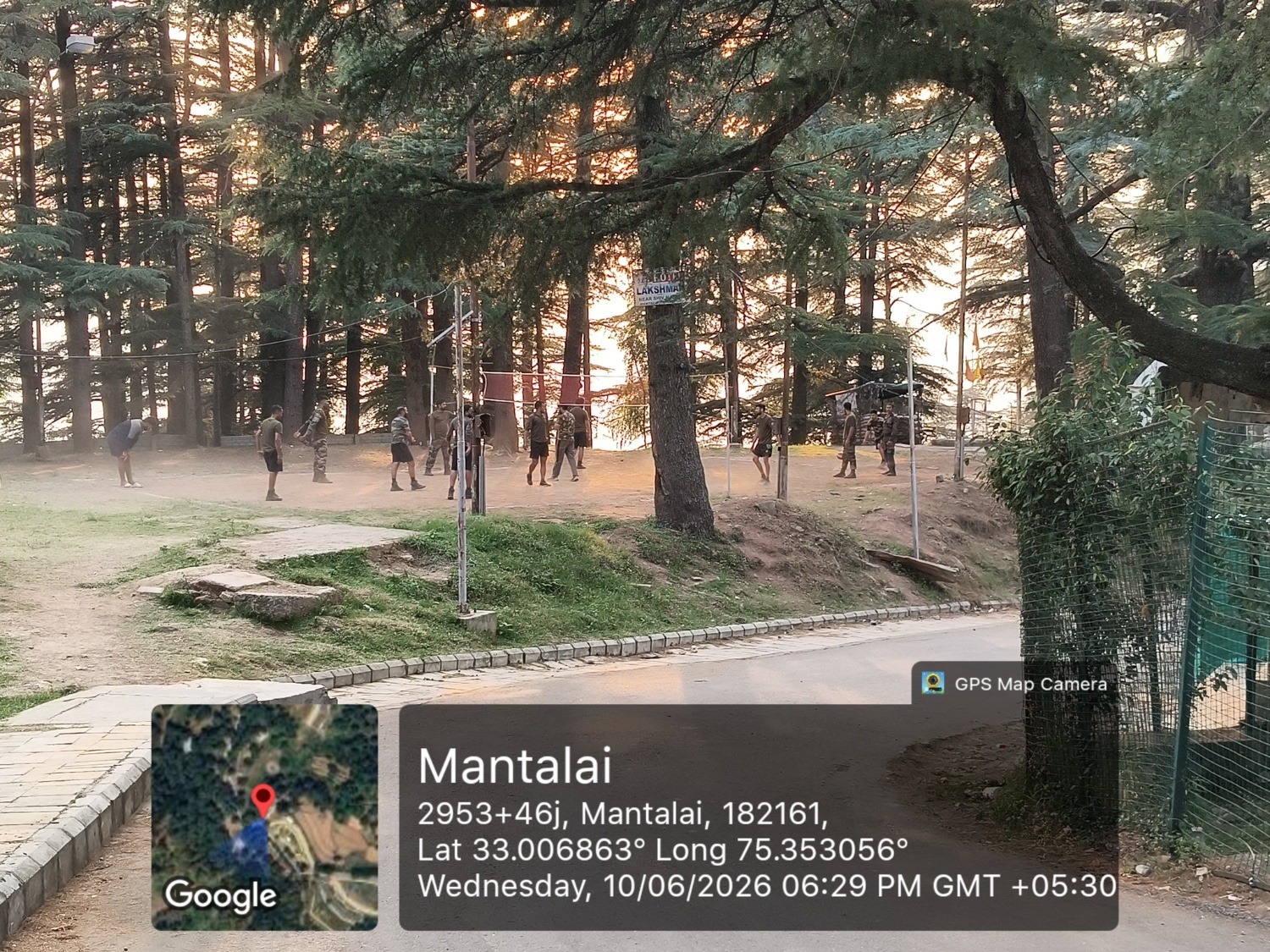
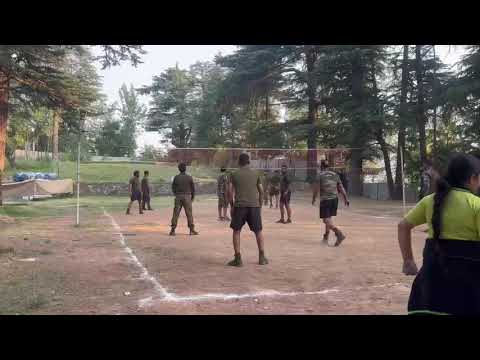
Although Mantalai is primarily known as a spiritual and wellness destination, sports and recreational activities continue to play an important role in the lives of local youth. Open community playgrounds and village fields provide space for cricket, volleyball, football, and traditional rural games. Informal sporting events are frequently organized during village festivals and community gatherings, encouraging physical fitness and social interaction among residents.
For more advanced sporting facilities, residents travel to Subash Stadium in Udhampur, which offers infrastructure for athletics, cricket, football, and other competitive sports. Cricket coaching academies, volleyball clubs, and youth organizations operating in nearby Udhampur provide professional training opportunities for aspiring athletes. The natural surroundings of Mantalai also support outdoor recreational activities such as trekking, hiking, camping, birdwatching, and nature photography, making the region an attractive destination for adventure enthusiasts alongside religious pilgrims.
Biodiversity: Flora and Fauna
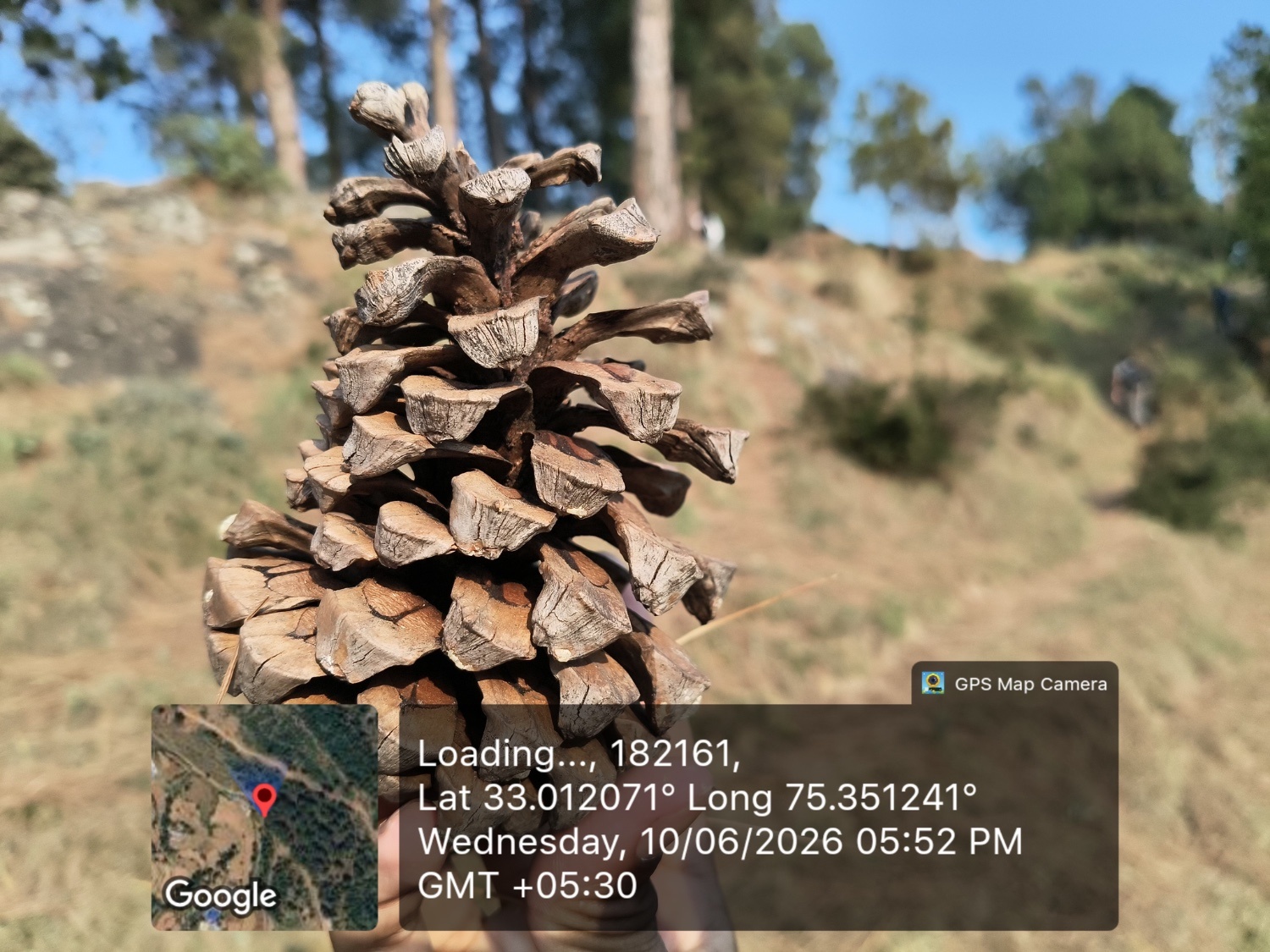
Mantalai possesses a remarkably rich ecosystem that contributes significantly to the biodiversity of the middle Himalayan region. Dense forests surrounding the village are dominated by majestic Deodar (Cedrus deodara), Chir Pine, Blue Pine (Kail), Walnut, and numerous deciduous tree species that create an ideal habitat for a wide variety of wildlife. The forest floor supports medicinal herbs, aromatic plants, wild berries, stinging nettle, wild amaranth, and several indigenous plant species that have traditionally been used by local communities for food and medicine.
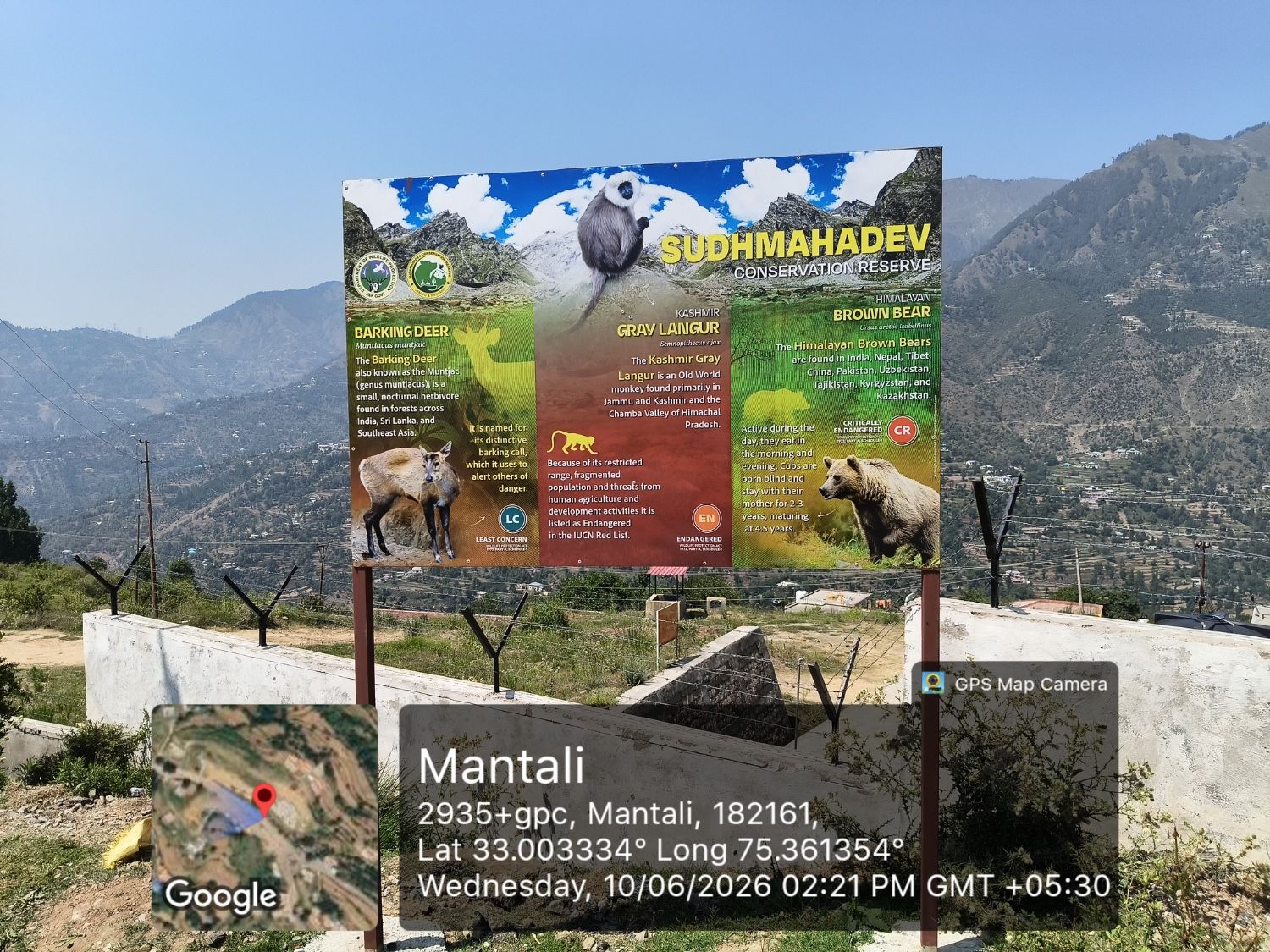
The region's forests provide shelter to diverse wildlife, including Himalayan Black Bears, Leopards, Barking Deer, Wild Boars, Rhesus Macaques, and several smaller mammals. Mantalai is also a paradise for birdwatchers, with species such as the Kalij Pheasant, Black-throated Tit, Eurasian Jay, Rufous Treepie, Black Drongo, and numerous migratory birds frequently observed in the surrounding forests. Reptiles, amphibians, butterflies, and other insects further enrich the local ecosystem. This remarkable biodiversity, combined with Mantalai's spiritual significance and breathtaking landscapes, makes the village a unique destination where natural beauty, cultural heritage, and religious devotion coexist in perfect harmony.
Photos
Videos
Location Map
Contact Information
| Address |
2935+Q68, Chenani, Jammu and Kashmir 182161 |
| Phone Number |
9149598094, 9419117502 |
| Website | https://www.incredibleindia.gov.in/en/jammu-and-kashmir/jammu/mantalai-temple |
Reviews (2)

Mantalai is a peaceful and beautiful destination with a serene atmosphere and scenic surroundings. The holy pond and temple area make it a perfect place for relaxation, family visits, and spiritual experiences. The location is clean, well-maintained, and worth visiting if you’re exploring Udhampur. A wonderful place to enjoy nature and peace. Highly recommended!


Mantalai is a scenic and spiritually significant village located in the Udhampur district of Jammu & Kashmir. Revered as the birthplace of Goddess Parvati and the sacred site of her marriage to Lord Shiva, the village is home to the ancient Aparneshwar Temple and the renowned International Yoga Centre. Surrounded by lush deodar forests and picturesque Himalayan landscapes, Mantalai offers a perfect blend of mythology, natural beauty, and cultural heritage, making it an important pilgrimage and tourist destination.