
Description
Introduction to Kanhal
Kanhal originated as a small agrarian cluster, later evolving into a well-structured rural settlement that reflects the rich agricultural heritage of the Jammu region. Situated in the Bishnah Tehsil of Jammu district in the Union Territory of Jammu and Kashmir, Kanhal is divided into two distinct sections—Kanhal Upper and Kanhal Lower—which together form the village community and contribute to its social, cultural, and administrative identity.
According to the 2011 Census, Kanhal bears the village Code 006186 and falls under the 181132 postal code. The village covers a geographical area of approximately 115.3 hectares and is characterized by fertile plains that support agriculture as the primary occupation of its residents. Over the years, Kanhal has maintained a balance between preserving its rural traditions and embracing developmental initiatives, making it an important and progressive village in the Bishnah region of Jammu and Kashmir.
Historical Background
Owing to its fertile alluvial plains and the availability of irrigation, the area has traditionally been dependent on agriculture for its livelihood. During the Dogra dynasty (19th to early 20th centuries), Kanhal formed part of the productive agricultural belt of the Jammu region and is believed to have contributed to the royal granaries by supplying food grains, particularly wheat and paddy.
Like many villages in the Bishnah region, Kanhal evolved alongside the agricultural and administrative reforms introduced during Dogra rule, which strengthened rural governance and irrigation systems. Today, while embracing modern development, the village continues to preserve its agrarian heritage and historical identity as an important farming community in Jammu district.
Demography : Population and Literacy
According to the Census of India 2011, Kanhal has a total population of 1,820 residents living in 376 households. The village comprises 940 males and 880 females, resulting in a sex ratio of 936 females per 1,000 males. Additionally, 194 children belong to the 0–6 years age group, reflecting a young and growing population that contributes to the village's future demographic potential.
Education has witnessed steady progress in Kanhal over the years. Of the total population, 1,423 residents are literate, while 397 people are recorded as illiterate, indicating a satisfactory level of literacy for a rural settlement. The village also has a significant Scheduled Caste population of 626 residents, contributing to its diverse social composition.
Culture and Religious Heritage
Kanhal embodies the rich cultural traditions of the Dogra region, reflecting a way of life deeply rooted in agriculture, spirituality, and strong community bonds. As one of the traditional villages of the Bishnah region, its cultural heritage has been preserved through oral traditions, family customs, and collective celebrations rather than through monumental architecture. The people of Kanhal primarily speak Dogri, the native language of the Jammu plains, which carries a wealth of folk tales, proverbs, and local traditions passed down through generations. Traditional folk arts, including Kud dance, devotional ballads (Bhakhs), and other cultural performances during weddings and community gatherings, continue to form an integral part of the village's intangible heritage.
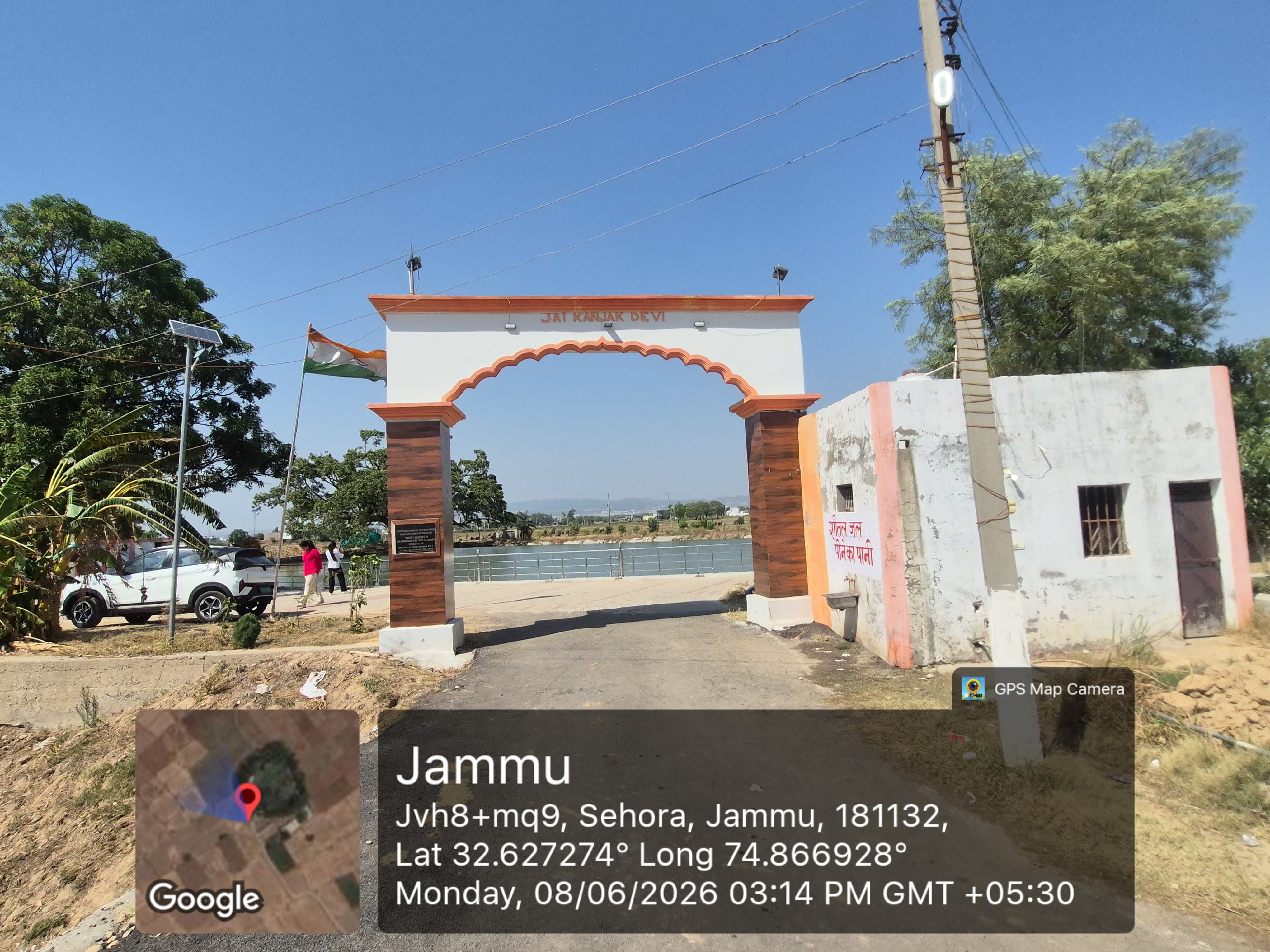
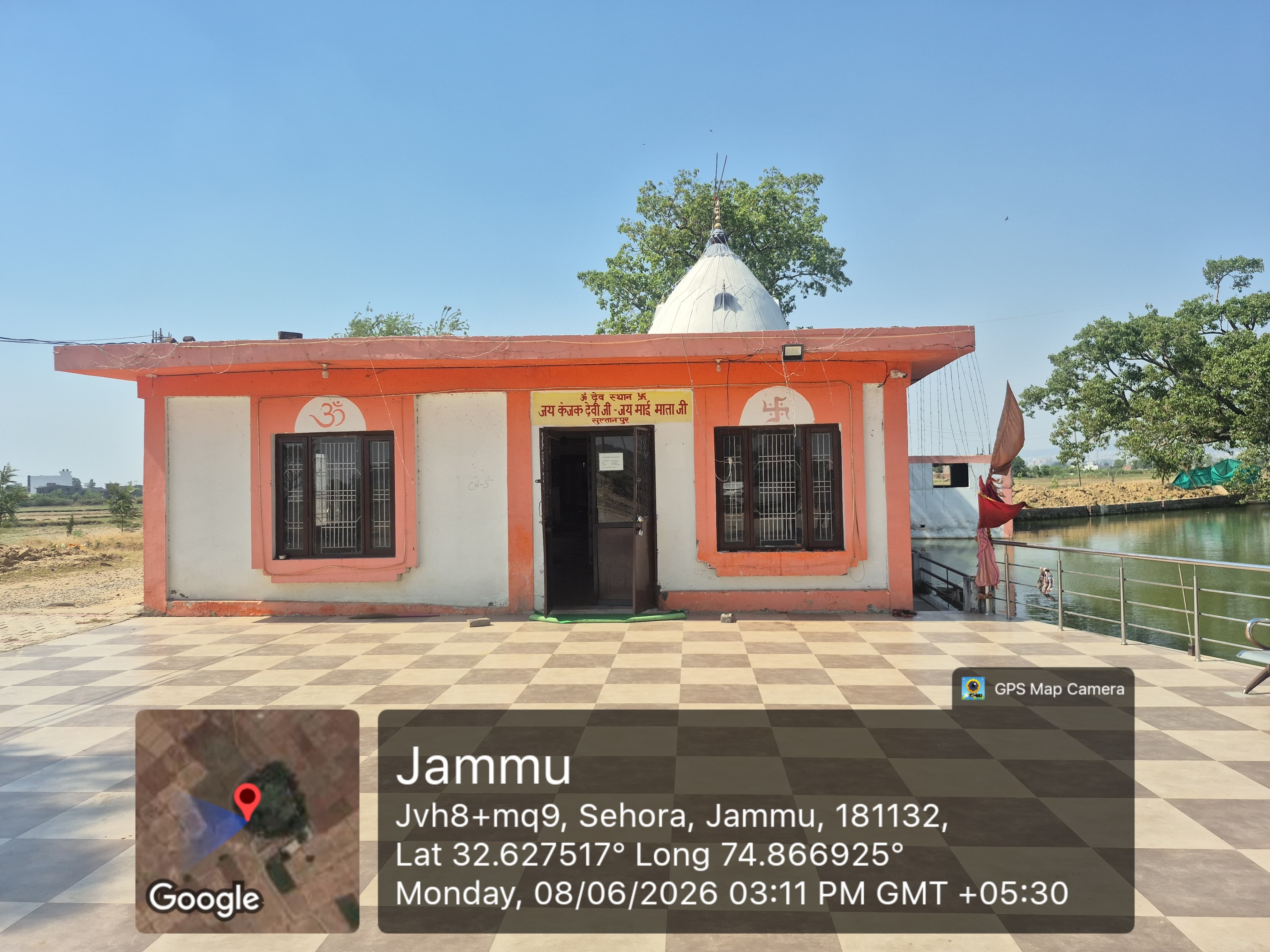
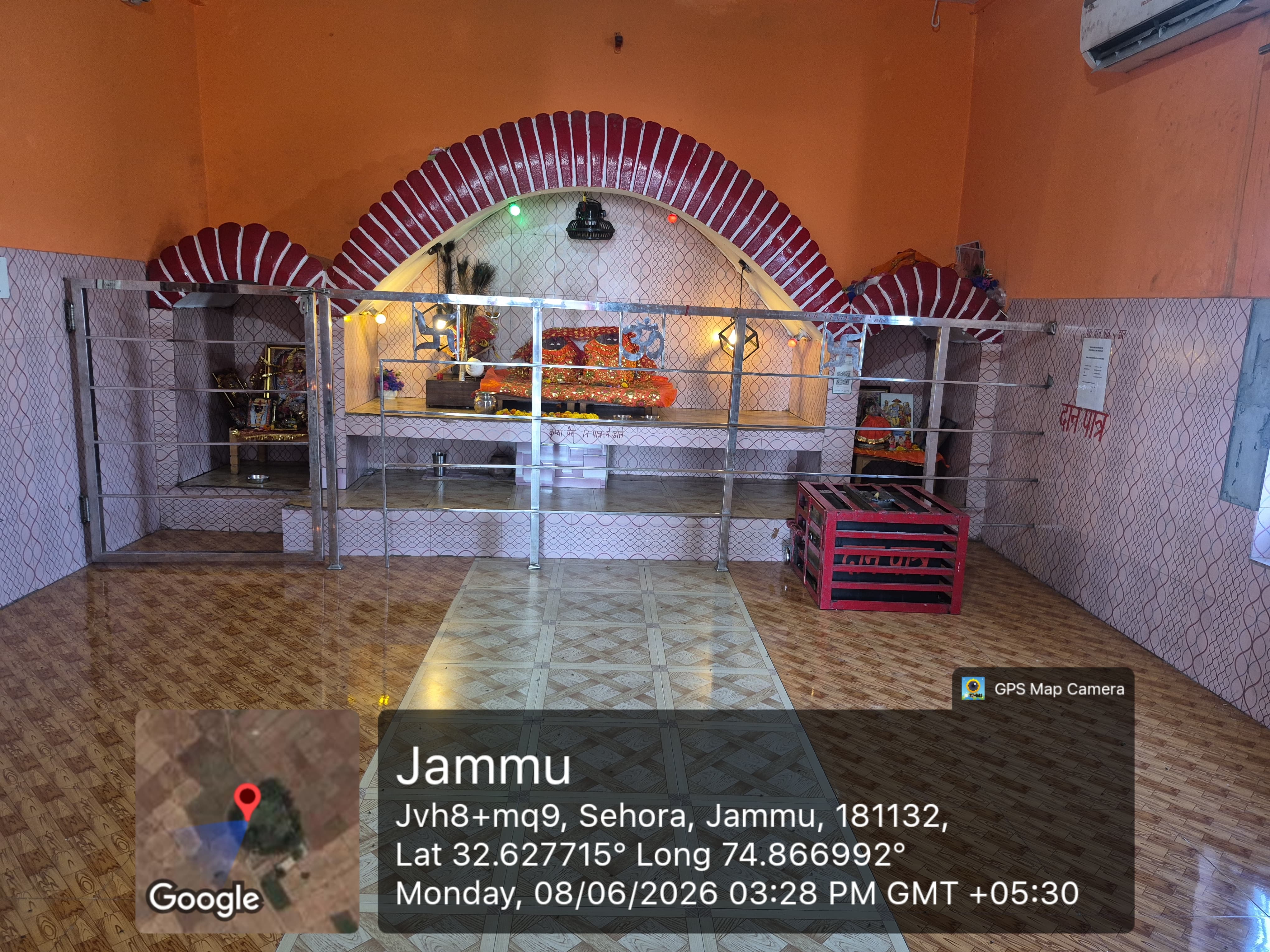
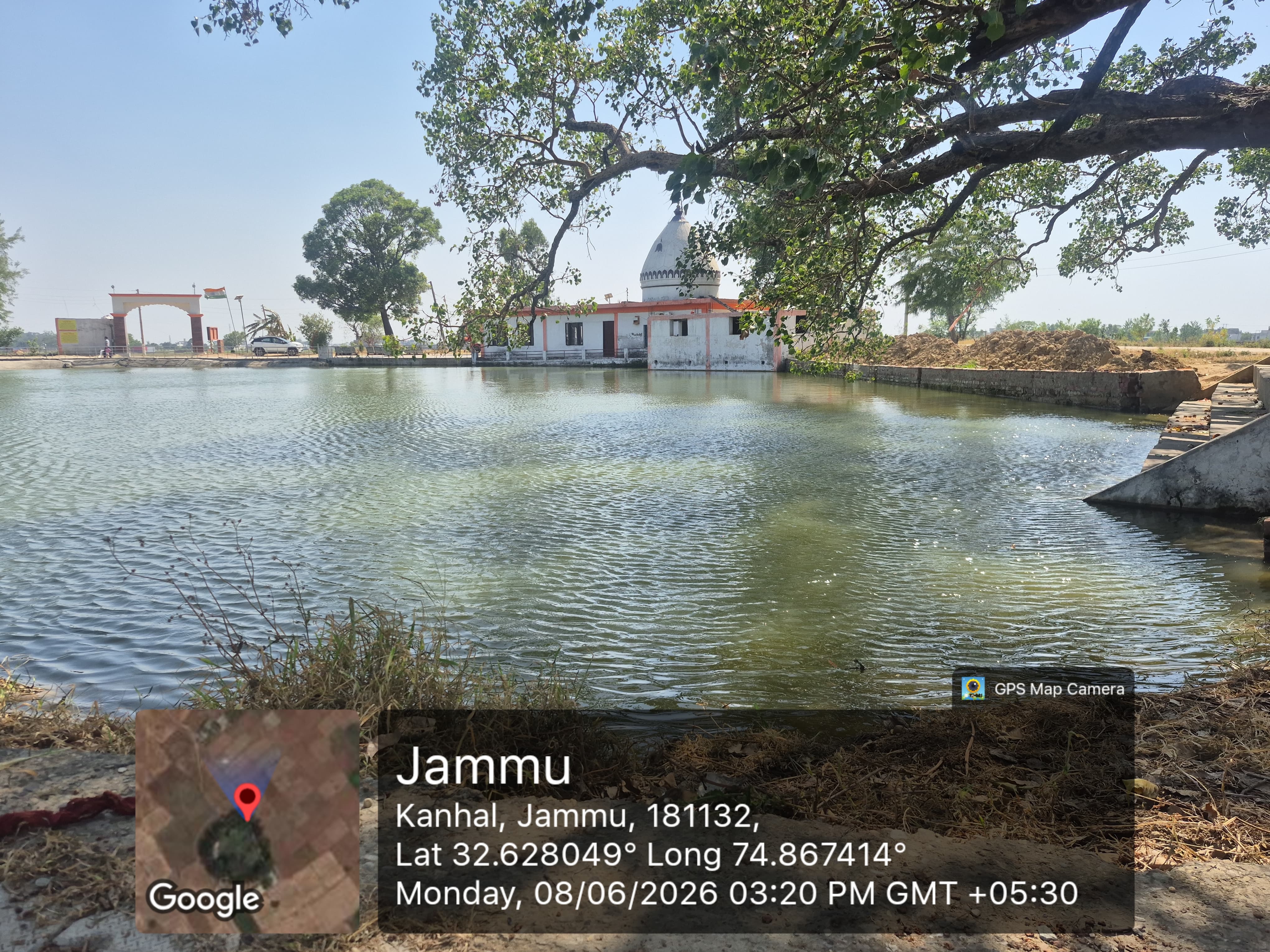
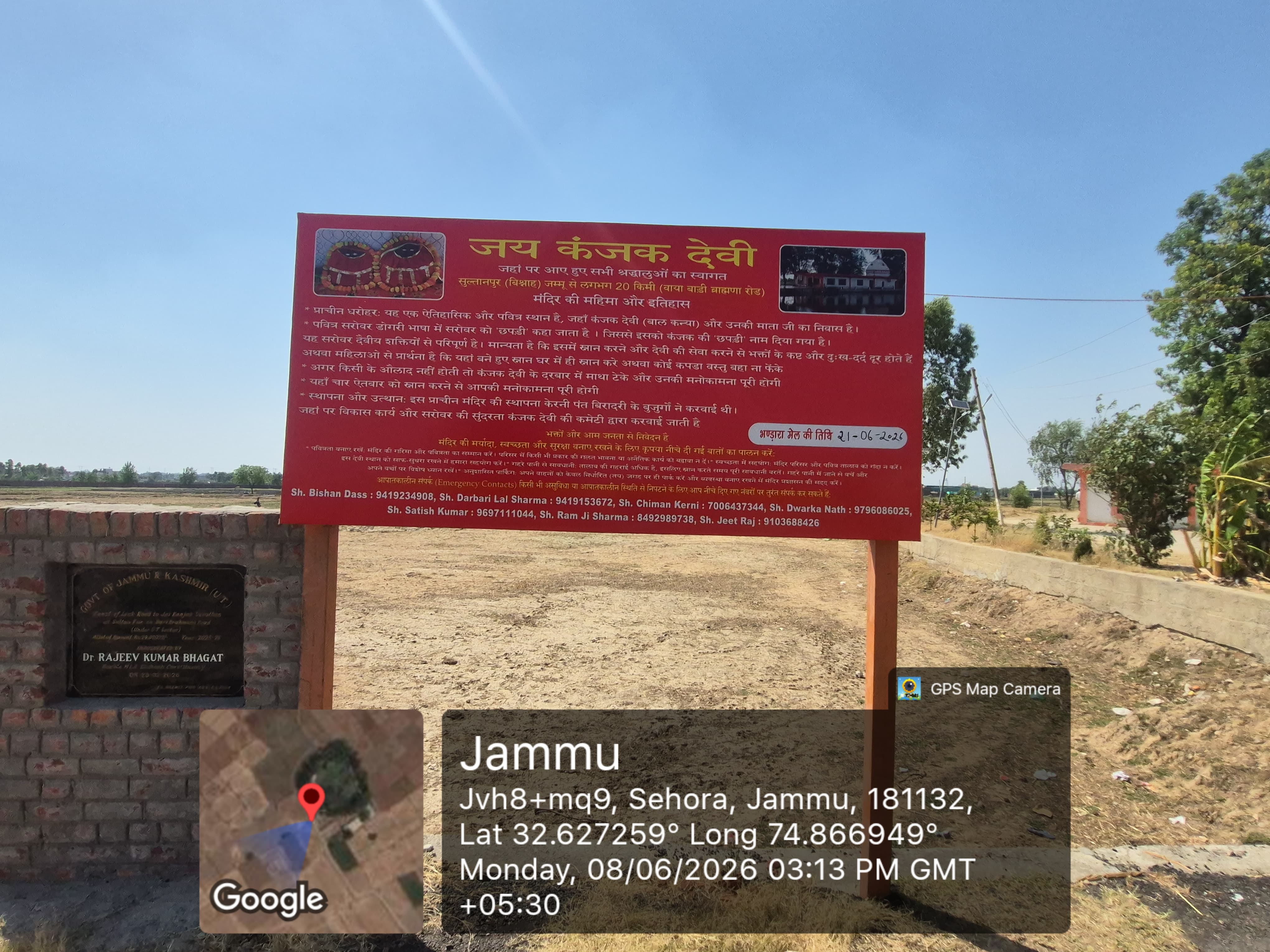
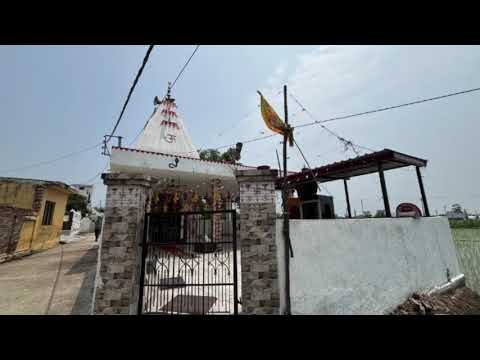
Religion occupies a central place in the social and cultural life of Kanhal. The Kuldev Sthan : Kanjak Devi Mandir, an ancestral shrine dedicated to the family deities (Kuldevta), serves as an important spiritual centre where families gather to preserve ancestral traditions and strengthen kinship ties. Another prominent place of worship is the Mata Rani Mandir in Upper Kanhal, which attracts devotees from the village and neighbouring areas, particularly during religious festivals. Major festivals such as Lohri and Baisakhi are celebrated with great enthusiasm, bringing the entire community together through prayers, traditional rituals, folk music, and festive feasts. The vibrant Chajja dance, performed during Lohri to the rhythmic beats of the Dhol, and the thanksgiving celebrations of Baisakhi after the Rabi harvest, reflect the close relationship between Kanhal's cultural identity, agricultural heritage, and religious beliefs.
Administration and Governance
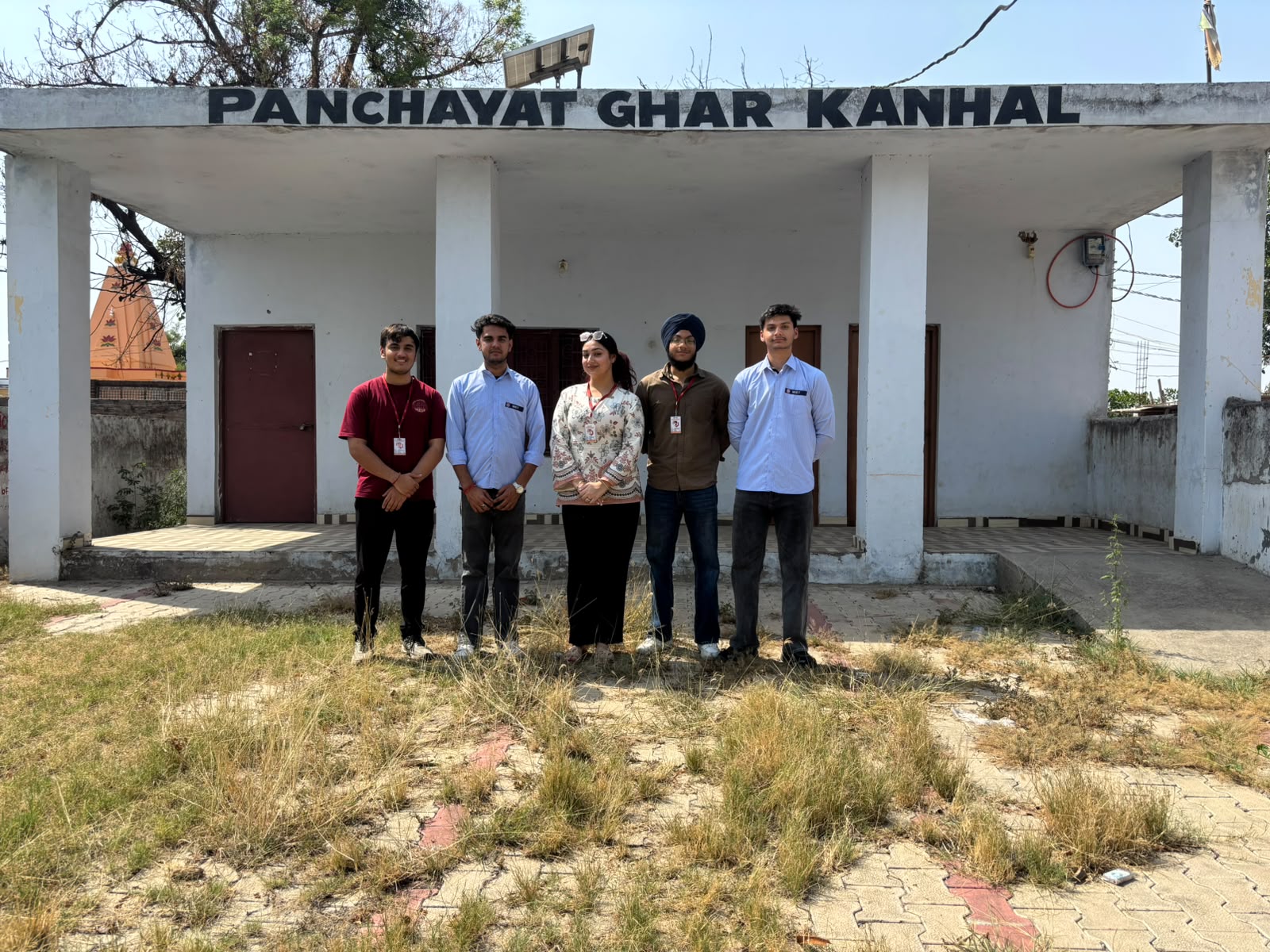
Administratively, Kanhal functions under the Panchayati Raj system. The Kanhal Gram Panchayat is the primary local governing body, which also extends administrative oversight to neighboring hamlets, including: Kanhal Upper, Kanhal Lower, Chak Chua, Chak Jarallan. Led by an elected Sarpanch, the Panchayat coordinates local developmental works, manages public infrastructure, and implements government welfare schemes.
Education and Infrastructure
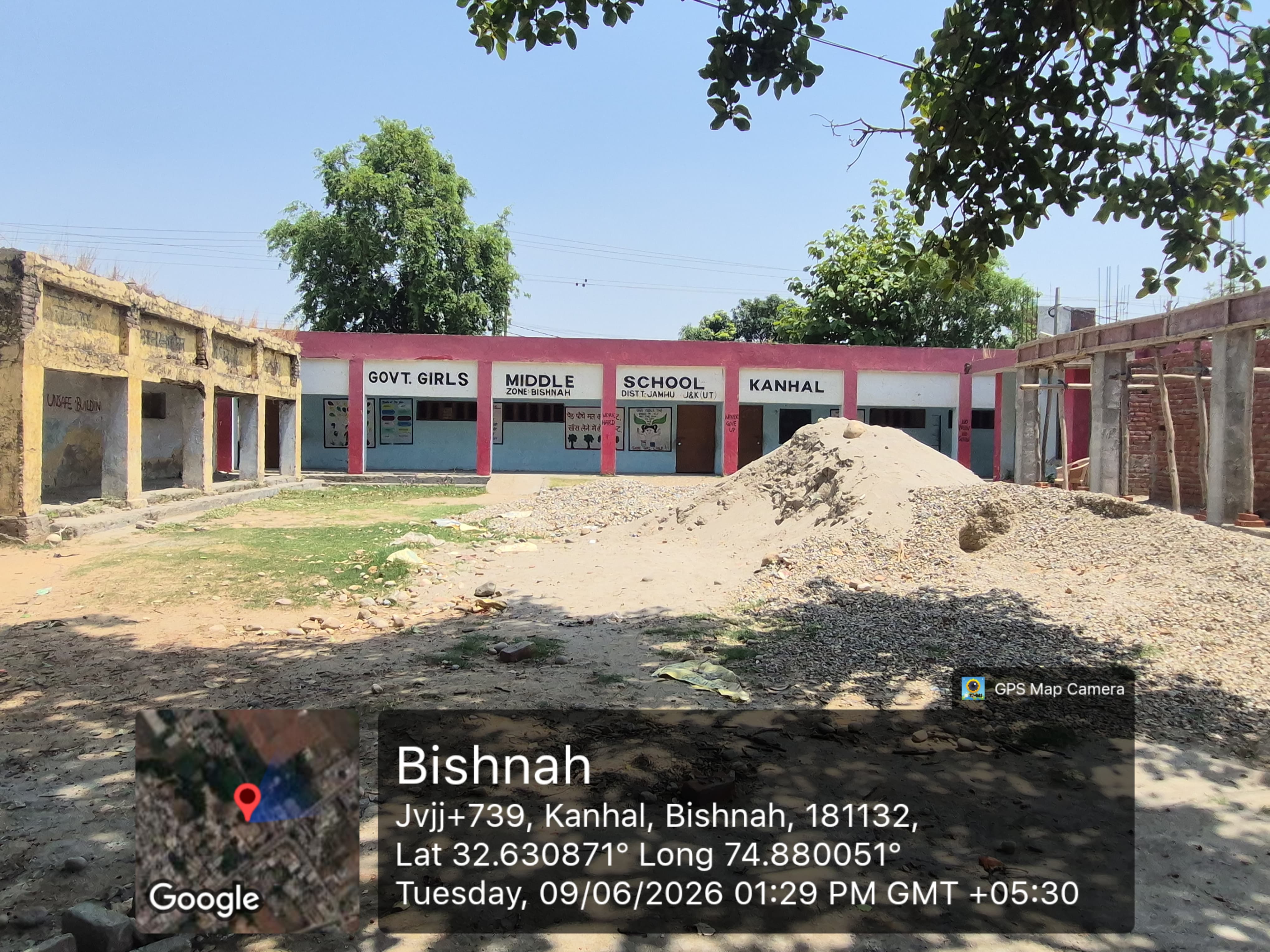
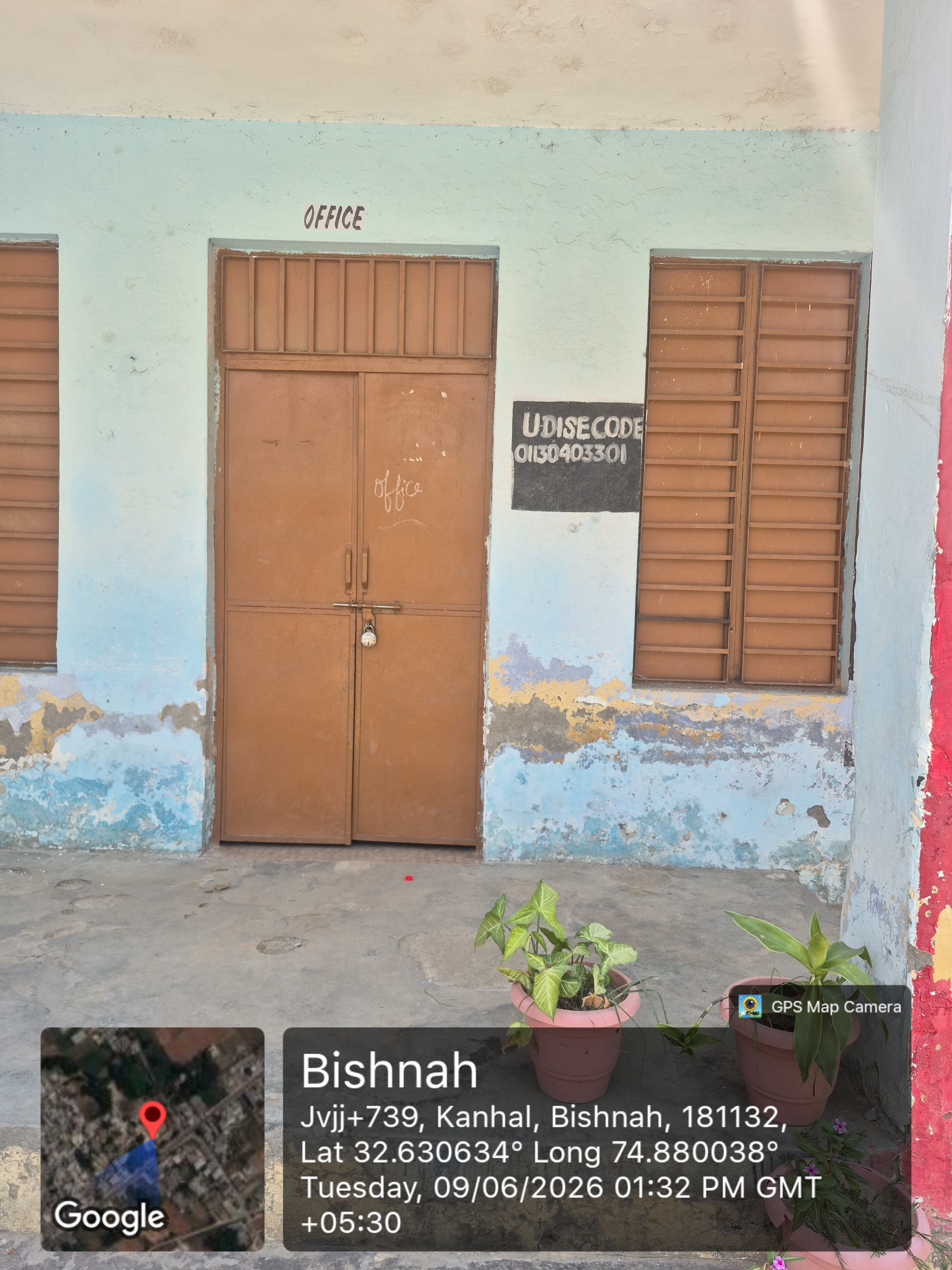
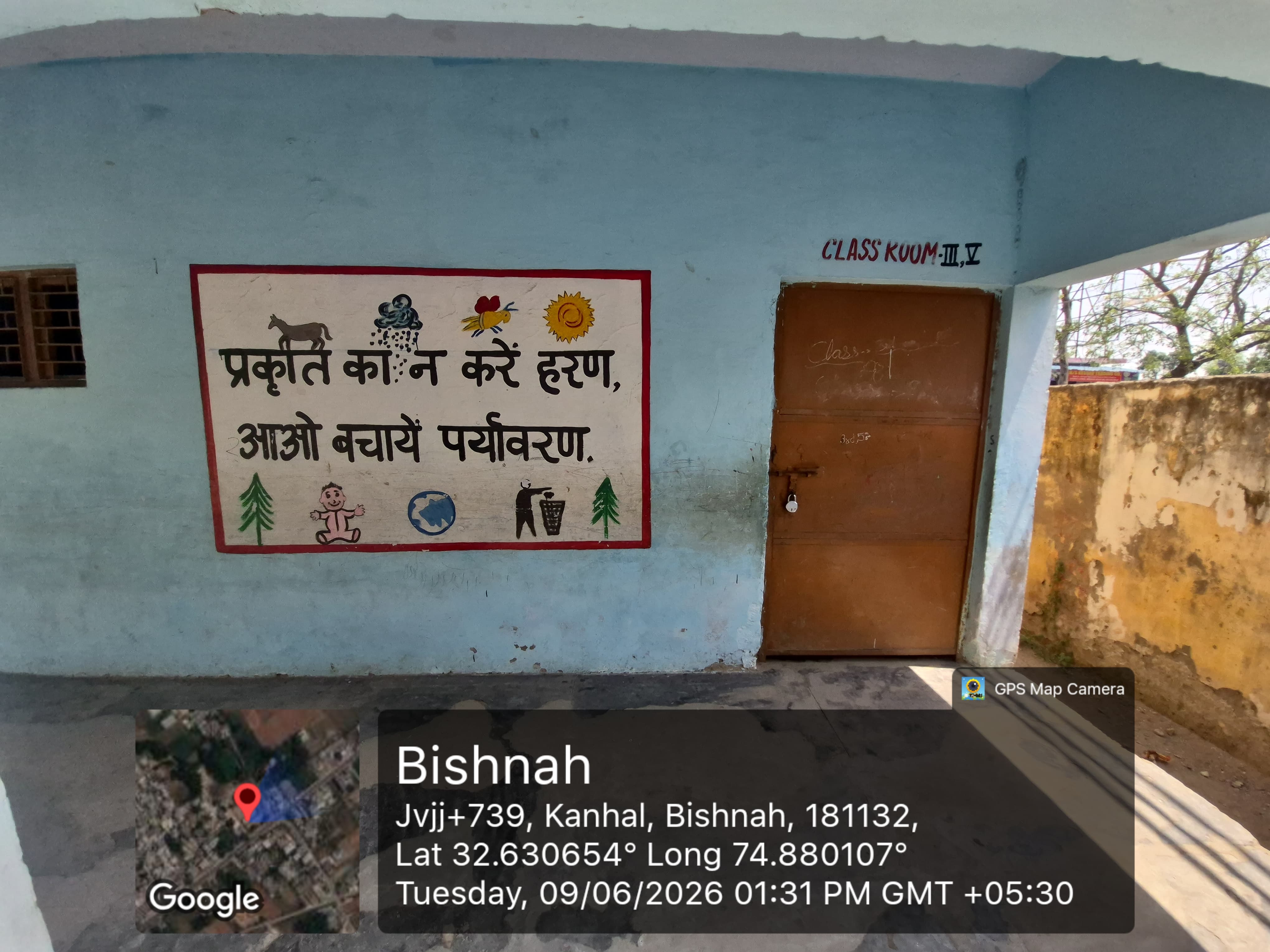
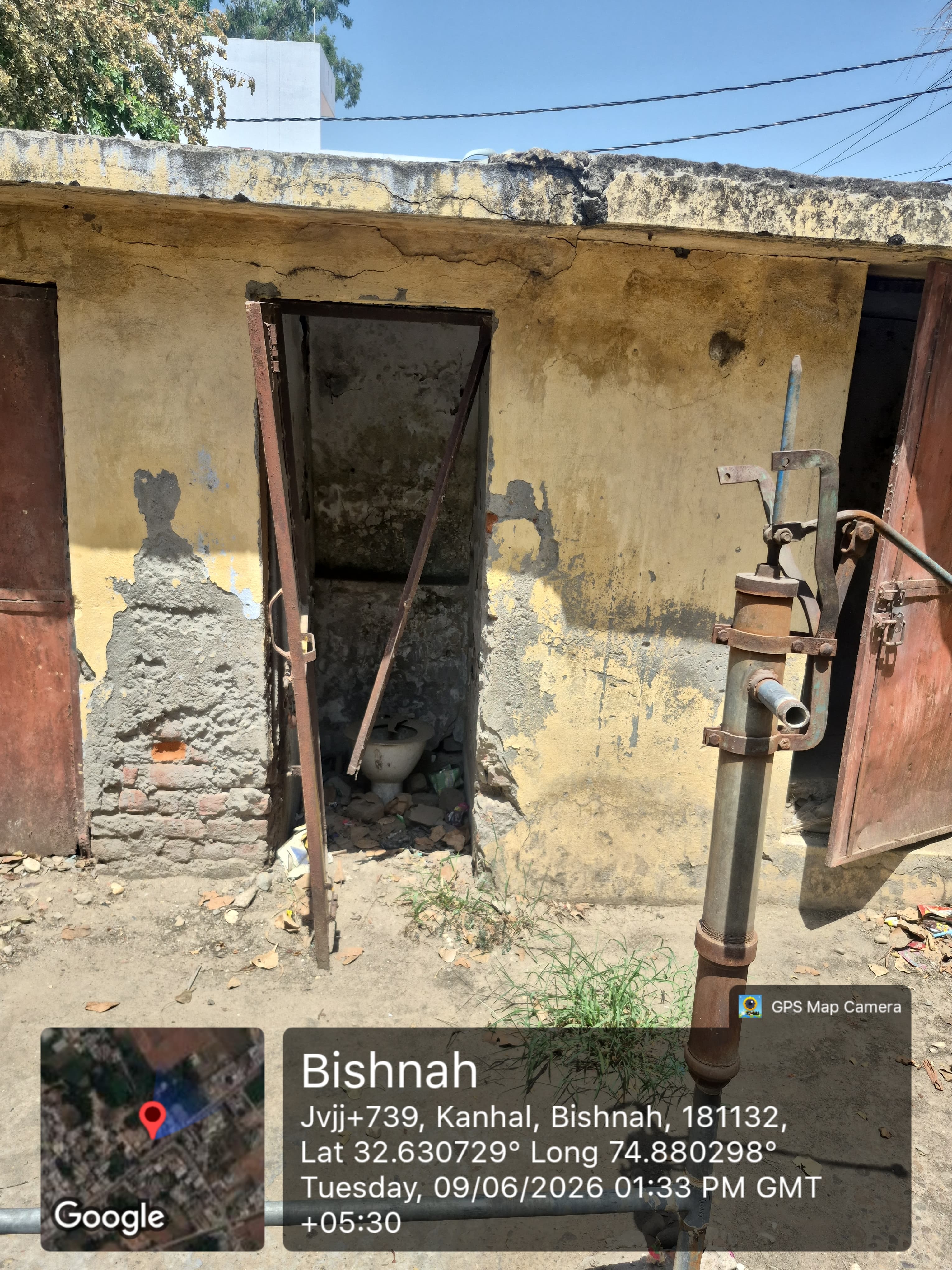
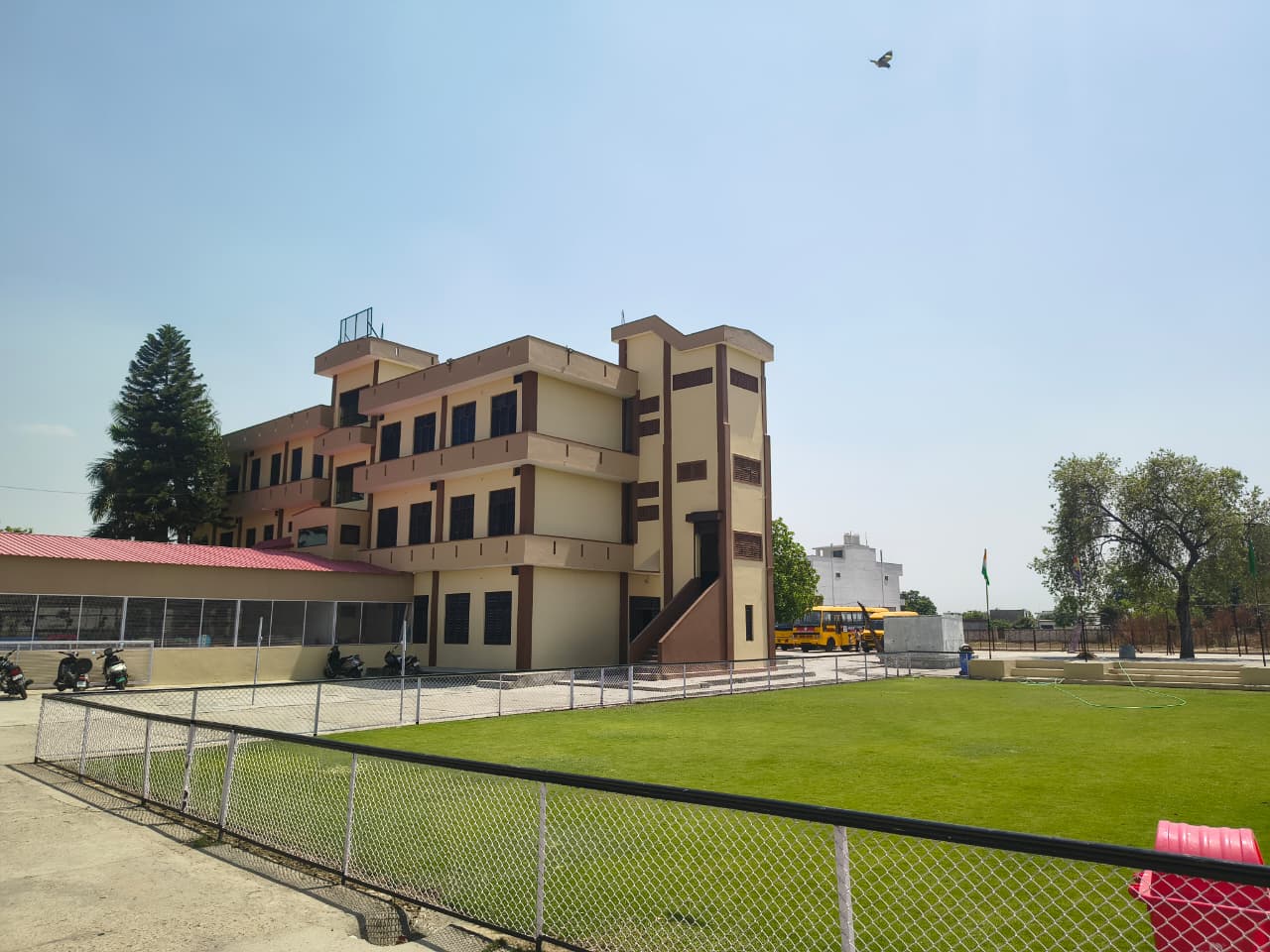
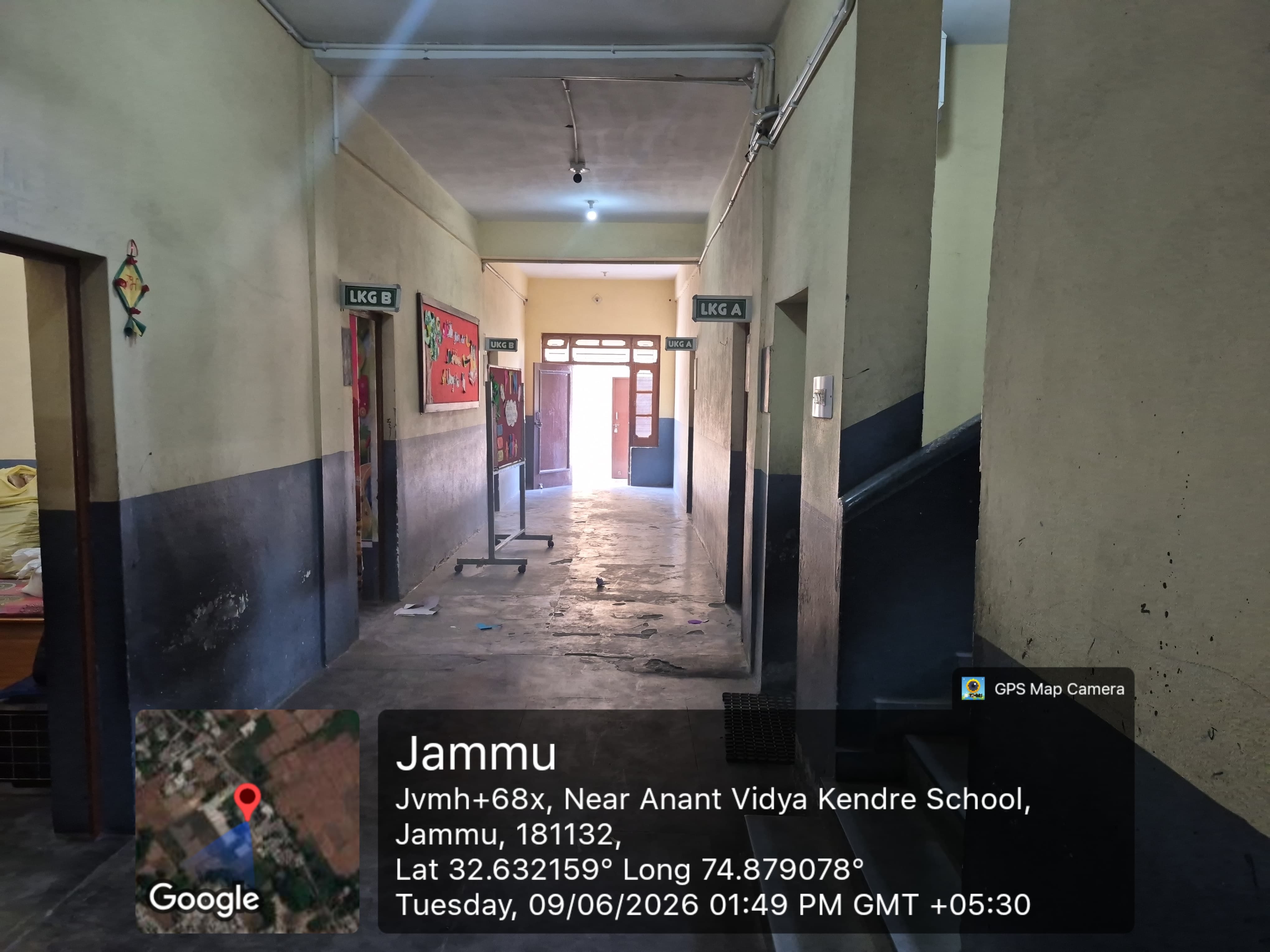
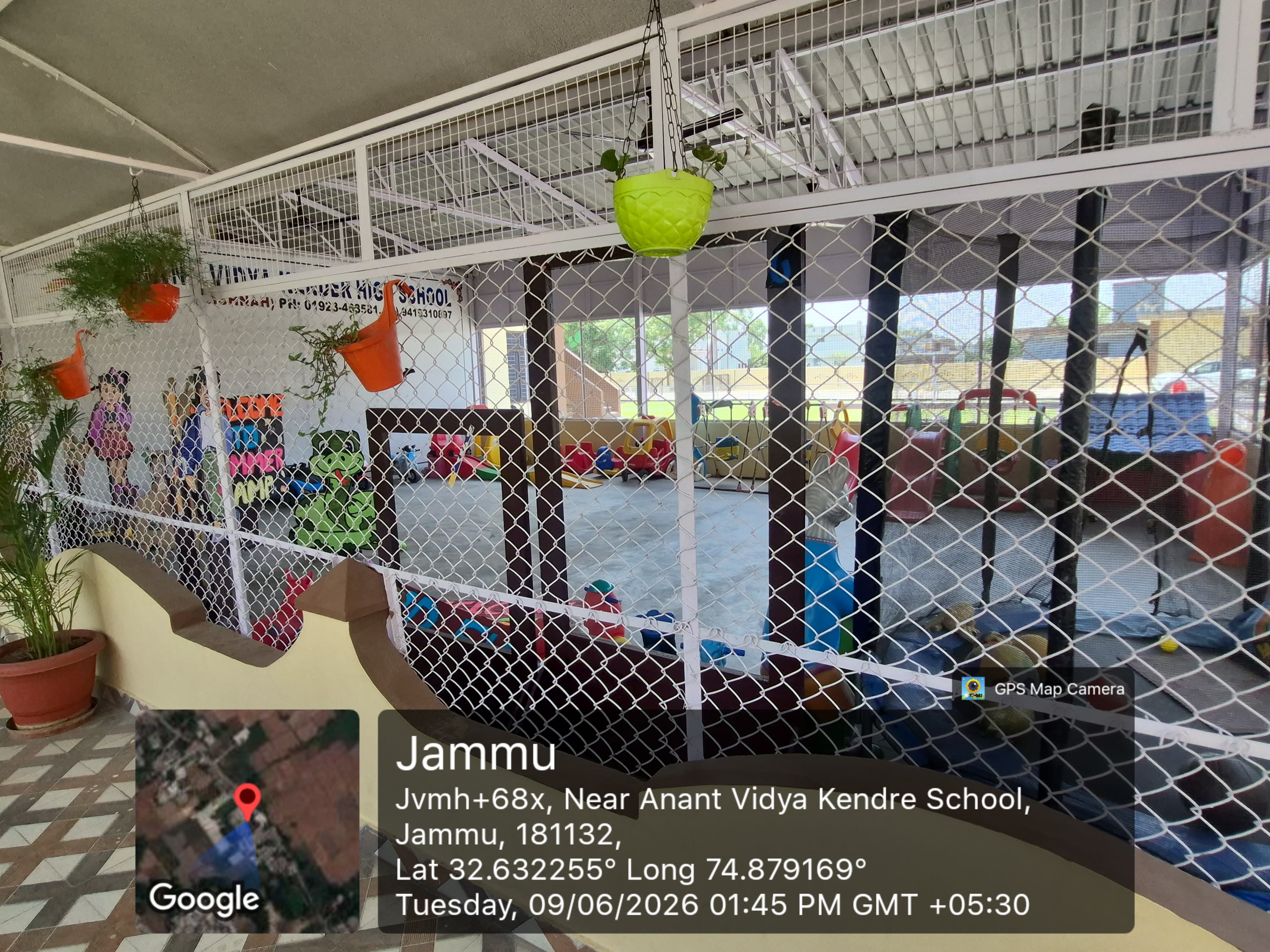
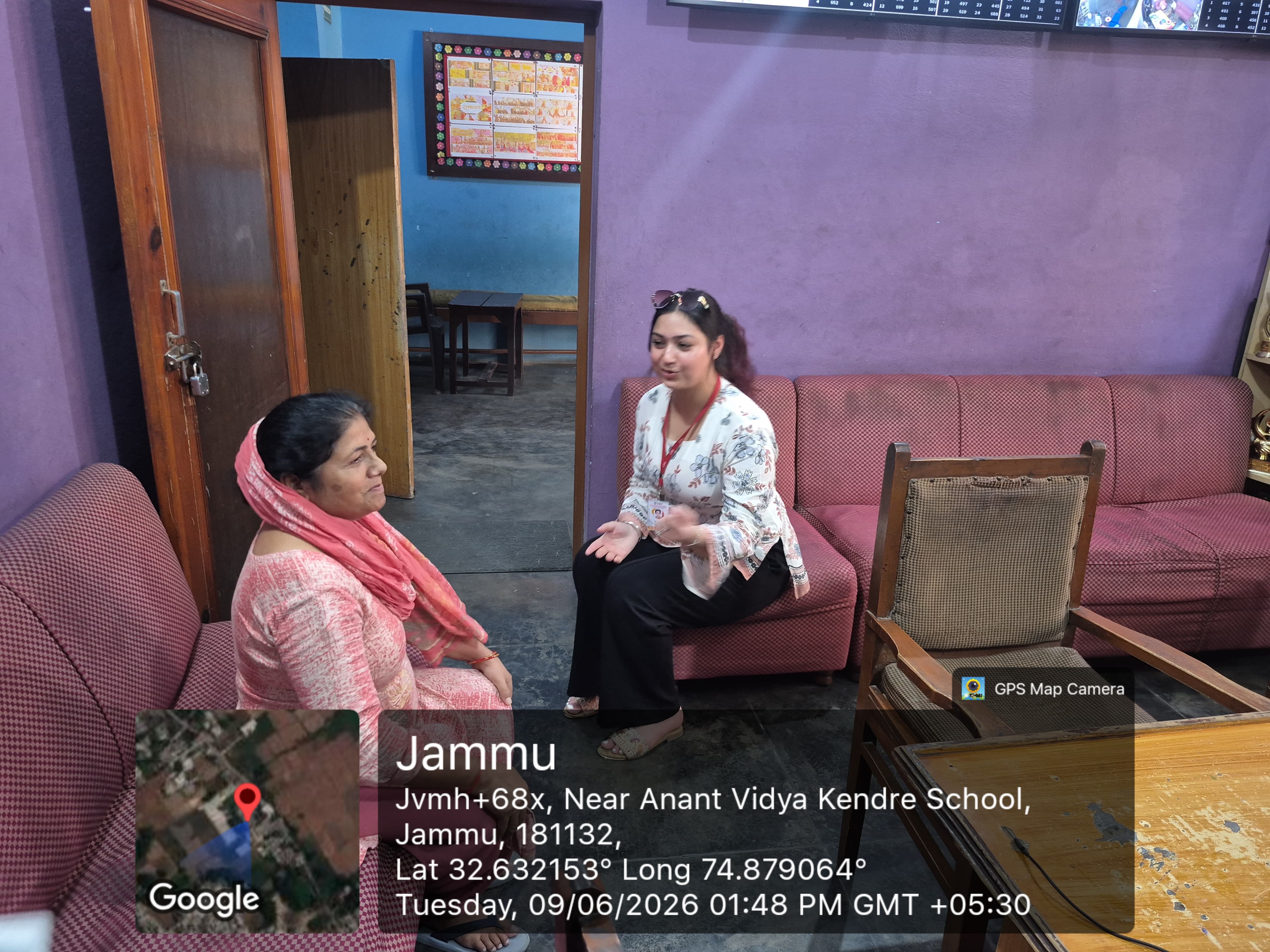
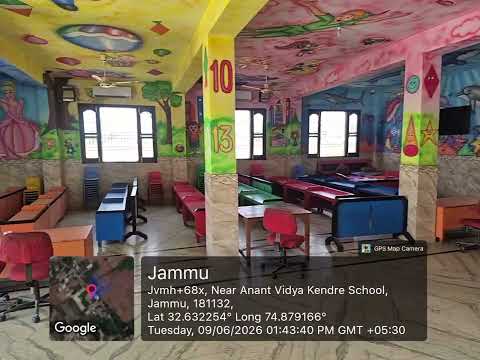
Education has steadily improved in Kanhal through the presence of both government and private educational institutions. The village is home to the Government Girls Middle School and Anant Vidya Kendra, a private high school that caters to the educational needs of local students. These institutions play an important role in promoting literacy and ensuring access to quality education within the village.
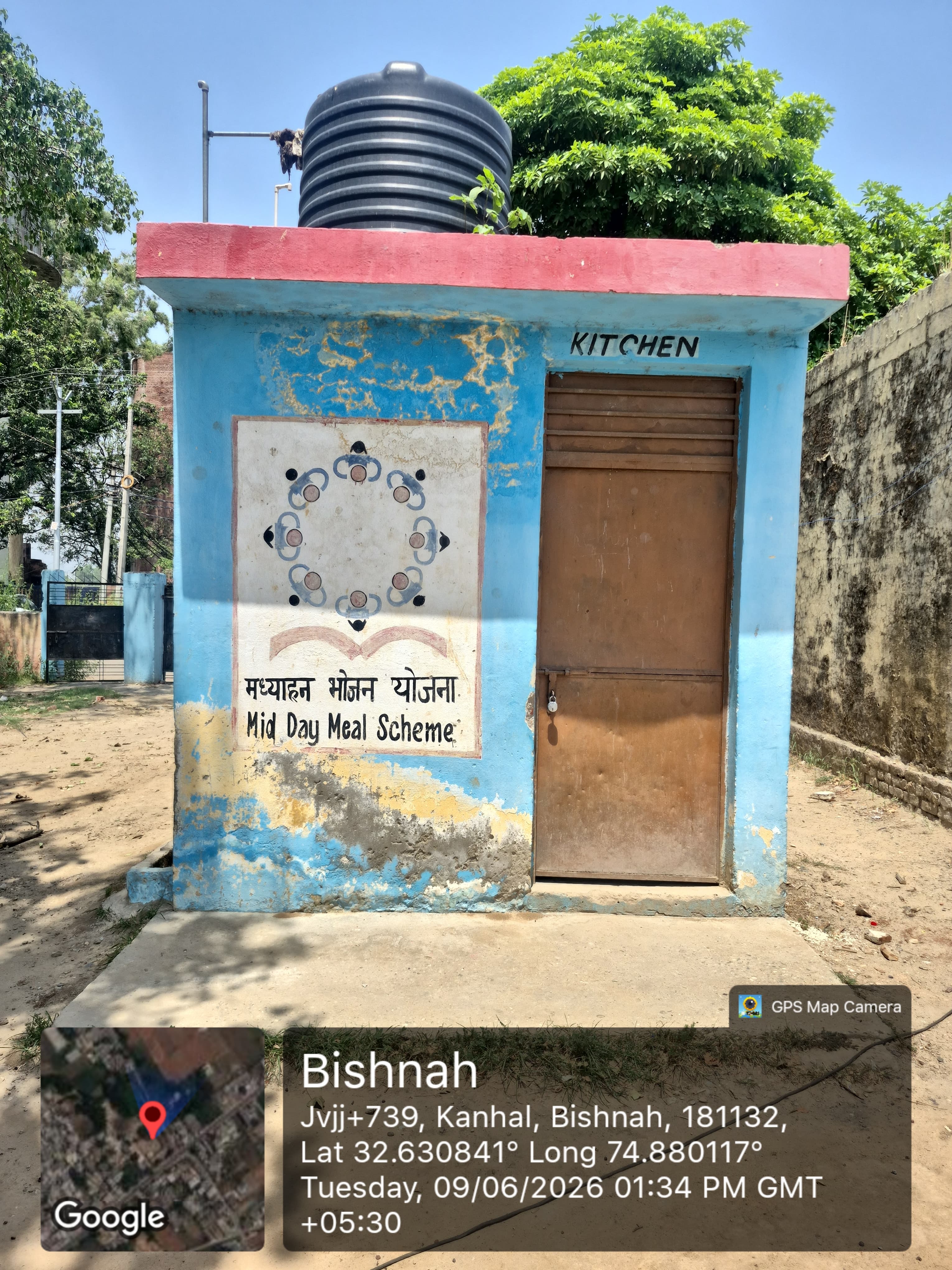
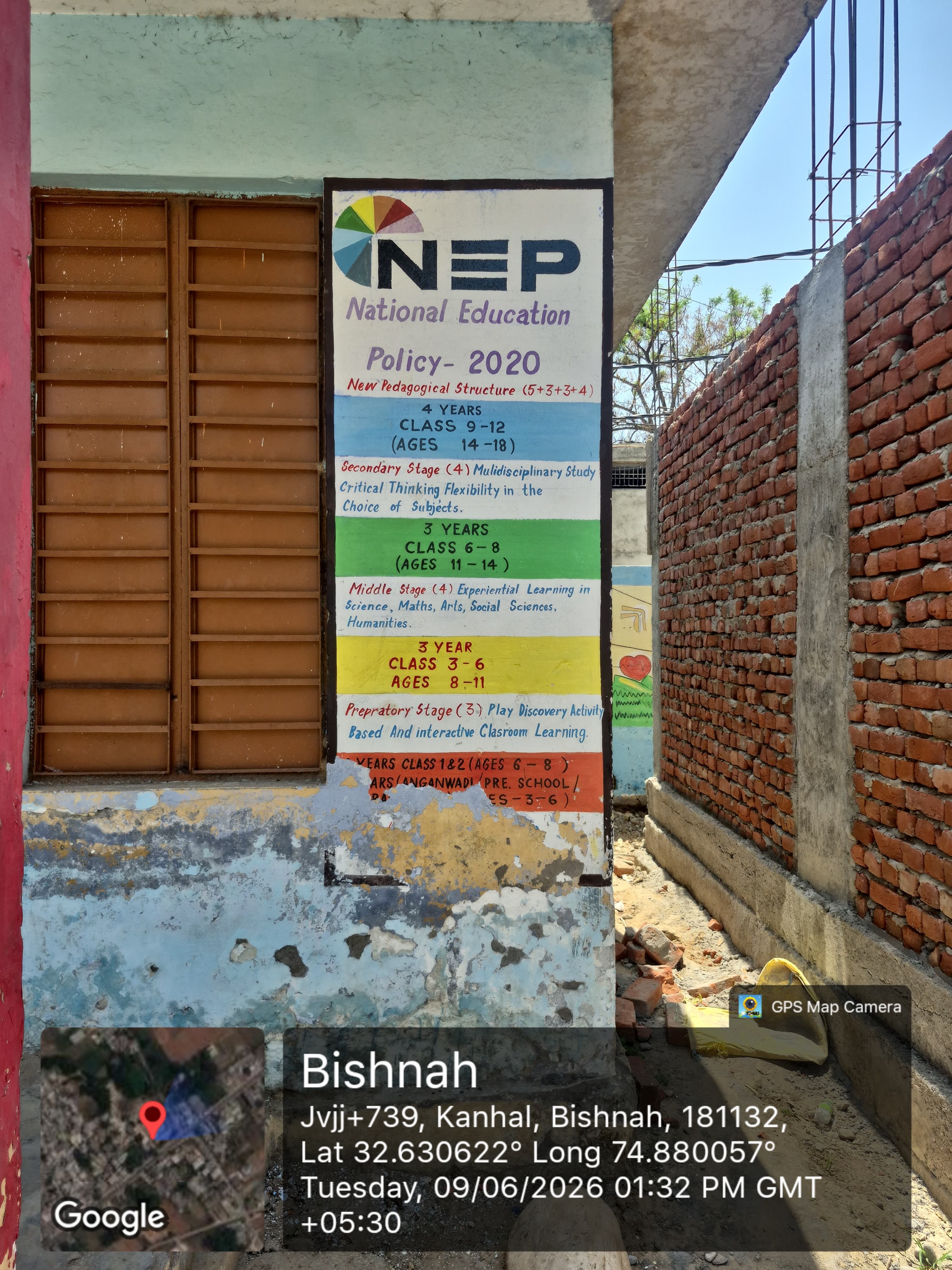
Schools in Kanhal follow the provisions of the National Education Policy (NEP) 2020 and benefit from government initiatives such as the Mid-Day Meal Scheme and Samagra Shiksha Abhiyan. While adult education programmes remain limited, continuous government efforts have contributed to improving literacy levels, and private schools have increasingly adopted digital learning facilities and smart classroom technologies to enhance the teaching-learning process.
Healthcare and Public Services
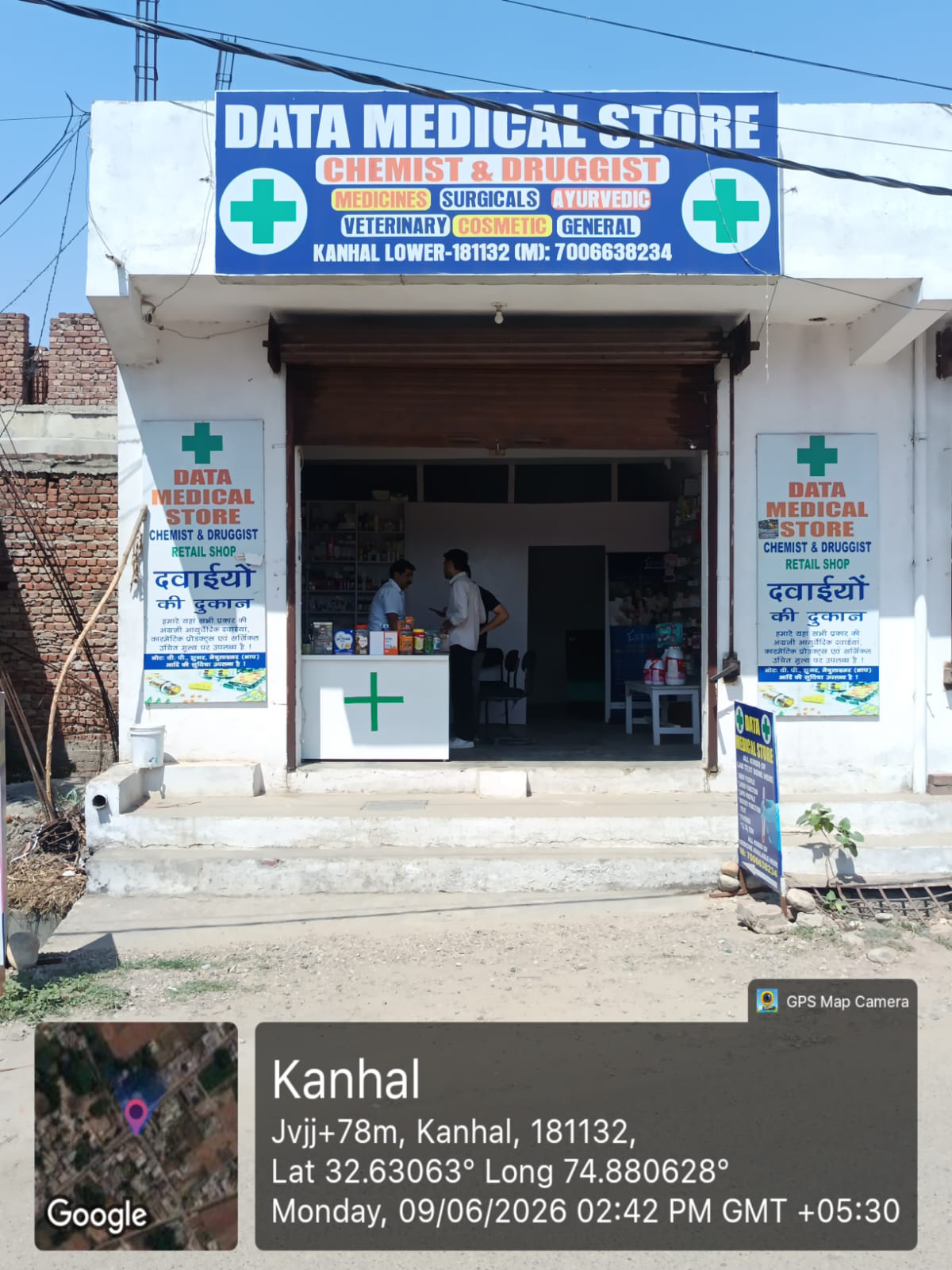
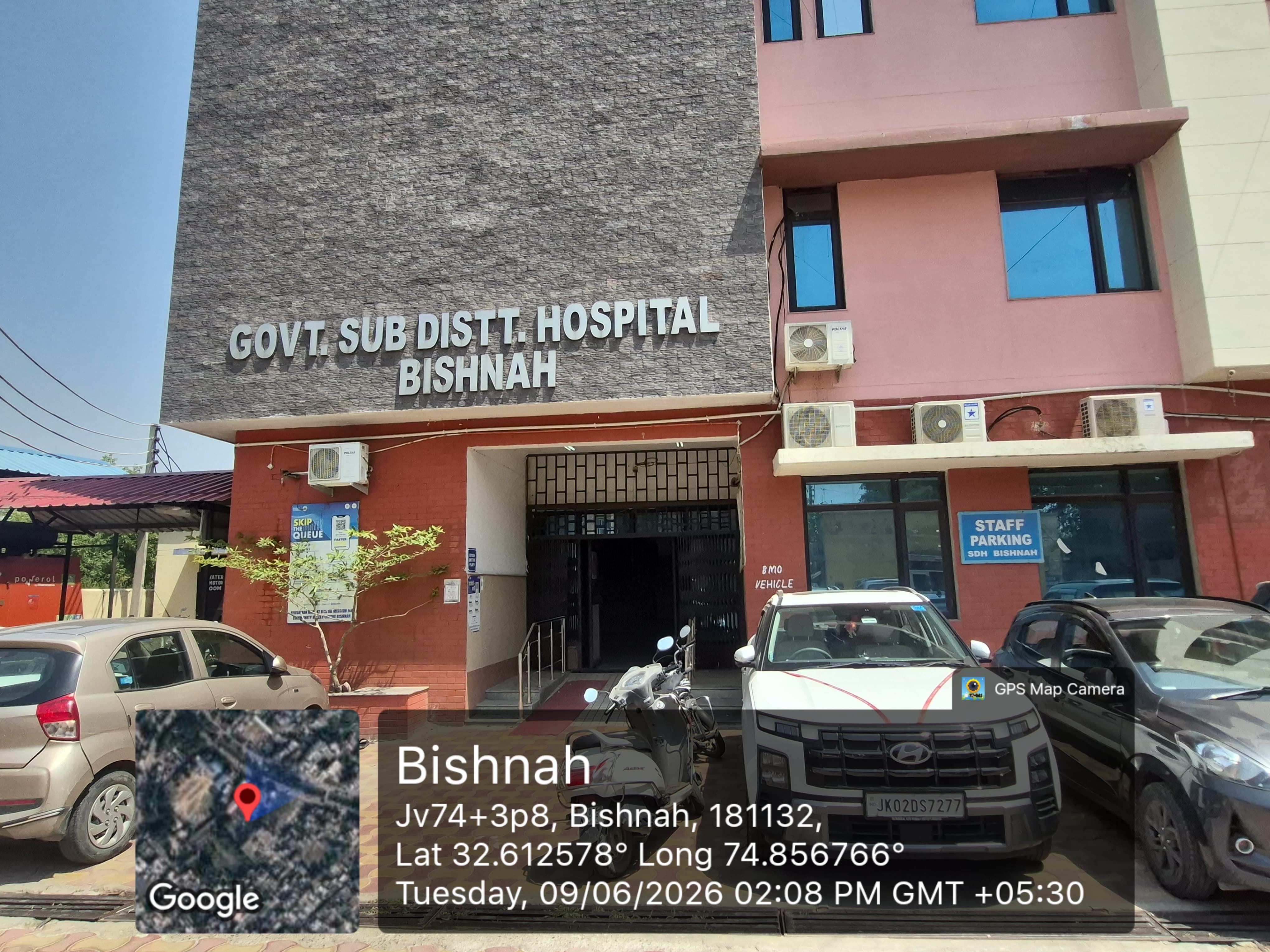
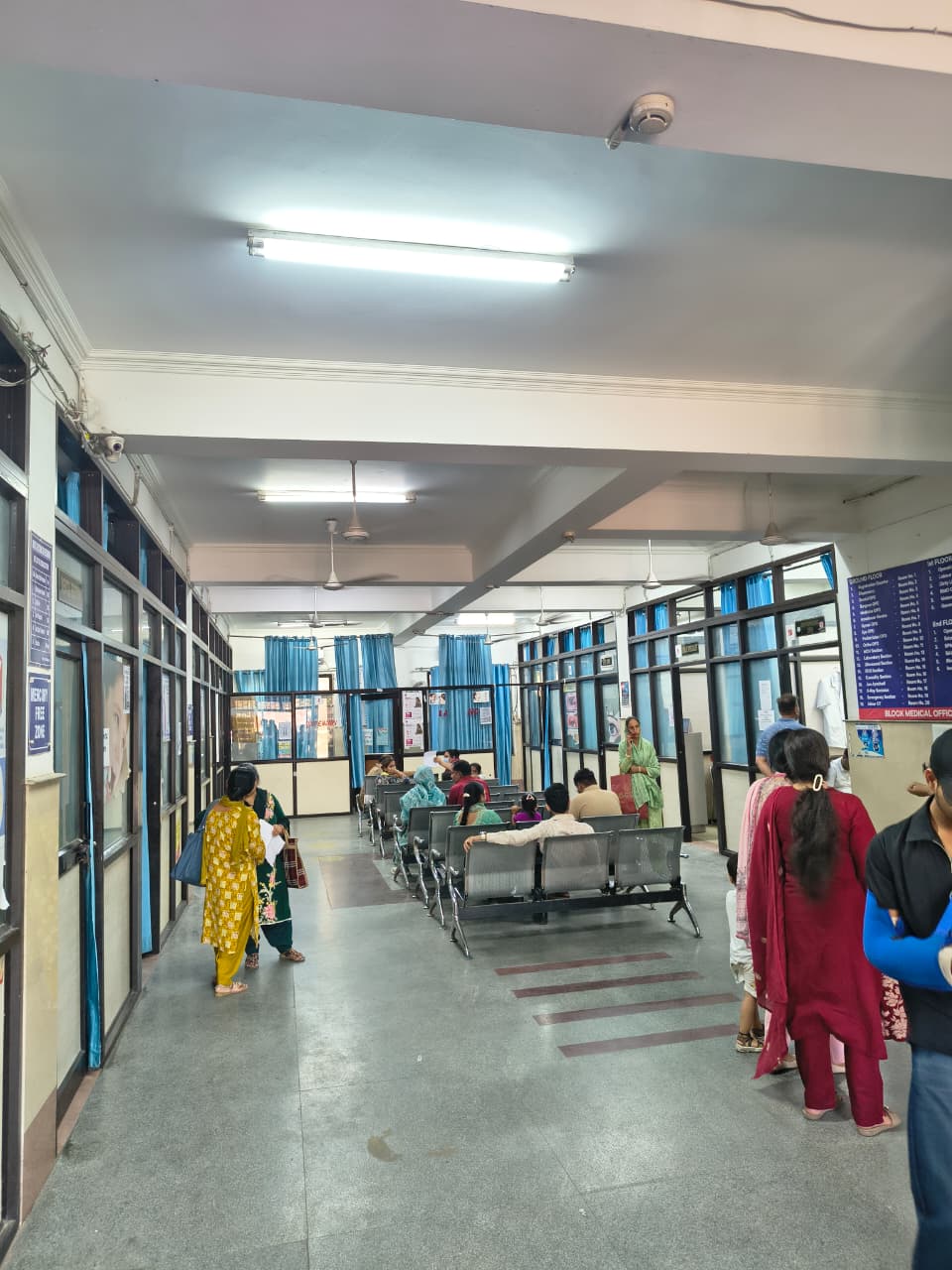
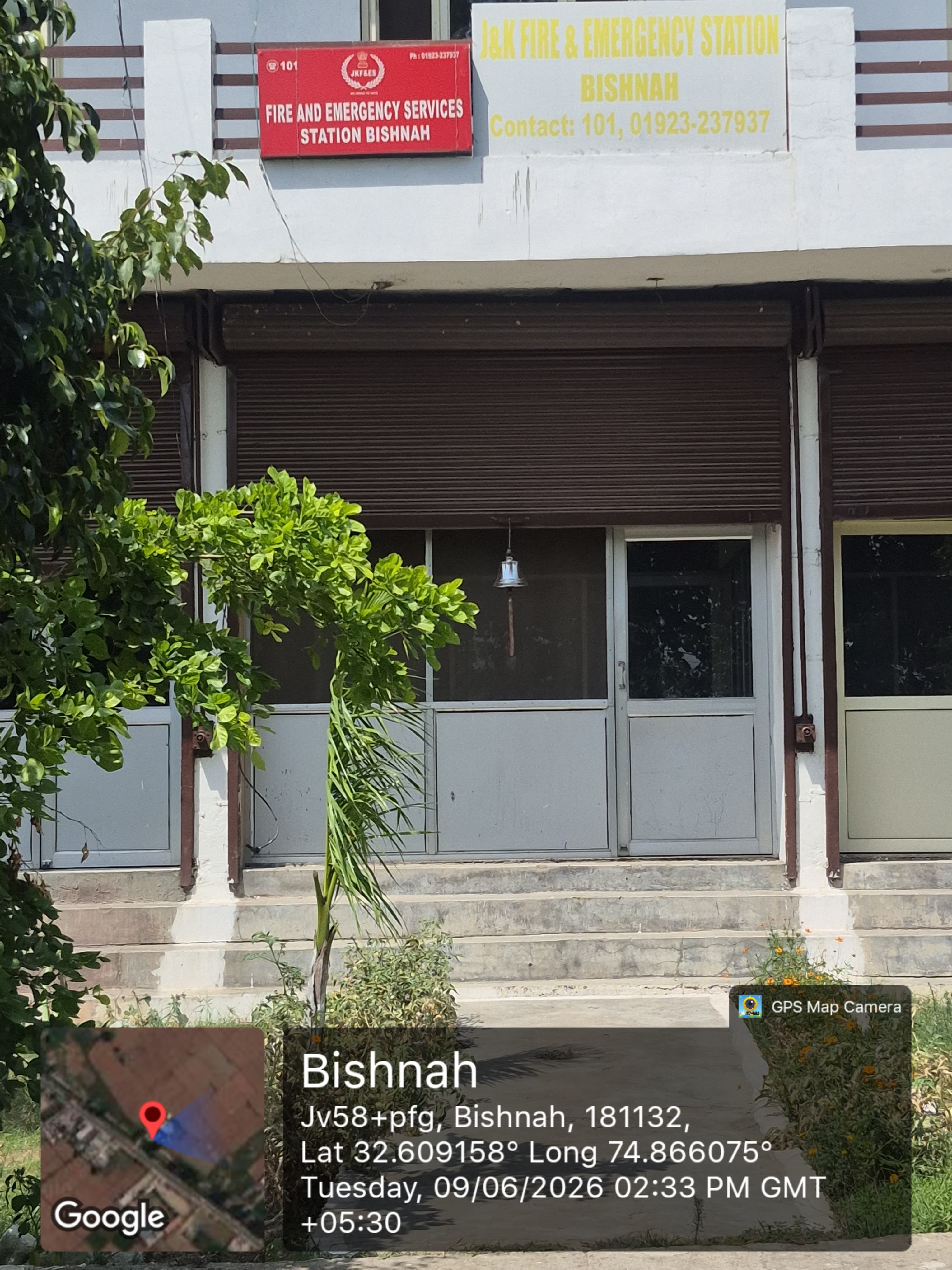
Kanhal has access to essential healthcare services through medical dispensaries located within the village, while residents also rely on nearby Government Primary Health Centres (PHCs) and the Sub-District Hospital at Bishnah for specialized medical care. Government initiatives such as Ayushman Bharat have enhanced access to affordable healthcare, and regular sanitation drives and health awareness campaigns continue to promote hygiene and disease prevention among the villagers.
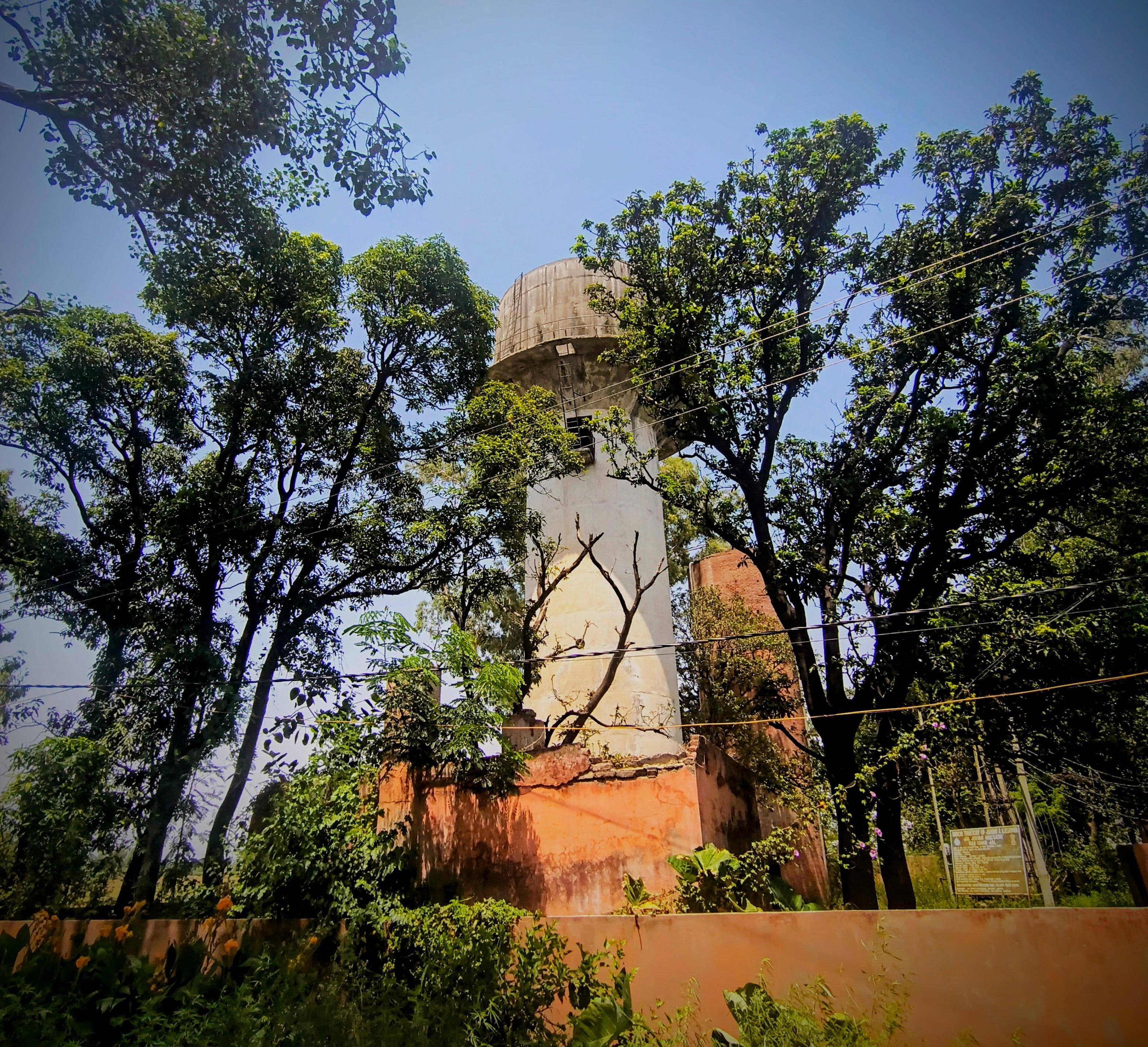
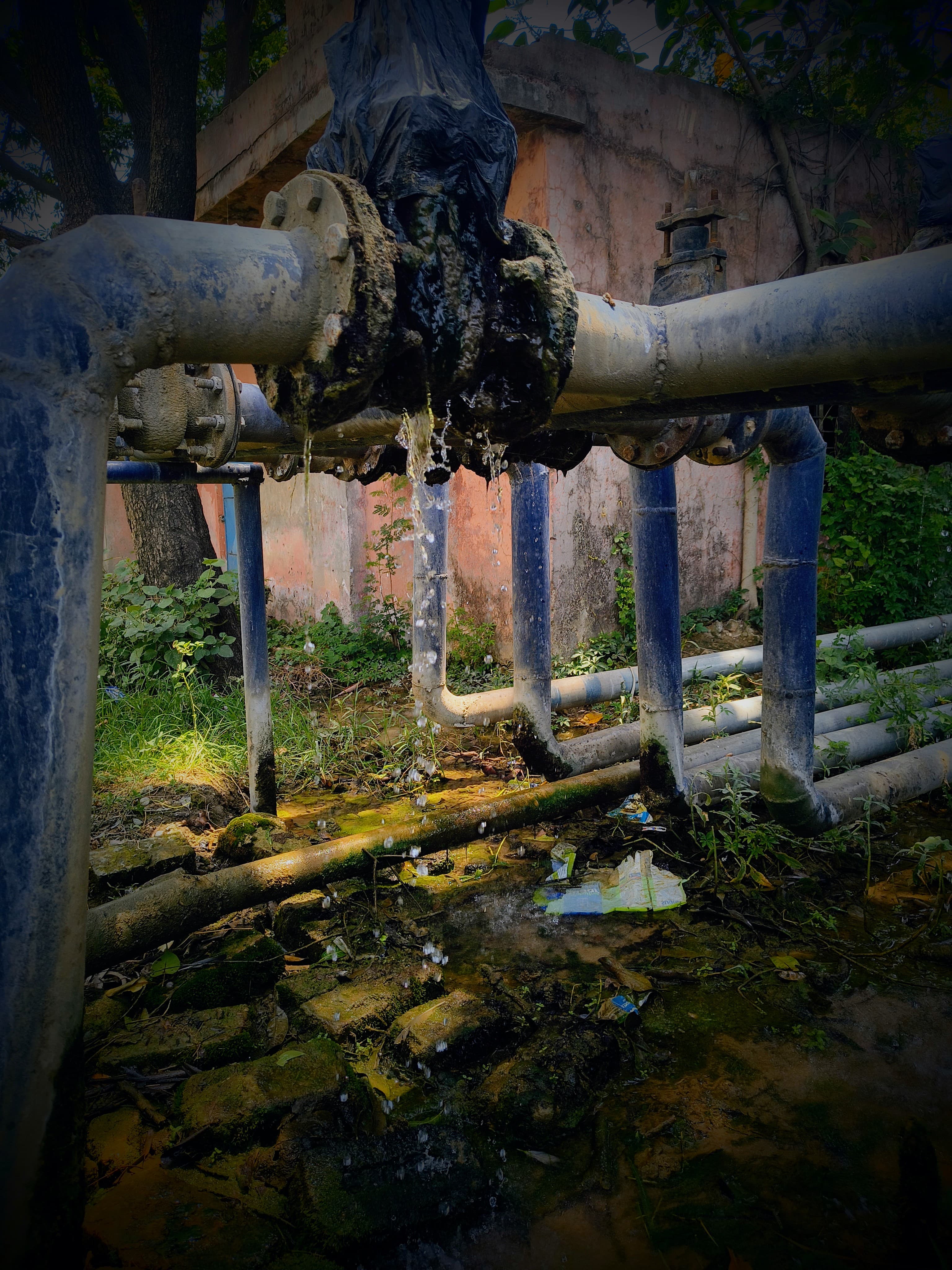
The village is served by essential public utilities that contribute to a better quality of life. Electricity is supplied by the Jammu and Kashmir Power Development Corporation Limited (JKPDCL), with households generally receiving 15–18 hours of power supply each day. Under the Har Ghar Jal Mission, piped drinking water has been made available through water pumping stations managed by the Jal Shakti Department, significantly improving access to safe drinking water and basic civic amenities.
Agriculture and Economic Activities
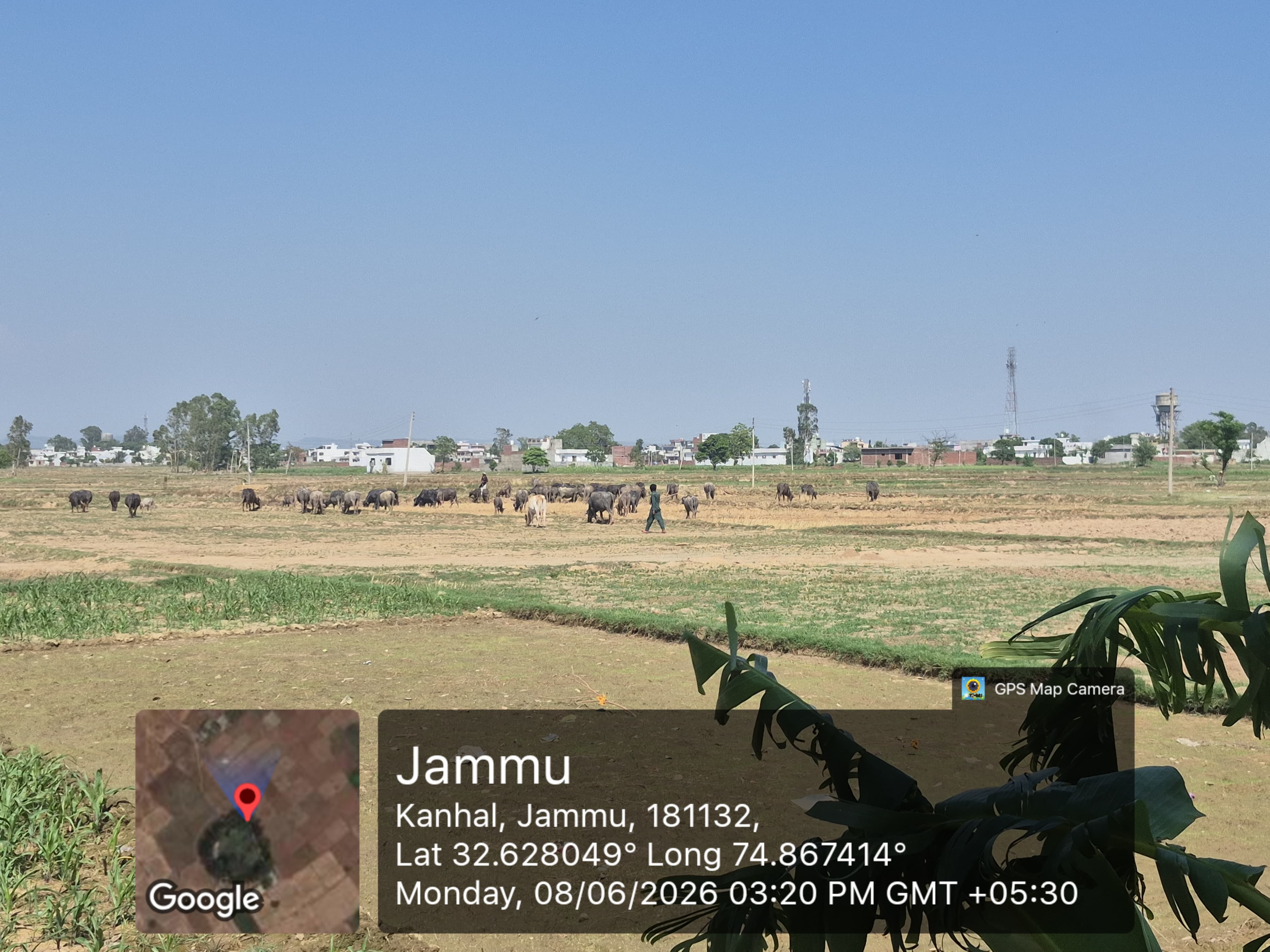
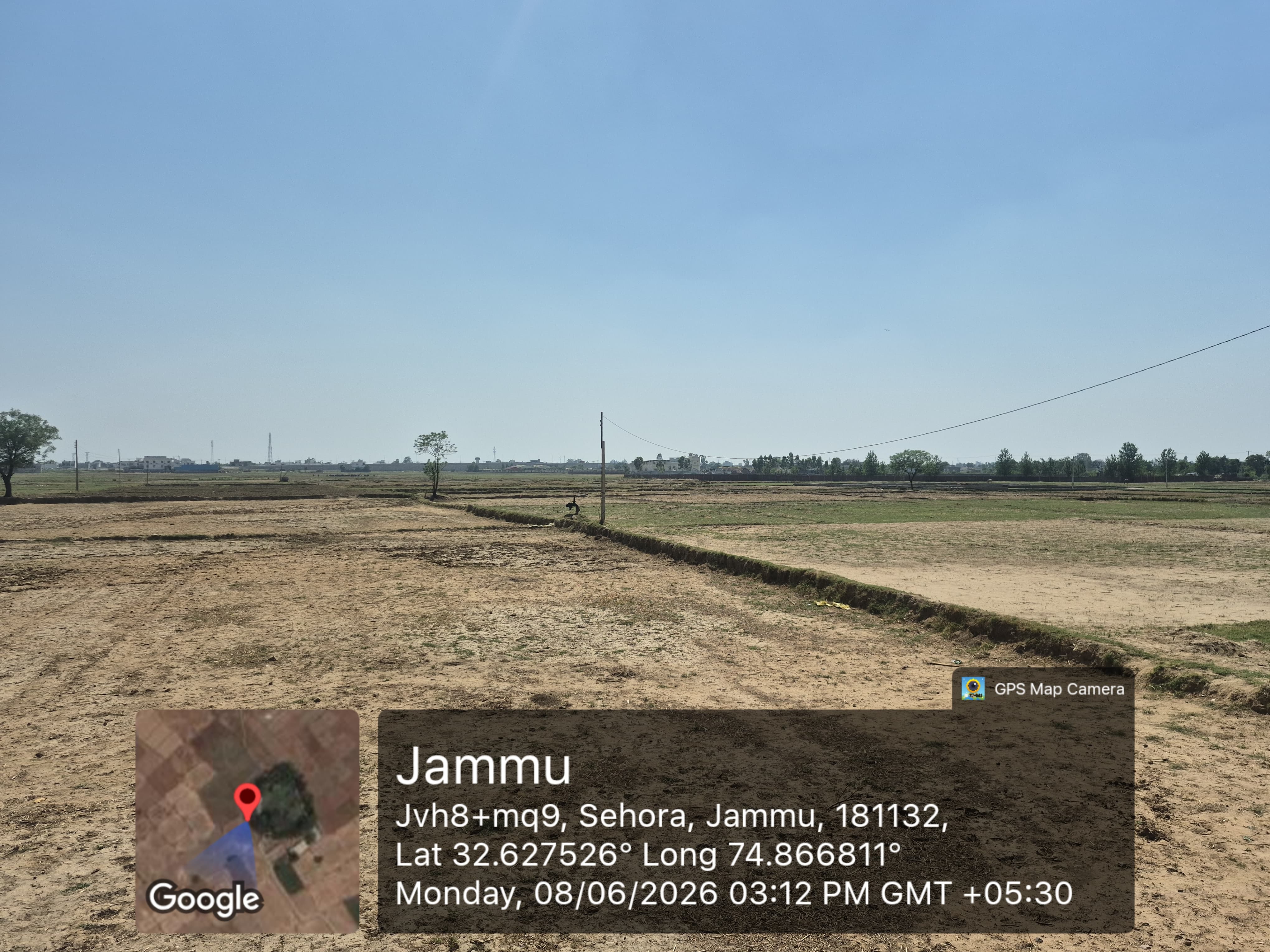
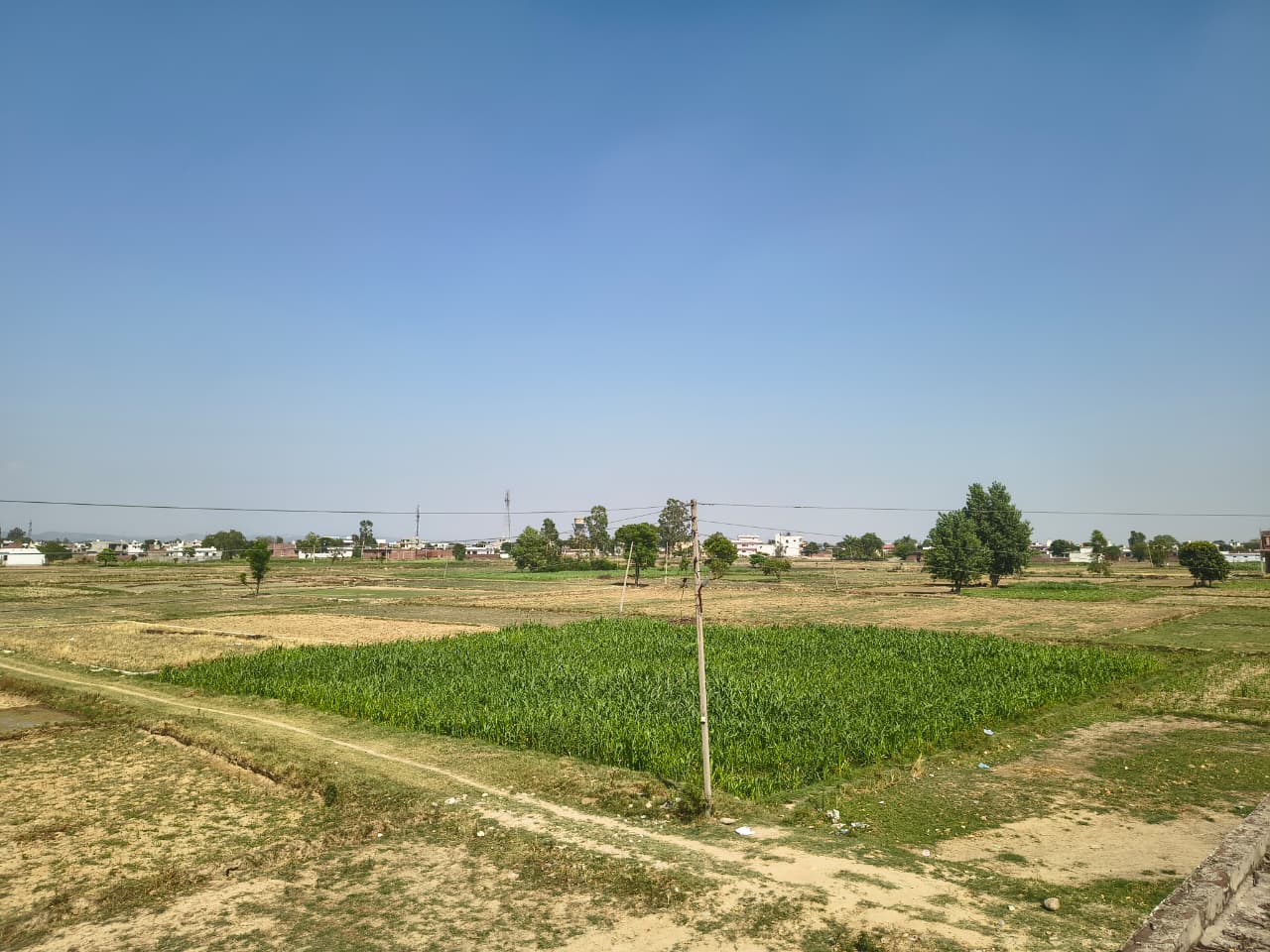
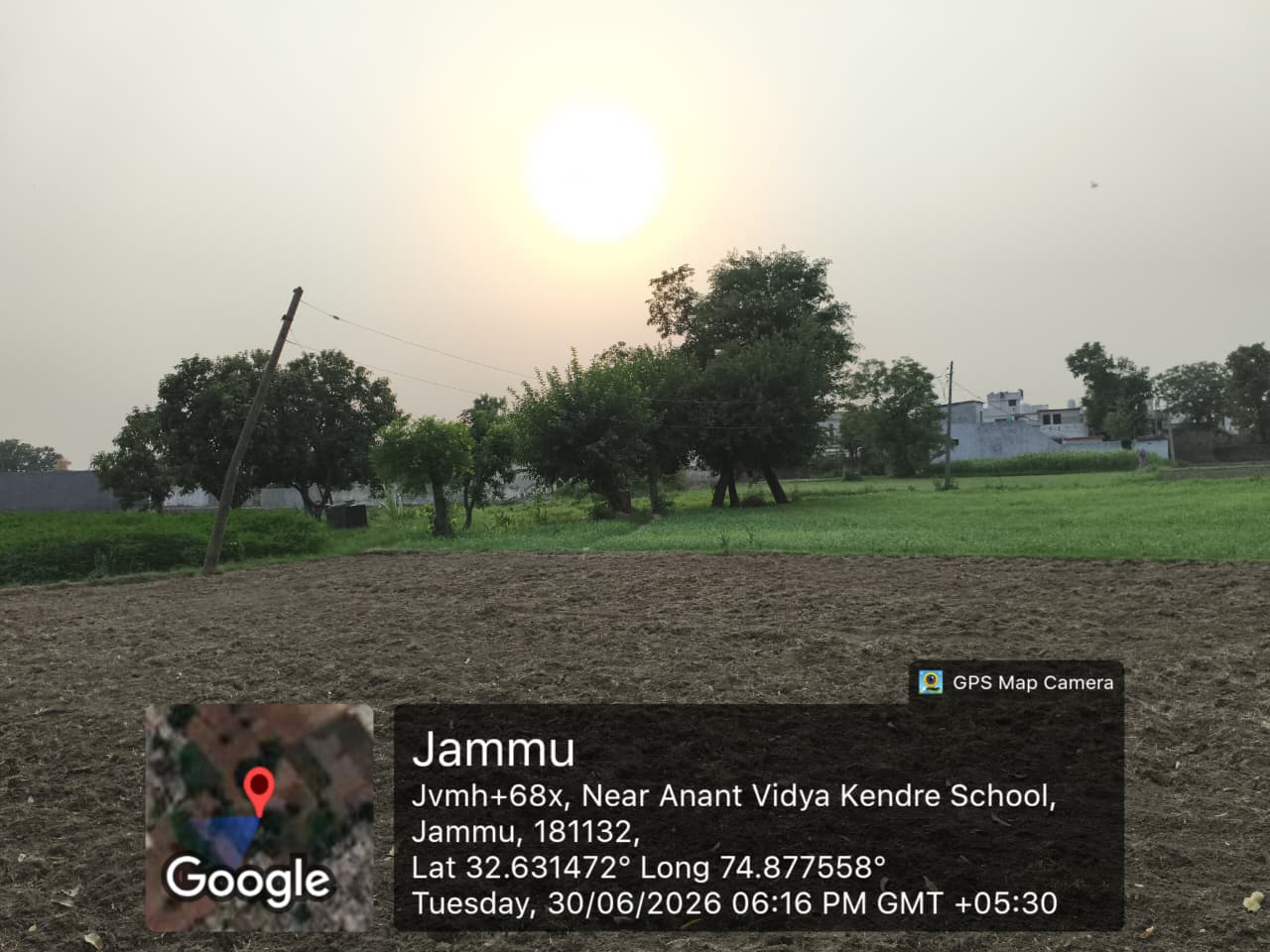
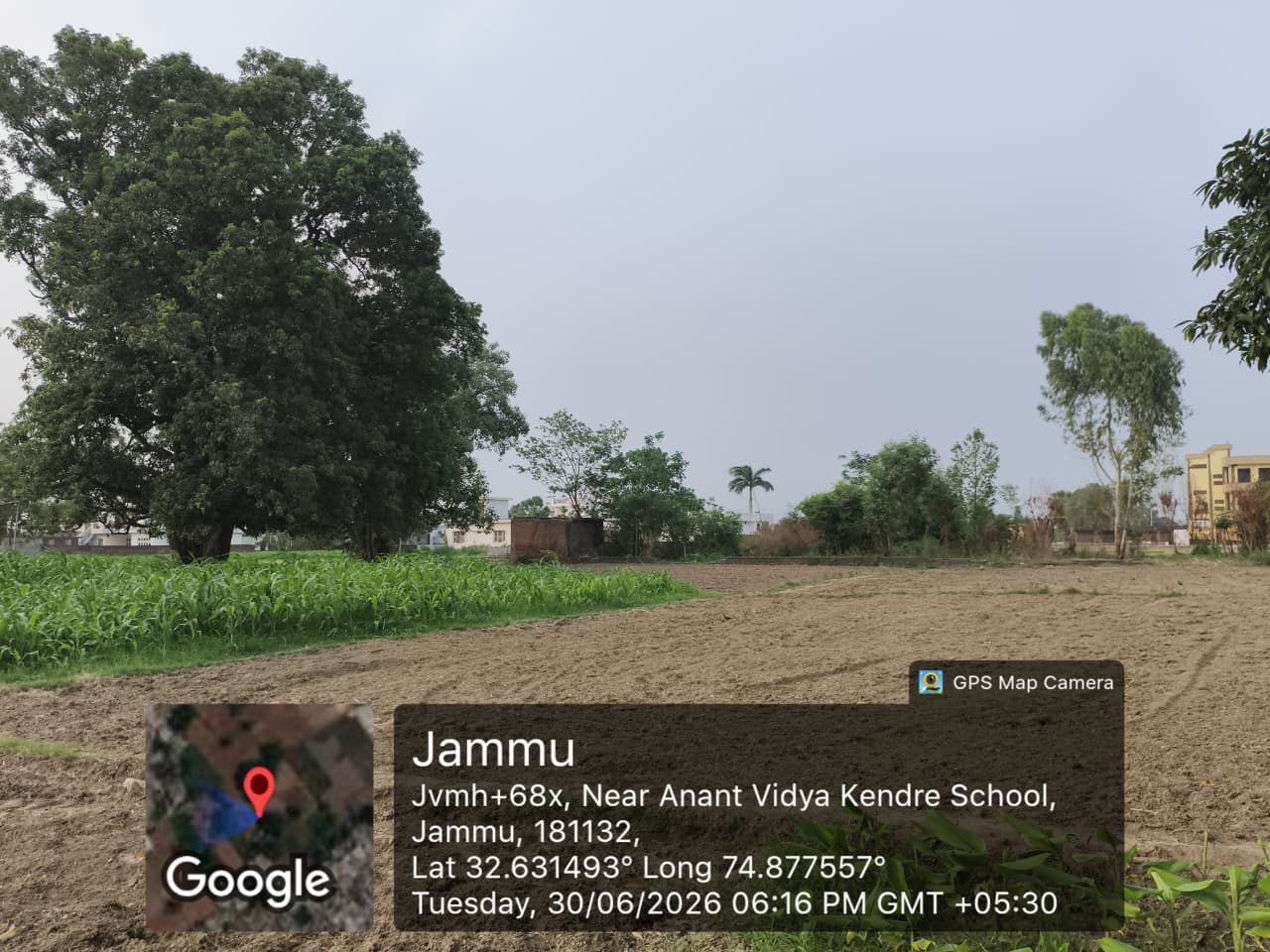
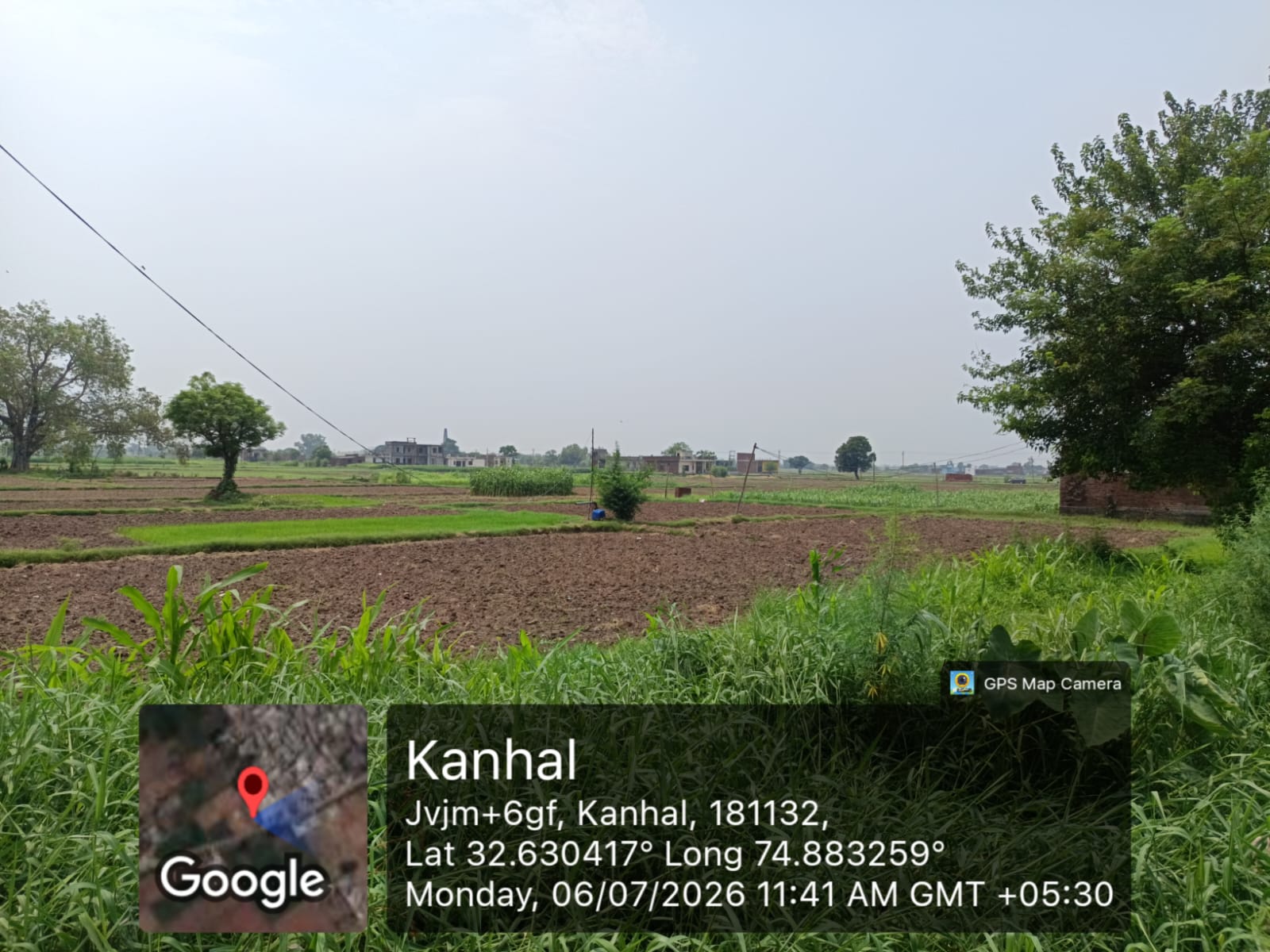
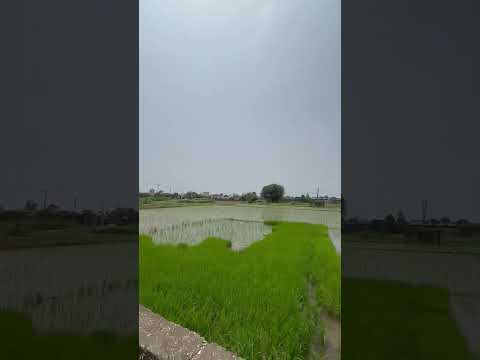
Agriculture forms the backbone of Kanhal's economy and remains the primary source of livelihood for a majority of its residents. The fertile plains of the village, supported by canal and groundwater irrigation, are well suited for the cultivation of wheat and rice, which are the principal crops grown throughout the year. Farming activities largely determine the economic and social life of the village, contributing significantly to household income and food security.
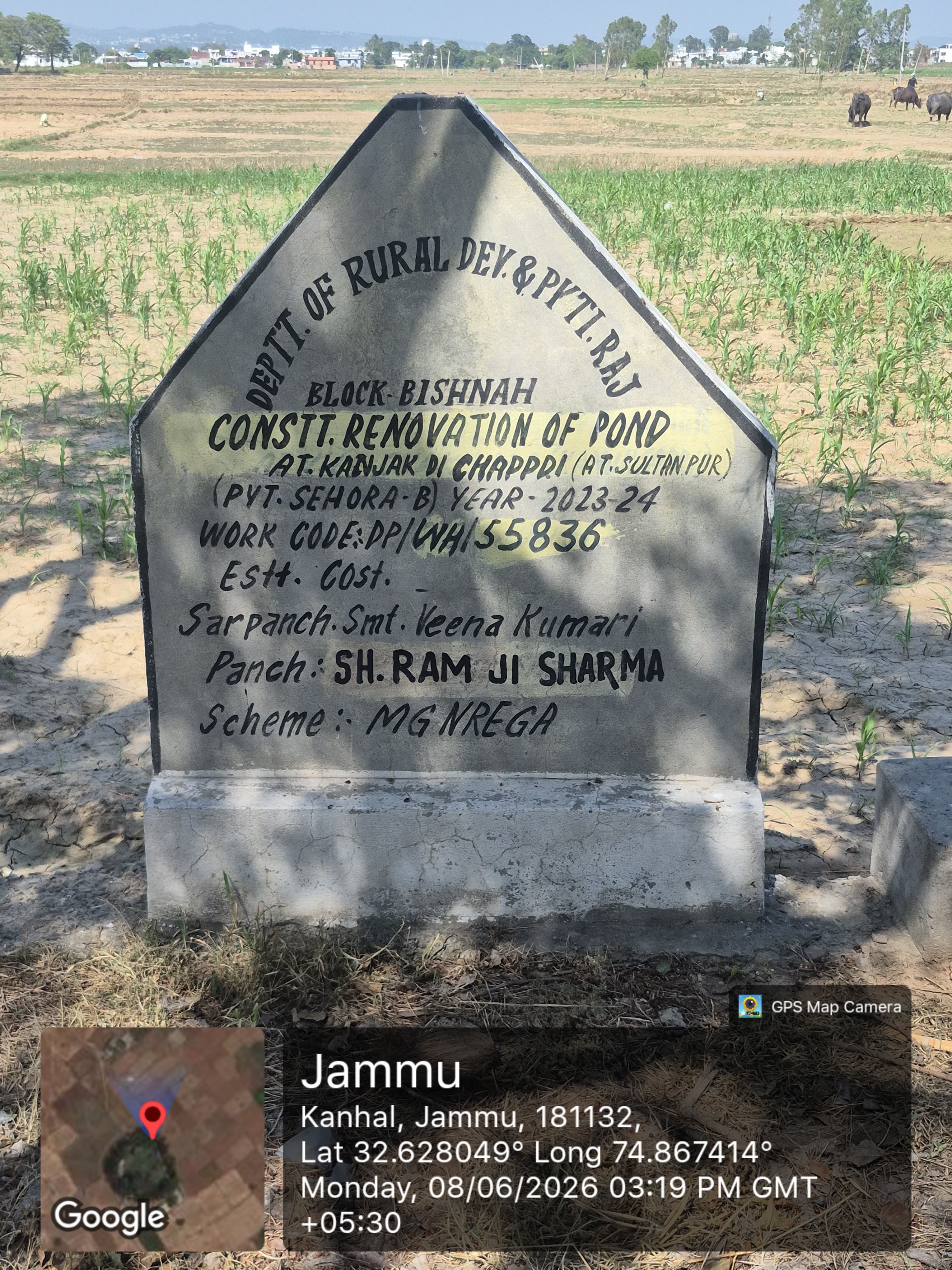
In addition to agriculture, many residents are employed in the nearby industrial areas of Bishnah and Bari Brahmana, where they work in manufacturing, packaging, retail, and other service sectors. Traditional occupations such as carpentry, pottery, cobbling, and Binna weaving continue to be practiced by a section of the population, preserving the village's artisanal heritage. Government initiatives such as MGNREGA further supplement rural incomes by generating employment opportunities and supporting the development of local infrastructure.
Cuisines and Food Culture
The cuisine of Kanhal reflects the rich culinary traditions of the Dogra region and is closely linked to the village's agricultural lifestyle. Traditional dishes such as Rajma-Chawal, Ambal, and Kaladi are widely enjoyed by the residents. Food plays an important role in the social and cultural life of the village, particularly during festivals and religious occasions when community feasts (Dhams) are organized. These gatherings feature a variety of traditional vegetarian delicacies prepared collectively by the villagers, reflecting the spirit of hospitality and togetherness.
Transport and Connectivity
Kanhal enjoys good transportation and connectivity owing to its strategic location near Bishnah and Jammu city. The village is connected by well-maintained all-weather roads and is served by both public and private bus services. It is located approximately 8 km from Bishnah and about 19 km from Jammu city, providing residents with convenient access to administrative, educational, and commercial centres. The Jammu Tawi Railway Station, situated around 20 km away, and Jammu Airport at Satwari, approximately 18 km from the village, further enhance regional and interstate connectivity.
Within the village, residents primarily rely on personal vehicles, bicycles, walking, and e-rickshaws for local transportation. Mobile network and internet services are widely available, enabling seamless communication and access to digital facilities.
Government Schemes and Initiatives
Kanhal has benefited from several rural development programmes implemented by the Government of India and the Government of Jammu and Kashmir. Schemes such as Mahatma Gandhi National Rural Employment Guarantee Act (MGNREGA), Pradhan Mantri Awas Yojana (PMAY-G), Ayushman Bharat, Samagra Shiksha, and the Mid-Day Meal Scheme have contributed to improving employment opportunities, housing, healthcare, and educational facilities in the village. The Har Ghar Jal Mission has also enhanced access to safe drinking water for residents.
The Gram Panchayat plays an active role in implementing these schemes in coordination with various government departments. Continuous efforts are being made to improve rural infrastructure through better roads, sanitation, electrification, and public welfare services. These development initiatives have significantly enhanced the quality of life in Kanhal and continue to support its progress toward sustainable rural development.
Challenges and Future Prospects
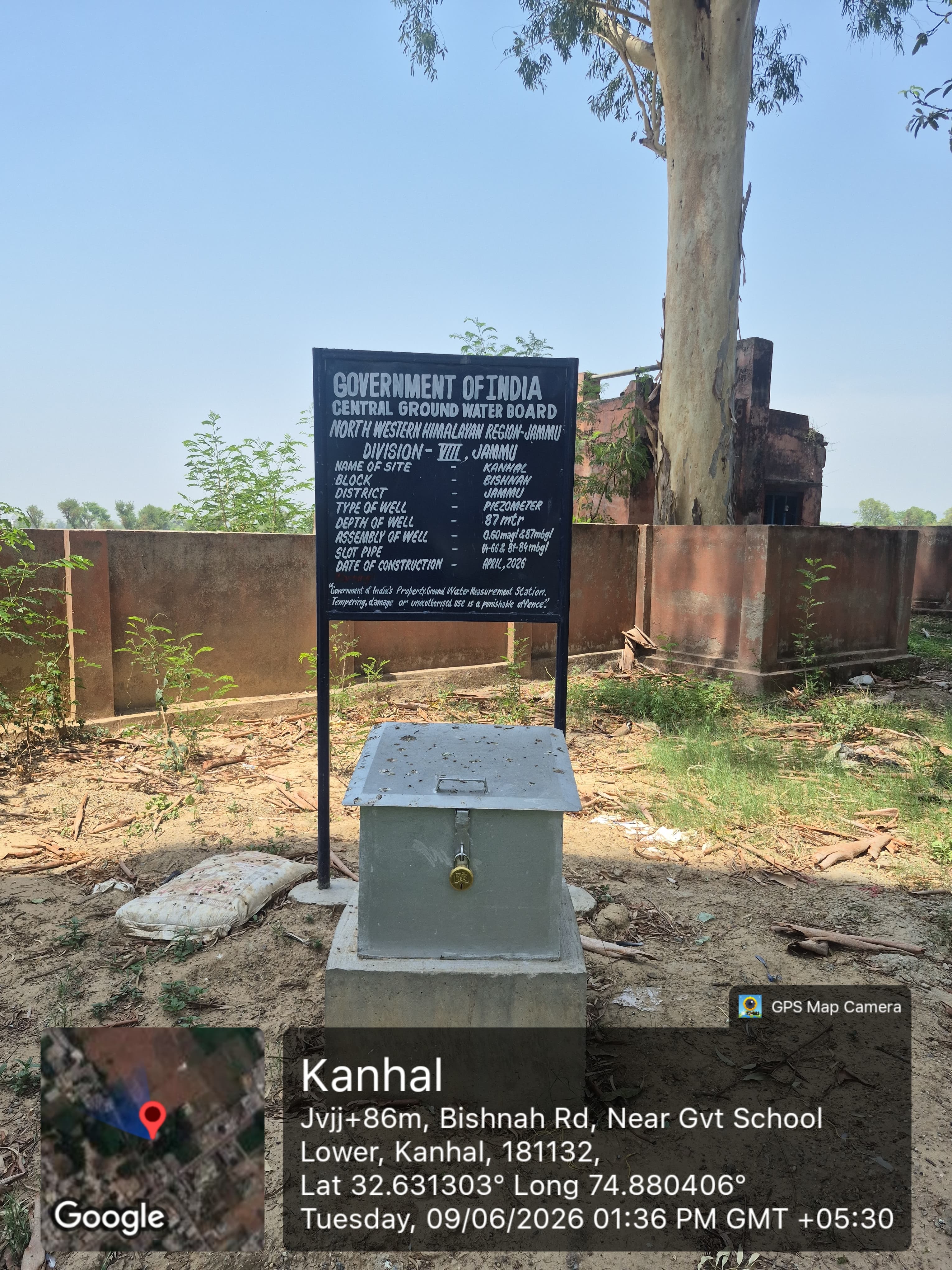
Despite its steady progress, Kanhal faces a number of developmental challenges that affect the well-being of its residents. One of the major concerns is the uneven distribution of water for domestic and agricultural purposes. In addition, the village has been adversely affected by groundwater contamination, largely attributed to industrial waste from the nearby Bari Brahmana industrial belt. The discharge of untreated or inadequately treated effluents has contributed to the degradation of groundwater quality and agricultural land, posing challenges to farming and the long-term sustainability of natural resources.
Photos
Videos

Location Map
Contact Information
| Address |
Kanhal, Bishnah Road, Jammu, Jammu and Kashmir-181132, India |
| Phone Number |
8082592526 |
| Email Address | |
| Website | https://jkpanchayat.jk.gov.in/profile.php?panchayat=Kanhal&block=Bishnah |
Reviews (6)


A fantastic presentation that reflects dedication and teamwork.

Well done !
Great Work! A must visit place.
Great Job

Good Work


excellent work