
Description
ABOUT THE VILLAGE
Kangar is a village located in the Bhalwal sub-division (tehsil) of Jammu district in the Union Territory of Jammu and Kashmir. According to administrative records from the Census of India 2011, Kangar is officially recognized as a revenue village under Bhalwal block and has the village code 935801. It falls under the jurisdiction of the Bhalwal Upper B Gram Panchayat and uses the postal PIN code 181122.
COMMUNITYS IN THE VILLAGE
In Kangar village of Bhalwal (Jammu & Kashmir), the community makeup is mixed and diverse, with several different social groups living together. Locally available information indicates that the village is home to people from both Brahmin and Rajput communities, and these groups make up a significant portion of the local population.
In addition to these, there are also Scheduled Caste (SC) households present in the village. According to regional data, Kangar has a recorded SC population, and while exact overall population figures are not fully published, available sources show there are at least a small number of SC individuals recorded in the census abstract for the village.
Overall, Kangar’s social fabric reflects a blend of upper caste Hindus (like Brahmins and Rajputs), Scheduled Caste groups, and Muslim families, each contributing to the village’s culture, occupations, and daily life.
CUSINES OF THE VILLAGE
The cuisine of Kangar village is influenced by traditional Dogra food culture of the Jammu region.
Wheat is the staple grain, mainly eaten as rotis with seasonal vegetables.
Common everyday dishes include rajma (kidney beans), dal (lentils), and sabzi made from locally grown vegetables.
Saag (mustard or leafy greens) is widely eaten, especially during the winter season.
Rice is prepared on special occasions and served with lentils or curd.
Milk, curd, butter, and lassi are commonly consumed, as many households keep cattle.
Traditional festive dishes include ambal (sweet and sour pumpkin), khatta meat (tangy mutton curry), and madra (yogurt-based preparation).
Homemade pickles made from mango, lemon, or seasonal vegetables are a regular accompaniment.
Sun-dried foods like wadis are prepared and stored for use throughout the year.
ACCES TO VAROIUS GOVERNMENT FACALITIES
The village has access to basic public distribution services, including ration supply through the Public Distribution System (PDS) under schemes like NFSA.
Government schools (primary and nearby middle/secondary schools) serve children from the village, with higher education facilities available in Bhalwal and Jammu city.
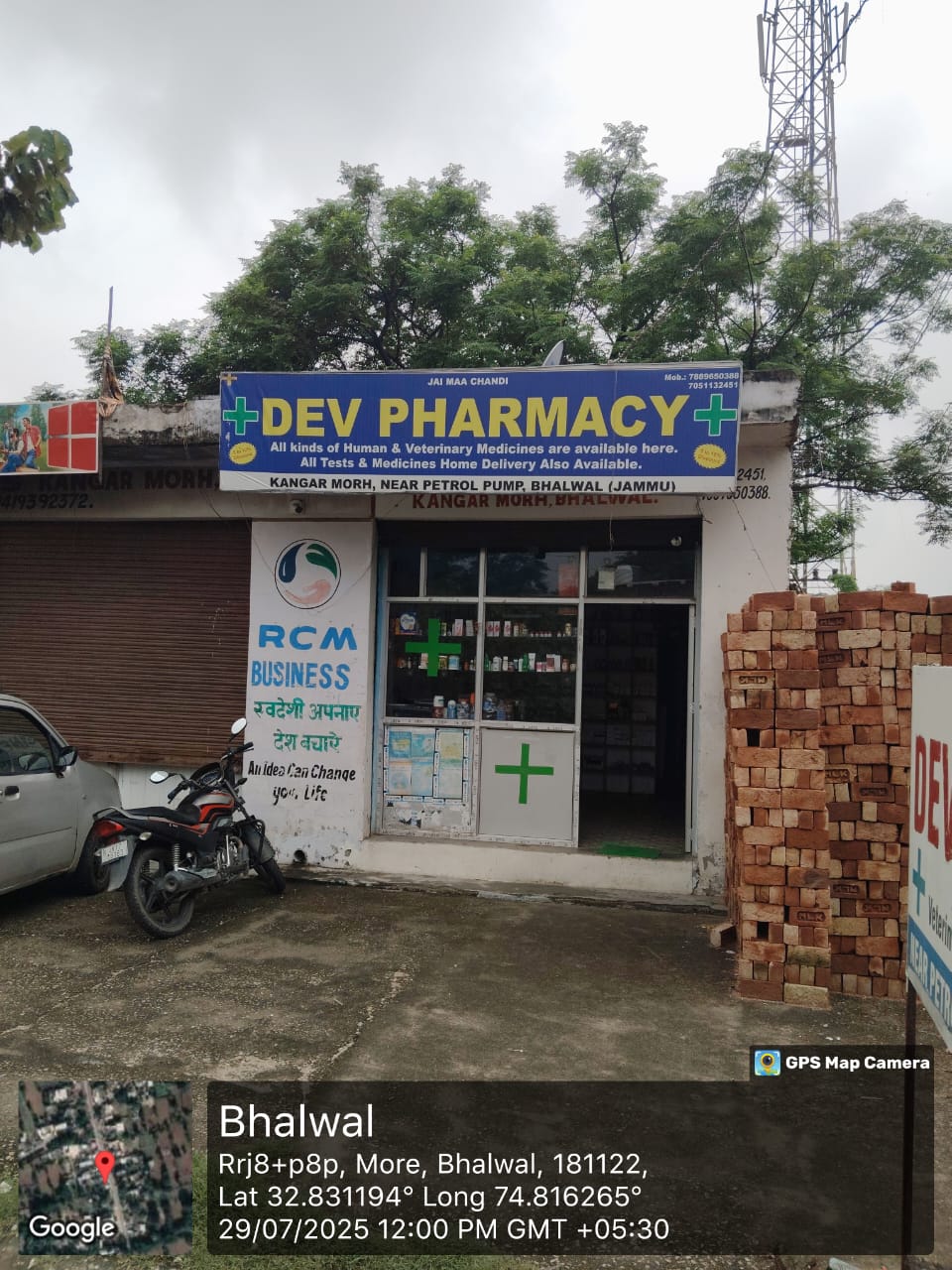
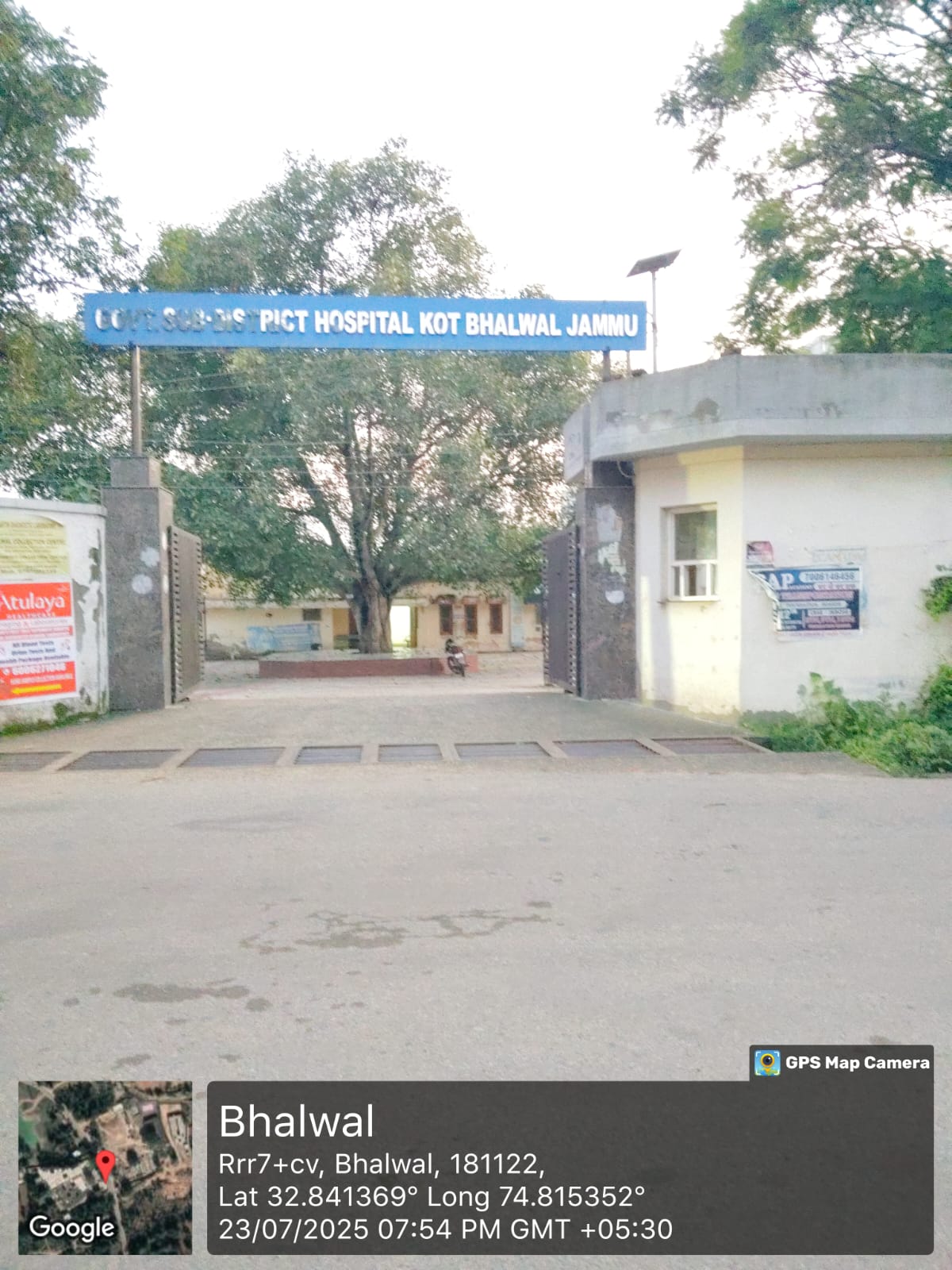
Residents access healthcare facilities mainly through nearby Primary Health Centres (PHC), sub-centres, and government hospitals located in Bhalwal and Jammu.
The village is covered under rural road connectivity schemes such as Pradhan Mantri Gram Sadak Yojana (PMGSY), providing road access to nearby towns.
Electricity supply is available through the government power department, though outages may occur at times.
Drinking water supply is provided through government water supply schemes, supplemented by hand pumps or private storage tanks.
Villagers benefit from welfare schemes such as old-age pensions, widow pensions, and disability pensions under social welfare departments.
Employment opportunities are supported through schemes like MGNREGA, which provides wage employment for rural households.
Access to banking and financial services is available through nearby banks, cooperative societies, and Jan Dhan Yojana accounts, with some services supported by local banking correspondents.
Government services related to Aadhaar, voter ID, and other documentation are accessed through nearby facilitation centers in Bhalwal and Jammu.
LOCAL BUSINESSES AND STARTUPS
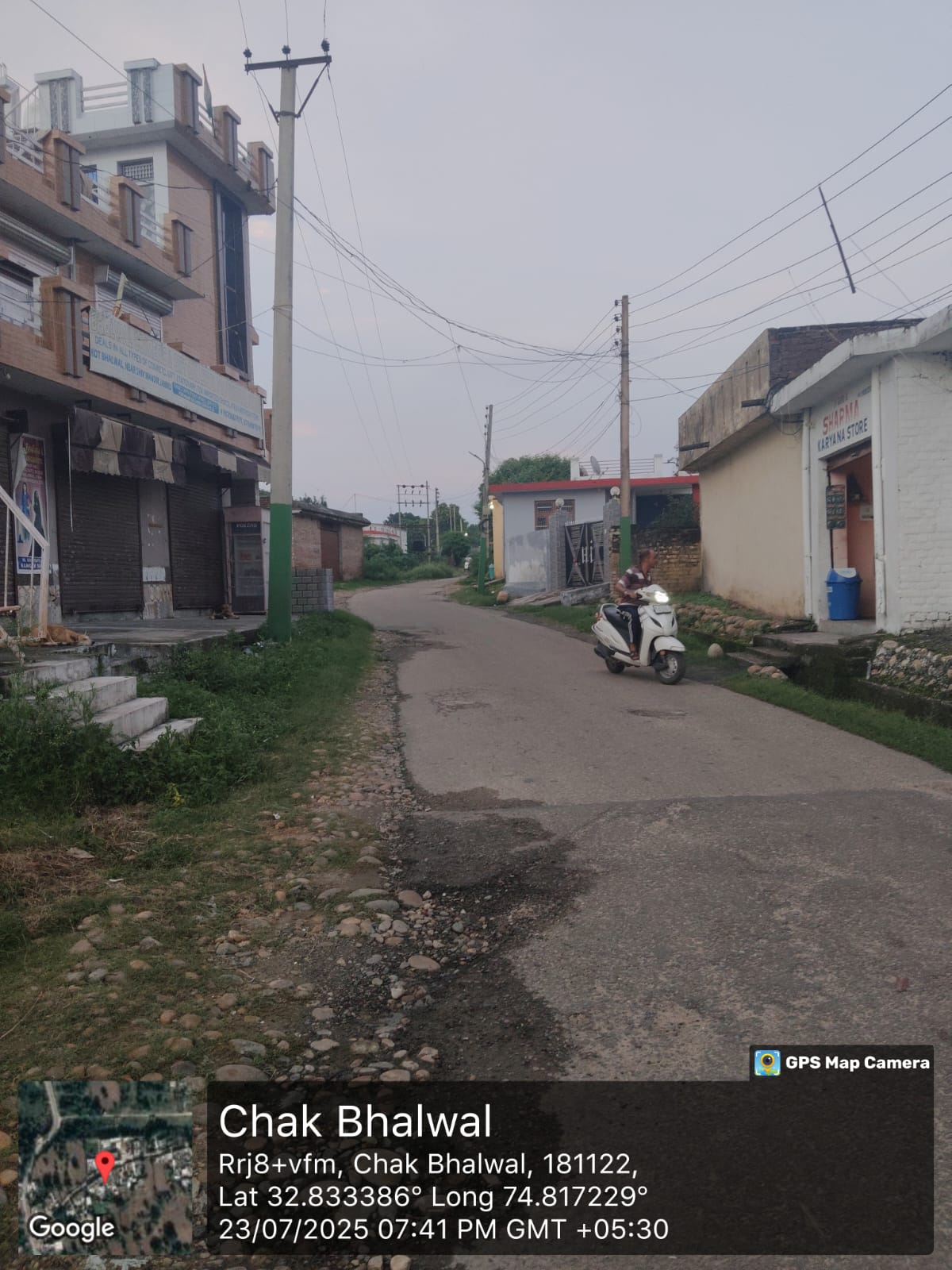
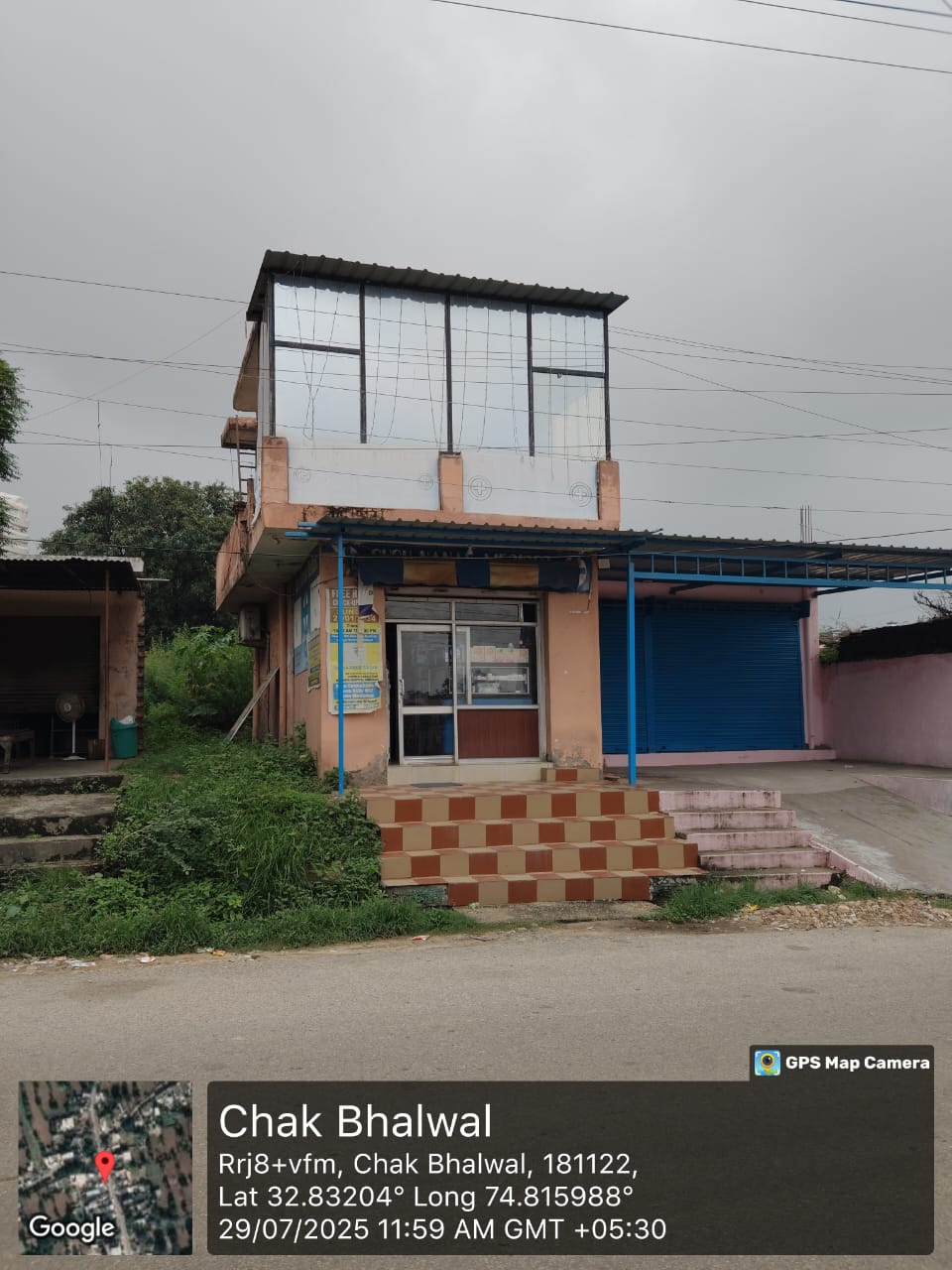
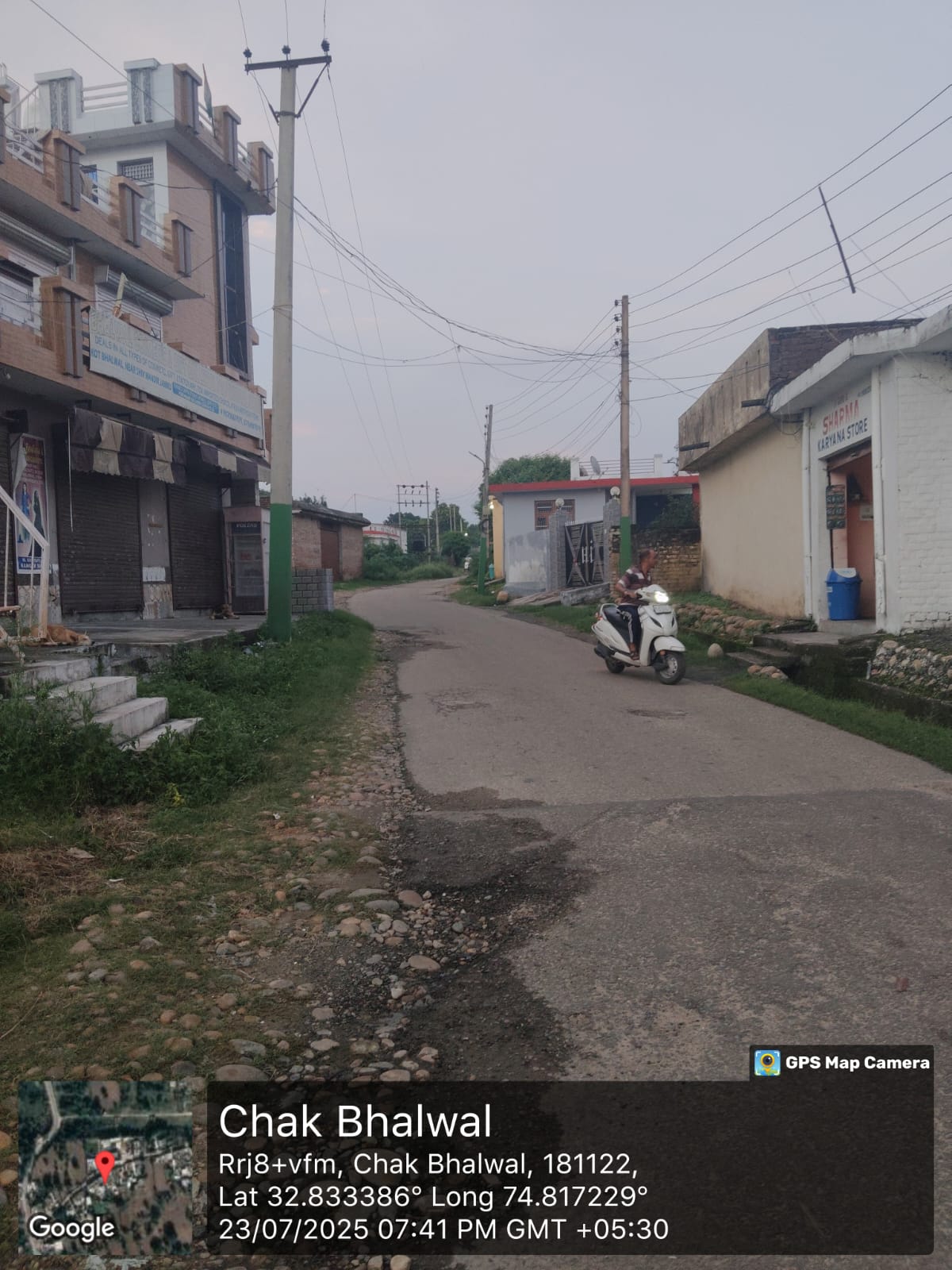
Kirana (grocery) shops that sell daily essentials such as flour, rice, pulses, oil, and household items.
Milk and dairy selling at household level, including fresh milk, curd, butter, and ghee from local cattle.
Small vegetable vendors selling locally grown seasonal vegetables within the village or nearby markets.
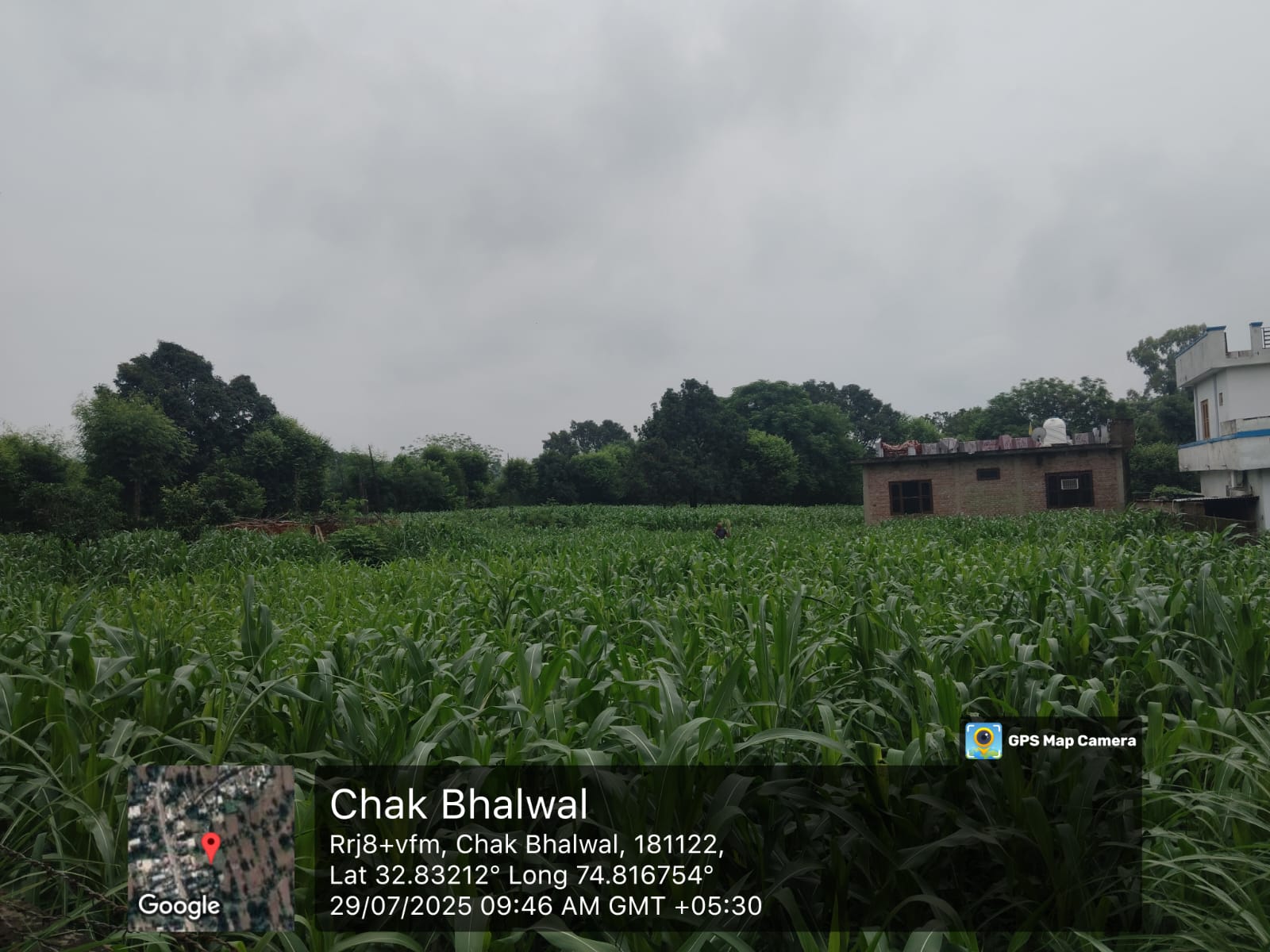
Agriculture and farming activities, including cultivation of wheat, vegetables, and fodder crops, which form the main livelihood for many families.
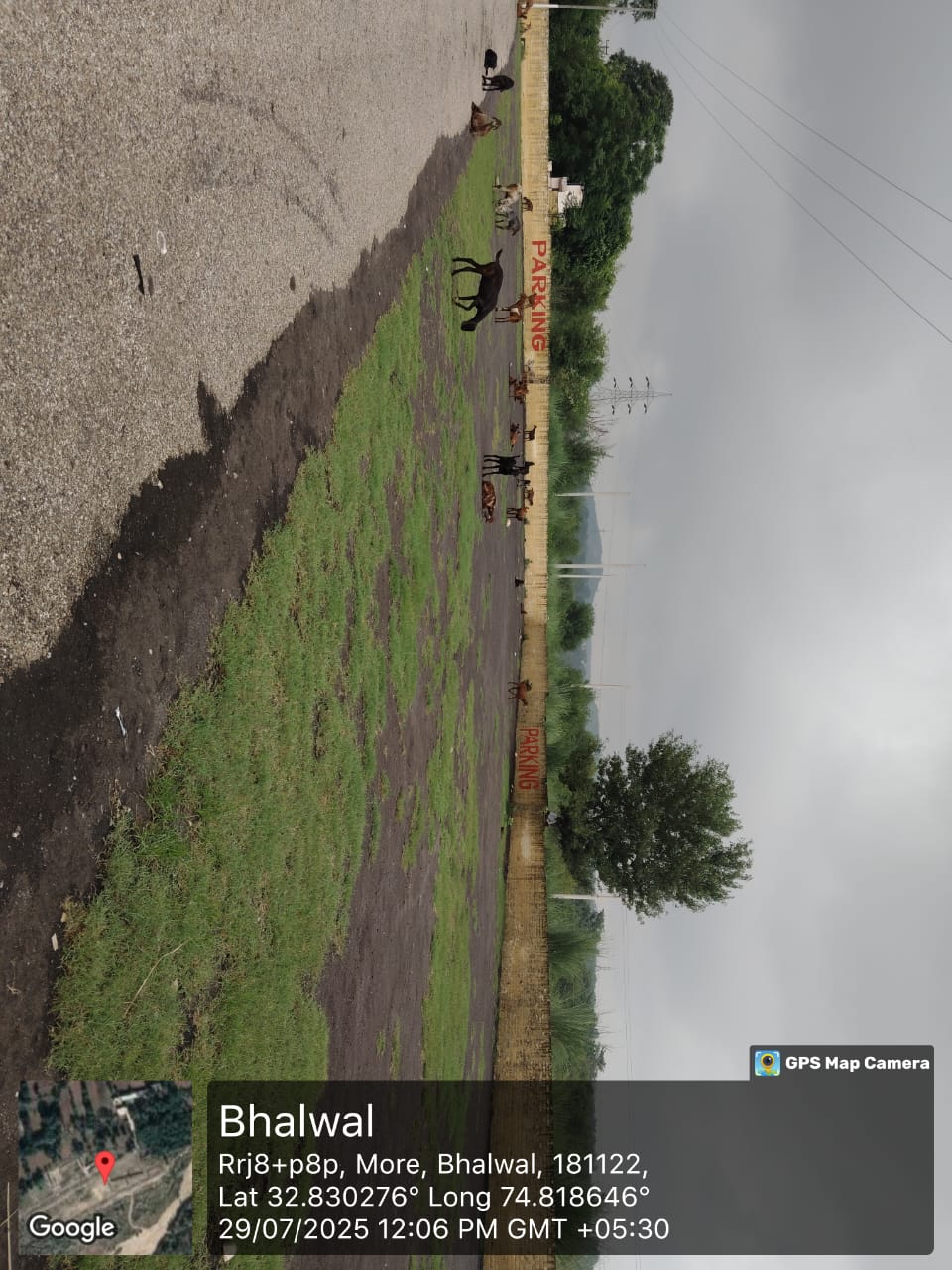
Poultry and livestock rearing, including goats, cows, and buffaloes, for income and household use.
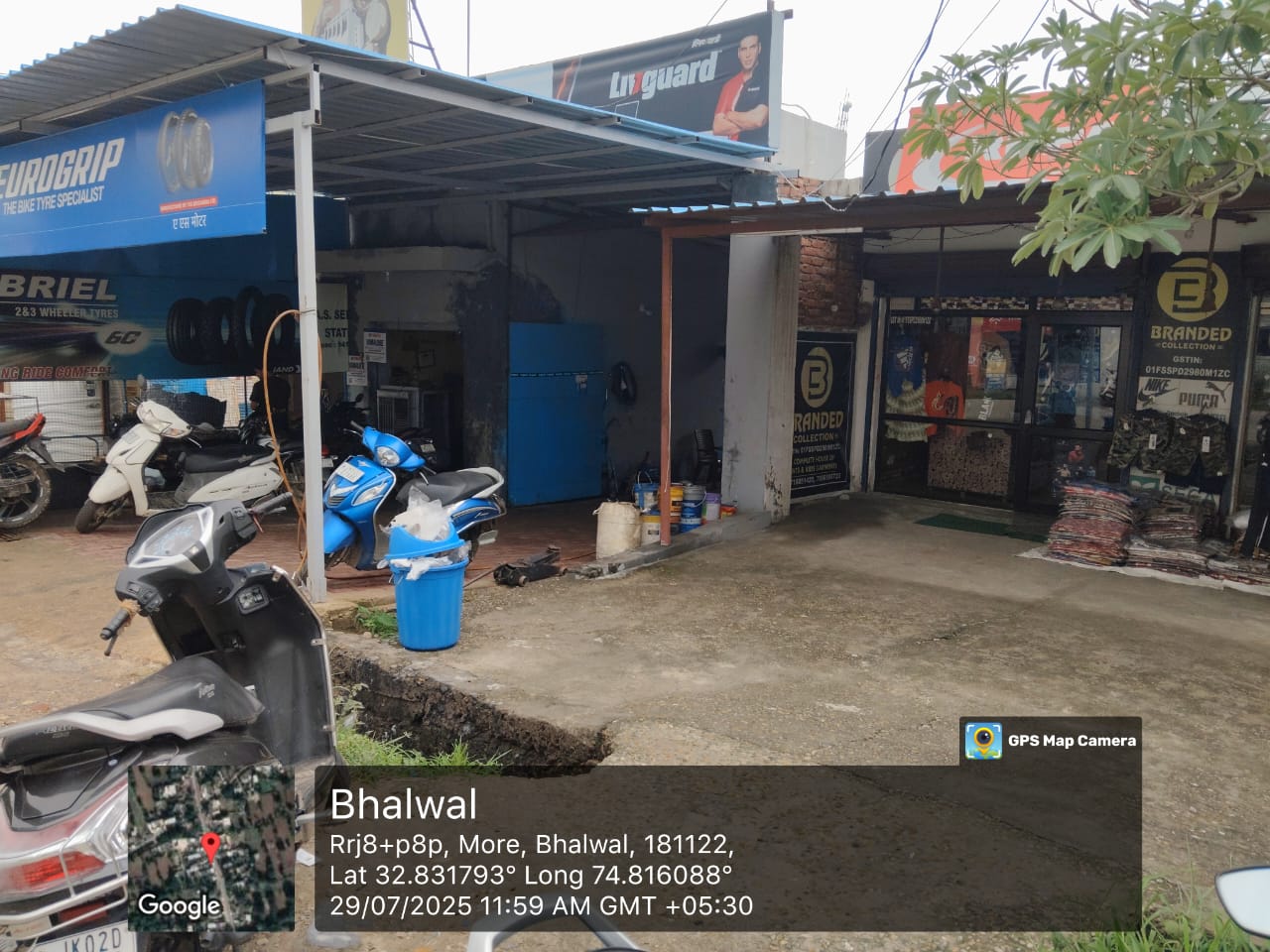
Tea stalls and small eateries (dhabas) serving tea, snacks, and light food to villagers and passersby.
Tailoring shops providing stitching and repair services for clothes.
Carpentry and masonry work, with skilled workers taking local construction and furniture jobs.
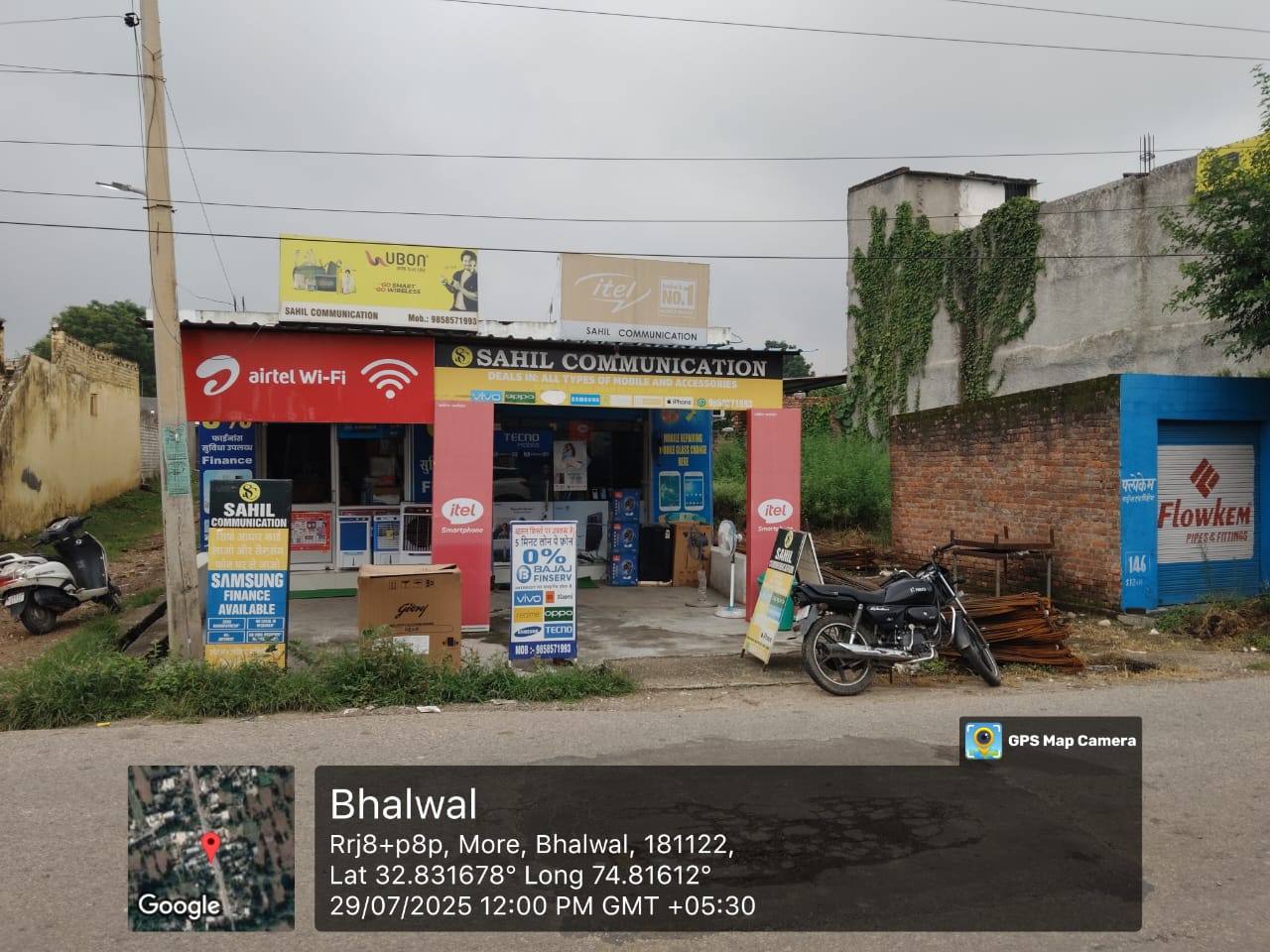
Mobile recharge and basic digital services, often run from small shops or homes.
SPORTS PLAYED
Cricket and volleyball are the sports quiet famous in the village and are played by the local youth in a ground easily accessible from the village
BEST TIME TO VISIT
The best time to visit Kangar village in Bhalwal, Jammu & Kashmir is during the spring and autumn months, from March to June and September to November. During this period, the weather is pleasant and moderate, with daytime temperatures ranging from 15°C to 30°C, making it ideal for exploring the village and surrounding areas.
Spring (March–June) brings green fields, blooming flowers, and mild sunshine, which is perfect for experiencing local agriculture and village life. Autumn (September–November) offers cooler temperatures, clear skies, and scenic landscapes, making it suitable for outdoor activities and cultural visits.
Photos
Location Map
Contact Information
| Address |
Village Kangar Kot Bhalwal Jammu, JAMMU AND KASHMIR |
| Phone Number |
7006277818 |
| Email Address |