
Description
Introduction to Jhiri Village
Jhiri is a historically and culturally significant village situated approximately 22 kilometres from Jammu city along the Jammu–Akhnoor Highway in the Union Territory of Jammu and Kashmir. Revered as one of the most important pilgrimage destinations in the Jammu region, the village is renowned for the sacred shrine of Baba Jitto (Jitmal) and his daughter Bua Kaudi, whose sacrifice has become an enduring symbol of justice, honesty, and farmers' rights. Every year, the village attracts lakhs of devotees from across India, transforming Jhiri into a vibrant centre of faith, culture, and community life.
The name Jhiri is believed to have originated from the word "Jhad," meaning forest or jungle, reflecting the dense woodland that once covered the region before human settlement. Although the forests have gradually given way to agricultural land and habitation, the village continues to retain its rural charm through its green surroundings, fertile fields, and peaceful environment. Today, Jhiri represents a harmonious blend of tradition and modern development, where agriculture, religious tourism, and community values collectively shape everyday life.
Historical Background of Jhiri Village
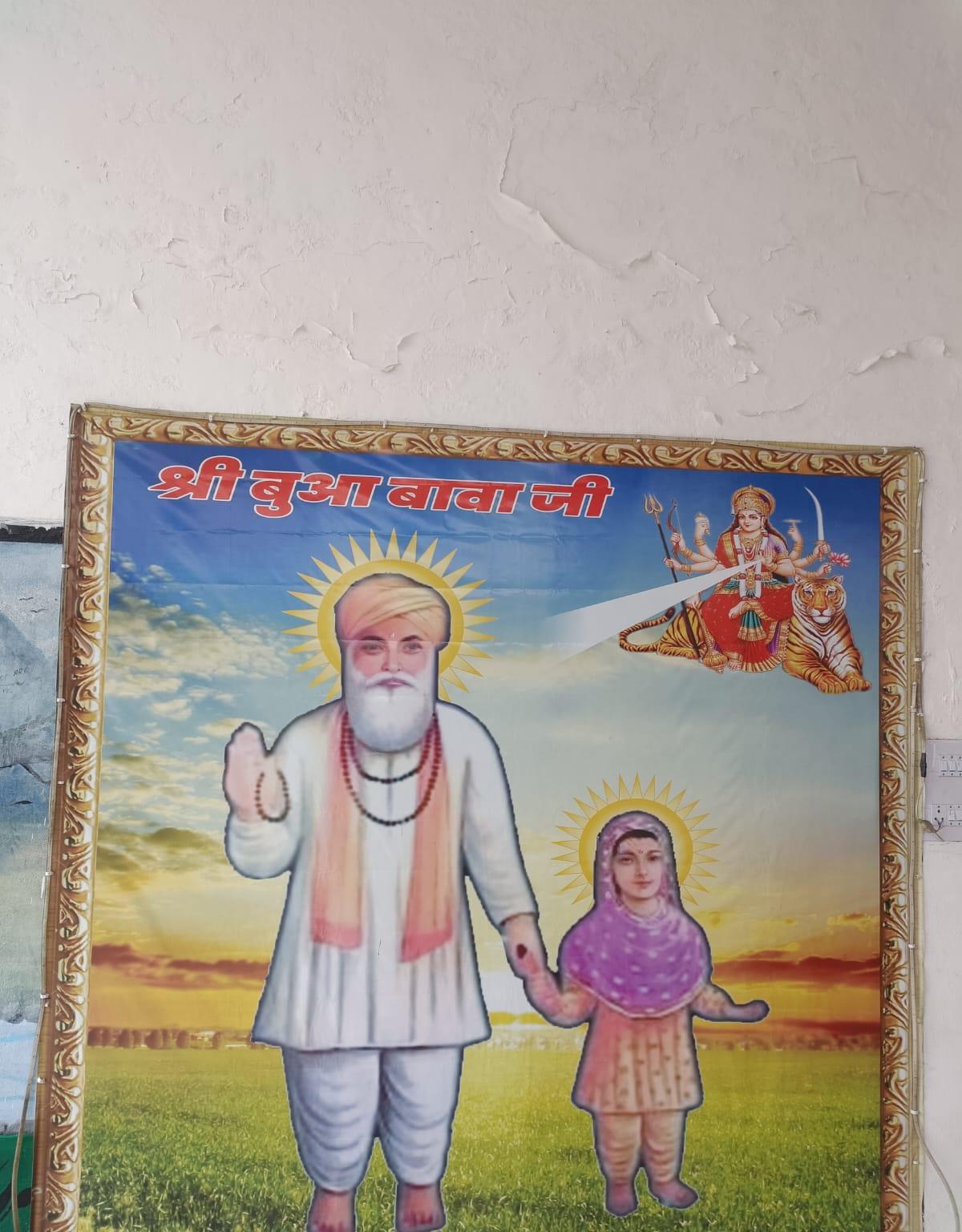
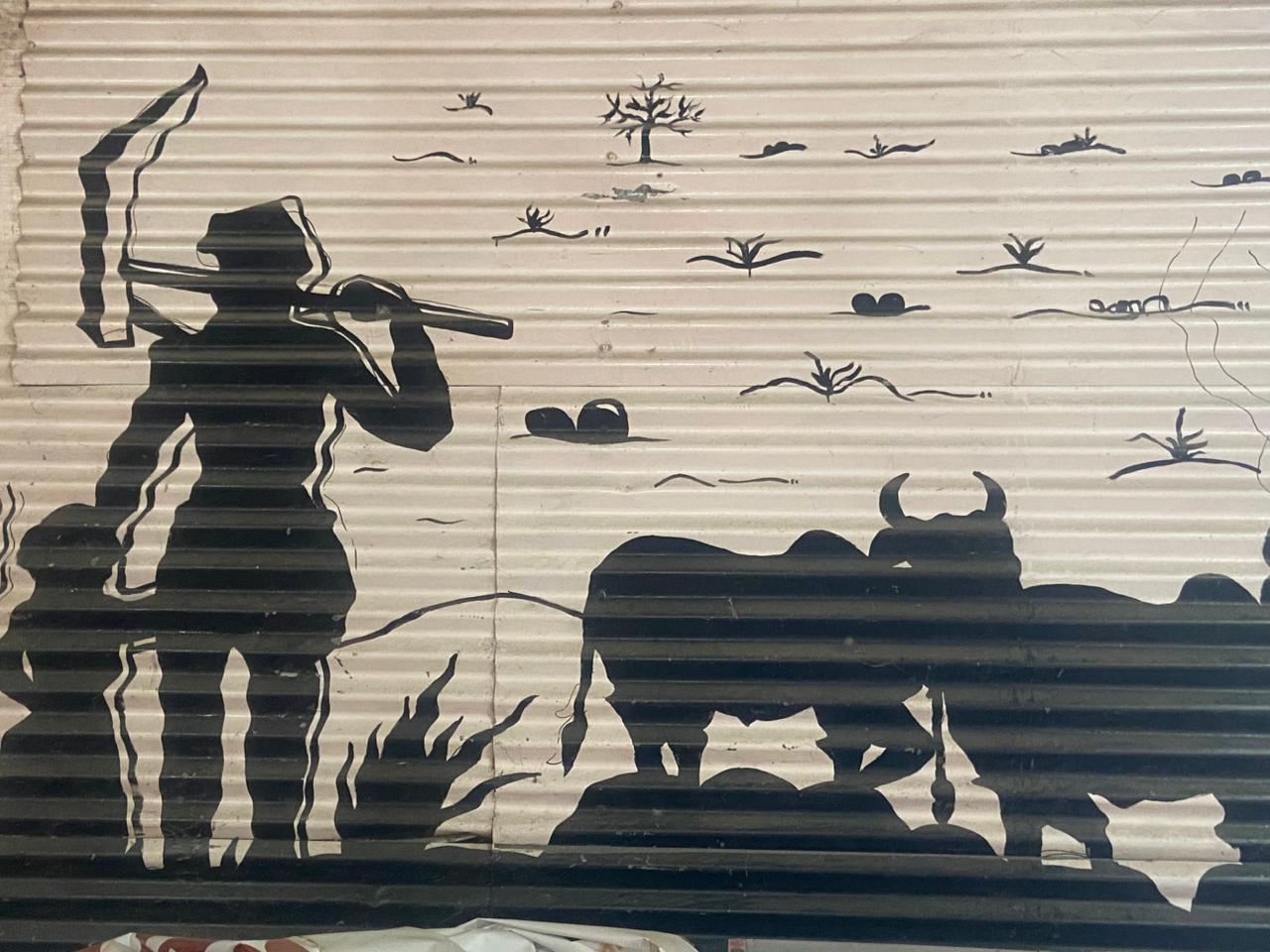
The history of Jhiri is inseparably linked with the life and sacrifice of Baba Jitto, also known as Jitmal, a devout Brahmin farmer originally belonging to Aghar Jitto near Katra. Renowned for his honesty and devotion to Mata Vaishno Devi, Baba Jitto left his ancestral home due to family disputes and settled near Shamachak with his daughter, Bua Kaudi.
After arriving in the region, Baba Jitto leased a barren tract of land from the local ruler, Raja Ajaib Dev, under an agreement that one-fourth of the harvest would be paid as rent. Through relentless hard work, determination, and agricultural skill, he transformed the infertile land into highly productive farmland, producing an abundant harvest. However, when the king's wazir witnessed the remarkable yield, the agreed terms were unfairly altered, and a much larger share of the harvest was demanded.
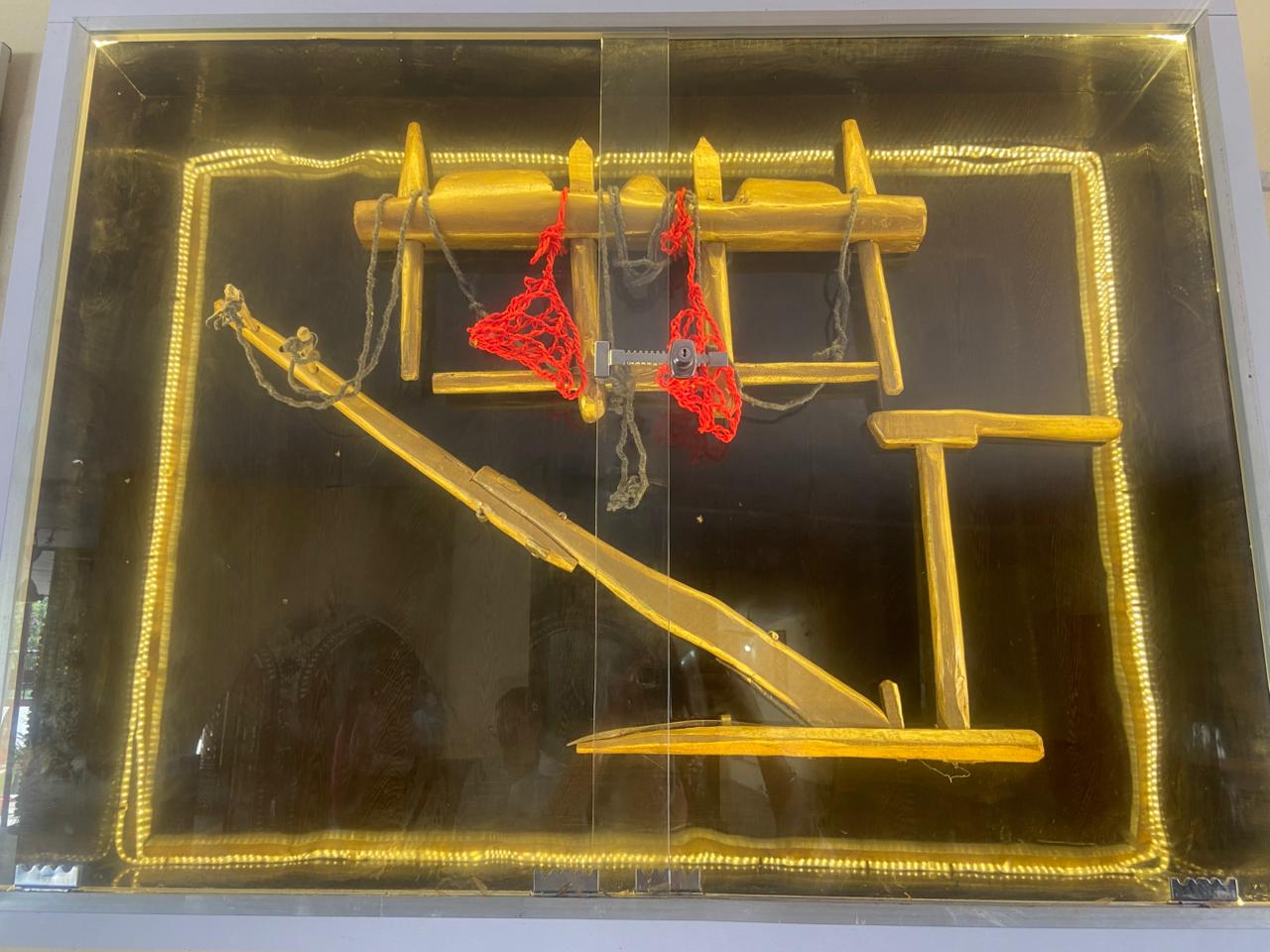
Unable to accept this injustice and unwilling to compromise his principles, Baba Jitto sacrificed his life in protest. His martyrdom became a timeless symbol of integrity, truth, and resistance against exploitation. His daughter, Bua Kaudi, equally revered by devotees, is honoured with the title "Dasham Shakti," signifying her association with the ten manifestations of the Divine Mother. Their sacrifice continues to inspire generations of devotees, particularly members of the farming community, who regard Baba Jitto as a protector of farmers' rights and dignity.
Historical Legacy and Sacred Shrine
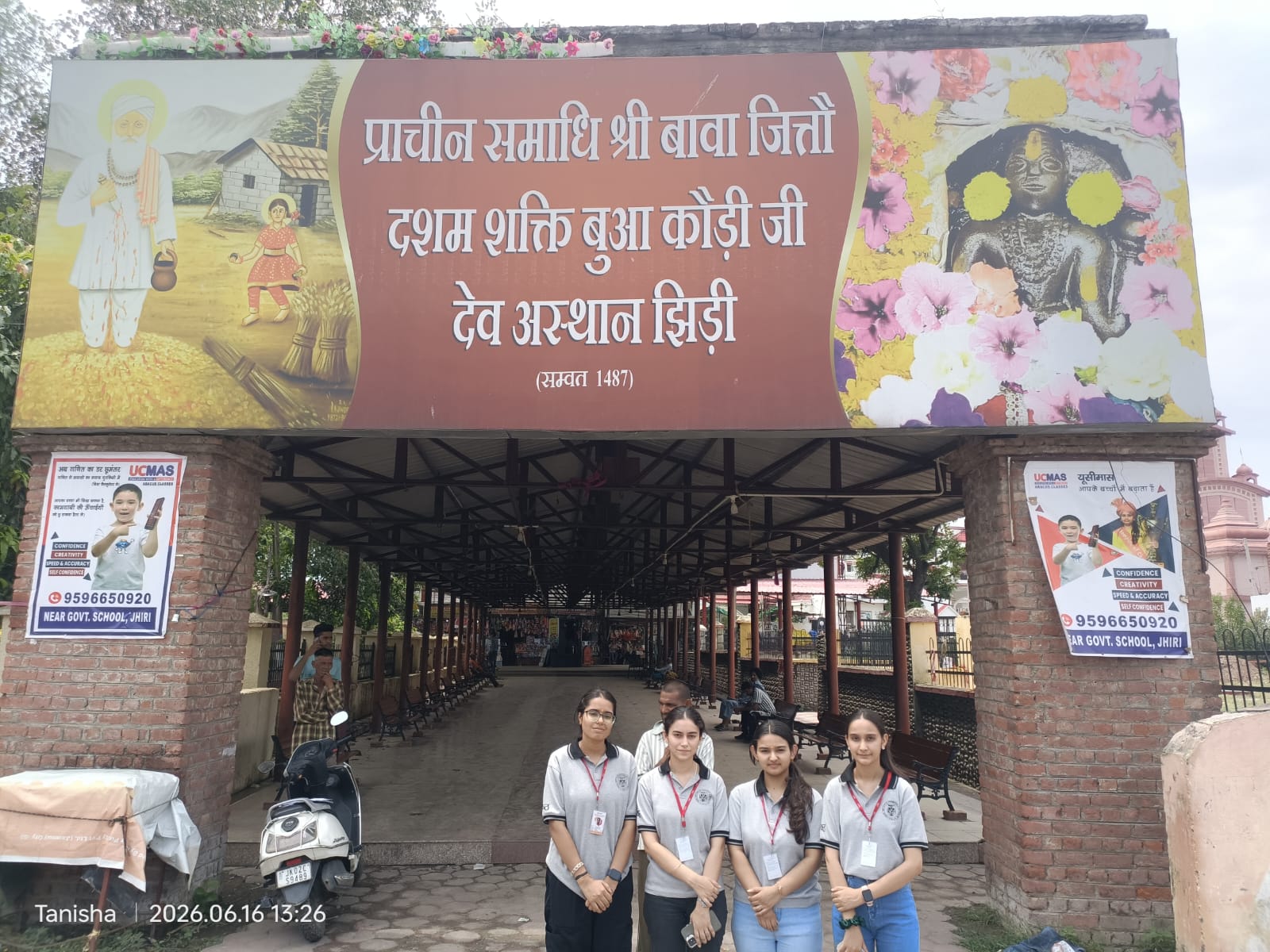
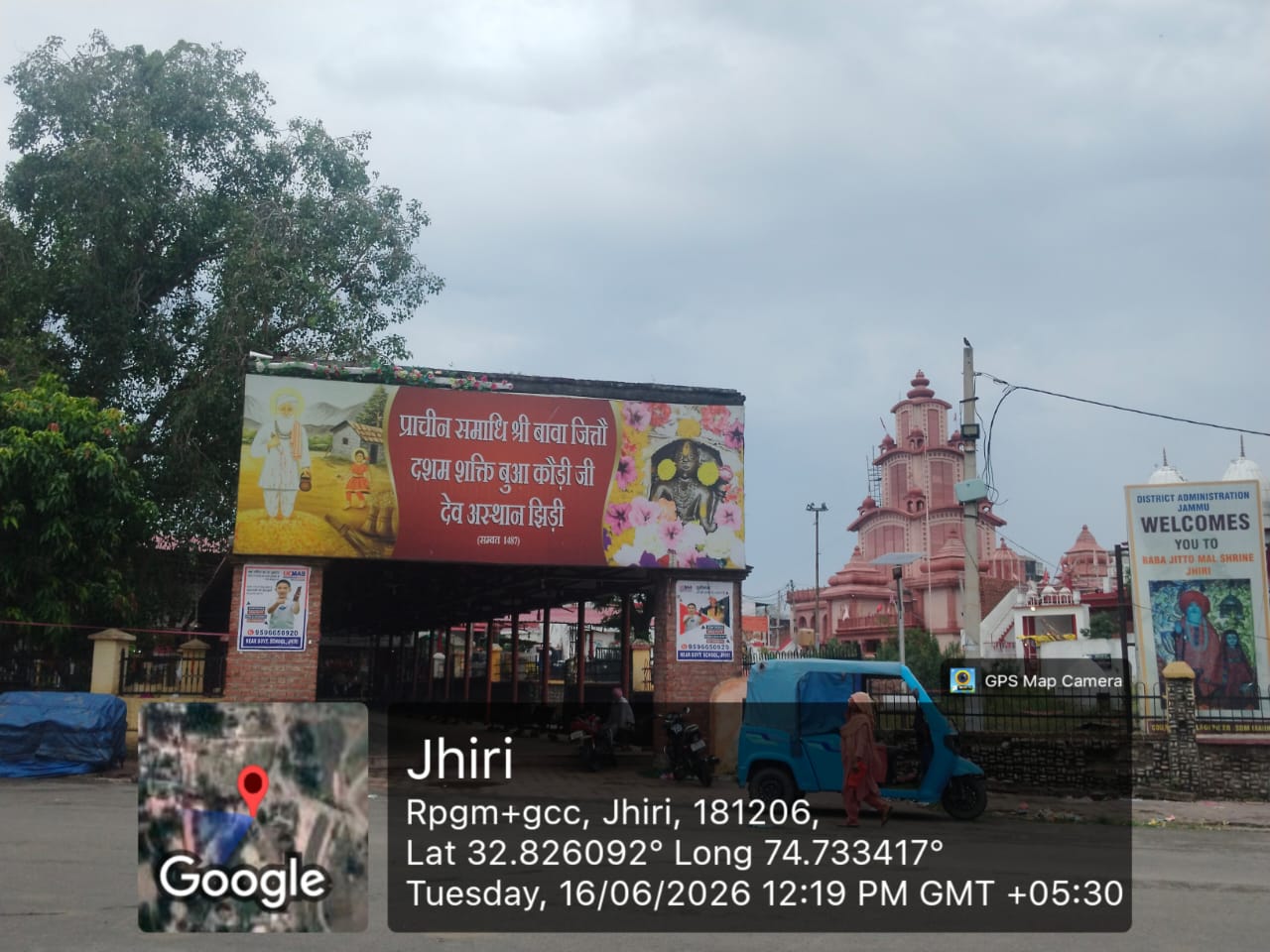
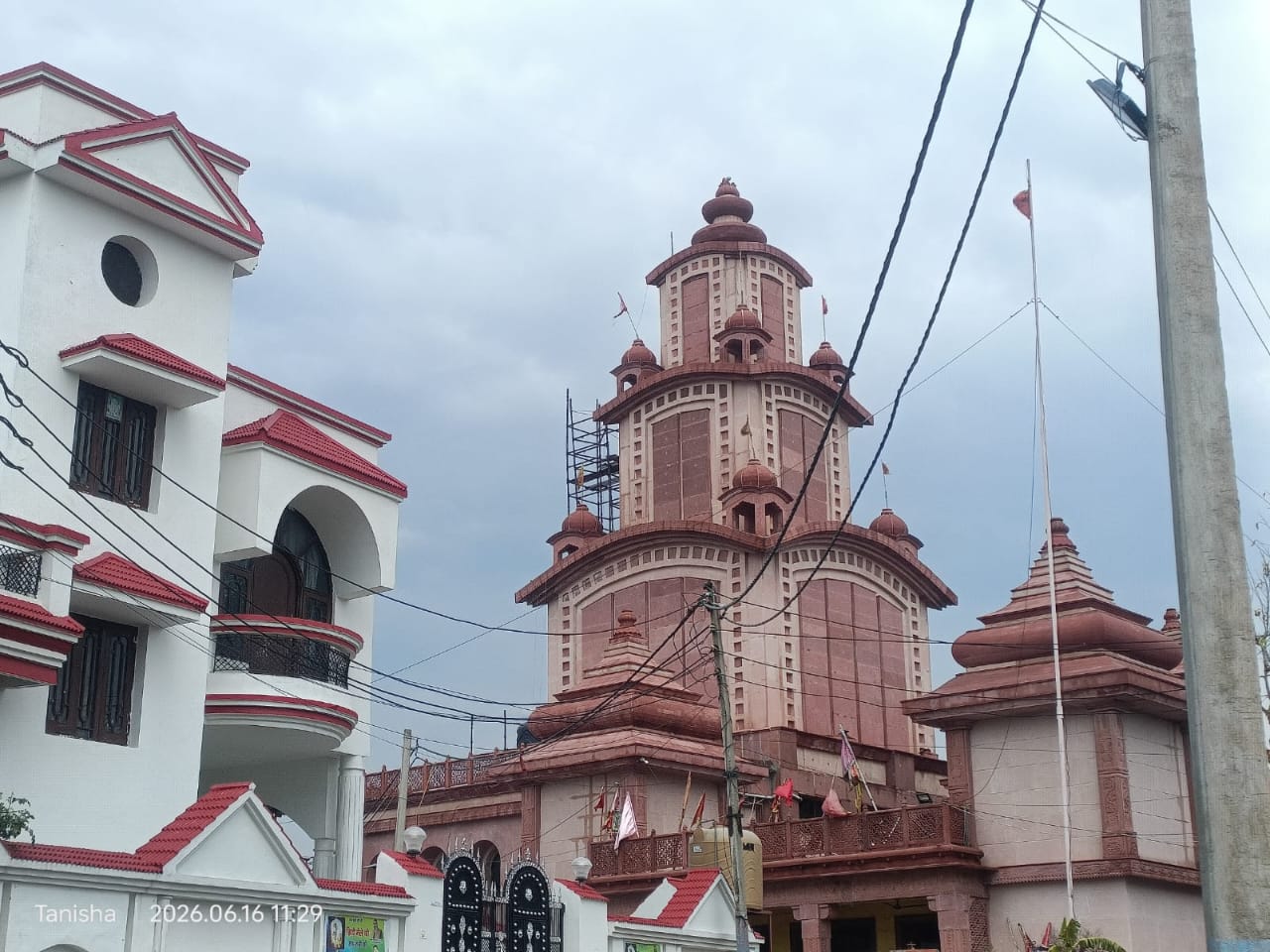
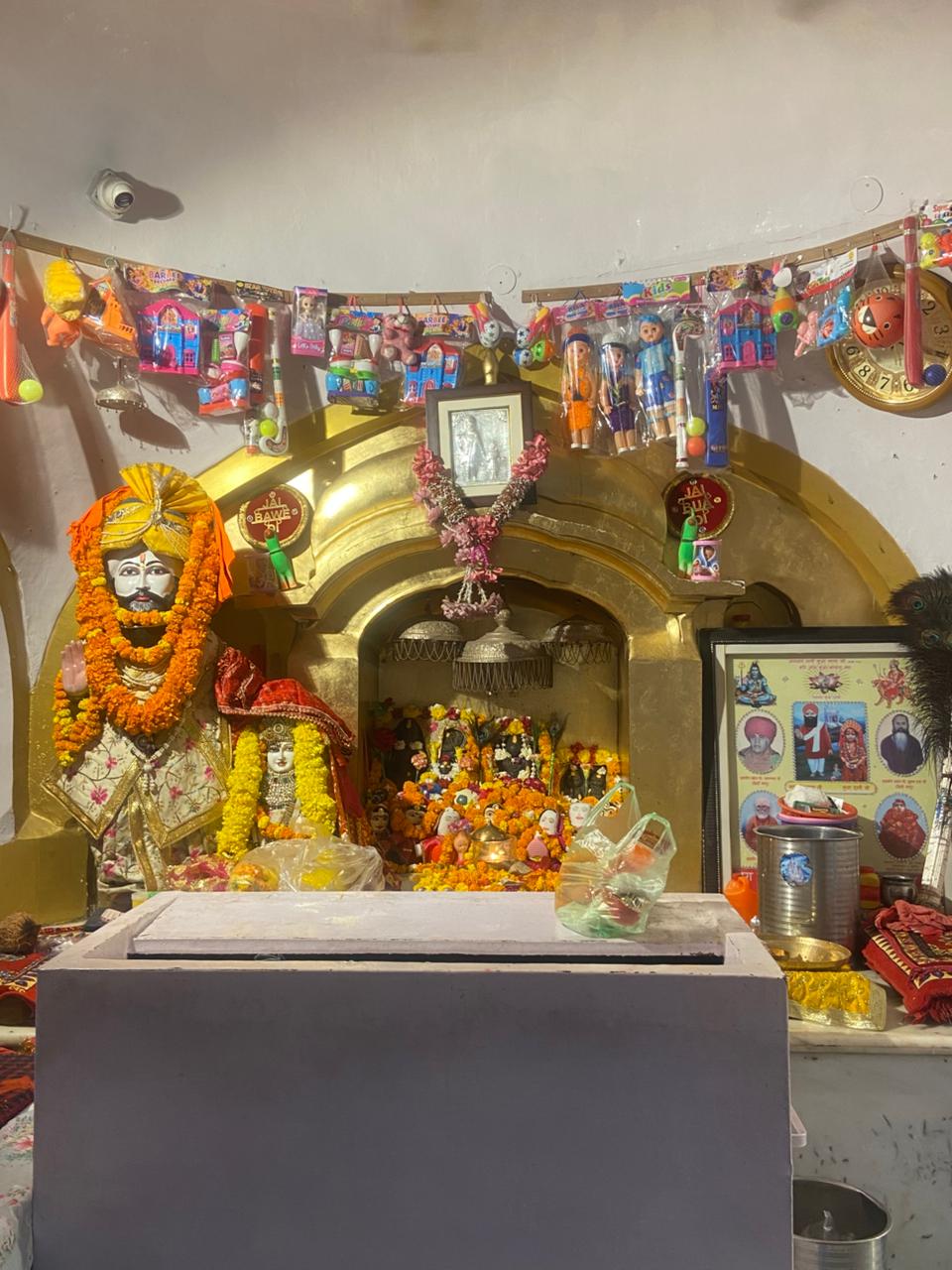
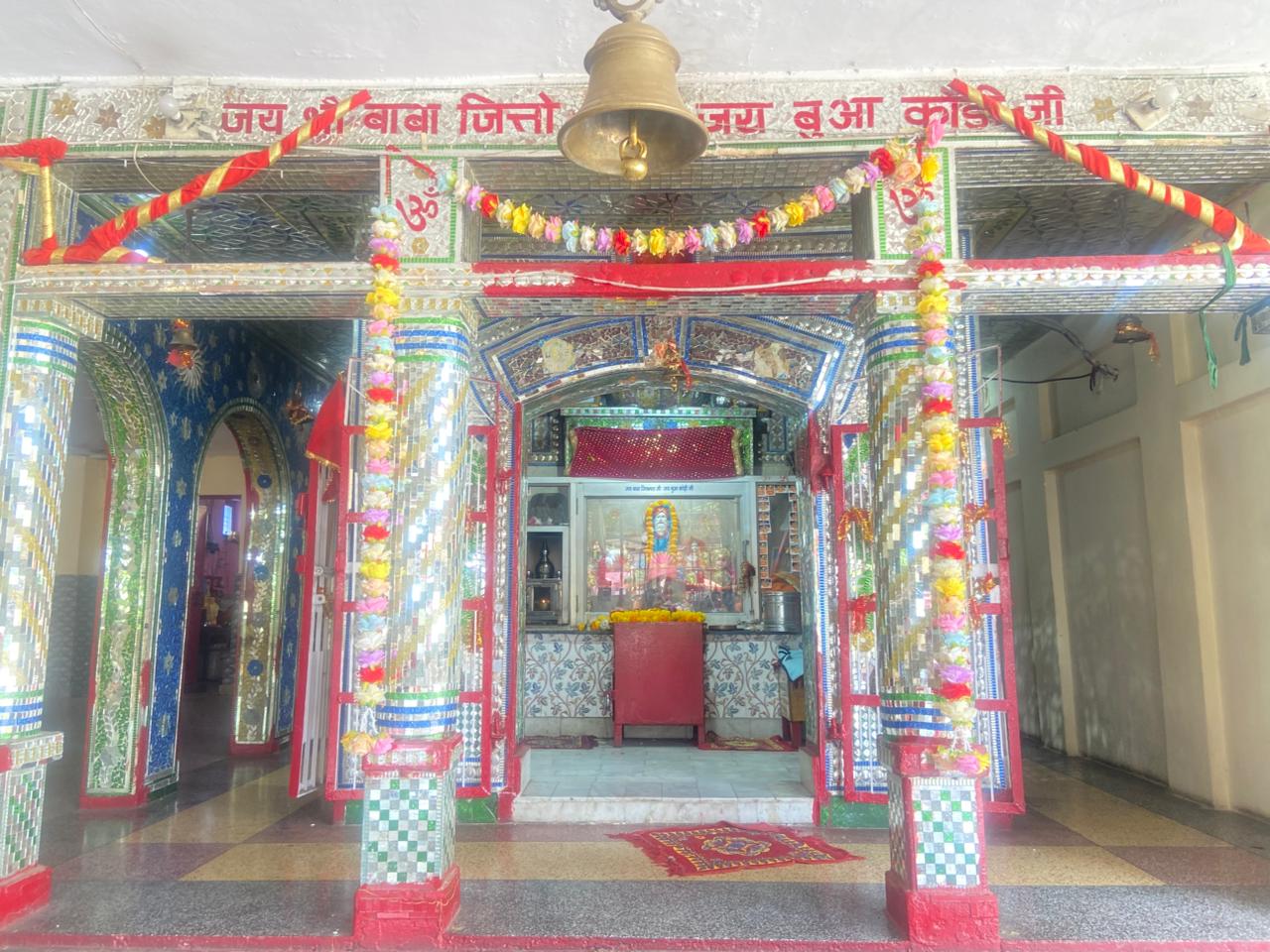
The site where Baba Jitto and Bua Kaudi made their supreme sacrifice later became the location of the Prachin Samadhi of Shri Bawa Jitto and Dasham Shakti Bua Kaudi Ji. The shrine bears an inscription dating to Samvat 1487 (approximately 1430 CE), indicating that it has remained a place of continuous worship for nearly six centuries.
Unlike many historical monuments preserved only through written records, Jhiri's history survives through uninterrupted religious practices and community traditions. Daily prayers, devotional singing, satsang, offerings, and annual celebrations ensure that the story of Baba Jitto remains alive in public memory. The shrine therefore functions not only as a place of worship but also as a living repository of the village's historical identity.
Population and Village Development
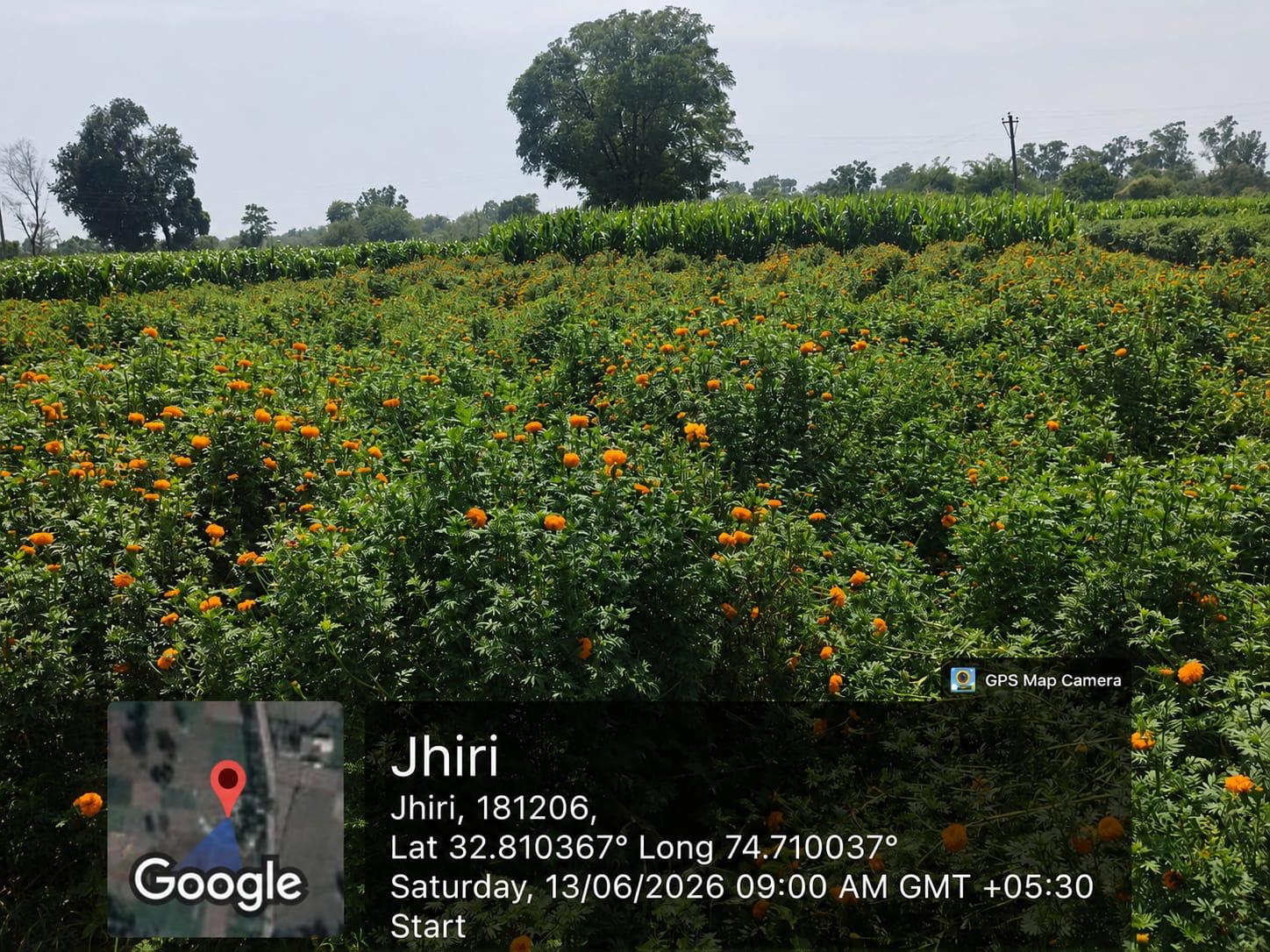
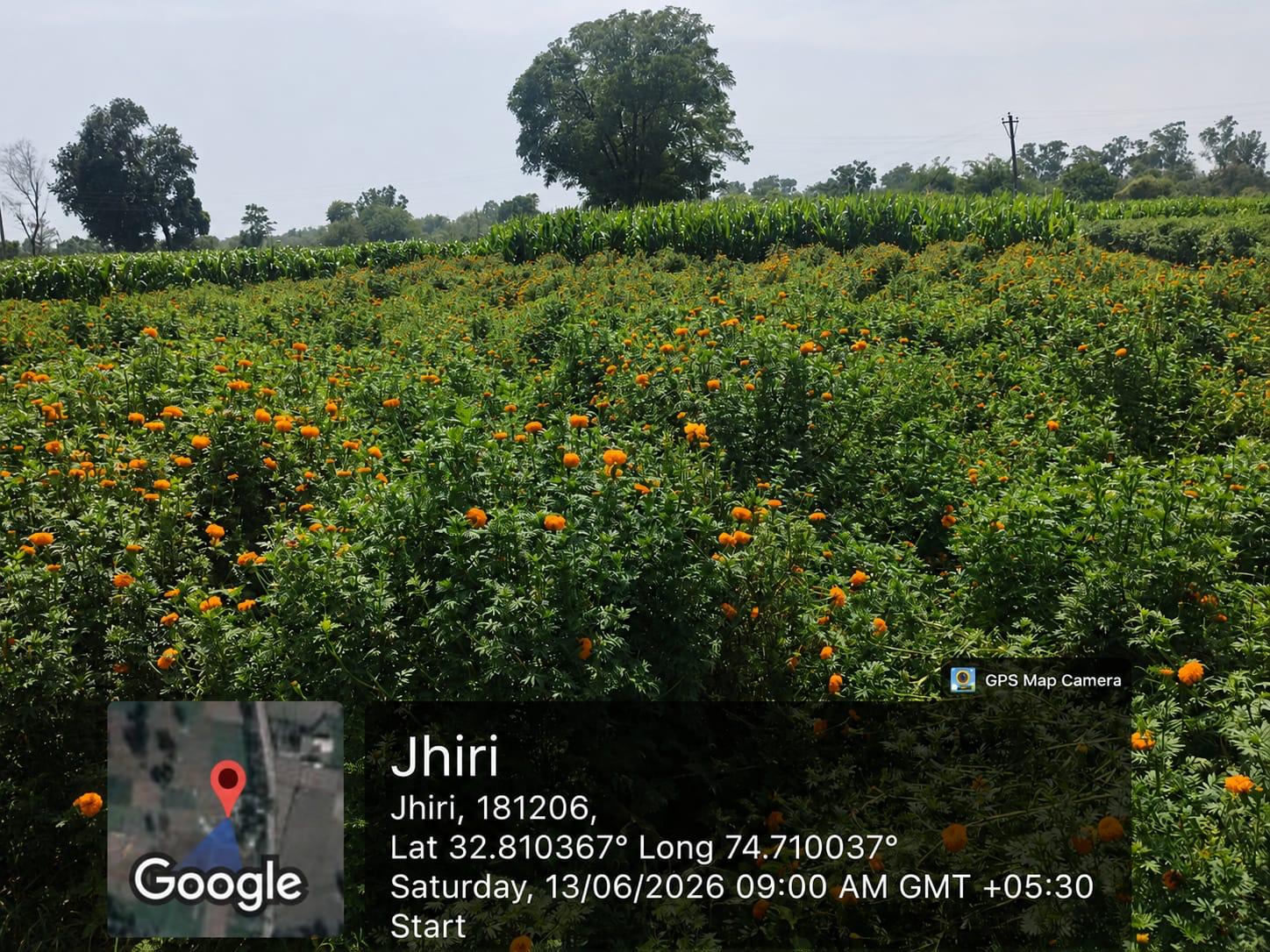
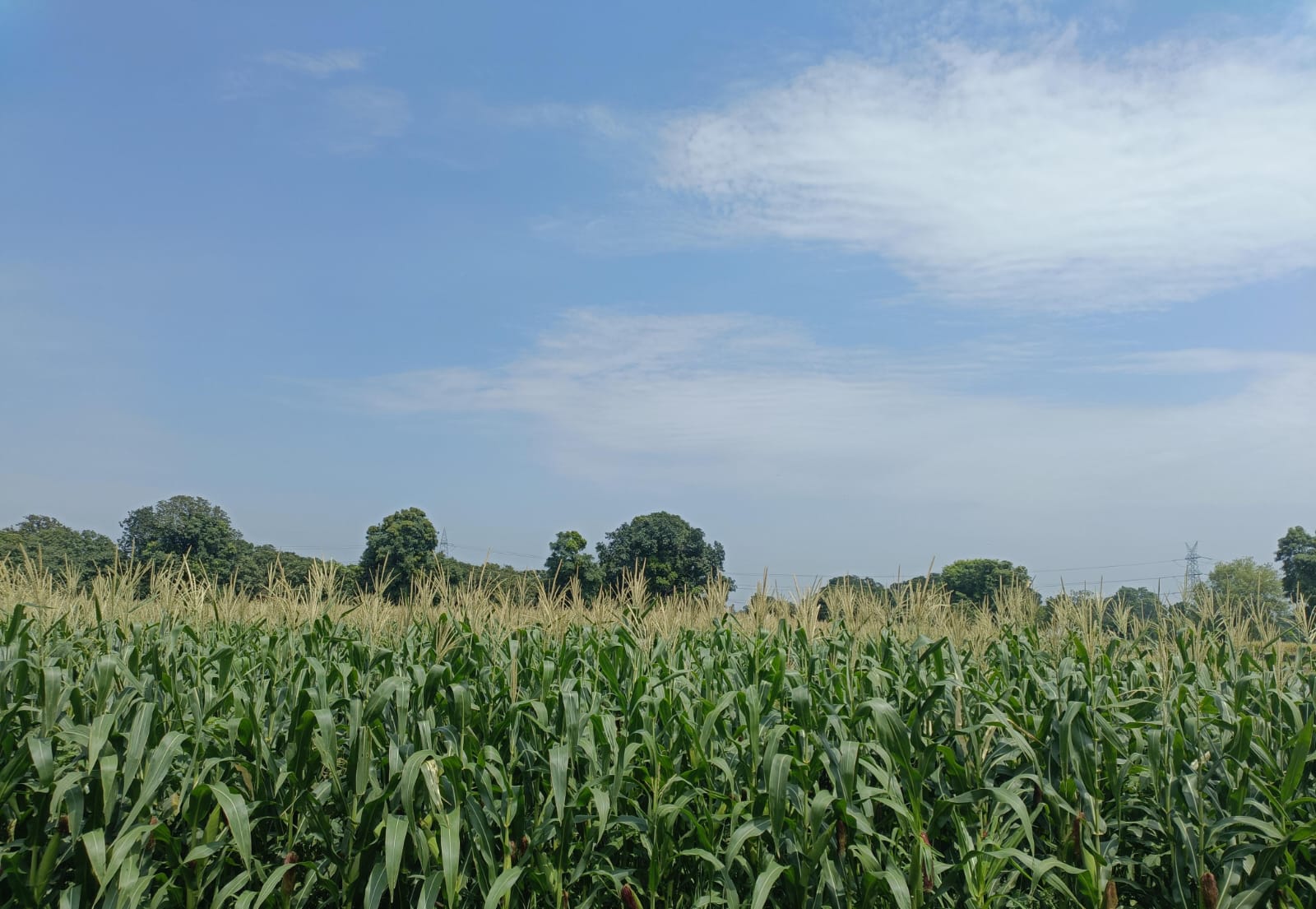
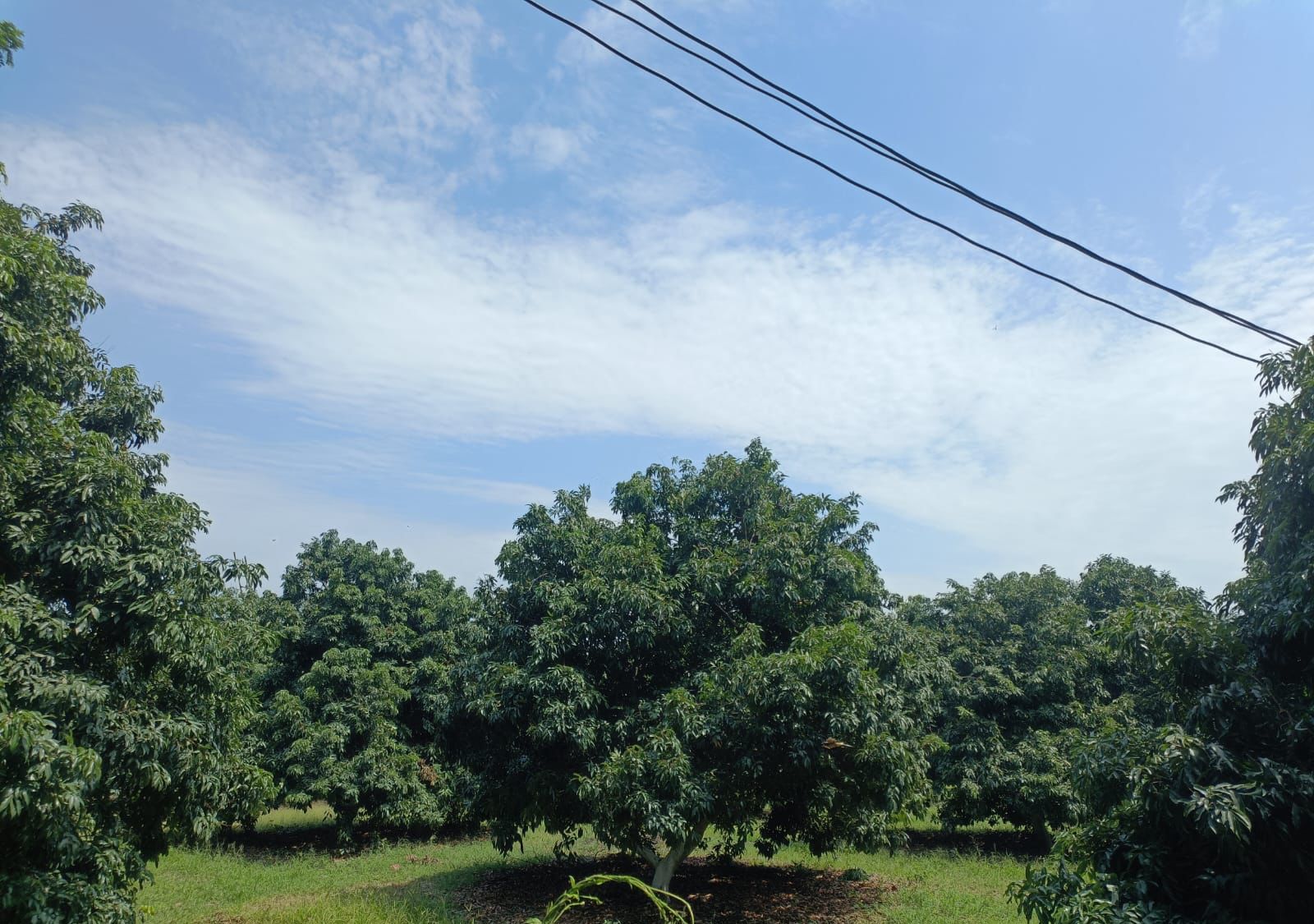
Jhiri has evolved into a well-developed rural settlement while preserving its agricultural and cultural character. Agriculture continues to dominate the landscape, with extensive cultivation of paddy, maize, wheat, marigold flowers, and mango orchards surrounding the village. Its strategic location along the Jammu–Akhnoor Highway has significantly improved connectivity, encouraging both economic development and religious tourism.
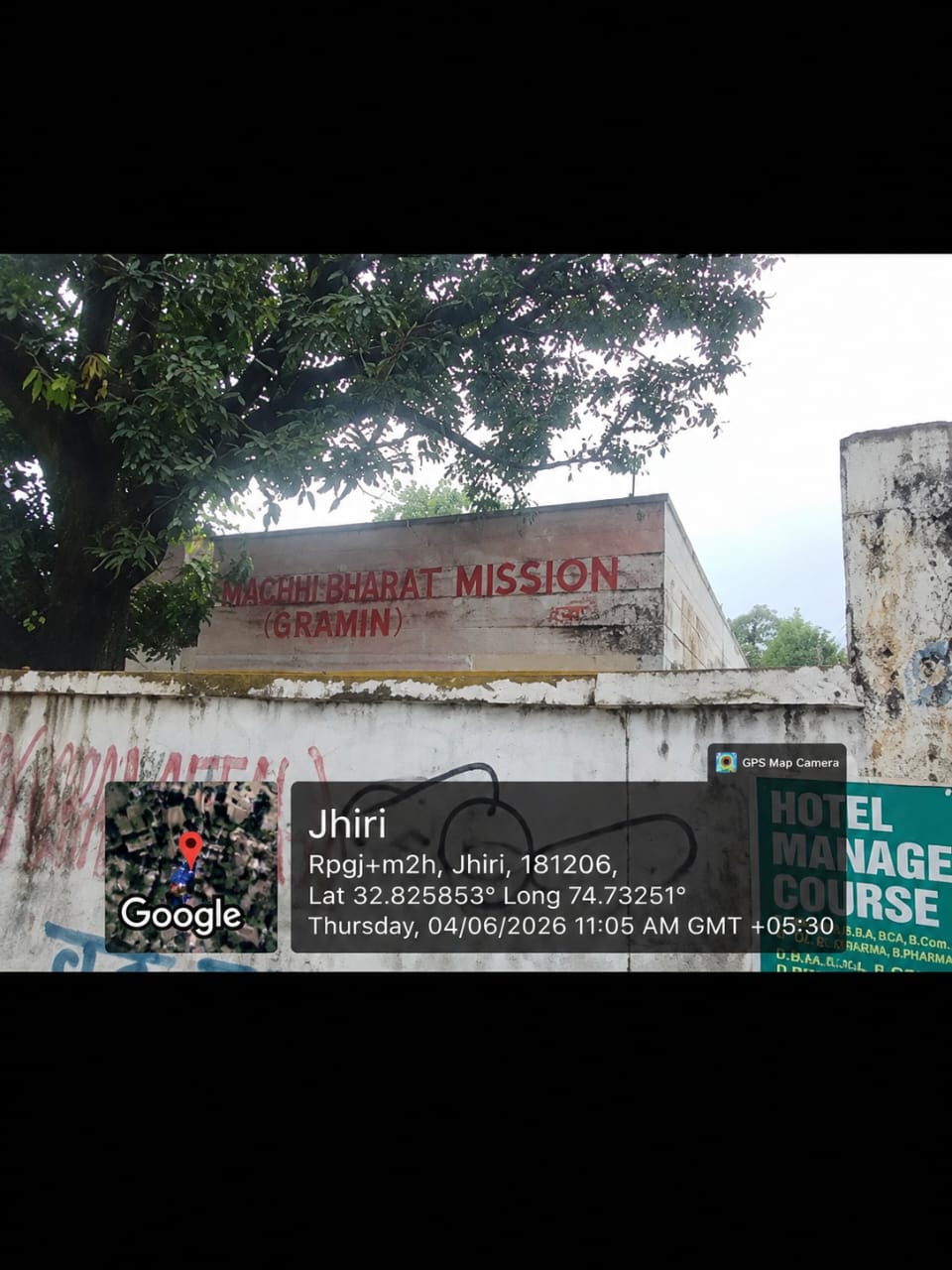
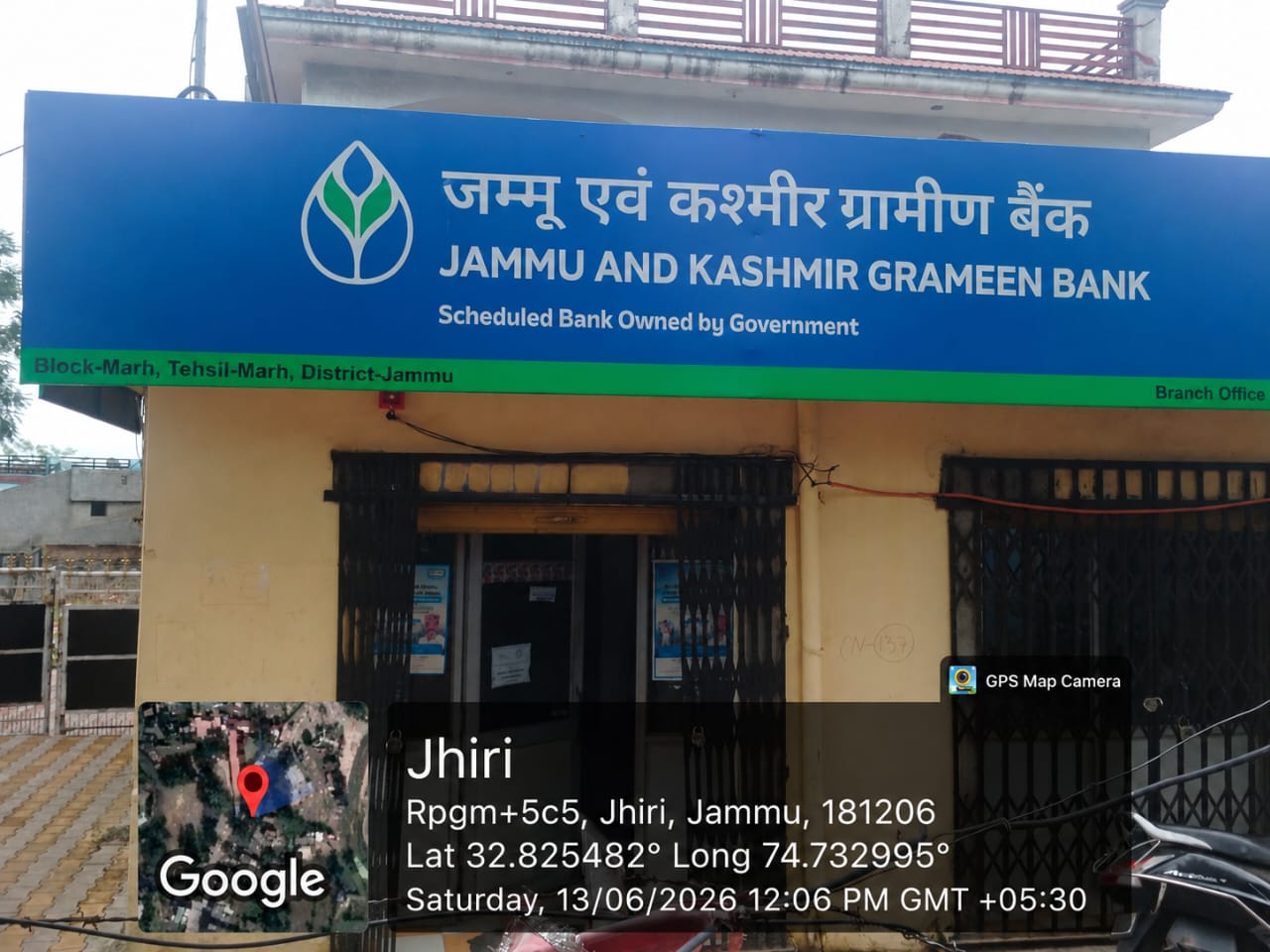
Modern public infrastructure has steadily expanded within the village. Reliable electricity, a well-organized water supply under the Jal Jeevan Mission, improved sanitation through the Swachh Bharat Mission (Grameen), mobile connectivity, digital payment systems, educational institutions, healthcare facilities, and recreational spaces demonstrate the village's gradual modernization without compromising its traditional rural identity.
Cultural Heritage of Jhiri Village
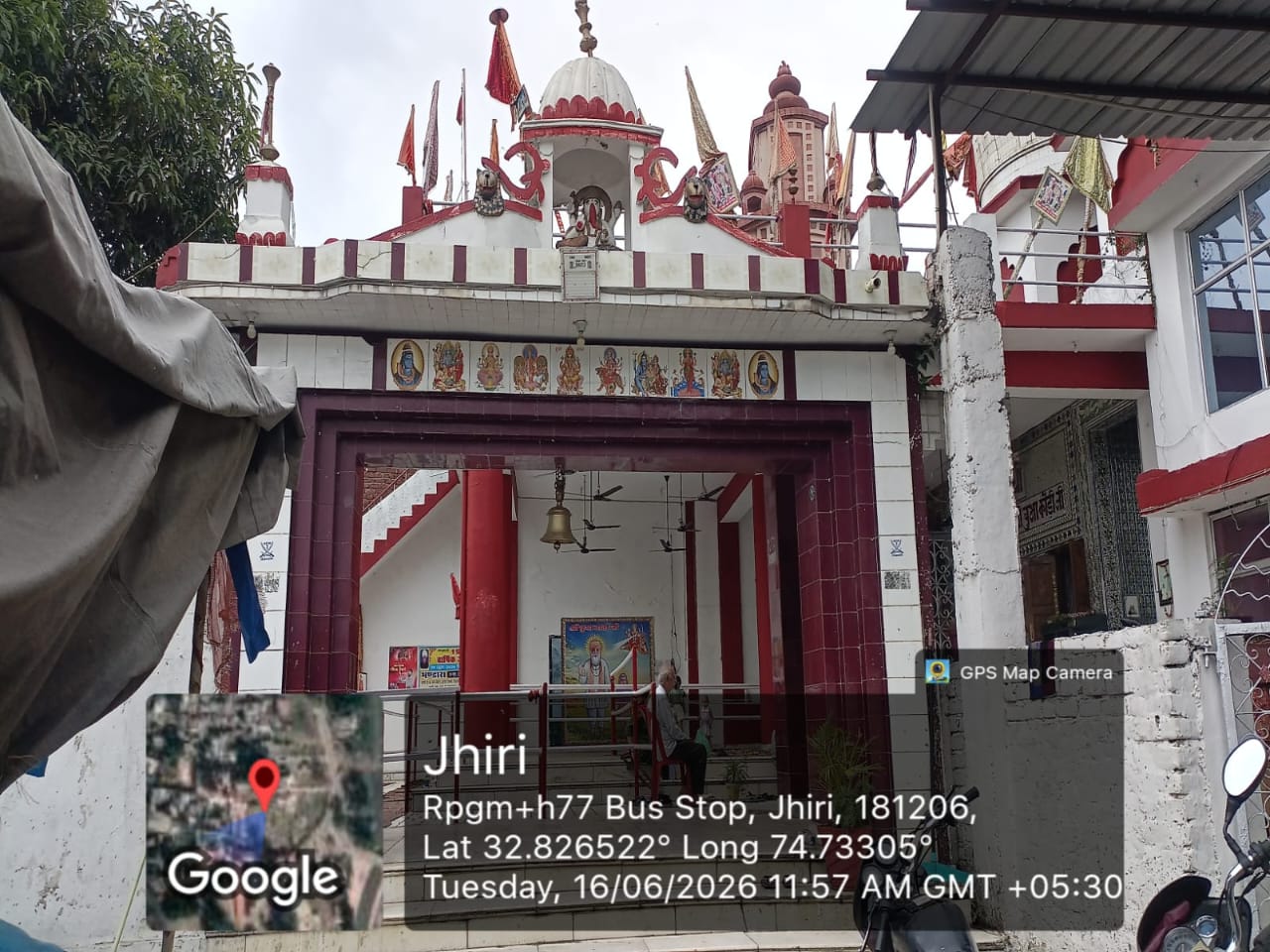
The cultural identity of Jhiri revolves around the sacred shrine of Baba Jitto and Bua Kaudi, which serves as the spiritual and social heart of the village. More than a religious destination, the shrine represents centuries of Dogra heritage, preserving customs, rituals, and community traditions that continue to flourish in contemporary times.
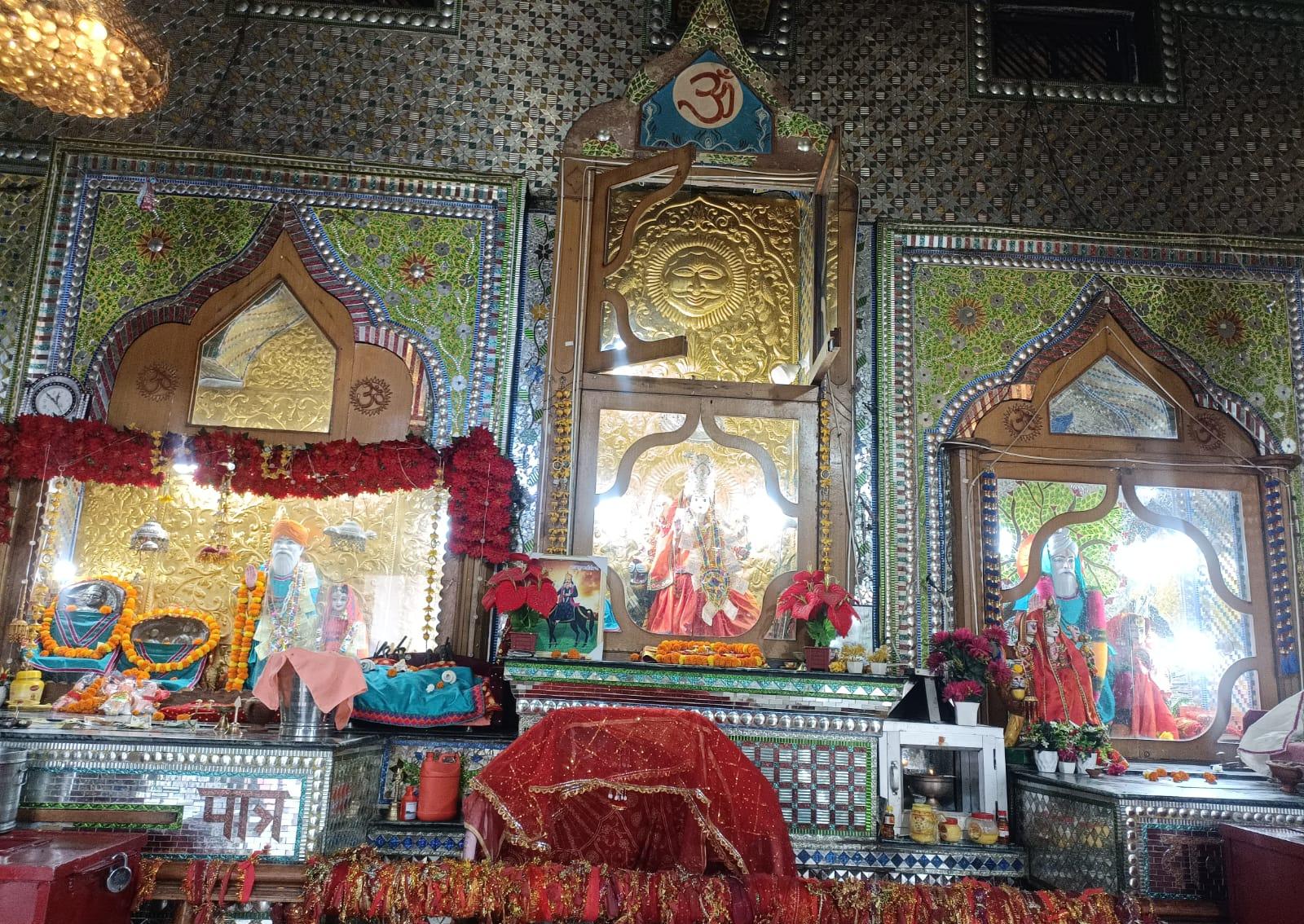
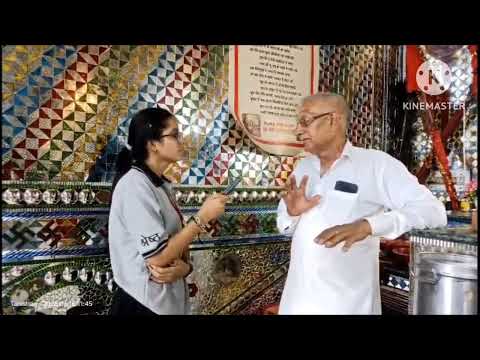
Throughout the year, devotees participate in satsang, devotional bhajans, traditional dhol performances, mundan ceremonies, and chadhava offerings. Community-funded langar operates daily, reflecting the village's long-standing tradition of hospitality and collective responsibility. The shrine's magnificent mirror mosaic decorations, brass ritual vessels, idols, and intricate architectural features showcase the artistic excellence of traditional Dogra craftsmanship.
Several Kuldevi Mandirs located within the temple complex further emphasize Jhiri's ancestral significance. Families from different regions continue to visit these shrines to honour their family deities, reinforcing the village's importance beyond its immediate geographical boundaries.
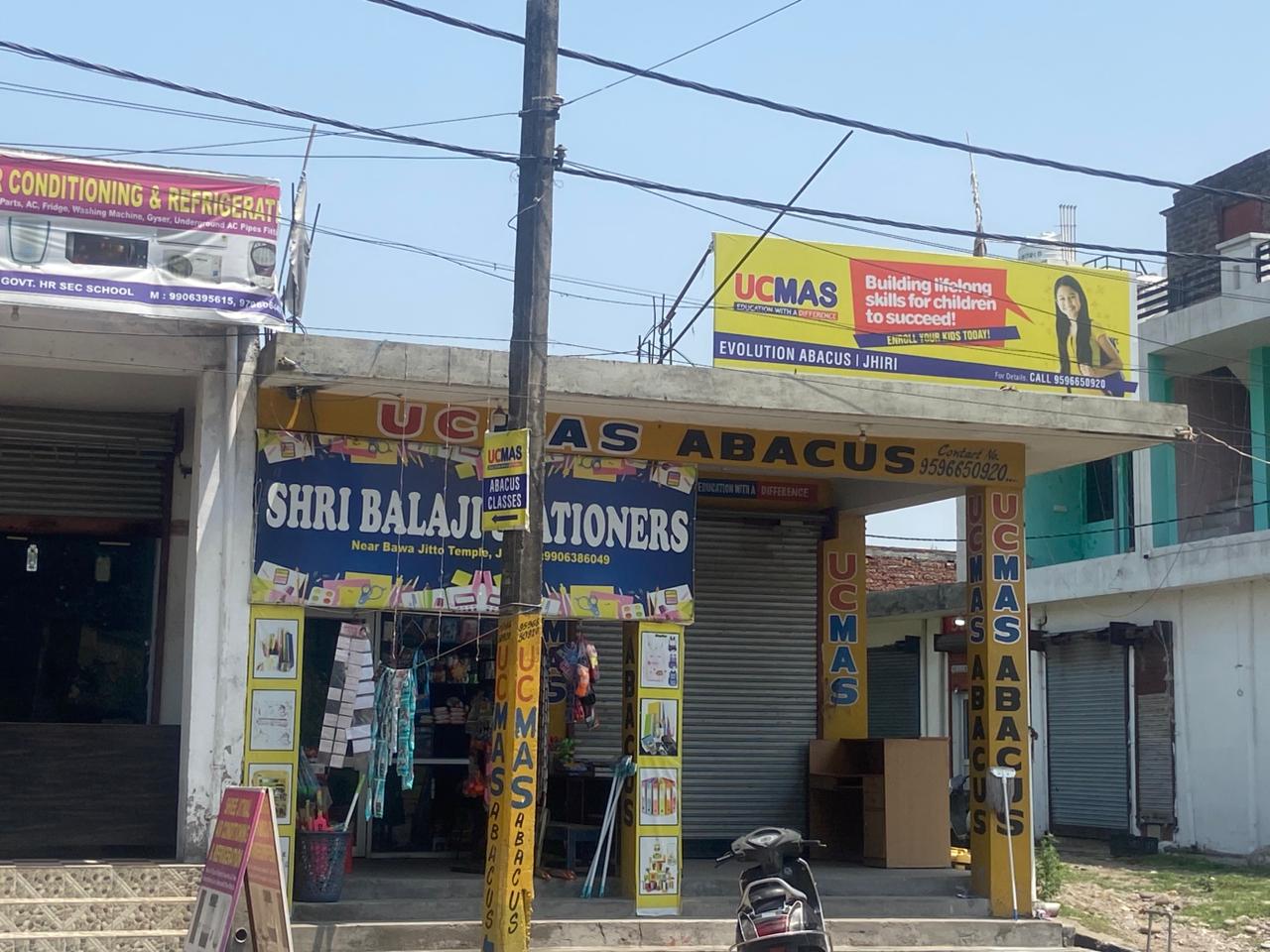
Perhaps the most remarkable aspect of Jhiri's cultural heritage is the manner in which Baba Jitto's identity has become inseparable from everyday village life. Shops, clinics, educational institutions, and numerous local businesses proudly bear his name, reflecting how deeply his ideals continue to influence the community's collective identity.
Historical Preservation and Community Memory
Unlike places that rely primarily on museums or archival institutions, Jhiri preserves its history through living traditions. The shrine itself serves as the principal historical monument, while local priests, elders, and long-time residents continue to narrate Baba Jitto's story to successive generations through oral tradition.
The inscription dated Samvat 1487 provides tangible historical evidence supporting the oral narrative, creating a unique blend of documented history and living folklore. Daily religious activities ensure that historical remembrance is integrated into ordinary village life rather than confined to commemorative occasions.
Although Jhiri does not possess a formal museum or historical society, its cultural landscape itself functions as an open-air historical archive where architecture, rituals, oral traditions, and community participation collectively preserve the village's remarkable legacy.
Major Attractions of Jhiri Village
1) Prachin Samadhi of Shri Bawa Jitto and Bua Kaudi Ji
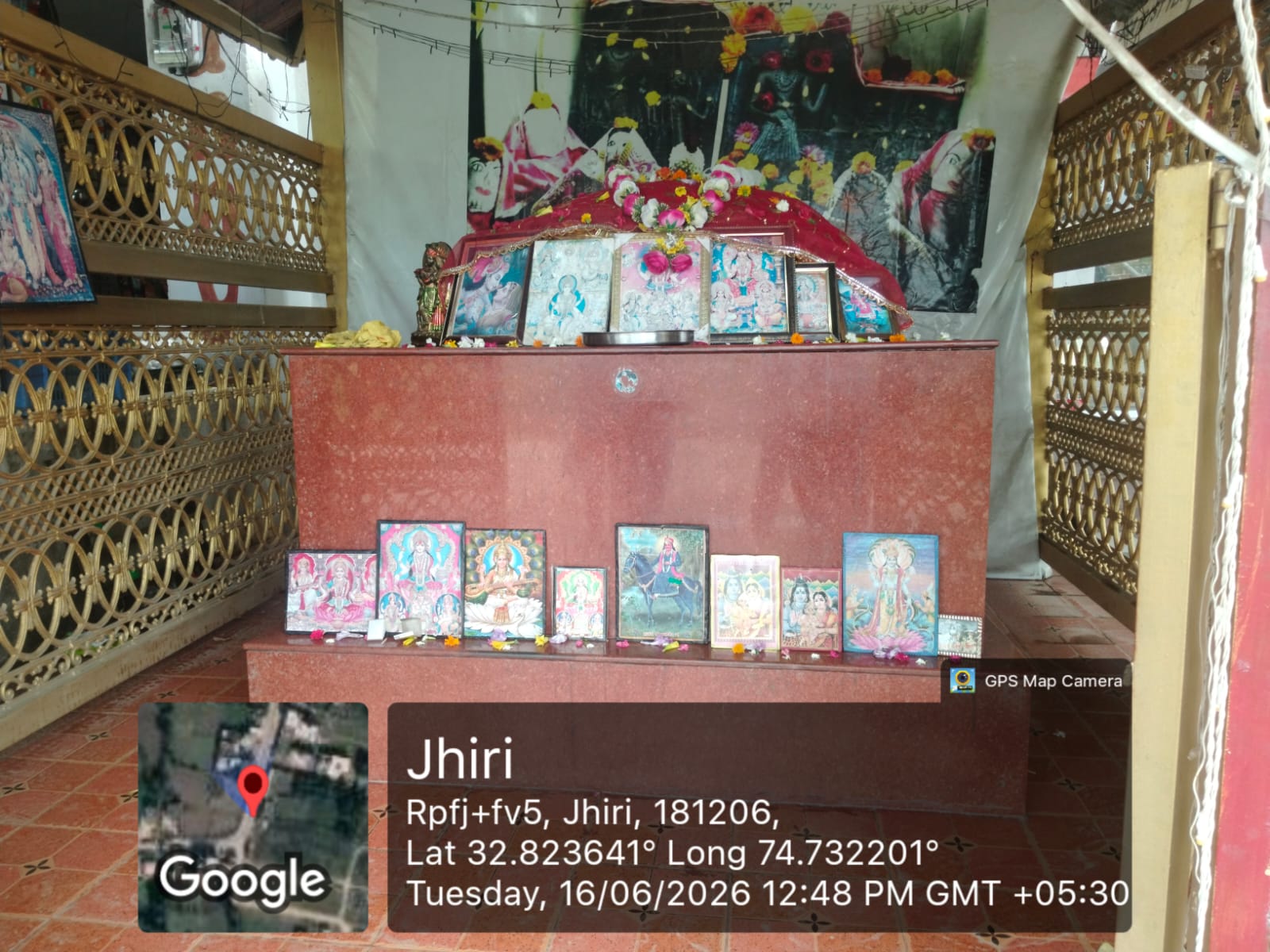
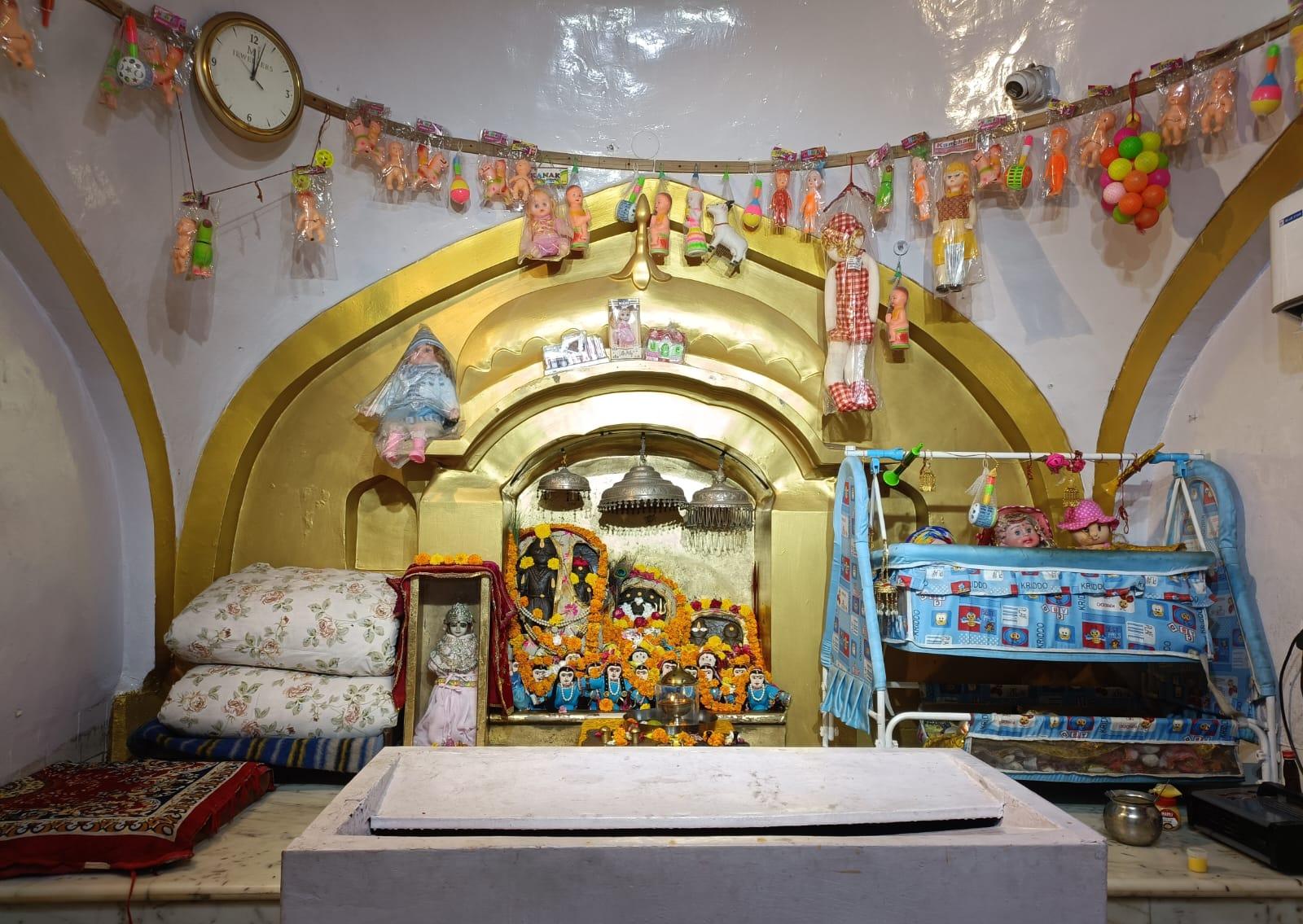
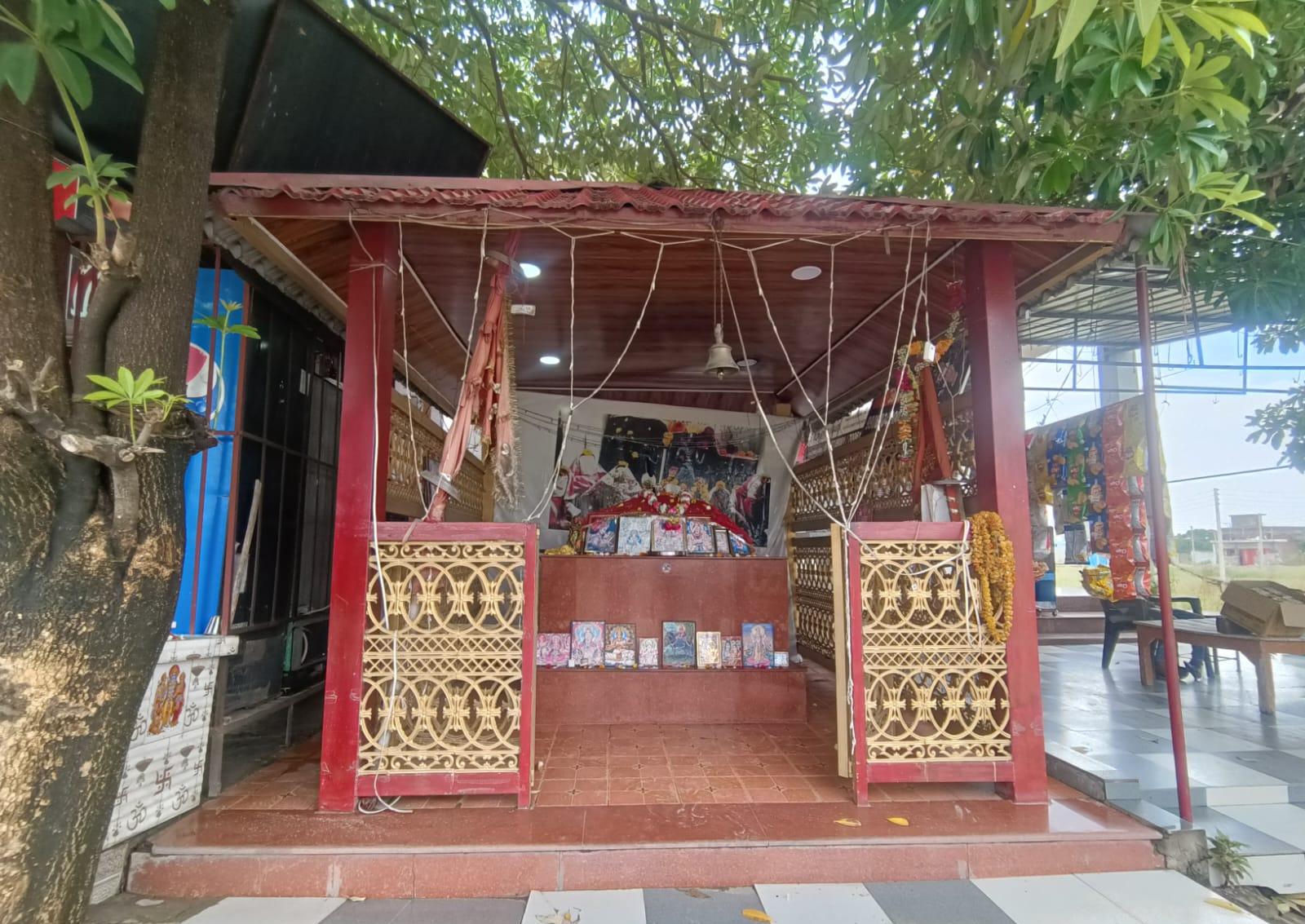
The principal attraction of Jhiri is the ancient shrine dedicated to Baba Jitto and Bua Kaudi. Established nearly six centuries ago, it remains one of the most revered pilgrimage sites in Jammu and Kashmir. Devotees from Punjab, Himachal Pradesh, Haryana, Delhi, and even southern India visit the shrine throughout the year to seek blessings and pay tribute to Baba Jitto's sacrifice. The temple's beautifully decorated interiors, devotional atmosphere, and continuous religious activities create a profound spiritual experience.
2)Sacred Stone Temple
Located within the temple complex is a smaller shrine housing a sacred stone believed to hold deep religious significance. According to local tradition, Baba Jitto was an ardent devotee of Mata Vaishno Devi, and the sacred stone symbolizes his unwavering faith. Devotees continue to worship this stone as an integral part of their pilgrimage.
3)Kuldevi Shrines
Several smaller temples dedicated to ancestral family deities are situated within the complex. These Kuldevi shrines strengthen Jhiri's role as a centre of family heritage and ancestral worship, attracting visitors whose family traditions have remained connected to the site for generations.
4)Shrine Market
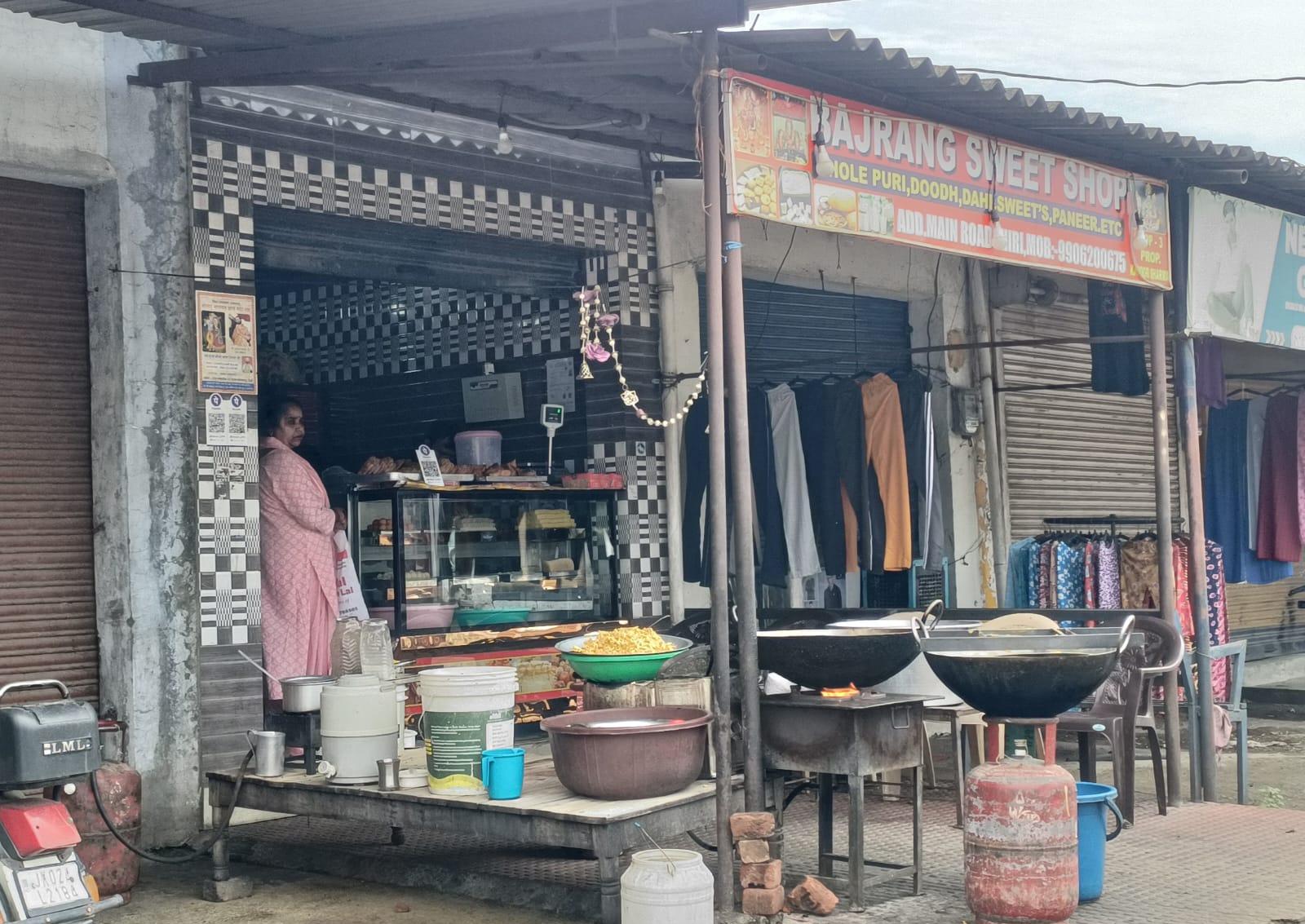
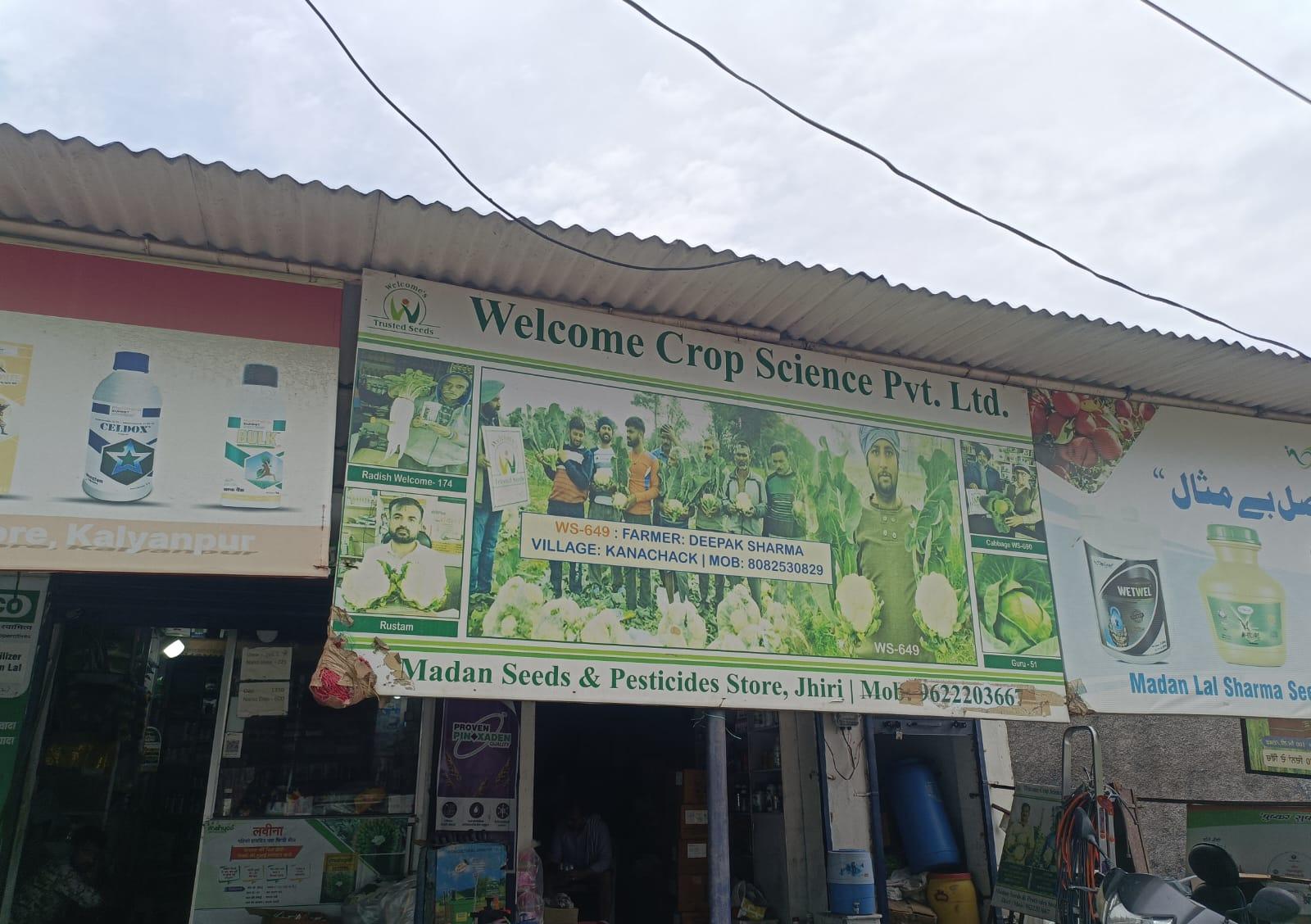
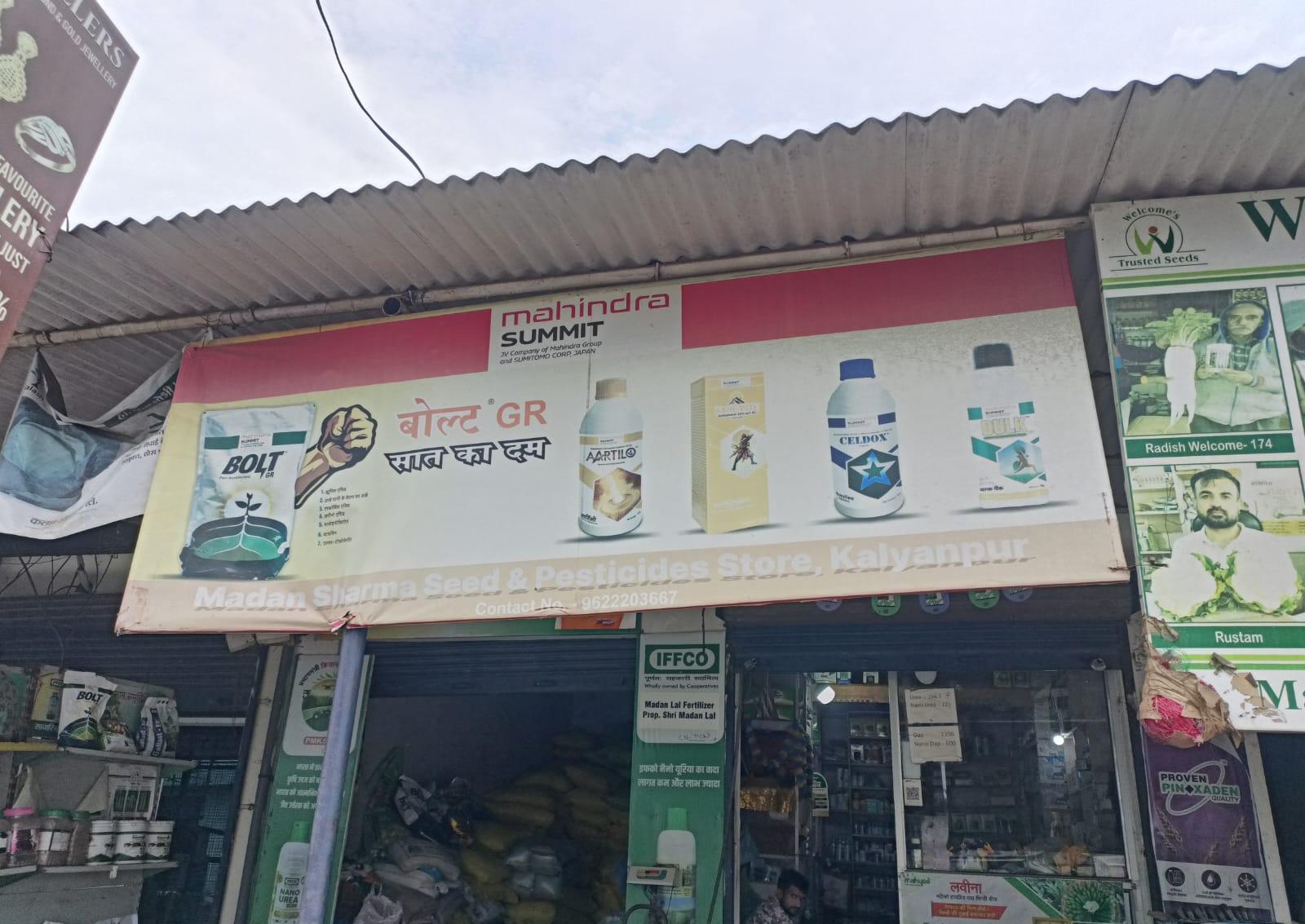
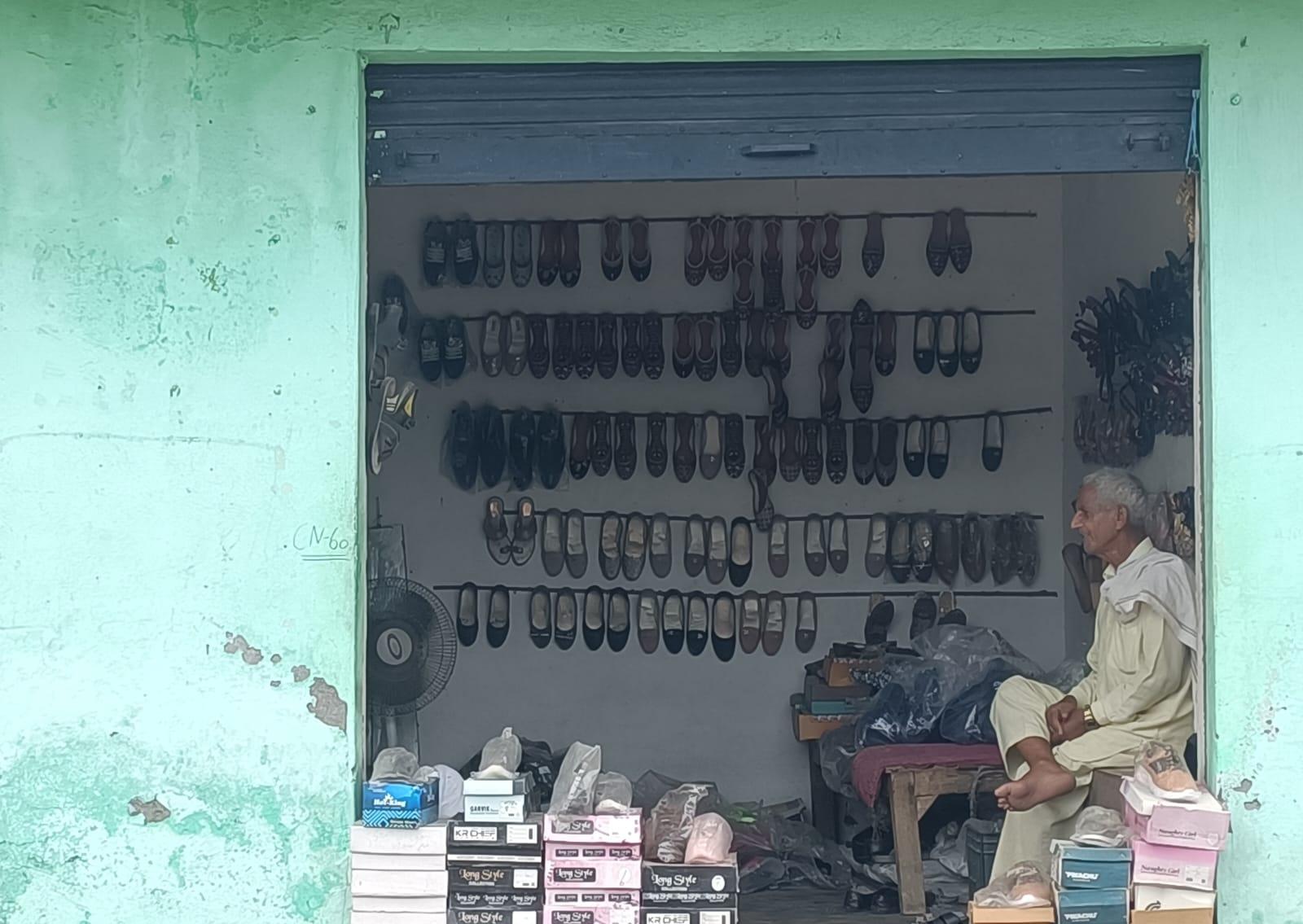
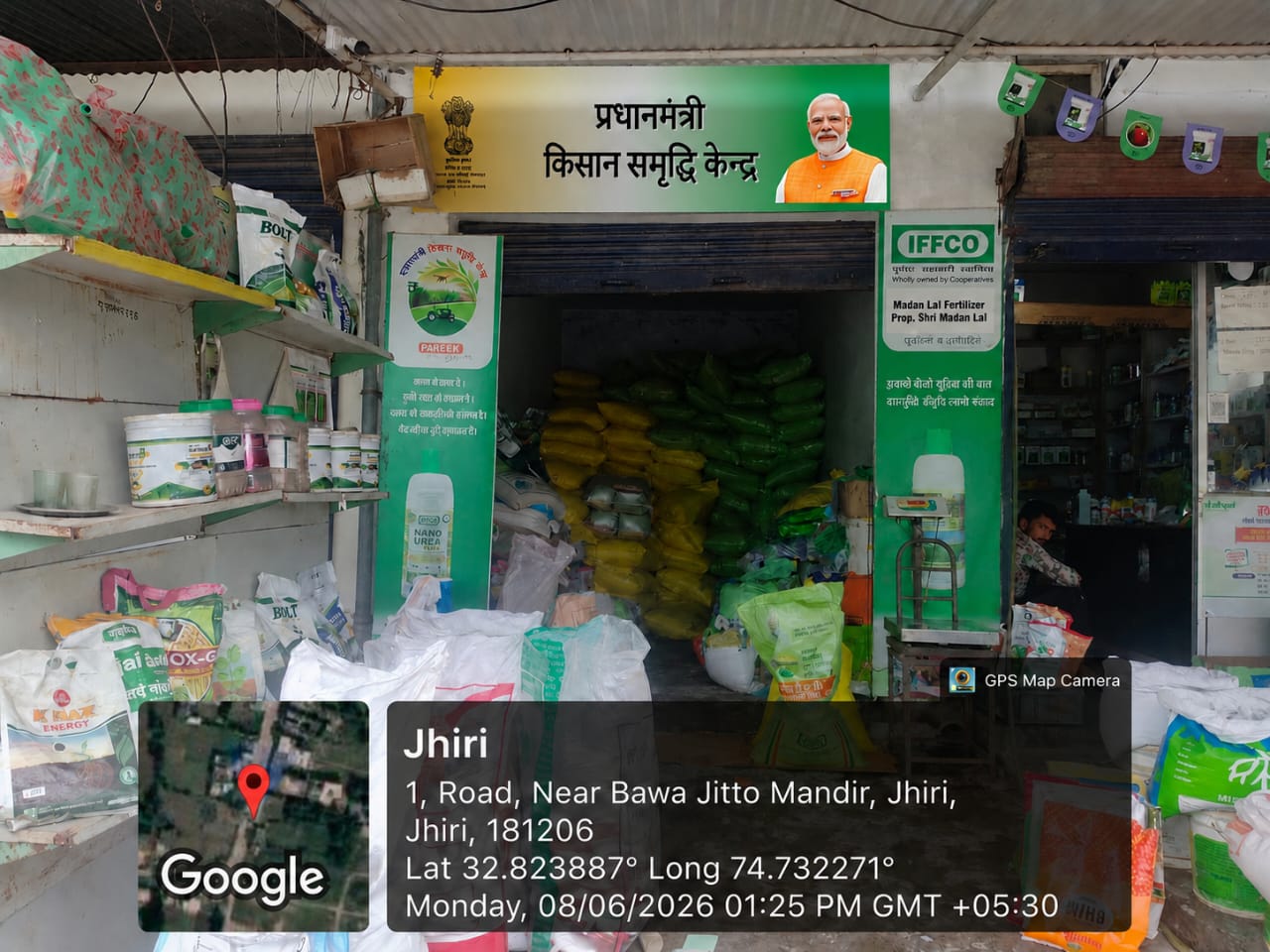
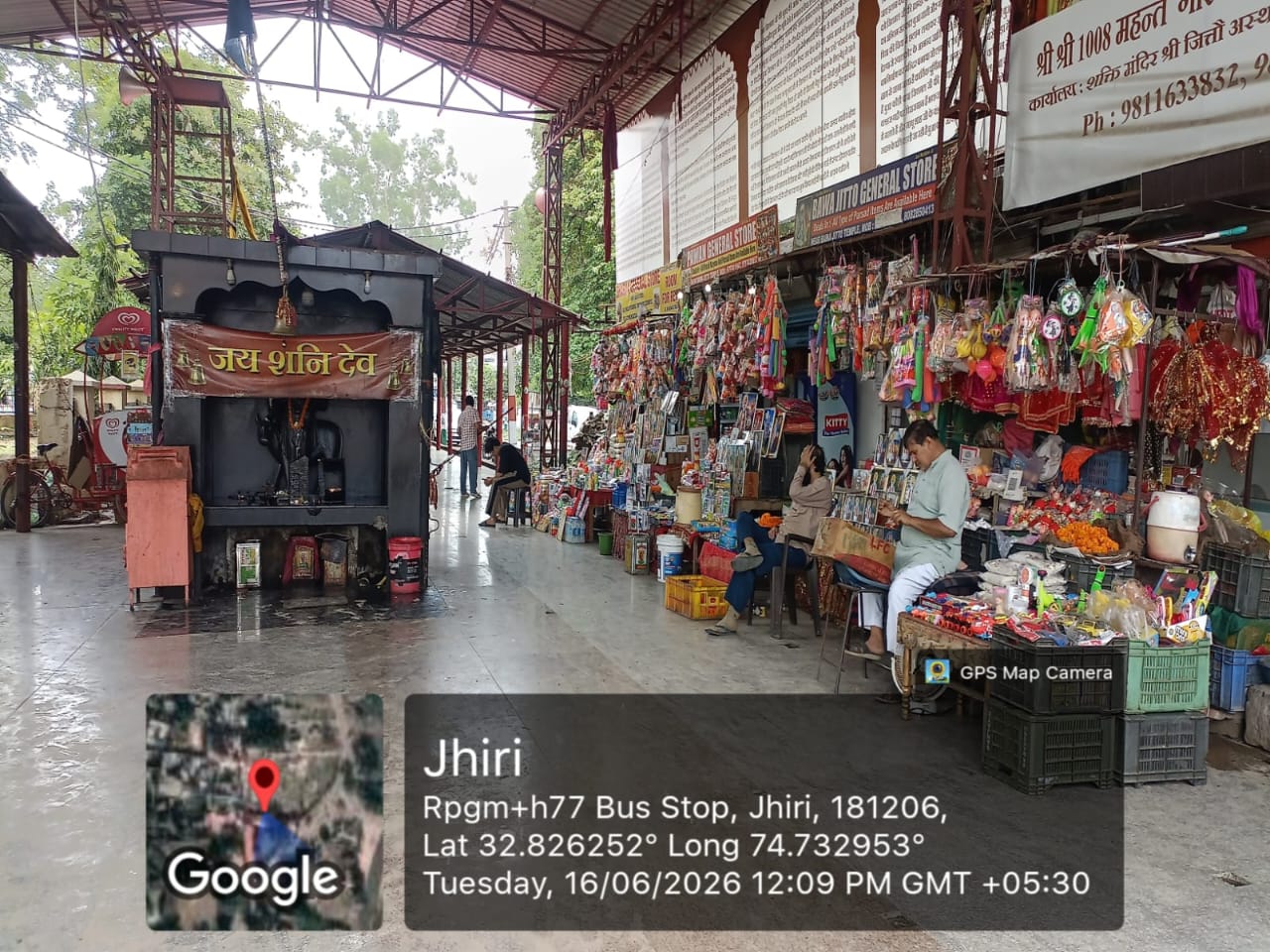
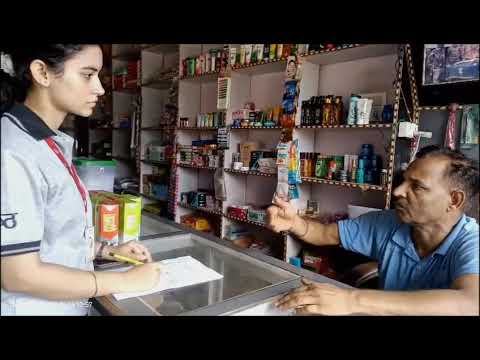
Adjacent to the temple is a lively market serving both pilgrims and local residents. Traditional prasad stalls, jutti shops, sweet makers, general stores, agricultural supply outlets, food vendors, and small clinics collectively create a vibrant commercial atmosphere. Many establishments proudly display the name of Baba Jitto, illustrating the deep cultural integration of his legacy into local economic life.
5)Baba-da-Talab
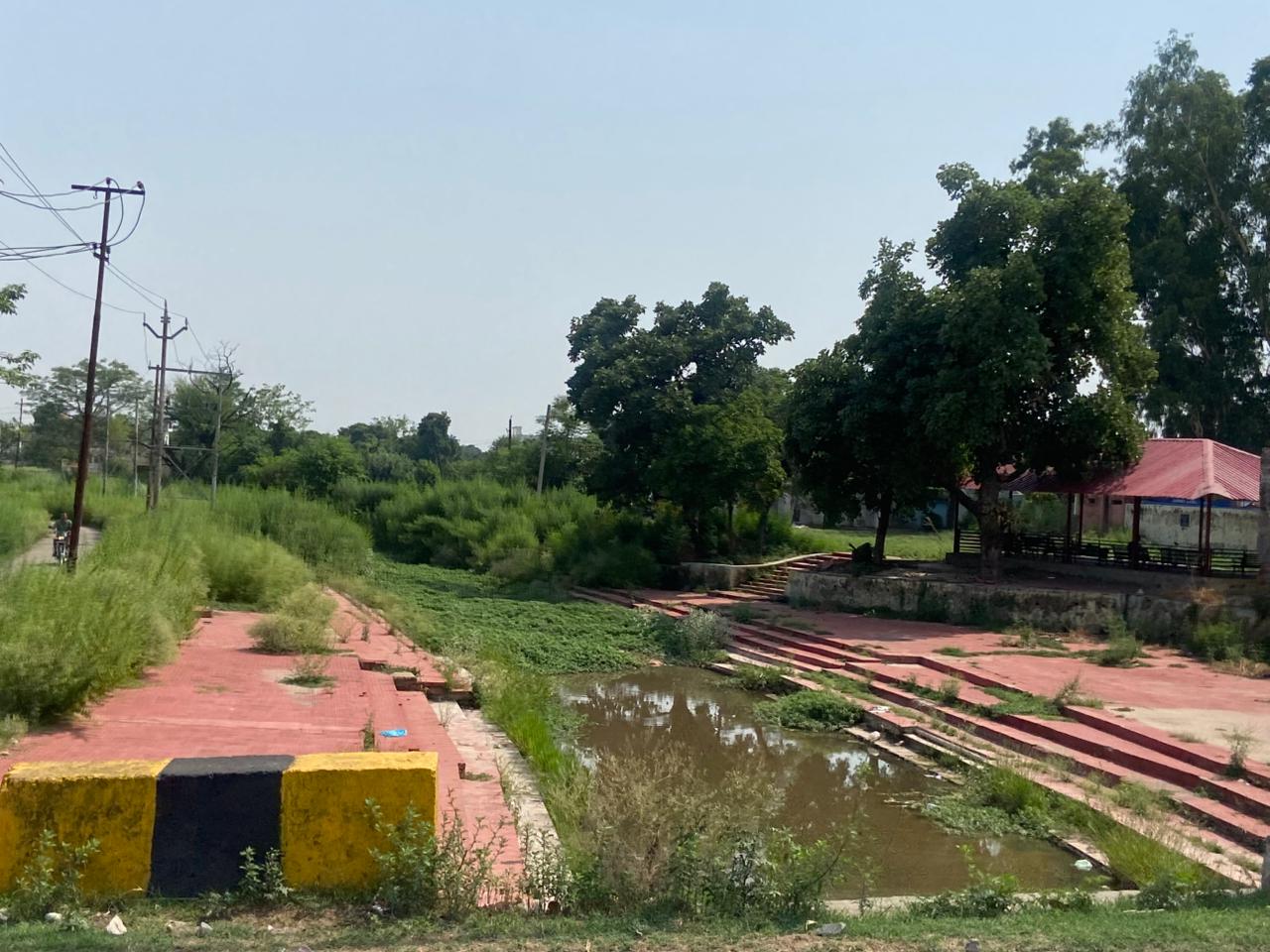
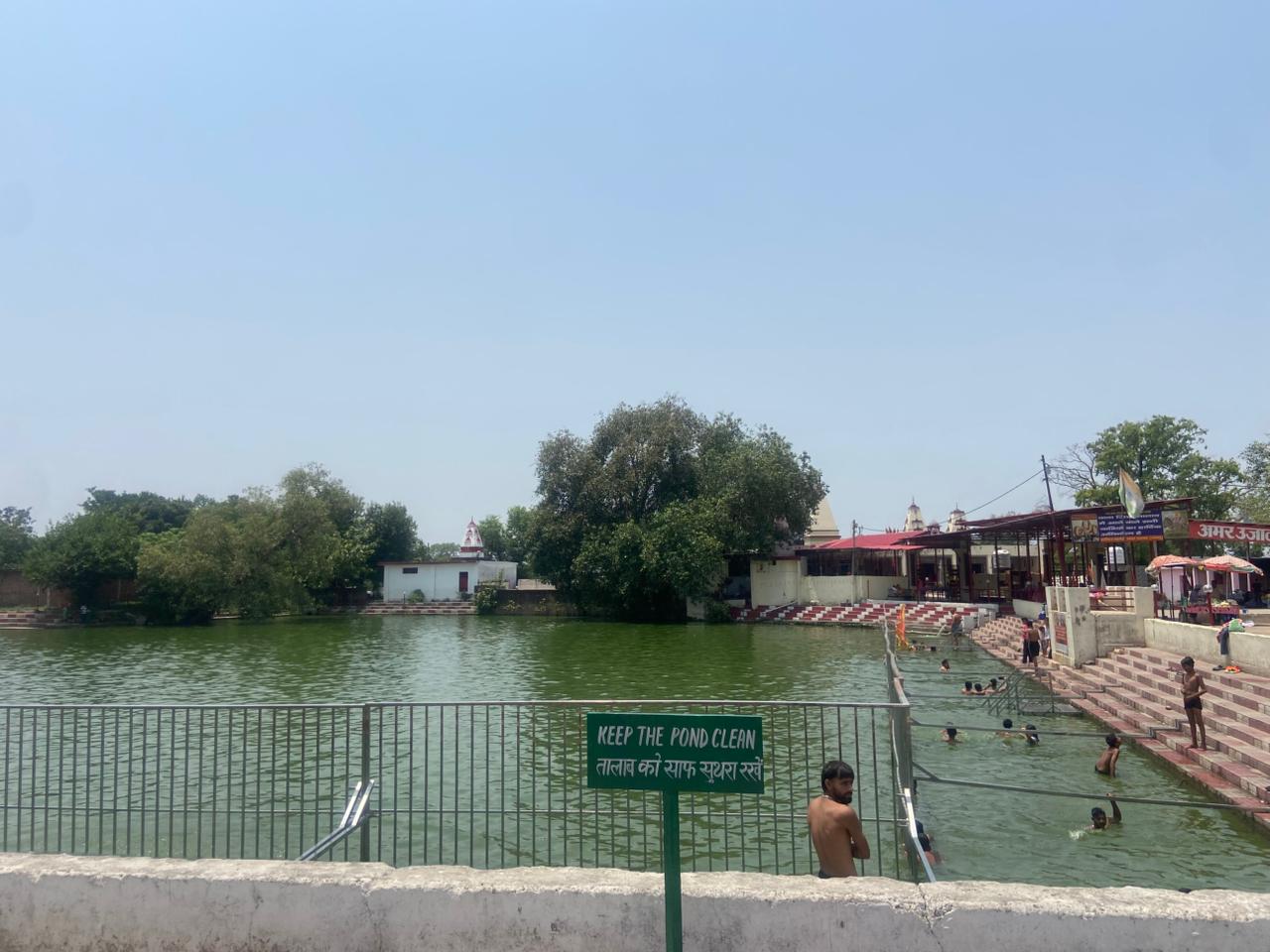
Located near the adjoining village of Shamachak, Baba-da-Talab is regarded as a sacred pond associated with Baba Jitto's life. Although modest in scale, it remains a place of religious and cultural importance where devotees gather during pilgrimage visits.
Best Time to Visit Jhiri Village
Jhiri welcomes visitors throughout the year, as religious activities continue daily regardless of season. Nevertheless, the most rewarding time to experience the village is during the annual Jhiri Mela, celebrated on Kartik Purnima during October and November.
During this period, lakhs of devotees from across India gather at the shrine, creating an atmosphere filled with devotional music, cultural programmes, traditional wrestling competitions, colourful markets, and community celebrations. The fair transforms the village into one of the largest religious and cultural gatherings in the Jammu region.
Although the shrine remains peaceful and spiritually enriching during the summer months, visitor numbers are comparatively lower due to the region's high temperatures. Consequently, October and November offer the ideal opportunity to experience Jhiri's religious significance, cultural richness, and vibrant community life at their fullest.
Village Lifestyle and Community Values
Jhiri Village reflects the essence of rural Dogra life, where agriculture, religious faith, and community cooperation shape everyday living. The village offers a peaceful environment characterized by open roads, cultivated fields, mango orchards, and a close-knit social structure. Although modern facilities have gradually become part of daily life, Jhiri has successfully preserved its traditional customs and rural simplicity.
The shrine of Baba Jitto and Bua Kaudi serves not only as the village's spiritual centre but also as its principal social gathering place. Residents regularly participate in devotional gatherings, community prayers, and the daily langar, reinforcing values of mutual respect, hospitality, and collective responsibility. Elderly residents continue traditional agricultural practices, while younger generations balance education, technology, and modern employment opportunities with their cultural heritage.
Community engagement remains strong through informal social networks, youth clubs, women's savings groups, and collective participation in religious and cultural events. This combination of spirituality, agriculture, and social unity forms the foundation of Jhiri's distinctive village lifestyle.
Agriculture and Economic Activities
Agriculture remains the backbone of Jhiri's economy and provides livelihood opportunities to a significant portion of the village population. The fertile agricultural land supports the cultivation of paddy, maize, wheat, marigold flowers, and mango orchards, each contributing to household income and regional agricultural production.
Among these crops, marigold cultivation occupies a unique position due to its direct association with the shrine economy. The flowers are extensively used by devotees as offerings at the temple, creating a sustainable relationship between agriculture and religious tourism. This locally integrated supply chain supports farmers while reducing dependence on external markets.
In addition to farming, many residents supplement their income through livestock rearing and seasonal agricultural labour. The village's strategic location near Jammu city also enables several families to combine agriculture with salaried employment, creating a diversified rural economy.
Shrine-Based Economy and Local Businesses
Religious tourism forms the second major pillar of Jhiri's economy. The continuous arrival of pilgrims throughout the year sustains numerous small businesses operating around the temple complex. Local enterprises include prasad shops, traditional jutti stores, general provision shops, sweet shops, food stalls, agricultural input stores, and small medical establishments.
During the annual Jhiri Mela, commercial activity expands dramatically as lakhs of devotees visit the village. Temporary markets emerge, creating seasonal employment opportunities for local vendors, artisans, transport operators, and service providers. The pilgrimage therefore generates substantial economic benefits that extend well beyond the temple premises.
Although no large-scale startups or industrial enterprises were identified, the village demonstrates a thriving network of family-owned micro-enterprises that collectively support the local economy. Many establishments proudly operate under the name of Baba Jitto, illustrating the close relationship between religious heritage and economic identity.
Government initiatives such as the Pradhan Mantri Mudra Yojana (MUDRA) further support small entrepreneurs by providing collateral-free financial assistance, encouraging local business development and self-employment.
Employment Opportunities
Employment in Jhiri is distributed across several sectors, with agriculture remaining the largest source of livelihood. Farmers cultivate seasonal crops throughout the year, while agricultural labour provides additional employment during sowing and harvesting seasons.
The shrine supports a diverse range of occupations, including priests, devotional musicians, prasad vendors, shopkeepers, halwais, e-rickshaw drivers, and market traders. These occupations remain active throughout the year and experience significant expansion during the Jhiri Mela.
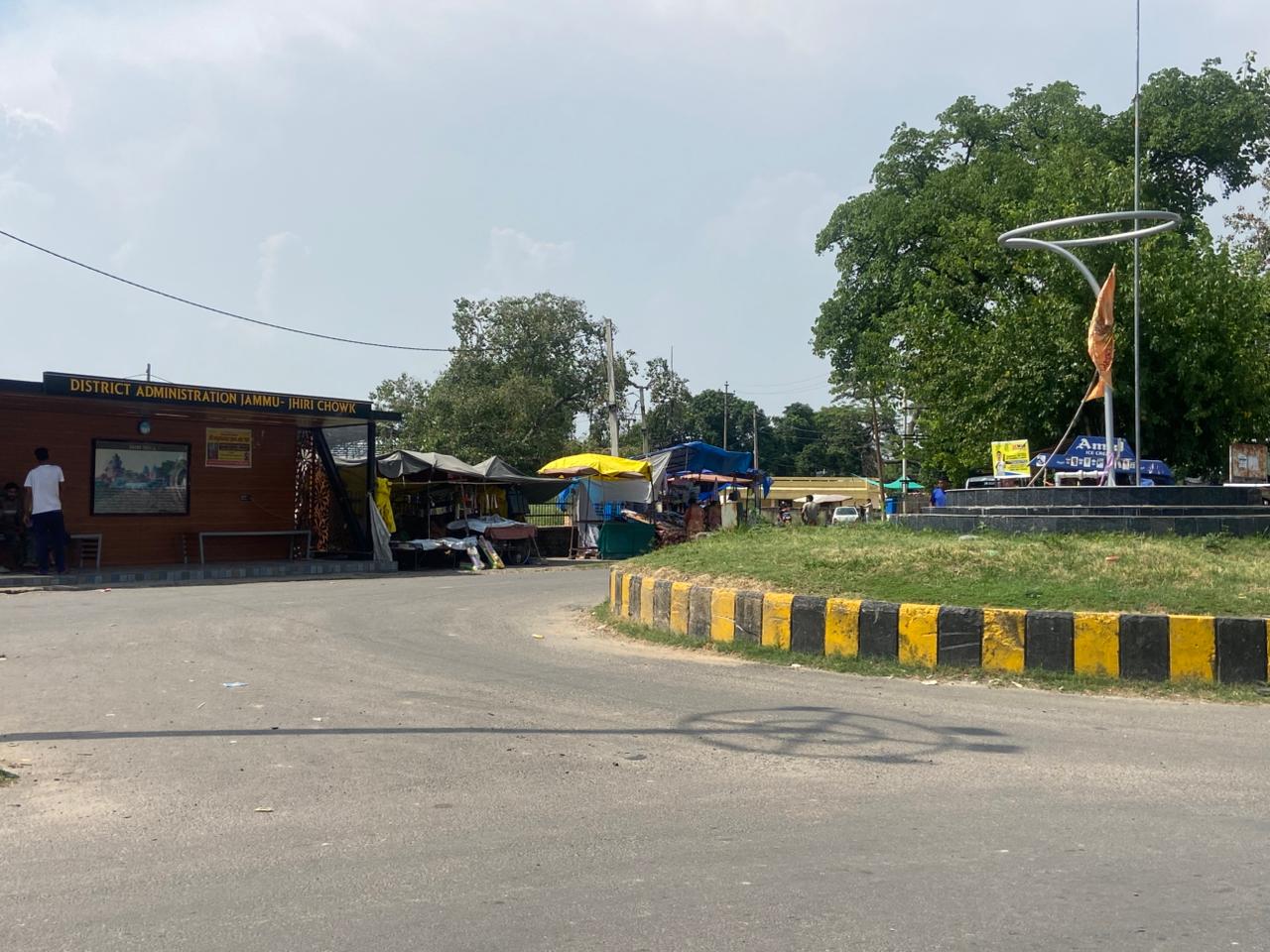
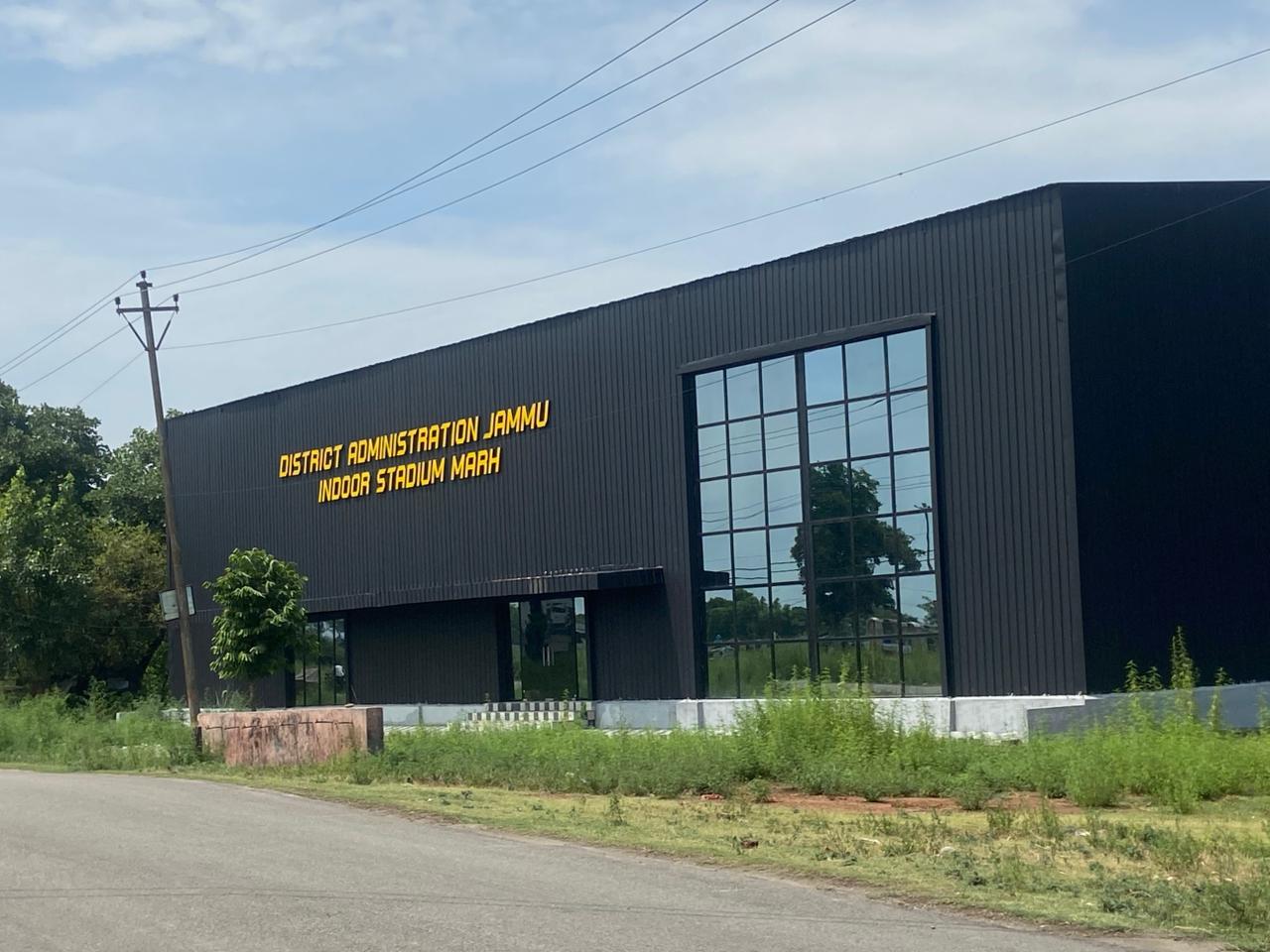
Government institutions also generate employment through schools, Anganwadi centres, local administration, and nearby public facilities such as the District Administration Jammu Indoor Stadium, Marh. Additionally, many residents commute daily to Jammu city for government service, private employment, and business activities, thereby supplementing household income.
Educational Infrastructure
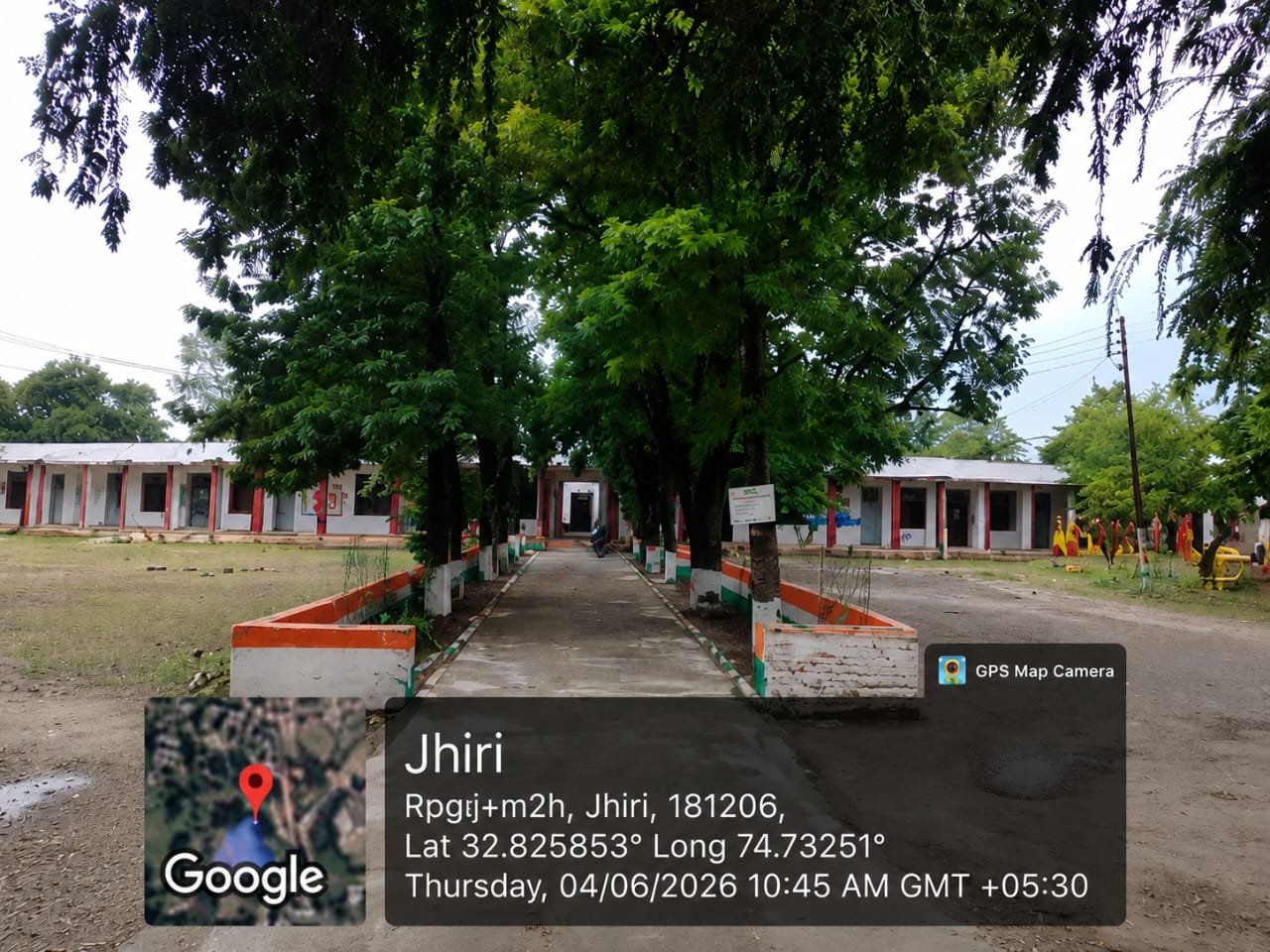
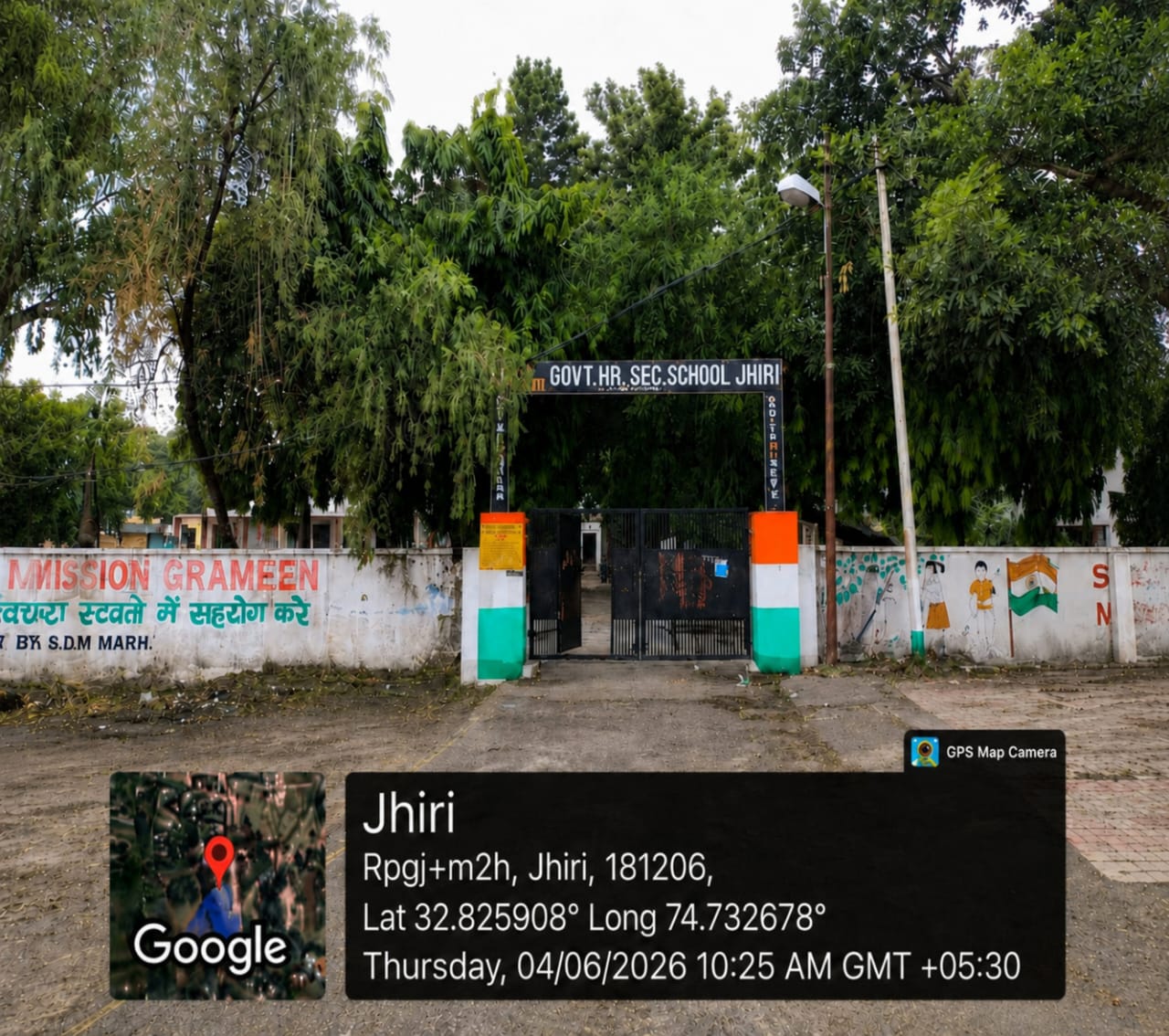
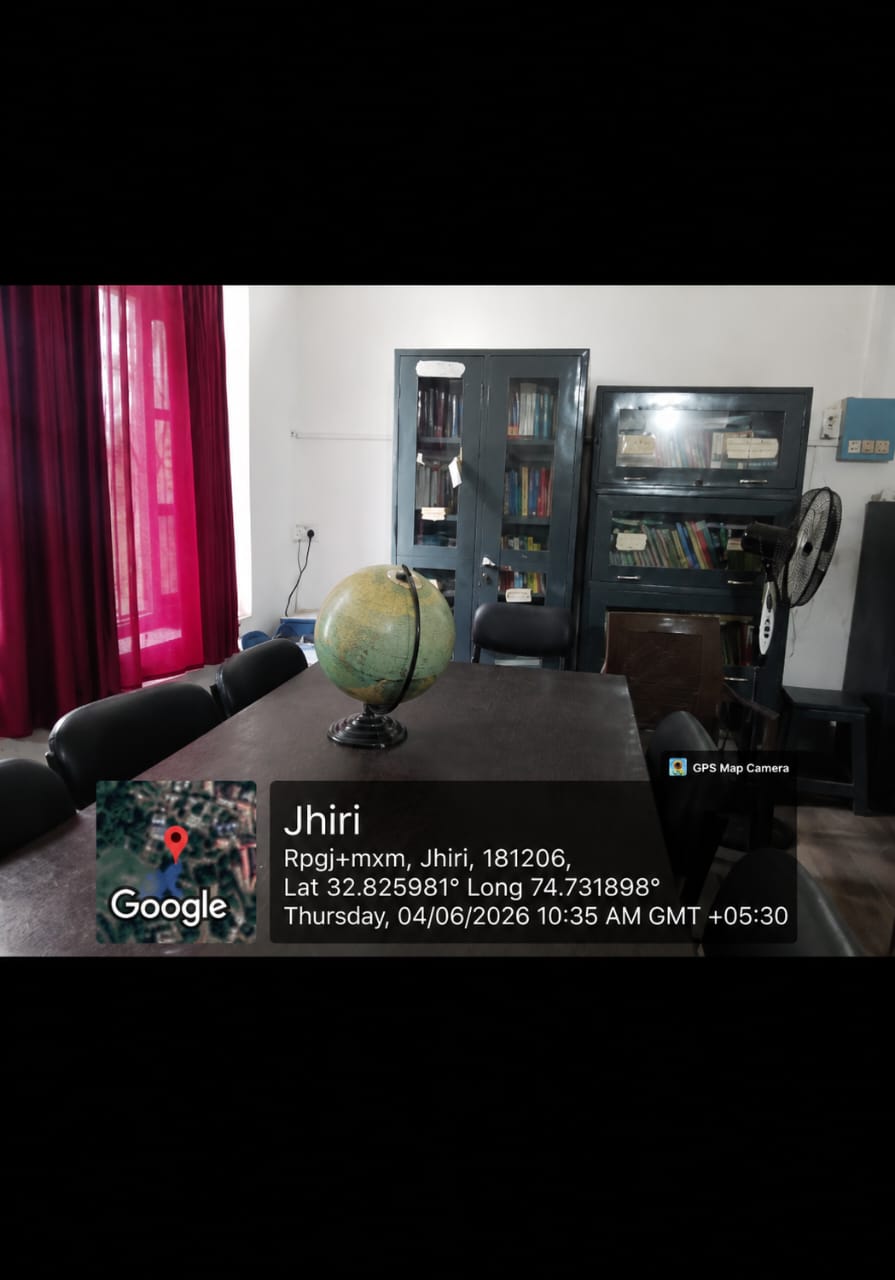
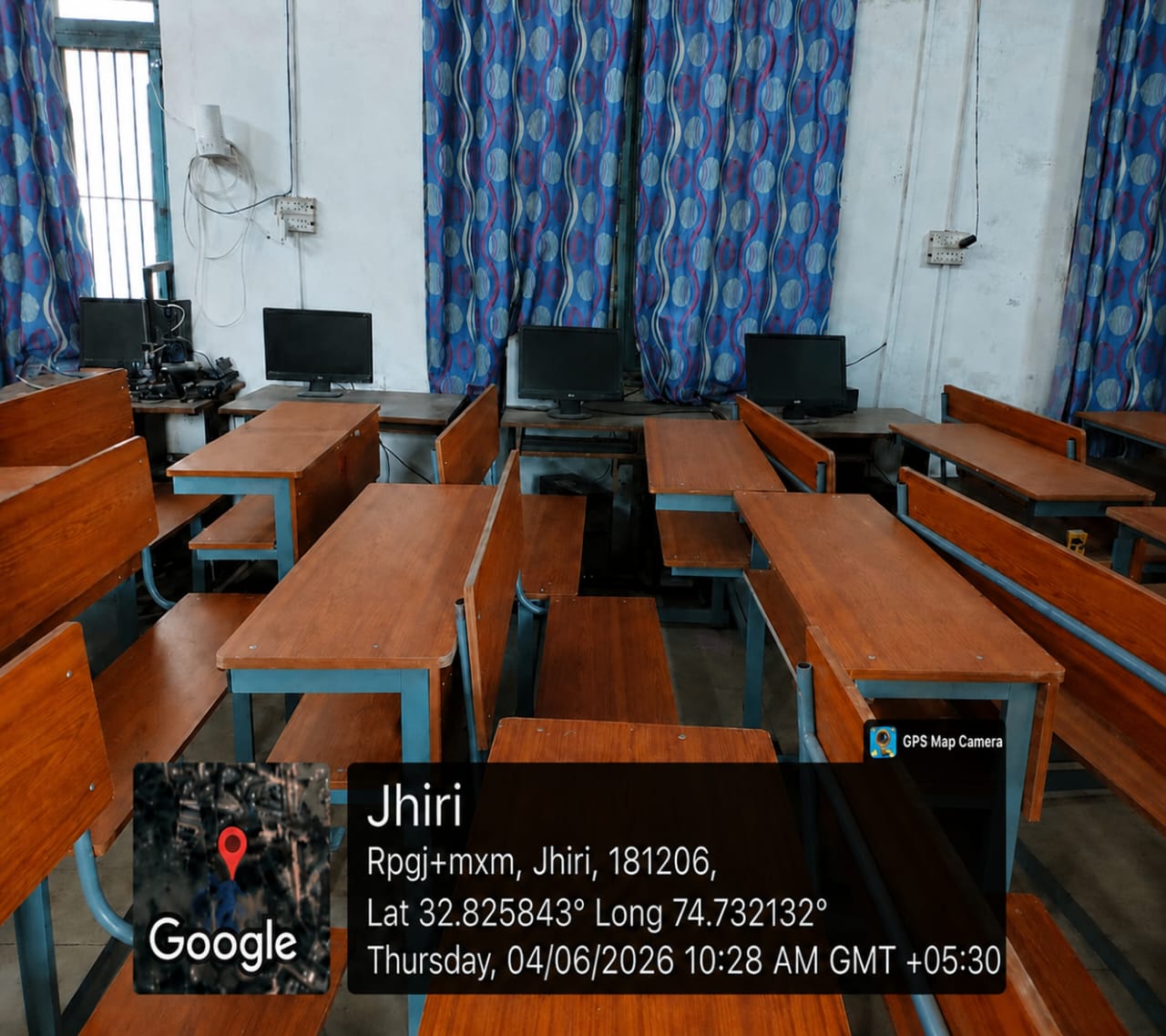
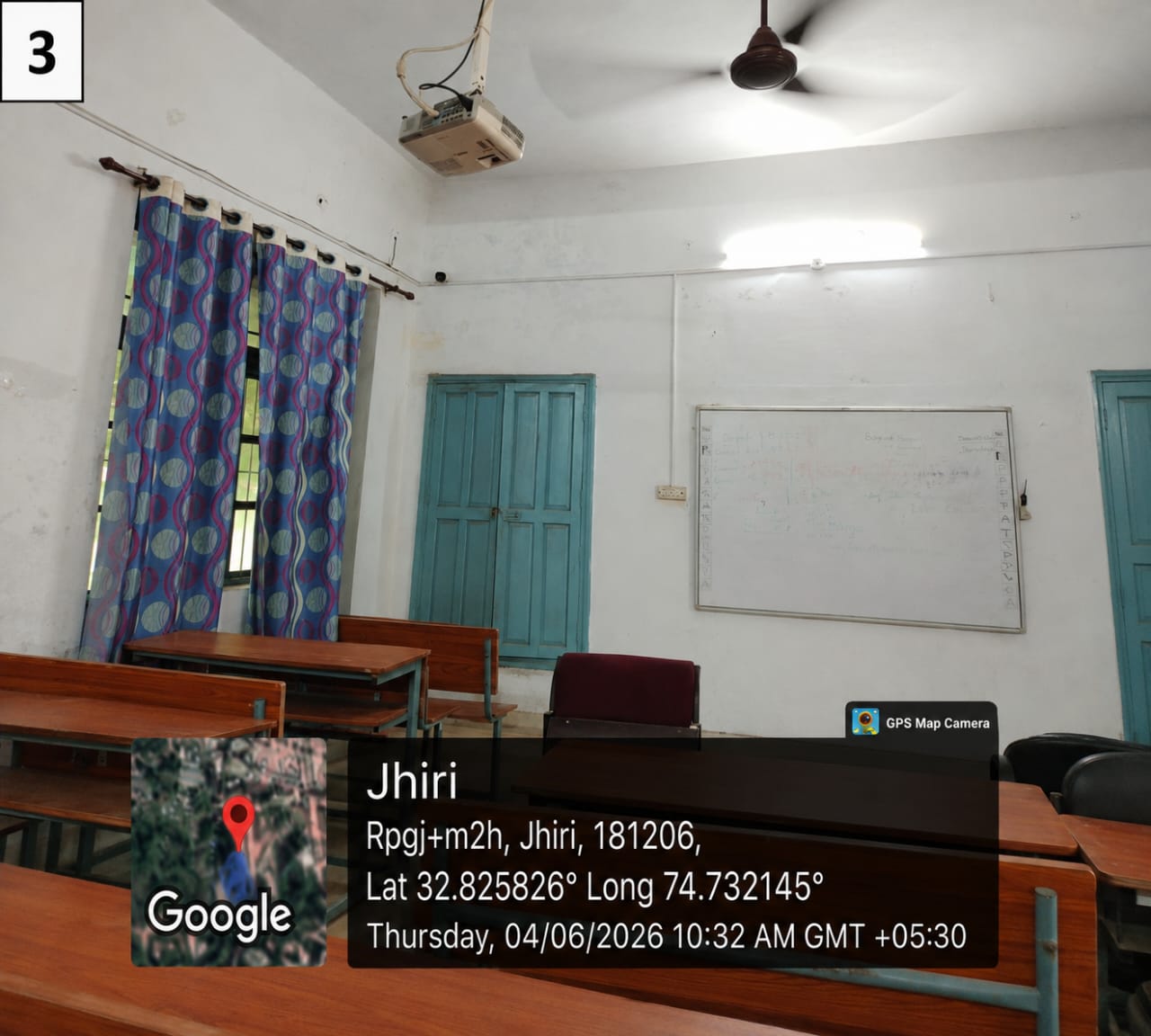
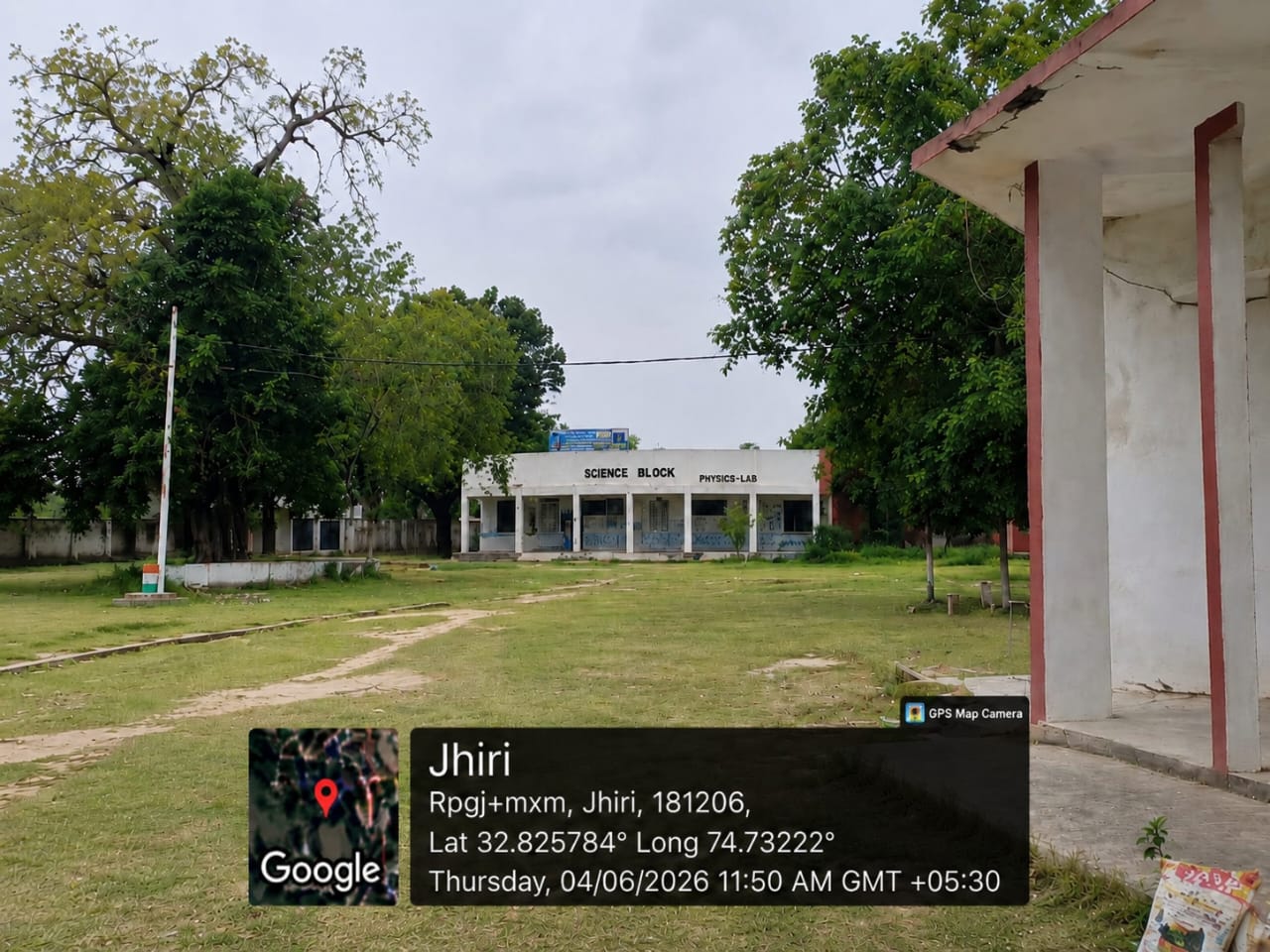
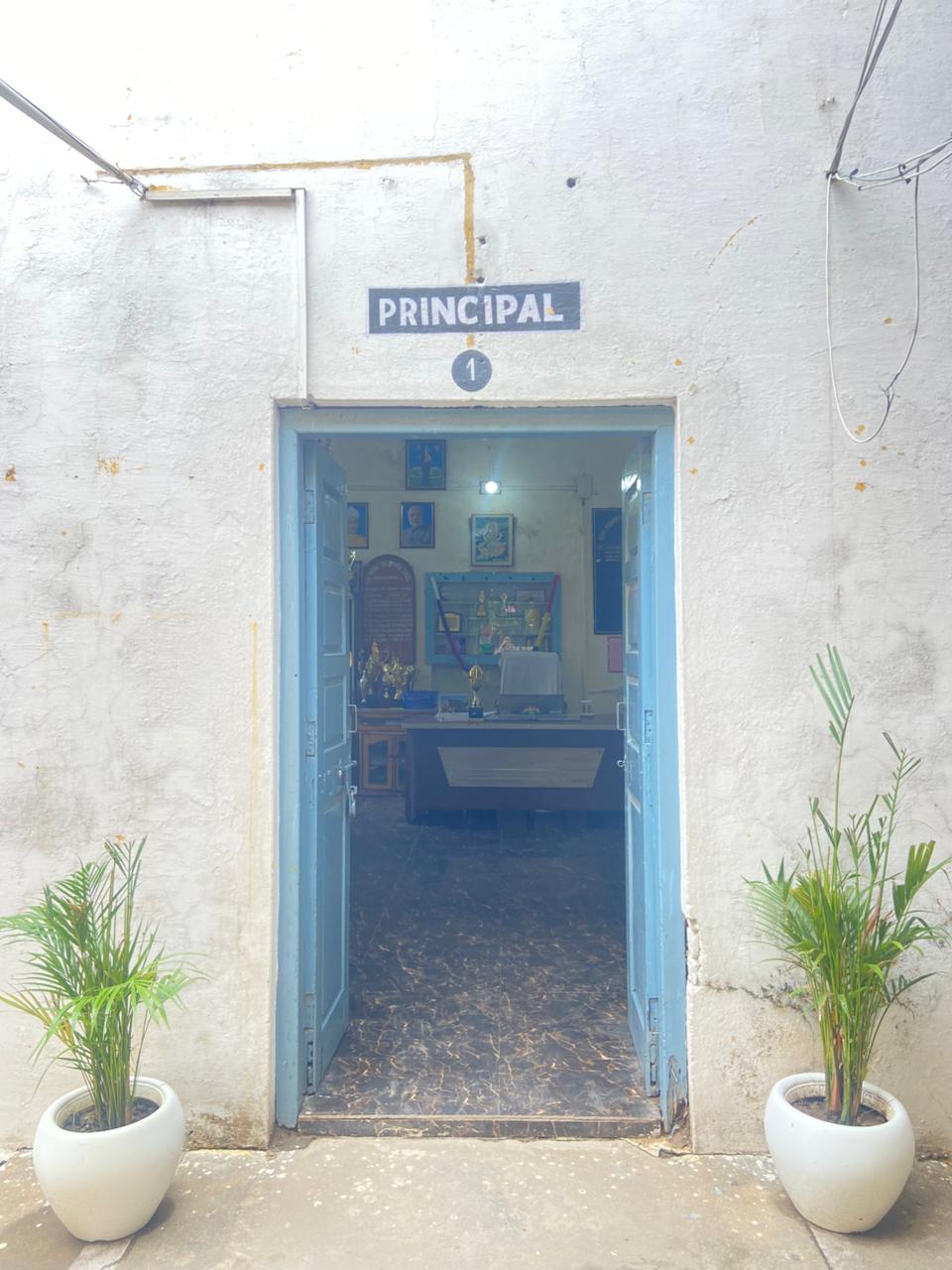
Jhiri possesses comparatively well-developed educational infrastructure for a rural settlement. Government educational institutions provide primary and secondary education, while classroom facilities have been modernized with ceiling-mounted projectors, whiteboards, and digital teaching aids that enhance classroom learning.
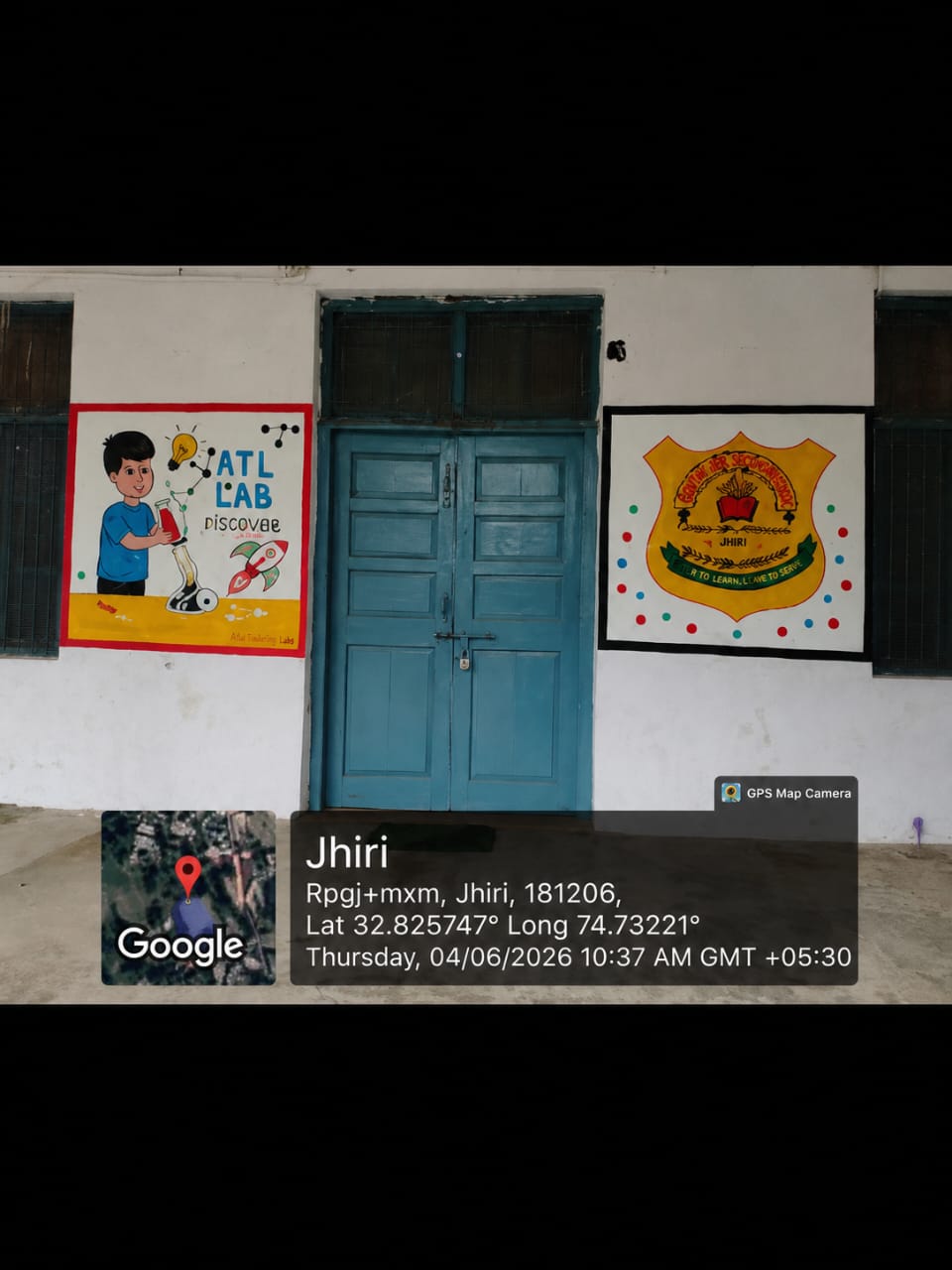
One of the village's most significant educational achievements is the establishment of an Atal Tinkering Lab (ATL) under the Atal Innovation Mission of NITI Aayog. The laboratory encourages scientific thinking, innovation, robotics, and hands-on learning among students, exposing rural youth to emerging technologies and practical problem-solving.
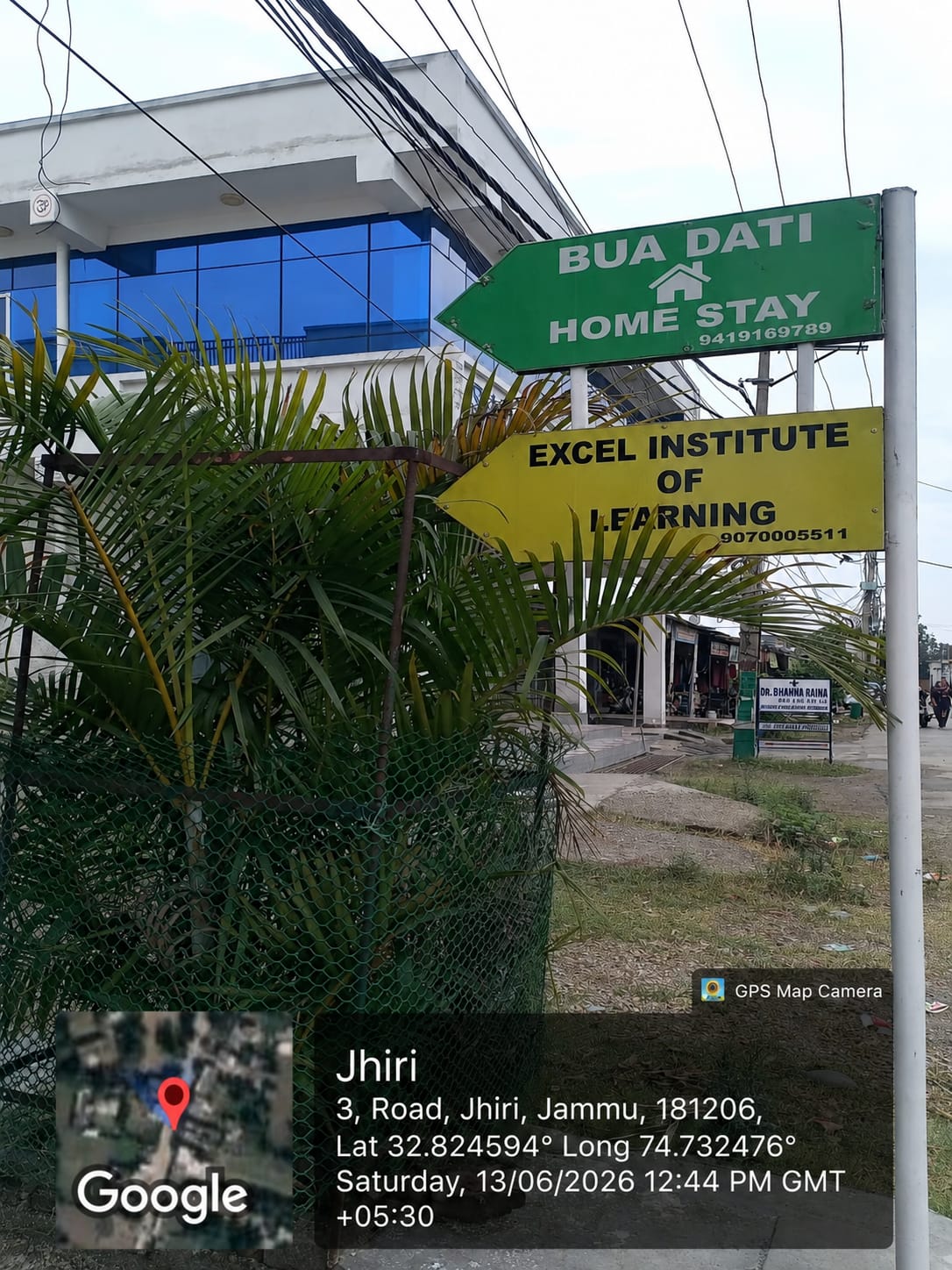
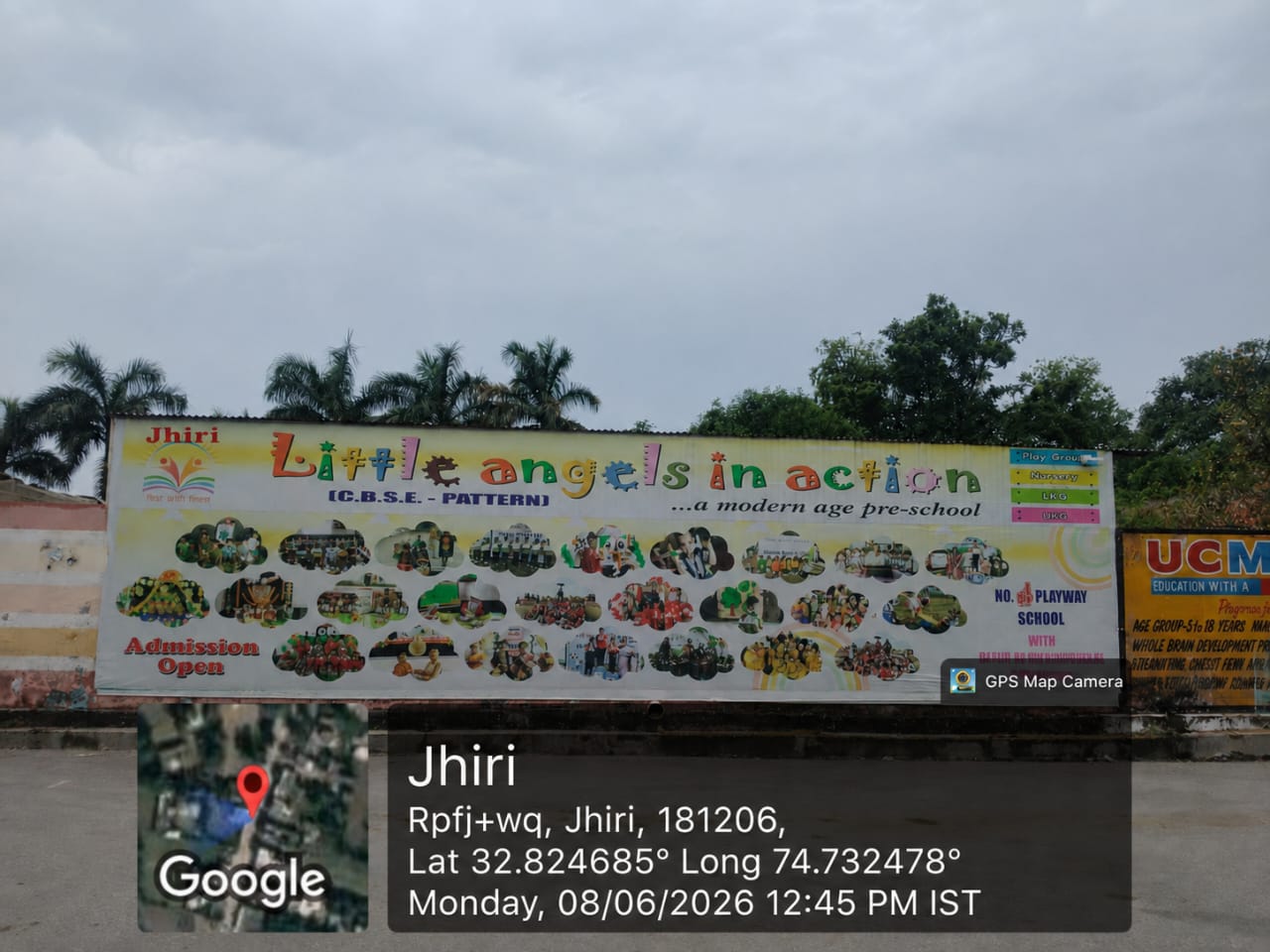
Private educational support is available through Excel Tutorial Classes, which offer supplementary coaching to school students. Early childhood education and nutritional support are provided through the village Anganwadi Centre, ensuring holistic development during the formative years.
Together, these institutions demonstrate Jhiri's commitment to expanding educational opportunities while integrating modern teaching methods into rural education.
Digital Learning and Skill Development
Digital education has gradually become an important component of Jhiri's educational landscape. Smart classroom facilities, projectors, and technology-enabled teaching have improved classroom interaction and learning outcomes. The Atal Tinkering Lab further encourages students to develop creativity, innovation, and technological skills from an early age.
Beyond formal schooling, the village benefits from several government-supported skill development programmes. Pradhan Mantri Kaushal Vikas Yojana (PMKVY) provides vocational training for youth, while the Support to Training and Employment Programme (STEP) offers skill development opportunities for women above sixteen years of age. Adult education is further promoted through the ULLAS (Understanding of Lifelong Learning for All in Society) programme, which supports literacy and lifelong learning among adults.
Collectively, these initiatives contribute to building human capital, improving employability, and encouraging entrepreneurship within the village.
Healthcare Facilities
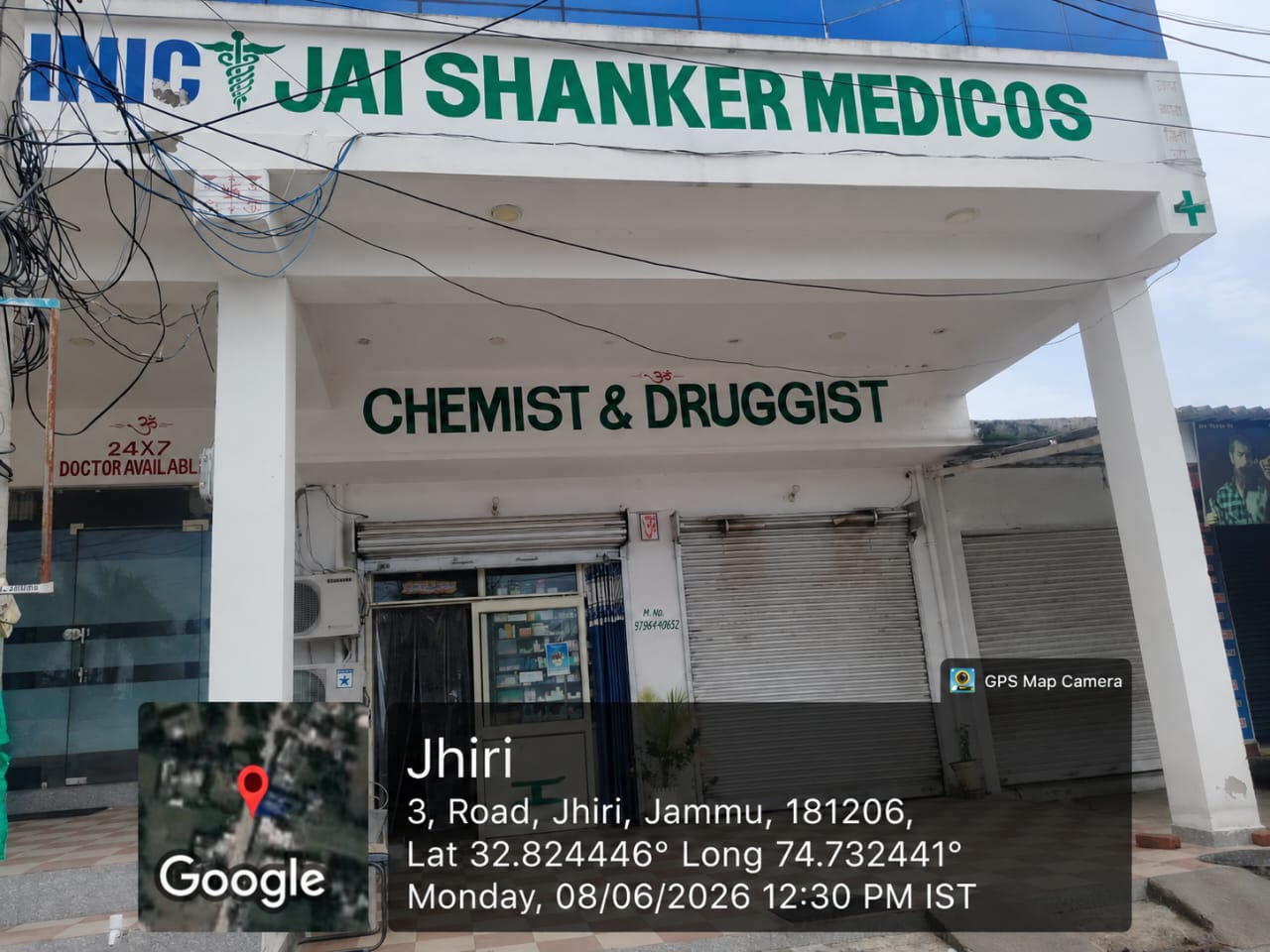
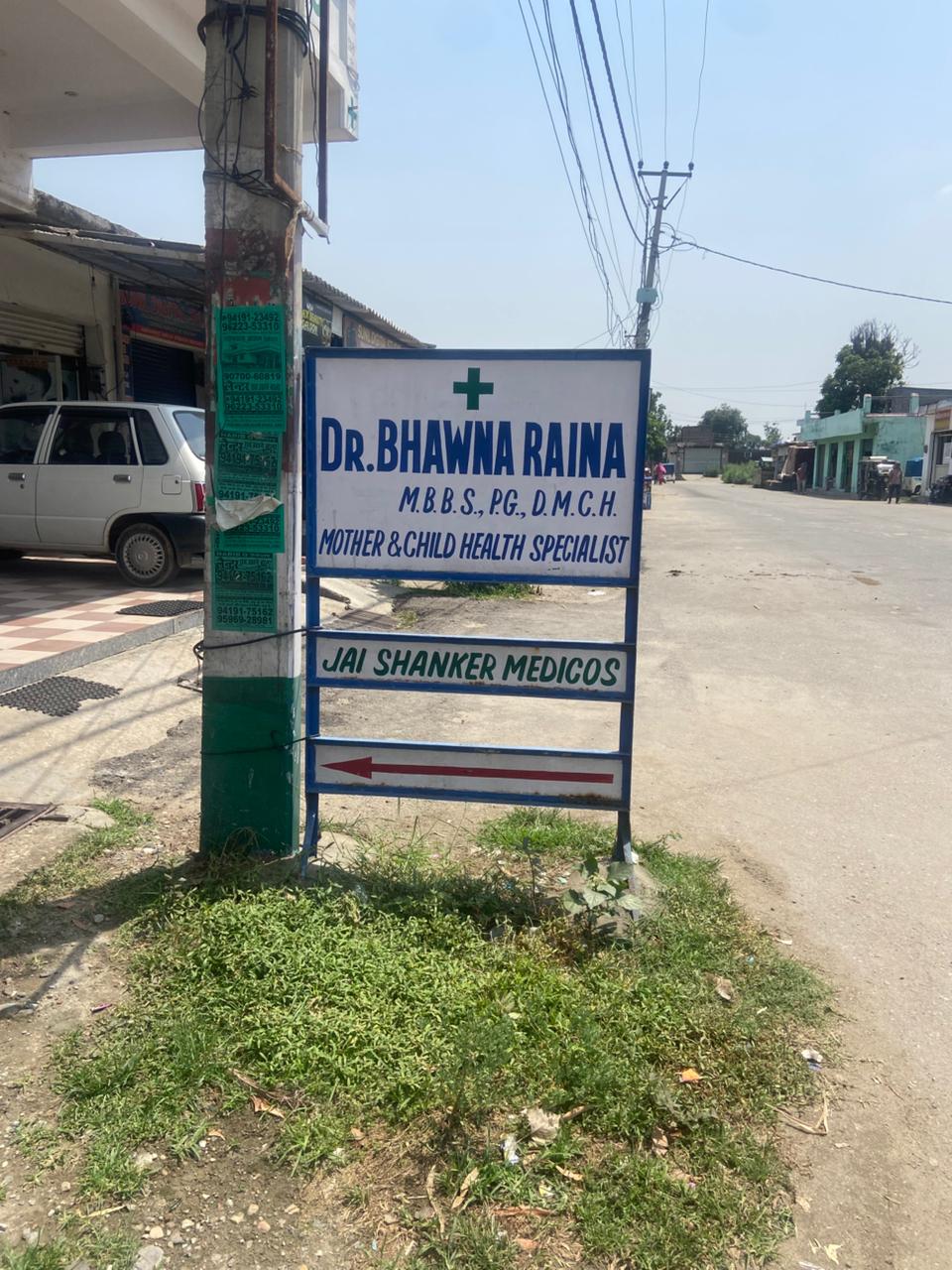
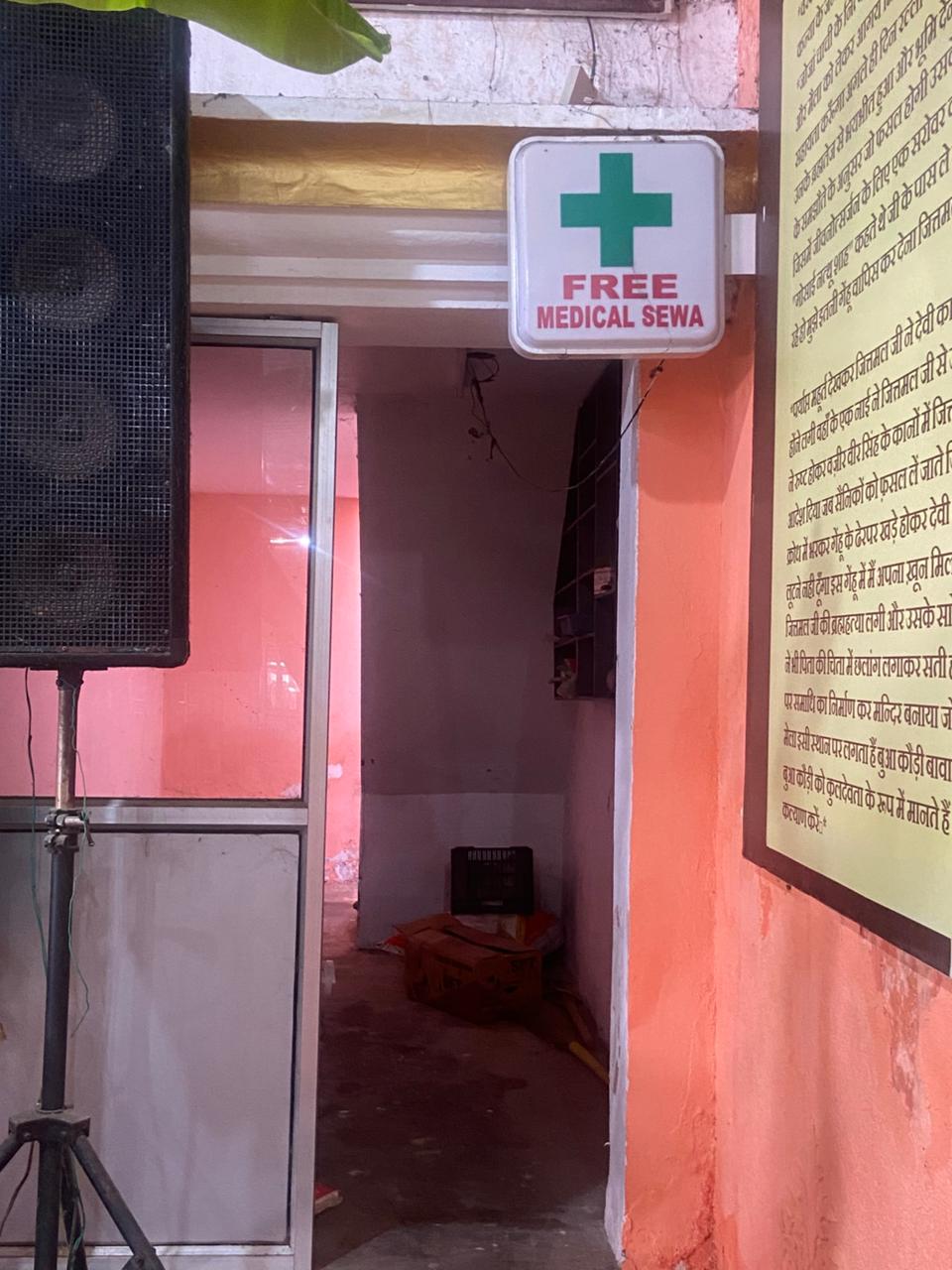
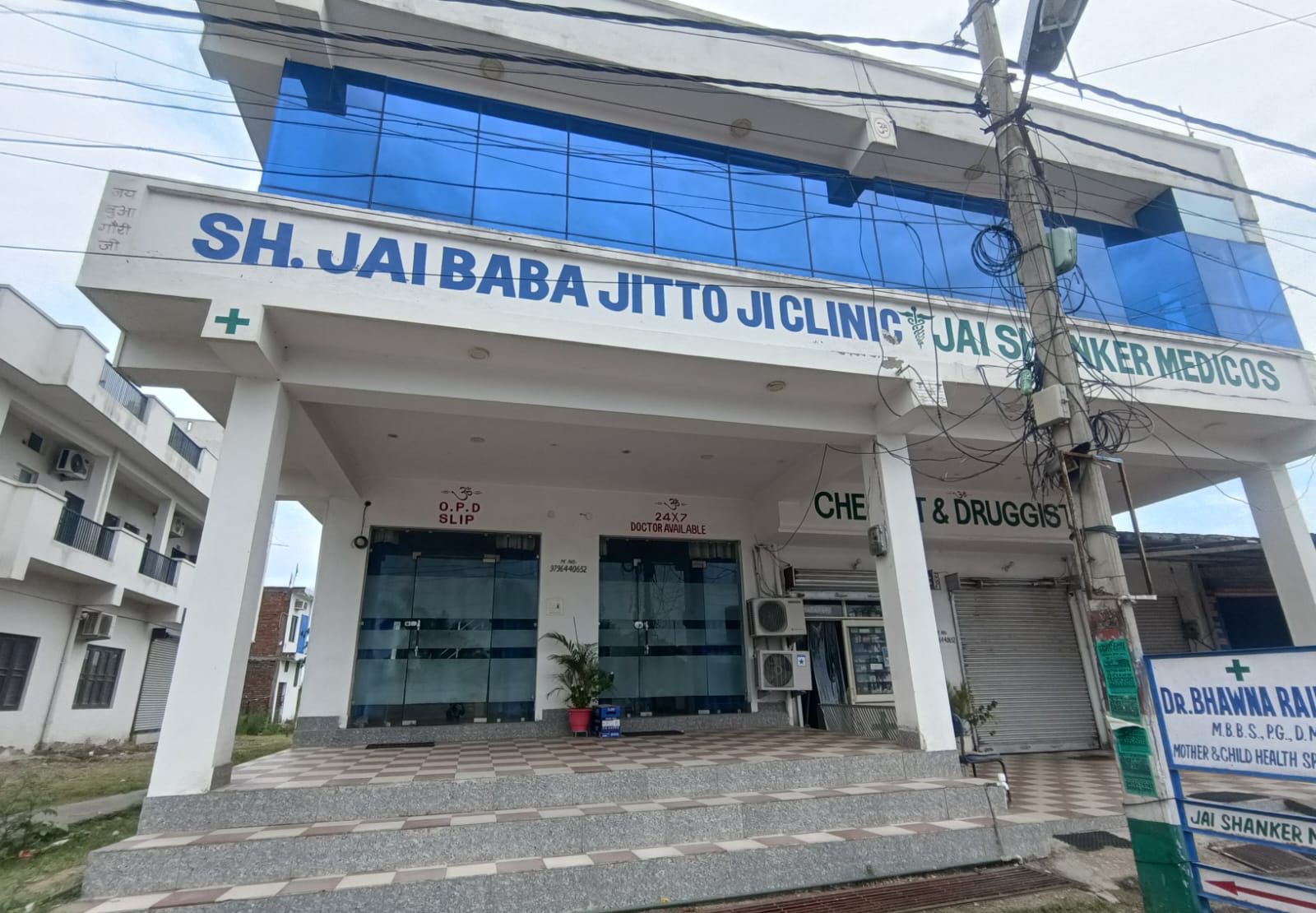
Although Jhiri does not possess a government Primary Health Centre, residents have access to essential healthcare through private medical facilities operating within the village. The Shri Jai Baba Jitto Ji Clinic provides outpatient services with round-the-clock medical availability, while Jai Shanker Medicos ensures convenient access to medicines and pharmaceutical supplies.
Specialized maternal and child healthcare is available through Dr. Bhawna Raina, who provides professional medical consultation for women and children. The village Anganwadi Centre further contributes to community health by delivering nutritional support, immunization services, maternal healthcare, and early childhood development programmes.
For advanced medical treatment, surgery, or emergency healthcare, residents rely on hospitals in Jammu city, located approximately forty to fifty minutes away by road.
Water Supply and Electricity
Jhiri enjoys reliable public utility infrastructure that significantly enhances the quality of rural life. Electricity supply remains stable throughout the year, supported by a dedicated transformer installed within the village and nearby electricity substations that ensure uninterrupted power distribution.
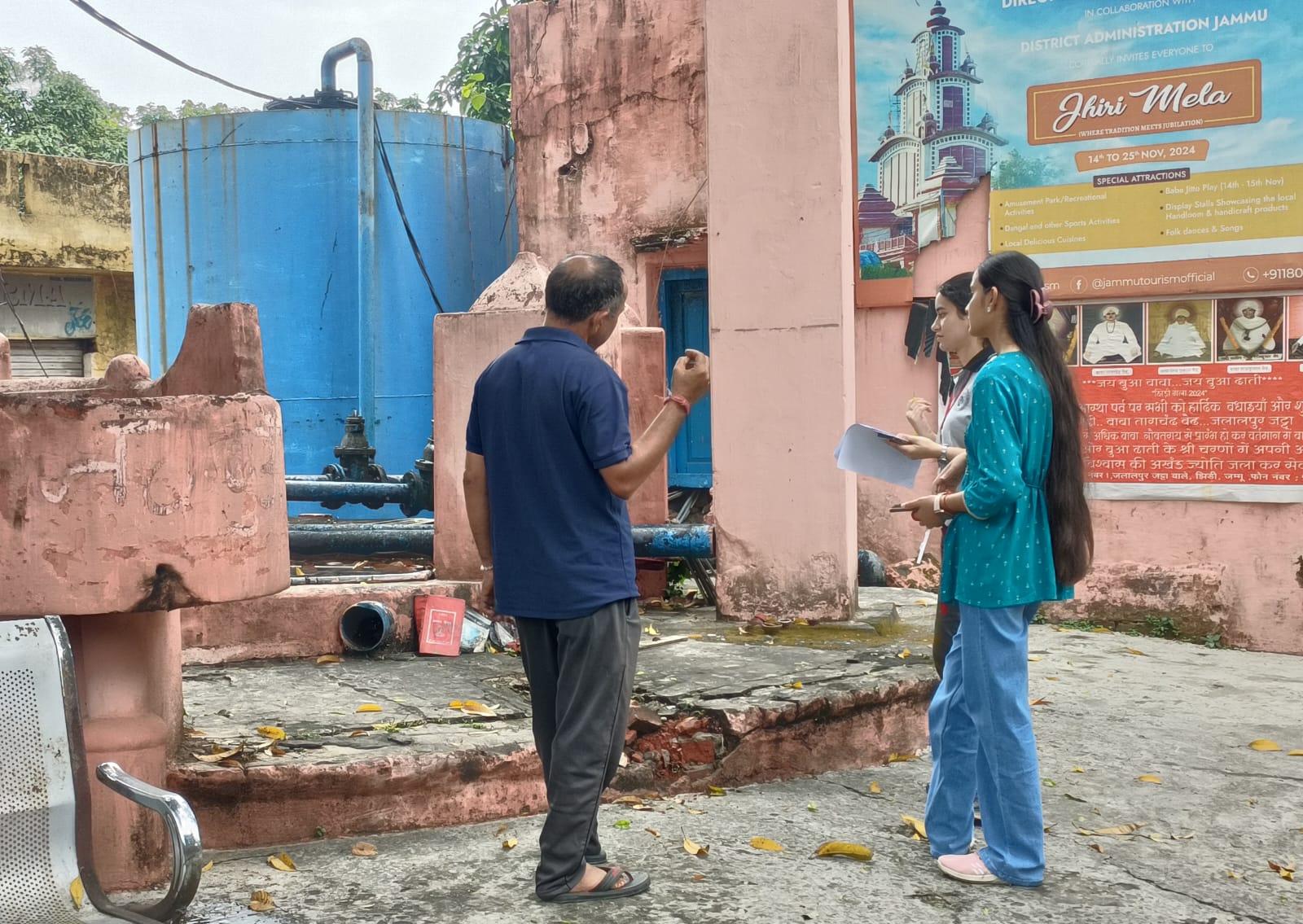
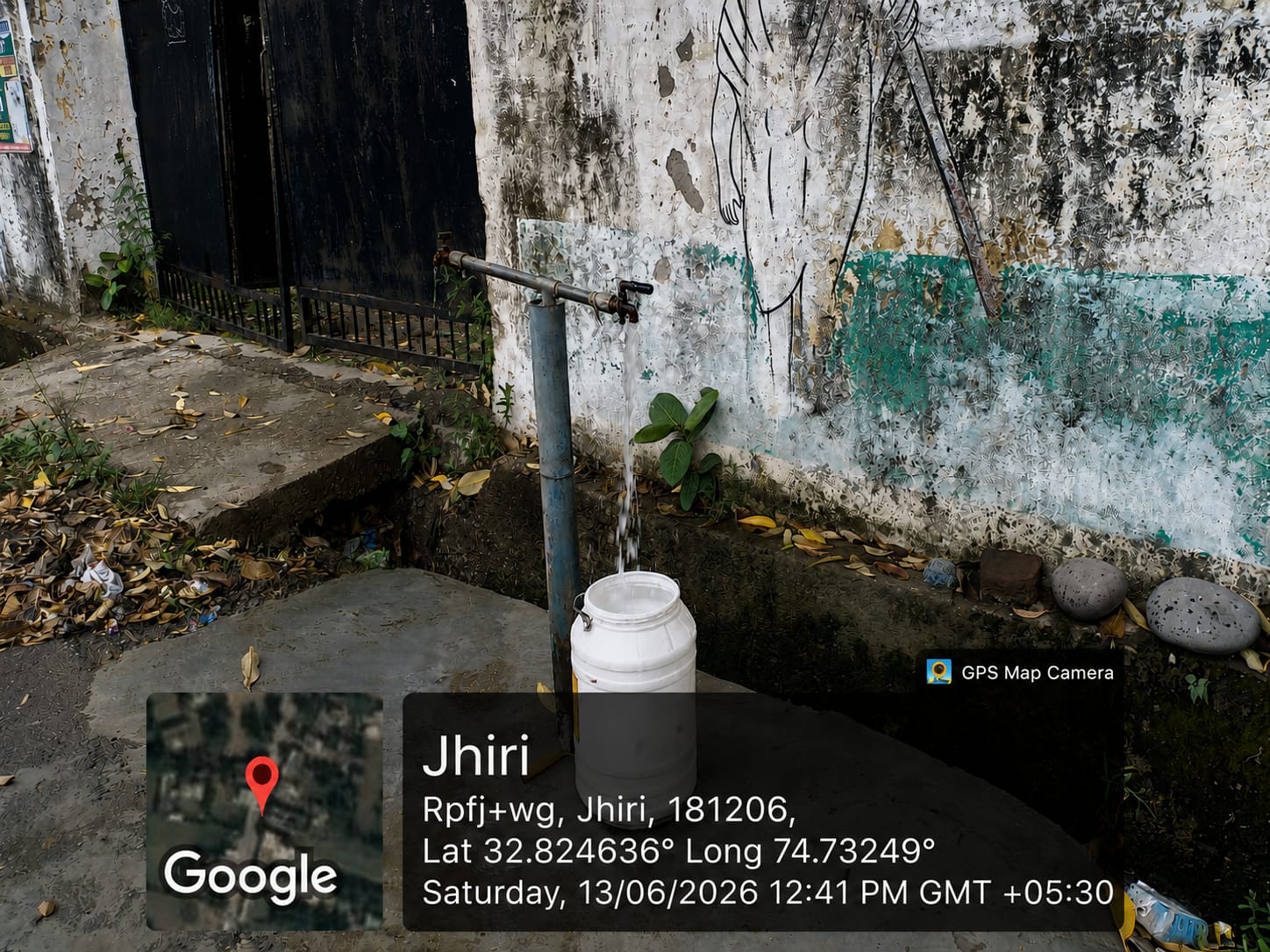
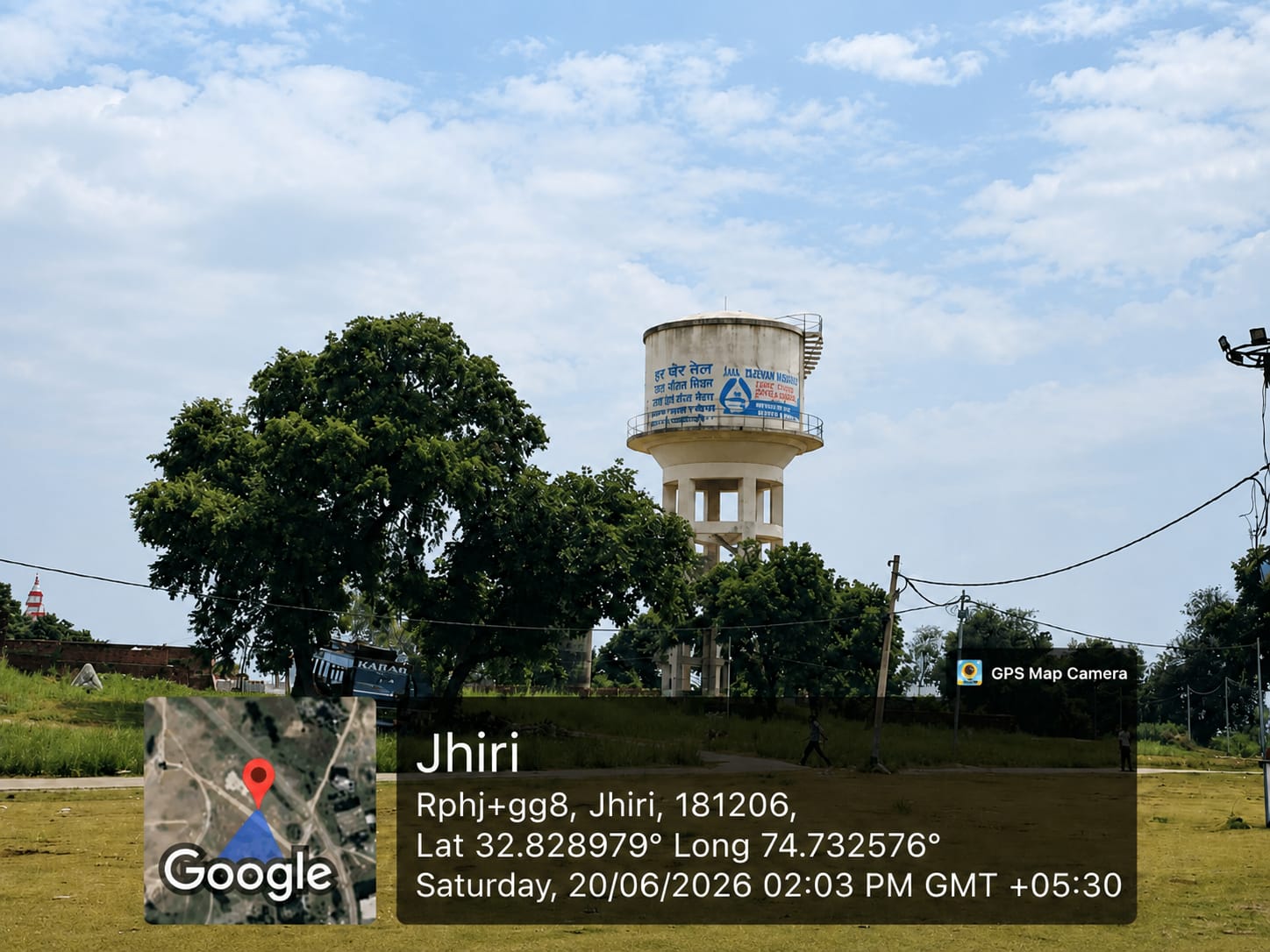
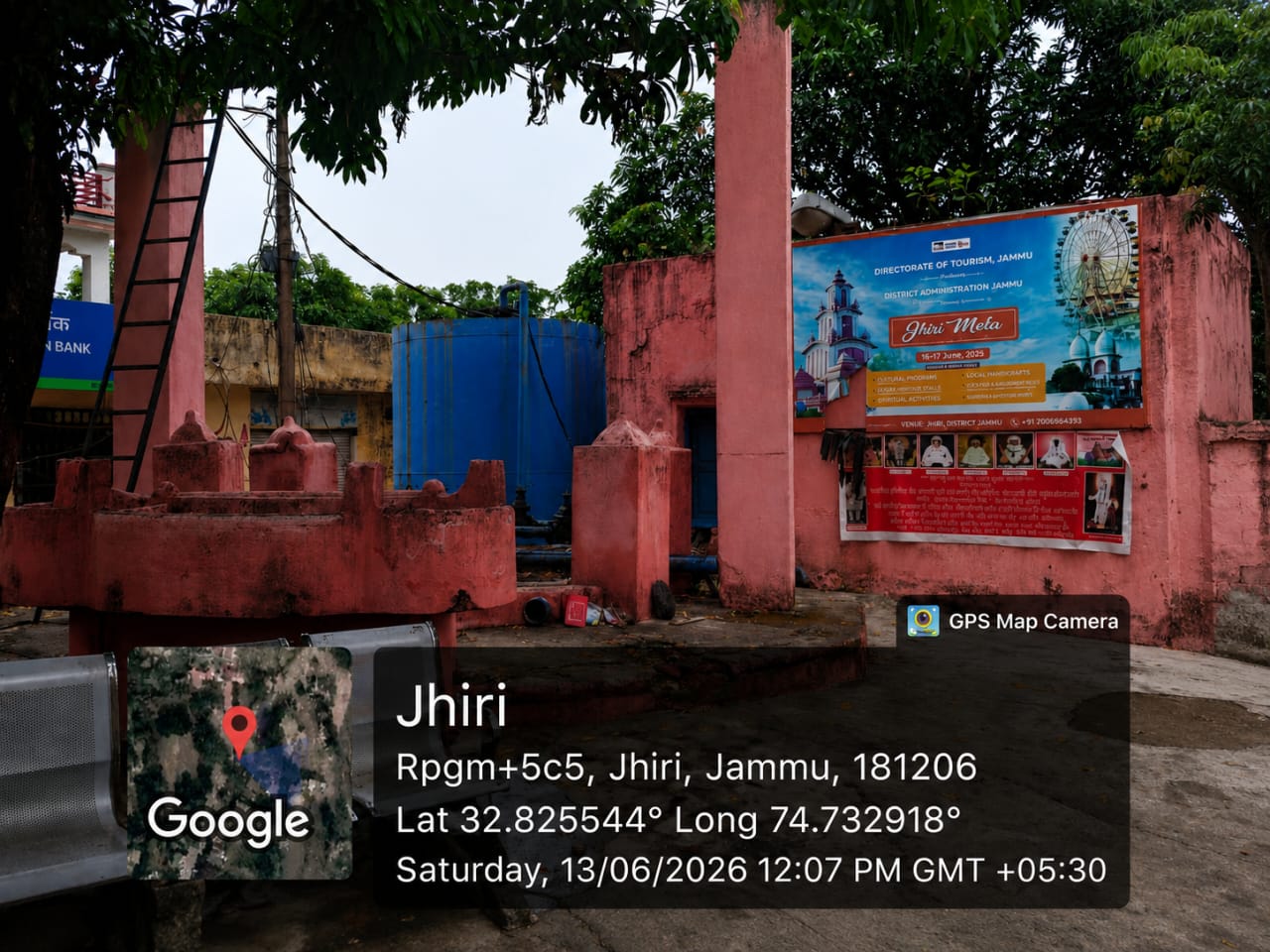
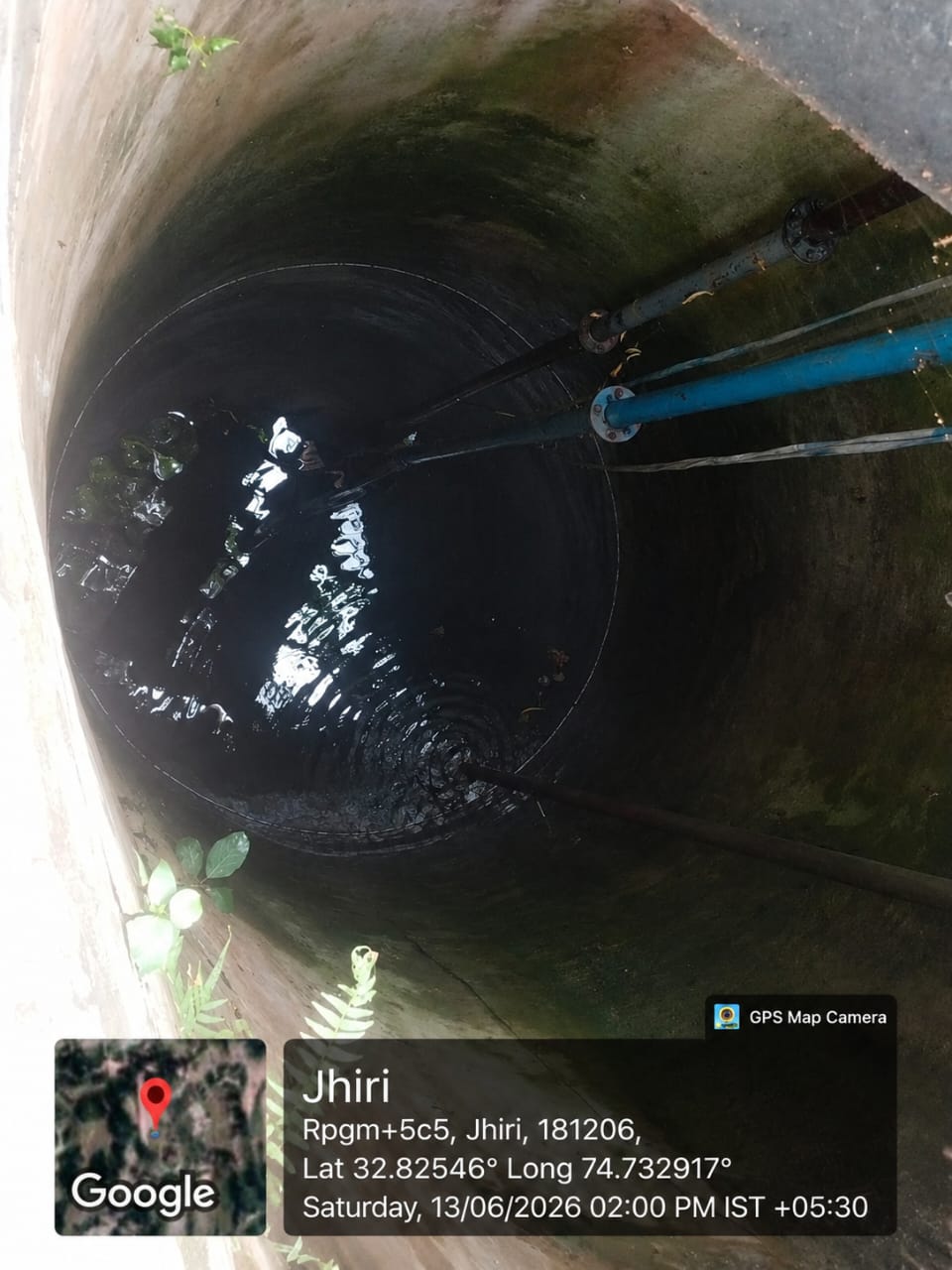
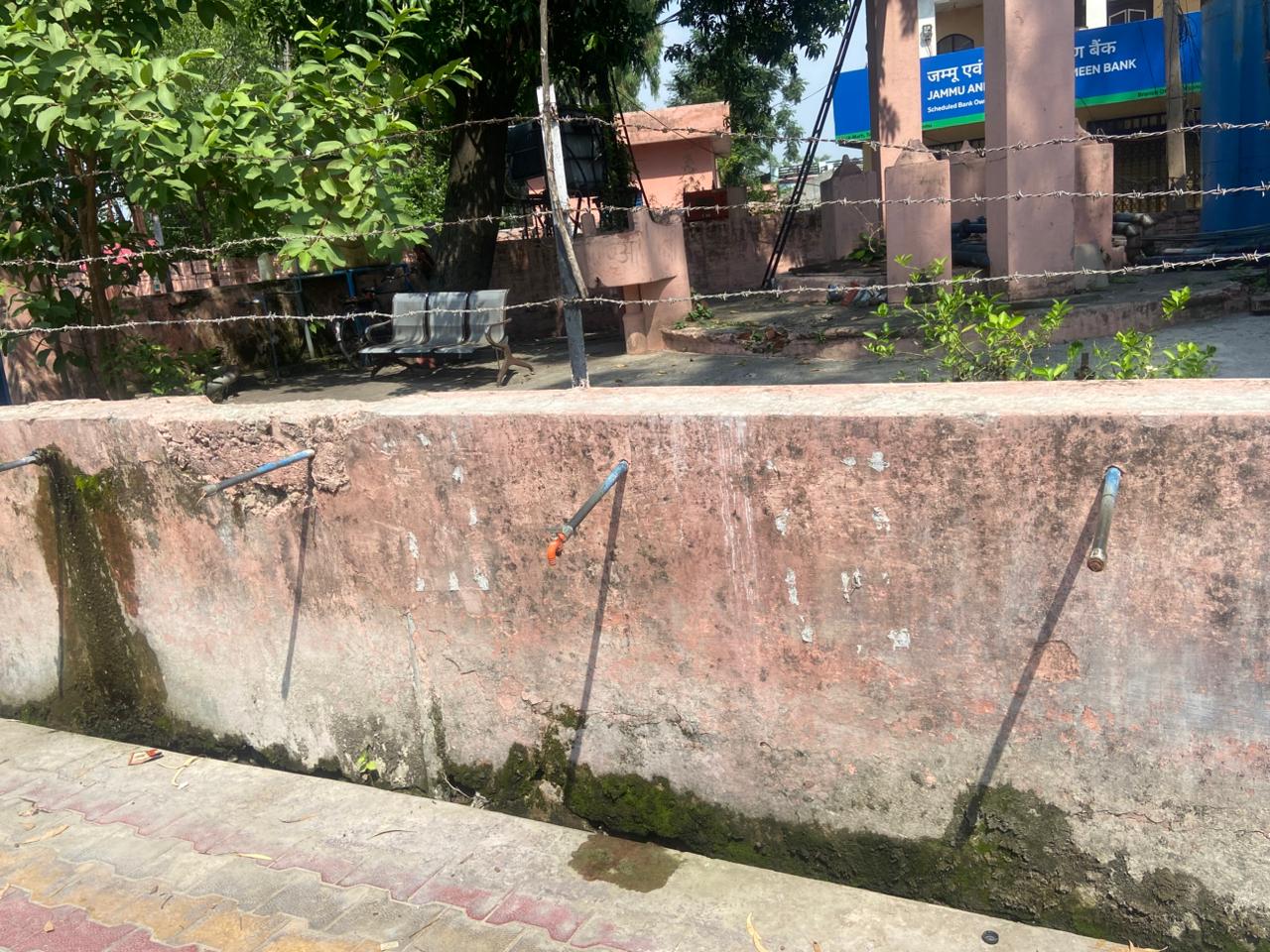
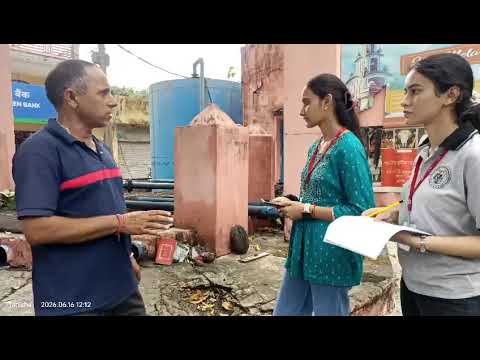
Water supply is managed through infrastructure developed under the Jal Jeevan Mission, including an overhead water tower and pumping station located within the village. Functional public water taps established under the Swachh Bharat Mission (Grameen) further demonstrate the availability of clean drinking water for residents and visitors.
The presence of dependable electricity and water supply has contributed substantially to Jhiri's social and economic development while supporting its growing pilgrimage activities.
Transport and Connectivity
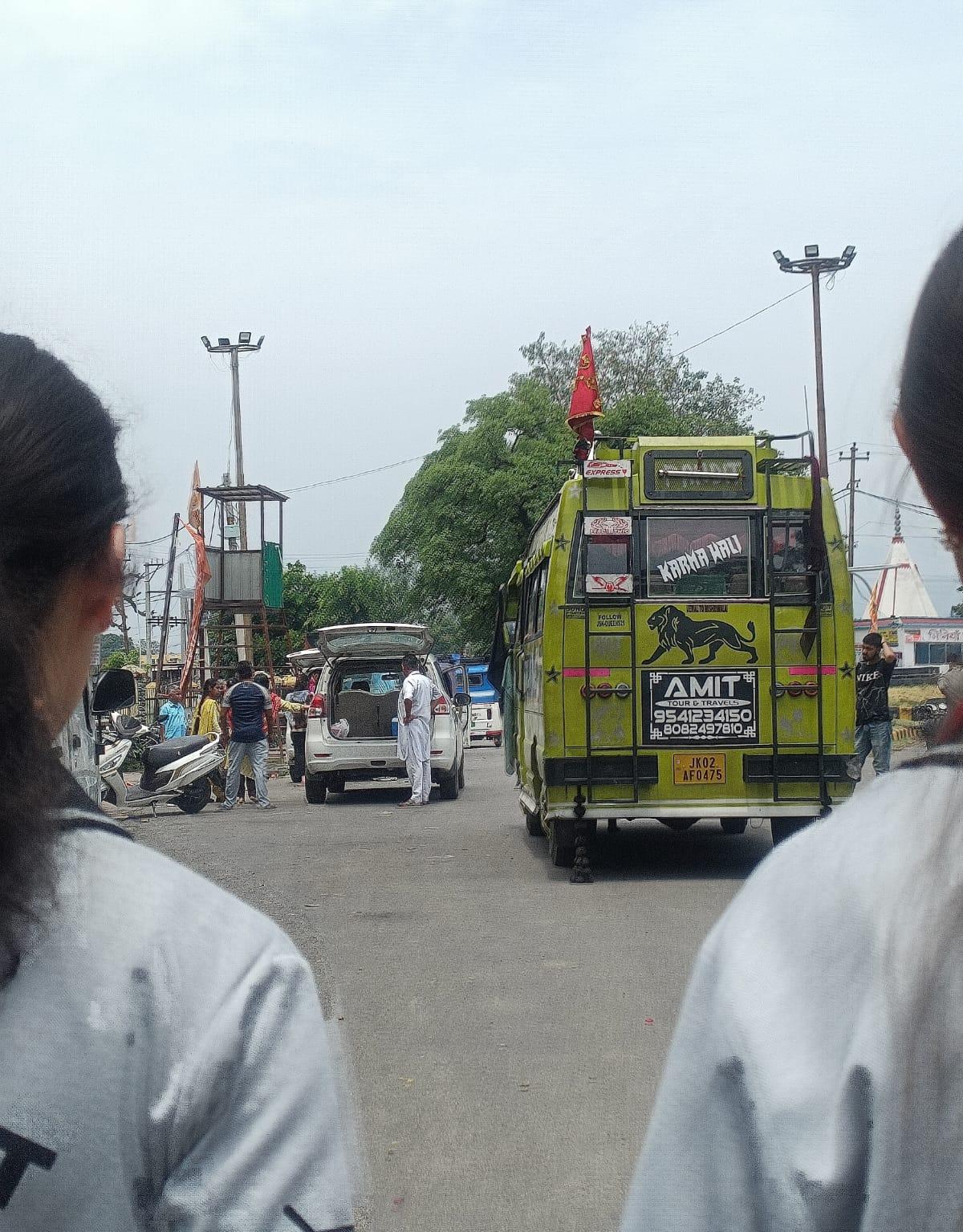
Jhiri is well connected by road and enjoys excellent accessibility throughout the year. Situated approximately twenty-two kilometres from Jammu city along the Jammu–Akhnoor Highway, the village can be conveniently reached by private vehicles, buses, shared tempos, and tempo travellers.
The nearest railway station is Jammu Tawi Railway Station, while Jammu Airport serves as the closest air transport facility. From these transport hubs, visitors can easily reach Jhiri by road.
Within the village, mobility primarily depends on walking, motorcycles, scooters, metadors, and e-rickshaws. During the annual Jhiri Mela, transport services increase considerably to accommodate the large influx of pilgrims arriving from neighbouring states.
A spacious parking area located near the temple complex accommodates private vehicles and larger tourist transport, ensuring convenient access for devotees throughout the year.
Digital Infrastructure and Communication
Jhiri has embraced digital technology despite its rural setting. Strong mobile network coverage provided by Airtel and Jio ensures reliable voice and internet connectivity across the village. Mobile data services function efficiently, enabling residents and visitors to remain digitally connected.
Digital financial services have become an integral part of everyday commerce. UPI-enabled QR code payment systems are widely available across shops, food stalls, clinics, and commercial establishments surrounding the shrine. This widespread adoption of digital payments reflects increasing financial inclusion and technological awareness among local businesses.
Wi-Fi connectivity has also been introduced in selected government institutions, complementing mobile internet services and supporting educational and administrative activities.
Overall, Jhiri demonstrates a successful integration of digital technology into rural governance, education, business, and everyday life while maintaining its traditional social structure.
Festivals and Annual Community Events
The cultural calendar of Jhiri Village is dominated by the world-renowned Jhiri Mela, held every year on Kartik Purnima during the months of October and November. This historic fair commemorates the sacrifice of Baba Jitto and Bua Kaudi and has evolved into one of the largest religious and cultural gatherings in the Jammu region. Every year, lakhs of devotees from Jammu and Kashmir, Punjab, Himachal Pradesh, Haryana, Delhi, and even southern India visit the village to pay homage at the sacred shrine.
The week-long celebrations transform the peaceful rural settlement into a vibrant centre of spirituality and cultural exchange. Devotional bhajans, satsang, Dogri folk performances, traditional wrestling competitions (dangal), community gatherings, and colourful marketplaces create an atmosphere that reflects the rich cultural heritage of the Dogra region. For elderly devotees, the mela represents deep religious devotion, while for younger generations it serves as an occasion to celebrate tradition, strengthen community bonds, and preserve local identity.
Apart from the annual mela, the shrine remains active throughout the year with regular devotional programmes, community-funded langar, bhajans, and religious ceremonies that continue to strengthen social cohesion within the village.
Gastronomy and Local Cuisine
The cuisine of Jhiri reflects the traditional culinary heritage of the Dogra region, emphasizing simple yet nutritious food prepared from locally available ingredients. Agriculture significantly influences local dietary habits, and most traditional dishes are closely associated with festivals, religious occasions, and community gatherings.
One of the village's most popular dishes is Sagle Ki Dal , a wholesome preparation made with lentils and spinach, seasoned with ghee, cumin, garlic, ginger, onions, and green chillies. The dish is commonly served with rice or traditional rotis and remains an integral part of everyday meals.
Another important delicacy is Mithe Chawal (Sweet Rice), which is prepared during festivals and religious ceremonies as a symbol of celebration and devotion. Traditional Barfi, prepared by local halwais, is also widely consumed and frequently offered as prasad by devotees visiting the shrine.
Local Eateries and Food Traditions
Although Jhiri does not possess large restaurants or commercial food chains, it offers sufficient dining facilities to meet the needs of residents and visiting pilgrims. Small dhabas located near the shrine serve freshly prepared traditional meals, including naan and other regional dishes, while numerous roadside stalls offer affordable snacks and refreshments.
Among the popular local snacks available near the temple is Chana Kulcha, which remains a favourite among pilgrims due to its simplicity and affordability. During the Jhiri Mela, temporary food stalls significantly expand the culinary landscape by offering a wide variety of Dogra sweets, snacks, sugarcane, and regional delicacies.
Perhaps the most remarkable culinary tradition is the community langar, which operates throughout the year entirely through public donations. The langar provides free meals to every visitor irrespective of religion, caste, or economic background, representing the village's enduring values of equality, generosity, and collective service.
Arts, Music, and Cultural Performances
Jhiri possesses a vibrant tradition of devotional music and Dogra folk culture. The temple complex regularly hosts bhajans, satsang, and traditional dhol performances, creating a spiritually uplifting atmosphere throughout the year rather than only during festivals.
During the annual Jhiri Mela, the village becomes a major centre for cultural expression. Folk musicians, traditional performers, devotional singers, and theatre groups present programmes celebrating the life and sacrifice of Baba Jitto. The renowned Natrang Group has been associated with cultural performances during the mela, promoting Dogri language, theatre, and performing arts before large audiences.
Although detailed documentation of individual artists remains limited, Jhiri continues to preserve its artistic traditions through community participation, religious performances, and annual cultural celebrations.
Sports and Recreational Activities
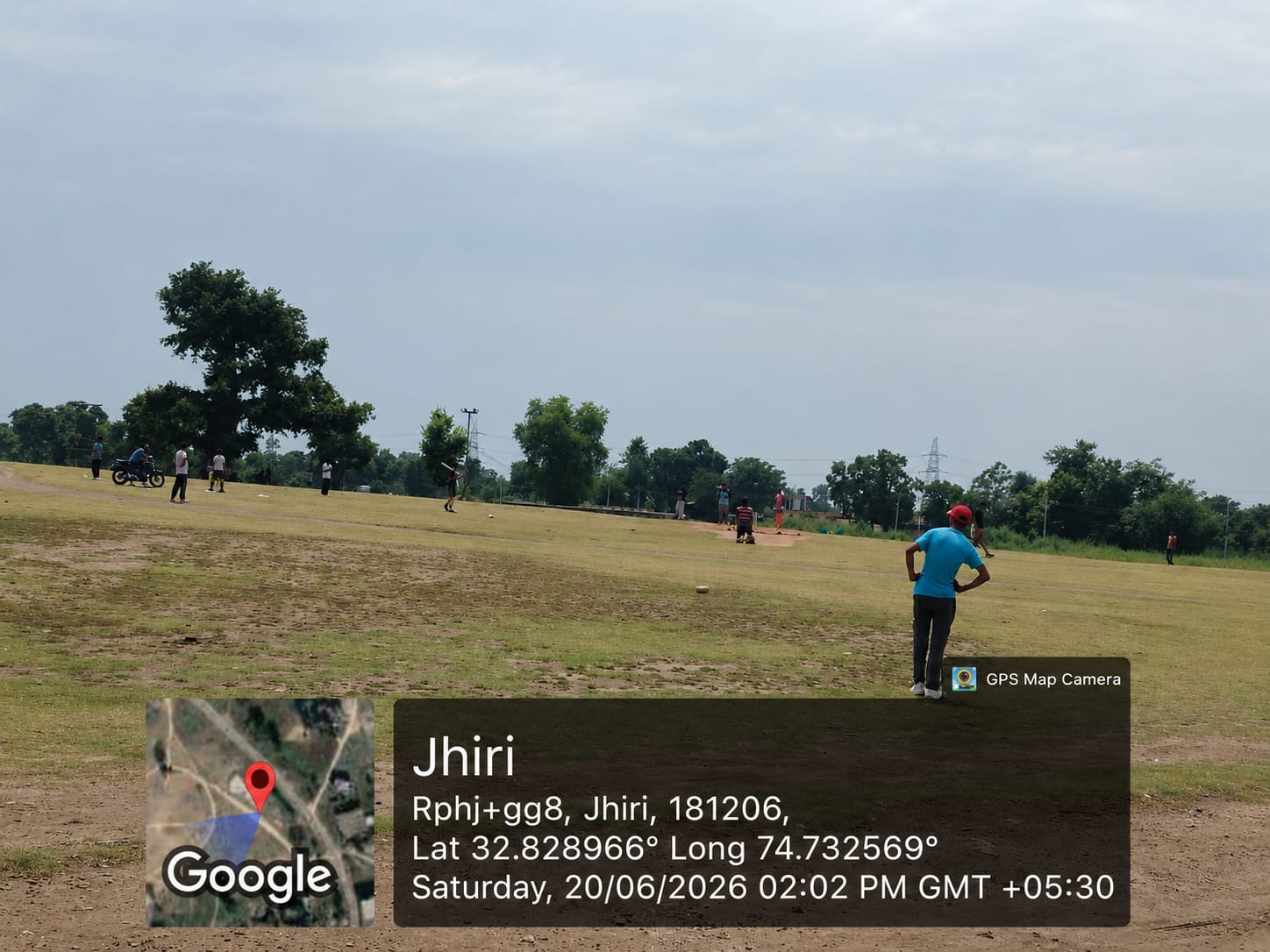
Sports occupy an important place in community life, particularly among the younger generation. Cricket is the most widely played sport, with a large open ground equipped with floodlight poles serving as the village's principal recreational space. The ground hosts regular informal matches during both daytime and evening hours, encouraging physical fitness and social interaction among youth.
Traditional wrestling also enjoys considerable popularity, especially during the Jhiri Mela, where wrestling competitions attract participants and spectators from various regions. These events preserve an important aspect of the region's sporting heritage.
Additional recreational opportunities are available through the nearby District Administration Jammu Indoor Stadium at Marh, which provides organized facilities for indoor sports and athletic activities. A village youth club further encourages sports participation, community engagement, and youth development.
Health, Wellness, and Community Well-being
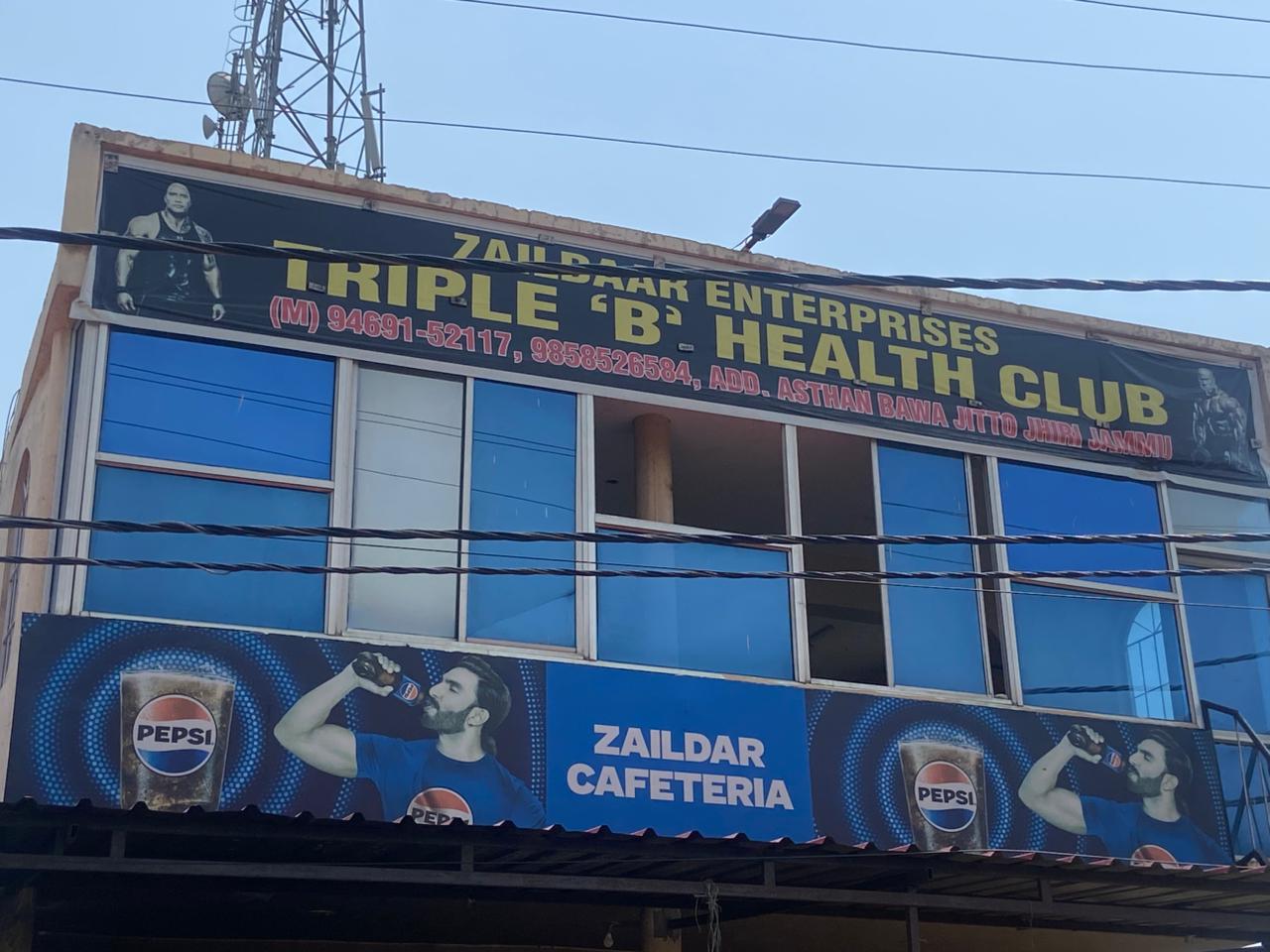
Health and wellness in Jhiri extend beyond medical services to include physical, social, and spiritual well-being. The Triple 'B' Health Club provides modern gymnasium facilities, reflecting increasing awareness regarding physical fitness among rural youth. A cafeteria attached to the facility further enhances its role as a community gathering space.
The village Anganwadi Centre continues to promote maternal health, child nutrition, immunization, and early childhood development. Reliable drinking water supplied under the Jal Jeevan Mission, improved sanitation through the Swachh Bharat Mission, and access to private healthcare collectively contribute to better public health standards.
Equally significant is the role of the shrine itself, which offers visitors an atmosphere of peace, meditation, and spiritual reflection. For many devotees, participation in daily prayers and community activities contributes positively to mental and emotional well-being.
Tourism and Sustainable Development
Tourism has become one of Jhiri's most significant drivers of development while maintaining a strong commitment to sustainability. The continuous arrival of pilgrims supports local businesses, transportation services, agricultural producers, artisans, and food vendors, thereby generating year-round employment opportunities.
The community-funded langar represents a remarkable example of sustainable social responsibility, operating entirely through voluntary donations without dependence on external funding. Local marigold cultivation further strengthens sustainability by supplying flowers directly to the shrine, reducing transportation costs while simultaneously supporting local farmers.
Tree plantation initiatives, active agricultural land management, dustbin installations, and cleanliness campaigns under the Swachh Bharat Mission demonstrate the village's commitment to balancing tourism with environmental responsibility. These initiatives ensure that religious tourism contributes positively to local development without significantly compromising environmental quality.
Environment, Flora, and Fauna
Jhiri is surrounded by fertile agricultural landscapes that contribute significantly to its natural beauty. Extensive cultivation of paddy, maize, wheat, marigold flowers, and mango orchards provides lush green surroundings while supporting the local economy.
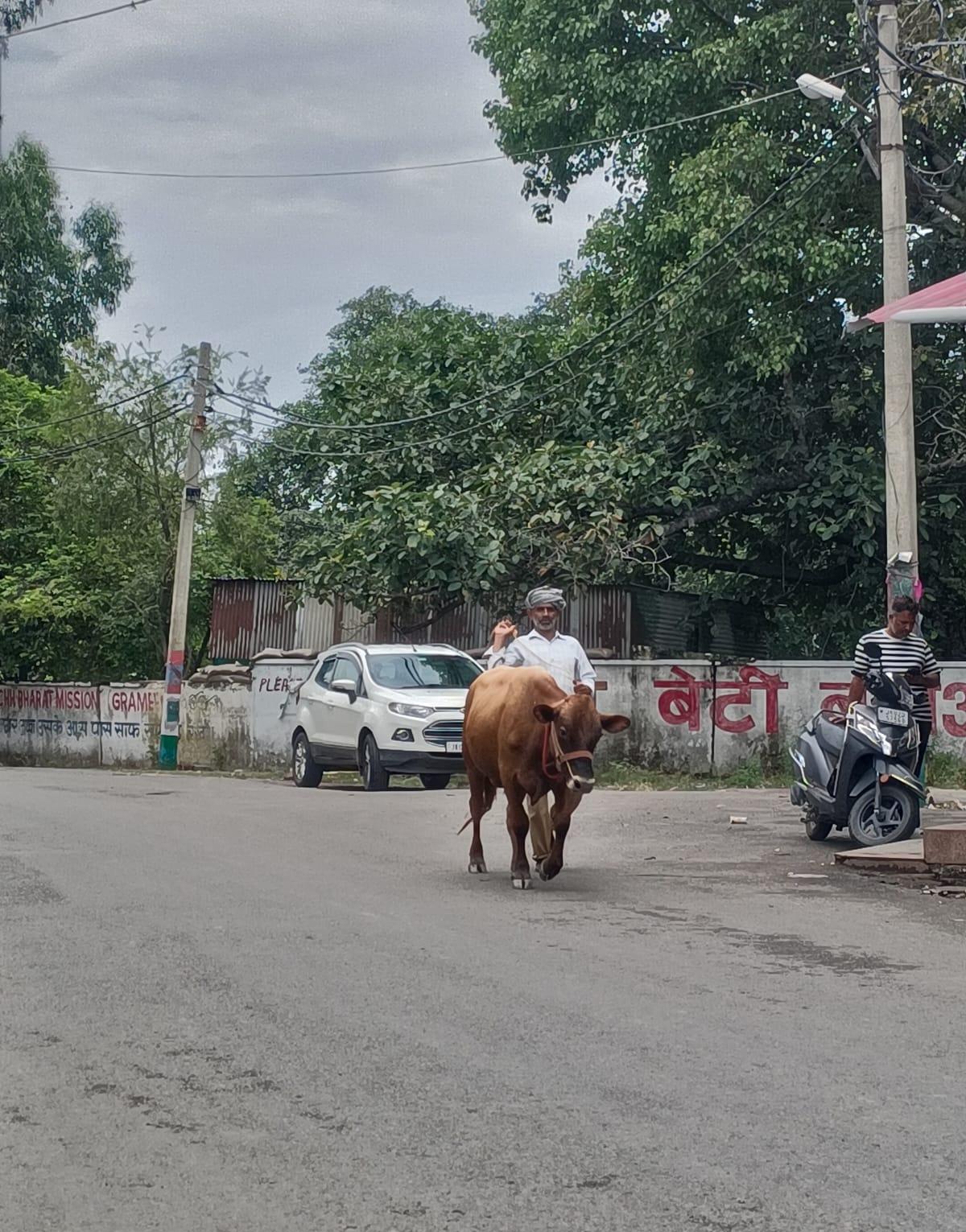
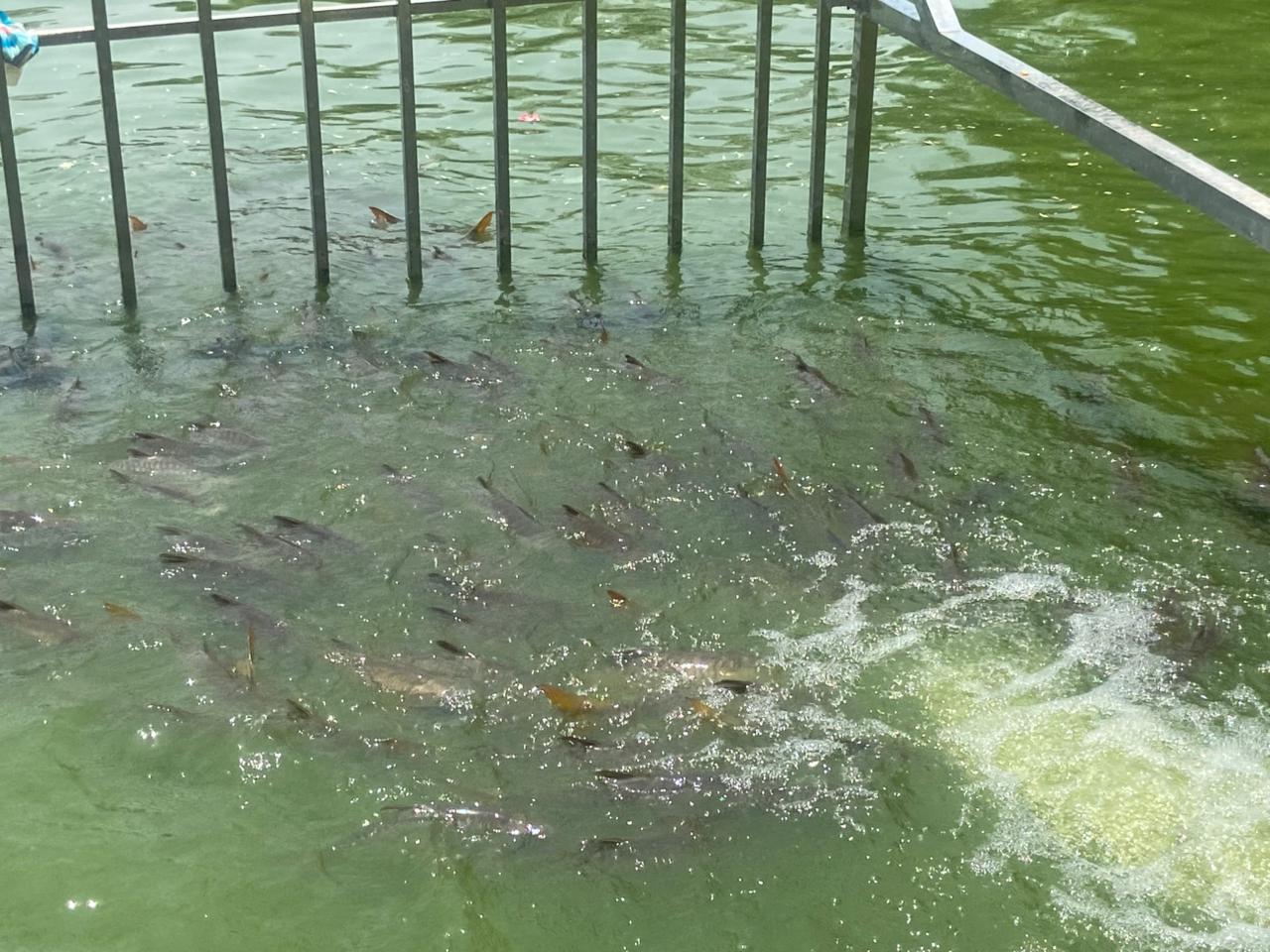
The village does not possess rare or endangered wildlife species; however, domestic animals such as cattle remain an integral part of rural life. Baba-da-Talab, located near the adjoining village of Shamachak, serves as a natural water body of religious and environmental significance.
Although formal biodiversity conservation programmes have not been documented, the community actively promotes cleanliness through awareness campaigns, waste management infrastructure, and tree plantation activities. These grassroots initiatives contribute to preserving the ecological character of the village.
Prominent Personalities of Jhiri Village
The most celebrated personalities associated with Jhiri are Baba Jitto and Bua Kaudi, whose sacrifice nearly six centuries ago transformed the village into a symbol of justice, honesty, and devotion. Baba Jitto continues to be revered across northern India as a protector of farmers' rights and a champion against exploitation, while Bua Kaudi is honoured as Dasham Shakti, representing courage and spiritual strength.
Jhiri has also contributed distinguished individuals to public service and national defence. Colonel Deepak Sharma served with distinction in the Regiment of Artillery of the Indian Army, while Retired Captain Ashok, a veteran of the Grenadiers Regiment, continues to actively participate in village life. Ram Dutta, a retired government school principal, is remembered for his valuable contribution to education and community development.
Community Development and Social Welfare
Jhiri demonstrates a strong tradition of community participation and social welfare. Women's savings groups encourage financial inclusion and economic empowerment, while government programmes such as STEP, PMKVY, and ULLAS provide vocational training, adult education, and skill development for youth and women.
Support for economically weaker sections is strengthened through various government welfare schemes, Anganwadi services, and the universally accessible community langar, which provides free meals to every visitor regardless of economic status. These initiatives collectively promote inclusive development while preserving the village's long-standing culture of mutual assistance.
Challenges and Future Prospects
Despite its impressive development, Jhiri continues to face certain challenges. One of the most significant concerns identified by local residents is the limited availability of coaching centres for competitive examinations and higher education preparation. As a result, many students travel to Jammu city to access quality coaching facilities.
Seasonal waterlogging during the monsoon, particularly around the government school and market area, highlights the need for improved drainage infrastructure. Addressing these issues through better educational facilities, enhanced drainage systems, and expanded digital learning opportunities would further strengthen the village's development.
Encouraging peer-led study groups, improving educational support services, and promoting skill development among youth have been suggested as practical community-based solutions capable of enhancing educational outcomes without substantial financial investment.
Photos
Videos
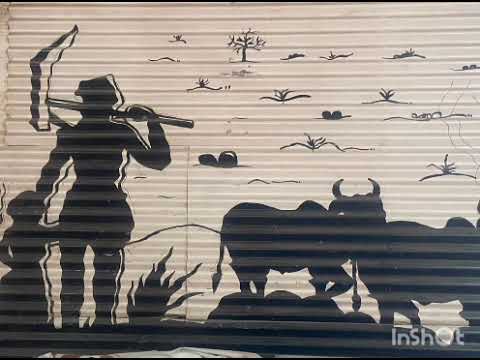
Location Map
Contact Information
| Address |
Tehsil: Marh |
| Phone Number |
7051130201 |
Reviews (6)

A wonderful initiative to preserve and showcase the beauty of the village. Great work!
Great work!👏
Really impressive work !

Greatly documented by the team!!! Such a beautiful place to visit!
Well done !

Beautifully documented 👏👏 Kudos to the team for their dedication!