
Description
Introduction to Jamotian
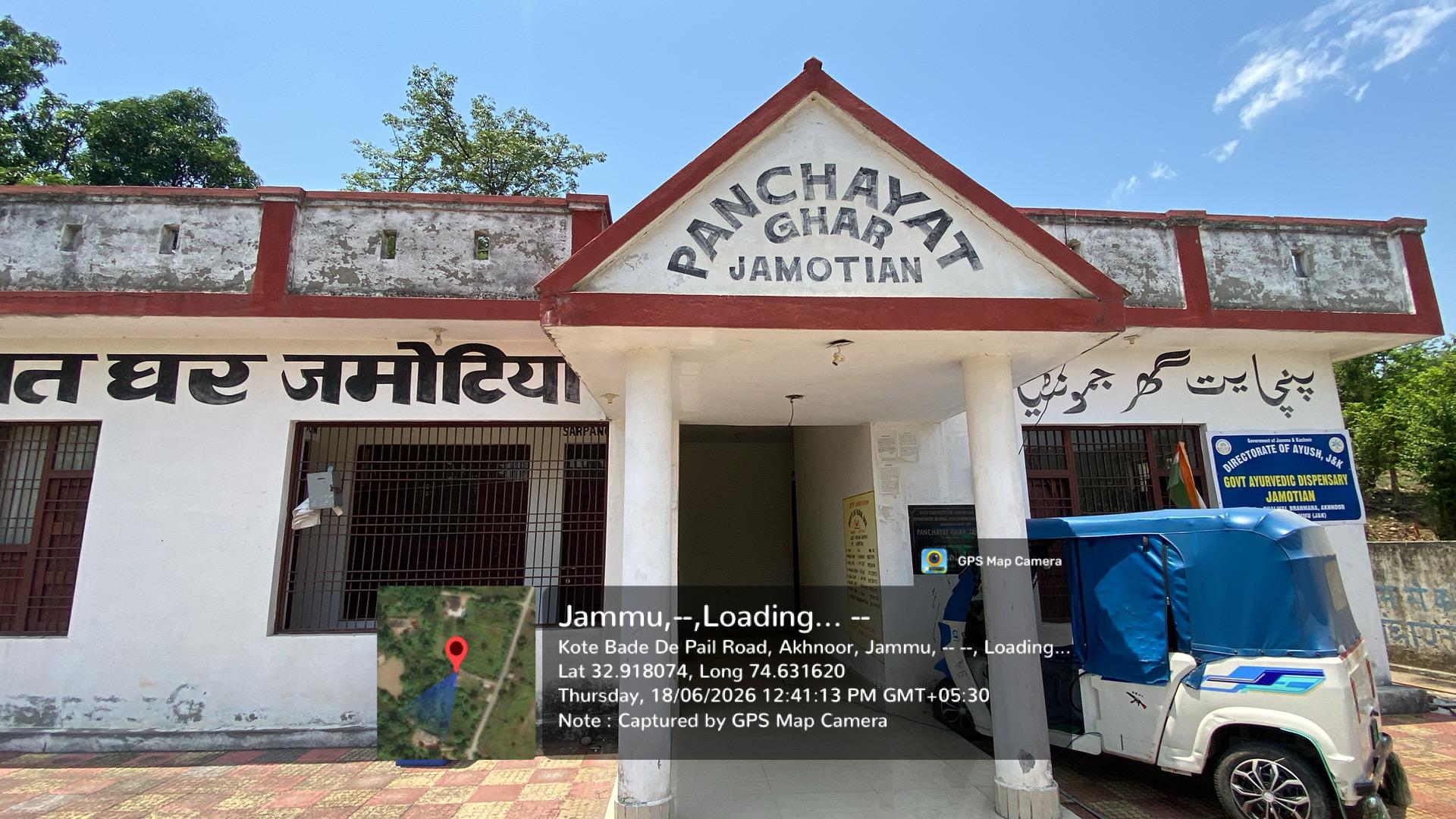
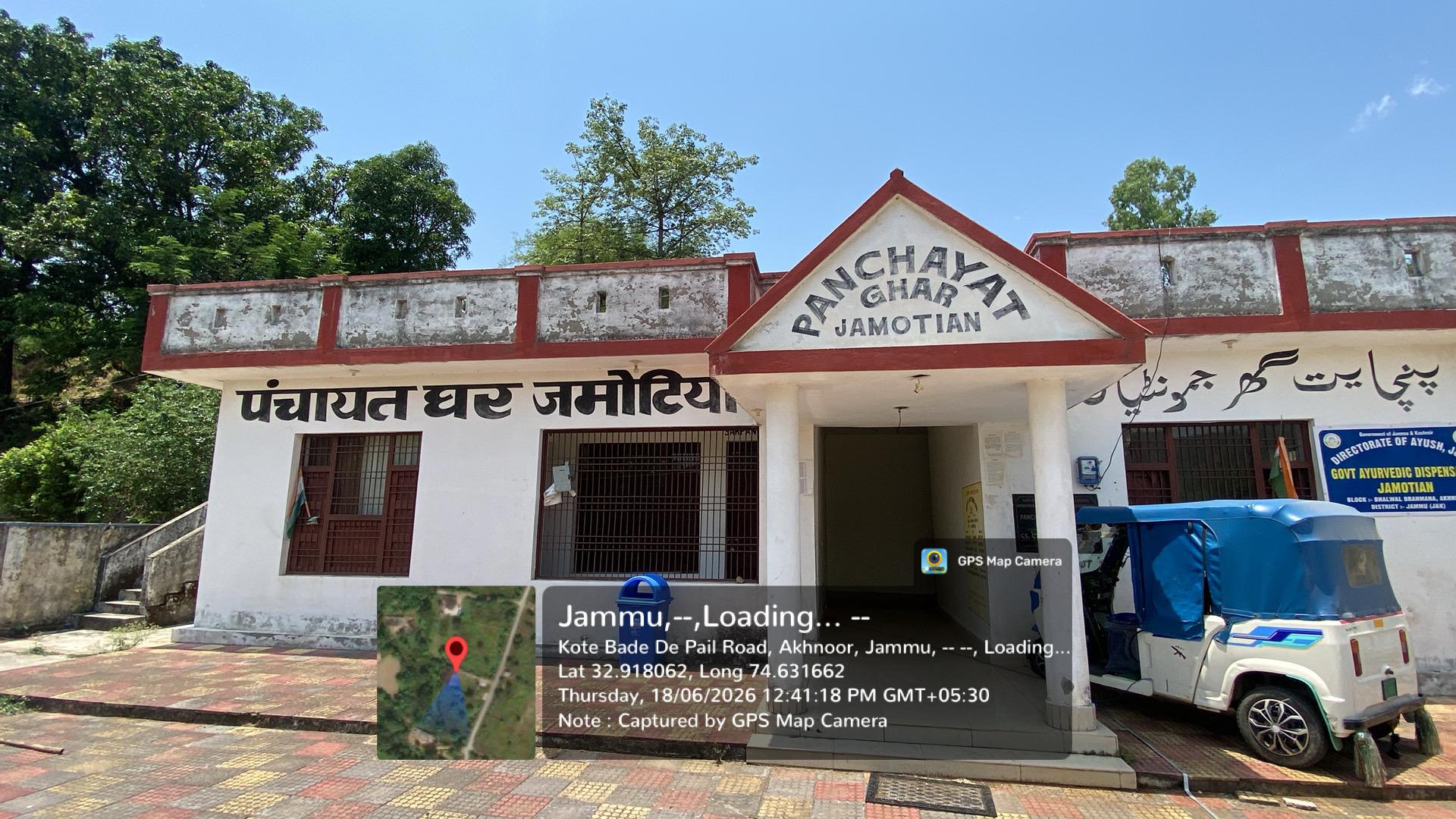
Jamotian is a picturesque village and notified Gram Panchayat situated in the Akhnoor region of the Jammu district in the Union Territory of Jammu and Kashmir, India. Nestled amidst the foothills of the Himalayas, the village is known for its rich cultural traditions, agricultural heritage, and strong sense of community. Jamotian has earned recognition for its close-knit social fabric and its enduring contribution to the Indian Armed Forces, with numerous families proudly serving the nation across generations. Governed under the Panchayati Raj system, the village plays an important administrative role within the Akhnoor Community Development Block. Its peaceful rural landscape, combined with its historical significance and traditional Dogra values, makes Jamotian a distinctive settlement that reflects the heritage of the Jammu region.
Population and Urbanisation
Jamotian maintains a stable rural population characterized by a balanced demographic structure and a traditional village lifestyle. According to the Census of India, the village consists of approximately 169 households with a total population of 746 residents, including 400 males and 346 females. The child population between the ages of 0 and 6 years comprises 91 children, highlighting a young and growing community. Scheduled Castes account for approximately 28.02% of the total population, while Scheduled Tribes represent around 2.82%, contributing to the village's diverse social composition. Unlike urban settlements, Jamotian remains entirely rural, with no urbanized zones within its administrative limits. However, its proximity to Akhnoor town, located just 14 kilometres away, provides residents with convenient access to commercial markets, healthcare facilities, educational institutions, and government services while preserving the village's peaceful agrarian environment.
Cultural Heritage of Jamotian
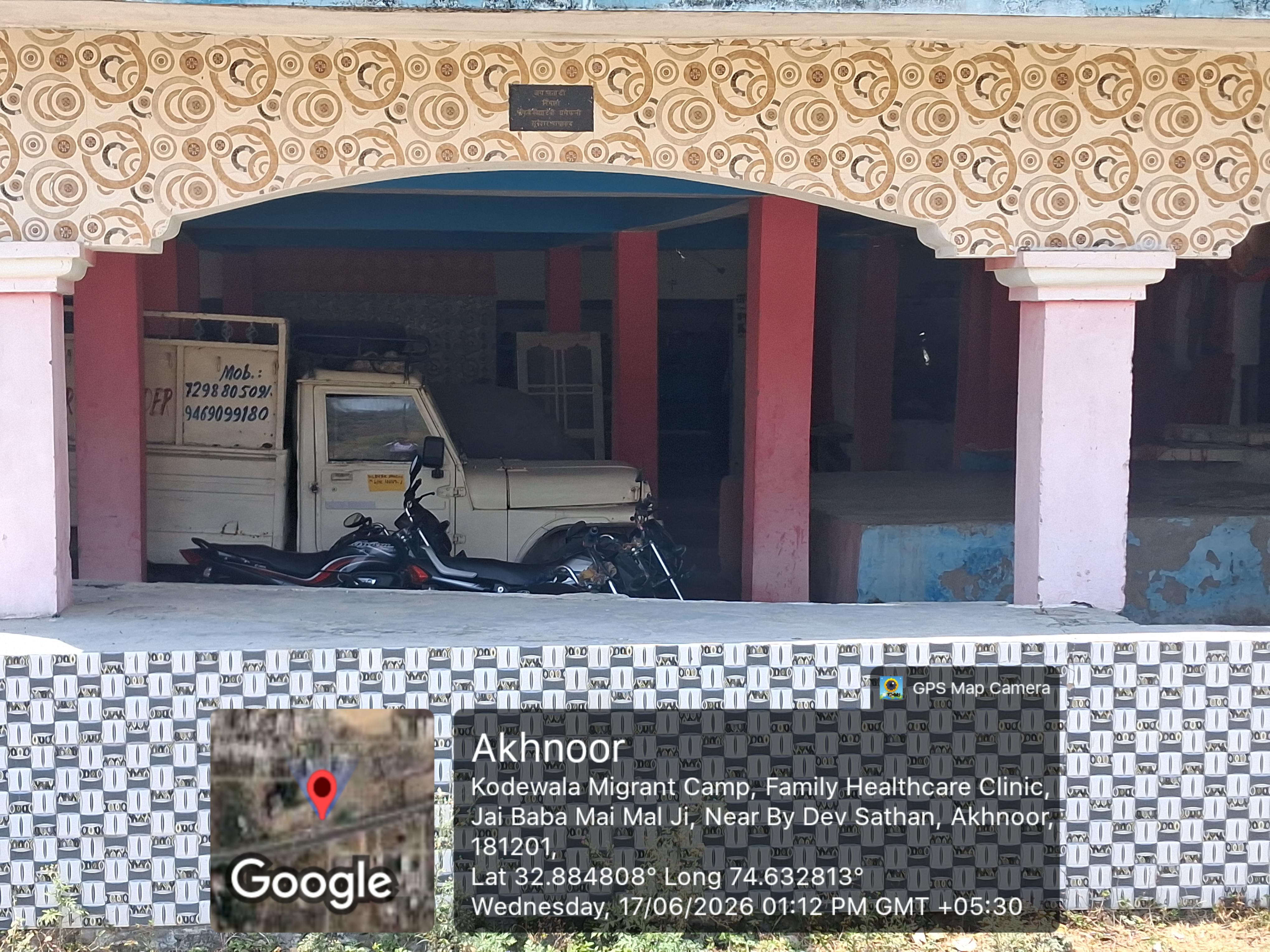
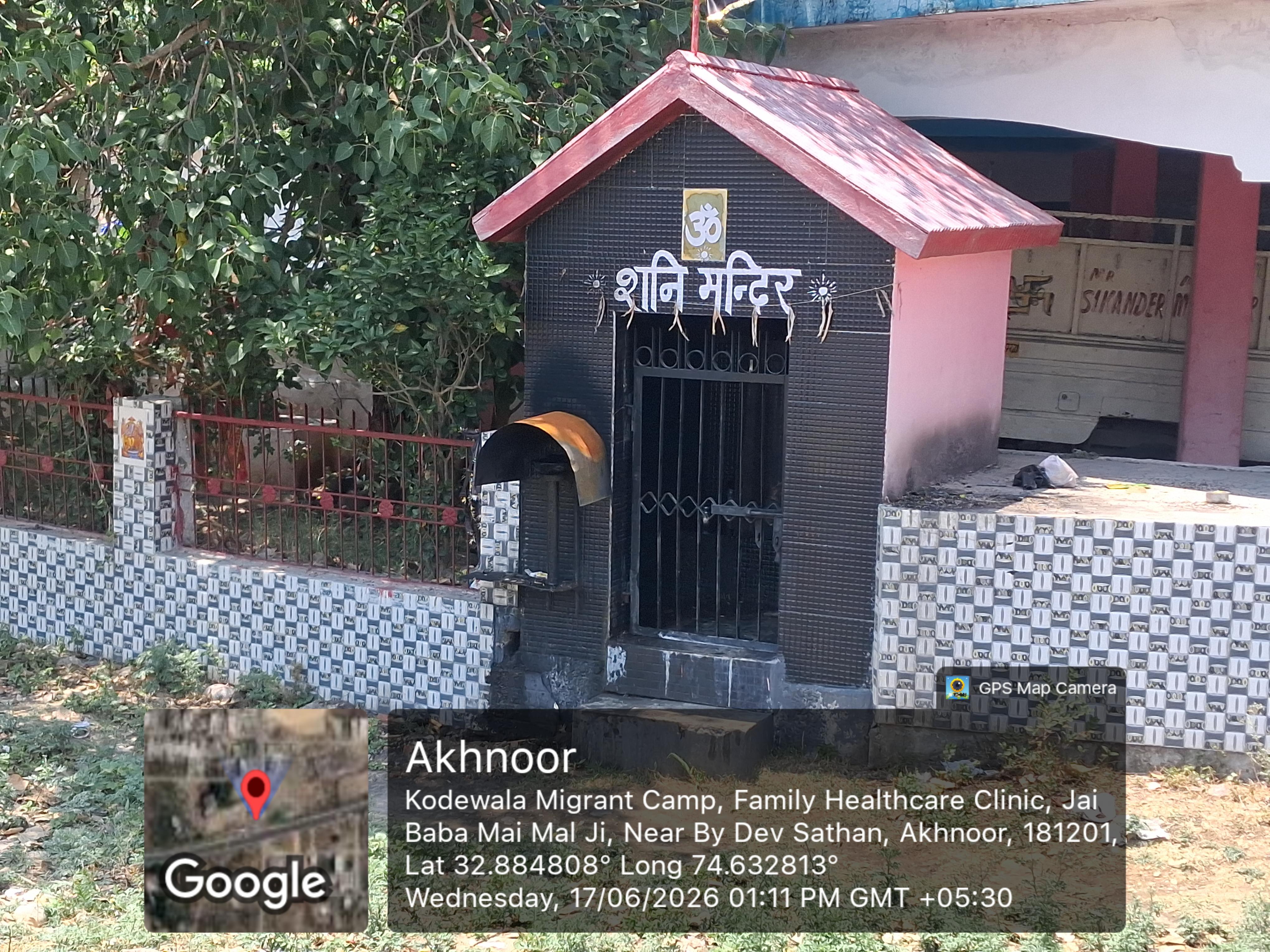
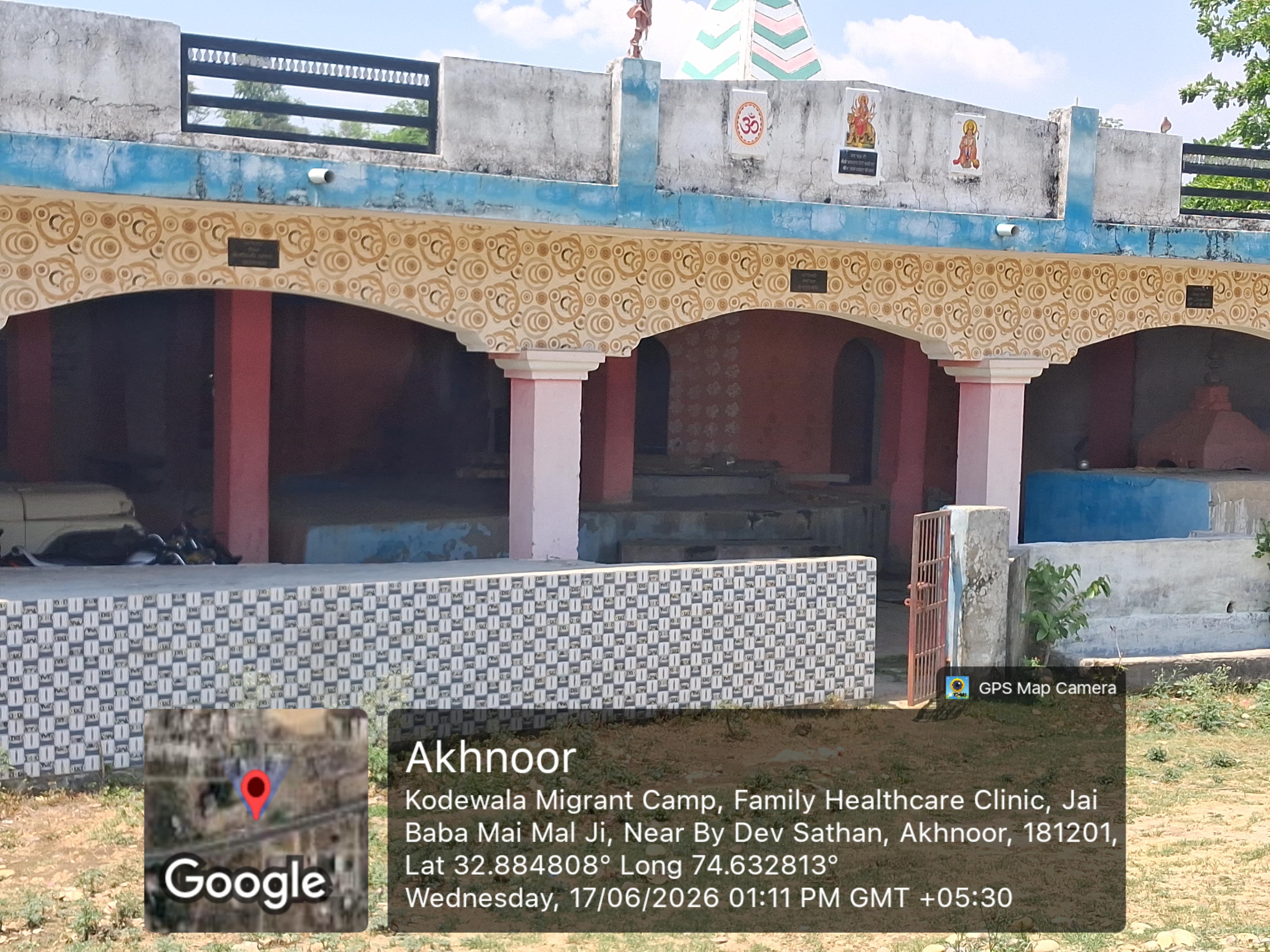
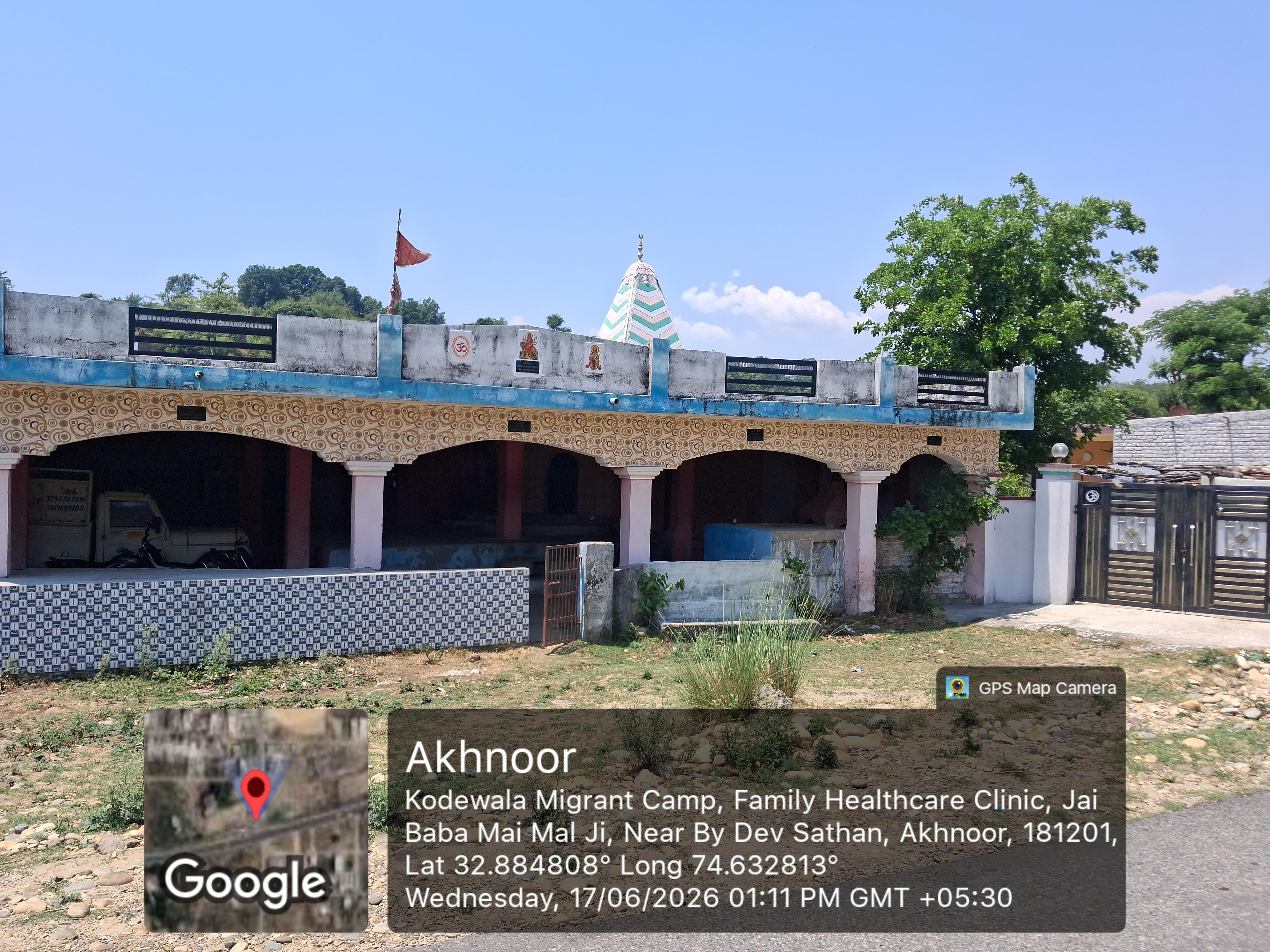
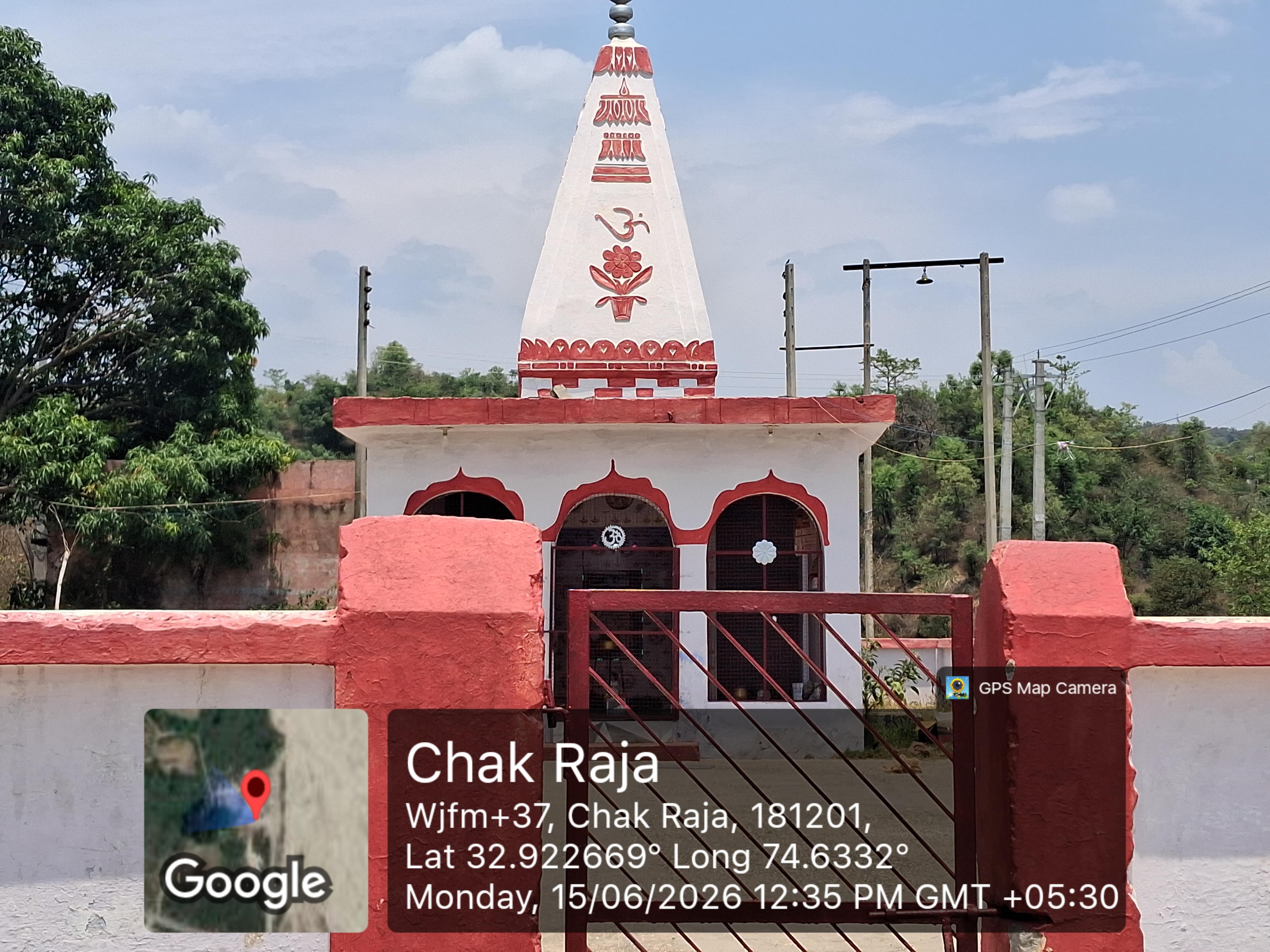
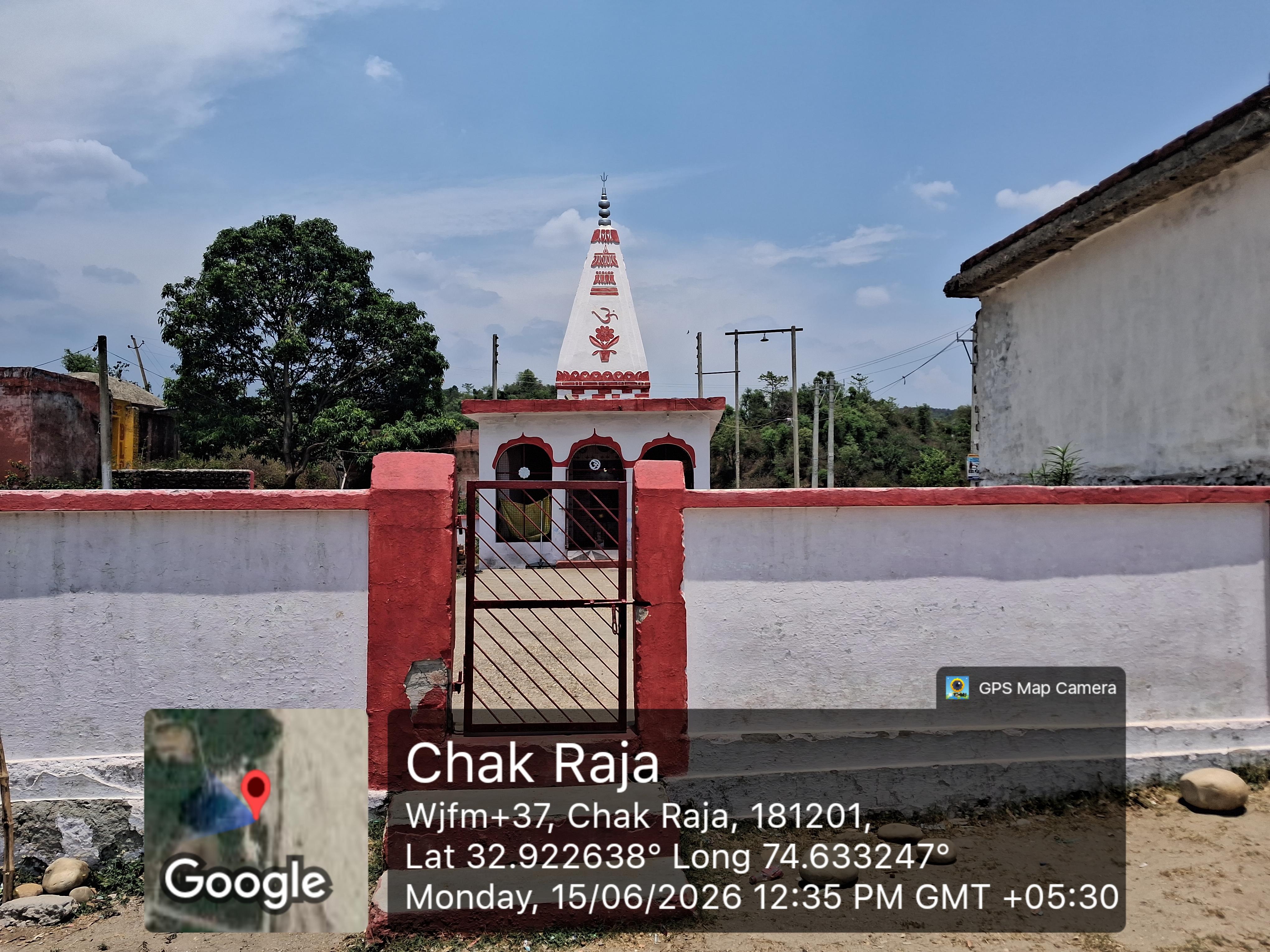
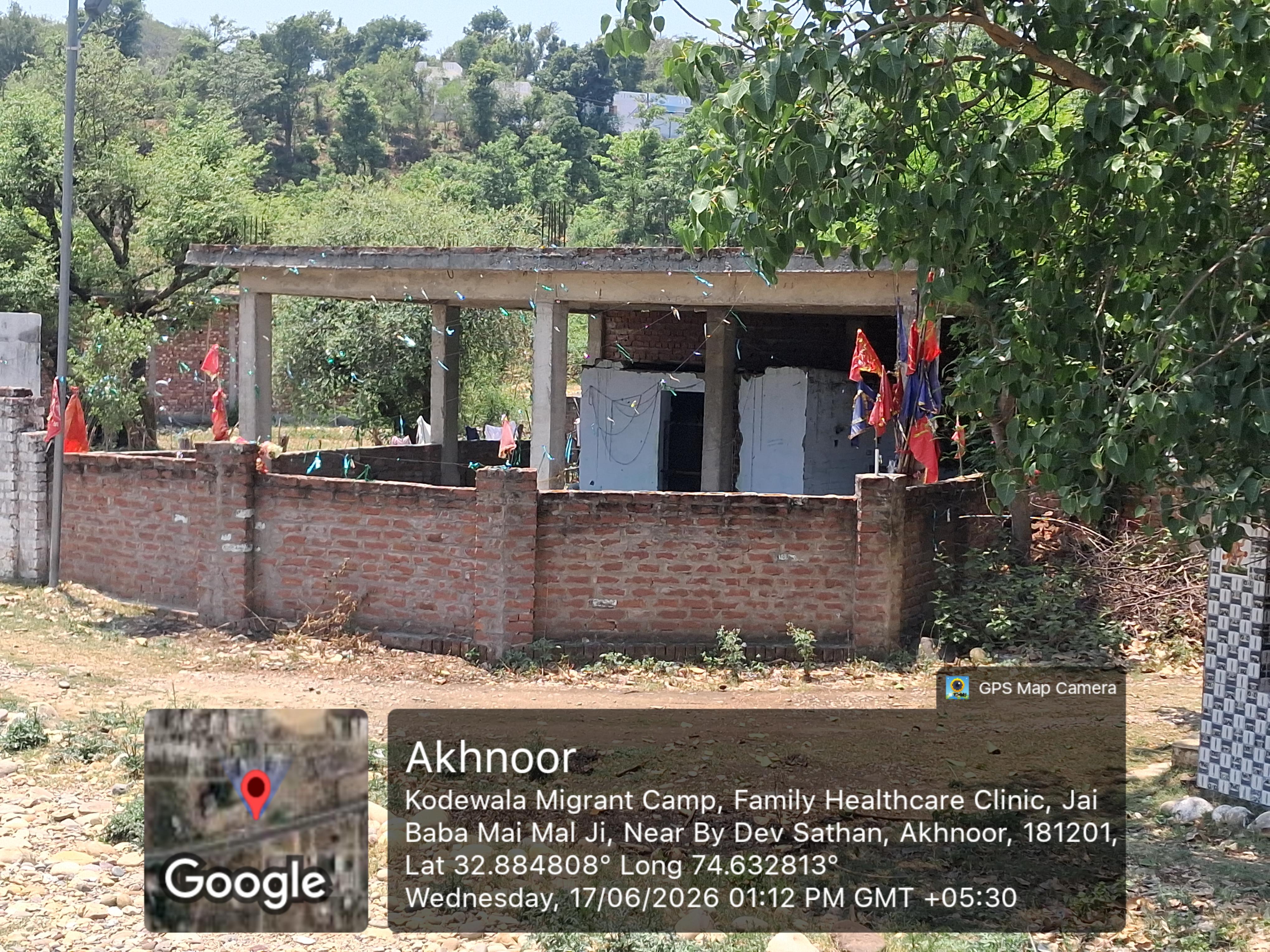
The cultural identity of Jamotian is deeply rooted in the traditions of the Dogra community, which has shaped the customs, language, and values of the region for centuries. Residents proudly preserve their heritage through traditional Dogri folk songs, local dances, oral storytelling, and religious celebrations. Festivals such as Baisakhi, Diwali, Lohri, and Navratri are celebrated with great enthusiasm, bringing together families and neighbours in a spirit of unity and devotion. Local temples and village shrines dedicated to clan deities serve as important centres of spiritual and social life. Respect for elders, communal harmony, and hospitality remain integral aspects of daily living, ensuring that traditional customs continue to flourish despite gradual modernization.
Historical Account
The history of Jamotian is closely associated with the historical evolution of the Jammu region and the Dogra Kingdom. Situated near the ancient town of Akhnoor, which has archaeological connections to the Harappan Civilization and early Buddhist settlements, the village developed as an agricultural settlement supporting nearby strategic routes. During the rule of the Dogra rulers, fertile lands surrounding Jamotian were cultivated extensively, contributing to the region's economic prosperity. Oral traditions passed down through generations preserve the stories of local clans, early settlers, and community leaders who played vital roles in shaping village life. Over time, Jamotian evolved into an organized Gram Panchayat, serving as an important administrative and agricultural centre within the Akhnoor region.
Principal Attractions
Although Jamotian is primarily a rural settlement rather than a commercial tourist destination, it is surrounded by several historical, cultural, and natural attractions. The nearby Chenab River offers breathtaking landscapes, peaceful riverbanks, and scenic viewpoints that attract visitors seeking natural beauty. Akhnoor Fort, located a short distance from the village, stands as an impressive example of Dogra military architecture and historical significance. The ancient Buddhist site of Ambaran, dating back to the Kushan period, reflects the region's archaeological importance and rich historical legacy. Within the village itself, traditional shrines, agricultural fields, and serene countryside provide visitors with an authentic glimpse into rural Dogra life.
Historical and Military Legacy
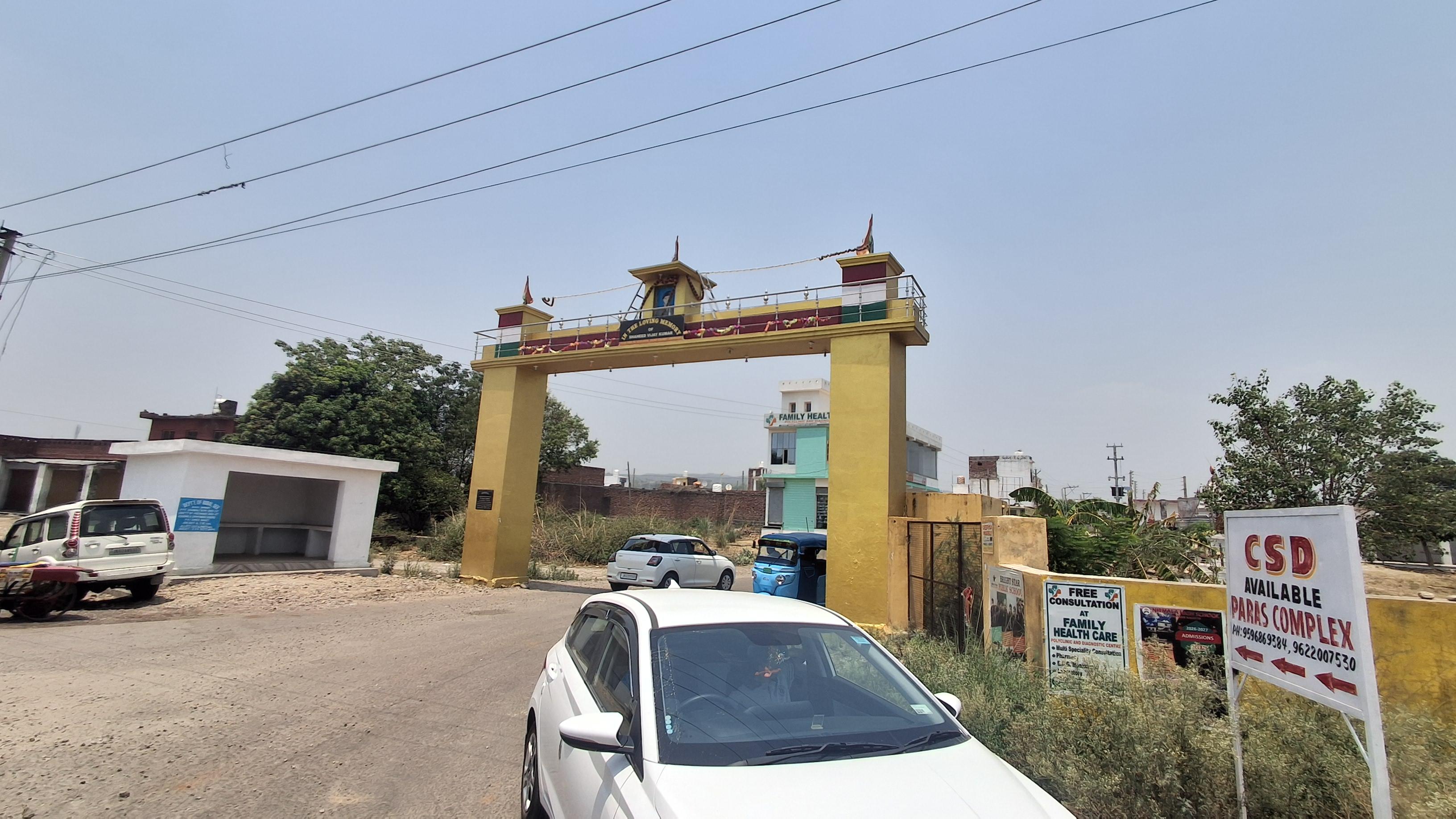
Jamotian enjoys a proud military heritage that has become an essential part of its identity. Located within the strategically significant Akhnoor sector, the village has witnessed the impact of several major conflicts, including the Indo-Pak wars of 1947, 1965, and 1971. During these periods, the surrounding region served as an important military corridor and logistical support area. Inspired by this legacy, many families have continued the tradition of serving in the Indian Armed Forces, making military service a respected profession within the community. Patriotism, discipline, and national service are values deeply embedded in village life, earning Jamotian recognition as a community with a longstanding martial tradition.
Best Time to Visit
The most favourable time to visit Jamotian is between October and March, when the weather remains cool, pleasant, and ideal for outdoor exploration. During these months, daytime temperatures generally range between 10°C and 25°C, providing comfortable conditions for sightseeing and experiencing village life. The surrounding fields become particularly attractive during the harvesting seasons, offering picturesque rural landscapes. Summer months from April to June are considerably warmer, with temperatures frequently exceeding 40°C, making travel less comfortable. The monsoon season, extending from July to September, brings moderate to heavy rainfall that enhances the greenery but may occasionally affect transportation on rural roads.
Gastronomy: Traditional Cuisine
The culinary traditions of Jamotian reflect the rich food culture of the Dogra region. Locally prepared meals emphasize simplicity, nutrition, and seasonal ingredients cultivated by village farmers. Traditional dishes such as Rajma-Chawal, Ambal, Khatta Meat, Kaldari, and Makki di Roti are widely enjoyed by residents and visitors alike. Homemade dairy products, fresh vegetables, and locally grown grains form an essential part of everyday meals. During religious festivals and family celebrations, elaborate community feasts are prepared, strengthening social bonds and preserving traditional cooking methods that have been passed down through generations.
Village Lifestyle and Community Values
Life in Jamotian revolves around agriculture, family traditions, and community cooperation. Most households begin their daily routines early in the morning, following seasonal farming schedules and religious practices. Agriculture remains central to village life, with families cultivating wheat, paddy, and other seasonal crops. Community participation is highly valued, and residents regularly work together during agricultural activities, festivals, and social functions. Respect for elders, mutual support, and collective responsibility continue to define the village's social structure, creating an atmosphere of harmony and shared identity that has remained intact for generations.
Economic Activities
Agriculture forms the backbone of Jamotian's economy, providing the principal source of livelihood for the majority of residents. Out of the economically active population, 251 individuals participate in various occupations, with nearly all engaged in long-term employment throughout the year. Approximately 53 cultivators independently manage agricultural land, producing wheat, paddy, and other seasonal crops suited to the fertile plains surrounding the village. Livestock rearing, dairy farming, and small-scale trading further supplement household incomes. In addition, military service and government employment contribute significantly to the village economy, with pensions and salaries supporting numerous families.
Educational Infrastructure
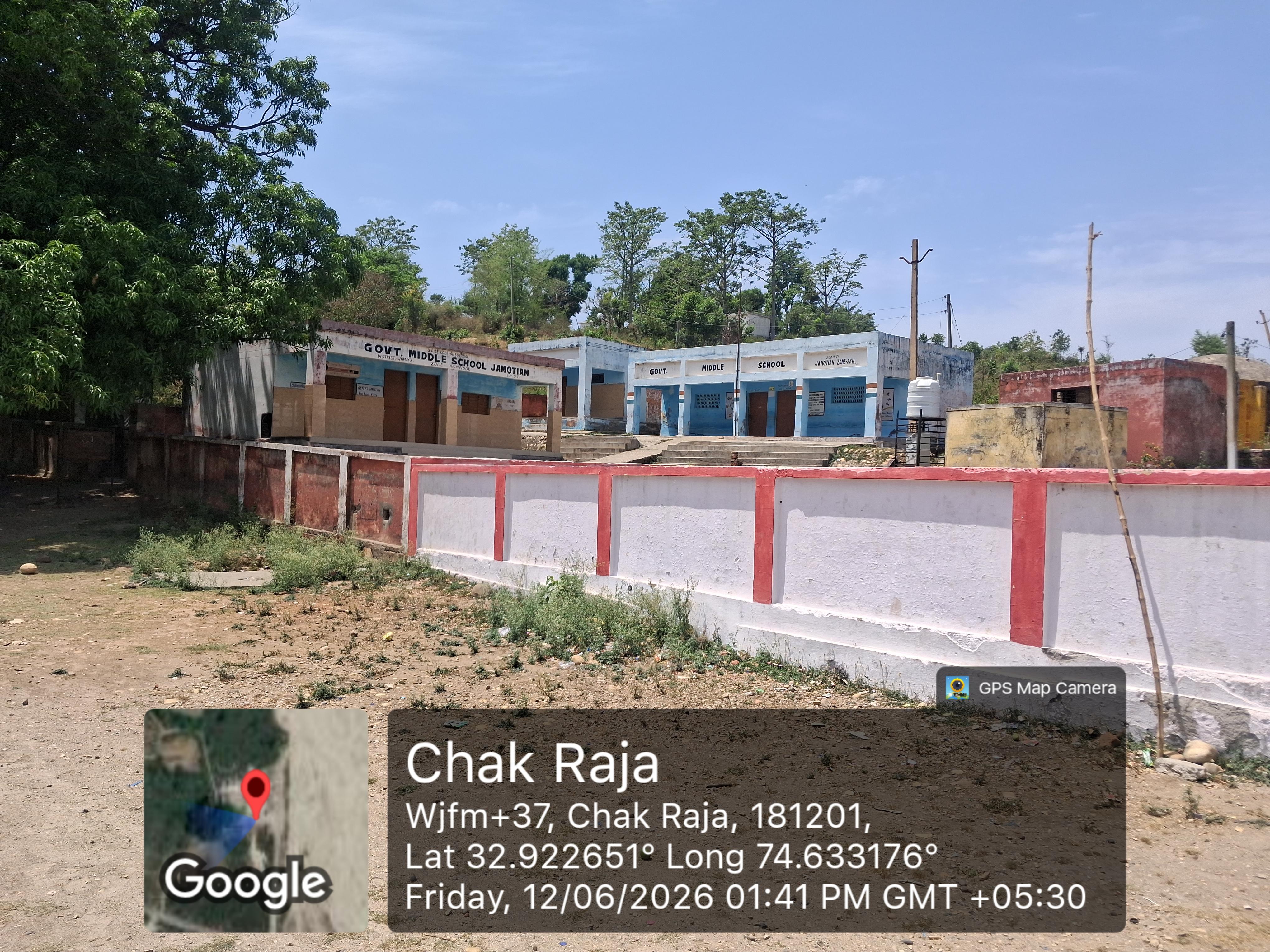
Education continues to play a vital role in the development of Jamotian. The village records an overall literacy rate of approximately 63.54%, with male literacy reaching 73.58% and female literacy standing at 51.68%. Primary education is provided through government schools serving the local community, while secondary and higher education facilities are available in nearby Akhnoor. Students regularly commute to colleges and technical institutions in Akhnoor and Jammu to pursue higher studies and professional qualifications. Continued government initiatives and community awareness programs are helping improve educational opportunities, particularly for girls and young women.
Accessibility and Transport Connections
Jamotian enjoys convenient road connectivity with neighbouring towns and major transportation networks. The village is connected by well-maintained rural roads leading to the Jammu–Poonch National Highway (NH-144A), ensuring smooth access to Akhnoor and Jammu city. Local buses, shared taxis, and auto-rickshaws provide regular public transportation for commuters and visitors. The nearest railway station is Jammu Tawi Railway Station, situated approximately 44 kilometres away, while Jammu Airport lies around 45 kilometres from the village, offering domestic air connectivity. Mobile telecommunications and internet services are available through major service providers, supporting communication and digital access for residents.
Health and Veterinary Services
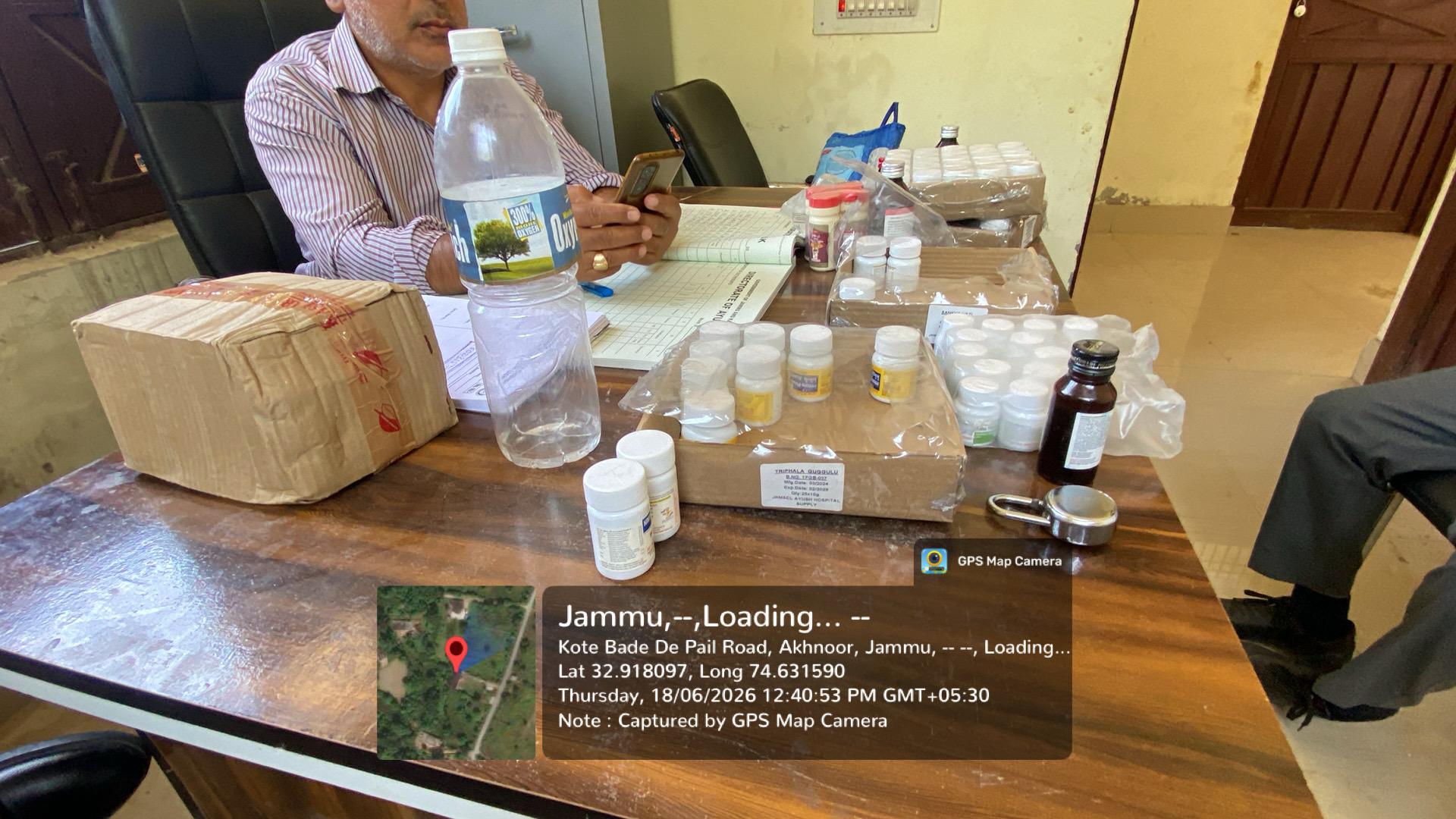
Healthcare facilities in Jamotian primarily cater to basic medical needs through local health sub-centres and nearby government institutions. Residents requiring specialized medical treatment generally visit the Sub-District Hospital at Akhnoor or Government Medical College, Jammu. Local pharmacies provide essential medicines and first-aid services for routine healthcare requirements. Veterinary services are equally important due to the village's dependence on livestock farming. Government veterinary officers regularly conduct vaccination drives, disease prevention programmes, and livestock health inspections, ensuring the welfare of cattle, buffaloes, goats, and other domestic animals that contribute significantly to the local economy.
Historical Kings and Leaders
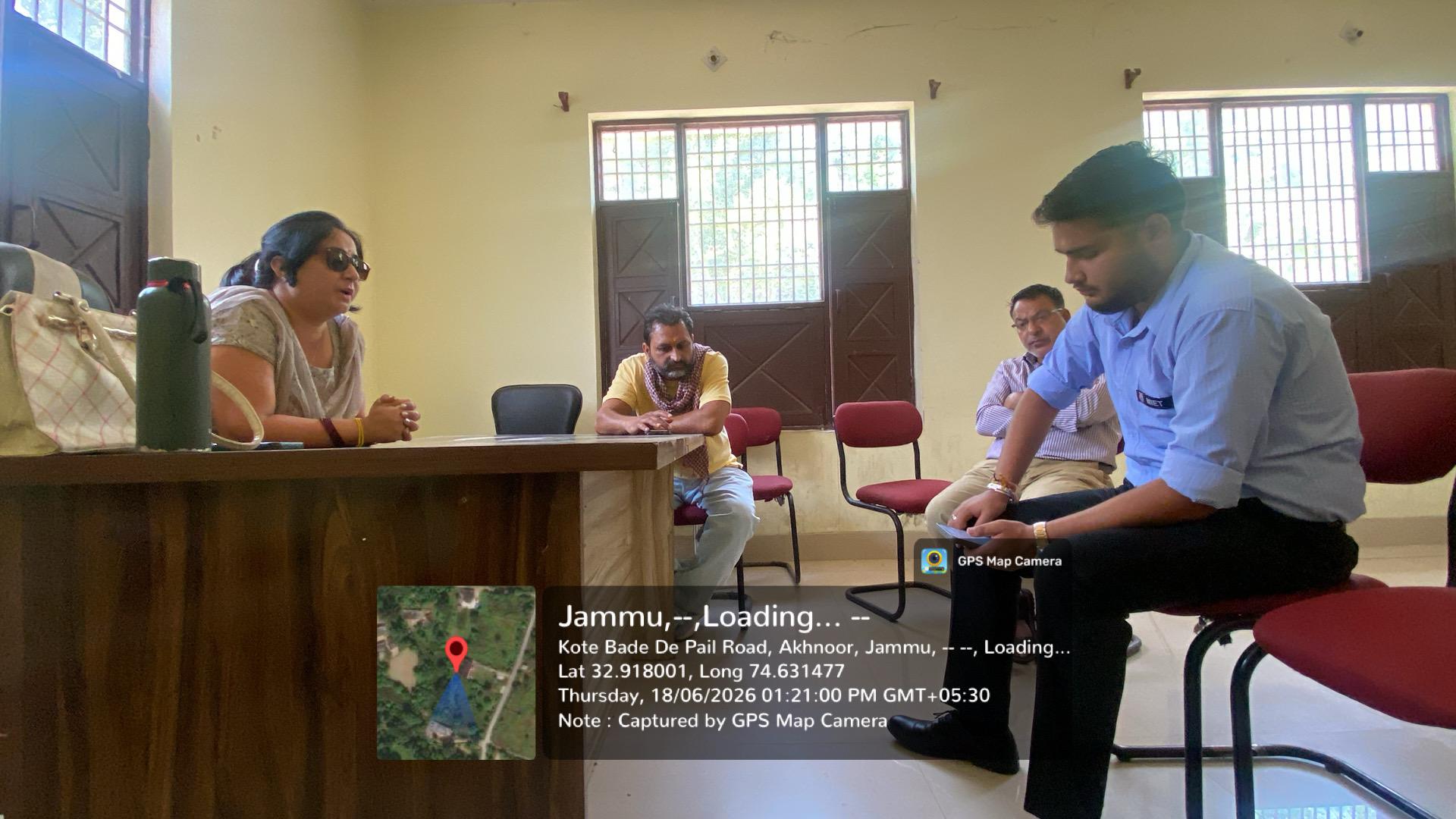
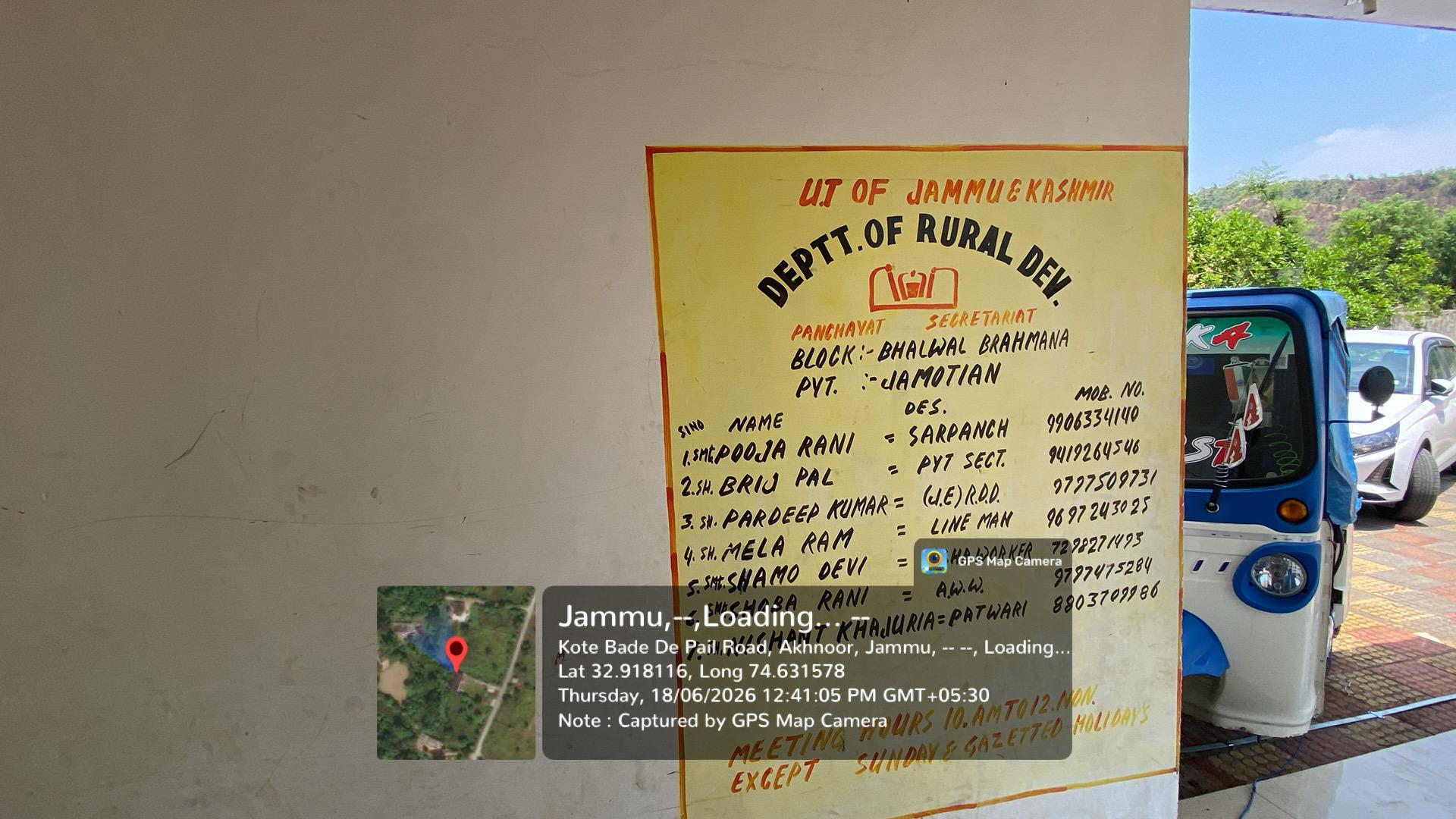
Throughout its history, Jamotian remained under the broader political influence of the rulers of Jammu. Among the most prominent historical figures associated with the region was Maharaja Gulab Singh, the founder of the Dogra Empire, who was crowned near the banks of the Chenab River in 1822 and played a pivotal role in shaping the political landscape of Jammu and Kashmir. Earlier rulers, including Raja Alam Singh, also contributed to the administrative and military development of the Akhnoor region. In contemporary times, village governance is entrusted to democratically elected Sarpanches and Panchayat members, who oversee developmental projects and represent the interests of the local population.
Entertainment and Sports Facilities
Entertainment in Jamotian is largely community-oriented and revolves around cultural celebrations, religious festivals, and traditional performances. Annual Ramleela productions, village fairs, and festive gatherings provide opportunities for social interaction and cultural expression. Community halls and temple courtyards serve as venues for public meetings, celebrations, and cultural events throughout the year. Sports remain an important recreational activity, with cricket, volleyball, kabaddi, and athletics being particularly popular among local youth. Open fields and school playgrounds function as informal sports grounds, encouraging physical fitness and fostering community participation.
Biodiversity
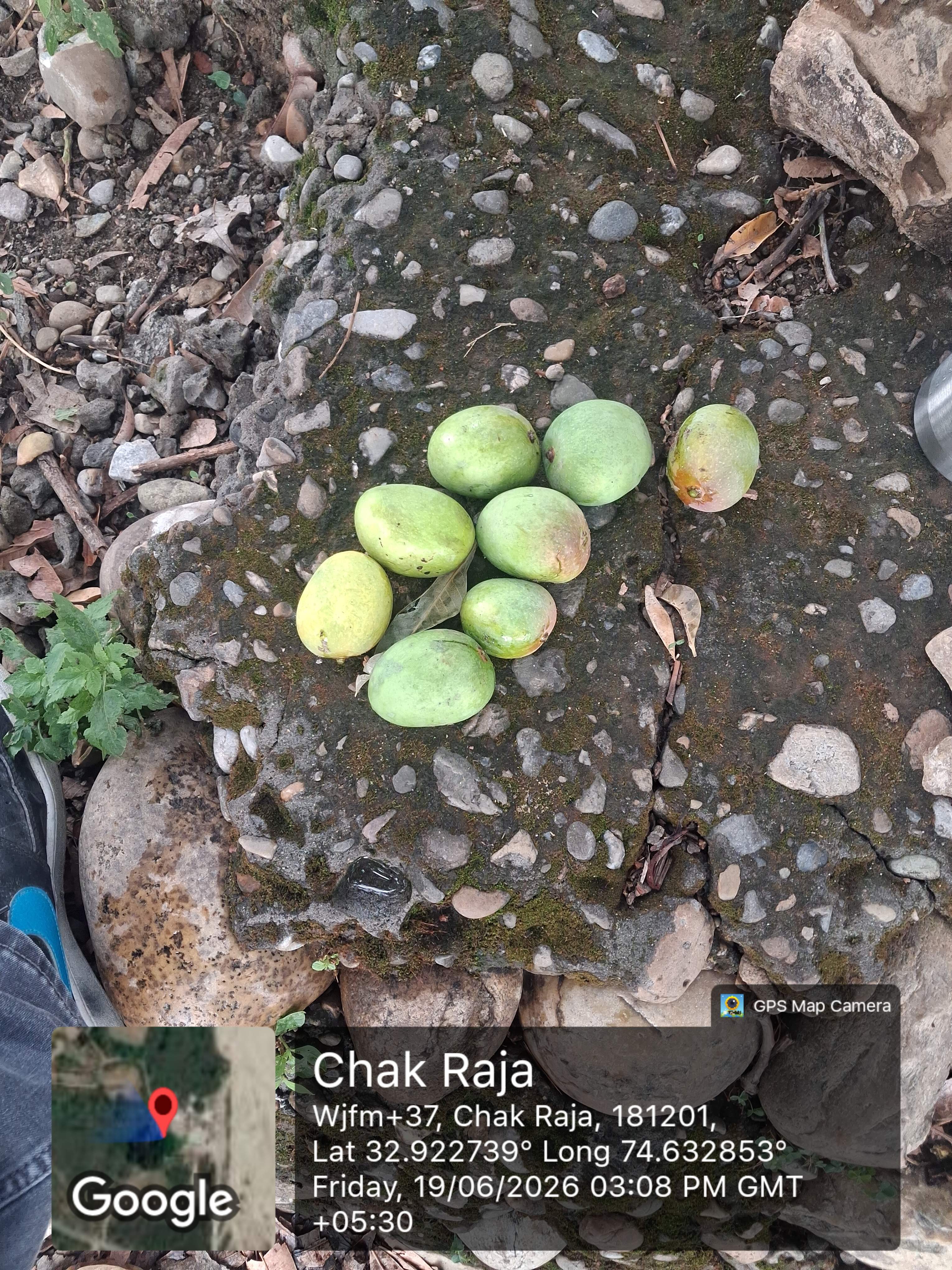
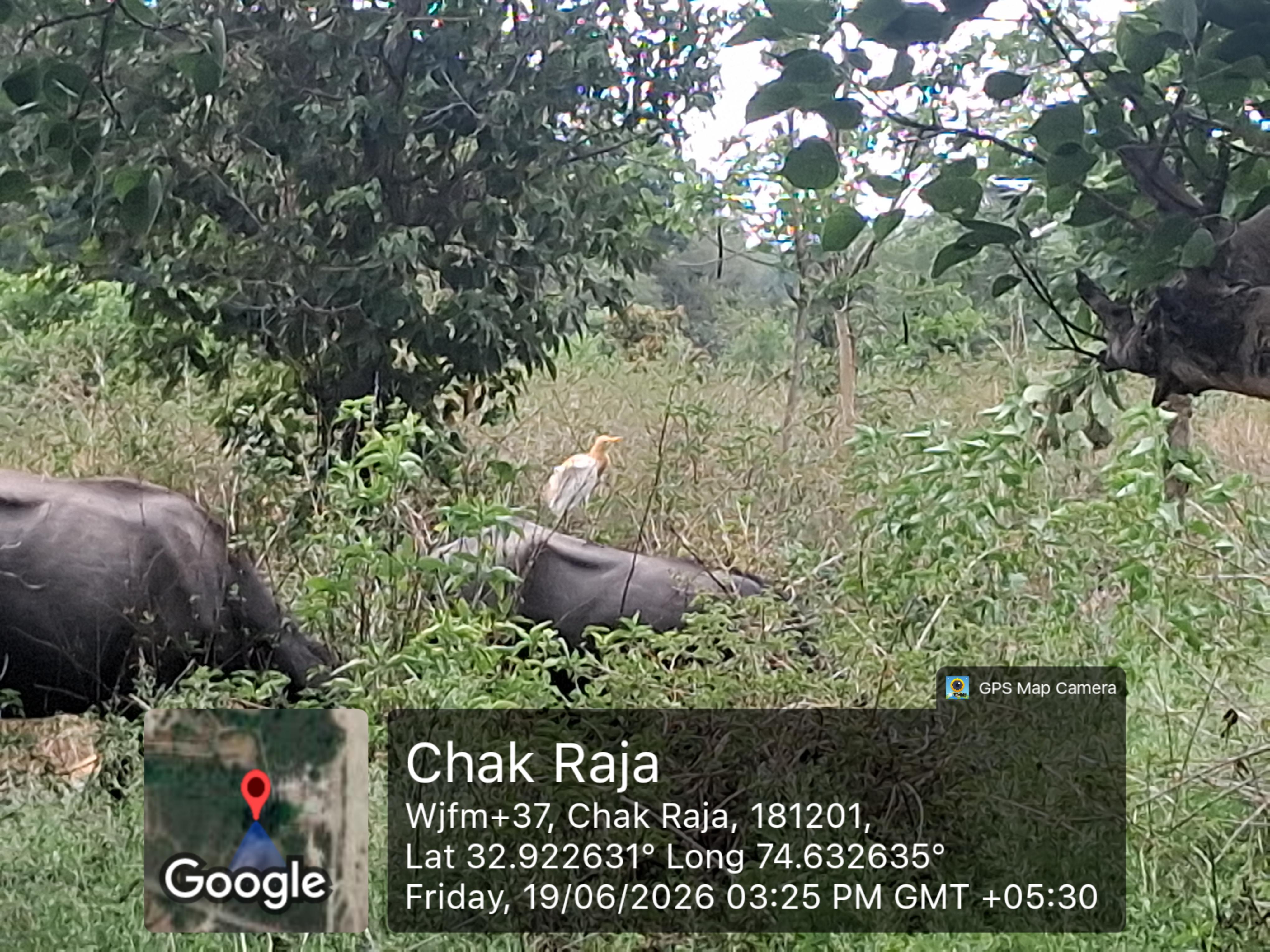
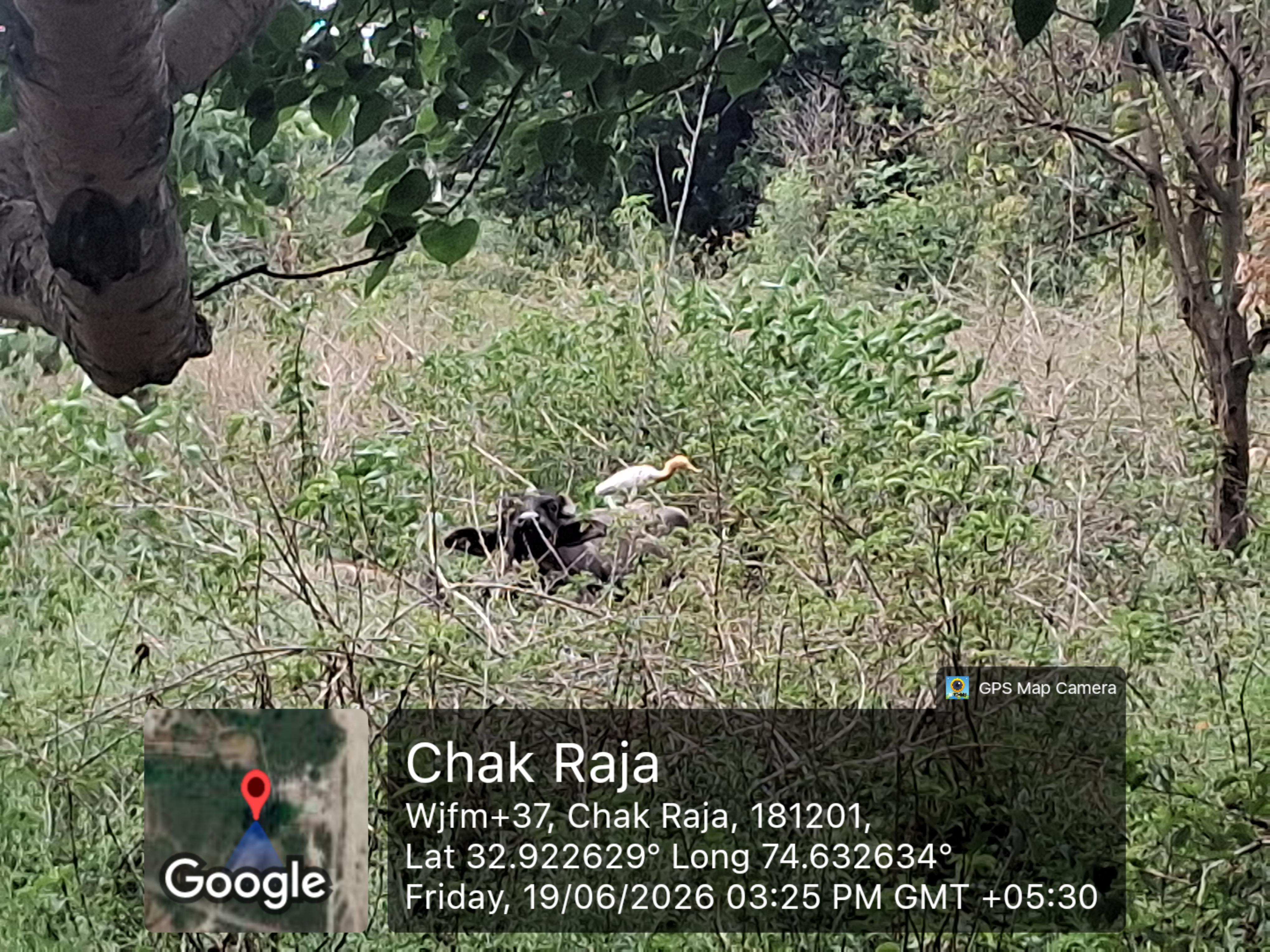
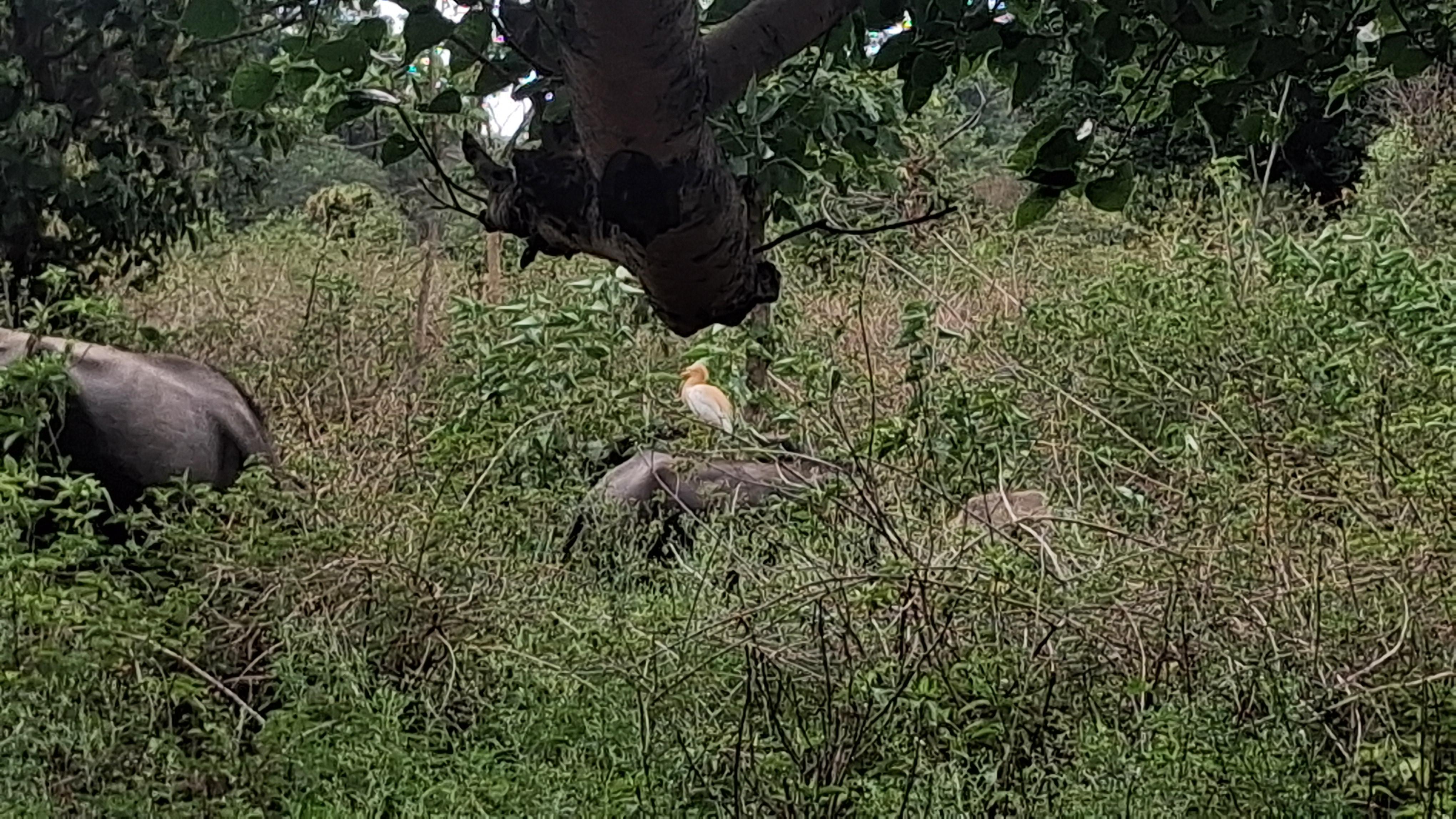
The natural environment surrounding Jamotian reflects the biodiversity of the Shivalik foothills and the Chenab basin. Vegetation consists primarily of native tree species such as Neem, Shisham, Kikar, and extensive seasonal grasses that support both wildlife and agriculture. The village is home to a variety of domesticated animals, including cattle, buffaloes, goats, and poultry, which play a significant role in rural livelihoods. Local wildlife includes jackals, wild boars, porcupines, hares, and numerous bird species such as peacocks, pigeons, parrots, and seasonal migratory birds. This combination of fertile agricultural land, natural vegetation, and diverse wildlife contributes to the ecological richness and scenic beauty of Jamotian.
Photos
Videos
Location Map
Contact Information
| Address |
Village Jamotian, Akhnoor Tehsil, Jammu District, Jammu and Kashmir, Pincode: 181201, India. |
| Phone Number |
96825 99433 |
| Website | https://jkpanchayat.jk.gov.in/panchayatdataview.php?panchayat=Jamotian&block=Bhalwal%20Brahmana |
Reviews (1)



great experience and very knowledgeable content