
Description
Gole Pattan: A Rural Profile of Marh, Jammu
Introduction to Gole Pattan
Gole Pattan is a peaceful rural village situated in the Marh tehsil of Jammu district in the Union Territory of Jammu and Kashmir. Surrounded by agricultural land and open countryside, the village represents the traditional lifestyle of the plains of Jammu. It falls under the Gango Chak Gram Panchayat and carries the postal PIN code 181206.
The identity of Gole Pattan is closely connected with agriculture, community cooperation and the cultural traditions of the Dogra region. Although it is not a major tourist destination, the village offers an authentic view of rural life, where farming, family relationships and community values remain central to everyday living.
Population and Rural Development
Available village-level records report that Gole Pattan has a population of 597 residents living in approximately 123 households. The recorded population includes 314 males and 283 females. The village covers a geographical area of around 250.1 hectares, reflecting its largely agricultural and rural character.
The recorded literacy rate of the village is approximately 63.65 percent, with male literacy being higher than female literacy. Based on the earlier population figure and gradual natural growth, the current population may be estimated at around 650 to 700 residents; however, this is only an approximate figure and not an officially published current census count.
Cultural Heritage and Traditions
The cultural heritage of Gole Pattan is influenced by the wider Dogra traditions of the Jammu region. Respect for elders, strong family connections, hospitality and participation in religious and social activities form an important part of village life. Dogri and Hindi are commonly used for communication, while traditional customs continue to be passed from one generation to another.
Festivals commonly celebrated across rural Jammu, including Lohri, Baisakhi, Diwali, Holi and Navratri, provide opportunities for families and neighbours to gather. Traditional food, devotional music, community prayers and social celebrations help preserve the cultural identity of the residents.
Historical Background
Detailed written historical records specifically related to the establishment of Gole Pattan are limited. Unlike some historically prominent villages of Jammu, Gole Pattan is not publicly associated with a major royal dynasty, famous battle or nationally recognised historical personality.
Much of the village’s local history is likely preserved through the memories and oral accounts of elderly residents. Their stories about earlier farming practices, old pathways, family settlements and changes in infrastructure can provide valuable information about the gradual development of the village.
Principal Attractions
Natural Beauty and Agricultural Landscapes
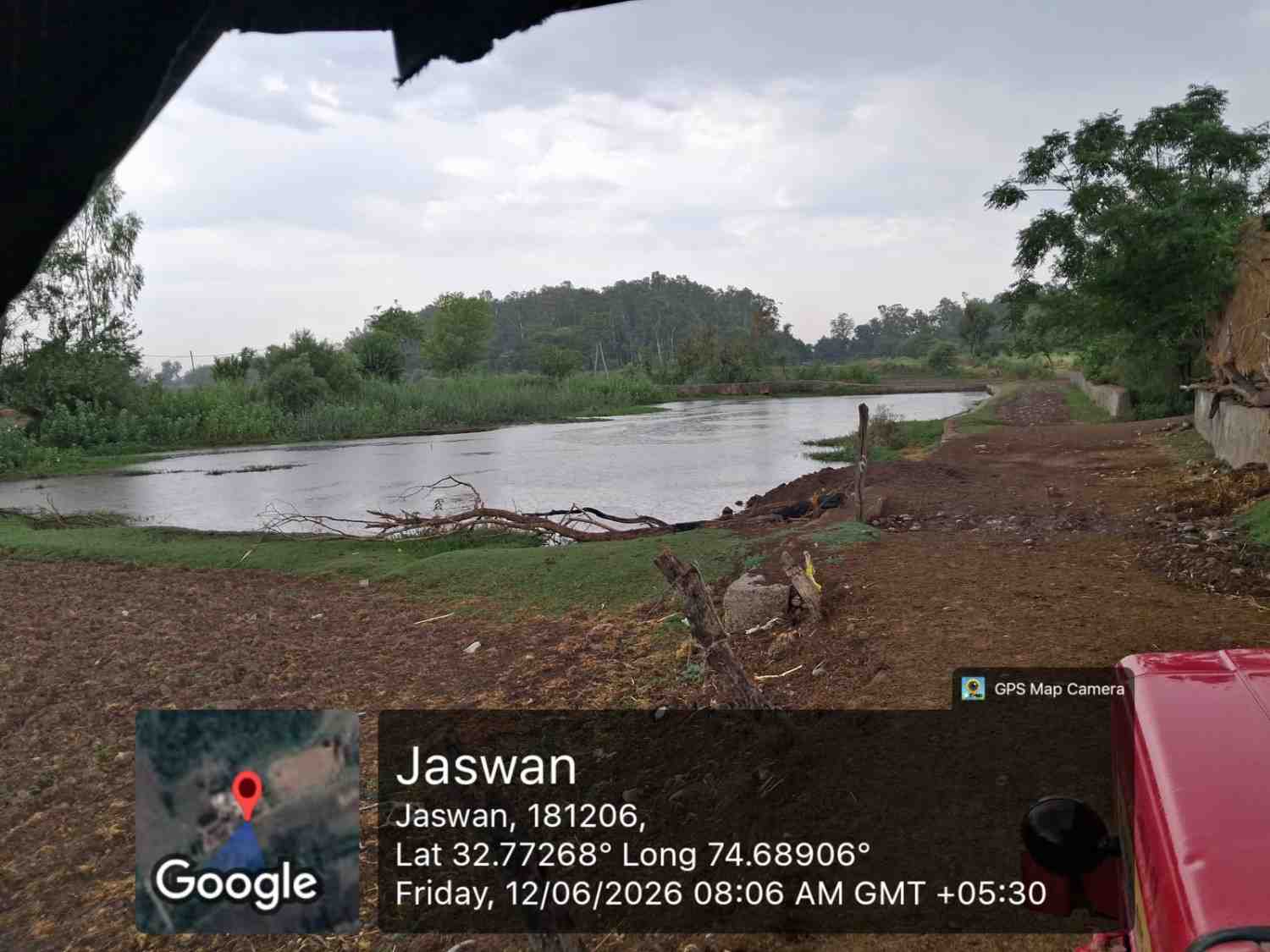
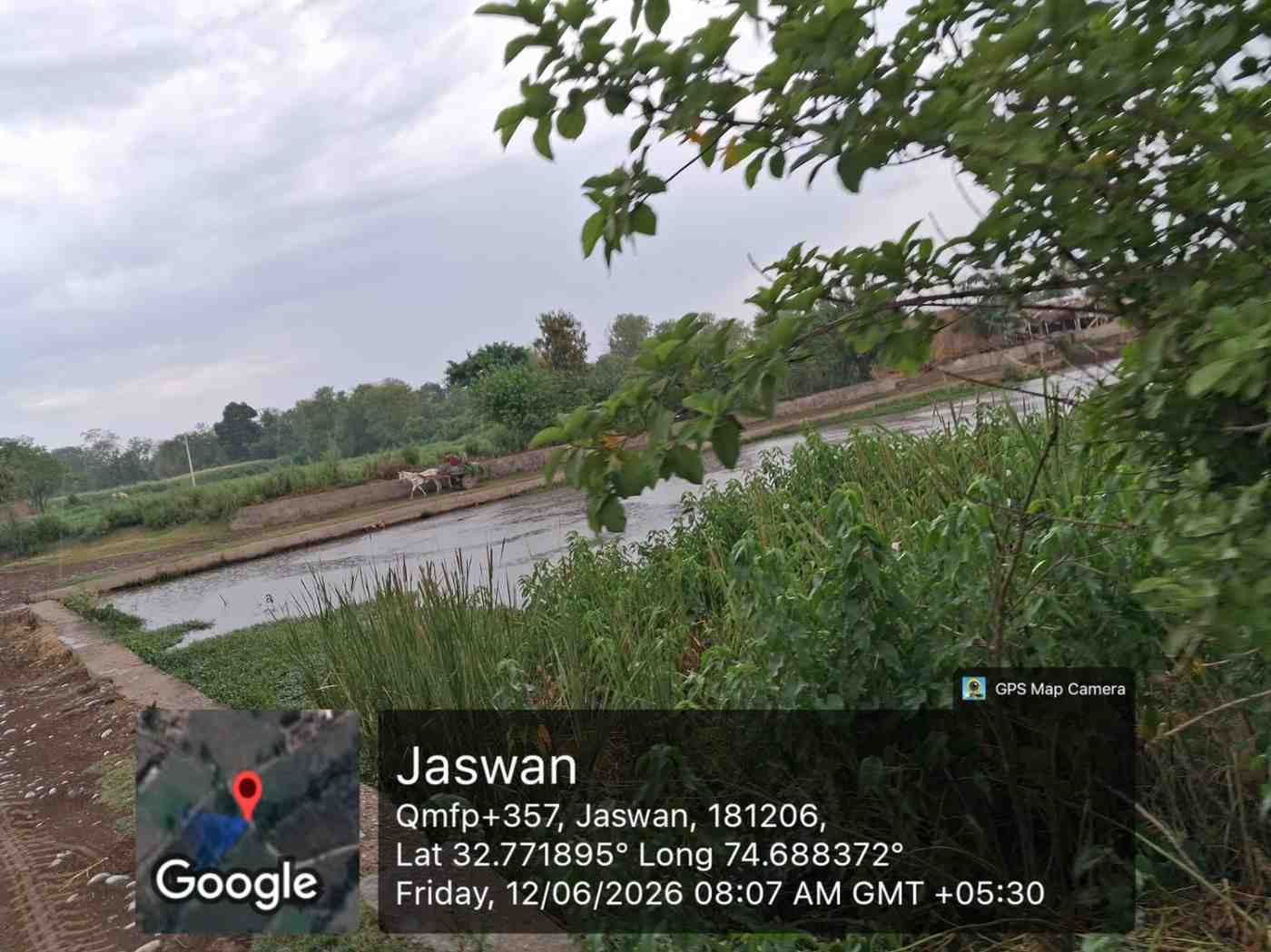
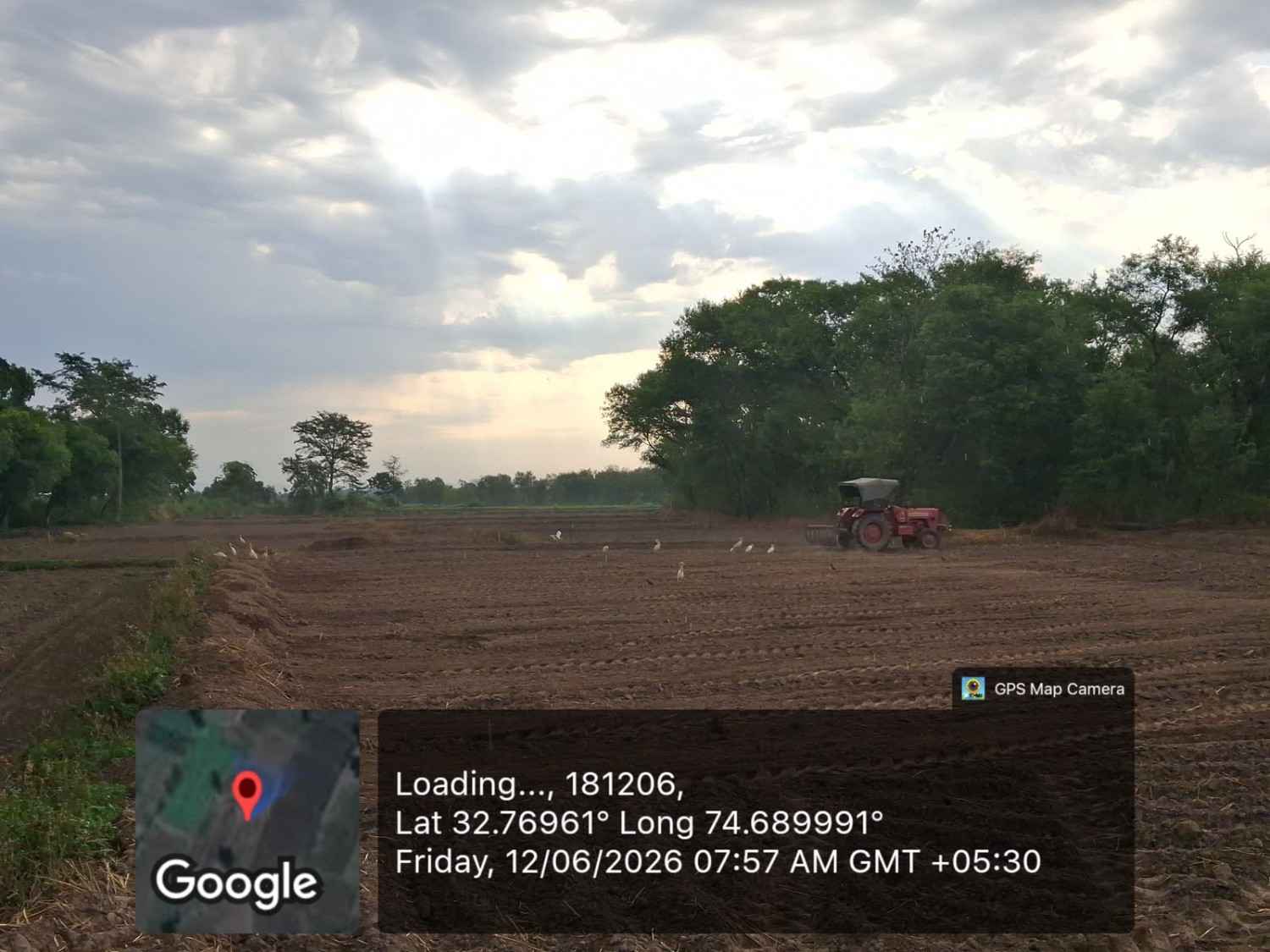
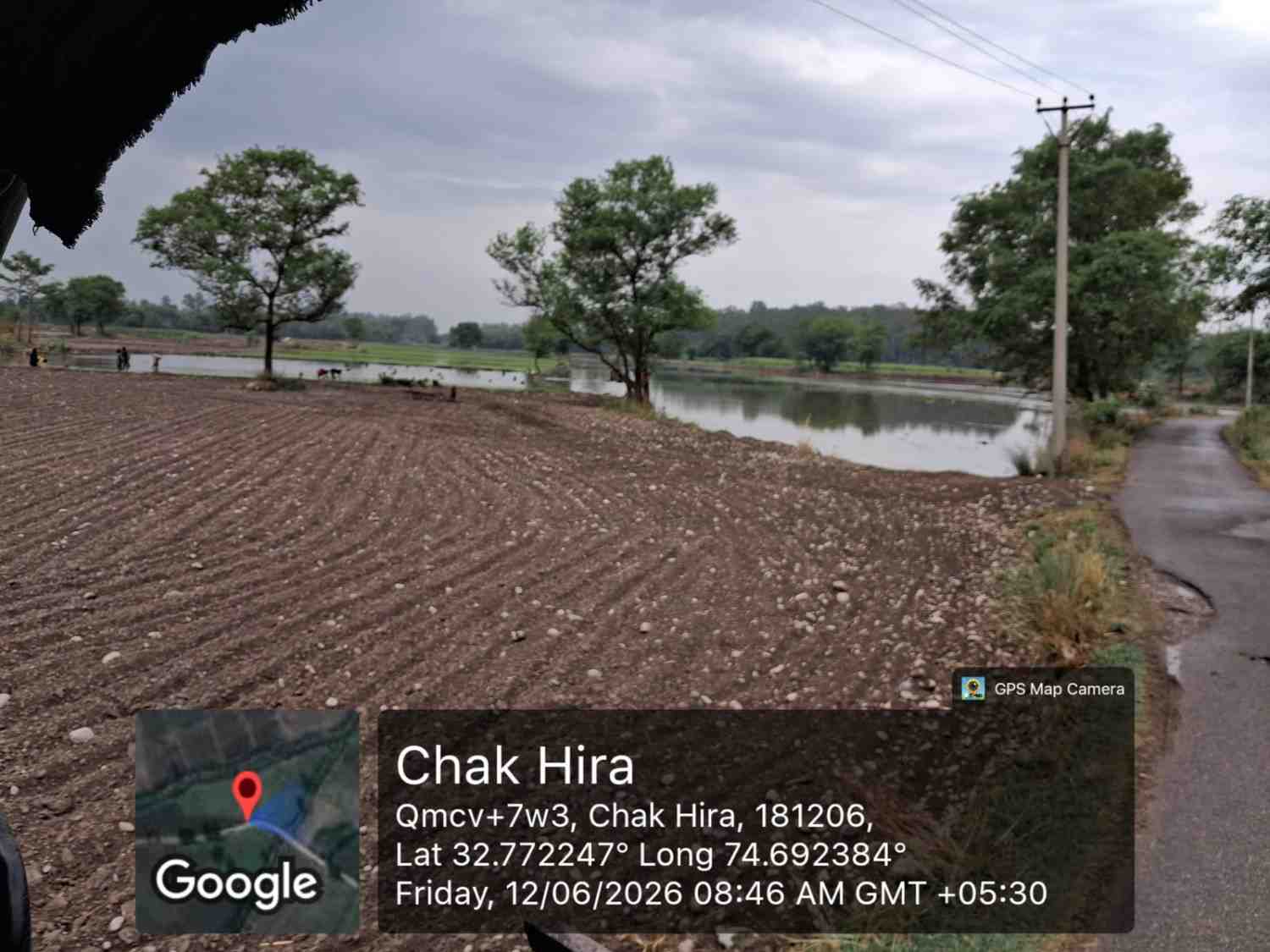
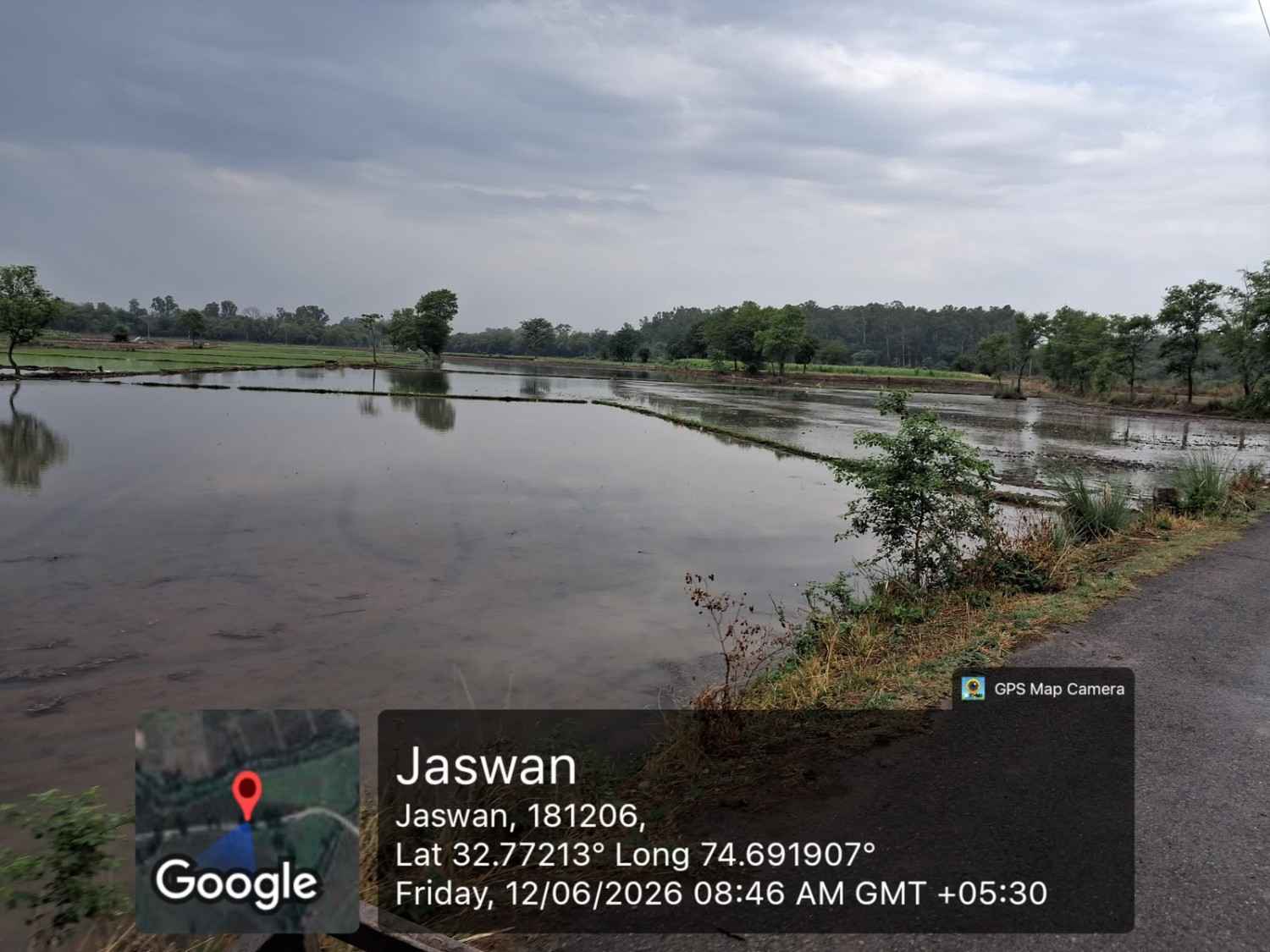
The principal attraction of Gole Pattan is its peaceful rural environment. Agricultural fields, seasonal crops, village pathways and open landscapes create a calm setting that reflects the natural character of the Jammu plains. The surrounding farmland is especially attractive during the growing seasons when the fields become green and active with agricultural work.
Visitors can experience the simplicity of village life, observe traditional farming practices and interact with local residents. The village does not have major museums or officially recognised historical monuments, but its natural surroundings and traditional lifestyle offer an authentic rural experience.
Religious and Community Spaces
Local religious places and informal community gathering spaces hold importance for the residents. Such places are used for worship, festivals, meetings and social interaction. They contribute to the spiritual and social life of the village even though they are not promoted as formal tourist attractions.
Best Time to Visit
The most suitable period to visit Gole Pattan is between October and March. During these months, the weather in the Jammu region is generally more comfortable for walking through the village, observing farming activities and interacting with residents.
The winter and early spring seasons also provide better conditions for photography and outdoor exploration. Visitors travelling during festivals such as Lohri or around the harvest periods may also have an opportunity to observe local celebrations and community traditions.
Local Cuisine
Traditional Dogra Food
The food culture of Gole Pattan reflects the traditional cuisine of rural Jammu. Common household meals may include rajma-chawal, dal, rice, chapati, seasonal vegetables, curd and locally produced milk products. Mustard greens with maize bread are also popular during the winter season.
Traditional Dogra dishes such as ambal, madra, khatta meat and kaladi are associated with the wider Jammu region and may be prepared during weddings, festivals and special family occasions. Although the village does not host an official food festival, community celebrations provide an opportunity to prepare and share traditional meals.
Village Lifestyle and Community Values
Community-Centred Living
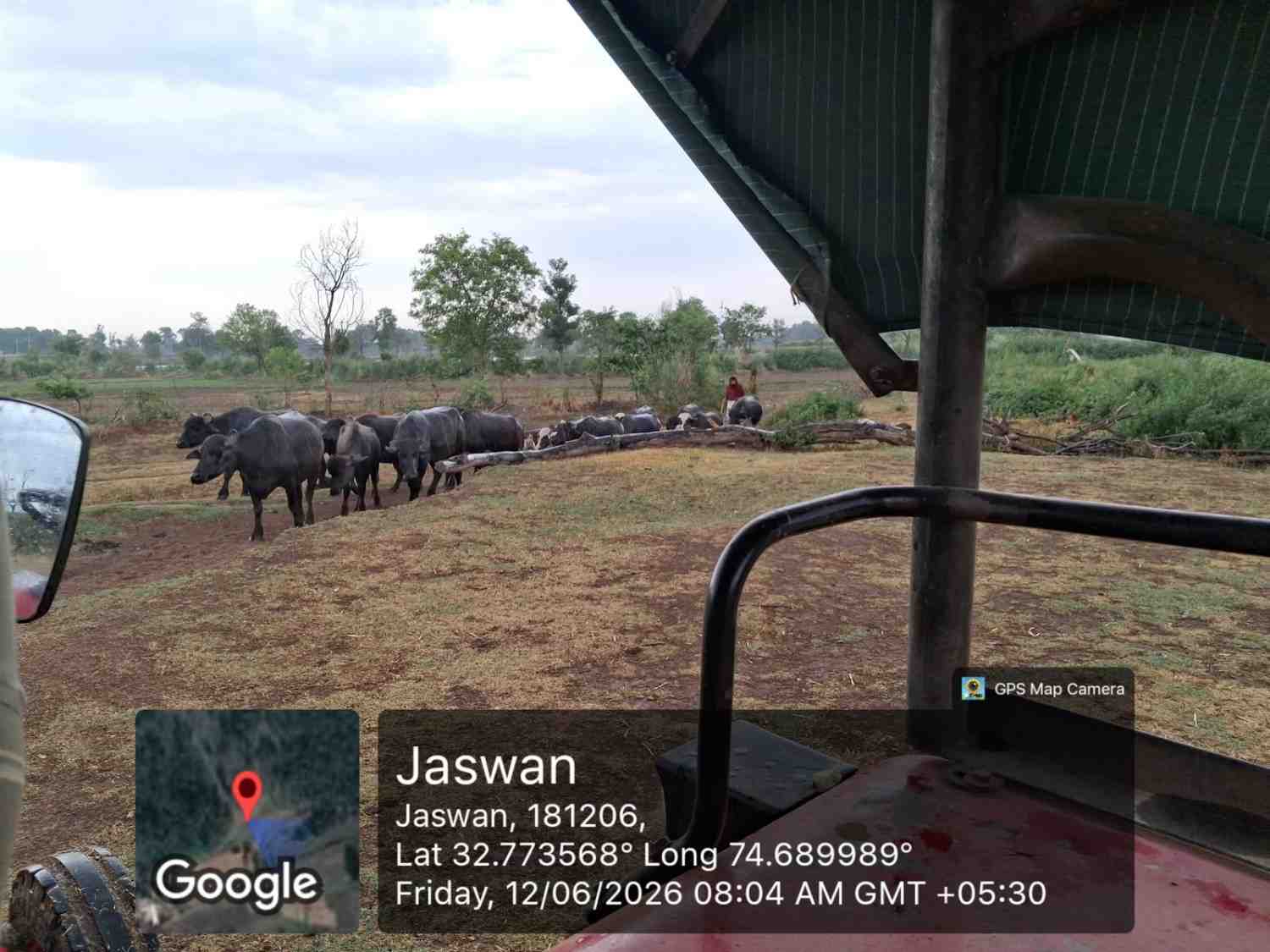
The lifestyle of Gole Pattan is simple, peaceful and closely connected with agriculture. Many residents begin their day early and divide their time between farming, household responsibilities, livestock care and employment outside the village.
Social relationships play an important role in everyday life. Neighbours often help one another during agricultural activities, family ceremonies and difficult circumstances. Religious festivals, weddings, Gram Sabha meetings and informal gatherings strengthen unity and cooperation among residents.
Economic Activities and Occupations
Agriculture as the Primary Livelihood
Agriculture forms the main economic foundation of Gole Pattan. Panchayat-level records for Gango Chak identify rice and wheat as the important crops of the area. Seasonal vegetables may also be cultivated for household consumption and local sale.
Apart from farming, residents may be involved in dairy production, livestock rearing, construction work, government service, private employment, transportation and daily-wage labour. Some young residents travel to nearby areas and Jammu city in search of education and employment opportunities.
Traditional Trades and Skills
Common village-level trades include carpentry, masonry, tailoring, repair work and agricultural labour. Residents may also operate tractors, transport vehicles and farming machinery. These occupations provide important services to both the village and neighbouring communities.
Traditional large-scale weaving, pottery or organised handicraft production is not publicly documented in Gole Pattan. However, household-level skills such as stitching, food preparation and dairy production may provide opportunities for self-employment, particularly through women’s Self-Help Groups.
Educational Infrastructure
Primary Education
Gole Pattan has a Government Primary School that provides elementary education to children of the village. The existence of the school is confirmed in the official polling-station records for the Marh Assembly Constituency, which list Government Primary School Gole Pattan as a polling location.
Available educational listings indicate that the school provides education from Classes I to V. For middle, secondary and senior-secondary education, students generally travel to nearby villages or institutions in Gajansoo, Domana and other parts of Jammu.
Educational Support and Skill Development
Children may benefit from government educational initiatives such as scholarships, free textbooks, school meals and enrolment-awareness programmes. Teachers and families play an important role in encouraging children to continue their education beyond the primary level.
Advanced smart classrooms, vocational institutions and dedicated digital-learning centres are not publicly documented within the village. Skill development and professional education are generally accessed through nearby towns, training institutions and government programmes.
Accessibility and Transport Connections
Road Connectivity
Gole Pattan is connected to Jammu and surrounding settlements through local roads. Available records place the village in Marh tehsil and identify Jammu as its nearest major urban centre. Published distance estimates vary between approximately 10 and 23 kilometres depending on the route and reference point used.
Visitors can reach the village using private cars, taxis, motorcycles and available local transport. Jammu Tawi Railway Station and Jammu Airport serve as the major rail and air gateways for travellers coming from outside the region.
Transportation Within the Village
Walking, bicycles, motorcycles, tractors and private vehicles are the most common means of movement within the village. Auto-rickshaws and shared vehicles may be used for travelling to nearby markets, schools, medical facilities and transport points.
Agricultural vehicles also play an important role in carrying crops, equipment, livestock feed and other materials. Improvement and maintenance of internal roads remain important for convenient movement throughout the year.
Local Businesses and Entrepreneurship
Gole Pattan does not have any widely documented large company or nationally recognised startup originating from the village. Its local economy is supported mainly by small grocery shops, farming activities, dairy production, repair services and other family-operated businesses.
Government programmes such as MUDRA Yojana, the Prime Minister’s Employment Generation Programme, Skill India and rural livelihood missions can support residents interested in starting small enterprises. Self-Help Groups can also help women undertake activities such as tailoring, dairy farming, food processing and the production of locally marketable goods.
Healthcare and Wellness
Medical Facilities
There is no major hospital publicly documented within Gole Pattan itself. Residents depend on frontline health workers, vaccination campaigns and nearby medical facilities for routine healthcare. Panchayat-level records identify Kana Chak as an important healthcare location serving the wider Gango Chak area.
For specialised treatment, emergencies and diagnostic services, residents generally travel to larger healthcare institutions in Jammu. Anganwadi and ASHA services play an important role in maternal health, child nutrition, immunisation and public-health awareness.
Fitness and Healthy Living
No dedicated gymnasium, wellness centre or professional fitness facility is publicly documented in the village. However, farming, walking, livestock care and other daily physical activities contribute to an active rural lifestyle.
Young residents commonly participate in outdoor games and may use open grounds or school spaces for physical activity. Health awareness can be further improved through regular medical camps, nutrition programmes and sessions on sanitation and preventive healthcare.
Government Schemes and Social Welfare
Residents of Gole Pattan may receive benefits from centrally and locally implemented schemes according to their eligibility. These may include PMAY for housing, Ayushman Bharat and the J&K SEHAT scheme for health coverage, MGNREGA for rural employment, PM-KISAN for eligible farmers and the Public Distribution System for food assistance.
Other relevant initiatives include the Jal Jeevan Mission, Swachh Bharat Mission, Ujjwala Yojana, social-security pensions, scholarship programmes and rural livelihood missions. The Gram Panchayat and local administrative workers play an important role in creating awareness and assisting eligible families with applications.
Community Development Initiatives
Community participation contributes to cleanliness drives, maintenance of public spaces, plantation activities and the resolution of common village issues. Panchayat meetings and local gatherings provide residents with opportunities to discuss roads, drainage, water supply, sanitation and welfare requirements.
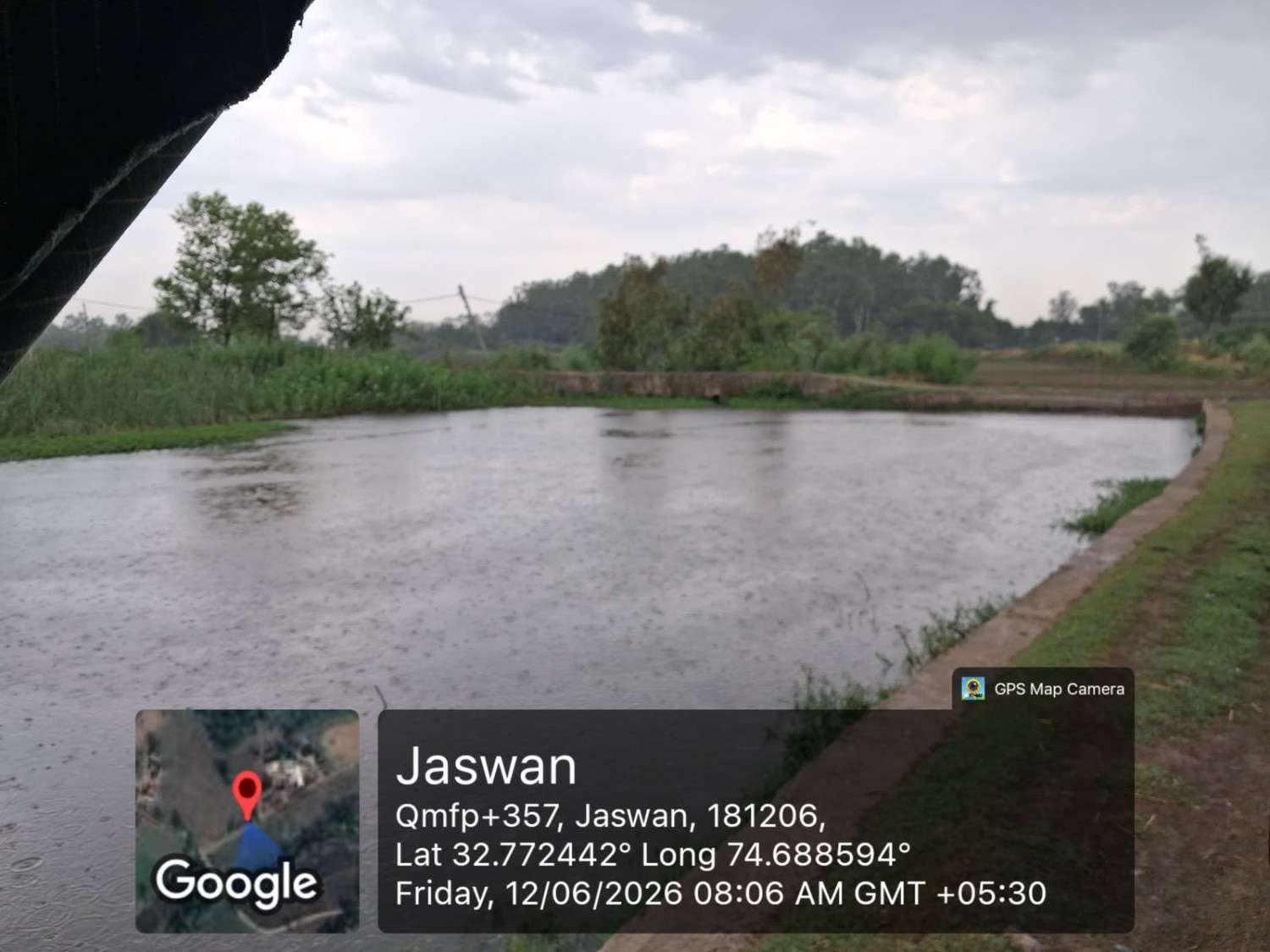
MGNREGA records for the 2025–26 financial year include the completed desilting of a nallah at Gole Pattan under Gango Chak Panchayat. This reflects the importance of drainage, irrigation maintenance and community infrastructure in local development planning.
Arts and Cultural Contributions
No nationally recognised artist, musician or performer has been publicly documented as originating specifically from Gole Pattan. Nevertheless, artistic expression remains visible during weddings, festivals, religious gatherings and school functions.
Residents may participate in Dogri folk songs, bhajans, devotional music and informal dance performances. These local activities help preserve cultural traditions even in the absence of formal art institutions, professional music venues or organised cultural societies.
Entertainment and Cultural Activities
The main forms of entertainment in Gole Pattan include social gatherings, religious events, weddings, school programmes and outdoor games. Families also use television, smartphones, social media and online video platforms for everyday entertainment.
The village does not host major commercial concerts or large arts festivals. However, local celebrations create opportunities for music, traditional food, community interaction and cultural participation. Residents may travel to Jammu for cinemas, shopping centres and larger recreational facilities.
Sports and Recreational Activities
Cricket is likely the most popular outdoor sport among the youth, along with volleyball, badminton, kabaddi and other traditional games. Schoolchildren may also participate in running competitions, kho-kho and sports activities organised during school functions.
There is no publicly documented professional stadium or organised sports league within Gole Pattan. Open fields, school grounds and available community spaces may be used for informal matches and recreational activities. Better playground facilities and sports equipment could further encourage youth participation.
Biodiversity: Flora and Fauna
Vegetation and Agricultural Ecology
The natural environment of Gole Pattan consists primarily of farmland, village vegetation and trees commonly found in the Jammu plains. Neem, peepal, banyan, mango, eucalyptus and other locally adapted trees may be seen around homes, roads and agricultural land.
Rice, wheat and seasonal vegetables form an important part of the agricultural landscape. This vegetation supports local livelihoods while also providing shelter and food for birds, insects and small animals.
Birds and Animals
Common birds in rural Jammu include sparrows, pigeons, mynas, parrots, crows and peafowl in suitable surrounding areas. Domestic animals such as cows, buffaloes, goats, dogs and poultry are also closely connected with village life.
The agricultural fields may support squirrels, field rodents, reptiles and other small species. Gole Pattan does not contain a publicly recognised nature reserve, protected forest or official hiking trail, but its fields and open surroundings offer opportunities for walking and observing rural nature.
Sustainability and Environmental Conservation
The village’s environmental sustainability depends on responsible farming, water conservation, proper drainage and effective waste management. Plantation drives and cleanliness activities can help protect public spaces and maintain the natural appearance of the village.
Important environmental concerns may include plastic waste, blocked drains, agricultural residue and the excessive use of chemical fertilisers or pesticides. Low-cost measures such as waste-separation bins, composting, regular drain cleaning and awareness campaigns can improve environmental conditions.
Digital Connectivity and Services
Mobile phones and internet-based services have become increasingly important in rural communities. Residents may use digital platforms for UPI payments, online banking, Aadhaar-related services, government applications, educational content and communication.
Digital literacy programmes remain valuable, especially for senior citizens and residents unfamiliar with online systems. Training on UPI safety, cyber fraud, secure passwords, online government services and digital banking would allow villagers to use technology more safely and effectively.
Major Challenge and Practical Solution
One major challenge faced by Gole Pattan is the limited availability of local employment and skill-development opportunities, particularly for young people. Agriculture remains essential, but it may not provide sufficient year-round income for every household, encouraging some residents to seek work outside the village.
A practical and low-cost solution would be to conduct monthly skill and entrepreneurship workshops in the school or Panchayat space. Training in digital services, dairy management, food processing, tailoring, modern agriculture and small-business marketing could support self-employment without requiring expensive infrastructure.
Learning from the Village Visit
The most significant learning from the visit to Gole Pattan is that rural development depends not only on roads, buildings and government funding but also on community participation. Even villages with limited resources can make meaningful progress when residents, local institutions and public authorities work together.
The experience also demonstrates the resilience and cooperation present in rural life. Villagers maintain close social relationships, preserve cultural values and manage their livelihoods through agriculture and local work despite facing limitations in healthcare, employment and advanced educational facilities.
Conclusion
Gole Pattan is a small but culturally meaningful village that reflects the agricultural traditions and community-centred lifestyle of rural Jammu. Its identity is shaped by farming, close social relationships, local customs and the gradual adoption of modern facilities.
With improvements in education, healthcare access, skill development, digital literacy, waste management and employment opportunities, the village can continue progressing while preserving its traditional character. Gole Pattan may not contain famous monuments or commercial attractions, but its people, agricultural landscape and rural heritage make it an important part of the social and cultural fabric of Marh, Jammu.
Photos
Videos
Location Map
Contact Information
| Address |
Gole Pattan, Marh Tehsil, Jammu District, Jammu & Kashmir – 181206 |
| Phone Number |
Reviews (1)


Love the village, it's rich in culture and geography.