
Description
Introduction to Gasit Pur
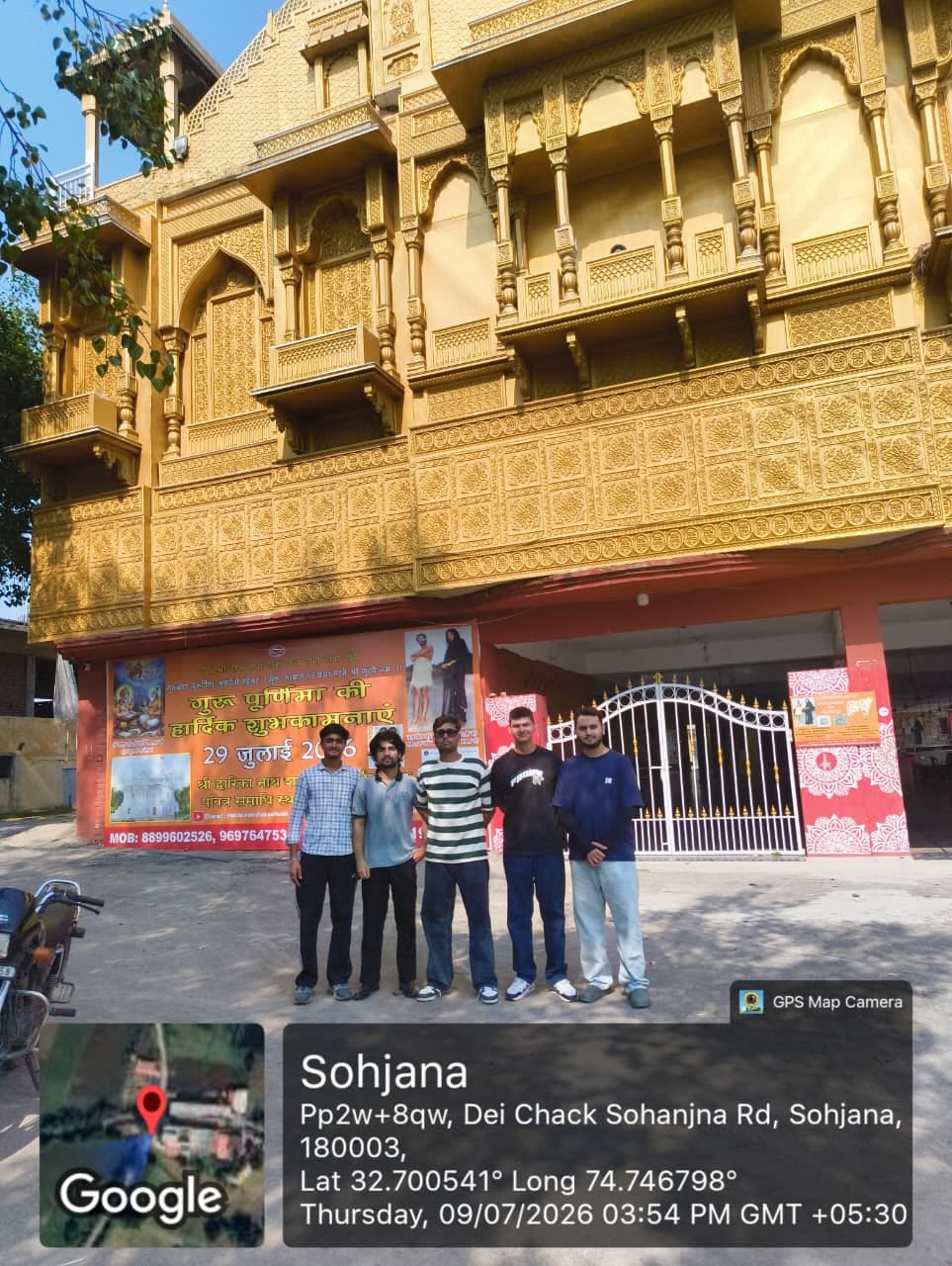
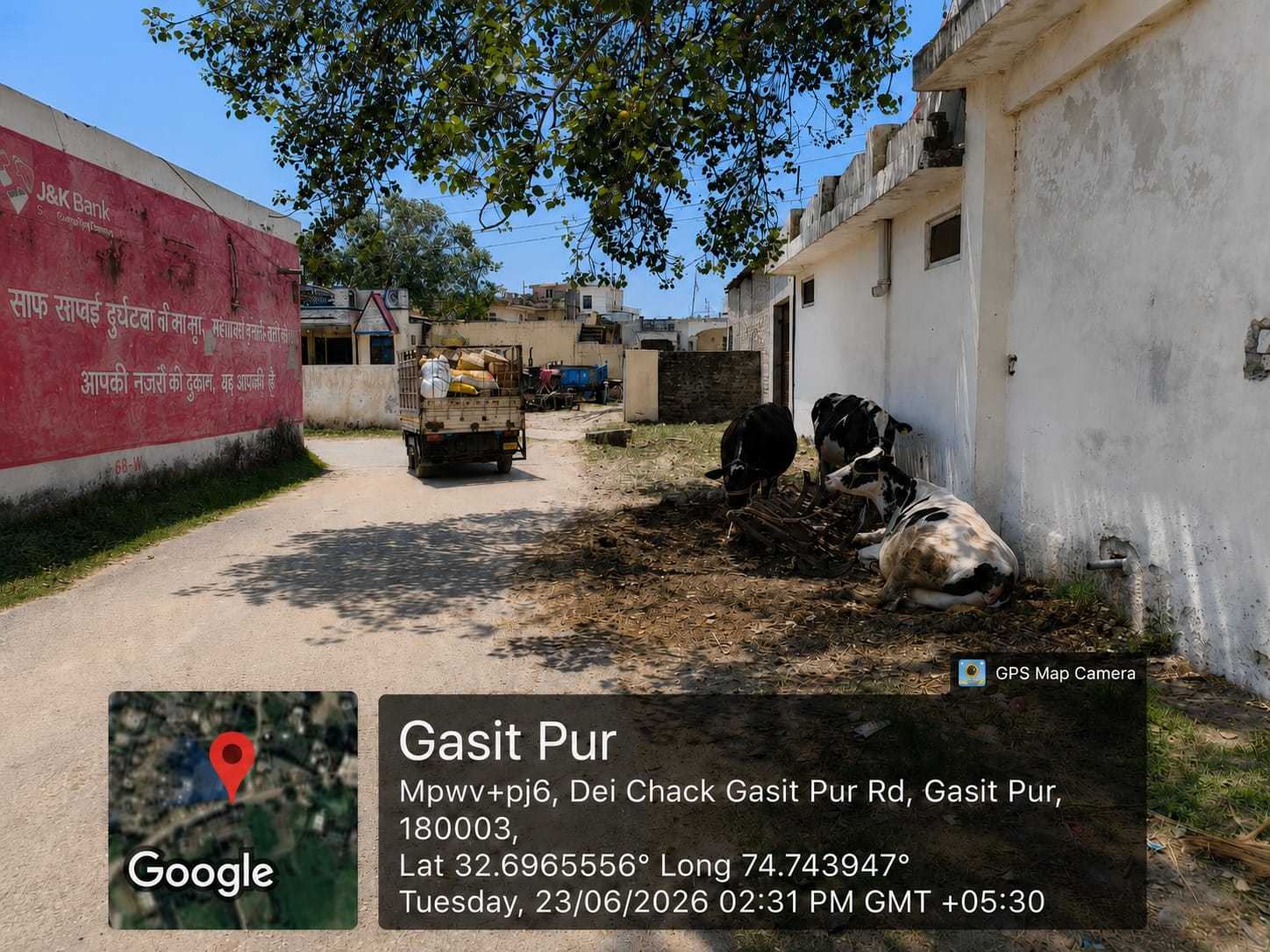
Gasit Pur is a small rural village situated in Jammu district of the Union Territory of Jammu and Kashmir, India. Located near Jammu city, the village reflects the traditional lifestyle and cultural heritage of the Dogra region. Although modest in size, Gasit Pur plays an important role in the local agricultural economy and preserves the values of community living, cooperation, and rural sustainability. The village is known for its peaceful surroundings, fertile agricultural land, and close-knit community, which continues to uphold traditional customs while gradually benefiting from modern rural development initiatives.
Population and Urbanization
According to the 2011 Census of India, Gasit Pur had a recorded population of 91 residents, making it one of the smaller villages in Jammu district. The village has a relatively small number of households, which contributes to its strong community relationships and close social interactions. Over time, infrastructure in the village has gradually improved, with residents having access to essential facilities such as electricity, road connectivity, drinking water, and mobile communication.
Despite its rural character, Gasit Pur is reasonably connected with Jammu city. Residents frequently travel to the city for higher education, healthcare services, banking facilities, and employment opportunities. This connection with the urban centre allows villagers to benefit from modern services while continuing to preserve the village's rural identity.
Historical Background
Although there are no detailed written historical records specifically documenting the origin of Gasit Pur, the village forms part of the culturally rich Dogra region of Jammu. Its development has traditionally been associated with agriculture, traditional land ownership, and rural community living. Over generations, families have preserved local customs, traditional farming practices, religious traditions, and strong community values.
Much of the village's history has survived through oral traditions passed down by village elders. These accounts continue to preserve stories about early settlers, the development of agriculture, and the growth of the community. Such traditions are important in maintaining the historical and cultural identity of Gasit Pur despite the limited availability of formal written records.
Natural Environment and Attractions
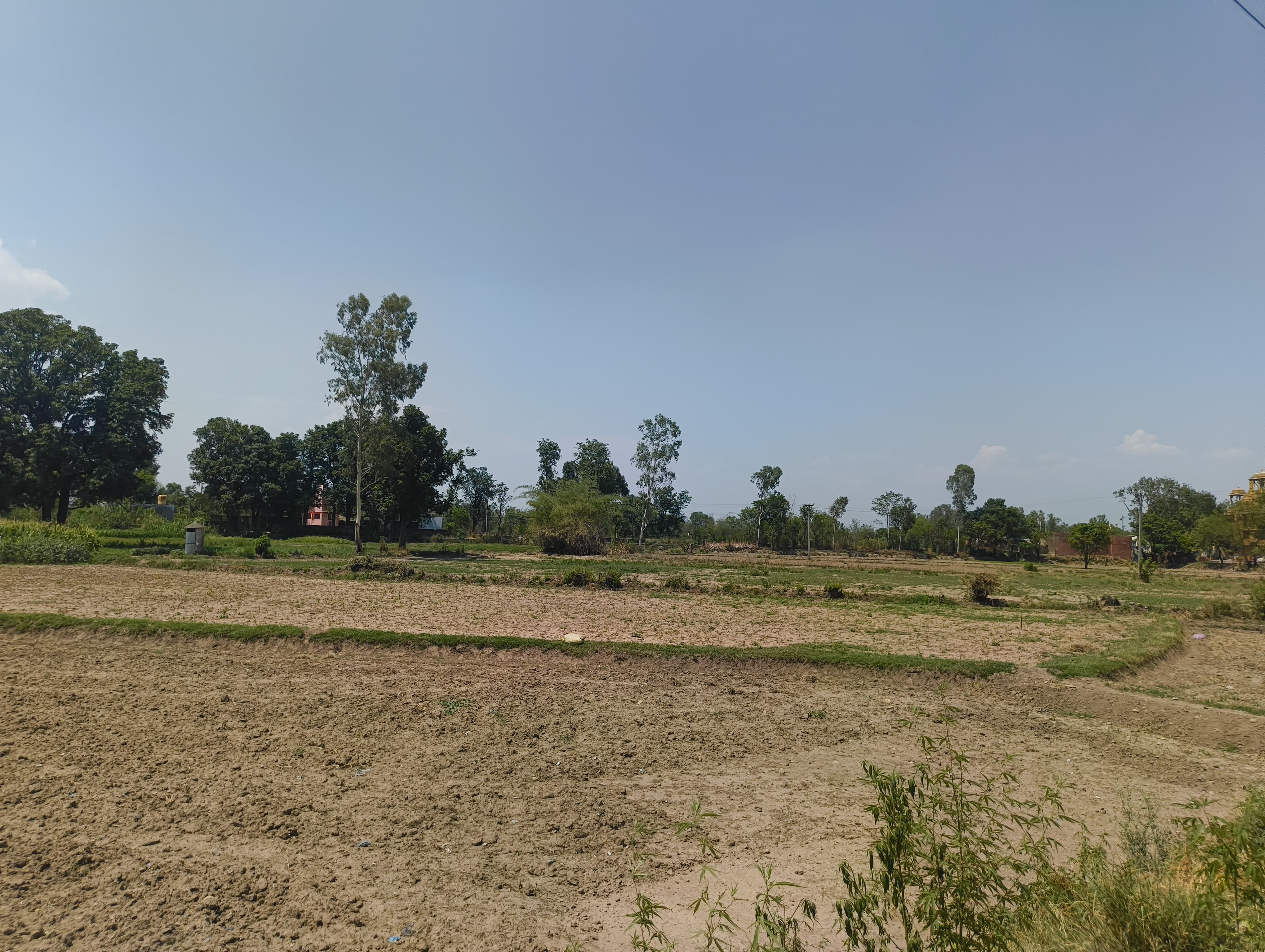
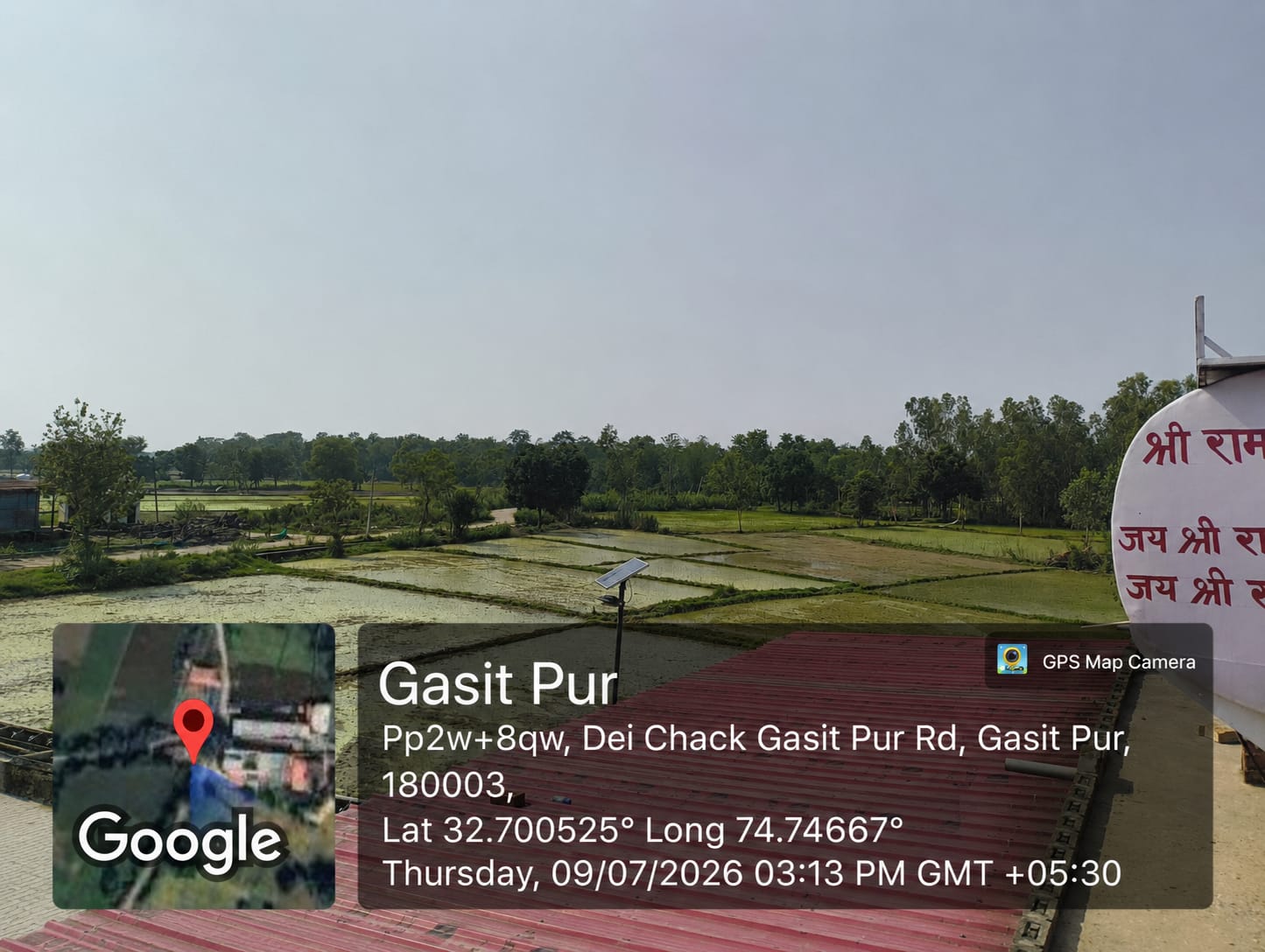
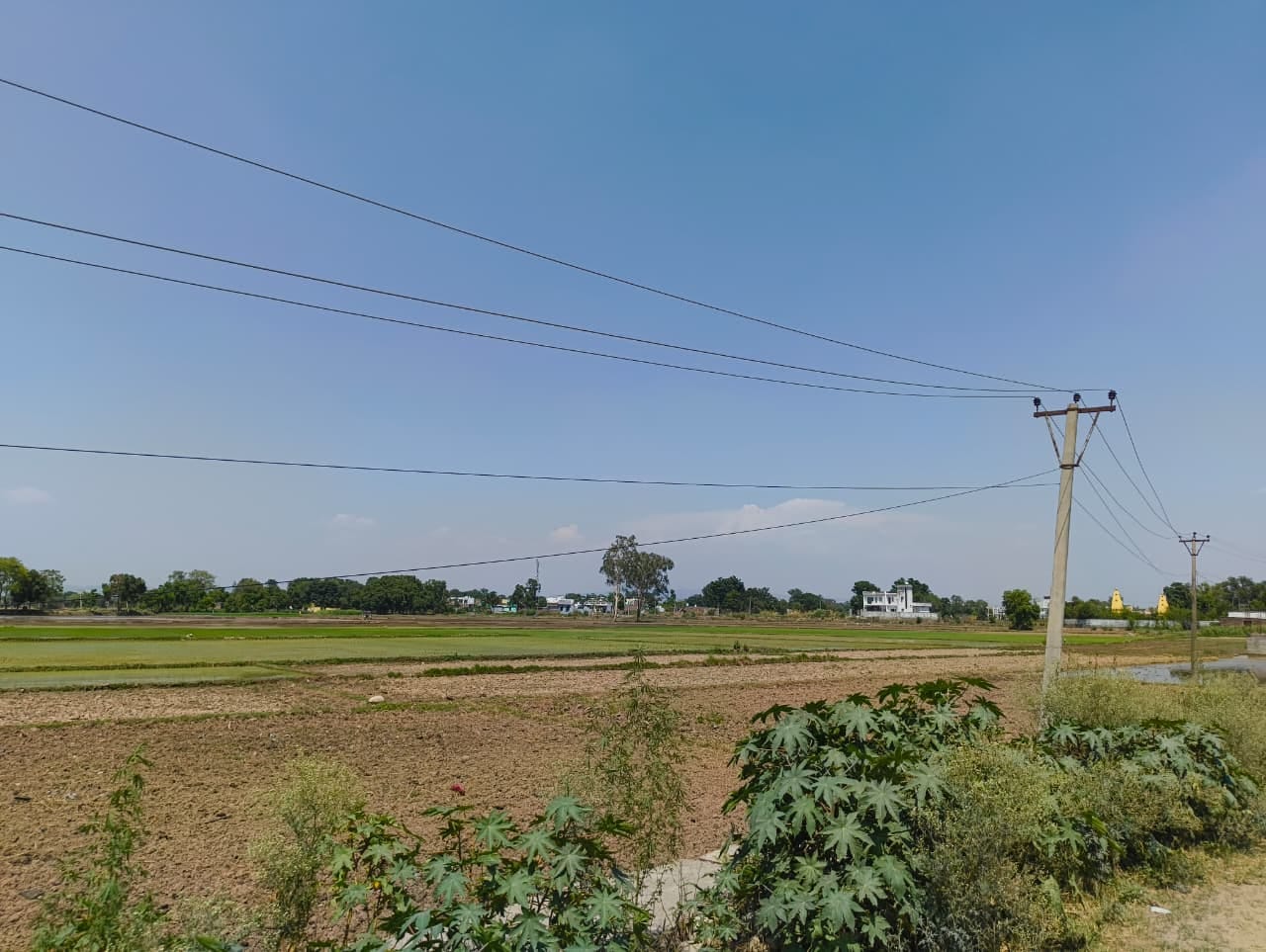
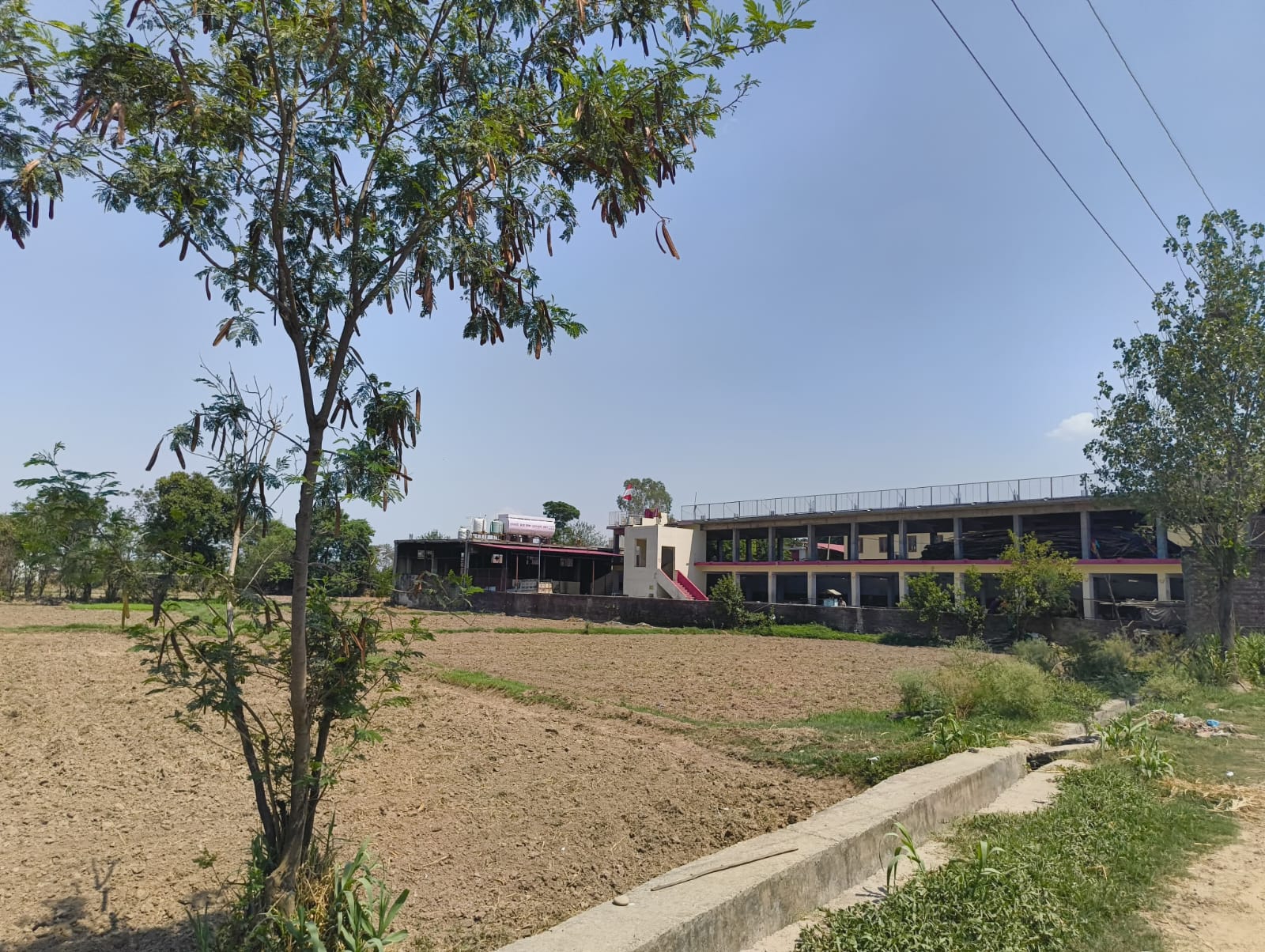
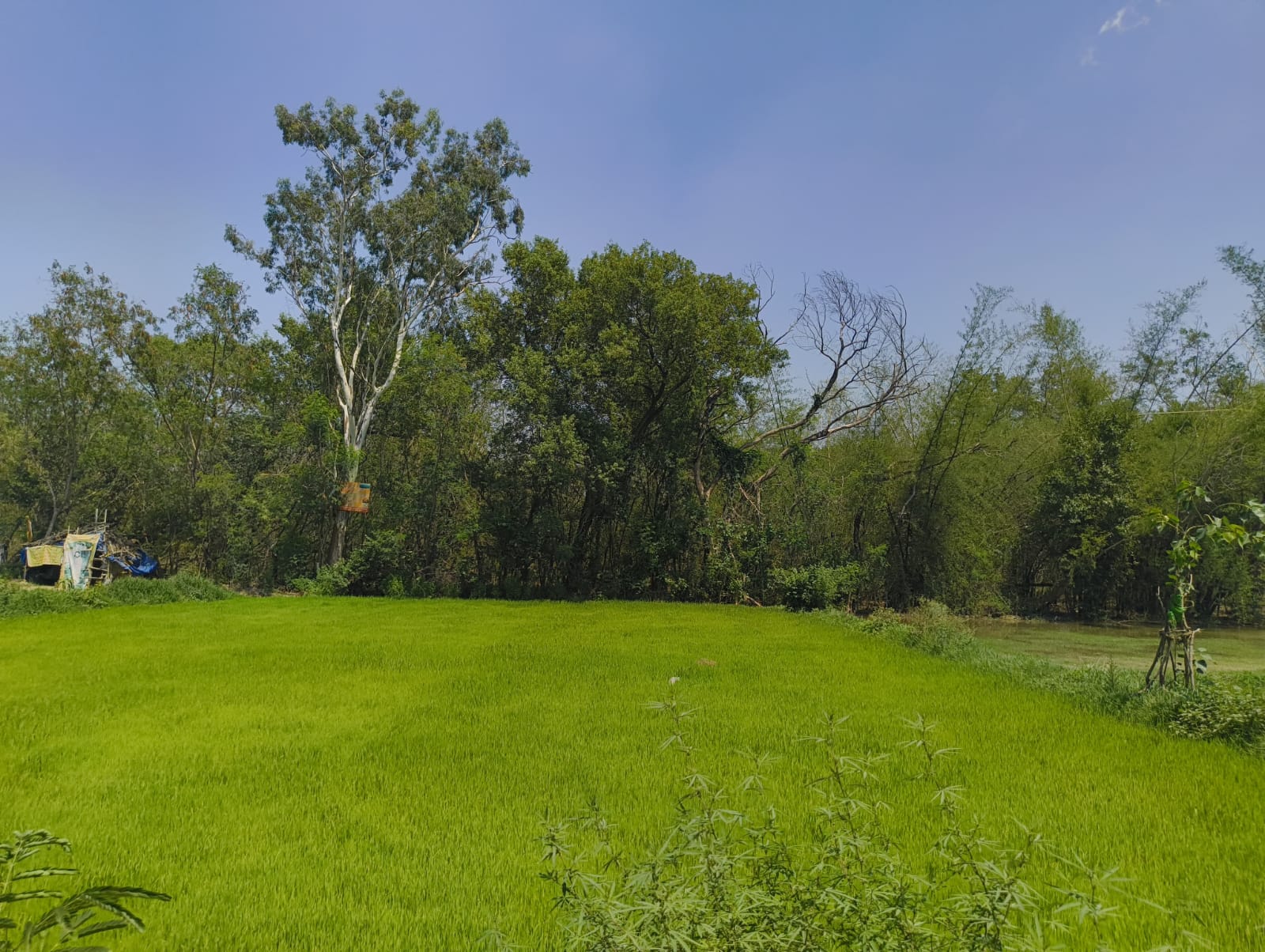
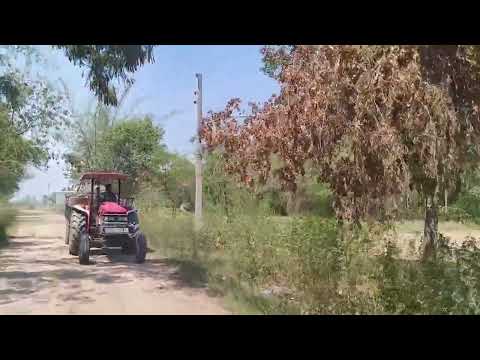
Gasit Pur offers a peaceful rural environment surrounded by agricultural fields, open landscapes, and native vegetation. Its fertile land supports the cultivation of crops such as wheat, paddy, maize, and seasonal vegetables. Agriculture not only contributes to the local economy but also forms an important part of the natural landscape and visual character of the village.
Although Gasit Pur is not a commercial tourist destination, visitors can experience an authentic rural lifestyle and observe traditional Dogra culture, farming activities, and scenic countryside. The peaceful environment and agricultural surroundings make the village representative of the traditional rural landscape of the Jammu region.
Best Time to Visit
The ideal time to visit Gasit Pur is generally from October to March, when the weather is more pleasant and comfortable. The village can also be experienced during major festivals such as Lohri, Baisakhi, Navratri, Diwali, and Janmashtami. These occasions provide an opportunity to observe traditional Dogra customs, religious ceremonies, cultural practices, and community celebrations.
Local Cuisine
The cuisine of Gasit Pur reflects the traditional food habits of the Dogra community and is closely connected with locally available agricultural and dairy products. Common meals include Rajma-Chawal, dal and rice, Makki ki Roti, seasonal vegetables, homemade curd, and other milk products. Traditional Dogri pickles are also an important part of local food culture, while Khichdi is commonly prepared during festivals and religious occasions.
The use of fresh vegetables, home-grown grains, and locally produced dairy products reflects the village's agricultural lifestyle. This traditional approach to food emphasizes simple preparations and the use of ingredients that are readily available within the local environment.
Village Lifestyle and Community Values
Life in Gasit Pur is characterized by simplicity, cooperation, mutual respect, and strong family values. Agriculture remains the backbone of daily life, and family members often work together during important agricultural periods such as the sowing and harvesting seasons. Community relationships continue to play an important role in maintaining the social fabric of the village.
Residents actively participate in religious events, festivals, weddings, and other community gatherings. Respect for elders, preservation of traditional customs, and collective community welfare are highly valued. The continued use of the Dogri language also strengthens the village's cultural identity and helps preserve its connection with the wider Dogra heritage of the region.
Economic Activities
The economy of Gasit Pur is primarily based on agriculture. Wheat, paddy, maize, and seasonal vegetables are among the important crops cultivated by local farmers. Farming practices combine traditional methods with modern agricultural techniques, allowing residents to maintain established practices while gradually adopting improved methods of cultivation.
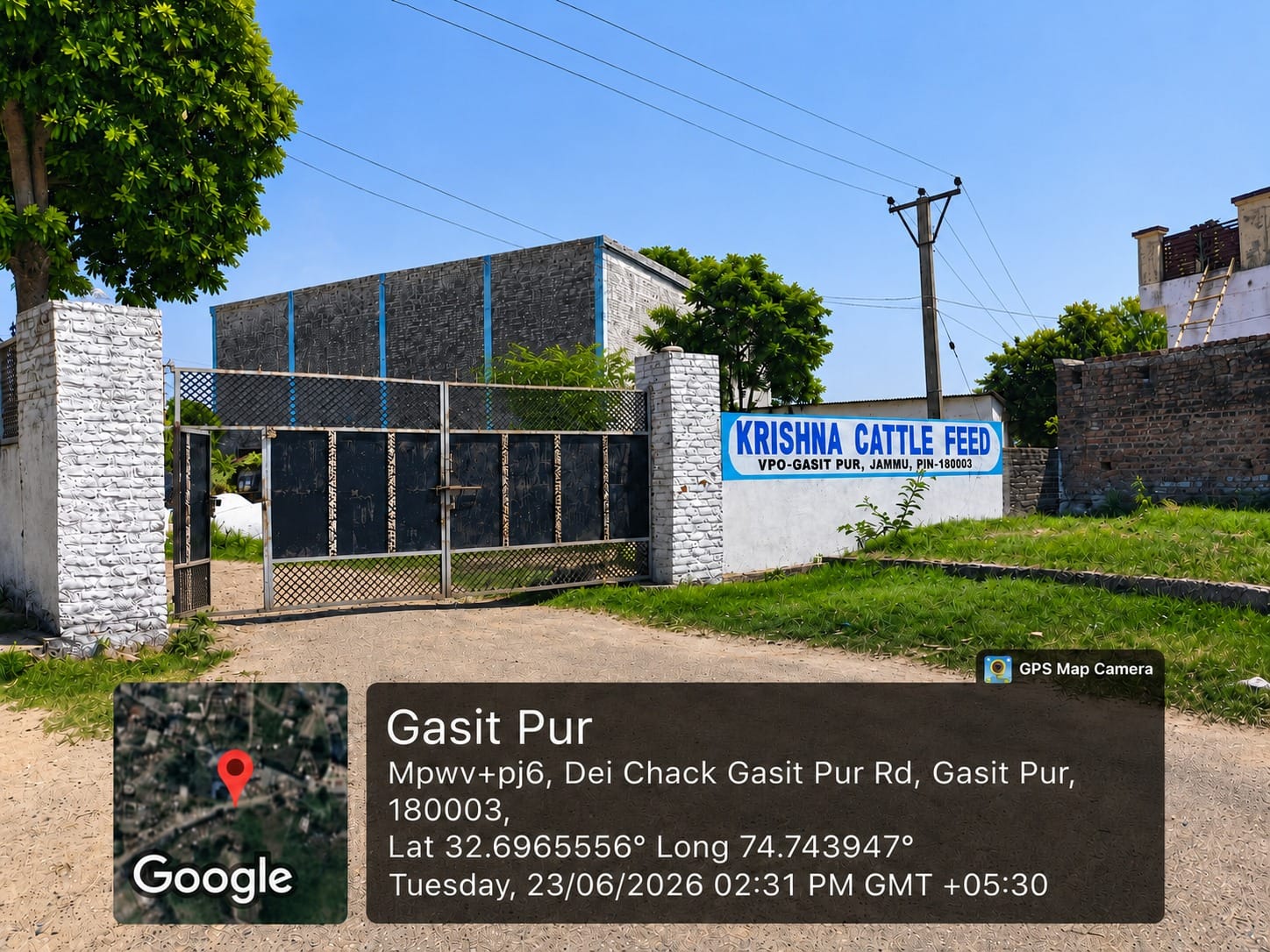
In addition to agriculture, livestock rearing and dairy farming provide supplementary sources of income for some households. Residents are also engaged in government services, private-sector employment, and businesses located in Jammu city. Within and around the village, small businesses such as grocery shops, dairy sales, agricultural supply stores, and enterprises such as Krishna Cattle Feed contribute to the local economy and support the needs of farmers and households.
Educational Infrastructure
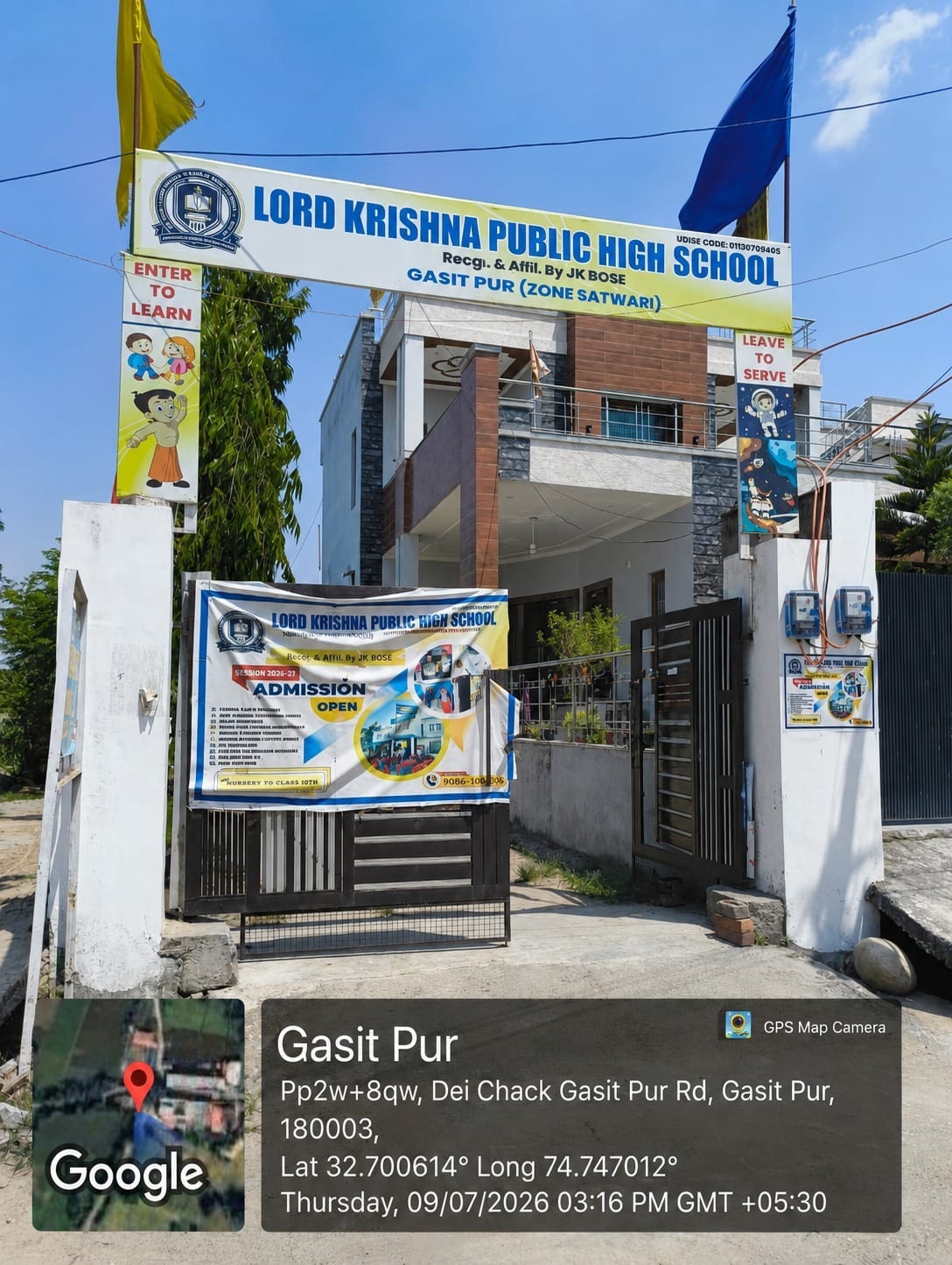
Education in and around Gasit Pur is supported by nearby government schools and private schools. The village also has an Anganwadi Centre, which contributes to early childhood education, nutrition, health awareness, and maternal care. These services are especially important for supporting the development and well-being of children and families in the rural community.
Residents can also benefit from government educational initiatives such as Samagra Shiksha, the Right to Education (RTE), the Mid-Day Meal Scheme, government scholarships, and skill-development programmes. Many students from the village pursue higher education in colleges and universities located in Jammu city, giving them access to a wider range of academic and career opportunities.
Transportation and Connectivity
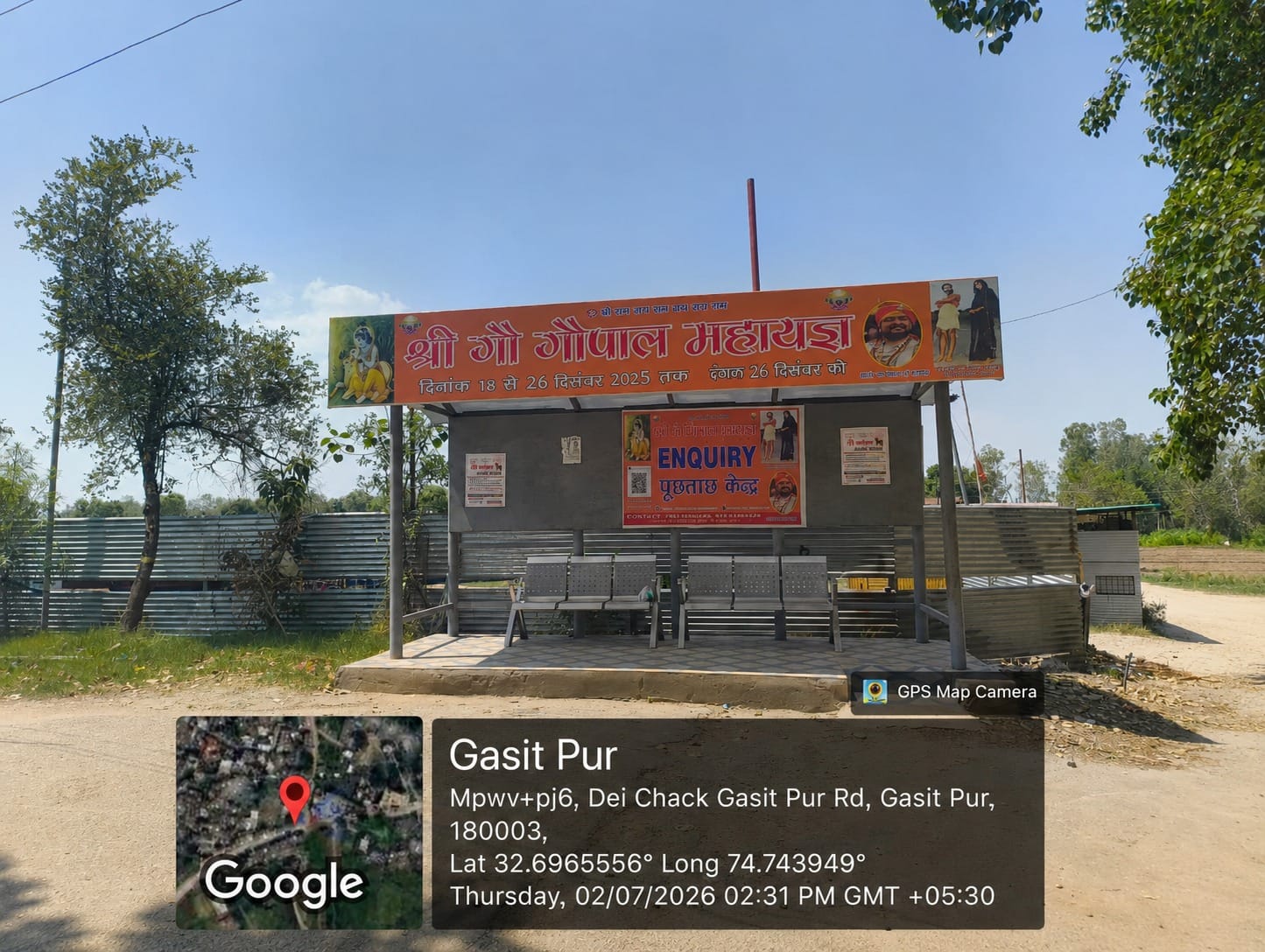
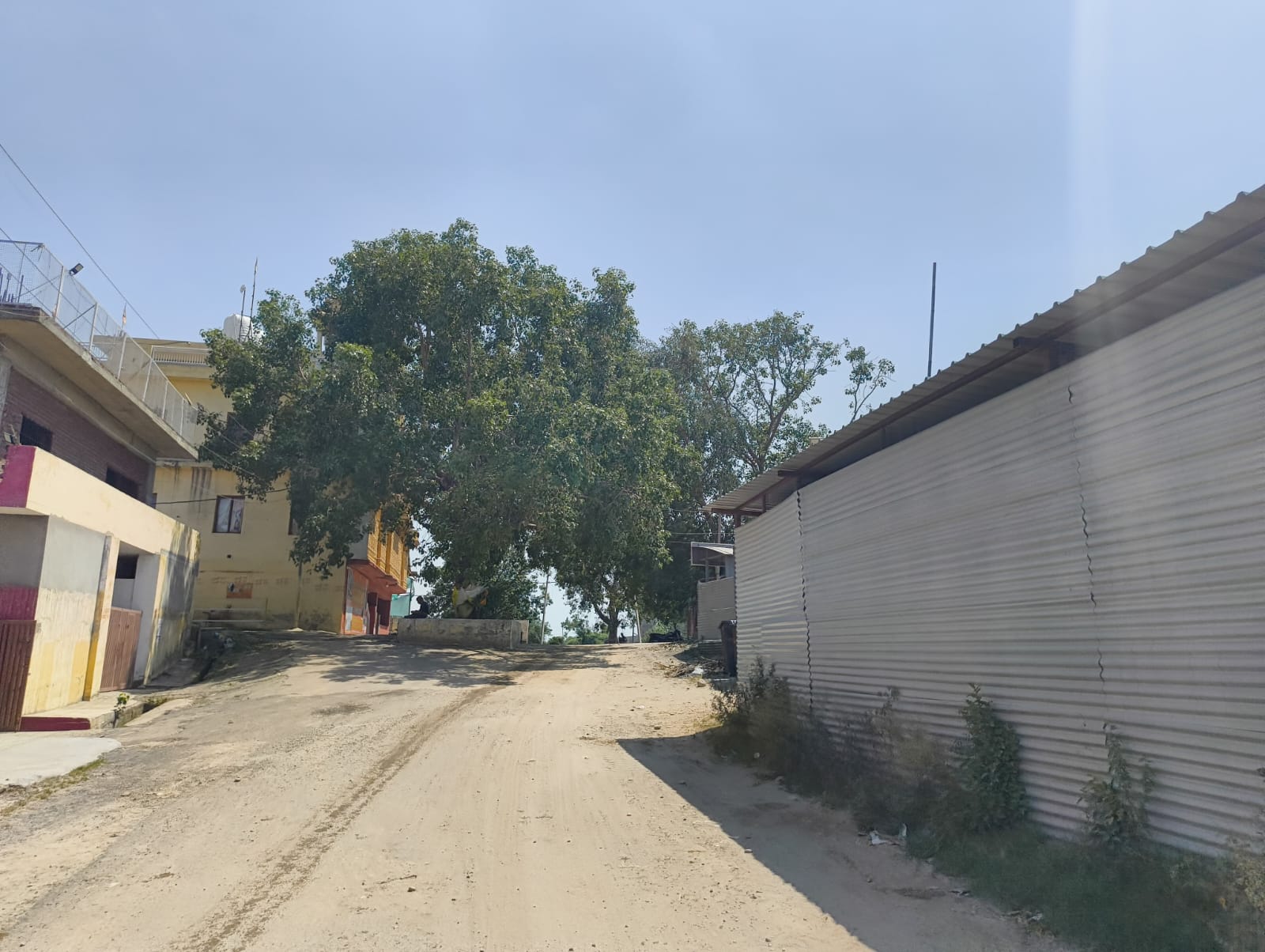
Gasit Pur enjoys road connectivity with nearby villages and Jammu city. Residents use public buses, private vehicles, and auto-rickshaws for daily commuting, transportation of agricultural produce, and access to schools, healthcare centres, markets, and other essential services. Its proximity to Jammu city makes it easier for residents to reach major urban facilities when required.
Important transport hubs accessible to residents include Jammu Railway Station and Jammu Airport. These facilities improve connectivity with other parts of Jammu and Kashmir as well as with destinations outside the Union Territory.
Healthcare Facilities
Basic healthcare needs of the village are supported through nearby Primary Health Centres (PHCs) and the local Anganwadi Centre. These facilities contribute to maternal healthcare, child healthcare, nutrition support, and immunization services. Government health initiatives such as Ayushman Bharat – PM-JAY and the National Health Mission (NHM) also provide additional support to eligible residents.
For specialized medical treatment, residents generally travel to hospitals in Jammu city, including Government Medical College Hospital and Super Speciality Hospital. Access to these urban healthcare facilities is particularly important for advanced diagnosis, emergency care, and specialized treatment.
Arts and Cultural Heritage
Although Gasit Pur does not have any nationally recognized artists, the village actively preserves the rich traditions of Dogra culture through community participation. Traditional cultural activities include Dogri folk songs, bhajans, kirtans, devotional music, and celebrations associated with religious and social occasions.
These cultural traditions are often shared within families and during community gatherings. Such practices help pass local customs and cultural knowledge from one generation to the next and contribute to the preservation of the village's cultural identity.
Entertainment and Recreation
Entertainment in Gasit Pur is largely centred around community participation and social interaction. Residents enjoy festival celebrations, religious gatherings, family functions, and other social events. Outdoor activities and sports also form an important part of recreation, with cricket, kabaddi, volleyball, and badminton being popular among residents, particularly younger people.
For modern entertainment and commercial recreational facilities such as cinemas, shopping malls, and restaurants, residents generally travel to Jammu city. The city's proximity provides access to a wider range of entertainment and leisure options.
Biodiversity and Environment
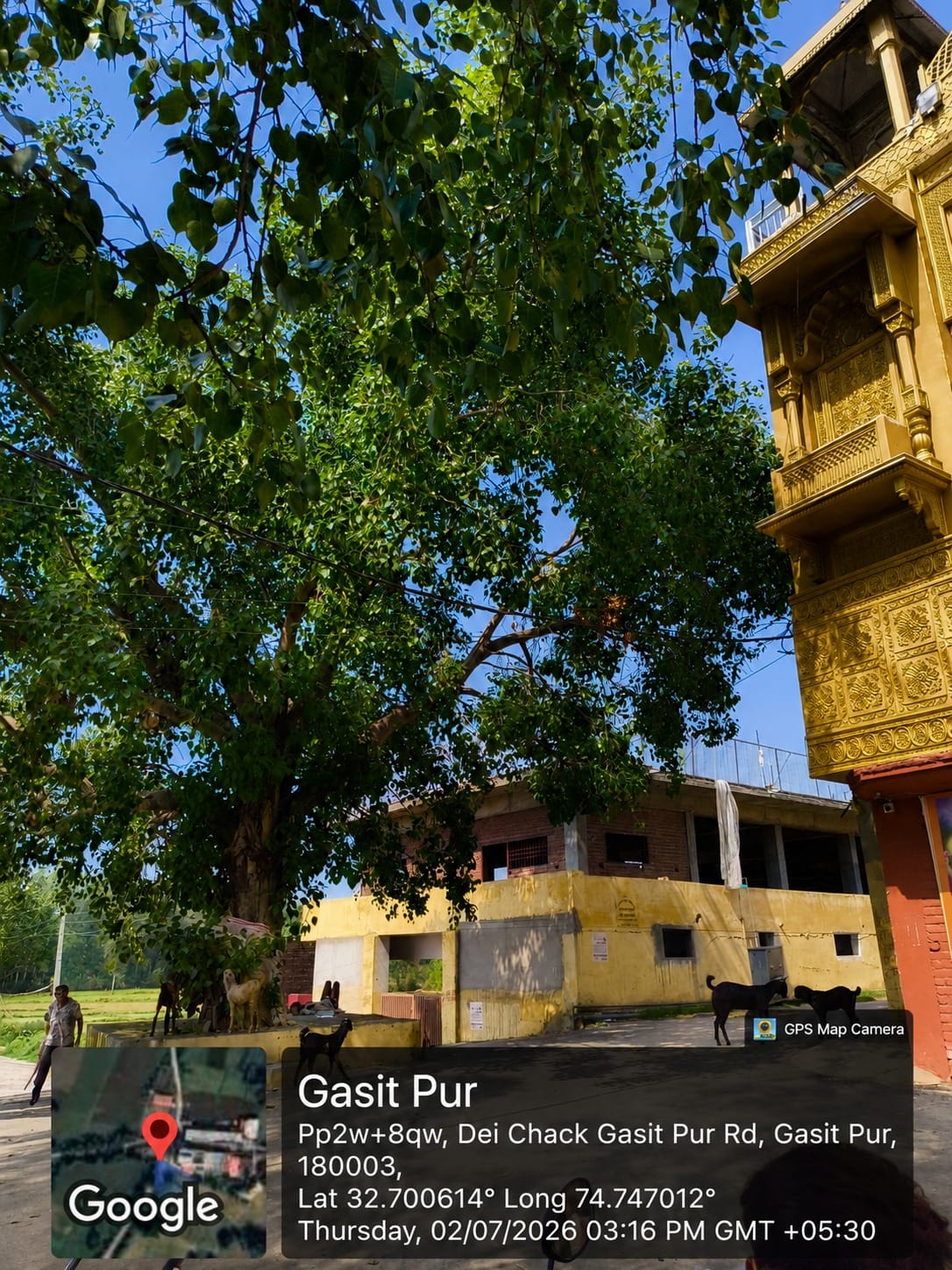
Gasit Pur is surrounded by fertile agricultural land and native vegetation, creating an environment that supports a variety of plants, birds, and small animals. Common trees found in the area include neem, mango, peepal, banyan, shisham, and acacia. The surrounding landscape also supports wildlife such as sparrows, mynas, parrots, peacocks, squirrels, and mongooses.
Environmental conservation is increasingly important for maintaining the village's natural surroundings. Activities such as tree plantation, water conservation, sustainable farming, and cleanliness drives contribute to environmental protection. Initiatives associated with the Swachh Bharat Mission (Gramin) also encourage sanitation and cleanliness, helping maintain a healthier and more sustainable rural environment.
Community Development and Future Prospects
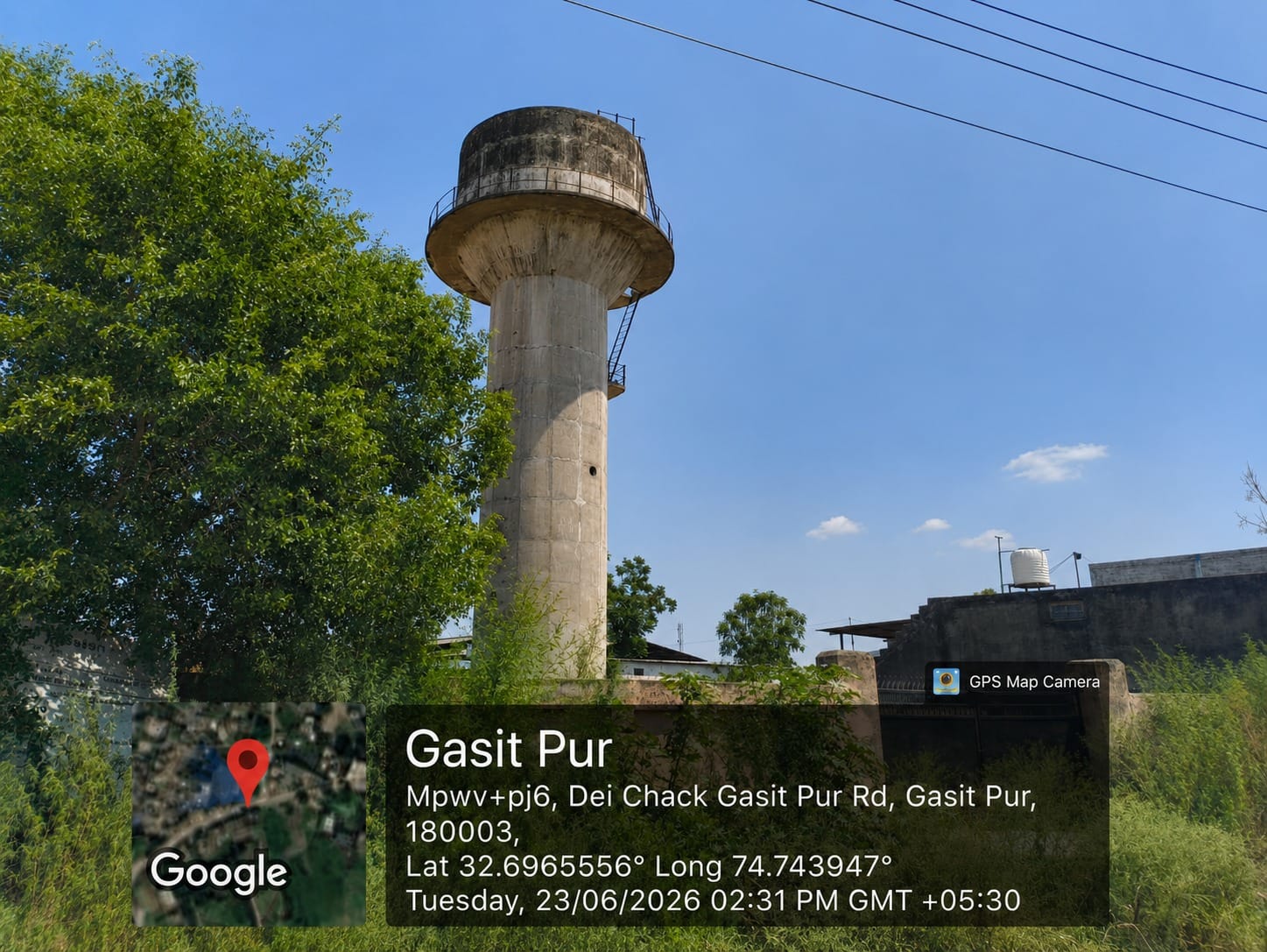
Gasit Pur continues to develop through the combined efforts of the Gram Panchayat, government welfare schemes, and community participation. Development efforts are focused on improving agriculture, rural employment, drinking water facilities, sanitation, healthcare, education, and other essential services.
The future growth of the village can be strengthened by encouraging skill development, digital literacy, rural entrepreneurship, improved healthcare infrastructure, better educational facilities, and sustainable agricultural practices. Greater access to digital services and livelihood opportunities could help residents, especially young people, benefit from economic opportunities without losing their connection with the village.
Conclusion
Gasit Pur stands as an example of a peaceful rural community where traditional values, Dogra culture, and modern development exist alongside one another. Its fertile agricultural landscape, strong community bonds, cultural traditions, and gradual improvement through development initiatives reflect the resilience and simplicity that characterize many villages of the Jammu region.
With continued attention to education, healthcare, digital literacy, employment opportunities, and sustainable rural development, Gasit Pur can further improve the quality of life of its residents while preserving its cultural heritage and rural identity for future generations.
Photos
Videos
Location Map
Contact Information
| Address |
Gasit Pur Village |
| Phone Number |
9682384936 |
| Email Address | |
| Website | https://villagegram.in/jammu-and-kashmir/jammu/mandal-phallain/parladpur/ |
Reviews (4)


Outstanding work! The photographs and documentary beautifully capture the essence of the village, showcasing its heritage, culture, and everyday life. Congratulations to the entire team!

Great effort in showcasing the village. The content is informative, visually appealing, and useful for anyone who wants to know more about the place.

Great work! The village is beautifully presented with detailed information and attractive visuals.


The village is beautifully presented with detailed information and attractive visuals. It highlights the local culture, heritage, and natural beauty in an engaging way. Excellent work by the team!