
Description
Introduction to Drabhi Village
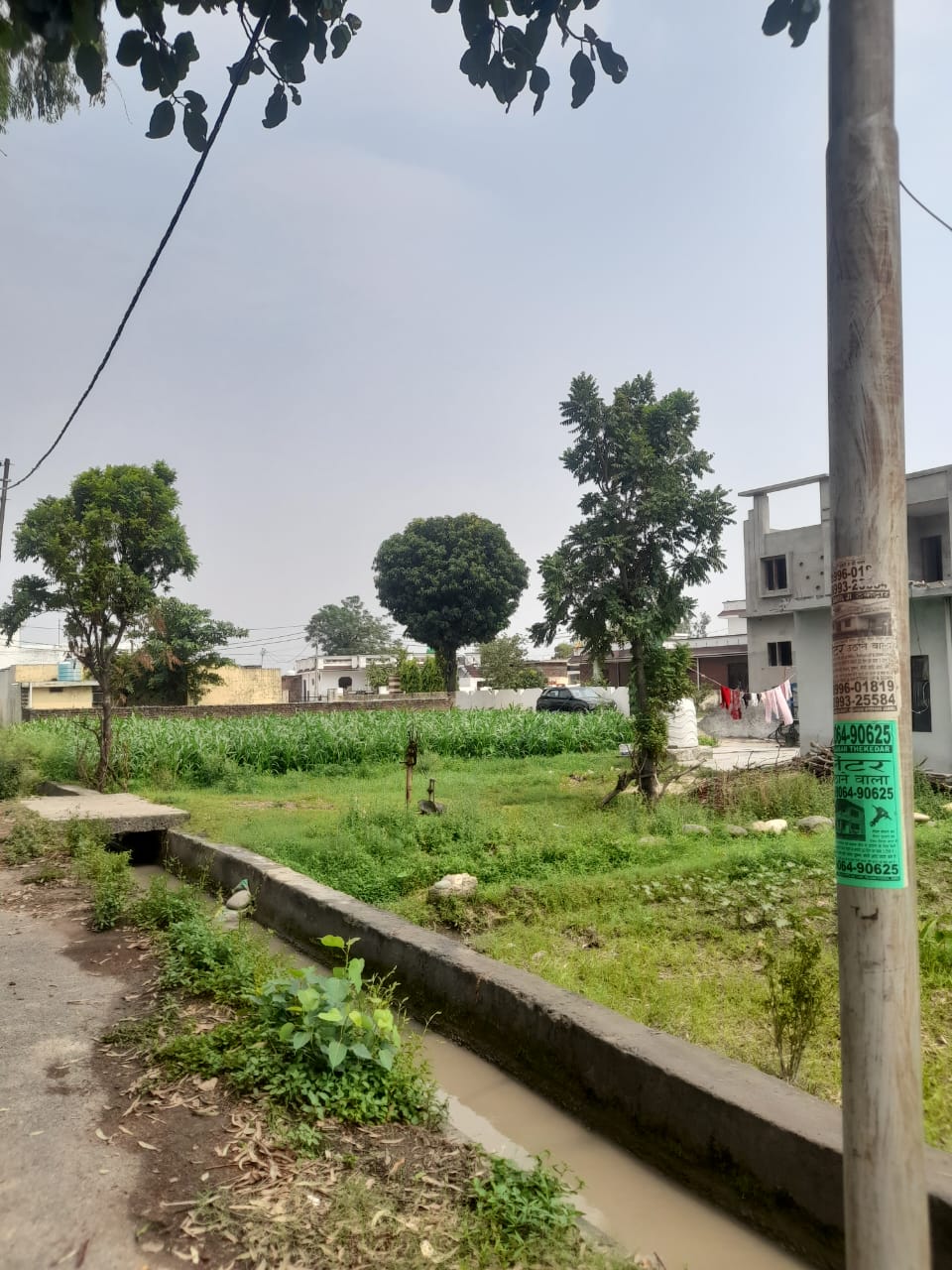
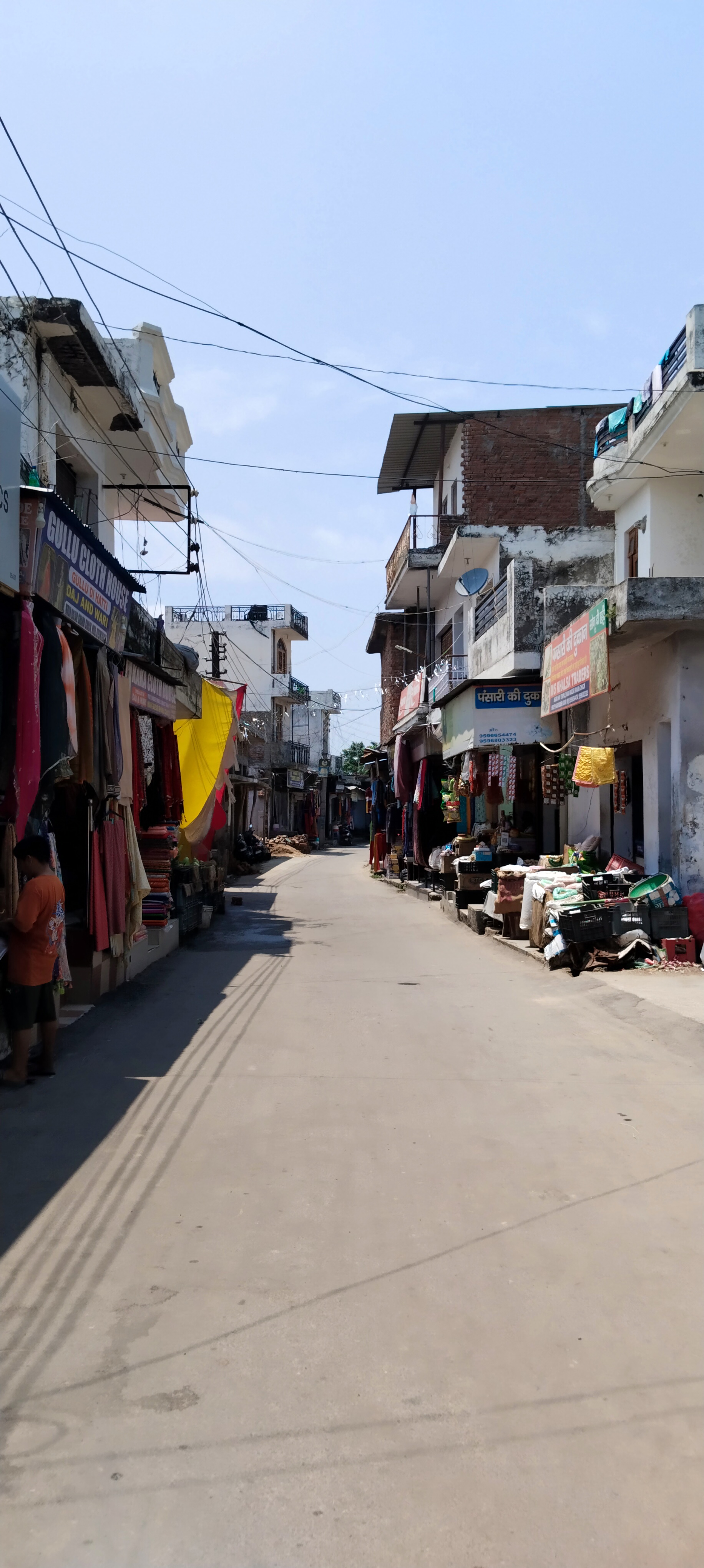
Drabhi is a peaceful and culturally rooted village located in the Jammu district of the Union Territory of Jammu and Kashmir. Surrounded by fertile agricultural land and gentle natural landscapes, Drabhi represents the essence of rural Dogra civilization. The village is known for its harmonious community life, disciplined lifestyle, and strong attachment to traditional values. Despite its rural character, Drabhi reflects social awareness, cultural pride, and steady progress in education and living standards.
Population and Urban Development
Drabhi maintains a stable population structure composed mainly of farming families, service professionals, and small business owners. Improved housing, electricity access, sanitation facilities, and mobile connectivity have enhanced daily life. While modern influences are visible, Drabhi continues to preserve its rural identity through traditional homes, open courtyards, and community-based living.
Cultural Heritage and Traditions
The cultural life of Drabhi is deeply influenced by Dogra traditions. Dogri is the primary language, while Hindi and Urdu are also commonly spoken. Folk songs, religious rituals, and seasonal customs are integral to village life. Festivals such as Lohri, Baisakhi, Navratri, Diwali, and Janmashtami are celebrated collectively, strengthening cultural bonds and social unity.
Historical Context and Identity
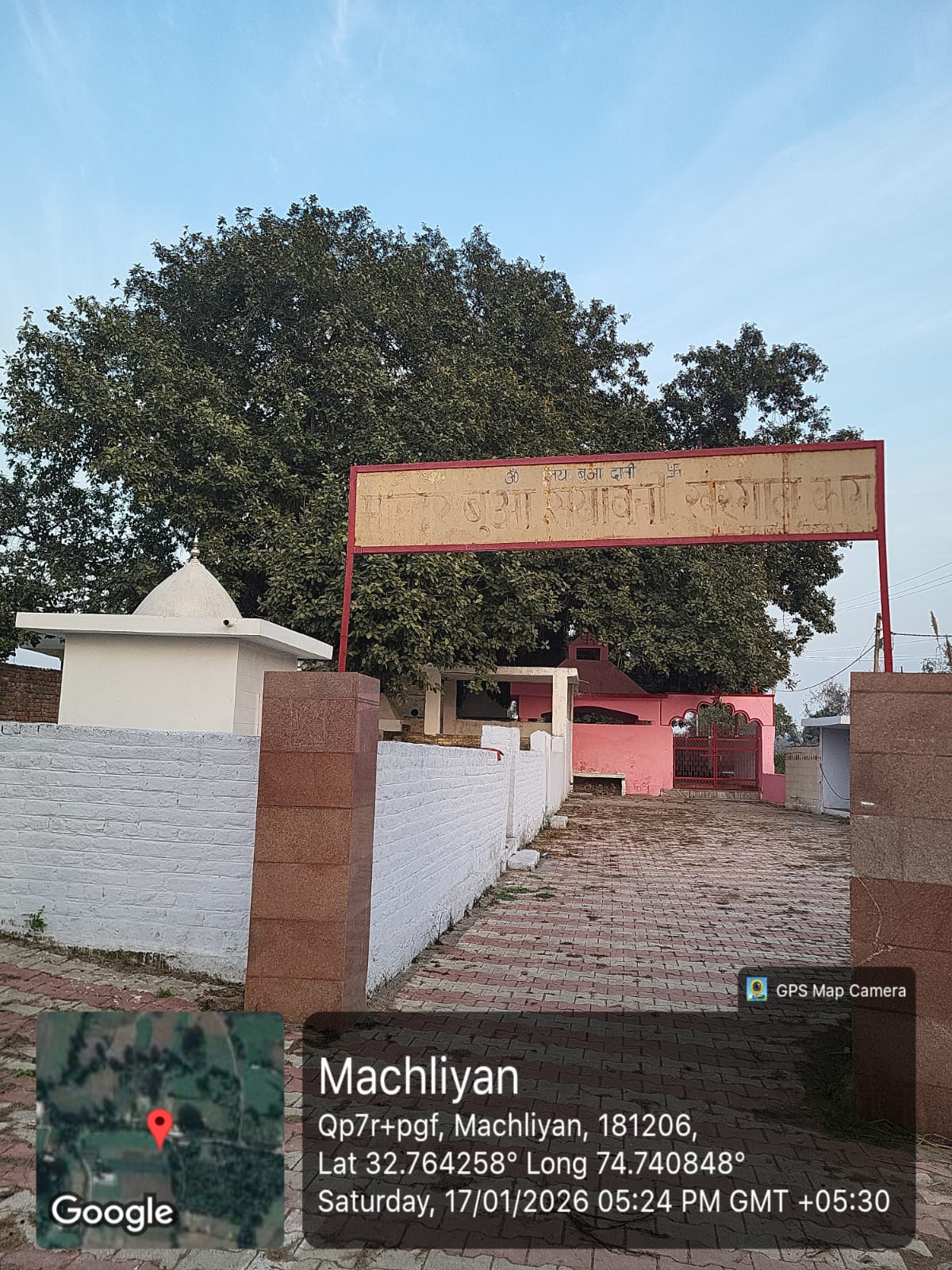
Drabhi’s history reflects generations of agricultural settlement and cultural continuity. The village has preserved ancestral traditions, land ownership patterns, and moral values over time. Old temples, traditional homes, and village pathways symbolize Drabhi’s long-standing heritage and respect for its roots.
Economic Activities and Livelihood
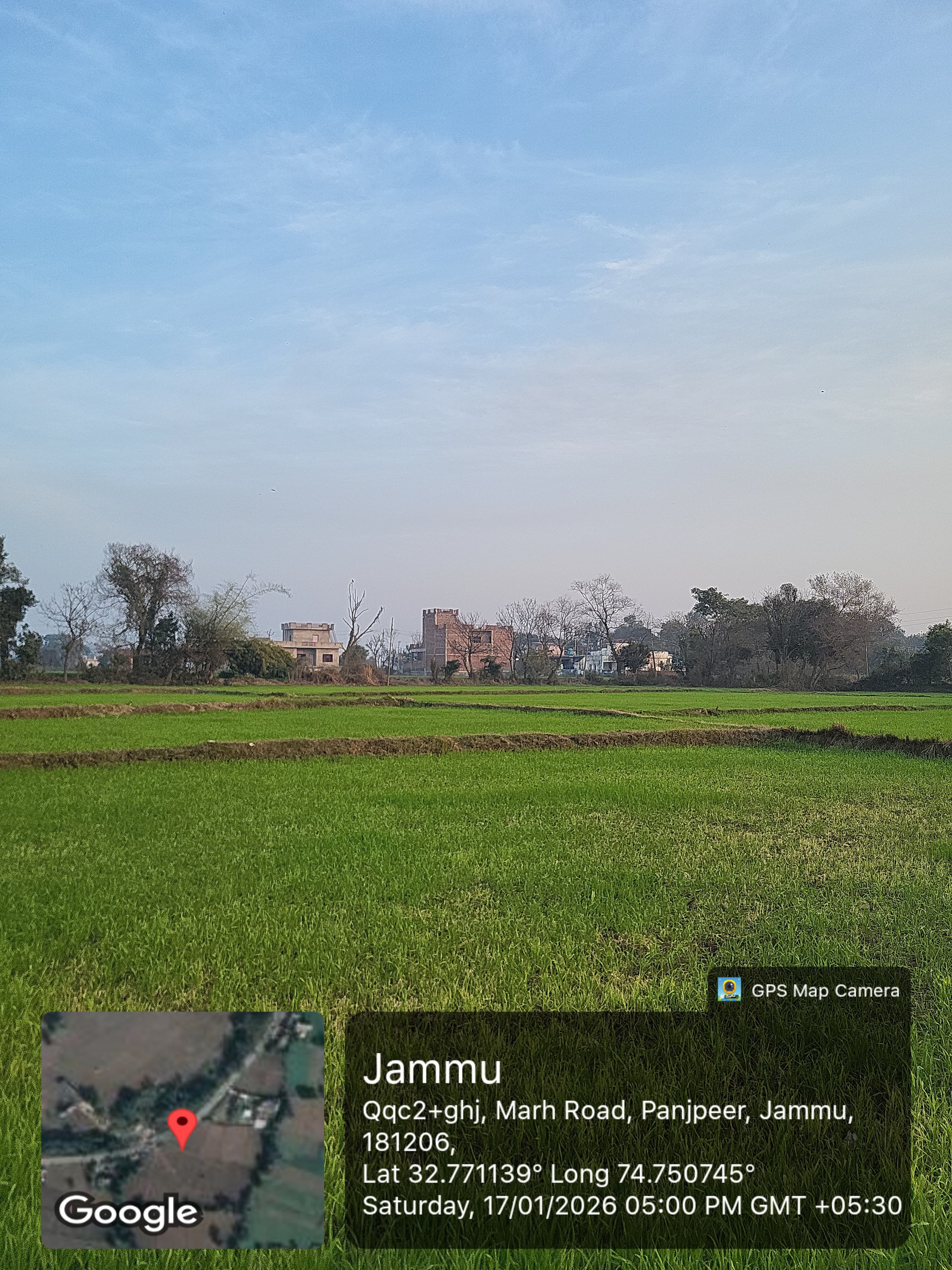
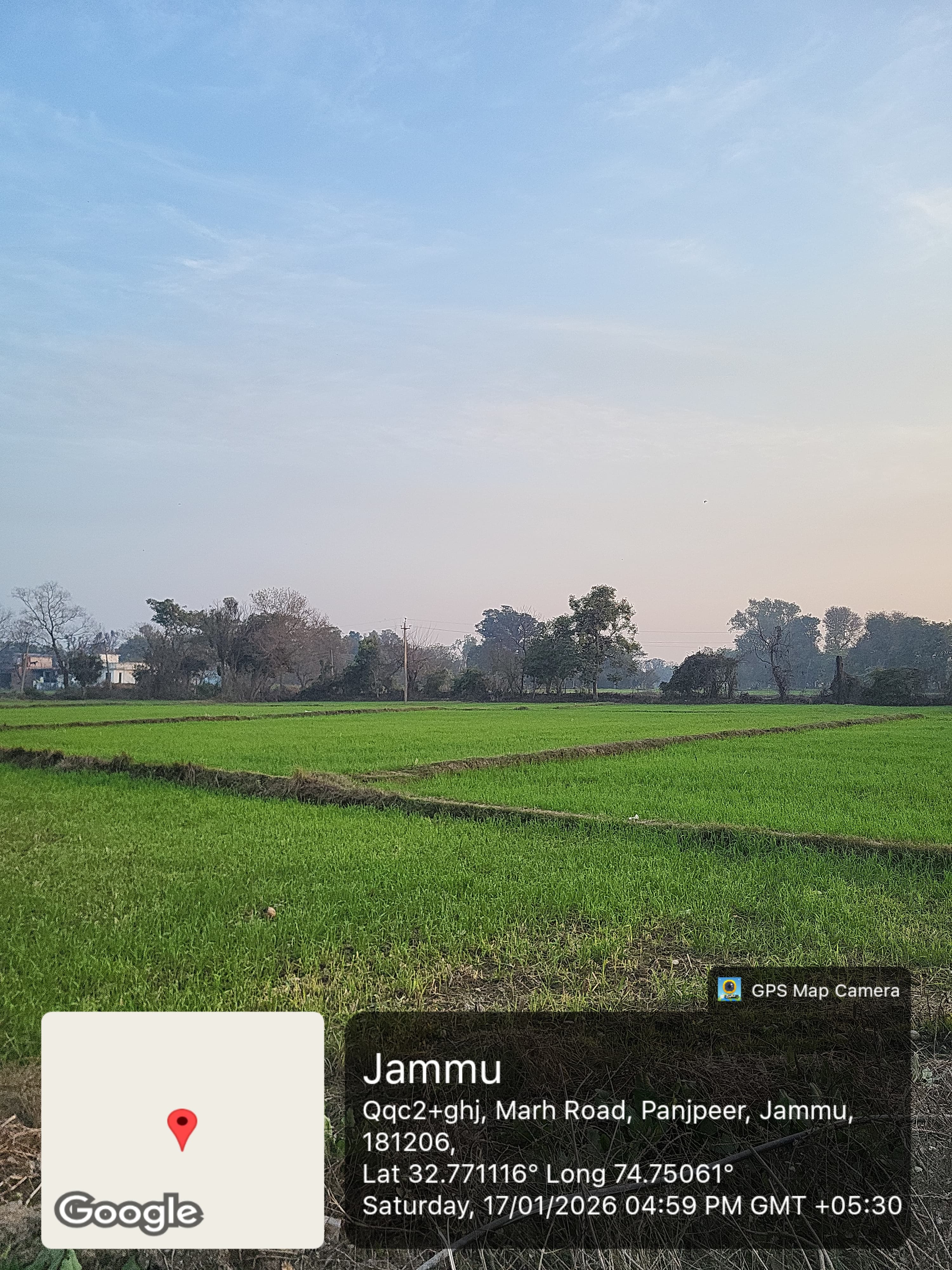
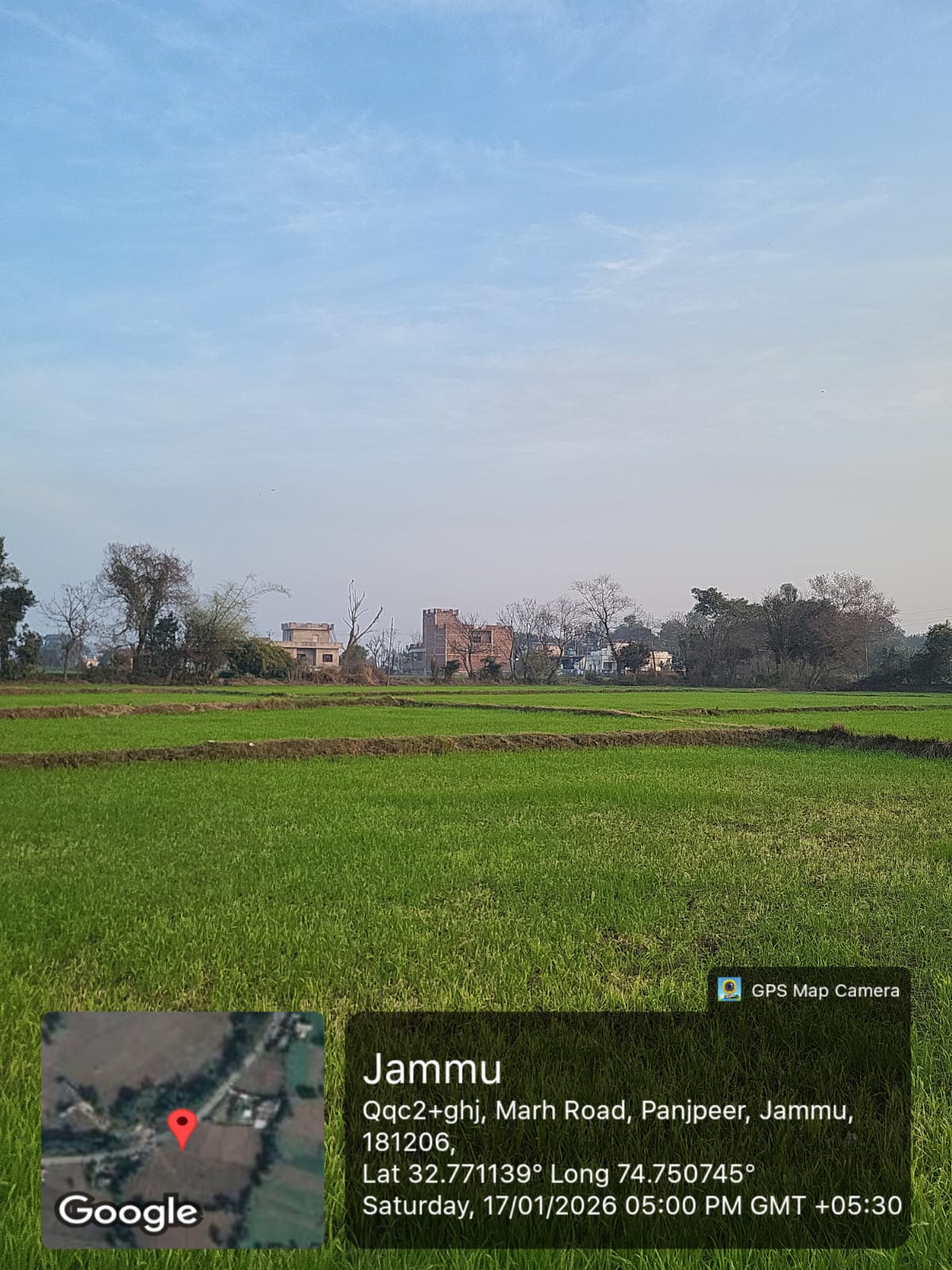
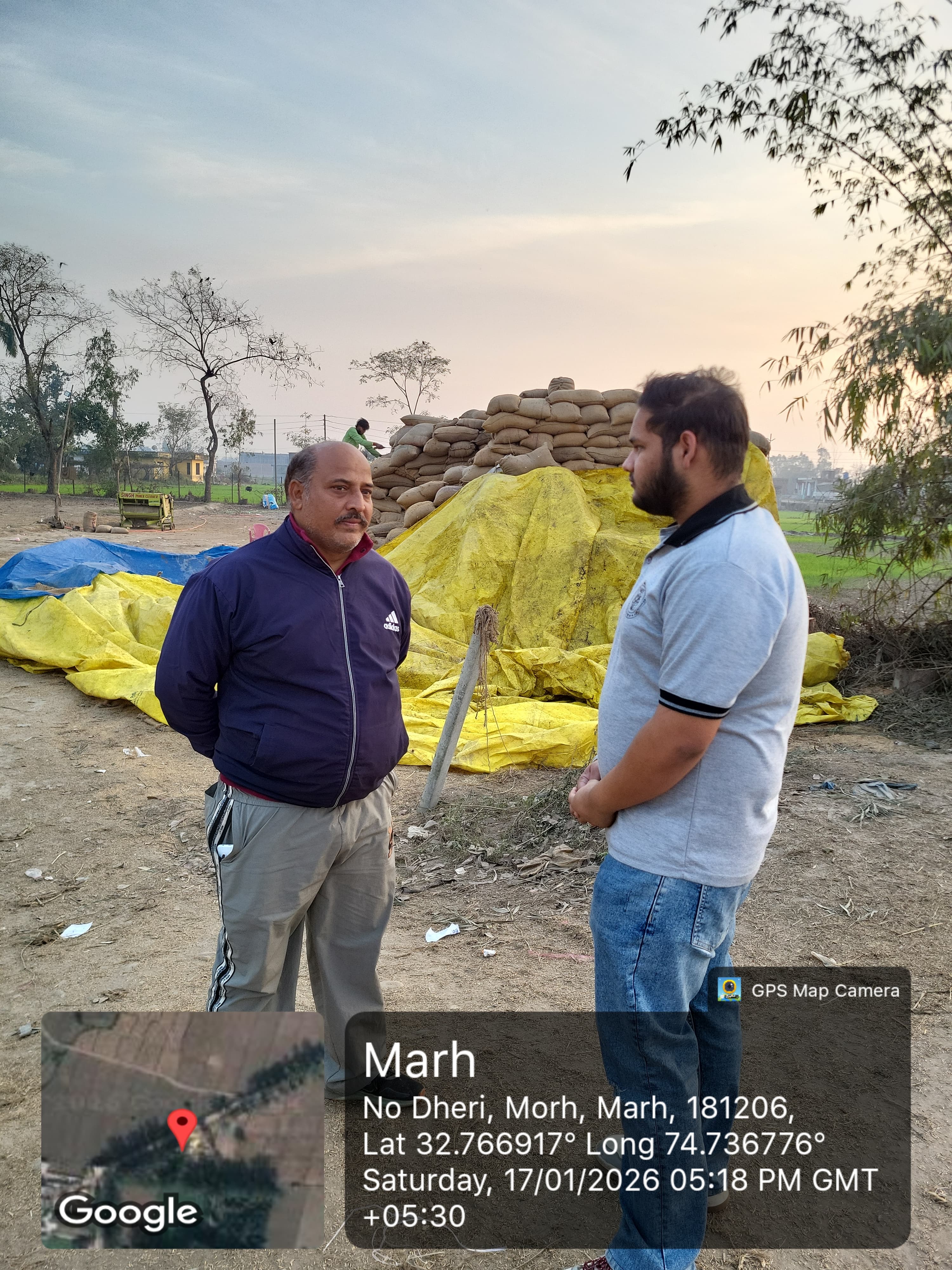
Agriculture is the backbone of Drabhi’s economy. Major crops include wheat, rice, maize, mustard, and seasonal vegetables. Dairy farming and livestock rearing contribute significantly to household income. Many residents are also engaged in government service, private employment, transportation, and small-scale retail businesses, creating a diversified rural economy.
Educational Infrastructure and Learning Culture
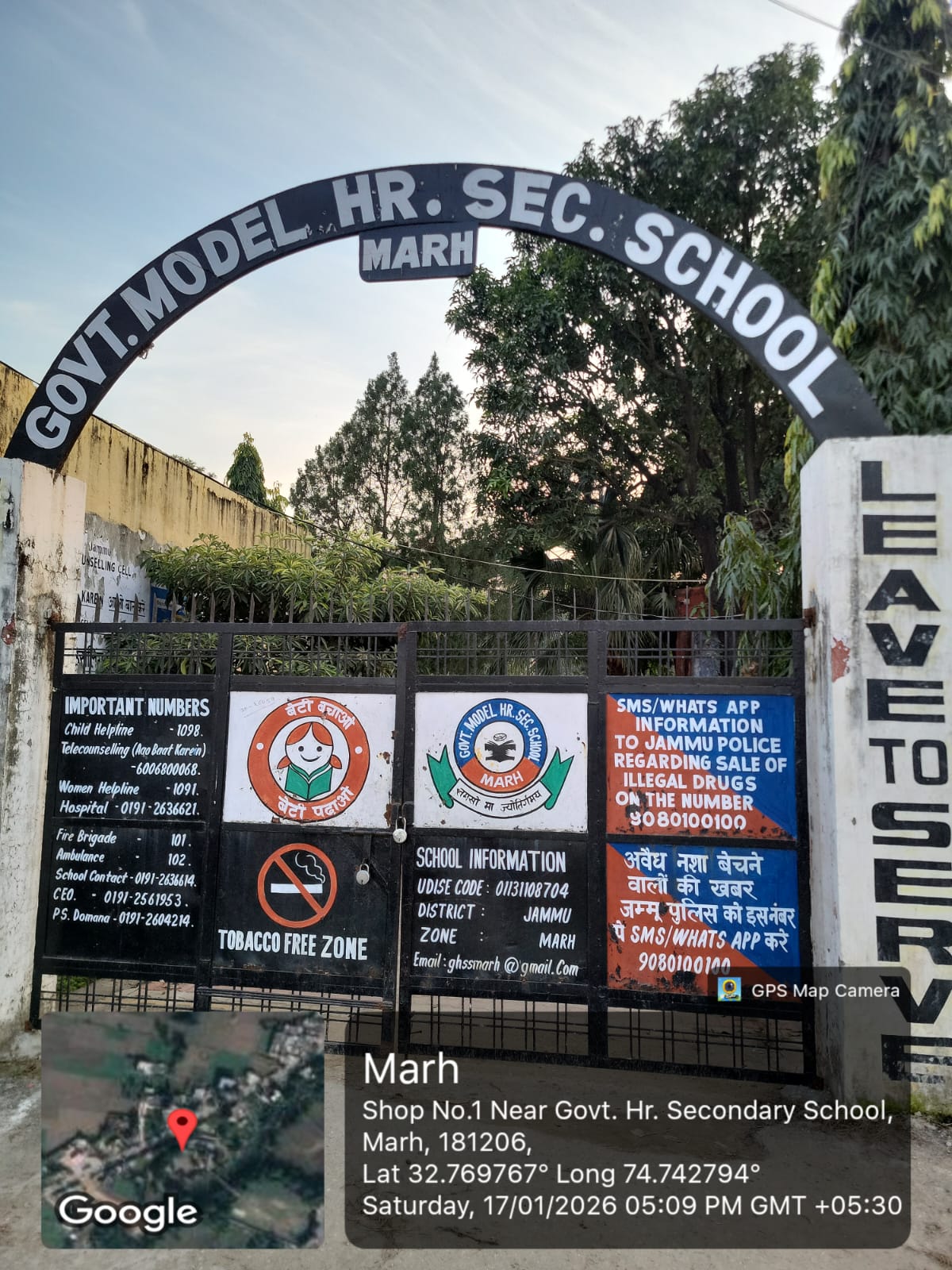
Drabhi supports basic education through nearby primary and secondary schools. Students pursue higher education and professional studies in nearby towns and Jammu city. Increasing awareness of digital learning, competitive examinations, and vocational training reflects the village’s growing educational aspirations.
Accessibility and Connectivity
Drabhi is connected by well-maintained rural roads to nearby towns and Jammu city. Public transport services operate regularly, making daily travel convenient. Jammu Tawi Railway Station and Jammu Airport serve as major transportation hubs for long-distance connectivity.
Biodiversity: Flora and Fauna
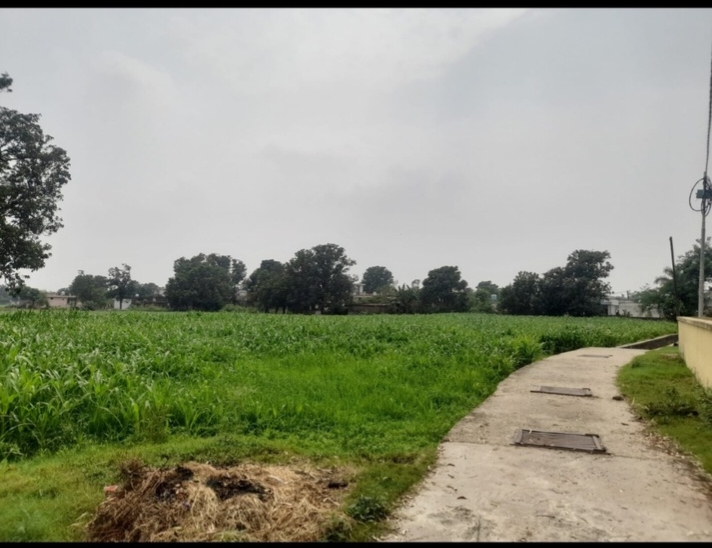
Drabhi enjoys a naturally balanced ecosystem. The surrounding farmland supports crops, flowering plants, shrubs, and fruit trees such as mango, guava, neem, and peepal. Birds including sparrows, parrots, pigeons, peacocks, and mynas are commonly seen. Small animals like rabbits, squirrels, and reptiles occasionally appear, reflecting healthy rural biodiversity.
Sports and Extracurricular Activities
Sports are an important part of youth life in Drabhi. Cricket, volleyball, kabaddi, and football are widely played in open fields. Traditional rural games such as wrestling, kho-kho, and tug-of-war are organized during festivals. Schools and youth groups conduct cultural competitions, debates, poetry recitations, and drawing contests to encourage creativity and confidence.
Entertainment and Cultural Venues
Community halls, temple courtyards, and open grounds serve as entertainment and cultural centers. These venues host Ram Leela performances, devotional singing, folk dance programs, and social gatherings. Weddings, festivals, and religious events transform these spaces into vibrant centers of celebration and community bonding.
Arts and Cultural Contributions
Drabhi contributes to Dogra culture through folk music, devotional bhajans, storytelling traditions, and rural craftsmanship. Elder villagers preserve traditional melodies and narratives, while younger generations showcase them in school and community programs. Hand embroidery, decorative art, and religious paintings reflect the village’s artistic expression.
Village Lifestyle and Social Values
Life in Drabhi is defined by simplicity, cooperation, respect, and hospitality. Families maintain strong social bonds, and neighbors support one another in daily life and special occasions. Respect for elders, care for children, and community responsibility form the foundation of Drabhi’s social structure.
Healthcare and Social Services
Basic healthcare services are available through nearby government health centers and private clinics. Awareness programs on hygiene, vaccination, and maternal health have improved overall well-being. Veterinary services support livestock health, ensuring agricultural sustainability.
Best Time to Visit Drabhi Village
The best time to visit Drabhi is between October and March, when the climate remains pleasant and ideal for rural exploration. During this period, fields appear lush and colorful, and village life is at its most vibrant. Festival seasons such as Diwali, Lohri, and Baisakhi provide visitors an opportunity to experience Drabhi’s cultural richness, traditional celebrations, and community spirit. Winter mornings offer a calm and scenic rural atmosphere perfect for photography and peaceful walks.
Photos
Location Map
Contact Information
| Address |
Drabi, Marh, Jammu |
| Phone Number | |
| Website | https://indianvillagehub.in/jammu-and-kashmir/jammu/jammu/drabi.html |