
Description
Introduction to Dabuj Kaka Village
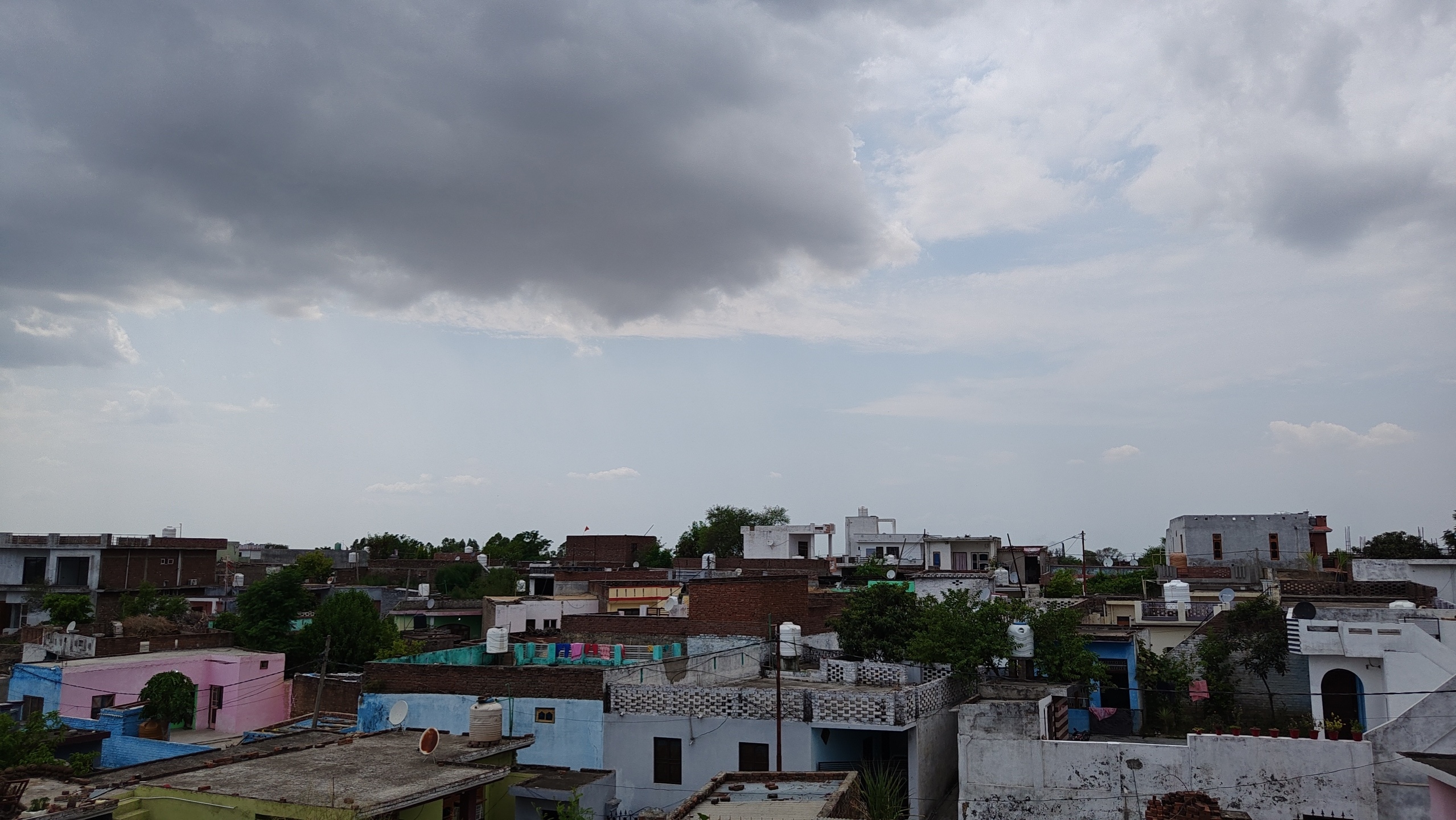
Dabuj Kaka is a peaceful and self-reliant rural village nestled in the Ramgarh Tehsil of Samba District, Jammu and Kashmir (PIN: 181141). Situated in the strategically significant border region of Ramgarh, the village falls under the Dabuj Shahzada Gram Panchayat and Vijaypur Block Panchayat, governed under the Panchayati Raj system with Sh. Subash Chander serving as the elected Sarpanch. The village represents the true essence of rural Jammu — simple, warm, deeply rooted in tradition, yet remarkably connected with the modern world.
Population and Demographics
As per the last available census data, Dabuj Kaka had a population of approximately 695 persons residing in 132 households, with 341 males and 354 females. The village falls under the Vijaypur Vidhan Sabha constituency and the Jammu Lok Sabha constituency for political representation. The community is predominantly Hindu, with Dogri and Hindi being the primary languages spoken, alongside Punjabi which is widely understood given the region's cultural proximity to Punjab.
Geography and Location
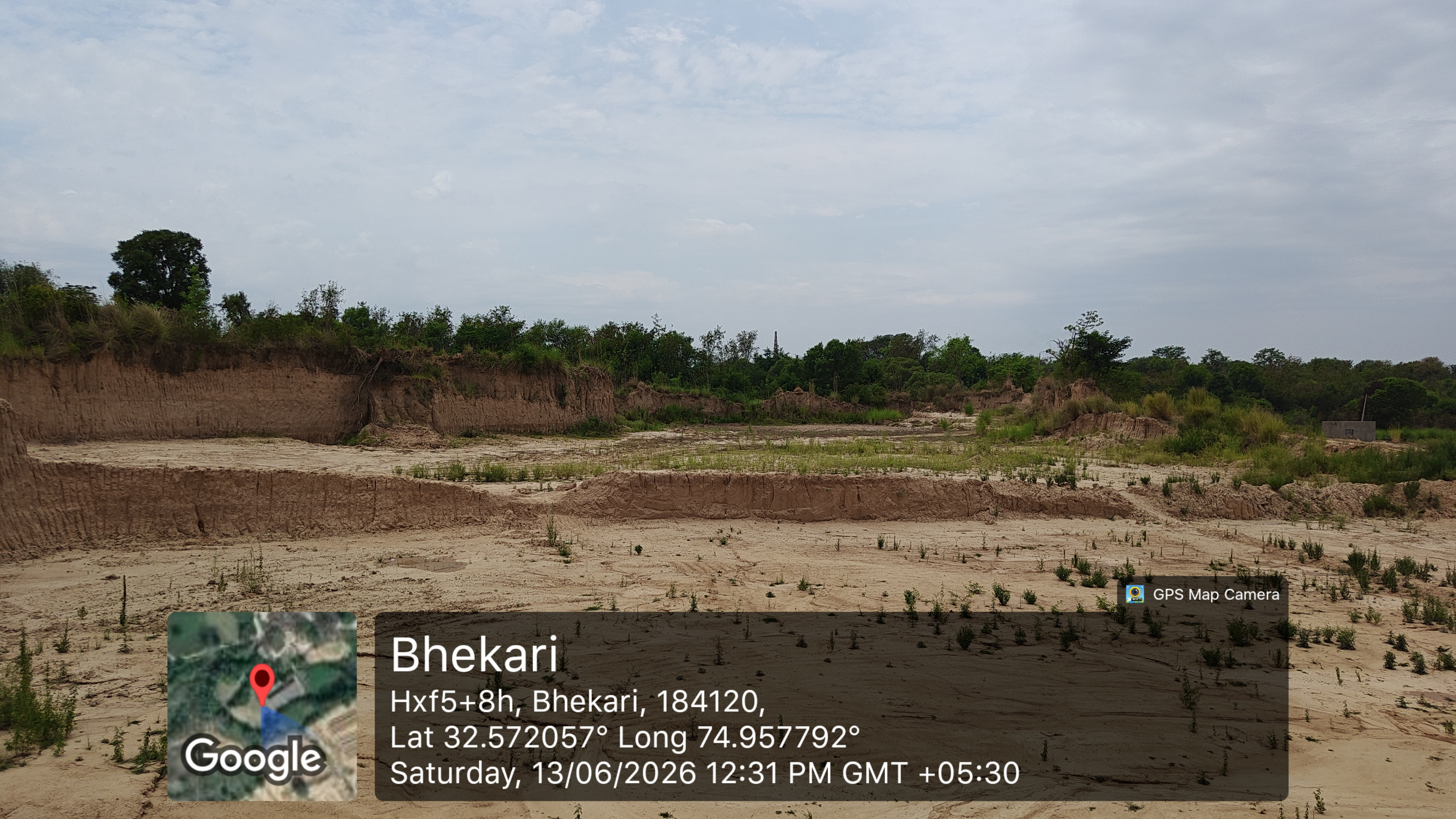
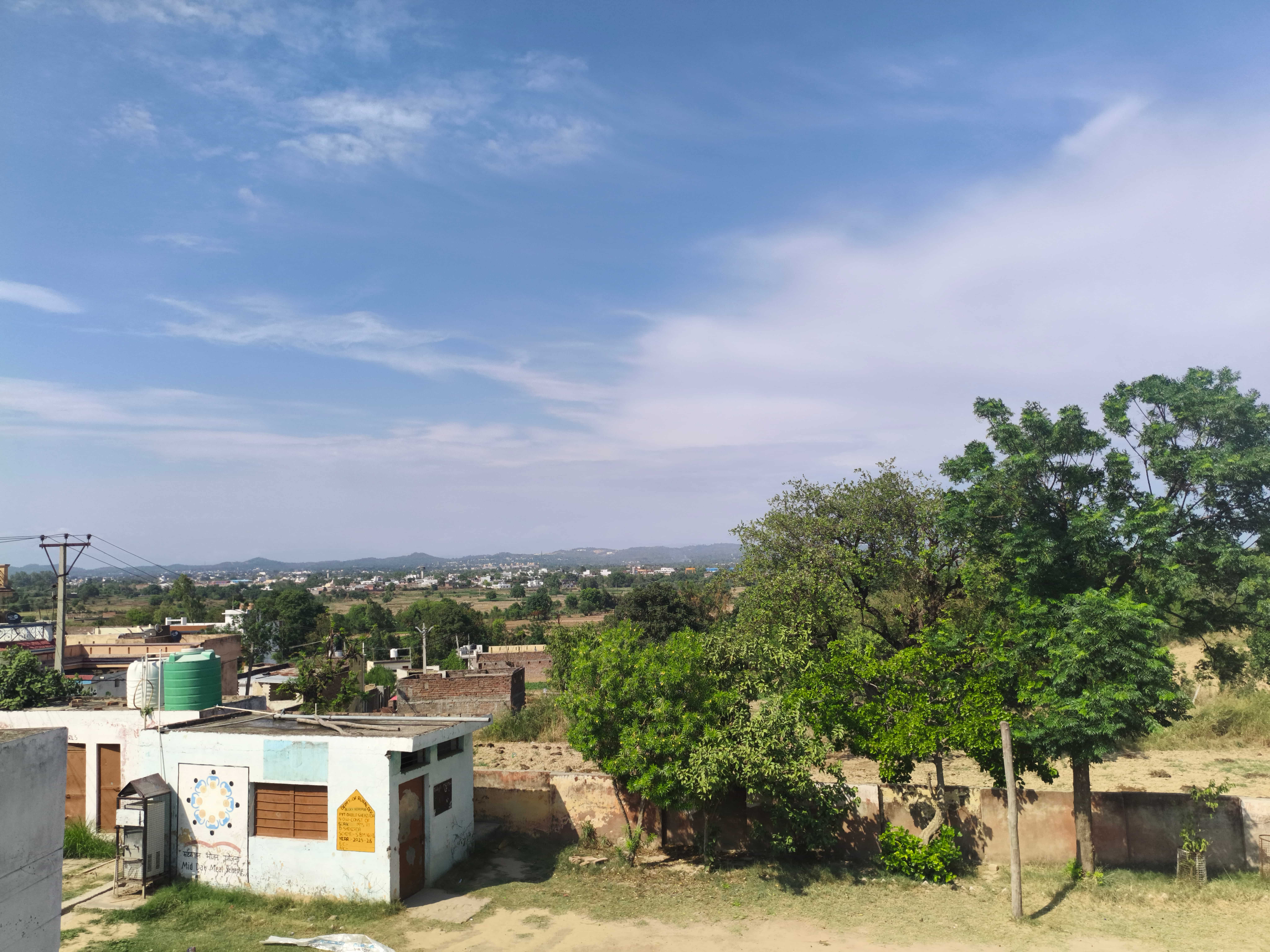
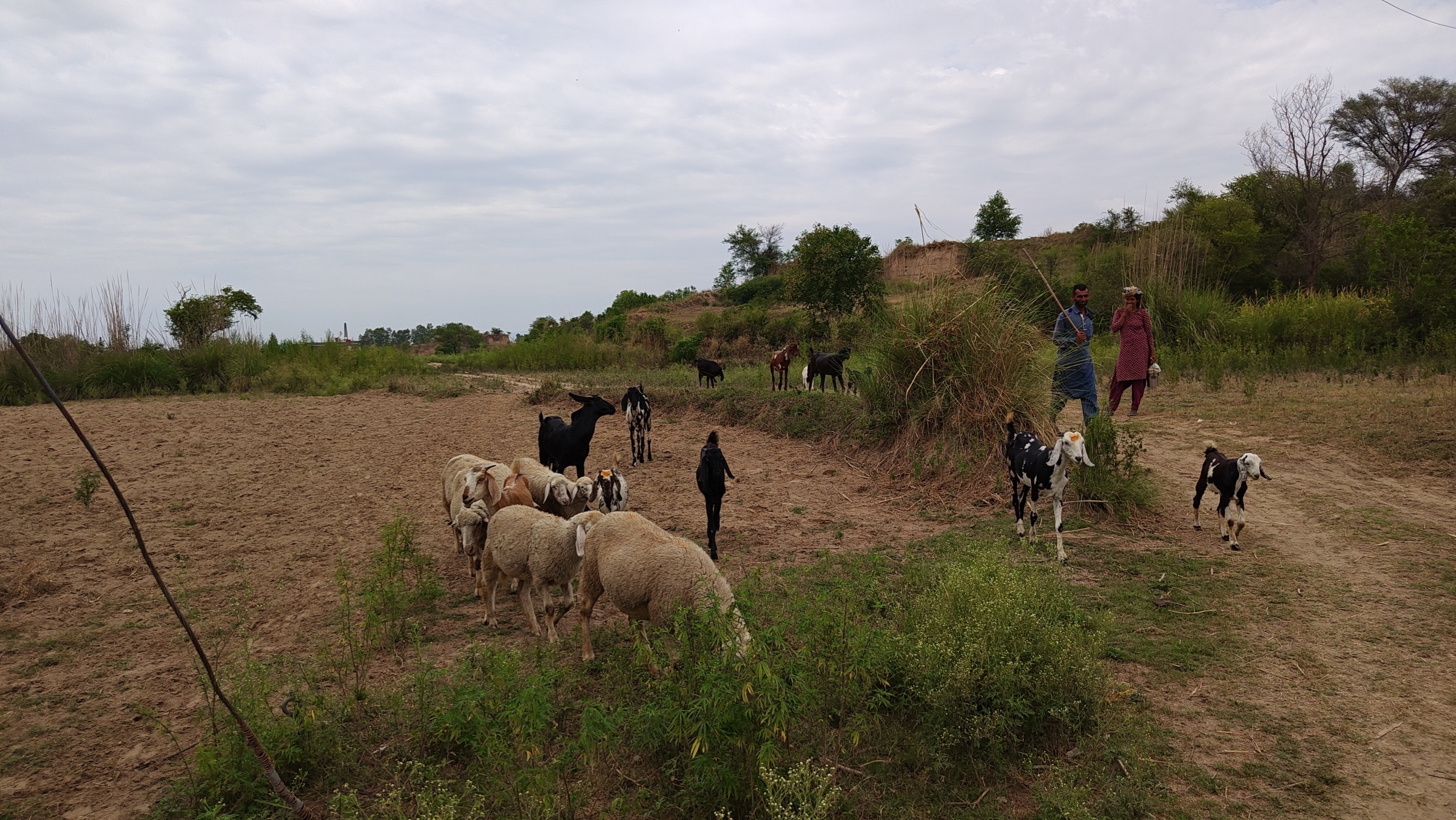
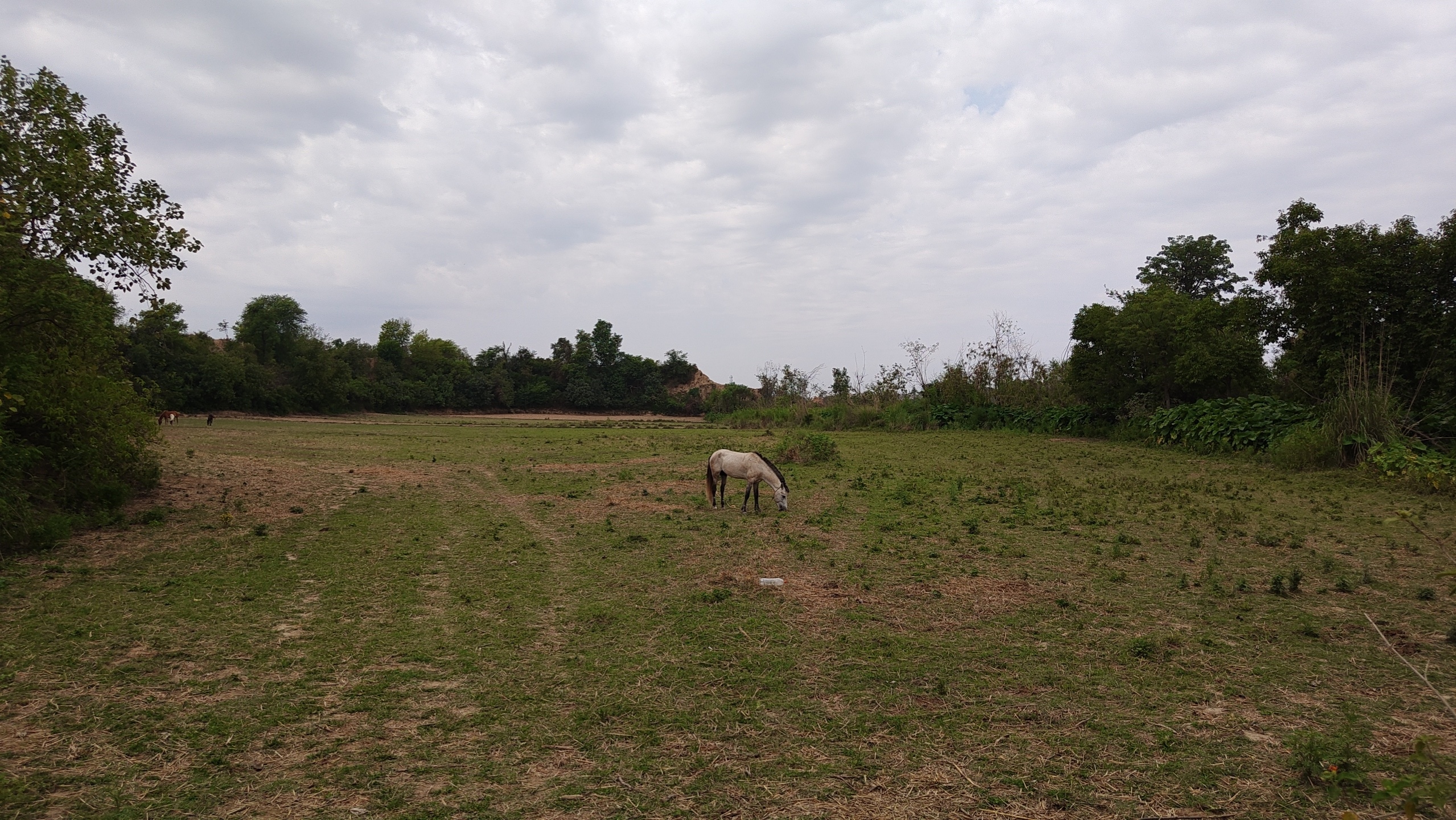
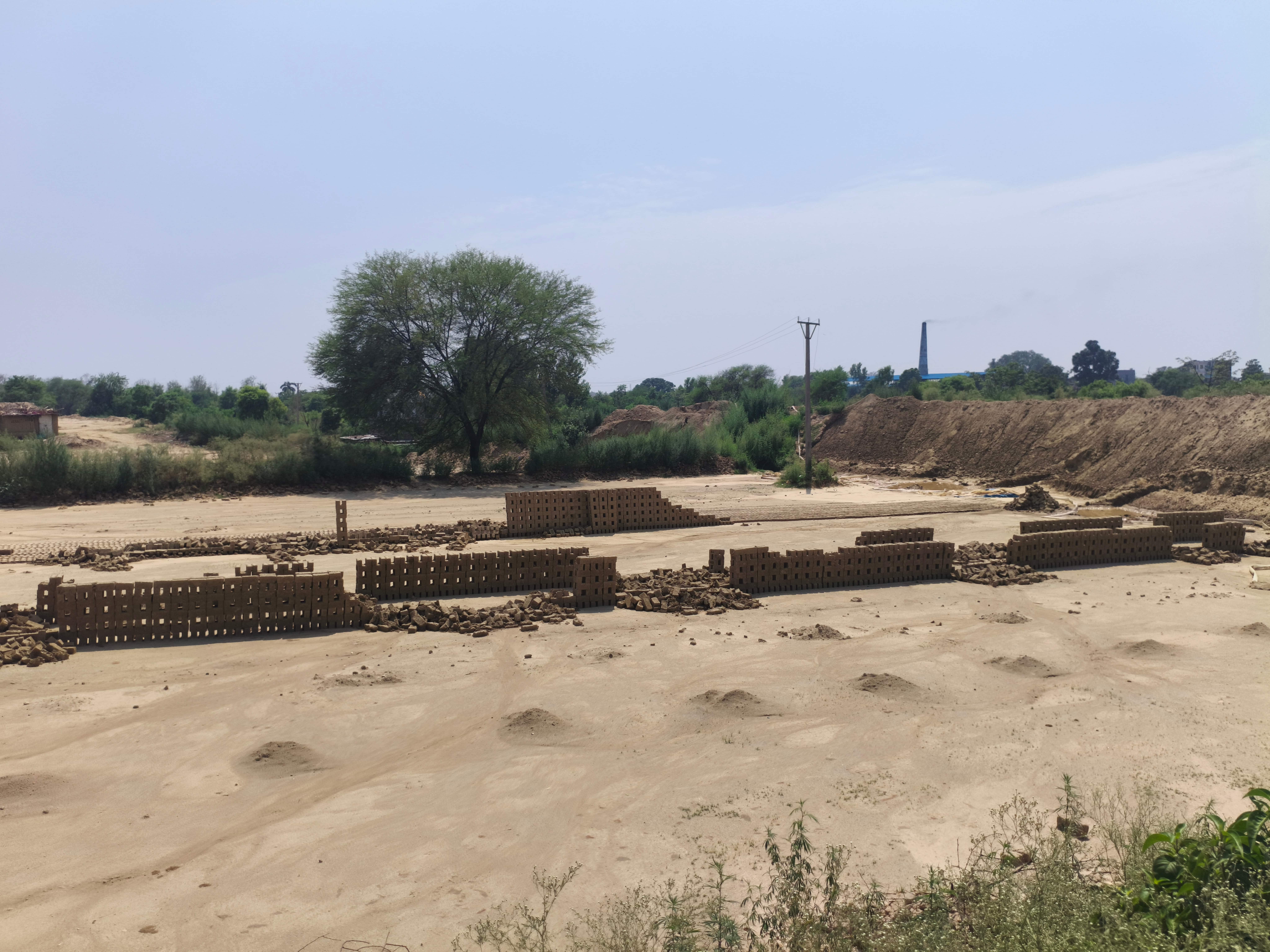
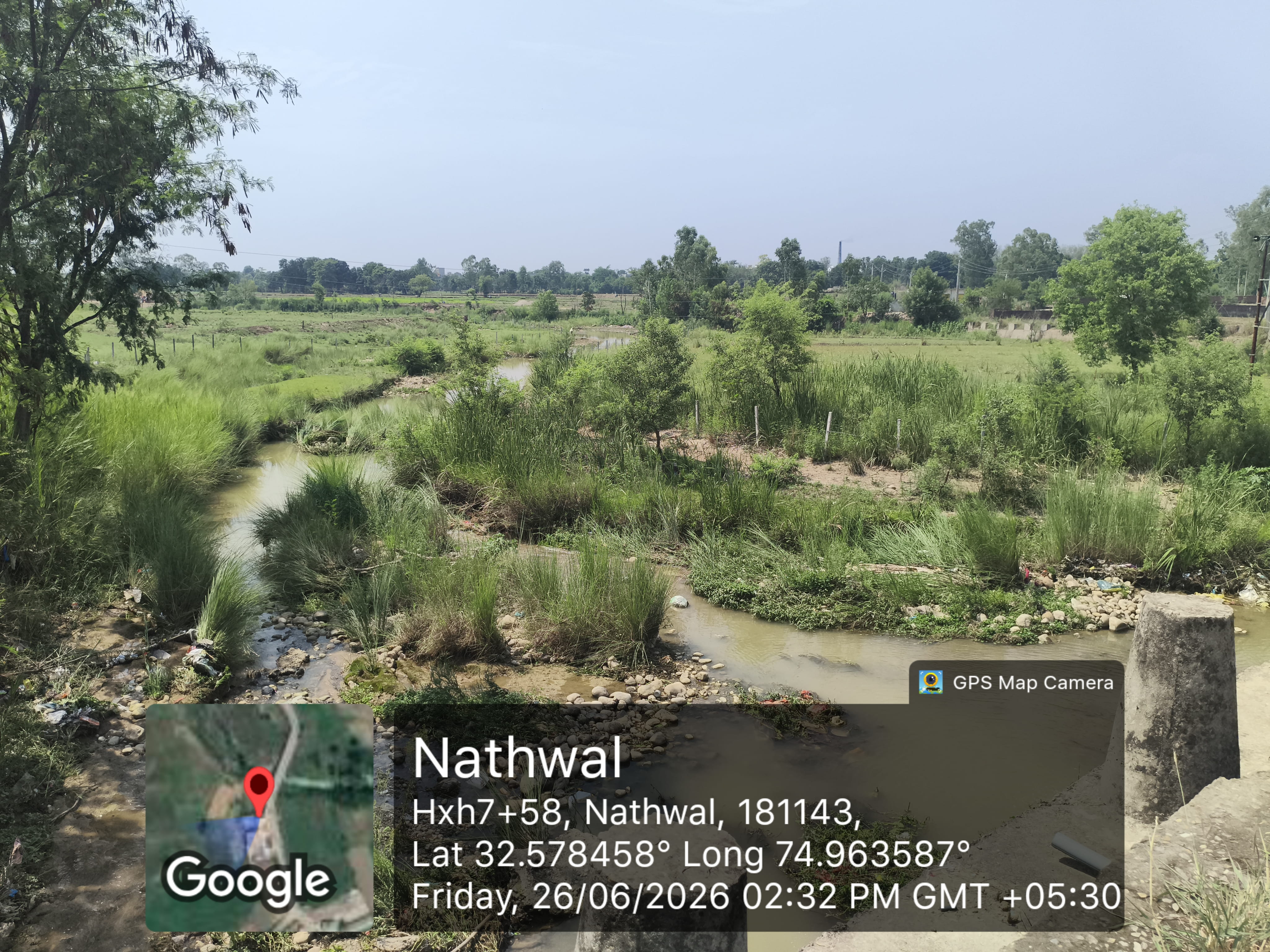
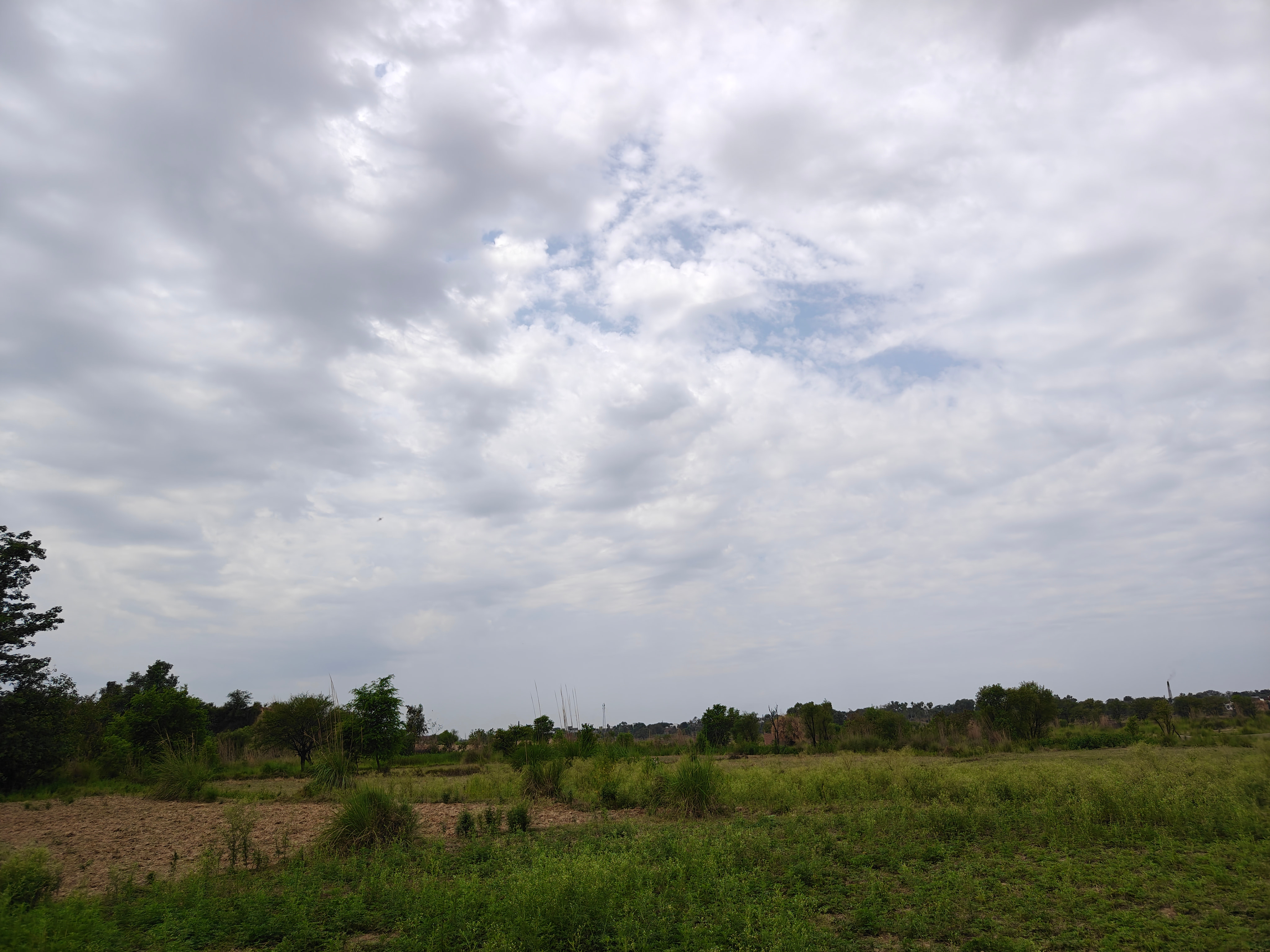
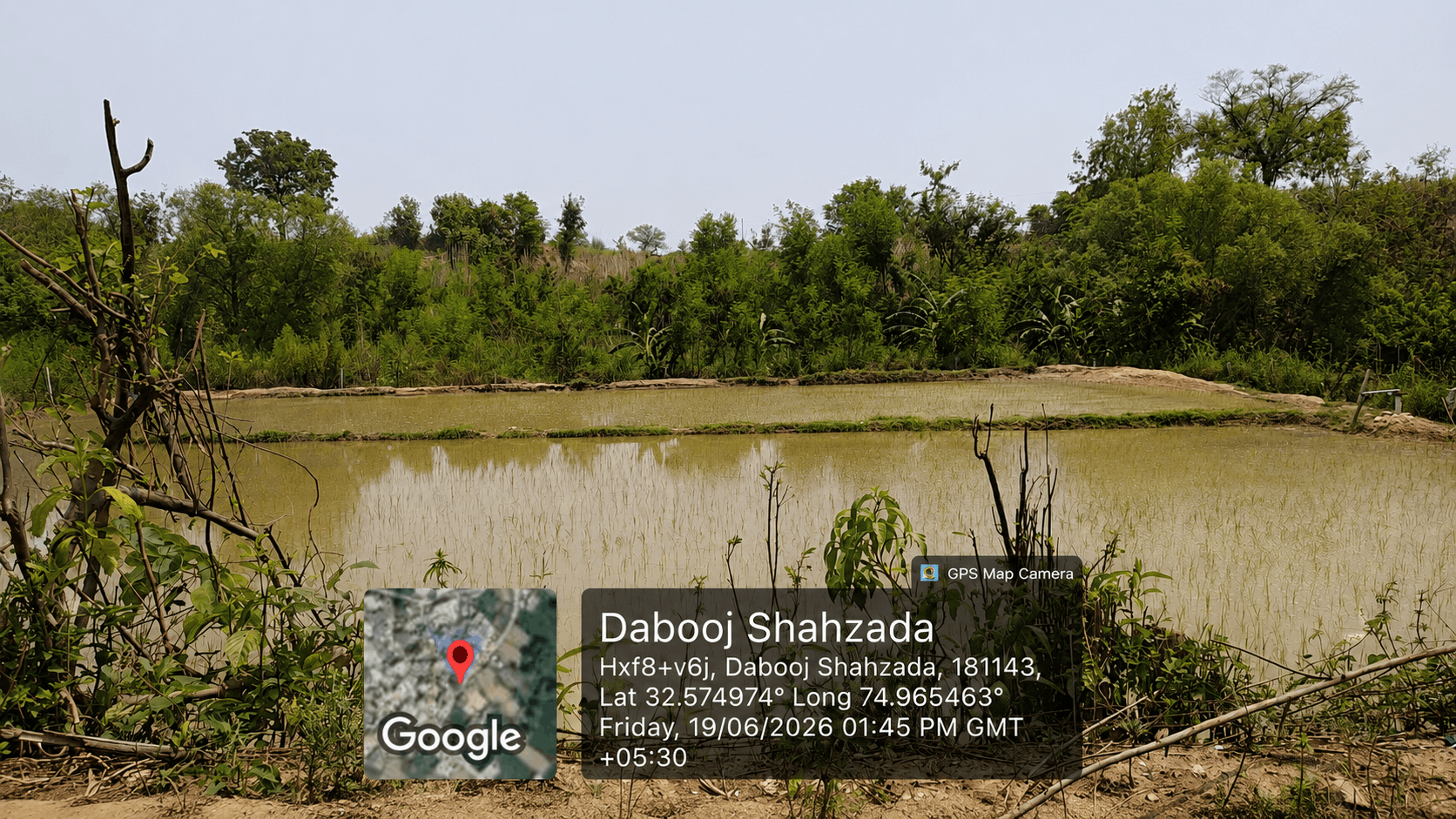
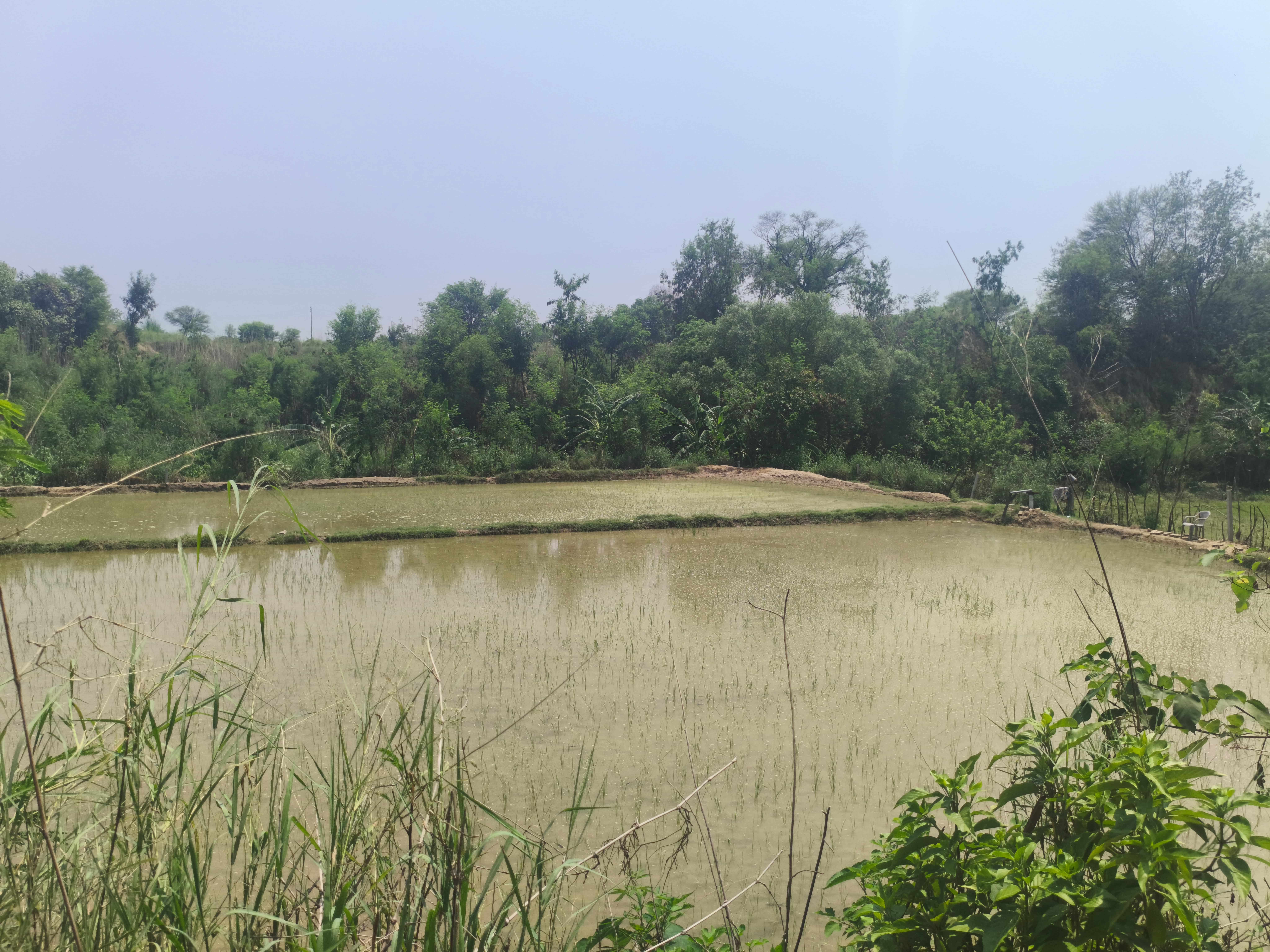
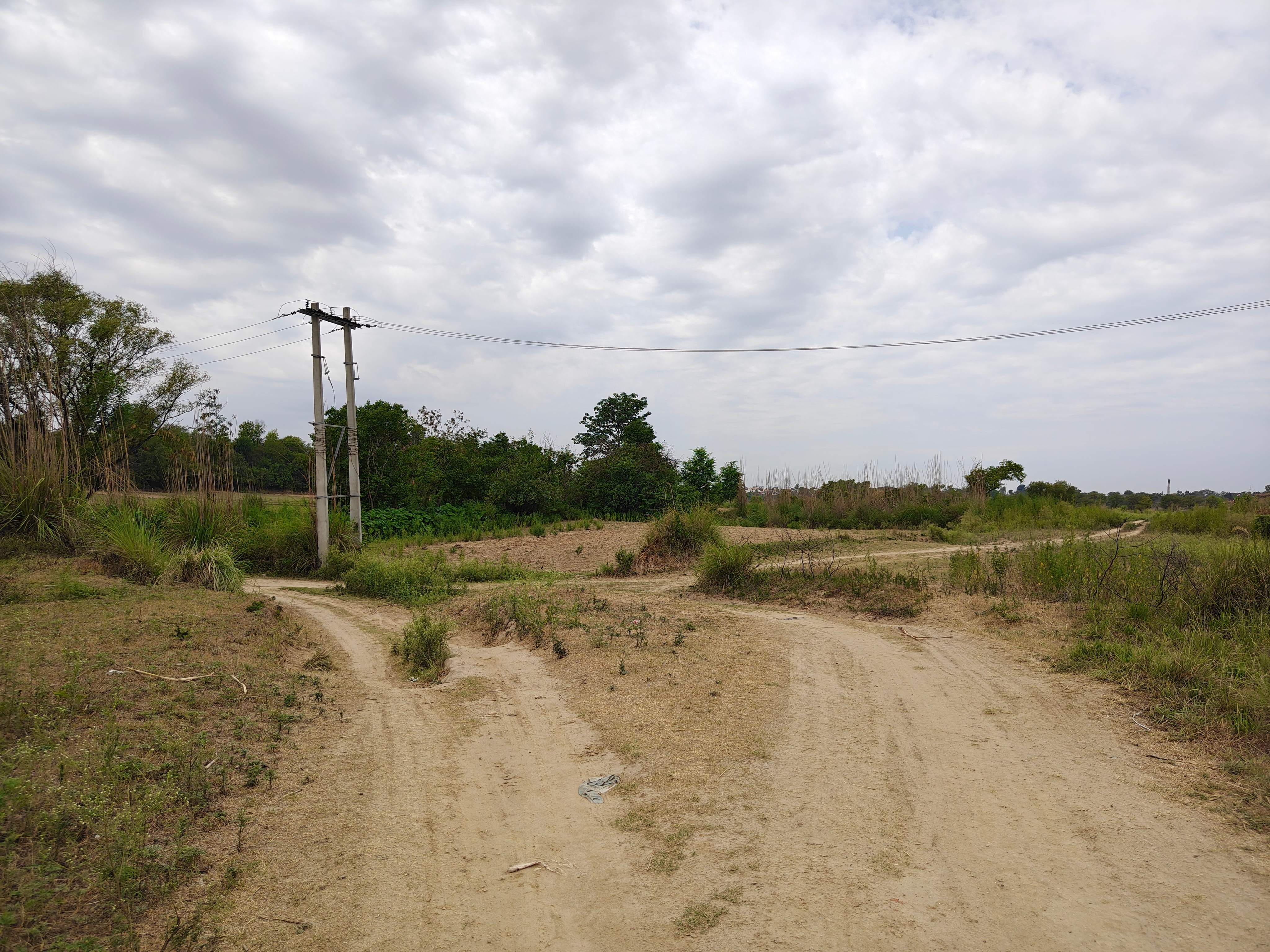
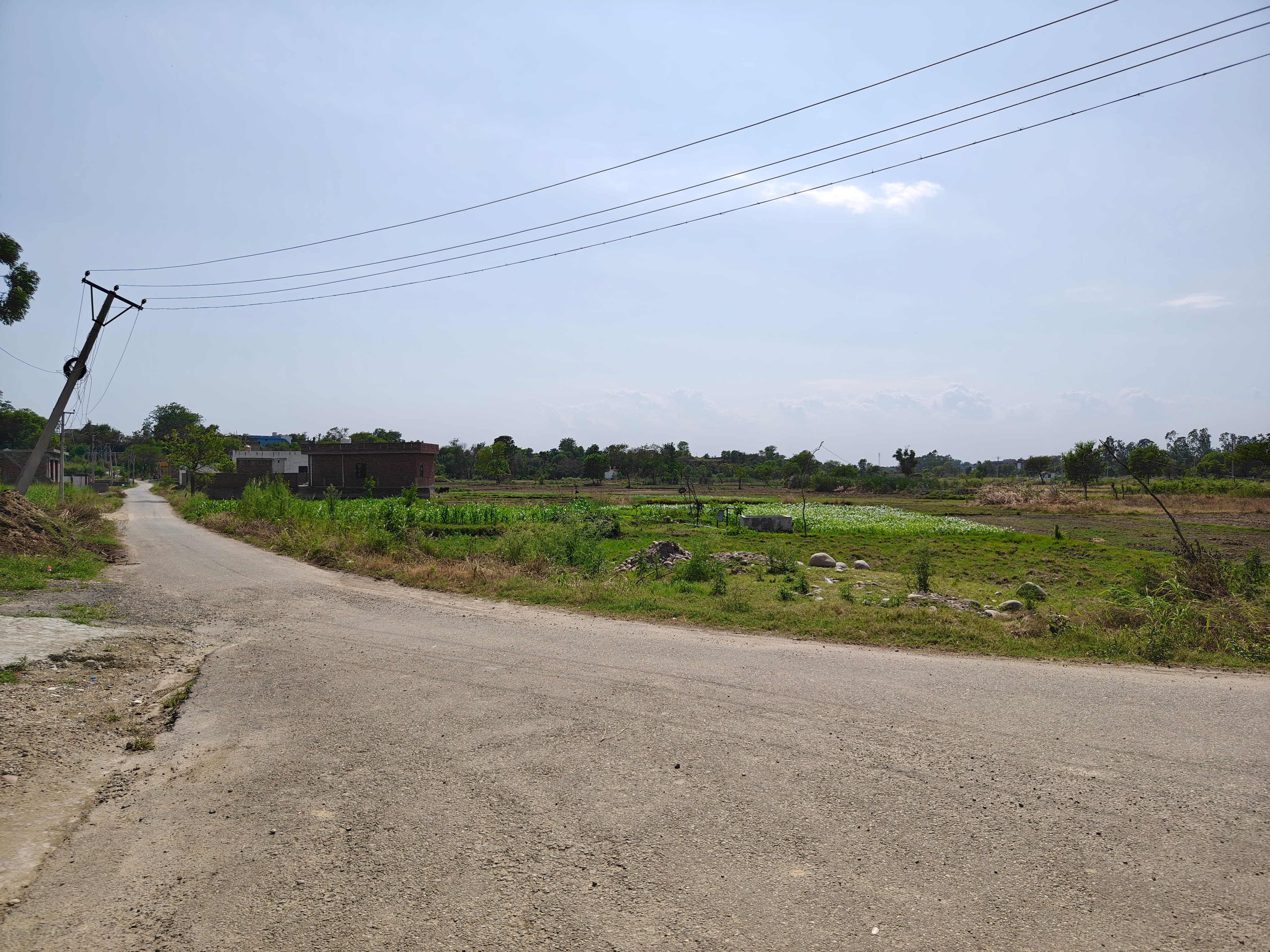
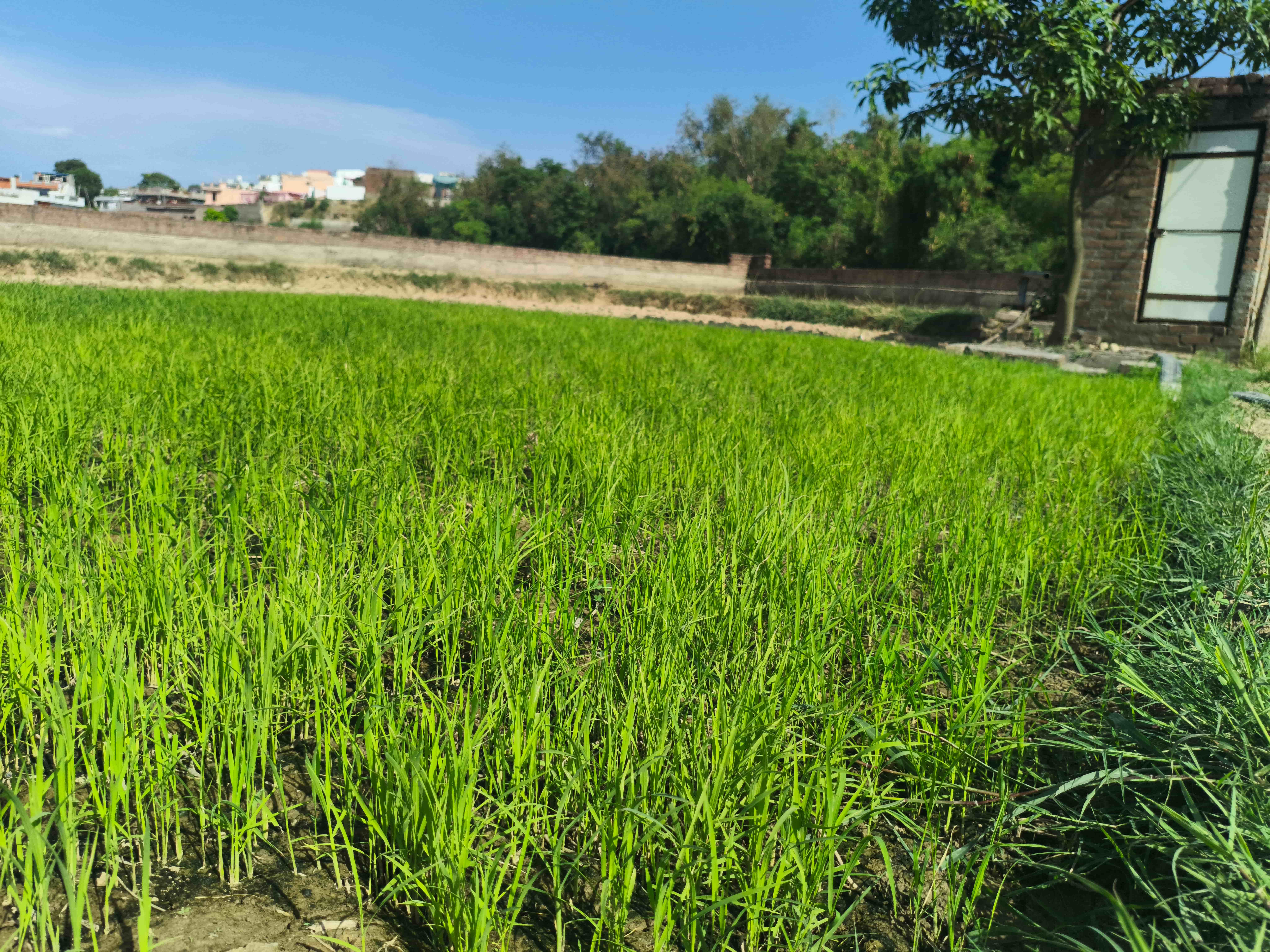
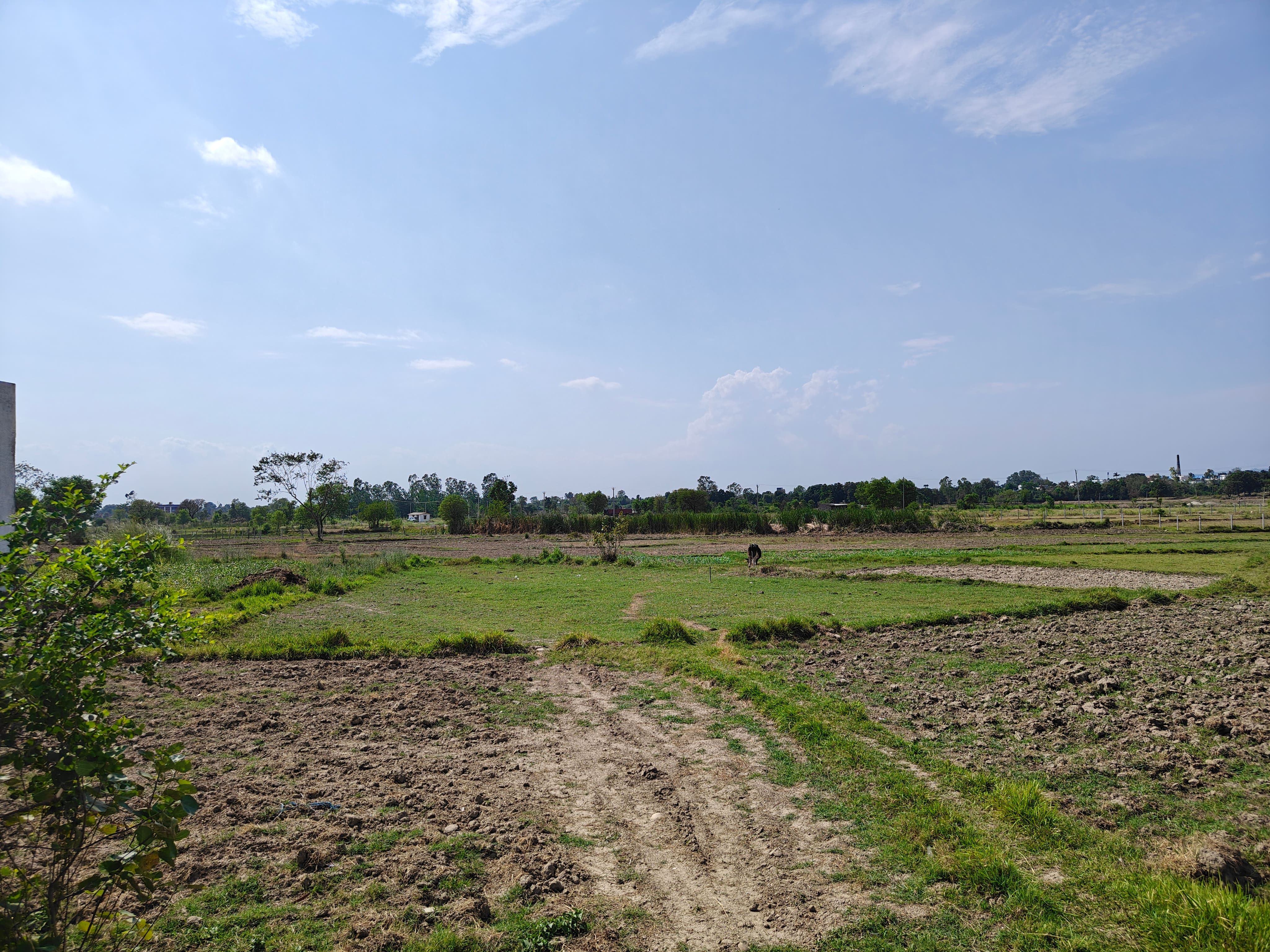
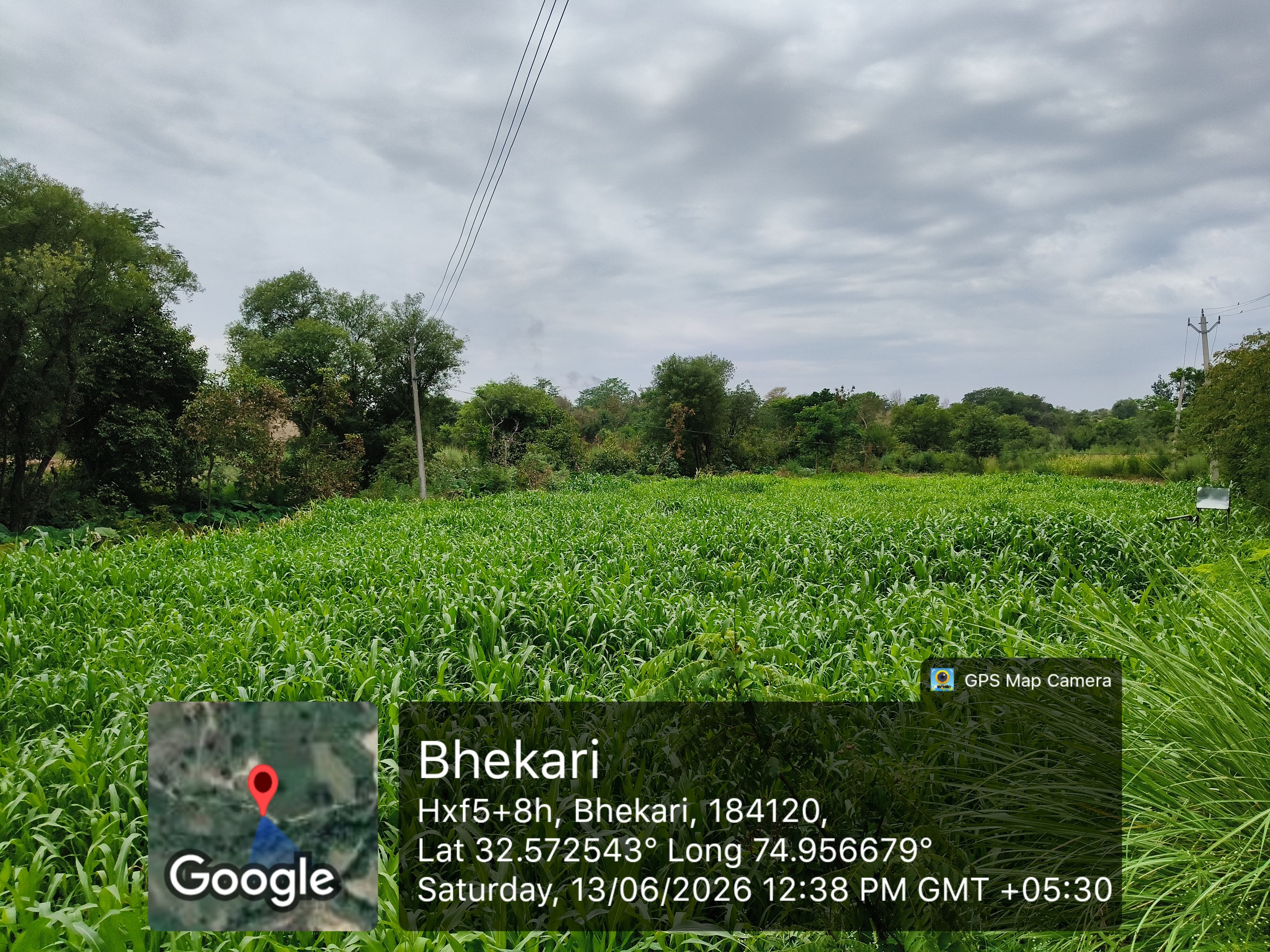
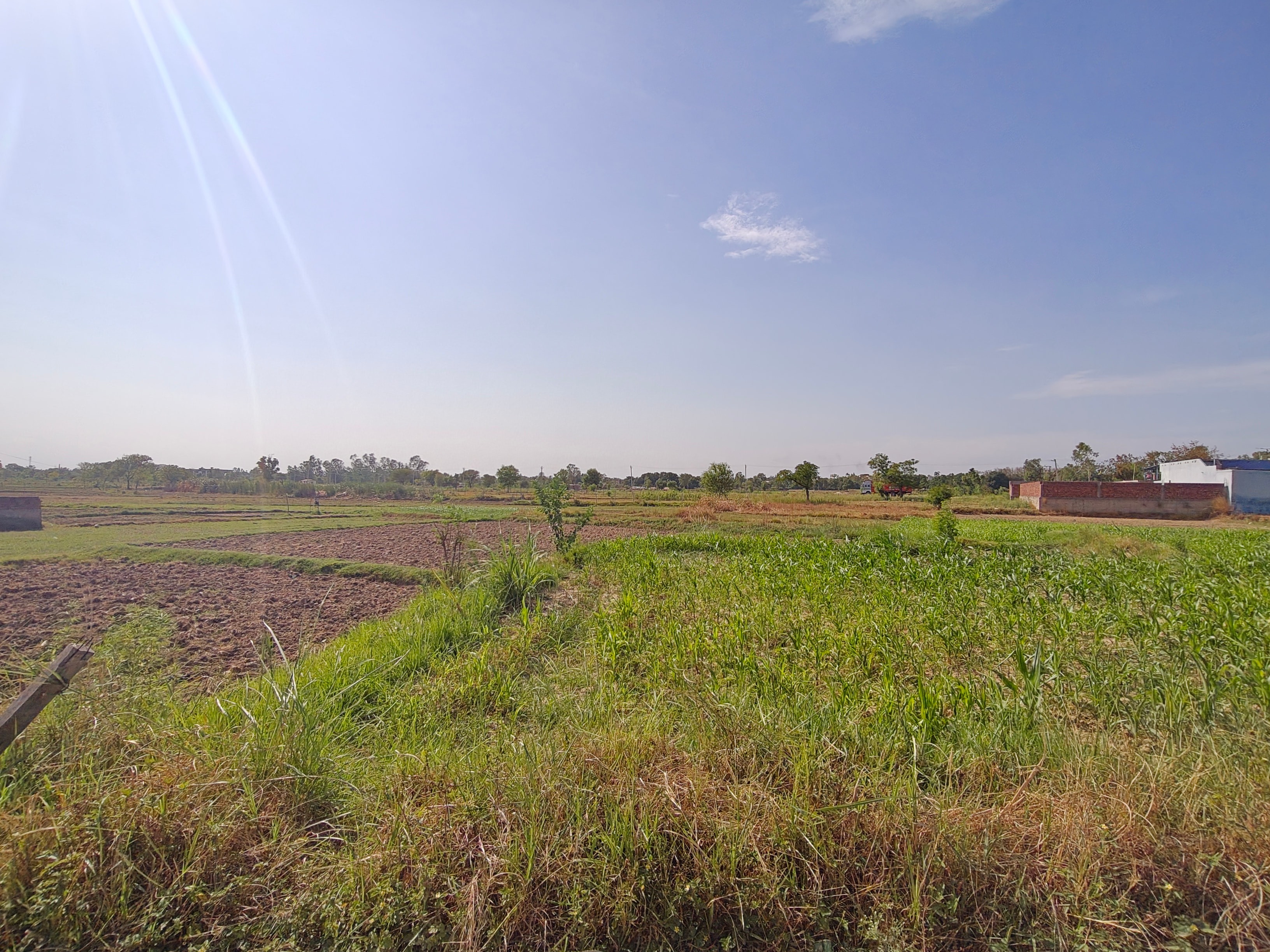
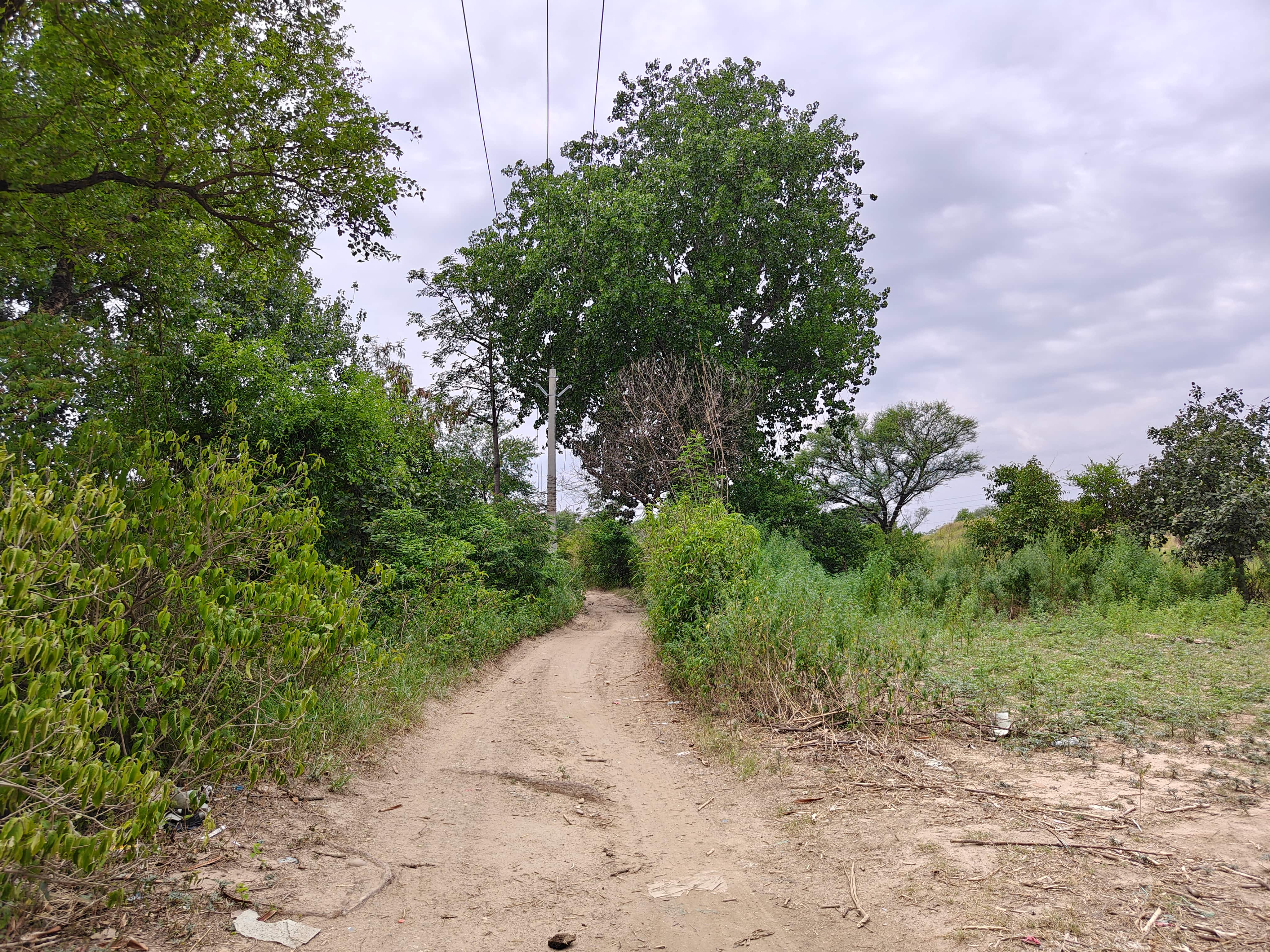
Dabuj Kaka is located in the Ramgarh Tehsil of Samba District, Jammu and Kashmir, at coordinates 32.5833° N and 75.2167° E. The village is part of the Ramgarh border belt — one of the most strategically sensitive regions of Jammu and Kashmir — and is surrounded by open agricultural fields and natural greenery, offering a peaceful and scenic rural landscape typical of Samba district.
Historical Background
Dabuj Kaka is part of the historically rich Samba region, which has been an integral part of the Jammu division for centuries. The Samba district was carved out as a separate administrative unit in 2006, having previously been part of Jammu district. Being located in the Ramgarh border belt, the village has witnessed the developmental and security-related transformations that have shaped border communities of Jammu over decades.
The village has a strong tradition of Government and Defence Service, with many families having members serving in the Border Security Force (BSF) and other central government services — a legacy that defines the character and pride of Dabuj Kaka.
Cultural Heritage and Traditions
The cultural life of Dabuj Kaka is deeply rooted in the Hindu Dogra tradition. Villagers celebrate all major Hindu festivals including Diwali, Lohri, Navratri, Baisakhi, and Holi with great enthusiasm and community participation, reinforcing the strong bonds of togetherness among residents.
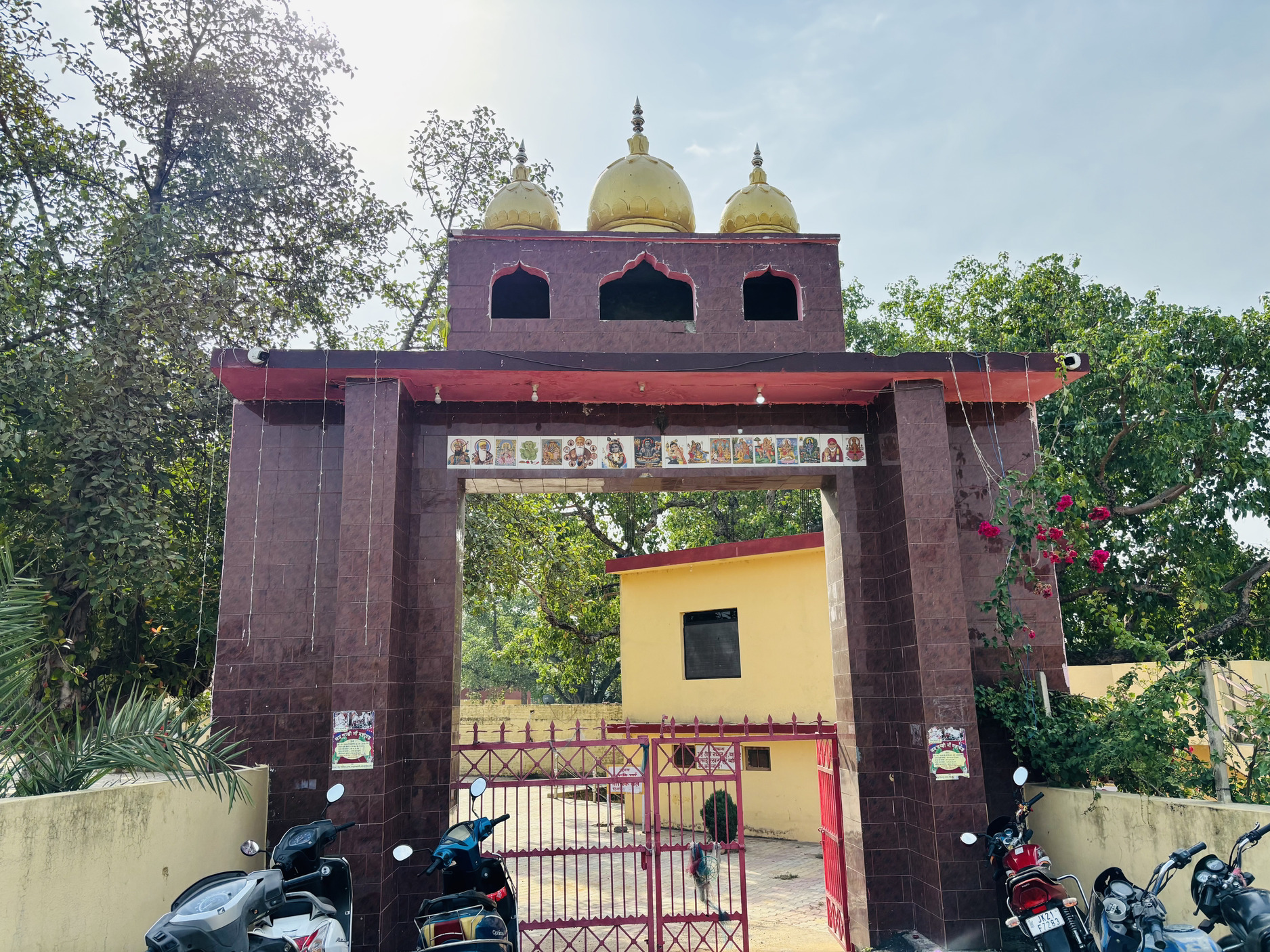
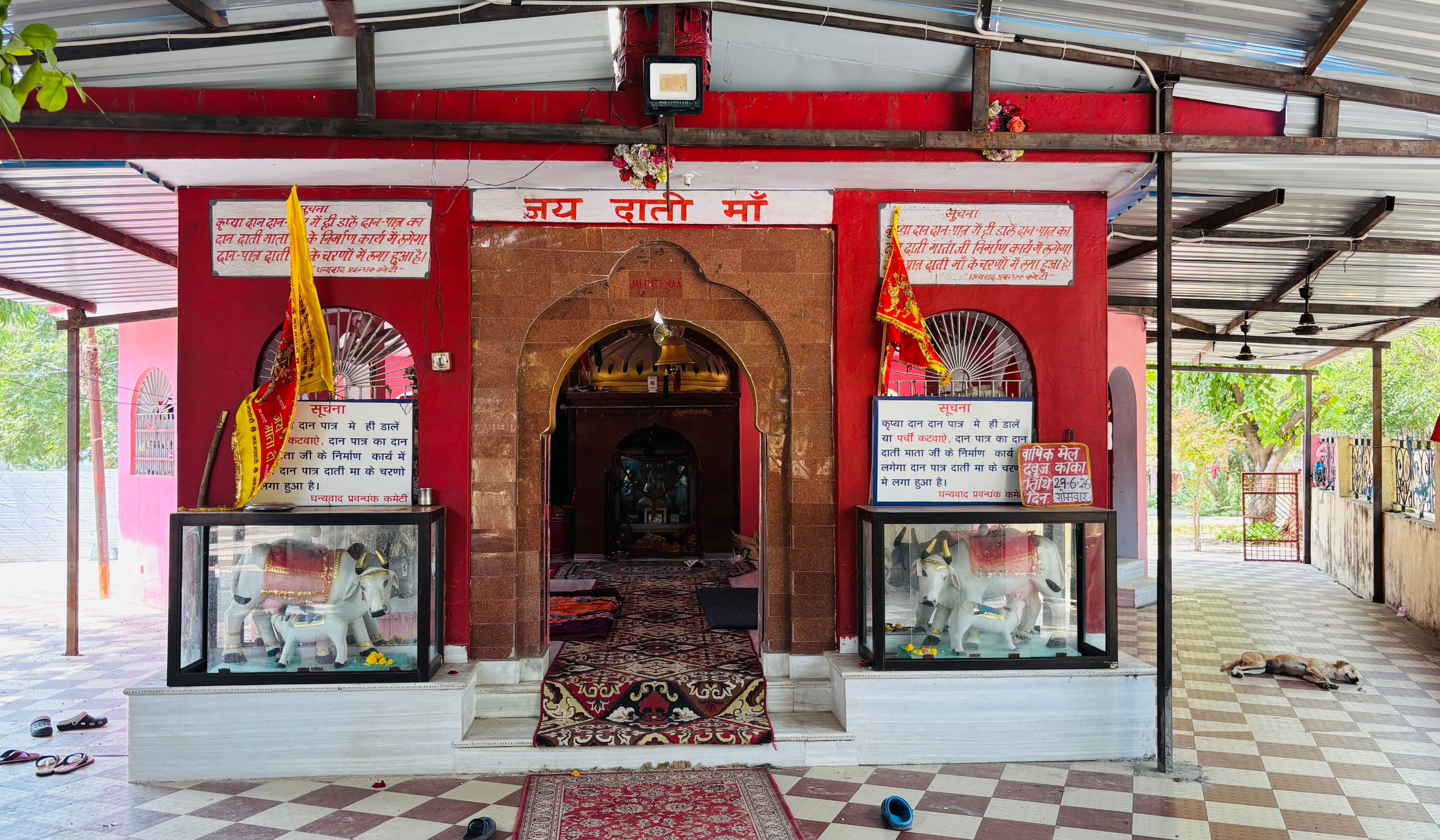
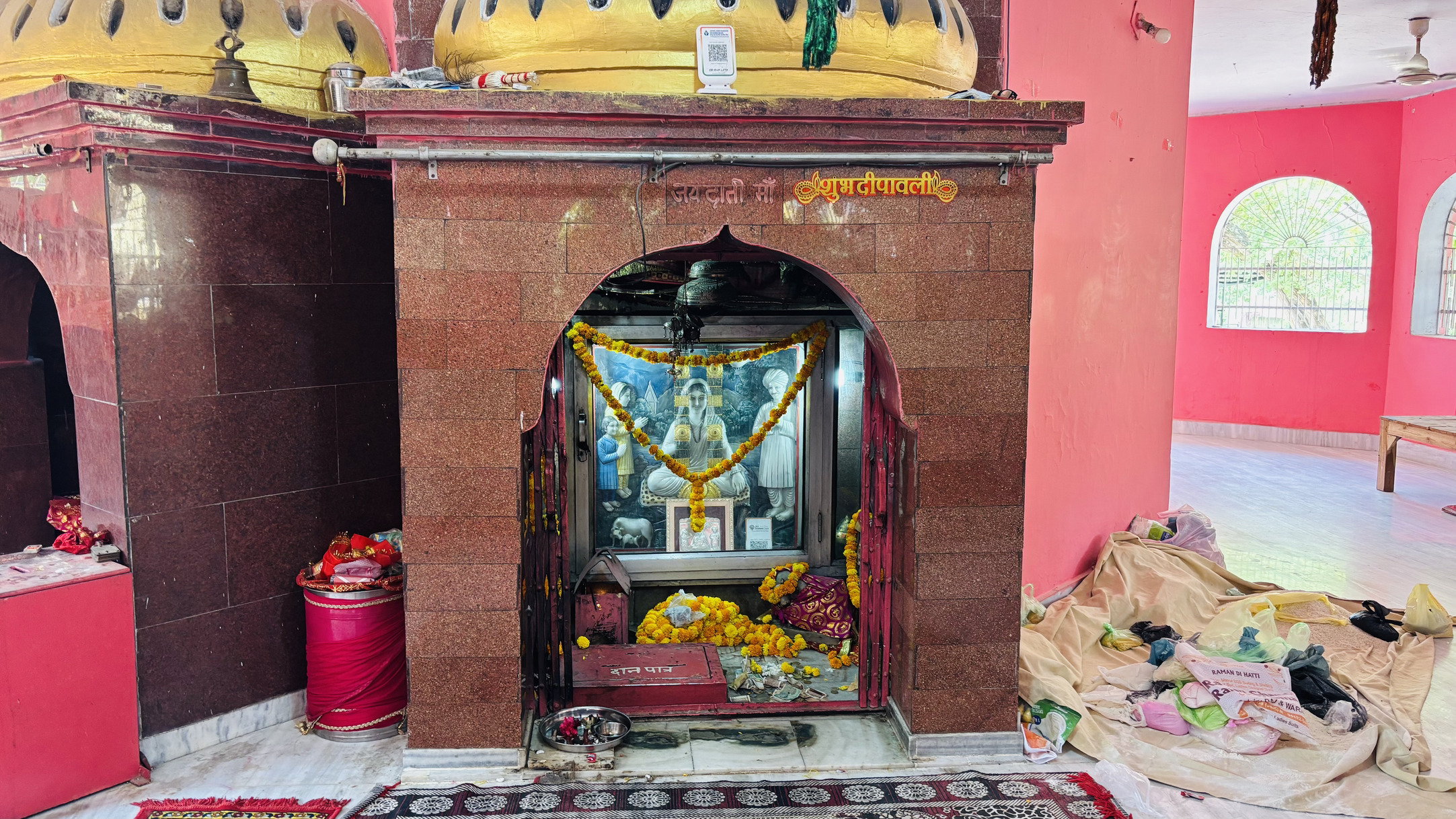
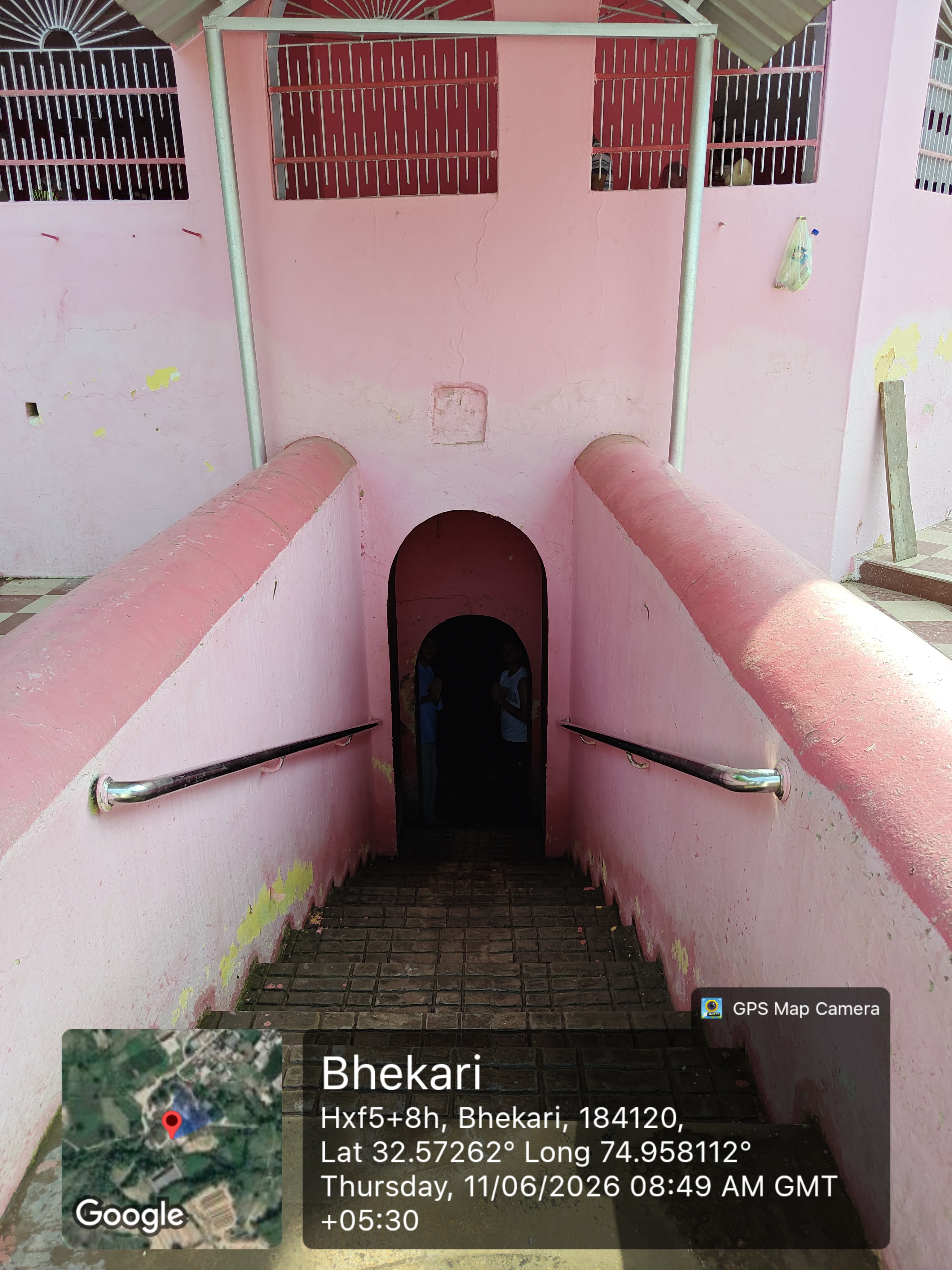
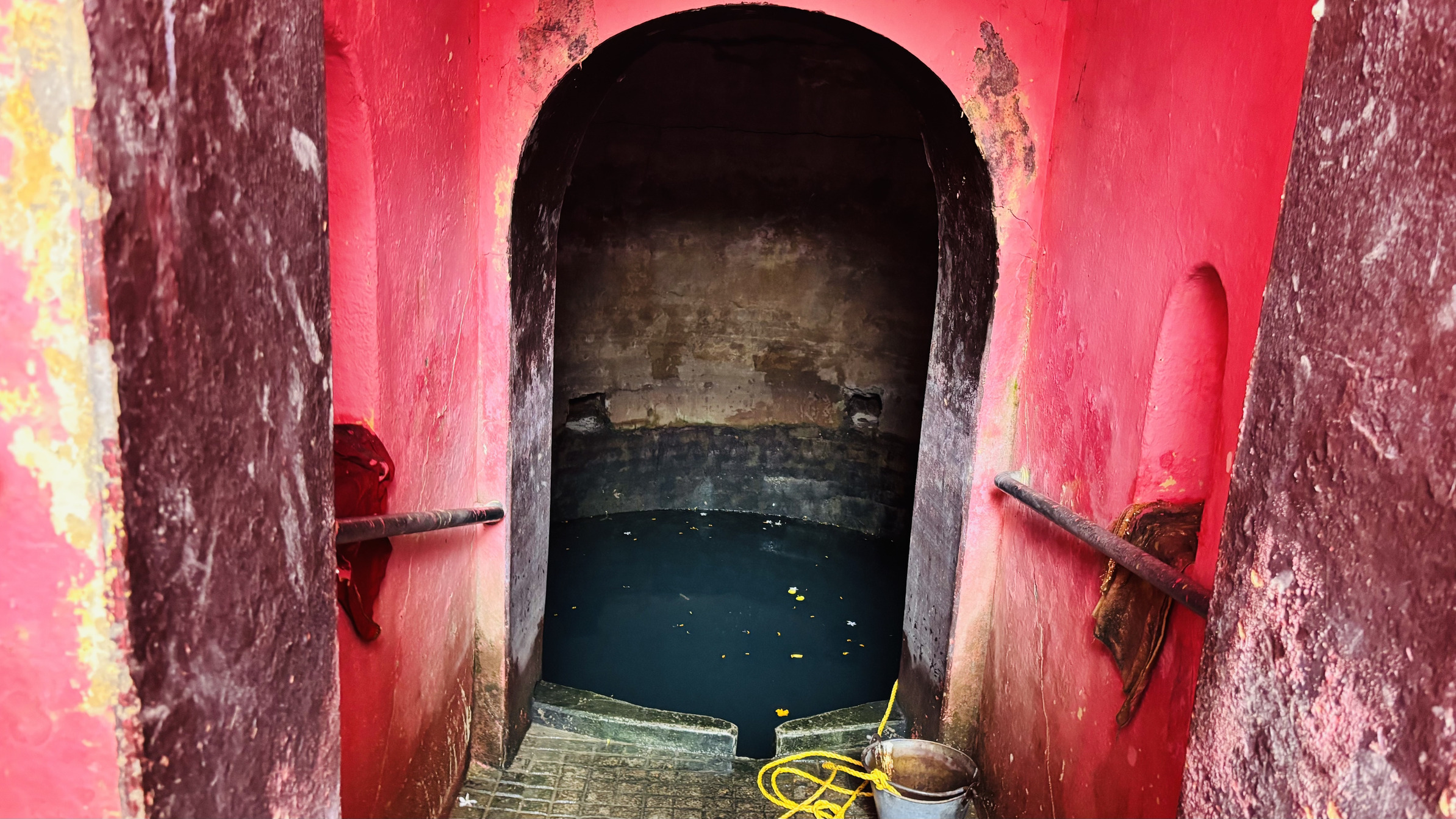
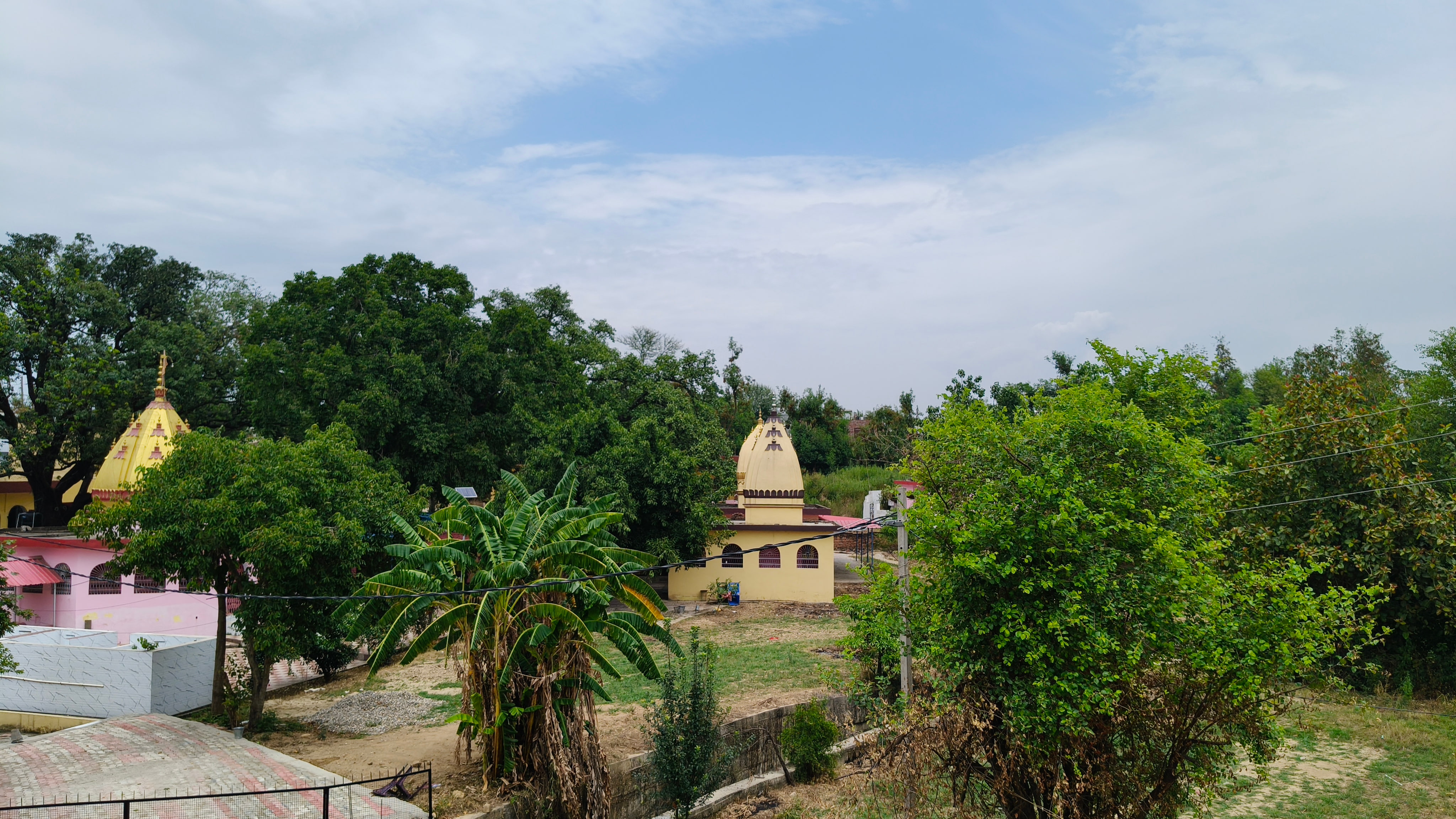
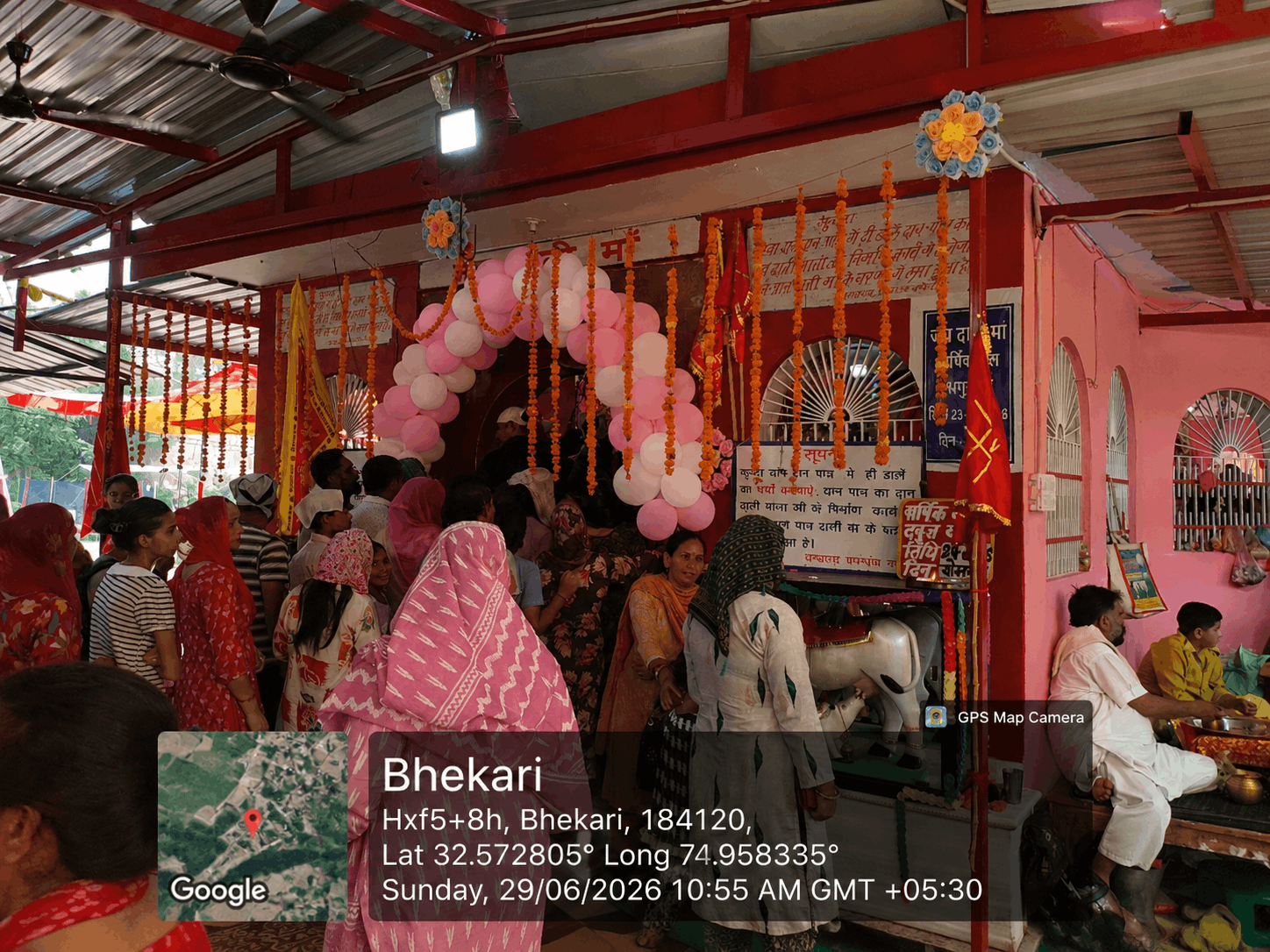
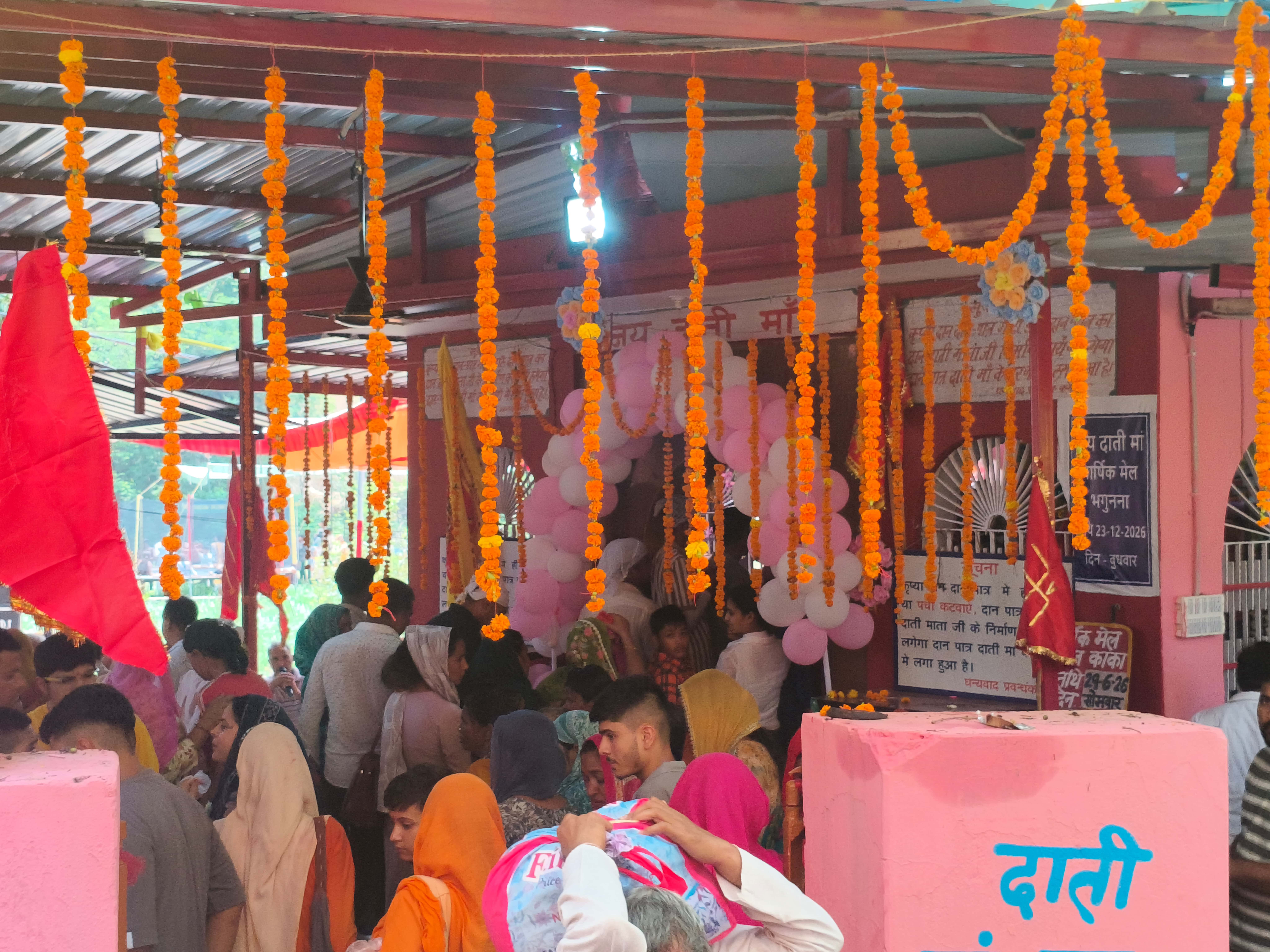
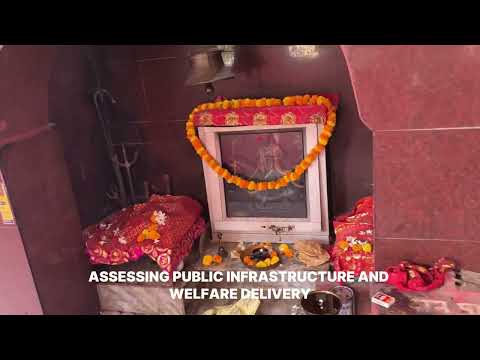
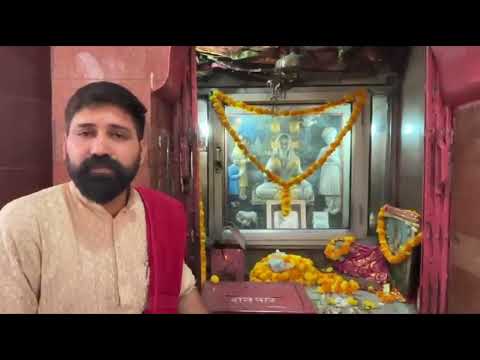
The most significant cultural landmark of the village is the Dati Mata Mandir—the religious, cultural, and social heart of Dabuj Kaka. Several centuries old, the temple holds immense historical and spiritual significance for the village. What makes this temple truly remarkable is its extraordinary history of continuous community-funded development. Generation after generation, villagers have voluntarily contributed from their own private funds to renovate and expand the temple. Today, it stands as a large, well-maintained, and beautifully developed structure—a living testament to the faith, unity, and devotion of the Dabuj Kaka community.
Tourism and Places of Interest
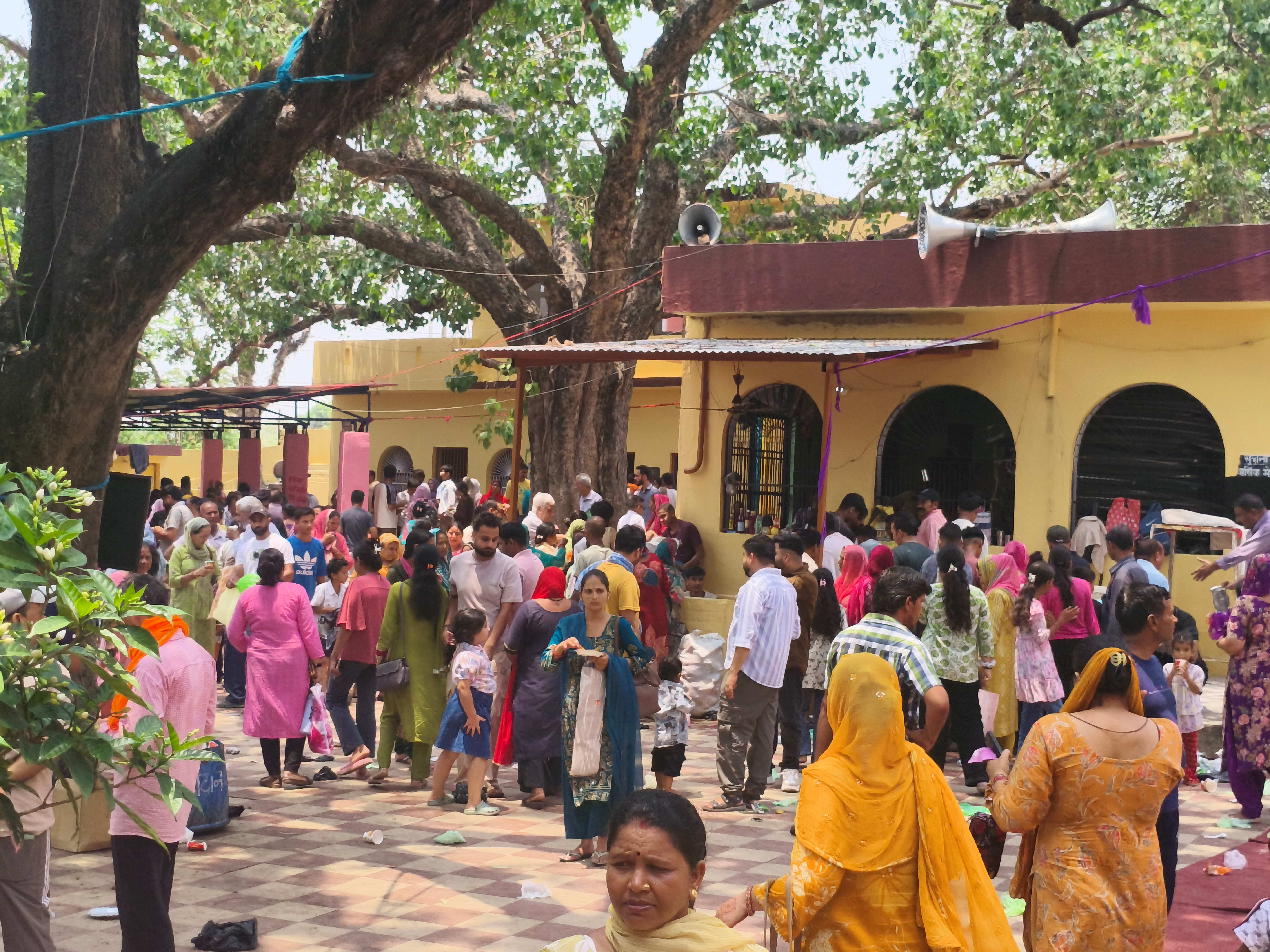
The primary attraction of Dabuj Kaka is the Dati Mata Mandir, which serves not just as a place of worship but as the cultural and community hub of the entire village. The temple premises are large enough to accommodate the entire village population during religious gatherings and celebrations. Built and continuously developed through generations of community funding, the temple stands as a symbol of the village's faith, unity, and cultural identity.
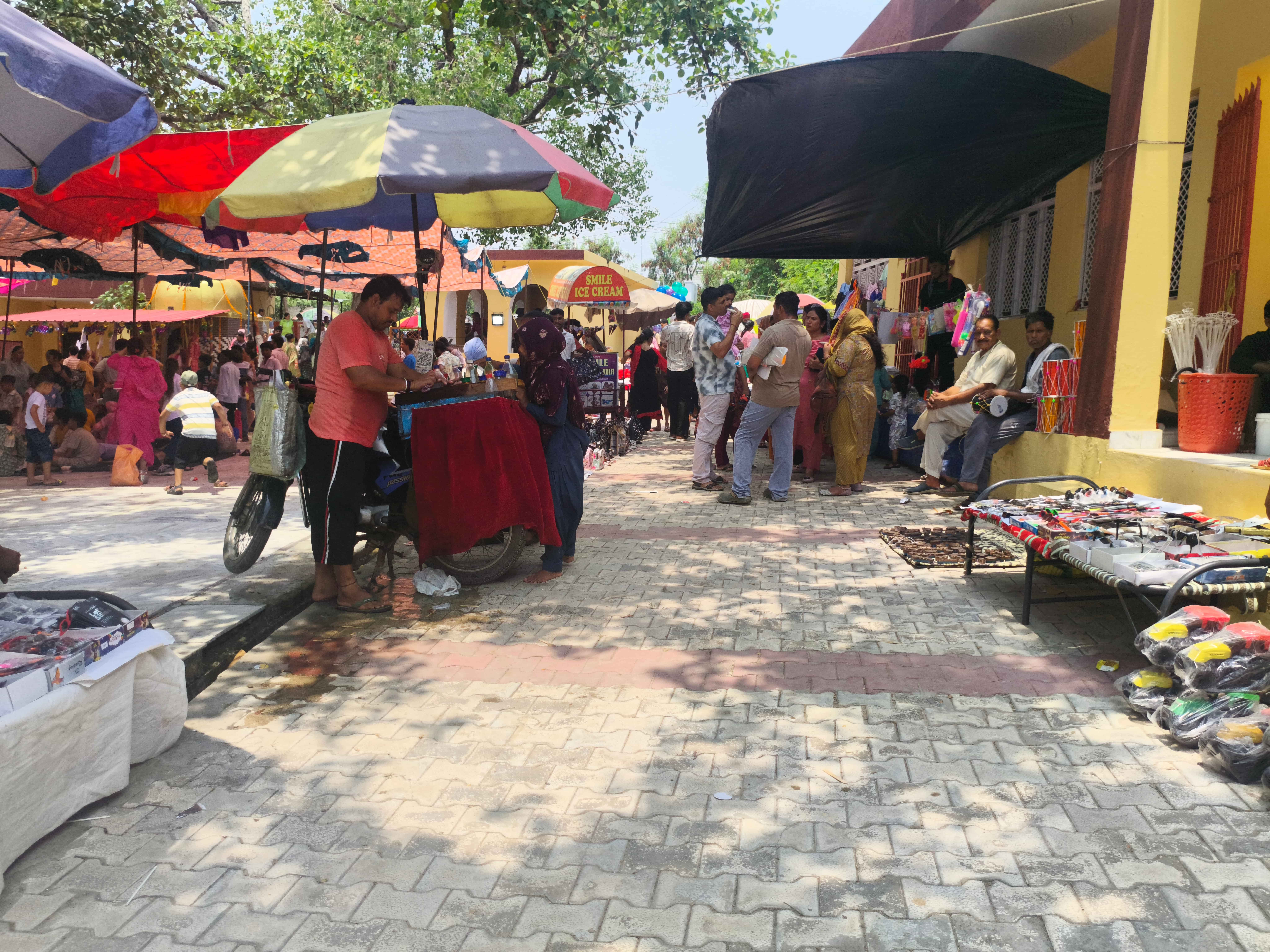
The most awaited event of the village calendar is the annual Dati Mata Mela, held every year on 29th June. This vibrant fair transforms the village into a hub of festivity, devotion, food stalls, and community bonding. During the mela, temporary stalls serving popular local food items like Naan Chana and various street snacks are set up around the temple premises, creating a festive atmosphere that draws visitors from neighbouring villages and towns.
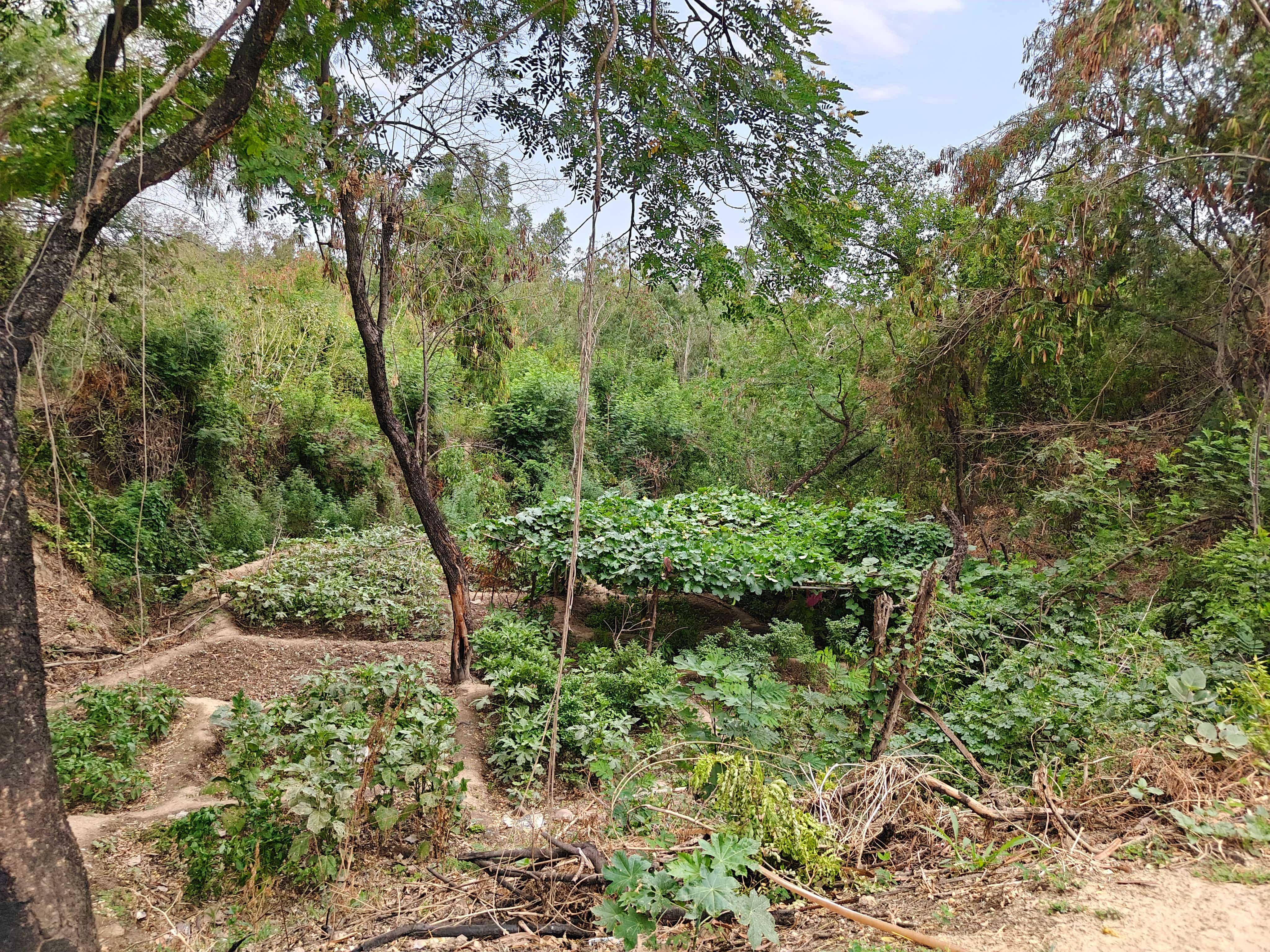
Beyond the temple, the village is surrounded by open agricultural fields, a village nursery, and private mango orchards maintained by individual families, offering visitors a glimpse into the natural and agrarian beauty of rural Jammu.
Connectivity and Accessibility
Dabuj Kaka is well connected to the rest of Jammu and Kashmir through multiple modes of transport. The village is accessible via the Jammu-Pathankot National Highway through the Vijaypur-Ramgarh route, making road travel the most convenient option for local visitors.
For visitors travelling from outside Jammu, the nearest major railway station is Jammu Tawi Railway Station, from where the village can be reached by private taxi or local transport. The nearest airport is Jammu Airport (Satwari), which is well connected to major Indian cities, offering air travel as a convenient option for outstation visitors.
Local Transport
Within and around the village, transport options are simple and affordable. Local buses operate, connecting the village to the nearby Jakh area, providing an economical public transport option for daily commuters. Shared auto rickshaws are widely available at an affordable fare of Rs. 20 per person, making short-distance travel accessible for all residents and visitors. Many villagers also own private vehicles, including motorcycles and cars, which serve as the primary mode of personal transport for daily commuting to nearby towns such as Vijaypur, Ramgarh, and Jammu city.
Best Time to Visit
The best time to visit Dabuj Kaka is during the annual Dati Mata Mela, held on 29th June every year, when the village is at its most vibrant and culturally active. The mela offers visitors an authentic experience of the village's religious devotion, community spirit, and local food culture. For those seeking a general visit to explore the village's natural scenery and agrarian landscape, the months of October to March are ideal, as the weather in the Ramgarh region remains pleasant and comfortable during this period.
Lifestyle and Community Life
The lifestyle of Dabuj Kaka beautifully reflects the harmonious blend of traditional values and modern conveniences. Farming families begin their day before sunrise, heading to their fields in the early morning hours to complete agricultural work before the intense afternoon heat sets in. Working professionals commute to nearby towns, while women actively contribute both inside and outside the household, reflecting the changing and empowered role of women in rural communities.
The community of Dabuj Kaka is deeply close-knit and warmly connected, where virtually every resident knows one another personally. Social interaction happens naturally through home visits, gatherings in streets and lanes, and meetings at the Dati Mata Mandir, which serves as the informal community hub of the village.
Economy and Livelihoods
The economy of Dabuj Kaka is driven by four primary pillars that collectively sustain the village's financial well-being.
1. Agriculture
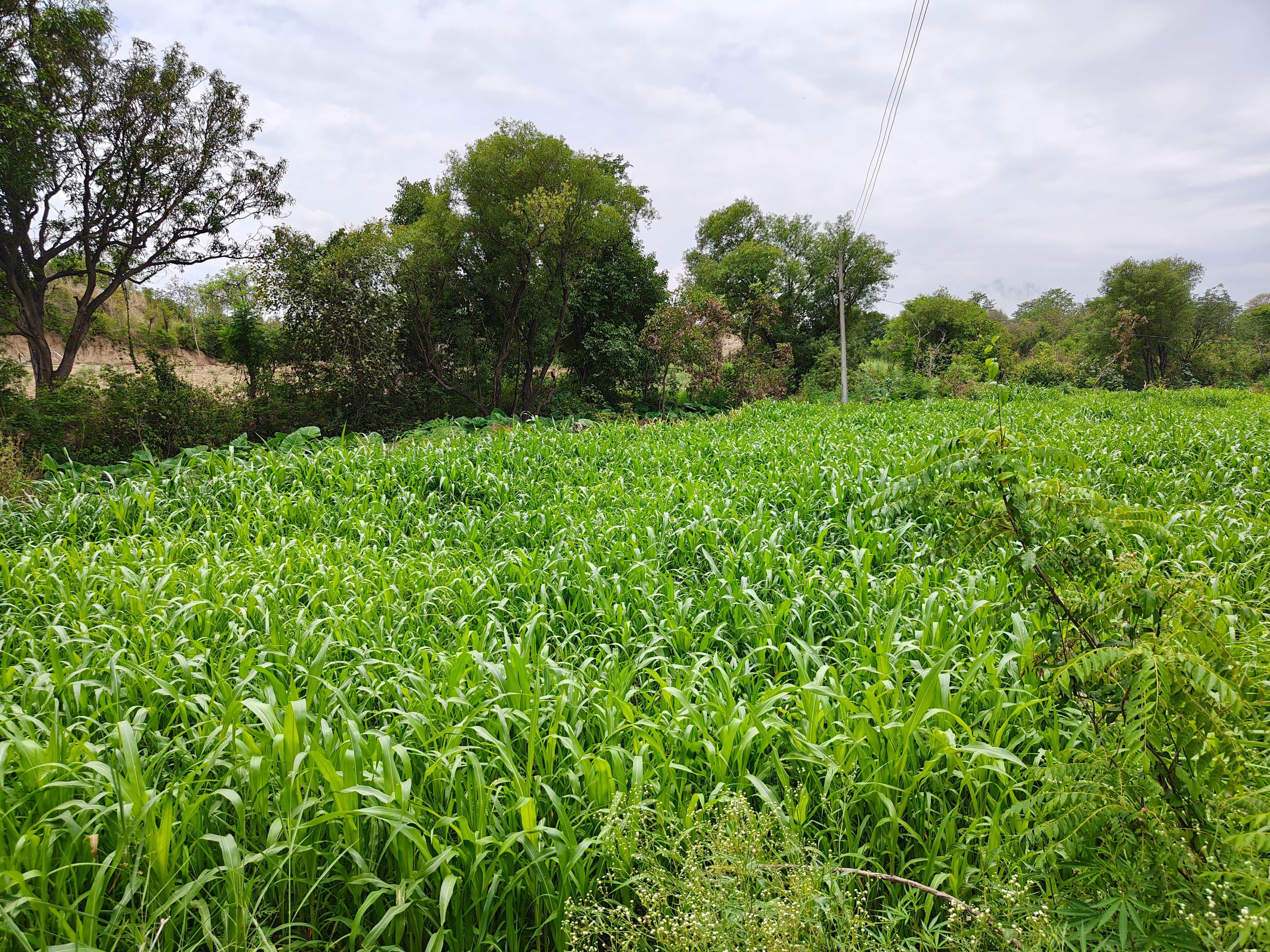
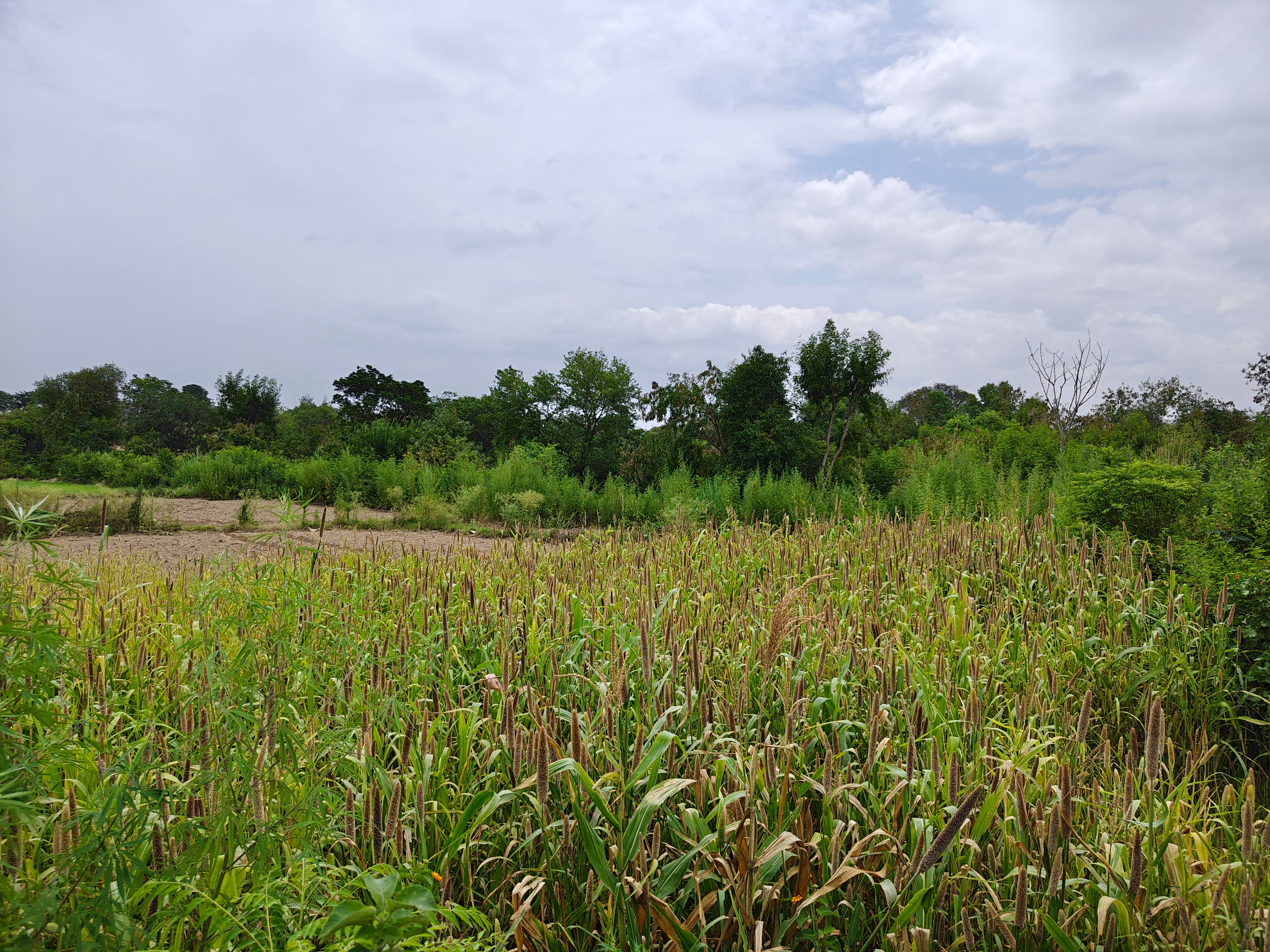
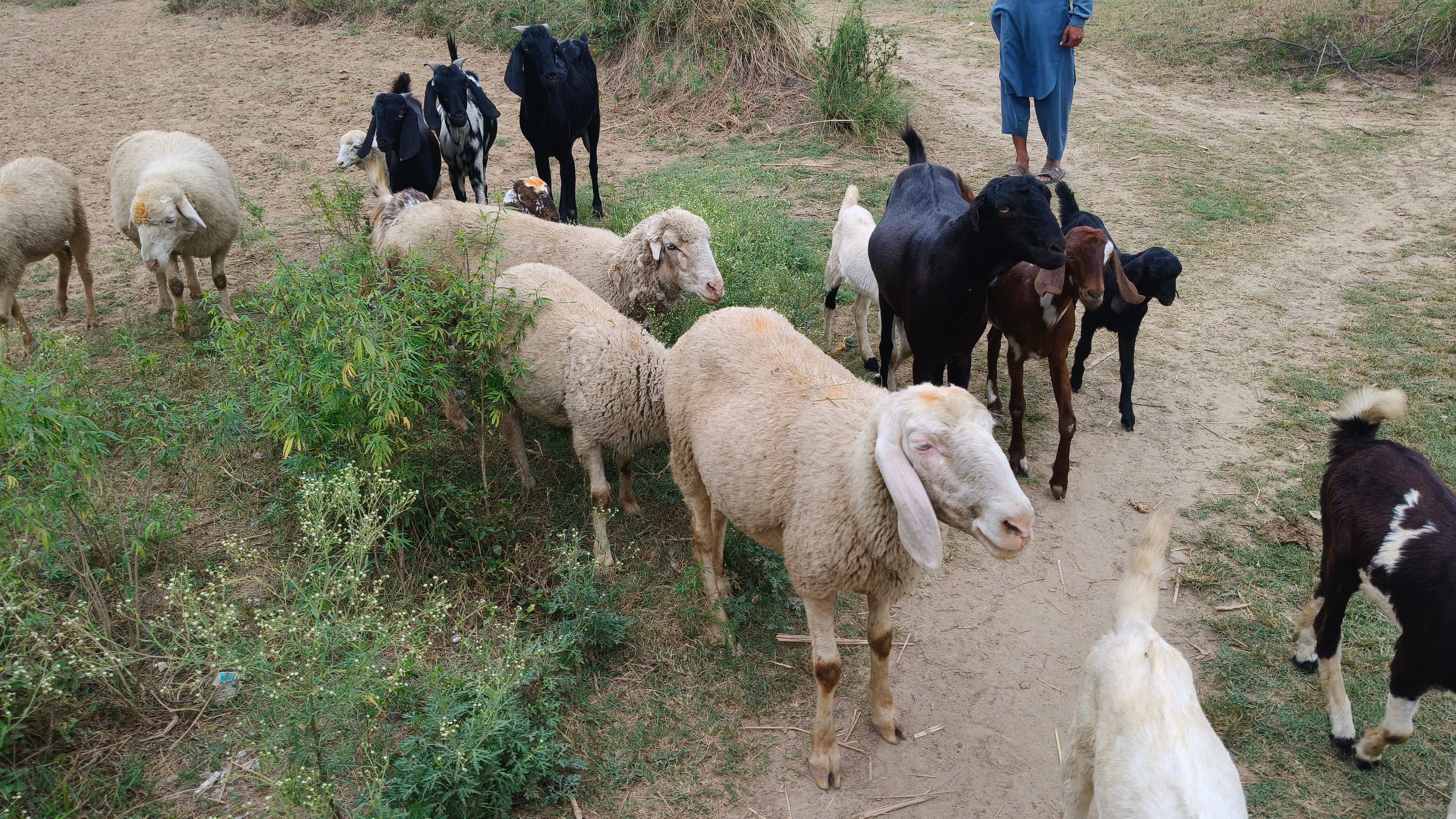
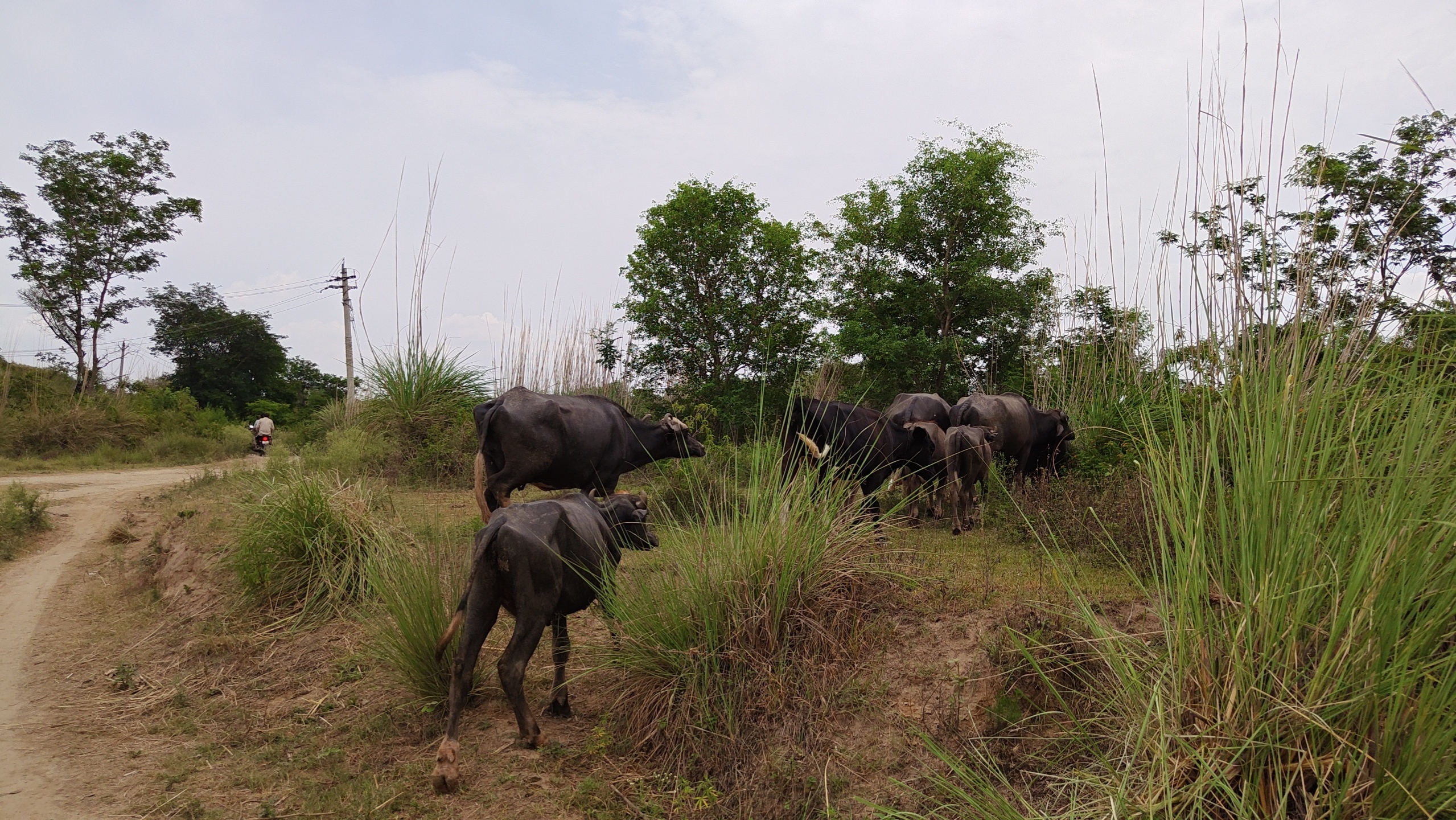
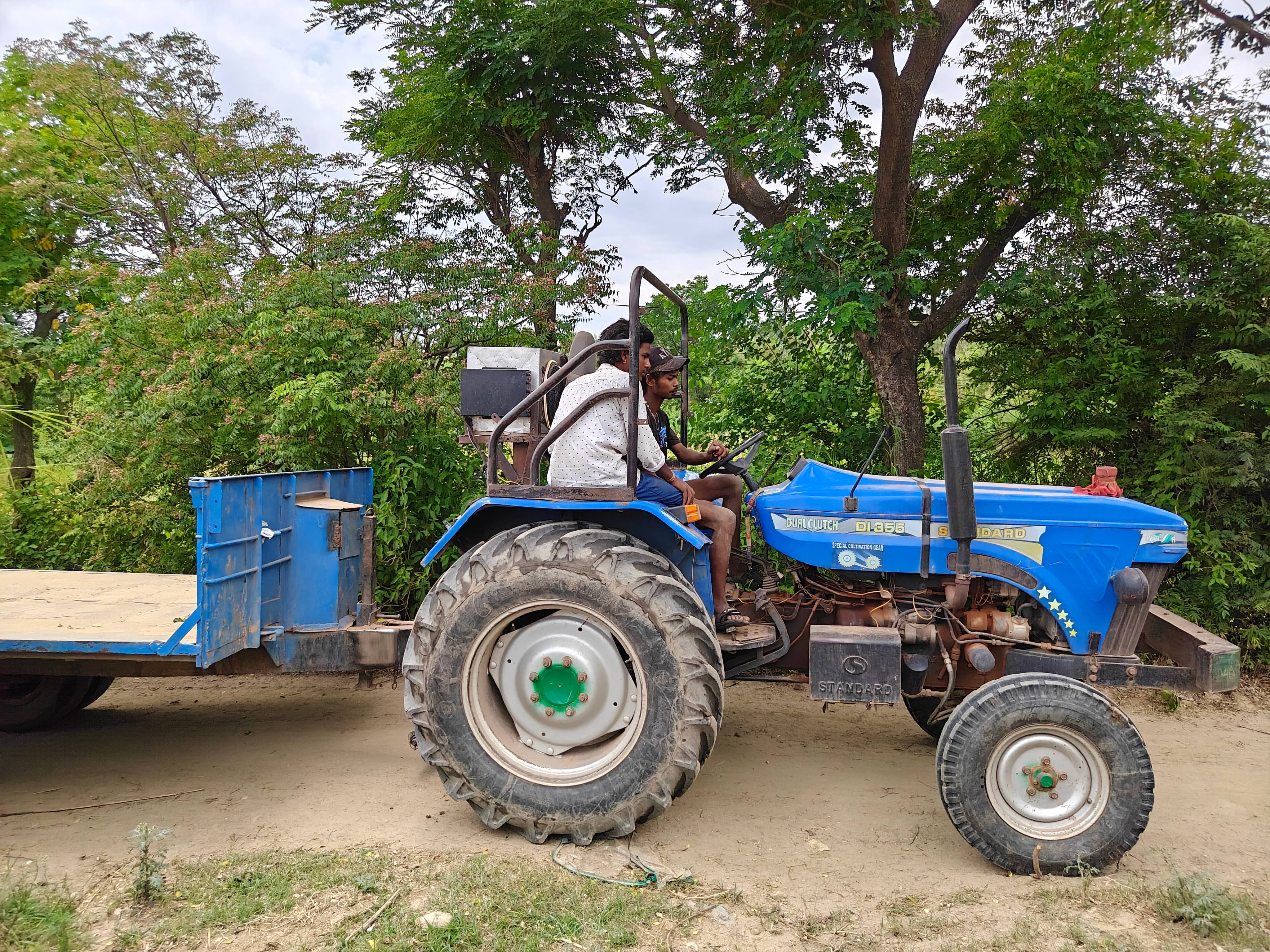
Agriculture remains the backbone of the local economy, with families engaged in traditional farming practices on their agricultural lands, cultivating seasonal crops suited to the Ramgarh region's terrain and climate.
2. Government and Defence Services
Government and Defence Services form a major source of stable income for village families. A significant number of residents serve in the Border Security Force (BSF) and various state and central government departments—a proud tradition deeply embedded in the village's identity.
3. Small Business and Trade
Small Business and Trade contributes through local shops, cloth stores, and fast food stalls that cater to the daily needs of the community. During the annual Dati Mata Mela, these small businesses see their busiest period, generating meaningful seasonal income for many families.
4. Daily Wage Labour
Daily Wage Labour provides employment to a section of the population engaged in both skilled and unskilled work, contributing to household incomes across the village.
Local Cuisine
Dabuj Kaka reflects the wholesome and simple food culture of rural Jammu. Villagers enjoy traditional Dogri cuisine including Kachalu-colocasia cooked in local spices — and Golgappe, popular during festivals. Regular household meals consist of dal, chawal, roti, and seasonal vegetables and fruits.
During the annual Dati Mata Mela, temporary food stalls serve the much-loved Naan Chana combination along with various street snacks. Small eateries near the village entrance also cater to visitors with basic affordable meals throughout the year.
Education
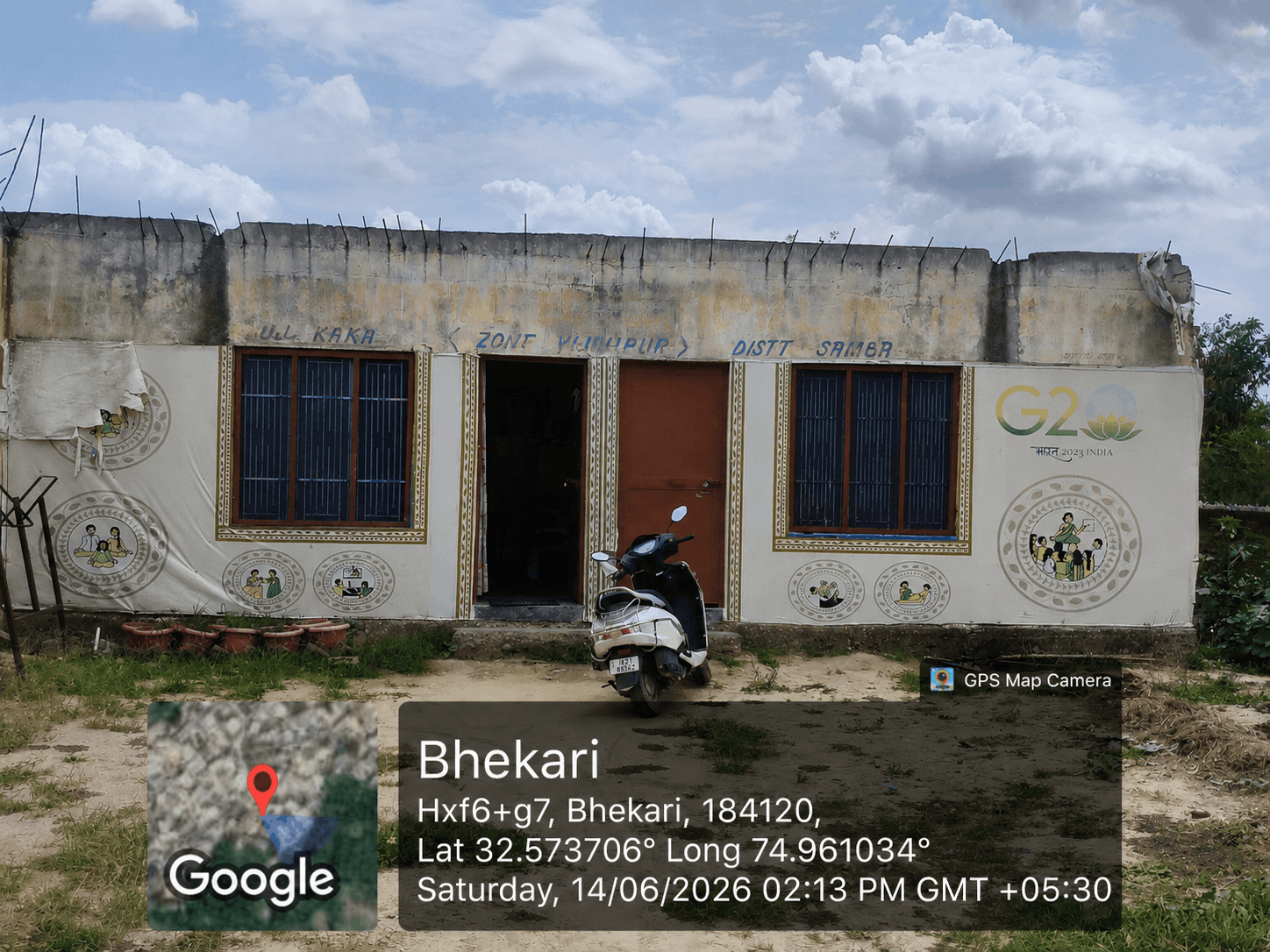
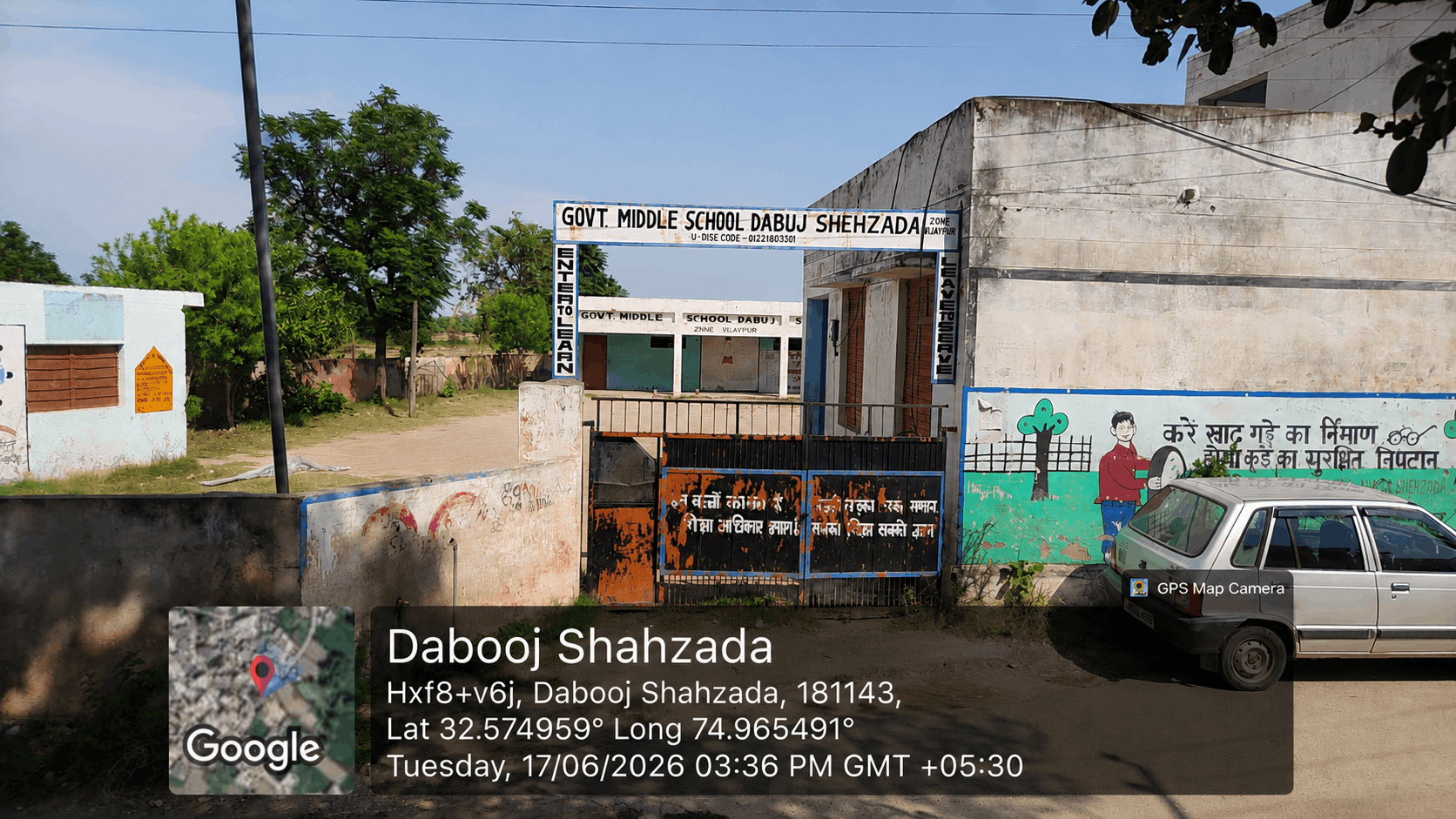
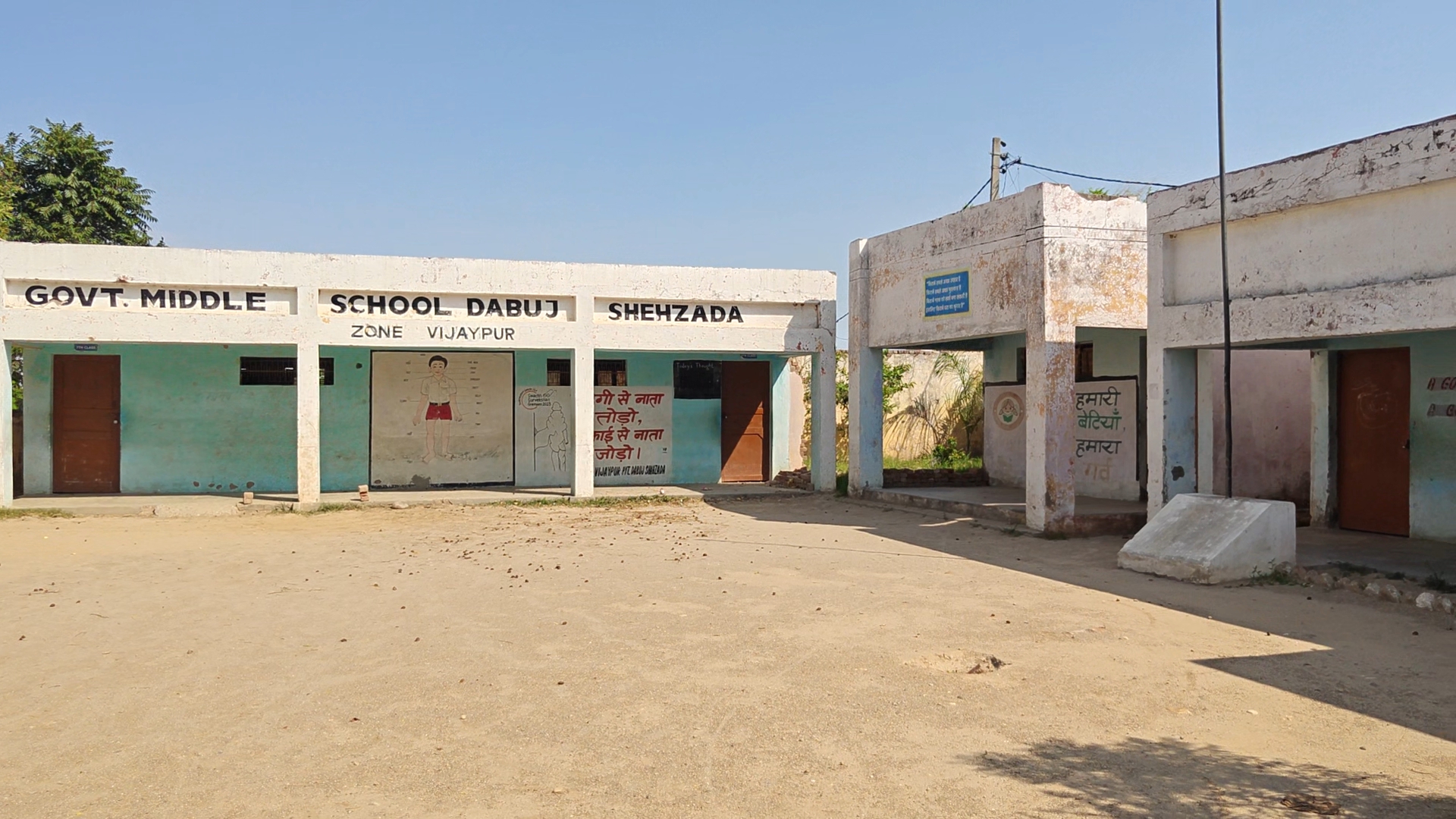
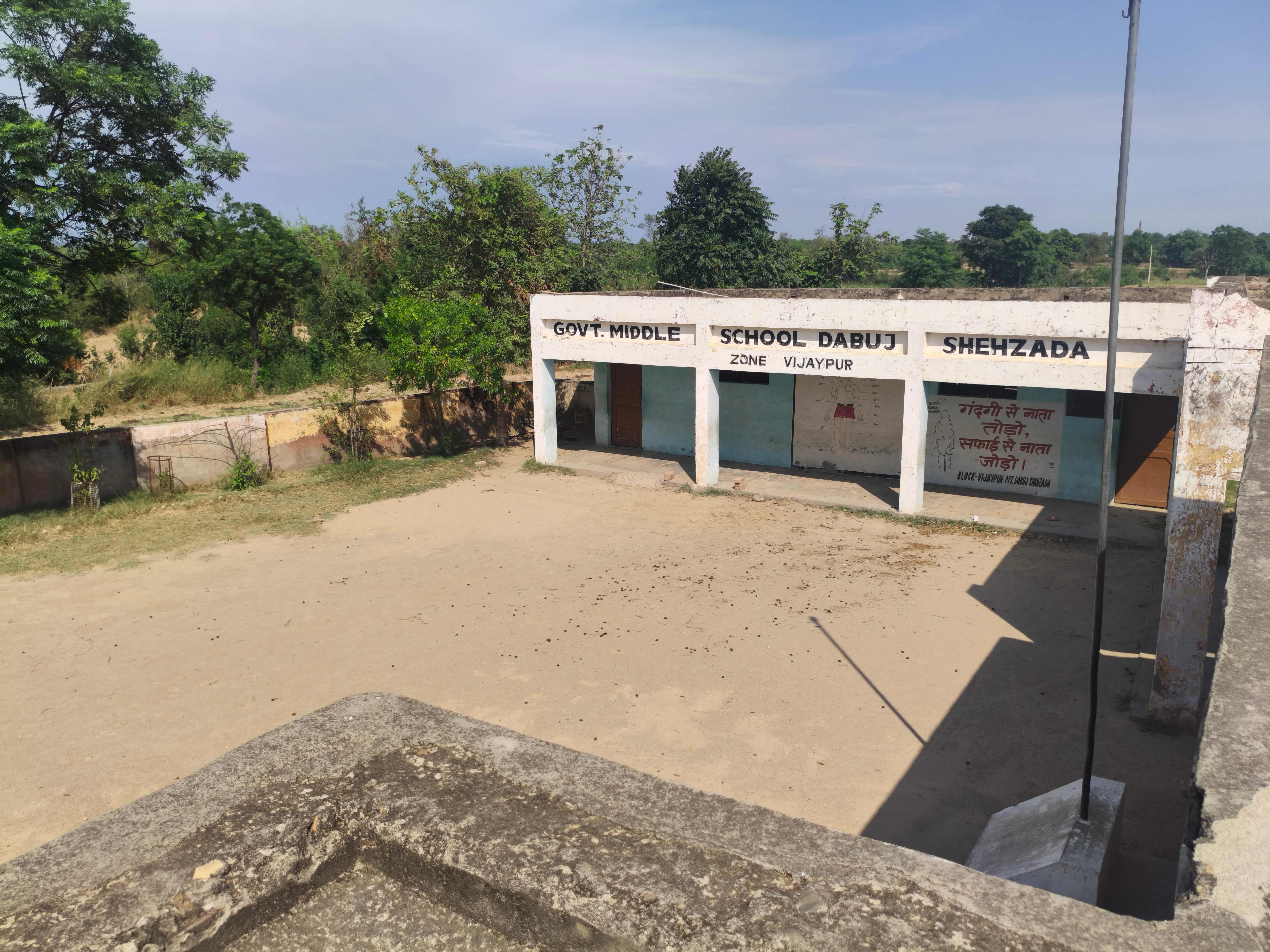
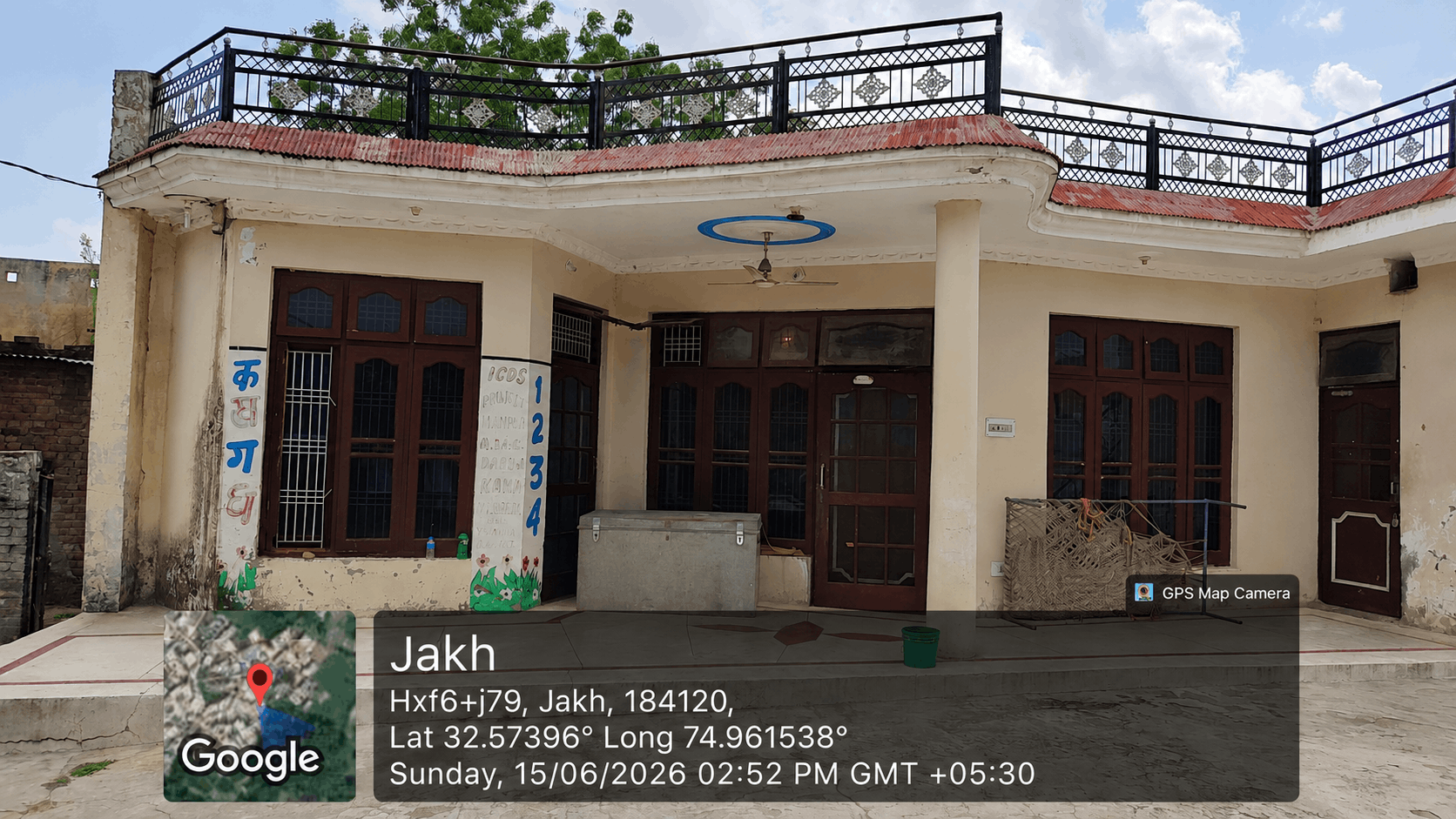
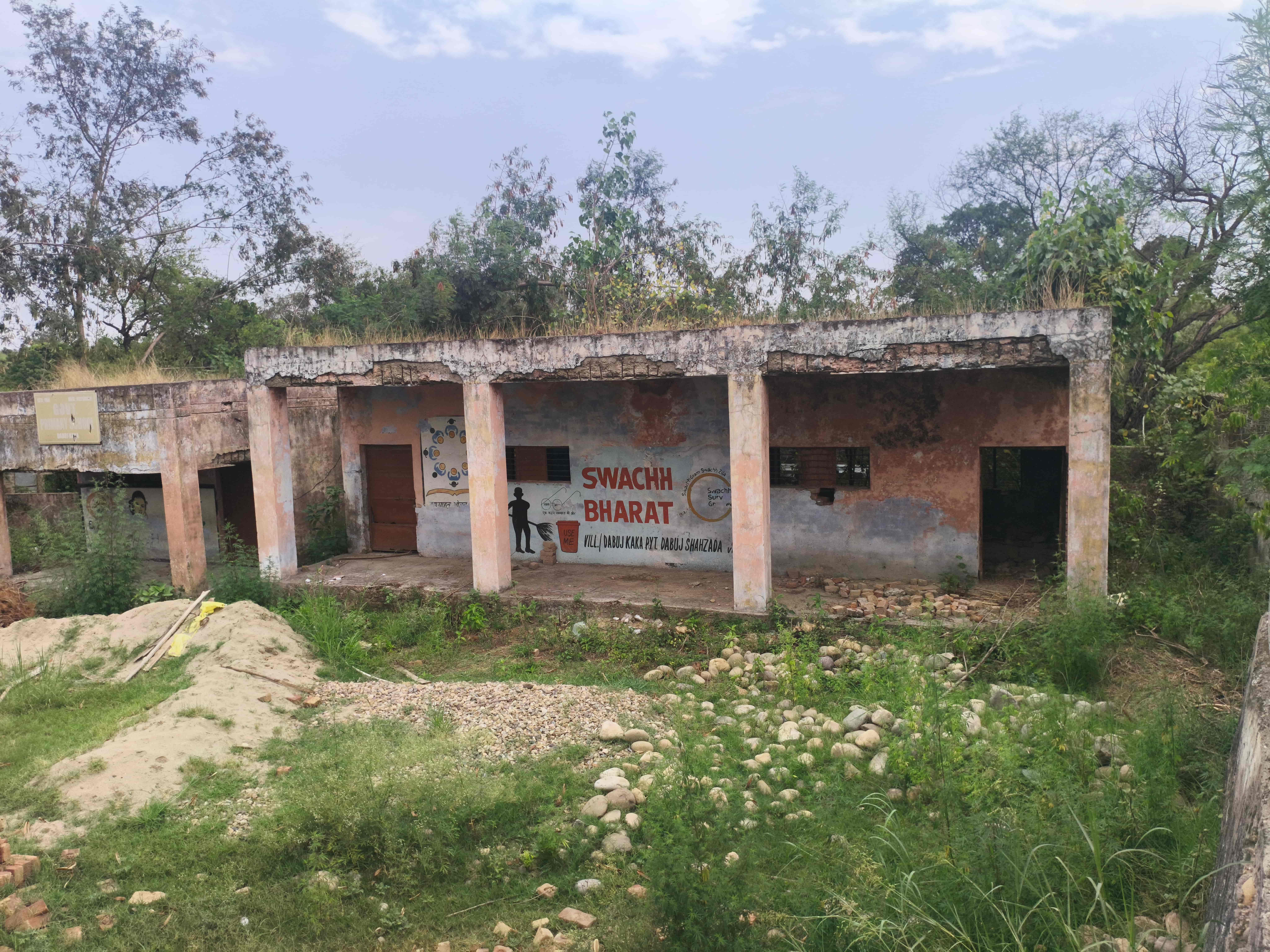
Education in Dabuj Kaka village begins with a Government Primary School located within the village, providing foundational education to young children. The village also has a Government Middle School, which supports students in continuing their education within the village. The village also has an Anganwadi Centre, which plays an important role in early childhood care, pre-primary education, and nutrition for young children. For secondary education, students travel to educational institutions in the nearby Jakh area. Those pursuing higher education typically attend Samba Degree College or various colleges in Jammu city. The increasing aspirations of Dabuj Kaka's youth reflect a positive generational shift toward academic excellence and career advancement. Additionally, access to mobile internet and smartphones supports formal education by providing digital learning resources, helping students expand their knowledge and skills beyond the classroom.
Healthcare and Well-being
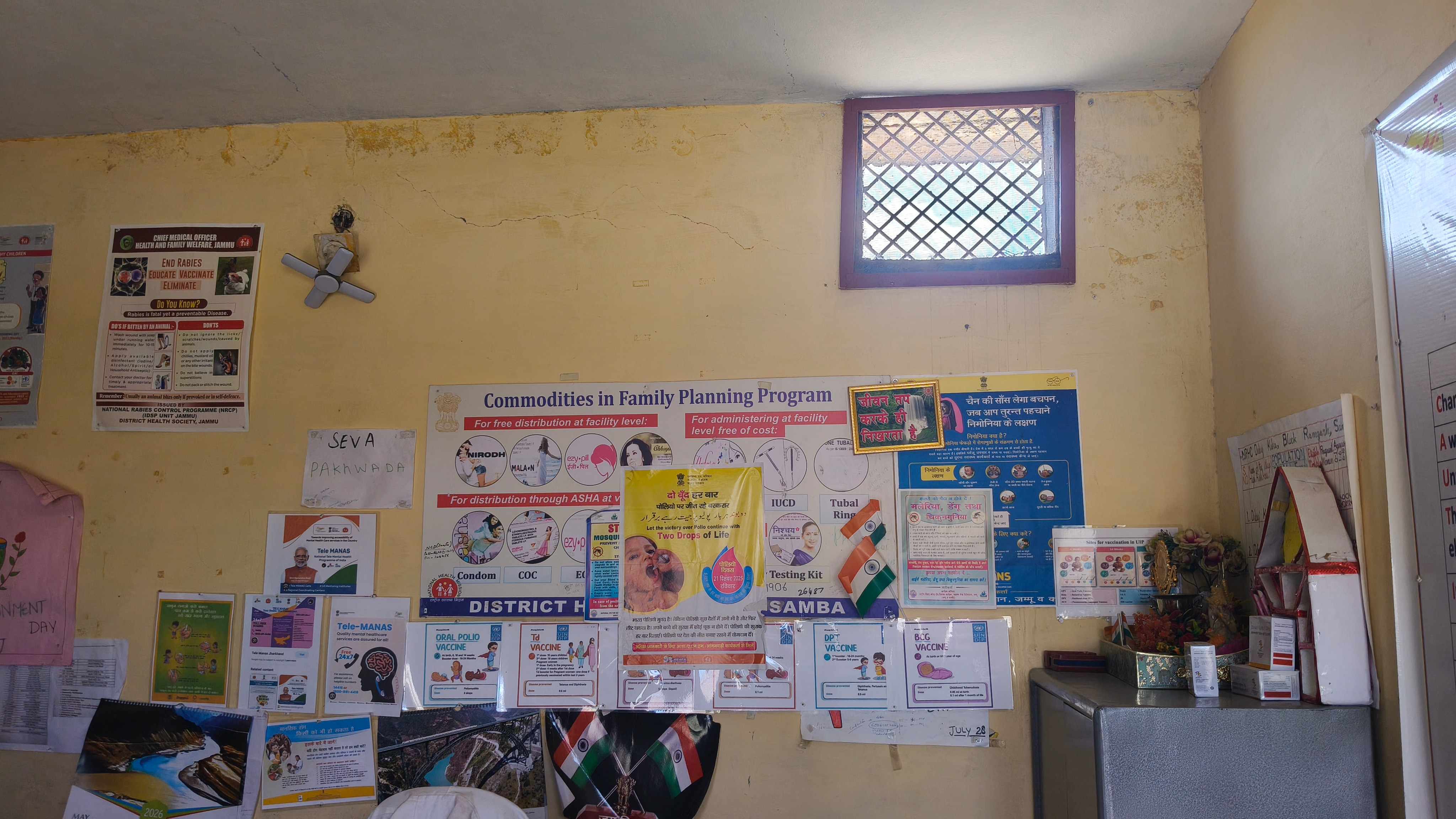
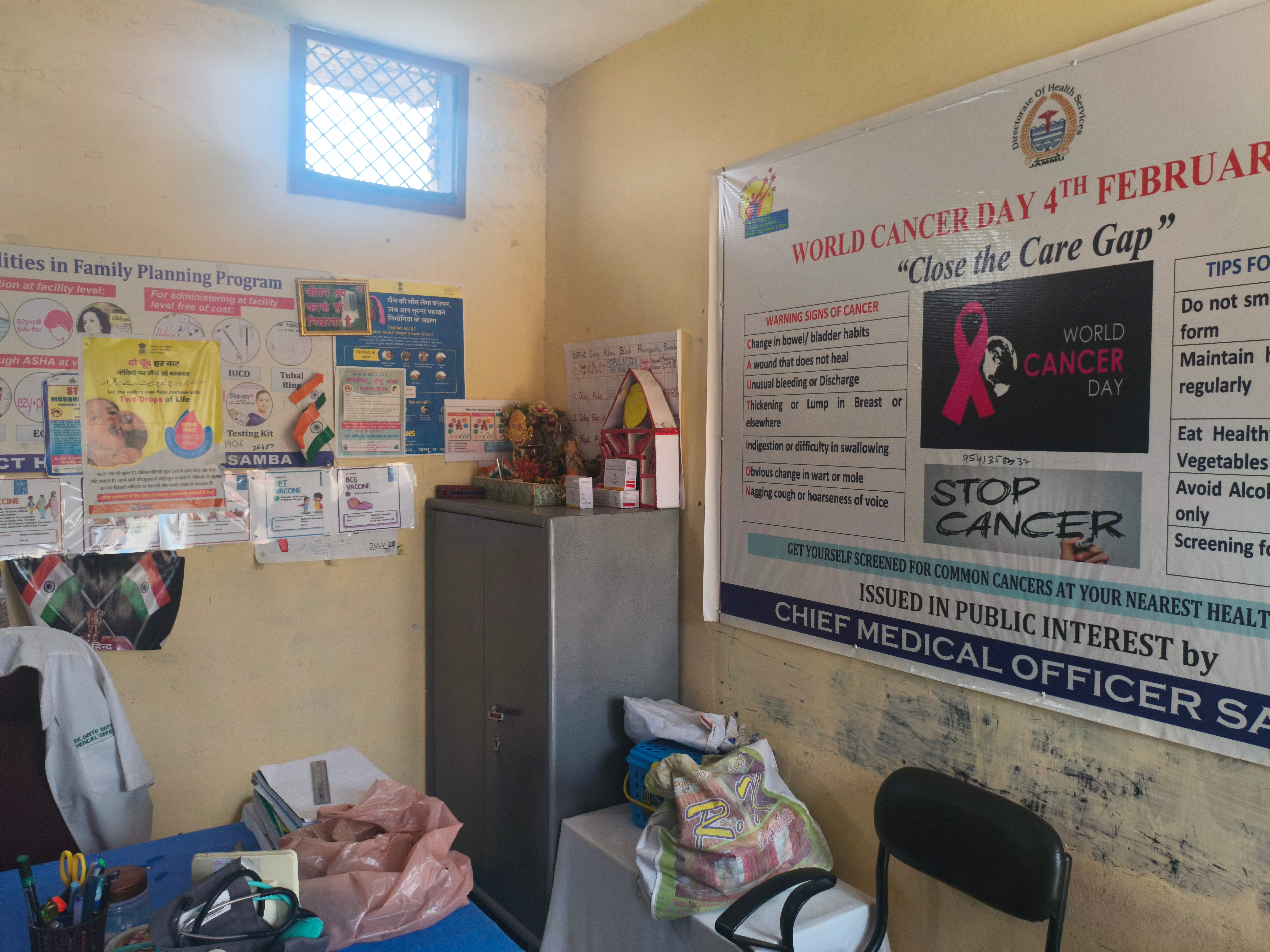
Healthcare facilities in Dabuj Kaka village include a Sub Health Centre, which provides basic medical services, routine health checkups, and maternal healthcare to residents. For specialised and emergency medical treatment, villagers have convenient access to AIIMS Vijaypur, offering world-class healthcare services within close proximity. ASHA workers play a vital role by conducting regular household visits to promote vaccination, hygiene awareness, and maternal and child health. In addition, the presence of private gyms reflects the growing health and fitness consciousness among the village's youth, encouraging a more active and healthy lifestyle.
Infrastructure
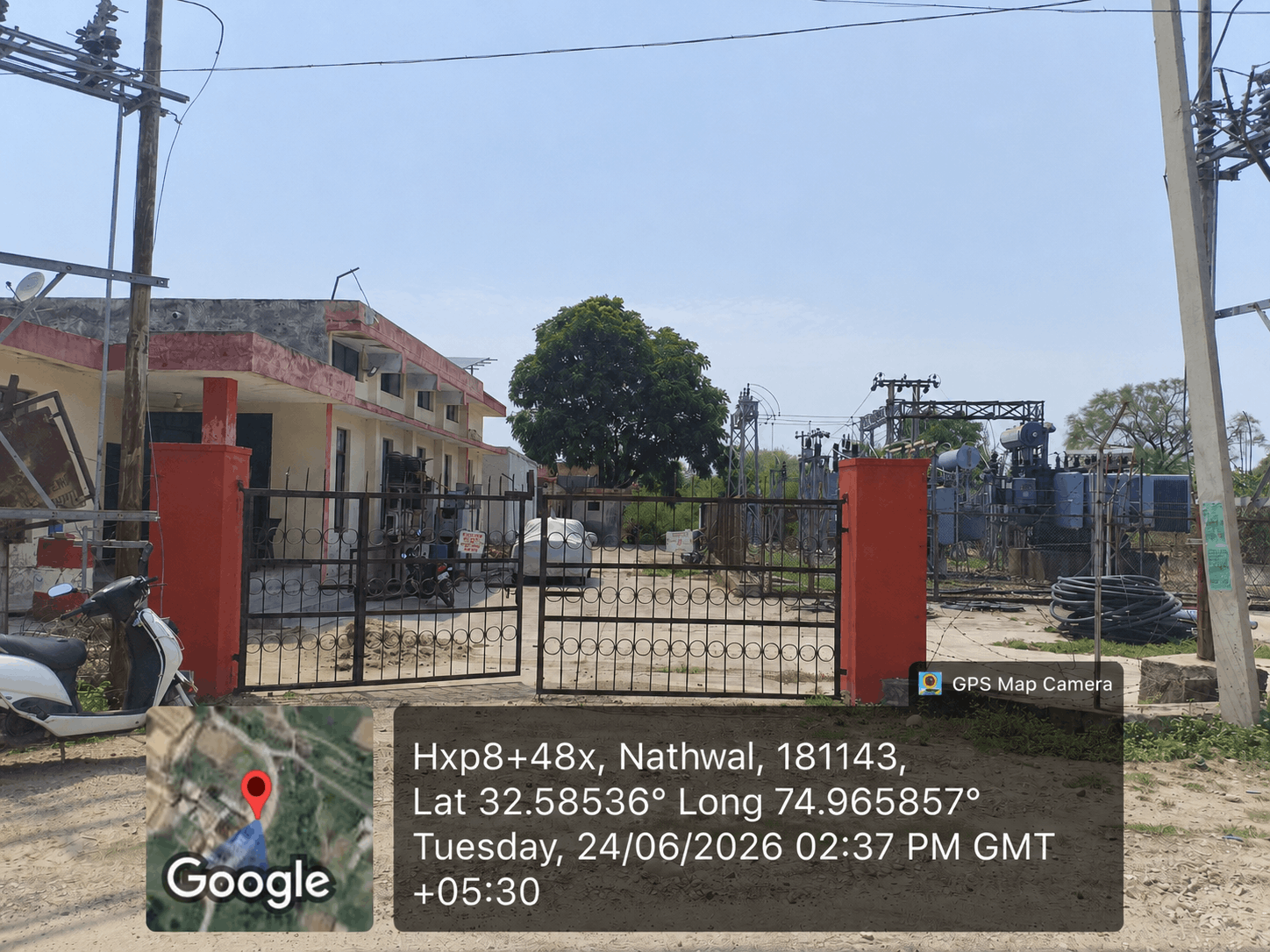
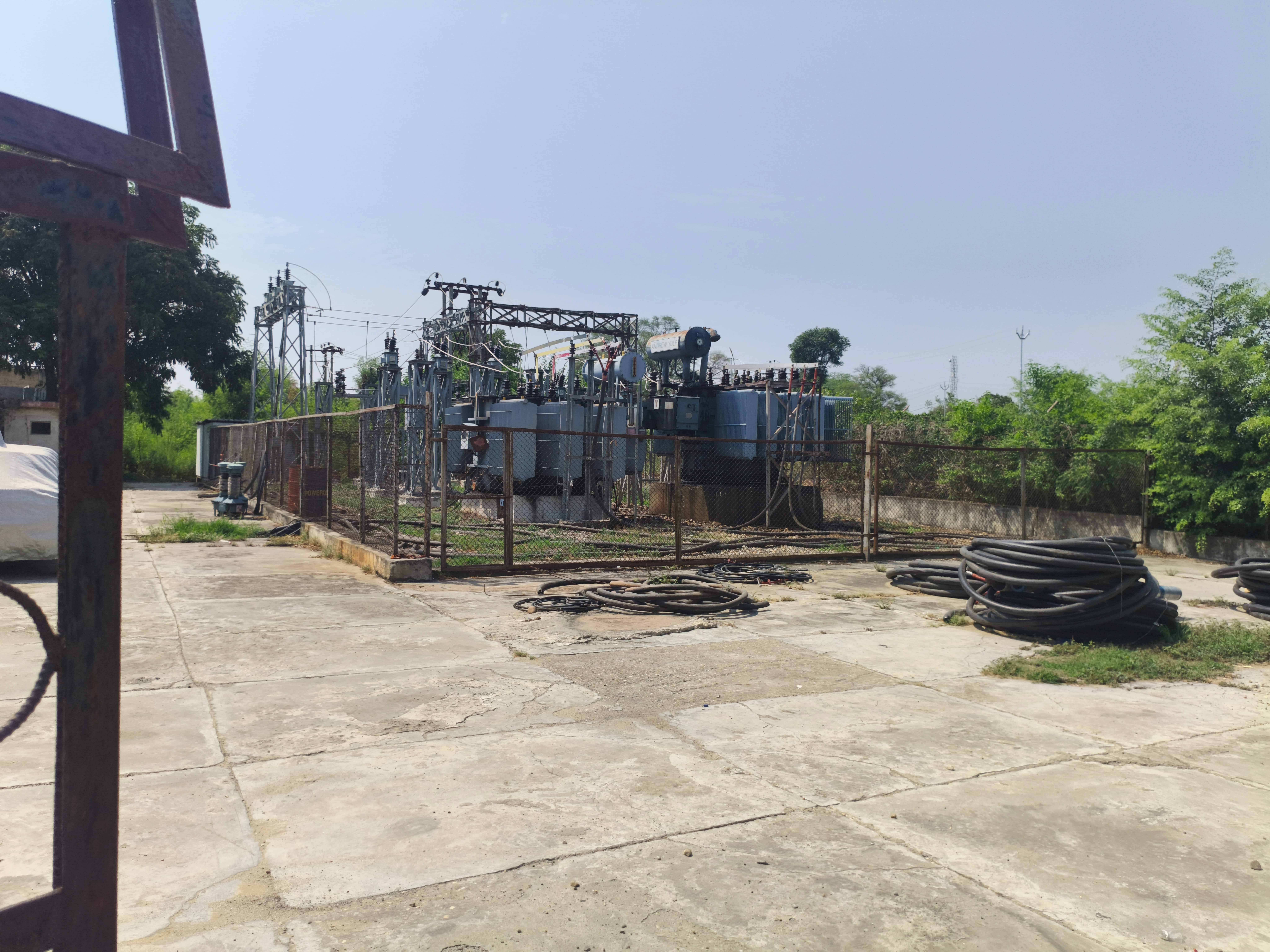
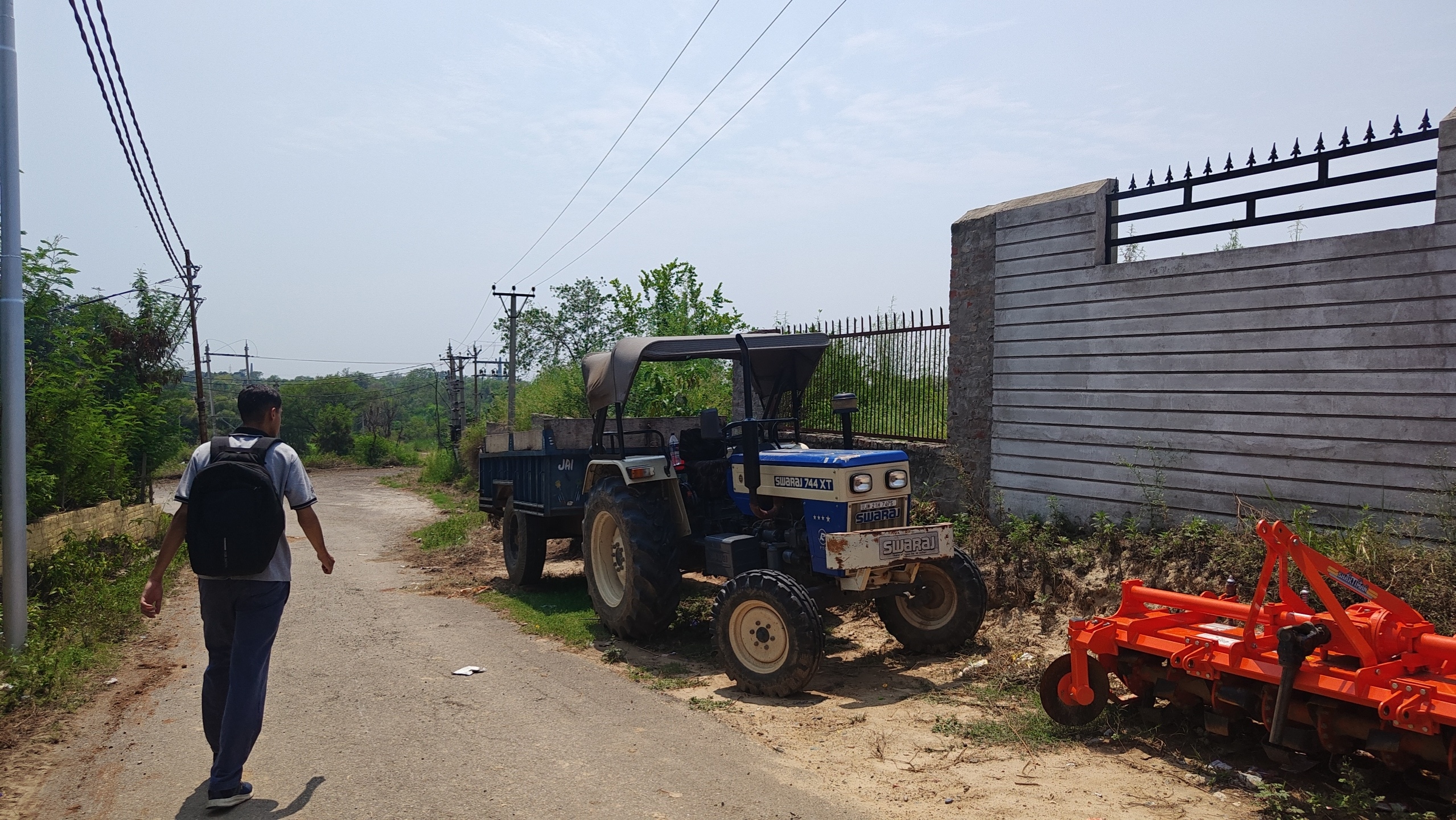
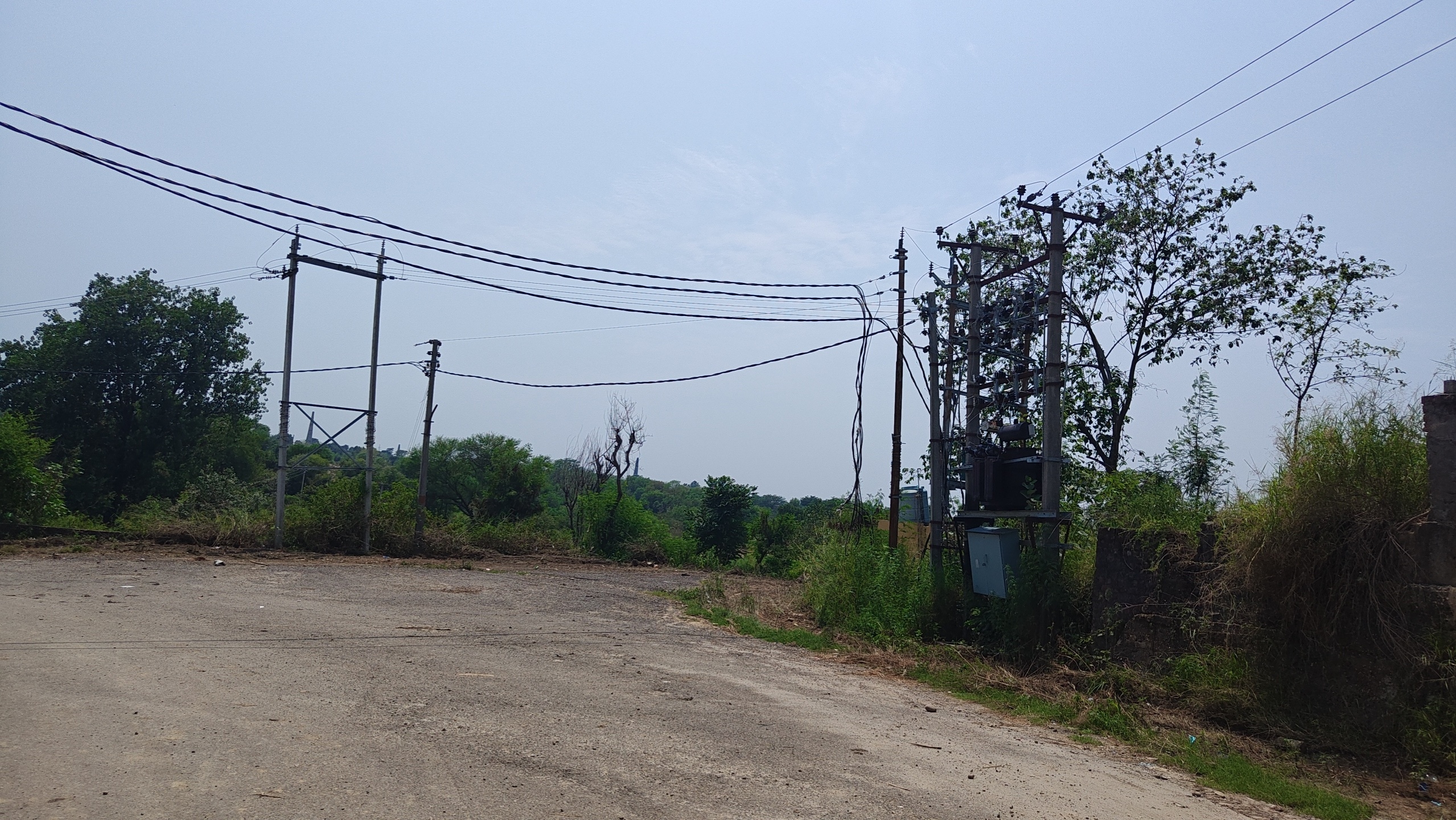
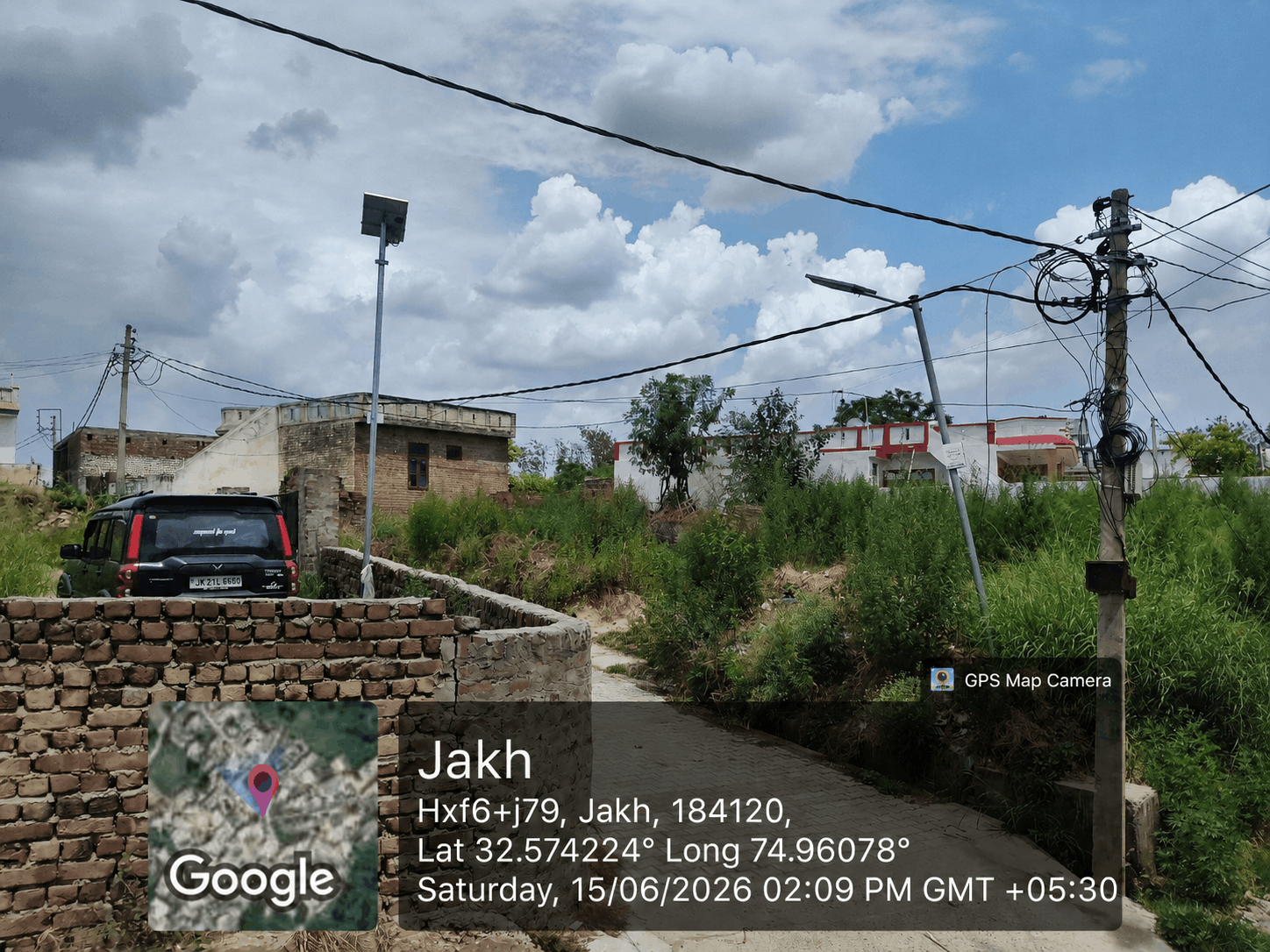
Dabuj Kaka village has well-developed infrastructure and access to essential public services. The village enjoys an excellent 24/7 electricity supply, ensuring reliable power for all households. Clean drinking water is provided under the Jal Jeevan Mission, ensuring a dependable water supply for residents. The village is well connected by road through the Jammu–Pathankot National Highway, making travel and transportation convenient. Public transport facilities are also available, including regular bus services to Jakh and auto-rickshaws operating at an affordable fare of approximately ₹20 per person.
Technology and Digital Empowerment
Dabuj Kaka is a digitally active village that effectively reflects the technological progress of rural Jammu in the 21st century. Mobile network connectivity is strong and consistent throughout the village, with residents actively using smartphones for communication, social media, UPI digital payments, online banking, and internet services. The widespread adoption of digital financial services, including UPI and Jan Dhan banking, reflects a high level of digital literacy and digital integration among the village population.
While formal digital learning centres or smart classrooms are yet to be established within the village, access to mobile internet serves as an effective supplementary educational tool for students and youth. A structured digital literacy programme targeting elderly residents and women could further unlock the socioeconomic potential of the community by enabling greater access to e-health services, government scheme portals, and online banking platforms.
Environment and Sustainability
The natural environment of Dabuj Kaka is characterised by open agricultural fields, natural greenery, and a village nursery that supports local plant cultivation and green cover. Private mango orchards maintained by individual families further contribute to the preservation of local flora and the ecological balance of the surrounding landscape.
Villagers practice traditional farming methods that avoid the excessive use of chemical fertilizers, helping preserve soil health naturally. The village maintains a clean and hygienic environment, with residents taking personal responsibility for cleanliness, reflecting the spirit of the Swachh Bharat Mission in everyday rural life.
Government Schemes Active in the Village
Dabuj Kaka village has benefited from the implementation of several Government of India flagship schemes, which have contributed significantly to its social, economic, and infrastructural development. These include the Swachh Bharat Mission (SBM) for promoting sanitation and cleanliness, the Jal Jeevan Mission (JJM) for ensuring safe household drinking water, Ayushman Bharat for providing healthcare coverage, and Beti Bachao Beti Padhao (BBBP) for encouraging the welfare and education of girls. The village also benefits from the Mahatma Gandhi National Rural Employment Guarantee Act (MGNREGA), which supports rural employment opportunities, the Pradhan Mantri Awas Yojana (PMAY) for improving access to affordable housing, and the Pradhan Mantri Mudra Yojana (PMMY), which promotes entrepreneurship and financial inclusion by providing loans to small businesses and self-employed individuals. Collectively, these initiatives have played an important role in enhancing the quality of life and fostering the overall development of Dabuj Kaka village.
Village Challenges and Recommendations
Dabuj Kaka village faces several challenges that affect the quality of life of its residents. The village lacks a dedicated playground or recreational space for children, limiting opportunities for sports and outdoor activities. Educational facilities are limited, requiring many students to travel to nearby towns for higher education. Employment opportunities within the village are also few, causing many young people to seek jobs elsewhere. In addition, improvements in infrastructure and public facilities, and other basic amenities, are needed to support the village's overall development. Addressing these challenges through coordinated efforts by the local community and government can enhance education, employment, recreation, and infrastructure, contributing to the sustainable growth and well-being of Dabuj Kaka village.
Student Reflection
This community project provided a profound learning experience, revealing that rural villages like Dabuj Kaka are far more self-reliant, digitally aware, and modernised than urban stereotypes suggest. The visit highlighted the importance of approaching rural documentation without urban bias — many standard tourism and documentation questions do not apply to small peaceful villages that thrive on community bonds, religious traditions, and simple honest living.
Dabuj Kaka is not defined by museums or restaurants — it is defined by the warmth of its people, the devotion at the Dati Mata Mandir, and the quiet dignity of rural Jammu life.
Photos

Videos
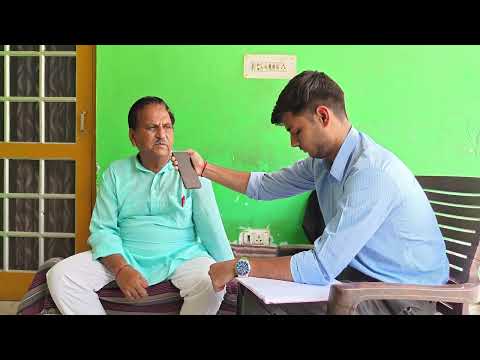
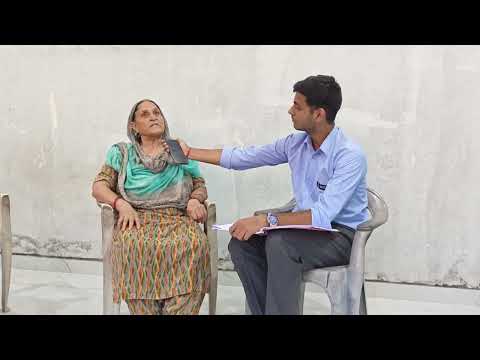
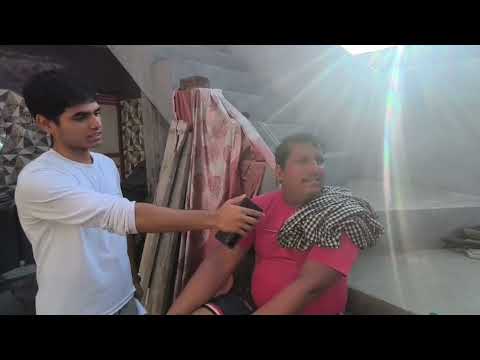
Location Map
Amenities
- Pujari Details
- Timings
Contact Information
| Address |
Dabuj Kaka Village, Ramgarh Tehsil, Samba District, Jammu & Kashmir - 181141 |
| Phone Number |
+91 70516 02359 |
Reviews (6)

Visited Dabuj Kaka recently. It's a quiet village with a peaceful atmosphere and a strong sense of community. The Dati Mata Mandir is the highlight of the village and is worth seeing if you're in the area.
Visited Dabuj Kaka recently. It's a simple, peaceful village with a calm atmosphere, and the Dati Mata Mandir is nice to visit. The village is clean and gives you a feel of rural life. The only downside was the extreme heat during my visit, which made it hard to explore and enjoy the place properly. Overall, it was an okay experience. I'd recommend visiting in the early morning or during cooler weather.
As a member of the documentation team, I am proud to have contributed to this project. We worked to capture the true essence of Dabuj Kaka village through photographs and a documentary, showcasing its heritage, community, and development. I hope this inspires more people to learn about our villages.
A beautiful village with a peaceful environment and good community spirit.
Small in size, but giant in soul. Dabuj Kaka offers an authentic slice of Dogra culture—ancient traditions, warm smiles, and the quiet beauty of rural Jammu. A brief visit that stays with you long after you leave.

Dabuj Kaka is a clean, peaceful, and well-maintained village with friendly and welcoming people. The Dati Mata Mandir is a beautiful cultural landmark, and the village has a pleasant rural atmosphere. A great place to visit, especially during the annual Dati Mata Mela.