
Description
Introduction to Chibba Village
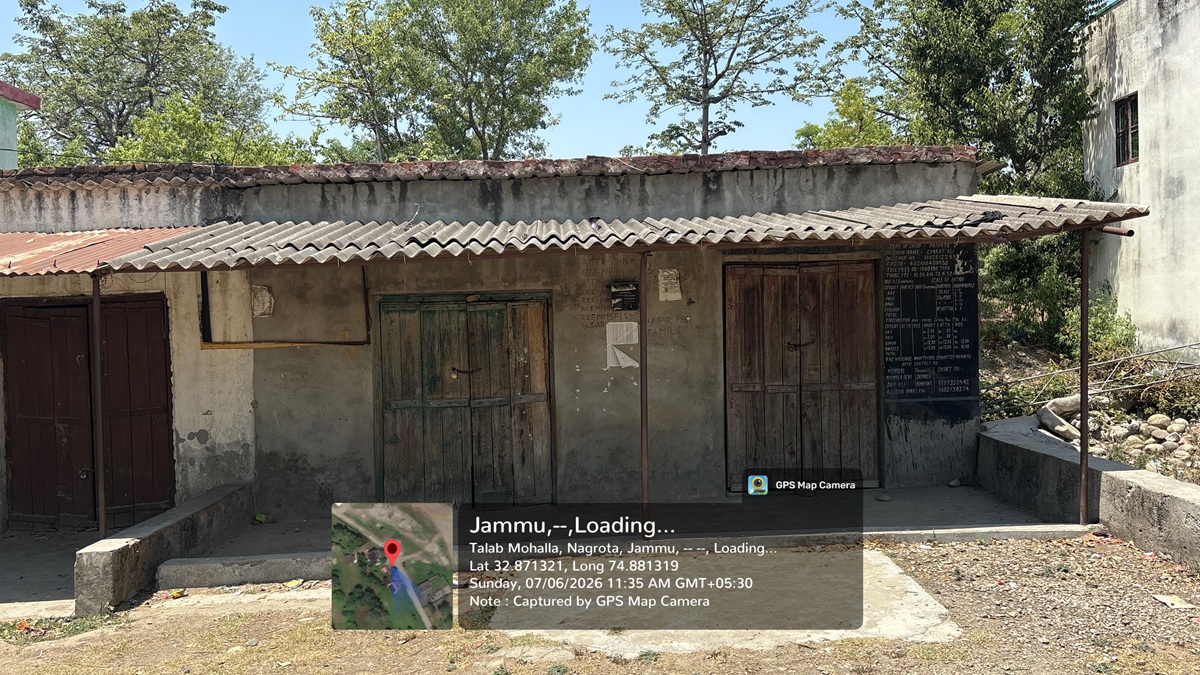
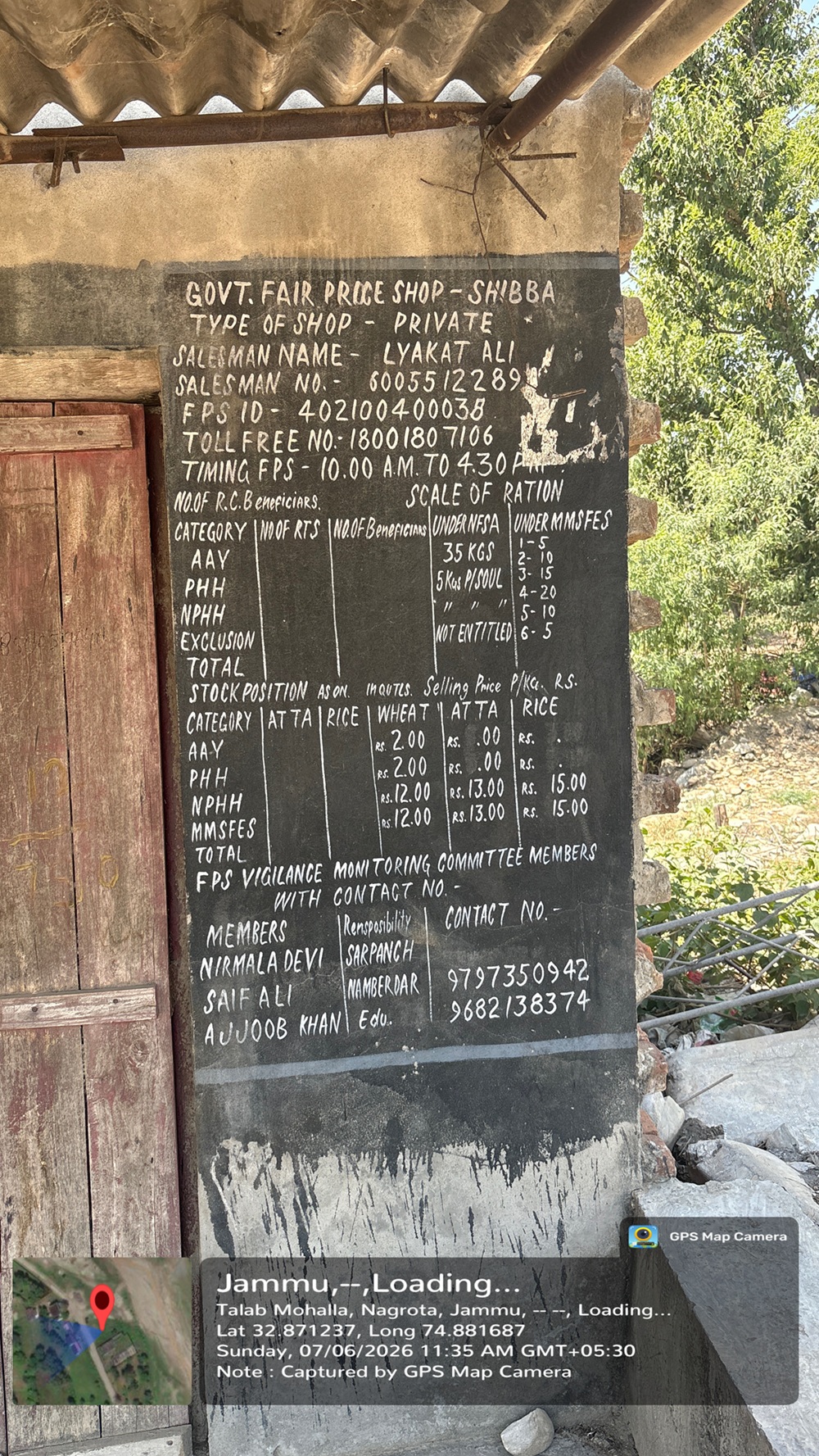
Chibba, also known as Shibba, is a rural village and Gram Panchayat located in the Nagrota tehsil of Jammu district, Jammu and Kashmir. Situated approximately 26 kilometers from Jammu city and around 13 kilometers from Nagrota town, the village represents the traditional rural lifestyle of the Jammu region. Surrounded by natural landscapes and connected with nearby settlements, Chibba reflects the cultural and social identity of the Dogra belt of Jammu. The village functions as an important local administrative unit under the Panchayati Raj system, with Chibba serving as its Gram Panchayat.
According to the Census 2011 records, Chibba has been assigned the village code 005673 and covers a total geographical area of 1,223.8 hectares. The village falls under the 181221 postal code and comes under the administrative jurisdiction of Nagrota tehsil and Jammu district. Nagrota serves as the nearest major town, providing access to markets, transportation facilities, and essential services. The village is also connected politically through the Nagrota Assembly Constituency and the Jammu Parliamentary Constituency.
Population and Social Structure of Chibba
As per Census 2011, Chibba village has a total population of 1,220 residents, consisting of 630 males and 590 females living in approximately 241 households. The village has a sex ratio of 936 females per 1,000 males, reflecting the demographic composition of the local community. Among the total population, 232 children belong to the 0–6 years age group, indicating the presence of a growing younger generation.
The village has a population with diverse social backgrounds. According to census records, 237 residents belong to Scheduled Caste (SC) communities, while 762 residents belong to Scheduled Tribe (ST) communities. These communities contribute significantly to the cultural diversity and social fabric of Chibba. The residents maintain strong community bonds and participate actively in local traditions, festivals, and village-level activities.
Literacy and Educational Development
Education plays an important role in the development of Chibba village. According to Census 2011 data, the village has a literacy rate of approximately 45.82%. Out of the total population, 559 residents are literate, including 332 males and 227 females, while 661 residents are recorded as illiterate. The male literacy rate stands at approximately 52.70%, whereas female literacy is around 38.47%.
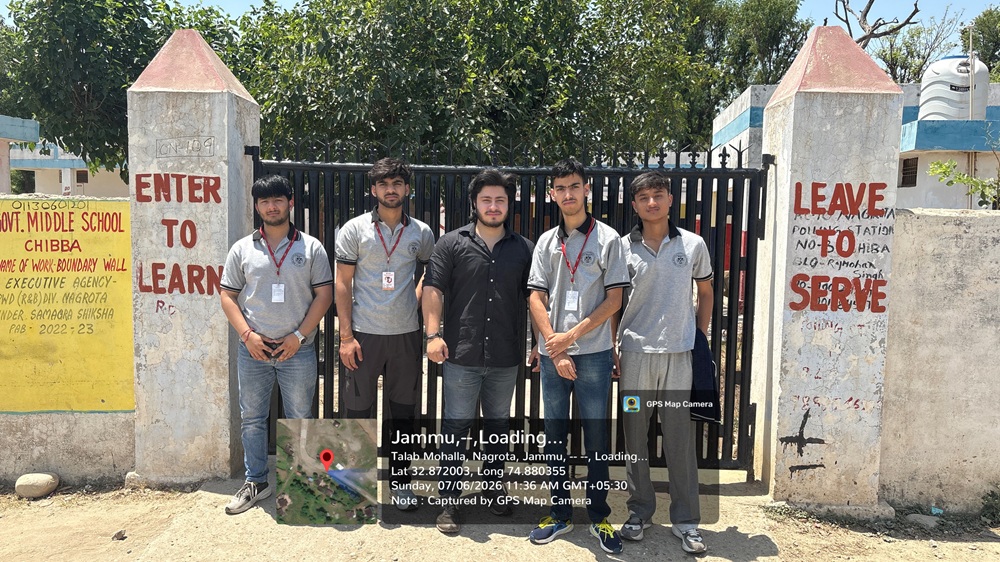
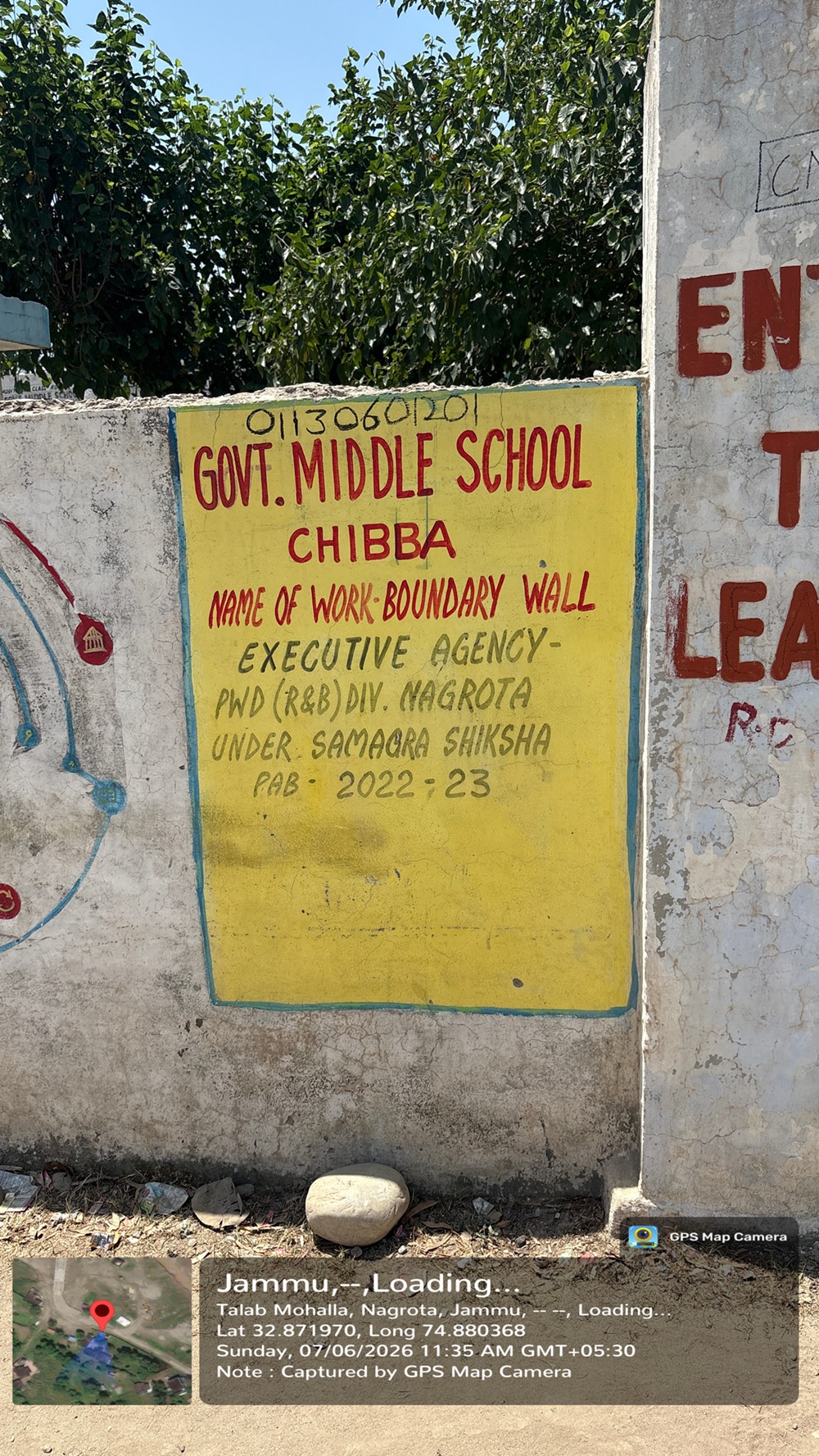
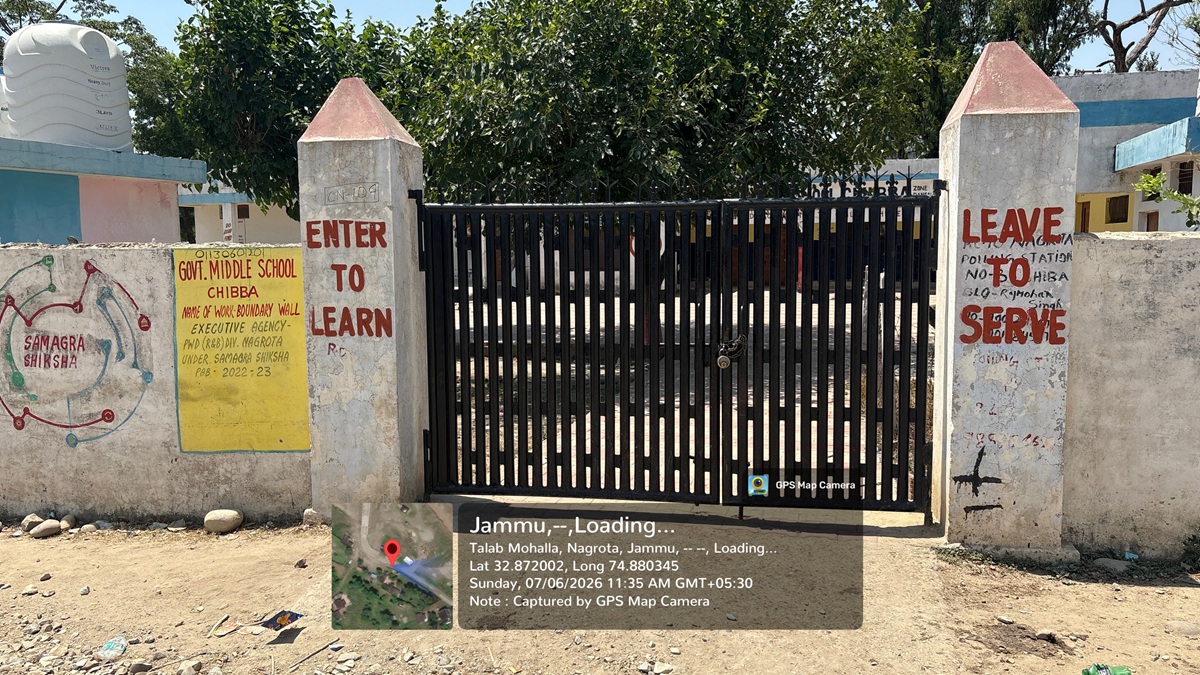
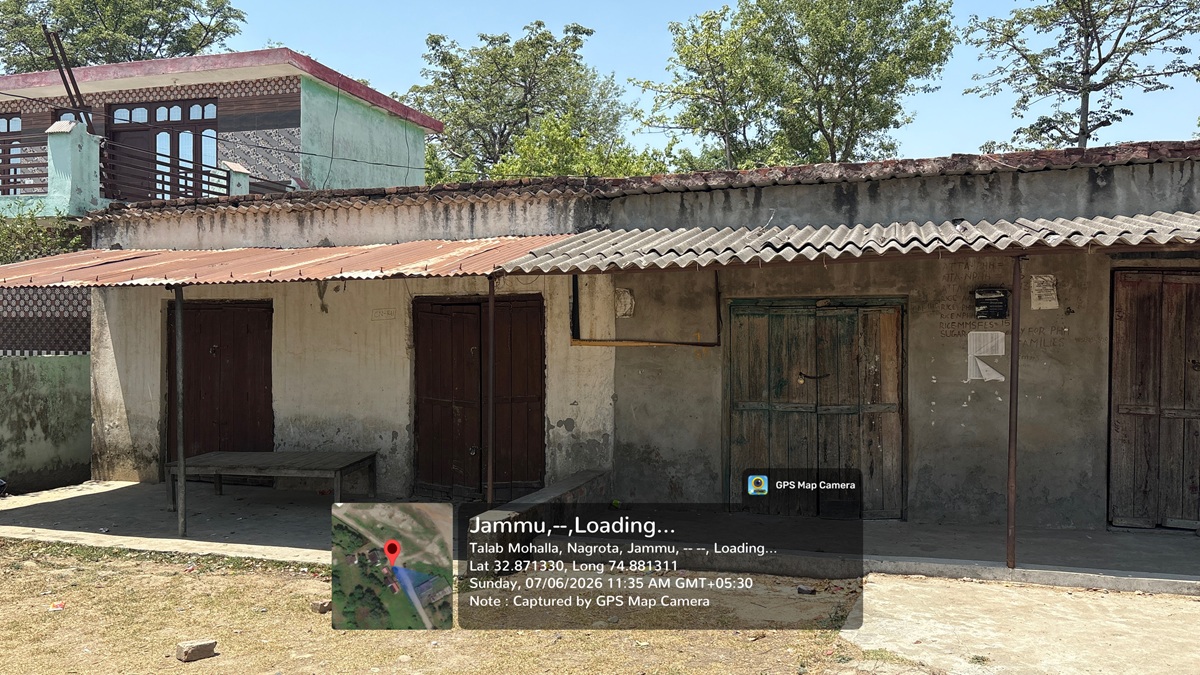
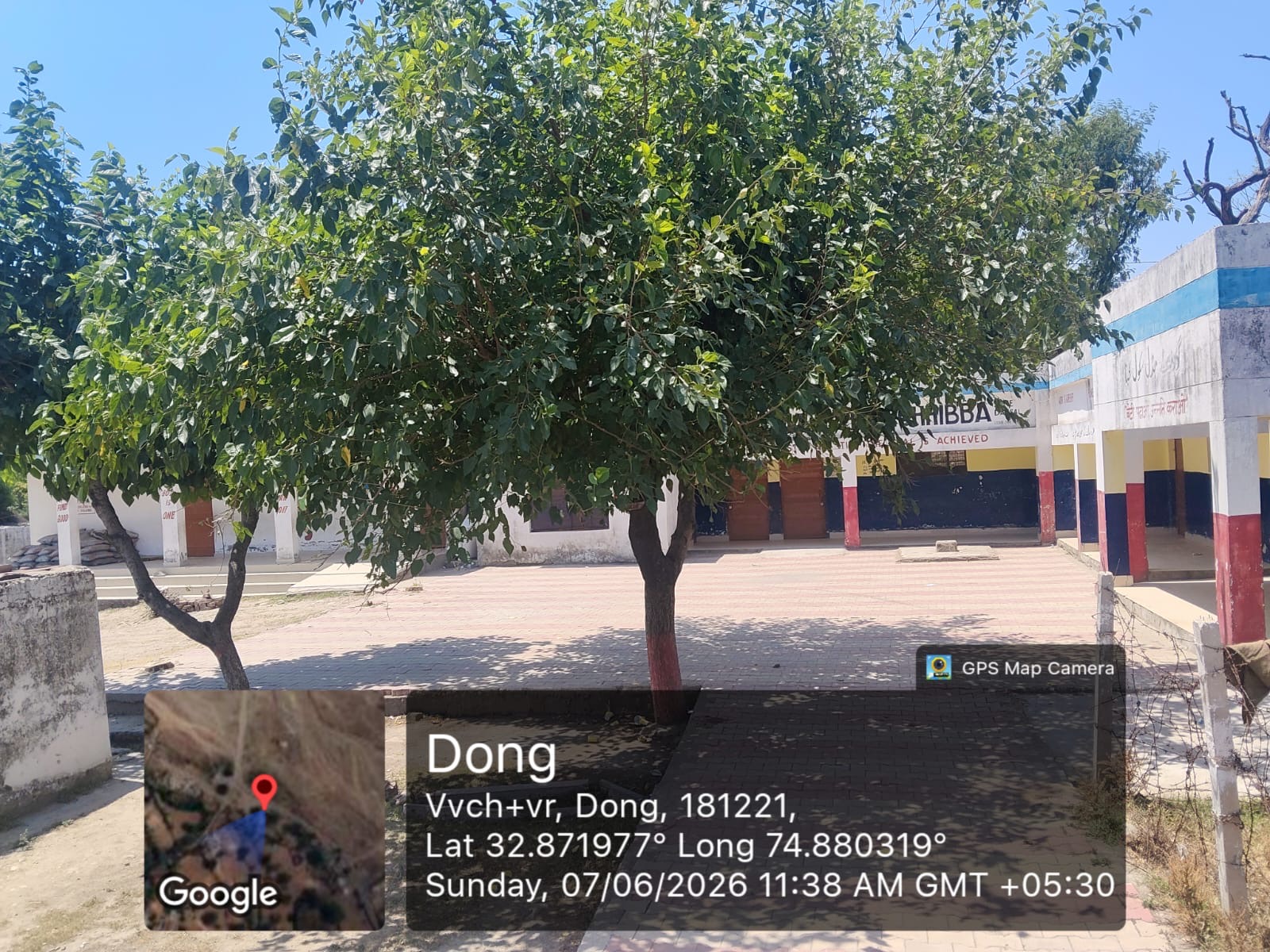
The village has access to basic educational facilities that support early and middle-level learning. The Government Middle School (GMS) Chibba serves as an important educational institution for children of the village and nearby areas. Government initiatives under rural development programs continue to support improvements in education, infrastructure, and learning opportunities for rural students.
Administrative System and Governance
Chibba village follows the Panchayati Raj system, where local governance is managed through an elected Sarpanch and Gram Panchayat representatives. The Gram Panchayat of Chibba plays an important role in implementing government schemes, maintaining civic facilities, and addressing local community needs.
The village comes under the Dansal Community Development Block, where various rural development initiatives are carried out by the Rural Development Department of Jammu and Kashmir. Programs such as the "Back to Village" initiative focus on understanding local issues, improving infrastructure, and ensuring better delivery of government services to rural communities.
Connectivity and Transportation Facilities
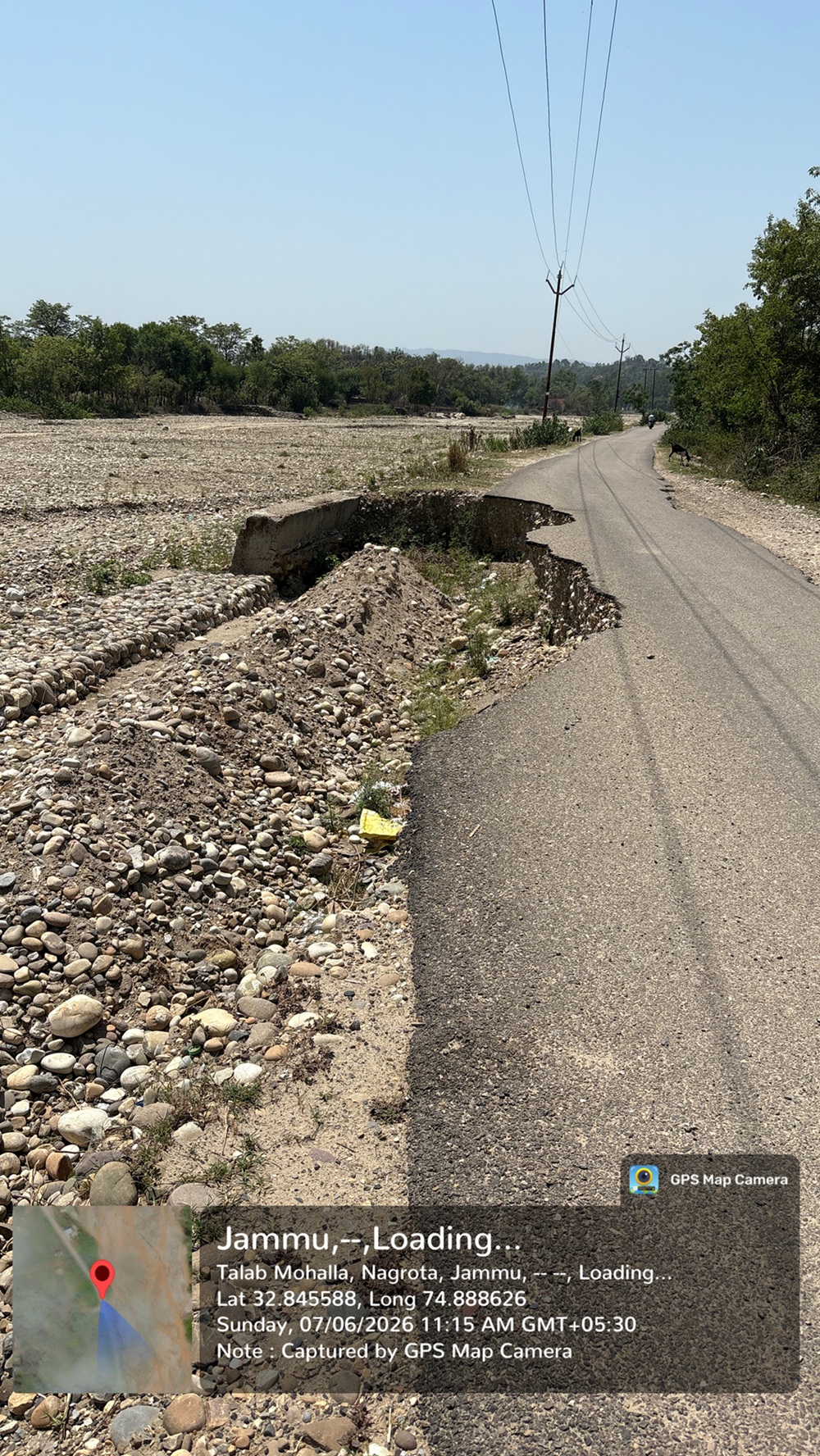
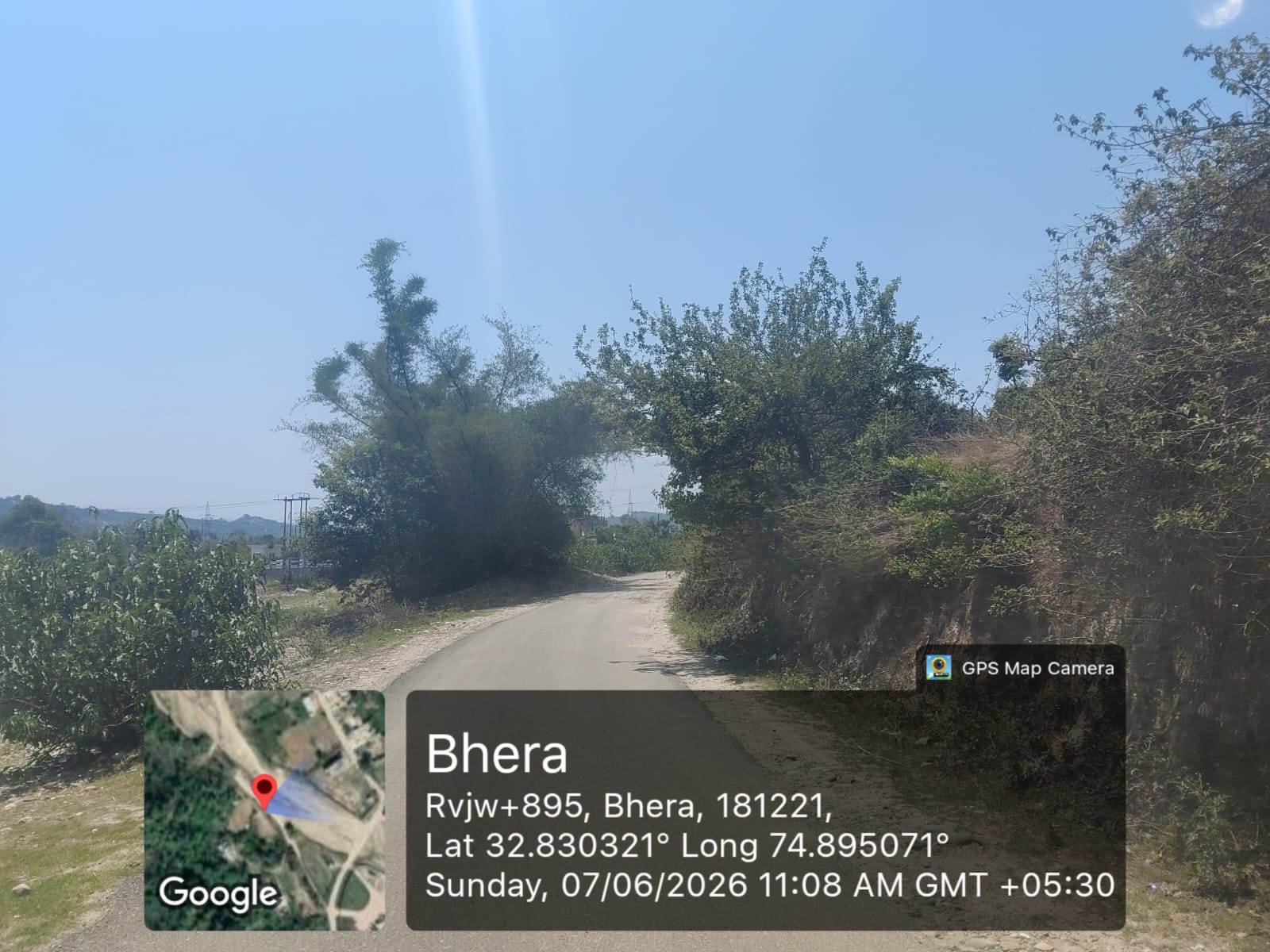
Chibba enjoys road connectivity with nearby towns and villages through local routes. The village is located approximately 13 kilometers from Nagrota, with an average travel time of around 30–60 minutes depending on road conditions and transportation availability. Jammu city is situated around 26 kilometers away, generally requiring about 1–1.25 hours of travel.
Public transportation facilities in Chibba are limited, with government bus services not directly available within the village. However, private bus services provide transportation options for residents. The nearest railway facilities are located outside the village area, requiring travel to nearby towns. Despite limited transport options, road connectivity allows residents to access education, healthcare, markets, and employment opportunities in nearby regions.
Banking, Postal and Communication Services
Financial and communication services are important for the economic activities of rural communities. In Chibba, postal services are available within the village, helping residents with communication and government-related documentation needs. However, banking facilities are not directly available inside the village.
The nearest bank facilities are available within approximately 5–10 kilometers, while ATM services are located farther away, requiring residents to travel more than 10 kilometers. With increasing digital services and government initiatives promoting financial inclusion, residents are gradually gaining improved access to banking facilities through nearby towns and online platforms.
Healthcare Facilities and Medical Services
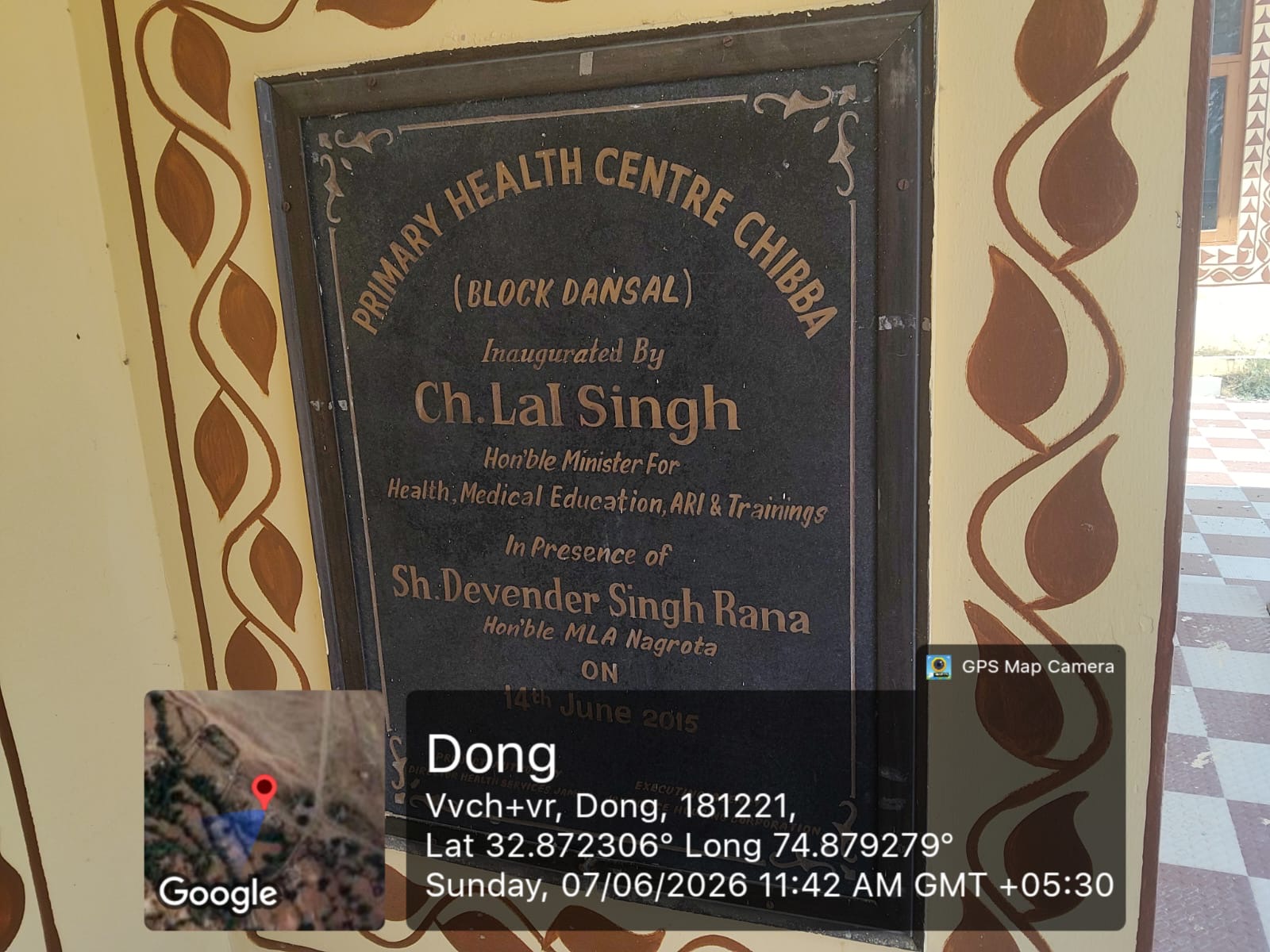
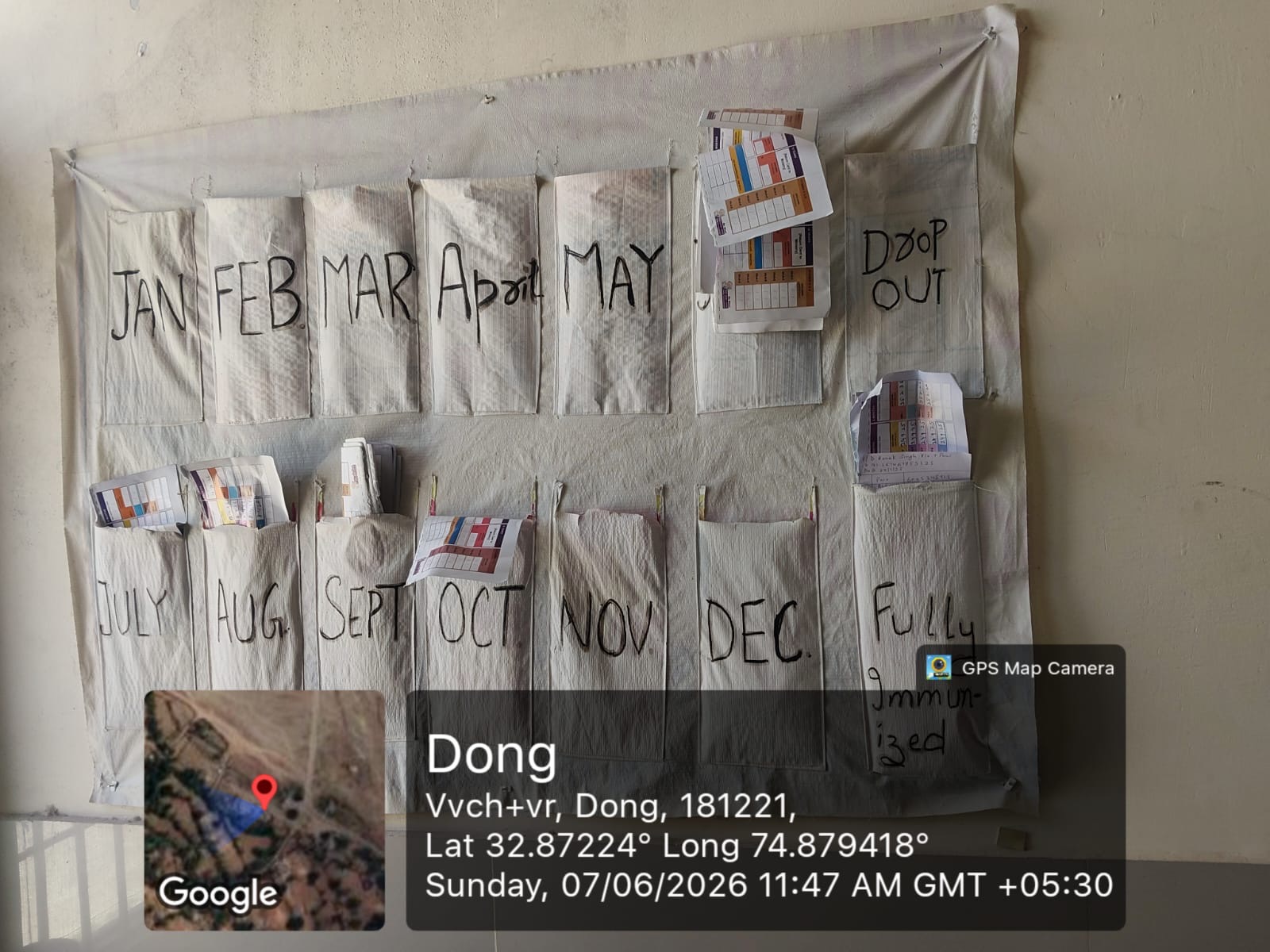
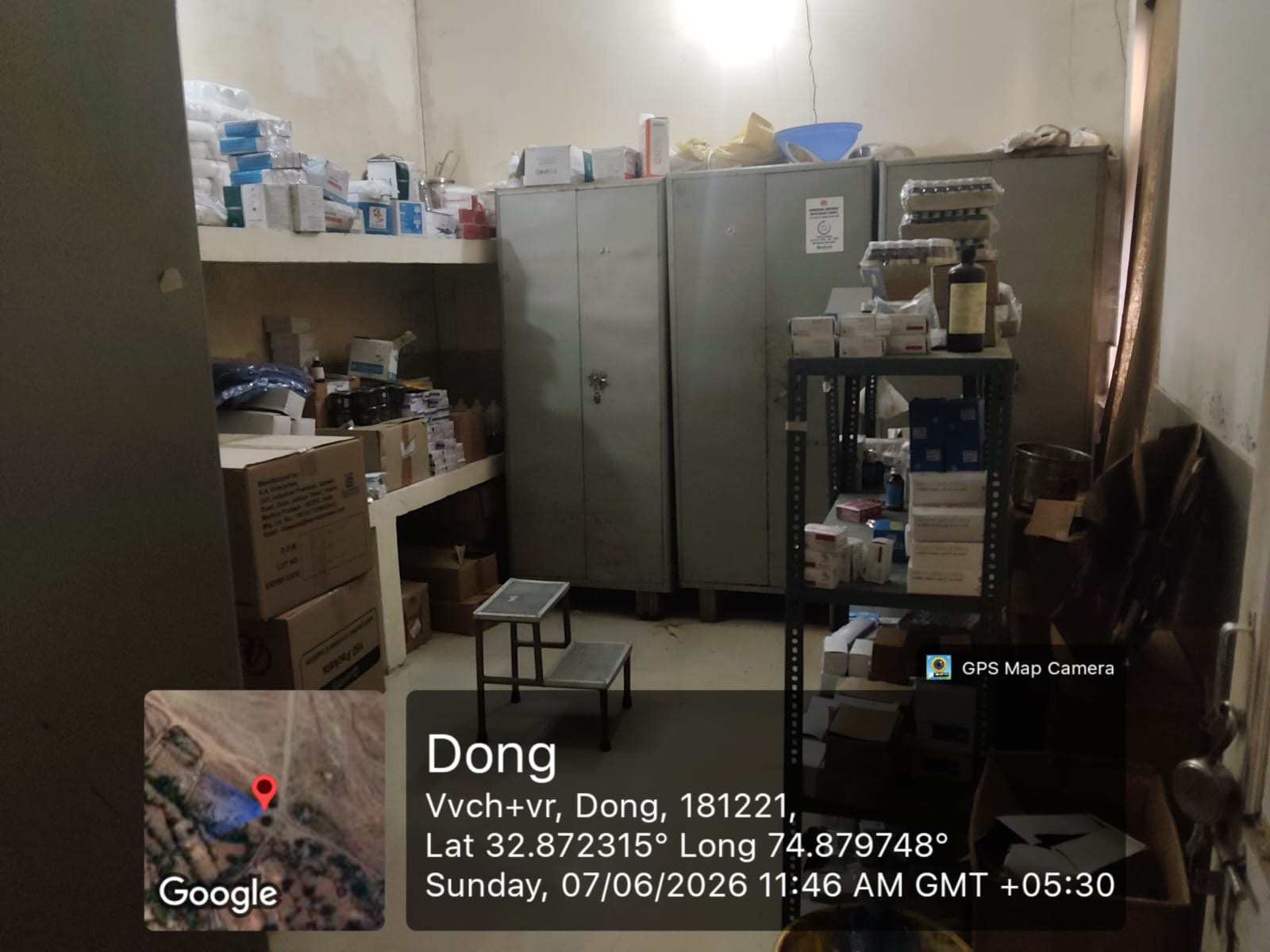
Healthcare facilities in Chibba provide basic medical support to the local population. The village has both a Health Sub-Centre (HSC) and a Primary Health Centre (PHC) available within the village area. These facilities help residents receive essential healthcare services, basic treatment, medical consultations, and preventive healthcare support.
For advanced medical services, residents depend on larger healthcare centres located outside the village. A Community Health Centre (CHC) is not available within Chibba and requires travel to nearby areas. Government healthcare programs continue to strengthen rural medical services and improve accessibility for villagers.
Natural Surroundings and Rural Lifestyle
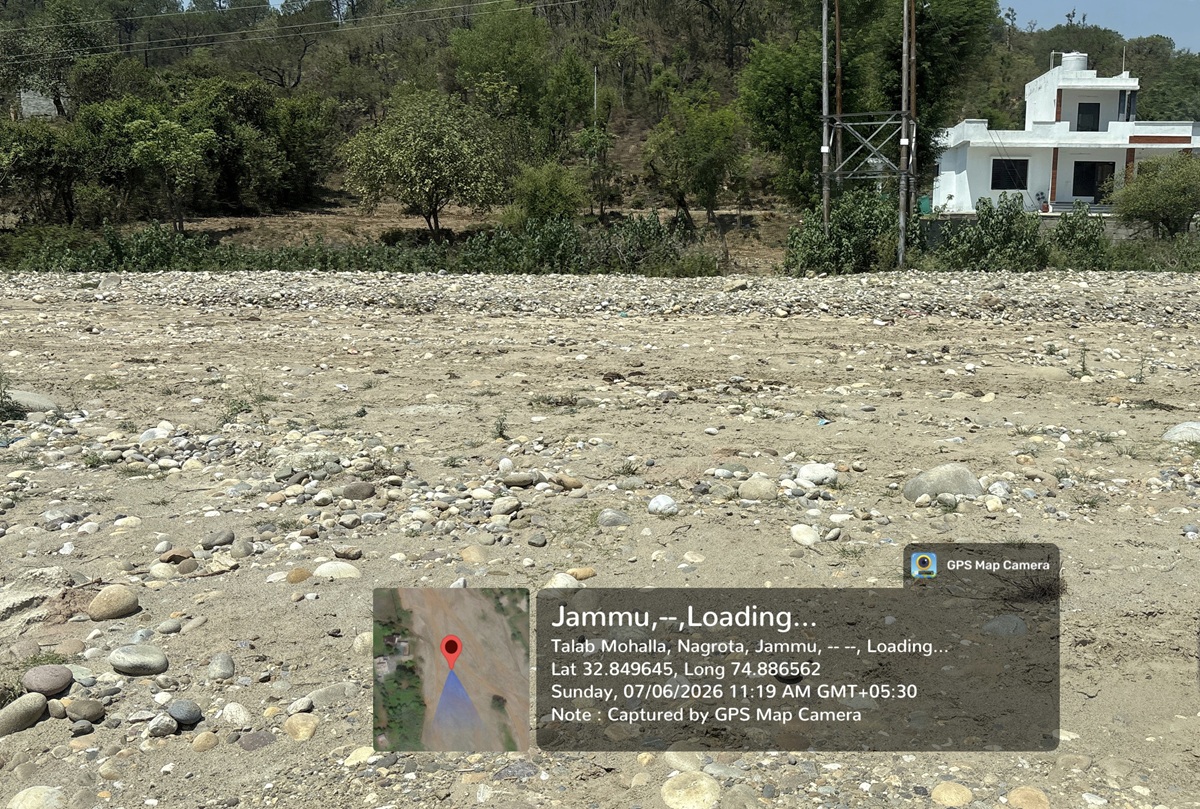
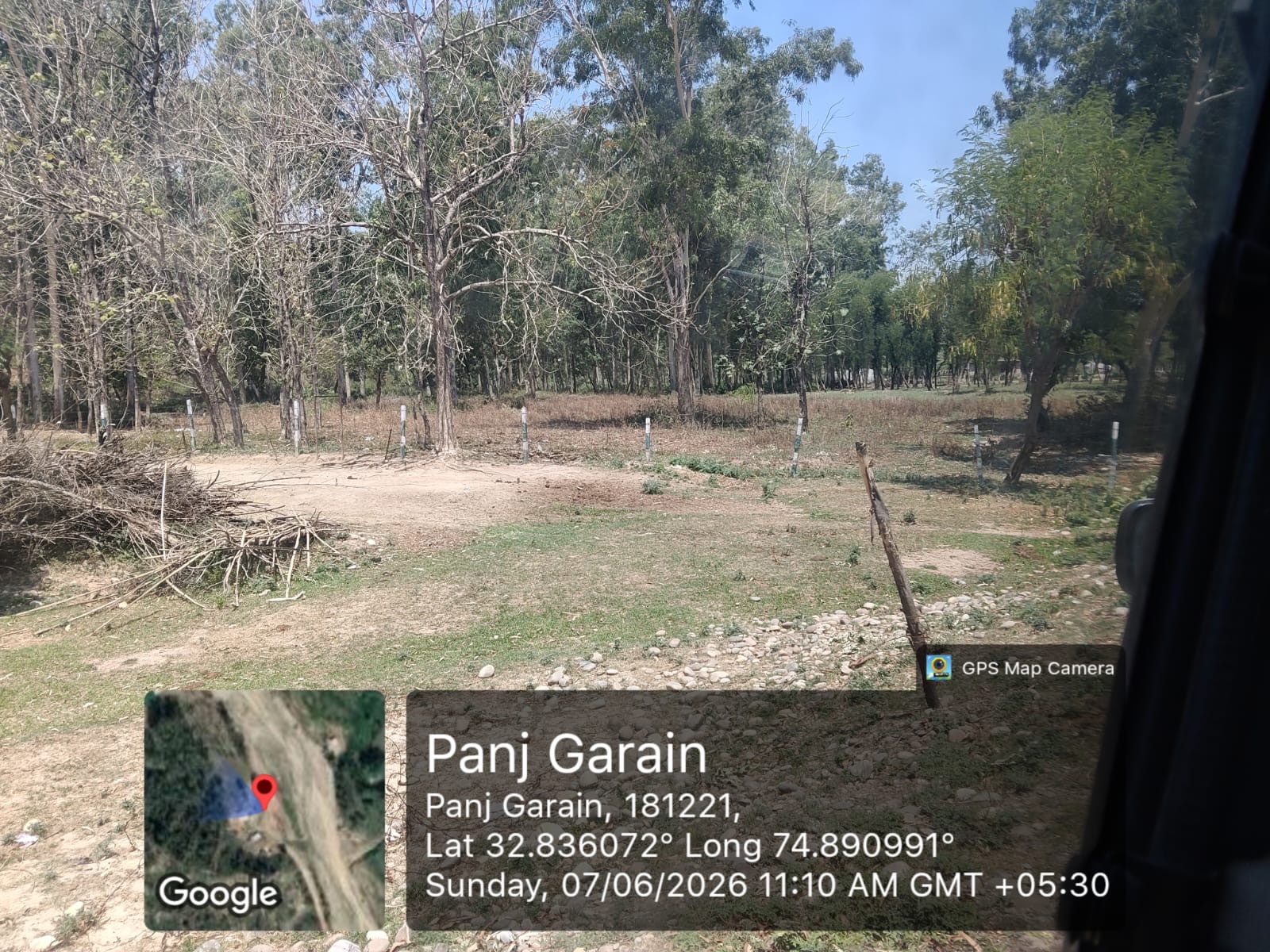
Chibba represents the peaceful rural environment of Jammu’s hilly and semi-rural landscape. The village covers a large geographical area of over 1,200 hectares, providing residents with a close connection to nature and traditional village life. Agriculture, livestock activities, and local occupations remain important parts of the rural economy.
The lifestyle of Chibba is based on community cooperation, traditional values, and close relationships among residents. Festivals, social gatherings, and cultural practices continue to strengthen unity among villagers. The natural surroundings and peaceful atmosphere make Chibba a reflection of Jammu’s traditional rural heritage.
Nearby Villages and Local Connections
Chibba is surrounded by several nearby villages that share social, economic, and transportation links with the community. Nearby settlements such as Dhamuni and Panjgrain are connected through local roads and regular movement of residents.
These neighboring villages contribute to regional interaction, including access to markets, education, employment, and social activities. The connectivity between these settlements helps create a broader rural network within the Nagrota region.
Economic Activities and Development Opportunities
The economy of Chibba is primarily based on traditional rural activities, including agriculture, livestock management, and small-scale local occupations. Many residents depend on nearby towns such as Nagrota and Jammu for employment opportunities, business activities, and essential services.
Government development programs under the Rural Development Department aim to improve livelihood opportunities, infrastructure, and entrepreneurship in villages like Chibba. With better connectivity, digital access, and skill development initiatives, the village has potential for further economic growth.
Cultural Identity and Community Values
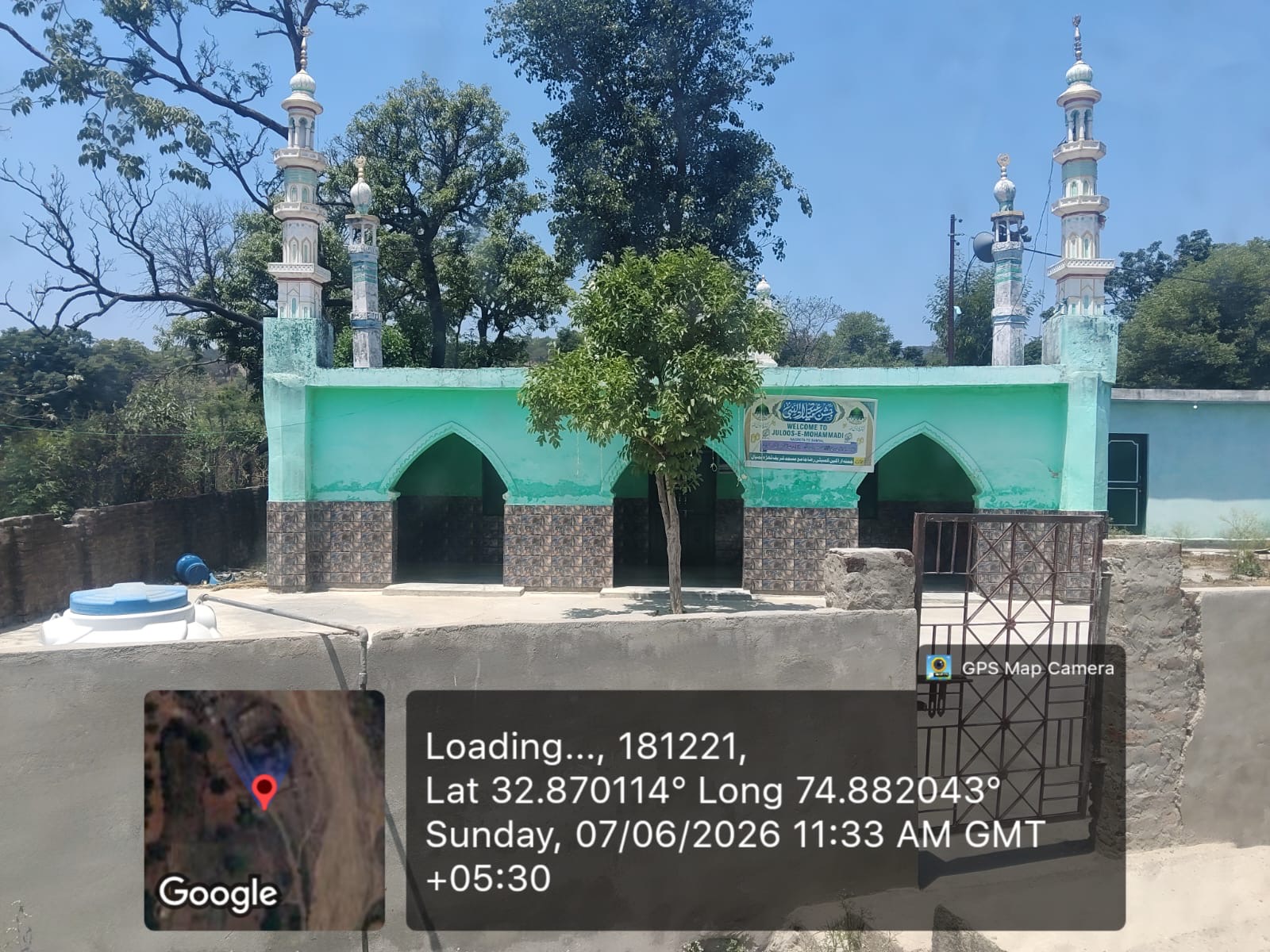
Chibba reflects the cultural traditions of the Jammu region, where rural communities maintain strong social values and respect for heritage. The residents preserve traditional customs, local festivals, and community-based practices that have been passed down through generations.
The village’s identity is shaped by cooperation, simplicity, and a strong connection between people and their surroundings. Community participation in local governance and development activities continues to play an important role in maintaining the village’s social structure.
Future Development and Growth Prospects
With improvements in rural infrastructure, healthcare access, education facilities, and digital connectivity, Chibba has opportunities for sustainable development. Government initiatives focusing on rural empowerment, skill development, and improved public services can further enhance the quality of life for residents.
As a village located near Nagrota and Jammu city, Chibba benefits from its strategic location while preserving its traditional rural character. The combination of cultural heritage, natural surroundings, and community participation makes Chibba an important rural settlement in the Jammu region.
Photos
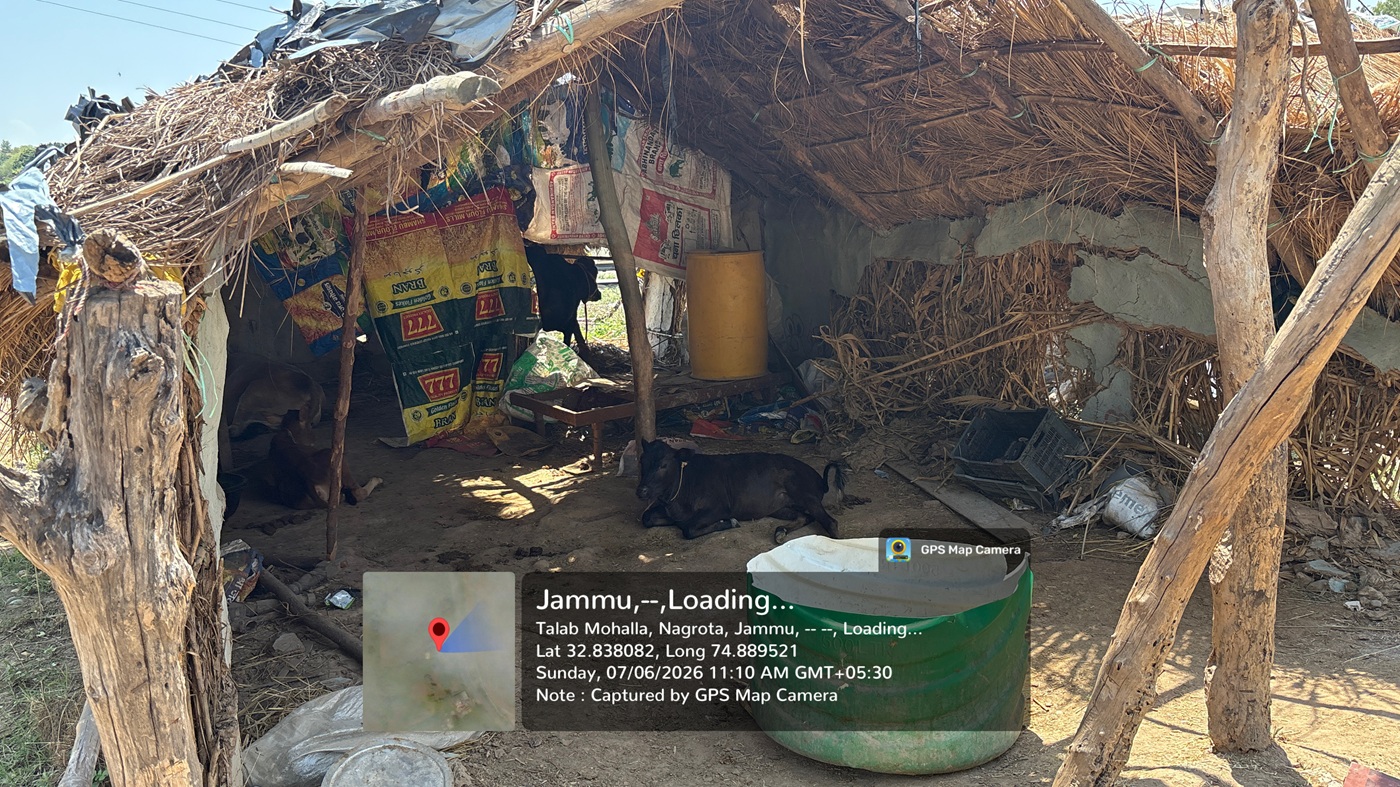
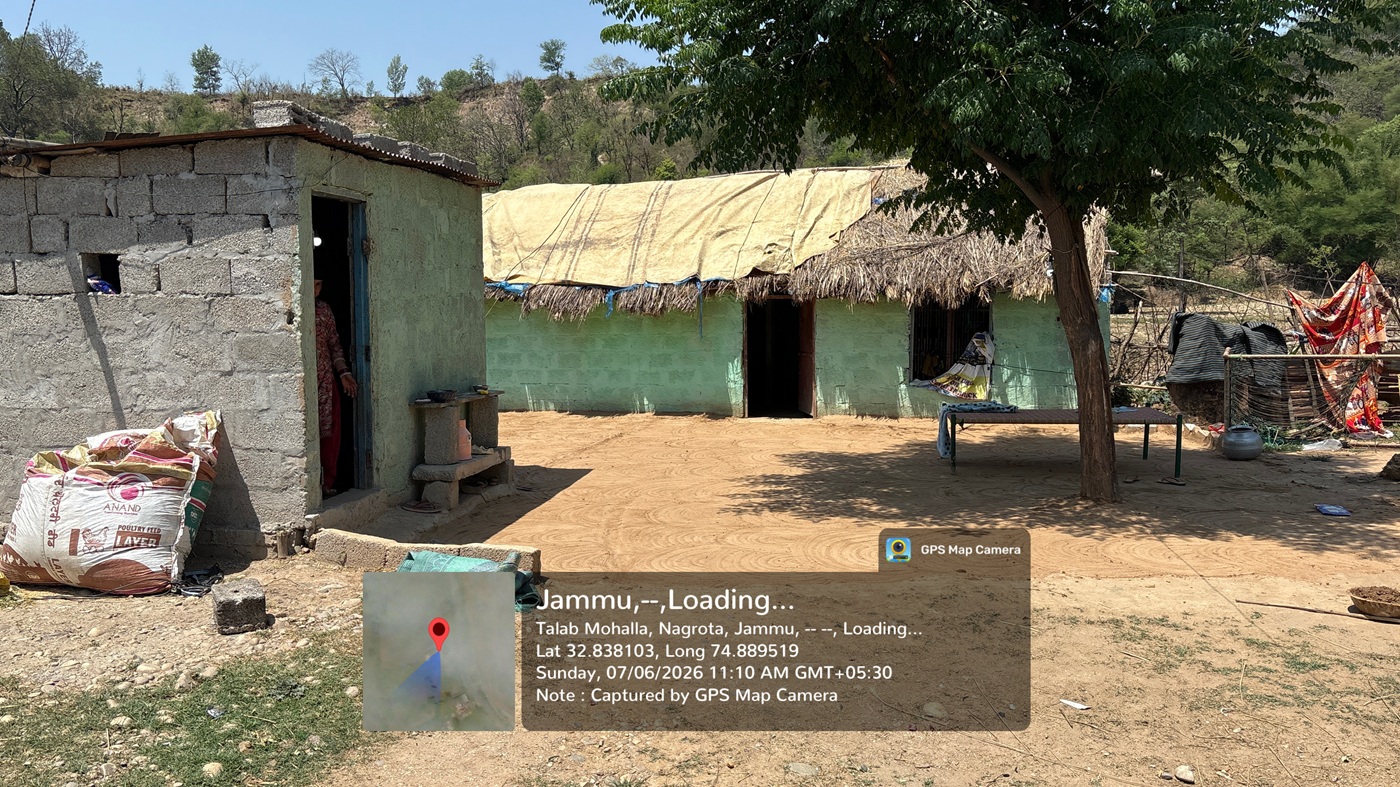
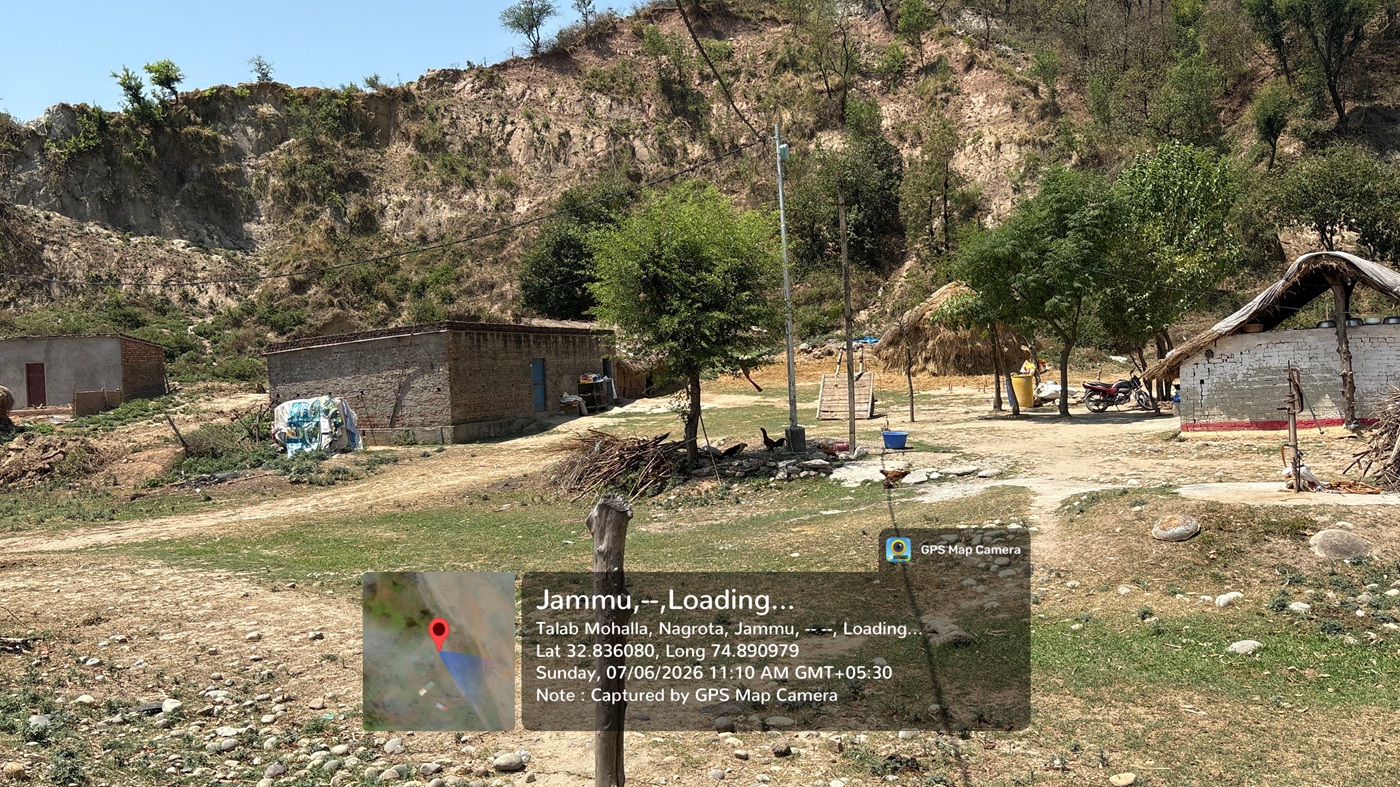
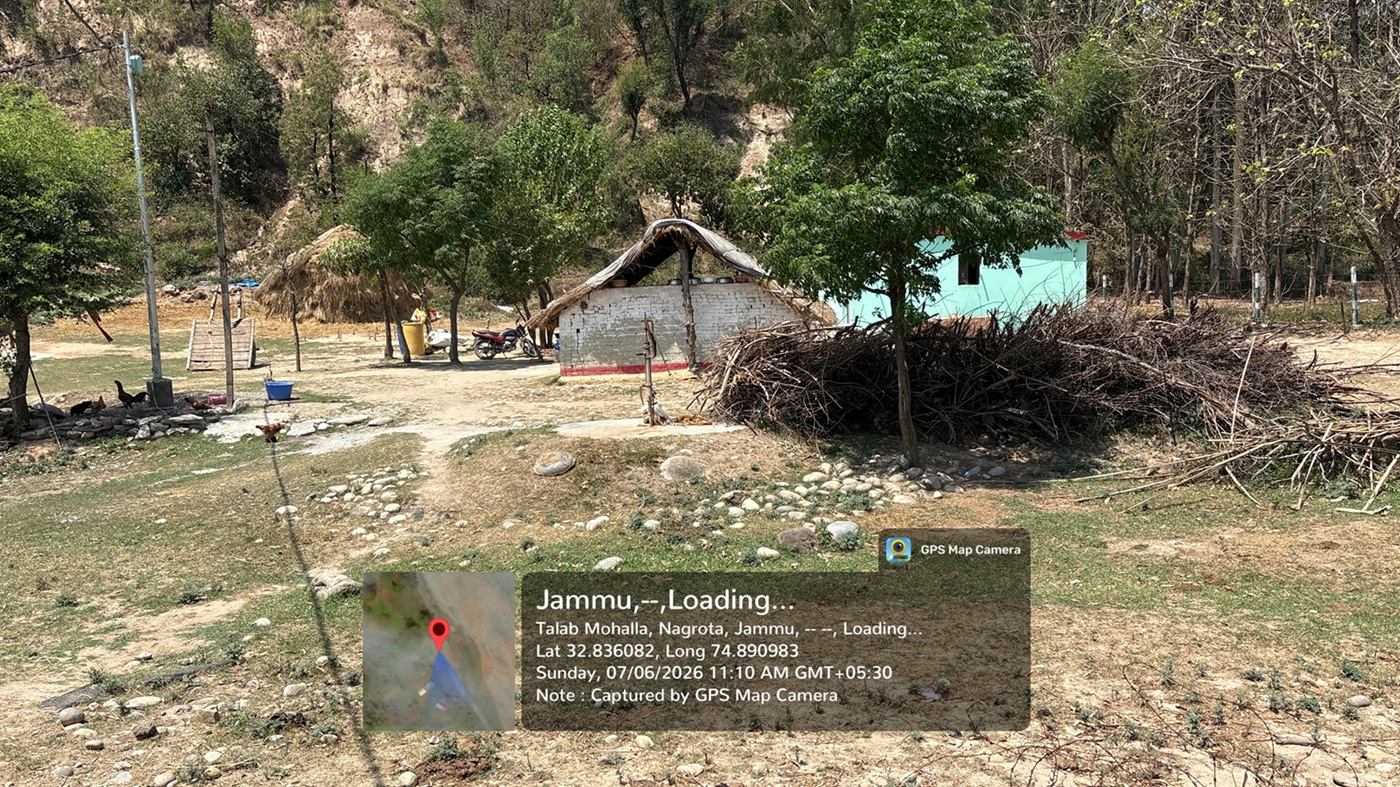
Videos


Location Map
Contact Information
| Address |
Nagrota District, Pincode: 181221 |
| Phone Number |
7889809116 |
| Email Address | |
| Website | https://jkpanchayat.jk.gov.in/directorypanch.php?panchayat=Chibba&block=Nagrota |
Reviews (4)


This project is well-planned and beautifully presented. The information is clear, the visuals are engaging, and the overall effort reflects genuine dedication. It was enjoyable to explore and learn from. Keep up the excellent work!
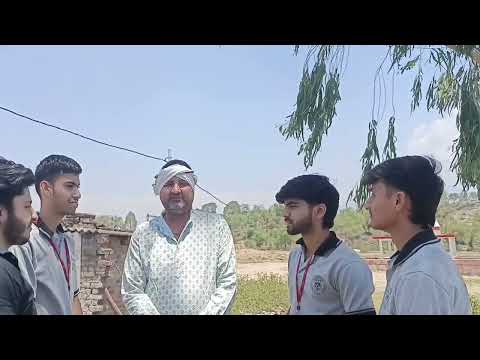
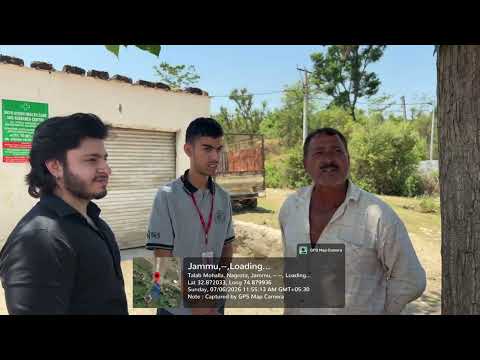
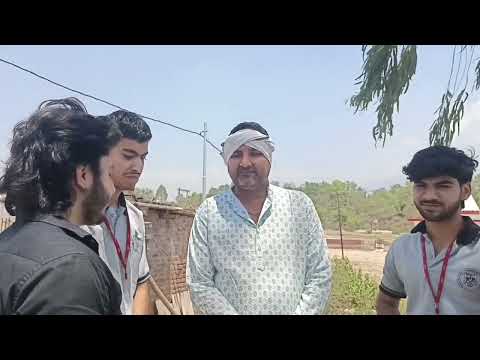
The community project was well organized and showed genuine interaction with the villagers. It was a meaningful initiative that helped students understand community needs while improving their communication and social skills.
The community project was well organized and showed genuine interaction with the villagers. It was a meaningful initiative that helped students understand community needs while improving their communication and social skills.


Excellent effort by the entire group. The project is both interesting and informative. The photos and videos add a nice touch and make the village come alive. Great job! 👍