
Description
Introduction to Chakka Kundi
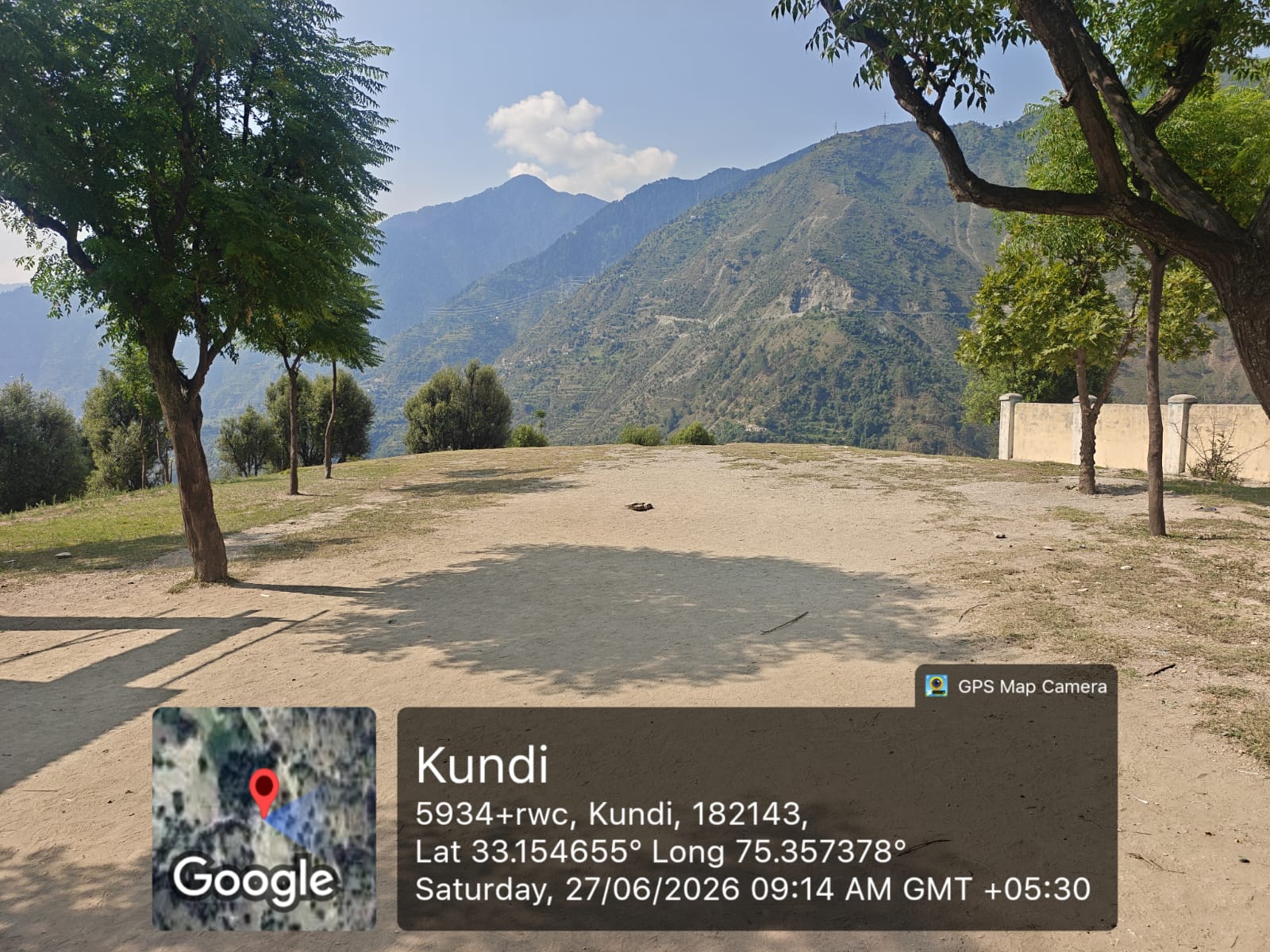
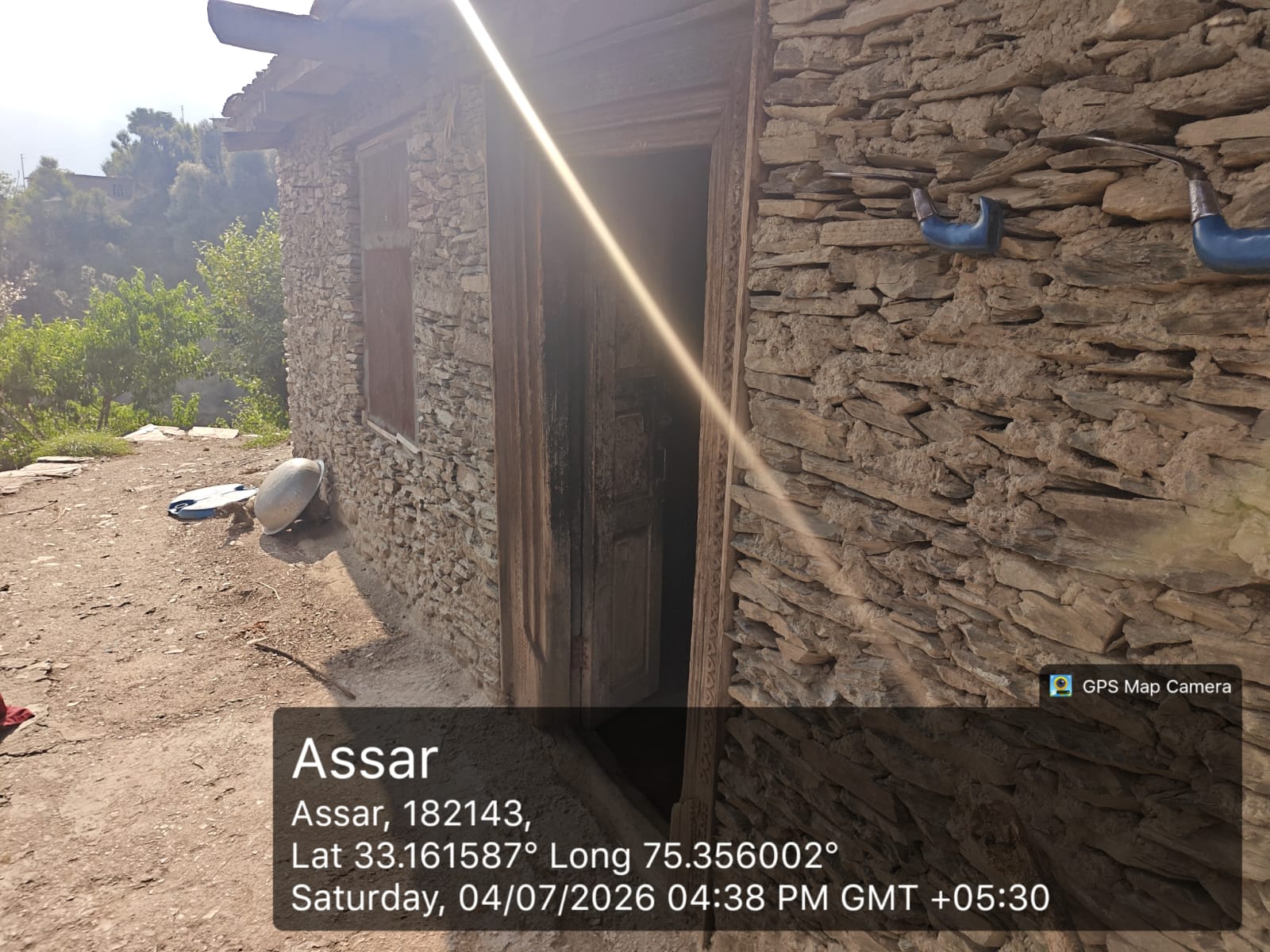
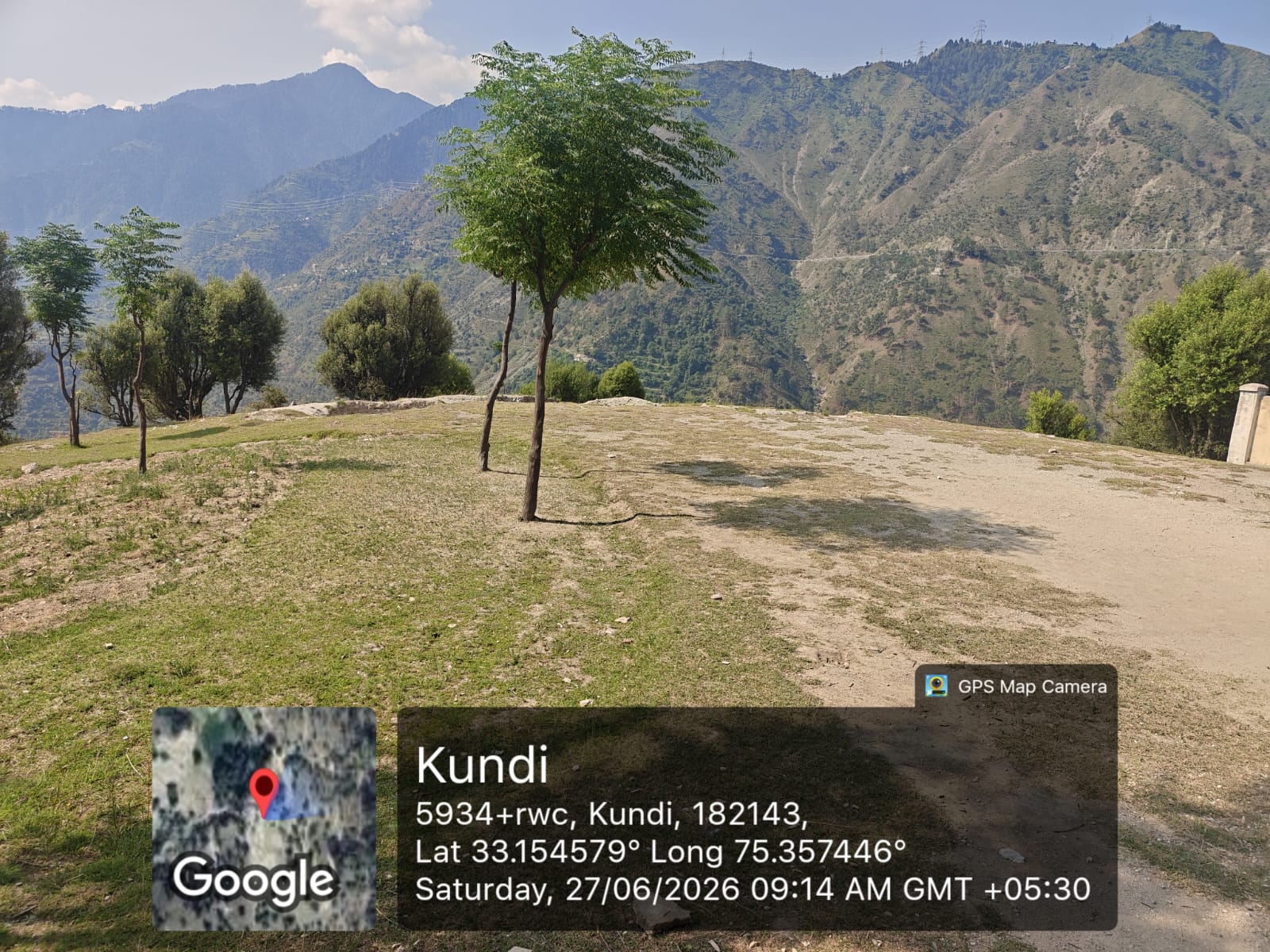
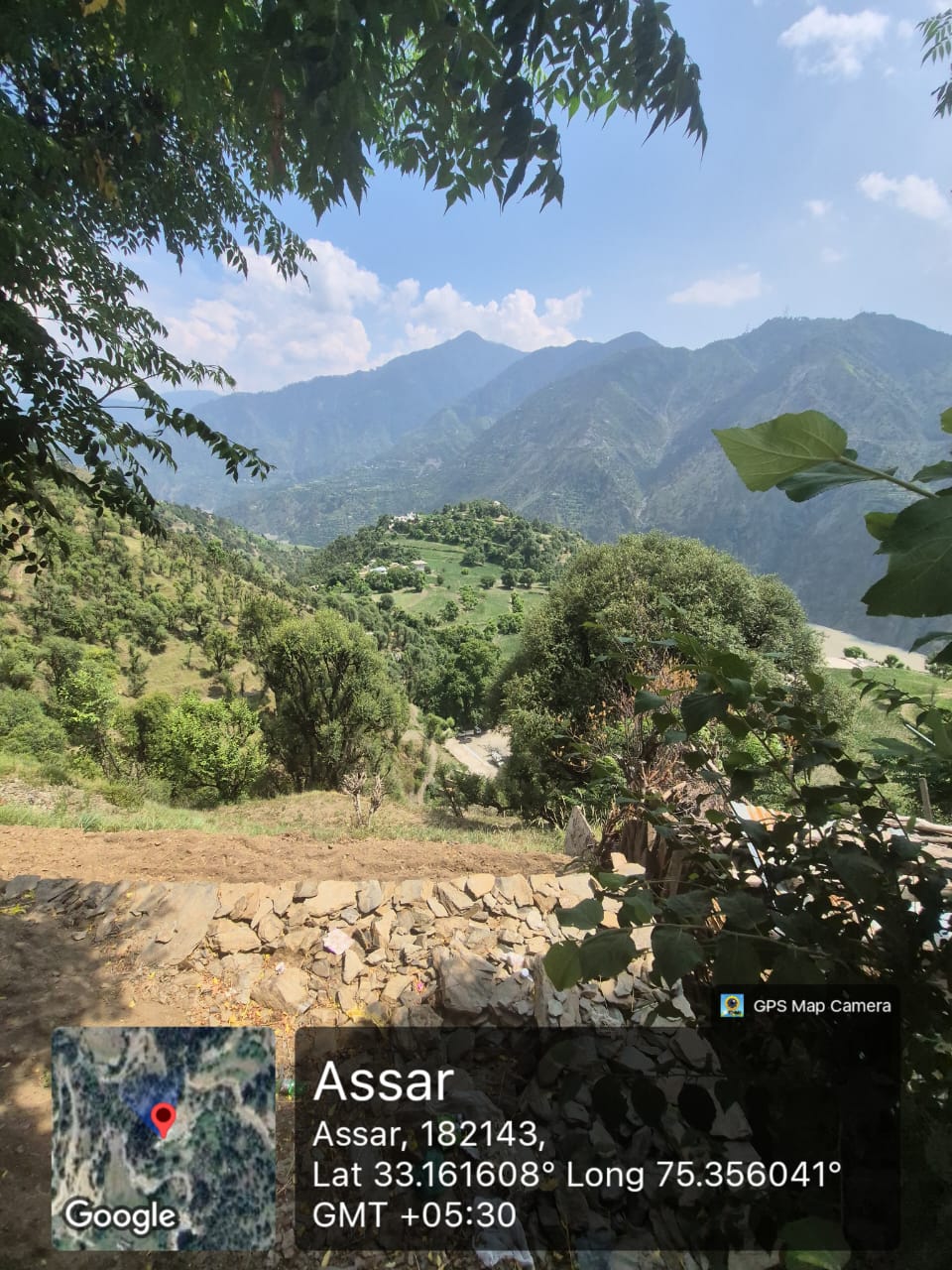
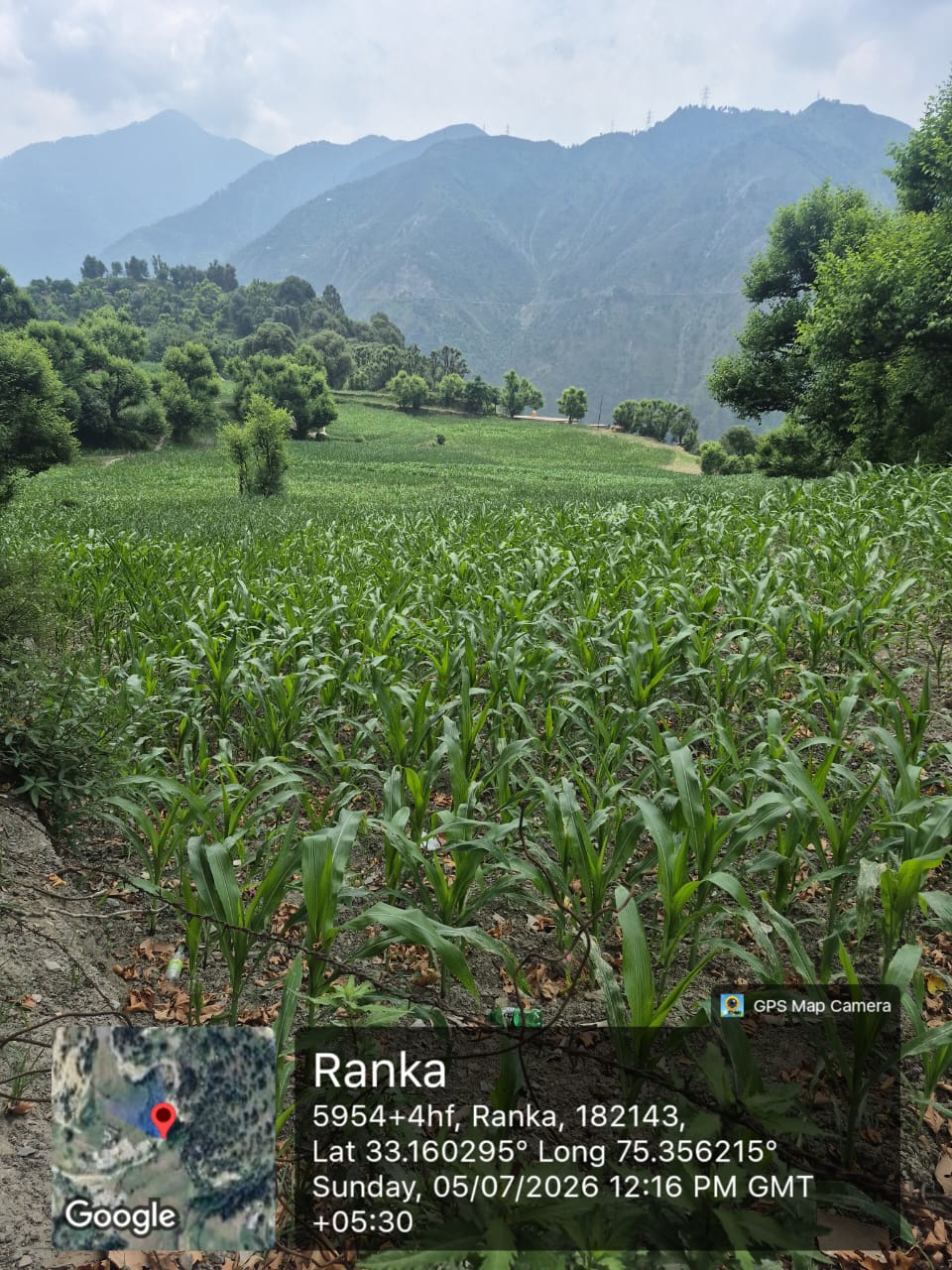
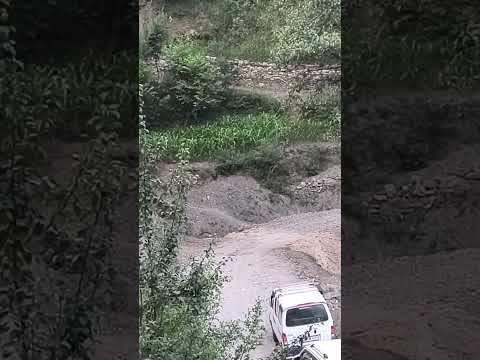
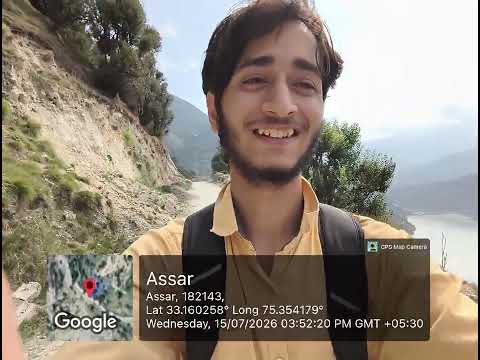
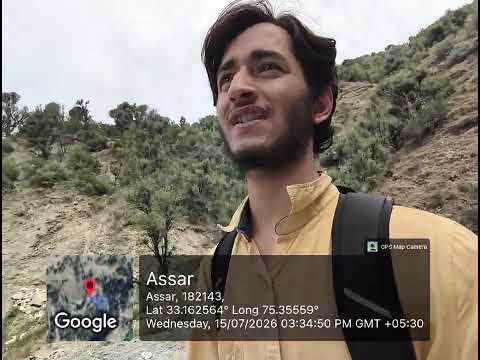
Chakka Kundi, a village in the Ramban district of Jammu and Kashmir, is situated near the banks of the Chenab River, with the Baglihar Dam located nearby. Although the village is not a tourist destination, it is surrounded by beautiful mountains, forests, and agricultural land. According to local residents, the village has existed for hundreds of years, preserving its traditions and rural lifestyle.
Historical Background and Connectivity
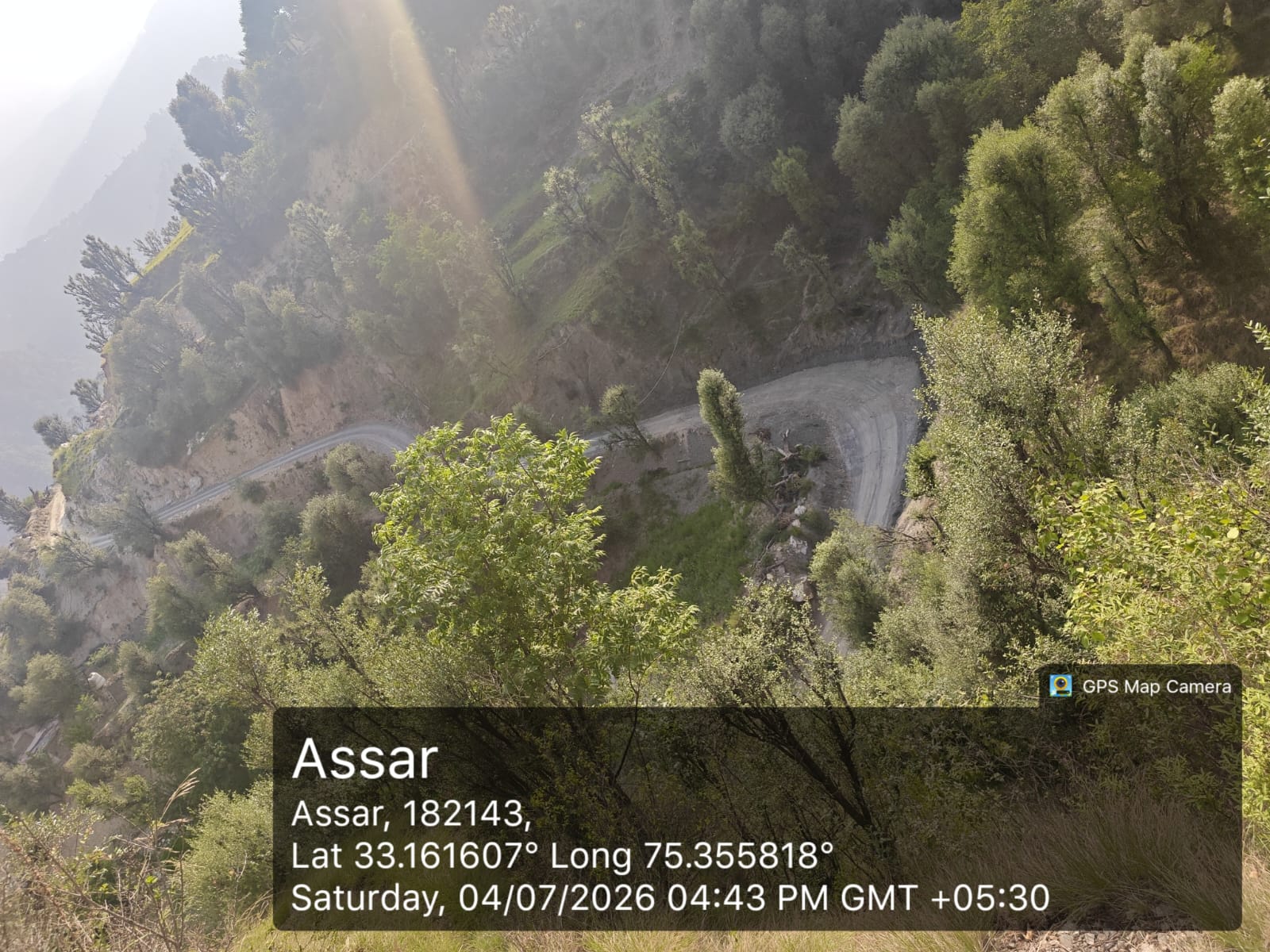
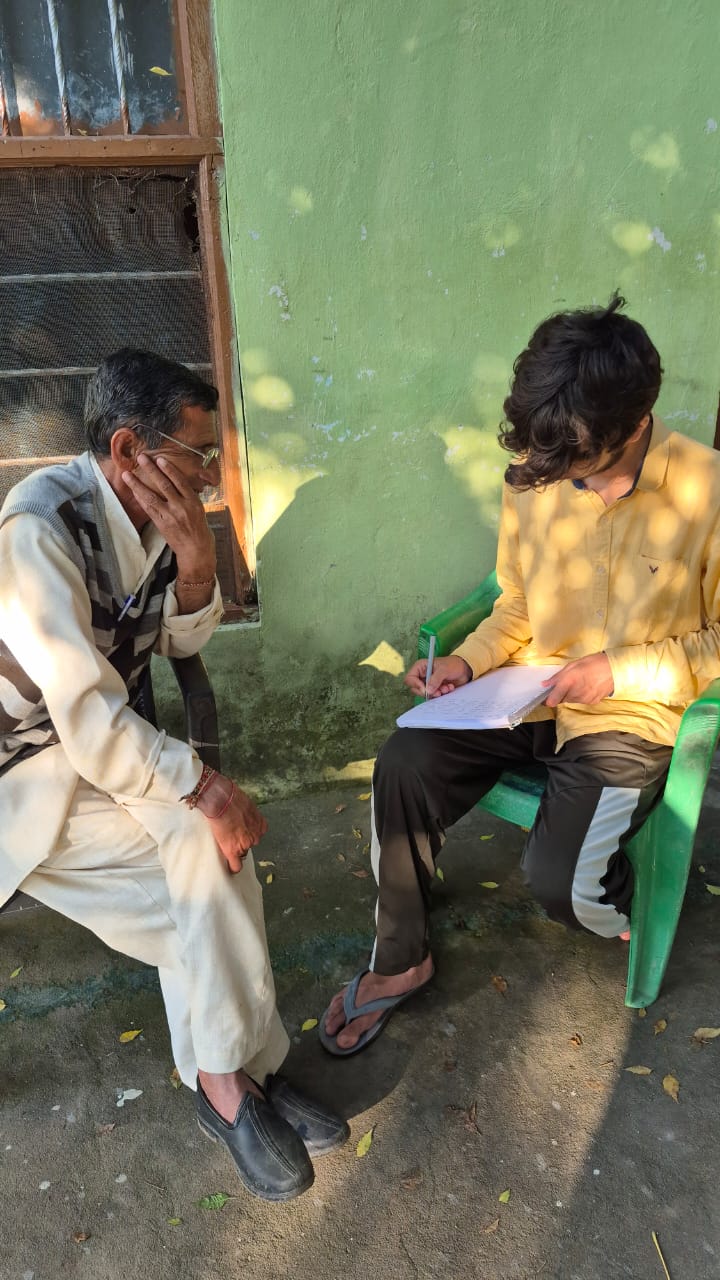
For most of its history, Chakka Kundi remained isolated from modern transportation. A motorable road was constructed only 2–3 years ago, connecting the village to nearby towns. Before the road was built, villagers depended on footpaths, mules, and wooden boats for travel. Elderly residents recall that people had to travel nearly 30 days (including the return journey) to Jammu just to obtain essential commodities such as salt.
Traditional Transportation
Before the construction of bridges across the Chenab River, villagers crossed the river using traditional wooden boats. Even today, mules remain an important mode of transport for carrying agricultural produce, household goods, construction materials, and daily necessities across the hilly terrain where vehicles cannot easily reach.
Agriculture and Livelihood
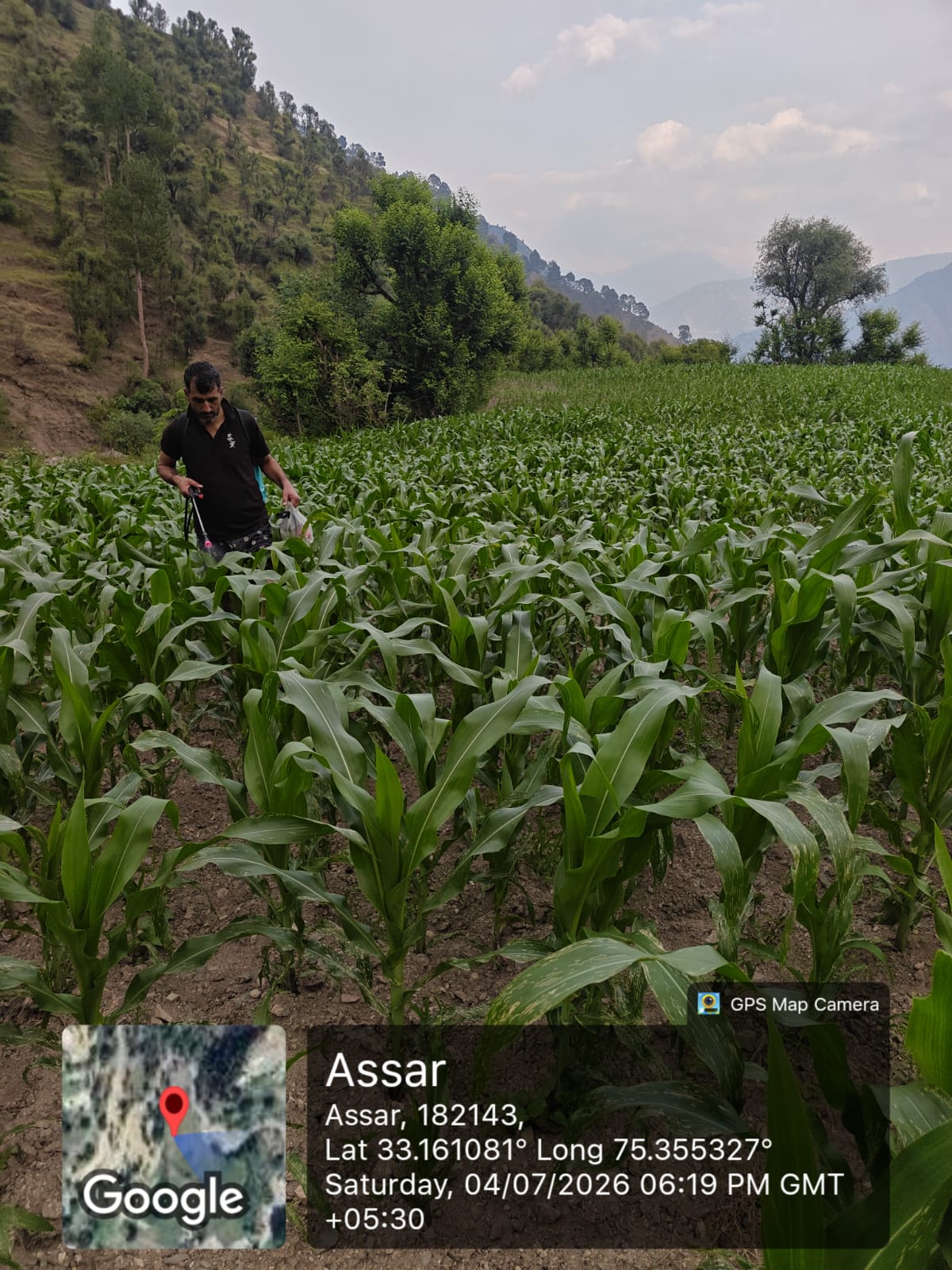
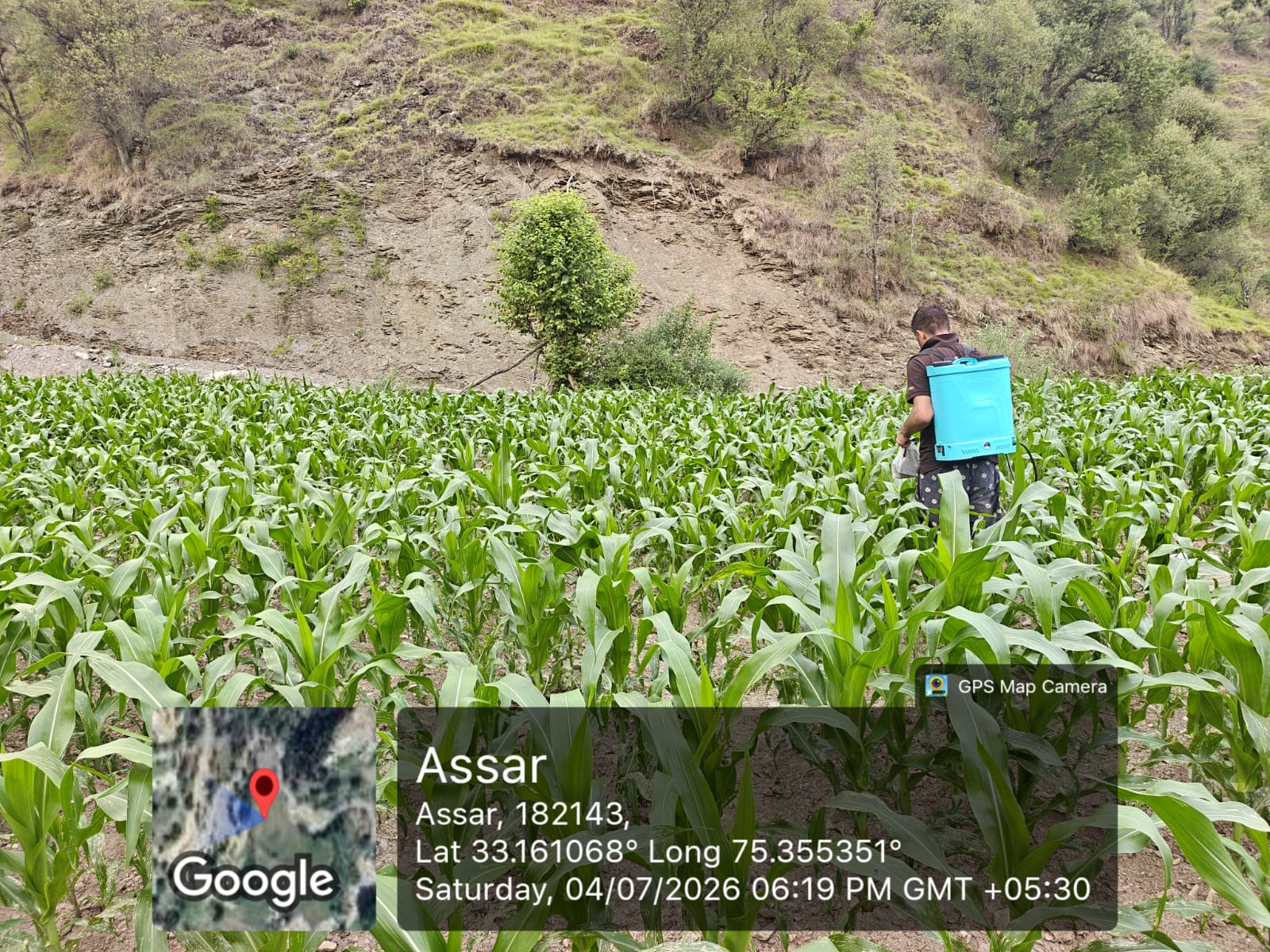
Agriculture is the primary occupation and the main source of livelihood in Chakka Kundi. Farmers cultivate important crops such as maize, wheat, mustard, pulses, and seasonal vegetables. Due to the absence of industries or other employment opportunities, farming continues to support most households and plays a significant role in the village's economy.
Livestock and Seasonal Migration
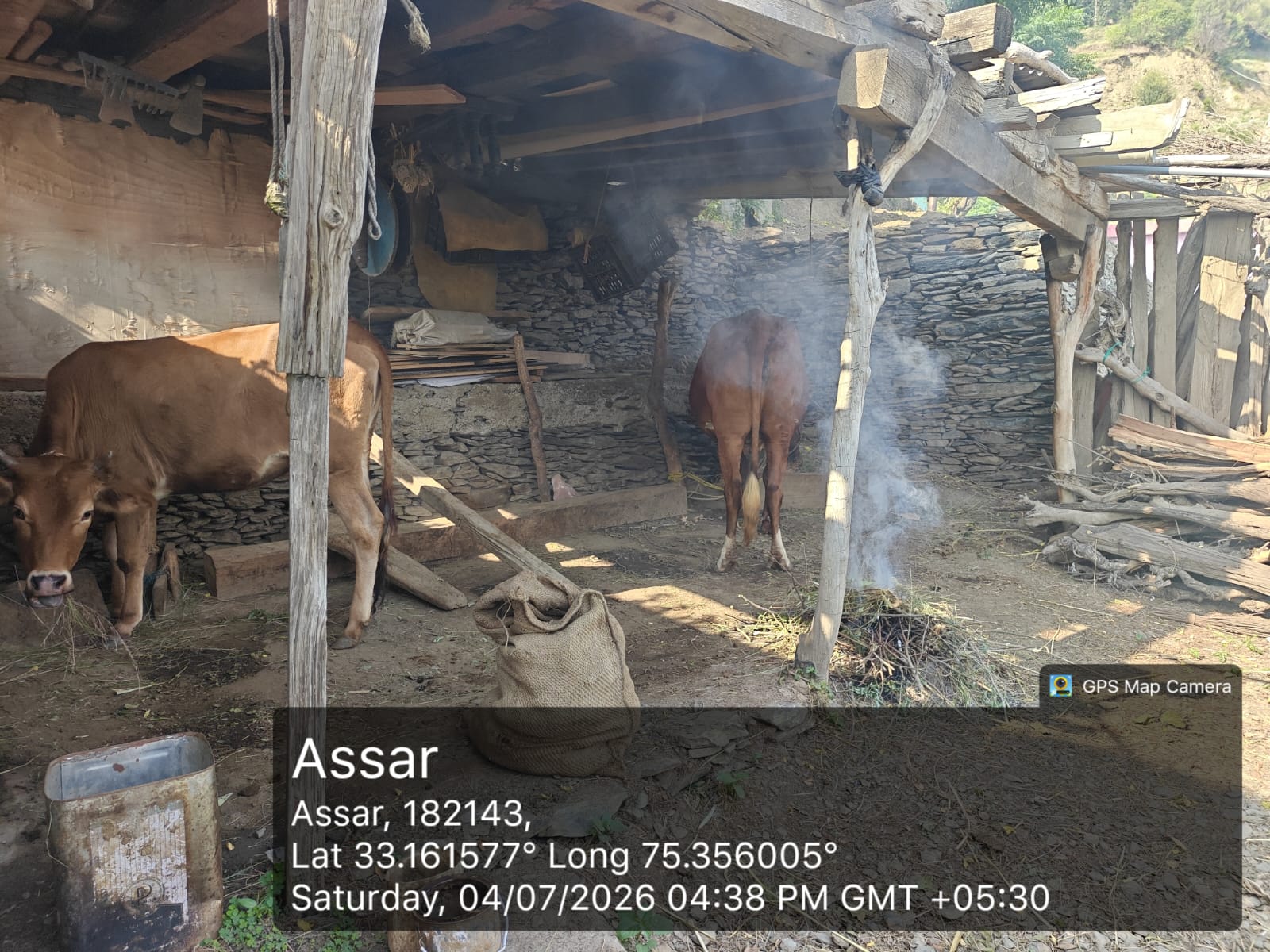
Animal husbandry forms an essential part of village life. Common livestock include cows, buffaloes, horses, mules, sheep, and goats. During the summer season, when water becomes scarce in the lower areas, some villagers migrate temporarily with their animals to the higher mountain pastures where there is abundant grass, fresh water, and natural grazing land.
Fruits and Natural Vegetation
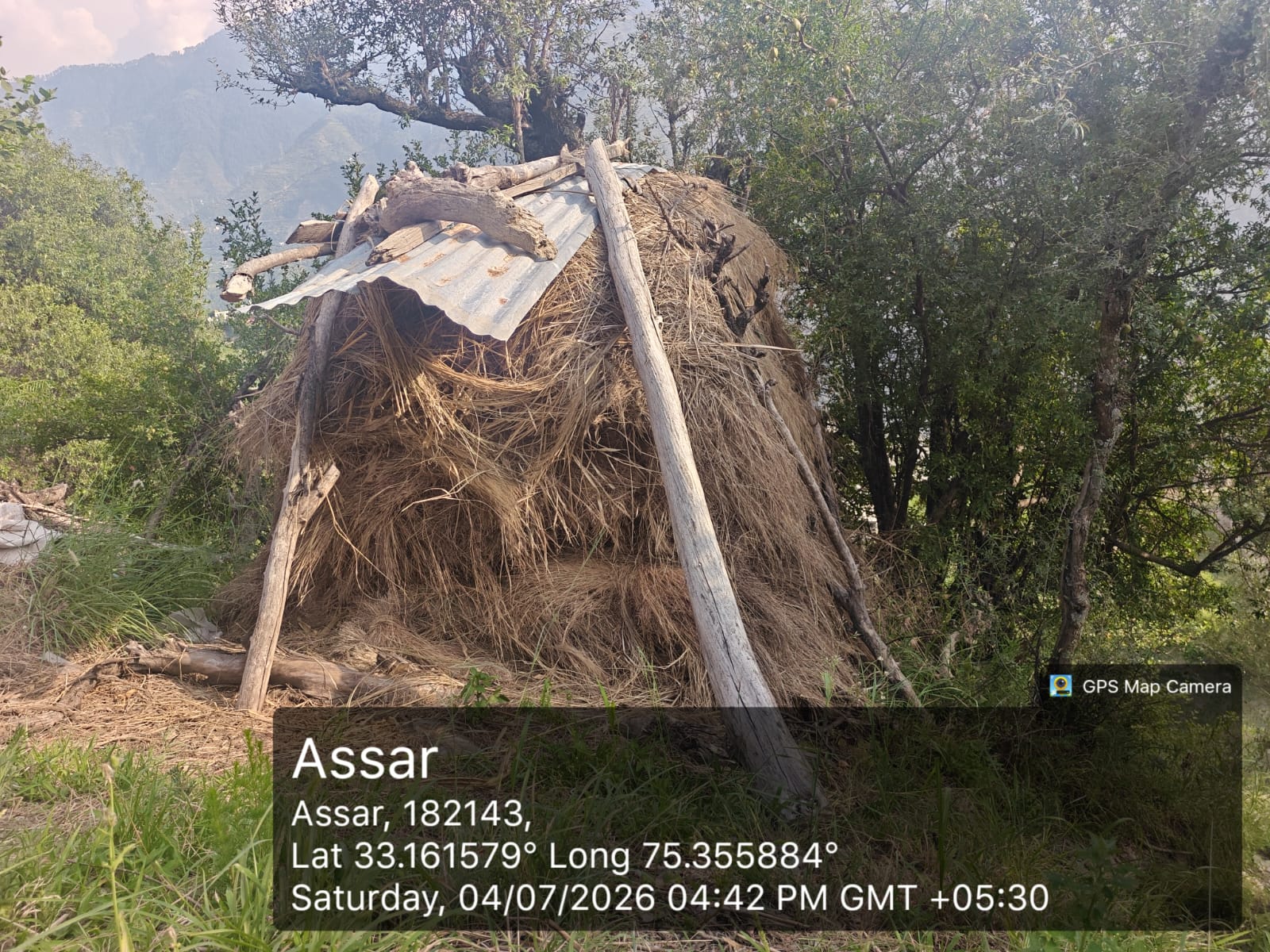
The village is rich in natural vegetation and fruit-bearing trees. Cultivated fruits include pear, plum, walnut, and peach, while wild varieties such as wild fig, wild pomegranate, and wild pear grow naturally in the surrounding forests. Two locally important fodder plants known as Kow and Dhaman grow abundantly and are widely used to feed livestock throughout the year.
Village Landmark – Kundipaniyal
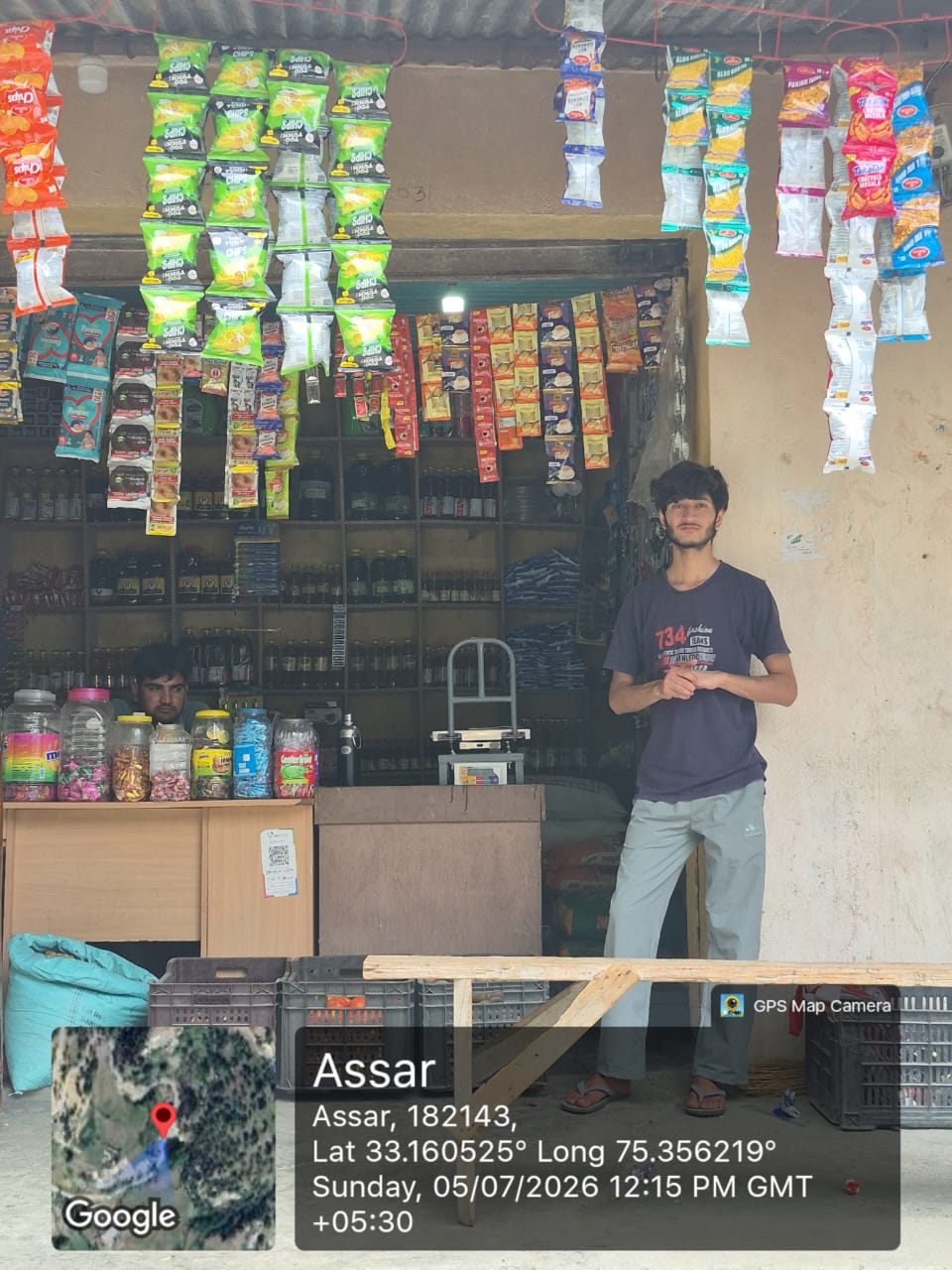
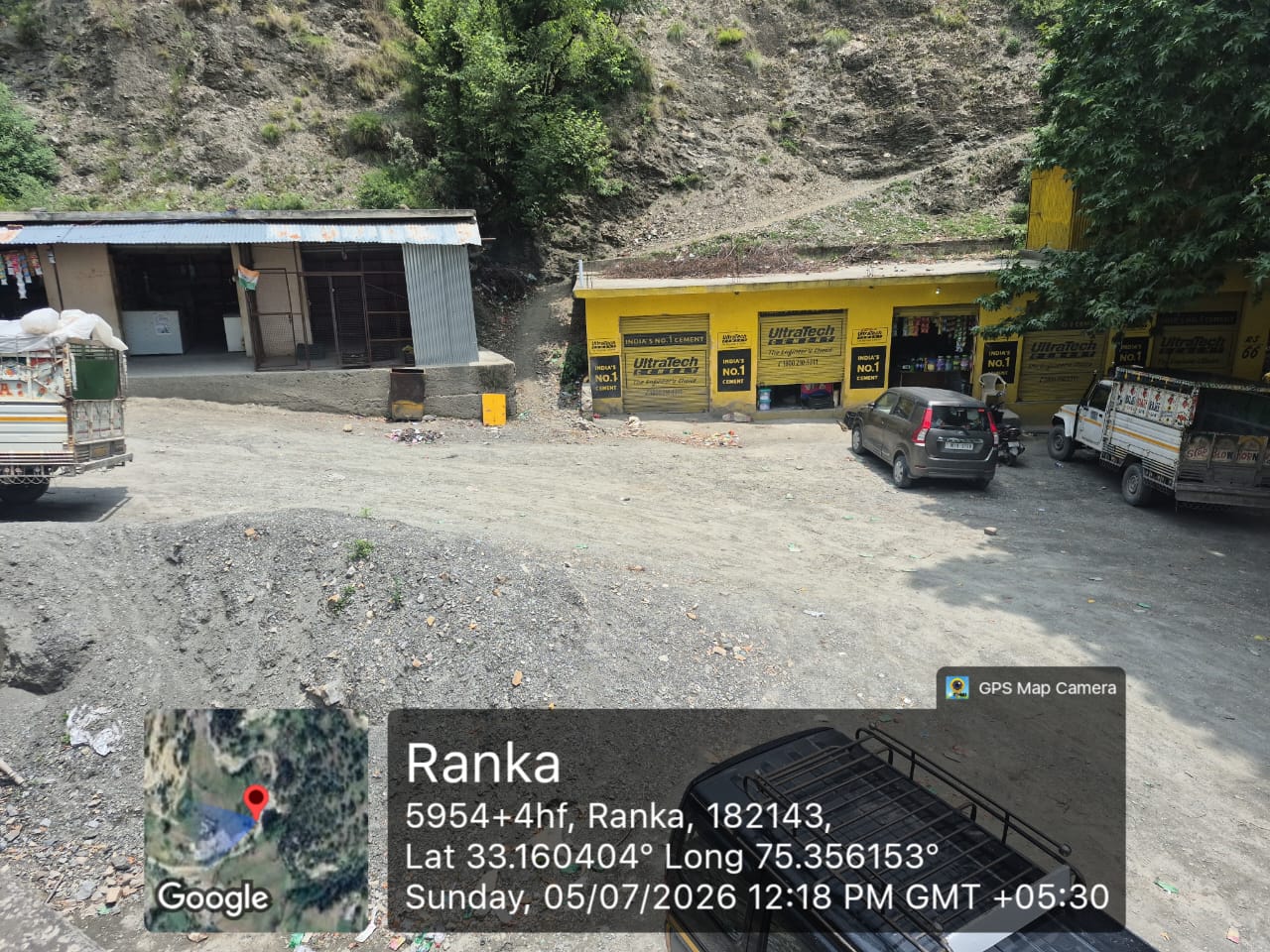
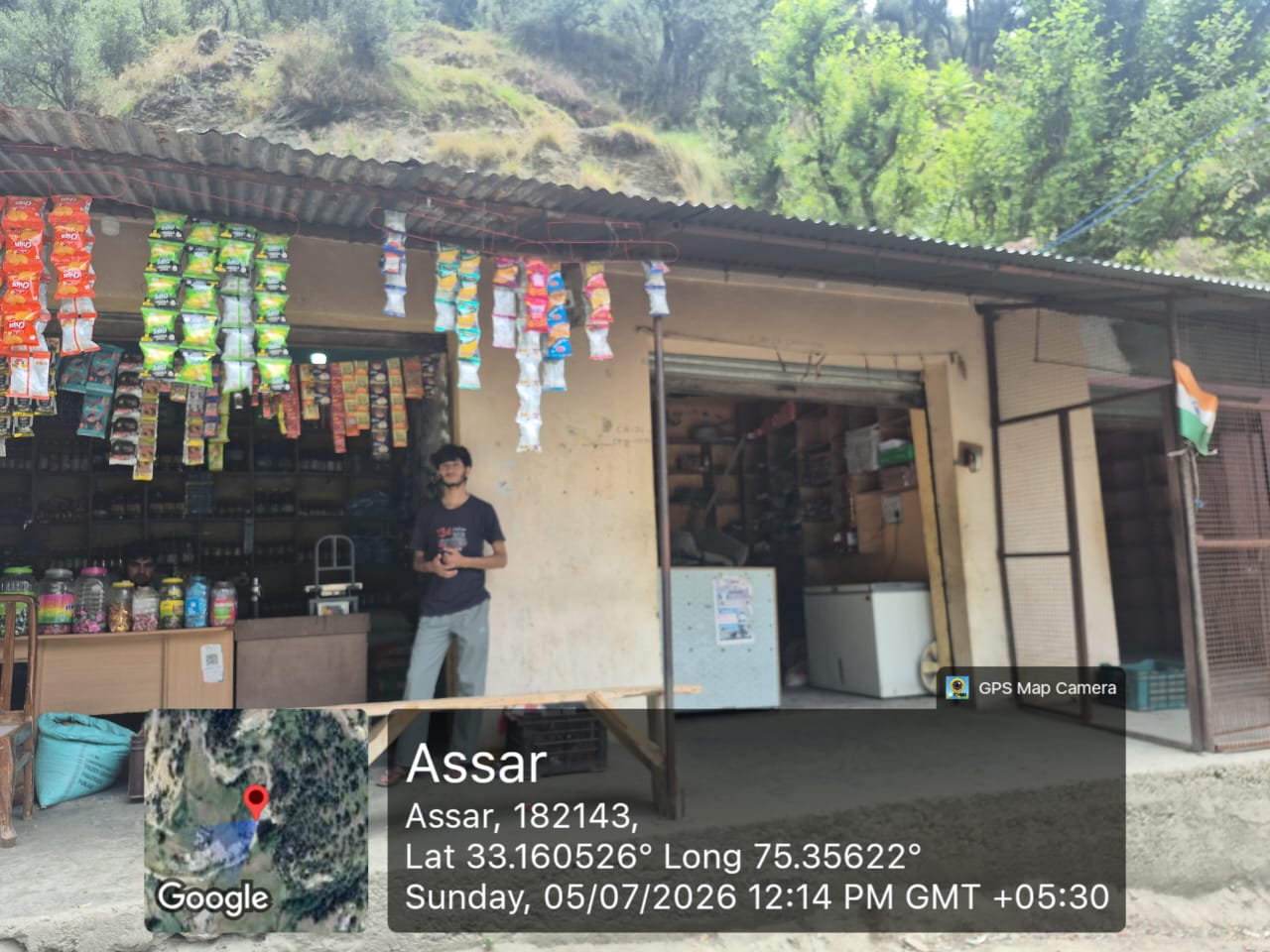
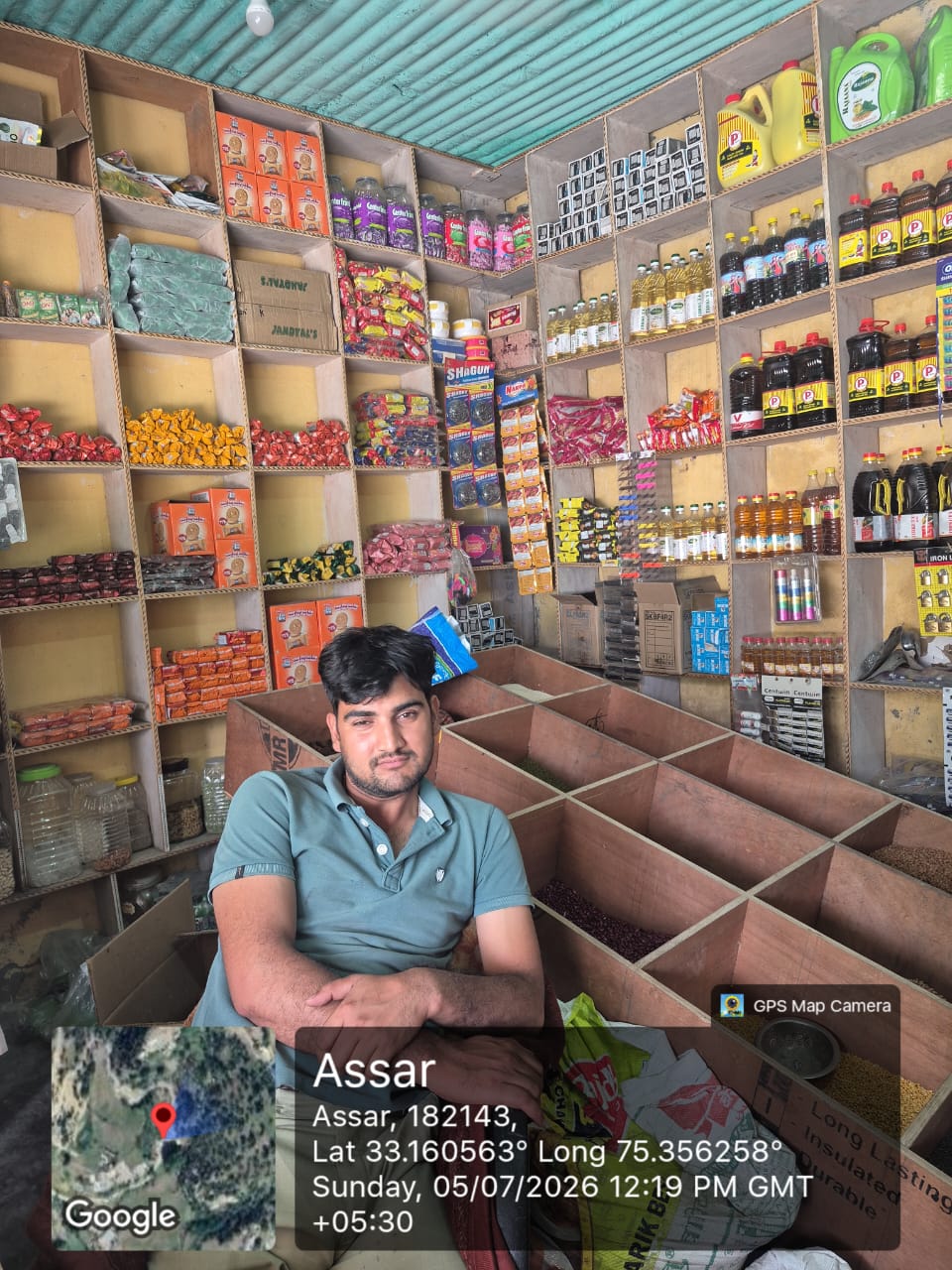
One of the most important landmarks of Chakka Kundi is the 150-year-old Chinar tree situated at the entrance of the village. Nearby lies a natural spring called Kundipaniyal, which serves as the social and commercial center of the village. The area contains small shops, a vehicle parking space, and is a common gathering place where villagers meet, socialize, and collect fresh water from the natural source.
Language, Customs, and Religious Beliefs
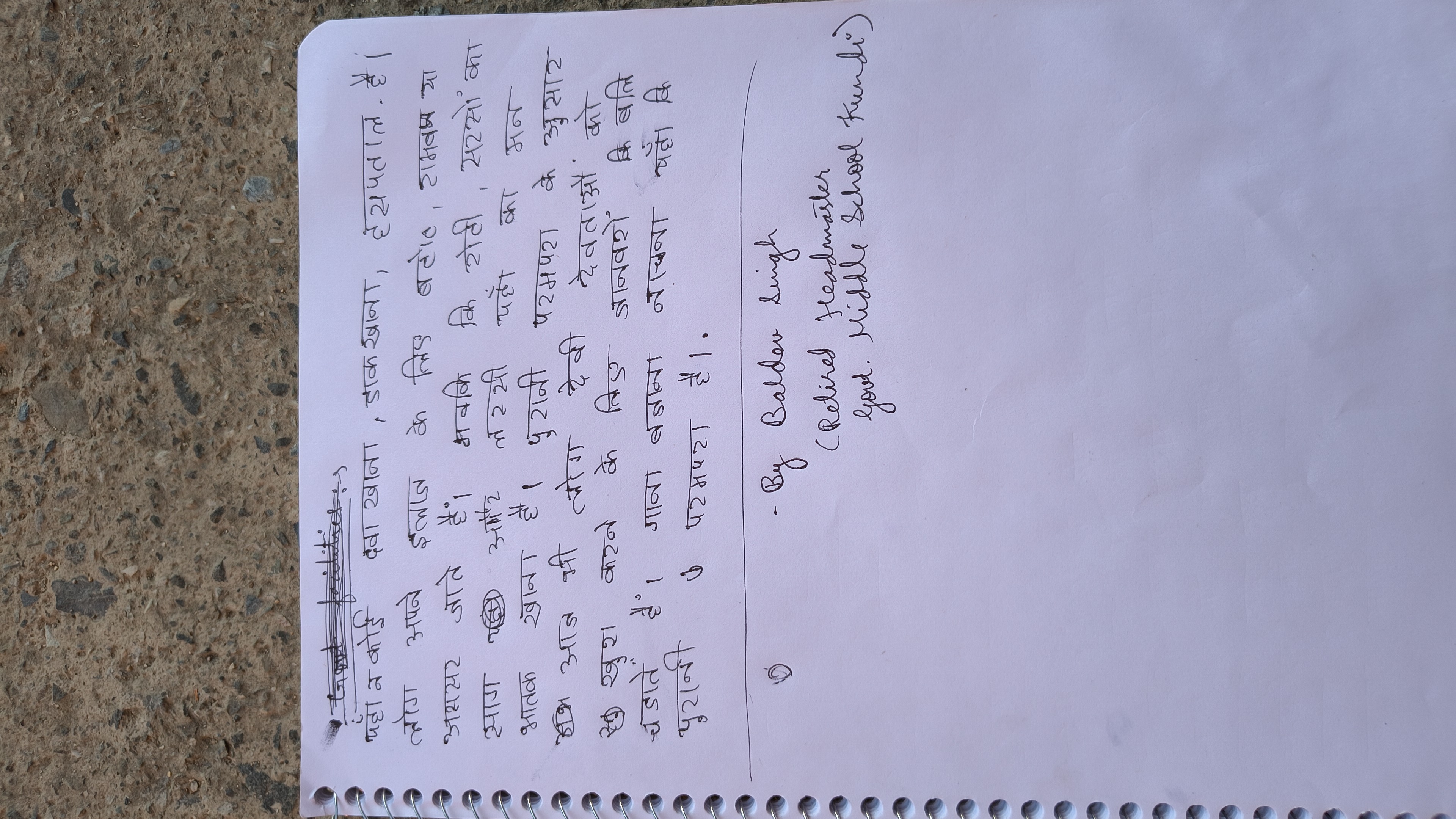
The principal language spoken in the village is Sarazi, which reflects the region's cultural identity. Traditional customs remain deeply rooted in daily life. Marriage ceremonies usually last for three days, and on the fourth day, both families visit a natural water source where villagers gather to celebrate through traditional dance, music, and community festivities. Some families continue the ancestral tradition of worshipping stone idols, and animal sacrifice is still performed by certain households during religious rituals and festivals.
Traditional Food and Lifestyle
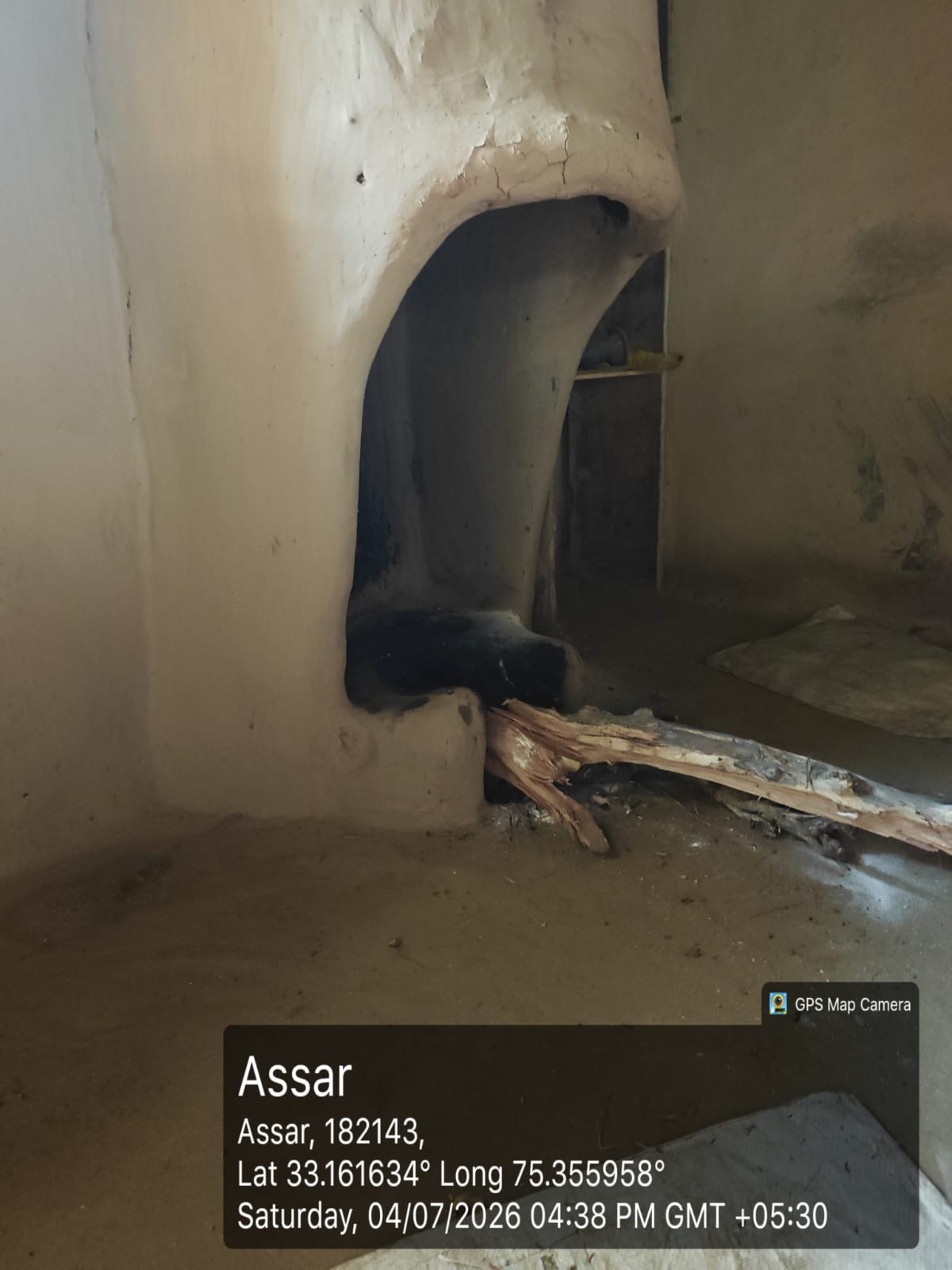
The traditional cuisine of Chakka Kundi reflects its agricultural heritage. The most popular meal consists of Makki ki Roti (corn flour bread) served with Sarson ka Saag (mustard leaf curry). Daily life revolves around agriculture, livestock rearing, and community cooperation, with families following customs that have been preserved for generations.
Infrastructure and Public Services
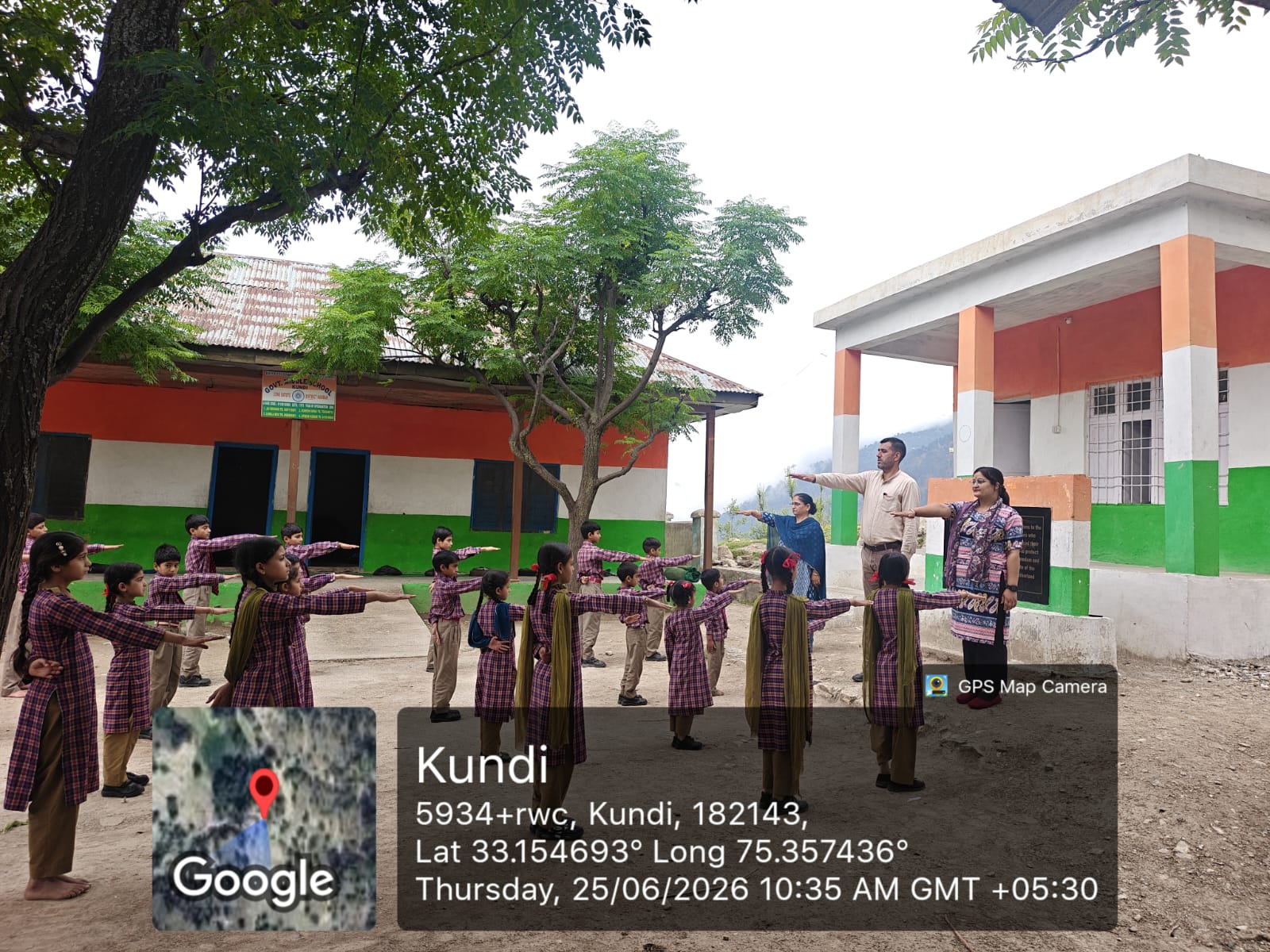
Although road connectivity has improved, Chakka Kundi still lacks several essential public facilities. The village has no post office, no hospital, and no medical shop. Residents must travel to Ramban or other nearby towns for medical treatment, medicines, banking services, and many government-related facilities.
Entertainment and Cultural Activities
Community activities play an important role in village life. After the maize harvest, open agricultural fields become playgrounds where young people gather to play cricket. Every year, the villagers also organize a Ram Leela theatre, where local actors perform scenes from the Ramayana, preserving the region's cultural and religious traditions.
Social Composition
The village is home to members of the Sumberia Rajput, Sen Mandyal Rajput, and Bhagat communities. These families have lived together for generations, maintaining strong social bonds, mutual cooperation, and respect for traditional customs and cultural values.
Biodiversity and Wildlife
The forests surrounding Chakka Kundi support a rich variety of wildlife and bird species. Various local birds, partridges, and occasionally the Himalayan Monal (the State Bird of Jammu and Kashmir) can be seen in the area. Leopards are sometimes sighted in the nearby forests, while Himalayan black bears are rarely observed. Together with the ancient Chinar tree, surrounding forests, and the Chenab River, these natural features contribute to the ecological richness of the village.
Photos

Videos
Location Map
Contact Information
| Address |
village Chakka Kundi, tehsil Rajgarh, postoffice Chanderkote, block Assar, district Ramban |
| Phone Number |
8082252841 |
| Email Address |
Reviews (5)

Amazing documentary
Didn't expect much, but this village was actually really nice. Clean, peaceful, and surrounded by beautiful mountains. The people were friendly, and the whole place had a calm vibe. No crowds, no noise—just a good place to take a break and enjoy the view. Would definitely visit again.

wonderfull village
Nature at its purest🔥breathtaking, serene, and untouched.
Write a Review
Author

- R/o village chakka kundi tehsil rajgarh , postoffice chanderkote, district Ramban
- 9149796769
- [email protected]
It is a peaceful village with a welcoming community. The surroundings are pleasant, and it reflects the simplicity and beauty of rural life