
Description
Introduction to Chak Dai
Chak Dai, a modest yet culturally rooted village located within the Jammu district of the Union Territory of Jammu and Kashmir, forms part of the semi-urban belt surrounding Jammu city. Identified by the PIN code 180002, the village blends traditional Dogra rural life with the growing influence of nearby urban development. Despite its relatively small population, Chak Dai reflects the everyday resilience, heritage, and evolving socio-economic landscape of Jammu’s countryside.
Population and Settlement Structure
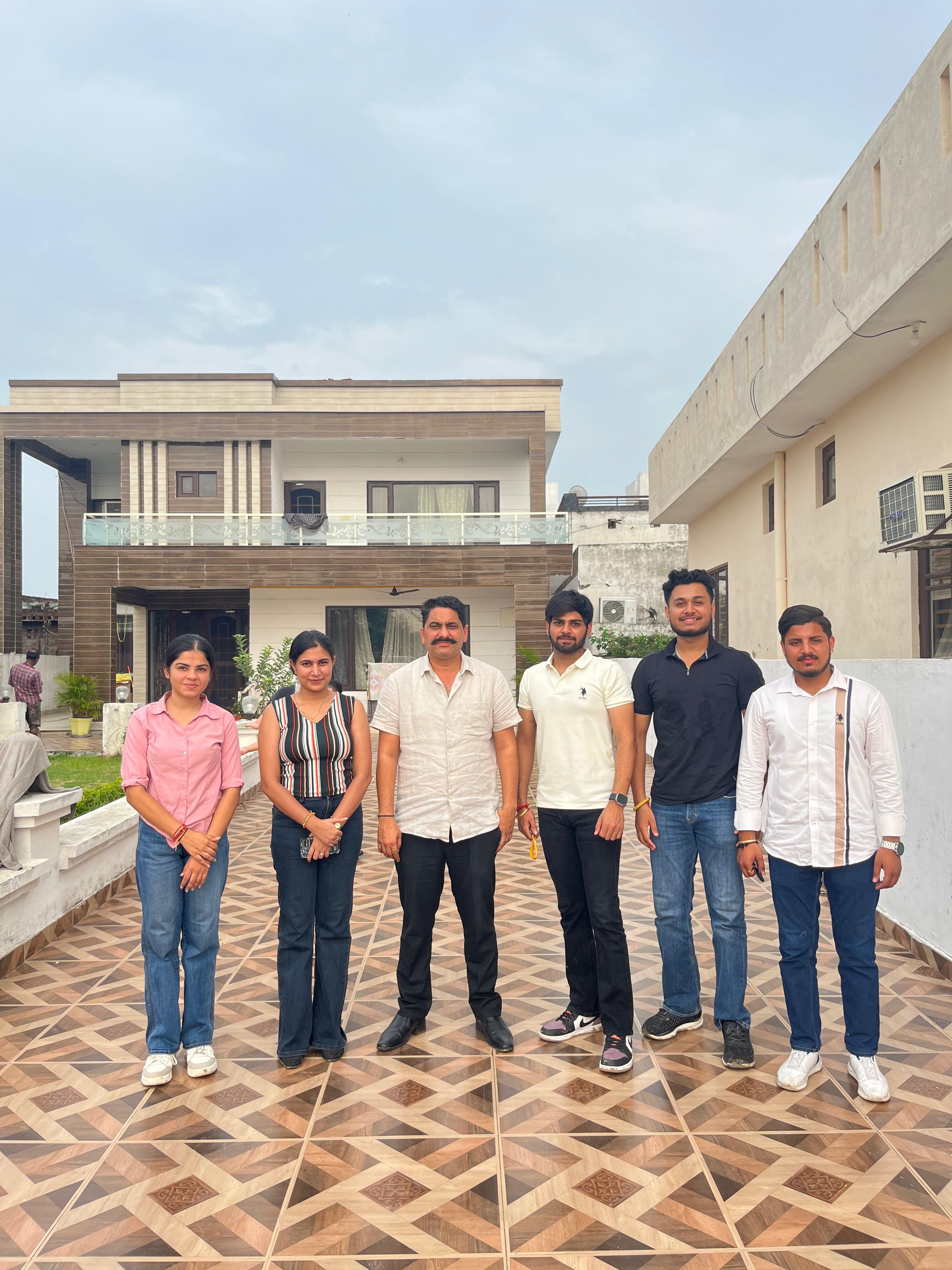
According to the 2011 Census, Chak Dai is home to over 1,360 residents, forming approximately 300 households. The village demonstrates a typical rural demographic profile, with families often living in close-knit clusters and extended relatives sharing adjoining homes. The settlement pattern includes spacious courtyards, agricultural land parcels, and a central gathering space used for community activities. With a literacy rate of around 69%, the village shows gradual progress, though disparities in female literacy remain a significant developmental challenge.
Cultural Heritage and Community Identity
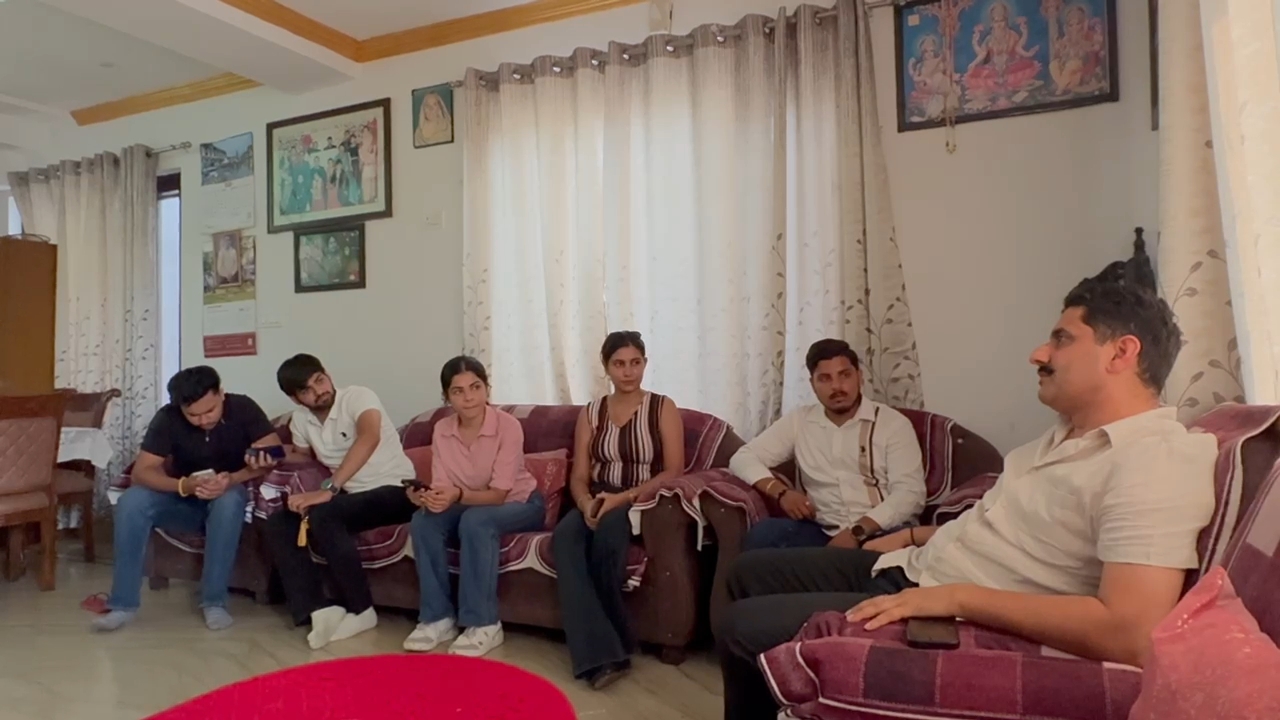
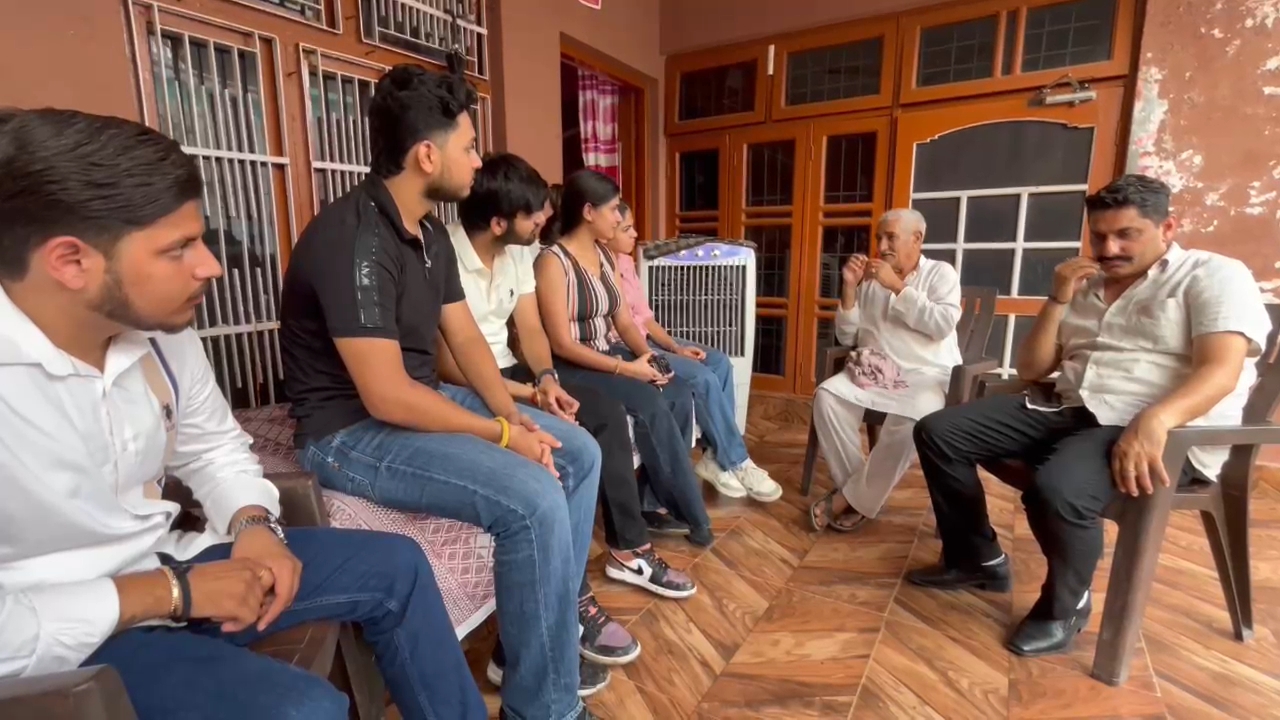
The cultural identity of Chak Dai is deeply intertwined with traditional Dogra customs, reflecting pride in ancestry, social unity, and seasonal festivals. Many households maintain long-established family lineages tied to the Jammu plains, and elders continue to preserve stories, rituals, and oral histories of the region. Community gatherings, temple events, and agricultural celebrations highlight the cultural harmony within the village, where heritage remains central to daily life.
Historical Background and Local Narratives
While Chak Dai does not have a widely documented historical legend, local elders narrate stories of families who settled centuries ago when fertile land near the Tawi belt attracted cultivators and livestock keepers. Over time, the village grew along small irrigation channels and agricultural routes. Oral history suggests that Chak Dai played a supporting role as a farming settlement during earlier Dogra administrative periods, contributing grains and livestock to nearby trade centers. Such narratives, though not officially recorded, continue to shape the village’s sense of identity.
Principal Attractions: Natural and Cultural Spaces
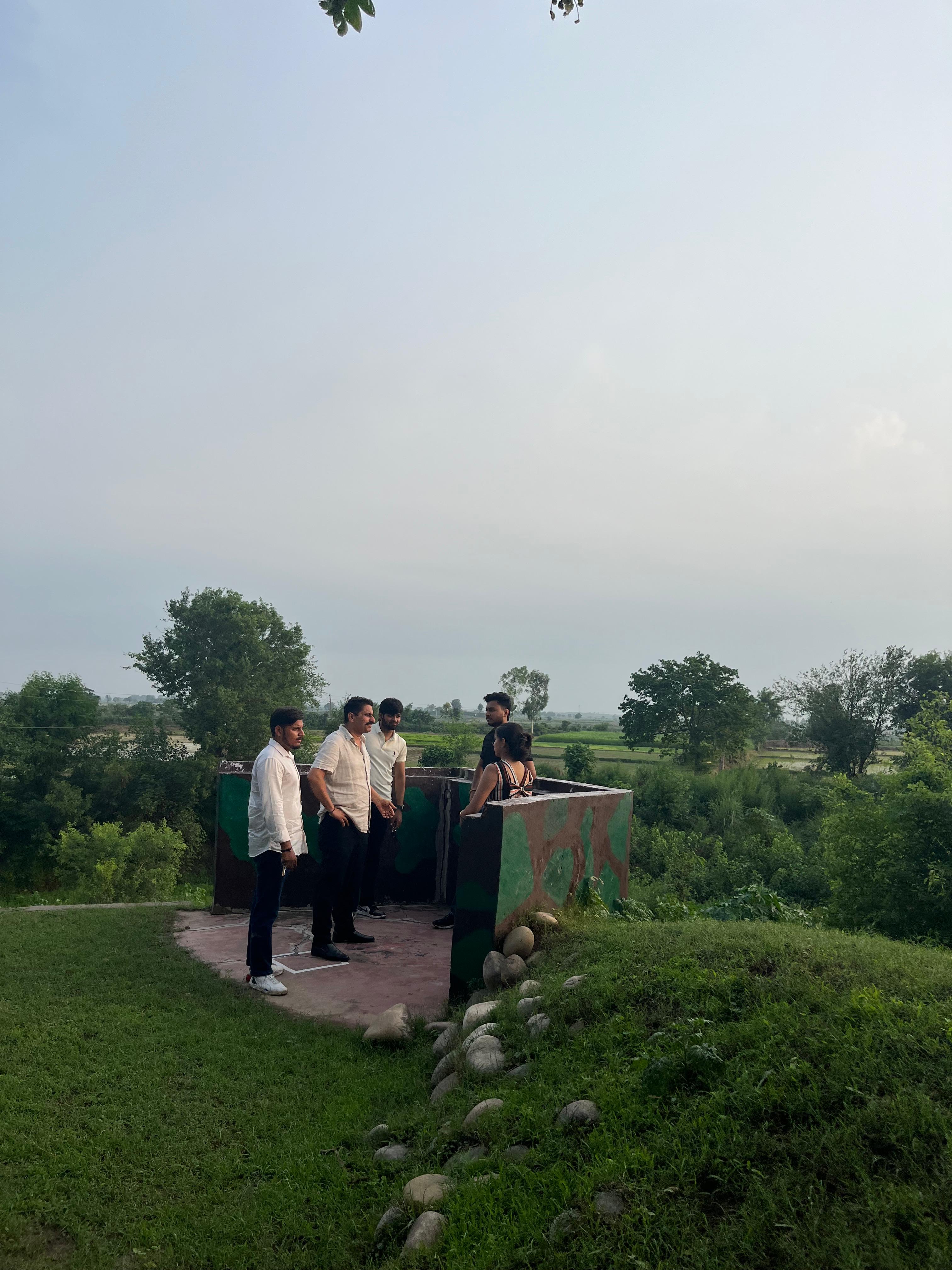
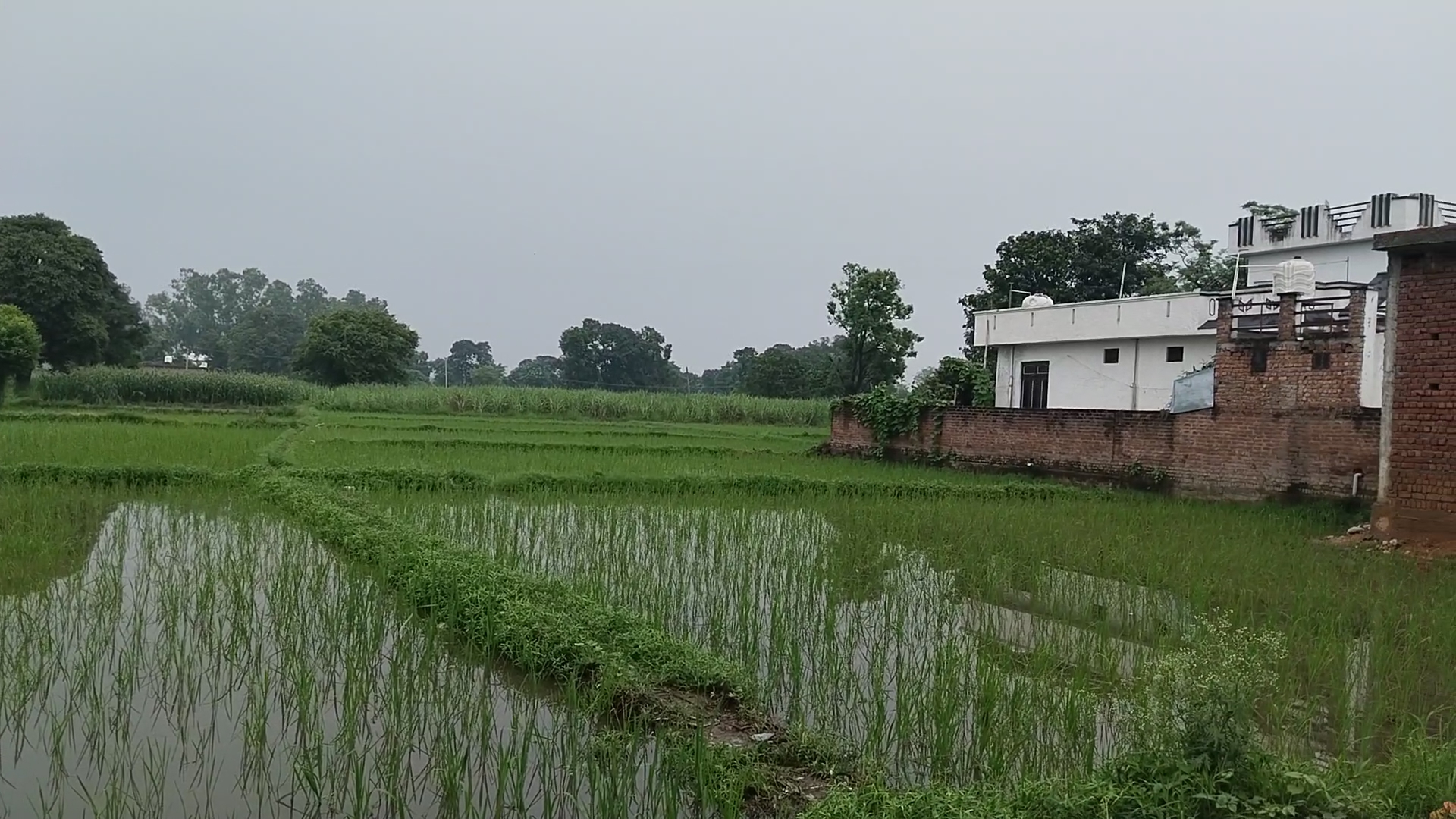
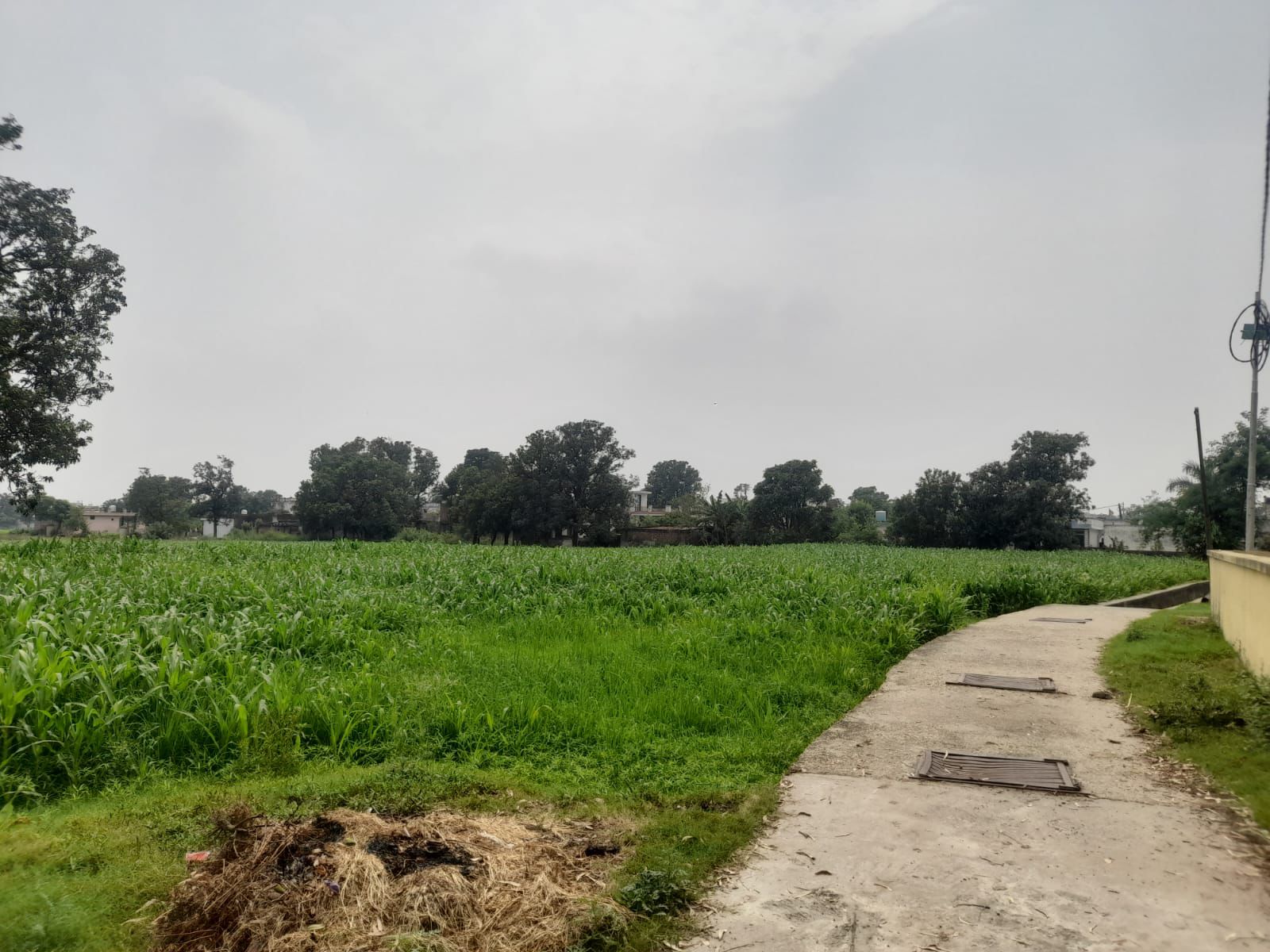
Though not a tourist destination, Chak Dai offers a serene environment typical of Jammu’s rural charm. Open fields of wheat, mustard, and maize surround the settlement, creating a peaceful landscape during the harvest seasons. The village’s central temples and traditional meeting platforms serve as social anchors where festivals, religious ceremonies, and community dialogues take place. Visitors seeking authentic rural experiences often appreciate these quiet, culturally rich spaces.
Festivals and Best Time to Visit
The best time to witness Chak Dai’s vibrancy is during major Dogra festivals such as Lohri, Baisakhi, Navratri, and Diwali, when families gather, homes are decorated, and traditional cuisine is prepared. Seasonal fairs occasionally take place in neighboring villages, drawing residents for shopping, entertainment, and cultural performances. Winter months, with their cool climate and festive atmosphere, are particularly enjoyable for visitors exploring the region.
Cuisine and Traditional Food Practices
Chak Dai’s culinary traditions mirror the simplicity and heartiness of rural Jammu. Households often prepare dishes like Maani, Rajma-Chawal, Ambal, and festive Khichdi using locally grown ingredients. Seasonal vegetables, dairy products, and homemade pickles remain staples of the village diet. During festivals, families prepare special Dogra dishes, sharing meals as part of community celebration — reinforcing unity and cultural belonging.
Village Lifestyle and Social Values
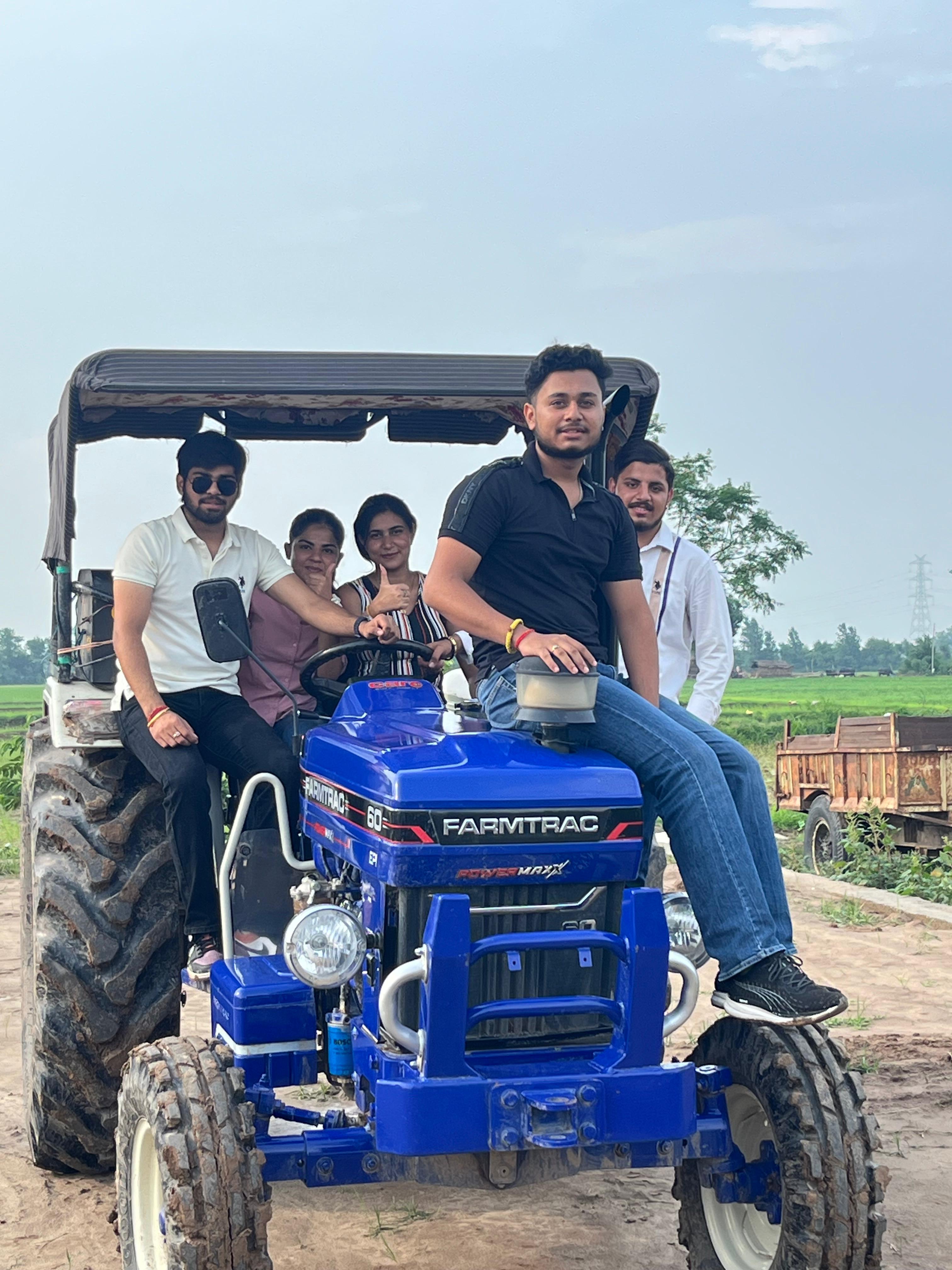
Life in Chak Dai is centered around agriculture, family bonds, and traditional values. Most residents engage in farming, dairy work, or labor in nearby town areas. Social interactions remain strong, with neighbors participating actively in communal events, helping during harvests, and supporting one another in times of need. The village atmosphere is calm, disciplined, and reflective of a lifestyle rooted in cooperation and shared identity.
Economic Activities and Emerging Opportunities
Agriculture remains the backbone of Chak Dai’s economy, with wheat, mustard, and seasonal vegetables cultivated on most plots. Some residents also work in construction, transport, and small private jobs in Jammu city due to the village’s proximity. Younger generations increasingly pursue education and skill-based professions, leading to a slow but visible shift toward diversified livelihoods. Small home-based businesses, including dairy and traditional crafts, also support household incomes.
Educational Facilities and Learning Environment
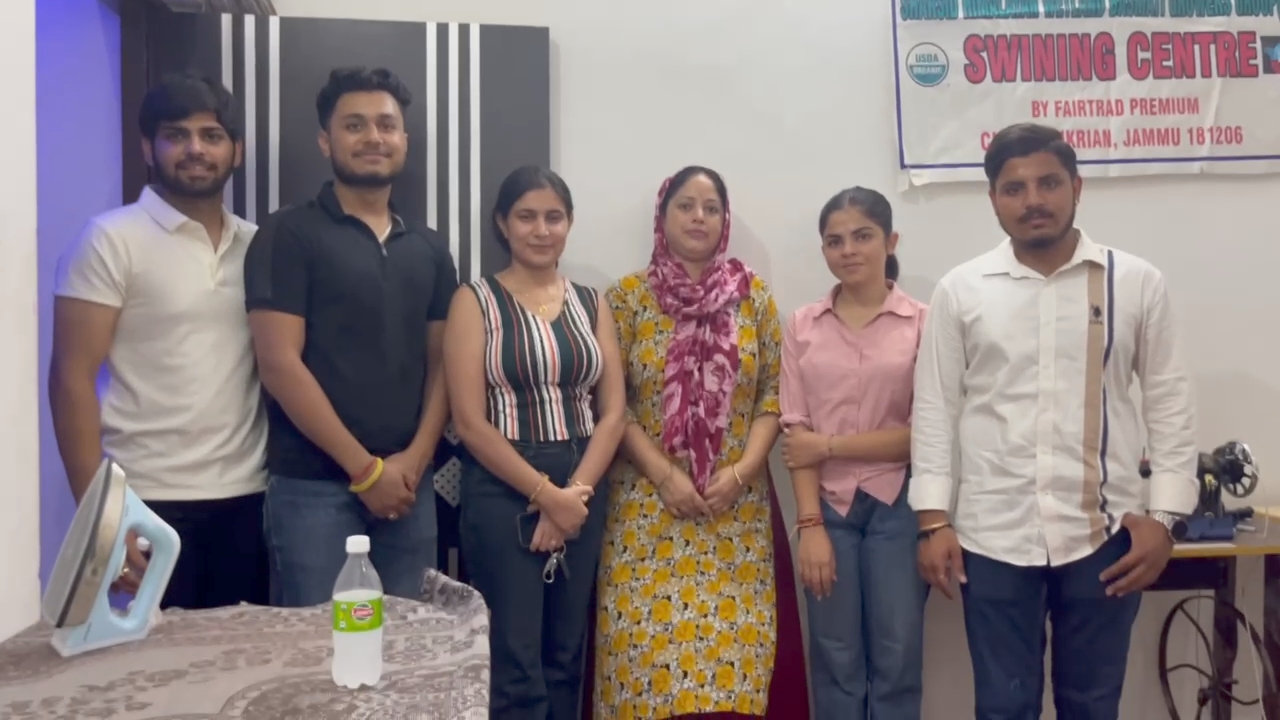
Chak Dai’s literacy rate shows promise, though female literacy trails behind. The village relies on nearby schools for primary and secondary education, with children often commuting short distances. Over the years, growing awareness around education has encouraged families to enroll their children in private institutions in Jammu. Youth participation in skill programs and coaching centers reflects the village’s gradual shift toward modern aspirations.
Connectivity and Transportation Links
Chak Dai benefits from its closeness to Jammu city, with roads connecting it to major routes within the 180002 region. Public buses operate within a 5-kilometer radius, while private transport is available directly in the village. The nearest railway station lies within accessible distance, making daily commuting manageable for workers and students. This connectivity supports employment opportunities and provides residents with access to city-based services.
Local Institutions and Public Services
The village receives postal services through the Bhadrod Branch Office under PIN code 180002. Healthcare requirements are met through nearby clinics and government facilities, while veterinary assistance supports livestock owners. Social welfare schemes reach the village through Panchayat mechanisms, ensuring access to ration, pensions, and developmental projects.
Arts, Talent, and Cultural Expression
While Chak Dai is small, its residents participate actively in the wider cultural landscape of Jammu. Young individuals often engage in regional music, sports, and folk traditions inspired by Dogra heritage. The village’s cultural expressions appear during festivals, weddings, and community gatherings, showcasing folk songs, drum beats (dhol), and traditional dance forms.
Sports and Youth Activities
Open grounds throughout the village provide space for youth to engage in cricket, volleyball, and local recreational games. Winter tournaments in nearby villages attract participation from Chak Dai’s young players. With increasing focus on fitness and sports, the village youth are gradually integrating structured practice and competitive participation.
Biodiversity: Local Flora and Fauna
Chak Dai’s surroundings host typical Jammu-region biodiversity. Fields and small forest patches support birds like parrots, bulbuls, mynahs, and peacocks in the nearby belt. Occasional sightings of jackals, wild cats, and porcupines occur in agricultural outskirts. Local vegetation includes mustard fields, wild berries, acacia trees, and seasonal flowers that add color and ecological richness to the landscape.
Photos
Location Map
Contact Information
| Address |
Village Chak Dai Near Ghou Manhasan, 180002, |
| Phone Number | |
| Website | https://villageinfo.in/jammu-&-kashmir/jammu/jammu/chak-dai.html#google_vignette |