
Description
Introduction to Chak Doulat
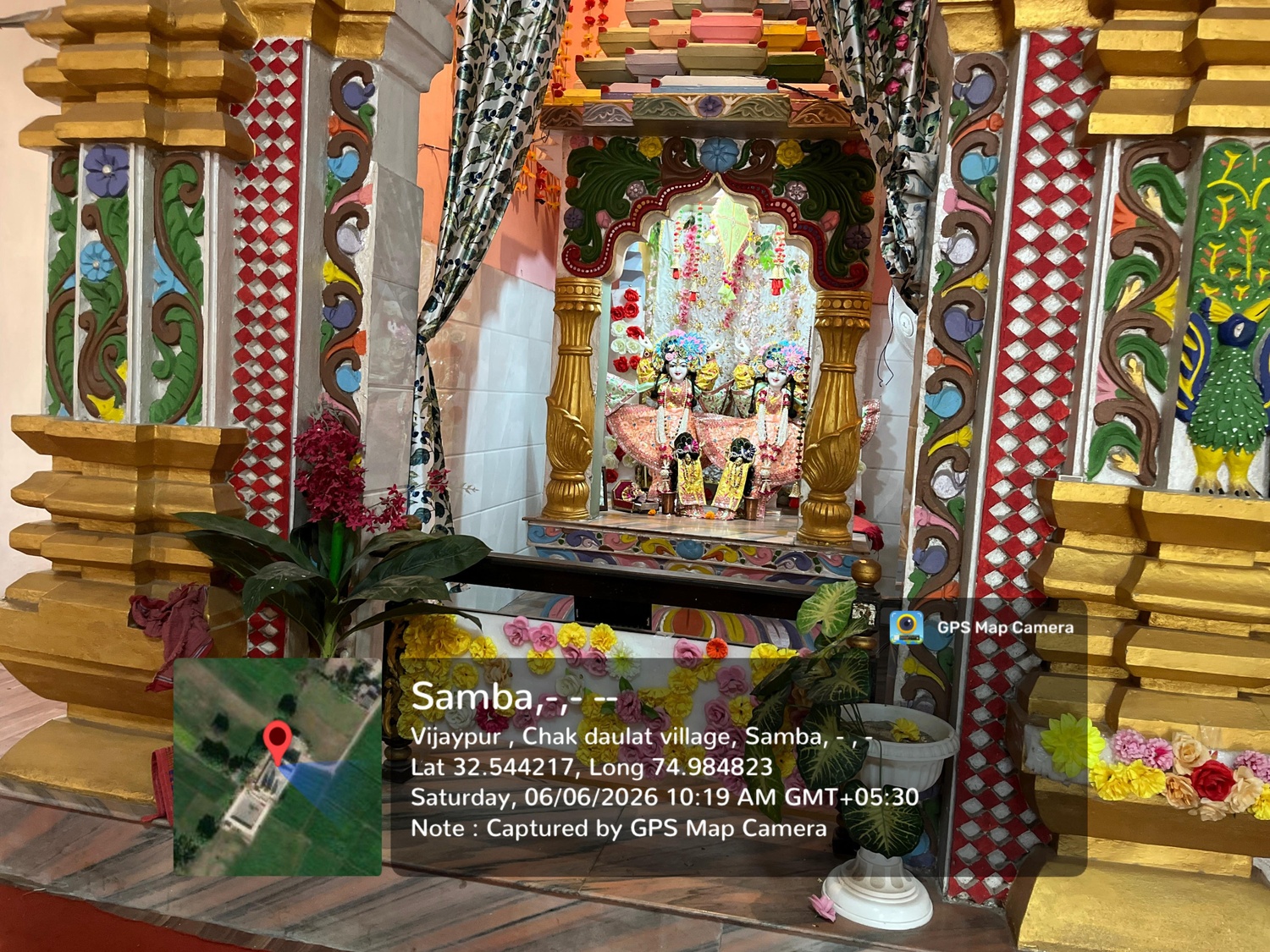
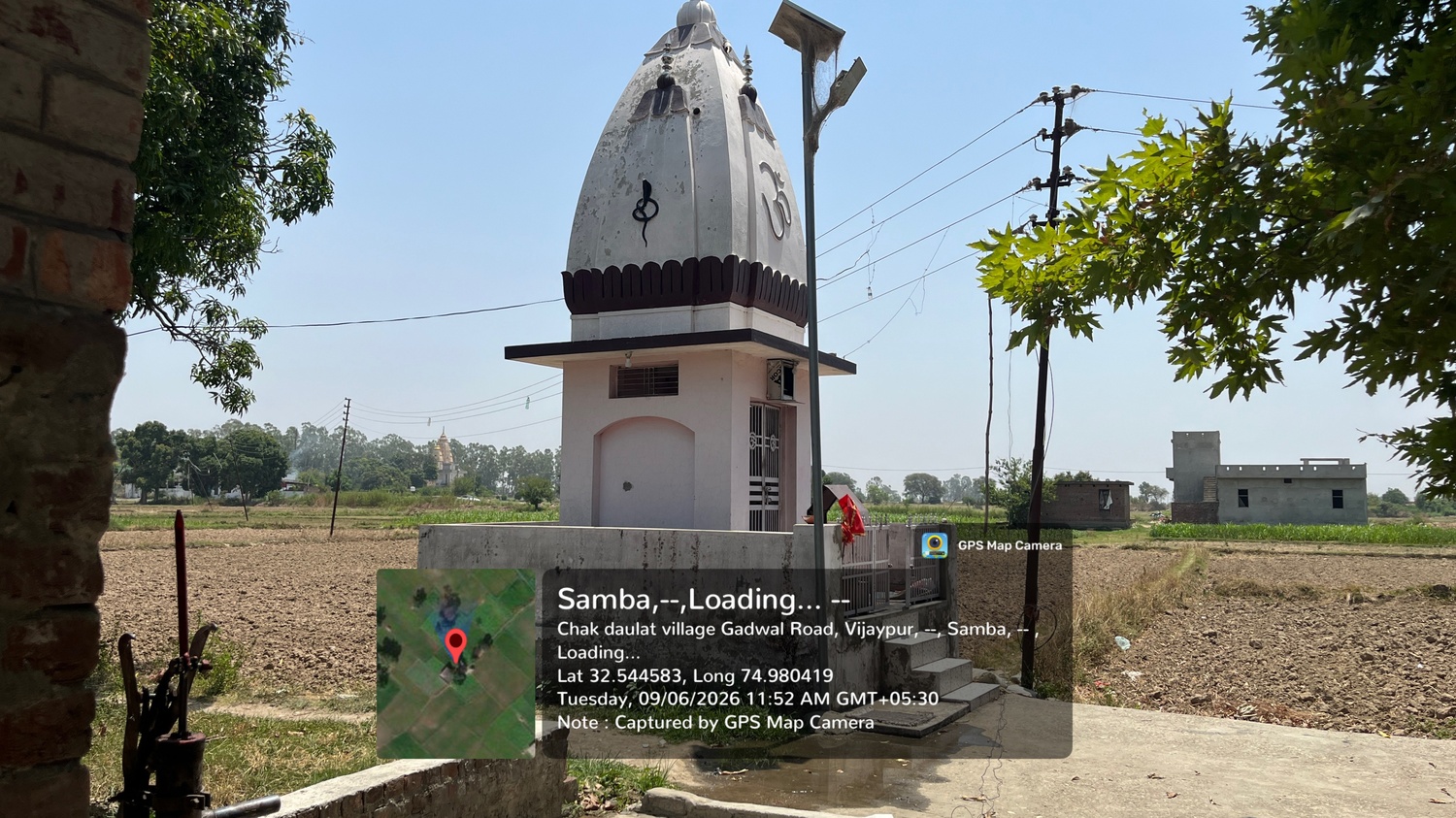
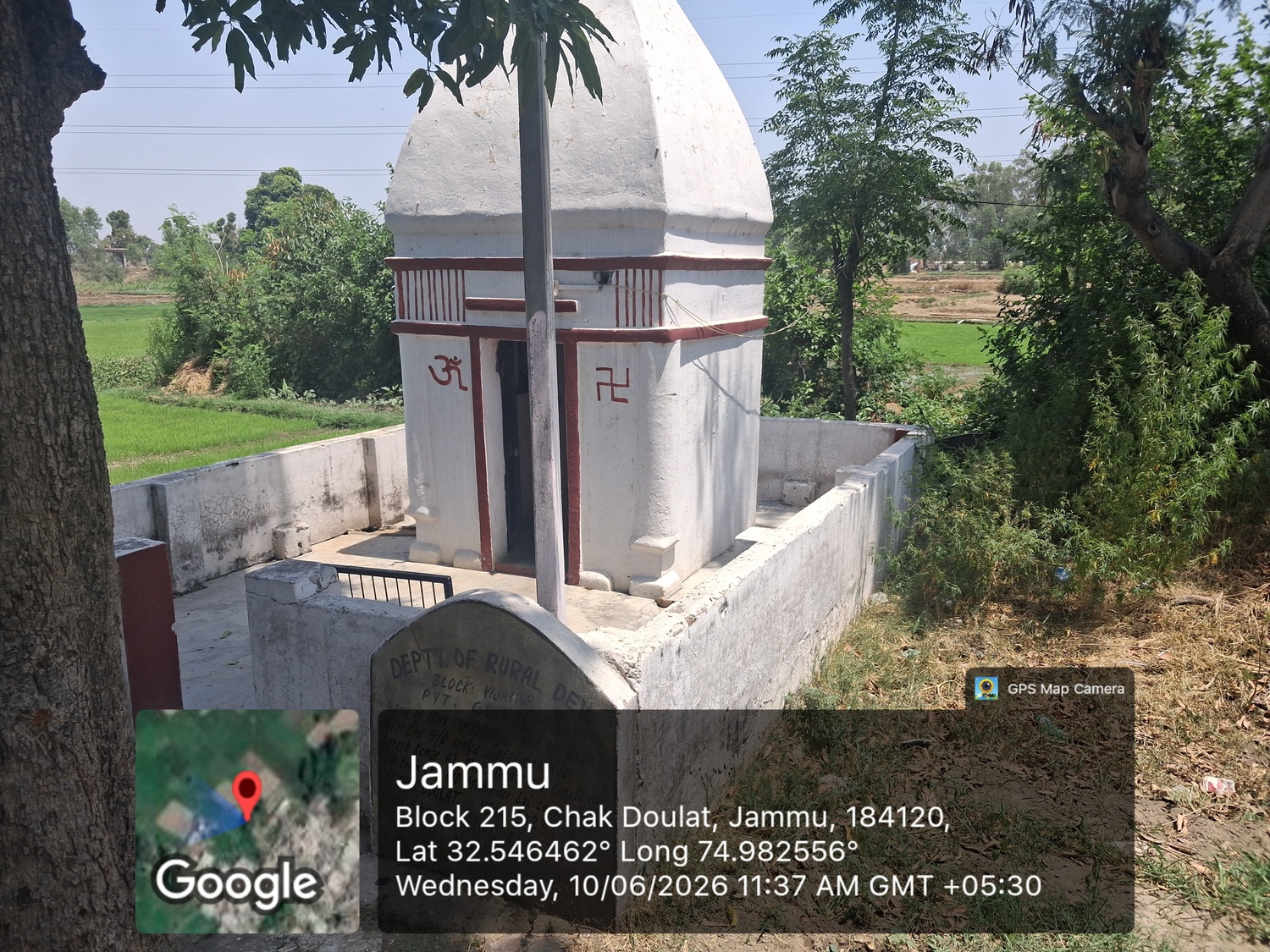
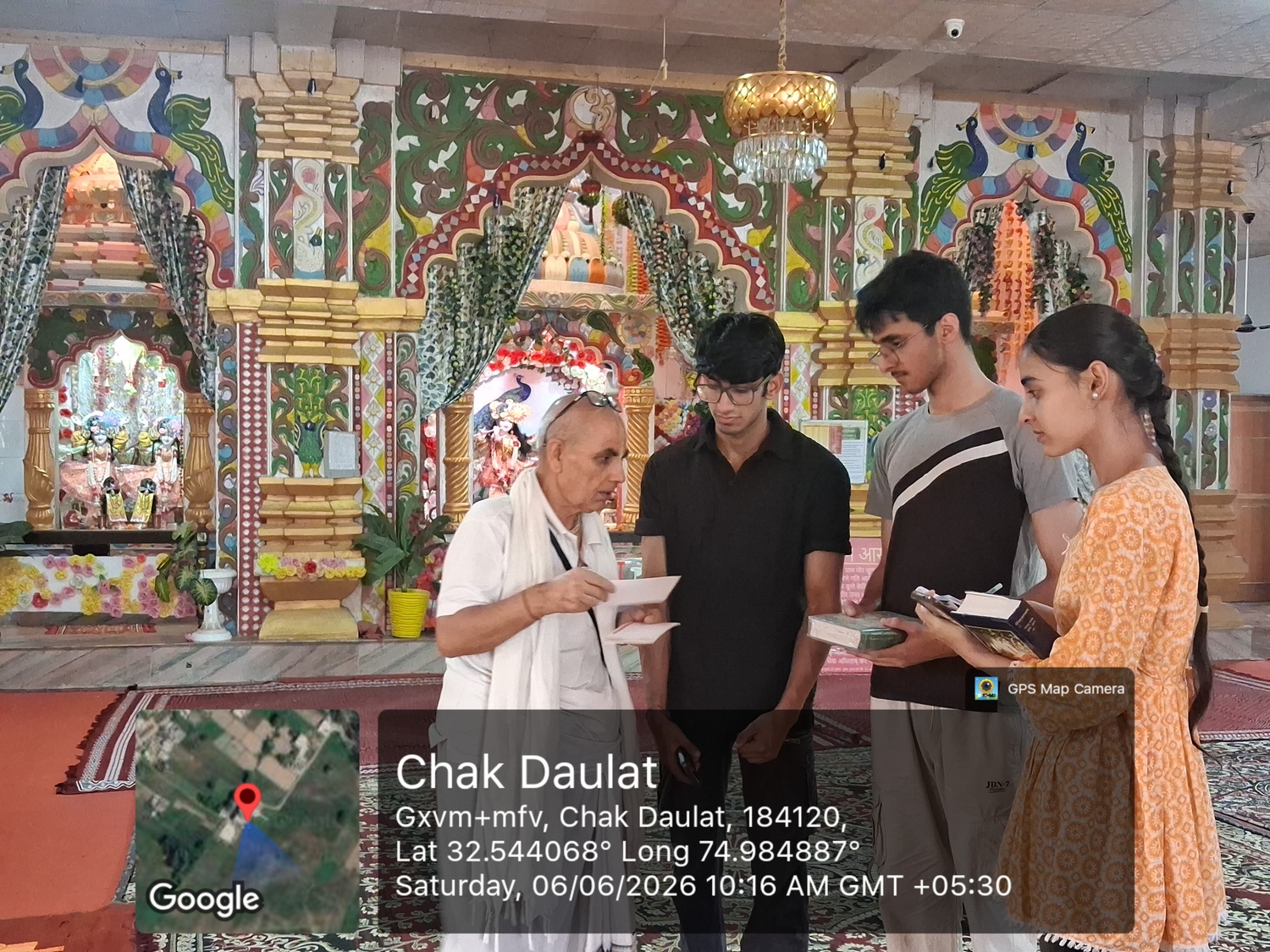
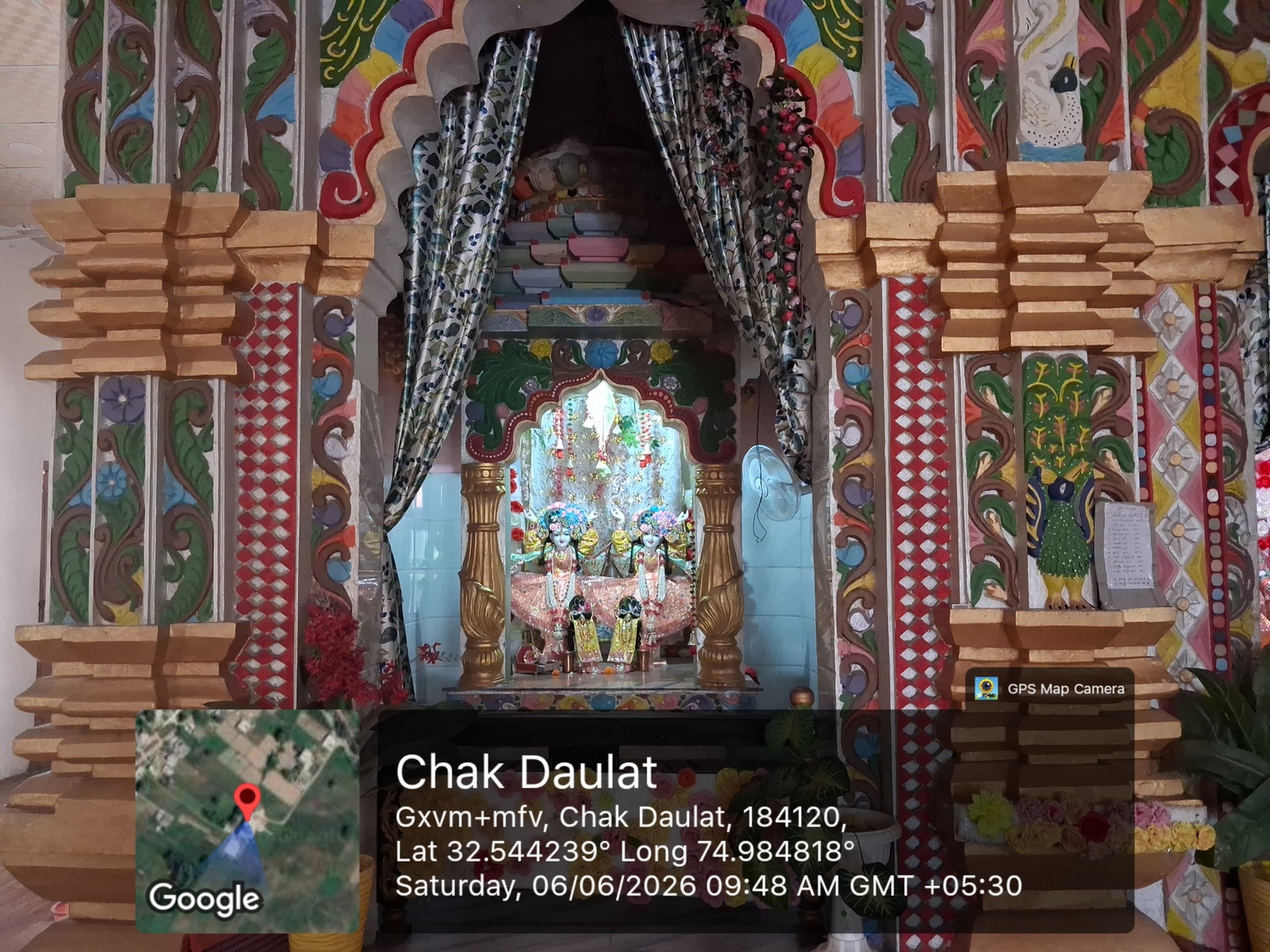
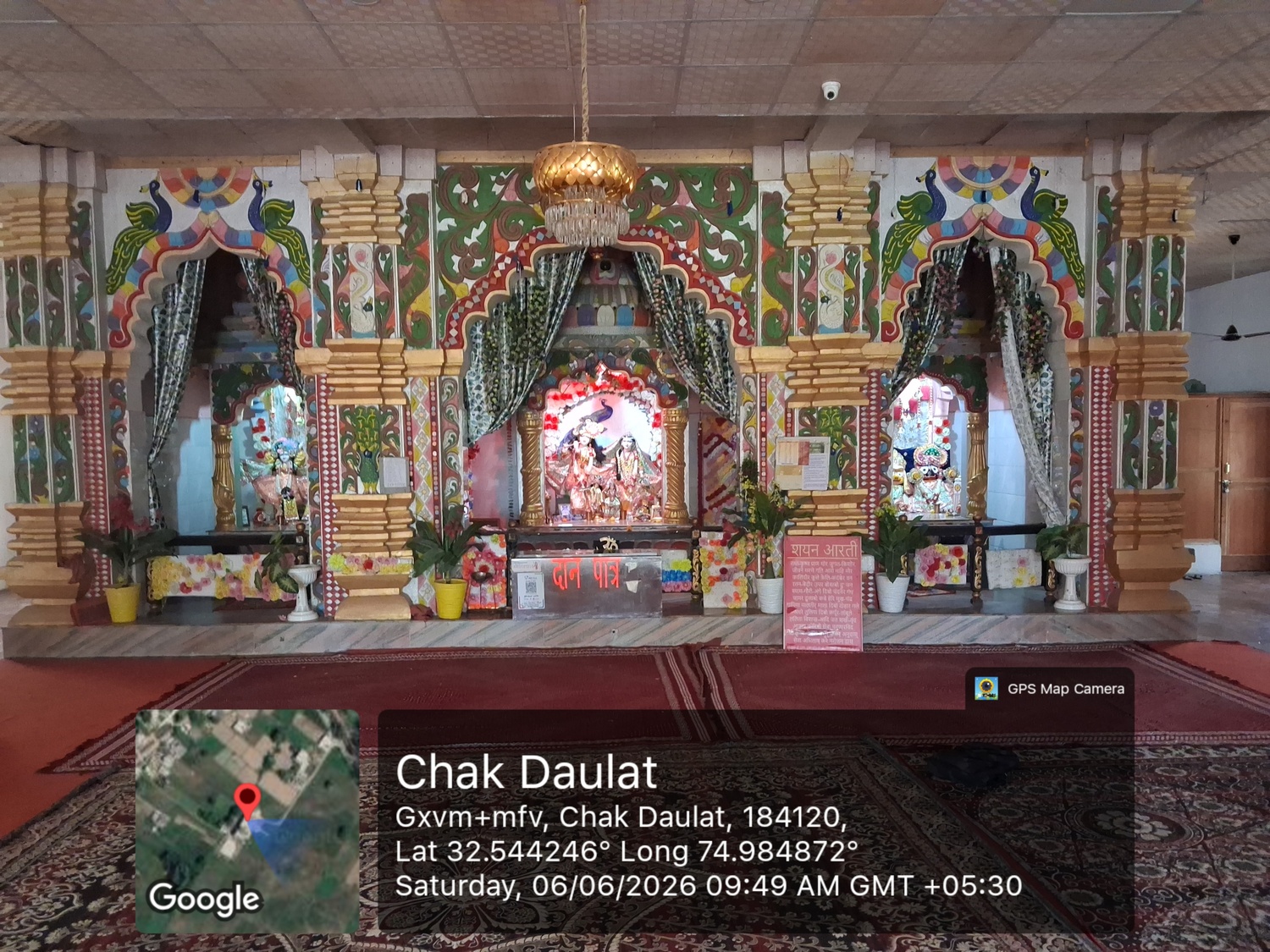
Chak Doulat is a small agrarian village located in Tehsil Vijaypur of Samba district, in the Indian Union Territory of Jammu and Kashmir. Home to roughly 500 residents, the village sits close to Vijaypur's main market and bus stand, giving it convenient access to a larger town while retaining its rural, farming-centred character. Life here revolves around agriculture, livestock rearing, and a strong connection to the Indian Army, with many households having current or retired defence personnel among their ranks. At the heart of village life stands the Radha Krishna Temple, a large community-built structure that anchors both the religious and social routines of Chak Doulat and its neighbouring villages.
Population and Demographics
According to the 2011 Census, Chak Doulat has a recorded population of 502 people across 131 households; 259 male and 243 female residents, giving a sex ratio of 938 females per 1,000 males, notably higher than the Jammu and Kashmir state average. The village has a relatively high literacy rate for the region, with male literacy comfortably outpacing female literacy, though a gap remains. The population skews toward elders and youth, with the working-age generation largely commuting outward for army, police, or government service, or continuing the family's agricultural work locally.
Geography and Location
Chak Doulat lies in Samba Tehsil (also administratively grouped under Vijaypur CD Block), roughly 18 km from Samba town, the district headquarters, and about 5–6 km from Vijaypur, the nearest statutory town. The village spans a modest 40.5 hectares (about 0.41 sq. km), giving it a population density of roughly 1,240 people per sq. km. While an exact set of coordinates for the village itself isn't publicly listed, it sits near Vijaypur, whose town centre is located at approximately 32.57° N, 75.02° E — a rough anchor point for locating Chak Doulat on a map.
Cultural Heritage and Religious Life
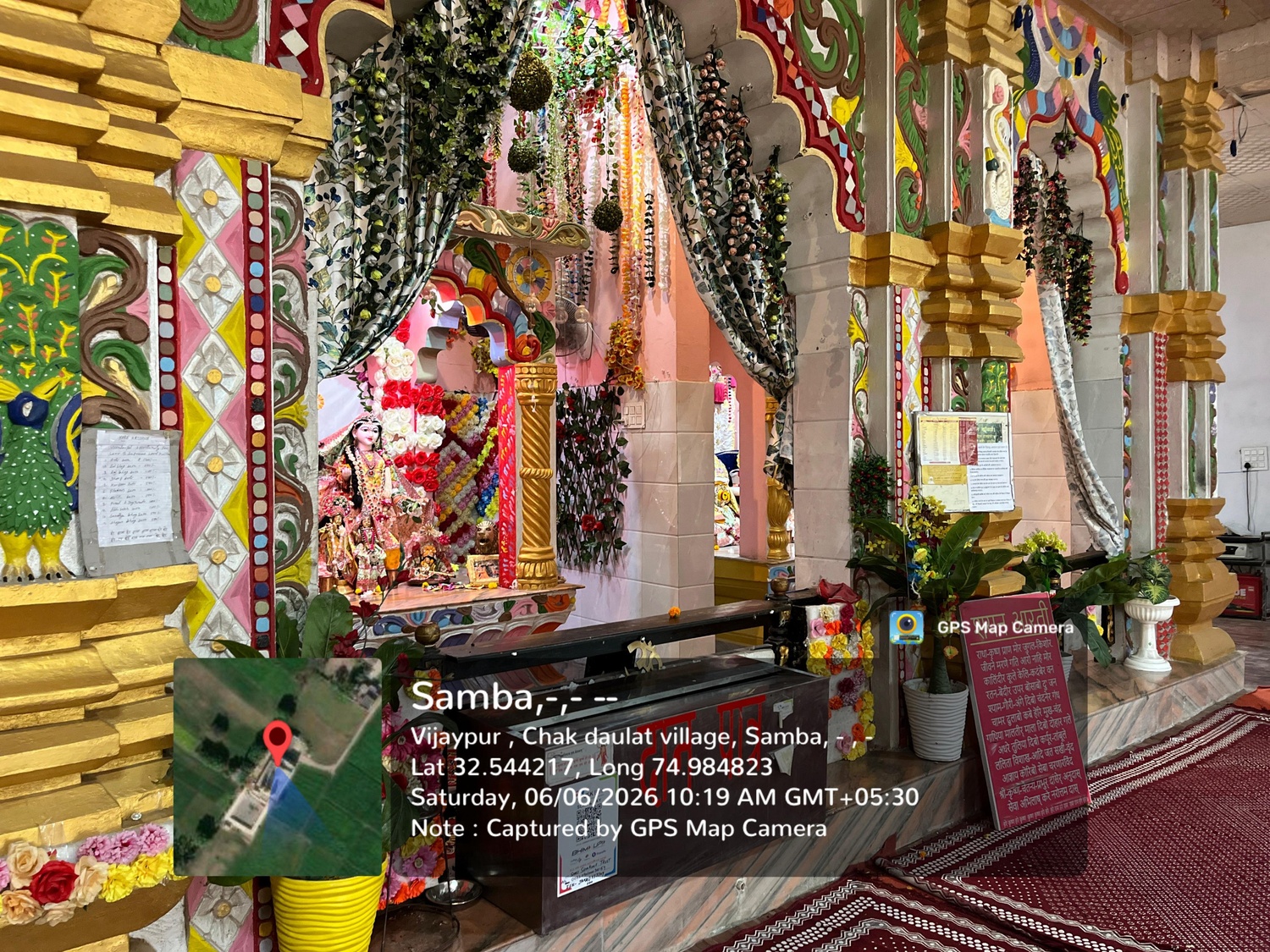
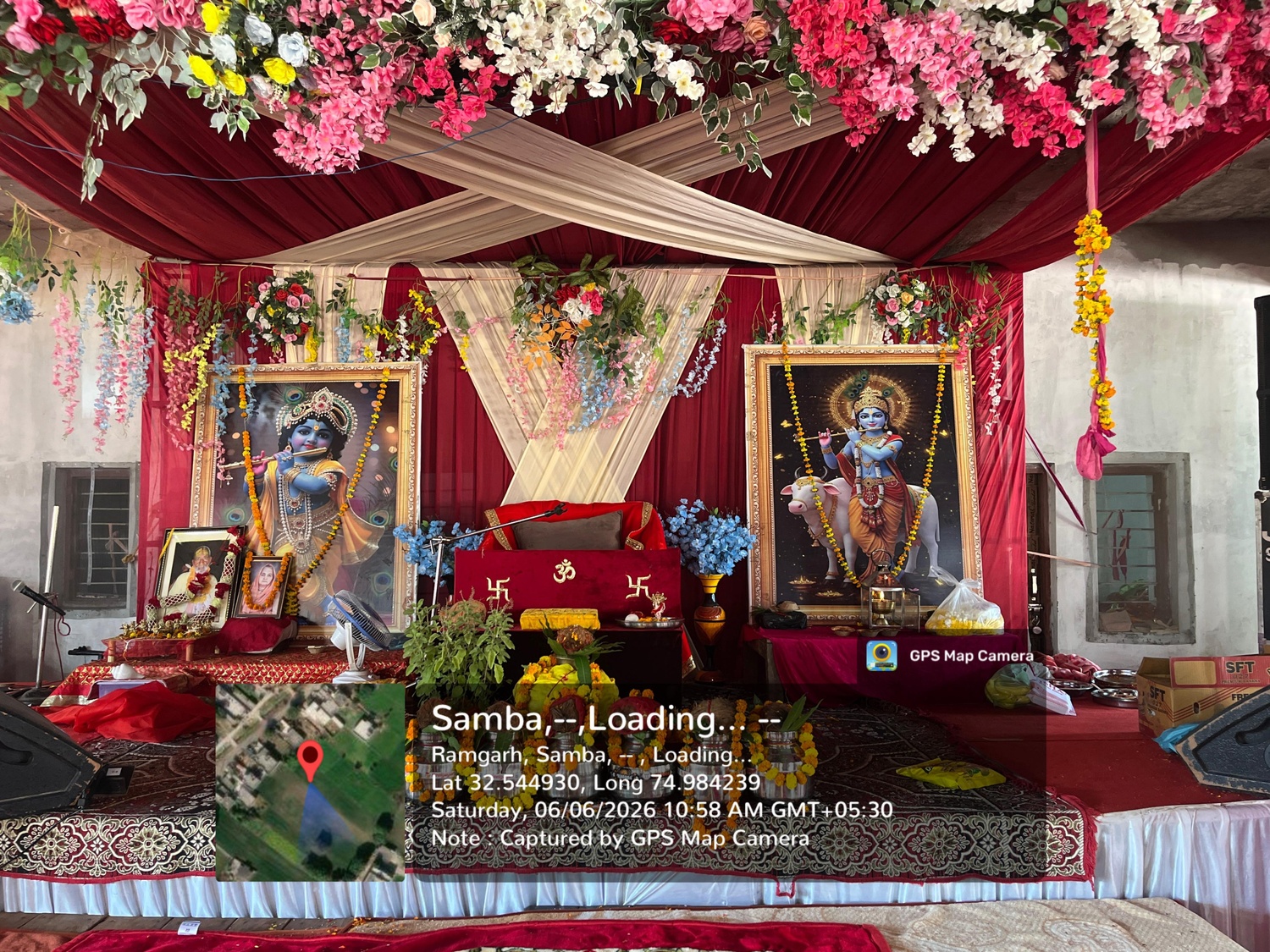
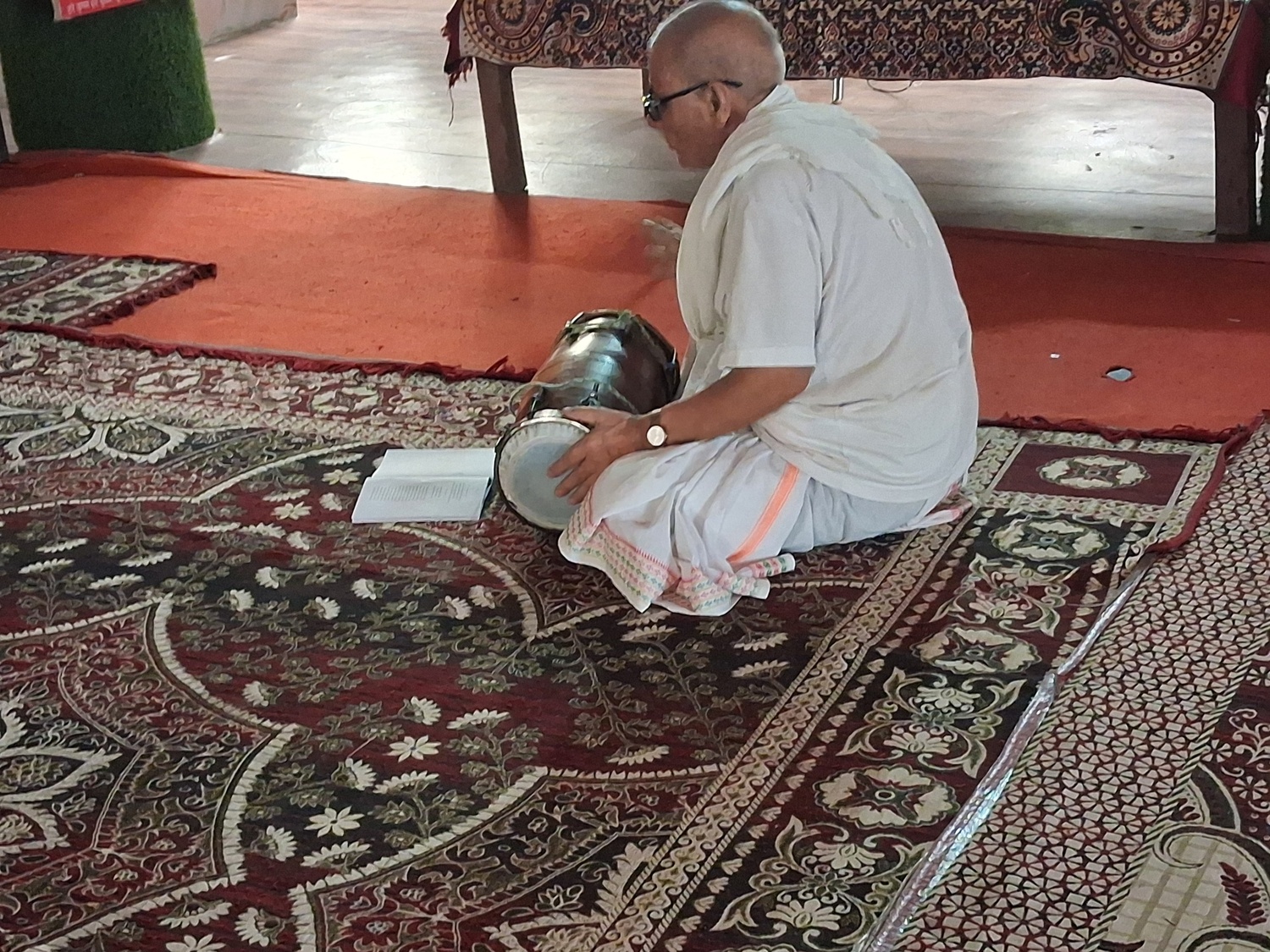
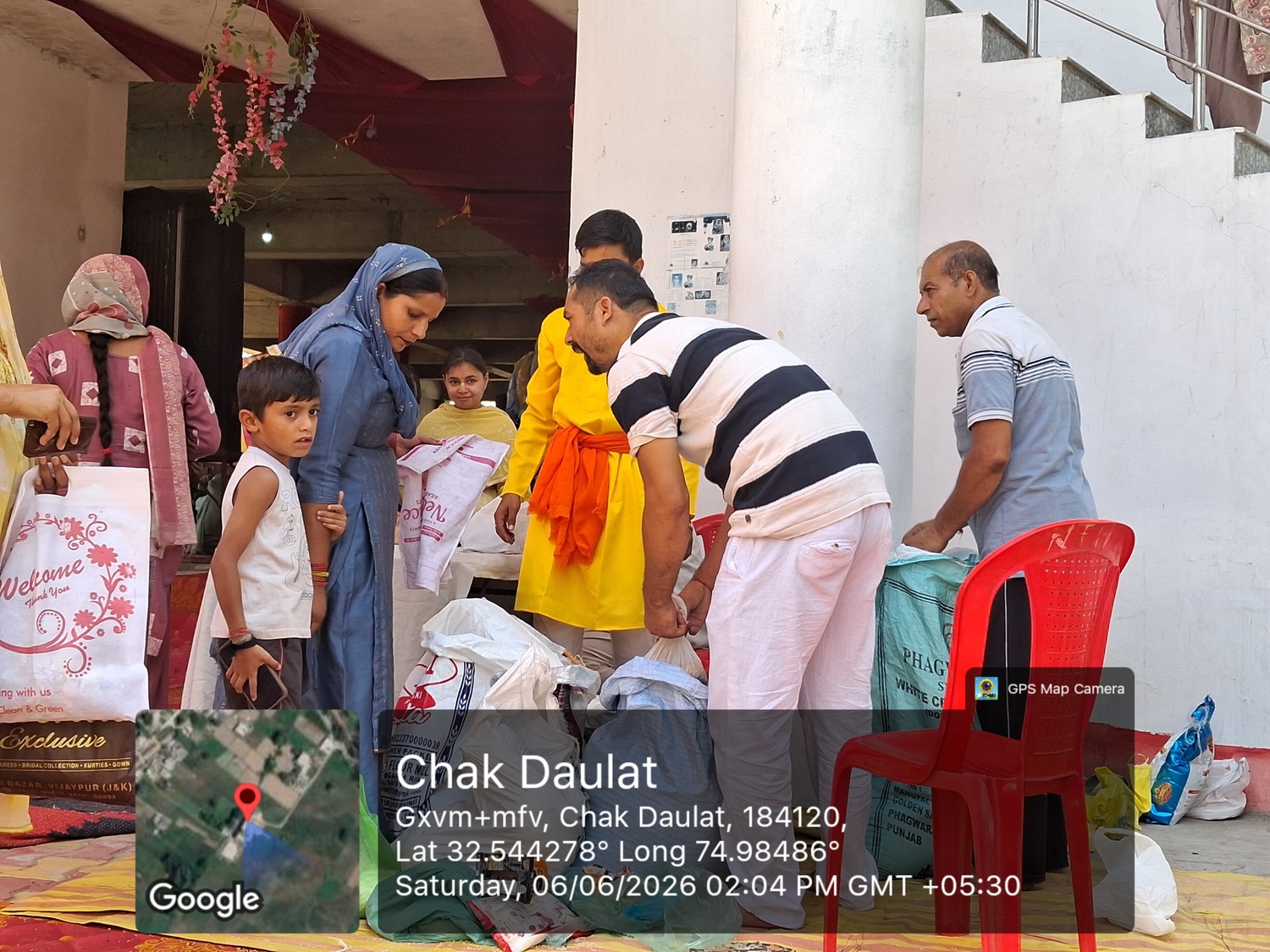
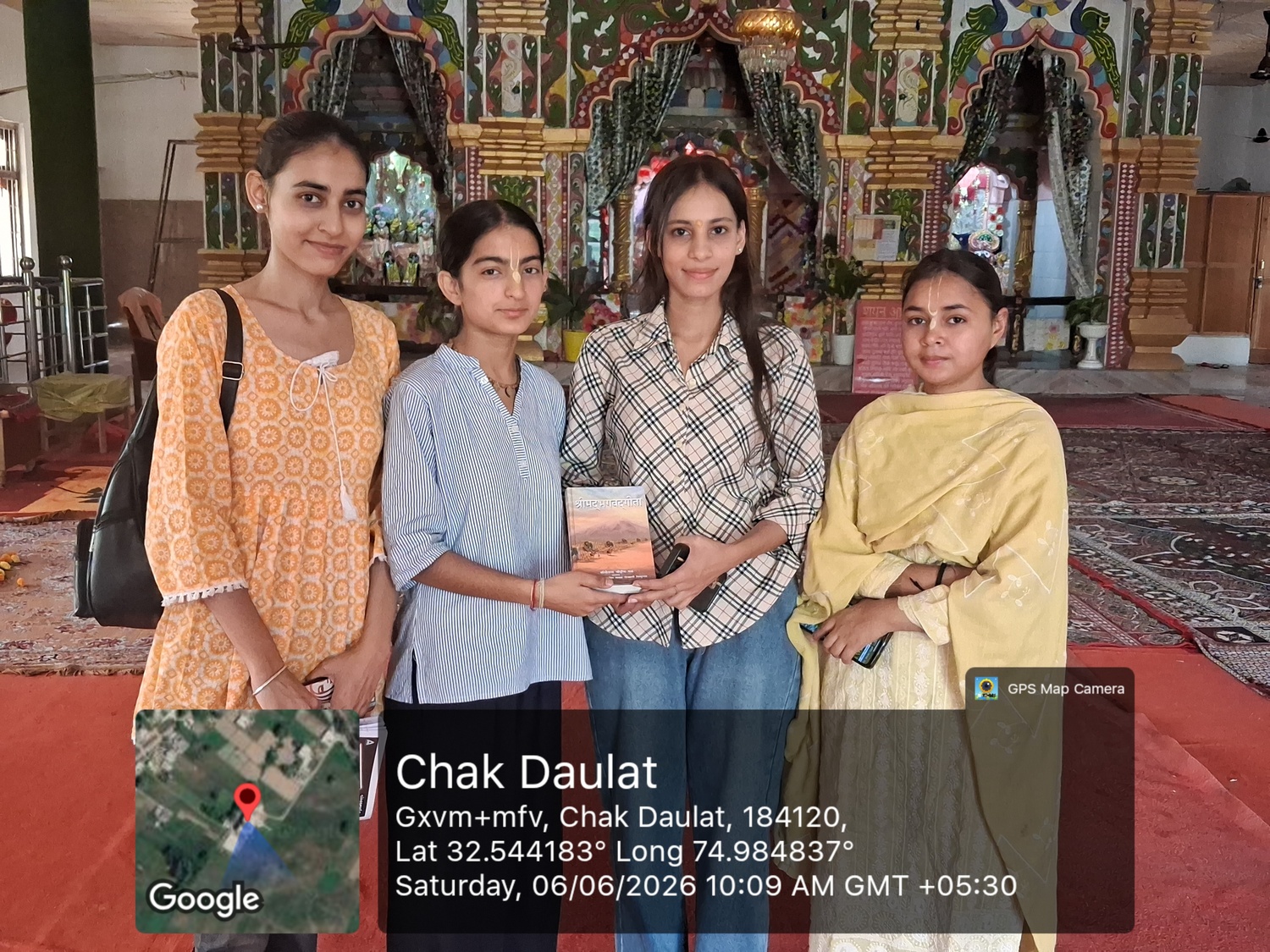
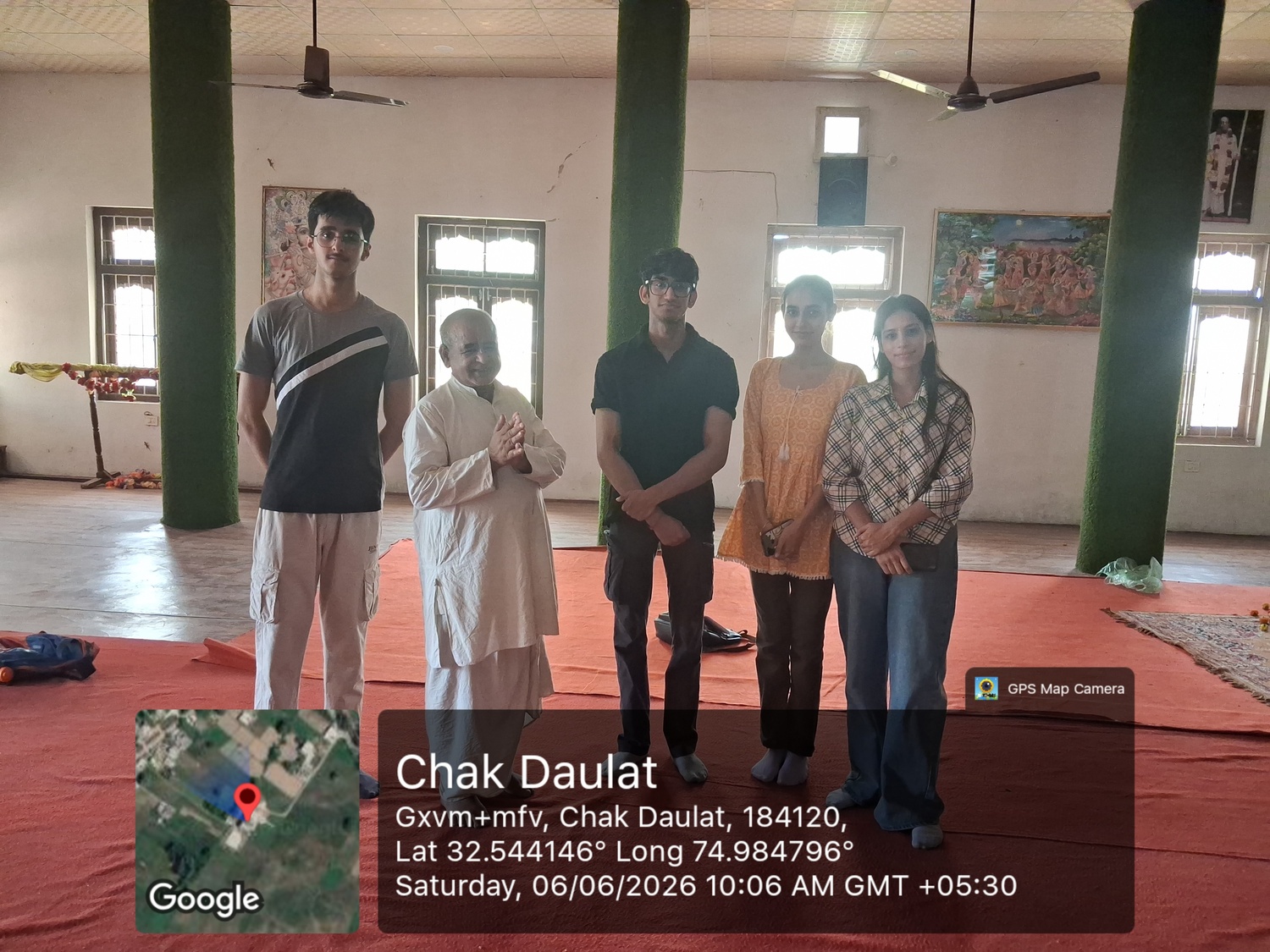
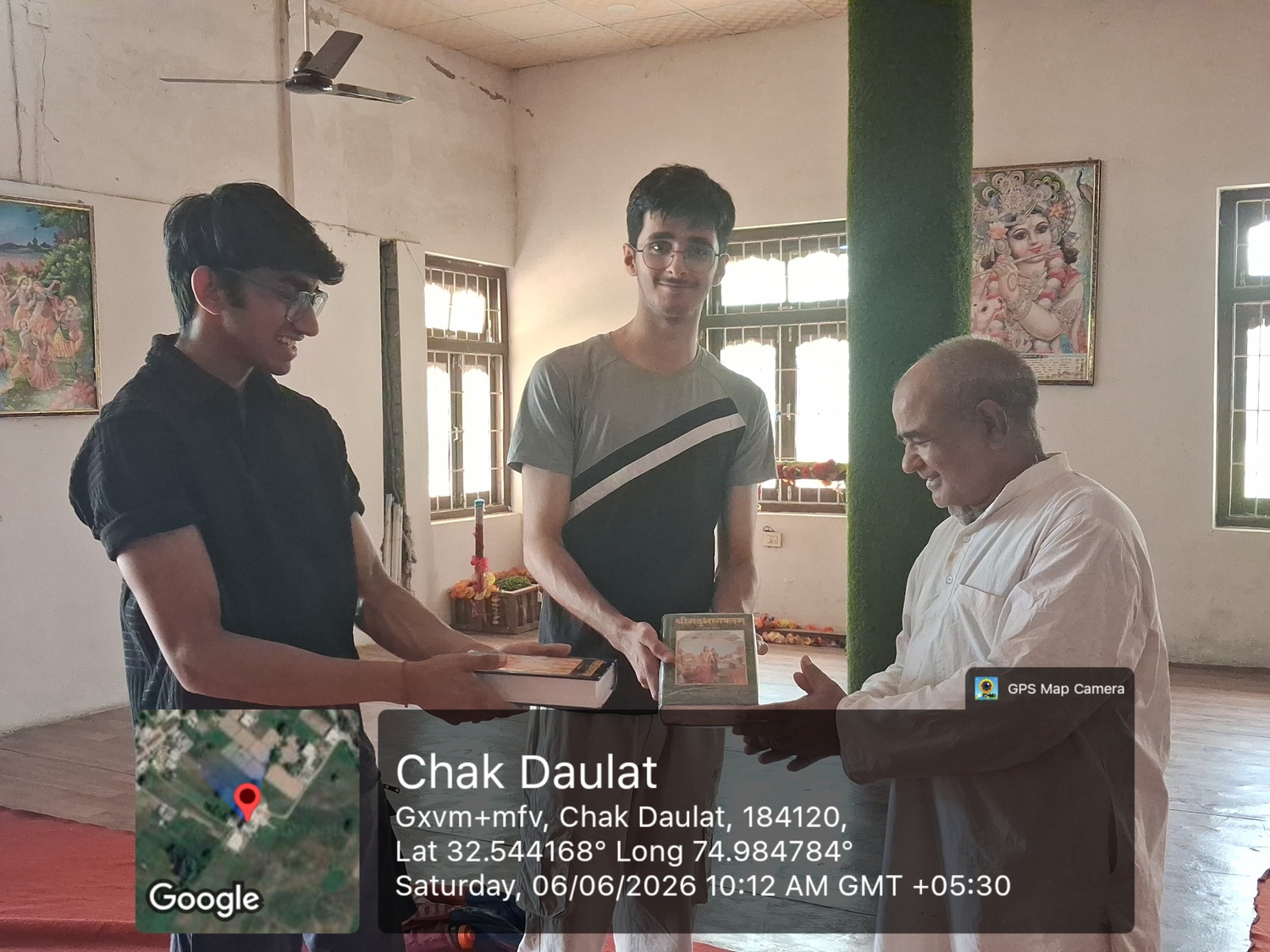
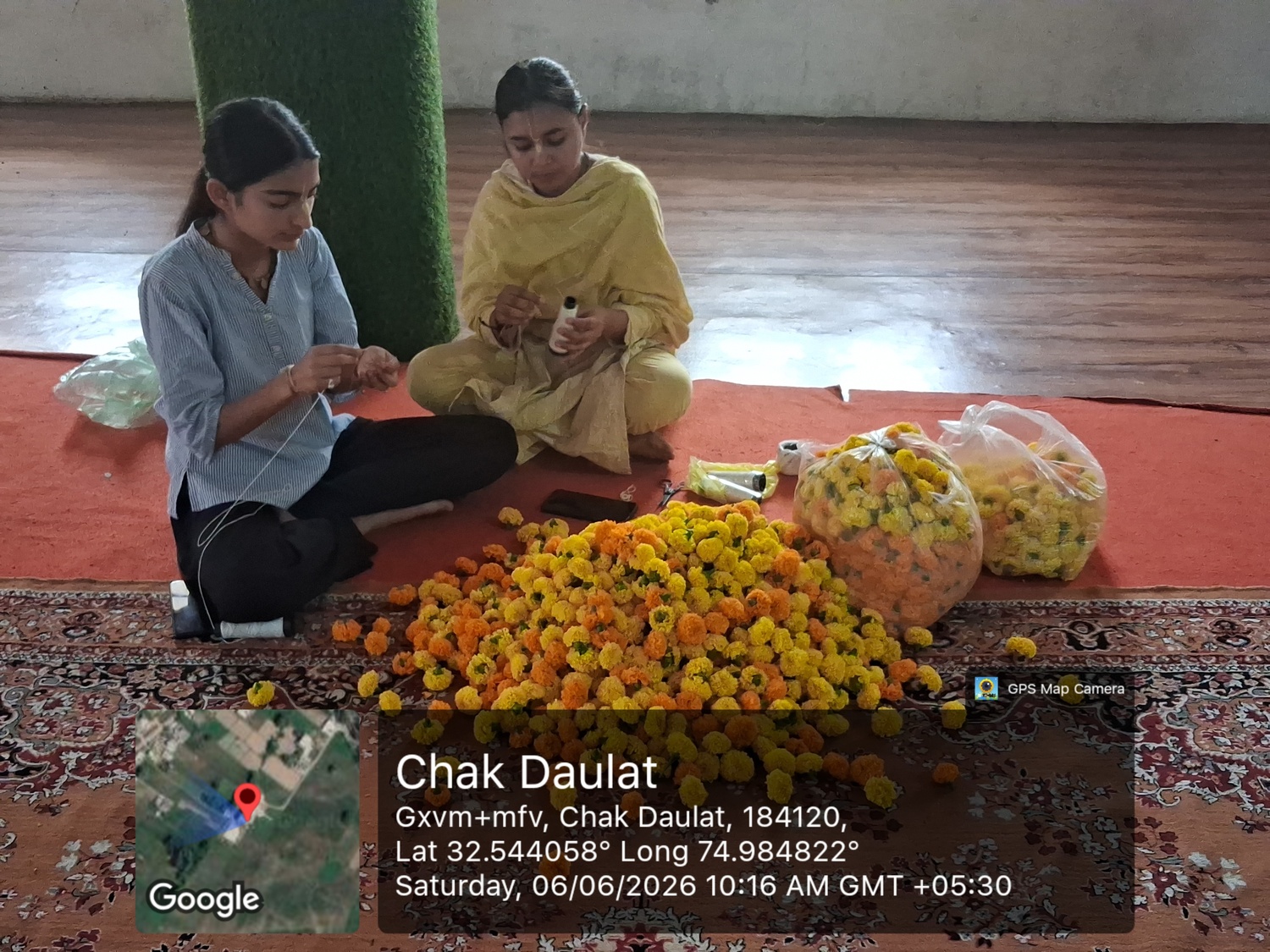
The Radha Krishna Temple is the cultural and spiritual centre of Chak Doulat. Bhog is offered to the deities four times daily, and festivals tied to the temple; especially Janmashtami are celebrated on a grand scale with elaborate poojas and community feasts that draw participants from neighbouring villages as well. Alongside this, the village observes major festivals like Lohri, Diwali, and Navratri with enthusiasm. Traditional attire remains common, with men favouring kurta-pyjama and women wearing salwar suits, and the joint family system is still the norm, even as parents increasingly aspire to send their children toward education and careers beyond the village.
Notable Personalities
Chak Doulat does not have widely recognised public figures. Its most distinguishing human element is a meaningful concentration of retired Indian Army officers, whose presence lends the village a quiet sense of discipline and pride, even though their service and recognition were earned at the national rather than local level.
Attractions
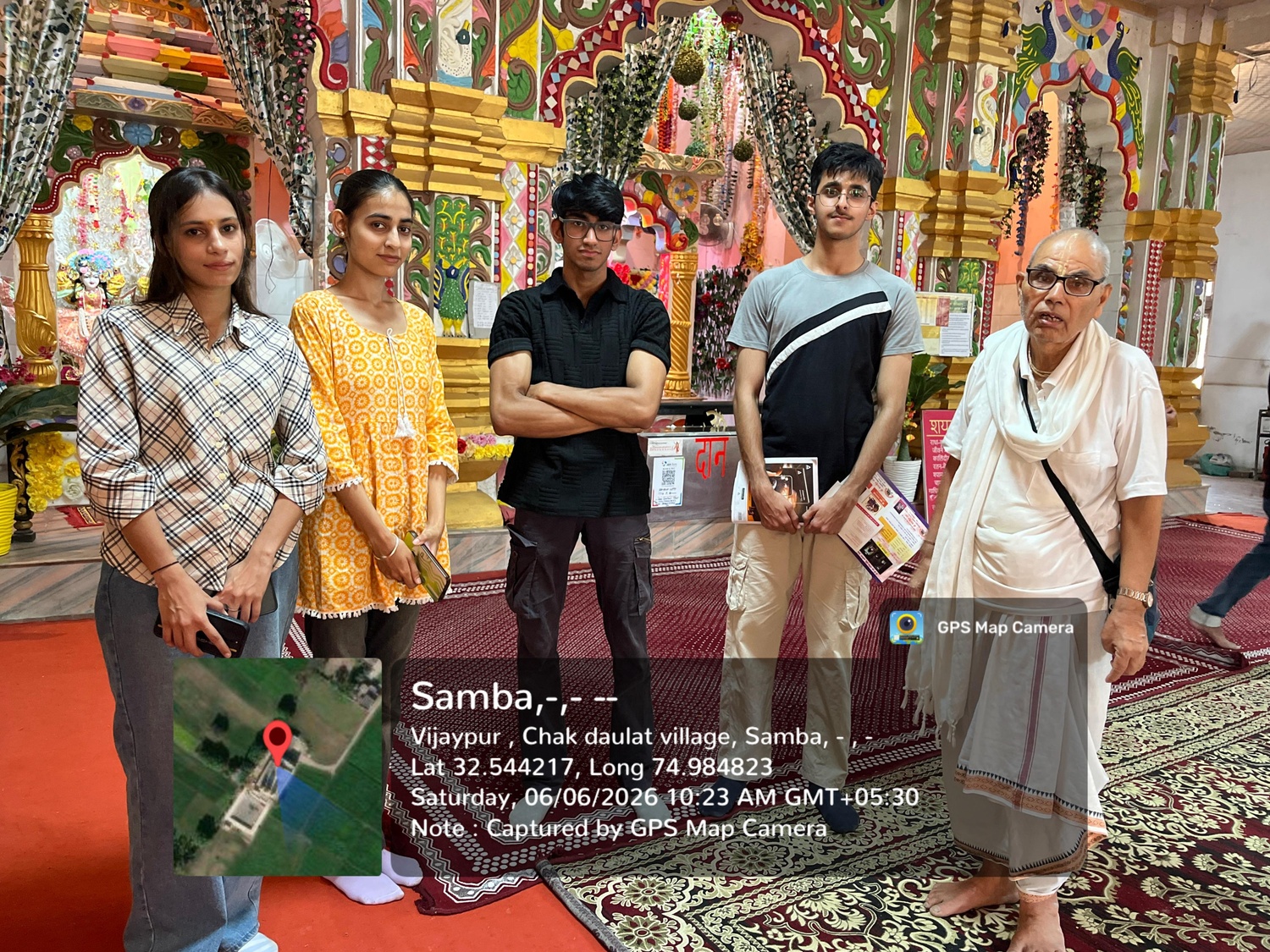
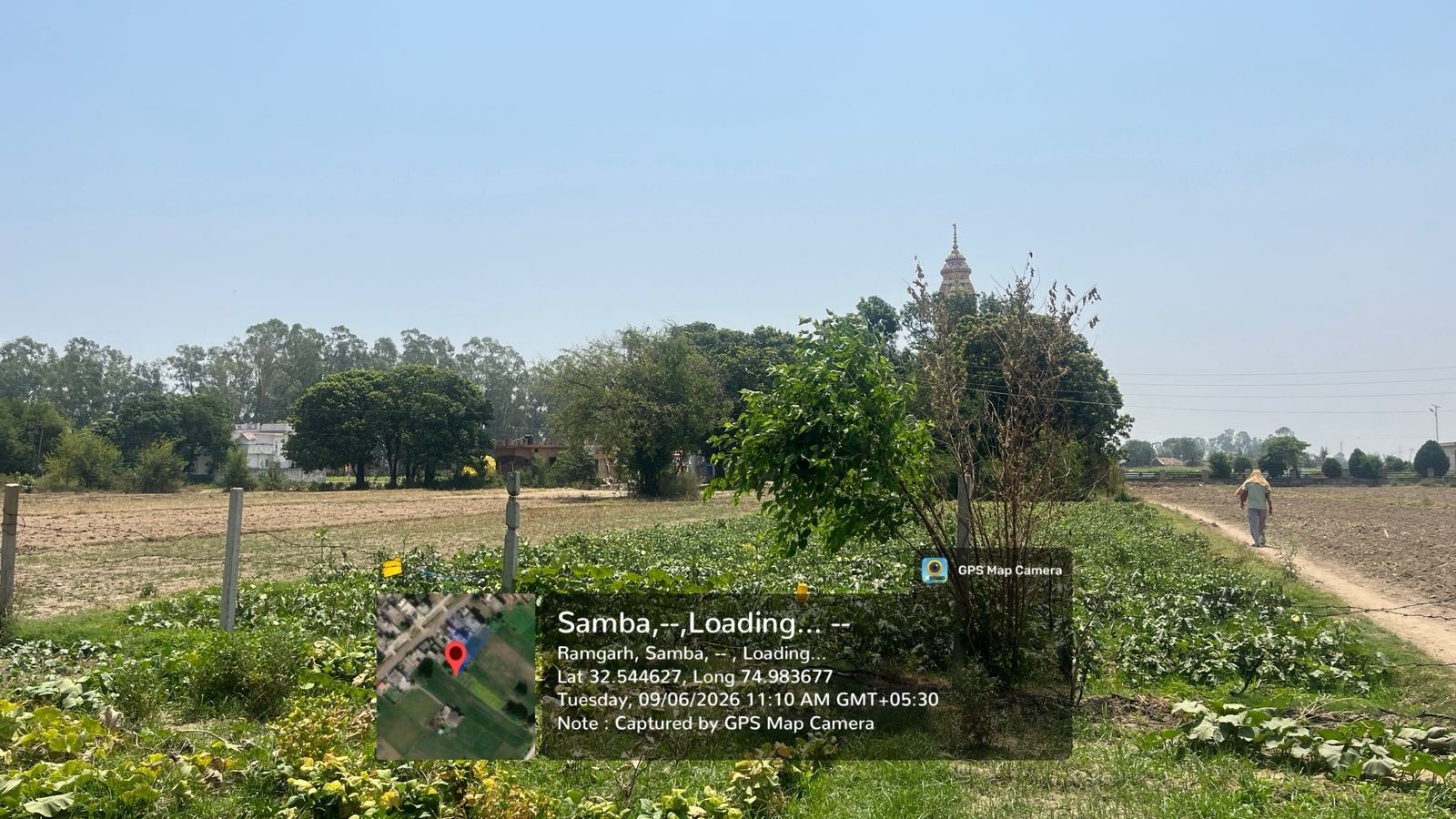
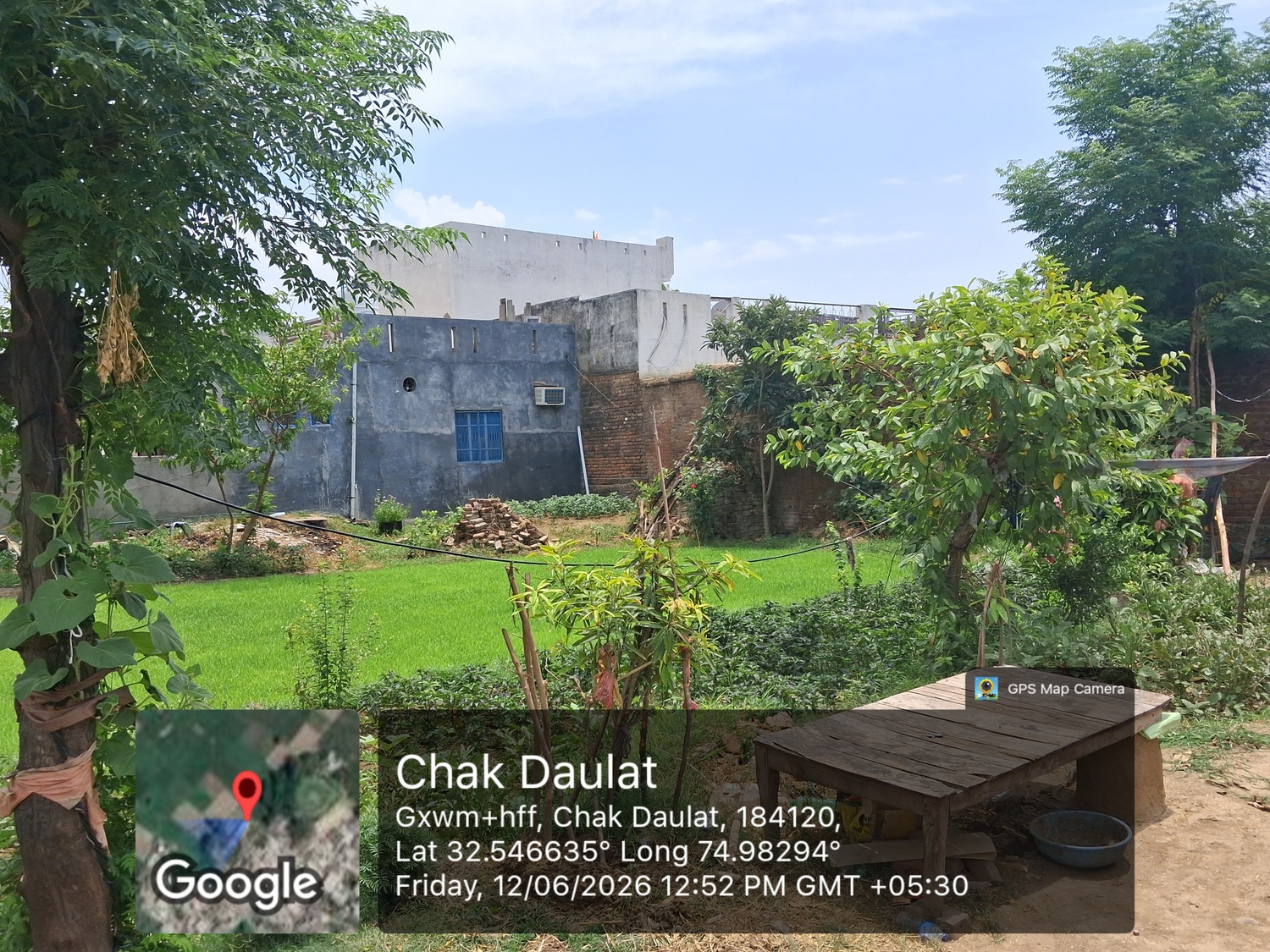
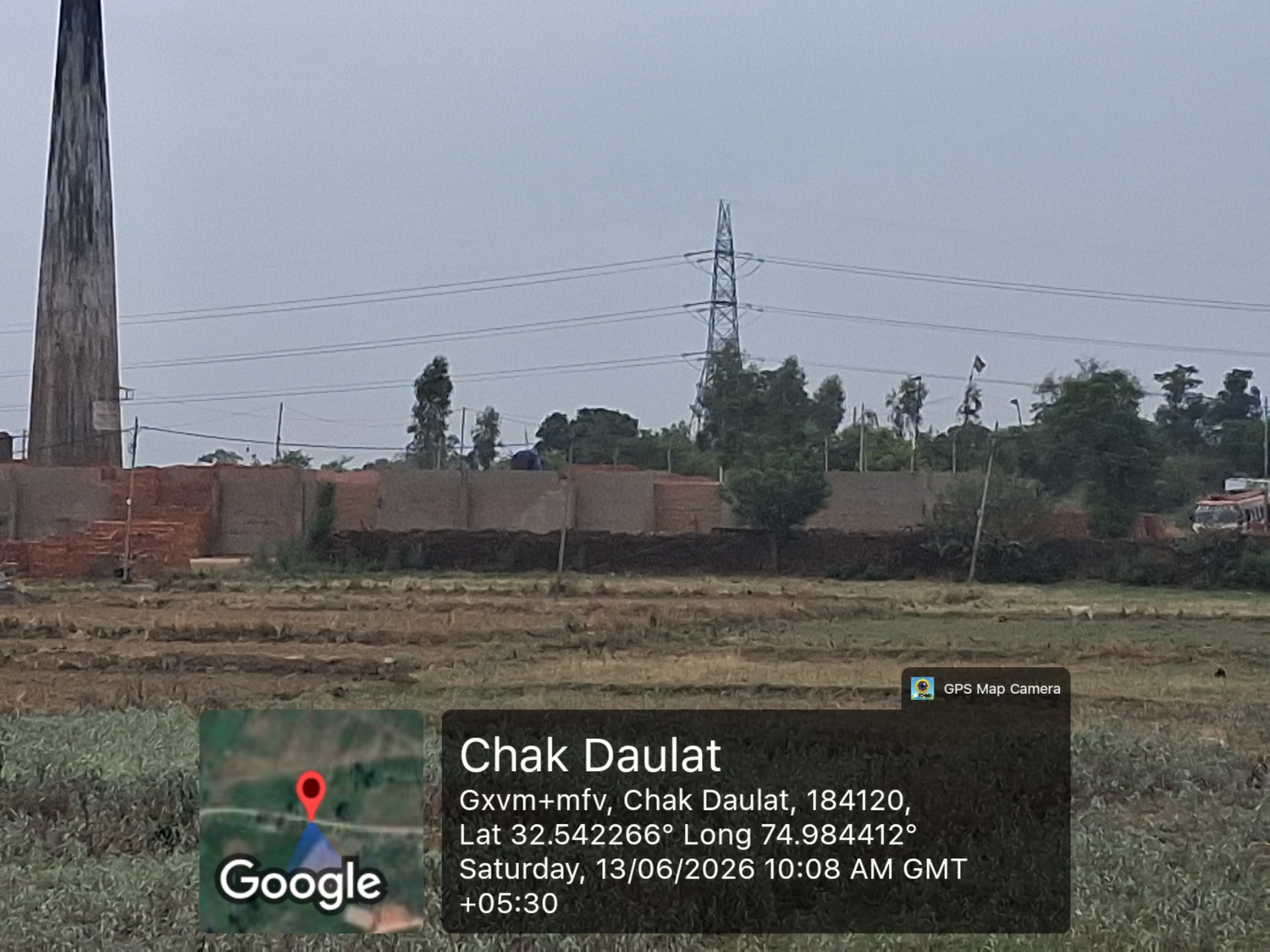
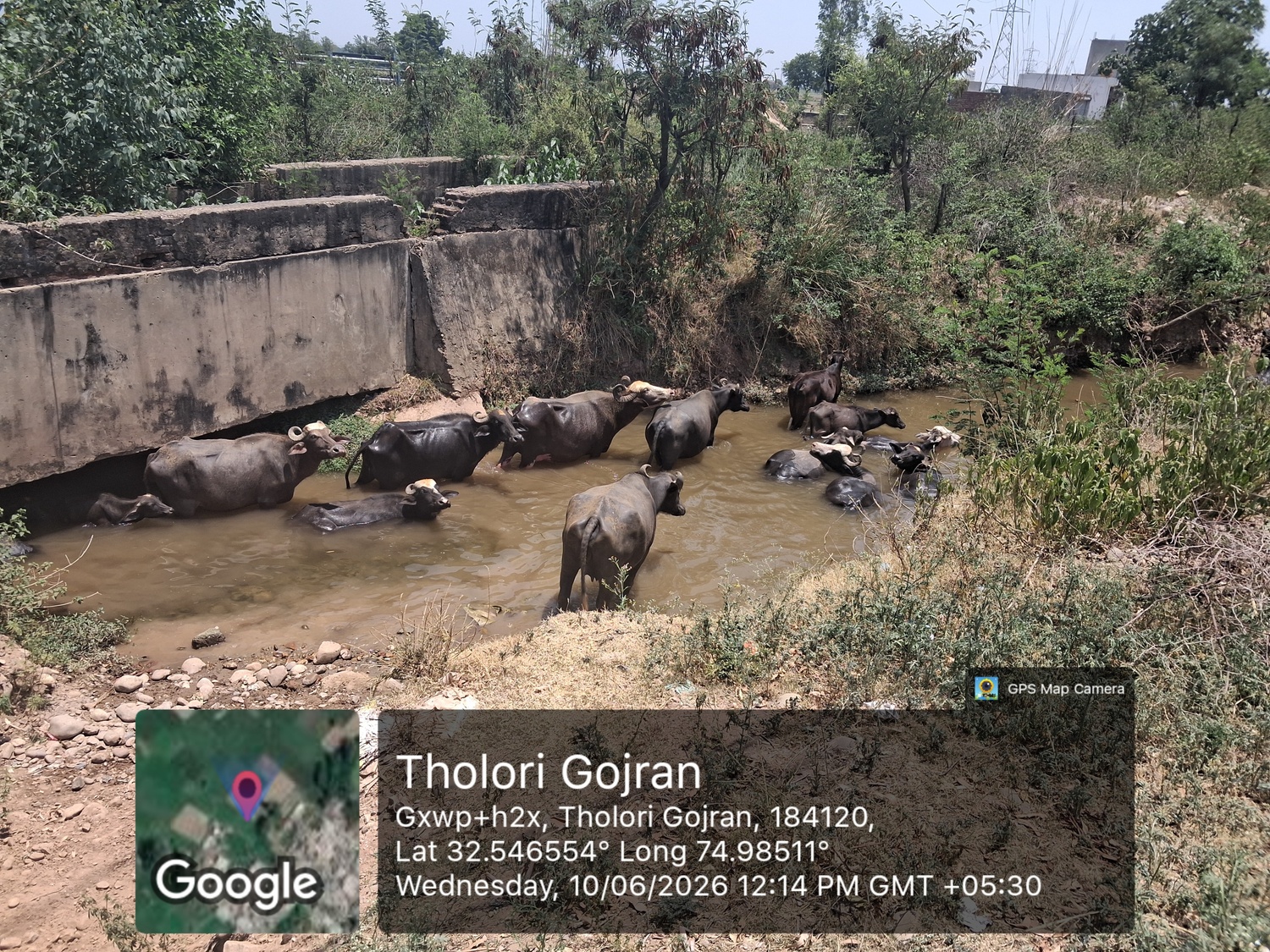
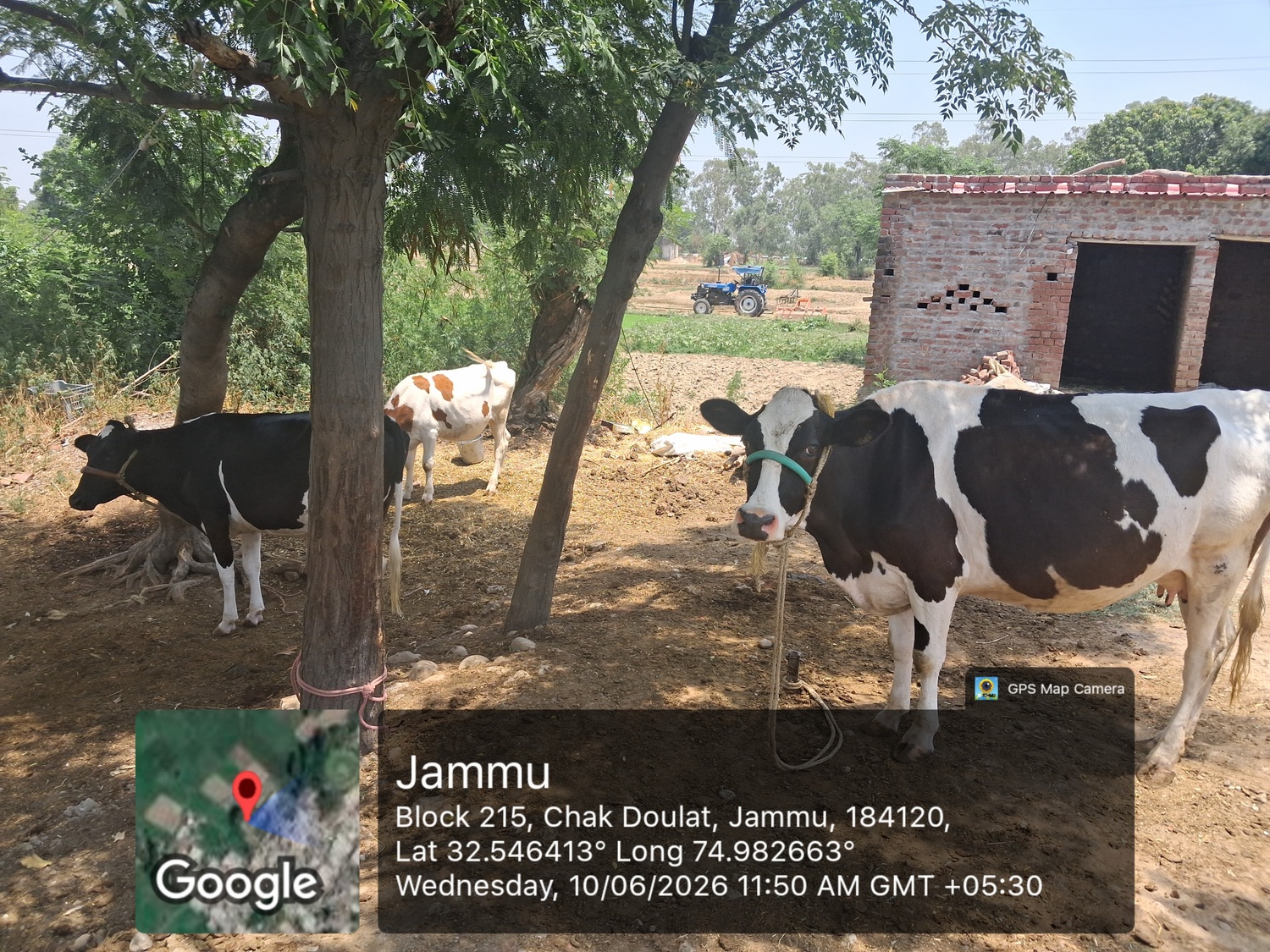
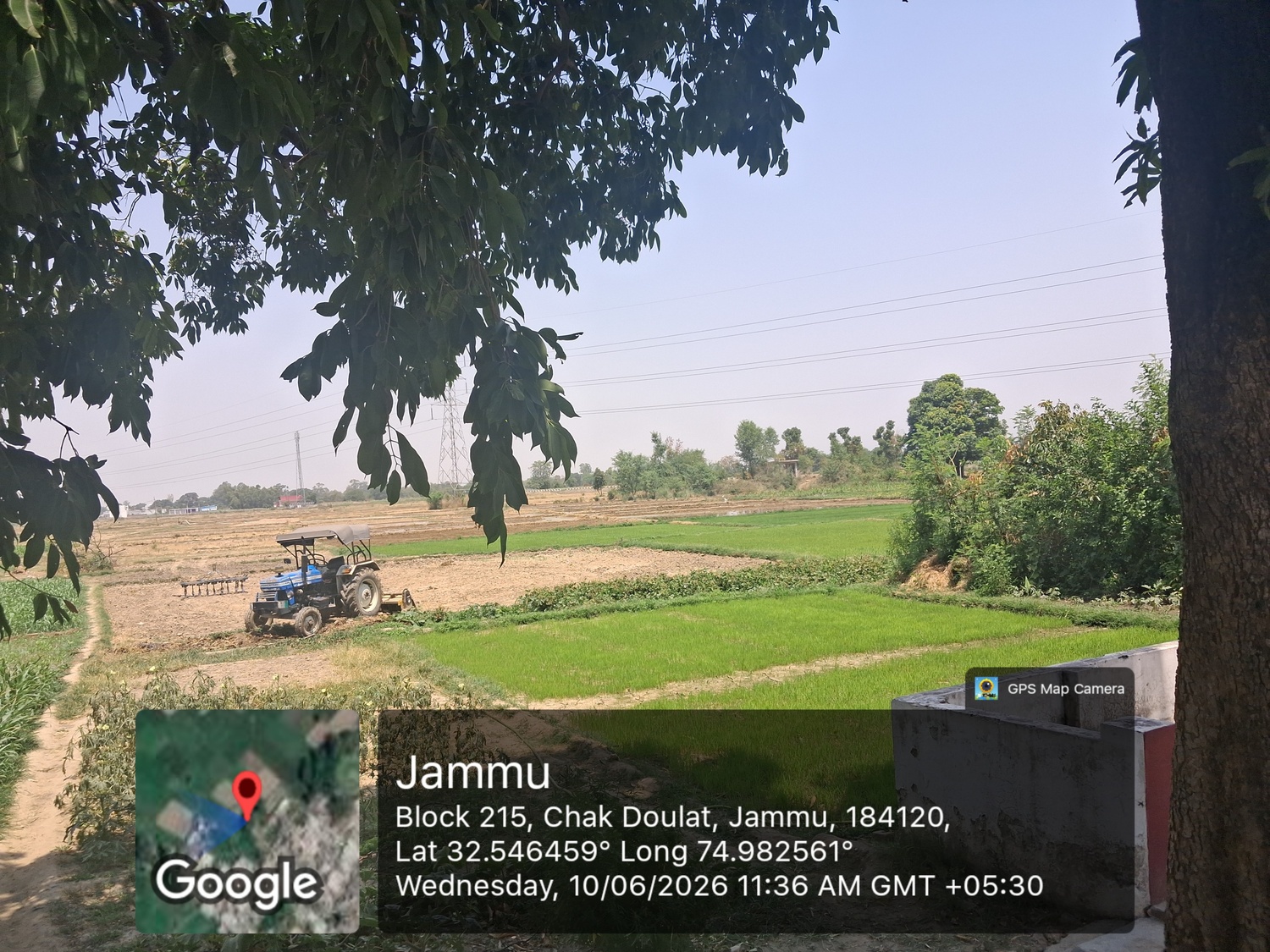
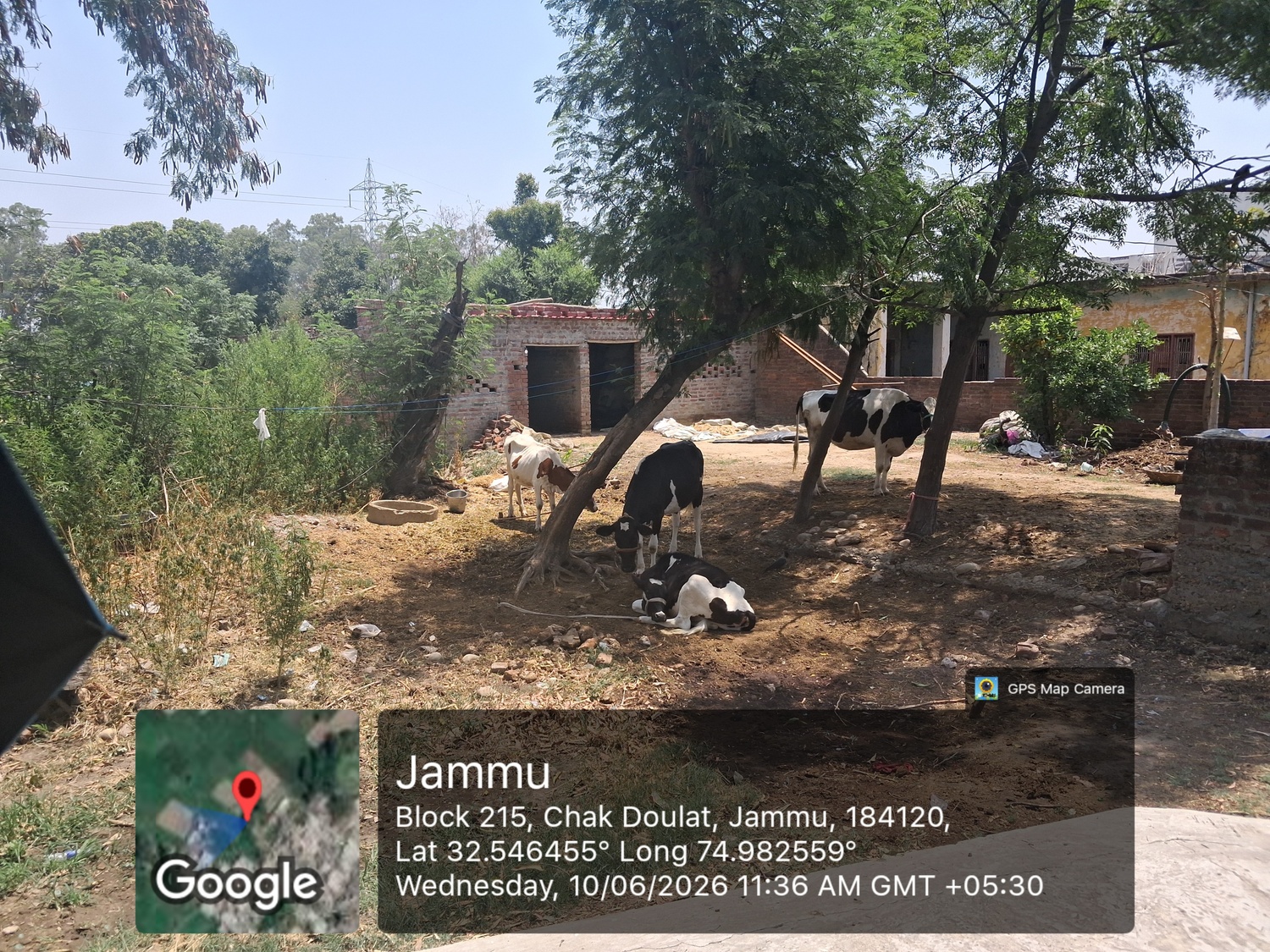
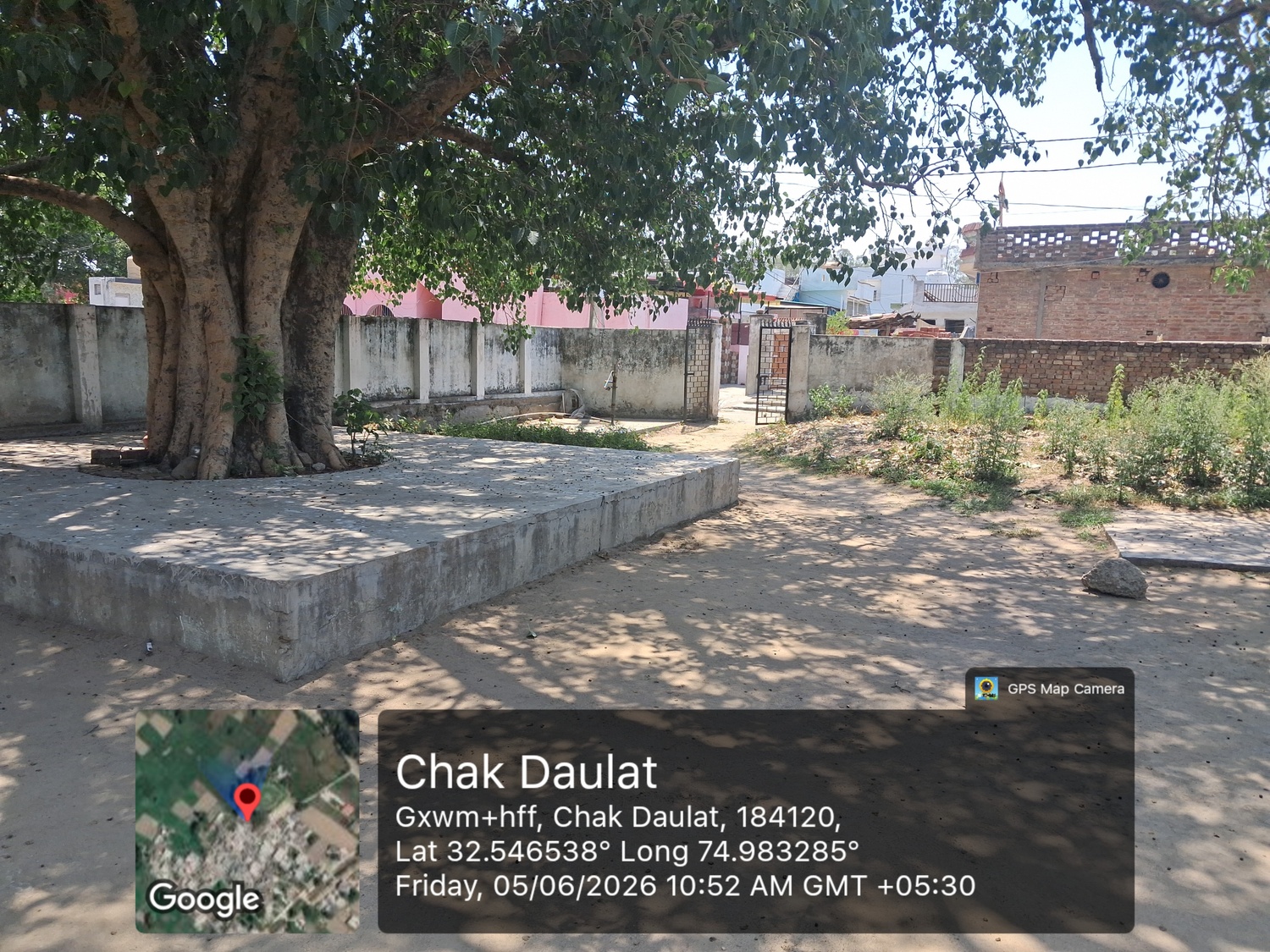
The village's defining landmark is the two-storey Radha Krishna Temple, built entirely through community contributions, alongside several smaller shrines dedicated to other deities. Beyond religious architecture, Chak Doulat's charm lies in its rural scenery, open farmland, grazing cattle and buffaloes, and herds of sheep moving along village roads. There's no dedicated recreational facility, so the temple courtyard doubles as the village's informal gathering space for both social and religious occasions. Formal guided tours don't exist; visitors typically explore independently or with help from friendly locals.
Best Time to Visit
The most vibrant time to experience Chak Doulat is during Janmashtami and other Radha Krishna temple festivities, when the village comes alive with ceremony and communal feasting. The harvest season is the other standout period, when a large mela is organised to mark the crop-cutting cycle, an event significant enough to draw crowds from neighbouring villages and nearby towns alike.
Local Cuisine
Chak Doulat doesn't have a dish unique to the village; instead, Rajma Chawal popular across the wider Jammu region is the most commonly enjoyed meal among residents. The village's single eatery operates inconsistently and, when open, tends to serve fast food like momos and noodles rather than anything distinctly local.
Village Lifestyle and Community Life
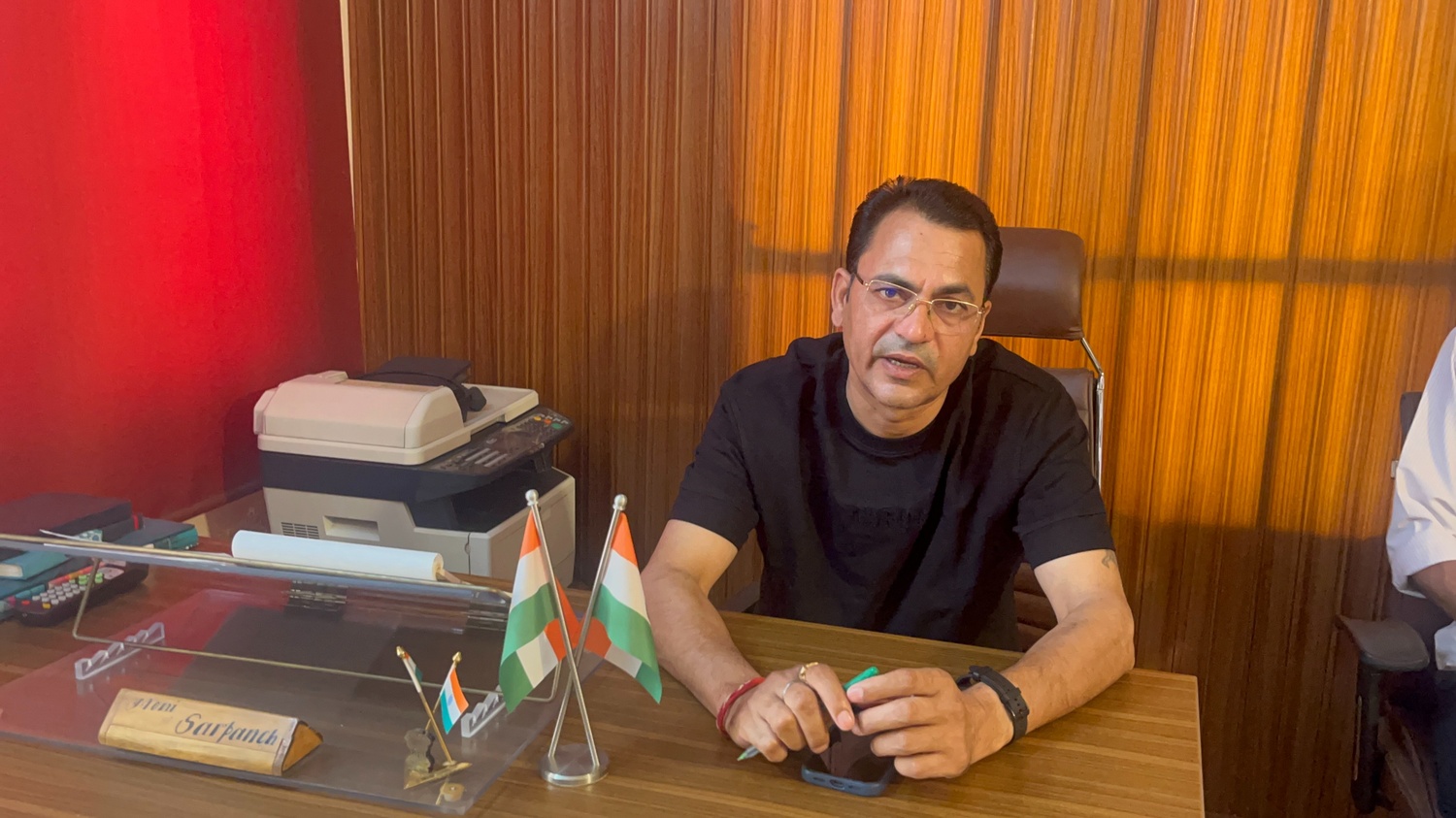
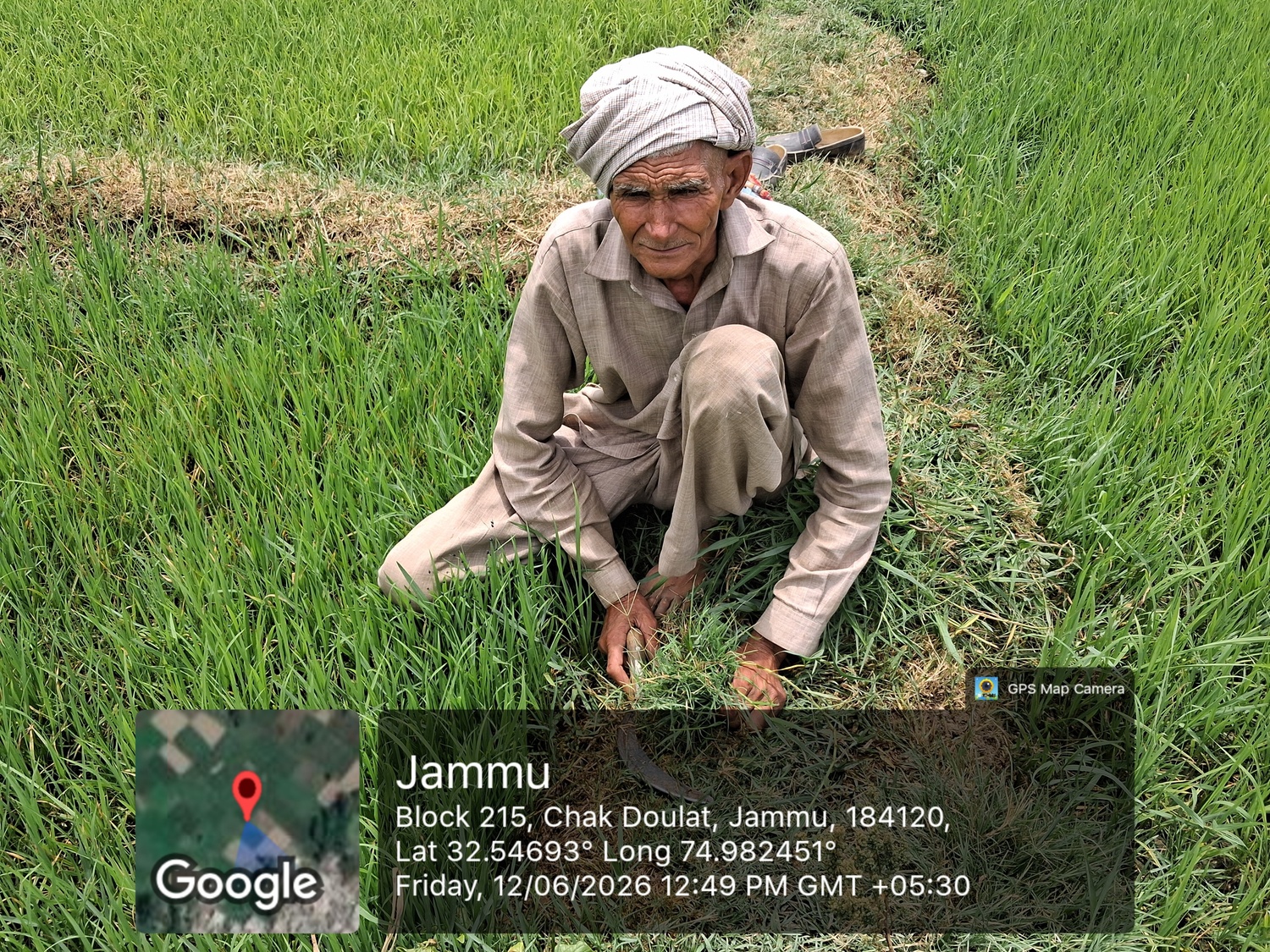
Daily life follows the rhythm of the fields; checking crops, watering, tending livestock, while working adults and schoolchildren commute out for jobs and education respectively. The village panchayat ghar exists but sits largely unused, with most governance and dispute resolution actually happening through the panchayat living in neighbouring village. Informal daily socialising happens mainly at the temple, and there are currently no youth clubs, women's groups, or self-help organisations based in the village itself.
Economy and Occupations
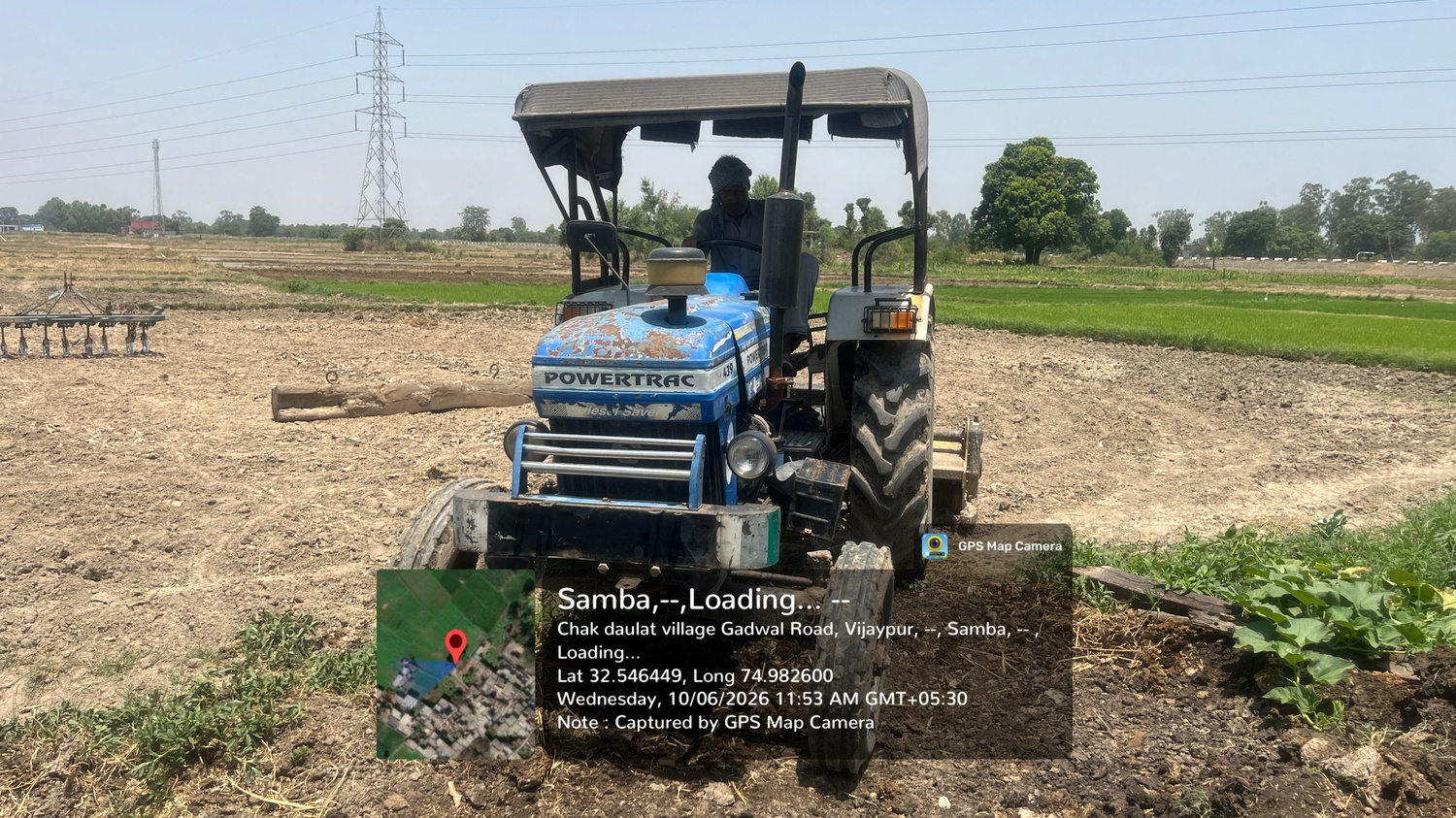
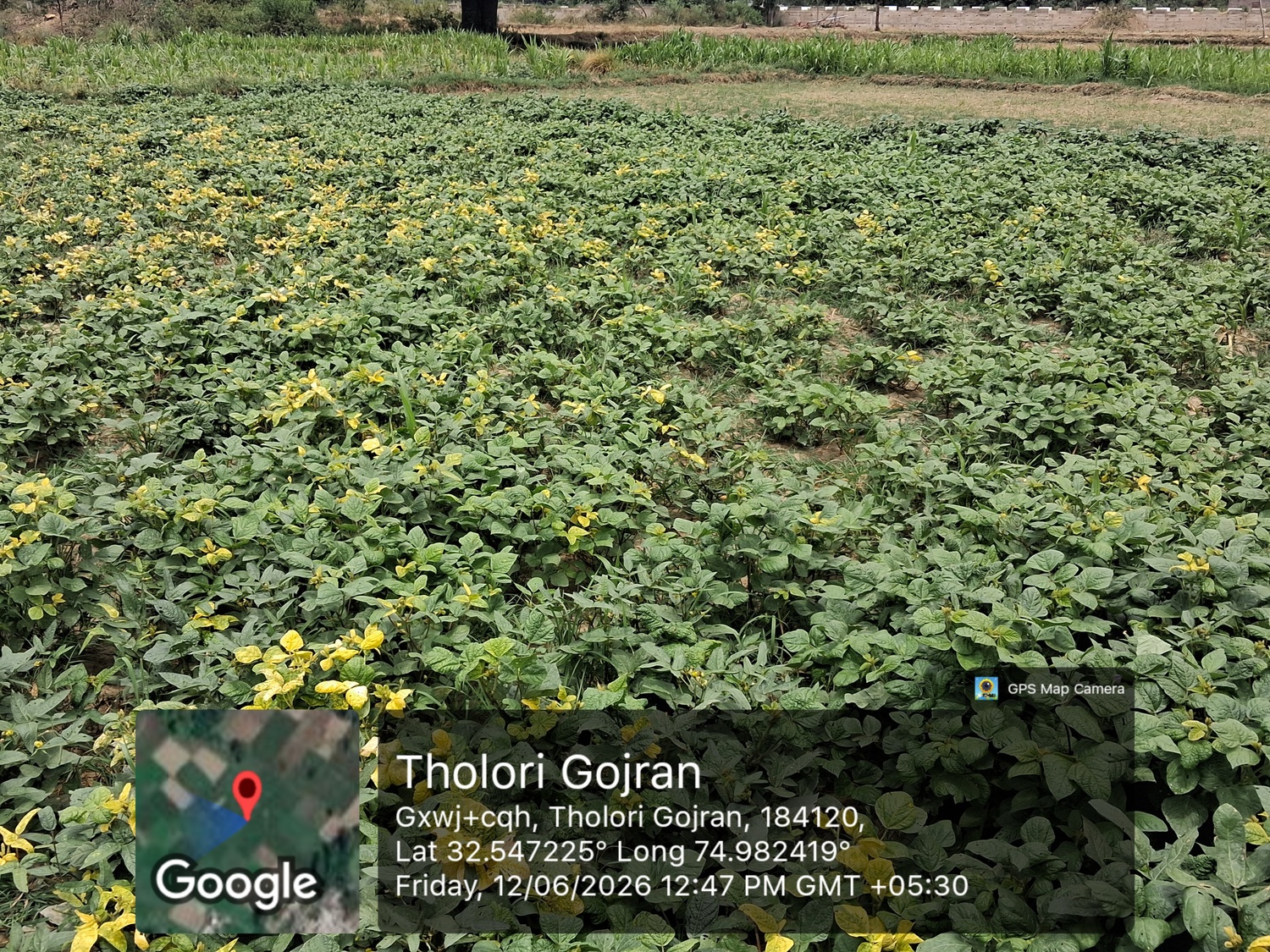
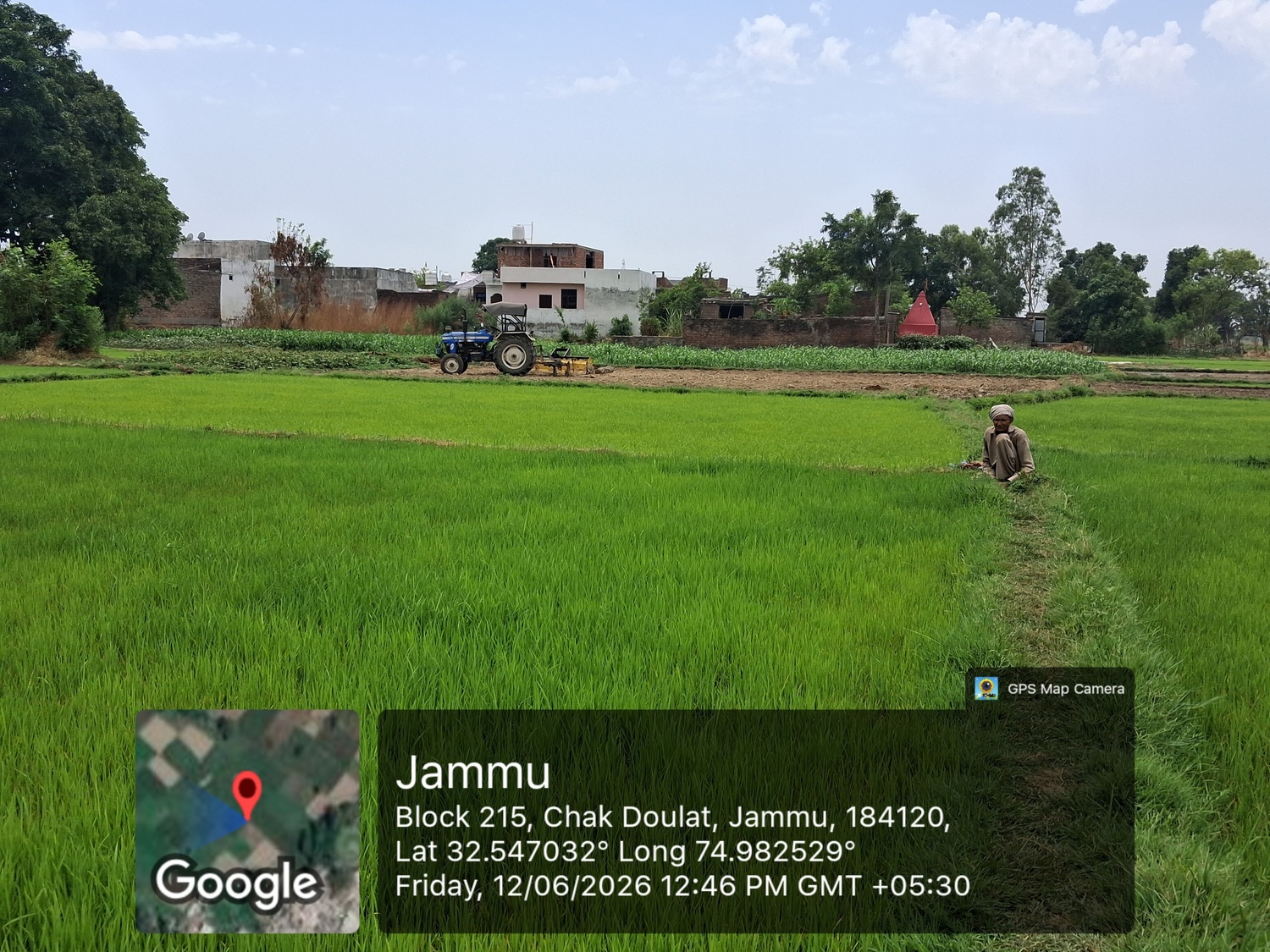
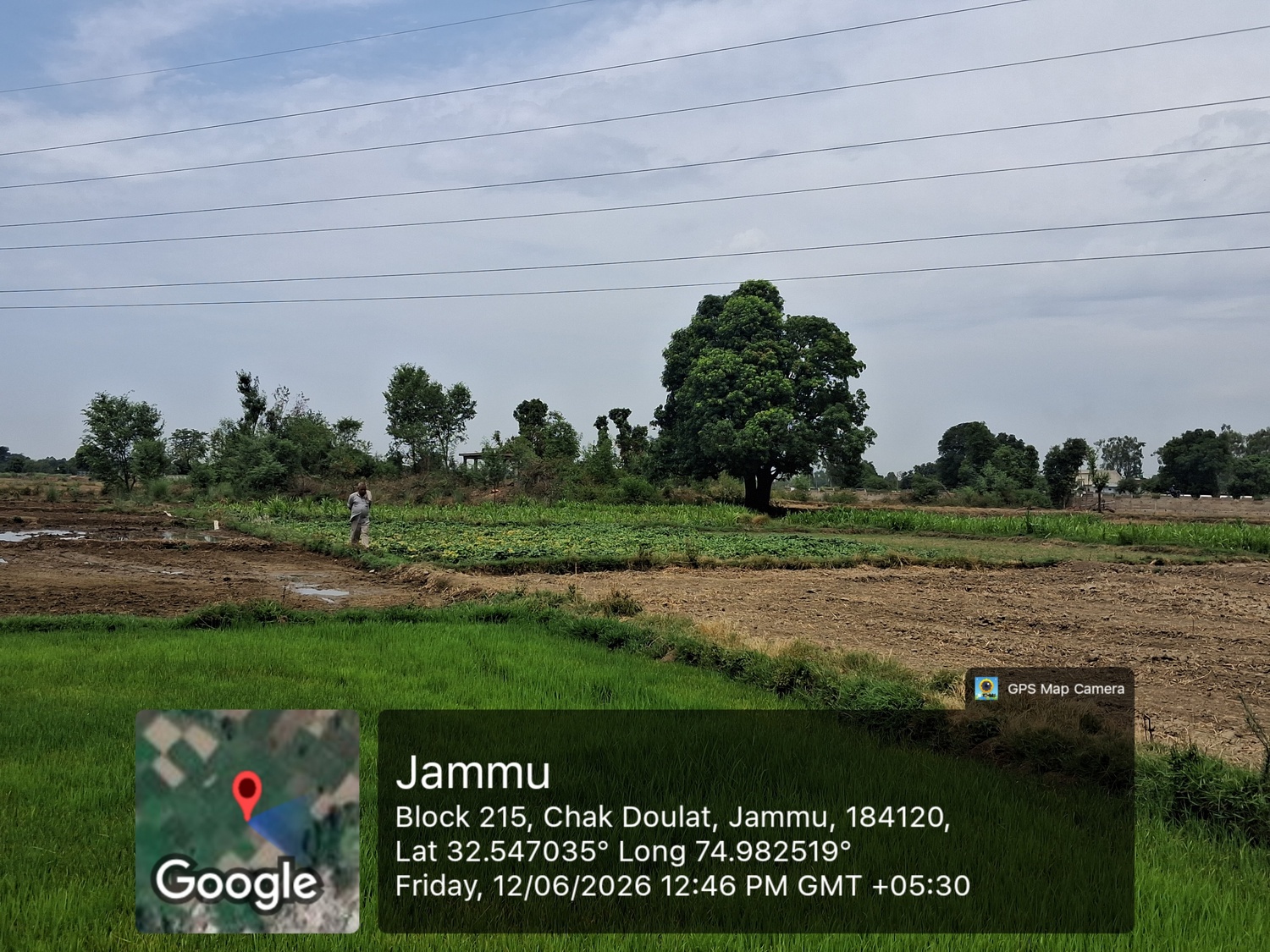
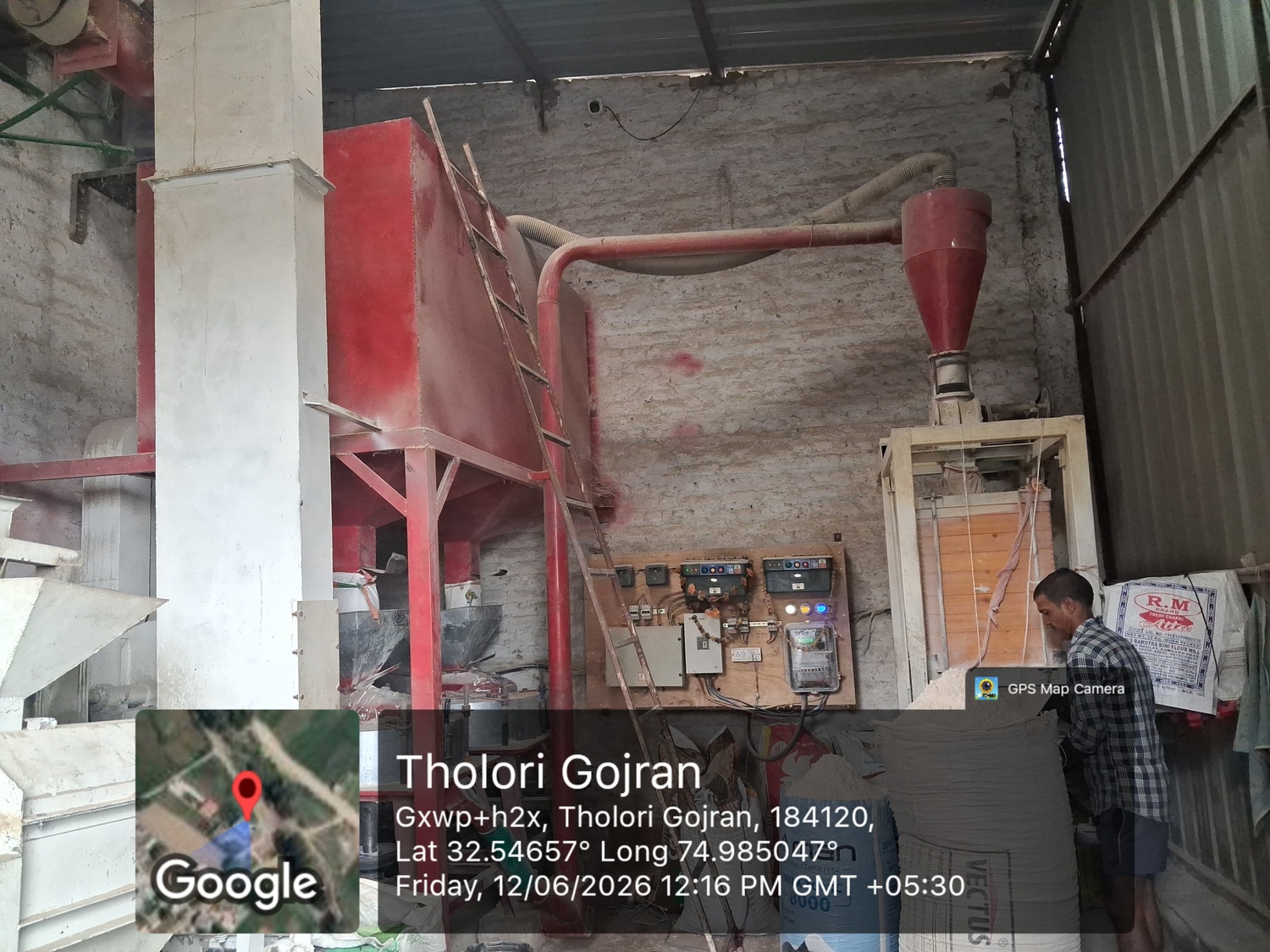
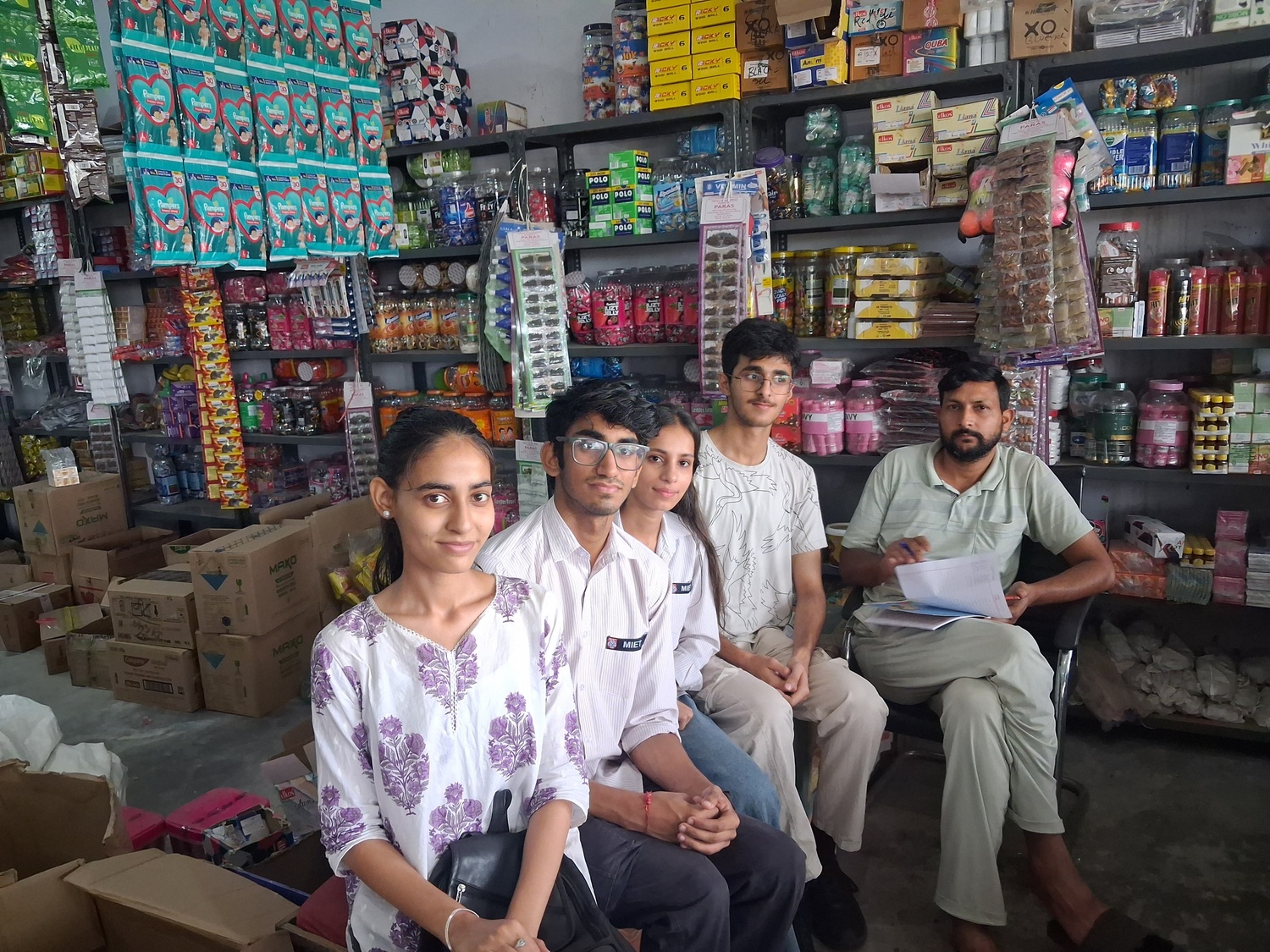
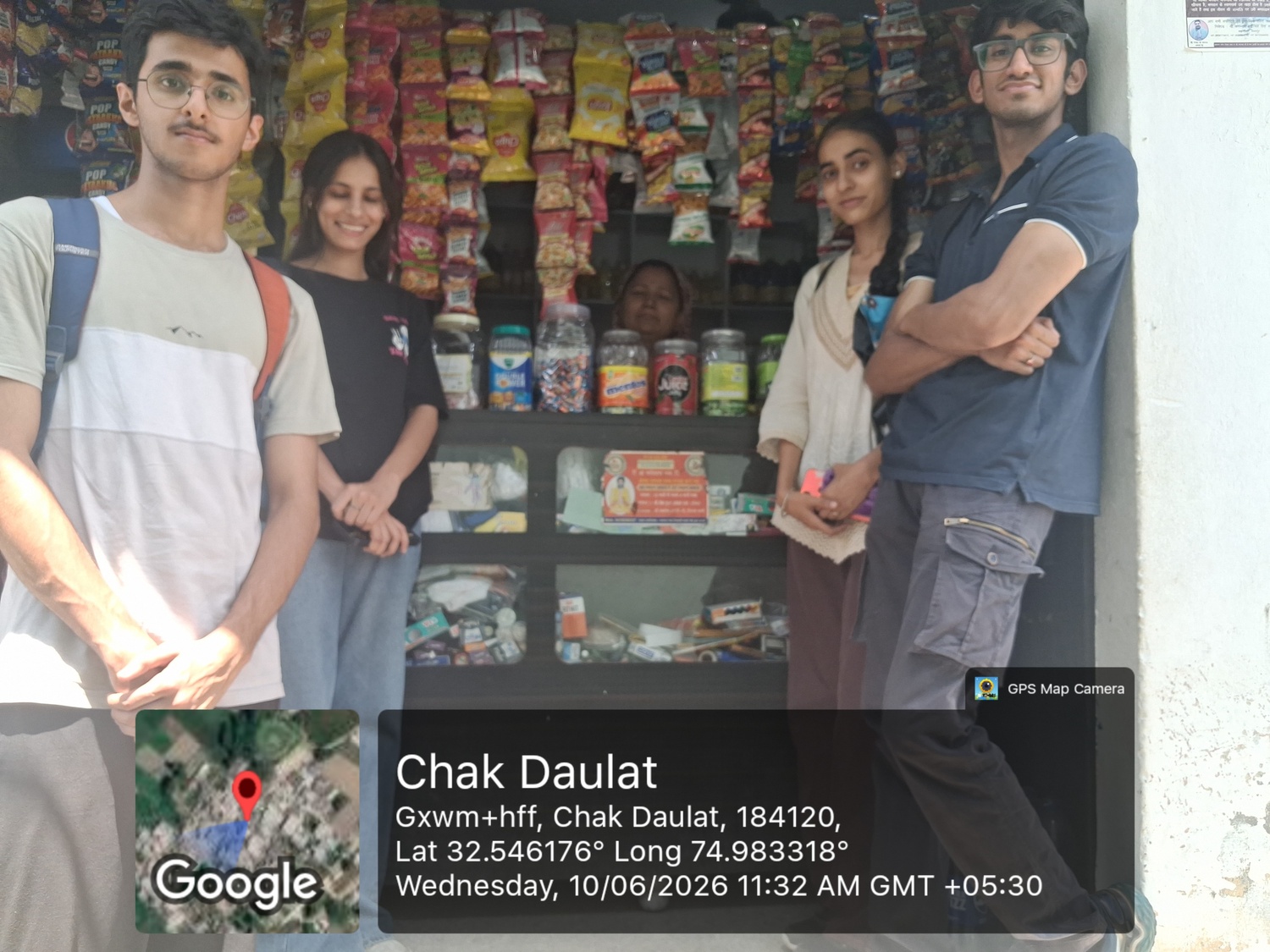
Agriculture and dairy form the backbone of the local economy, with wheat, paddy, and maize as the principal crops and a significant share of households directly dependent on farming and livestock. Small flour mills, a general store, and a wholesale supply shop round out the local commercial activity, while army pensions from the village's many retired officers add a further steady income stream.
Educational Infrastructure
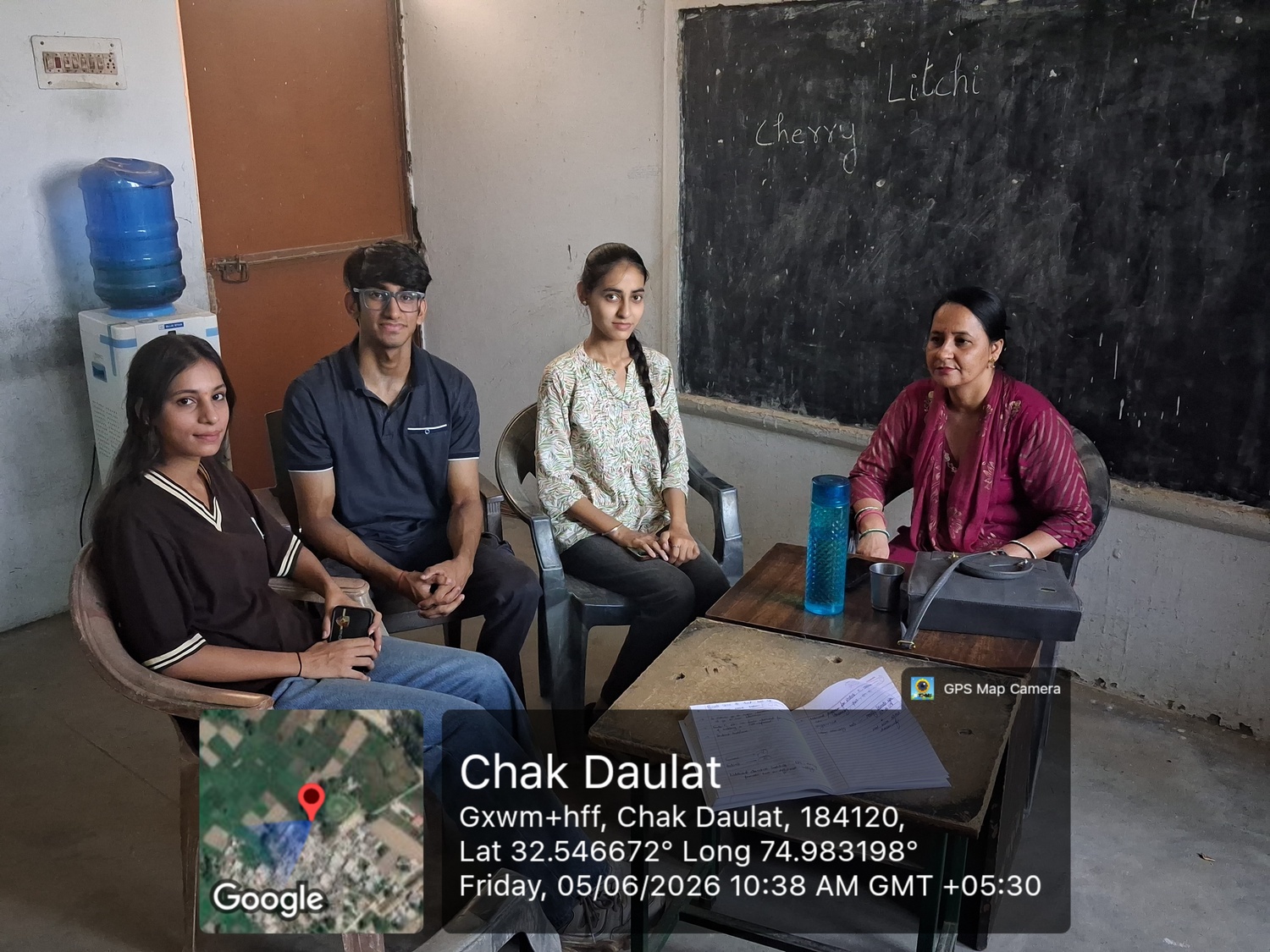
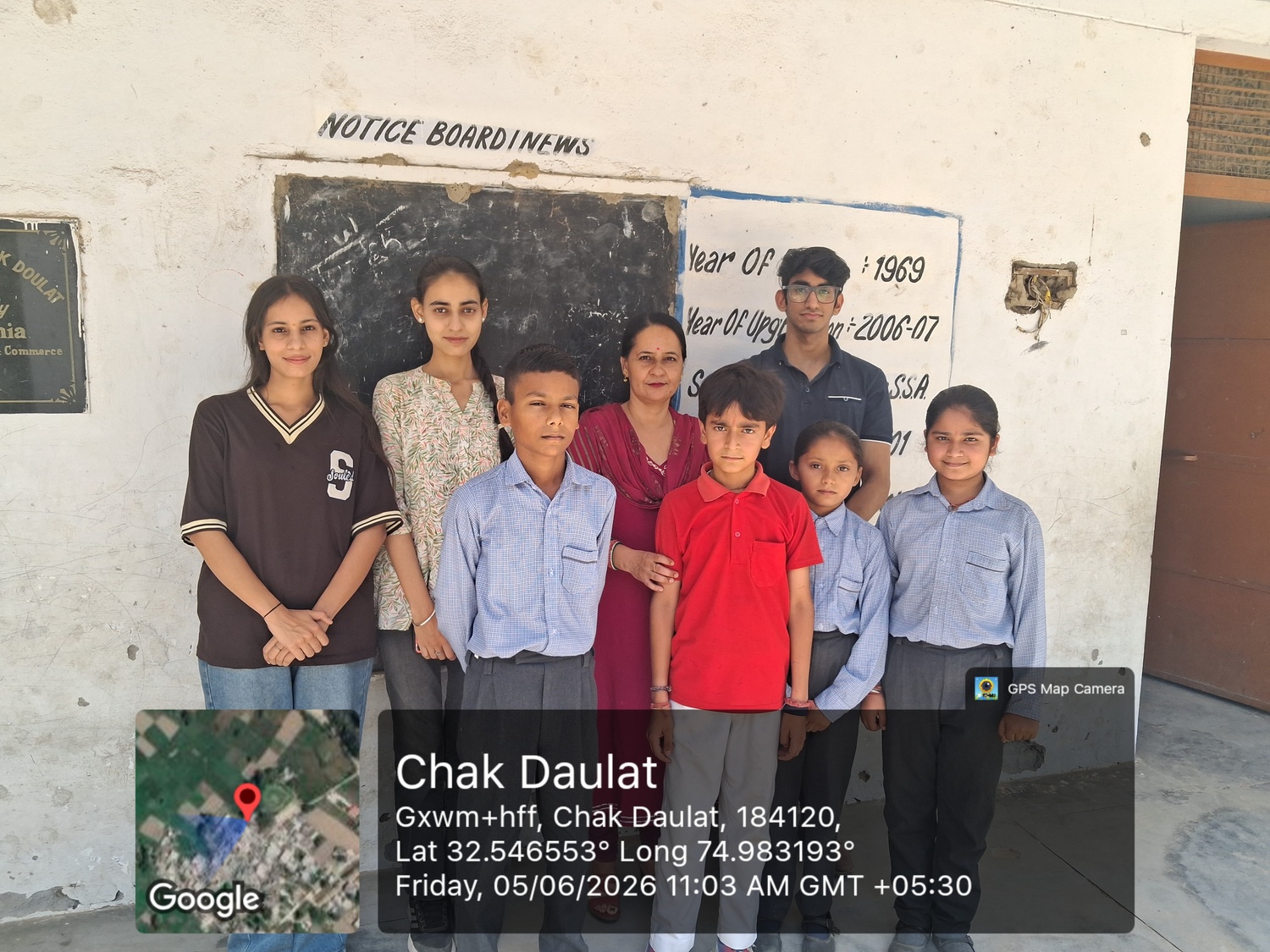
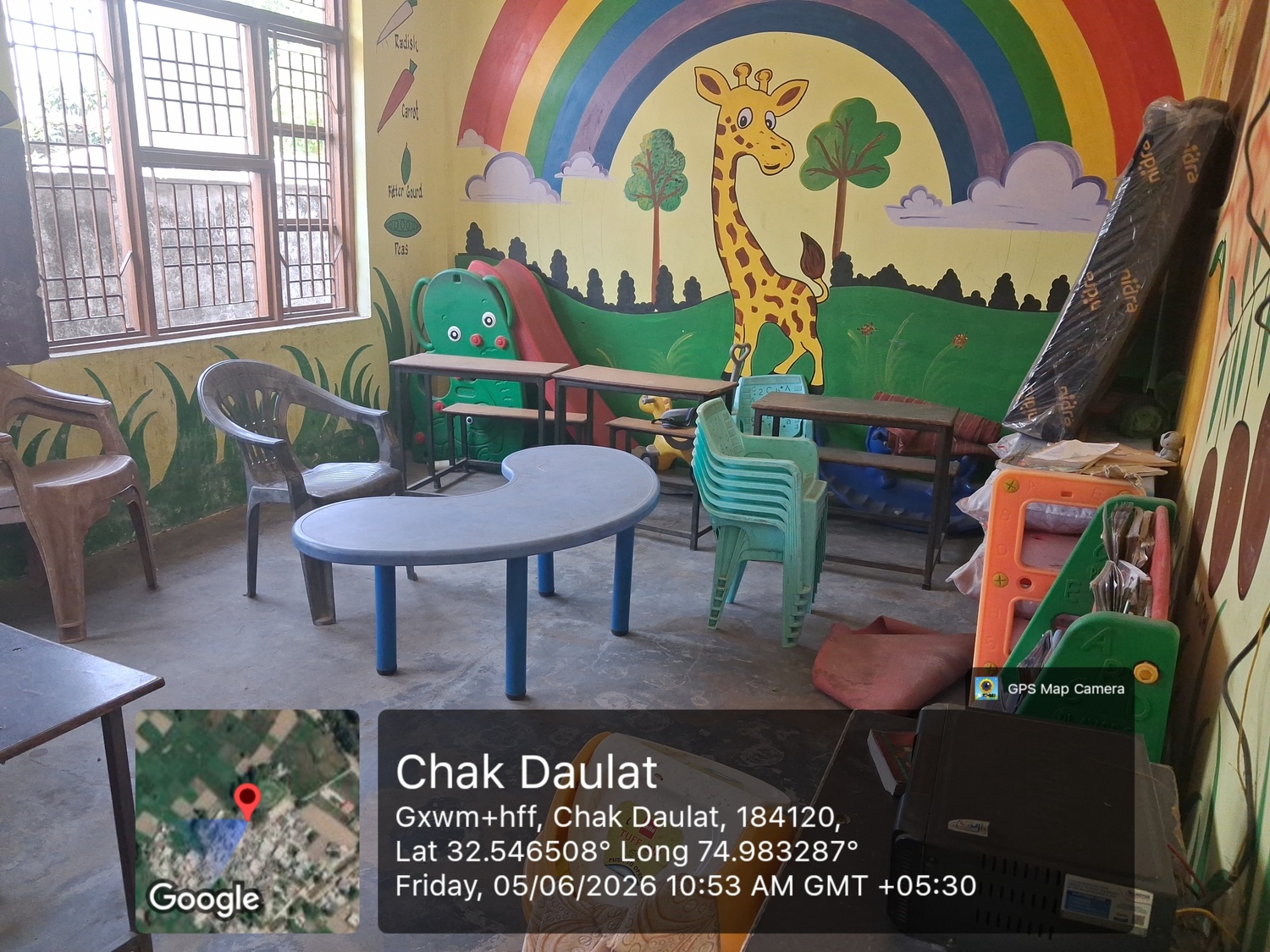
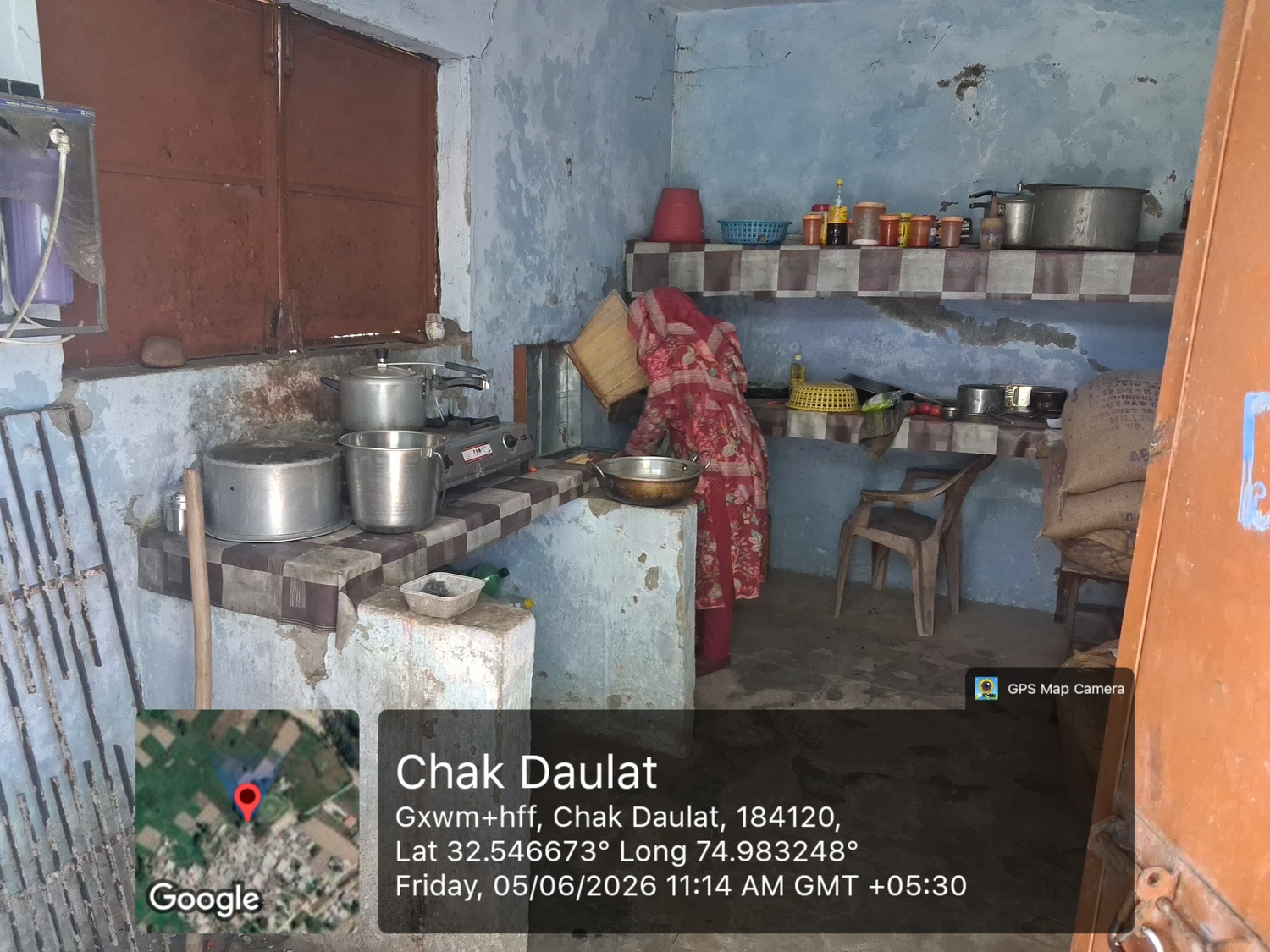
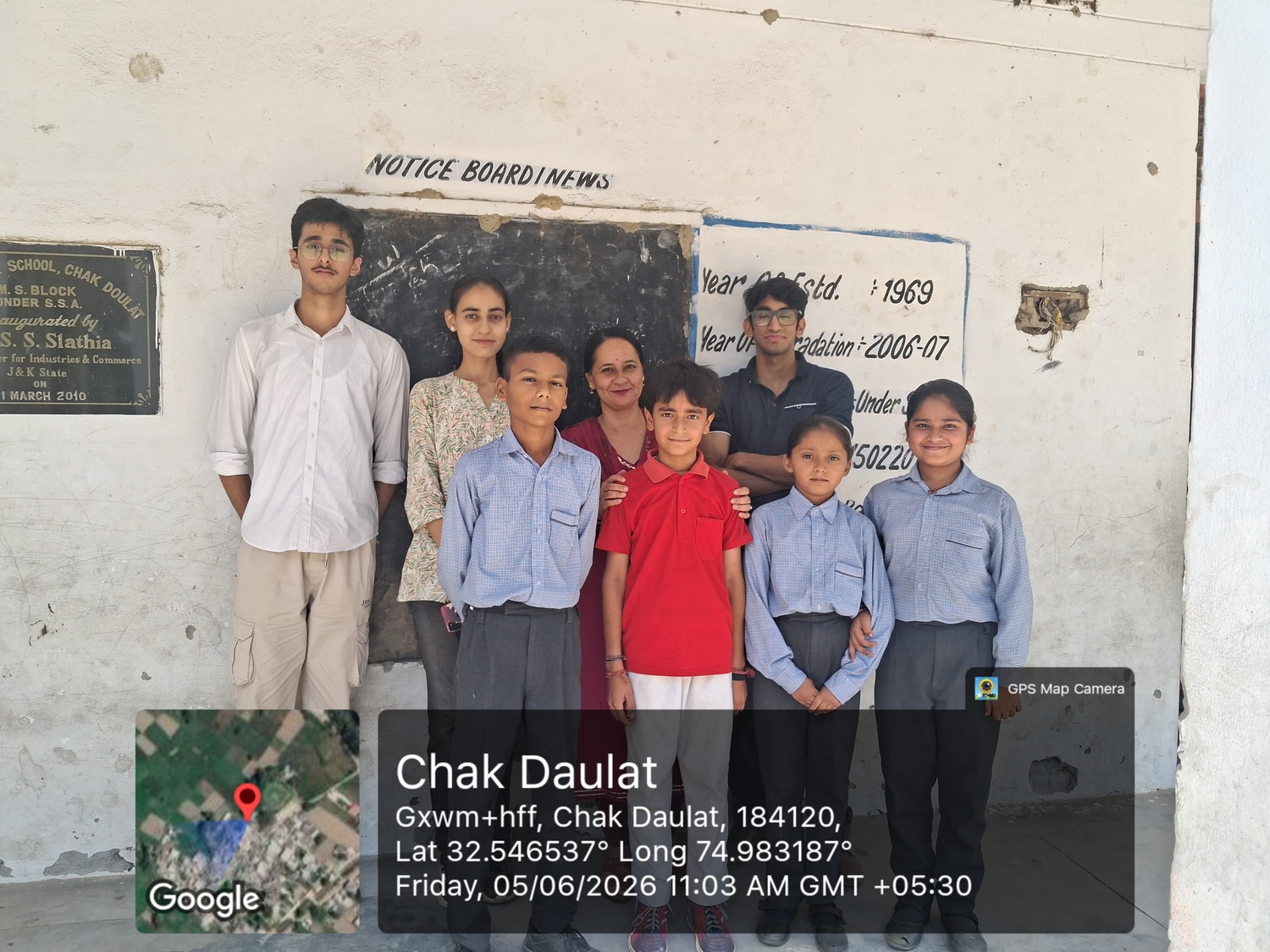
The village has a government middle school (classes 1–8) alongside a functioning anganwadi within the village. The middle school, however, is reportedly under-resourced, with a shrinking student count (around 20) as parents increasingly opt to send children to private schools outside the village. A small computer lab with two computers and a TV screen provides limited digital exposure, though there's no dedicated digital literacy programme, something that's arguably most needed among the village's older residents navigating UPI and government scheme awareness.
Accessibility and Transport
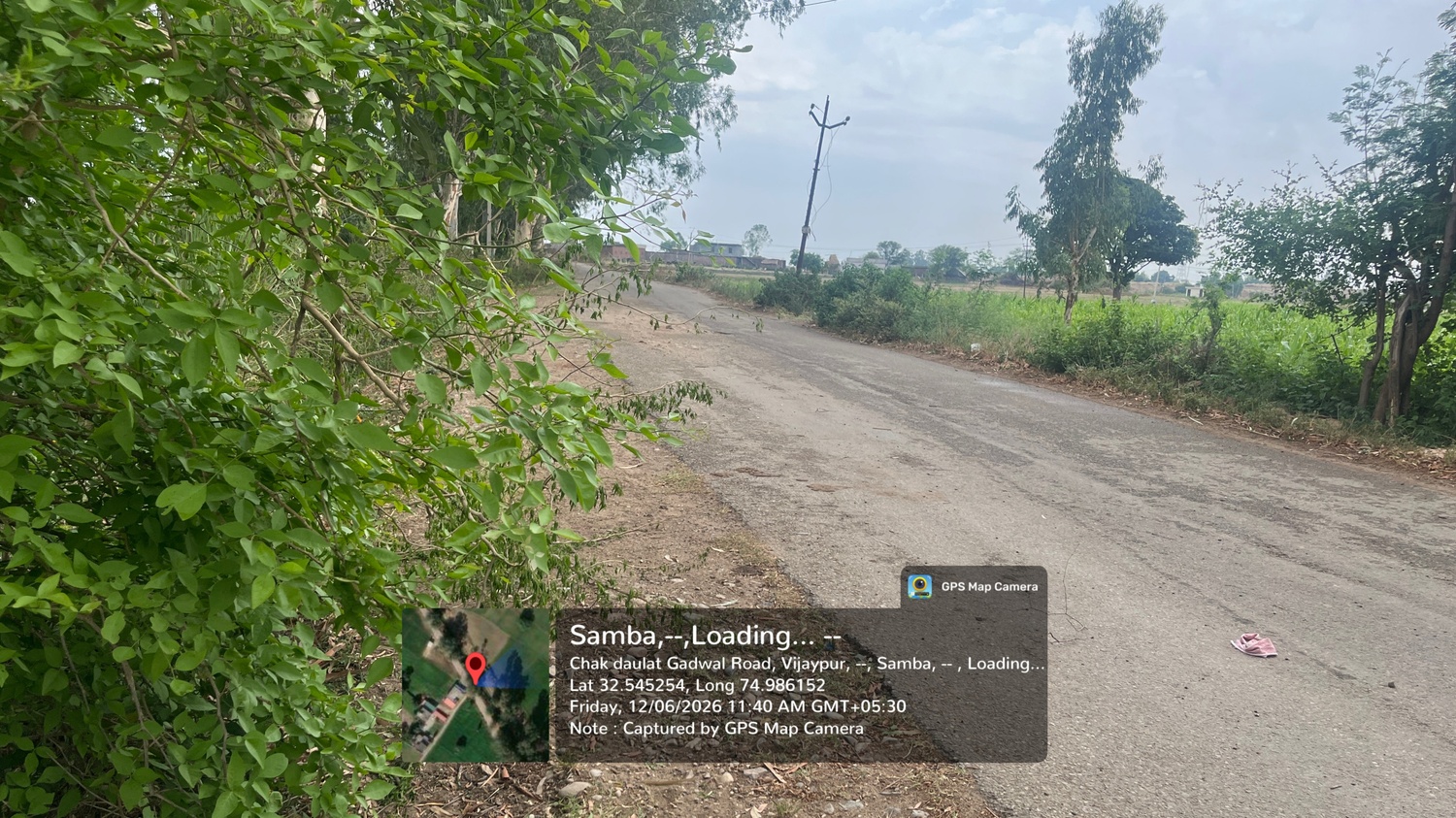
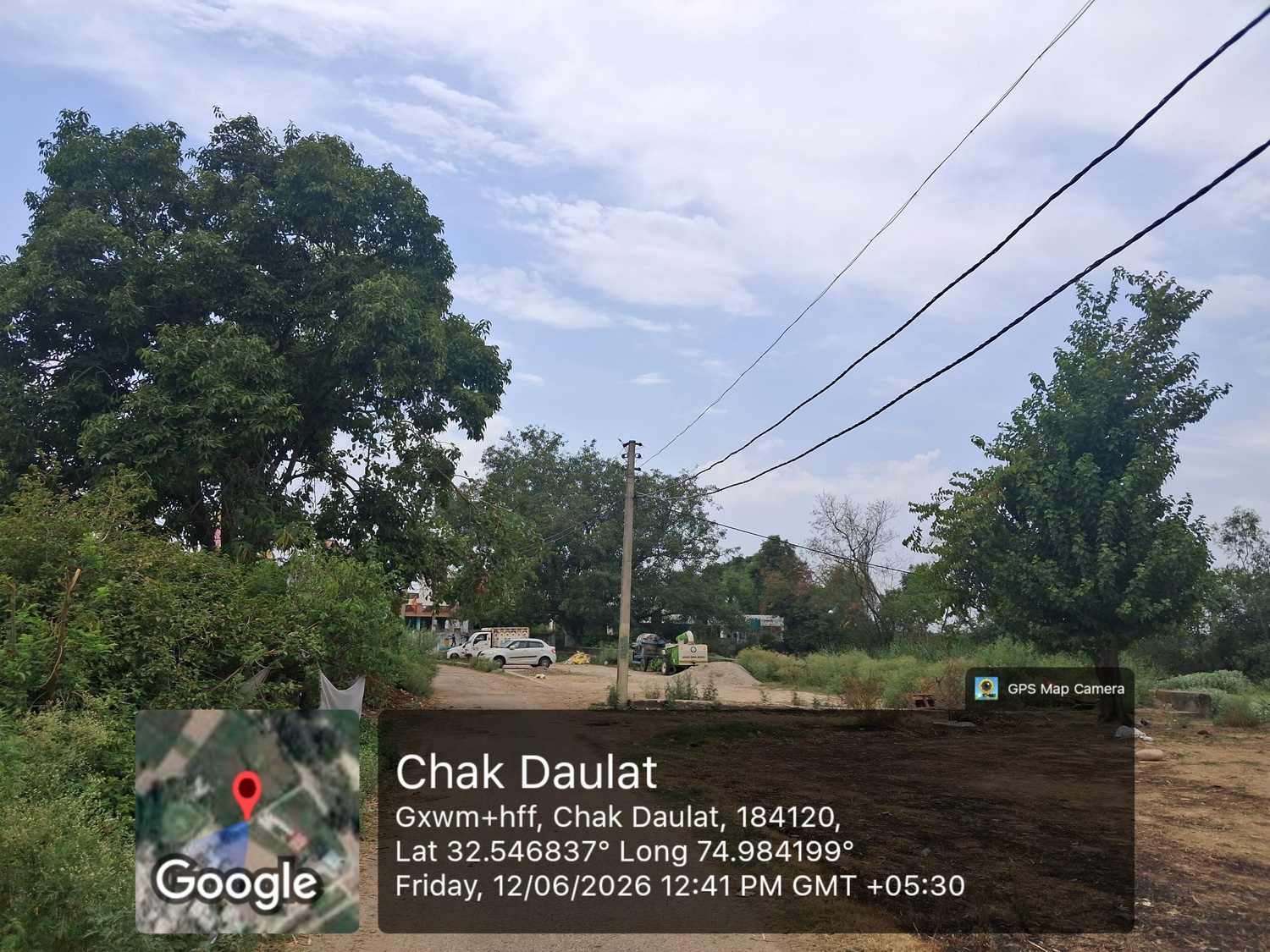
Chak Doulat is reachable via an all-weather, black-topped road, though public and private bus services don't run directly into the village, as visitors typically travel to Vijaypur's bus stand first, then take a shared electric auto for the final stretch, at a minimum fare of around ₹20. Auto-rickshaws are the only real public transport option locally, and given how few operate, waits of 30 minutes to an hour aren't unusual. The nearest railway station is Jammu Tawi (with Vijaypur Jammu station also nearby), and Jammu Airport is the closest air link.
Health and Wellness
The village has no formal healthcare infrastructure, no PHC, CHC, or health sub-centre beyond a single pharmacy and, per official records, an ASHA worker and a couple of informal medical practitioners without medical degrees. For any real medical need, residents travel 5–7 km to AIIMS Jammu or Vijaypur, a gap that becomes genuinely dangerous during emergencies like cardiac events. There are no wellness or fitness centres yet, though the panchayat has plans for one in a neighbouring village.
Utilities: Water and Power
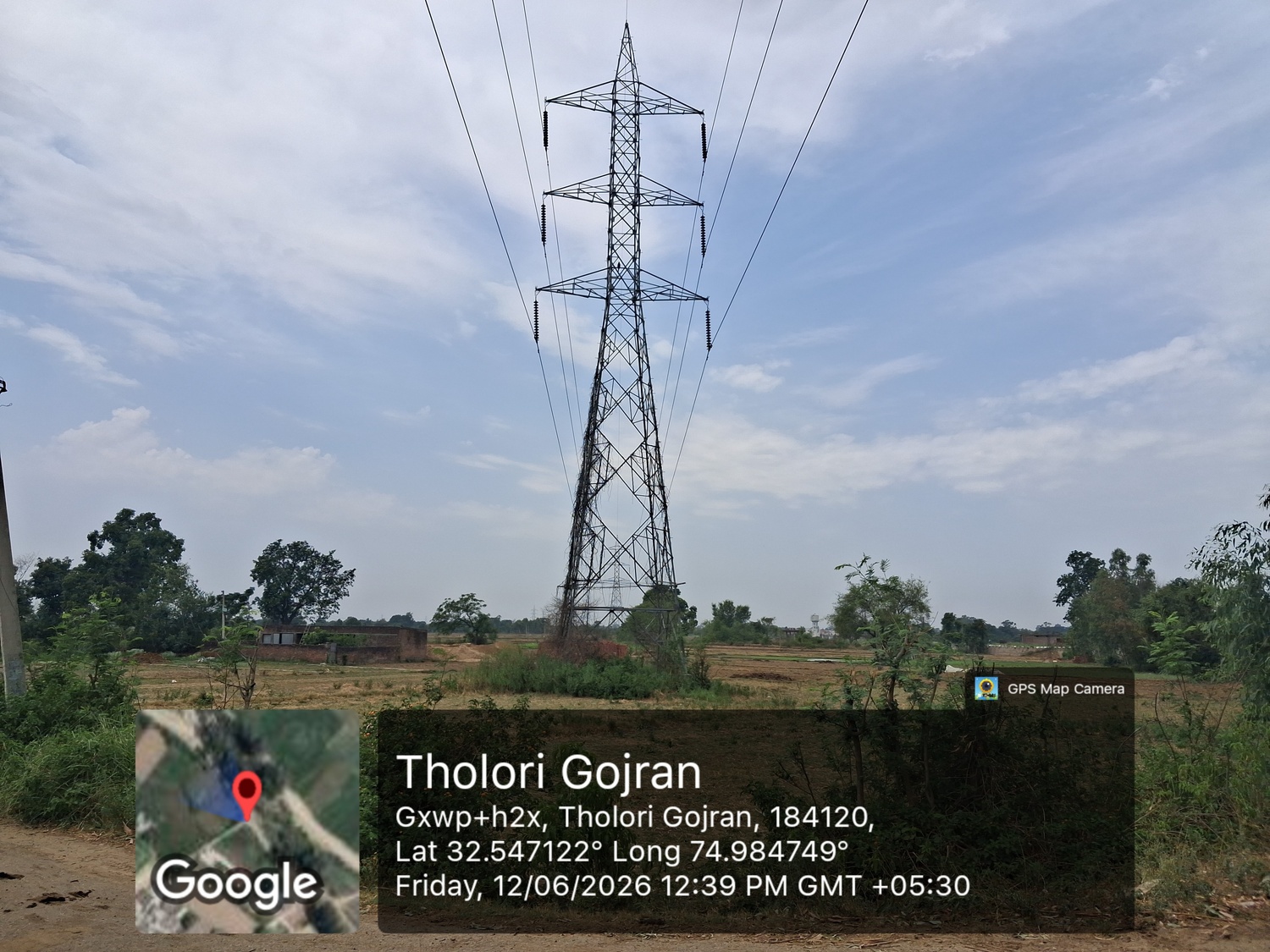
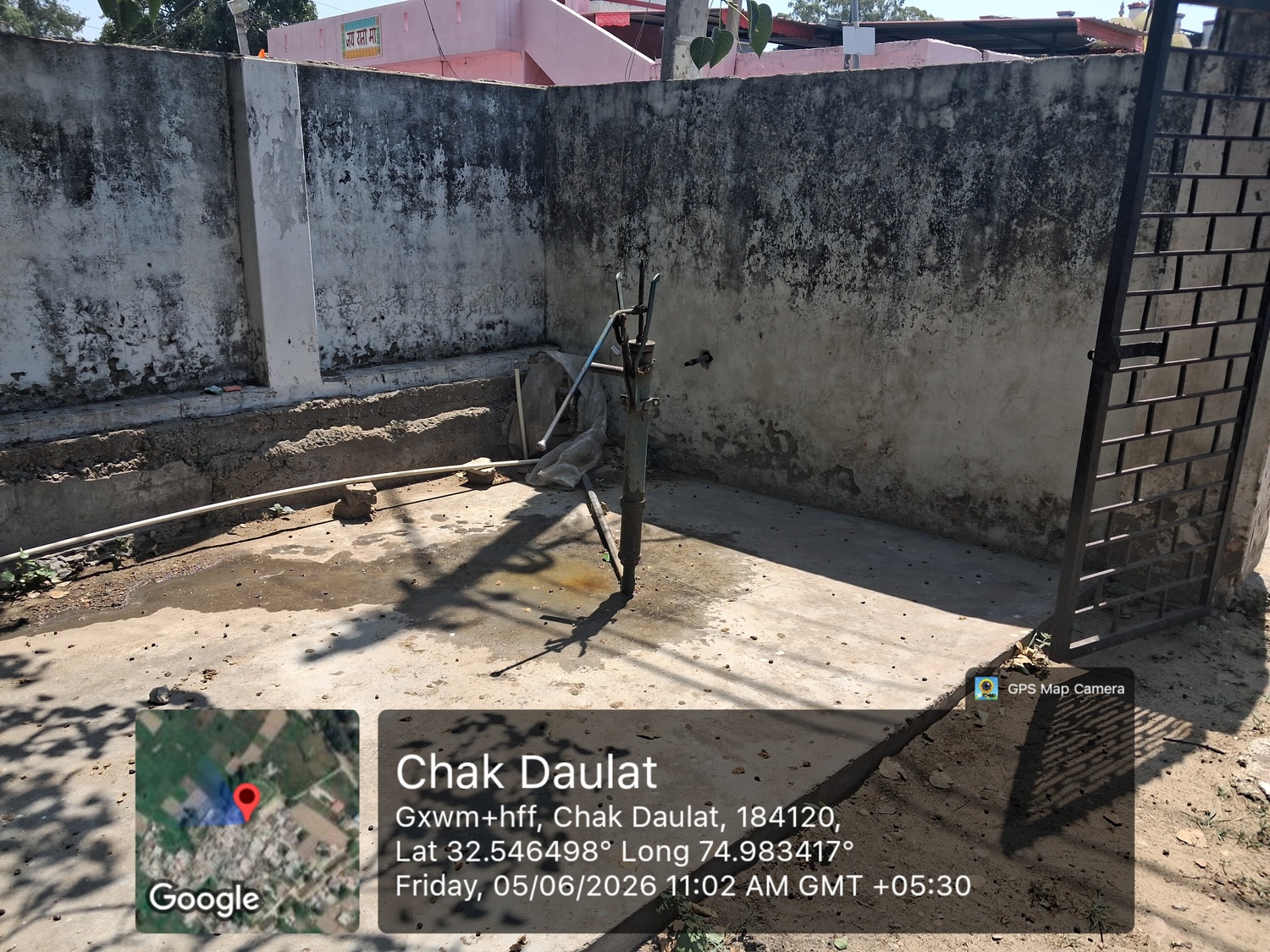
Water access leans heavily on handpumps, with residents reporting occasional stomach-related issues, even though older infrastructure records list a broader mix of sources like treated tap water, wells, tube wells, and canal water as technically available. Electricity supply is described locally as frequent and unpredictable in its outages; older government records (from a 2009 reference year) had listed considerably better daily supply hours, suggesting the situation may have deteriorated since, or that on-paper infrastructure isn't matching lived reality.
Arts, Entertainment, and Sports
Chak Doulat has no resident artists, musicians, or performers, and hosts no arts festivals or concerts. Entertainment centres almost entirely around the Radha Krishna Temple, where poojas and hawans double as the village's social calendar. There's no dedicated sports ground, playground, or formal team. Children play cricket and football informally in open fields when the mood strikes.
Biodiversity and Environment
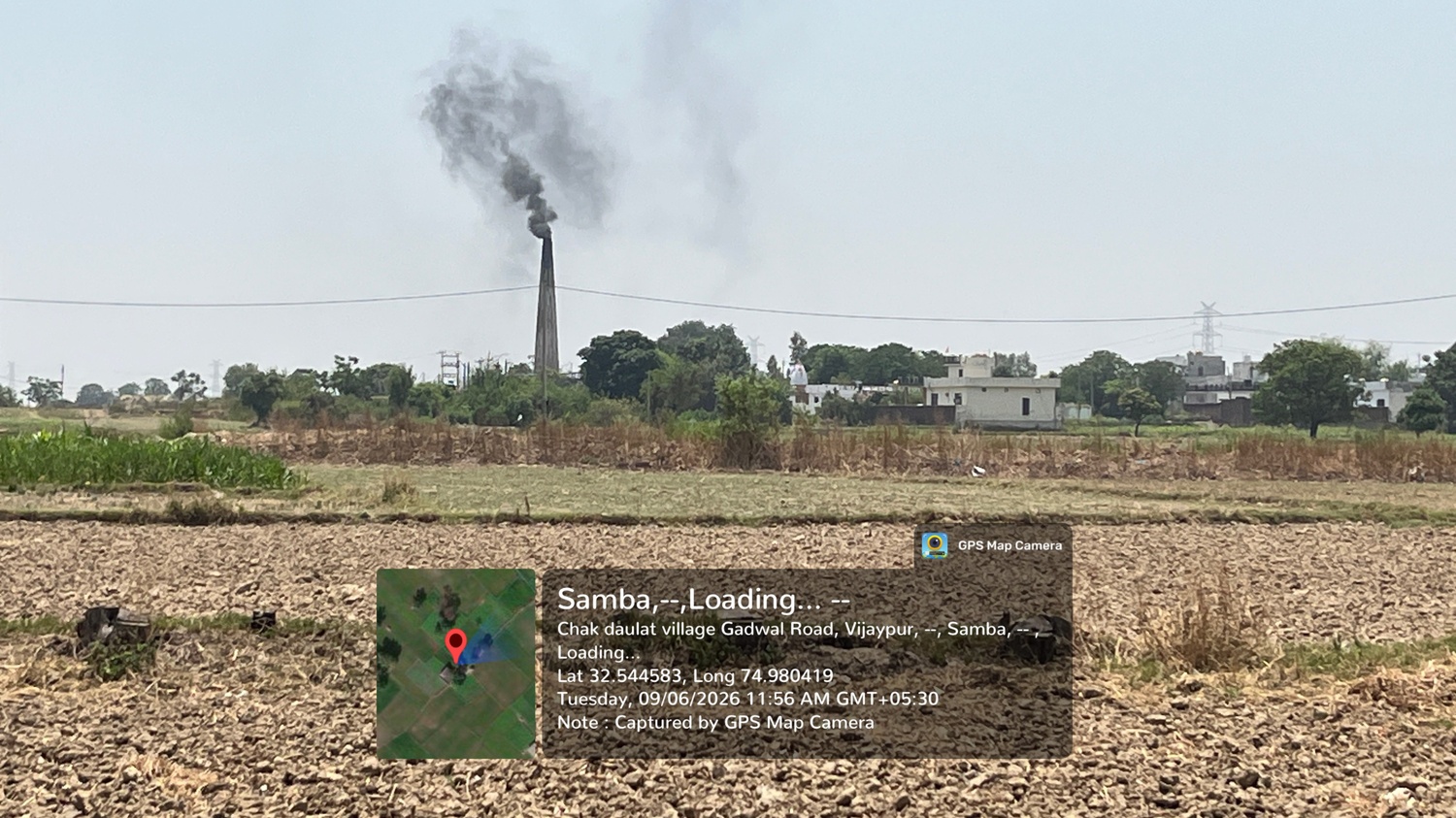
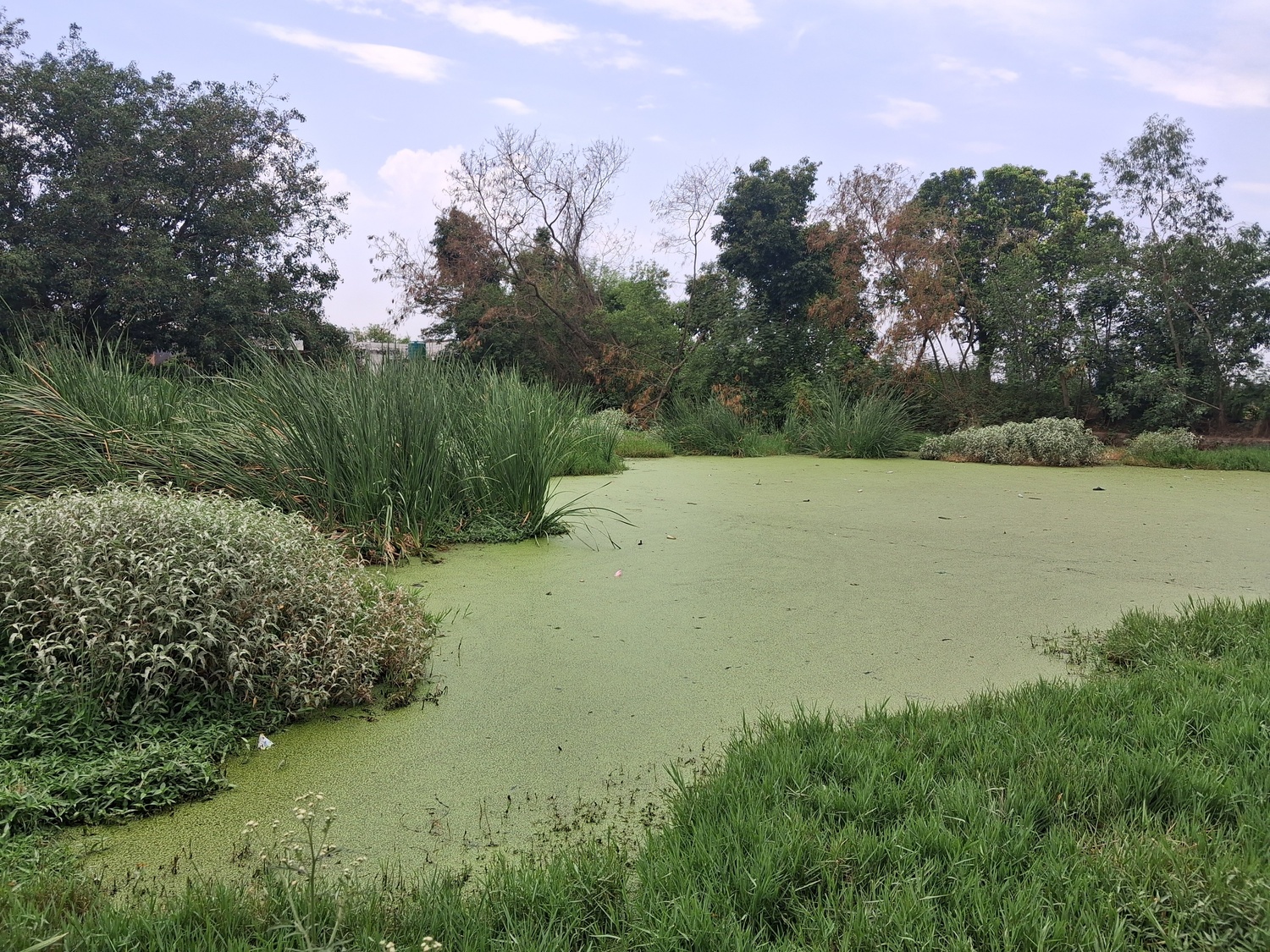
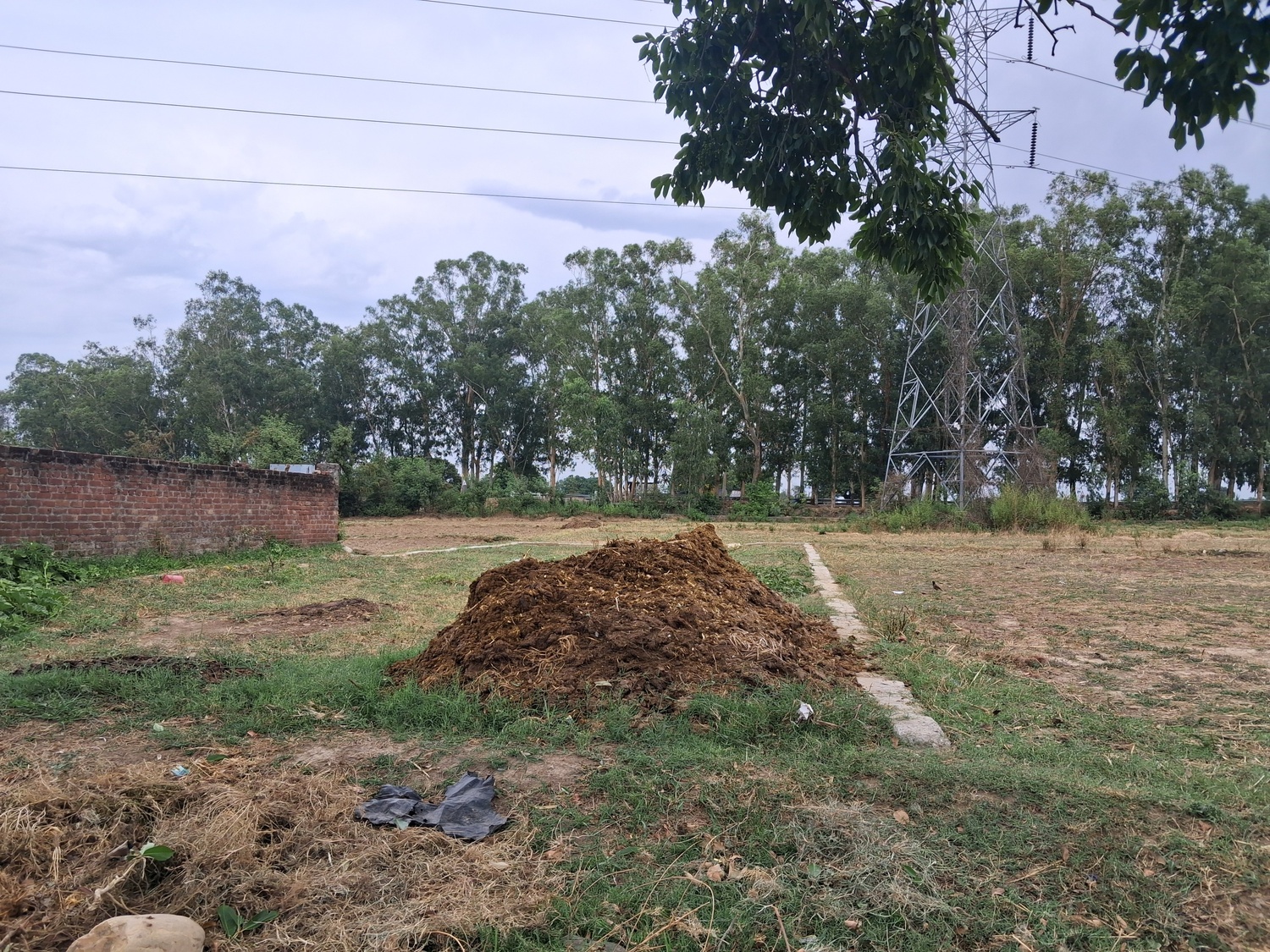
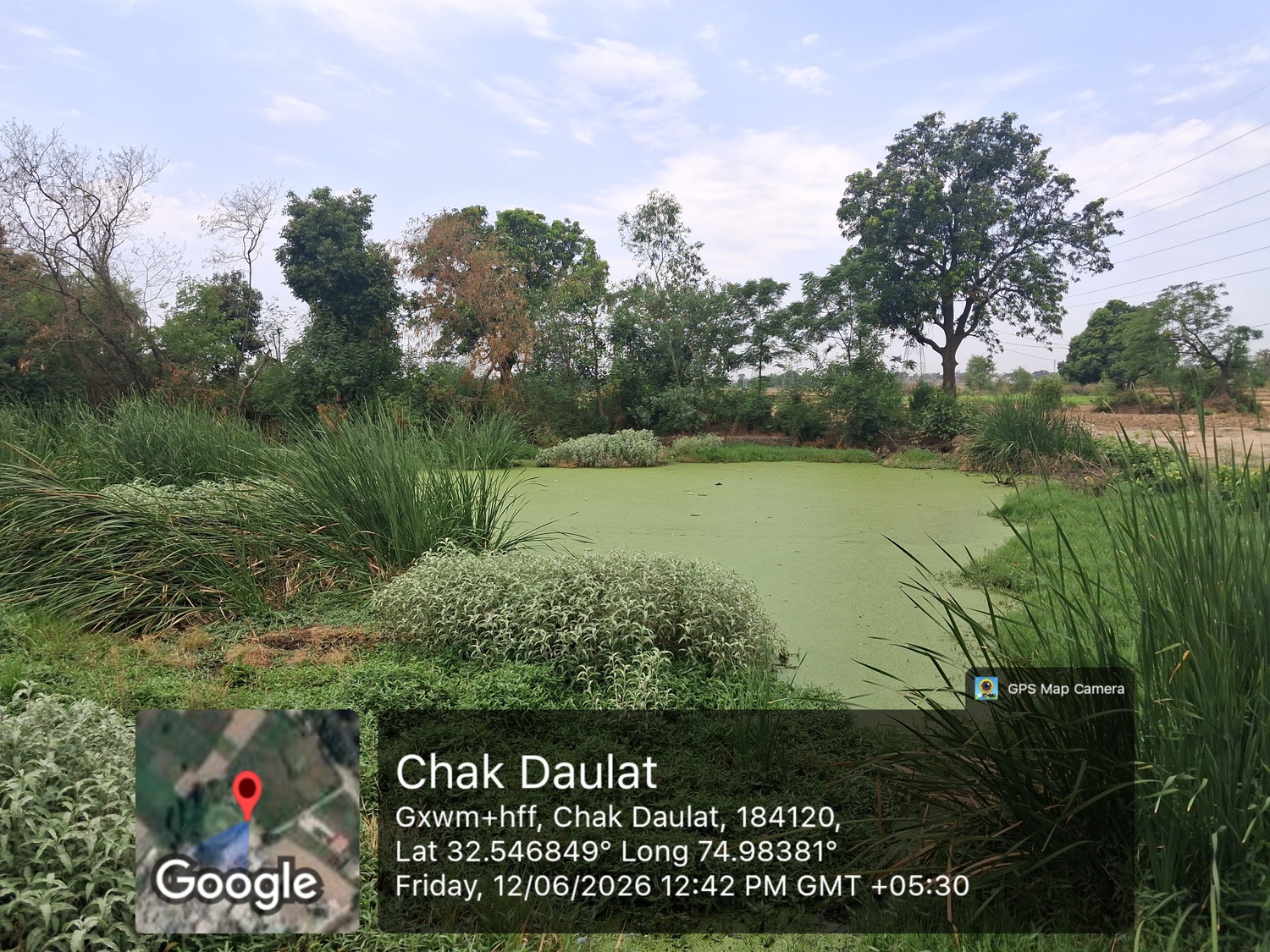
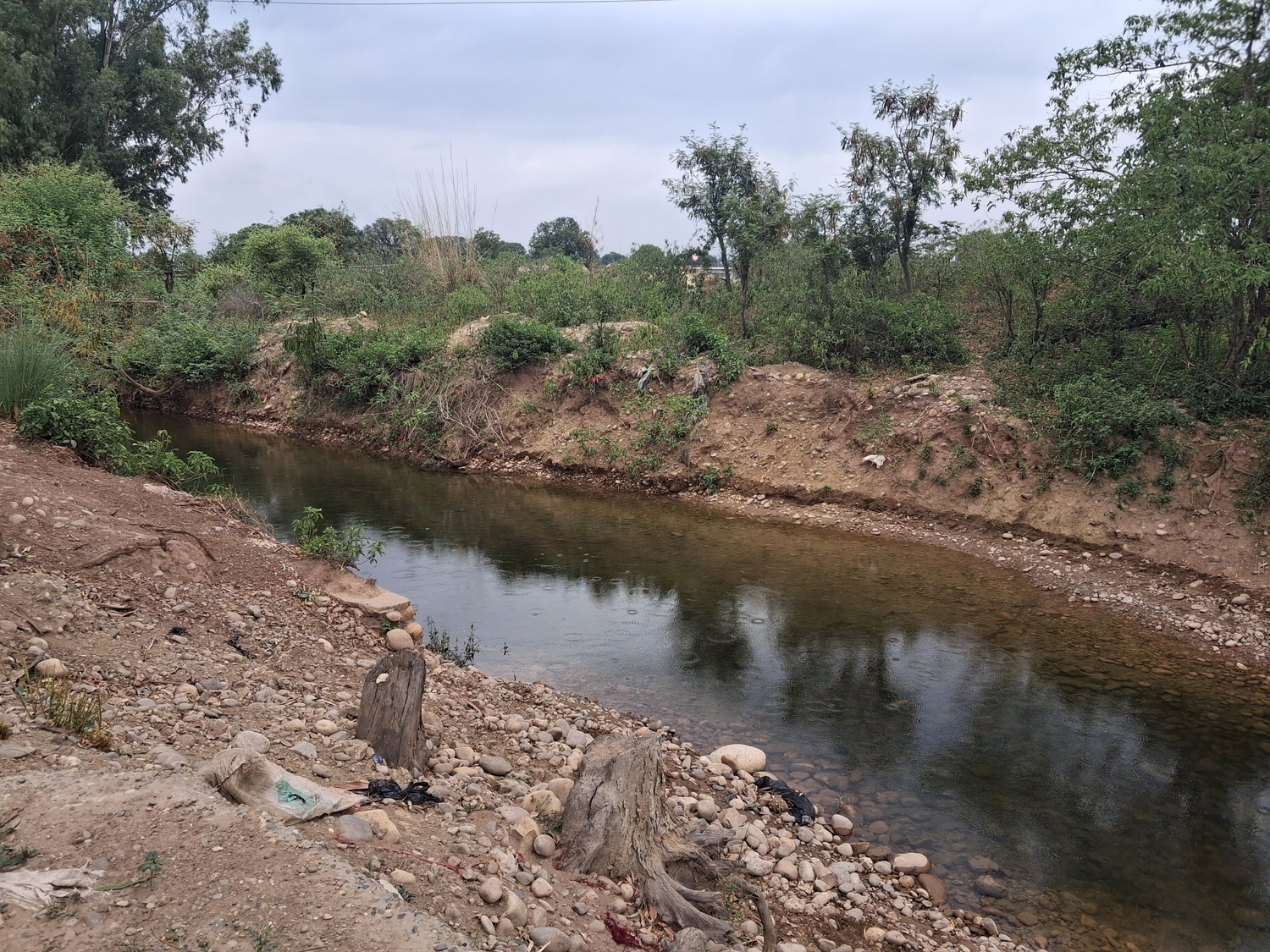
The village's character is shaped by its expansive wheat and grain fields, with common sightings of sparrows, hornbills, woodpeckers, and grazing sheep. Conservation efforts remain minimal and informal, a few birdhouses and water troughs for animals, while the irrigation canal doubles as an unmanaged dumping ground for garbage, a visible and unresolved environmental concern with no current civic action addressing it.
The Central Challenge and Path Forward
The most pressing issue facing Chak Doulat is its complete lack of on-ground healthcare, a single pharmacy is the only medical presence, forcing a 5–7 km trip to Vijaypur or AIIMS Jammu for anything beyond the basics. Given the village's considerable elderly population, this is a real safety gap rather than a minor inconvenience. A modest, low-cost fix is a primary health sub-centre staffed by an ASHA worker or part-time nurse, paired with telemedicine consultations (the village already has solid internet connectivity) and a shared on-call emergency vehicle with a neighbouring village could meaningfully close that gap without requiring large infrastructure investment.
Photos
Videos
Location Map
Contact Information
| Address |
Chak Daulat, Vijaypur, Samba, Jammu and Kashmir 184120 |
| Phone Number |
+91 9419155270 |
Reviews (3)
Great effort from everyone involved. The village has been documented so well and the page covers everything about it. Chak Doulat truly has its own charm.
The documentation is exceptionally well-prepared and thoughtfully organized. It provides a comprehensive overview of Chak Doulat, covering its history, culture, geography, lifestyle, infrastructure, and future challenges in a clear and engaging manner. The information is detailed yet easy to understand, making it valuable for anyone interested in learning about the village. The effort and research behind this work are clearly evident, and the inclusion of local insights gives the page an authentic touch. Truly an outstanding initiative to preserve and showcase the identity and heritage of the village.


Very well documented. Great work done by the team!!