
Description
Introduction to Bhour Pind
A Semi-Urban Village with Rural Roots
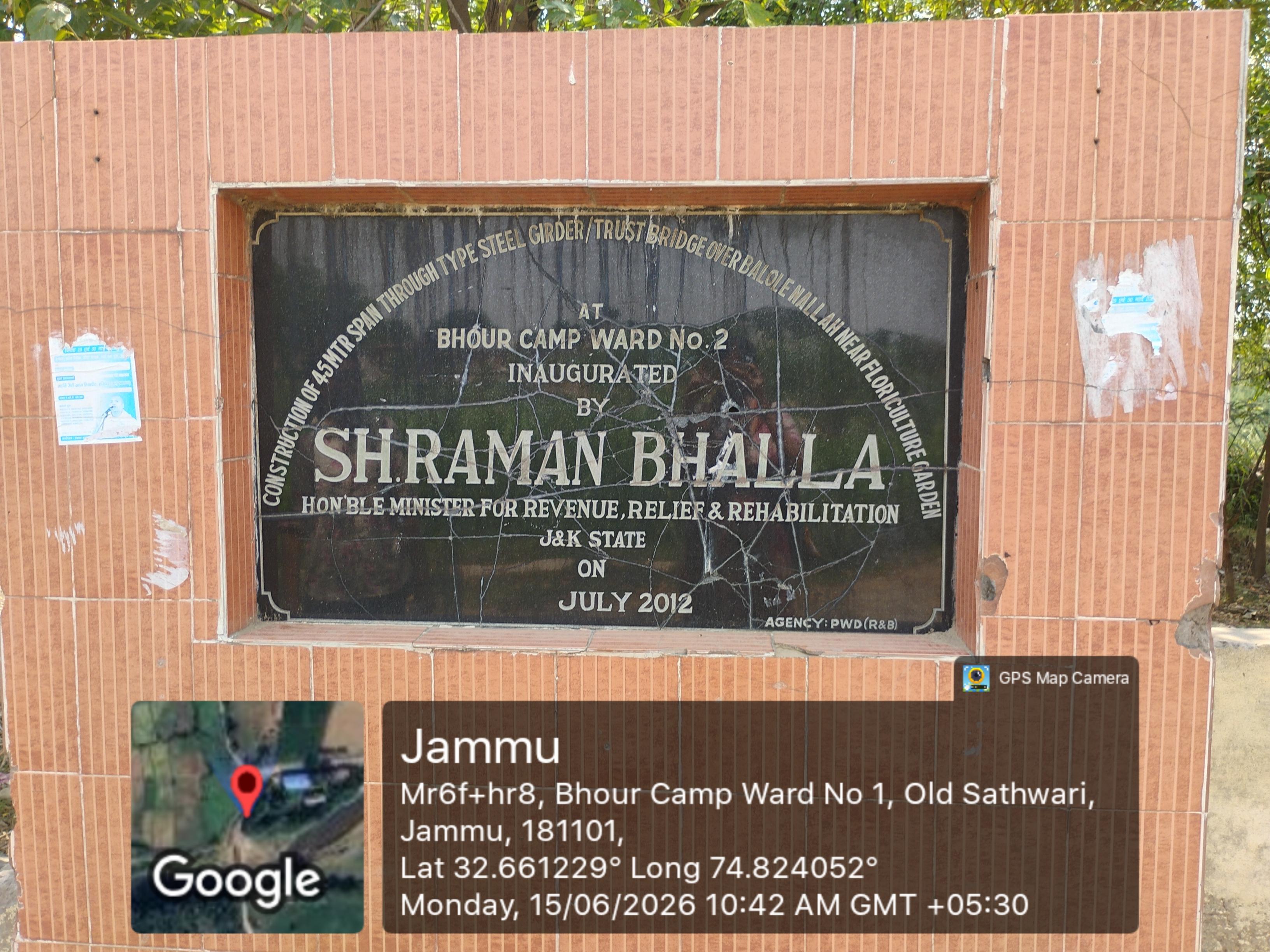
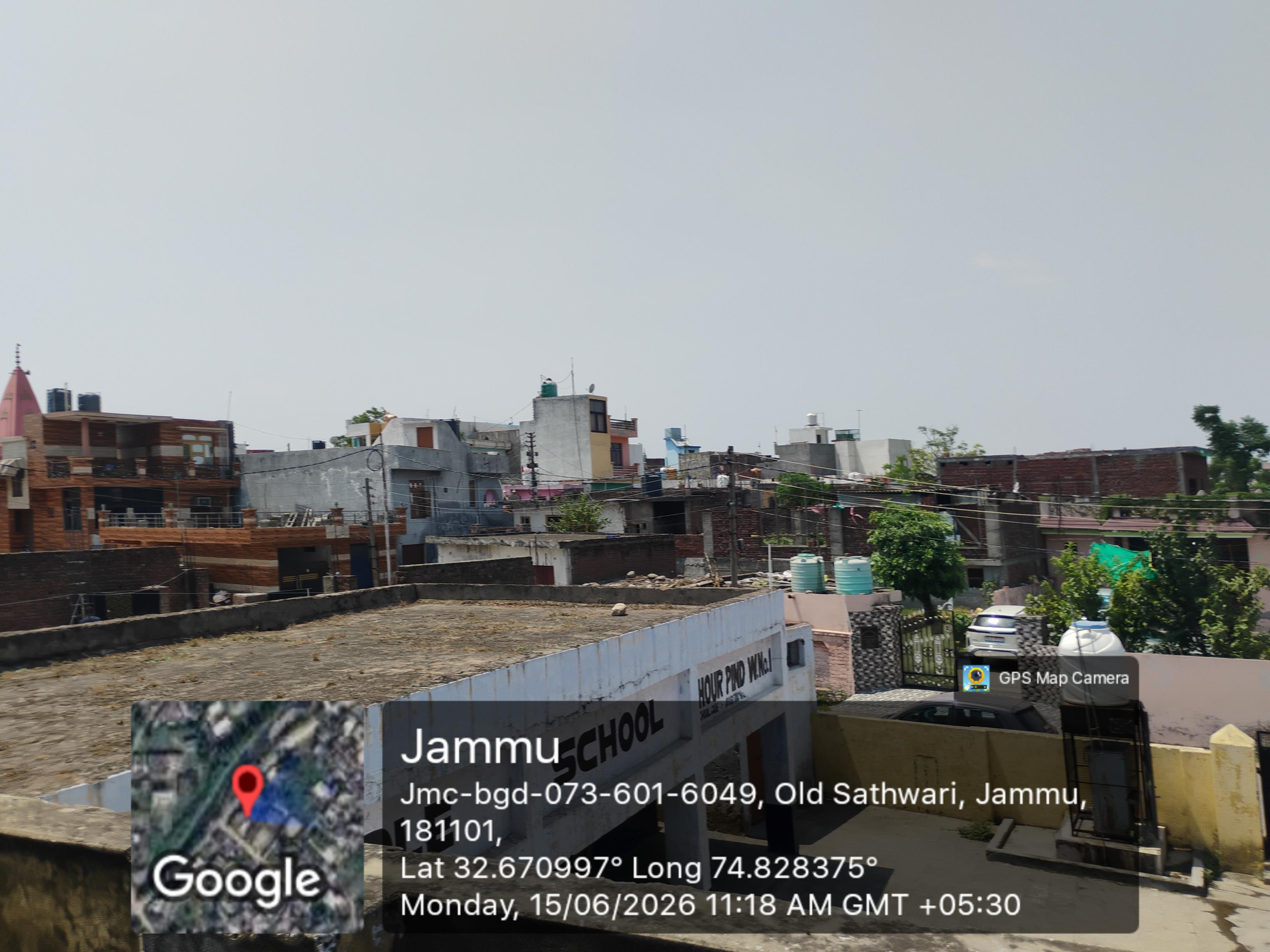
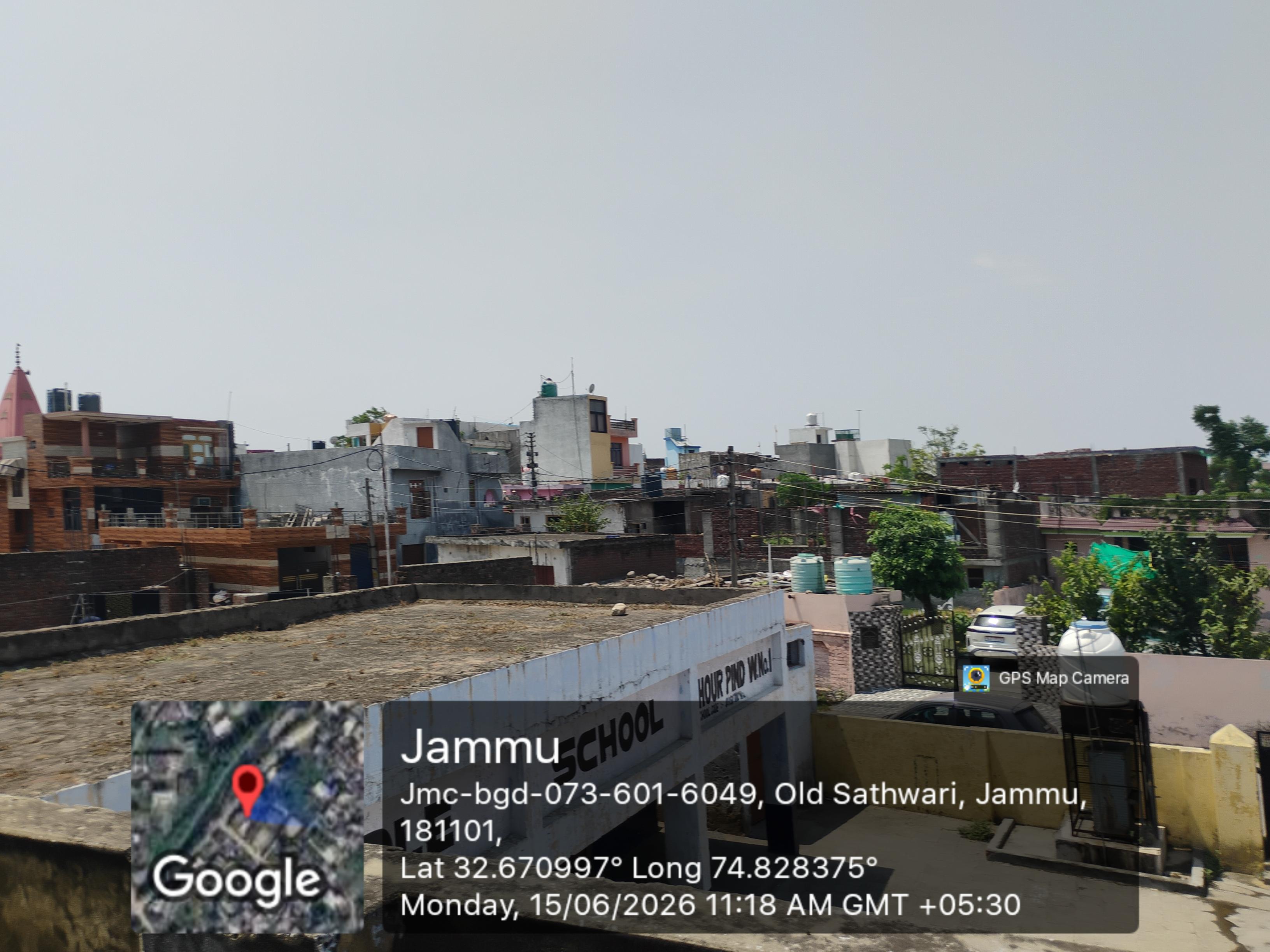
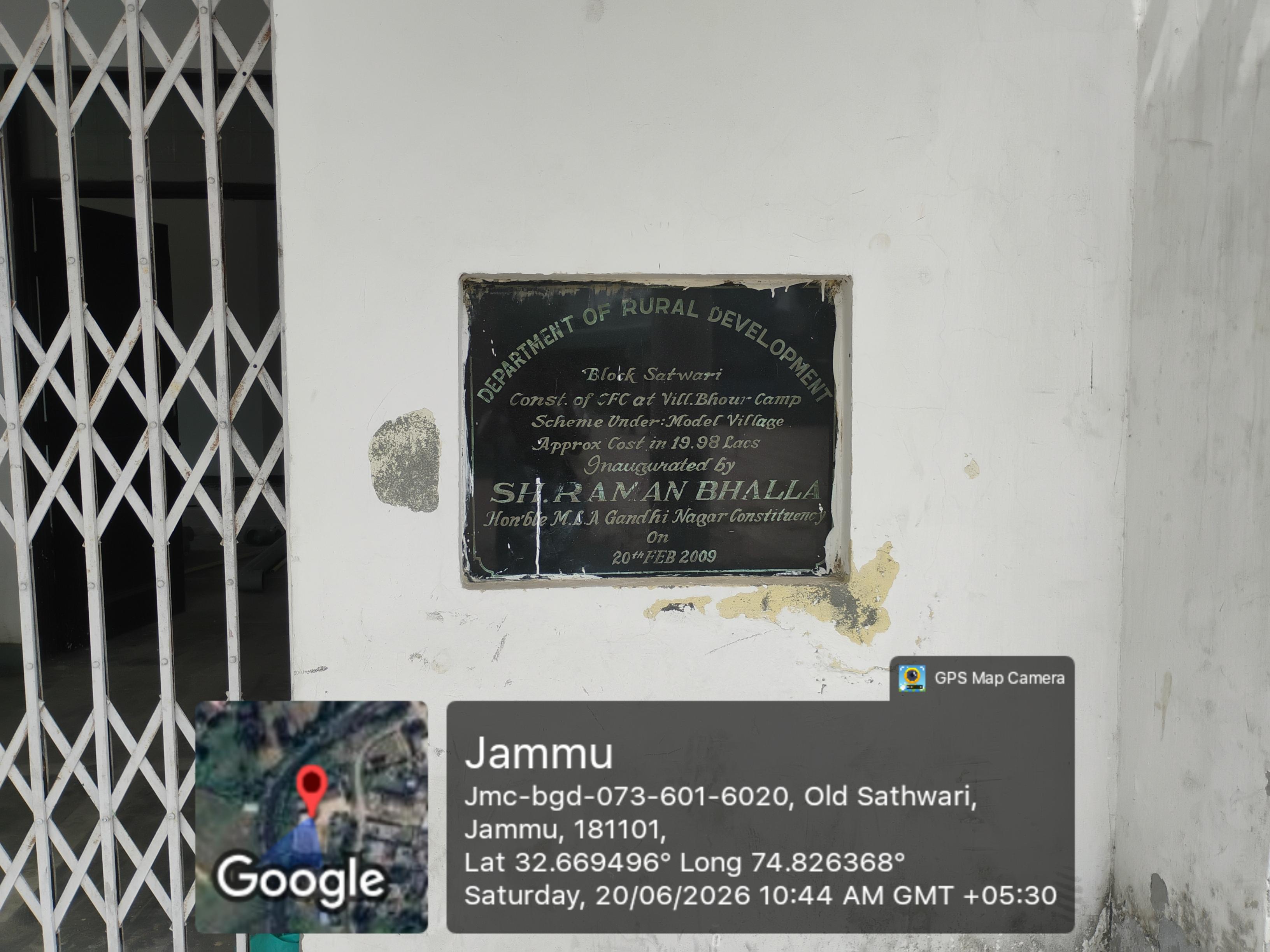
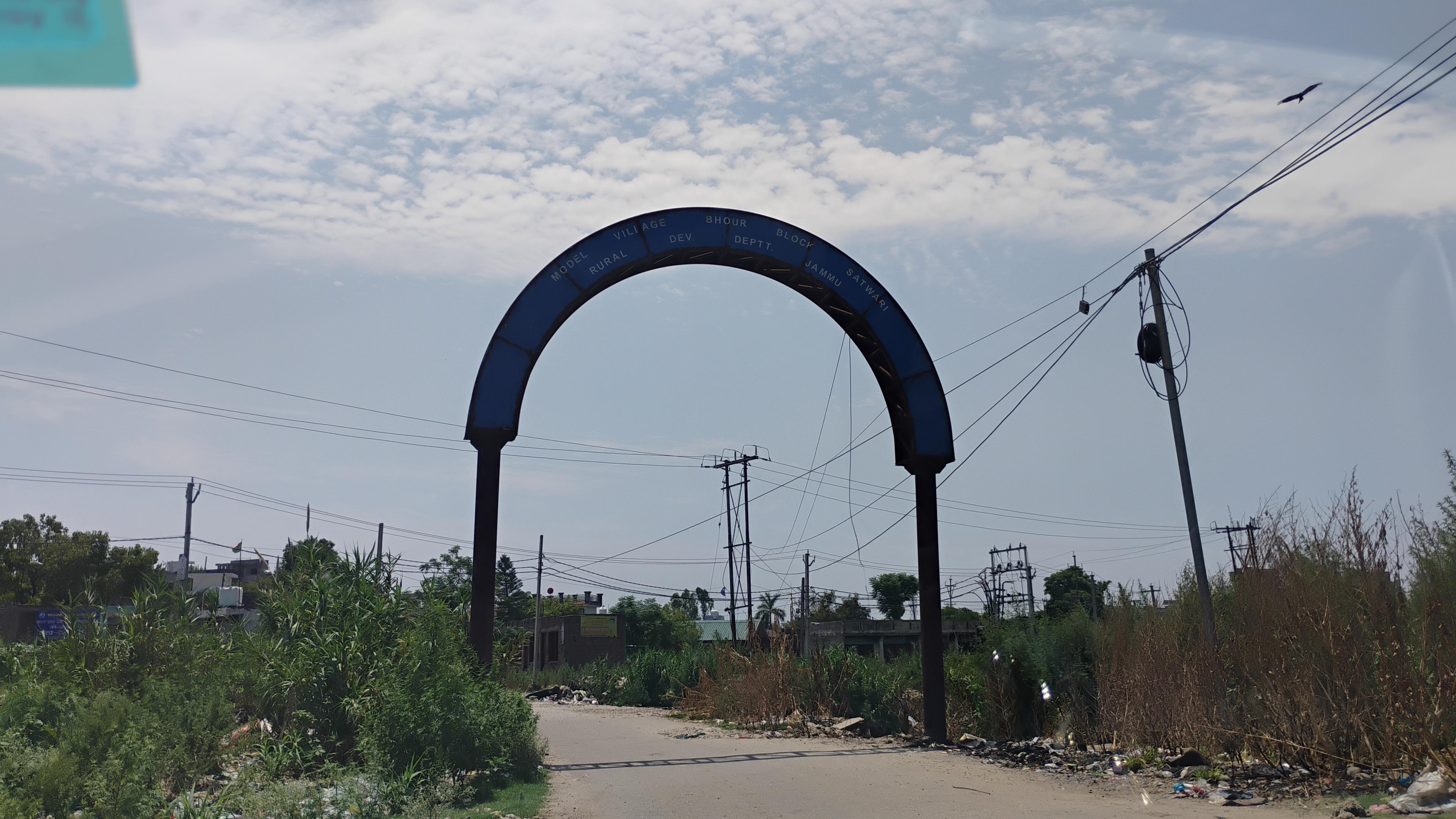
Bhour Pind, located within Bhour Camp in the Chatha area of Jammu district, Jammu & Kashmir, is a small settlement that reflects the gradual transformation of a traditional rural village into a semi-urban community. Situated close to Jammu city and Jammu Airport, the village has benefited from improved connectivity and infrastructure over the years. Although the estimated population of Bhour Pind is around 150–200 residents, it forms part of the larger Bhour Camp locality, which has an estimated population of nearly 9,000 people. Despite its small size, Bhour Pind showcases a blend of rural traditions, cultural diversity, and emerging urban influences, making it an excellent example of contemporary village development.
Population and Social Structure
Community Composition and Settlement Pattern
Bhour Pind is home to a diverse population comprising local Dogra families, migrant communities, economically weaker households, and a significant Scheduled Caste (SC) and Scheduled Tribe (ST) population. The village reflects both social harmony and economic diversity, as residents from different backgrounds celebrate major festivals together while preserving their individual traditions. However, field observations revealed that economic differences have resulted in a degree of social separation, particularly between families living in permanent houses and those residing in temporary settlements. This diversity highlights the importance of promoting inclusive development that benefits every section of the community.
Historical Background
Transformation from an Agricultural Settlement
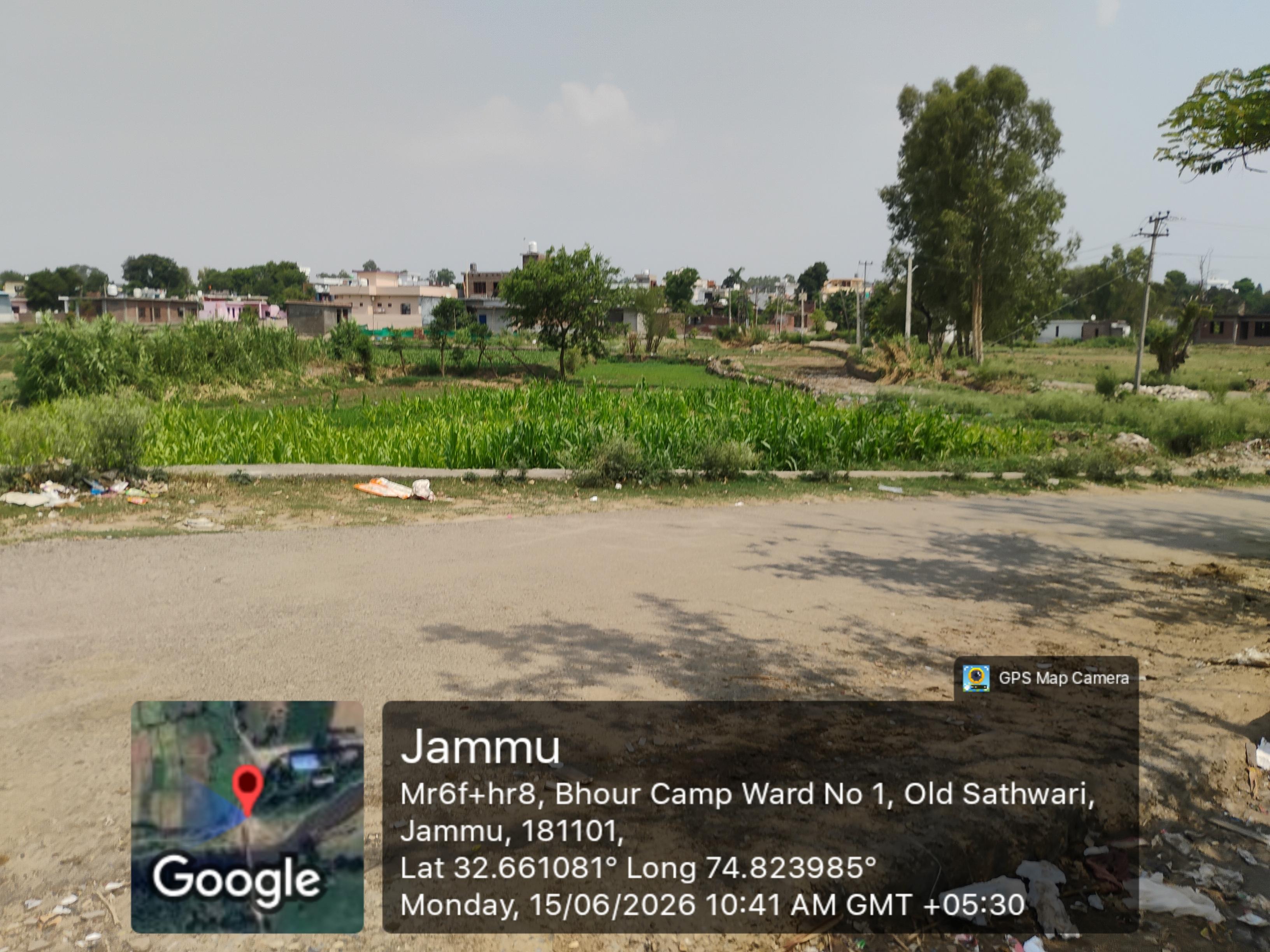
Historically, Bhour Pind was primarily an agricultural settlement, where farming and livestock rearing served as the principal sources of livelihood. With the expansion of Jammu city, improved road connectivity, and development around Chatha and Jammu Airport, the village gradually evolved into a semi-urban locality. Today, while agriculture continues to remain an important occupation, many residents have diversified into government employment, private sector jobs, transport services, and small businesses. Although Bhour Pind is not officially associated with nationally recognised historical personalities or monuments, its local history continues to be preserved through oral traditions, religious celebrations, and community customs passed down through generations.
Field Visit Observations
Socio-Economic Diversity within the Village
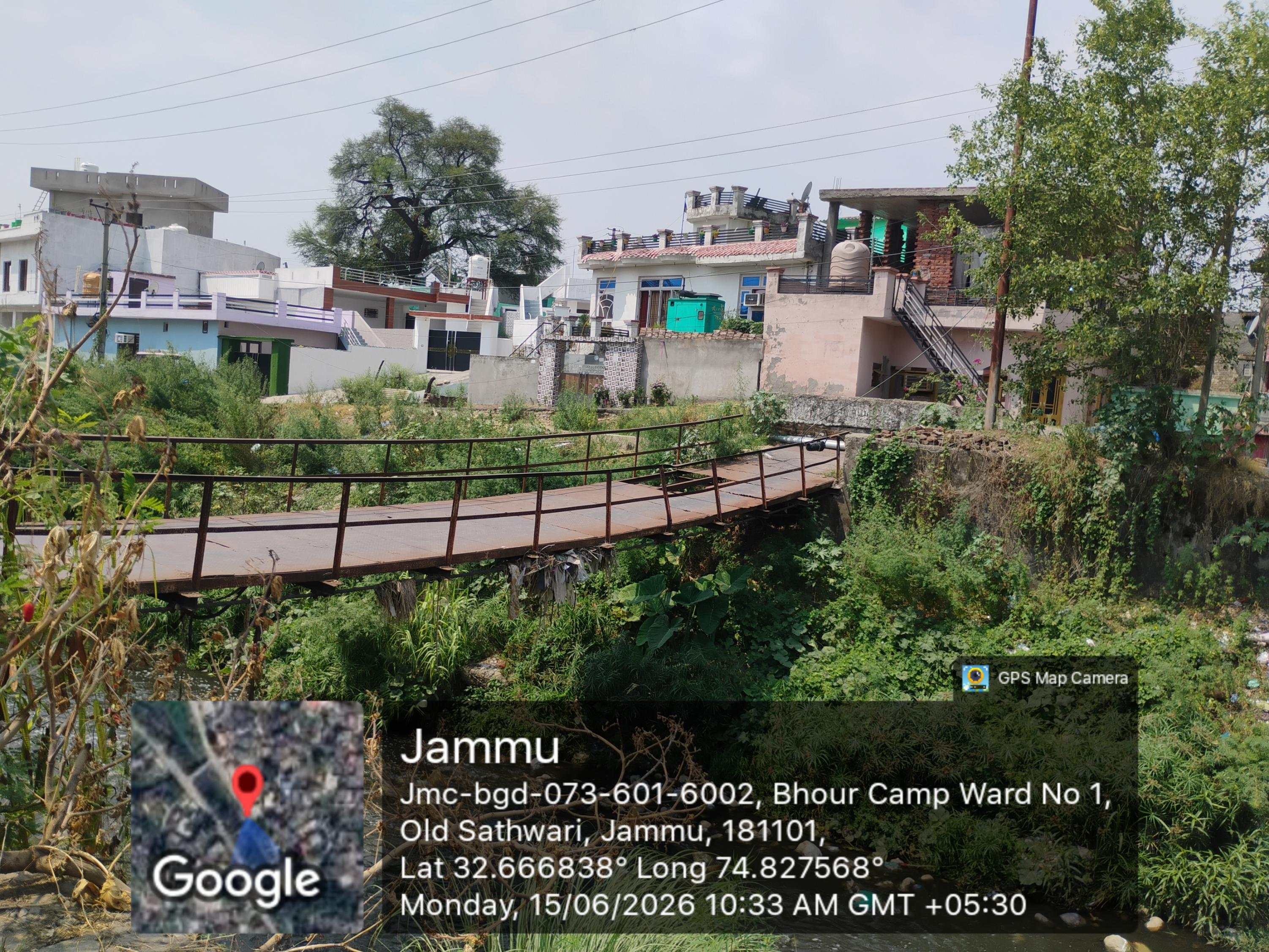
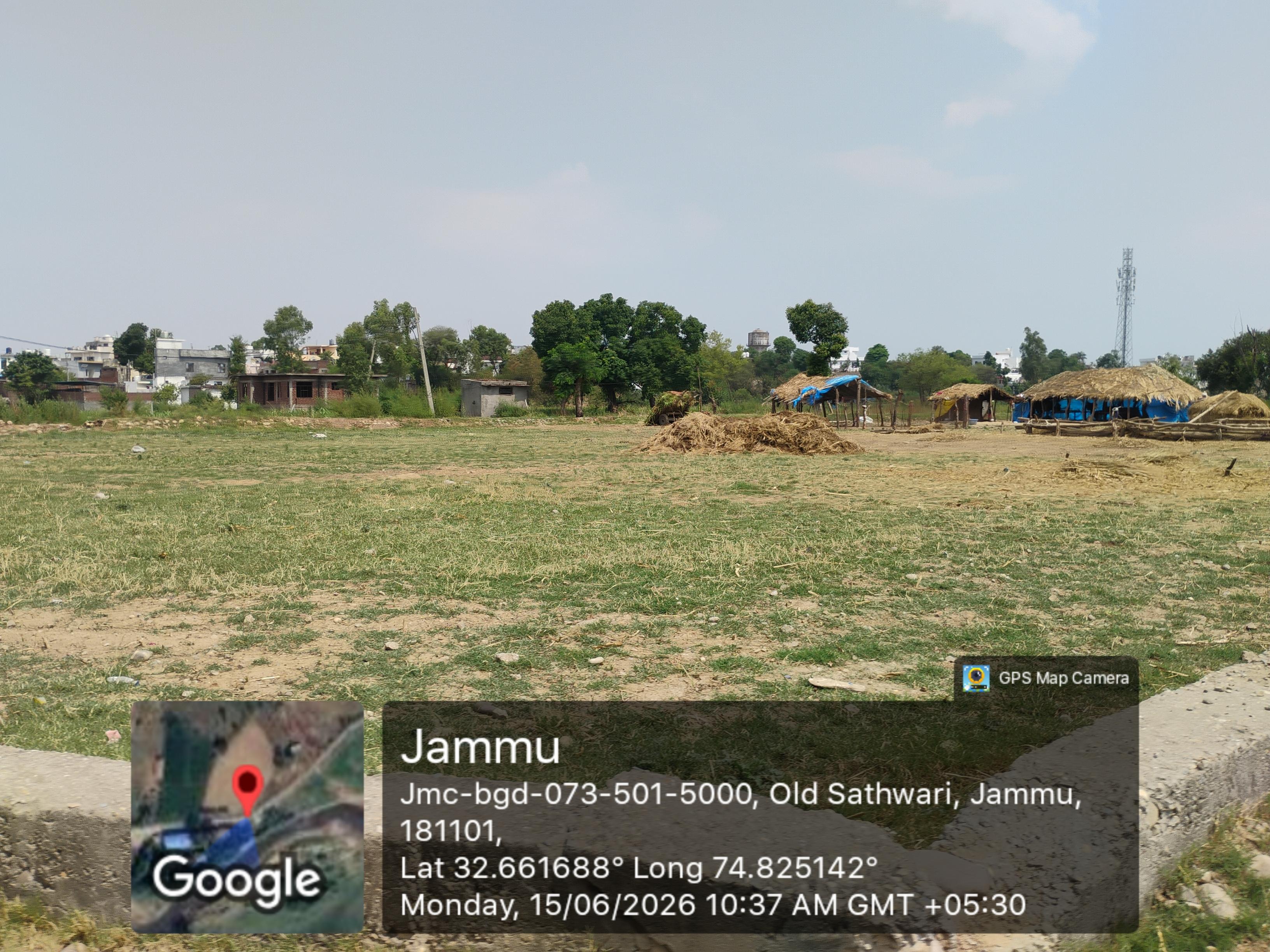
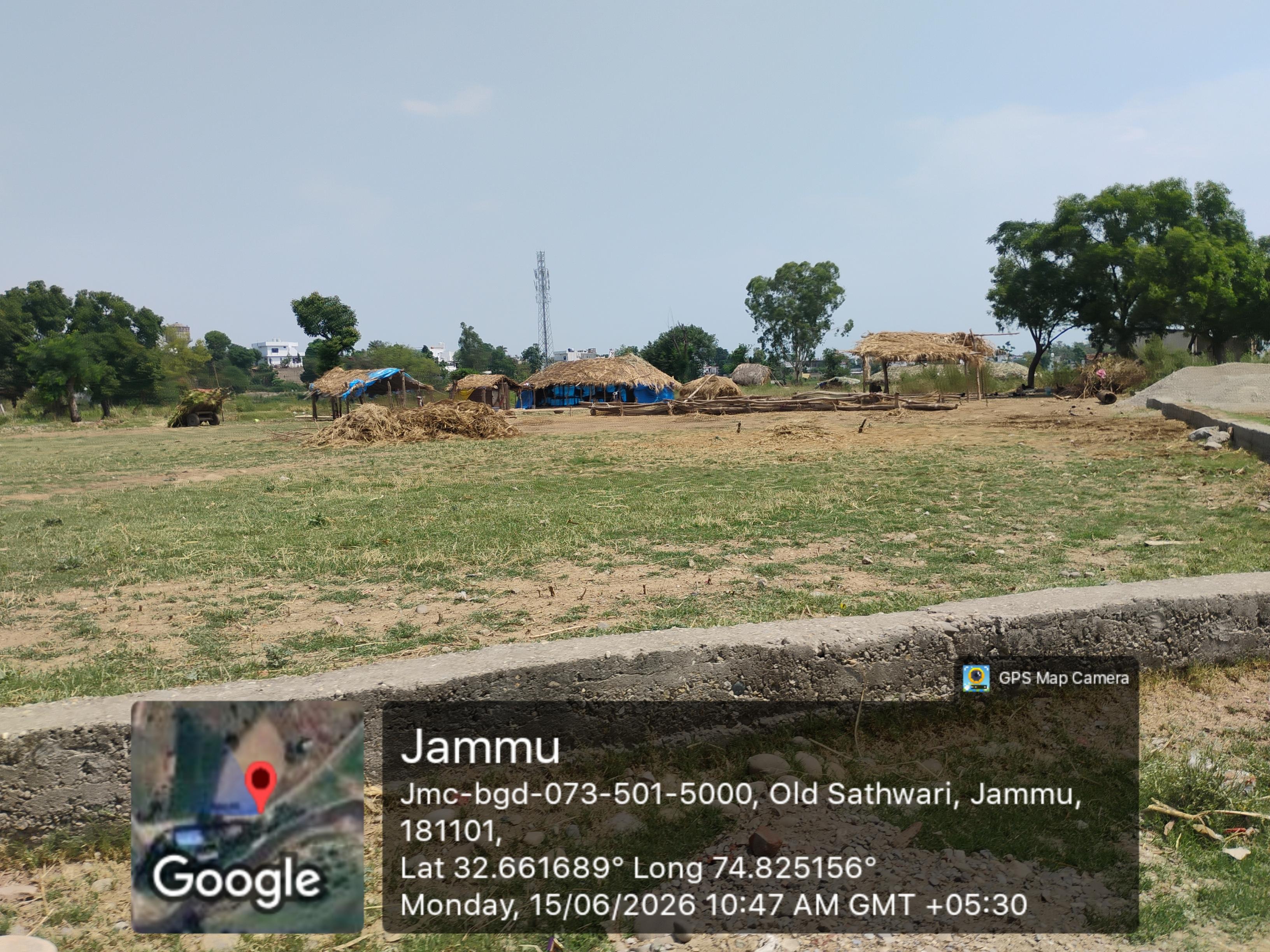
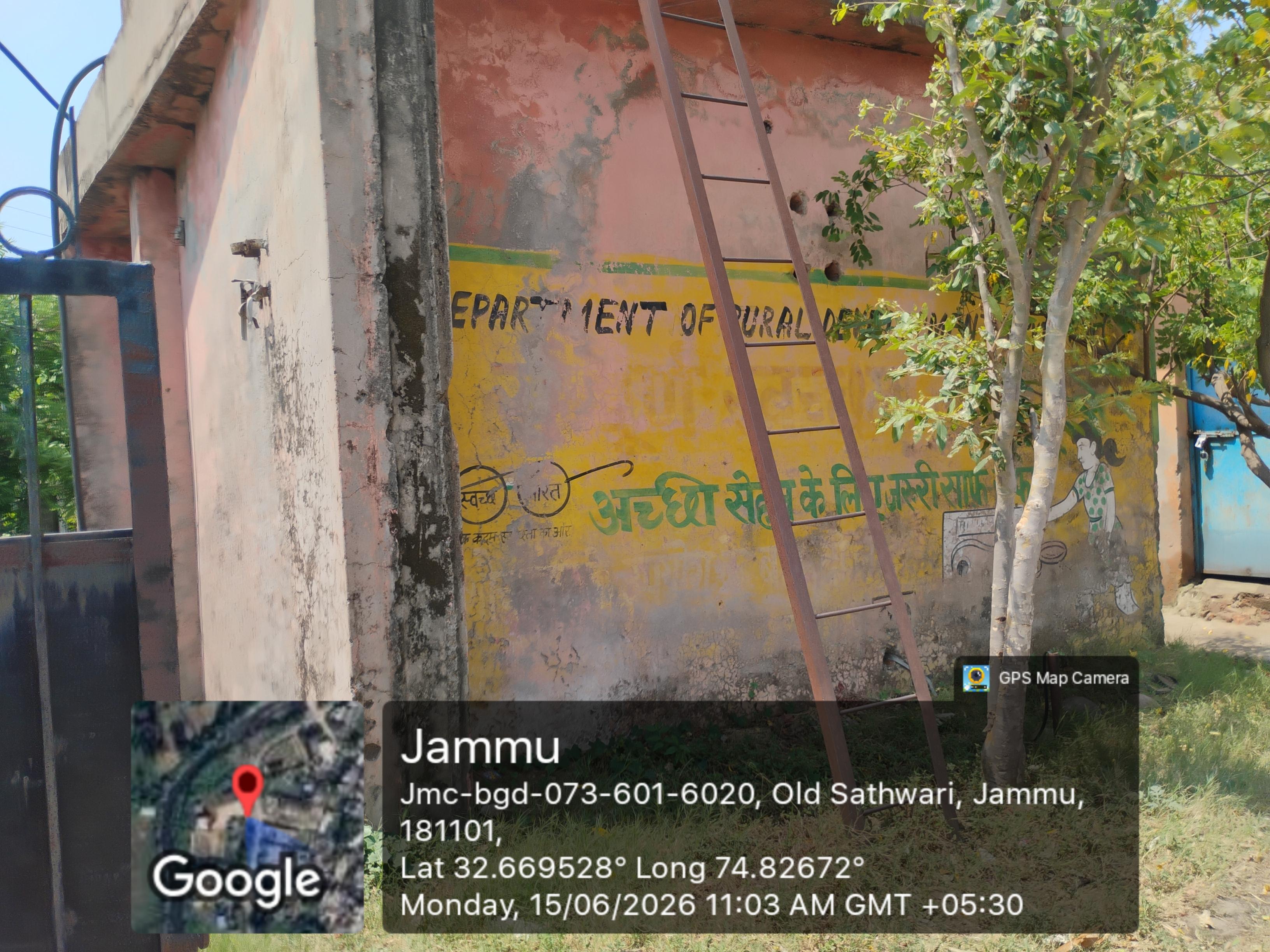
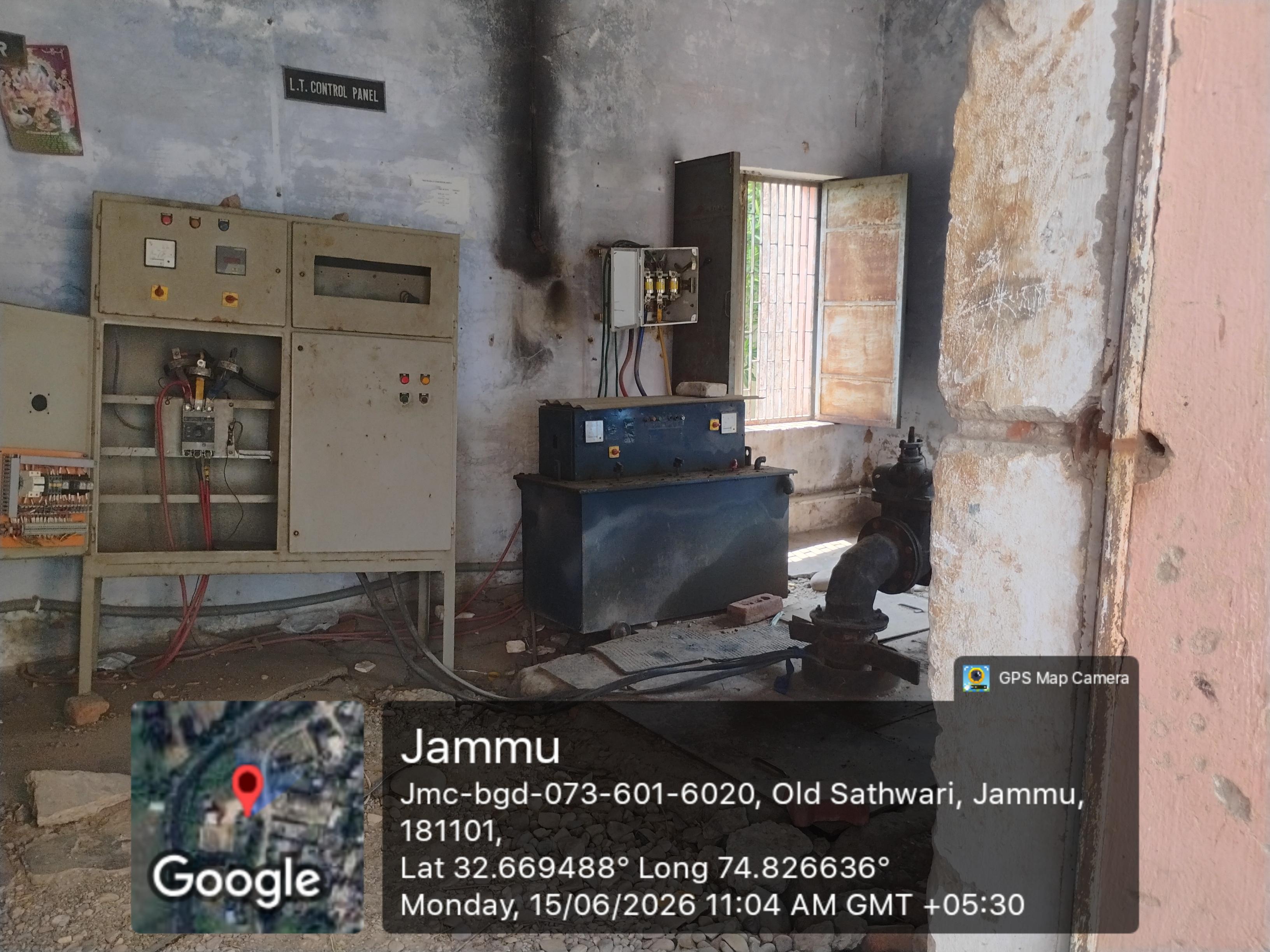
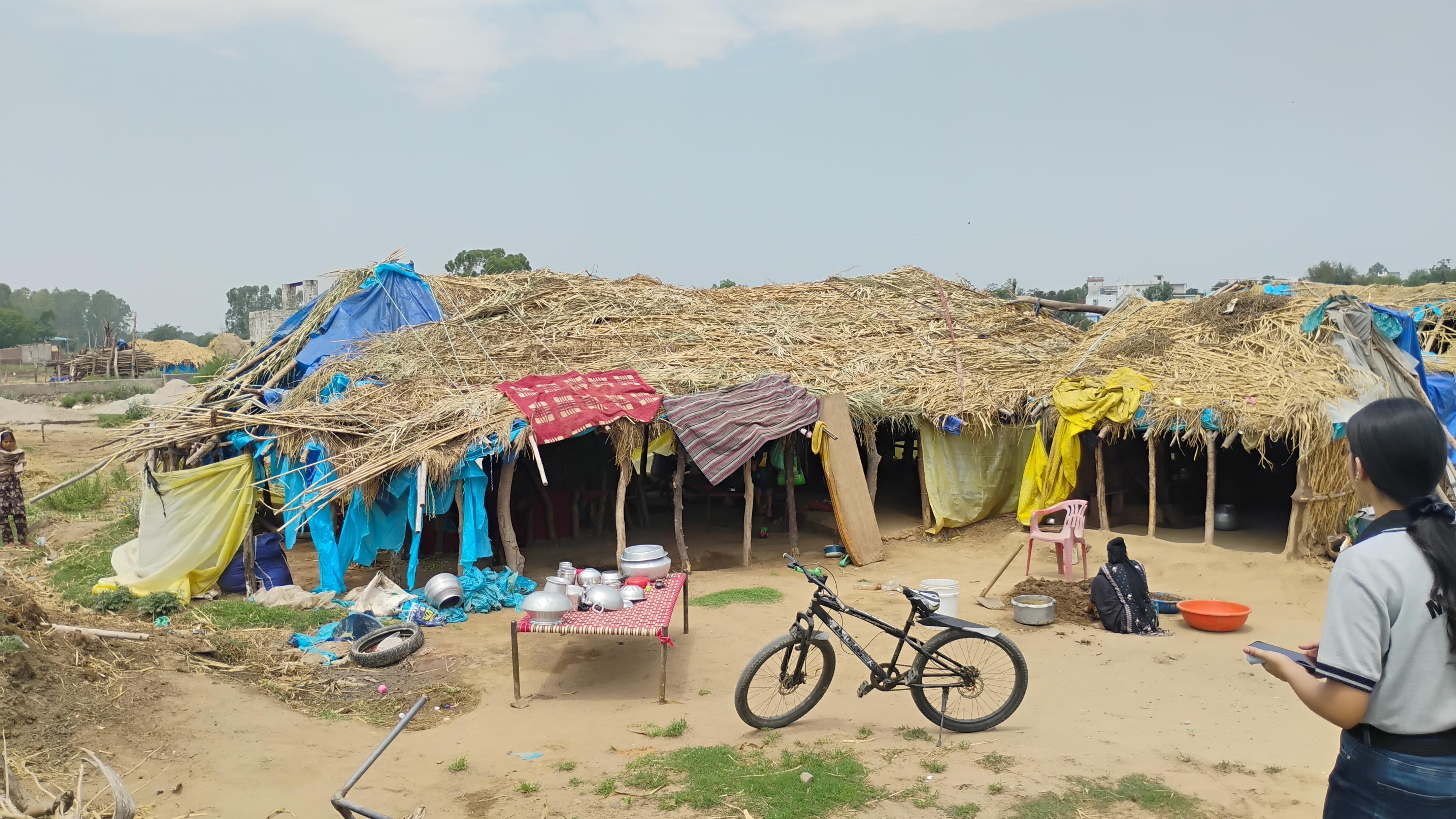
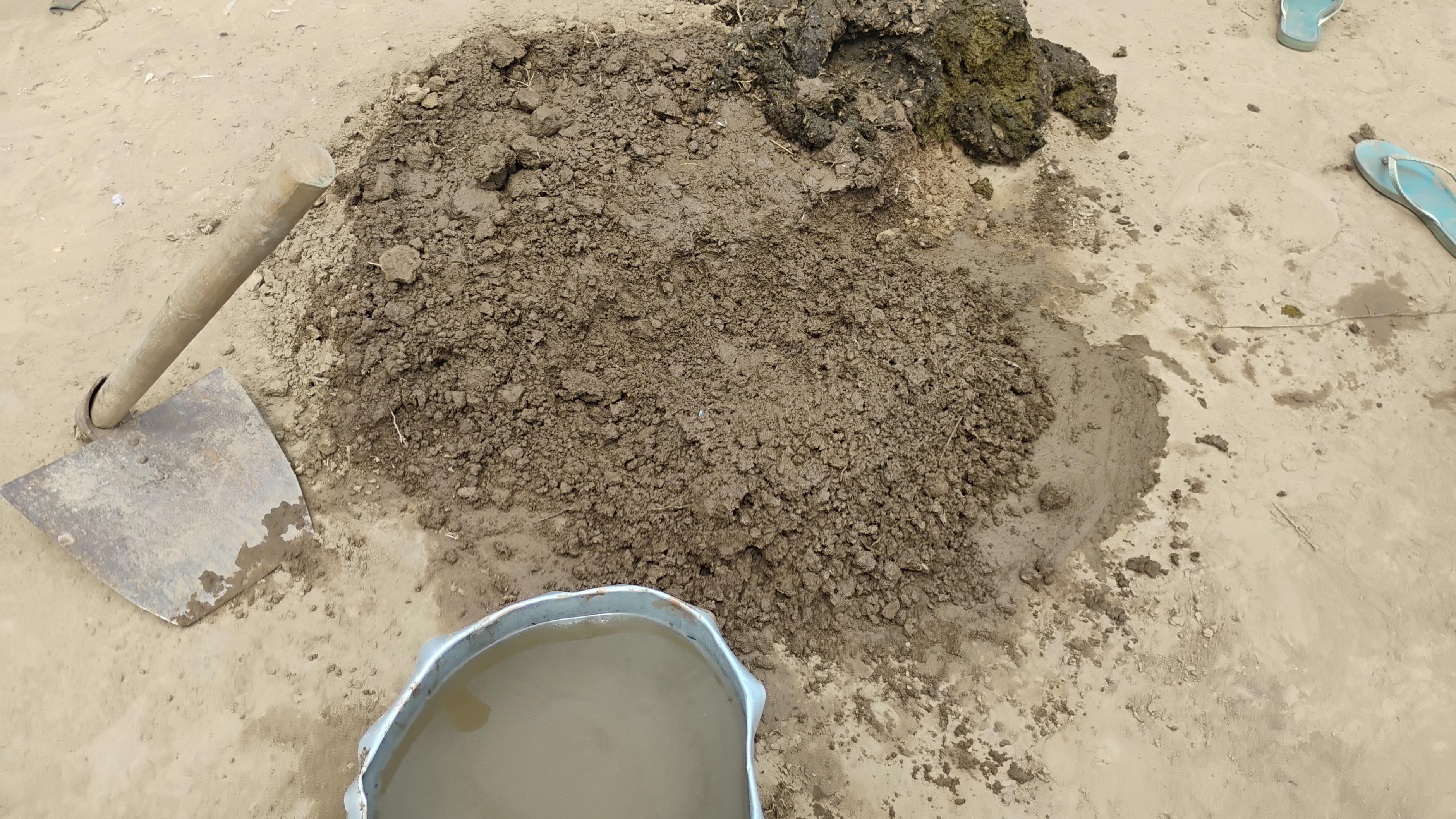
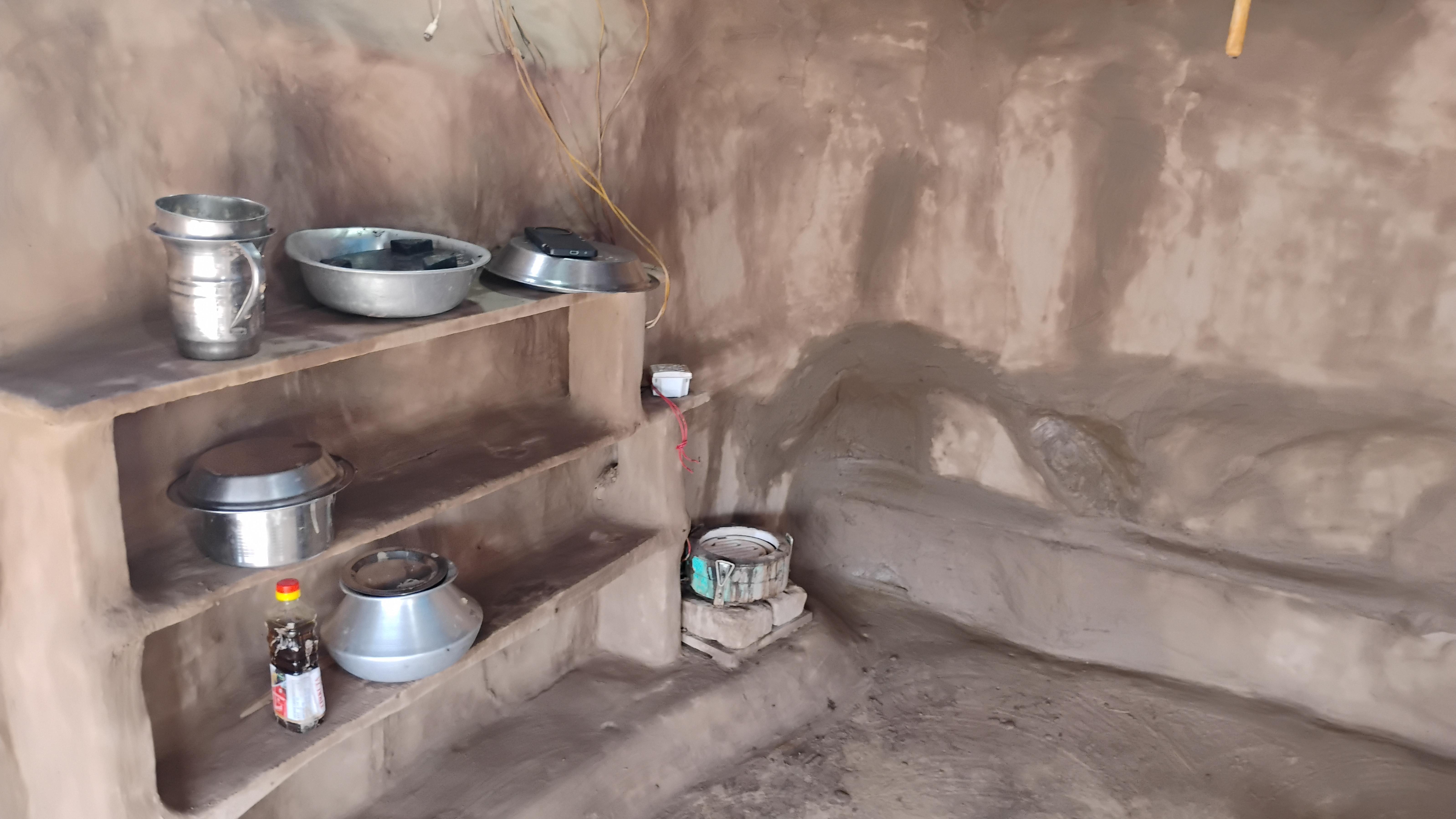
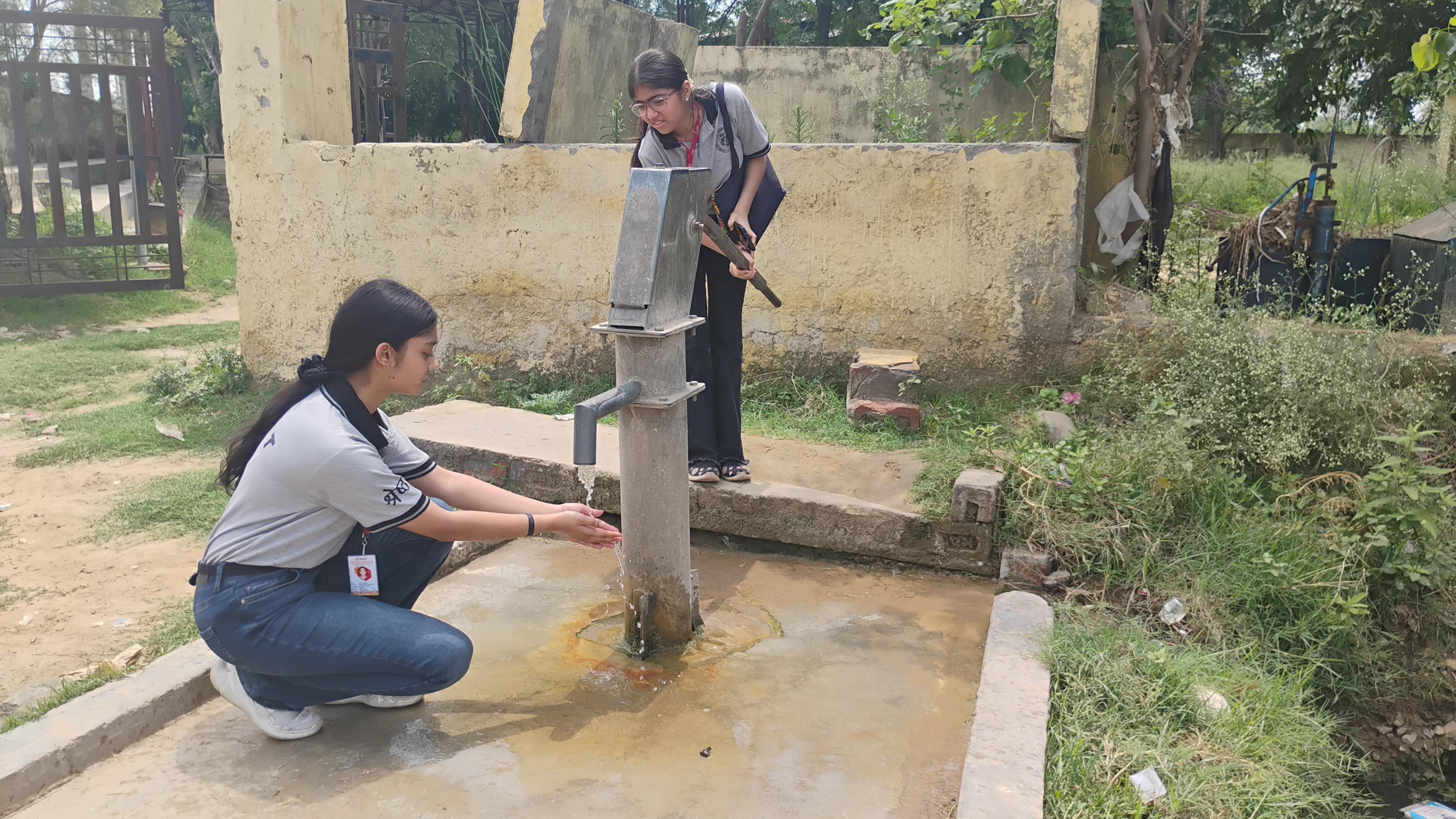
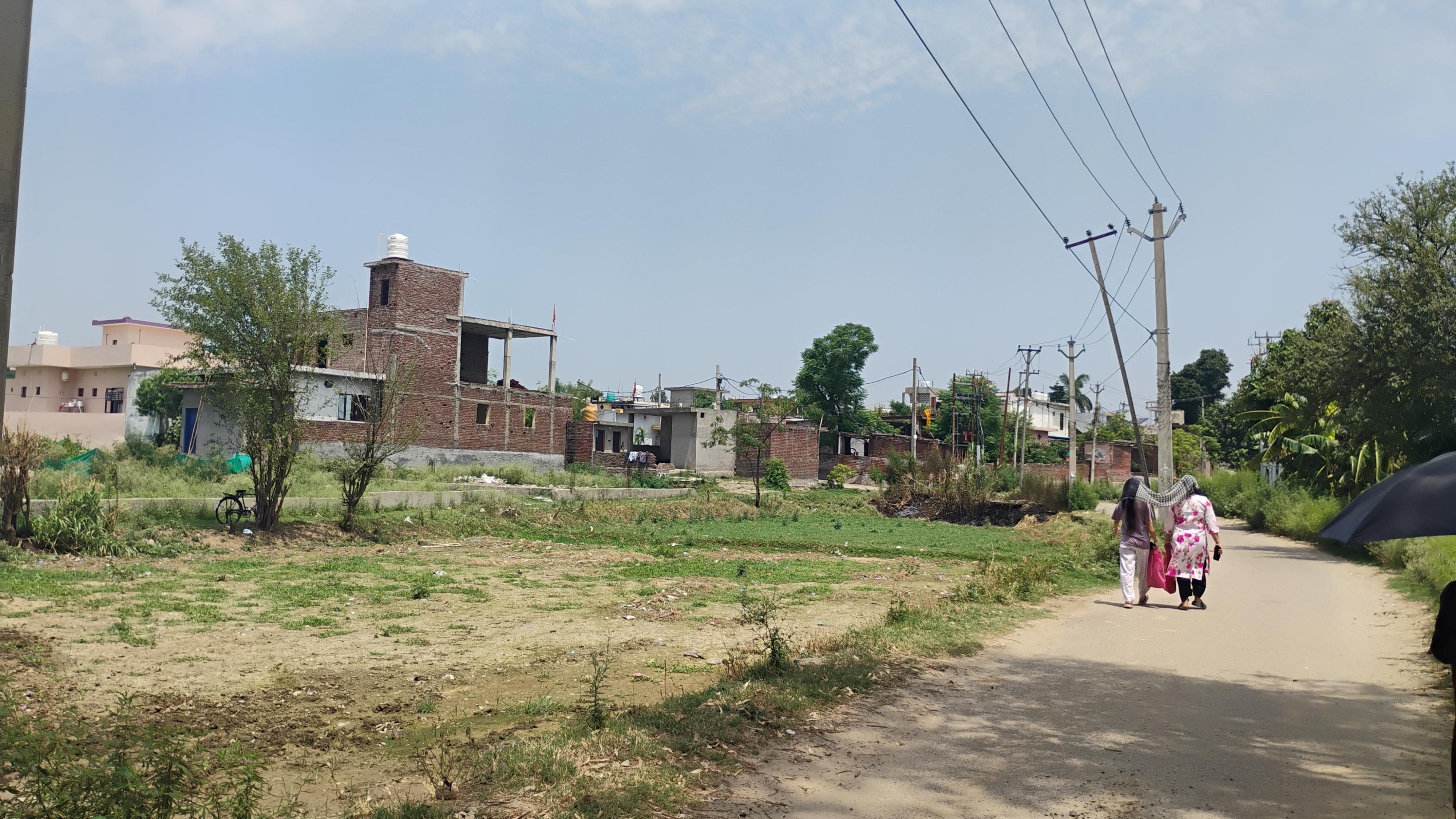
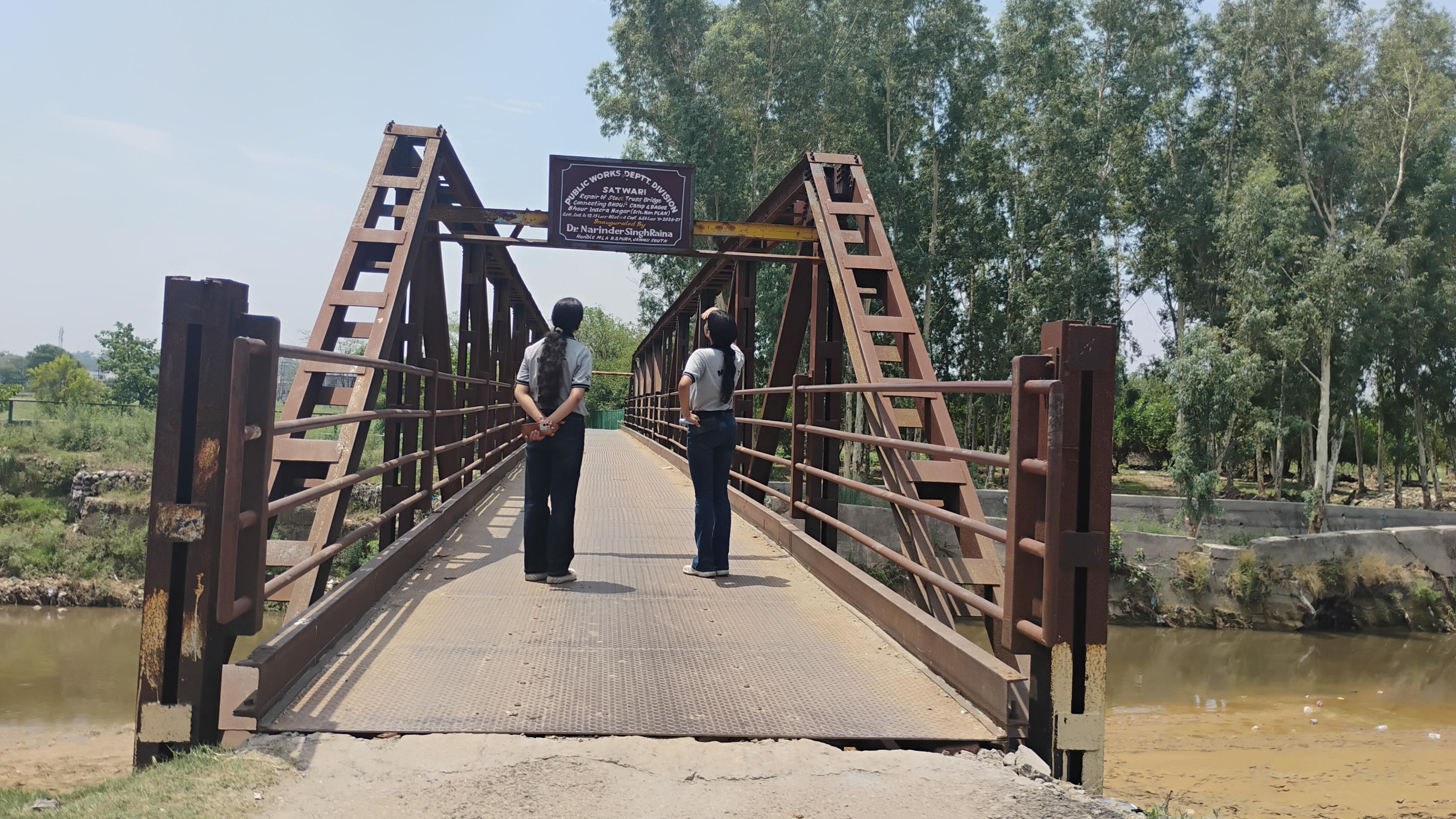
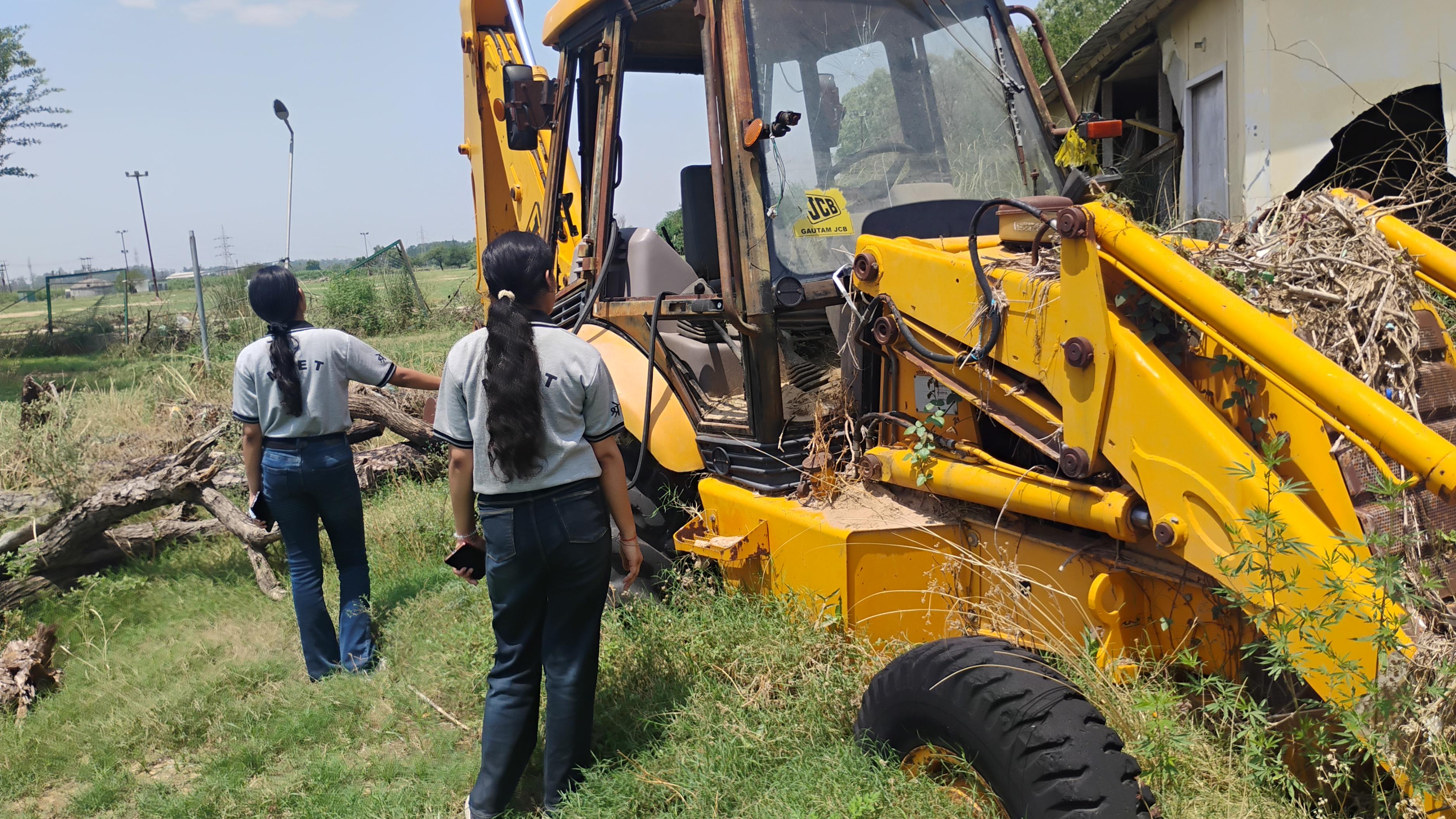
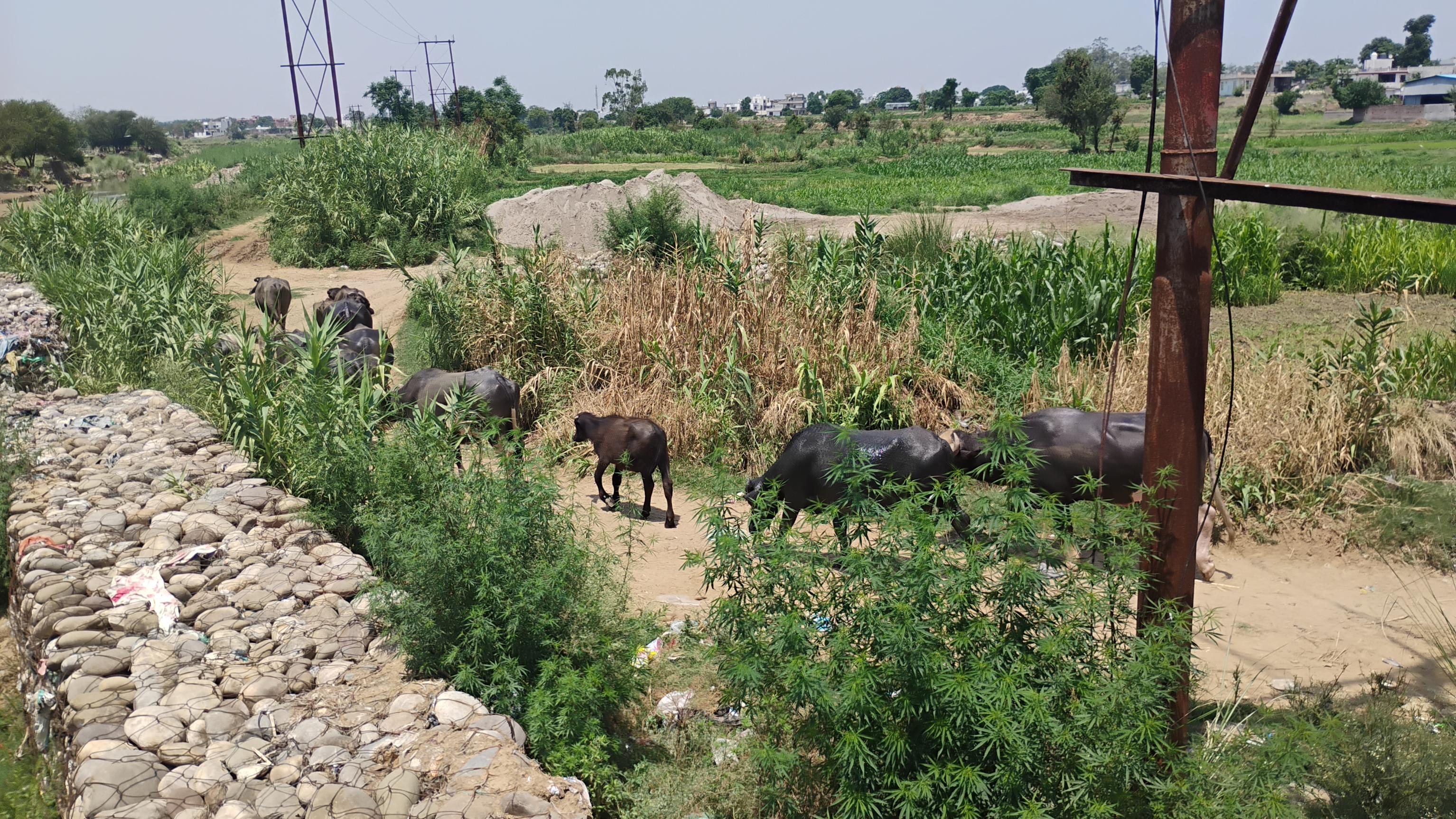
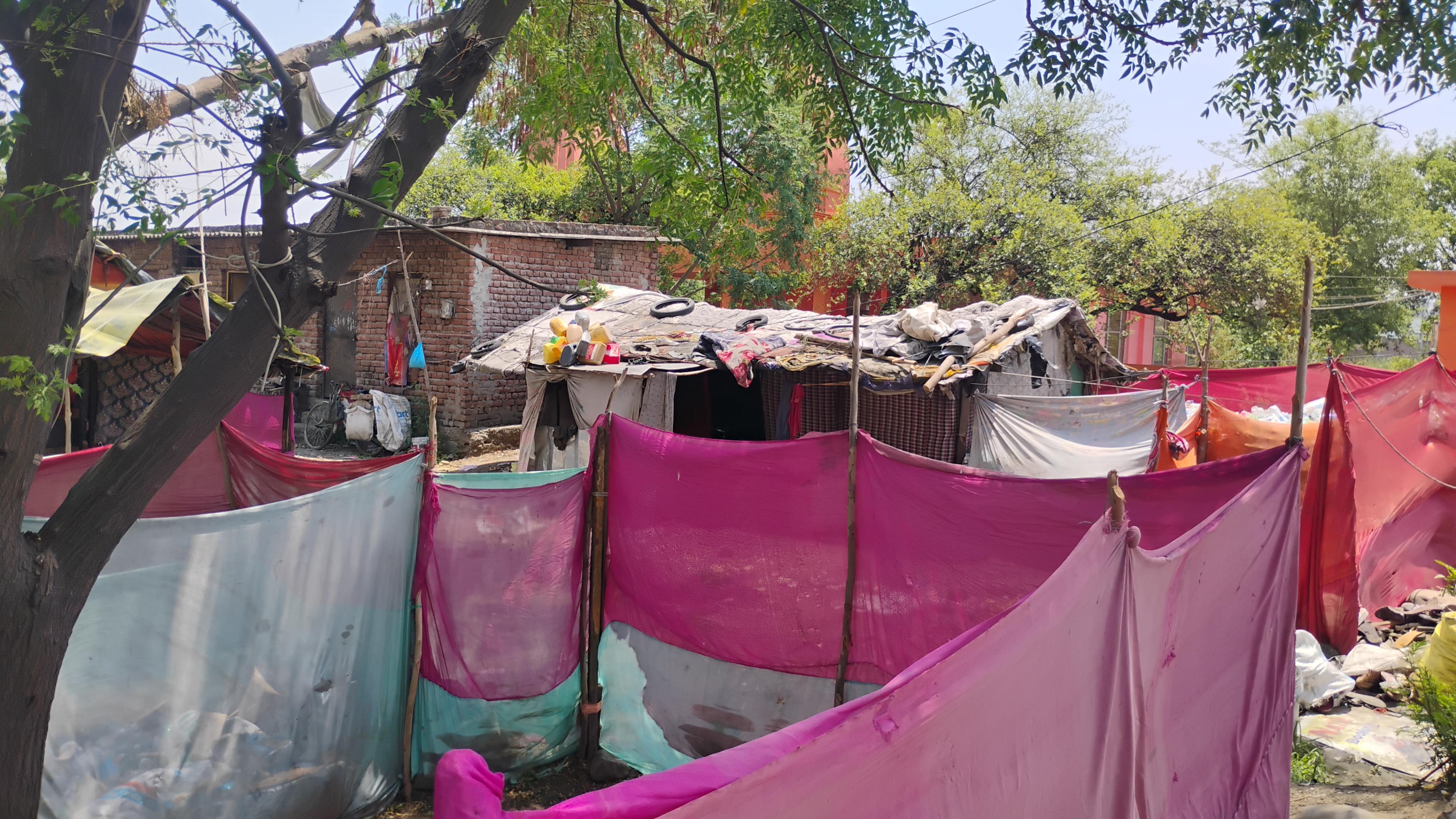
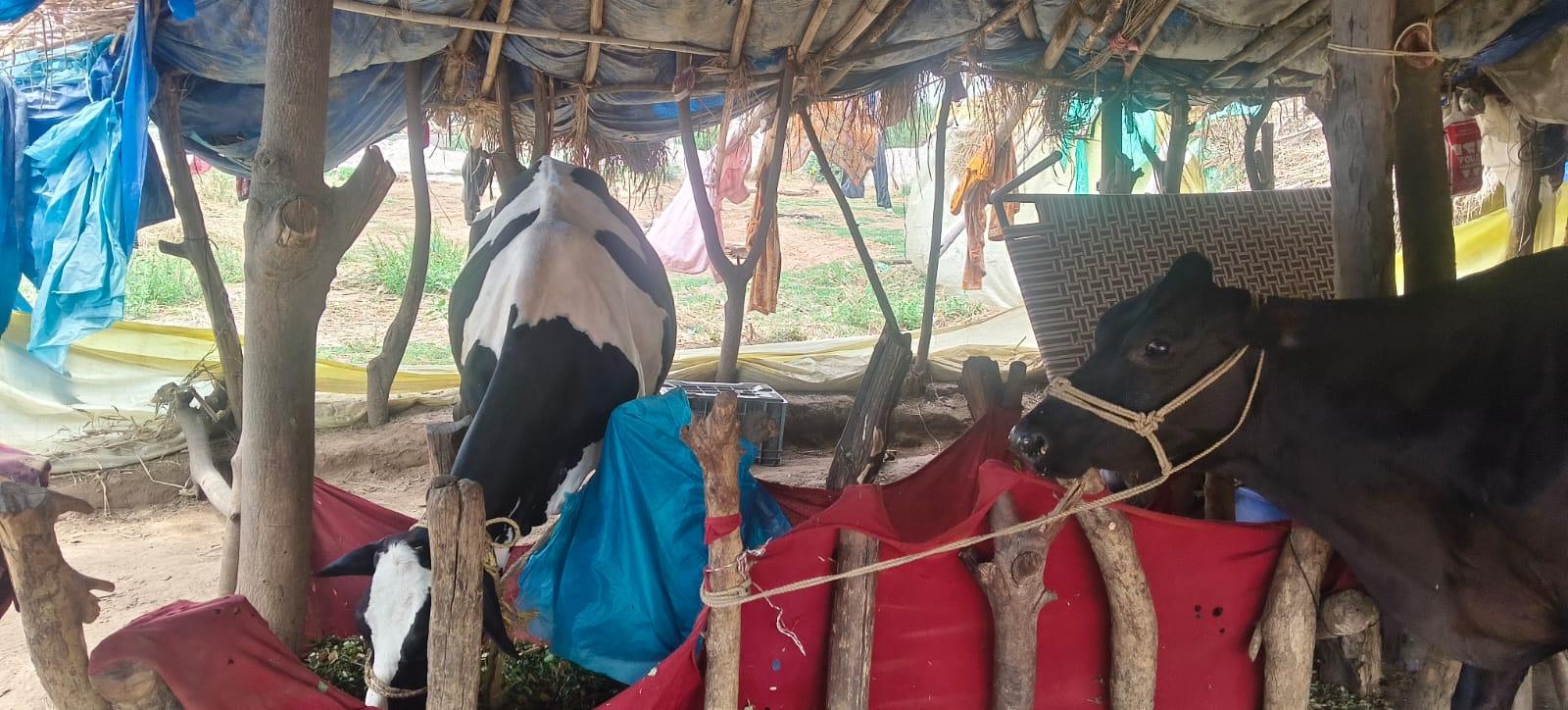
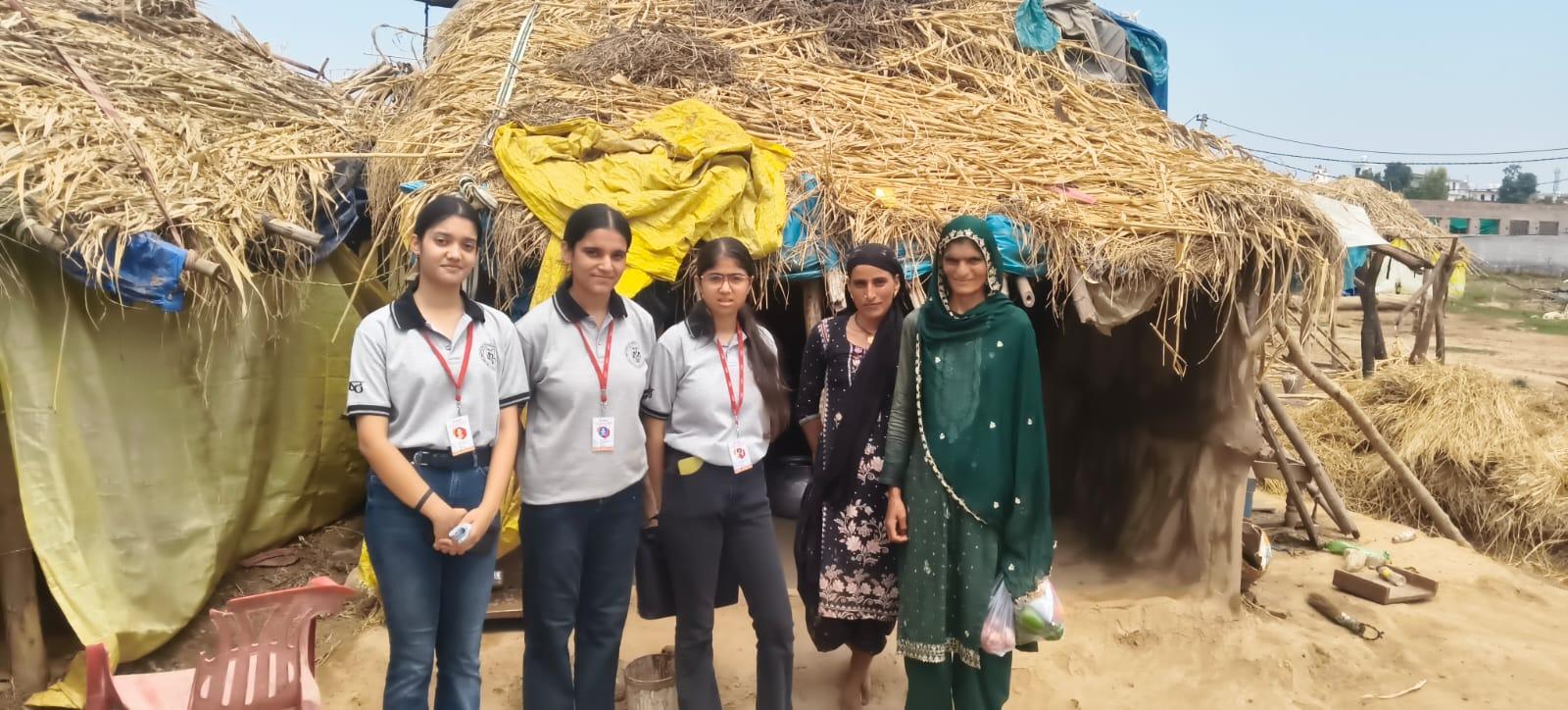
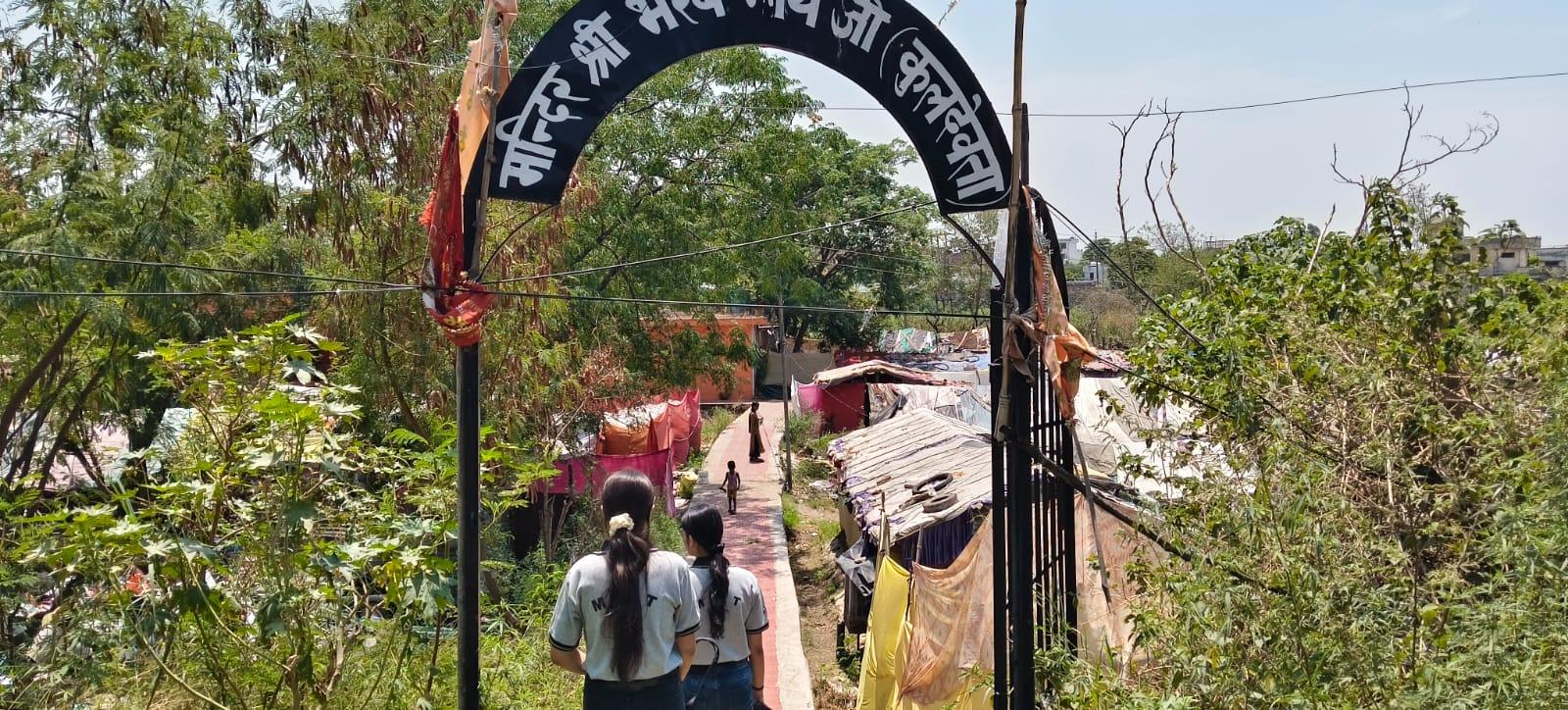
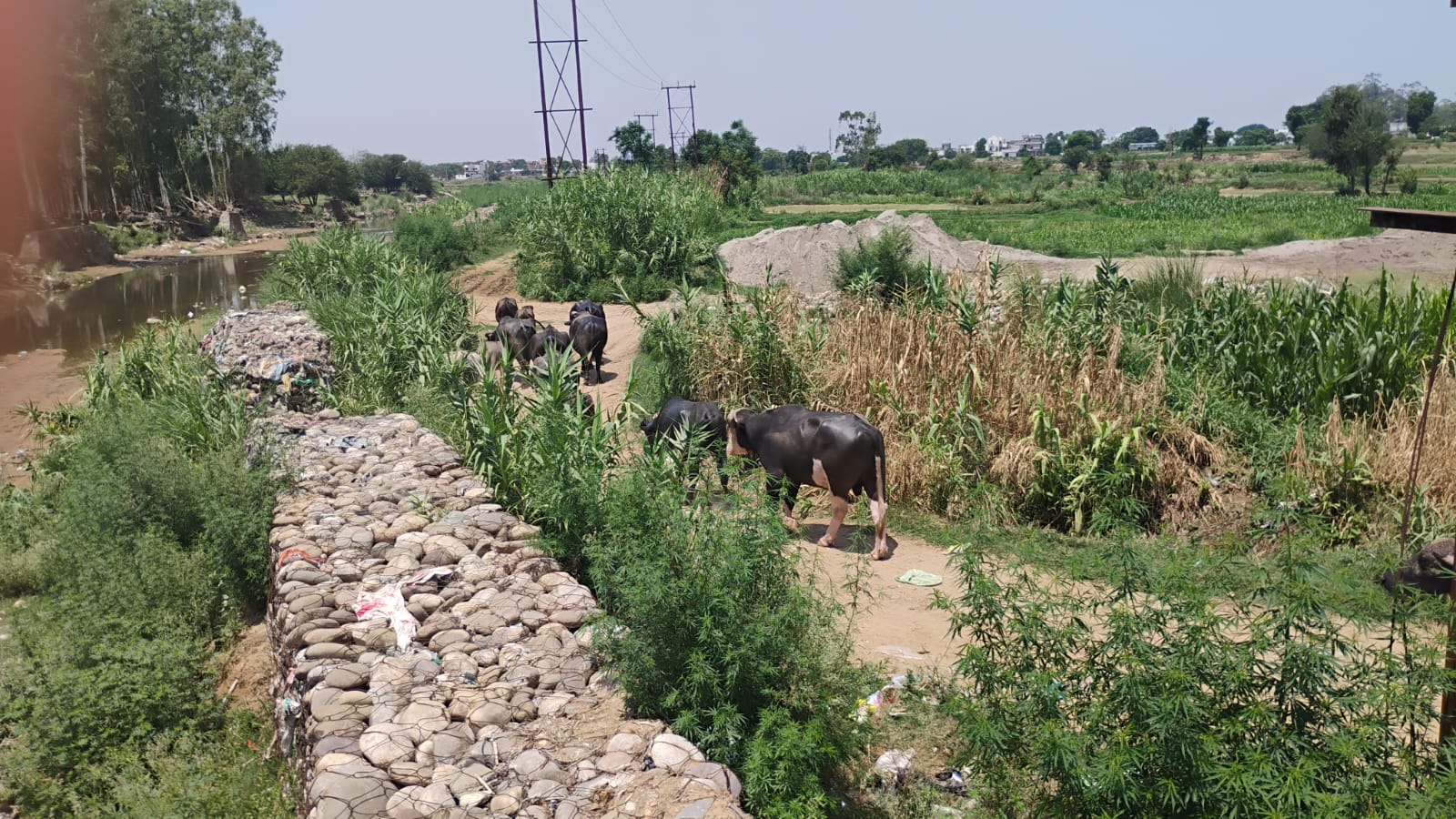
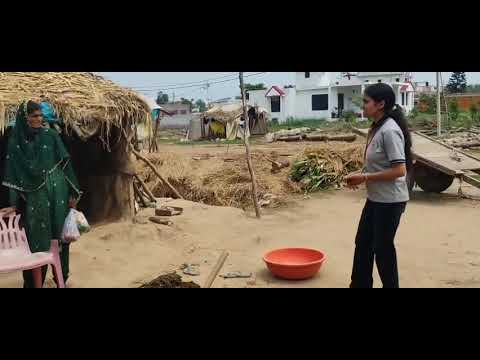
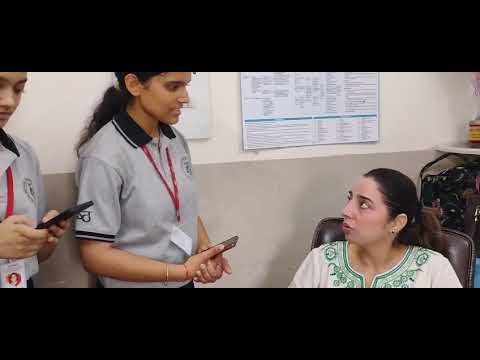
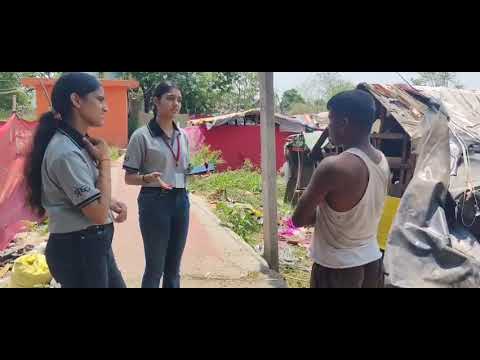
During our field visit, interactions with residents highlighted the remarkable socio-economic diversity present within Bhour Pind. One section of the village consists of families living in well-constructed brick houses equipped with electricity, educational facilities, and stable sources of income. Many members of these households are employed as teachers, government employees, CID personnel, police officers, private sector workers, and transport employees. In contrast, another section comprises migrant and economically weaker families residing in temporary jhuggis made from mud, bamboo, grass, and cow dung. These households largely depend upon animal husbandry, dairy farming, daily wage labour, rag-picking, plastic bottle collection, and scrap collection for their livelihood. Many residents also expressed concerns regarding poor sanitation, lack of toilets, dependence on hand pumps, limited electricity, poor housing conditions, and minimal interaction with families living in permanent houses.
Lifestyle and Economic Activities
Blending Traditional Occupations with Modern Employment
The lifestyle of Bhour Pind represents a balance between traditional rural practices and modern urban influences. Families living in permanent houses generally enjoy stable incomes, better educational opportunities, and access to digital services, while economically weaker households continue to struggle with inadequate housing and limited basic amenities. Agriculture and livestock farming remain important occupations, but proximity to Jammu city has enabled many residents to secure employment in various sectors. Major occupations include government service, teaching, police, CID, private employment, transport services, agriculture, dairy farming, animal husbandry, small businesses, daily wage labour, and scrap collection, contributing to the village's gradually diversifying economy.
Cultural Heritage and Festivals
Preserving Dogra Traditions and Community Harmony
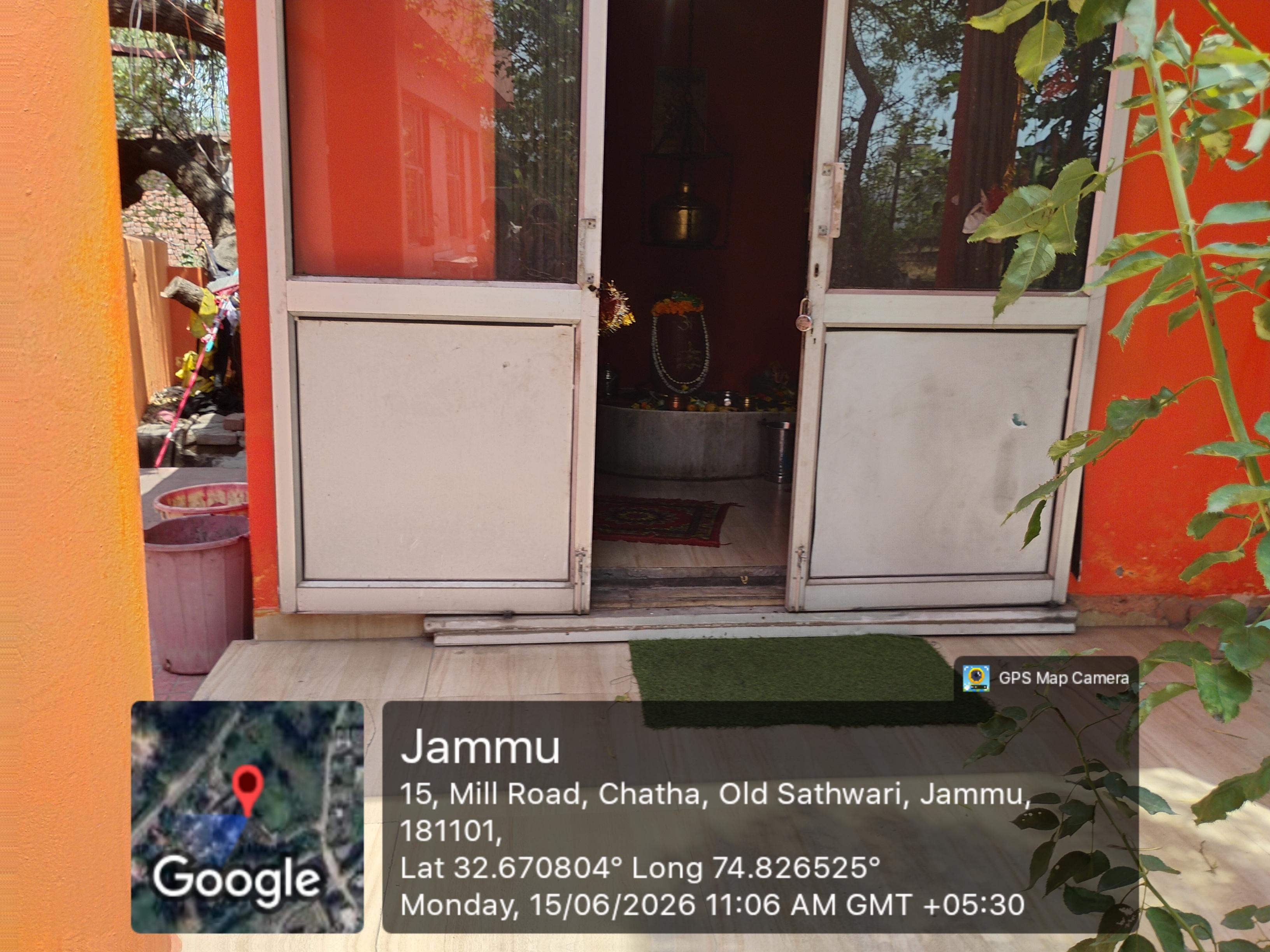
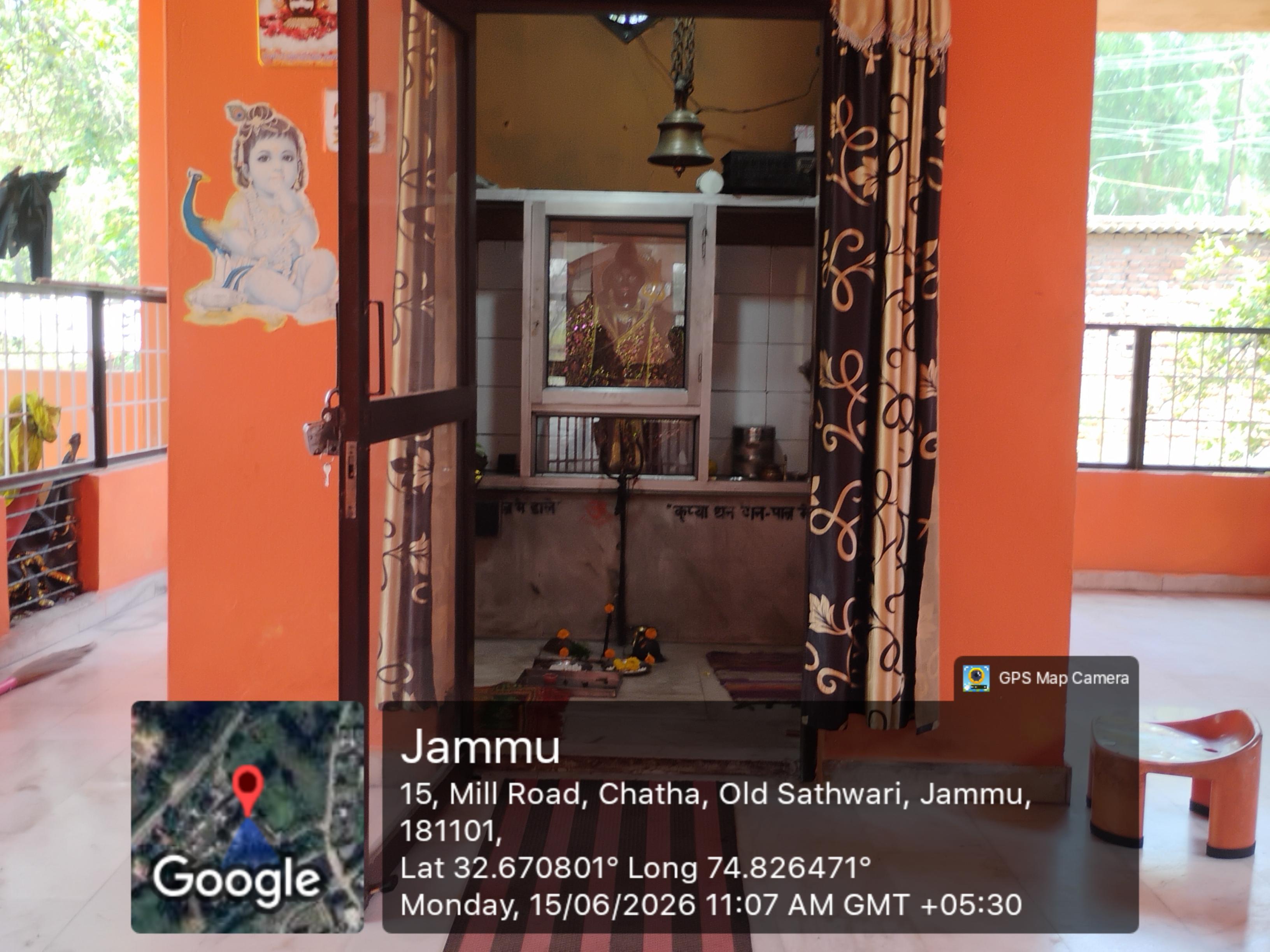
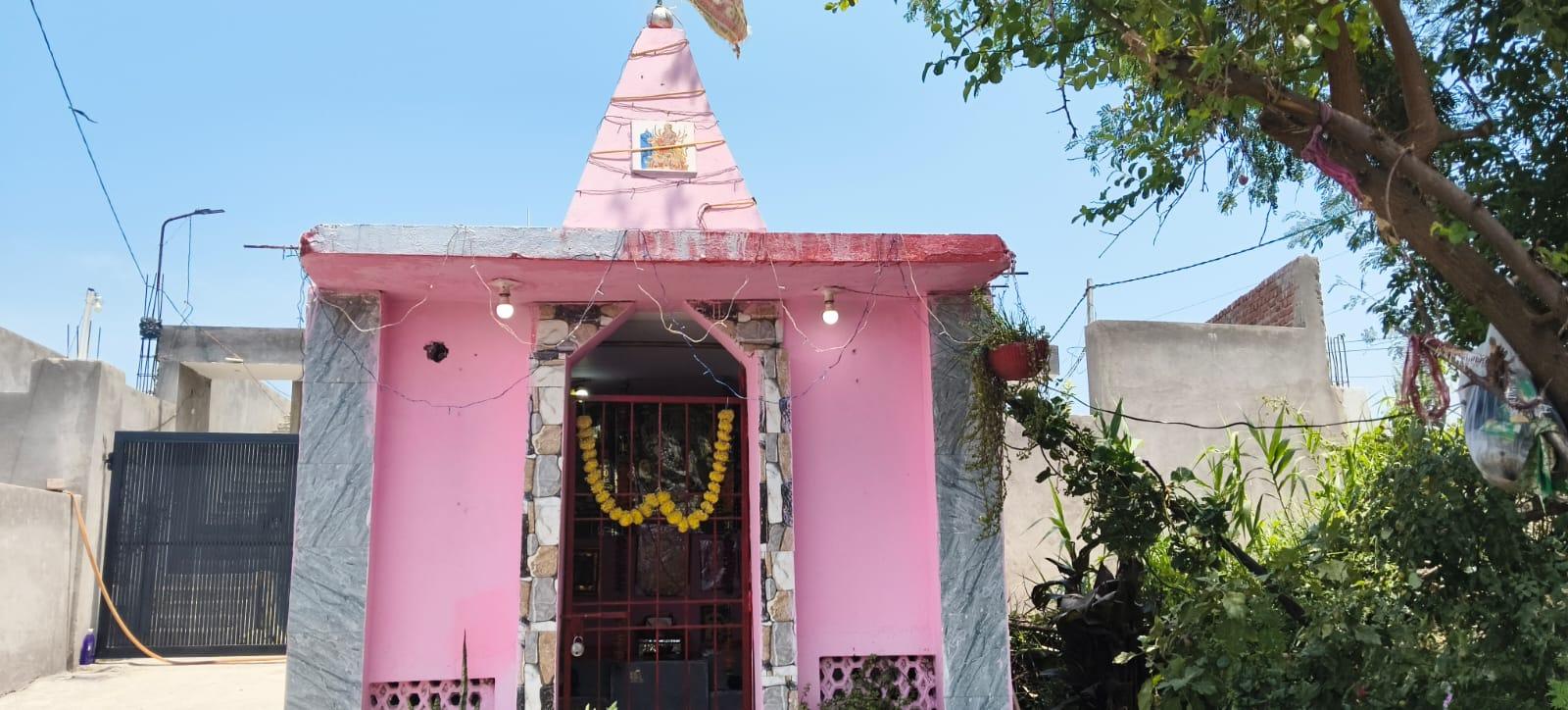
The cultural identity of Bhour Pind is strongly influenced by Dogra traditions, while also embracing the customs and practices of migrant and SC/ST communities. Residents celebrate important festivals such as Lohri, Baisakhi, Diwali, Navratri, and Eid, fostering communal harmony and strengthening social relationships. Traditional weddings, folk music, local customs, and religious ceremonies continue to preserve the cultural heritage of the village. Popular local delicacies include Rajma Chawal, Kaladi Kulcha, Ambal, Kheer, and traditional Dogra pickles, which are commonly prepared during festivals, family gatherings, and special occasions. Although Bhour Pind does not organise dedicated food festivals, nearby tea stalls and local dhabas in the Chatha area offer authentic regional cuisine.
Education and Digital Development
Learning Opportunities and Digital Inclusion
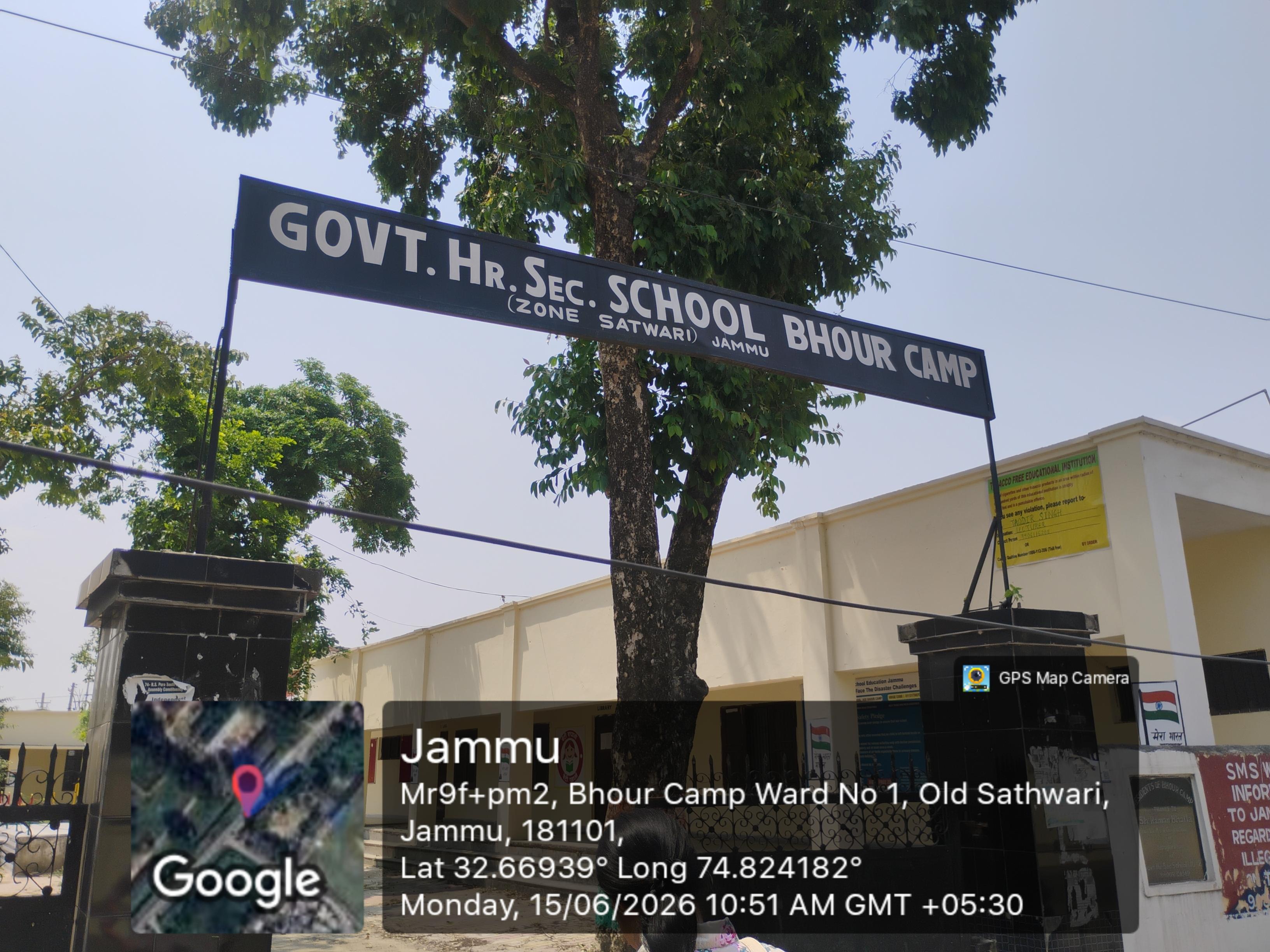
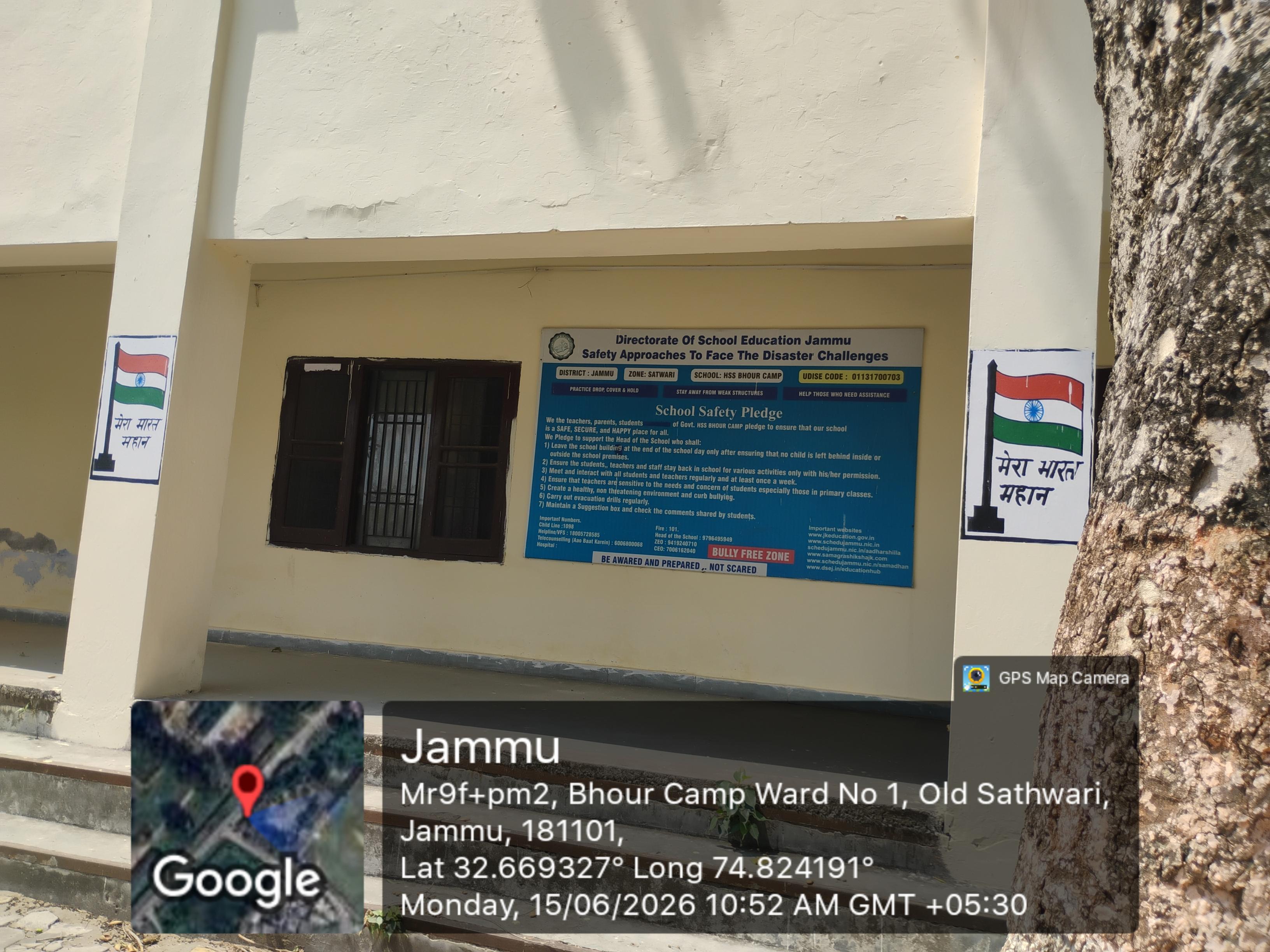
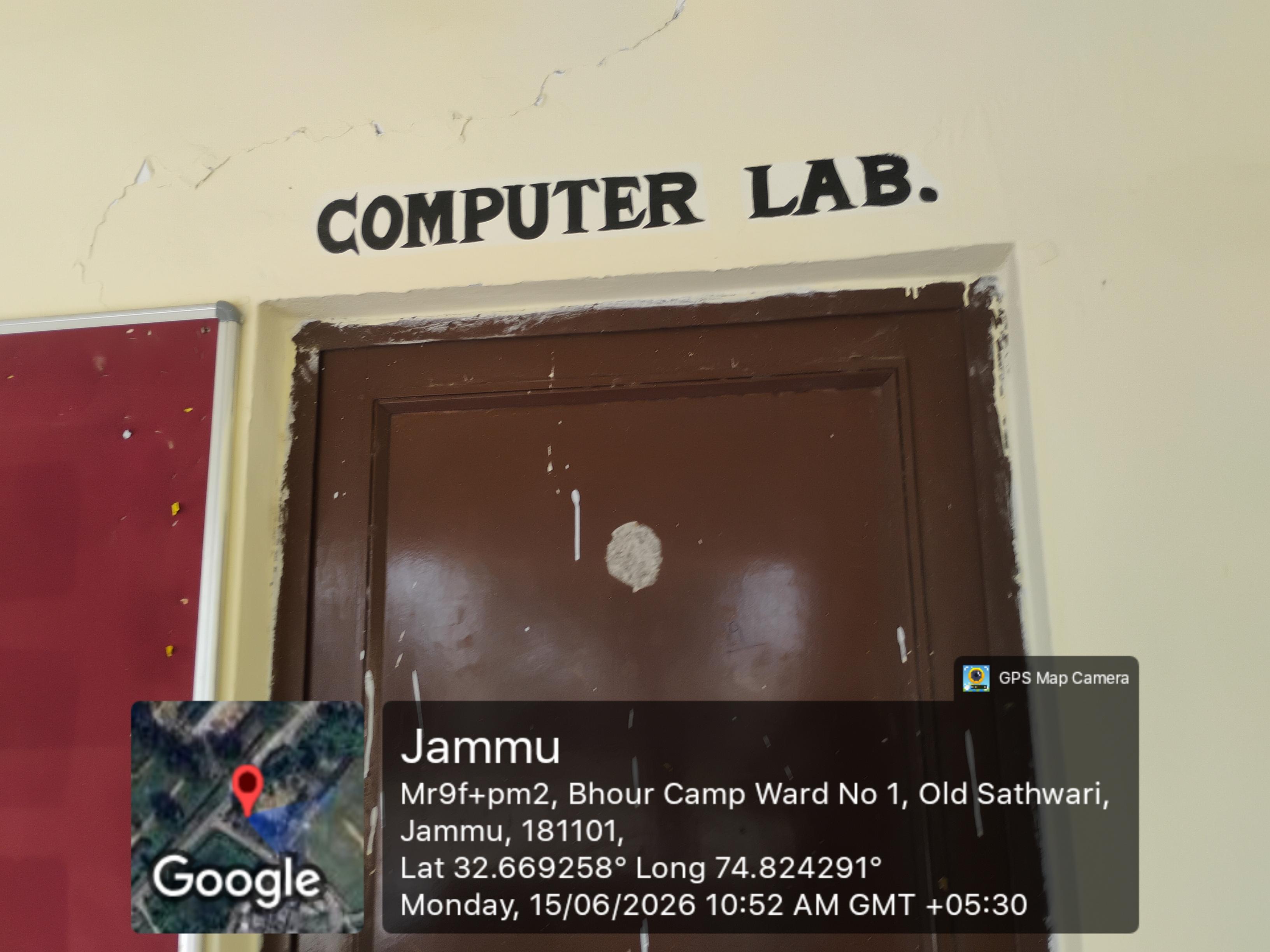
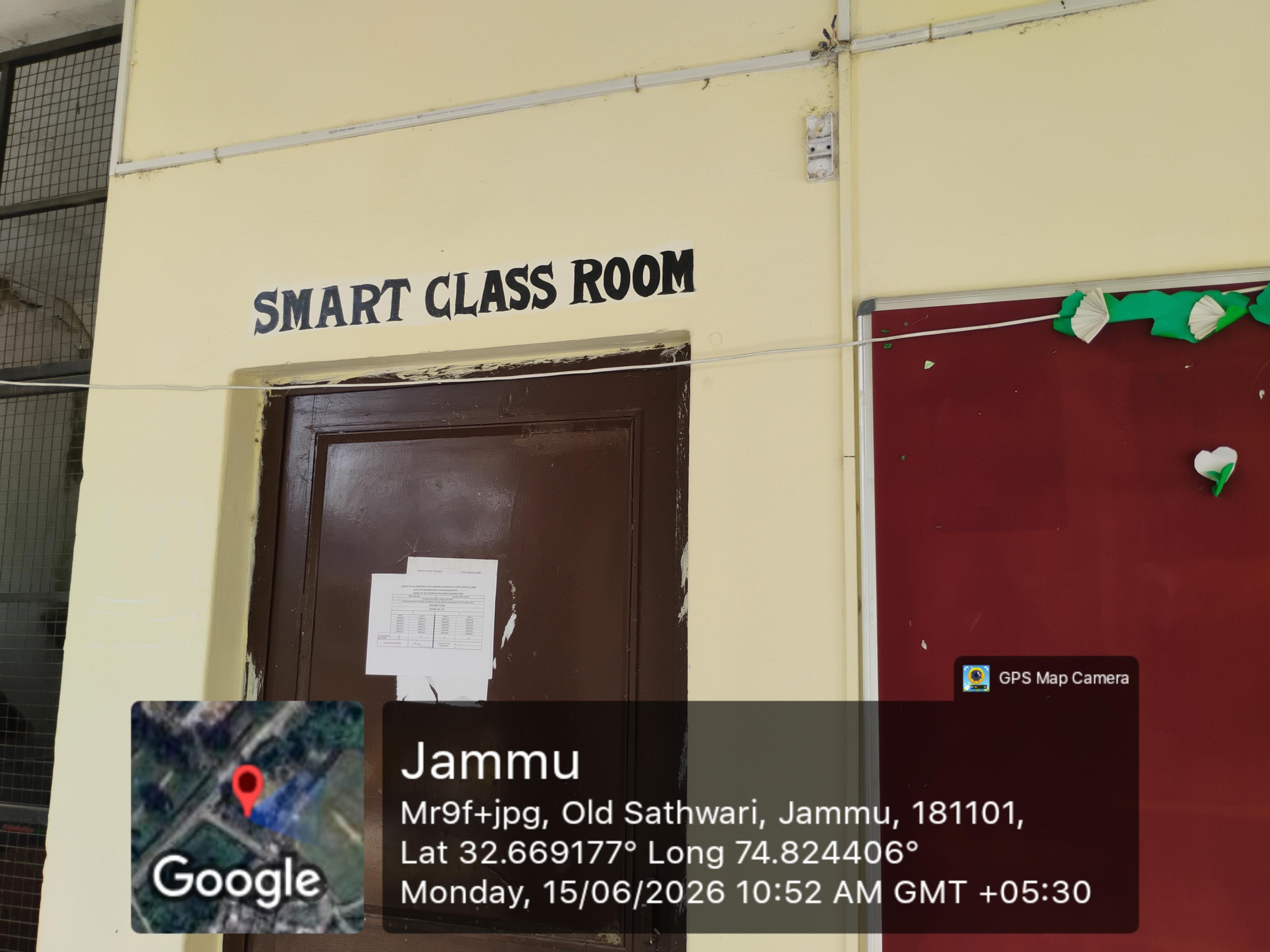
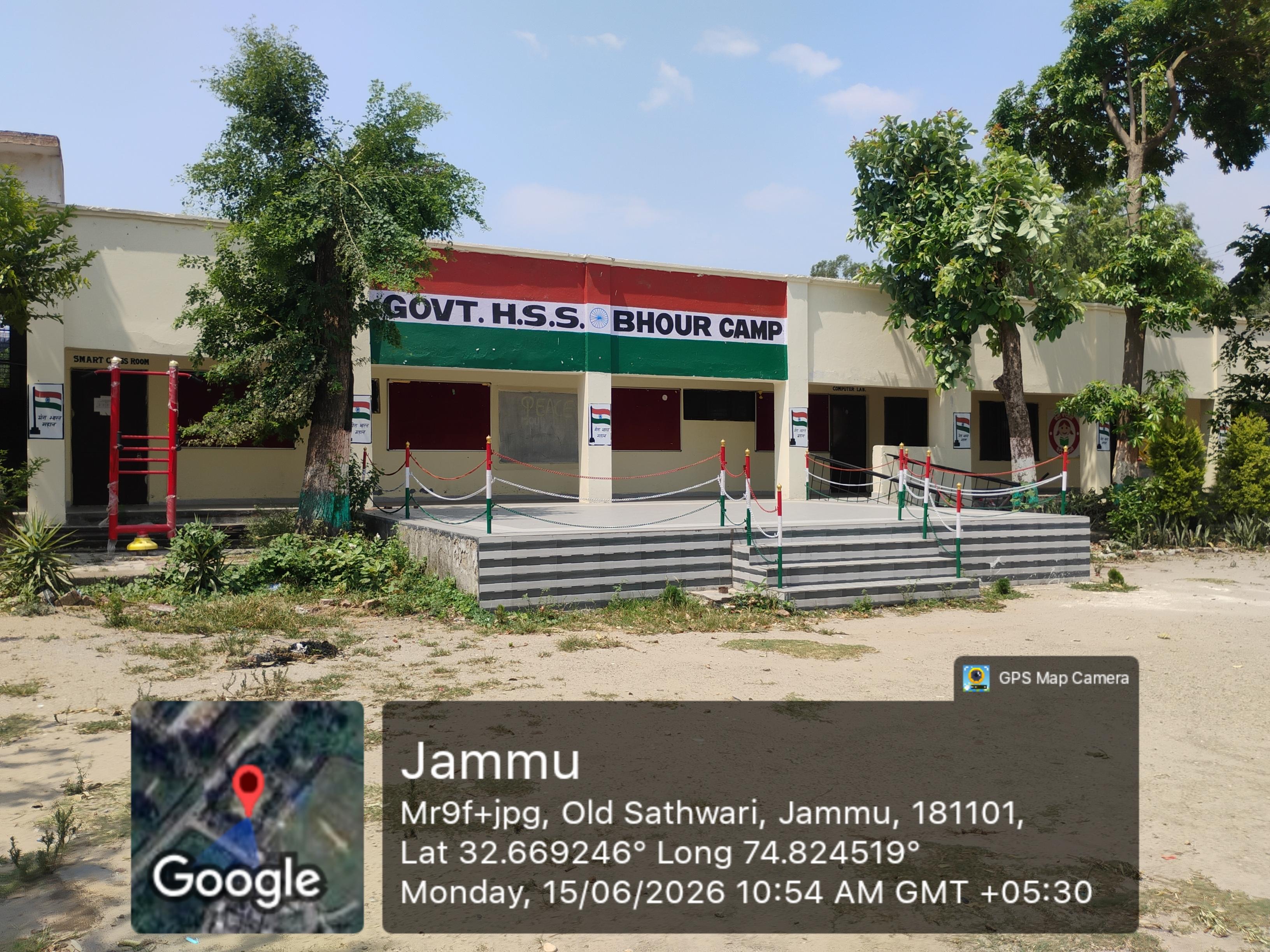
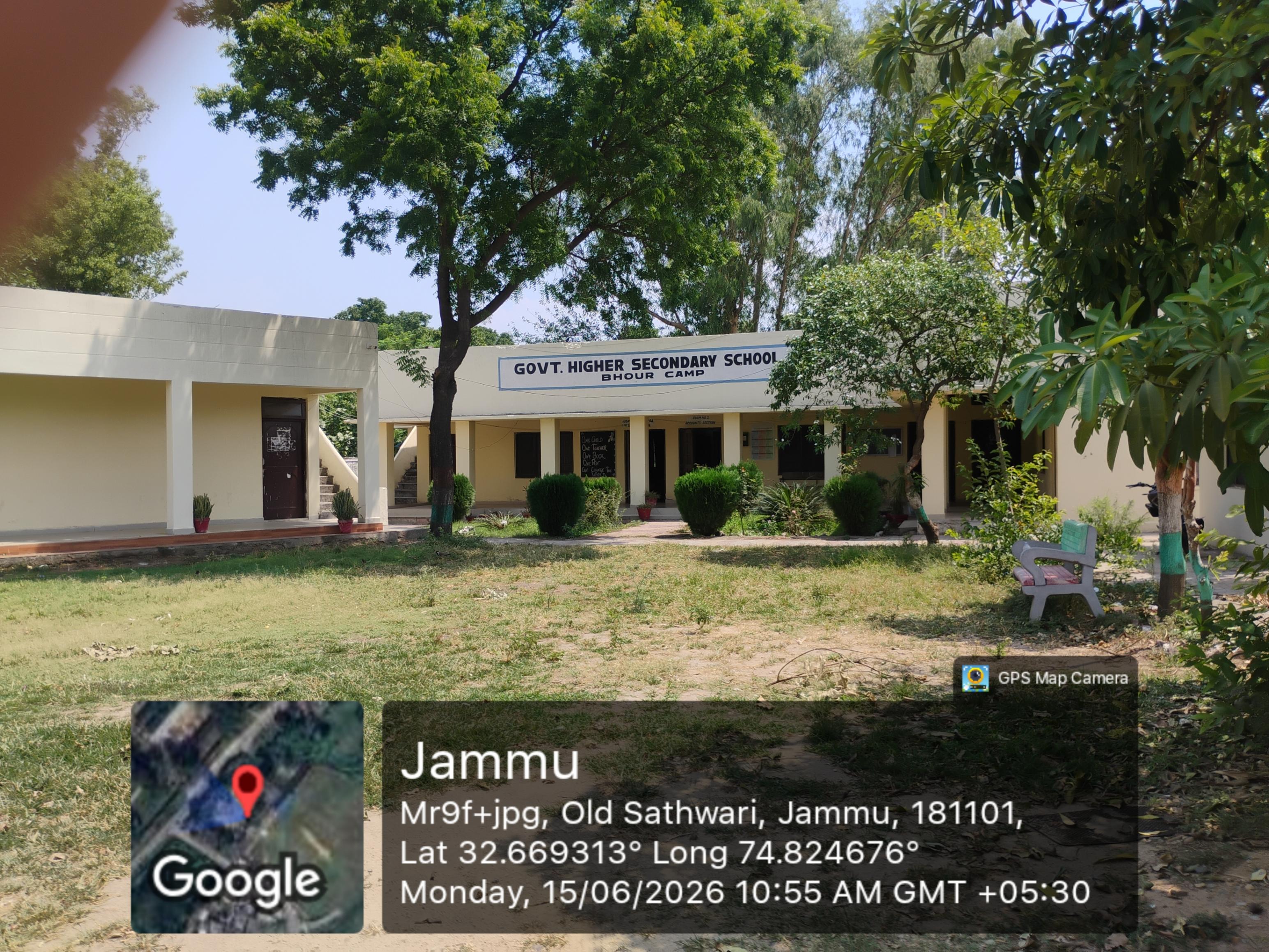
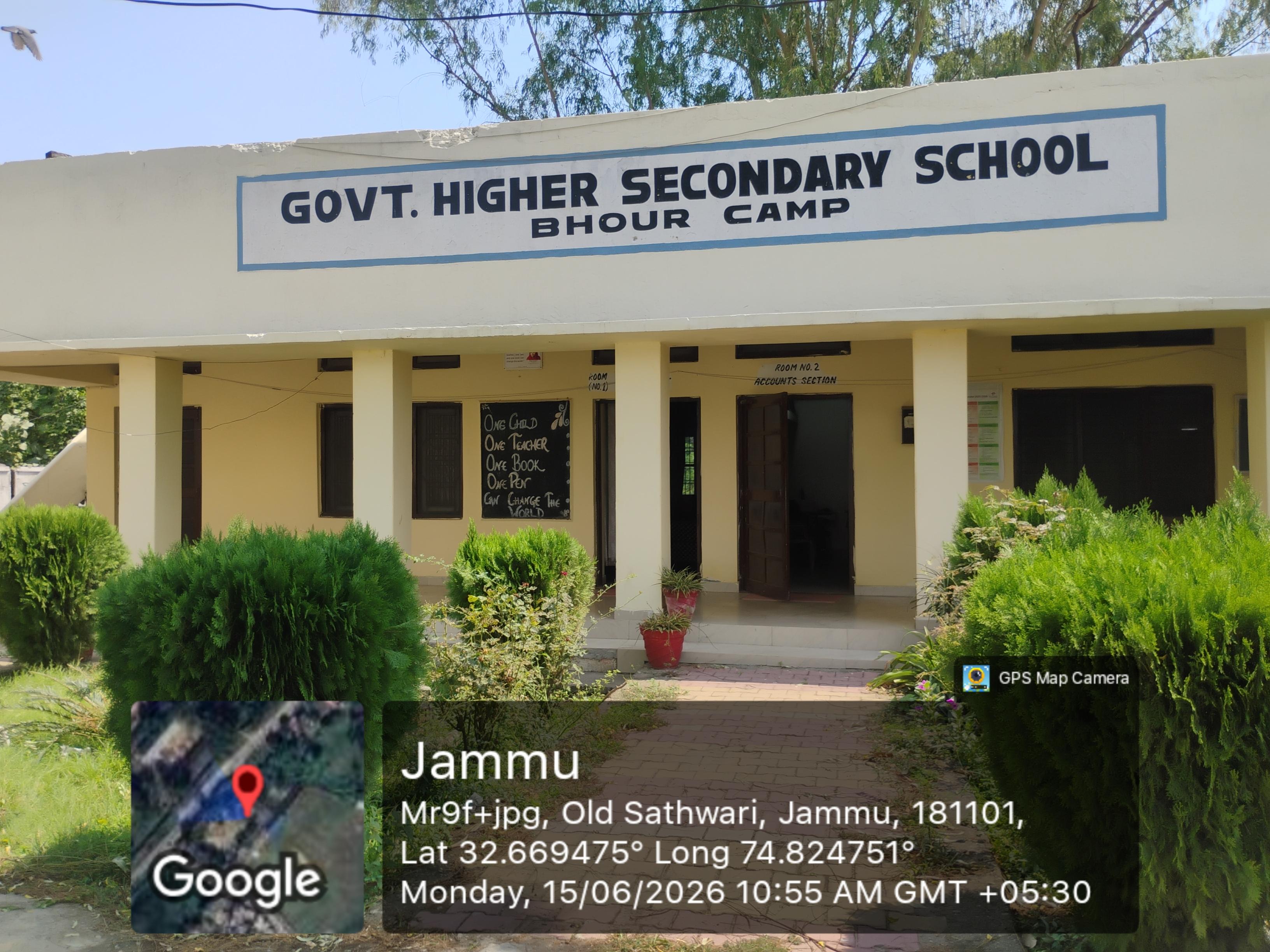
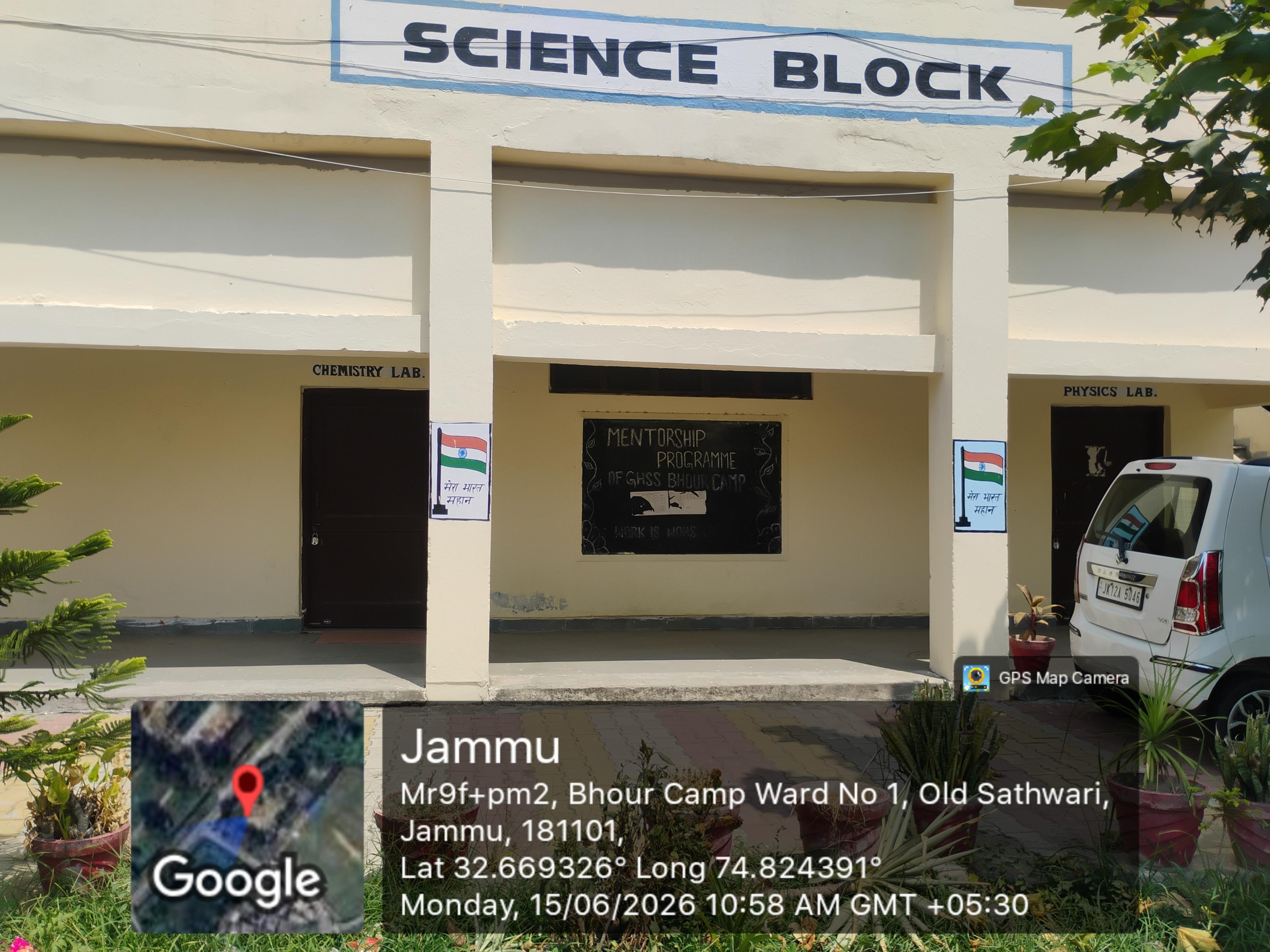
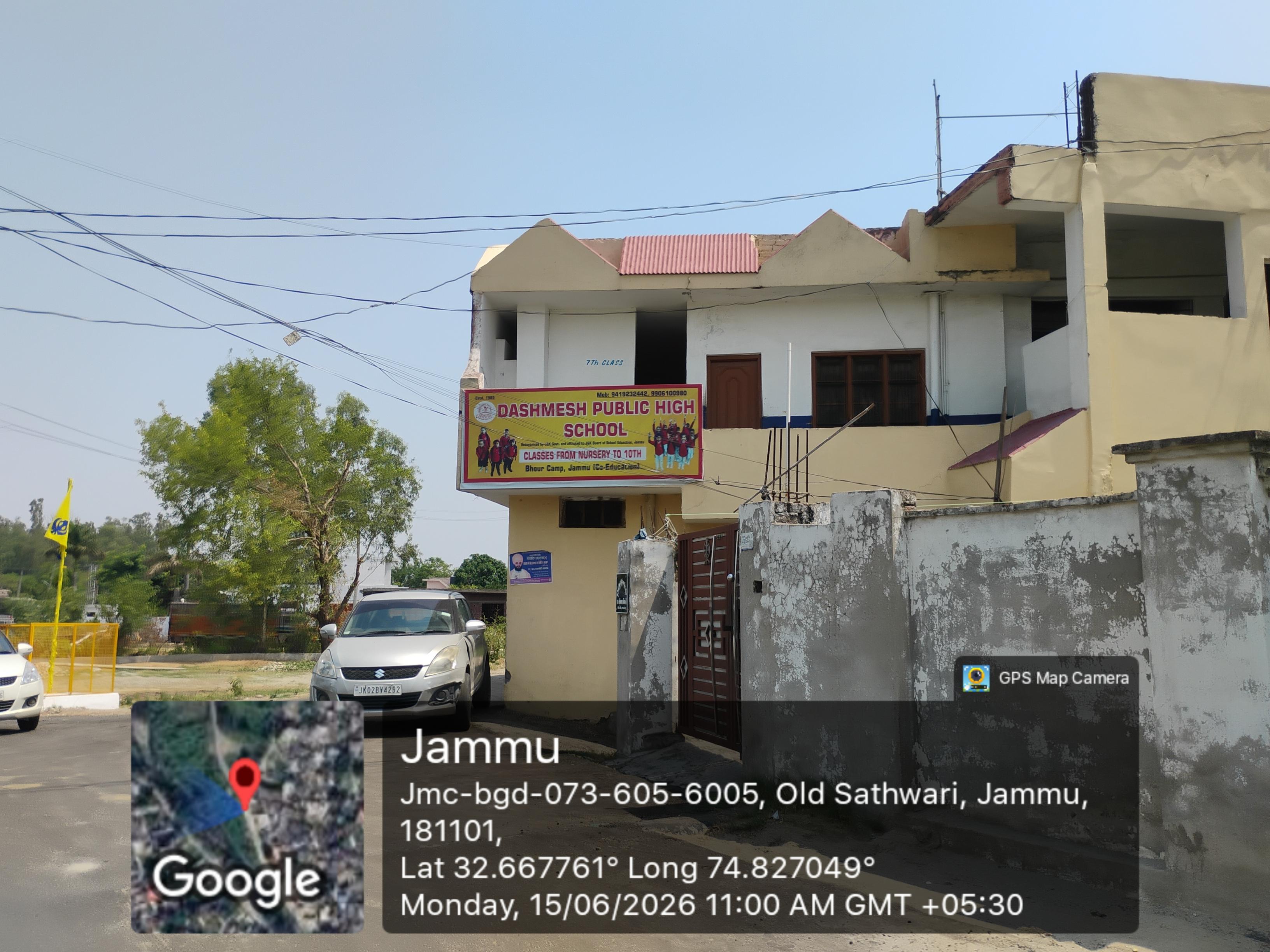
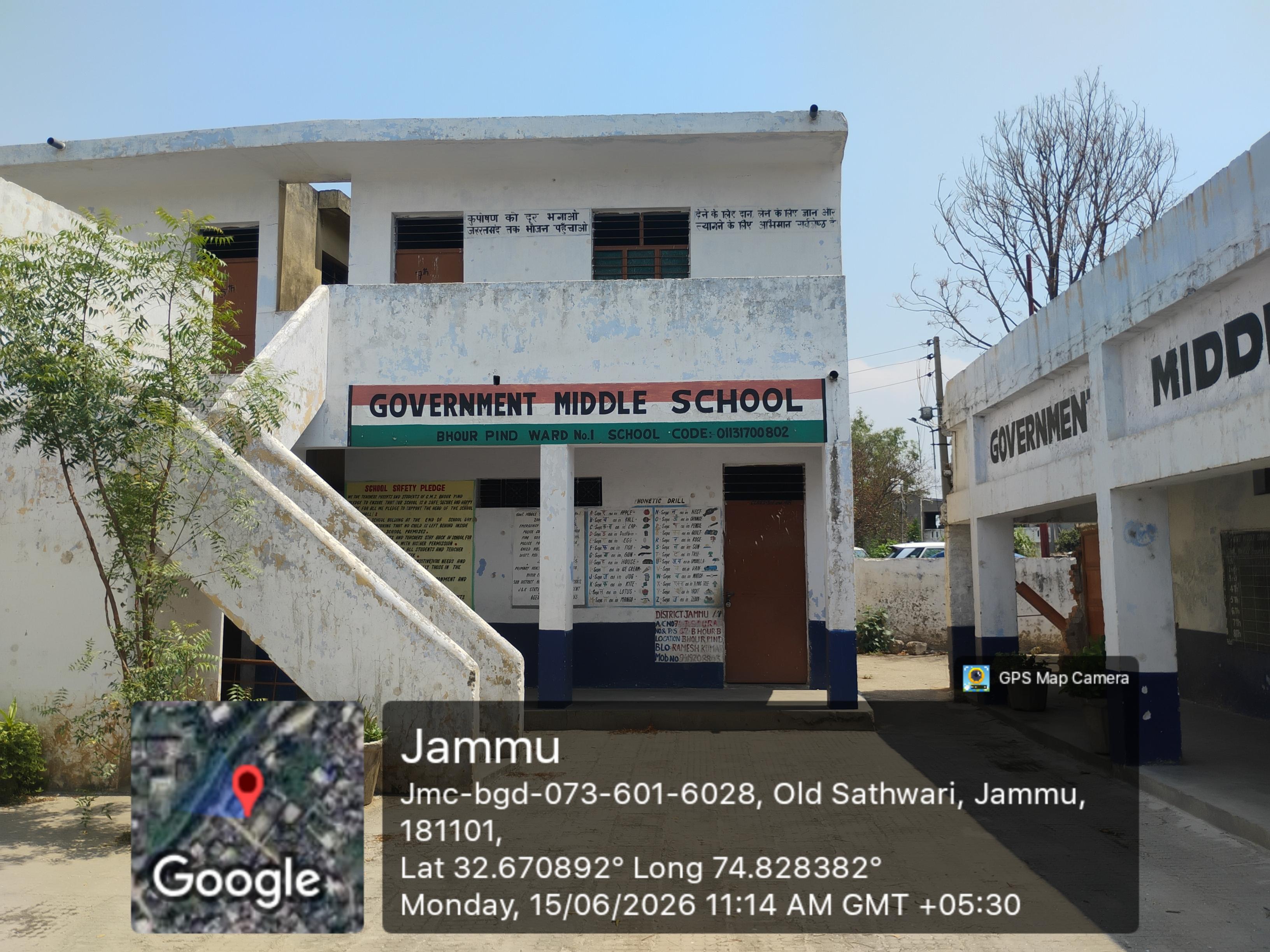
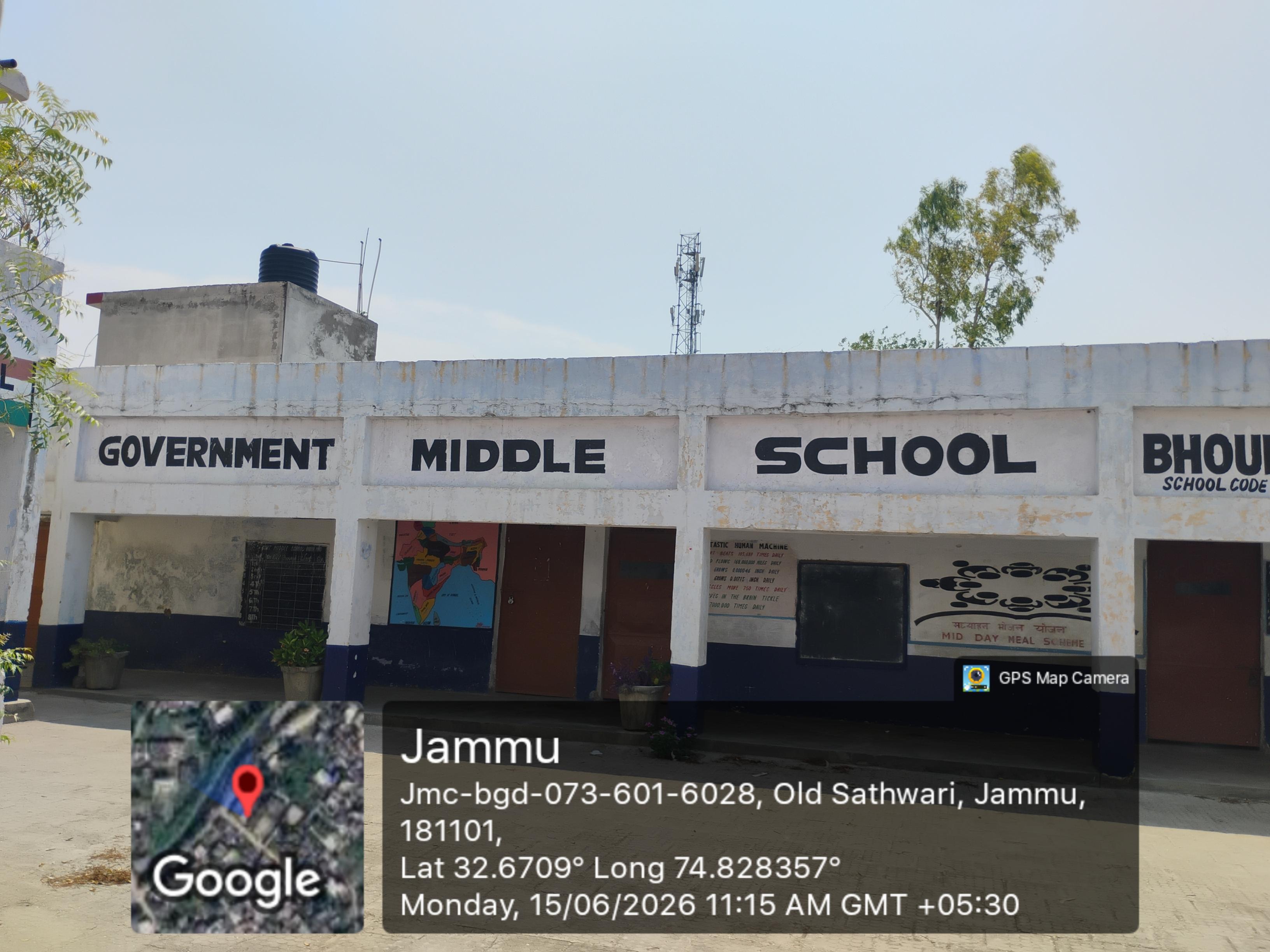
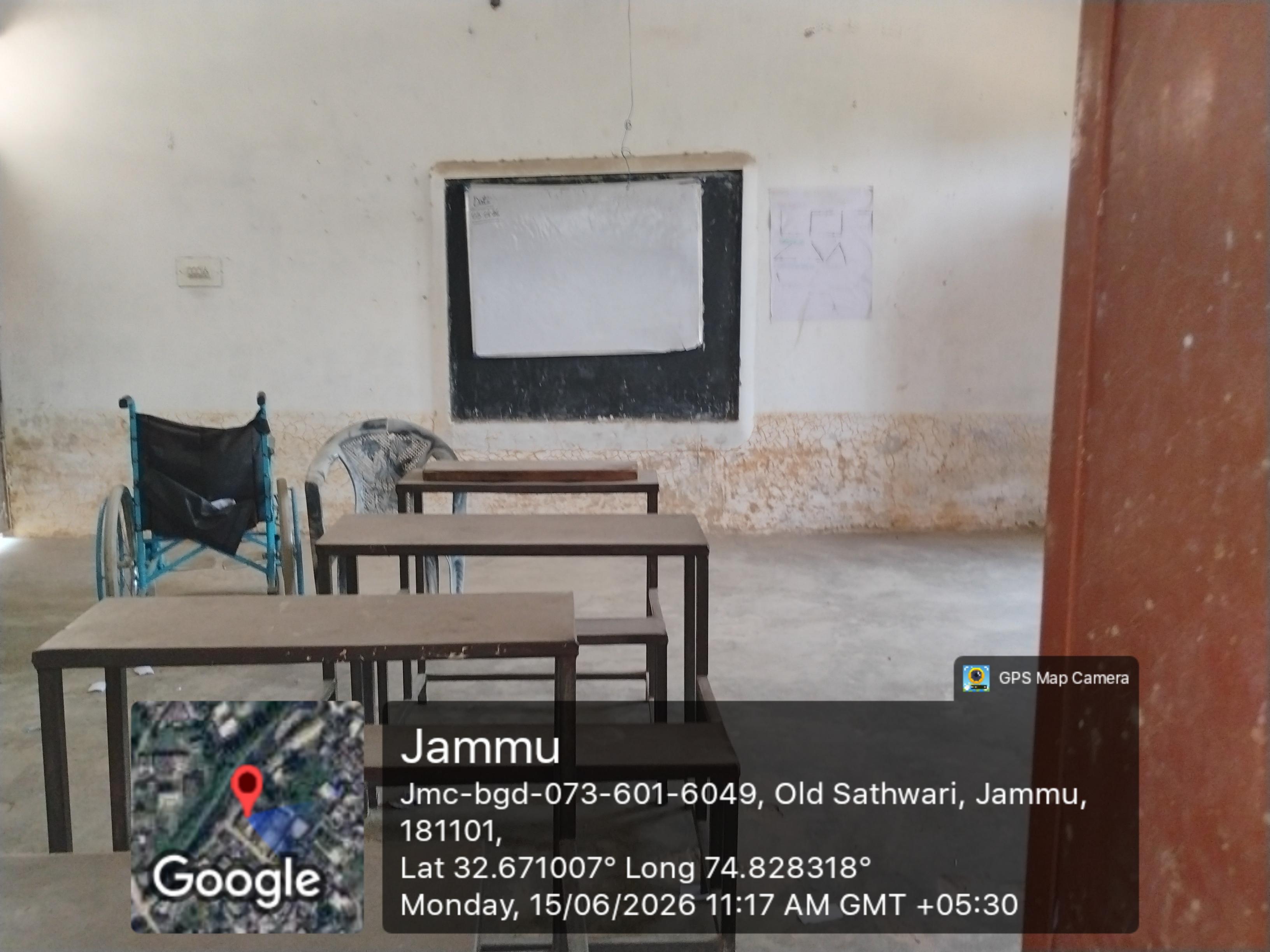
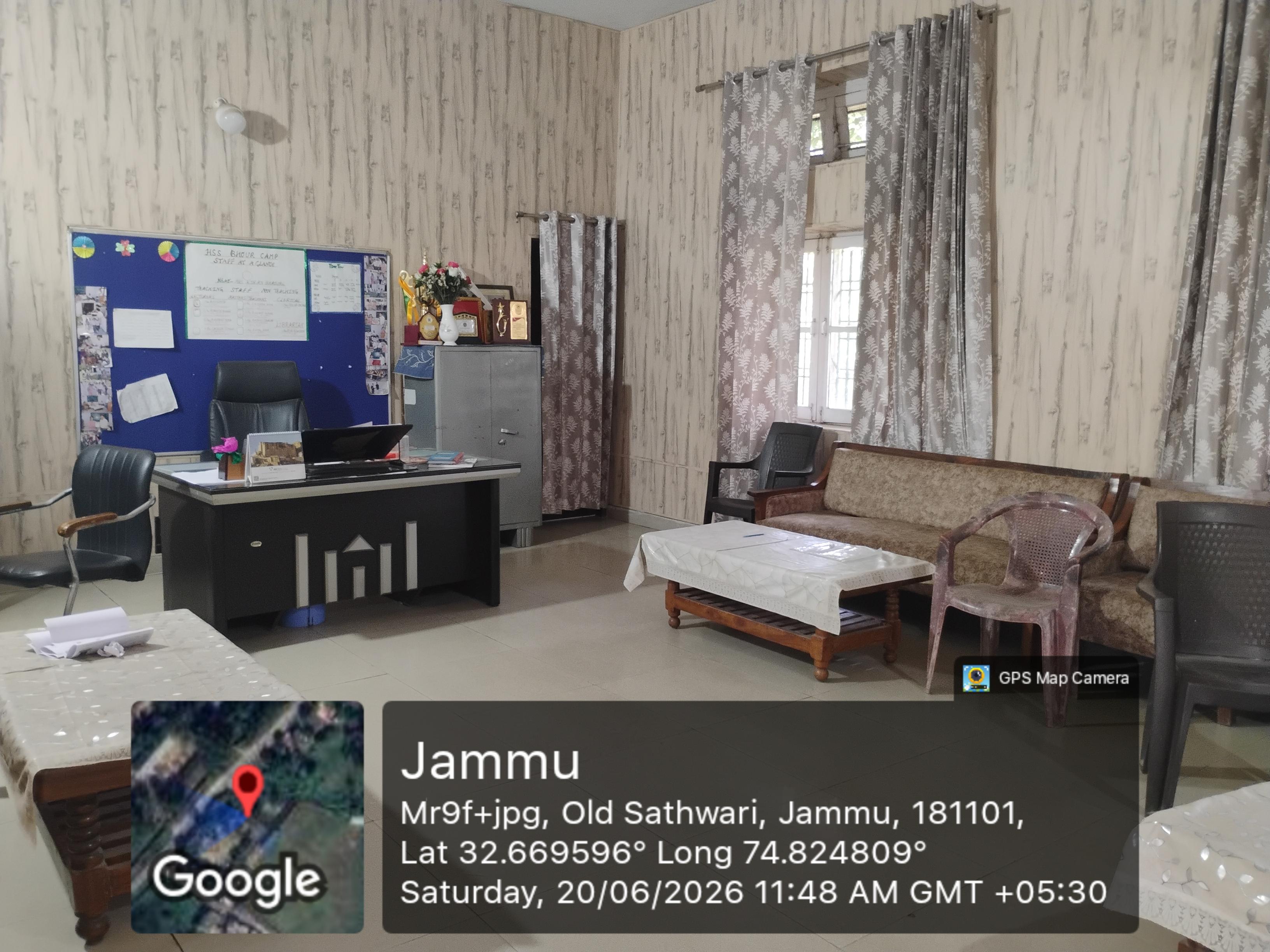
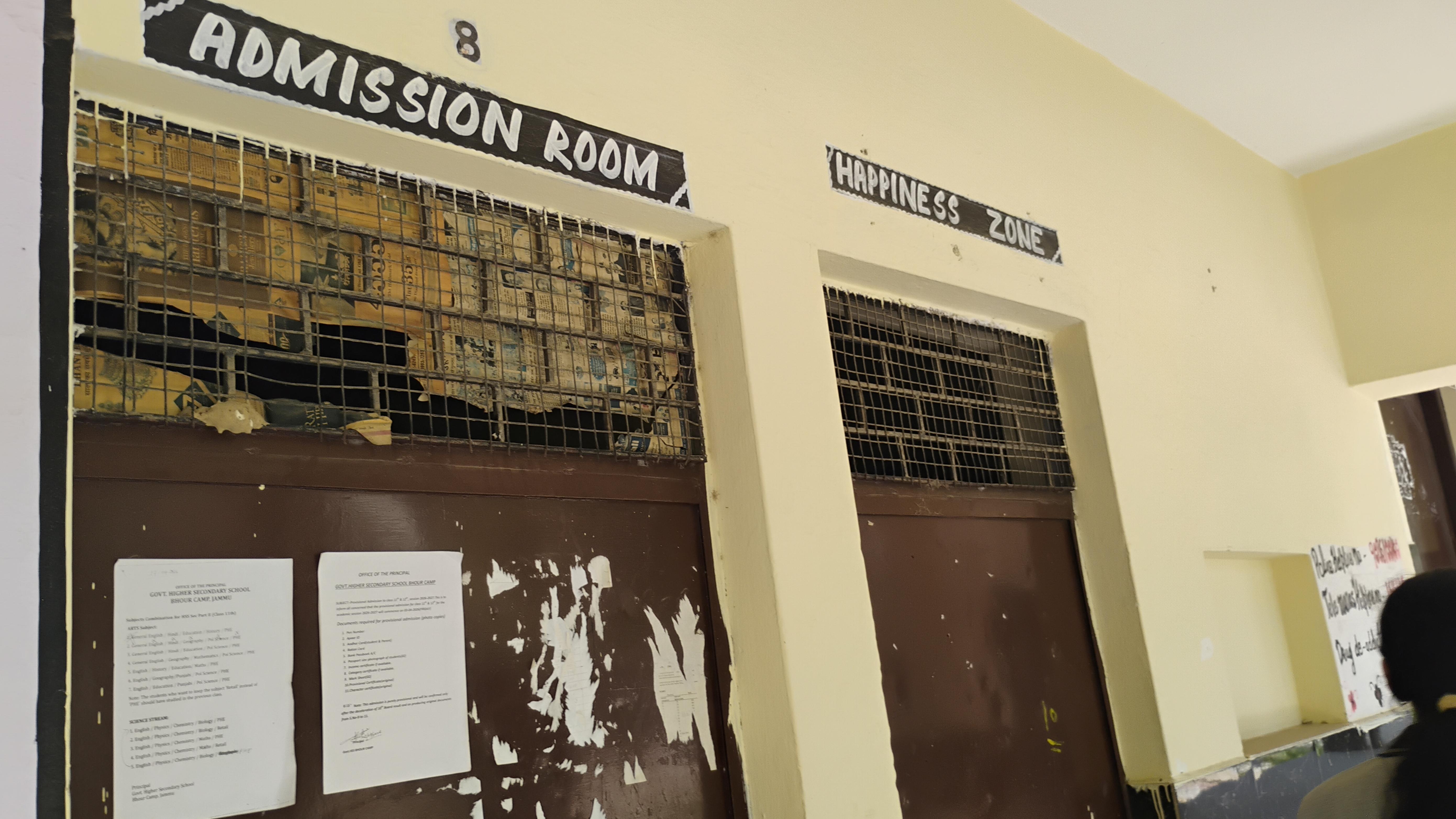
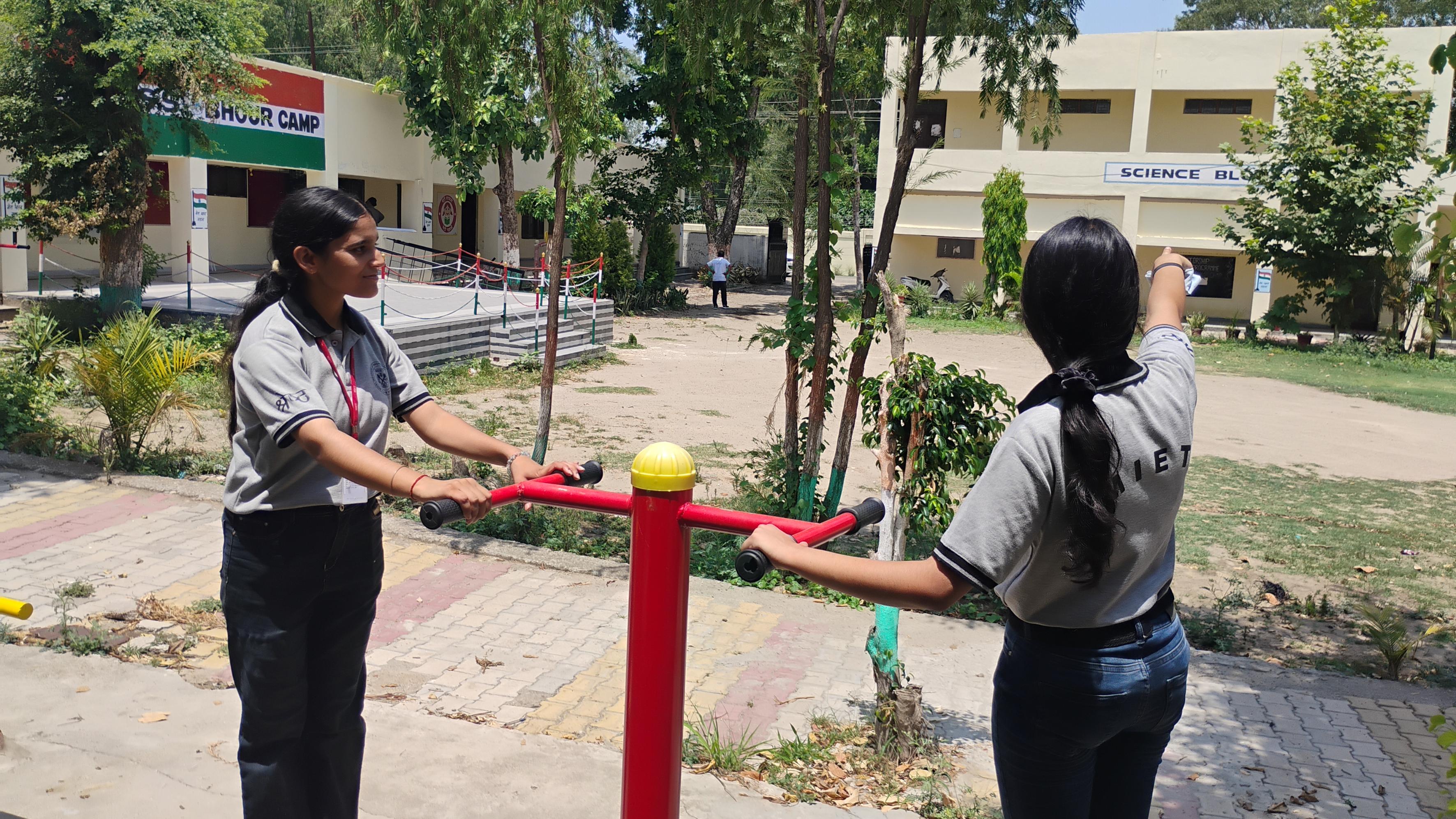
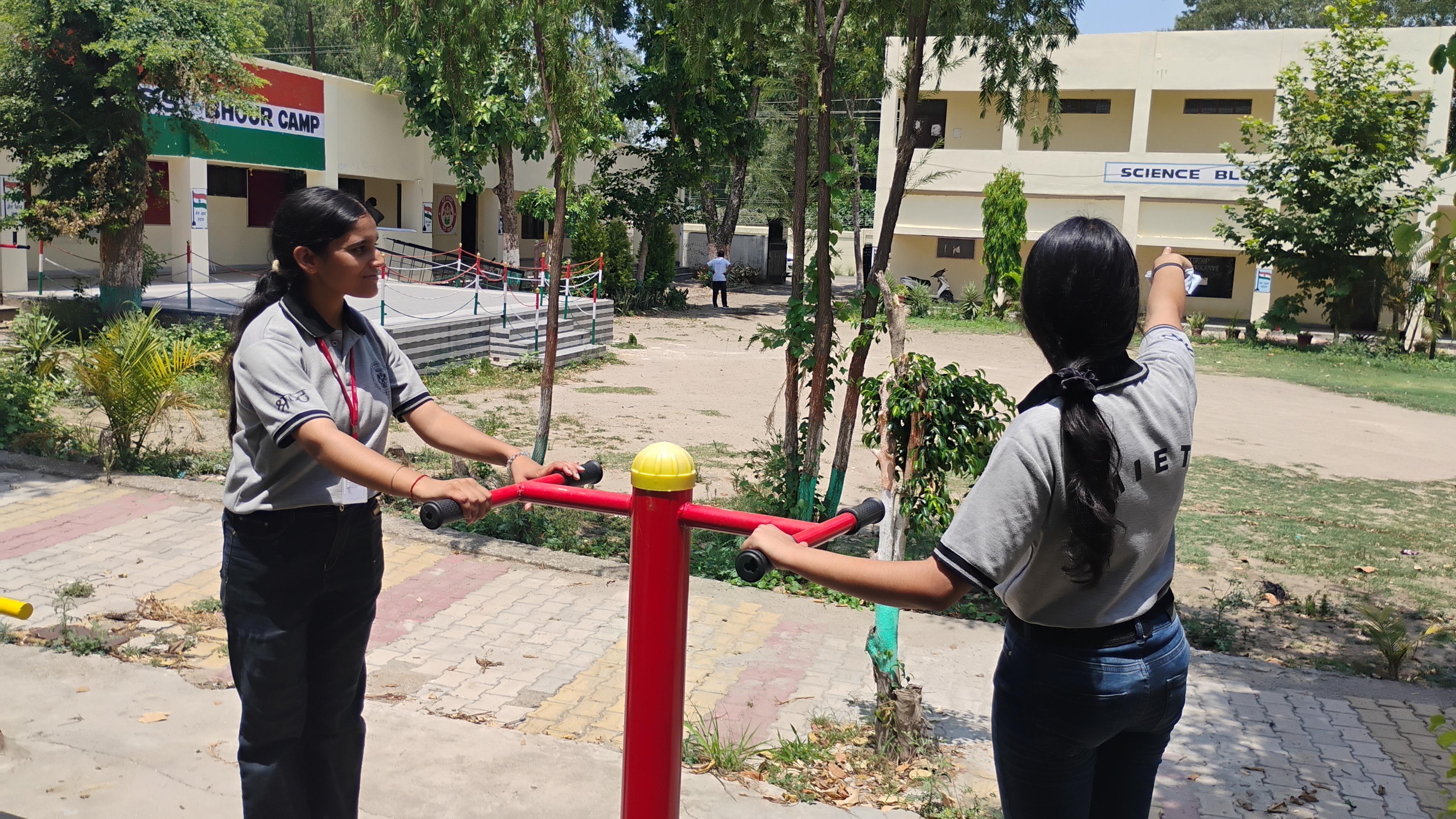
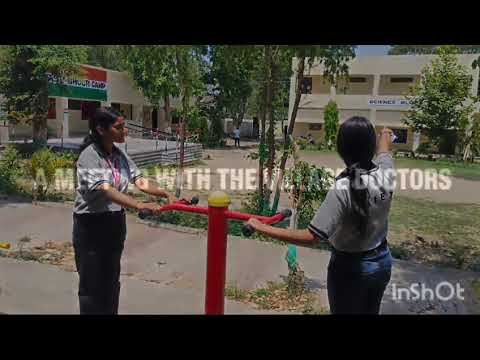
Education has emerged as an important pillar of development in Bhour Pind. Students have access to institutions such as the Government High School (GHS) Bhour Camp and the Government Higher Secondary School (HSS) Bhour Camp, both of which are equipped with libraries, computer laboratories, and smart classrooms. Additional educational opportunities are available through nearby private schools, colleges, and universities in Jammu city. In terms of digital development, many families living in permanent houses actively use UPI, online banking, Jan Dhan accounts, and various online government services. However, economically weaker families and migrant communities continue to require improved access to digital technology and greater participation in digital literacy programmes to bridge the existing digital divide.
Healthcare and Community Welfare
Essential Services and Government Support
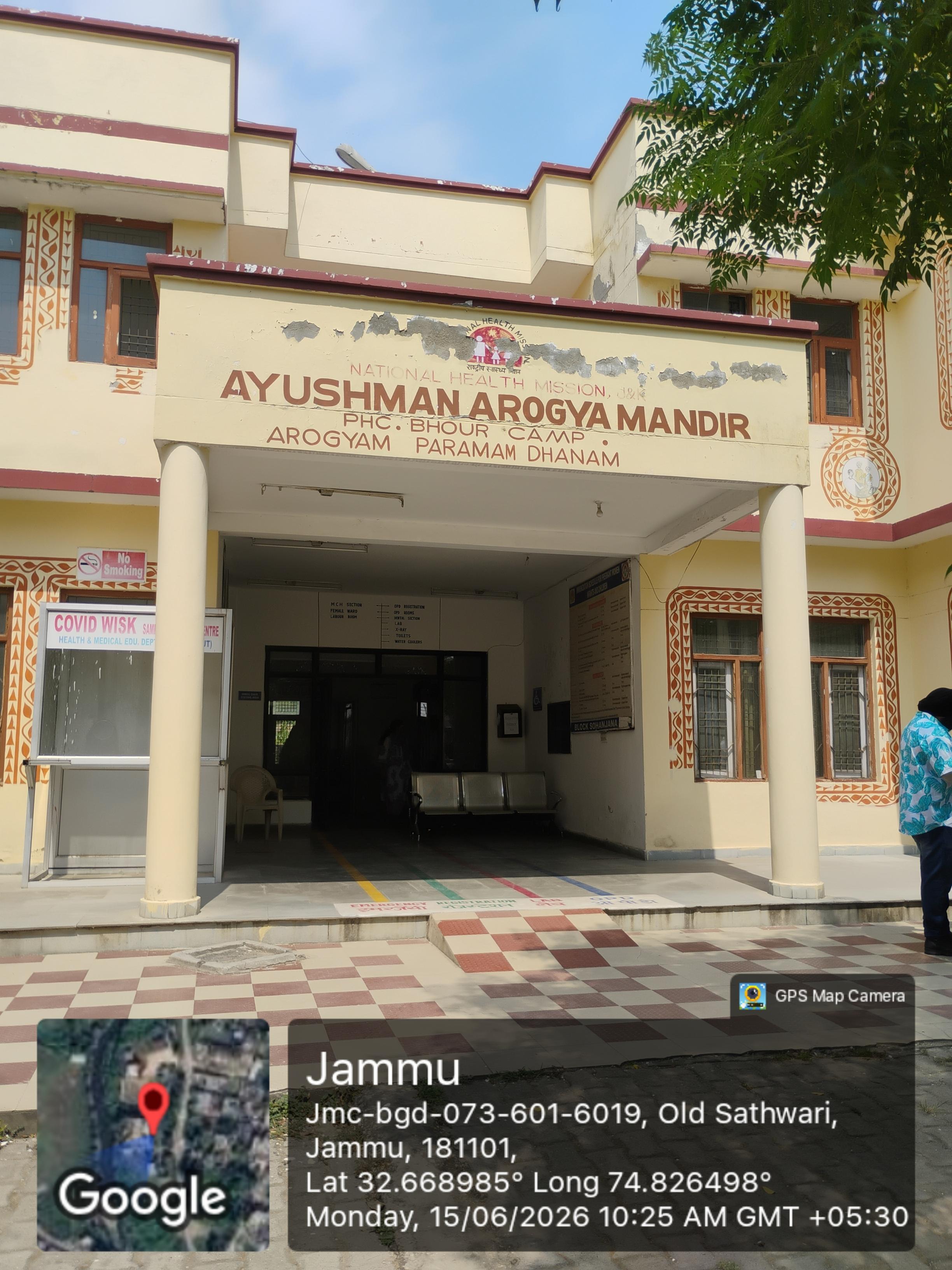
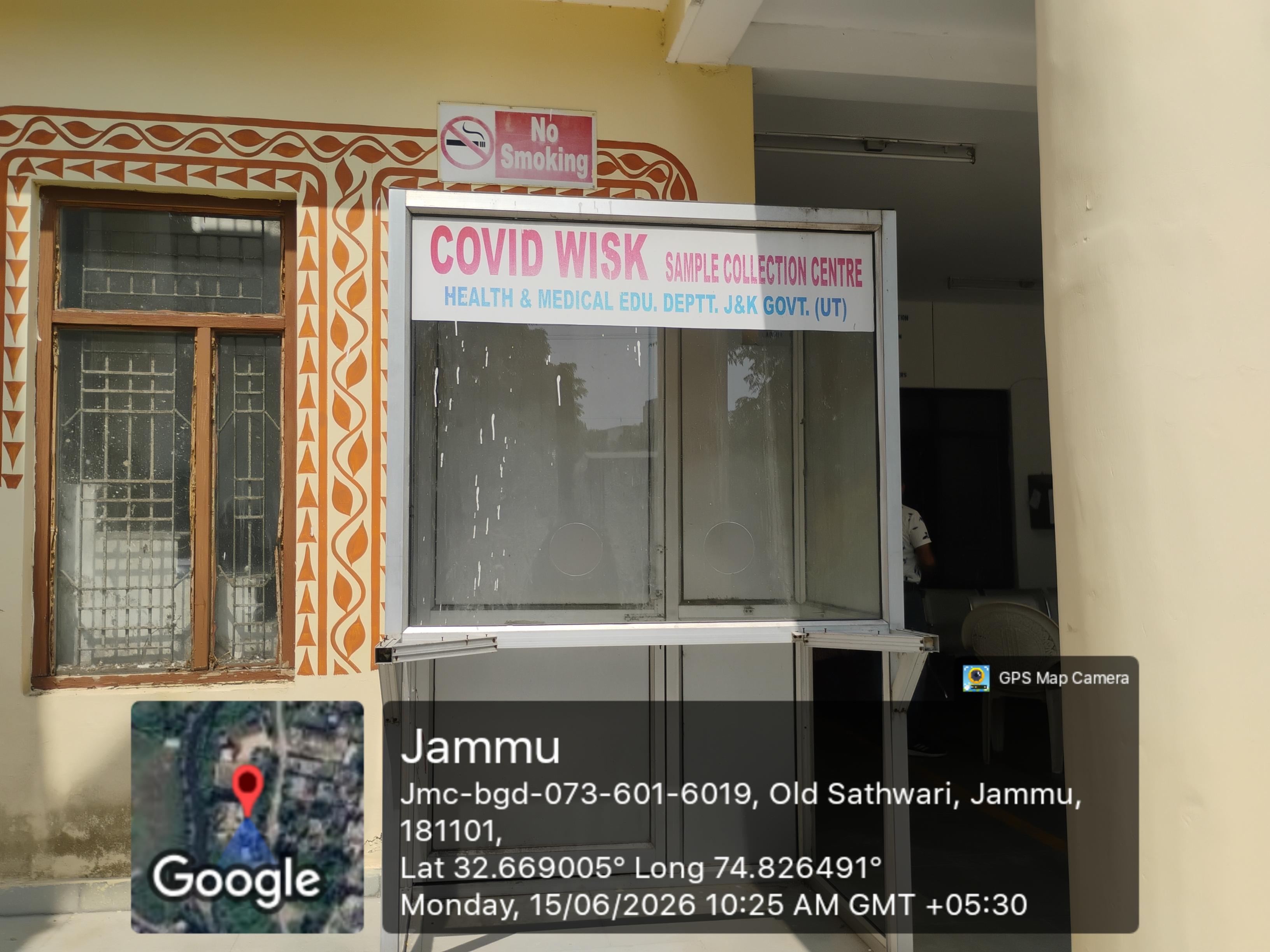
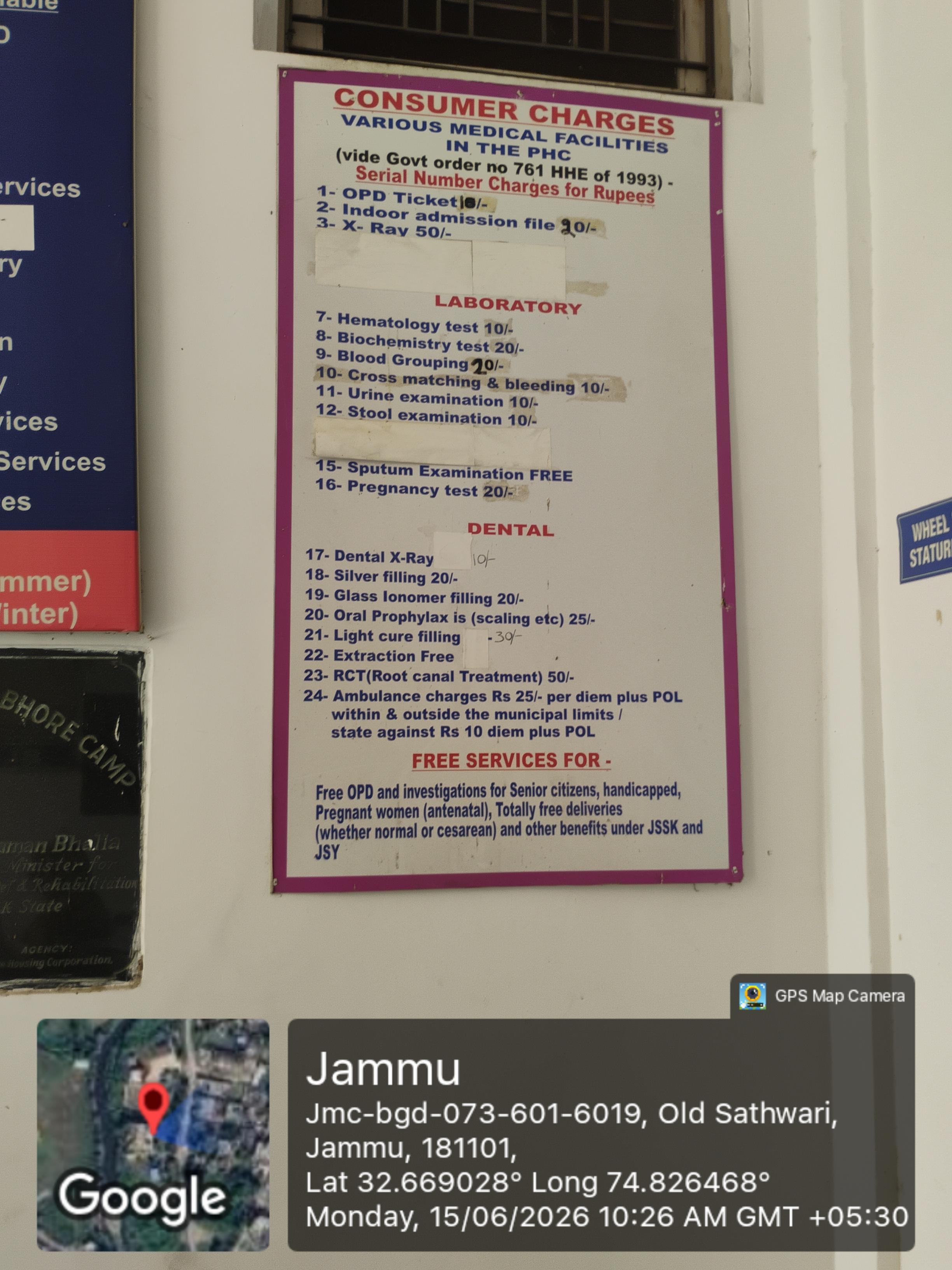
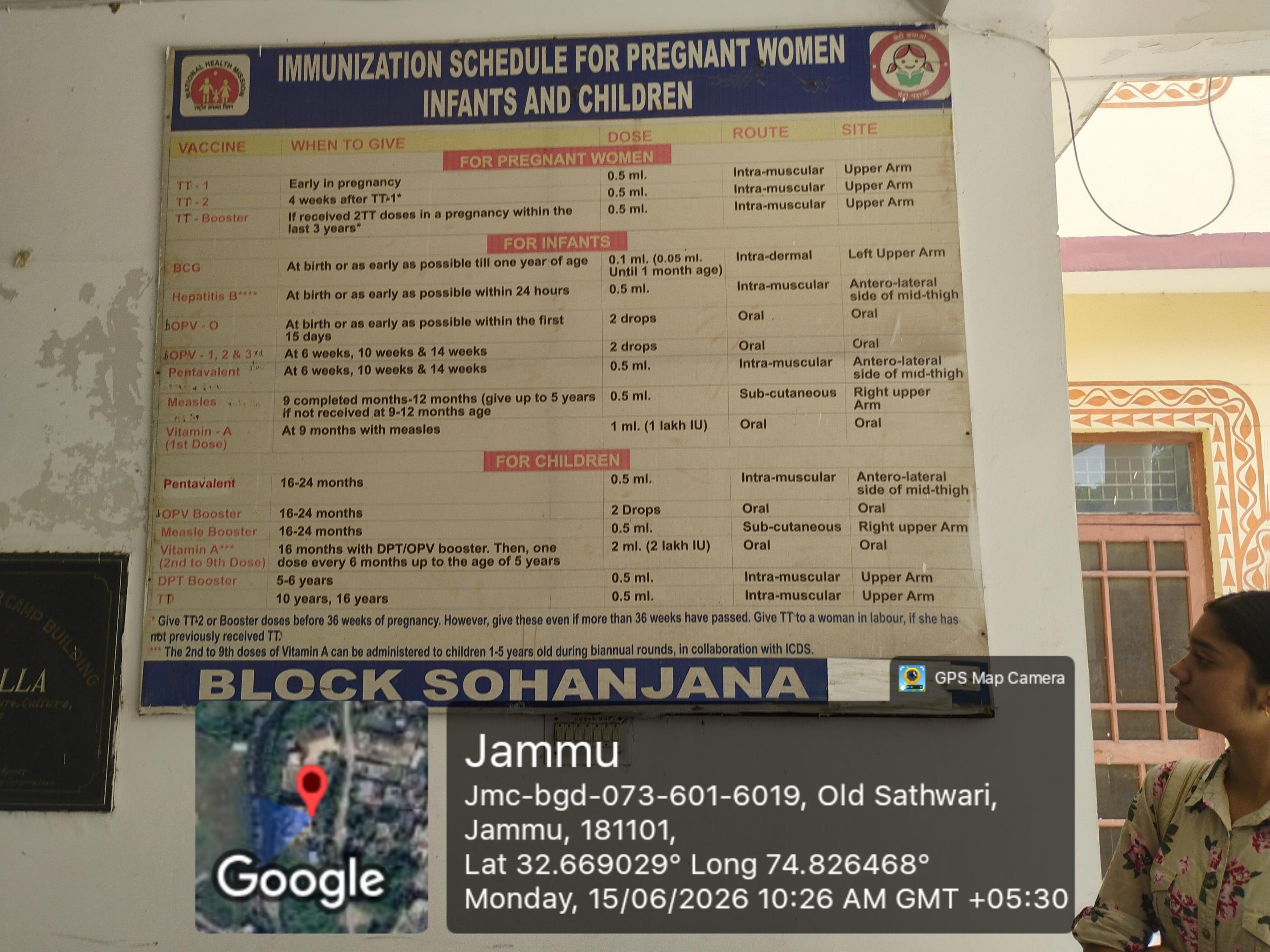
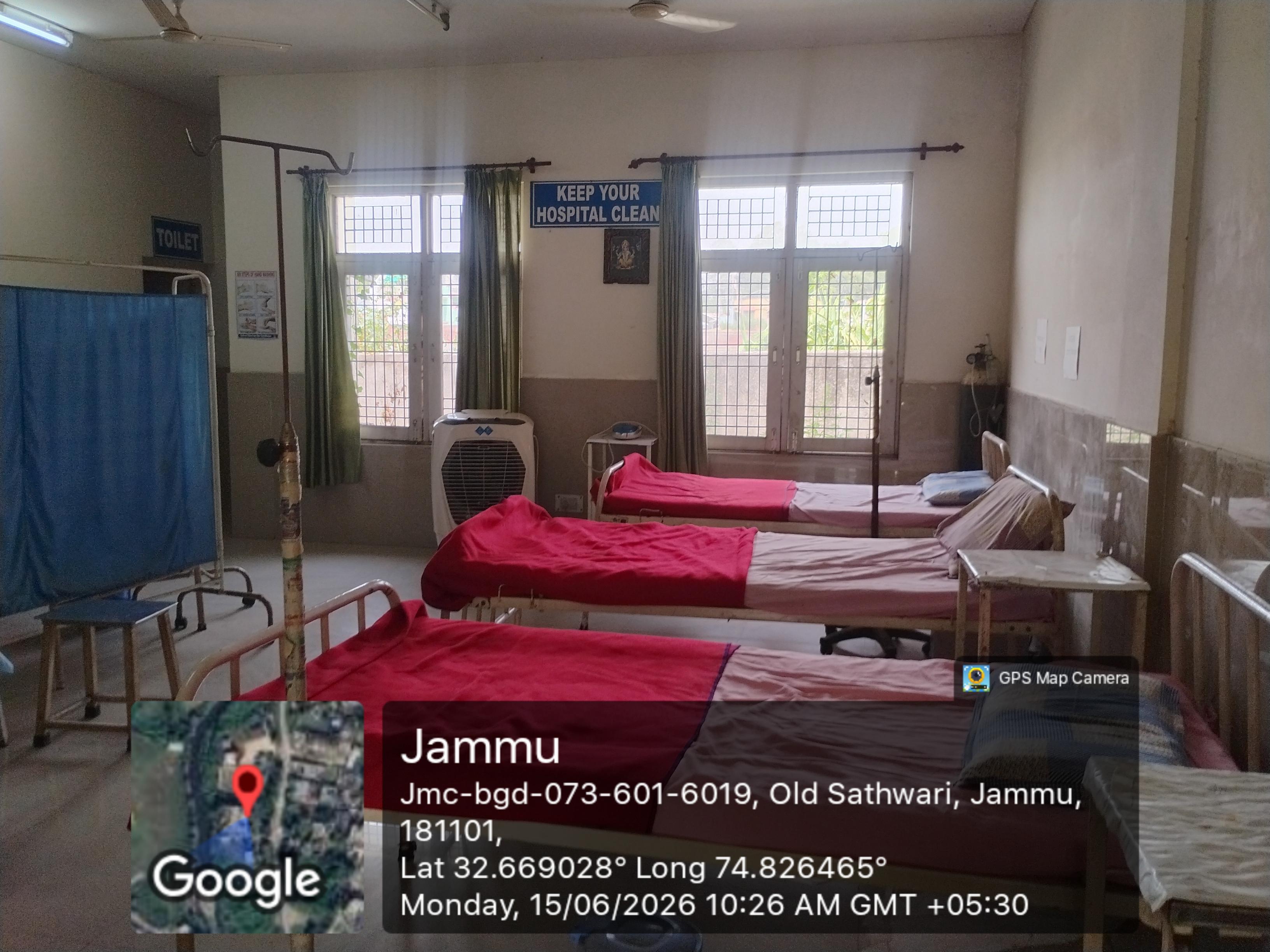
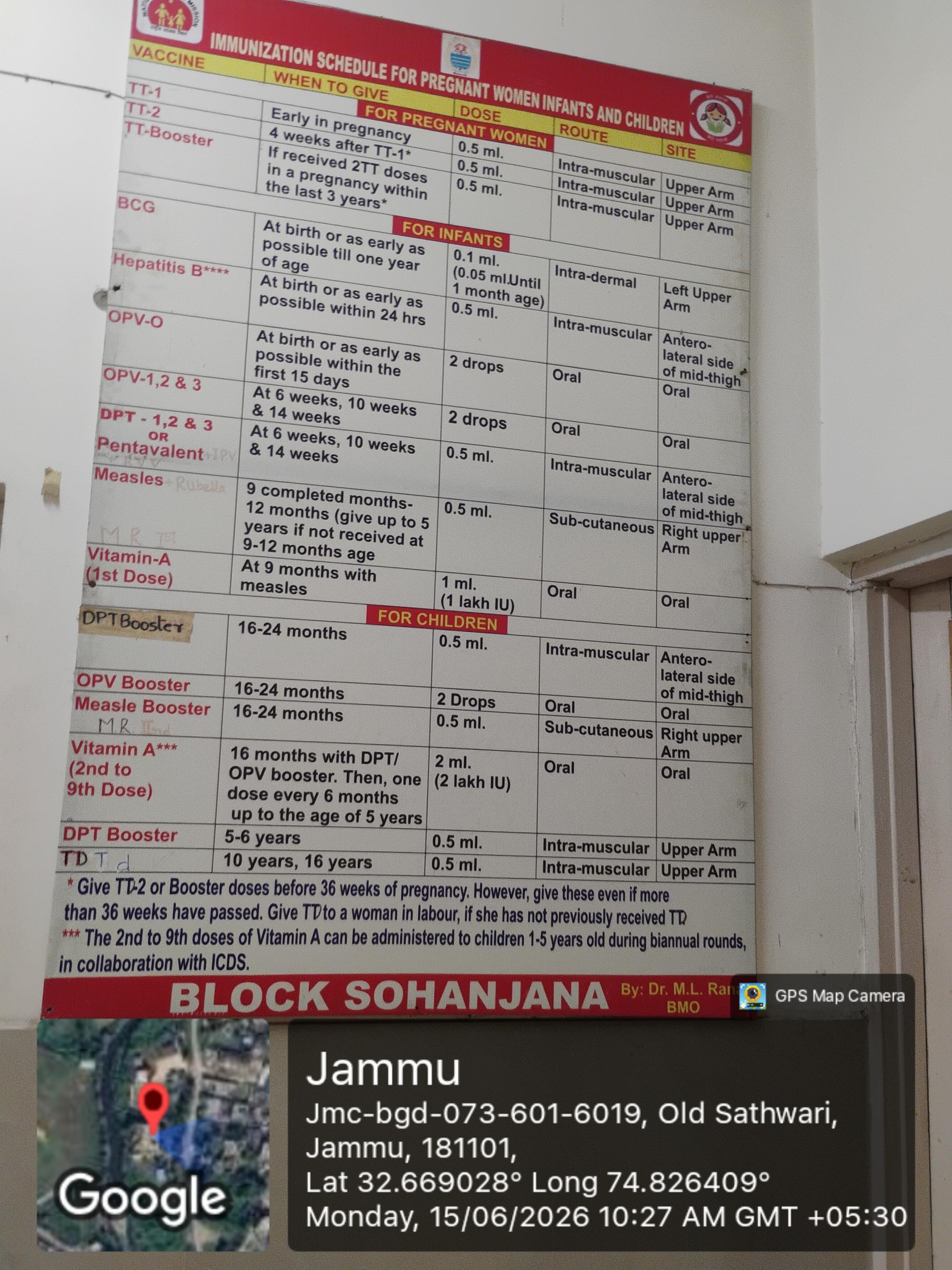
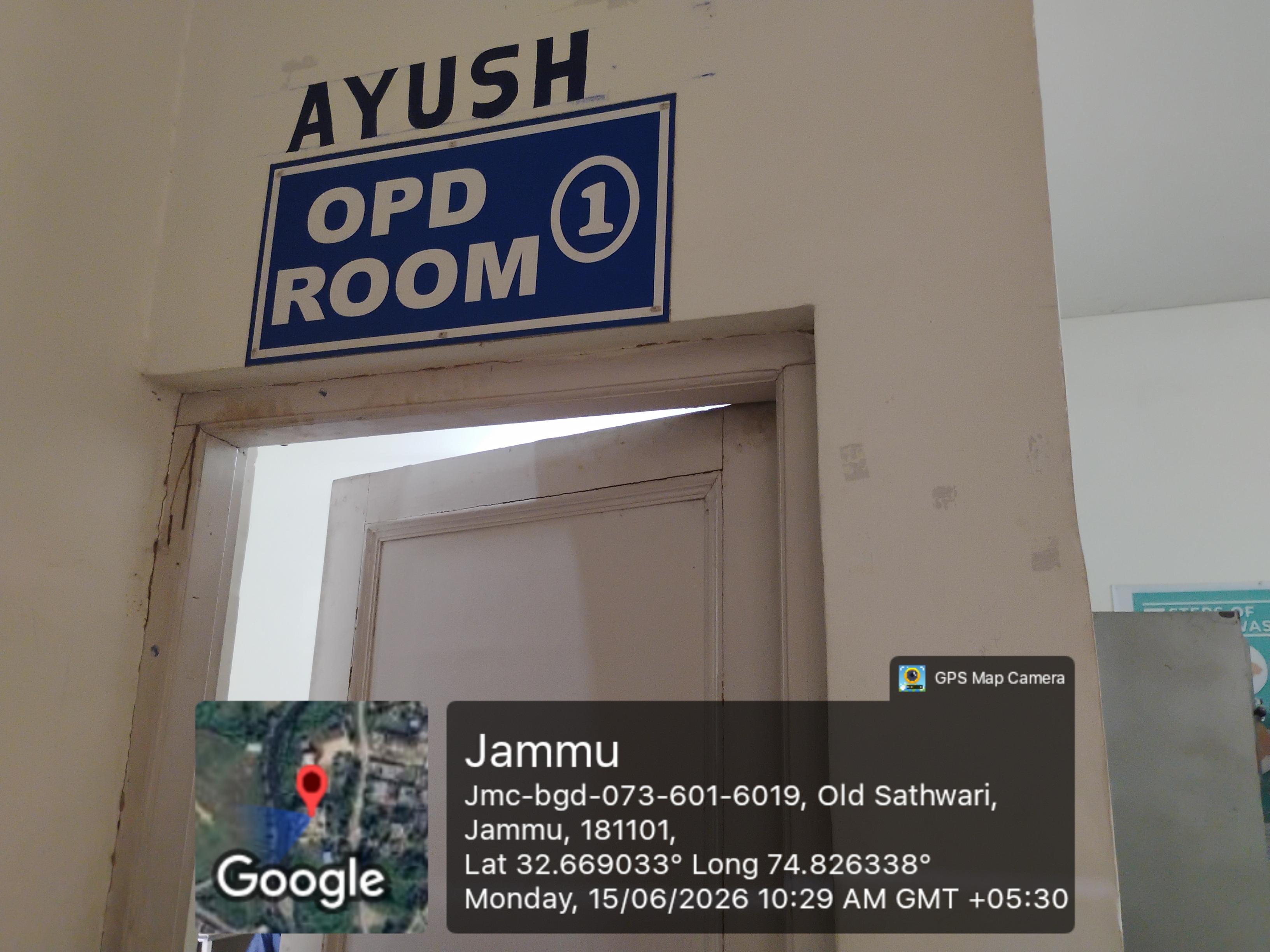
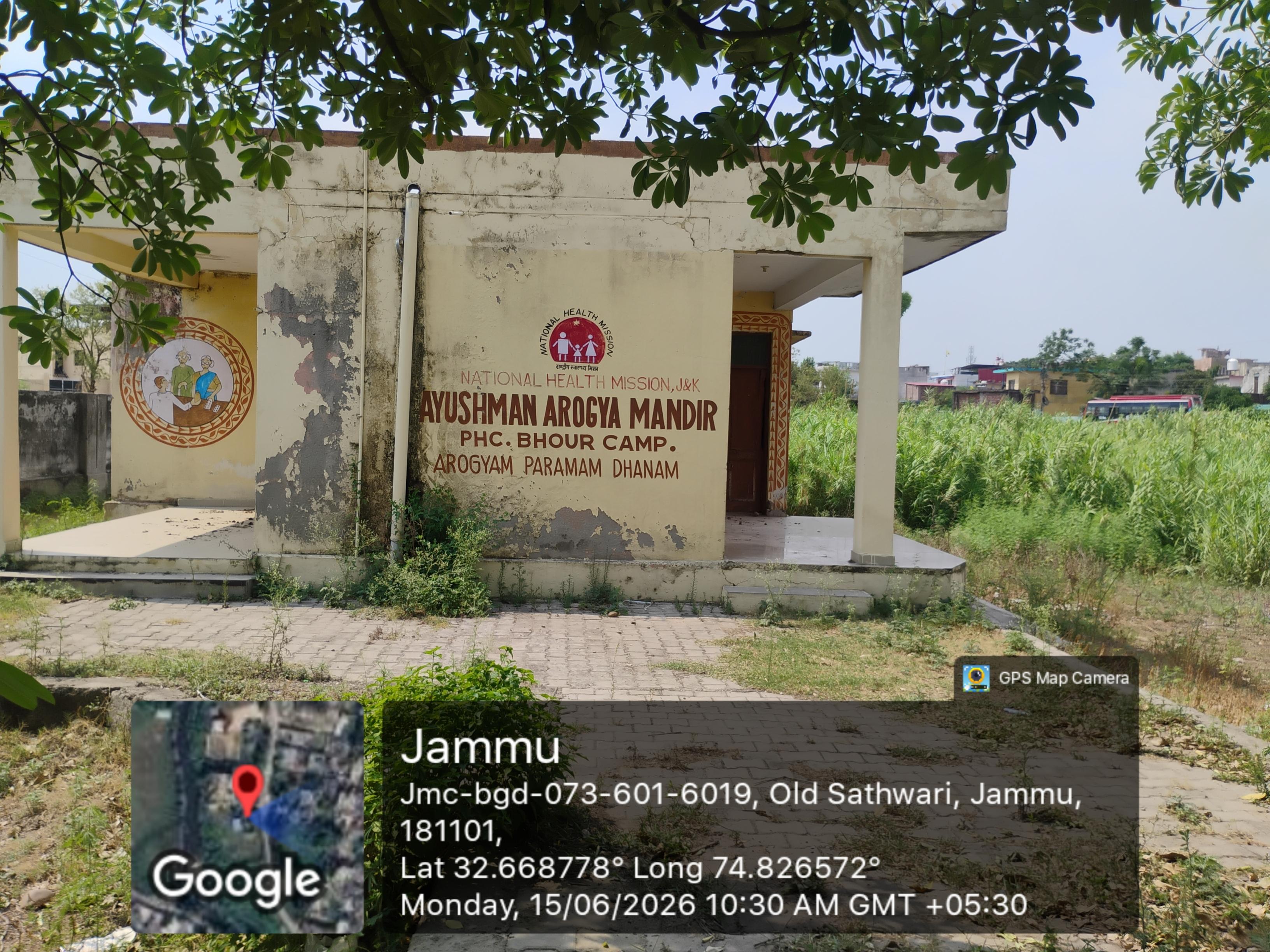
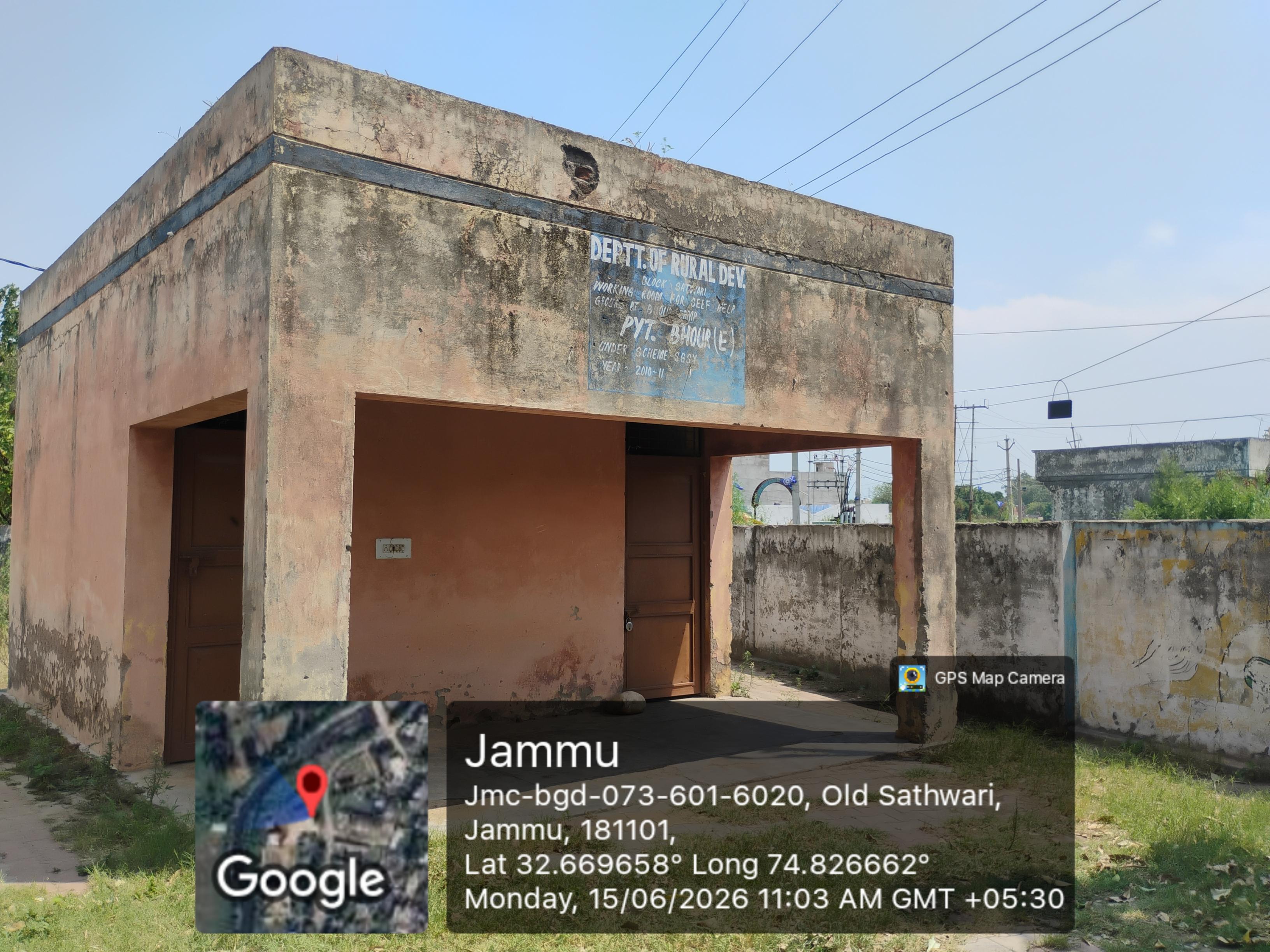
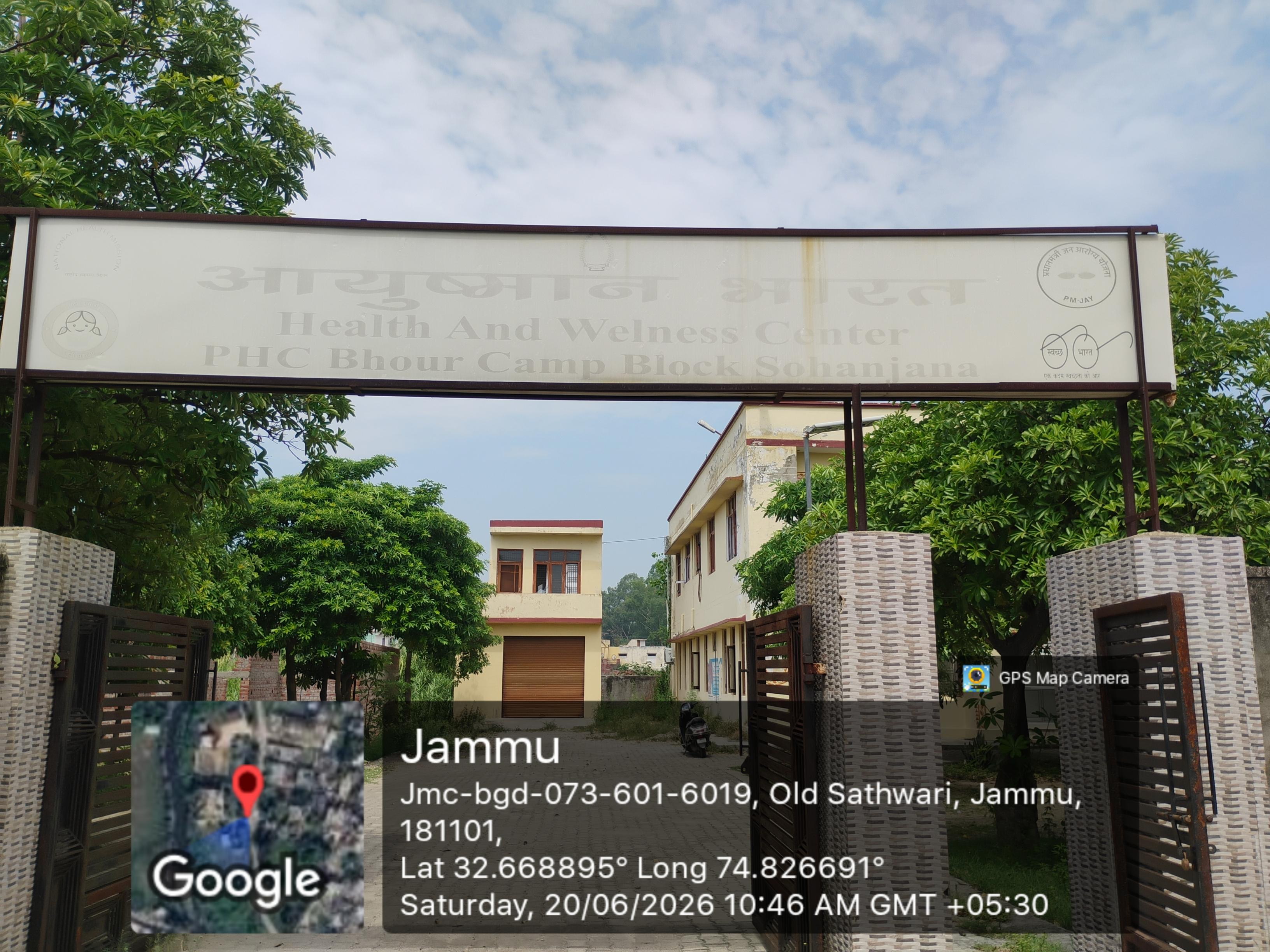
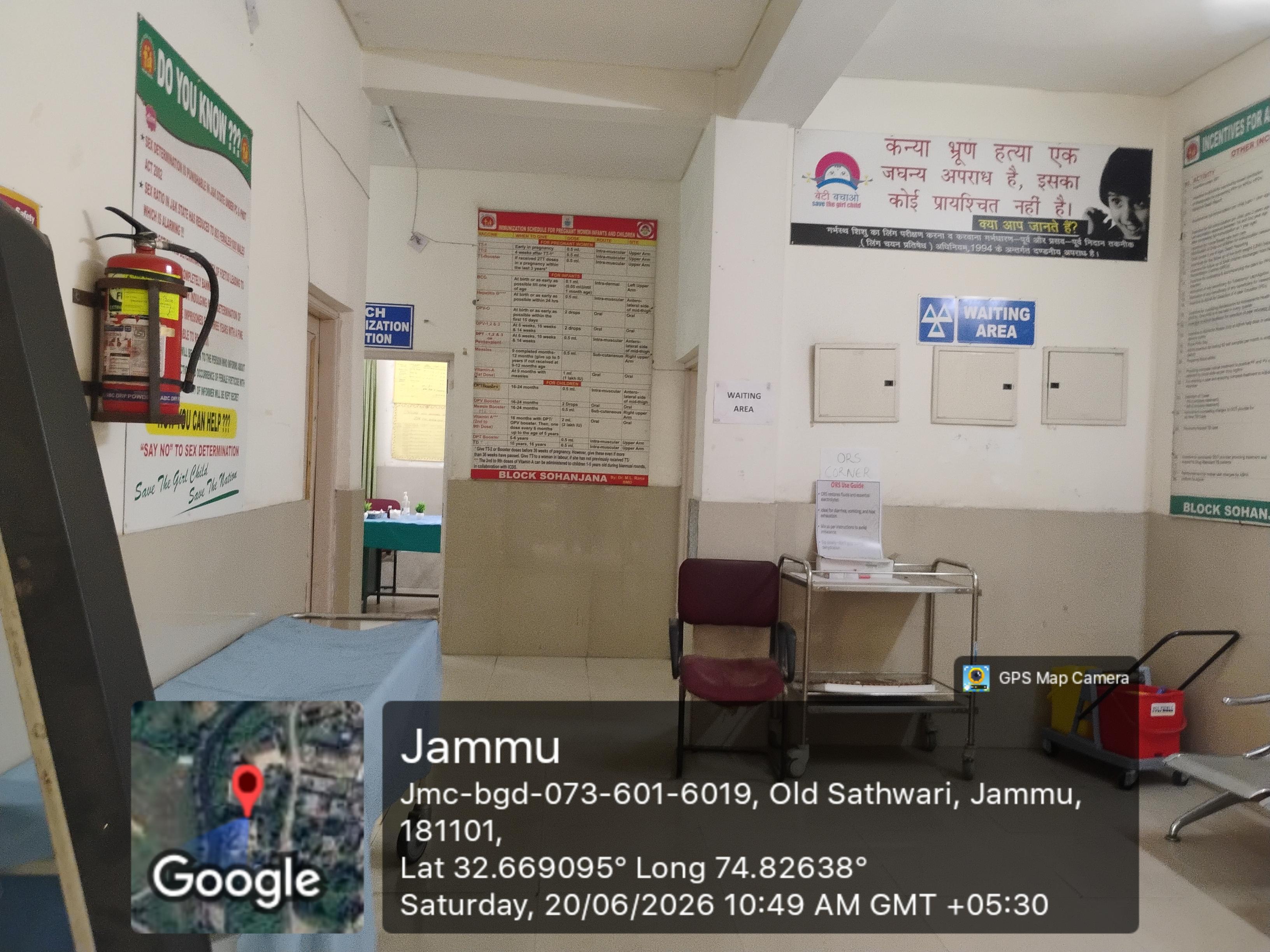
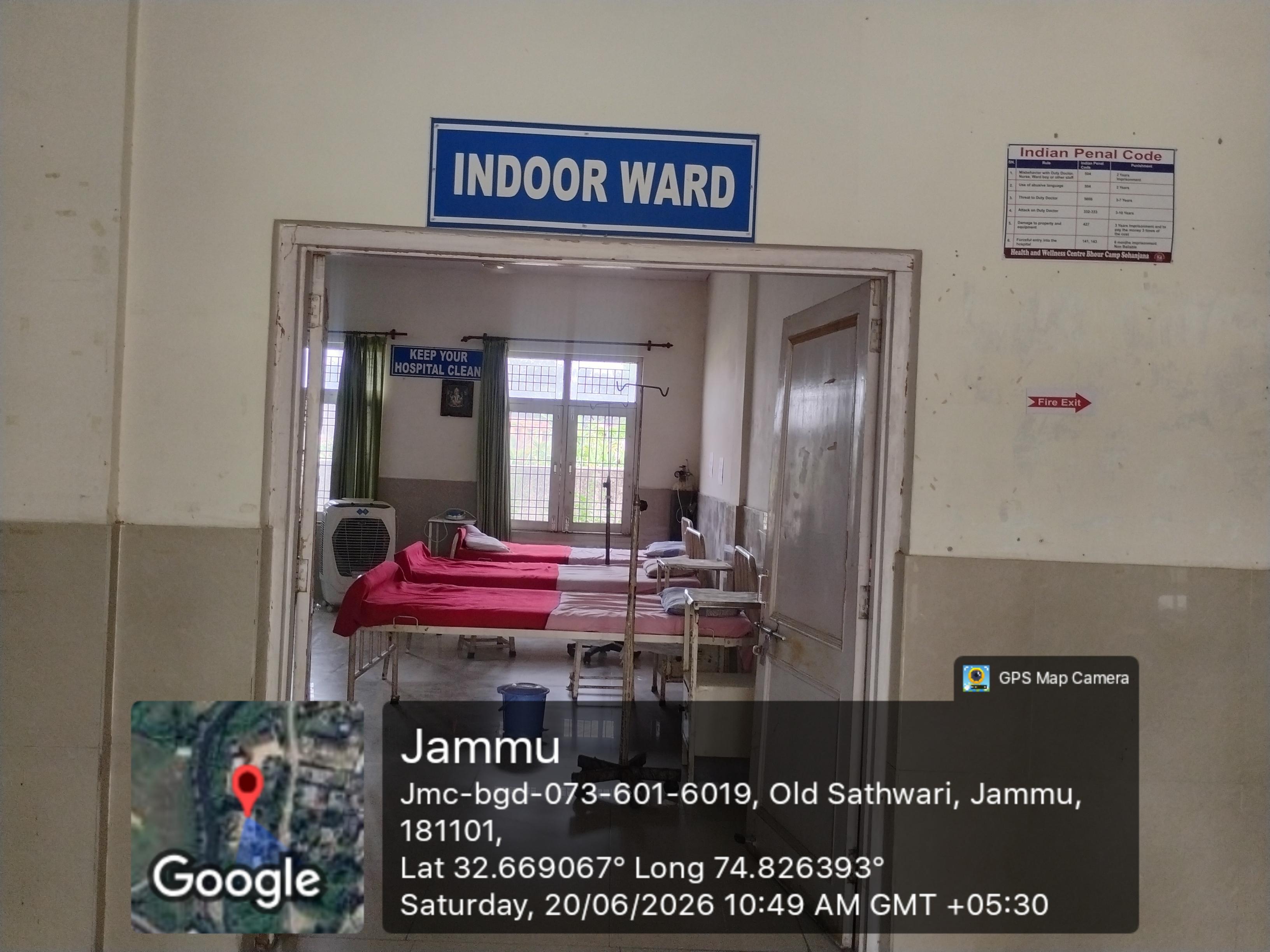
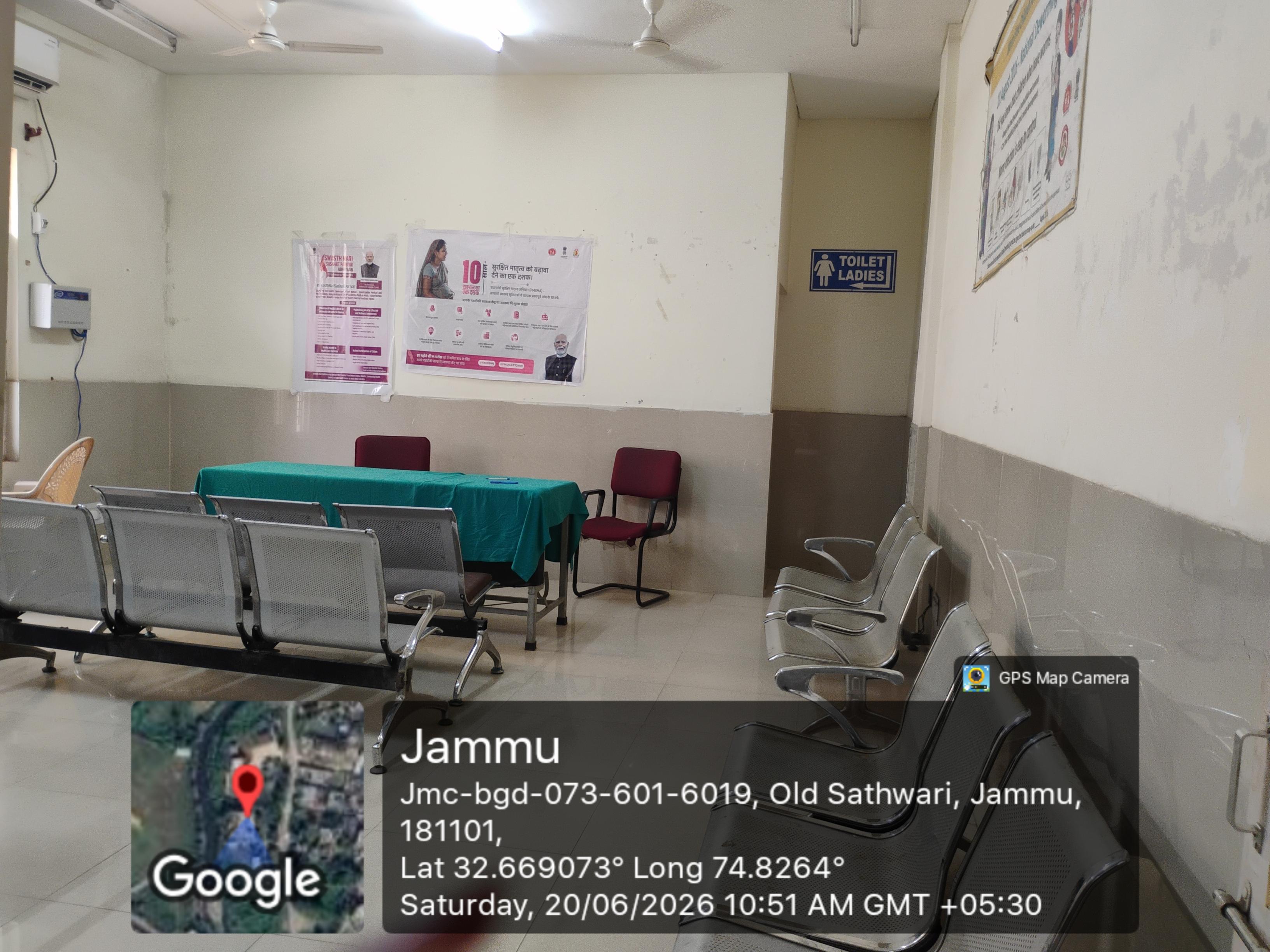
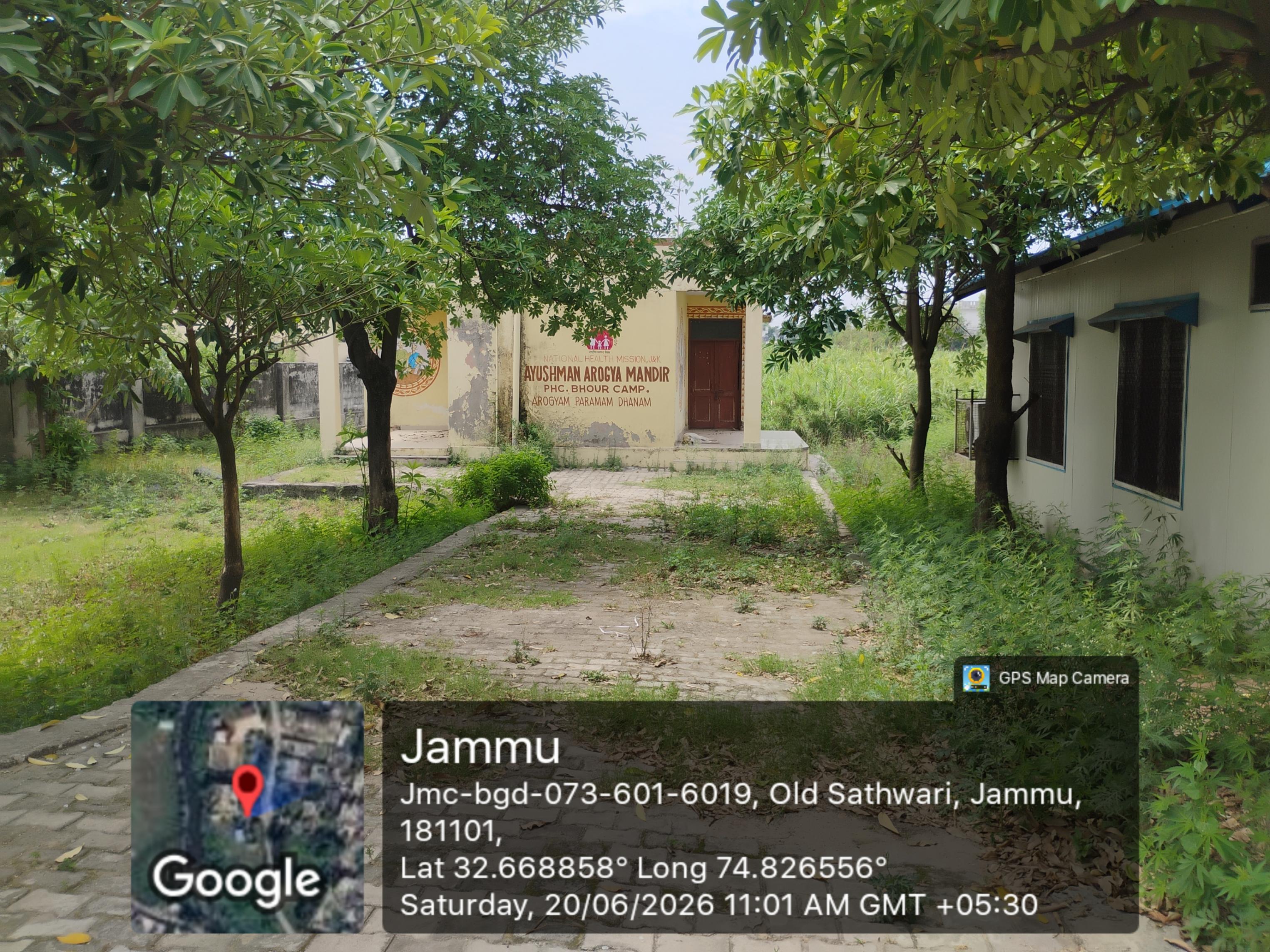
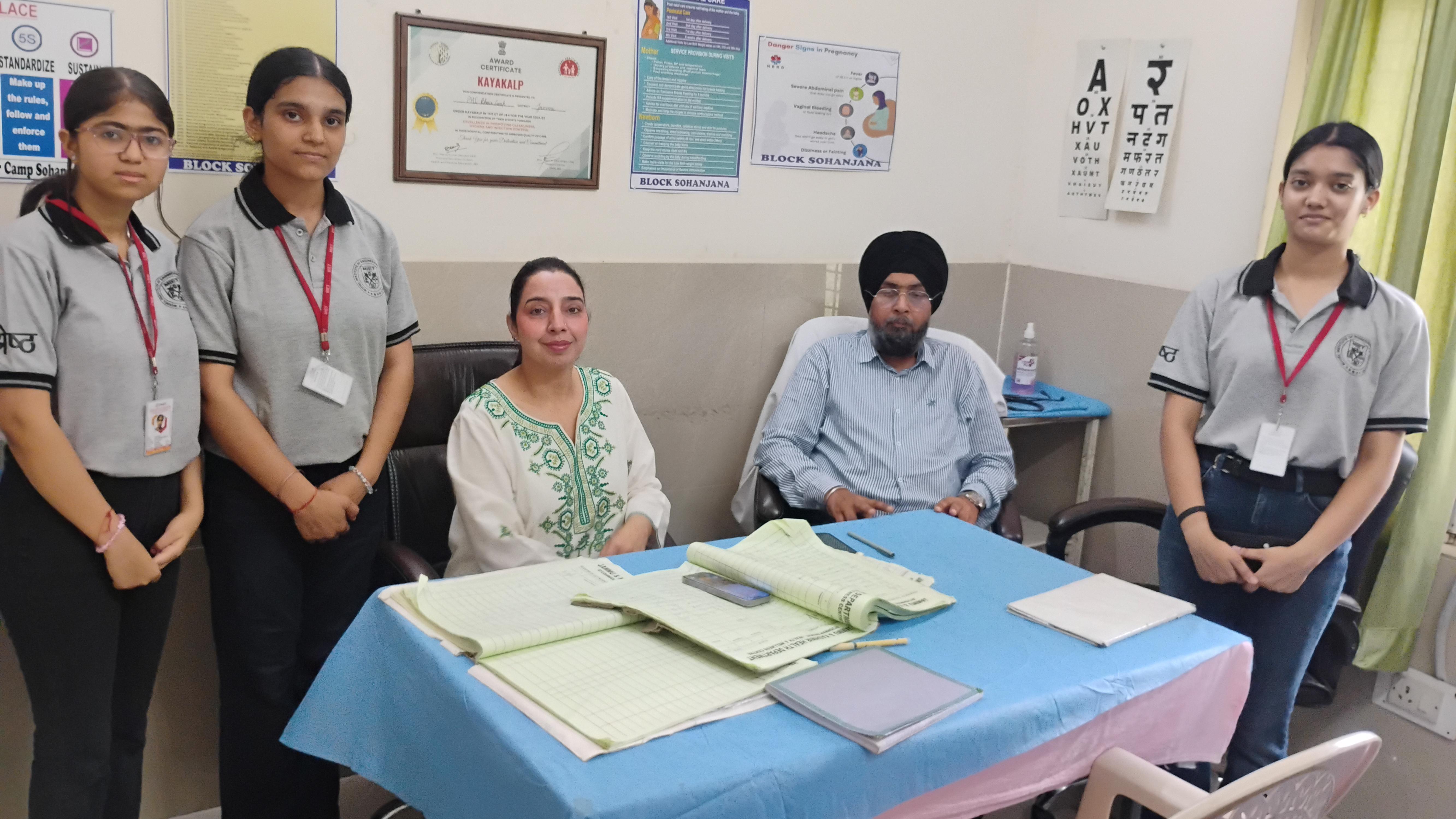
Residents of Bhour Pind have access to basic healthcare facilities through a Primary Health Centre (PHC), Anganwadi services, nearby medical shops, and hospitals located in Jammu city. Regular vaccination drives and health awareness camps play an important role in promoting public health and preventive healthcare. Several government welfare programmes, including Pradhan Mantri Awas Yojana (PMAY), Ayushman Bharat, Jal Jeevan Mission, Swachh Bharat Mission, MGNREGA, Beti Bachao Beti Padhao, and various Self Help Group (SHG) initiatives, are actively implemented within the village. Community participation through cleanliness campaigns, plantation drives, awareness programmes, Panchayat initiatives, and Anganwadi activities further strengthens the village's social and developmental framework.
Sports, Recreation and Tourism
Youth Engagement and Rural Experiences
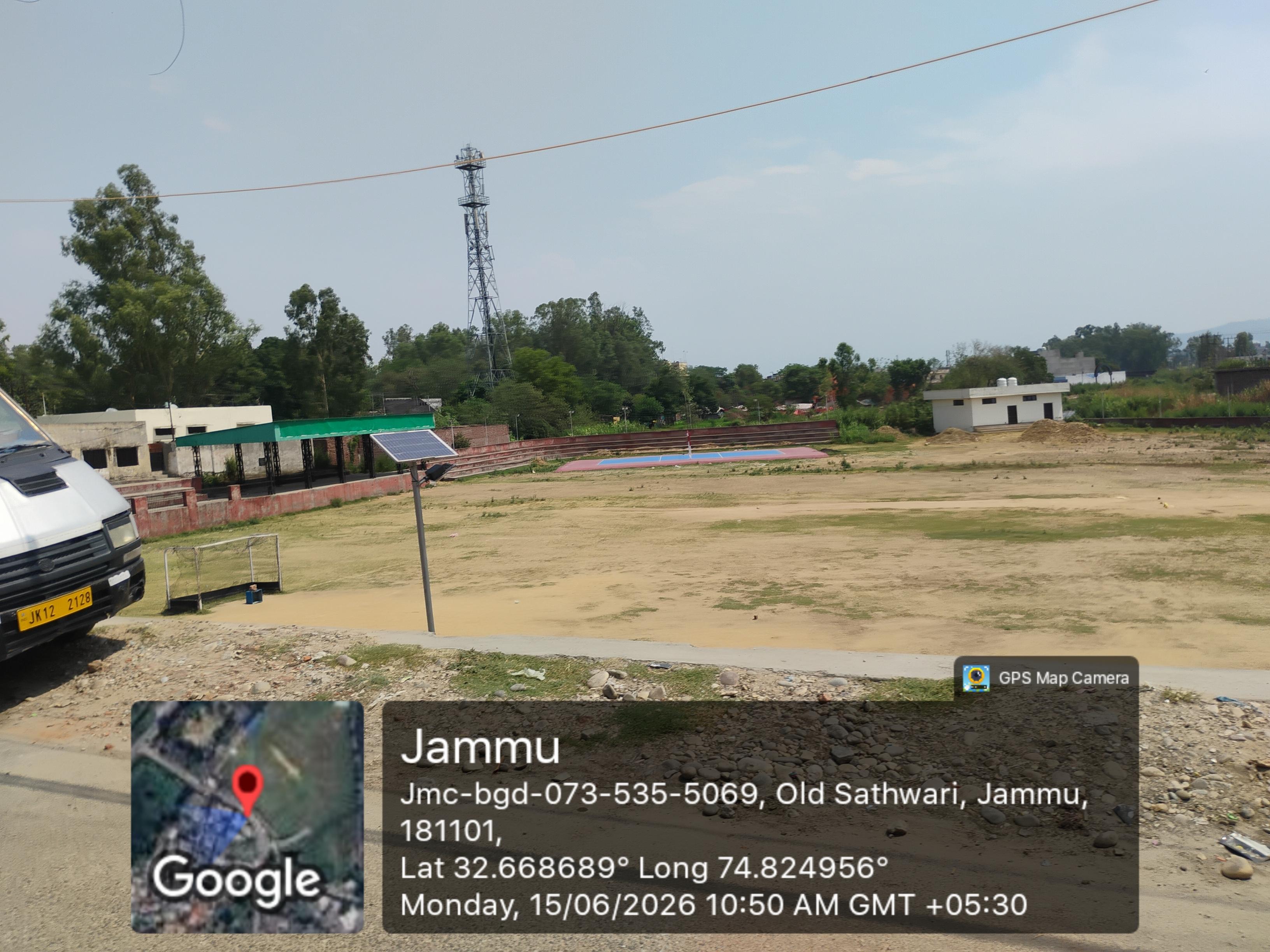
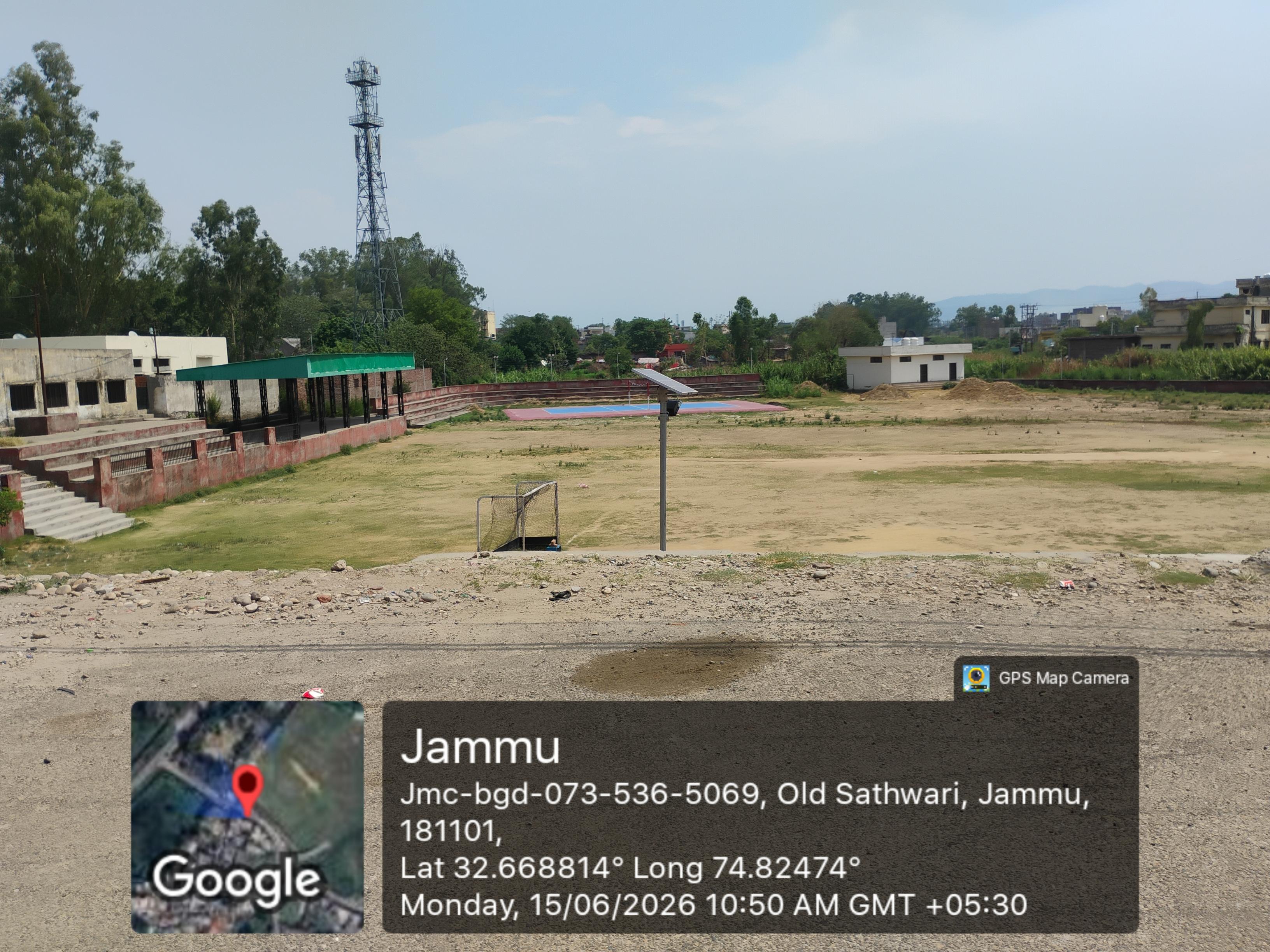
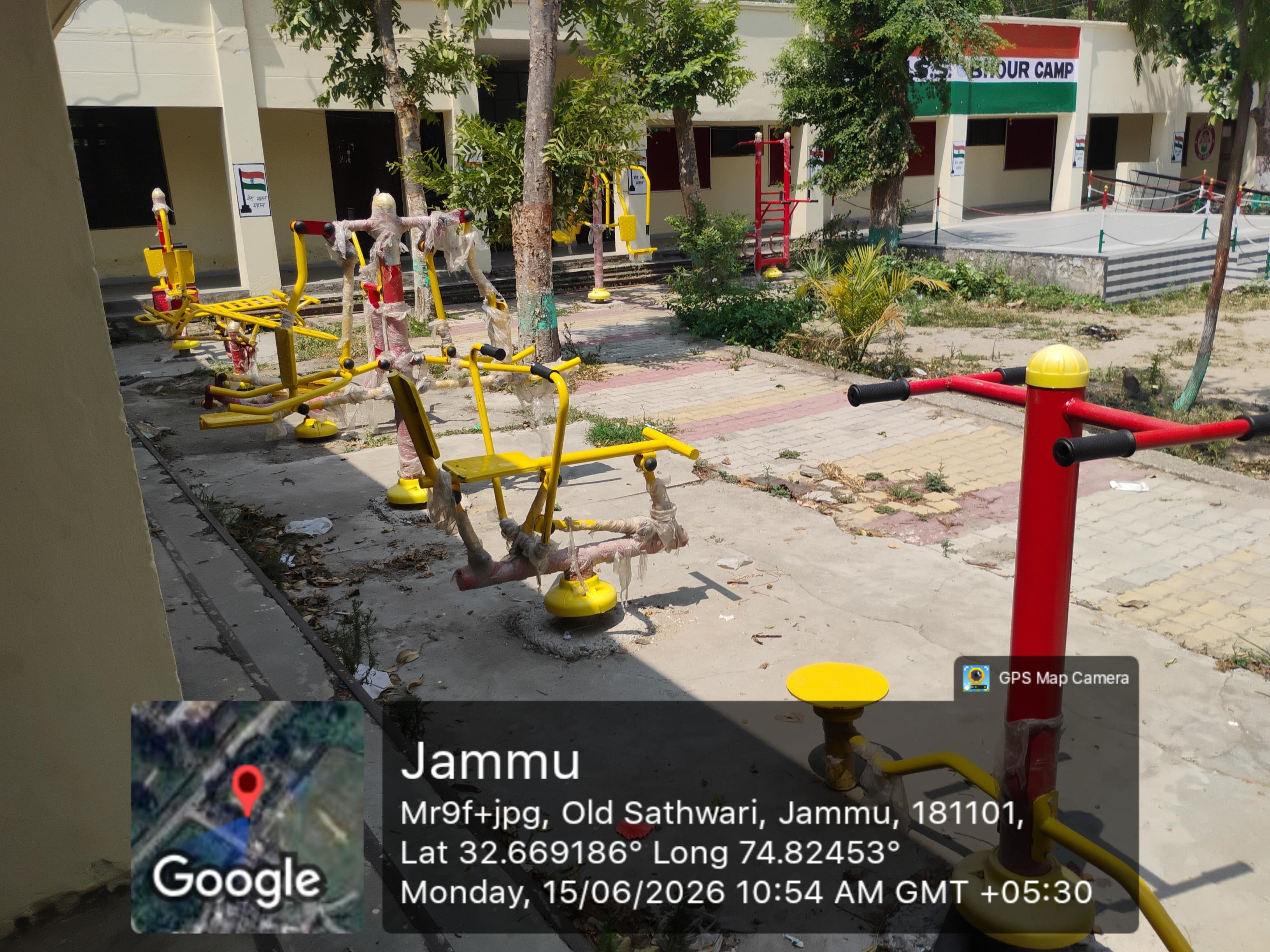
Sports play a significant role in encouraging physical fitness and community participation among the youth of Bhour Pind. The village has access to a local stadium and open playgrounds, where residents actively participate in cricket, football, volleyball, kabaddi, and badminton. Friendly village-level and inter-village tournaments help promote teamwork, discipline, and healthy competition. Tourism remains limited, with visitors primarily attracted to the peaceful rural landscape, agricultural fields, local culture, and nearby religious places. The most favourable period to visit Bhour Pind is between October and March, when the weather is pleasant and suitable for experiencing village life. Accommodation facilities are conveniently available in nearby Jammu city.
Environment and Public Spaces
Natural Resources and Environmental Challenges
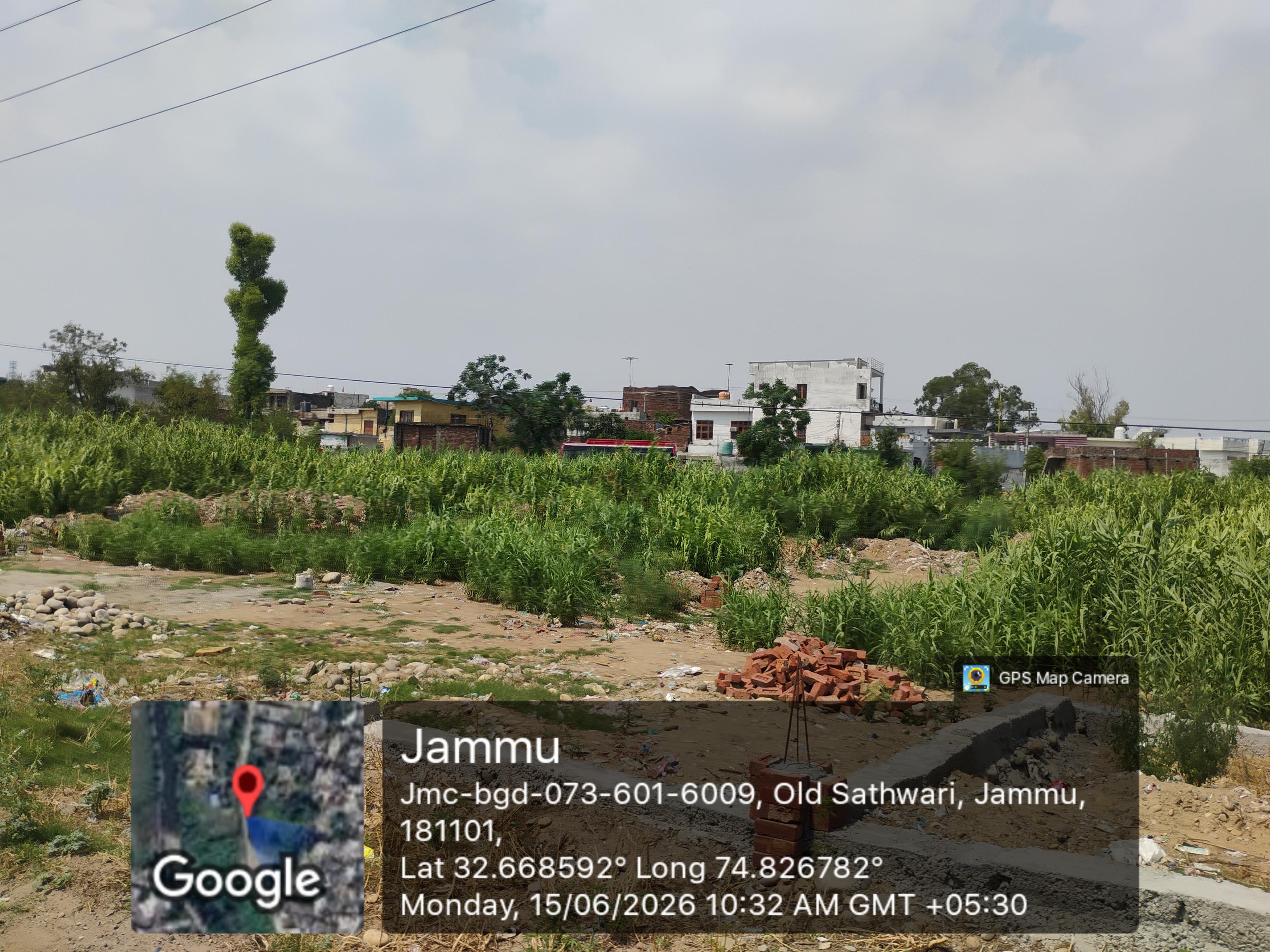
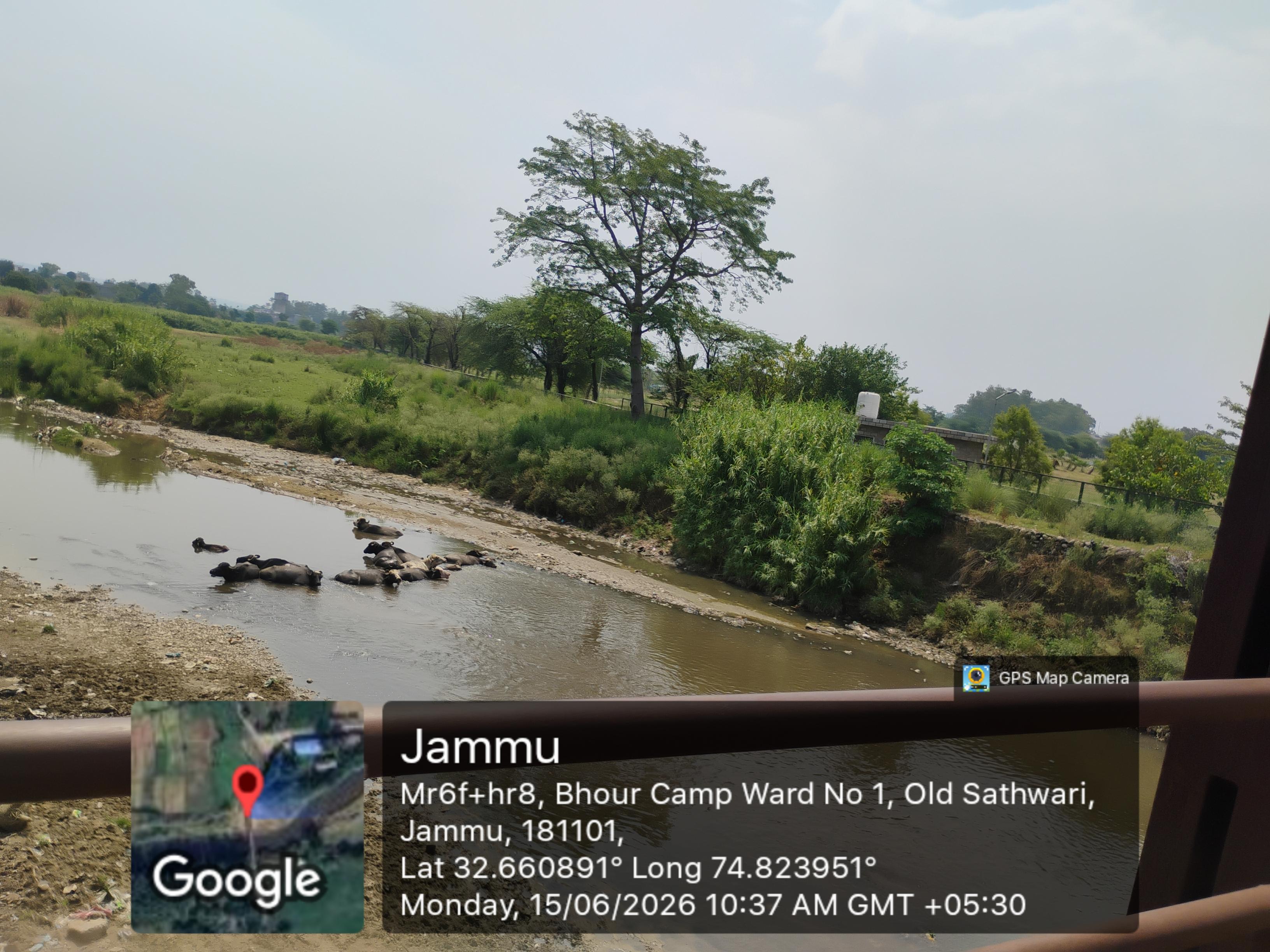
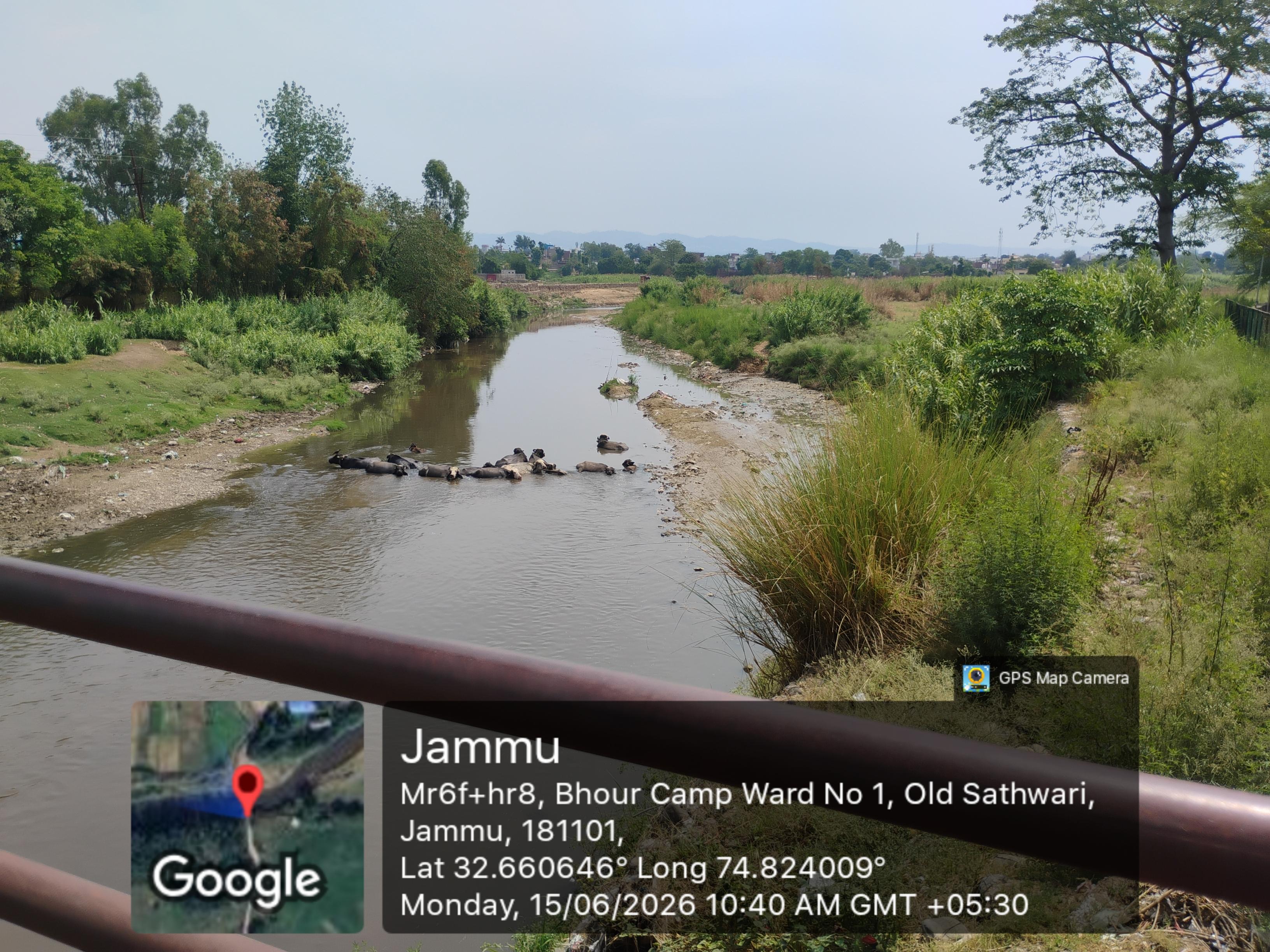
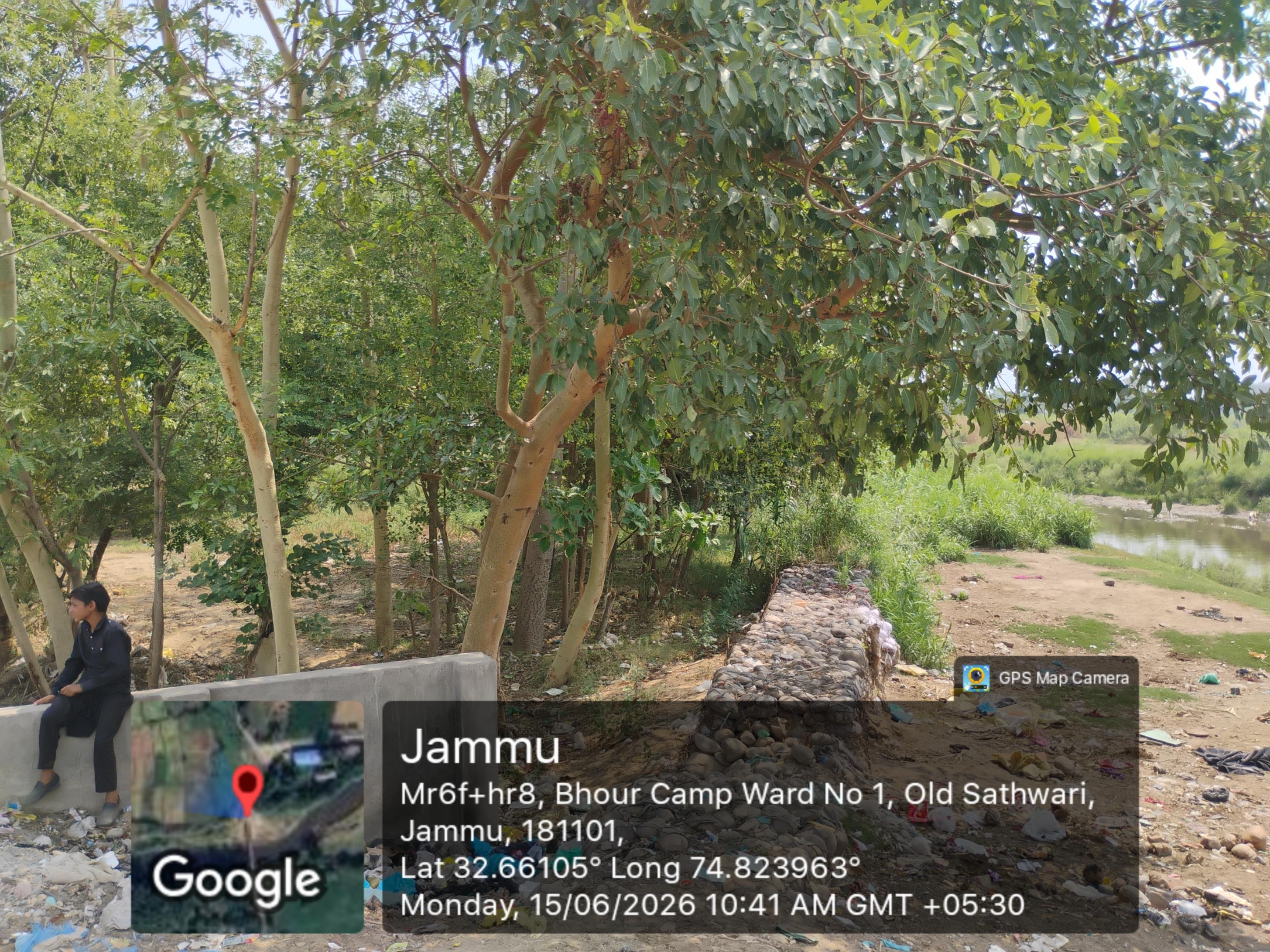
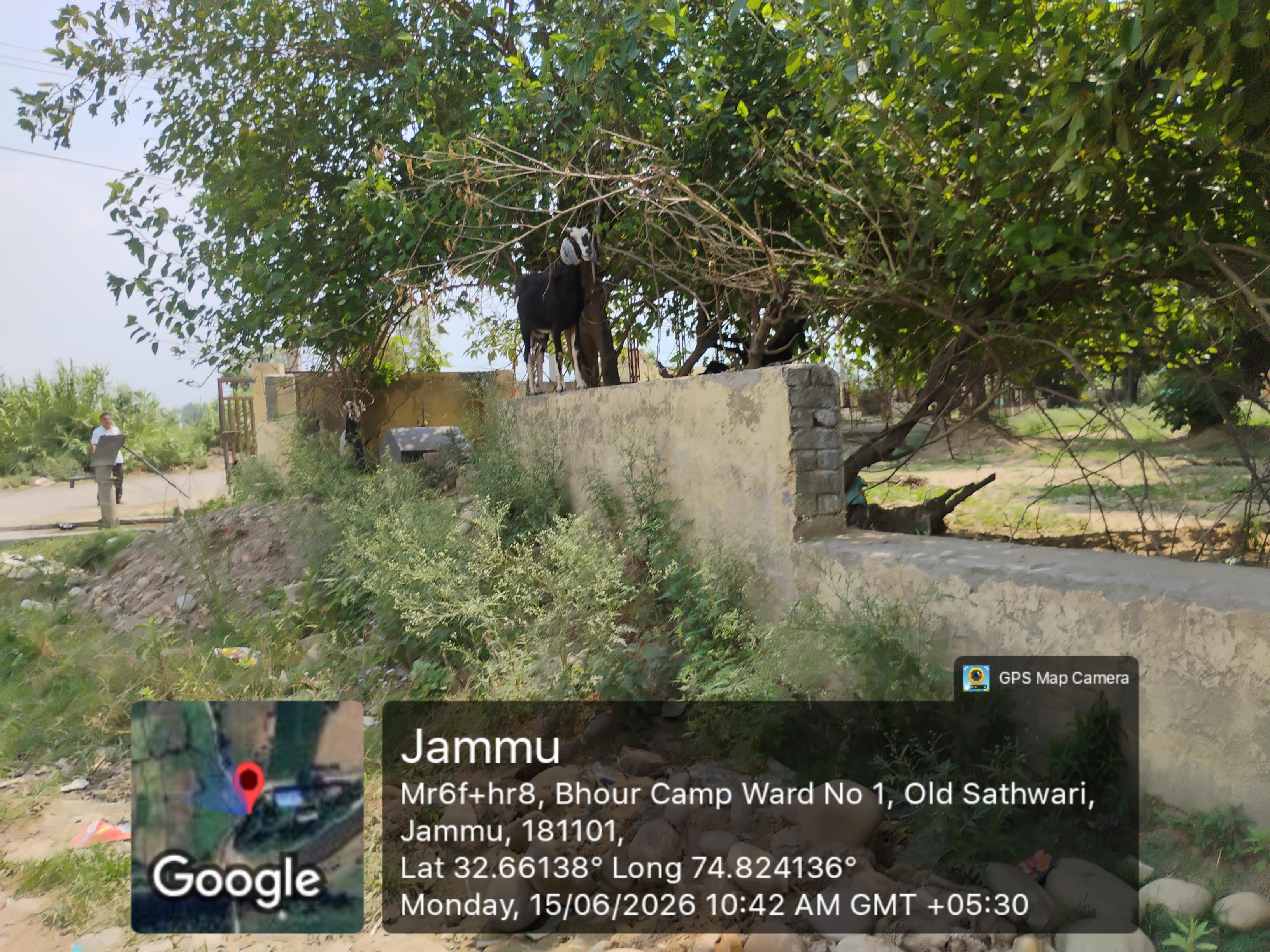
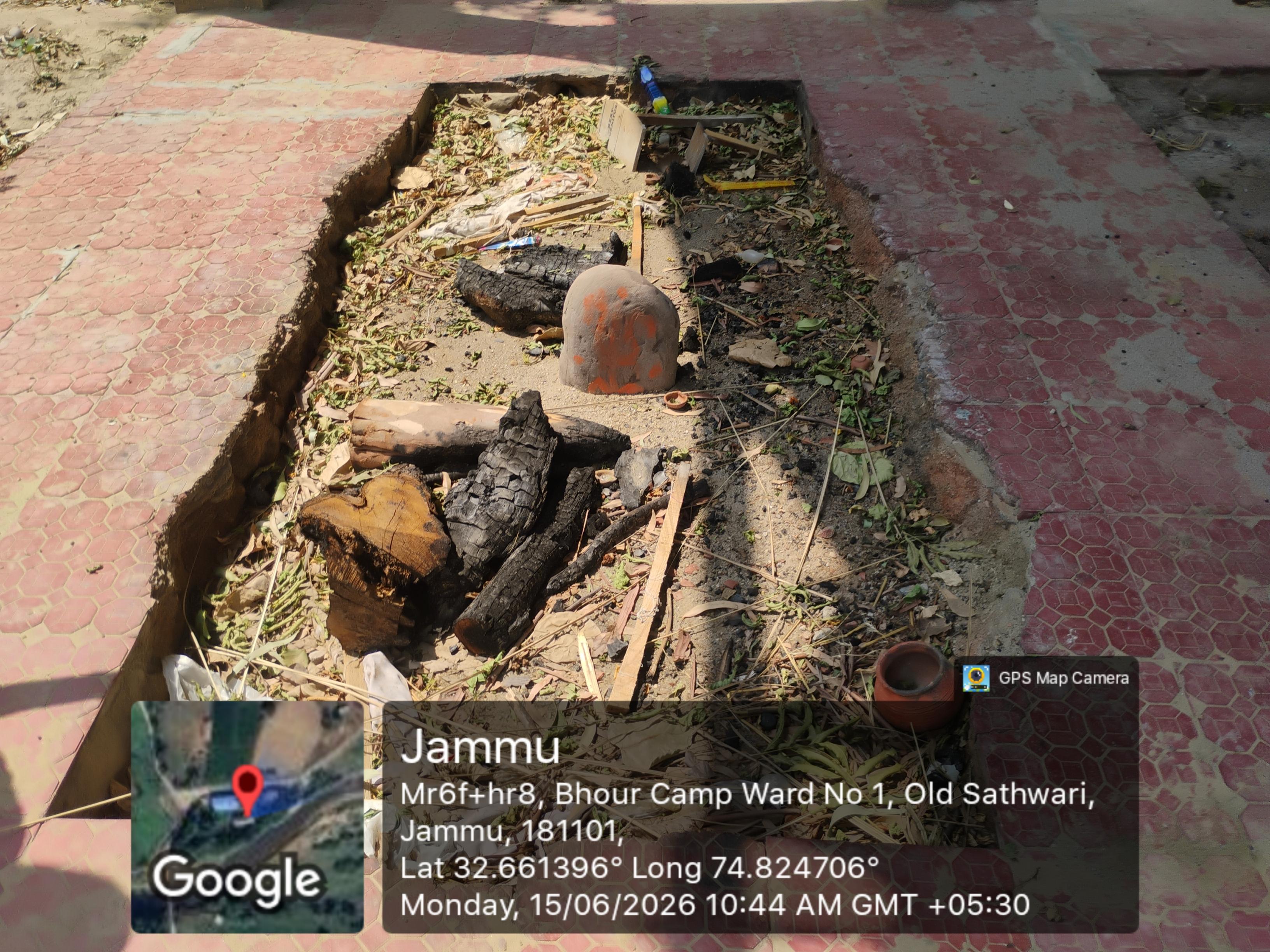
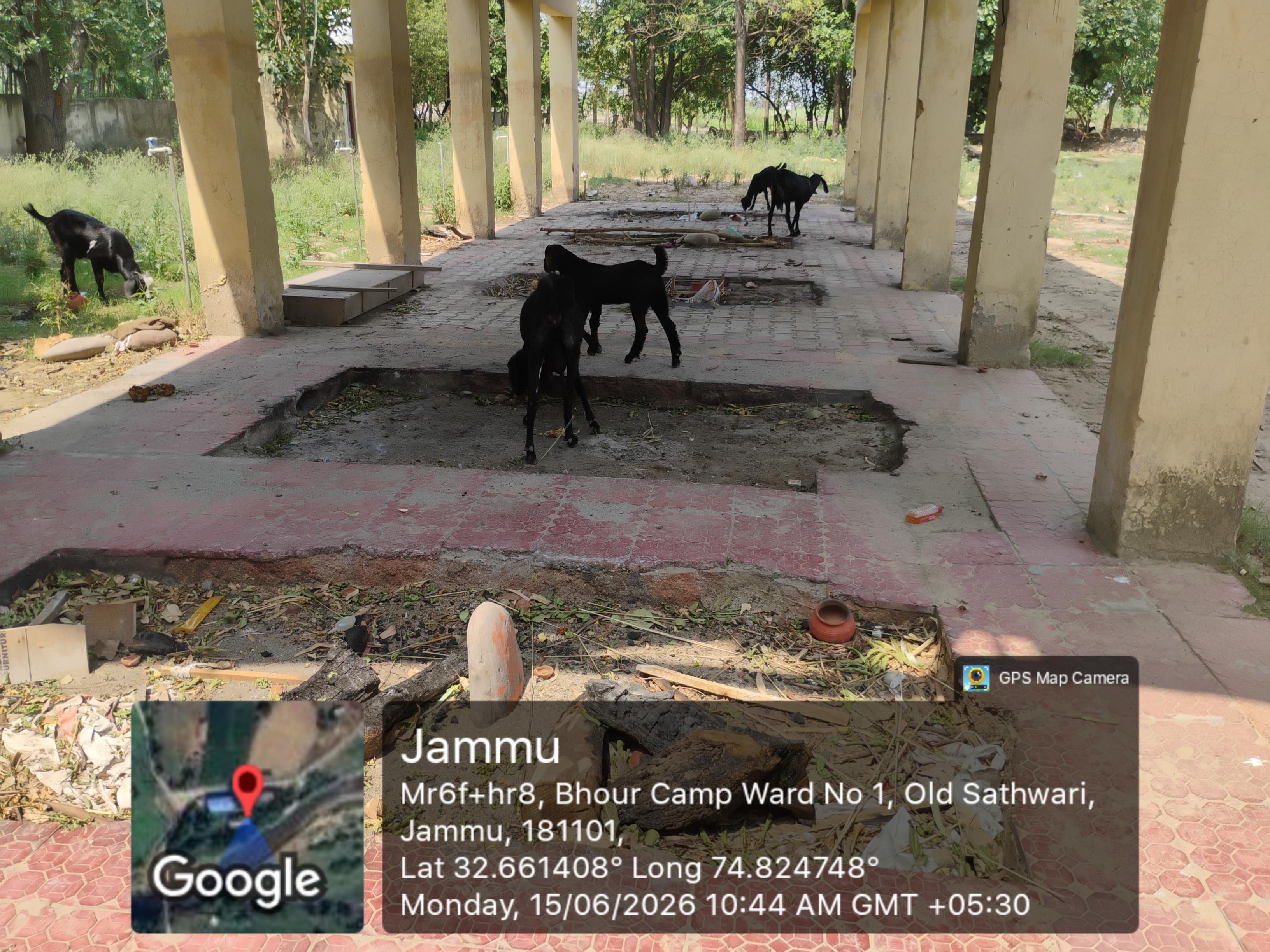
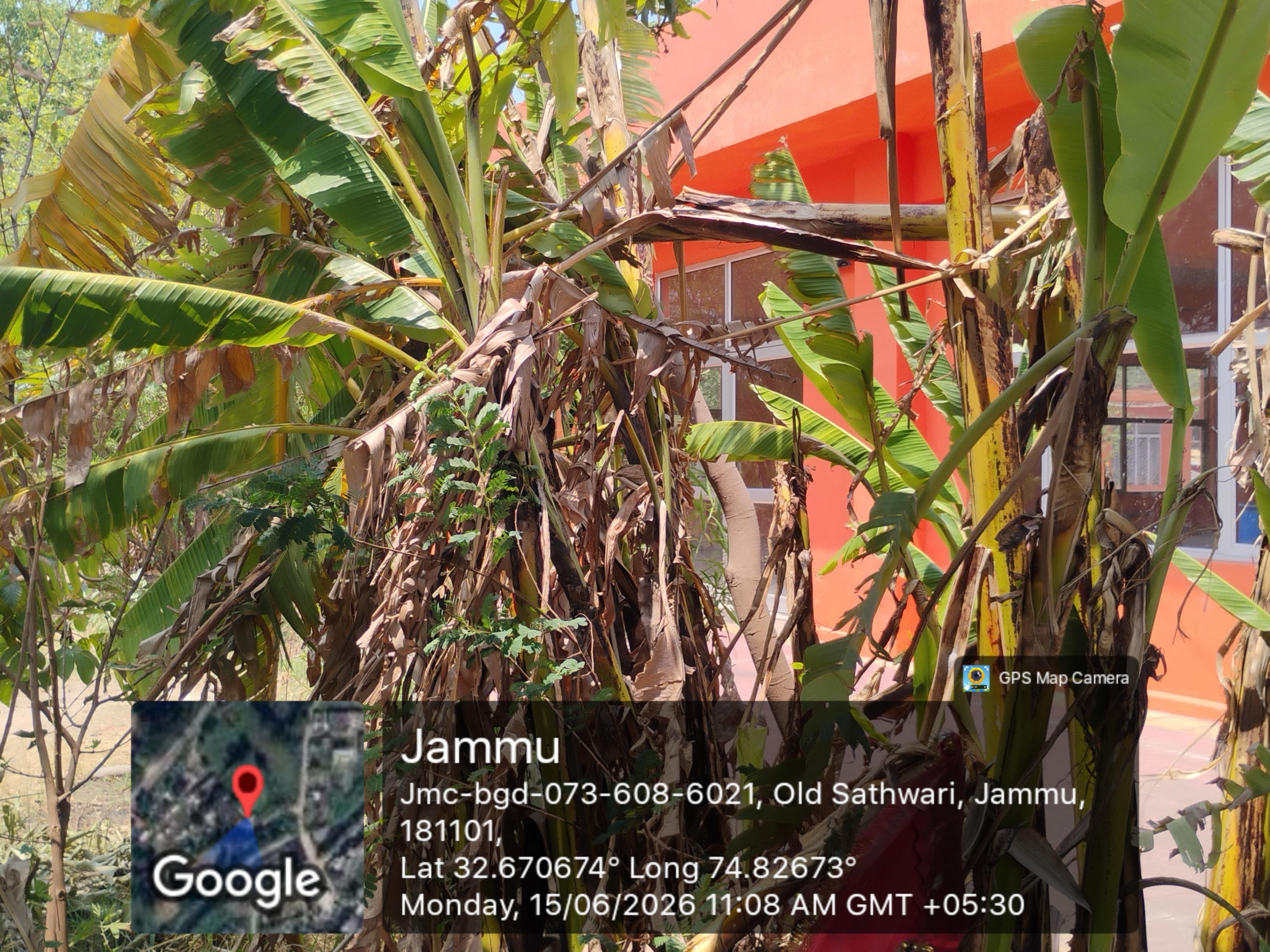
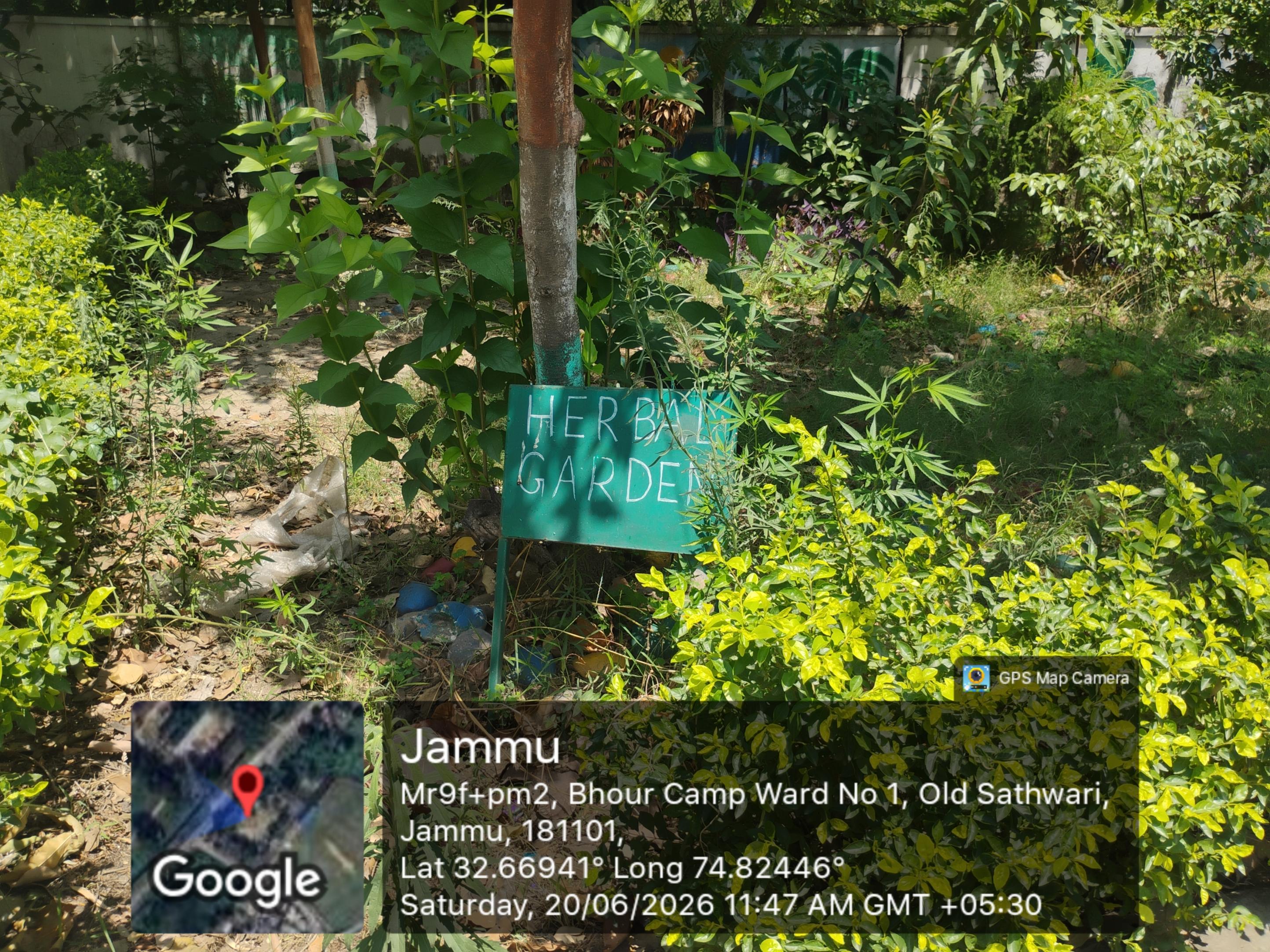
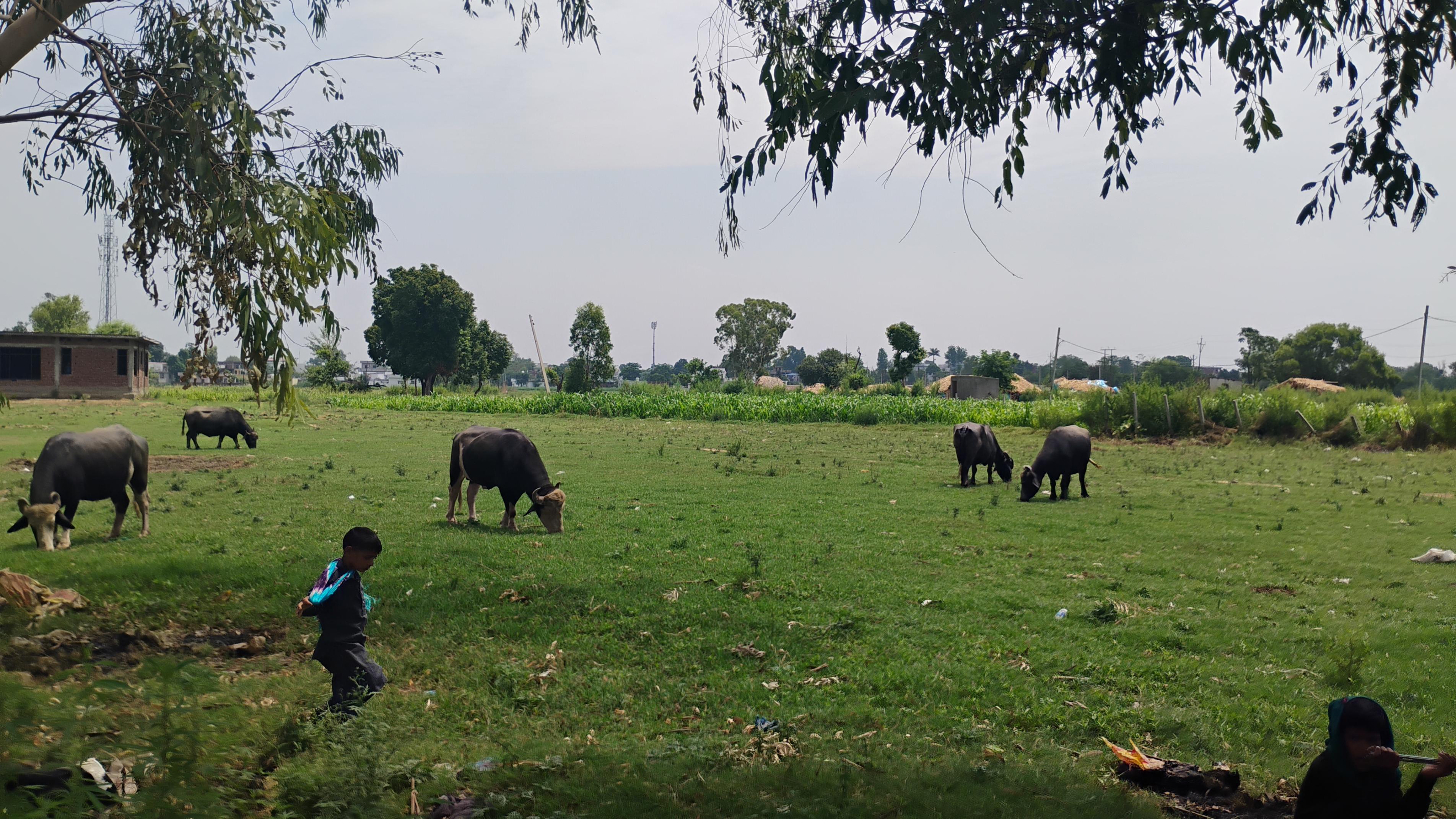
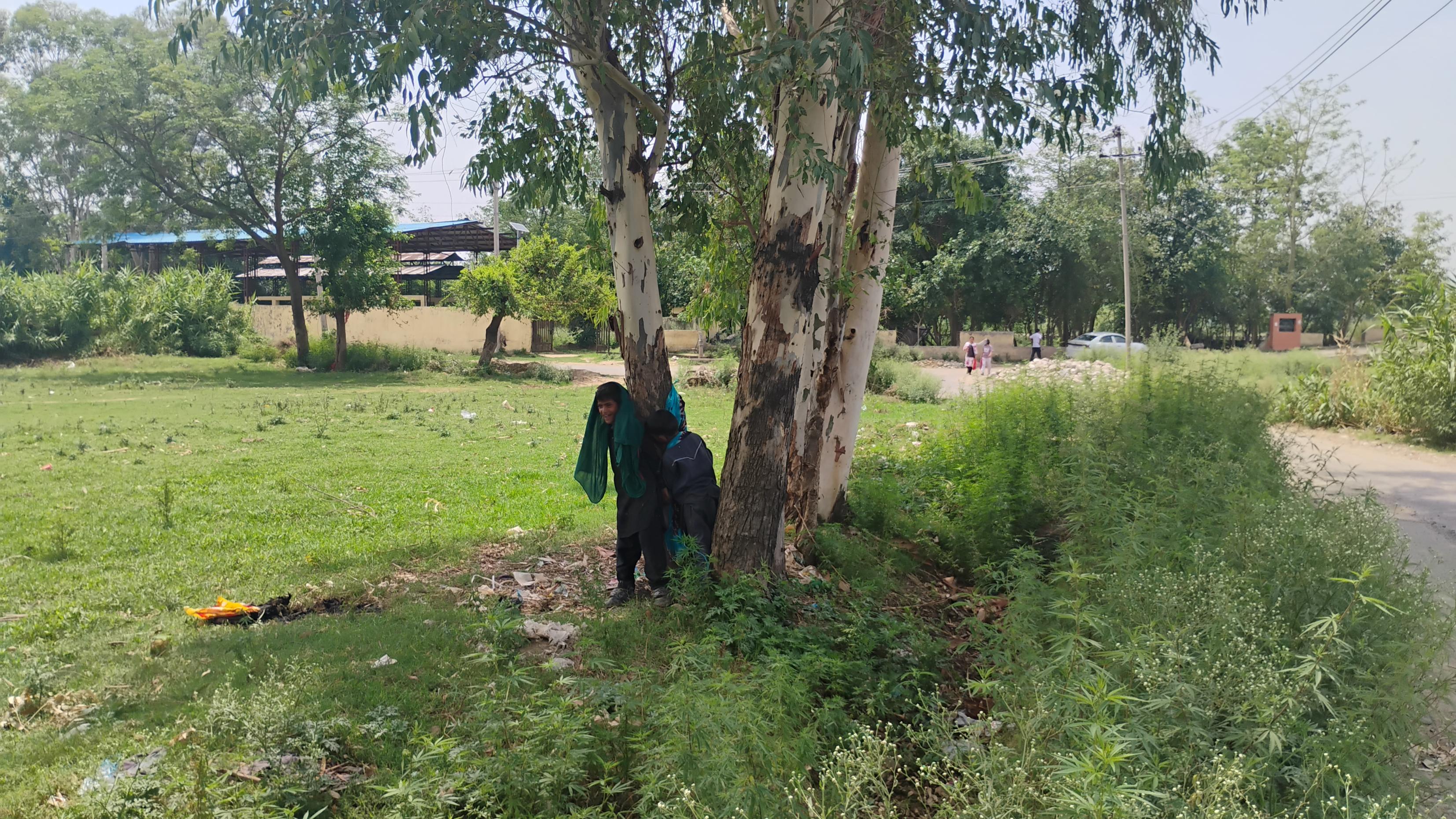
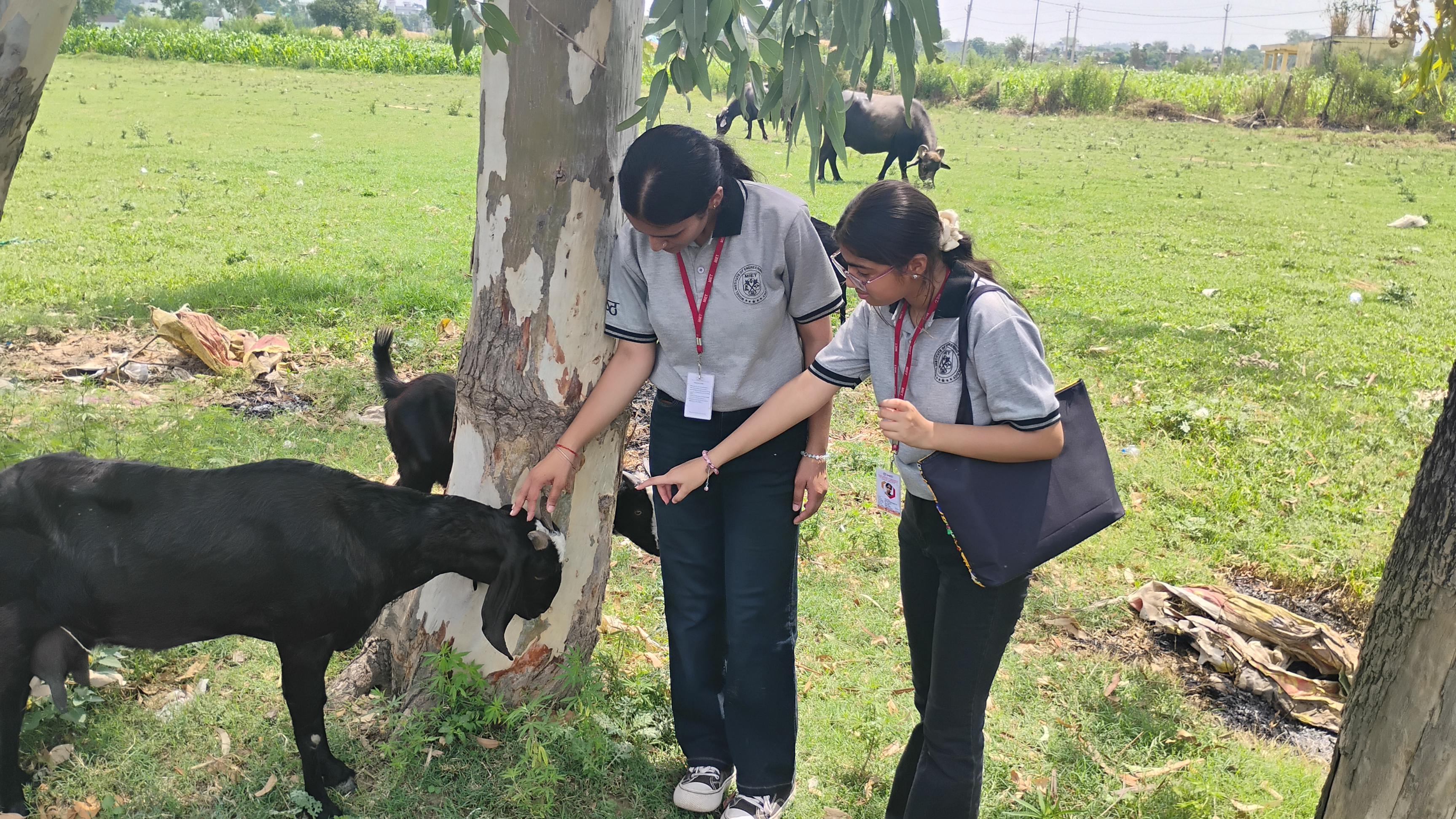
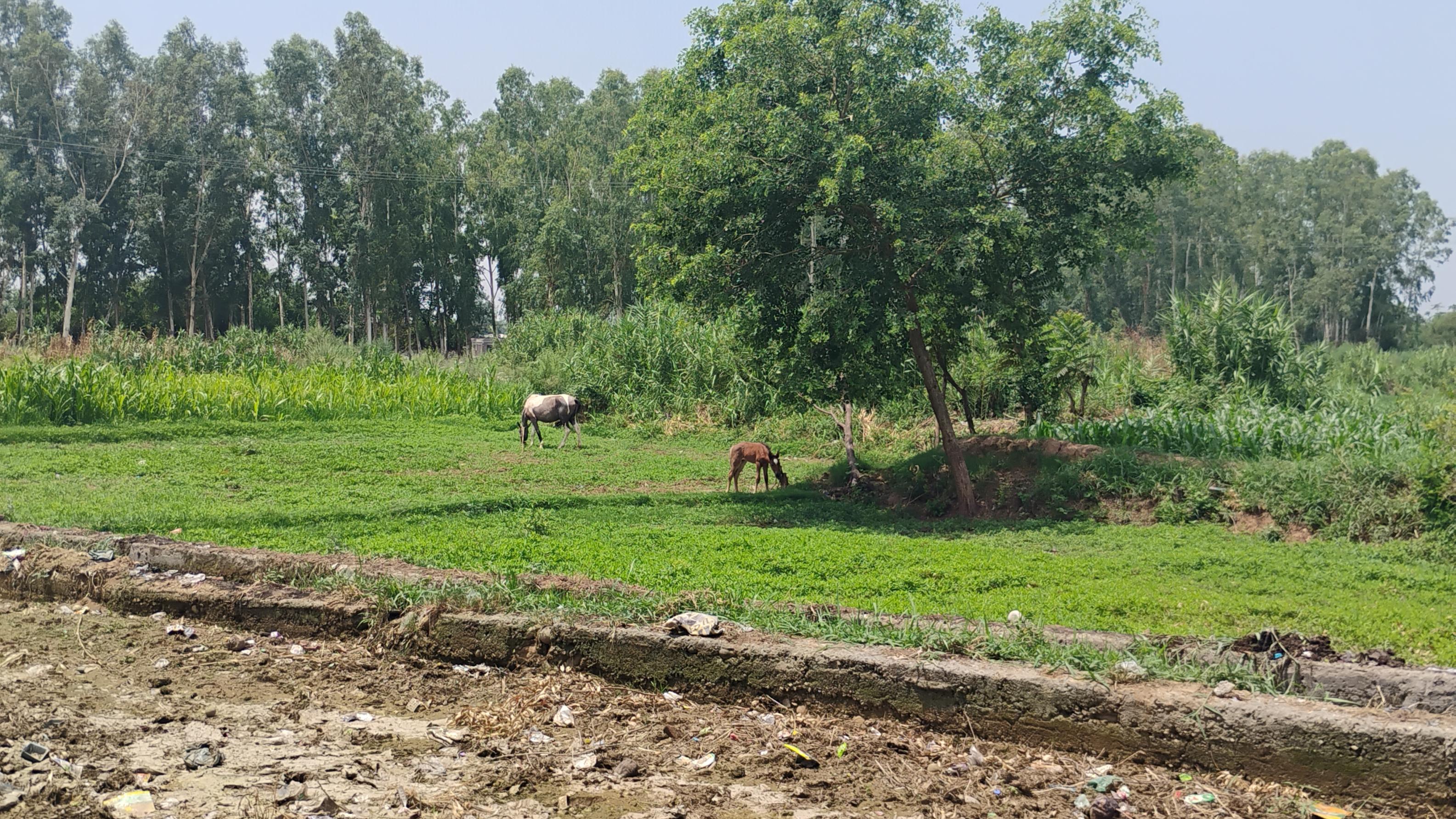
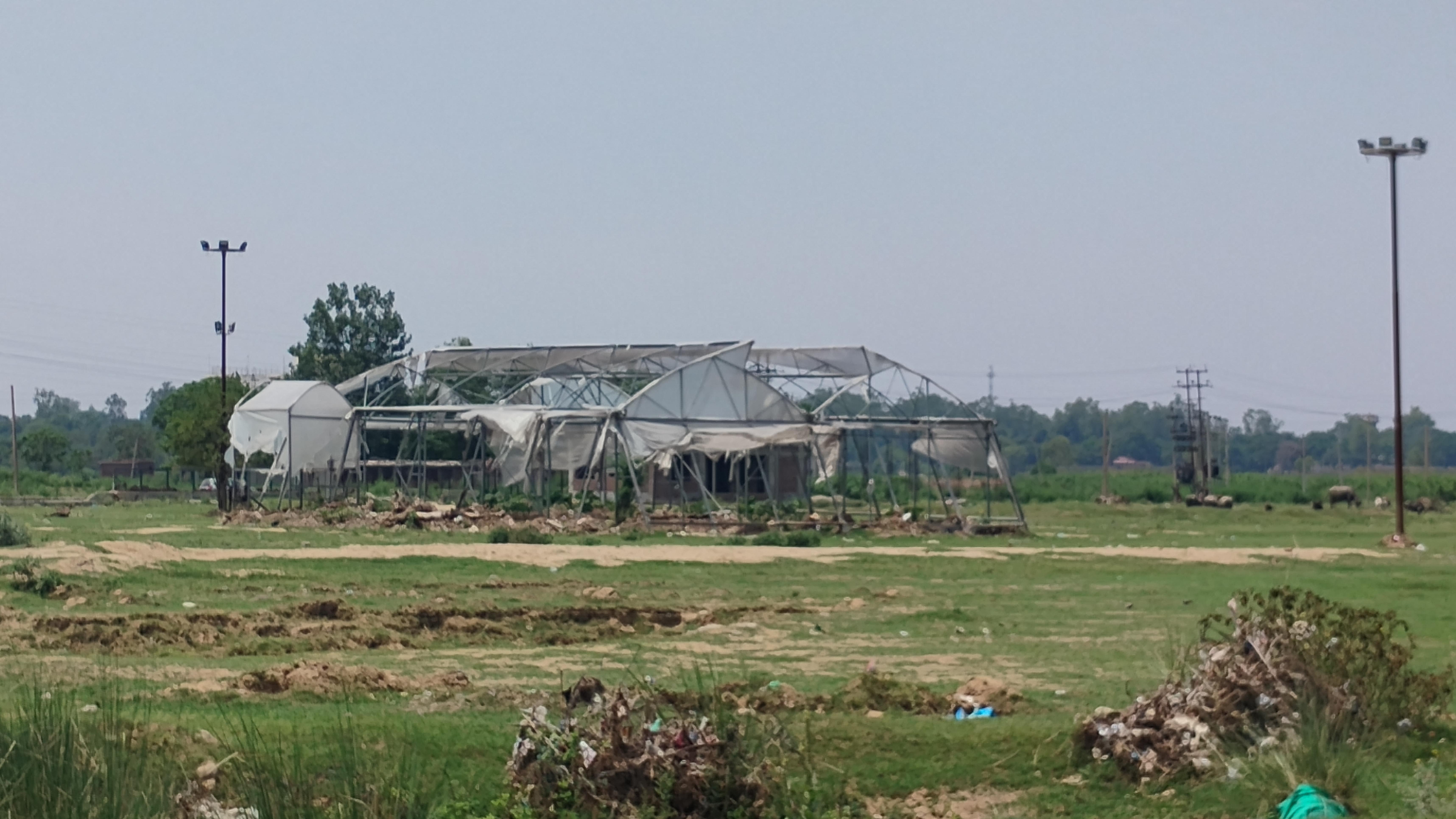
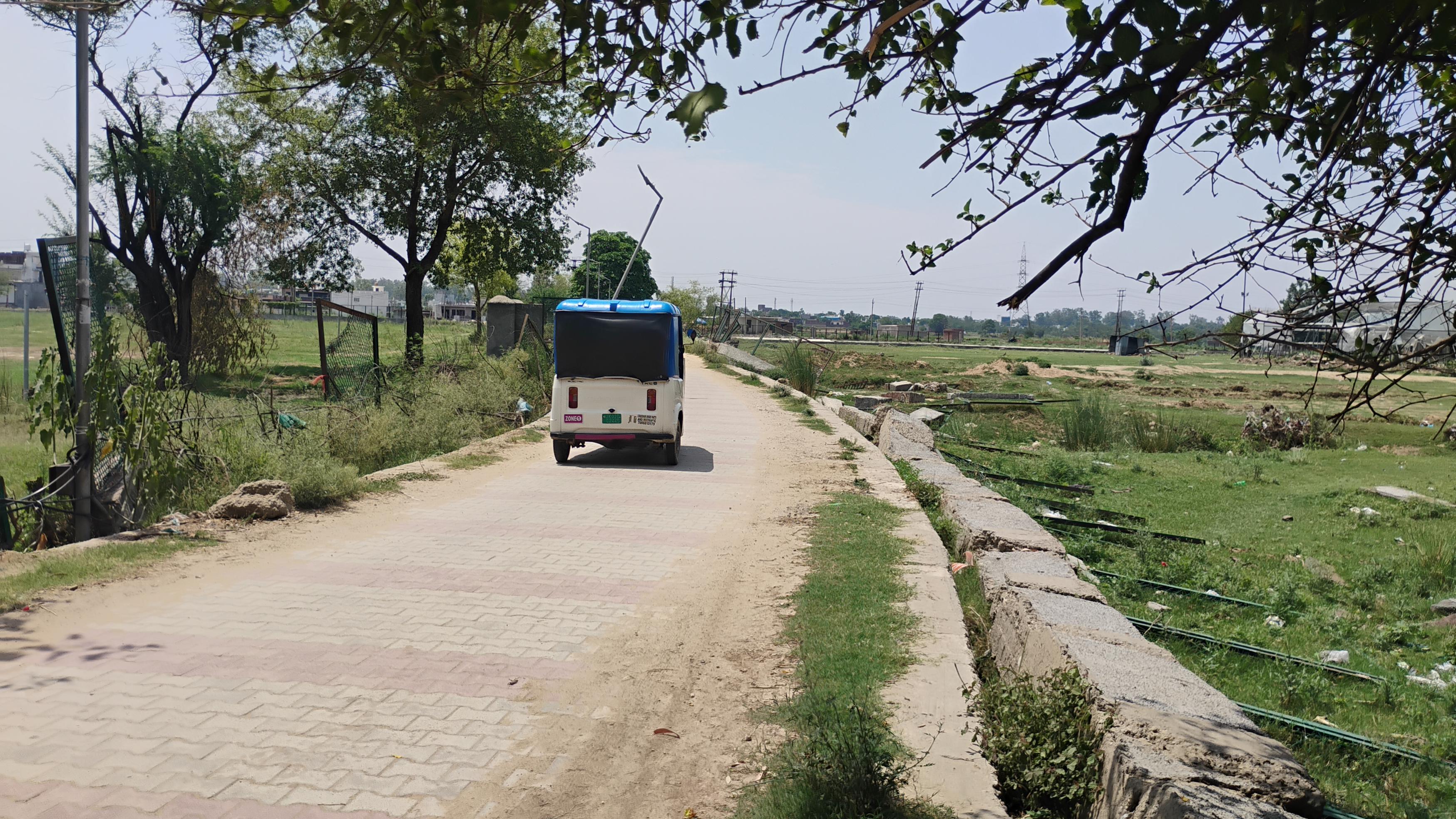
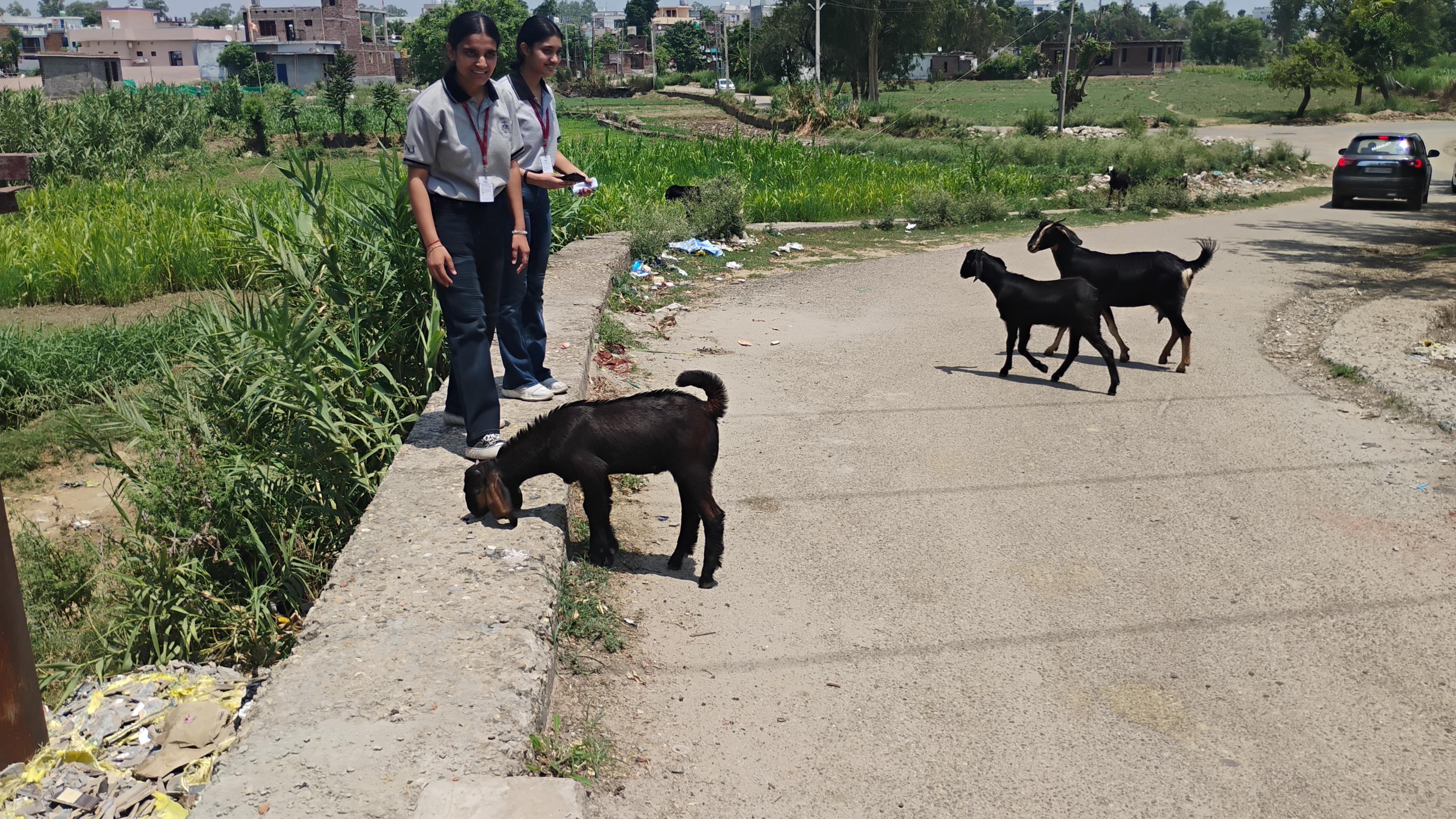
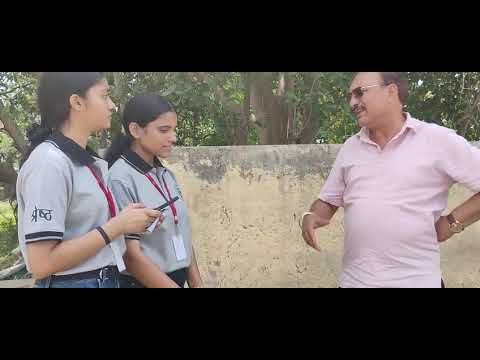
Bhour Pind possesses a modest yet valuable natural environment characterised by tree species such as Neem, Peepal, Banyan, Mango, and Eucalyptus. Domestic animals including cows, buffaloes, goats, and dogs are commonly found throughout the village, while birds such as sparrows, pigeons, parrots, and mynas contribute to the local biodiversity. According to the village Sarpanch, a large public park situated near the Mirasab area once served as one of the largest recreational spaces in the region. Unfortunately, severe rainfall and flooding during August 2025 caused extensive damage to the park, leaving it in need of restoration. Environmental concerns identified during the field visit include poor sanitation in slum settlements, inadequate waste management, dependence on hand pumps for drinking water, and limited electricity supply in certain households. Nevertheless, community-led plantation drives, Swachh Bharat activities, cleanliness campaigns, and environmental awareness programmes continue to promote sustainable development within the village.
Challenges and Future Development
Towards Inclusive and Sustainable Growth
The field visit clearly demonstrated that development within Bhour Pind is uneven despite its close proximity to Jammu city. While many families enjoy stable employment, quality education, and access to modern facilities, others continue to face challenges such as economic inequality, poor sanitation, temporary housing, limited electricity access, dependence on hand pumps, and inadequate interaction between economically diverse communities. Addressing these issues requires practical and sustainable solutions, including the construction of community toilets, improved sanitation facilities, better water and electricity infrastructure, restoration of the damaged public park, promotion of digital literacy programmes, expansion of skill development initiatives, and increased awareness regarding government welfare schemes. Bhour Pind stands as an important example of how inclusive rural development requires equal opportunities, community participation, and balanced growth so that every resident can benefit from the progress taking place around them.
Certainly! Since this is based on your field visit, here's a professional reflection that fits the tone of your microsite.
My Learning and Reflection
Insights Gained from the Field Visit
The field visit to Bhour Pind provided valuable insights into the realities of rural development and the socio-economic diversity that exists within a single village. Although the village is located close to Jammu city and has experienced significant infrastructural growth, the visit revealed that the benefits of development have not reached every section of the community equally. Interacting with residents helped us understand the importance of field-based research, as many of the challenges—such as poor sanitation, inadequate housing, limited access to basic amenities, and economic inequality—can only be fully appreciated through direct observation and community engagement. At the same time, the visit highlighted the resilience of the villagers, their strong cultural values, and their willingness to improve their living conditions. Overall, this experience reinforced the significance of inclusive and sustainable rural development, emphasizing that true progress is achieved only when every member of the community has access to opportunities, essential services, and a better quality of life.
Photos
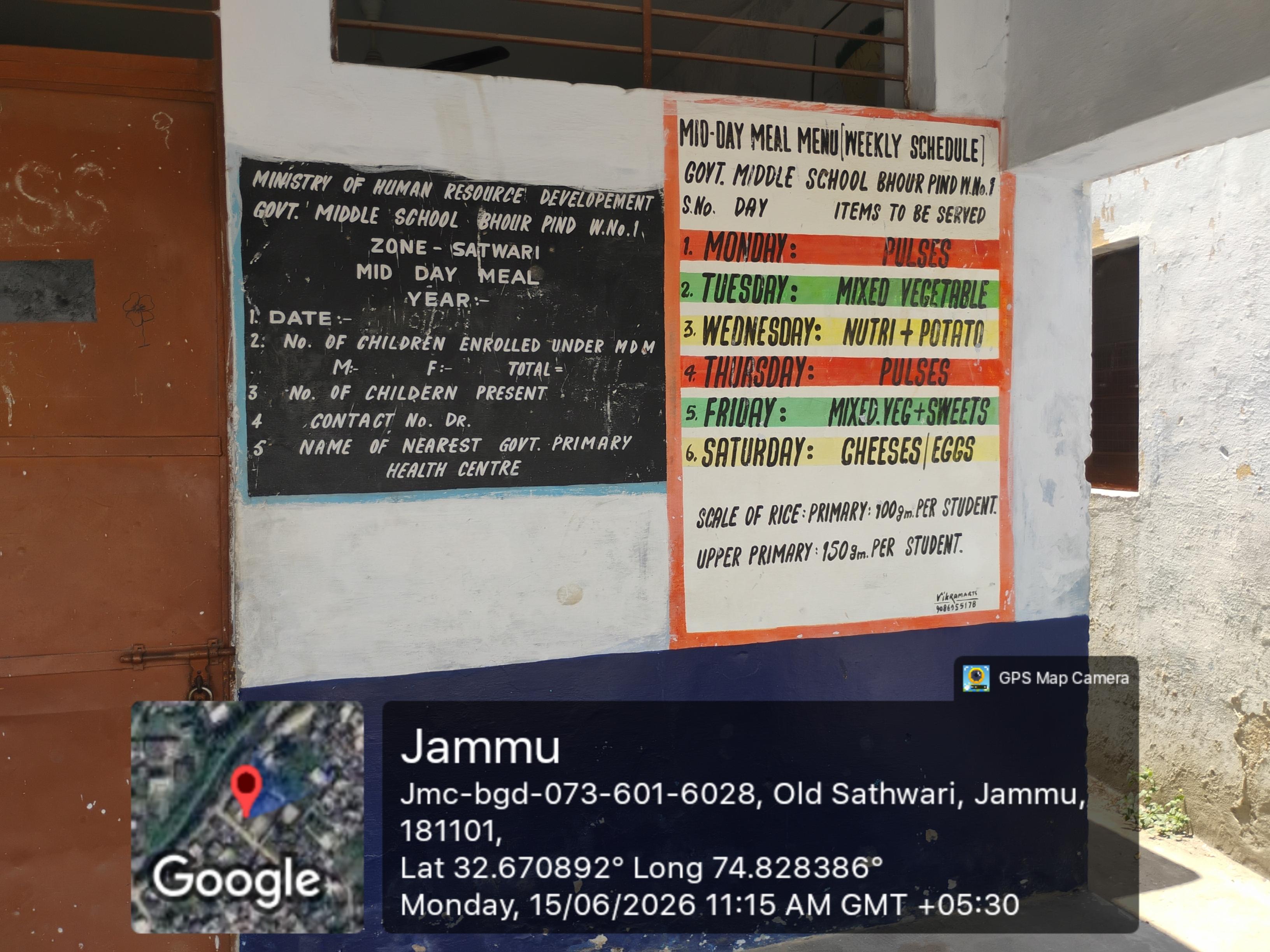
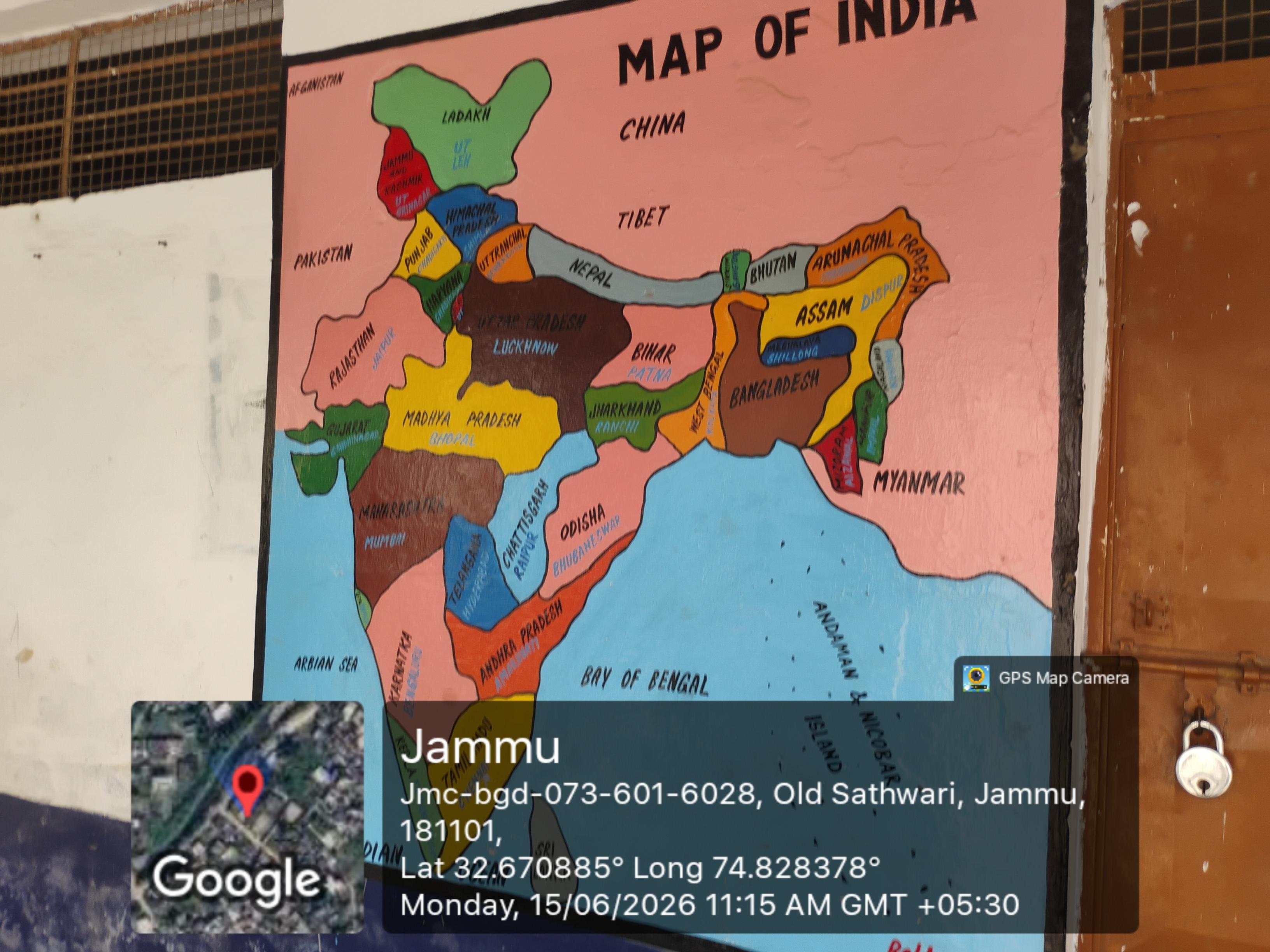
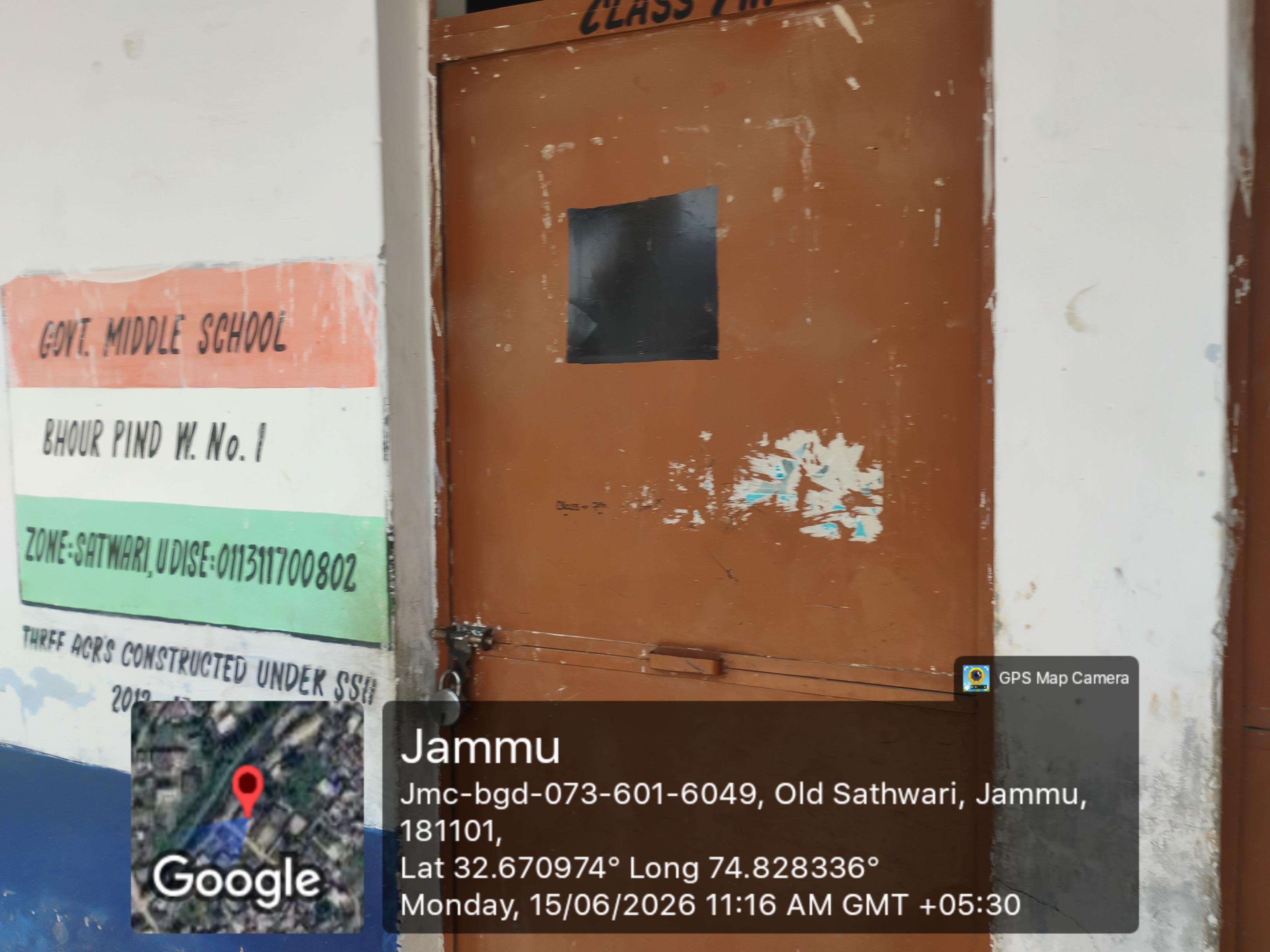
Videos
Location Map
Contact Information
| Address |
Bhour Pind, Bhour Camp, Chatha, Jammu, Jammu & Kashmir, India |
| Phone Number |
9906037807 |
Reviews (9)

Every member put in serious effort, and it really shows in how complete and well-structured this turned out.
The microsite clearly showcases the village and reflects the team's hard work. Great!!!
It was exceptionally informative engaging and well executed. It shows commendable level of efforts and dedication. Highly impressive work!!

Great effort in presenting the village digitally. Keep up the good work!
Impressive work done by the team.
Great work guyzzz !! The site looks great.
Very well organised and presented.Great effort put by the team!
amazing work by the team


Great work!