
Description
Introduction to Bathur
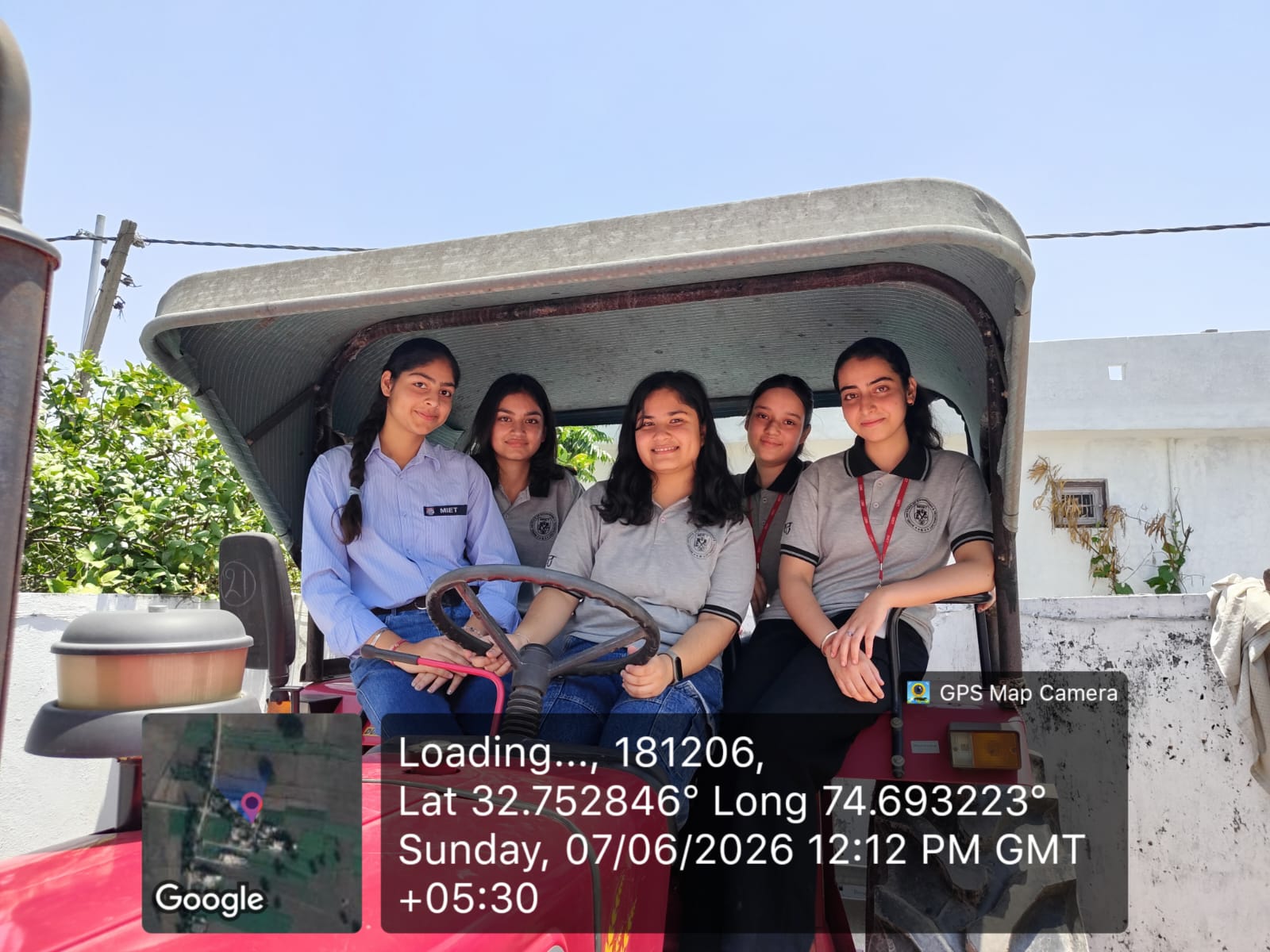
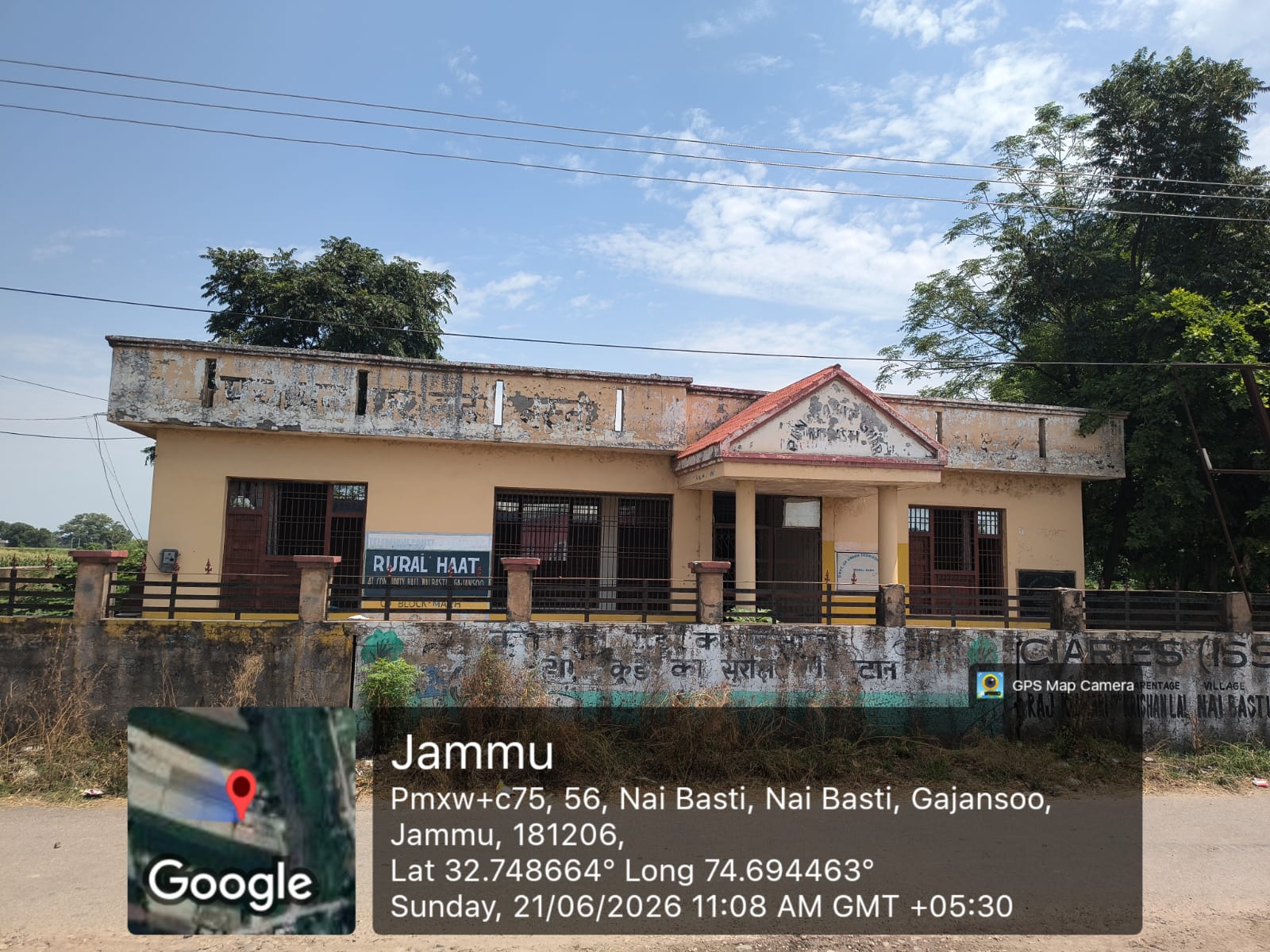
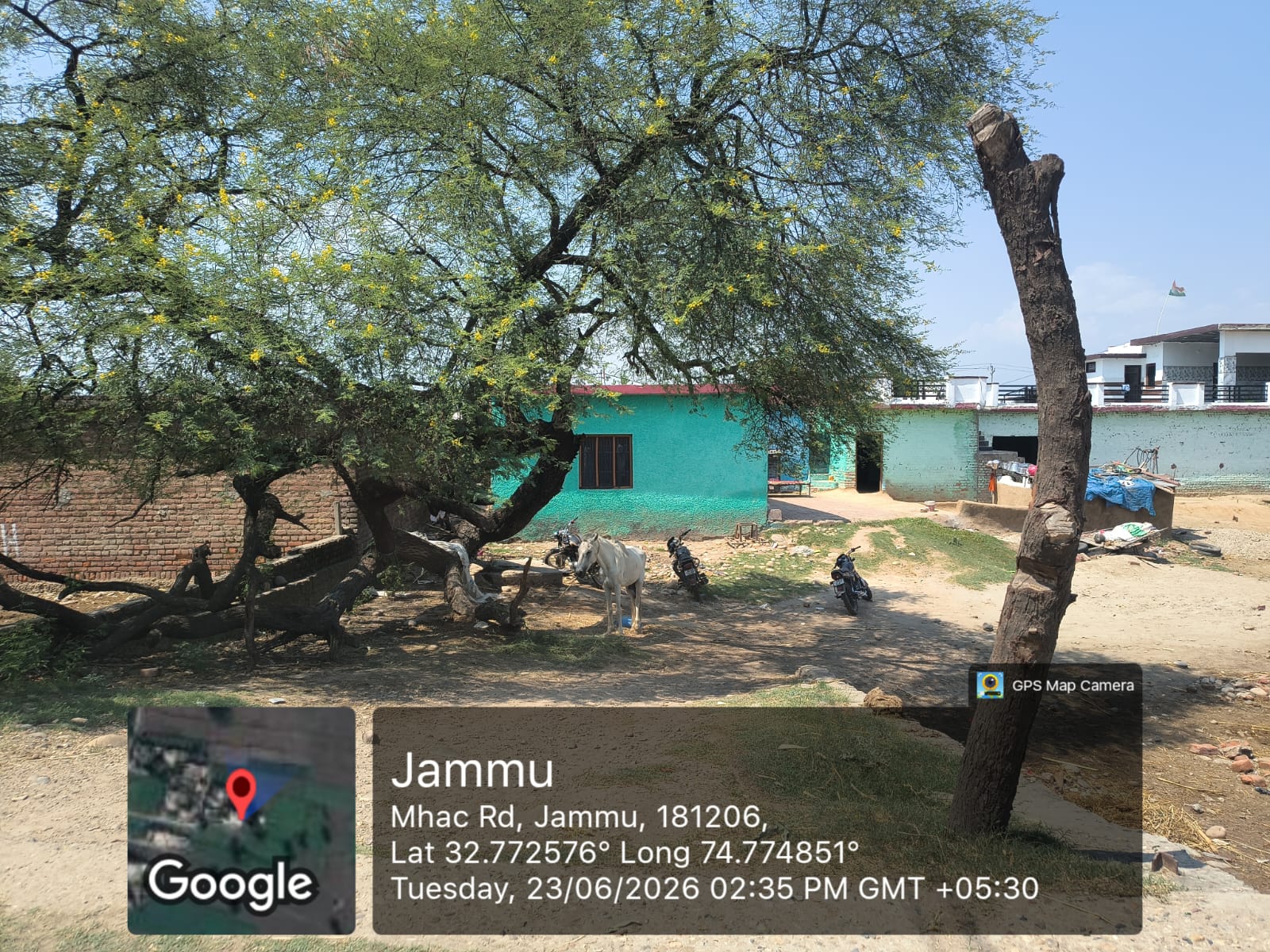
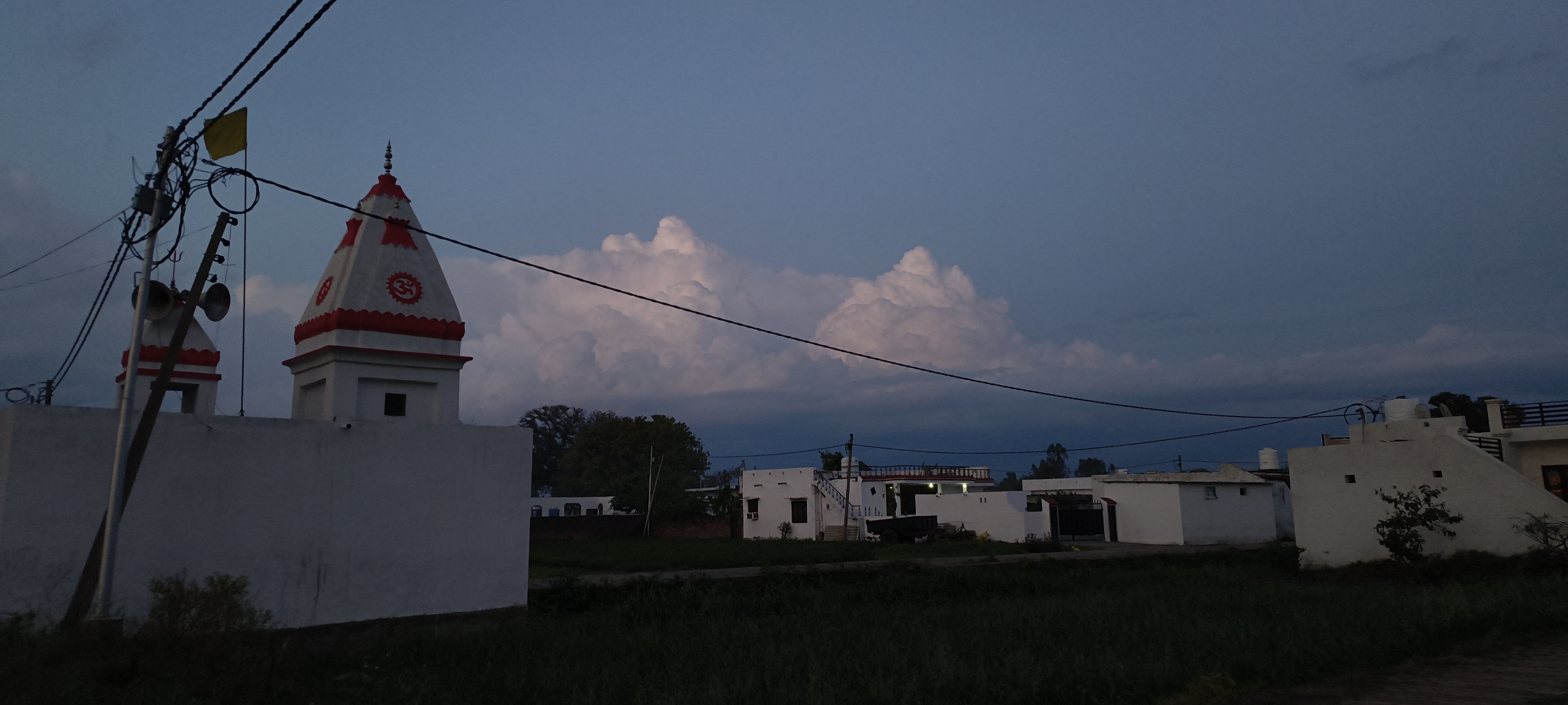
Nestled near the Indo-Pak border in the (Gajansoo) Marh Tehsil of Jammu district, Bathur is a peaceful village that beautifully reflects the spirit of Dogra culture. Established in 1952 by families displaced during the Indo-Pak War of 1947, the village stands as a symbol of resilience, unity, and hope. Surrounded by fertile fields and open plains, Bathur is known for its hardworking people who proudly serve the nation both as brave soldiers and dedicated farmers. Rich in traditions, faith, and community values, the village preserves its cultural heritage while embracing gradual progress, making it a true example of rural strength and harmony.
Population and Village Life
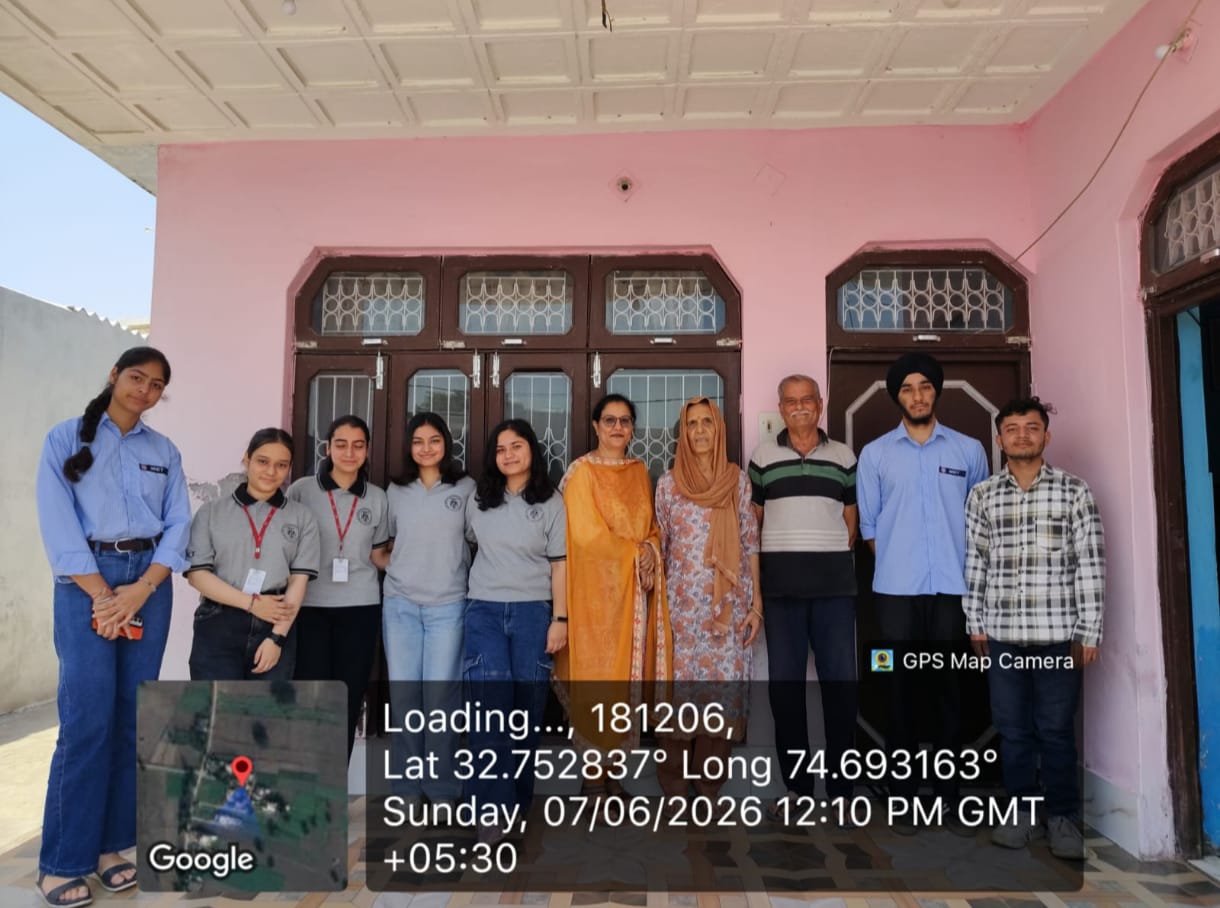
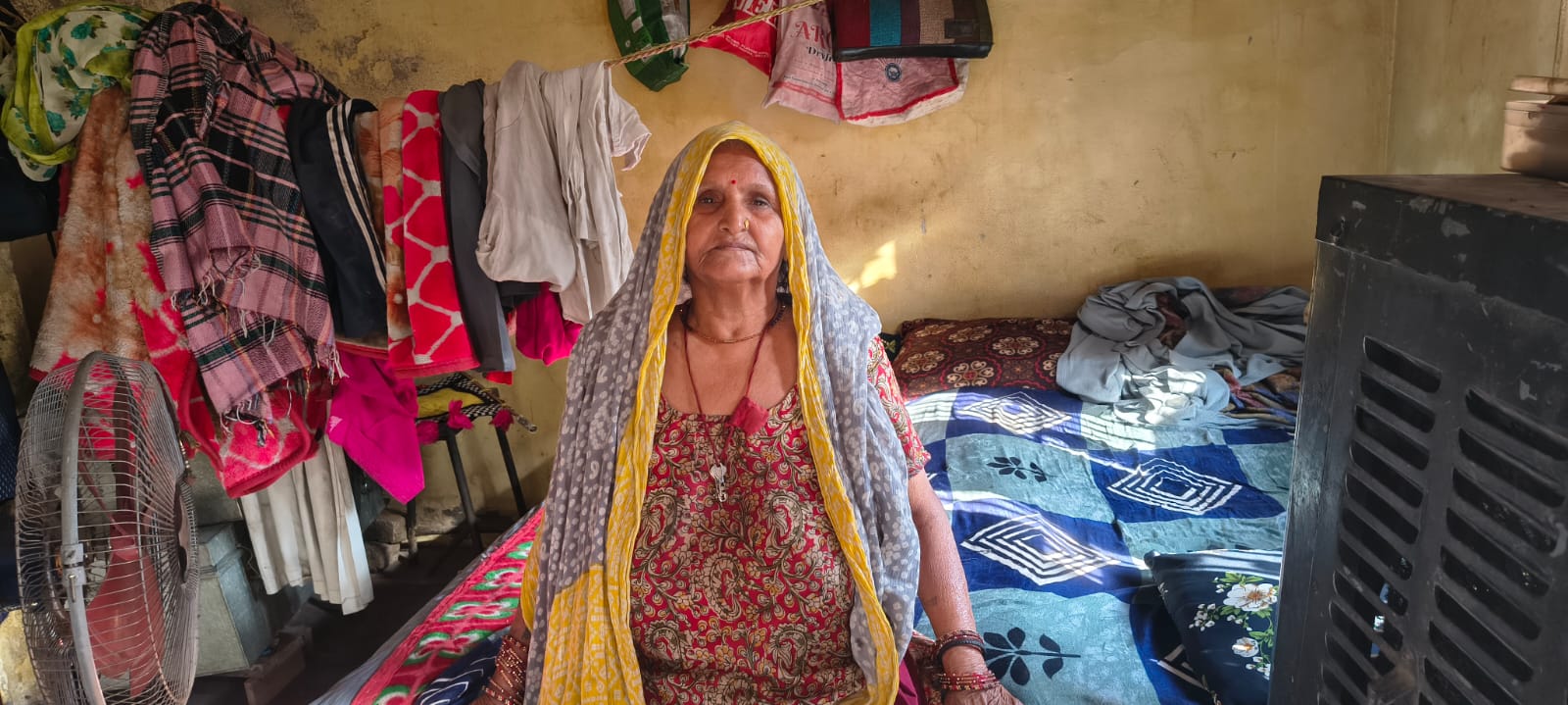
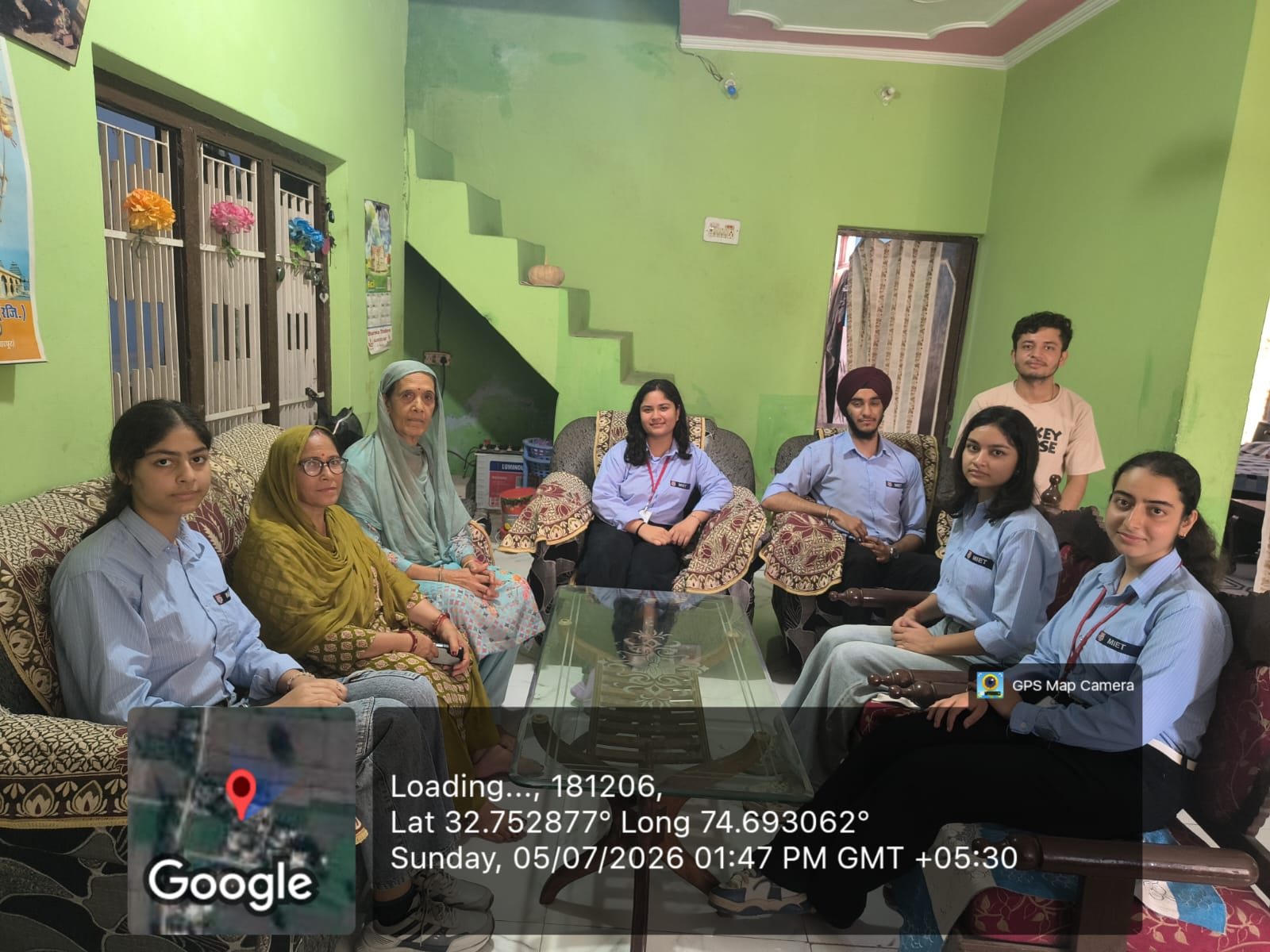
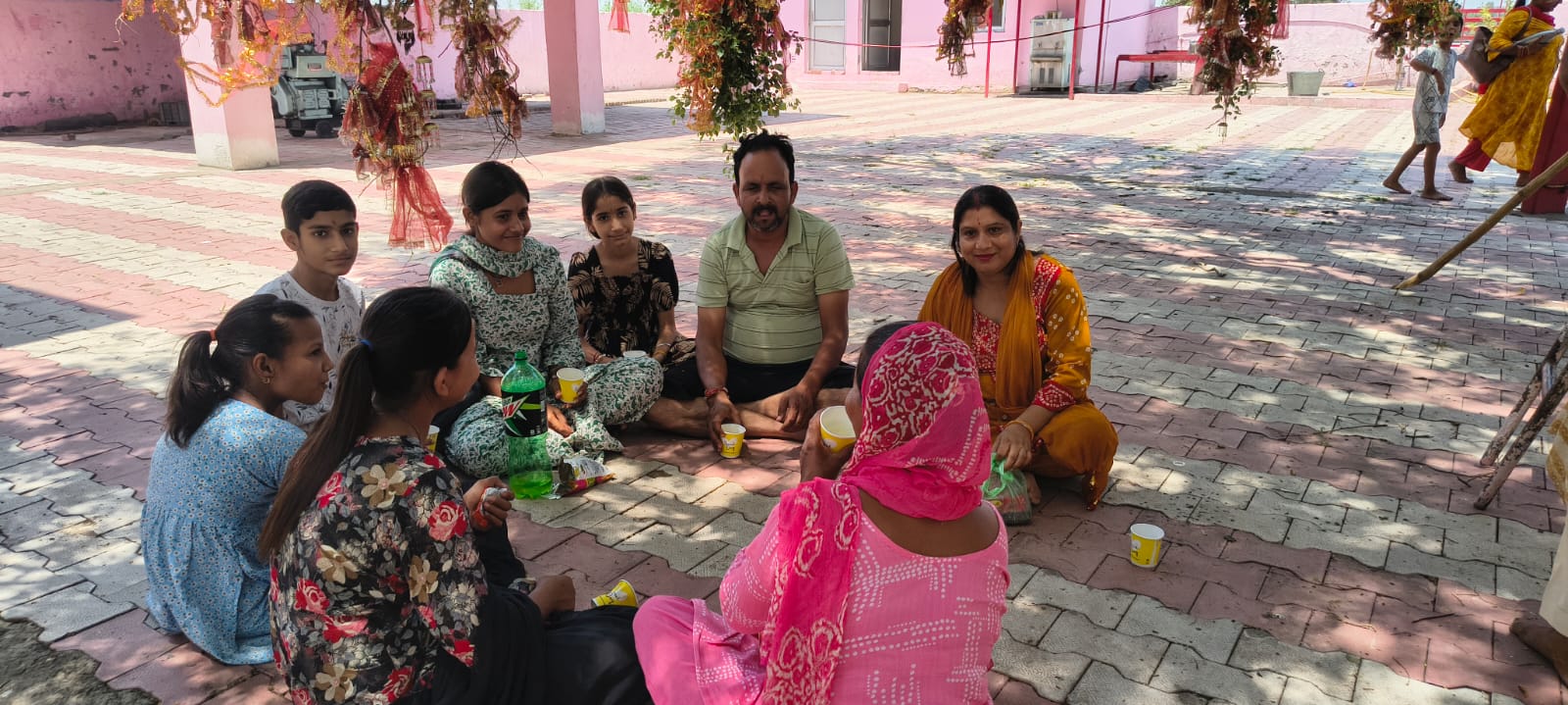
Bathur has a close-knit population of 105 residents living across 20 households. Despite its modest size, the village is rich in warmth, unity, and strong community values. The village has a healthy educational background, with many residents being graduates. The peaceful atmosphere, strong family values, and community cooperation make Bathur an ideal example of rural harmony.
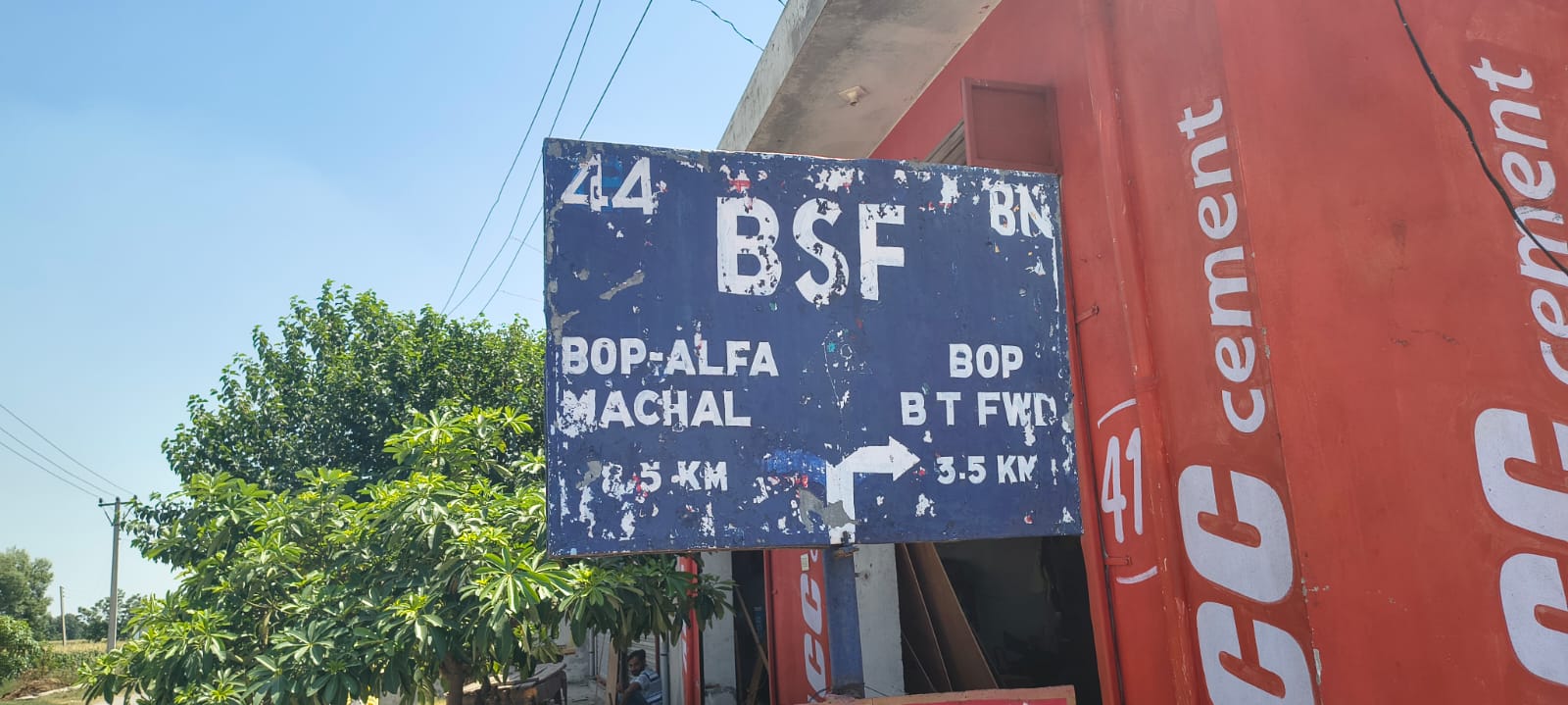
Being located near the international border has shaped the spirit of its people. Even in challenging circumstances, the villagers continue to live with courage, optimism, and determination while maintaining strong social bonds.
Historical Background
Bathur was established in 1952 after families displaced during the Indo-Pak War of 1947 settled in the area. These families rebuilt their lives through hard work and perseverance, transforming the land into a thriving agricultural village.
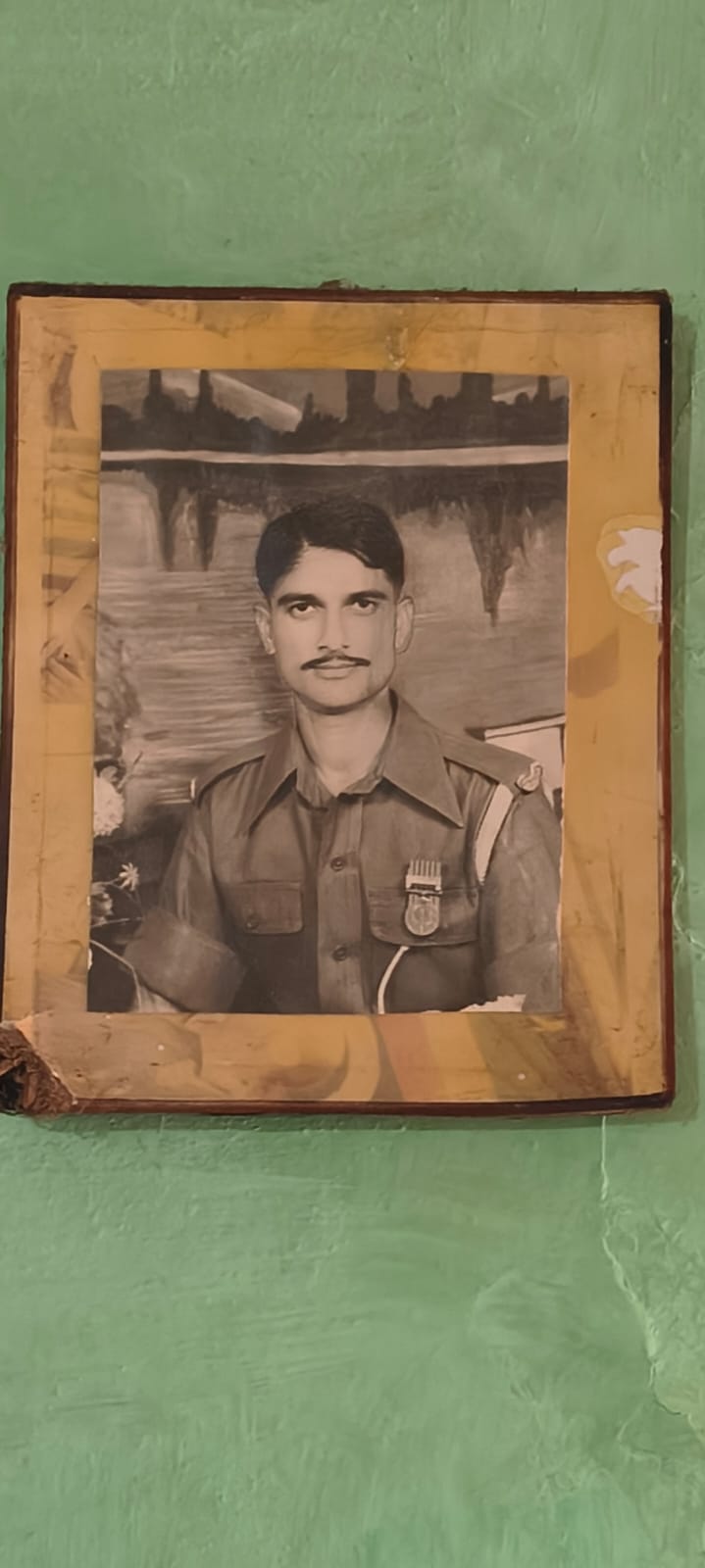
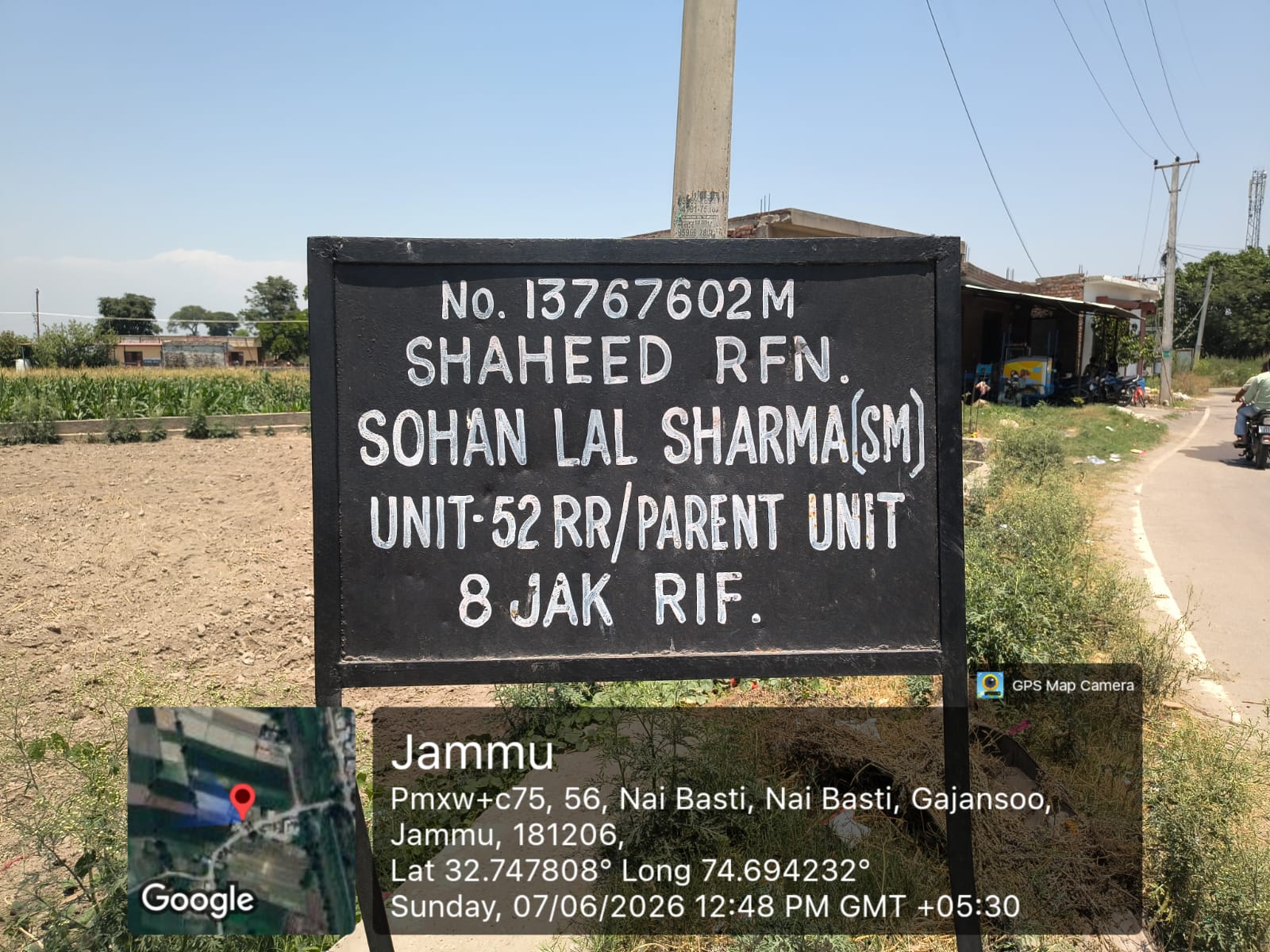
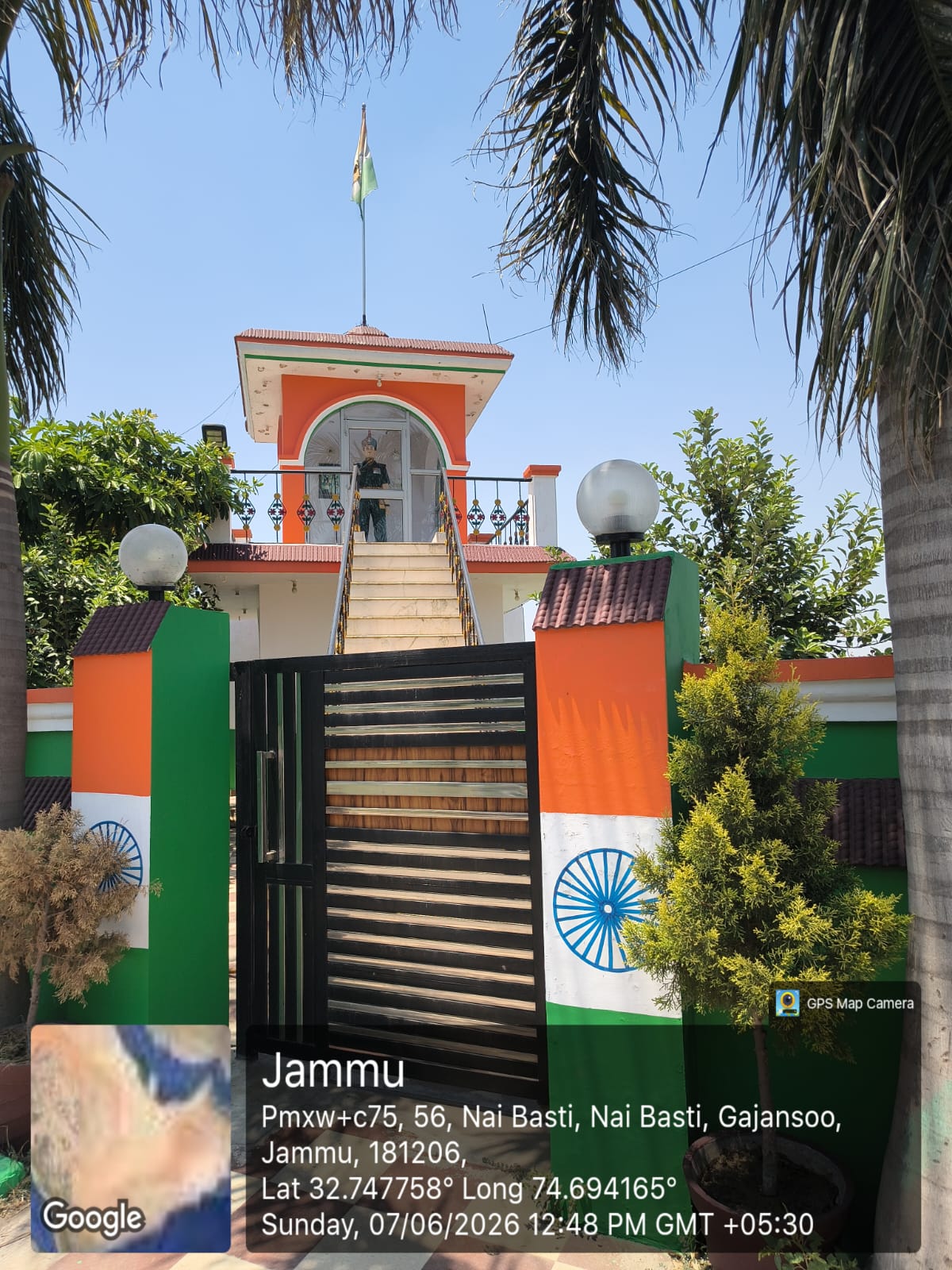
The village also proudly remembers Hushnak Singh, who participated in the Second World War in Germany. His service remains an inspiring chapter in Bathur's history and reflects the village's long-standing tradition of patriotism.
Culture, Heritage and Traditions
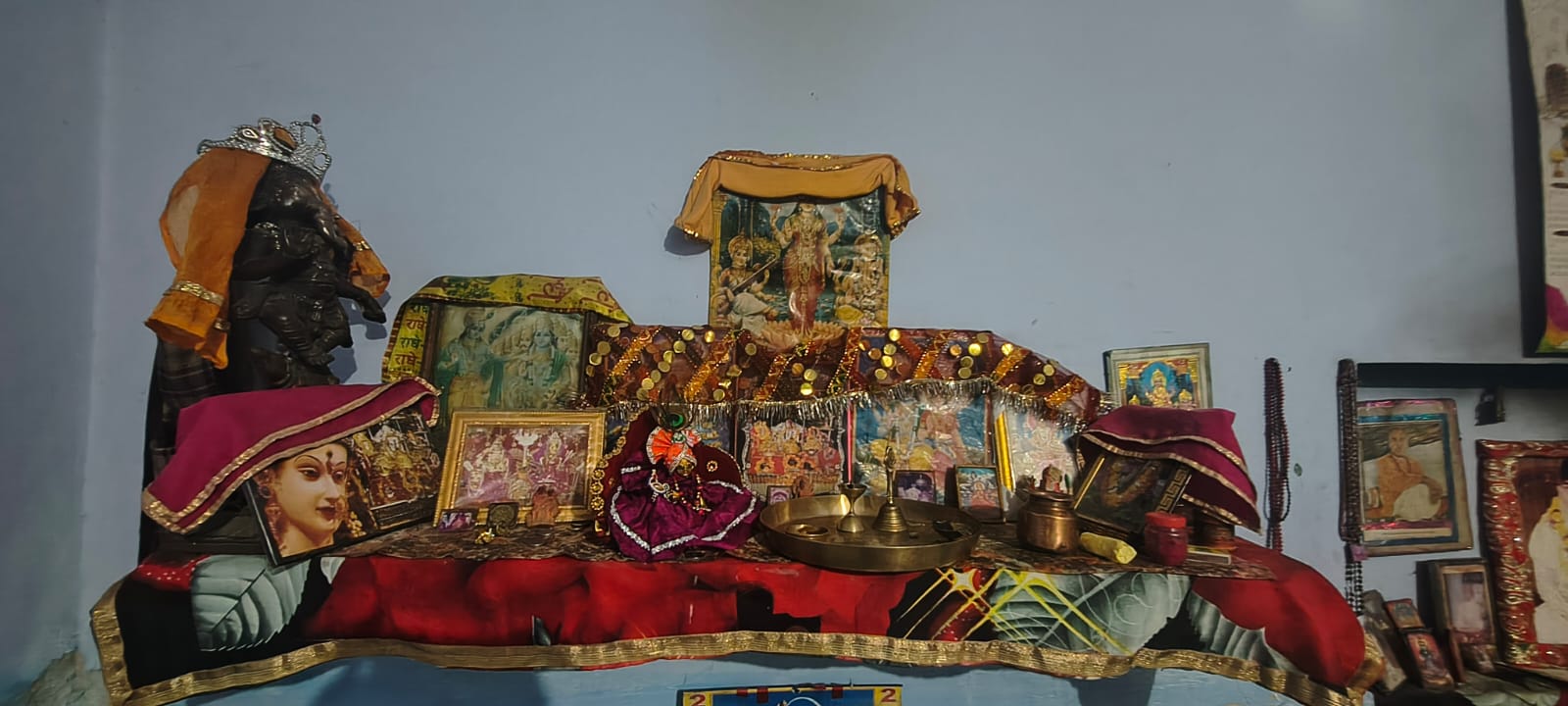
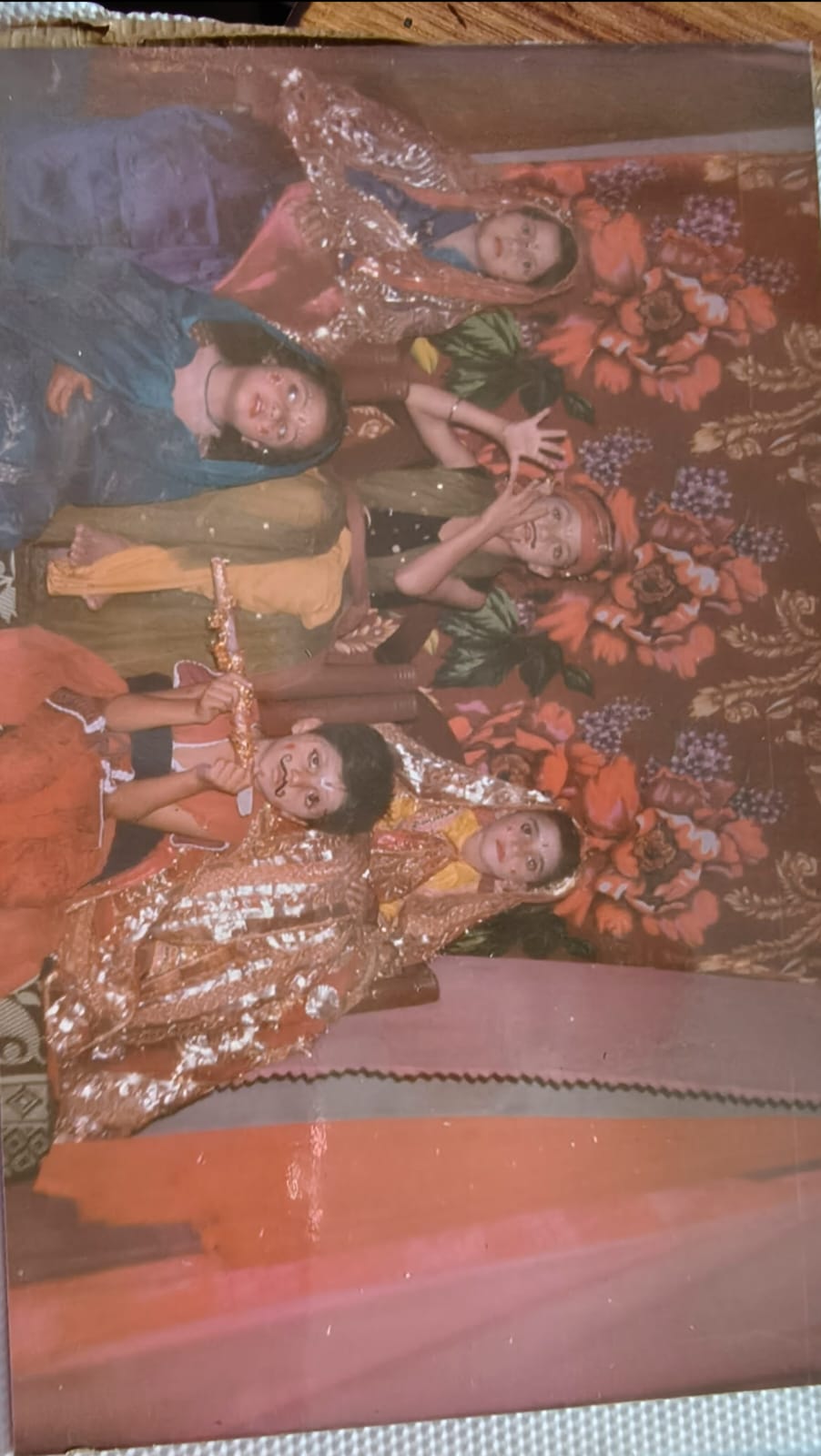
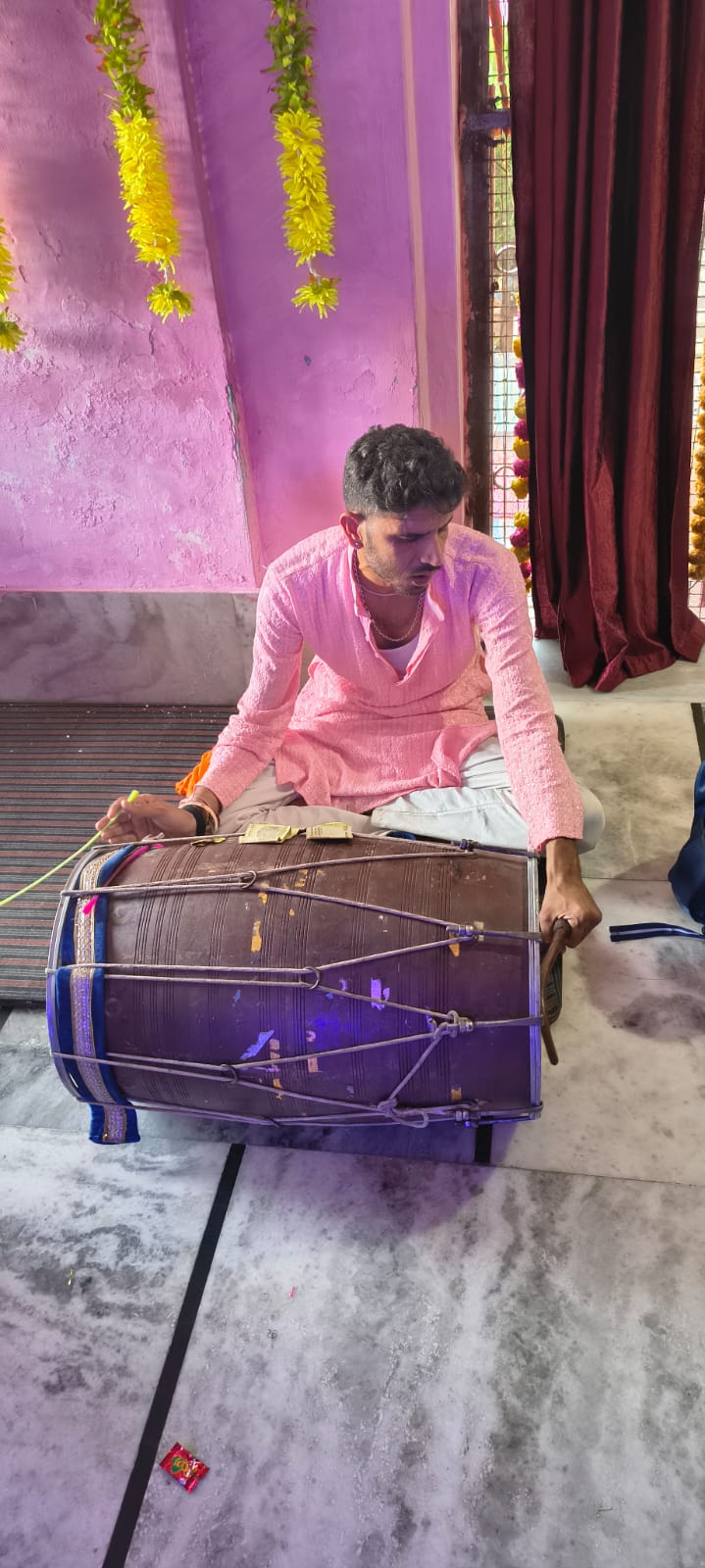
Bathur proudly preserves the rich traditions of Dogra culture. Festivals are celebrated with devotion, music, and community participation, keeping ancient customs alive for future generations.
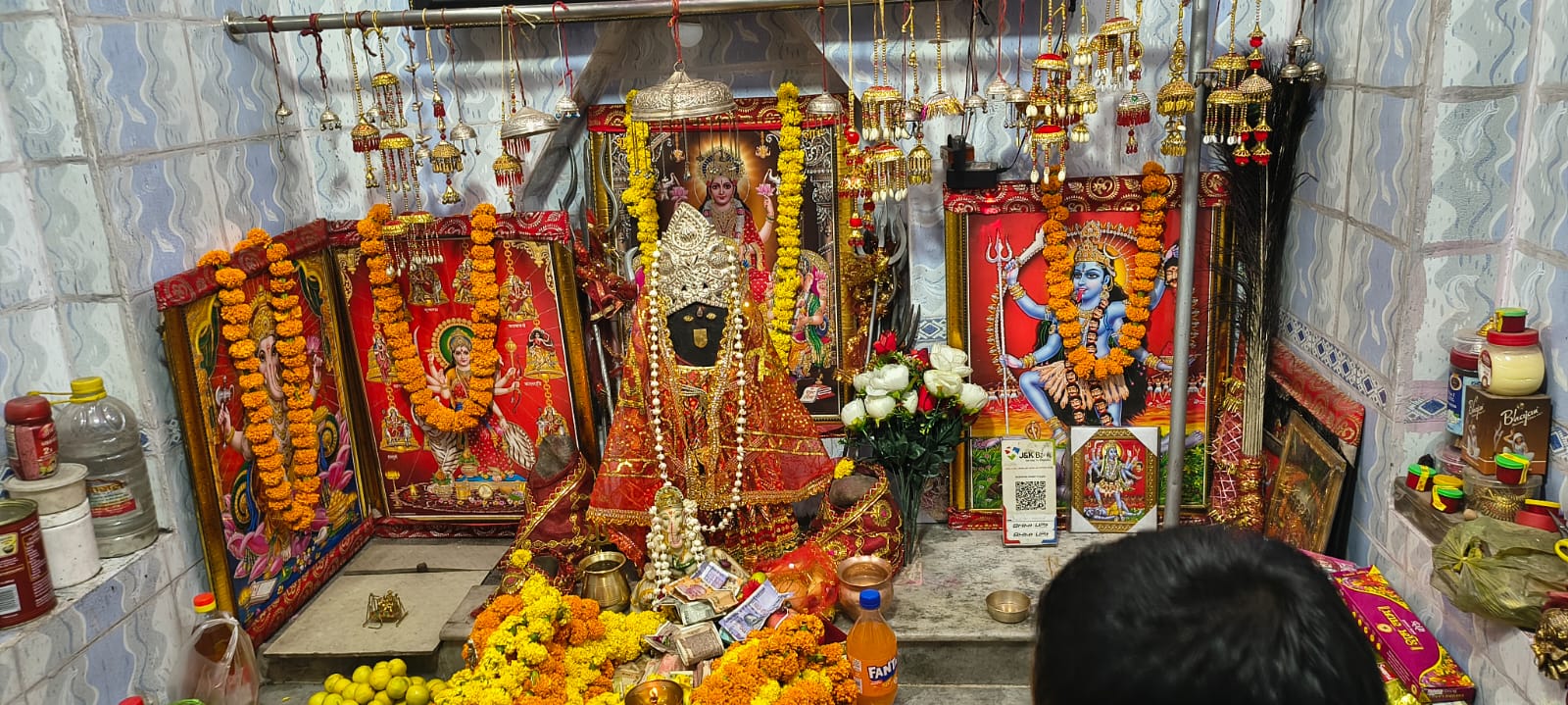
One of the most cherished traditions is Rutt Raade, a beautiful monsoon festival where young girls sow seeds in decorated earthen pots, symbolizing fertility, prosperity, and harmony with nature. Another beloved tradition is Kaan Sakhiyan, celebrated during Navratri, where girls worship Goddess Durga through traditional rituals and songs.
The village also observes Jagran, an all-night devotional gathering filled with bhajans, prayers, and cultural performances. Festivals such as Bacch Dua (Govatsa Dwadashi) and Naag Panchami further strengthen the spiritual and cultural identity of the village.
Religious Heritage
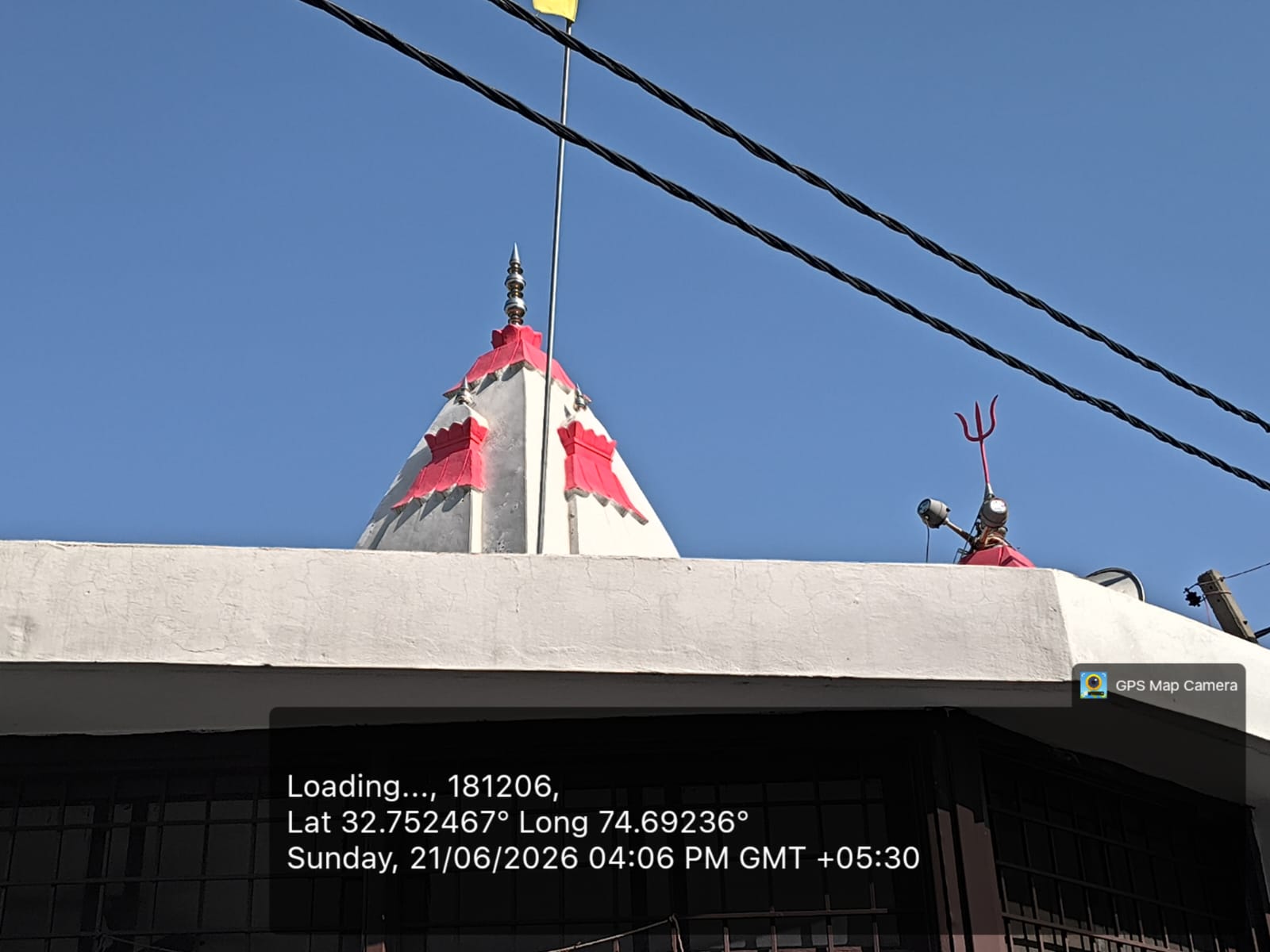
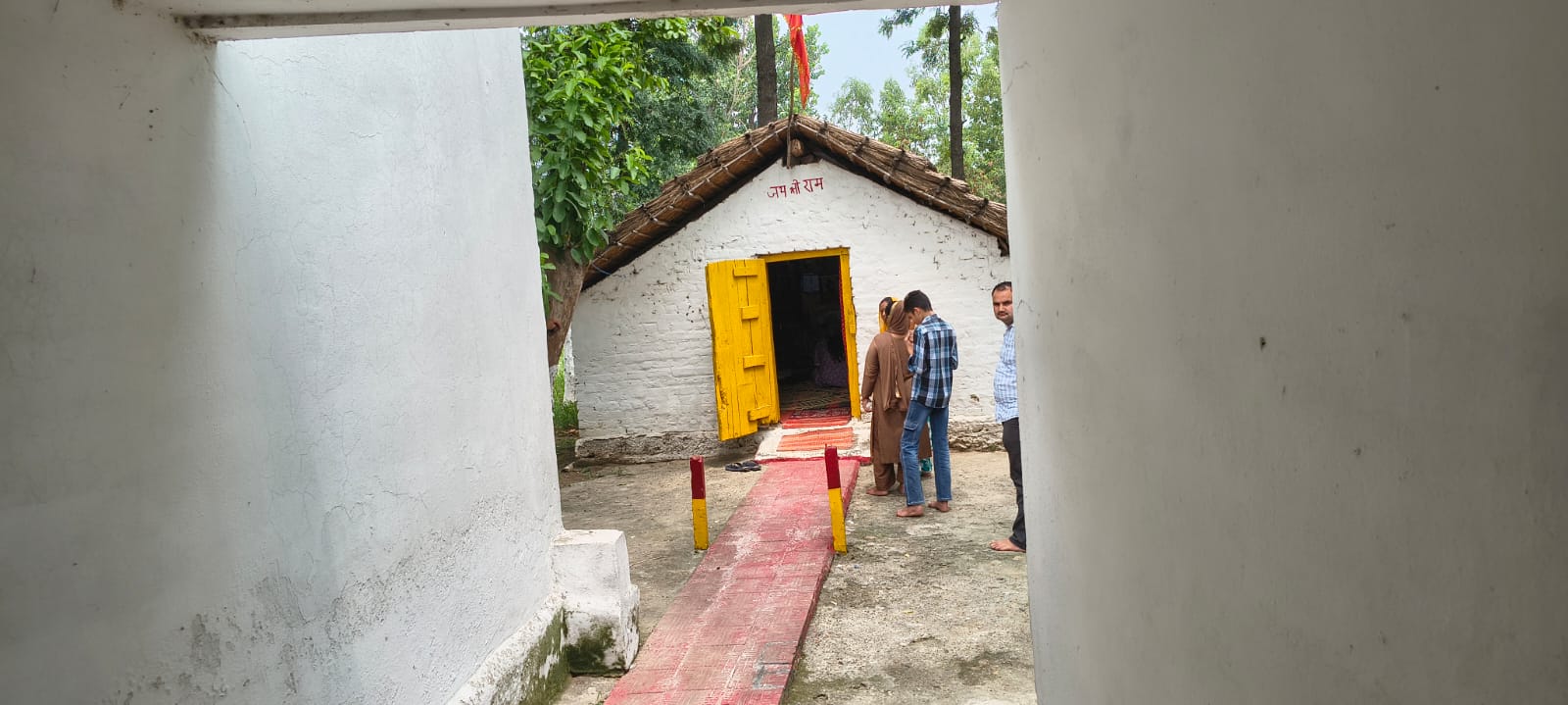
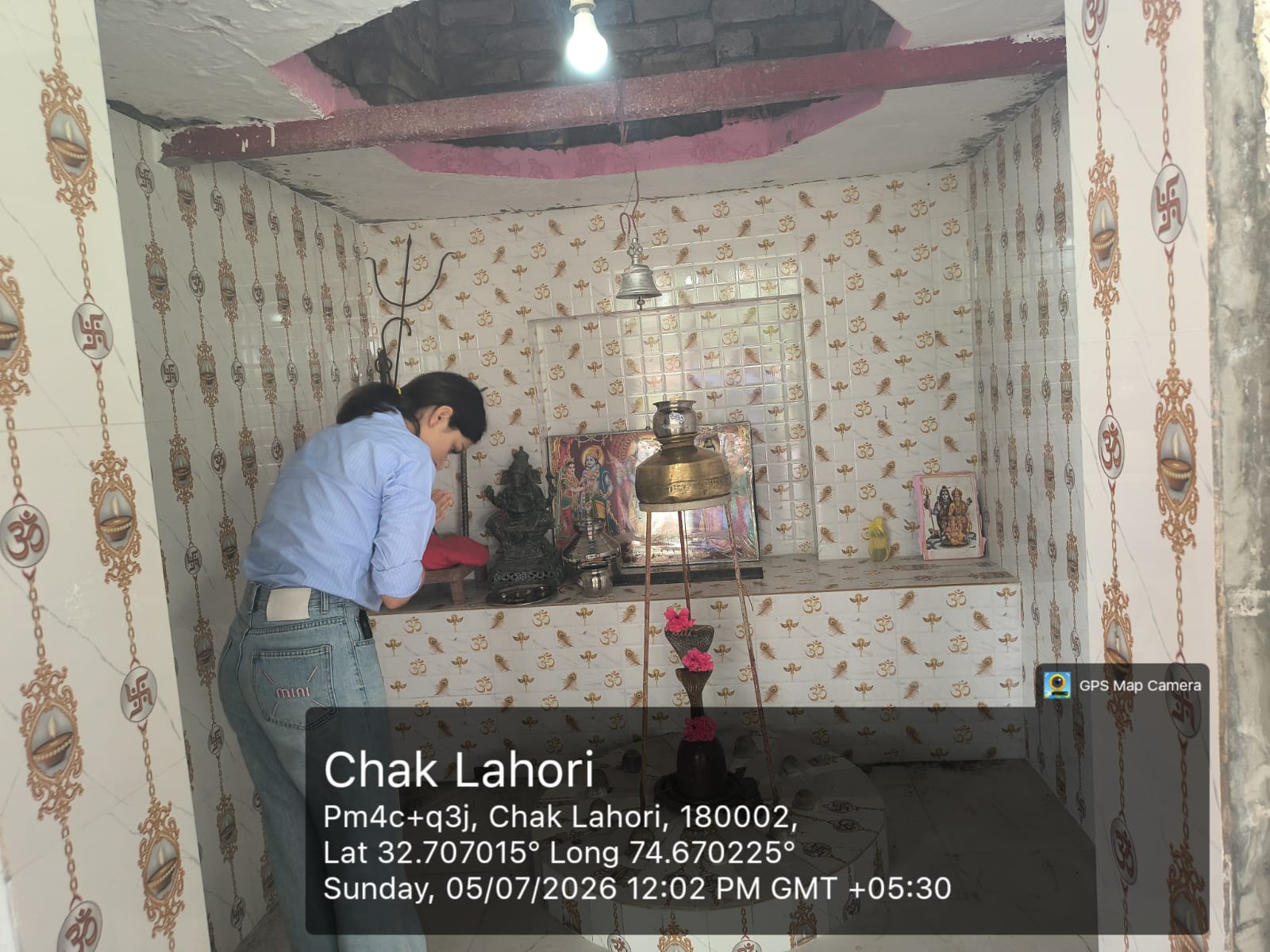
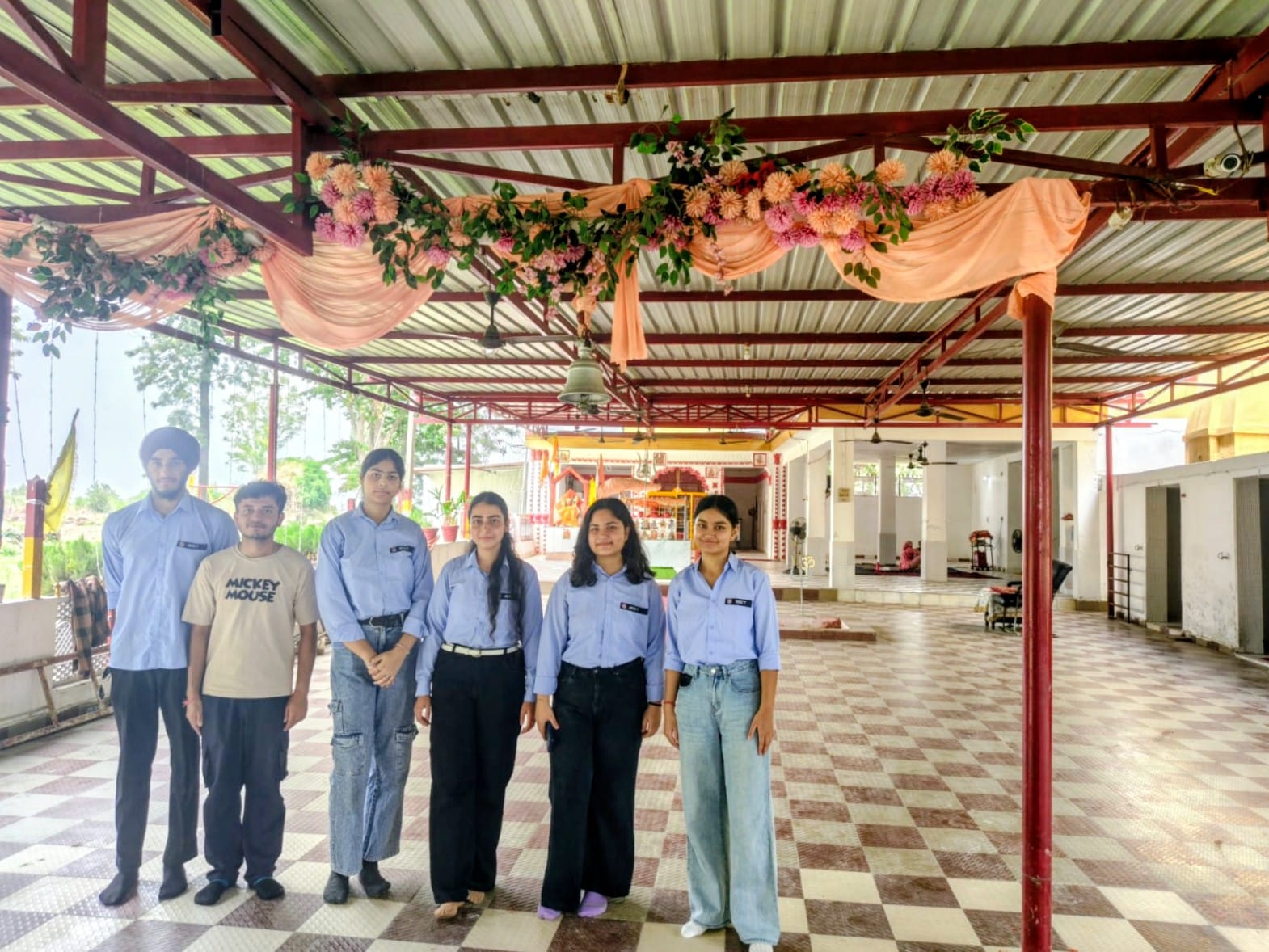
Faith occupies a central place in the lives of Bathur's residents. The village deeply reveres spiritual figures such as:
1) Bua Daati, the daughter of martyr farmer Baba Jitto, immolated herself to demand justice after her father sacrificed his life against feudal exploitation.
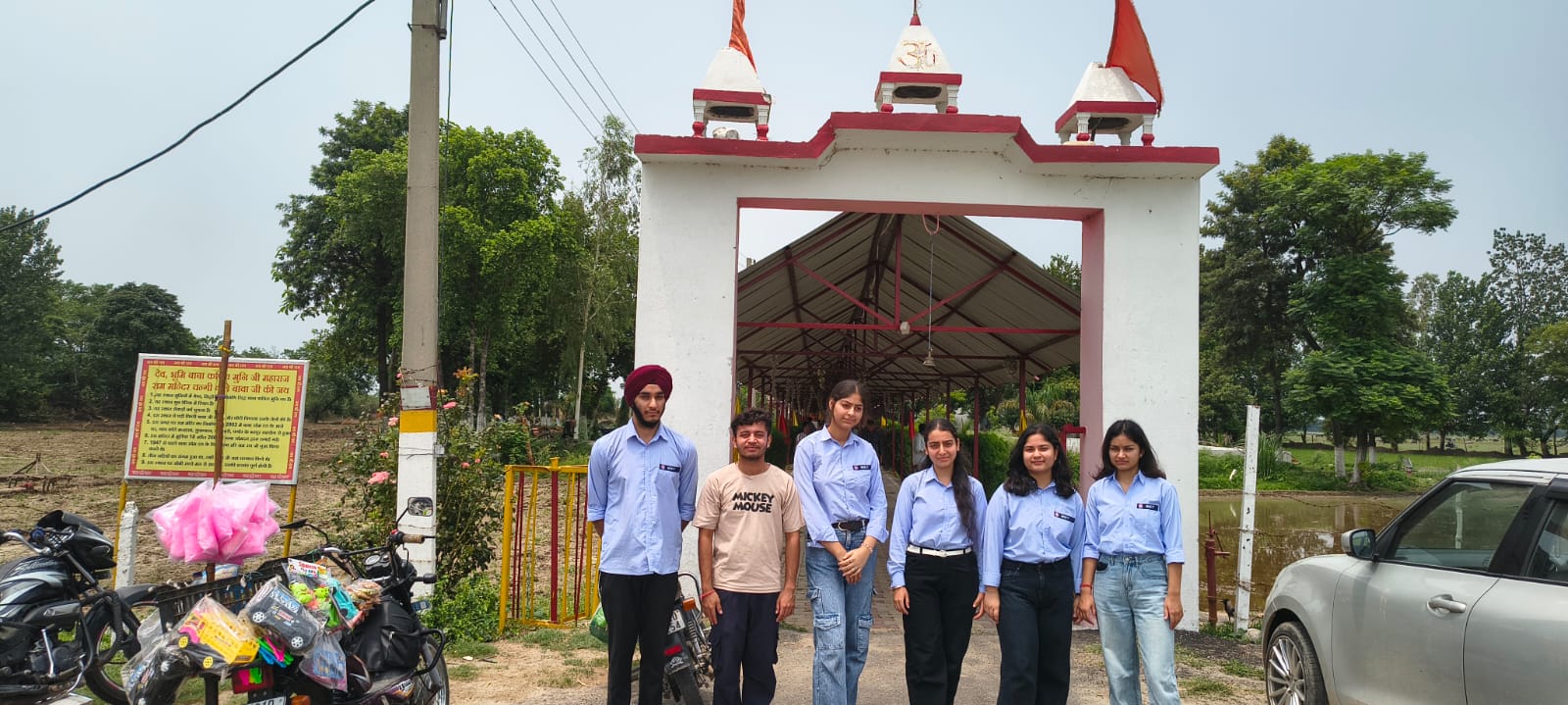
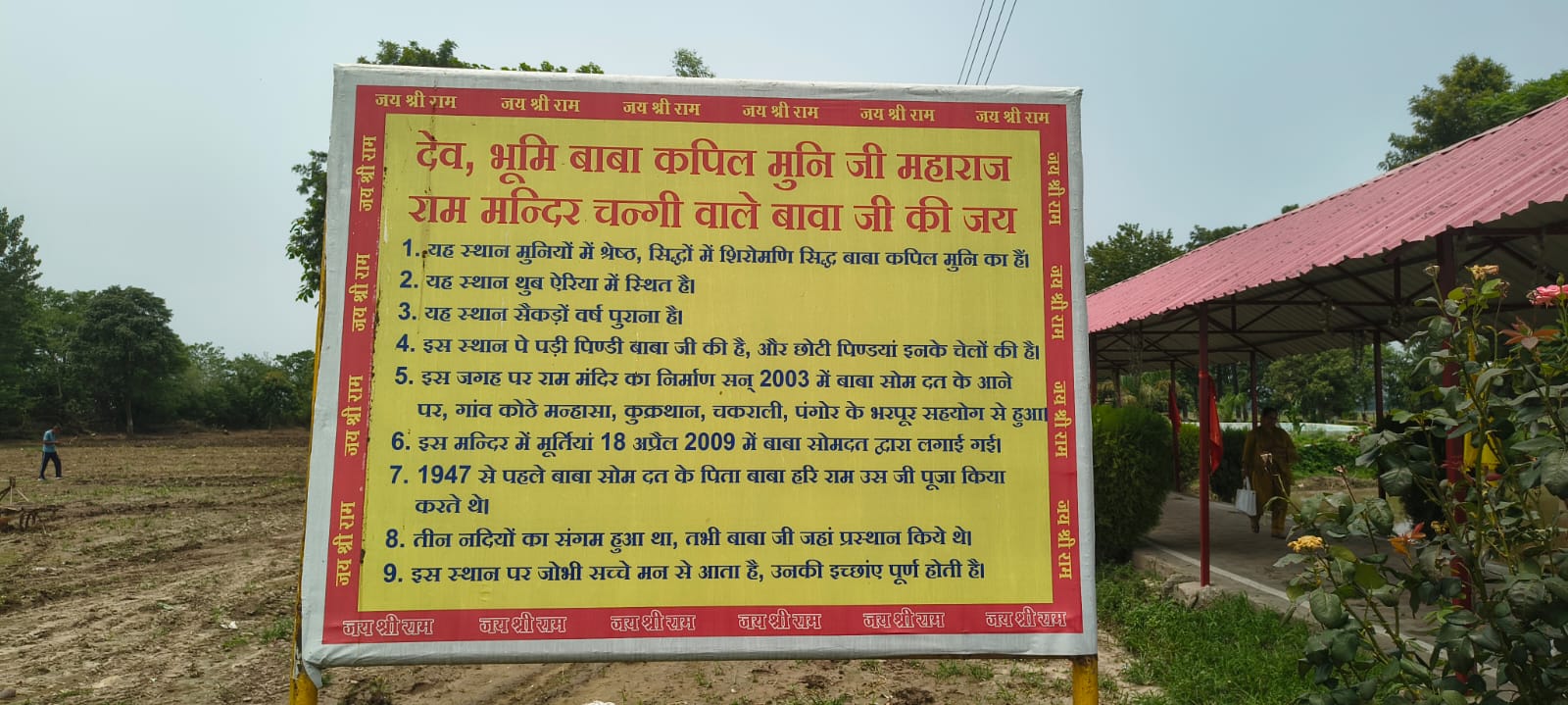
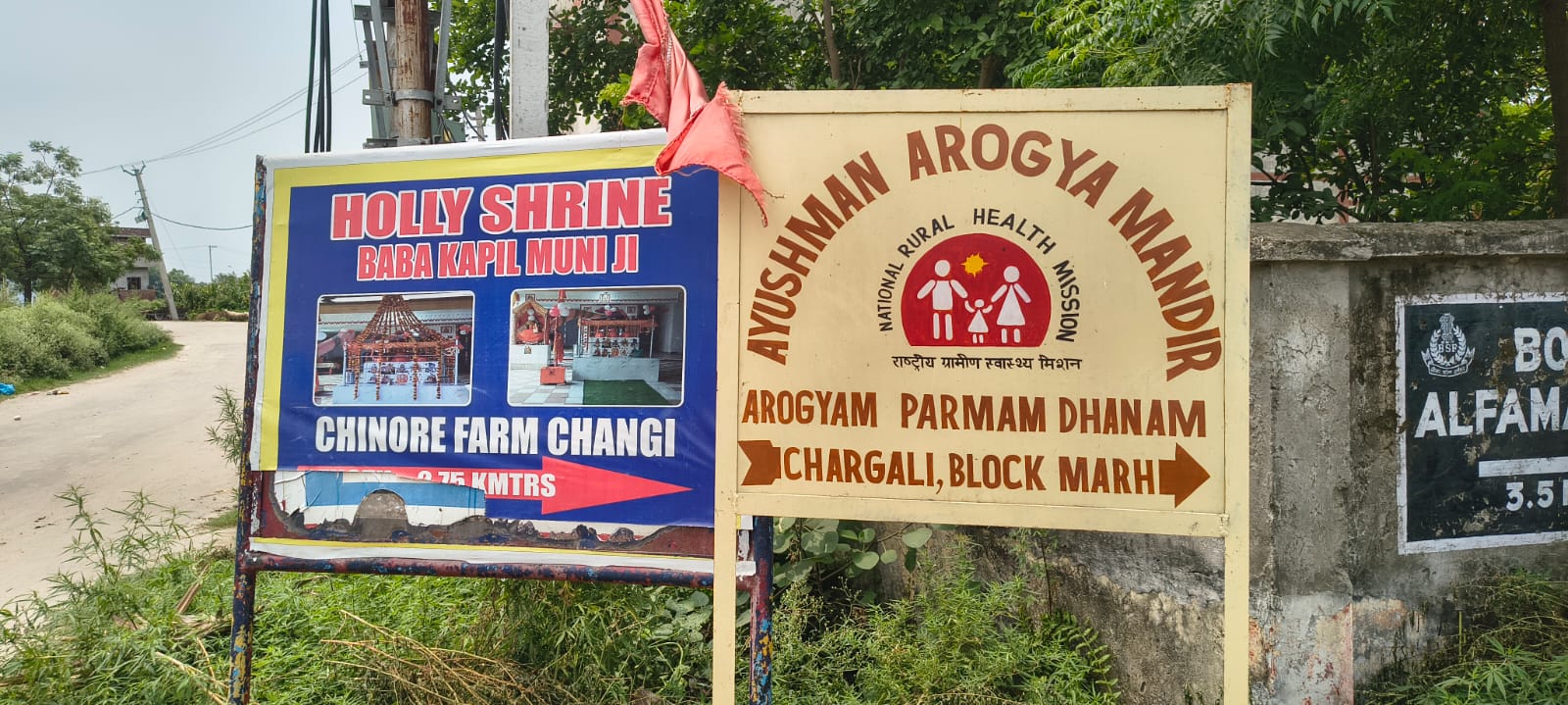
2) Baba Kapil Muni Ji, celebrated as a Vedic sage and the 5th incarnation of Lord Vishnu, is known for founding the Samkhya philosophy and his pivotal role in the descent of the Ganga river.
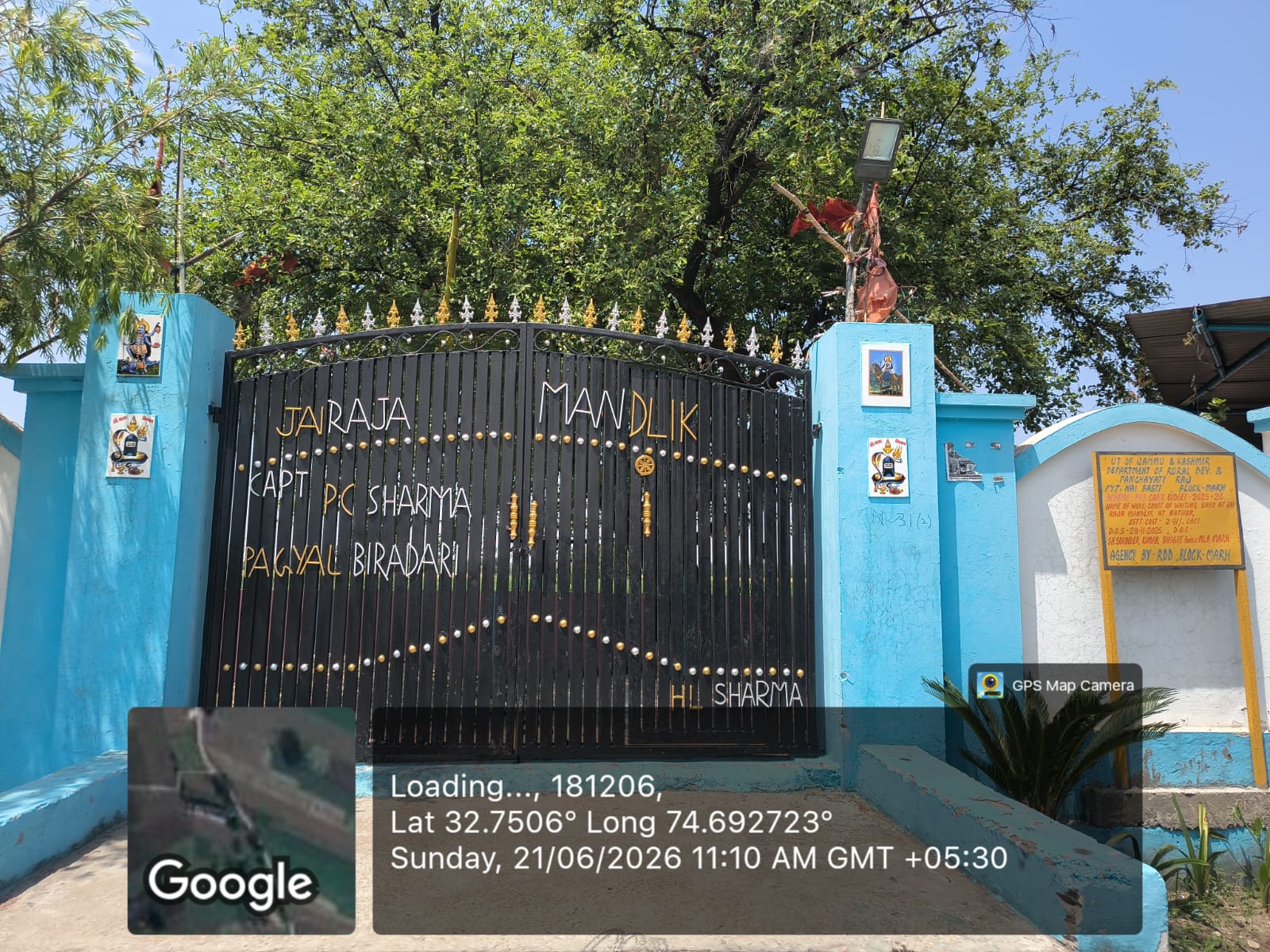
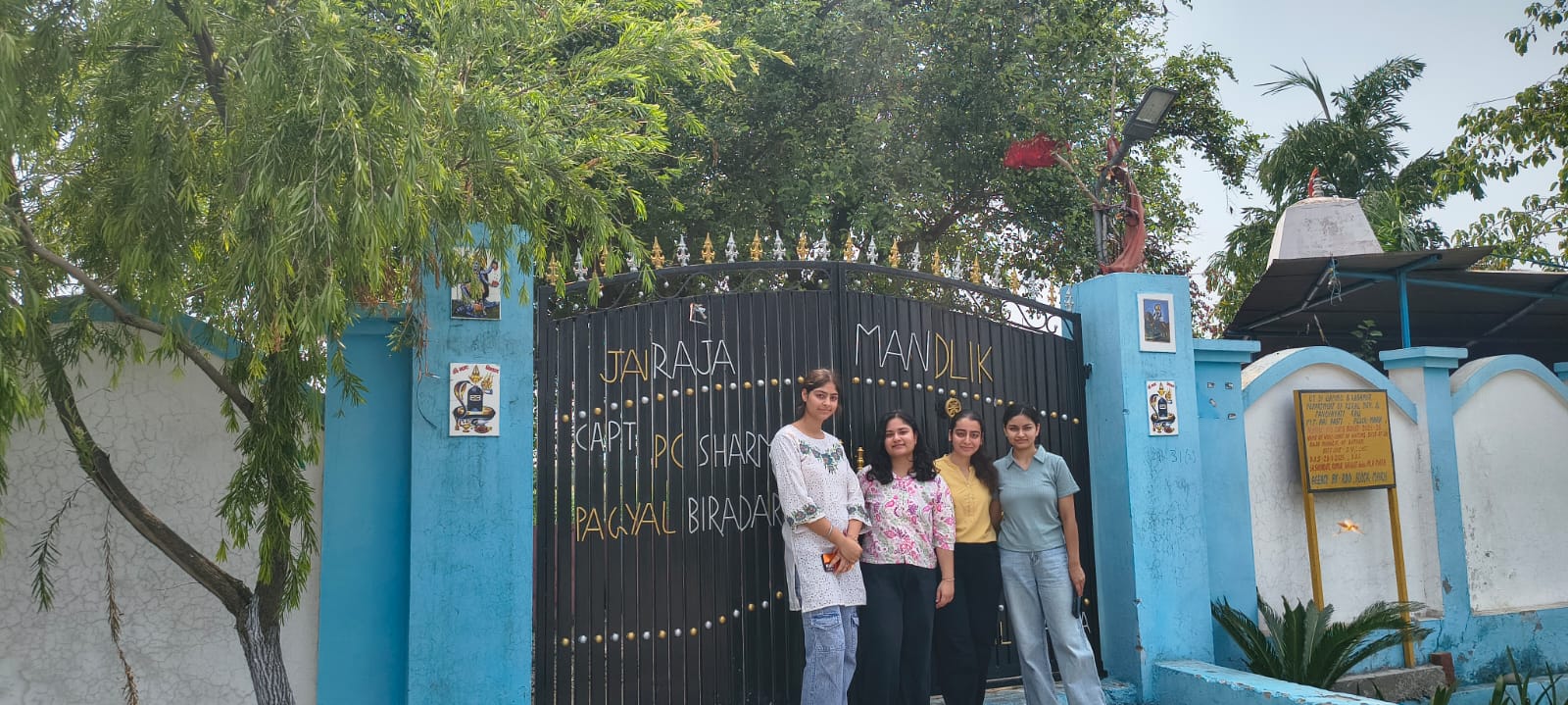
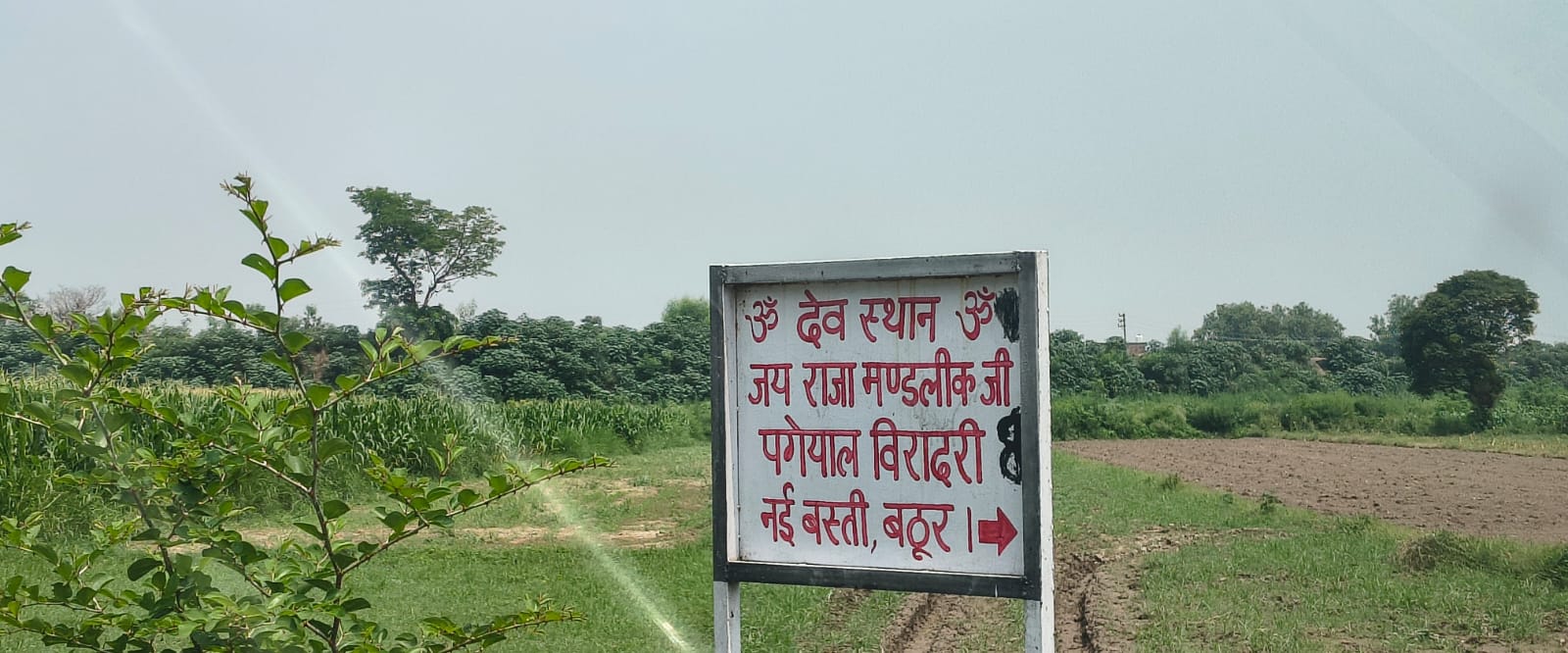
3) Kali Veer ji, worshipped as a powerful warrior deity riding a black horse, protected his devotees from evil and black magic. As an incarnation of the serpent god Sheshnag, he was also revered as the loyal minister to Raja Mandlik.
4) Baba Dharamchand is largely remembered in regional lore as the prominent chief of the Chib dynasty (Raja Shadab Khan) who became a martyr, though in Sikh tradition, the name refers to the grandson of Guru Nanak Dev Ji.
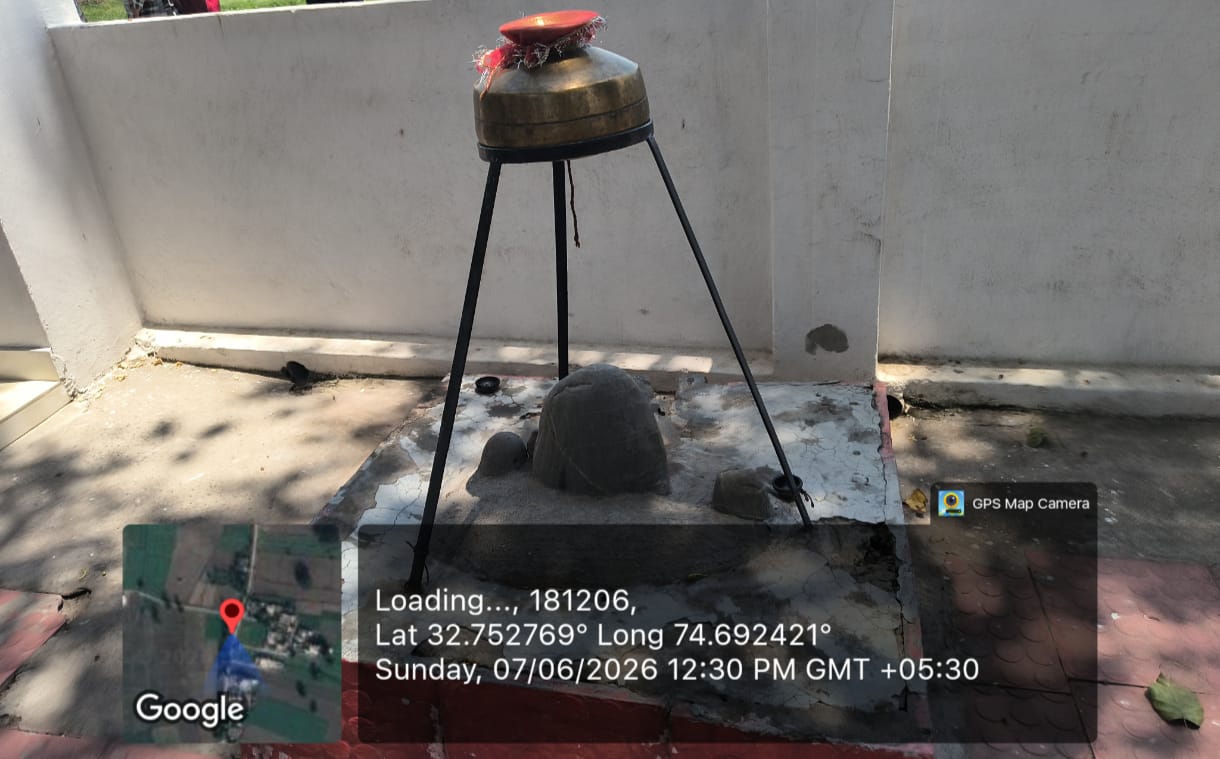
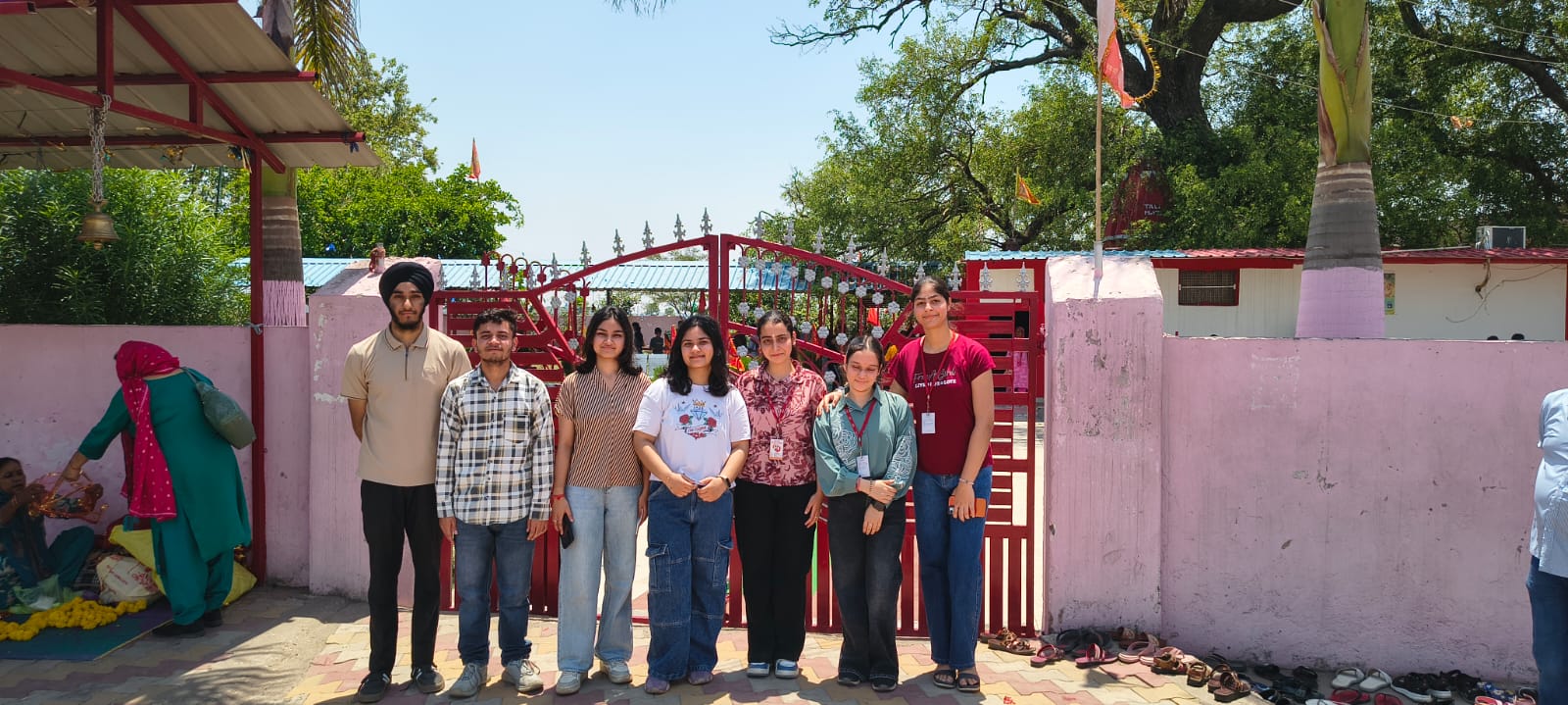
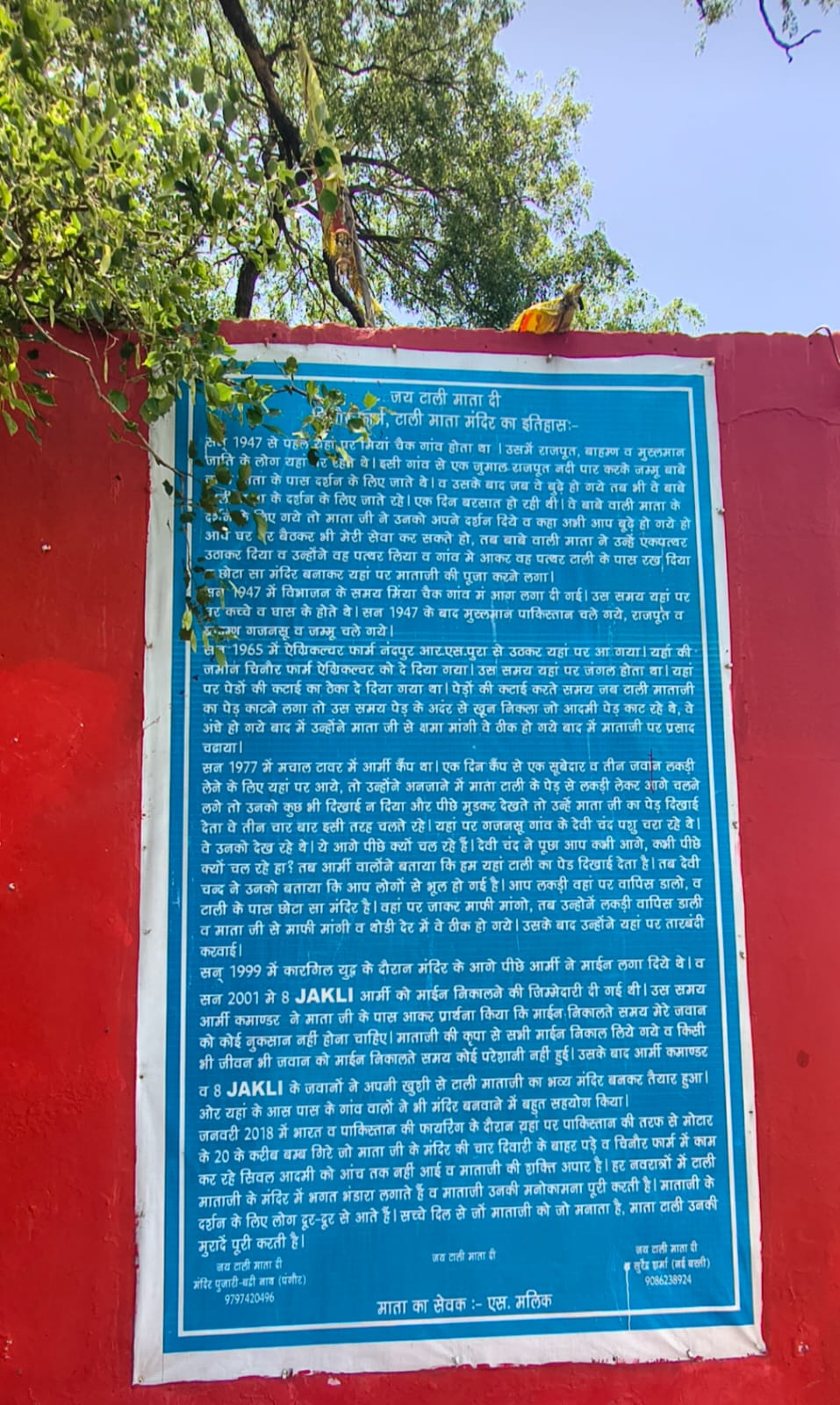
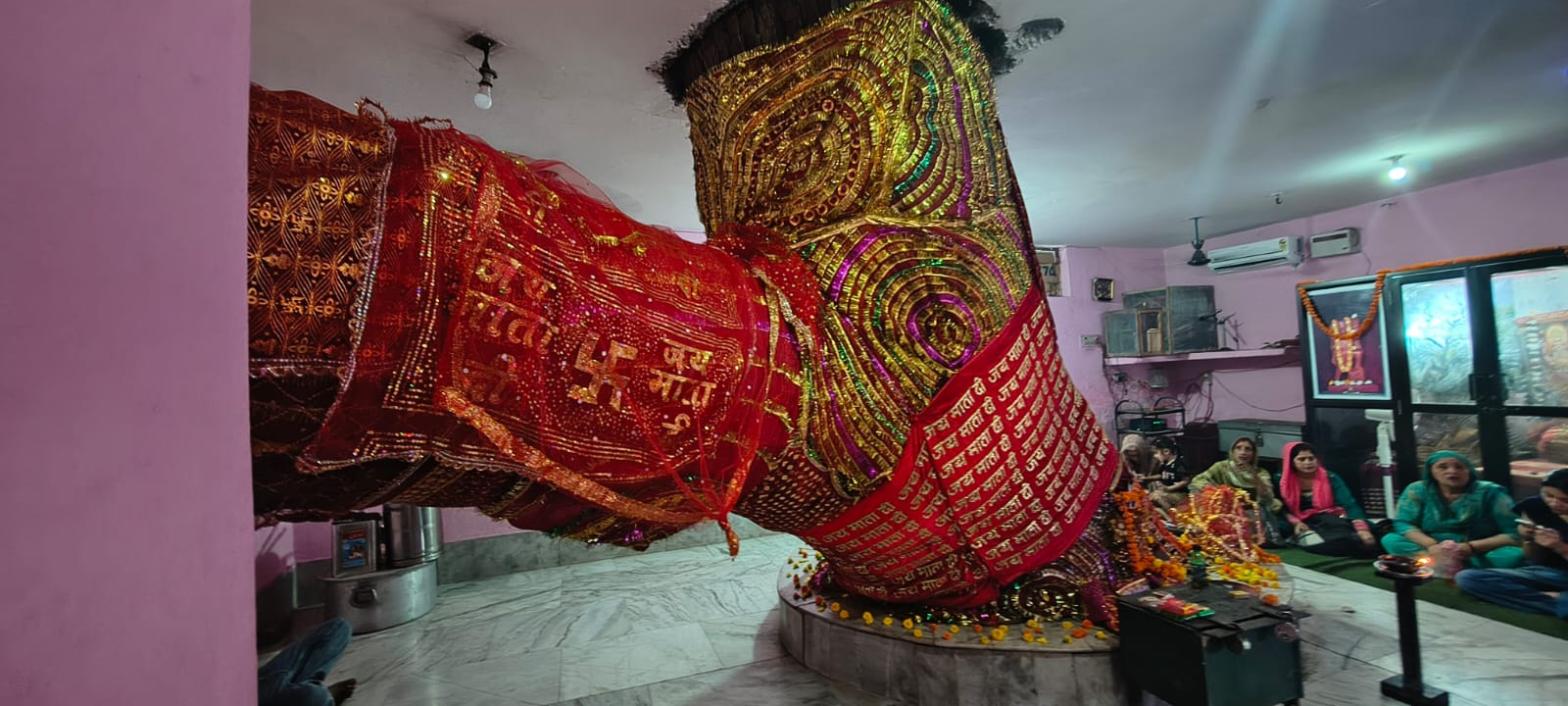
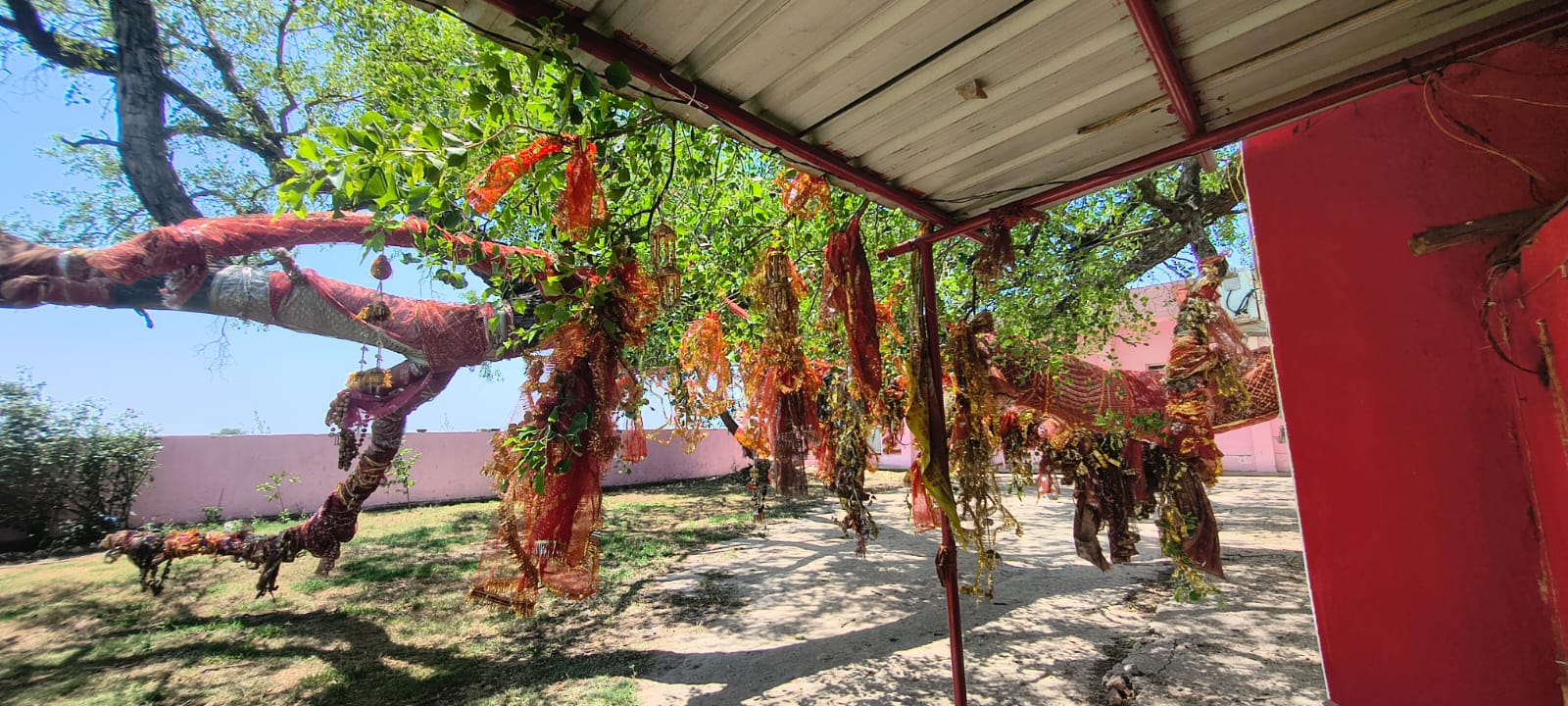
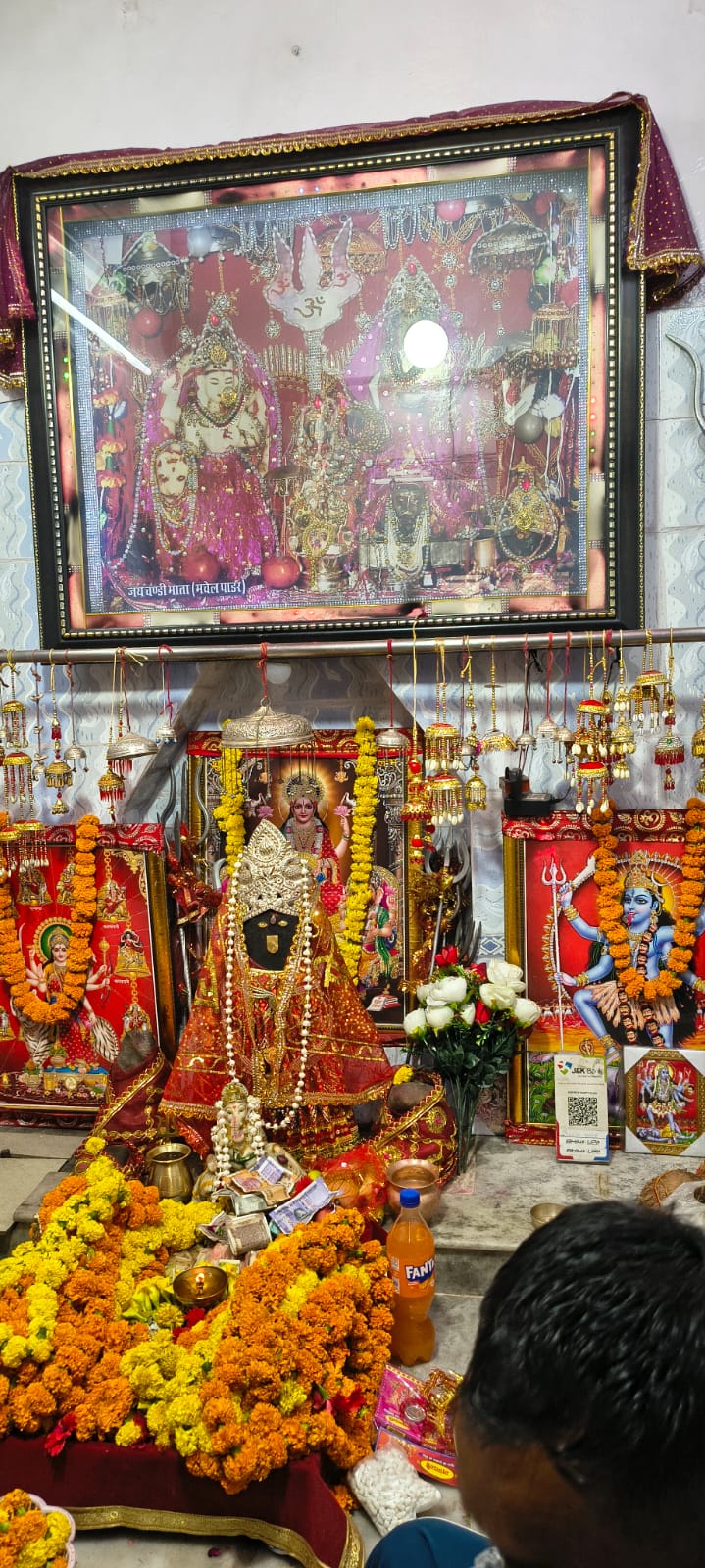
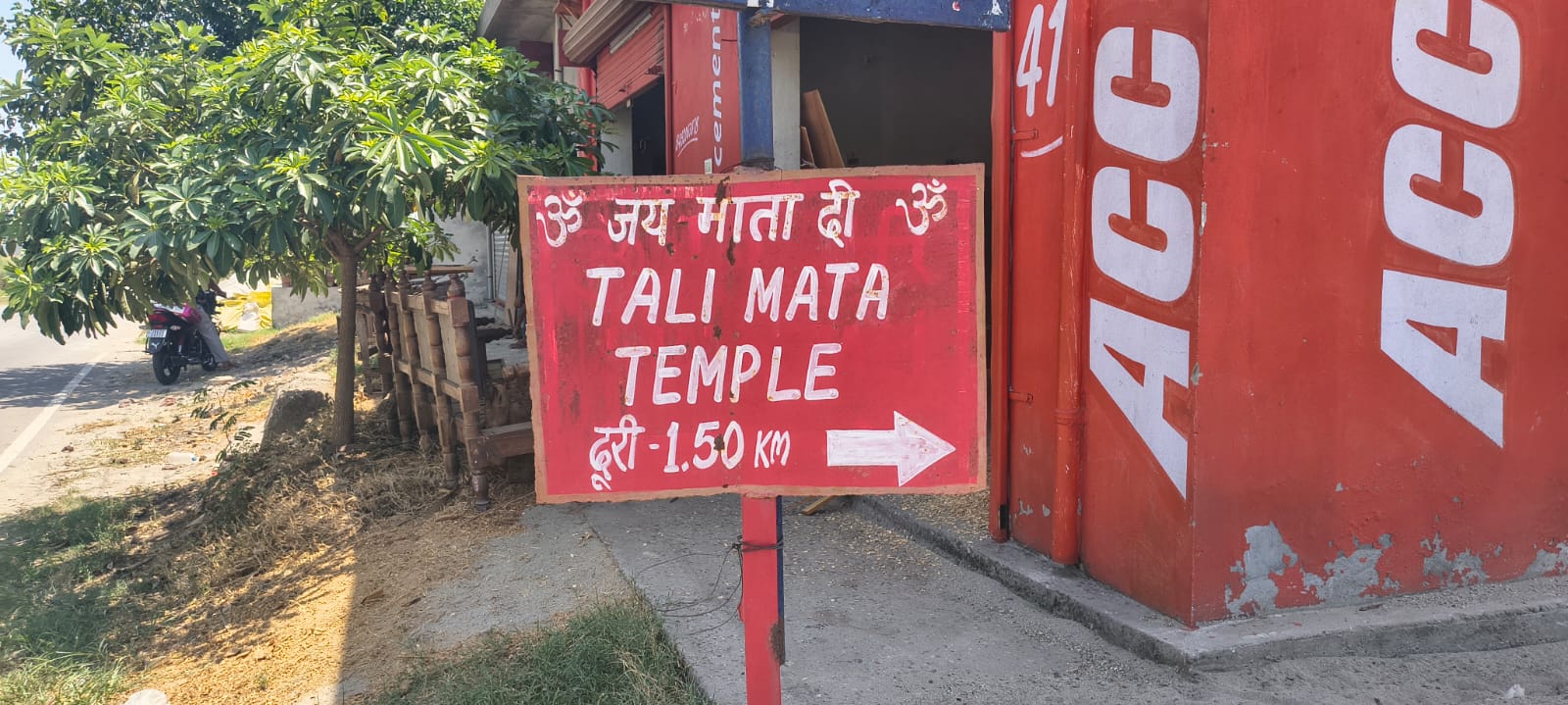
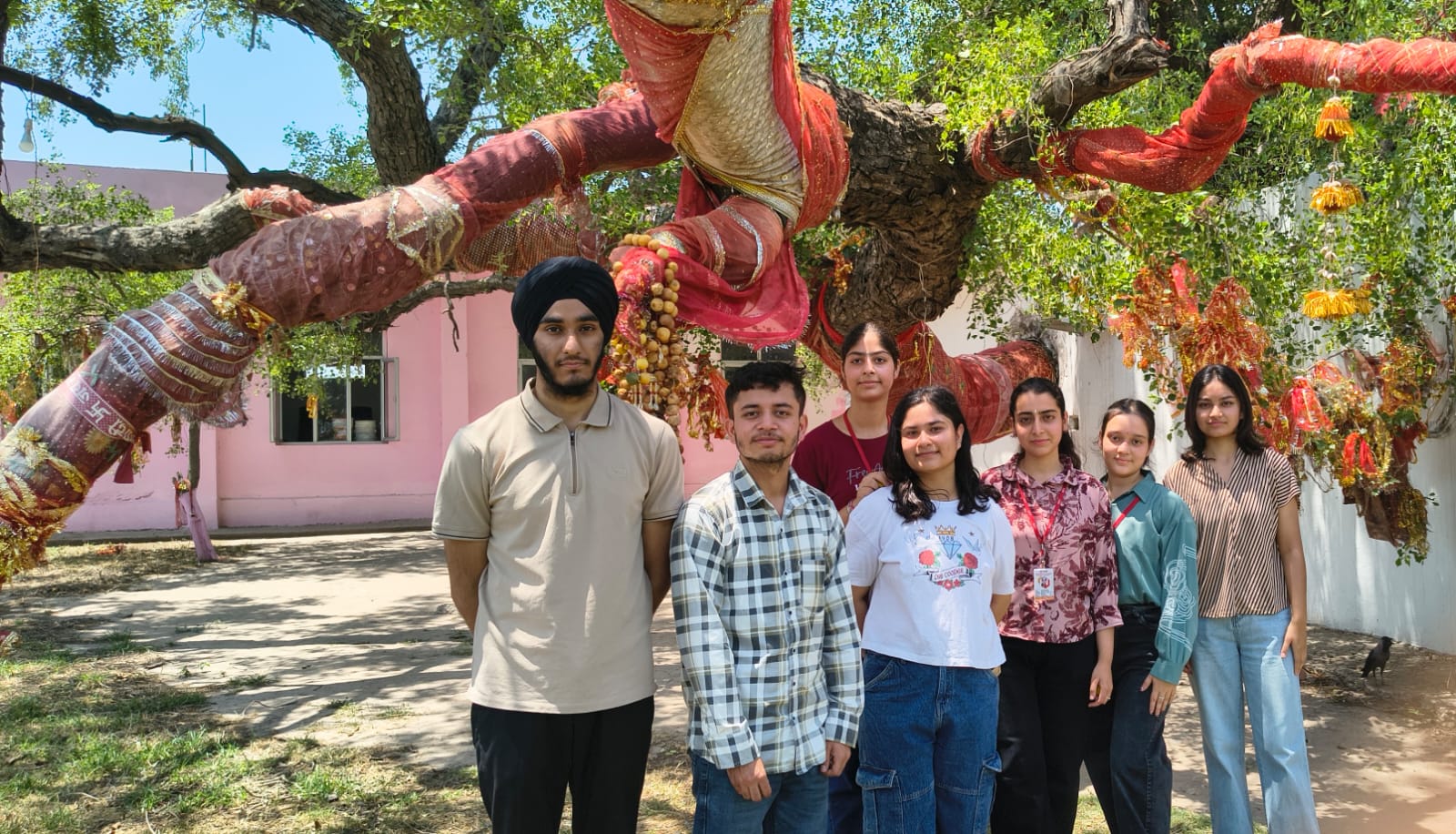
5) A special place of devotion is Taali Mata, believed to be the protector of the border villages. According to local belief, the goddess has safeguarded the community from cross-border shelling and unexploded mortar bombs for generations. This unwavering faith continues to unite the villagers during both celebrations and difficult times.
Traditional Cuisine
Bathur's cuisine reflects the rich culinary heritage of the Dogra region. Traditional dishes such as Babroo, Ambal, Malpure, Keyur, Succhiyan, and Meetha Madra are lovingly prepared during festivals and family gatherings.
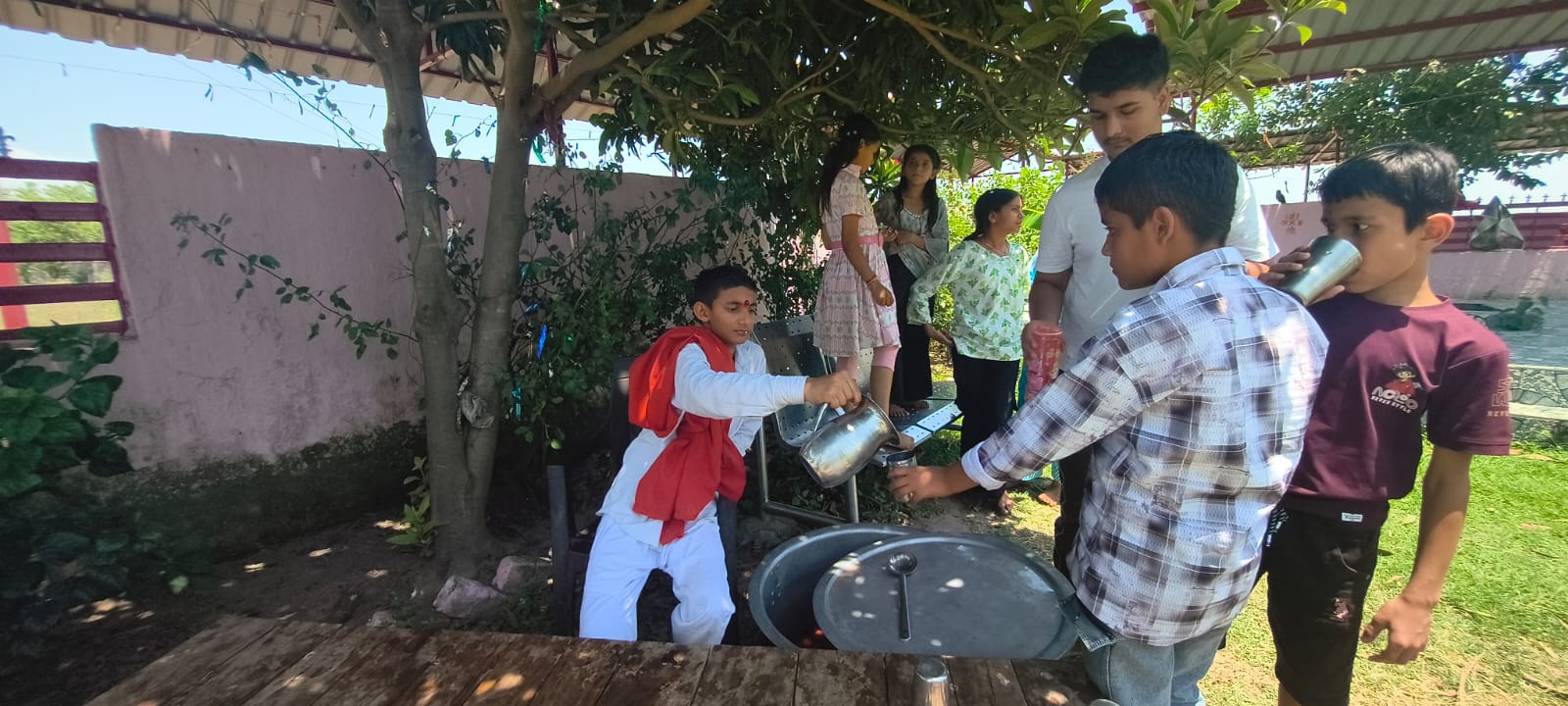
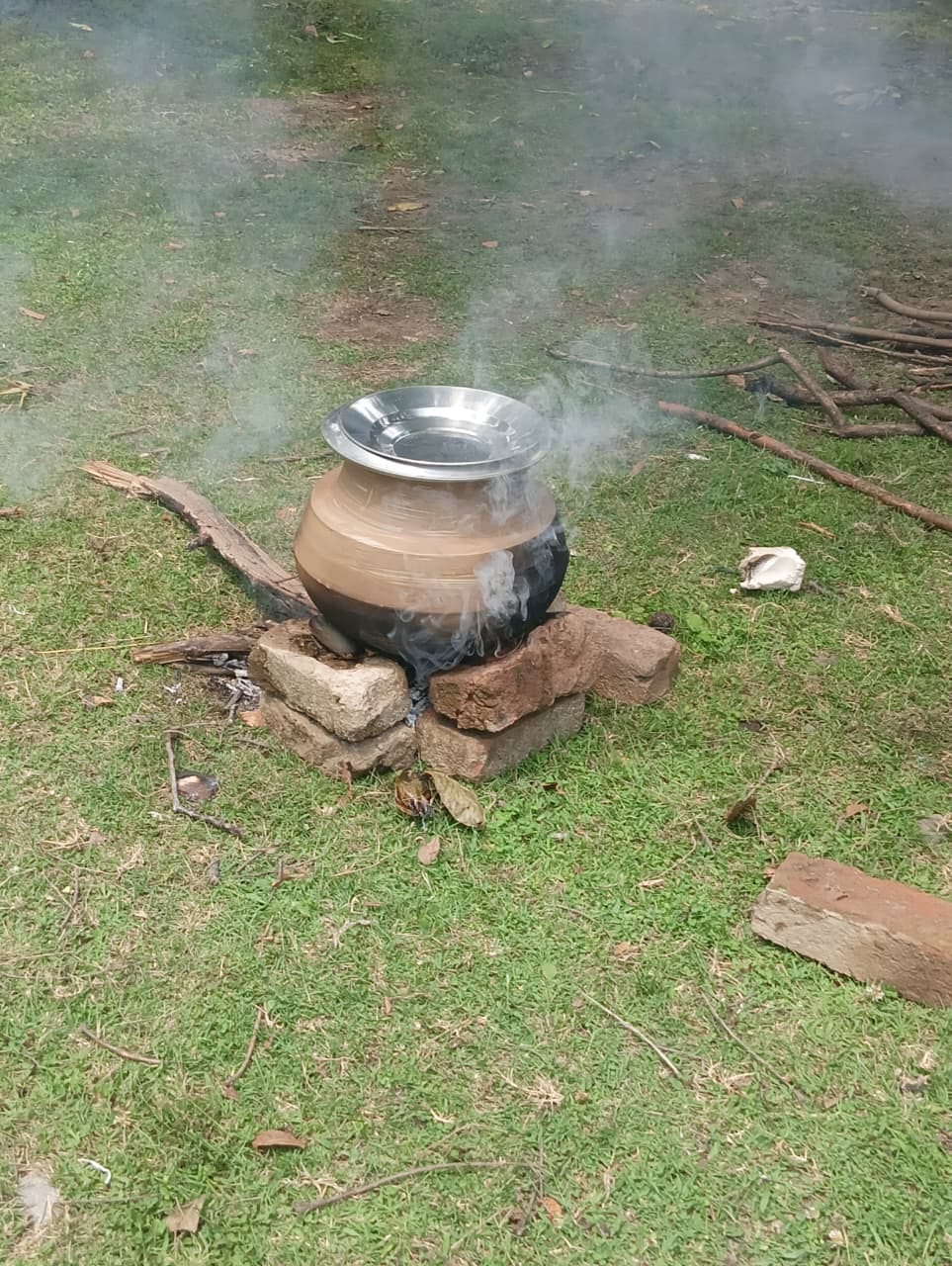
Community feasts, locally known as Dhaam, are traditionally cooked in large earthen vessels using age-old methods over wood-fired stoves. These meals are not only delicious but also celebrate togetherness and hospitality.
Economy and Livelihood
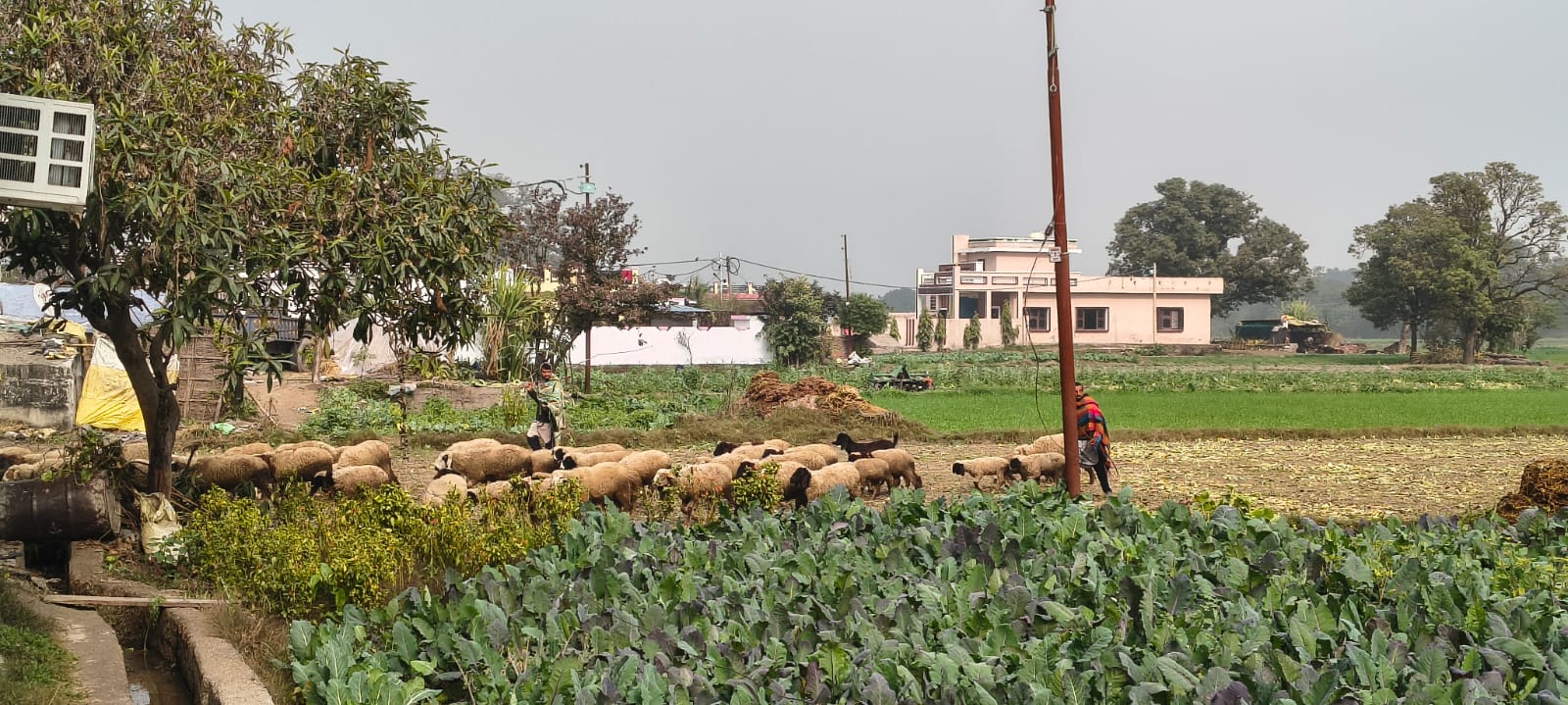
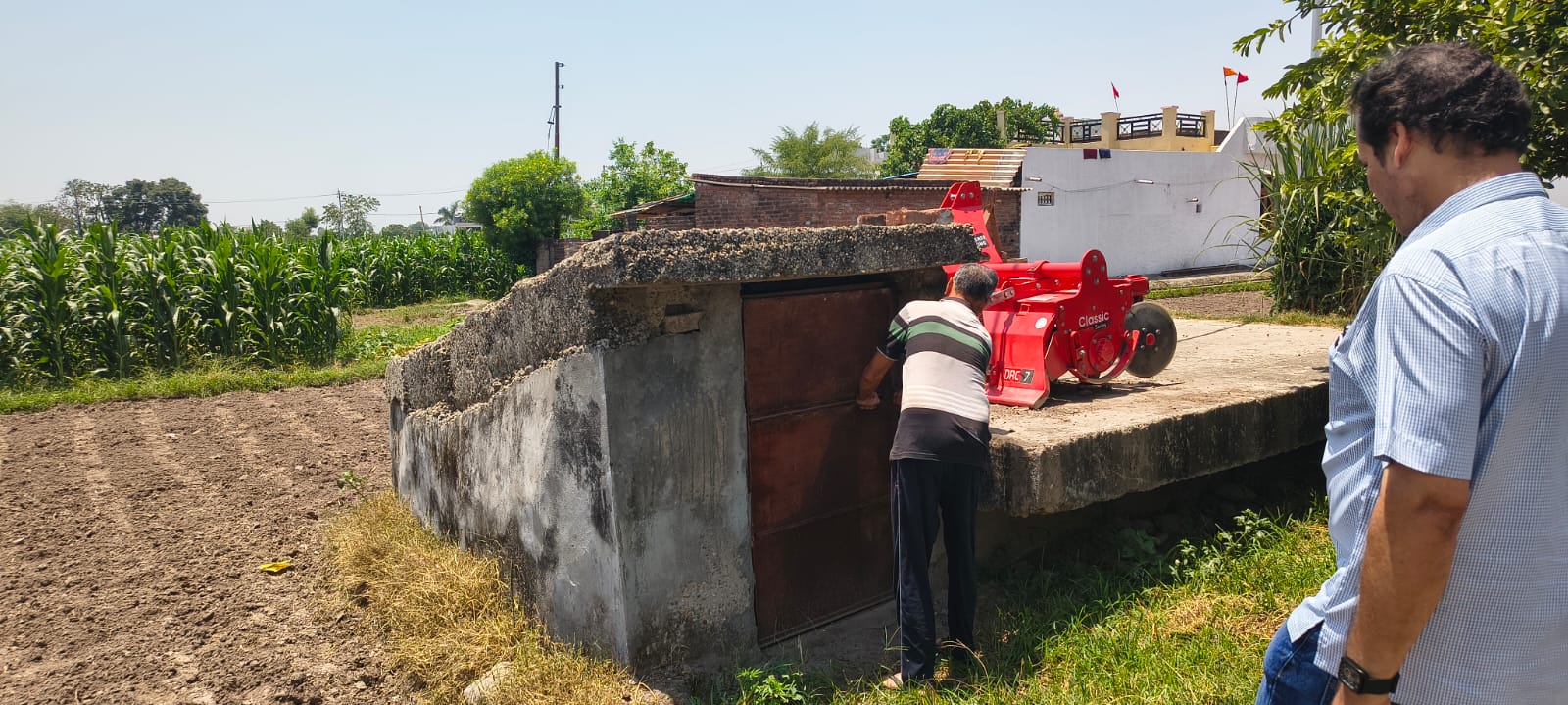
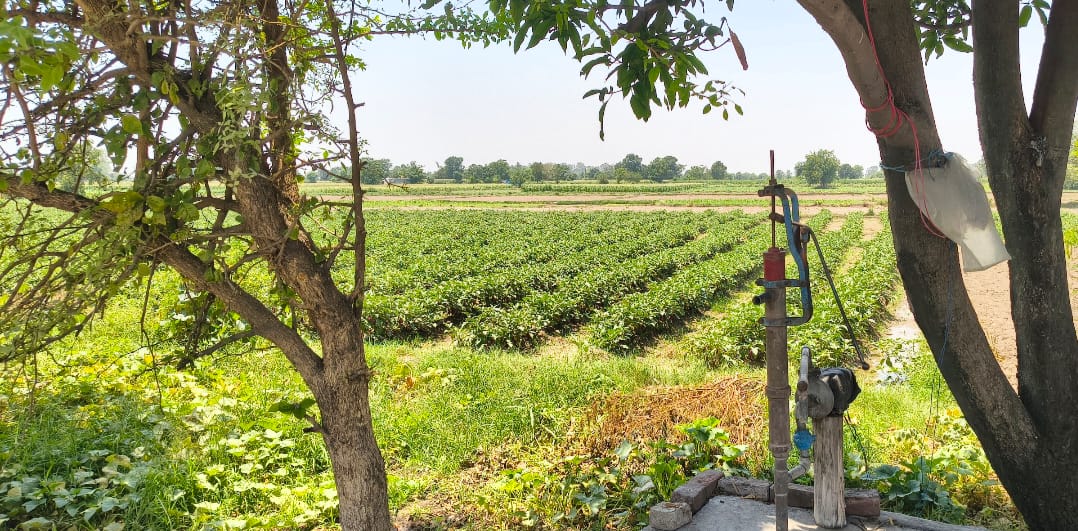
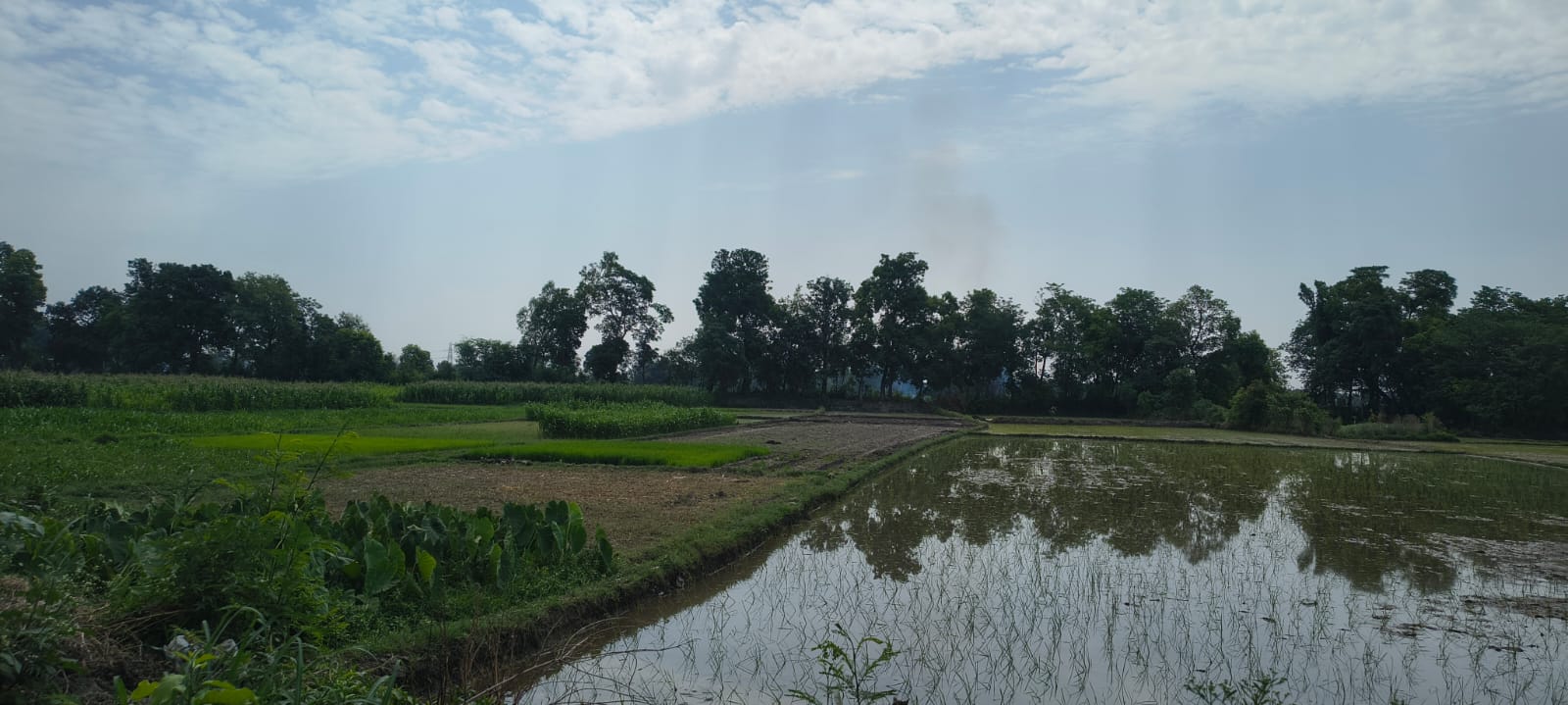
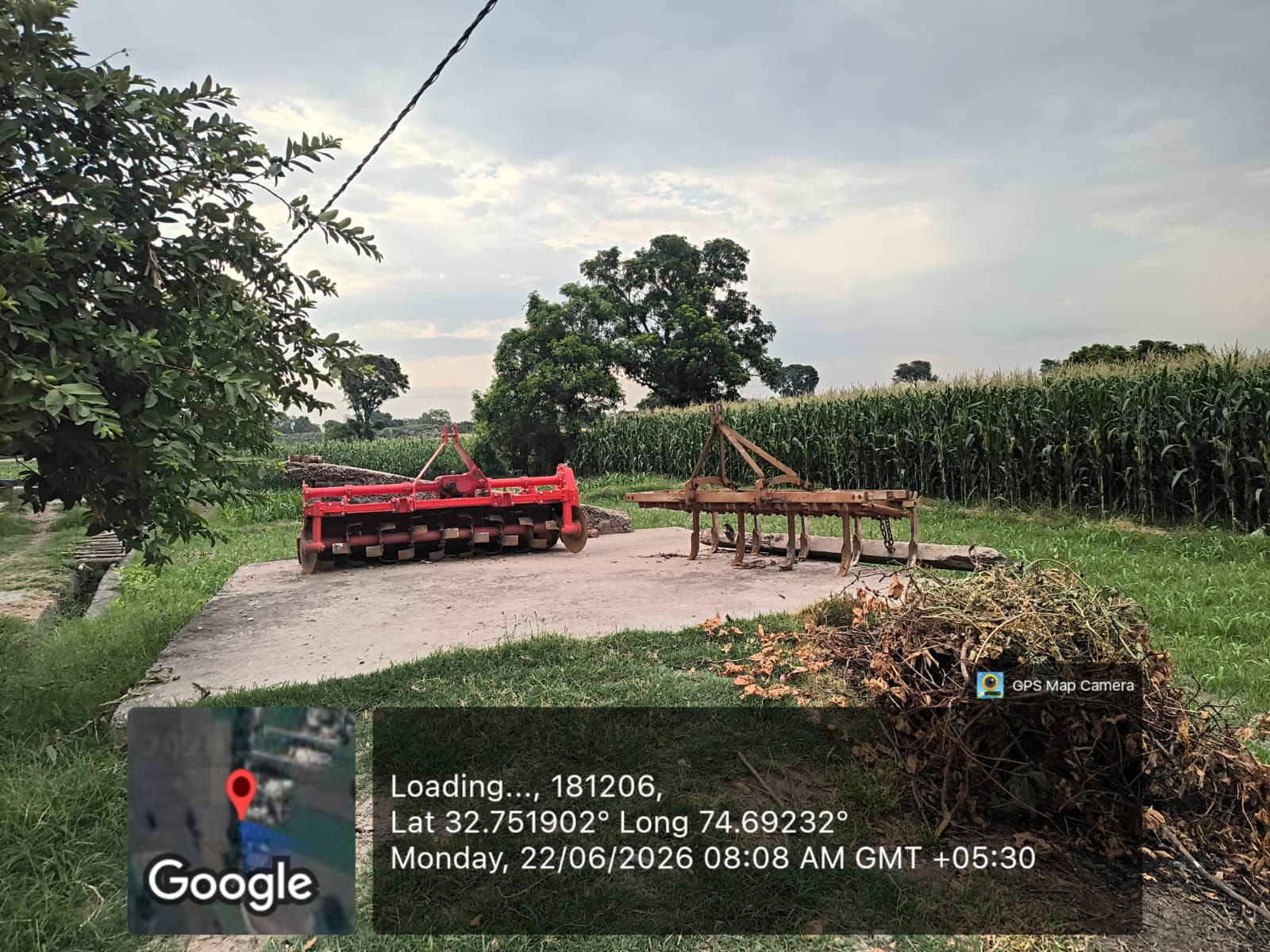
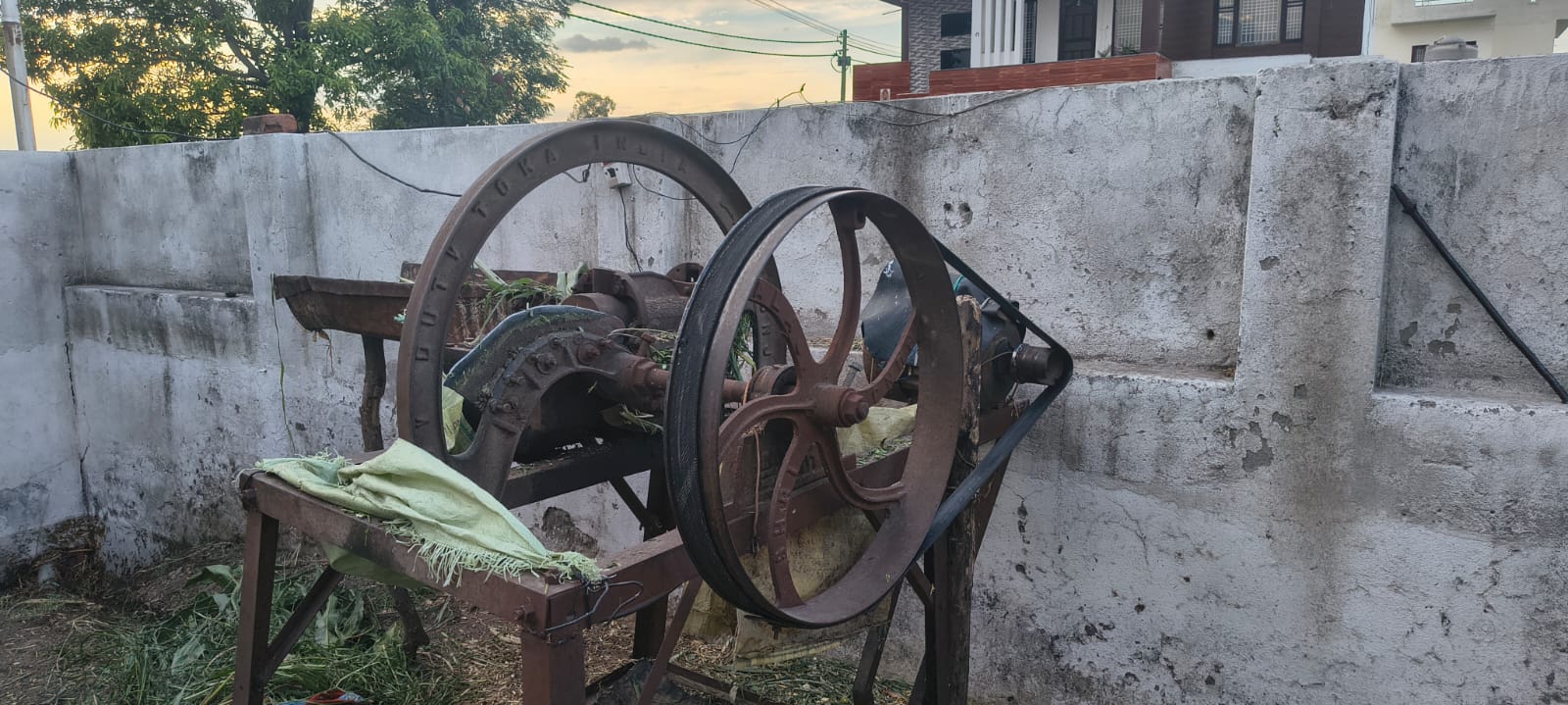
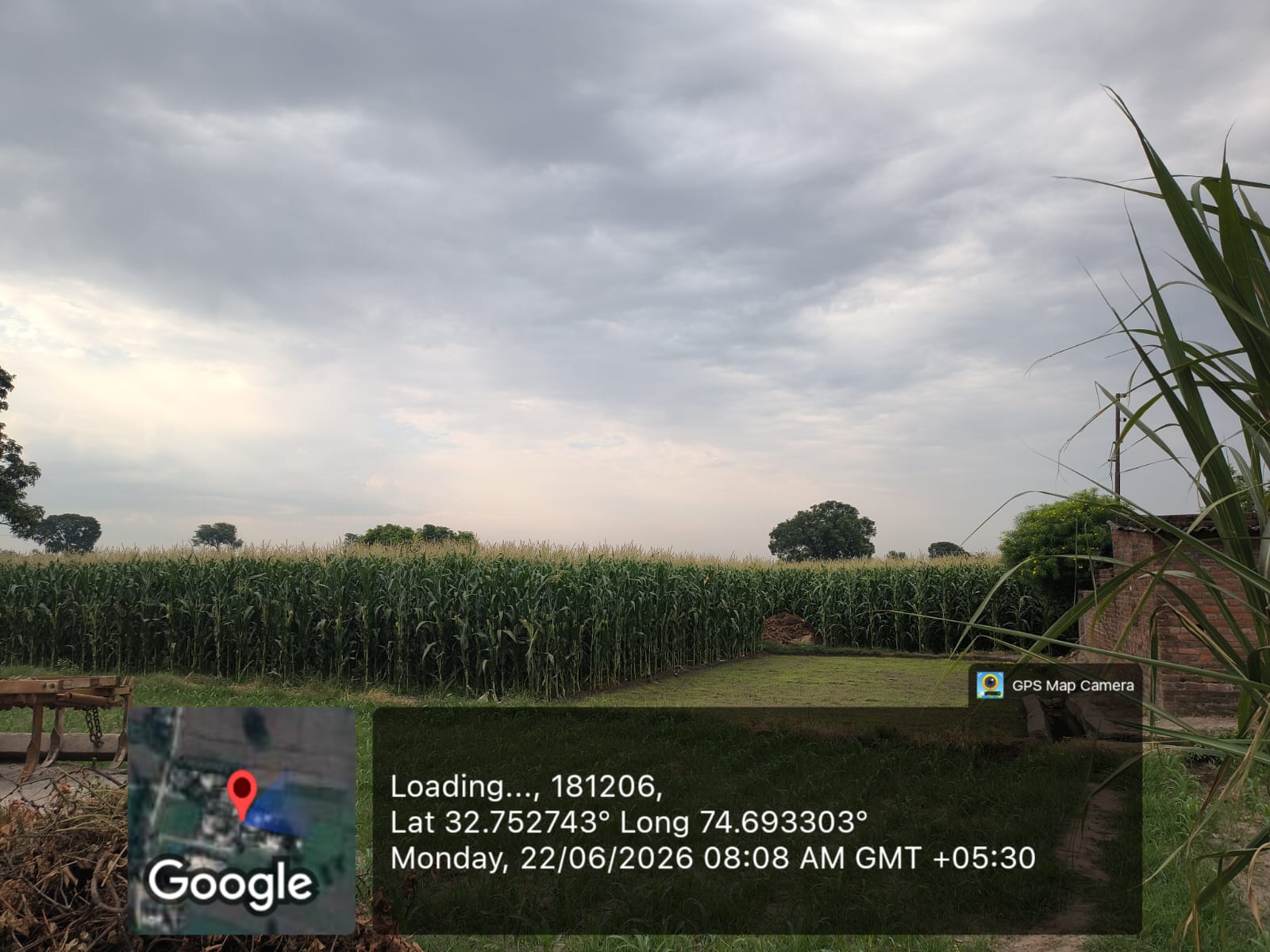
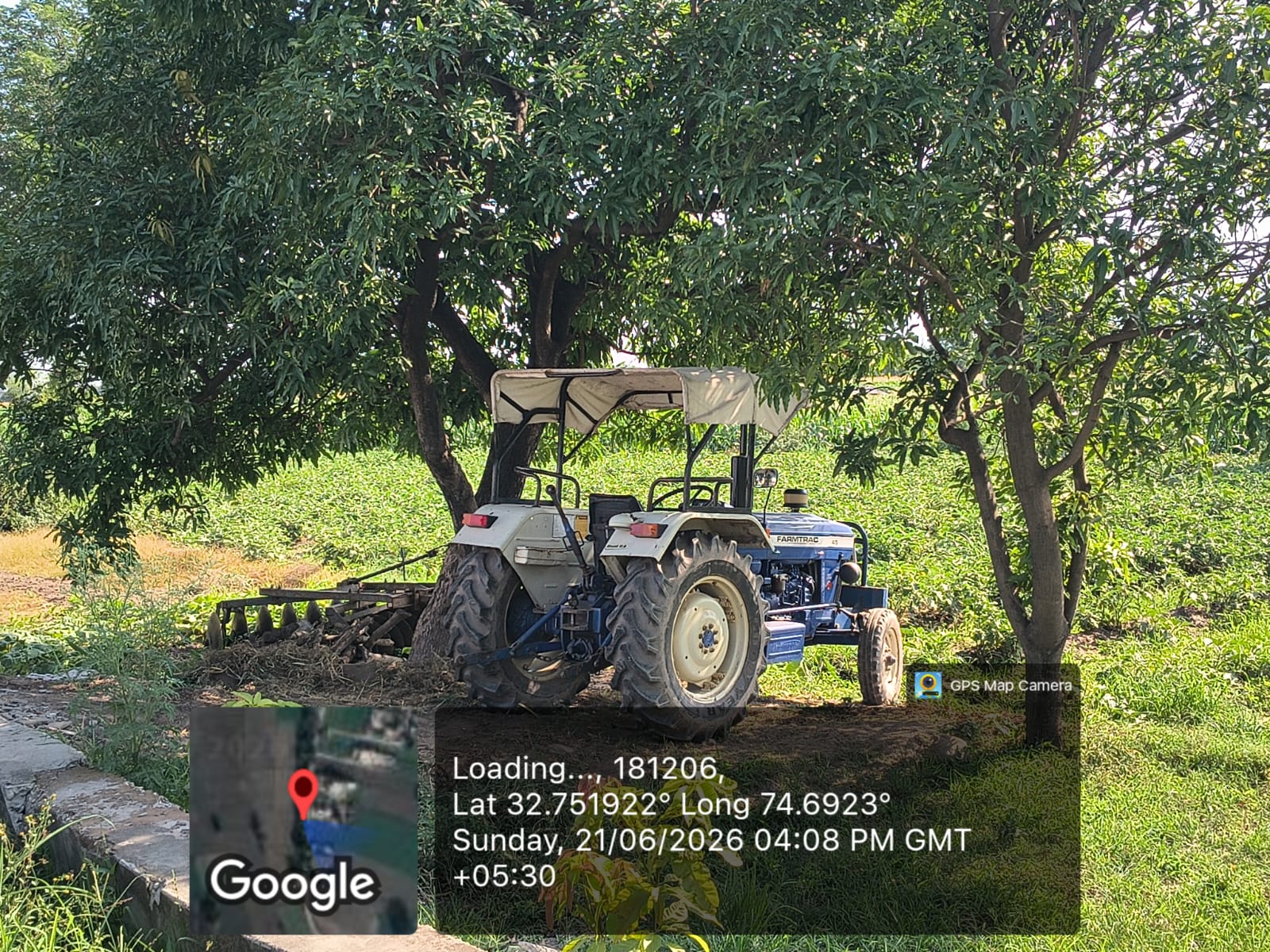
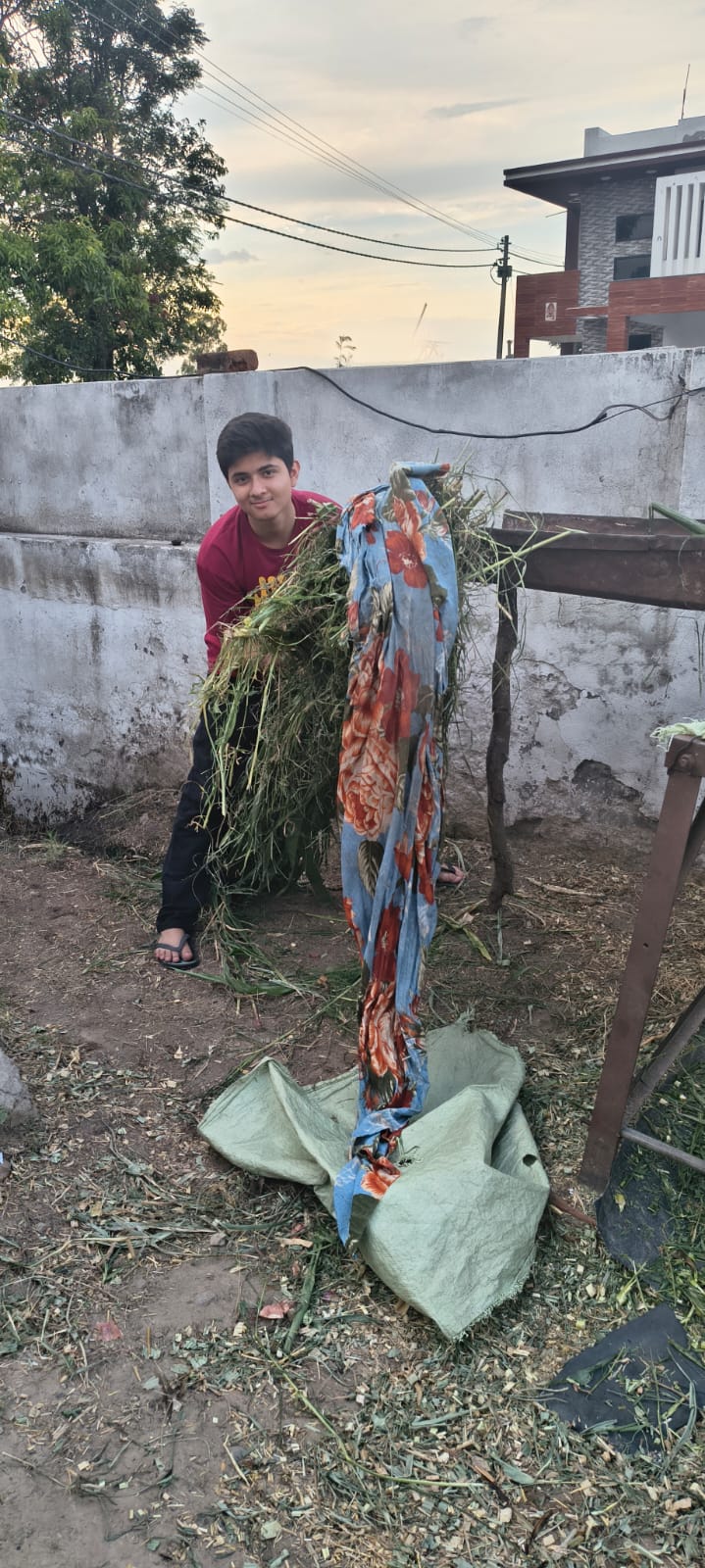
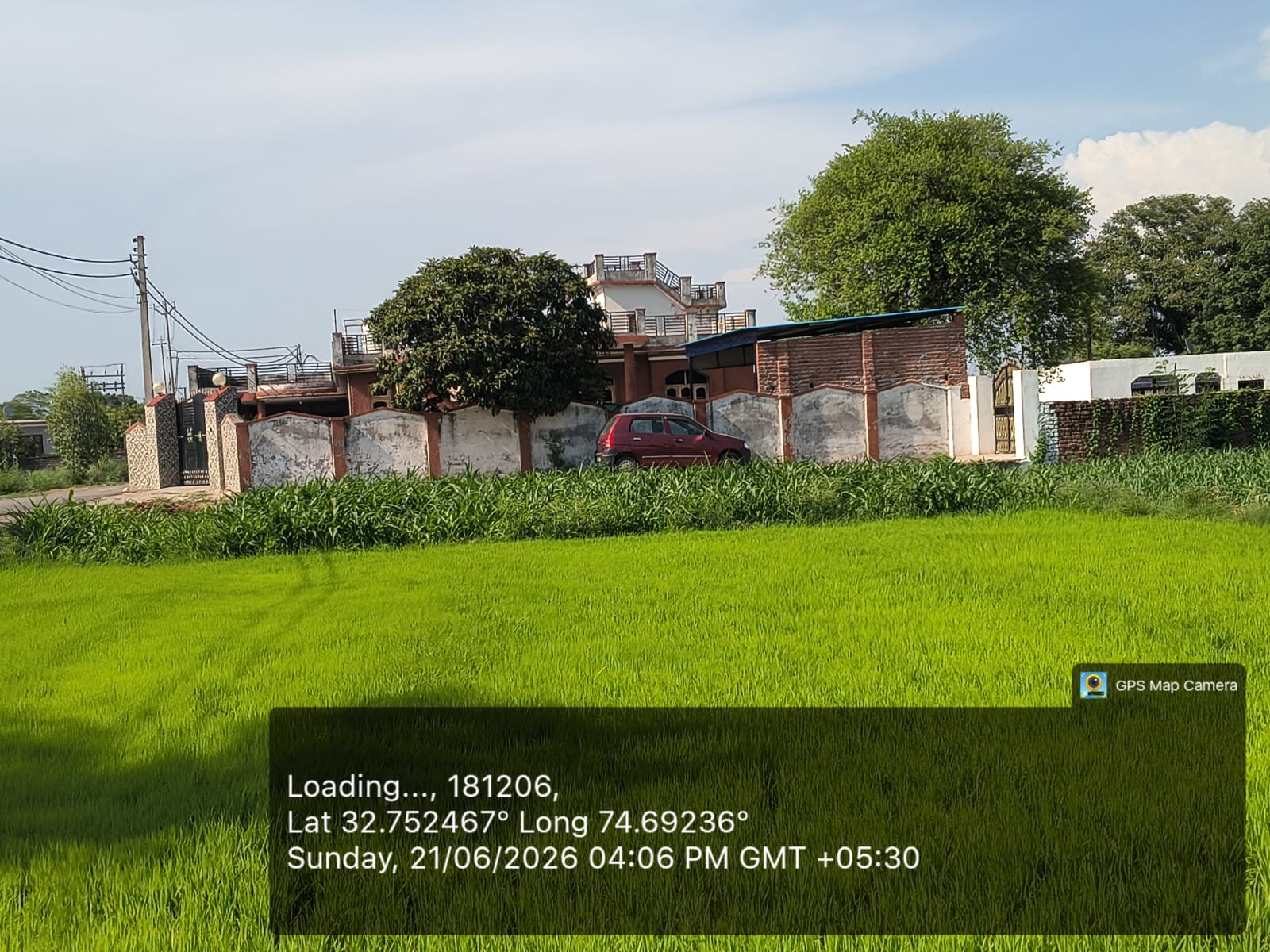
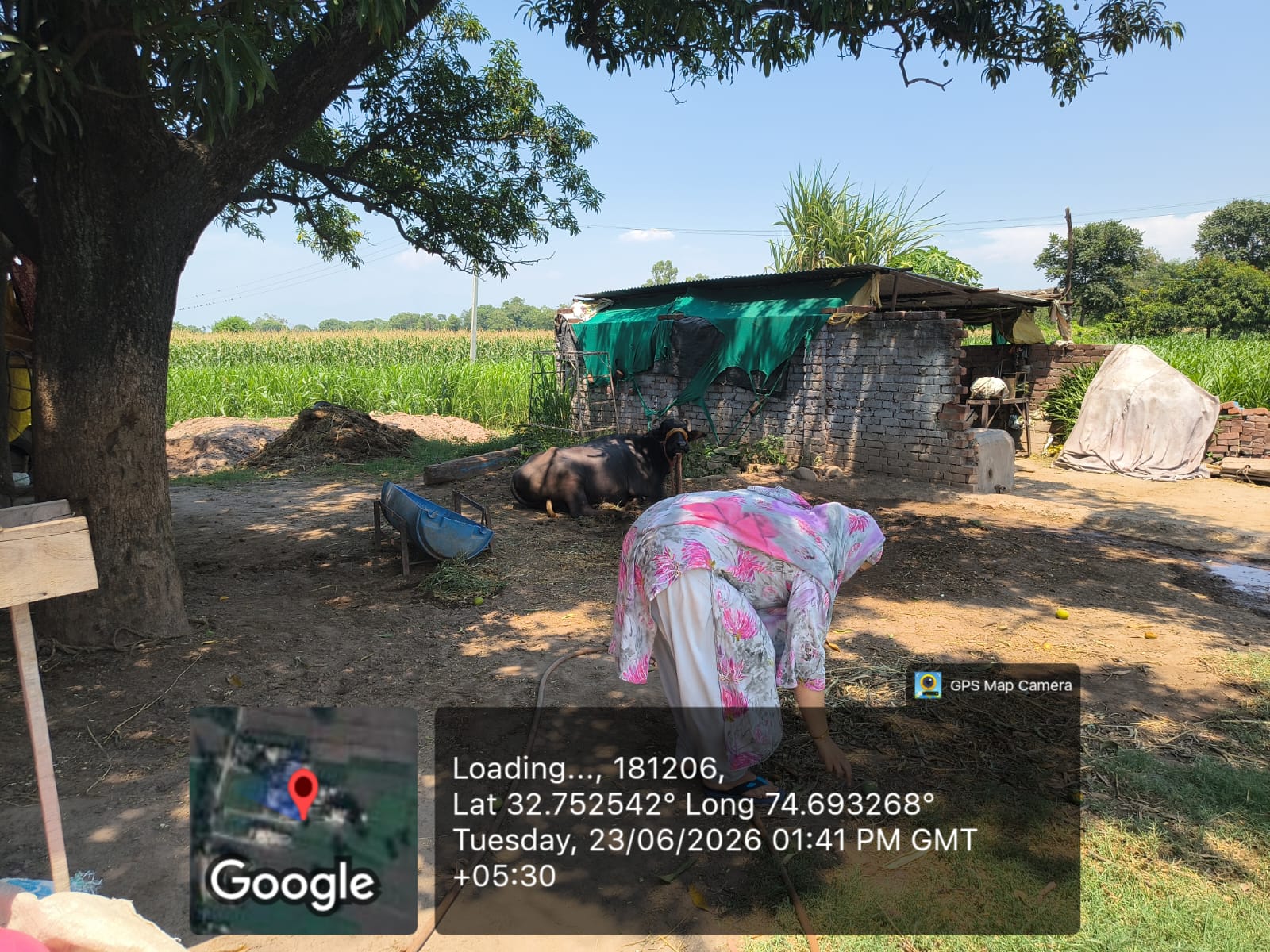
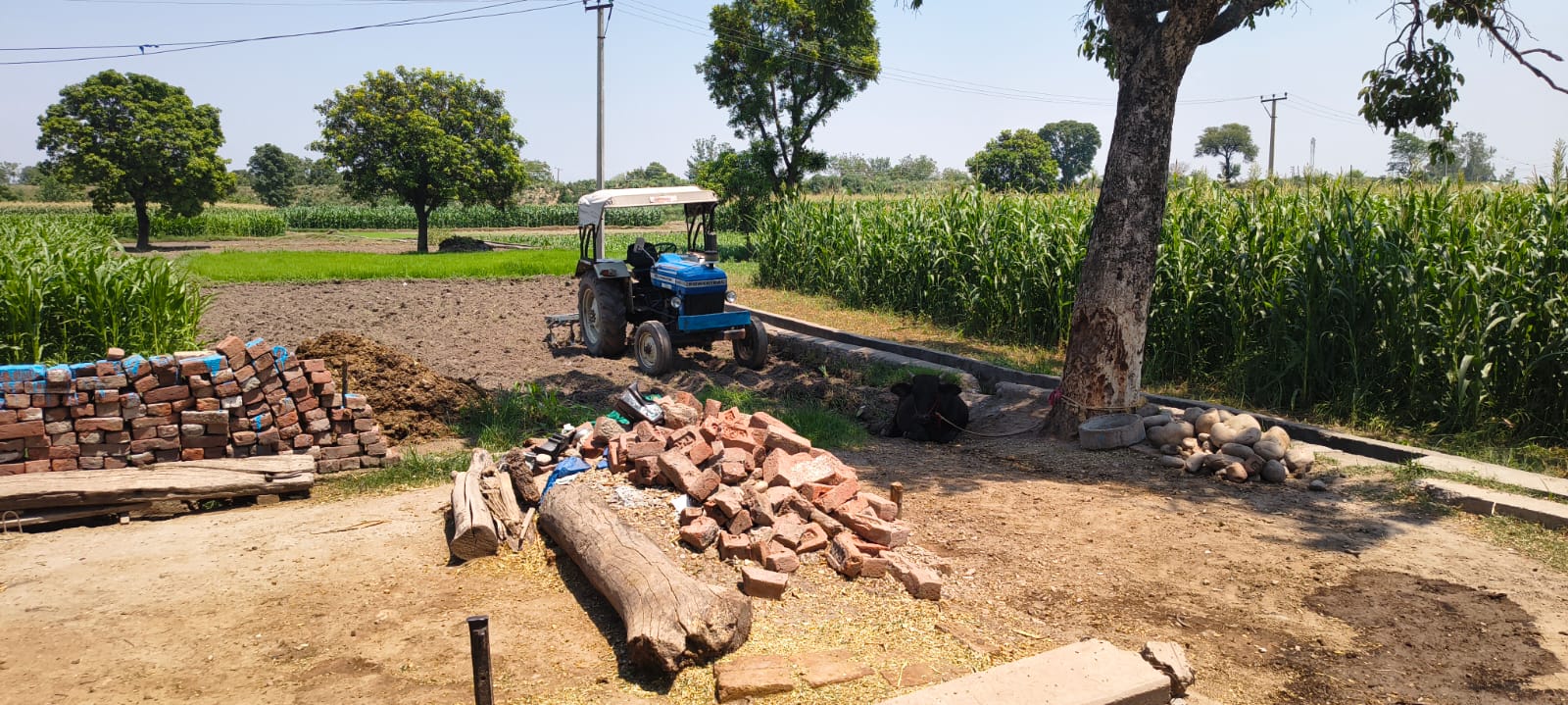
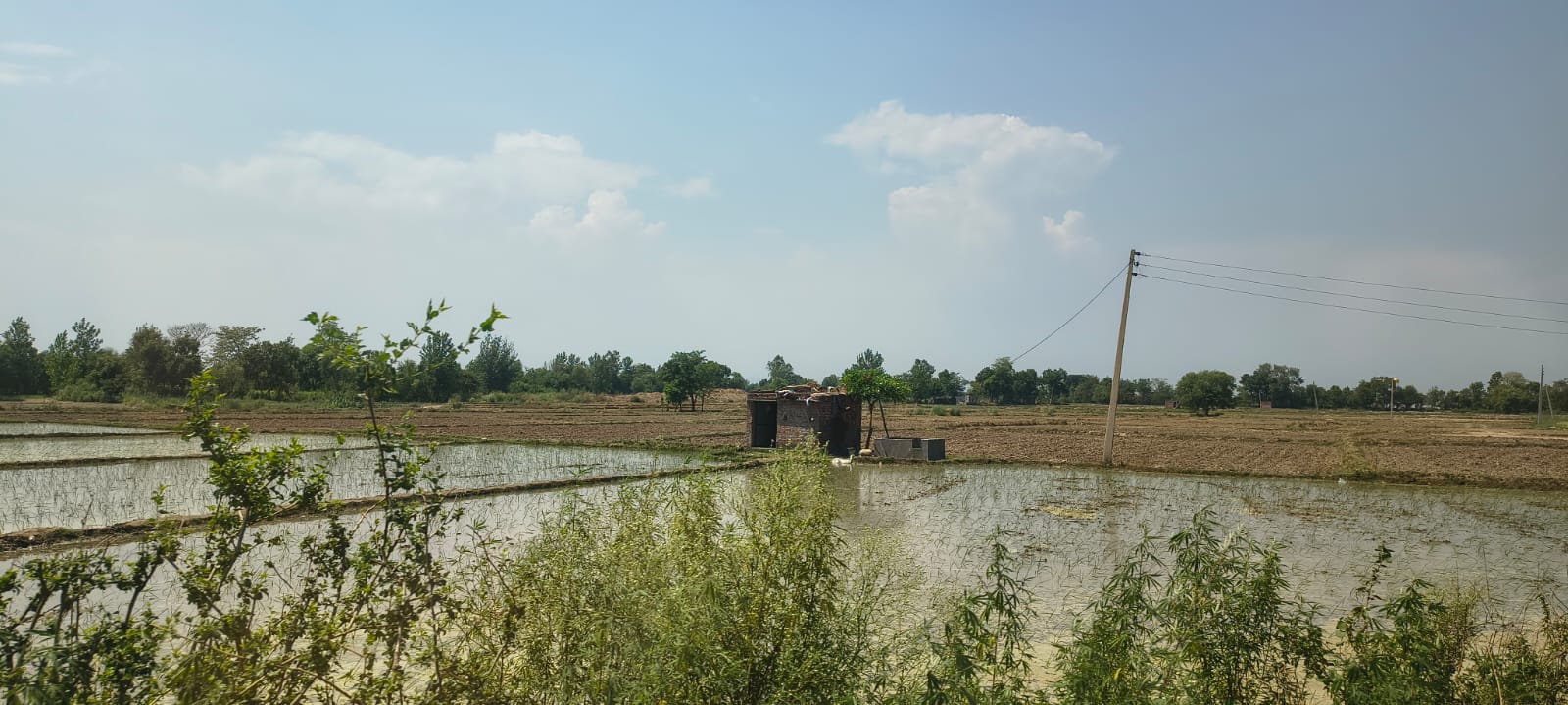
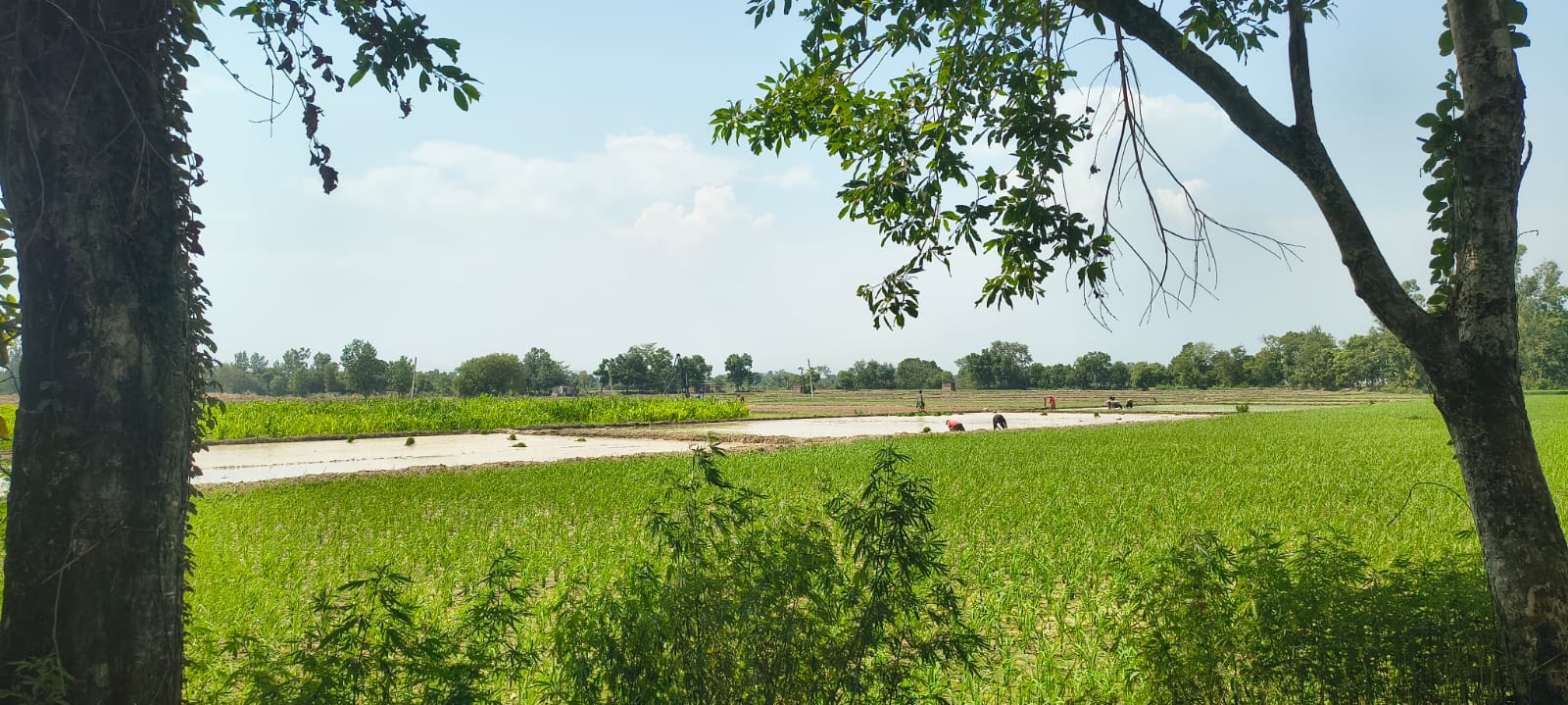
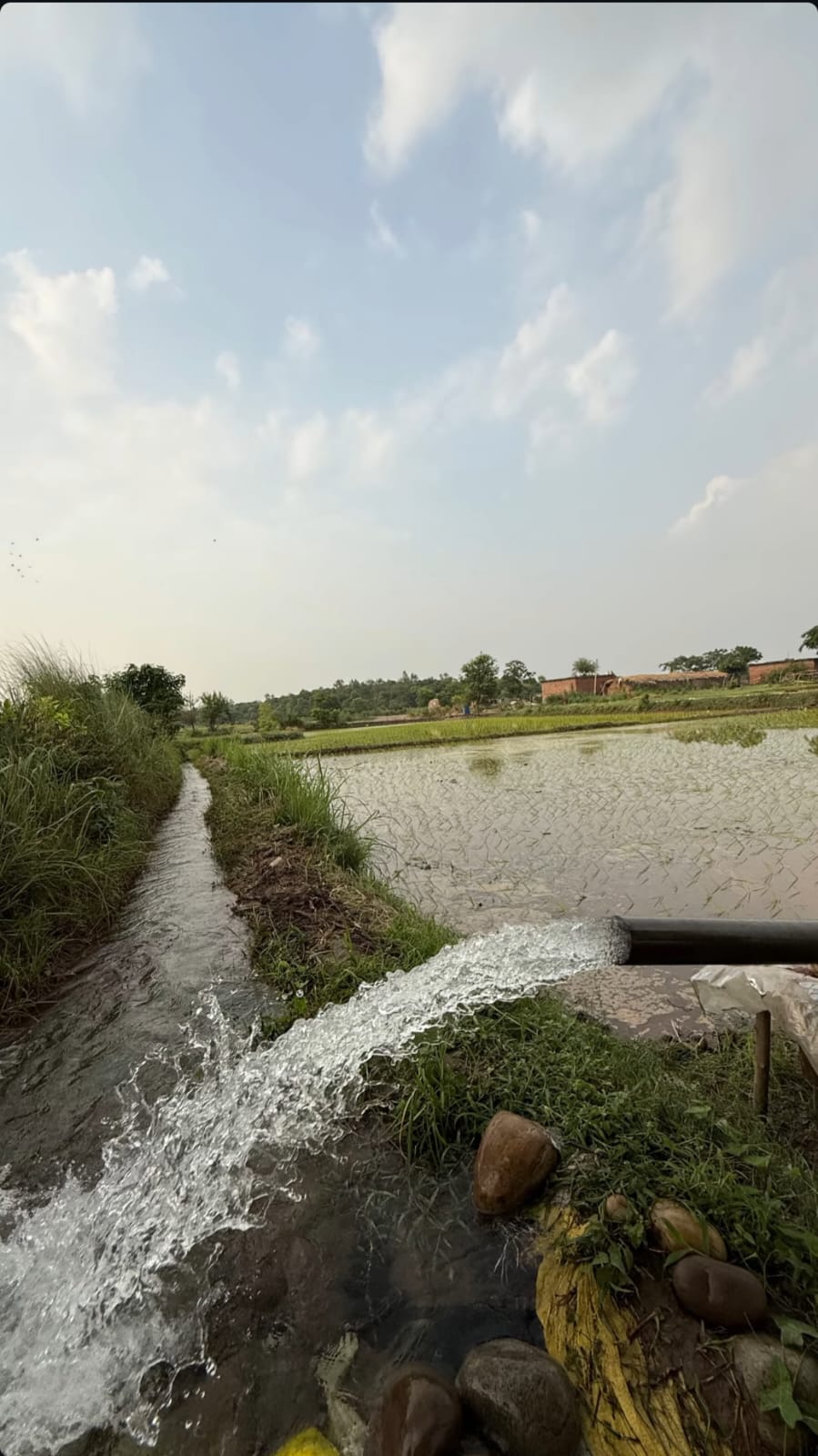
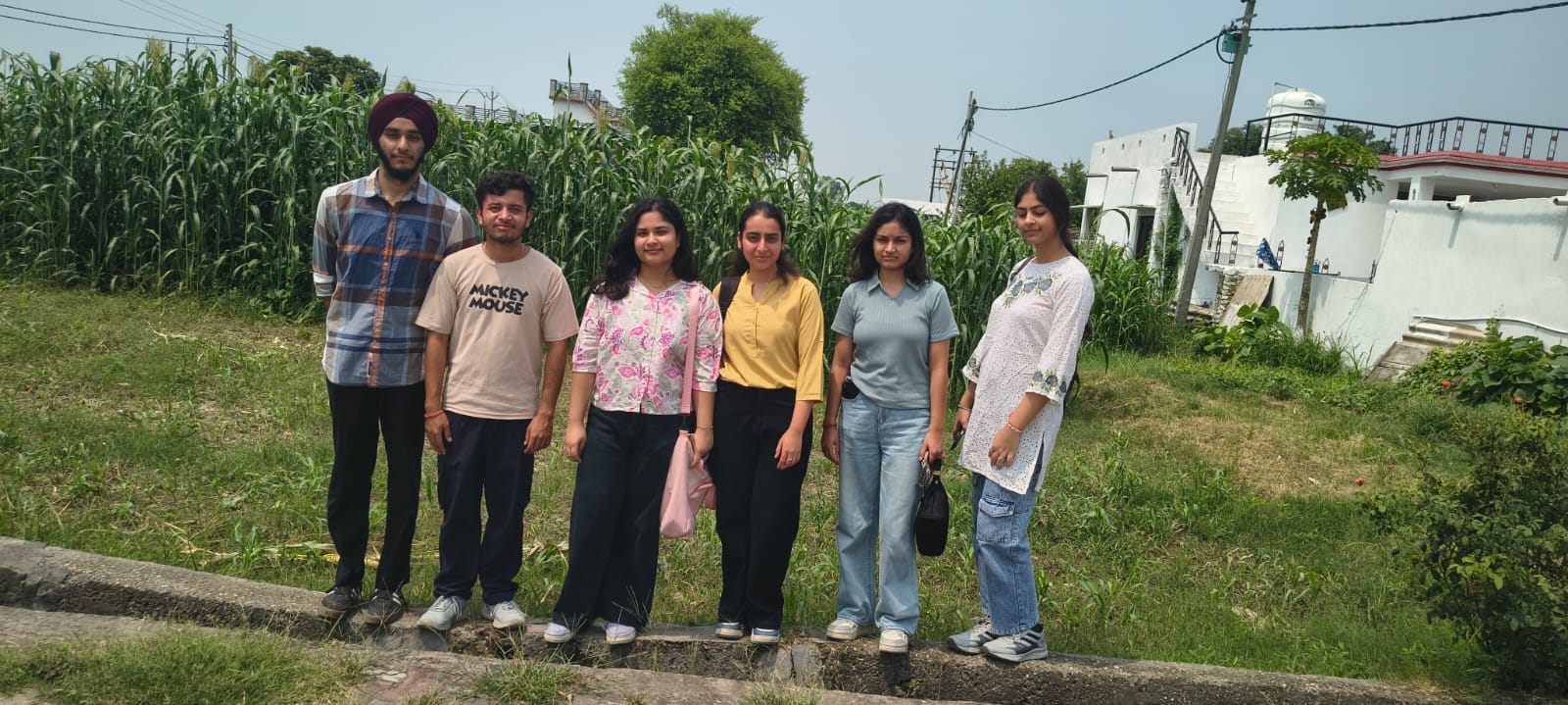
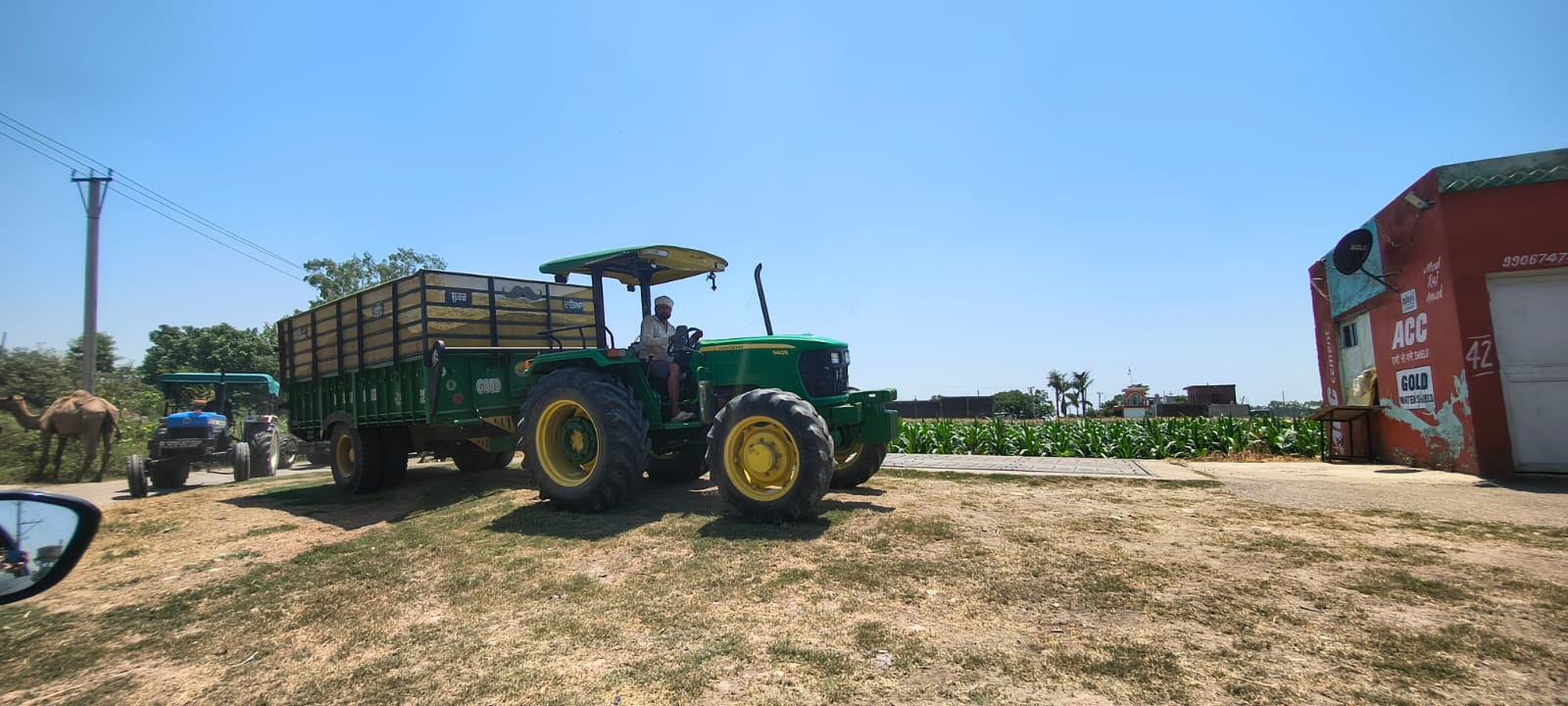
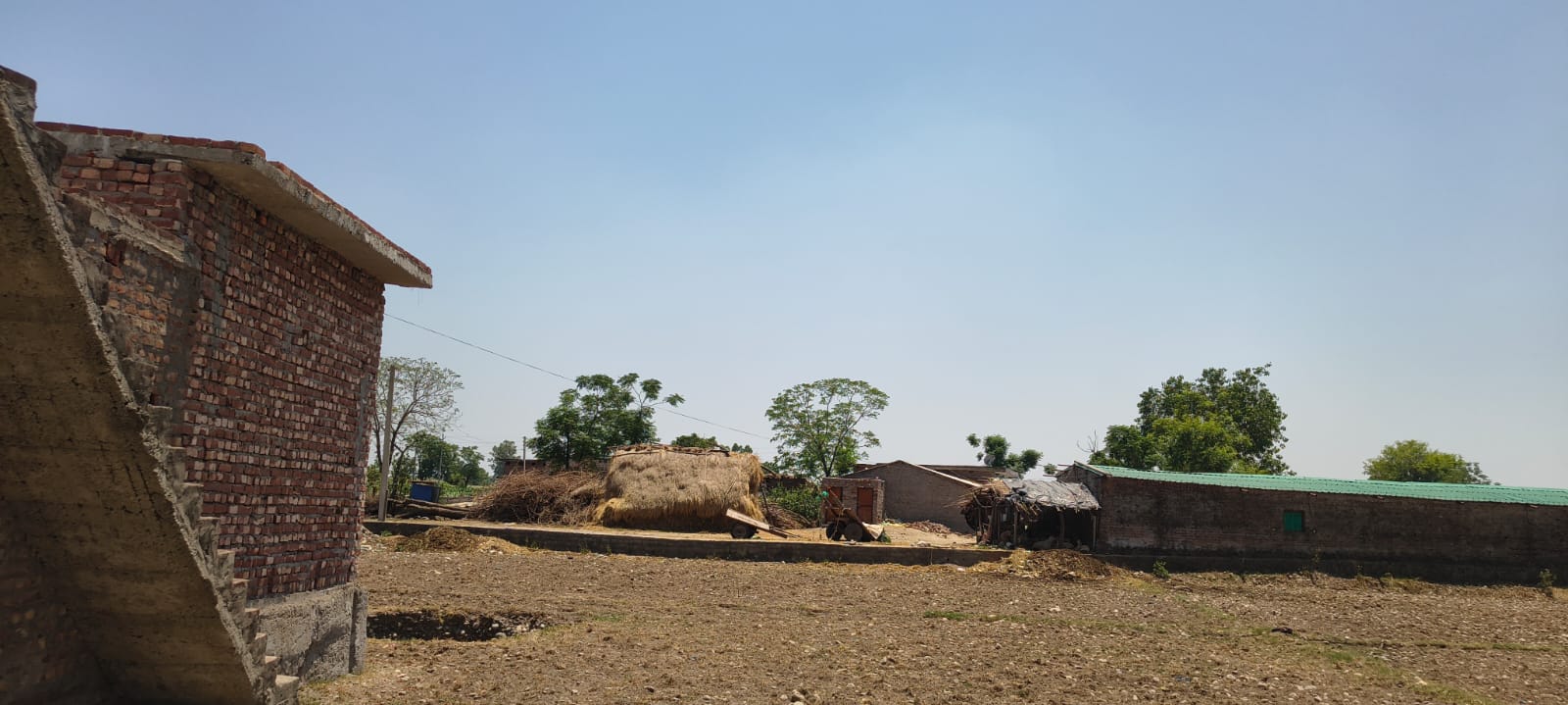
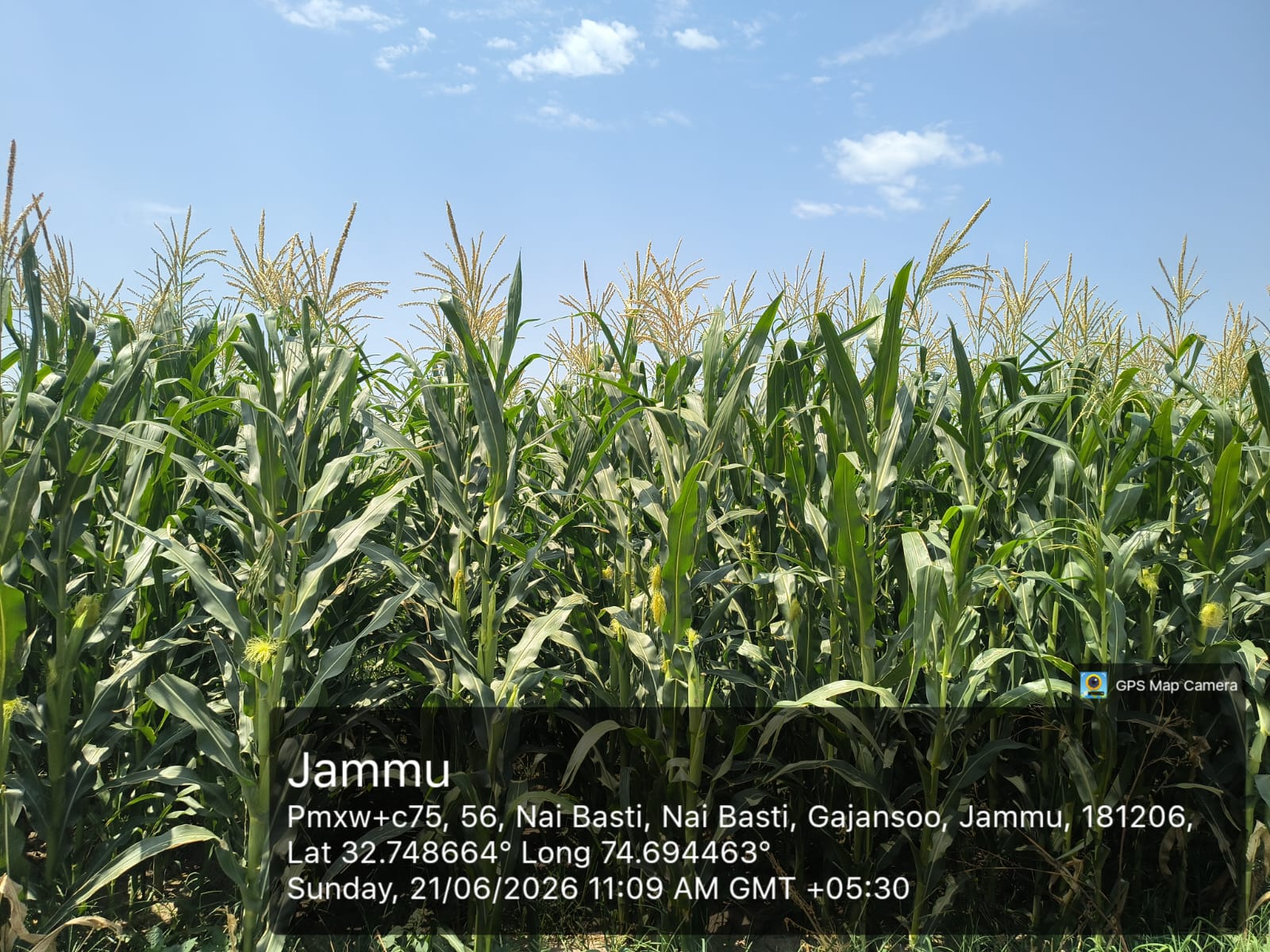
Agriculture is the backbone of Bathur's economy. The fertile plains support the cultivation of wheat, paddy, and maize, providing livelihoods for most families.
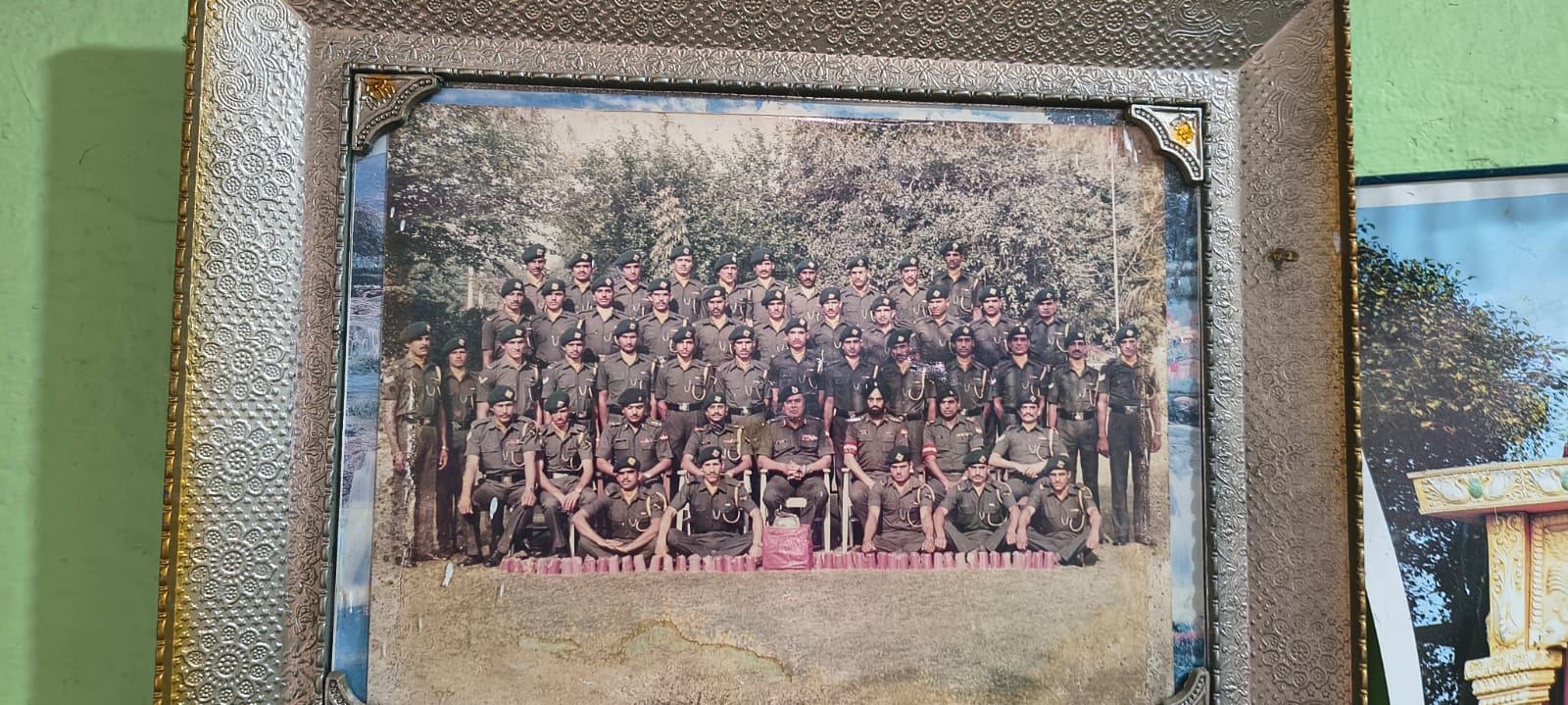
Alongside farming, military service is a source of immense pride. Many young men dedicate themselves to serving the Indian Army, carrying forward a tradition of patriotism. Their dual identity as soldiers and farmers perfectly represents Bathur's hardworking and courageous spirit.
The village also preserves traditional handicrafts such as Chhabri making, Pakkhi making, and local embroidery, showcasing the artistic skills passed down through generations.
Education
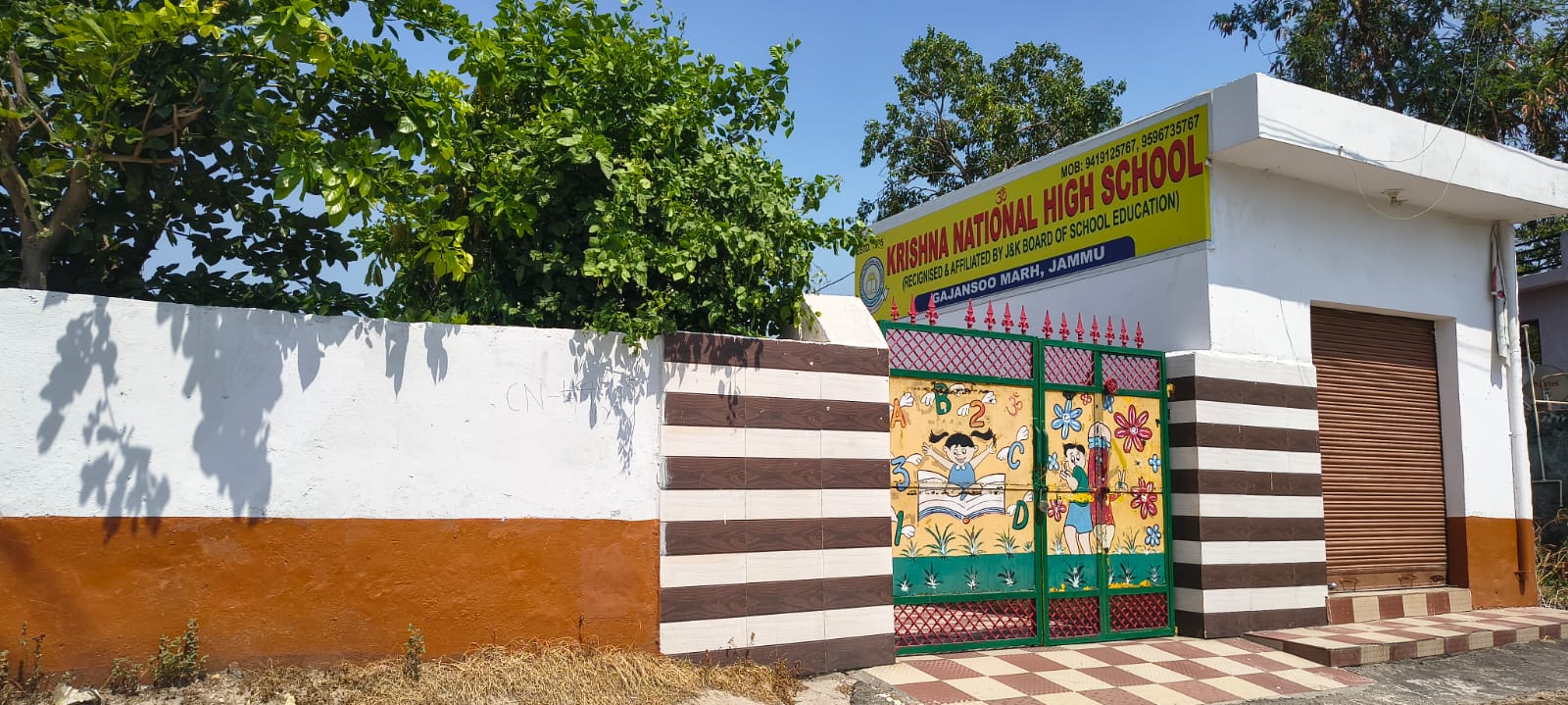
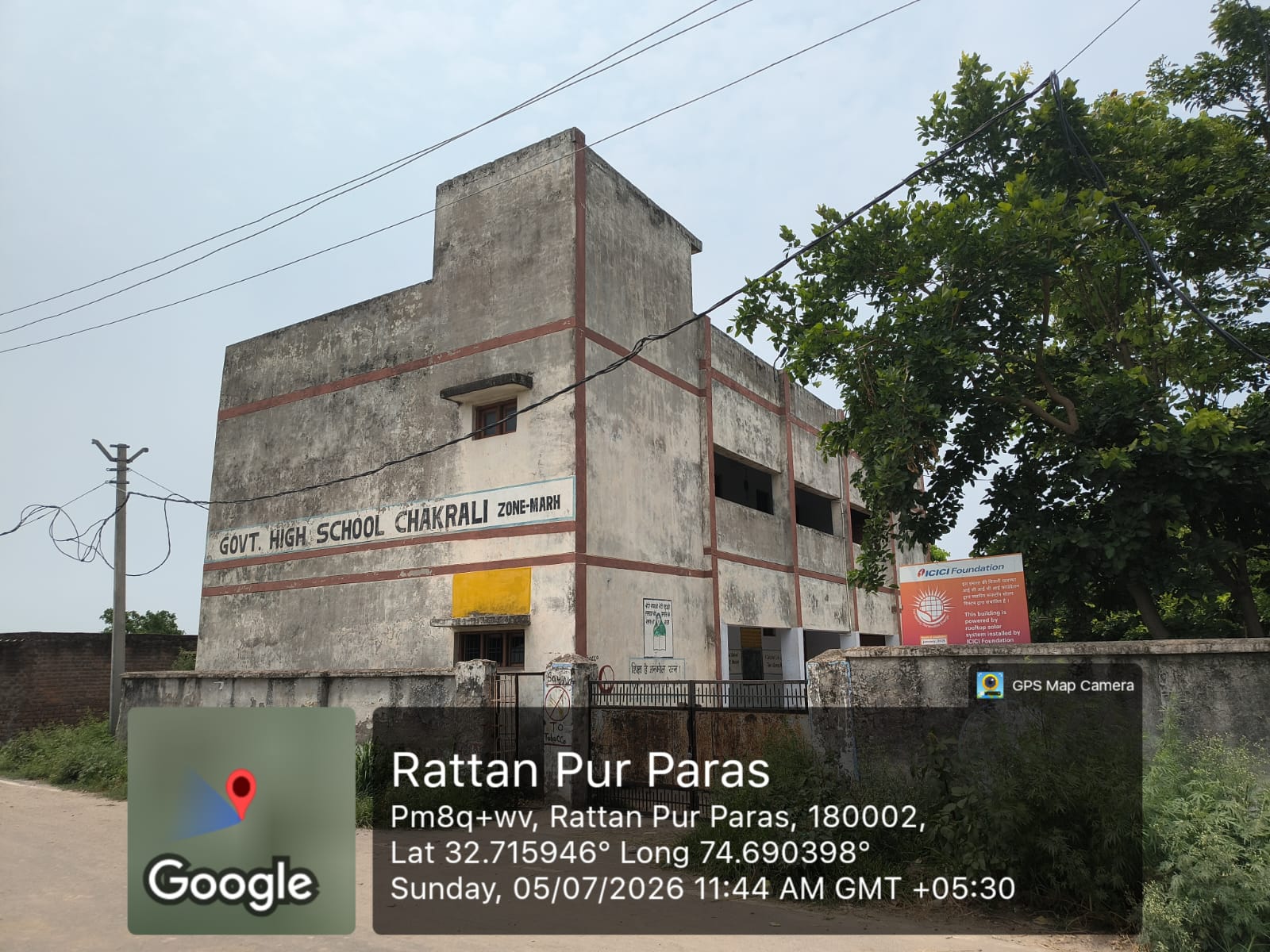
Education is highly valued in Bathur. Although schools are located at some distance from the village, students remain committed to learning and often use online educational resources to continue their studies.
The villagers believe that better educational facilities and improved transportation will create even greater opportunities for future generations.
Healthcare Facilities
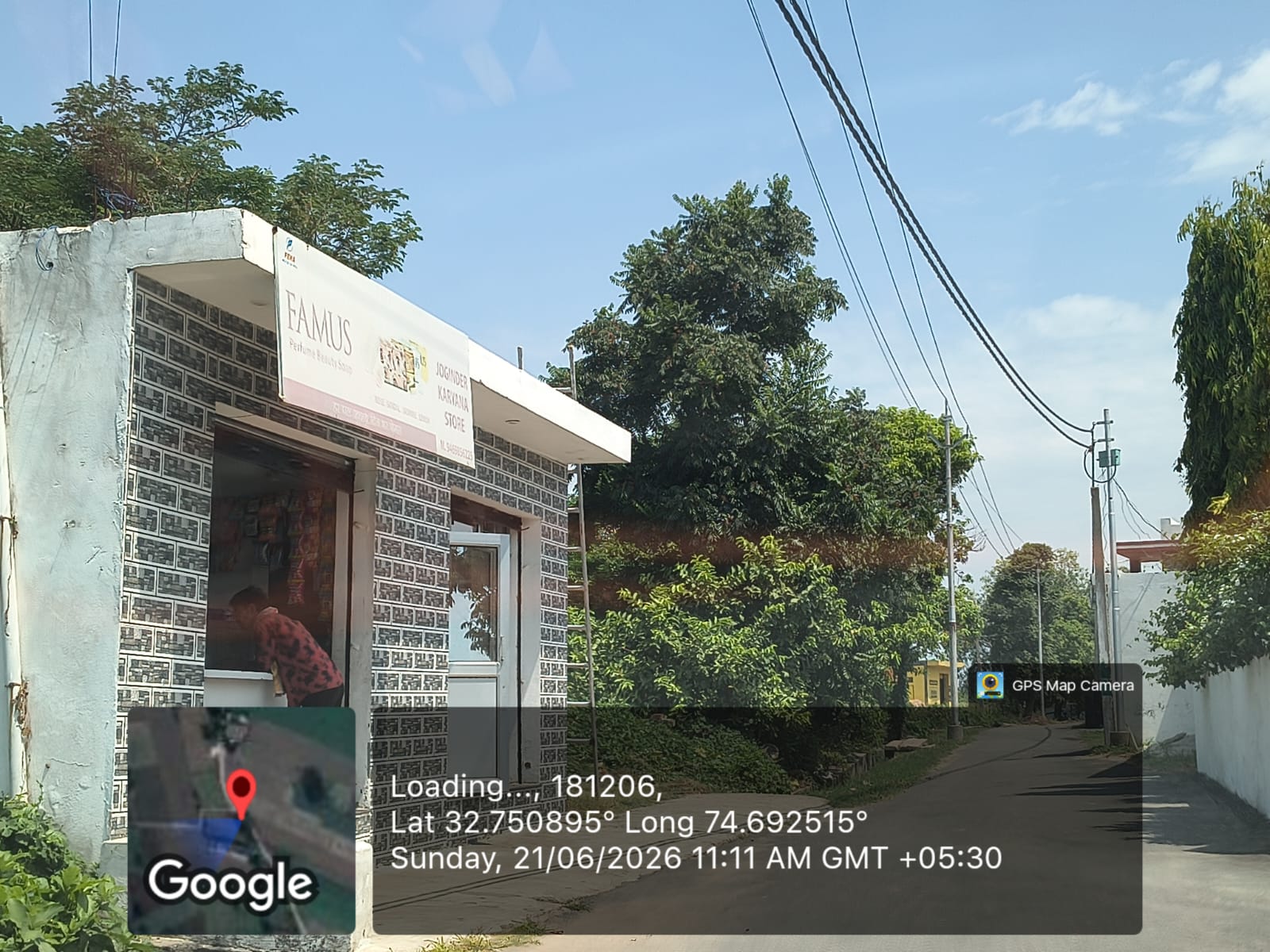
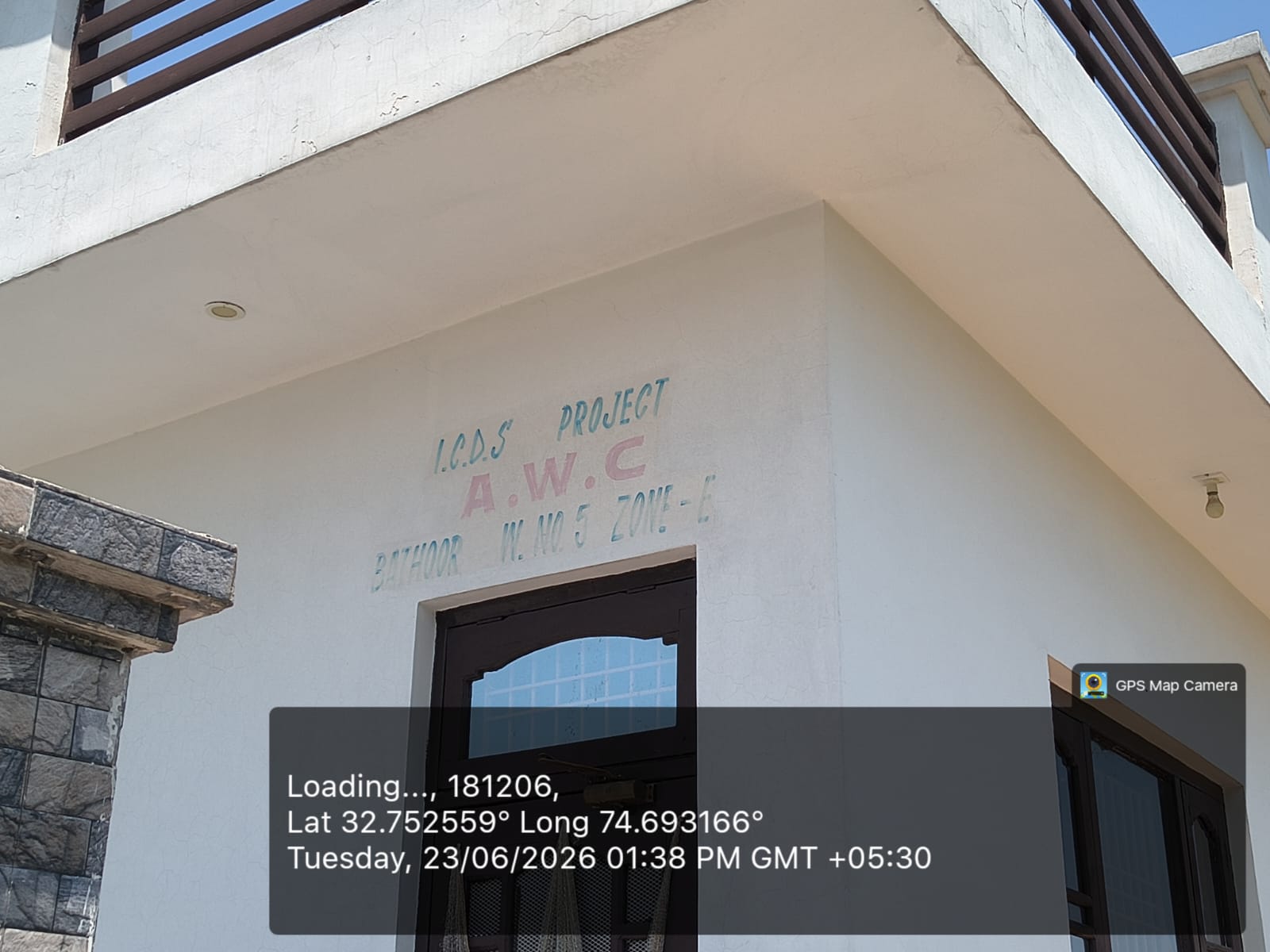
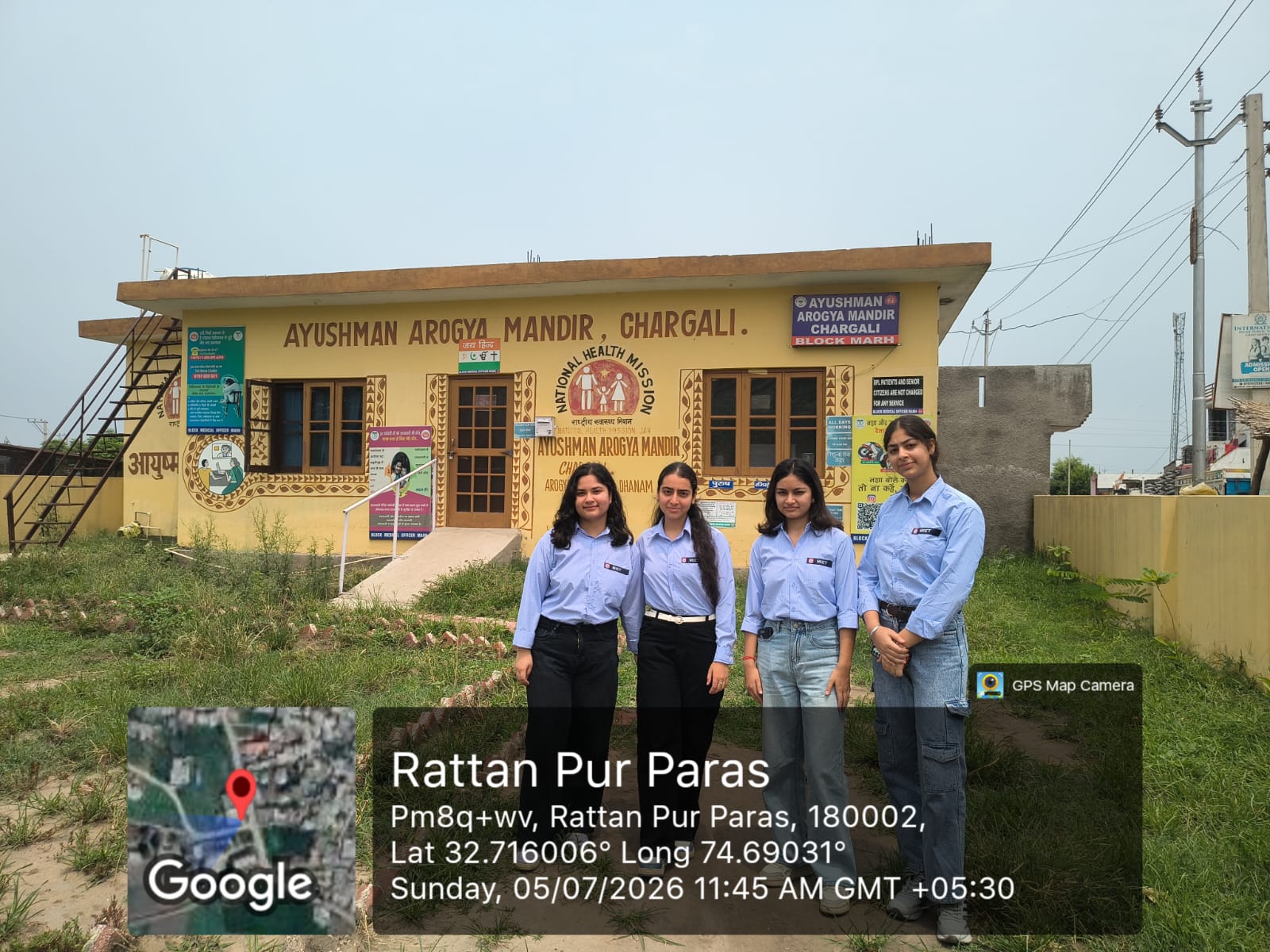
Basic healthcare services are available through the village's Ayushman Arogya Mandir, local chemist shop, Anganwadi Centre, and ASHA workers. These services provide essential healthcare support for families and children.
However, advanced medical facilities are located farther away, making improved connectivity an important need for the community.
Infrastructure and Connectivity
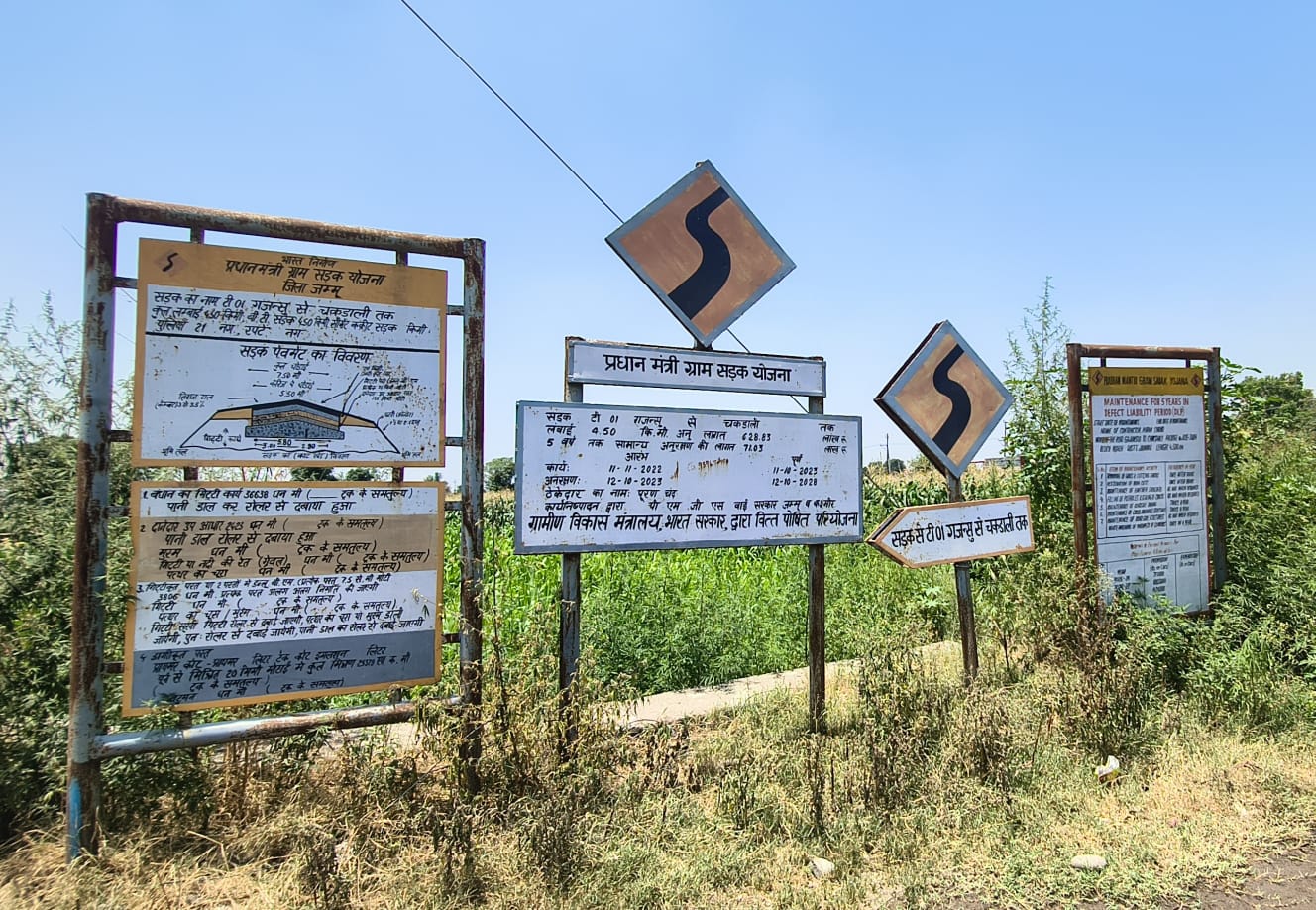
Bathur has benefited significantly from the Pradhan Mantri Gram Sadak Yojana (PMGSY), which has improved road connectivity and made travel easier. Better roads have enabled farmers to transport their produce to markets, students to pursue higher education, and ambulances to reach the village during emergencies.
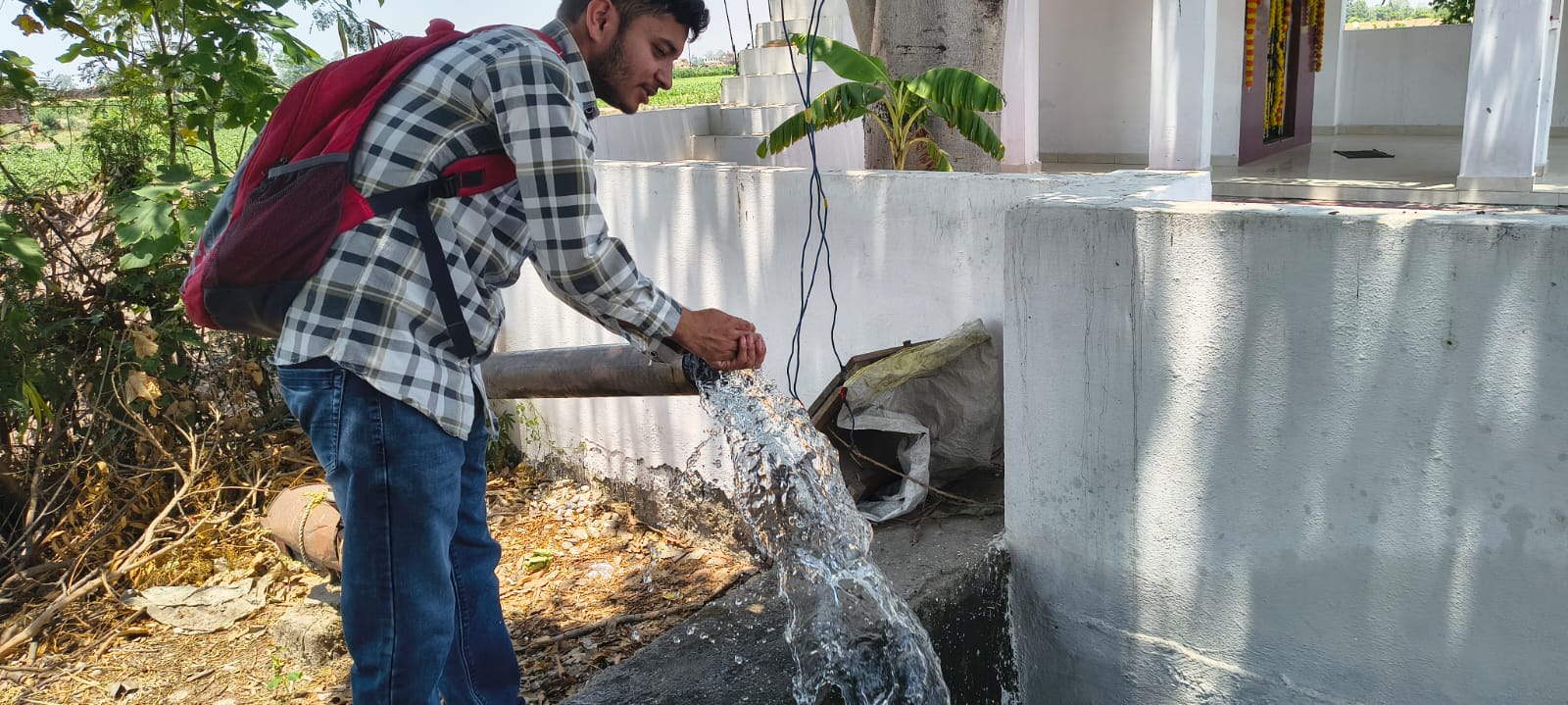
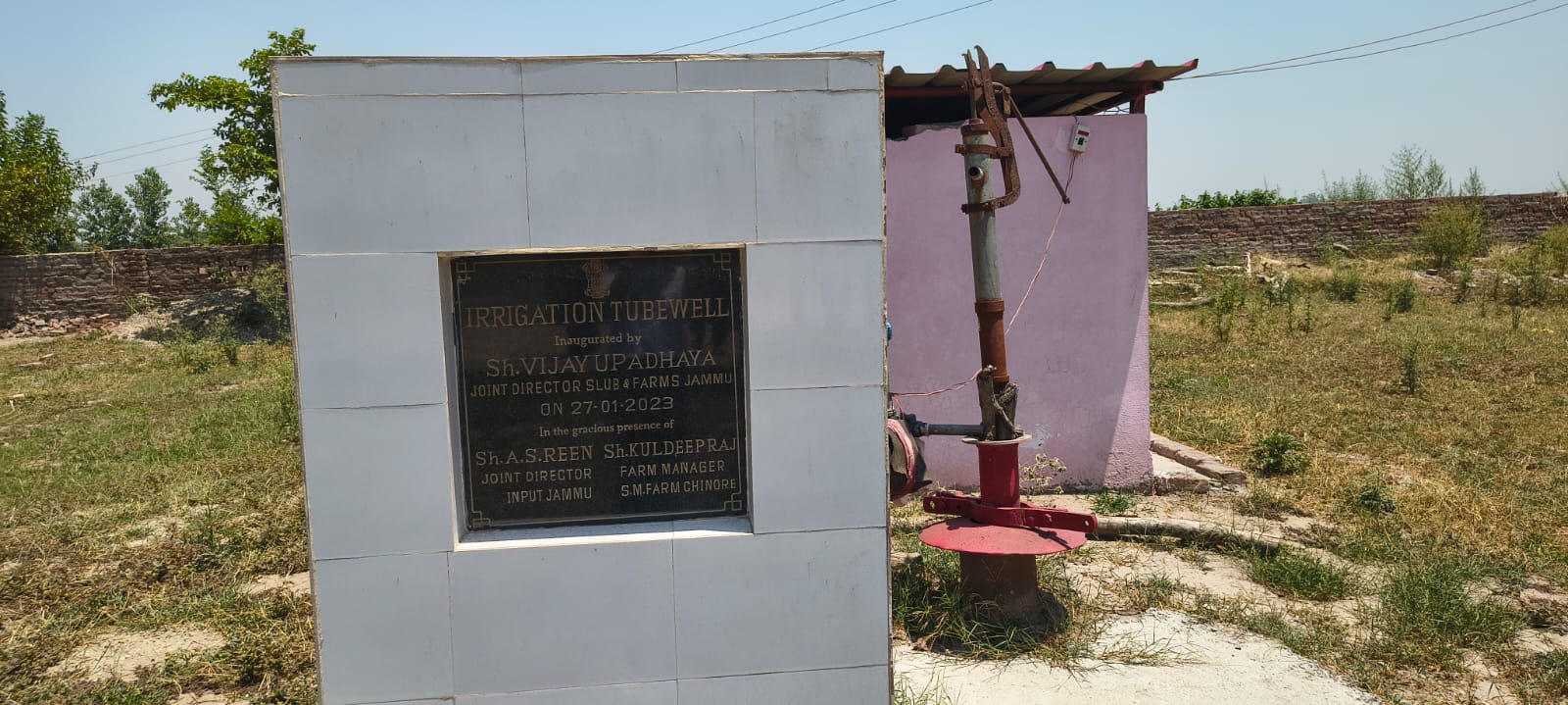
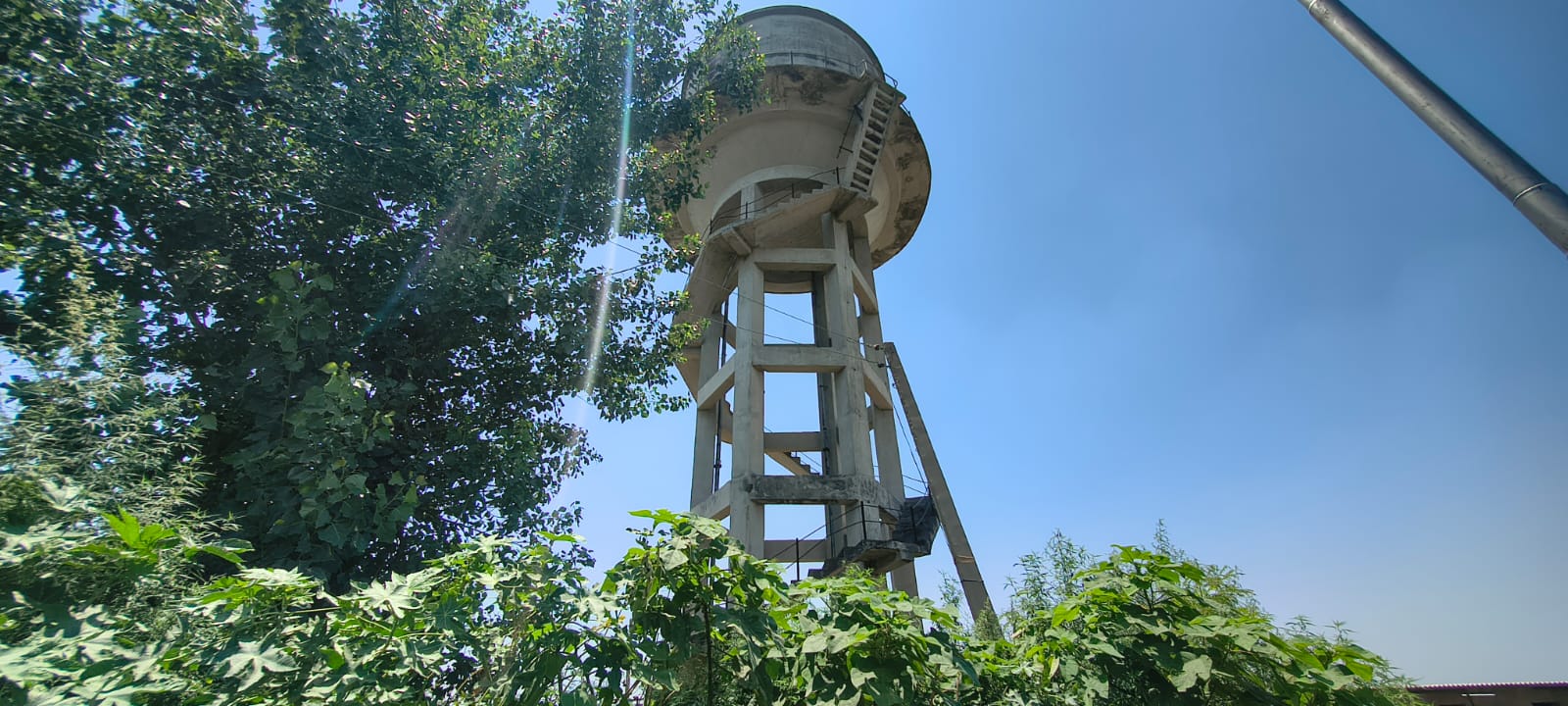
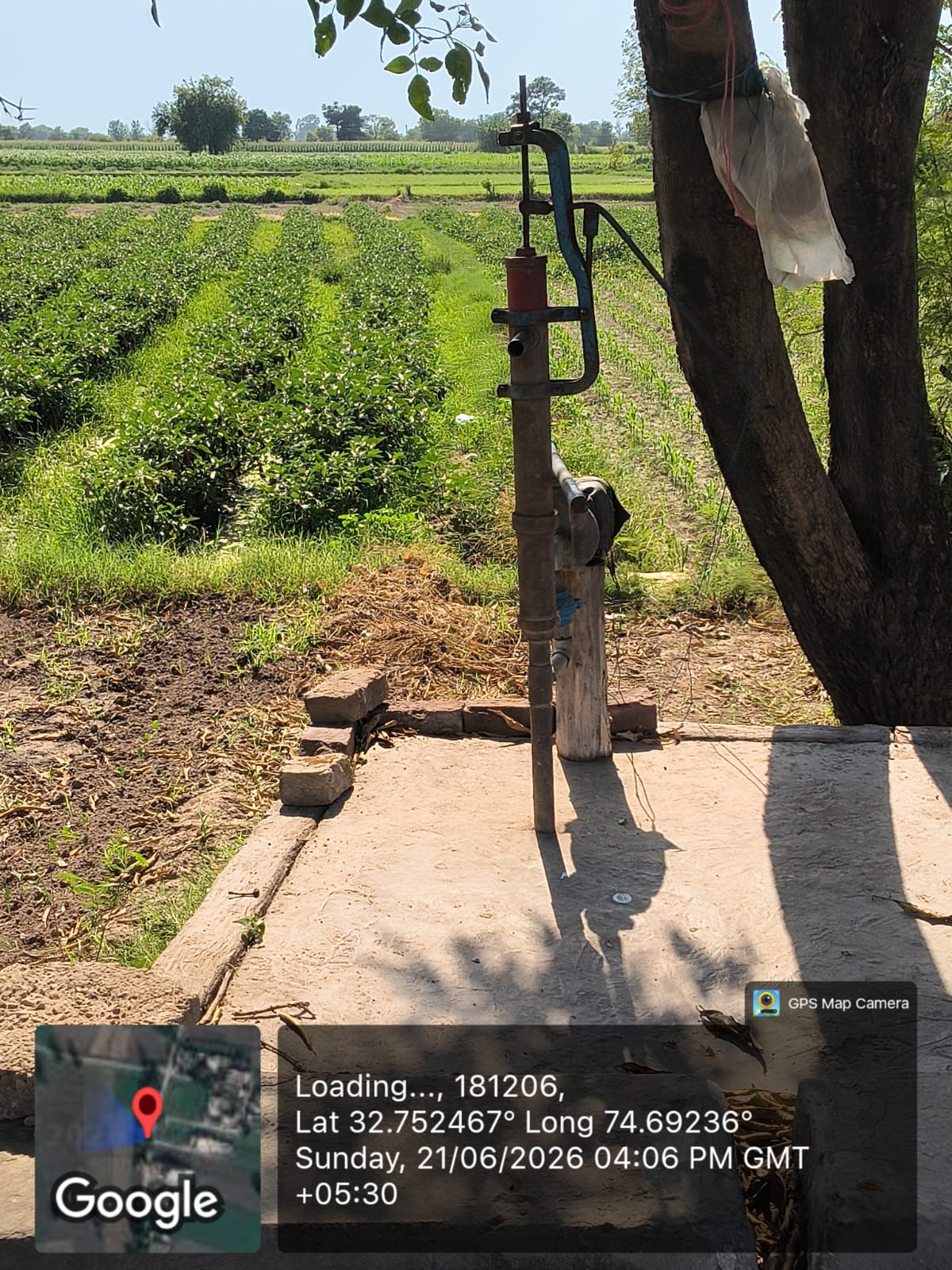
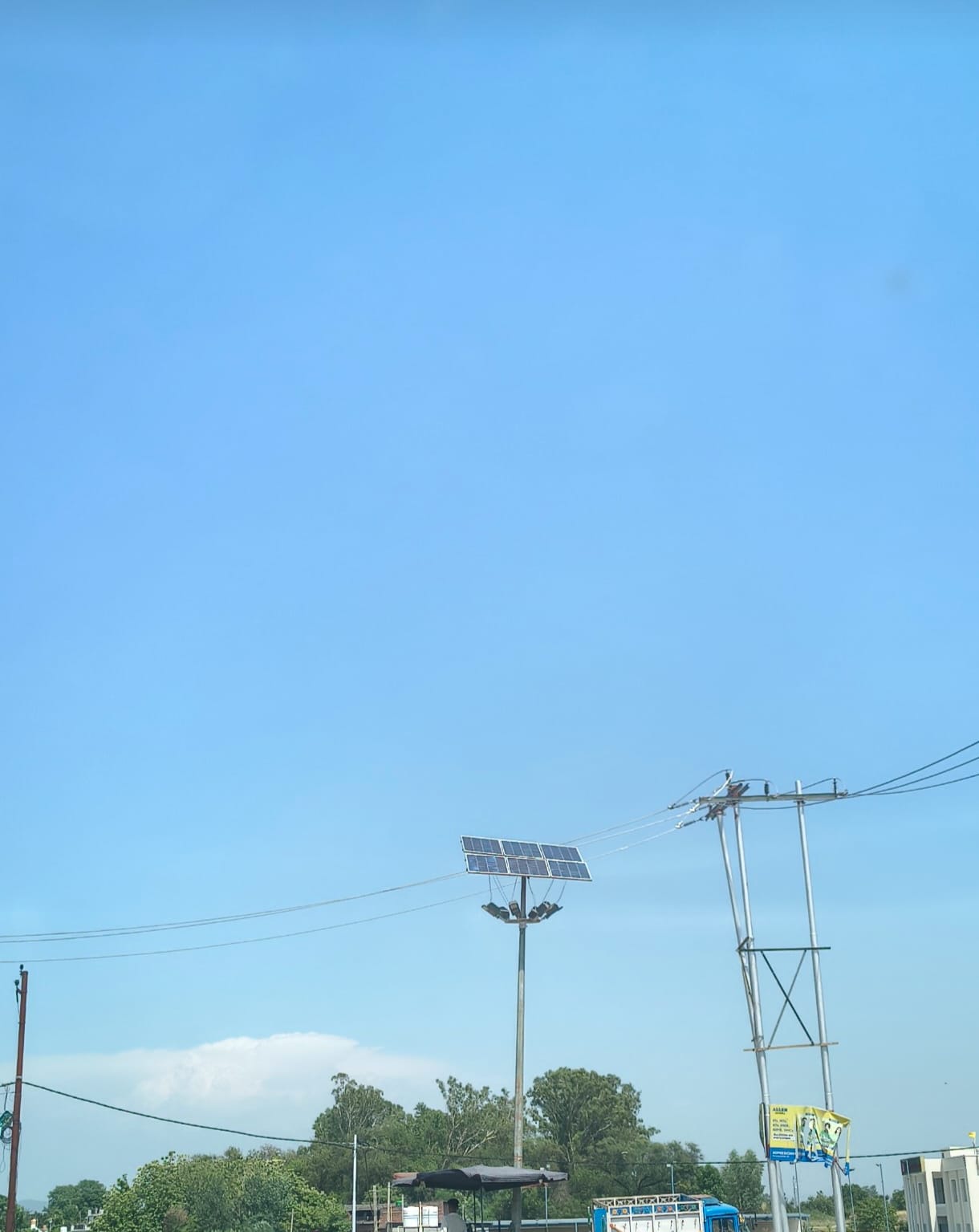
Electricity, mobile connectivity, internet services, tube wells, borewells, and hand pumps support the daily needs of the villagers. However, the absence of regular public transport remains one of the village's major challenges.
Natural Environment
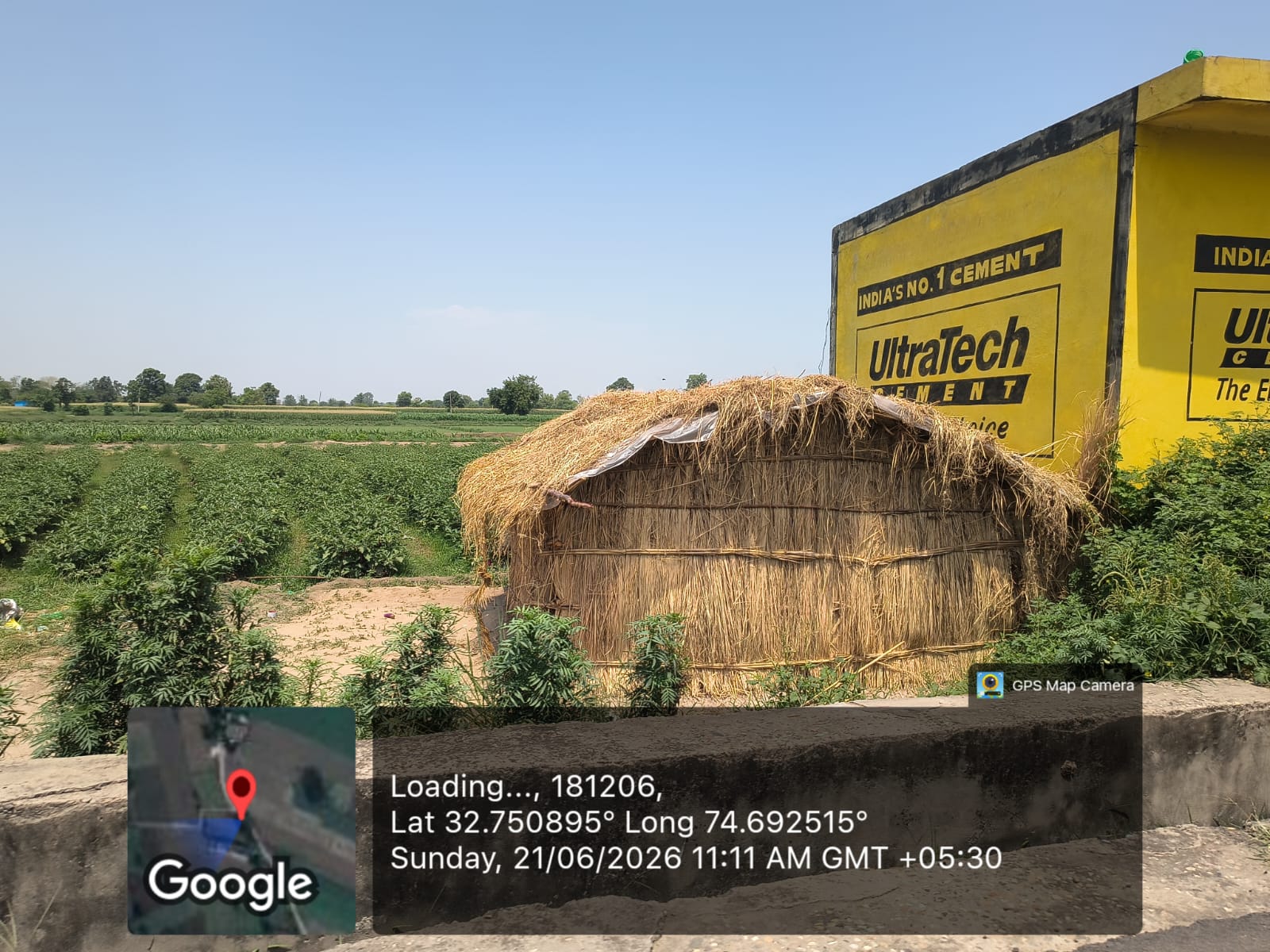
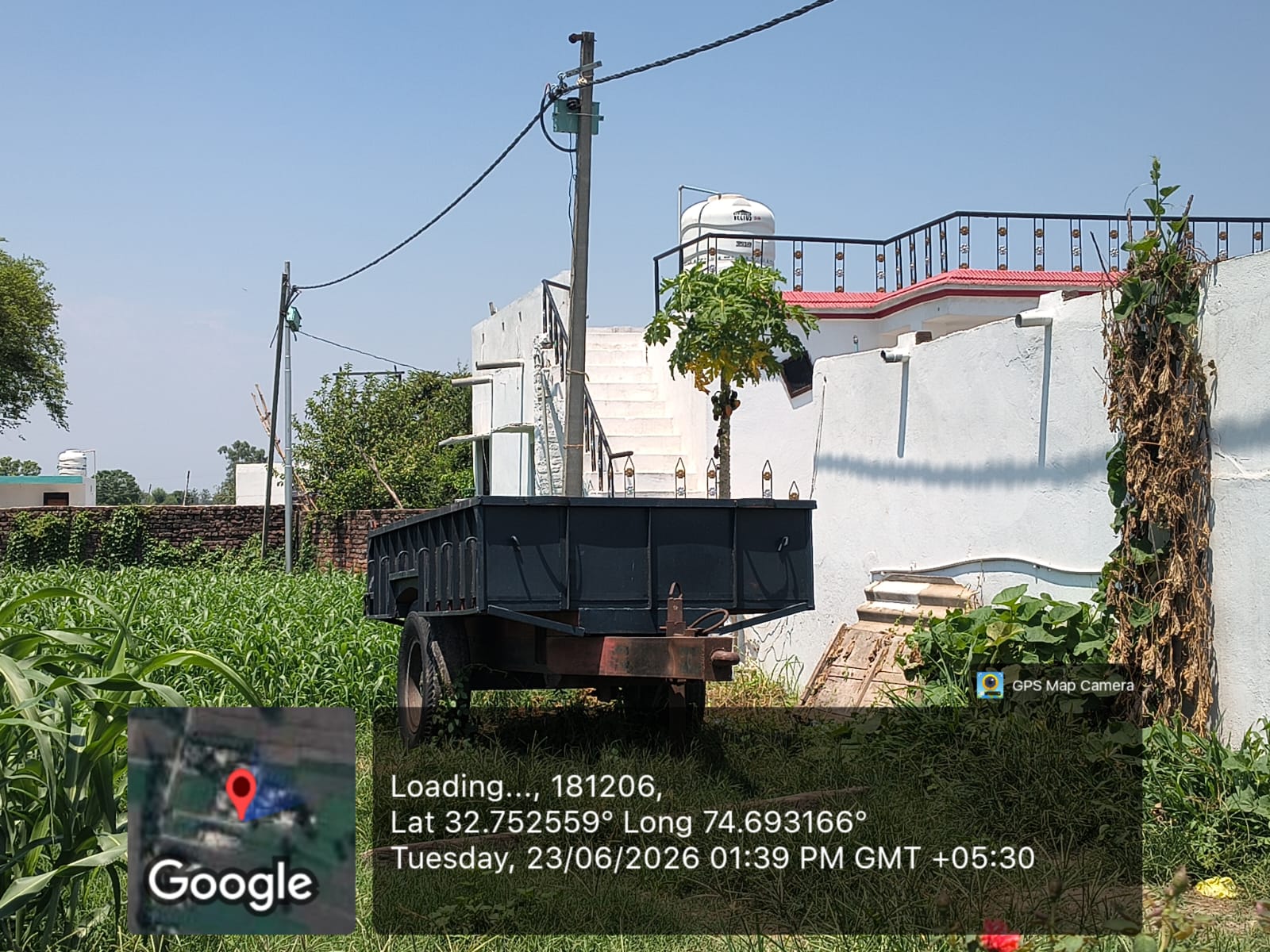
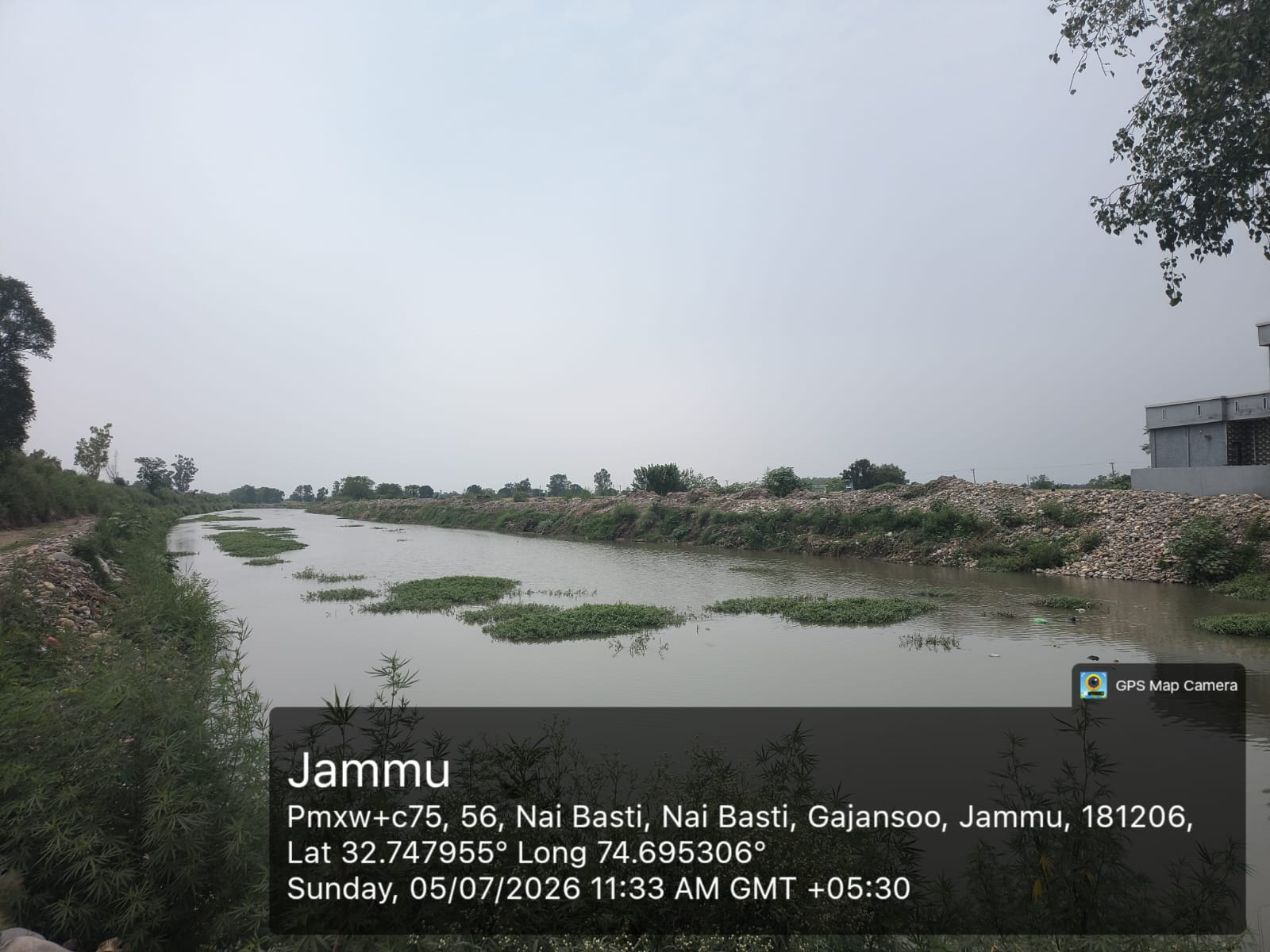
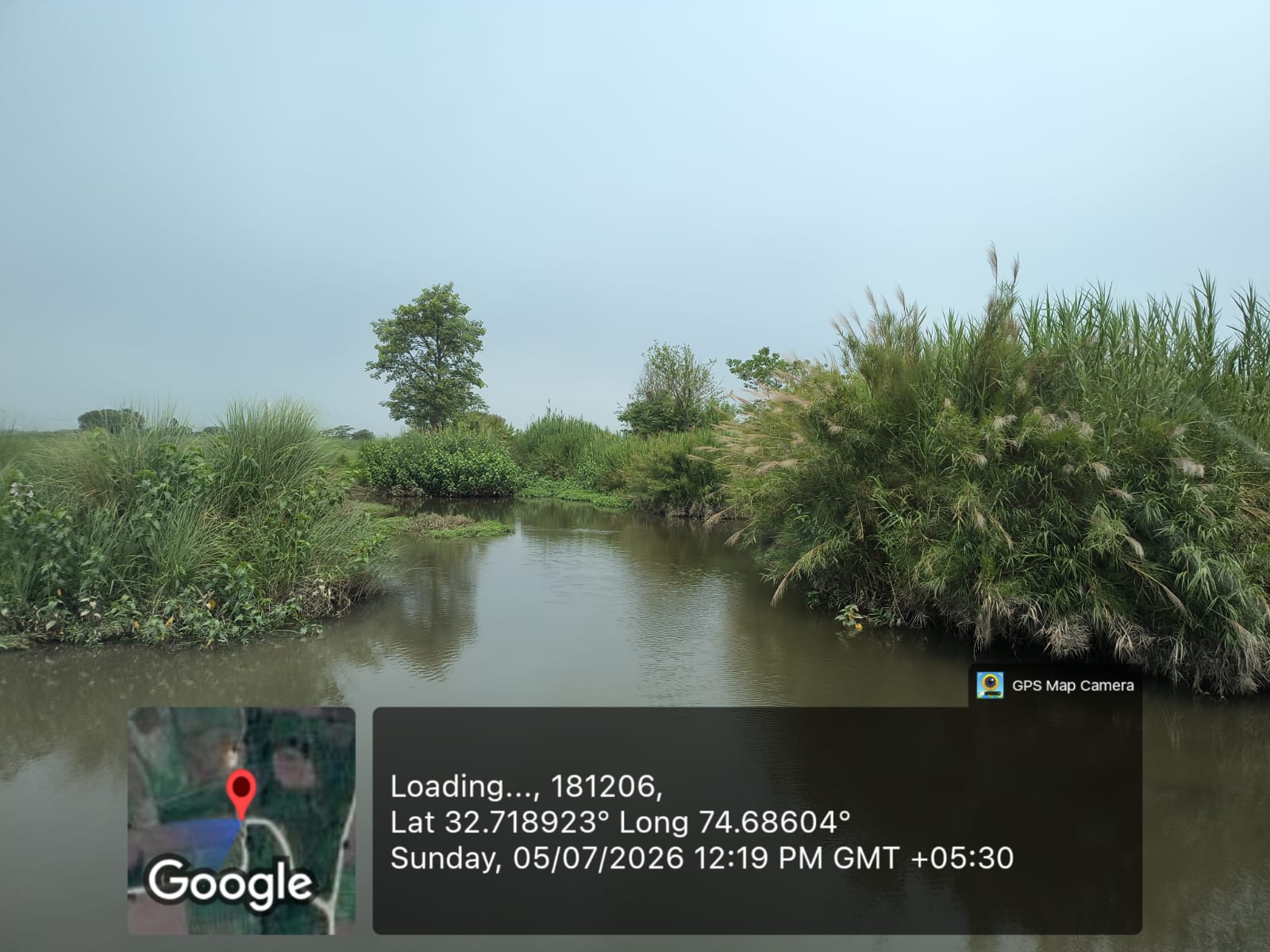
The village is surrounded by wide agricultural fields and open plains that create a peaceful countryside landscape. A branch of the Chenab River flows nearby, adding to the natural beauty of the area.
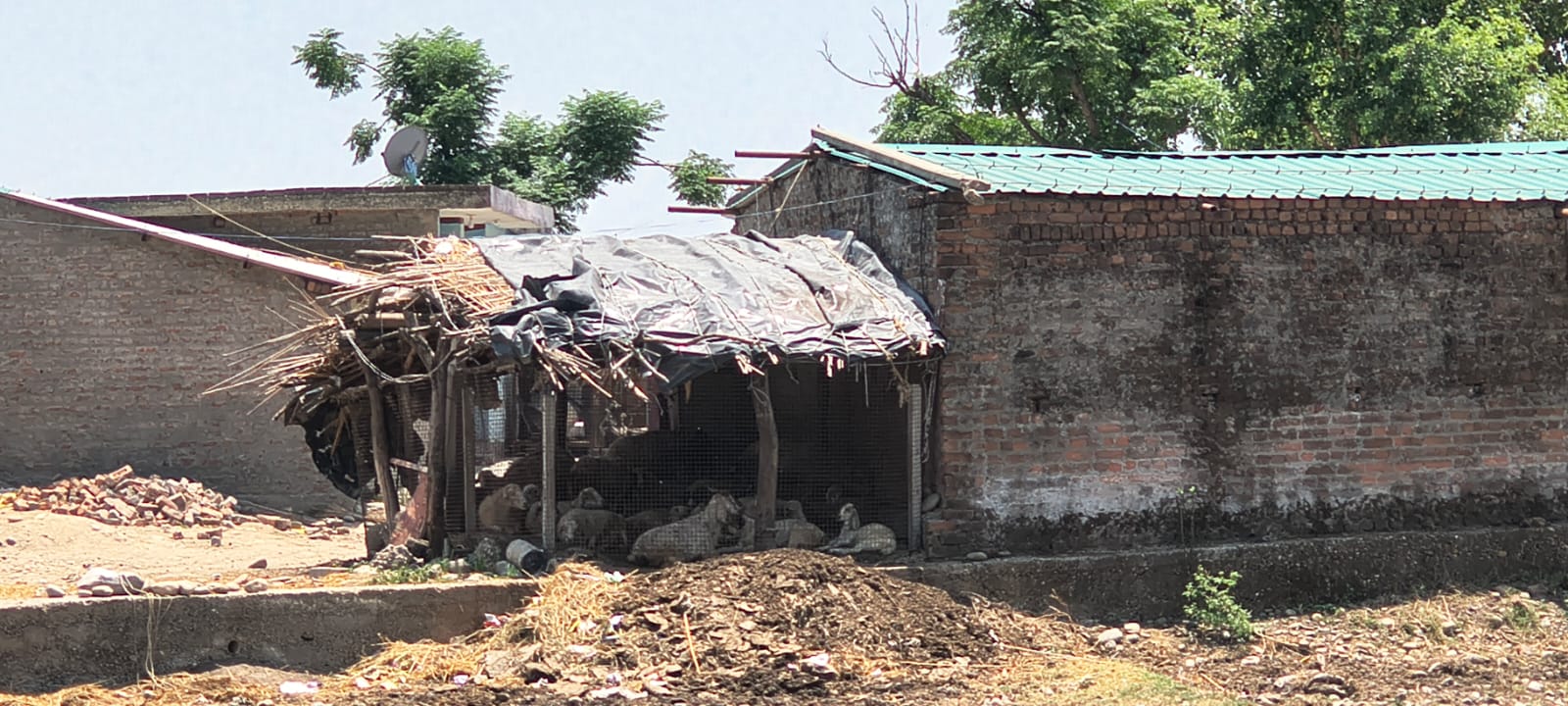
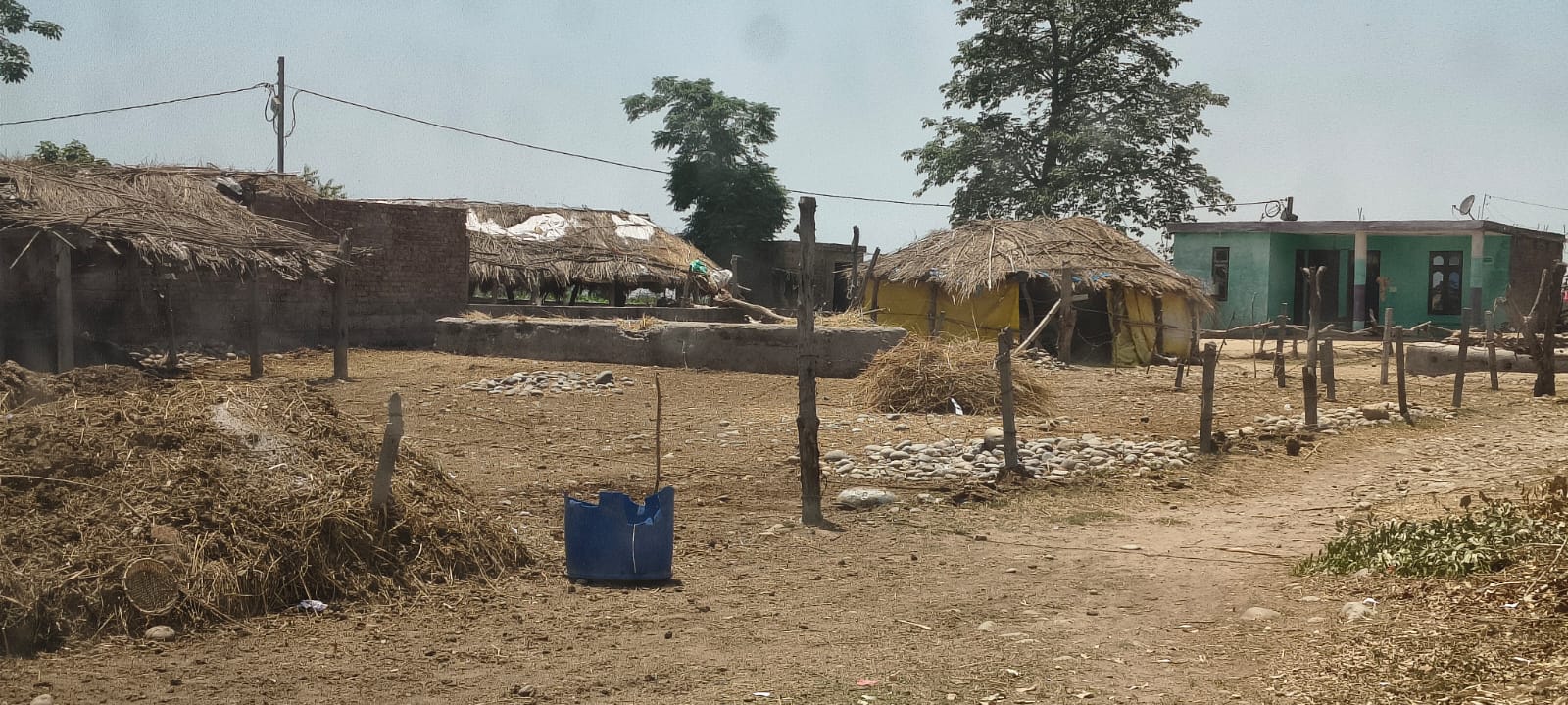
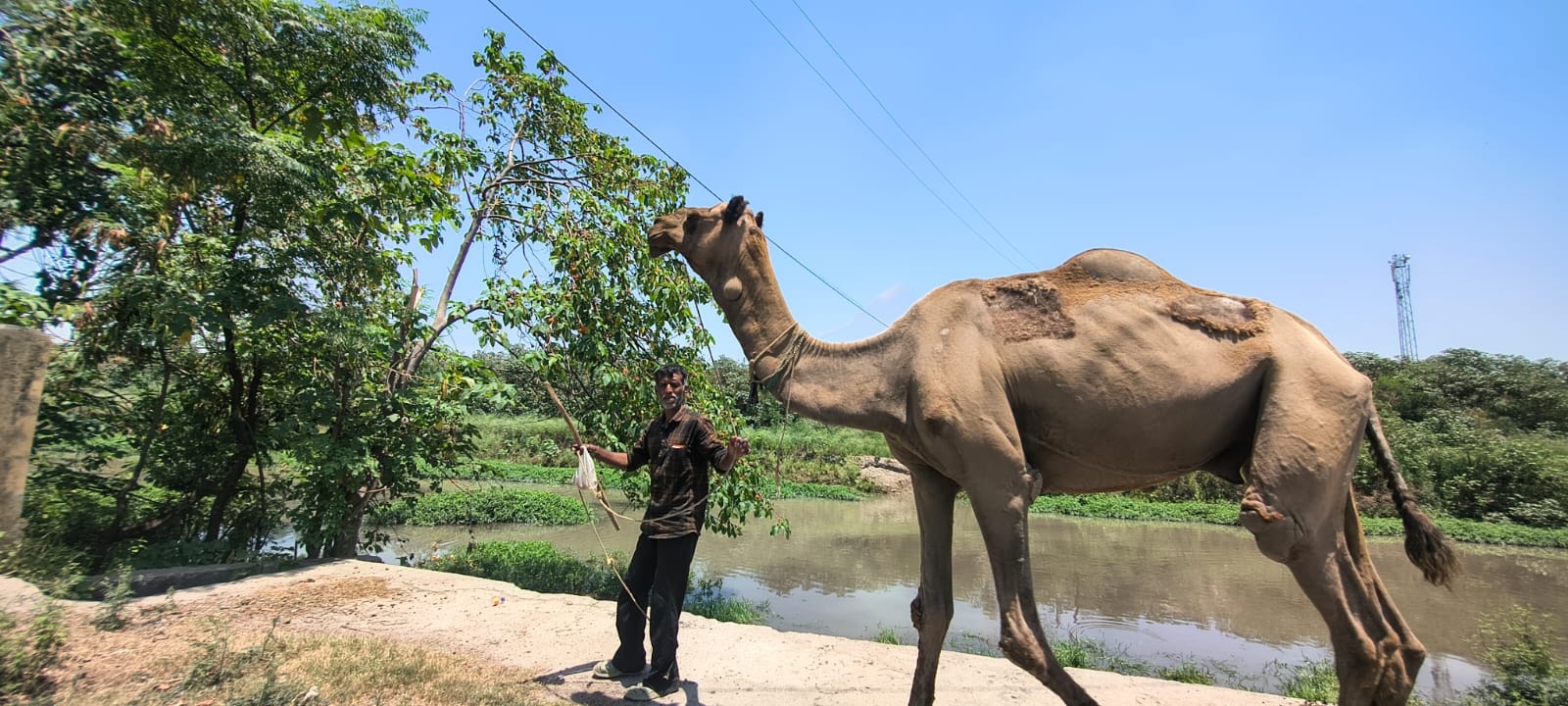
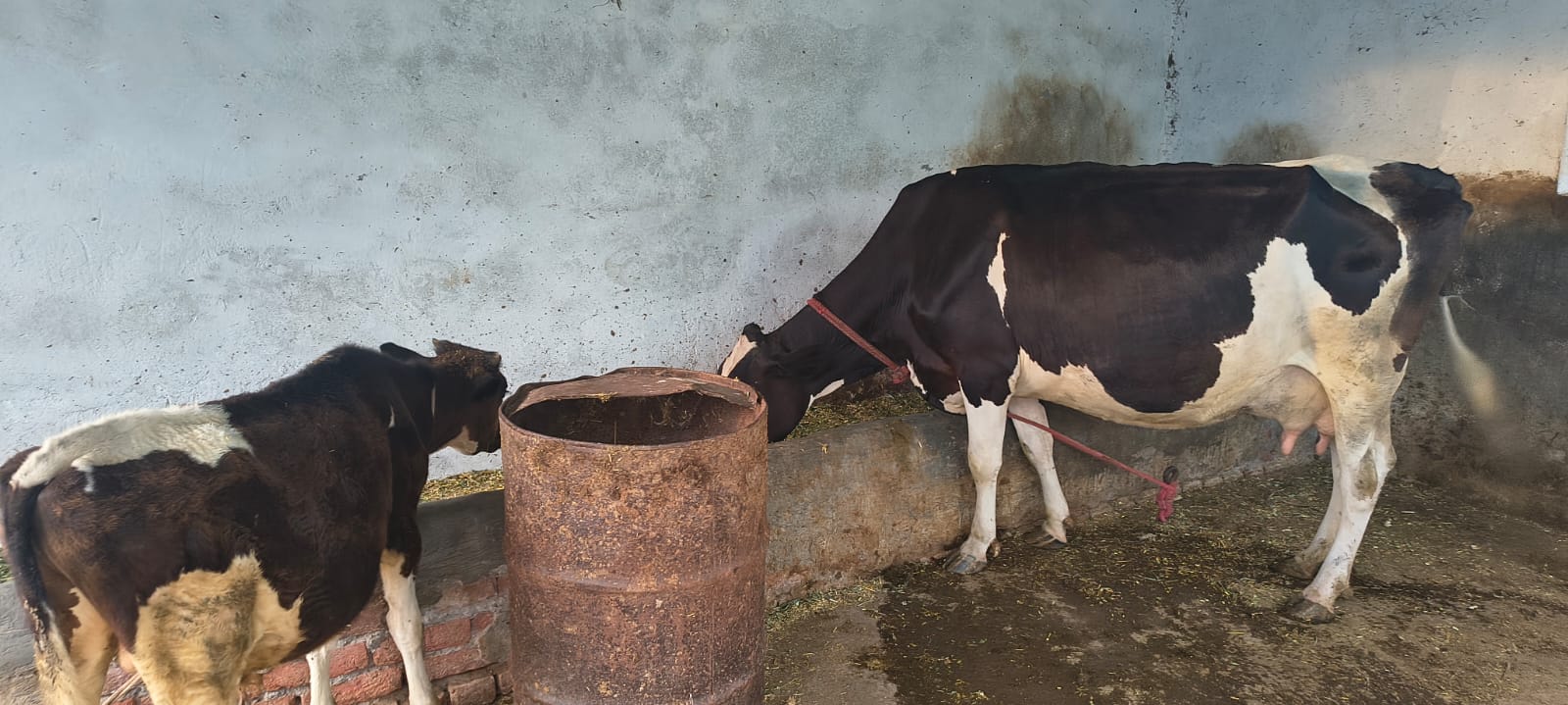
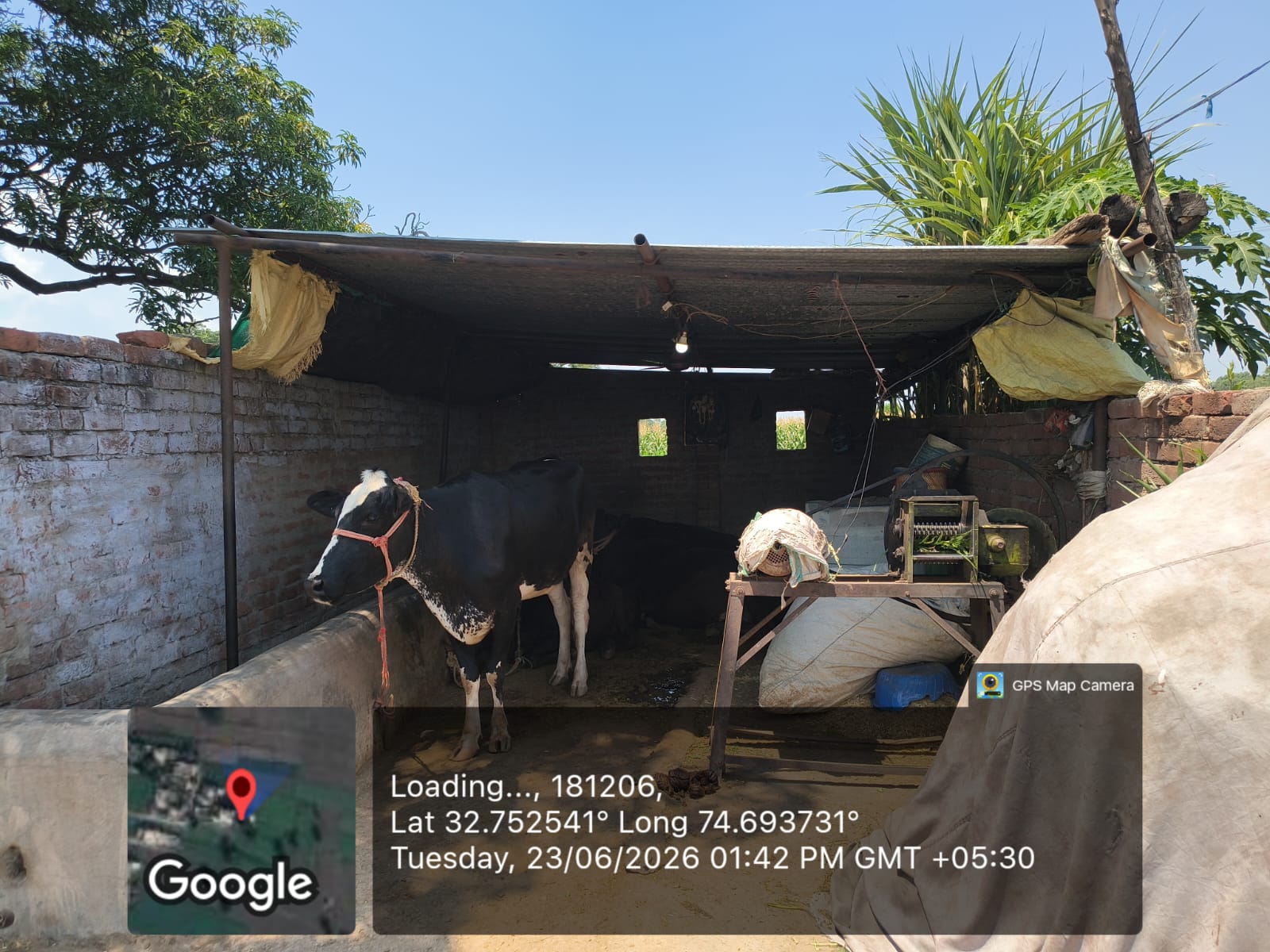
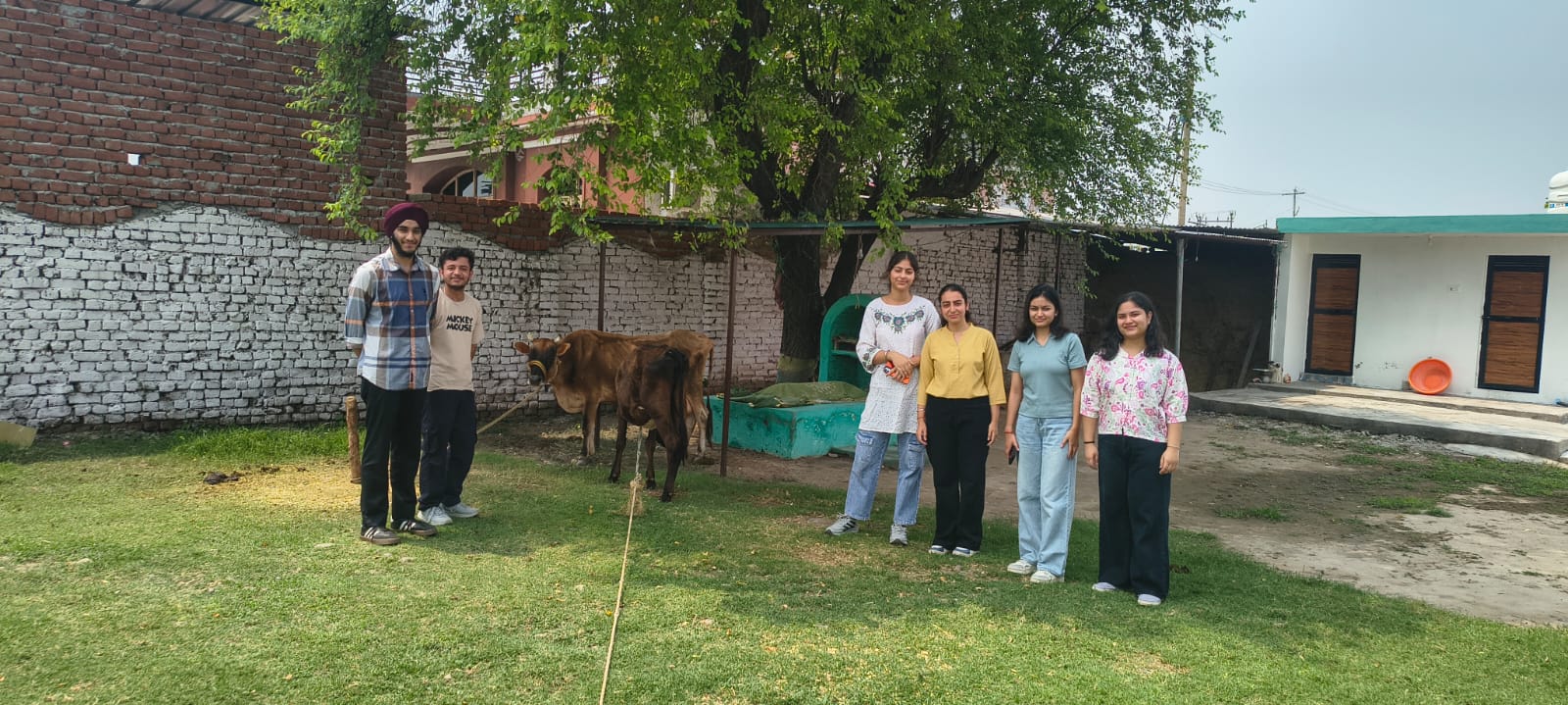
The local environment supports domestic animals such as cows, buffaloes, camels, goats, sheep etc. which contribute to both agriculture and rural livelihoods. The changing seasons paint Bathur in vibrant shades of green and gold, making it a beautiful example of Jammu's rural landscape.
Digital Empowerment
The residents of Bathur have steadily embraced digital technology. Many villagers now use UPI payments, online banking, and digital health services, while students actively use online education platforms, making everyday life more convenient and connecting the village with modern India. This growing digital awareness is helping improve financial inclusion and access to government services.
Challenges and Future Opportunities
Being located near the international border, Bathur occasionally faces disturbances that affect daily life. Limited public transportation, distant educational institutions, and healthcare facilities remain important concerns for the community.
With better transport services, improved healthcare infrastructure, and enhanced educational opportunities, Bathur has tremendous potential for growth. The determination, unity, and hardworking nature of its people provide a strong foundation for future development while preserving the village's rich cultural heritage.
Photos
Videos
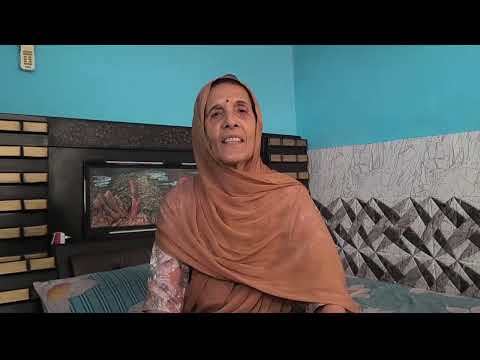
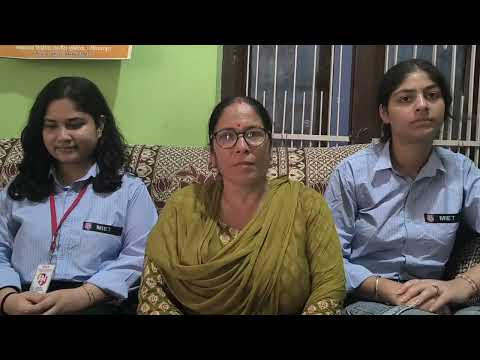
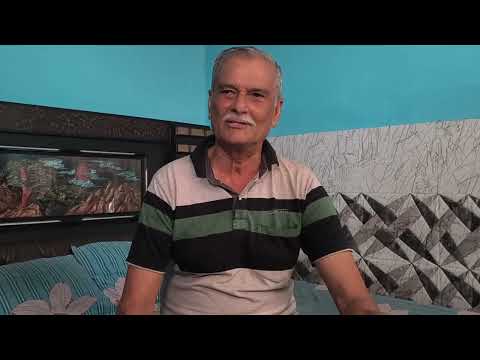
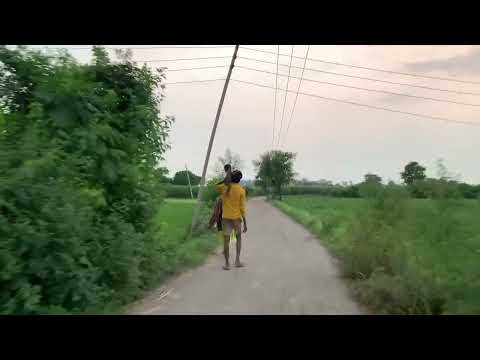
Location Map
Contact Information
| Address |
Post office Gajansoo, Tehsil Marh, Jammu |
| Phone Number |
+91 7051466469 |
| Email Address |
Reviews (10)

The village is a peaceful and well-connected place with a close-knit and friendly community. The residents are hardworking and actively participate in social and cultural activities. Basic facilities such as roads, schools, electricity, and water supply help support daily life. Agriculture and other occupations provide livelihoods for many families. The village maintains a safe and welcoming environment, making it a comfortable place for people to live and work.

The village is an excellent portrayal of peace and serenity.The people showcase the absolute spirit of unity, hardwork and passion.This village exemplifies the harmonious coexistence of tradition and progress while embracing its rich cultural heritage.It is a place worthy of admiration and appreciation
Impressive work and great details of village...
A beautiful village with a peaceful atmosphere and friendly people. The surroundings are clean, and the natural beauty makes it a pleasant place to visit.
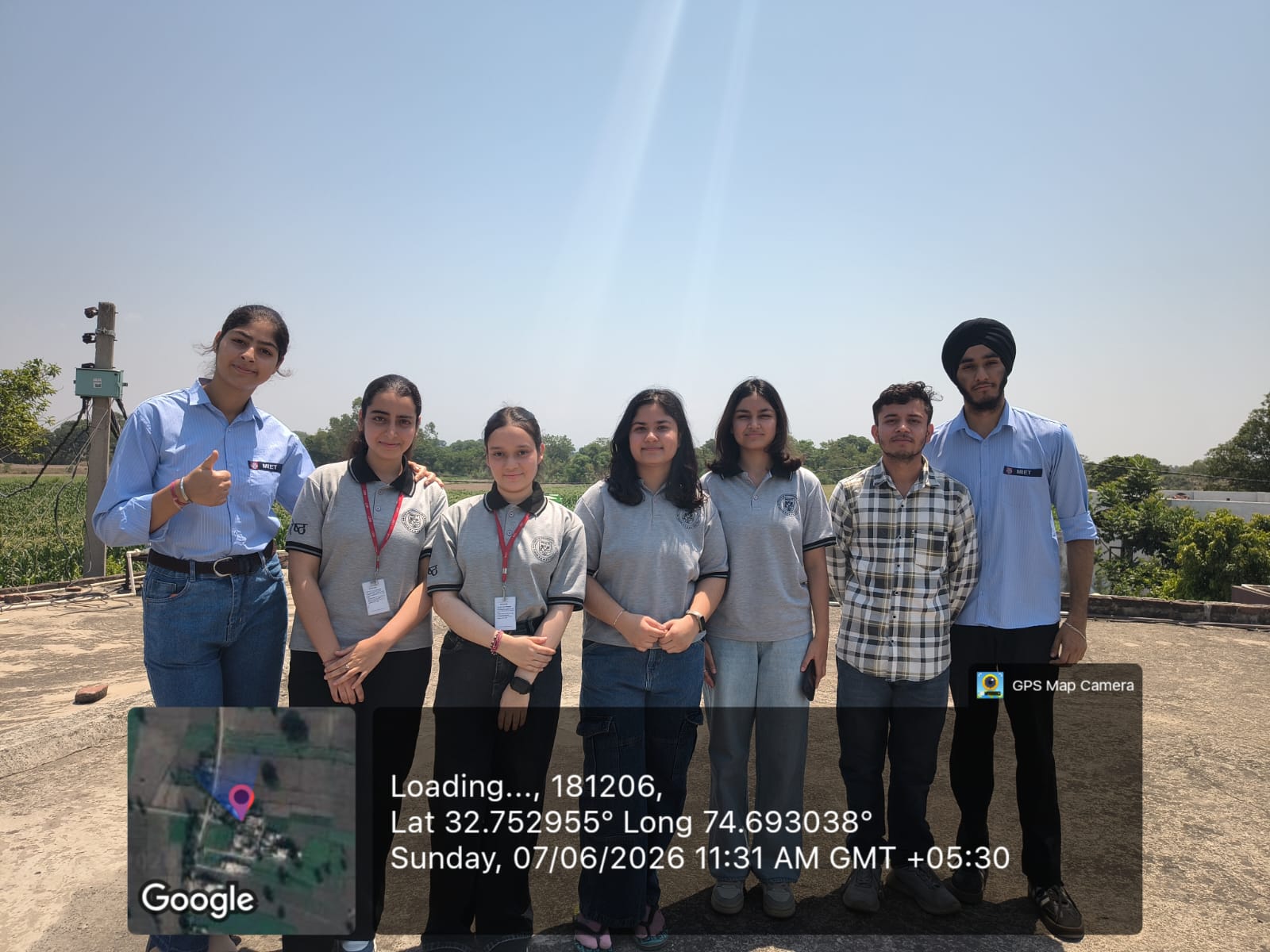
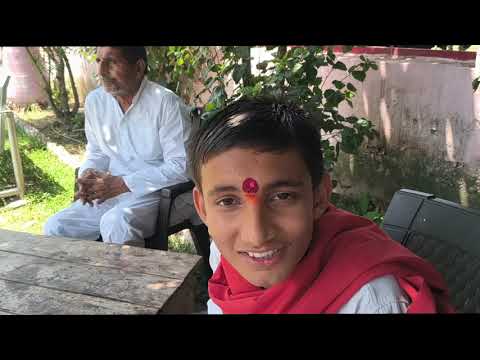
Excellent presentation! The information is well-organized, and the village tour through photos and videos is very interesting. It highlights the village beautifully and reflects great teamwork and effort.
Good effort and well-documented work.
Excellent work!
Amazing work by the group! The project is detailed, creative, and enjoyable to explore. A well-executed project that showcases the village in a meaningful and attractive way. Great job!
The village is beautifully presented with detailed information and attractive visuals. It highlights the local culture, heritage, and natural beauty in an engaging way. Excellent work by the team!

Excellent village with a cooperative community and a beautiful rural environment. The Panchayat is doing good work in implementing government schemes and improving infrastructure.