
Description
Introduction
Basohli (formerly Vishwasthali) is the name of tehsil and town in Kathua district in the union territory of Jammu and Kashmir, India. It is situated on the right bank of the River Ravi. The town was founded by Raja Bhupat Pal sometime in 1635. It was known for the palaces which are now in ruins and GI tagged Pahari miniatures paintings (the Basohli school of Pahari painting).
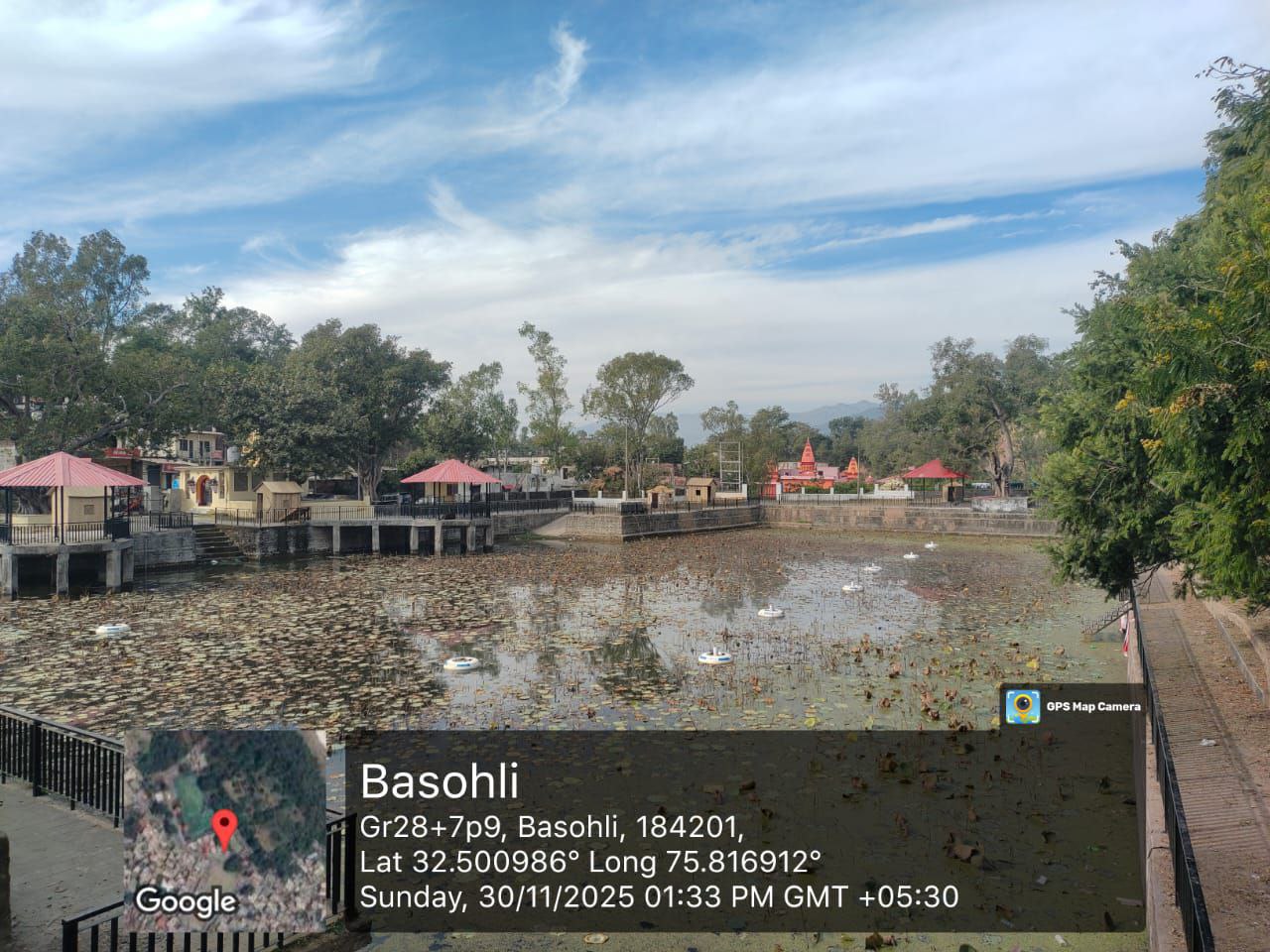
Basohli is renowned for its rich cultural heritage, stunning natural beauty, and unique art forms. It is most famous for being the birthplace of the Basohli painting style, an ancient and vibrant form of art that flourished under the patronage of local rulers. Surrounded by lush green hills, rivers, and ancient temples, Basholi offers a blend of cultural significance and scenic splendor. While it remains relatively less explored, the village is a treasure trove of history, tradition, and natural charm, making it an intriguing destination for those seeking to experience the lesser-known yet beautiful side of Jammu and Kashmir.
Location
The village Basholi is located in the Basohli Tehsil of Kathua District in the Union Territory of Jammu and Kashmir, India. It is governed by the Basholi Municipal Committee and falls under the Basohli Community Development Block. Basholi is situated on the banks of the Ravi River and lies close to the inter-state border with Punjab and Himachal Pradesh. The nearest major town is Kathua, which is approximately 70 kilometers away from Basohli. The geographical coordinates of Basohli are approximately (32.505° N, 75.807° E).
Population and Demographics
As per the Census of India 2011, Basohli village had a total population of 5,433, consisting of 2,826 males and 2,607 females. Children in the age group of 0–6 years numbered 541, accounting for 9.96% of the total population. The female sex ratio of Basohli stands at 923, which is higher than the Jammu and Kashmir state average of 889, indicating a relatively balanced gender structure. However, the child sex ratio is recorded at 834, which is slightly lower than the state average of 862, highlighting the need for continued awareness regarding child welfare and gender equality.
Religious Significance of Basohli Village
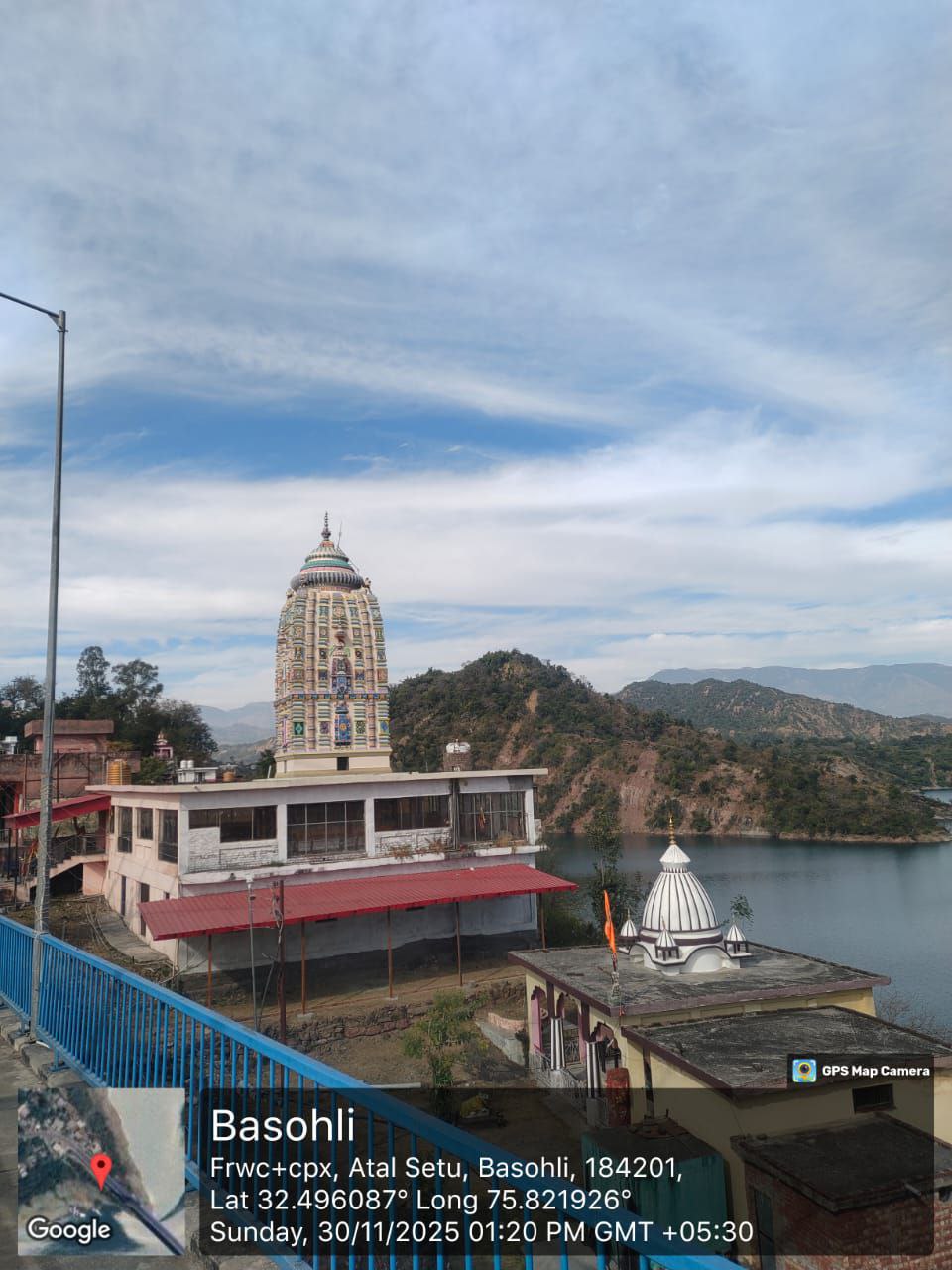
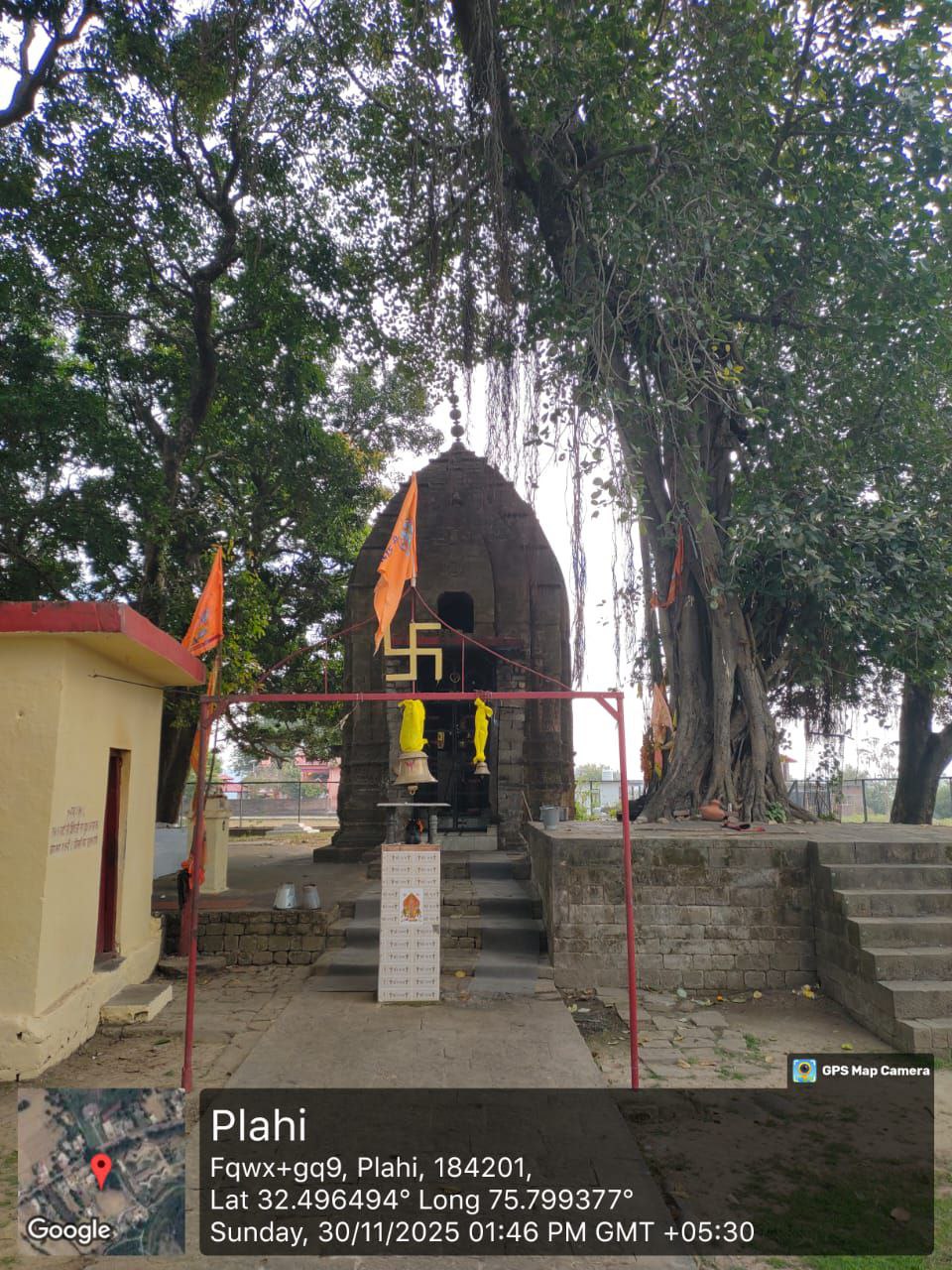
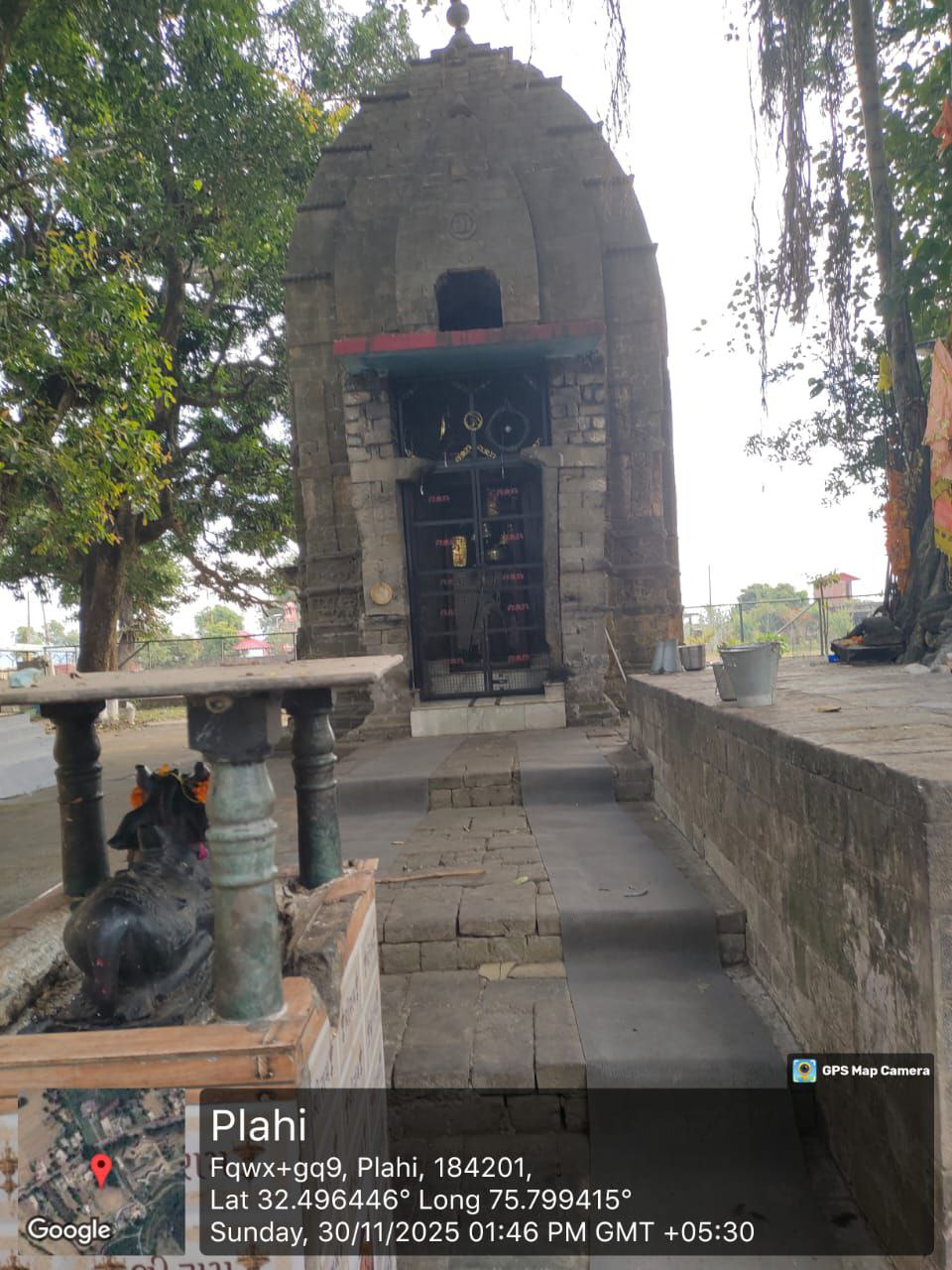
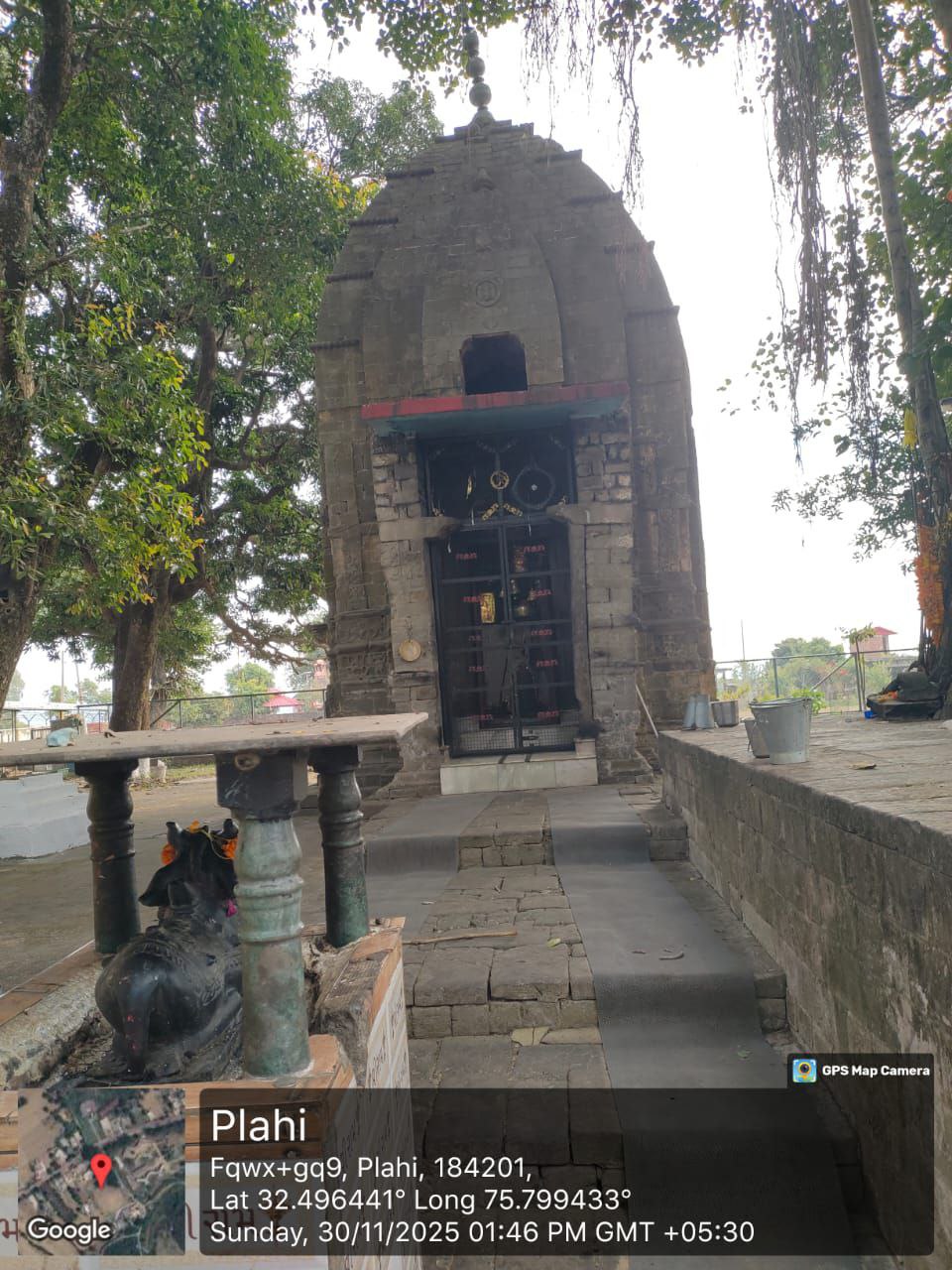
Basohli, a historic village in Jammu and Kashmir, is deeply spiritual, with the 1,100-year-old Lord Shiva Aapshambhu Temple at its heart. This ancient temple, dedicated to Lord Shiva, is believed to house a naturally occurring (self-manifested) Shiva lingam, making it a highly revered place of worship.
The temple serves as a focal point of religious life in Basholi, especially during Mahashivratri, when devotees gather for night-long prayers, chanting, and rituals. Throughout the year, villagers and visitors visit the temple and nearby shrines to practice their faith, reflecting Basholi’s strong and enduring devotion to Shaivism.
This deep religious dedication strongly influences the daily life, traditions, and cultural practices of the village. The spiritual beliefs passed down through generations have shaped Basohli's identity, making it a place where faith is seamlessly woven into the natural rhythm of community life.
Agricultural Heritage and Seasonal Festivals
Agriculture has long been the backbone of Basohli's economy and cultural life, shaping the traditions and seasonal rhythms of the village. The fertile land along the Ravi River supports the cultivation of crops such as maize, wheat, rice, and pulses, which have been grown using traditional farming practices passed down through generations. Farming activities not only sustain livelihoods but also strengthen community cooperation and shared responsibility.
Seasonal festivals in Basohli are closely linked to the agricultural cycle and reflect gratitude toward nature and divine forces. Harvest-related celebrations mark the successful completion of sowing and reaping seasons, bringing villagers together through rituals, folk songs, and communal gatherings. Festivals such as Baisakhi and local seasonal observances are celebrated with enthusiasm, symbolizing prosperity, renewal, and harmony between humans and nature.
These agricultural traditions and festivals play a vital role in preserving Basohli's cultural heritage. They reinforce social bonds, ensure the continuity of ancestral knowledge, and highlight the deep connection between the land, faith, and daily life in the village.
Cultural Traditions and Community Life
Cultural practices in Basohli are as vibrant as its spiritual life, shaped by a blend of religious devotion, traditional art, and the agricultural cycle.
For Diwali, villagers put on Ramlila, a dramatic performance about the life of Lord Krishna. This storytelling connects the community to their spiritual roots while letting them express their creativity and devotion.
During Baisakhi, which marks the harvest season, villagers celebrate by preparing special dishes from newly harvested crops and organizing community gatherings. This festival fosters cooperation and strengthens bonds among families.
In addition, Shivratri brings the community together for night-long prayers and rituals at the ancient Lord Shiva Aapshambhu Temple, reinforcing faith and unity. Seasonal fairs and traditional wrestling events are also common, celebrating strength, skill, and local customs while preserving Basohli's rich cultural heritage.
Traditional Crafts and Arts
Basohli is renowned for its rich artistic heritage, particularly the famous Basohli paintings, which are considered an important part of the Pahari school of art. These paintings are known for their bold colors, intricate designs, and religious themes, often depicting stories from Hindu mythology such as the Ramayana, Mahabharata, and the life of Krishna. Traditionally, artists used natural pigments and handmade paper or cloth, reflecting the village's close connection with nature and local resources.
Apart from painting, Basohli is also known for handicrafts and textile work, including the production of woolen shawls, carpets, and traditional embroidery, which are often created by local artisans. These crafts are not only a source of livelihood but also a means of preserving cultural identity and passing down artistic knowledge through generations.
The continuation of these traditional arts and crafts strengthens community pride, attracts visitors interested in heritage, and ensures that Basohli's unique cultural legacy remains alive in the modern era.
Tourist Attractions in Basohli
1. Atal Setu Bridge
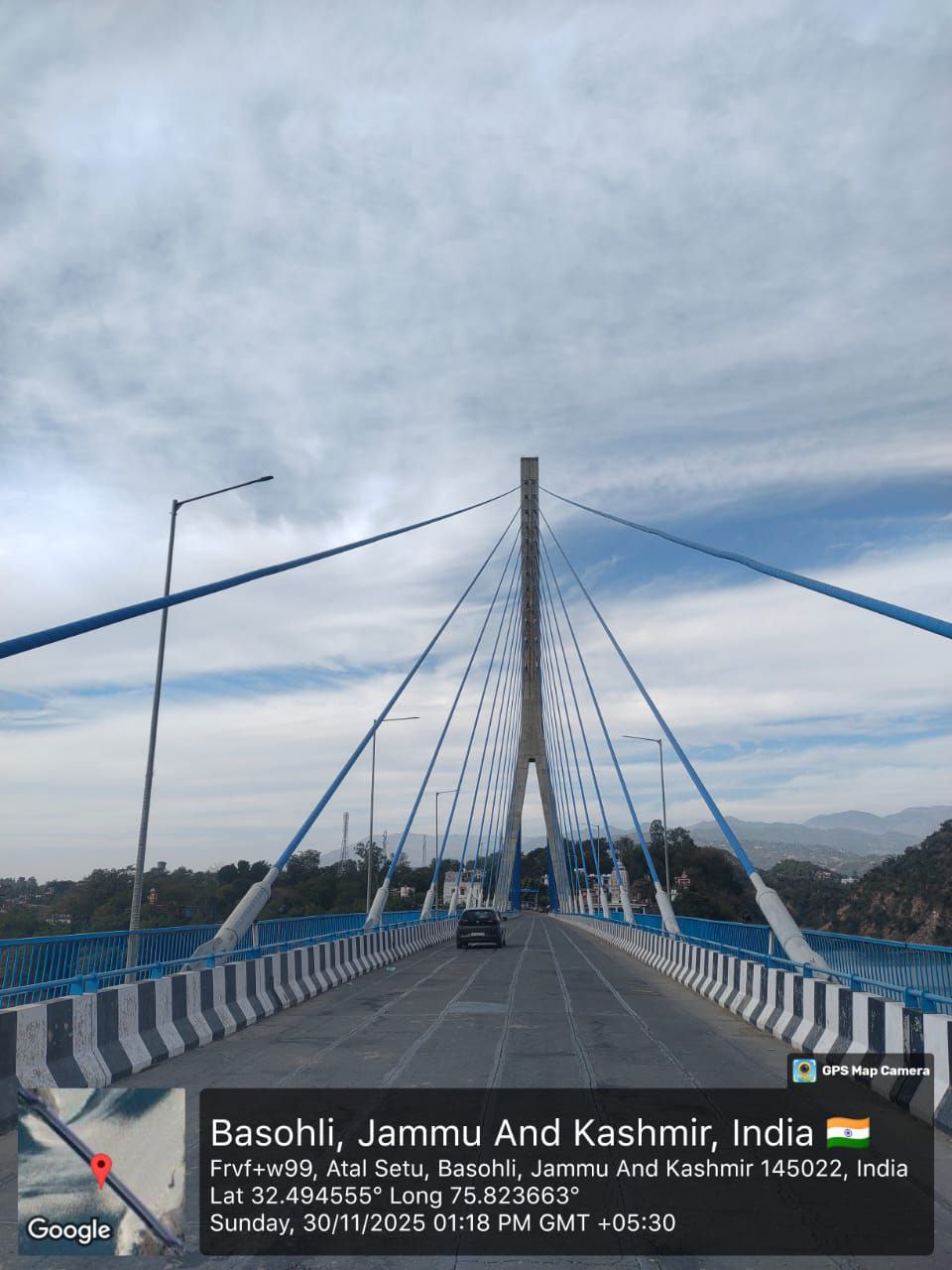
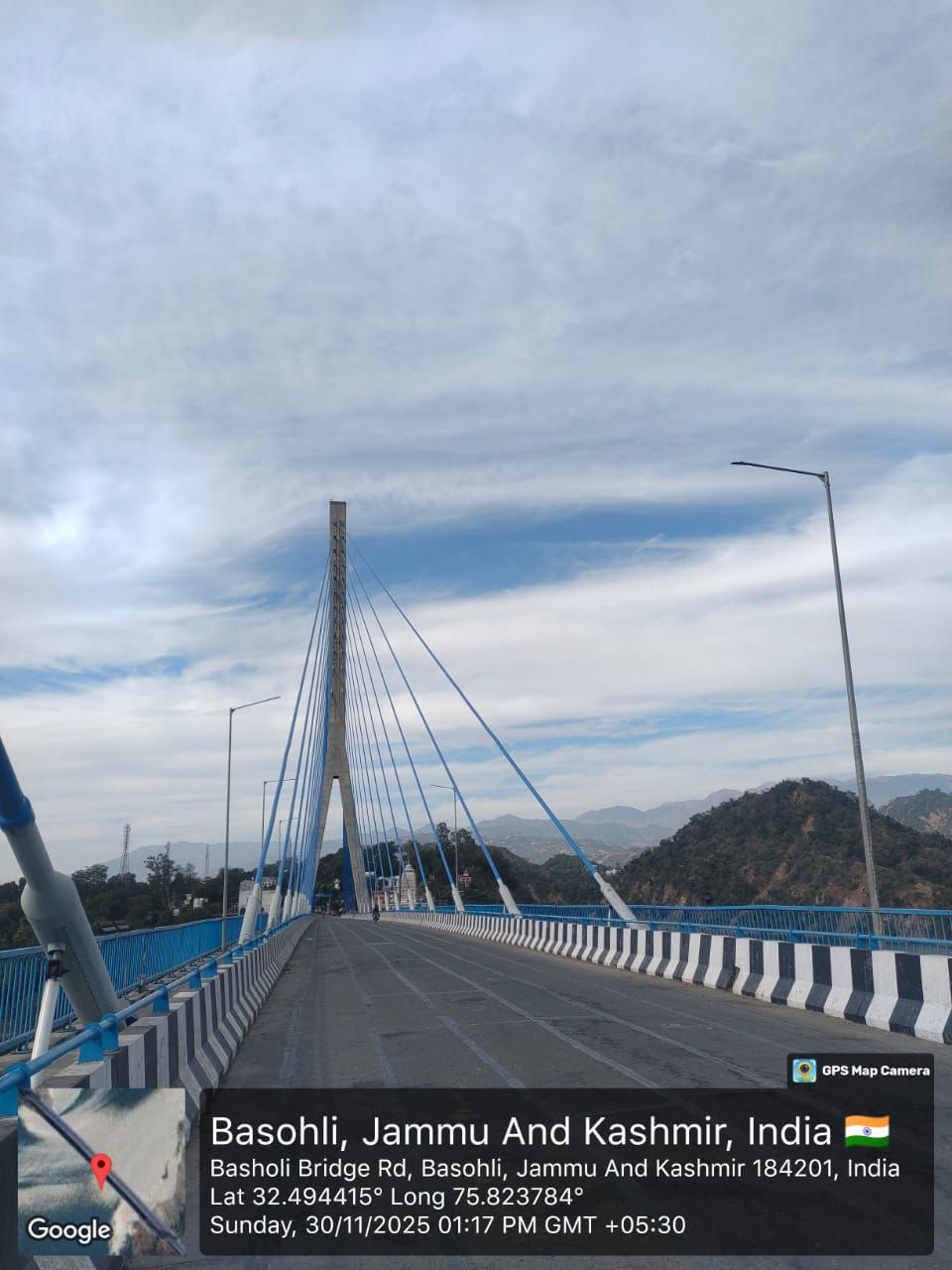
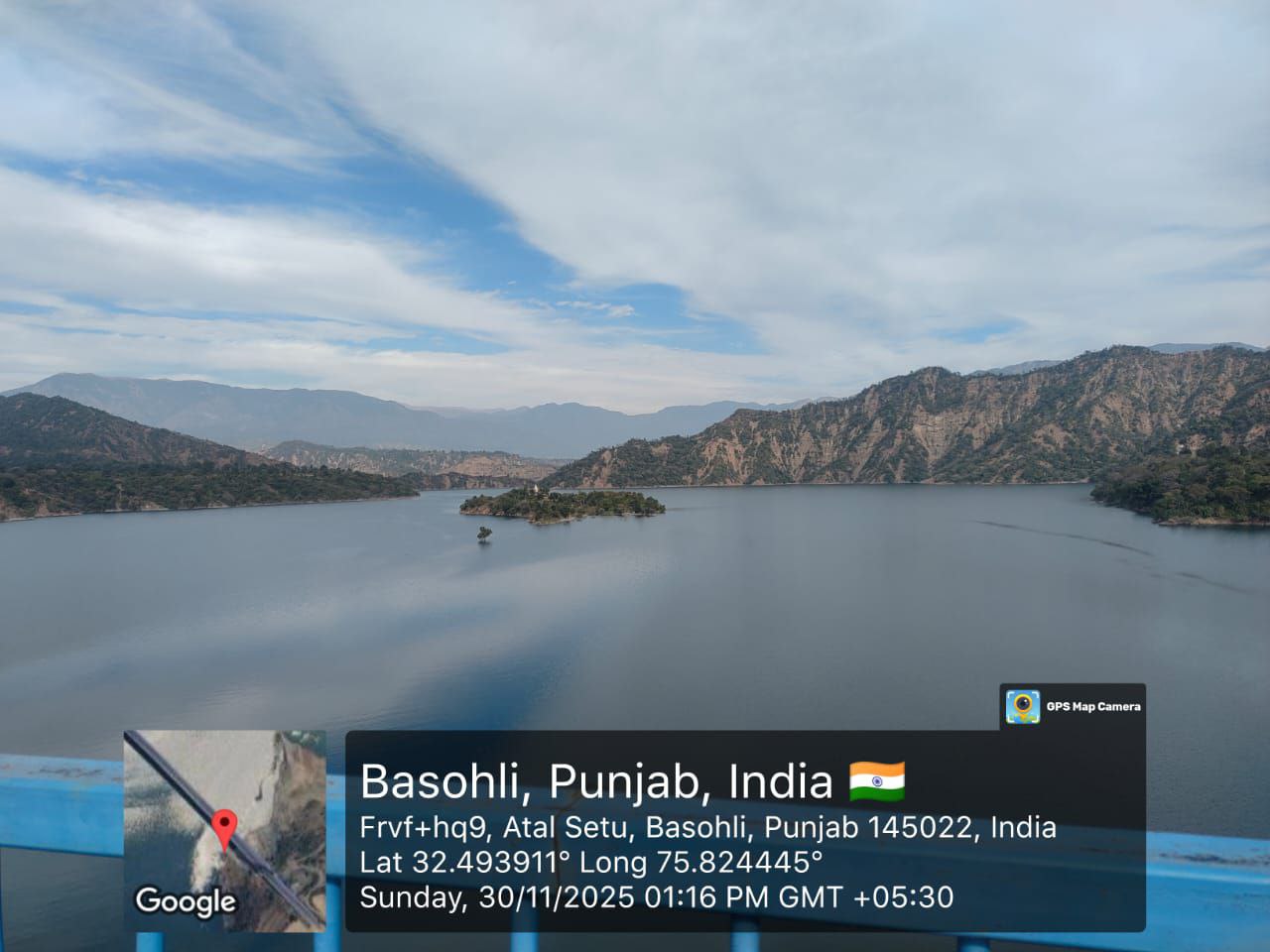
Atal Setu is a 592-metre cable-stayed bridge over the Ravi River, connecting Basohli with Dunera and linking Punjab, Himachal Pradesh, and Jammu & Kashmir. Commissioned in 2015 and named after former Prime Minister Atal Bihari Vajpayee, it is North India’s first cable-stayed bridge and a true engineering marvel. Visitors are drawn to its stunning views of the river and surrounding hills, making it a popular spot for photography and sightseeing while serving as a key transport route.
2. Purthu Beach – Mini Goa
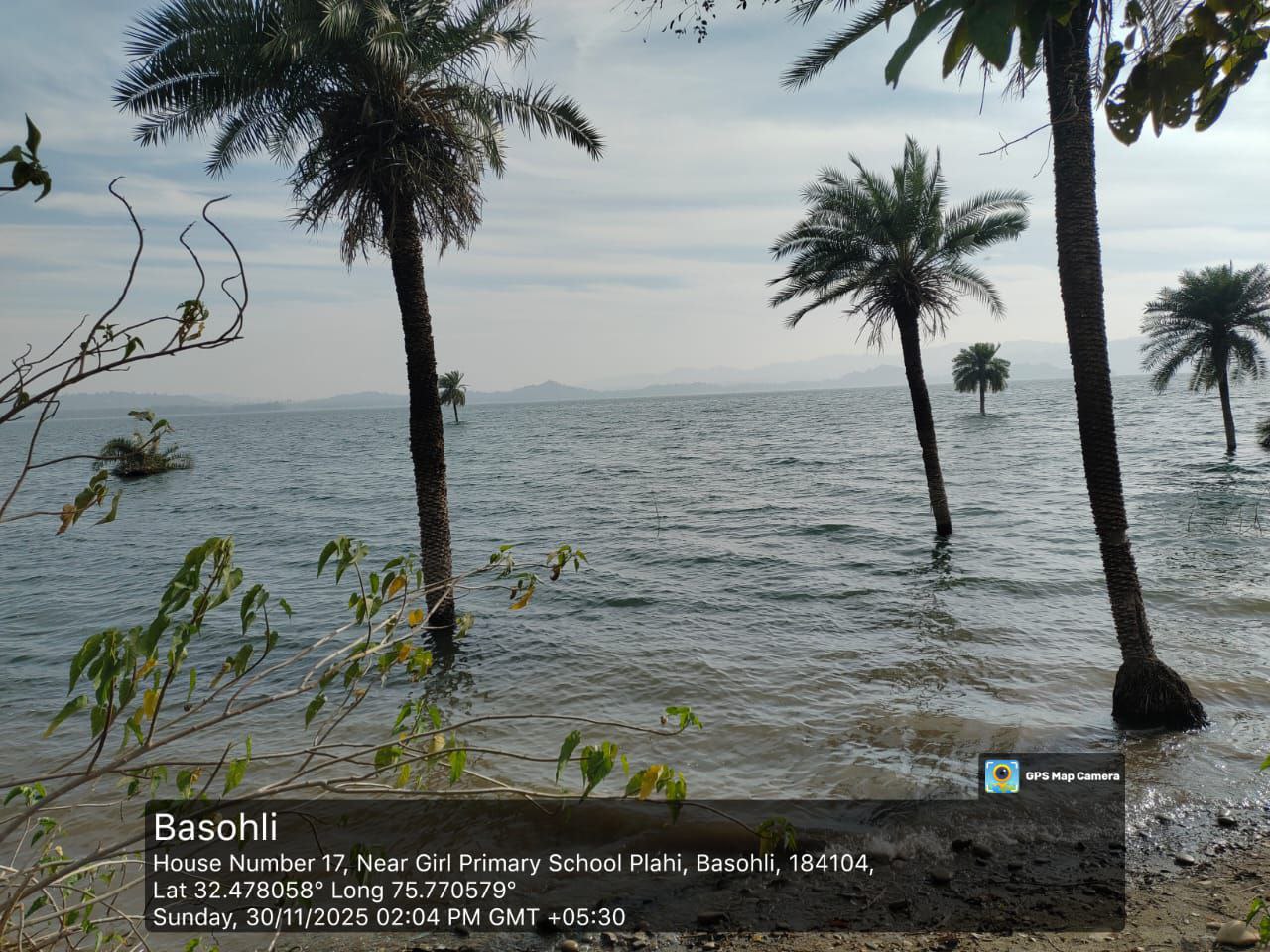
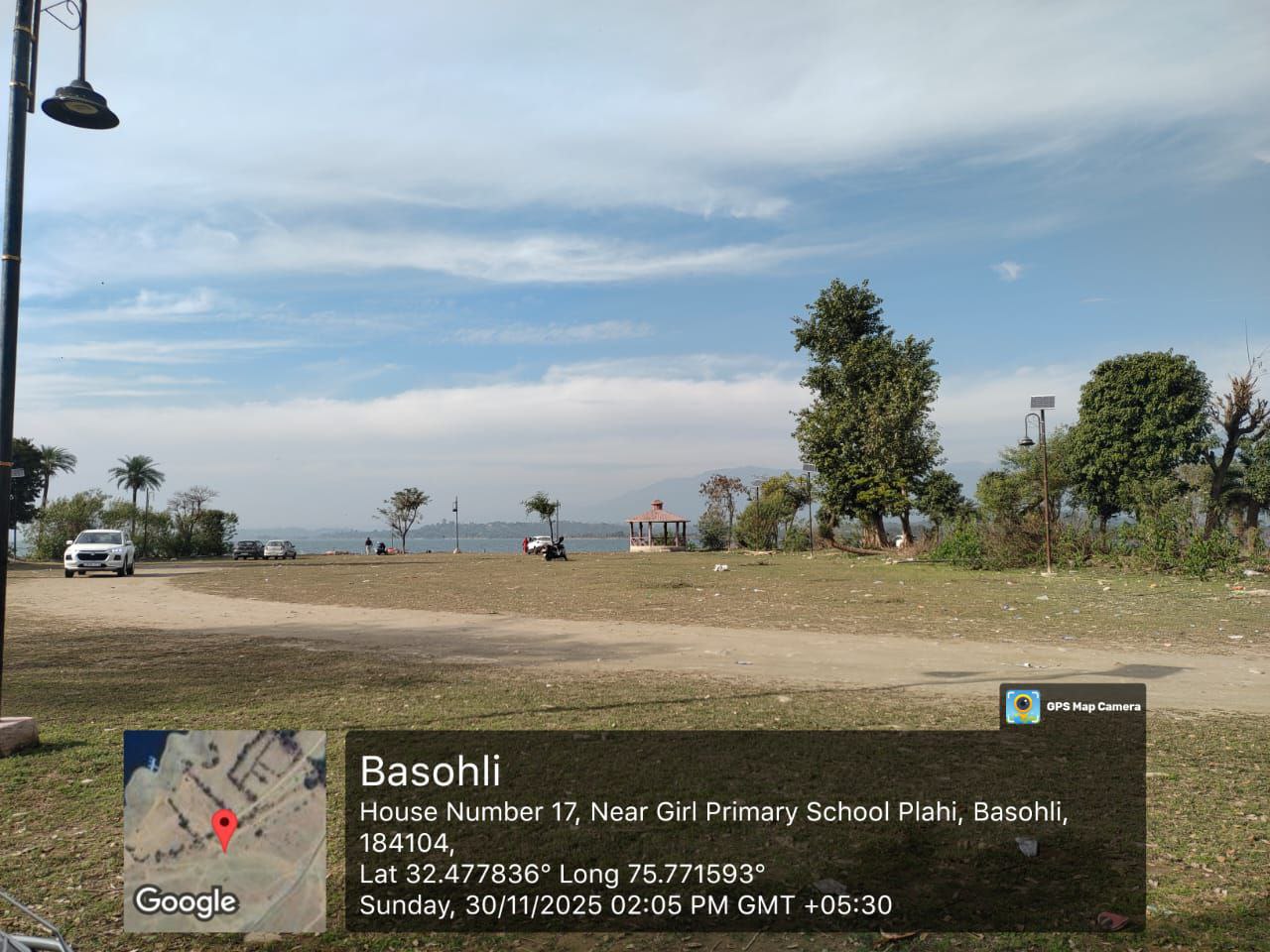
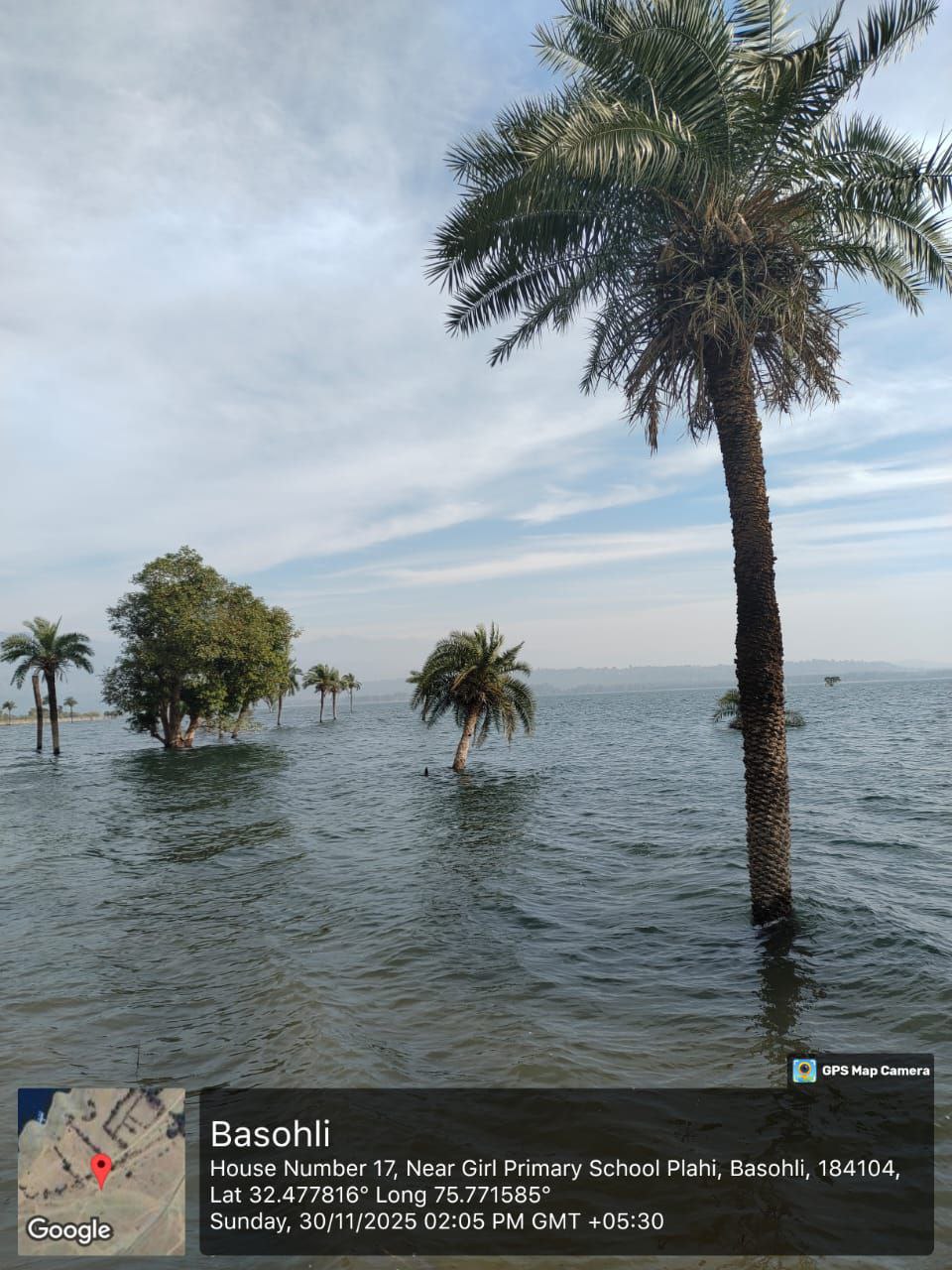
Purthu Beach, often called the “Mini Goa” of Kathua, is a serene riverside destination created by the Maharaja Ranjit Sagar Dam. Surrounded by lush green fields, calm waters, and tall palm trees, it offers a peaceful escape for families, couples, and nature lovers. Tourists can enjoy motorboat rides, picnics, pre-wedding shoots, and evening outings, while soaking in the tranquil riverside atmosphere. The beach is especially lively on weekends and is ideal for those seeking relaxation and memorable outdoor experiences.
3. Basohli Fort
The Basohli Fort is a historic landmark that showcases the town's royal heritage and medieval architecture. Though partially in ruins, the fort provides panoramic views of Basohli town, the Ravi River, and surrounding hills, giving visitors a glimpse into the region's historic grandeur. It is a must-visit for history enthusiasts and photographers looking to capture the scenic beauty combined with cultural significance.
Community and Livelihoods
The community of Basohli is closely knit, with social bonds strengthened through shared traditions, festivals, and cooperative practices. Agriculture forms the backbone of the village economy, with many families engaged in cultivating rice, wheat, maize, and vegetables on the fertile lands along the Ravi River. Livestock rearing, particularly of goats and cows, also contributes to the livelihoods of the villagers.
Apart from agriculture, traditional crafts and art, including Basholi paintings, woolen shawls, and embroidery, provide an additional source of income and help preserve cultural heritage. Seasonal markets and local fairs offer opportunities for villagers to trade their produce and handicrafts, fostering economic activity while reinforcing community ties.
The combination of agriculture, artisanal work, and community cooperation shapes a sustainable way of life in Basohli, where livelihoods, culture, and social harmony are closely interconnected.
Education and Skill Development
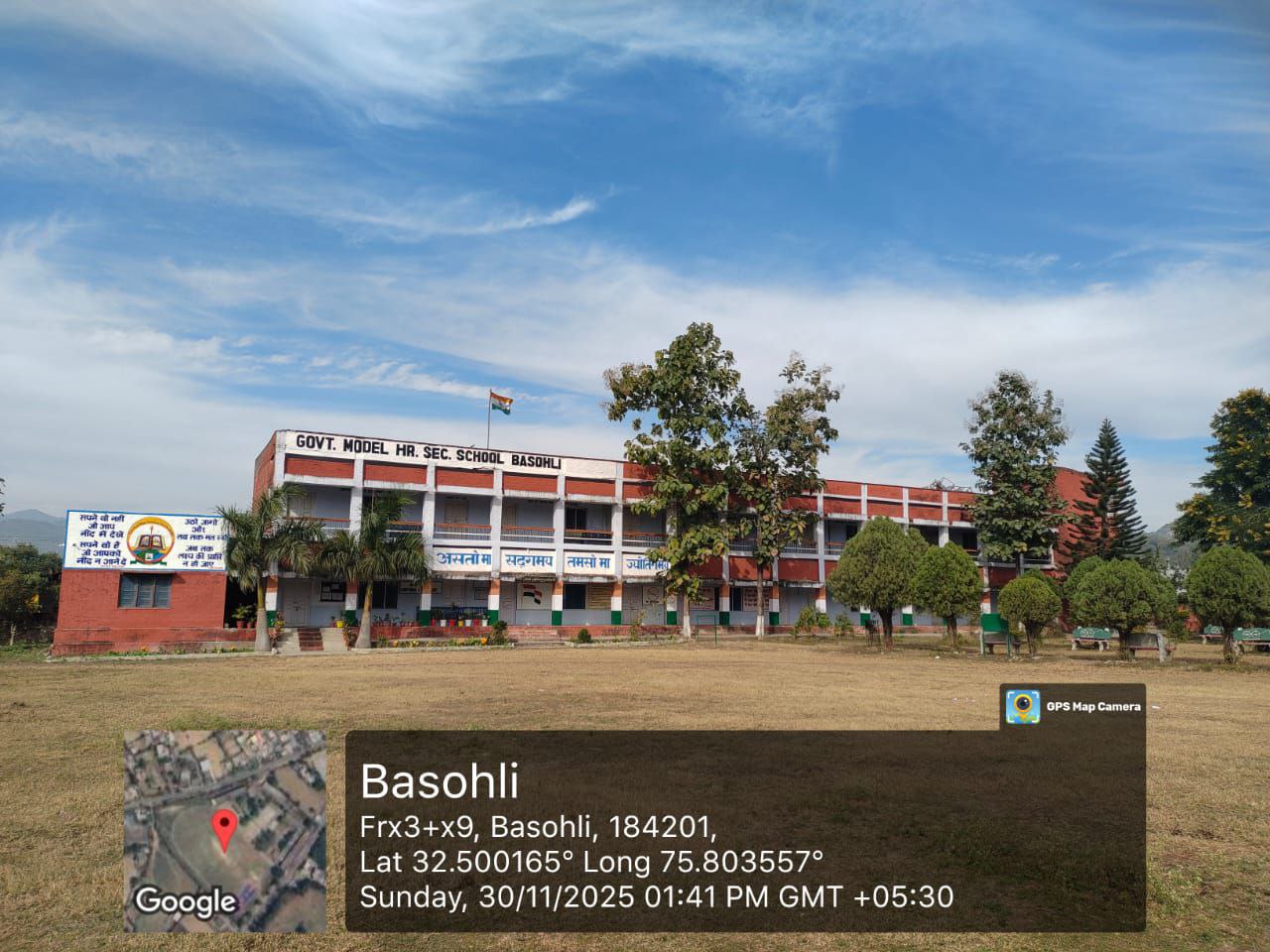
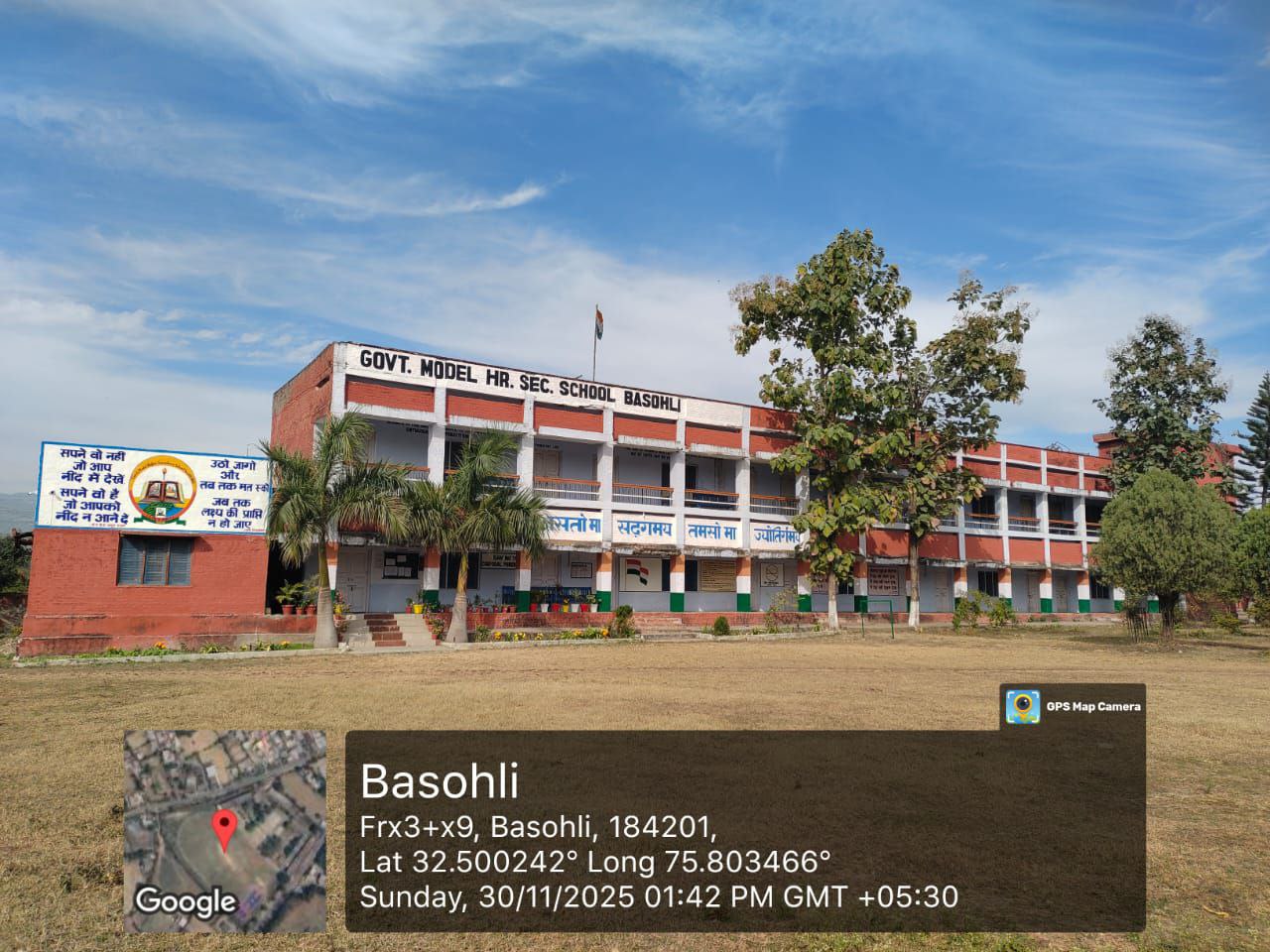
Education in Basohli has been steadily improving, with primary and secondary schools providing foundational learning in subjects like mathematics, science, and languages. Programs like Sarva Shiksha Abhiyan (SSA) and Rashtriya Madhyamik Shiksha Abhiyan (RMSA) support universal access to education, ensuring that children can attend school with better infrastructure, teaching resources, and retention initiatives.
For skill development, the village benefits from schemes such as the Mumkin – Livelihood Generation Yojana, which helps youth and adults acquire vocational skills and start small businesses. Additionally, training in traditional crafts, Basohli painting, and textile work equips residents with skills to preserve their cultural heritage while generating income.
Through these educational and skill development programs, Basohli is gradually fostering a generation that balances modern knowledge with traditional expertise, preparing residents for both cultural and economic sustainability.
Sports and Recreational Activities
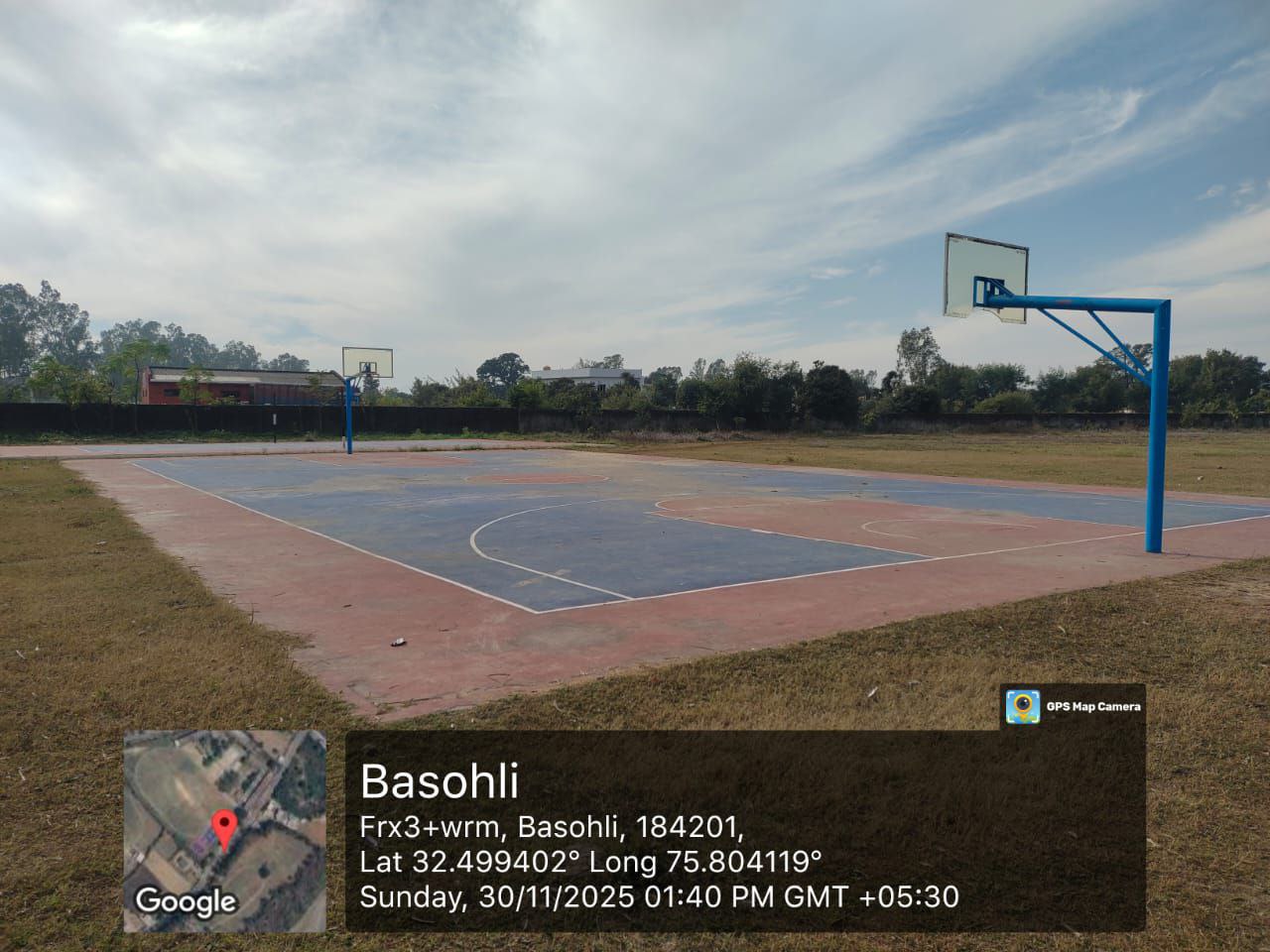
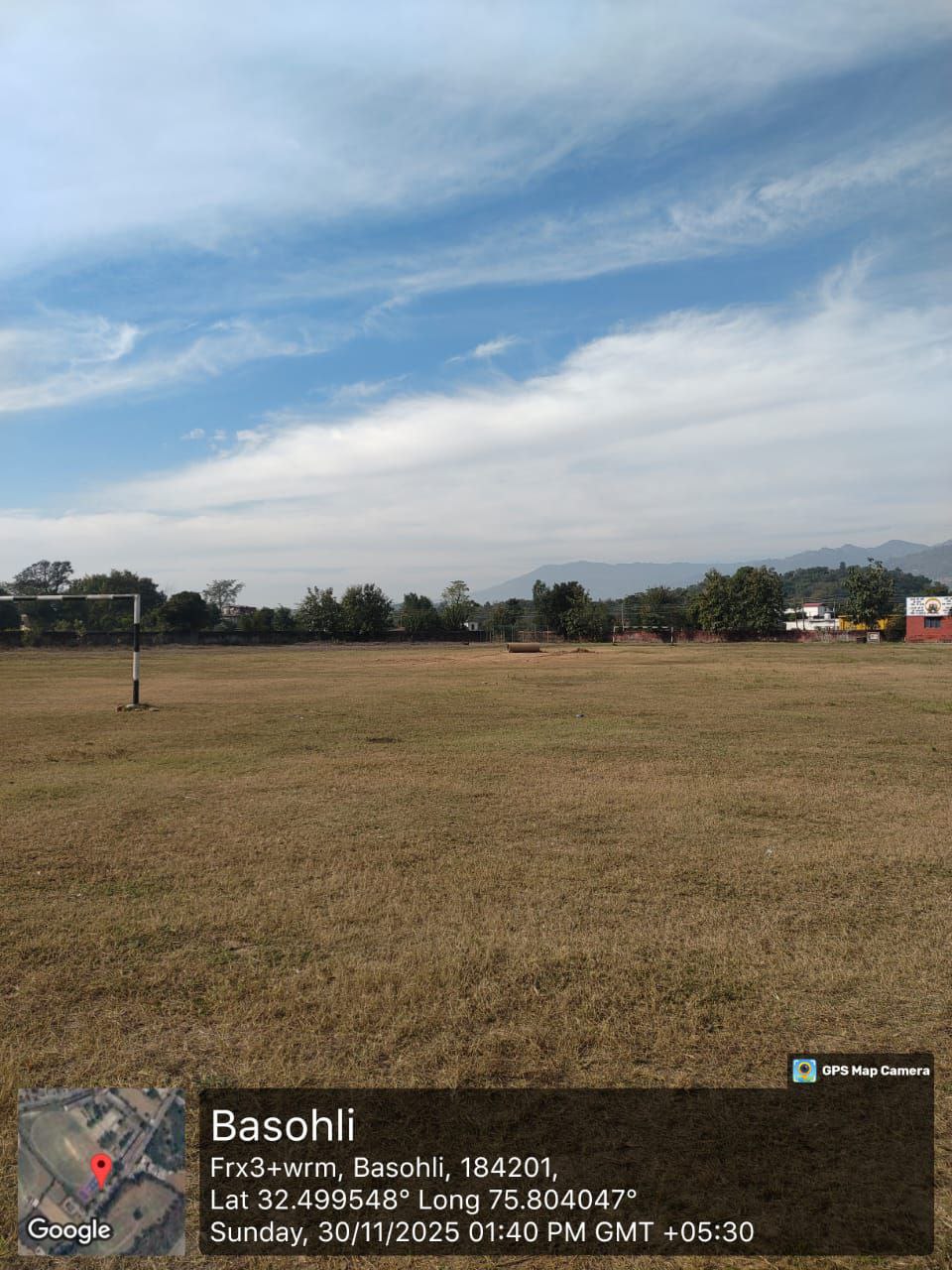
Sports and recreational activities play an important role in the social and cultural life of Basohli. Traditional games such as Kabaddi, Kho-Kho, and wrestling (Pehlwani) are popular, especially during local festivals and community gatherings. These events not only provide entertainment but also promote physical fitness, teamwork, and community bonding.
Apart from traditional sports, children and youth engage in modern games like cricket and football, often organized at school grounds or community fields. Festivals and fairs also include recreational activities such as folk dances, music performances, and local competitions, which help preserve cultural heritage while fostering social interaction.
These activities contribute to a healthy and active lifestyle, encourage youth participation, and strengthen the sense of community in Basohli, making recreation an integral part of village life.
Healthcare in Basohli
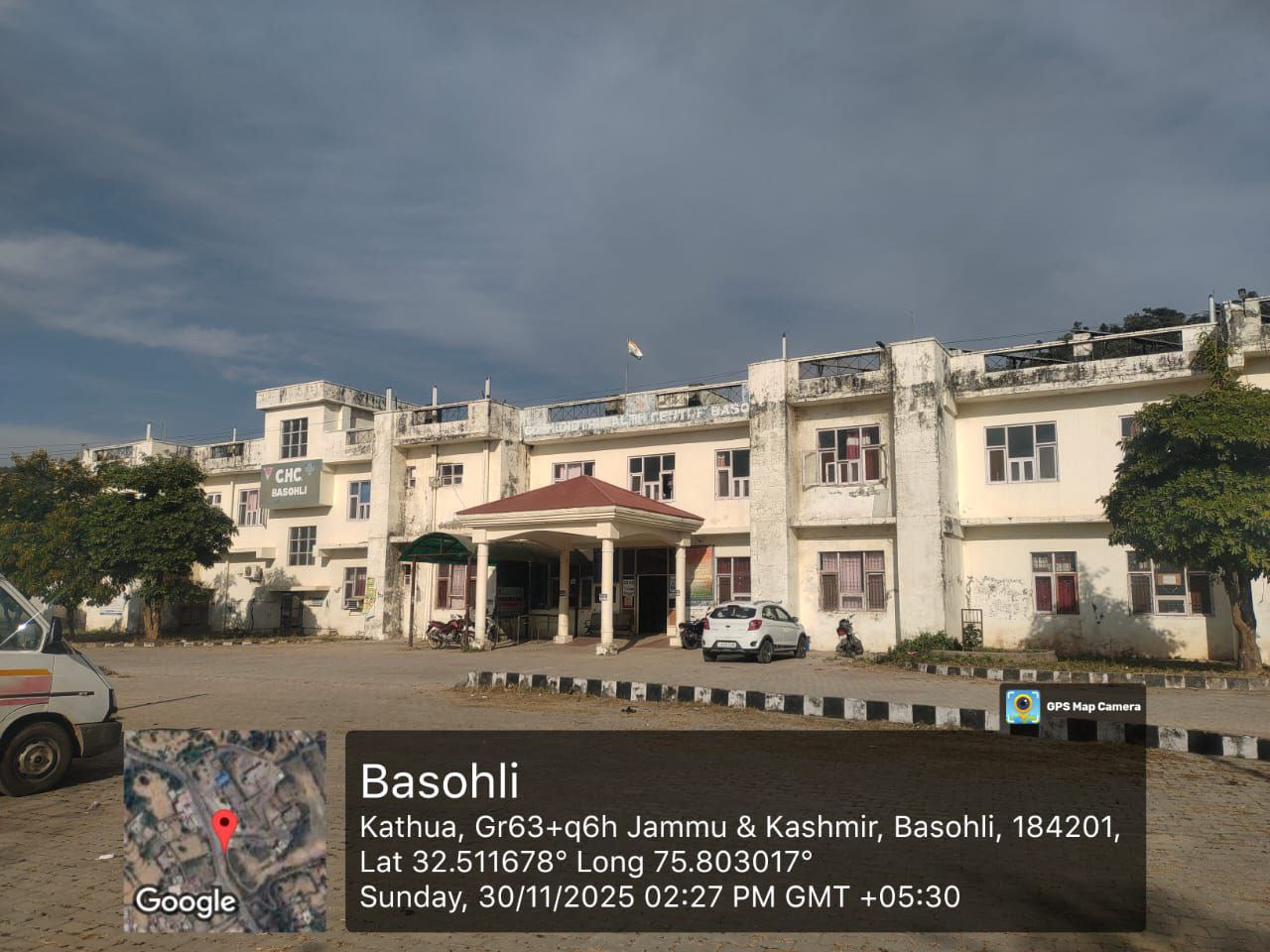
Healthcare in Basohli is supported by the Community Health Centre (CHC) Basohli, which provides primary medical services including outpatient care, maternal and child health services, immunizations, and basic diagnostics. The CHC serves as the main point of healthcare access for residents of Basohli and surrounding villages.
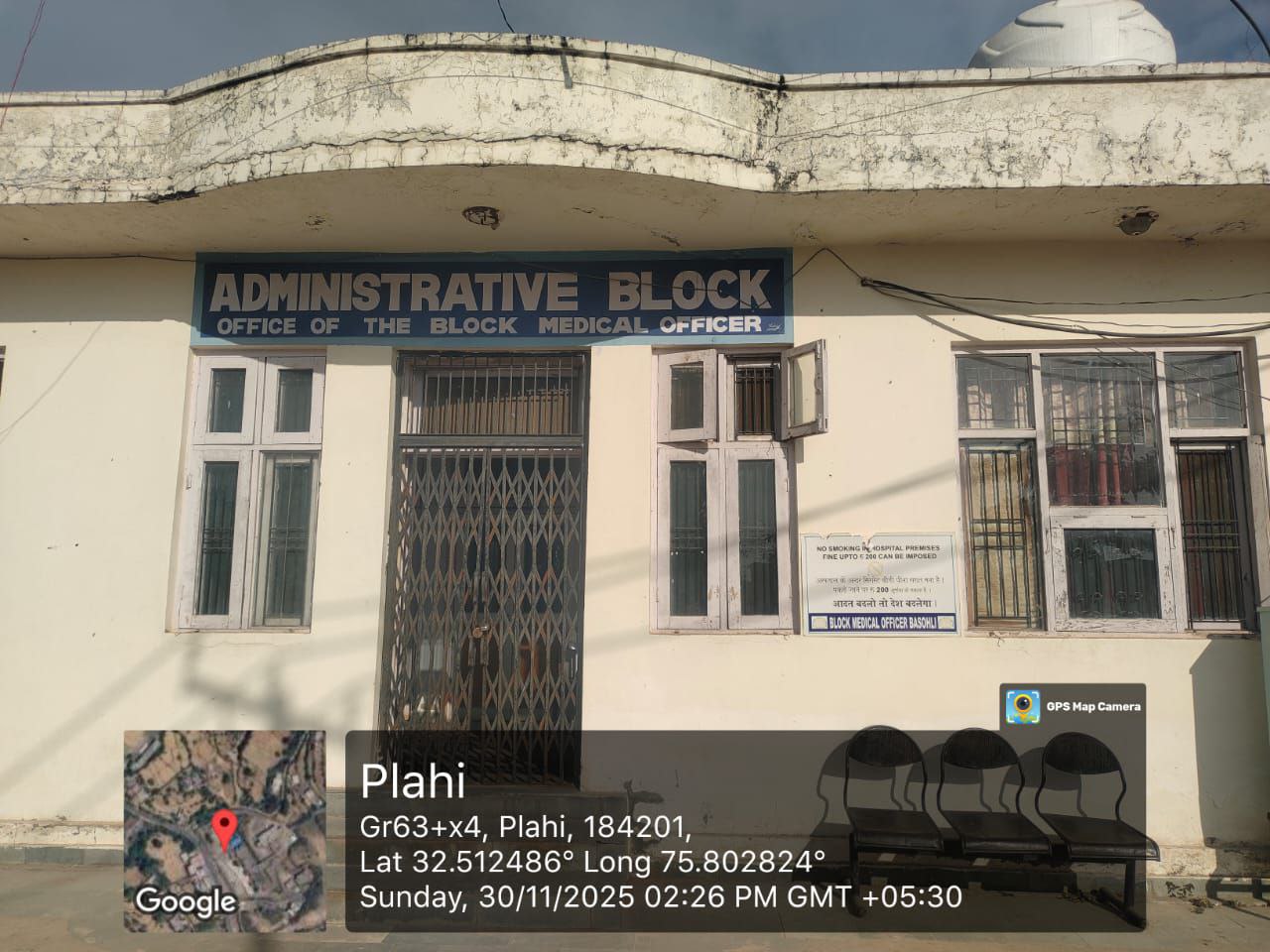
The Administrative Block in nearby Plahi houses the Office of the Block Medical Officer, which manages healthcare programs and oversees medical services in the region. This office coordinates health campaigns, vaccination drives, disease control measures, and other public health initiatives that benefit the local population.
Together, these facilities ensure that Basohli has access to both frontline medical care and organized health administration. Periodic health camps and awareness programs further support preventive healthcare and improve overall health outcomes. Veterinary services for livestock also play a crucial role in sustaining the agricultural livelihoods of many families in the village.
Government Schemes Benefiting Basohli Village
Basohli village in Kathua district benefits from several government and community programs aimed at improving education, health, livelihoods, and cultural preservation.
1. Ladli Beti Scheme – This initiative provides financial support for girl children, depositing monthly amounts into their bank accounts to ensure education and future security.
2. Support for Basohli Painters and Artisans – The Department of Handicrafts offers financial aid, marketing support, and skill development for local artisans, helping families sustain their traditional crafts such as Basohli paintings and textile work.
3. Education Schemes (Sarva Shiksha Abhiyan & RMSA) – These programs promote universal elementary and secondary education, providing infrastructure, learning materials, and support to improve school enrollment and retention for children.
4. Mumkin – Livelihood Generation Yojana – This scheme supports adults and youth in starting small businesses or income-generating activities, offering subsidized loans and skill development opportunities.
Photos
Location Map
Contact Information
| Address |
Village: Basohli |
| Phone Number |
7006630618 |