
Description
Introduction to Snarhian Village
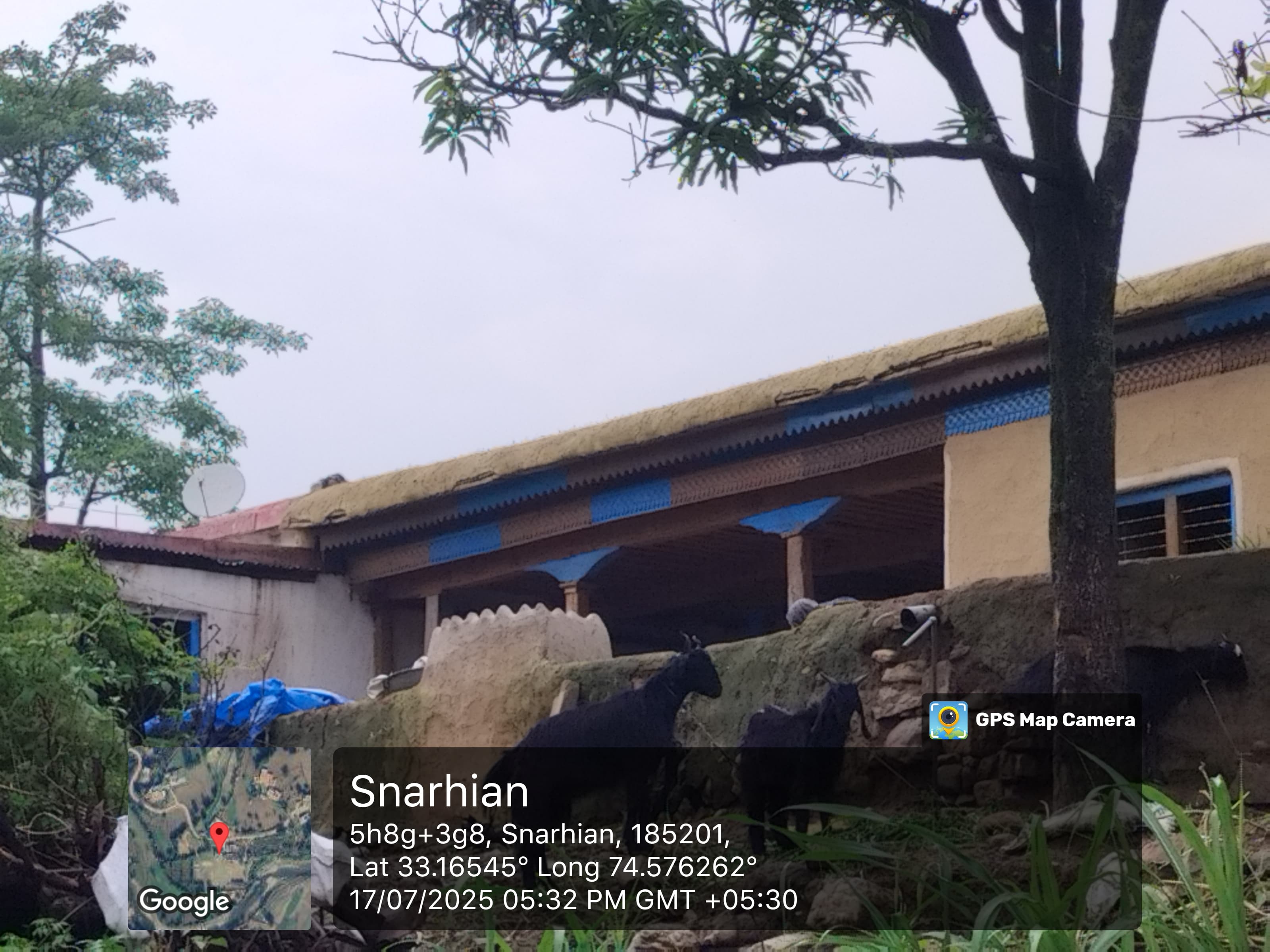
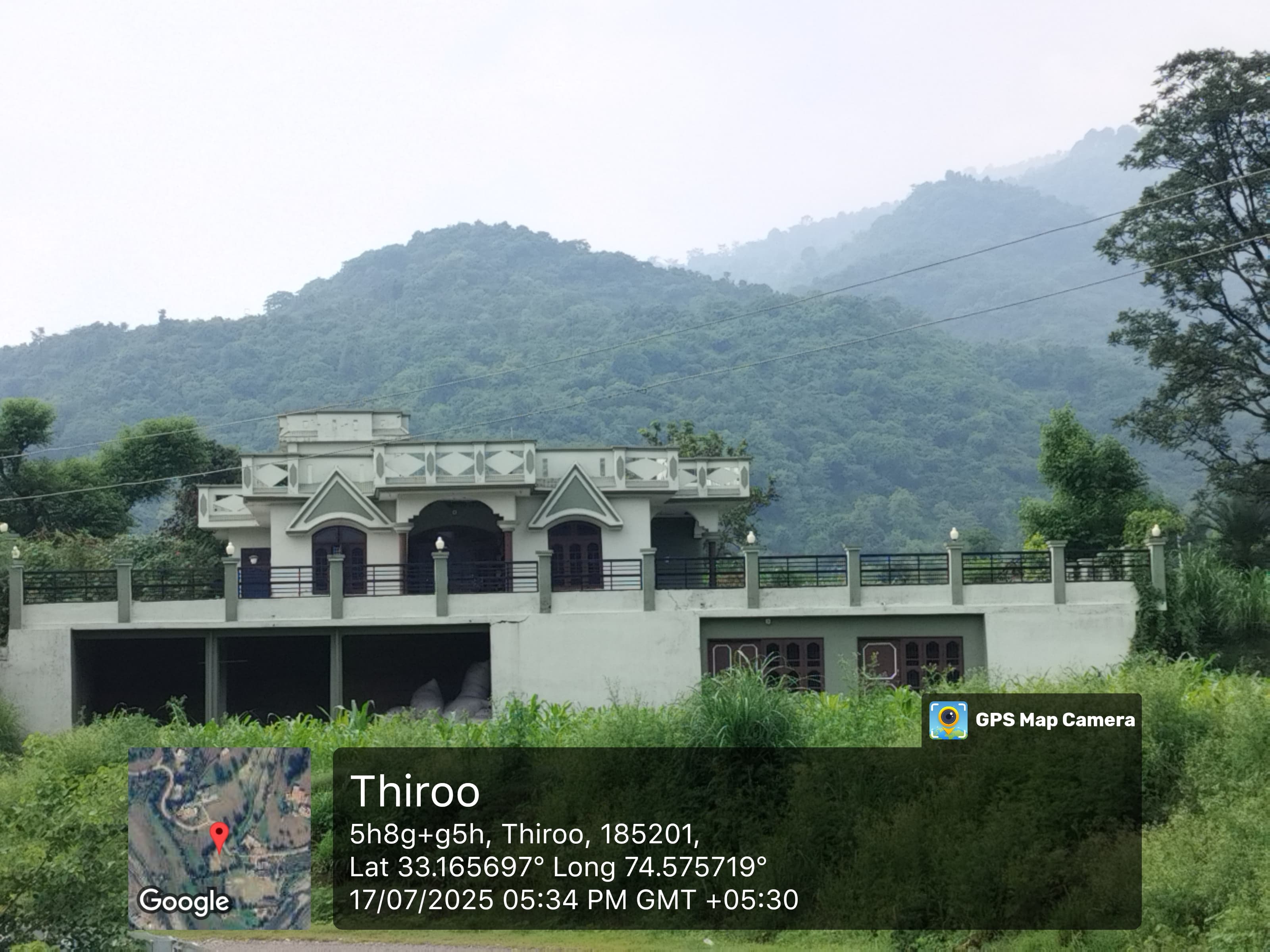
Snarhian is a quiet and peaceful rural village situated approximately 5 kilometers from Reasi town in the Jammu region of Jammu and Kashmir. It rests amidst the serene foothills of the lower Himalayas, offering a setting that is naturally refreshing and visually soothing. The village is small yet significant, reflecting the authentic character of rural Dogra culture. During our community-based field survey conducted as part of the internship project, Snarhian emerged as a place where tradition, community bonding, and environmental purity remain intact despite the challenges of modern development. Its natural calmness, combined with the simple lifestyle of its residents, makes the village an important example of sustainable rural living. Snarhian’s quiet lanes, greenery, and minimalistic way of life give it a distinctive identity within the region.
Demography and Youth Migration Dynamics
With an estimated population of around 1,100 residents, Snarhian functions as a close-knit community where social relations are strong and long-lasting. Families here have lived for generations, developing shared customs, a sense of belonging, and deep interpersonal trust. However, one of the most notable demographic patterns observed during the survey is the rise in youth migration, with nearly 25–35% of the younger population relocating to Jammu city or other states. This movement is primarily driven by the lack of higher education facilities, skilled employment opportunities, and modern amenities within the village. While this migration supports families financially and creates avenues for progress, it simultaneously results in an aging population in the village and a gradual reduction in local workforce availability. The demographic shift also impacts the social fabric, as traditional knowledge and cultural practices risk declining over time if the younger generation does not return.
Geographical Features, Scenic Landscape, and Climatic Conditions
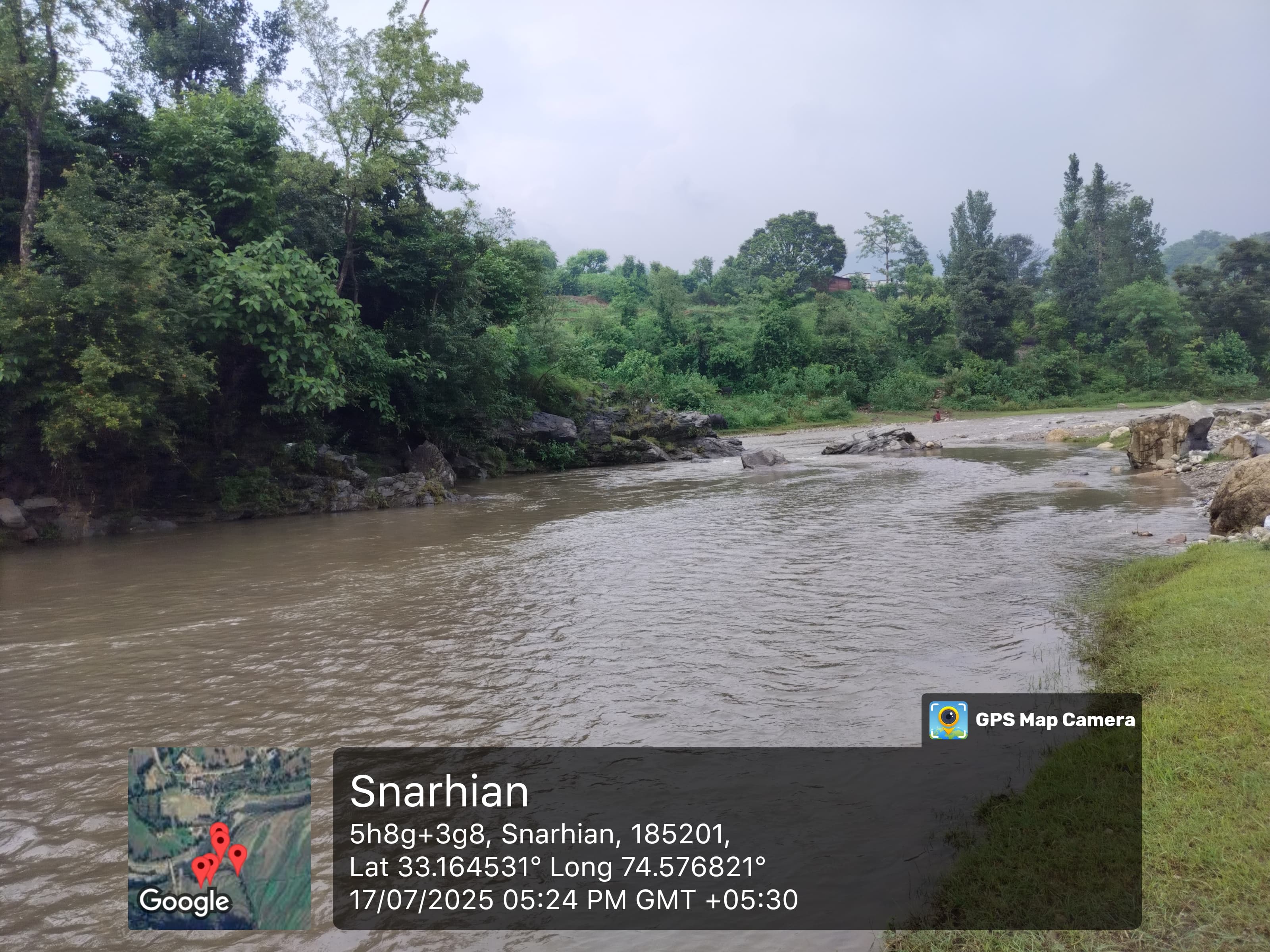
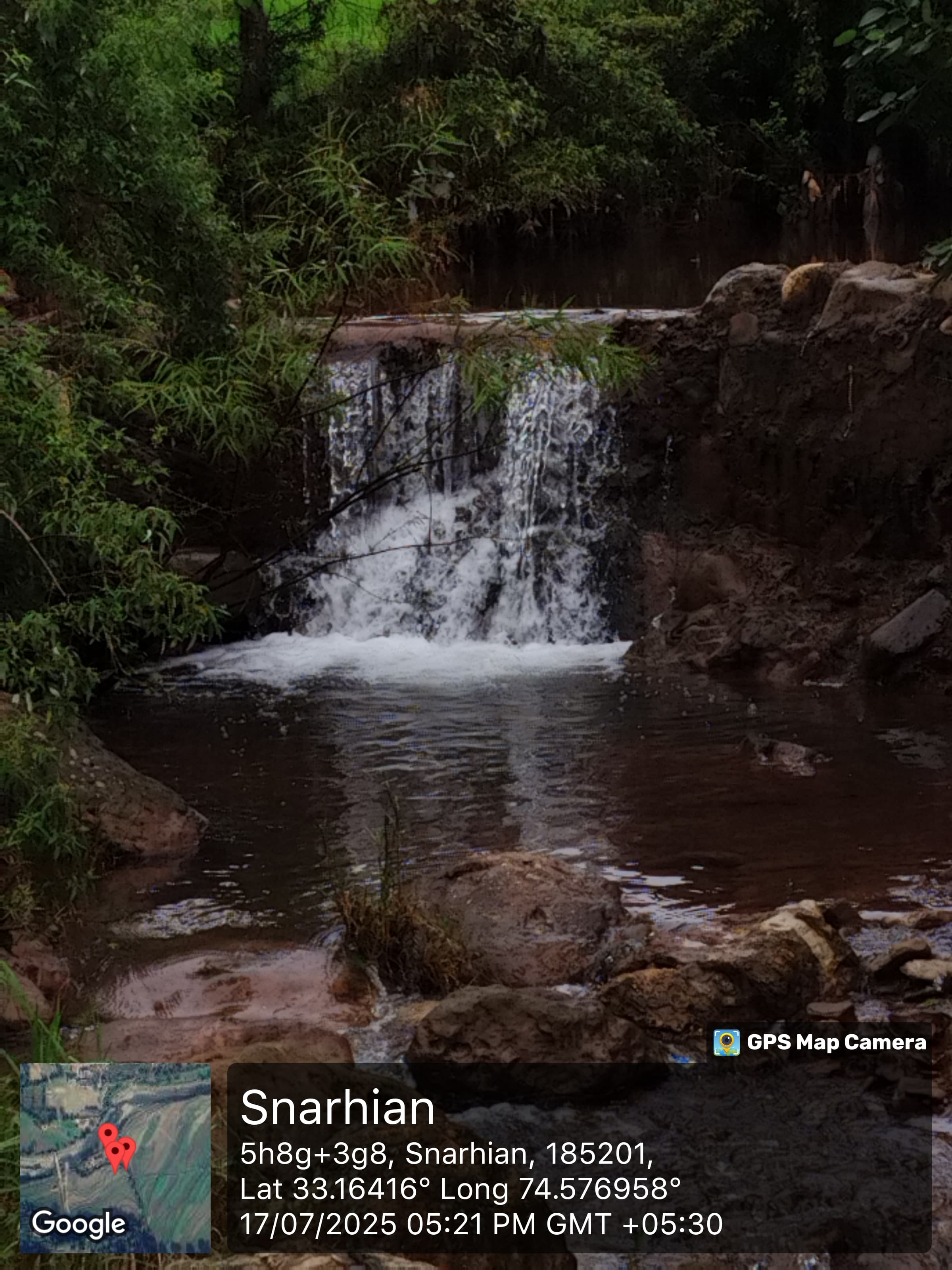
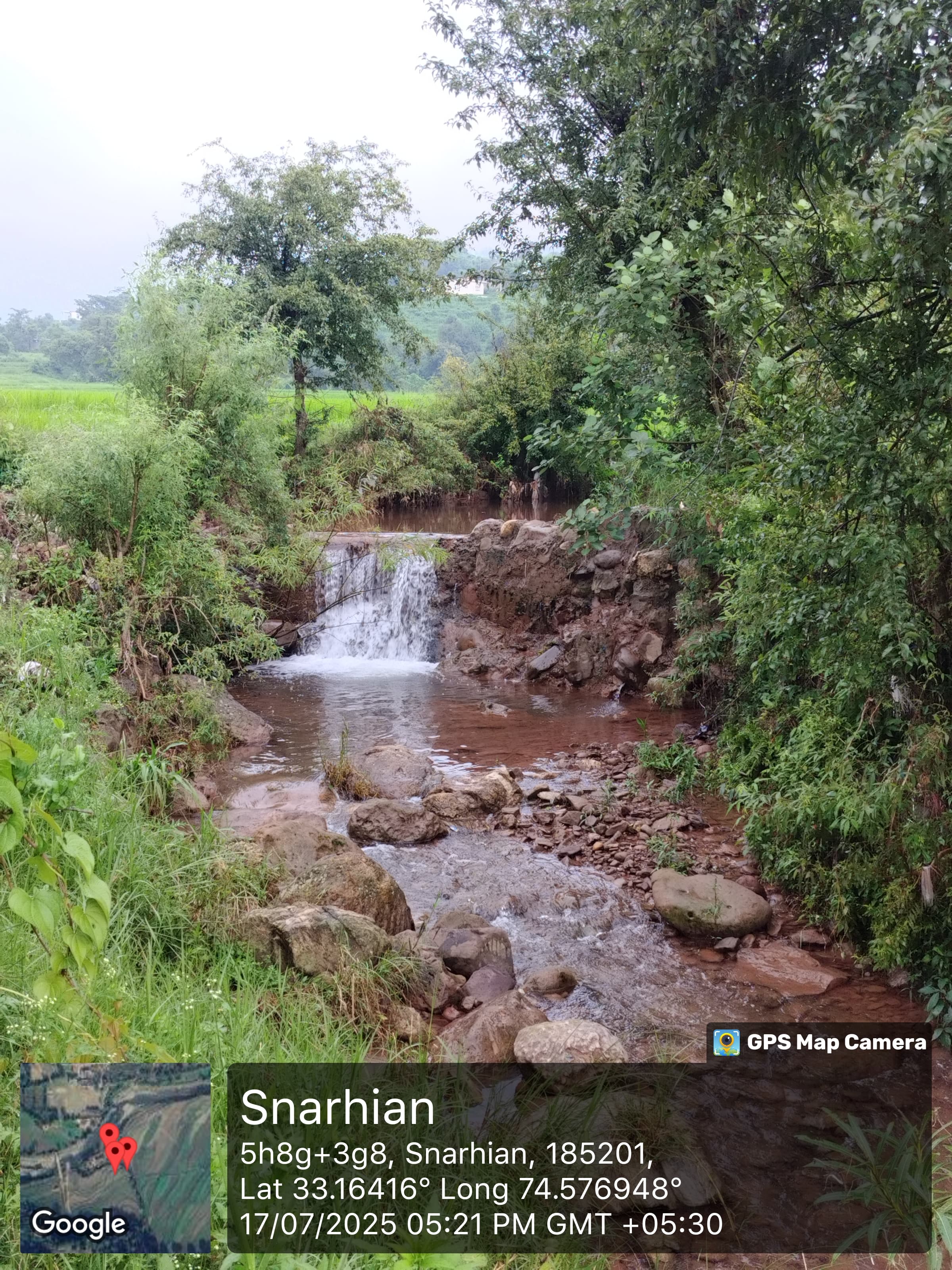
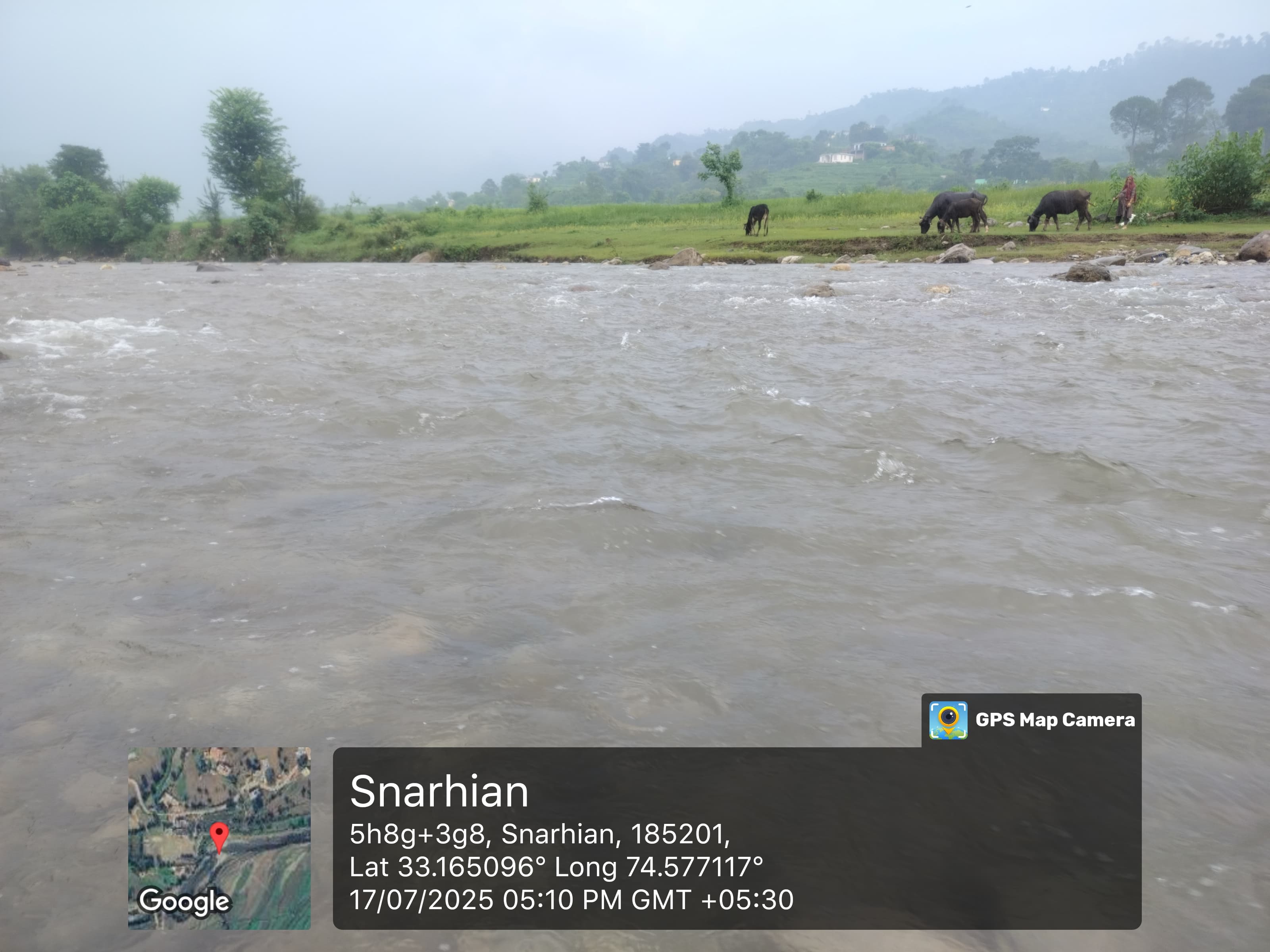
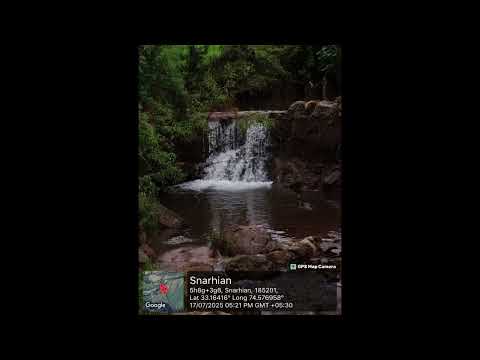
Geographically, Snarhian is blessed with a picturesque environment dominated by green hills, open farmland, and layered mountain ranges that surround the settlement from all sides. The village offers stunning views of the natural landscape, especially during early mornings when fog settles softly over the fields and during sunsets when the glowing sky reflects beautifully over the hilltops. The climate in Snarhian remains pleasant and mild, making it a naturally comfortable place to live. Summers are cooler than the hotter plains of Jammu, providing residents relief from extreme heat. Winters, on the other hand, bring a breathtaking view of snow-covered Himalayan peaks, which are clearly visible from the village. This natural beauty gives Snarhian great potential for eco-tourism, nature walks, and photography, even though such opportunities remain largely unutilized due to infrastructure limitations.
Agriculture, Economy, and Daily Rural Life
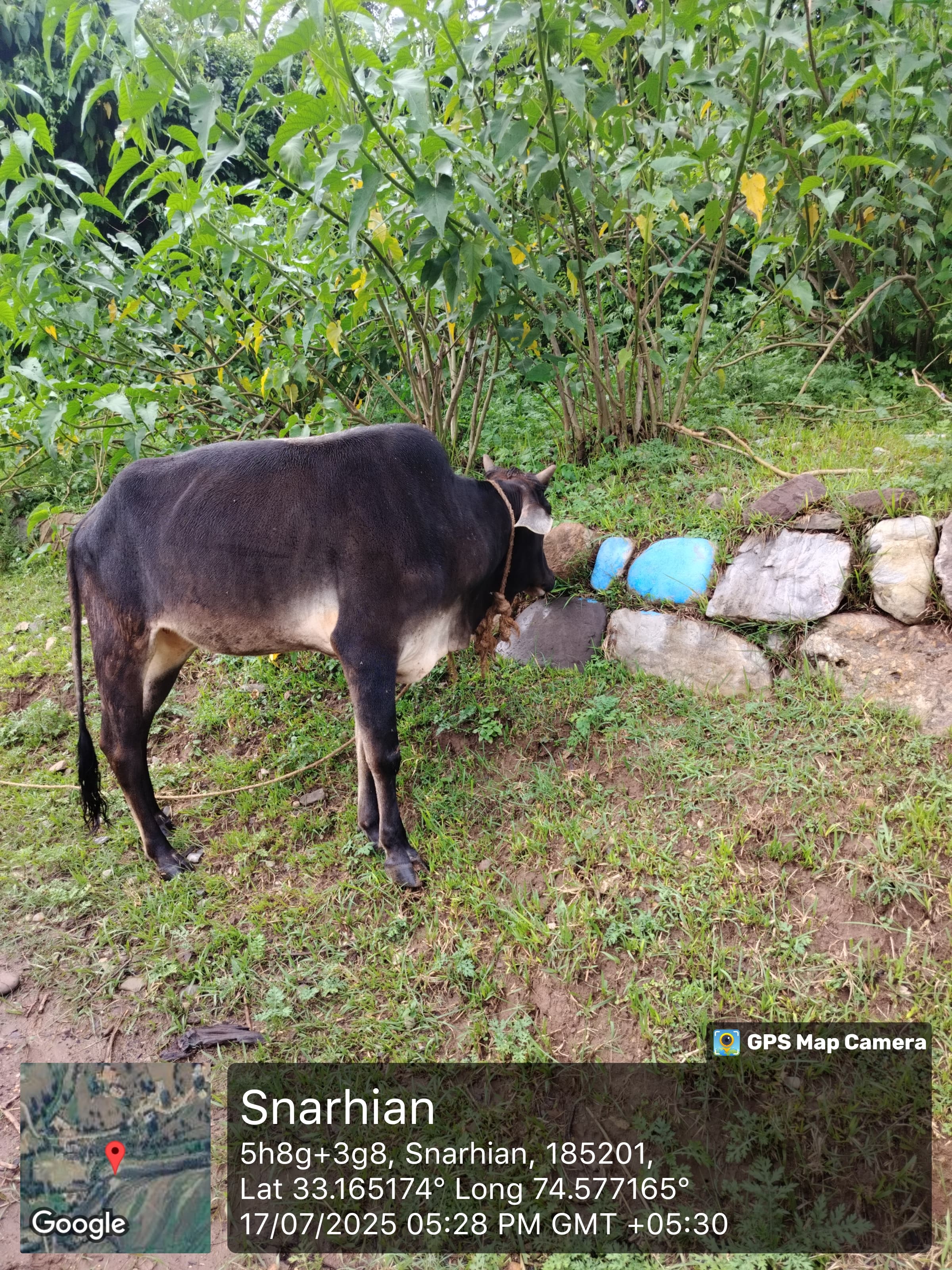
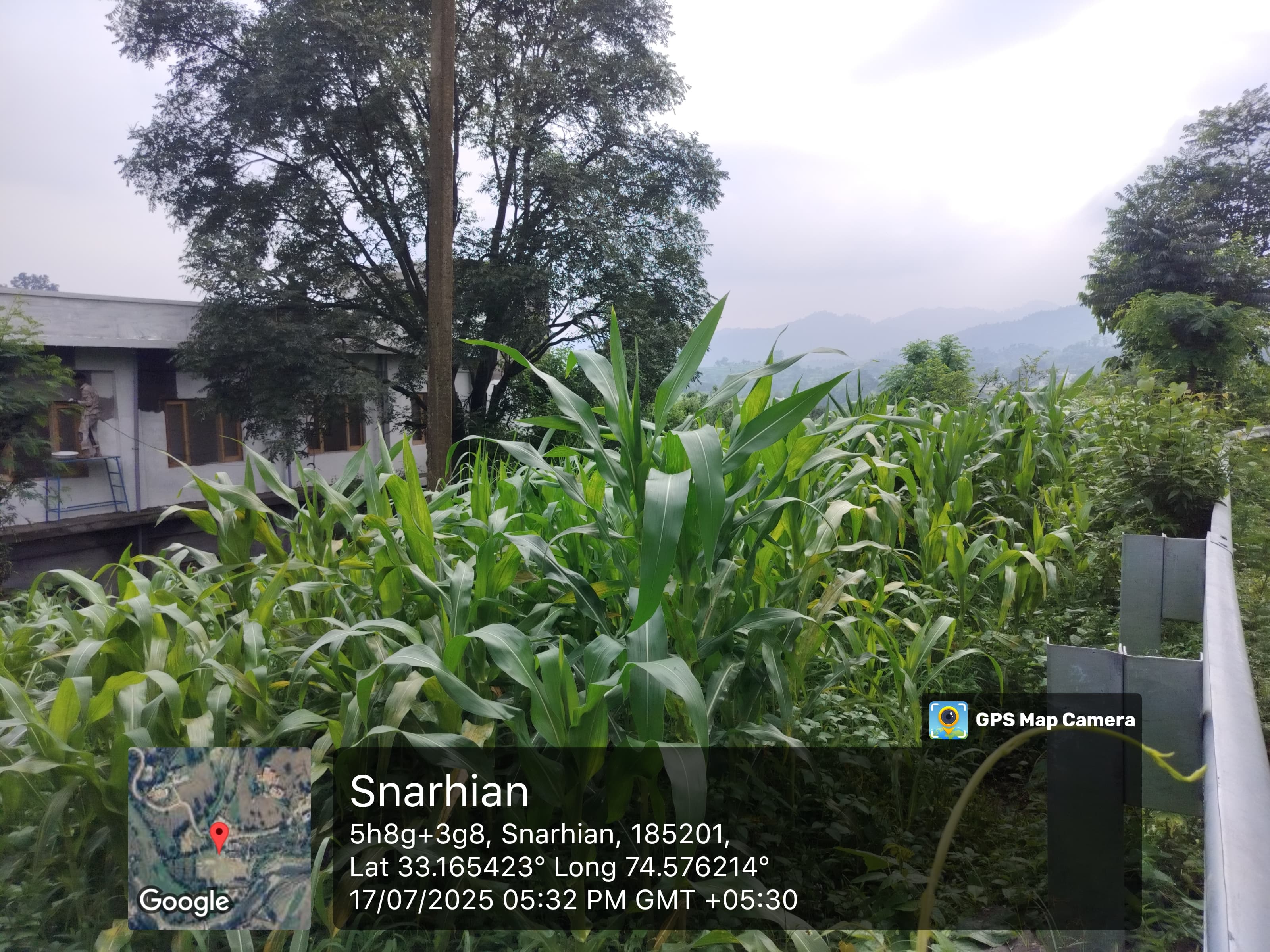
Agriculture is the primary occupation and the backbone of Snarhian’s economy. Most families cultivate seasonal crops, manage small fields, and depend on farming for both income and self-sustenance. The agricultural methods are largely traditional, relying on manual labor, simple tools, and community cooperation. Apart from farming, several villagers work as daily wage laborers, often traveling to nearby towns or construction sites for employment. A small portion of the population engages in minor local businesses or services. Daily life in Snarhian is structured around agricultural activities, social interactions, and community support systems. Villagers lead a simple and disciplined lifestyle, valuing hard work, hospitality, and close family ties. Festivals, gatherings, and religious events play an important role in maintaining social unity and cultural warmth within the village.
Infrastructure, Public Services, and Basic Facilities
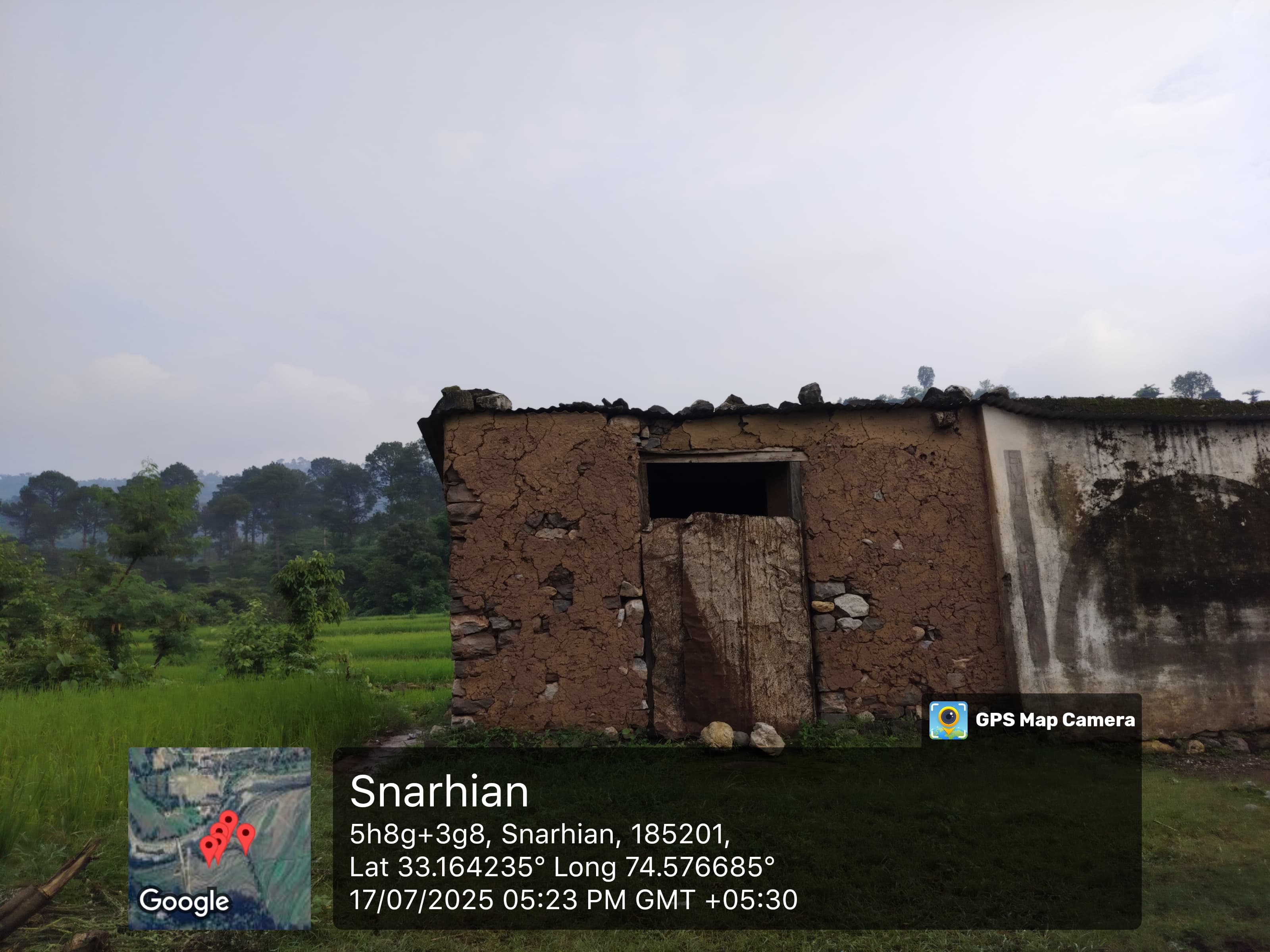
Despite its natural and cultural strengths, Snarhian faces significant infrastructural and developmental challenges. The village does not have a school, compelling children to travel long distances to neighboring villages for even primary education. This becomes especially difficult during harsh weather conditions. Additionally, the absence of a healthcare center poses serious risks during medical emergencies, as residents must rush to Reasi or other accessible areas for treatment. Snarhian also lacks guesthouses, homestays, and proper accommodation facilities for visitors, which restricts tourism growth. Only a few small dhabas operate near the area, offering basic meals to travelers. Poor road connectivity in certain patches, limited transportation options, and inadequate public infrastructure highlight the need for targeted government intervention, improved development planning, and investment in rural amenities.
Cultural Traditions, Social Harmony, and Local Identity
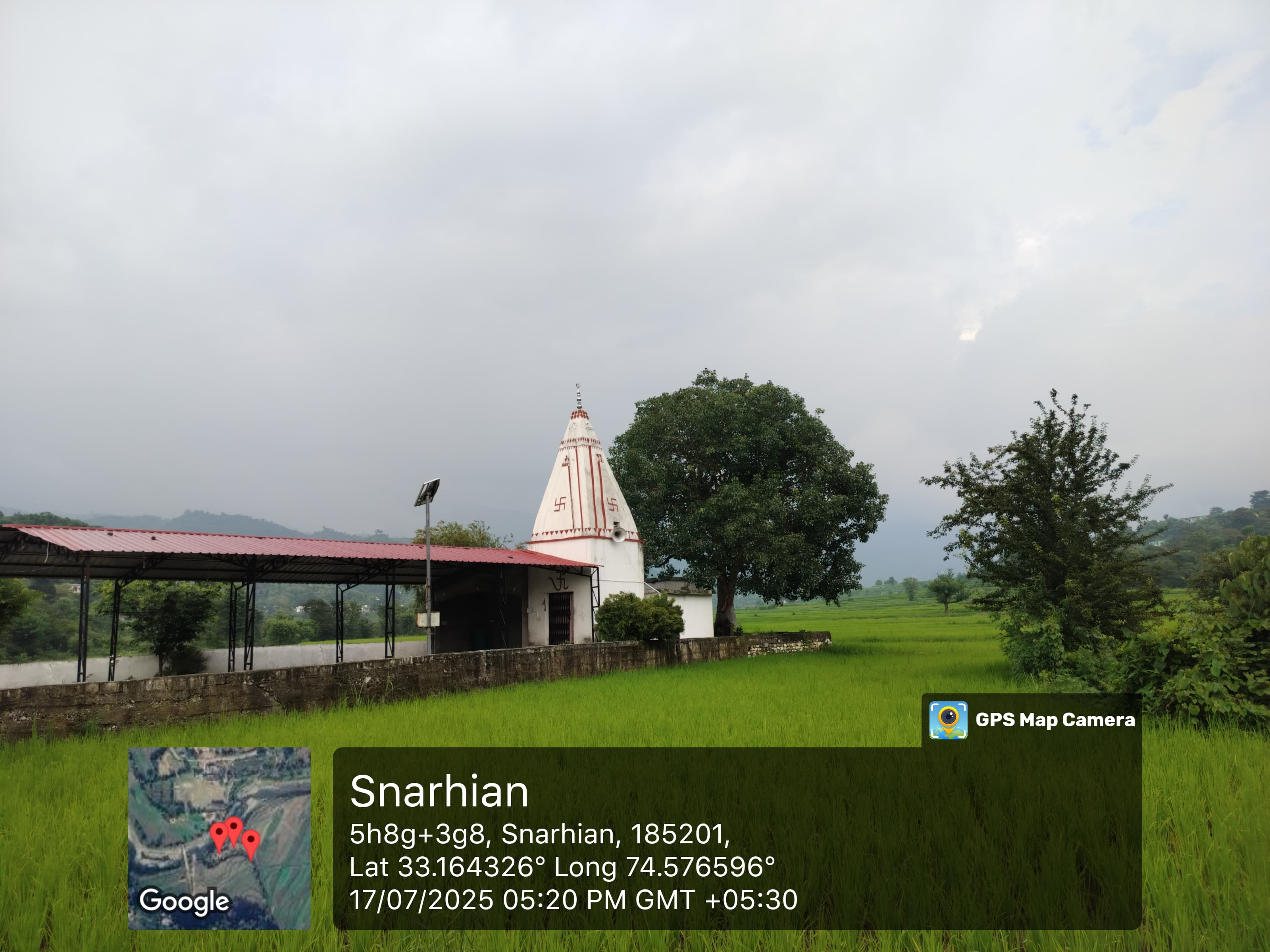
Snarhian reflects the cultural essence of the Reasi region, where traditions and social practices are preserved with pride. The villagers celebrate local festivals, perform religious rituals, and maintain customs that have been passed down for generations. Cultural identity here is strongly tied to Dogra heritage, which is evident in their attire, language, folk beliefs, and community gatherings. Social harmony is a defining feature of the village; people maintain close relationships, help each other during agricultural seasons, and participate enthusiastically in social functions. The cultural life of Snarhian is modest yet meaningful, showcasing the strength of rural values even in the absence of modern entertainment or recreational facilities.
Proximity to Historical Sites and Regional Significance
Even though Snarhian itself does not contain major historical monuments, its strategic location near celebrated landmarks adds to its significance. One such prominent structure is the Bhimgarh Fort (Reasi Fort), a centuries-old military fort associated with the Dogra rulers and the historical evolution of the region. The fort stands as a symbol of Reasi’s rich heritage, drawing tourists and history enthusiasts. Snarhian’s location close to this historic monument enhances its identity and offers potential for cultural tourism, trekking routes, and guided village visits. This connection to regional heritage provides opportunities for future tourism-based development if infrastructure is improved.
Community Bonding, Strength, and the Charm of Rural Life
The true charm of Snarhian lies in the strong community bonds, peaceful environment, and simple yet fulfilling lifestyle of its residents. The villagers display remarkable resilience in the face of limited facilities, relying on cooperation, unity, and traditional wisdom to navigate daily challenges. Hospitality is considered a natural part of life in Snarhian; visitors are warmly welcomed, assisted, and respected. Despite facing developmental constraints, the village thrives socially and emotionally due to its internal strength, cultural continuity, and deep connection with nature. Snarhian stands as a reminder of the richness of rural life—where simplicity meets beauty, and community harmony becomes the foundation of everyday living.
Photos
Videos
Location Map
Contact Information
| Address |
Snarhian Village (near Reasi), |
| Phone Number | |
| Email Address |