
Description
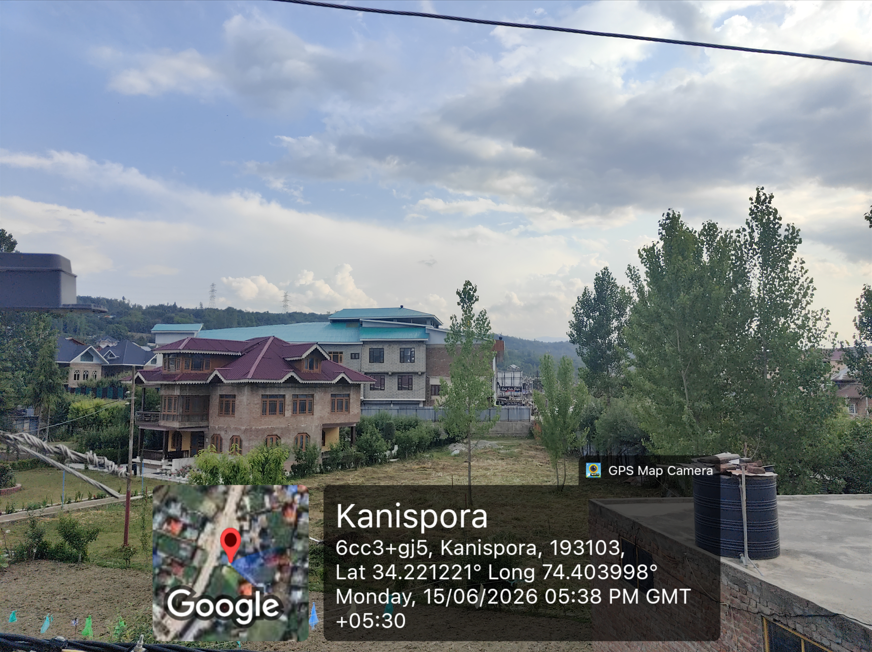
Tucked away in the Baramulla district of Jammu and Kashmir, Kanispura is a village with a history that goes back centuries. Local tradition says it was once called Kanishkapura, named after the great Kushan emperor Kanishka, who left his mark on Kashmir's history way back in the 2nd century CE. Over time, as language and pronunciation shifted, the name slowly turned into what we now know as Kanispura.
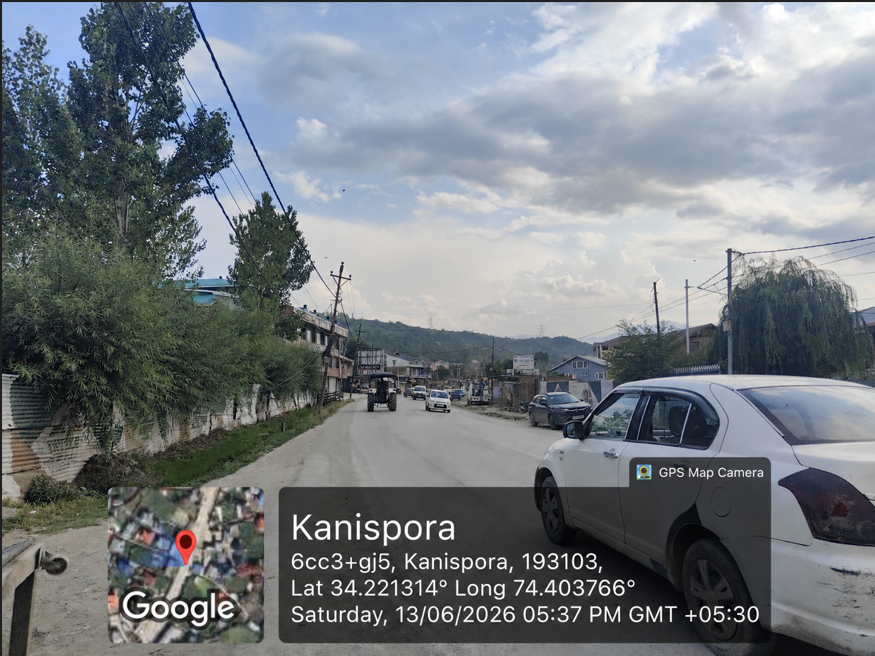
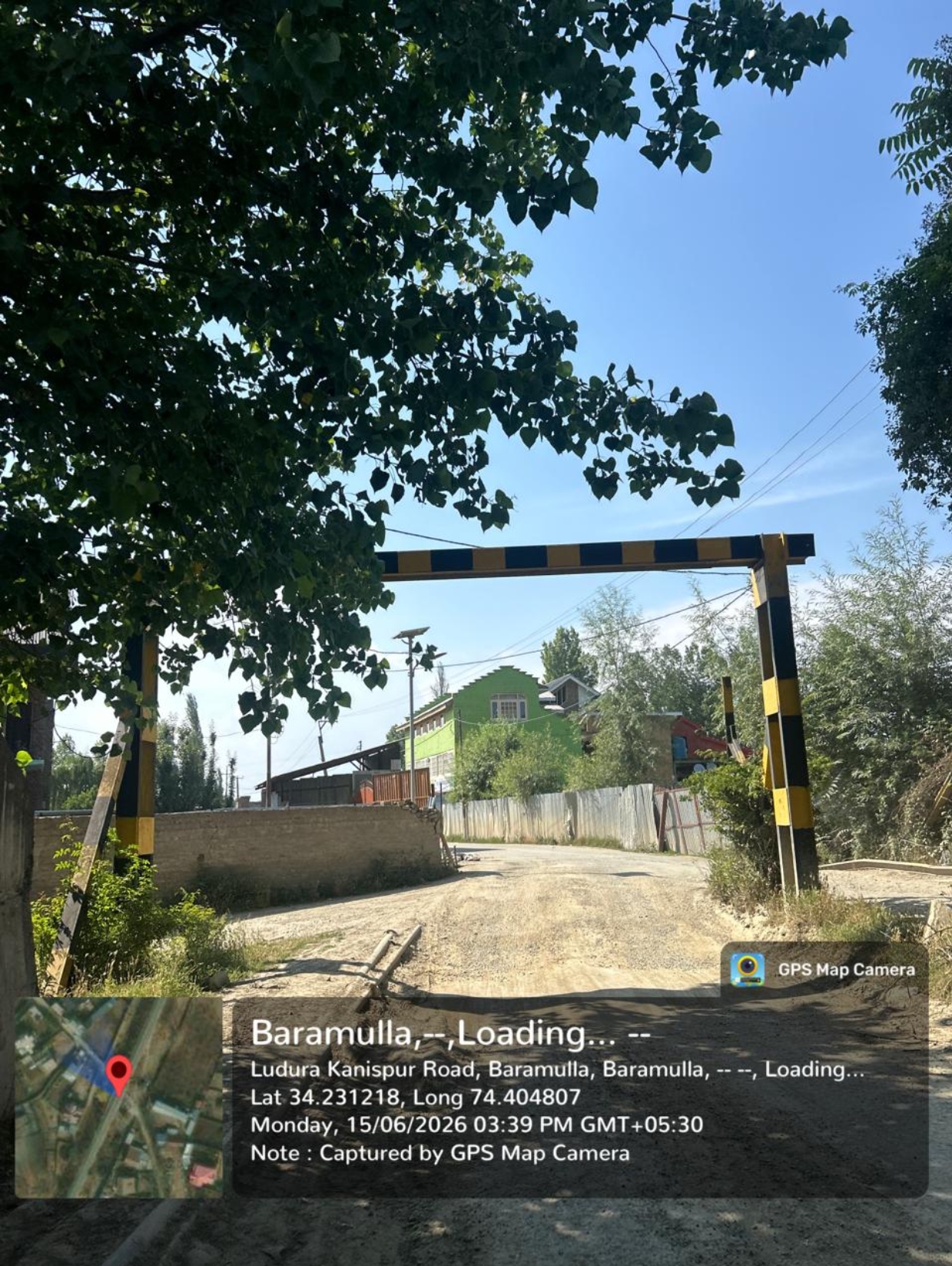
What makes this village special isn't just its name, though. Kanispura sits at a strategic spot, acting almost like a gateway that links nearby villages such as Dilna, Singhpora, and Uplana to the main town of Baramulla. This position has made it an important hub for travel, trade, and everyday connectivity in the region for generations.
To really understand Kanispura, you have to look at Baramulla itself. The town was originally known as Varahamula — a name rooted in Sanskrit, combining "Varaha" (referring to Lord Vishnu's boar incarnation) and "Mula" (meaning tusk or root). According to the Nilamata Purana, an ancient text, the entire Kashmir Valley was once submerged under a massive lake called Satisar. Legend has it that Lord Vishnu, taking the form of Varaha, carved out an opening in the mountains at the valley's western edge, letting the lake's water drain out. This is what made the valley livable for humans. The spot where the water rushed out eventually became known as Varahamula, which over time became Baramulla.
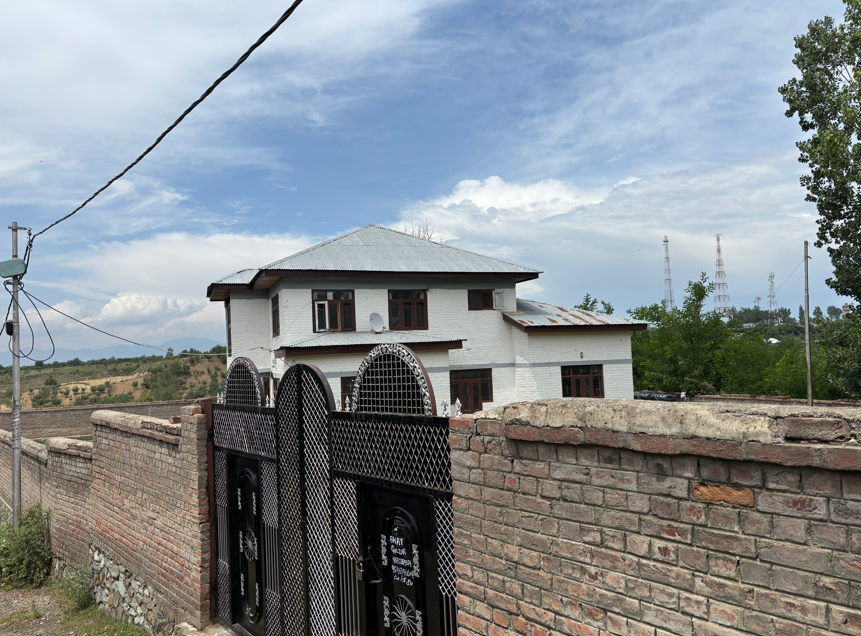
Walking through Kanispura today, you can feel this blend of old and new. The echoes of Emperor Kanishka's era still linger in its name, while its location keeps it relevant as a connecting point for the villages around it. In many ways, Kanispura is a small but meaningful piece of Kashmir's long and layered history, still playing its part in the everyday life of Baramulla district.
About the Village
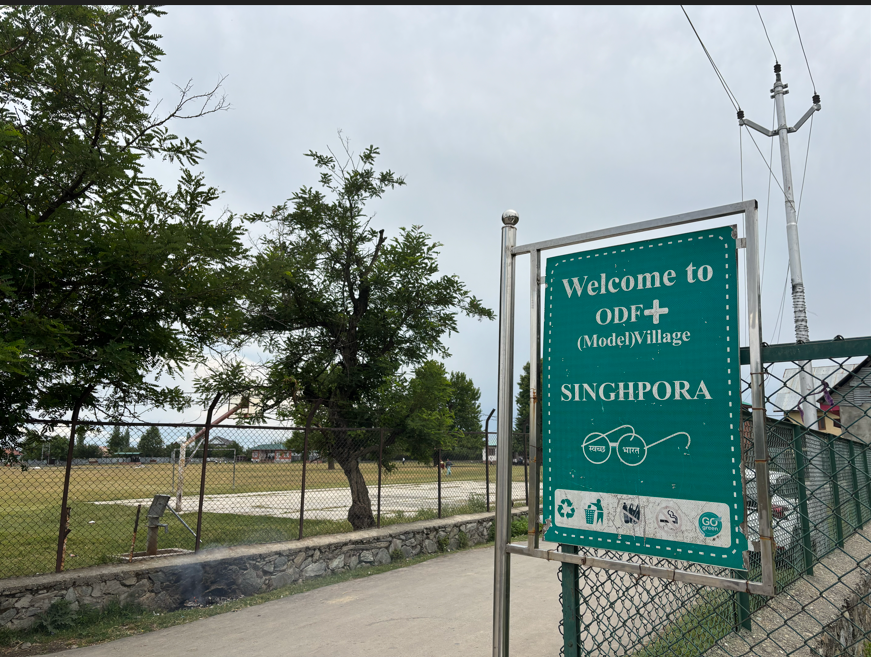
Singpora Kalan is one of the more prominent villages in Baramulla district, known as much for its community spirit as for its role as a local hub. According to the 2011 Census, the village is home to roughly 2,100 people, and what really stands out here is the sense of harmony between its two main communities — about 60% Sikh and 40% Muslim — living and working side by side.
The village shares a close bond with neighboring Kanispora, and it's this connection that keeps Singpora Kalan well-linked to Baramulla town. The Kanispora route serves as a key access point, making day-to-day travel and trade a lot easier for residents.
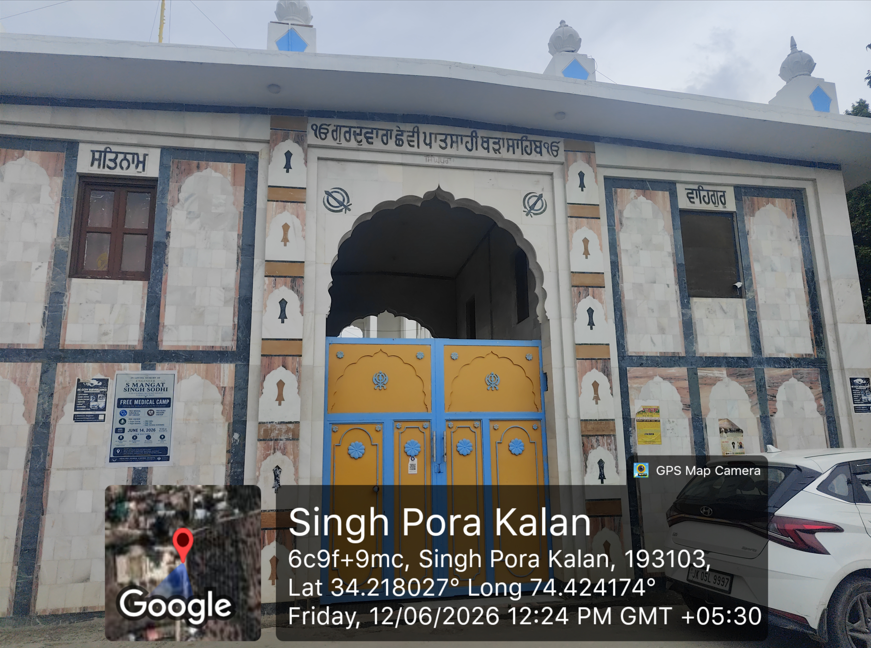
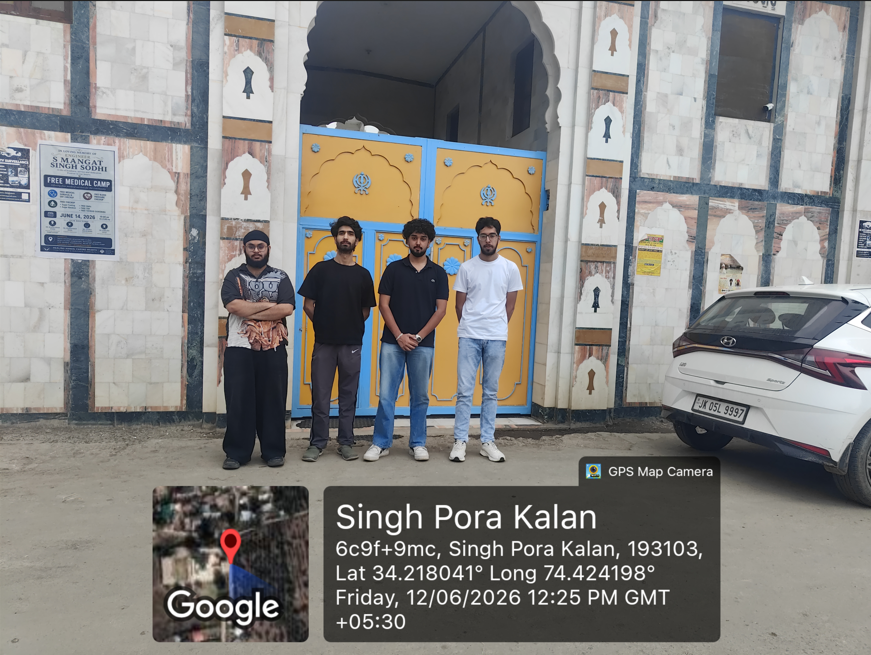
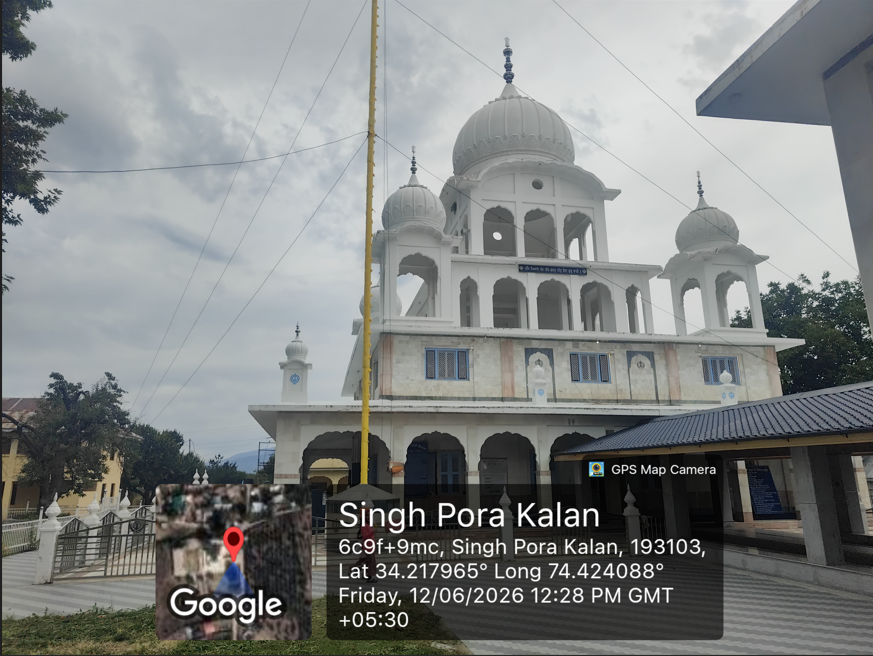
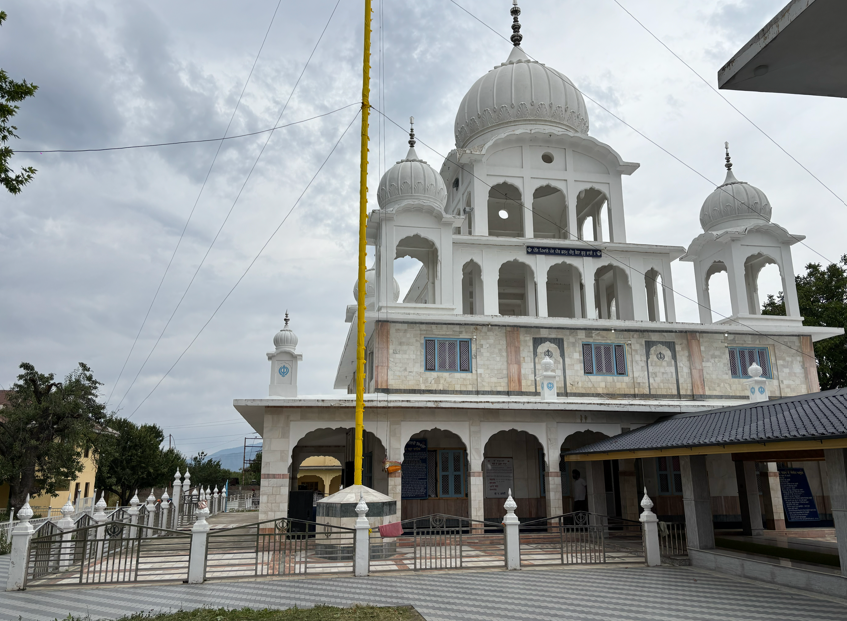
One of the most notable landmarks here is the Gurudwara Thada Sahib, a site of deep religious and cultural importance, drawing visitors and devotees from across the region. It stands as a strong symbol of the Sikh community's presence and heritage in the area, adding a unique cultural dimension to the village's identity.
Connectivity & Transportation
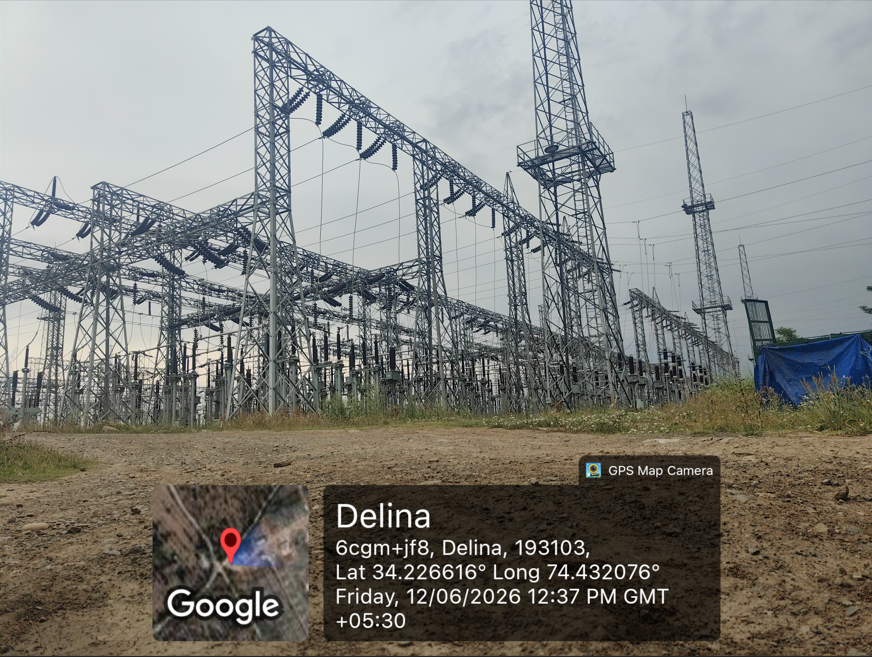
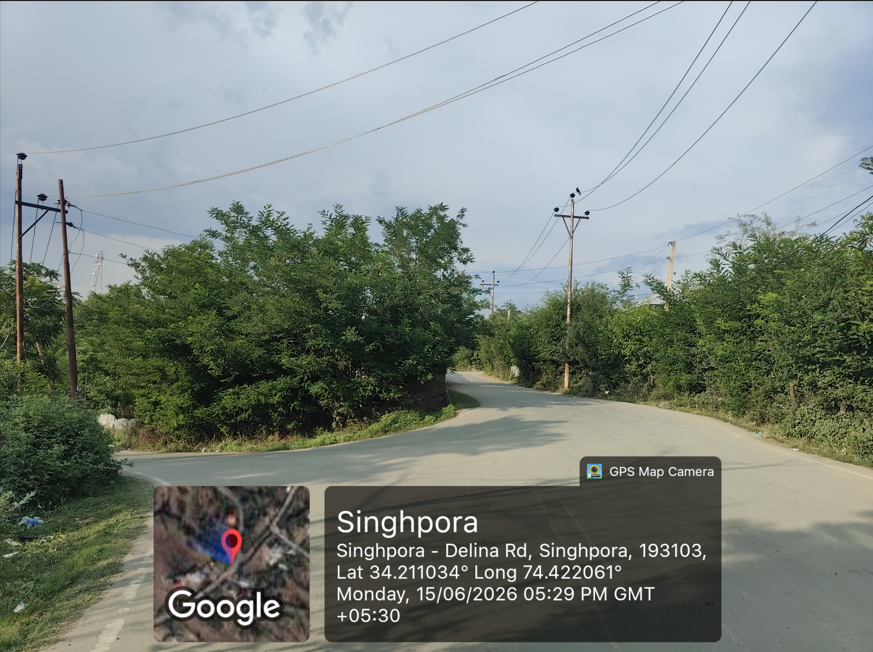
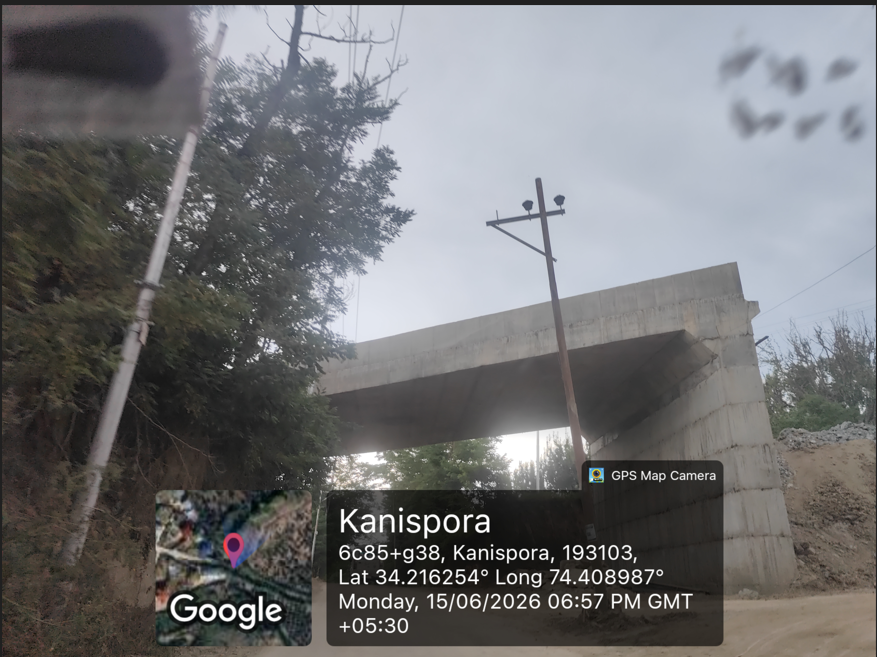
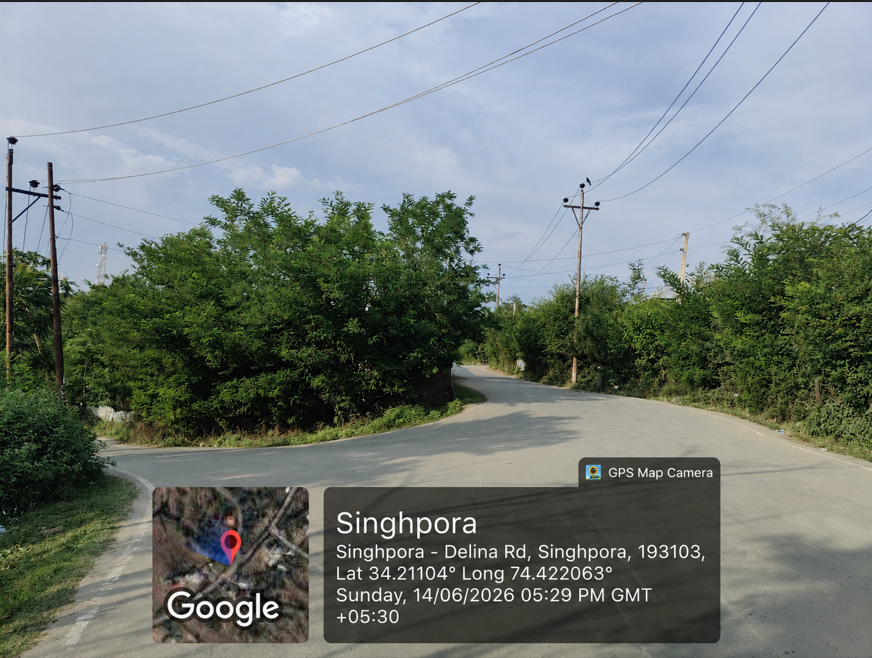
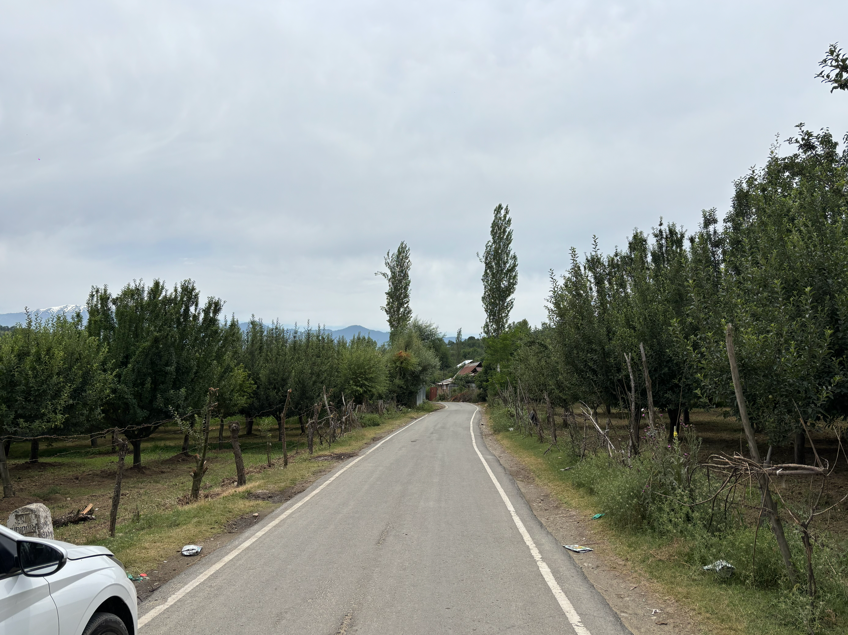
Singpora Kalan enjoys good connectivity to the National Highway and the Srinagar–Baramulla Highway via Delina, which has really opened it up in terms of transportation and overall development. Combined with its link to Baramulla town through the Kanispora route, the village is well-positioned in terms of accessibility compared to many other rural areas in the district.
Education
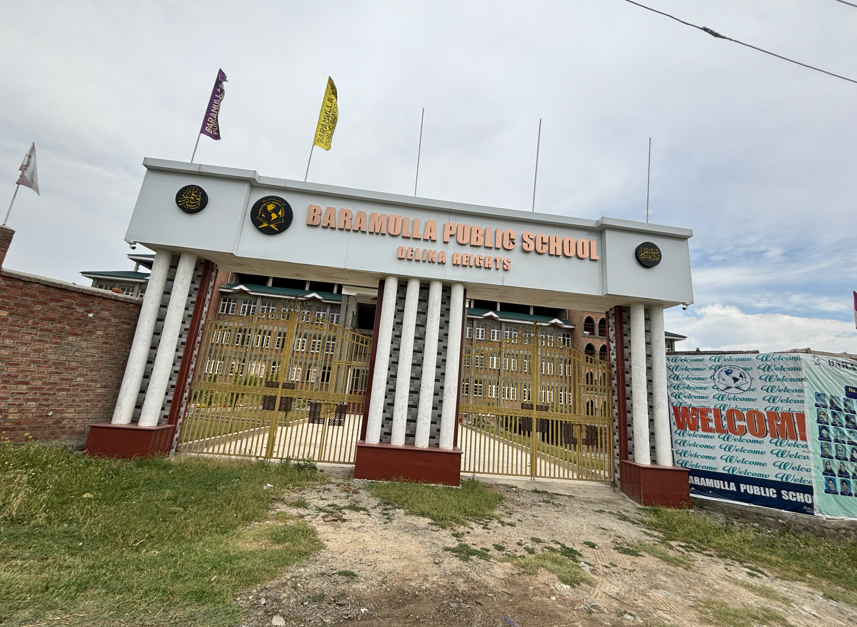
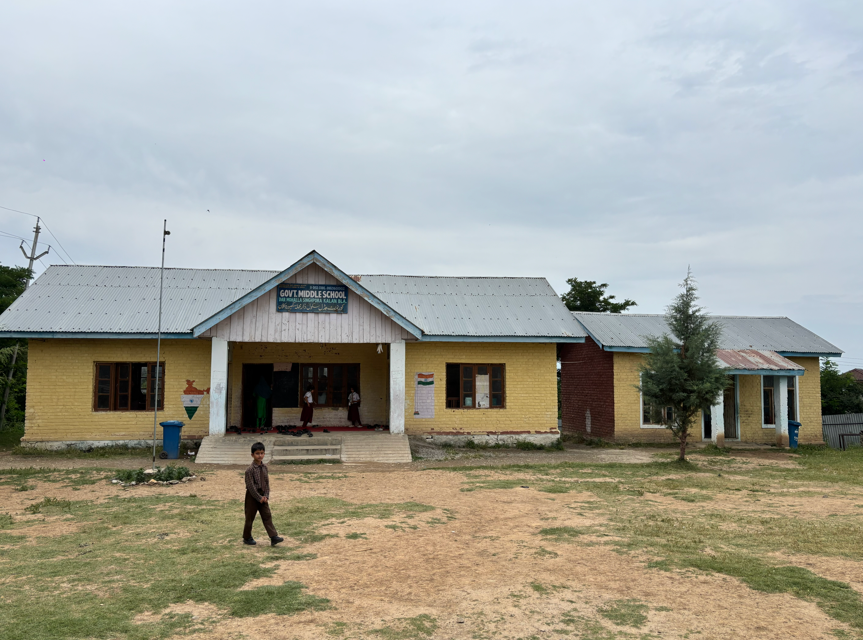
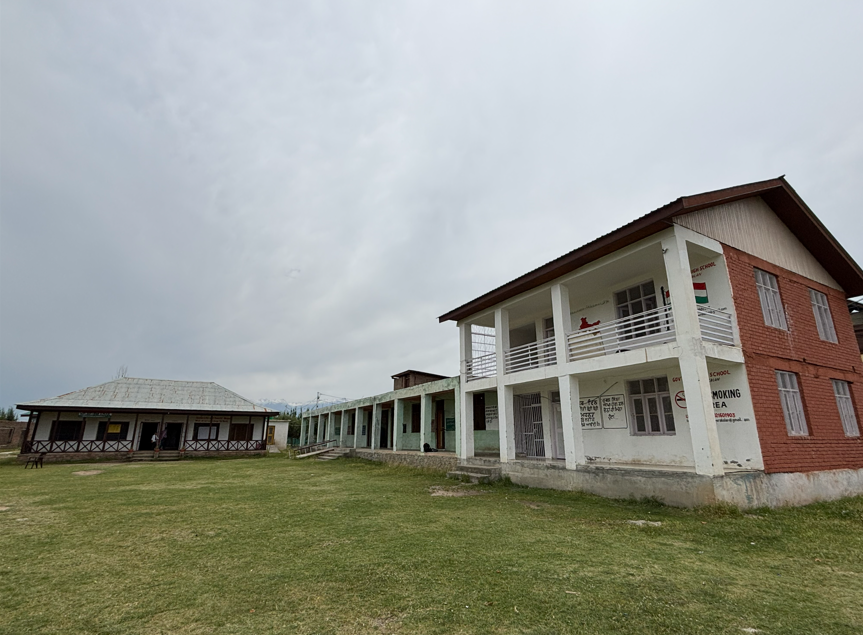
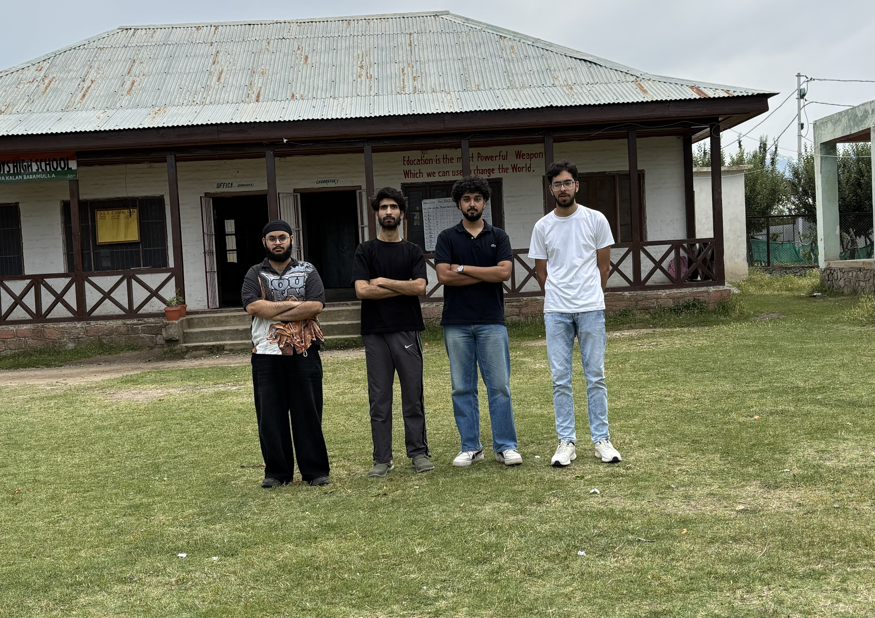
Education has a strong presence in Singpora Kalan. The village houses a Government Higher Secondary School and a Government Middle School, alongside a private institution, Baramulla Public School, giving families a mix of options for their children's schooling. There's also a BSF School located within the BSF Cantonment Area, reflecting the village's ties to the security establishment stationed nearby.
Administrative & Health Infrastructure
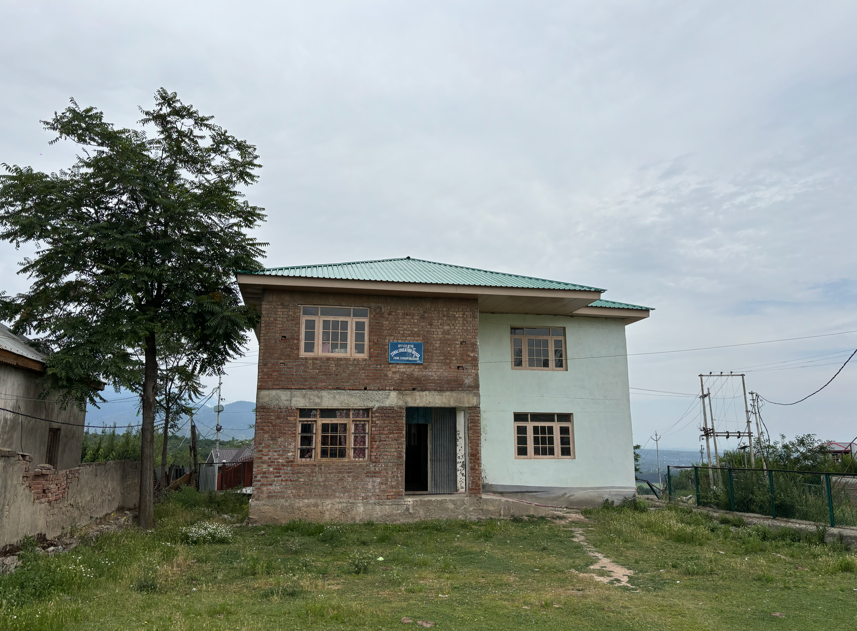
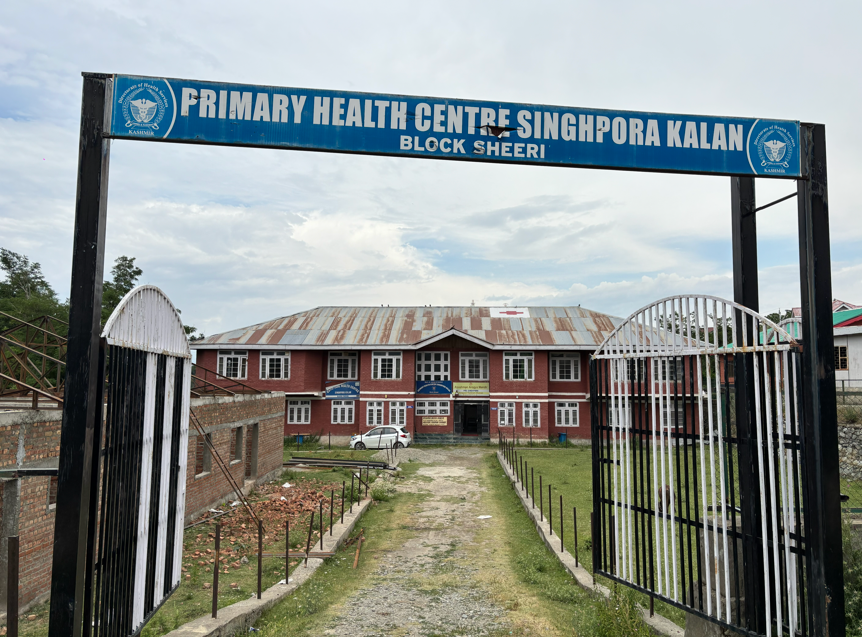
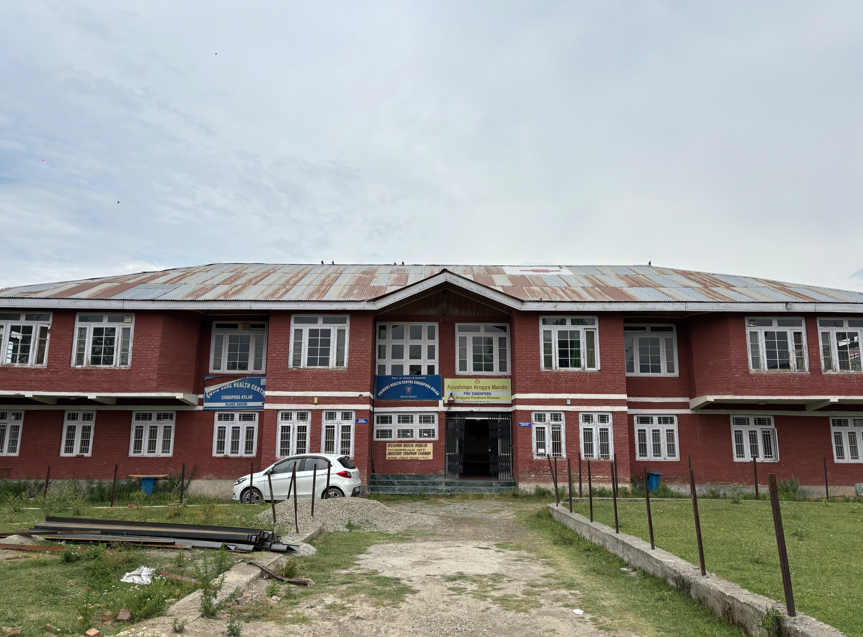
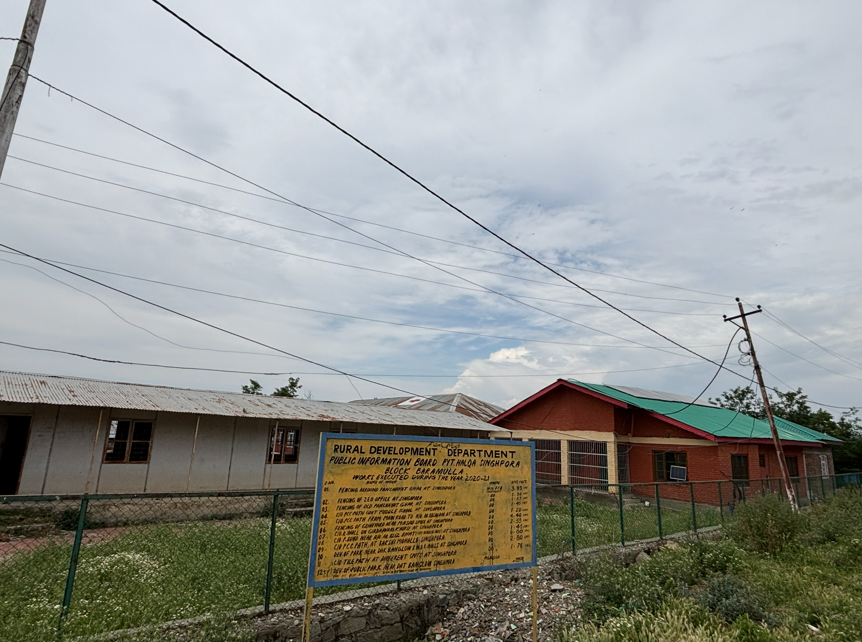
When it comes to everyday needs, the village is fairly self-sufficient. A Panchayat Office and Patwar Office handle administrative matters, while a health centre and several dispensaries take care of basic medical needs. Local shops keep the village running on a practical level, meeting the daily requirements of residents without them having to travel far
The Historical & Spiritual Heritage of Singhpura Kalan Village
1. Gurdwara Thara Sahib, Kalampura
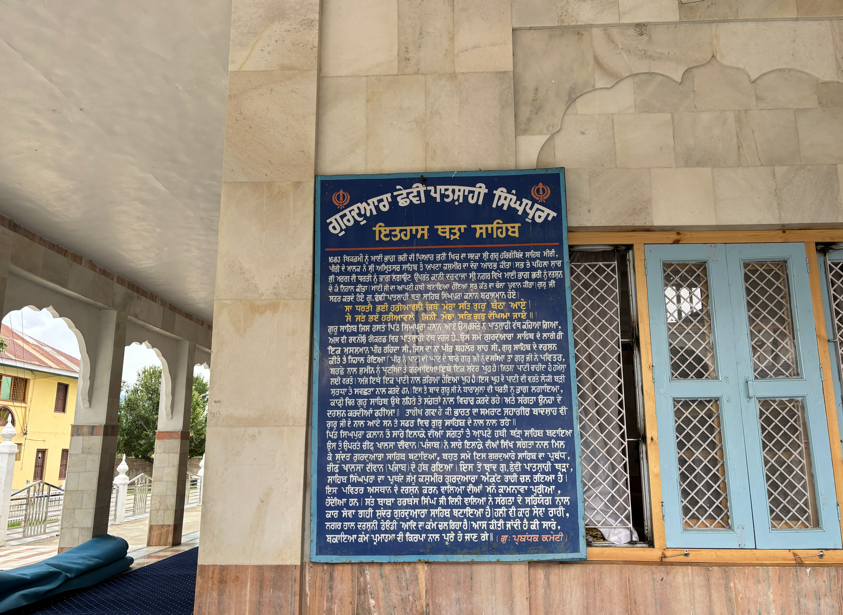
Nestled along the Baramulla–Srinagar national highway, just 8 kilometers from Baramulla town, lies a place steeped in history and devotion — Gurdwara Thara Sahib, Kalampura.
Local legend tells of a faqir named Balol who, along with his disciples, once crossed paths with Guru Sahib near Kalampura village. What followed was a meeting of minds and hearts — deep religious discourse between the faqir and the Guru. Moved by the request of the local people, Guru Ji dug out a fresh water spring right there on the spot, giving the community a lasting gift.
Years later, toward the close of the 19th century, a platform — a "Thara" measuring 20 by 25 feet — was built at this sacred site by S. Matwal Singh Sahni along with fellow Gursikhs, to honor and preserve the memory of that encounter. The site's significance only grew from there. Between 1928 and 1931, respected figures from the Chief Khalsa Dewan, Amritsar — including the celebrated Bhai Vir Singh, S. Damodar Singh (an engineer), and S. Narinder Singh — visited and helped construct the Gurdwara that stands there today, now cared for by the Gurdwara Parbandhak Committee, Baramulla. It's said Guru Ji would often travel from Baramulla to nearby Singhpura for hunting expeditions, weaving this entire region into the fabric of that history.
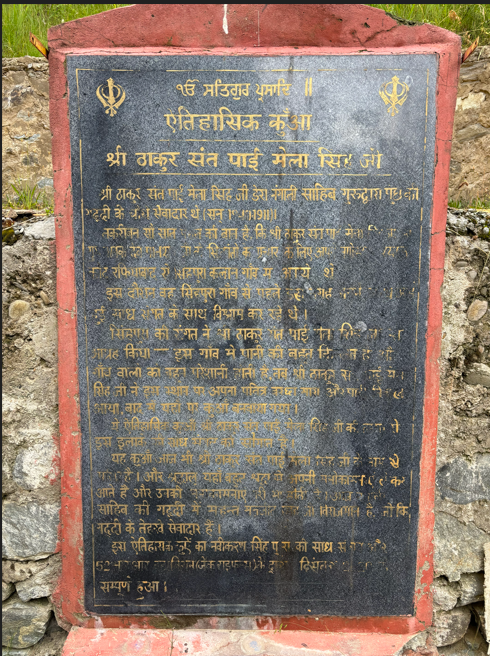
2. The Historic Well of Bhai Mela Singh Ji, Singhpura
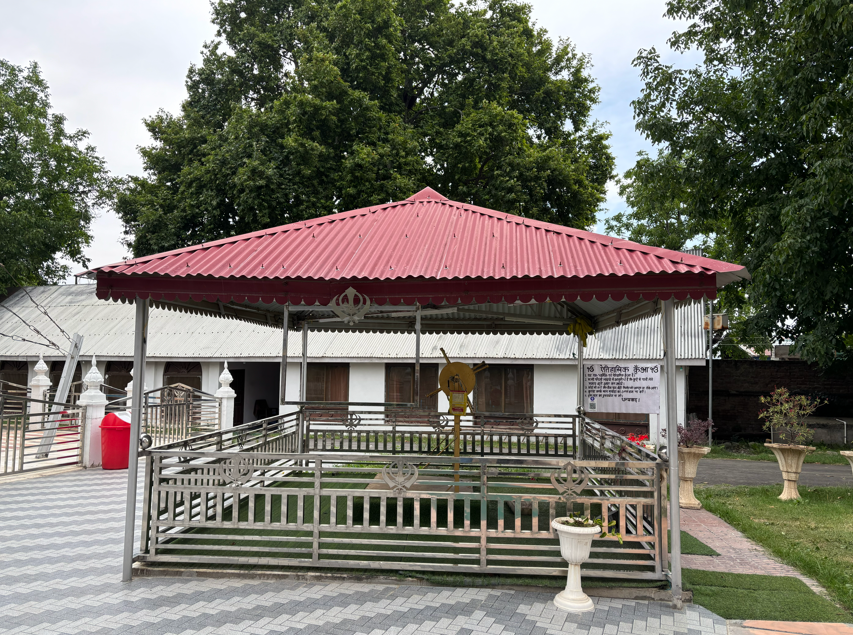
Not far from there, in Singhpura, Baramulla, stands another site the village holds dear — a historic well tied to the memory of Shri Thakur Sant Bhai Mela Singh Ji, the revered 13th sewadar (chief caretaker) in the spiritual lineage of Dera Nangali Sahib, Poonch.
According to accounts passed down and inscribed at the site, roughly 300 years ago the region was gripped by a severe water shortage. The villagers, desperate and suffering, turned to the visiting saint for help. In response to their pleas, he blessed the land and brought forth a source of sweet, pure drinking water right where the well now stands.
That well remains today — not just as a source of water, but as a living monument to compassion and faith. Devotees and travelers from all walks of life still visit to drink from it, seeking peace, blessings, and healing, keeping alive a tradition of gratitude that has lasted for centuries.
Cultural & Religious Festivals of Singhpura Kalan
Singhpura Kalan is a village where faiths live side by side, and that closeness shows in the way festivals are celebrated here. Home to both Sikh and Muslim families, the village carries a spirit of brotherhood that goes beyond religious lines — where one community's celebration becomes an occasion for the whole village to come together. This shared bond of harmony and mutual respect is what truly defines the character of Singhpura Kalan.
Baisakhi and the Baisakhi Mela
The most prominent celebration of the year arrives with Baisakhi. Following the day itself, Gurdwara Thara Sahib, Singhpura hosts the Baisakhi Mela — an occasion that draws people from across the region. This Mela isn't just a local affair; it stands as the biggest Mela in the entire Baramulla district, pulling in devotees, families, and visitors who come together to mark the harvest festival and pay respects at the Gurdwara.
Muharram in Neighboring Deilna
Just near Singhpura lies Deilna, a Shia Muslim village, and during Muharram the area comes alive with solemn processions and mourning rituals observed by the community in remembrance of the sacrifices of Karbala. These observances are a significant part of the region's religious calendar and reflect the deep devotion of Deilna's residents.
Other Cultural Celebrations
Alongside these major events, the village also celebrates festivals like Lohri and Diwali, adding warmth and color to the calendar throughout the year.
Nagar Kirtans
Mornings take on a special reverence ahead of Guru Nanak Jayanti and Guru Gobind Singh Ji's birth anniversary, when Nagar Kirtans are held — processions of devotion and hymn-singing that move through the village, bringing the community together in shared celebration of the Gurus' teachings.
Together, these festivals — celebrated by Sikhs and Muslims alike — reflect the true soul of Singhpura Kalan: a village bound not just by geography, but by generations of coexistence, respect, and shared belonging
Natural Environment & Agriculture of Singhpura Kalan
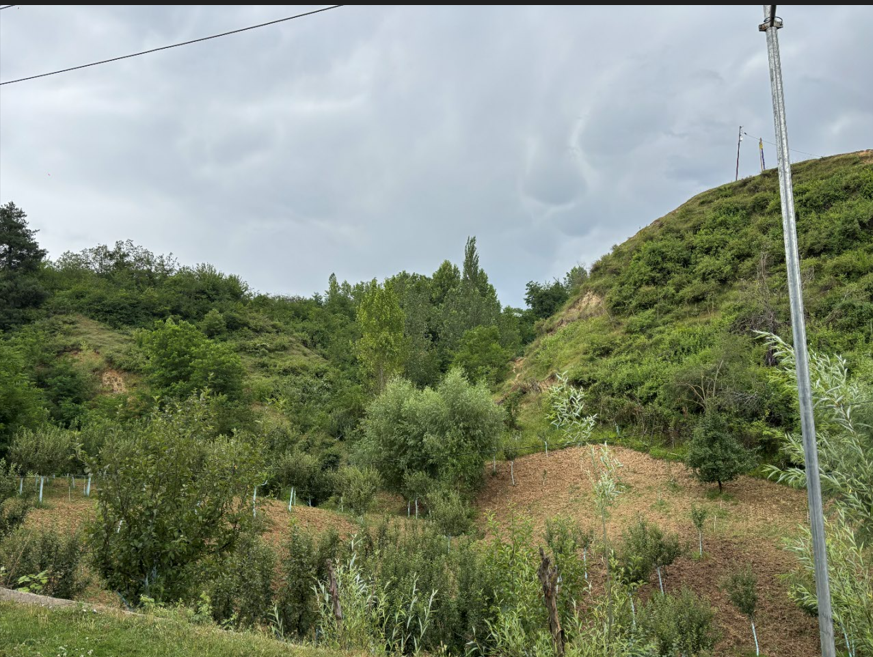
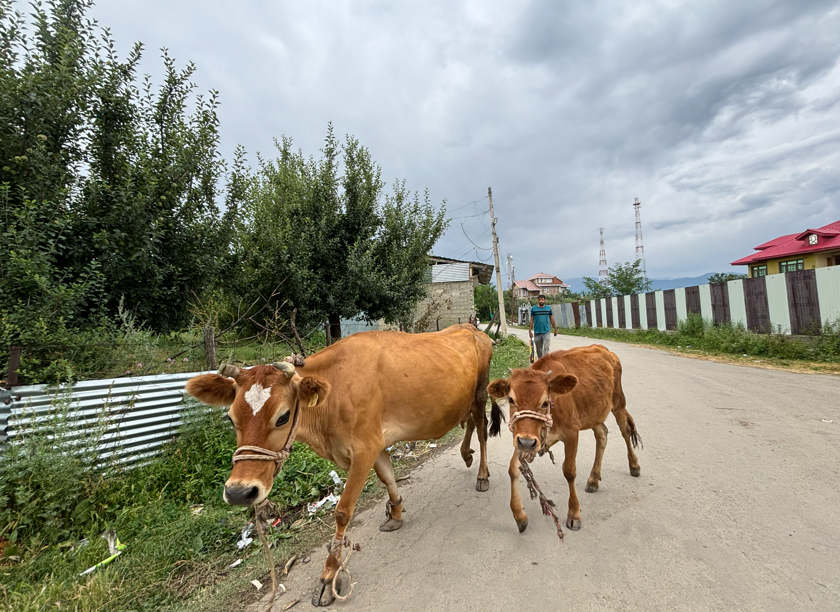
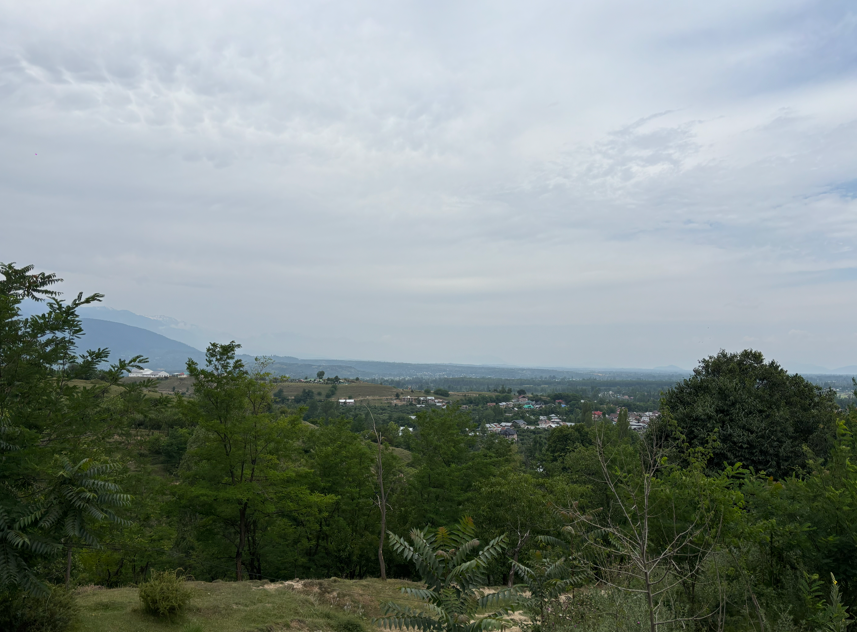
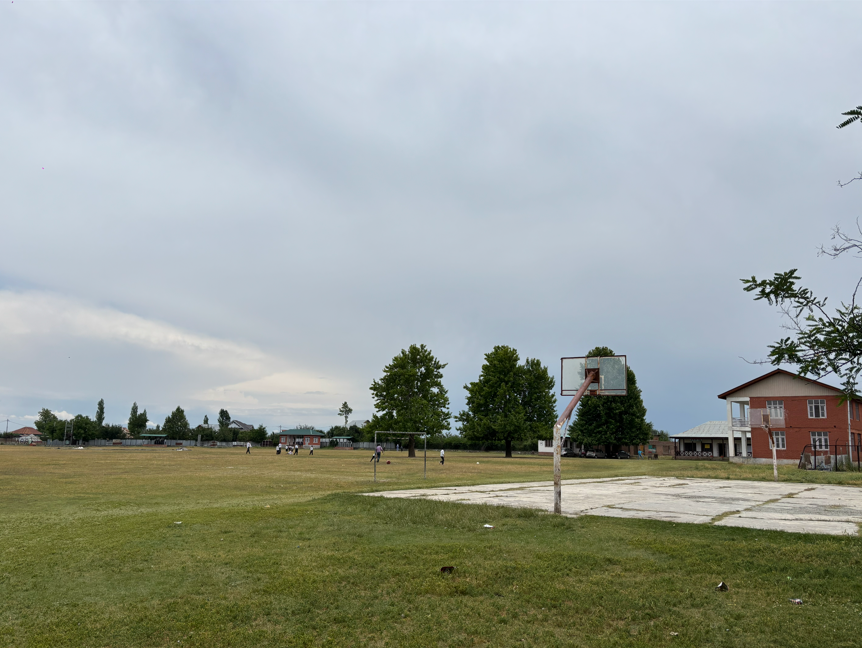
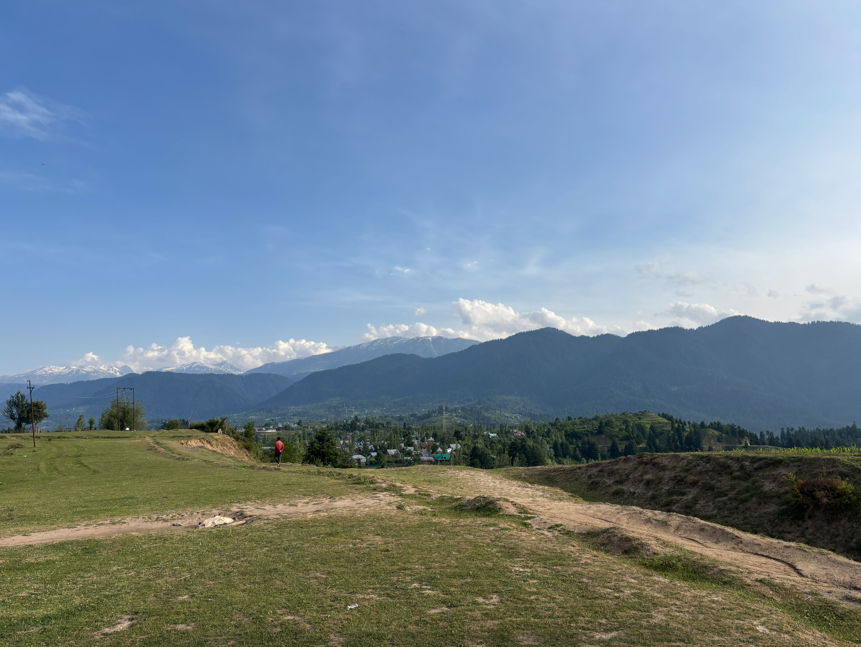
Back in the day, Singhpura Kalan was largely covered by dense forest, with only a handful of families calling the area home. Over time, as those families grew and new households were built, the forest cover gradually gave way to homes and farmland, shaping the village into the settlement it is today.
According to available records, the village spans a total area of about 191.8 hectares, of which roughly 151.7 hectares is sown or agricultural land. Of this, around 55.4 hectares is irrigated — entirely through canal water — while the remaining 96.3 hectares depends on rainfall and other natural sources. A further 21.1 hectares is put to non-agricultural use, and about 19 hectares remains as culturable waste land, land that could be farmed but currently lies unused.
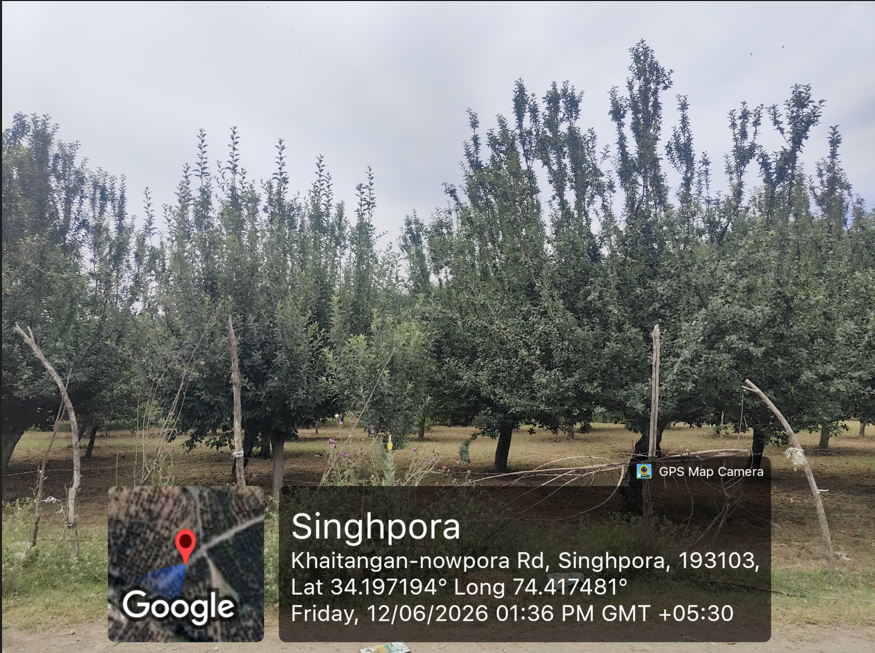
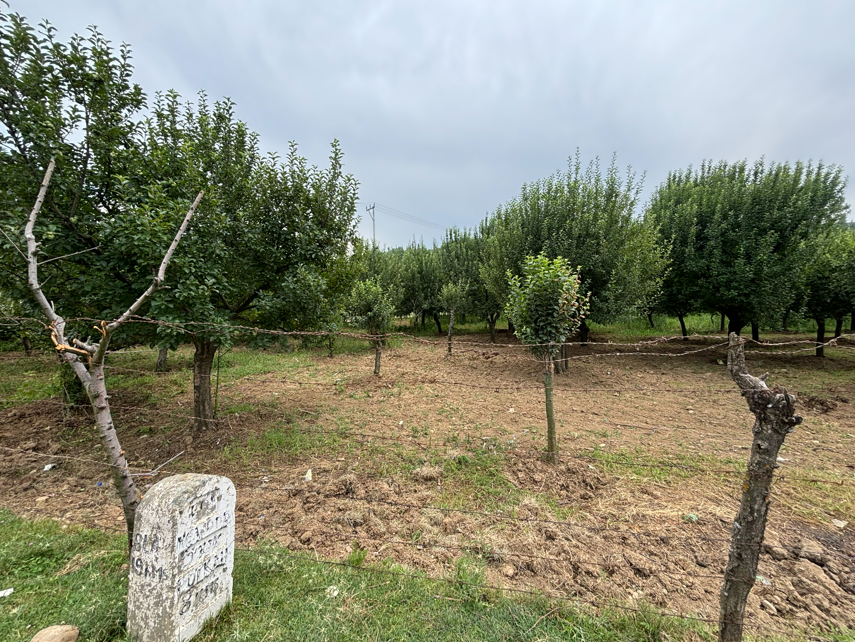
Much of the village's agricultural land today is devoted to orchards — apple being the most widely grown, alongside cherry, peach, apricot, almond, pear, and plum farms. Beekeeping also has a strong presence, with several honeybee farms adding to the village's produce. Corn is grown as well, rounding out the mix of crops that sustain local livelihoods.
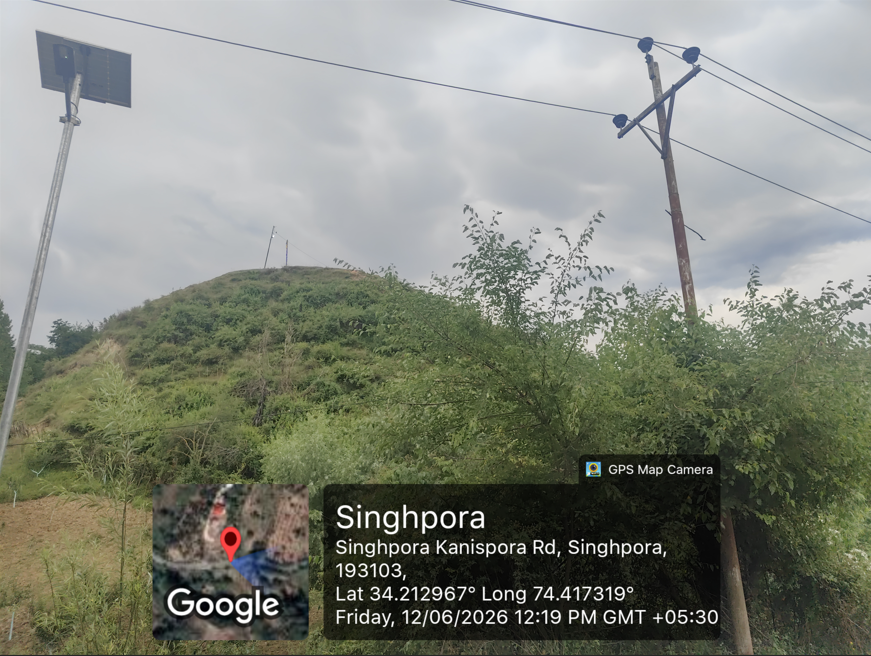
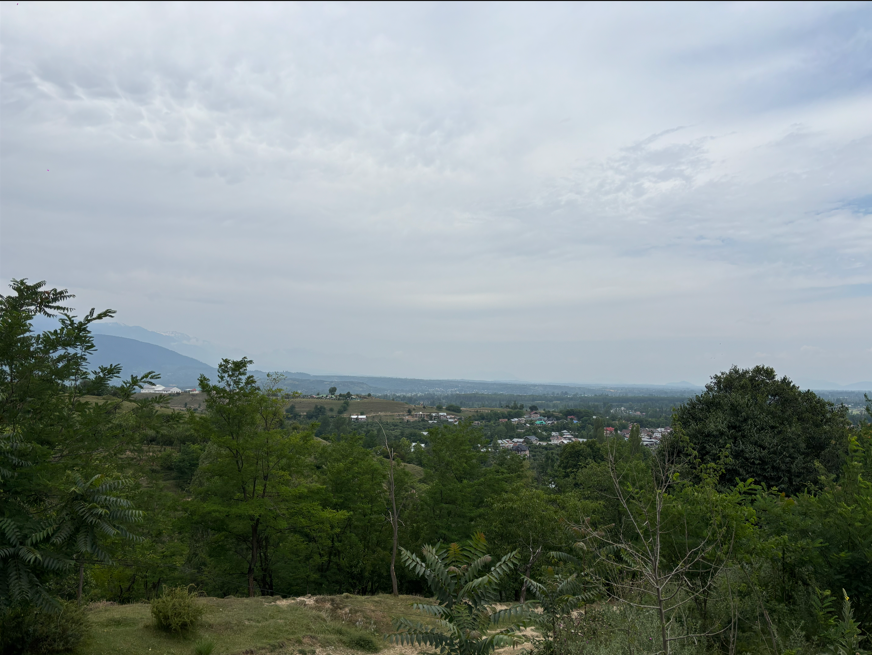
One notable feature of the village is its elevation. Sitting at a higher altitude compared to neighboring areas like Kanispura, Singhpura Kalan has no natural freshwater source of its own — no stream or spring running through the land. Because of this, water for irrigation and other purposes is drawn from underground sources — bore wells, hand pumps, and dug wells. Drinking water, meanwhile, reaches households through PHE (Public Health Engineering) pipelines, while everything outside of drinking water depends entirely on groundwater and canal irrigation.
Photos
Videos

Location Map
Contact Information
| Address |
baramulla |
| Phone Number |
8082672746 |
| Email Address |