
Description
INTRODUCTION:
BY: ADNAN BASHIR PIR and ASHIA PARGAL on 22 Nov 2025
Raipur is a village located in Samba tehsil of Samba district in Jammu & Kashmir, India. It is situated 8km away from Samba, which is both district & sub-district headquarter of Raipur village. As per 2009 stats, Pang hour is the gram panchayat of Raipur village. Raipur has its own place in the vibrant Samba region. In the following sections, you’ll find details about population, literacy, households, children, caste data, area, pin code, local governance, nearby villages, connectivity, and more
According to Census 2011, the location code or village code of Raipur is 006528. The village spans a total geographical area of 277.6 hectares, and the pin code of the locality is 184121. Samba is nearest town to Raipur village for all major economic activities.
🌄 The Heart of Raipur: A Story of Resilience on the Border
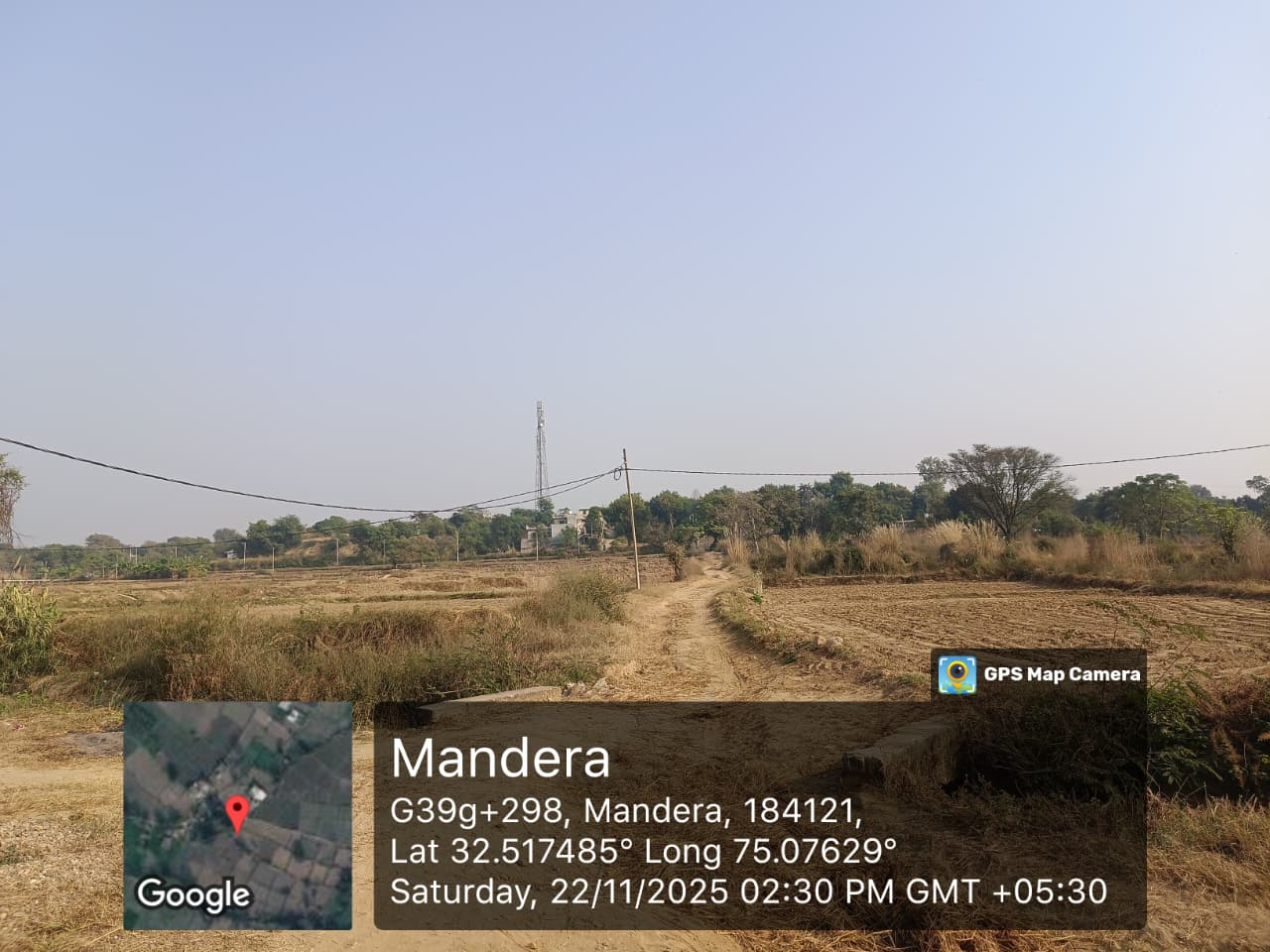
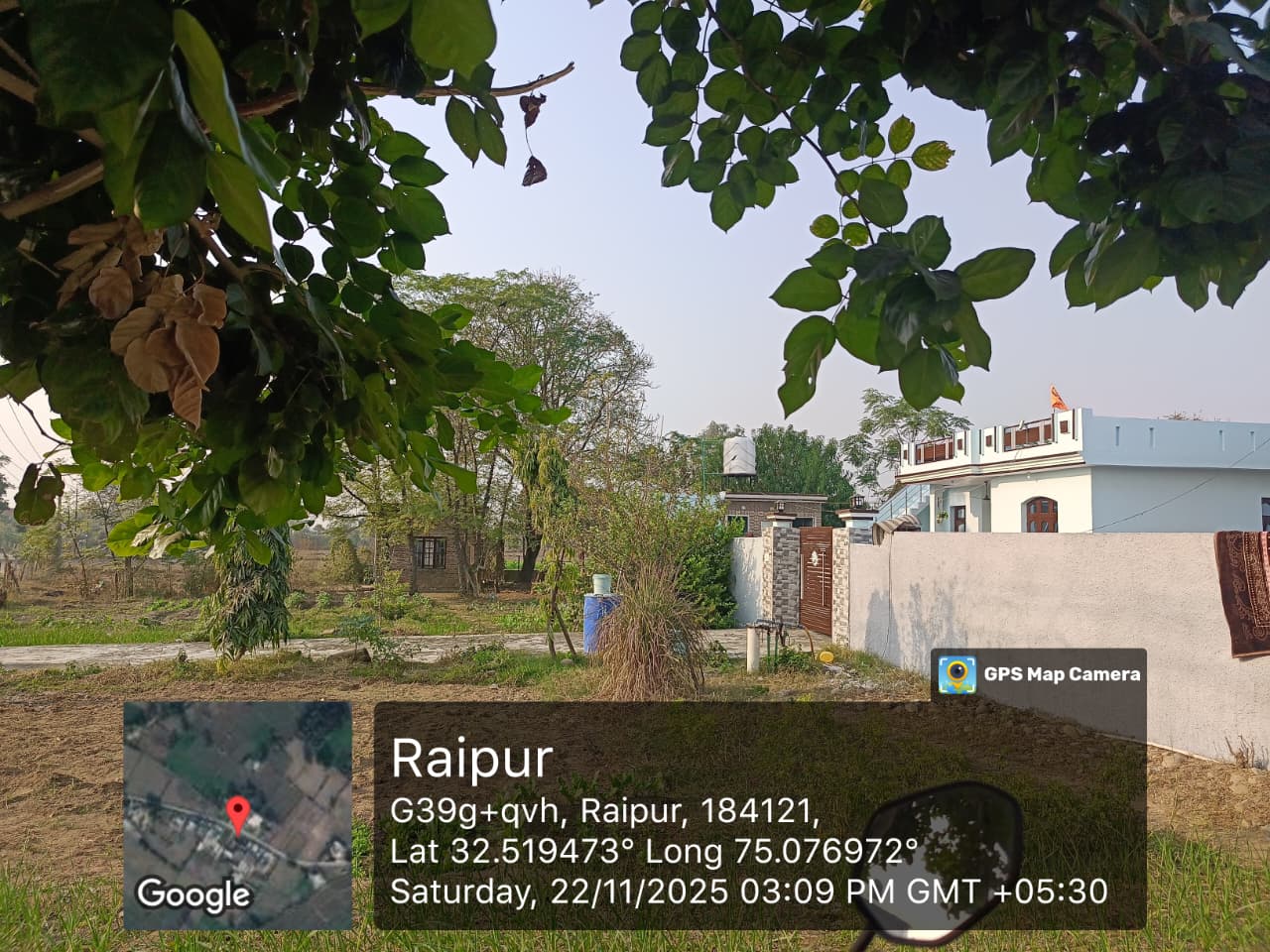
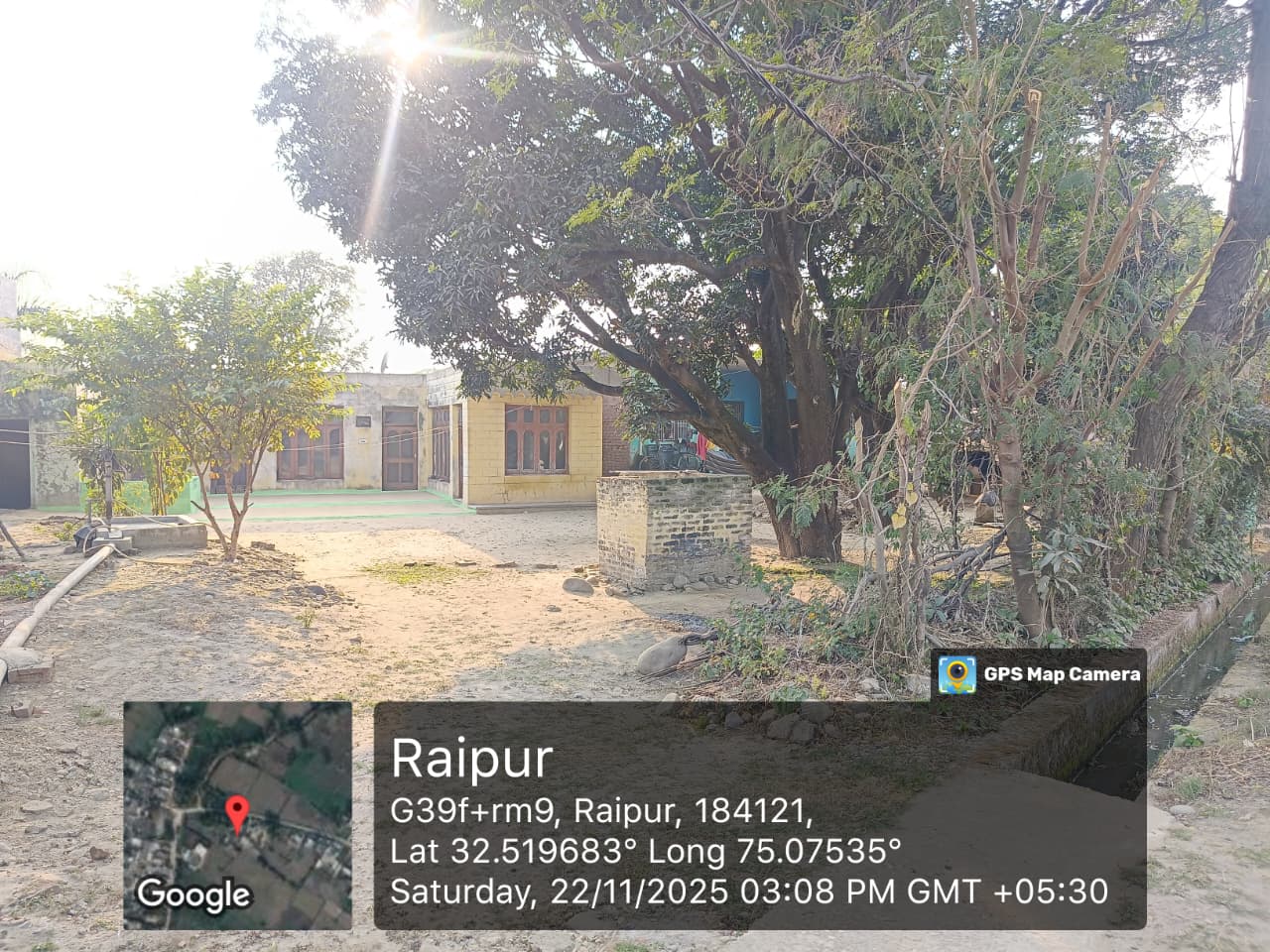
Raipur is more than just a cluster of 163 families near the vibrant fields of Samba; it's a community holding fast to its history and dreaming of a brighter future. Here, life is tethered to the rhythm of the farm, where agriculture and livestock sustain the homes and livelihoods of most residents.
The Shadow of the Border
The first reality of life here is the quiet, constant tension of the International Border. For generations, families have lived under the looming fear of cross-border firing, a threat that shapes daily decisions and disrupts the very sense of peace. This instability has slowed down progress, leaving the community feeling vulnerable and often overlooked.
The Struggle for Opportunity
Despite this challenge, the desire for progress is undeniable. The high literacy rate—over 81%—is a testament to the community's deep commitment to education. Yet, the path to a better future is fraught with obstacles:
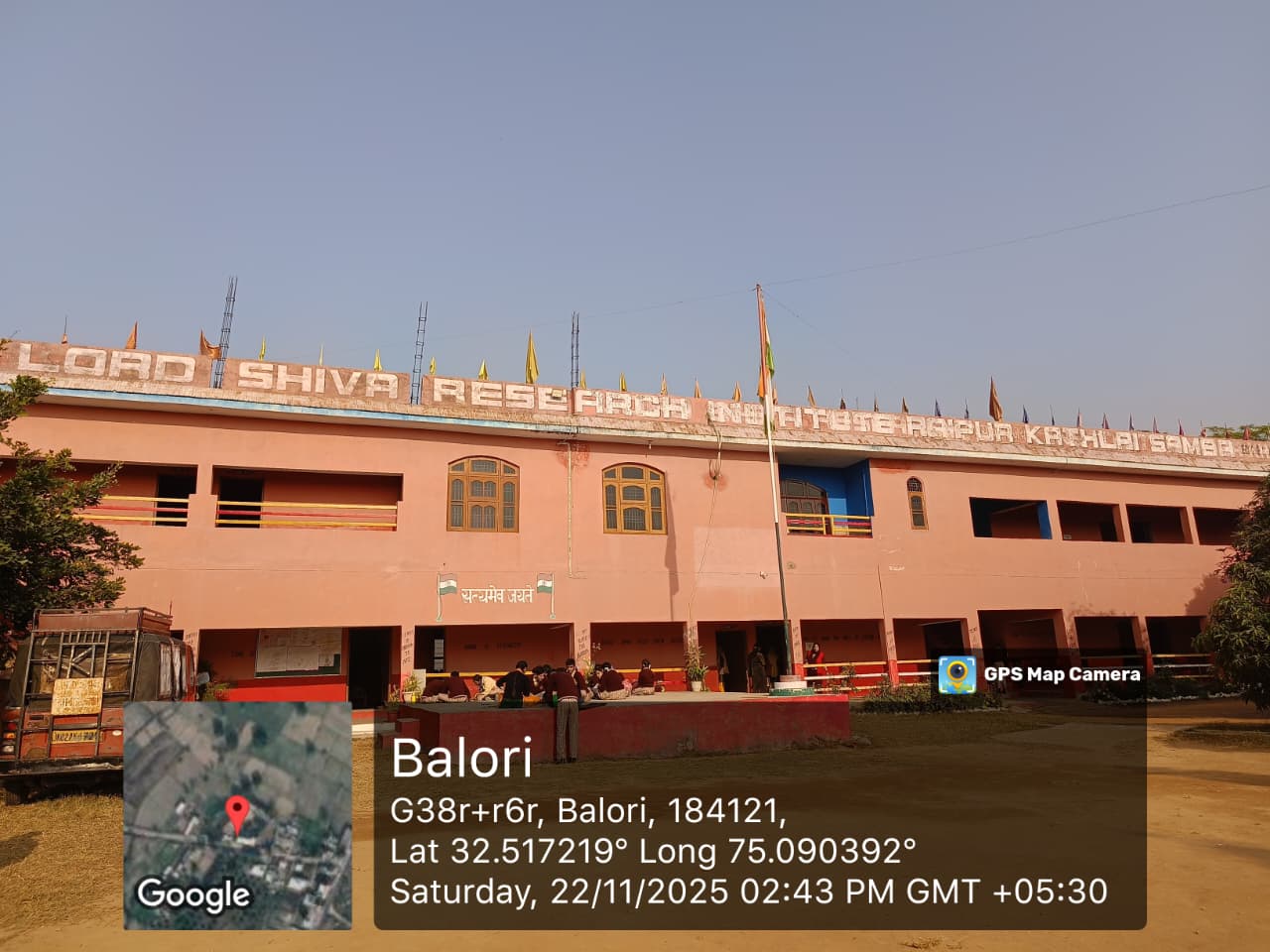
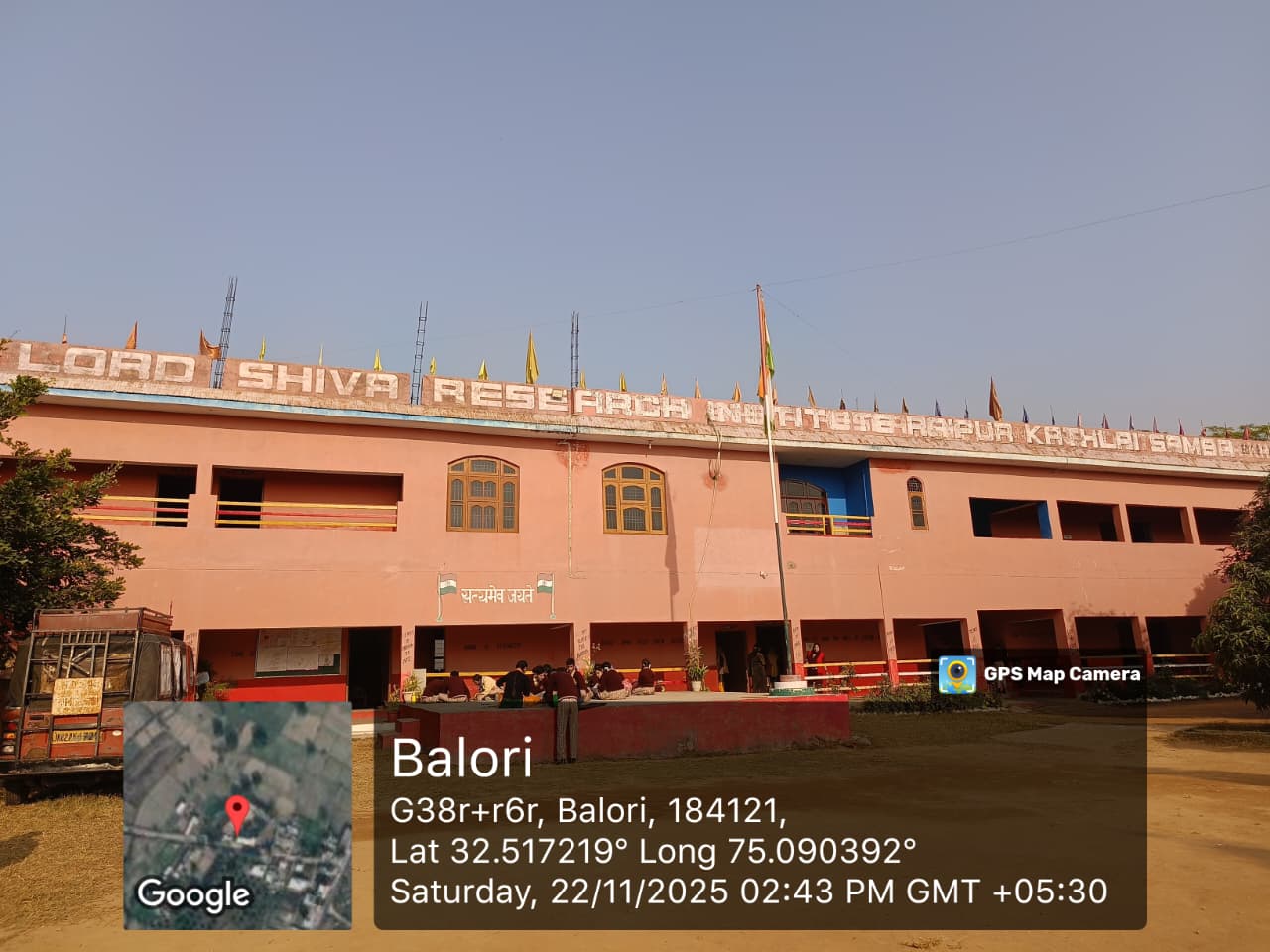
- The Educational Journey: The village lacks a good high school or any coaching facilities. This means that once children, especially daughters, finish their primary schooling, their education becomes a heavy burden. They must undertake long, tiring, and costly commutes to Samba or even Jammu, a sacrifice many financially struggling families simply cannot sustain. The existing schools are unable to offer the quality and facilities needed, like a simple playground for the children to grow.
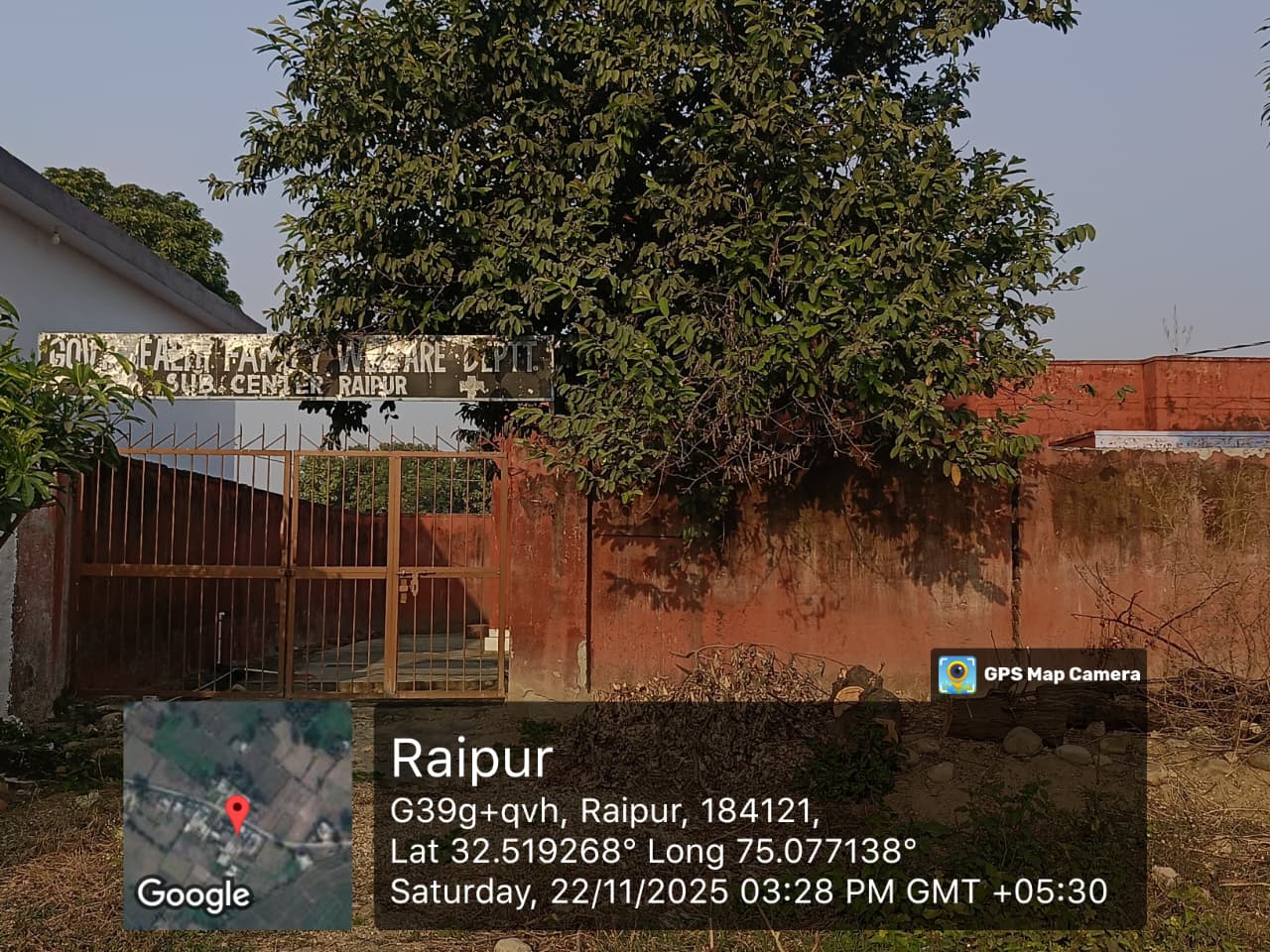
- The Healthcare Gap: When illness strikes, the community faces a desperate situation. The local dispensary, a symbol of promised care (pictured in the data), is tragically under-equipped—it's just a place to hand out pills, not a place to see a physician. Without a permanent doctor, a simple sickness means a long, expensive trip for medical advice, turning a routine check-up into a major, stressful event.
The Roadblocks to Daily Life
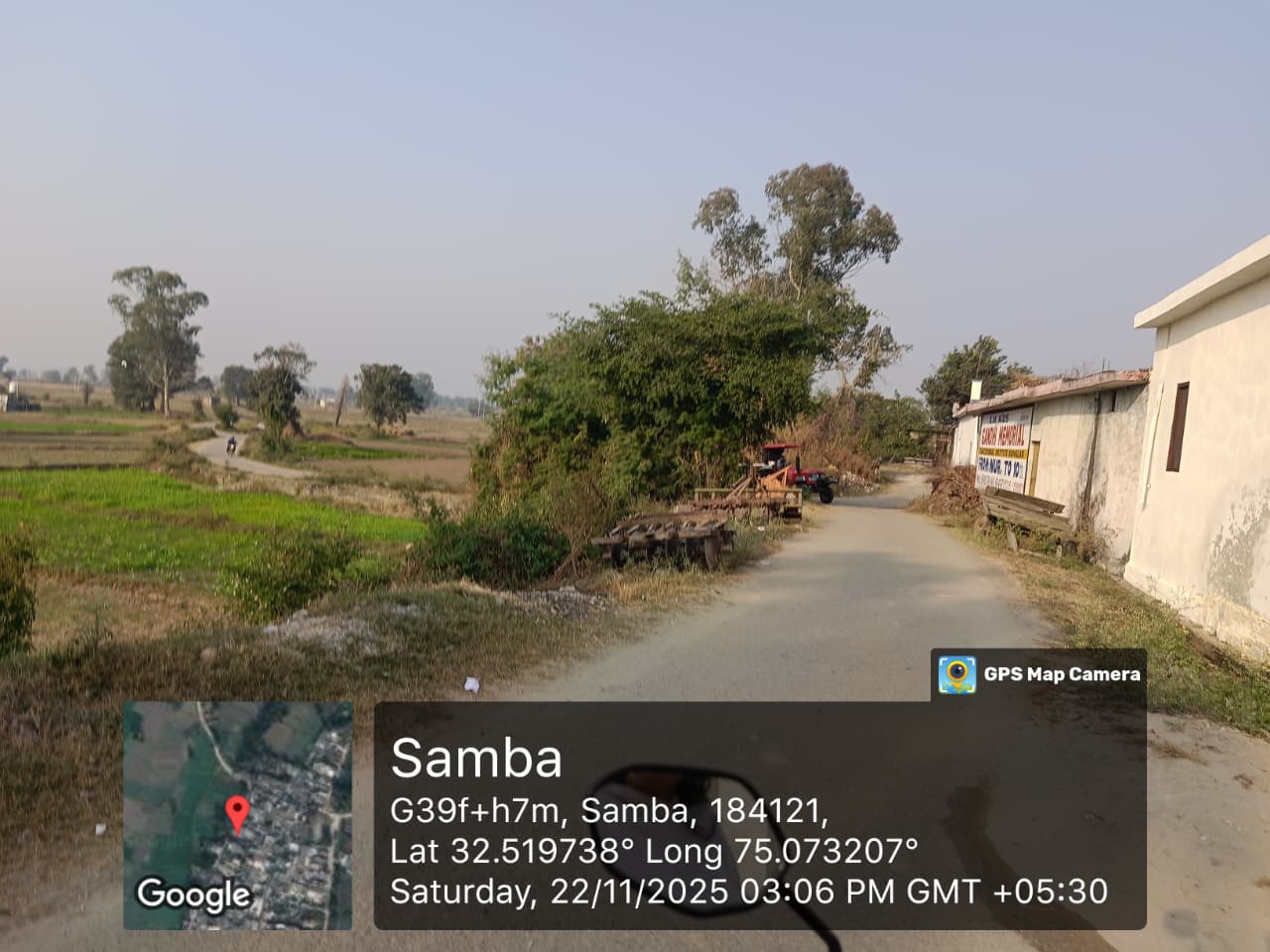
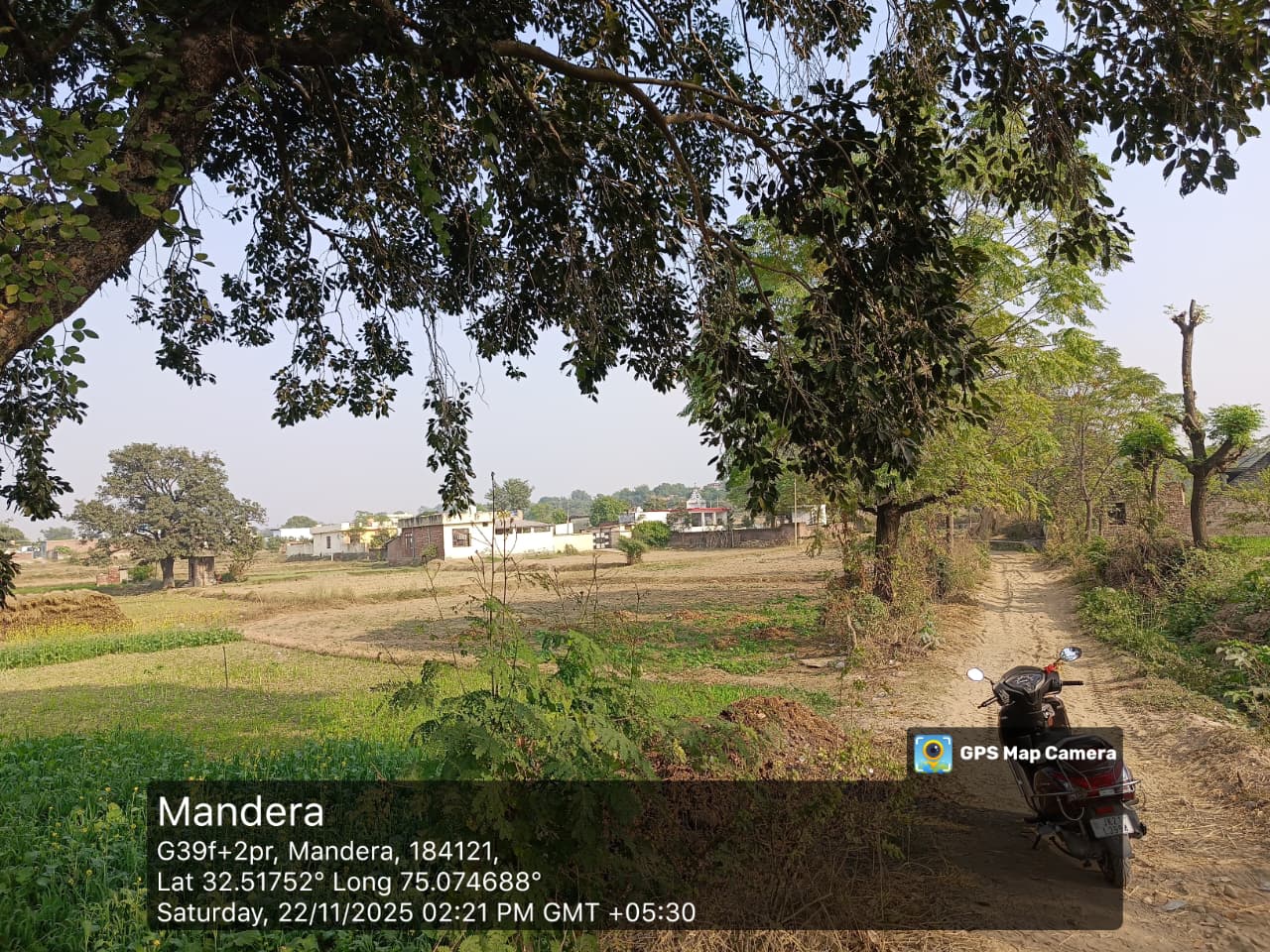
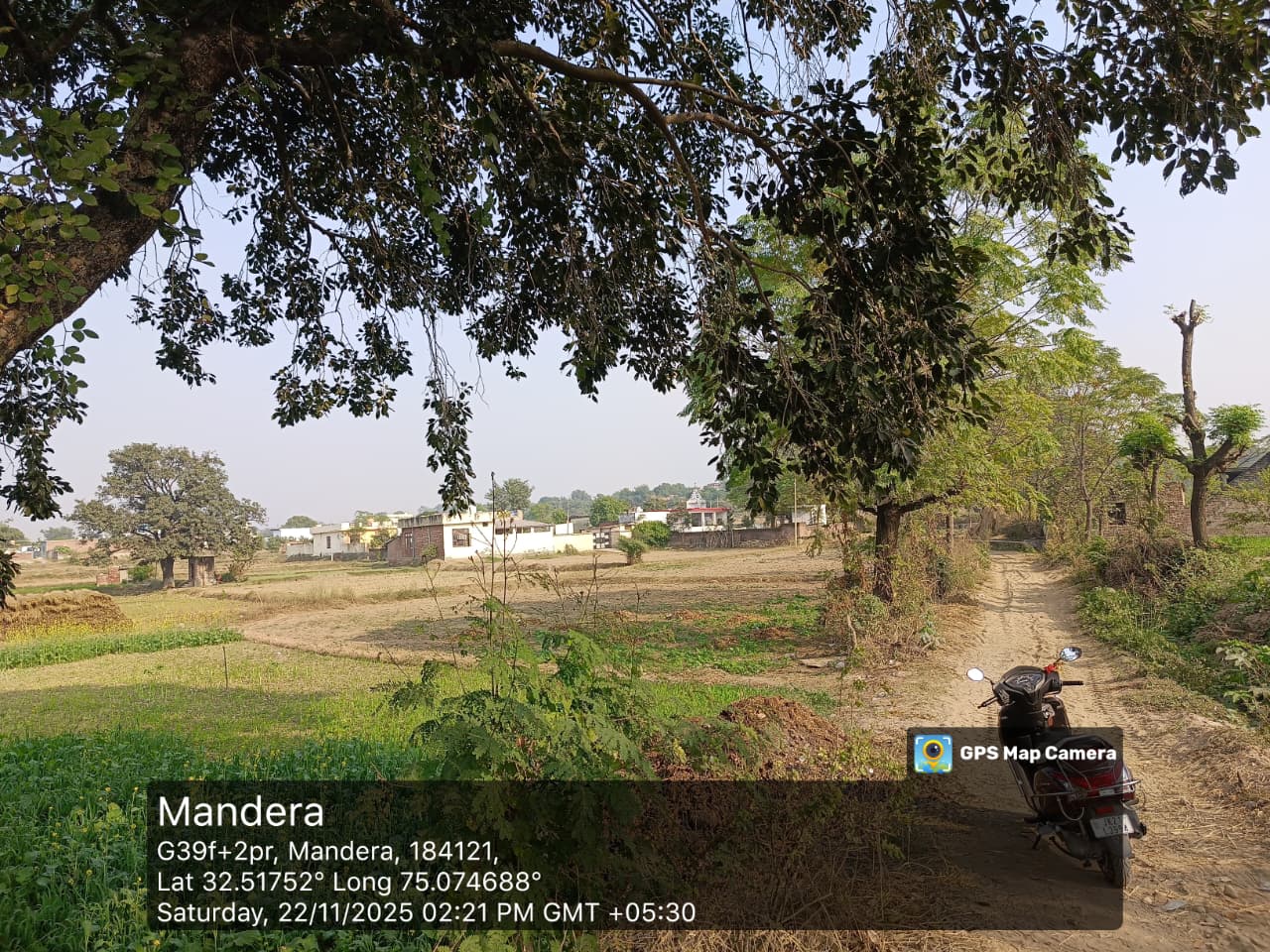
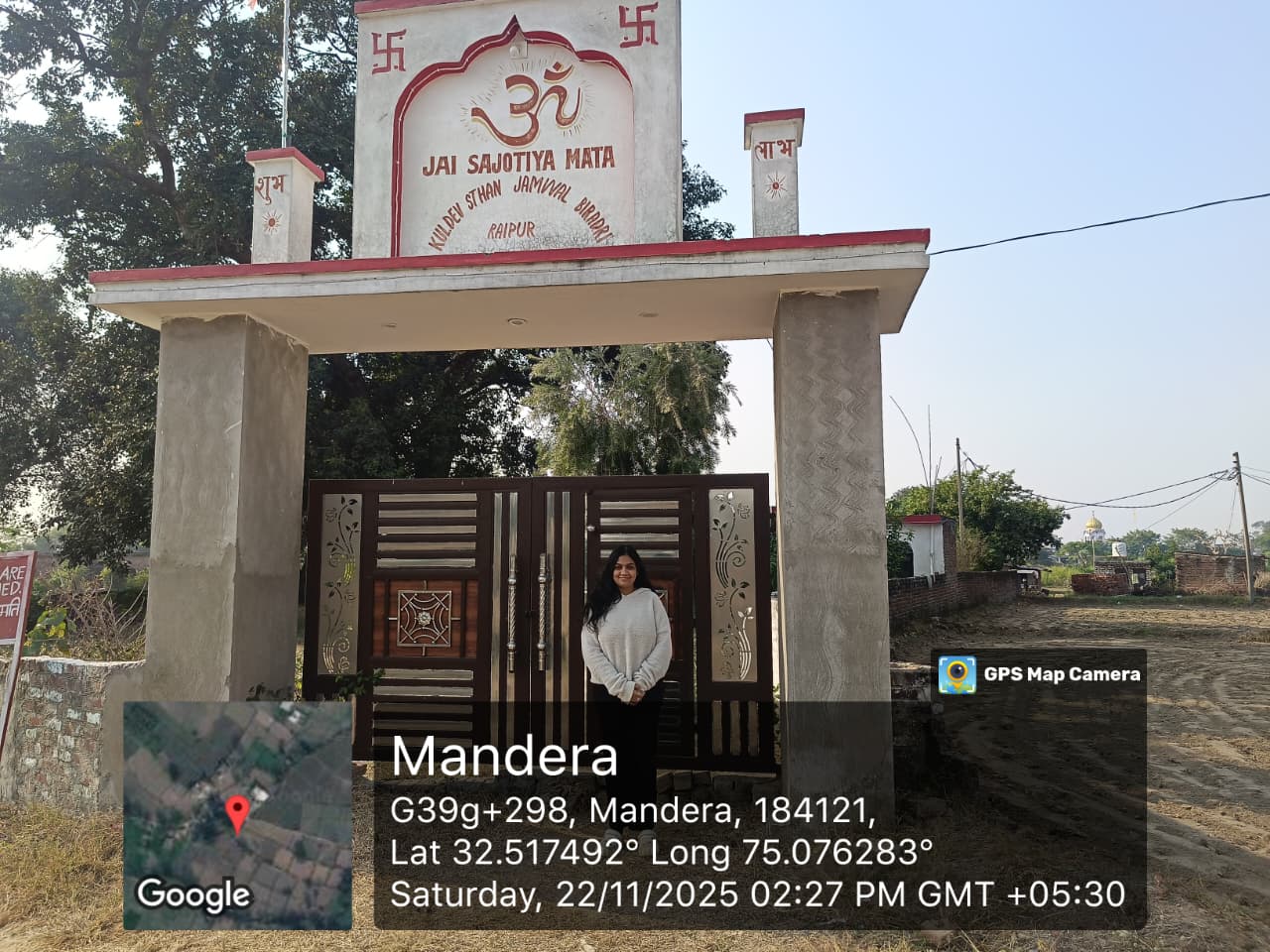
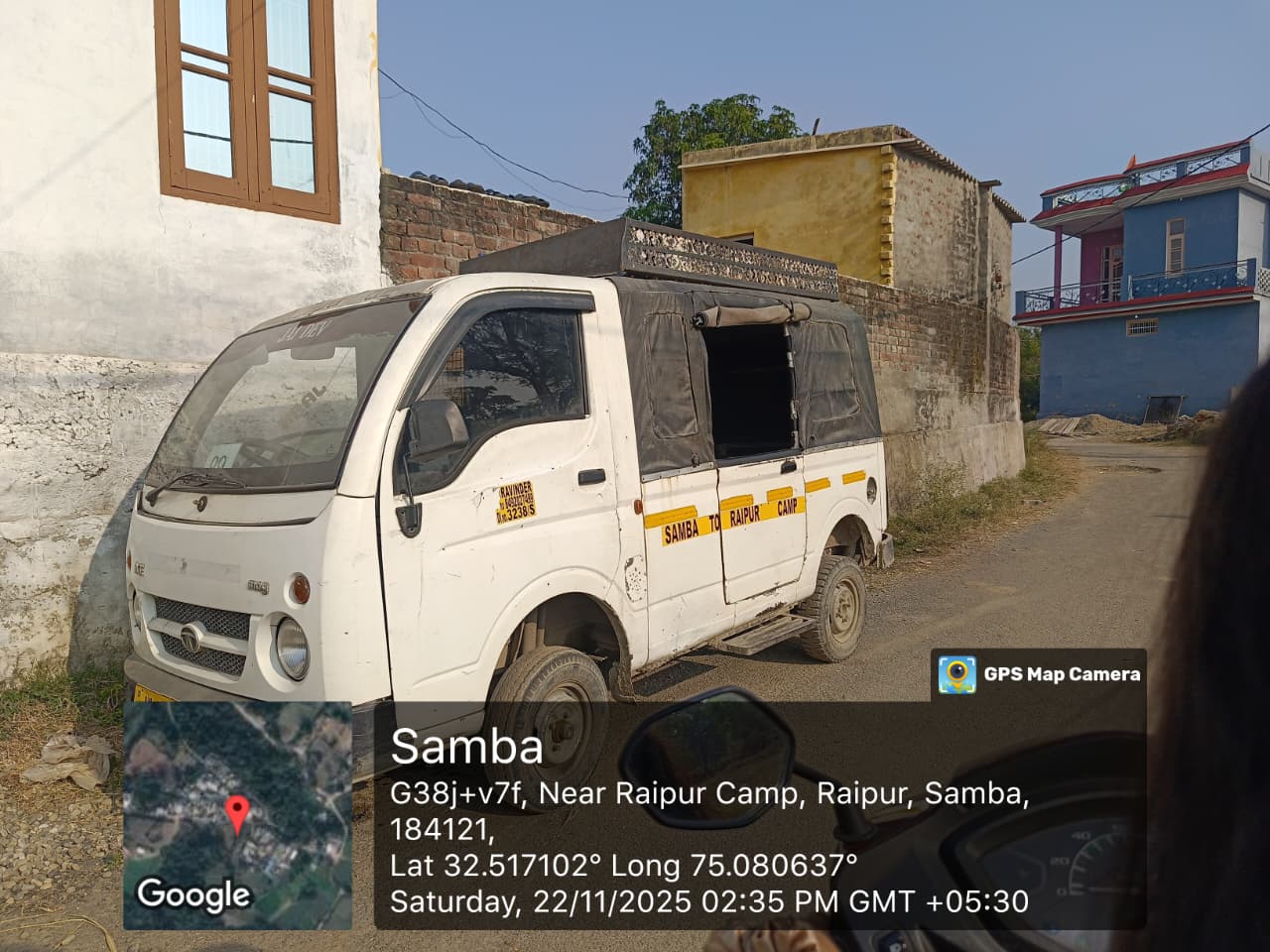
Even the simple act of moving around is a challenge. The roads are often unpaved dirt and mud, particularly the critical paths leading to local places of worship like the temple. These routes become slippery and dangerous, hindering transportation. Moreover, the lack of reliable public transport—having to wait an hour or more for an auto that might not even show up—wastes precious time and isolates the village from essential markets and services in Samba.
In essence, the people of Raipur have the spirit and the desire for development, but they are held back by tangible barriers: unreliable infrastructure, inadequate access to healthcare, and a major educational roadblock for their youth. Their project aims to turn this resilience into real opportunity.
Religious Harmony and Sites
The village exhibits a significant degree of religious inclusion and respect, a hallmark of the region's heritage.
- Diverse Places of Worship: The community is home to multiple places of worship, indicating a diverse and coexisting faith community. These include:
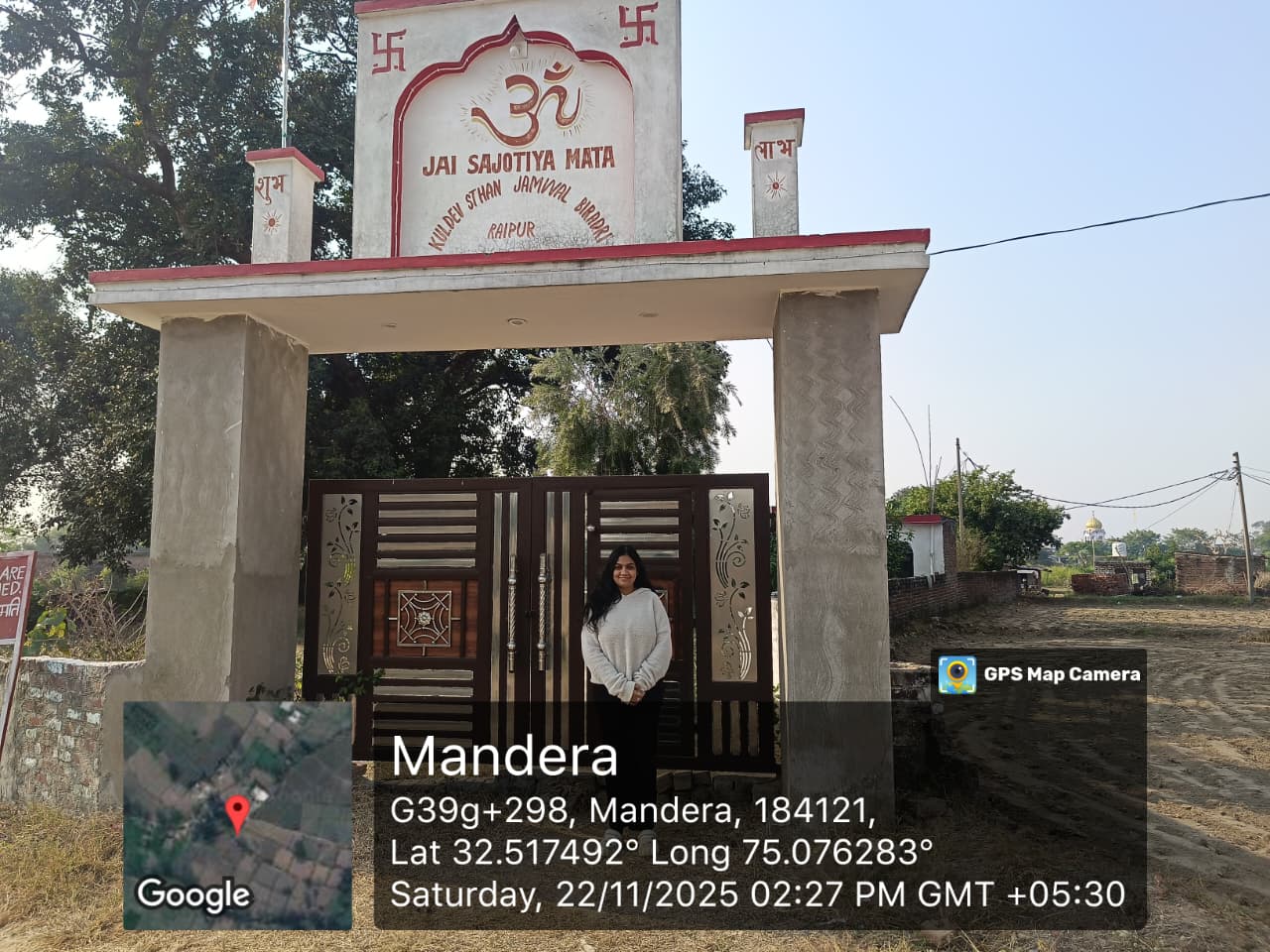
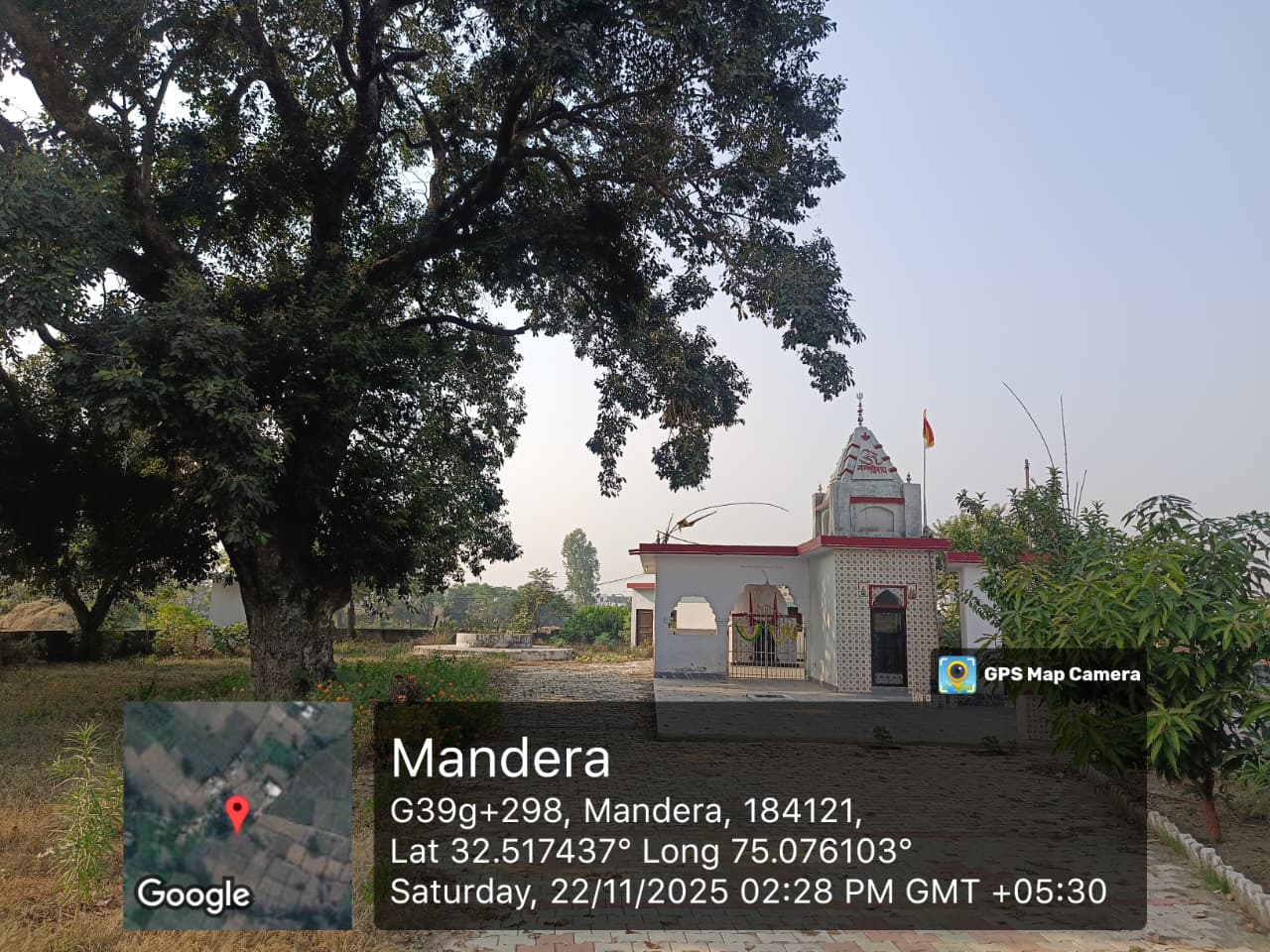
- Multiple Hindu Temples.
- A Gurdwara (Sikh temple).
- A Mosque (Masjid).
- A shrine to Peer Baba (a local saint revered by people of different faiths).
- Interfaith Practice: Residents note that people of all faiths, including Hindus, feel welcome and visit the Gurdwara. This is a key feature of the region's unique cultural tapestry.
- Community Importance: These religious sites are important community gathering points, and infrastructure issues, such as the muddy roads leading to the local temple, directly impact the community's ability to practice their faith and gather.
Traditional Lifestyle and Values
The culture is deeply rooted in its agricultural setting and traditional societal norms.
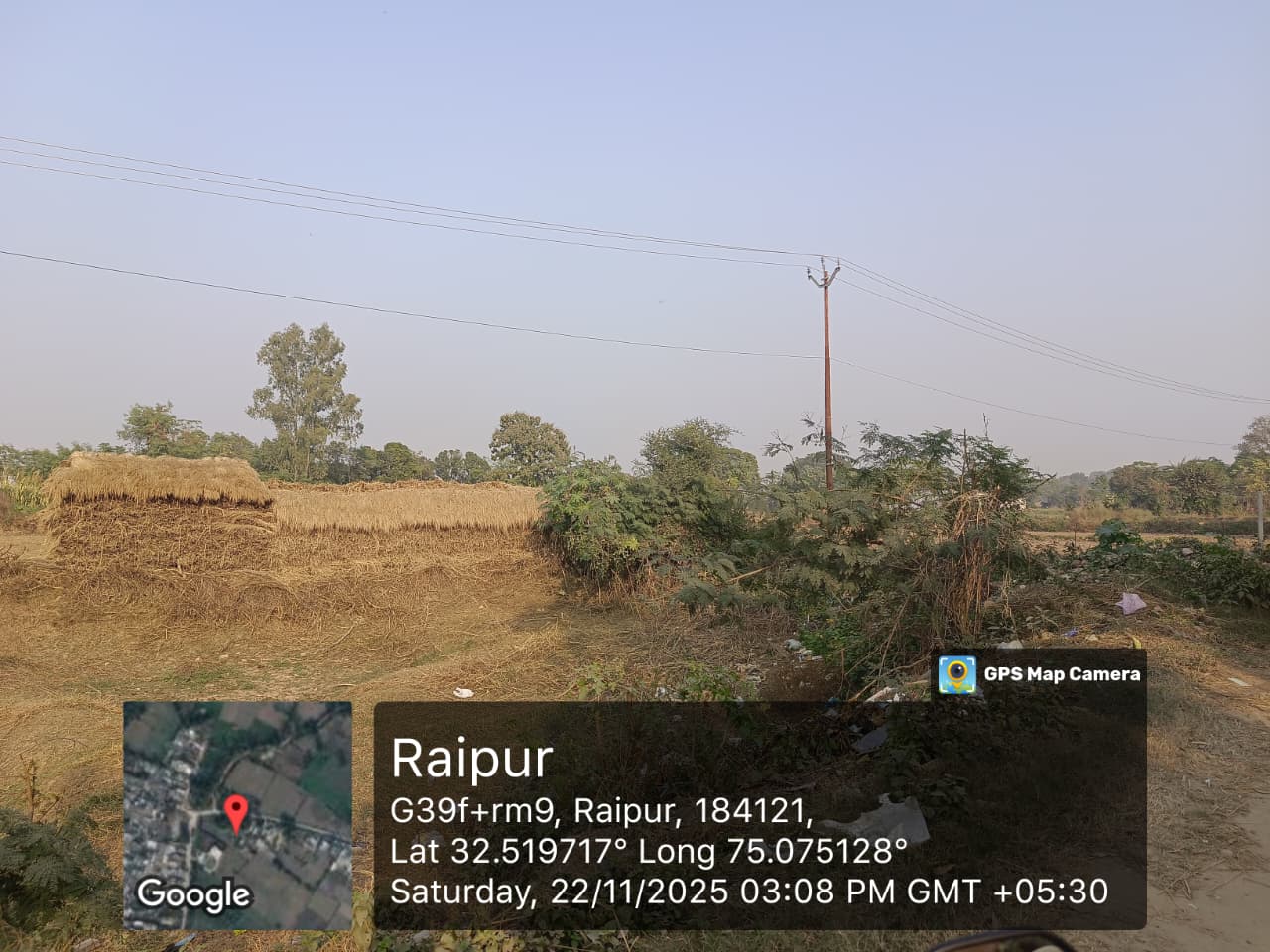
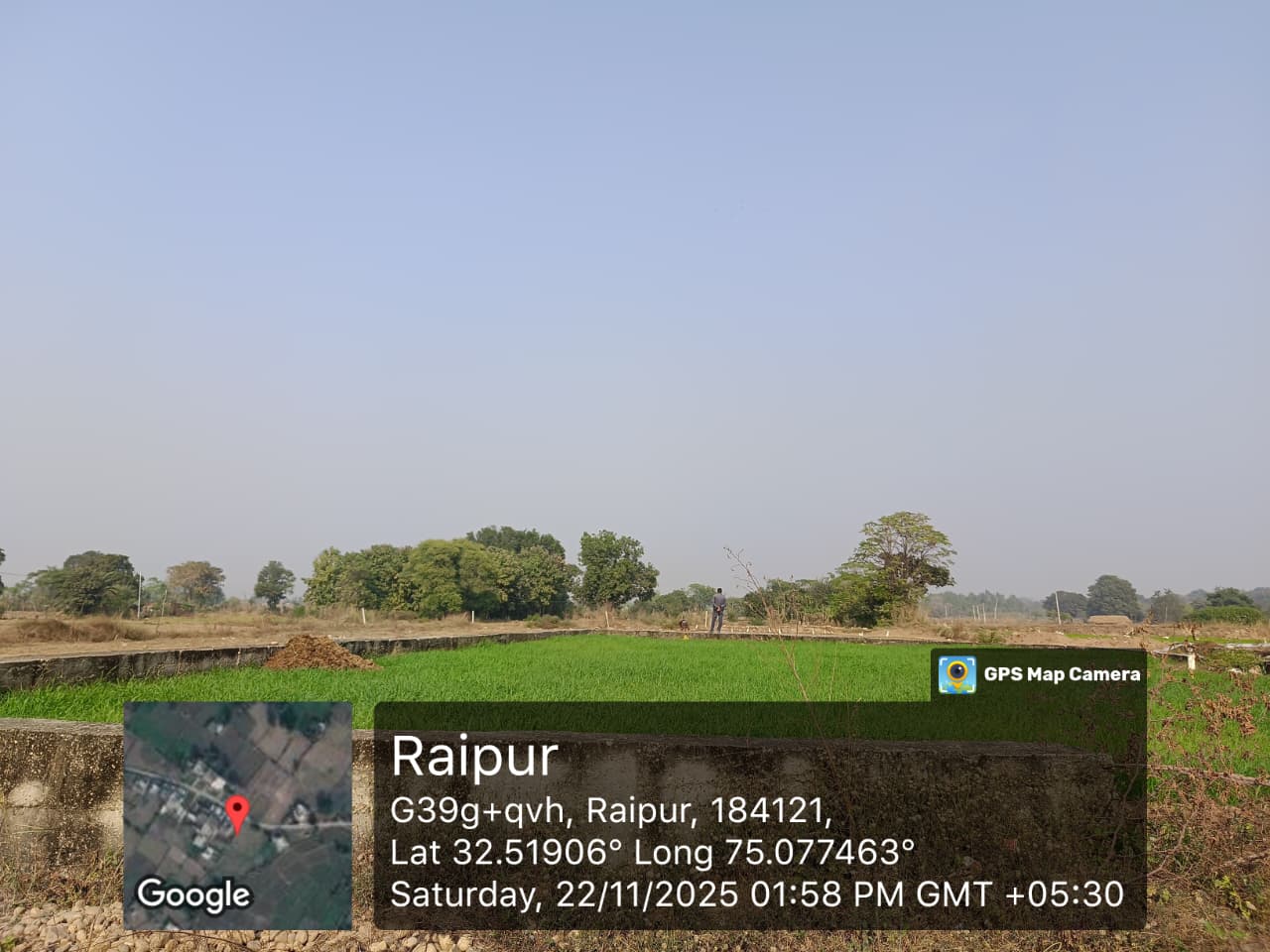
- Agricultural Lifestyle: The primary livelihood is agriculture and farming, with many families also relying on livestock/cattle. This close relationship with the land forms the backbone of the community's traditional practices and economy.
- Social Change (Women's Veil): The community has shown signs of positive social evolution. While older generations, such as the mothers of the interviewees, traditionally observed the practice of 'Parda' (veiling/covering), this practice is now much less prominent among the younger generations in Raipur. This shift suggests a move toward modernity and less stringent social restrictions for women.
Education as a Core Value
Despite the significant challenges posed by infrastructure and financial constraints, the desire for education is a deeply held value in Raipur.
- High Literacy: The village boasts a high overall literacy rate of 81.04%, reflecting the priority families place on learning.
- The Sacrifice for Study: The necessity for students (especially girls) to travel long distances to Samba or Jammu for quality education demonstrates the financial and physical sacrifice families are willing to make to uphold this value.
The residents of Raipur in Samba District face multiple, interconnected challenges stemming from its geographical location and decades of developmental neglect. These problems create significant barriers to a high quality of life, security, and opportunity.
Problems identified by the community:
1.📚 Educational Crisis and Barrier to Opportunity
The core problem is the lack of accessible, quality education beyond primary school.
- Insufficient Local Facilities: The village either has closed government schools or under-resourced private schools that cannot provide a quality education, especially for higher grades (10th, 11th, and 12th). The existing private school lacks basic facilities like a playground.
- The Burden of Travel: Students are forced to travel long distances, often to Samba or even Jammu, for better schooling and necessary coaching. This results in significant time wastage in travel and high transportation costs that financially-constrained families struggle to bear.
- Risk of Dropout: The costs and logistics of this long-distance commute often lead girls, in particular, to abandon their studies, limiting their career and life opportunities.
2. 🏥 Critical Healthcare Deficiency
The basic healthcare infrastructure is present, but functionally inadequate, resulting in a denial of proper medical care.
- Absent Doctor: The local Government Sub-Centre/Dispensary (pictured in your data) lacks a permanent doctor.
- Medicine-Only Center: The facility merely dispenses free medicines, often without a proper diagnosis or medical advice.
- Travel for Diagnosis: Residents are compelled to travel to hospitals in Samba, Ghagwal, or other towns for a simple check-up or medical advice, making timely medical care difficult and increasing risk, especially during emergencies. The nearest established hospitals are in Samba town, several kilometers away.
3. 🚧 Infrastructure and Transportation Isolation
Poor physical infrastructure hinders daily life and isolates the community from services.
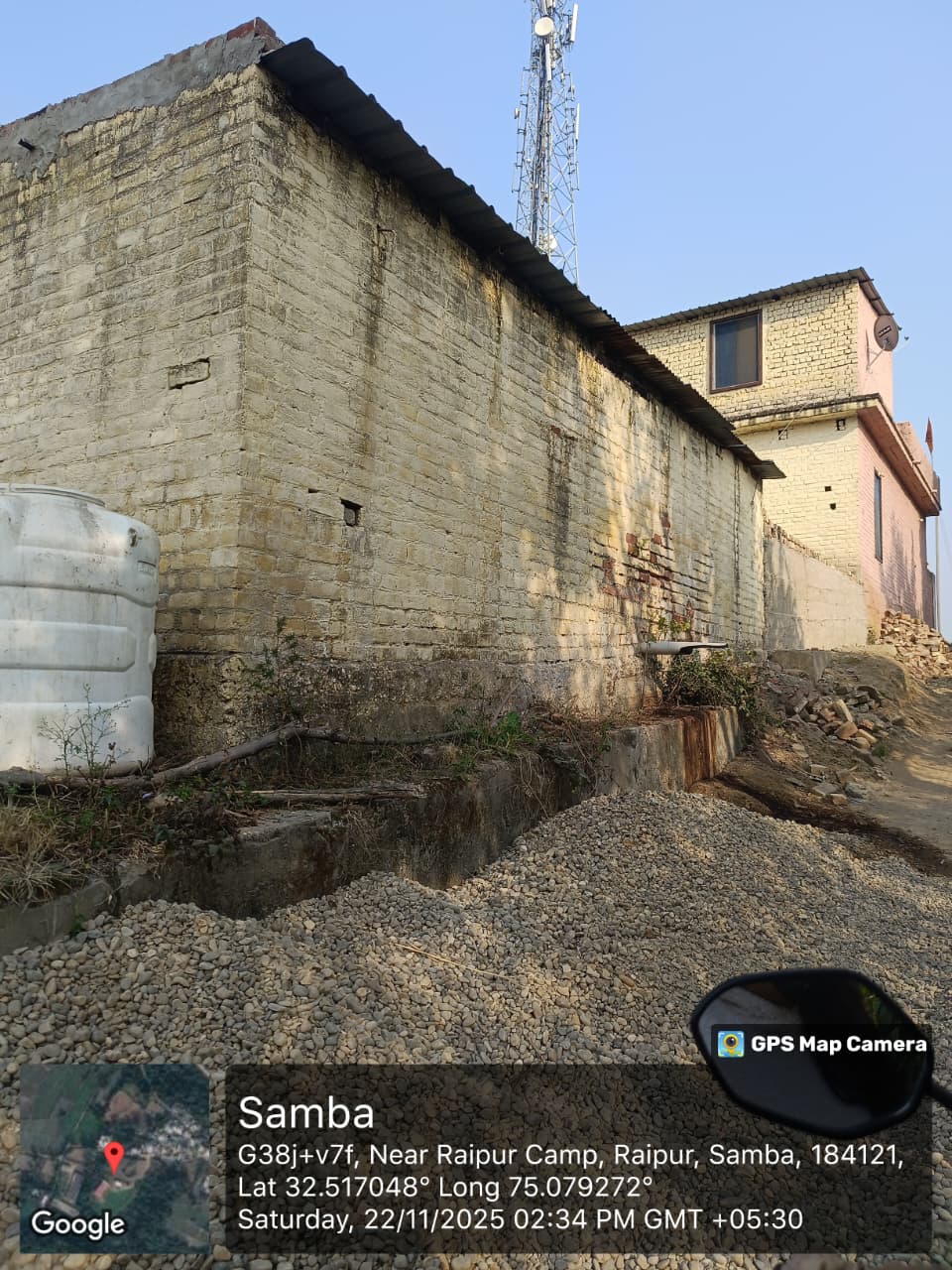
- Poor Road Quality: Critical local roads, such as the one leading to the local temple, are unpaved, consisting of only mud and dirt. This causes slippage for scooters and makes walking difficult, especially during the monsoon.
- Unreliable Public Transport: Public transport is sparse and irregular; an auto may come only once every hour, and its arrival is not guaranteed.
- High Travel Dependency: This lack of reliable local transport means individuals without their own vehicles are trapped, spending excessive time and money to reach markets, schools, or the nearest town of Samba.
4. 🛡️ Security and Safety Concerns (Border Area)
As a border area, the community faces unique, life-threatening instability.
- Cross-Border Firing: The historical and recurring threat of cross-border firing creates chronic insecurity.
- Insecurity: Residents near the border constantly worry about their safety and the potential for property and life loss.
- Need for Fencing: The community acknowledges the practical difficulty of fencing across all terrains (rivers, streams) but advocates for a proper fence where feasible to improve security and reduce cross-border movement.
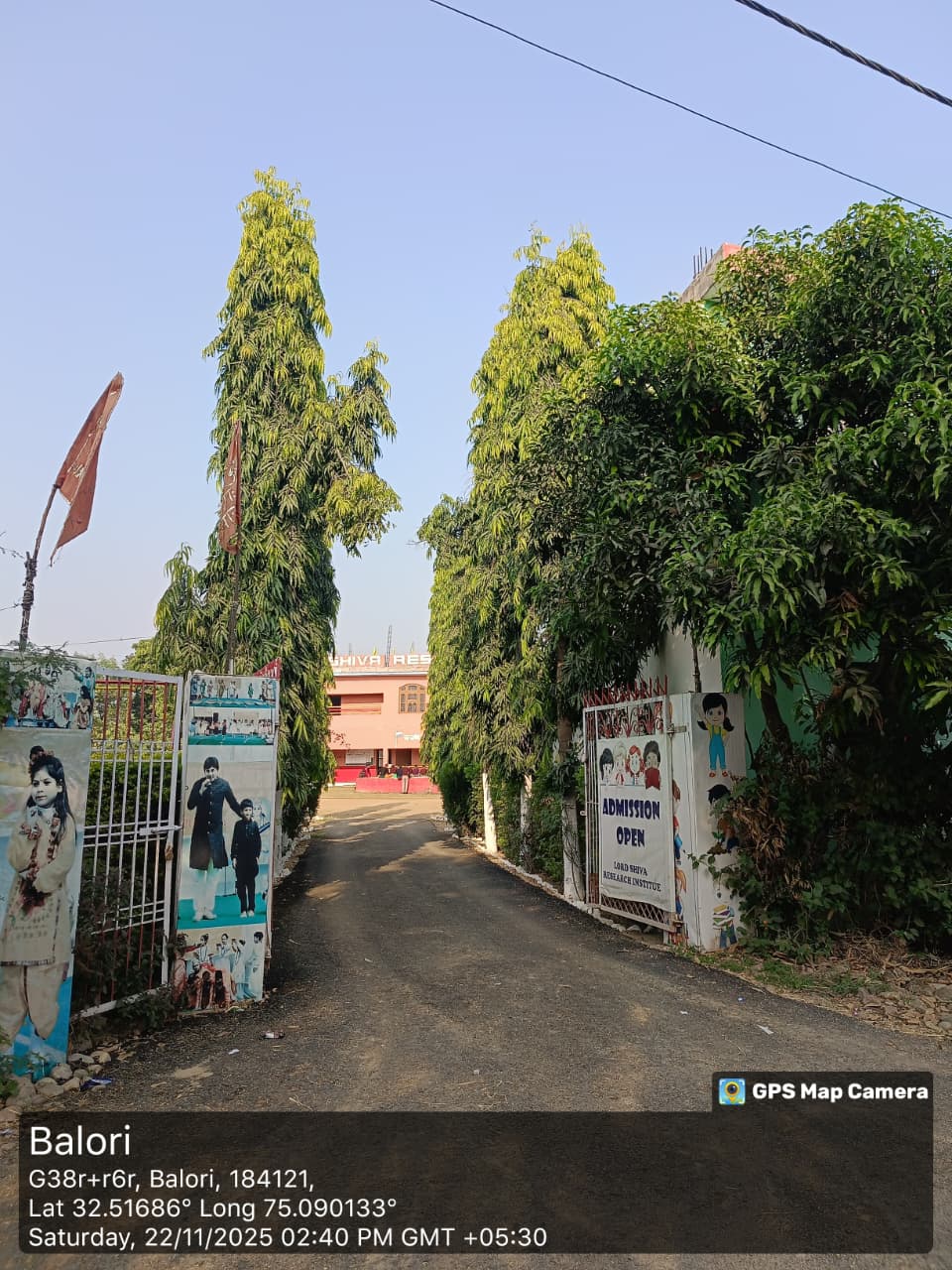
Photos
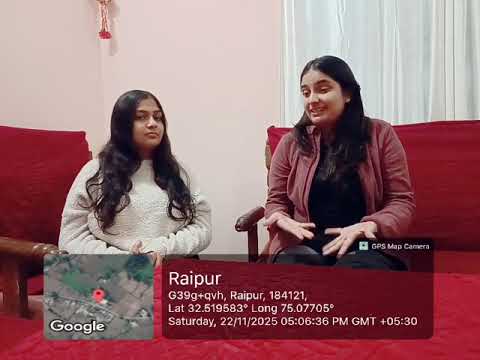
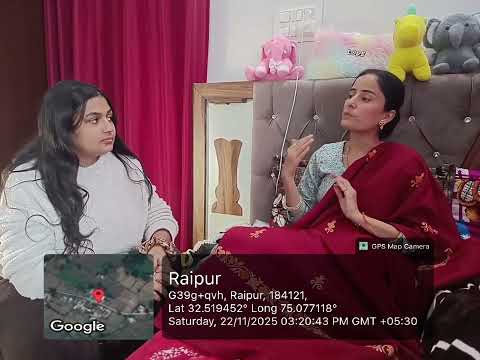
Videos
Location Map
Amenities
- Website
Contact Information
| Address |
Raipur, Samba 184121 |
| Phone Number |
9596512230 |
| Email Address |