
Description
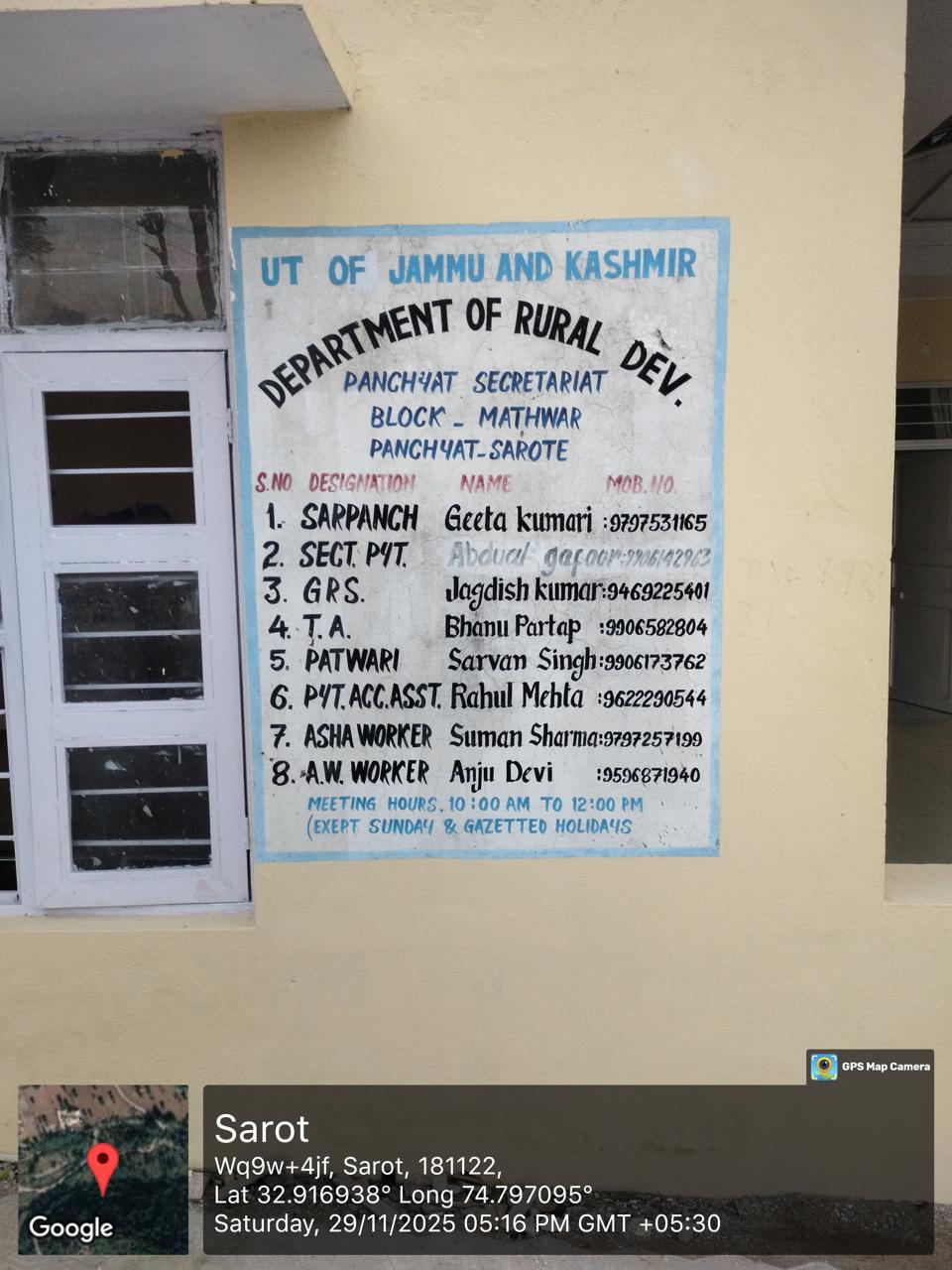
Introduction to Keri Sarote
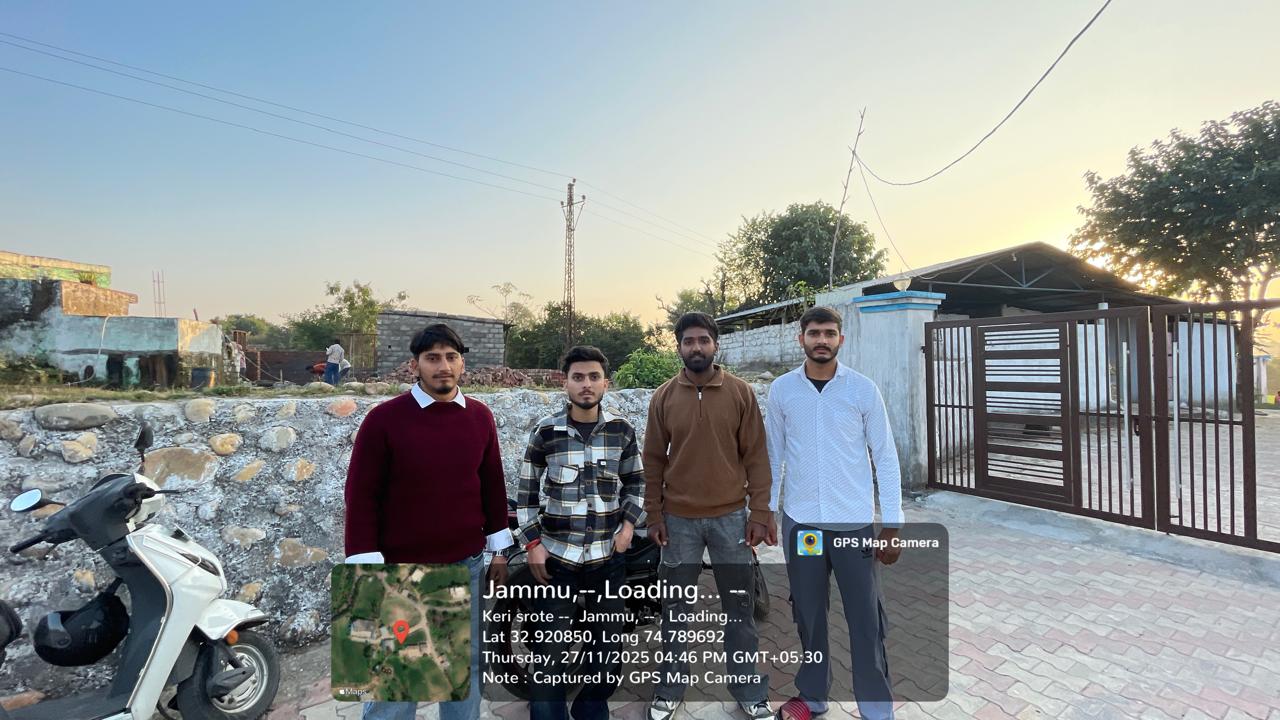
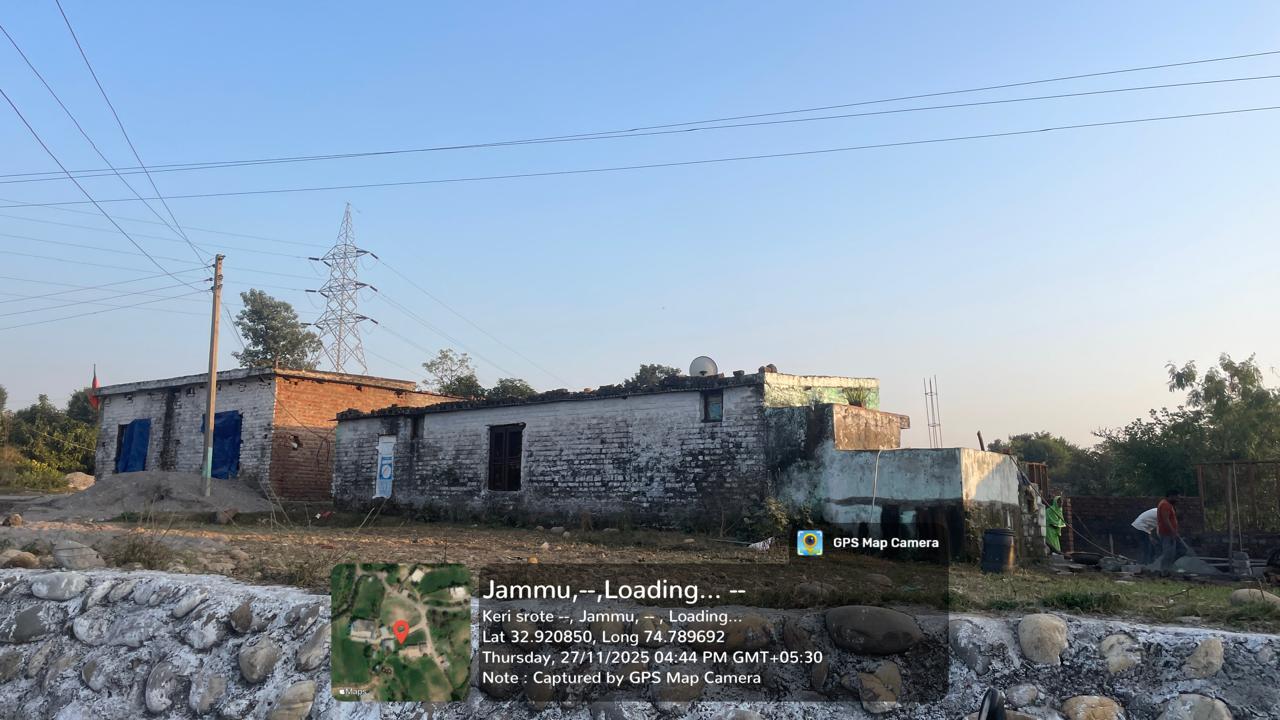
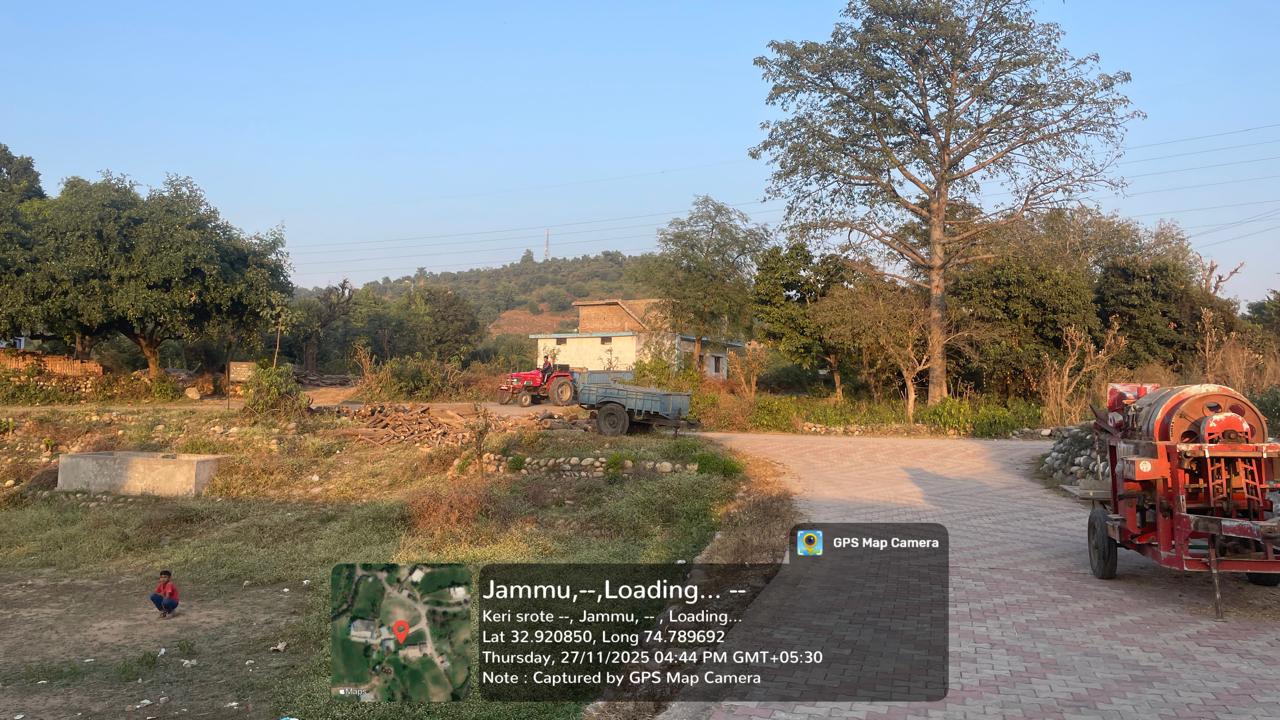
Keri Sarote is a serene and culturally rich village located in the Jammu district of the Union Territory of Jammu and Kashmir. Nestled amid gentle hills, green fields, and scenic forest belts, this village reflects the authentic rural charm of the Jammu region. Known for its peaceful environment and strong cultural roots, Keri Sarote is home to close-knit families that uphold traditions passed down through generations.
The village stands as a symbol of simplicity, unity, and heritage, where communities live in harmony and share strong emotional bonds with their land. Whether it is agricultural life, festive celebrations, or traditional customs, Keri Sarote presents a vibrant picture of rural Jammu.
Population and Living Environment
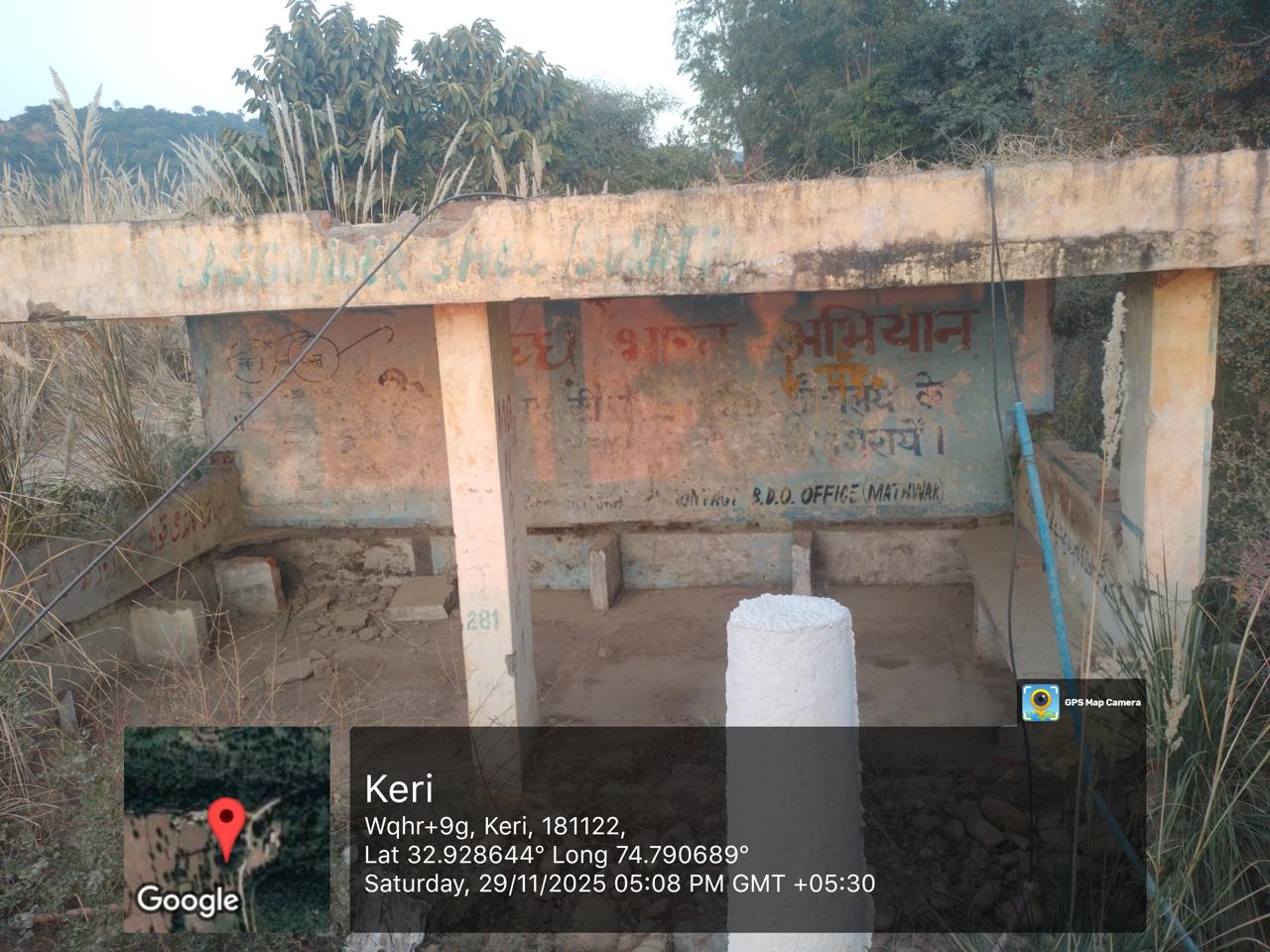
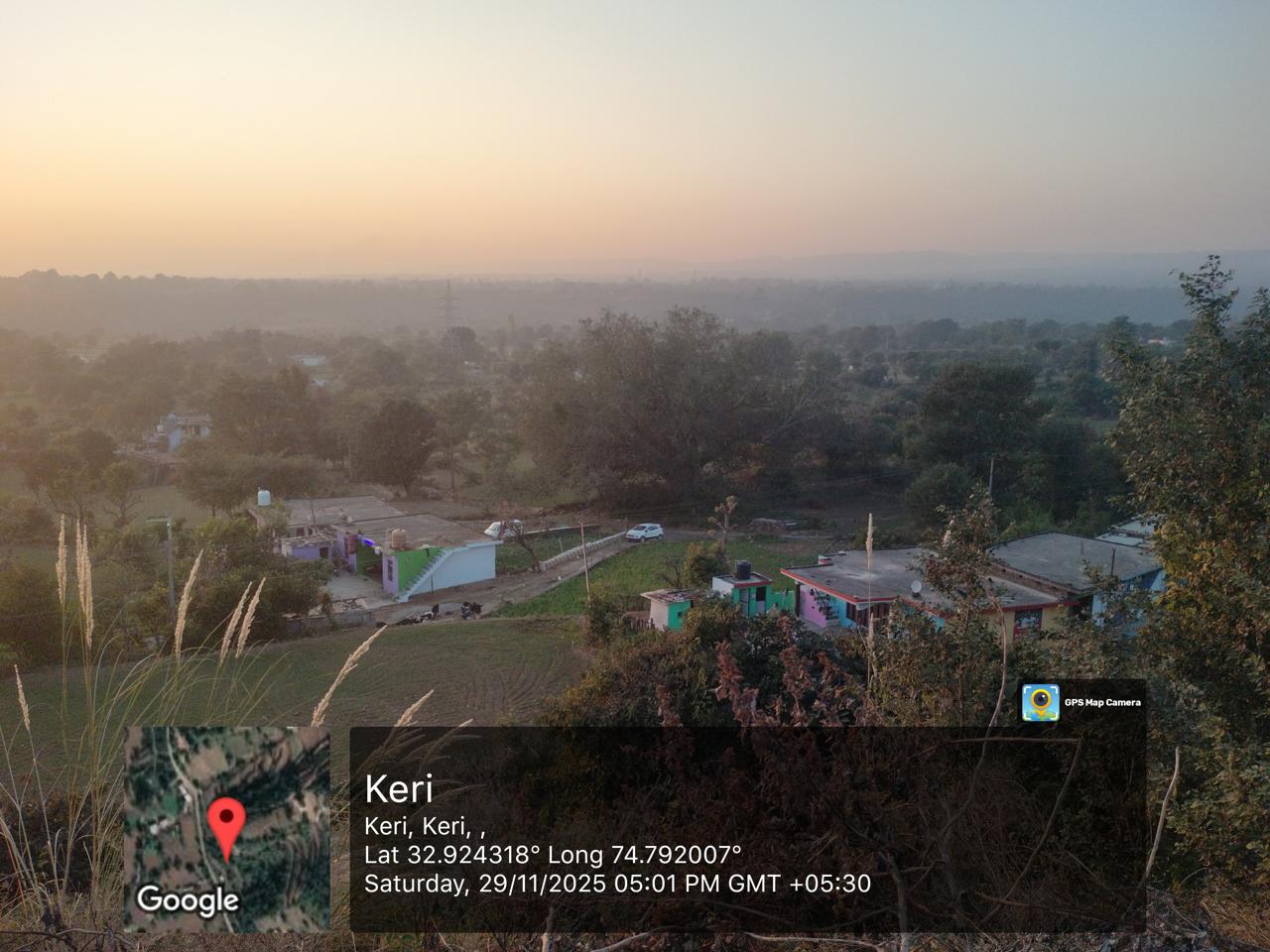
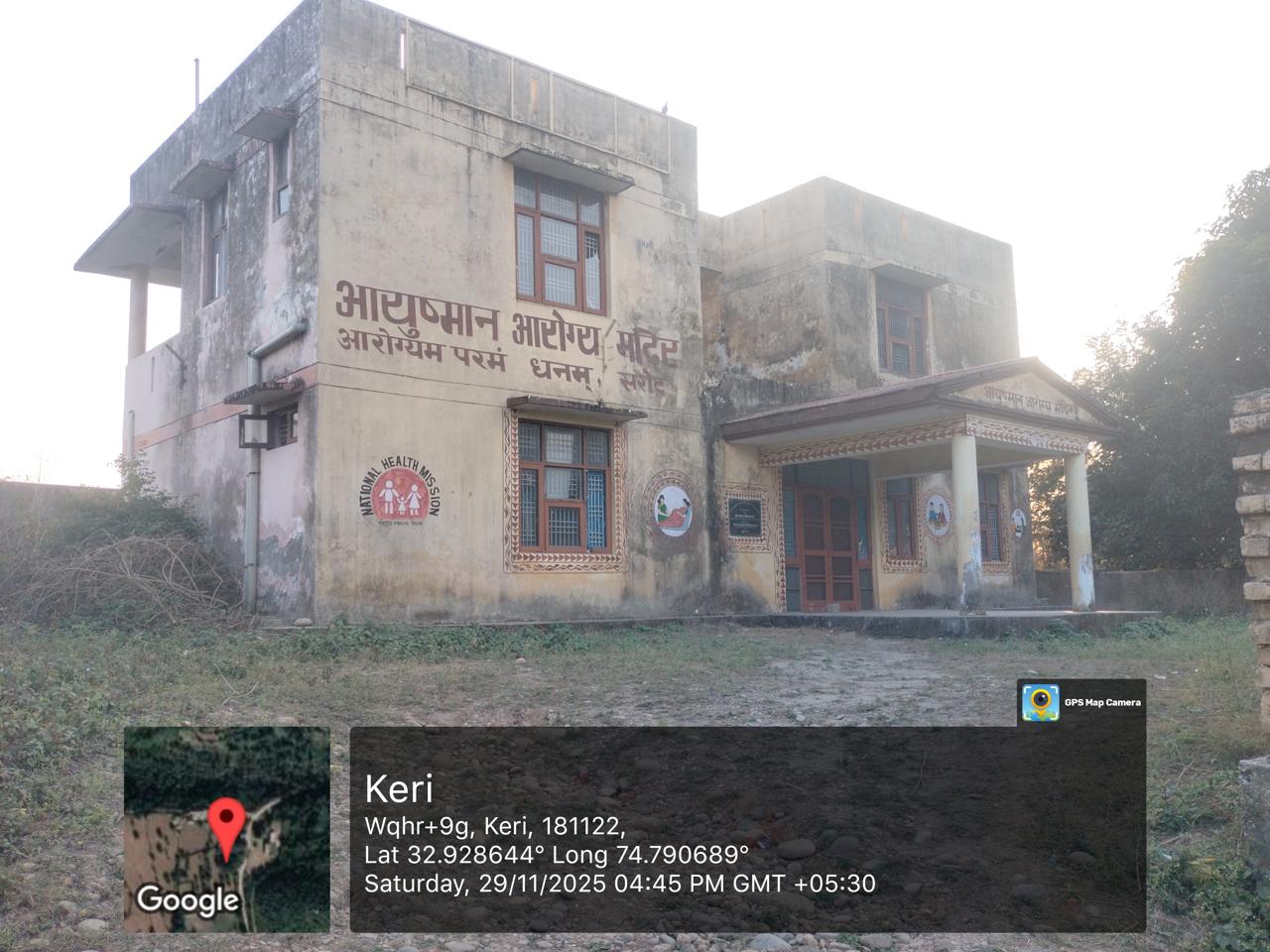
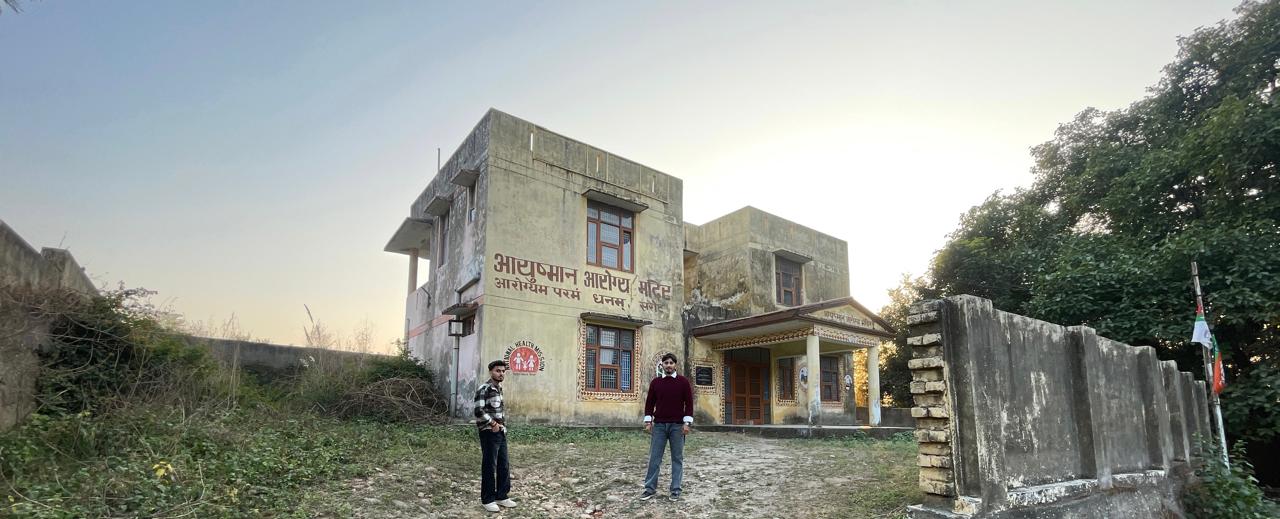
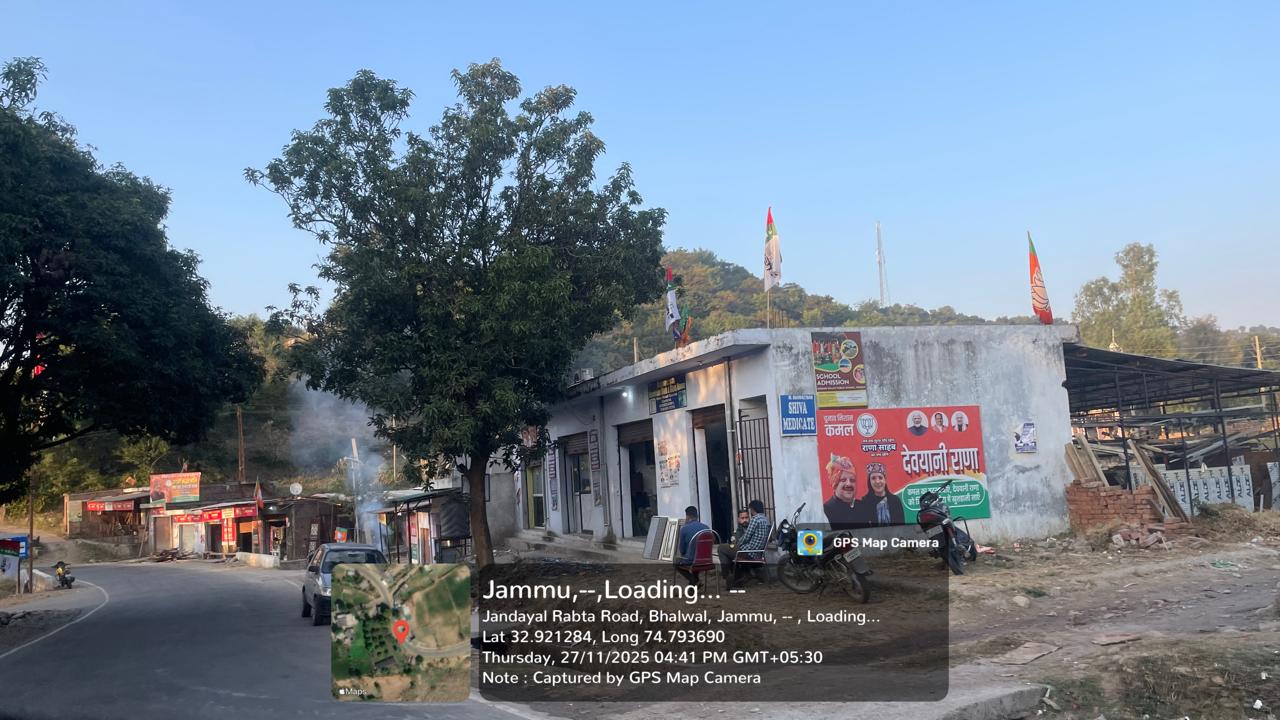
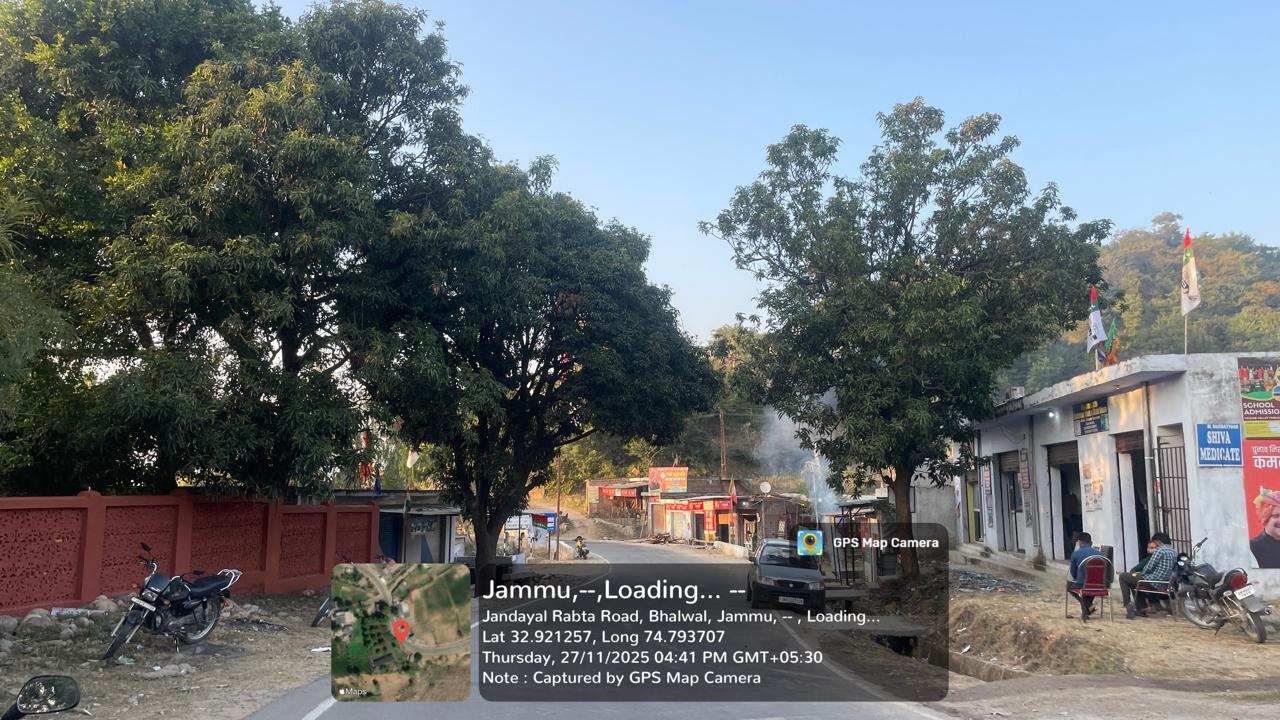
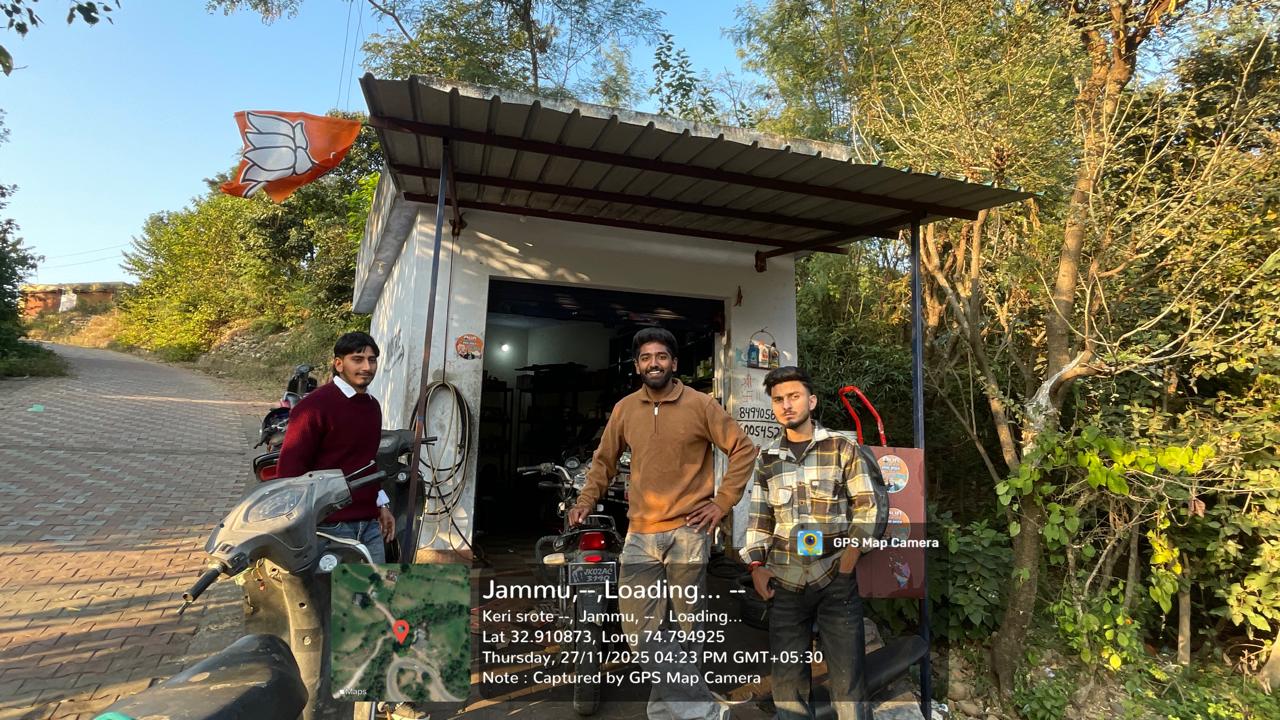
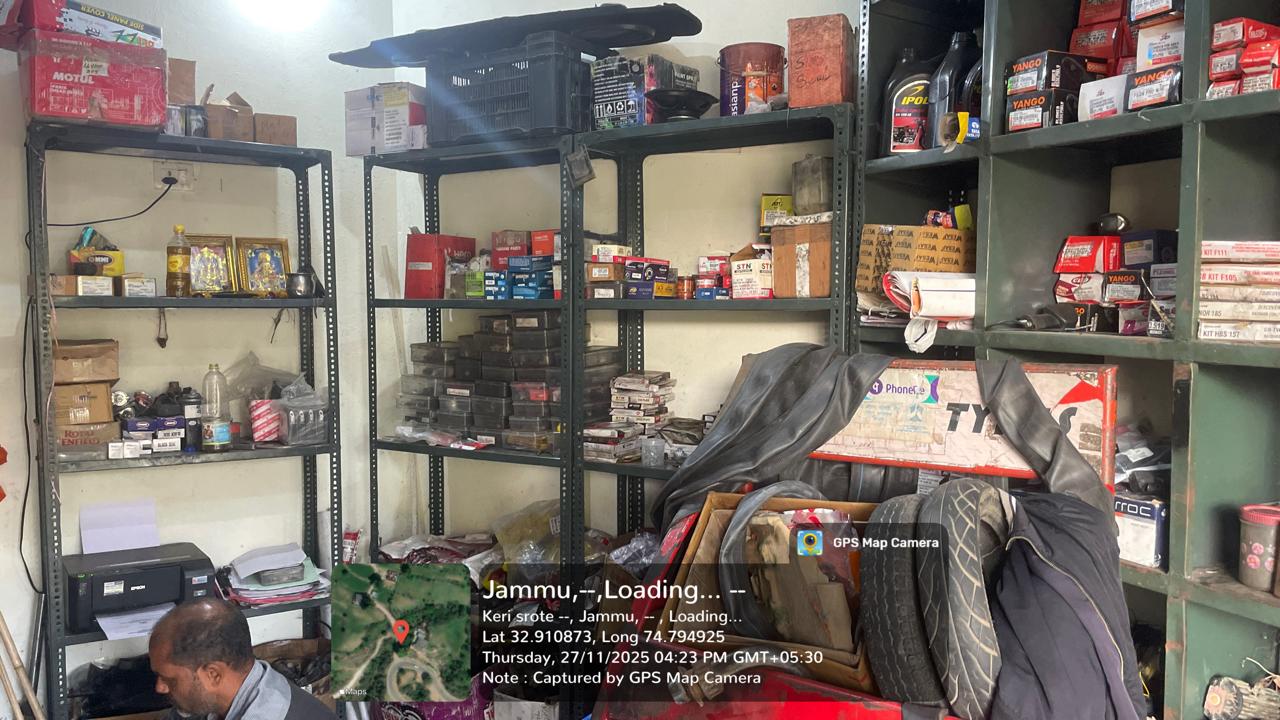
Though smaller compared to urban centers, Keri Sarote has a steadily growing population, composed mainly of agrarian families. The village is marked by its organized settlement pattern, clean surroundings, and steadily developing infrastructure. Essential facilities such as schools, local shops, religious centers, and basic healthcare availability contribute to a comfortable lifestyle for residents.
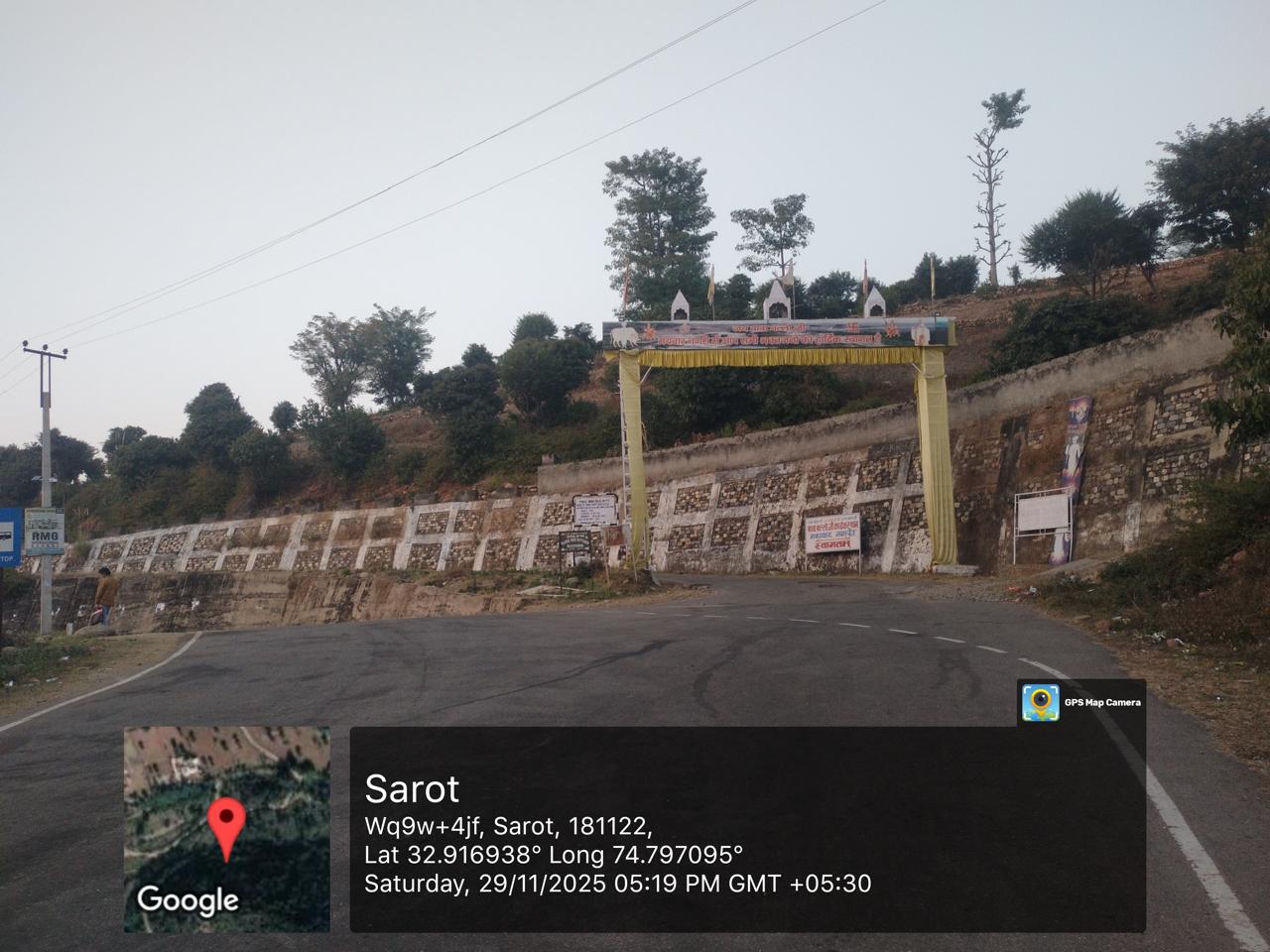
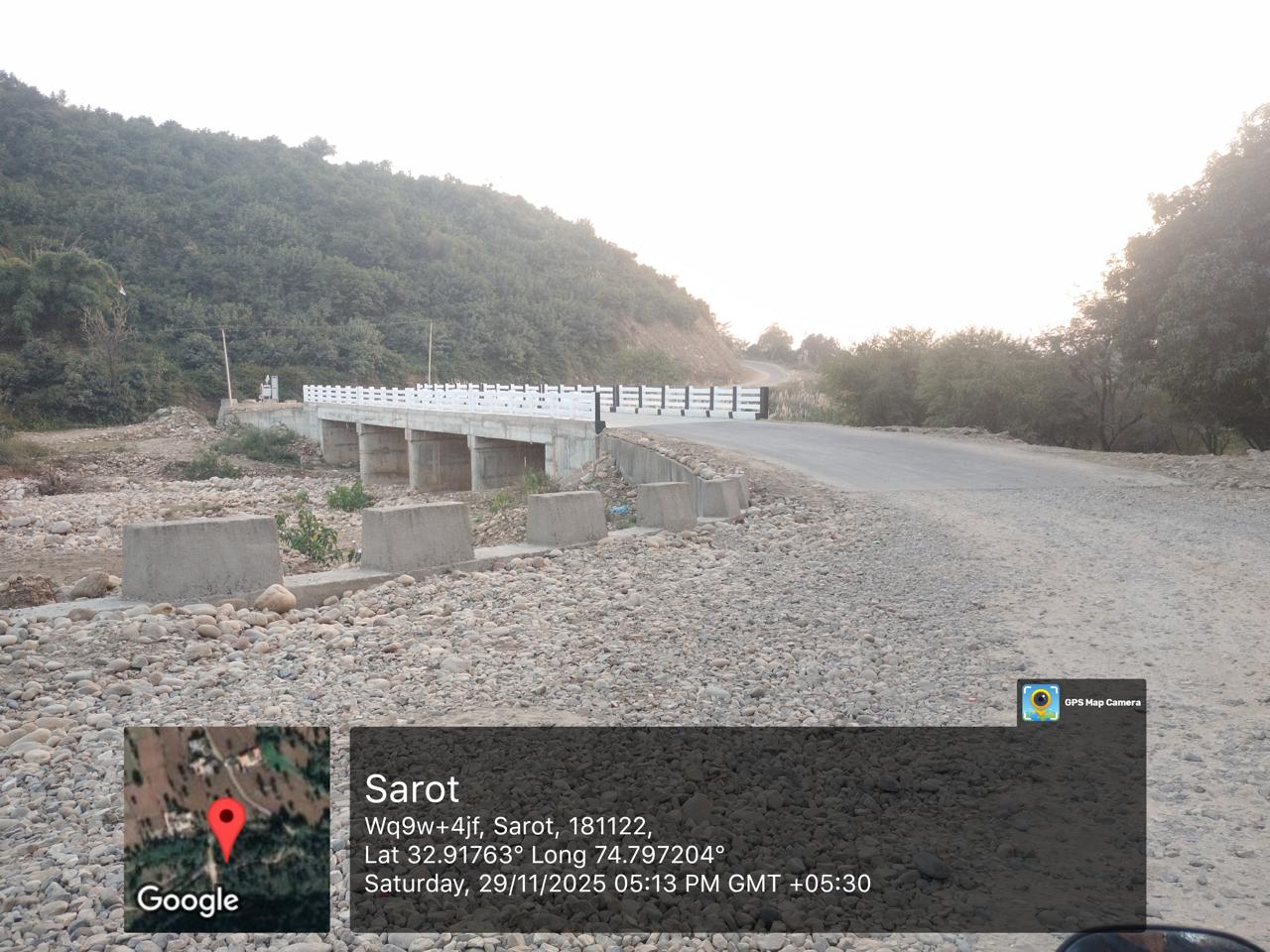
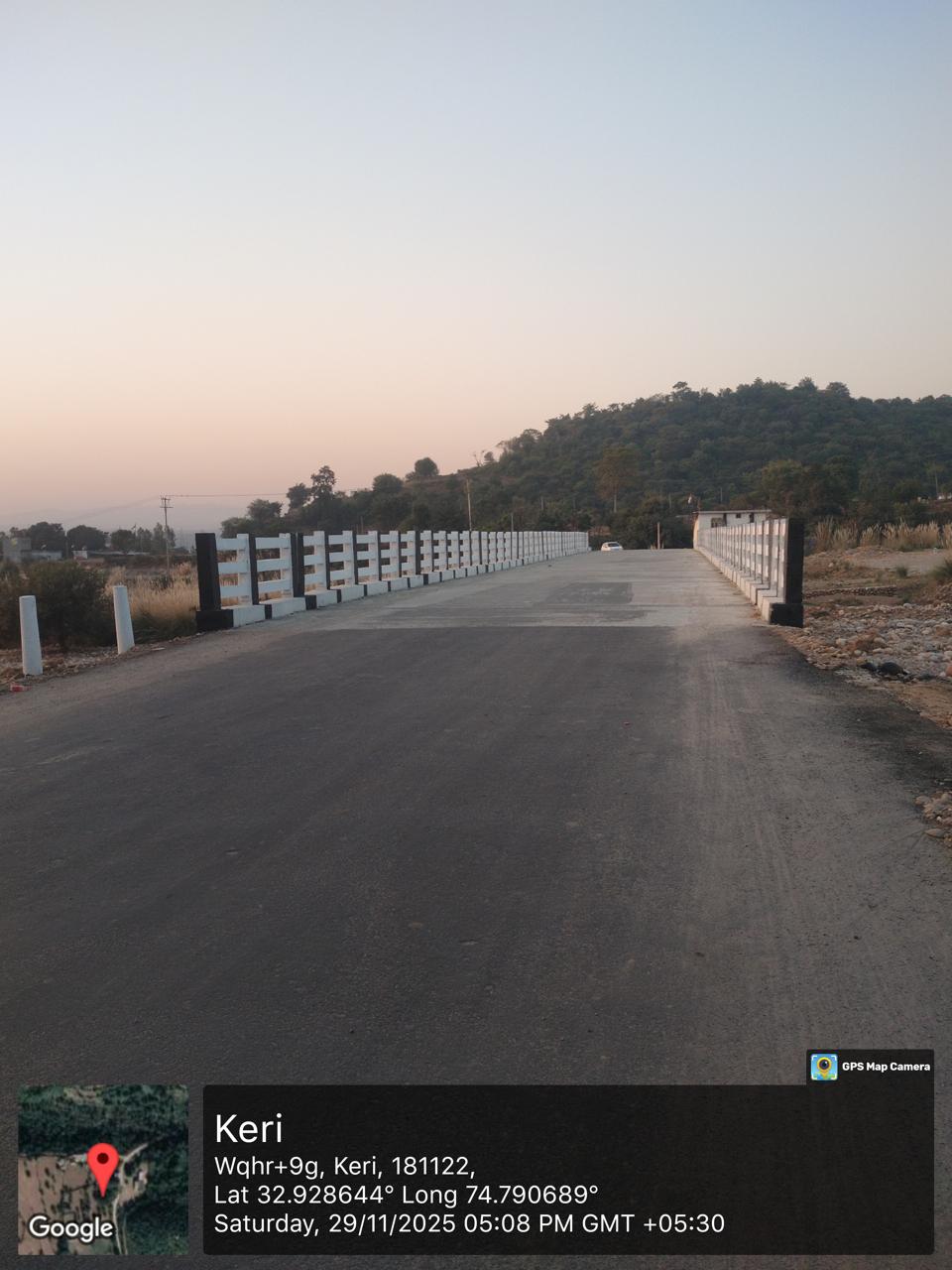
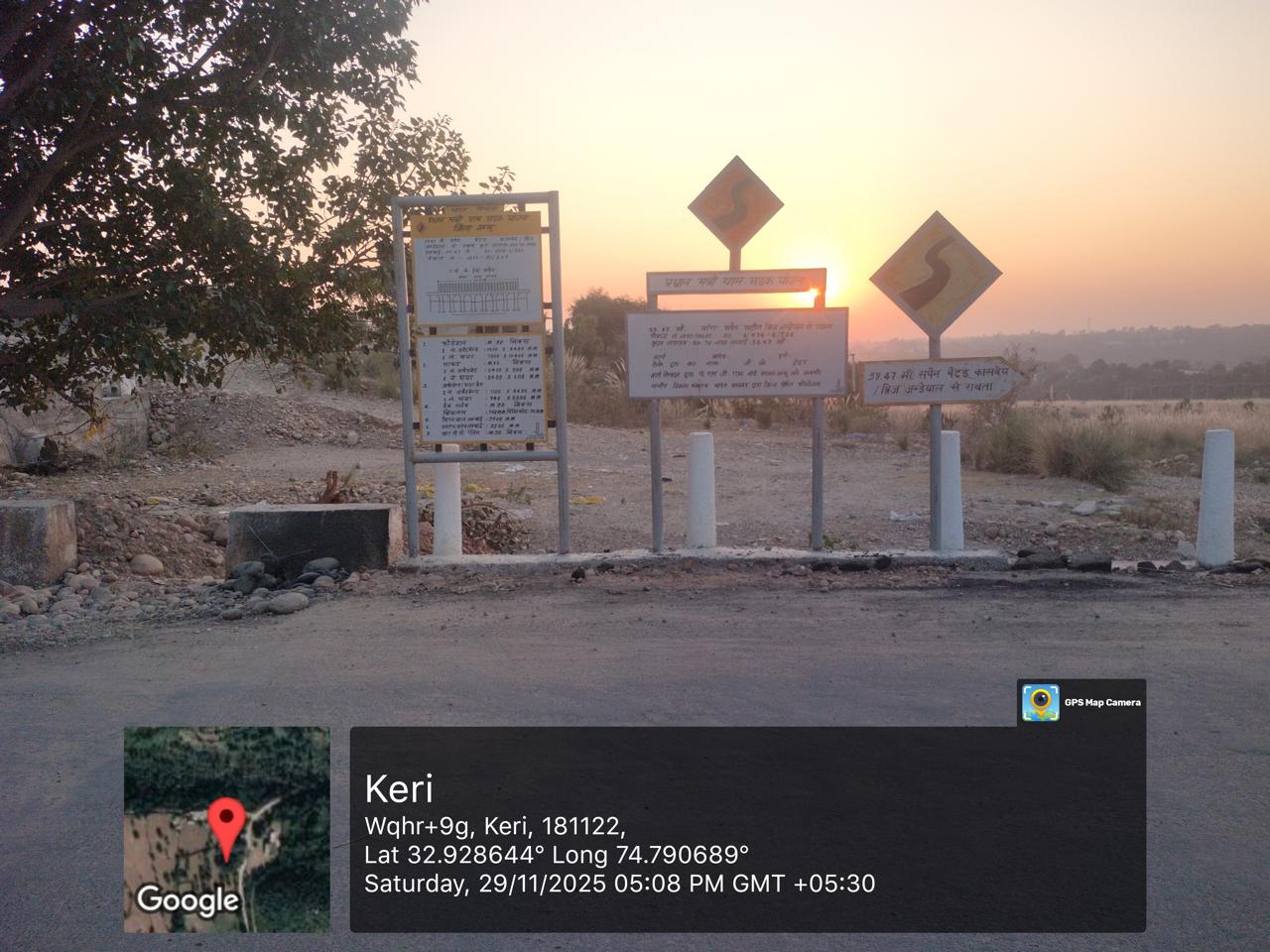
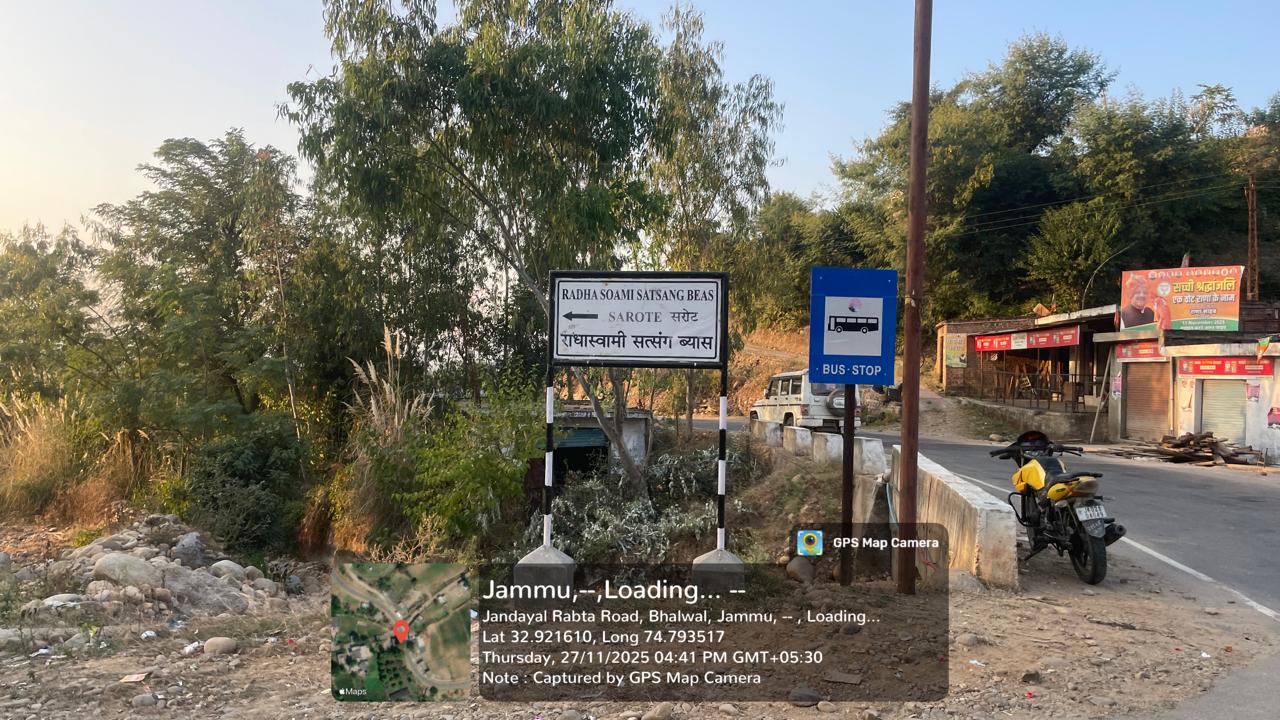
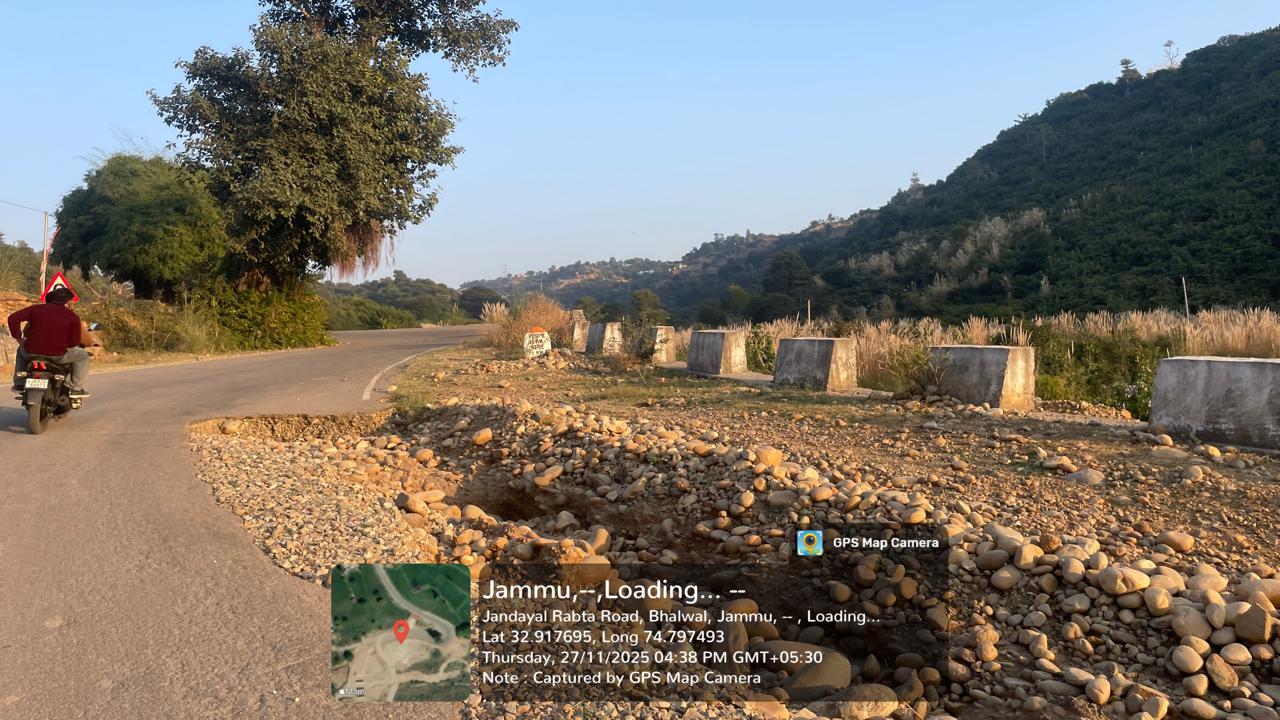
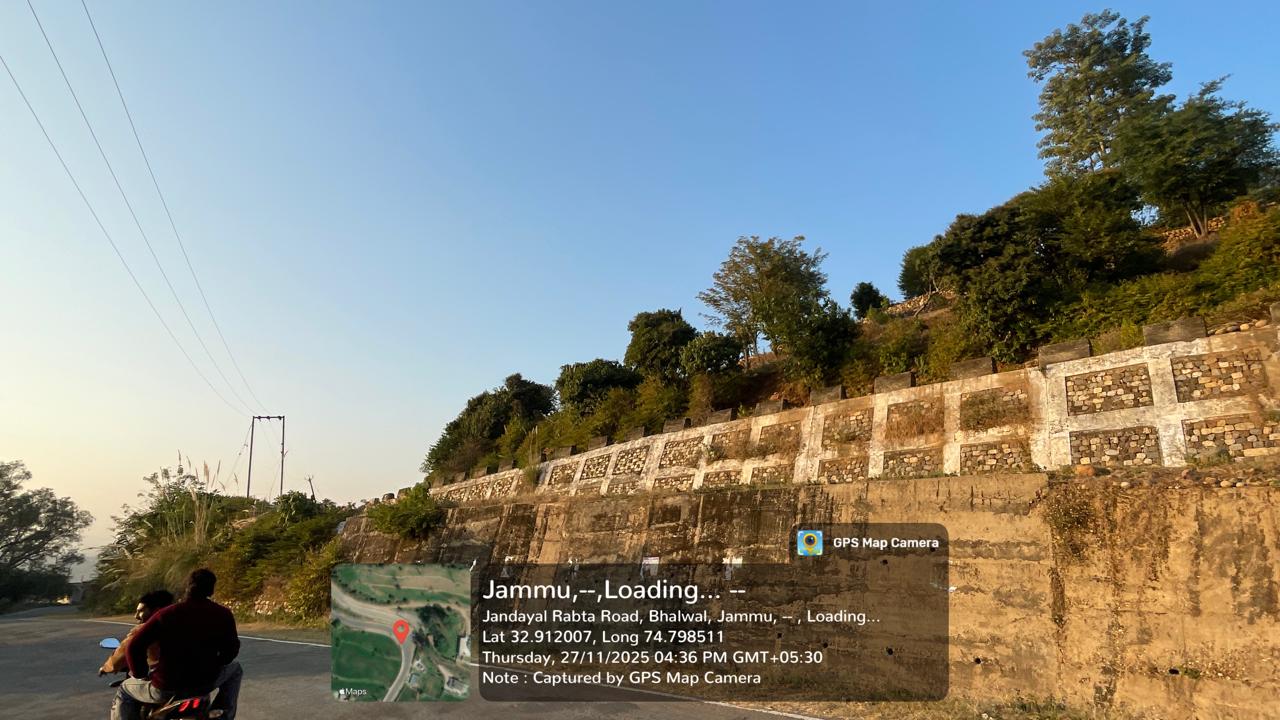
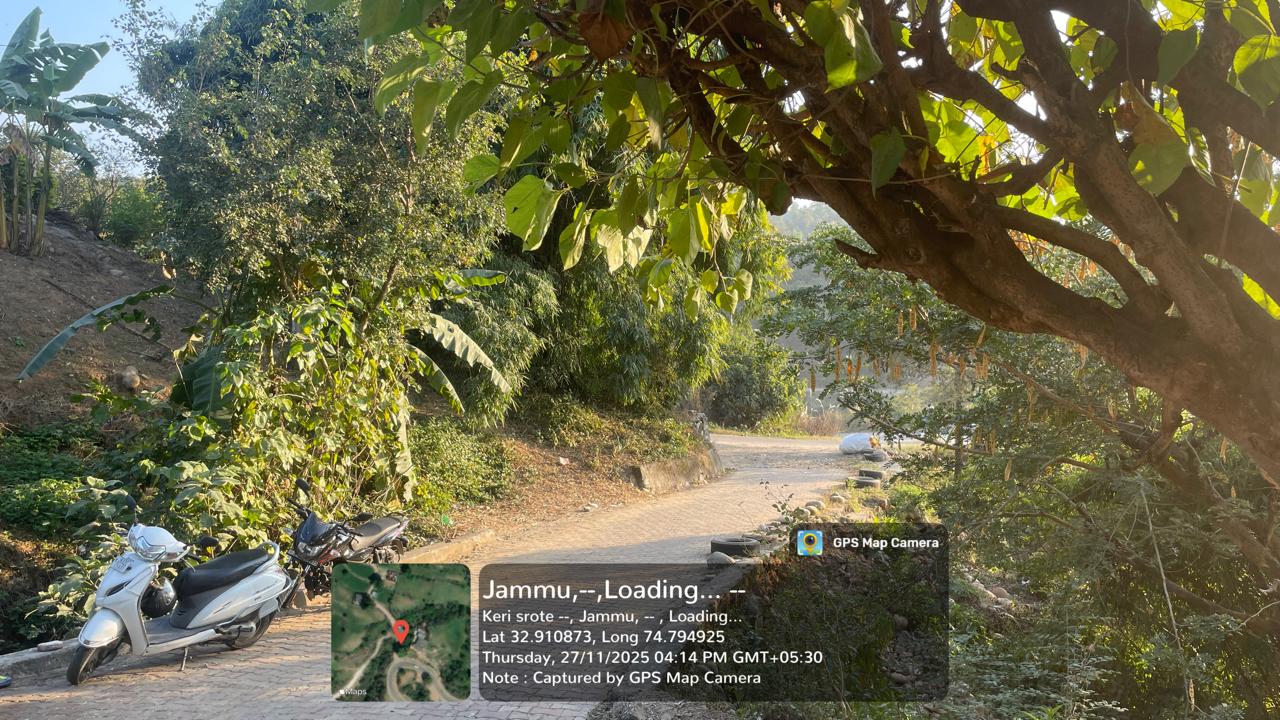
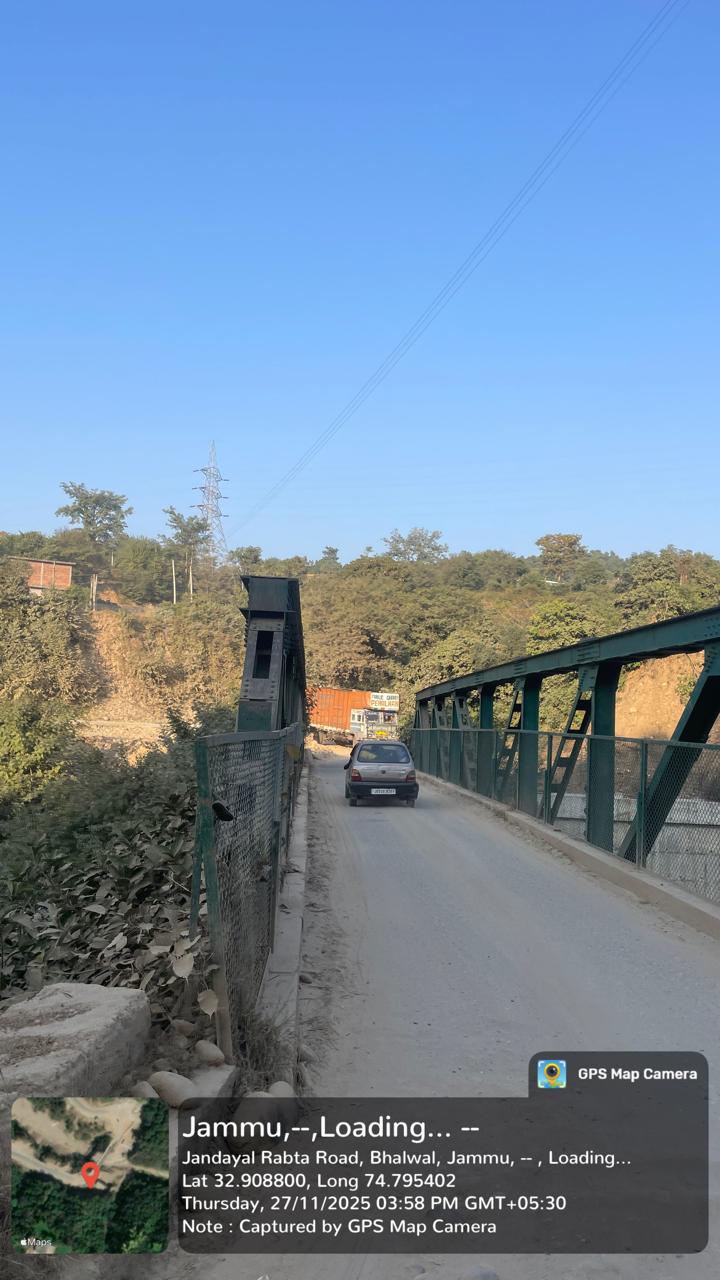
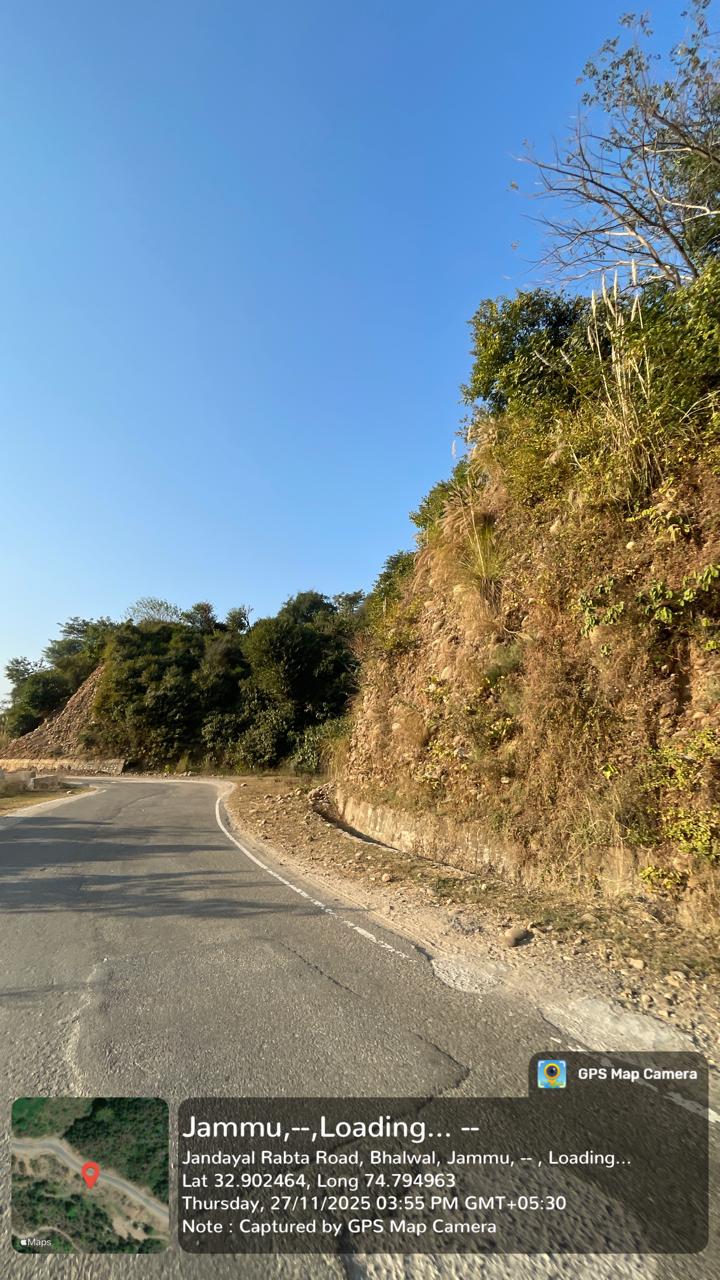
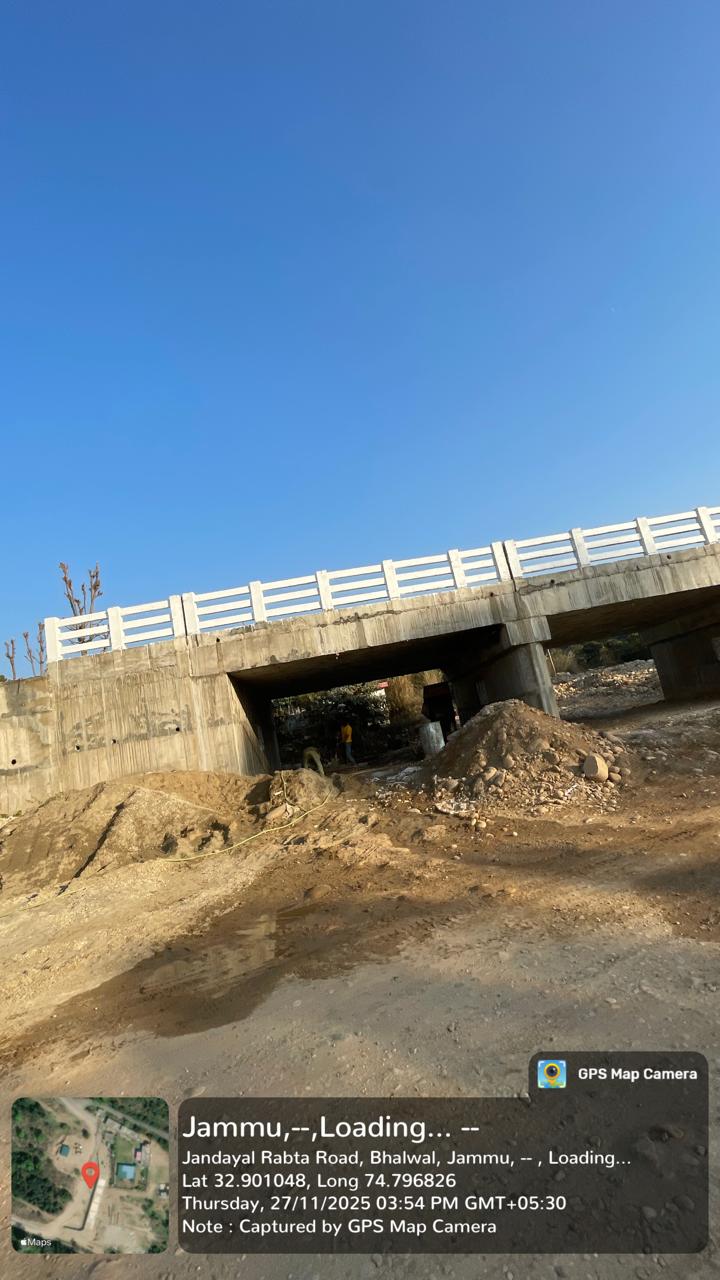
The village roads connect effectively to larger towns, enabling smooth access to marketplaces, schools, and hospitals located in nearby regions like Akhnoor and Jammu city. The lifestyle here remains deeply connected to nature, with green fields, orchards, and seasonal streams enhancing the environment.
Cultural Heritage and Community Identity
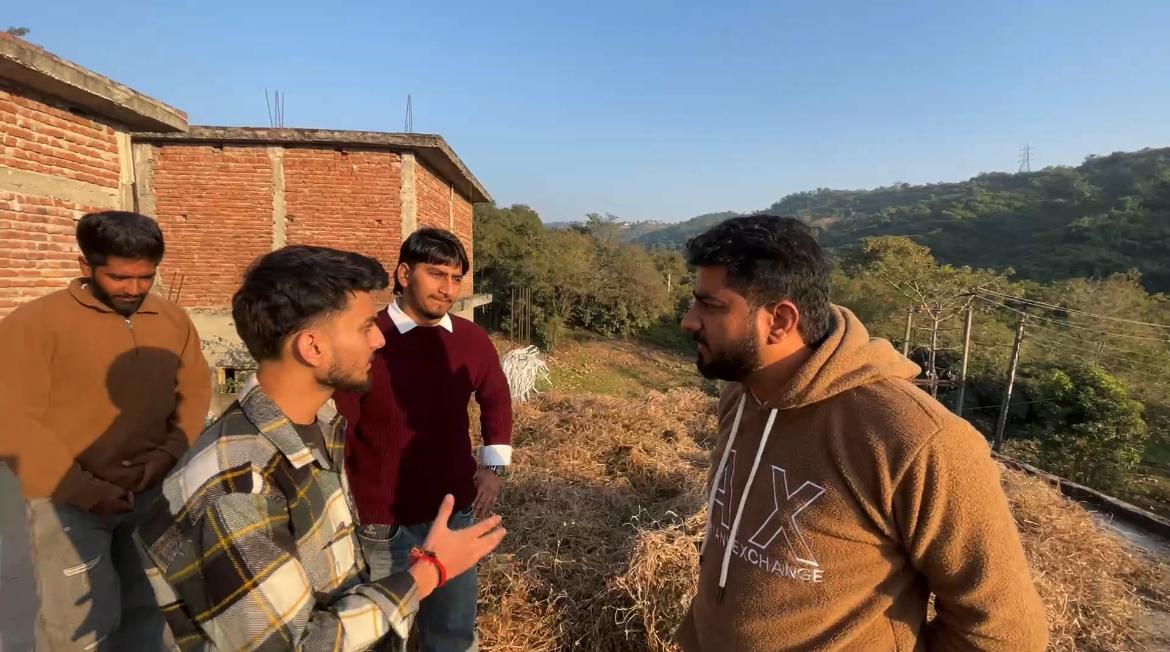
Keri Sarote is predominantly inhabited by Dogra families, known for their strong cultural traditions, hospitality, and values. The Dogra culture is reflected in the village’s attire, language, festivals, and social customs. Folk songs, traditional dances, and community gatherings continue to be central to the social fabric of the village.
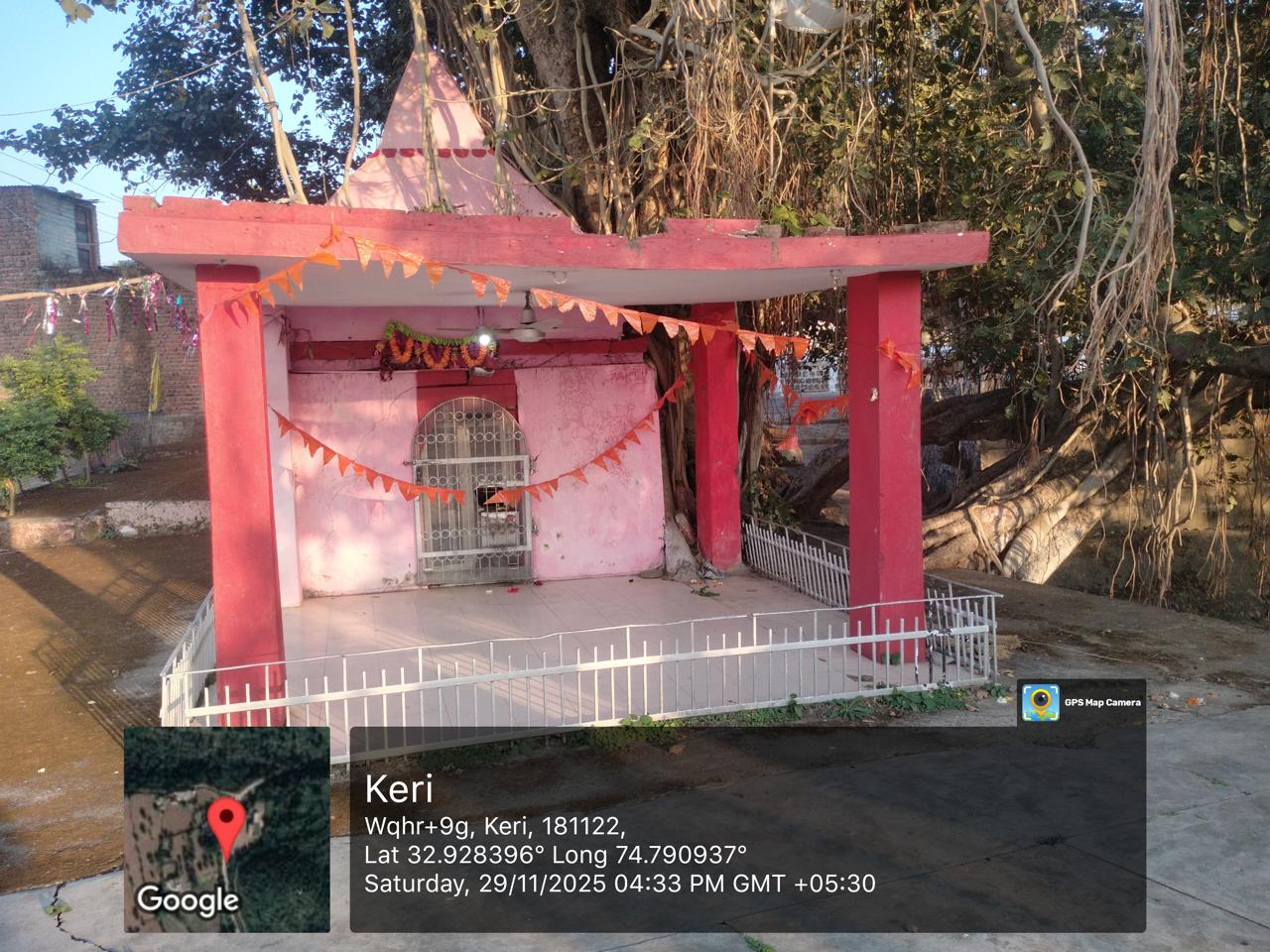
People here take pride in their cultural heritage, and many practices, such as celebrating local fairs, participating in temple rituals, and honoring ancestral deities, remain strongly preserved.
Historical Roots and Local Legends
Though Keri Sarote is a small village, it carries historical narratives commonly shared across the Jammu region. Oral traditions passed through elders recount stories of ancient settlements, local rulers, and community migrations over the centuries. Like many Dogra villages, Keri Sarote’s history is shaped by agricultural life, land-based heritage, and the contribution of its people to regional development.
These stories, though often undocumented, serve as the backbone of the village’s identity and strengthen the sense of belonging among residents.
Natural Attractions and Scenic Beauty
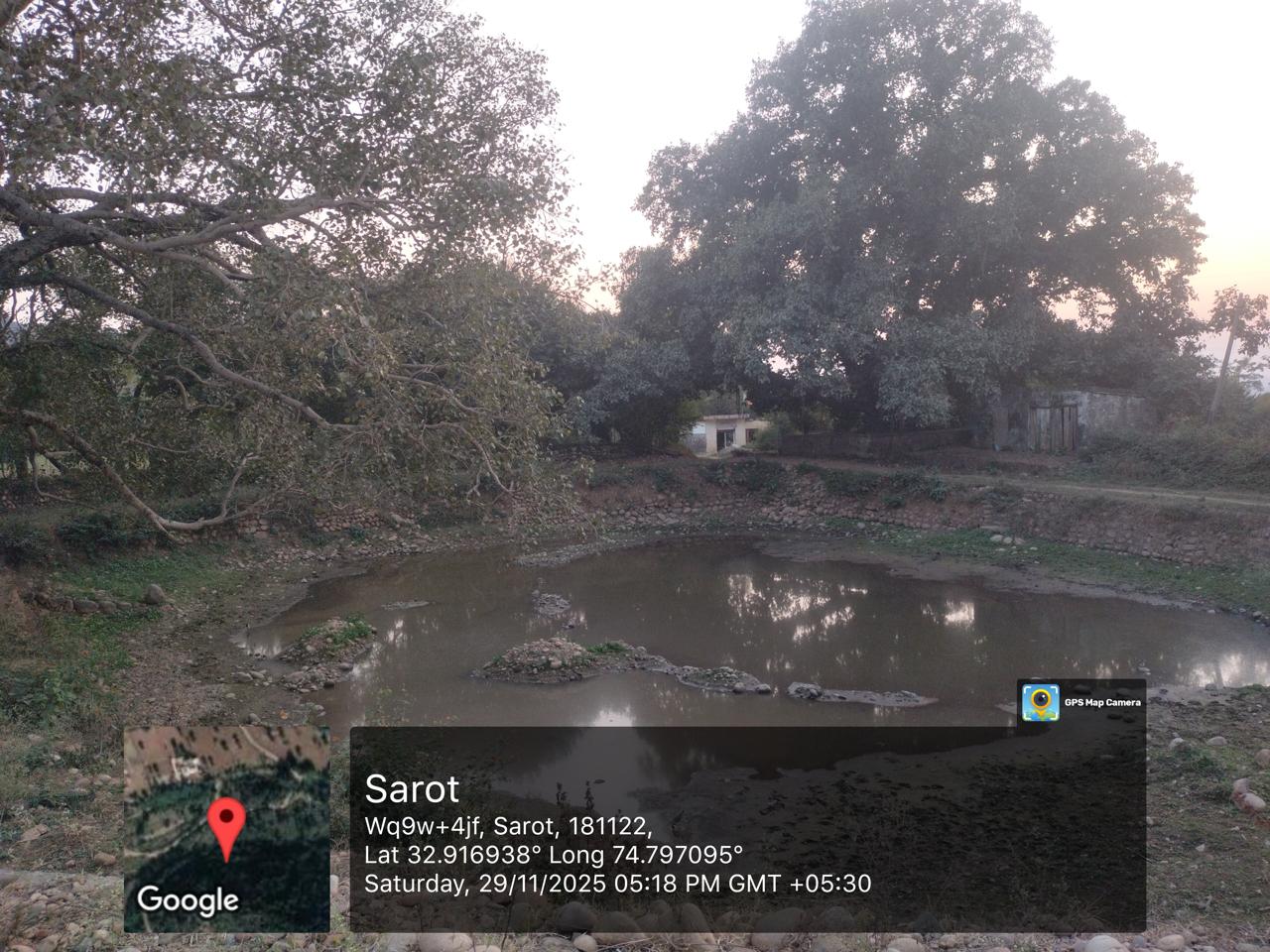
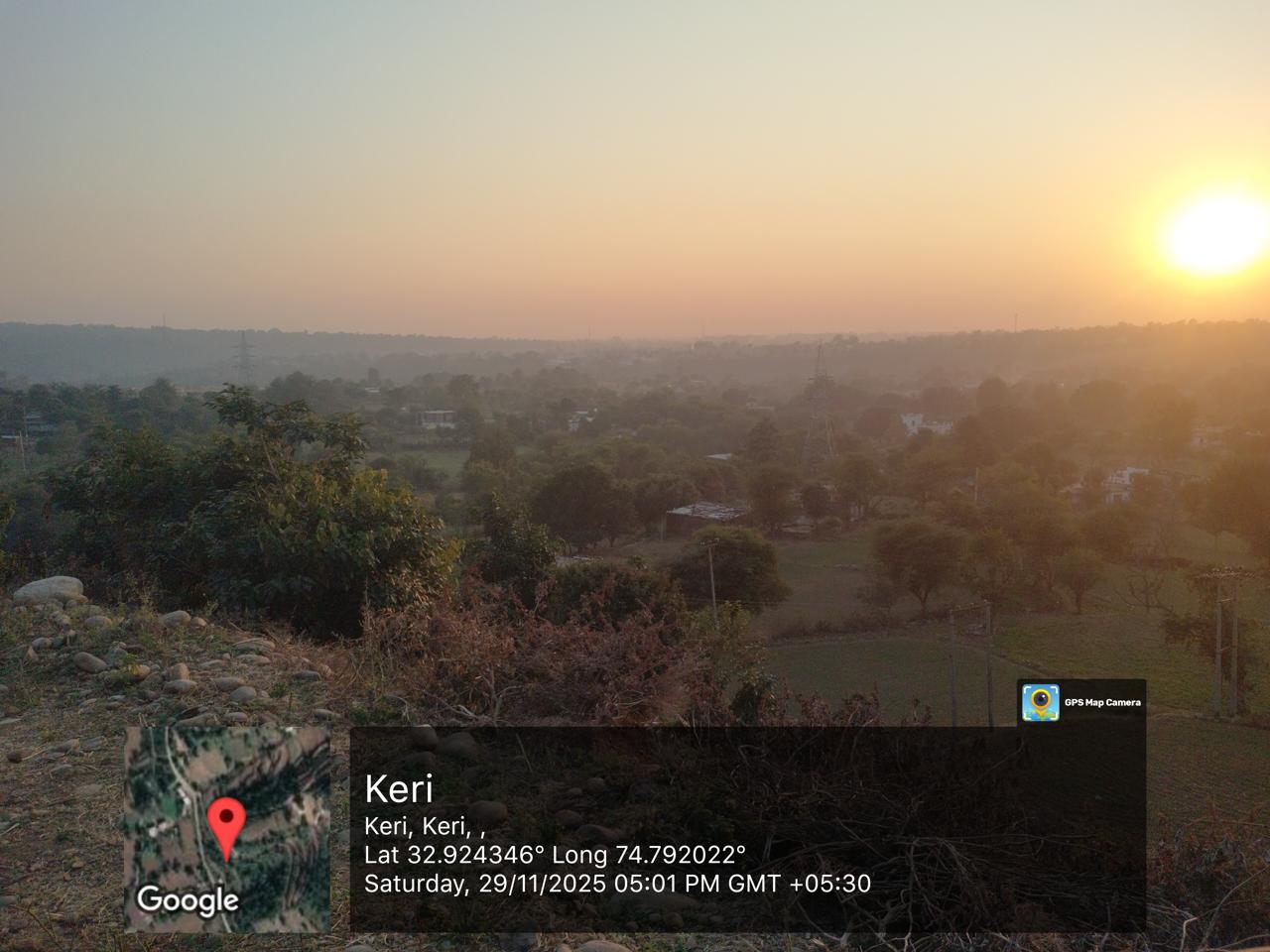
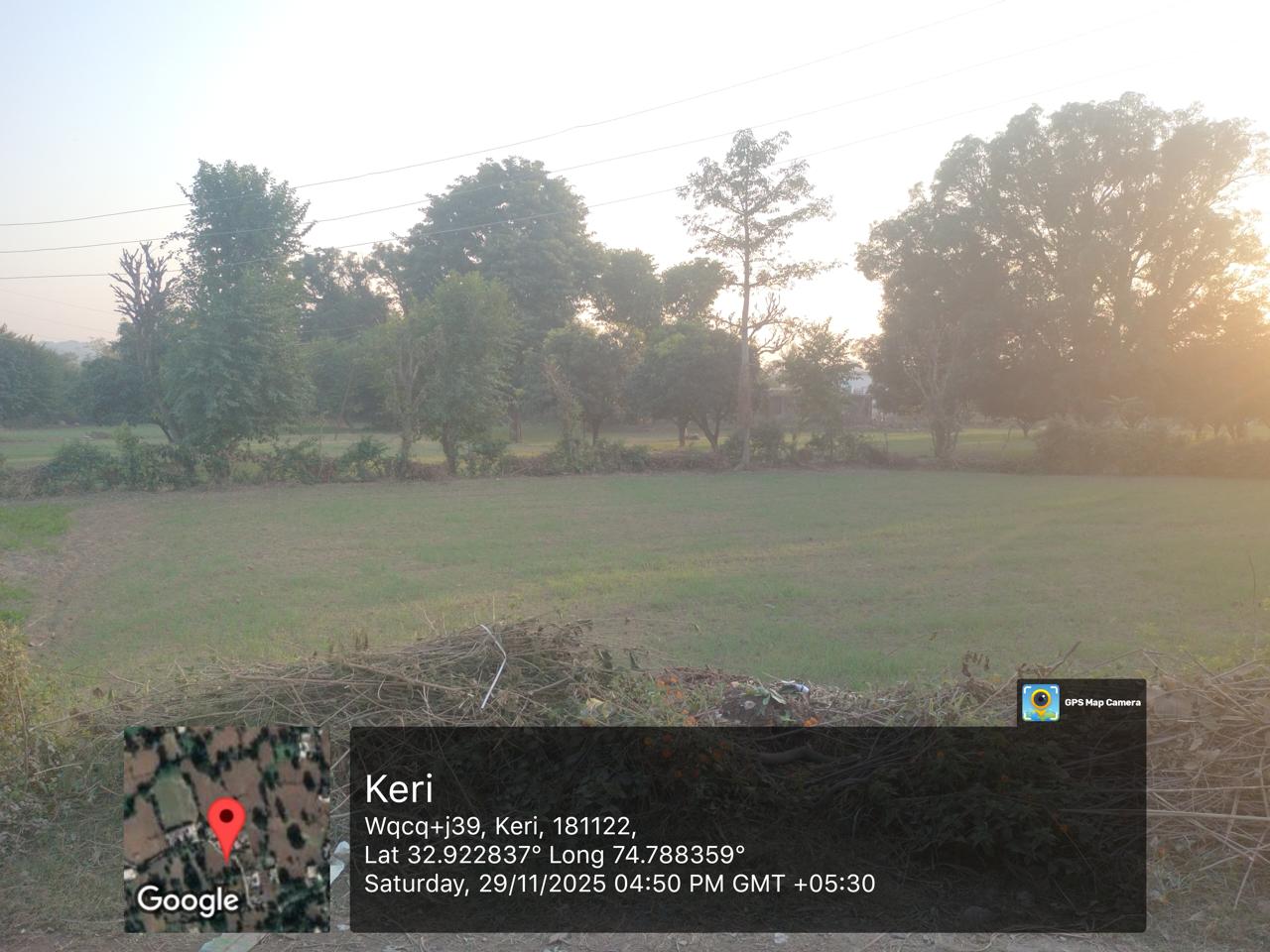
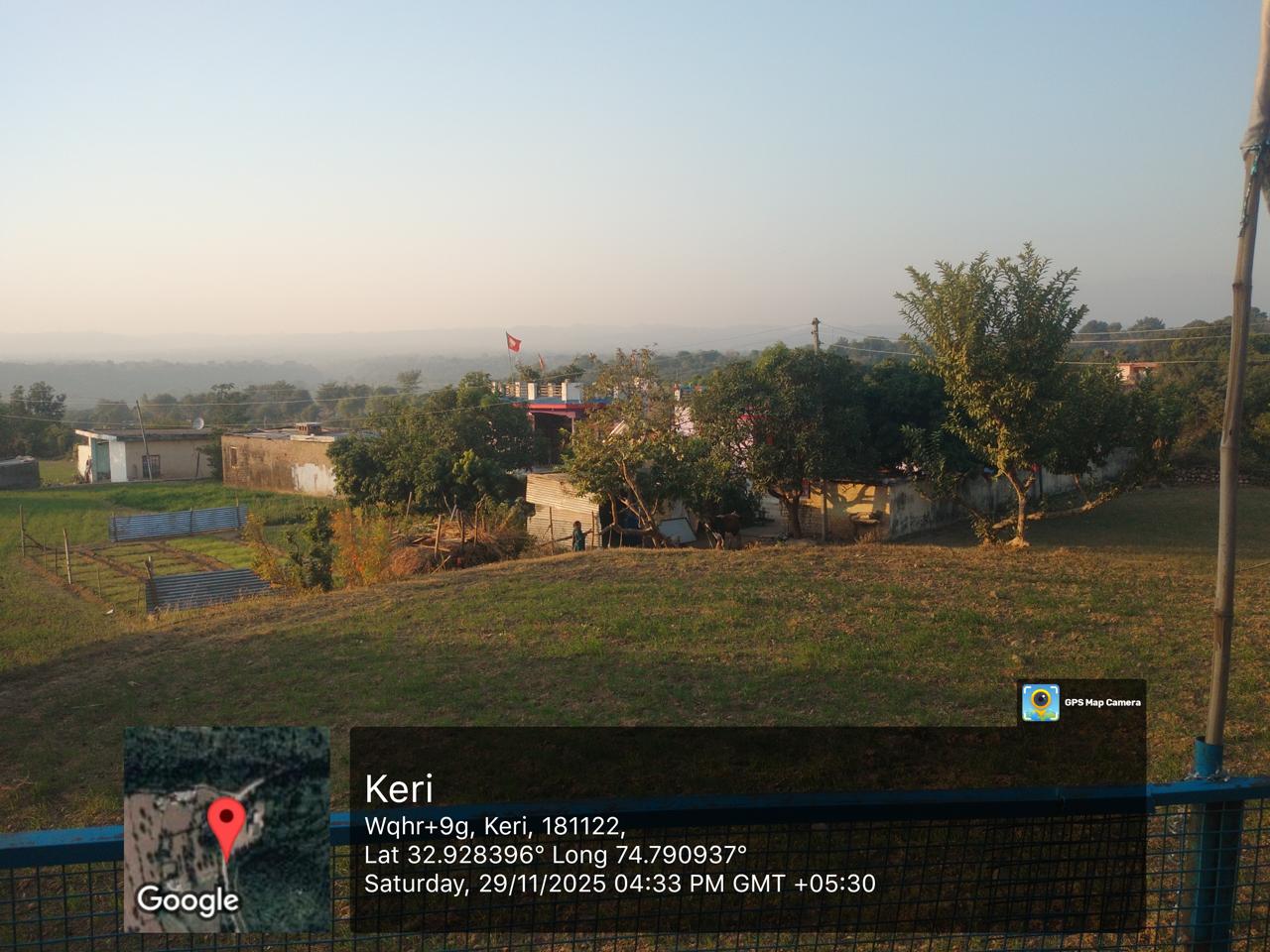
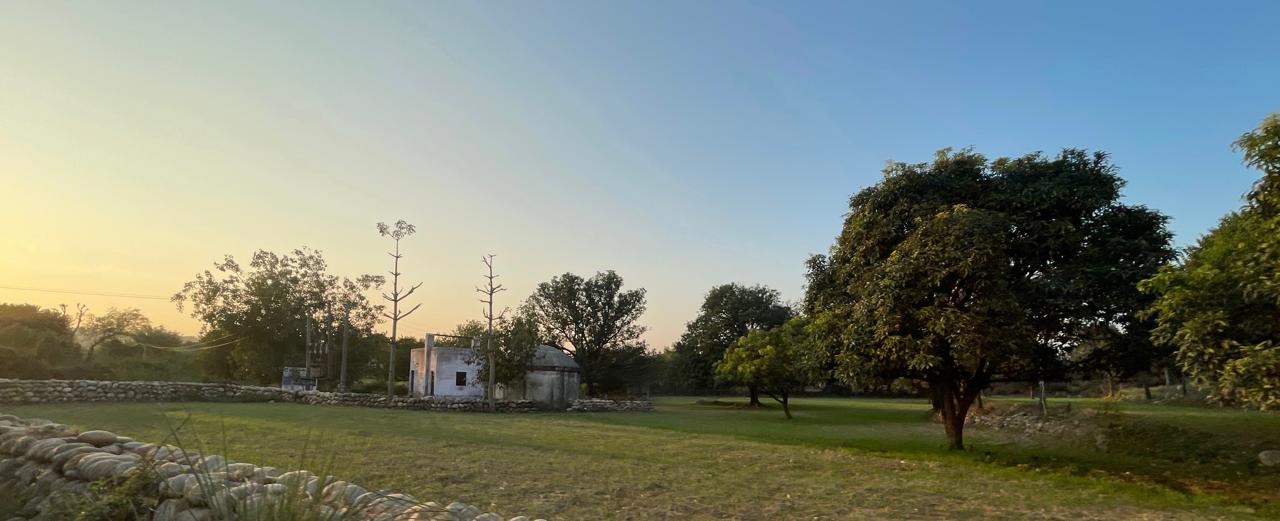
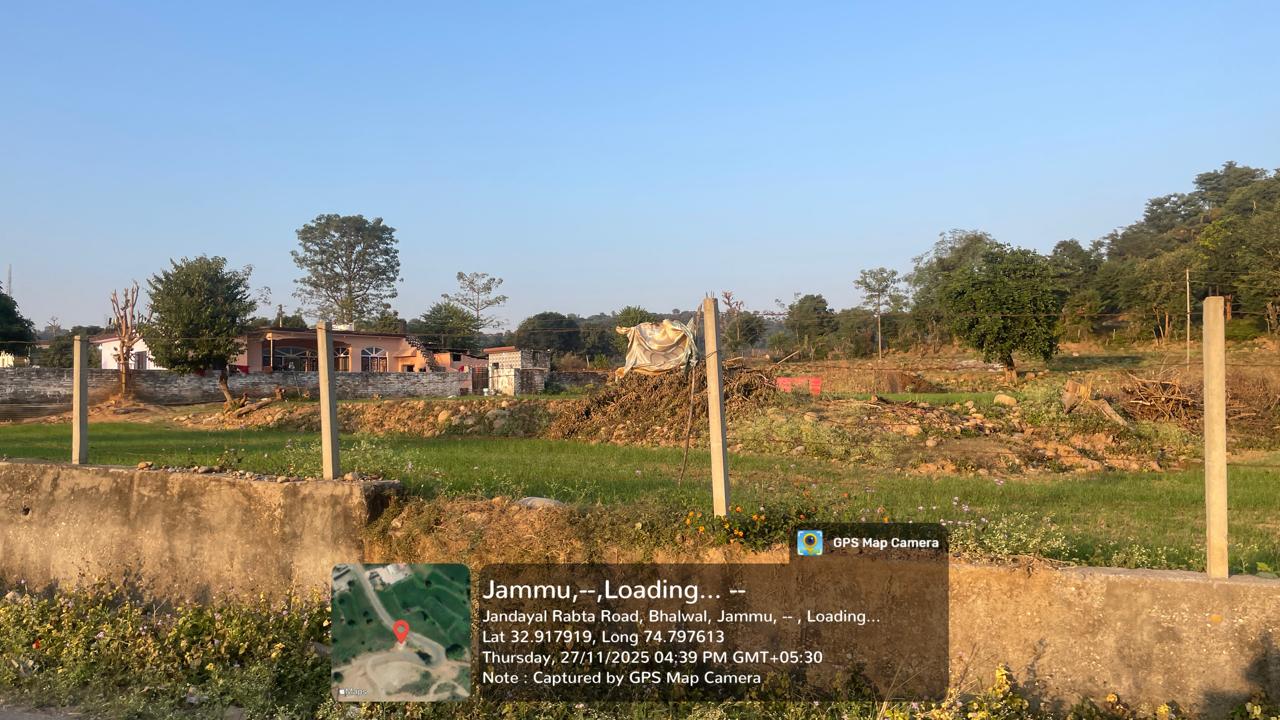
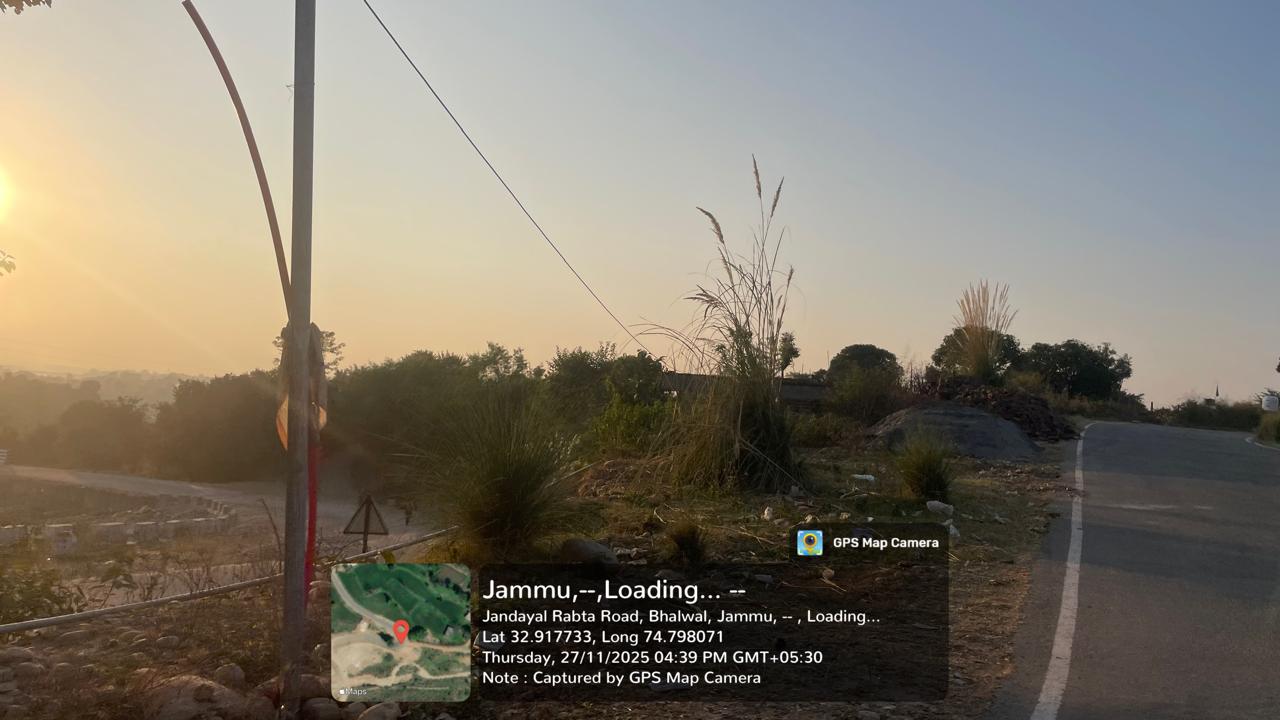
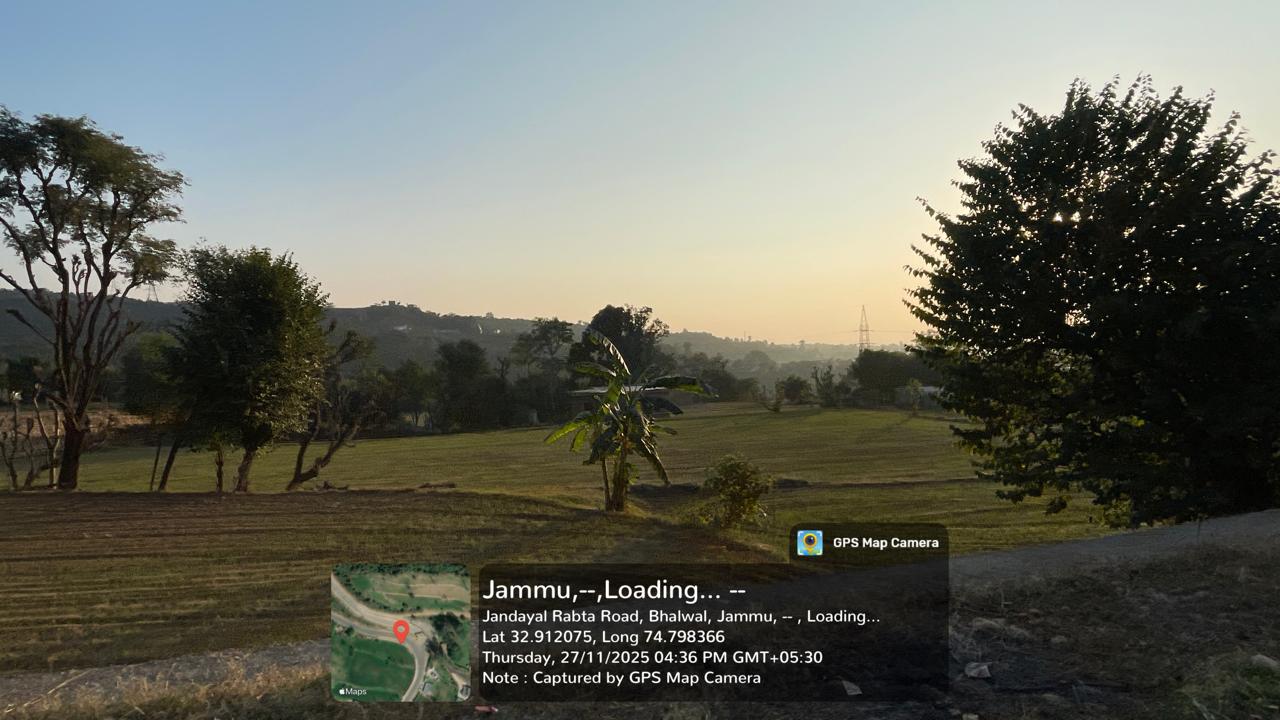
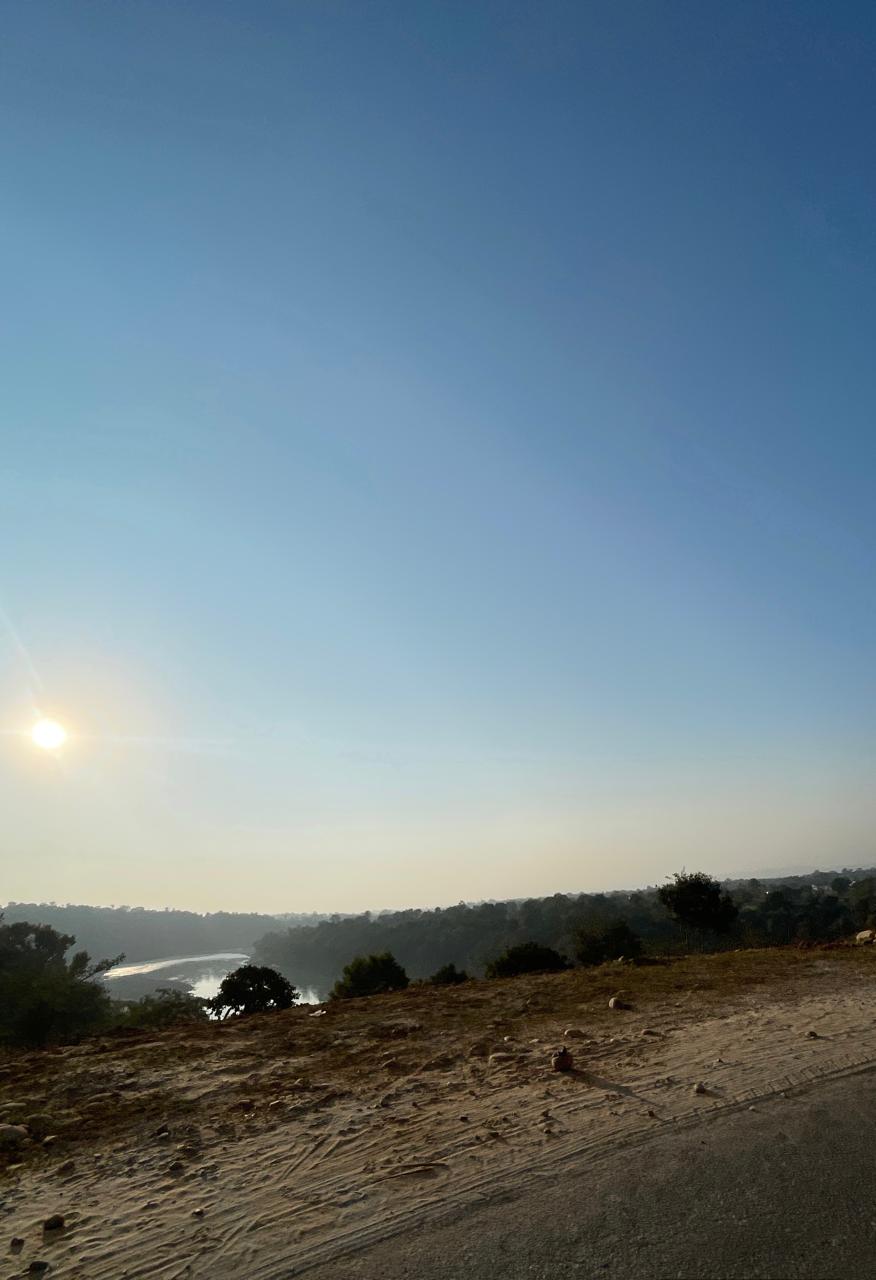
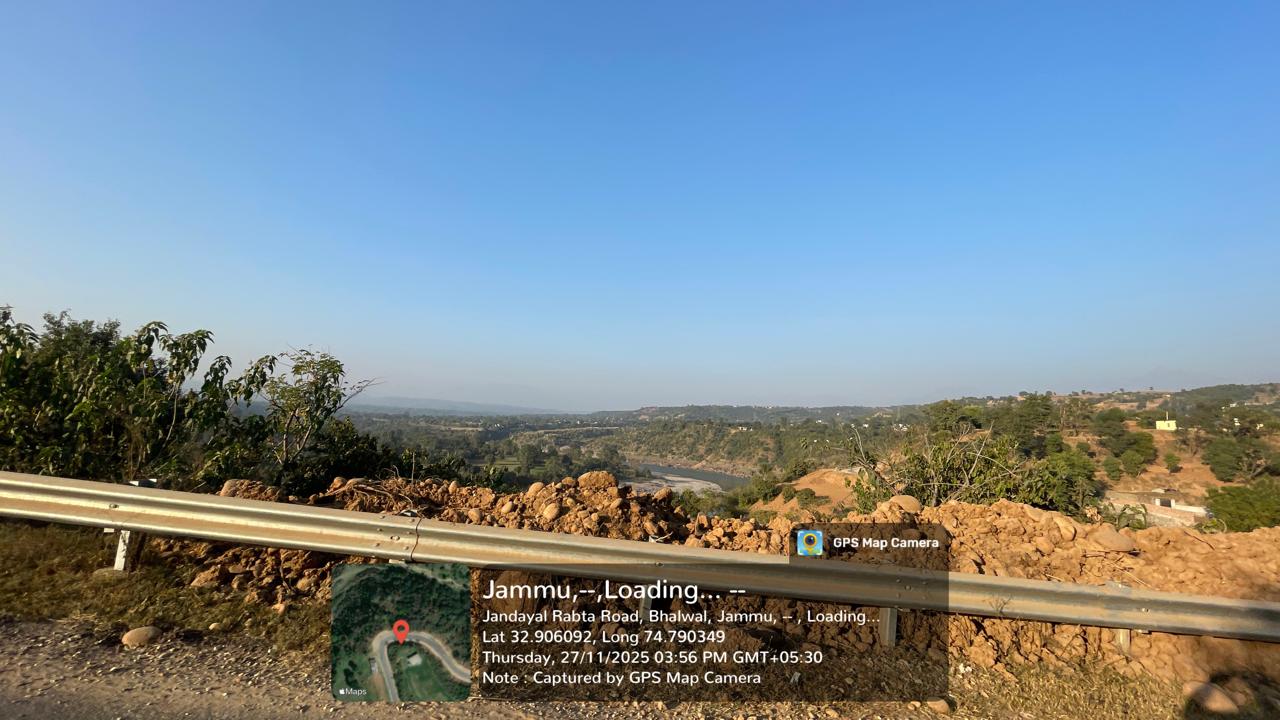
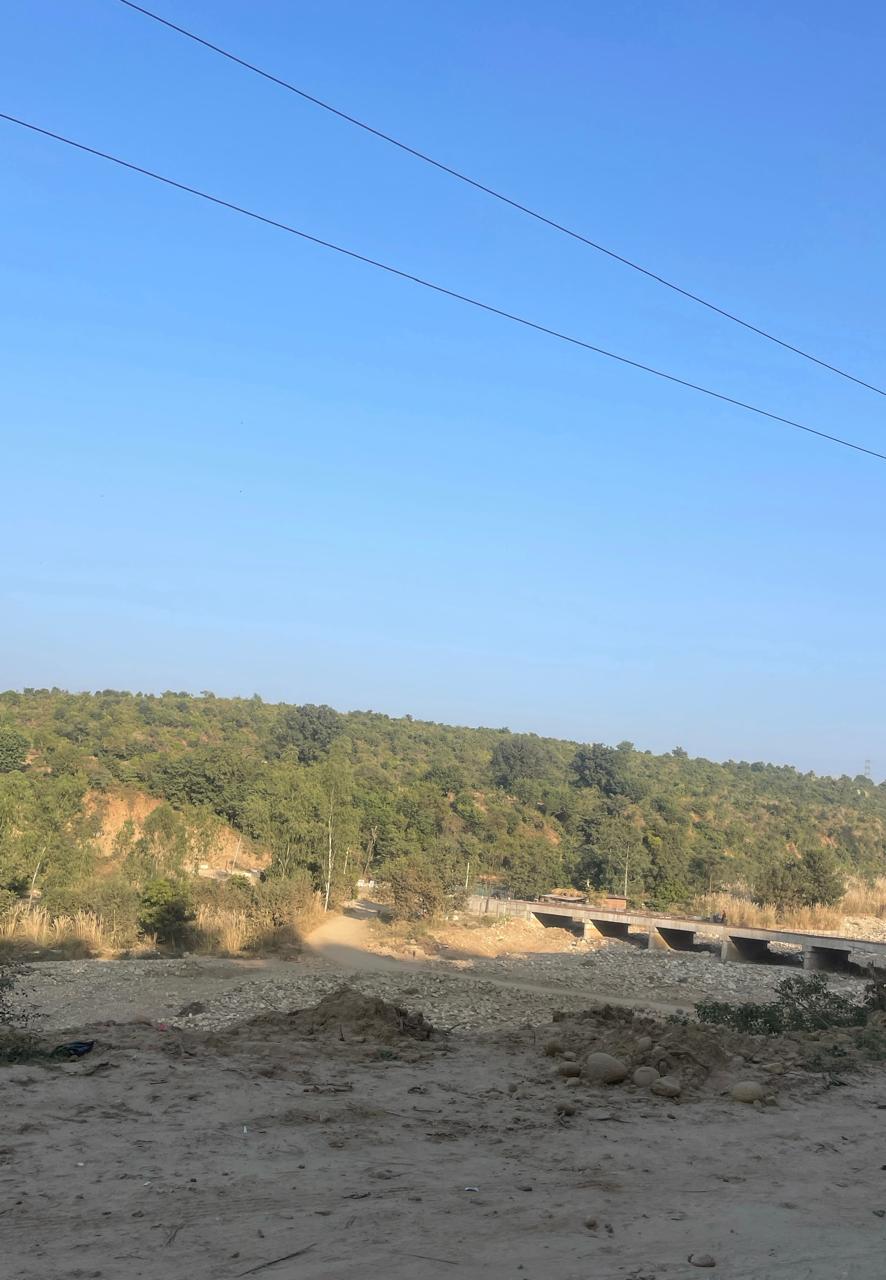
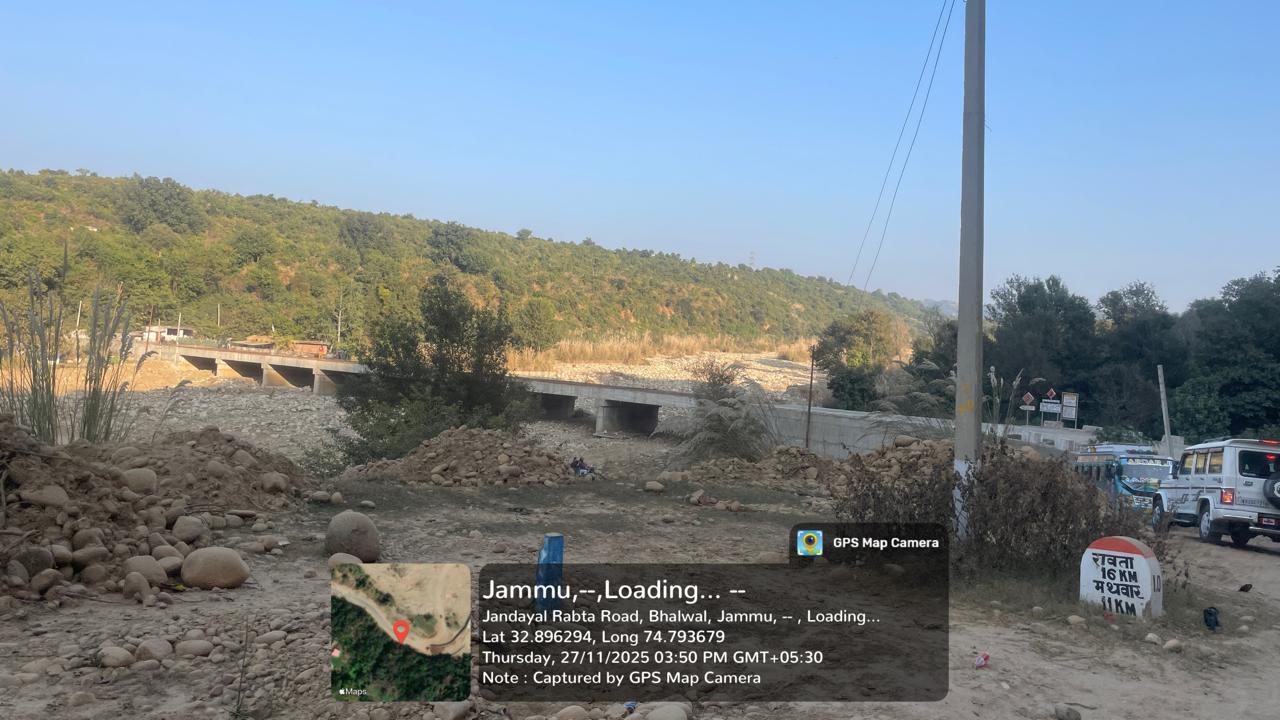
The village is surrounded by lush fields, small forest patches, and hillocks that offer beautiful views throughout the year. Seasonal streams and countryside walking paths make Keri Sarote a peaceful escape for nature lovers. The changing seasons—flowers in spring, greenery in monsoon, and golden crops in winter—add to the charm of the landscape.
This natural environment also supports a variety of flora and fauna, making the village an appealing place for those who appreciate rural biodiversity.
Festivals and Celebrations
Like the rest of the Jammu region, Keri Sarote comes alive during festivals such as Lohri, Baisakhi, Diwali, and Dussehra. Community gatherings are an essential part of these celebrations, where people prepare traditional foods, visit each other’s homes, and participate in local cultural events.
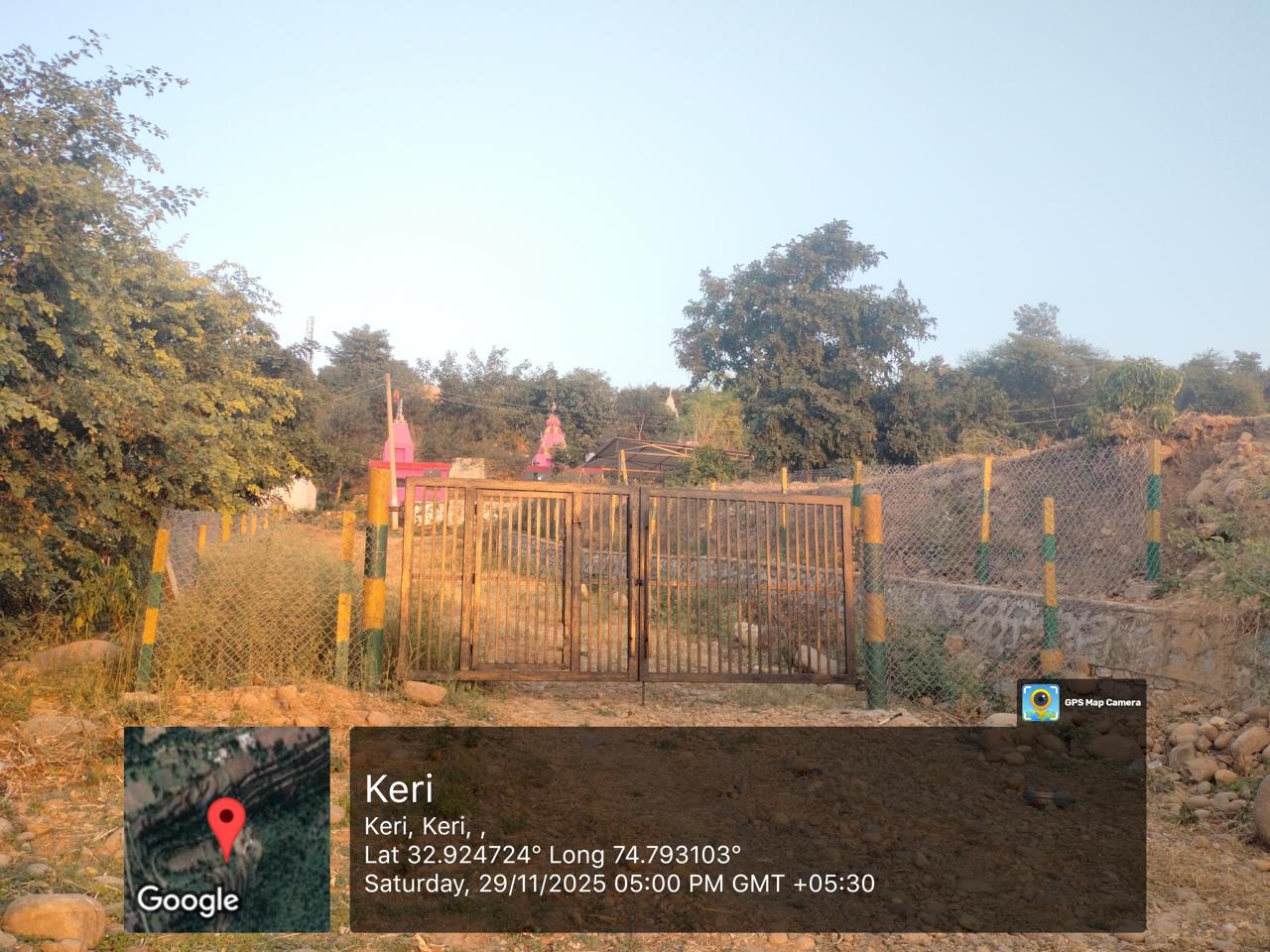
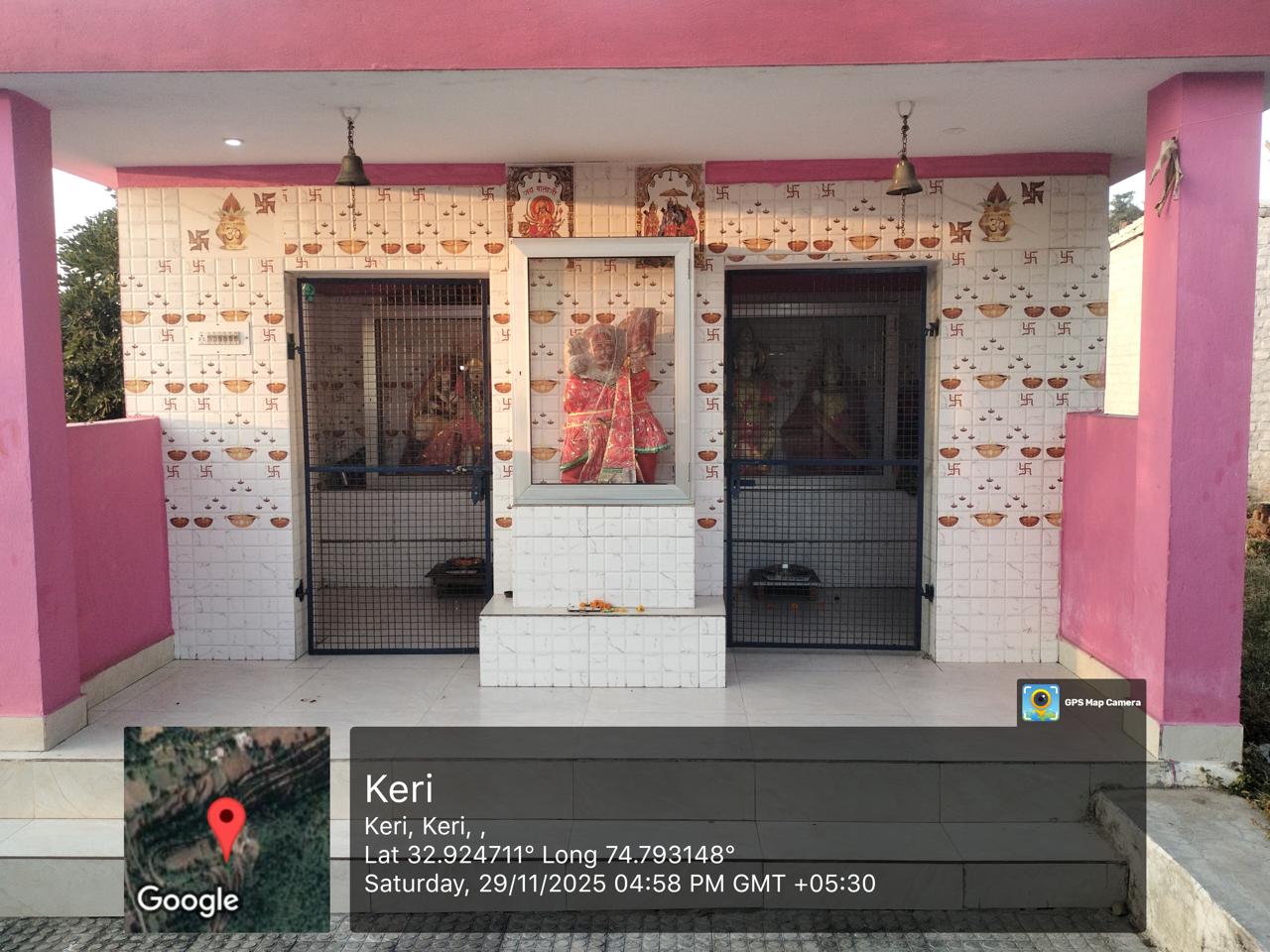
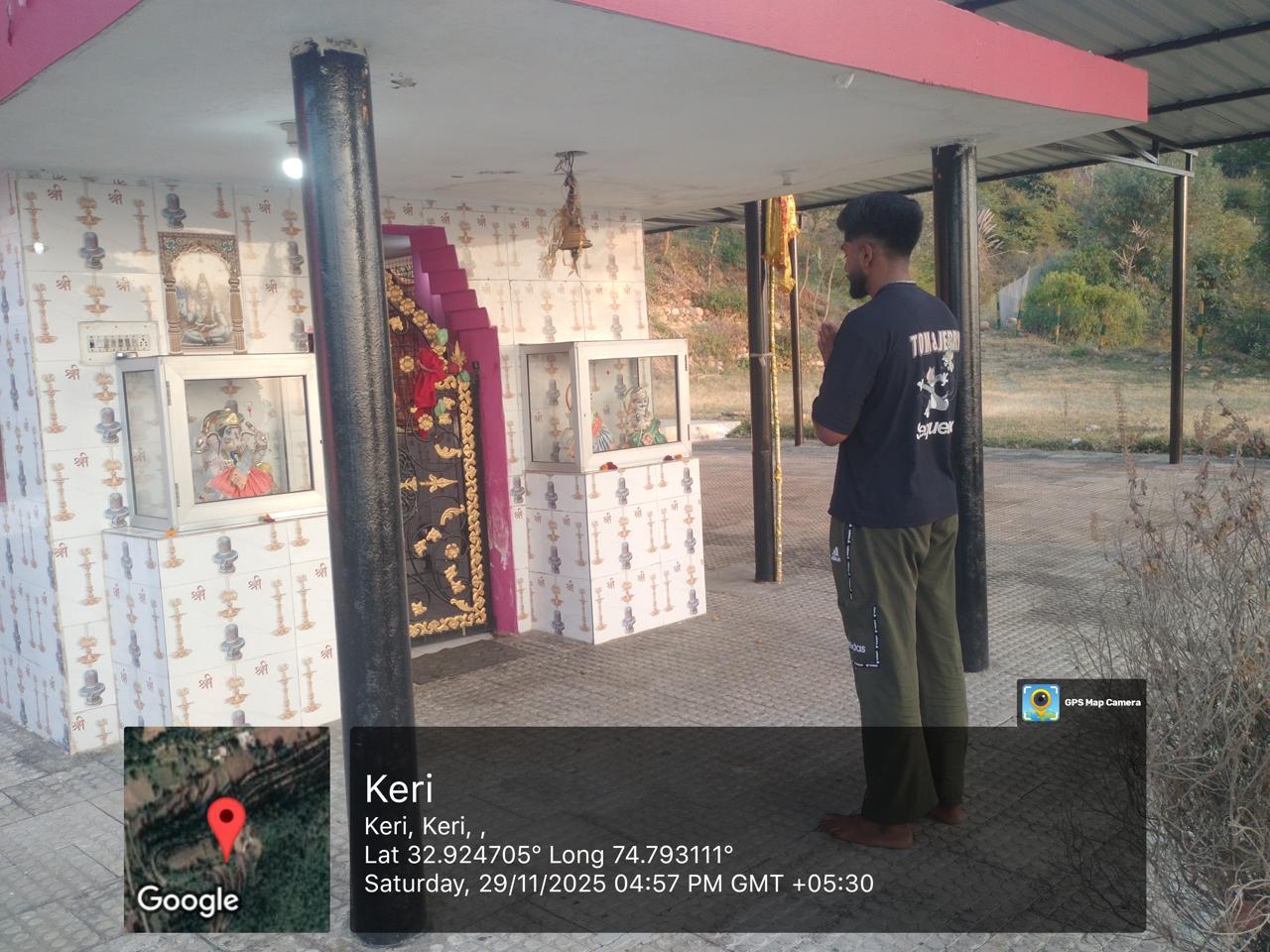
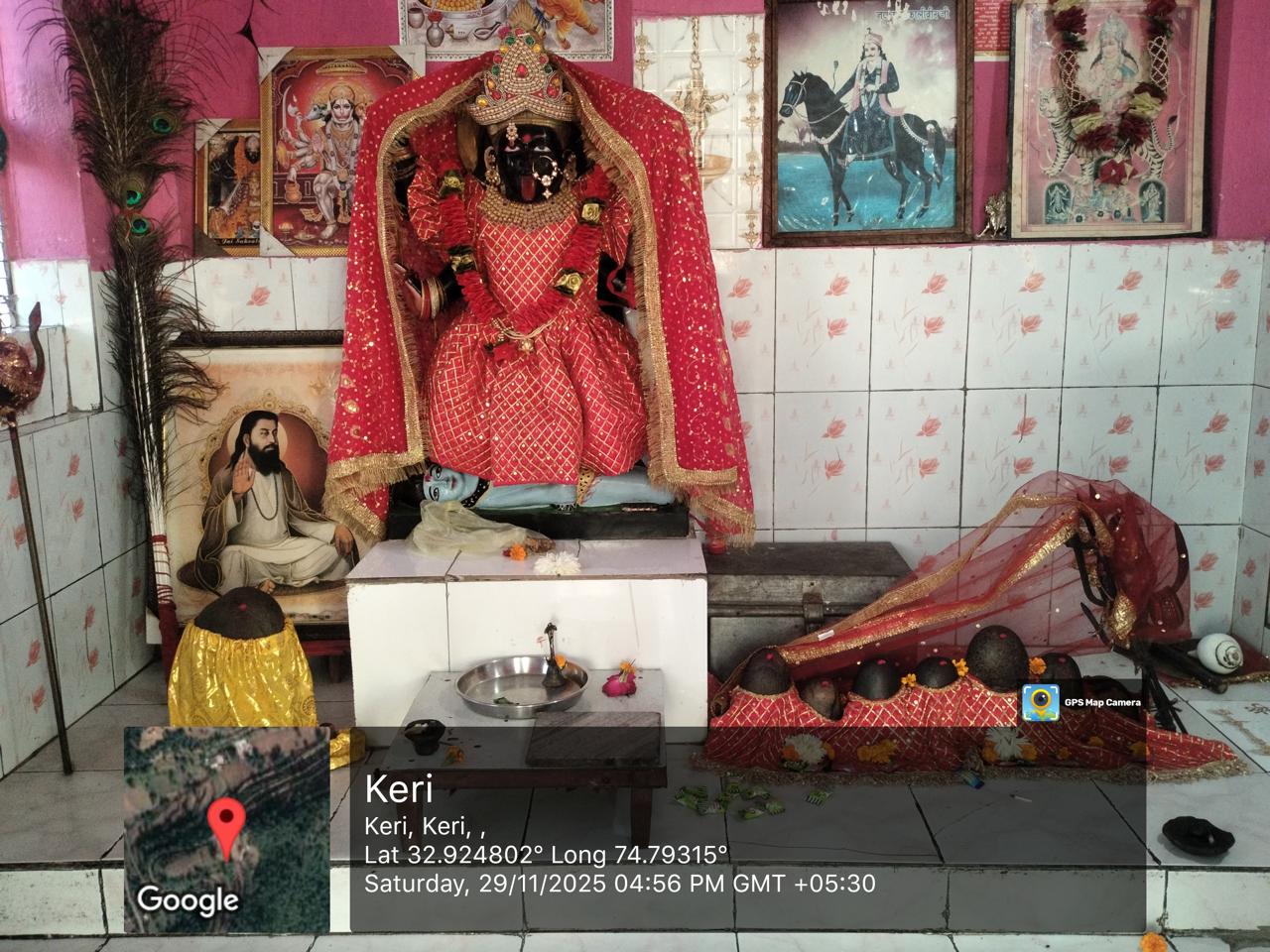
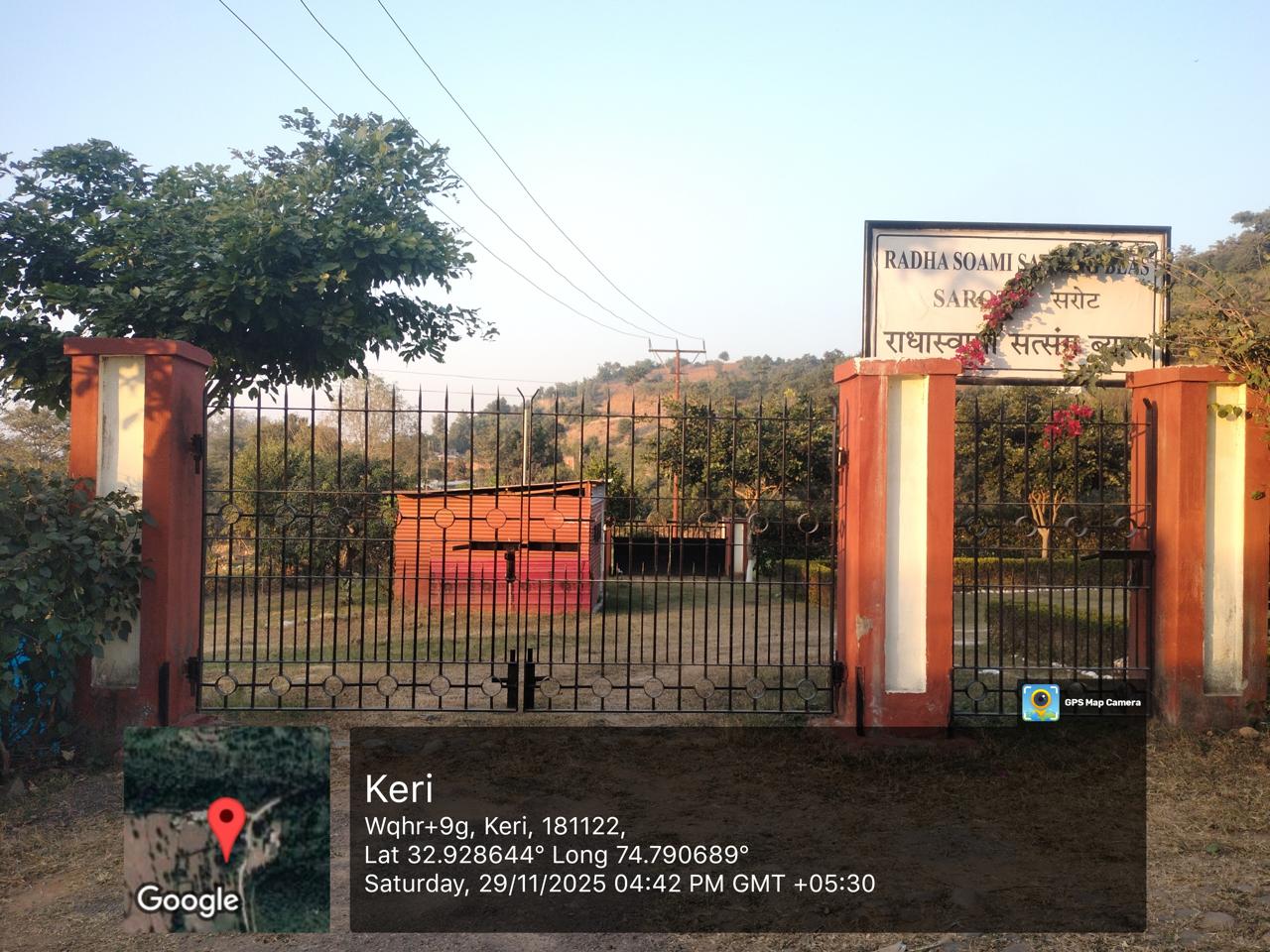
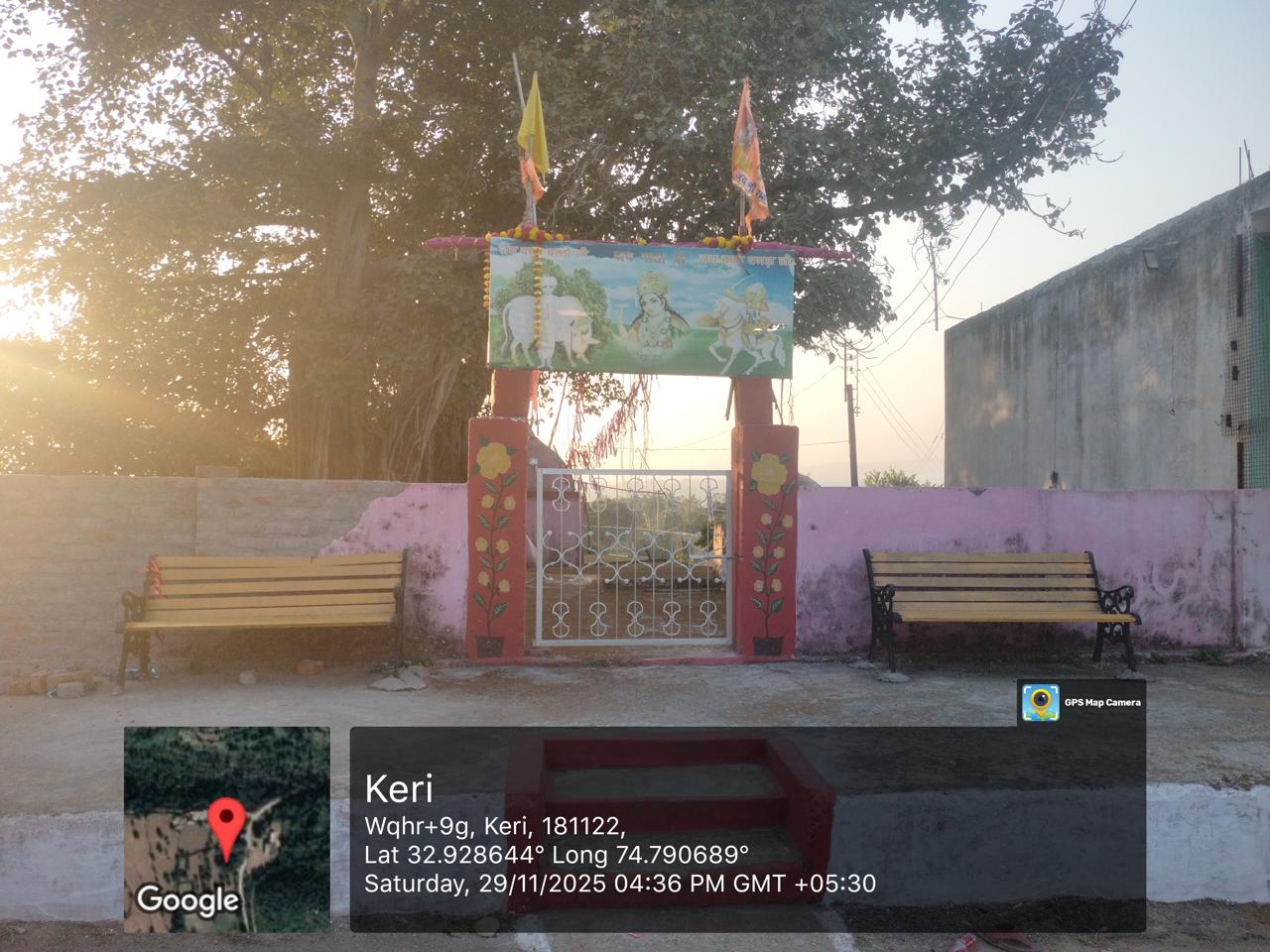
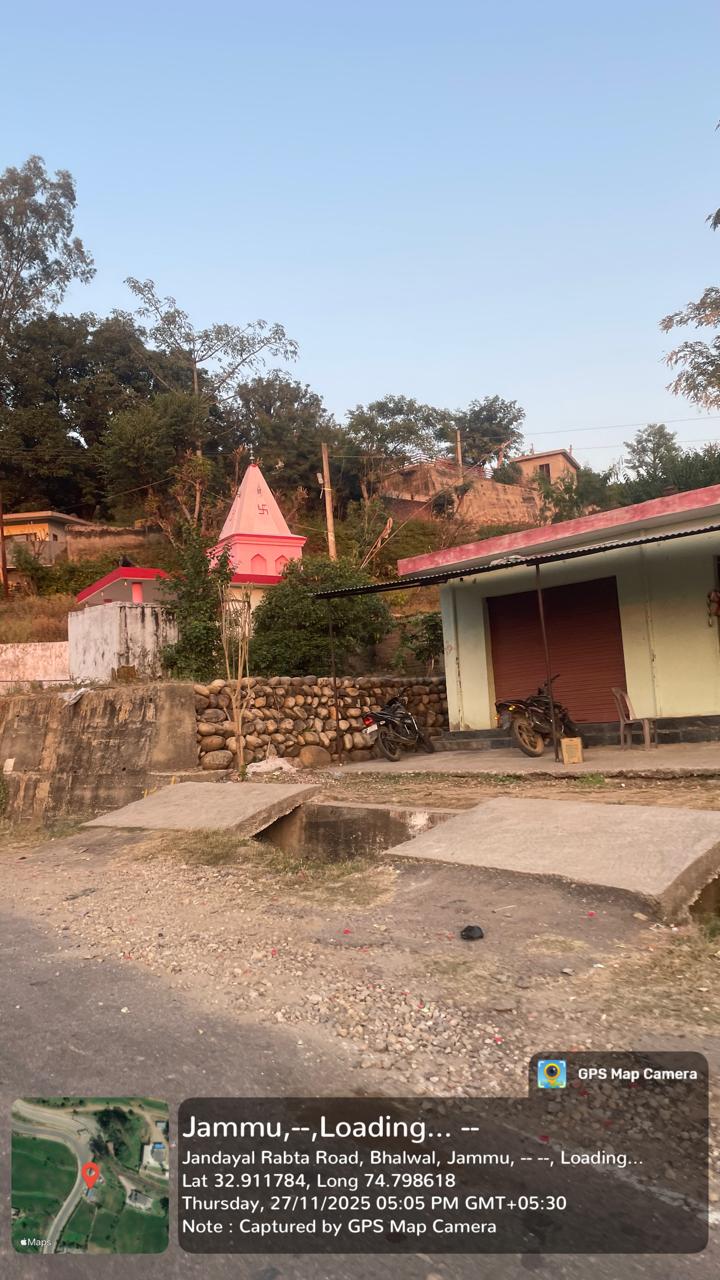
Temples in the village serve as central points of devotion, where rituals, havans, and seasonal ceremonies bring families together. These festivals not only strengthen social unity but also preserve cultural continuity.
Village Lifestyle and Occupations
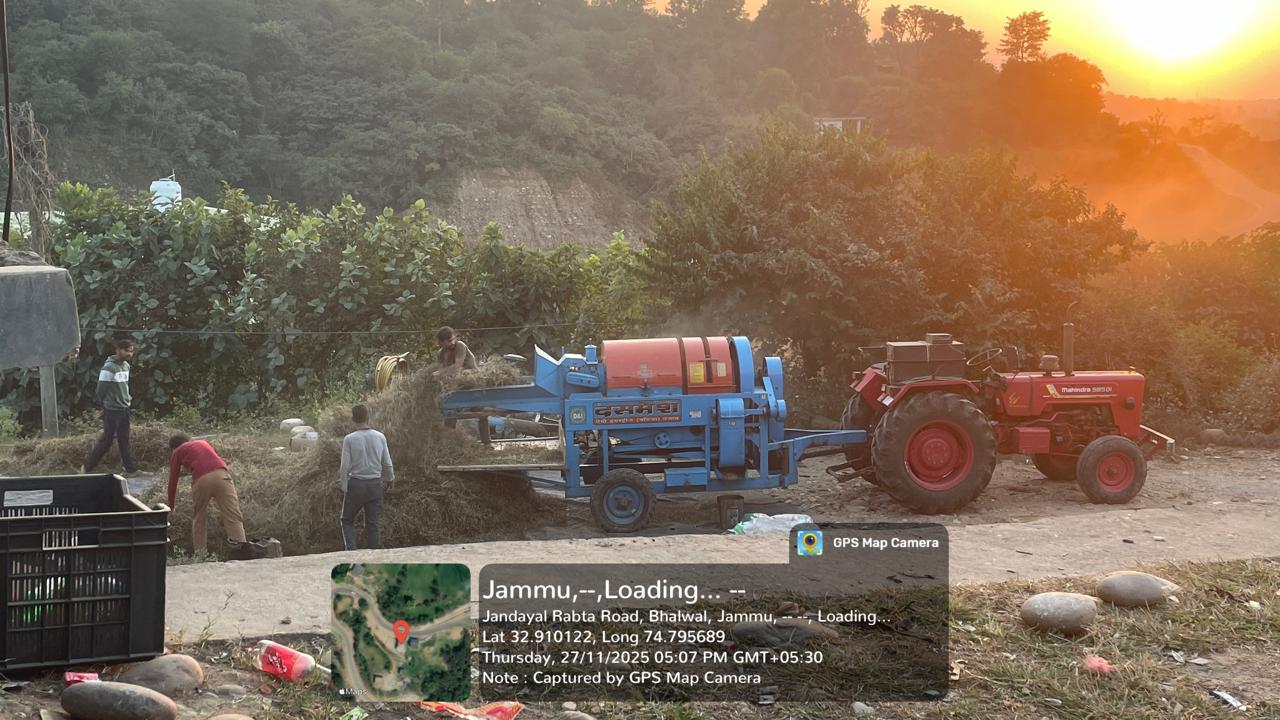
Agriculture continues to be the primary occupation of the residents of Keri Sarote, with wheat, maize, and seasonal vegetables being the main crops. Many families are also engaged in dairy farming, horticulture, and small-scale trades.
A significant number of youths from the village serve in government jobs, private sectors, and the Indian Armed Forces, contributing to both economic stability and cultural pride. The simplicity of village life combined with steady modernization defines the living spirit of Keri Sarote.
Education and Infrastructure
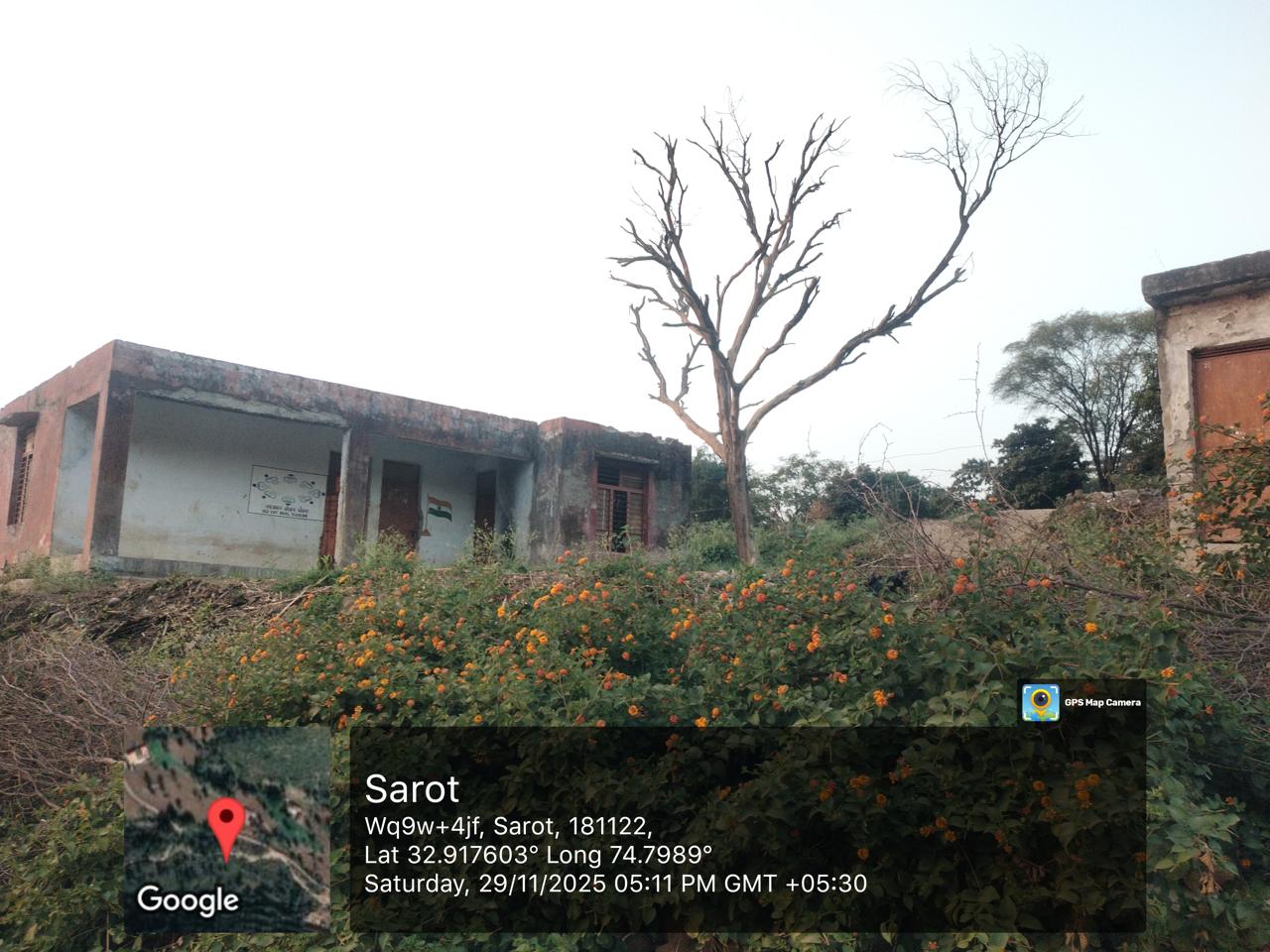
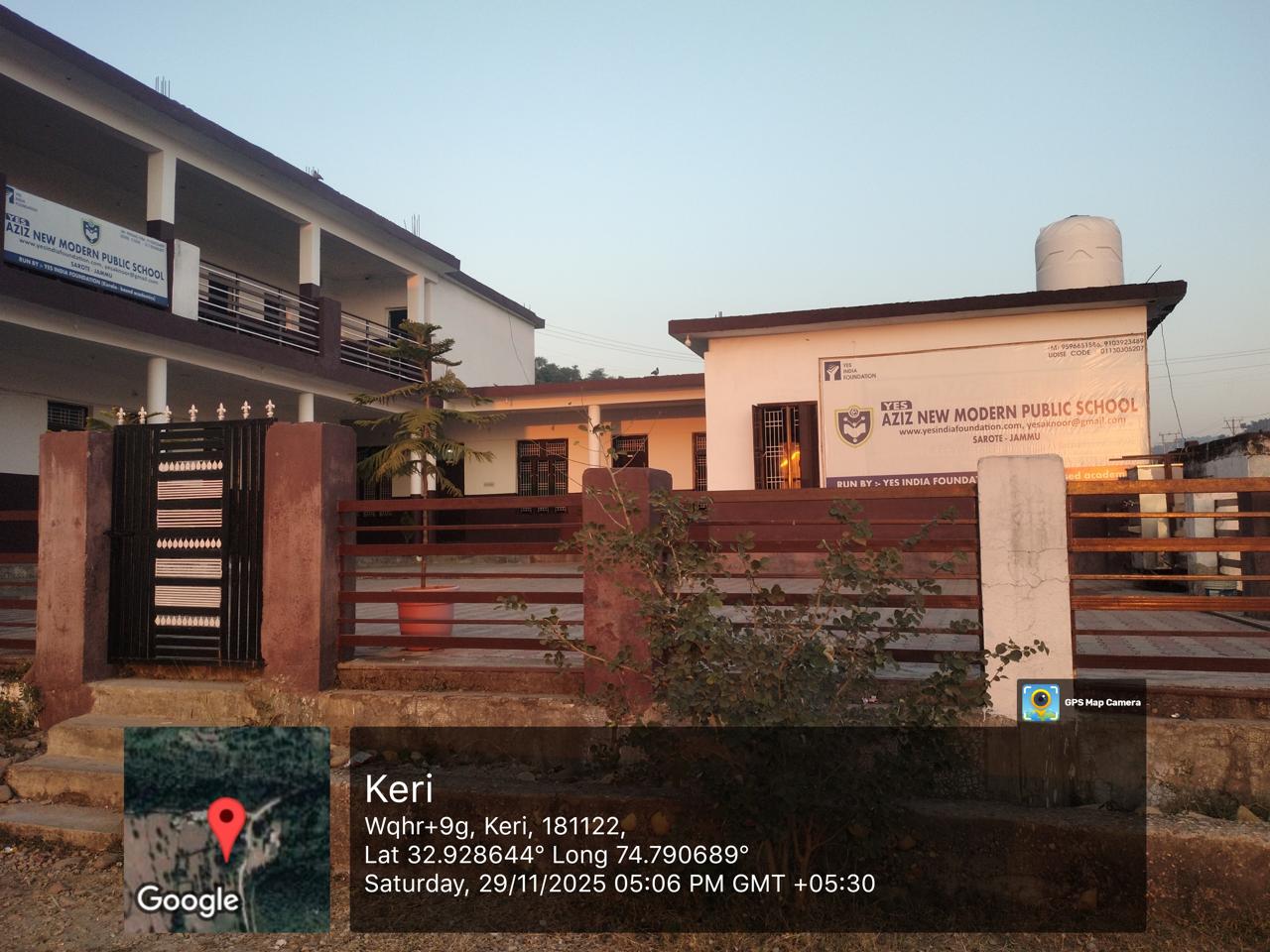
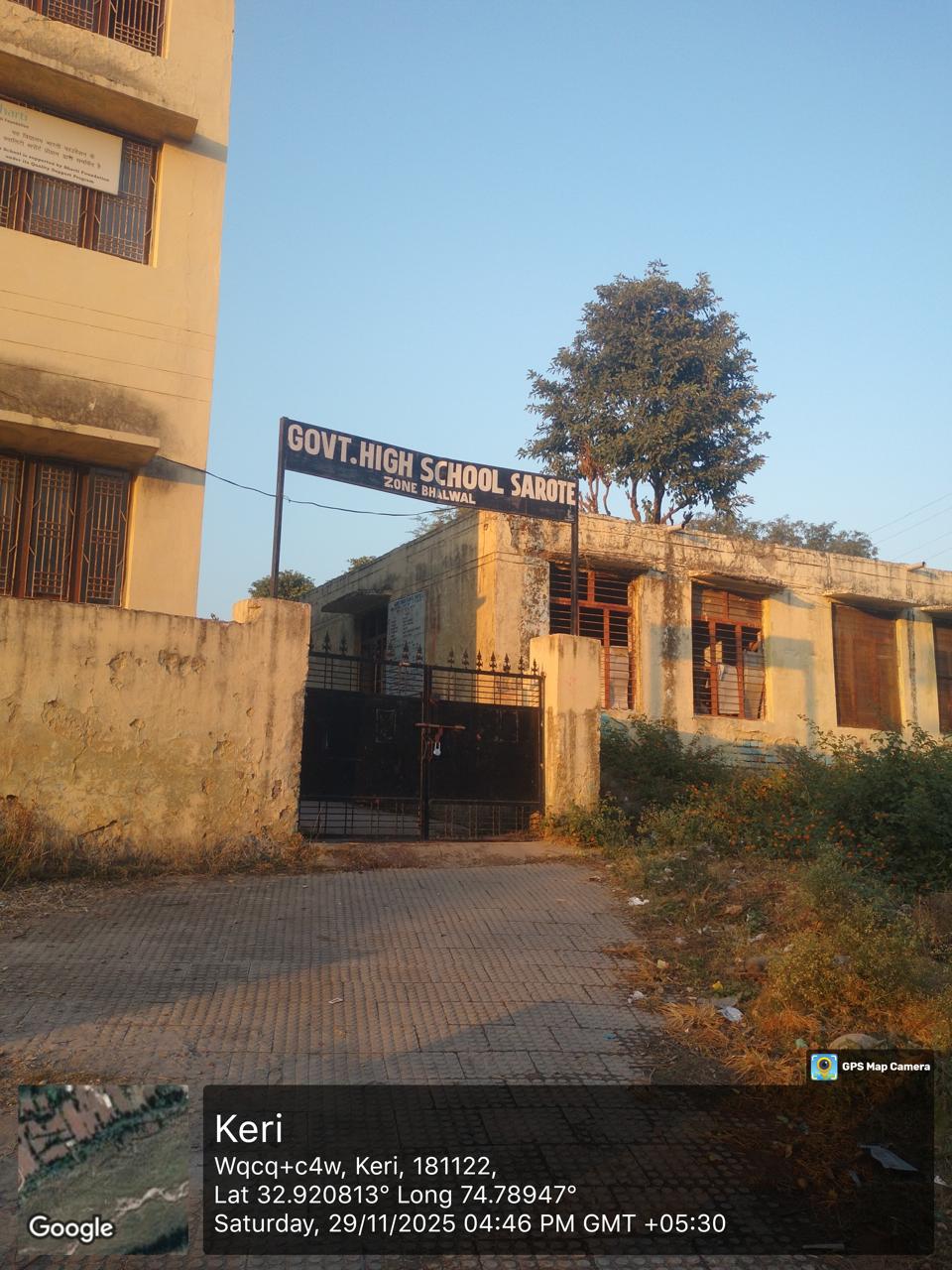
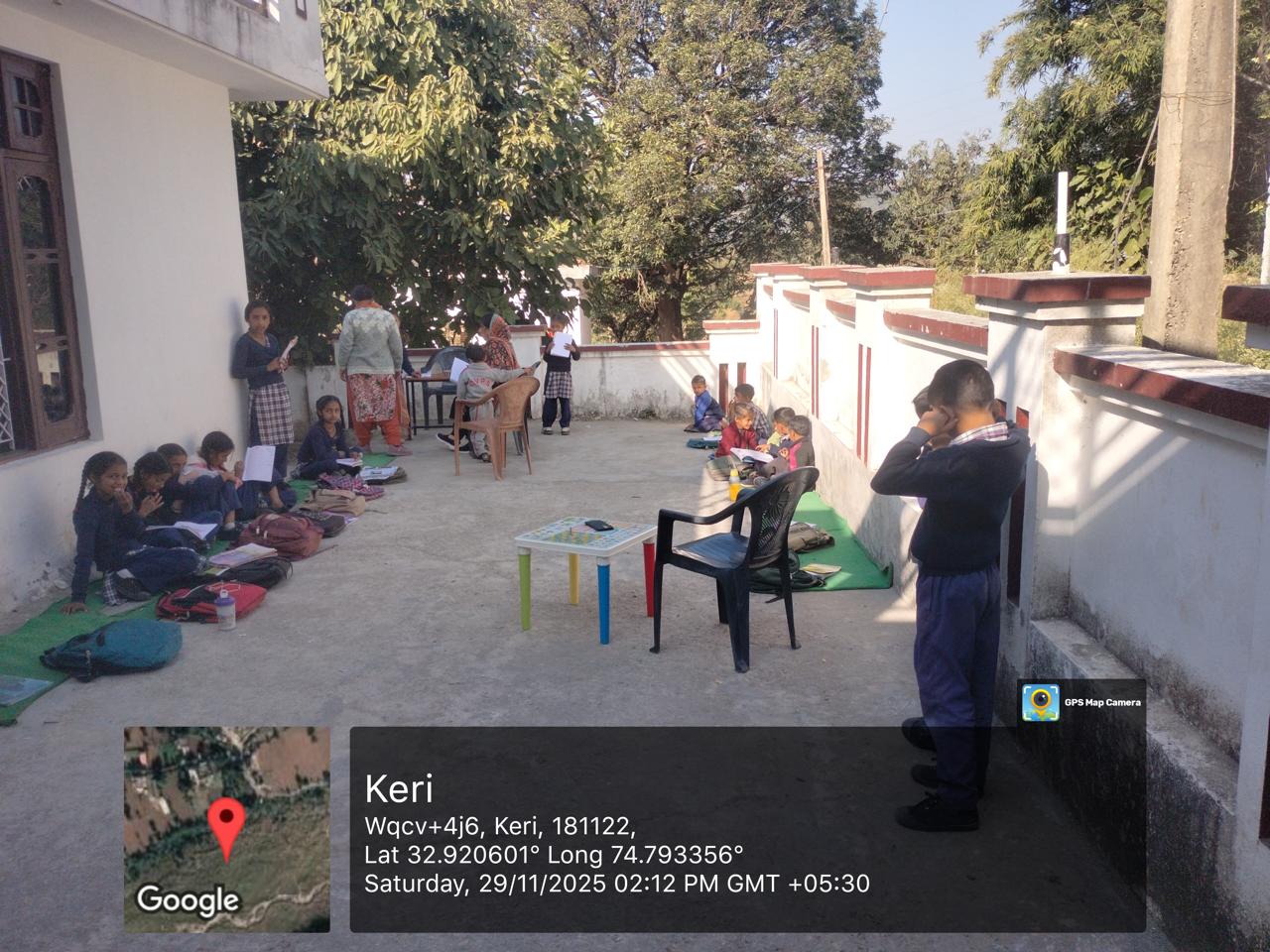
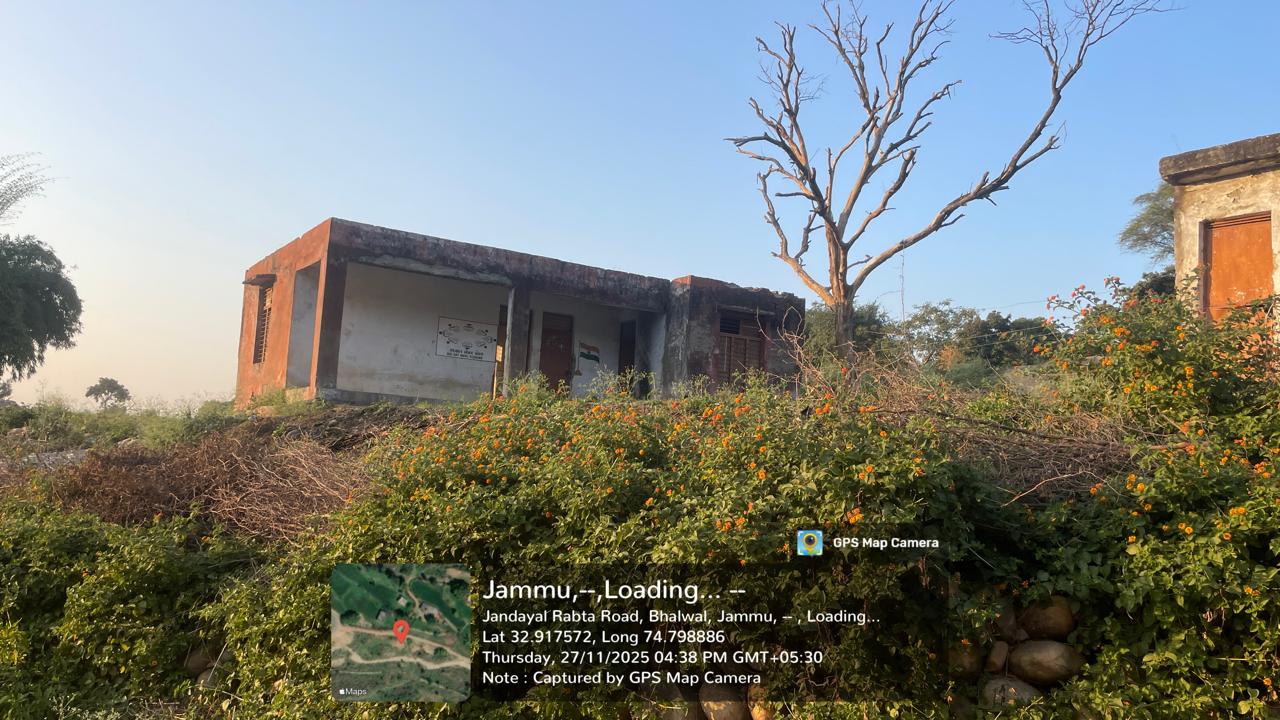
Keri Sarote has access to essential educational institutions such as primary and middle schools within or near the village. For higher education, students generally travel to Akhnoor, Jourian, or Jammu. The village’s connectivity through well-linked roads ensures smooth transportation for educational and professional needs.
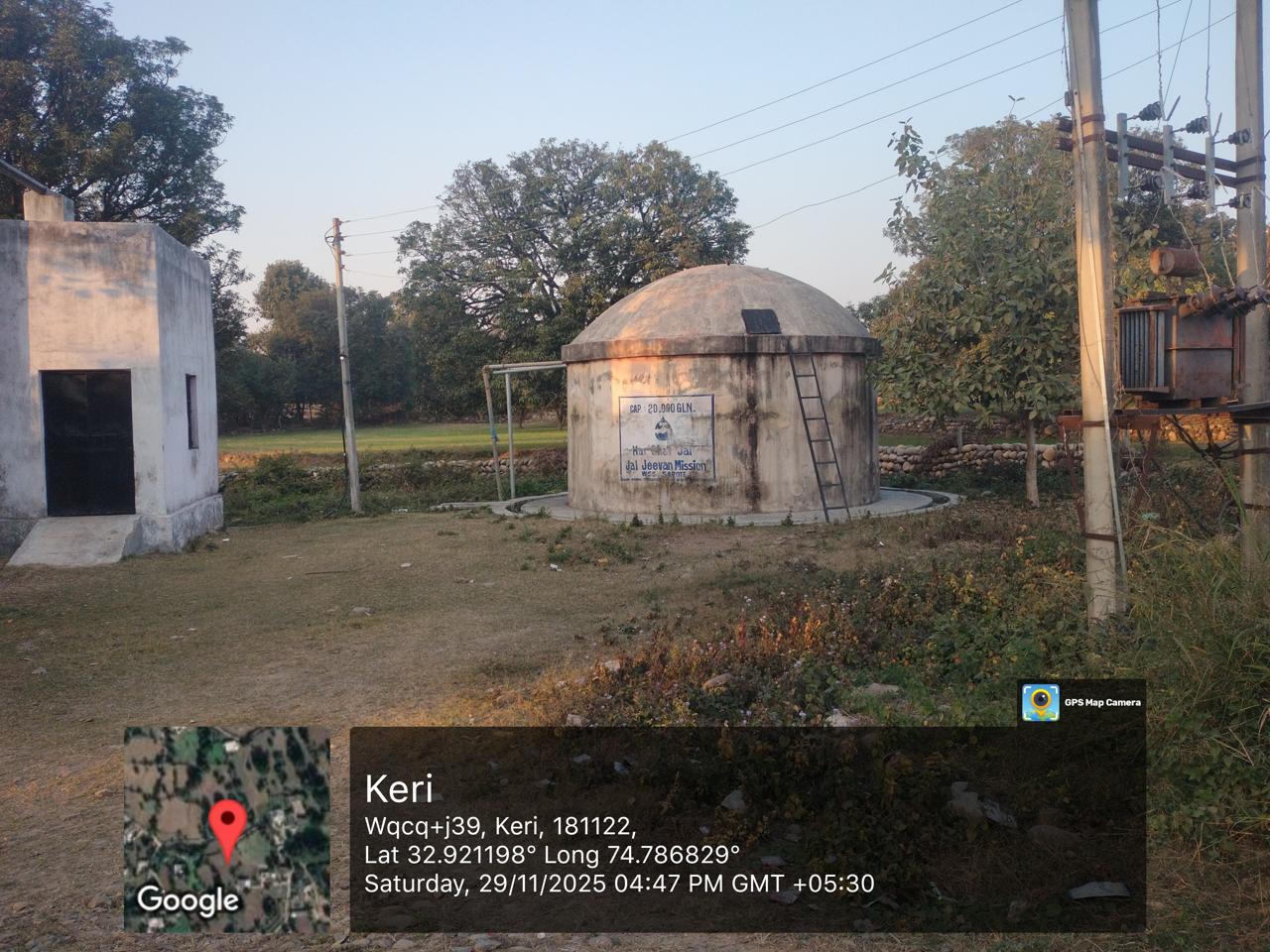
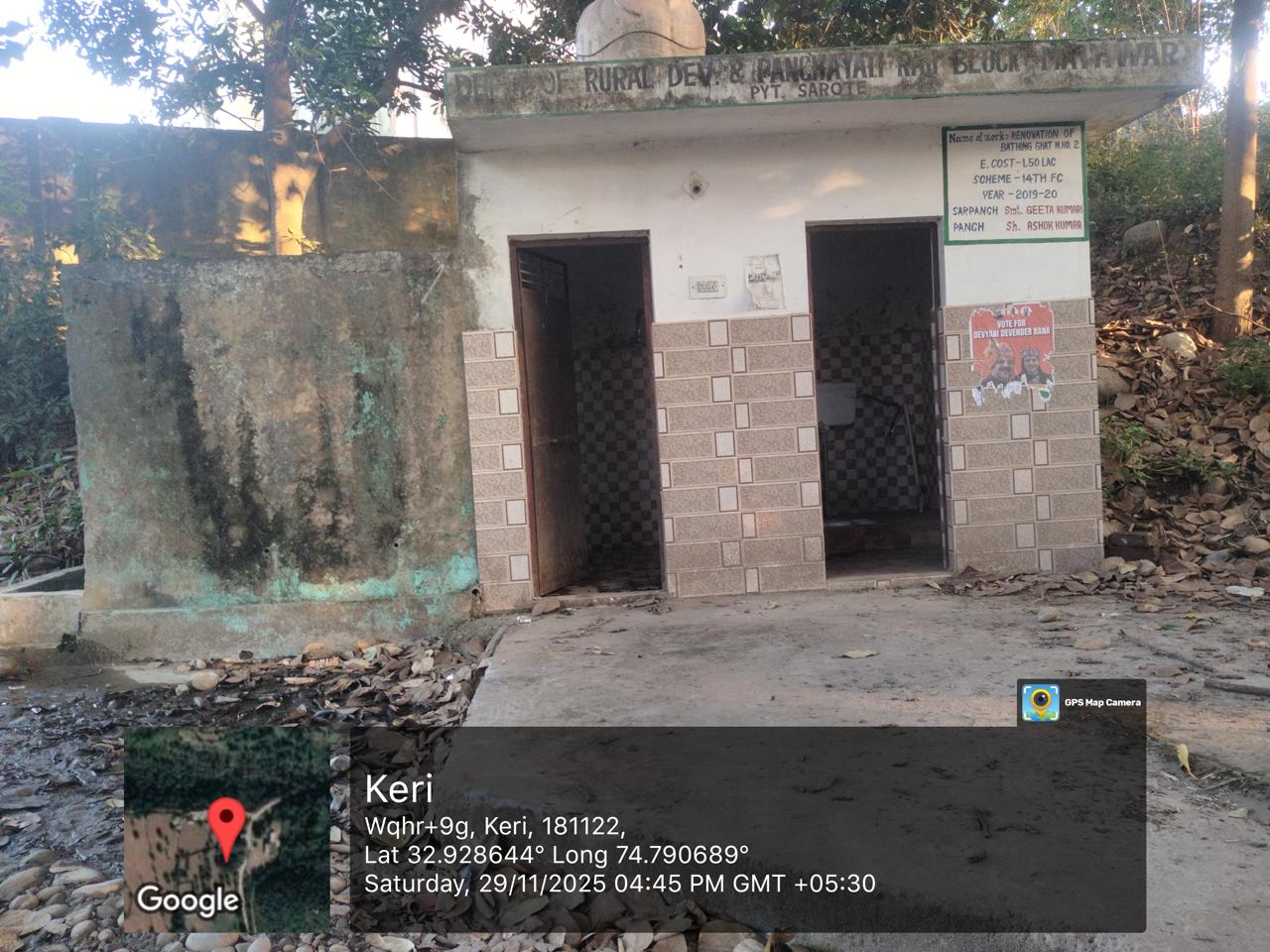
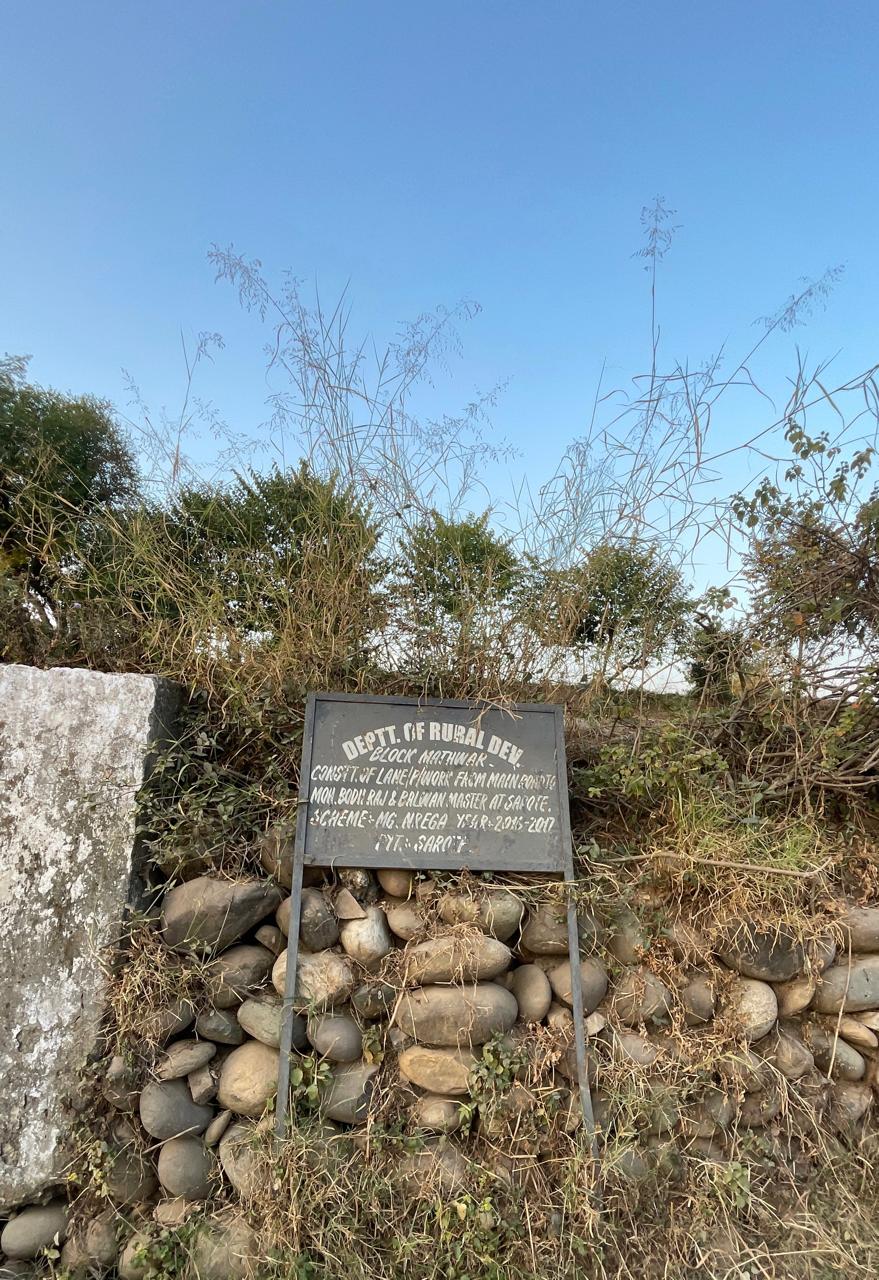
Continuous improvements in facilities such as electricity, sanitation, and digital connectivity are gradually enhancing convenience and supporting youth development.
Flora, Fauna, and Local Environment
The surrounding natural environment hosts various species of birds, small mammals, and diverse plant life. Peacocks, parrots, sparrows, and seasonal migratory birds are commonly spotted. Fruit trees, medicinal plants, wild berries, and flowering shrubs add richness to the biodiversity.
Local residents maintain a strong connection with nature, relying on traditional knowledge and sustainable practices to preserve the environment.
Photos

Videos
Location Map
Contact Information
| Address |
Keri sarote -181122 |
| Phone Number |
9682306467 |
| Email Address |