
Description
Introduction to Gagian
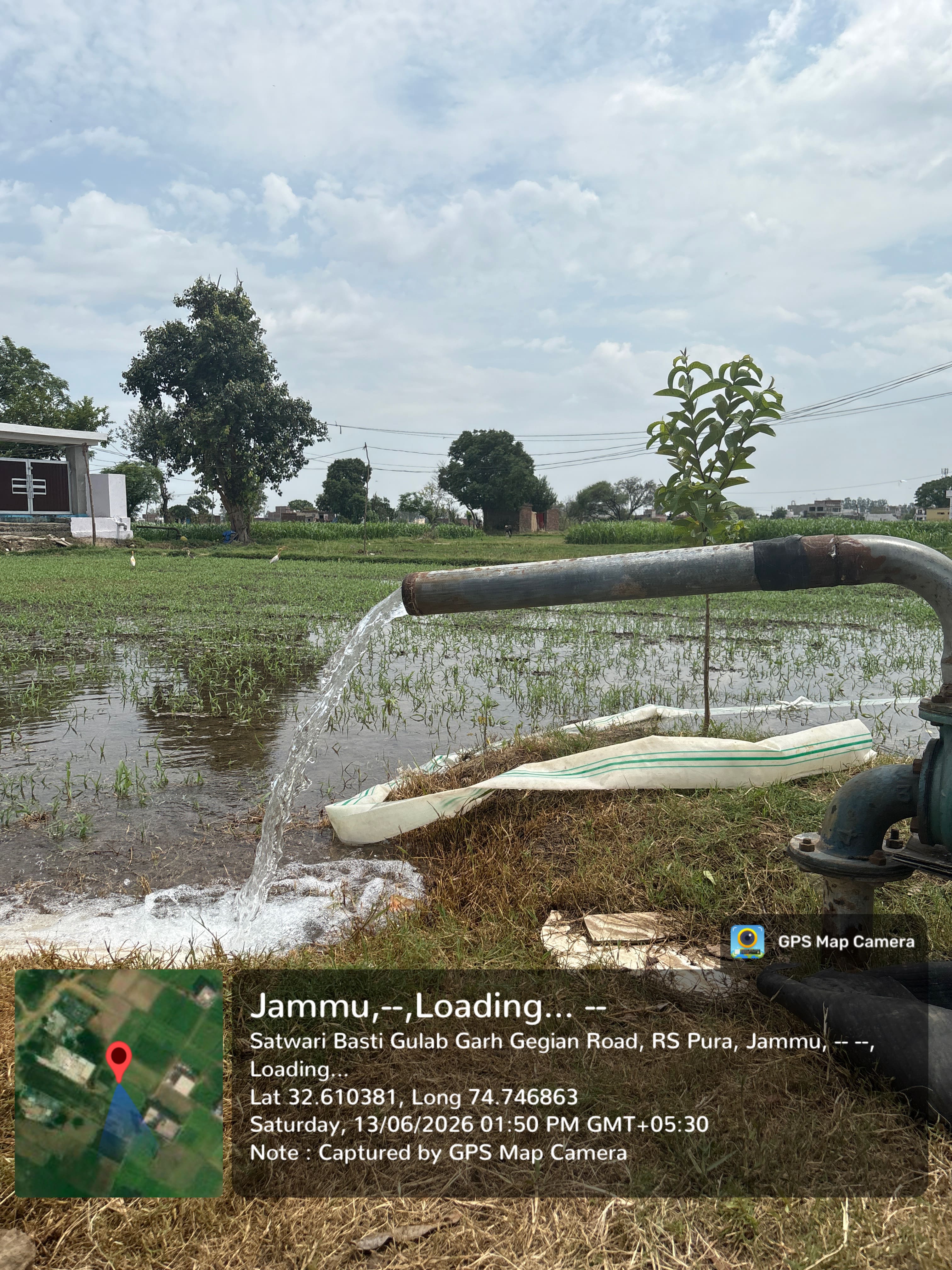
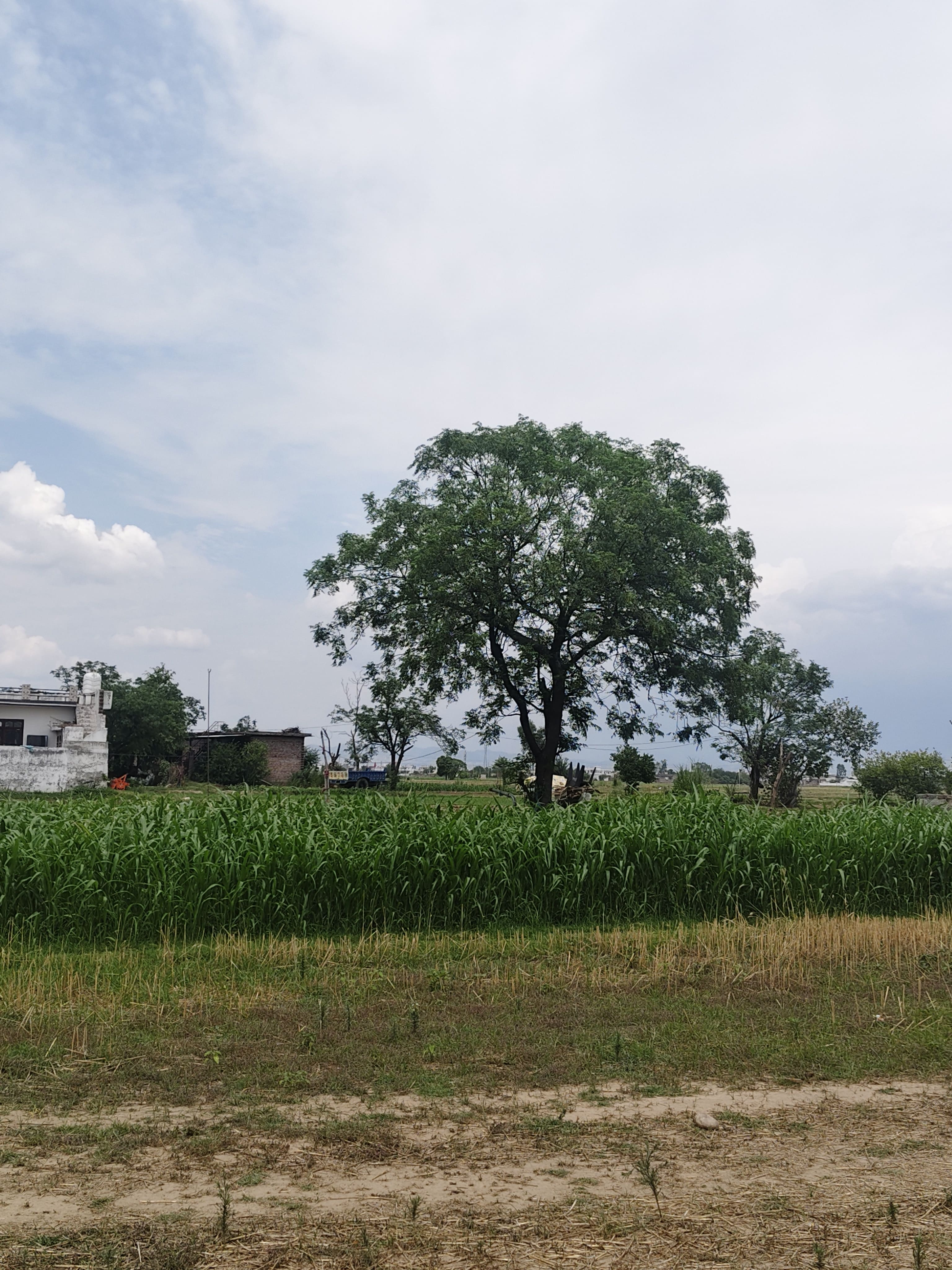
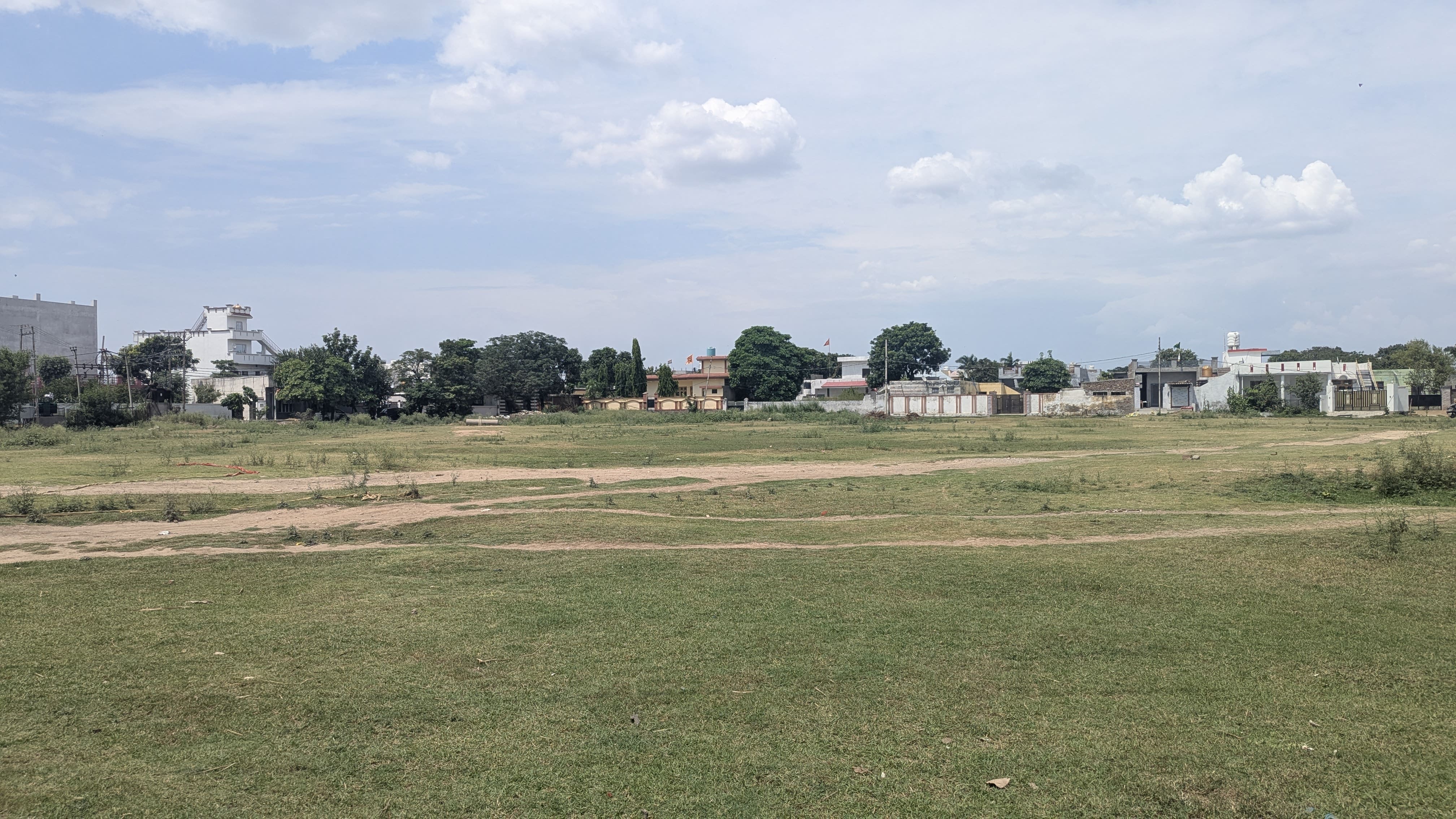
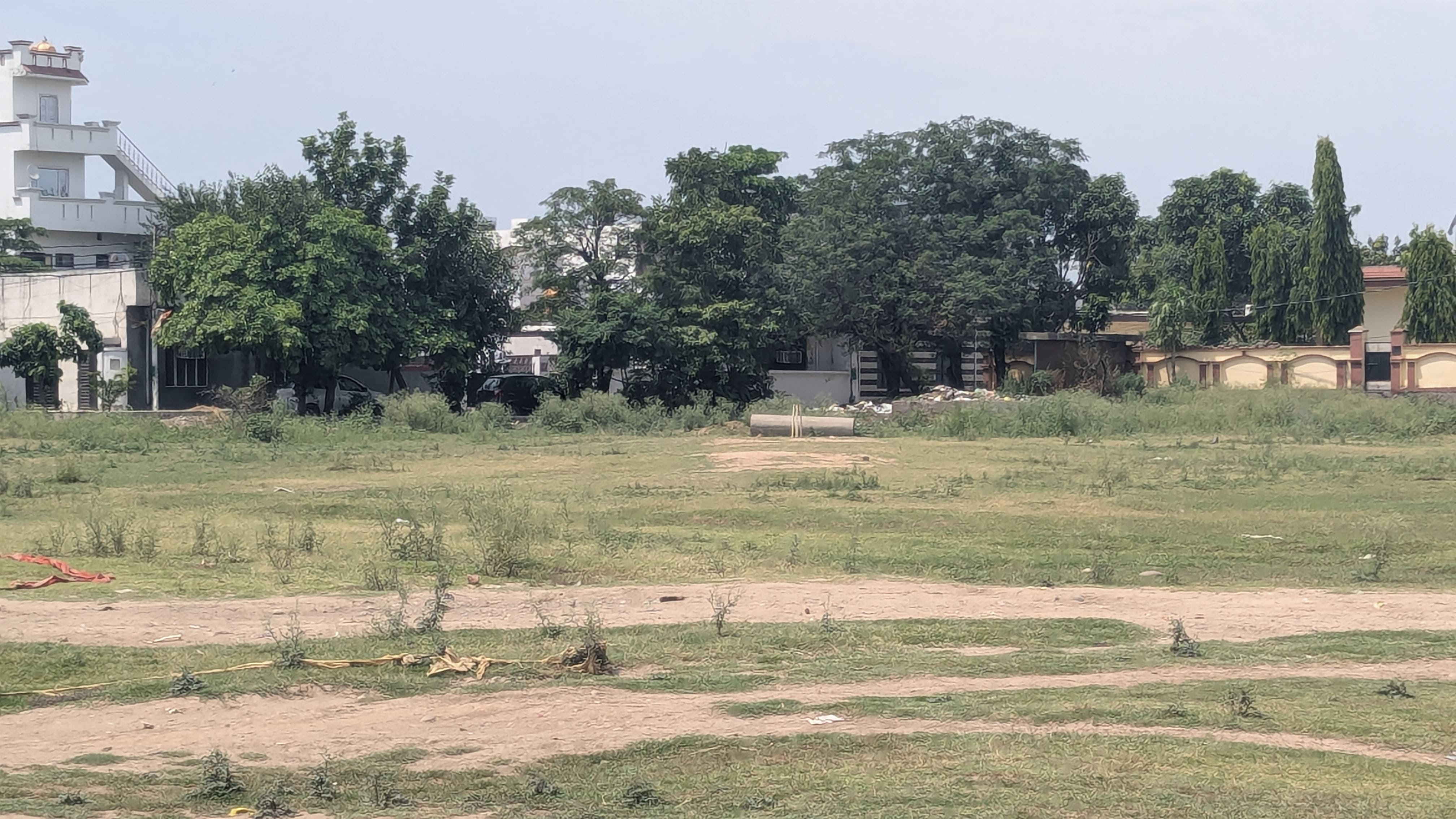
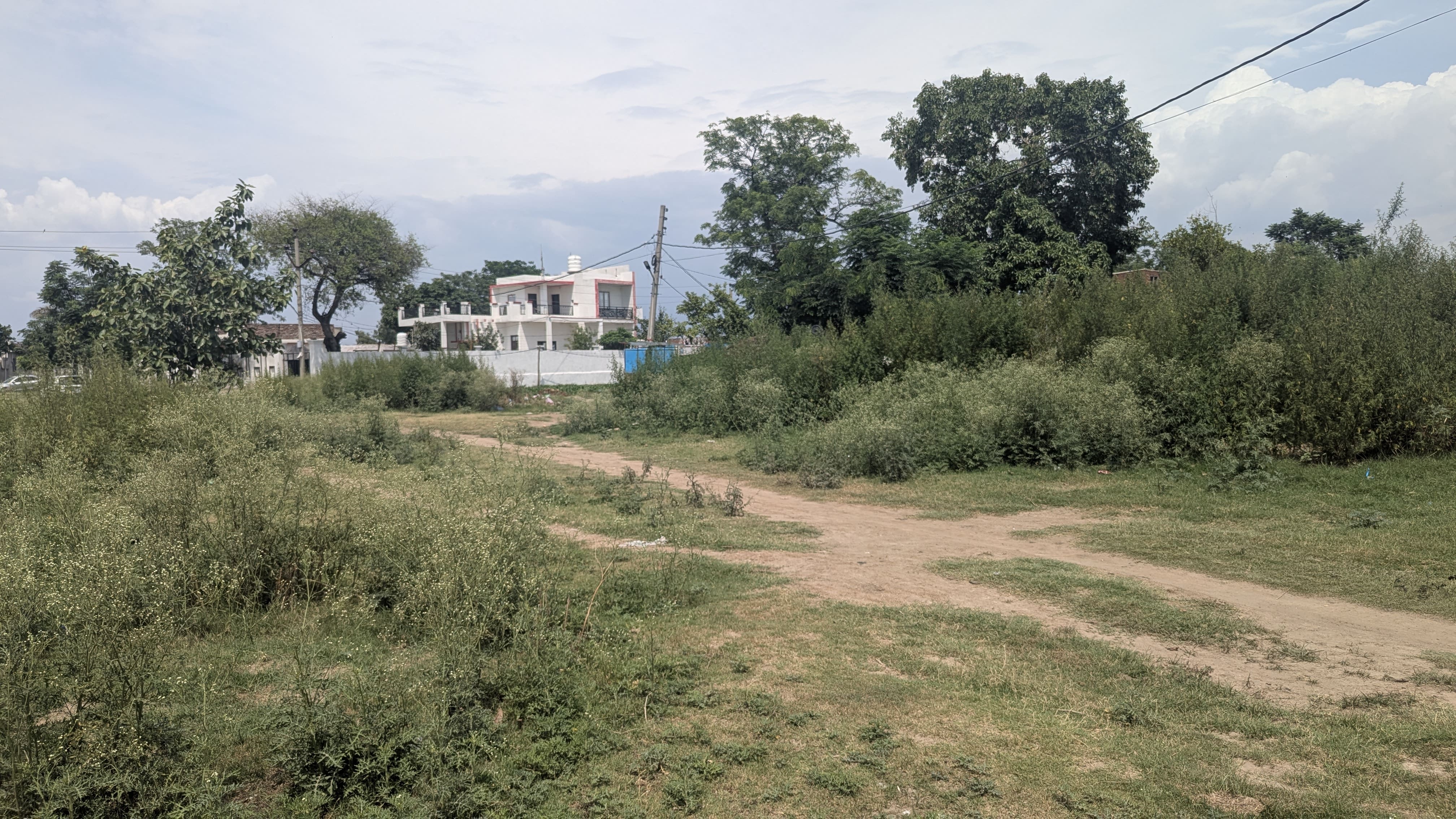
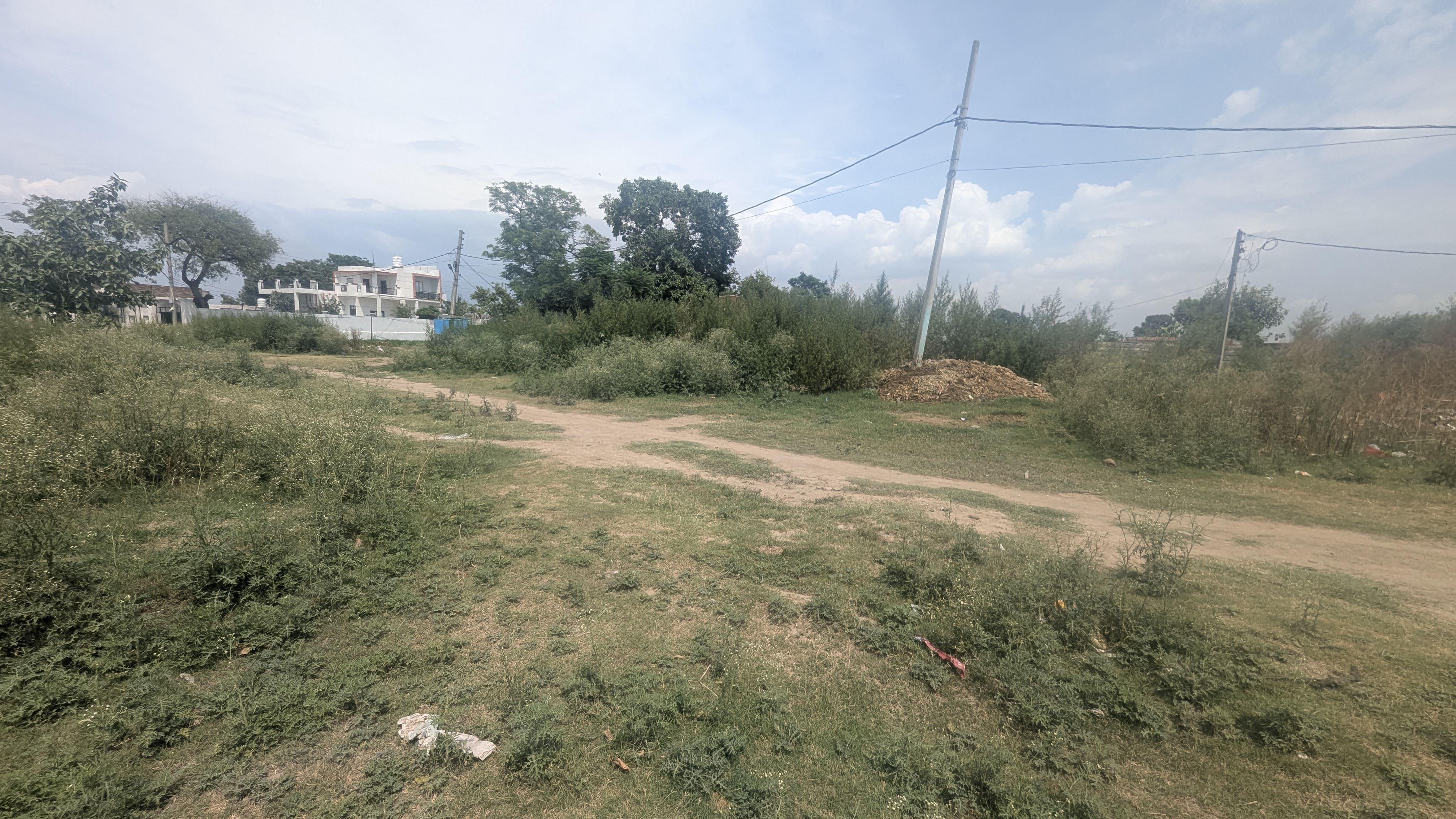
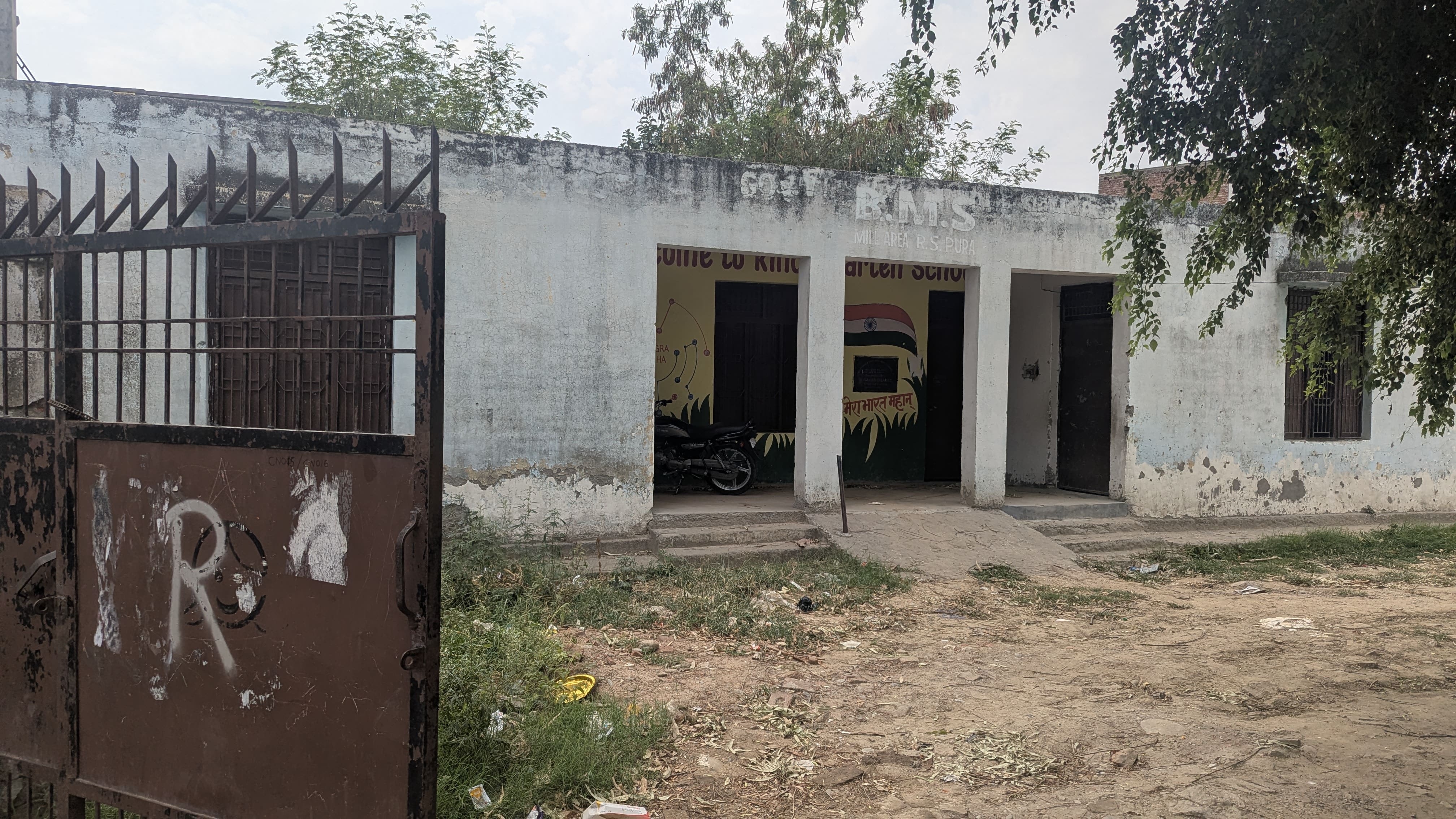
Gagian is a traditional village in the plains of the Jammu region, an area known as the "Rice Bowl" of Jammu and Kashmir. Located in the Ranbir Singh Pura (R.S. Pura) block, the landscape is defined by green fields and farming homesteads. Fed by the Chenab River, the soil here is highly fertile and known for producing premium Basmati rice. The village is close-knit and operates at a slower pace, with locals speaking a mix of Dogri, Punjabi, Hindi, and Urdu—a reflection of the shared heritage along the Indo-Pak border.
Village Profile
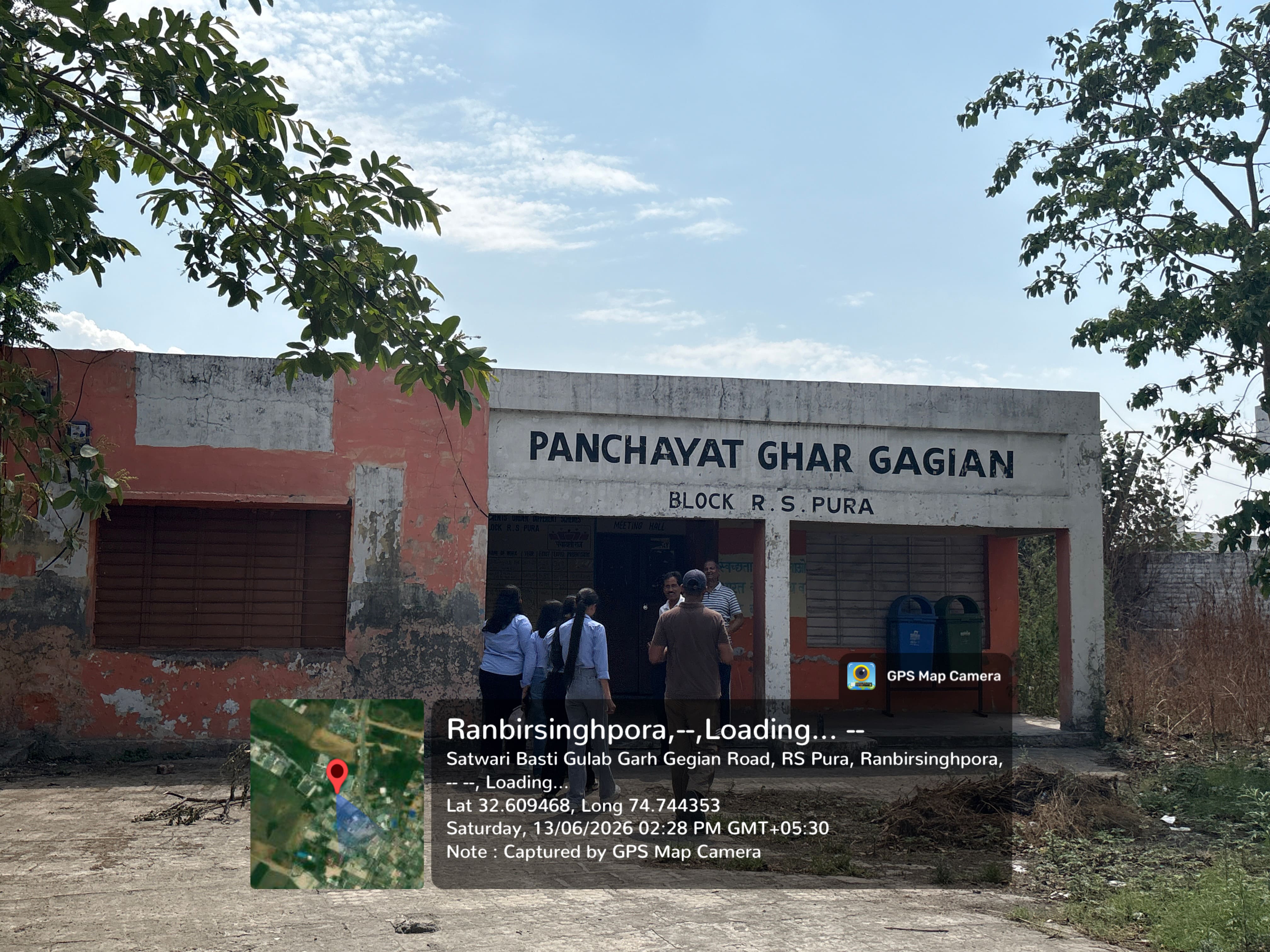
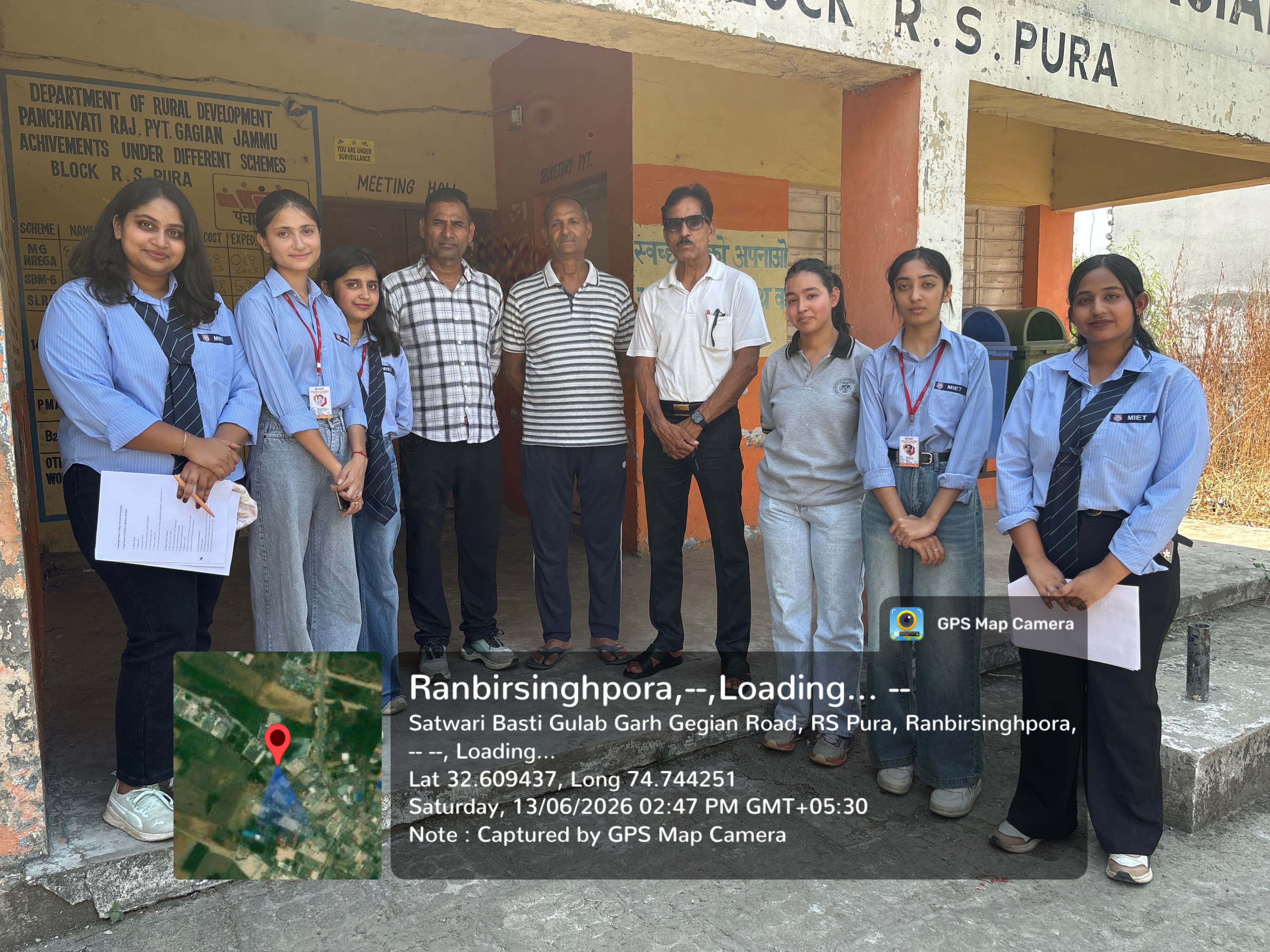
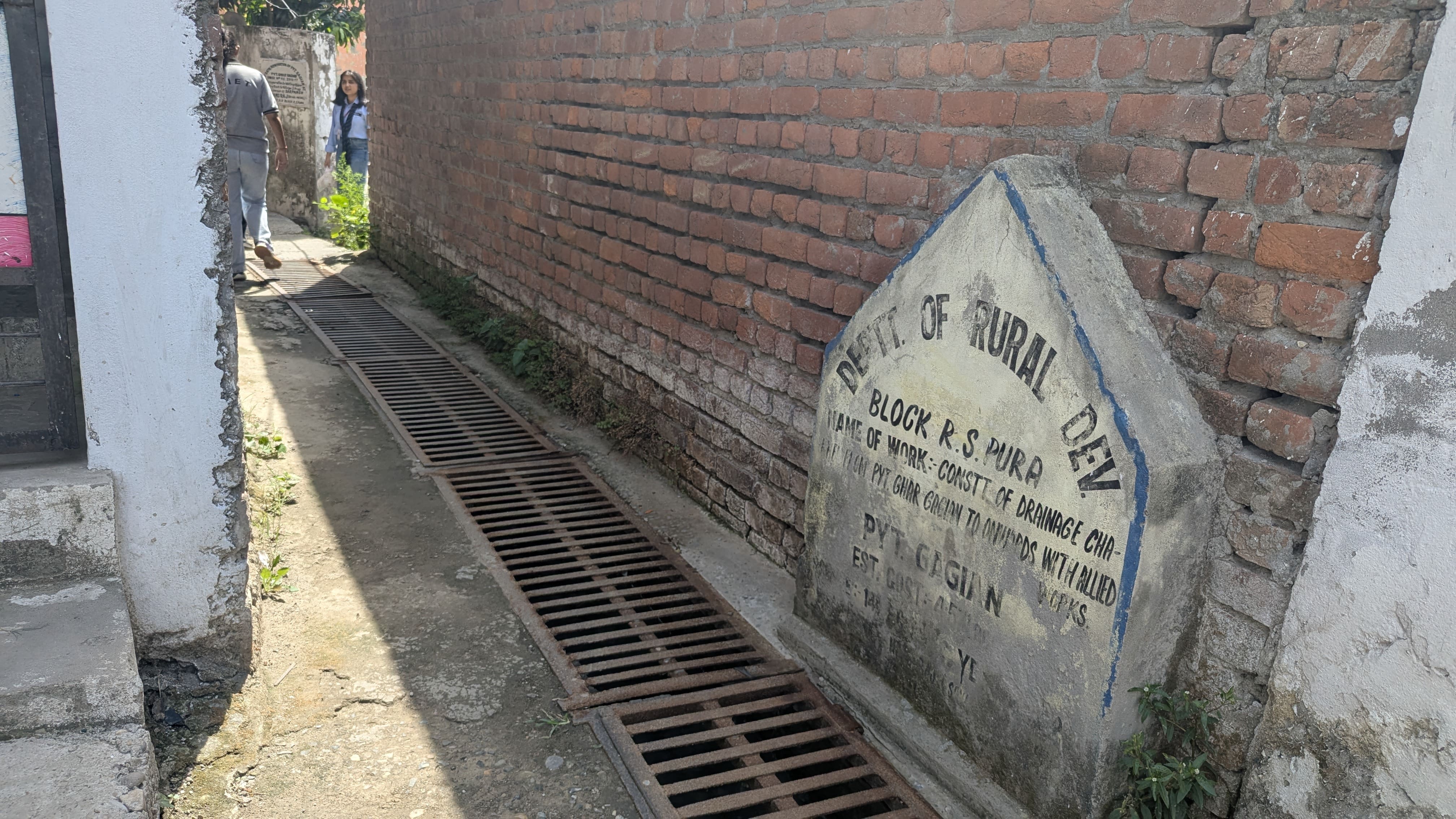
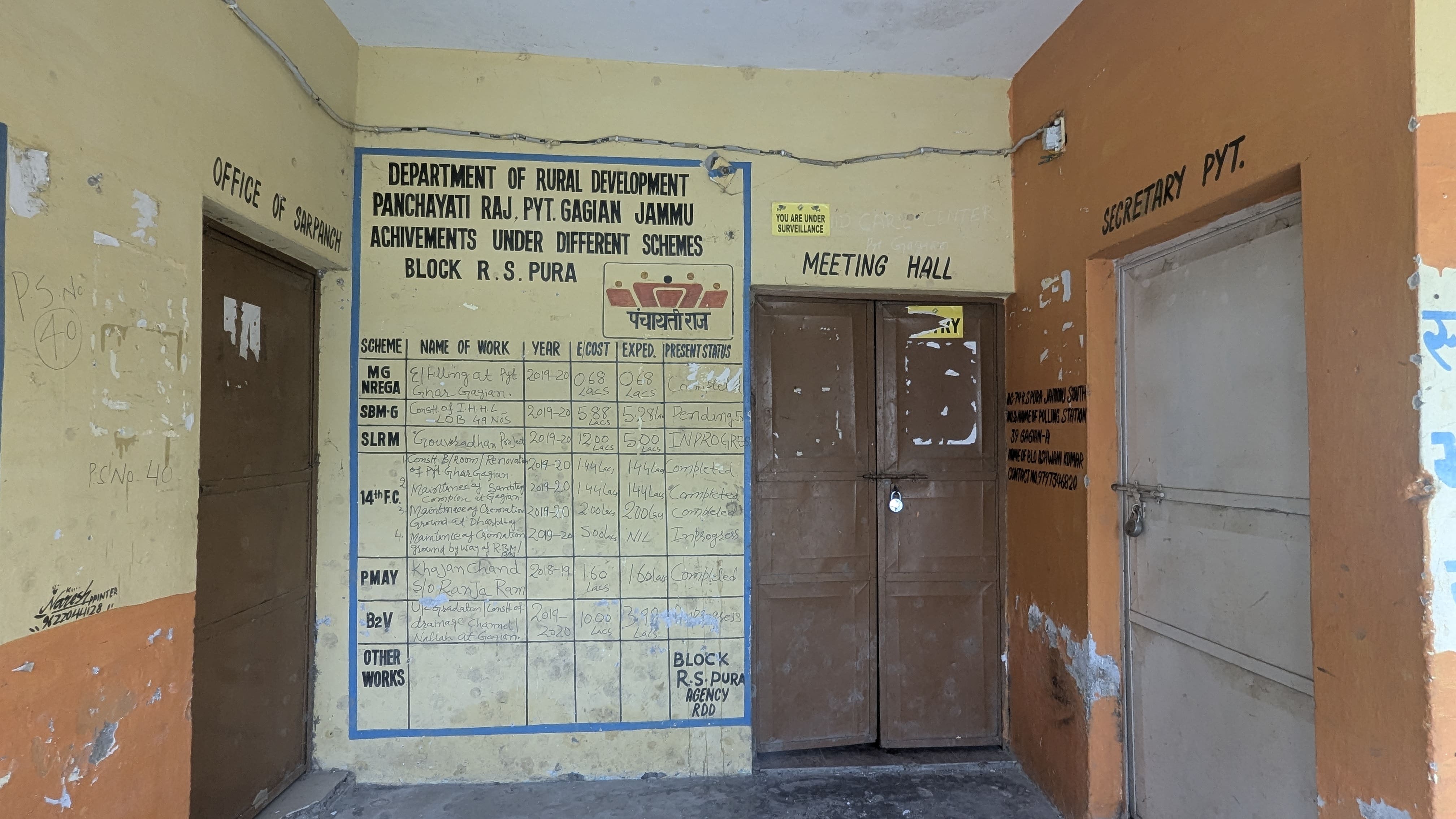
The village is governed and maintained by the local Panchayat. For administrative inquiries or local assistance, please refer to the contact details below:
Sarpanch Contact Number: +91-9906384516
The Dogra Legacy and A Walk Through History
Gagian's history is tied to the Dogra dynasty and pre-partition India's trade networks. The R.S. Pura area, originally called Nawashehar, was renamed after Maharaja Ranbir Singh, the second Dogra ruler of Jammu and Kashmir, and was the state's first planned town.Before 1947, it was a busy commercial hub. R.S. Pura had the area's only railway station, linking Jammu to Sialkot. Villages like Gagian saw a lot of this activity, mainly through the sugarcane and Basmati rice trade, which brought various cultural influences into the area.
Village Lifestyle and Core Values
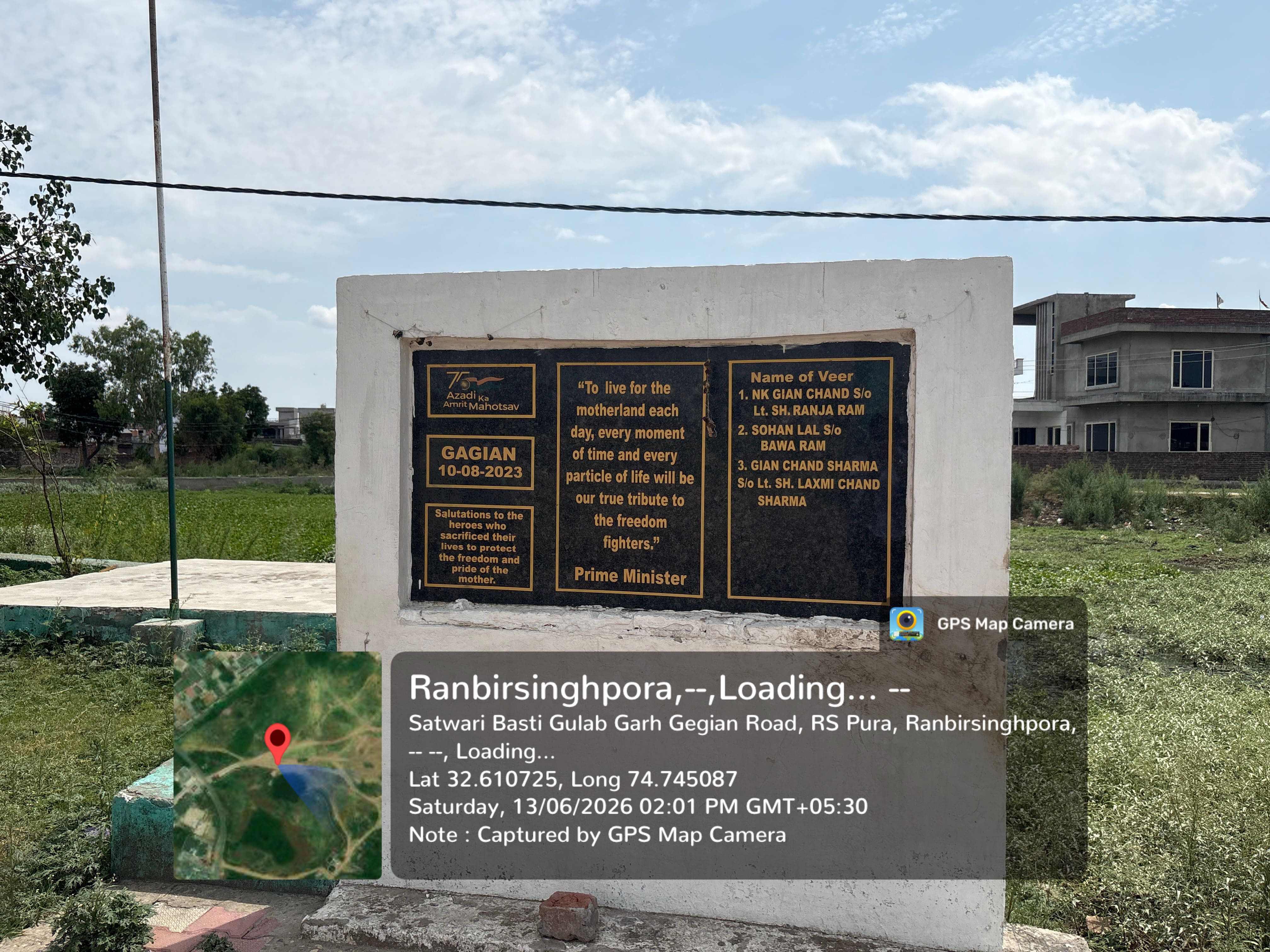
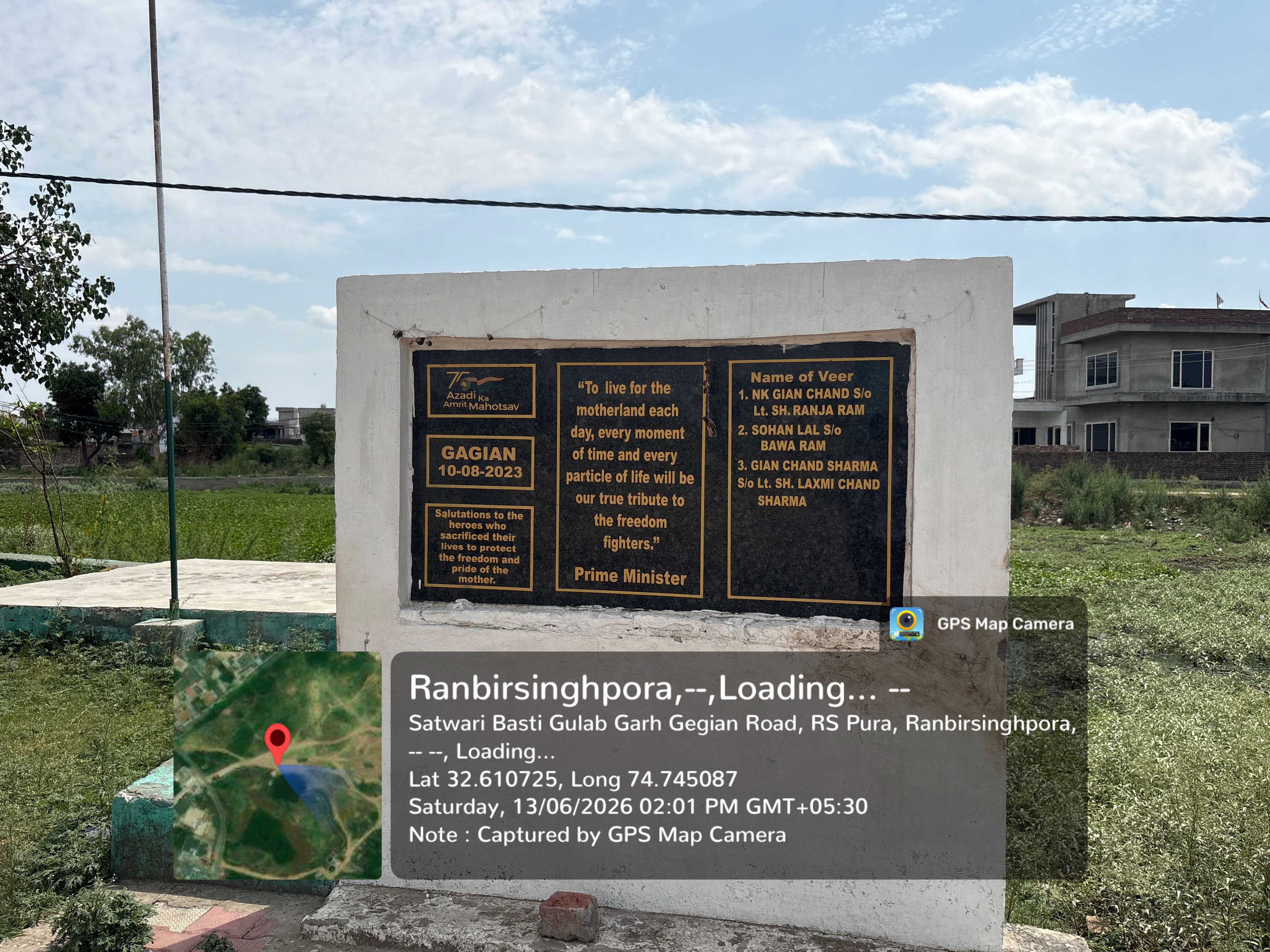
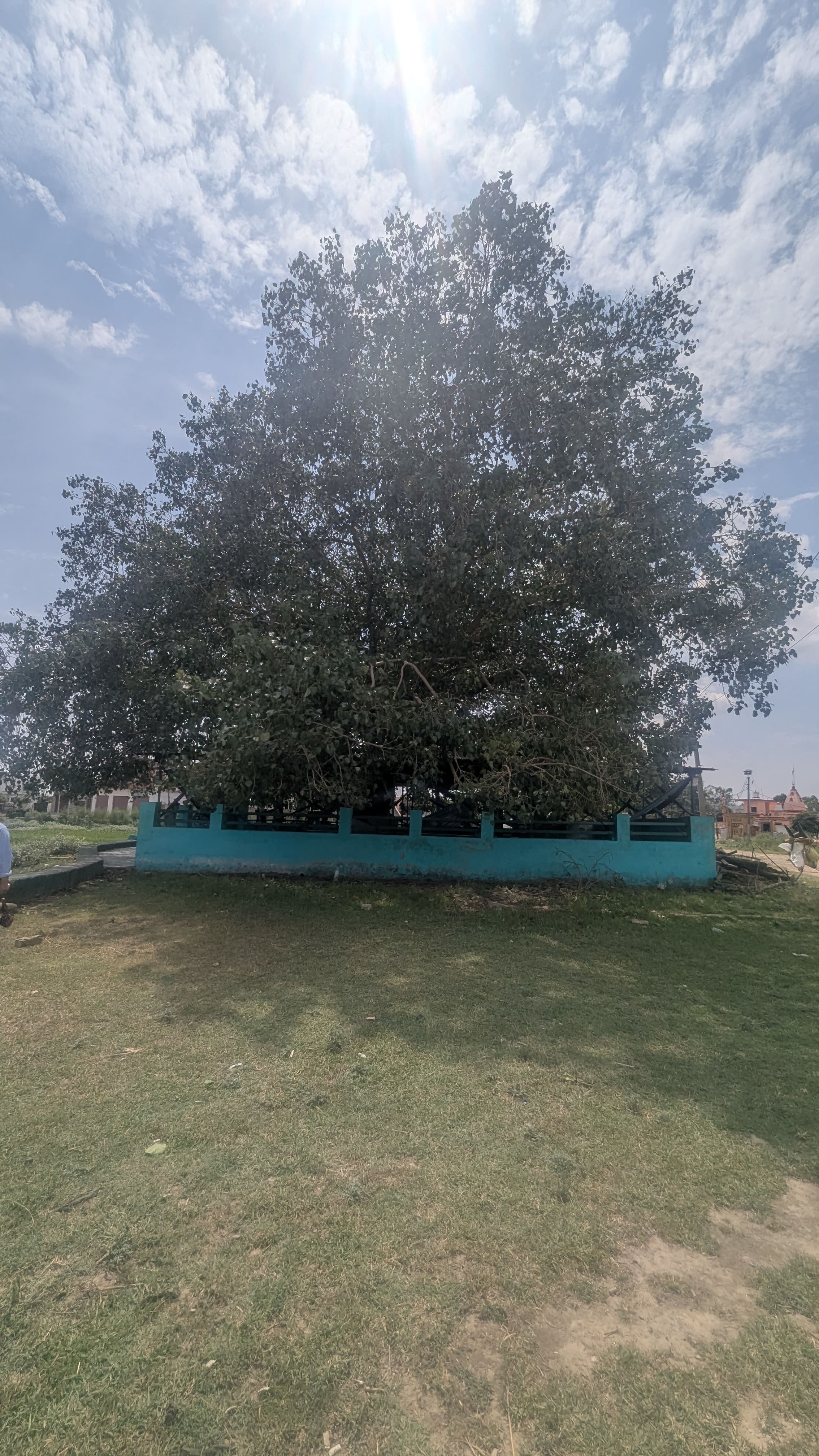
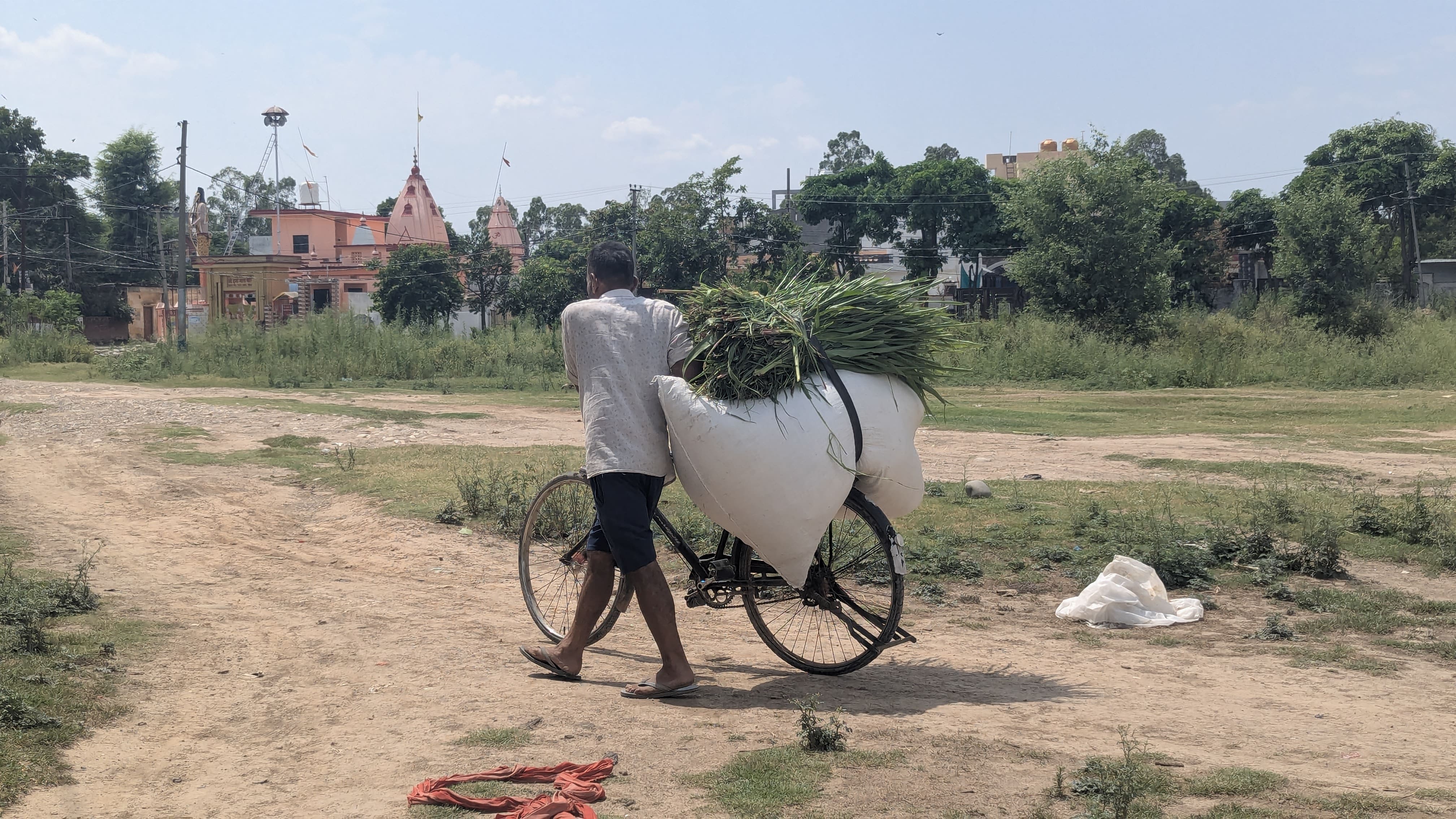
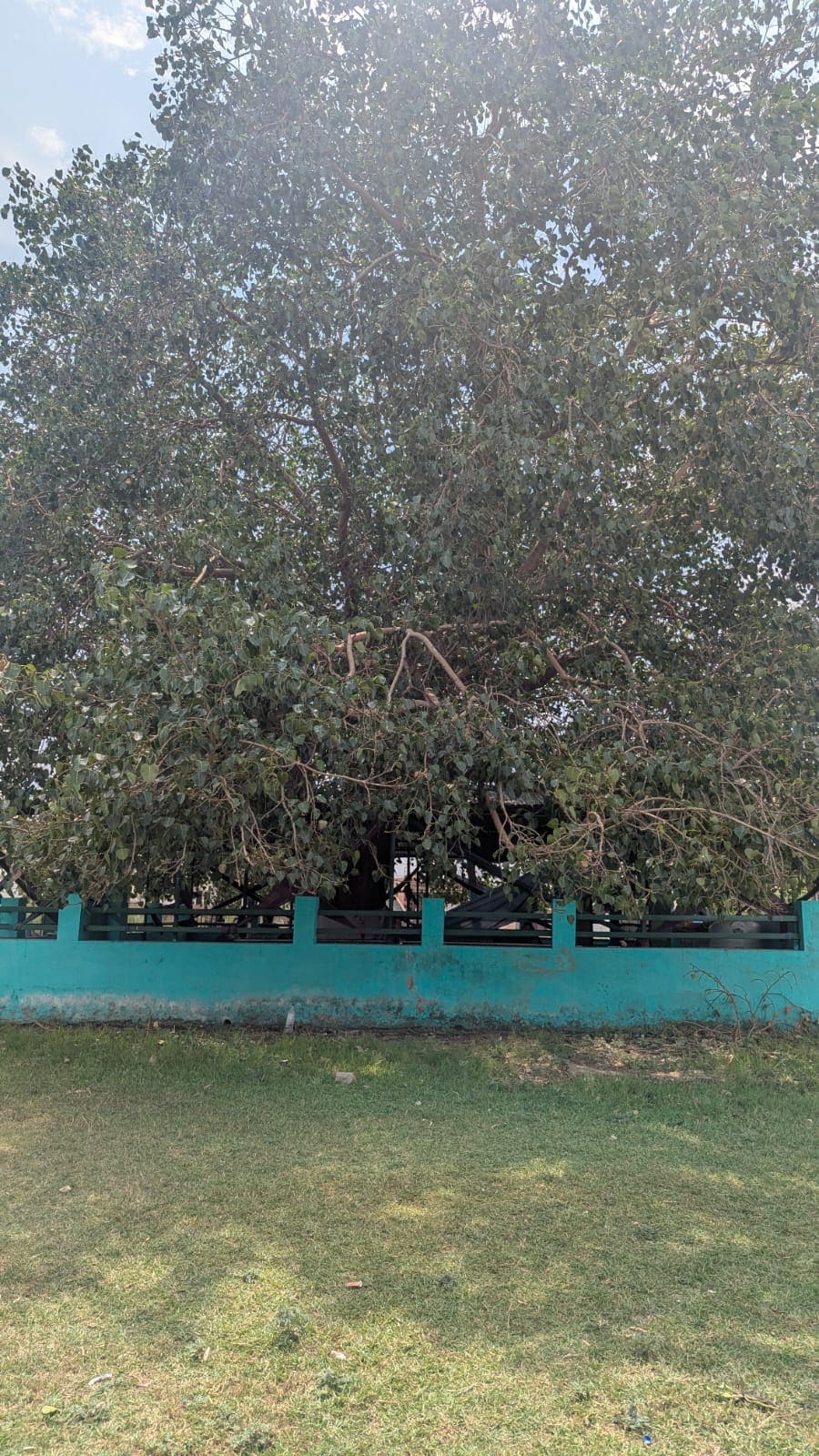
Life in Gagian revolves around family and the farming seasons. Joint families are common, with multiple generations living together. Big life events usually involve the whole village, especially during a Dhaam, a large community meal served on leaf plates.Daily routines follow the agricultural calendar. Mornings start early to tend to cattle and fields, while evenings are for catching up at the village chaupal or under a banyan tree. Living near the Suchetgarh border has given the locals a strong sense of resilience and patriotism. Serving in the Indian Armed Forces or paramilitary groups is a common and respected path for many families here.
A Culinary Journey: From Basmati to KalariFood in Gagian starts with rice. The local R.S. Pura Basmati is a staple for most meals. A classic Sunday lunch in many homes is Rajma Chawal—local red kidney beans slow-cooked in a thick gravy, served over rice with anardana (dried pomegranate seed) chutney.Vegetarian festival meals often include Ambal (sweet and sour pumpkin with tamarind and jaggery), Madra (lentils in a yogurt gravy), and Oria (potatoes or pumpkins in a fermented mustard sauce). For meat eaters, Khatta Meat is the go-to Dogra dish, flavored with anardana or amchur (dry mango powder) and smoked over coals.A popular local street food is Kalari, a traditional cheese made from cow or buffalo milk, pan-fried until the outside is crispy and the inside is soft, usually served in a bun. Meals often end with local sweets like Patisa or Sund Panjeeri.
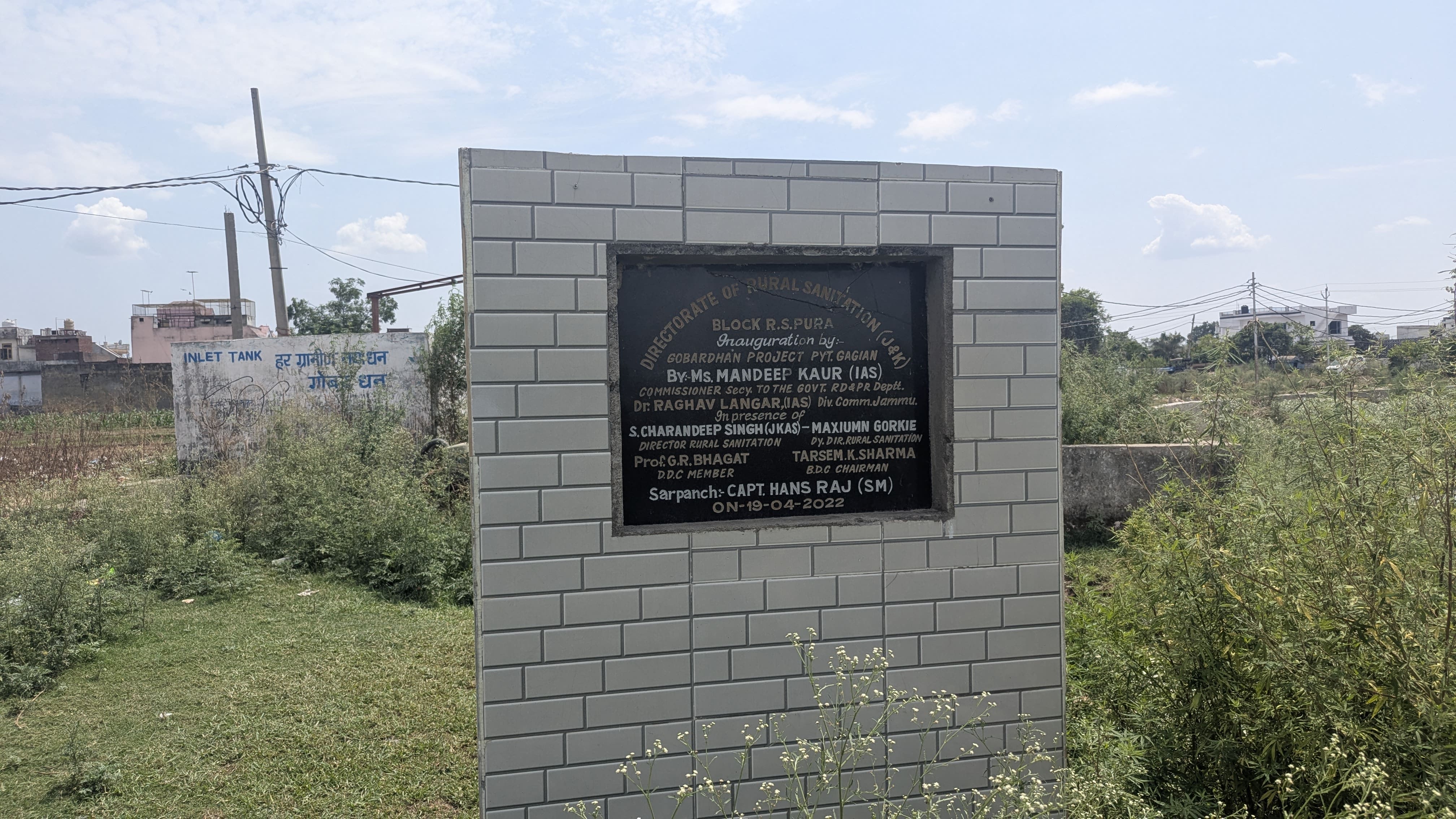
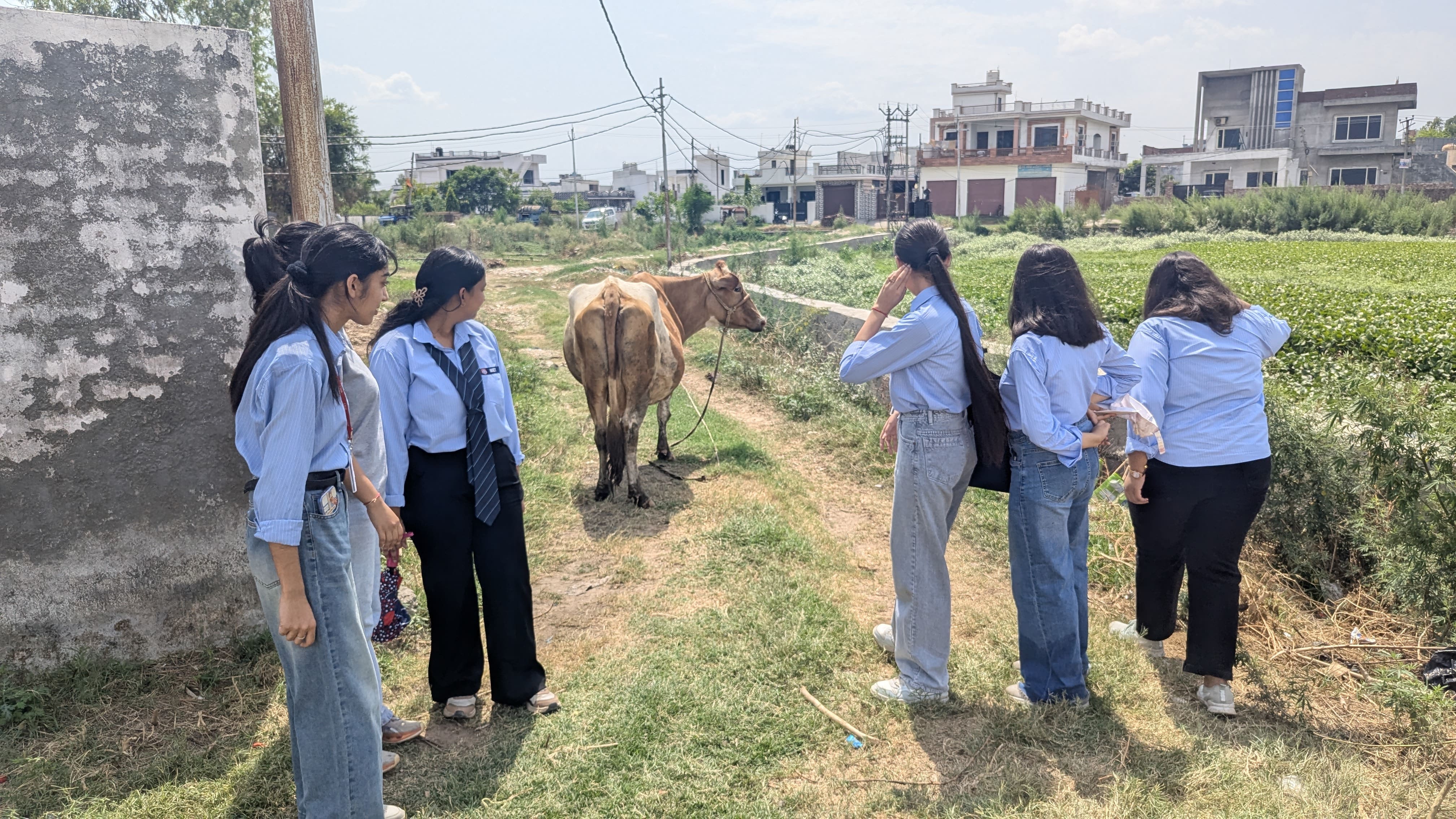
The Local Economy and Green InnovationFarming is the main source of income, with Basmati grown in the summer and wheat and mustard in the winter (Rabi) season. Local artisans like carpenters and blacksmiths also play a key role in supporting daily rural life.Most households keep cattle, selling extra milk to regional cooperatives or using it to make Kalari cheese.In April 2022, Gagian took a step toward sustainability by setting up J&K’s first Gobardhan biogas plant under the Swachh Bharat Mission Grameen. The plant converts agricultural waste and cow dung into clean cooking gas for local homes.Farmers are also using more modern equipment and high-yield seeds. With the Suchetgarh border becoming a tourist spot,new businesses like local food stalls, small transport services, and homestays are starting to open up.
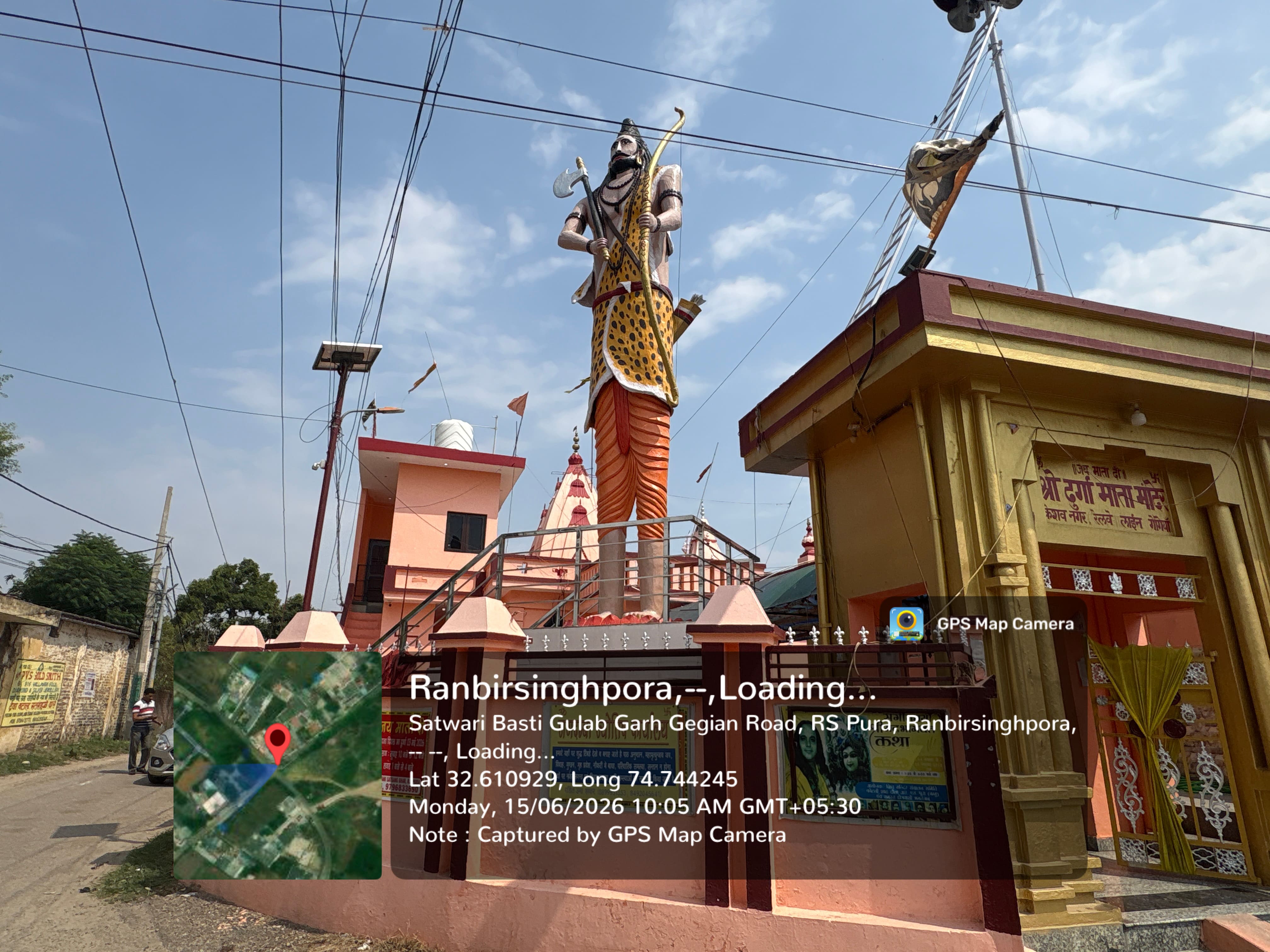
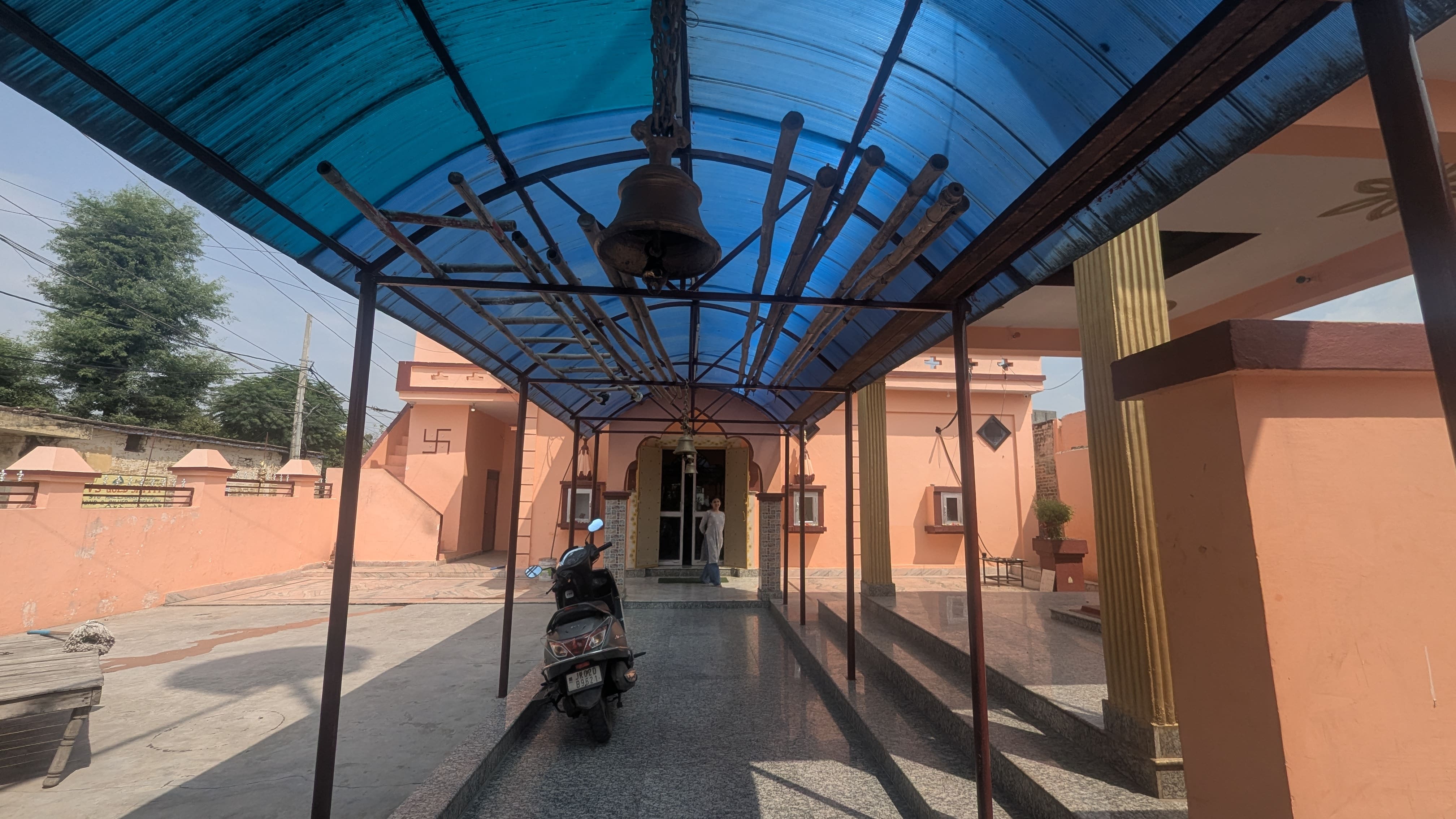
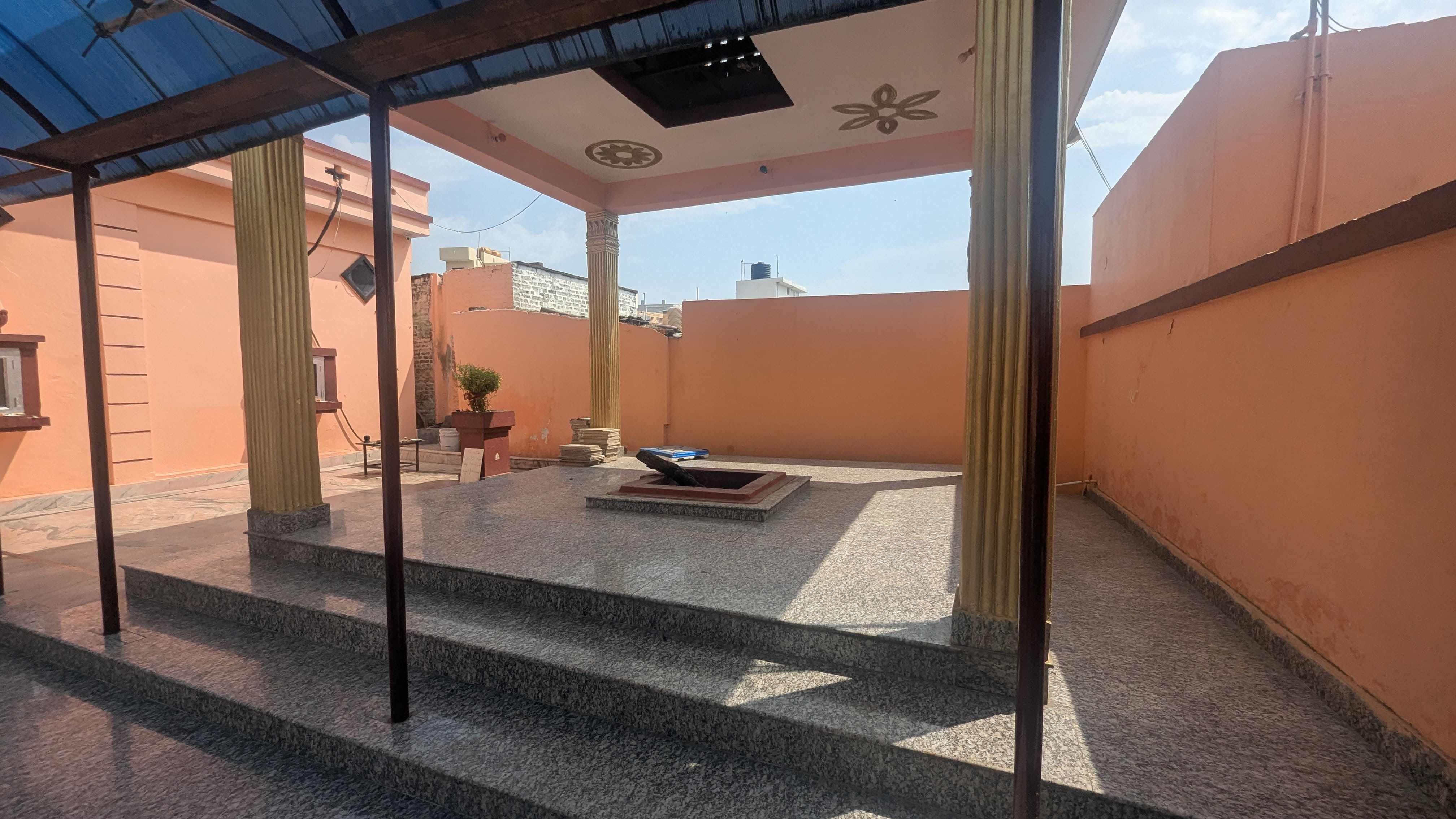
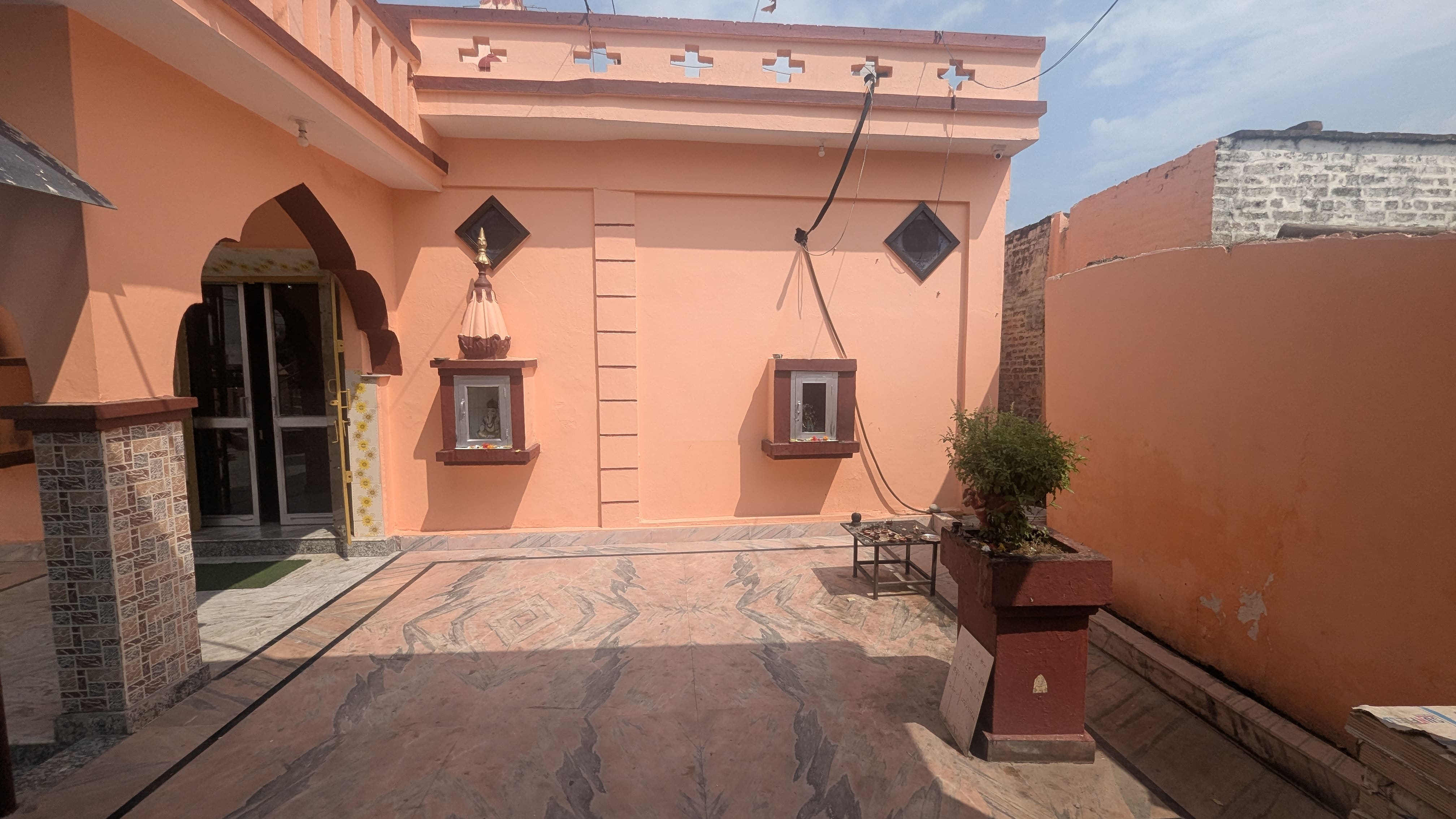
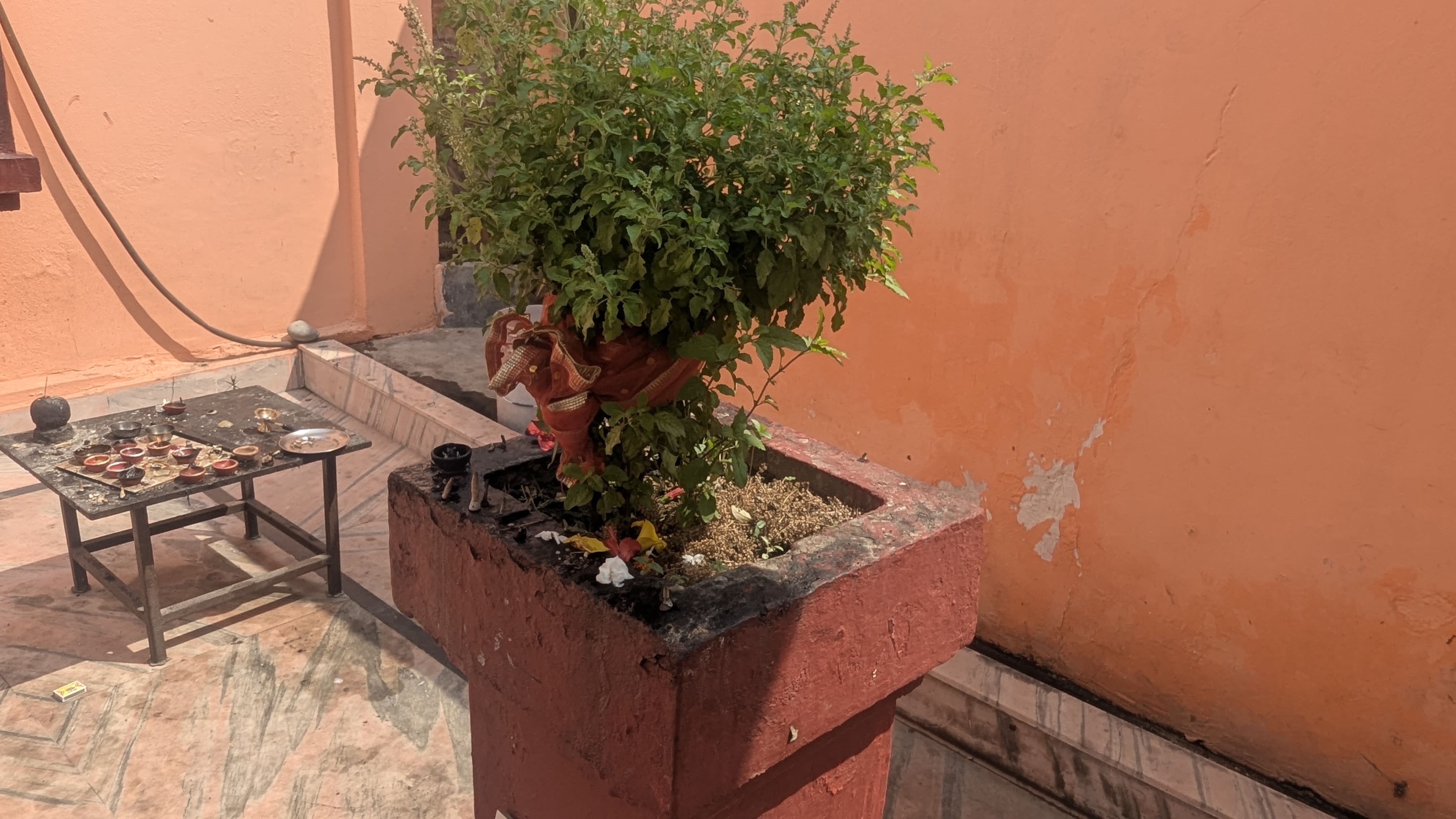
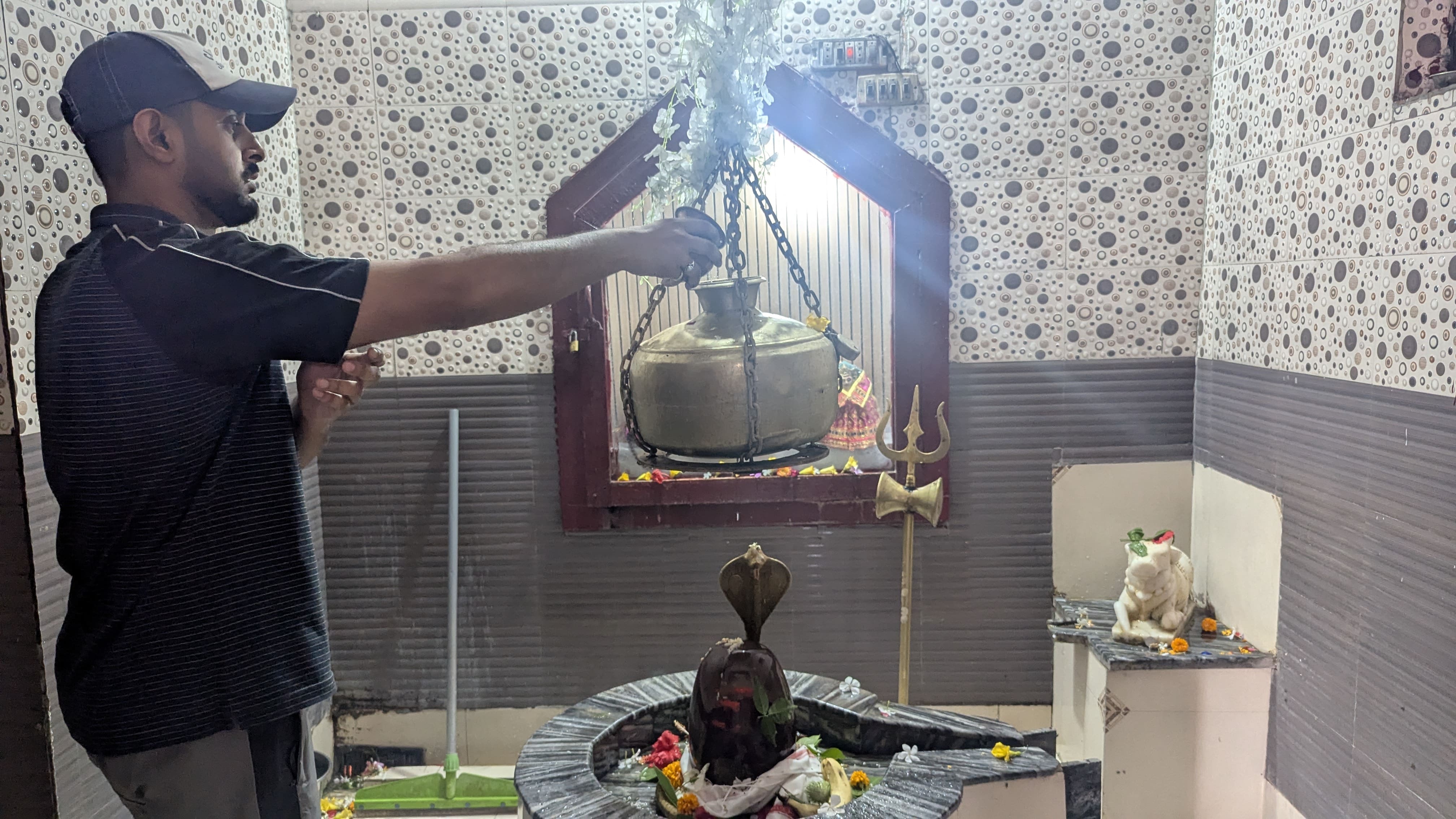
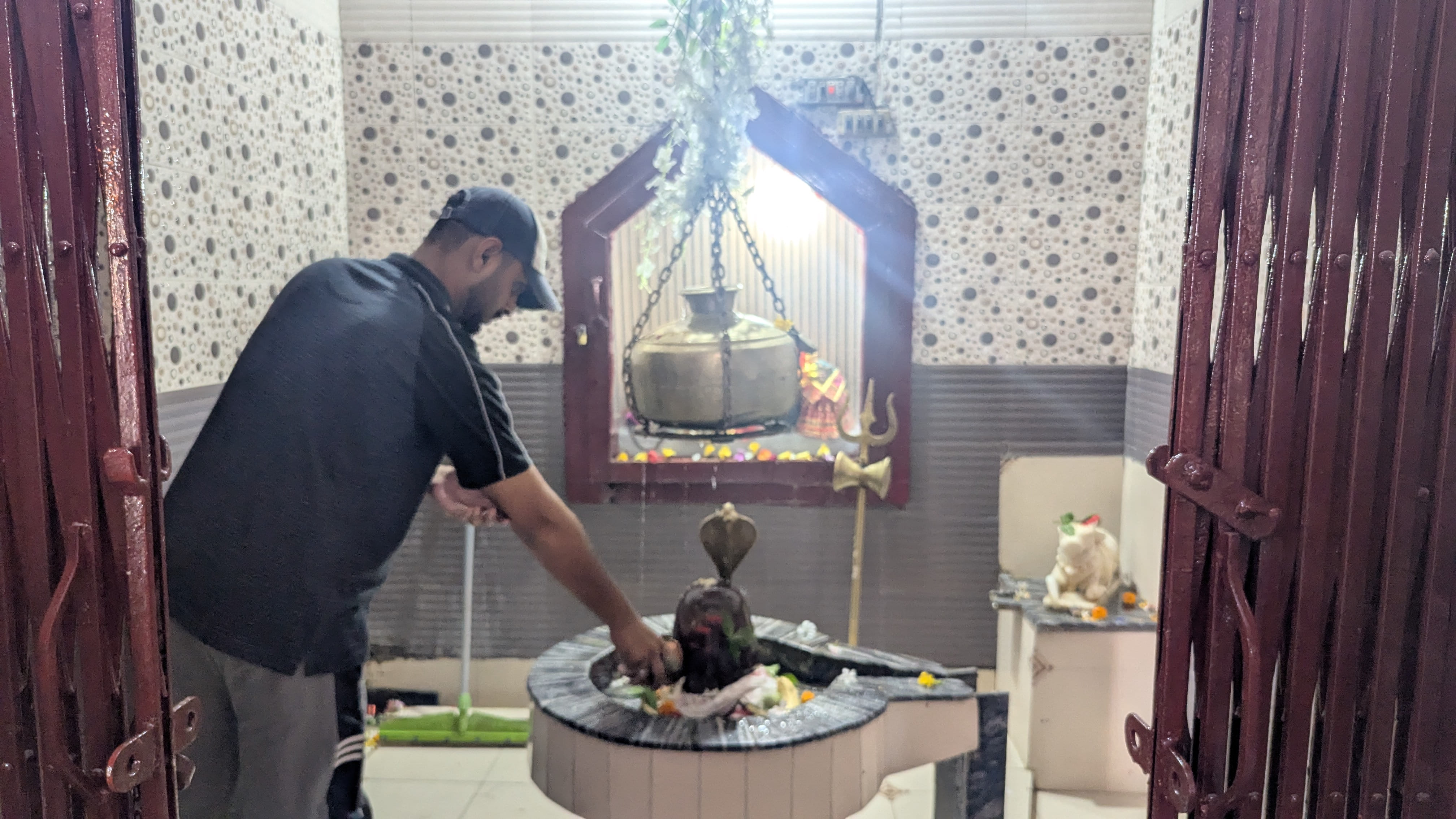
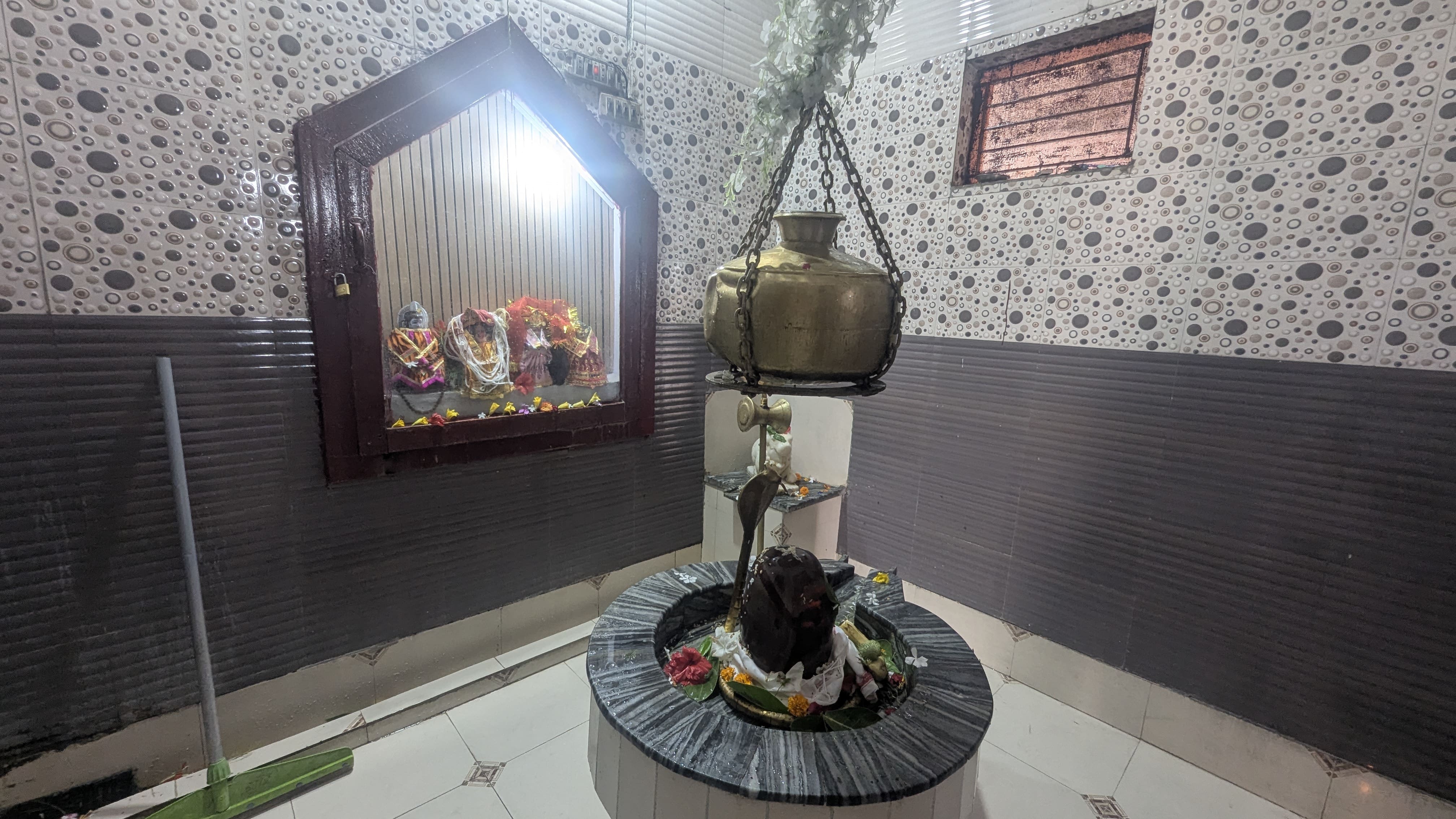
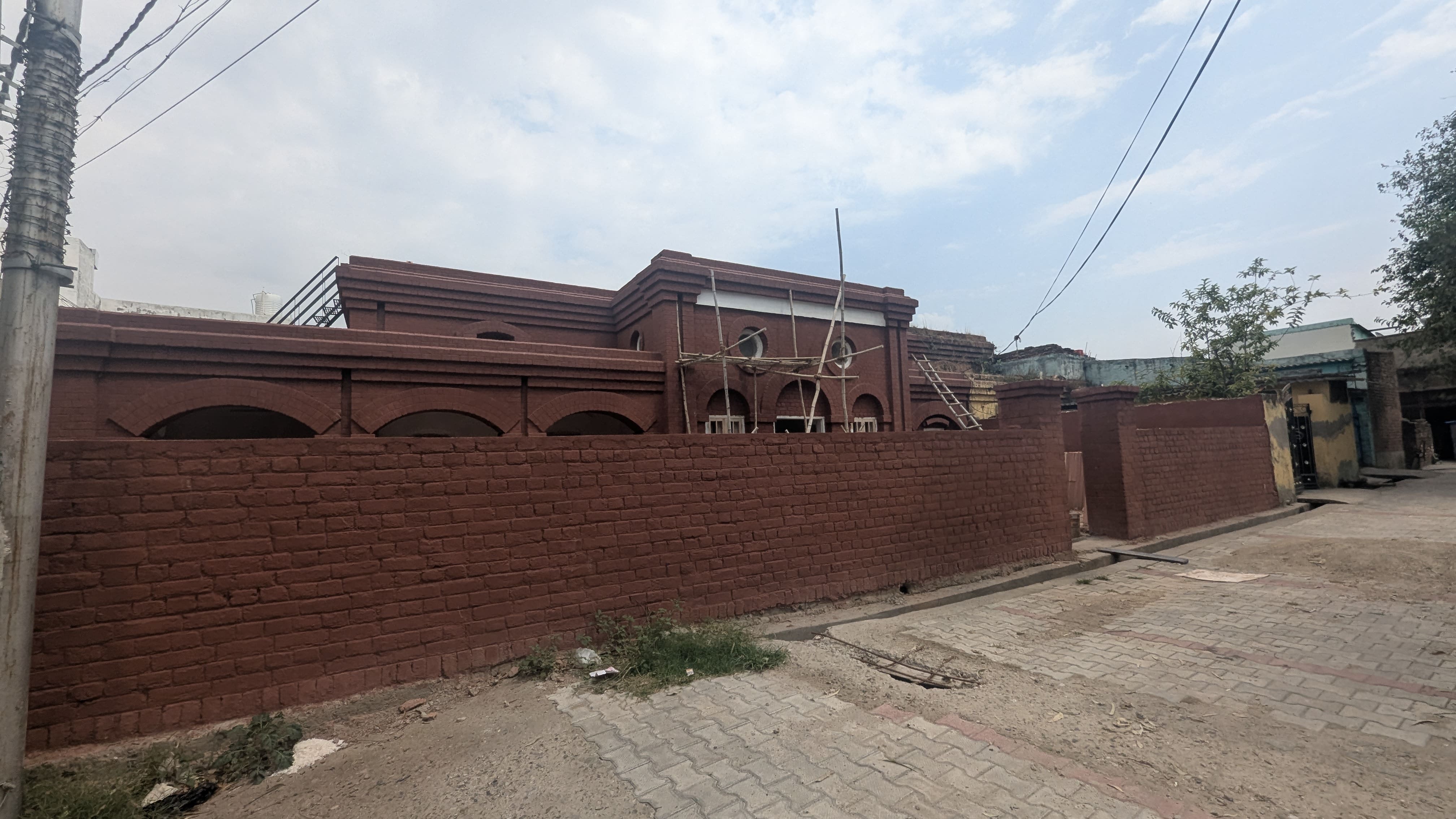
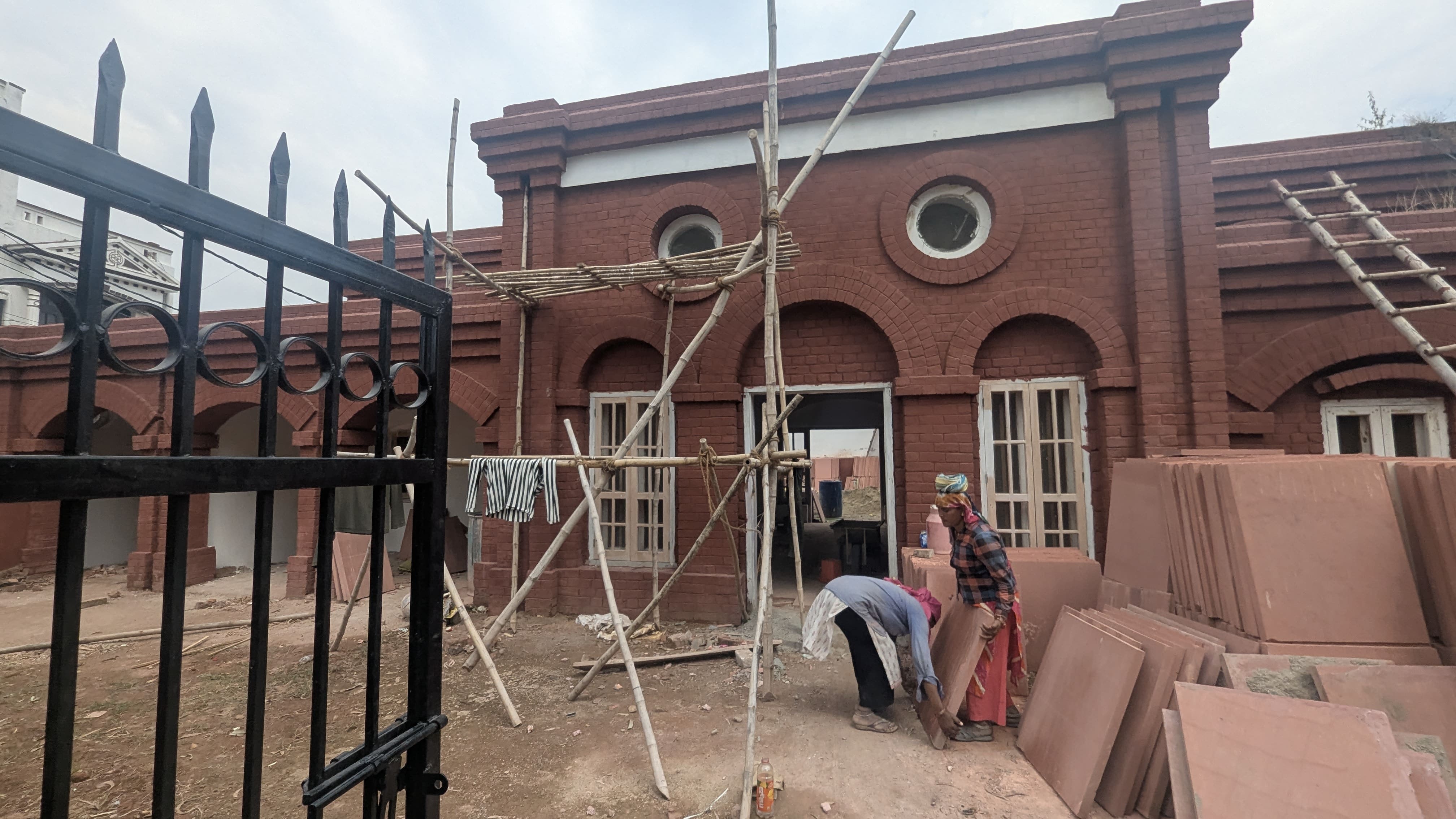
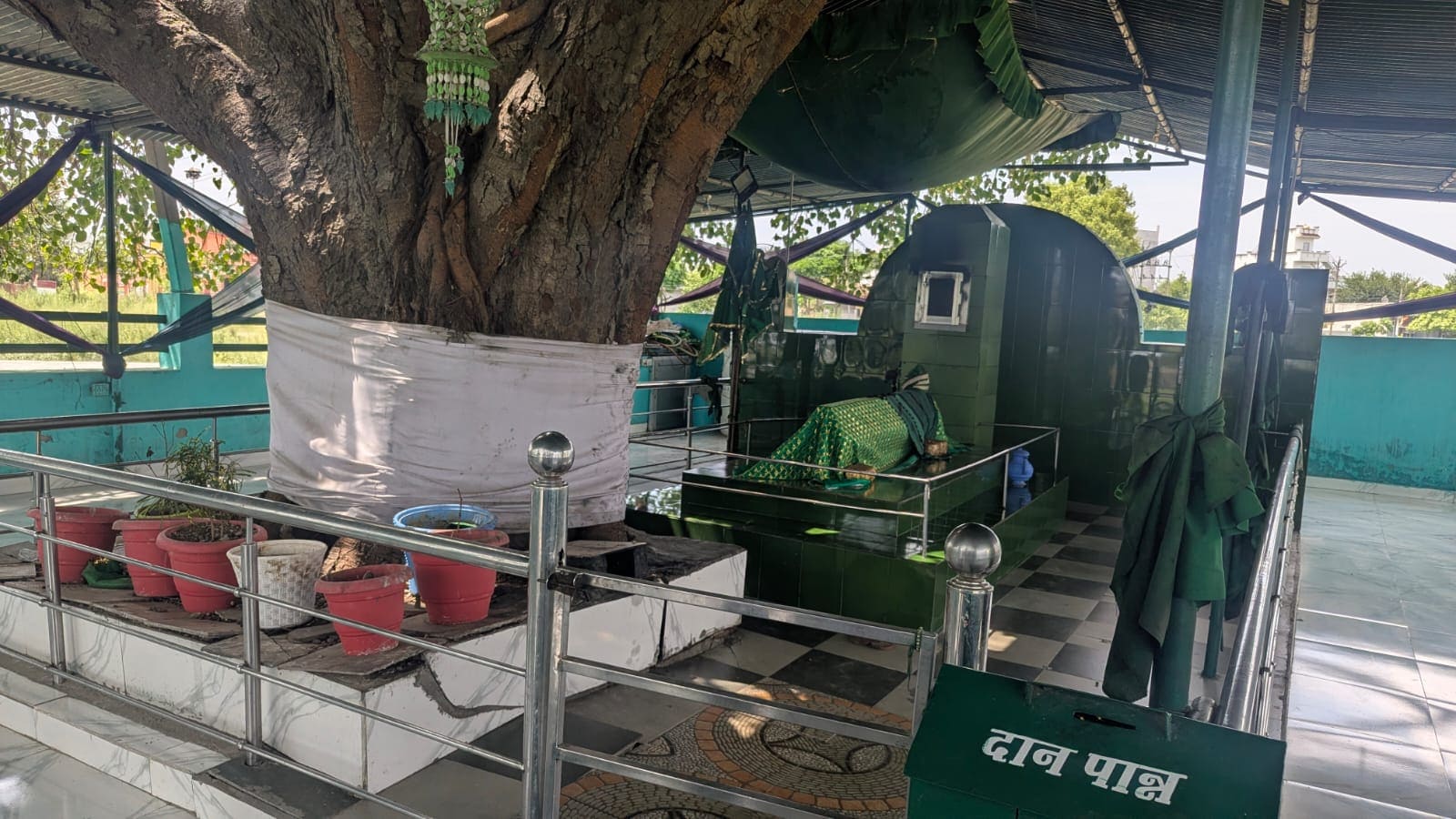
Regional Built Heritage & SpiritualityGagian has its own small shrines, but locals also visit larger, historical sites nearby. A common pilgrimage is to the Bawey Wali Mata Temple, dedicated to Goddess Kali, located in the 3,000-year-old Bahu Fort in Jammu. Near the village, the Suchetgarh border area is home to a historic Raghunath temple and old sarais (rest houses) that travelers used centuries ago.
Photos
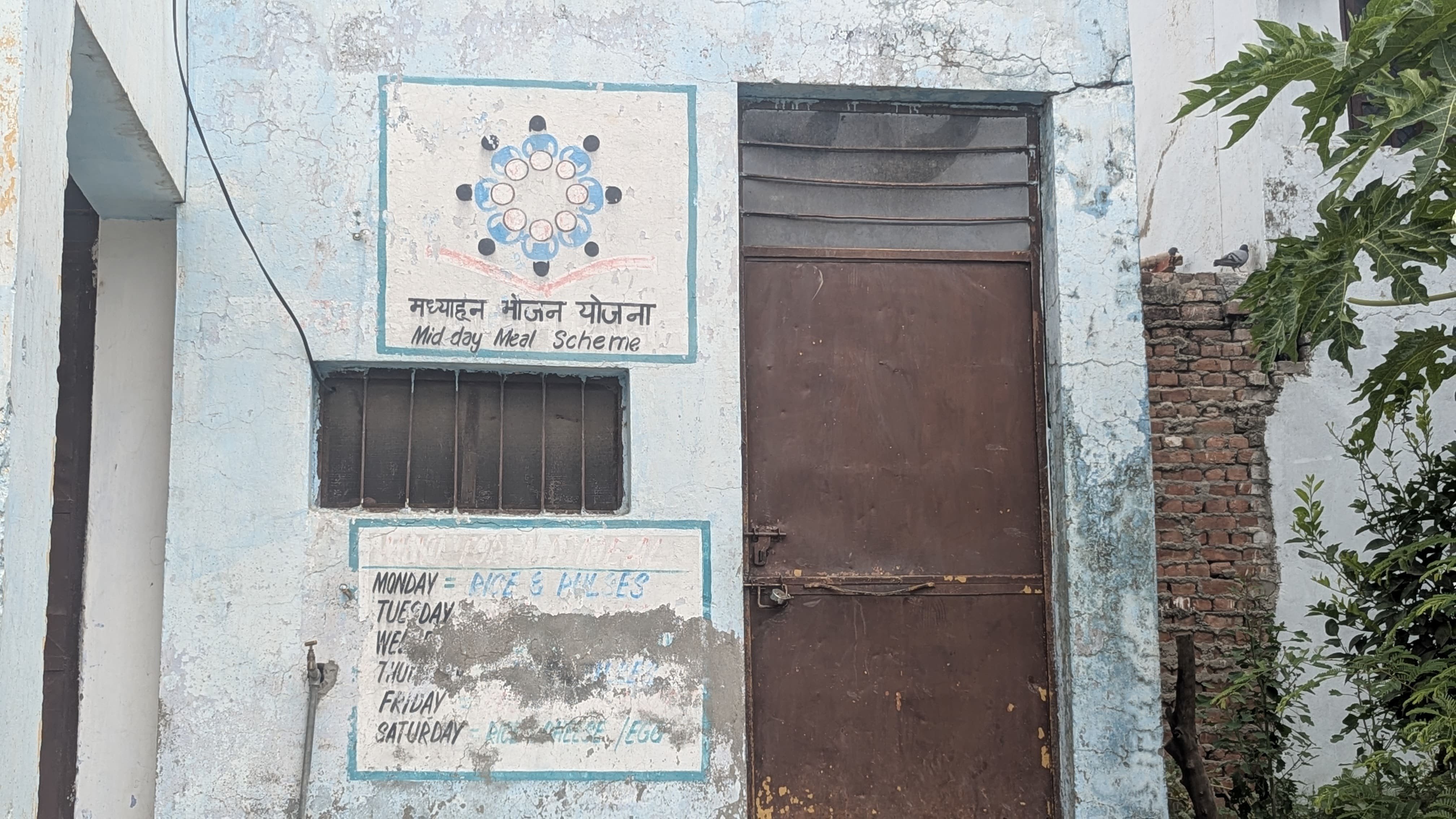
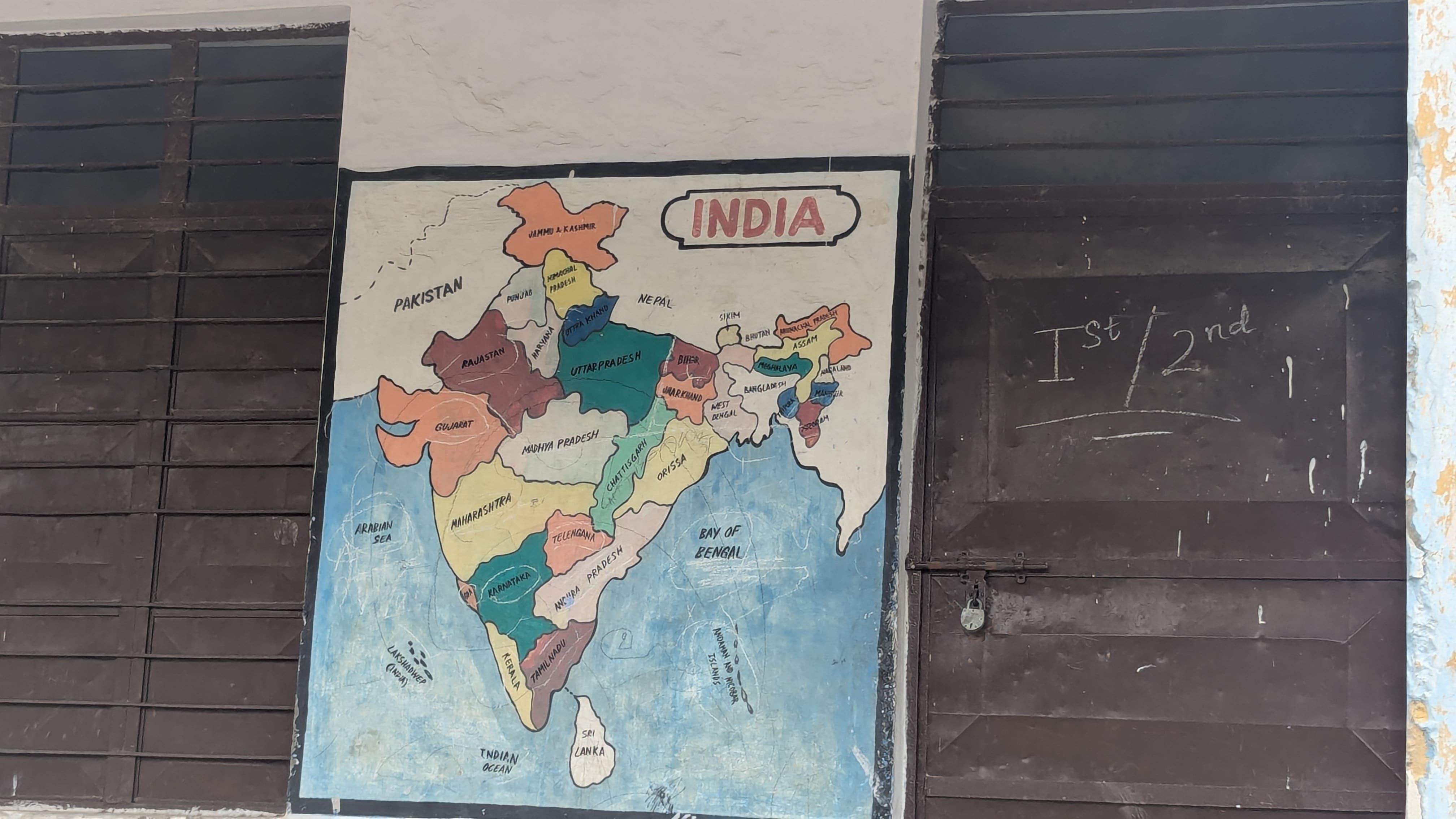
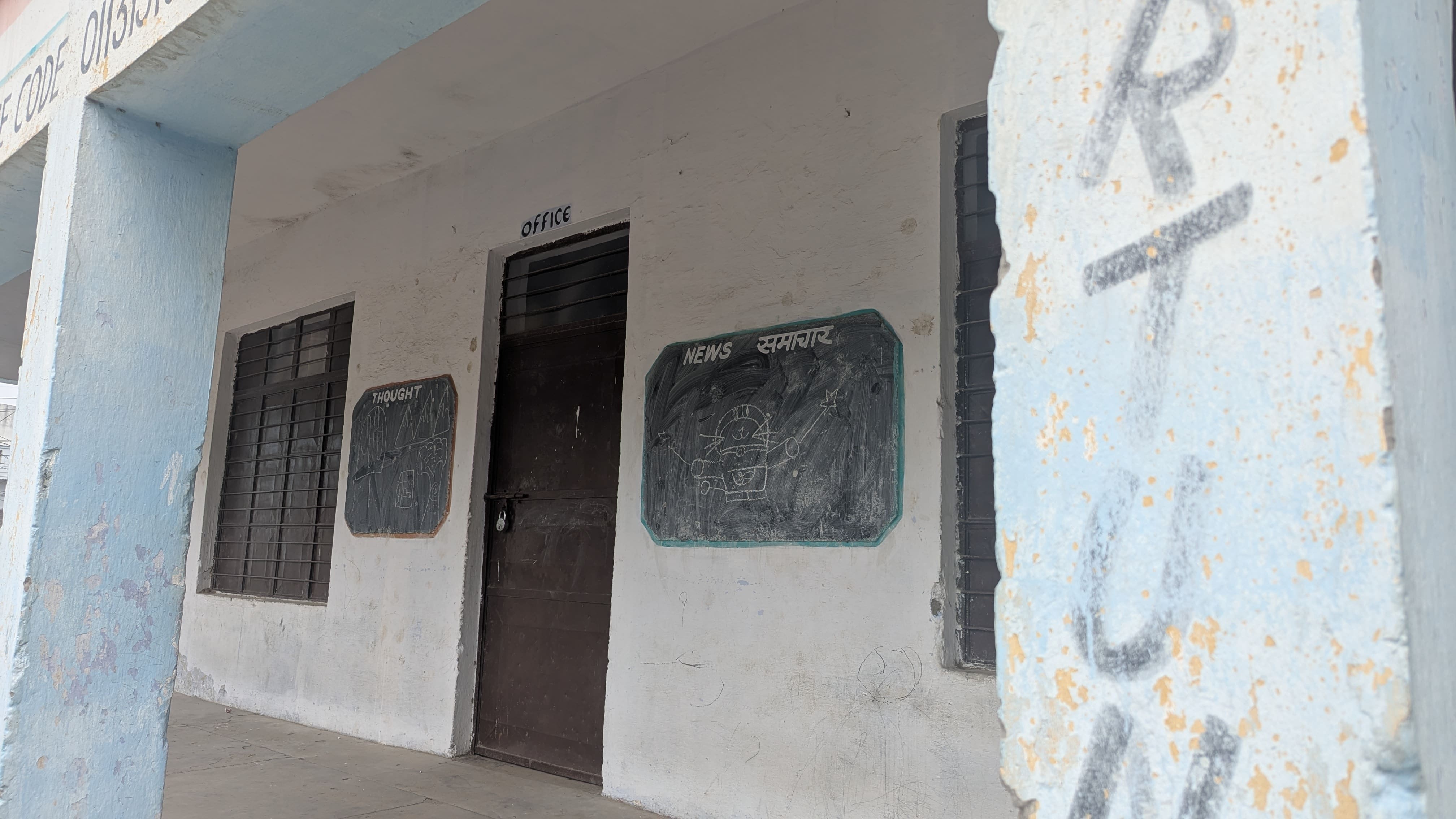
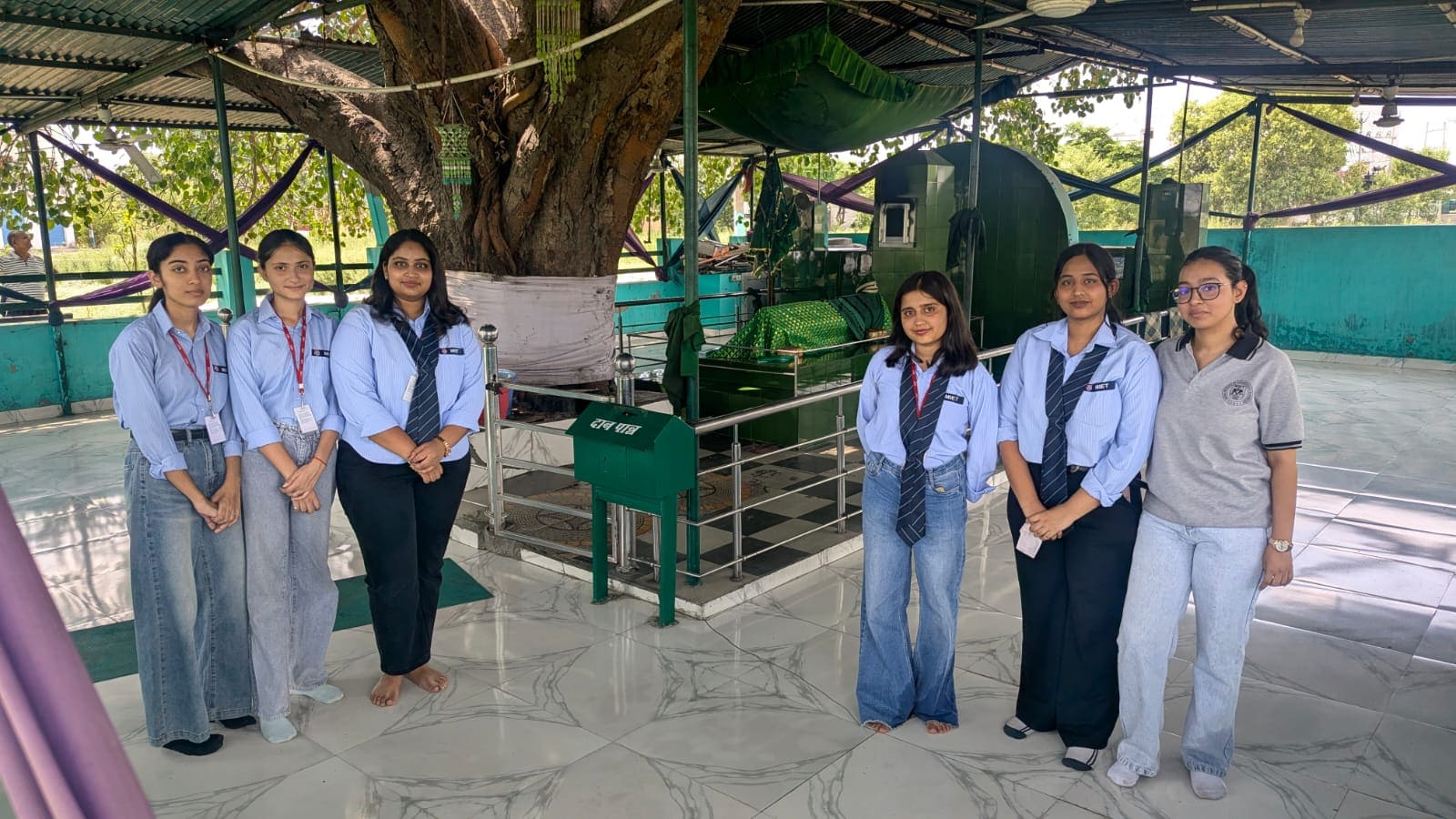
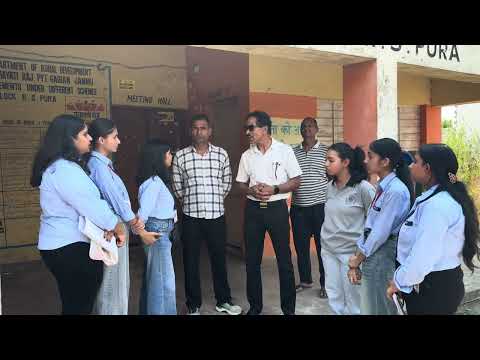
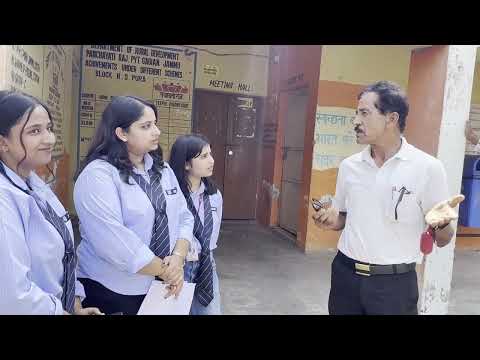
Videos
Location Map
Additional Features
| Area(Hectores) | 152.60 |
| Total Households | 374 |
| Sex Ratio (per 1000 males) | 920 |
| Total Population | 1818 |
| Children (0-6) | 161 |
| Scheduled Caste (SC) | 897 |
| Scheduled Tribe (ST) | 77 |
| Literacy Rate (%) | 83.77 |
| Total Workers | 522 |
| Main Workers | 472 |
| Marginal Workers | 50 |
Contact Information
| Phone Number |
Sarpanch. Hans Raj:-9906384516 |
Reviews (4)


Really well made and thoroughly researched.
Super informative and well-organized.

Greatly documented by the team!!!


Nicely organized and well researched. Great work!!!