
Description
Introduction to Vijaypur
Just outside Reasi town lies Vijaypur, a village where history is not confined to written records. It survives in an old pond, the remaining wall of a residential fort, ancient places of worship, and, most importantly, in the memories of the people who continue to carry its stories forward.
During our field visit, we discovered that Vijaypur's identity lives as much in the memories of its people as in its surviving landmarks. Conversations with local residents and a member of General Zorawar Singh Ji's family led us through stories of the village's past, while its temples, ponds, traditions, and everyday community life revealed a place still deeply connected to its roots.
Historical Background: Where a Victory Became a Name
The story of Vijaypur begins not in a written record, but in an account carried through generations. During our field survey, a member of General Zorawar Singh Ji's family and local residents shared an oral history that connects the village's origins with the renowned military commander of Maharaja Gulab Singh Ji.
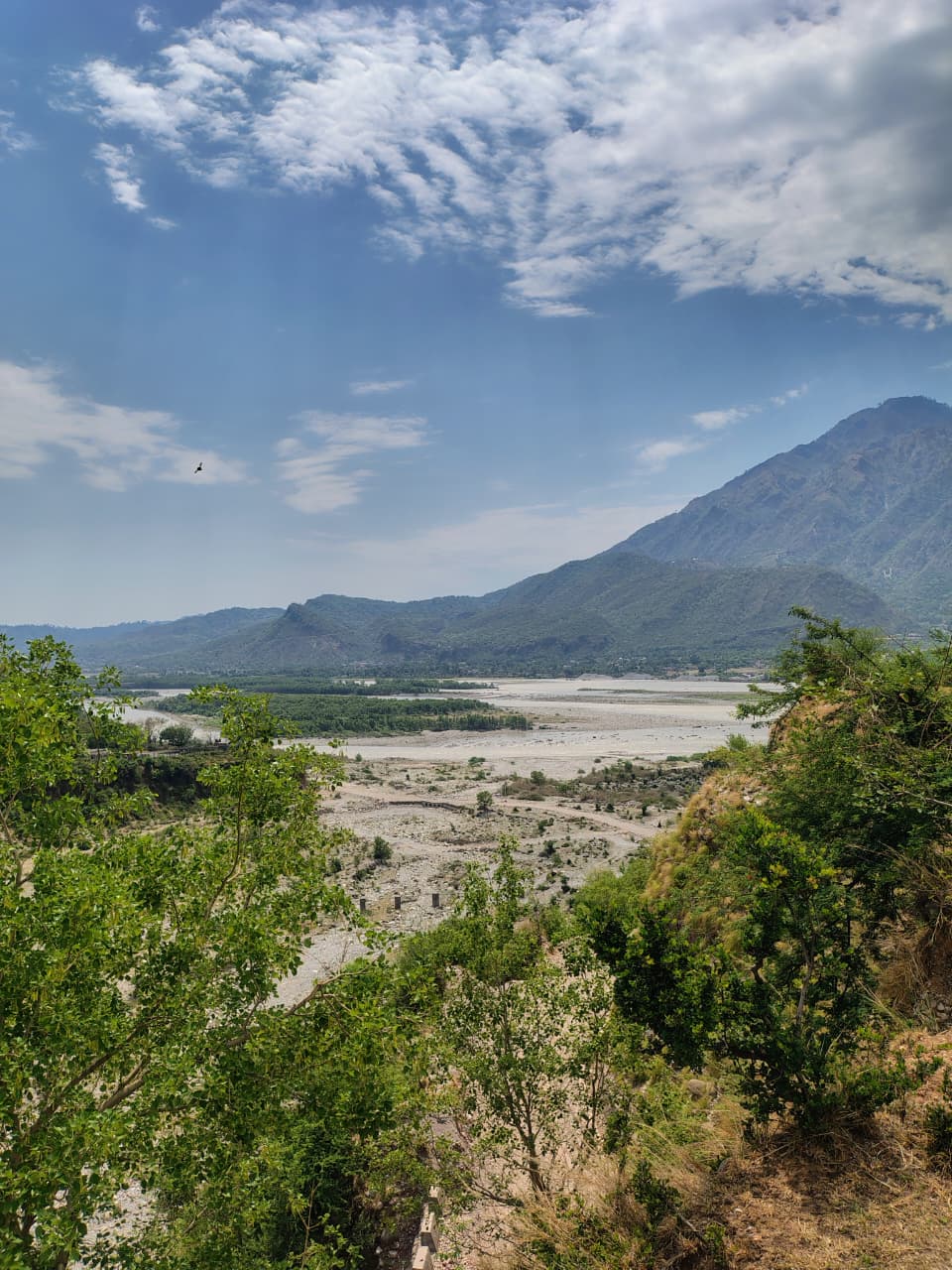
According to this oral account, supplies of food, weapons, ammunition, and other essentials being transported to Bhimgarh Fort in Reasi were frequently targeted by raiders operating around the Chenab River. To restore peace and secure the region, Maharaja Gulab Singh Ji appointed General Zorawar Singh Ji as the in-charge of Bhimgarh Fort.
After taking charge, General Zorawar Singh Ji successfully suppressed the raiders and helped restore security in the region. Local tradition recalls that Maharaja Gulab Singh Ji, impressed by his leadership and success, encouraged him to establish a permanent residence nearby. His search for a suitable place eventually led him to a dense forest locally known as Kunada.
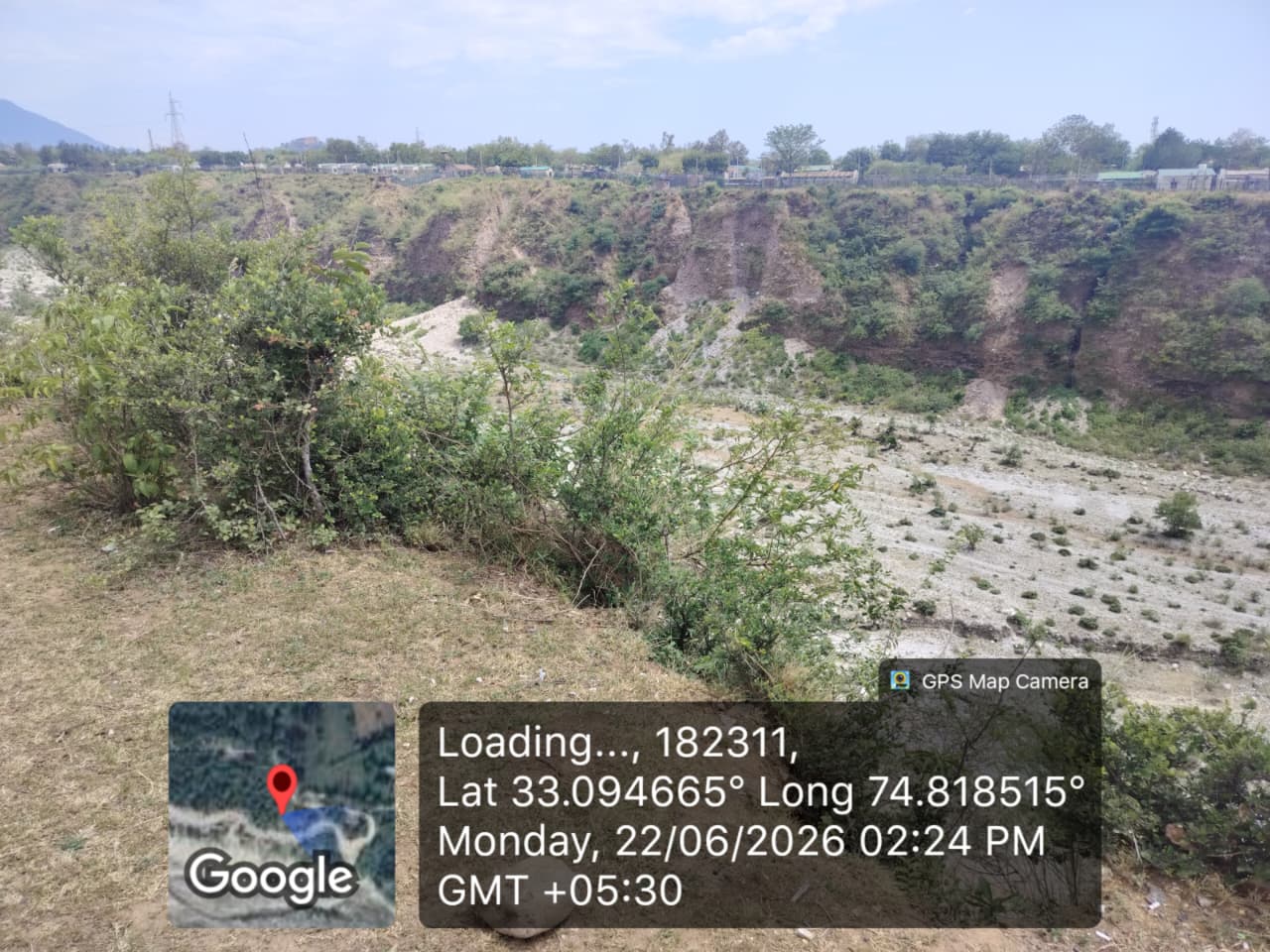
Family tradition recalls that Kunada was naturally protected by deep ravines on three sides. Here, near a natural pond, General Zorawar Singh Ji is believed to have seen a lion, a sight he regarded as a favourable sign. With the support of his soldiers, he cleared the dense forest, drove away the remaining raiders, and secured the area.
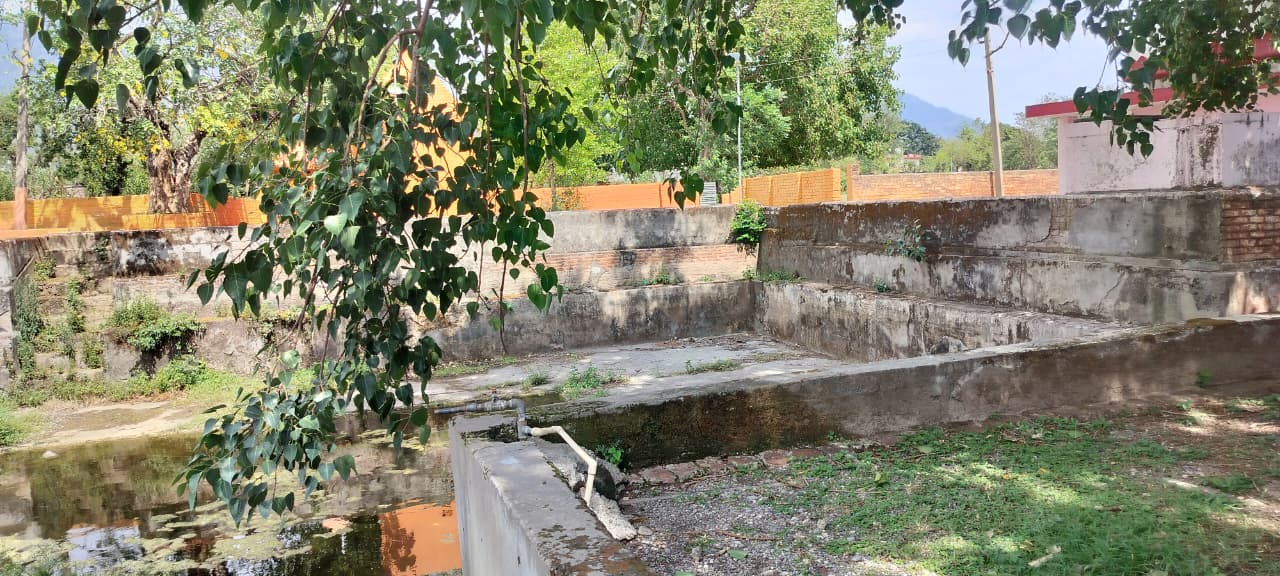
It is from this victory that the village is believed to have received its name. According to local tradition, the secured land came to be associated with "Vijay" meaning victory, and the settlement that grew here became known as Vijaypur. General Zorawar Singh Ji is then believed to have established his residence in the area, along with a residential fort, a pond, a temple, and other structures that became part of the growing settlement.
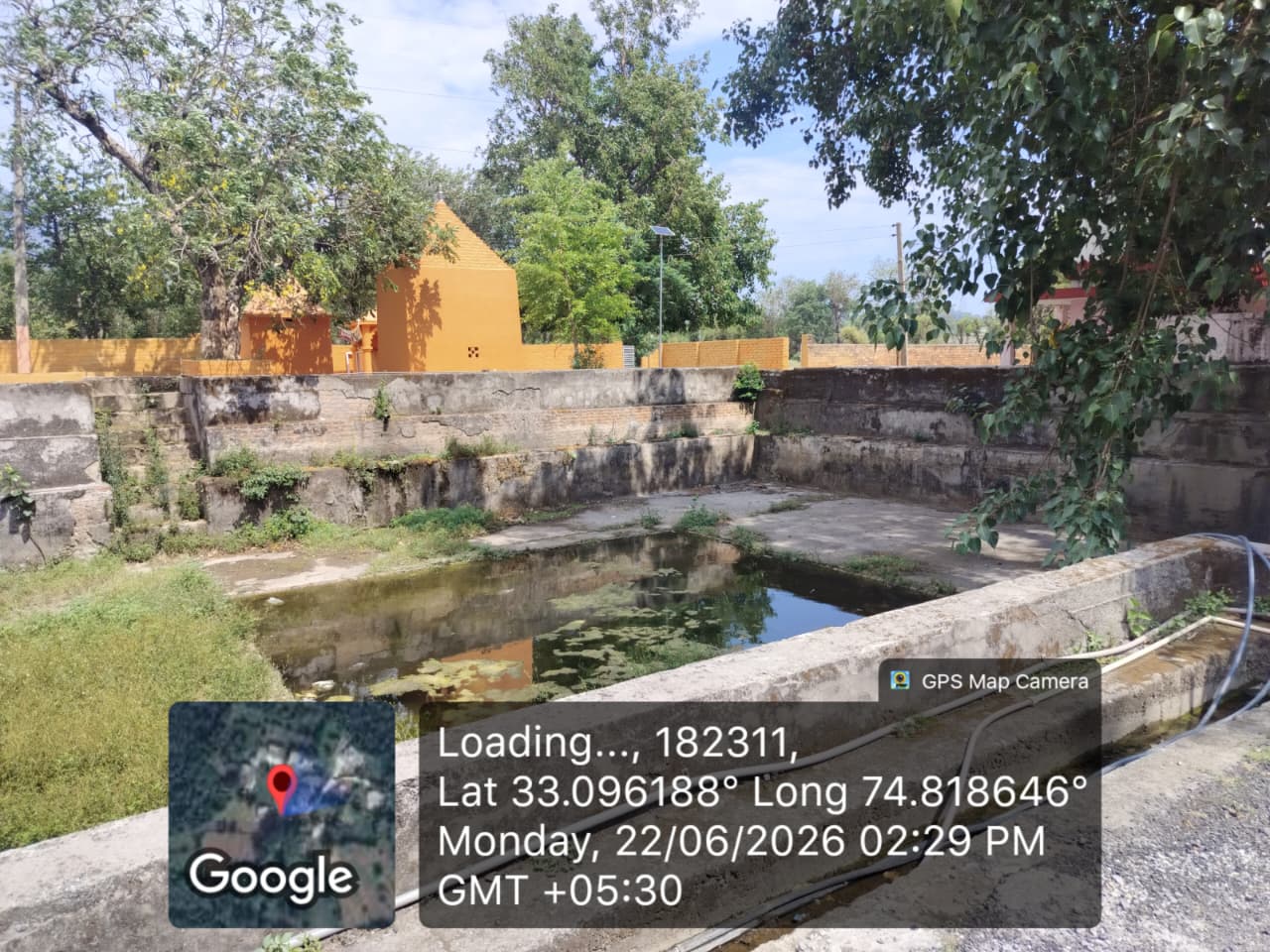
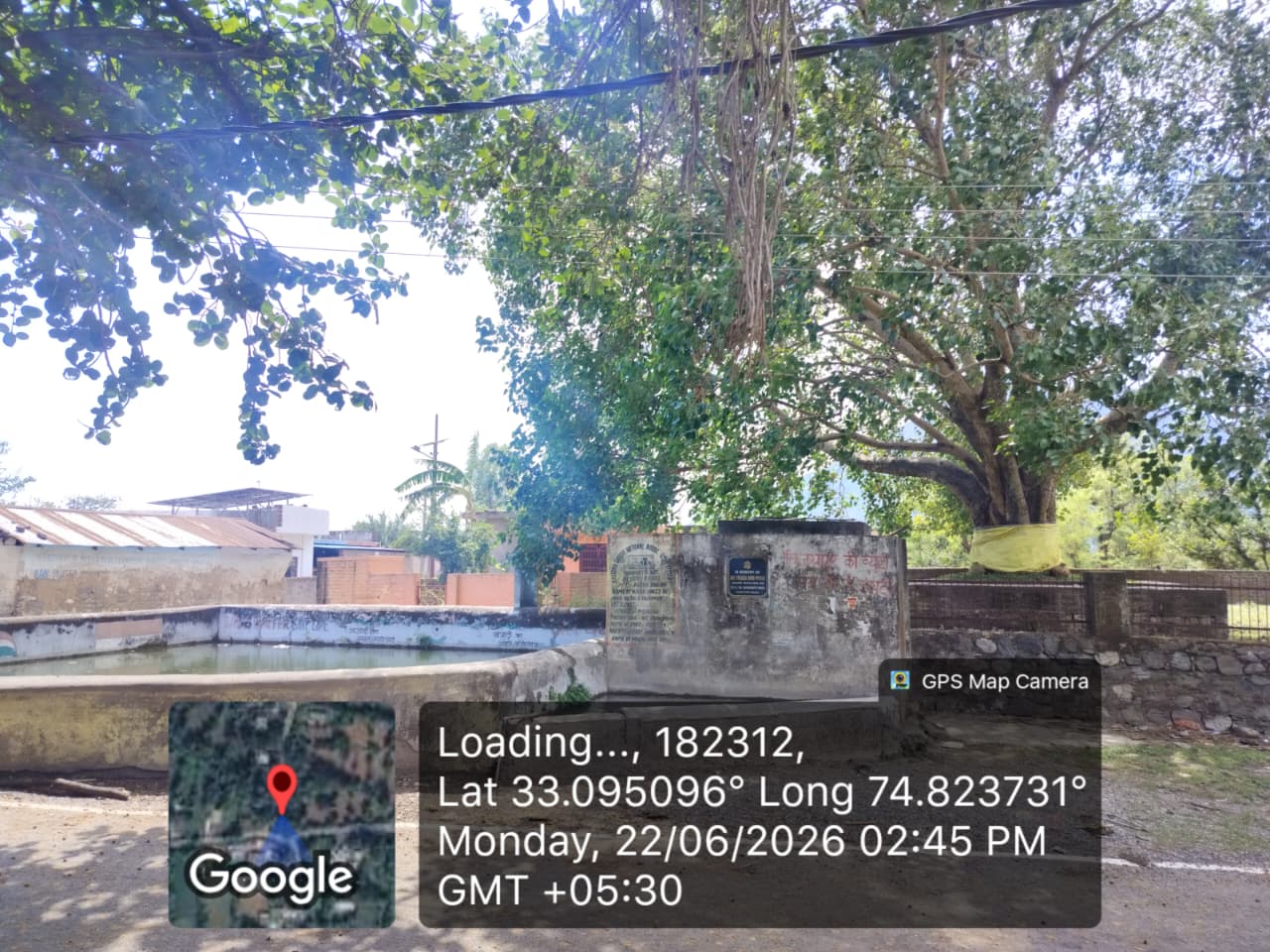
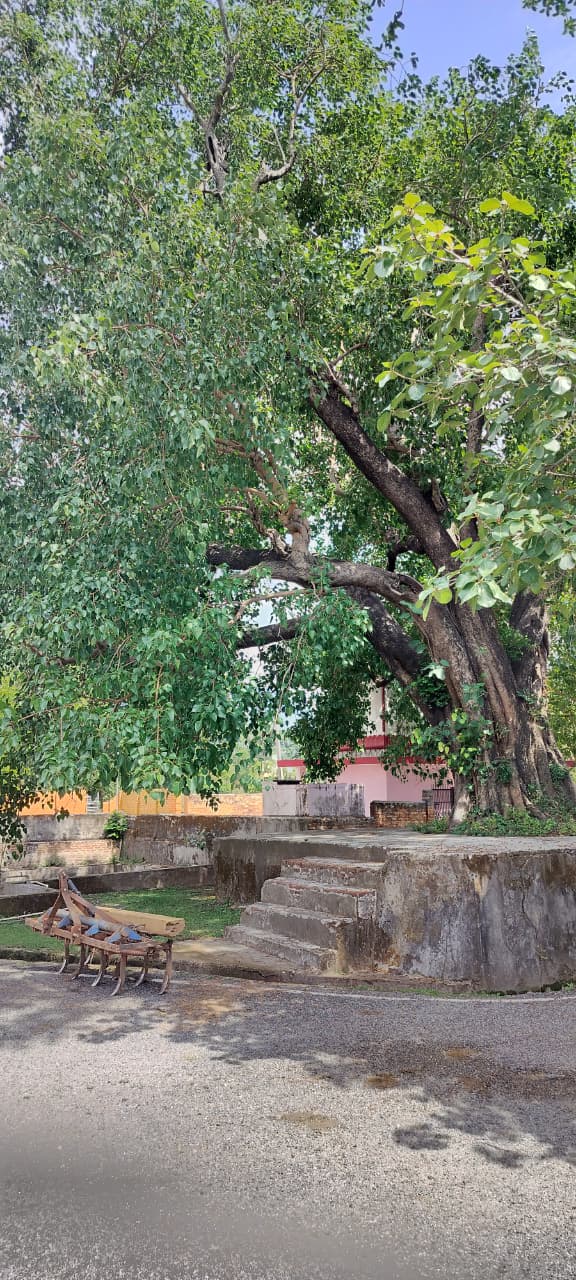
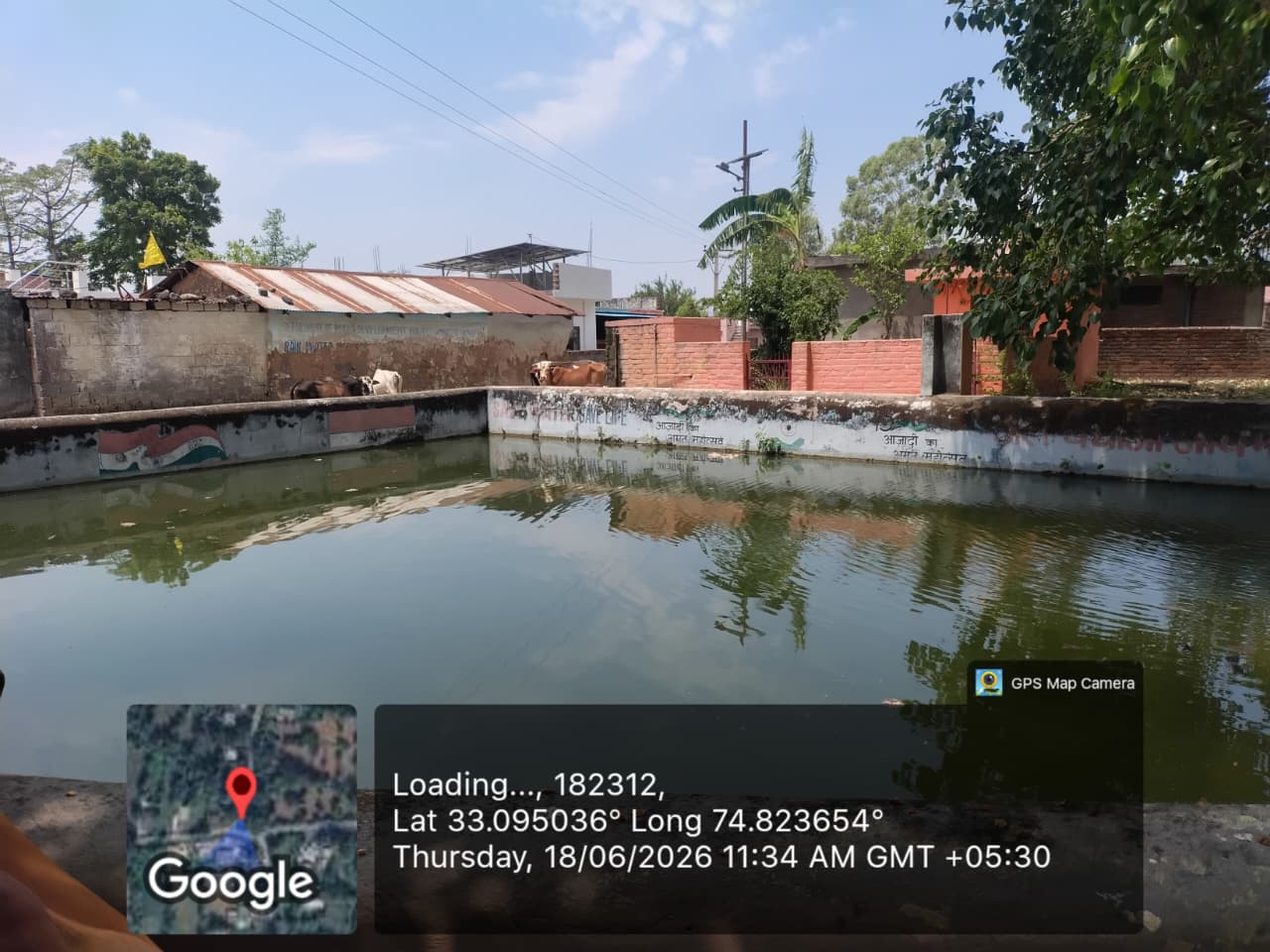
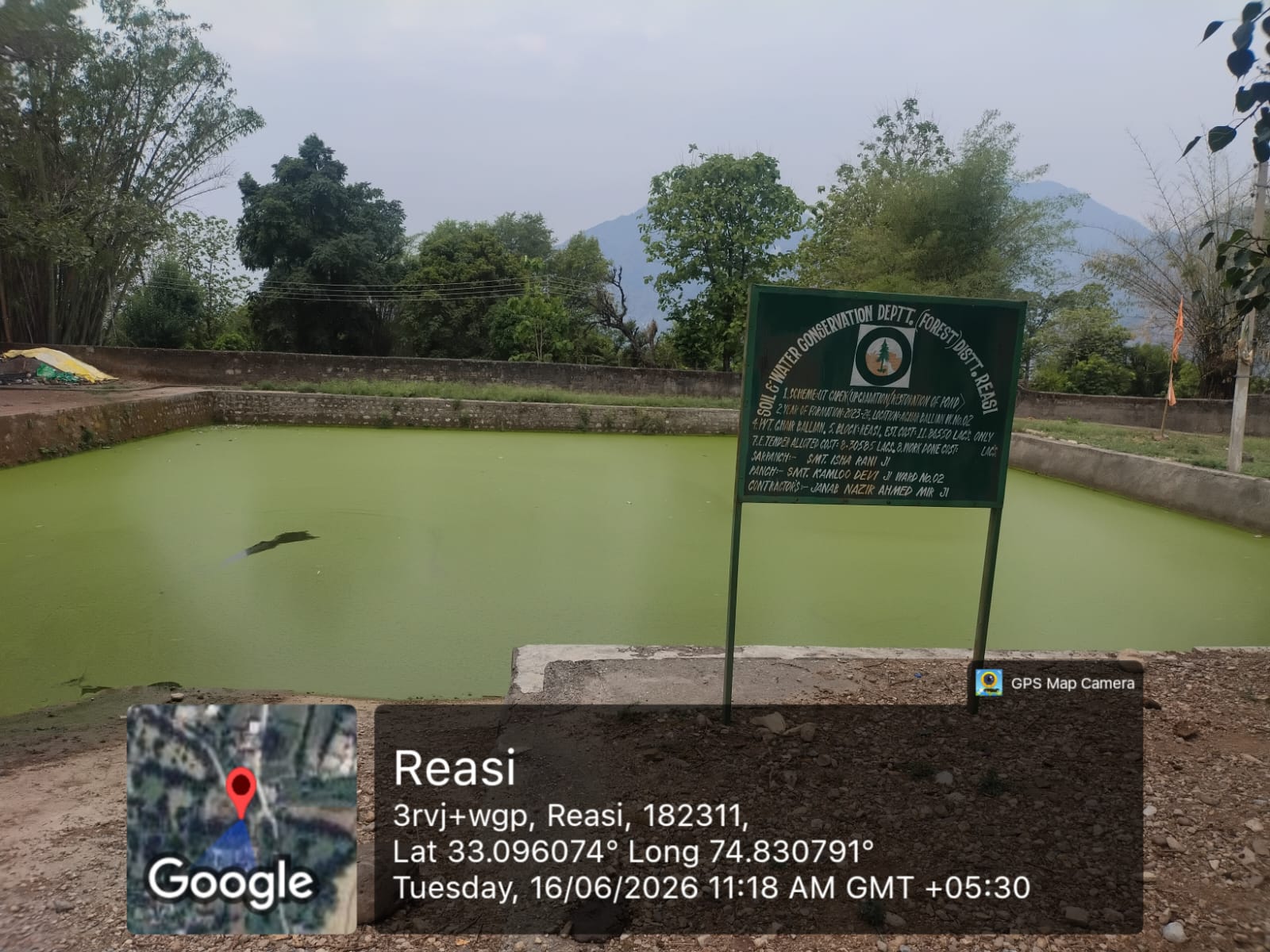
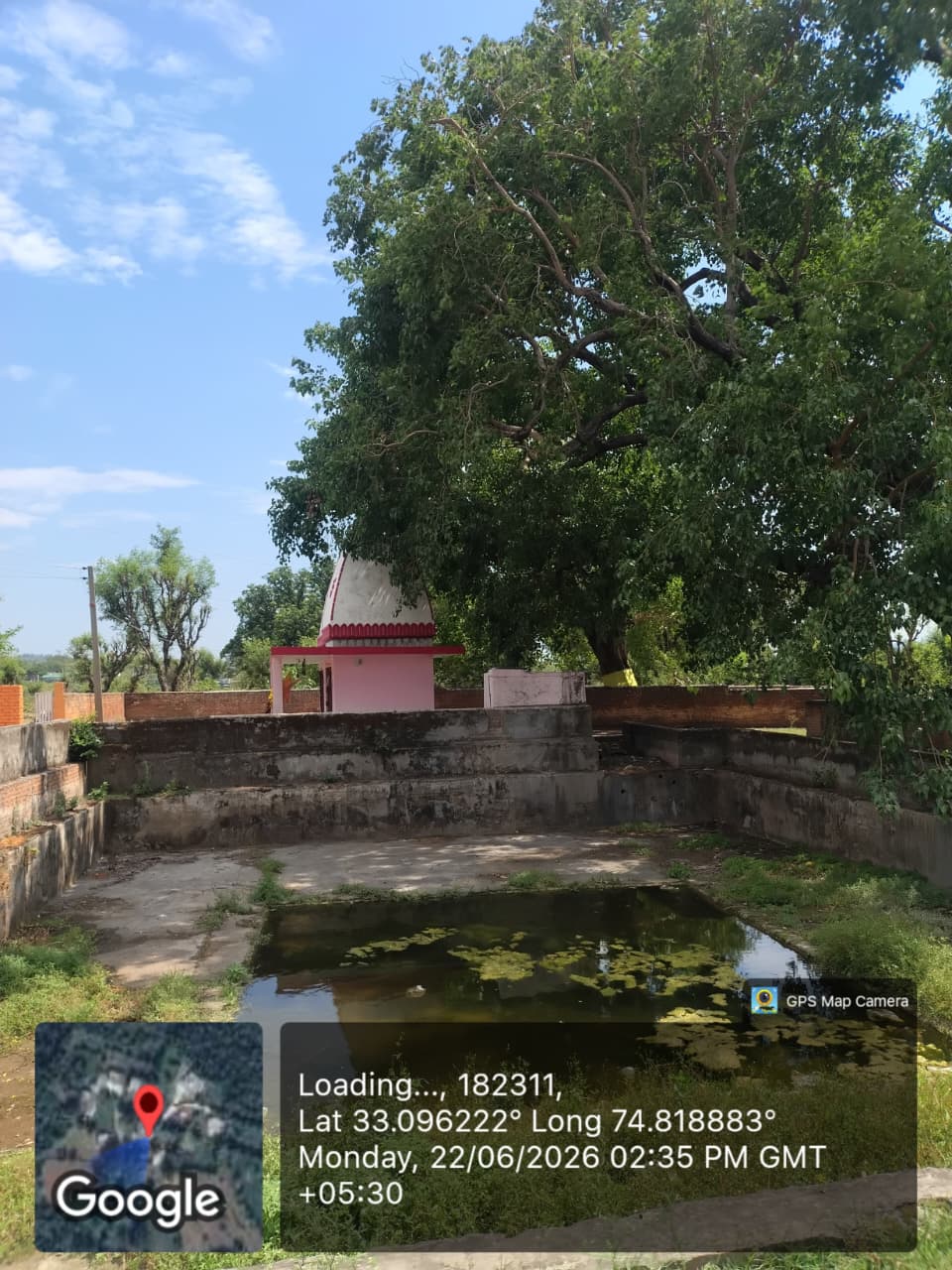
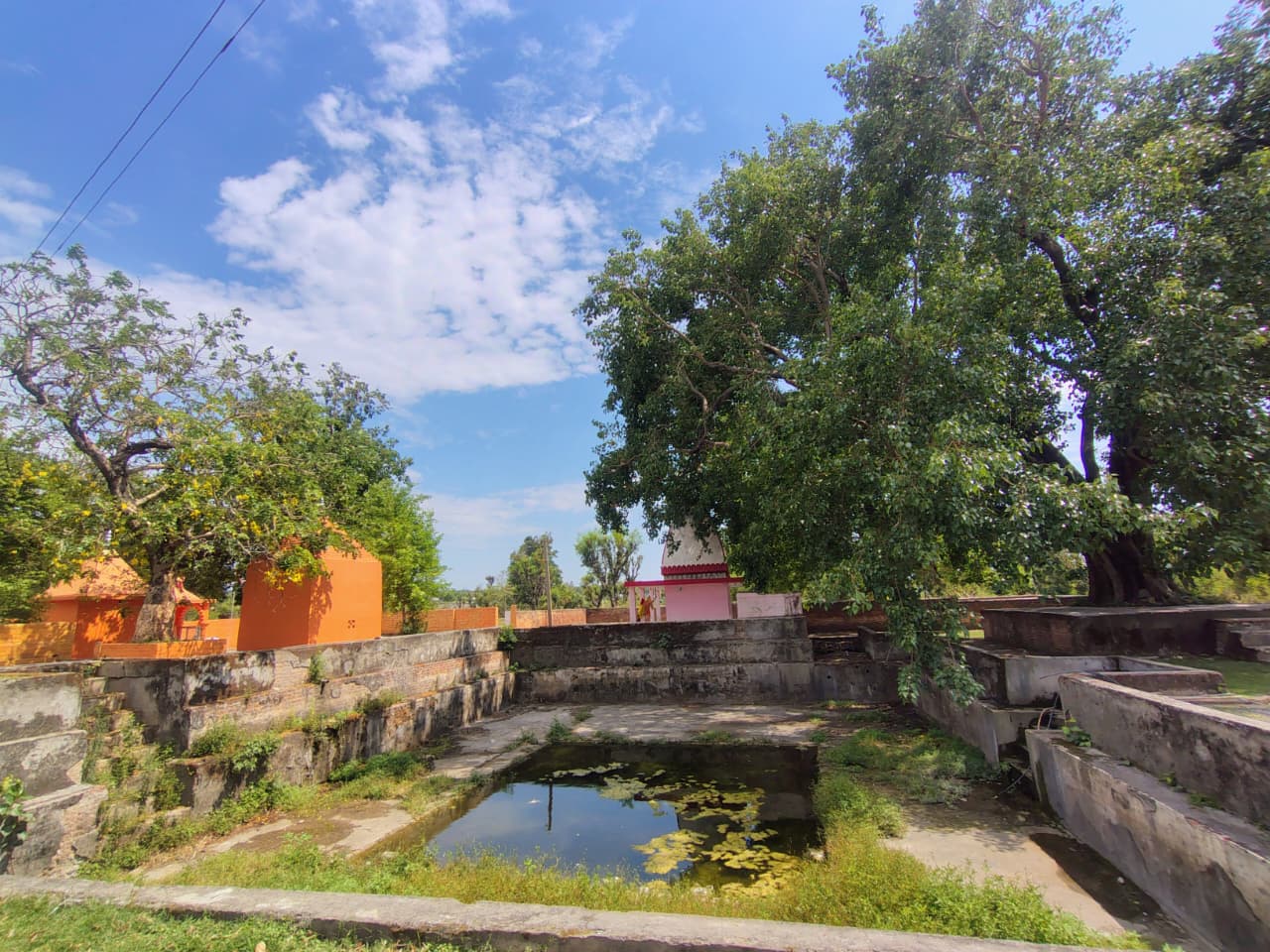
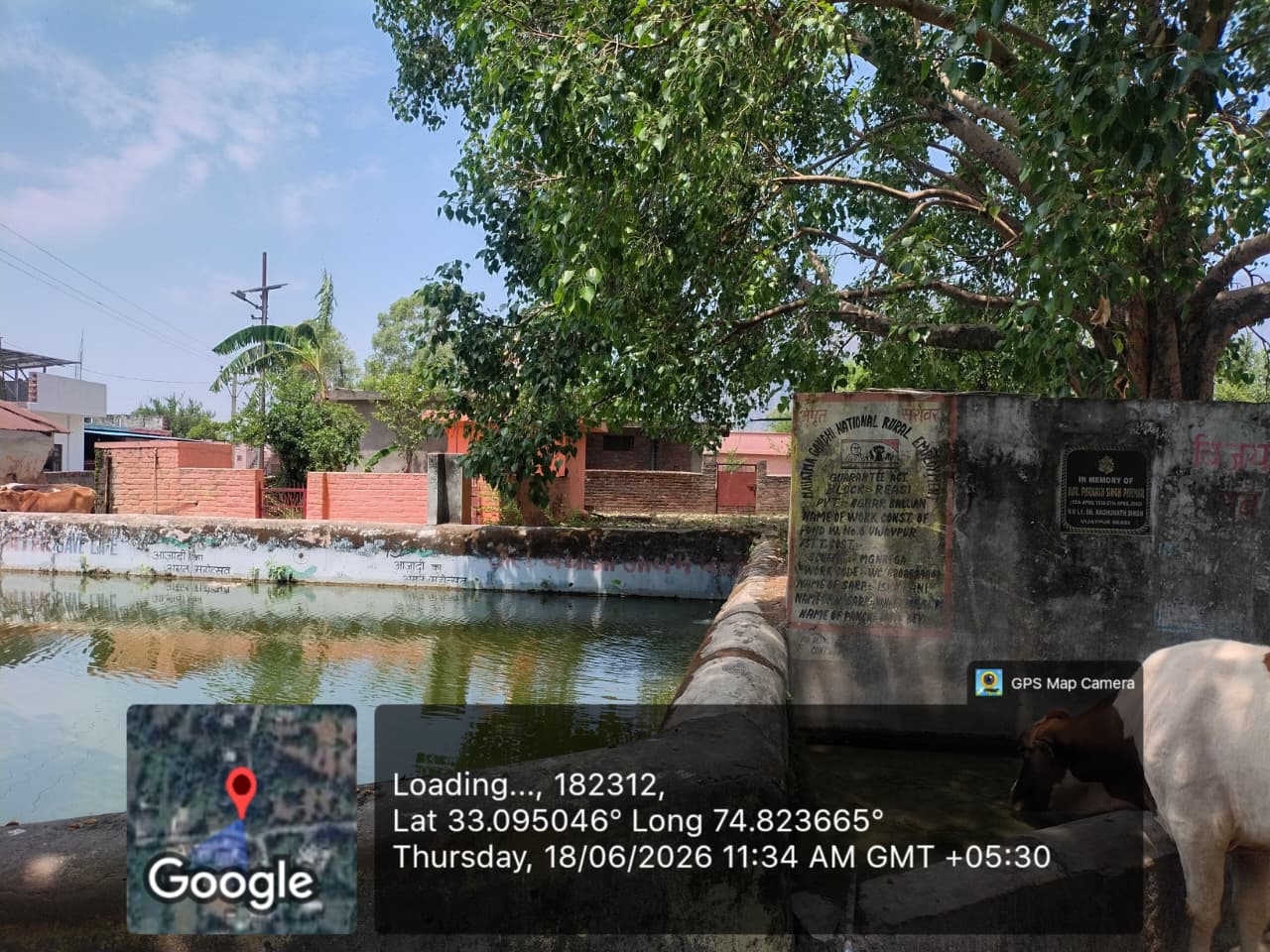
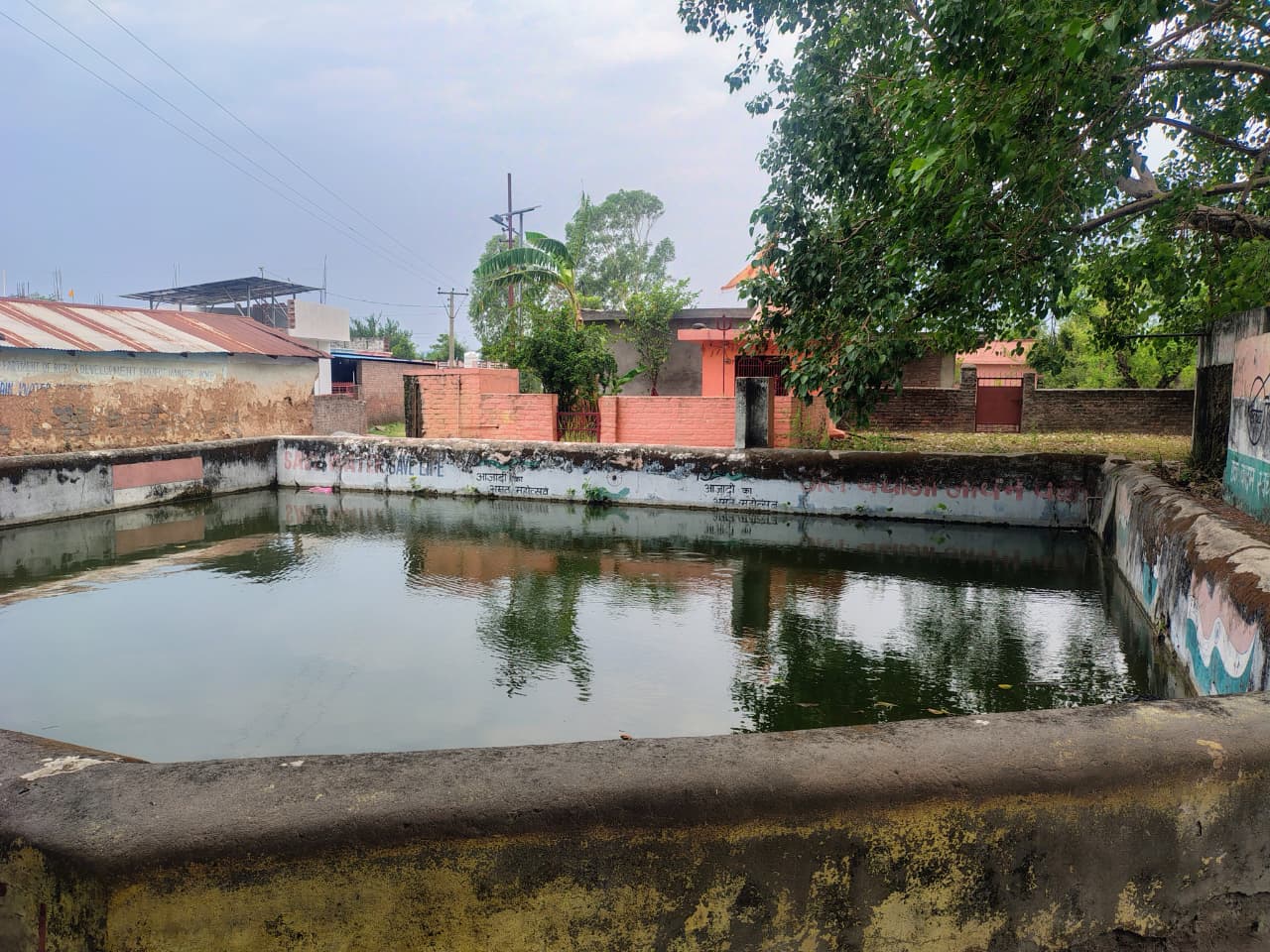
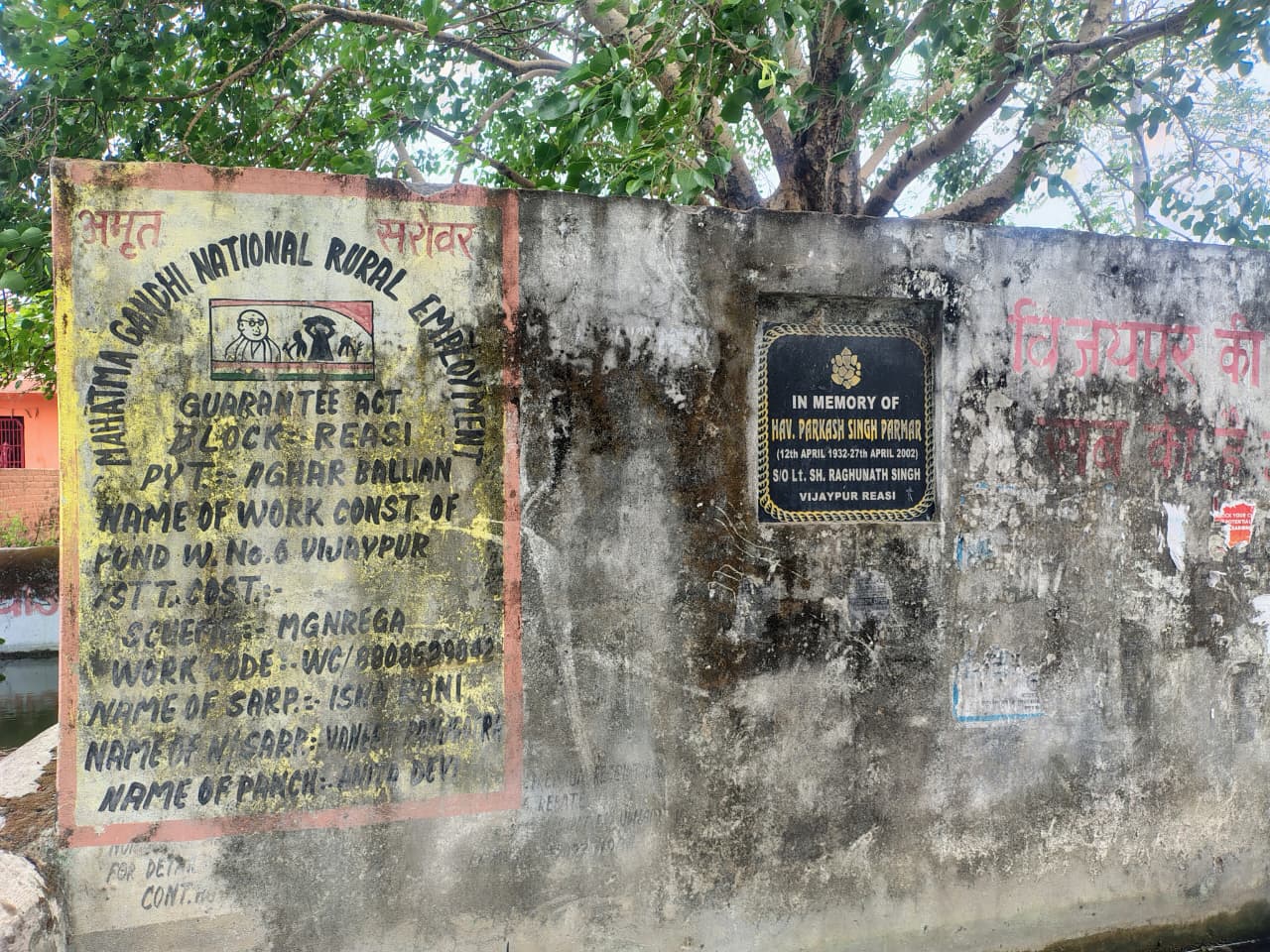
Centuries later, traces of that story still remain in Vijaypur. A surviving section of the old fort wall, the historic pond, and the temple continue to stand as physical reminders of the village's past. More importantly, the story itself lives on through the memories of local families and the oral traditions passed from one generation to the next.
Source Note: This account is based on oral history shared during our field survey by a member of General Zorawar Singh Ji's family and local residents of Vijaypur Village.
Heritage, Faith and Living Traditions
Today, only a section of the residential fort wall associated with General Zorawar Singh Ji remains. Weathered by time, it may appear to be a simple fragment of stone, but for Vijaypur, it is a surviving link to the story carried through generations. Standing beside it during our field visit made the village's oral history feel less distant and far more tangible.
Seeing the remaining wall during our field visit helped us connect the oral history shared by local residents with a place that still exists today. Although much of the original residential fort has disappeared over time, this surviving section continues to provide a visible reminder of the village's past. It reflects how history in Vijaypur survives not only through physical remains but also through the memories and traditions that continue to be preserved by the local community.
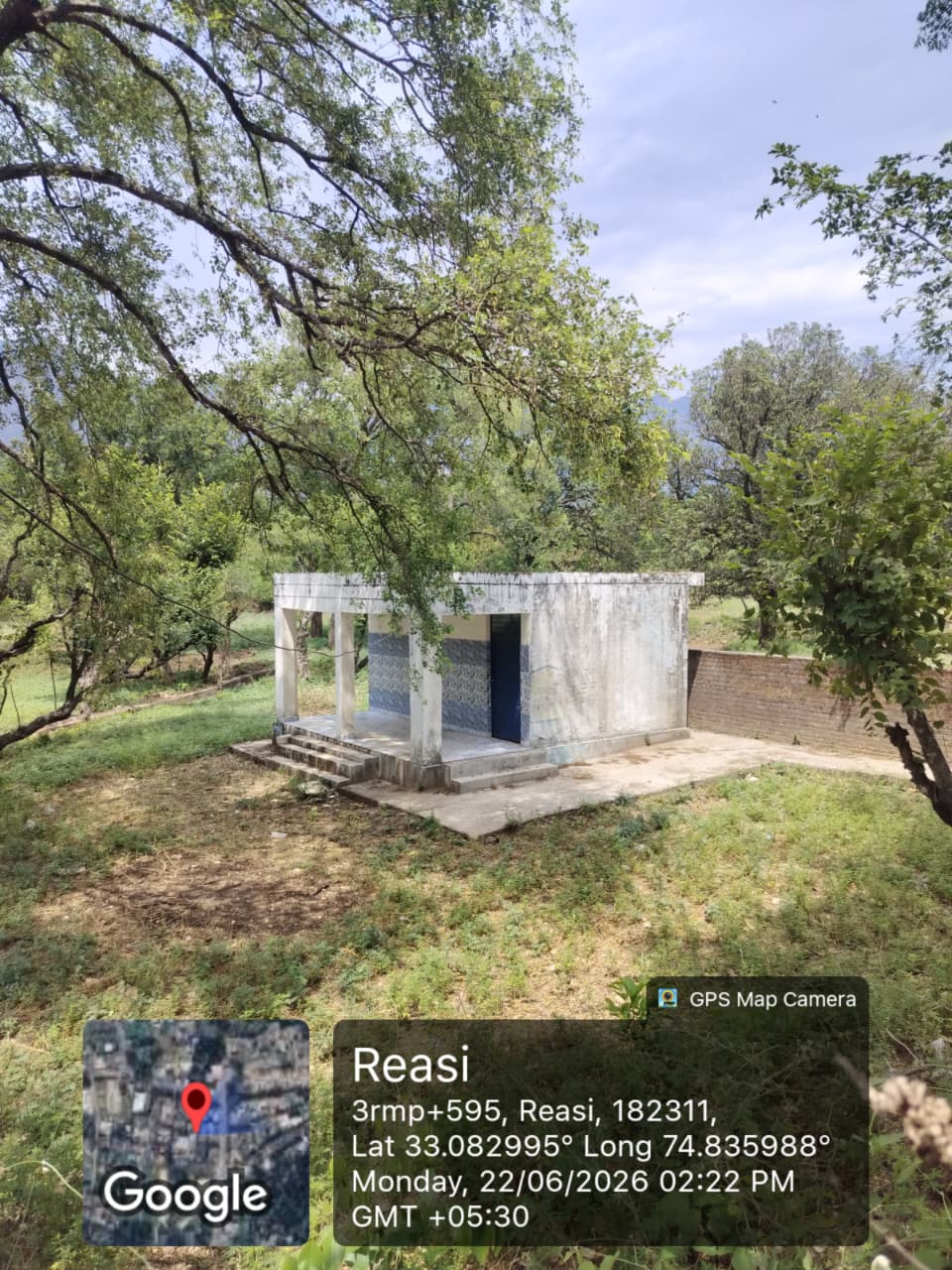
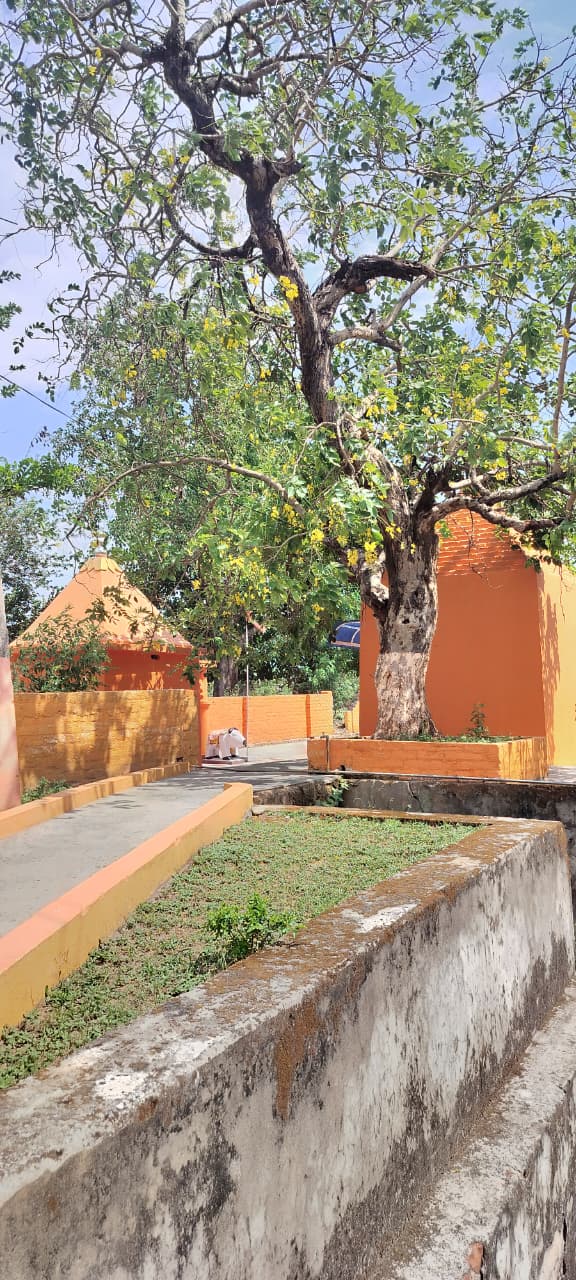
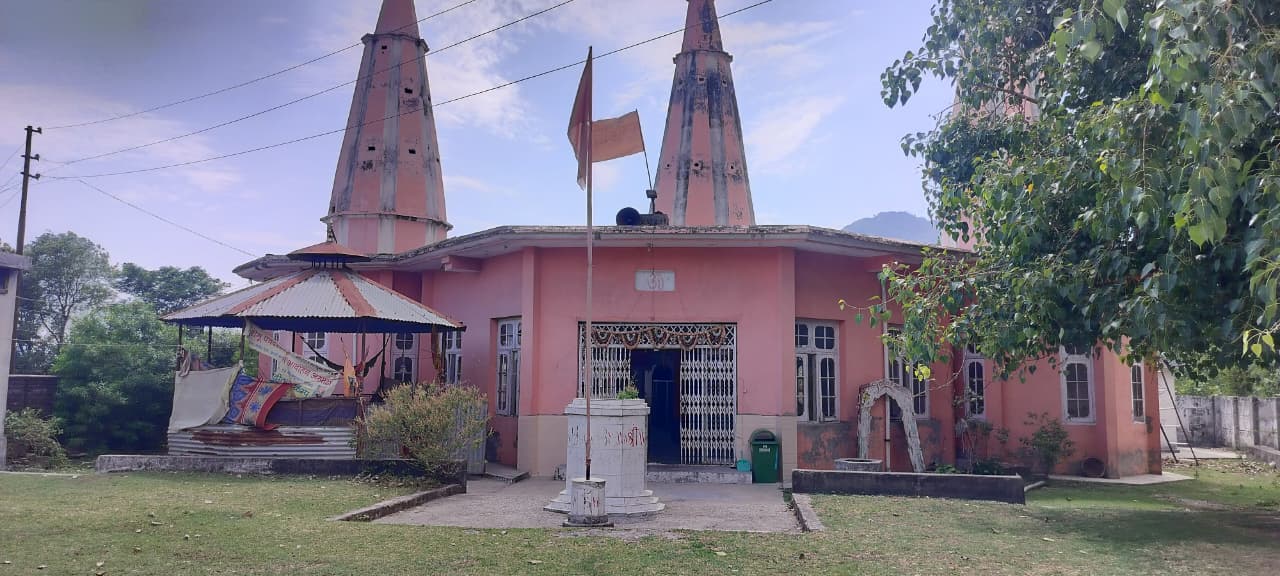
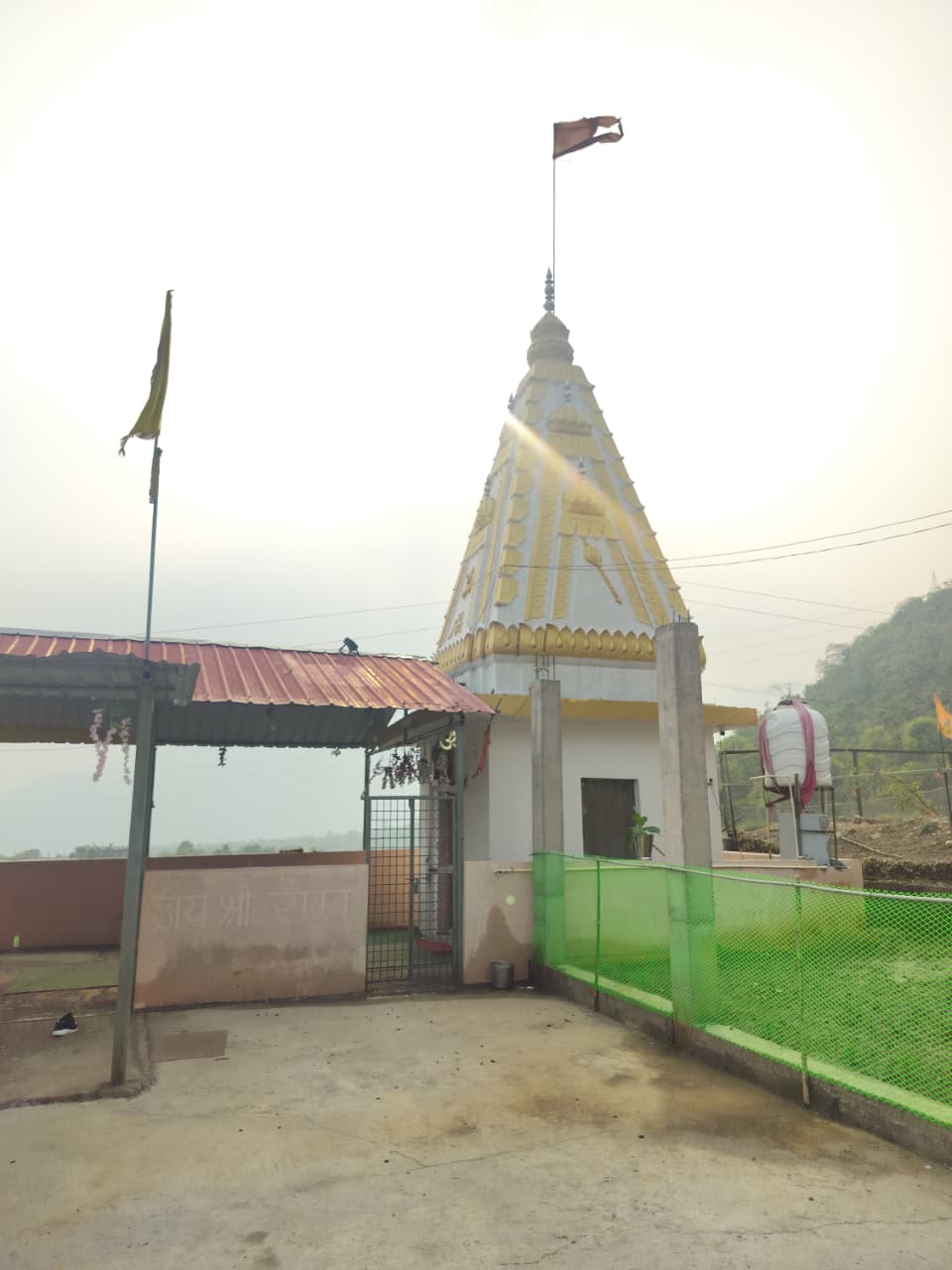
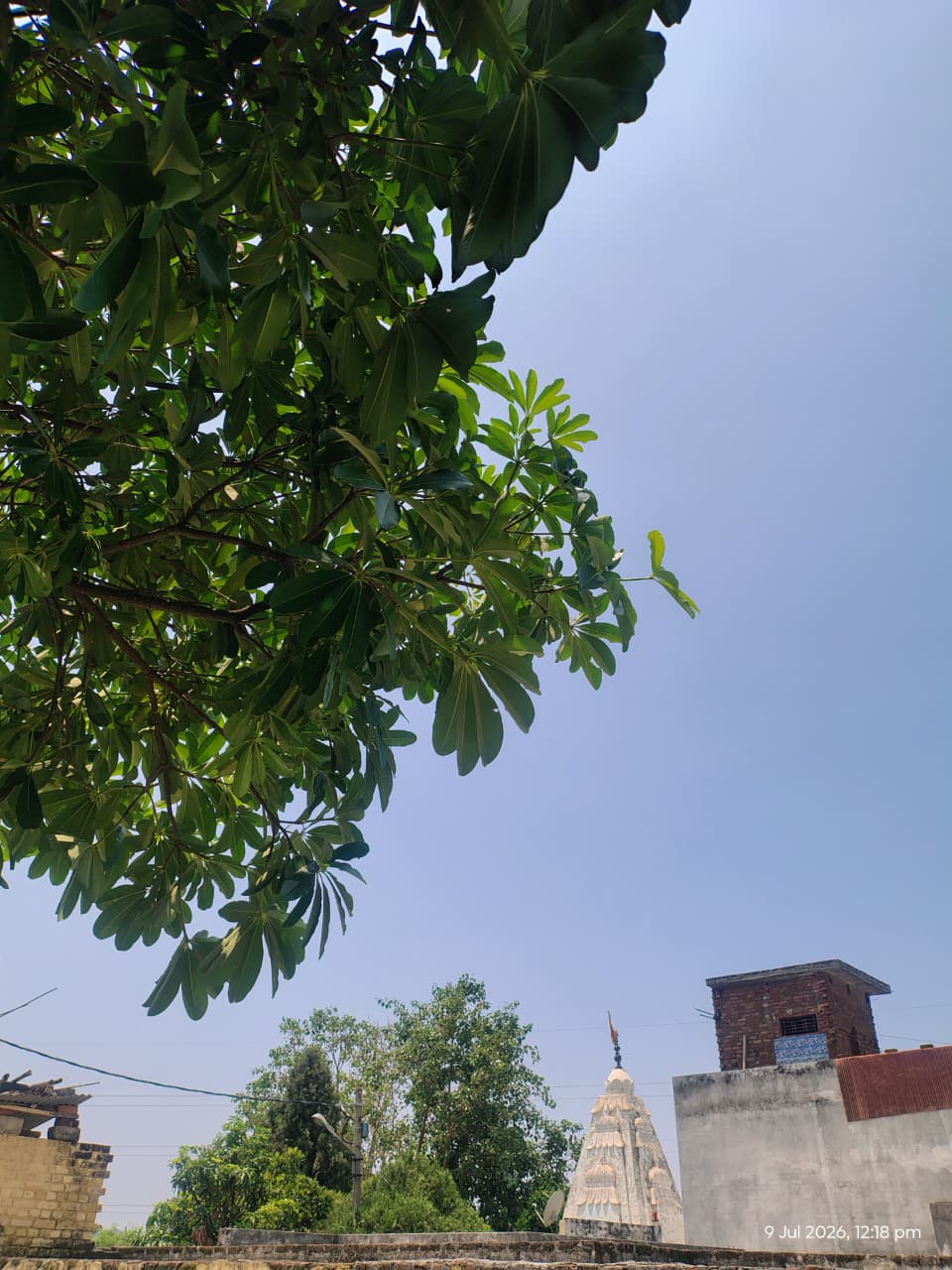
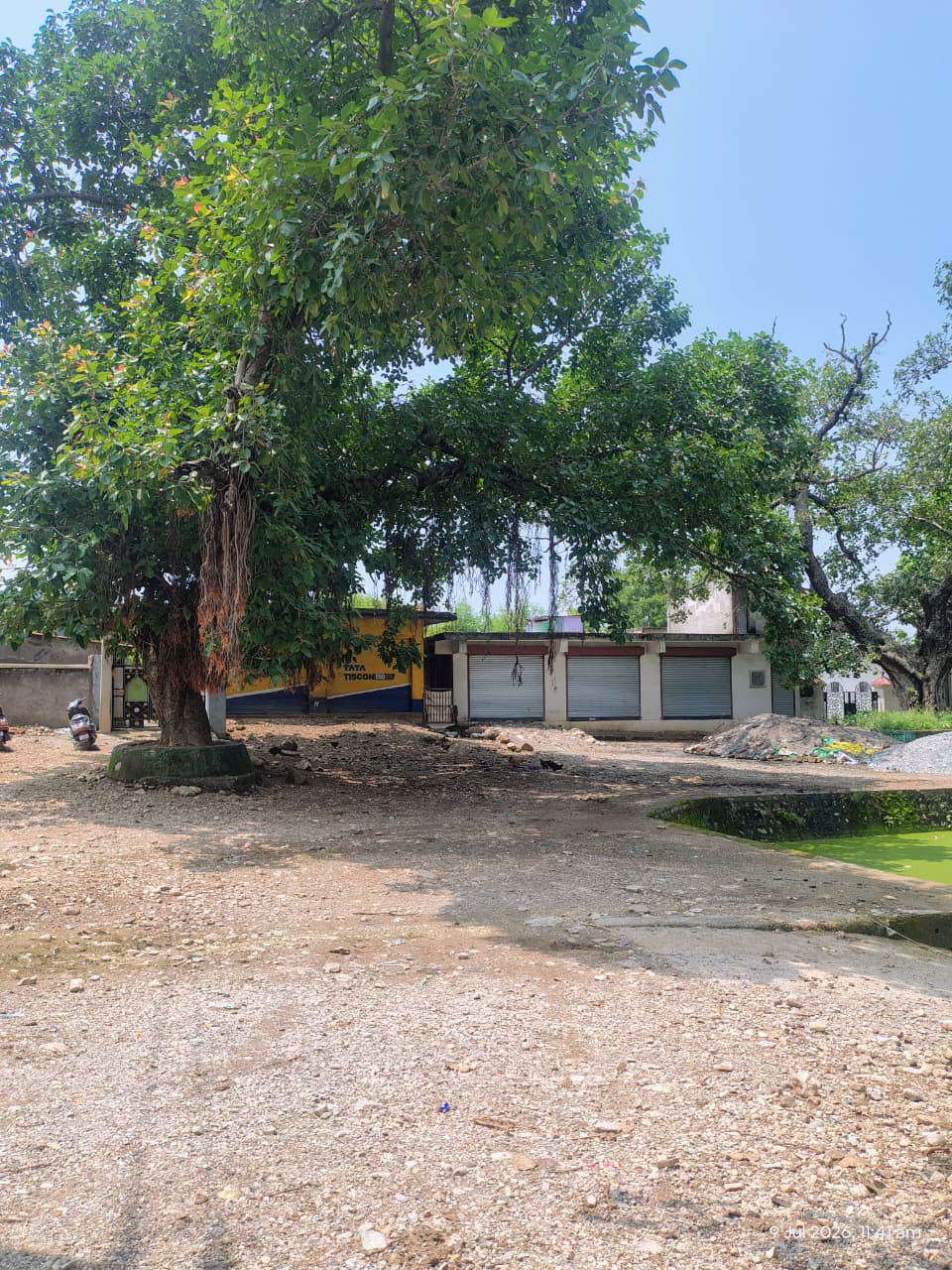
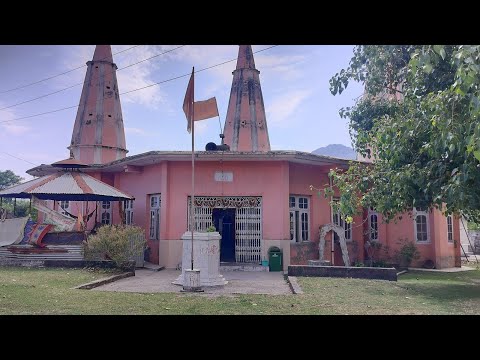
Vijaypur's heritage is not limited to what remains from the past; much of it is still part of everyday village life. The historic pond and ancient temple continue to hold a special place in the community, connecting local memory with traditions that are still followed today.
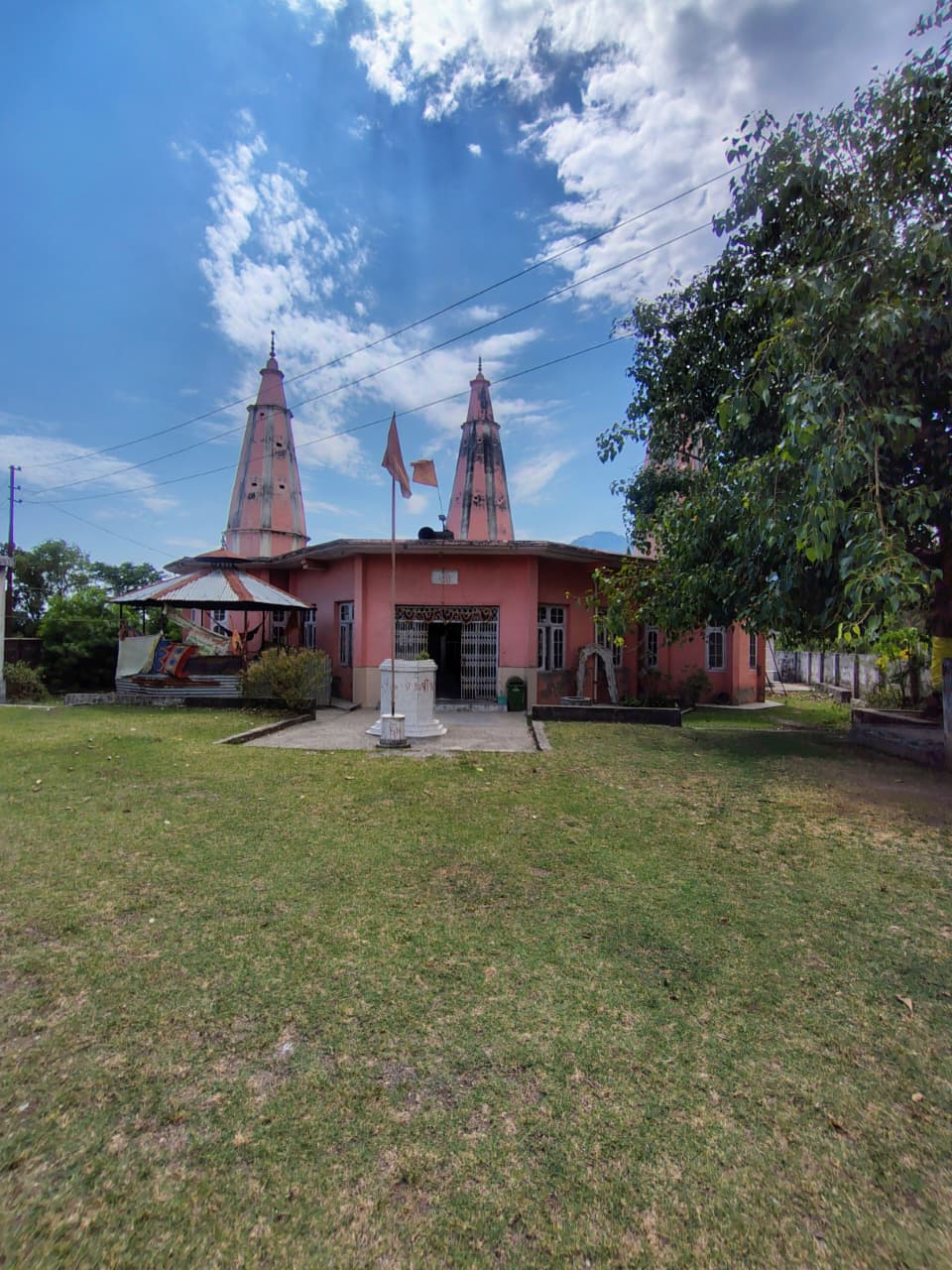
Religious traditions continue to bring people together at these heritage sites. The village's ancient Mahadev Mandir remains an important place of worship, while the annual Baba Balaknath Bhandara, organised during August-September, brings villagers and devotees together for worship and community participation. These traditions show how Vijaypur's heritage continues to be lived, not simply remembered.
Together, these places reflect the close relationship between the village's history, faith, and community life. Rather than existing only as historical landmarks, they continue to serve as active spaces where local traditions are practised and shared across generations.
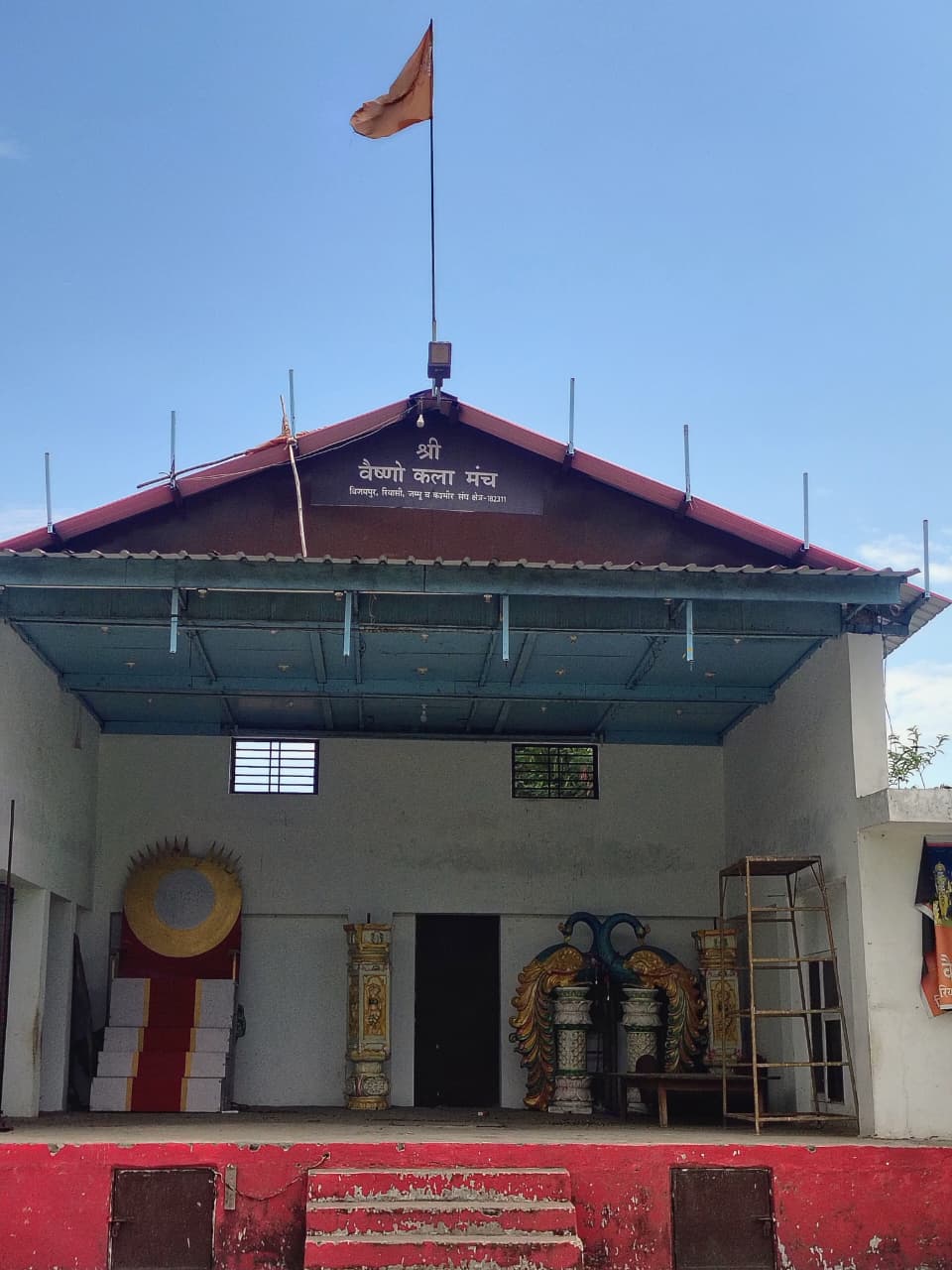
One of the traditions that continues to bring the community together each year is the village's Ram Leela. For six to seven days before Dussehra, Vijaypur's Ram Leela Ground becomes more than an open space. Local performers bring scenes from the Ramayana to life, while families and villagers gather to watch. Year after year, the tradition turns the ground into a shared cultural space where storytelling, faith, and community come together.
The celebrations also highlight the strong sense of community that continues to exist in the village. As people of different age groups come together to participate and watch the performances, the tradition strengthens social bonds while helping preserve an important part of Vijaypur's cultural heritage.
Village Life and Development
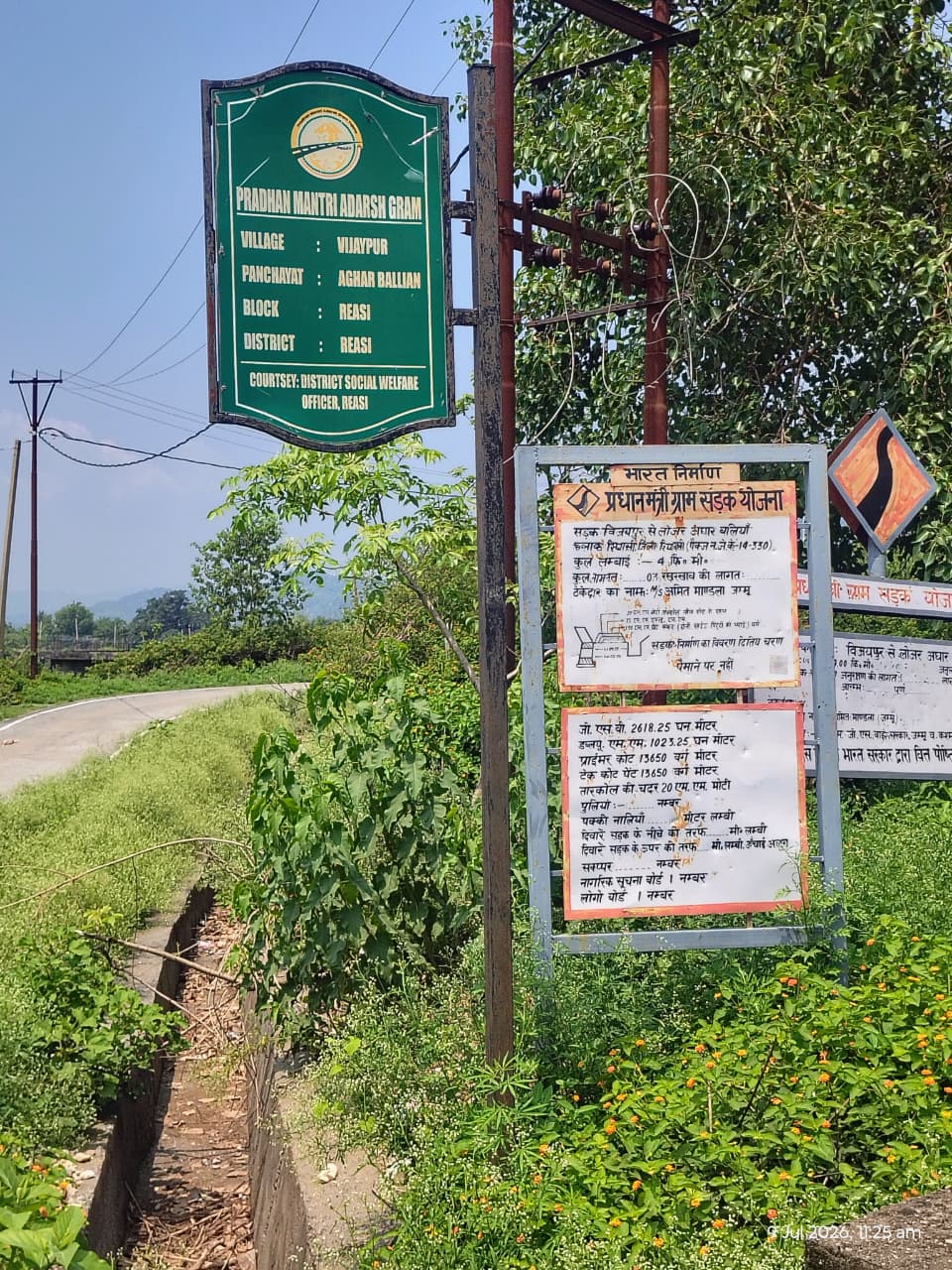
Life in Vijaypur reflects a balance between tradition and everyday change. The village has an estimated population of around 1,200–1,300, according to information shared by the Village Sarpanch. Agriculture remains part of the village landscape, with maize visible across local fields, while residents are also engaged in government service, private employment, small businesses, daily wage work, and the armed and security forces.
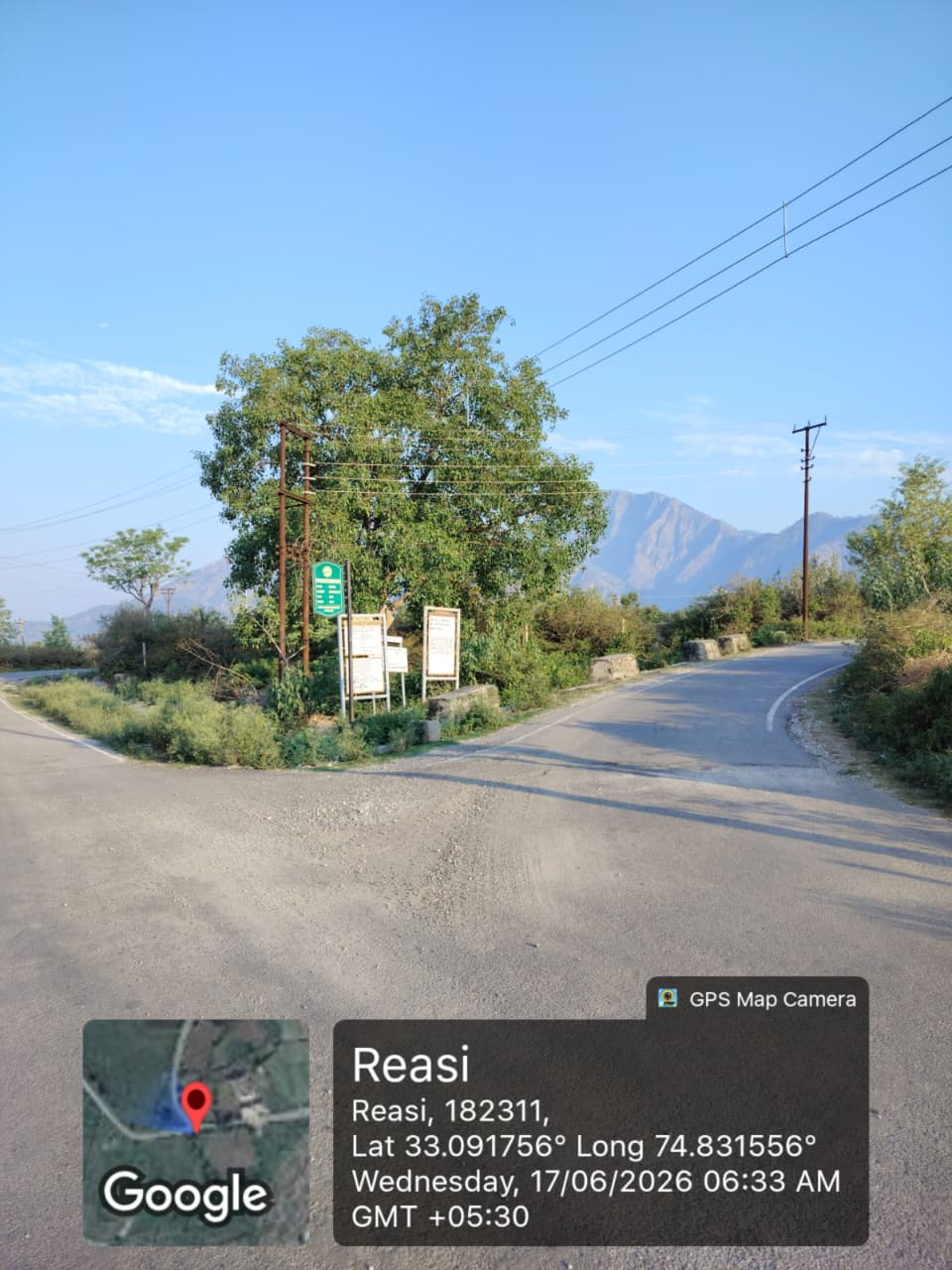
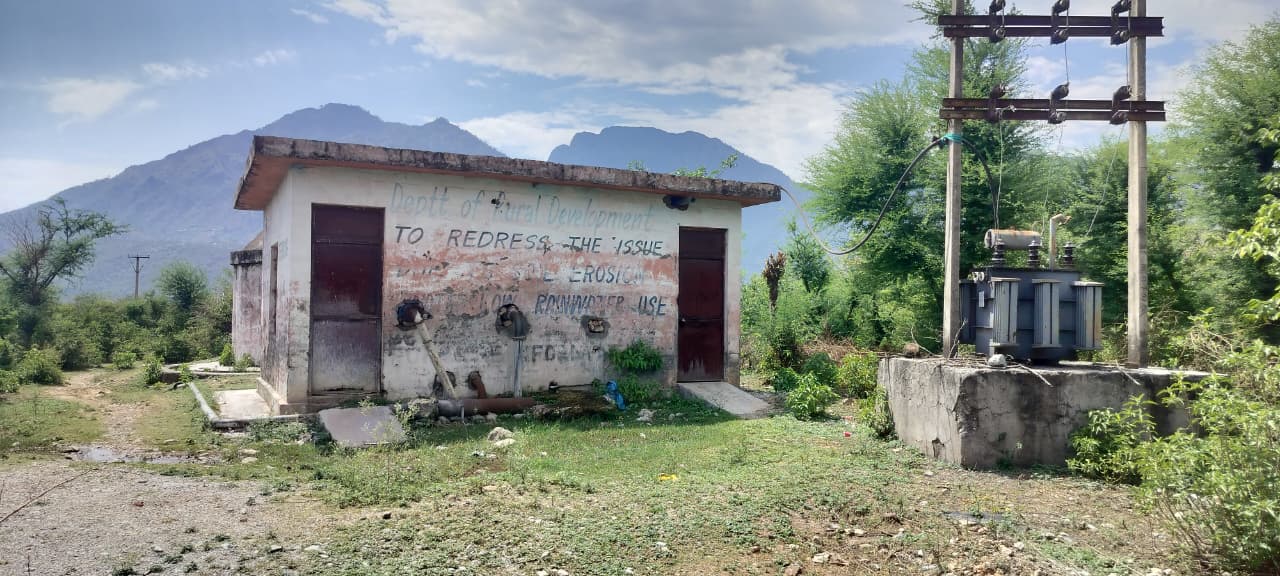
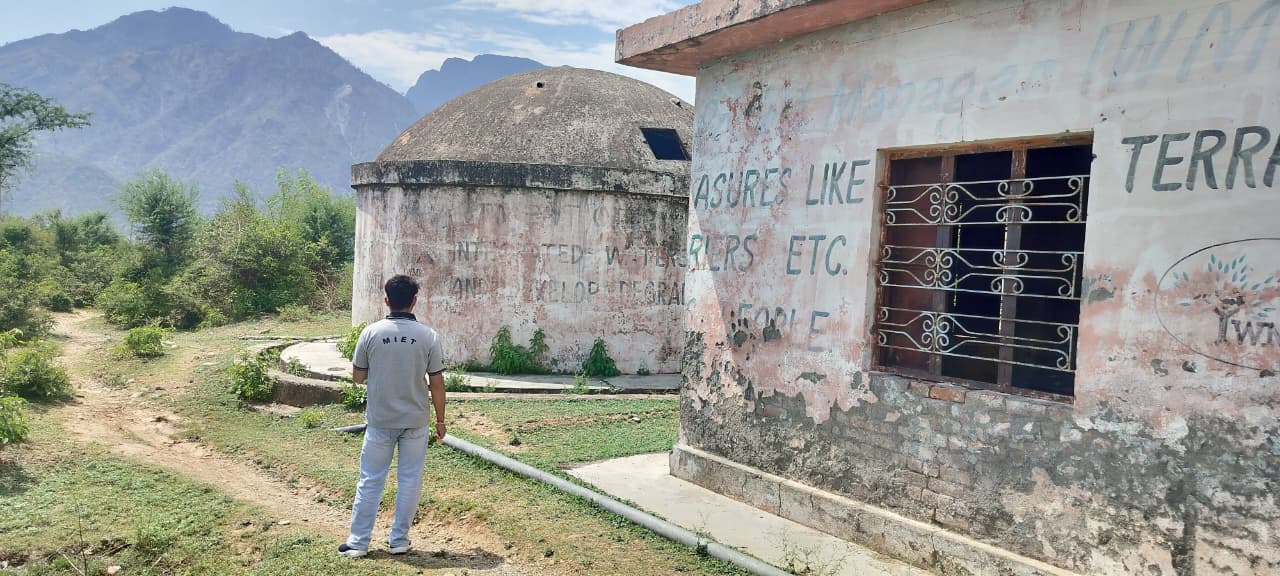
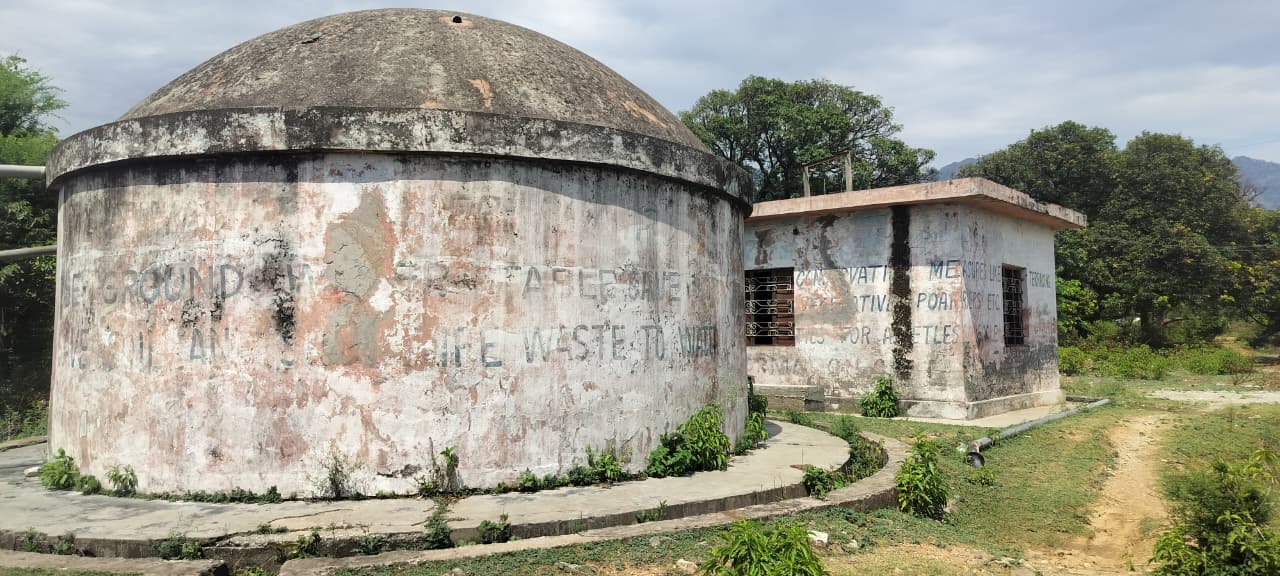
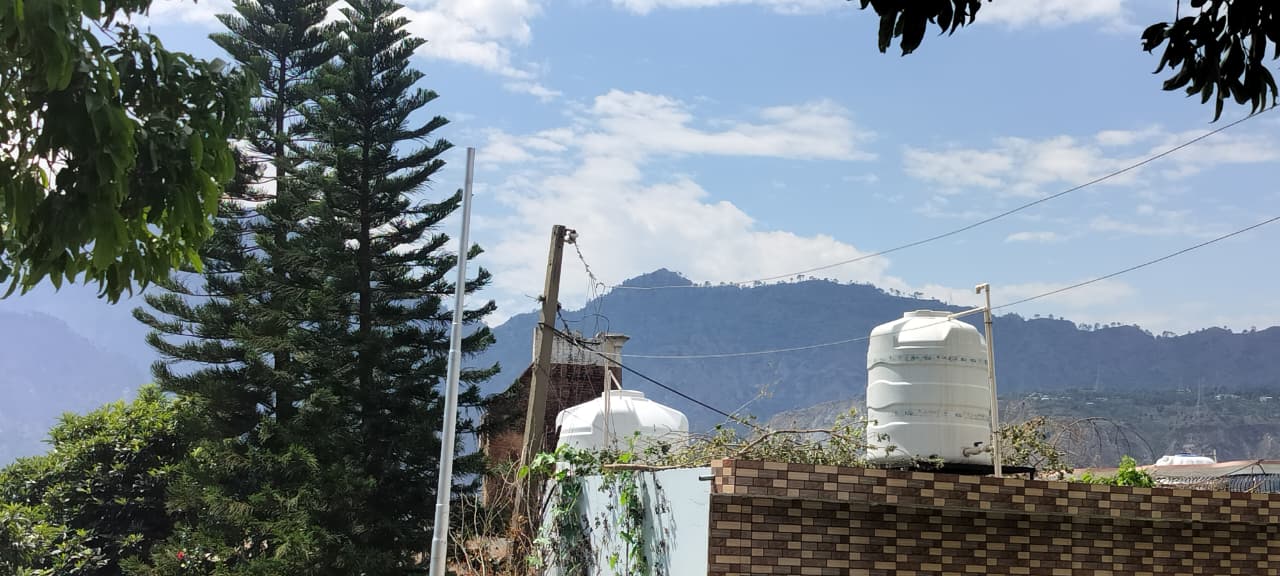
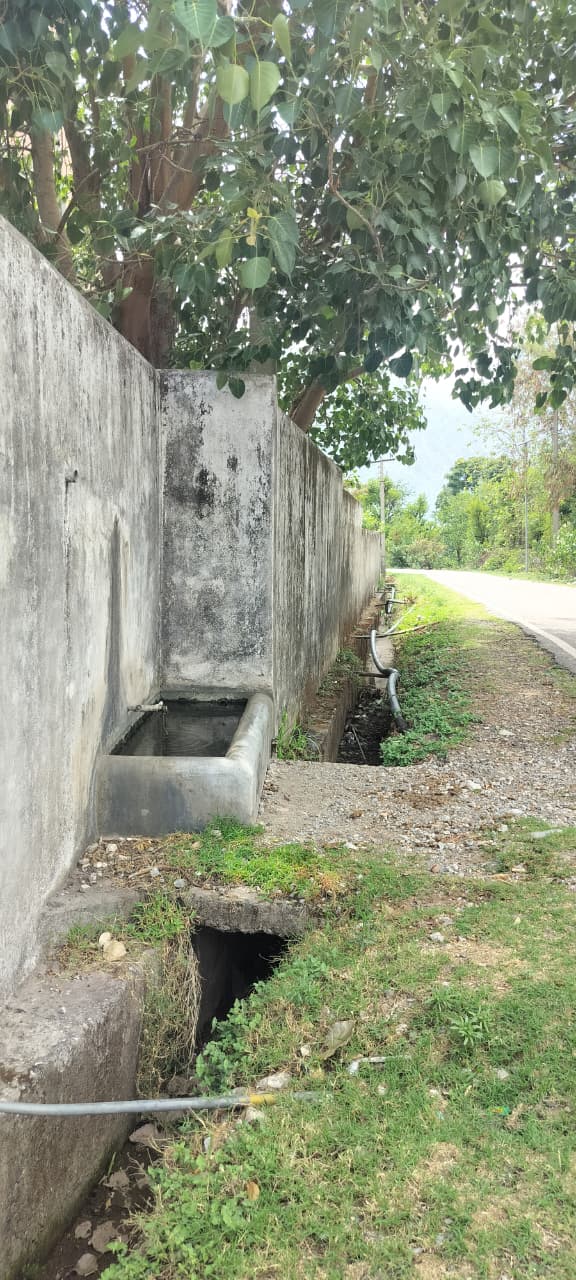
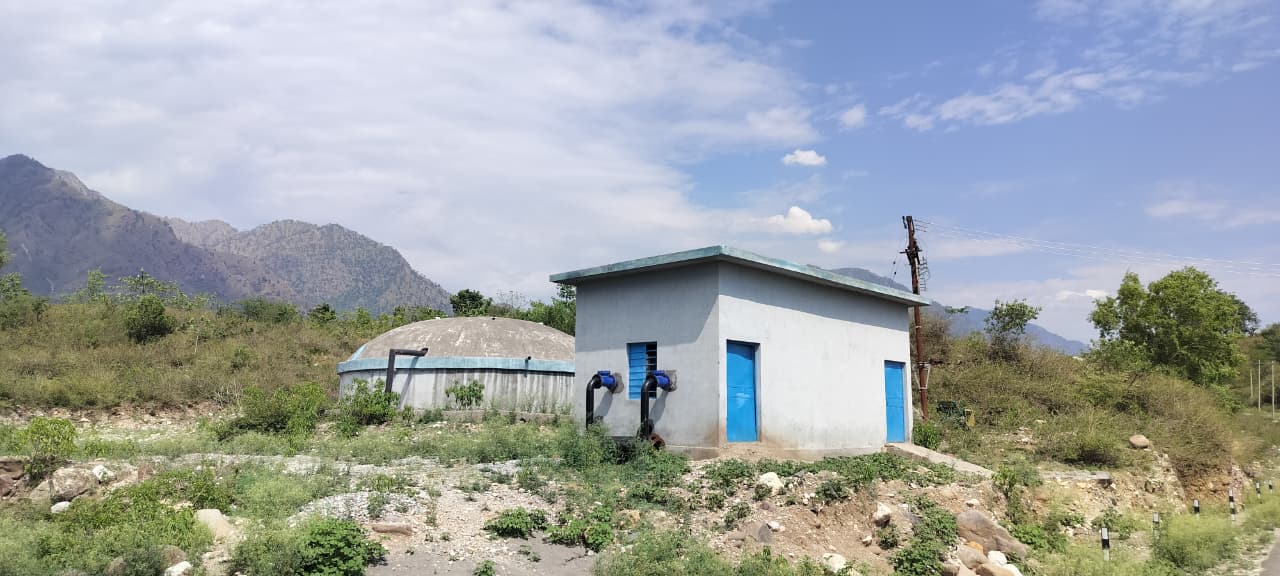
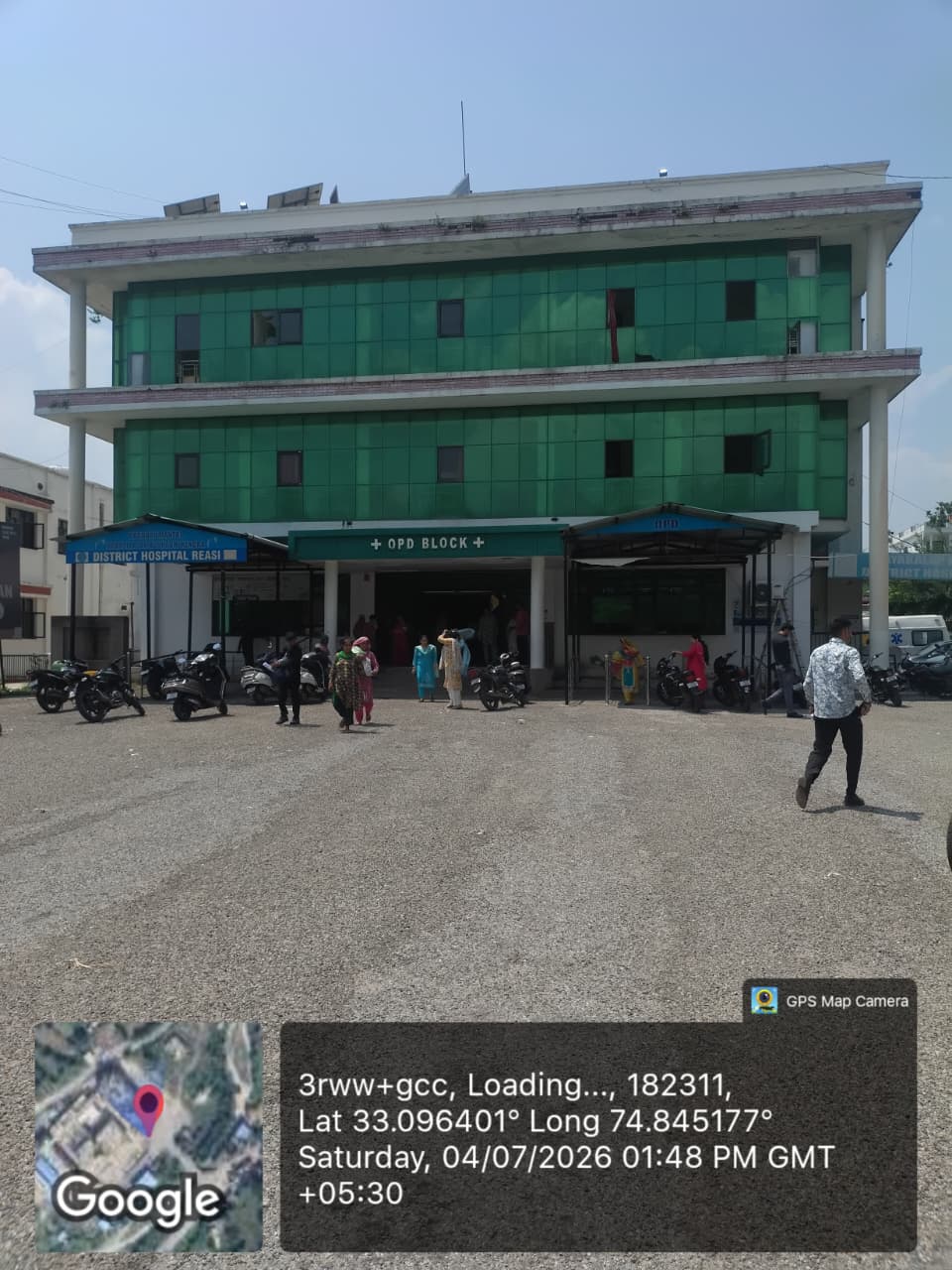
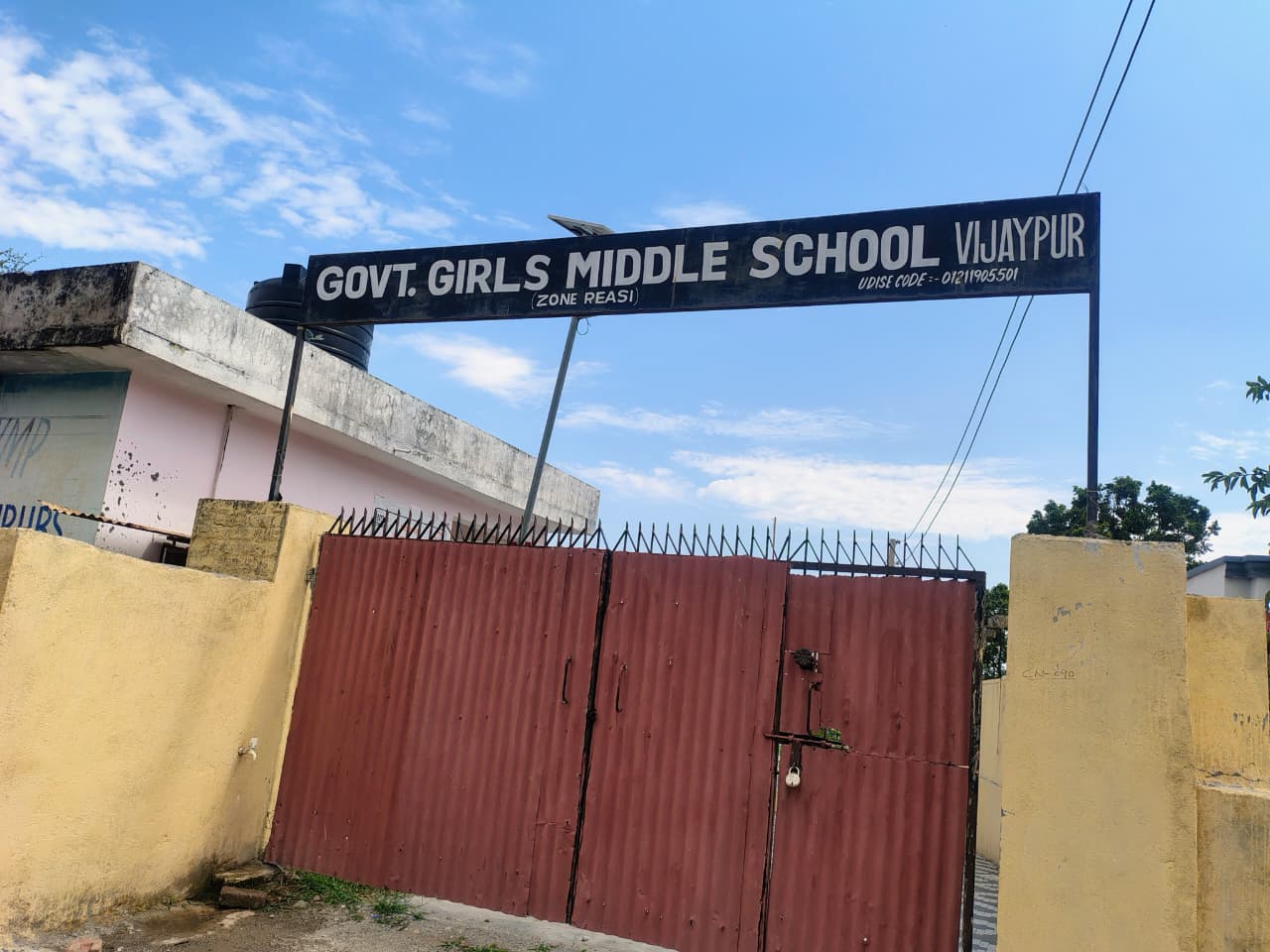
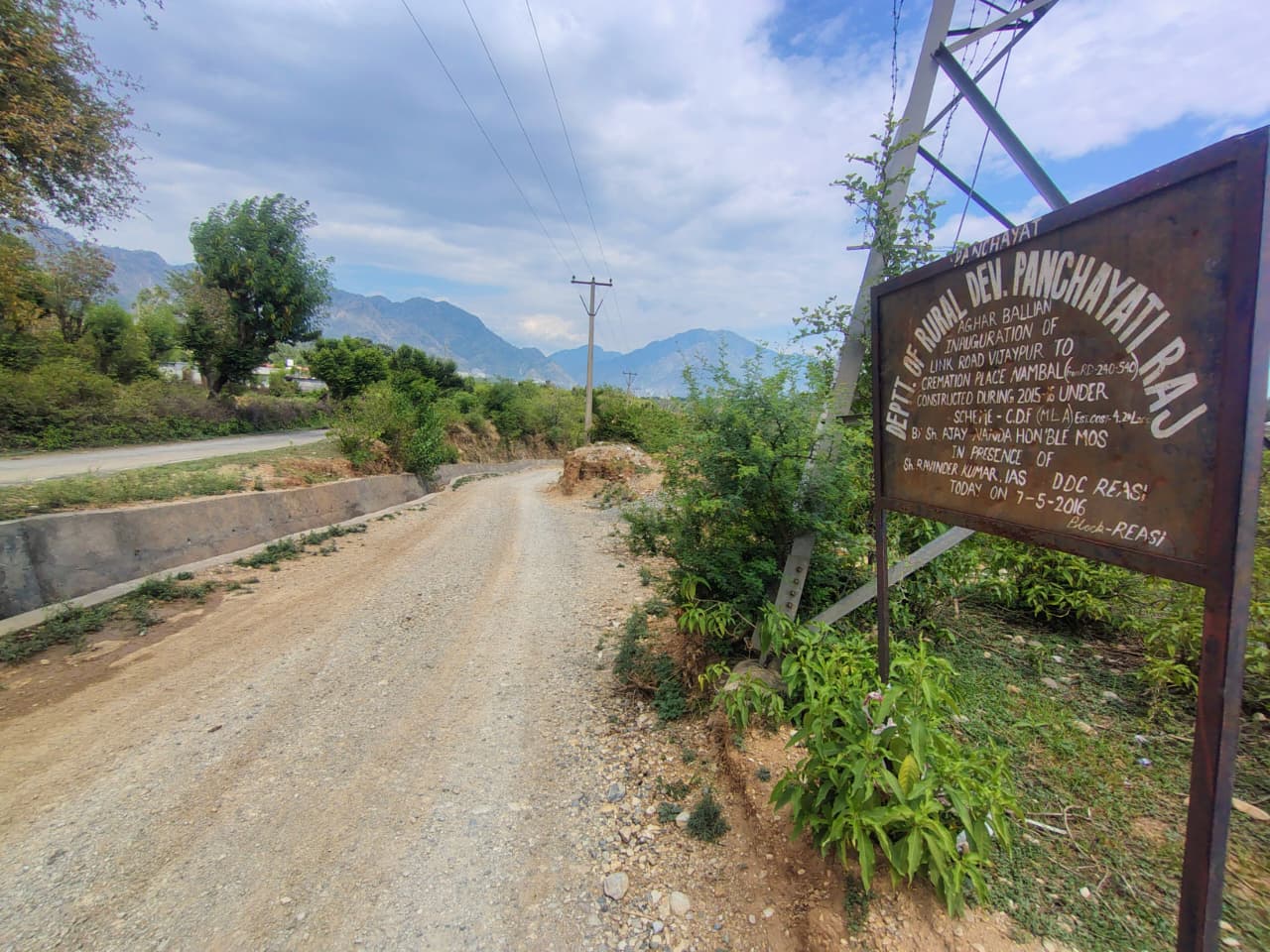
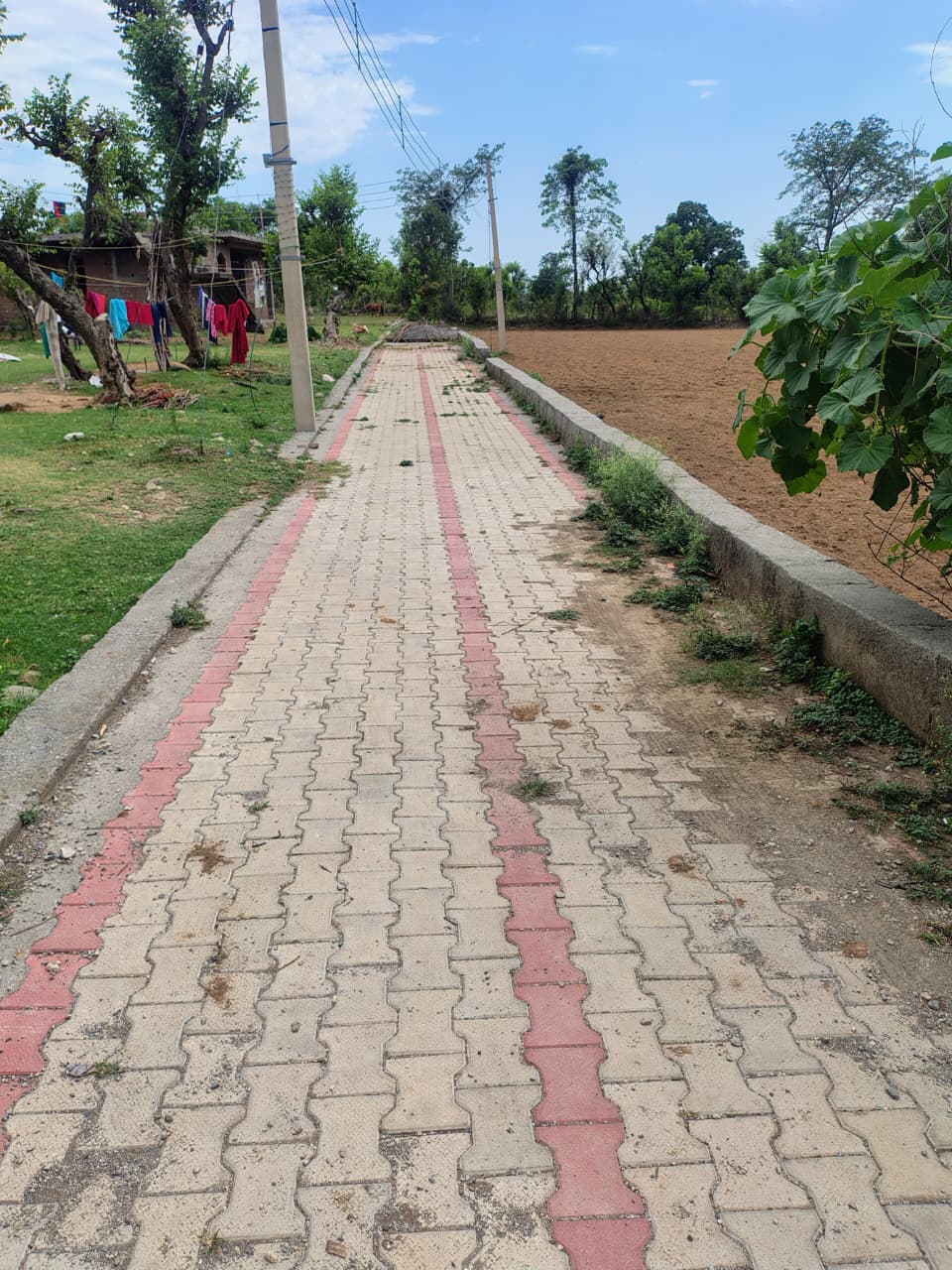
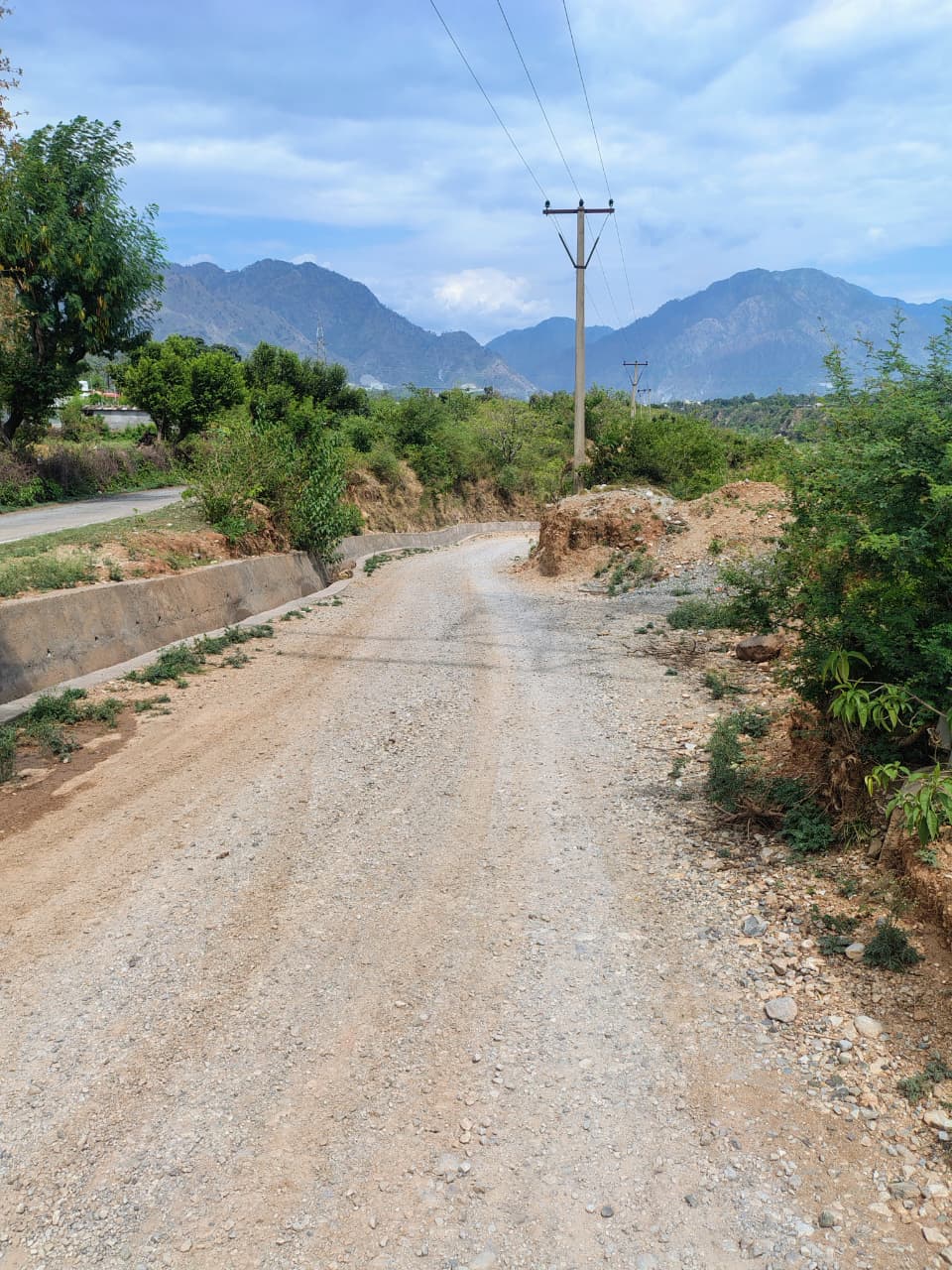
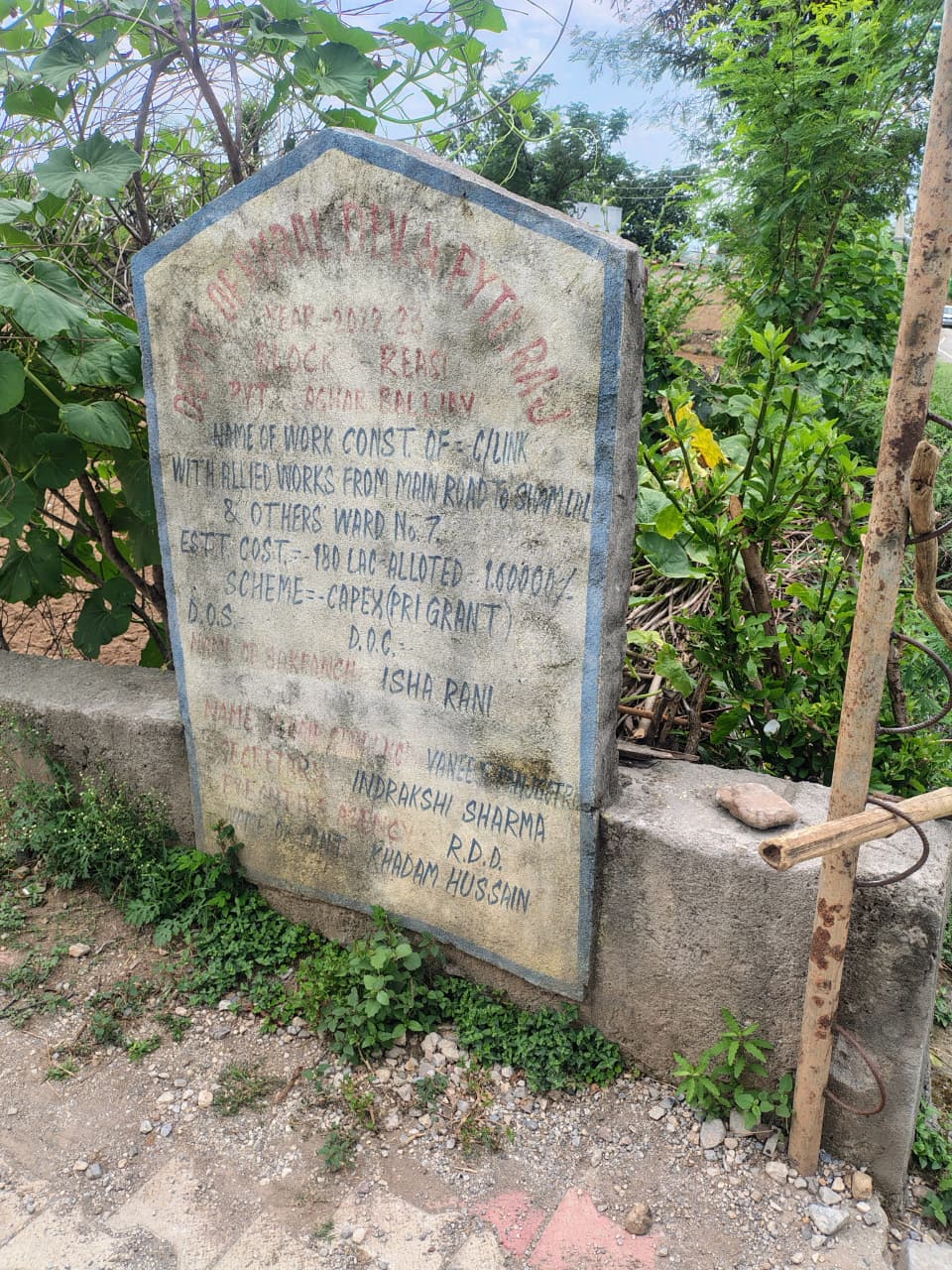
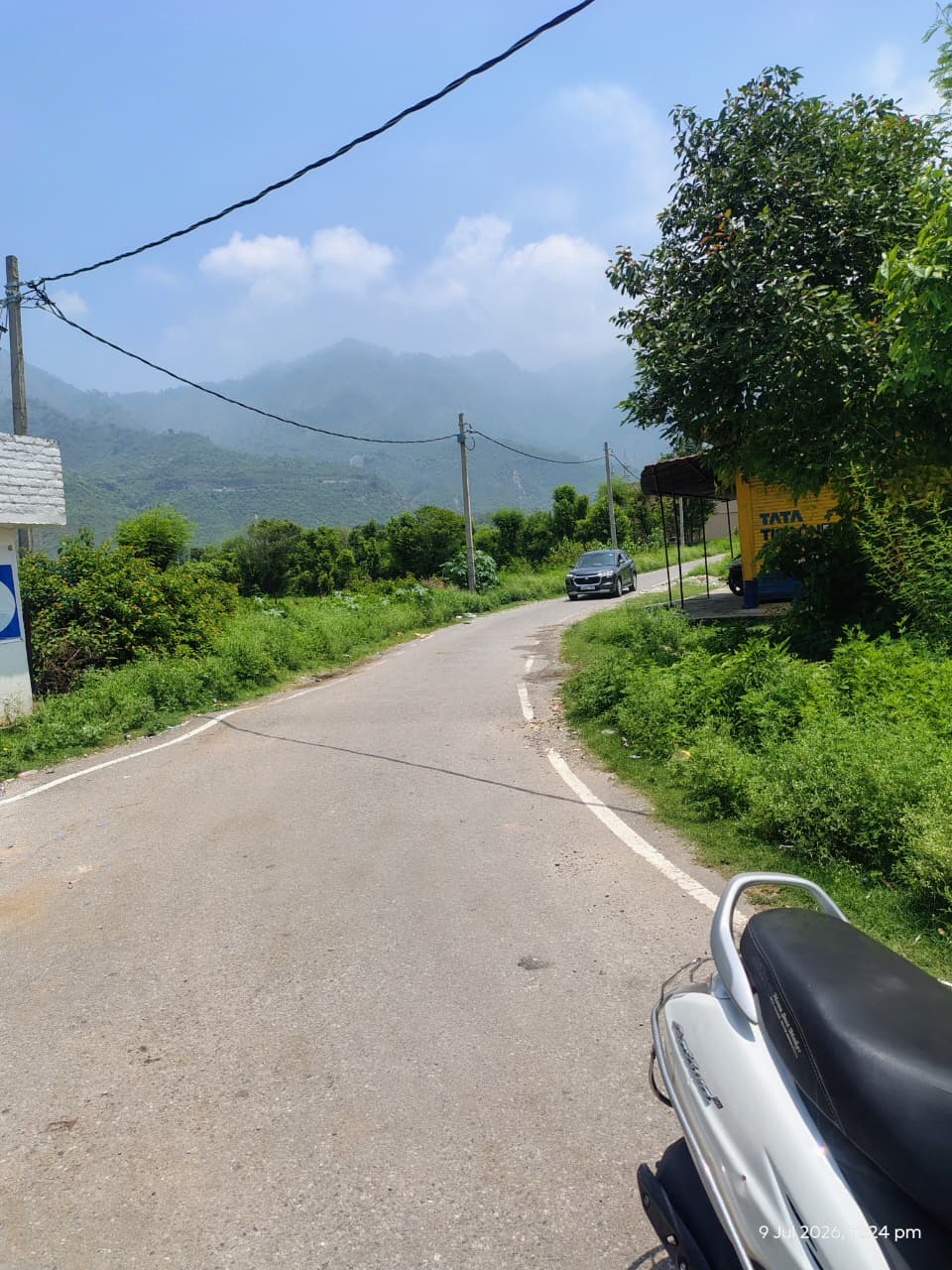
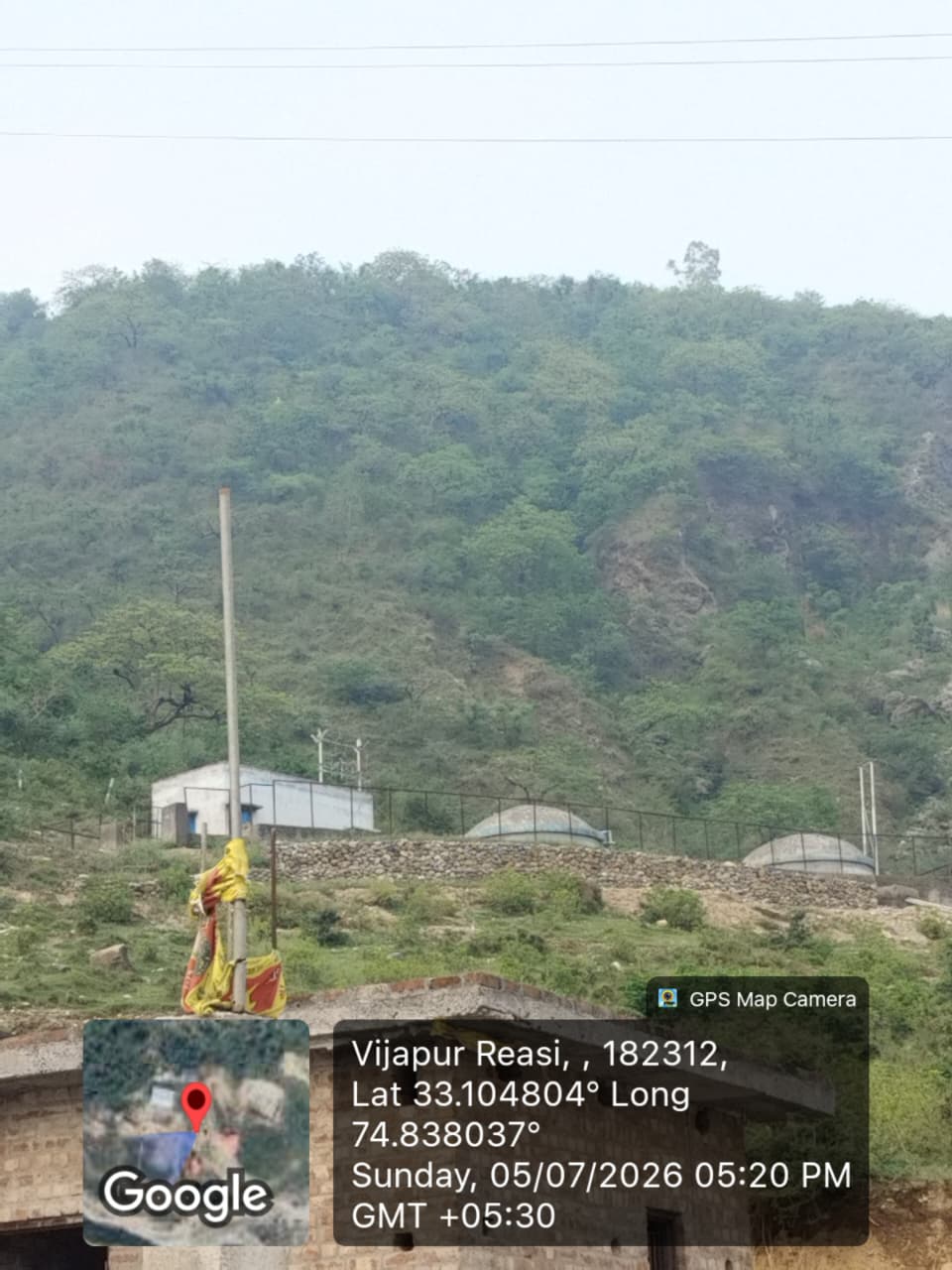
Change is also visible in the village's basic infrastructure. Tap water connections under the Jal Jeevan Mission, water storage facilities, solar lights, regular electricity, road connectivity, and access to mobile internet have become part of everyday life. Primary-level government schooling is available within the village, while residents rely onnearby Reasi for higher education and major healthcare services.
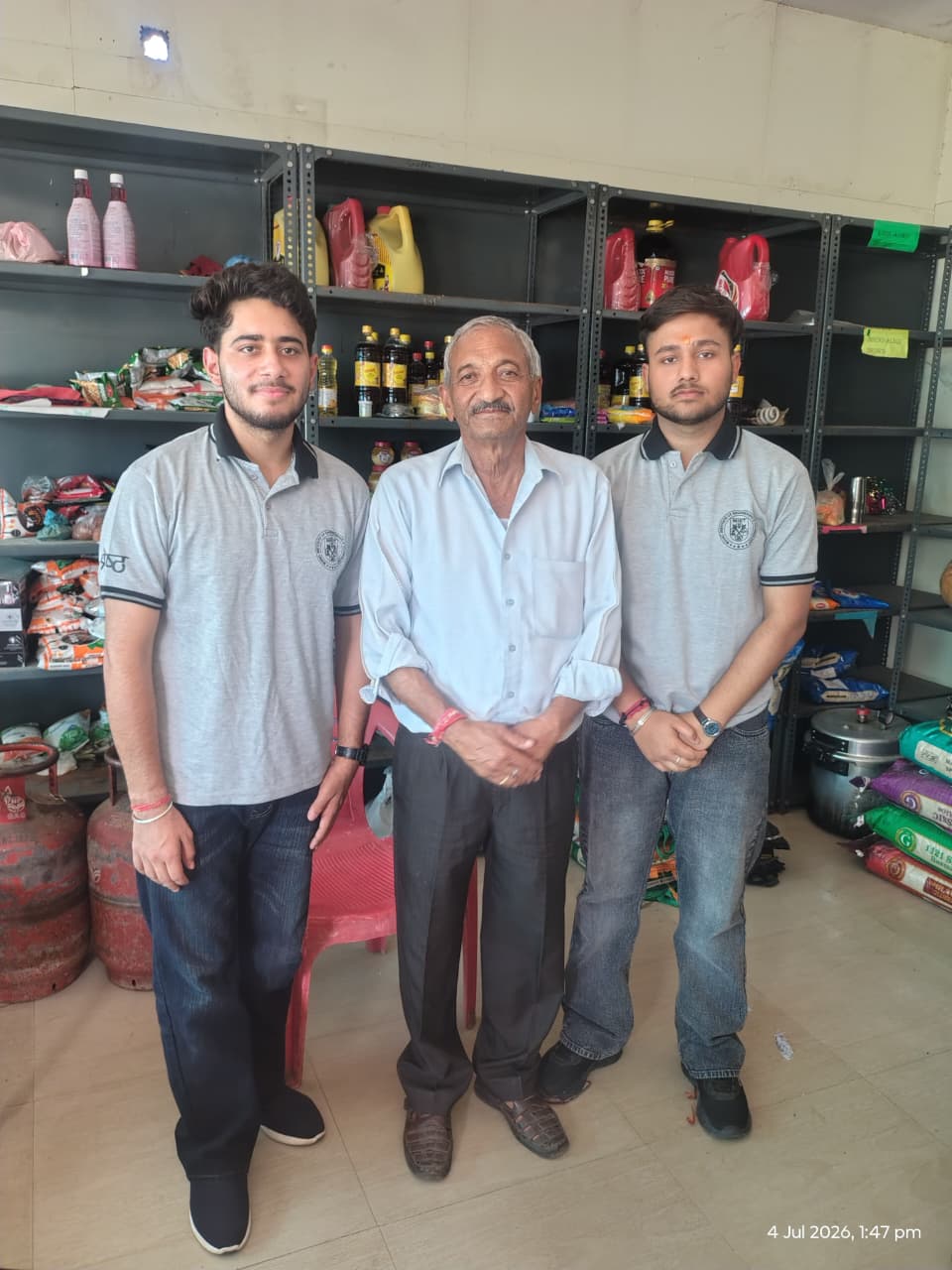
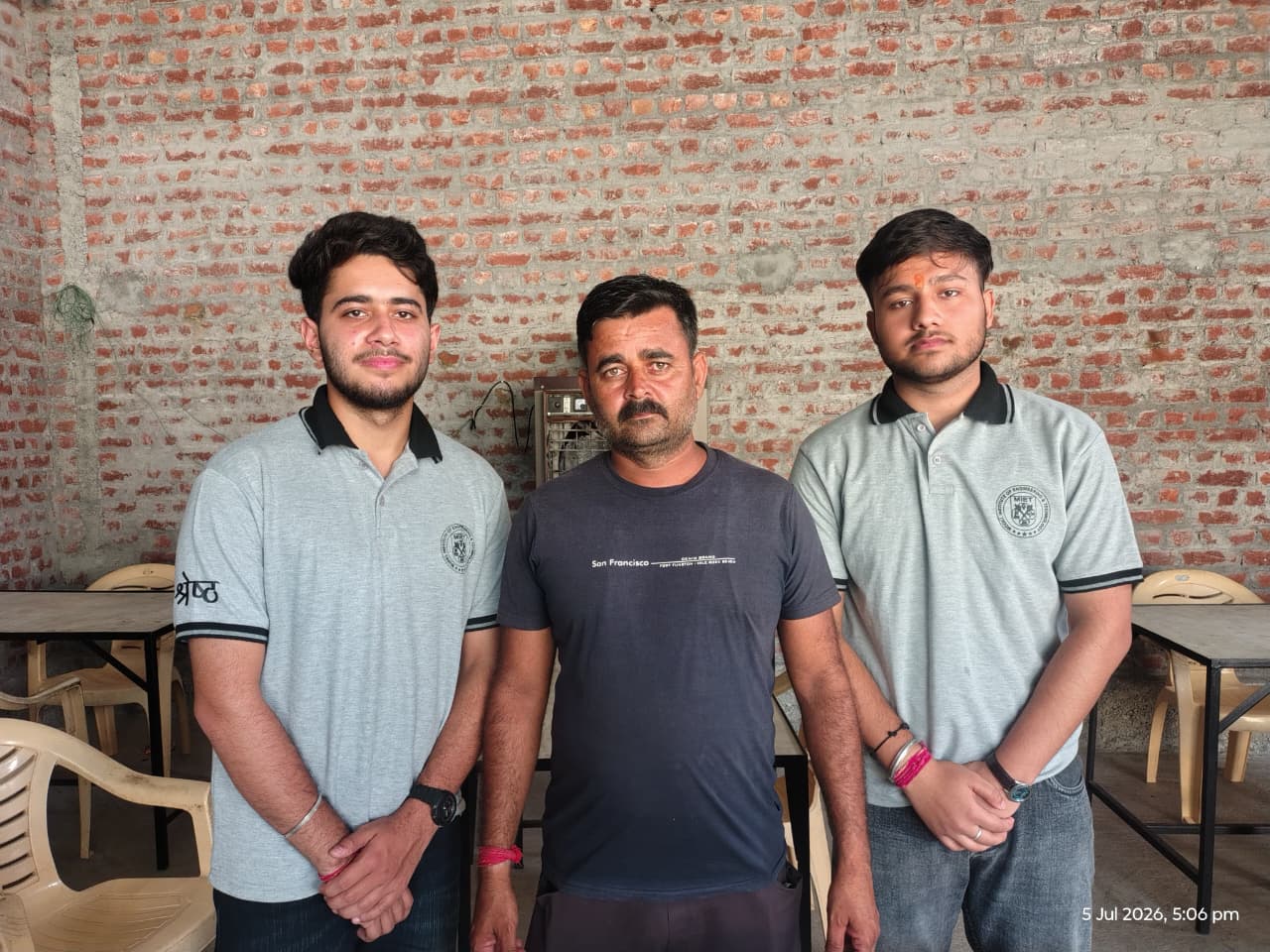
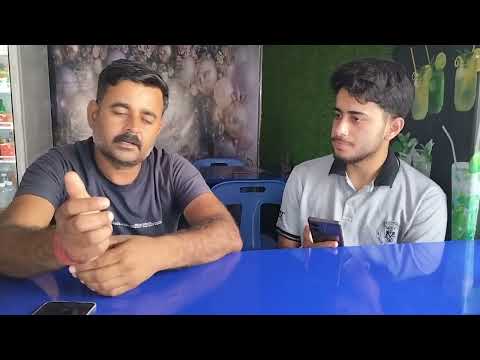
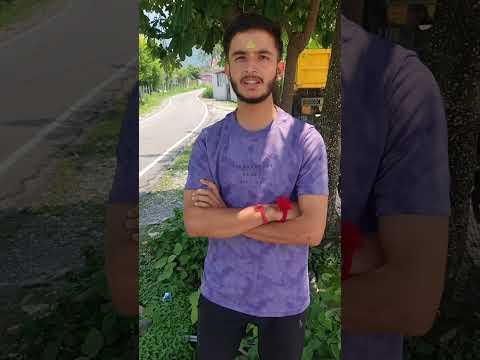
Some of the most meaningful parts of our field visit came not from observing places, but from listening to people. We spoke with the Village Sarpanch, a local youth, and a member of General Zorawar Singh Ji's family. Each conversation helped us understand a different aspect of Vijaypur: its community and development, the experiences of its younger generation, and the oral history preserved through local memory.
Together, these conversations gave context to the landmarks we had seen and depth to the information we had collected. They reminded us that a village cannot be understood through data alone; its story also lives in the experiences and memories of the people who call it home.
Community and Culture
Beyond its historic sites, Vijaypur moves at the rhythm of everyday village life. Dogri is commonly spoken, fields and greenery shape the surroundings, and regional favourites such as Ambal, Rajma-Chawal, Kaladi, and Makki ki Roti with Sarson ka Saag reflect the wider food culture of the region.
Music is another part of this cultural landscape. Anjusha Sharma, associated with the village, performs Dogri, Punjabi, and Hindi songs, while brothers Raju Vijaypuria and Kumar Ravi are known for devotional Mata Bhaians and performances at religious and cultural events across Jammu & Kashmir.
For the younger generation, Cricket and Kabaddi remain especially popular. Vijaypur does not have a dedicated sports ground, so children and youth often make use of open spaces or travel to the General Zorawar Singh Sports Stadium in nearby Reasi. Festivals, religious gatherings, and community events create further spaces for people to meet and stay connected.
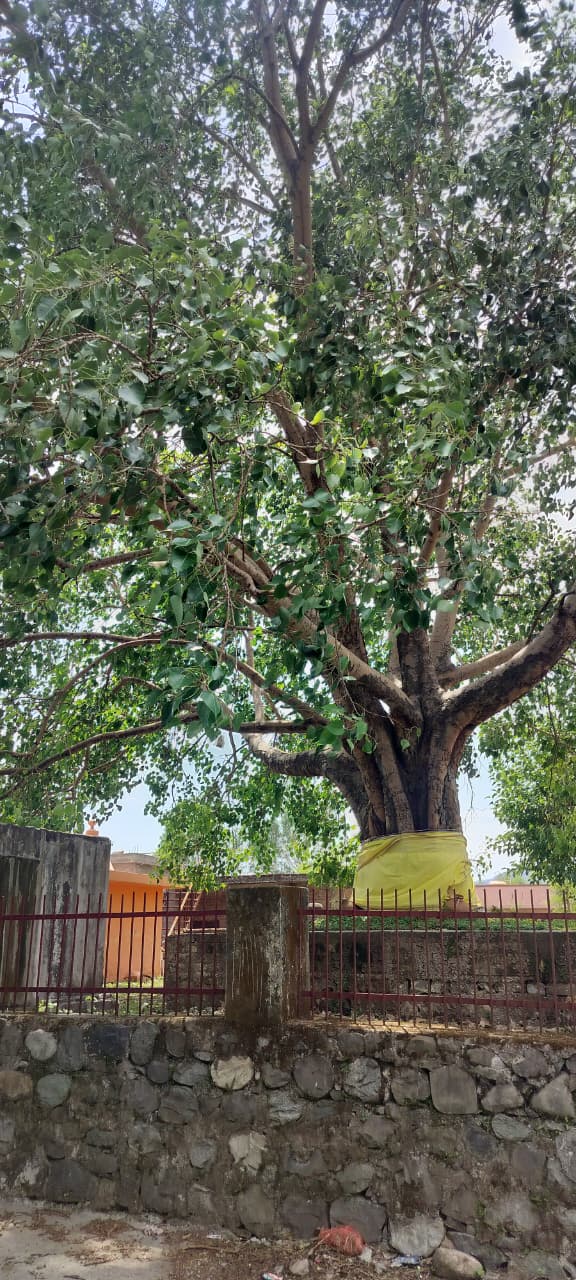
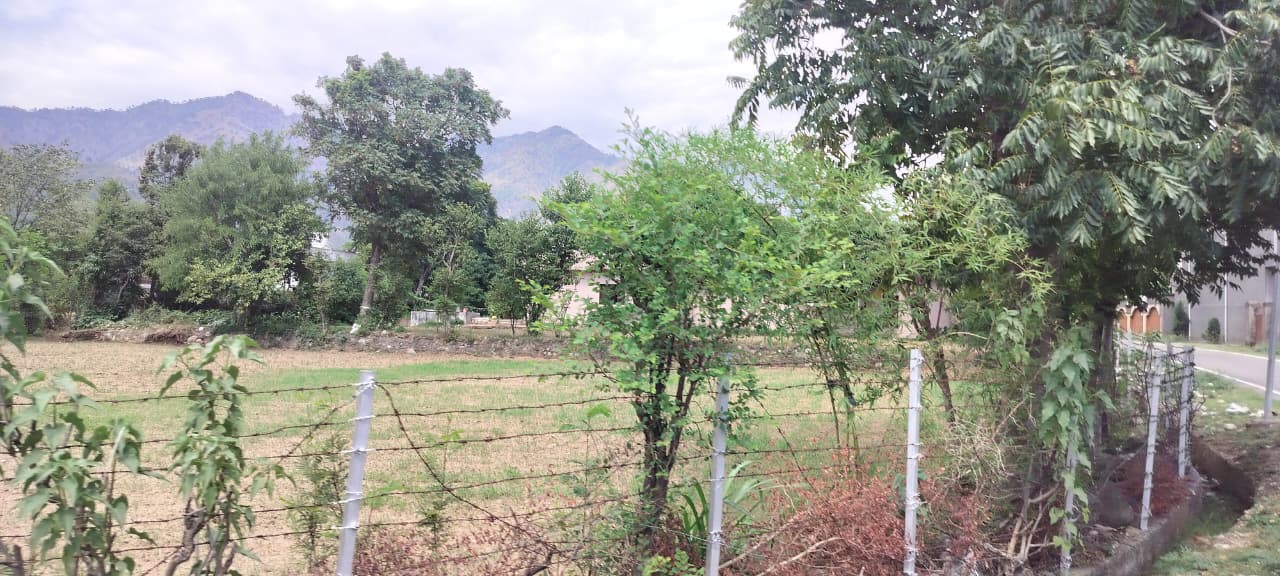
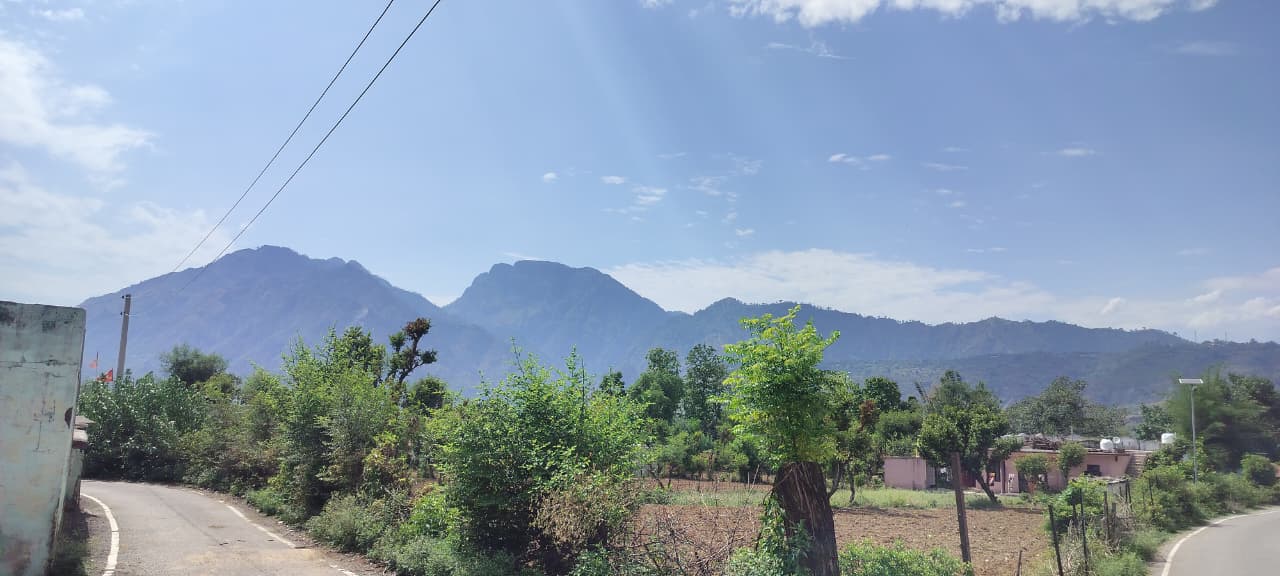
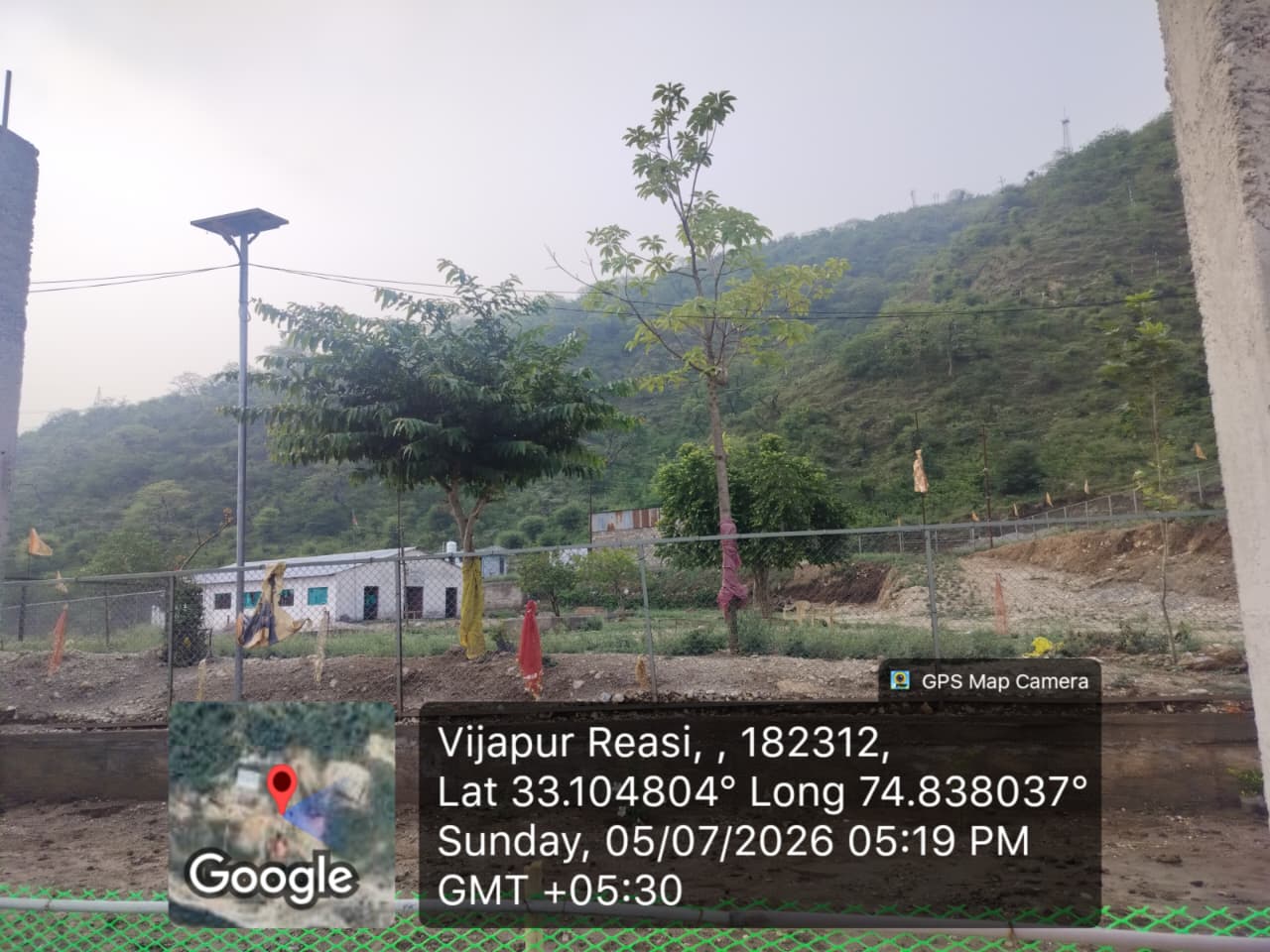
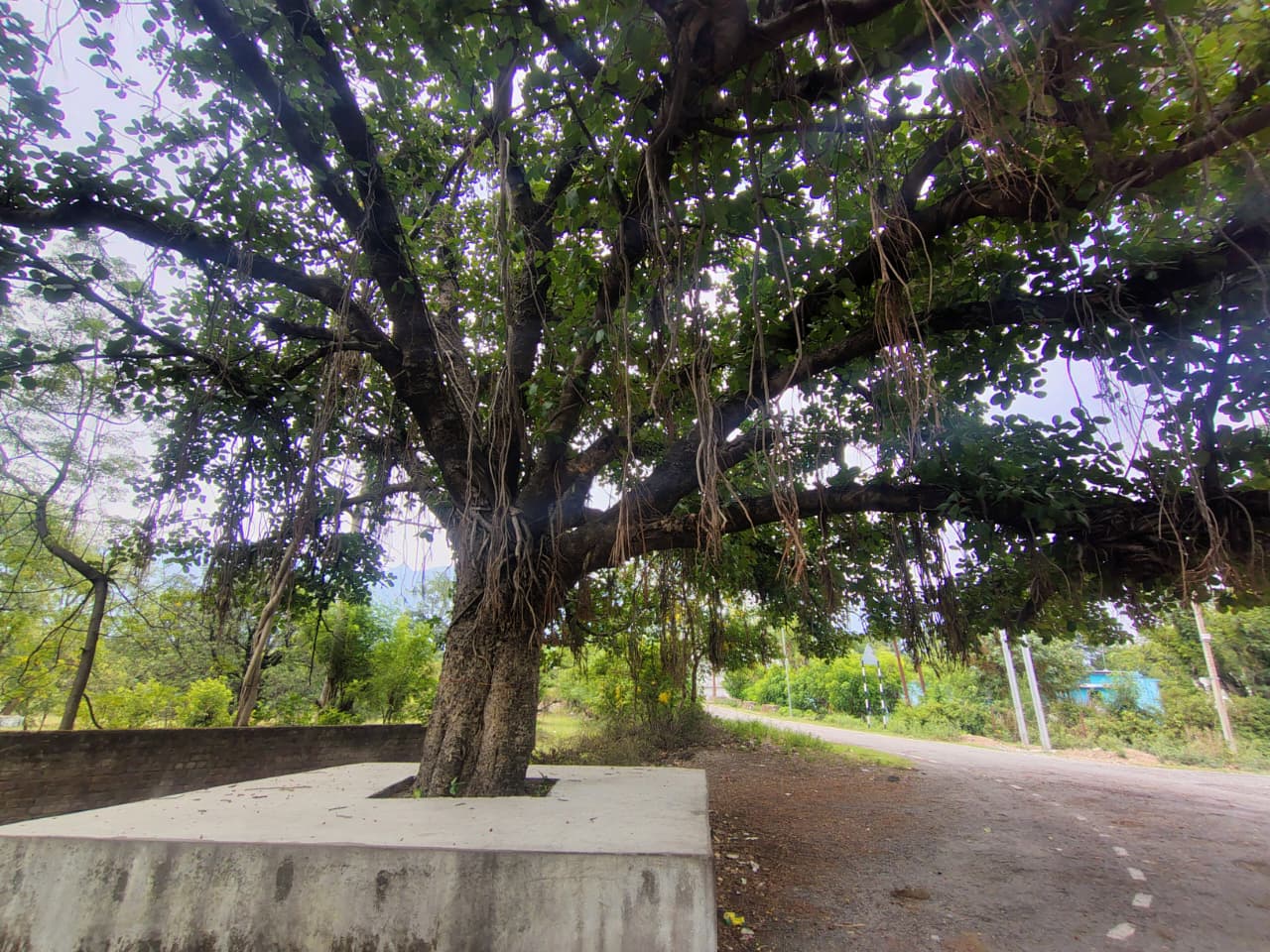
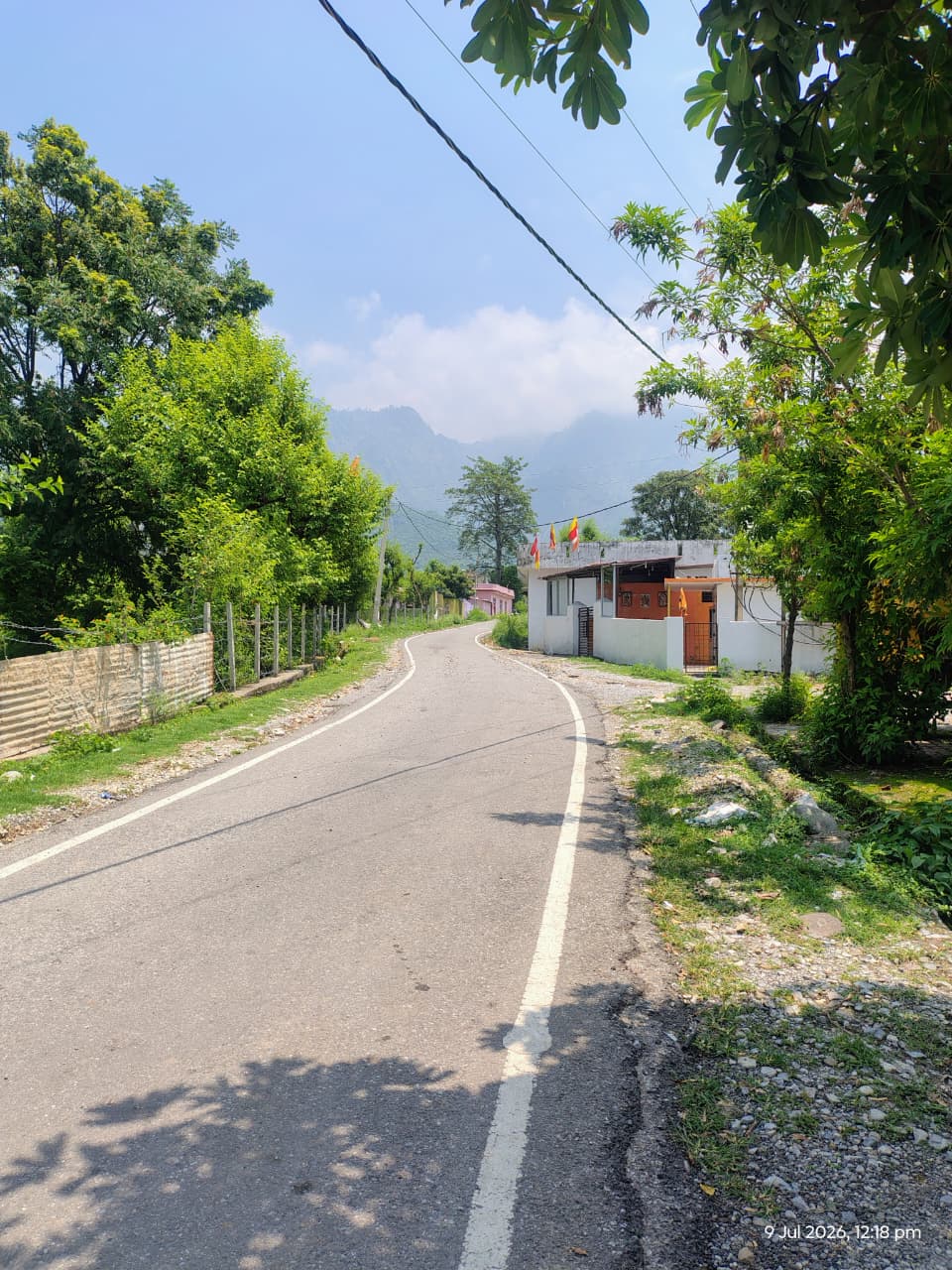
Away from these everyday activities, agricultural fields and natural greenery give Vijaypur a quieter character. Maize is commonly cultivated, while Bael, Dhatura, Peepal, Neem, seasonal flowers, birds, squirrels, and monkeys form part of the familiar landscape. During our field visit, these surroundings showed us another side of Vijaypur: one found not in its historic landmarks, but in the ordinary landscape of village life.
Discover Vijaypur
For visitors, Vijaypur offers its richest experience when the village's traditions are active. The months around August to October bring the annual Baba Balaknath Bhandara and the Ram Leela season before Dussehra, while the cooler months are pleasant for exploring the village's heritage sites and peaceful surroundings.
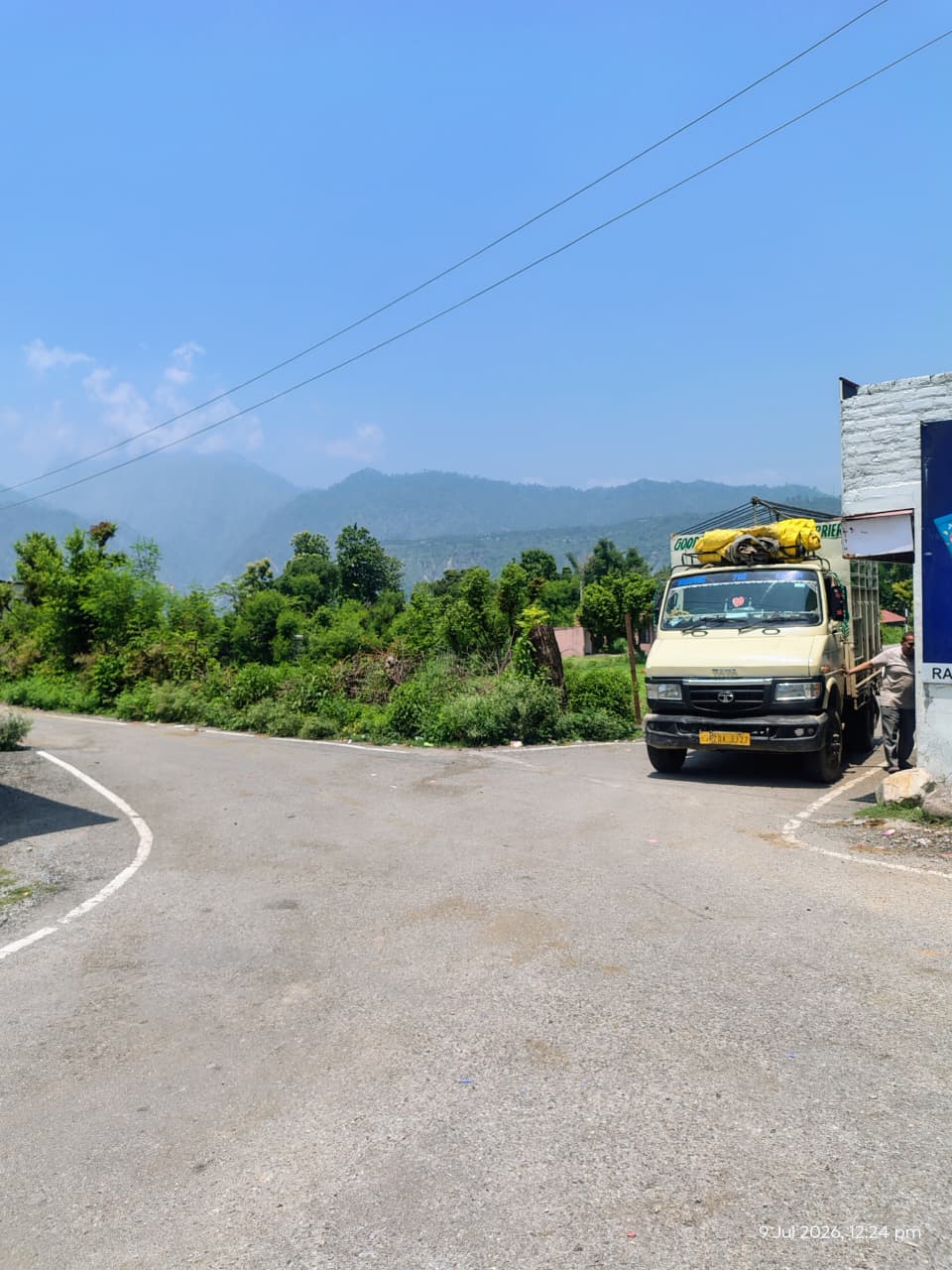
Located close to Reasi town, Vijaypur is easily accessible by road through private vehicles and local auto-rickshaws. There are no official guided tours, but perhaps the most meaningful way to understand the village is to walk through its landmarks and listen to the people who know their stories. For accommodation and wider visitor facilities, nearby Reasi serves as the convenient base.
Visitors who take the time to explore Vijaypur can experience more than its historical landmarks. The village offers an opportunity to observe local traditions, interact with residents, and appreciate the connection between its history, culture, and everyday life. This combination of heritage and community makes a visit to Vijaypur both informative and memorable.
More Than a Point on the Map
Our visit to Vijaypur began as a community project, but the purpose soon became much clearer: to understand a village by stepping into its everyday life, listening to its people, and documenting the stories, traditions, and changes that might otherwise remain unseen. Through field observations, conversations, photographs, video testimonies, and a documentary, we have tried to present Vijaypur not simply as a location but as a living community with a story of its own.
This project also reminded us that a village's identity is shaped not only by its historical sites but also by the people who preserve its traditions and pass their stories from one generation to the next. Through this documentation, we hope to contribute, in a small way, to preserving Vijaypur's heritage and sharing its story with others. More importantly, our field visit taught us that Vijaypur is not simply a place on the map, but a community where history continues to live through its people.
Photos
Videos

Location Map
Contact Information
| Address |
Vijaypur Village, Gram Panchayat Aghar Ballian, Tehsil Reasi, District Reasi, Jammu & Kashmir - 182311 |
| Phone Number |
9622062285 |
| Email Address |
Reviews (8)


Vijaypur is a well-maintained village with a unique blend of history, culture, and community life. It was interesting to learn about its heritage.
The information about General Zorawar Singh Ji and the village's history made Vijaypur more interesting to me. It would be nice to visit someday.
Nice village with a well maintained environment. Interesting to learn about it
Amazing Work Mates❤️
Great village must visit

Great work
The website gives a nice, simple look at the village and makes it easy to learn about its culture and surroundings.


I liked how Vijaypur preserves its history while also developing with modern facilities. It seems like a welcoming and culturally rich village