
Description
Introduction to Sailanwali
Sailanwali is a rural settlement in Jammu district, Jammu & Kashmir, identified by pincode 181204. Nestled in the foothills of the Shivaliks near the Chenab River, it reflects the Dogra cultural heritage and traditions of the region. The village is predominantly agrarian, with modest urbanization and a population of only a few thousand. Its proximity to historic sites like Akhnoor Fort, religious landmarks such as Vaishno Devi Temple, and the Line of Control (LoC).
Population & Urbanization
-
This small rural settlement in Jammu district has a population of only a few thousand, with Census 2011 data for villages in the area showing figures typically between 2,000 and 5,000. The community is predominantly rural, where agriculture and pastoral activities form the backbone of livelihood. Urbanization remains minimal, and the settlement retains a traditional village character with limited modern infrastructure. The nearest urban centers are Akhnoor and Jammu city, which serve as hubs for trade, services, and connectivity. Overall, the settlement reflects the agrarian lifestyle and close-knit social fabric typical of rural Jammu.
-
Cultural Heritage
- This settlement forms part of the Dogra cultural belt, known for its rich traditions in folk music, dance forms such as Rouf, and pastoral crafts that reflect the community’s heritage. The population is composed of Dogra Hindus, Muslims, and Sikhs, whose coexistence contributes to a diverse and harmonious cultural fabric. Local artisans sustain age-old practices, producing wool products, wooden crafts, and traditional embroidery that embody the region’s craftsmanship. Together, these cultural expressions highlight the settlement’s vibrant identity, where everyday life is deeply intertwined with artistic traditions and communal diversity, preserving the essence of Dogra heritage in rural Jammu
Historical Account
-
The Jammu region was historically under Dogra rule before being integrated into the larger state of Jammu and Kashmir. Villages such as Sailanwali were primarily agrarian settlements that played a vital role in supporting the Dogra kingdom through farming and pastoral activities. Following India’s independence, the area experienced significant changes, particularly due to its proximity to the Line of Control (LoC), which has brought episodes of border-related tensions and security challenges. Despite these pressures, the settlement continues to reflect its agrarian roots and historical legacy, while adapting to the realities of its strategic location in the Jammu district.
Temples & Tourist Places
-
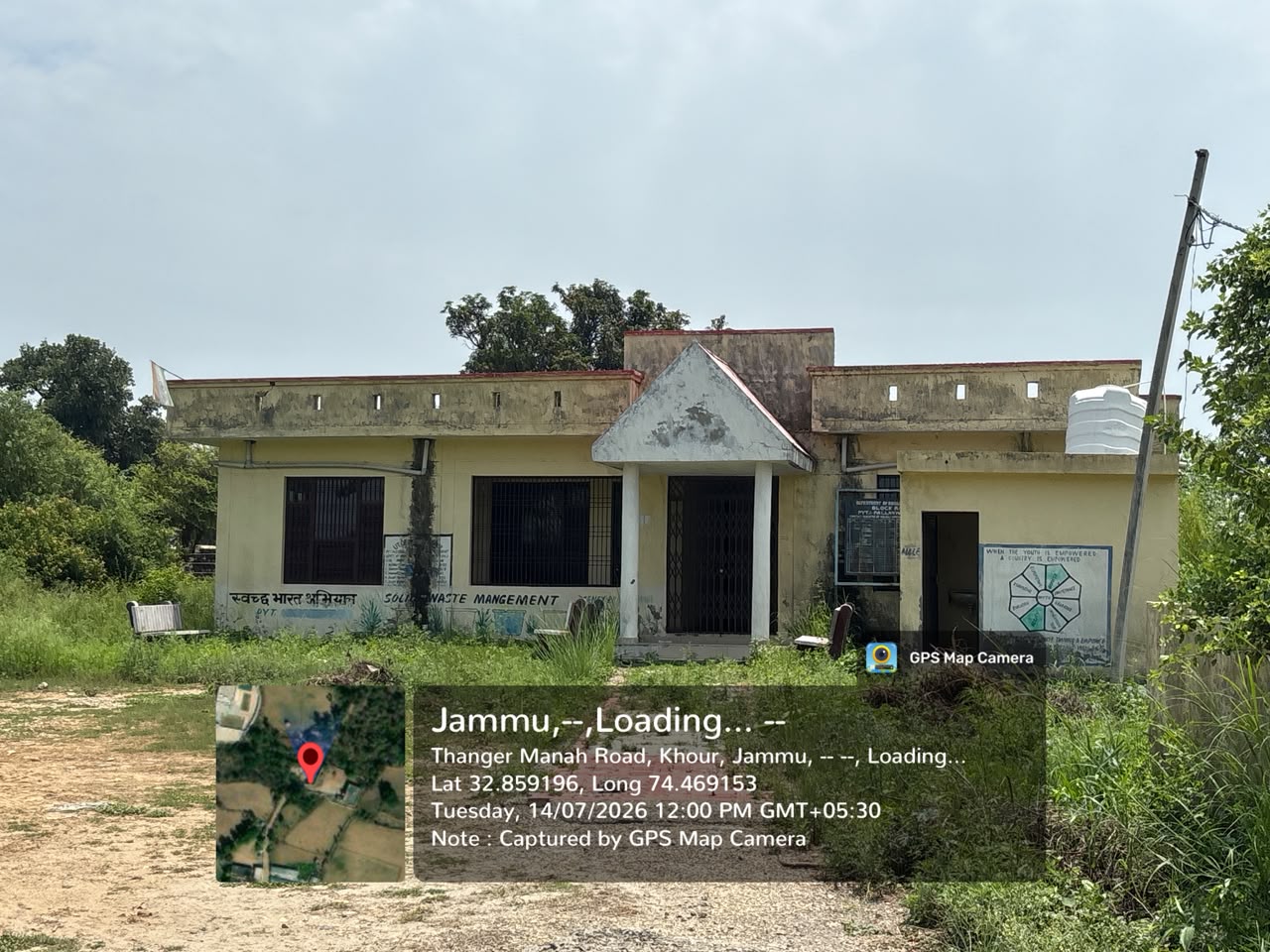
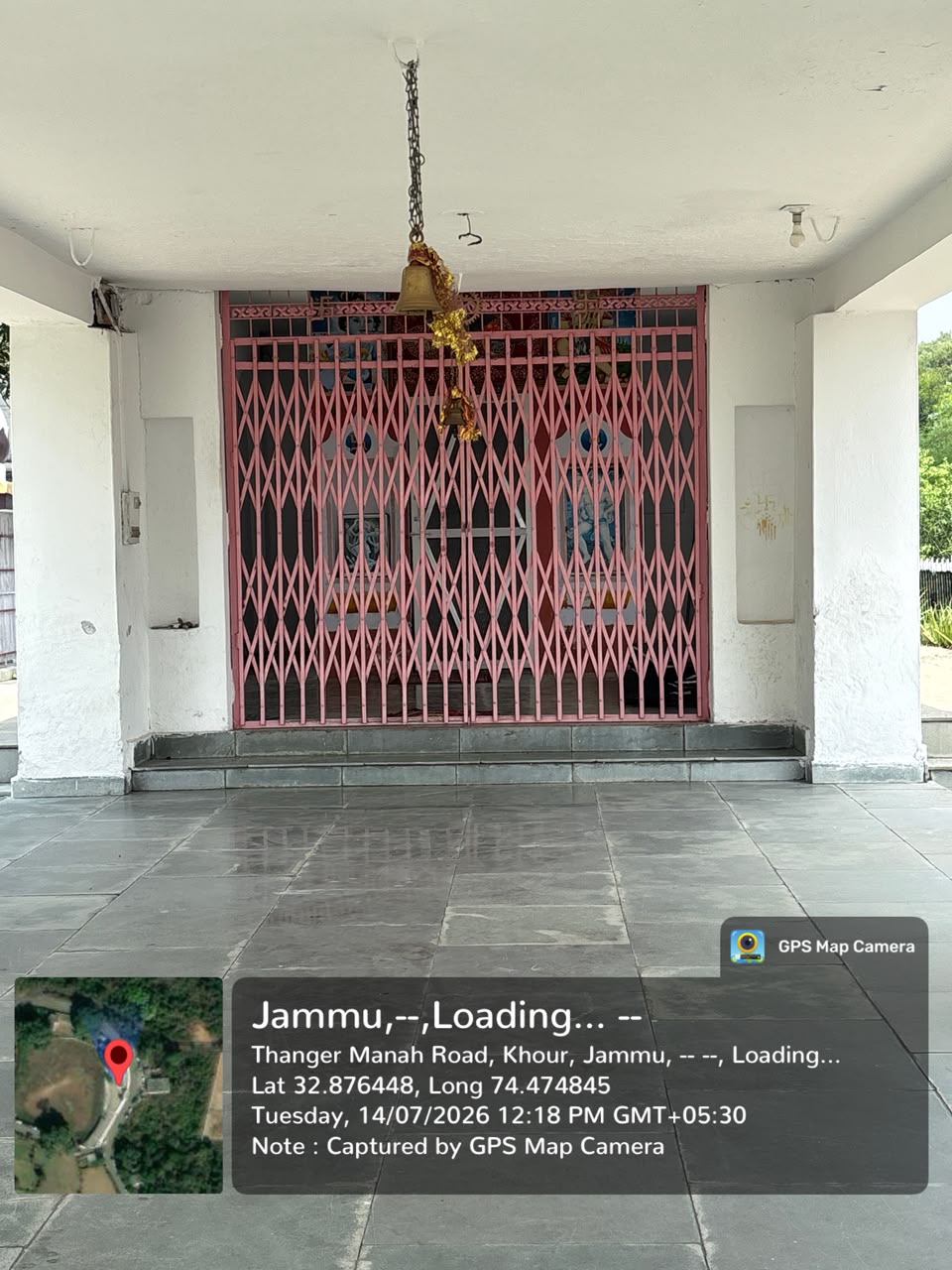
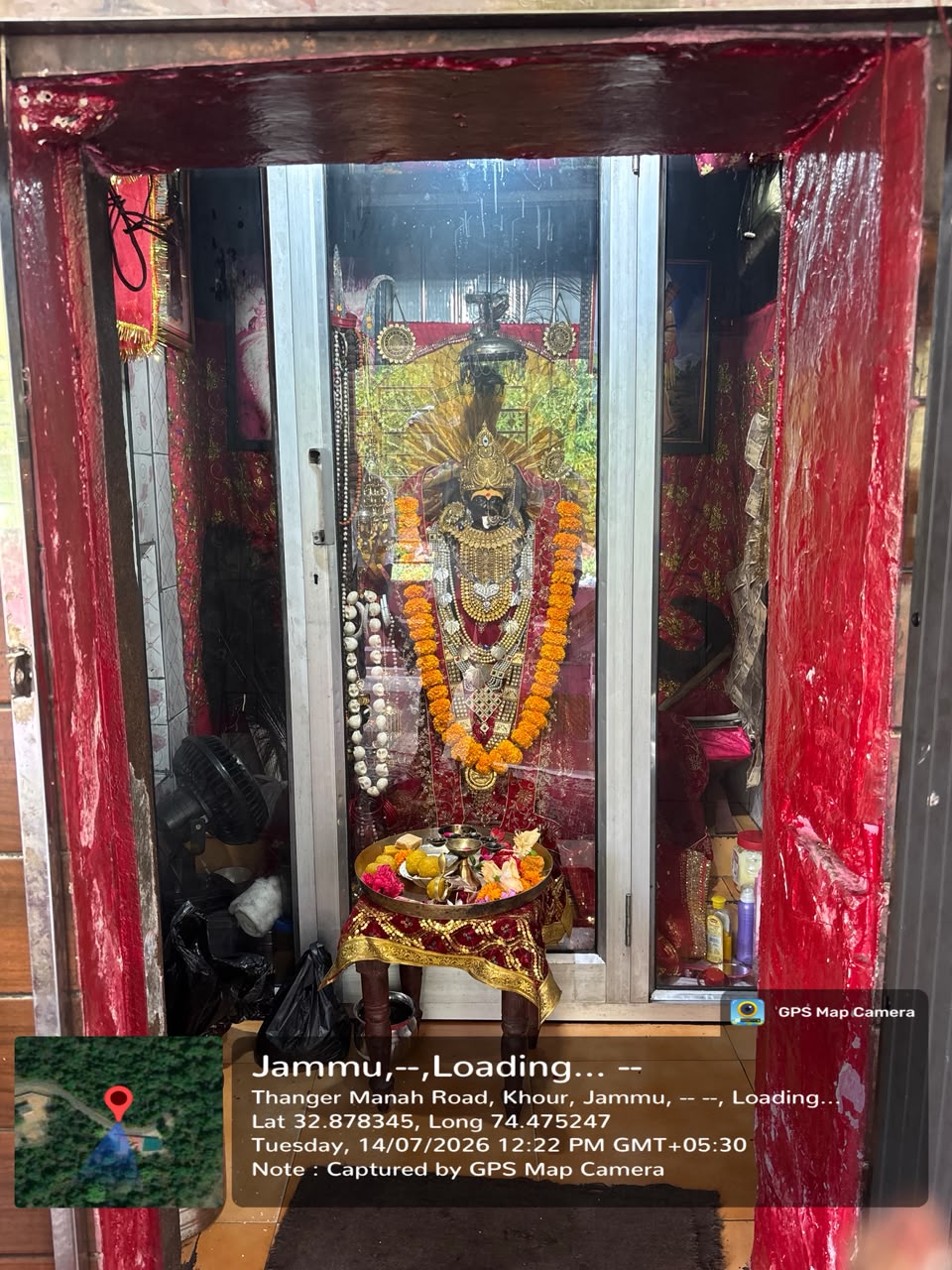
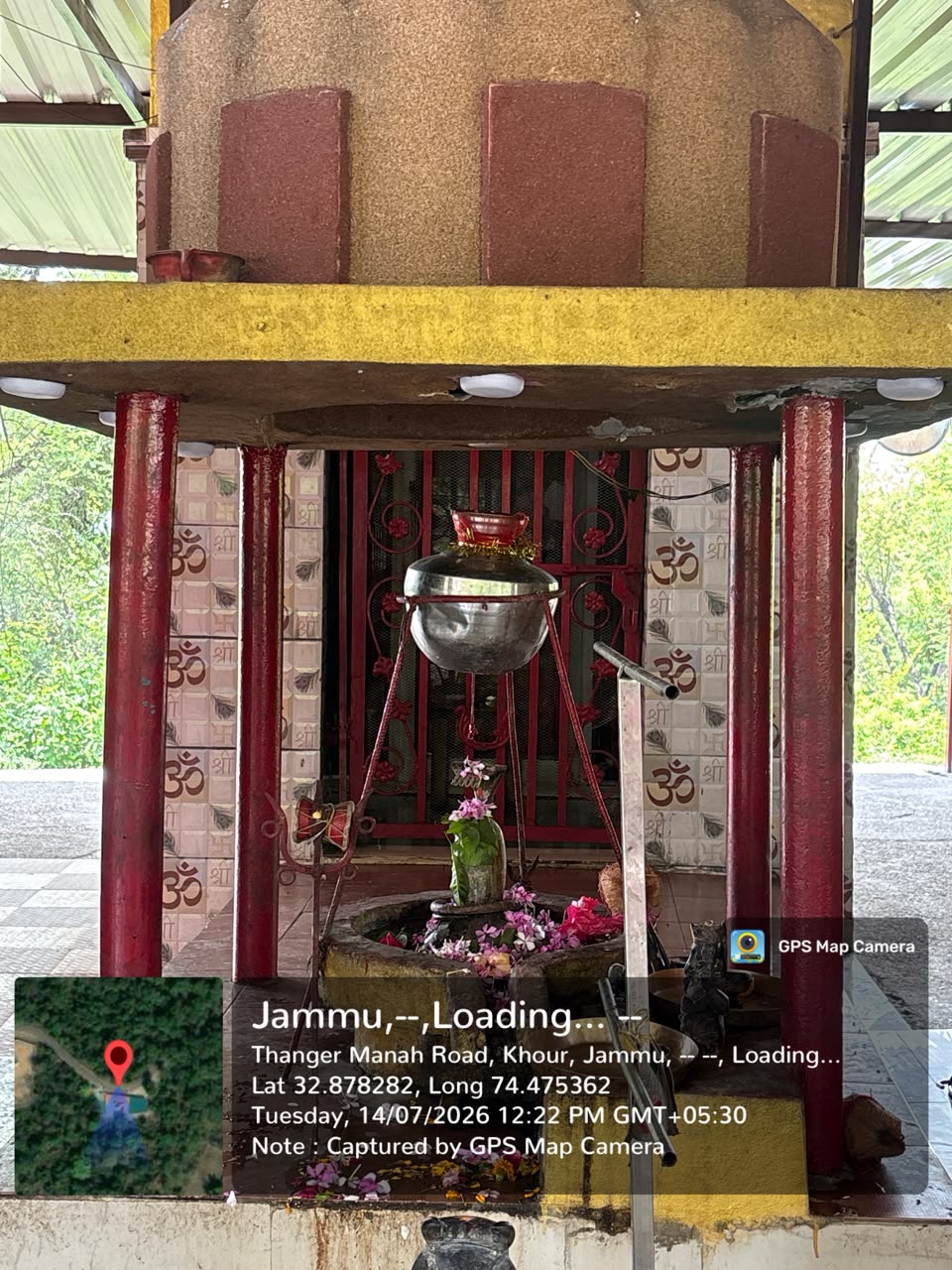
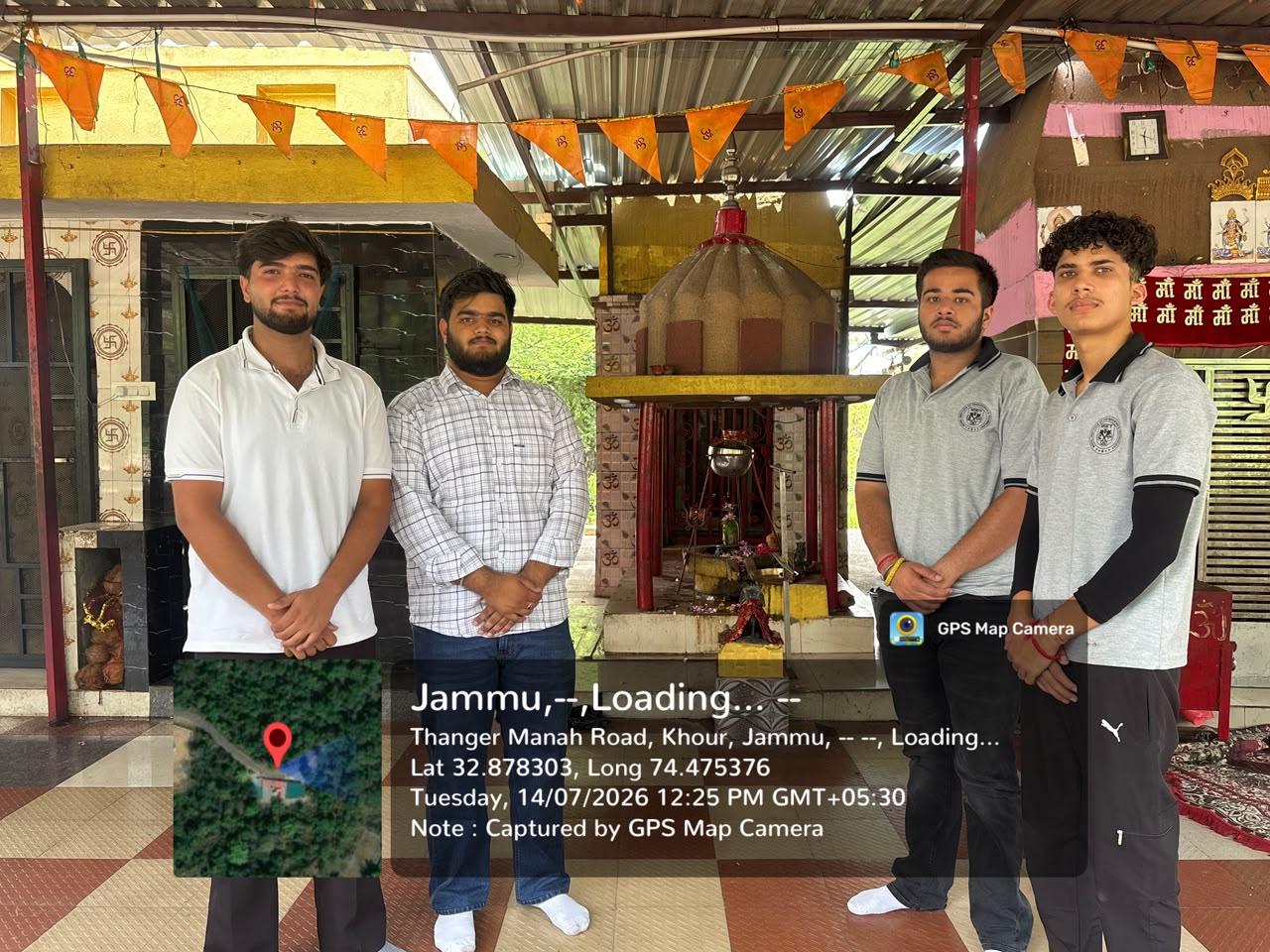
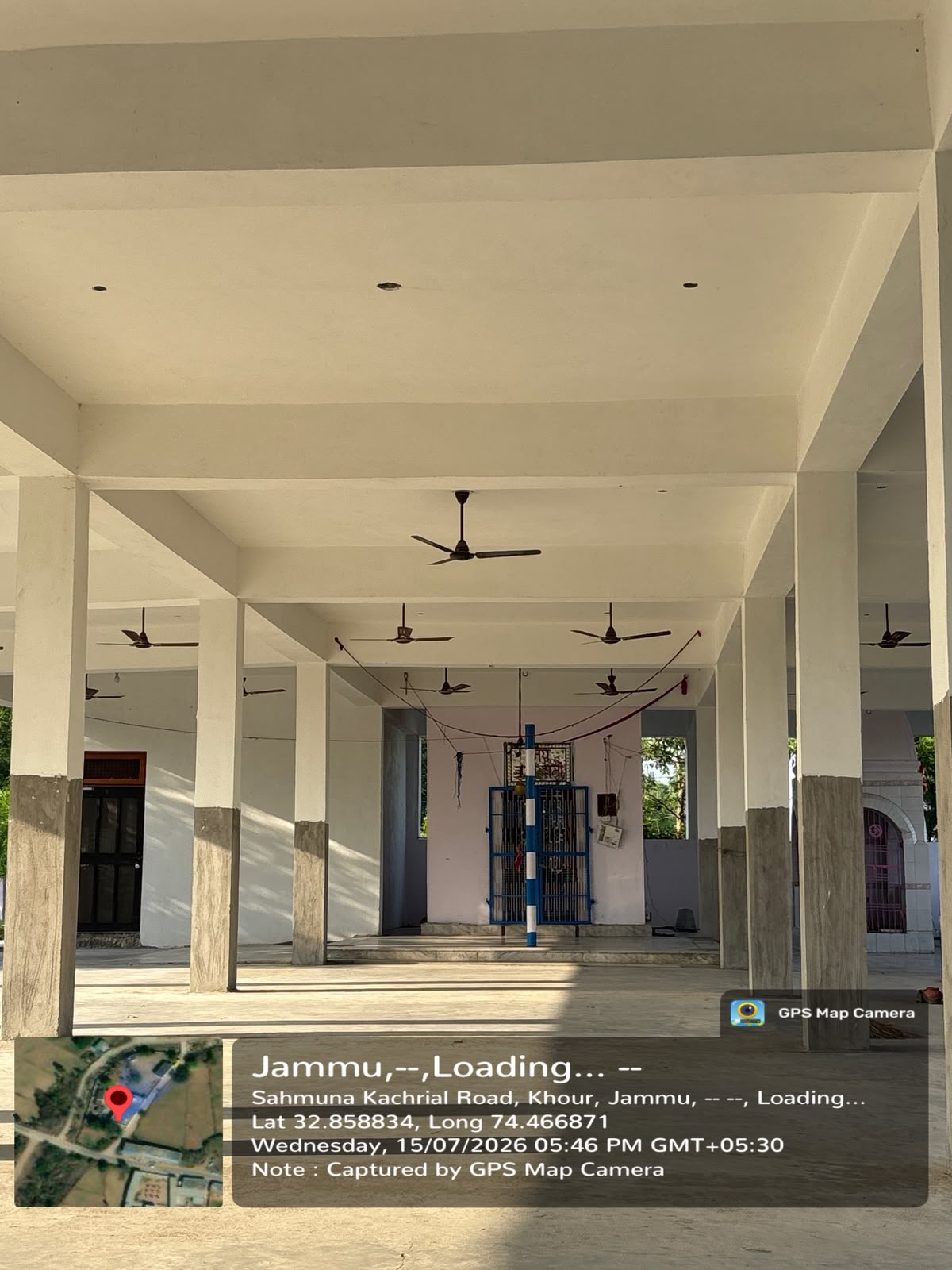
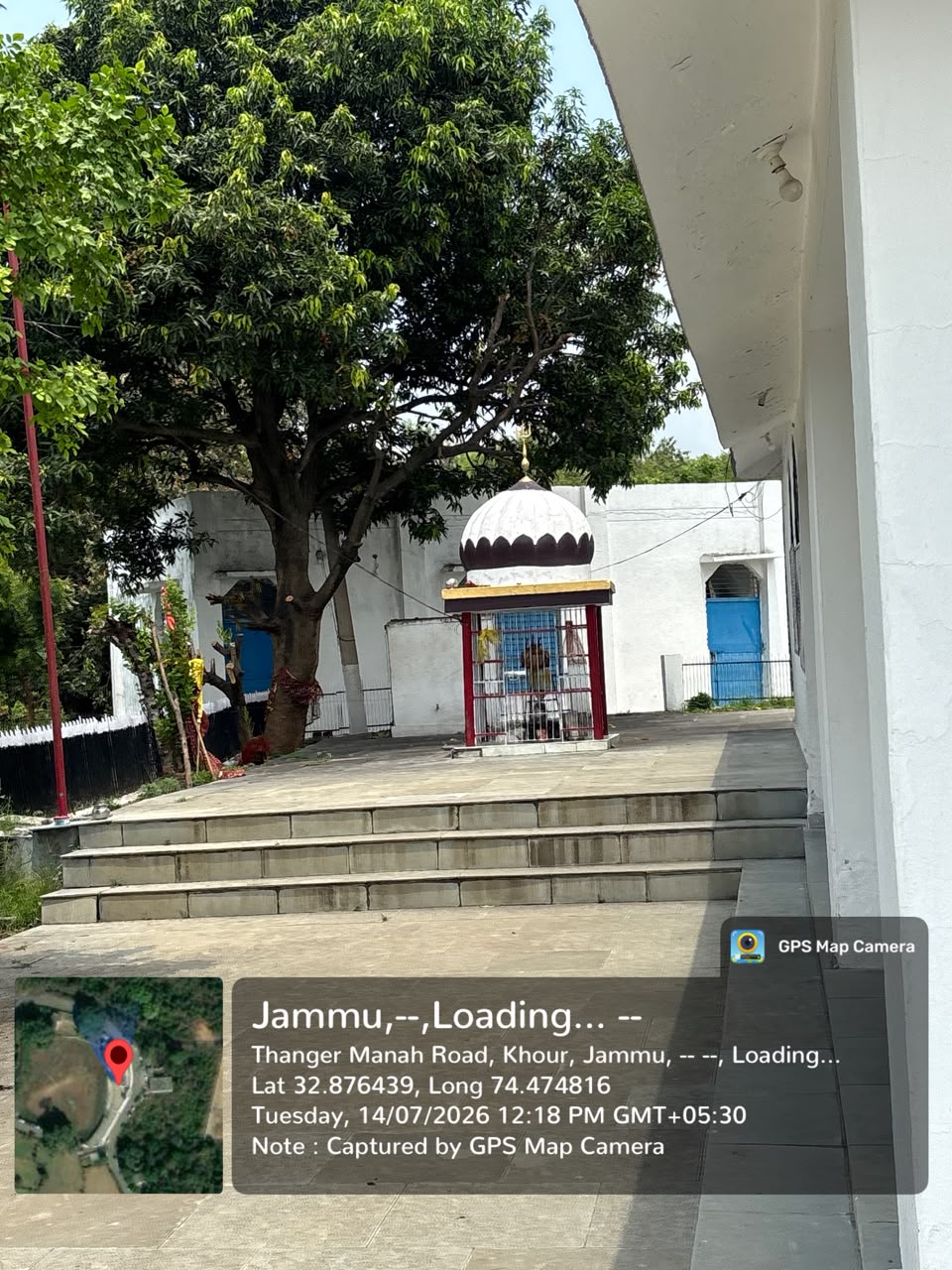
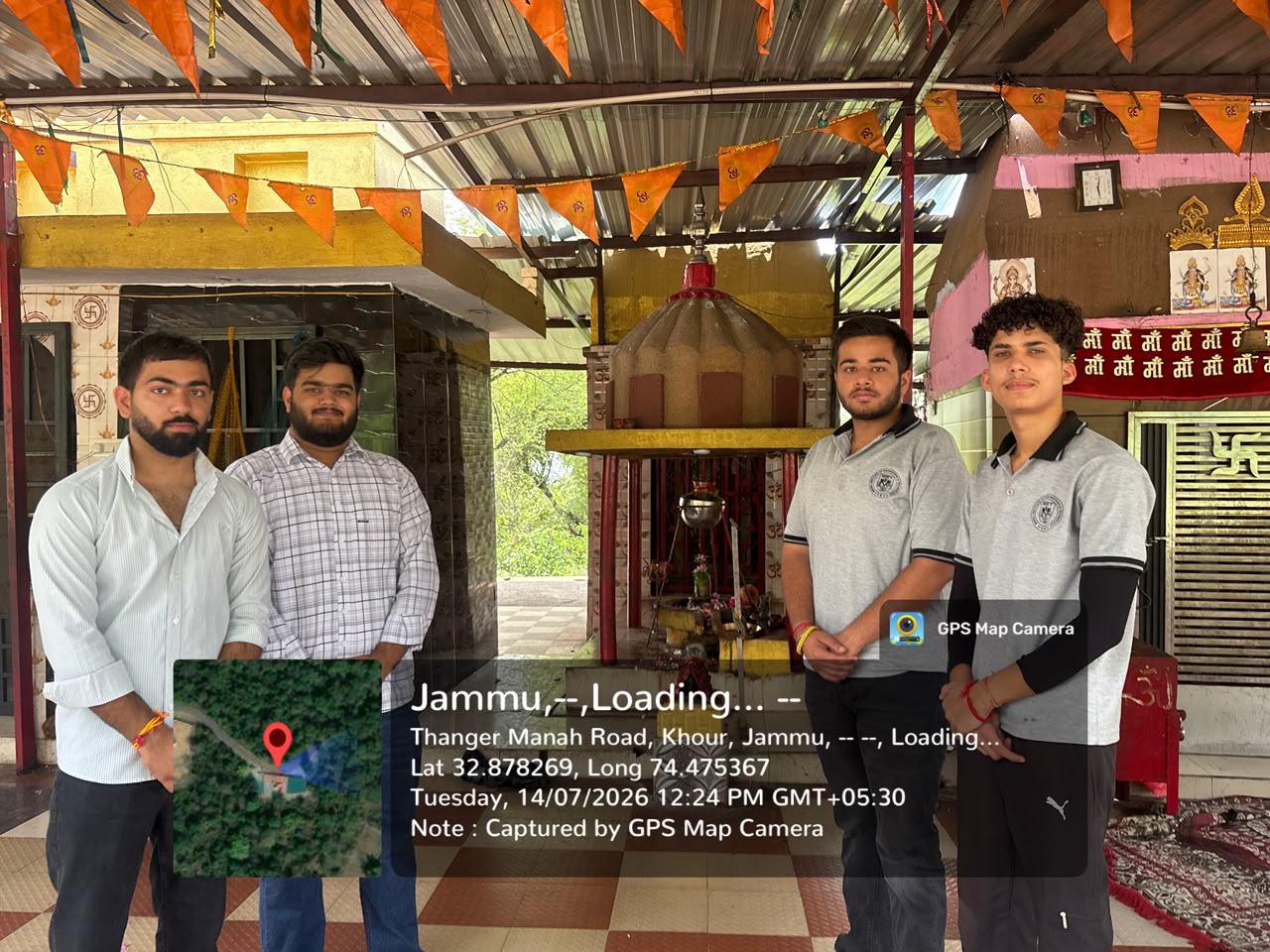
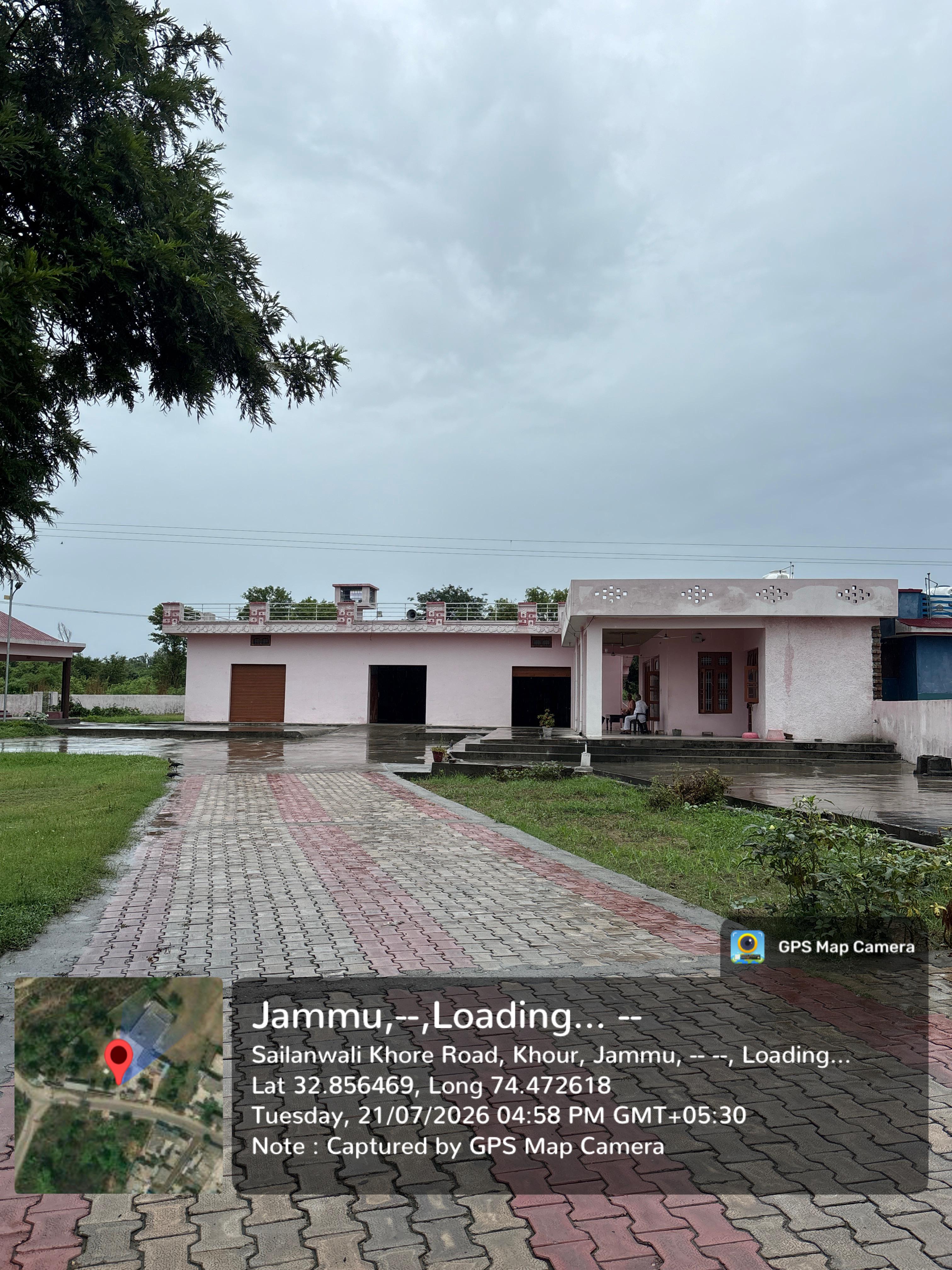
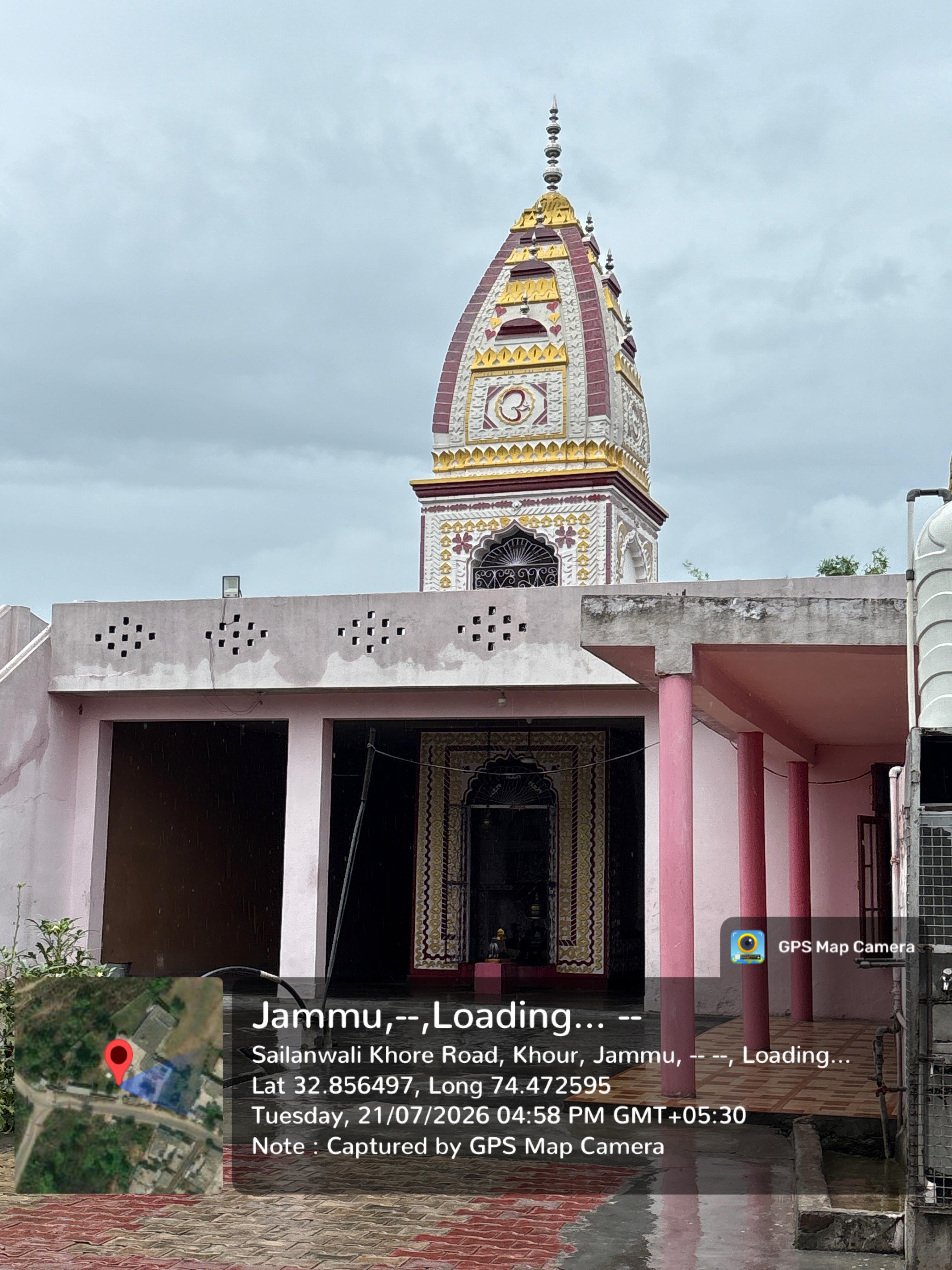
The settlement is surrounded by important religious and cultural landmarks that highlight both its spiritual significance and natural beauty. About 60 kilometers away lies the famous Vaishno Devi Temple in Katra, one of India’s most revered pilgrimage sites, while the historic Raghunath Temple in Jammu city, built in the 19th century, adds to the region’s heritage. Within the village itself, temples dedicated to Shiva and Devi serve as local centers of devotion and community gatherings. Beyond religious sites, the area offers several tourist attractions, including the Akhnoor Fort situated on the banks of the Chenab River, the scenic Mansar and Surinsar Lakes known for their tranquil surroundings, and the hill station of Patnitop further north, which provides a refreshing escape with its cool climate and picturesque landscapes. Together, these destinations make the settlement a blend of cultural depth and natural charm, appealing to both pilgrims and tourists alike.
-
-
-
Geography & Border Distance
-
This settlement lies within Jammu district under pincode 181204, positioned about 30 to 40 kilometers westward from the Line of Control (LoC) along the India–Pakistan border, depending on the sector. Its geography is shaped by the foothills of the Shivalik range, which provide a scenic backdrop and influence local climate and vegetation. The fertile plains near the Chenab River support agriculture, making farming a central livelihood for residents. This combination of hilly terrain and river-fed plains gives the area both strategic importance due to its border proximity and economic value through its productive agricultural lands, defining the settlement’s character.
-
Sports & Infrastructure
-
Sports culture in Sailanwali is rooted in grassroots participation, with cricket and kabaddi being the most popular games among youth and local communities. The infrastructure is modest, consisting mainly of school playgrounds and village grounds that serve as venues for daily practice and informal matches. Occasionally, government-supported sports events are organized to encourage participation and showcase local talent, though facilities remain limited compared to urban centers. In contrast, Jammu district offers larger and more developed venues such as the M.A. Stadium in Jammu city, which hosts regional and national-level events. However, Sailanwali itself continues to rely on its small-scale infrastructure, reflecting a community-driven sports culture that thrives on enthusiasm and local engagement rather than advanced facilities. This grassroots spirit ensures that sports remain an integral part of social life, fostering camaraderie and recreation in the settlement.
Panchayat in Sailanwali
-
Sailanwali falls under the Gram Panchayat system, the fundamental unit of local self-government in rural India. The Panchayat is headed by a Sarpanch, elected directly by villagers, and supported by Panchs who represent different wards or hamlets. Its primary functions include implementing government schemes such as MGNREGA, rural housing, and sanitation programs, while also maintaining essential infrastructure like roads, water supply, street lighting, and drainage. The Panchayat oversees primary education, promotes health awareness, and manages welfare initiatives, while minor disputes are resolved through Nyaya Panchayat mechanisms. Beyond governance, it plays a vital community role by acting as a bridge between villagers and higher administrative bodies such as the Block Development Office and district authorities. It also encourages active participation in Gram Sabha meetings, where villagers collectively discuss and prioritize development needs, ensuring grassroots democracy and inclusive decision-making.
Historical and Military Monuments
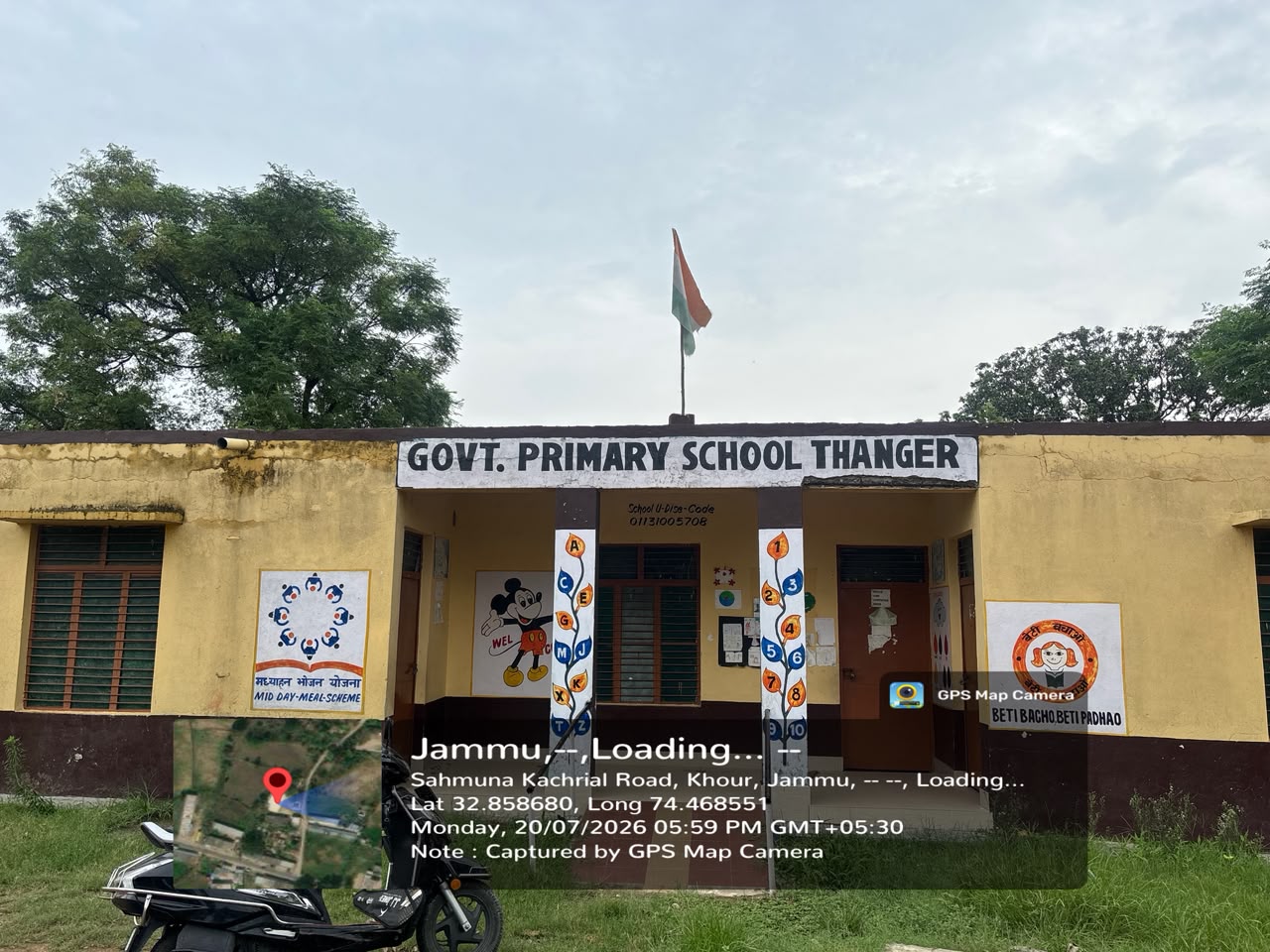
Sailanwali (pincode 181204) does not have any major historical or military monuments of its own, but nearby sites in Jammu district, especially in Akhnoor, hold great importance. The most notable among them is Akhnoor Fort, along with Jia Pota Ghat and the Ambaran Buddhist Stupa, all of which are closely connected to Dogra history and the region’s cultural heritage. These monuments reflect the area’s rich past, from ancient civilizations to the rise of the Dogra dynasty, making the surroundings of Sailanwali historically significant even if the village itself is modest in terms of monuments.
Gastronomy
Sailanwali (181204) shares the food traditions of the wider Jammu region, where Dogra cuisine and local street foods are part of everyday life. Common staples include rajma chawal, kaladi kulcha, and ambal, which reflect the farming roots of the community. Simple breads and seasonal saag are also important, showing the rural lifestyle and reliance on local produce.
Conclusion
Sailanwali is a developing rural village that successfully preserves its traditional values while embracing modern development. Its agricultural economy, improving literacy rate, expanding educational facilities, and better connectivity have contributed to the overall progress of the community. The village's rich cultural heritage, peaceful natural surroundings, and strong sense of social unity continue to define its identity. Ongoing government initiatives and active community participation have further enhanced infrastructure, public services, and the quality of life for residents. With continued investment in education, healthcare, sustainable agriculture, and rural infrastructure, Sailanwali has the potential to achieve balanced socio-economic growth while maintaining its cultural and environmental heritage for future generations
Photos
Location Map
Contact Information
| Address |
District - Jammu |
| Phone Number |
Reviews (1)



Well explained