
Description
Introduction to Karlah Village :-
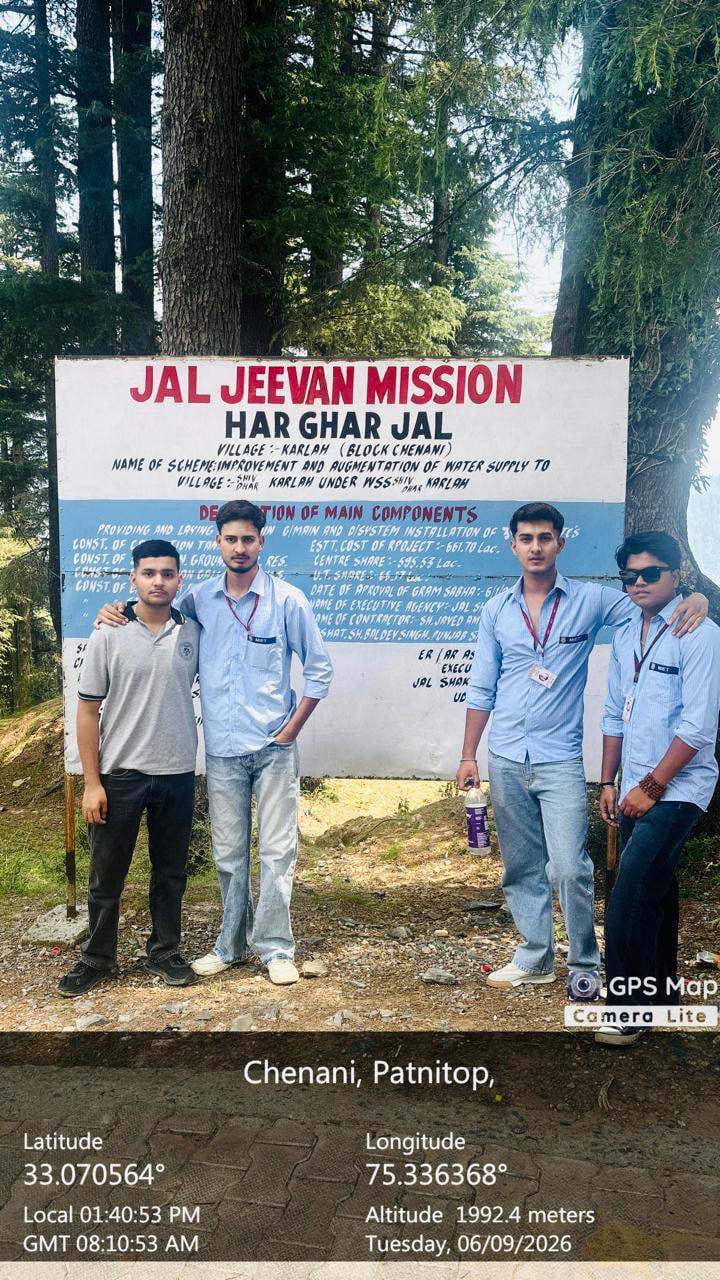
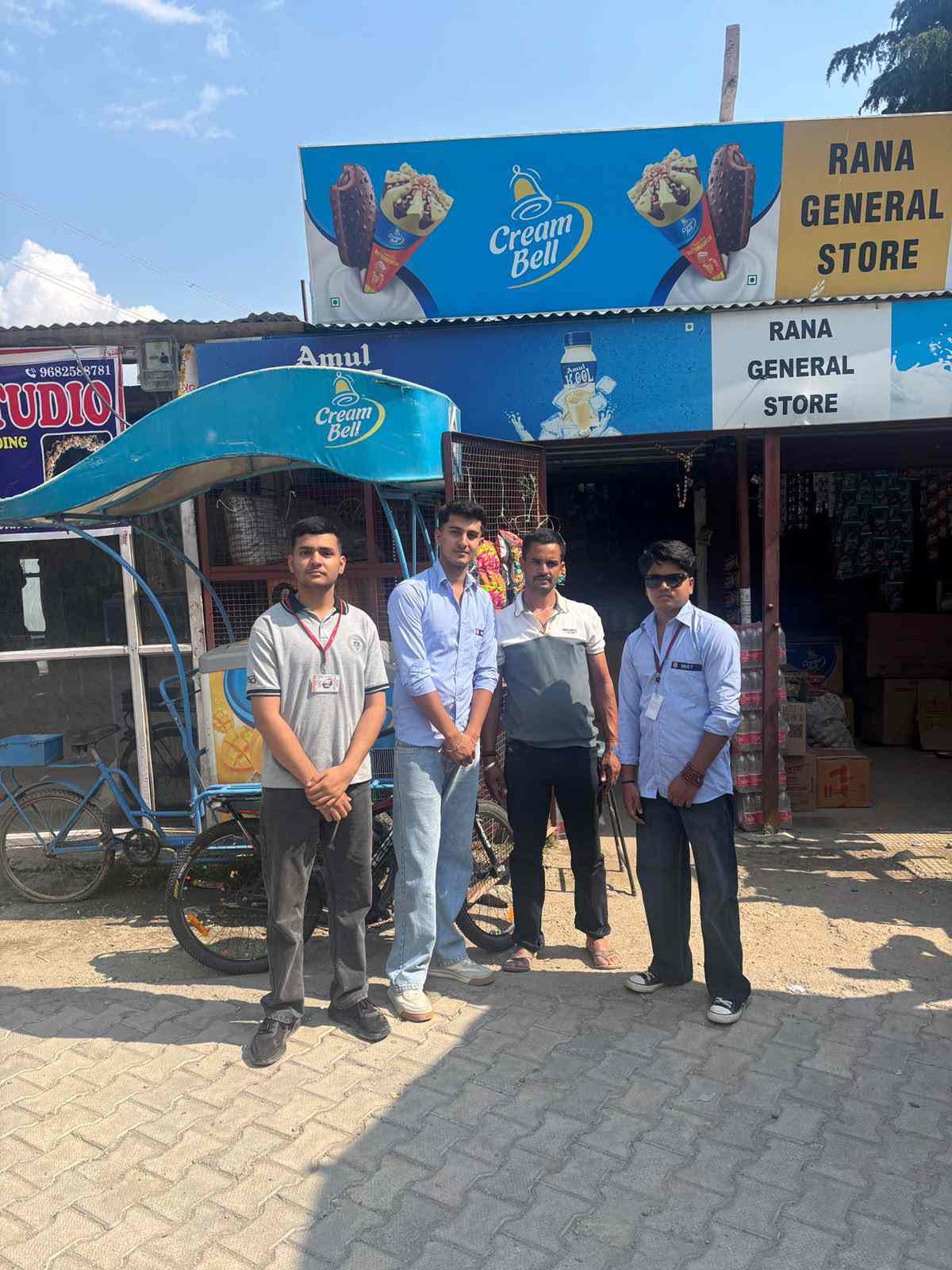
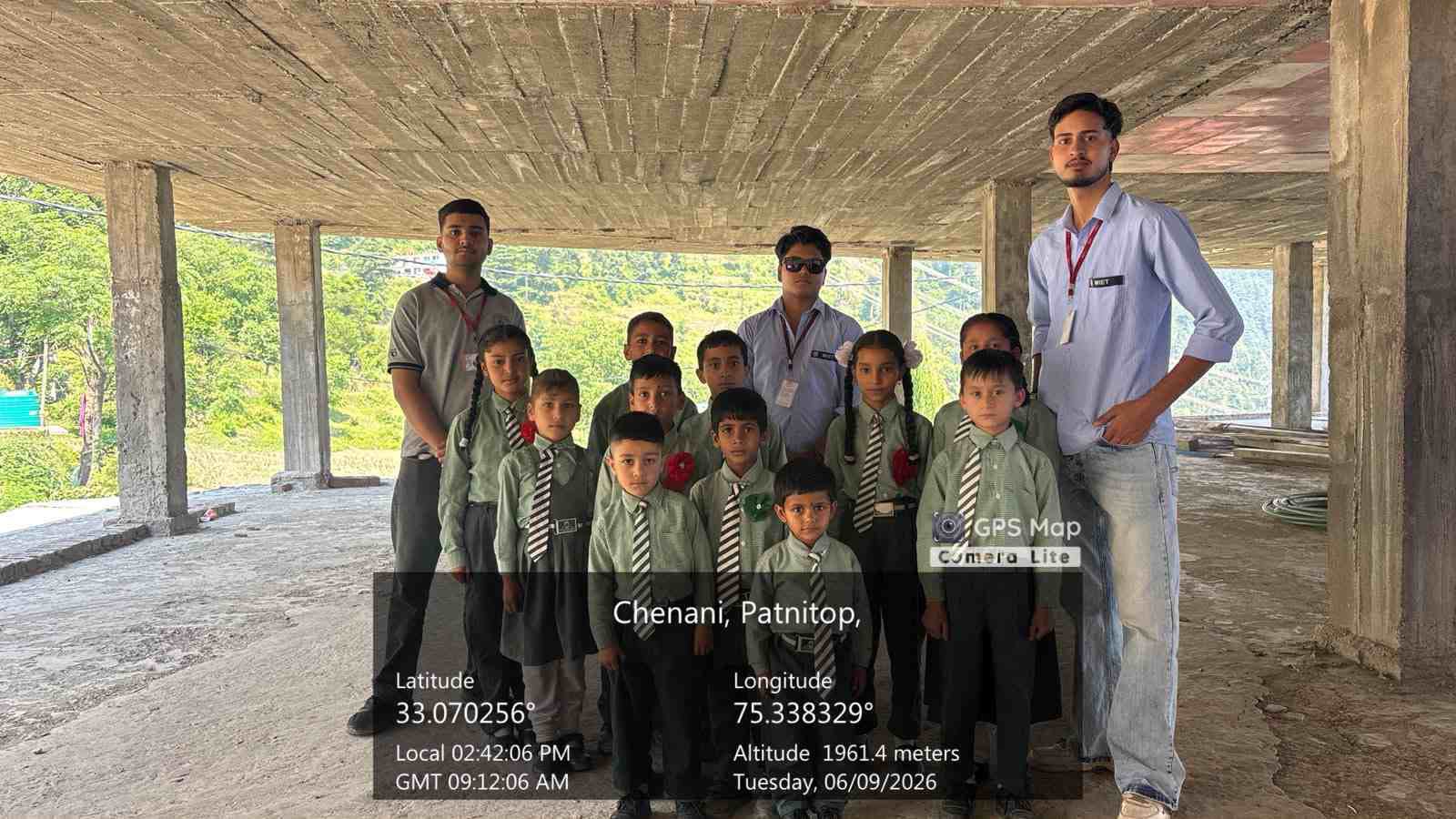
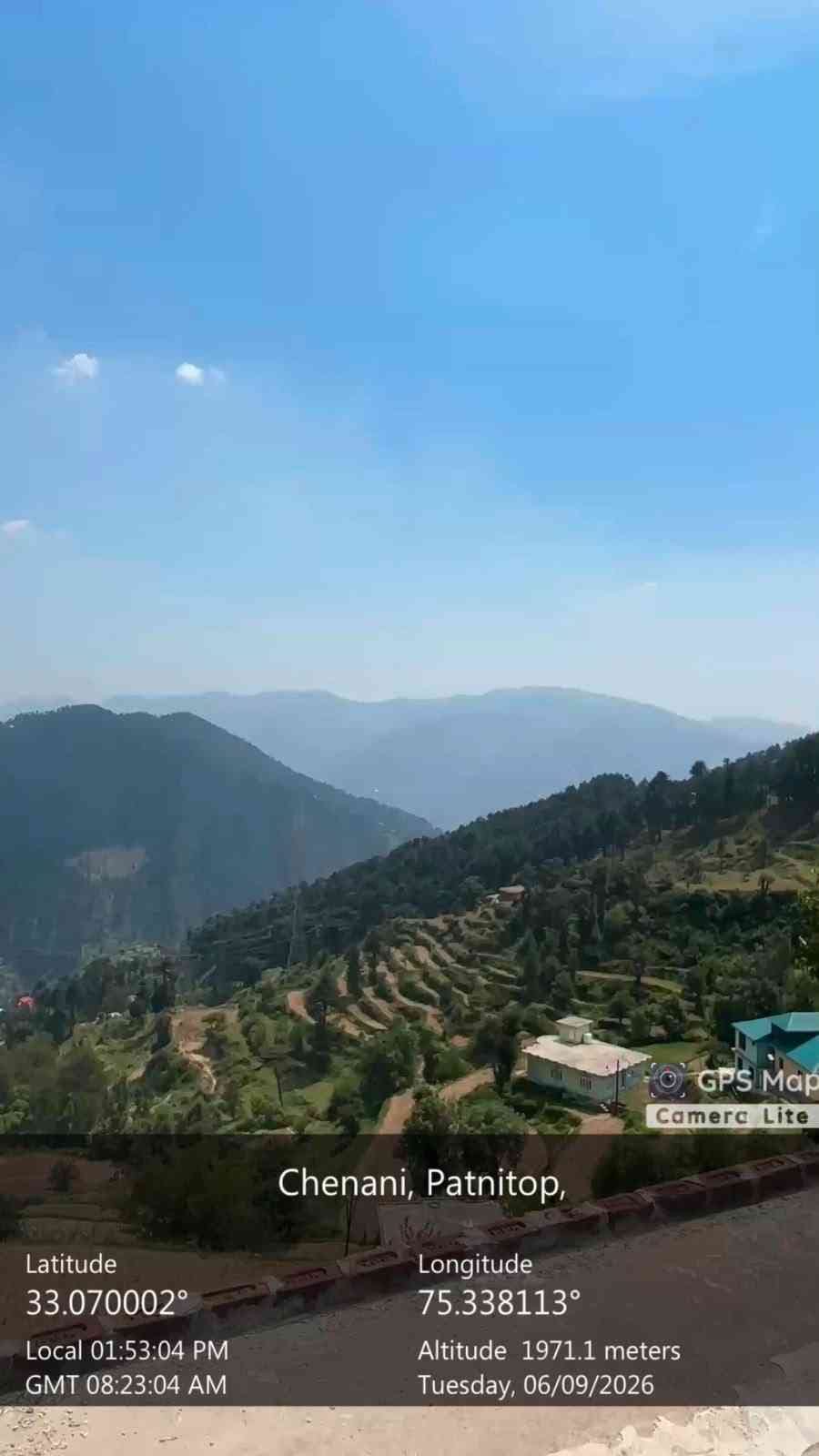
Karlah is a picturesque mountain village situated in the Patnitop region of Chenani Tehsil in the Udhampur district of the Union Territory of Jammu and Kashmir. Located at an elevation ranging from approximately 1,700 to 2,100 metres above sea level, the village forms part of the Middle Himalaya (Lesser Himalaya). Blessed with dense coniferous forests, pleasant weather, and panoramic mountain landscapes, Karlah is known for its rich natural beauty, traditional Dogra–Pahari culture, and close proximity to the famous tourist destination of Patnitop. The village serves as an excellent example of a temperate Himalayan settlement where nature, agriculture, and culture exist in harmony.
Location and Physical Geography :-
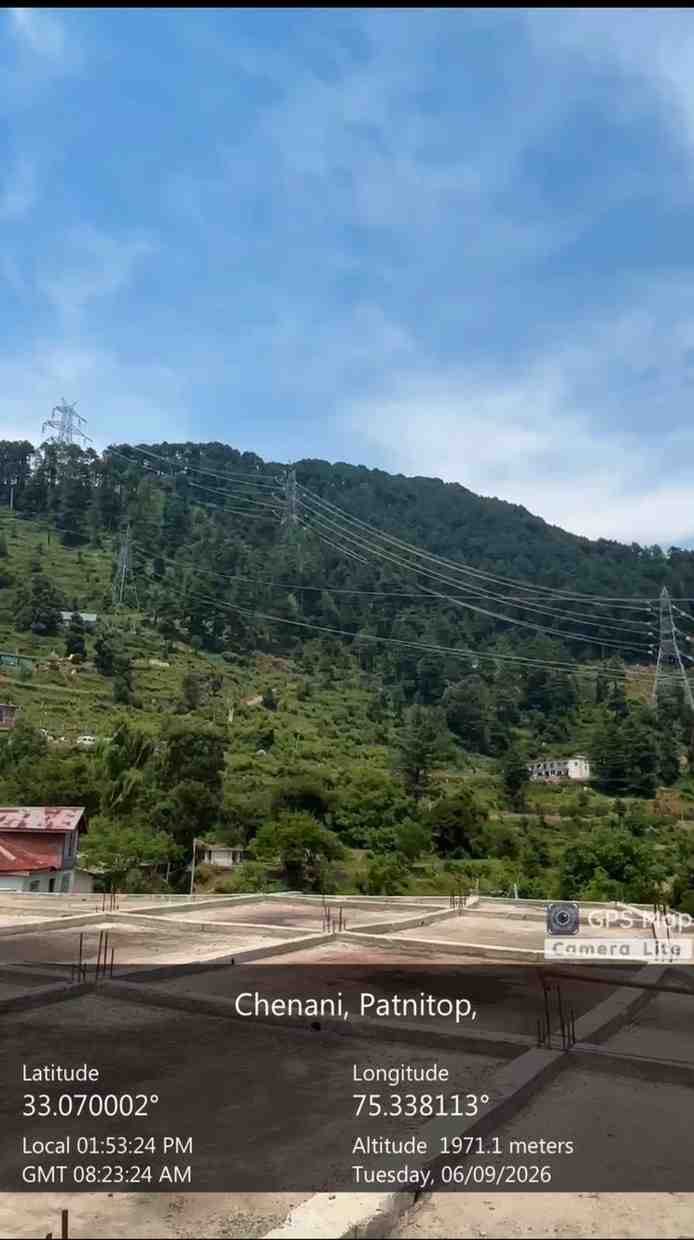
Karlah is located in Chenani Tehsil of Udhampur District and falls within the scenic Patnitop region of Jammu and Kashmir. The village bears the PIN Code 182142 and is characterized by rugged mountain terrain consisting of steep slopes, ridges, deep valleys, seasonal streams (nullahs), and forest-covered hills. Owing to its position in the Middle Himalaya, Karlah experiences a cool mountain climate throughout the year. Summers remain pleasant with temperatures ranging between 15°C and 28°C, while the monsoon season receives moderate to heavy rainfall. Winters are cold, and many parts of the village experience regular snowfall, transforming the landscape into a beautiful snow-covered destination.
Population and Demographic Profile :-
According to the 2011 Census of India, Karlah has a total population of 2,578 residents living in 447 households. The village comprises 1,339 males and 1,239 females, reflecting a balanced demographic composition. The literacy rate stands at approximately 51 percent, with educational opportunities gradually improving over time. The local population primarily speaks Dogri, while Hindi, Urdu, Pahari, and English are also widely understood, especially among school-going children and educated residents. Most inhabitants follow Hinduism, and village temples continue to play a significant role in preserving religious traditions and community harmony.
Natural Environment: Flora and Vegetation:-
Karlah is surrounded by dense temperate Himalayan forests that support a remarkable diversity of vegetation. The dominant tree species is the majestic Deodar (Cedrus deodara), accompanied by Kail (Blue Pine), Fir, Spruce, Ban Oak, Rhododendron, Walnut, Wild Cherry, Maple, and Horse Chestnut. These forests also contain numerous medicinal herbs and grasses that have been traditionally used by local communities. Common medicinal plants found in the region include Kutki, Atis, Nettle, Wild Mint, Thyme, and Banafsha (Violet). The abundance of these native species contributes significantly to the ecological richness and environmental stability of the village.
Wildlife and Biodiversity :-
The forests surrounding Karlah provide an ideal habitat for a wide variety of Himalayan wildlife. Among mammals, the region supports populations of the Himalayan Black Bear, Leopard, Barking Deer, Goral, Wild Boar, Himalayan Langur, Rhesus Macaque, Indian Porcupine, Hare, Fox, and Jackal. Birdlife is equally diverse, featuring species such as the Koklass Pheasant, Himalayan Monal (at higher elevations), Himalayan Bulbul, Woodpeckers, Eagles, Hawks, Owls, Partridges, and Magpies. Reptiles found in the area include the Himalayan Pit Viper, Rat Snakes, and several species of lizards. This rich biodiversity reflects the ecological importance of Karlah within the Middle Himalayan ecosystem.
Agriculture and Livelihood :-
Agriculture remains the backbone of Karlah's economy, with most families depending directly or indirectly on farming and livestock rearing. The principal crops cultivated include maize, wheat, paddy (where irrigation is available), rajma (kidney beans), and mustard. Farmers also grow vegetables such as potatoes, cabbage, cauliflower, peas, and tomatoes, which thrive under the cool climatic conditions. Fruit cultivation forms another important component of the rural economy, with orchards producing walnuts, apples, pears, plums, and apricots. Livestock, including cows, buffaloes, goats, sheep, and poultry, contribute significantly to household income through dairy farming and animal husbandry.
Culture, Religion, and Festivals :-
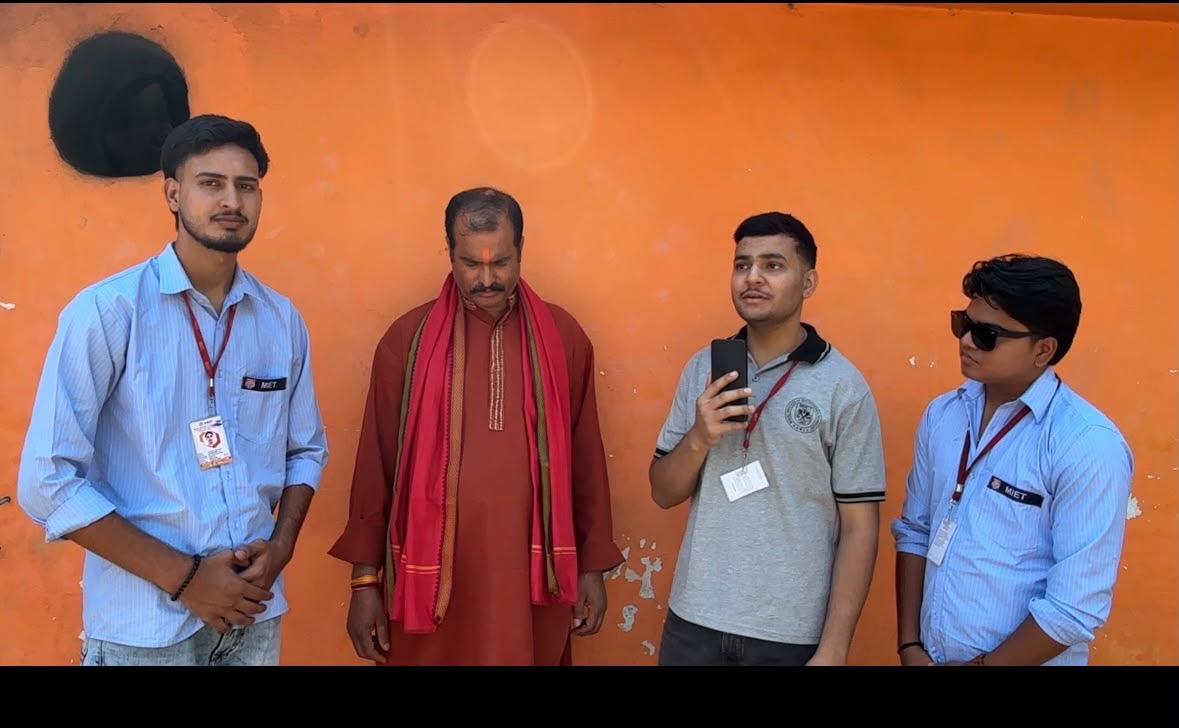
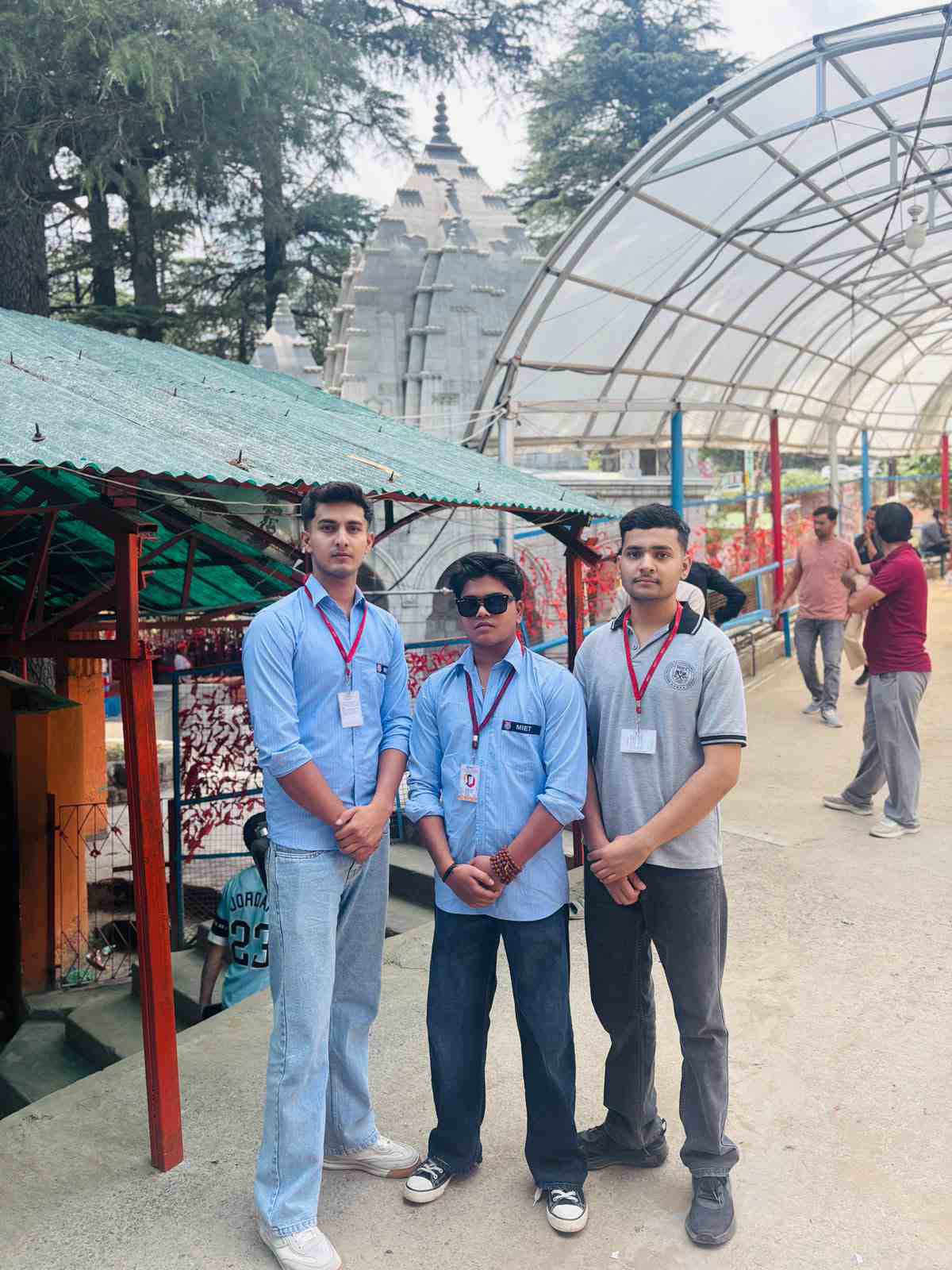
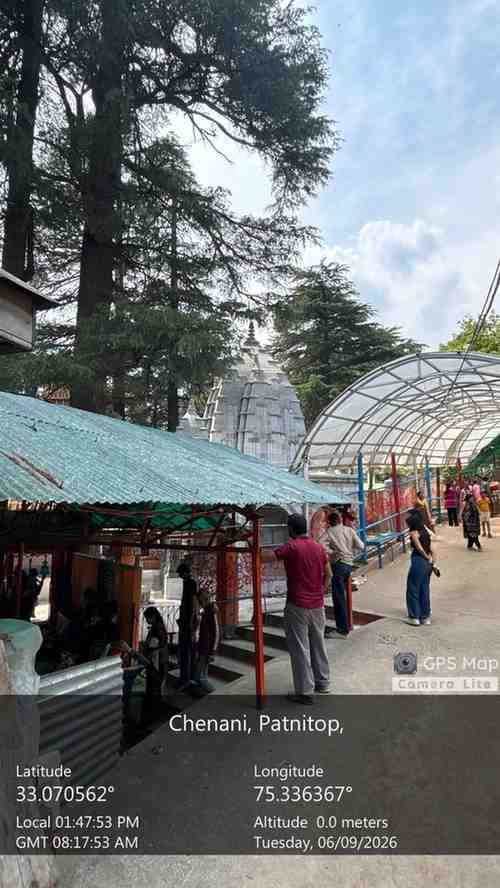
Karlah preserves a vibrant blend of Dogra and Pahari cultural traditions that have been passed down through generations. The village celebrates major Hindu festivals with great enthusiasm, strengthening social unity and cultural identity. Prominent festivals include Lohri, Makar Sankranti, Baisakhi, Navratri, Diwali, Holi, Nag Panchami, and Maha Shivratri. Local temples, especially the Naag Temple of Karlah, serve as important religious centres where villagers gather for worship, community events, and traditional celebrations throughout the year.
Economy and Employment :-
The economy of Karlah is largely rural but increasingly diversified. Besides agriculture and horticulture, residents engage in livestock rearing, dairy farming, government employment, tourism-related occupations, and small businesses. The village benefits considerably from its proximity to Patnitop, one of Jammu and Kashmir's leading hill stations, which provides employment opportunities in hotels, transport, handicrafts, and tourism services. This combination of traditional and modern occupations contributes to the economic sustainability of the community.
Tourism and Natural Attractions :-
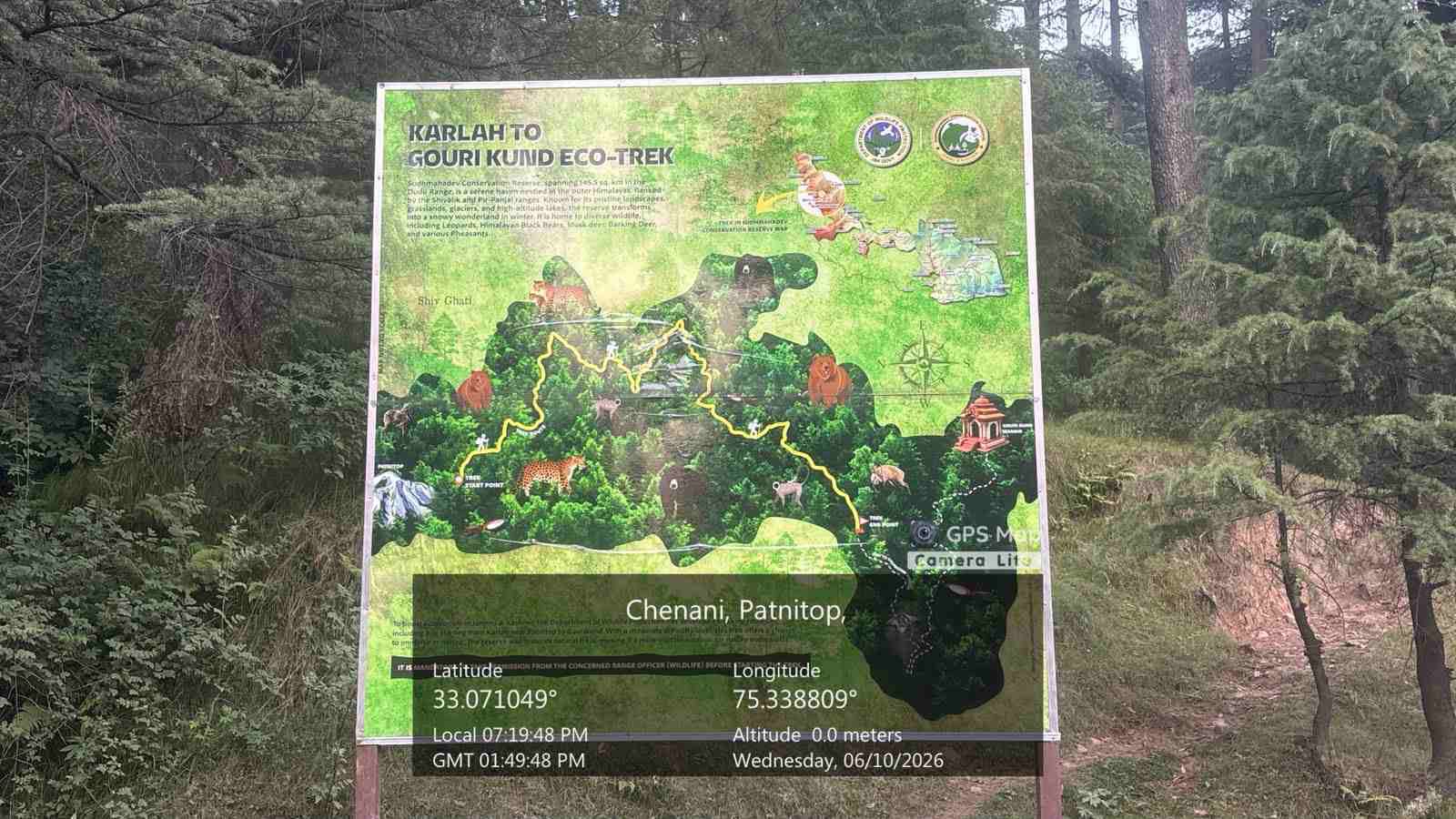
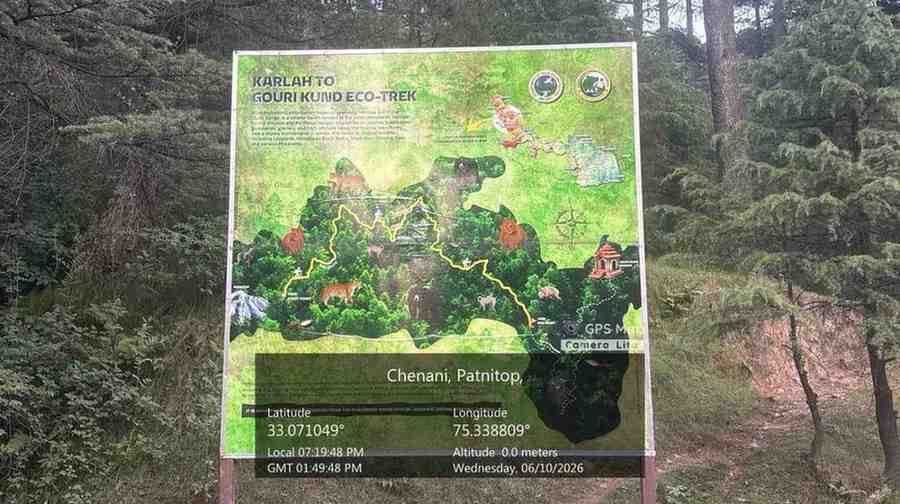
Karlah enjoys a strategic location near several of Jammu and Kashmir's most popular hill destinations. Visitors can easily access Patnitop, Nathatop, Sanasar, and the Naag Temple, along with numerous trekking trails and scenic viewpoints. Dense deodar and pine forests, crystal-clear mountain springs, seasonal streams, and snow-covered landscapes make the village particularly attractive to nature lovers, trekkers, photographers, and adventure enthusiasts. During winter, regular snowfall enhances the beauty of the region, while the cool climate throughout the year makes Karlah an ideal destination for eco-tourism and recreational travel.
Lifestyle and Community Life :-
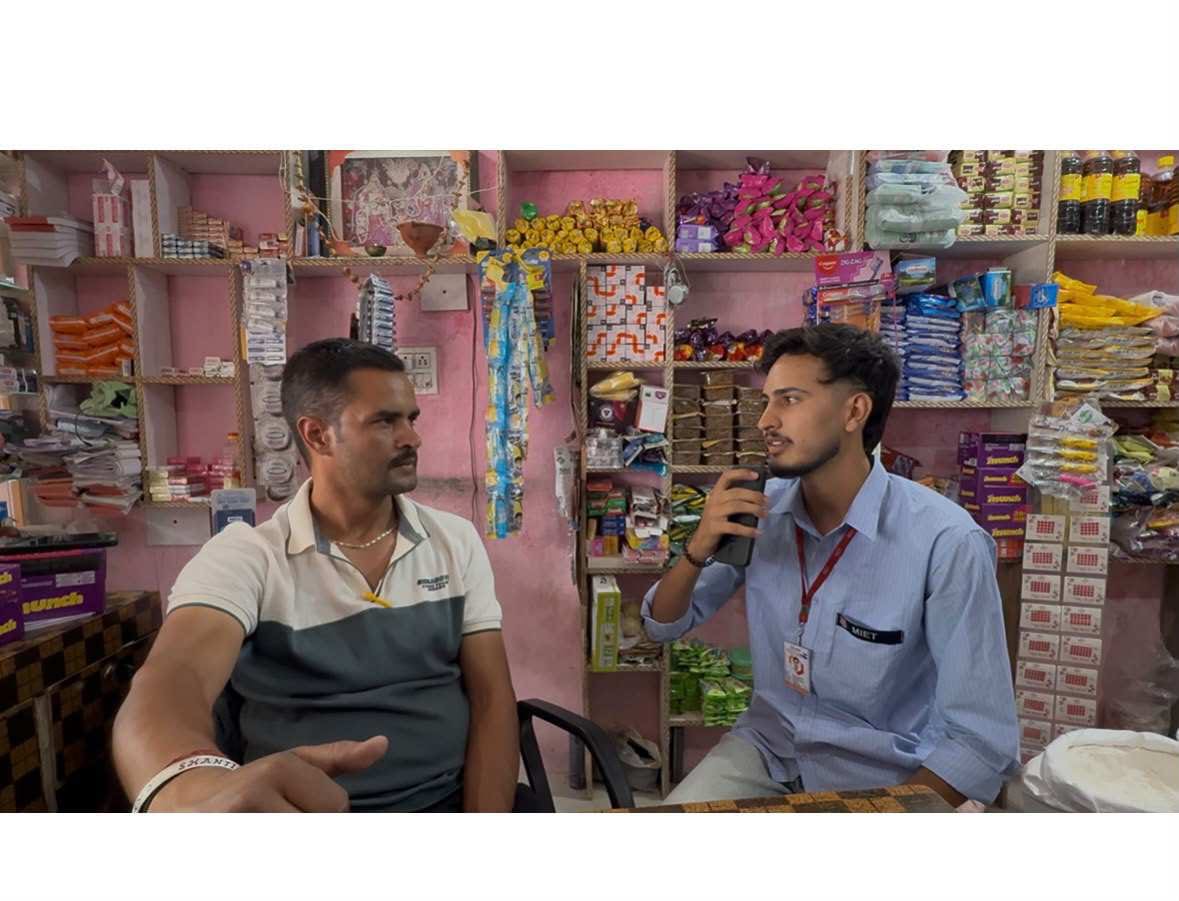
Life in Karlah reflects the traditional values of a Himalayan mountain village. Families maintain close social relationships and actively participate in community activities, religious ceremonies, and agricultural work. The peaceful environment, fresh mountain air, and dependence on natural resources encourage a sustainable way of life. Residents continue to preserve their cultural heritage while gradually adopting modern education and improved infrastructure. The combination of traditional customs, ecological richness, and scenic surroundings makes Karlah one of the notable villages of the Patnitop region.
Conclusion :-
Karlah is a classic Middle Himalayan village distinguished by its temperate climate, extensive deodar forests, abundant biodiversity, agricultural prosperity, and vibrant Dogra–Pahari heritage. Its location near Patnitop provides both ecological significance and tourism potential, while its snow-clad winters, fertile farmlands, and rich natural resources contribute to its unique identity. The village represents an ideal blend of natural beauty, cultural traditions, and rural livelihoods, making it an important part of the Himalayan landscape of Jammu and Kashmir.
Photos

Videos

Location Map
Contact Information
| Address |
Village: Karlah |
| Phone Number |
+919419222774 |
| Email Address |
Reviews (2)


One of the best villages near Patnitop. The scenery is amazing and the people are friendly.
Write a Review
Author


- Shakti Nagar, Jammu, Jammu and Kashmir – 180001, India.
- 9622268631
- [email protected]
A captivating journey into rural life! The visuals were breathtaking, and the stories told by the villagers felt genuinely powerful and heartwarming. It leaves you with a deep appreciation for culture, tradition, and the spirit of community. Highly recommended!