
Description
Introduction
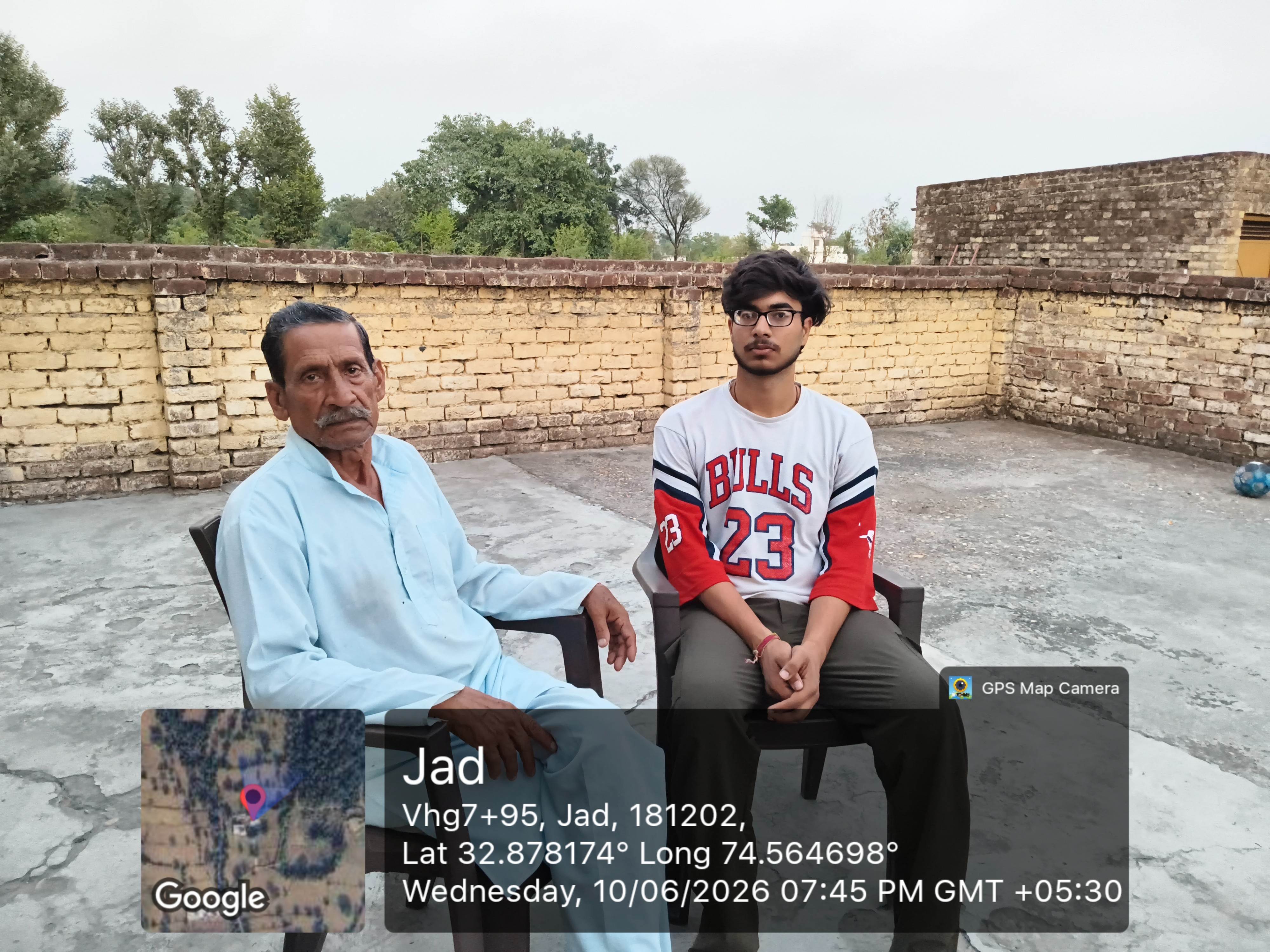
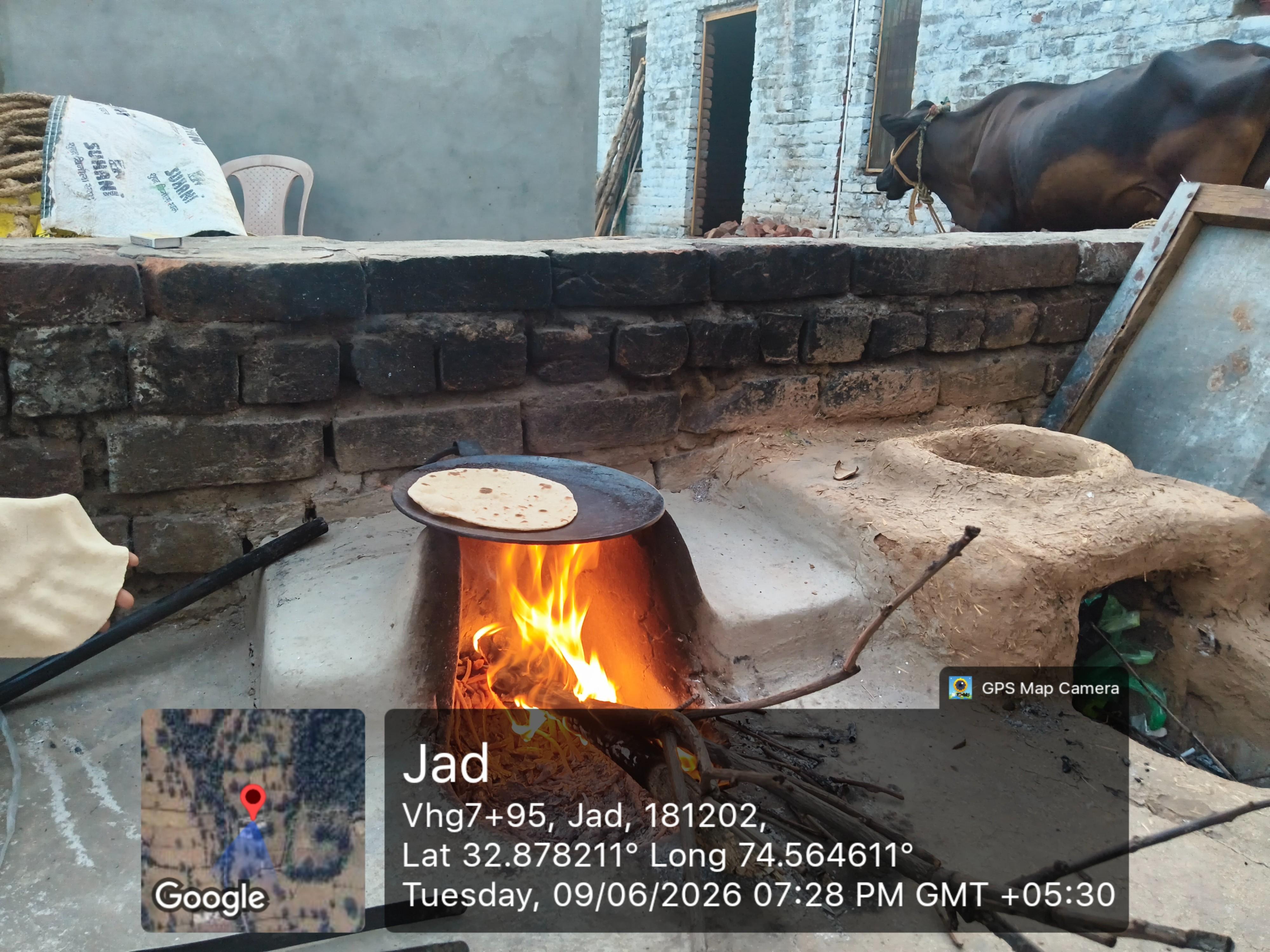
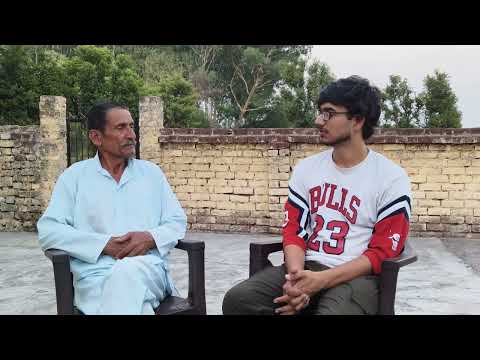
Dhok Khalsa is a large and developing village situated in Jourian Tehsil of Jammu District, Jammu and Kashmir. The village is well known for its rich agricultural tradition, peaceful rural environment, religious heritage, and hardworking people. Agriculture is the primary occupation of most families, while dairy farming and livestock rearing also contribute to the local economy. During our field visit, we interacted with the Sarpanch, Shri Kalli Dass, and several local residents to understand the village's history, culture, infrastructure, development, and the challenges faced by the community. This study provided practical knowledge about rural development and highlighted the importance of local governance in improving the quality of life.
About the Village
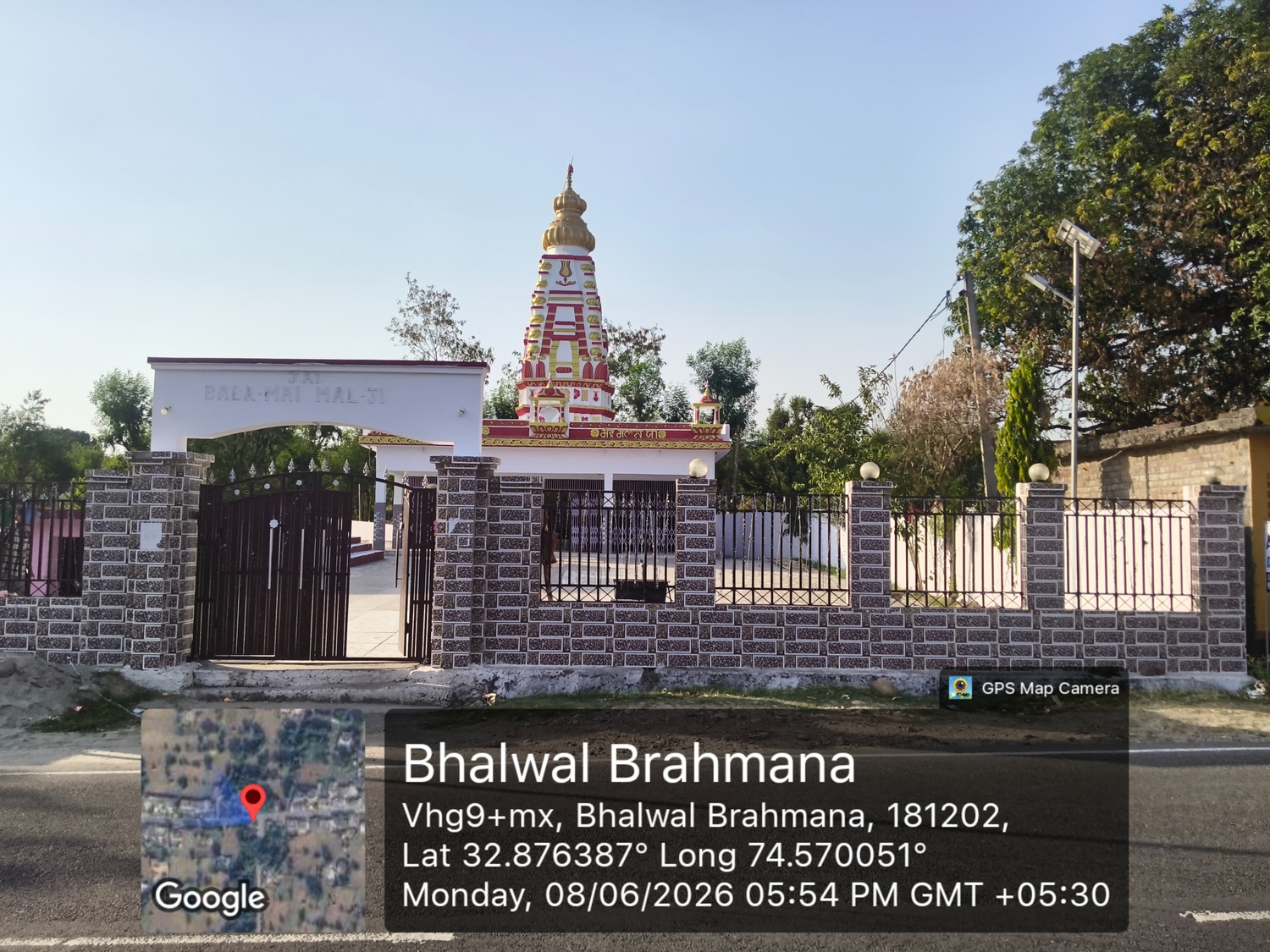
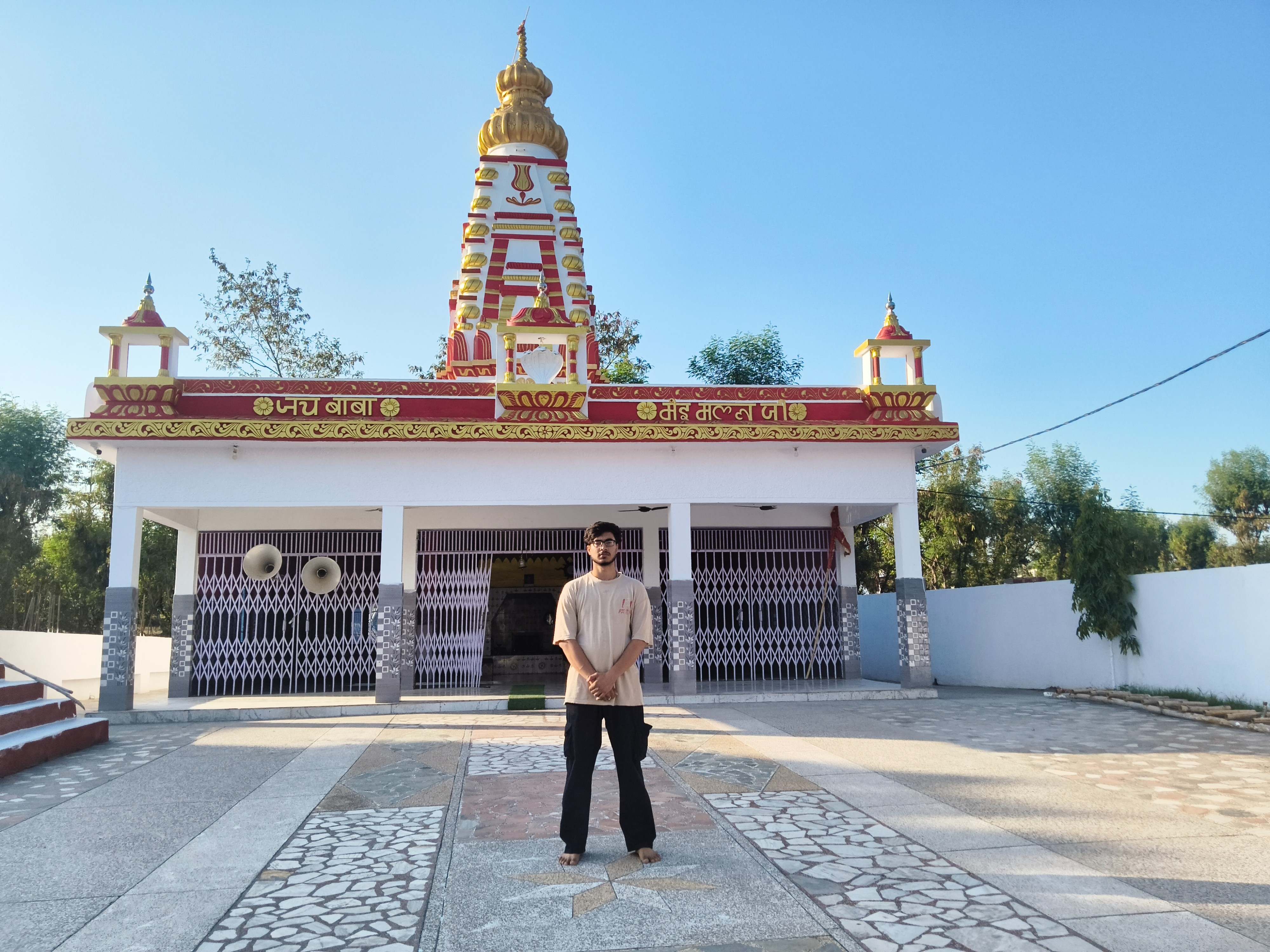
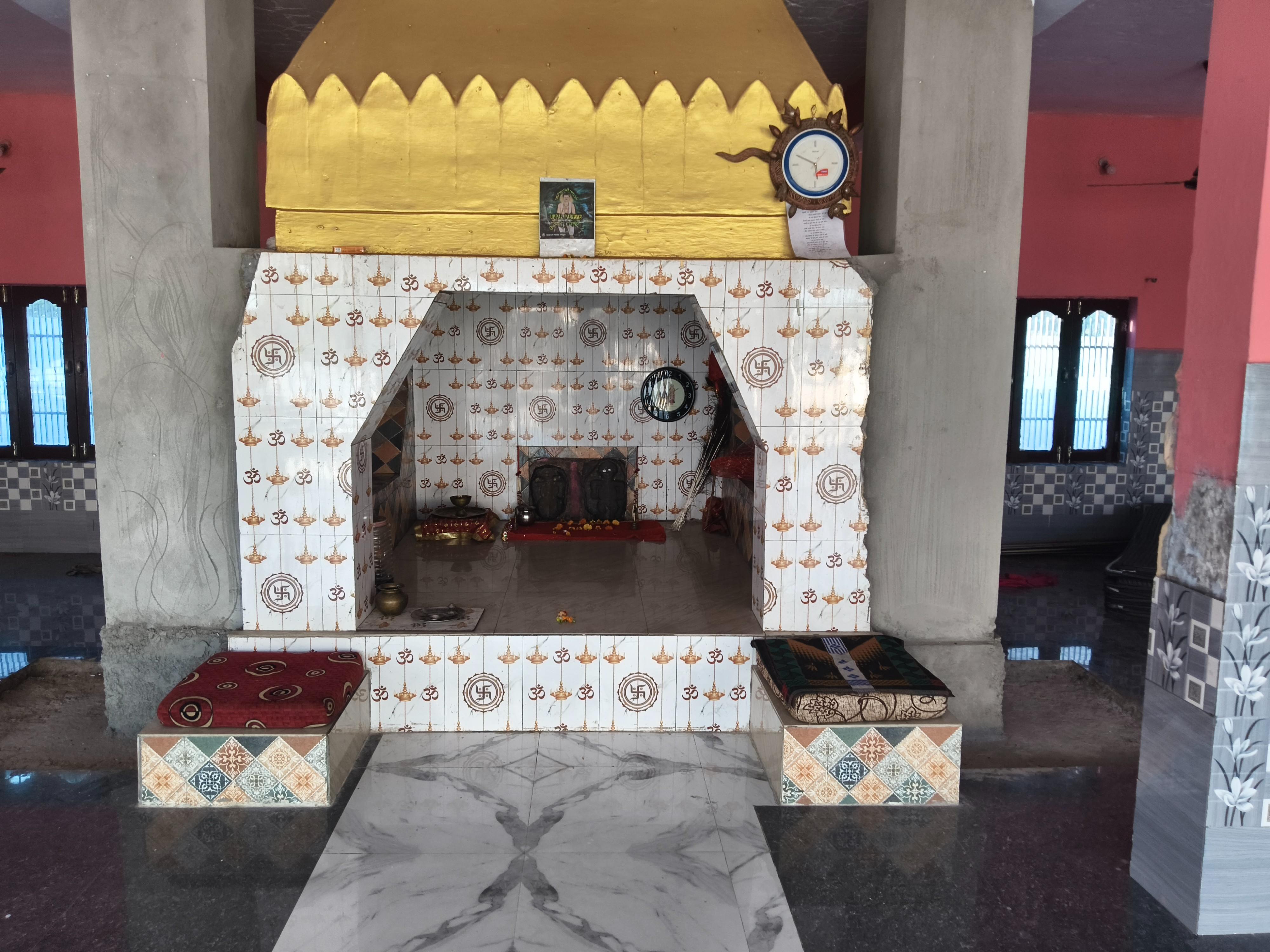
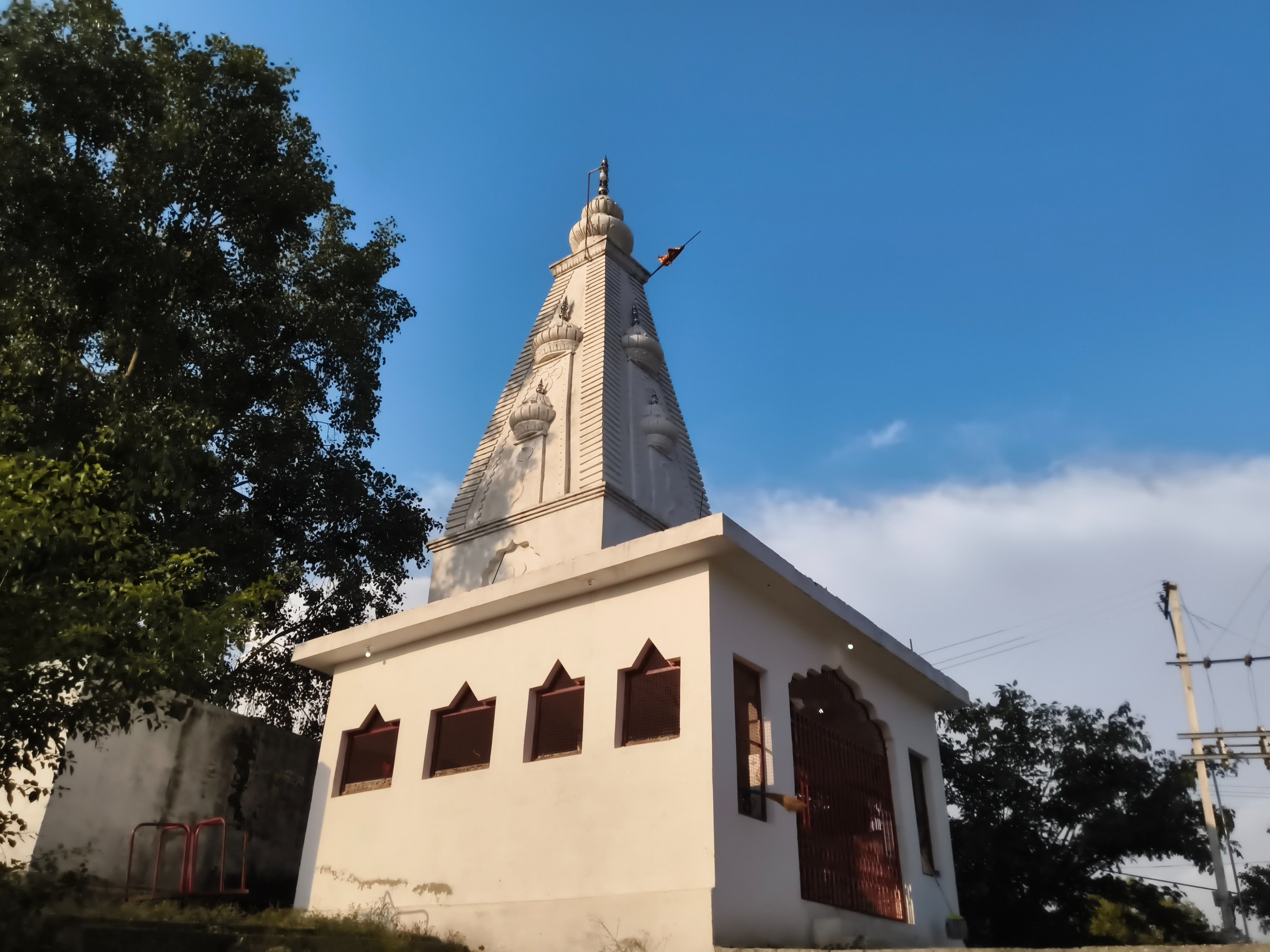
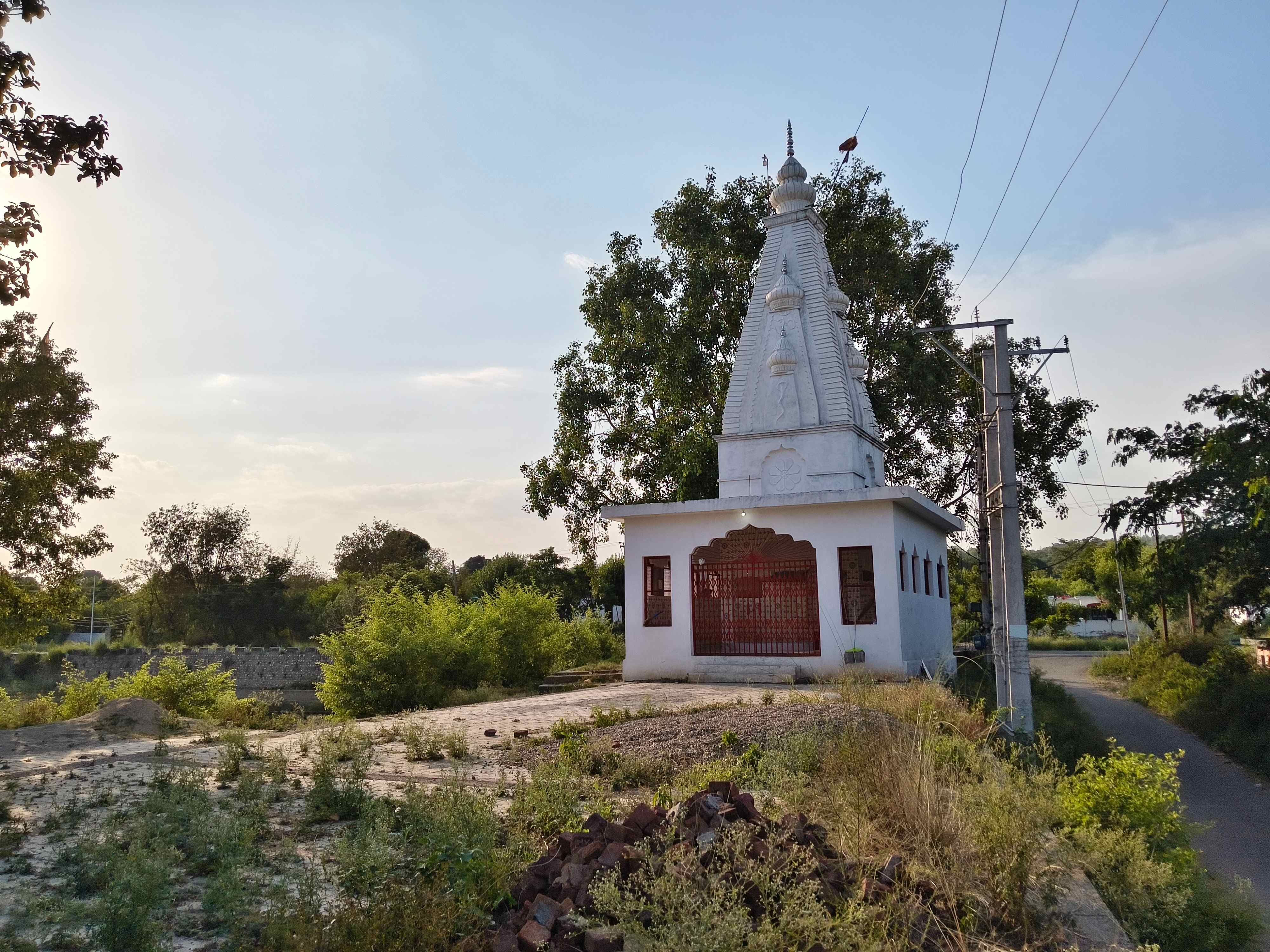
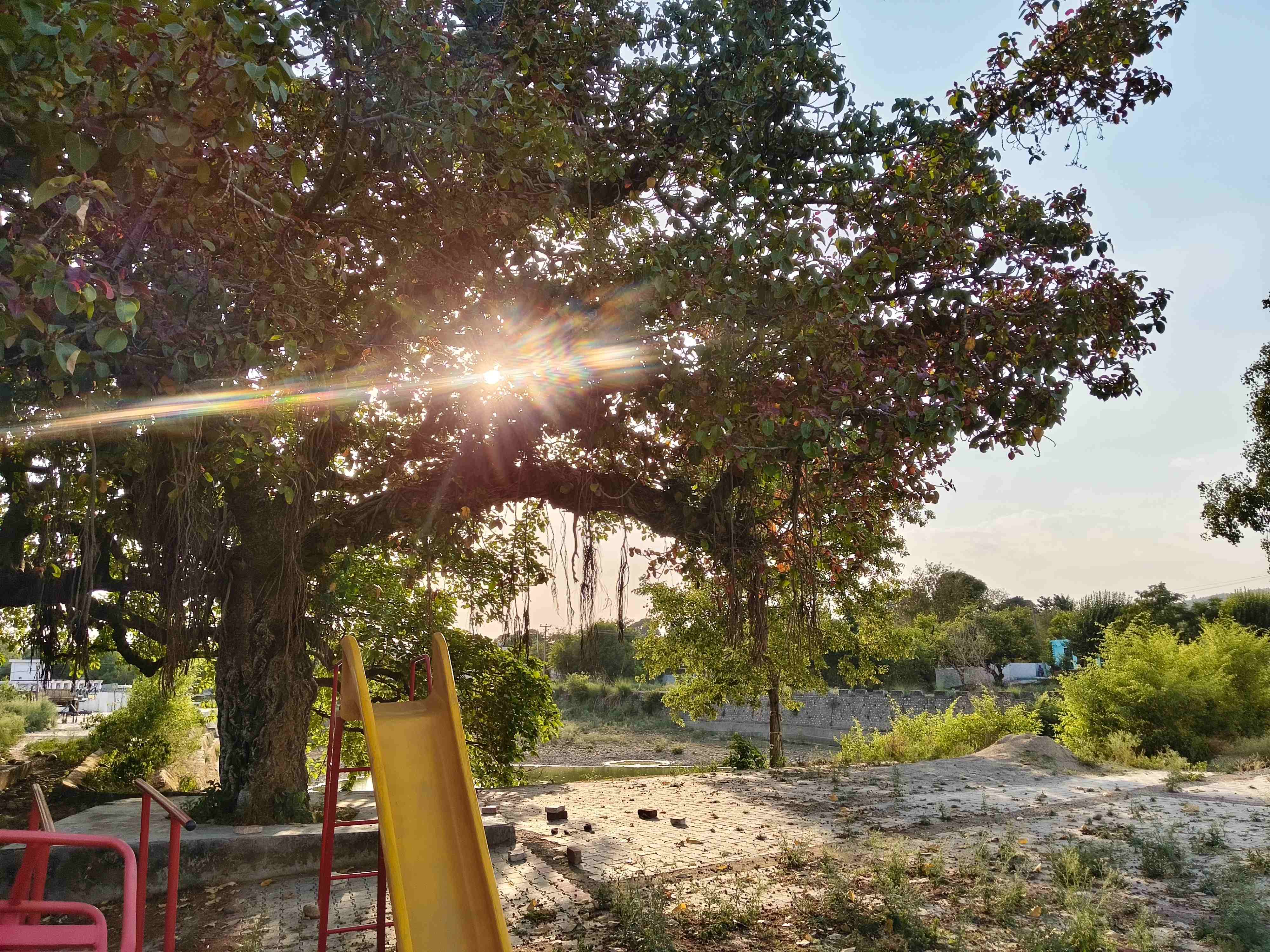
According to the Census of India 2011, Dhok Khalsa has 697 households with a population of 3,341 people, including 1,806 males and 1,535 females. However, according to the villagers and Panchayat representatives, the current population has increased to nearly 8,000 people. The village currently consists of 8 wards, but due to rapid population growth, residents have demanded the formation of 10 wards and an additional Panchayat for better administration and public services. The village is located in a fertile agricultural region and is known for its social harmony, cultural traditions, and religious importance. Baba Maimal Dev Sthan is one of the most respected religious places in the village and attracts devotees from nearby areas.
Geographical Distance from Akhnoor
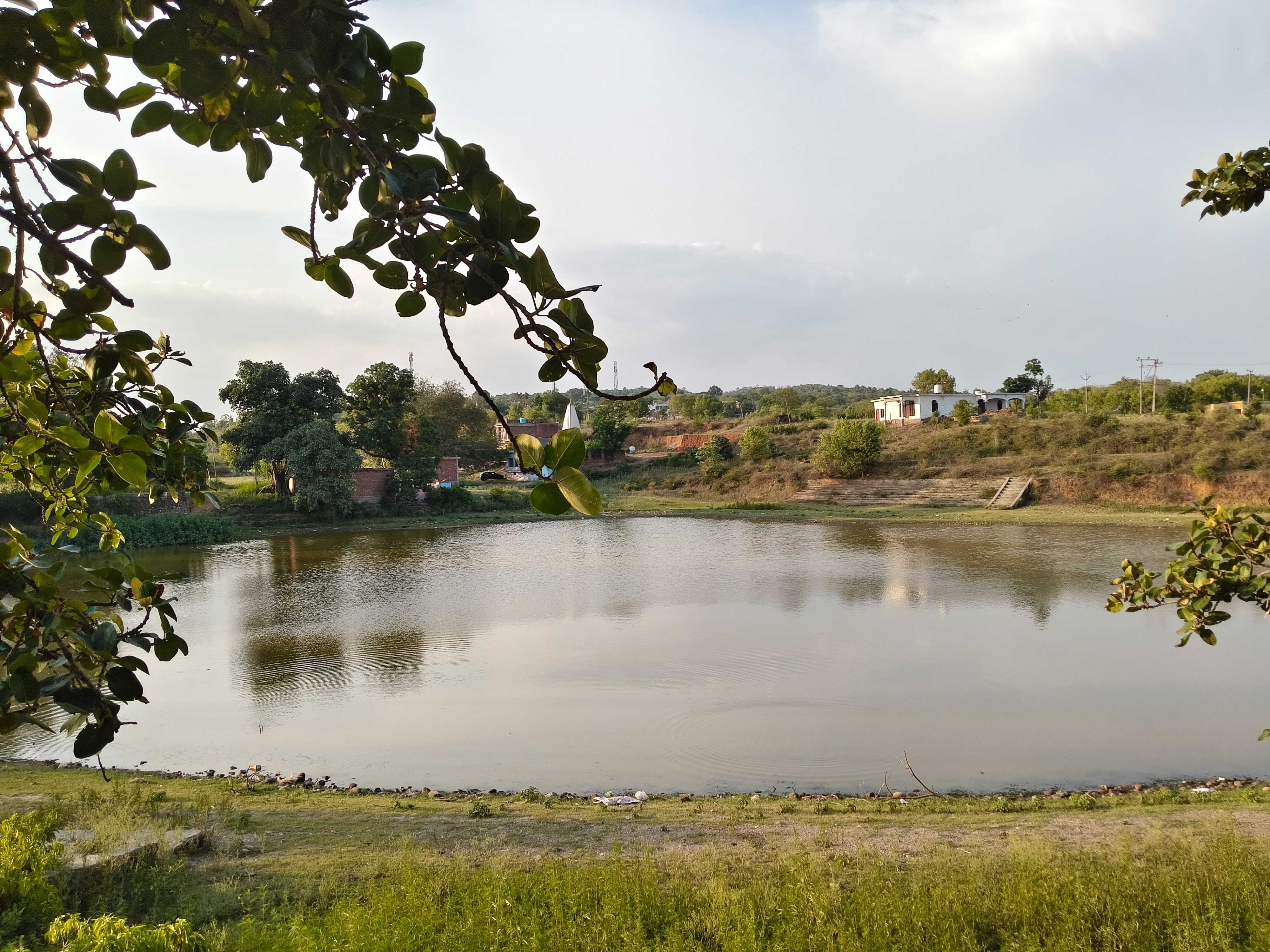
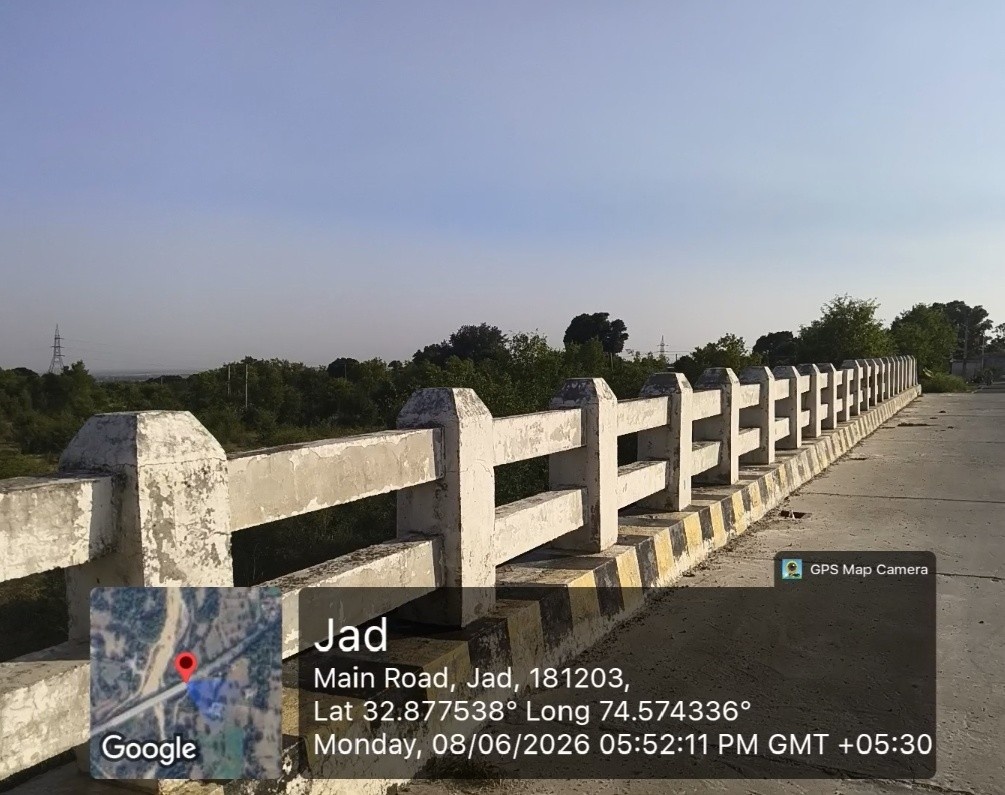
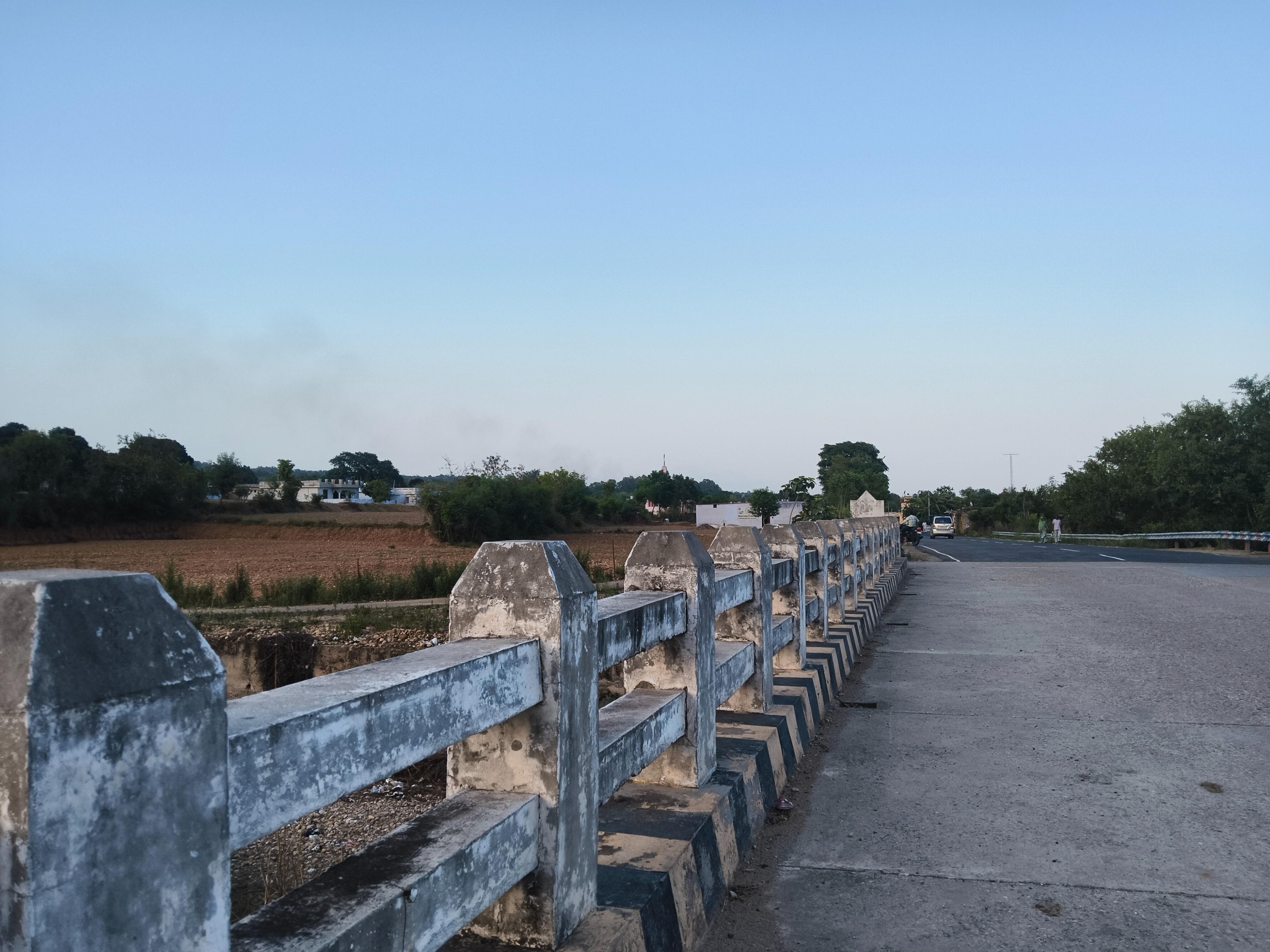
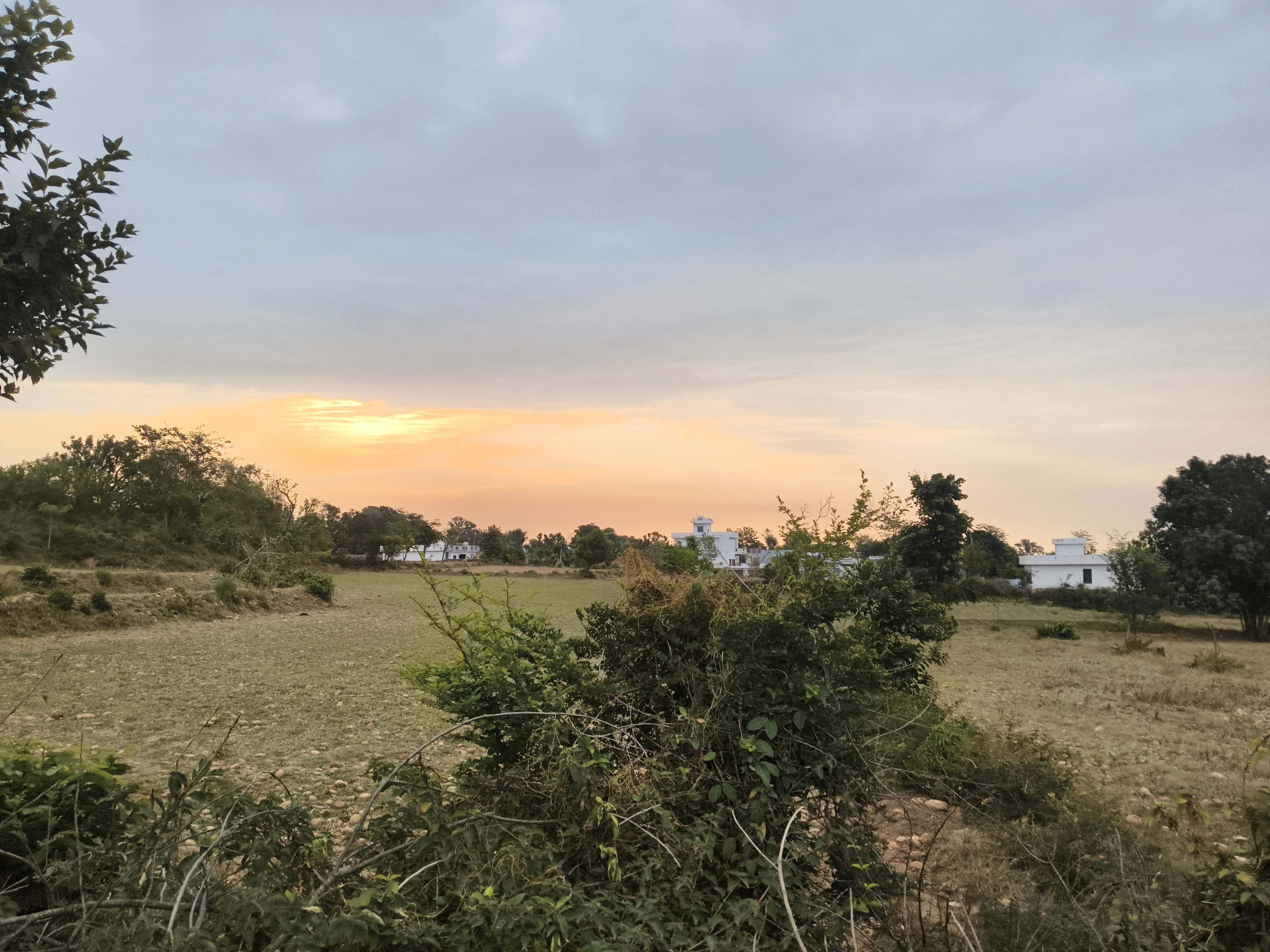
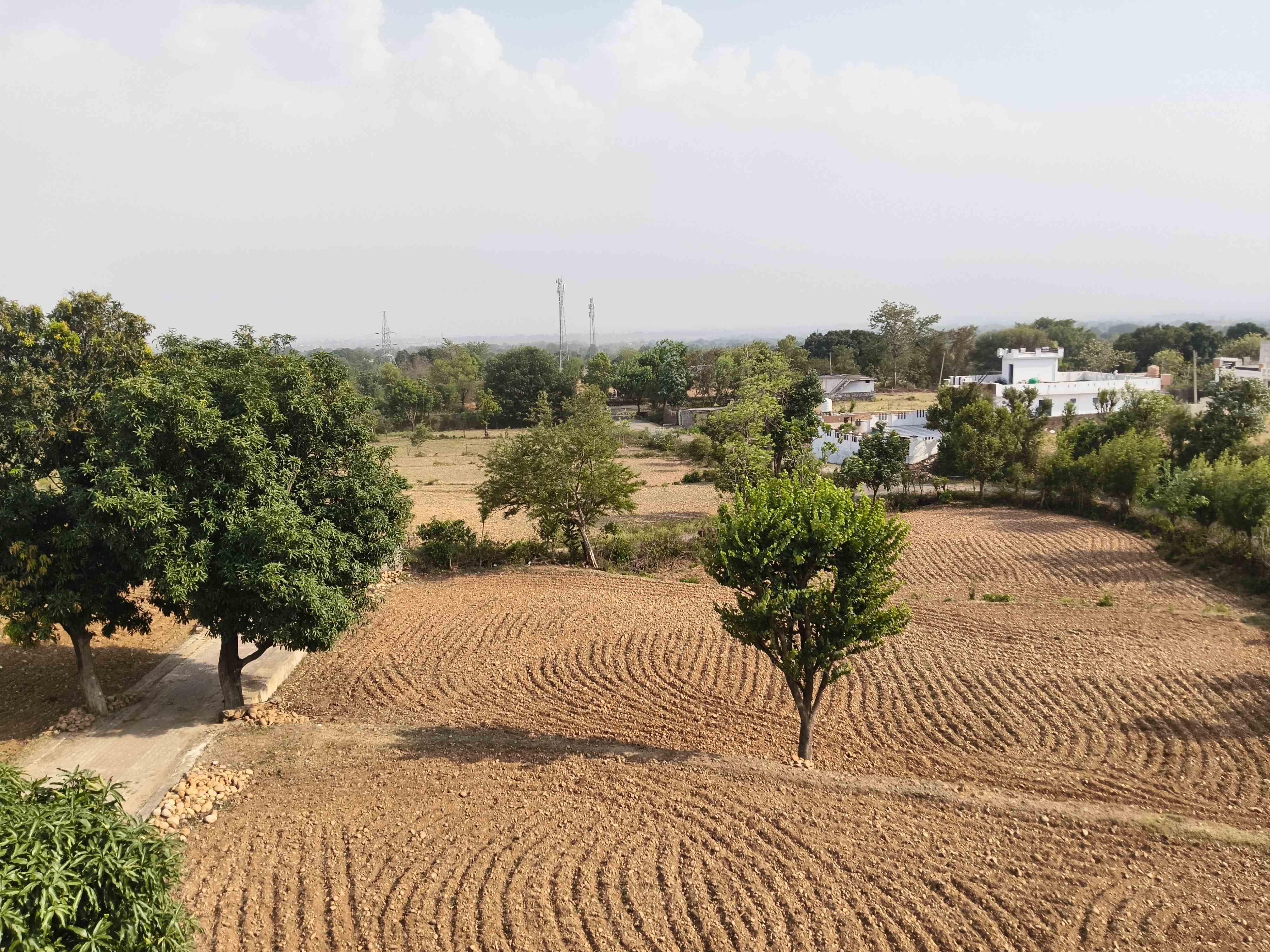
Dhok Khalsa is located in Jourian Tehsil of Jammu District, Jammu and Kashmir, approximately 18–20 kilometres from Akhnoor town. The village is connected to Akhnoor through a network of rural roads and can be reached by Matadors, buses, motorcycles, and private vehicles. The surrounding landscape mainly consists of agricultural fields, small forests, and rural settlements. Due to its favourable geographical location and fertile land, agriculture remains the major source of livelihood for the local population. The village experiences a subtropical climate, making it suitable for cultivating different seasonal crops throughout the year.
Agriculture
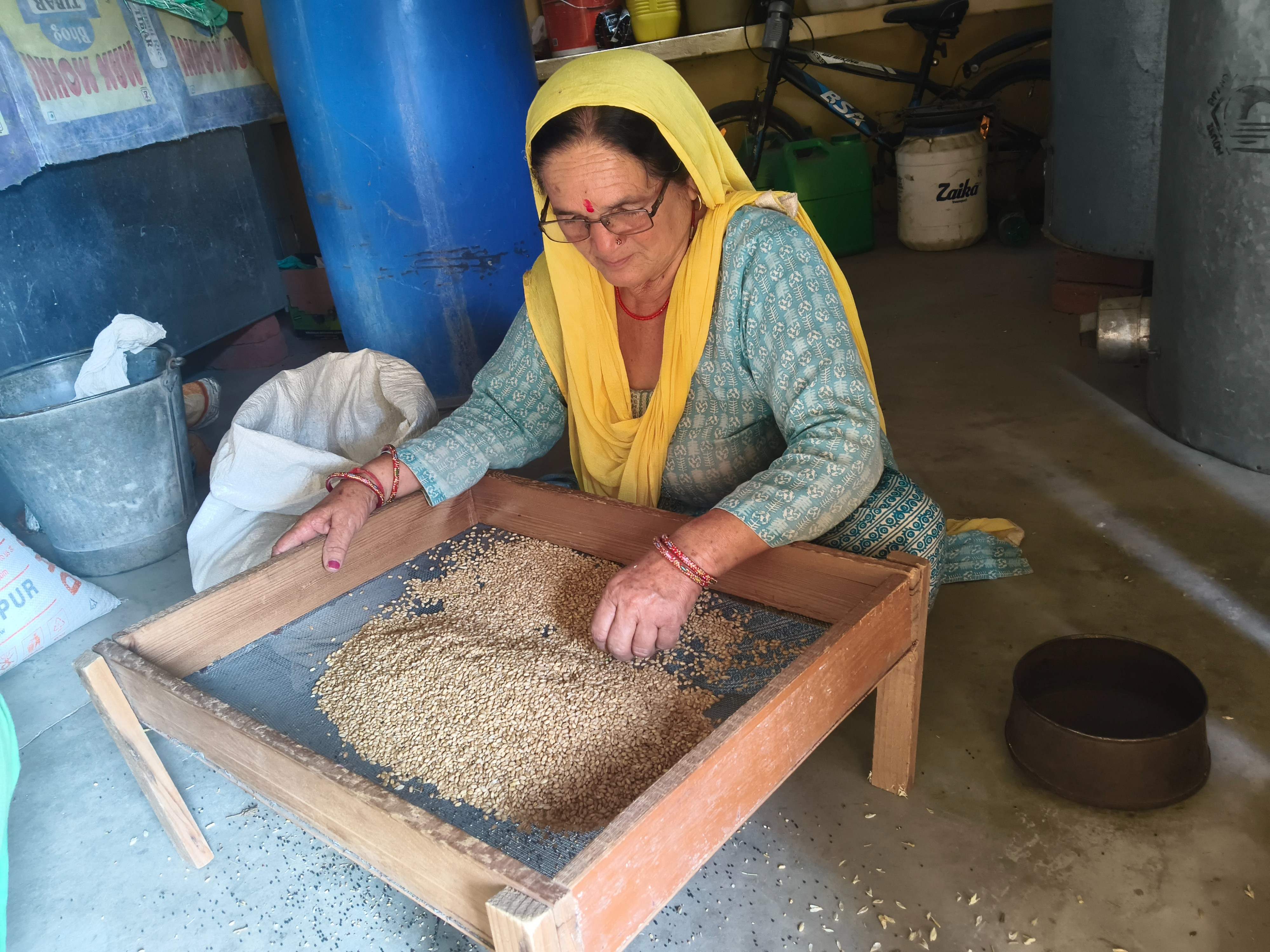
Agriculture is the backbone of Dhok Khalsa's economy, and a majority of the population depends on farming for their livelihood. Farmers cultivate crops during both the Rabi and Kharif seasons using traditional as well as modern farming techniques. Along with crop cultivation, dairy farming and livestock rearing, especially cows and buffaloes, provide an additional source of income. However, agriculture faces several challenges, including irregular rainfall, water scarcity in the Kandi area (locally known as Shokka), flood damage, and inadequate irrigation facilities. The village has only one tube well, which is insufficient to meet the irrigation needs of the growing farming population. Farmers have requested better irrigation systems, government support, modern farming equipment, and improved agricultural schemes to increase productivity.
Crops Grown in the Village
The fertile land of Dhok Khalsa supports the cultivation of a wide variety of crops throughout the year. The major crops grown include wheat, paddy (rice), maize, mustard, bajra (pearl millet), gram (chickpea), pulses, and various seasonal vegetables such as tomato, potato, onion, brinjal, okra, and leafy vegetables. Farmers also grow fodder crops like berseem and maize to feed livestock. Wheat and mustard are mainly cultivated during the Rabi season, while paddy and maize are grown during the Kharif season. Agriculture remains the primary source of income for most families and plays a significant role in the village's economy.
Education
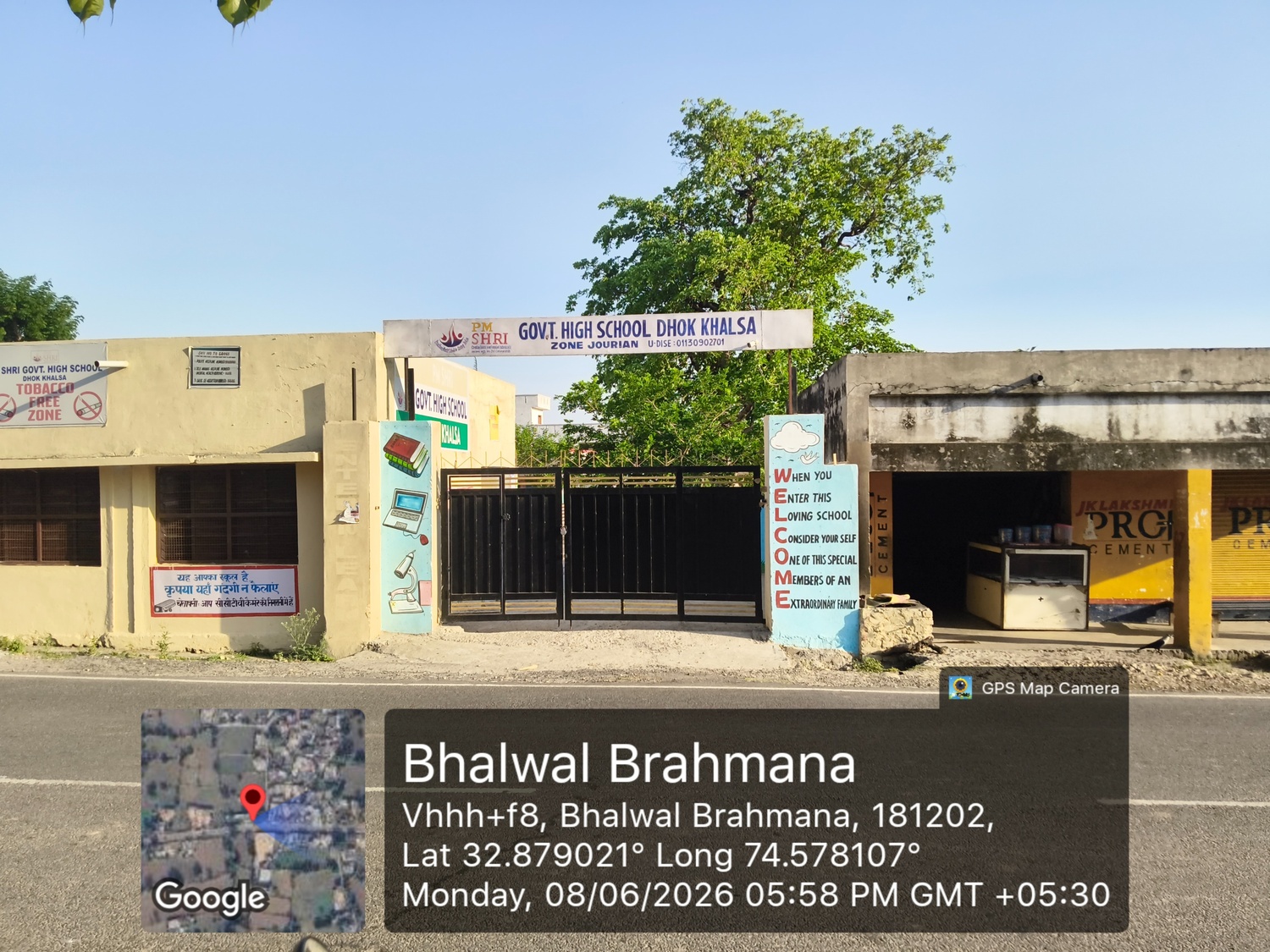
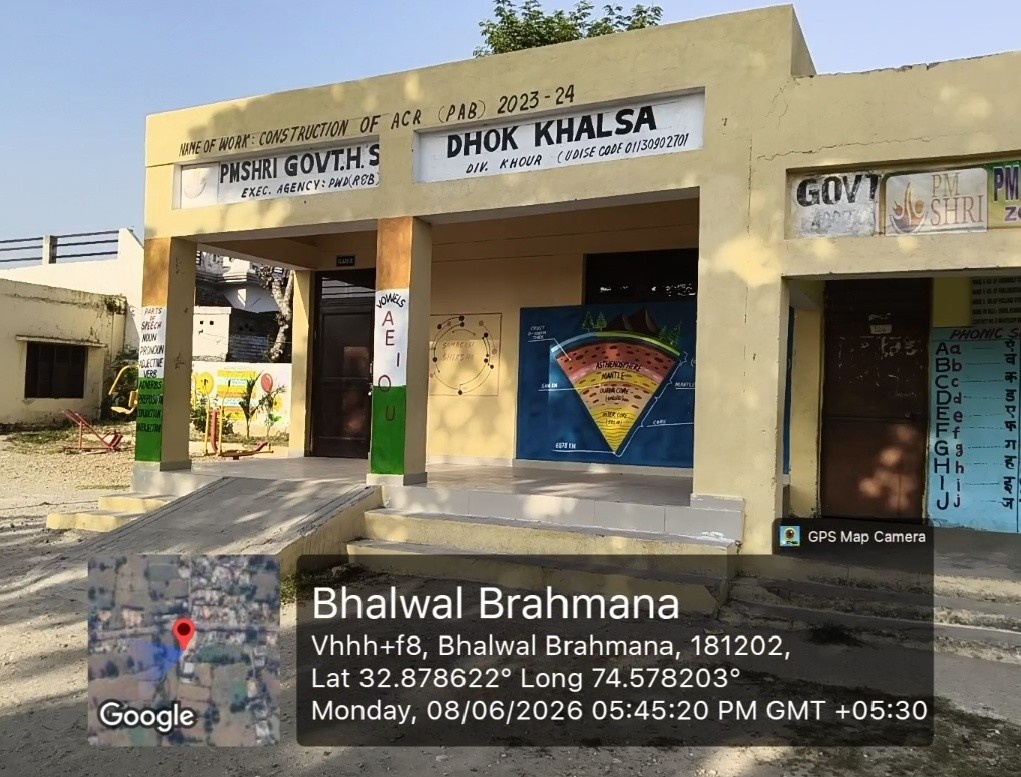
Education is one of the important sectors in Dhok Khalsa. The village has Government High School Dhok Khalsa, which provides education to students from the village and nearby areas. The school has a good number of students and basic educational facilities. However, the villagers expressed concern that the school has not yet been upgraded to Higher Secondary level, despite the increasing number of students. They also reported a shortage of teachers and the vacancy of one Headmaster post, which affects the quality of education. The villagers requested the government to upgrade the school, appoint additional teachers, and improve educational infrastructure so that students do not have to travel to other areas for higher studies.
Infrastructure
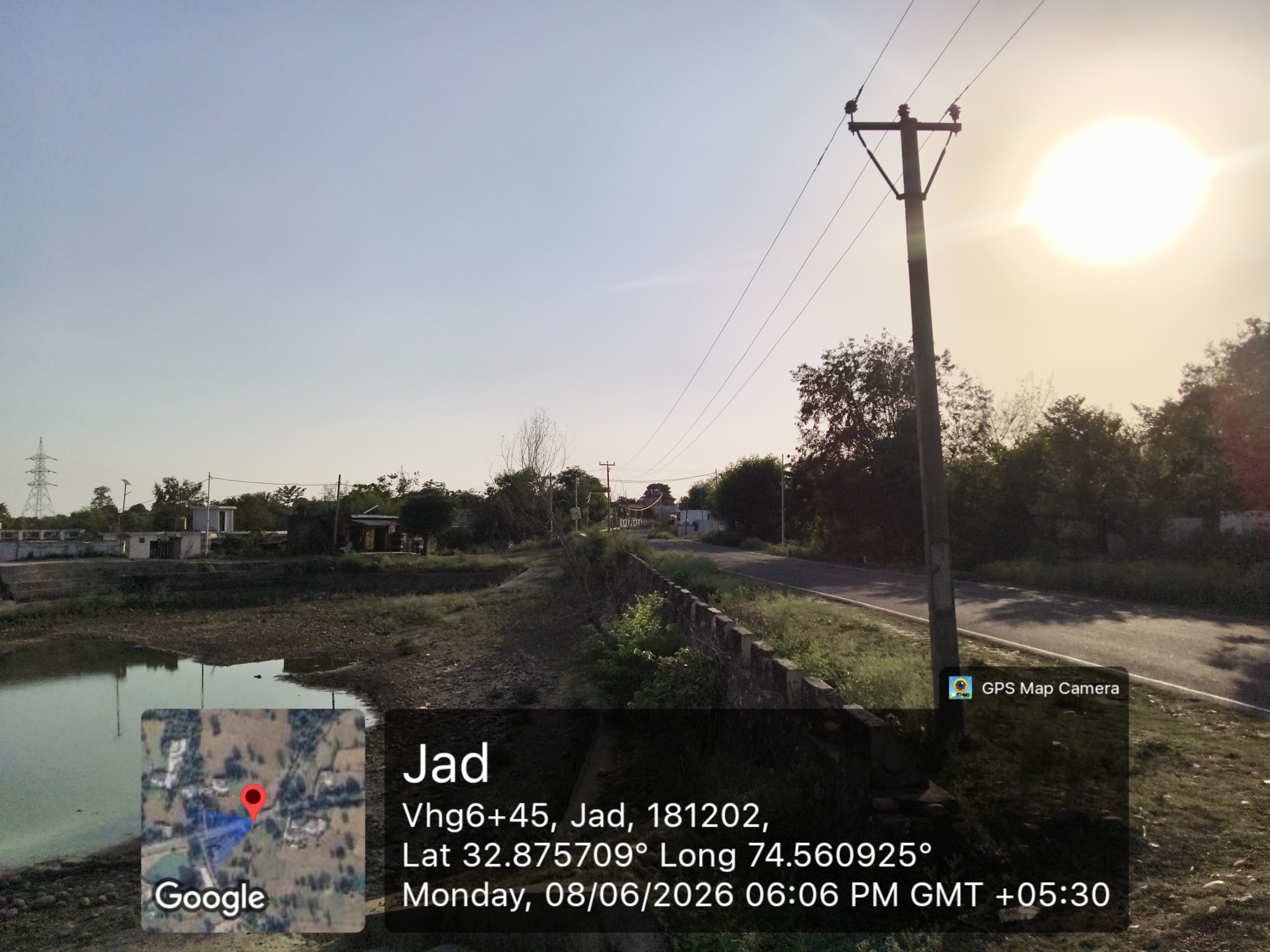
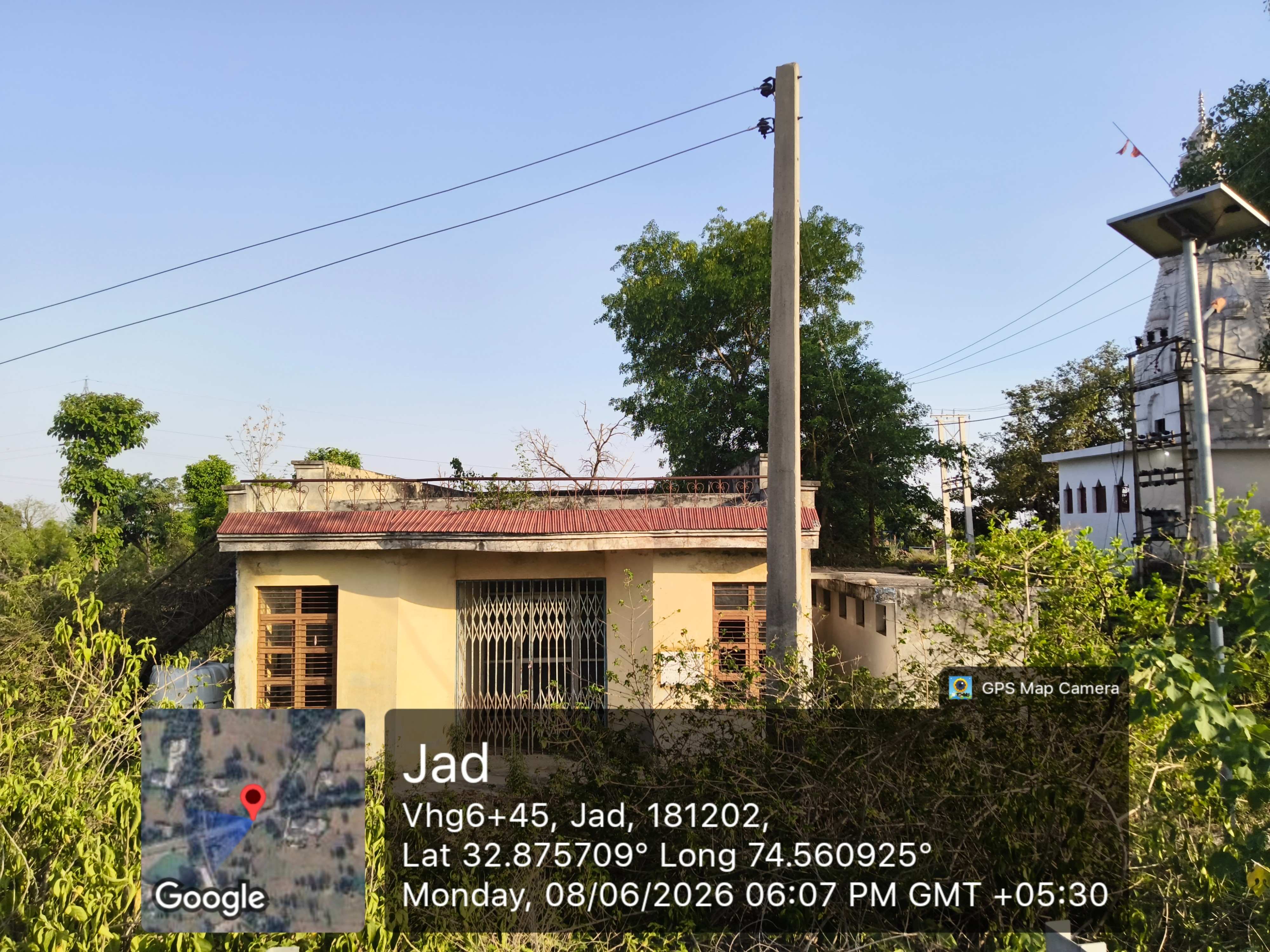
Dhok Khalsa has basic infrastructure facilities such as electricity, roads, schools, drinking water supply, and a Panchayat Ghar. However, many essential facilities still require improvement. Internal village roads are damaged and have not been properly maintained for many years. Electricity supply is irregular, and some wards do not have adequate transformers. The implementation of the Jal Jeevan Mission has not been fully satisfactory, leading to water-related issues. The village lacks a Primary Health Centre, veterinary hospital, bank, ATM, public library, sports complex, and proper parking facilities. Mobile network connectivity is poor in Ward No. 1, making communication difficult. The Panchayat Ghar is also too small for the present population and lacks sufficient staff for public services.
Development
Over the years, Dhok Khalsa has witnessed gradual development in road connectivity, electrification, education, and public participation through the Panchayat system. Religious places like Baba Maimal Dev Sthan contribute significantly to the cultural and spiritual identity of the village. Government schemes have also helped improve certain facilities; however, many developmental needs remain unfulfilled. The villagers demand better healthcare, improved irrigation, more employment opportunities, higher educational institutions, better transportation, and additional government support. They have also requested the creation of another Panchayat due to the increasing population and administrative requirements.
Major Issues Faced by the Villagers
Dhok Khalsa faces several developmental challenges that affect the daily lives of its residents. The internal roads of the village are in poor condition and have not received proper maintenance for nearly twelve years, making transportation difficult. The electricity supply is irregular, and Wards 2, 3, and 4 do not have adequate transformers, resulting in frequent power outages. The implementation of the Jal Jeevan Mission has not been satisfactory, and the village has only one tube well, which is insufficient for the growing population. Farmers in the Kandi area suffer crop losses due to water scarcity (Shokka), while floods also damage agricultural land and reduce productivity. The village lacks essential healthcare facilities such as a Primary Health Centre (PHC) and a veterinary hospital, forcing residents to travel to nearby towns for medical services.
The education sector also requires improvement. Government High School Dhok Khalsa has not yet been upgraded to Higher Secondary level despite having a large number of students. The school also faces a shortage of teachers and a vacant Headmaster post. Mobile network connectivity is poor, especially in Ward No. 1, affecting communication and digital access. There is no bank, ATM, public library, sports complex, or proper parking facility within the village. The Panchayat Ghar is too small for the current population and lacks sufficient staff. Youth unemployment remains a major concern, leading to migration in search of jobs, while increasing cases of drug and alcohol addiction among some young people have become a social issue. Villagers have also demanded the creation of two additional wards, an additional Panchayat, better public transport facilities, and improved government support to ensure the overall development of Dhok Khalsa.
Conclusion
The field visit to Dhok Khalsa provided a comprehensive understanding of rural life, local governance, and village development. The interaction with Sarpanch Shri Kalli Dass and the villagers highlighted both the strengths and challenges of the village. Dhok Khalsa possesses fertile agricultural land, a strong farming community, rich cultural traditions, and important religious heritage. However, significant improvements are required in infrastructure, healthcare, education, irrigation, employment generation, public transport, and communication facilities. With proper planning, effective implementation of government schemes, and active participation of the local community, Dhok Khalsa has the potential to become a well-developed and self-sustaining village in the coming years.
Photos
Videos
Location Map
Contact Information
| Address |
Village Dhok Khalsa, |
| Phone Number |
Reviews (4)
Nice work...

Nice work 👍
Well done!

Great Work !!